Yijia Zhang
yijiazhang0403@gmail.com
Sydney, Australia
Yijia Zhang
yijiazhang0403@gmail.com
Sydney, Australia
My approach to architecture and design is deeply rooted in my passion for culture, technology and creativity. I'm dedicated to creating futuristic communities that honor the history and their spiritual heritage, integrating cultural characteristics into architecture to evoke a sense of spiritual resonance. Moreover, I hold a profound respect for Australia's native Aboriginal culture and incorporate its wisdom into the design. Furthermore, I'm also enthusiastic about technology-aided design and its role in the future of architecture. I firmly believe that the technological era will significantly enhance architectural development, particularly through AI and human-robot collaboration, and the application of mathematics and biology. Additionally, I am passionate about sustainable design practices, employing building energy analysis, recycled materials, and innovative design techniques to address the challenges of climate change.
PROFESSIONAL PROJECTS
BASED RESORT Wadi Tayyib, Saudi Arabia 1 2
IN ALULA Alula, Saudi Arabia
[Nov.2021 - Dec.2021]
[Nov.2021 - Mar.2022]
CHAIR Large Scale Robot 3D Printing HETEROGENEOUS SPACE Parramatta Road, Sydney, Australia
[Mar.2018-June.2018]
[Mar.2020-June.2020]
Pre-Concept Masterplan
Feb.2023 - Aug.2023
Design Team: Chris Bosse, Riccardo Allegri, John Blanchard, James Eid, Yijia Zhang, Yuhao Feng, Vietnam Team
Responsibilities: Architectural Designer
Percentage of Input: 10%
Design Director: Chris Bosse
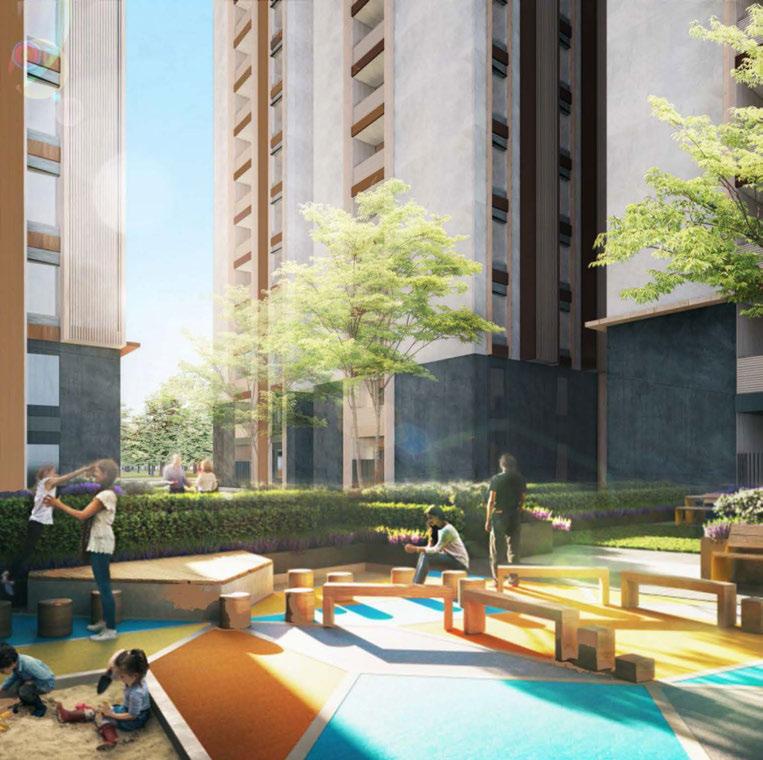
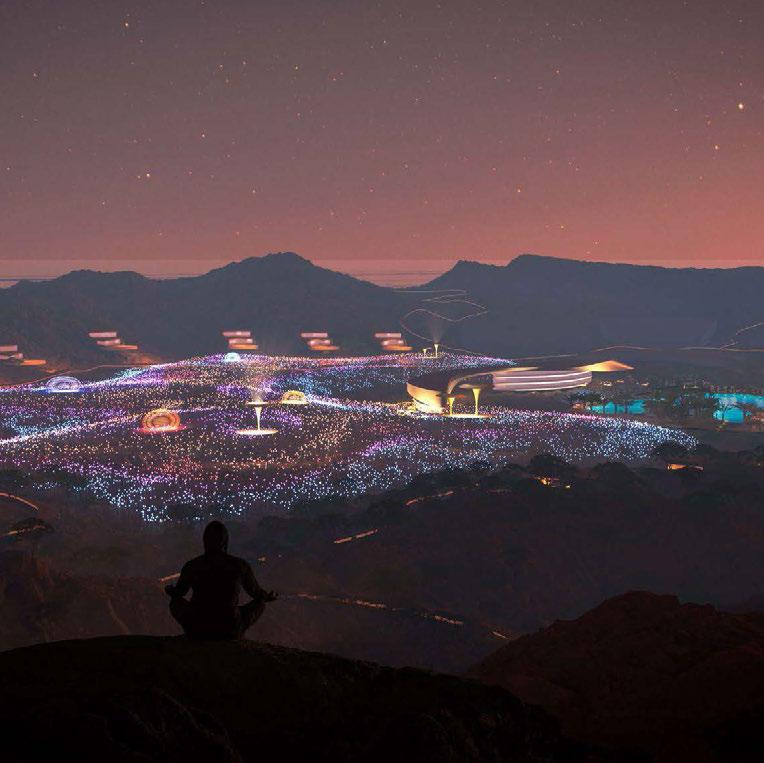
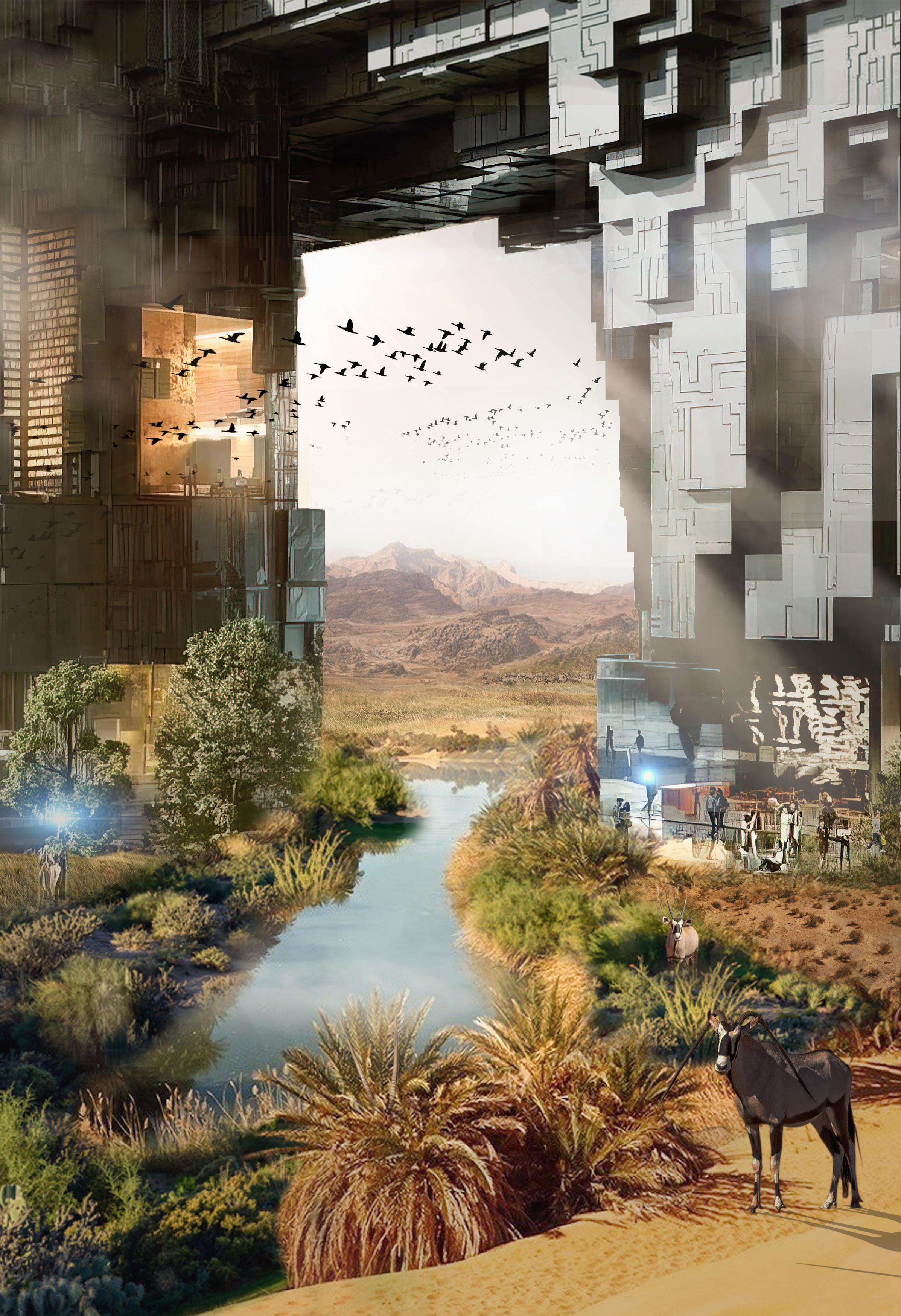
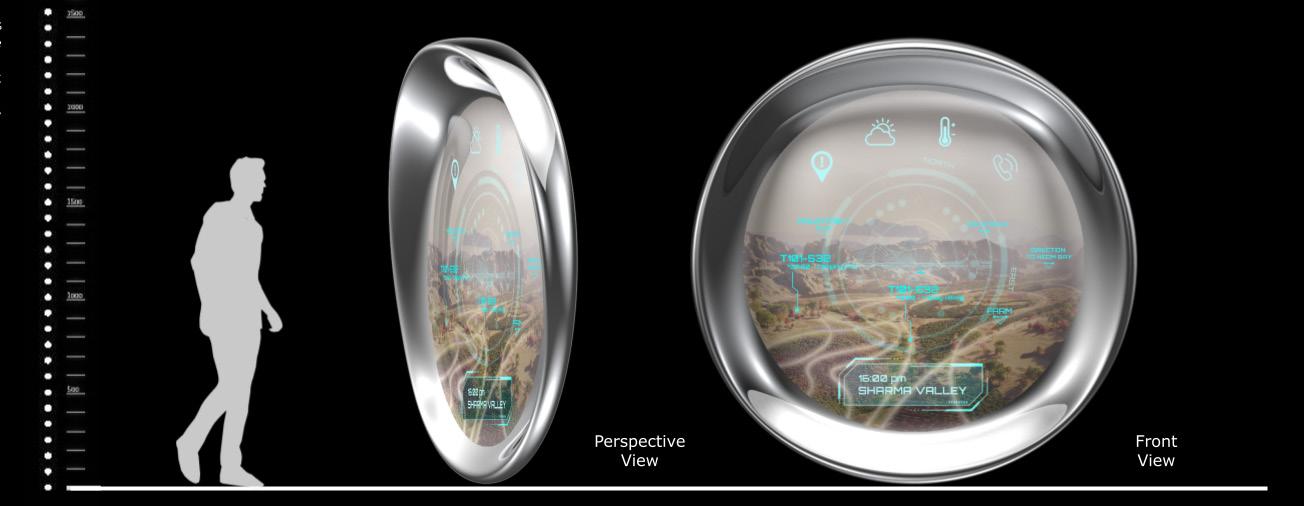
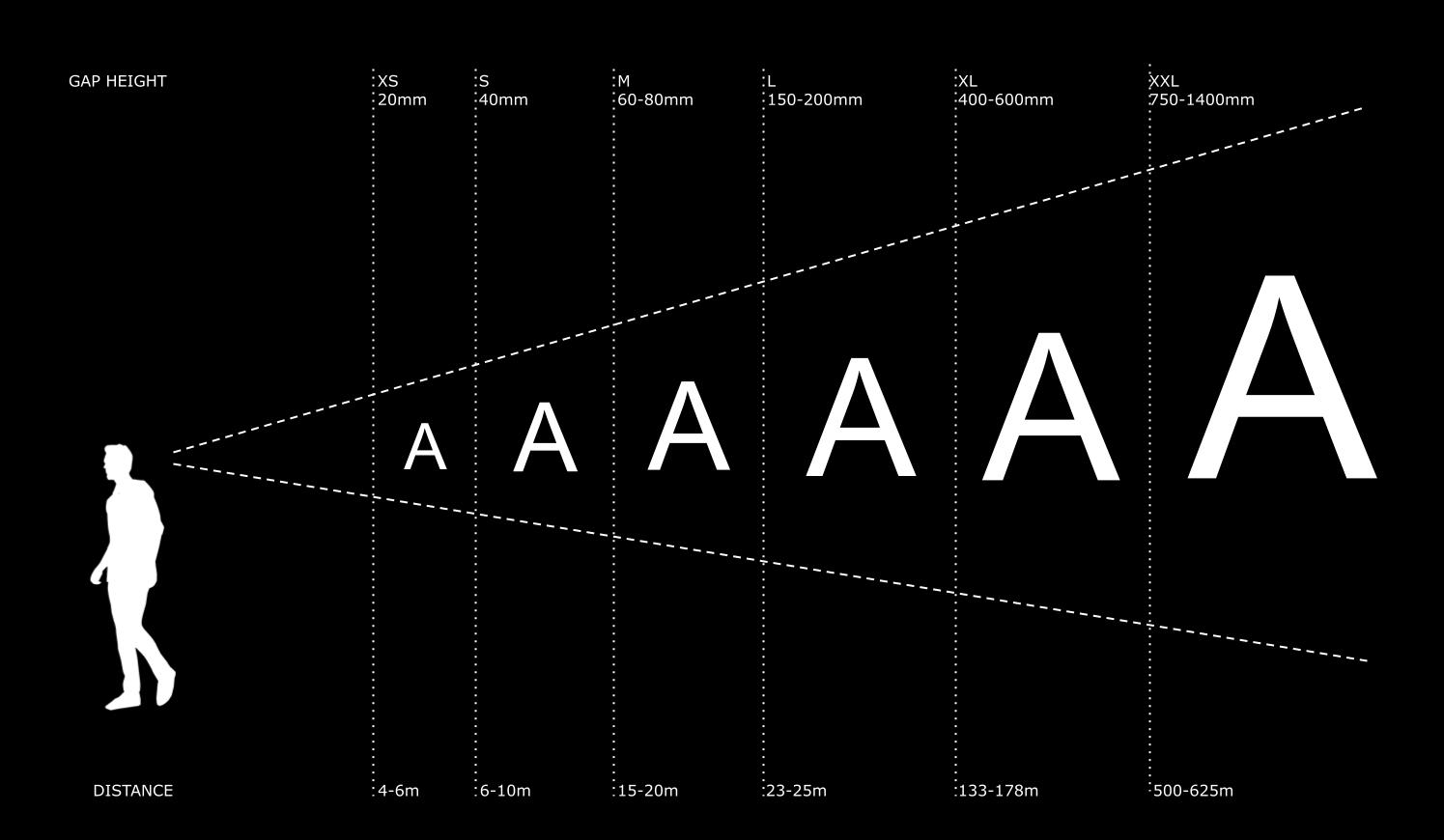
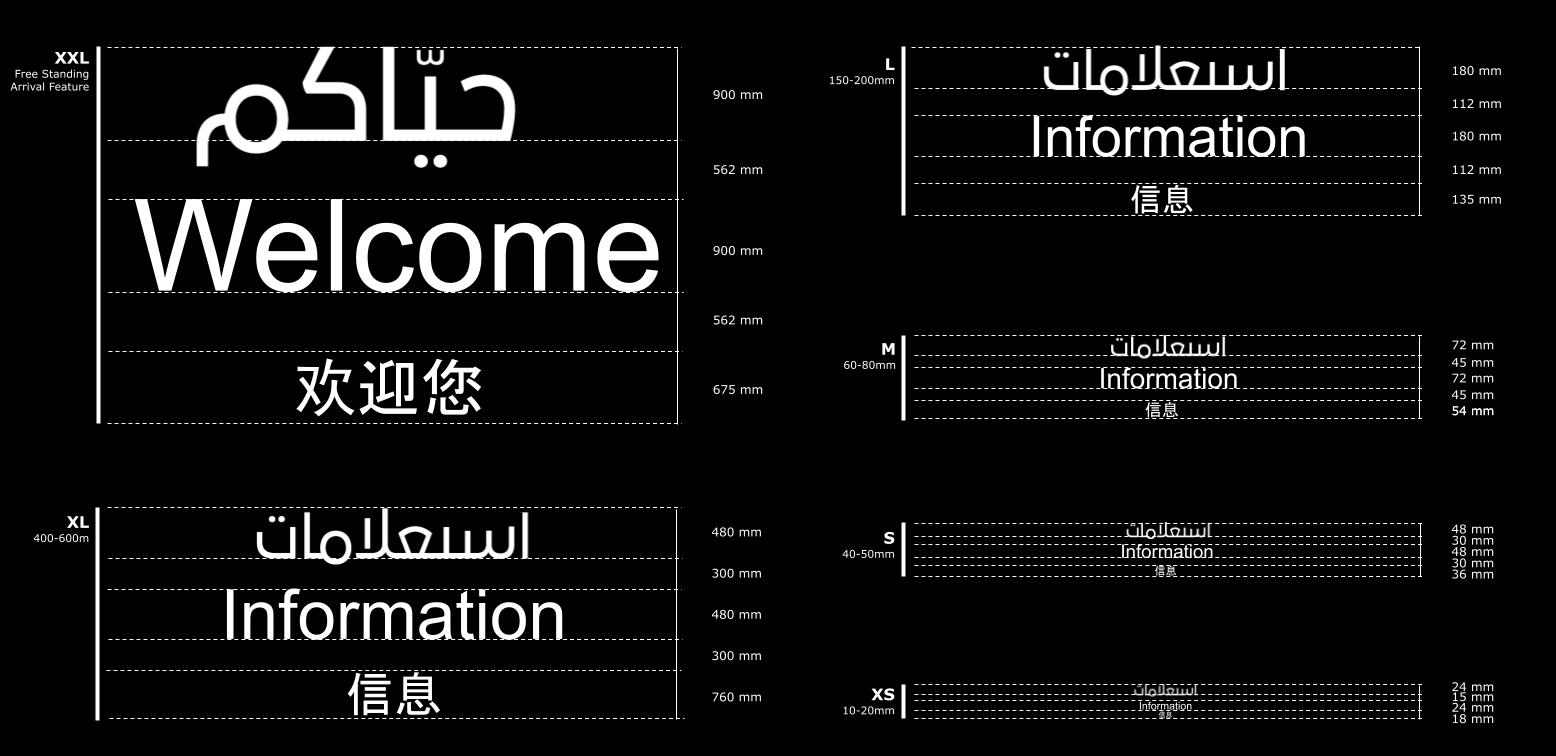
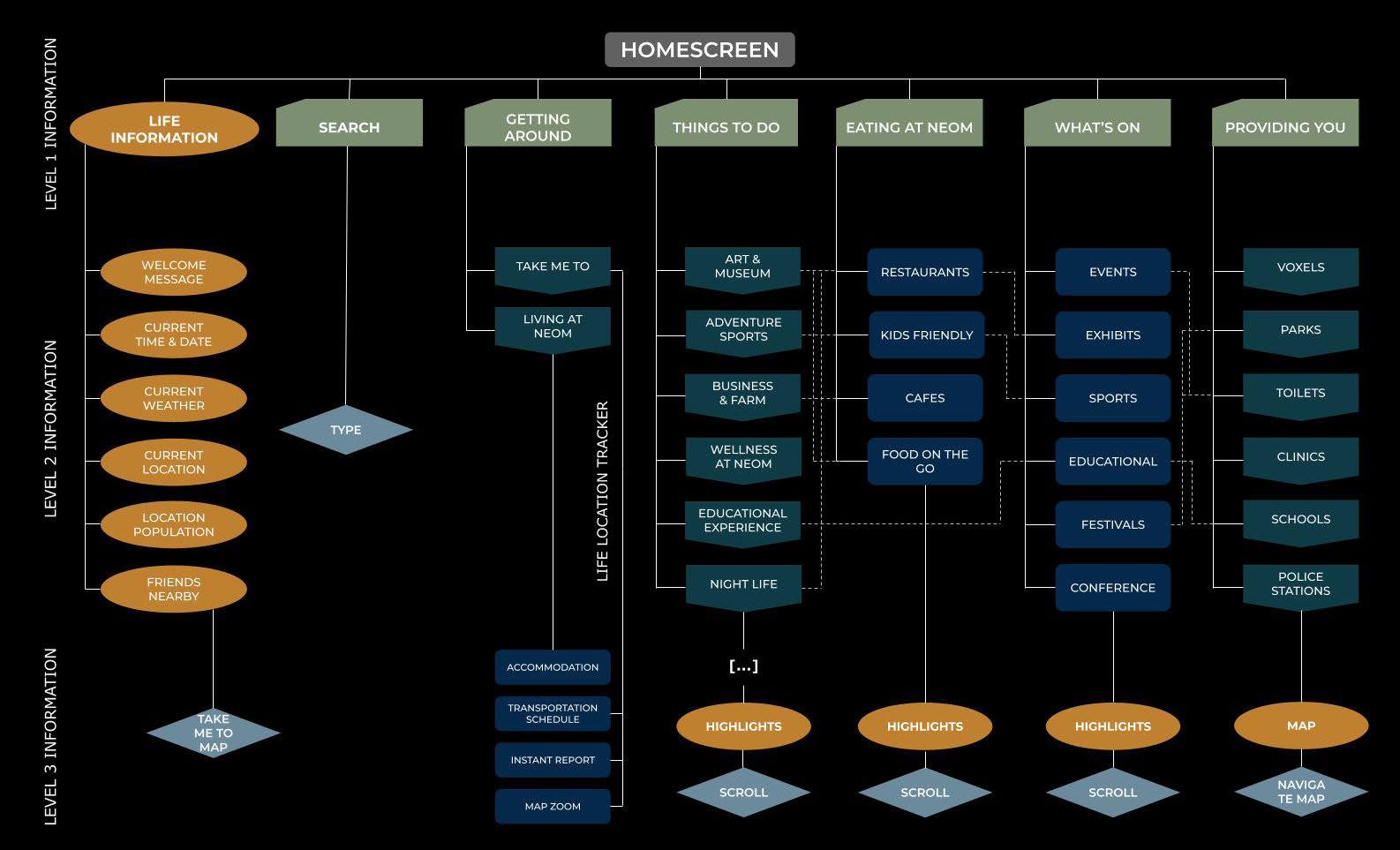
The Line, an integral component of the NEOM project, stands as a revolutionary concept in urban development. Nestled within the expansive NEOM region in northwest Saudi Arabia, The Line is envisioned as a 170-kilometer-long city of the future, redefining conventional urban planning. Distinctive in its design, The Line eschews traditional transportation, creating a pedestrian-friendly environment free from cars. This linear city is driven by a commitment to environmental sustainability, leveraging advanced technologies, renewable energy sources, and innovative infrastructure to foster a harmonious coexistence between humanity and nature.
With a planned population of one million residents, The Line seeks to propel Saudi Arabia into a new era of prosperity, fostering economic diversification and cultivating a thriving community. As part of the larger NEOM initiative, The Line epitomizes a bold vision for a smarter, greener, and more connected future, embodying the essence of progress in urban living.
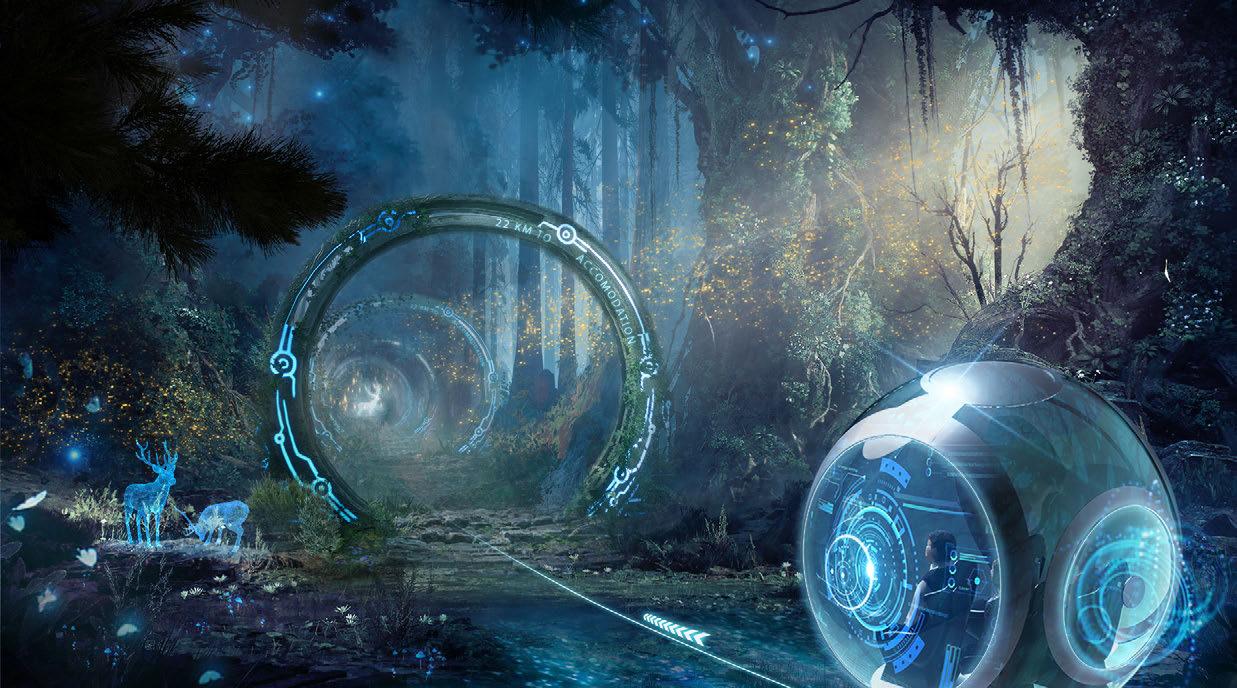
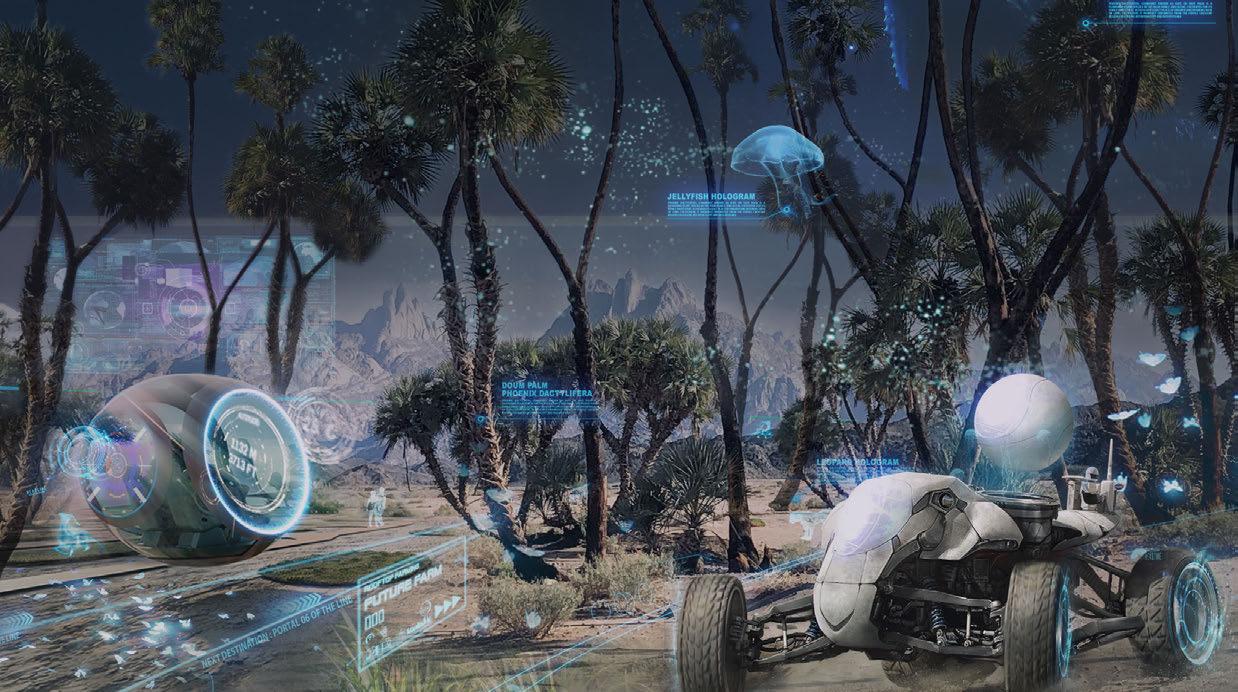
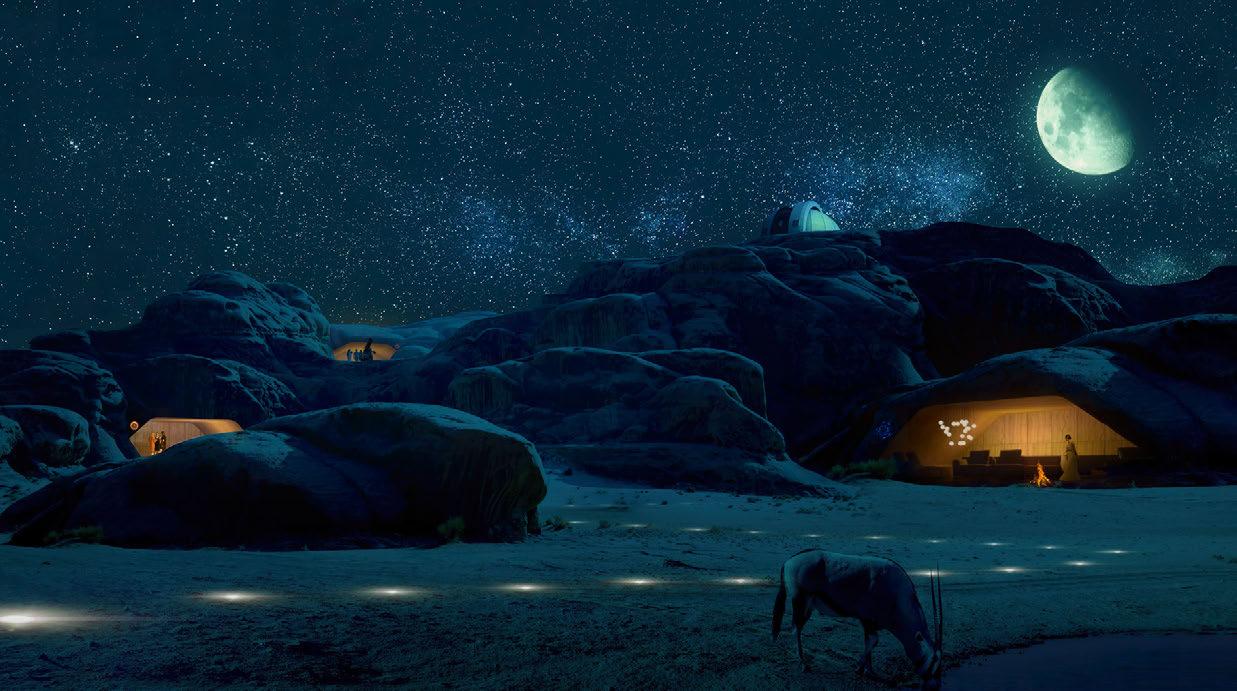
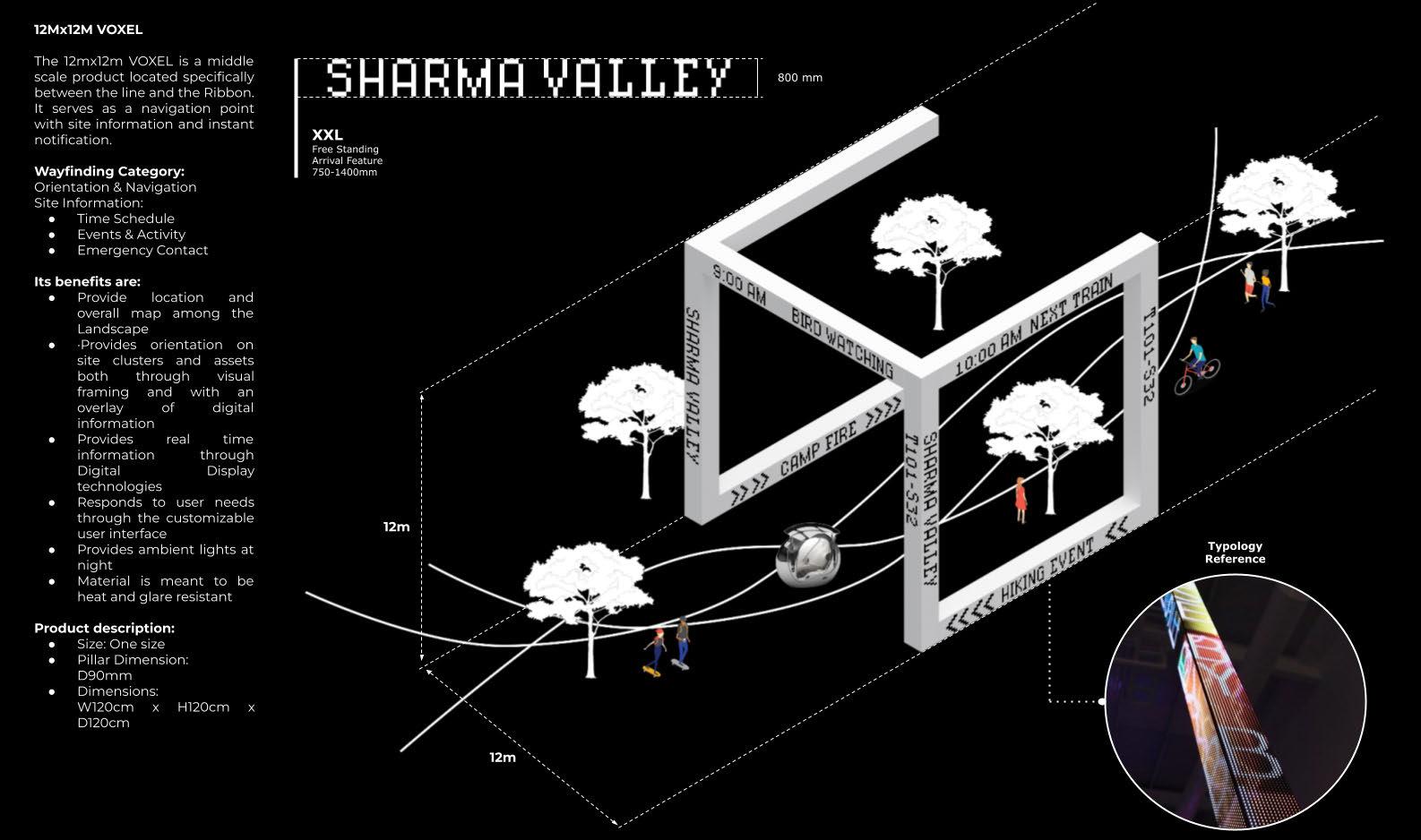
The design of the landscape area of The Line requires a multidisciplinary planning approach to address a range of strategic, design, infrastructural, conservation and real estate considerations involving:
• Client vision as part of overall NEOM and as a unique nature-oriented project
• Unique and immersive user experiences for residents of The LINE, tourists, and recreational visitors
• Uniqueness, vibrancy, attractiveness, dynamism, and all-year-round comfort of public realm areas
• Conservation and enhancement of environmental, natural, and cultural aspects
• Provision of efficient infrastructure and mobility
• Viability of phased real-estate development maintaining liveability
Nov.2021 - Dec.2021
Design Team: Riccardo Allegri, Yijia Zhang, Xinyu Chen, ALexandra Kwok
Responsibilities: Main Designer
Percentage of Input: 30%
Design Director: Chris Bosse
NEOM project was announced in October 2017 and attracted global interest. This was in part due to the un-paralleled vision and aspirations for the project: “The land of the future, where the greatest minds and best talents are empowered to embody pioneering ideas and exceed boundaries in a world inspired by imagination “. NEOM seeks to attract top talent from around the world to push the boundaries of innovation like never before and, in turn, drive the growth of this area, its residents, and the Kingdom of Saudi Arabia.
The Gulf of Aqaba is located close to the northwest border of Saudi Arabia. It comprises over 130 kilometres of the most impressive landscape in the Middle East. The landscape ranges from open desert interspersed with picturesque lagoons and coves, to lying rock forming the foot of the nearby mountain range, to vertical cliffs descending into the extremely deep Gulf itself.
Woven into this windswept coastline are the multiple wadi which occasionally flow into the Gulf where a vast coral reef and marine habitat make the Gulf of Aqaba one of a kind on a worldwide scale.
The Gulf of Aqaba is one of the most exceptional regions in NEOM and Saudi Arabia with approximately 430 km2 of exceptional, undiscovered mountainous and coastal terrain of great significance and extreme natural beauty.
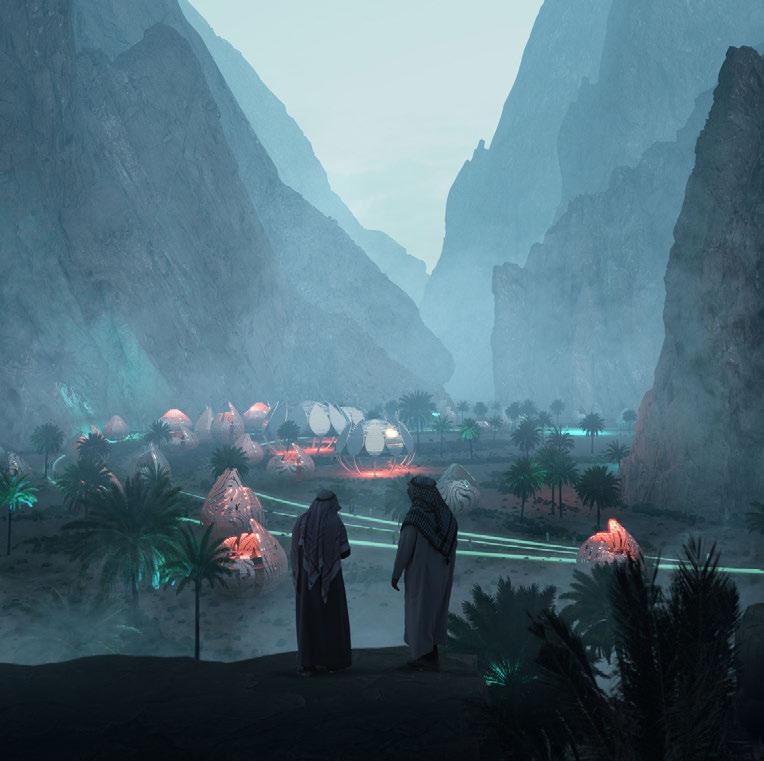
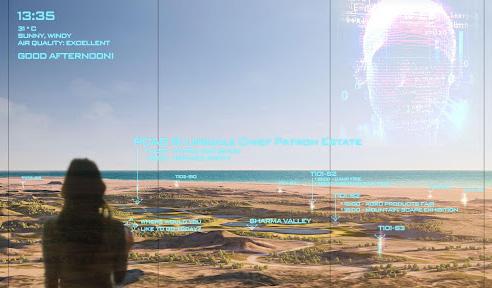
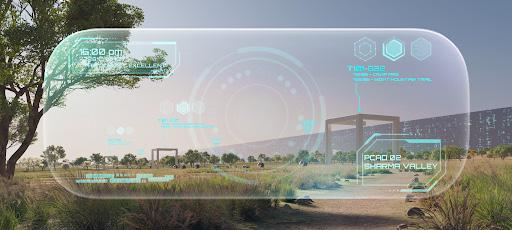
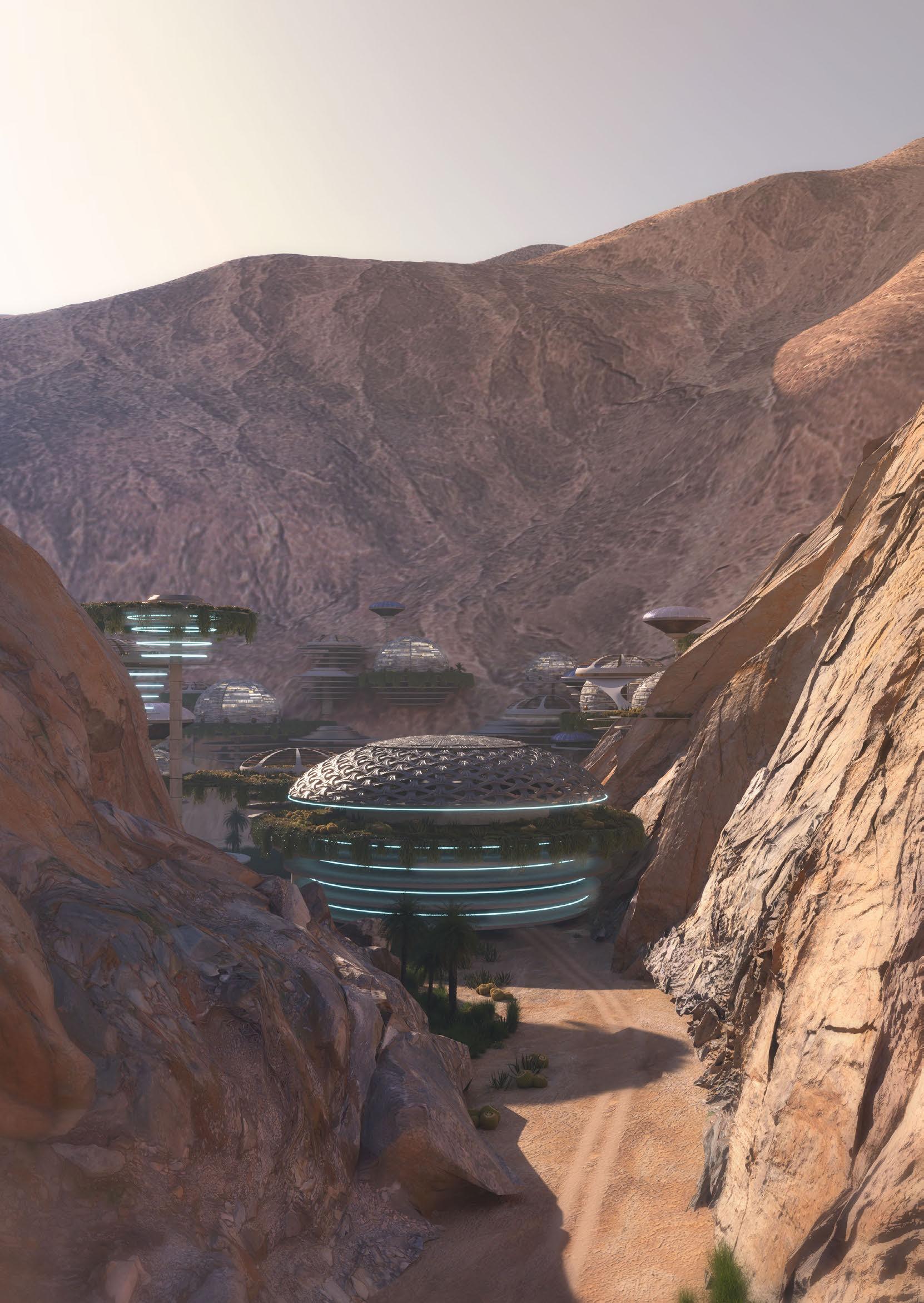
The Gulf of Aqaba Nature Based Resort is an ultra-luxury exclusive destination embedded in the Magna Oasis. The ancient Moses Springs are supplying the lush thick green with fresh water and make it a unique destination for nature-focused luxury tourism.
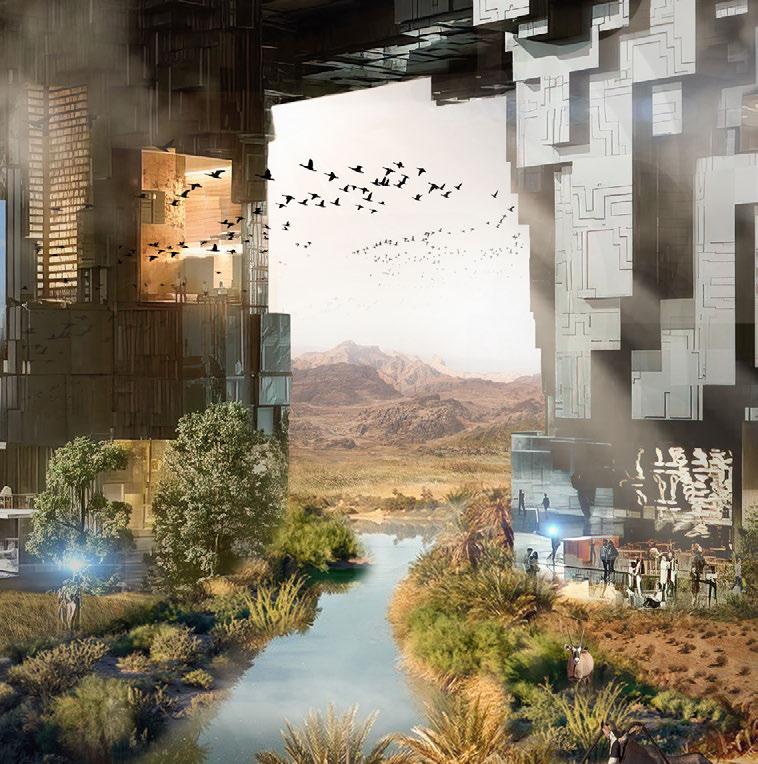
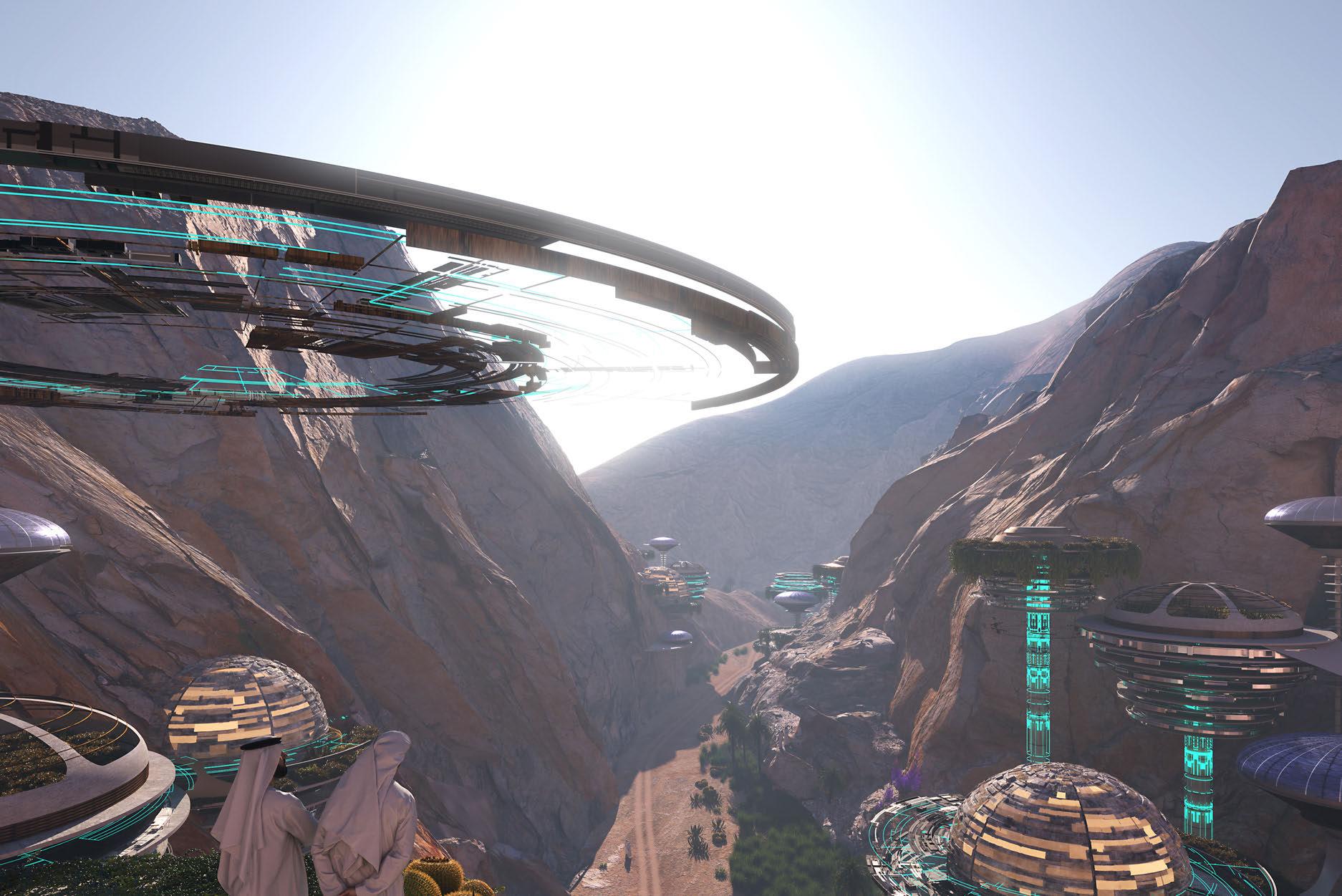
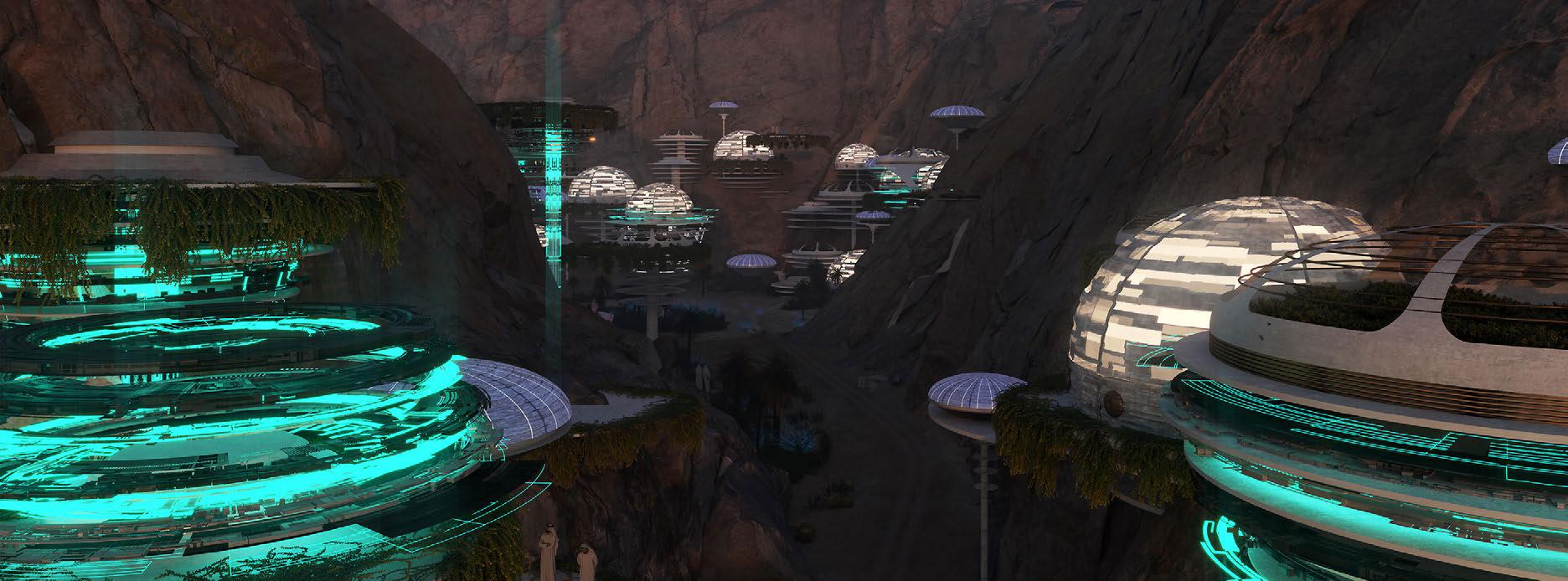
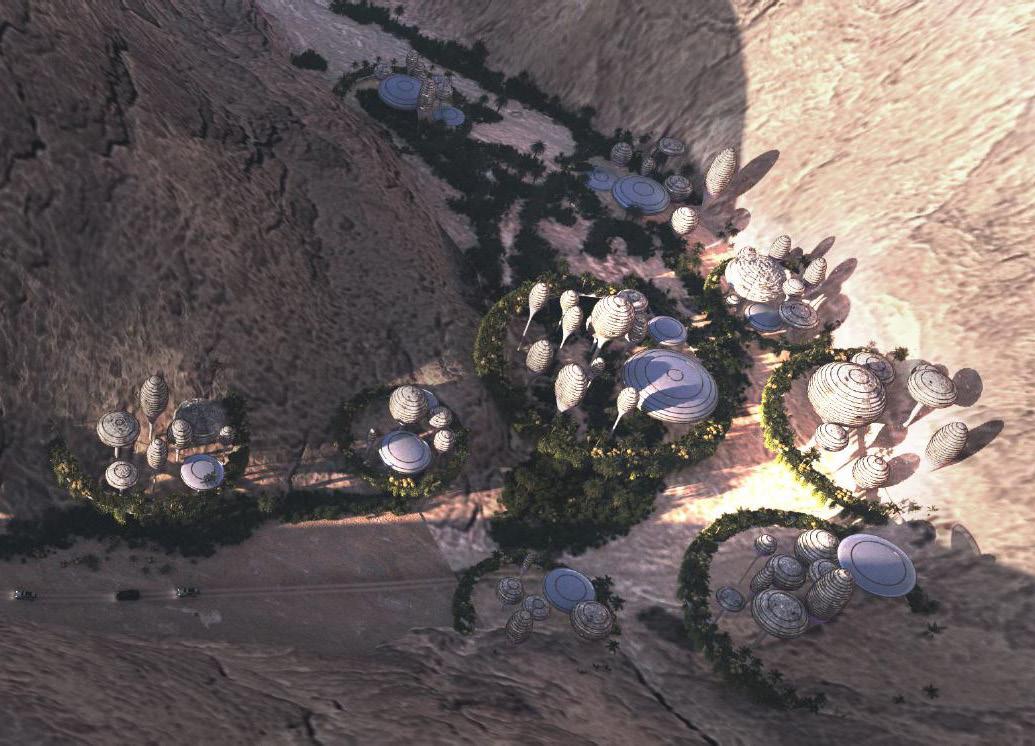
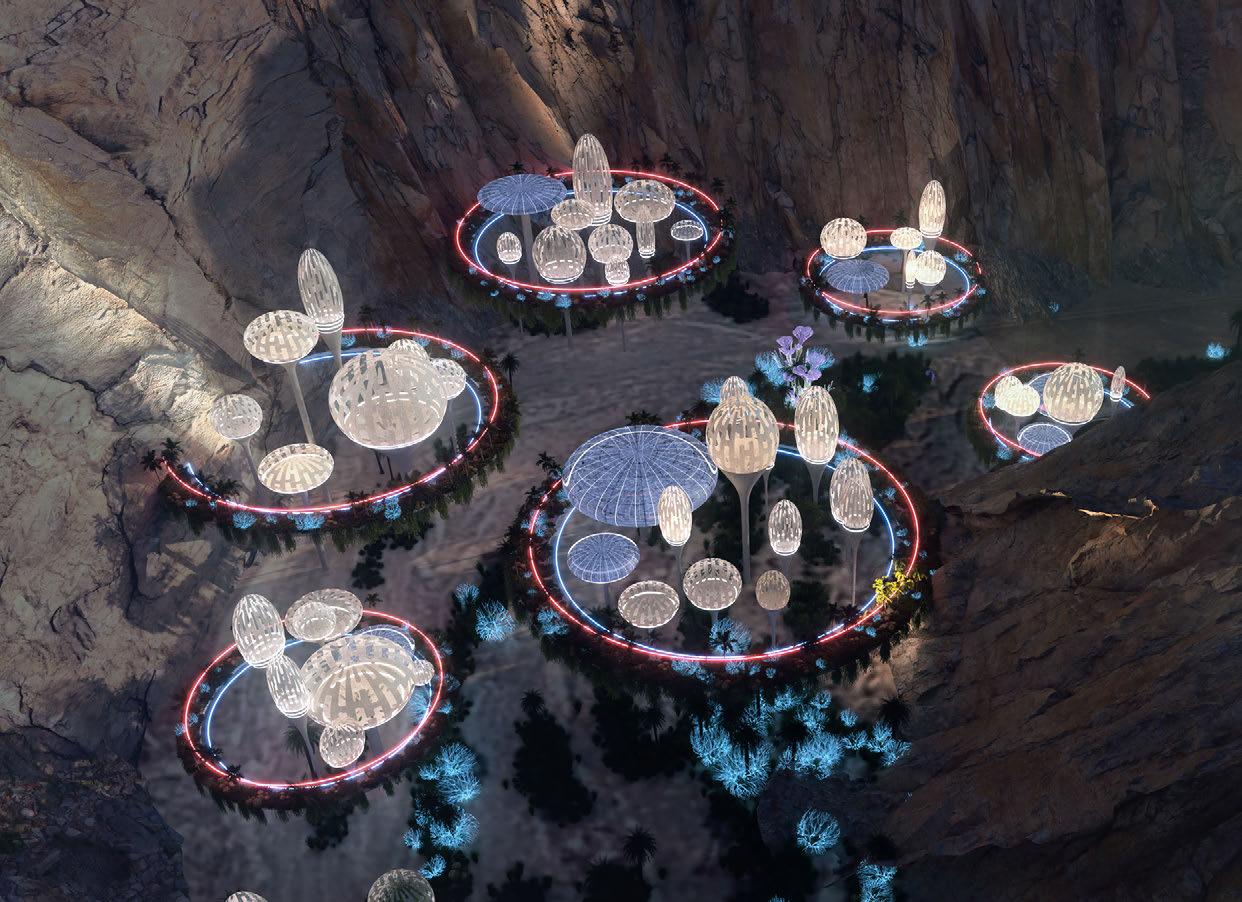
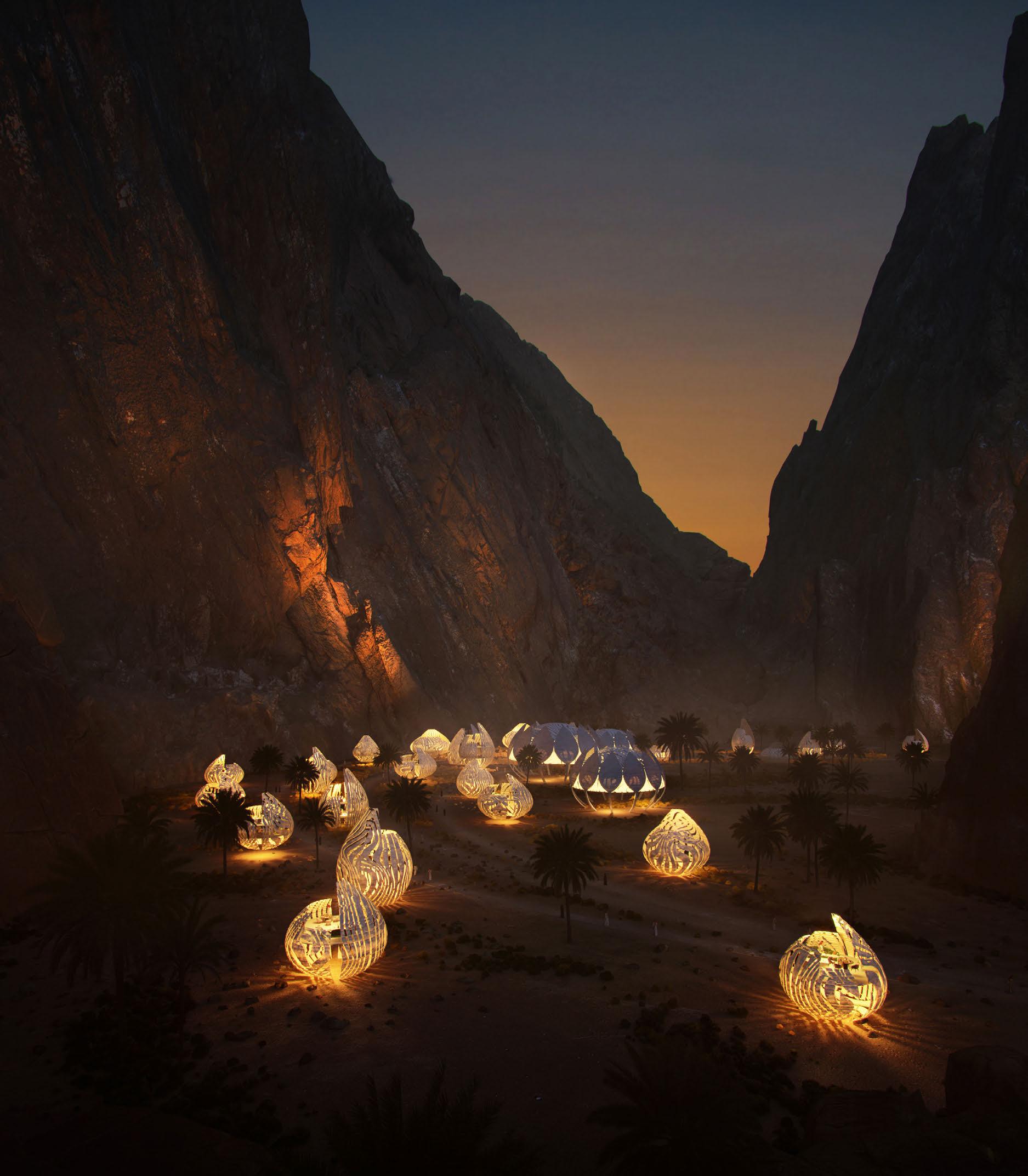
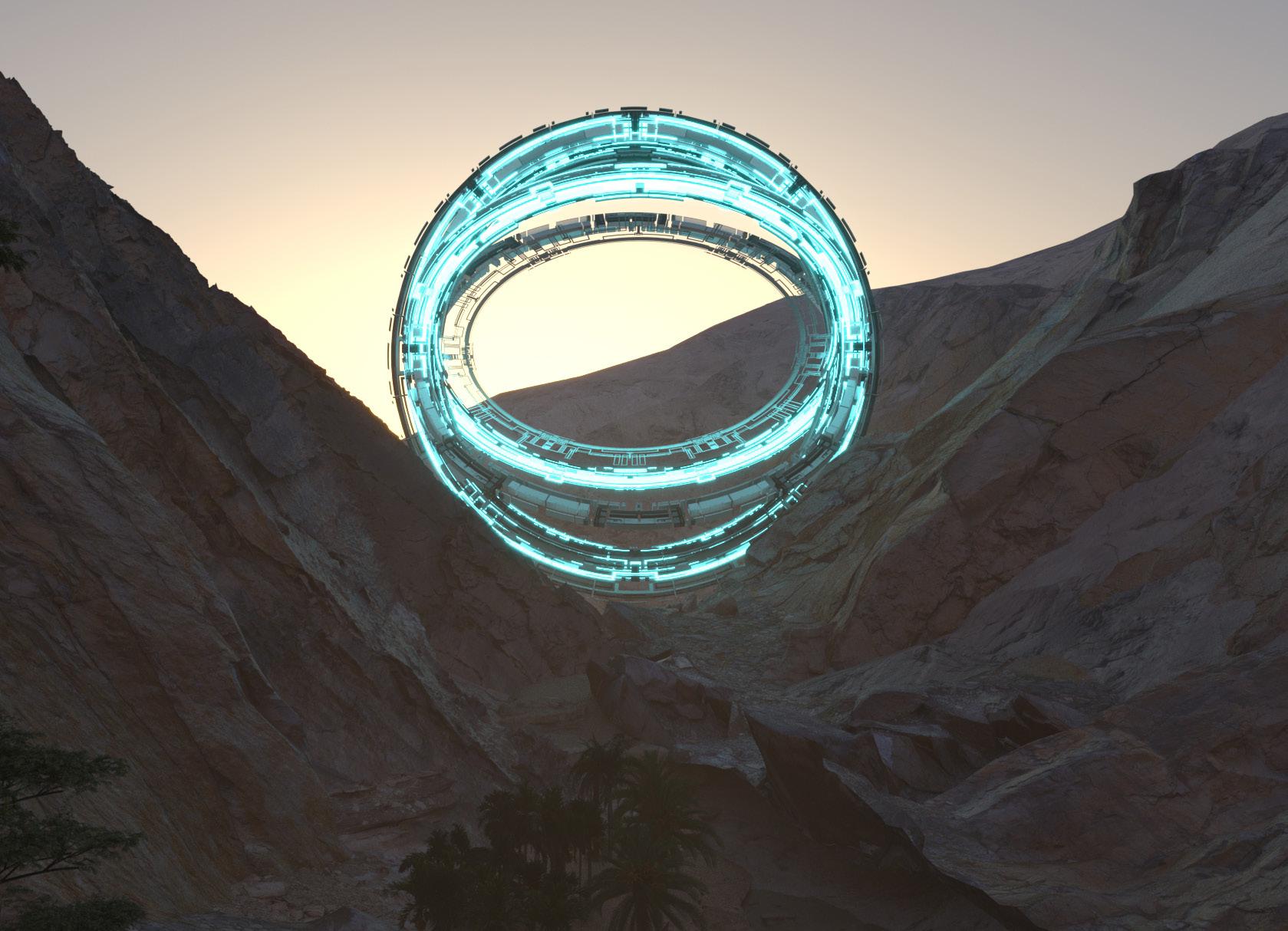
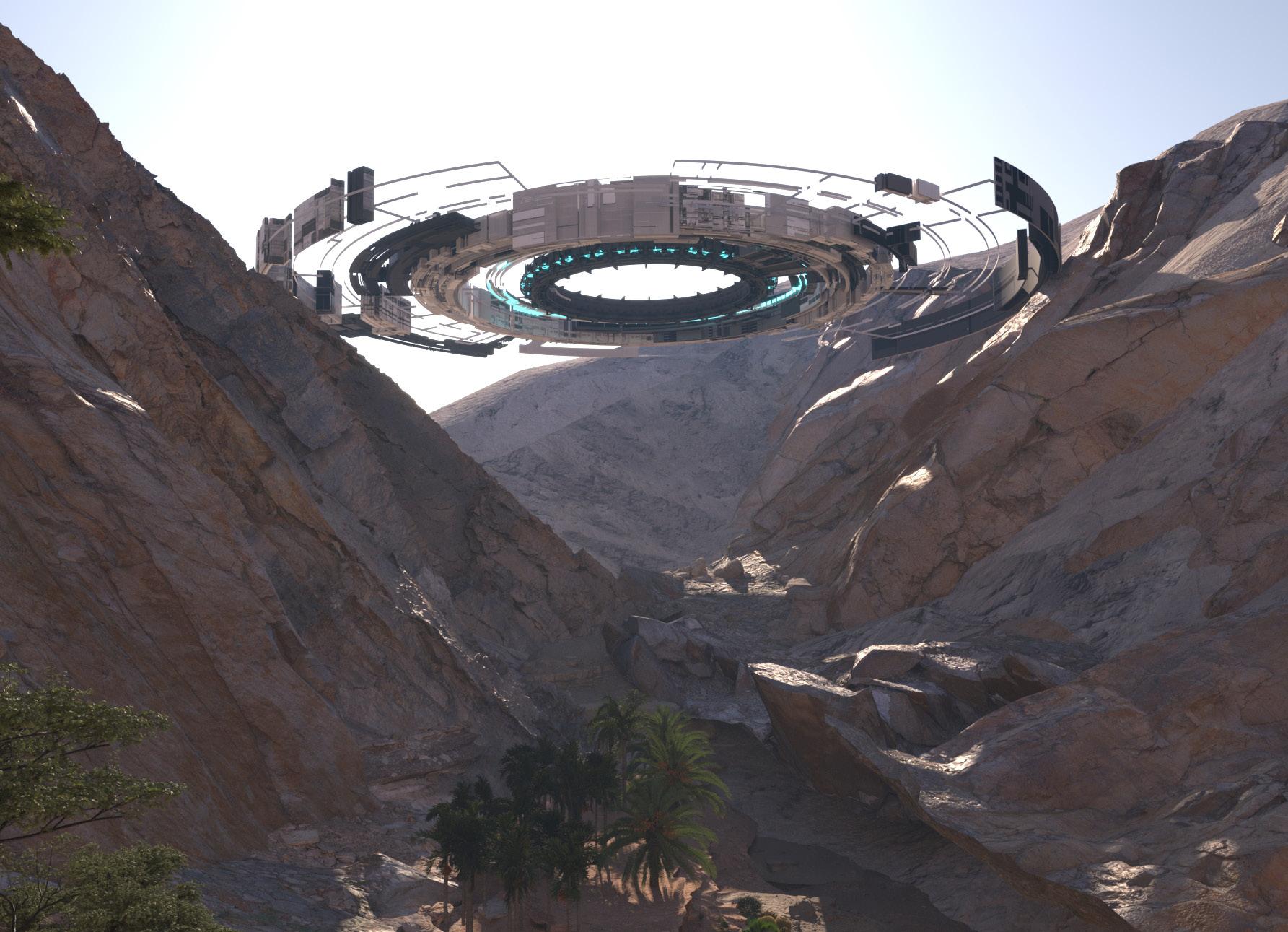
The project is a pre-concept design and consists of four architectural languages: Solarpunk, Post CyberPunk, Biopunk and Singularity.
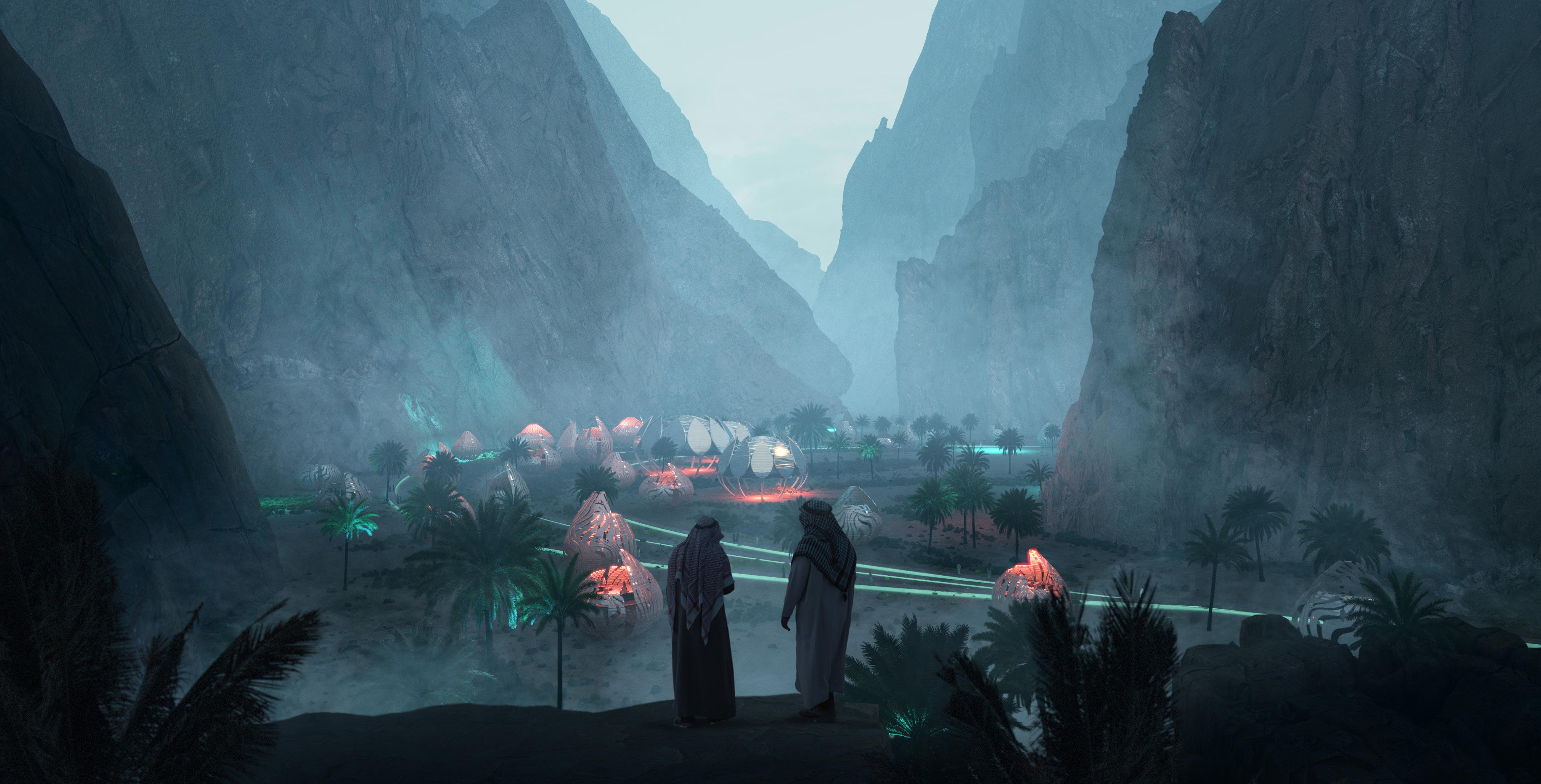
Solarpunk: The Starwars Village
A reinterpretation of a Star Wars village style in a natural setting overlooking the wadi
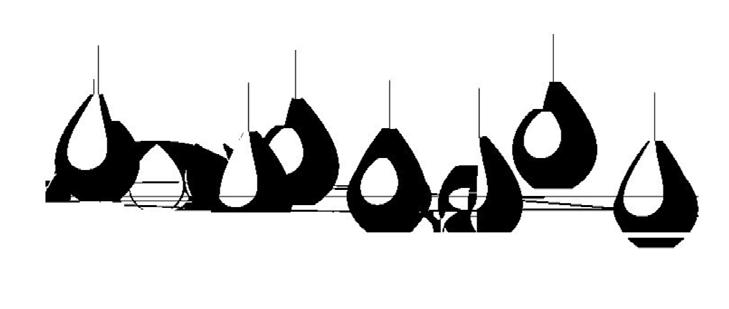
Post CyberPunk : The Lantern Village
A Series of glowing pods leaning from the edge of the wadi, and illuminating the journey through valley
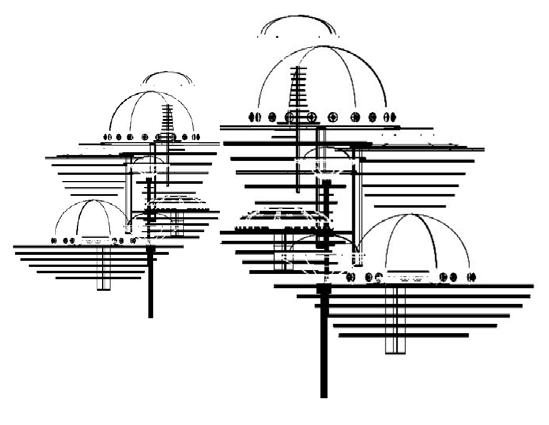
Biopunk: The Wadi Village
A series of interconnected resorts located on an elevated walkway set within the beautiful wadi landscape
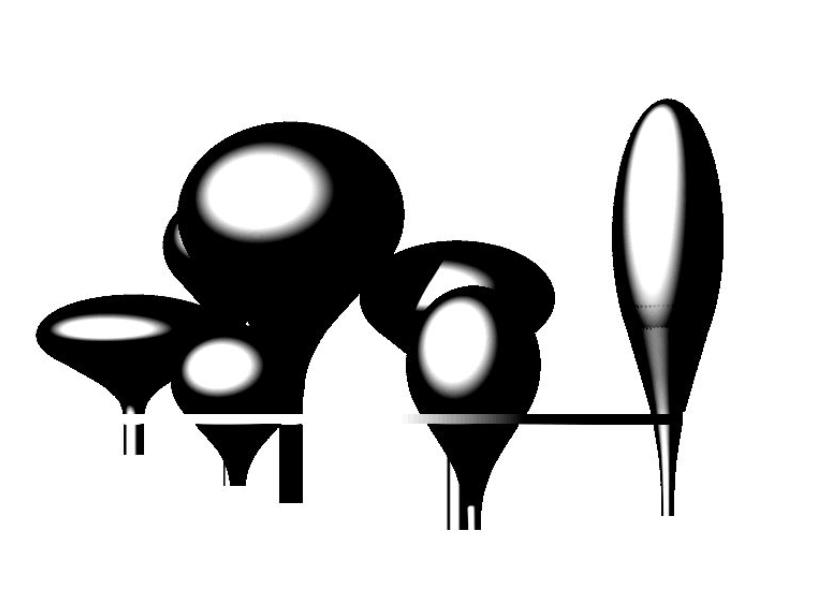
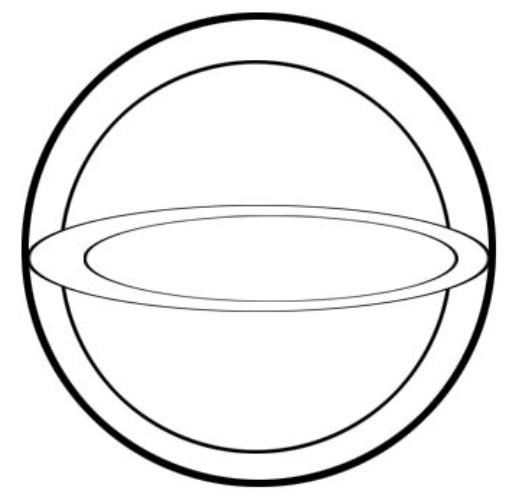
Singularity: The Canyon Scrambler Utopian development set in between the two sides of the majestic Wadi

Architects for 100 Houses
Nov.2021 - Mar.2022
Design Team: Riccardo Allegri, John Blanchard, Yijia Zhang, Xinyu Chen, James Eid, Jiaxin Lin, Vietnam Team
Responsibilities: Project Coordinator, Main Designer
Percentage of Input: 50%
Design Director: Chris Bosse
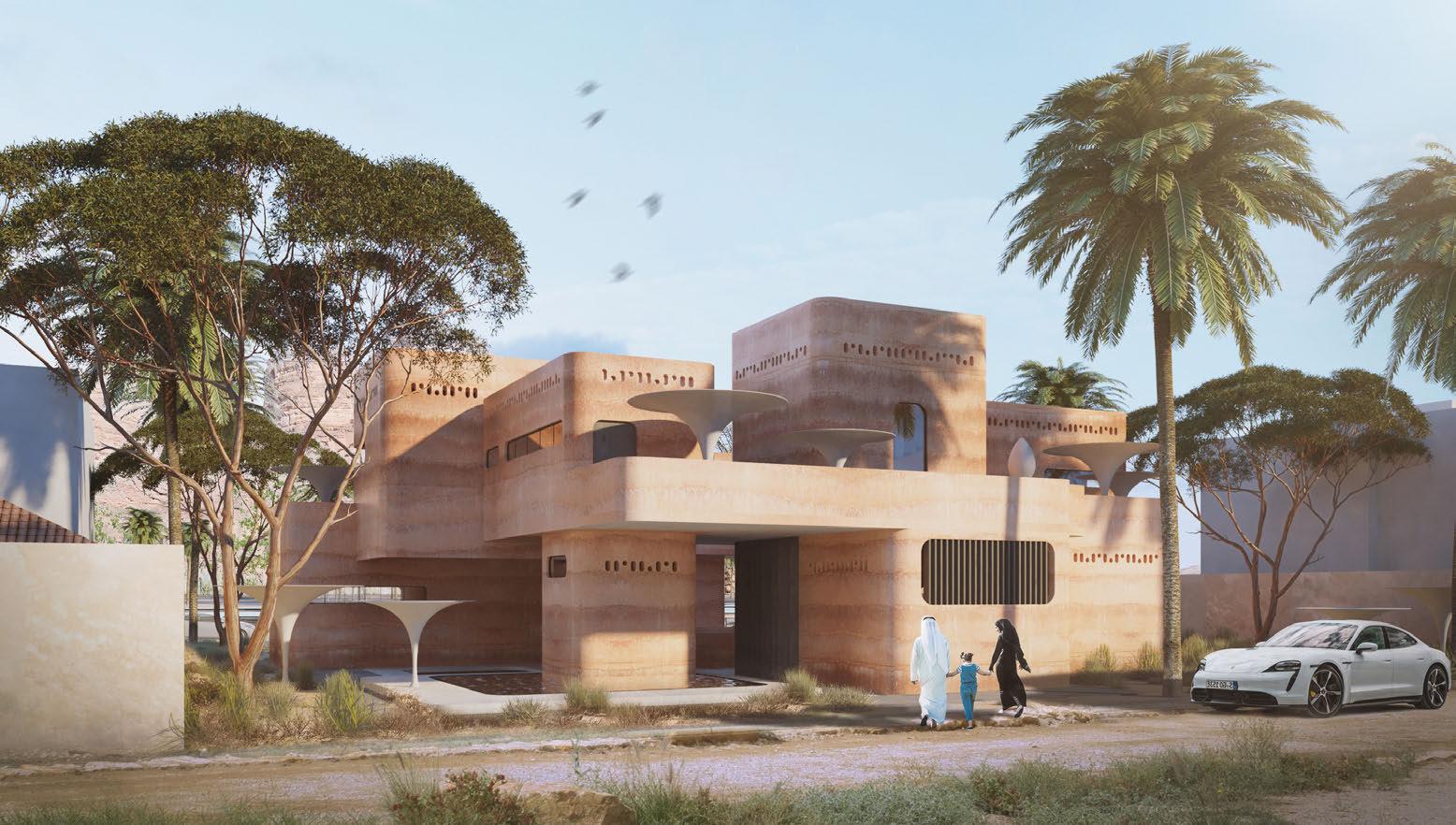
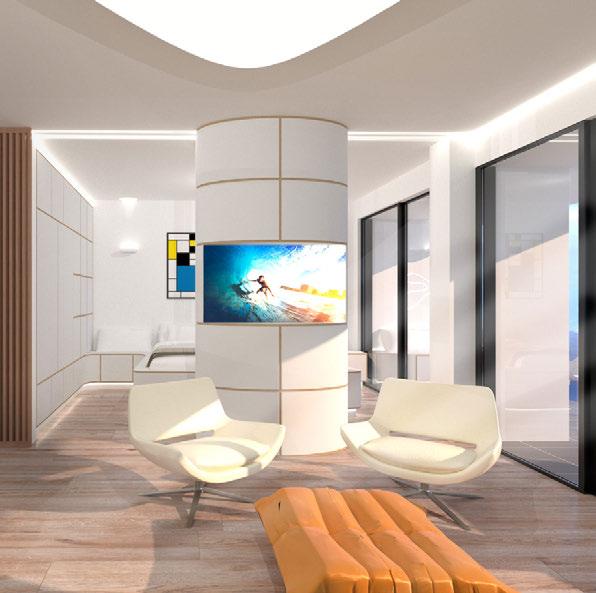
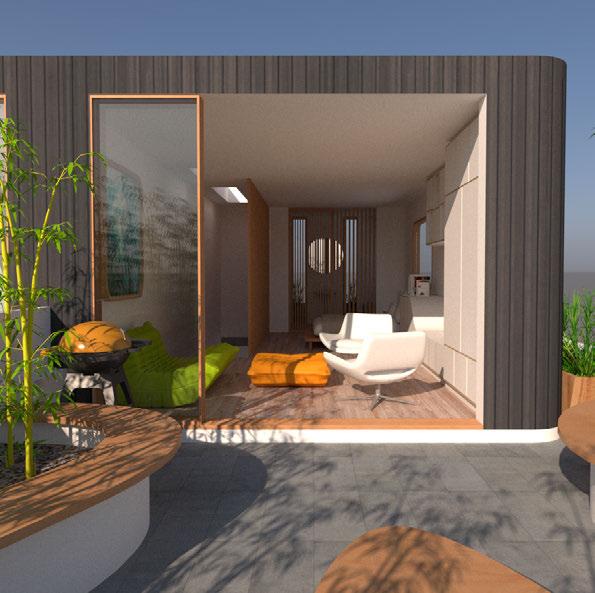
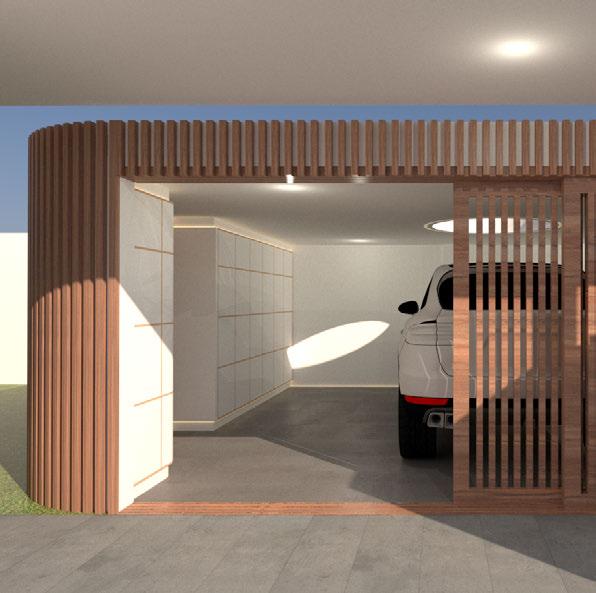
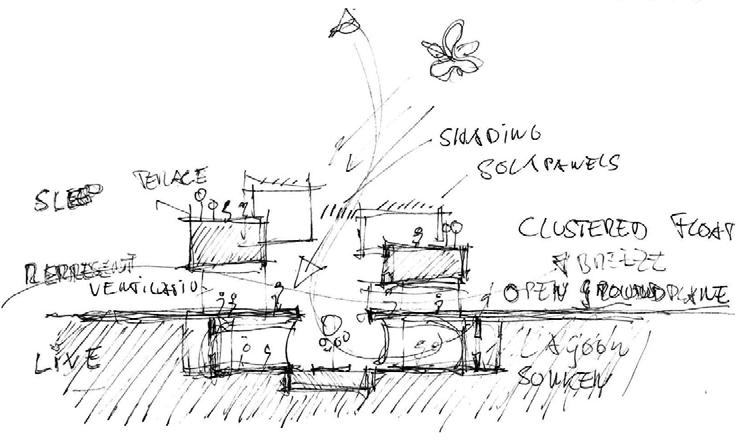
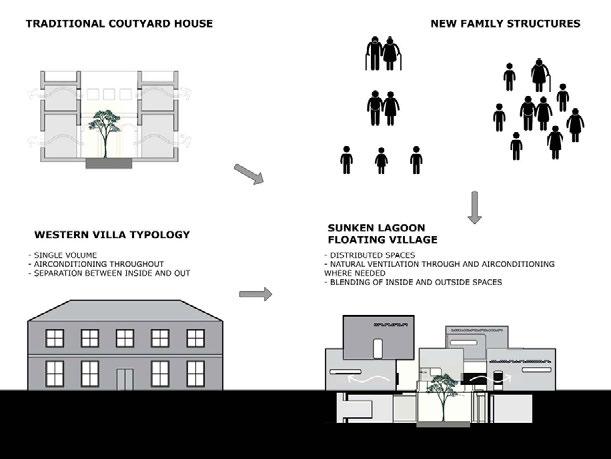
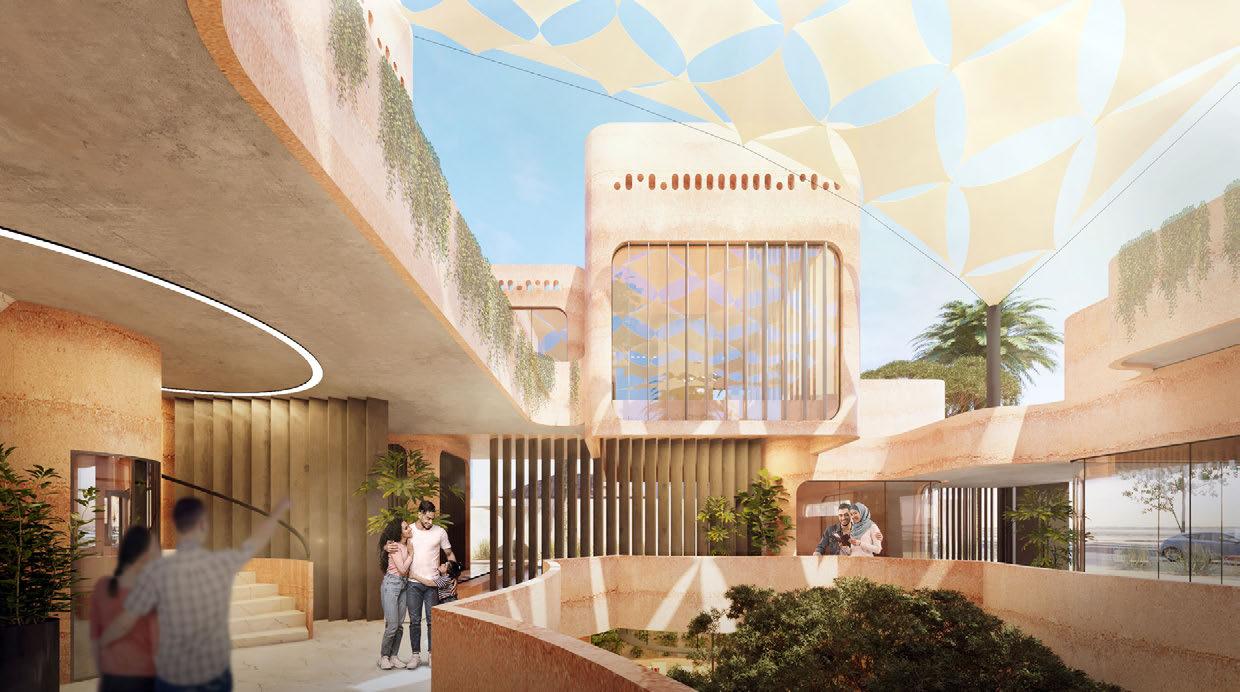
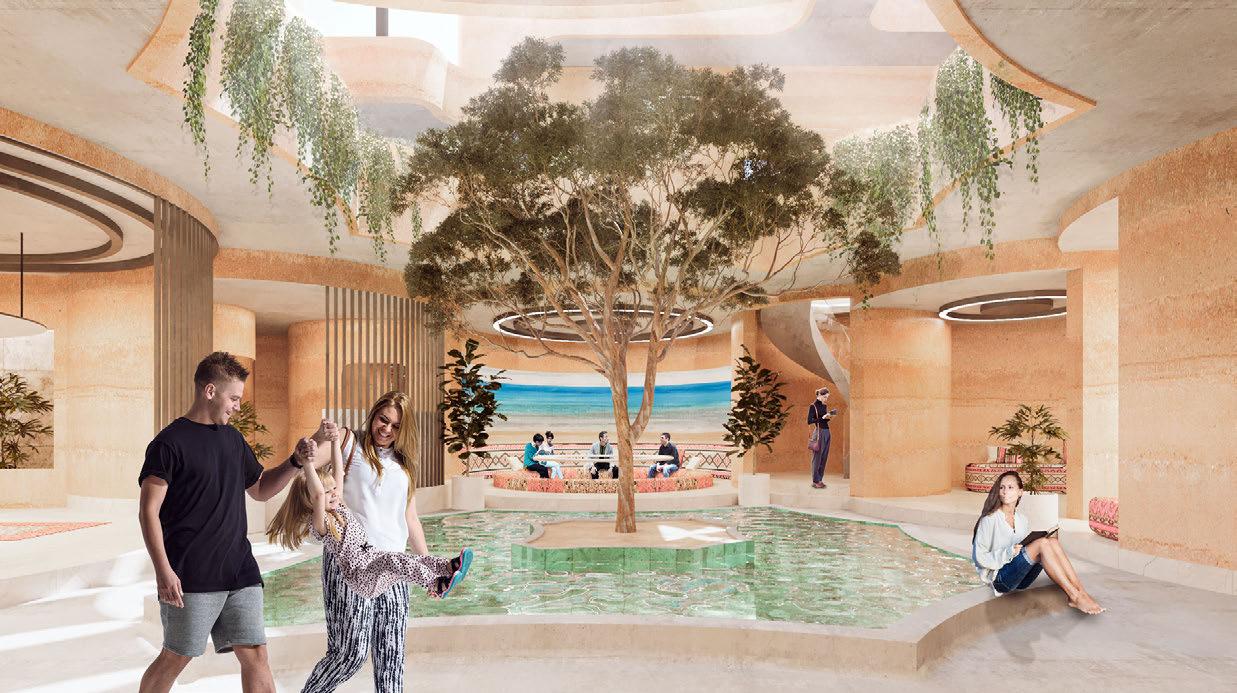
We have designed a contemporary family courtyard house suitable for a modern creative-minded, multigenerational family. The traditional courtyard typology offers private outdoor space, natural sunlight, natural ventilation flows and is well suited to AlUla’s urban and desert climate. The courtyard typology supports the tradition and cultural heritage of AlUla and preserves its connection to the past, whilst incorporating new contemporary design elements and technology to guide it into the future.
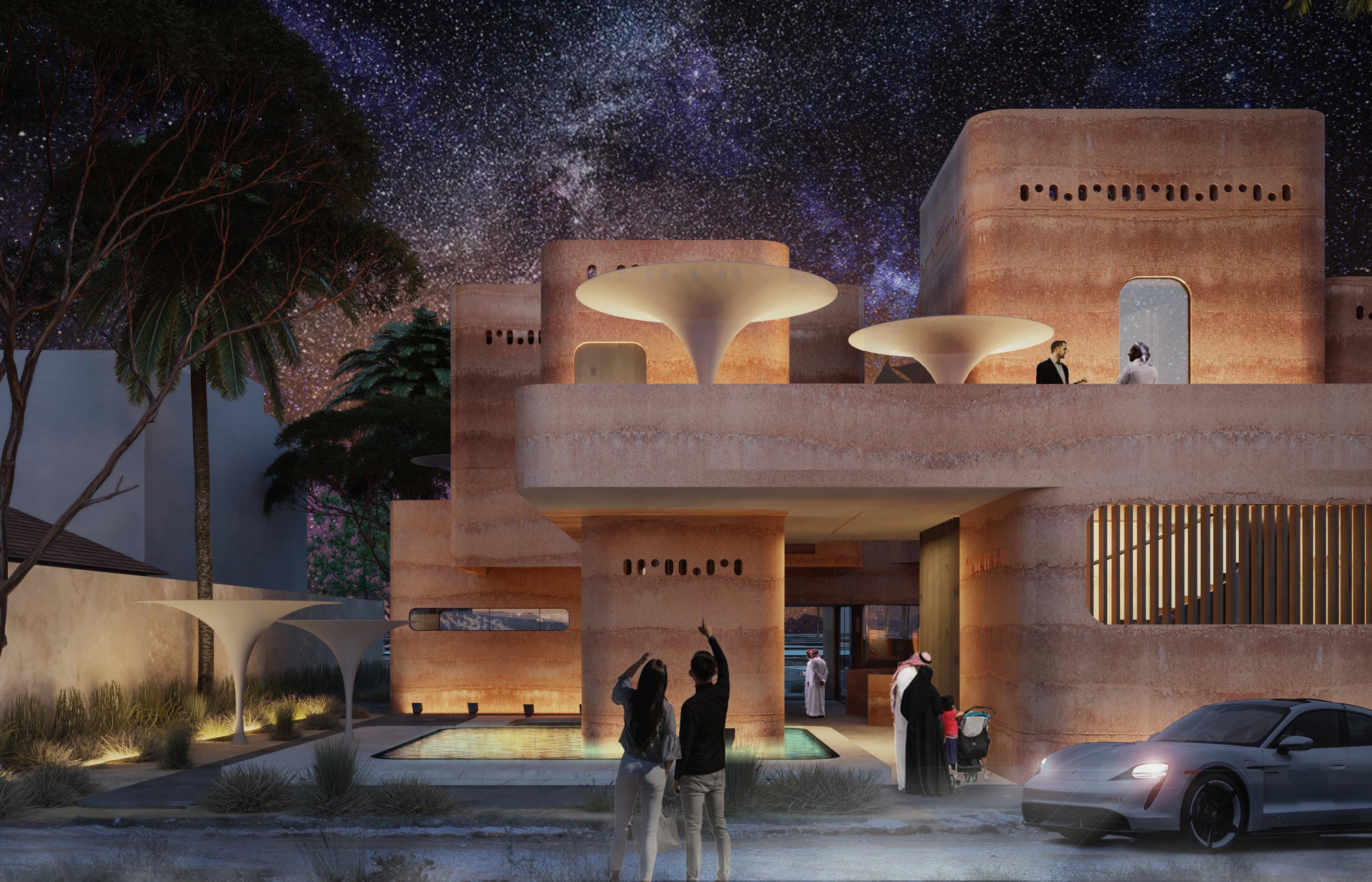
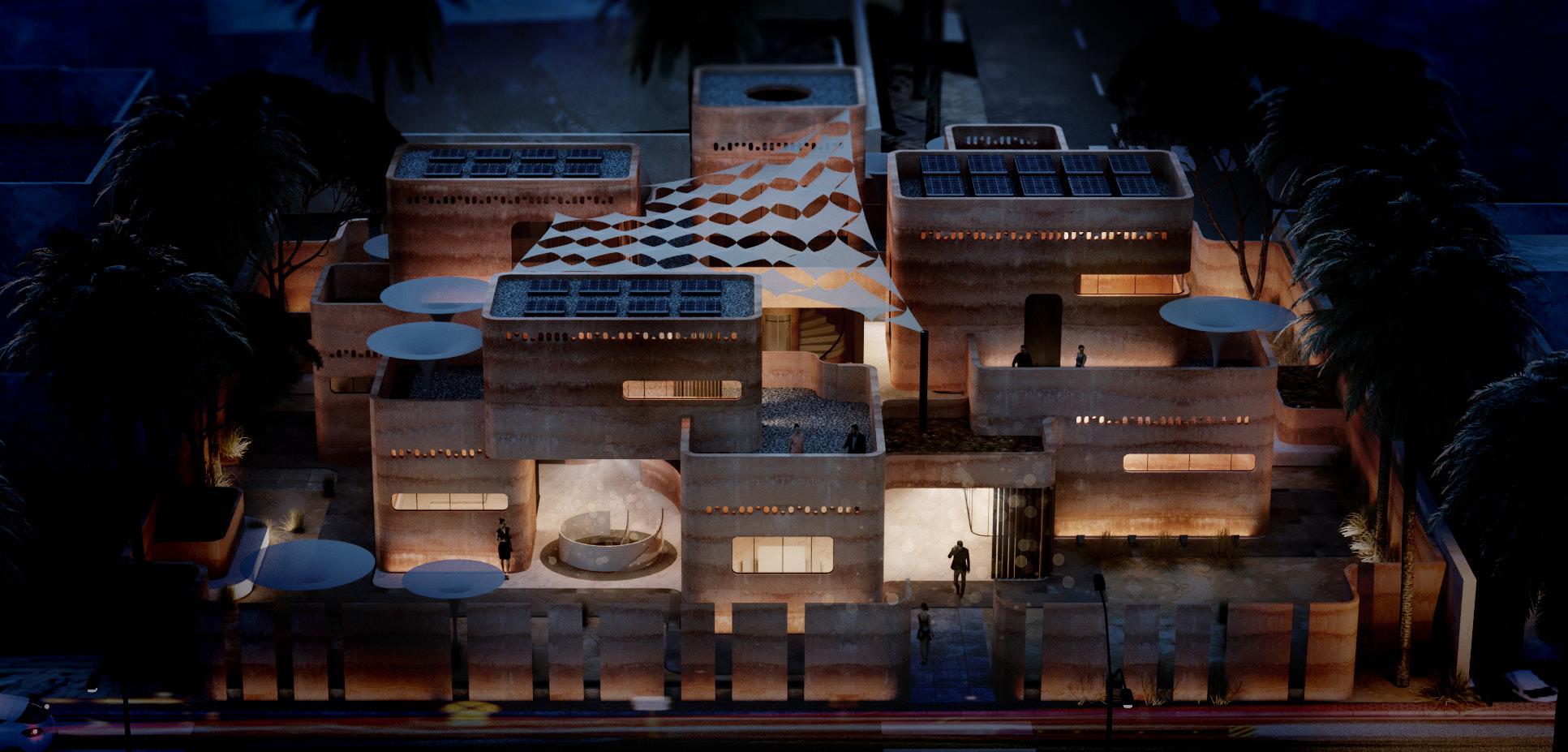
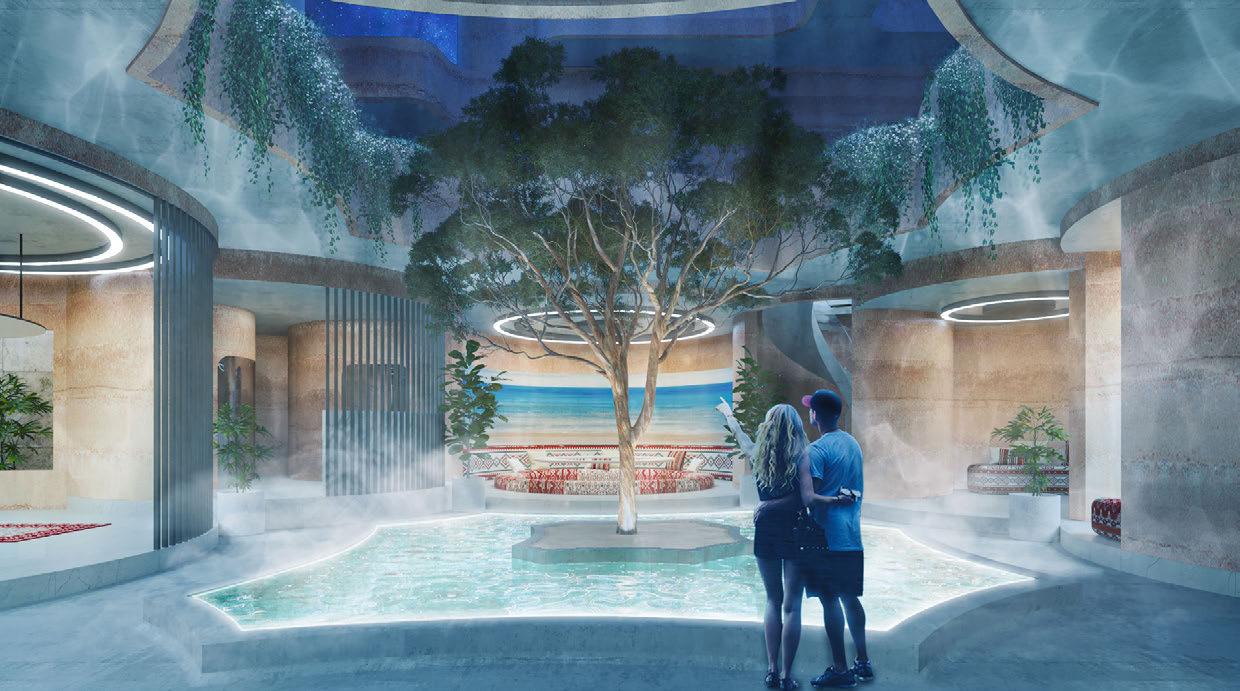
Our design concept is firmly grounded in connecting the heritage and cultural traditions of AlUla with a future vision of sustainability, modern architecture, and everyday SMART home technology. Traditional elements include heritage inspired rammed earth façade, Saudi Arabian patterned fabrics, and a central courtyard with stargazing views. Modern technology ensures sustainable solar-powered energy, water efficiency, non-potable water systems, and a motion-activated outdoor lighting system with low-level warm-coloured LED lighting to suit the heritage requirements of the neighbourhood.
The emotional and spiritual nature of the home is designed to create a comfortable, warm, hospitable and welcoming atmosphere with spaces for socialising and entertaining. These social entertaining spaces include outdoor terraces for sunshine and night star-gazing, formal living room on ground level, and a lower ground sunken lounge - a Modern ‘Majlis’ (in Arabic tradition, this is a private place to entertain guests).
In line with Saudi Arabia Vision 2030, health and wellbeing is an important element of the home experience. The design includes a space for exercise and a place for prayer to maintain this healthy lifestyle and balance. The lower ground level includes spiritual spaces for prayer and meditation and a home gym for exercise and fitness. The central courtyard also includes a water feature, biophilic walls, plants, fresh air and natural sunlight to create a private green space for relaxation and reflection.
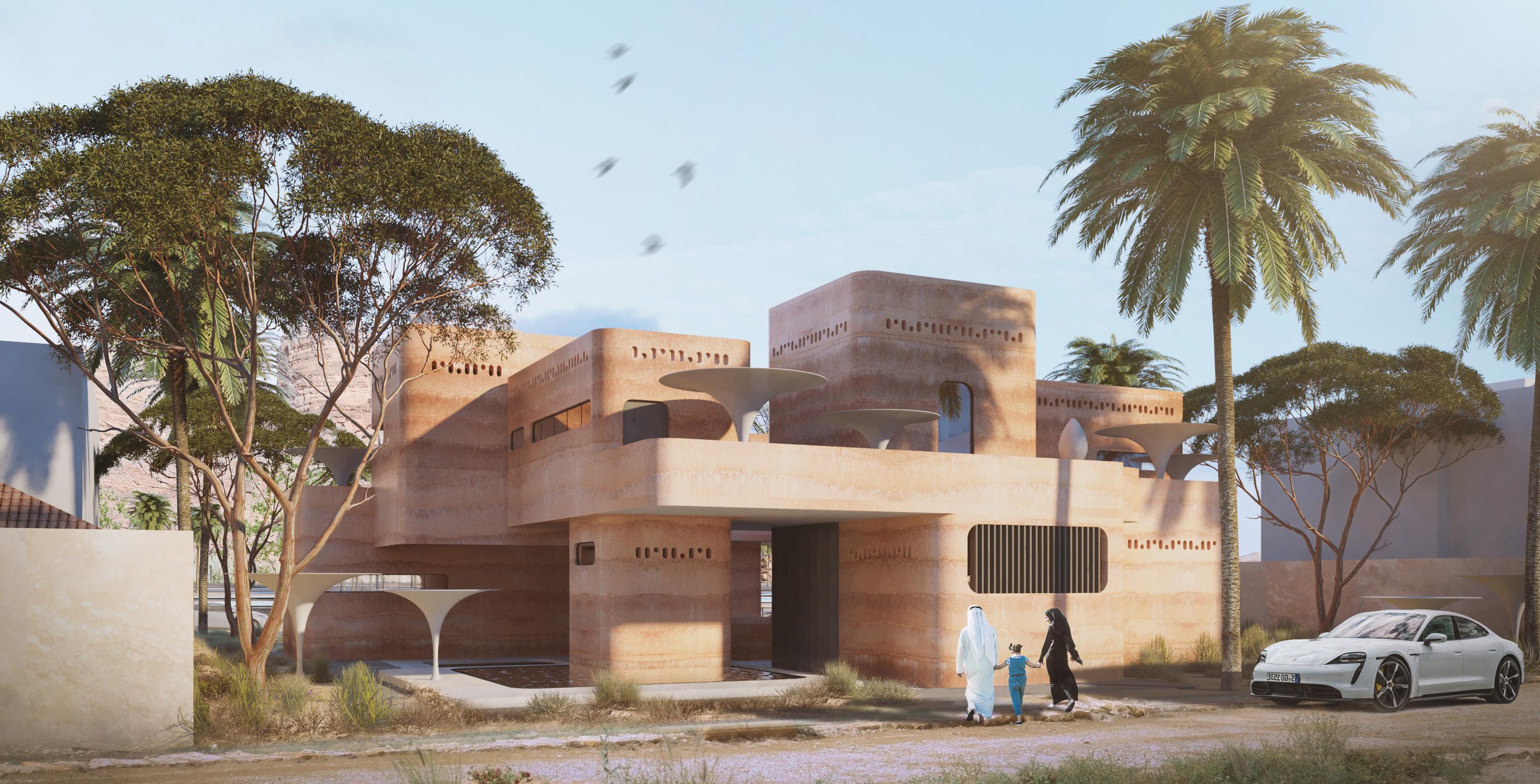
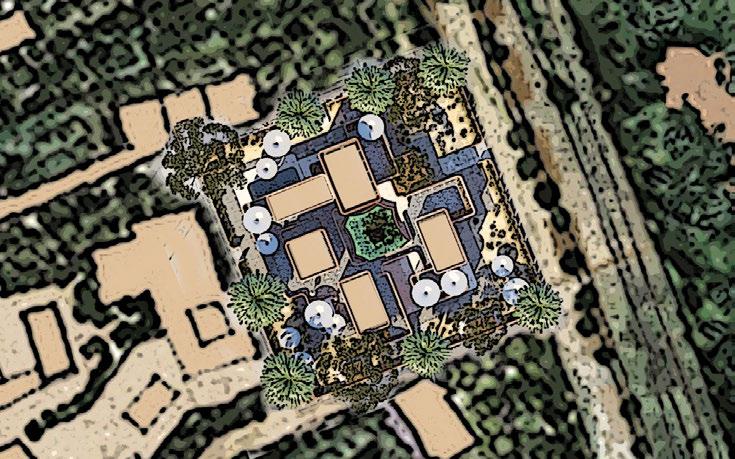

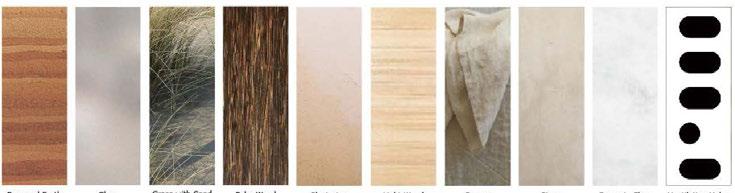
AlUla is a beautiful and unique location that celebrates the ancient and traditional Saudi Arabian world through UNESCO protected archaeological wonders, unique desert landscapes, rock formations, a central wadi, and palm tree oasis. This magical location evokes unsolved mysteries, ancient worlds, and undiscovered artifacts. Once an incense trade route, Dadan Village is built around the remains of an ancient Dadanite and Lihyanite Kingdom, making it a unique archaeological treasure. The village holds a strong heritage aesthetic including its red and yellow earthy architectural palette inspired by Dadan’s natural rock landscape. Our design utilises level changes for views to the street and beyond to create privacy, while not denying the inhabitant the opportunity to see everything AlUla has to offer. The terrace layout gives the inhabitants a near 360° view of the surrounding area.
Mar.2018 - June.2018
Group Work: 5 Members
Responsibilities: Chair Designer
Lab Technical Controller
Percentage of Input: 30%
Tutor: Tran Tuan Anh Dang & Dr. Tim Schorkt
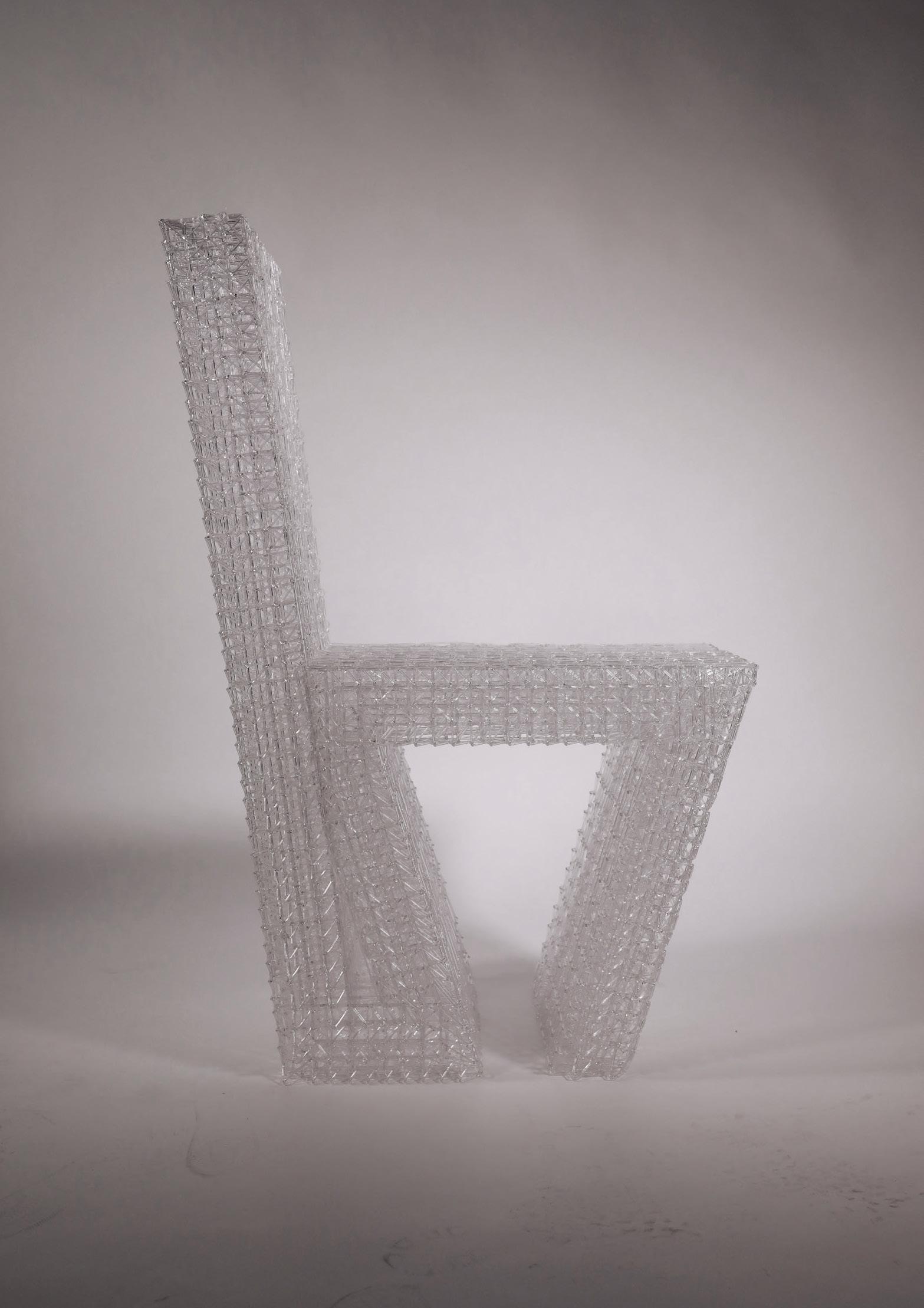
3D printing has traditionally been focused on the building of parts layer by layer, yet new research is being conducted into methods of spatial extrusion. This refers to 'a manufacturing technique in which plastic is mostly extruded in the air without any support, following a truss like pattern' (Garcia et al. 2017). At the forefront of this research is the Design Computation Lab, a part of the University College of London who have developed a method based on voxels. This method allows for the design of not just the surface of an object but also its internal structures, creating great possibilities for large scale 3D printing in the future.
In this project, we have used the Design Computation Lab’s method of voxelised spatial extrusion as the basis for the creation of our own chair. Through the in-depth study of their process and a great deal of trial and error, we have been able to create our own variation of their method and apply it to the construction of an interesting form by KUKA robot.
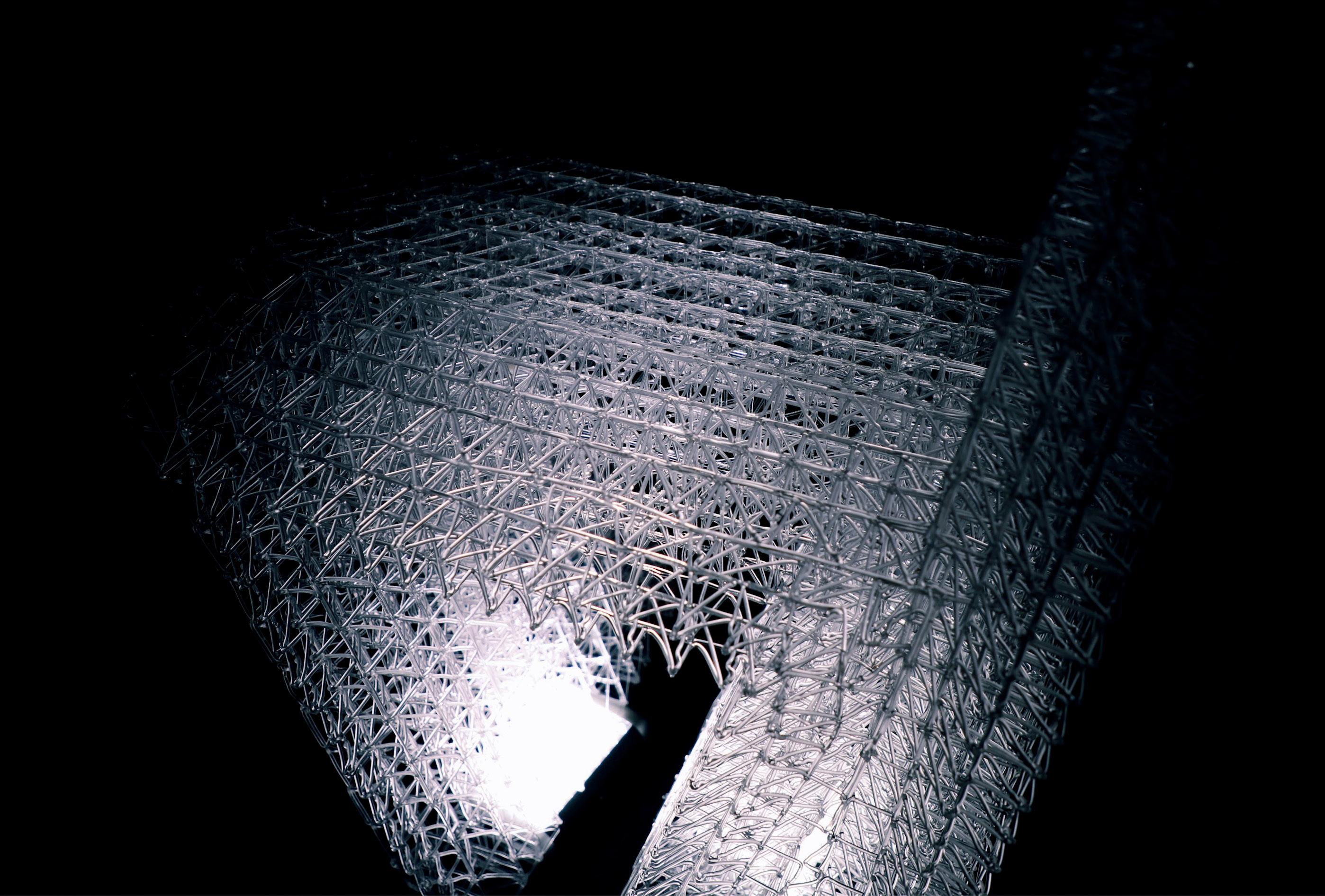
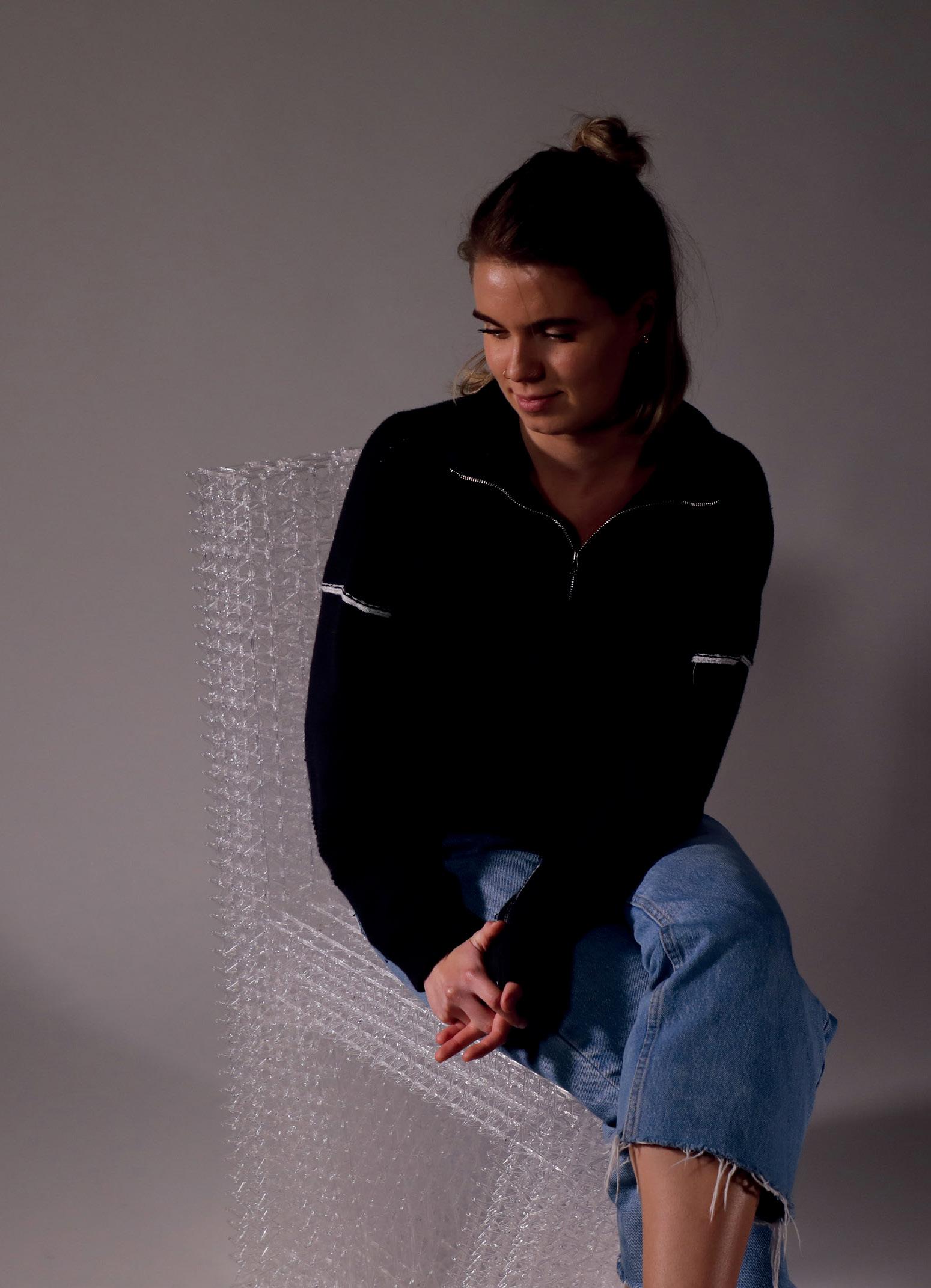
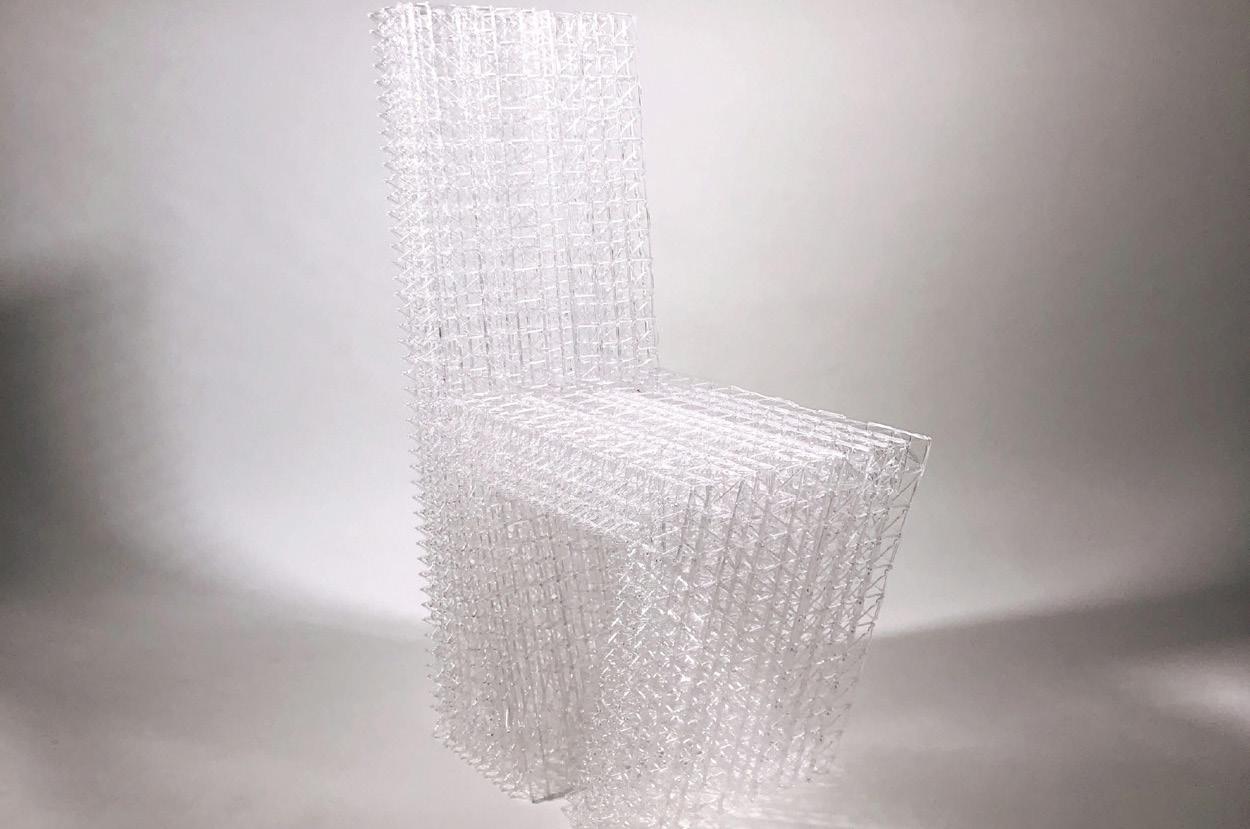
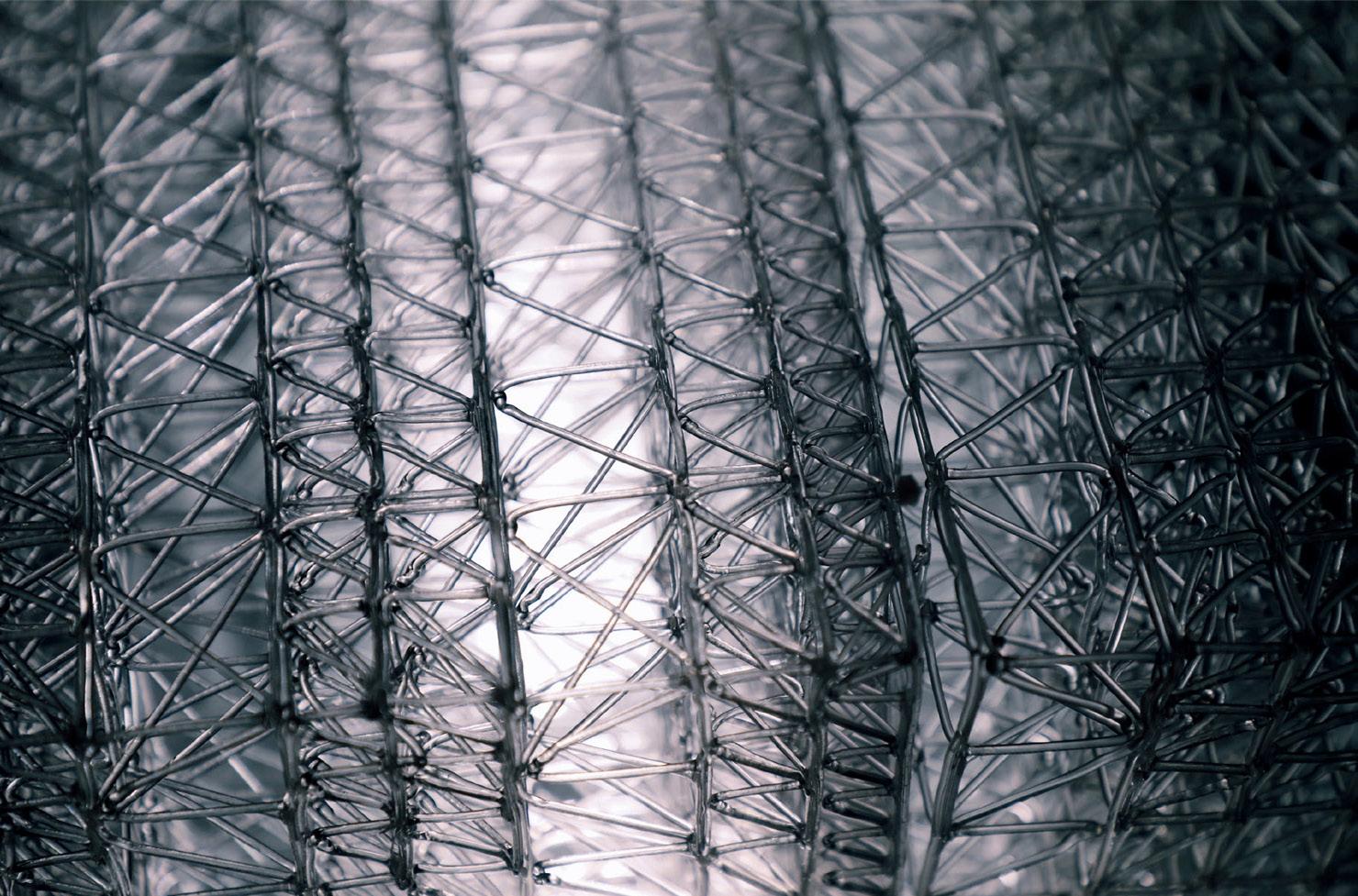
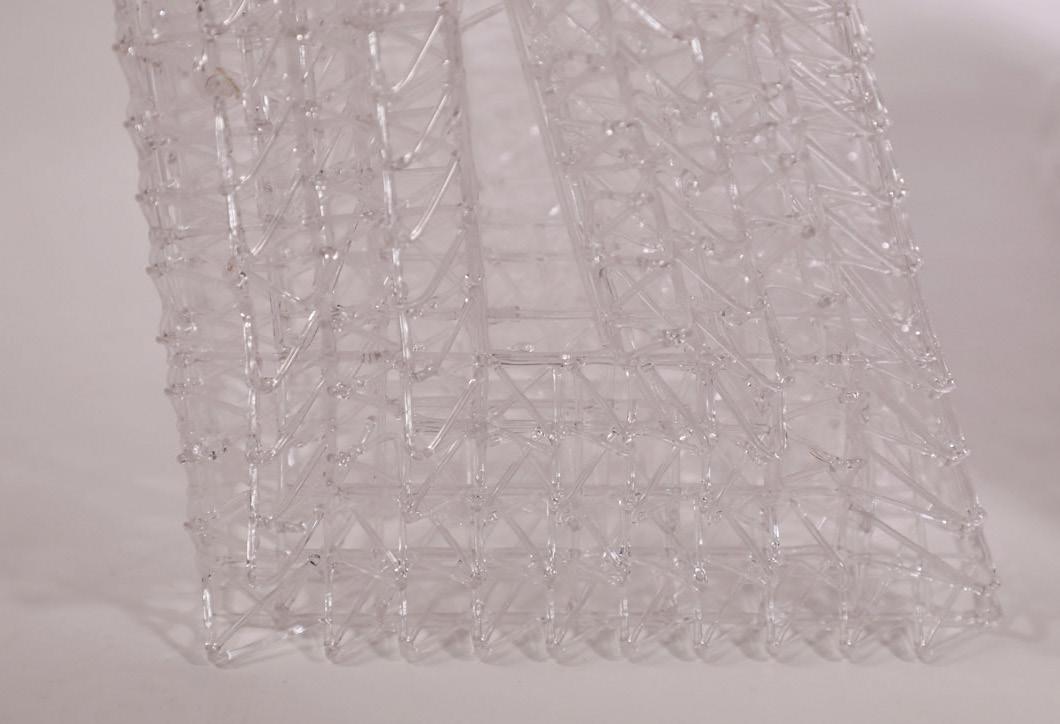
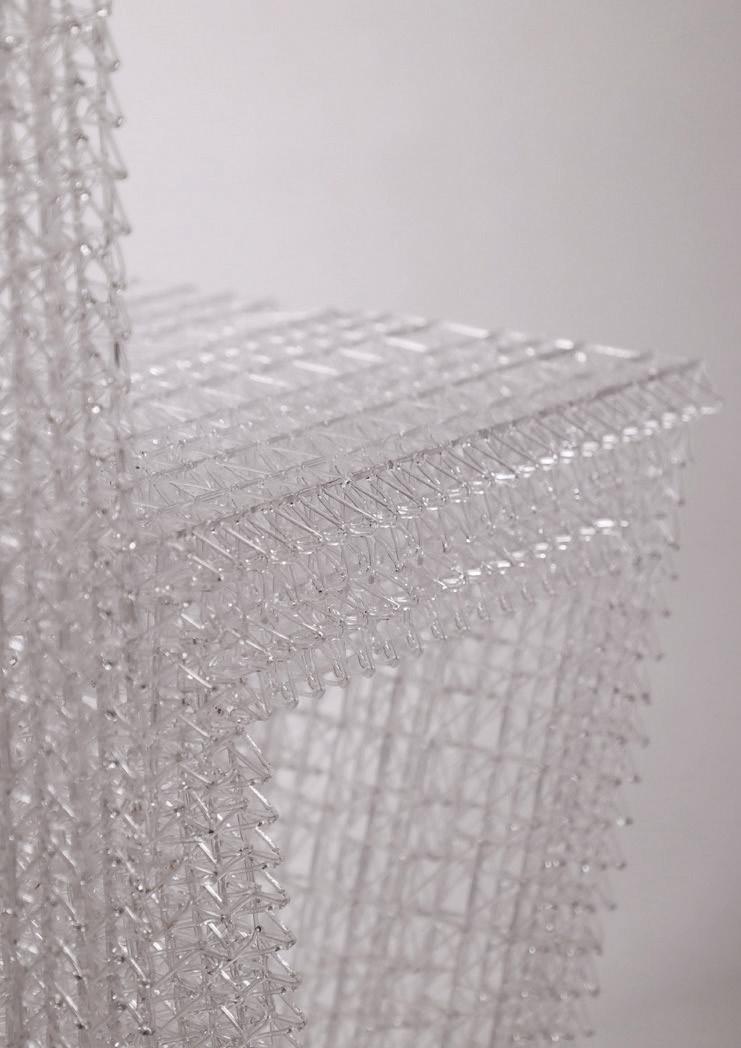
While refining the voxel pattern we were looking into the design of the chair form. Whilst some of the curved forms were quite interesting, it was at this point that we decid ed to implement geometric forms. Not only is it more suitable for the toolpath but we felt that it would better showcase the voxel pattern. By using straight lines it would allow us to really emphasize the different densities of voxels that we had been able to create.
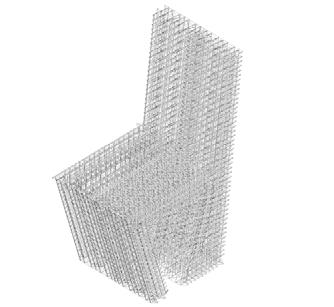
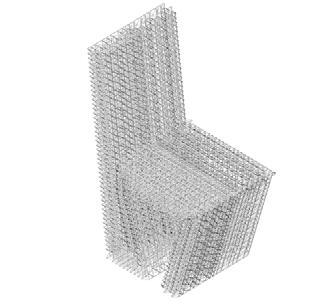
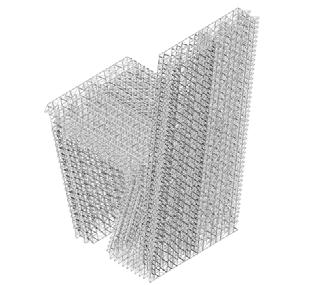
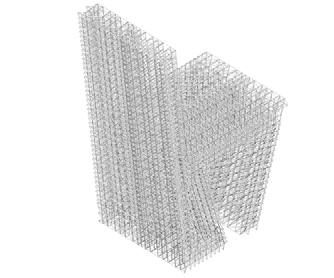
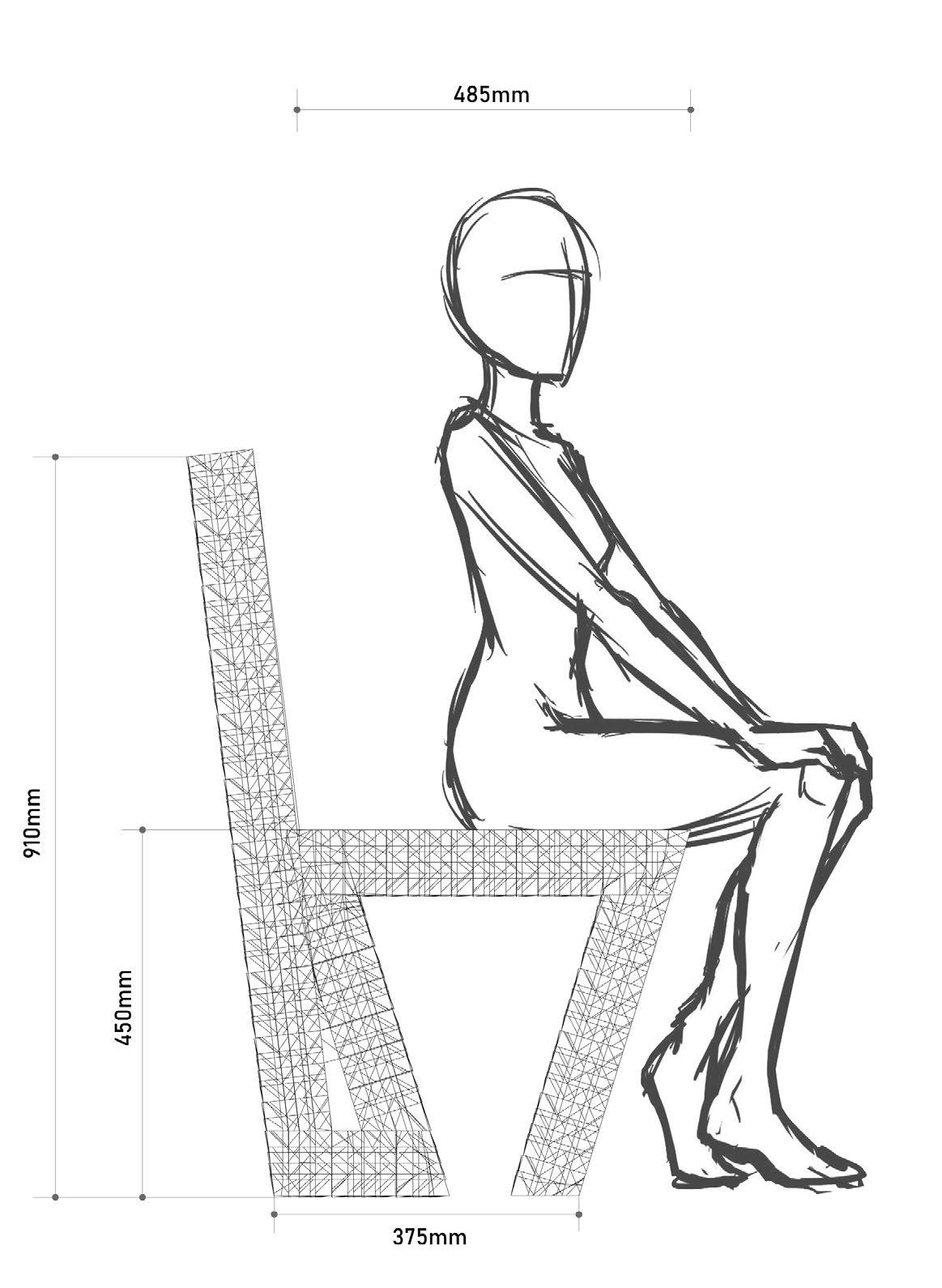
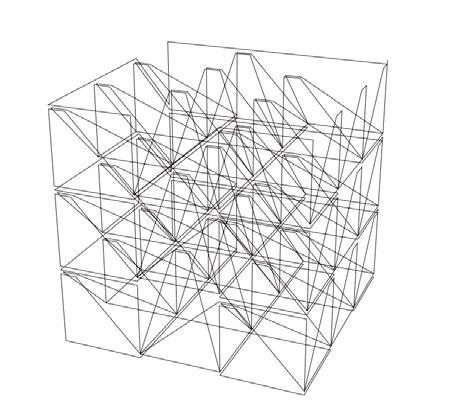
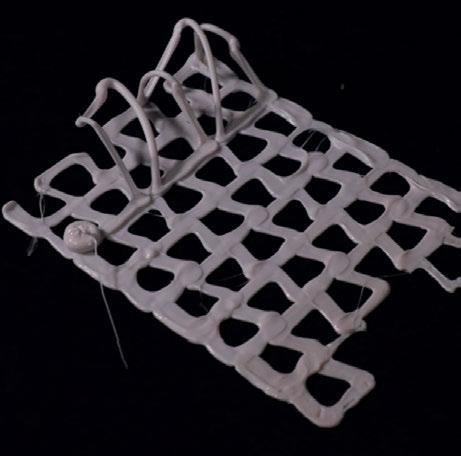
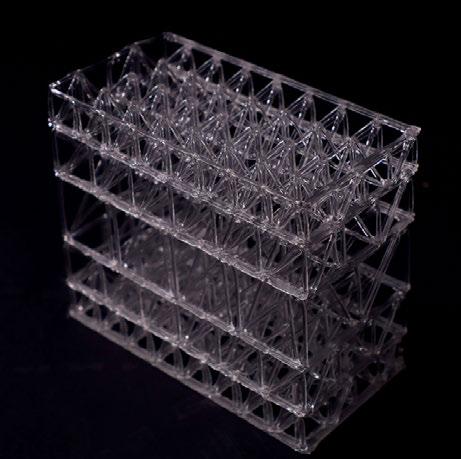
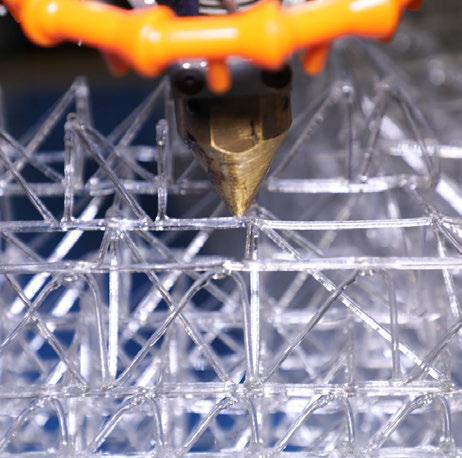
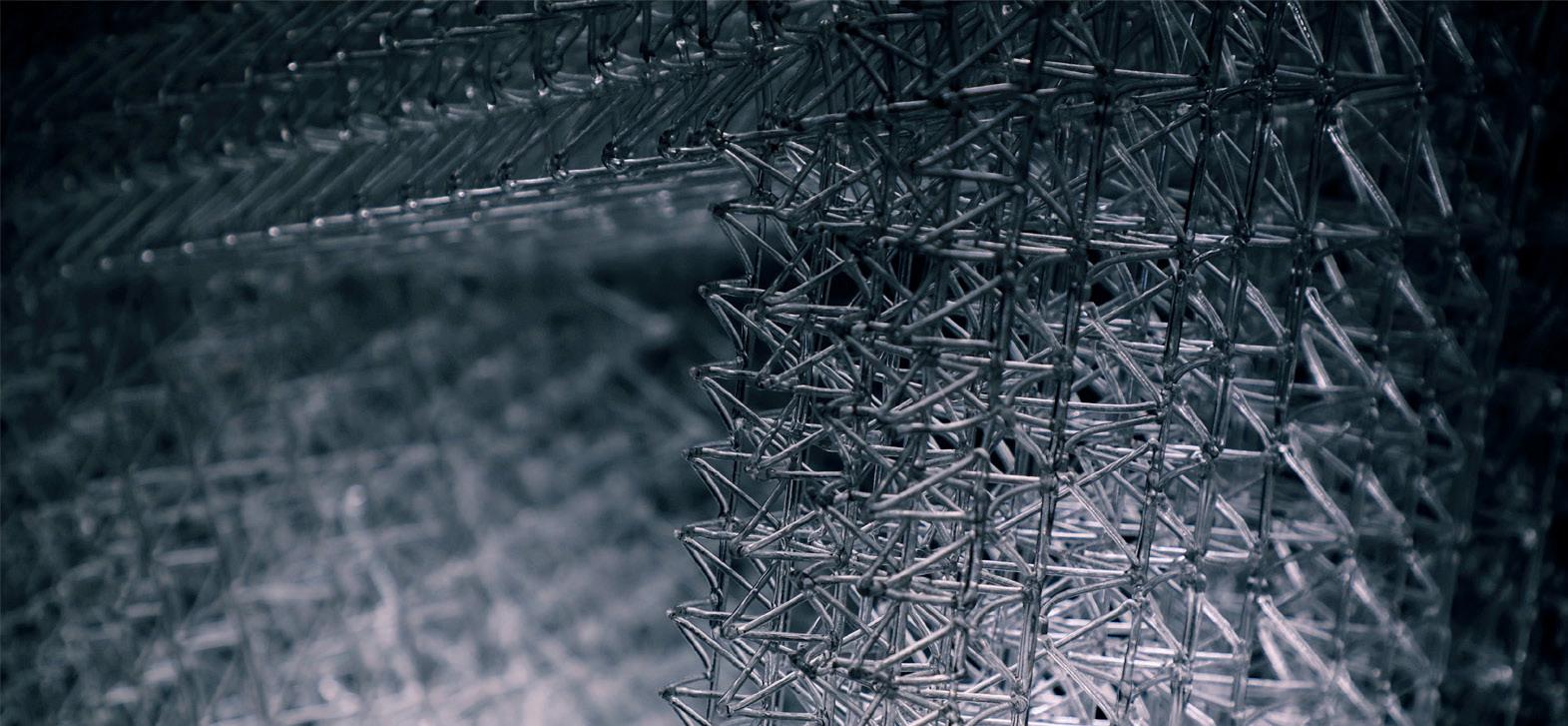
We began this project by creating flat patterns. After creating the series of physical prototypes, we moved to 3D Voxel digital modeling. We refined the several voxel iterations with an emphasis on structural stability.
After testing different toolpaths and cooling systems in place we were able to print a successful 3 by 3 by 3 cube structure from voxels.
Then we started to find the optimum temperature and speed, which allowed for a transparent extrusion of the material (without bubbles from overheating) at the fastest rate.
While final printing, the speed of the extruder was mostly maintained at 0.17mm/s according the plc (programmable logic control) system and the speed of the robot was kept at 0.27m/s; 27% of the robot’s maximum speed of 1m/s.


Mar.2020 - June.2020
Individual Work: Yijia Zhang
Tutors: Christian Williams & Beatrice Myatt
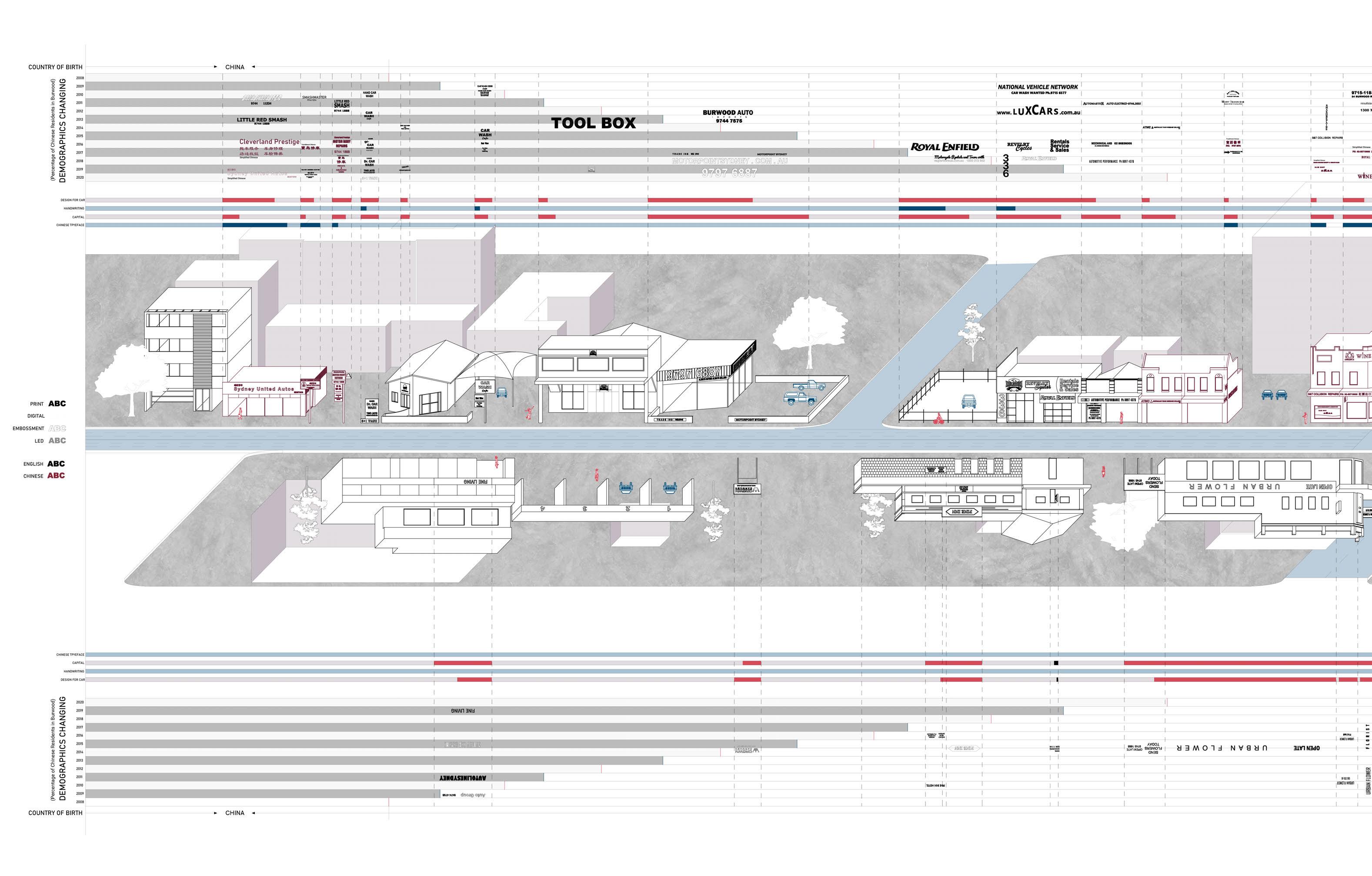
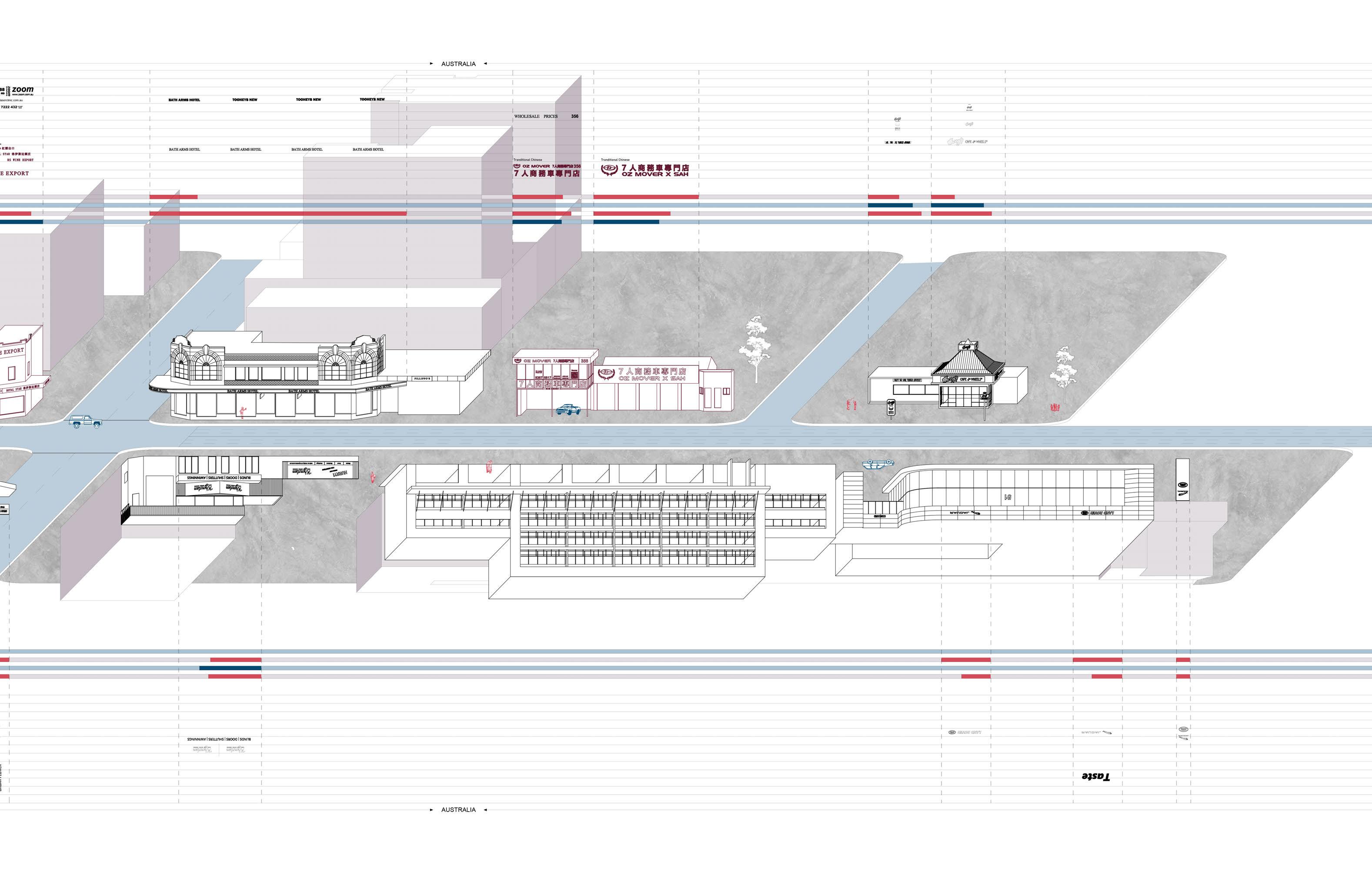
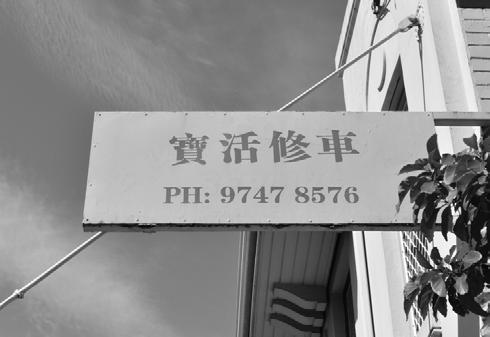
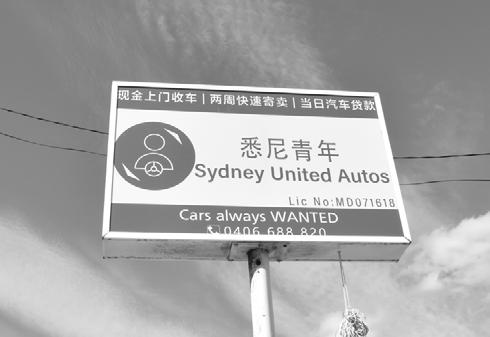
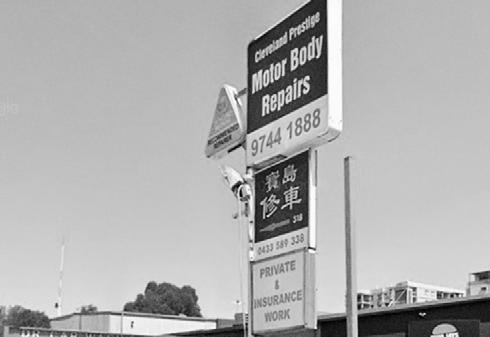
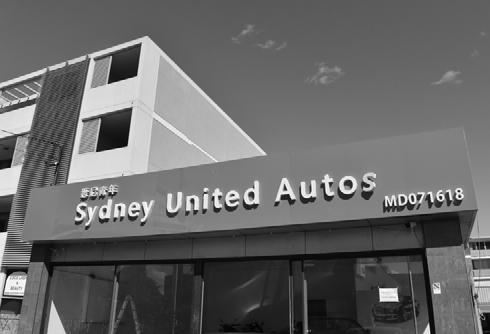
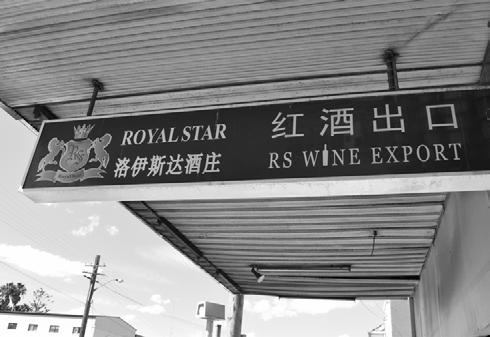
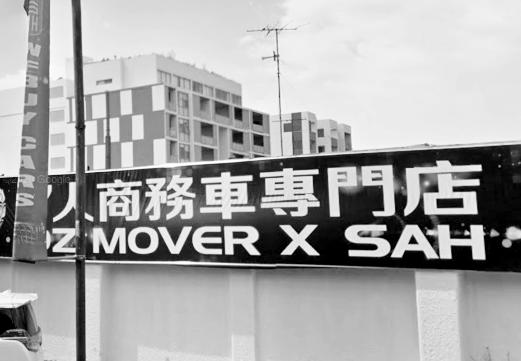
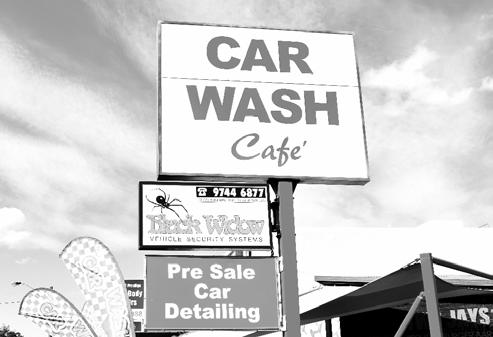
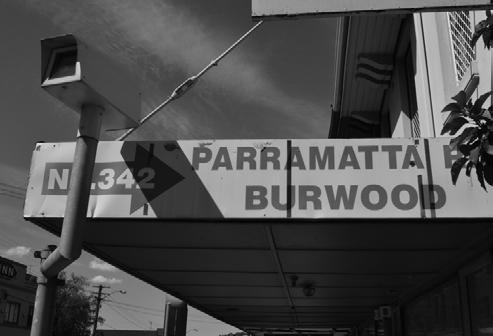
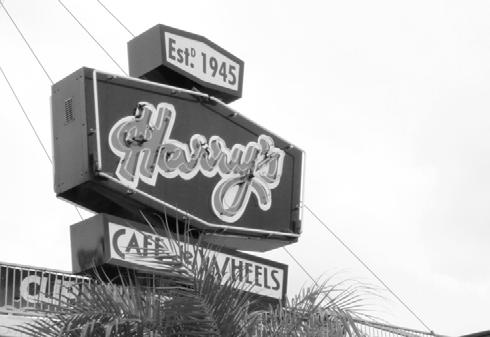
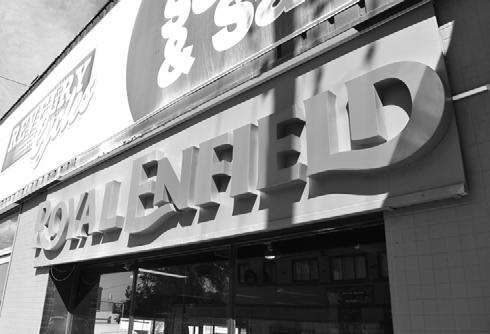
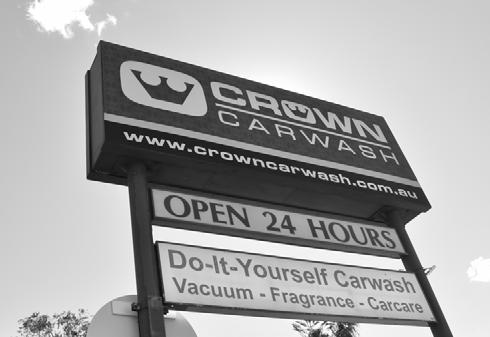
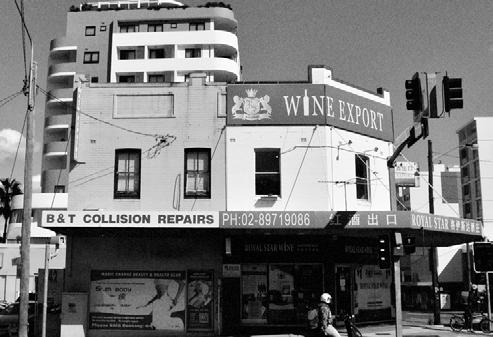
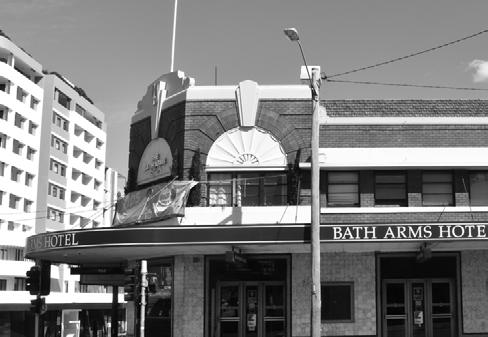
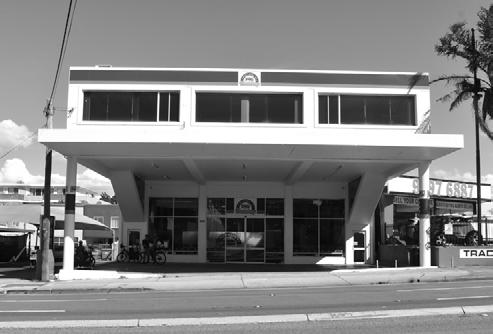
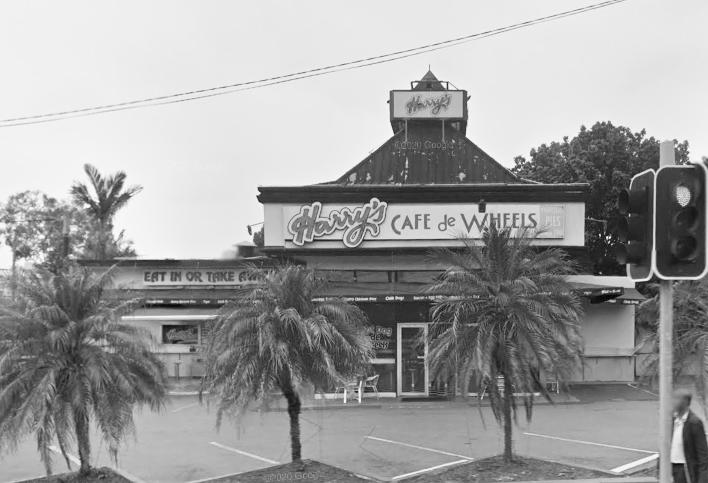
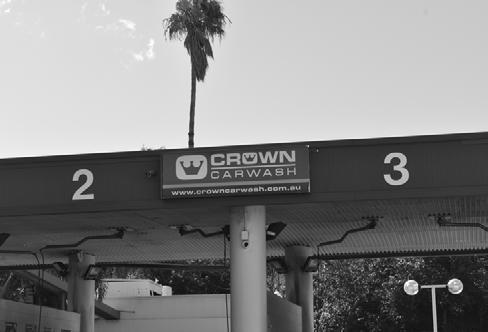
In 1799 Captain, Thomas Rowley was given a piece of land in present-day Burwood, Sydney, Australia. The rise of Parramatta Road led to the development of Burwood with amount of Australian heritage buildings of Victorian and Federation styles. Now, Burwood is popular with the Chinese community with shops and restaurants with 34.6% Chinese residents. The rapid change in demographic structure is directly reflected on signage. It is like a scattered fragment of a forcibly implanted Chinatown, but English text is relatively large in scale, mixing with Las Vegas style which is specially designed for passing cars in scale with unmindful designed typeface. The skin of heritage building is made ugly by randomly designed billboards., views of streetscapes and landscapes is covered and flooded by shop signs. It is transgressive emplacement, the old architecture is “dead”.
The Burwood section seems to be completely open, but it hides strange exclusion, the exclusion of language, culture and living habits, which is a closed system and special in the whole Parramatta Road. It has the existence of another social form and is juxtaposed with the original Australian society in a same place, exclusion and mutual integration, creating unpredictable heterogeneity.
This visual document presents tensional relationship between different architectural facades, volumes, and language signs by analyzing billboard scale, typeface and demographic changing. It helps us to understand the cultural background and ideology of latent designers or shop owners and reveal the heterogeneous context of this region.