ENTANGLED TIME: ENTANGLED SPACE
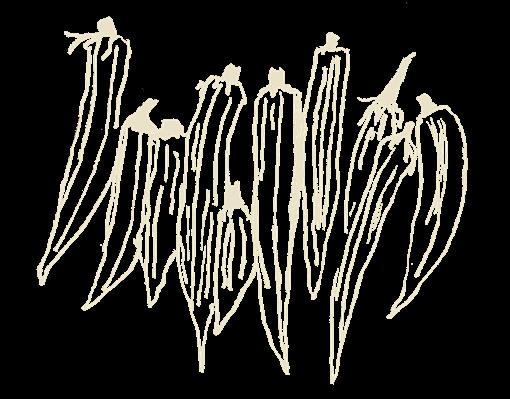
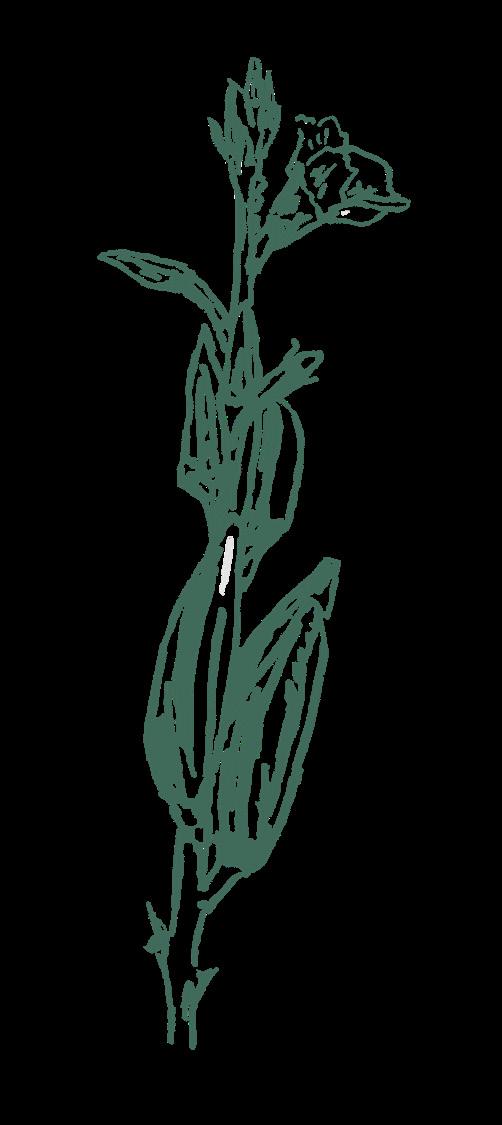
When I became reentangled with Alabama, my birthplace and ancestral home, in 2018, okra captured my imagination and my stomach.
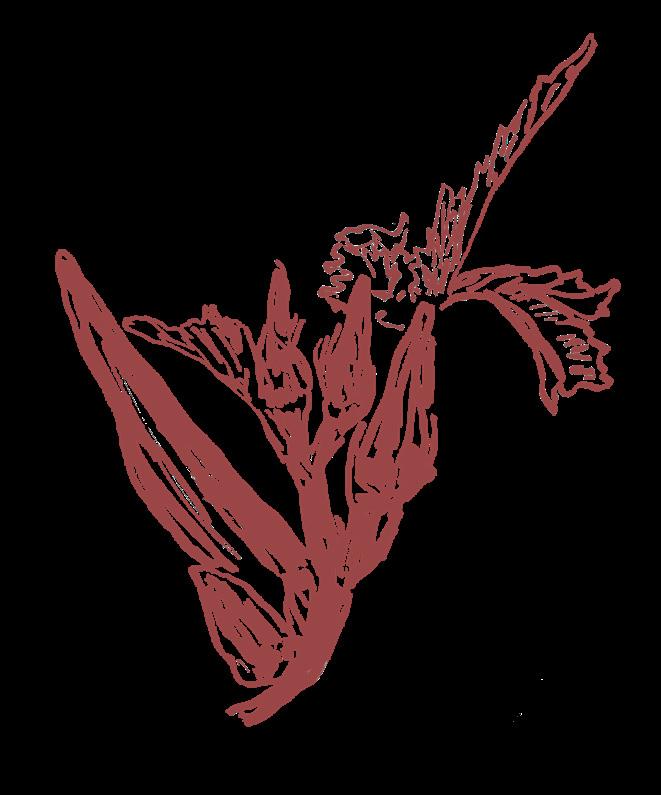
Fried okra was prominent in vegetable plates and one of the three on a “meat and three”.
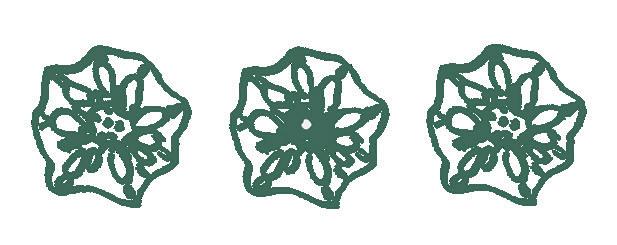
She formed the base for a shrimp gumbo.
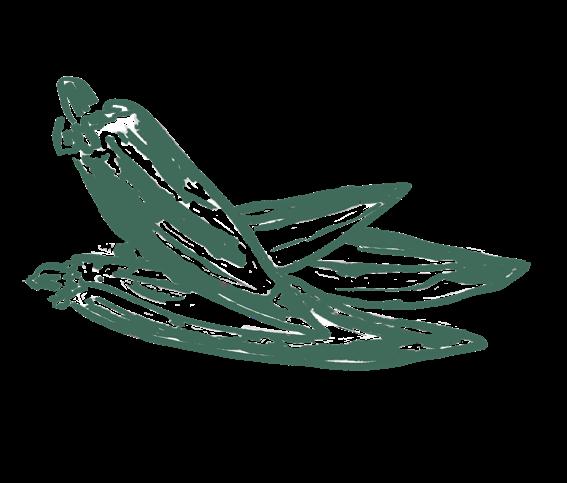
In the summer of 2025, I planted four okra plants in my tiny city yard in Austin.
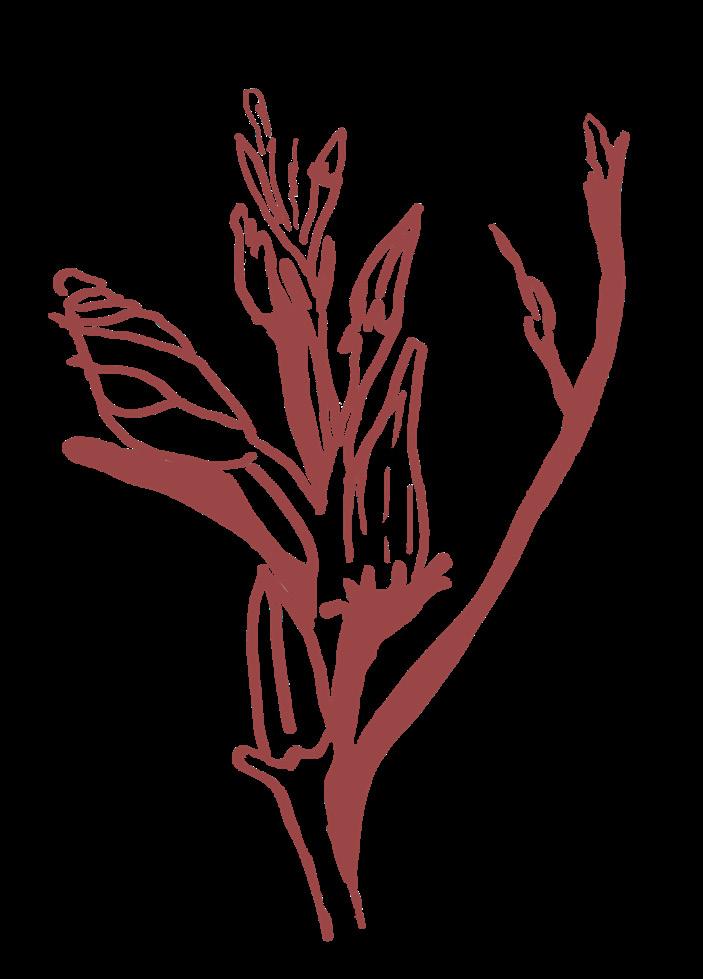
They grew tall and were prolific, with flowers and pods growing up the stalks.
The plants captured the interest of the dogwalkers and were the subject of conversation.
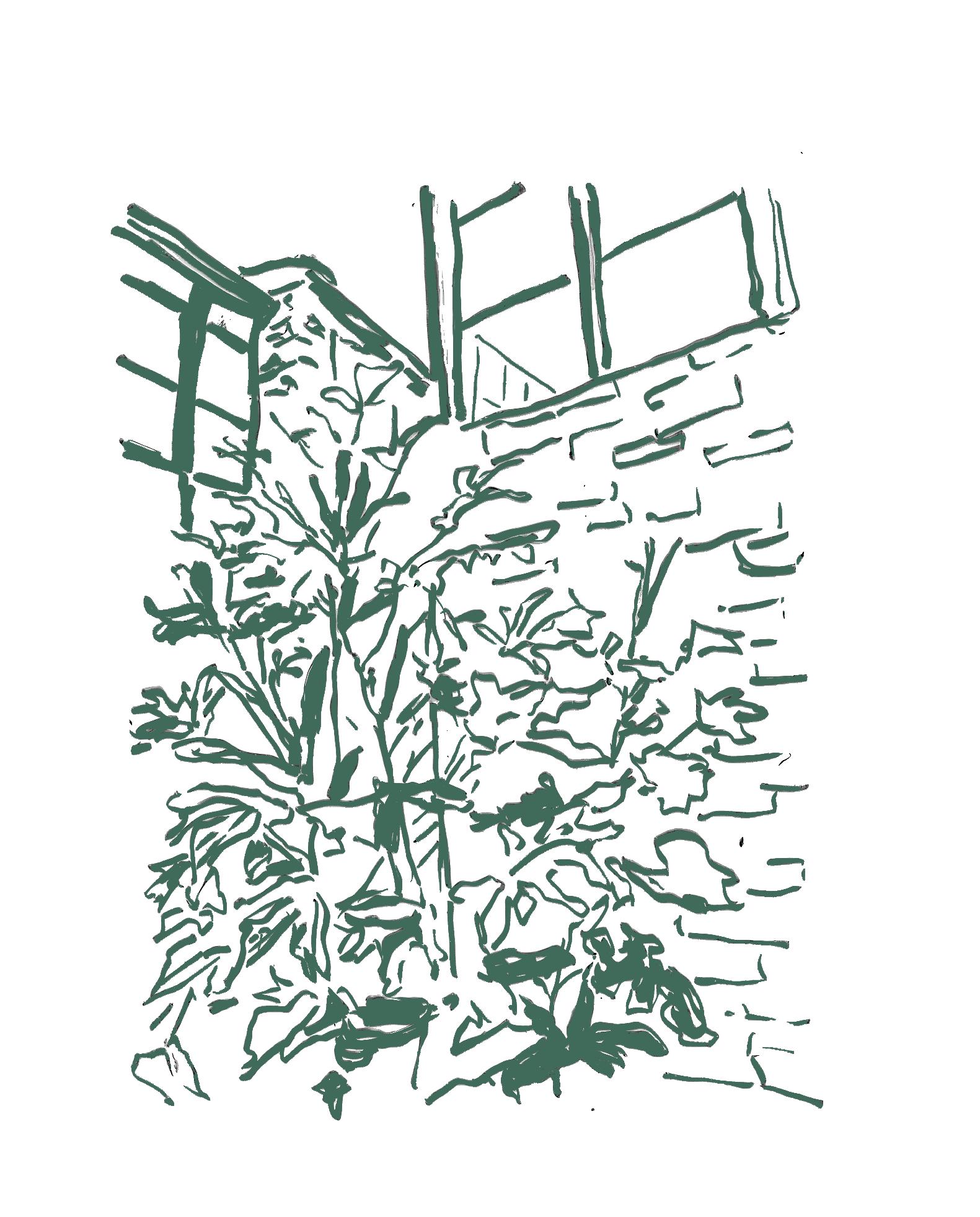
Okra demands your full attention.
Pick the pods when they are tender, no longer than four inches.
Otherwise they become woody and inedible.
This can happen in a day.
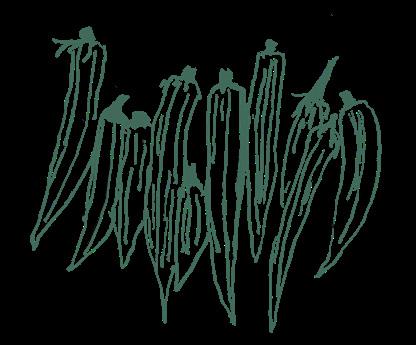
All is not lost if you harvest long pods.
When dried, the seeds inside can be saved for next year’s garden.
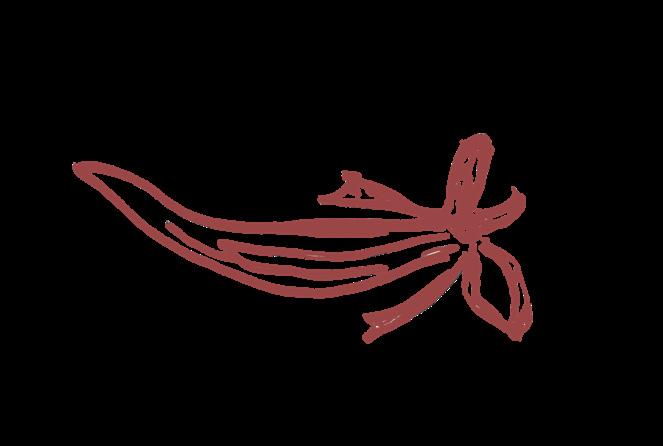
You can also spray the dried pods with gold paint and use them to decorate for Christmas.
Okra knows deep time, a member of the Mallow family, which emerged in the Late Cretaceous period.
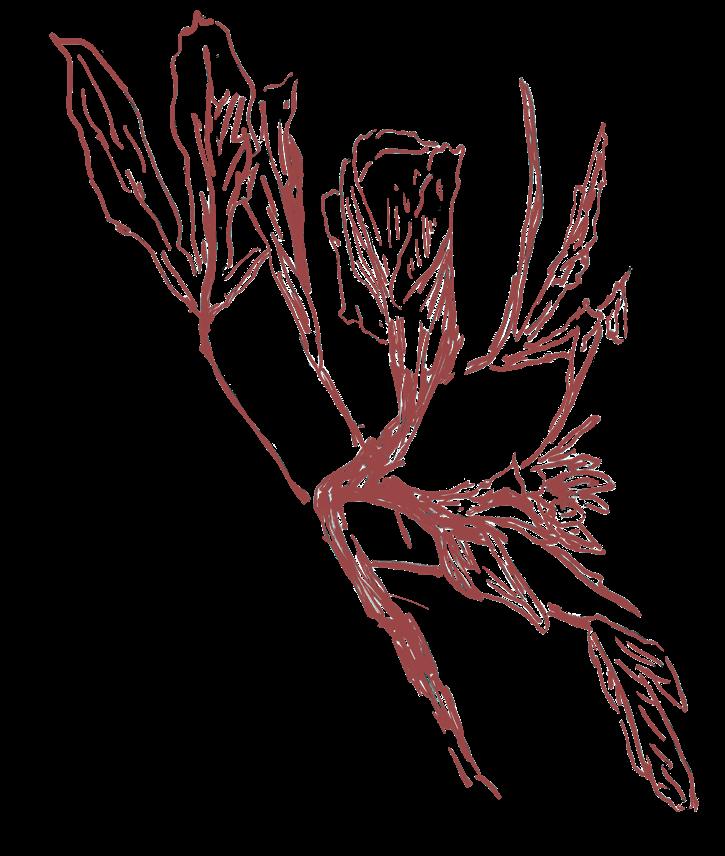
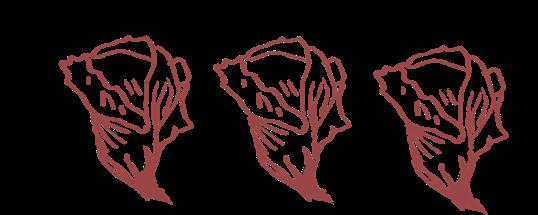
As early as the 12th century BCE, she was cultivated as a crop along the Nile River and spread to West Africa, the Middle East, and India along trade routes. She is a distant Mallow cousin to cotton and hibiscus.
You can see the family resemblance in their flowers.
Okra seeds were brought to the United States by Africans sold into enslavement. They sewed them into clothing and braided them into their hair.
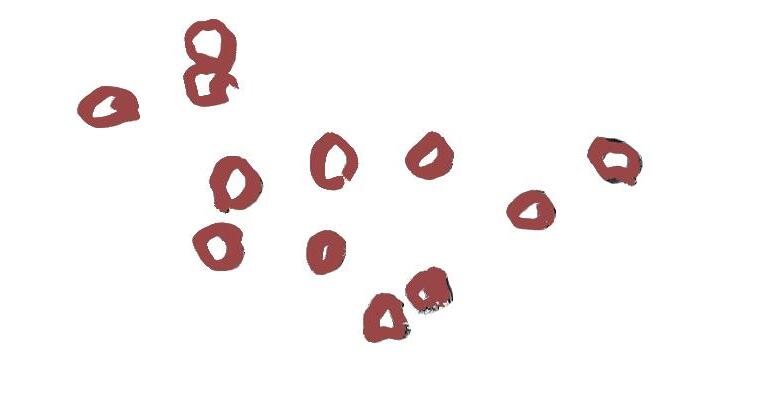
As they entered the unknown, okra brought the promise
of sustenance and a physical attachment to the homes they had left behind.
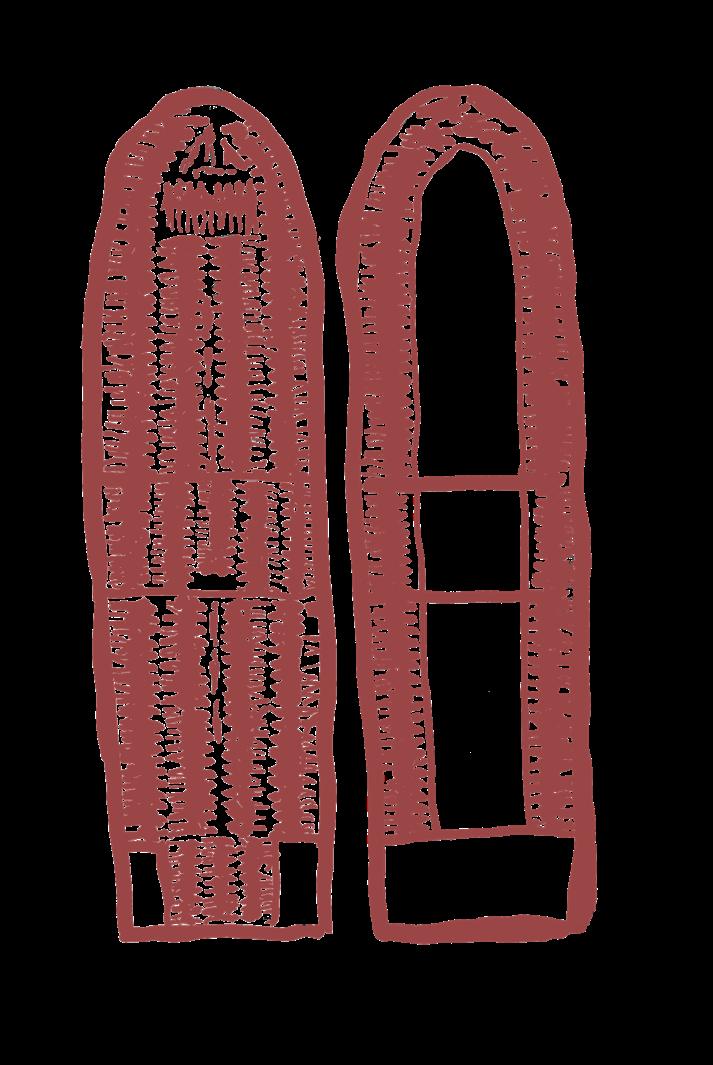
From the green ngumbo stews cooked in cabins of the enslaved, the dish spread into planters’ kitchens and Southern cuisine.
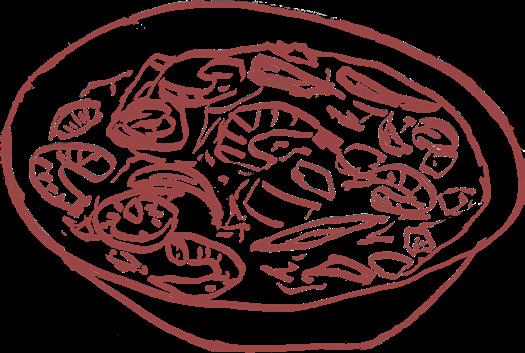
In New Orleans, gumbo was created by adding the filé of the Choctaw, the roux of
the French and shrimp from the Gulf.
Africa, the New World, and the Old World came together.
Okra’s mucilage bound the ingredients.
Okra carries memories of growing up, of mothers and grandmothers preparing okra, of warm family meals.
She also carries the generational grief of enslavement and the taking of indigenous land for cultivation by settlers.
She speaks of resilience and of entangled places and cultures.
Created by Nell Gottlieb in conjunction with her exhibit “Entangled Time: Entangled Space” at the Gadsden Museum of Art (Alabama), October 3 through November 26, 2025. The first edition was printed by the author in letterpress, with special thanks to Kevin Auer.