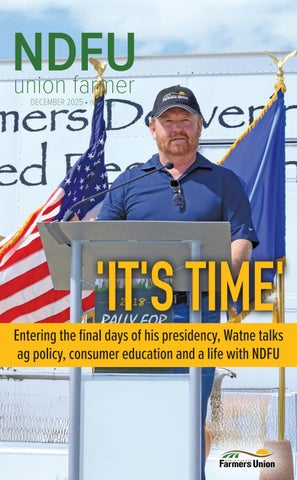
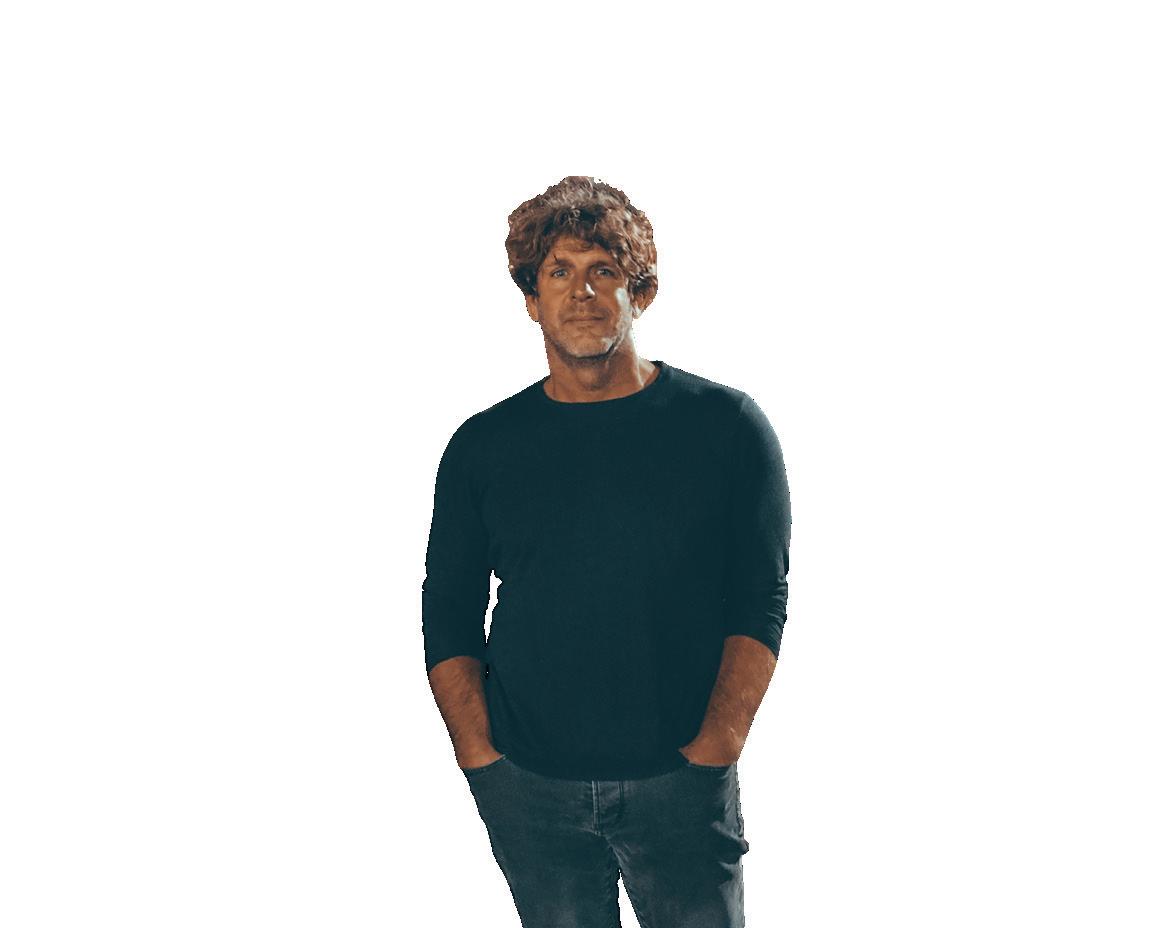
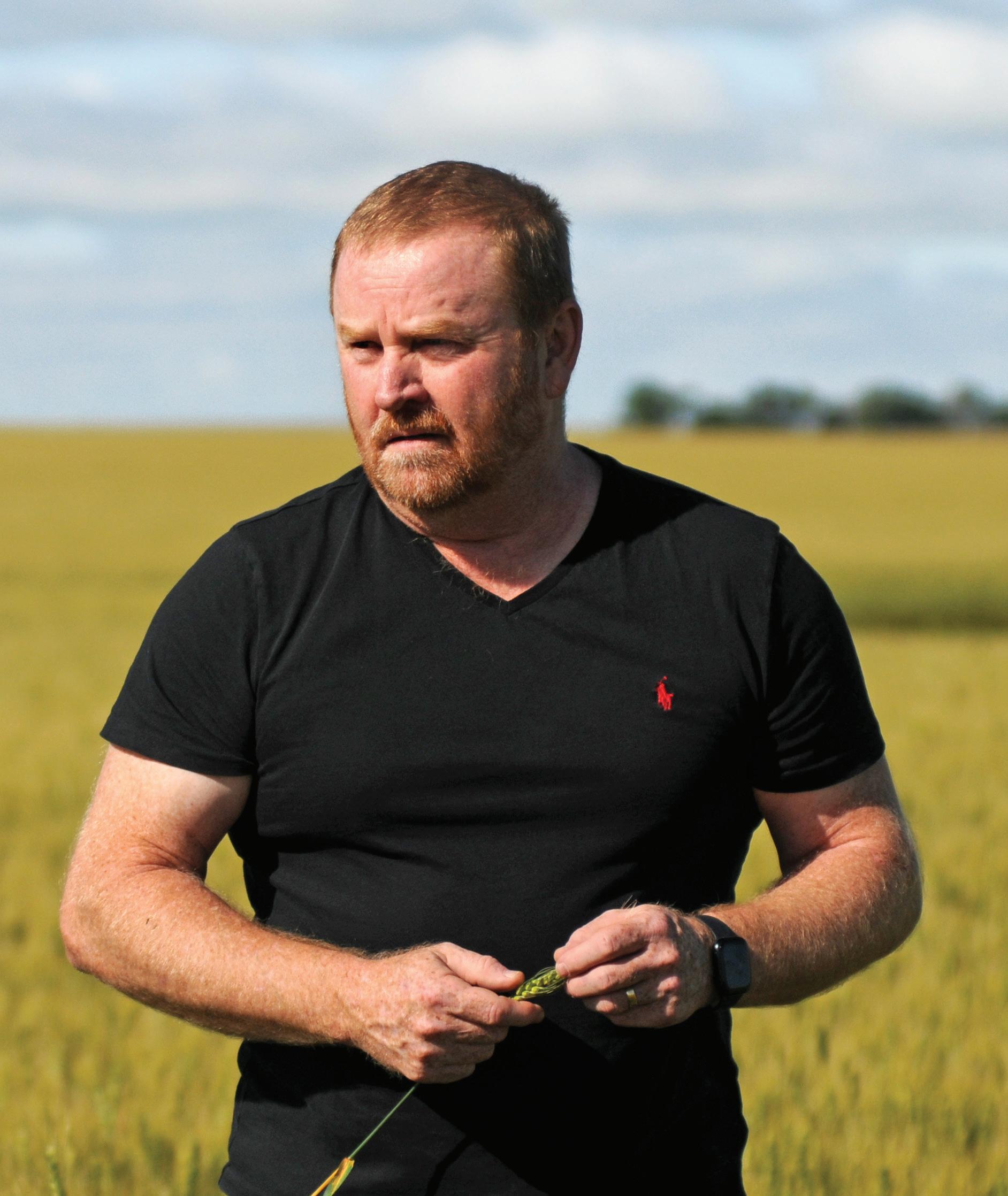
Entering the final days of his presidency, Watne talks ag policy, consumer education and a life with NDFU
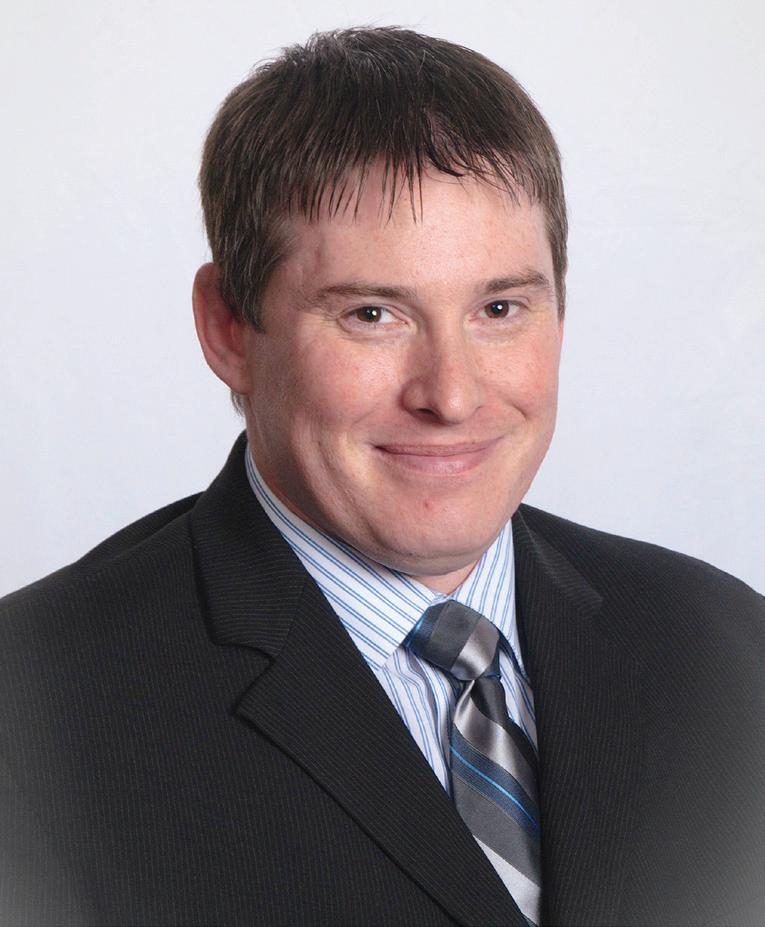
I was born in Beach and lived in South Dakota, Montana, Alaska and Hawaii before moving back and graduating high school in Beach in 1998. I moved to Bismarck in 2000 and have resided here ever since.
I started in the insurance industry in 2002 and have been with Farmers Union Insurance since May 2014 in Mandan. I enjoy working in the insurance industry. Since I started, it has been constant change, and I enjoy helping Farmers Union members keep up with the complex market.
My partner Brandy and I combine to have four girls: Shay (17), Abigail (11), Kin (9), and Addison (8). We enjoy days in the pool and trips to Fargo.
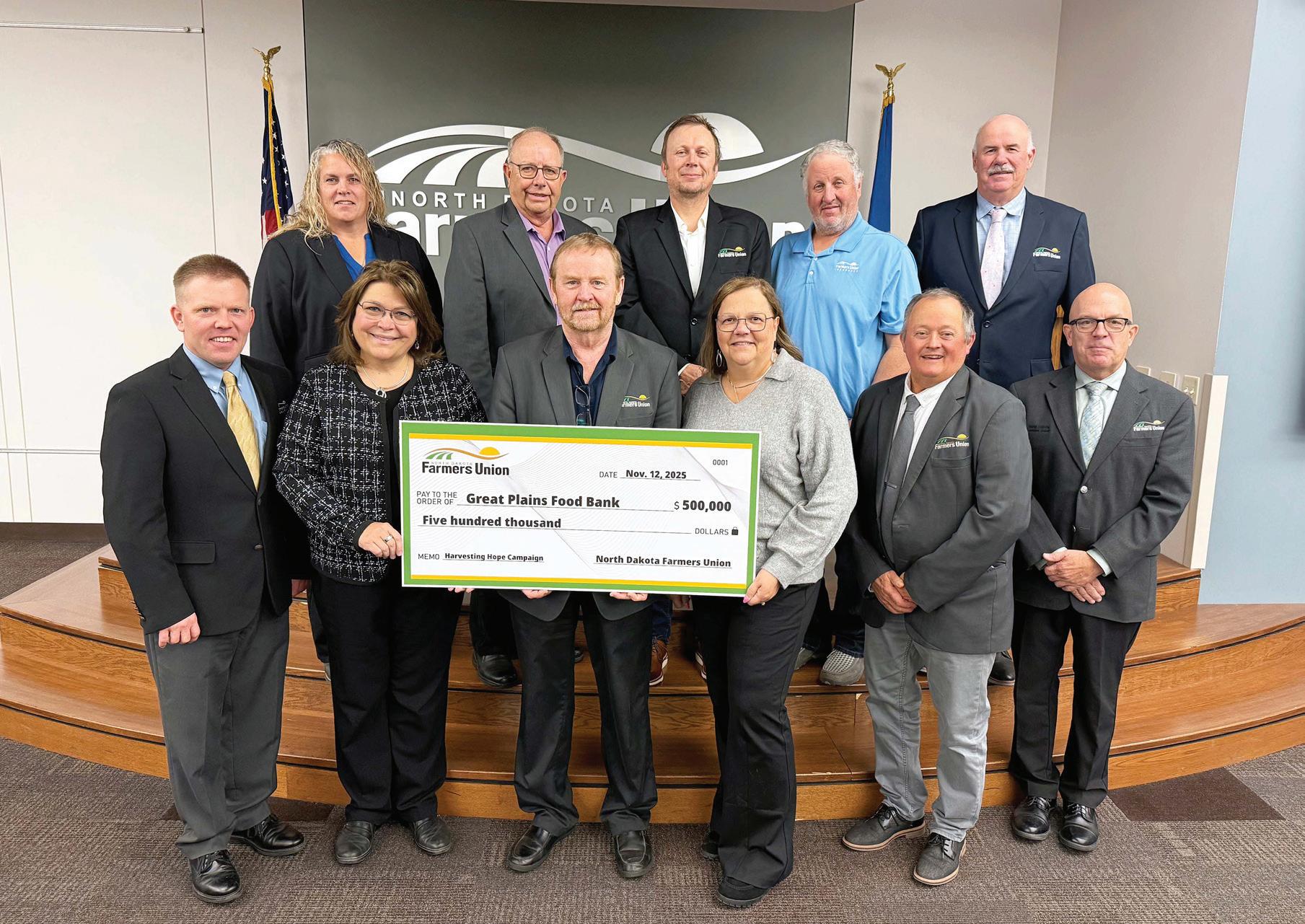
NDFU donates half a million to Great Plains Food Bank
On Nov. 12, North Dakota Farmers Union (NDFU) donated $500,000 to the Great Plains Food Bank (GPFB), a leading hunger-relief organization and the state’s only food bank. The sizeable contribution is dedicated to the relief agency’s Harvesting Hope Campaign, which is focused on building a new statewide distribution center to expand food access across the state.
“We are fortunate to be able to make this donation, which comes from the strength of our grassroots organization and our members – the hundreds of family farmers and ranchers who put food on our tables every day,” said North Dakota Farmers Union President Mark Watne.
Farmers Union is a longtime partner of Great Plains Food Bank, recently donating 35,000 pounds of pork in September. NDFU is the state’s largest general farm organization, headquartered in Jamestown.
GPFB is a member of Feeding America, a nationwide network of more than 200 food
Holding NDFU's $500k donation check is Marcia Paulson of the Great Plains Food Bank, NDFU President Mark Watne and Michelle Watne, Harvesting Hope Campaign honorary co-chair. NDFU directors pictured are, in back, Shelly Ziesch, Wes Niederman, Tyler Stafslien, Jon Iverson and vice president Bob Kuylen. In front are Ben Vig, Shane Sickler and Bob Finken.
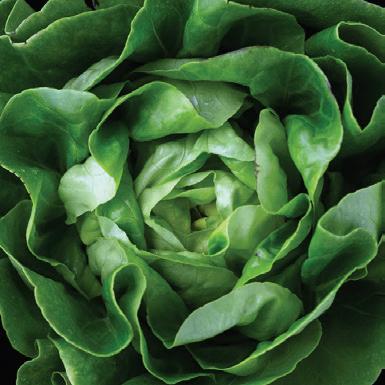
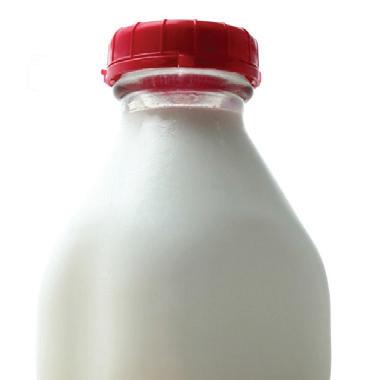
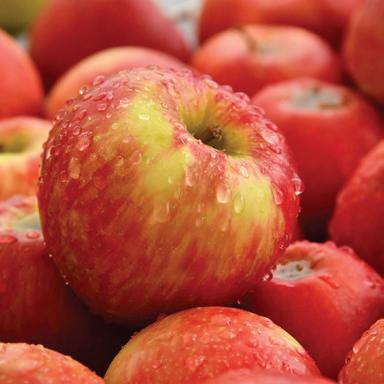
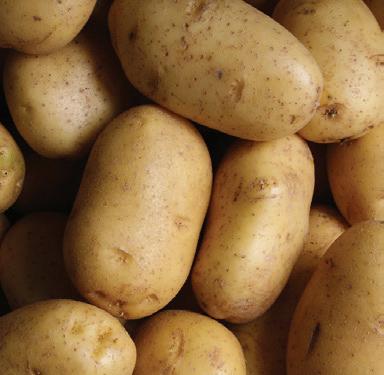
The Farmer’s Share
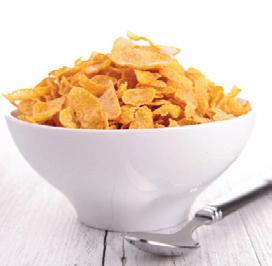
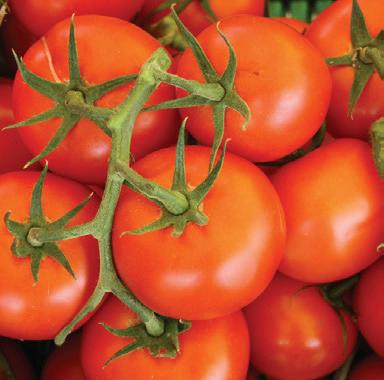
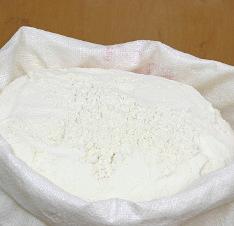
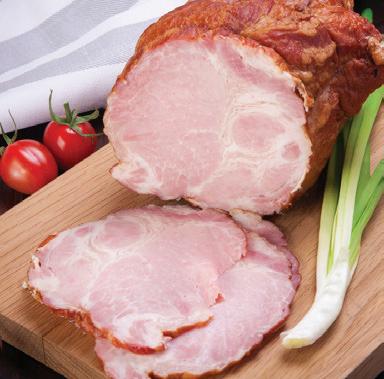
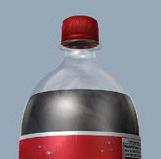
Did you know that farmers and ranchers receive only 15.9* cents of every food dollar that consumers spend? According to the USDA, off farm costs including marketing, processing, wholesaling, distribution and retailing account for more than 80 cents of every food dollar spent in the United States.
FROM NORTH DAKOTA FARMERS UNION
Farm health care costs soar as ACA tax credits expire
More than 22 million Americans are expected to see their health insurance premiums skyrocket in 2026. The average monthly premium for Affordable Care Act (ACA) marketplace enrollees who receive subsidized premium help is projected to increase 114% for marketplace plans. The sharp increase stems from the scheduled expiration of enhanced ACA tax credits at the end of 2025. In North Dakota, farmers and ranchers will be hit especially hard unless Congress acts to extend the credits. For example, an individual making $35,000 annually could see an annual premium increase of over $1,500, and a family of four making $130,000 could see their monthly premiums increase from $921 to $2,572 per month.
The ACA’s Premium Tax Credit, also known as the Advance Premium Tax Credit, was created to lower the cost of health insurance for individuals with incomes up to 400% of the federal poverty level (FPL). The credit caps how much of a person’s income can go toward premiums. The enhanced credits, implemented in 2021 in response to the pandemic, significantly lowered these caps and removed the 400% FPL income threshold. That meant even higher-income individuals qualified for subsidies, ensuring no one paid more than 8.5% of their household income toward the benchmark plan.
Before that expansion, enrollment in the ACA marketplace had plateaued at around 9.7 million participants. Once the enhanced credits took effect, enrollment surged to 21.8 million. In North Dakota, enrollment has grown 87% since the expansion began.
However, the enhanced tax credits have a major weakness — they offset the cost of insurance premiums but do not address the underlying rise in health care costs. Those costs are climbing much faster than inflation; national health spending increased 7.5% between 2022 and 2023. Several factors contribute to these increases, including an aging population, new pharmaceutical treatments, and higher service costs.
However, the core driver is the fragmented structure of the U.S. system. Unlike many other developed nations, the American health care system is decentralized and largely voluntary. This system results in older adults and those with chronic conditions being overrepresented, which drives up average health care costs. Farmers, ranchers and self-employed small business owners make up a large share of ACA marketplace enrollees, often benefitting from enhanced credits.
North Dakota Insurance Commissioner Jon Godfread estimates that of the 34,000 North Dakotans benefiting from the ACA marketplace,
Union Insurance reports that about 70% of the farmers and ranchers they insure could be affected by the expiration of the enhanced credits. Godfread warned that many might choose to forgo insurance altogether, which would further destabilize the market and drive premiums even higher.
NDFU supports at least a one-year extension of the enhanced premium tax credits. Farmers and ranchers cannot absorb a 100% increase in premiums. Still, NDFU recognizes that extending the credits alone won’t fix the larger problem of rising health care costs. Farmers and ranchers are open to reforms aimed at transparency and competition.
Cost transparency remains a major challenge in health care. The same procedure can vary dramatically in price depending on location, as one service in Fargo might cost six times more than in Minot. Greater cost transparency could help patients and insurers make informed choices and hold providers accountable for excessive pricing.
Another concern is consolidation within the health care industry. In 2012, fewer than 30% of physicians were employed by large health systems. By 2024, that share had climbed to 47%. As hospitals and providers consolidate, competition decreases, and prices tend to rise. Addressing this consolidation trend and restoring competition will be essential to
SOURCES
keeping health care affordable.
Ultimately, policymakers must confront the core question: how to manage and control costs in a largely private insurance market. Without intervention, premiums will continue to climb, leaving self-employed families with impossible choices between maintaining coverage and meeting basic living expenses.
Farmers and ranchers should prepare for higher monthly premiums in 2026. Before deciding to drop health coverage, members should contact their local Farmers Union Insurance agent to explore available health insurance options. Coverage shoppers should be cautious about low-cost plans that may offer little real coverage or turn out to be fraudulent. Members with questions are encouraged to reach out to the main office, the North Dakota Insurance Department or a qualified agent for guidance.
NDFU is actively engaging both state and federal lawmakers on the issues of high premiums and declining support to pay them. The organization’s position is clear: Congress must extend the enhanced premium tax credits while pursuing meaningful reforms to control rising health care costs. Farmers and ranchers need stability and the assurance that one illness or injury won’t lead to financial ruin.
— NDFU Govt. Relations Team
1Amin, K., Cox, C., Ortaliza, J., & Wager, E. (2025). What are premium tax credits? In Key Elements of the U.S. Tax System: Taxes and Health Care. Tax Policy Center. https://taxpolicycenter.org/ briefing-book/what-are-premium-tax-credits
2Kaiser Family Foundation (KFF). ACA Marketplace Premium Payments Would More than Double on Average Next Year if Enhanced Premium Tax Credits Expire. Analysis of 2024 and 2025 Open Enrollment Data. https://www.kff.org/interactive/calculator-aca-enhanced-premium-tax-credit/
3Patzman, A., Strong, K., & Harootunian, L. (2025). Enhanced Premium Tax Credits: Who Benefits, How Much, and What Happens Next? Bipartisan Policy Center. https://bipartisanpolicy.org/ issue-brief/enhanced-premium-tax-credits-who-benefits-how-much-and-what-happens-next/ 4Anthony, M. (2025, October 10). ND Insurance Commissioner calling for Obamacare tax credits to be extended. KFYR-TV. https://www.kfyrtv.com/2025/10/10/ nd-insurance-commissioner-calling-obamacare-tax-credits-be-extended/
5Orledge, J. (2025, October 16). North Dakotans face steep rise in health insurance without federal tax credits, commissioner warns. North Dakota Monitor. https://northdakotamonitor. com/2025/10/16/north-dakotans-face-steep-rise-in-health-insurance-without-federal-tax-credits/
6Amin, K., Cox, C., Ortaliza, J., & Wager, E. (2025, October 8). Health care costs and affordability. In D. Altman (Ed.), Health Policy 101. KFF. https://www.kff.org/health-costs/ health-policy-101-health-care-costs-and-affordability/?entry=table-of-contents-introduction
7Copeland, L. (2025, October 9). Health care consolidation continues to raise concerns. Medicare Rights Center. https://www.medicarerights.org/medicare-watch/2025/10/09/ health-care-consolidation-continues-to-raise-concerns8
8Amin, K., Cox, C., Ortaliza, J., & Wager, E. (2025, October 8). Health care costs and affordability. In D. Altman (Ed.), Health Policy 101. KFF. https://www.kff.org/health-costs/
for the 99th state convention! JOIN US
Great prizes for all ages!
• Apple MacBook laptop (ages 15-18)
• Apple iPads (6-14)
• Ford Raptor kids' truck
Dec. 12-13, 2025 • Bismarck Event Center grand
Become a convention delegate and earn an “extra” chance to win!
Register on the app and win!
Register for state convention using the NDFU App and you'll be entered into a drawing to win one of five $100 Cenex gift cards!
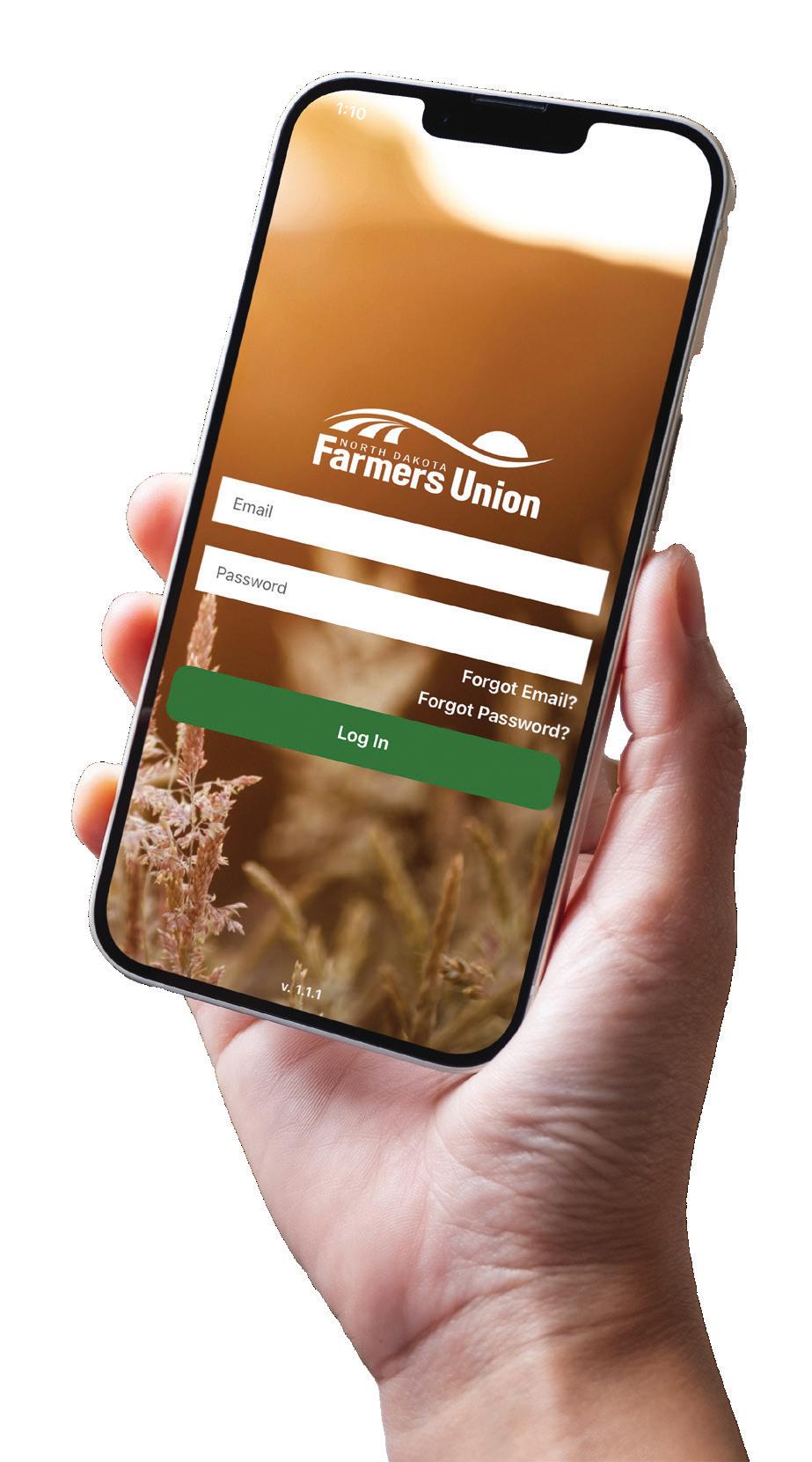
Download the app and see below for instructions on logging in the first time.
Download the app today!
It's easy to log into the
1
Login with the email you use for your NDFU communications, and your NDFU portal password.
If you don’t know your portal password, use the Forgot Your Password option!
2
Follow the on-screen prompts to login. NDFU utilizes twofactor authentication for security purposes.
3
You will stay logged into the NDFU app continually, providing you open the app once a month!
If we don't have your email on file, email the state office to have it attached. ndfucommunications@ndfu.org
THE AGENDA
99th Annual State Convention • Dec. 12-13, 2025 • Bismarck Event Center
FRIDAY, DEC. 12
7:30 a.m. Registration opens
8 a.m. Mix & Mingle Breakfast
8:25 a.m. Dale Bednarek, President/CEO, Farmers Union Industries
8:45 a.m. Convention convenes/Call to order
9:15 a.m. Dr. Frayne Olson, NDSU economist
10:25 a.m. District caucuses
11:30 a.m. Lunch
12:45 p.m. Jacob Shapiro, geopolitical analyst
Don't forget about youth convention for ages K-12!
Activities include the Gateway to Science Museum, Theo Art School, bowling, Heritage Center and more! Lunch is provided both days!
2 p.m. Rob Larew, National Farmers Union president
2:30 p.m. President’s Report: Mark Watne, NDFU president
3:30 p.m. NFU delegate/NDFU election nominations
4:30 p.m. Breakout sessions (next page)
6 p.m. NDFU tailgate party (page 14)
SATURDAY, DEC. 13
7:30 a.m. Registration/voting opens
8:15 a.m. Breakfast with your insurance agent
9 a.m. Insurance annual meeting; Credentials/Bylaws Committee reports; FUI CEO Report from Mark Anderson
11:45 a.m. Student Youth Advisory Council presentations
12 a.m. Lunch
1 p.m. Balloting closes
1:15 p.m. Policy consideration and debate
Cost is $30 and open to youth whose parents are attending the NDFU convention. Register online at NDFU.org.
4:45 p.m. Final report of Credentials Committee; Elections Committee report; Introduction of new board members
5 p.m. Social
6:30 p.m. Torchbearer Award ceremony/banquet
SPEAKER: Miss North Dakota 2025 Kennedy DeLap
8 p.m. Drawing for prizes/social continues
TAILGATE PARTY
CORNHOLE TOURNAMENT AT STATE CONVENTION
FRIDAY, DECEMBER 12
Full details and complete rules will be provided to the teams.
• Two people per team. NORTH DAKOTA FARMERS UNION
• Create a team of 2 members.
• Choose your team name.
• Play to 21. We use the “no bust” rule so people can go over 21.
• Double elimination tournament.
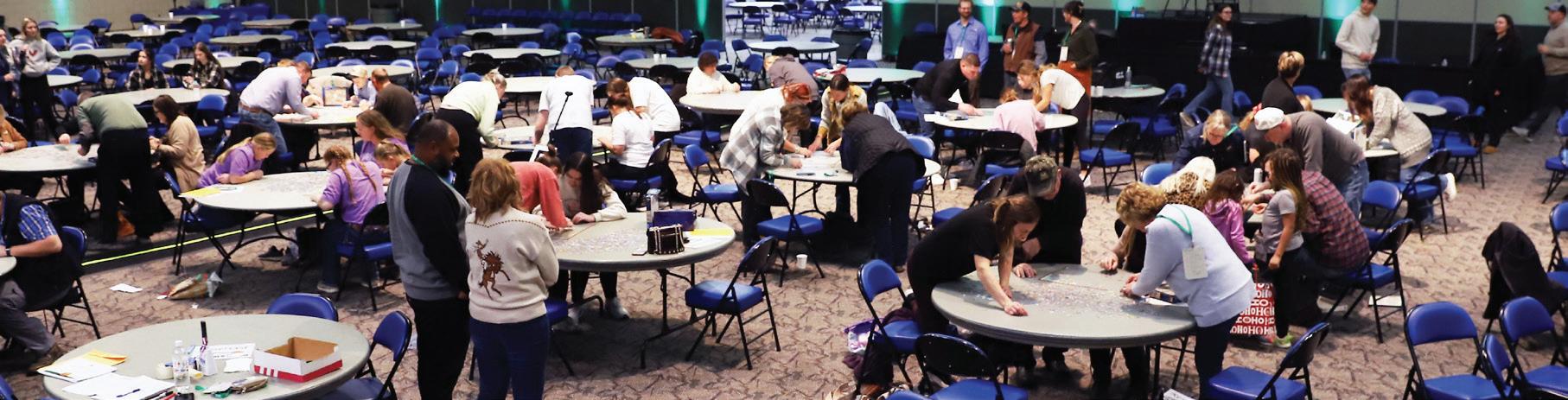
JIGSAW PUZZLE COMPETITION
• Create a team of 2-4 members.
• Choose your team name.
• Each team wil be given an identical 500-piece puzzle to assemble in two hours.
• First team to finish their puzzle in the least amount of time wins!
• Competition limited to 20 teams.
Register your team at: ndfu.org. Questions? Call 701-952-0114.
PRIZES AWARDED
TO WINNING TEAMS FOR BOTH PUZZLE & CORNHOLE GAMES
1ST PLACE - $1,000 2ND PLACE - $500 3RD PLACE - $250
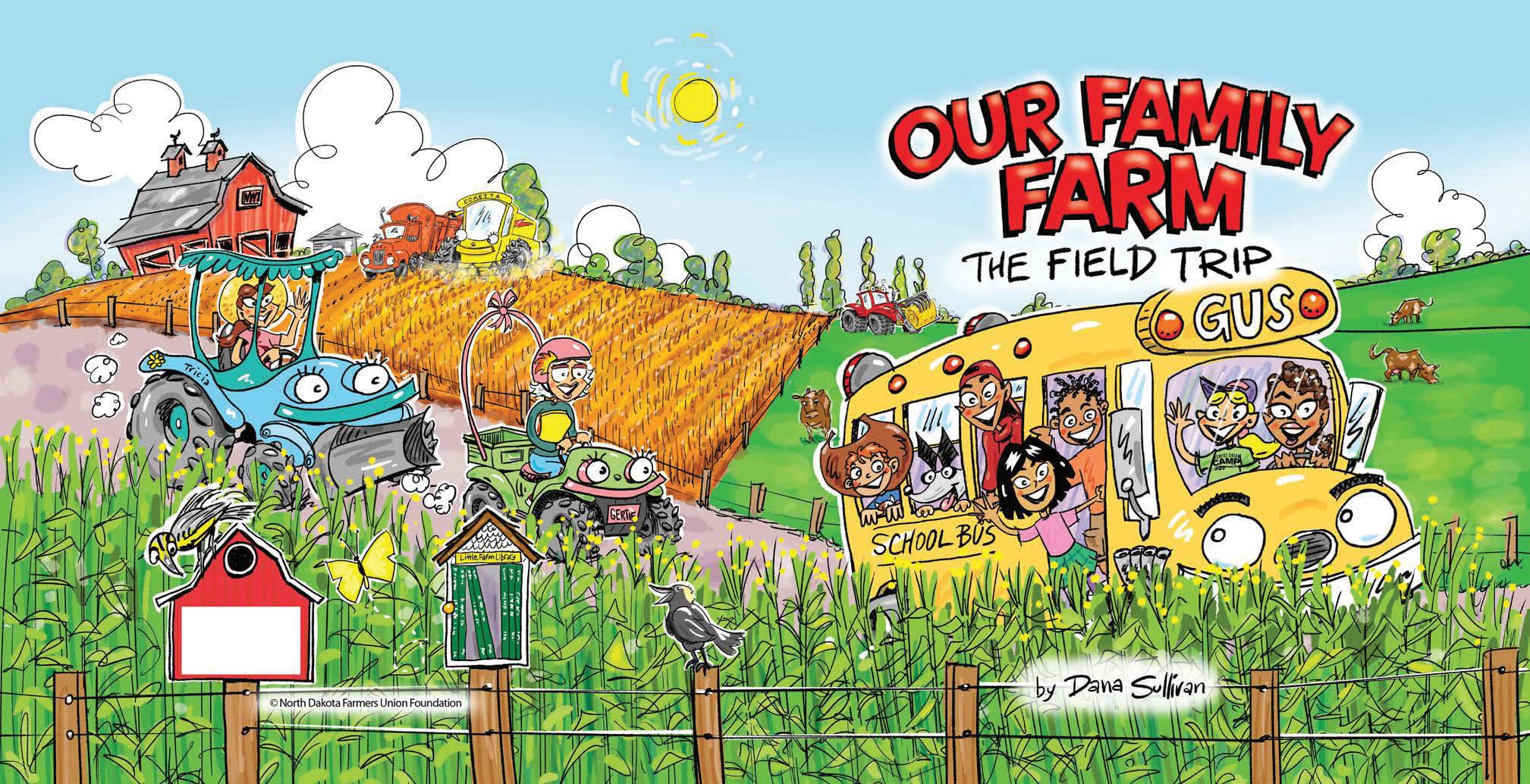
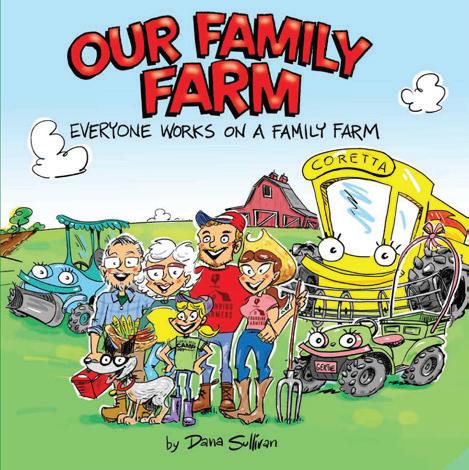
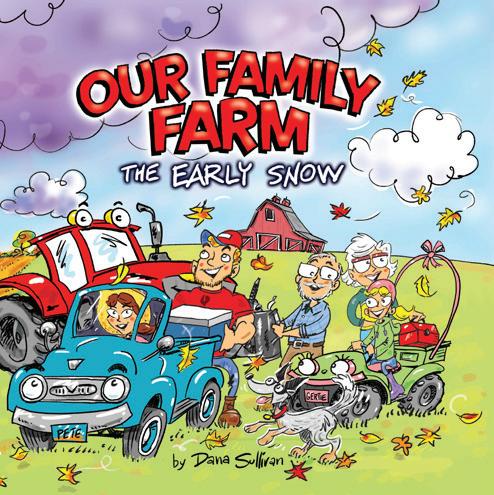
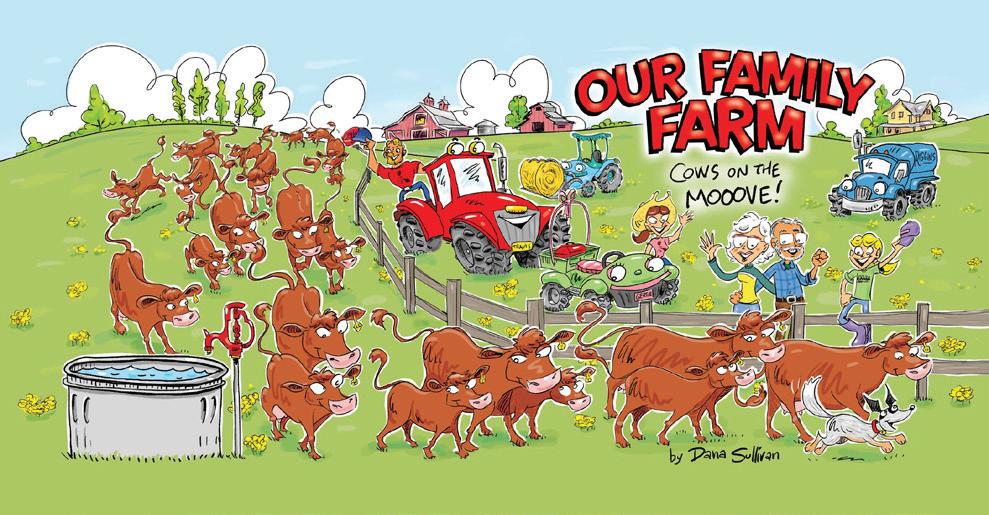
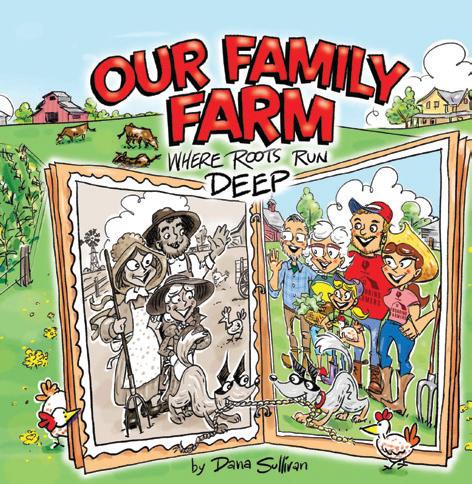
the fifth children’s book from North Dakota Farmers Union
$16.95 plus tax
Dusty's class joins in on the fun, as they take a field trip to the farm to dispel common farming myths and learn where food comes from!
y Farm
MEET THIS
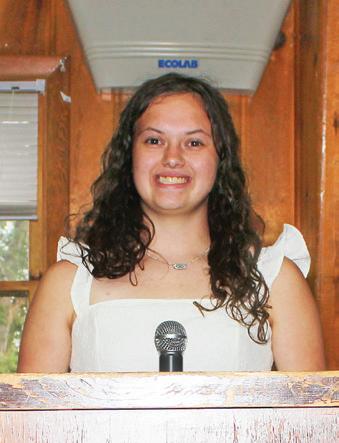
ROSE BAUMGARDNER
Strasburg, Grade 11
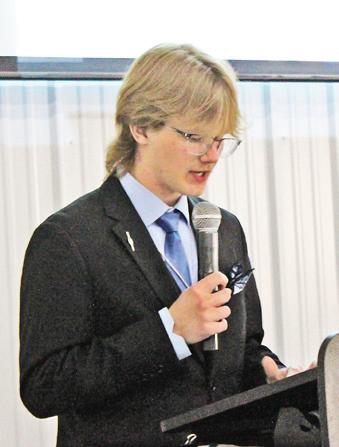
Why did you want to represent Farmers Union on SYAC? It would be a good learning experience and it sounded fun.
What new ideas do you want to implement in our youth program? Find more ways to keep kids coming back to camp and keep them involved in camp activities.
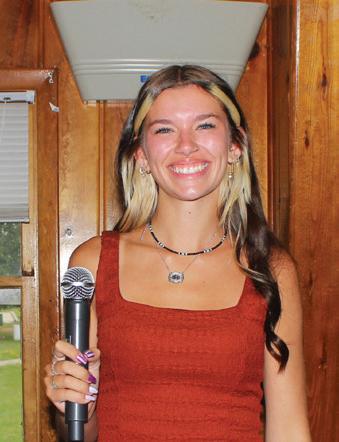
DANICA DEGENSTEIN
Watford City, Grade 11
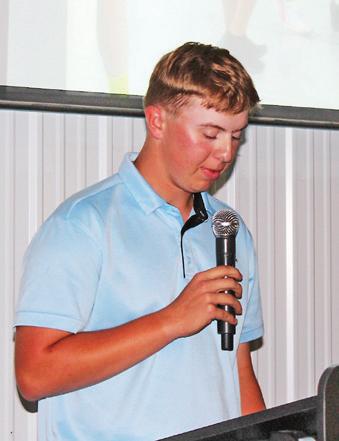
Why did you want to represent Farmers Union on SYAC? I wanted to continue to help encourage kids and peers to learn more about NDFU.
What new ideas do you want to implement in our youth program? Different types of marketing like school events and speakers, and new ways to bring everyone in.
CARTER HASS
Valley City, Grade 11
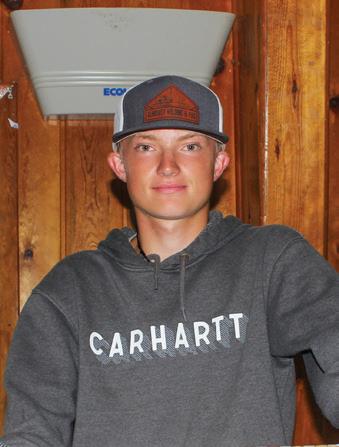
Why did you want to represent Farmers Union on SYAC? I made my first real friends at camp. Therefore, I need to give back.
What new ideas do you want to implement in our youth program? Themes such as getting involved, volunteer work, how to advocate, making relationships and knowing your mental health.
YEAR’S SYAC Congrats
MATHEW HOLM
Valley City, Grade 11
Why did you want to represent Farmers Union on SYAC?
I felt that helping to plan all of the various activities throughout the year would be fun, and I could develop some leadership skills.
What new ideas do you want to implement in our youth program? Something new that could be implemented would be teaching what good farming practices are and how to protect those ways.
RYLAN SCOFIELD
Arnegard, Grade 12
Why did you want to represent Farmers Union on SYAC?
To help keep camp fun and add new stuff.
What new ideas do you want to implement in our youth program? Keep adding cool, fun stuff for the kids.
our State Youth Advisory Council!
A lifetime lifting up agriculture
After more than 40 years advocating for farmers and 12 years as president of the state's largest farm organization, Watne set to retire after state convention
EDITORS NOTE: NDFU President Mark Watne was elected in December of 2013. He is retiring and his term will be finished at state convention on Dec. 12-13 in Bismarck. NDFU Editor Chris Aarhus recently sat down with Mark to talk about his time as president and his outlook for agriculture.
CHRIS: Mark, you’re retiring after 12 years as president of North Dakota Farmers Union, which includes running all of its businesses. It's clear that, historically, many of our presidents started thinking about it around that 10-year time frame. What factors influenced your decision to retire now?
MARK: You start this job with a series of goals and enhancements that you believe are going to be in the best interest of the organization. I think a 10-to-12-year window
is about the appropriate amount of time to make a bunch of changes. Your energy level and your desire to continue starts to run out. I'm a firm believer that (this window of time) sets the stage for somebody that truly believes in an organization that's perpetual, and that the timing is right for another generation or another level of energy from another leader. And it's not a perfect science, by any means. But as a leader, you can tell when you're less enthusiastic, and I'm feeling that.
CHRIS: In that vein, what aspects of serving as president of North Dakota Farmers Union might be misunderstood by others?
MARK: I would say the economics — the financial picture, maintaining the balance sheets, income statements — is probably 60 to 70% of my time. Every leader is going to approach this a little differently. Because I had a history of listening to other presidents and other leaders, my approach was that an organization with good financial backing
enables it to function well. So, what happens to many organizations is they have the passion, but they don't have the capacity, whether it's financially or with membership numbers. The key to this, and what I spend a lot of time on, is ensuring that we do our investments properly — that we've got income streams to generate the dollars necessary to keep this place adequately staffed and to function at as high of a level as possible.
CONTINUED ON PAGE 18
CONTINUED FROM PAGE 17
CHRIS: Tell us a little about life growing up on the Watne farm north of Velva, where your family still farms today.
MARK: Our farm was very typical. Mom (Janice) and dad (Gene) had expectations. During harvest, both my brother (Lynn) and I were driving trucks and running combines by the time we were nine or 10 years old. I played baseball, but we really didn't do a lot of sports. Our life was dedicated to the farm and we had fun, but we had a lot of responsibility. We were probably a bit larger than most farms in the area when I was growing up. My mom cooked for the crew. There was usually one or two hired hands, and we’d have lunch in the house, and then we didn't eat supper till we got in that night. We never broke for supper.
CHRIS: This idea of being an advocate for agriculture on a bigger stage. Did that come from your father Gene?
MARK: Yeah, dad was in the (North Dakota) legislature and served four terms as a representative. He was involved and on many boards. We helped him campaign. So, the desire to be in the public and work for the public was set by his standard. It didn't matter whether it was church or anything. He was always somebody that was willing to step forward and participate.
CHRIS: How did that propel you into getting involved with Farmers Union?
MARK: What really got me was the 1980s (farm crisis). Our farm was struggling, like every farm, and I was around people that were willing to step up and say that this isn't right. So, it pulled me in, because I became part of a community of folks that wanted to make things better. I was invited to be on a county board, and I served on the policy committee, which was really the big step because it took it beyond my own little community and put me into a state setting where I didn't feel alone anymore. I didn't feel like we were the only ones that didn't know how to farm anymore. You can isolate really easy and think it’s only you having problems. It wasn't. It was widespread. And going through the policy book was just enlightening to me. Just about everything I cared about was in there.
CHRIS: Many years ago, you were a county president. You eventually became the youngest ever NDFU district director, winning your first election at 29 years old. Did you ever think that one day you might become state president?
MARK: I did once get asked to run for the state legislature, and I told those folks no, because I'm going to run to be the vice president (of NDFU). That's going to consume my time. When I decided that, the possibility of being president one day probably entered my mind.
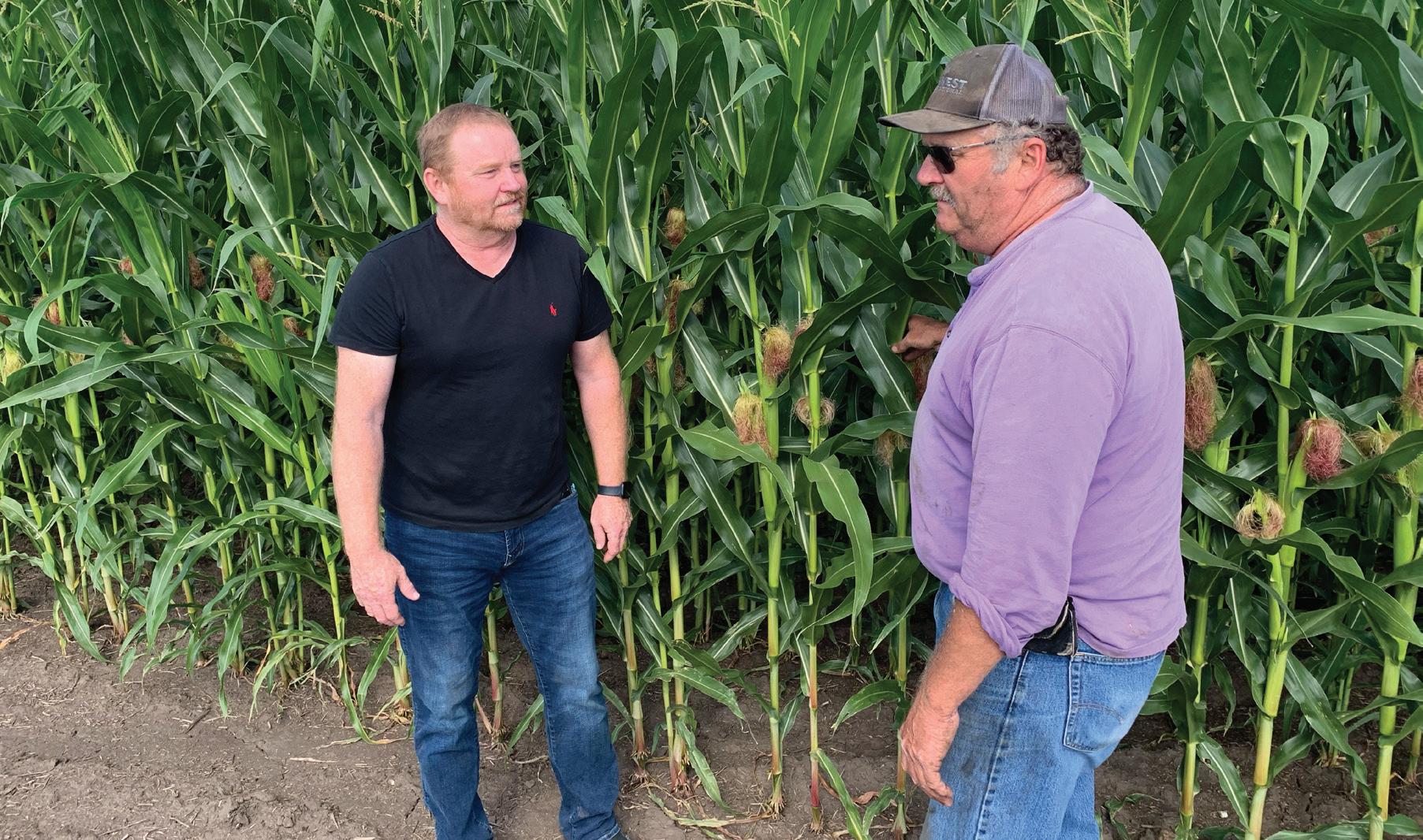
NDFU President Mark Watne visits with his brother Lynn in one of their family's cornfields near Velva.
CHRIS: Shifting to your work as president, you were elected in December 2013. Corn was well over $7 because of the ethanol mandate, and there was a widespread drought in 2012. By October of the next year, corn had dipped all the way down to $3.23. How critical is defending the farm safety net in helping farmers manage such market volatility?
MARK: We (as farmers) understand weather scares and supply scares create movements in the marketplace. But the interesting thing is, we've needed a disaster payment nearly every year now for 10 years. That’s been not solely because of Farmers Union, but it certainly is a credit to us in making the case, and with getting farm bills done, too. I would say we've had some substantial success in continuing to defend the rationale of government support for agriculture. And that is key, because at the end of the day, we value having an extremely good food system in the U.S. At times, that has come off the back of the farmer, and that's why you help the farmer. It’s their suffering with pricing issues that makes our low-cost food system happen. It is not Republican. It is not Democrat. It’s an expectation, by all, that food in our country will be cheap.
CHRIS: During your tenure as president, NDFU successfully led the 2015 effort to overturn the legislature’s beef and pork exemption to the anti-corporate farming law. Over 20,000 signatures were gathered, and 76% of North Dakota voters supported the measure. What made this achievement possible?
MARK: I'm quite proud of that effort. We fought the battle in the legislature, and we lost. So, we brought the Board of Governors down and gave them the information. We made sure our county leaders wanted to fight it, and they did. When we put the campaign together, we were able to institute a strong education component. I said at that time that we would not play dirty. We're gonna defend the family farm. So, we stayed out of the weeds. We got the buy-in from our members and our leadership. We created a positive campaign. We took our momentum, and we turned it into an event (at the state capitol in Bismarck), and it really worked. And many people in the media and elsewhere really appreciated that we managed it on a very positive level.
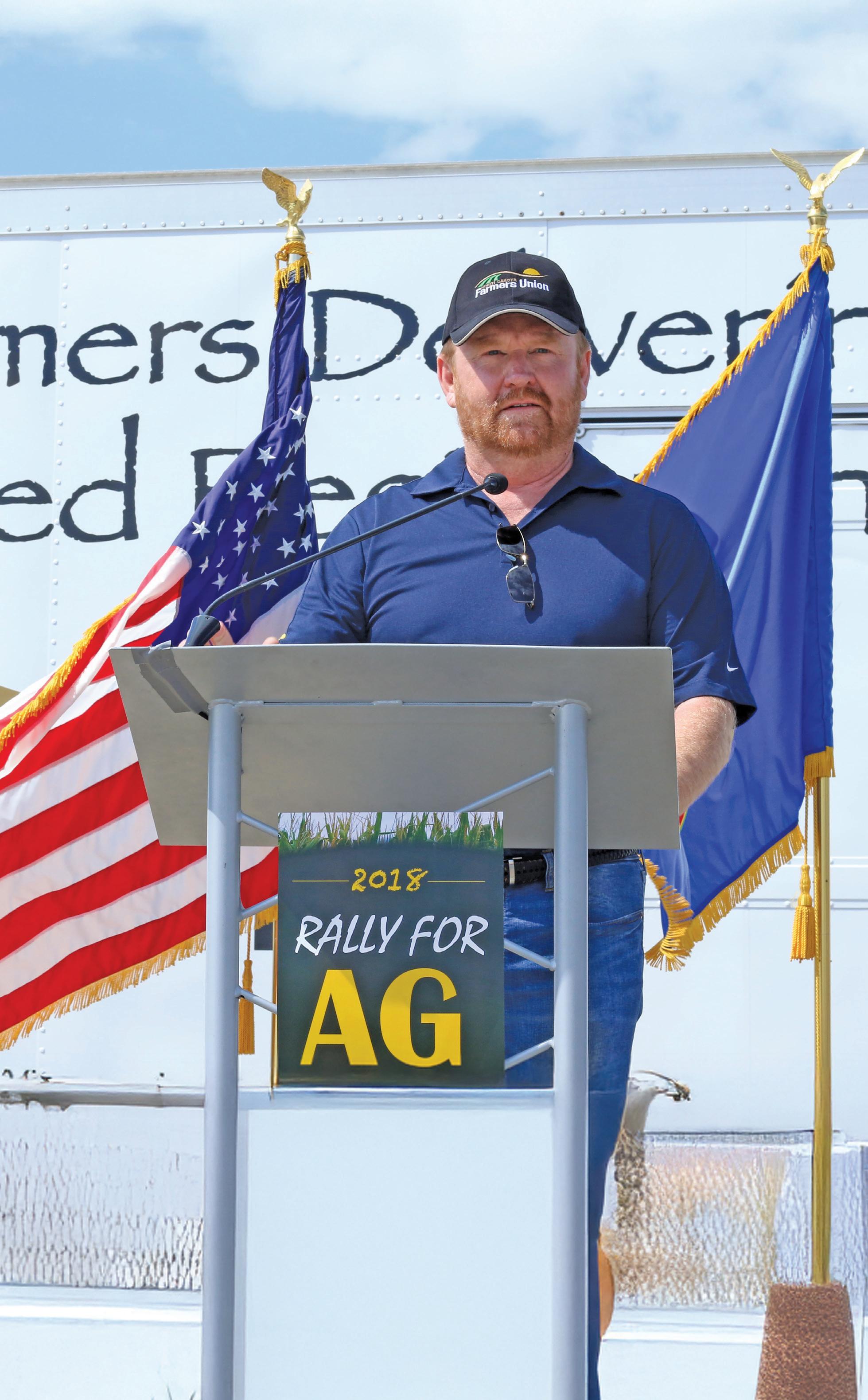
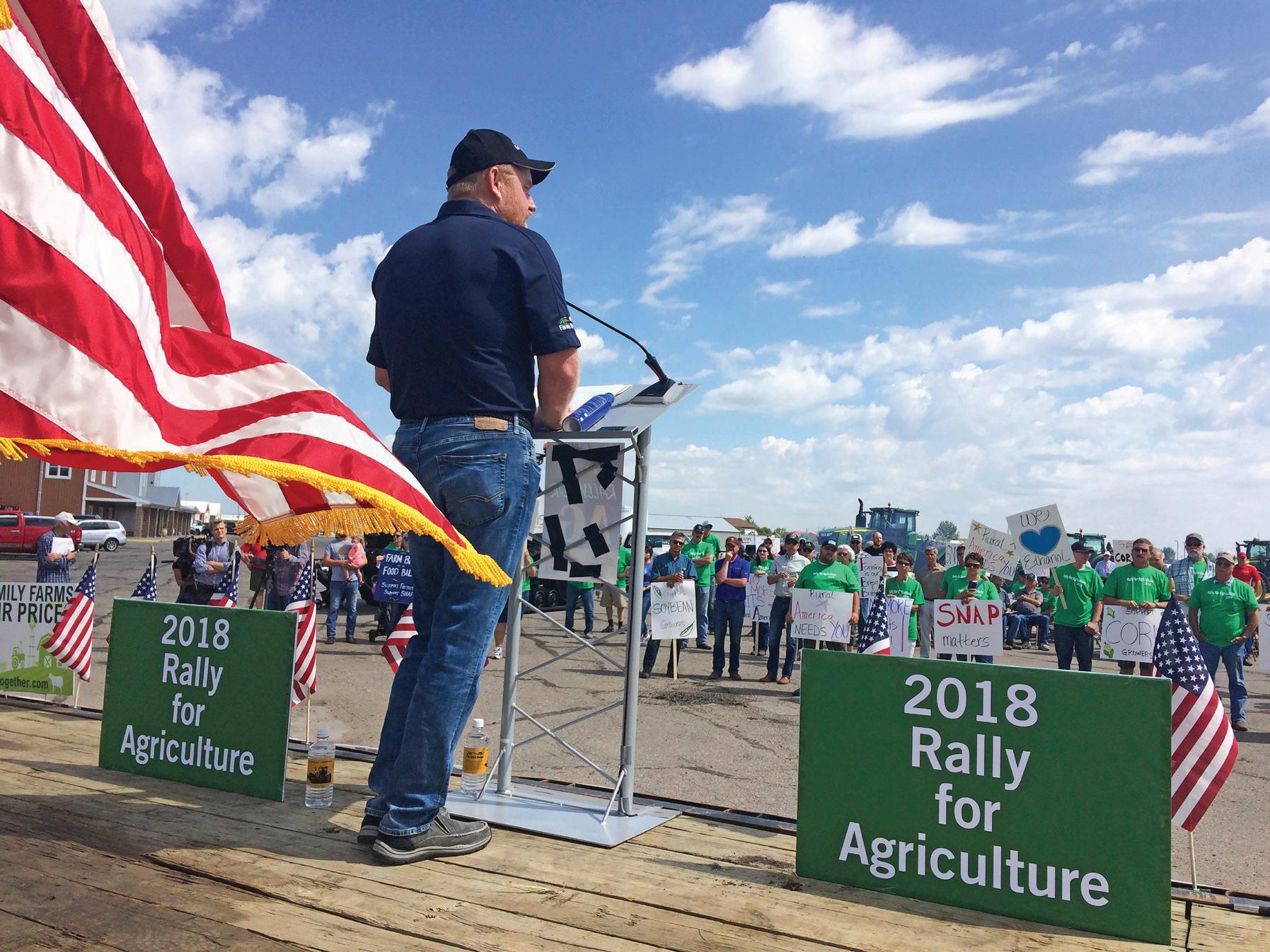
NDFU President Mark Watne led a rally for agriculture in June of 2018 in West Fargo.
CONTINUED FROM PAGE
CHRIS: You led that fight in 2015 here in our state, but you’ve also been overseas trying to bridge the gap on agriculture between countries with your work at both the World Farmers’ Organization and the World Seed Partnership. How do farmers’ challenges compare globally, and where do they differ?
MARK: In the early days of dialog, meetings were mostly agribusiness related. They weren't necessarily talking about individual farms or family farms. And that changed when (former NDFU President Robert Carlson) was president of the WFO. That's when we really started getting involved. The question we focused on was, what are the similar problems that impact farms across the world? What we’ve learned is that it doesn't always matter whether you're farming in Africa where you’re simply using the seed you grew from the year before, or if you’re farming here on a larger scale with more tools. At the end of the day, you both harvest, and your product doesn’t have enough value to pay you back. Our role (at WFO) is connecting those dots of agriculture and helping each other find ways to enhance the lifestyles of everybody. (This work has) really brought me an understanding of what people are up against in other parts of the world in trying to grow and expand markets while trying to stop the exploitation of agriculture. Because I’m (National Farmers Union’s representative to) the WFO, I’m also appointed to the World
Seed Partnership. You get into these countries in Africa where the germination on their wheat seed is 50%. It’s really about protecting the genetics, trying to bring the standards up and teaching people how to manage seed in countries that haven’t advanced their agricultural practices.
CHRIS: NDFU recently opened restaurant No. 8 in Alexandria, Va. There were three restaurants when your presidency started, but you were on staff here helping organize these restaurants during their startup. The restaurants source everyday products like honey, sugar and wheat directly from North Dakota farmers via our trucks. How have the restaurants been a benefit to our organization and its members?
MARK: I had been the development specialist, so I was on staff doing all the footwork around it. I was really in the know on the restaurants when I became president. The restaurants have garnered us a lot of respect because we’re making an effort to connect farmers directly (with the end of the supply chain). It's also created a consumer education tool that is very subtle, but it helps in this mode of people buying more direct from farmers and supporting farmers through the marketplace. That's been huge. It’s done other things in that we’ve gained a lot of respect (in the business world). It shows that we have a business sense. When somebody tries to argue that Farmers Union just doesn't get it, they're not right. We do get it, and we understand business.
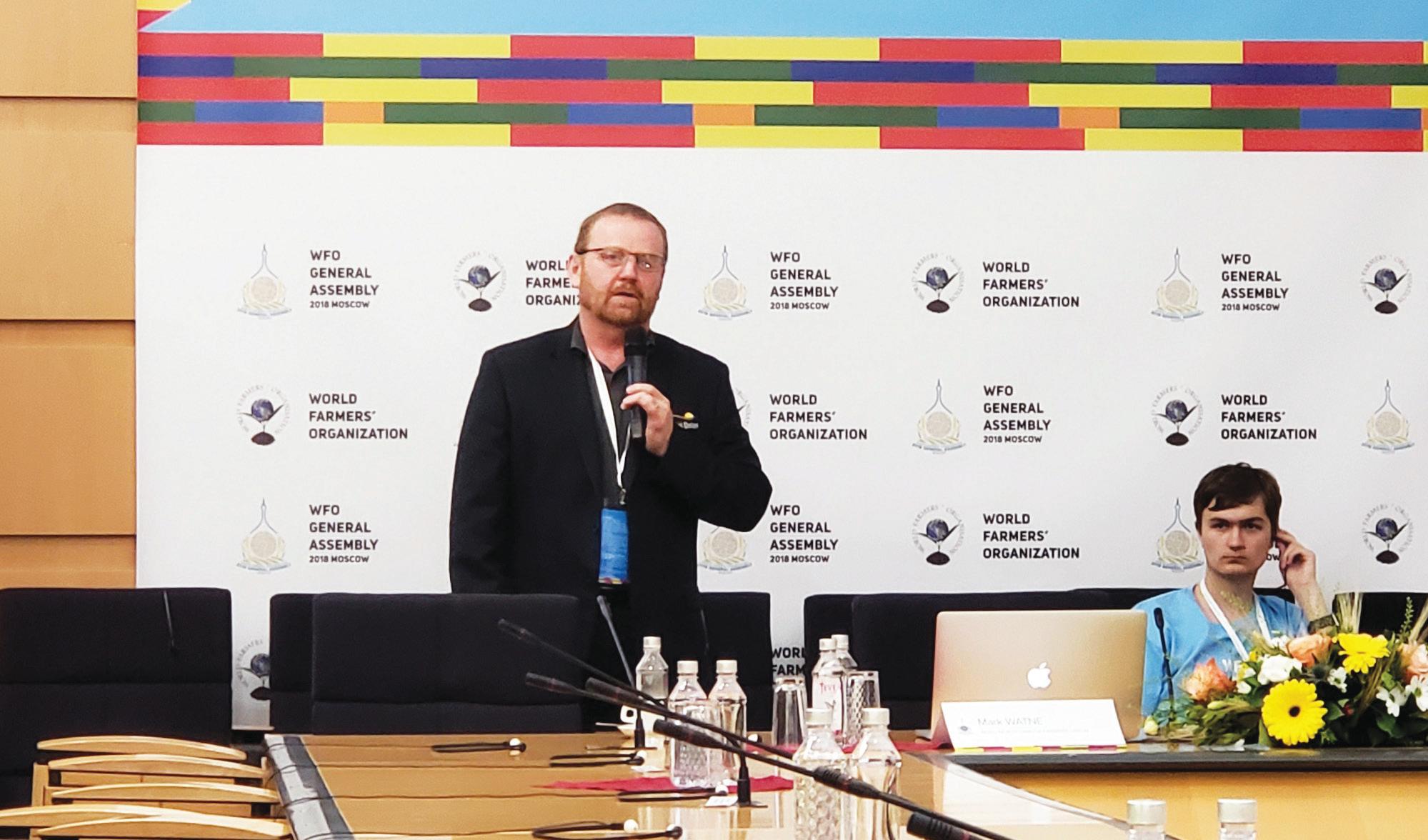
NDFU President Mark Watne gives a presentation at the World Farmers' Organization.
19
That's
why
you help the
farmer. It’s their suffering with pricing issues that makes our low-cost food system happen. It is not Republican. It is not Democrat. It’s an expectation, by all, that food in our country will be cheap.
— NDFU President Mark Watne
CHRIS: And not only with the restaurants, but with the tremendous success of our insurance company. And with the success of Farmers Union Enterprises and Industries, right?
MARK: Yes, it's everything. And a big part of that is the branding and marketing that we’ve done. These all are tools that further the Farmers Union brand. We're a successful company because it's all related, and that's huge in today's world.
CHRIS: You’ve made educating consumers a priority during your presidency. NDFU just released its fifth children’s book, “The Field Trip.” Where did the idea for these books come from and what has that process been like?
MARK: Consumer education really is the basis for the children’s books, because we've learned that people are missing the fundamentals about production of their food. This is a direct response to continually hearing from our members and leaders saying that we need to educate the consumer. But many incorrectly assume that the consumer is sitting out there wanting to listen to you tell them about farming, and the reality is that's not true. There's nobody out there going to Farming 101 classes. So, we thought, let's start with the kids. I had an idea to do children’s books, but our approach to them and how we went about it really was a group effort — the staff and everybody. It's an indirect way to do consumer education, and it works.
CHRIS: What kind of learning experience has this been, with NDFU getting into the world of publishing?
MARK: We’ve learned that the process is not so much about the book itself because the books are high quality. It's really about how much money you want to spend to get into the world of publishing and the world of book
sales. You can get there, but you probably won't make money. You have to buy your way in, and the recovery is tough. The good news is that we've made a little bit of money doing it. We’ve done five books and they'll sell. The question is, what else can you turn it into?
CHRIS: Publishing a children’s book represents outside-the-box thinking for an organization like us. Why was it necessary to do something outside the norm and how does it fit in with our other education tools?
MARK: I think it's because the world changes. The world went from a whole bunch of people reading long stories and searching out information to soundbites. You have to adjust the way you communicate to your members or to others. The idea of a children's book that can be read is just one tool, but it’s kind of part of the work we’ve done with social media and the NDFU app. If you don't think you have to be part of it — whether you appreciate the change or not — you will fall behind. It's part of the development of our creative tools. But it’s also important, because it does energize the membership. They like it.
CONTINUED ON PAGE 22
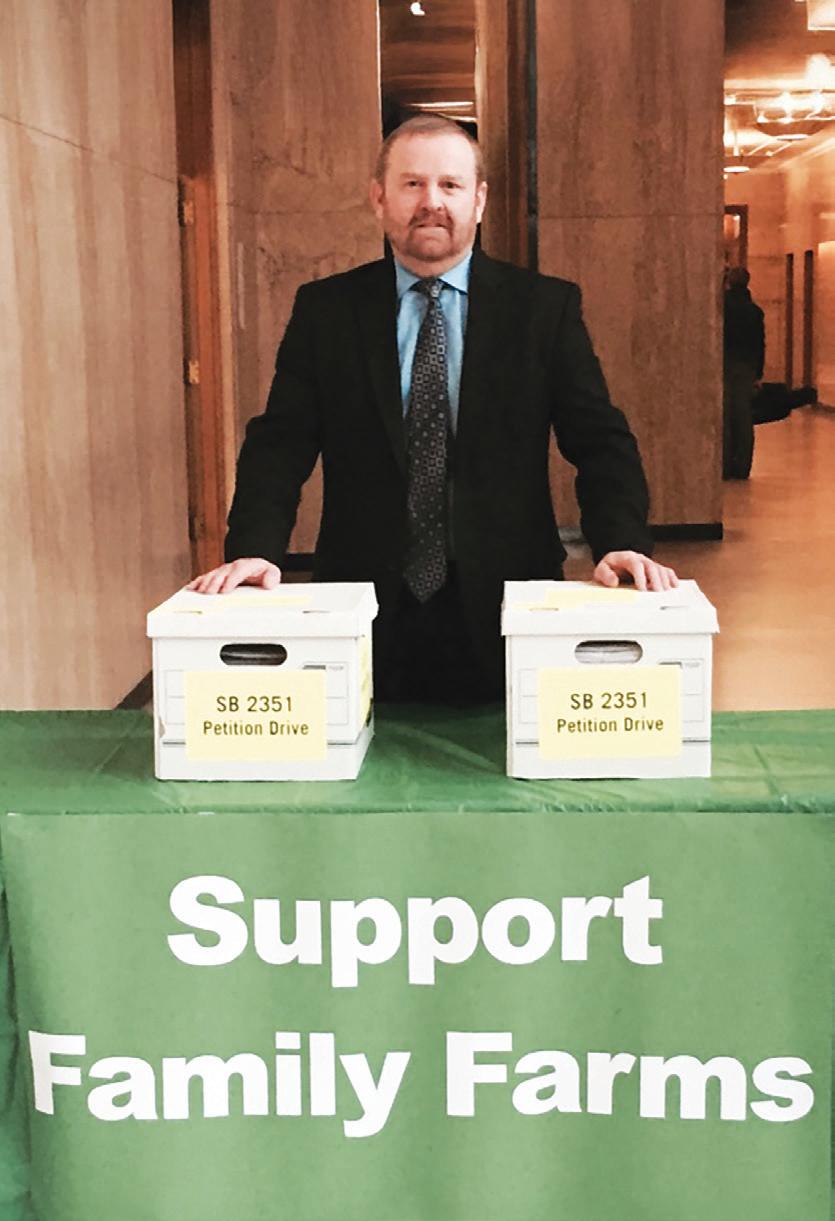
NDFU President Mark Watne stands by petitions submitted by NDFU to refer a law onto the ballot that created a pork and dairy exemption to the anti-corporate farming law in 2015. The effort was successful, and in 2016, 76% of voters agreed with NDFU when they cast their ballot.
CONTINUED FROM PAGE 21
CHRIS: Switching gears, with the cycles in agriculture, every NDFU president faces hardship in advocating for farmers and ranchers at some point. You faced a different kind of hardship in 2020 with the COVID-19 pandemic, managing staff and leading the organization through uncertainty. What was your mindset and approach during that difficult time?
MARK: You always hear of the term, “black swan event.” This was a true black swan. What’s interesting is that I think my farm background really helped. You dealt with each problem as it came, and that was the only solution to that. There were times when you made strange choices that just had to be made. I would say that was probably my most stressful time, because I'm a person that measures things in my mind and makes a fundamental decision. It doesn't mean I'm always right. But you make a decision, you move on and then you make another decision. In the COVID world, the decisions were being controlled from the outside by continuous black swan events. We did our best to rely on what we were told from the folks that had the most information. When it came time to make decisions, I said I would follow the governor's recommendations because he has
the most information, and we did that. It was about finding the right source and ignoring the rhetoric. But I found that to be extremely stressful because there was really no answer that people were happy with.
CHRIS: Membership is the lifeblood of any organization. When you started as president, we had over 40,000 member families. Today, NDFU has more than 70,000 member families. How proud are you of that number?
MARK: I'm very proud of that because we're doing that in a timeframe when it's hard to get members. If you take that a step further, we've maintained our member participation levels at relatively the same level. We haven't seen a big drop-off. Even with COVID messing with it for a year or two, (our participation levels) bounced back pretty well. Our growth is really twofold. One is the growth of our insurance company and the sale of those products. The other side of it is things like the restaurants, children's books and our youth program. It’s us understanding what our members want. It's our ability to fight the right fights. All of that is part of it. I find that to be a huge success, especially the work of our insurance company, with the branding out in communities. We’ve fundamentally made choices to go out, put the positive spin on the brand and be very focused on creating new avenues of success.
NDFU President Mark Watne welcomes the public to the grand opening of the James River Farmers Union Camp in June of 2021.
CHRIS: One of those success stories is the opening of the James River Farmers Union Camp facility on the Jamestown Reservoir in 2021. How did that project get started and why?
MARK: One of the places we were renting was raising our rent to a level that was not sustainable, so it became an economic issue. And then they could only give us certain dates, and that really (jumpstarted) the idea for it. It maybe grew into a bigger project than we imagined, but we accidentally fell into the land. That was just (me) being silly and looking on a map. Then I just called the (Army Corps of Engineers). With a new facility, it’s really about, are we in the camping business or are we not? And if we are, we’ve got to have the facilities, and that's what drove it. Parents today expect facilities that are at least somewhat modern. And kids expect air conditioning. It can look a little rustic, but parents and kids expect it to be nice. So, we wanted to grow the youth program, and we wanted to tell everybody we're in youth camping, and we're a force.
CHRIS: As president, you’re still out there working every day on these issues in agriculture, at least until state convention. Are the battles today still the same as they were
when you were elected in 2013?
MARK: They really are. I do think they're a little bit harder, though, in the sense that another generation of people have moved away from the farm. That will continue to make it substantially harder. The challenge here is, the amount of dollars needed to run a really good food system is getting to be substantially more expensive. And what’s really showing through today is that we just have not had steady inflationary movement on the price of commodities. So, we quickly drop back to a price we were selling at 50 years ago. But our solutions are harder now because of the production level a farmer needs to survive, which is a detriment to the marketplace. The storyline that the U.S. would feed the world forever, because we would need so much food has maybe gone away. In the next 50 years, I don't see us ever having a production problem, barring the weather side of it. That doesn't mean we won't have starving people in the world. It just means they don’t have money, and I don’t know if there’s a willingness to feed them. That'll remain a problem and that’s sad. But it’s not a capacity problem — it’s just that we’re choosing not to.
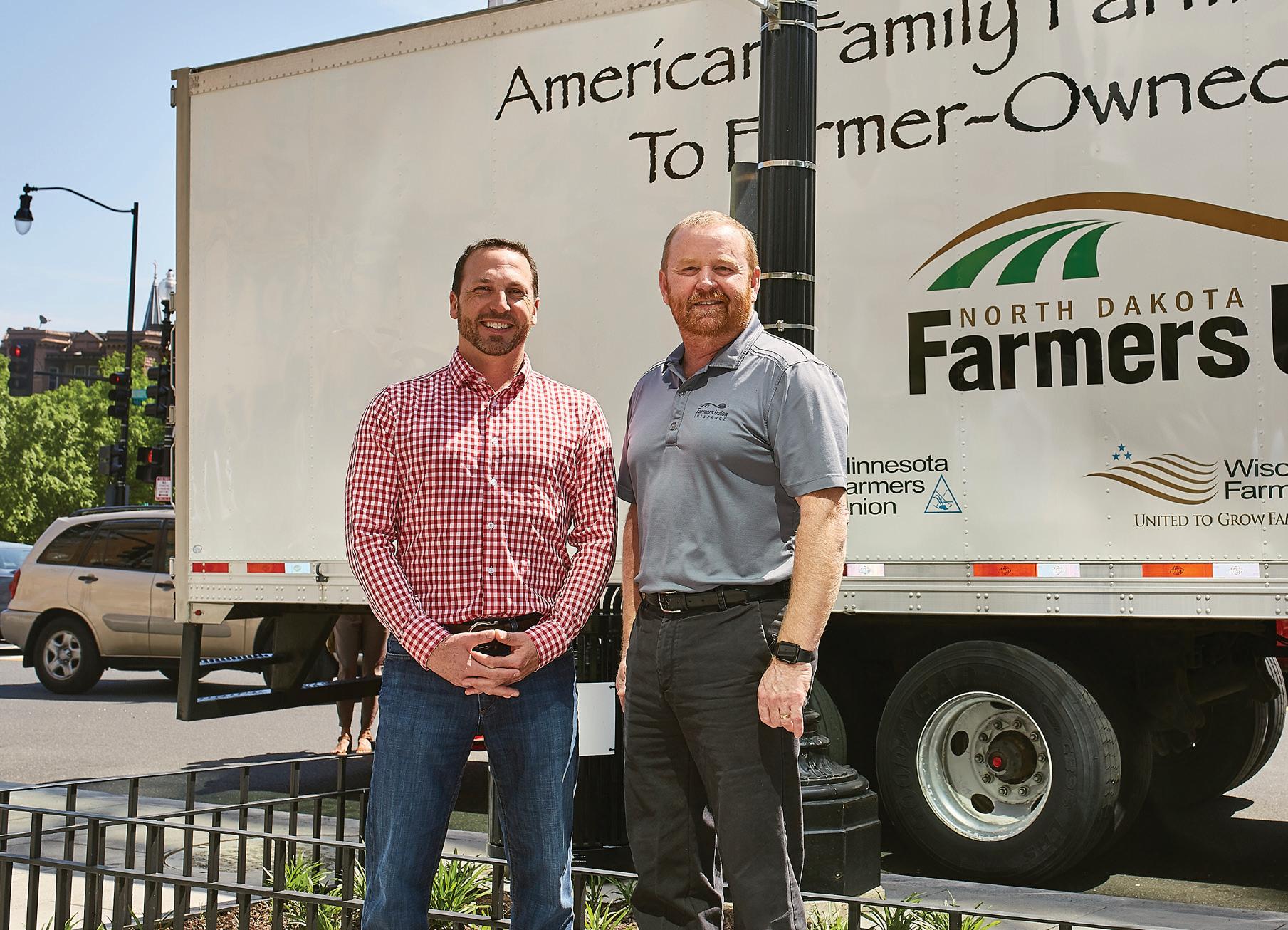
NDFU President Mark Watne poses with Dan Simons, the CEO of Farmers Restaurant Group (FRG) in Washington, D.C. FRG manages NDFU's eight restaurants. Behind them is NDFU's trailer, which is used to haul North Dakota wheat, sugar and honey to the restaurants.
CONTINUED FROM PAGE 21
CHRIS: You’ve done a lot of media interviews these past two months on trade tariffs, particularly as it relates to soybean exports to China, which didn’t buy any U.S. beans from May to October. A deal has reportedly been reached, but do you think it will be the same as it was or has the nature of our relationship changed?
MARK: I don’t think China is going to ever use us again as anything other than a residual supplier. Now, that may be a huge number. But even in the agreement that President Trump signed in his first term, there was a stipulation in there that China would only buy U.S. soybeans if the price was below fair market value. Nobody paid attention to that side of the equation. They didn’t fully commit to it because they didn’t have to. If this new deal still has that stipulation, then we’re essentially a residual supplier.
CHRIS: We do a lot of collaboration with National Farmers Union, our parent organization. You serve on the board of directors for that organization and play a role
in its governance. What have you focused on while serving on that board?
MARK: It can be easy sometimes to direct our focus to the legislative side, and then we forget what it takes to operate a national organization. We need to have a sound economic strategy, so our national organization has the financial capacity to carry out its mission. I’ve been the driver of that as of late. That’s important.
CHRIS: What are your thoughts on the future of North Dakota Farmers Union? How do we ensure that we remain the voice of North Dakota family farmers and ranchers?
MARK: We’ve created a brand where people want to know and hear from us. I think the future is very bright. We want to continue to develop and enhance the tools we have, find some uniqueness in projects that excite membership and continue our strategies of developing new young leaders. And we want to make sure we’re bringing the next generation into the fold with us. Our grassroots and policy process is essential. p
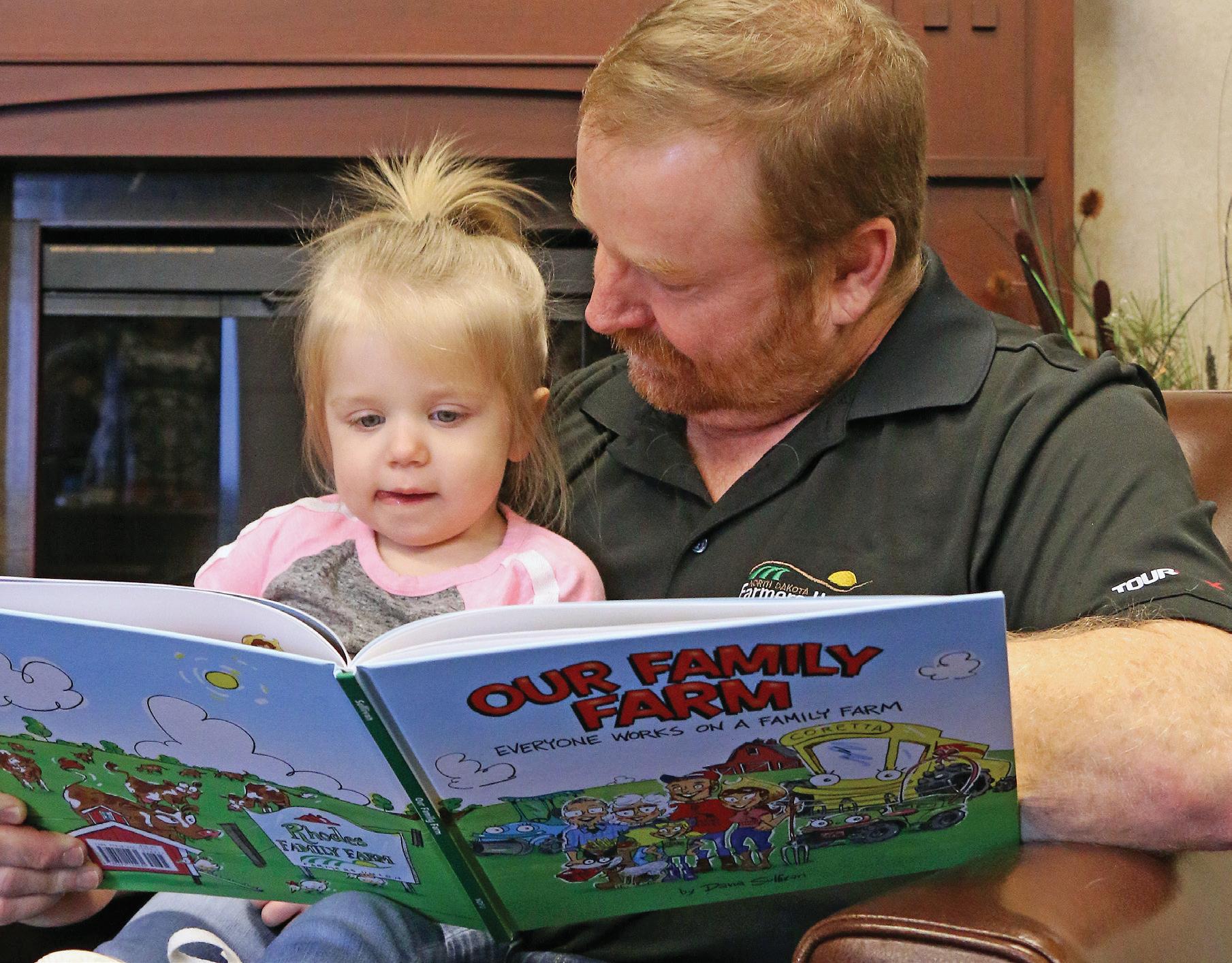
NDFU President Mark Watne reads NDFU's first children's book to his granddaughter in 2019. NDFU just released its fifth book, "The Field Trip."
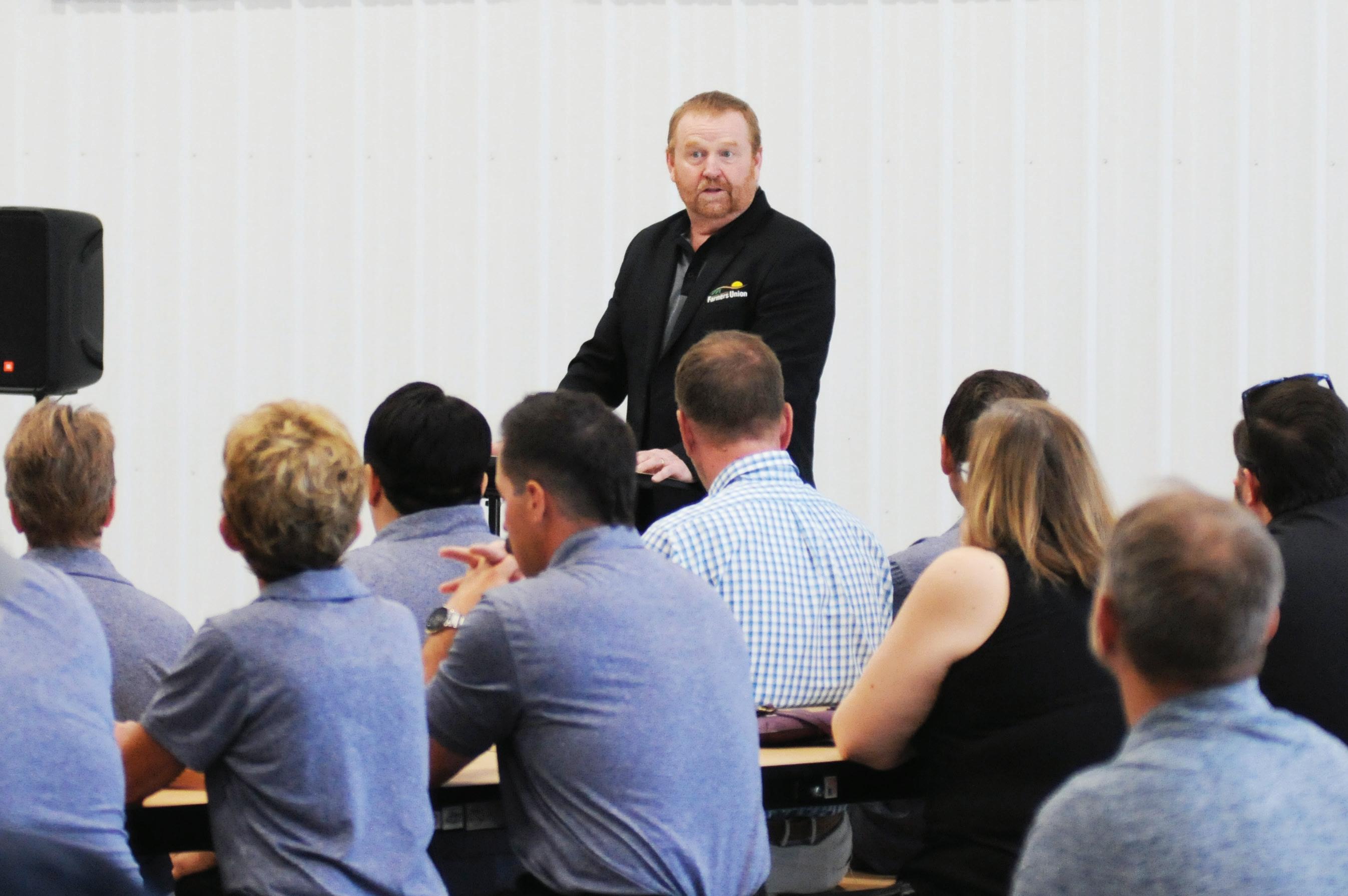
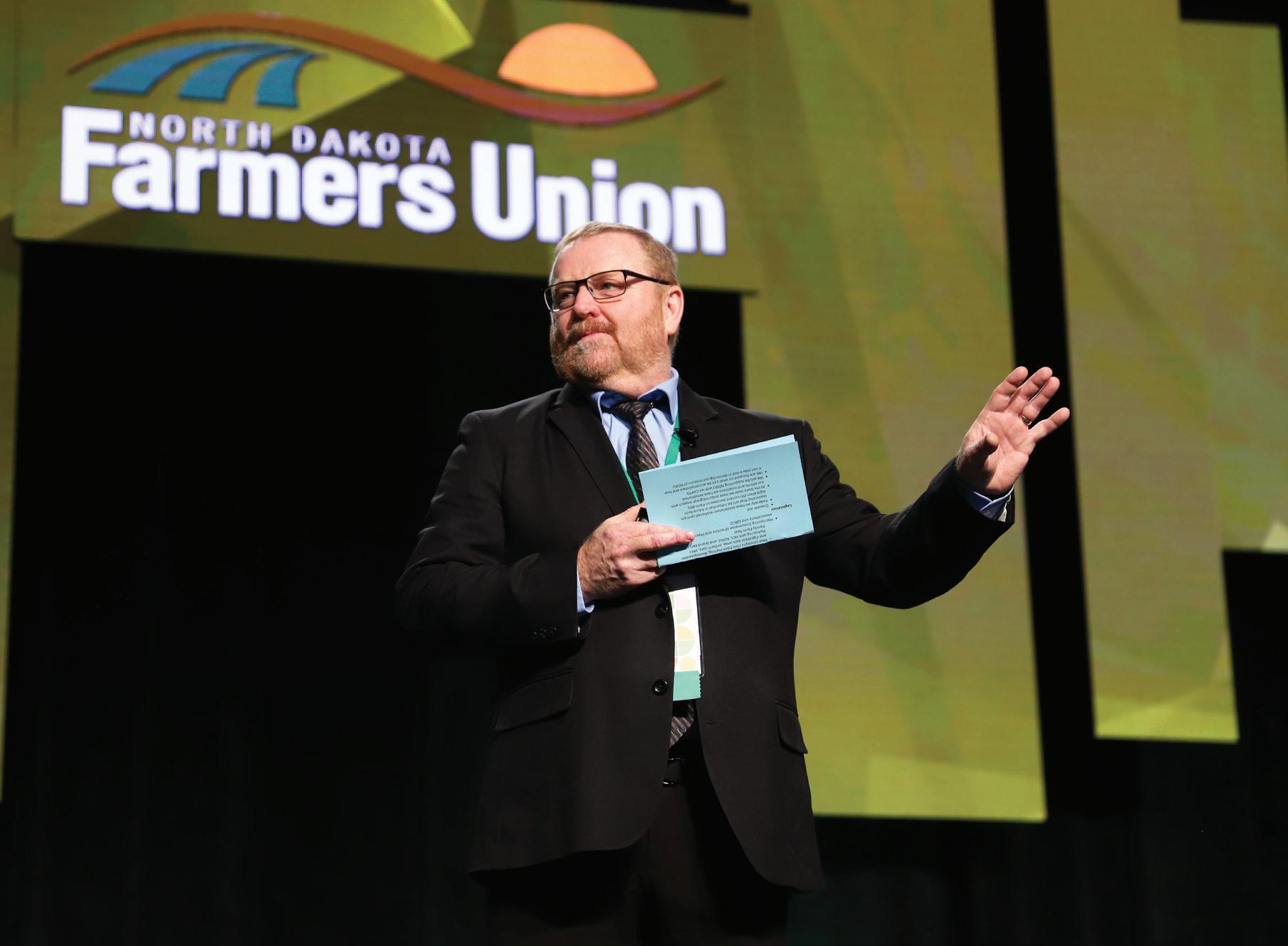
President Mark Watne delivers his President's Report at NDFU's state convention in December 2023 in Bismarck.
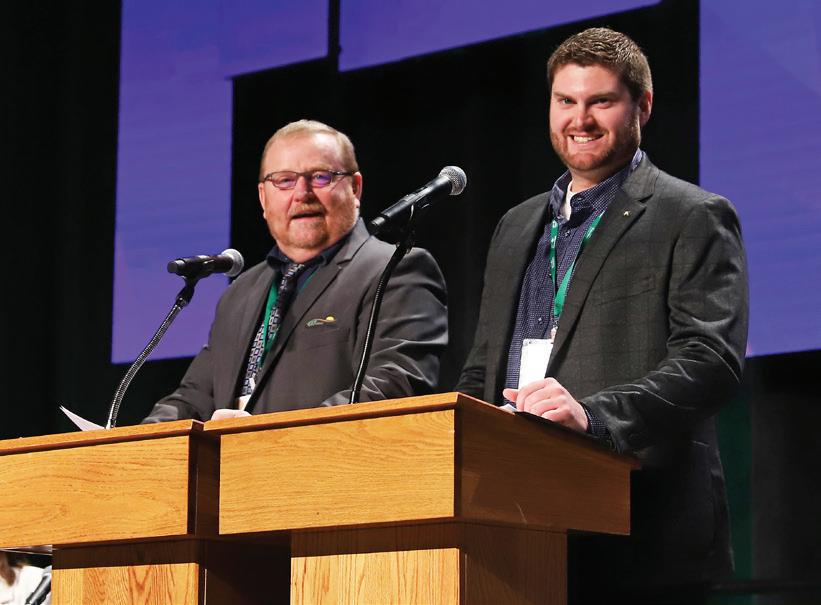
NDFU President Mark Watne leads the policy debate alongside chairman Phillip Neubauer at the 2022 state convention.
President Mark Watne addresses USDA Secretary of Agriculture Sonny Perdue during the 2018 fly-in to Washington, D.C.
NDFU President Mark Watne addresses NFU Fly-in participants in Washington, D.C. NDFU brought over 90 farmers and ranchers to the fly-in in 2018.
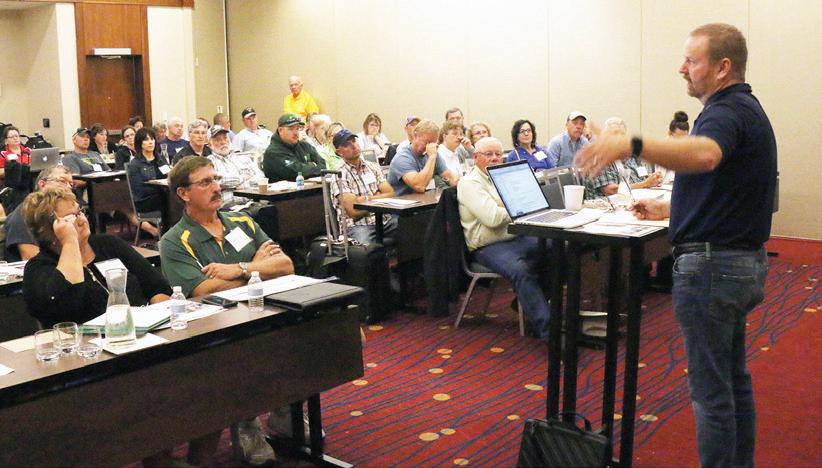
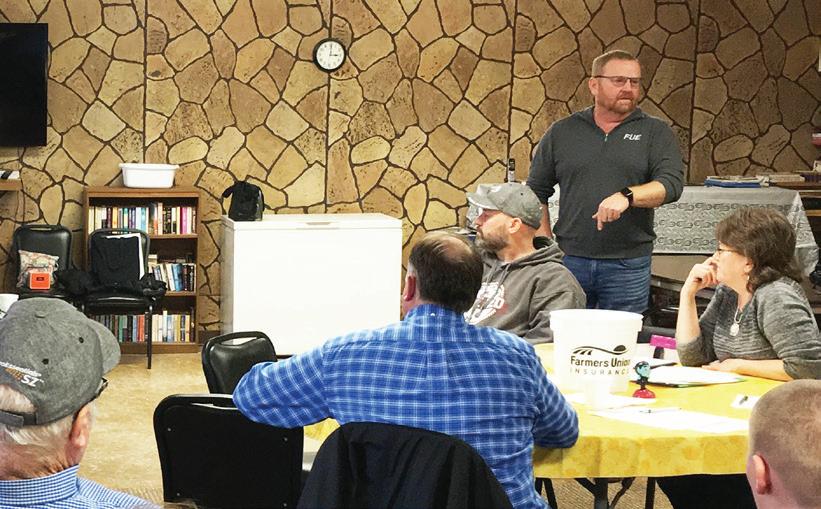
NDFU President Mark Watne talks about ag policy in front of NDFU members at a county convention in 2020.
NDLA set for seventh annual livestock summit
BY CHRIS AARHUS, NDFU
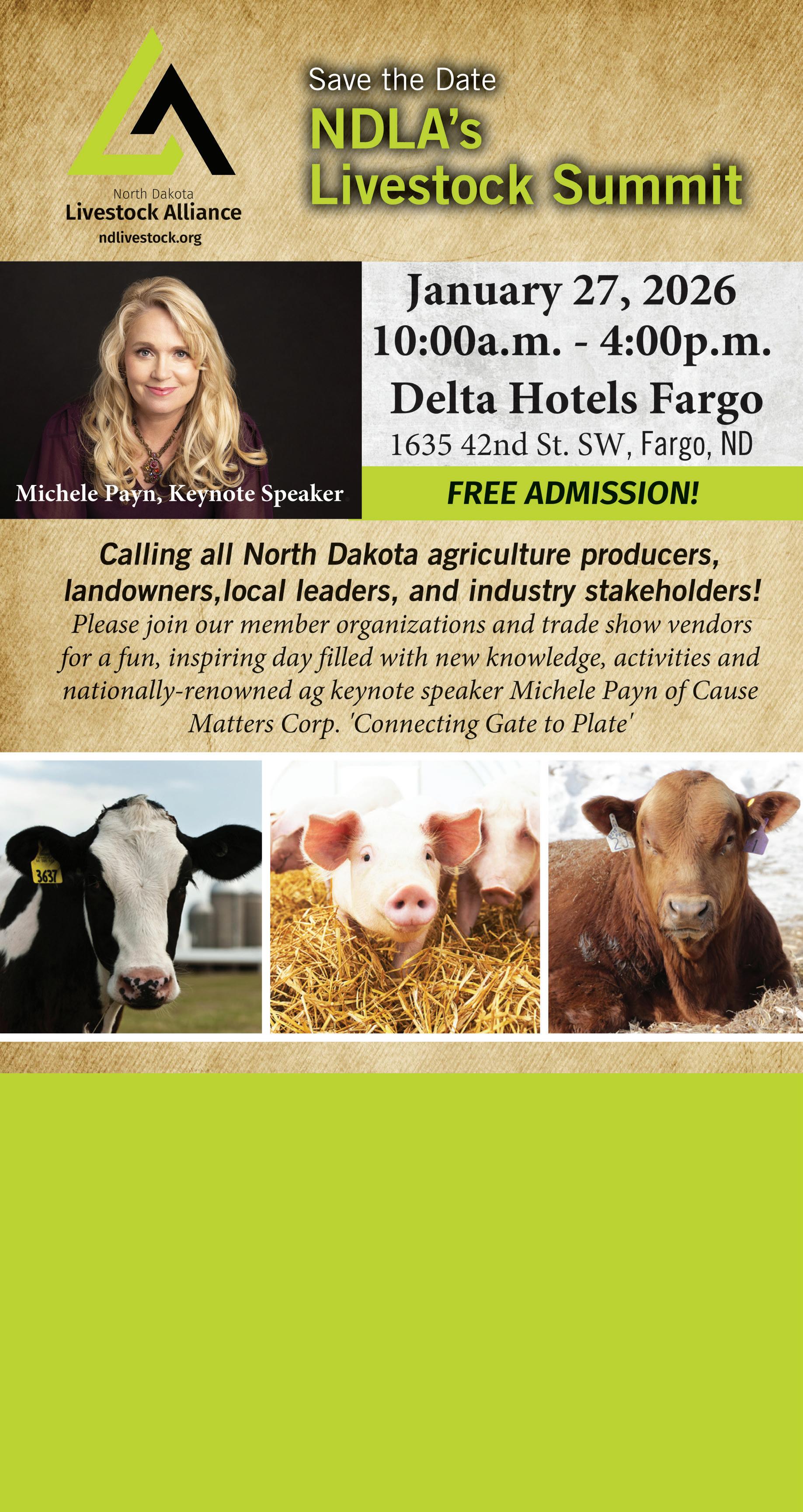
The North Dakota Livestock Alliance (NDLA) is gearing up for its seventh annual livestock summit in January, and executive director Amber Wood said the organization is excited for a slate of speakers that includes nationally recognized keynote Michele Payn, who will present, “Connecting Gate to Plate.”
The event — free to the public — is set for Jan. 27 from 10 a.m. to 4 p.m. at Delta Hotels in Fargo and is for ag producers, landowners, local leaders and industry stakeholders. RSVP online at ndlivestock.org.
“We always aim to have content that is exciting and interesting for people from all aspects of animal agriculture — from crop production and all the way to local leaders at the county and township levels,” Wood said. “We make sure we fill the agenda with fun and enthusiastic information from presenters who know how to make it a joyful day for everybody involved.”
This year’s summit will include its largest vendor show to date, which Wood said helps connect producers with opportunities that could aid their operations.
“Maybe it’s a crop producer that’s interested
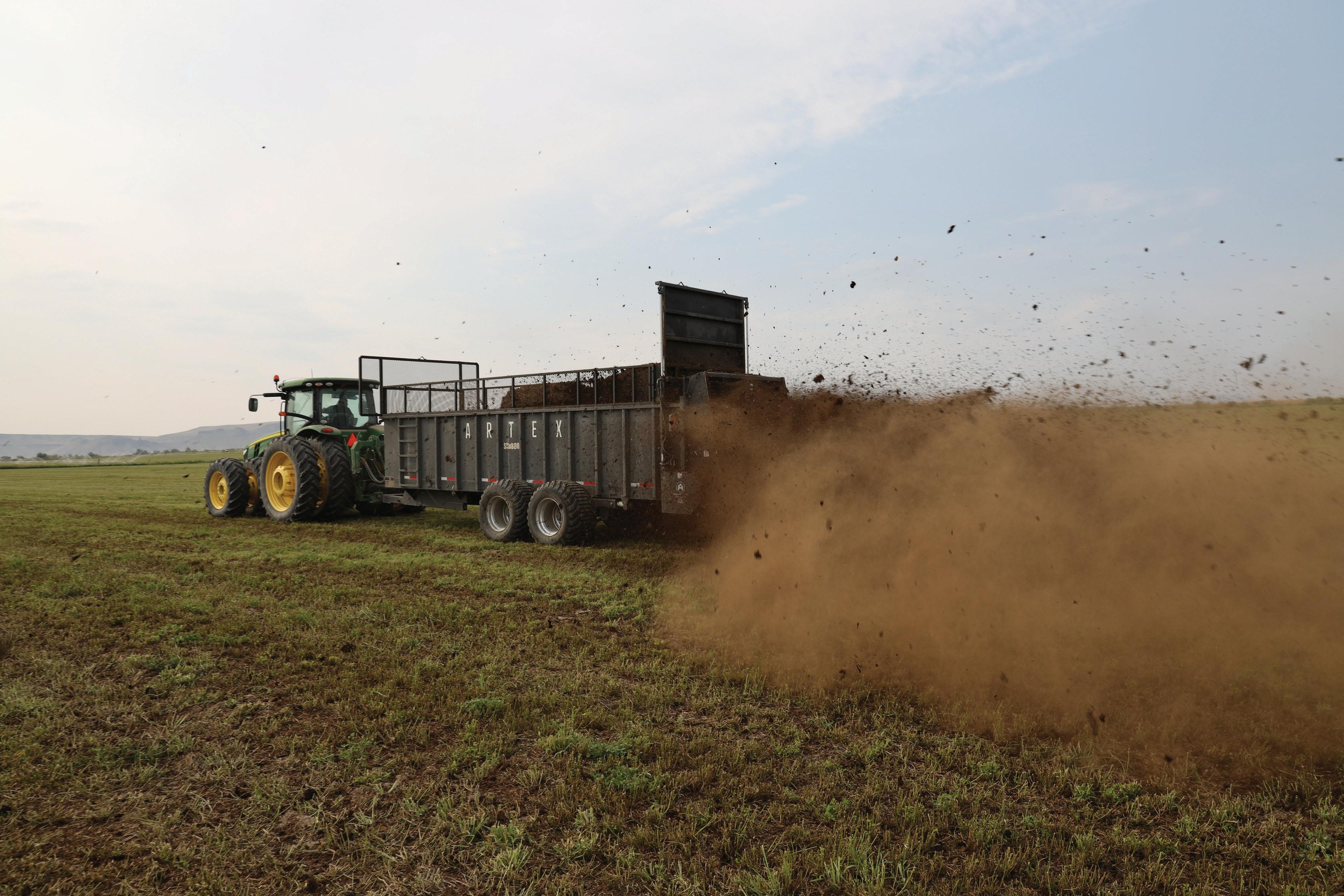
in learning how to use manure, and if there’s an opportunity to acquire manure from nearby livestock facilities,” she said. “Maybe it’s a beef producer who’s looking at putting up a confinement feeding operation. There will be content for everybody, and the vendors are always happy to discuss the future of agriculture in North Dakota.”
NDLA is an organization dedicated to the responsible growth of animal agriculture in North Dakota. It’s made up of nine organizations including North Dakota Farmers Union. Wood said NDLA takes pride in helping producers get started from the ground up.
“We work with the livestock producer from the beginning of their permitting process all the way through, and then for the life of the project as well,” she said. “We do a lot of social community outreach, too.”
That includes setting up meetings with the communities and local leaders, she said.
“That’s my favorite part of the job,” she said. “Working with local leaders and county commissions on how to go through the process of having a public meeting and the process of livestock zoning. We didn’t realize it was such a need until NDLA was up and running.”
The meetings are essential, Wood said, because rural communities value transparency, particularly with animal agriculture.
“That’s a cornerstone to not just livestock development, but all development in North Dakota,” she said. “Our communities want to know what’s going on. Any livestock producer who works with us has to agree to be open and transparent with neighbors and their community.”
Part of that transparency is being clear about the facts, she said.
“There are a lot of things being said about animal agriculture out there right now, and some of it is accurate, but a lot of it is not,”
she said. “NDLA prides itself in being a factual resource for the citizens of North Dakota to understand the value of animal agriculture. Give us a chance to (teach) you about it from the producers out there working in the countryside.”
Interested producers can go to ndlivestock. org for more information and are encouraged to join NDLA for its annual summit in Fargo.
“With all the incredible stressors on farmers and ranchers this year, this is a good event for people to come and learn new things and maybe even discover a new income route that a crop producer could take that they hadn’t thought of before,” she said.
Around the state
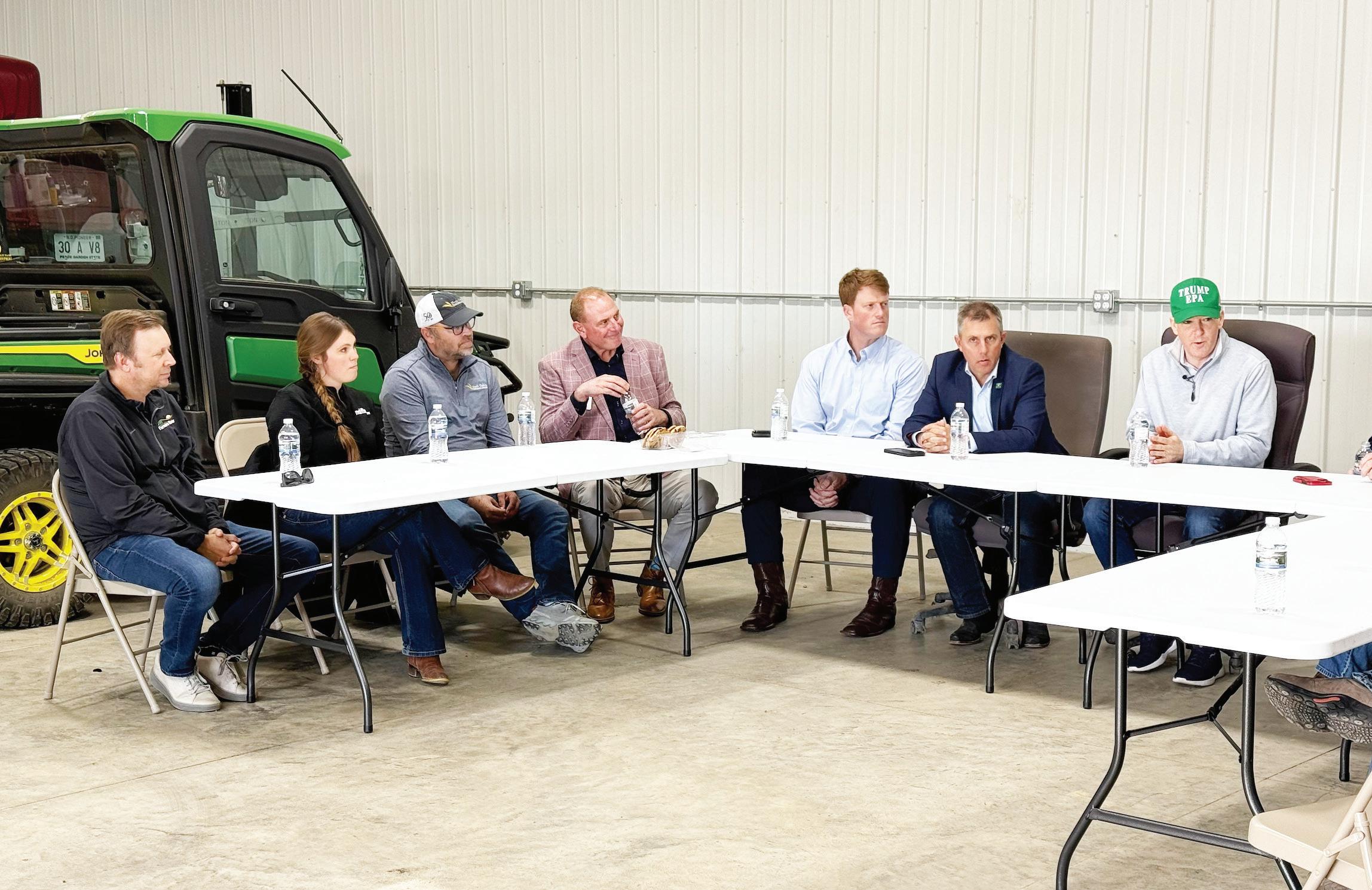
NDFU District 3 Director Tyler Stafslien of Makoti, far left, listens to Governor Kelly Armstrong and EPA Administrator Lee Zeldin during Zeldin's visit to North Dakota in November.
CLASSIFIEDS
Ads must be submitted through the online form at www.ndfu.org. Click “Classifieds” at the very bottom of ndfu.org and fill out the online form. Ads must be re-submitted each month. No exceptions! Deadline is the 15th of every month. Limit 75 words. MEMBERSHIP DUES MUST BE CURRENT!
FARM
FOR SALE
10 CATTLE STANCHIONS, older but always kept inside. Make offer. 701-871-7312, Barbara Diebold, Willow City.
MANURE SPREADER, IHC 550. 701-824-2260, Albert Luithle, Burt.
2025 HAY for sale. 5 x 6 big round bales, native and mixed grass. Good quality. Net wrap $50. Plastic twine $40. 701-400-2683, Doug Neuhart, Hurdsfield.
SNOWBLOWER, 2x6 ft, Hiniker front mount snowblower. Will fit JD 4010, 4020, 4520, 4430 tractors. In good condition. Always shedded. 701-430-3348, Jack Vadnie, Clifford.
15-30 MCCORMICK TRACTOR, make offer, 1 New Tire LT245-75R-Load Range E. 2-Cream Separators, 4-wheel Steel Running Gear, 1 Covered Wagon Running Gear, 1905 All metal JD Hand Operated Corn Sheller, like new has paint and serial number. larryn@westriv.com. 701-548-8020, Larry Nagel, Shields.
VERMEER BPX 9000 Hay Processor light use; 300 gal fuel barrel on stand; 3 bottom Melroe plow; Old car trailer, many galvanized tin sheets (mostly 8 ft.) new and shedded; Several chisel plow harrows of various sizes. All at best offer. 701-339-1141, Marlow Nelson, Powers Lake.
FLEX HEAD, 2010 635F Flex Head w/ Crary Air Bar, new transmission and reel bushings; JD 2014 DB60 parts. 36 JD Pro-Series XP Meters with Mini Hoppers/Trimble True Count Air Clutches/Seed Tub Sensor Wire Harnesses 3 control boxes/Air tanks to run clutches for 3 row shutoff; Trimble Wiring/Hoses. 36+ Steel Closing Wheels & Dry Rate Controller; 1981 GMC 7000 Tandem truck, runs good. 701-3215711, John Kempf, Ashley.
TRACTOR, 1996 Ago Allis 9695 FWA tractor 200 hp 6900 hrs, powershift transmission, 4 hyd, 14-9-46 tires, $28000; 1995 Ford New Holland 9480 tractor, 7400 hrs, 855 cummins, 20-8-42 tires, 4 hyd with return, $26,000; Both tractors always shedded and in good condition. 701520-1251, Lee Menzies, Cavalier.
SNOWBLOWER, Bugler Farm King 600, 5 ft, 3 point snowblower. 540 pto and manual chute. 701-467-3381, John Melin, Kenmare.
500 GALLON PROPANE TANK; several 32 gallon rubber garbage/storage cans; Old time Maytag ringer style washing machine & tubs. 701-6299003, Doug Halden, Stanley.
TRAILER HITCH for a 336 John Deere square baler. 701-870-4498, Dale Bauer, Golden Valley.
D17 TRACTOR; Hay rake; Accordion; Honda 4-wheeler; 6+44 drive belt, homemade; 2-wheeler trailer.. 701-270-0184, Harold Severson, Lakota.
WANTED
TRACTORS, IH 706, 806, 1206, 756, 856, 1256, 1456, 966, 1066, 1466, 1566, others; JD 4520, 4620, 5010, 5020, 6030; MM 950 on up; Olivers 1964 on up; AC 175, 200, 210, 220, D-21. Interested in all running or not. 701-6282130, Jerry Lumley, Stanley.
OLD TRACTOR. 1950s Massy Harris 22 standard. 1960's-70's Massy Ferguson 135 or 150. 19701985 Massy Ferguson 231 or 240. Prefer it run, drive and be in good condition. Text or call. 701527-8949, Miles Bosch, Bismarck.
FOR SALE
WILLYS WAGON, 1960 Willys wagon, 4X4, 3 speed, overdrive, 226 ci, 6 cylinder flat head, has some rust, been gathering repair panels and many new parts. Delivery up for discussion. 707-425-7315, Vernon Buchmann, Fairfield, Calif.
SADDLE, silver spotted show saddle 15" seat with tapideros $1800 , 15" seat Adam Reichart saddle $600, Chinks, belts , wallets knife cases. Nylon single harness, $175. 701-202-1174, Tom Liebel, Mandan.
TIRES, pair of 225 60 r17 studded snow tires. fair tread $55. Rim off a 2002 Town and Country, gold in color with gold center cap. $65. 701-924-8233, James Lehfeldt, Fingal.
2016 CHEVROLET SILVERADO LT 3500 dually, crew cab, eight foot bed, four wheel drive. The truck is factory off white with 57,000 miles, with duramax diesel and allison automatic trans. Purchased new and is in great condition, doesn't have fifth wheel. 701-226-8766, John Albrecht, Mandan.
INTERNATIONAL SIGN, IH single sided painted tin, sign 46"x50", 2 cast iron sidewalk sign bases one Pennzoil and one Coca Cola. 701220-5746, Val Ganje, Bismarck.
SOLAR PANEL SETUP, complete solar panel setup used for running an electric motor for pumping water. May have other uses. Included: trailer, solar panels, 4 batteries and electric motor. All in good condition. 701-202-0400, Ron Monzelowsky, Bismarck.
TRAPS, Northwood 1.75 fox and coyote foothold traps; Stakes and stretchers. 701-320-3172, Mike Carlson, Jamestown.
LUMBER, 120 (2"x8"x18') construction framing lumber boards in very good condition. Salvaged from machine storage building destroyed by storm in June. All in good reusable condition, stacked and covered. New boards would cost $2,466. Selling all 120 for $1,200 or $10 a board. 701-327-4441, Donald Fanta, Tappen.
WANTED
OLD STUFF, ND road signs with the Indian Head Logo, Highway Patrol metal door signs, or coal signs. ND license plates ND picked arrowheads, advertising signs, old style gas pumps, oil cans, animal traps, old metal toys, old marbles, Red Wing crocks, silver dollars, ND small town metal trade tokens, or anything else that's old and interesting. I will travel to your location with cash in hand. 701-220-5746, Val Ganje, Bismarck.
SIGNS, ADVERTISING, COLLECTIBLES. Son and I are looking for things to add to our collection. Old Signs, Farm Related, Gas & Oil, Advertising, Highway Signs, Railroad related items, License plates, oil cans, barber/salon items. Old items w/ small town advertising-mirrors, thermometers. Paying cash and will travel. Text/Call anytime. Would love to visit with you. Or stop and visit me along I-94. 701-989-0495, Bryan Behm, Medina.
CLOTH BAGS, old North Dakota flour, grain, and seed, and cloth bags of any size to add to my personal collection. Email pictures to ken@ dlnconsulting.com or call. 701-290-4855, Ken Nelson, Dickinson.
PRAIRIE DOG HUNTERS to hunt on my land. Make reservations now. larryn@westriv.com. 701-548-8020, Larry Nagel, Shields.
BOOKS, Nutrition and Nostalgia of a Century 1989 cookbook reprinted in 2012 Portal ND; Vintage People's Book Club book; 1945 Behold your King by Florence Bauer and 1912 Duruy's General History of the World, books Vol. I, II, IV by Edwin Grosvenor; STAMPS, 1982 Definitive Mint set, Item 830 color booklet with stamps and embossed envelopes. Call or text for prices. 701-720-0517, Penny McCormack, Des Lacs.
MISCELLANEOUS
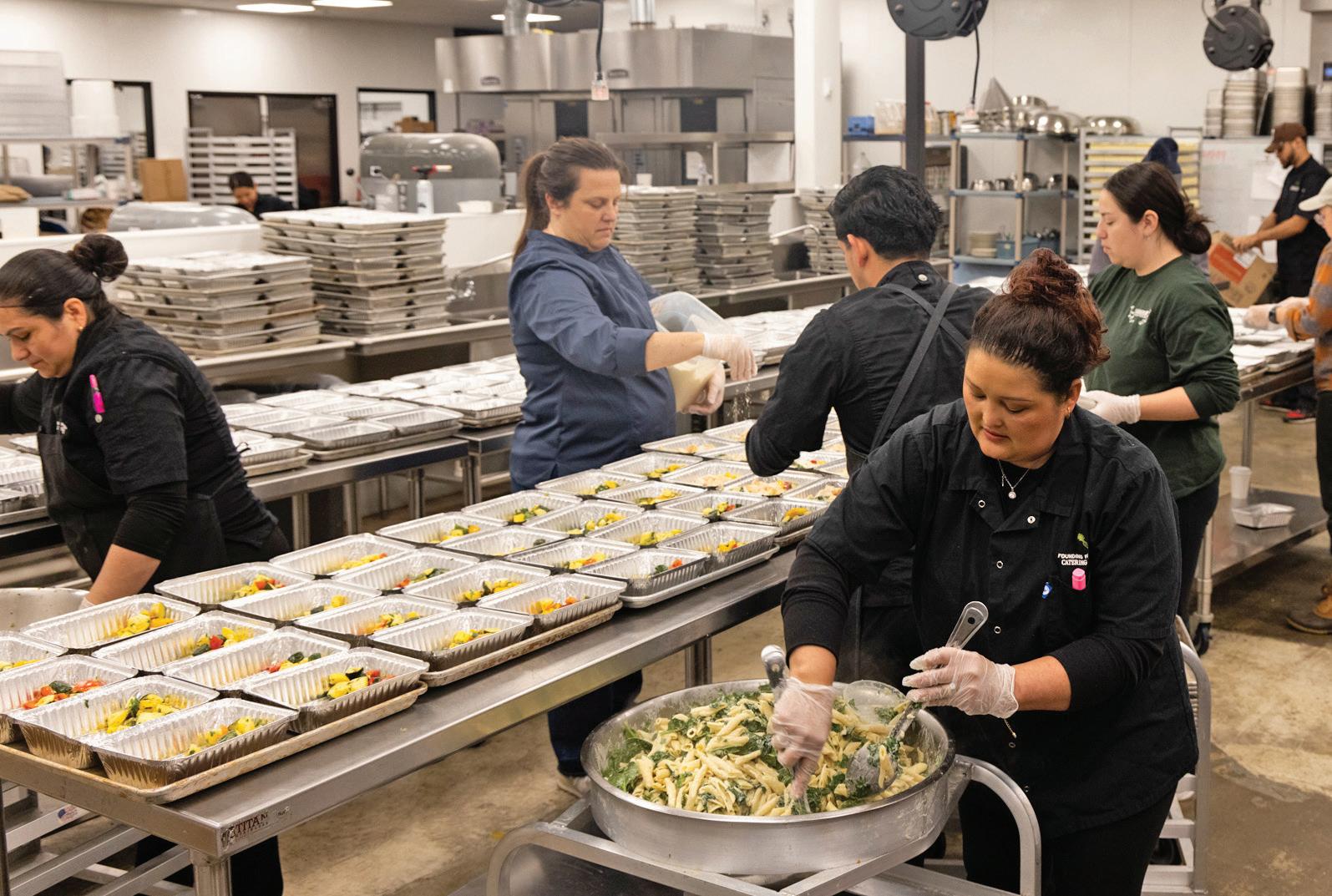
Founding Farmers providing meals
In November, Founding Farmers Co. Catering & Events partnered with World Central Kitchen to provide over 800 meals daily to federal workers impacted by the government shutdown. From Nov. 1, the catering team delivered meals to multiple locations across the Washington, D.C., metropolitan area. The response from World Central Kitchen has been overwhelmingly positive. After seeing the quality and impact of Founding Farmers' initial contribution, World Central Kitchen requested that the catering team provide even more meals than originally planned to help meet the growing need among furloughed and unpaid federal employees.
Through this partnership, Founding Farmers continues to demonstrate its commitment to supporting their neighbors, ensuring that federal workers and their families have access to nutritious meals while navigating the uncertainty of the shutdown.
Led by chef and humanitarian José Andrés, World Central Kitchen serves meals during emergencies and economic hardship — often in partnership with local restaurants — supporting communities, first responders and families with speed, dignity and care. Founding Farmers Restaurant Group had previously partnered with World Central Kitchen to help feed first responders during the pandemic.