The Vignette is the official student newspaper and student voice of Nassau Community College It is published throughout the fall and spring semesters Membership is open to all NCC students The Vignette welcomes letters to the editor as well as Opinions articles Letters should be limietd to 350 words Opinions essays should be limited to 700 words. Letters and Opinions pieces must be signed and contain the author’s telephone number or campus extension The newspaper will withhold names on request The editorial board reserves the right to edit stories or letters for clarity and length Views expressed in letters and Opinions essays do not necessarily reflect those of the editorial board
The Vignette accepts classified and display advertisements from campus and off-campus advertisers Publication of ads in the newspaper does not imply endorsement of products or services
Address: Vignette Nassau Community College College Center Building, Rm. 347 Garden City, NY 11530
Telephone: (516) 222-7071
nccvignette@gmail.com thevignetteatncc.com
Meet the Editor-In-Chief
Dear Readers,
I’m so excited to welcome you to a new issue of The Vignette! As the new Editor-in-Chief, it’s an honor to continue the work of sharing the stories, voices, and creativity that make our campus community so unique. Each issue of The Vignette is a reflection of the students who bring their ideas to life from writers and photographers to designers and editors who dedicate their time to keeping our campus informed and inspired. My goal is to continue building on that legacy, creating a space where every student feels seen, heard, and represented. This semester has already been full of energy and change from new leadership across campus to exciting events that bring us together. As we step into a fresh chapter, I hope The Vignette continues to be more than just a newspaper but a place where we celebrate student voices, spark meaningful conversations, and remind one another of what connects us as a community. Thank you for reading, supporting, and believing.
HAPPENINGS 6
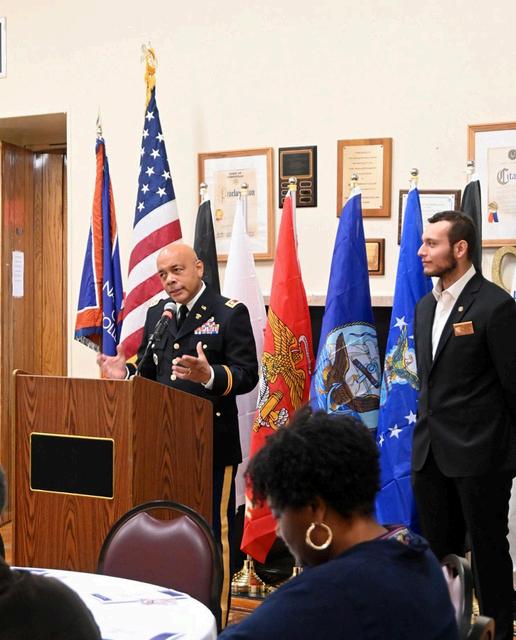
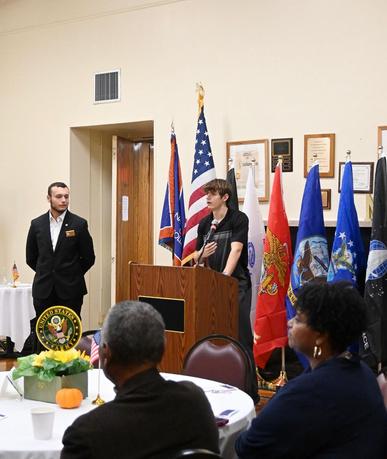
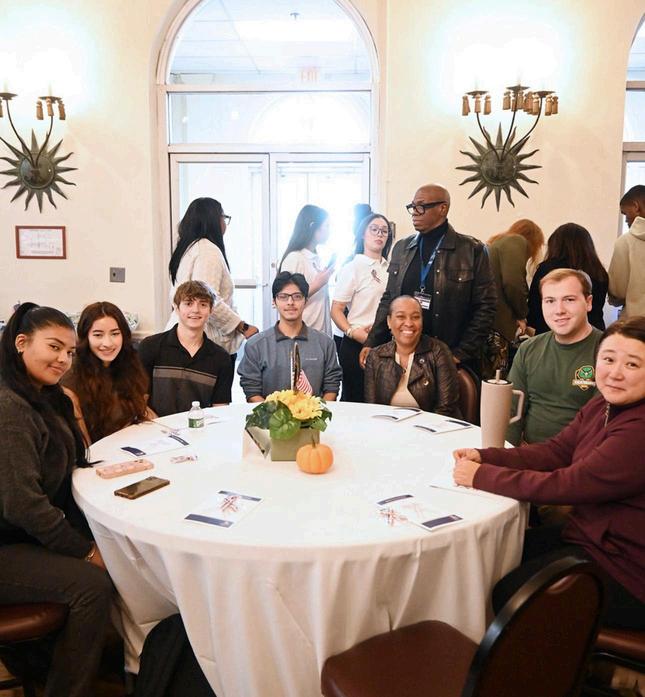
Honoring Service and Sacrifice: Nassau Community College Hosts Veterans Day Luncheon
By Miguel Castillo
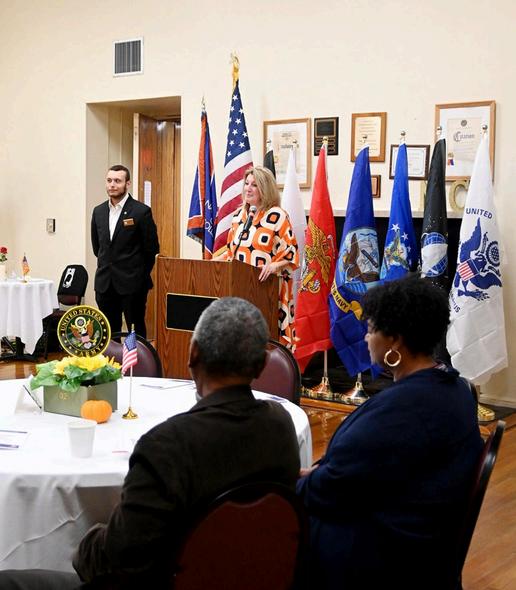
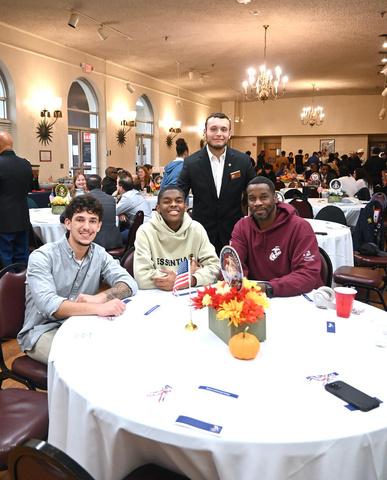
Nassau Community College College proudly honored the service and sacrifice of U S veterans during its annual Veterans Day Luncheon on November 6, bringing together students, faculty, staff, and community members for a day of remembrance and appreciation
This year’s luncheon took place in the K Building Grand Ballroom, a venue with deep historical significance Long before it became part of the NCC campus, the building served as the Officers’ Club during the site’s time as a U S military installation Holding the event in this very space served as a poignant reminder of the campus’s lasting ties to military service and heritage
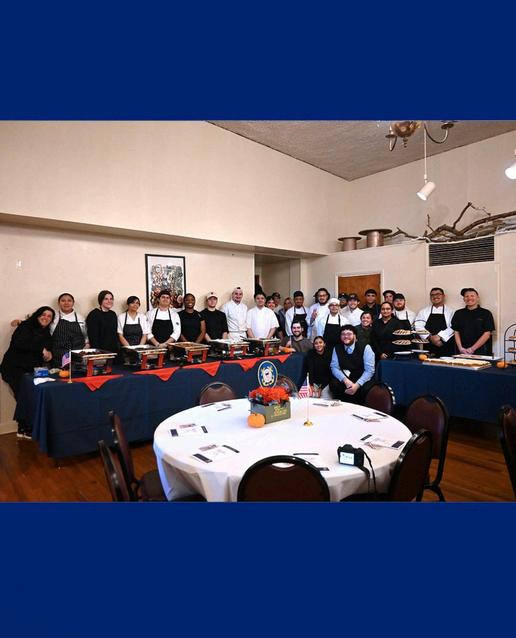
The luncheon was organized by the Student Government Association, in coordination with the Programming Board and the NCC Chapter of the Student Veterans of America, as well as The Center for Veterans/Military Affairs Together, these organizations created a space that celebrated both the courage of those who served and the strength of the veteran community that continues to thrive at Nassau
The ceremony opened with welcoming remarks from Dr Maria Conzatti, Nassau Community College’s Chief Administrative Officer Dr Conzatti spoke with heartfelt appreciation for the veterans among the student body, faculty, and alums, and spoke about the importance of recognizing their contributions not only on Veterans Day but throughout the year She reflected on the enduring leadership and discipline veterans bring to the classroom and the community, qualities that enrich the college’s culture of service and excellence
Following Dr Conzatti’s remarks, the program transitioned into one of the most solemn moments of the morning the Prisoner of War / Missing in Action (POW/MIA) remembrance ceremony This tradition honored those who have not returned home, This tradition honored those who have not returned home, with attendees observing a moment of silence as the symbolic table was set Each element on the table represented the bravery, hope, and sacrifice of the missing The ceremony invited everyone to pause and reflect on the true cost of freedom and the deep bonds of brotherhood that endure among those who serve
The ceremony then shifted to a more uplifting part as Miguel Castillo, one of the college’s honored veterans, shared a personal reflection titled “Leadership as a Lifelong Mission ” Miguel shared how the lessons of military life teamwork, accountability, and perseverance continue to guide his personal and professional journey His story underscored that leadership does not end when military service concludes; instead, it becomes a lifelong commitment to helping others and upholding the values that make a difference in everyday life
The luncheon also included a recognition of the veterans in attendance, providing an opportunity for the college community to express gratitude directly to those who have worn the uniform. As all veterans were collectively acknowledged for their service, the audience responded with warm applause, creating an atmosphere of respect and unity. As attendees enjoyed lunch together, conversations filled the ballroom, with stories of service, friendship, and resilience being shared across generations. Faculty members and student leaders alike remarked on how the event strengthened the sense of connection across campus, bridging the experiences of veterans and civilians in a shared spirit of gratitude.
For many, the luncheon was not just a commemoration but also a reflection of Nassau Community College’s ongoing commitment to supporting its veterans through academic programs, counseling services, and peer networks. Through initiatives led by The Center for Veterans / Military Affairs and the Veterans Resource Facility, the college continues to provide vital resources that help student veterans transition successfully from military to civilian life.
As the event came to an end, many attendees left feeling appreciated. The event not only honored the legacy of service that has shaped both the nation and the campus but also celebrated the living example of leadership that veterans continue to provide every day. Nassau Community College’s Veterans Day Luncheon stands as a testament to the college’s dedication to remembrance, respect, and community values that remind all who attend that the spirit of service endures long after the uniform is retired.
HAPPENING
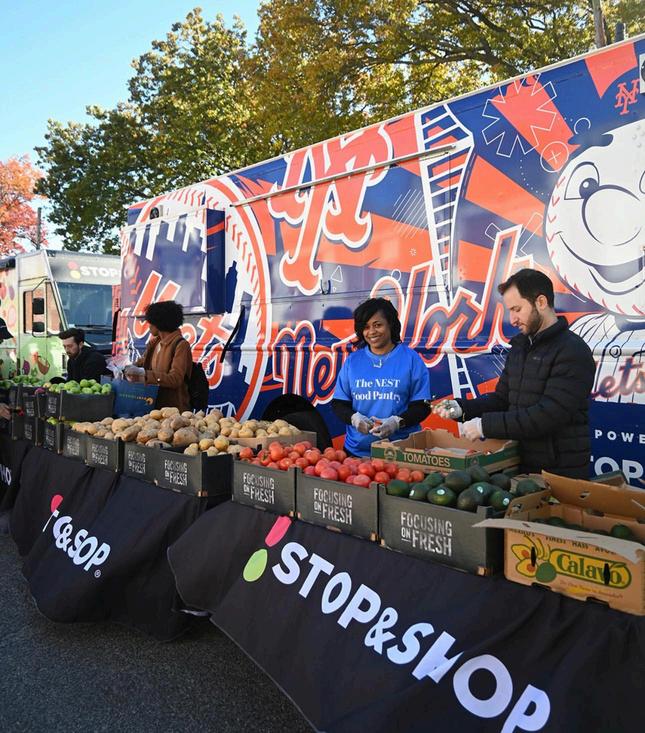
The NEST Partners with Mets and Stop & Shop to Support Campus Wellness
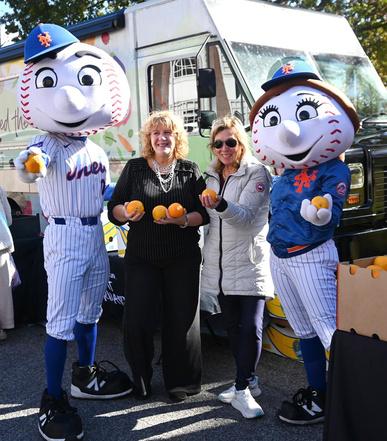
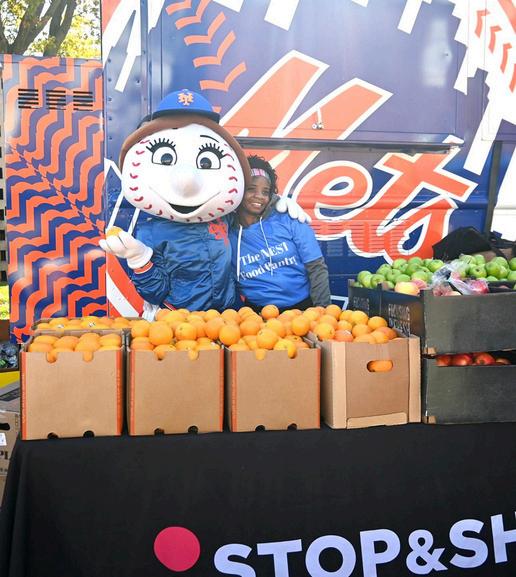
The NEST at NCC is a food pantry located in the basement of North Hall on the campus of Nassau Community College It is a 501(C) 3 nonprofit organization whose mission is to help alleviate food insecurity among students and their families and to provide other basic needs to its guests. The Nest has been in existence for over ten years and has hundreds of volunteers. It receives food from two food banks, LI Cares and Island Harvest, and from corporate and private donors The NEST serves thousands of families each year by providing food, personal hygiene products , and other essential items. Last year, The NEST began a partnership with Stop & Shop after they awarded The NEST a $5000 grant. This year, in addition to awarding The NEST another grant, Stop & Shop helped the food pantry form a collaboration with the NY METS The METS and Stop & Shop have held two events for The Nest so far this year, and a third event is planned for December 2. At the first event, which was a farmers’ market, over 250 guests were offered an amazing array of fresh fruit and vegetables. At the next farmers’ market on November 4, there was another huge turnout, and Mr and Mrs Met were available for photos In December, there will be a third event and maybe even a visit from a retired player! Please plan to attend this event on December 2 at 11:30 and come visit The NEST during its open hours which are posted on its website and outside The NEST location. These are times of unprecedented need, so please consider donating, coordinating a drive or volunteering at The NEST!
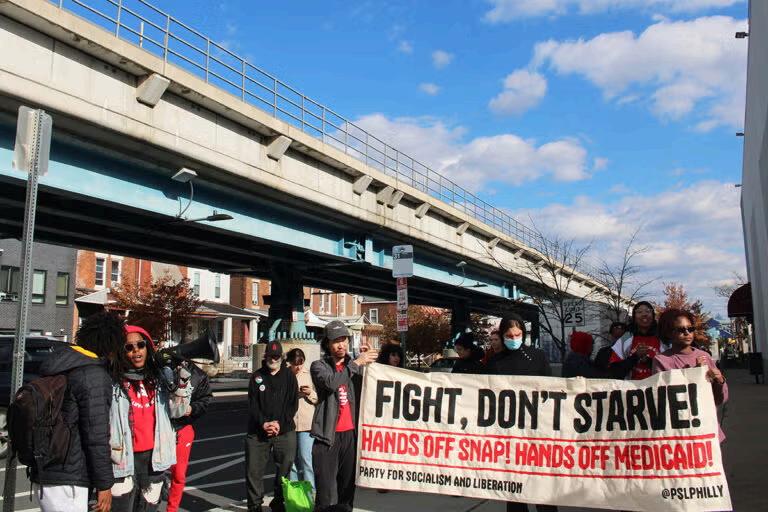
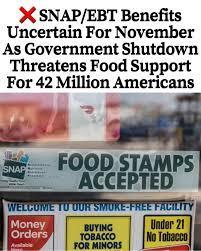
SNAP Funding Uncertainty Impacts Millions During Ongoing Shutdown
By Shanice Brown Managing Editor
As the federal government shutdown continues into another week, millions of Americans who depend on the Supplemental Nutrition Assistance Program, or SNAP, are uncertain about how they will afford groceries this month. SNAP is one of the largest federal food assistance programs, serving more than 40 million people nationwide. It helps lowincome individuals and families purchase essential food items each month, reducing hunger and improving nutrition across communities
The U S Department of Agriculture announced that it will issue only partial benefits for November, citing limited funds available during the shutdown. Officials said the department is drawing from emergency reserves to continue some level of assistance while Congress and the White House work toward a long-term spending deal. While former President Donald Trump denied reports that the administration intended to stop the program completely, the reduced funding has already left many families worried about how they will manage
Food banks and community organizations across the country have reported an increase in visitors as people brace for possible delays or reduced benefits. In several states, local charities have launched food drives and temporary relief programs to help those at risk of losing their full assistance For many households, especially those with children or elderly members, SNAP benefits provide most of their monthly grocery budget. Even a small reduction can make a major difference
Photo on this page by: AP Photo
Photos provided by: emp.press
Economists and policy experts have noted that the shutdown has far-reaching effects beyond SNAP itself When families receive less assistance, they often have to shift money from other expenses, like rent or transportation, just to afford food. That change in spending patterns can affect local businesses and community economies. Grocery stores that accept SNAP may also see lower sales, particularly in rural or low-income areas where the program is a major source of customer spending.
Political leaders on both sides of the aisle have called for an end to the shutdown. Members of Congress have expressed frustration that negotiations over unrelated issues have stalled funding for essential services Several lawmakers have emphasized that programs like SNAP should be protected from shutdowns altogether, since they provide basic needs for vulnerable populations who cannot simply wait for political debates to end
Some policy researchers have also pointed out that repeated shutdowns can weaken public trust in government programs. When people are unsure whether their benefits will arrive on time, it can lead to long-term stress and hesitation to rely on assistance in the future Experts say that stability and consistency are key to keeping programs like SNAP effective, since even short disruptions can cause confusion for families, retailers, and state agencies that manage the benefits.
Advocates for food security say the situation shows how fragile the safety net can become when government operations are disrupted Many nonprofit groups are urging federal officials to prioritize long-term stability for programs that support families during emergencies or economic challenges. According to the nonprofit Feeding America, food insecurity affects roughly one in eight Americans, and temporary interruptions in aid can quickly worsen that number
For college students and young adults, this issue is an opportunity to understand how national policies directly connect to daily life. Government shutdowns are not just headlines; they influence food access, healthcare, and financial stability for millions of households
As negotiations continue in Washington, families, local governments, and aid organizations are preparing for the possibility that the shutdown could last several more weeks. The uncertainty has created anxiety for many who rely on SNAP to make ends meet While the future of funding remains unclear, one thing is certain: when government operations pause, the impact reaches far beyond the capital and into the kitchens of everyday Americans.
For many people who depend on SNAP, the uncertainty has also taken an emotional toll Families who are used to planning their meals around a set budget now face difficult choices. Some parents have begun cutting back on portions or skipping certain items to make their groceries last longer Others have turned to community centers for help, not only for food but also for guidance on how to manage until benefits return to normal.
The Vignette stands proud as a voice for all students. If you’d like to contribute to The Vignette please email us at nccvignette@gmail.com or write to us on Instagram @NCCVIGNETTE.
Still, there is more that colleges can do Offering affordable meal plans, flexible payments, and small emergency grants can help students feel more secure. Partnering with local food banks or community groups can also make resources easier to reach.
We also need to change the way people talk about struggling students. Too often, they are told to work harder or manage their money better, but that ignores the reality of rising costs and limited opportunities. Students should not have to sacrifice their health or their education just to survive college
Stability is not a privilege it is something every student deserves When students feel supported and safe, they can focus on learning, growing, and giving back Helping students meet their basic needs is not a favor; it is an investment in the future. Because when students are stable, they do not just succeed, they thrive, and the whole community becomes stronger.
Colleges have the power to shape more than academics; they shape lives. Providing stability gives students the foundation to reach their full potential and carry those lessons forward into their communities. Education should open doors, not add burdens. Every student deserves the chance to move through college with confidence, dignity, and hope for what comes next
By Emily Scheibeler Opinions Editor
Why Voting Still Matters
Even though the election season has ended, the message about voting should not fade away. Voting is one of the most important ways we take part in shaping our community and our future. Every ballot is a voice. It helps decide how schools are funded, how taxes are spent, and who represents our values in local and national offices. When more people participate, the outcome better reflects the needs of everyone, not just a small group
Some people believe that voting only matters during big elections like the presidential race, but local and state elections are just as important. Those elections often decide things that affect our everyday lives such as public transportation, housing, tuition costs, and healthcare services. These choices might not make national headlines, but they have a direct impact on how we live and what opportunities we have. Even a few votes can make a difference in close races, and many communities have seen major changes decided by a handful of ballots
It is also important to remember that the right to vote was not always available to everyone. In the past, many people fought, marched, and even lost their lives to make sure all citizens could have a voice. Honoring that struggle means taking part, staying informed, and using the rights that others worked so hard to gain. Voting is not just a tradition, it is a responsibility that connects us to those who came before and those who will come after.
Many people choose not to vote because they feel like their one vote does not matter, but that belief can weaken the power of entire communities When fewer people vote, decisions are made by a smaller group, and the results might not represent the full picture. Voting is about more than choosing a candidate. It is about expressing what you care about and helping to build a fair and active society. It also sends a message that people are paying attention and that their voices count.
Young voters especially have a major role to play. College students and first-time voters bring new ideas and energy to the process The policies made today will shape their futures Whether it is about student loans, healthcare, or climate issues, the choices made by elected leaders affect young people the most Being informed, asking questions, and showing up to vote are small steps that lead to big change.
Even though the recent election has passed, it is never too early to prepare for the next one. Make sure your voter registration is up to date, learn about the candidates and local issues, and encourage others to do the same. Staying involved between elections is just as important as voting on election day. You can attend community meetings, volunteer for civic programs, or simply start conversations with others about what matters most to you
Voting is not a one-time act. It is a habit that builds stronger communities and a healthier democracy. Each vote is a reminder that our voices have power. Whether the election is months away or years from now, it is always the right time to care, to stay informed, and to be ready to make your voice heard.
Recent Events: Learning the Basics of Money Management
By Adeline Mucci
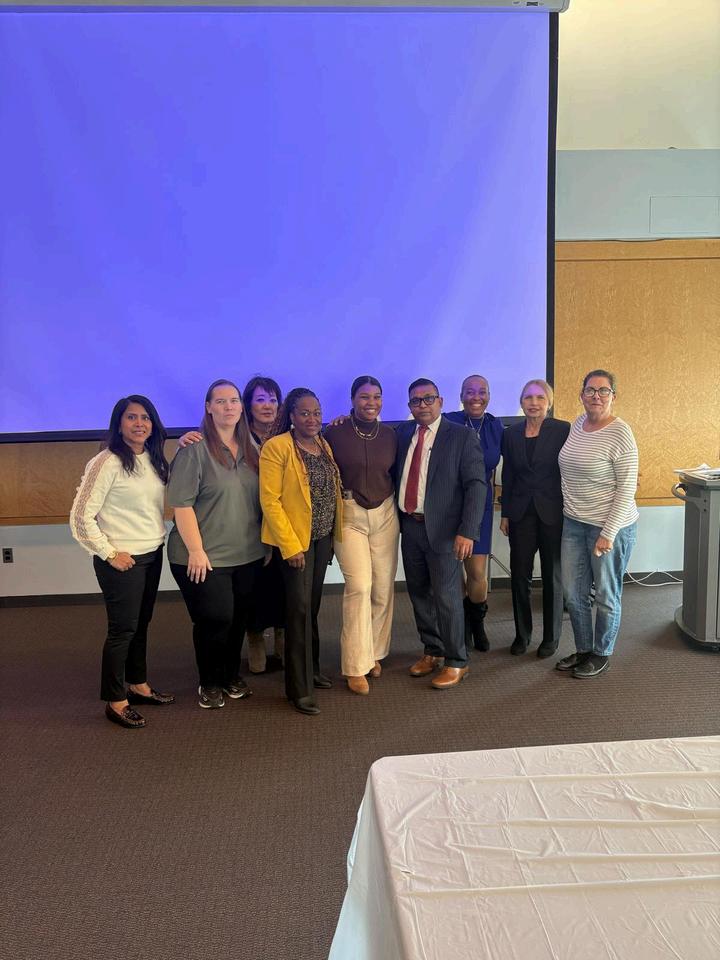
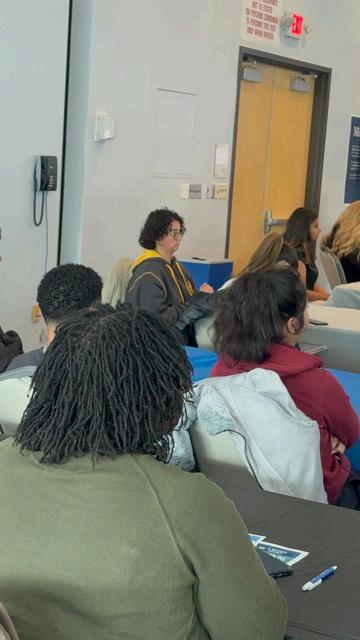
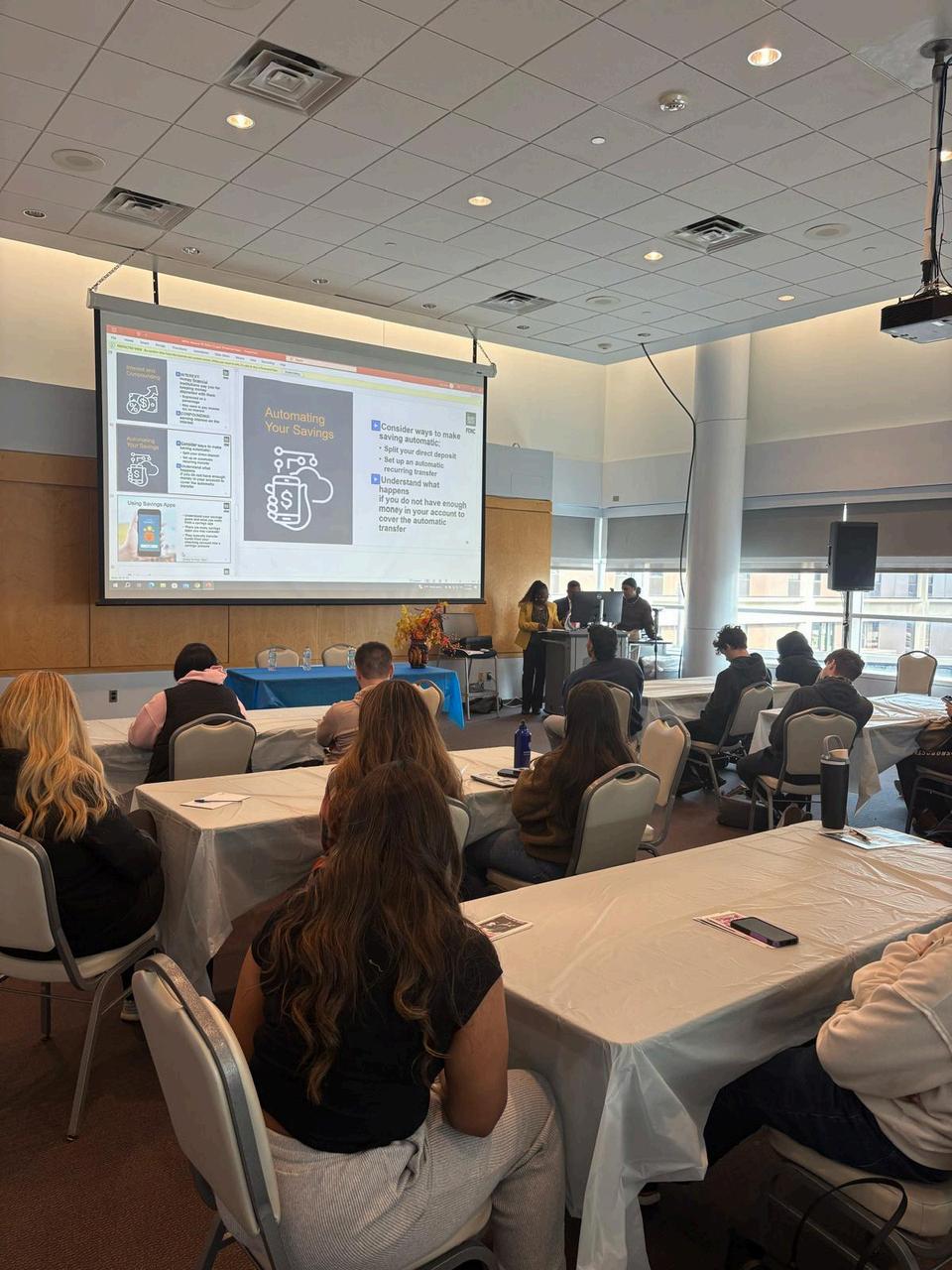
The Women’s Resource Center at Nassau Community College recently hosted a dynamic Financial Literacy Symposium aimed at empowering students to take control of their financial futures. The event featured expert insights from professionals in banking and finance, offering practical strategies on budgeting, saving, and planning for long-term financial stability. Students had the opportunity to engage in interactive discussions, ask questions, and gain tools to make informed decisions about money management. The event showed the importance of financial literacy as a vital part of personal and professional growth, leaving attendees motivated to build a strong financial foundation
Financial Literacy/Photos on this page by: Adeline Mucci