Signs That Tell You to Replace Tata Truck Bearings
GETTING STARTED
1. Questions about Tata truck bearings
2. When to Replace a Bad Wheel Bearing?
3. Conclusion

s
1. Questions about Tata truck bearings
2. When to Replace a Bad Wheel Bearing?
3. Conclusion
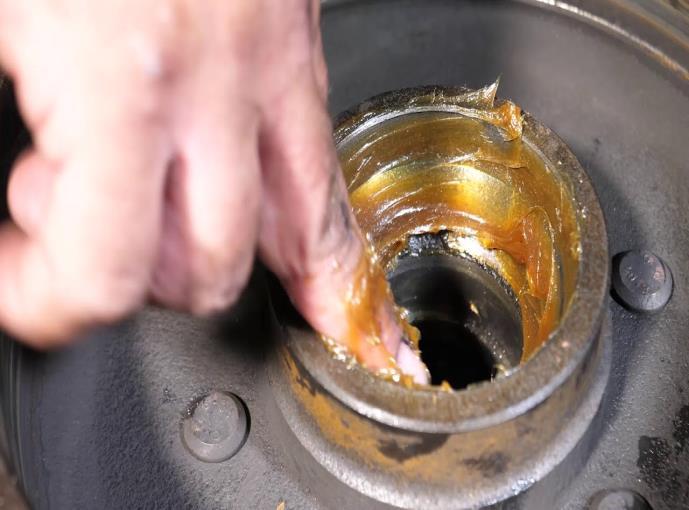
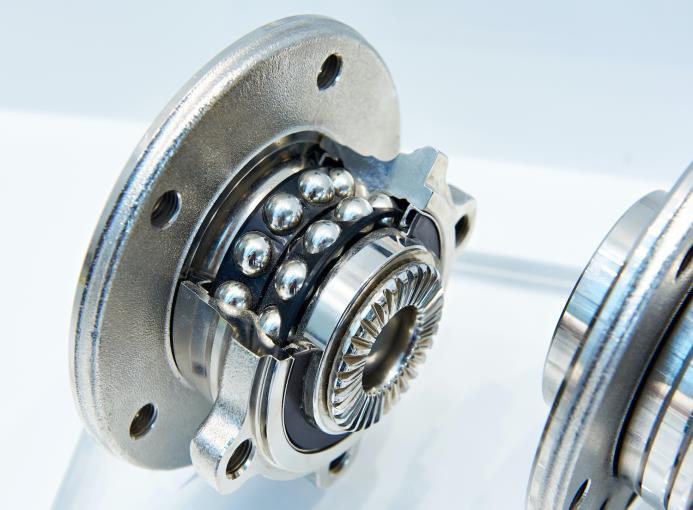
In a car's suspension, steering, and braking systems, wheel bearings play a crucial role. It is the element that makes it possible for the wheel of a car to rotate with little resistance. In a grease-filled, water-proof, sealed metal ring, the bearings are closely packed. Each wheel has one of these housings, known as races, inside the hub. A Herculean task is required of wheel bearings: They are built to carry the entire weight of the car.
Theoretically, wheel bearings are built to last as long as the car. Wheel bearing replacement is not governed by a maintenance schedule, and lubrication is not available continuously. They might, however, suffer harm. Too much heat will cause the bearings to wear, deform, or shatter, which will then affect other components. While driving, some bearing-related symptoms can be seen. Remember that bearing failure will manifest itself in a variety of ways as the severity of the issue increases, making early detection essential for minimizing damage.
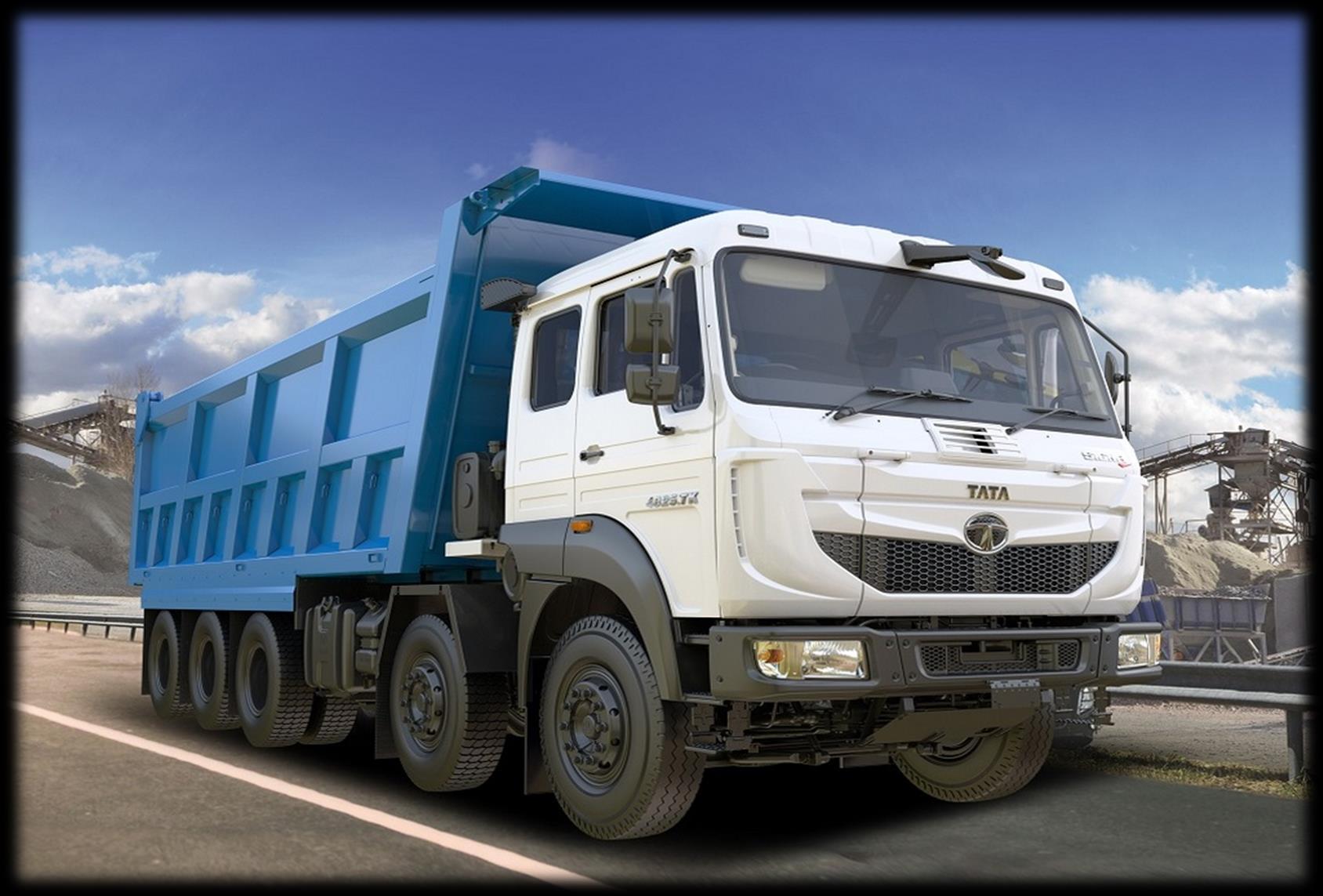
When traveling at a high speed and striking a pothole, a high curb, or a speed bump, Tata truck wheel bearings are particularly susceptible to damage. By contaminating the grease and causing the bearings to prematurely deteriorate, water, mud, salt from the road, or sand that manages to get past the seal will touch the bearings.
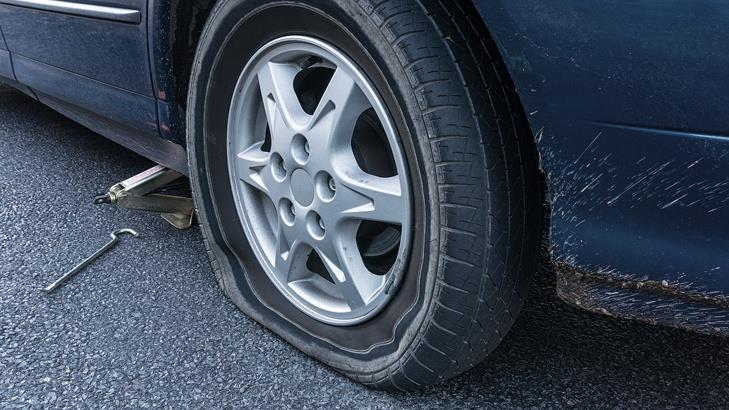
Another thing is to use caution if you intend to modify your car. Your Tata Truck’s original equipment bearings are designed for a specified load. Tyres that are larger, broader, and have thinner tread walls all have a stylish appearance. But they put heavier stresses on the wheel bearings, which could hasten wear. It's best to adhere to an automaker's guidelines when making changes.
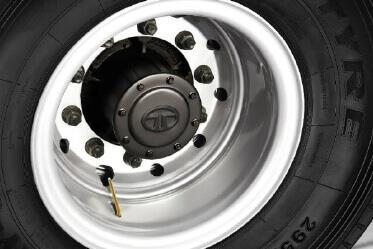
It is audible when wheel bearings are failing, which is the most noticeable and typical sign. However, it could be perplexing. Noise, which can be of various types, is one of the first things people notice. One sign is a humming noise coming from the wheel area that gets louder as the car moves. The issue is worse if it grinds more frequently. Since it's unusual for both sides to fail at once, try to pinpoint which side is making the noise. Listen while the car is going and slowly turn in both directions. When the noise happens, it typically occurs on the side that faces the other way from the turn. For instance, other problems, such as those with the tyres and CV joint, maybe the cause of a buzzing noise.
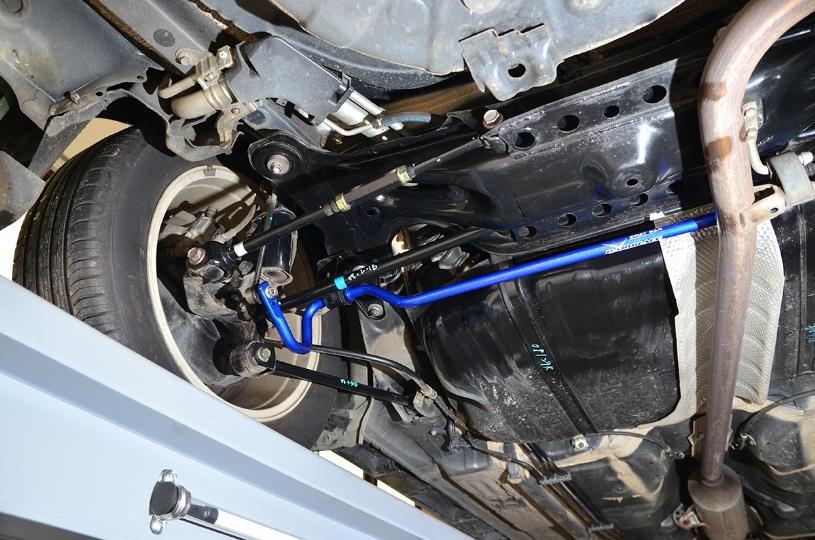
Wheel bearing squeaking and growling noises are common indications of a failing wheel bearing. The wheel bearing is a crucial component in the suspension system of a vehicle and supports the weight of the car while allowing the wheels to rotate smoothly. Over time, the wheel bearing can wear out and become damaged due to normal wear and tear or excessive use. Squeaking and growling noises are usually caused by a lack of lubrication or damaged bearings. These noises can worsen over time and may result in the wheel seizing or coming off altogether, leading to a potentially dangerous situation.
When you apply the brakes, a car that has worn bearings may pull to the left or right. The way the car pulls indicates whether the worn bearings are on the left or right side of the vehicle. However, this could also be a sign of brake rotor or brake calliper issues.
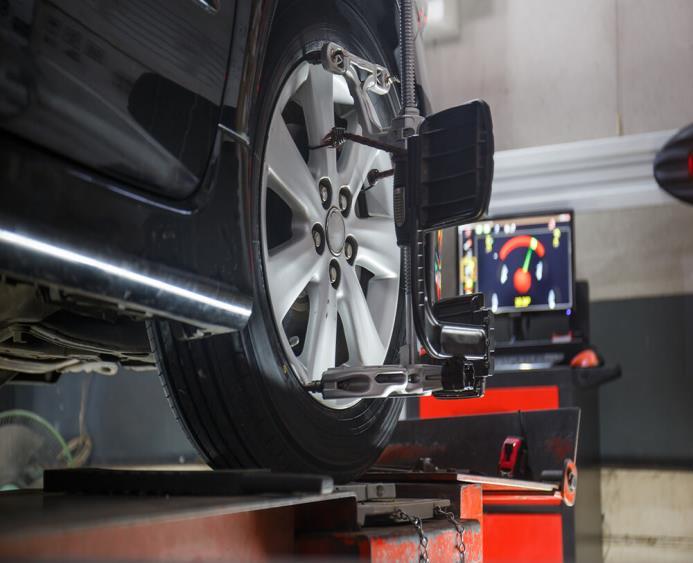
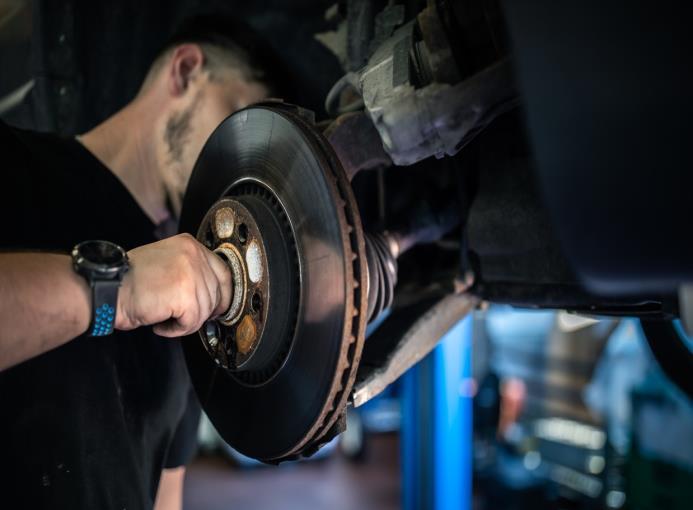
Wheel sway refers to the side-to-side movement of a vehicle's wheels and can occur for a number of reasons. One of the most common causes of wheel sway is worn or damaged suspension components such as ball joints, tie rods, or sway bar links. These components are designed to keep the wheels and tires stable and in proper alignment, but when they become damaged, the wheels.
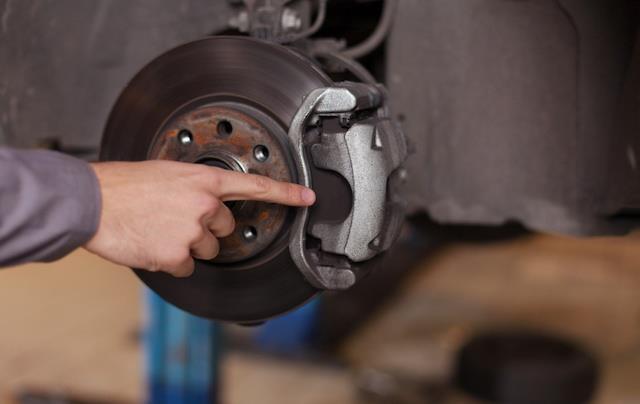
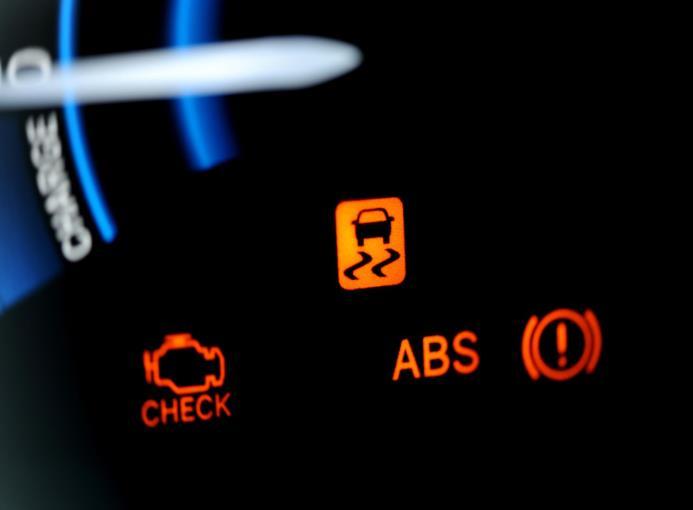
ABS (Anti-lock Braking System) is a safety feature in modern vehicles that helps prevent wheels from locking up during hard braking, thereby allowing the driver to maintain steering control. However, ABS failure can occur due to various reasons, such as a malfunctioning ABS control module, faulty sensors, or damaged wiring. If the ABS system fails, the vehicle's braking system will still function, but without the anti-lock feature, the wheels may lock up during hard braking, causing the vehicle to skid and potentially lose control. This can be particularly dangerous in wet or slippery road conditions.
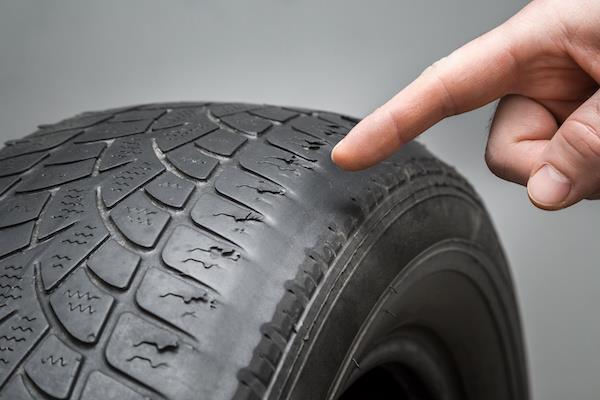
Disparate tire wear is when the tires on a vehicle show different levels of wear or wear unevenly. This can occur for a number of reasons, such as misaligned wheels, worn suspension components, underinflated or overinflated tires, or a combination of these factors. When tires wear unevenly, it can lead to poor handling, decreased fuel efficiency, and even tire failure. It's important to have the alignment and suspension of the vehicle checked regularly to prevent disparate tire wear. In addition, maintaining proper tire pressure and rotating tires regularly can also help to ensure even wear and prolong the life of the tires.
Vibrations in the steering wheel might be brought on by faulty wheel bearings. The intensity rises as the speed and direction of the vehicle change. The vibration, however, might be caused by an unbalanced or out-of-round tyre. Damaged or worn suspension parts are an additional factor.
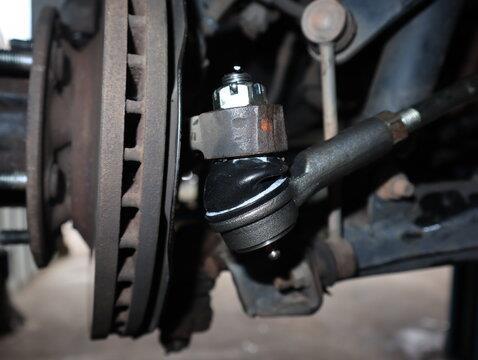
Worn bearings may be the source of excessive steering play, which manifests as steering that feels less responsive or accurate than usual. Drive feel is something to pay attention to. Red flags include loose steering, the vibration of the steering wheel at both low and high speeds, vehicle vibration, and a tendency for the vehicle to pull to one side. You should keep an eye on that as well because they might lead to unequal tyre or brake component wear.

In conclusion, it's essential to keep an eye out for any signs of wear or damage in the bearings of your Tata truck to ensure safe and efficient operation.
Some of the most common signs that indicate the need for bearing replacement include unusual noises, such as squeaking or growling, wheel vibration, wheel sway, and uneven tire wear.
Regular maintenance and inspection of the tata truck bearings, as well as the overall suspension and alignment of the truck, can help prevent premature wear and damage.
Timely replacement of worn or damaged bearings can also help prevent more extensive damage and potential safety hazards.
It's recommended to have a qualified mechanic diagnose any issues with the bearings and perform the necessary repairs or replacements.
Additionally, using high-quality, genuine bearings and following the manufacturer's recommended maintenance schedule can help prolong the lifespan of the bearings and ensure the safe and reliable operation of your Tata truck.
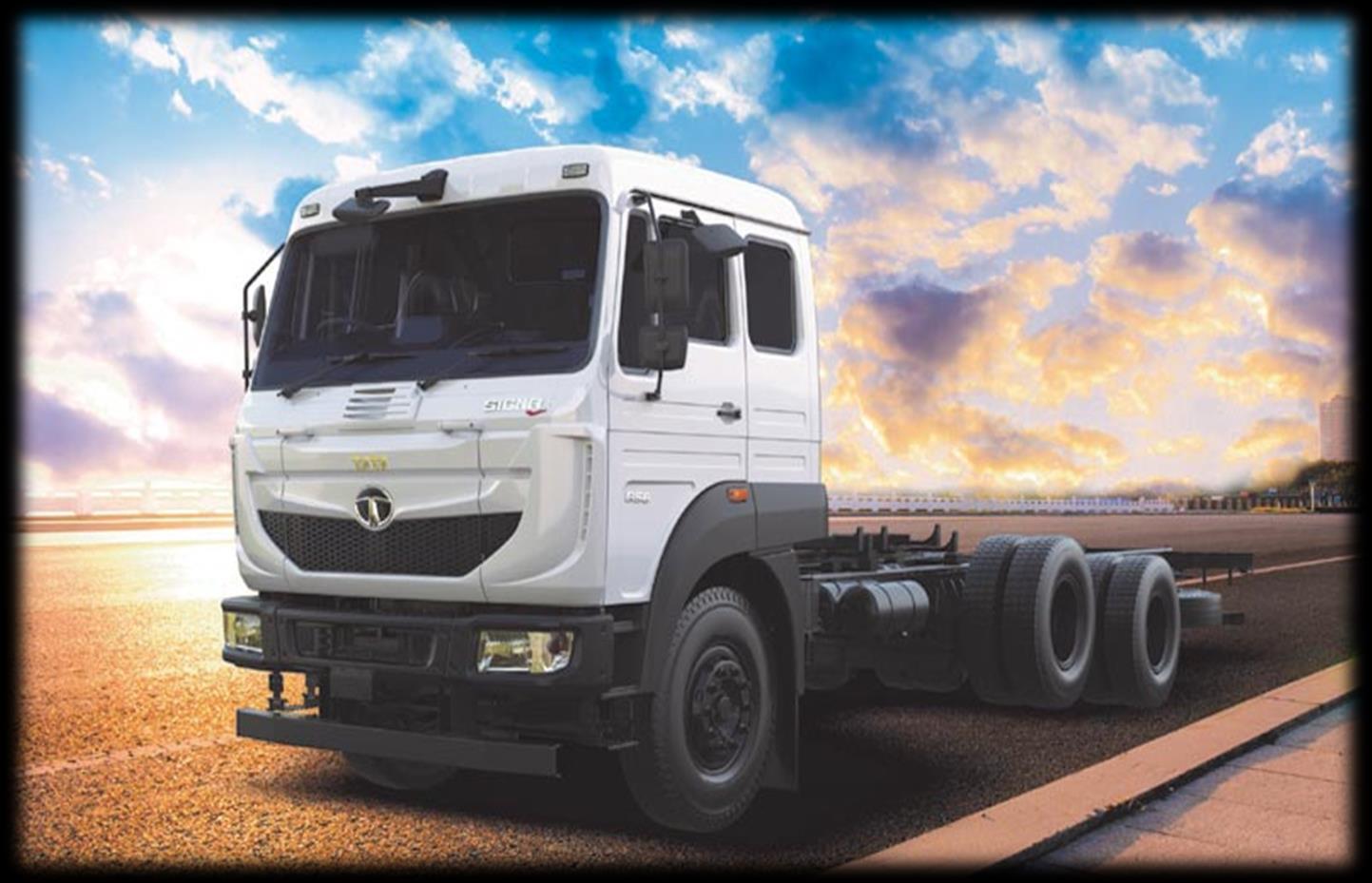
You can conduct additional testing if you can safely jack up and secure the car by the manufacturer's instructions.
Try spinning the wheels by hand while the car is off and the wheels are off the ground to listen for noise or binding. Next, hold the tire's sides and jiggle them back and forth.
Survey No. 251, Plot No. 5 & 6, Village: Shapar, Taluka: Kotada Shagani, District: Rajkot –360024 (Gujarat) INDIA.