| Philadelphia, United States | | az.nazhla@gmail.com | | aznazhla@design.upenn.edu | | +1 (267) 205 4710 |
Summer 2024
Spring 2024
Fall 2023
Loose Envelope | Design Research & Fabrication A Country Within A Country | A BrickWork Story
Coinnext | The Future of NYSE
Fall 2023 Design Innovation | Exploring Frontiers of Creativity
Spring 2021 Final Deisgn Studio | The First Opera House In Iran
Spring 2021 Residential Complex
Fall 2020 Hospital Renovation | Medical Design and Circulations
Spring 2020 The Frozen Symphony | Reviving an Absolote Environment
Spring
Loose Envelope Design
Research & Fabrication
Summer 2024, University of Pennsylvania, Professor: Nate Hume, Teammate: Yasaman Amirzehni
Skills: Rhino, Grasshopper, Adobe Illustrator, Adobe Photoshop, Clay 3D Printing, Digital Fabrication, Full Scale Prototype Building, WoodWorking
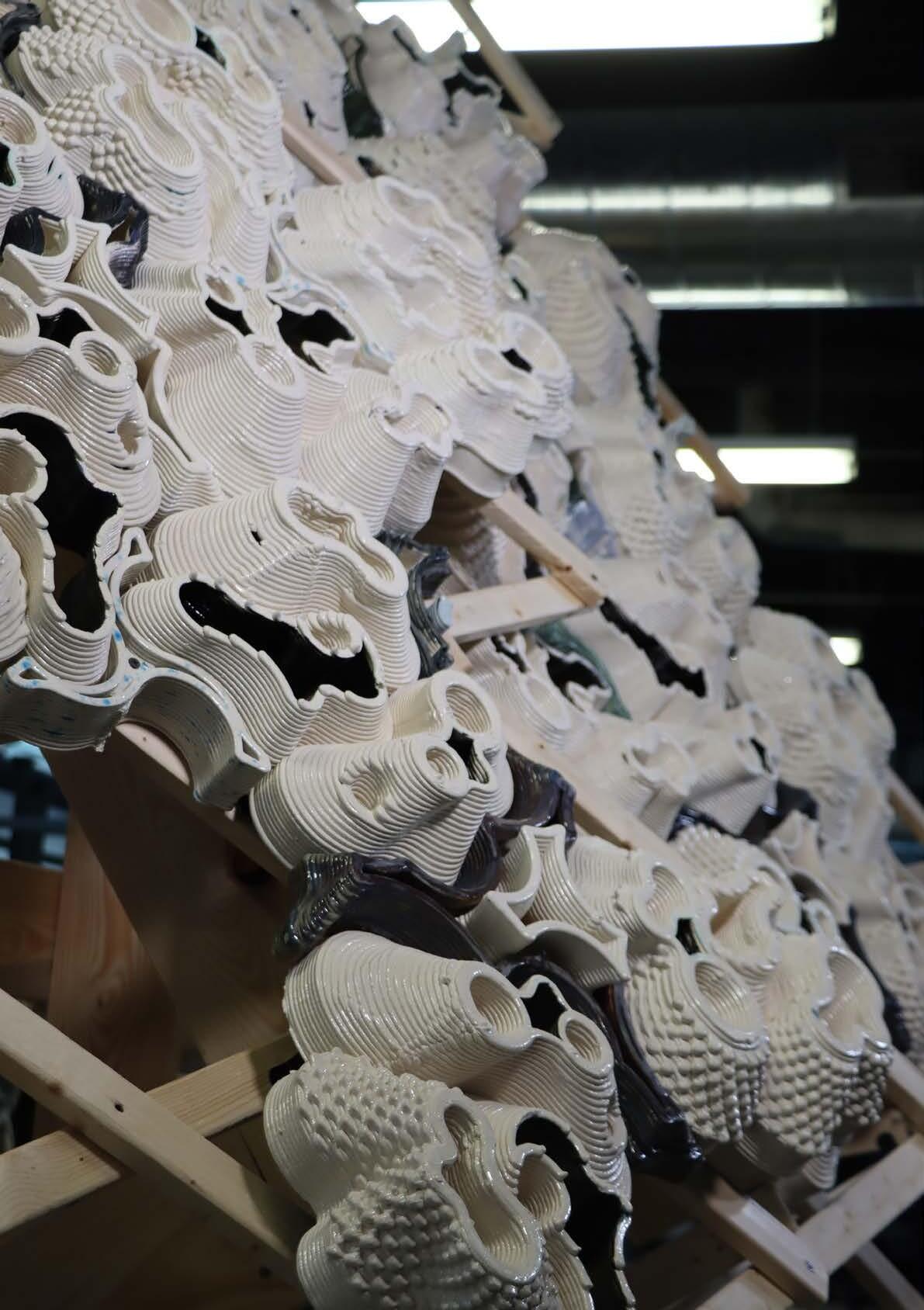
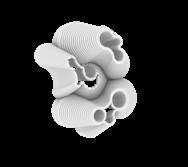
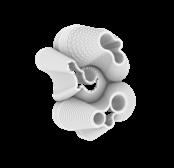
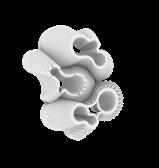
Building envelopes and rainscreens have come a long way, evolving into systems that do far more than just enclose a building. They’re now key players in improving energy efficiency and creating comfortable indoor environments. Rainscreens, for instance, add a ventilated layer that helps manage moisture and extend the life of a building. The idea of a ‘loose envelope’ takes this a step further, offering flexible, adaptable systems that allow buildings to respond to their surroundings in more dynamic ways blurring the lines between structure, function, and form.
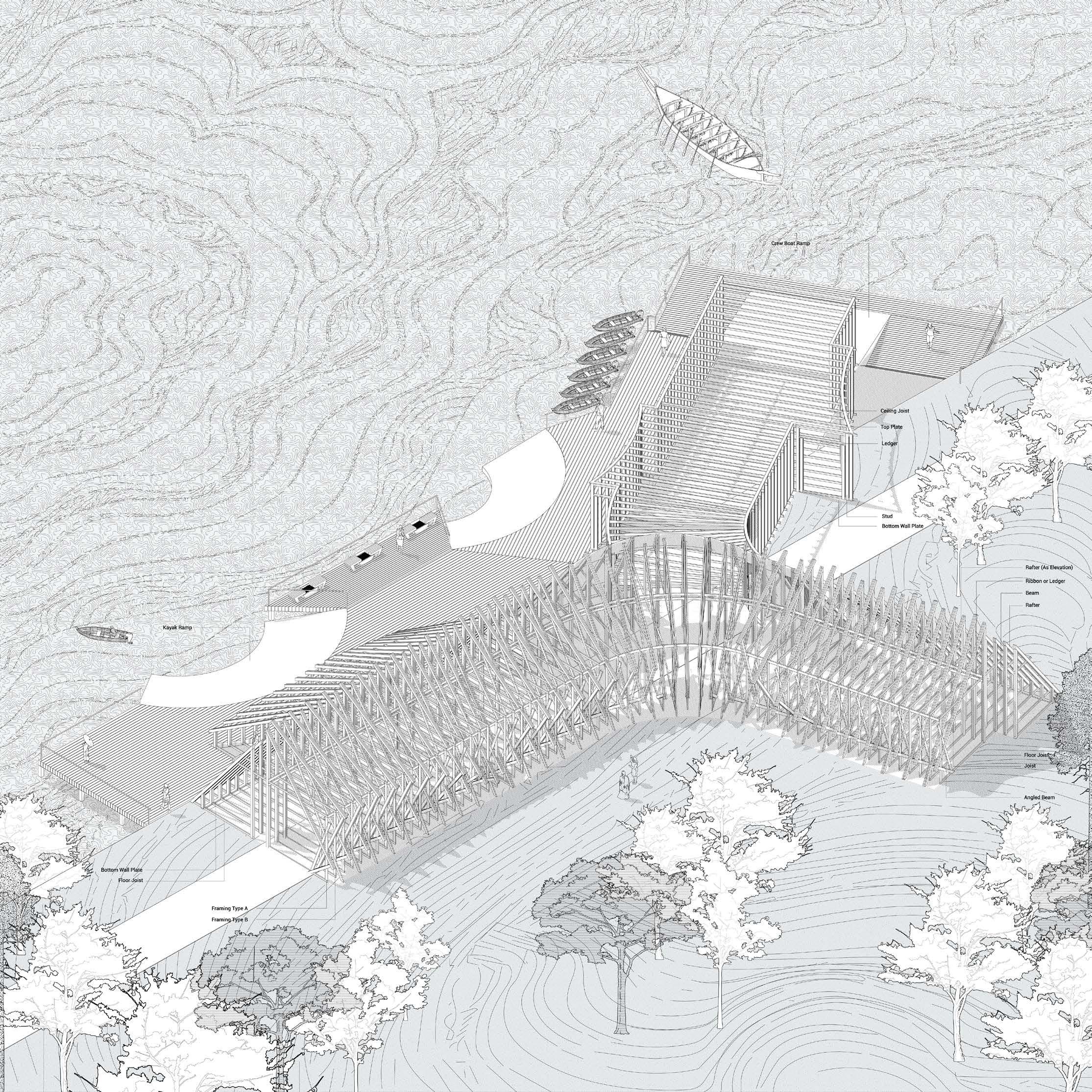
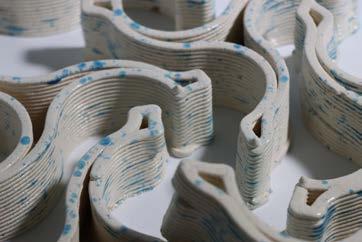
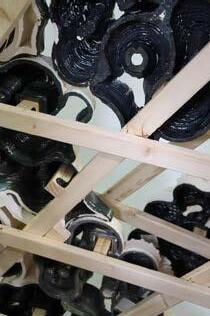
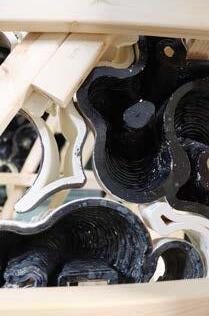
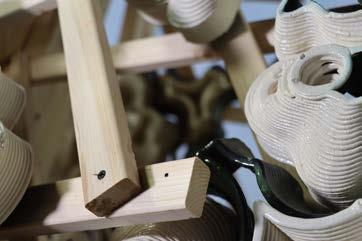
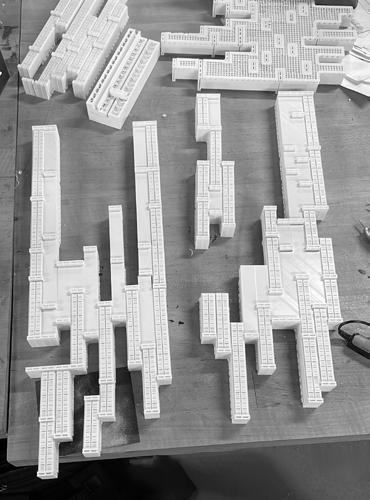
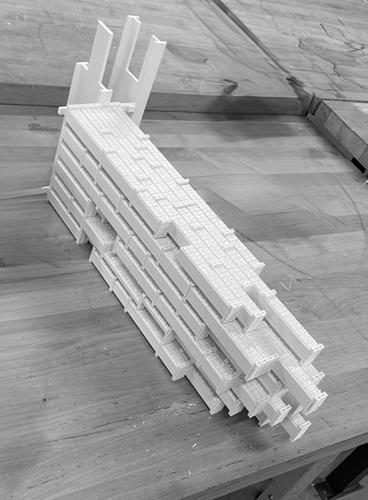
With these innovations in mind, we’re using robotic fabrication to build a full-scale prototype of a boathouse. Our goal is to challenge traditional construction methods by refining framing and structural details, leveraging robotics for greater precision and efficiency, and rethinking how building envelopes can adapt to meet modern demands.
FRAME DESIGN STRATEGY
FRAME CHOICE
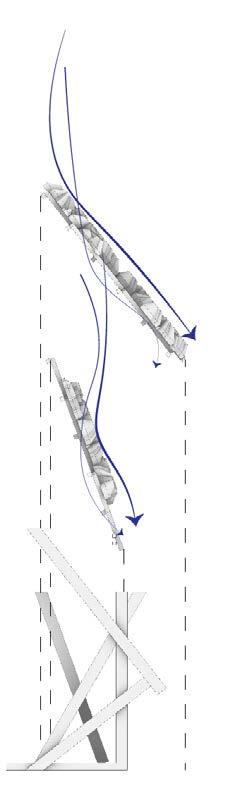
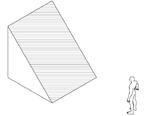
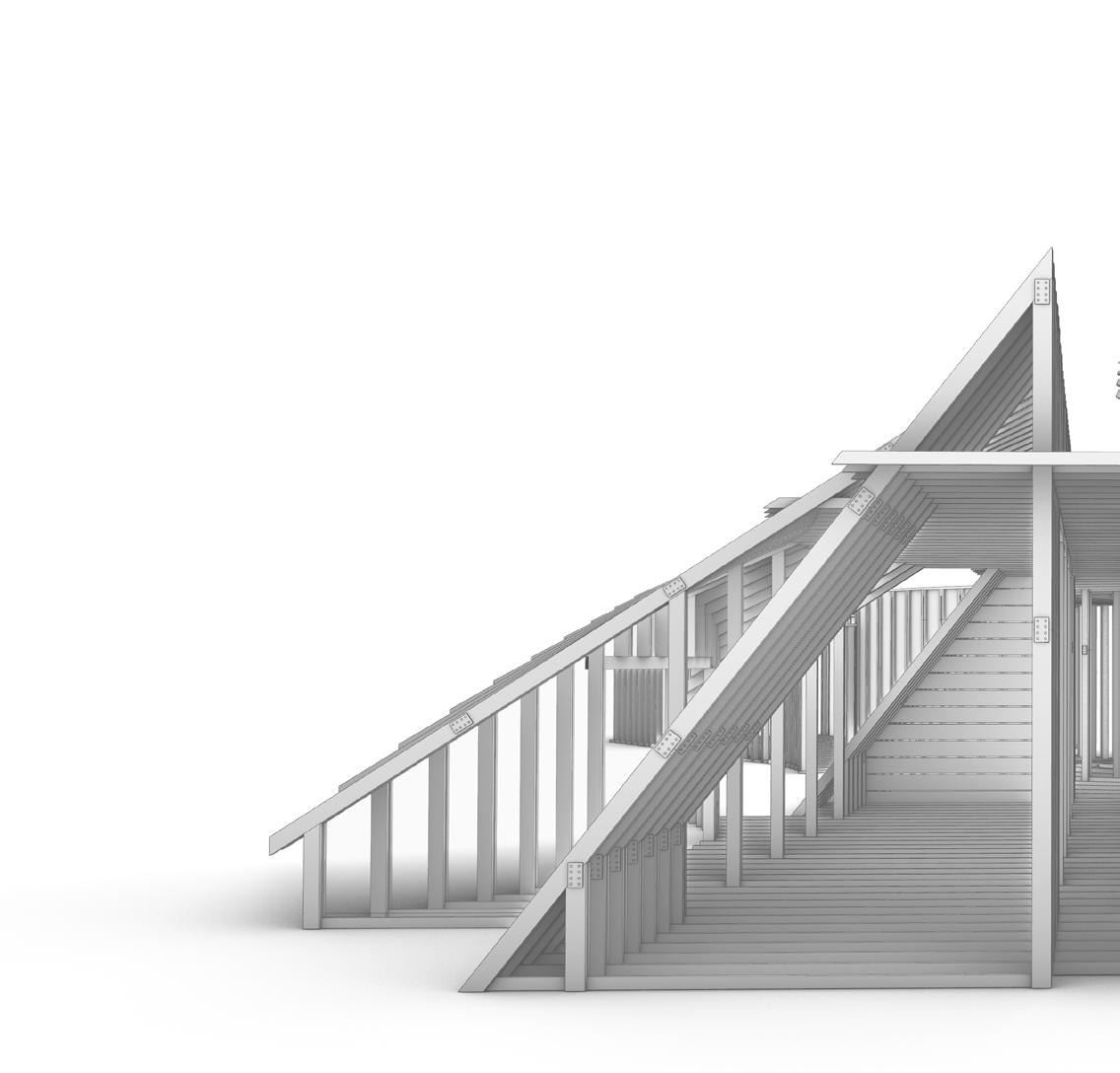
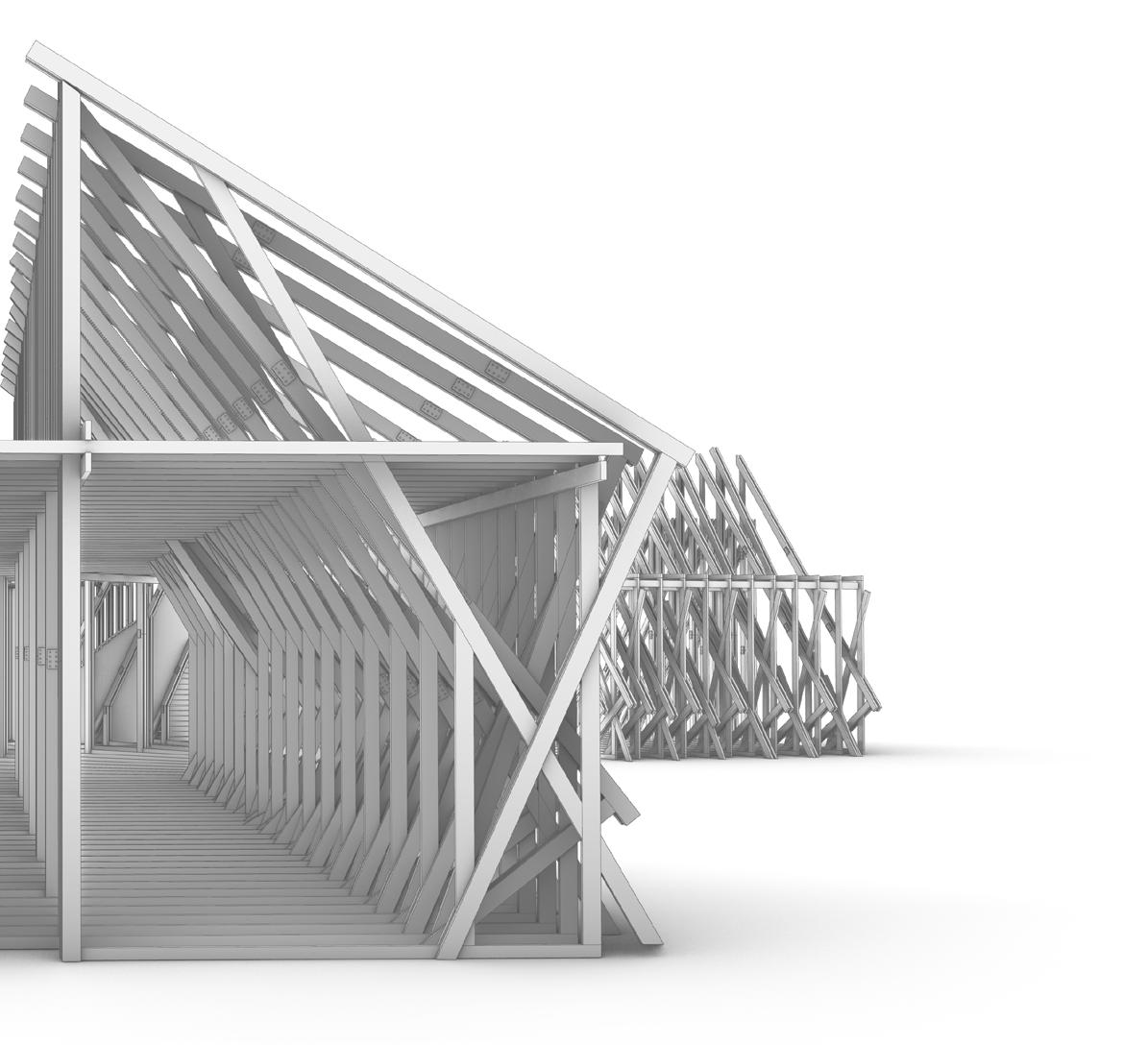
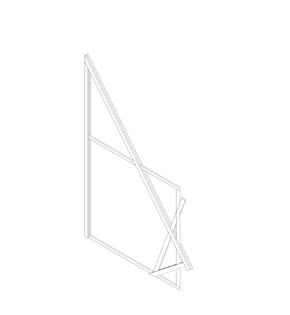
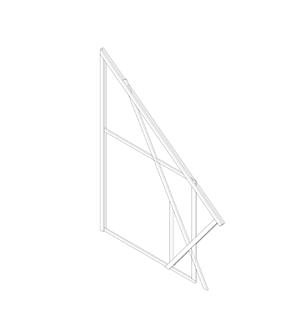
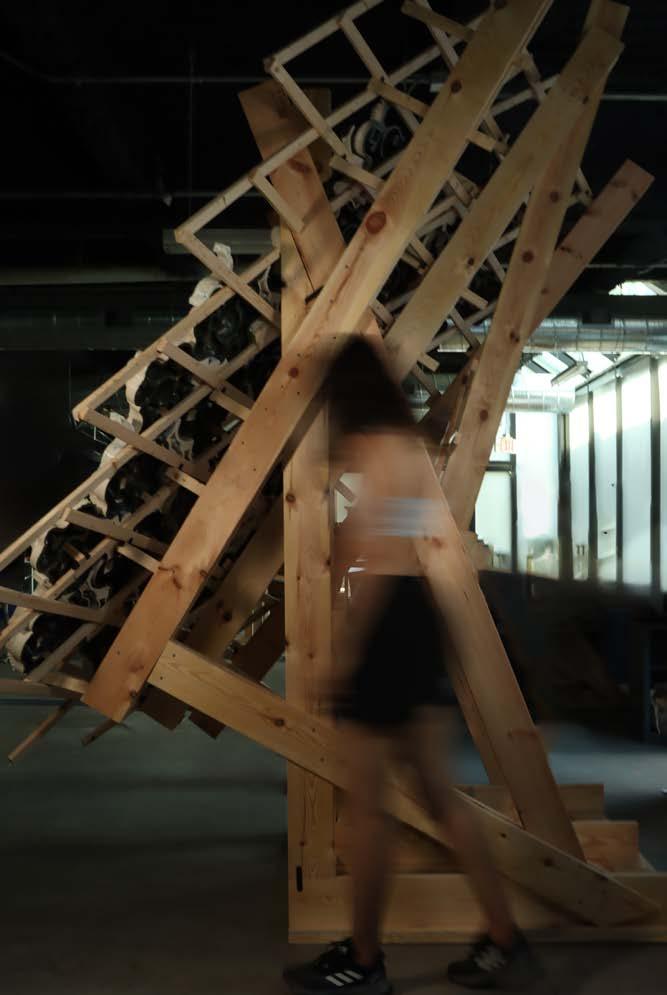
We chose an A-frame structure for the majority of the building, allowing us to prioritize an elaboratley designed roof and cladding system. With almost no walls and a roof that nearly reaches the ground, this design enhances personal interaction.
RAINSCREEN DESIGN
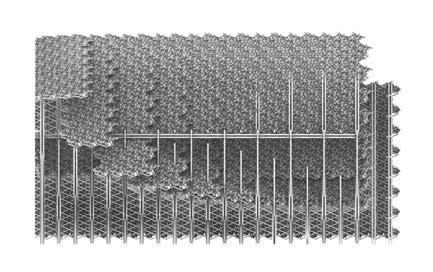
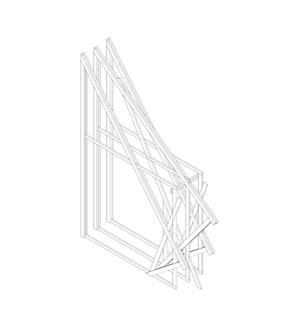
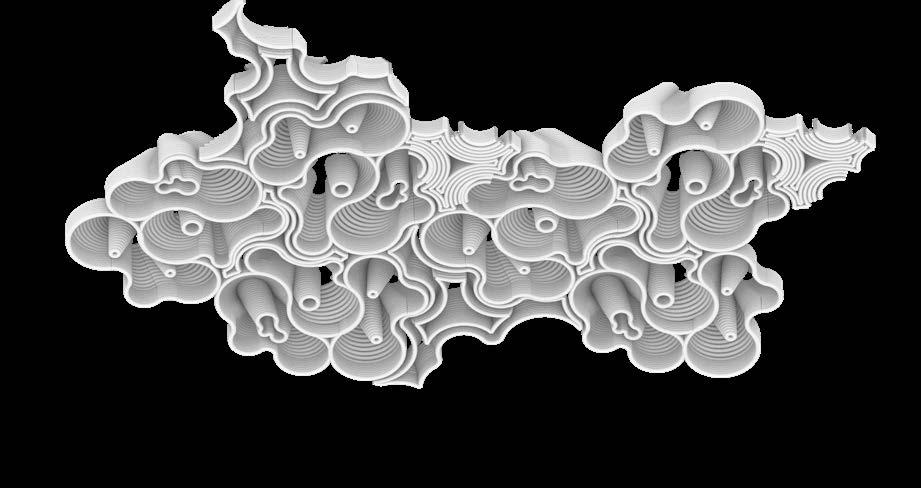
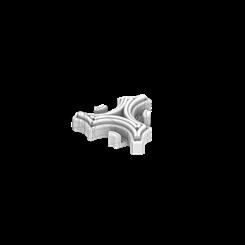
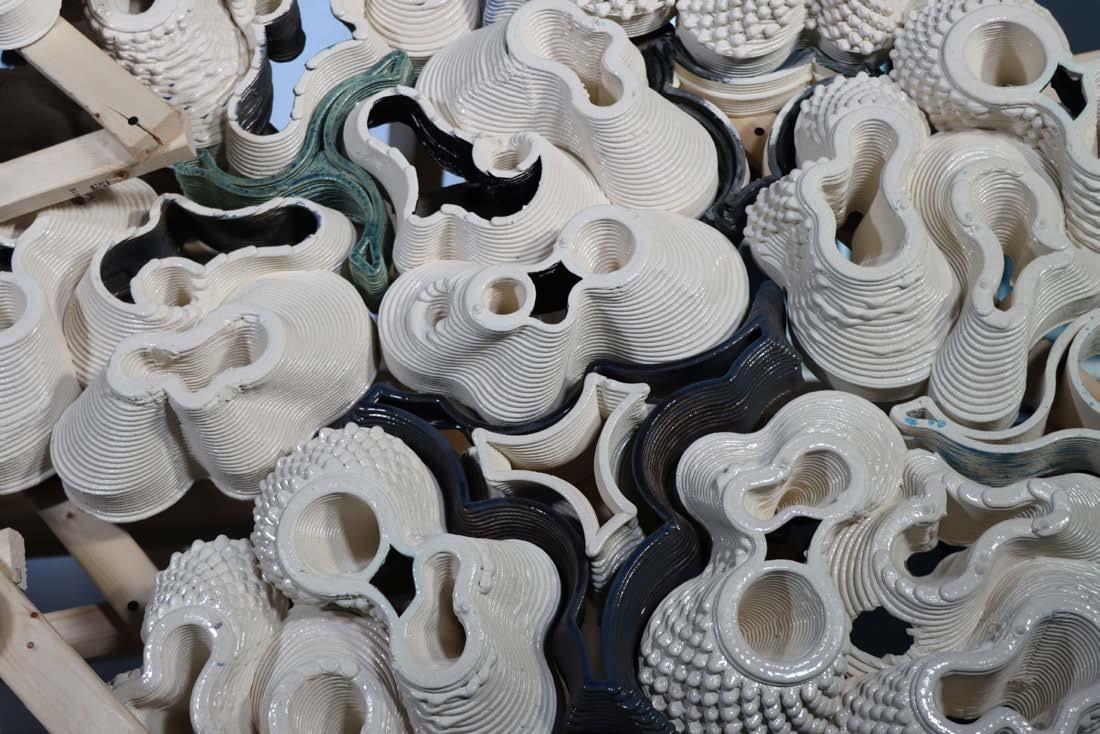
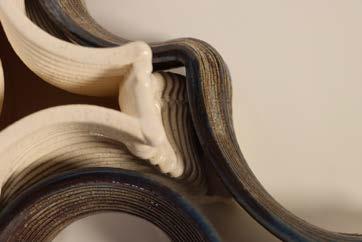
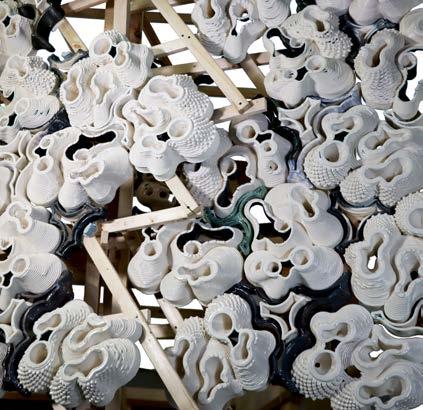
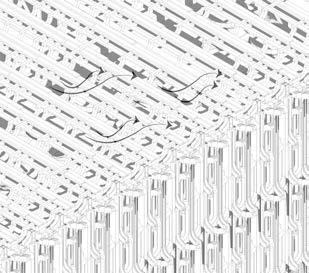
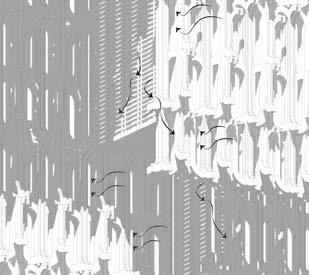
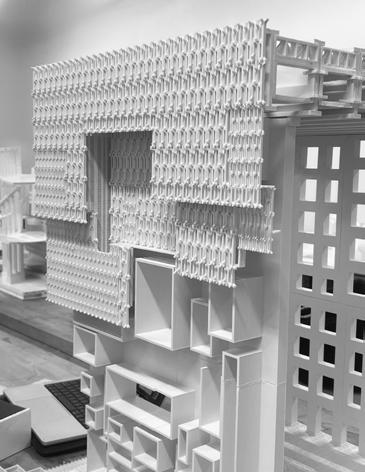
The next phase in designing the rainscreen involved layering. Taking inspiration from thickened cladding systems and the strategically placed openings of shingles for lighting, our approach uses varied angles between layers, creating dynamic geometric patterns that enhance the building’s elevation.
As seen in the diagram, the orientation and movement of the facade are based on geometric curves. Meanwhile, flat surfaces are needed for placing shingles. This project resolved these conflicting requirements by using low-resolution curves. This approach provides diversity in the facade, openings for lighting, and inhabitable spaces in certain areas.
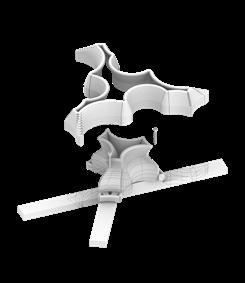
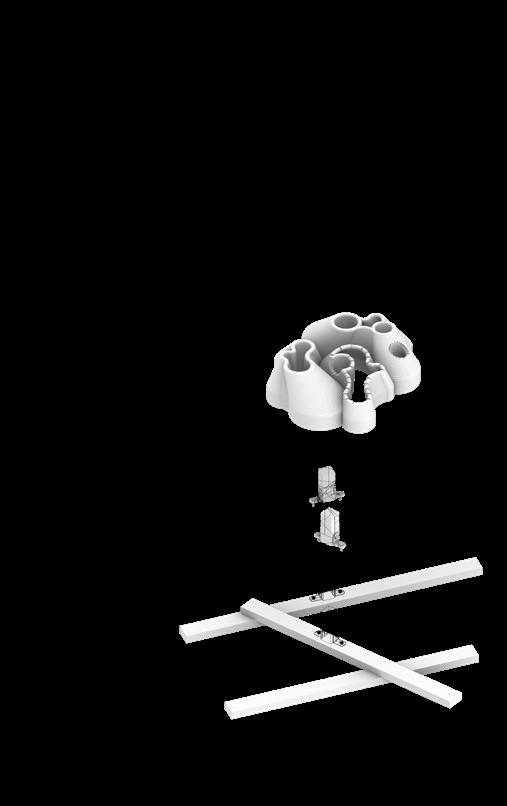
The roof beams run parallel to the slope and are spaced 24 inches apart. These beams are supported by two angled columns and a vertical column, transferring the load with sandwich connections that have an interior slope to the back, while the other slopes to the front. The load transfer mechanisms in these configurations are distinct from each other.
NESTING SYSTEM
PATTERN
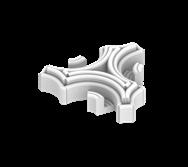
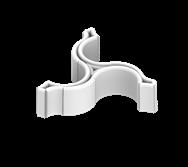
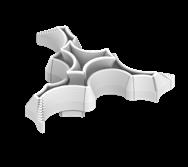
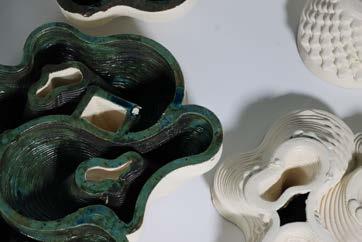
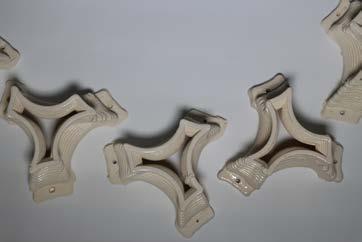
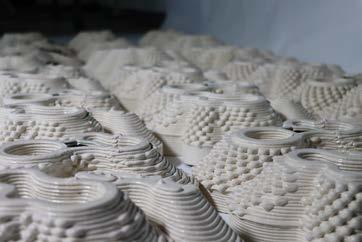
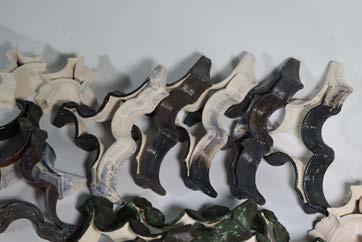
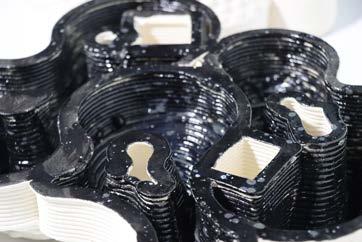
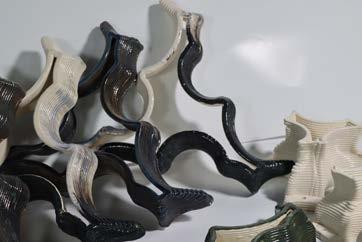
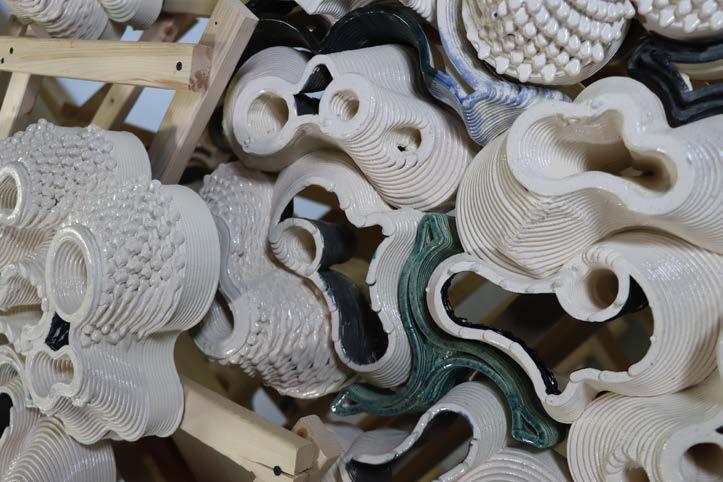
The project focused on creating a variety of shingles that were unified in appearance but diverse in type. However, mass-producing hundreds of customized free-form shingles was not practical. Initially, we designed simple 2D gemoetric patterns such as circles and triangles. The aim was to create a hexagonal unit pattern that could be repeated and arranged in different ways, using 5-8 pieces.
ASSEMBLY TECHNIQUES
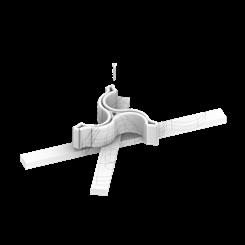
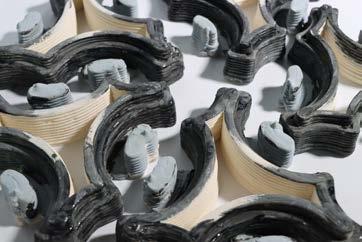
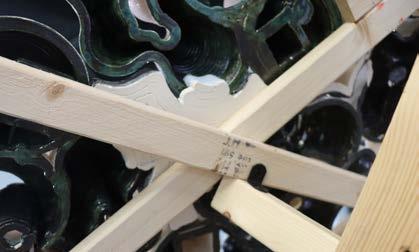
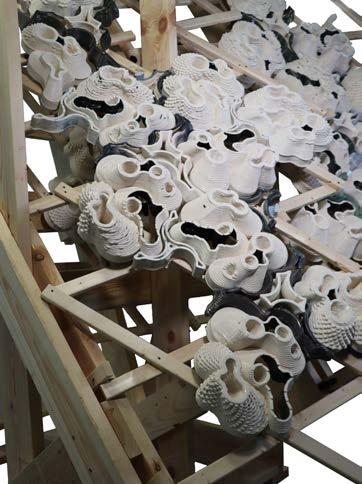
Unlike traditional hanging shingles, this project incorporates a diverse array of shingle types, each uniquely assembled using specialized techniques to correspond with their specific geometry. In some cases, the shingles are not directly attached to any underlying frame; instead, they rely on their interlocking design to maintain stability and structure. This interdependence ensures that each individual piece plays a critical role in maintaining the integrity of the entire facade, transforming the assembly process into a dynamic puzzle where every element is essential to the whole.
COINNEXT
The Future of New York Stock Exchange
Fall 2023, University of Pennsylvania, Professor: Fabian Llnoch, Teammate: Woosak Kim
Skills: Rhino, Adobe Illudtrator, Adobe Photoshop, 3D printing, Model Building
Is now the moment to bring a conclusion to a human-centric world?
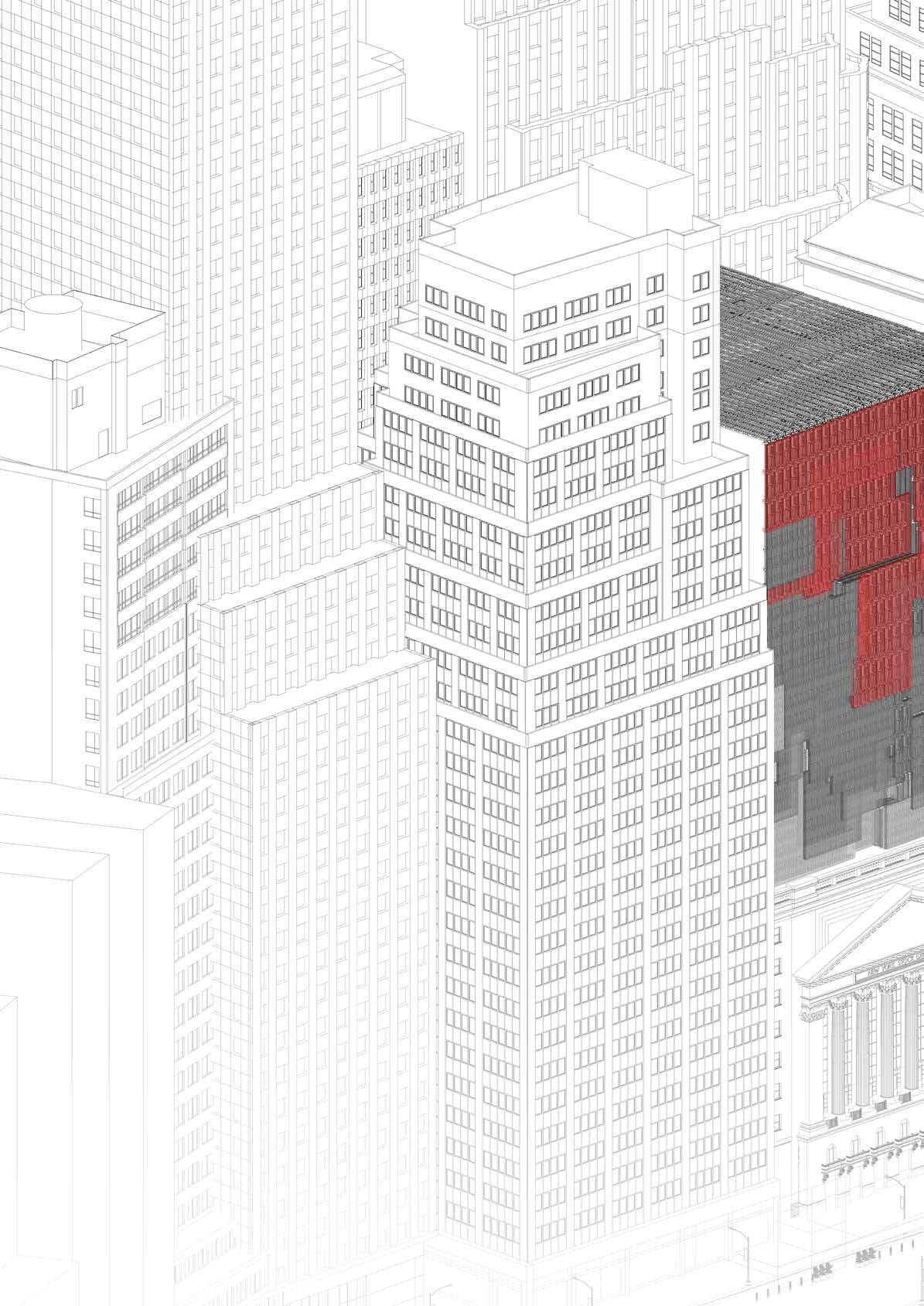
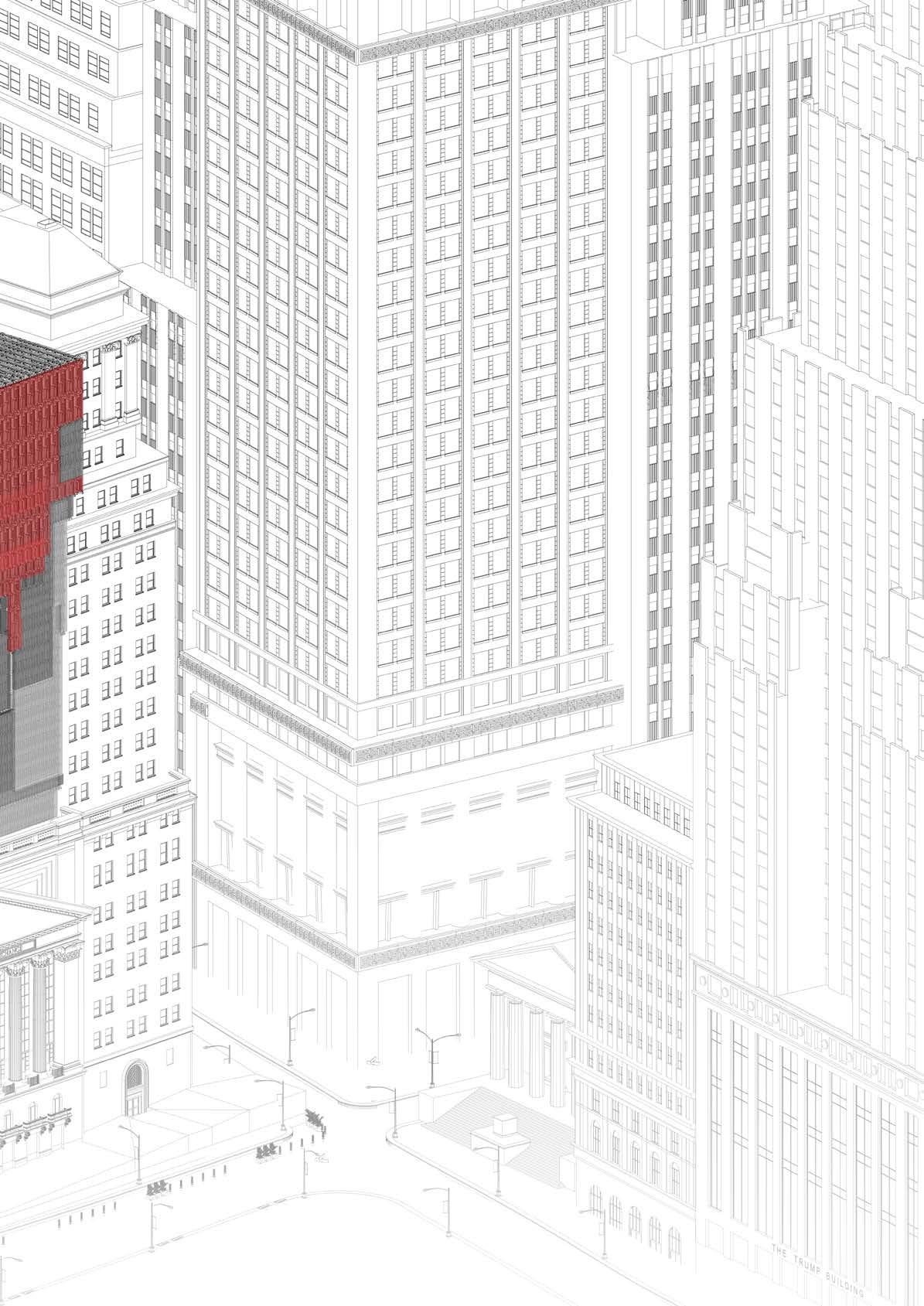
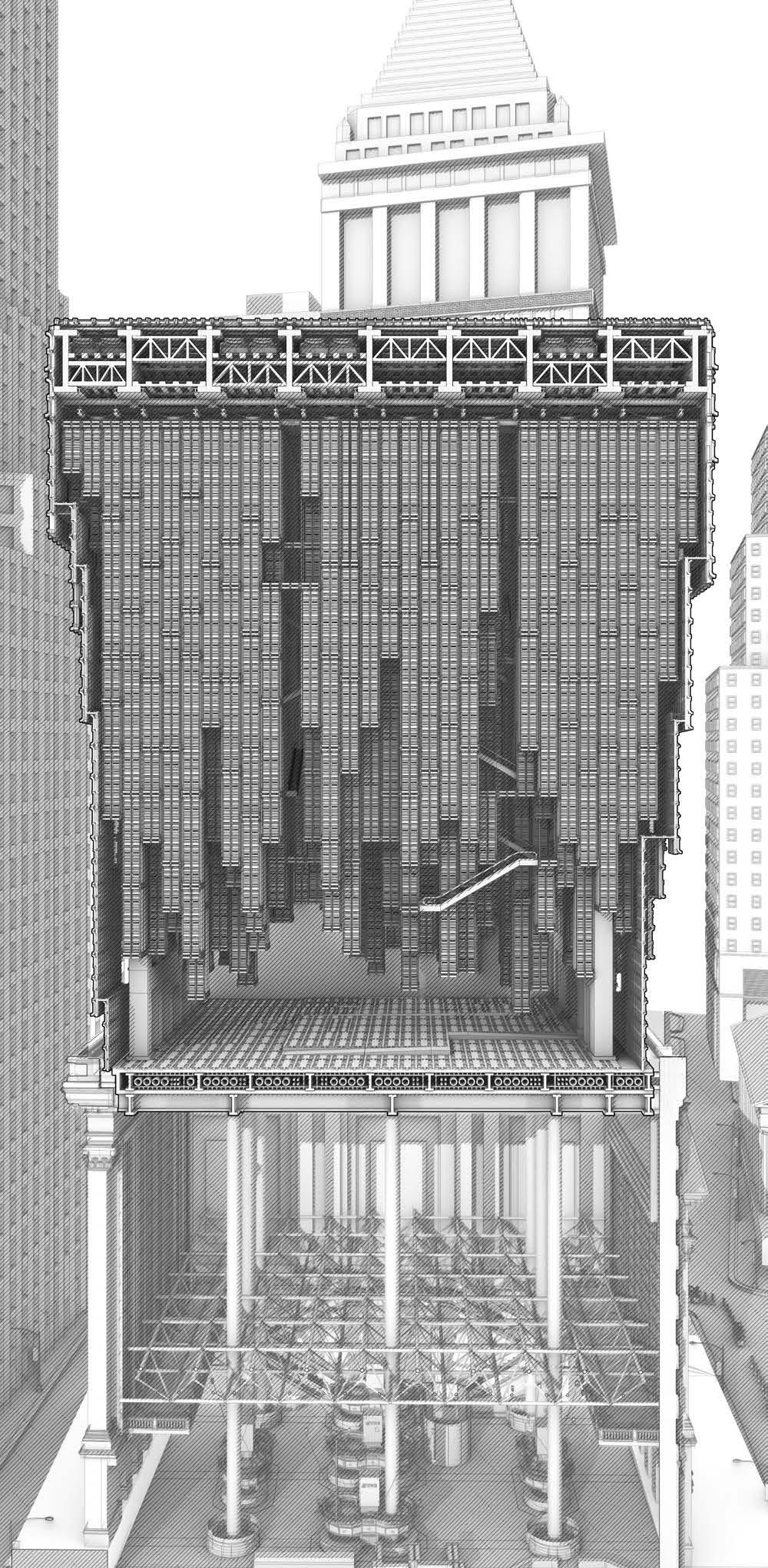
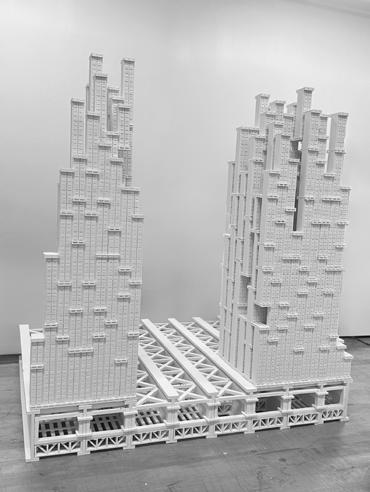
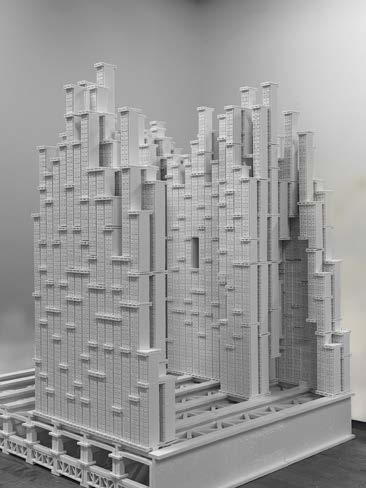
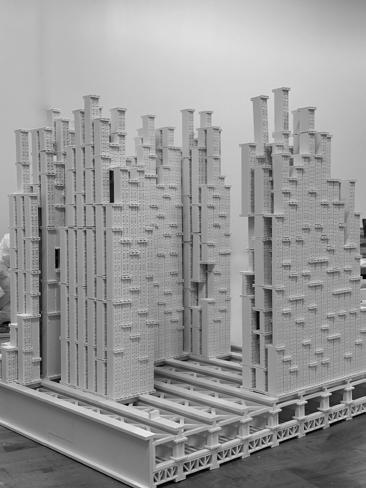
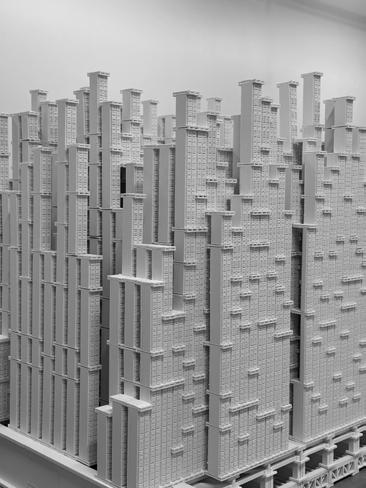
Our work is a vision of the future, a vertical extension of the New York Stock Exchange (NYSE), a presentation of the innovation required by the changing dynamics of the world. Designed to cater to growing nonhuman life, where more than 80% of the structure is dedicated to servers and mining machines The NYSE, already a center of the global economy, takes a step into the future. Transcending mere aesthetics and functionality; it becomes a powerful force. One which fully integrates humanity with the digital environment. Therefore, this project highlights the role of design as an agent of change, moving beyond traditional human-centered perspectives toward new methodologies. Grounded in a deep understanding of both human and nonhuman elements, it shows humanity’s adaptation to a world thats more than human. Our goal was to shift from a purely human-centered approach to one that is more inclusive and adaptive, reshaping coexistence between all constituents.
ARCHITECTURE AS A SURFACE:
In crafting this vertical expansion, we conceptualize the façade as a transformative flat surface, exemplifying our approach to this monumental structure.
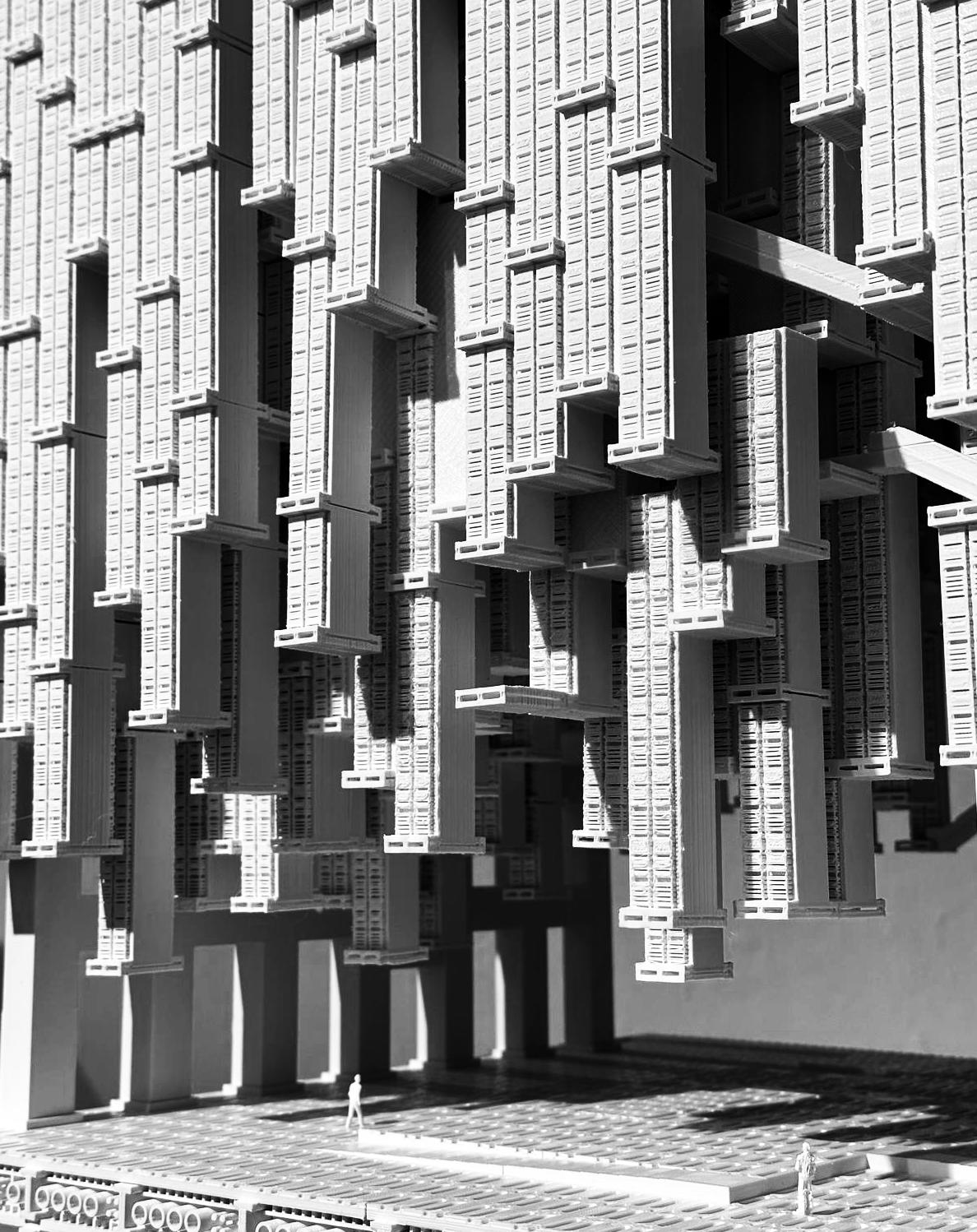
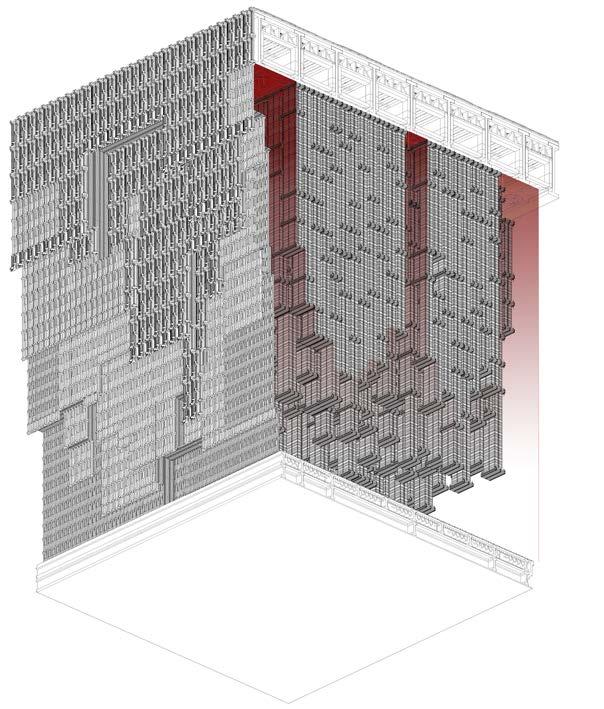
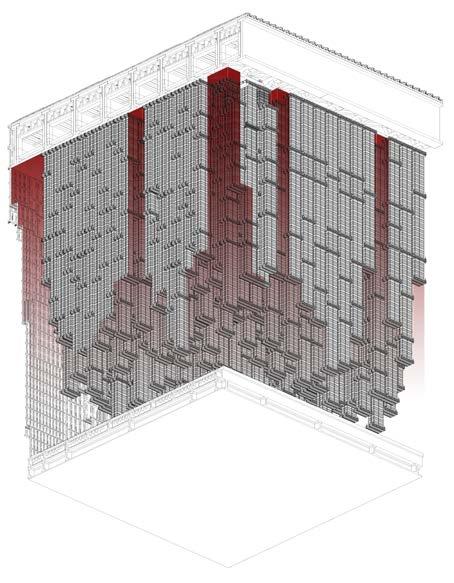
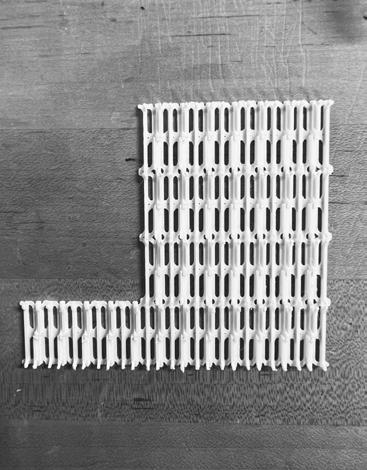
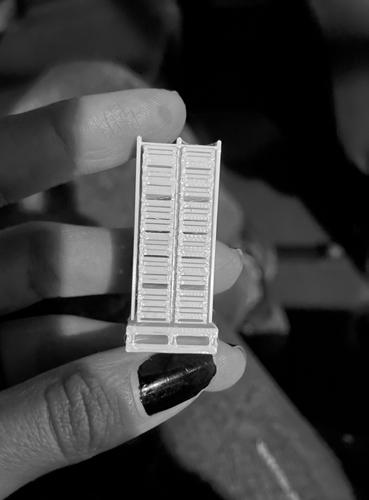
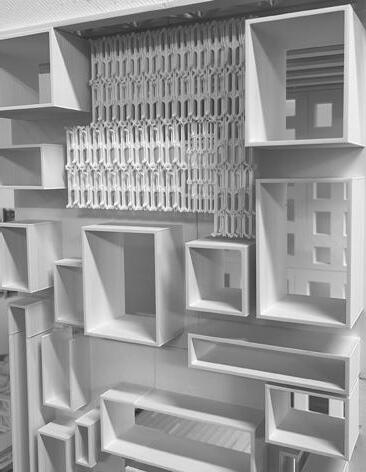
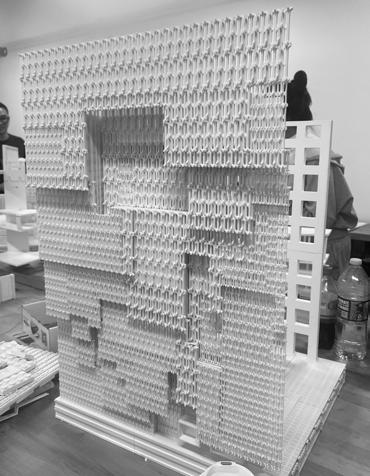
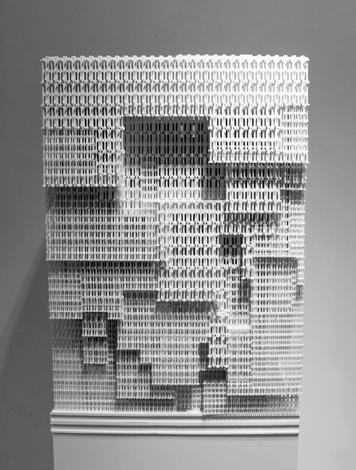
Inspired by Kengo Kuma’s method of particleization, the façade is constructed using small modular components that represent density, solidity, and transparency. These components work together to create a sense of fluidity and depth, transitioning seamlessly between solid and void, opacity and lightness.
The strategic placement of multiple surfaces accommodates server density, featuring a deliberate top-to-bottom gradient. This design choice is reflected in the modular façade components, resulting in three different scales: larger components with more voids in the upper layers (indicated in red) and smaller components in the lower sections (shown in light gray). This integration not only enhances aesthetic appeal but also optimizes the ventilation system, underscoring the project’s commitment to seamlessly merging form and function.
THE DEEP SPACE BEHIND THE SURFACE:
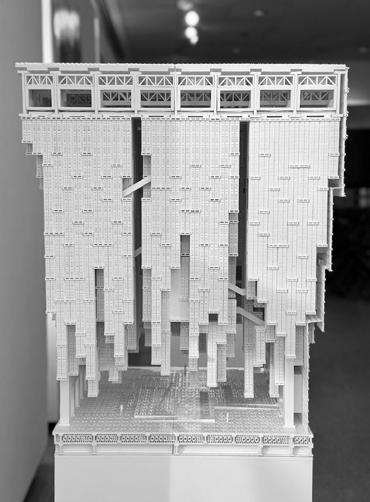
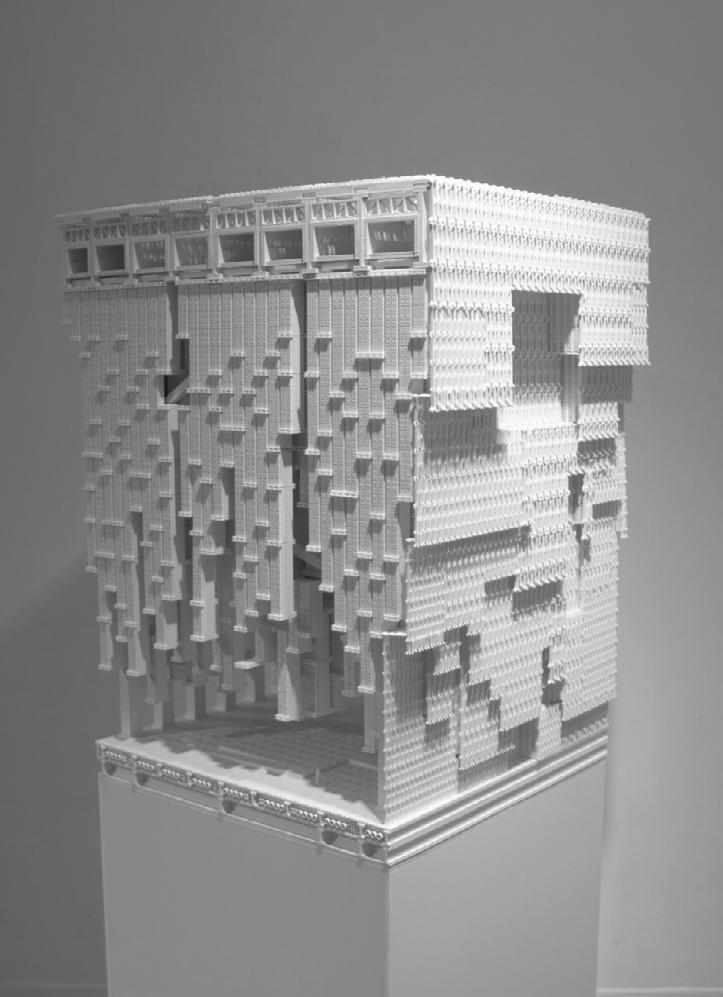
This project is defined by a deliberate contrast between its refined façade and the dense network of servers hanging from the roof’s megastructure. Approximately 80% of the building is dedicated to housing digital coin mining machines, while the remaining 20% is thoughtfully allocated for human occupancy.
Ventilation was a critical design focus, addressing the immense heat generated by thousands of servers. The breathable façade and roof, as illustrated in the diagrams, were strategically designed to facilitate natural ventilation. Hot air rises through the servers and escapes, establishing a continuous and efficient air circulation system.
A defining architectural feature is the arrangement of the servers. This design choice not only optimizes thermal management but also creates a distinctive spatial dynamic.
THE FROZEN SYMPHONY
Reviving an Absolote Environment
Spring 2020, University of Tabriz
Professor: Leila Rahimi
Location: Golestan Park, Tabriz, Iran
Skills: Autodesk Revit, Autodesk Autocad, Lumion, Adobe Photoshop, Music Theory
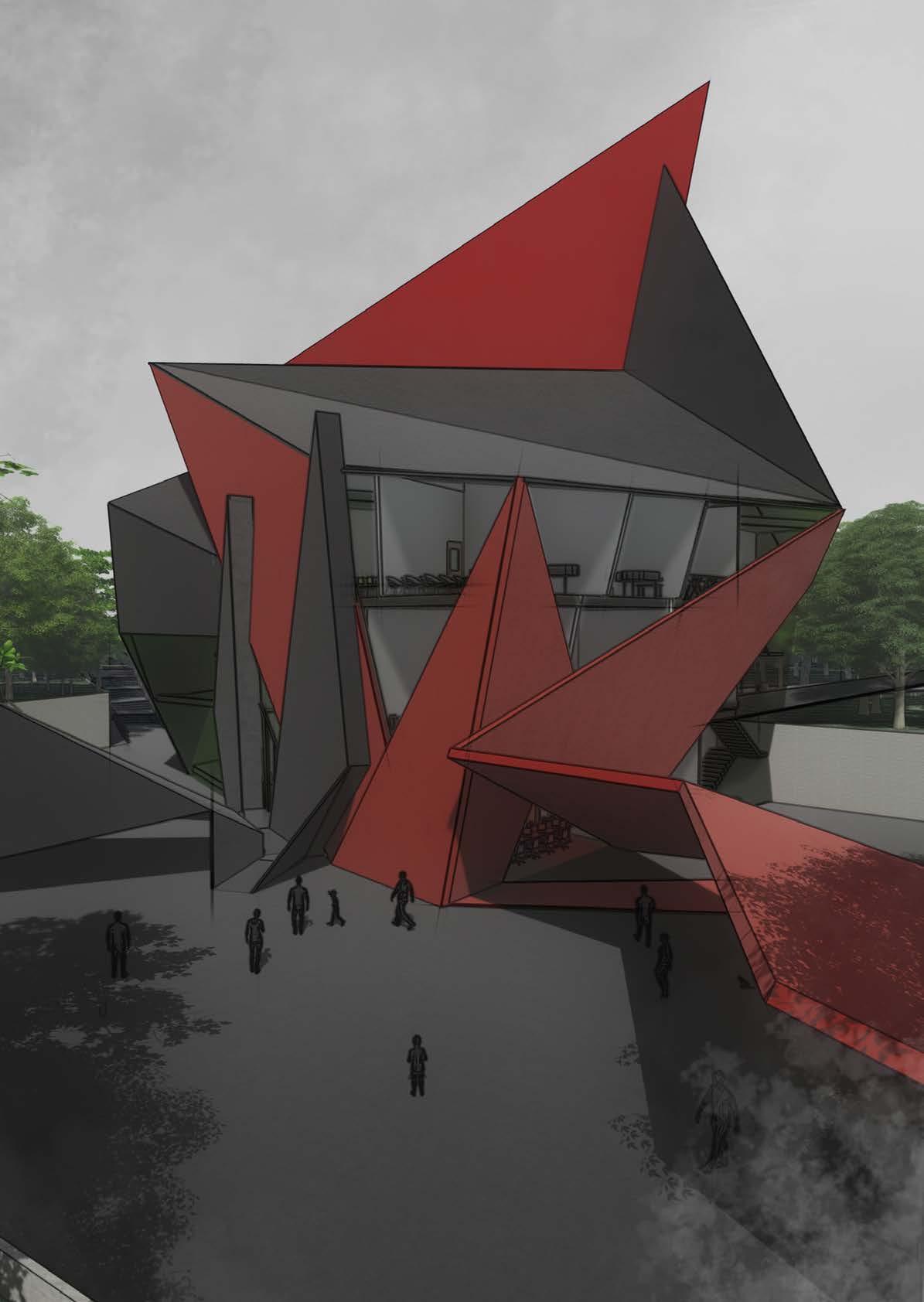
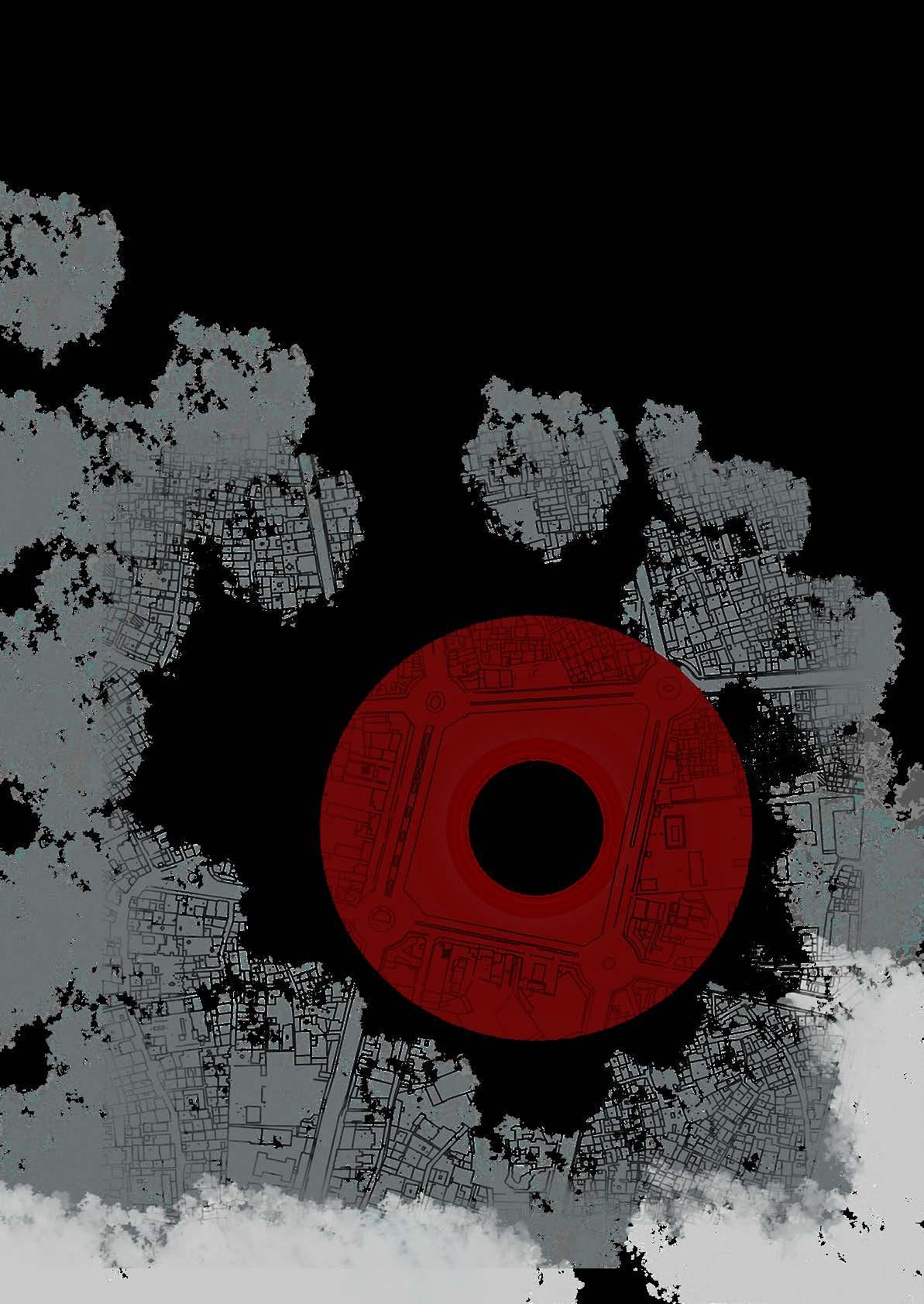
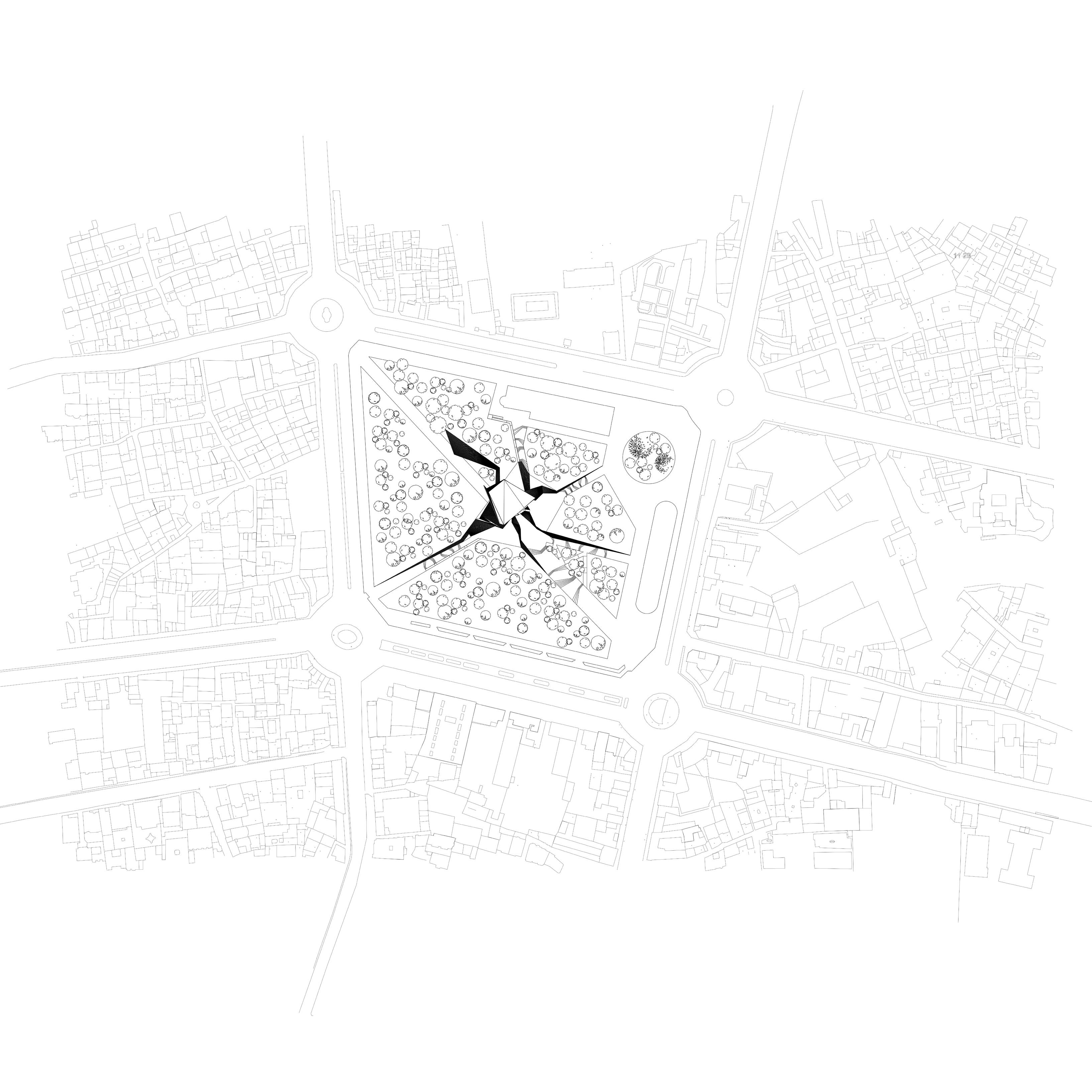
This Project sought to revive the obsolate park located in the city center and alter its meaning to the local residents and the city itself. Reclaiming long abandoned infrastructure and enhancing the atmosphere to create a vibrant environment, where visitors can enjoy. A place where anyone from a multitude of backgrounds and perspectives may enjoy life, work, learning, and even play. The focal point of this rejuvenation effort is the establishment of a Music Museum within the park. This carefully chosen project seeks to seamlessly blend arts and cultures, infusing the surroundings with a vibrant energy. Through the harmonious integration of music, we envision transforming the park into a hub where individuals can immerse themselves in a rich cultural tapestry. This endeavor not only enhances the aesthetic appeal, but also creates a destination that resonates with diverse audiences, offering a multitude of experiences for all to enjoy.
URBAN CONDITION:
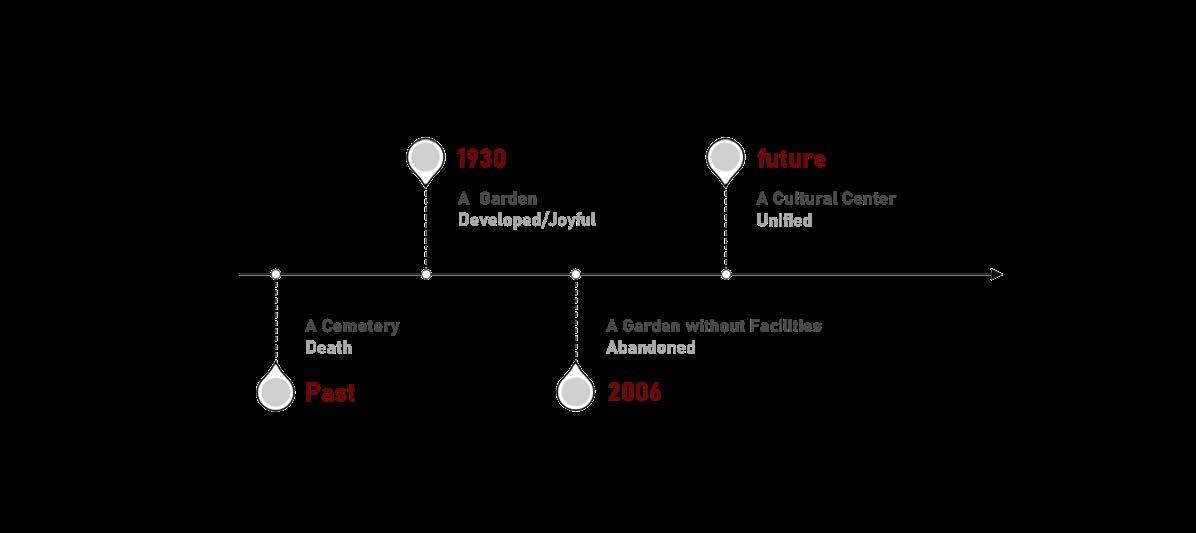
TIMELINE:
This site experienced both death and vitality. However, it has been left abandoned since 2006. The main intention is to bring life back to the garden. For this, we need to convert the park into a place of unity, where residents and tourists alike can entertain themselves. Investigating this park reminded me of the ninth symphony of Beethoven, the concept of life inspired the symphnoy as it inspired my work.
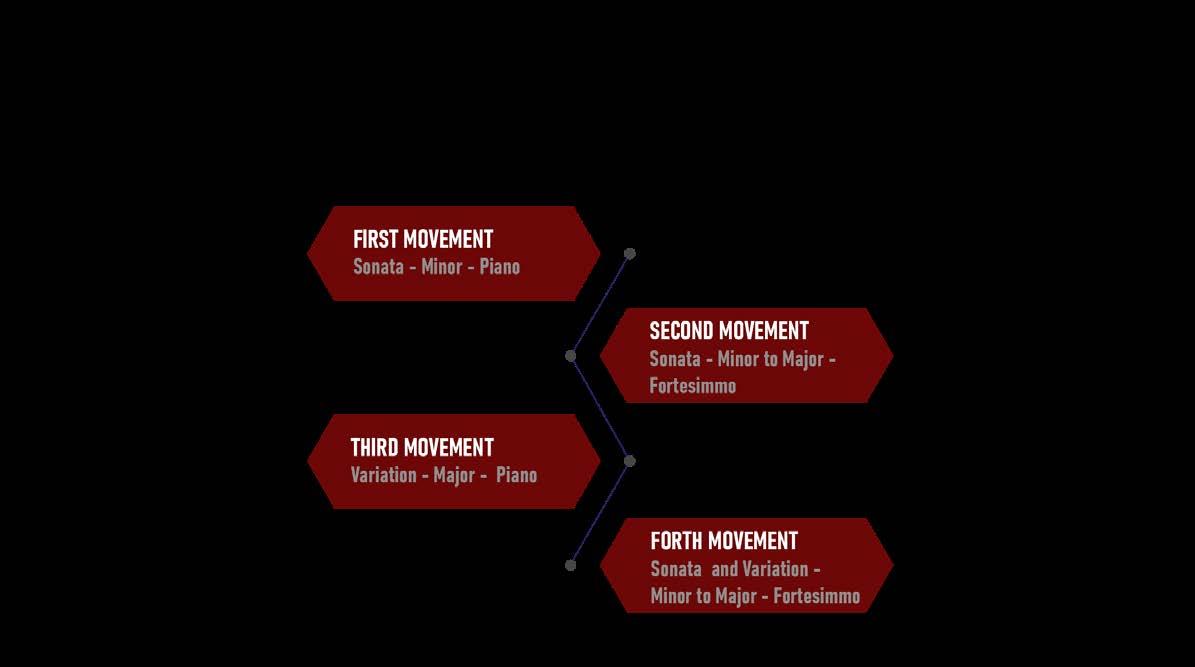
The first movement is in re-minor with a sonata form, which starts in a unique way, growing gradually from absolute silence to a bold, dramatic sound. Richard Wagner describes this movement as a battle between humankind and oppression. He believes it presents the concept of death. Precisely like the site that was a cemetery in the past. In the second one we can observe the delightfulness meanwhile with the end of the movement. This movement is called Scherzo, which means “joking or playful” in Italian. This is remembered the development of the garden beginning as a cemetery and converting to a crowded garden step by step from 1930 to 2006.
Although the third movement is a try for an ideal that is not witnessed as successful. This movement is much slower than the others. Each note moves with deliberation. Exactly like the changes the government did to build an ideal environment. However, they did it without considering people and culture so that it has a vice versa effect.
Finally, the last movement which is described as another symphony within this symphony because of its completeness. The noticeable point to mention is that everyone can enjoy this part, not only musicians and experts but also common
THE NINTH SYMPHONY OF BEETHOVEN:
A SYMPHONY AS A DESIGN STRATEGY:
Beethoven lived during the Age of the Enlightenment, a period marked by profound transformations in Europe, challenging established institutions, customs, and morals. Inspired not just by life, but by the ideals of freedom and equality, Beethoven’s Ninth Symphony becomes a beacon of celebration for brotherhood and fraternity.
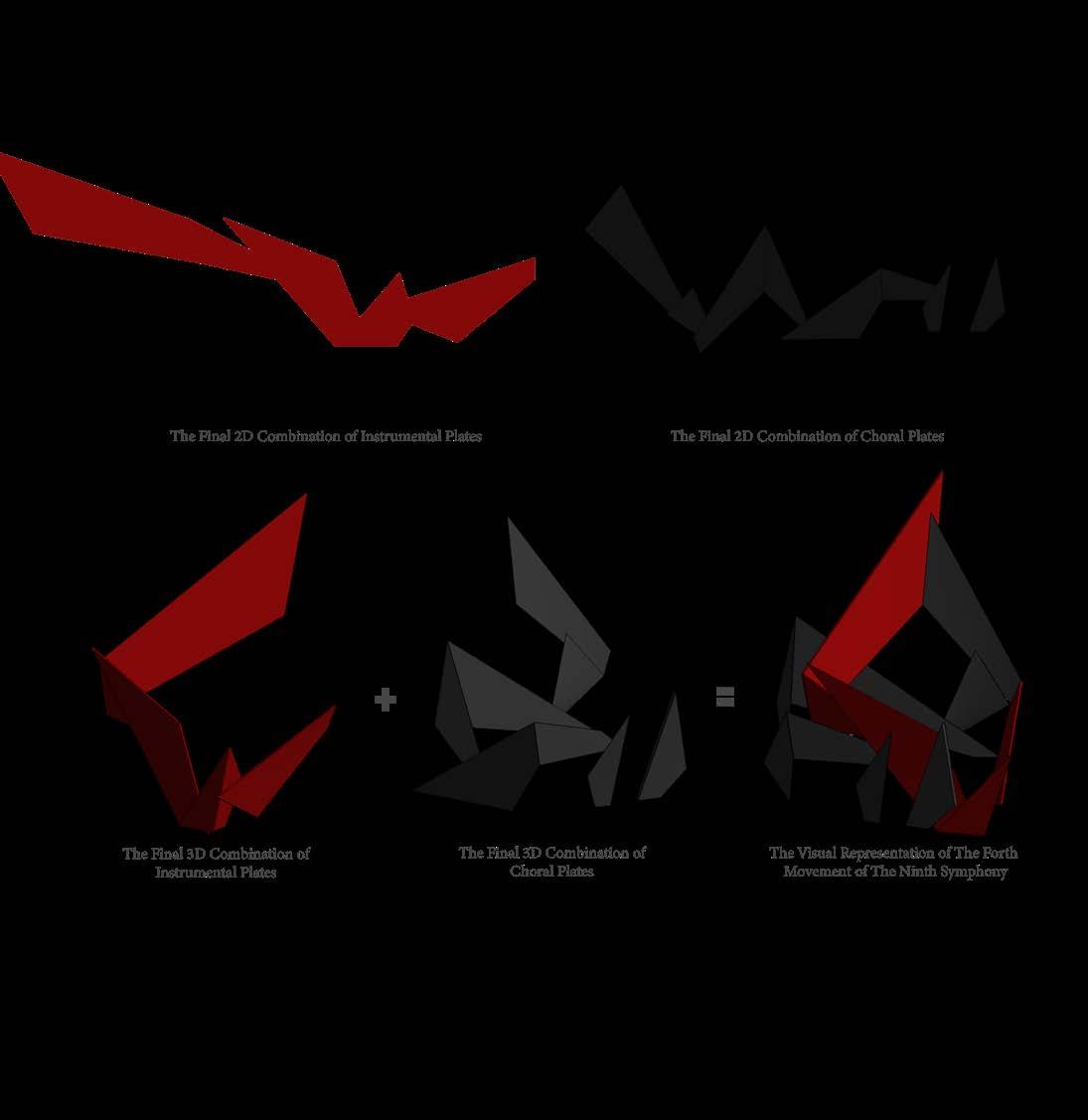
This symphony is groundbreaking as the first to integrate vocal soloists and chorus into a previously purely instrumental genre. In the fourth movement, the words are sung by four vocal soloists and a chorus, drawn from Friedrich Schiller’s “Ode to Joy,” a poem written in 1785 and revised in 1803, with additional contributions by Beethoven.
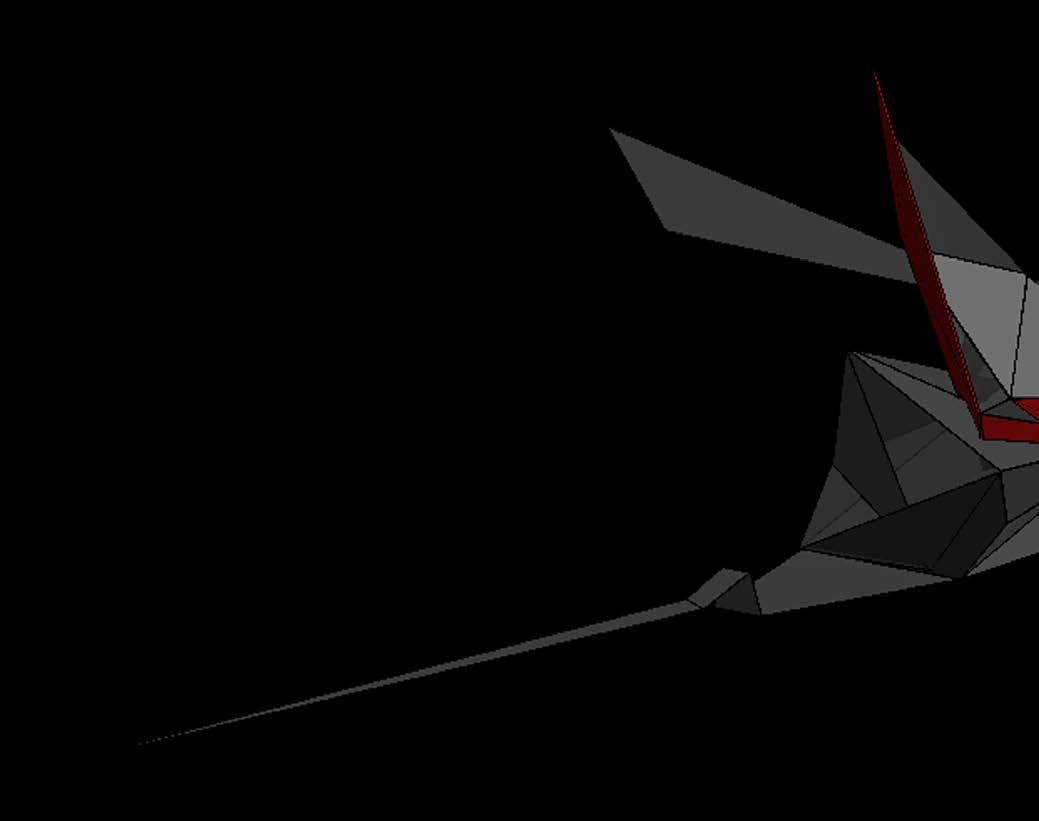
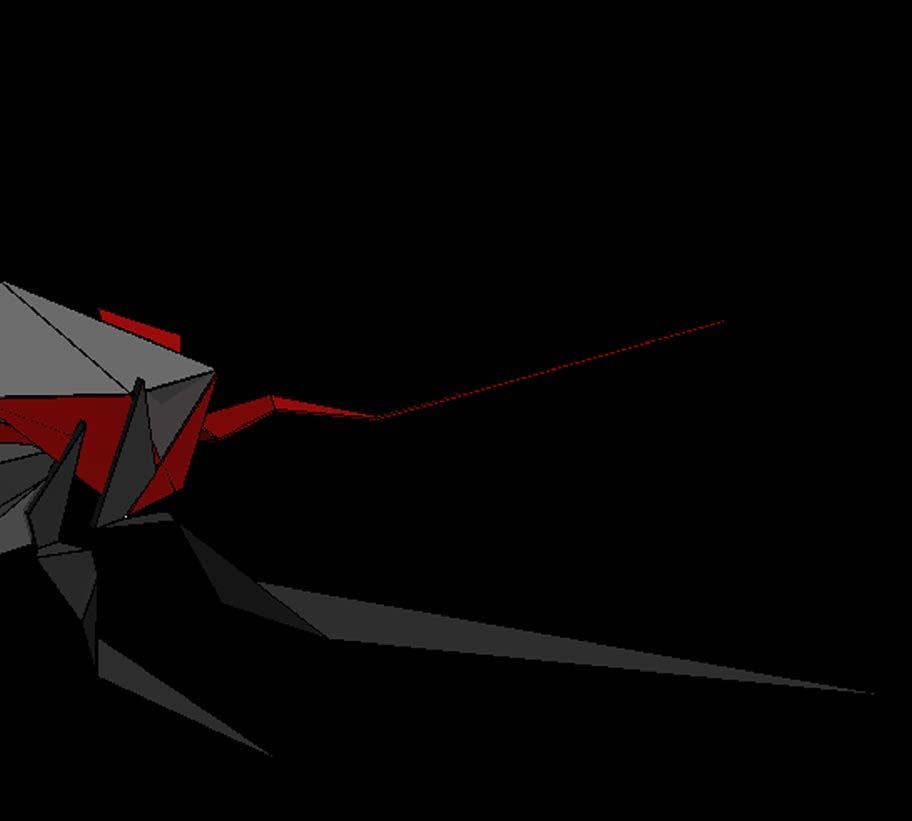
Inspired by the symphony’s, I designed plates reflecting diverse tempos, pitches, and introverted/extroverted nuances. The goal was to boldy merge coral and classical instrumental music, achieved through distinctive colors for each element. Red symbolizes the instrumental parts, signifying its unifying role globally. Black, chosen for vocals, provides a striking contrast and harmonizes seamlessly with red.
School Renovation
Educational Design Strategies
Fall 2019, University of Tabriz, Professor: Hossein FallahNejad
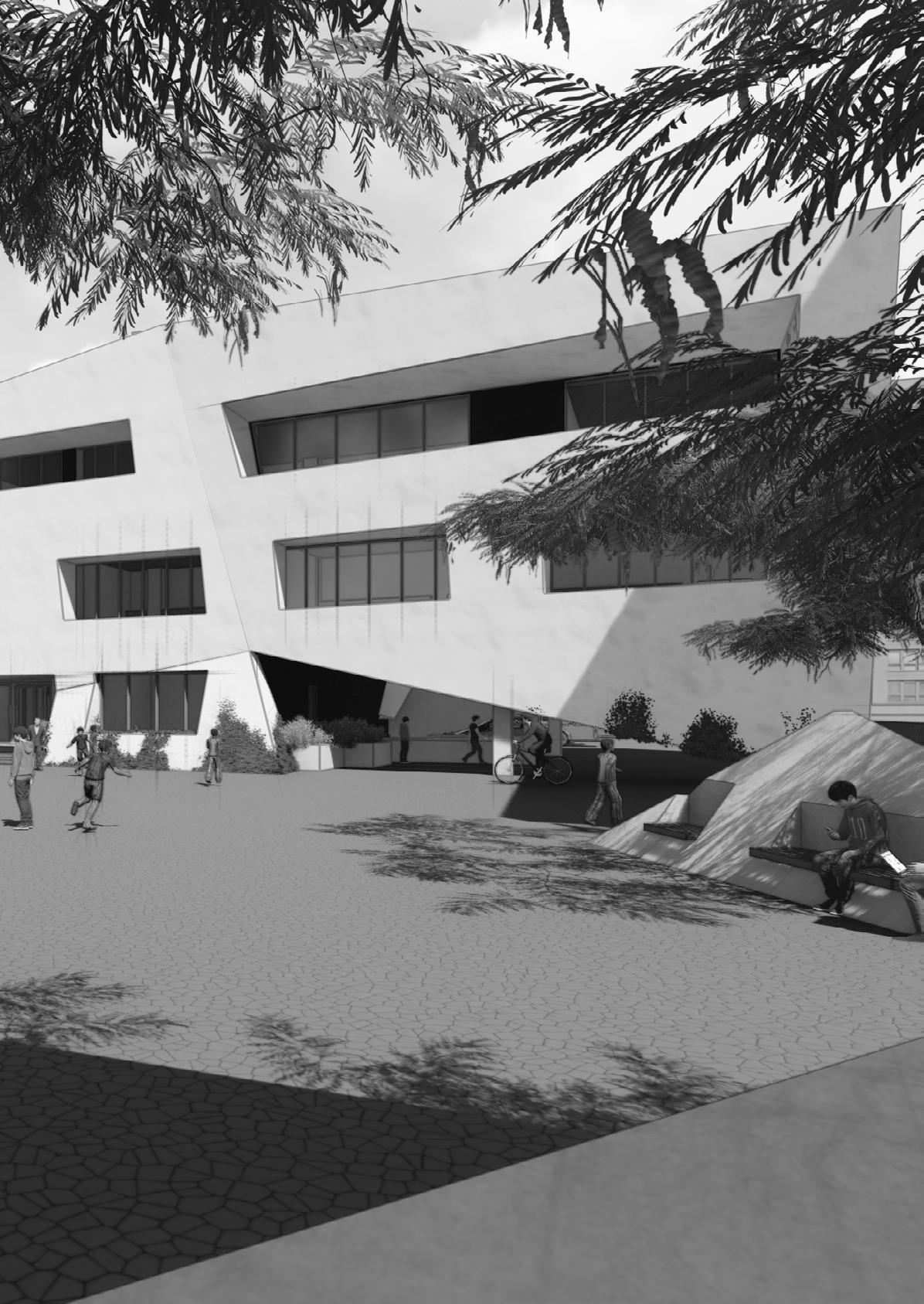
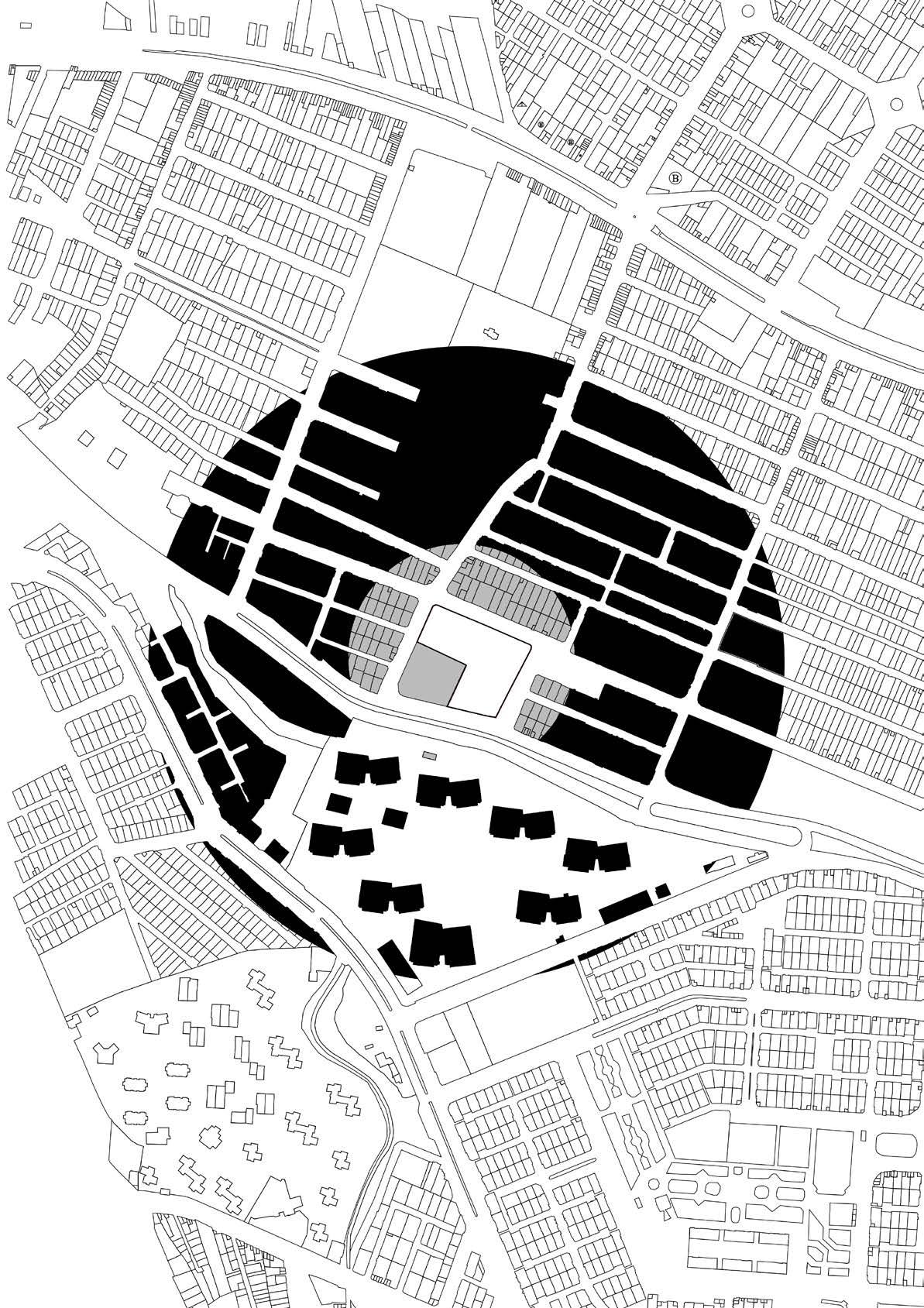
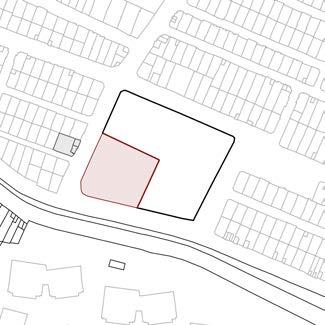
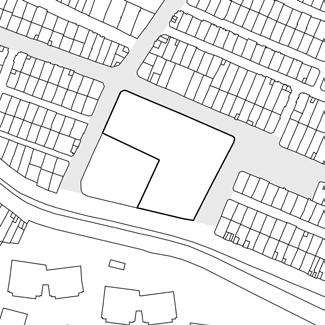
The land currently houses three separate schools: a primary school, a middle school, and a high school. Despite significant changes in the city’s infrastructure and layout during modernization, these institutions have remained unchanged. This static situation has resulted in new challenges for the residential area, including traffic congestion and noise pollution.
To address these issues, this project proposes the removal of the primary school from the site. This strategic move aims to alleviate traffic, air, and noise pollution in the area. Additionally, consolidating resources by introducing shared facilities, such as a library, presents a sustainable solution. Moreover, the idea of constructing a combined secondary school building for both middle and high school students emerges as a practical and efficient approach.
By implementing these changes, the project aims to mitigate the adverse effects of traffic congestion and noise pollution while promoting sustainability and efficiency in educational infrastructure. This holistic approach ensures a better living environment for residents while optimizing resources for educational purposes.
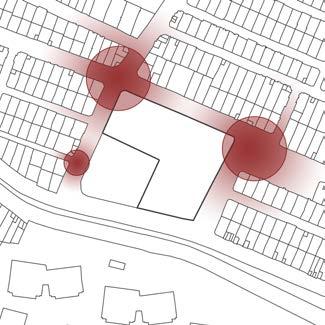
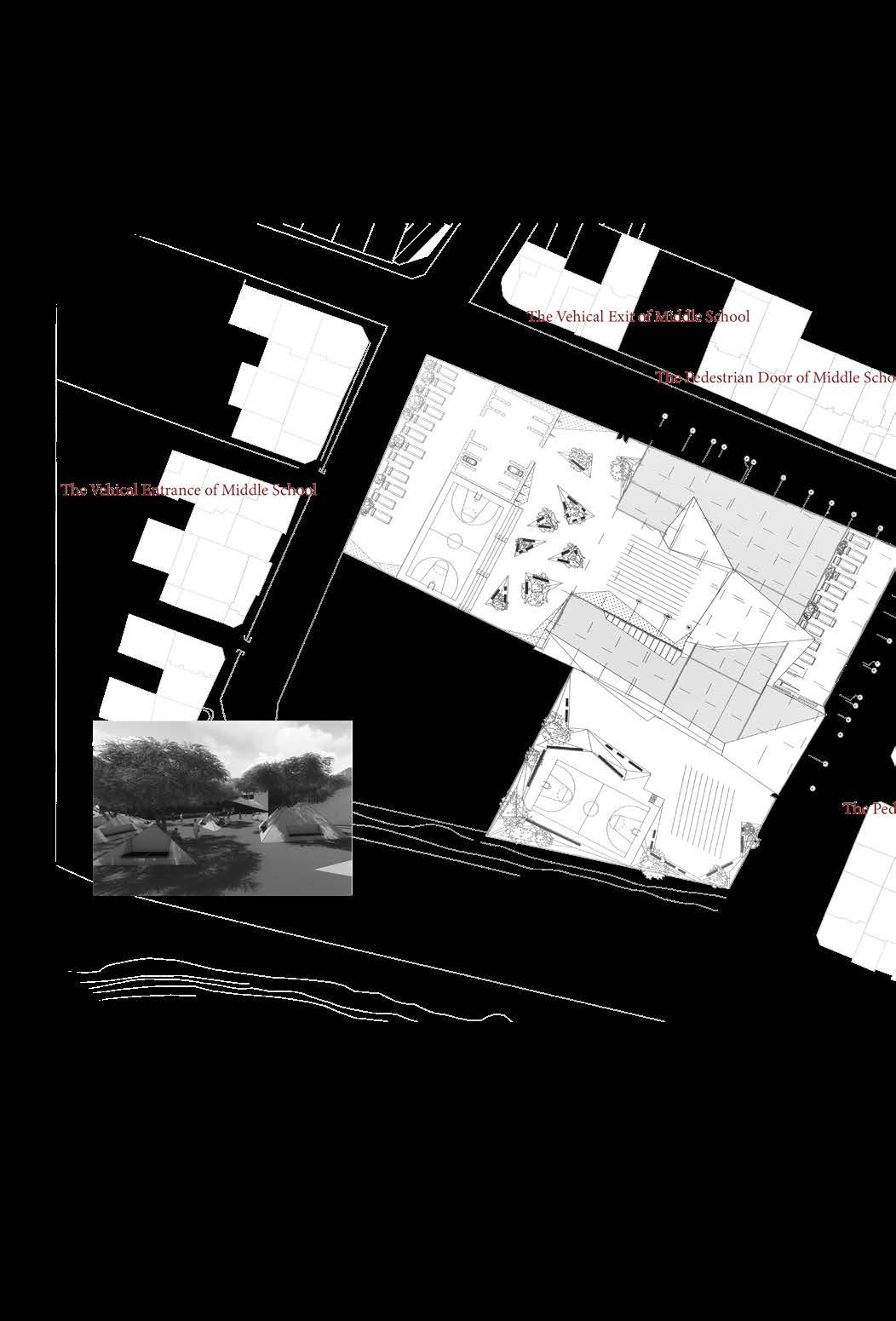
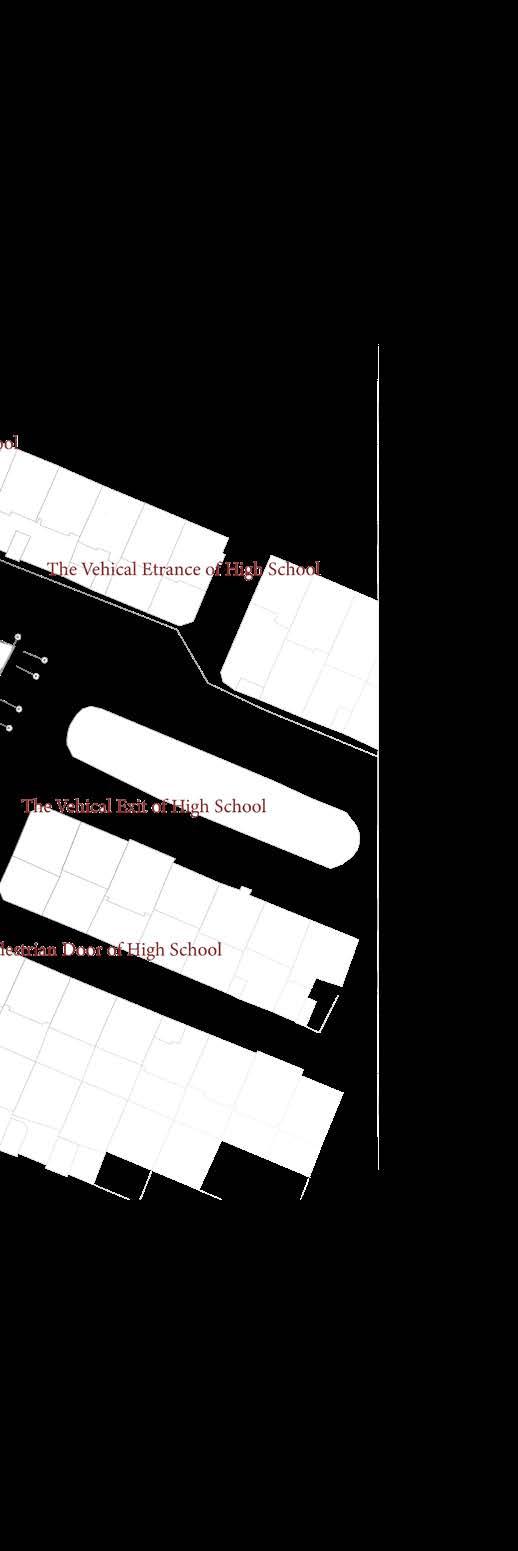
Tabriz, aspiring to be a central educational hub, faces traffic congestion around schools. Removing one school reduces congestion. Renovating the remaining two aims for minimal disruption and pollution. A key focus was on redesigning entrances, segregating them based on school usage. This measure aims to streamline traffic flow by ensuring separate access points for each school, thereby mitigating congestion and enhancing overall traffic management efficiency
Natural Lighting:
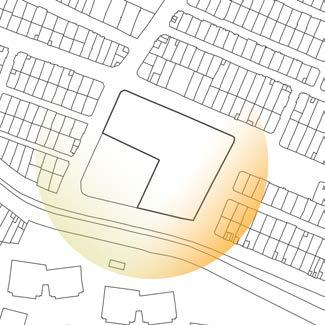
Given the geographical location and prevailing climate conditions, optimal natural lighting for educational spaces typically comes from the south, while west sunlight is less desirable. Considering the open area to the south of the land, providing class windows with a better view than tall buildings was prioritized. Despite challenges such as site angle and west-facing lighting issues, the decision was made to orient class spaces towards the southern facade. Consequently, finding an optimal solution for lighting problems, particularly for west-facing windows, became imperative.
Programs:
Surrounded by residential buildings and the expansive Aseman residential complex, I reoriented the school building to minimize disruption to residents. Furthermore, the presence of a mosque and a sports center on the east side adds to the congestion and chaos. Hence, the west side of the land was chosen as the preferred location for most commuting activities.
Parking Spaces:
The scarcity of parking space poses a significant challenge in managing the traffic generated by the schools. Compounded by the development of residential areas and the presence of two dead-end streets, the situation is further complicated. Moreover, the absence of parking lots in the vicinity exacerbates the issue. Consequently, I proposed allocating parking spaces for teachers, school staff, and parents who opt to pick up their children personally, thereby addressing this pressing concern.