

Marines, Sailors, Civilian Teammates and Families,
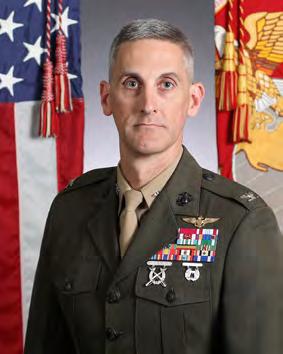
As the Director, Risk Management Directorate (RMD), I’m excited to continue to build upon the great work of those that have come before me. As you may have seen or heard, we recently established RMD, consolidating the CMC Safety Division (SD) and the Marine Corps Directorate of Analytics & Performance Optimization (MCDAPO). This unification allows us to leverage an integrated approach to risk management, forging a more effective, resilient and data-informed force, as the Commandant directs.
My professional experiences throughout my career have shaped how I view risk management and the projects we are taking on at RMD to best serve the fleet in dealing with the day-to-day challenges they encounter. Our goal within RMD really comes down to Relevance & Return on Investment (ROI). Relevance equates to the delivery of timely and relevant data and tools that help fleet commanders assess and mitigate the risks their commands encounter, on or off duty. ROI comes down to being able to demonstrate that the policies and programs within the risk management arena are real value added to the Marines and Sailors they aim to serve.
We’re not doing safety for safety’s sake. Instead, let’s focus on the professionalization of our daily activities that will make us more operationally effective in all that we do. Through the professional execution of our duties, we will inherently be safer. Fostering a Culture of Compliance in your unit is the fastest path to the professionalization we are looking for. Sadly, many of our fatalities and mishaps result from a failure to follow the generations of experience codified into the policies and procedures that we live by today. Complying with those policies and procedures is not only the professional thing to do, ultimately it will be the safest way to execute your duties.
We also acknowledge that times are changing and that technology is advancing in ways that we never could have predicted. Sometimes there are Obstacles to Compliance. We want to advocate for changes that will make you more effective, while still mitigating risk. I encourage you to apply the “3 Ps” when making recommendations: know what’s within the art of Possible, what’s Permissible by law and what’s dictated by Policy. Mastering these areas ensures insightful, practical and actionable recommendations, enhancing our ability to effect positive change.
I’m honored to lead this team at RMD and to serve you.
Semper Fidelis,

Sean “Depot” Hoewing Colonel, United States Marine Corps Director, Risk Management Directorate
Marines, Sailors and Civilian Professionals,
I am honored to join the Naval Safety Command and look forward to working with all of you as we continue our work to embed risk management principles in our day-to-day tasks, on and off duty.
The Safety Command works closely with the Marine Corps’ Risk Management Directorate and we are focused on helping our Marines and Sailors accomplish their critical missions through a risk management lens. It is essential that we maintain a comprehensive approach to every operation and activity, whether on the battlefield or in daily routines.
As an aviator, I understand firsthand the importance and need for risk management to be utmost in the minds of our aviators, ground and expeditionary troops, and maintainers as we prep and conduct our operations. From pre-brief to post-brief, risk management processes are a key factor that must be sustained across all levels of leadership.
Colonel Hoewing and his team are doing meaningful work that postures each Marine for success. I look forward to strengthening the bonds of our mutual goals and providing Marines and Sailors with the tools and resources they need to ensure safe and operational success.
Safety is an inherent part of risk management. If we are not managing risk, then we are not accomplishing the mission.

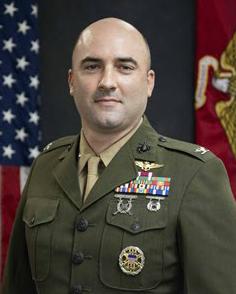
Bret Knickerbocker Colonel, United States Marine Corps Deputy Commander, Naval Safety Command
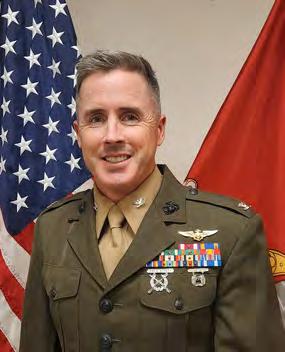
Marines, Sailors, Civilian Teammates and Families,
I am excited to address you as the Director, Risk Management Directorate (RMD), Safety Division (SD). I’m honored to lead this vital organization, which plays a crucial role in ensuring the safety and operational readiness of our Marine Corps. I’ve already been deeply impressed by the dedication and expertise of our safety professionals and I look forward to working alongside you all.
While the Safety Division now reports to the RMD, our unwavering commitment to safety remains constant. A key priority for SD is leveraging the power of data to make smarter, more informed decisions. We are developing advanced tools that utilize data analytics to identify emerging trends, anticipate potential hazards and implement targeted solutions to mitigate risks. This data-driven approach will enhance our ability to proactively minimize risk and prevent incidents before they occur, ultimately ensuring mission accomplishment.
The battlespace is constantly evolving, driven by advancements in technology. To effectively address these challenges, our data collection and analysis capabilities must be robust and readily accessible to leaders at all levels. This will empower them to make informed decisions that enhance both safety and readiness in any environment.
I strongly encourage feedback from all ranks on how we can improve our processes and programs. We must ensure seamless integration between ground and aviation safety initiatives. Just as we strive for seamless execution on the battlefield, we must eliminate any gaps in our approach to risk mitigation. Your insights and experiences are invaluable as we streamline processes, enhance communication and cultivate a unified and highly effective safety culture throughout the Marine Corps.
I am excited about the future of the Safety Division and its contribution to a safer, more ready Marine Corps. Together, guided by data and informed by experience, we will continue to strengthen our safety posture and ensure mission success.
Semper Fidelis,

Timothy K. Gallagher Jr. Colonel, United States Marine Corps Director, Risk Management Directorate, Safety Division
Risk Management Directorate, Safety Division is seeking articles for upcoming issues of the Ground Warrior Magazine, the premier magazine for Marine Corps safety.
The strength of the Marine Corps lies in the quality and character of those who lead and step up to share their experiences to improve the Marine Corps.
As Marines, you have seen all types of risk—good and bad— up close and personal. Use that experience to help improve the organization.
• Institutional risk and managing organizational vulnerabilities
• Identifying hidden risks in rapidly changing operational environments
• Sharing lessons learned from personal experience on risk mitigation
• Fostering critical thinkers who identify and act early, staying left of bang
All active duty, Reserve, veteran Marines and civilians. Officers from other countries are also welcome to submit articles.
• Length: 500–1,200 words
• Submit in a .docx file; provide citations as needed
• Include your full name, rank, and mailing address in the body of the email
• Use DVIDS if you have specific photo’s you would like to include
THE GROUND WARRIOR TEAM IS LISTENING! WE WANT EVERY OPINION!
We want to improve upon every product we produce for our Marines, Sailors and civilians.
We need input from you, the ground warrior in the field, about the content we provide.
Please scan the QR code and answer a few questions. Your feedback will help us improve the content of Ground Warrior Magazine and other safety products and publications.




Lt. Col. William "Eric" Harley, Ground Section Head
Maj. Kevin Stephensen, Military Vehicle Specialist
Farah Siddique, Communication Specialist
Priscilla Kirsh, Department Head, Public Affairs
Sarah Langdon, Division Head, Media Communications
Mat Murch, Ground Warrior Editor
Kenneth Goss, Writer Editor
Rebecca Coleman, Writer Editor
Mass Communication Specialist 1st Class Benjamin Davella, Writer Editor 24
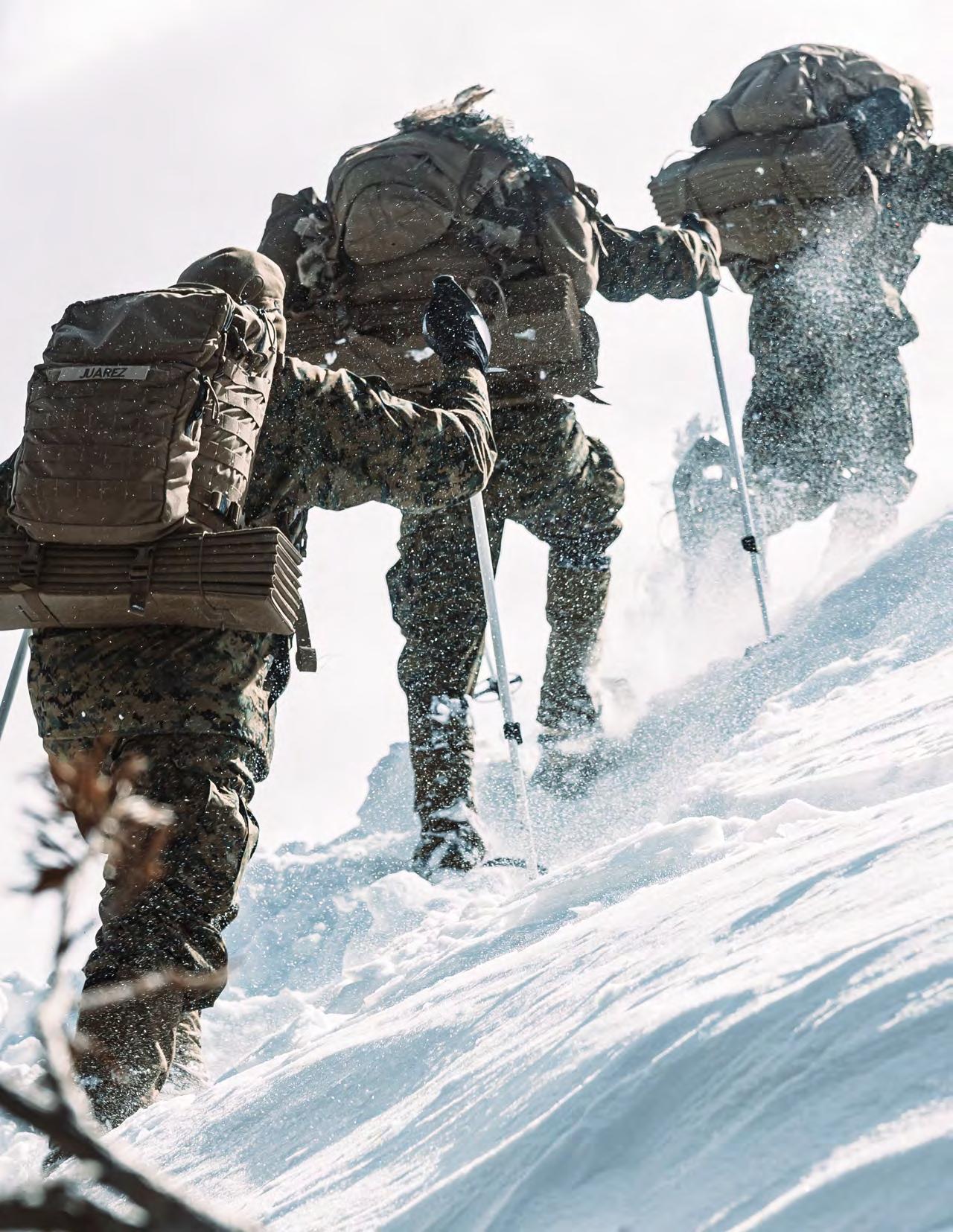
Front cover: U.S. Marines and Sailors with Combat Logistics Battalion 6, Combat Logistics Regiment 2, 2nd Marine Logistics Group, and 1st Battalion, 6th Marine Regiment, 2d Marine Division, participated in a tactical exercise during Mountain Training Exercise 2-25 at Marine Corps Mountain Warfare Training Center Bridgeport, California, March 3, 2025.
(U.S. Marine Corps photo by Sgt. Mary Torres)
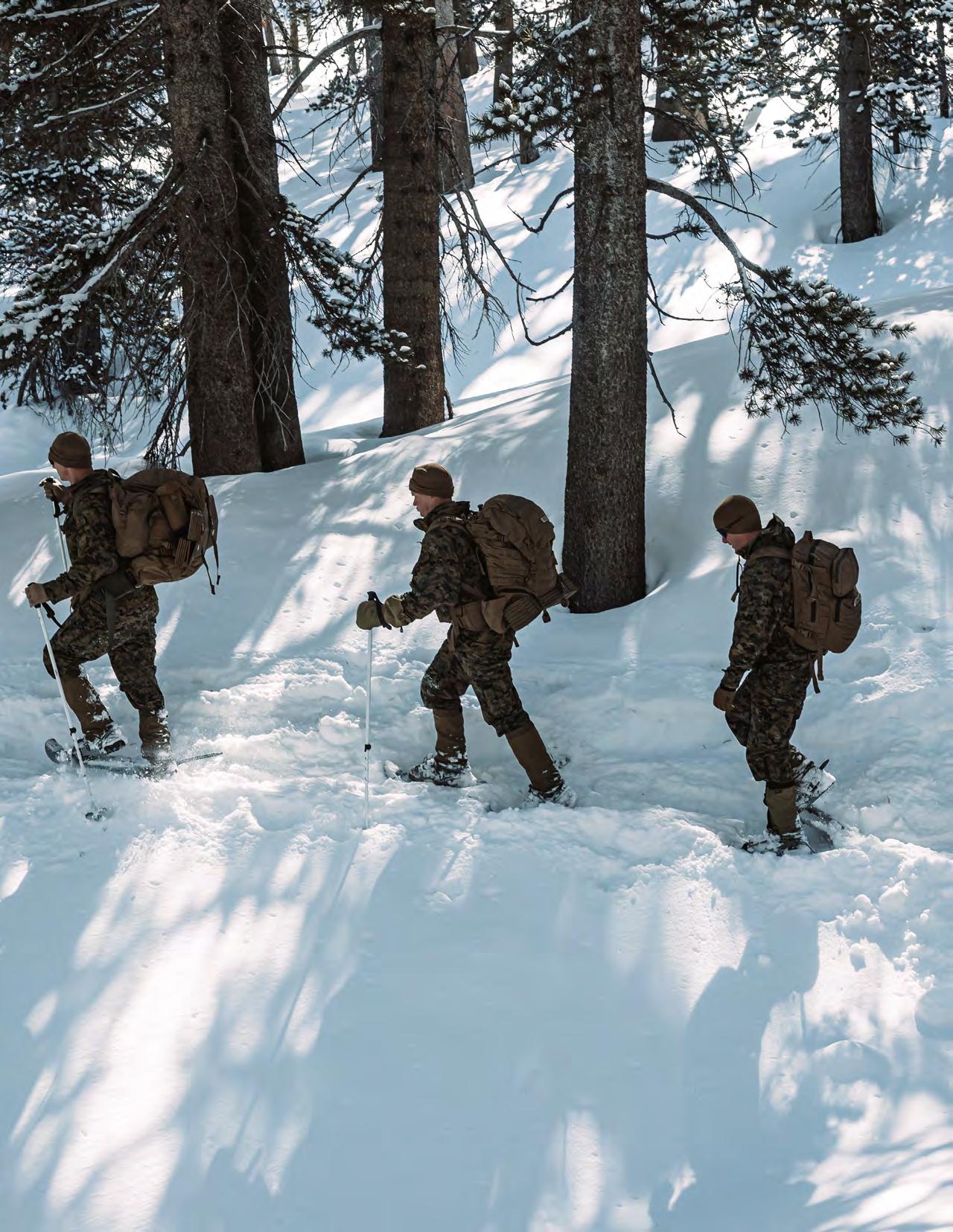
Back cover: U.S. Marines and Sailors with Combat Logistics
Battalion 6, Combat Logistics Regiment 2, 2nd Marine Logistics Group, and 1st Battalion, 6th Marine Regiment, 2d Marine Division, participated in a tactical exercise during Mountain Training Exercise 2-25 at Marine Corps Mountain Warfare Training Center Bridgeport, California, March 3, 2025. (U.S. Marine Corps photo by Sgt. Mary Torres)
Ground Warrior Magazine is a forum where Marines, Sailors and civilians can share safety-related experiences, thereby providing valuable lessons learned to others. Input from the fleet is crucial to improving safety culture, conducting safe operations and thus maintaining readiness. Ground Warrior is published jointly between the Risk Management Directorate, Safety Division and the Naval Safety Command. Content within Ground Warrior does not necessarily represent the official views of, nor is it endorsed by, the U.S. government, Department of War, U.S. Navy or U.S. Marine Corps. Photos and artwork may be representative and not necessarily show the people or equipment discussed. The Ground Warrior editorial staff reserves the right to edit articles for readability. Reference to commercial products does not imply endorsement. Unless otherwise stated, content may be reprinted without permission by giving proper credit to the magazine, author and photographer when applicable.

Fatigue: a threat to marine readiness
By Lt. Cmdr. Derek M. Henson, Office of the Chaplain of the Marine Corps
Marines don’t go into battle without a plan. Every operation is built on a deliberate, tested course of action (COA) designed to give Marines the edge against the enemy, but how many of us have a COA for the fight within?
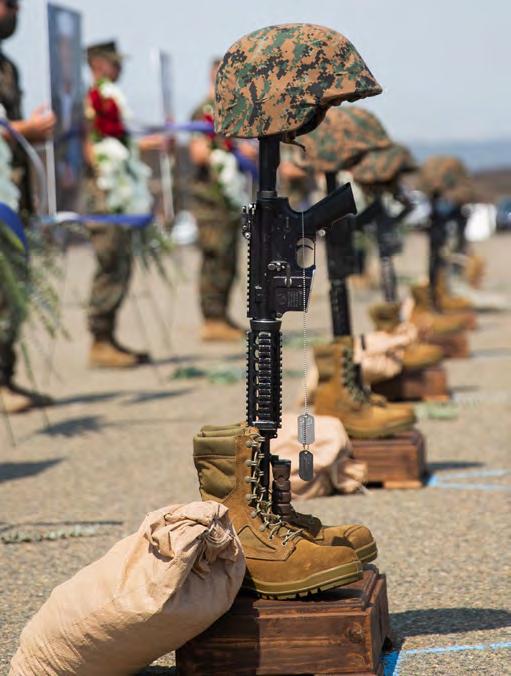
Spiritual fitness—defined as “Inner strength from higher purpose” — is not just a personal idea; it’s a leadership imperative and operational necessity.
In the Corps, where Marines are asked to shoulder extreme stress, trauma and sacrifice, we must ask ourselves, “Are we building them up for the battle beyond the battlefield?”
Spiritual Fitness: Not Soft, but Strategic
Spiritual fitness is about developing a grounded sense of purpose, identity and belonging.
It’s the kind of strength that doesn’t come from muscle memory or physical reps.
It’s the kind that keeps a Marine standing when everything else tells them to fall. Marines with a sense of purpose are at lower risk.
A recent study indicates the majority of young adults (58%) believe they are living a life without meaning.
This lack of meaning leads to more incidences of anxiety and depression.
Spiritual fitness is about belief in the divine — though it also includes other aspects.
A 2020 Harvard study showed individuals who attended religious services weekly were significantly less likely to die from “deaths of despair” such as suicide, drug overdose or alcohol related. Women had a 68% lower risk.
For men, the risk dropped by 33%. Other studies show those engaged in faith-based communities recover faster from depression and report higher levels of hope and connectedness.
Spiritual tools provide four powerful defenses:
• A connection to something greater than oneself
• A sense of value and belonging
• Clarity of identity and purpose
• Endurance in suffering
Those aren’t just feel-good ideas. They’re battlefield-ready tools for resilience.
Mental, physical and tactical readiness have always been Corps priorities, but spiritual fitness is often misunderstood.
We recruit from every corner of America; rural towns, inner cities and communities that may be fractured by broken homes and limited support systems.
Many Marines arrive already carrying hidden burdens. Once in uniform, those burdens can grow: combat stress, moral injury, trauma, loss, isolation and reintegration; yet we continue to ask them to perform at the highest levels. That’s why the Marine Corps must fully embrace spiritual fitness as a key pillar of Total Force Fitness.
Spiritual fitness doesn’t mean preaching from a pulpit or pushing religion. It means providing space and structure for Marines to find their own source of inner strength.
1. Enable Access to Spiritual Resources
Whether it’s attending a chapel service, joining a Bible study or
having a conversation with a chaplain, Marines need the freedom and support to engage spiritually, especially when they join a new unit.
Spiritual fitness doesn’t mean preaching from a pulpit or pushing religion. It means providing space and structure for Marines to find their own source of inner strength.
2. Leverage Chaplains and Religious Program Specialists Chaplains and Religious Program Specialists are not just there for divine services. They are trained to help Marines navigate crisis, grief, inner struggles and more.
They’re a command asset for building trust, morale and spiritual resilience.
3. Train and Empower Leaders to Support Spiritual Fitness
A standout example is found in the 3rd Marine Aircraft Wing, where Chaplain Dennis Wheeler and his team developed a five-day Spiritual Fitness Course.
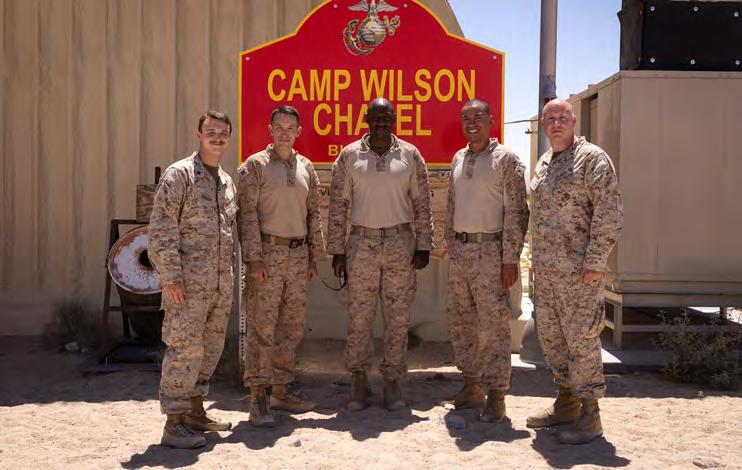
U.S. Navy chaplains with Marine Wing Support Squadron 472, Marine Aircraft Group 49, 4th Marine Aircraft Wing and 25th Marine Regiment, 4th Marine Division pose for a group photo during Integrated Training Exercise 3-25 (ITX 3-25) at Marine Corps Air Ground Combat Center, Twentynine Palms, California, June 18th, 2025. (U.S. Marine Corps photo by Lance Cpl. Edward Spears)
The impact has been so strong that Maj. Gen. James Wellons mandated the program across the wing.
It’s scalable, field-ready and already making a difference. This is spiritual fitness in action - not an optional extra, but a readiness enabler.
Spiritual fitness is about resilience. It’s about purpose. It’s about building the kind of enduring strength that lasts long after the mission ends. Let’s lead Marines not just in battle, but in life; help them discover what drives them, what centers them and what gives them the strength to keep going, no matter the fight.
Each session lasts just 30 minutes, focusing on questions about purpose and meaning. These sessions are not tied to any specific religion or beliefs, but rather act as a frame work for Marines to think deeper on their own spirituality.
The Marine Corps demands everything from its people: body, mind and spirit. However, Marines may face numerous challenges, including loss of identity, isolation and a lack of direction. If we’re not preparing them for that battle, we are not doing our job.
When was the last weekend safety brief where you mentioned to your Marines to make time for their spirituality during the weekend?
Marines reflect on four personal questions each day, leading to deeper insight into their purpose, personal values and mission.
• Stay grounded in chaotic or morally complex situations
• Navigate young adulthood with clarity
• Handle transition out of the military
• Reconnect with family, faith, community and personal values
We cannot afford to treat this as someone else’s responsibility. Just as we would never send a Marine outside the wire without a weapon, we shouldn’t send them through life without inner armor.
Spiritual Fitness Leader’s Guide and other Spiritual Fitness Resources
For Further Reading Harvard Studies:
Lowering Risks from Deaths of Despair
Young Adult Mental Health Challenges
By Cmdr. Brenda Sharpe, Dr. Public Health, Certified Safety Professional, Industrial Hygiene Officer, Chemical Biological Incident Response Force & Kevin McCaughtry, Marine Corps
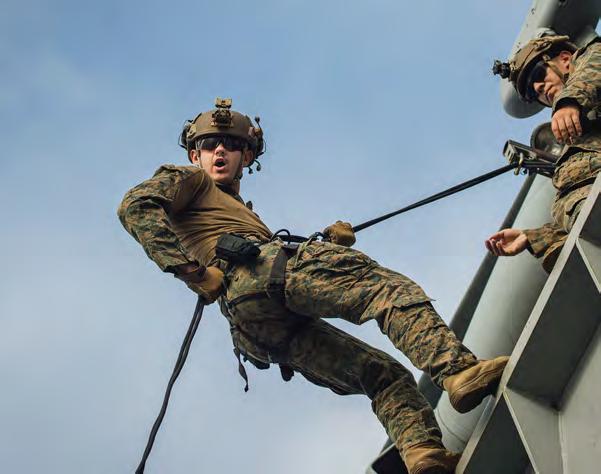
Tower rappelling is a highrisk activity demanding strict adherence to safety protocols. Whether for training, rescue or recreation, proper use of equipment, knowledge of knots and effective rope management are important to prevent accidents and ensure a safe descent.
The rope is a lifeline in rappelling and must be carefully chosen and maintained. Static ropes between 13mm to 1/2 inch in diameter are preferred because they have minimal elasticity, providing better control.
Every rope should be thoroughly inspected for cuts, abrasions, soft
spots or any signs of chemical damage before each use.
The anchor system, which may consist of slings, webbing or pre-fabricated anchors, must always be redundant, meaning at least two independent anchor points are used to provide a backup in case one fails.
Knots, such as the figure-eight and backup friction hitches like the Three-Wrap Prusik, provide necessary security and can arrest a fall if the rappeller loses control during descent. Every descent should include a backup system whenever possible, such as a second rope or a friction
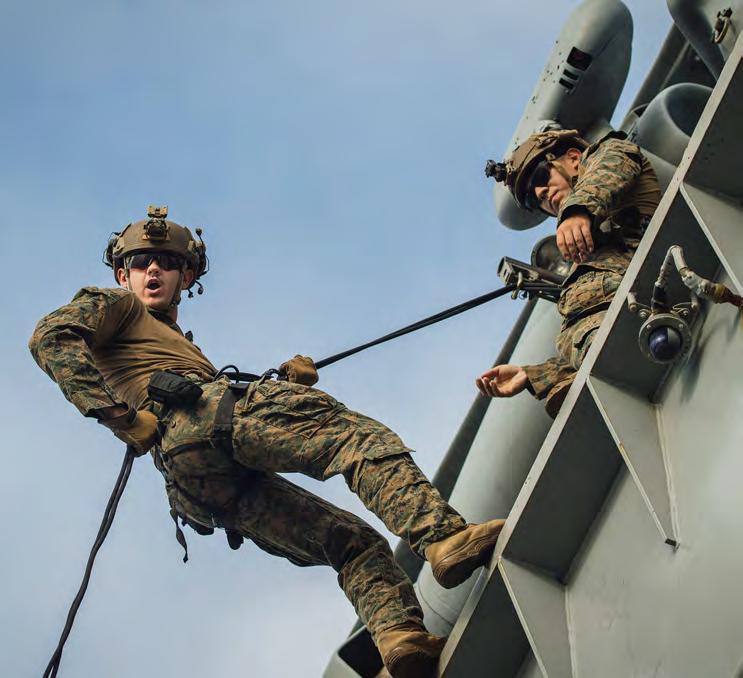
hitch placed below the primary rappel device to act as an emergency brake. Using a belayer as a second individual allows for descent management from a stand-off distance.
Ropes should be managed to avoid twisting or crossing and the rappel path must be kept clear of people and gear.
Both the rappeller and belayer must maintain constant communication and visual contact. The belayer’s role is to serve as a secondary safety measure by keeping their focus on the descending individual and responding by slowing or stopping the descent if needed.
Ultimately, discipline and adherence to procedures are what keep rappelling safe for everyone involved. Before starting, participants should receive a thorough safety briefing that covers equipment inspection, proper harness fitting, helmet use and the necessity of wearing gloves to protect hands from rope burns.
Additional safety measures include only rappelling under the supervision of a qualified instructor if you are rappelling in adverse weather conditions such as high winds or lightning, and always using the buddy system to ensure help is available if needed.
Regular practice, ongoing education and attention to detail are keys to a safe and enjoyable experience. Always prioritize safety over speed or convenience. Never compromise on equipment or procedures.
By Shawn Curtis, Safety and Occupational Health Manager, Risk Management Directorate, Safety Division
Mixed martial arts (MMA) are globally recognized as the top forms of athletic competition and rivals many other professional sports in terms of participation and entertainment.
Marines are particularly attracted to MMA because it complements their warrior ethos and enhances or showcases skills acquired through the Marine Corps Martial Arts Program (MCMAP). As with participation in any combat sports, training and competing in W events come with a heightened risk of injury.
Over the past 10 years, 816 mishaps were reported involving Marines engaged in MMA and MCMAP with more likely unreported.
To reduce the level of risk, Marine Corps Order 5100.29C, Marine Corps Safety Management System (SMS), Vol. 5, Recreational Off-Duty Safety Program (RODS), stipulates Marines participating in high-risk recreational activities shall review their plan with the unit safety officer before engaging in the activity.
The review includes an assessment of the participant’s knowledge and ability to perform the activity and a hazard analysis of the activity, before execution.
The individual assessment is not a briefing, but rather a discussion with the individual to determine the state of readiness, training and physical ability to perform the activity. This assessment may be conducted by the command RODS program manager, supervisor or another command-directed designee.
A best practice commanders developed is a policy for performing risk assessments before authorizing military
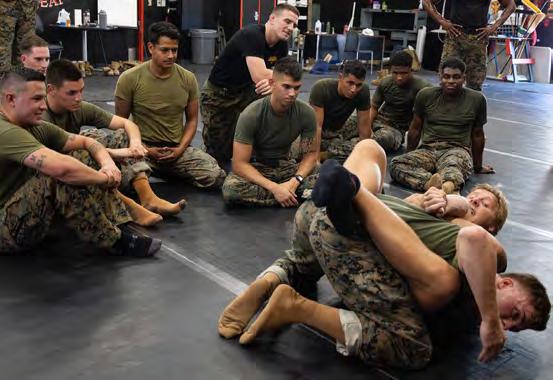
participation in MMA competitions and events. The assessment and approval process should not be a means to discourage interest or participation, but rather to evaluate the level of risk and develop mitigating controls to preserve the wellness of Marines and force readiness.
Legal and Legitimacy Considerations:
• What are the local laws on participation in MMA?
• Is the event officially sanctioned by a recognized MMA-governing authority?
• What are the event rules?
• What personal protective equipment is required?
Medical considerations:
• Does the venue require a physical?
• Does the Marine have any preexisting medical conditions, such as ligament injuries or concussions?
• Most venues require blood tests as part of the physical to prevent the spread of blood borne pathogens. Competing internationally may expose them to higher risks of contact to blood borne pathogens depending on the country.
• Is there on-site medical support?
• What is the nearest medical facility if there is an injury?
• What are the Command notification procedures in case of injury?
Skill, Experience and Fitness Considerations:
• What is your Marine’s experience level?
• How does your Marine’s gym quantify a competitor is ready for a fight? Often gyms require a minimum of a year of consistent training, a skills assessment test, or a belt like progression system.
• What is your Marines fitness level? Can they maintain cardio and anaerobic periods for the length of time that the fight would be? Injuries are more likely to occur when tired, because mistakes are more likely to be made, so being in great shape is important.
Participating in MMA competition and events builds confidence, enhances physical stamina, fosters discipline and most importantly, enhances Marines’ lethality in close-quarters fighting. Commanders ultimately own the decision whether to allow participation and endorse requests through a deliberate process when benefits outweigh costs and risk.
Courtesy United States Marine Corps Training and Education Command and Range and Training Area Management
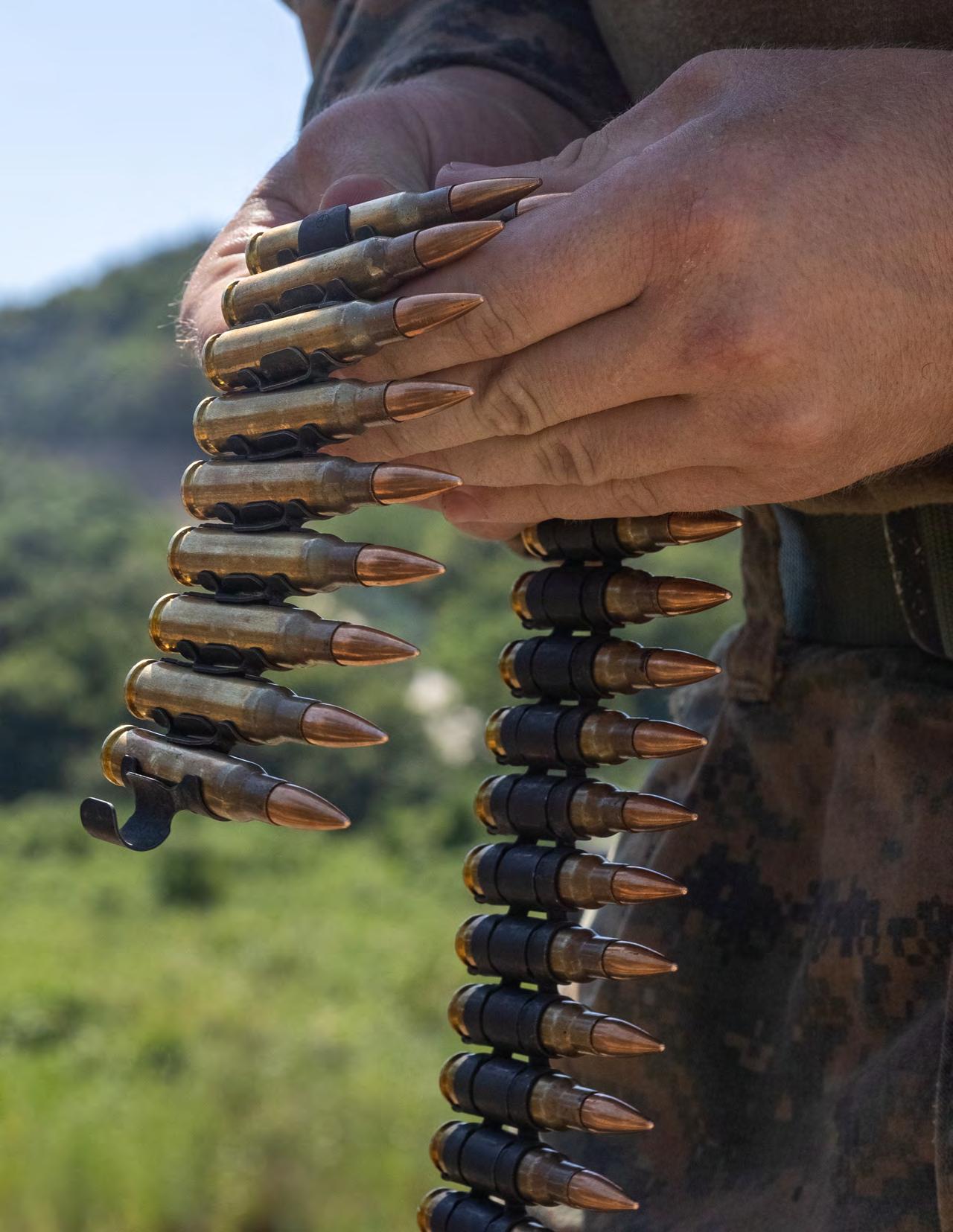
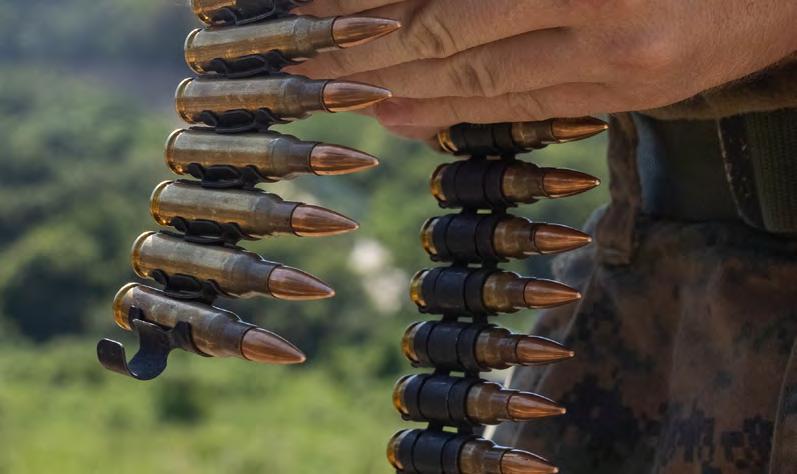
U.S. Marine Corps Lance Cpl. Cameron Ruff, a light armored reconnaissance (LAR) scout with 3d LAR Battalion, 1st Marine Division, currently forward deployed in the Indo-Pacific under 4th Marine Regiment, 3d Marine Division as part of the Unit Deployment Program, prepares 7.62-millimeter rounds before live-fire training during Korean Marine Exercise Program 25.2 at Suseong-Ri Range, South Korea, July 30, 2025. (U.S. Marine Corps
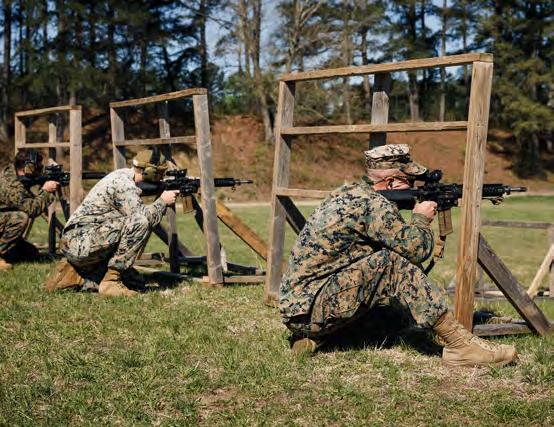
U.S. Marines with the Pacific region’s shooting team engage targets as a part of the Infantry Team Trophy Match during the Marine Corps Championships hosted by Weapons Training Battalion at Marine Corps Base Quantico, Virginia, April 17, 2025. (U.S. Marine Corps photo by Cpl. Joshua Barker)
In a major step toward modernization, the U.S. Marine Corps and U.S. Army jointly released an update to their range safety policies, MCO 3570.1D/AR 385-63, in May 2025, superseding MCO 3570.1C and DA PAM 385-63.
For Marines, the impact goes far beyond paperwork; this is a complete rethinking of how the service approaches range safety in an era of evolving technology, complex operational environments and multi-domain training.
Despite the overhaul, the updated order does not change current officers in charge (OIC) or range safety officers (RSO) certifications.
However, Marines should expect to see course content updated in alignment with MCO 3570.1D the next time they attend an OIC/RSO certification course.
The OIC and RSO now have a one-stop shop for planning safe ranges; the days of cross-referencing between separate documents are over.
The new joint publication consolidates guidance into a single, streamlined source.
For the Marine Corps, this means standardized procedures, fewer discrepancies and a unified approach to range safety that is fully integrated with operational training requirements.
MCO 3570.1D/AR 385-63 reflects the tools, technologies and tactics shaping modern warfare.
Key updates include:
Ensures leaders at all levels understand their roles in maintaining safe and compliant training environments.
• Incident Reporting to RTAM – All live-fire incidents must now be reported to Range and Training Area Management, centralizing oversight for faster response, better data collection and trend analysis.
• Enhanced RFMSS Records – Regular updates to the Range Facility Management Support System must now include historical usage data, known hazards and clearance statuses for temporary, dedicated and highhazard impact areas.
A notable safety provision now governs all maintenance, construction, renovation or modification projects in areas containing unexploded ordnance.
Marines must adhere to explosives safety criteria for systems ranging from munitions response and non-lethal weapons to Special Effects Small Arms Marking Systems and unmanned aerial systems; capabilities increasingly common on Marine Corps ranges and training areas.
These changes support the Corps’ growing emphasis on urban combat training, escalation-offorce scenarios and distributed operations across multiple domains.
Where older policies focused on strict compliance, MCO 3570.1D/AR 385-63 empowers unit commanders to make risk-informed decisions using the order as a basis of risk discussions.
Where older policies focused on strict compliance, MCO 3570.1D/AR 385-63 empowers unit commanders to make risk-informed decisions using the order as a basis of risk discussions.
The use of tools like the Deliberate Risk Assessment Worksheet ensures hazards are evaluated within the context of the mission to have a deliberate discussion and analysis of new practices or deviations, to develop an applicable checklist for execution.
This is particularly critical for training in austere, highthreat environments. This information is also required at Installation Range Controls to deconflict specific activities with all the other range activities on installations while ensuring there are “checks and balances” applied to the training request.
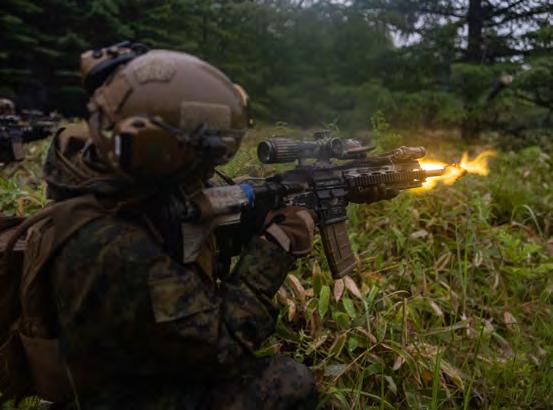
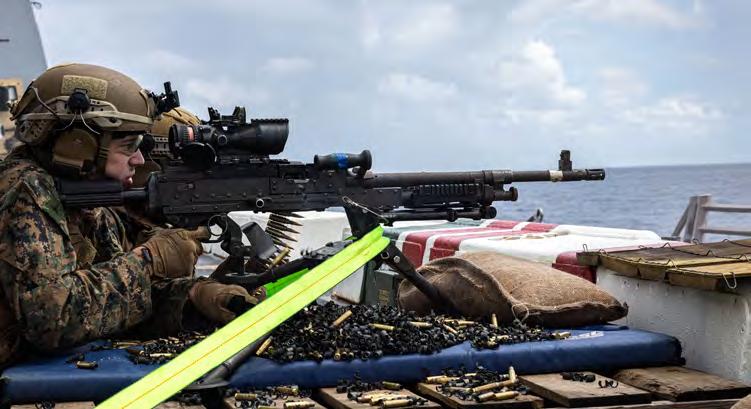
U.S. Marine Corps Lance Cpl. Eliczar Gallegos fires an M27 Infantry Automatic Rifle during a force on force in support of Artillery Relocation Training Program 25.1 at Yausubetsu Maneuver Area, Hokkaido, Japan, June 15, 2025.
(U.S. Marine Corps photo by Cpl. Evelyn Doherty)
While joint in its publication, MCO 3570.1D/AR 385-63 isn’t one-size-fits-all. The Marine Corps retains servicespecific provisions. It also expands applicability to include Marine Corps–controlled recreational ranges, overseas training sites and ensures safety standards keep pace with the full spectrum of Marine Corps operations.
The updated publication delivers improved Surface Danger Zone tables and more advanced ballistic modeling tools. These enhancements provide:
• More accurate range designs
• Better-informed range safety officers
• Safer training conditions for Marines in all operational environments
It’s important to note that a U.S. Marine Corps Training and Education Command (TECOM) Safety of Use Memorandum (SOUM) is not the same as a Marine Corps Systems Command (SYSCOM) Safety of Use Message. Unlike SYSCOM messages, TECOM SOUMs carry no weapon- or system-specific sensitivities. They are intended for opensource distribution and are marked Approved for Public Release (A), just like the order itself.
In practice, TECOM SOUMs function as interim updates to MCO 3570.1D, providing timely guidance until the next full revision of the order. This approach allows the Marine Corps to remain current without stepping outside of its defined range safety policy lane. By design, TECOM SOUMs reinforce range safety standards without overlapping into other policy areas. Units can access the latest safety guidance, including TECOM range safety SOUMs. These updates ensure that range safety practices remain aligned with new munitions, emerging technologies and evolving tactics.
MCO 3570.1D/AR 385-63 is more than an administrative update; it’s a strategic overhaul of Marine Corps range safety. By merging guidance, integrating emerging technologies and promoting risk-managed flexibility, the Corps sends a clear message:
Modern warfighting demands modern range safety standards.
To stay current with the latest TECOM SOUMs access the CAC enabled site here https://rtam.tecom.usmc.mil
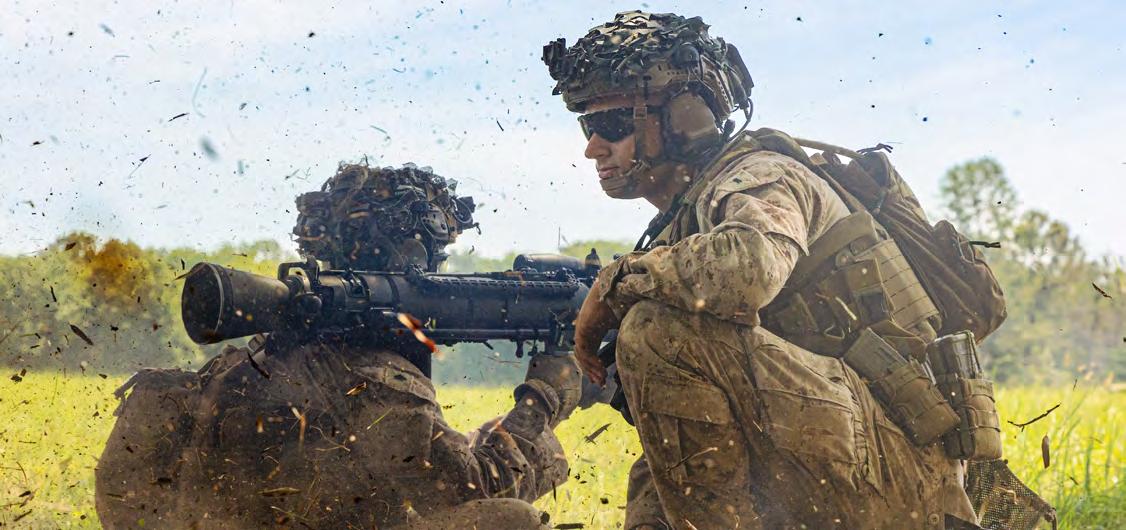
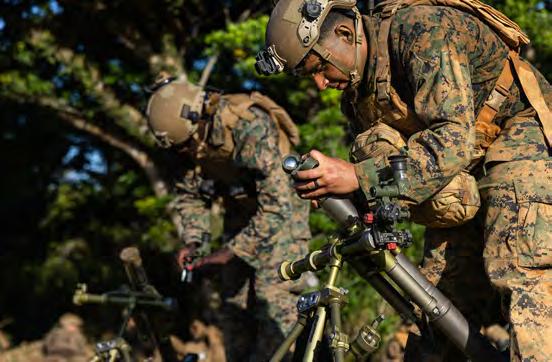
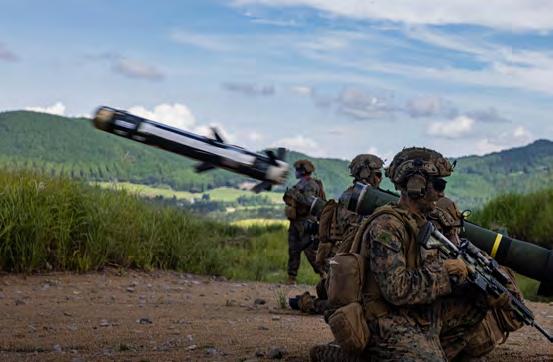
U.S. Marine Corps Cpl. Phillip Garcia, a rifleman, left, and 1st Lt. Michael Meo, a platoon commander both with 2nd Battalion, 2nd Marine Regiment, operate an M3 multi-role anti-armor antipersonnel weapon system during a live-fire exercise as part of a Deployment for Training exercise, July 28, 2025. (U.S. Marine Corps photo by Lance Cpl. Jack Labrador)
Courtesy Risk Management Directorate, Safety Division
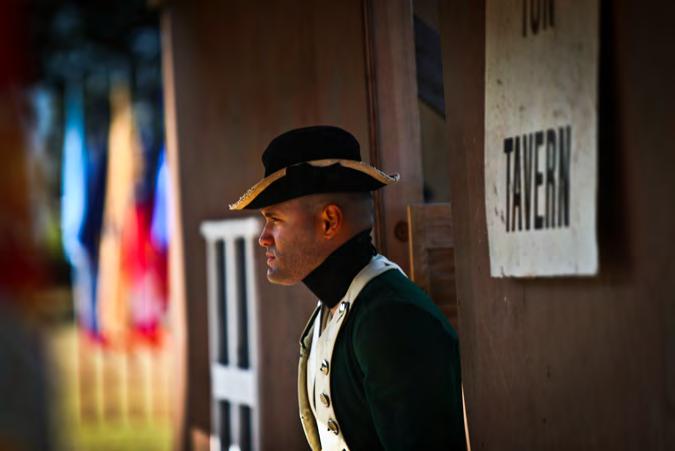
Happy 250th birthday, Marines! As the Corps honors its legacy, it’s a great opportunity to reflect on the evolution of personal protective equipment (PPE). PPE was designed within the limits of manufacturing abilities at the time and specifically tailored for the threats unique to each era of warfare, to enhance Marine survivability.
Throughout Marine history, PPE, while sometimes uncomfortable and always adding weight, has consistently saved lives. It's through discipline and dedication to the standard of wearing PPE, even grudgingly, that it saves Marines lives.
Leather stocks, a 2 inch piece of black shoe leather worn around the neck was designed to give Marines an upright posture. Although Marine Corps legend has often pointed to this as the first piece of PPE for Marines to protect against saber slashes to the neck in close quarters combat.
There is no data or historical records available to prove the leather stock protected against saber slashes
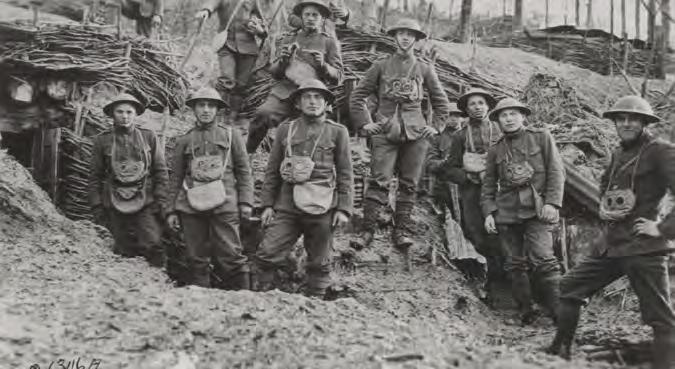
Trench warfare was characterized as static fortified ditch networks, enduring stalemates, large artillery barrages, machine-gun fire, and gas attacks.
M1 Helmet: Also known as the Brodie, protected against shrapnel from above, reducing head wound fatalities.
Pressed from a single piece of steel, the Brodie was a product of early industrial manufacturing, designed to mitigate the dangers of artillery and shrapnel raining down on Marines in static trench lines.
The Small Box Respirator (SBR): A technological leap that reduced gas fatalities, by using a charcoal filter and face mask.
Continued on page 16
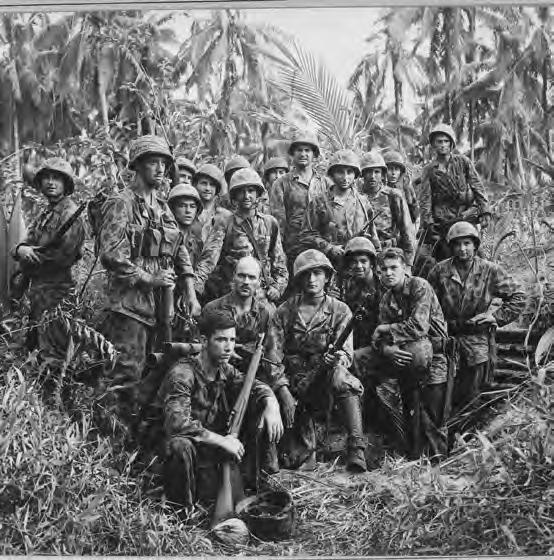
The large scale island-hopping campaign was a more dynamic than static trench lines of WWI, small arms fire, increased artillery, naval gunfire in support of troops and air support led to the need for more improved protection.
M1 Helmet: Improved on the Brodie, providing better protection against shrapnel and ricochets by using improved metallurgy and mass-production techniques, as a significant improvement over its WWI predecessor, becoming ubiquitous. Marines experimented with camouflage patterns, painting their helmets and uniforms to blend in with the dense jungle foliage. The M1’s more robust and contoured design was better suited for the dynamic combat of World War II.
Protective vests: Though experimental, were deemed impractical for wide use. Reflecting the technological constraints of the time, early flak vests were heavy, cumbersome and ineffective in the challenging tropical environments of the Pacific. Still, the desire for this type of protection highlighted a growing awareness of mitigating blast and fragmentation injuries.
Footwear: Improved leather boots provided greater ankle support and protection during amphibious landings and prolonged marches through challenging terrain.
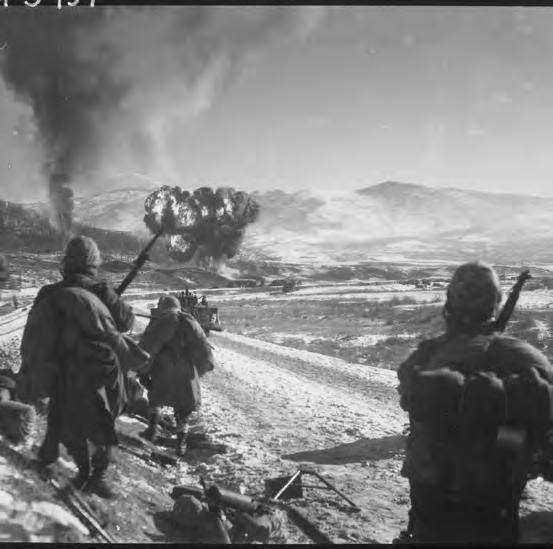
Korean War: Urban to Cold Weather Mountain Warfare
The Korean War was characterized by large conventional battles, the amphibious assault at Inchon, urban warfare, and cold weather warfare in the Chosin Reservoir.
M1 Helmet: Continued in use.
M-1951 Armored Vest: The first widely issued body armor, made of newly developed ballistic nylon and flexible Doron plates. This design offered improved protection against fragmentation, a common threat in the Korean War’s battles.
Cold Weather Gear: Perhaps one of the larger difference from the Korean War and the island hopping campaign of WWII in hot tropical islands, was cold winters on mountainous terrain in Korea.
To adapt the Marine Corps developed cold weather gear for the sometimes -30 degree temperatures. The initial cold weather gear was leftover from WWII including the M-1943 Field Jacket and accompanying trousers suitable to winters in Europe, but not necessarily to these extreme conditions.
This resulted in the development of cold weather gear including the M-1951 parka with matching trousers, shoe pacs, made of rubber bottomed boots with felt liners, and the additon of Trigger-Finger Mittens.
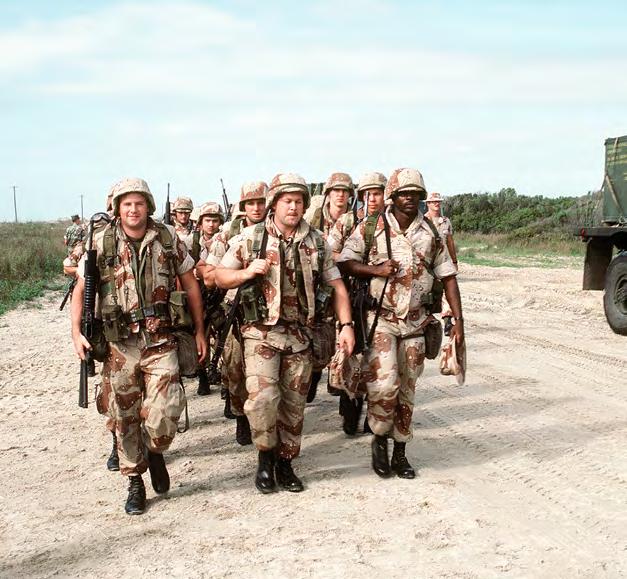
A platoon of Marines from the 4th Marine Expeditionary Brigade (4th MEB) marches up a road after coming ashore on Onslow Beach. 4th MEB's ground units are coming ashore at Onslow Beach after disembarking from the amphibious ships on which they were deployed in the Persian Gulf region for Operation Desert Shield and Operation Desert Storm. This item was produced or created on April 1, 1991. National Archives Identifier: 6469128
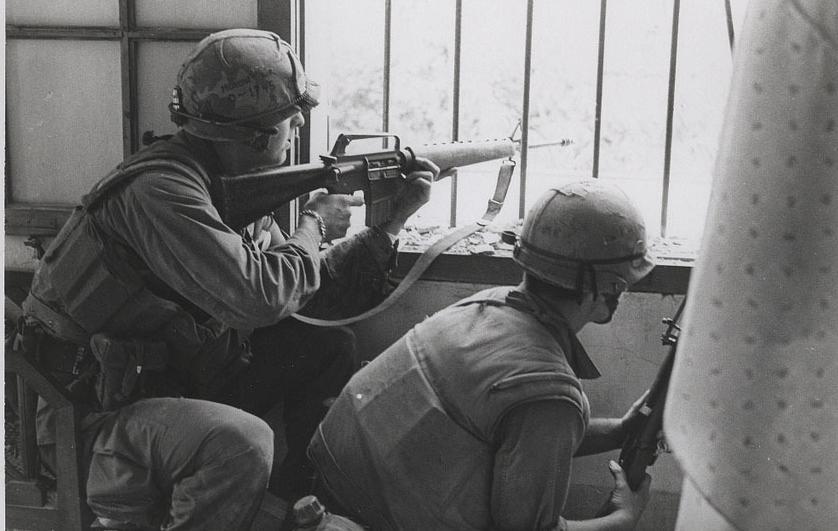
Vietnam’s warfare was marked by dense jungle combat, urban battles, hidden booby traps, defense of bases, frequent patrols and small arms engagements often with elusive guerrilla forces.
M1 Helmet: Continued in use.
M-1955 Flak Vest: Made of ballistic nylon with Doron plates, stopped low-velocity fragments.
M-1969 Flak Vest: Lighter with improved ventilation, better suited to mobile warfare.
The ’69 vest reflected a better understanding of operational demands, aiming to balance protection with the need for mobility and comfort in the humid jungle environment.
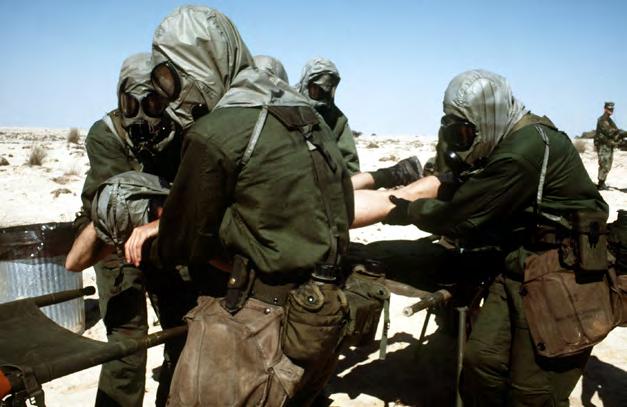
The leading concern in these conflicts were the adversary’s long range missiles and chemical weapons. To protect Marines the PPE focused on chemical, biological and radiological (CBRN) threats and shrapnel.
The Personnel Armor System for Ground Troops (PASGT) was the new standard for this period.
PASGT Helmet: Commonly reffered to as the ‘K-pot’, featured the first Kevlar shell. Replacing the M1 helmet after 45 years of service.
PASGT Kevlar Vests: Was the first kevlar vest system and marked a shift toward more advanced materials, providing better ballistic protection, a necessity for this type of warfare.
While specific injury reduction numbers directly attributable to the PASGT are limited, studies on Kevlar-based body armor systems showed a significant decrease in penetrating injuries compared to previous protective vests.
CBRN Protection: Marines frequently trained in full Mission Oriented Protective Posture (MOPP) levels. MOPP gear was developed to protect against chemical threats. Gear included the M17A1/M40 mask, battle dress over garment a charcoal lined suit, rubber gloves and vinyl boots to create a sealed environment.
The rigorous MOPP training also highlighted the importance of muscle memory and discipline in preparing for extreme conditions.
Continued on page 18
War on Terror (GWOT): Desert Warfare, Urban Warfare and Counter-Insurgency
The characteristics of this warfare changed over the years, but largely this period included a 360-threat environment, urban or populated terrain, enemy small arms fire and the proliferation of improvised explosive device (IED) threats. As the wars evolved PPE adapted to match.
MOPP Gear: The MOPP suit from the Persian Gulf Wars was replaced with the Joint Service Lightweight Integrated Suit Technology (JSLIST), which was lighter, more breathable and used a beaded carbon technology, an improvement on the charcoal lining of previous MOPP gear. It was also designed to integrate better with the rest of PPE and equipment. These improvements made it possible for troops to be in MOPP level 1 during most of the invasion of Iraq.
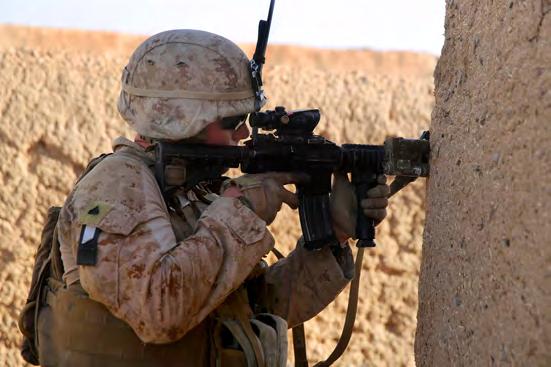
Uniforms: The traditional woodland patterned Marine Corps combat utility uniform (MCCUU) was gradually replaced by the digital Marine Pattern (MARPAT) MCCUU in the early 2000s, enhancing camouflage effectiveness.
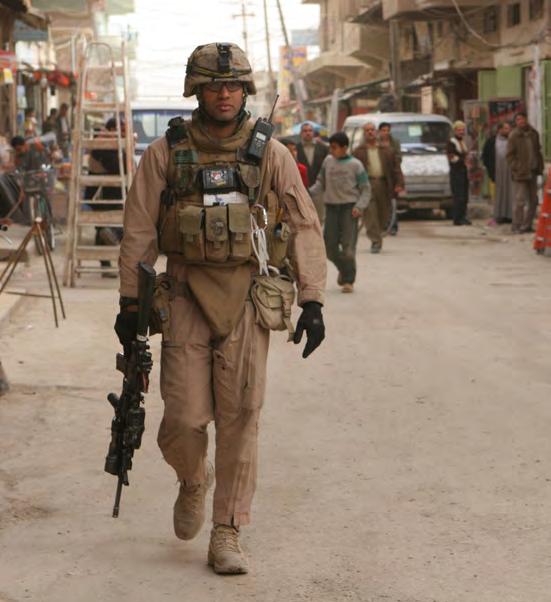
In the mid 2000s as a temporary measure to combat burn injuries from the growing IED threat, Marines sometimes wore flight suits for their inherent flame-resistant properties.
By the late 2000’s to provide a more permanent solution to burn prevention Marines adopted the Flame-Resistant Organizational Gear (FROG) suit. This offered superior flame protection, weight and breathability tailored for the harsh desert environment.
The evolution of uniforms reflected a heightened awareness of the specific threats of the GWOT and a greater emphasis on providing protection and heat mitigation.
IED Protection: As the IED threat continued to grow through out the GWOT protection measures continued to evolve. ‘Blast diapers’ made of ballistic fibers worn over the uniform and Kevlar-lined ‘blast boxers’ under the uniform became widely adopted as another layer of protection against IEDs.
Helmet Advancements: The PASGT transitioned to another Kevlar design, the Advanced Combat Helmet (ACH), rated to stop 9mm rounds and fragmentation. Then the Enhanced Combat Helmet (ECH) was adopted, although similar in weight, it was made primarily of ultra-high-molecularweight polyethylene. The ECH was the first helmet rated to stop up to 7.62mm rounds.
Body Armor: PASGT was phased out as it had limited protection against rifle rounds and was replaced with the Interceptor Body Armor (IBA) or widely referred to as the ‘interceptor vest.’ The IBA included the woven kevlar that provided protection against handgun fire
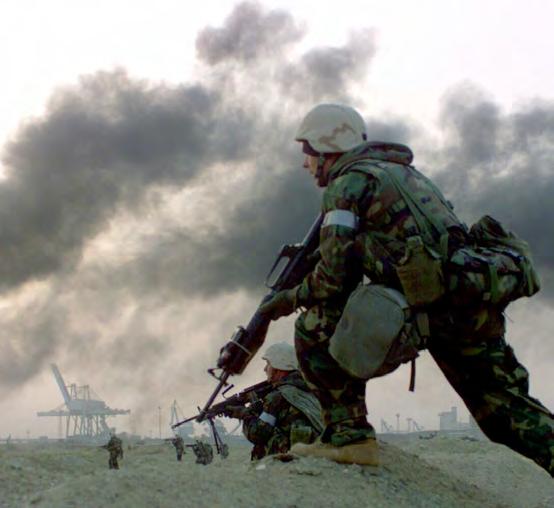
and fragmentation. This was the first vest that included the Enhanced Small Arms Protective Inserts (ESAPI), commonly referred to as ‘SAPI Plates’, which provided protection up to 7.62mm rounds.
Then the Modular Tactical Vest (MTV) replaced the IBA for better modularity. This modular system allowed Marines to tailor their protection to the specific threats, operational environment and the evolution of IEDs. The MTV included the back and front ESAPI of the IBA, with the addition of two smaller side ballistic plates called Enhanced Side Ballistic Inserts (ESBI), as an improvement on protection in the 360 threat environment. These plates are also rated up to 7.62mm round protection.
Studies on the effectiveness of body armor during the GWOT consistently demonstrated a significant reduction in fatalities and serious injuries from IEDs and small arms fire. As fragmentation and IEDs turned to the leading cause of injury, these protection measures were added to the PPE when going outside the wire.
Looking to the future, the Marine Corps strives for continued advancements in PPE, constantly seeking to balance protection with the need for agility and maneuverability. The dream is light weight flexible materials. The Corps is exploring everything from advanced polymers and composite materials to potentially even exoskeletal enhancements.
Even with revolutionary technologies the Marine Corps’ grit and iron-clad dedication to discipline remain the cornerstones of success. Knowing that the extra weight can save your life is something all Marines must remember.
As the Marines celebrate 250 years, keep up the tradition of holding the standard high, protecting Marines' lives and embracing the innovations that will safeguard them in the battles to come.
“As we look back at our 250 years of excellence, we remember the stories of those who came before us – each era recalling how Marines of their time escaped death because of their protective equipment. Marines then had the same discipline to persist with their PPE that we do now and taking care of our tribe can be as simple as a gear check. I need every one of our Marines to stay in the fight and the cost of comfort could be a Marine’s life.”
Sergeant Major of the Marine Corps, Sgt. Maj. Carlos A. Ruiz
By Maj. Kevin Stephensen, Risk Management Directorate, Safety Division
One of the unique features of the Staff Non-Commissioned Officer Degree Completion Program (SNCODCP) is it allows enlisted Marines to finish their degree by attending college full-time and fully funded on a college campus.
Following completion of the degree, graduates apply what they learned by serving in a billet in their field of study, giving them experience in their chosen field and filling low-density billets with Marine Corps experts. Blending education and practical experience helps prepare Marines for continued success in uniform and careers beyond the Corps.
Master Sgt. Steven Haas and Master Sgt. Xin Huynh shaped their professional and personal futures in different ways through the SNCODCP.
Discovering the Program
Both Marines stressed applying early is important, even if you don’t meet every exact criterion in the MARADMIN. It helps clarify the process and starts opening doors.
Haas first learned about SNCODCP during a unit safety representative course when an instructor mentioned it in passing. “It stuck with me,” Haas said. Motivated by the chance to open new, post-retirement career paths, he decided to apply after researching MARADMINs and discussing the program with the instructor. “I wanted another avenue to open more doors,” he said.
Huynh discovered the program through his own research. “As
enlisted Marines, there are limited opportunities to dedicate ourselves fully to off-duty education while remaining on active duty,” he said.
“If you go onto any job application website, almost every position requires years of experience in the field. That’s one of the advantages I saw with SNCODCP, getting practical experience in the degree I earned.”
Haas and Huynh were accepted into the program after completing their degrees online. Haas earned his bachelor’s degree in Homeland Security and Emergency Management from Grand Canyon University (GCU). “Safety tied into my degree, and since I already had it, I didn’t need to spend up to 18 months in college,” he explained.
Using his Joint Service Transcript, he transferred 56 credits from Marine Corps training, and finished the rest of his degree in nearly two years.
Huynh chose Occupational Safety and Health at Columbia Southern University for its flexible, relevant curriculum.
“My goal was to deepen my understanding of safety and health theory, workplace hazard analysis and OSHA standards,” he said. The program’s alignment with his tactical safety
experience made it a natural fit for his career goals.
Both Marines faced challenges navigating the application process and emphasized the importance of working with career planners. Haas had some items in his package he felt would not qualify him for the program. After working with his career planner and making several calls to the program monitor for guidance, he adjusted his application. Applicants need at least 60 credits or an associate’s degree, along with transcripts and letters from their chosen school.
Huynh educated his command on the program. “I researched Marine Corps Order 1560.21E thoroughly to brief my leadership,” he said. “Finding a school and degree path meeting SNCODCP

to the Program? The application requires meeting prerequisites such as:
• Already completed a minimum of 60 college credits or an associate’s degree
• Transcripts from your school
• Command letters of endorsement
• Proof of acceptance to the university you want to attend full time
requirements and my personal interests took some time to explore.
MCO 1560.21E is the best resource for understanding the process,” Huynh said.
Both Marines stressed applying early is important, even if you don’t meet every exact criterion in the MARADMIN. It helps clarify the process and starts opening doors.
Both Haas and Huynh balanced coursework with active-duty demands before entering SNCODCP. Timing in their career didn’t allow them to take full advantage of the 18-month-inperson college opportunity, but both Marines persevered.
Haas, a logistics chief in the amphibious community, dedicated one to two hours daily to his online studies at GCU.
“The core classes were seven weeks, undergraduates - eight weeks,” he said. “Having a set schedule helped, and my platoon commanders were really flexible with my schedule.” He described the workload as “manageable chunks” despite deployments.
Huynh, unable to attend school fulltime due to operational commitments, completed his degree during off-duty hours. “It required strict time management and discipline,” he said. “I was surprised by how supportive my leaders were, and how understanding and flexible my professors were. When something would come up that disrupted my schoolwork, my professors understood, and we could have a conversation about the way forward.”
After graduating, Marines fill a threeyear billet in a safety role related to their degree.
Haas now serves as the operations chief and special training instructor at
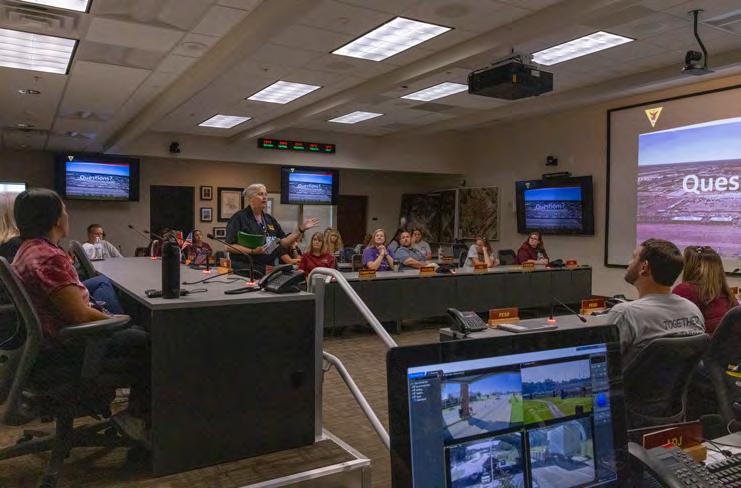
the Installation Safety Office, Marine Corps Installations West.
He teaches safety courses, oversees compliance with OSHA standards and mentors Marines. “The best part is changing how people view safety,” he said. “We’re not here to ruin anyone’s day. We just want Marines to go home to their families at the end of the day.” Huynh’s safety billet aligns closely with his degree. “It’s broadened my perspective on leadership and risk management,” he said.
Retired Master Sgt. Evan Labounty credits SNCODCP with reshaping his career path.
After completing his degree, he served as the Marine Corps Logistics Base Barstow, California, Safety Officer.
“At Barstow, my narrow focus on tactical and range safety expanded into a full spectrum of occupational health and safety disciplines.” He pursued further safety certifications while on duty and after retirement.
He now works as the environmental health and safety manager for New Belgium Brewing in Asheville, North
Carolina.
Labounty cites the exemplary safety culture at Barstow, the first Marine Corps command to achieve OSHA’s Voluntary Protection Program Star status, as a major influence on his continued professional development.
“Today, whether refining chemical handling protocols in the lab or leading incident investigations on the production floor, I draw on the same principles of risk management and teamwork that defined my Barstow tour.”
Because SNCODCP focuses on niche degrees, it often flies under the radar compared to more well-known Marine Corps programs. Increasing awareness ensures more Marines can take advantage of this powerful opportunity whether they still need to finish their degree on campus, or, like Haas and Huynh, already hold a degree and want to put it to use in a career-aligned billet.
If you’re interested in combining education, practical experience and career growth, SNCODCP offers a pathway to success during and after your time in the Marine Corps.
1. Read the MARADMIN related to the program.
2. To understand the program get familiar with MCO 1560.21E.
3. Talk to your unit education officer; they can help you get tuition assistance started.
4. Speak with your career counselor about the program; bring the MARADMIN, as they might not know all the specifics.
5. Log onto the Joint Service Transcript (JST) site to see what military training and MOS schools count for credit. You probably have more credits than you think.
6. Talk to your command about your desire to pursue a degree. Commands support their Marines conducting self improvement.
7. F ind a college that fits your work-life balance and accepts JST credits.
8. When you’re close to 60 credits, apply to SNCODCP. It doesn’t hurt to apply even if you don’t fit every requirement
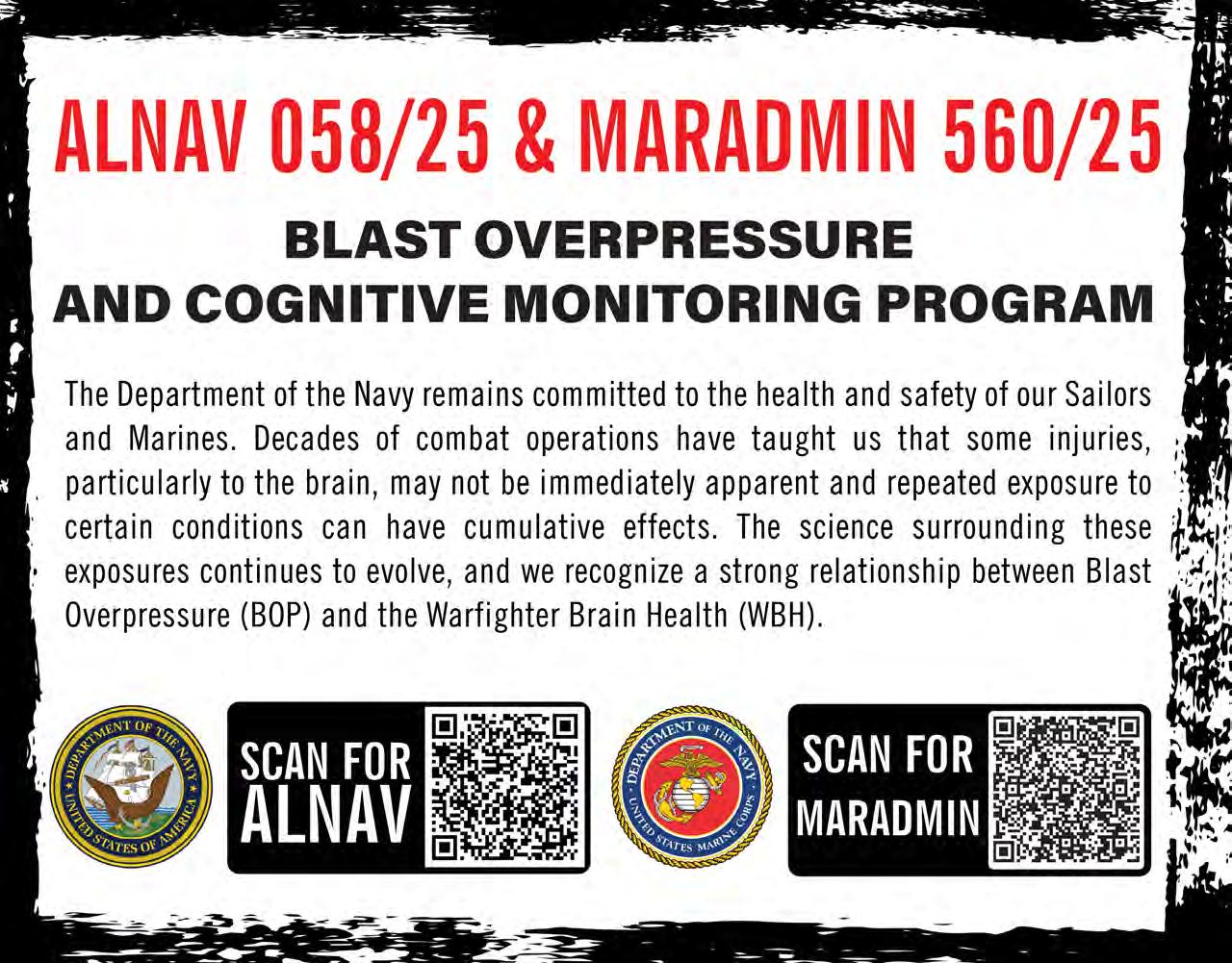
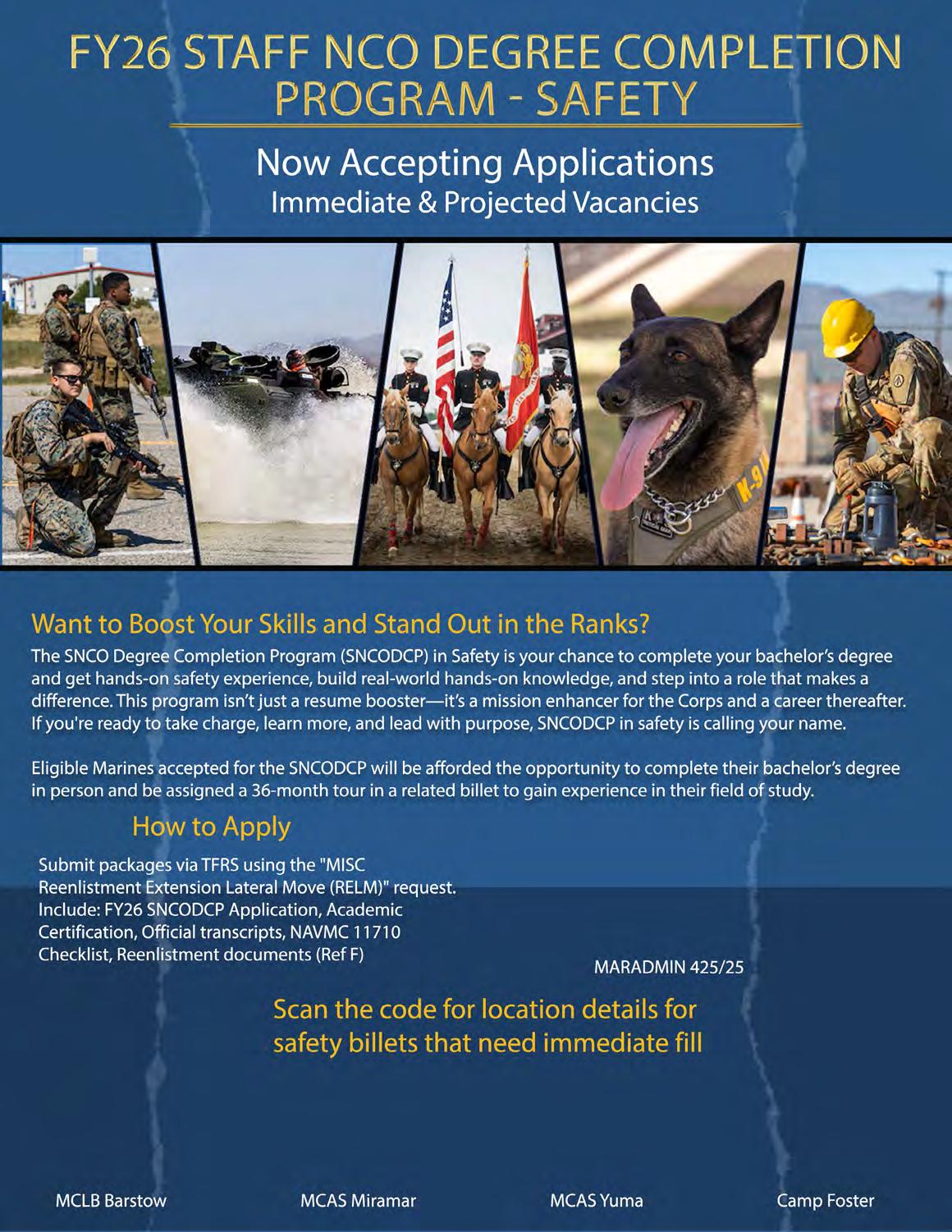

By Sgt. Eleazar Velasco, Risk Management Directorate, Safety Division
Sleep is the canary in the coal mine of mental health and stress. Ask your Marines how they slept. Are they laying awake at night, anxious about relationships, finances, or staying up all night gaming? Could organizational inefficiencies be disrupting their rest?
Fatigue is one of the biggest threats to Marine readiness. It doesn’t always show up as falling asleep on post. It appears in subtle ways first, such as missed details, slower reaction times or short tempers rippling through a unit.
At the ground level, where missions are carried out, fatigue is part of the daily fight; but its impact on performance and safety makes it more than just a personal issue. Fatigue is also a readiness concern.
Marines operate at a high tempo and pushing through exhaustion is often seen as a sign of strength. But when we’re worn out, our bodies and minds send clear signals. You’ll likely notice increased irritability, a shorter fuse and a tougher time staying patient, especially when the pressure is on.
Fatigue also impacts how we work together. Communication can break down, making it harder to stay aware of what’s happening around us. We tend to focus intensely on the task at hand but lose sight of the bigger picture, leading to taking unnecessary risks and overlooking important details.
Over time, being constantly tired can cause forgetfulness, a lack of motivation and poor judgment. In the worst cases, it can even lead to brief moments of falling asleep without realizing it, which is dangerous during critical operations. Recognizing these signs in yourself and your fellow Marines is crucial for mission success and, most importantly, keeping everyone safe.
The science is clear. Research and findings from each of the services indicate “lack of sleep affects the brain the same way as being drunk.
The result is like being on duty with a blood alcohol level of 0.08%.” Yet Marines often conduct training events, ranges
and operations under those conditions. No one would accept a Marine being drunk on duty, yet fatigue produces a similar level of impairment.
From the Marines’ perspective at the ground level, the challenge lies in recovery. Extended training schedules, night operations and duty rotations are part of the profession. The problem is recovery periods are not always built into the schedule. Without structured rest, fatigue accumulates.
The Government Accountability Office (GAO) recently published findings from research on service members’ sleep habits and fatigue levels.
The GAO found members were not getting the Department of War (DoW)-recommended minimum seven hours of sleep and fatigue had contributed to accidents resulting in deaths and hundreds of millions of dollars in damaged equipment. Across the DoW, 67% of respondents averaged six to seven hours of sleep, 26% less than six hours and 46% rated quality as moderately poor or worse. In its Sleep Leadership Guide, the DoW emphasizes service members should strive for seven to nine hours of sleep each night for optimal performance.
The Marine Corps’ aviation and ground survey findings corroborate the GAO report findings on fatigue — Marines across aviation and ground have identified fatigue as a top concern for both groups, with fatigue also being identified as one of the top factors likely to cause the next mishap in their unit.
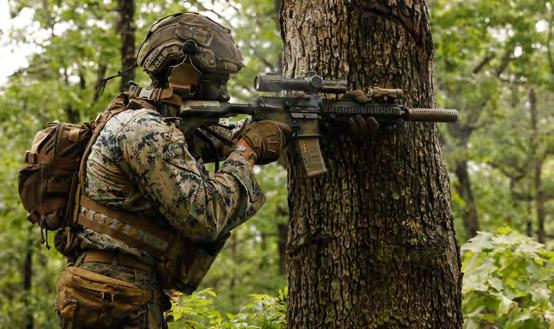
Over time, this cuts into physical fitness, decision-making and unit morale. Lack of rest also increases the risk of injury to individual Marines and those around them. When one Marine is fatigued, others must compensate and the entire platoon absorbs the risk.
Fatigue is inevitable in military service, but it can be managed. By recognizing the symptoms early, whether it’s irritability, impaired communication or lapses in attention, leaders can act before small issues turn into major accidents. Leaders are also empowered to make small adjustments to produce big improvements. Providing time for recovery, even in short windows, builds trust and shows Marines their safety and performance matter as much as the mission.
Moving physical training until later after a night shift, validating duty schedules equitably or adjusting training to allow for rest periods shows readiness includes more than just pushing through. These actions don’t lower standards; they strengthen them by ensuring Marines can give their best effort when it counts. Creating a culture valuing sleep readiness does not reduce toughness but instead improves alertness, reaction time and mission effectiveness
The perspective is simple from those carrying out the mission. Marines are ready to work hard and meet the mission. When leaders account for fatigue, they give Marines the tools to perform at their highest level. Readiness isn’t just about completing the task; it’s about completing it safely, effectively and with Marines prepared to face the next challenge.
A best practice observed in units conducting multiple weeklong training periods is to provide a few days off when their training is complete.
Does your unit have a policy that reflects if a Marine is on duty for a 24-hour period, they receive a chance to recover?
Does your unit have a plan in place to protect Marines’ sleep?
How often are you calling your Marines after hours for something that could wait until the next day?
Given the fast pace at which the Marine Corps operates, do you advocate for a work rest cycle to keep your Marines fully rested?
If your unit has several consecutive late workdays, do you compensate your Marines?
When conducting an investigation, how often do you include fatigue as a contributing factor?
Did you know, according to Risk Management Information (RMI) data, fatigue is a factor based on a 72 hour profile of the Marines sleeping habits and a medical professionals determination?
Are you prioritizing your sleep?
Are you letting your roommates get enough sleep?
Do you have recommendations to improve your unit processes that could protect against fatigue?
A good night’s rest is not optional; it’s a critical factor in maximizing your performance, safeguarding your and your peers’ well-being, and ensuring the success and safety of military operations.
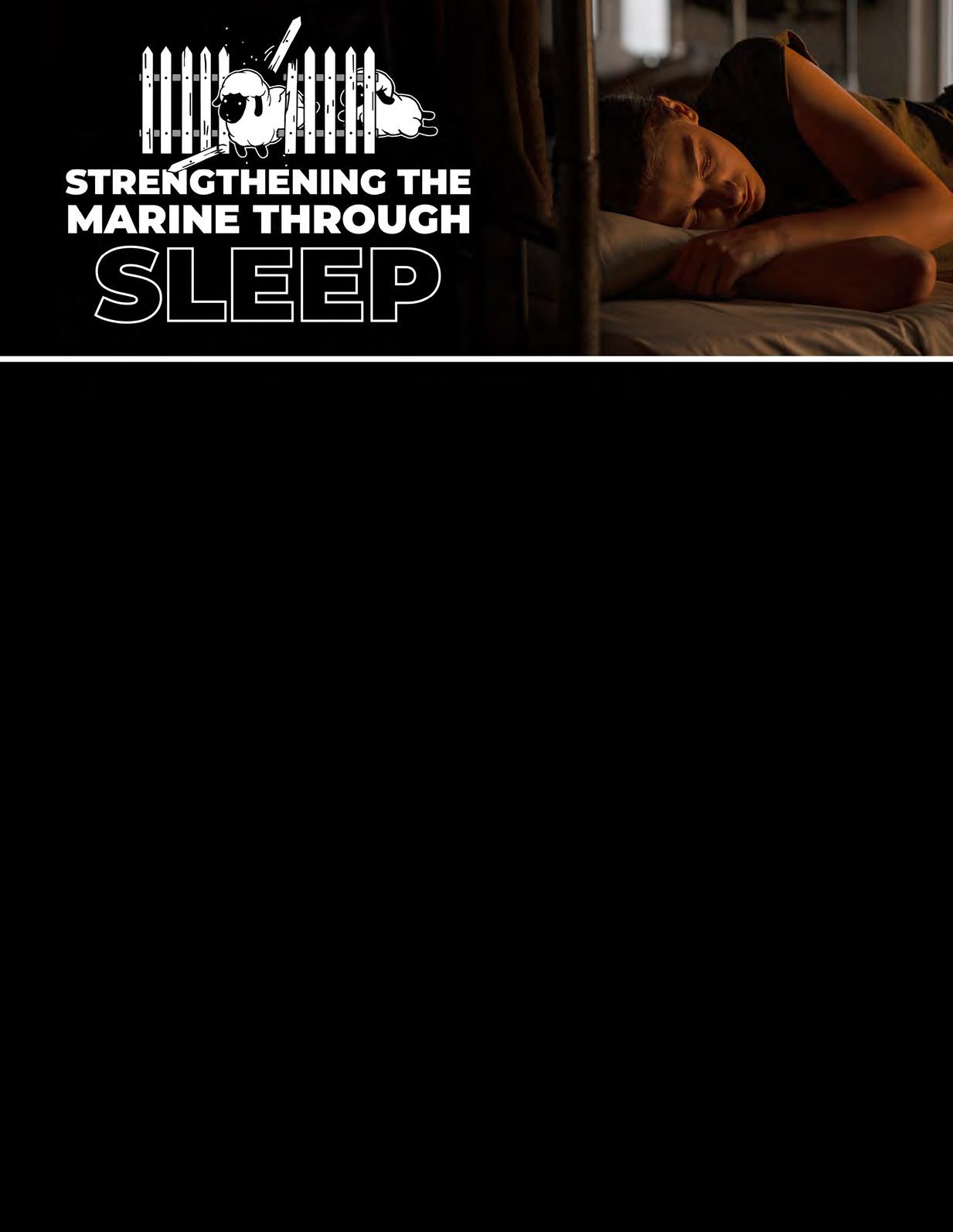
• You fall asleep easily
• You do not fully wake up during the night
• You do not wake up too early
• You feel refreshed in the morning
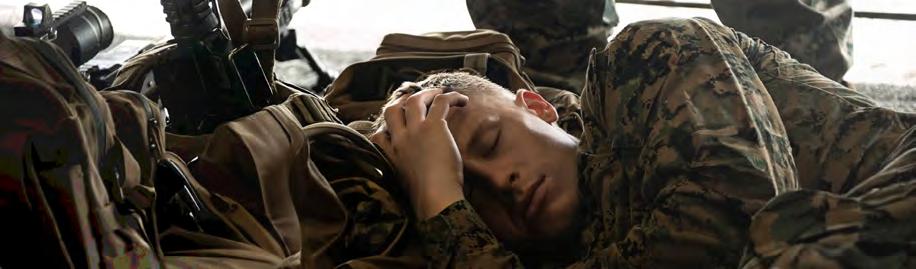
WHY DOES IT MATTER?
• Physical Fitness: Sleep helps the body recover from strenuous activities, reduces the risk of musculoskeletal injuries, and enhances the effectiveness of the immune system.
• Mental Fitness: Sleep enhances decision-making, reaction time, and information recall.
• Social Fitness: Sleep contributes to healthier relationships due to a greater ability to manage and respond to one’s own emotions.
• Spiritual Fitness: Sleep contributes to self-control and the ability to resist temptations.
WANT TO KNOW MORE?
Reach out to your local installation Semper Fit/Warrior Athlete Readiness and Resilience (WARR) sleep coach who can provide:
• Sleep health education for units
• One-on-one sleep health coaching
• Awareness campaigns

By Cmdr. Linda Sharpe, Industrial Hygienist, Headquarters Marine Corps – Health Services
For Marines, hearing is not just a sense; it’s a tactical advantage and a critical survival tool.
Whether it’s detecting the faintest rustle in the bush, following orders in the heat of battle, or coordinating movements with your fire team, sharp hearing is essential.
Yet, hearing loss is one of the most common and preventable injuries among Marines.
The importance of hearing conservation in the Marine Corps cannot be overstated. Auditory readiness often makes the difference between mission success and failure.
According to the U.S. Department of Veterans Affairs, more than 1.3 million veterans receive disability compensation for hearing loss, and over 2.3 million for tinnitus, a persistent ringing in the ears caused by noise exposure (VA, 2020).
These numbers highlight a significant issue that impacts not only operational effectiveness but also the quality of life for Marines long after their service.
The Marine Corps operates in some of the world’s loudest environments. Whether it’s the thunder of artillery, the
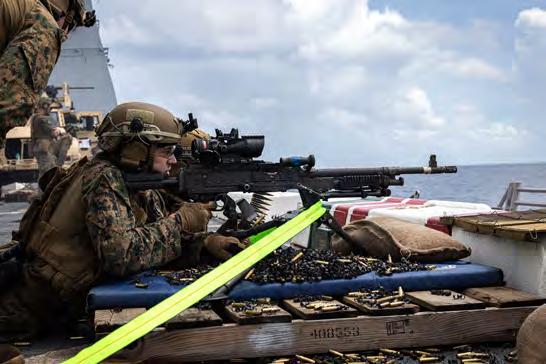
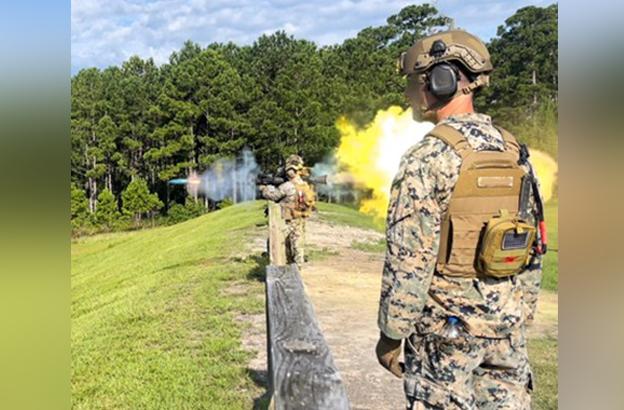
roar of helicopters, the crack of small arms fire, or the rumble of vehicles, dangerous sound levels are a daily reality.
These sources can easily exceed a level where even a single exposure can cause permanent hearing damage.
Some of the most common sources of hazardous noise include firearms such as the M4 rifle and M9 pistol. Heavy weapons, including machine guns, mortars and artillery also produce intense impulse noise that far exceeds the threshold considered safe for human hearing.
In addition to weapons, many vehicles used by Marines, such as the Joint Light Tactical Vehicle, emit hazardous noise levels, especially during prolonged operations or when idling in enclosed spaces.
Aircraft operations are another major source of hazardous noise, with flight lines and maintenance areas often requiring strict hearing protection protocols.
Even power tools and industrial equipment used in maintenance, construction, or logistics can produce hazardous noise levels, which can exceed 100 decibels during normal use.
These examples highlight the diverse range of equipment that contributes to hazardous noise exposure within the Marine Corps.
Continued on page 28
The Marine Corps has strict guidelines about identifying and managing hazardous noise exposure in the workplace. Any area or equipment that produces a continuous or intermittent noise level of 85 decibels or higher, measured as an 8-hour time-weighted average, is considered hazardous to personnel. Additionally, impulse or impact noise with a peak of 140 decibels or greater is also classified as hazardous. When individuals are exposed to noise at or above these thresholds, they must be included in a hearing conservation program and provided with appropriate hearing protection to safeguard their hearing health.
Every Marine is part of the hearing conservation program, which requires them to undergo annual hearing tests known as audiograms. These yearly checkups are more than just a routine requirement; they serve as an early warning system. By catching the first signs of hearing damage, these tests give Marines the opportunity to make changes and protect their hearing before any loss becomes permanent. Most audiogram testing sites accept walk-in patients, while appointments are typically required for more advanced evaluations, such as those needed for significant threshold shift assessments. Often in the Marine Corps when we think of hearing loss, what comes to mind is ground combat elements and live fire ranges. However, aviation and logistics units report similar amount of hearing loss proportionally.
Ground Safety Managers coordinate with your unit medical staff to ensure proper documentation of permanent threshold shifts of your Marines in RMI.
than ever to protect hearing without sacrificing mission effectiveness.
In addition to the audiograms, annual training covering the effects of hazardous noise is required, teaching Marines not only how to use and care for their HPDs properly but also why these devices are indispensable on the job. Marines also learn about the specific noise hazards they might face in their work environments and the critical role they play in safeguarding their own hearing. By understanding the risks and the protective measures, Marines take personal responsibility for their hearing health, ensuring they stay mission-ready and sharp for every challenge ahead.
Whenever possible, tackling noise at its source should always be the first line of defense, whether by keeping equipment in top shape, adding sound-dampening materials or strategically placing barriers. However, in the diverse environments faced by Marines, eliminating hazardous noise entirely isn’t always realistic. That’s where hearing protection devices (HPDs) come into play. HPDs provide a vital safeguard for Marines when noise control measures aren’t enough to protect their hearing on the job.
Today’s HPDs are more advanced than ever. Many are designed to block dangerous noise while still allowing Marines to hear commands and environmental sounds. Custom-molded options and devices that integrate with radio systems are now available, making it easier
Hearing conservation is more than just a regulatory requirement; it is an essential part of operational readiness and long-term health for every Marine. Marines operate in diverse and demanding environments where they are routinely exposed to hazardous noise from weapons, vehicles, aircraft and industrial equipment. This makes proactive, hearing protection measures absolutely essential. By participating in comprehensive hearing conservation programs, personnel can protect their hearing, maintain clear communication and ensure mission effectiveness. Prioritizing hearing health today helps ensure Marines stay sharp, resilient and fully prepared to face the challenges of tomorrow.
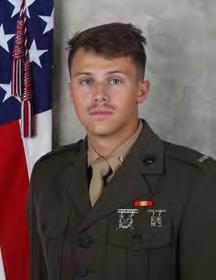
1st Marine Division, I Marine Expeditionary Force, San Diego, California
1st Lt. Vito M. Santarsiero has served as the 1st Marine Division’s Director of Safety since March 2025 and the Safety and Environmental Compliance Officer since August 2024. His leadership has been instrumental in ensuring seamless continuity of operations, especially during times of significant personnel turnover. An artillery officer by trade, Santarsiero’s major contributions include streamlining and improving mishap reporting procedures through the development of their internal division reporting tool and ensuring alignment with the Risk Management Information database.
By prioritizing timely reporting and concerted efforts to capture accurate data, he has been a true enabler in supporting enhanced mishap data
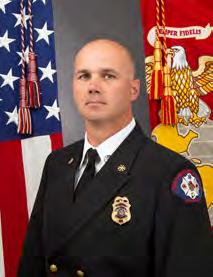
Ryan Tworek’s professional career began in 1998 when he joined the Air Force as a firefighter.
This early experience laid the foundation for his lifelong commitment to safety and health practices in high-hazard environments.
In 2007, he joined Marine Corps Logistics Base (MCLB) Barstow and actively participates in the base’s Voluntary Protection Program as a special government employee (SGE) and has conducted numerous onsite evaluations.
Tworek has taught over 200 public safety fire academy students while providing coaching and mentoring to MCLB
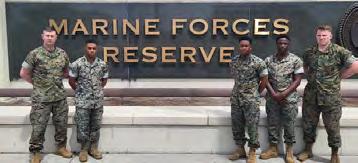
Active-Duty Operational Support Marine Corps Forces Reserve (MARFORRES)
New Orleans, Louisiana
The Safety Marines of Marine Corps Forces Reserve Safety come from a diverse cross-section of the Marine Corps with various military occupational specialties (MOS). They represent a mix of experience and expertise from the maintenance, aviation, communications and food services communities
representing units from 4th Marine Division, 4th Marine Logistics Group and 4th Marine Aircraft Wing.
All Safety Marines are trained at MARFORRES and receive the Billet MOS of 8012, Ground Safety Managers.
Their responsibilities include working in supporting ground safety for Marines, safety assurance, overseeing occupational health initiatives, and explosives driver courses conducting safety program evaluations, and coordinating motorcycle training opportunities. The Safety Marines also participate in operational training events, providing hazard identification and safety consultation during training.
MARFORRES is fortunate and thankful to pull such exceptional talent and experience from our reserve force and put them to work in the safety community of Interest.
analytics, allowing the organization to identify trends, causal and contributing factors to mishaps and incidents. Moreover, Santarsiero has honed his investigative skills through serving on five safety investigation boards, accumulating over six months of experience in mishap investigations this fiscal year alone. His efforts in this area aided the organization in reporting significant mishaps in a timely fashion, as well as contributing efforts as a subject matter expert in safety processes, procedures and lessons learned.
Santarsiero’s leadership and contributions are a testament to the critical role safety professionals play in ensuring the wellbeing, safety, health and readiness of our organization and its people.
Barstow’s personnel and ensures fire and emergency services comply with applicable laws, regulations and policies.
Tworek secured funding and established requirements for a $1.5 million fire training facility repair, incorporating safety aspects to minimize injuries during training. He also maintained 100% in collateral duty safety officer training and 98% in core safety training.
Tworek’s dedication to safety and health has been a contributing factor in his leadership role. In 2025, not only was Tworek recognized by the Occupational Safety and Health Administration as the year’s SGE for Region IX, he also received the General James L. Jones Safety Award from the Secretary of the Navy.
Ground Warrior wants to highlight safety professionals from around the globe.
Do you have an outstanding safety professional that you want to highlight in the Ground Warrior Safety Spotlight?
Send an email to: GroundWarriorMagazine@usmc.mil with the following information:
• Name
Job Title
Location
100-200 Word Write up
• High Resolution Photo of the Safety Professional
By Cpl. William Tucker
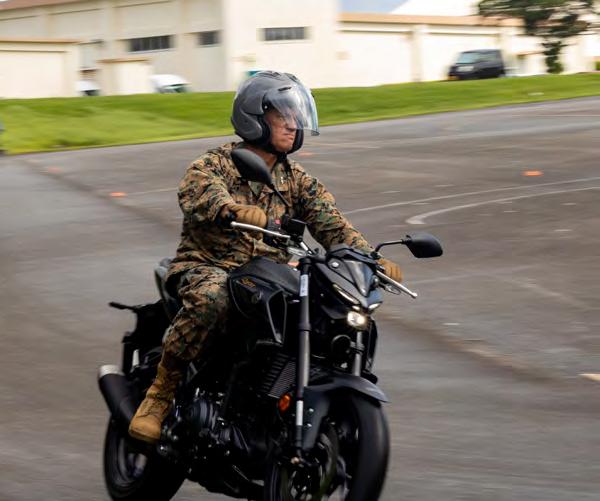
One wrong turn, one second too late, one rider down, and one motorcycle crash report.
Two years ago, at Camp Lejeune, North Carolina, U.S. Marine Corps Lt. Col. Dustin Kosar flipped through the pages of the crash report where a Marine sustained life-altering injuries that rendered him incapable to continue serving.
The Marine was new to motorcycle riding and rode a bike far beyond their capabilities, according to Kosar. One fact hit Kosar especially hard.
While reading the report: no one in the Marine’s chain of command rode motorcycles or had the basic knowledge necessary to evaluate an individual’s ability to ride. To Kosar, this meant that their lack of firsthand experience had left a dangerous blind spot in their mentorship — one that almost cost a life.
“Twenty-two years old,” Kosar said firmly, pointing out the vulnerability and innocence of youth. “He’s going to be on a walker or a cane for the rest of his life because nobody sat down and gave him the rest of the education that we need to be giving to the Marines. So, that’s what I try to do now.” One of the first examples of why mentorship was important was when he noticed many new riders with little to no riding experience purchasing high-powered motorcycles meant for experienced riders, he explained.
The bikes were far beyond the average skill level the Marines provided in the Basic Riders Course. When Kosar tried to point this out, his command questioned his authority and expertise in motorcycle safety.
“So, I went to a course,” he said, “and I went to another course, and another.
So, when they asked the question again, I now had the authority.” Since then, Kosar dedicated the rest of his service as a rider coach and continued to mentor Marines on riding when he was stationed on MCB Quantico, which is situated in the National Capital Region.
This area is arguably one of the most traffic dense areas in the United States, presenting additional risk to motorcyclists, especially those new to riding.
Kosar, who has more than two decades of riding experience, retired from active duty earlier this year but still serves in a capacity on base to help Marines learn motorcycle safety as a coach with the Motorcycle Safety Foundation.
Justin Yates, someone who has worked with Kosar and an instructor for the Basic Rider’s Course, said, “We focus on being able to physically control the motorcycle, clutch, control, throttle control, being able to negotiate a curve, limited space maneuvers, etc.”
These fundamentals are what helps Marines and motorcyclists control their motorcycles while mitigating risk.
The base also offers advanced courses for experienced riders, as this further helps keep motorcyclists safe in the NCR. The courses don’t teach more than what is necessary to pass the evaluation, according to Kosar. However, the courses emphasize motorcycle culture, knowing how group rides operate and awareness of riders’ surroundings.
Part of this should be reinforced for motorcyclists outside of the courses,
Kosar explained. “We need monthly motorcycle meetings,” he said. “They aren’t forced upon Marines. So, what Marines are doing is riding all the time with no knowledge of the culture.”
He referenced how combat requires workups, exercises, certifications and other things, explaining that motorcycle safety should resemble the same.
“A single, two-day course doesn’t qualify someone as a safe rider, and they should take follow on courses for their safety and others,” he said.
Kosar’s aim remains clear: prevent motorcycle accidents in the Marine Corps. According to a Naval Safety Command report on Sept. 30, 2025, there have been 15 Marine motorcycle fatalities. “My passion right now is keeping Marines alive to enjoy the next ride,” Kosar simply stated.
Programs offered on base by the Motorcycle Safety Foundation serve to mentor the aspiring and experienced motorcyclists on base, enhancing their rides and safety.
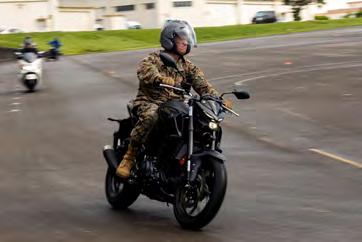
U.S. Marine Corps Maj. Gen. Brian Wolford, commanding general of Marine Corps Installations Pacific, rides on the training course during the Advanced Riders Course, on Kadena Air Base, Okinawa, Japan, July 21, 2025. (U.S.
By Veronica Laguna, Aquatics Conditioning and Performance Recreation Program Manager, Semper Fit Branch, Headquarters Marine Corps
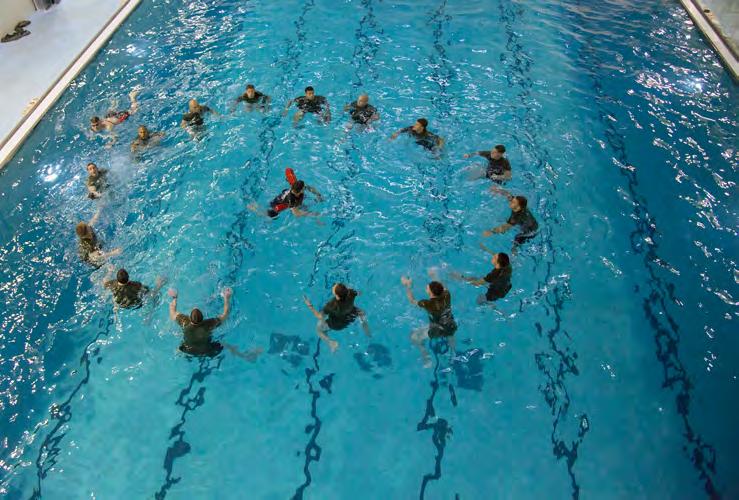
The Marine Corps is purpose-built as an amphibious force for contested littoral operations. As the Marine Corps hymn states, Marines fight in the air, on land and sea, thus, Marines must master swimming to operate effectively in maritime environments.
Swimming proficiency may be one of the most critical competencies for an amphibious service.
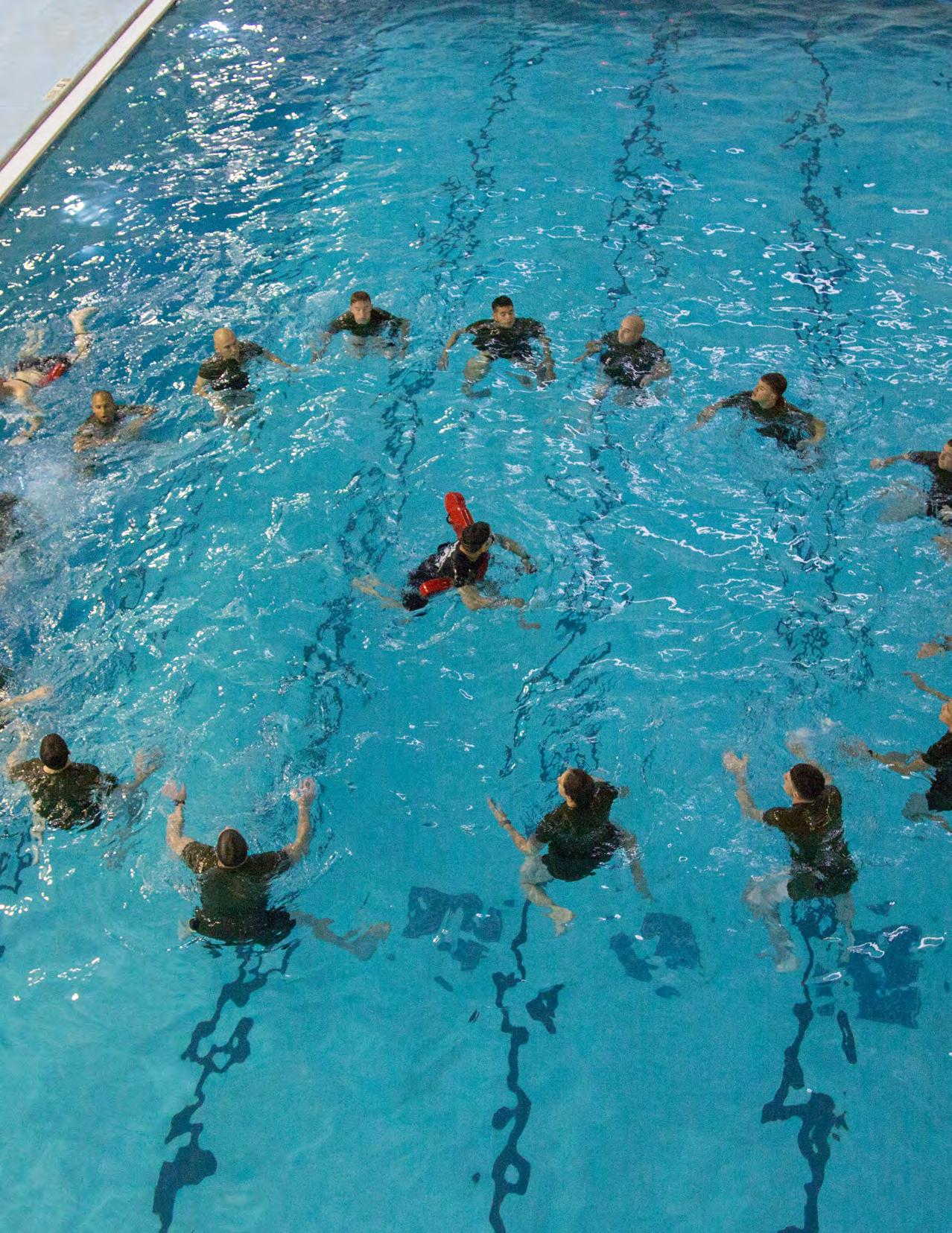
When was the last time you got into the pool with your Marines for physical training?
That’s why the Marine Corps is implementing stricter standards for the Water Survival Training Program (MCWSP). Marine Corps Total Fitness (MCTF) incorporates physical readiness across both terrestrial and aquatic environments.
The program’s holistic approach ensures warfighter readiness, lethality and resilience, key priorities for the Marine Corps. Swim Survival Skills Training (S3T) falls under the MCTF umbrella and is part of the Warrior Athlete Readiness and Resilience (WARR) initiative, which supports health, wellness and performance.
Semper Fit’s WARR program offers S3T, a Marinecentered, tiered swimming curriculum. It is built to increase water familiarity, increase the success rate for water-survival qualifications and reduce drowning incidents, and is offered to Marines free of charge.
Modeled after the MCWSP, S3T includes three progressive levels, novice, beginner and competent, all
taught by S3T trainers through Semper Fit aquatic staff. Training is offered in group and one-on-one formats, as missions and resources permit.
Gunnery Sgt. Sean Litchfield, chief instructor at the lead Marine Corps Water Survival School, explained how S3T helps Marines prepare for the rigors of the survival school.
S3T works in tandem with MCWSP by offering remedial and preparatory training, Litchfield said. Marines unable to pass their water survival qualification can receive focused help from Semper Fit/WARR staff certified in S3T.
Leaders, if you had Marines that struggled on the last swim qual, what have you done since to strenghten their swimming skills?
Marine Corps water survival instructors juggle their primary MOS responsibilities alongside water survival duties, so they often lack the time for tailored remediation.
S3T provides a dedicated, consistent schedule units can use for foundational swim training.
Litchfield sees S3T as a well-developed engine for improving swimming proficiency across the fleet. With expanded access to Semper Fit/WARR training facilities and personnel, Marines can train regularly in their gear, boosting confidence and qualification rates overall.
To schedule a S3T sessions and S3T instructor courses, reach out to your installation WARR Aquatics Program Manager.
See What MCCS Aquatics Offers Near You.
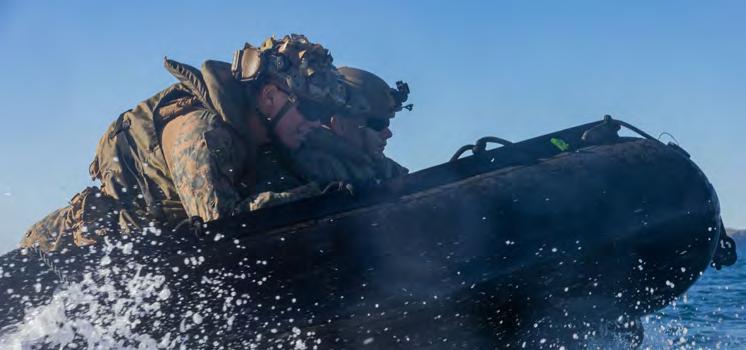
Left: Lance Cpl. Haziel Ponce and Lance Cpl. Jacob Shelby, both riflemen with Baker Company, Battalion Landing Team 1st Battalion, 7th Marine Regiment, 31st Marine Expeditionary Unit, conduct ship-to-shore movement using the Enhanced Combat Rubber Reconnaissance Craft as part of Exercise Talisman Sabre 25, in the Coral Sea, July 14, 2025. (U.S. Marine Corps photo by Lance Cpl. Trevor BishopWilliams)
Background: Marines conduct water survival training during the MARSOC Combat Support Orientation Course at the dive locker onboard Marine Corps Base Camp Lejeune, North Carolina, March 22, 2018. (U.S. Marine Corps photo by Sgt. Janessa K. Pon)
INTERESTED IN CONTRIBUTING?
SEE PAGE 5 FOR DETAILS