
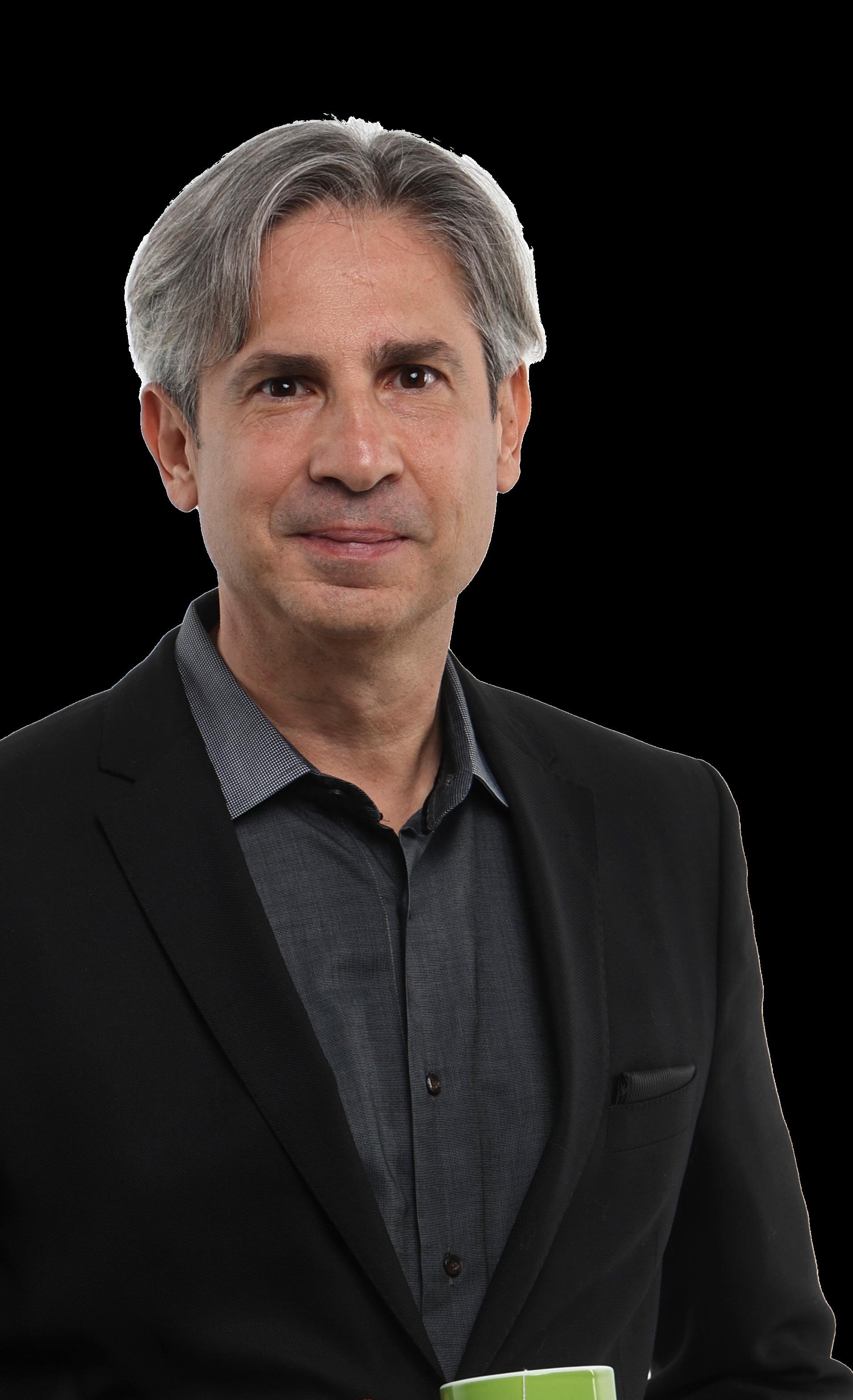

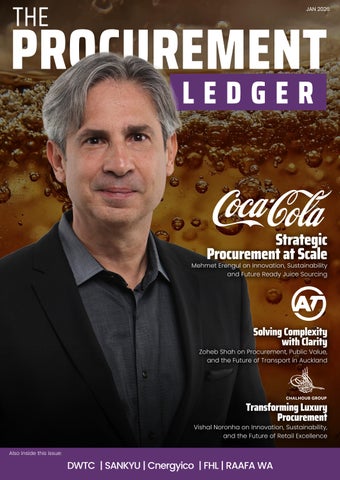
Mehmet Erengul on Innovation, Sustainability and Future Ready Juice Sourcing
Zoheb Shah on Procurement, Public Value, and the Future of Transport in Auckland

Transforming Luxury Procurement
Vishal Noronha on Innovation, Sustainability, and the Future of Retail Excellence

Innovation is at the heart of everything we do. The digital space changes on a daily basis, meaning we have to be agile and adapt to new ways of working. By partnering with us, you can rest assured that your business is at the forefront, and is driven by experienced individuals who are well connected into the digital landscape globally.
Welcome to the 2026 edition of The Procurement Ledger, a collection that showcases the leaders, organisations and ideas redefining procurement as a strategic engine for resilience, innovation and long term value.
We open with Coca Cola, where Mehmet Erengul provides a compelling look inside one of the world’s most geographically complex sourcing landscapes. His perspective on agricultural risk, supplier ecosystems and value creation sets a strong foundation for this edition.
From New Zealand, Auckland Transport’s Zoheb Shah reflects on how procurement can influence community outcomes, sustainability and award winning operational excellence. His detective like approach and upcoming book highlight the power of curiosity in shaping better decisions.
Across the Middle East, Vishal Noronha of Chalhoub Group shares how procurement supports luxury retail experiences and a bold three year maturity journey built on innovation, sustainability and operational excellence.
Technology enabled excellence continues at TP, where Gianfilippo Villa leads a unified procurement function across EMEA. From Saudi Arabia, features with Durrah Advanced Development Company and SANKYU Saudi Arabia explore resilience, supplier partnerships and national capability building.
We also examine the evolution of procurement across Pakistan’s energy landscape through Saad Khamisani of Cnergyico, before moving to ACE Hardware Philippines, where Arnel Gamboa details the transformation of a vast, fast paced retail distribution network.
Our final features explore two very different sectors: the marble industry with Markos Poulios at FHL Group, and community focused procurement leadership at RAAFA WA with Anthony Wayne.
Together, these stories capture a discipline that is advancing rapidly, expanding its influence and shaping outcomes across economies, industries and communities. I am pleased to present this issue and the exceptional leaders behind it.
EDITOR
Christopher O’Connor
CREATIVE DIRECTOR
Martyn Oakley
DESIGN SUPPORT
James Pate
SOCIAL MEDIA MANAGER
Summah Buisson
PROJECT DIRECTORS
Denitra Price
Cisco Loevendie
PRODUCTION MANAGER
Ewa Piwoni
No.159, Field Maple Barns, Weston Green Road, Weston Longville, Norwich, Norfolk, NR9 5LA
ACCOUNTS
Emilio Vences
Joseph Heaton
MANAGING DIRECTOR
Stuart Irving
CHIEF REVENUE OFFICER
Fabian Stasiak
CHIEF EXECUTIVE OFFICER
Alex Barron
If you would like more information about ways in which The Procurement Ledger can promote your business please email | info@theprocurementledger.com
The Procurement does not accept responsibility for omissions or errors. The points of view expressed in articles by attributing writers and/or in advertisements included in this magazine do not necessarily represent those of the publisher. Any resemblance to real persons, living or dead is purely coincidental. Whilst every effort is made to ensure the accuracy of the information contained within this magazine, no legal responsibility will be accepted by the publishers for loss arising from use of information published. All rights reserved. No part of this publication may be reproduced or stored in a retrievable system or transmitted in any form or by any means without the prior written consent of the publisher.
Strategic Procurement at Scale: Mehmet Erengul on Innovation, Sustainability and Future Ready Juice Sourcing
TRANSPORT
Solving Complexity with Clarity: Zoheb Shah on Procurement, Public Value, and the Future of Transport in Auckland
Transforming Luxury Procurement: Vishal Noronha on Innovation, Sustainability, and the Future of Retail Excellence
Driving Procurement Excellence at Dubai World Trade Centre: Zyad Khan on Governance, Innovation and Event-Ready Supply Chains
Elevating Procurement Excellence Across EMEA: Insights from Gianfilippo Villa at TP
ADVANCED DEVELOPMENT COMPANY
Procurement with Purpose: Mohamed Kheir on Resilience, Sustainability, and National Alignment
SANKYU SAUDI ARABIA
Building Resilient Supply Chains Through
CNERGYICO PK LIMITED
Powering Pakistan’s Energy Future: Saad Riaz Khamisanii on Strategic Procurement, Resilience, and Transformation
Operational Excellence Nationwide: Arnel Gamboa on Transforming Logistics at ACE Hardware Philippines
I. KIRIAKIDIS MARBLES Building on Tradition: Markos Poulios on Procurement Excellence and Innovation
Driving Strategic Procurement and Care Excellence: Insights at RAAFA WA from Anthony Wayne








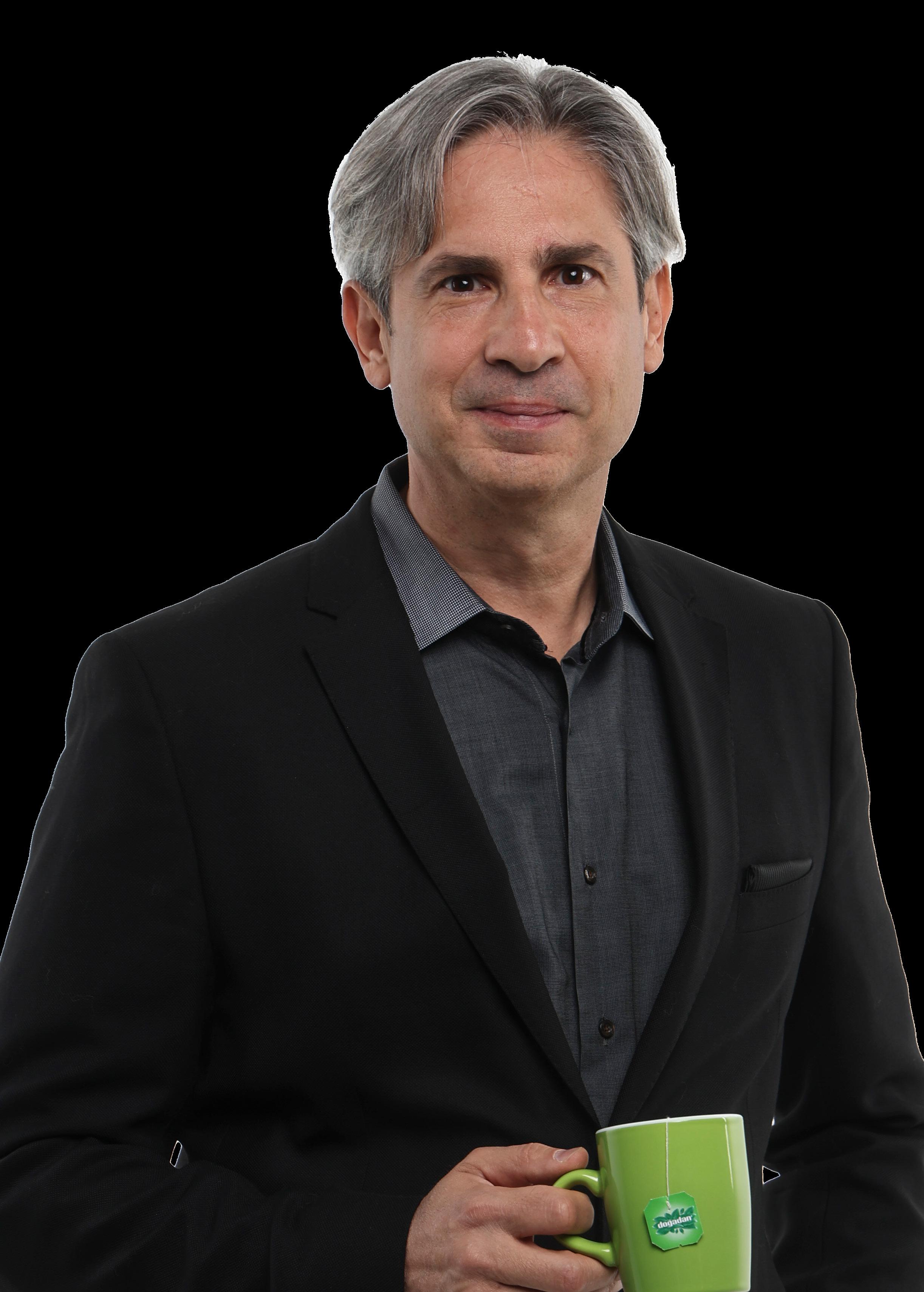

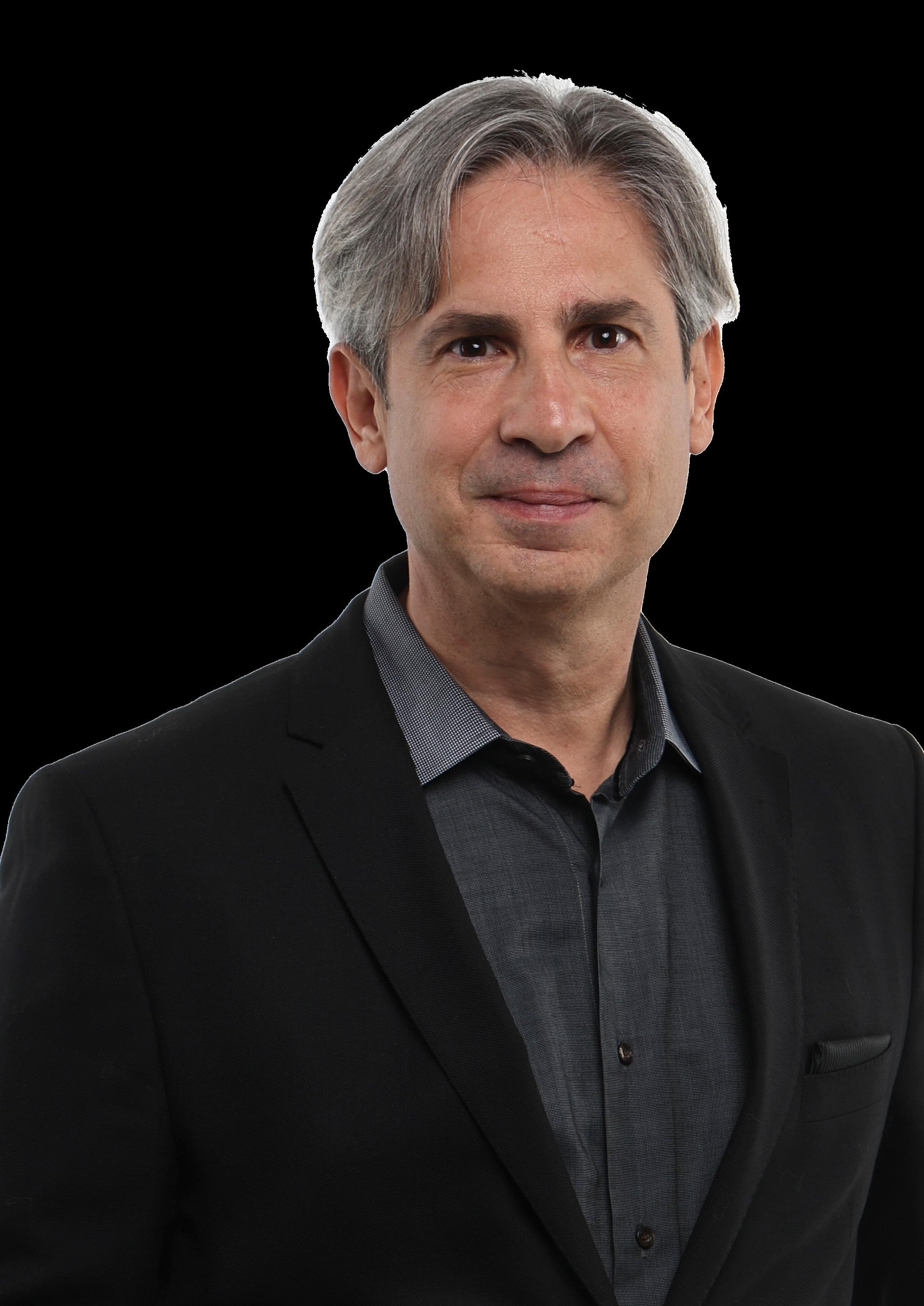
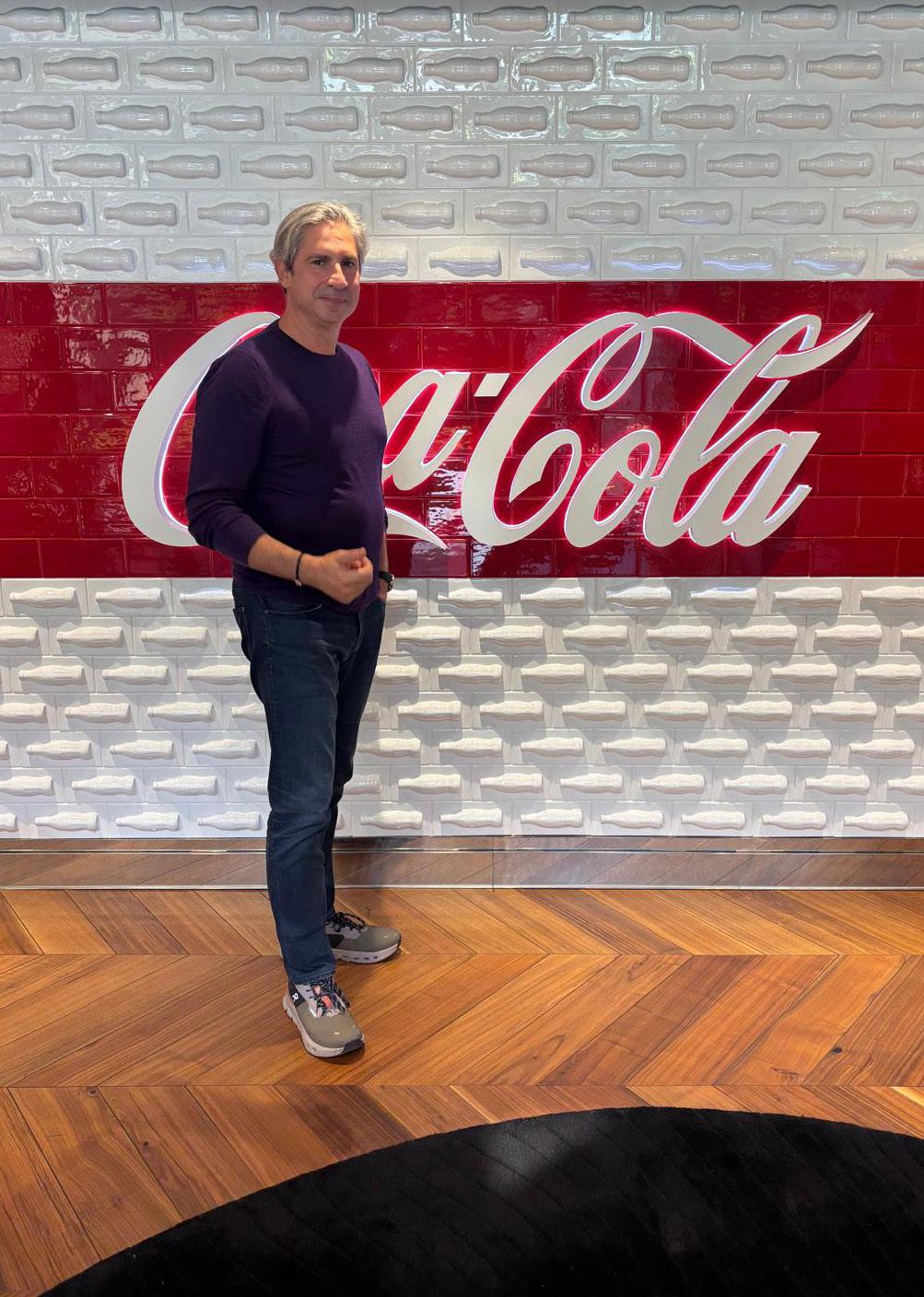
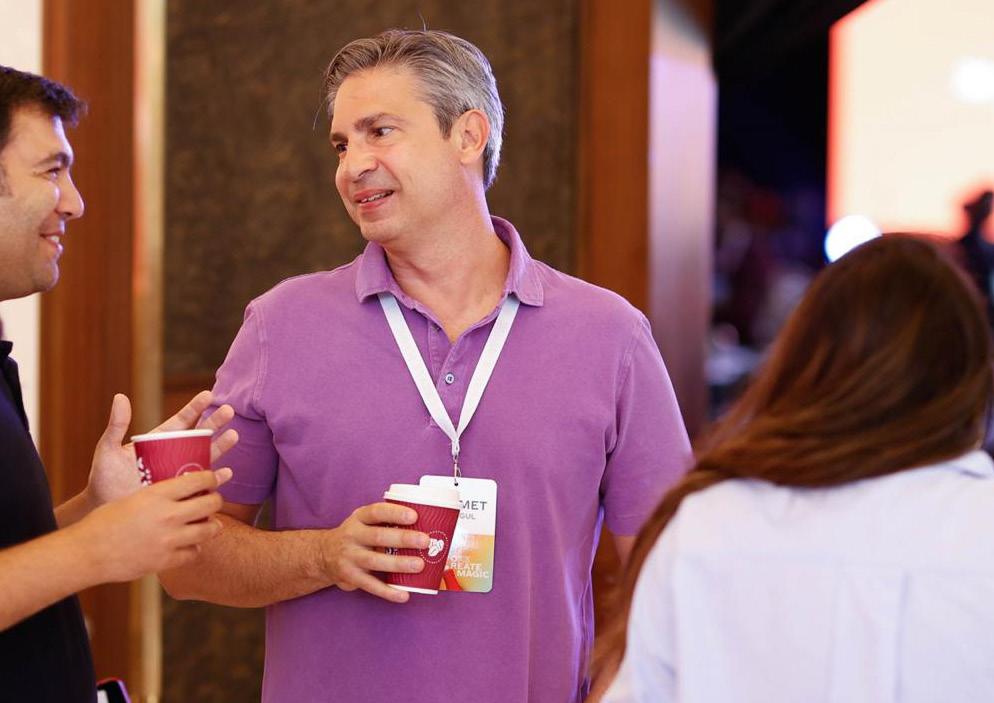
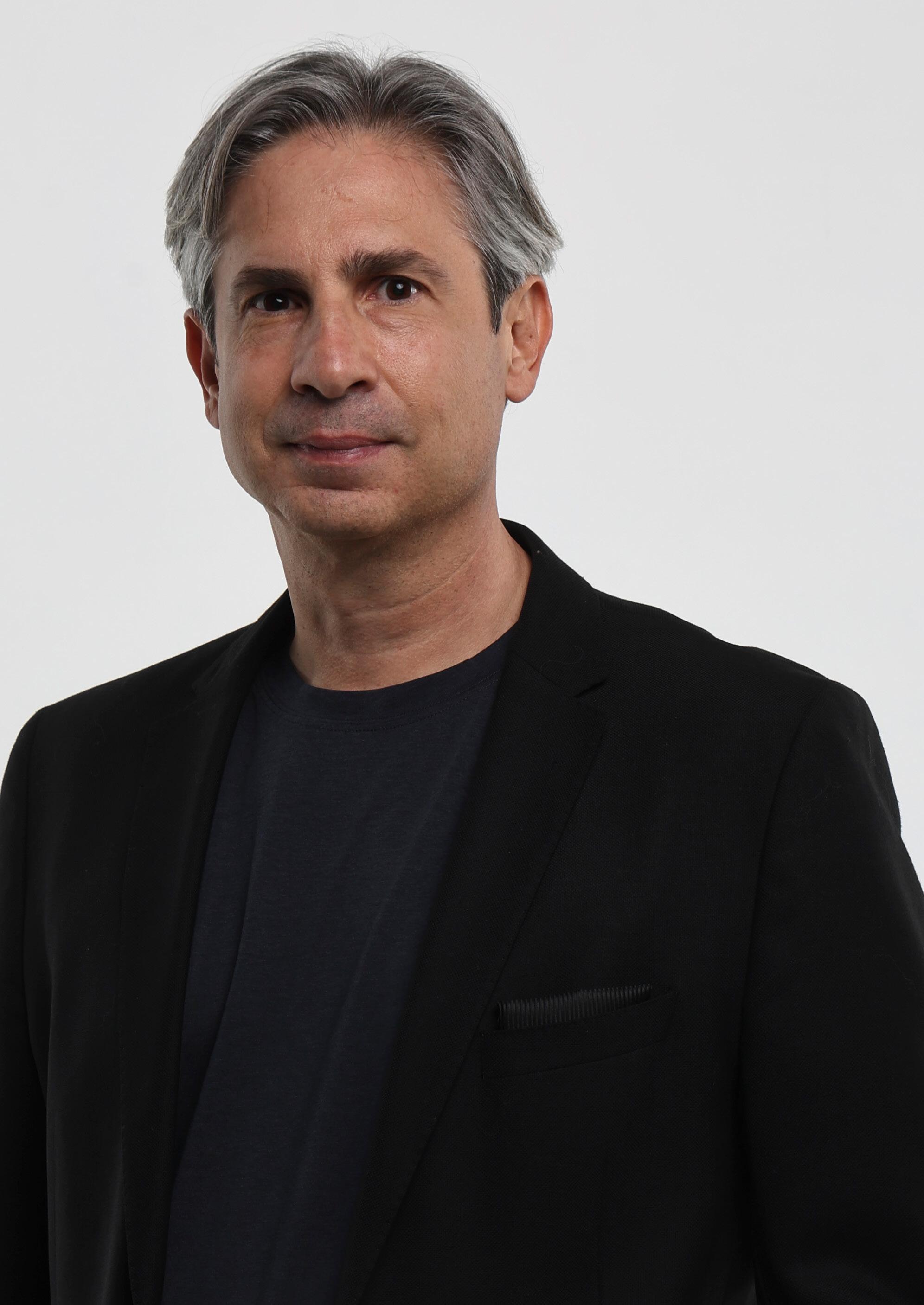
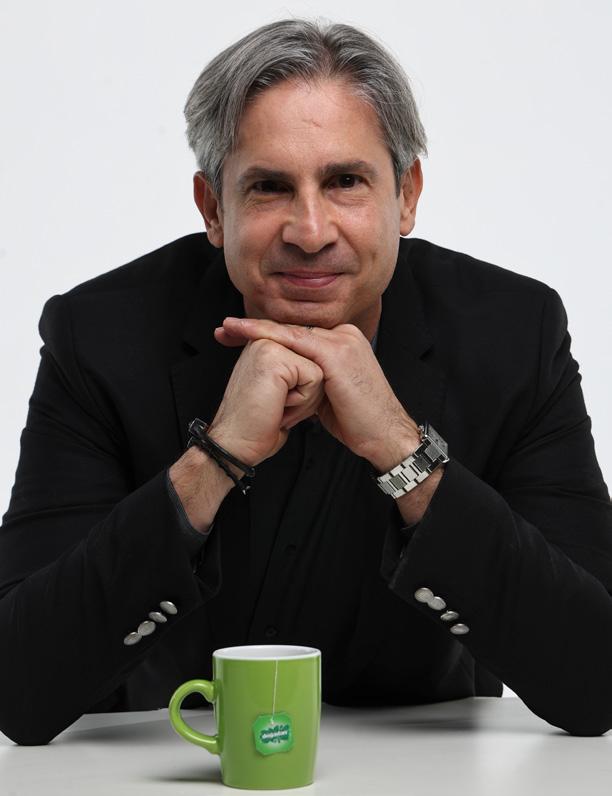
With one of the most geographically diverse portfolios in the business, the Juice category at Coca-Cola operates across a landscape shaped by agricultural risk, fluctuating markets, and shifting consumer expectations. Leading this complexity is Mehmet Erengul, Regional Juice Senior Procurement Director, whose remit spans Eurasia, the Middle East, India, Greater China, Japan, ASEAN and the South Pacific.
Built on a foundation of engineering, operational discipline and global supply insight, Mehmet’s career reflects a commitment to building resilient ecosystems rather than simply managing transactions. His leadership philosophy centres on value creation, supplier partnership, sustainability, and the use of technology to anticipate challenges rather than react to them. In this interview, he shares how global procurement is evolving, the future of agricultural sourcing, and the capabilities procurement leaders must develop to navigate a world defined by risk, innovation, and constant change.

Can you walk us through your career path and what led you to your current role as Regional Juice Senior Procurement Director at Coca-Cola, overseeing such a diverse and geographically complex region? What experiences have shaped your leadership in global procurement?
My career in procurement began with a strong foundation in engineering and supply chain, but what truly shaped my path was the gradual progression from operational roles into broader, strategic responsibilities. Joining Coca-Cola more than a decade ago was a defining moment. It opened the door to leading sourcing initiatives across multiple regions, industries, and cultures, each one adding a new layer of insight and capability.
Today, as Regional Juice Senior Procurement Director, I oversee one of the company’s most dynamic and challenging categories. Juice procurement demands agility and resilience, shaped by the volatility of agriculture, evolving consumer preferences, and the need to balance global strategies with diverse local realities.
What has influenced my leadership most is working with cross-functional teams and guiding them through transformation. I’ve had the privilege of championing sustainable sourcing, strengthening supplier ecosystems, and building teams that are proactive rather than reactive. Over time, I’ve learned that procurement leadership goes far beyond cost, it’s about creativity, collaboration, and delivering value that extends well beyond the organisation itself.
Given your remit spans Eurasia, Middle East, India, Greater China, Japan, ASEAN, and the South Pacific, how do you tailor Juice sourcing strategies to account for varying regional supply risks, climate conditions, and market dynamics?
Sourcing juice across such a diverse footprint requires a strategy that is both globally aligned and locally intelligent. There is no single template that works everywhere. This is why I place enormous value on strong in-market teams, people who understand regional nuances better than anyone, from climate shifts and farming cycles to regulatory changes and consumer preferences.
Our sourcing model is built on adaptability. We continuously rebalance global and local sourcing depending on market needs, risk exposure, and supply availability. Strategic partnerships with both global and regional suppliers are a cornerstone of this approach. We work with partners who share a long-term mindset and a commitment to mutual growth.
Risk resilience is a major driver. We use multi-sourcing strategies across regions to avoid overdependence on any one geography. At the same time, we lean into common platform juices to reduce complexity and increase interchangeability across SKUs. Standardised specifications and global packaging harmonisation further allow us to unlock efficiency and scale.
Ultimately, our approach goes beyond securing supply. It’s about building a flexible, risk-resilient network that delivers consistent value to all markets, no matter the conditions.
What are some of the most unique challenges you face in sourcing juice across such a diverse region, and how does Coca-Cola address them to ensure competitiveness and reliability?
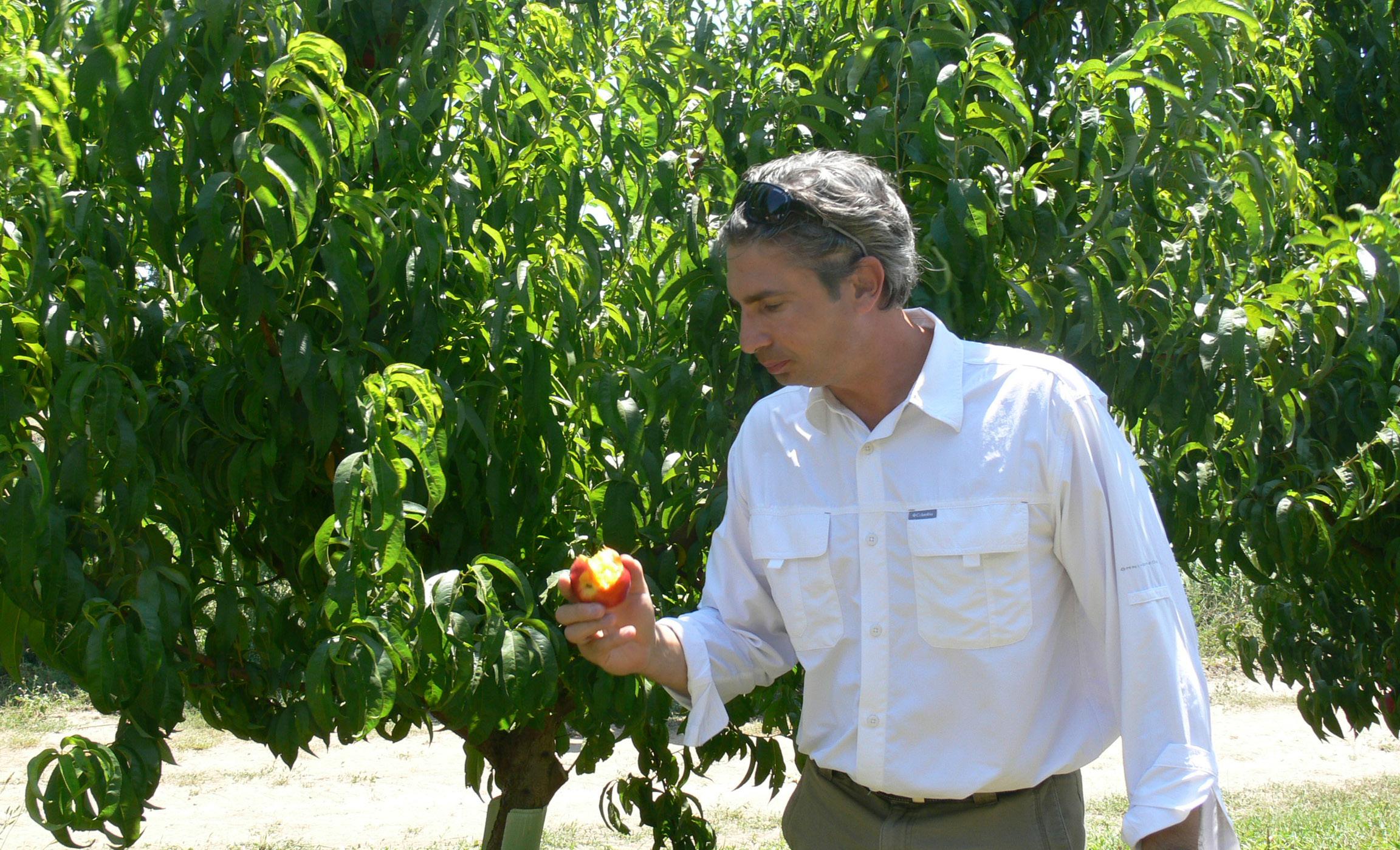
Across many of our regions, fruit markets are heavily influenced by merchants who supply both domestic consumers and export channels. Traditionally, industries such as juice, jam, and canning have served as stabilisers, absorbing surplus fruit when crops are abundant. However, in emerging markets where agriculture is highly fragmented and dominated by small farms, processors often depend on traders and brokers to secure fruit.
This structure creates intense competition among processors, especially during short harvests or poor crop seasons, which puts upward pressure on prices and increases overall market volatility. Compounding this is a broader structural issue: urbanisation and labour migration continue to shrink the farming population, weakening long-term supply resilience across several key origins.
To address these realities, we focus on building strong, long-term partnerships with our suppliers. Through multi-year agreements and collaborative frameworks, we encourage them to invest in farming infrastructure and capability. We also support structured farming programs that incentivise growers, promote responsible agriculture, and help stabilise supply for both processors and farmers. Our aim is clear: create a more predictable, competitive, and resilient sourcing ecosystem, one that benefits suppliers, growers, and ultimately the consumers we serve.
What systems and supplier governance practices do you put in place, especially for Juice suppliers to ensure consistent quality and traceability?
Consistent quality and full traceability are absolute priorities in our juice sourcing strategy. We enforce a robust supplier governance framework that includes regular audits, comprehensive performance scorecards, and strict compliance checks covering quality, service, sustainability, and traceability standards. Every supplier is required to document raw material origins, processing methods, and maintain transparent, end-to-end traceability systems that meet our global requirements.
Quality assurance extends well beyond documentation. Before any shipment is released, we require product samples to be tested in our designated laboratories. This independent verification ensures alignment on specifications, validates product integrity, and provides an additional safeguard against any variation or oversight.
Ultimately, our approach is built on long-term partnerships with suppliers who view quality and transparency not merely as obligations, but as core shared values. This shared mindset is what protects consistency, builds trust, and secures mutual success across all markets we serve.
How is technology, data analytics, digital traceability, or supplier performance dashboards, being used to improve visibility, decision-making, and responsiveness in global juice procurement?
Technology is playing a transformative role in how we manage global juice procurement. We’re leveraging digital platforms to increase transparency, enhance governance, and demonstrate the strategic value procurement brings to the business. With advanced contract management systems and sourcing analytics, we can track performance, value delivery, and compliance in real time, enabling faster, more informed decision-making.
Supplier performance dashboards have also become a powerful tool. By monitoring quality, service, sustainability, and compliance metrics, these dashboards create a shared view of performance and foster healthier, more transparent conversations with our partners. This data-driven clarity strengthens relationships and supports a culture of continuous improvement.
Looking ahead, we see significant potential in predictive technologies. Crop yield forecasting tools, for example, could revolutionise our ability to anticipate supply shifts and strengthen our sourcing strategies. While these technologies still need time to mature, particularly given the variability of global agricultural data, we are optimistic about their long-term value.
Ultimately, our goal is to evolve from reactive management to predictive, insight-driven sourcing. By embracing digital capability, we’re building a more agile, resilient, and future-ready procurement function.

How is procurement helping Coca-Cola stay ahead by securing innovative ingredients or working with suppliers to support product development?
Innovation is essential in a fast-evolving beverage landscape, and procurement plays a central role in helping the business stay ahead. We work closely with R&D and our supplier network to spot emerging trends early and secure breakthrough ingredients that reflect changing consumer preferences across our diverse markets.
This goes far beyond traditional sourcing. We actively invest in supplier development programs that strengthen capabilities, encourage experimentation, and support new ingredient or processing innovations. These collaborative partnerships enable rapid testing, scaling, and adaptation, ensuring a seamless bridge between concept and commercialisation.
At its core, procurement becomes a co-creator in innovation. By combining market intelligence, strong supplier ecosystems, and close alignment with R&D, we help keep the portfolio fresh, competitive, and futureready, no matter how quickly consumer expectations evolve.




How do you build long-term supplier relationships built on continuous improvement, innovation, and shared sustainability objectives, especially in emerging markets where infrastructure and supplier maturity may vary?
Long-term supplier relationships are essential to building a resilient and sustainable procurement ecosystem. At Coca-Cola, we focus on partnerships rather than transactions, working collaboratively with suppliers to drive continuous improvement, innovation, and shared sustainability outcomes.
In emerging markets where capabilities or infrastructure may vary, we prioritise development. Through regular business reviews, structured feedback, and open communication, we maintain a proactive dialogue that helps us identify challenges early, address gaps, and strengthen performance. This approach supports not just short-term fixes, but long-term capability building across the value chain.
Sustainability is a core pillar of these relationships. Whether it involves reducing environmental impact, improving agricultural practices, or advancing ethical sourcing, we work closely with partners to design solutions that are practical, scalable, and future-fit. These initiatives create meaningful progress while aligning global expectations with local market realities.



Ultimately, our strategy balances Coca-Cola’s global standards with the unique needs of each region, helping to elevate supplier maturity, strengthen reliability, and unlock innovation in every market we serve.
Considering geopolitical instability, crop variability, and inflationary pressures, how are you building resiliency into juice procurement through diversification, risk mapping, and alternative sourcing partnerships?
In a category as sensitive and climate-dependent as juice, resilience is not a supporting element, it is the core of our procurement strategy. The landscape is shaped by geopolitical shifts, crop volatility, and inflationary pressure, so our approach to risk management is both proactive and multi-layered.
We strengthen resilience by diversifying sourcing origins and technical specifications. Relying too heavily on one geography, one crop condition, or one specification exposes the business to unnecessary risk. By spreading our sourcing footprint and broadening specifications where feasible, we increase flexibility and maintain supply continuity during challenging seasons.
Robust risk mapping tools give us upstream and downstream visibility, allowing us to assess vulnerabilities from farm to production and logistics. Scenario planning is another key element, helping us anticipate the potential impacts of economic shifts, climatic events, or supply disruptions before they occur.
We are also expanding alternative sourcing options, including regional and local supply partners, to create more agility and reduce dependency on any single market. Alongside our strategic suppliers, we are investing in sustainable agricultural practices and long-term agreements that strengthen resilience for all parties involved.
Ultimately, our goal is to build a procurement model that is agile, transparent, and future-ready, one capable of navigating today’s uncertainties while preparing for the dynamic challenges of tomorrow’s global agricultural landscape.

How do you see the role of Procurement leaders evolving in shaping the future of sustainable and resilient supply chains, particularly in the Food and Beverages Industry?
I strongly believe the role of Procurement is evolving far beyond transactional buying, it’s becoming about shaping resilient ecosystems rather than simply managing efficient pipelines. In the Food and Beverages industry, where agricultural volatility, climate risks, and shifting consumer expectations converge, procurement leaders must think more broadly and act more proactively. Procurement is no longer a back-office support function; it is emerging as a front-line driver of long-term value and positive impact. This means enabling local sourcing ecosystems, developing supplier capabilities, embedding sustainability into every decision, and fostering deep collaboration across the value chain.
Technology is accelerating this shift. AI-enabled forecasting, data-driven risk modelling, and end-to-end digital visibility are helping us become more predictive, agile, and transparent. These tools support better decisions and give us the foresight needed to navigate complexity. Looking ahead, the real future of procurement lies in connecting global ambition with local action, creating supply systems that are cost-effective, sustainable, inclusive, and prepared for future disruptions. Procurement leaders have a unique opportunity, and responsibility, to help shape the future of the Food and Beverages industry in a way that benefits businesses, communities, and the planet.
What advice would you offer to procurement professionals aspiring to take on regional or global roles in strategic sourcing? What leadership qualities and capabilities do you consider essential?
For procurement professionals aiming to step into regional or global roles, my strongest advice is to cultivate a strategic mindset and expand your perspective beyond local priorities. At a global level, success is not only about cost, it’s about creating value, anticipating risk, driving innovation, and shaping a resilient ecosystem with your suppliers.
Looking ahead, the real future of procurement lies in connecting global ambition with local action
Cultural intelligence becomes crucial when operating across multiple regions. Each market has its own business rhythms, communication styles, and expectations, and the ability to adapt while building trust makes a significant difference. Strong, genuine relationships, built on respect and understanding, become one of your greatest assets.
Leadership in procurement today extends well beyond technical excellence. Emotional intelligence, adaptability, and the ability to inspire and guide cross-functional, multinational teams are essential capabilities. Equally important is the ability to influence, aligning stakeholders across geographies, functions, and priorities often becomes the real differentiator in global roles.
Finally, stay curious. Be proactive in learning about emerging technologies, new business models, and the macro trends reshaping global supply chains. The most impactful leaders are those who continue to evolve, challenge assumptions, and turn complexity into opportunity.

Coca-Cola is the world’s leading total-beverage company, producing and marketing a portfolio of iconic brands across soft drinks, water, sports drinks, juices, coffee and more. Operating in more than 200 countries and territories, the company works with a vast global network of bottling partners to deliver over 2 billion servings every day. Coca-Cola is committed to responsible growth, sustainability and innovation across its products and supply chain.

Zoheb Shah on Procurement, Public Value, and the Future of Transport in Auckland
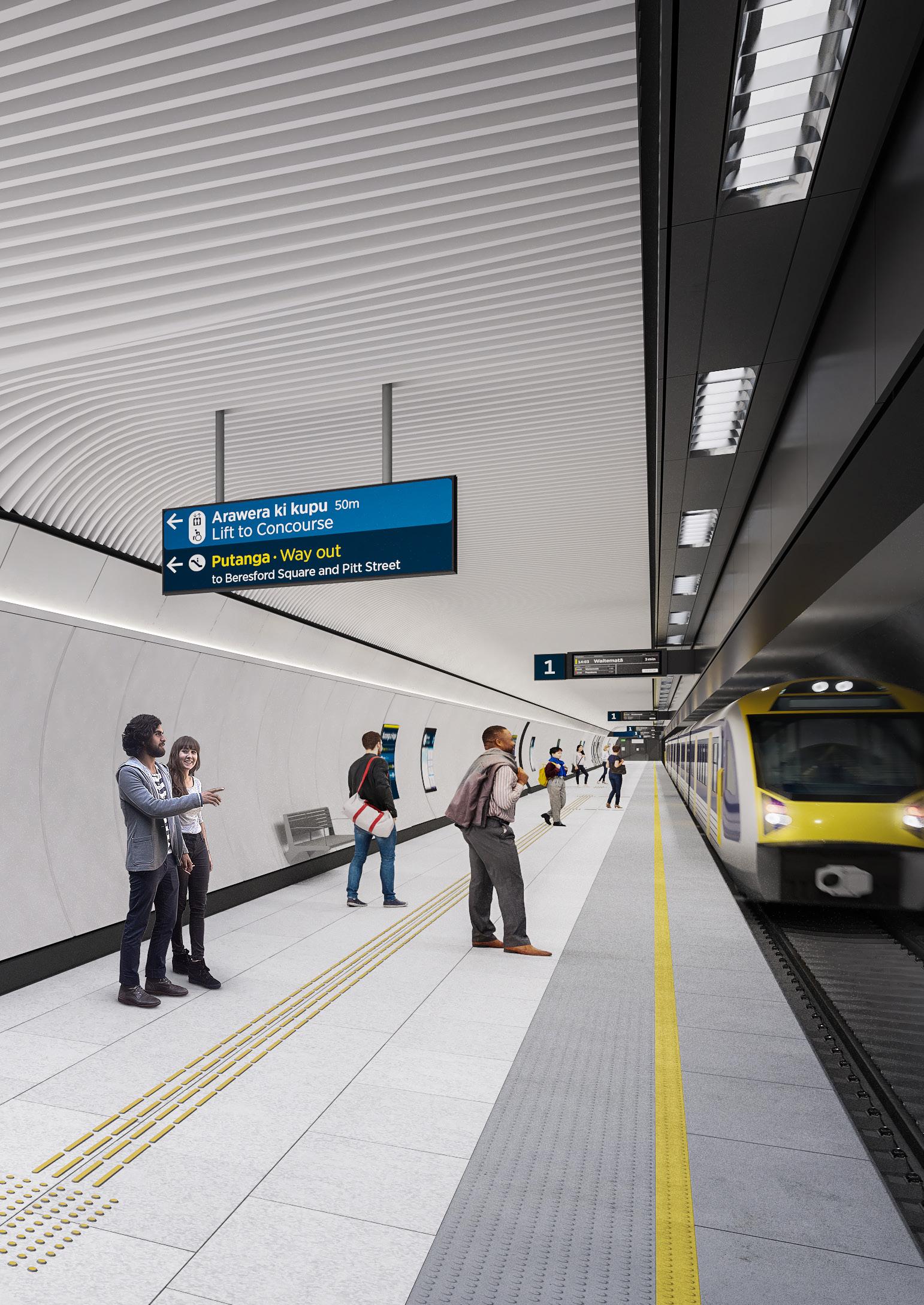
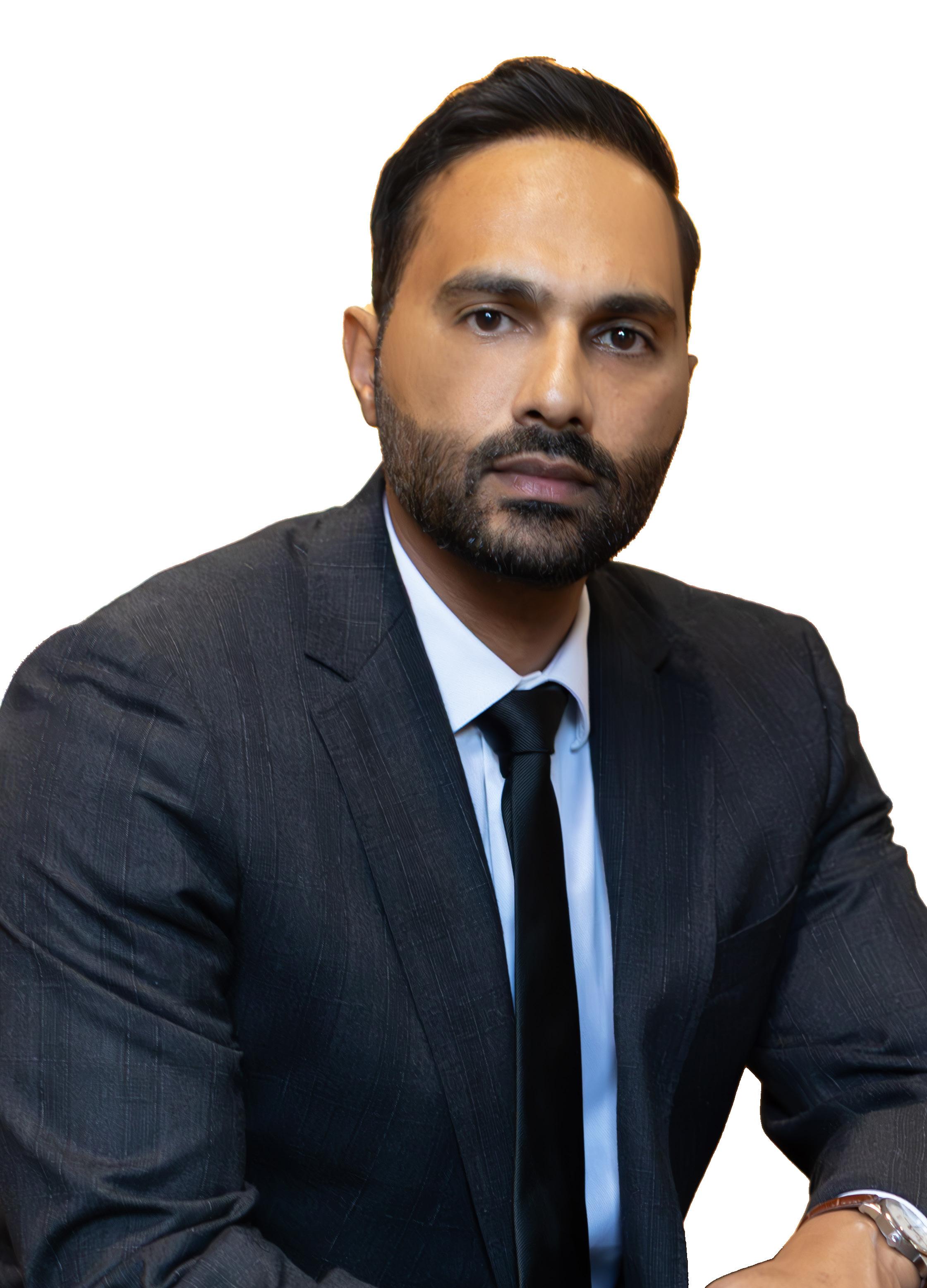
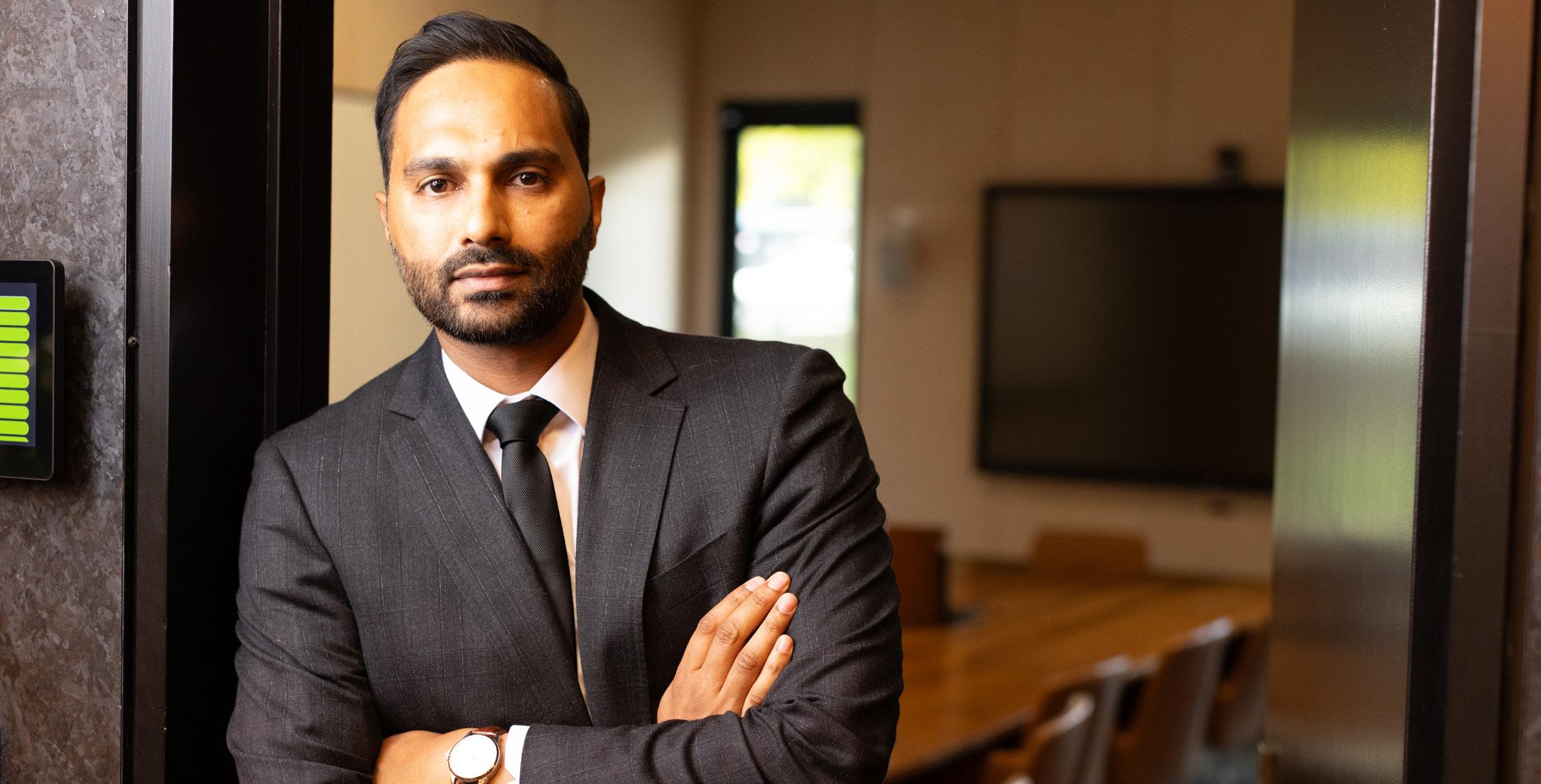
With a career spanning defence, telecommunications, and now public transport, Zoheb Shah has built a reputation as one of the region’s most forward-thinking procurement leaders. As Senior Manager, Procurement at Auckland Transport, his work sits at the intersection of commercial strategy, community outcomes, and operational excellence. From leading award-winning procurement programmes, including the Bus Services Re-Tender, recognised as Public Procurement Project of the Year at the CIPS ANZ Excellence Award, to shaping technology partnerships, sustainability frameworks, and digital transformation initiatives, Zoheb brings a detective-like curiosity to every challenge.
In this feature, he reflects on his career journey, the critical role procurement plays in delivering reliable and sustainable transport, and the innovative mindset behind his upcoming book, The Procurement Detective.
Can you share your career journey and what led you to your role as Senior Manager, Procurement at Auckland Transport? Which experiences have most shaped your approach to procurement leadership within public transport?
After working in the Justice sector, I unexpectedly found my way into procurement, a profession that felt part detective work, part strategist. My career has since spanned an energising mix of private and public sectors, including defence, telecommunications, and now transport. Each role strengthened my understanding of procurement as a strategic value driver rather than a compliance function. In defence, I learned the importance of resilience, risk management, and tightly managed supplier partnerships across everything from catering services to critical systems. At Spark, I led one of Australasia’s most complex B2B relationships, balancing commercial outcomes with long-term partnership. At Vodafone, I supported a transformation that repositioned procurement as a digitalfirst enabler of business performance.
These experiences shape the lens I bring to Auckland Transport (AT), where public transport requires a balance of commercial acumen and community focus. At AT, I’ve had the privilege of leading award-winning procurement initiatives that modernised processes, embedded sustainability, and delivered meaningful impact for Aucklanders.
How does procurement contribute to delivering resilient, sustainable, and reliable transport services and projects at Auckland Transport?
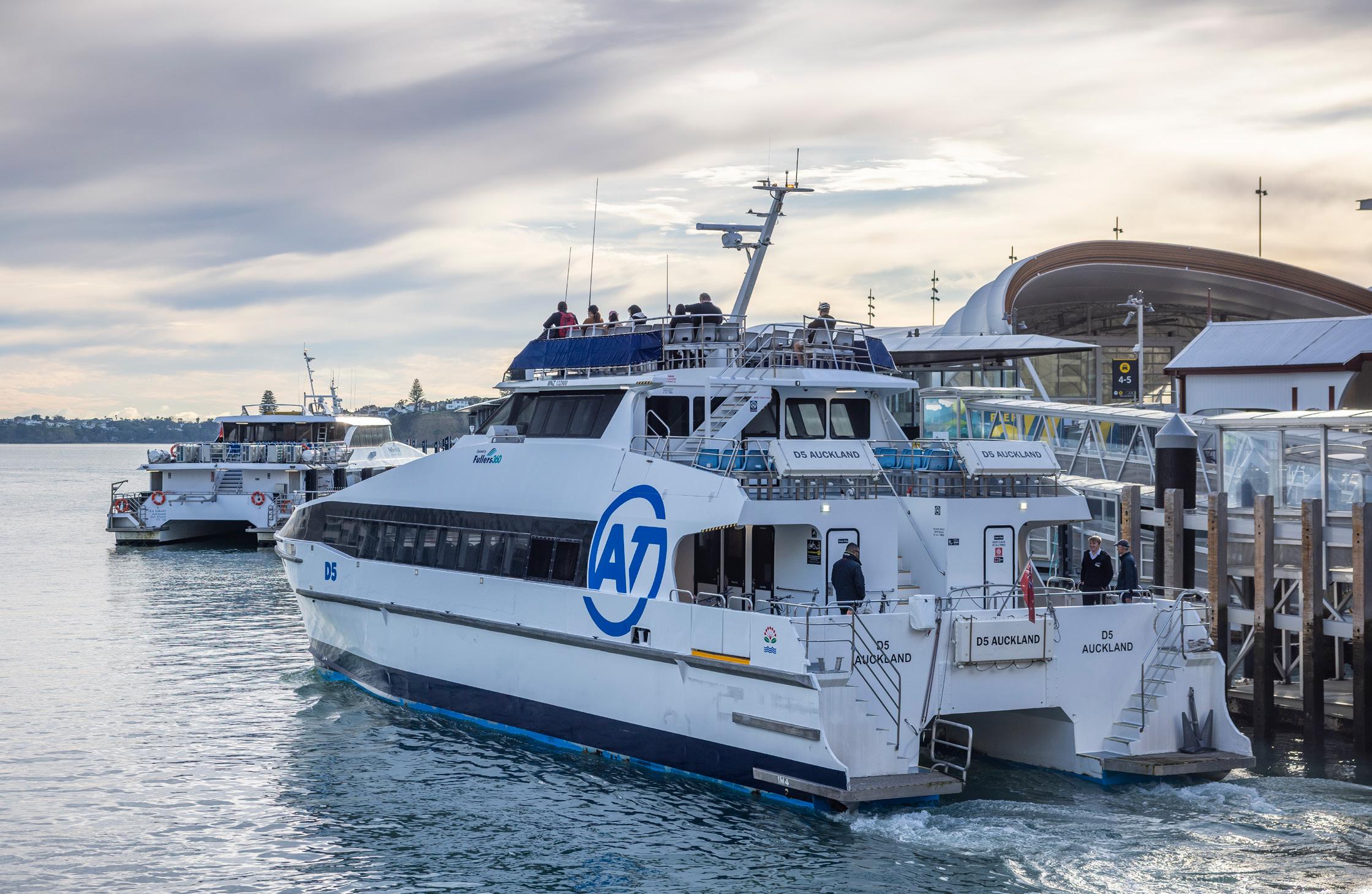
Procurement underpins AT’s ability to deliver an effective, efficient, and safe land transport system for Auckland. Our role is to create the conditions for success by building strong supplier partnerships, ensuring transparency, and embedding resilience into every commercial arrangement. In complex service areas such as bus and ferry operations, this means bringing together commercial, operational, financial, and sustainability teams so that projects progress cohesively and deliver as one organisation.
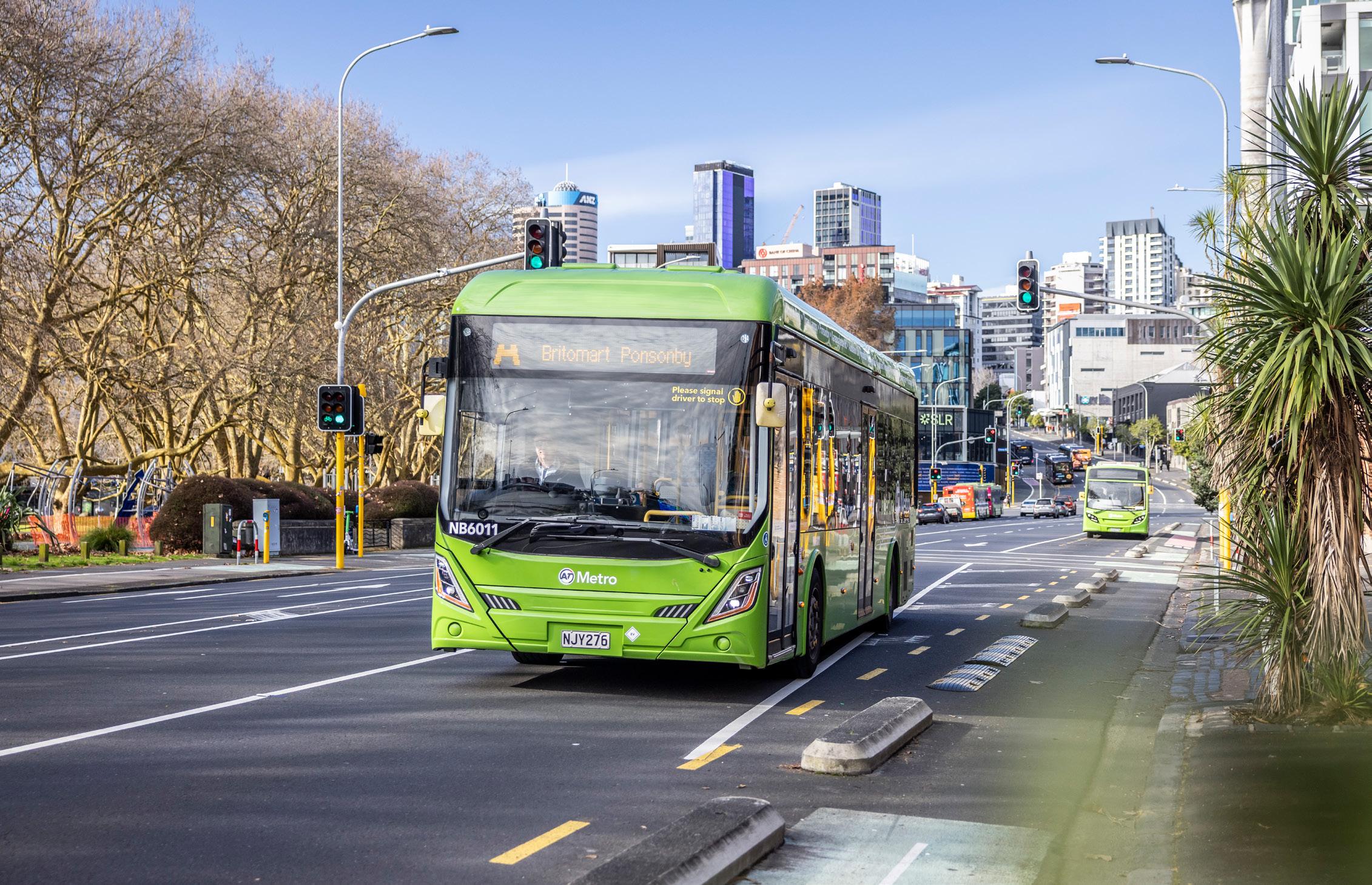
Sustainability is a core priority, with low-emission fleets, greener infrastructure, and social outcomes integrated directly into our procurement frameworks. But procurement’s impact goes beyond process efficiency, it’s about scanning the market, anticipating risks, and providing strategic insight so the organisation can adapt early and confidently.
Ultimately, our focus is on public value. Reliability, safety, and service continuity are what Aucklanders experience every day, whether they are driving, walking, cycling, or using public transport.
Procurement’s role is to safeguard that experience by ensuring our suppliers, contracts, and commercial strategies are aligned with AT’s mission to keep transport accessible, dependable, and trusted.
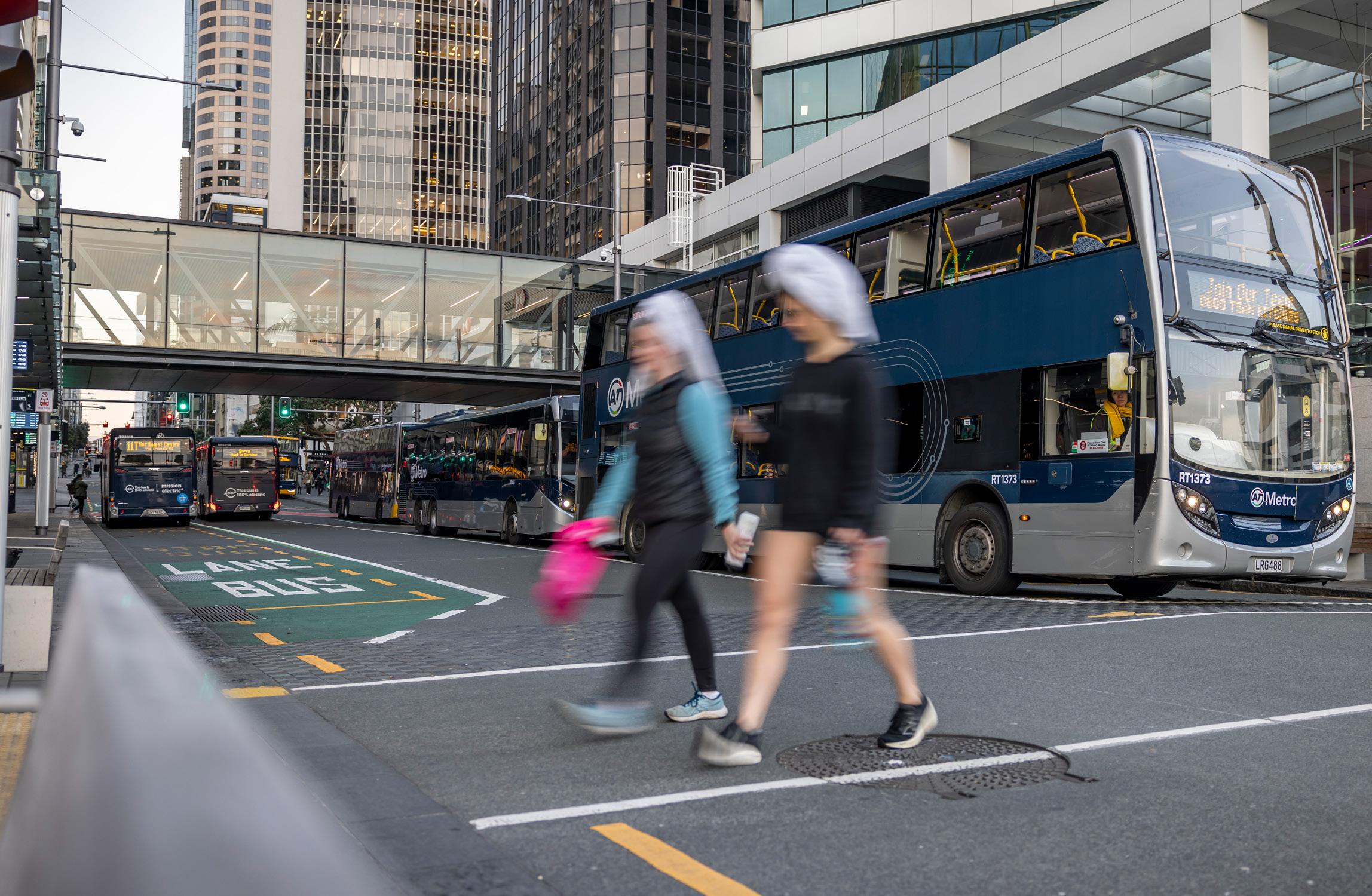
Auckland Transport continued their engagement with Ansarada in 2023 at a pivotal moment in the evolution of its procurement function as the organisation prepared for a multi-tranche bus contracting programme. The project demanded strong governance, transparency, and consistency across a wide range of internal and external stakeholders.
From the outset, the relationship developed as a true partnership rather than a transactional supplier engagement. Open communication, mutual trust, and a shared commitment to collaboration shaped the way both teams worked together. Ansarada’s account and support teams were consistently accessible and hands-on, providing guidance, responding quickly to evolving requirements, and working closely with Auckland Transport to align the platform to its governance standards and operational expectations.
Being invited into regular internal meetings further strengthened this relationship. It allowed Ansarada to gain a deeper understanding of Auckland Transport’s procurement objectives, internal processes, and accountability requirements. This close alignment ensured the platform was configured in a way that supported not only compliance and structure, but also the practical realities of large-scale public sector procurement.
Auckland Transport required more than a software solution. It needed a platform capable of bringing structure, transparency, and confidence to complex and highly visible procurement activity. Ansarada delivered a comprehensive digital environment designed to support repeatable, auditable, and well-governed procurement processes.
Key capabilities were deployed to create a single, reliable source of truth for all procurement documentation. Structured document management replaced fragmented shared drives, significantly reducing version control issues and improving accessibility for internal teams and external stakeholders. Secure, role-based access controls ensured sensitive information was only available to authorised users, supporting probity requirements and strengthening risk management.
One of the most impactful improvements came through the introduction of structured question and answer workflows. Previously, hundreds of supplier queries were managed through email and spreadsheets, often resulting in delays, duplication, and inconsistent responses. By moving this process into a controlled digital workflow, Auckland Transport achieved faster response times, clearer communication, and greater consistency across bidder interactions.
To support successful adoption, Ansarada invested heavily in onboarding, training, and ongoing user support. Workshops, guidance materials, and direct assistance helped teams transition from manual processes to a more disciplined and transparent digital framework. This focus on user readiness was critical in embedding the platform across multiple tranches and procurement teams.
Operating within a public sector environment brings significant pressure around timelines, accountability, and stakeholder scrutiny. Auckland Transport regularly manages large bid volumes, concurrent users, and tight delivery schedules. Ansarada provided a stable and scalable platform capable of supporting these demands without disruption.
Beyond the technical requirements, cultural change was a key consideration. Moving to a structured and auditable system required a shift in mindset. This was addressed collaboratively by aligning the platform to existing templates, evaluation frameworks, and governance processes, ensuring it felt intuitive and practical rather than restrictive.
Time pressure was another important factor. Procurement activity often extends beyond standard working hours, particularly during major evaluation phases. By reducing manual effort, simplifying document retrieval, and improving overall visibility, the platform helped teams manage workloads more effectively and work in a more sustainable way.
Introducing a fully digital and transparent procurement platform also represented a step change within New Zealand’s infrastructure sector, where manual processes have historically been common. The platform now supports Auckland Transport’s longer-term ambition to modernise procurement through analytics, digital tools, and future integration of advanced capabilities.
The outcomes of the partnership have been significant. The platform’s successful deployment during Tranche Two contributed to Auckland Transport receiving the CIPS Public Procurement Project of the Year award, recognising the strength of governance, structure, and execution achieved through the programme.
Operationally, the move to a single source of truth has reduced duplicated effort, improved document accuracy, and strengthened communication with suppliers. Bidders, including international proponents, have highlighted the transparency and reliability of the procurement environment, reinforcing confidence in Auckland Transport’s processes.
The platform’s scalability has allowed consistent standards of governance to be maintained across multiple tranches and major procurement packages. It is now regarded as a core component of Auckland Transport’s procurement ecosystem, supporting both current delivery and future growth.
What distinguishes Auckland Transport’s approach is its understanding that innovation extends beyond technology alone. The organisation has actively challenged traditional procurement practices while maintaining a strong focus on people, efficiency, and long-term readiness. Rather than adopting a platform in isolation, Auckland Transport worked closely with Ansarada to refine workflows, improve usability, and ensure the system genuinely supported how teams operate.
This balanced approach reflects a commitment to work life sustainability, operational discipline, and continuous improvement. By combining structured governance with a people-focused mindset, Auckland Transport has built a procurement environment that is modern, resilient, and fit for the future.
Together, Auckland Transport and Ansarada have established a transparent and scalable procurement framework that sets a strong benchmark for public sector procurement in New Zealand.
Congratulations on Auckland Transport’s Bus Services Re-Tender winning Public Procurement Project of the Year at the CIPS ANZ Excellence in Procurement Awards. Could you tell us more about the scale and impact of this project, and why the “whole-of-business movement” was so important to its success?
The Bus Services Re-Tender was one of Auckland Transport’s largest and most complex commercial undertakings, covering a multi-billion-dollar service portfolio. Winning Public Procurement Project of the Year at the CIPS ANZ Awards recognised not only the scale of the work but the way it was delivered. This was never a routine procurement exercise, it became a true whole-of-business movement involving finance, operations, commercial, sustainability, and procurement working as one integrated team. At its height, it felt less like a project and more like an ecosystem: dozens of interdependent workstreams, each critical to achieving the right outcome.
We developed evaluation criteria that balanced price, quality, sustainability, and social outcomes, rewarding operators that demonstrated proven reliability and a commitment to community value. Internally, we redesigned our processes to remove duplication, strengthen governance, and create clear evaluation templates that suppliers and evaluators could trust.
A project of this magnitude will always carry complexity. The goal is not to eliminate that complexity, but to harness it, to govern it, structure it, and turn it into transparent and defensible outcomes. This award reflects what is possible when collaboration, discipline, and purpose sit at the centre of public procurement, setting a new benchmark for the sector.
“Sustainability is a core priority, with low-emission fleets, greener infrastructure, and social outcomes integrated directly into our procurement frameworks”
How does procurement balance cost management with the need to maintain quality and continuity across priority projects and services?
Balancing cost management with service continuity is one of the core challenges in public procurement. For us, it extends far beyond securing the lowest price, our focus is on maximising public value. Every dollar spent must ultimately contribute to outcomes Aucklanders experience daily: a transport system that is convenient, well-connected, accessible, and reliable.
To achieve this, we apply holistic evaluation methods that consider more than cost alone. A key mechanism is the Price Quality Methodology (PQM), which places a notional price on quality. This approach creates a quality premium, recognising that suppliers with stronger performance capabilities often deliver greater long-term value, particularly where reliability, sustainability, and social impact are critical.
At the same time, we understand that numbers alone cannot capture the full picture. That’s why we rely on experienced subject-matter experts across disciplines to interpret context, assess risk, and apply informed judgement. Procurement therefore becomes the balancing mechanism, safeguarding financial stewardship while ensuring the operational and community outcomes Auckland depends on remain uncompromised.

How are you leveraging digital tools and procurement strategies to improve resilience, efficiency, and transparency for customers and stakeholders?
Digital tools only create value when they are orchestrated to serve customers and stakeholders. Procurement’s role is to ensure technology investments are not just “shiny objects” avoiding the shiny object syndrome, or a collection of disconnected systems creating the Frankenstein effect. In transport, digital transformation must translate into real public value: reliable disruption alerts, smoother journeys, clearer information, and greater trust in the network.
At Auckland Transport, we are continuing to build the orchestration required to fully connect our digital tools, platforms, and data flows. With AI, machine learning, and automation opening new possibilities, from predictive fleet maintenance to enhanced customer information systems, the priority is to ensure these technologies integrate seamlessly rather than operate in isolation. Procurement plays a critical role in scanning the market, filtering out noise, shaping commercial models, and securing supplier partnerships that add resilience rather than complexity.
A good example is our collaboration with Ansarada. Their secure data room platform has supported several of our major procurement programmes, including the Bus and Ferry RFPs, making evaluation more efficient, auditable, and collaborative. Combined with the rollout of a new contract management system, these digital partnerships are helping us create a more connected, transparent, and trusted procurement environment across AT.
Alongside this, I’ve been developing the C.O.R.E. Framework, designed to reimagine procurement’s role in digital transformation. C.O.R.E. stands for Collaboration, Orchestration, Resilience and Enablement, positioning procurement as the integrator of people, processes, and data. It acts as a control-tower lens, enabling organisations to make decisions that are coherent, future-focused, and genuinely value-creating.

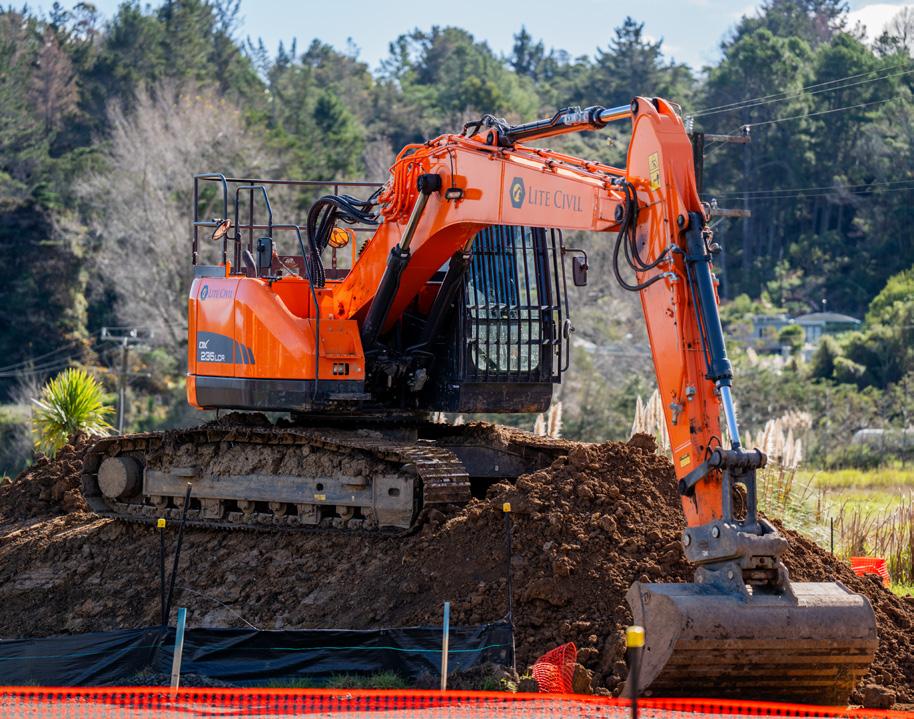
Lite Civil is a locally grounded, values led civil construction partner helping shape communities through reliable infrastructure delivery. We work across public infrastructure, subdivision, and commercial projects, supporting small, medium, and large scale works in stakeholder led environments where trust, planning, and accountability are essential.
Our team delivers roading, drainage, earthworks, concrete, and siteworks with a practical, hands on approach and a focus on doing things right. As a 100 percent Māori owned business, Lite Civil is committed to supplier diversity and positive social outcomes, working as an approachable, dependable partner from project inception through to completion.
From integrated ticketing systems to new digital platforms, how does procurement support the successful implementation of technology while managing supplier relationships and risks?
For organisations with traditionally cautious approaches to risk, procurement’s role is shifting from transactional buying to architecting connected, future-ready digital ecosystems. A foundational step is benchmarking global best practice. For example, I’ve been engaging with Dubai’s RTA to understand how their digital twin pilot, developed collaboratively with industry partners, accelerated innovation while reducing implementation risk. These insights are valuable as we consider targeted local pilots in Auckland.
Today, success isn’t just about mitigating supplier risk; it is about enabling co-innovation. Procurement must champion commercial frameworks that evolve beyond static SLAs, promoting data transparency and interoperability through open data platforms. This shift transforms supplier relationships from opaque, “black box” arrangements into transparent, accountable, and innovationdriven partnerships.
To progress safely and strategically, we use these partnerships to test and validate new technologies through controlled pilots, for example, developing a digital twin of a key transport corridor. These structured trials allow us to learn quickly, refine collaboratively, and prove value before scaling across the network.
This approach ensures that procurement not only manages risk but actively enables the innovation that will shape Auckland’s transport future.
With growing demand for green and climate-resilient transport, how does procurement help embed environmental and sustainability outcomes in supplier selection, contracts, and performance frameworks?
Procurement is one of the strongest levers we have to deliver climate action, social impact, and community value. At Auckland Transport, sustainability is embedded into every major sourcing activity through our Sustainable Procurement Action Plan, which guides how procurement contributes to Auckland’s transition toward a regenerative, low-carbon economy.
In bus services, for example, contracts require operators to accelerate the shift toward low- and zeroemission fleets, directly supporting AT’s target of reducing emissions by 50% by 2031. We also embed waste-diversion KPIs, typically 65–75%, and require adherence to AT’s Supplier Code of Conduct and Sedex membership to uphold ethical, responsible business practices across supply chains.
Sustainability is also people-centred. Through the Kake Mai supplier diversity programme, we support Māori- and Pasifika-owned emerging suppliers by facilitating partnerships with head contractors on our Physical Works Supplier Panel. This creates genuine opportunities for capability building, participation, and long-term economic impact.
By setting clear criteria, deeply interrogating supplier responses, and monitoring delivery through the AT Sustainability Data Portal, procurement ensures that environmental and social outcomes are delivered alongside cost, quality, and reliability, strengthening Auckland’s transport system for the future.
What role does procurement play in embedding risk management and resilience into Auckland’s transport projects and supplier partnerships?
Risk management sits at the heart of procurement’s contribution to infrastructure and service delivery at Auckland Transport, and it begins long before a contract is awarded. Early market engagement allows us to surface potential vulnerabilities, from supplier capacity constraints and market volatility to cost escalation and delivery risks, so mitigation strategies can be built into project design from the outset.
A core mechanism is our Value Risk Assessment (VRA), which evaluates projects on value, complexity, and risk, categorising them from low to very high. The VRA determines the level of governance required, including cross-functional sign-offs from procurement, finance, safety, and probity. This ensures that risks are formally identified, assessed, and endorsed before any sourcing activity begins.
We then carry these controls through the contracting phase by embedding clear performance measures, KPIs, and monitoring frameworks, while designing contracts with enough flexibility to adapt as conditions evolve. Procurement’s role is to make risk visible, governable, and actionable, strengthening resilience across supplier partnerships and giving AT the confidence to deliver essential transport outcomes for Aucklanders, even in complex or unpredictable environments.
How does procurement at AT work with operators and industry partners to design contracts and partnerships that encourage accountability, innovation, and service quality?
Strong partnerships form the backbone of effective public transport delivery, and procurement’s role extends far beyond enforcing contract terms. At Auckland Transport, we focus on creating structured, value-driven relationships that incentivise accountability, foster innovation, and elevate service quality across the network.
Our aim is to position AT as a true ‘customer of choice’. To achieve this, we embed Supplier Relationship Management (SRM) practices aligned with the Ministry of Business, Innovation and Employment (MBIE) frameworks, strengthened through collaboration with State of Flux. Supplier segmentation enables us to identify our most strategic operators and partners, and for these priority suppliers, we are preparing to roll out Joint Business Plans (JBPs). These JBPs establish shared objectives, define governance mechanisms, and set clear metrics for performance, risk, and value creation.
Governance forums, performance scorecards, and ongoing dialogue ensure transparency and accountability for both AT and its partners. In specific contexts, open-book arrangements help deepen trust and reinforce joint responsibility for outcomes.
By balancing commercial discipline with collaboration, procurement acts as the connector between AT’s strategic objectives and supplier capability. The result is a partnership ecosystem designed to deliver reliable, safe, and sustainable services that Aucklanders can depend on every day.


What advice would you give to professionals looking to build a career in public-sector procurement, especially in complex, multi-stakeholder environments like transport?
Public-sector procurement is both demanding and deeply meaningful, and my biggest encouragement is this: be relentlessly curious. Curiosity keeps you learning, about markets, suppliers, risk, technology, and the broader forces shaping public services. In a world where digital tools evolve at speed, professionals need to understand not just what a technology is, but how it strengthens the category they are procuring. Depth of understanding will always outperform trend-chasing.
Secondly, avoid narrowing your experience too early. The strongest procurement leaders are shaped by breadth just as much as depth. My own career has spanned defence, telecommunications, and transport, across both direct and indirect categories, and that diversity has been invaluable. In environments defined by volatility, uncertainty, complexity, and ambiguity (VUCA), adaptability becomes one of your greatest assets.
Lastly, remember that public procurement is fundamentally purpose-driven. It’s not only about contracts and commercial outcomes, it’s about delivering value to communities. Lead with integrity, balance commercial discipline with empathy, and keep sight of the fact that procurement, when done well, improves lives. That sense of purpose is what will sustain you, guide your decisions, and shape you into a leader who lifts both the profession and the communities you serve.

You’re also writing a book, The Procurement Detective. Can you tell us about the concept behind it, and how it reflects your approach to procurement leadership and problem-solving?
I’ve always been a writer at heart, poetry, short stories, even a feature-length film script at school. Writing was my way of finding rhythm and narrative in complexity. When I discovered procurement, I realised it had the same creative DNA: intrigue, evidence, patterns, puzzles. It never felt like a linear process to me, it felt like a mystery waiting to be solved.
Public-sector procurement is both demanding and deeply meaningful, and my biggest encouragement is this: be relentlessly curious.
One of my earliest mentors in the Defence Force had previously worked as a private investigator. His method of dissecting problems, following unconventional leads, and piecing together evidence sparked something in me, the ‘procurement detective’ mindset. From then on, I saw procurement through a noir lens: part investigation, part strategy, part storytelling.
The Procurement Detective brings those worlds together. It blends practical tools with narrative, using classic detective archetypes, Sherlock Holmes included, to make procurement engaging, human, and accessible. It isn’t a theoretical manual, but a practitioner’s guide written with curiosity, clarity, and a touch of intrigue.
My goal is simple: to bring procurement alive on the page, practical, memorable, and genuinely useful for anyone leading, learning, or transforming in this profession.
Auckland Transport is the council-controlled organisation responsible for planning, funding and operating the transport network in the Auckland region of New Zealand. It delivers integrated services across roads, footpaths, cycling networks, parking, public transport and more, enabling the city to move efficiently, safely and sustainably.
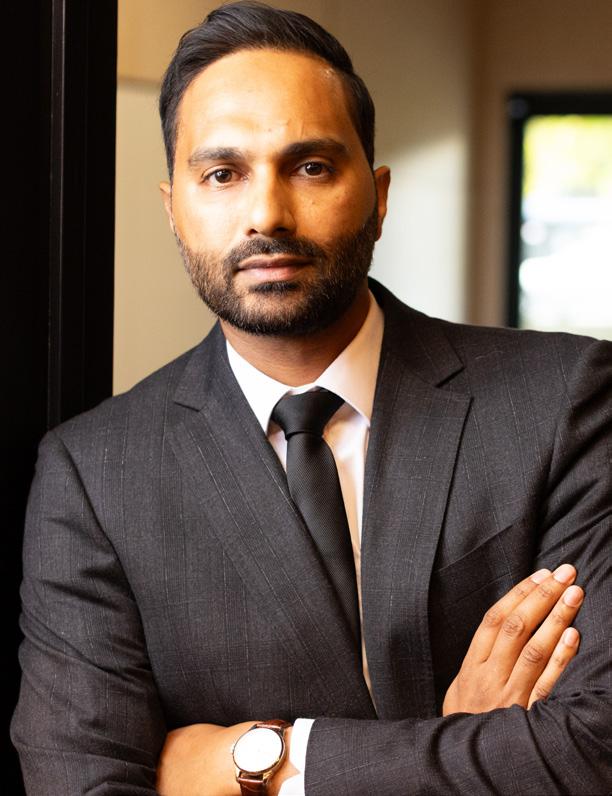

With a career spanning global giants such as Halliburton and Unilever through to transformational leadership roles across MEERAS, ESAG, and Gargash Group, Vishal Noronha has built a reputation as a procurement leader who drives evolution, not maintenance. Now Vice President Procurement at Chalhoub Group, one of the Middle East’s most influential luxury retail organisations, he is steering a bold three-year maturity journey focused on innovation, sustainability, and operational excellence. In this interview, Vishal shares the philosophy behind his leadership, the role of procurement in delivering luxury experiences, and the trends shaping the future of retail supply chains across the region.


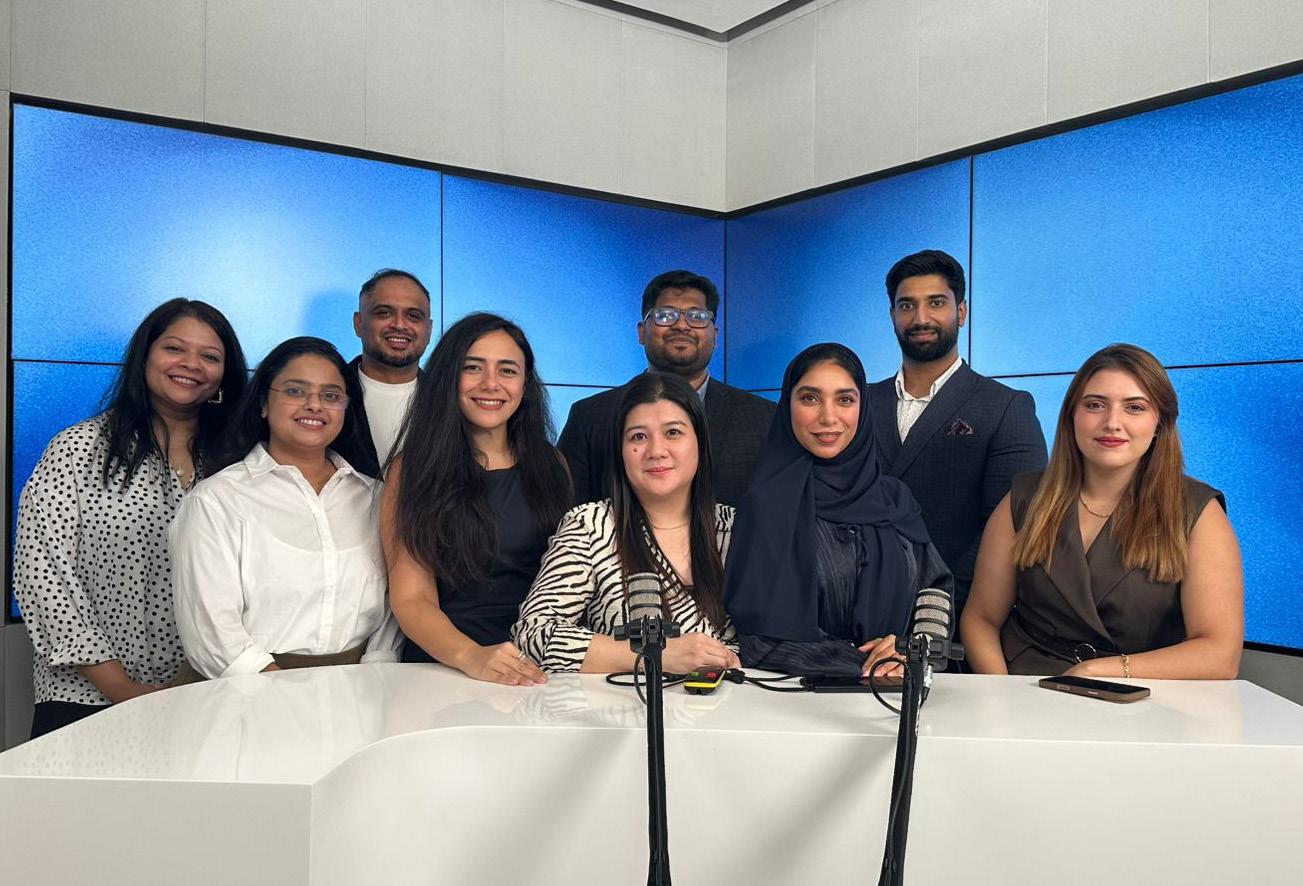
Can you share your career journey and what led you to your role as Vice President of Group Procurement at Chalhoub Group? What experiences have most influenced your leadership style in procurement and strategic sourcing?
My career has been shaped by a belief that procurement is far more than a commercial function, it is a catalyst for transformation. I began at Halliburton, where I learned the importance of operational resilience and strategic partnerships in a fast-paced, high-risk environment. My time at Unilever strengthened this foundation, demonstrating the impact of innovation, sustainability, and purposeled procurement on business performance.
I later moved into transformational leadership roles at MEERAS, ESAG, and GARGASH GROUP, where I rebuilt procurement functions, introduced digital capabilities, and championed value creation across diversified, complex organisations. These experiences deepened my conviction that procurement must evolve continuously and courageously.
Every organisation operates within a unique maturity lifecycle, and effective leadership lies in guiding that evolution. Today at Chalhoub Group, we are on an ambitious three-year maturity journey, one centred on innovation, sustainable impact, and operational excellence. This is the lens through which I lead.
Chalhoub Group is a leading luxury retailer and distributor in the Middle East. How does your procurement team support the Group’s commitment to excellence across retail, distribution, and beauty sectors?
Luxury retail is an experience, an emotion, and procurement is one of the quiet forces enabling it. Whether it is a new store opening, a digital innovation project, a marketing activation, or a logistics initiative, procurement ensures that every operational touchpoint behind the scenes aligns with the Group’s promise of luxury excellence.
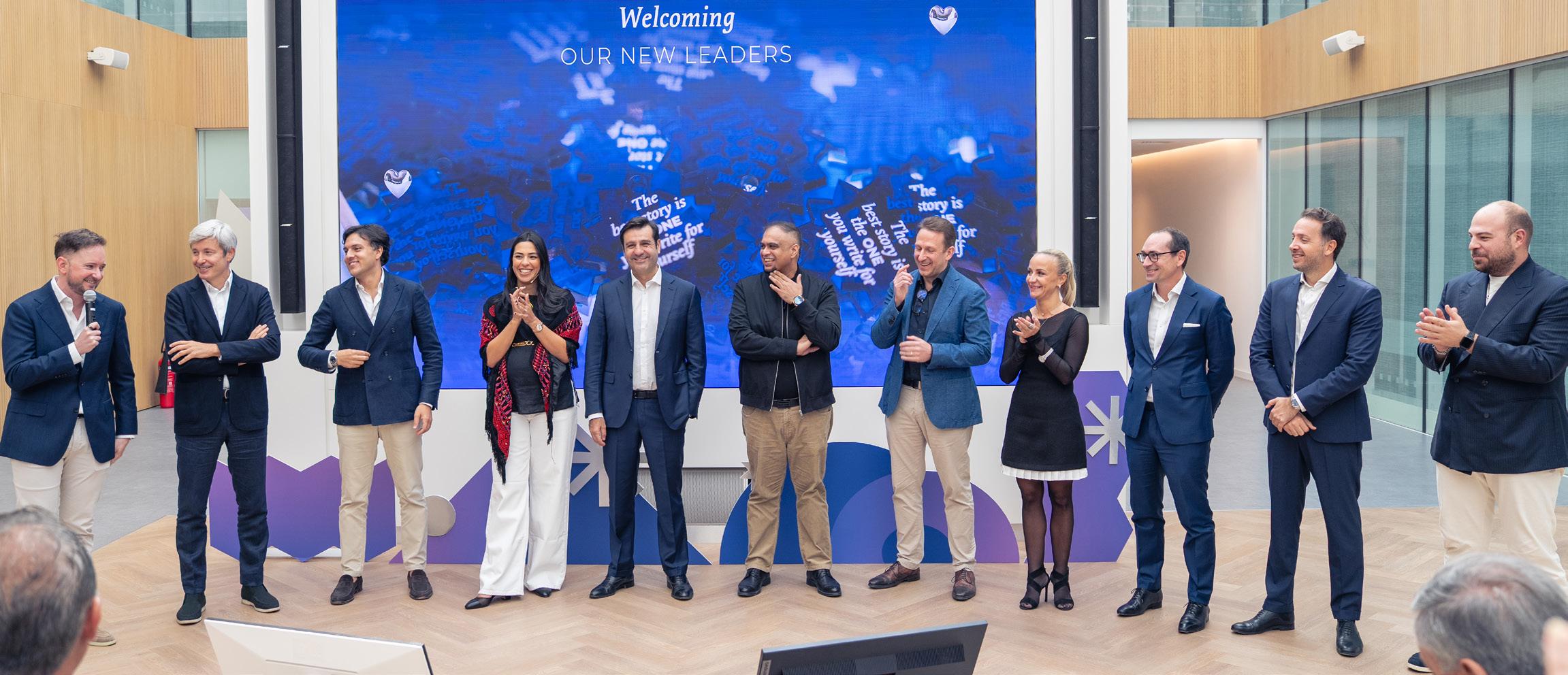
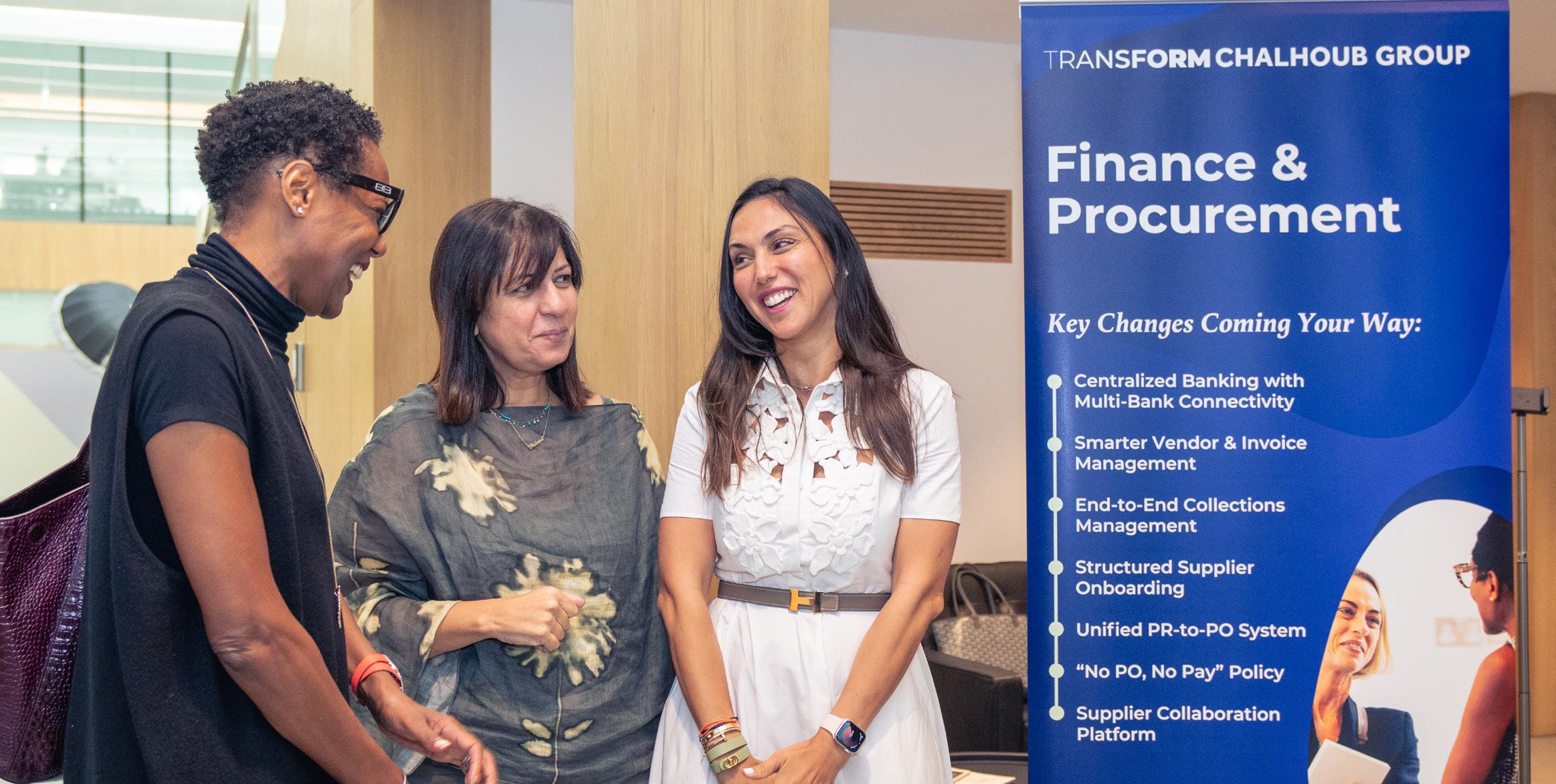
Through the Group Transform Program, we are elevating the way we operate, bringing more agility, transparency, and strategic value to the functions we support. The goal is simple: to empower teams to deliver exceptional experiences while ensuring the Group operates responsibly, sustainably, and efficiently.
Sustainability is a key focus for Chalhoub Group, particularly through initiatives like the Chalhoub Impact program. How is procurement driving sustainability across your supply chain, and what recent initiatives have shown the most promise?
Sustainability is no longer an aspiration; it is a responsibility. At Chalhoub Group, our procurement agenda is closely aligned with our broader sustainability ambitions through the Chalhoub Impact program.
From greener store-construction materials to lower-carbon logistics solutions and more responsible sourcing frameworks, procurement is uniquely positioned to shape a more ethical and resilient ecosystem. The initiatives that excite me most are those that shift mindsets, where suppliers innovate with us, where sustainability becomes a selection criterion, and where long-term impact outweighs short-term cost.
This is how we redefine responsible luxury.

Turn every approved invoice into a workingcapital opportunity
Faster procurement, stronger supplier partnerships, and smarter cash flow with Mastercard.
Insight-led: We start with AP analytics to find where value is hiding.
Right-rail SCF: We route invoices to the best lever (VCN for tail/services, classic SCF for strategic suppliers, discounting where it fits).
Embedded + automated: Delivered inside existing ERP/P2P, with straightthrough supplier reconciliation.
In our recent work with Chalhoub Group, we showcased how Mastercard helps one of the Middle East’s leading luxury players streamline the full buy-to-pay journey across a complex portfolio of brands and thousands of suppliers. What was once fragmented across multiple systems, payment types, and approval flows becomes a single, datadriven experience that supports both top-line growth and disciplined cost control.
The transformation starts with AP analytics. We analyze invoice and supplier data to surface friction points, highlight early-payment opportunities, and segment spend by value, frequency, and supplier type. This intelligence lets procurement match every invoice to the optimal working-capital lever: corporate card payments for long-tail and services spend, conventional supply chain finance for strategic suppliers and larger invoices.
For buyers, this means improved DPO, better use of card limits and credit lines, richer data for negotiations, and tighter control over who gets paid, how, and when — all without adding manual workload to already-stretched AP and procurement teams. For suppliers, it means faster, more predictable cash flow, fewer payment disputes, lower collection costs, and a simpler path to accepting digital card payments through their existing banking relationships.
Execution is then embedded directly into existing ERP and P2P workflows. Once an invoice is approved, a controlled Virtual Card Number (VCN) can be issued automatically, paying suppliers instantly while allowing the buyer to settle later on card terms — extending DPO without compromising supplier relationships or financial control. Granular controls on amount, merchant category, currency, and validity window help reduce fraud risk and out-of-policy spend.
Finally, Mastercard Receivables Manager automates supplier acceptance and reconciliation, turning what used to be manual card capture into straight-through matching and faster month-end close. Suppliers receive clear remittance information, finance teams gain line-level visibility, and both sides benefit from fewer queries and cleaner books.
For luxury retailers, the outcome is a procurement function that is faster, more secure, more data-rich, and more cash-efficient — freeing teams to focus on brand growth instead of back-office complexity, while giving suppliers the confidence and liquidity they need to keep shelves full and customers inspired.
Speak to your bank or your Mastercard Corporate Solutions representative.
Given Chalhoub Group’s extensive portfolio of luxury brands, what strategies do you use to create strong, transparent supplier relationships while maintaining the high-quality standards required in the luxury retail space?
Luxury requires precision, consistency, and trust. Our approach to supplier partnerships reflects those same principles. We prioritise long-term relationships, shared values, and genuine collaboration, not just transactional engagement.
By establishing transparent governance and inviting partners to co-create solutions, we elevate the quality and innovation behind our operations. When suppliers grow with us, our brands and customers ultimately benefit.
The future of procurement is intelligent, predictive, and seamlessly integrated with technology. Through the Group Transform Program, we are embedding advanced analytics, AI-driven insights, digital contracting, and automation across our operating model.
AI is especially powerful, it enables procurement to anticipate opportunities, forecast risks, and uncover insights that were previously invisible. This shift allows our teams to spend less time on manual activities and more time shaping strategy, nurturing supplier-led innovation, and driving sustainable long-term value.
We are not simply digitising procurement; we are fundamentally reimagining what it can achieve.


As a major player with global operations, how does Chalhoub Group manage supply chain risks to ensure continuity and resilience, especially in light of recent geopolitical and logistical challenges?
Resilience has become one of the most defining differentiators in today’s global supply landscape. Whether dealing with geopolitical shifts, material shortages, logistics volatility, or sudden market disruptions, our responsibility is to anticipate risks early and engineer ecosystems that can adapt at speed.
At Chalhoub Group, we are strengthening our risk intelligence capabilities, diversifying our supplier base, enhancing governance frameworks, and leveraging digital monitoring tools to achieve realtime visibility across critical categories. The goal is clear: protect continuity, maintain agility, and ensure the business stays responsive, stable, and future-ready.
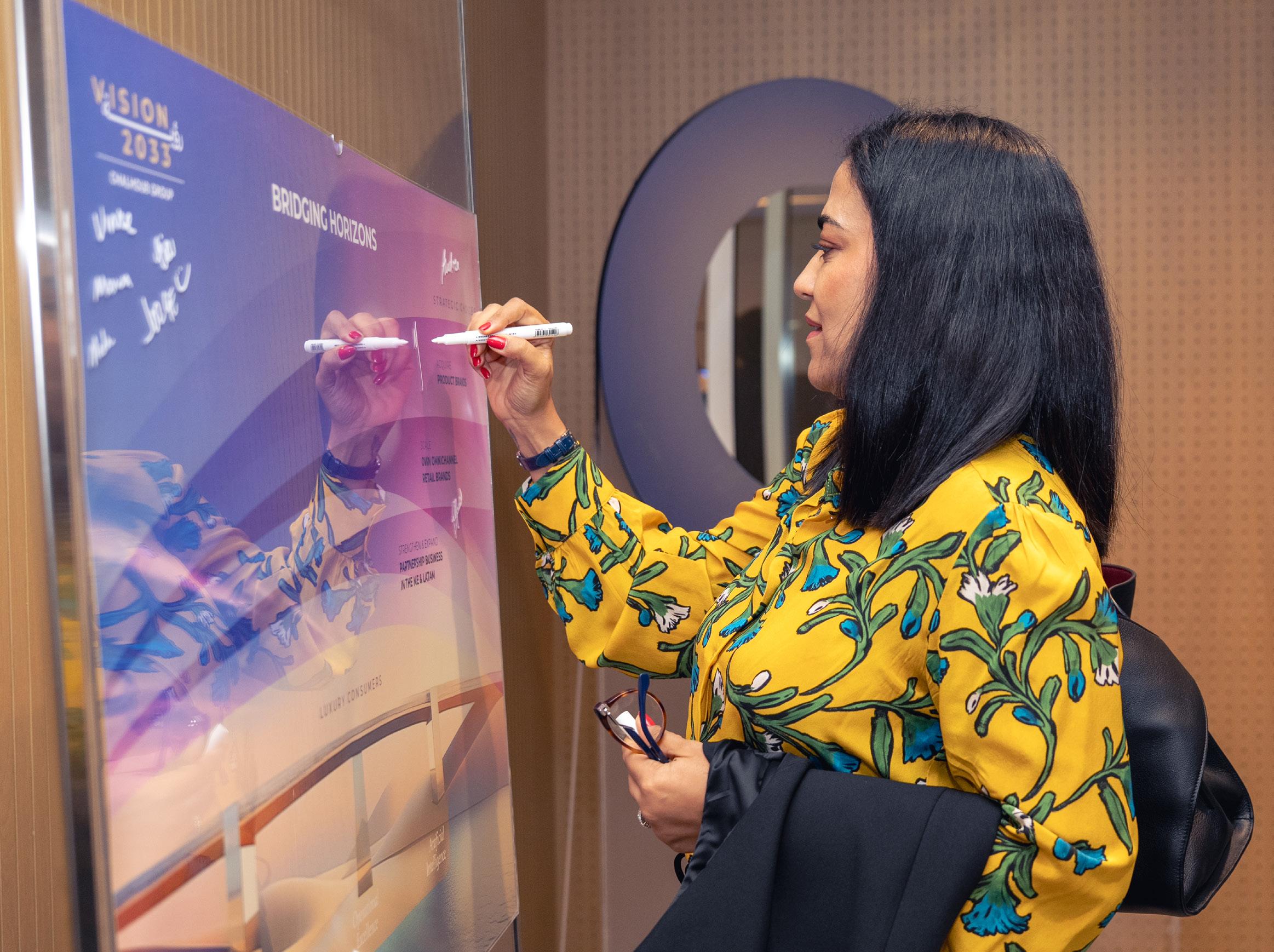
In an industry where customer demand can shift rapidly, how does your team approach inventory management and demand forecasting to balance product availability and cost efficiency?
In a fast-moving luxury retail environment, the operational rhythm must stay tightly aligned with business demand. Our focus is on building predictive visibility across the Group, anticipating retail activations, technology deployments, store development plans, and marketing initiatives before they materialise.
we are strengthening our risk intelligence capabilities, diversifying our supplier base, enhancing governance frameworks
Through data-driven forecasting tools and close collaboration with stakeholders, we ensure that capacity, budgets, and supplier readiness are fully synchronised in advance. This combination of foresight and flexibility allows us to support the Group’s ambitions while acting as responsible stewards of resources.

What are some of the unique procurement challenges faced in the luxury retail sector, and how does Chalhoub Group navigate these to maintain competitive advantage and brand integrity?
Luxury retail demands operational excellence at every touchpoint, with no margin for error. Timelines are tight, expectations are uncompromising, and every element, from store ambience to technology infrastructure, must embody the brand’s identity.
We meet these challenges through close collaboration, agile supplier ecosystems, and a continuous improvement mindset driven by our maturity roadmap. Rather than viewing challenges as obstacles, we see them as opportunities to innovate, elevate, and differentiate the luxury experience we deliver.
What trends do you see shaping the future of procurement in luxury retail, and how is Chalhoub Group positioning itself to adapt to these changes?
The future of procurement will be defined by AI, digital transparency, sustainability imperatives, and highly predictive supply ecosystems. Over the next decade, procurement will evolve from a value enabler to a true value architect, shaping strategy, driving innovation, and influencing long-term business outcomes far beyond cost optimisation.
At Chalhoub Group, we are preparing for this shift through a clear and deliberate roadmap, one that integrates advanced technology with human capability, blends sustainability with operational excellence, and positions innovation as a catalyst for enduring value creation across the organisation.
As a procurement leader in one of the region’s most prominent retail groups, and some one with a clear passion for procurement transformations, what advice would you offer to aspiring professionals aiming to grow their careers in procurement and supply chain, particularly within the retail and luxury sectors?
Procurement today is a space for innovators, problem-solvers, and purpose-driven thinkers. My advice is to stay curious, embrace continuous learning, and seek roles that challenge and expand your capabilities. Master the fundamentals, but also develop the confidence to question established norms, because transformation is not a one-off initiative, it is a mindset.
The most impactful leaders combine passion with humility and recognise their ability to influence entire ecosystems through the decisions they make. If you approach procurement with intention, courage, and a desire to create meaningful value, you won’t just advance your career, you will help shape the future of the profession.
Chalhoub Group is the leading partner and retailer for luxury brands in the Middle East, operating across 14 countries with a portfolio of more than 300 global brands in fashion, beauty and lifestyle. Established in 1955, the Group blends regional expertise with world-class retail, distribution and brandbuilding capabilities, delivering exceptional customer experiences across its stores and omnichannel platforms.
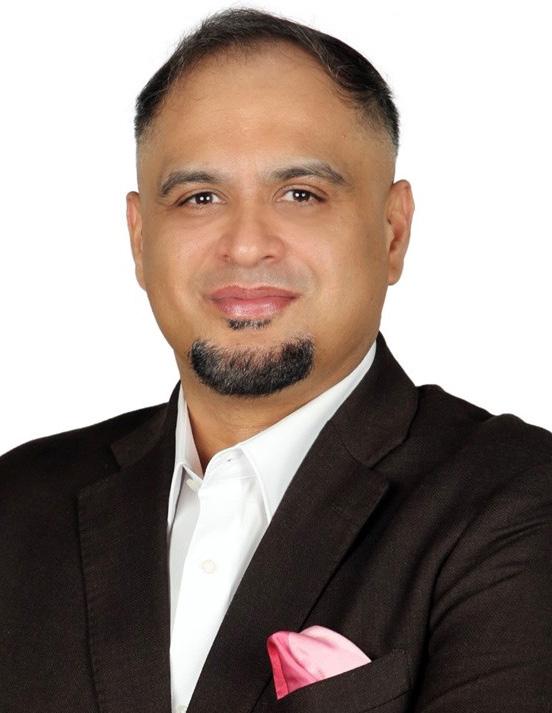

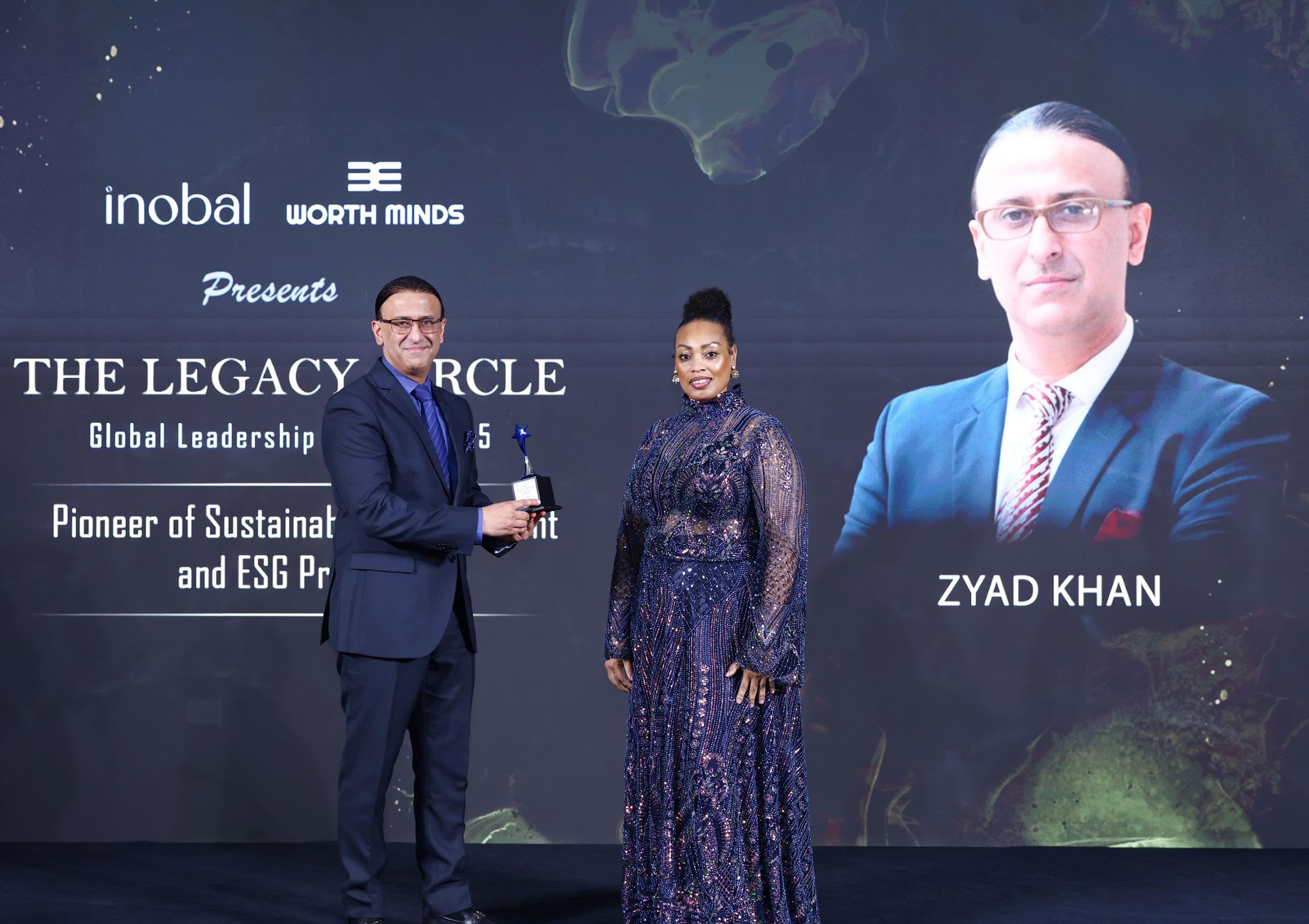
As Associate Director -Procurement, Contracts & ESG at Dubai World Trade Centre (DWTC), Zyad Khan plays a central role in enabling one of the world’s most high-profile events and venue organisations to operate with speed, integrity, and strategic foresight. With a career shaped across aviation, government, retail, private office operations, and more than a decade at DWTC, his leadership brings together deep governance, ethical procurement, complex category management, and an acute understanding of the operational pressures unique to the global events and MICE sector.
Khan today oversees procurement for major exhibitions, venue expansions, and internationally recognised mega-events, including Expo 2020 and COP28. Under his leadership, DWTC has strengthened its ethical and responsible sourcing framework through CIPS Ethical Procurement certification, embedded sustainability into contracting, and advanced digital transformation across the procurement function.
His approach reflects DWTC’s broader ambition to elevate procurement from a transactional function to a strategic enabler of resilience, innovation, and ESGaligned value creation. Through supplier development, localisation initiatives, digitalised governance, and a strong focus on stakeholder trust, Khan continues to shape a procurement organisation built for speed, transparency, and long-term impact across one of the region’s most dynamic event ecosystems.

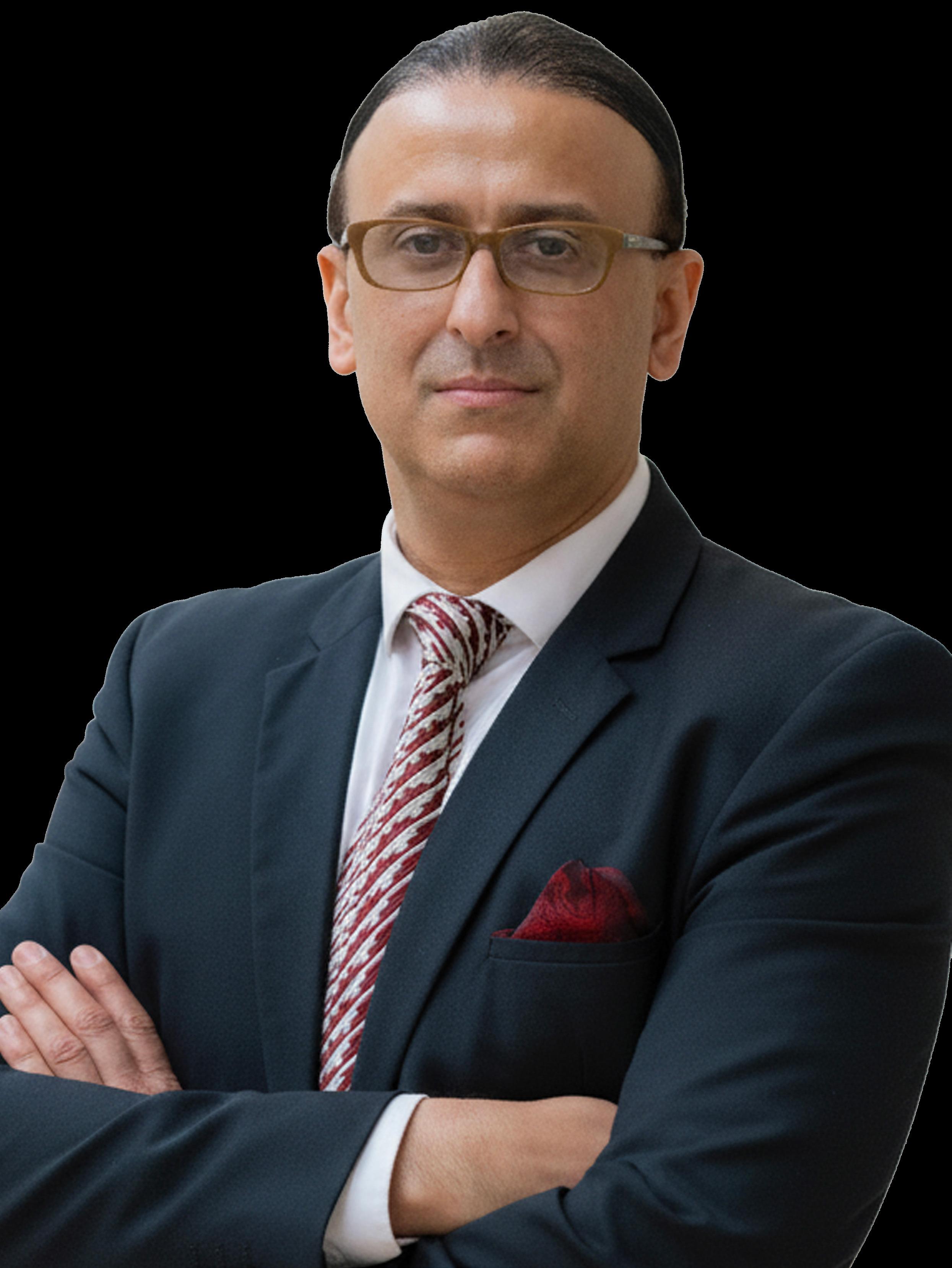
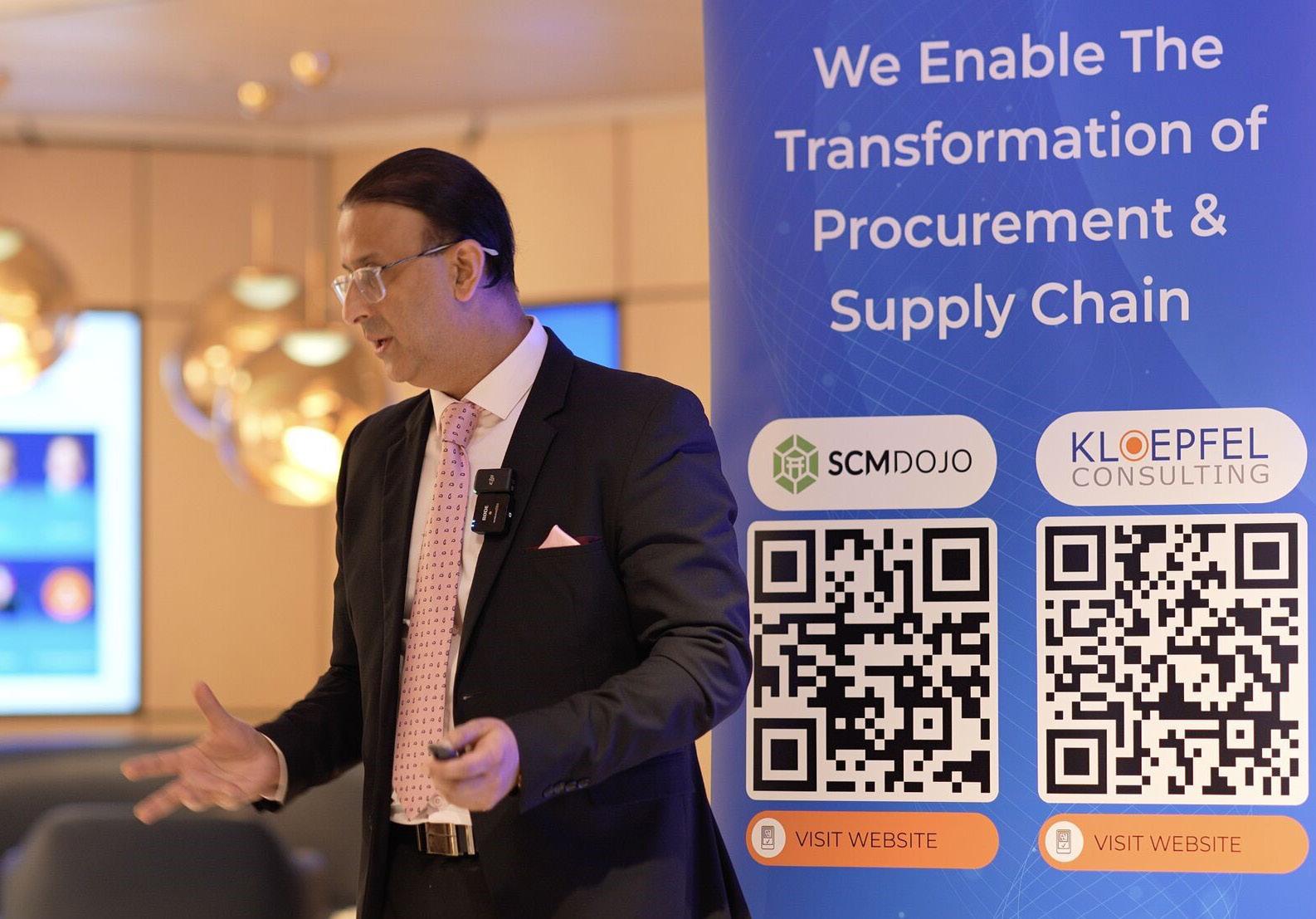
You’ve risen through Procurement & Contracts into leadership at DWTC. Can you walk us through your path, what drew you into this role, and which experiences have shaped the way you lead procurement at a high-profile events & venue organisation?
My career journey has been defined by resilience and reinvention. What began as a shift from professional cricket due to injury accidentally led me into procurement where my curiosity for how things work behind the scenes found a fresh purpose. Early roles in retail and aviation at Emirates expanded my exposure to global supply networks, risk management through contracts and compliance-heavy considerations. At the Private Office of the Ruler, I had to maintain a fine balance between procurement success and sensitivity, speed and trust.
Over the last decade at DWTC, leading procurement for mega-events like Expo 2020 and COP28 has reinforced procurement as a strategic enabler of resilience and innovation and not just a support function (especially when category ring-fencing is a challenge due to content/spend diversity). My leadership style has been shaped by adaptability, foresight and a strong belief in mentorship and stakeholder trust. Stakeholders/relationships create the bridge that complements your competence and experience to deliver high impact outcomes.
DWTC’s procurement & contracts team was certified by CIPS for Ethical Procurement, with all members holding the CIPS Ethics Certificate and Kitemark. How has that certification influenced supplier selection, contract negotiations, and operational practices?
Achieving the CIPS Ethical Procurement certification with the Kitemark elevated how we approach procurement at DWTC. It gave us a common ethical framework and CIPS-backed credibility. Our supplier selection prioritises transparency and integrity, filtering out risks tied to unethical practices (extending into maximum supply chain tiers/visibility). In negotiations, the certificate strengthens our stance on responsible business conduct, making clear that compliance, fairness and accountability are non-negotiables backed by a grievance committee to reassure vendors on process integrity. Operationally, it fosters a culture where the team actively challenges shortcuts, insists on supplier due diligence and promotes responsible sourcing. This is a great foundation which will enable us to continue building strategic partnerships as we work to new ESG mandates. .
This certification is not just a badge; it’s a mindset shift that underpins every decision we make ensuring procurement remains a driver of trust, accountability and sustainable partnerships. Hopefully in coming years, ESG will be embedded into the CIPS excellence program .
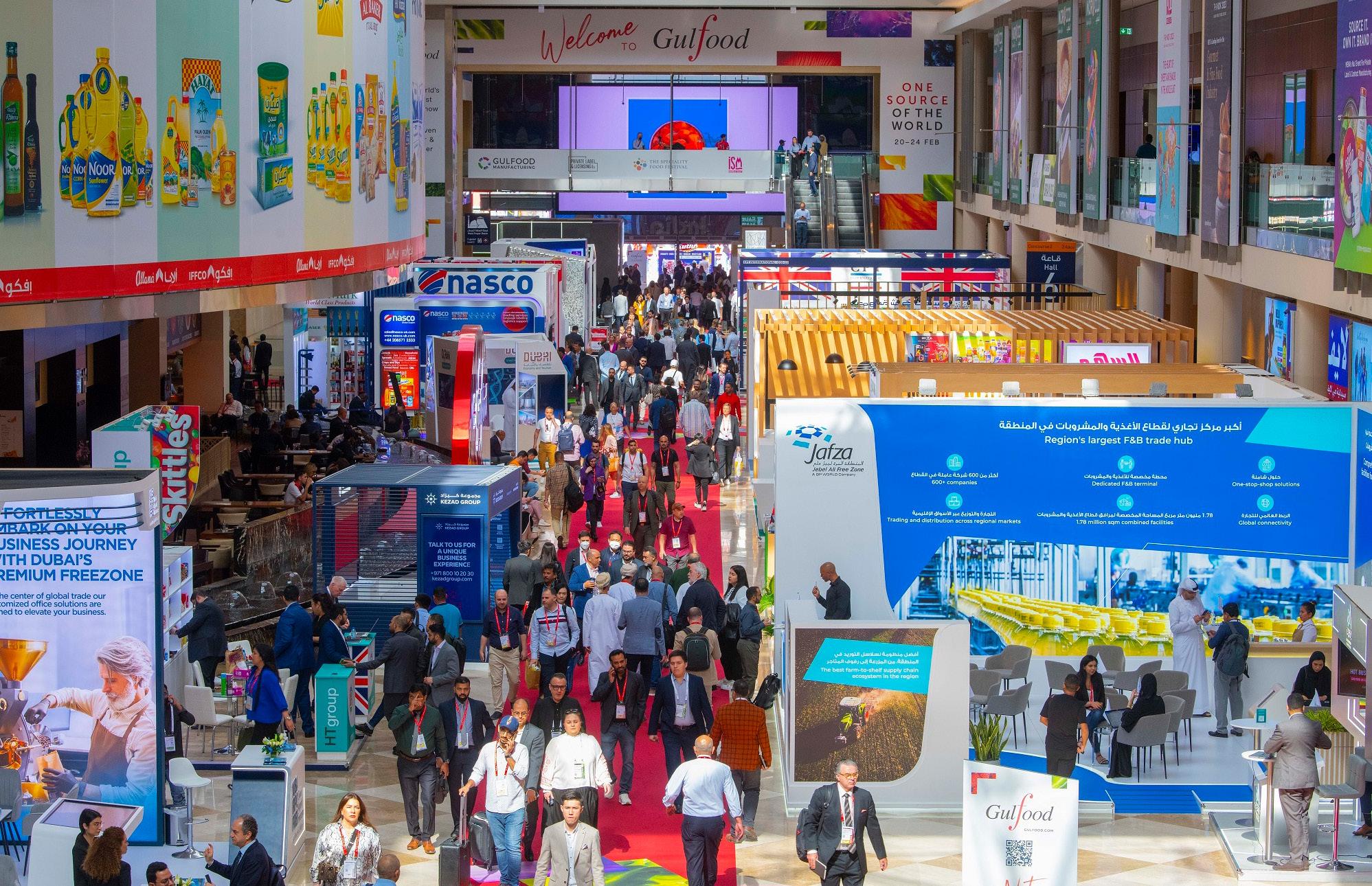




















Taaza Healthy has quickly become one of the UAE’s most respected and trusted food distributors, known for its uncompromising dedication to quality, freshness, and customer satisfaction. From humble beginnings, the company has evolved into a leading multi-category supplier, serving retail, hospitality, and foodservice partners across the region.
With a mission to deliver farm-fresh products from source to shelf, Taaza Healthy has built a robust portfolio that includes dairy, eggs, fresh produce, frozen items, dry goods, and health & wellness products. By working closely with both international and local producers, the company ensures the highest standards of safety, transparency, and traceability across every step of the supply chain.
At the heart of Taaza’s success is its commitment to sustainability and innovation. From adopting ecofriendly packaging solutions to streamlining logistics for reduced environmental impact, the company is actively reimagining how food reaches the end consumer. It continues to invest in digital transformation and modern cold chain infrastructure, ensuring temperature-controlled delivery and real-time tracking, both critical in the UAE’s demanding climate.
Taaza Healthy also takes pride in its ability to respond to evolving consumer expectations. As demand grows for health-conscious, clean-label, and functional food items, Taaza has expanded its offering to include an ever-wider range of organic, gluten-free, and nutritionally rich products. This agility, coupled with a strong sourcing network, positions the company as a vital partner for brands and retailers aiming to meet the needs of modern consumers.
A people-first culture underpins every aspect of Taaza’s operations. The company fosters strong relationships not only with customers but also with suppliers and employees, creating a trusted ecosystem built on collaboration, integrity, and shared goals. Training, upskilling, and a focus on food safety are prioritised across the team, supporting growth from within while reinforcing the company’s quality-driven mindset.
Today, Taaza Healthy is more than a distributor; it is a food solutions partner. With a future-forward outlook, the business is expanding into new categories and channels, leveraging data insights and market feedback to stay ahead of trends. Whether it’s helping a hotel source premium ingredients or guiding a retailer in the launch of a new product line, Taaza approaches each challenge with the same passion for excellence. As the region continues to evolve, Taaza Healthy remains firmly committed to delivering the best, with freshness, health, and trust at the core of everything it does.
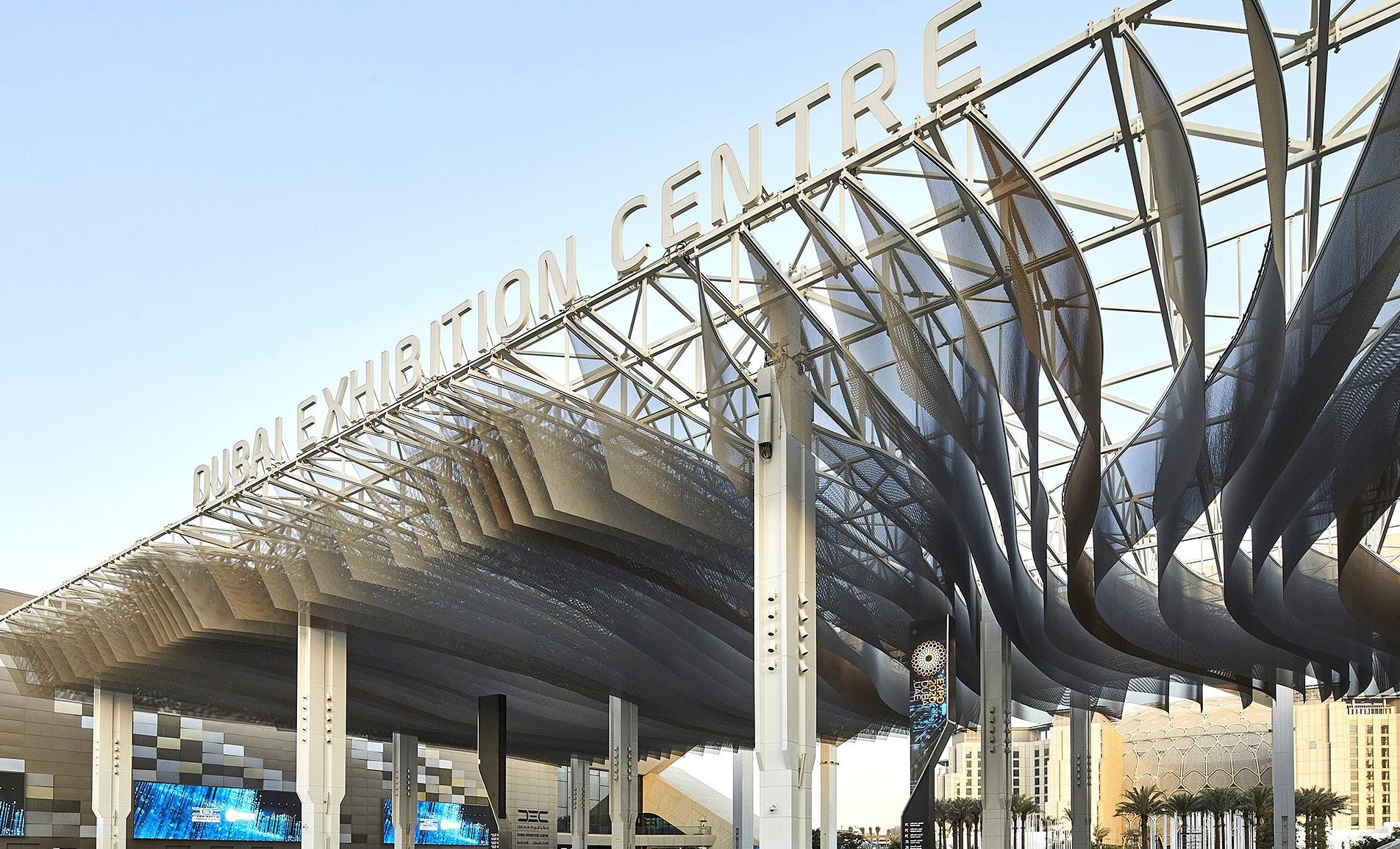
With DWTC’s strong sustainability pillars and Green Globe / LEED certifications (especially for the Dubai Exhibition Centre), how is your procurement strategy adapting to source more sustainable materials, local suppliers, and reduce carbon/waste? What challenges do you face balancing cost, scale, and sustainability in event supply chains?
Sustainability is central to DWTC’s strategy reflected in Green Globe, GBAC Star and LEED certifications at our designated venues across Dubai.
Procurement plays a pivotal role to work alongside specifications that embed circular economy principles to reduce waste. We actively partner with suppliers who share these values, aligning sourcing practices with the UAE’s sustainability agenda. The challenge is balancing sustainability with cost and scalability especially given the fast-paced, short span and high-volume (foot fall) nature of events. For example, single-use plastics reduction requires supplier innovation while maintaining affordability and it took some time for bottled water companies to make Recyclable-Pet (rPet) as an affordable alternate to single use PET bottles. The path isn’t without trade-offs and requires patience, however, economies of scale (to counter cost risk) shall prevail when ESG mandates will gradually transform cultures, mindsets and operating models. Embedding sustainability KPIs into contracts ensures suppliers co-own this journey which is a key review/negotiation element to identify your longterm partners (Remember, there is a customer at the other end where their choices have evolved and they do look out for green/responsible options).
Procurement is evolving from cost control to impact creation by delivering experiences that are not only spectacular, but responsible too.

DWTC recently overhauled its digital infrastructure . How is digitisation reshaping your procurement/ contracting process, contract tracking, supplier performance, automation, etc.?
Digitisation has reshaped procurement at DWTC by embedding agility, visibility and accountability into every process. With IoT-driven building energy systems and a headless CMS powering our digital infrastructure, Procurement now integrates seamlessly into the wider organisational transformation. In the coming few months, we plan to introduce automation in contract lifecycle management (including template standardisation/AI drafting abilities) improving accuracy, timelines and compliance monitoring (diligence applied off Policy manual). Digitisation isn’t replacing procurement judgment, instead it is enhancing decision-making with actionable data. Ultimately, technology has helped procurement shift from reactive to proactive, making us more resilient and responsive in supporting DWTC’s global event portfolio which carries sourcing/availability challenges (in high season) against tight timelines and an expectation of “close to perfect” commercial decisions.
Transaction/approval and delivery tracking has also become data-driven, moving beyond anecdotal feedback to real-time dashboards and eased out workflows. This allows us to anticipate risks, measure performance and hold suppliers accountable with clarity, which in turn helps to shape the right governance frameworks under formal contracts.
Given DWTC’s scale, especially with mega-events like GITEX, how do you build trust and capability in local suppliers and integrate them into high-performance contracts typically dominated by global vendors?
DWTC’s scale demands a balance of suppliers with global expertise and local capability, especially when it comes to time challenges. There’s a need for building stronger local/supply networks to accelerate the economy, strengthen the UAE’s supplier ecosystem and reduce over-reliance on international players.
For mega-events like GITEX, the key is to treat local vendors not as backup but as strategic partners, aligning them with global standards while retaining their agility. It’s about localisation with ambition to develop capacity that can eventually compete globally, hence one area of our recent focus/inputs has been data-backed projections/committed spend threshold (Local produce farming/yields - Farm to Fork). This enables local vendors to plan and improve their respective supply chain deliverables, which eventually builds into the cost/quality performance of the eventual show.
A transparent support system for SMEs/local vendors is mapped through transparent contracting, capability-building workshops, including open briefs on what is expected from supply chain partners (including ESG-related aspects). Local suppliers are often agile and collaborative but may lack the scale/ and innovation of global vendors, which is why integrating them into structured frameworks, phased contracts and performance benchmarks helps them to mature and succeed.



EIS Technologies is a leading system integrator in the UAE, supporting enterprise organisations with secure, high-performance networking solutions.


Through our partnership with HPE, we design and implement resilient, AI-driven enterprise networks that span campus, branch, and edgeto-cloud environments.
Discover how EIS Technologies can support your enterprise network.





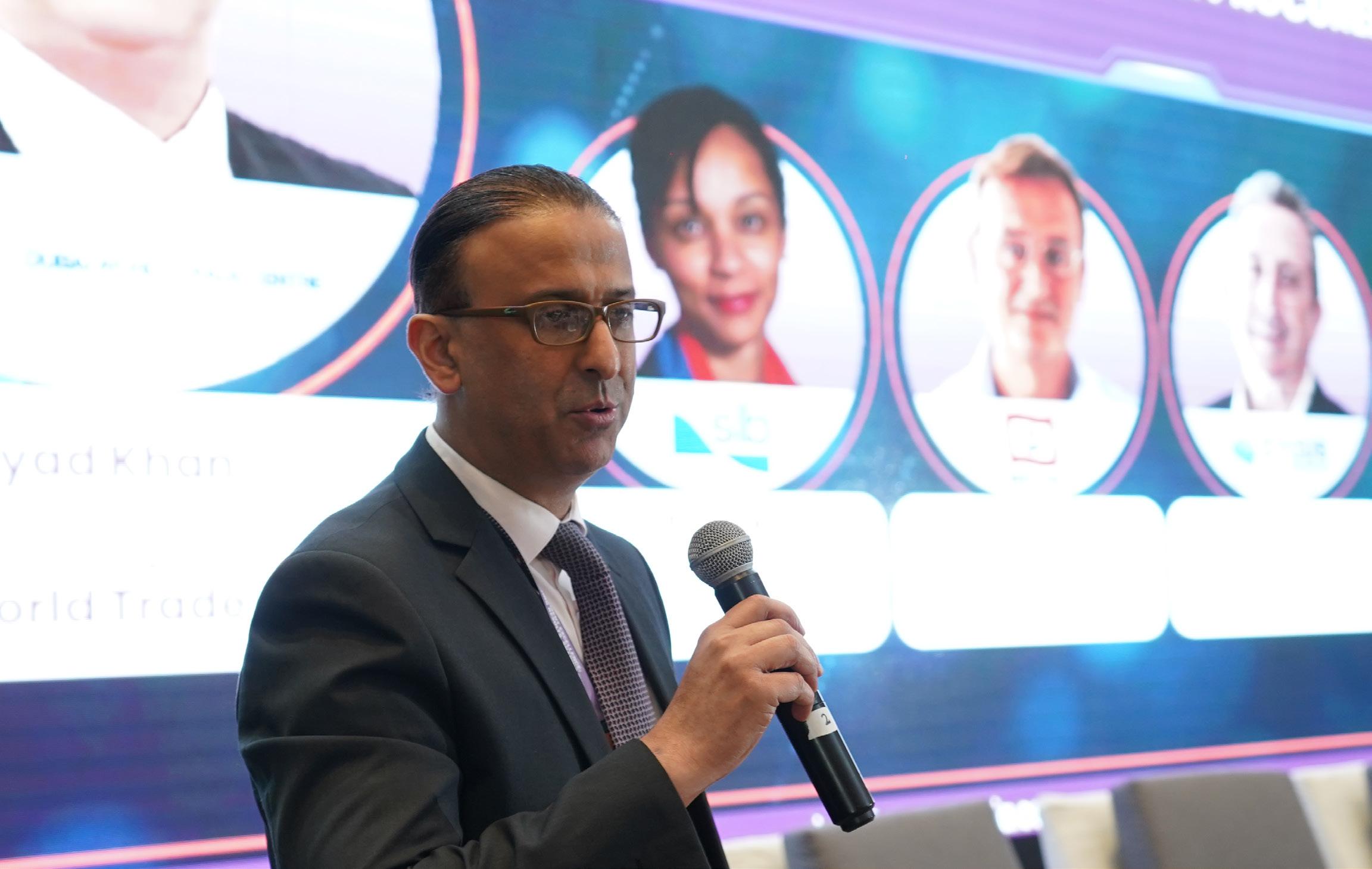
Events are often unpredictable.What procurement & contract clauses or practices do you insist on to ensure reliability, safety, contingency planning, and quality in large-scale events and construction/ venue buildouts?
Events do carry inherent unpredictability, to manage these, we embed robust contractual safeguards that include contingency planning, penalty-linked SLAs, safety compliance mandates and mandatory insurance. We insist on supplier readiness through redundancy plans, emergency logistics and multivendor sourcing where critical.
Contracts now extend beyond cost and delivery timelines to include resilience metrics such as crisis response, health & safety protocols and ESG compliance. At DWTC, procurement’s role in resilience is clear: anticipate disruptions, build flexibility into agreements and ensure suppliers are not just delivering a service but are also taking co-ownership for safety, quality and continuity at scale ).
The most satisfying aspect of the above is that no two days are the same in our industry. The procurement domain keeps challenging you and monotony doesn’t creep in.
Can you share examples of how DWTC has innovated in its contract terms (e.g. sustainability KPIs, value-based criteria, ethical clauses, local content, green supply chain requirements) to align with UAE government policy and DWTC’s strategic goals?
Contracts at DWTC have evolved into tools for transformation and execution and not just compliance. We embed performance and sustainability KPIs covering waste reduction, carbon footprint and local sourcing targets (indirect inclusion of SME’s) into agreements ensuring accountability and a visible metric to persist with a culture of continuous improvement. Ethical clauses/Vendor Code of Conduct/ Grievance Committee mandate anti-bribery, staff welfare standards and transparency aligned with the UAE’s broader guidelines and policy mandates. Value-based evaluation criteria reward innovation not just against the lowest cost but with long-term benefit (clean/green future) over short-term savings.
We also integrate local content requirements to stimulate the UAE economy, while clauses on green supply chain practices accelerate alignment with global ESG trends. Governance frameworks ensure these terms are monitored, enforced and responsibly reported by making contracts strategic levers for resilience, sustainability and competitive differentiation.
We will vet contracts further with the introduction of independent supply chain rating agencies (from due diligence/surveys to findings for client). This will create visibility and access to reporting elements that are instrumental for stakeholders to identify areas of focus/enforced measures and remain aligned towards the relevant frameworks.
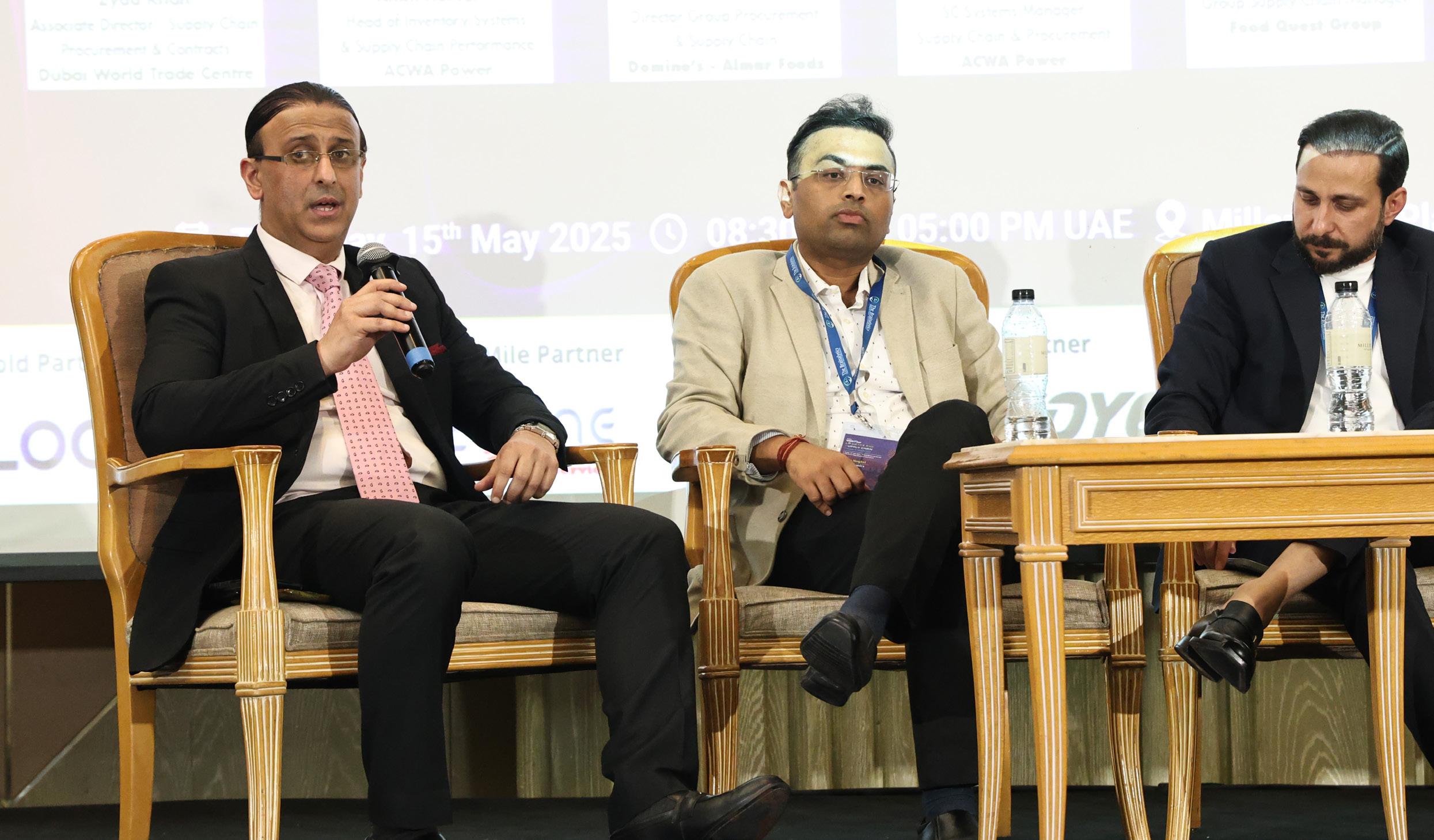
During high-velocity periods (e.g. ahead of major events like GITEX), how does your team forecast demand, manage inventory of services/materials, and ensure cost discipline without compromising speed or quality?
In high-velocity cycles such as the one in the lead up to GITEX, procurement must balance agility with commercial discipline which is why the SRM element is so crucial in events industry.
DWTC’s history of delivering events and exhibitions has a great track record of holding events and completing build-up as per calendar timelines. We are expected to achieve this through predictive forecasting using historical event data, supplier insights and digital demand planning tools but these have all been greatly complemented by the category teams and their strategic partnerships with key vendors.
This combination allows us to scale at speed while protecting budgets and maintaining quality with a transparent framework of order/deliveries/ratification and post-event reconciliation to address any significant spikes.
Procurement becomes a conductor orchestrating multiple moving parts into a seamless yet costeffective delivery medium, which as a core competence is the most valued element in the events industry and amongst wider stakeholders. Even if we “fail to prepare” at times due to last-minute urgencies, the team is always ahead of the curve to manage and mitigate associated risks and are able to execute plans without compromising standards and timelines.
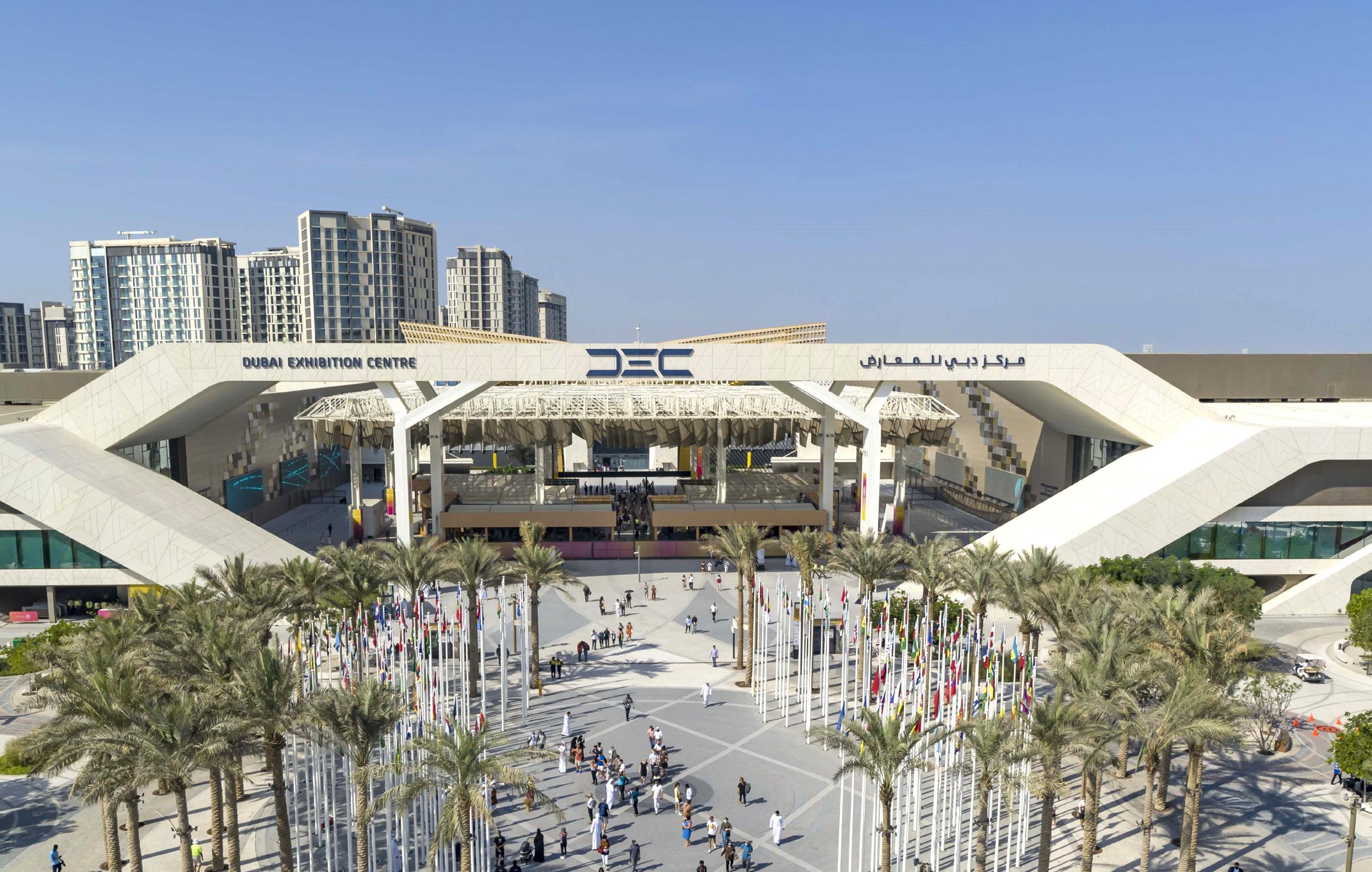
For those looking to lead procurement in large-scale event / venue operations, what skills, mindset, and exposure do you believe are essential, especially in areas like sustainability, ethics, digital capabilities, and supplier development?
Leading procurement in the events sector demands a unique blend of skills which are not very difficult to adopt. Agility is key as events operate on compressed timelines where adaptability outweighs rigid processes. Building trusted supplier relationships and mentoring teams for resilience is equally critical.
Exposure to a diverse supply base helps broaden perspective as procurement in events touches every domain from temporary build to catering and tech activations. My own personal growth has had a lot to do with the fact that I have never said no or been too busy to meet or network with any supplier .
It’s also important to focus on purpose, not just process or knowledge. View procurement as a value creator, and not as a cost centre, as we have demonstrated cross-selling revenues (adverts/ sponsorships/visibility-based airtime/barters, etc) in the past which has transformed our identity as a strategic powerhouse.
The leaders who thrive will be those who combine strategic foresight with empathy, collaboration and the courage to innovate under pressure. Commitment to excellence and knowing there is indefinite value on offer (not just a transaction to close) is something to be mindful of everyday to keep abreast of the momentum and the unique learnings at the end of every event cycle.
Dubai World Trade Centre is a premier global venue and events hub, hosting major trade shows, exhibitions, conferences, and business events across diverse industries. Known for world-class facilities, strategic location in Dubai, and a commitment to supporting business growth and international trade, DWTC enables organisations to connect, showcase innovation, and expand their global reach. The centre plays a vital role in facilitating commerce, commerce-driven networking and knowledge-exchange on a regional and global scale.
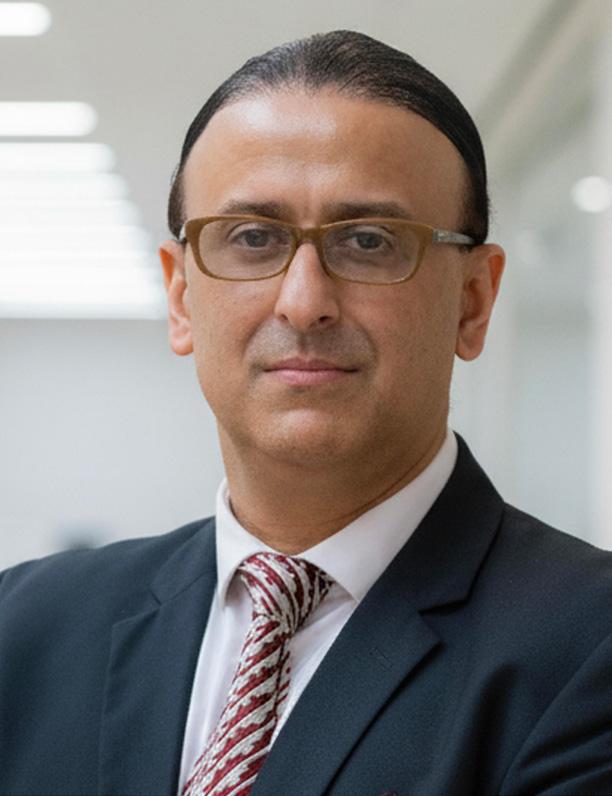

As Director of Procurement Shared Services for EMEA, Gianfilippo Villa leads one of TP’s most strategically important functions, overseeing the harmonisation, management, and optimisation of procurement activities across Europe, the Middle East, and Africa. Since joining the company in 2014, first in the Italian branch and then in accross EMEA, he has been instrumental in building a unified, multilingual procurement organisation that operates seamlessly across borders. Today, he drives a centralised model that enhances efficiency, strengthens governance, and ensures every sourcing decision aligns with TP’s global standards and long-term business objectives.

TP emphasises a “high-touch, high-tech” procurement model via Shared Services. How does your team balance efficiency through automation with maintaining empathy in supplier relationships?
In our Group, striking the right balance between efficiency and empathy is fundamental to the transformation of procurement and shared services. Automation allows us to optimise processes, reduce lead times, and minimise errors, freeing our teams to focus on higher value activities such as negotiation, strategic planning, and continuous improvement.
However, the human component remains indispensable for building trusted and sustainable supplier relationships. This is why we maintain a “high-touch” approach centred on constant communication, active listening, and a genuine understanding of our partners’ needs. Technology supports us with data analysis, performance visibility, and operational consistency, but every strategic interaction is led directly by our teams to ensure personalisation, transparency, and mutual trust.
We consider our suppliers true strategic partners. Through shared KPIs, regular performance reviews, and co-innovation initiatives, we work collaboratively to enhance processes, improve outcomes, and generate long-term value. This model enables us to combine the efficiency of automation with the empathy of human connection, creating a procurement ecosystem rooted in collaboration, accountability, and shared growth.
With TP GenAI now part of operations, how are you implementing generative AI in procurement processes such as demand forecasting, negotiation, and supplier risk assessment?
TP GenAI is TP’s interaction analytics platform, powered by Generative AI and Natural Language Processing, designed to enhance the performance of customer experience programs. Building on this foundation, we are integrating generative AI into our procurement function through several targeted applications that strengthen accuracy, agility, and decision-making. In demand forecasting, generative AI models analyse historical data, market indicators, and external variables to generate more precise and adaptive predictions. This enables us to improve order accuracy, optimise inventory levels, and reduce the likelihood of both surplus stock and shortages.
In supplier negotiations, AI-driven tools support the creation of scenario analyses and propose databacked negotiation strategies. These tools can even simulate negotiation dynamics based on past interactions and market benchmarks, allowing our teams to approach discussions with stronger insights and improved preparation.
For supplier risk assessment, generative AI plays a crucial role by analysing documents, news sources, performance data, and other structured and unstructured inputs. It helps identify early warning signals linked to compliance, financial health, operational delays, or geopolitical exposure. This proactive, data-driven capability strengthens our ability to mitigate risk and reinforce resilience across the supply chain. Through these applications, generative AI is becoming a strategic enabler, enhancing the speed, precision, and intelligence of procurement activities while allowing our teams to remain focused on high-value, relationship-driven work.

You recently consolidated software procurement through the Microsoft Commercial Marketplace. How has this impacted procurement agility, vendor management, and cost control?
Consolidating our software procurement through the Microsoft Commercial Marketplace has significantly strengthened agility, governance, and cost efficiency across our technology ecosystem.
From an agility standpoint, the Marketplace has streamlined the entire purchase cycle. Automated workflows, pre-validated vendors, and standardised contracting have substantially reduced approval and onboarding times. This allows us to adopt new digital solutions far more quickly and align our technology roadmap with evolving business needs.
Vendor management has also become more efficient. By centralising software engagements within a single platform, we gain clear visibility into performance, contract terms, renewals, and compliance. The broad and constantly updated catalogue makes it easier to compare solutions, identify alternatives, and strategically plan renewals with transparency and control.
Cost management is another major advantage. Enhanced reporting, consolidated spend visibility, and integrated budget monitoring tools help us avoid duplication, optimise licence utilisation, and negotiate more favourable commercial conditions. The result is a more disciplined, sustainable, and value-driven approach to software investment.
Overall, the Marketplace model has allowed us to elevate software procurement into a more strategic, data-driven capability, supporting innovation while ensuring robust cost and vendor governance.

TP is committed to UN SDGs, climate targets, and ethical sourcing. How do you embed environmental and social criteria into supplier selection and ongoing accountability?
TP embeds environmental and social responsibility into procurement through a rigorous, structured framework aligned with the UN Sustainable Development Goals and the Group’s broader ESG commitments. Every supplier is required to comply with the TP Supplier Code of Conduct, which covers critical areas including emissions reduction, energy efficiency, waste management, ethical labour practices, and human rights protections.
Sustainability performance is continuously monitored through assessments, audits, self-evaluations, and data-driven scorecards that provide transparency and accountability. This ensures suppliers not only meet our minimum standards but also demonstrate ongoing improvement. Collaboration is central to this approach, with suppliers encouraged to participate in joint initiatives such as lowimpact technology adoption, renewable energy programs, and carbon-reduction efforts.
Training and awareness form another pillar of the strategy. Both internal teams and external partners engage in capability-building programmes that reinforce sustainability culture and ESG best practice across the supply chain.
From a social responsibility standpoint, TP actively promotes inclusion, diversity, and ethical compliance throughout all sourcing activities, encouraging partners to adopt these principles within their own operations.
Ultimately, sustainability is regarded as a shared responsibility across the organisation, with Procurement playing a pivotal role in ensuring that every sourcing decision supports TP’s commitment to ethical, transparent, and future-focused procurement.
TP has partnered with AI firms like Sanas and Carnegie Mellon. How does procurement evaluate and integrate strategic partnerships to enhance service delivery and innovation?
TP’s procurement function plays a central role in shaping the organisation’s innovation ecosystem by identifying, assessing, and integrating strategic partnerships with advanced technology leaders such as Sanas and Carnegie Mellon. The process begins with a clear understanding of business priorities, operational needs, and emerging opportunities, enabling the team to pinpoint partners capable of delivering measurable value and elevating service performance. Potential partners are evaluated against a robust set of criteria, including technological maturity, co-innovation capability, sustainability credentials, scalability, and alignment with TP’s long-term strategic vision. Beyond technical compatibility, procurement also assesses cultural fit and the partner’s ability to collaborate within TP’s global ecosystem.
Once a partnership is formalised, integration is driven through structured pilot programmes, shared onboarding frameworks, and close collaboration between procurement, IT, and operations. This approach ensures that new technologies are tested rigorously, deployed efficiently, and aligned with both client expectations and operational realities. Through these strategic partnerships, TP accelerates the adoption of AI-enabled solutions, enhances automation, strengthens analytics capabilities, and reinforces its position at the forefront of customer experience innovation. Procurement’s role in steering this ecosystem ensures that innovation is not only cutting-edge, but also scalable, sustainable, and strategically aligned.
Your Supplier Code outlines zero-tolerance for corruption and strict data standards. How do you operationalise compliance, auditing, and conflict-of-interest policies across regions?
TP operationalises its global Supplier Code of Conduct through a structured governance framework that combines rigorous due diligence, continuous monitoring, and consistent enforcement across all regions. While global standards define the foundation, regional teams adapt implementation to local regulatory environments to ensure relevance and effectiveness.
Compliance begins at onboarding, where suppliers undergo integrity checks, data-security assessments, and verification against international benchmarks such as ISO 37001 for anti-bribery practices and GDPR-aligned privacy requirements. Only partners who meet these standards progress into TP’s supply base. Ongoing governance is maintained through regular audits, documentation reviews, and digital risk-monitoring tools that provide real-time visibility into compliance performance. Should potential issues or conflicts of interest arise, established escalation protocols trigger independent investigations, with consequences ranging from corrective action plans to suspension or removal from the supplier ecosystem.
Training is another cornerstone of TP’s approach. Multilingual programmes ensure suppliers clearly understand ethical expectations, reporting procedures, and the company’s strict zero-tolerance stance on corruption and data breaches. By combining proactive prevention, robust monitoring, and transparent enforcement, TP maintains a resilient, ethical, and accountable global supply chain.
Leading procurement across EMEA involves navigating diverse markets and hubs. How do you tailor sourcing policies and supplier relationships across different countries?
Managing procurement across EMEA requires a framework that is globally consistent yet locally responsive. TP applies a unified strategic procurement model anchored in global policies, governance, ethics, sustainability, data management, and cost optimisation, while allowing thoughtful localisation to reflect the regulatory, economic, and cultural realities of each market.
This balance is enabled through close collaboration between PSS EMEA, Category Leaders, and local procurement teams. Global standards provide structure and transparency, while regional teams adapt processes, supplier engagement strategies, and negotiation approaches to align with local market dynamics and business practices.
Local procurement teams play a central role in identifying high-potential suppliers, building trustbased partnerships, and navigating cultural nuances. Their insights ensure that category strategies and sourcing decisions are both globally aligned and contextually effective.
Shared training programmes, cross-market workshops, and best-practice exchanges reinforce a common understanding of TP’s expectations across the region. Digital tools for category management, analytics, and forecasting further support coordinated decision-making while maintaining the agility needed to respond to shifting economic conditions.
By combining a unified governance framework with regional autonomy, TP strengthens supplier collaboration, enhances operational consistency, and builds a resilient procurement ecosystem across EMEA.
TP’s procurement serves industries like finance, healthcare, telecom, and luxury. How do you build vertical-specific procurement strategies to meet unique market demands?
TP builds vertical-specific procurement strategies by combining global governance standards with deep sector insight, ensuring each industry’s unique regulatory, operational, and commercial requirements are met. In the financial sector, procurement strategies centre on stringent data security, regulatory compliance, and partnerships with certified technology providers capable of supporting high-integrity environments.
In healthcare, priority is given to suppliers with proven capabilities in traceability, medicalgrade quality standards, and strong data-protection practices. Telecom procurement focuses on operational continuity, infrastructure resilience, and scalable solutions that support rapid technological evolution. For luxury brands, the emphasis shifts to exceptional material quality, customisation, and ethically sourced, premium supply chains.
By tailoring sourcing frameworks to the specific needs of each vertical, TP strengthens risk management, enhances operational efficiency, and drives co-innovation with sector-aligned partners. This verticalised approach ensures procurement delivers precise, market-relevant value while supporting the organisation’s broader strategic ambitions.
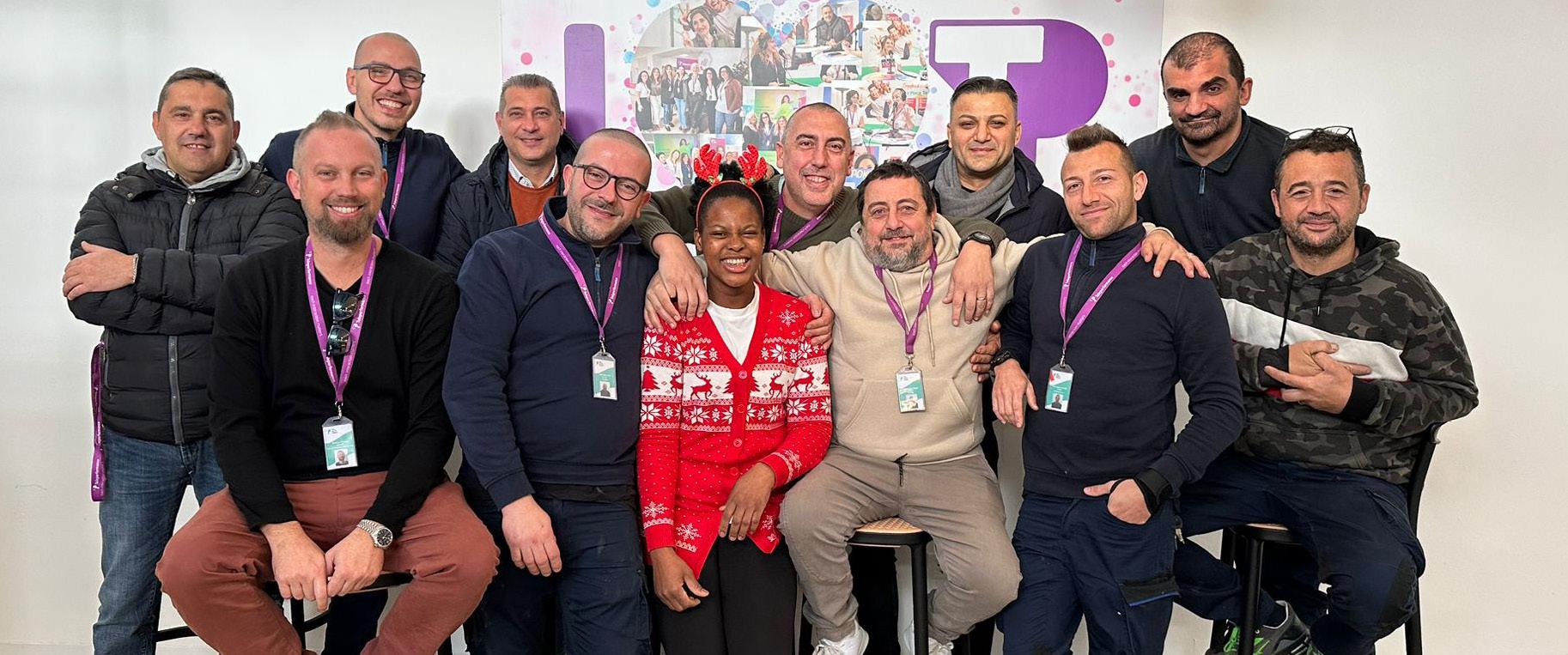
Looking ahead to 2026+, what are the procurement team’s top priorities in areas like AI adoption, sustainability milestones, supplier diversity, or digital transformation?
Looking ahead to 2026 and beyond, TP’s procurement organisation is strengthening its roadmap around four core pillars: advanced AI adoption, sustainability, supplier diversity, and end-to-end digital transformation.
AI will continue to be a catalyst for procurement excellence. Building on the strategic supplier engagement programme launched in 2025, which focuses on co-innovation, artificial intelligence and long-term value creation, the team is accelerating the use of predictive analytics, automated insights, and intelligent decision-support tools. These capabilities enhance forecasting accuracy, improve supplier selection, and reduce operational risk across global markets.
Sustainability remains a fundamental priority. Procurement is embedding ESG milestones across every stage of the sourcing lifecycle, supported by measurable objectives linked to emissions reduction, responsible materials management, and circular economy principles. These actions align with TP’s broader climate commitments and reinforce responsible growth across all supply chains.
Supplier diversity also continues to evolve as a strategic lever, promoting stronger collaboration with local suppliers, small businesses, and underrepresented groups. This approach reflects TP’s commitment to inclusion and supports more resilient regional supply ecosystems.
Finally, digital transformation is enabling a more transparent, integrated, and data-driven procurement model. Automation, marketplace consolidation, and enhanced analytics are ensuring that procurement remains agile, efficient, and fully aligned with the organisation’s global strategic direction.
As part of this future-focused journey, TP values the contribution of strategic partners who share its vision. The partnership with Errebian SpA exemplifies this alignment, supporting TP through tailored, integrated solutions and ongoing collaboration in AI innovation and supply chain digitalisation. This partnership strengthens operational efficiency and reflects a mutual commitment to innovation, sustainability, and long-term performance.
WORKWEAR, PPE & SAFETY CLOTHING OFFICE & CONTRACT DECOR PERSONALIZED GADGETS OFFICE SUPPLIES TECHNOLOGY HO.RE.CA. AND MUCH MORE

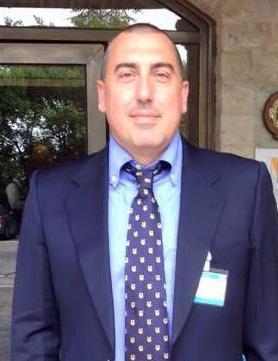

With two decades of experience across supply chain, engineering, and strategic sourcing, Mohamed Abdelrahman Mohamed Kheir, Procurement Director at Durrah Advanced Development Company, has cultivated a procurement leadership philosophy grounded in resilience, data-driven decision-making, and long-term value creation.
Beginning his career from a technical foundation in mechanical engineering, Mohamed transitioned early into supply chain operations, learning first-hand how procurement supports continuity, efficiency, and business performance. His experience navigating complex supply disruptions, including the regional impact of the avian flu outbreak, reinforced a belief in proactive sourcing, market intelligence, and continuous improvement.
Today at Durrah, Mohamed leads a procurement function that plays a strategic role in supporting the Kingdom’s food security objectives and industrial diversification under Saudi Vision 2030. His approach prioritises supplier partnerships, sustainability, digital enablement, and cross-functional collaboration, positioning procurement not just as a cost function, but as a strategic engine driving operational excellence and national value creation.
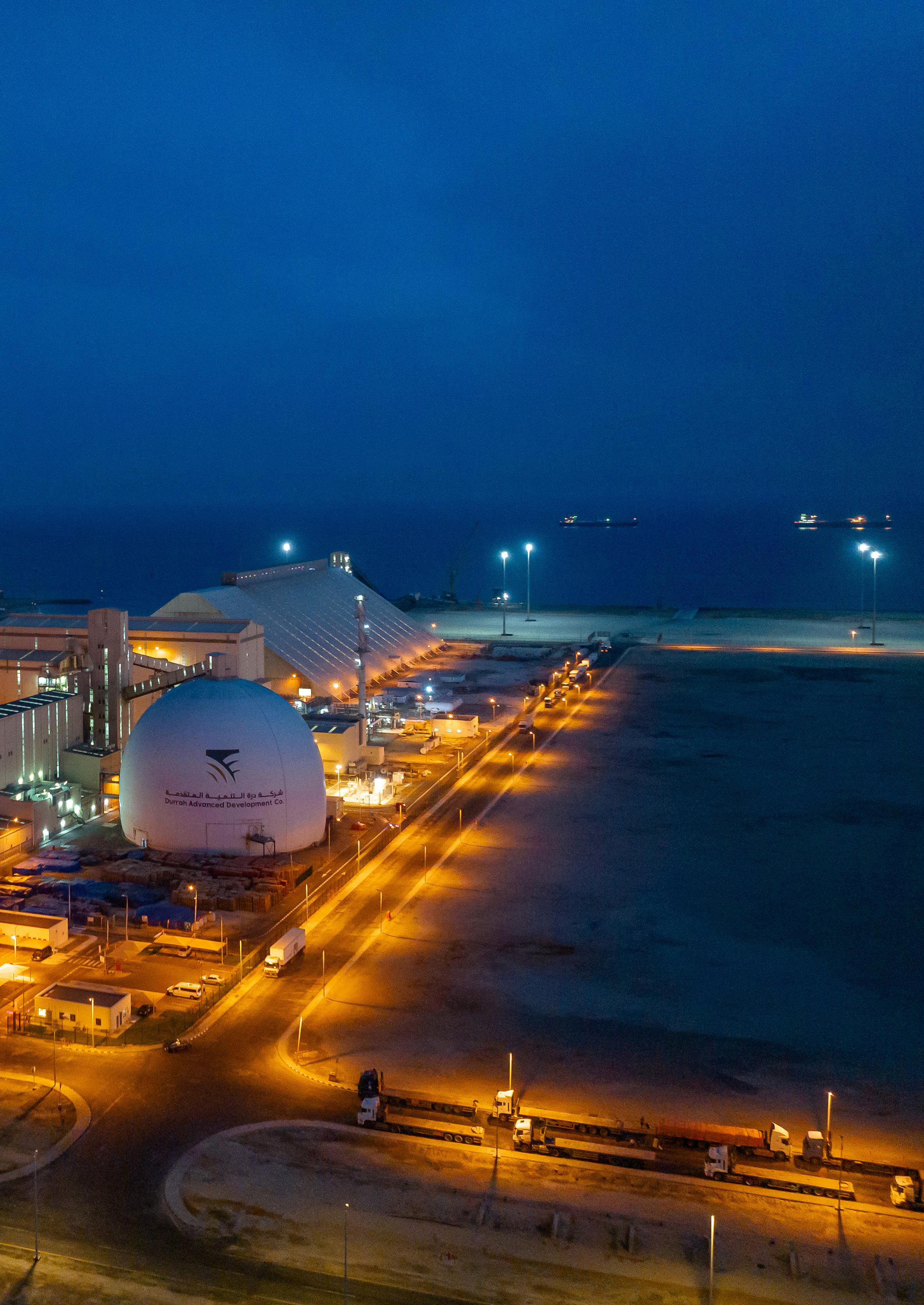
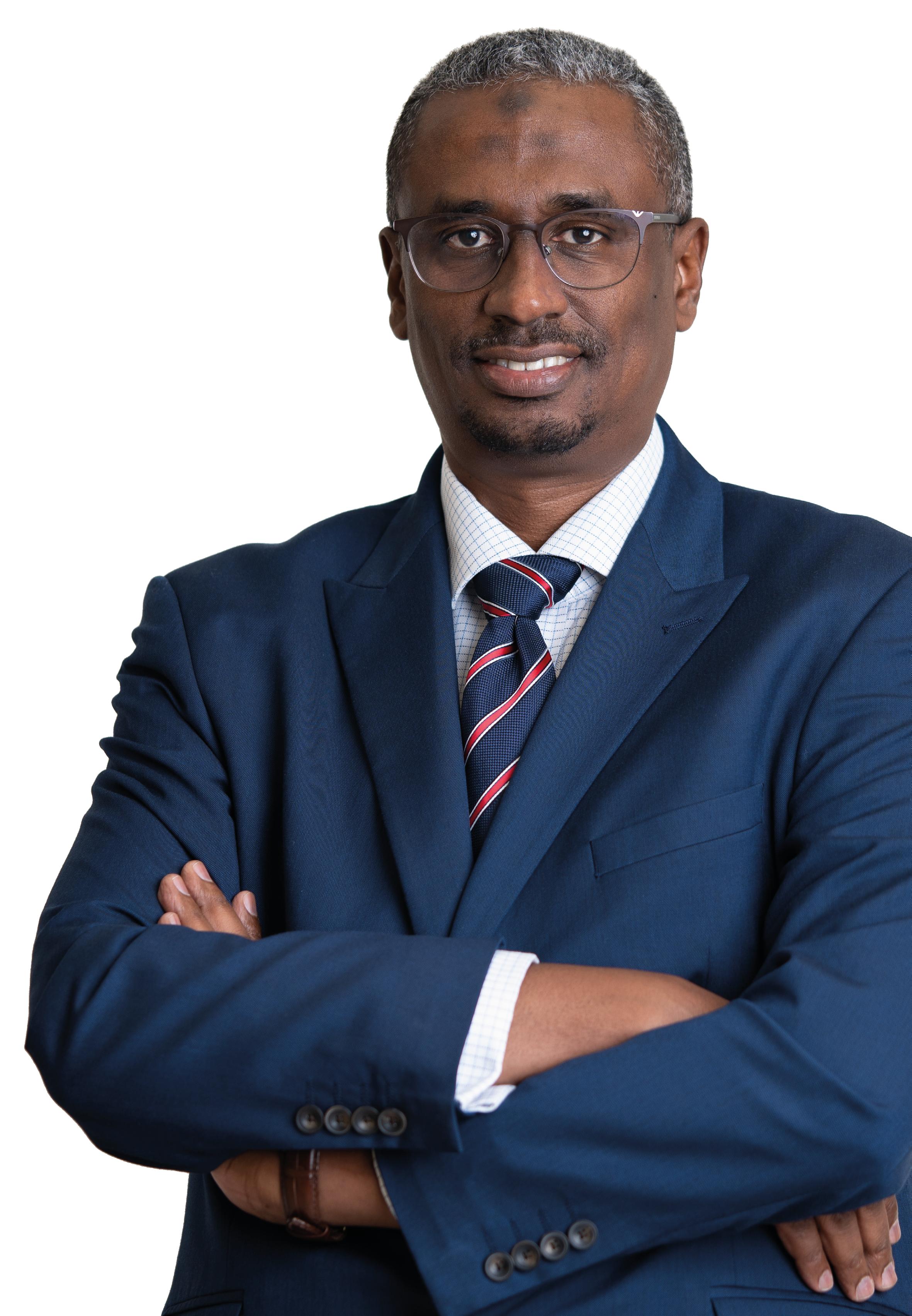
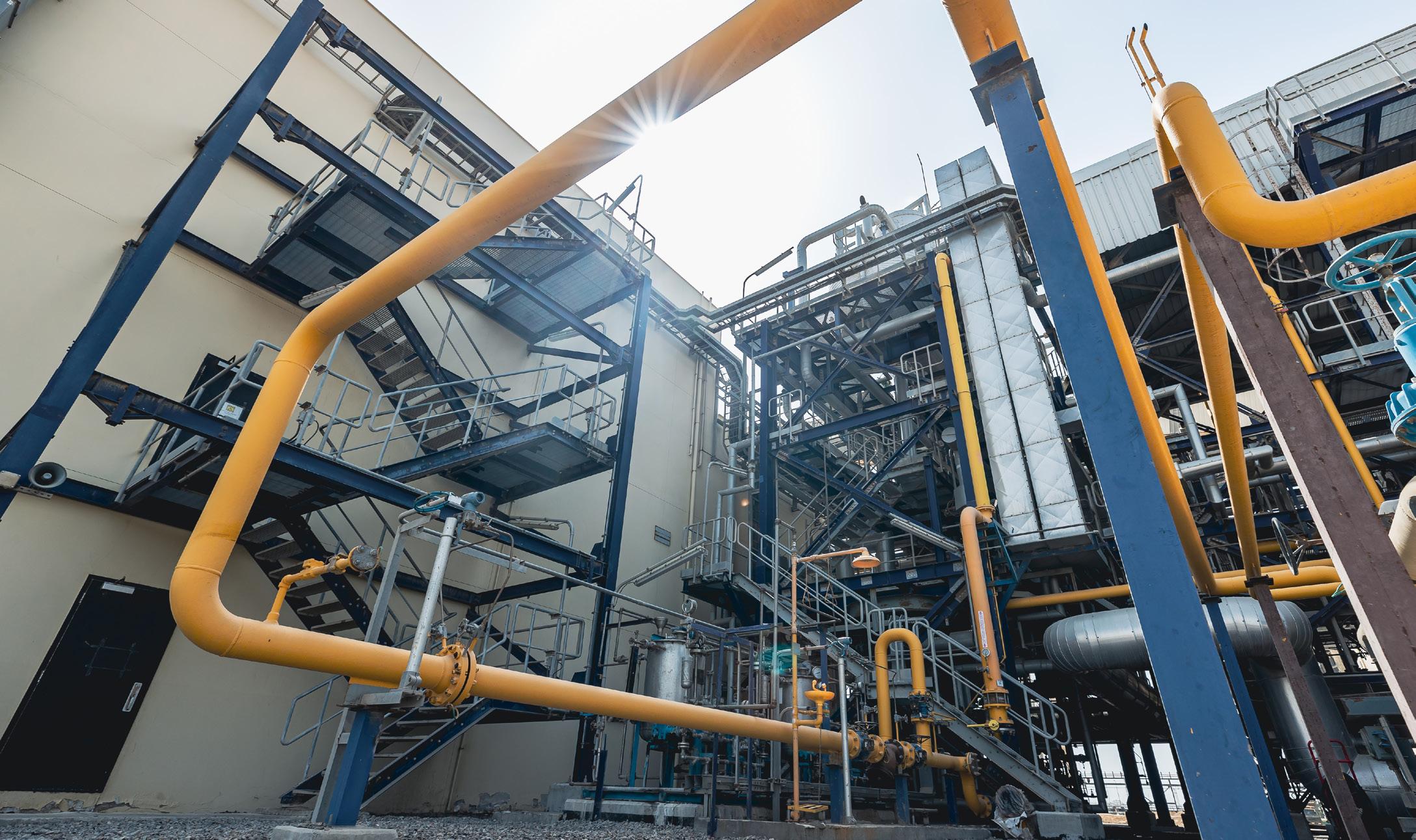
Can you share your career journey and what led you to your role as Procurement Director at Durrah? Which experiences have most influenced your approach to procurement leadership in the food manufacturing sector?
My career in procurement began with a technical foundation as a Mechanical Engineer. My first role was in a heavy equipment company’s spare parts department, where managing inventory levels and coordinating with suppliers and logistics teams introduced me to the world of procurement and supply management.
A defining experience came during the avian flu outbreak of 2016-2017, when I was overseeing the import of frozen liquid egg products from Europe for a mayonnaise production operation. The disruption forced us to rethink our sourcing strategy and explore alternative regional suppliers. Through this shift, we were able to maintain quality while reducing costs, easing logistics constraints, and improving warehouse efficiency.
That period fundamentally shaped my leadership philosophy. It reinforced the importance of staying curious, questioning the status quo, and continuously seeking smarter, more resilient solutions. True procurement leadership goes beyond purchasing, it is about enabling business continuity, strengthening supply chains, and ensuring long-term value creation through strategic decisionmaking and collaborative supplier relationships.
Durrah’s sugar refinery in Yanbu is celebrated for its state-of-the-art technology and high production standards. How does your procurement strategy support manufacturing excellence, ensuring quality and reliability in production?
At Durrah, procurement plays a central role in sustaining manufacturing excellence and operational reliability. Our approach begins with a thorough understanding of production requirements, from raw sugar and process chemicals to packaging materials and critical spare parts. By working closely with operations, engineering, and quality teams, we ensure that every sourced material directly contributes to consistency, efficiency, and high performance across the refinery.
Supplier selection and evaluation are conducted with rigor. Beyond commercial terms, we assess suppliers based on technical capability, product traceability, adherence to international quality standards, and their commitment to continuous improvement. This ensures that all inputs are aligned with Durrah’s manufacturing specifications and the advanced technology that drives our production lines.
We also support resilience through long-term agreements, strategic inventory planning, and increased localisation where feasible to strengthen supply security and reduce exposure to global volatility. Ultimately, procurement at Durrah is not a transactional function, it is a strategic discipline that safeguards product integrity, ensures uninterrupted operations, and reinforces our competitive advantage in the market.

Established in partnership with Saudi developers and global agribusiness leaders, Durrah’s operation aligns with national goals for diversification and food security. How does your procurement approach reinforce these strategic objectives?
Durrah’s procurement strategy is closely aligned with the core pillars of Saudi Vision 2030, particularly in advancing food security, industrial localisation, and sustainable economic growth. We prioritise sourcing from local suppliers and manufacturers wherever feasible, actively contributing to the development of domestic capability and reducing reliance on external markets.
Through long-term partnerships, supplier performance programs, and collaborative development initiatives, we support the uplift of local industry standards and knowledge transfer. At the same time, we maintain global sourcing channels for critical raw materials and technologies to ensure access to international expertise and continuous innovation.
For a strategic sector such as food production, supply continuity is essential. Our approach combines localised procurement with informed global sourcing strategies to strengthen national resilience and ensure stable supply of key commodities. In doing so, procurement becomes not only a functional necessity, but a strategic contributor to the Kingdom’s vision for self-sufficiency, diversification, and long-term economic sustainability.
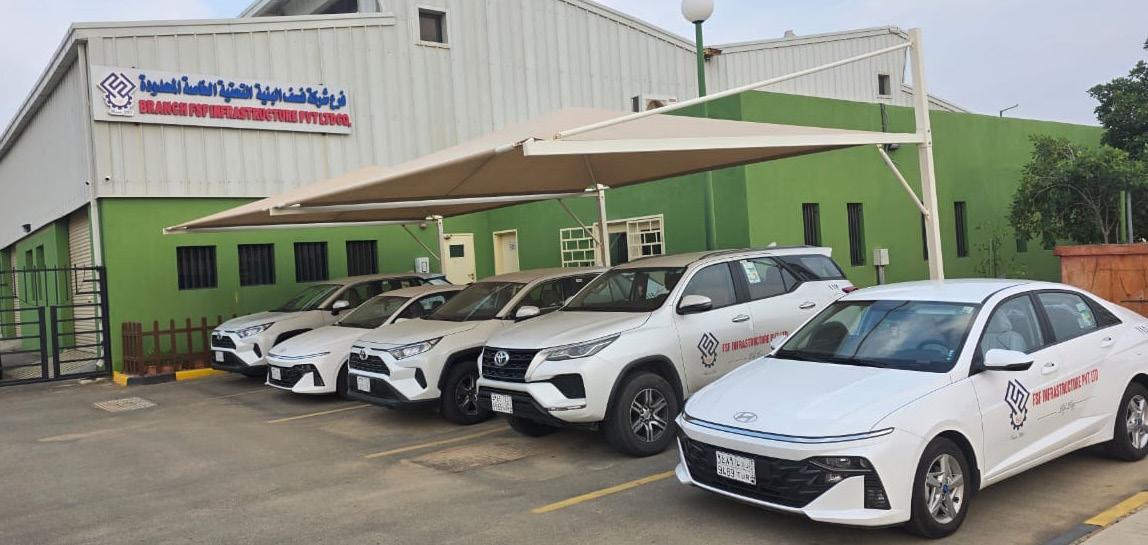
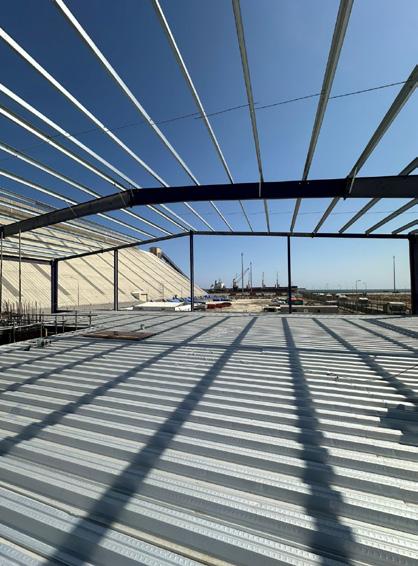
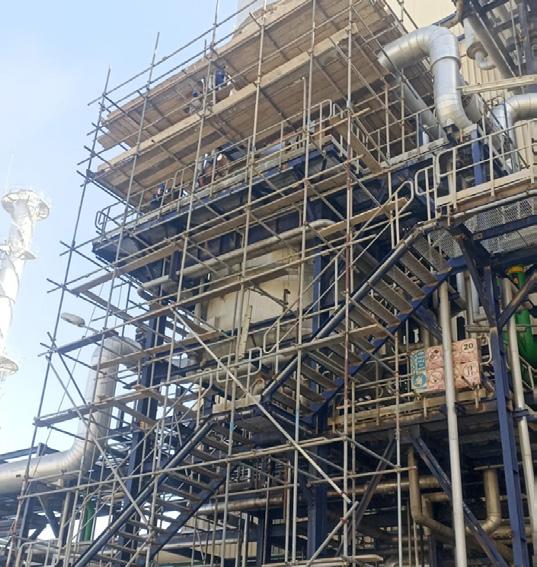
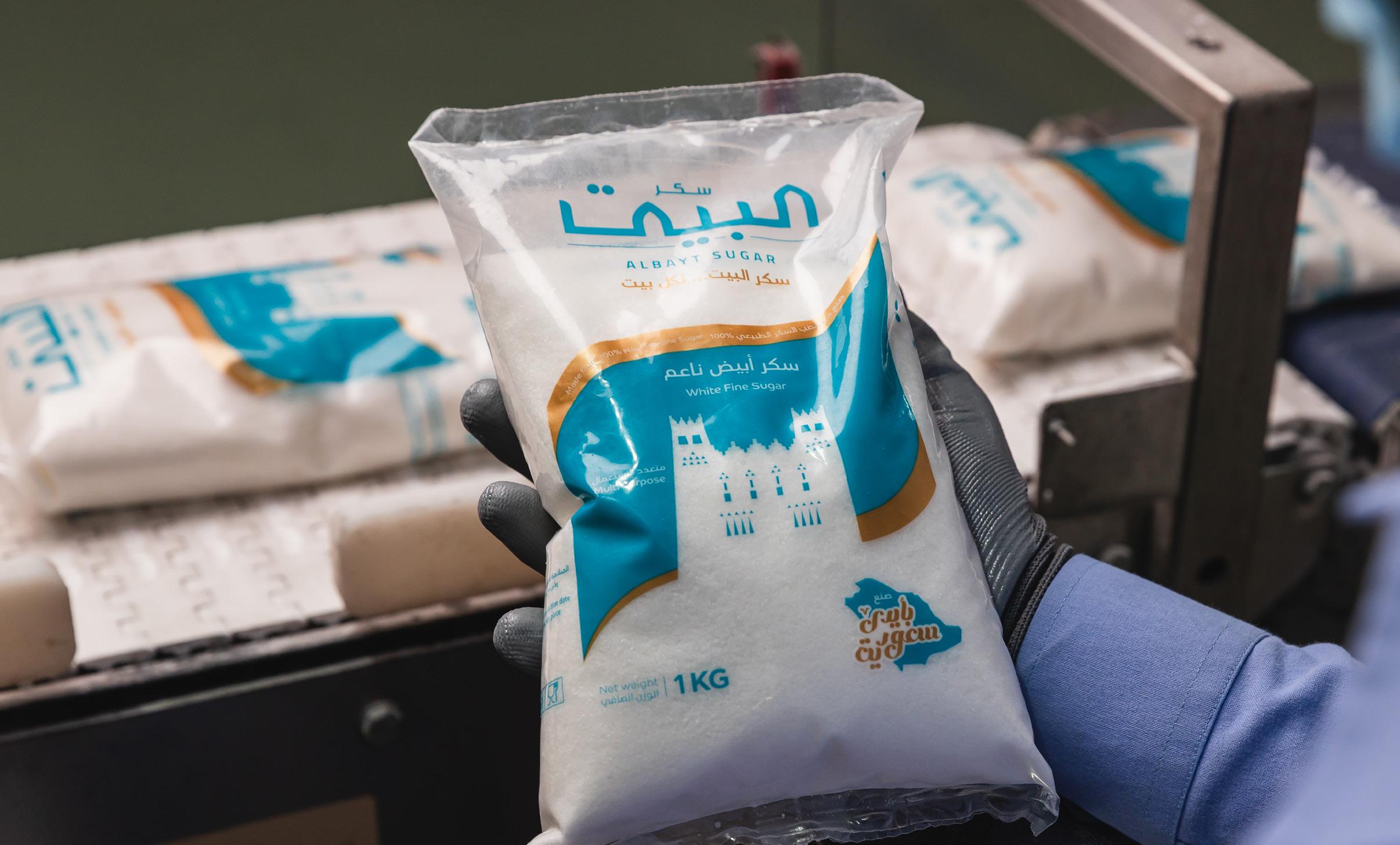
With a supply chain that serves both industrial clients and households, how do you build trusted supplier relationships and ensure consistent product quality across various segments?
Building strong supplier relationships is essential to sustaining Durrah’s reputation for quality, safety, and reliability. We take a partnership-centered approach, engaging suppliers as long-term strategic collaborators rather than transactional vendors. This starts with clear communication of our expectations, quality standards, certification requirements, audit criteria, and performance benchmarks are defined from the very beginning.
We implement a structured supplier prequalification and audit process to ensure compliance with technical specifications, food safety systems, and ethical sourcing standards. Once onboarded, supplier performance is monitored continuously through KPIs and regular review meetings, with improvement plans developed jointly where needed. We also recognise and reward high-performing suppliers, reinforcing a culture of shared accountability and mutual growth.
Because our products serve both industrial clients and end consumers, consistency is nonnegotiable. Whether delivering bulk shipments or household packaging, every batch must meet the same quality and safety thresholds. By cultivating open communication, encouraging innovation, and maintaining a proactive quality assurance framework, we ensure our suppliers uphold Durrah’s commitment to excellence, so that every product leaving our facility reflects the same reliability, purity, and trust.
Durrah emphasises eco-friendly operations from water-saving measures to zero-discharge processes. How do these sustainability goals influence your procurement policies and supplier selection?
At Durrah, sustainability is embedded into the core of how we source, partner, and operate. Our commitment is reflected in our alignment with international initiatives such as the VIVE Sustainable Supply Programme, which reinforces our focus on responsible sourcing, environmental stewardship, and continuous improvement across the supply chain. For us, operational excellence and sustainability are not separate ambitions, they are interconnected and mutually reinforcing.
Within procurement, these principles are translated into clear expectations and requirements. Most of our supply contracts and framework agreements now include defined ESG clauses, ethical sourcing standards, and compliance obligations tied to environmental performance. We engage suppliers not only on product and service capability, but also on their willingness to adopt resource-efficient practices, reduce waste, and maintain transparency in their own operations.
While we have established a strong foundation, our sustainability journey is ongoing. The next phase is to formalise measurable sustainability KPIs within procurement scorecards and supplier evaluations. This will ensure that every procurement decision not only meets immediate business needs but also contributes to Durrah’s broader vision of supporting a sustainable, resilient, and future-ready food manufacturing ecosystem.
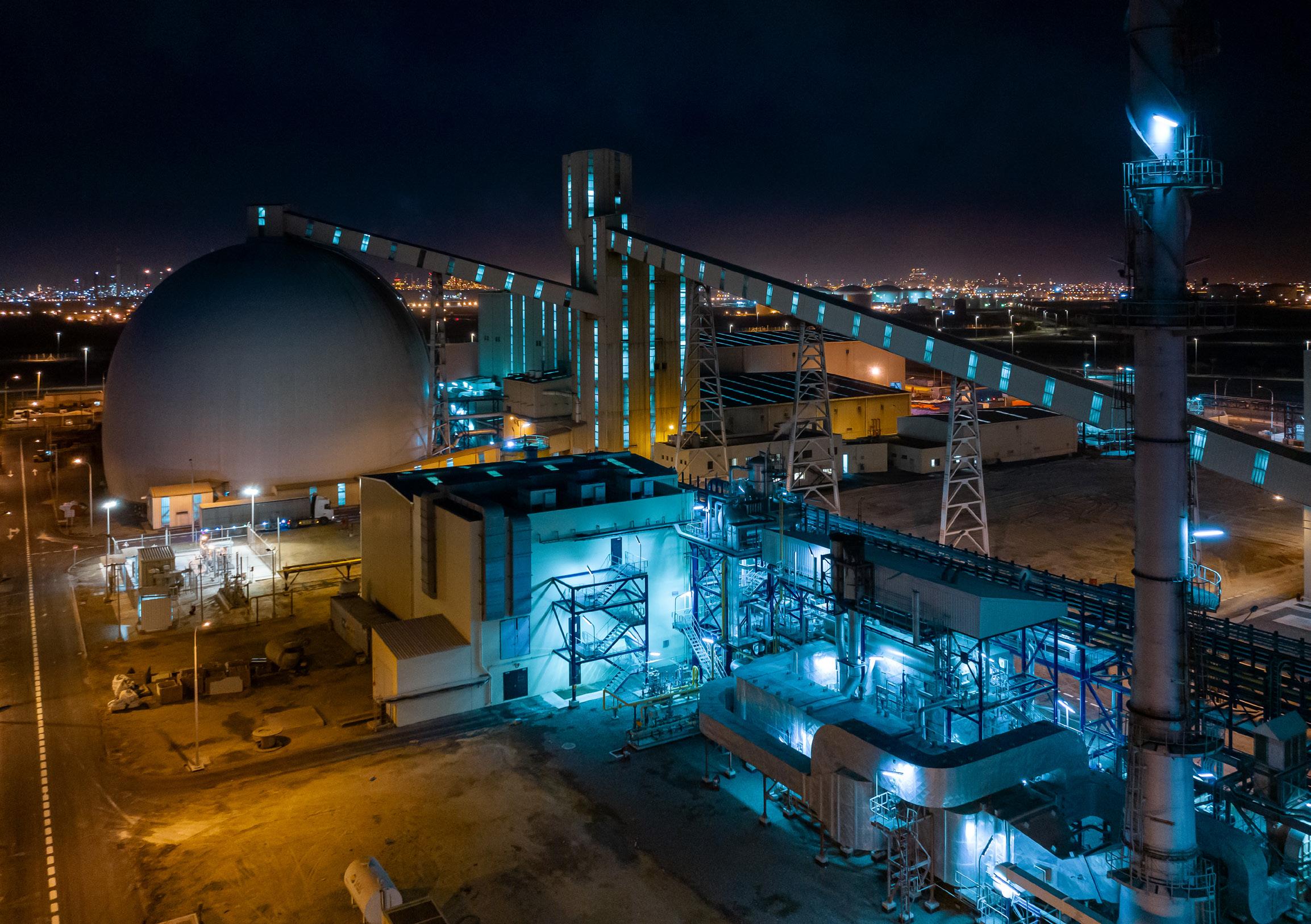
Operating a modern facility built recently, how are you incorporating digital tools or innovative practices such as automation, analytics, or supplier portals to enhance procurement efficiency?
Technology plays a central role in how we manage procurement and supply chain operations at Durrah. From the beginning, we implemented SAP S/4HANA as our core ERP platform, supported by an integrated eProcurement system designed specifically to streamline sourcing, approvals, and supplier interactions. These systems were not introduced as optional enhancements, they were strategic enablers of efficiency, accountability, and real-time visibility across the procurement cycle.
By automating routine and repetitive tasks, we shift our team’s focus to higher-value activities such as supplier collaboration, cost optimisation, and long-term planning. The digital workflow ensures full traceability and audit readiness, strengthening governance and improving the speed and consistency of decision-making.
We are also expanding the use of data analytics to monitor supplier performance, forecast material demand, and identify opportunities for continuous improvement. These insights support proactive planning rather than reactive problem-solving.
Beyond tools and systems, technology is reshaping how we collaborate internally and with suppliers. Our goal is to transition to a fully digital, paper-free procurement environment by 2027, reflecting Durrah’s broader commitment to innovation, sustainability, and operational excellence.
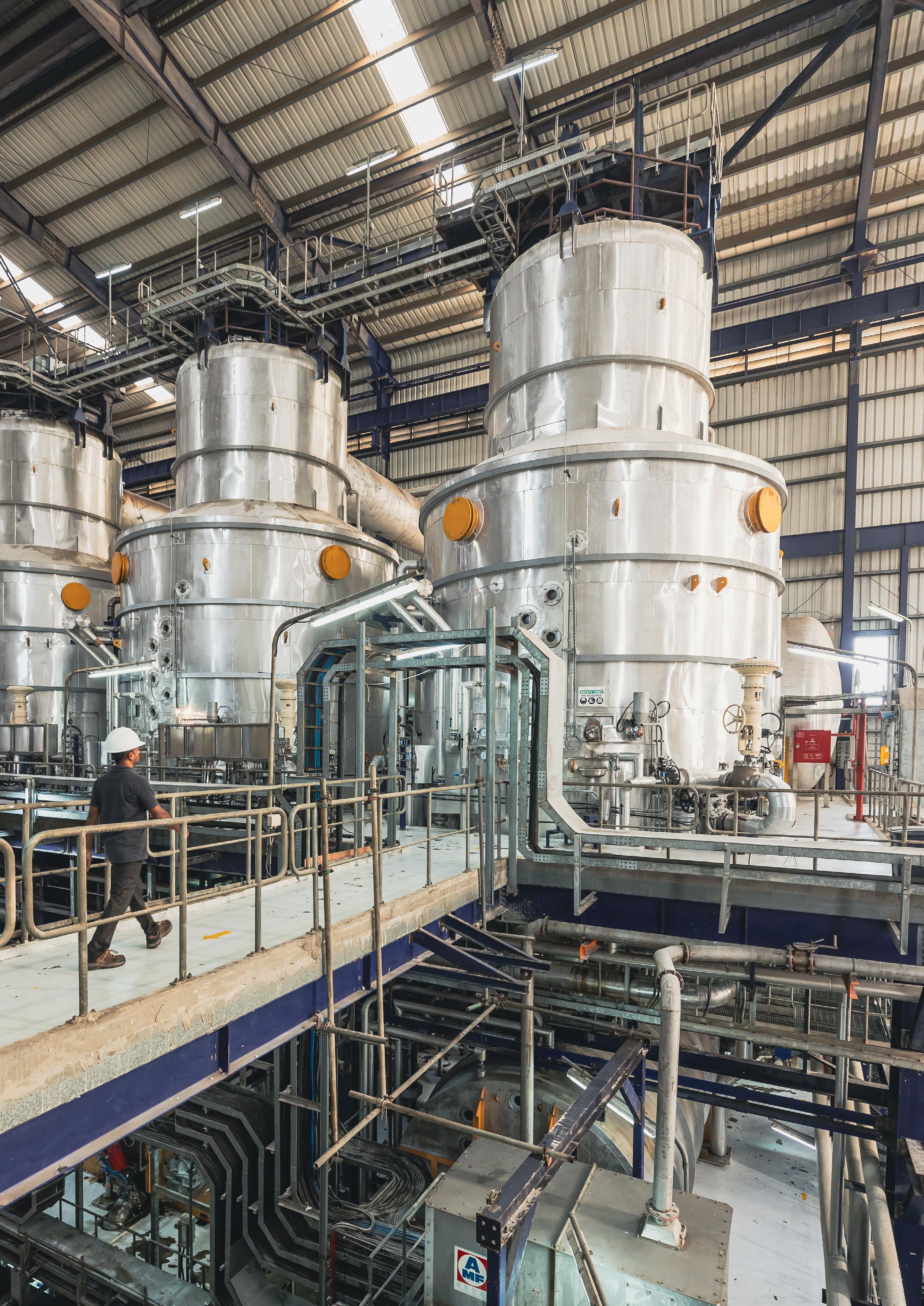
Procurement governance plays a key role in ensuring transparency, consistency, and ethical sourcing. How does Durrah Advanced Development Company ensure strong governance and compliance across its procurement activities, and what internal policies or frameworks help maintain these standards?
Strong governance is a core pillar of Durrah’s procurement philosophy and directly reflects our organisational value of integrity. It guides how decisions are made, how suppliers are selected, and how contracts are executed. To reinforce this, we have collaborated with leading consultancies and conducted internal alignment workshops to build policies and procedures that balance transparency, accountability, and operational agility.
All procurement transactions, from requisition to supplier award, are channelled through structured digital workflows that ensure fairness, consistency, and full traceability. Competitive tenders are managed through a secure e-bidding platform, protecting confidentiality and promoting equal opportunity among suppliers.
In cases where exceptions are needed, a clear, tiered approval framework ensures decisions remain justifiable and compliant with internal controls. This approach supports disciplined governance while enabling flexibility to meet operational realities.
Ultimately, governance at Durrah is not viewed as a constraint, it is a shared responsibility that strengthens trust, upholds ethical standards, and protects the company’s reputation while enabling sustainable business value.
You’ve mentioned that empowerment of the procurement function is something rarely seen in the private sector, yet Durrah has embraced it successfully. How has this empowerment been achieved within the organisation, and what impact has it had on your team’s ability to deliver strategic value beyond traditional cost management?
Creating an empowered procurement function has been one of Durrah’s most meaningful strategic shifts. The company recognises procurement not as a transactional support role, but as a core driver of value, efficiency, and innovation. With a direct reporting line to the Chief Executive Officer, the procurement team operates with clear authority and strong alignment to organisational objectives.
This structure ensures procurement is engaged early in decision-making and project planning, allowing us to influence specifications, optimise sourcing strategies, and anticipate risks rather than simply react to requests. It also reinforces cross-functional collaboration, enhances transparency, and accelerates execution while maintaining strict accountability and governance.
The impact has been tangible. Today, nearly 90 percent of company spend is strategically managed through the procurement function, significantly above what is typical in the private sector. This level of ownership reflects trust, operational maturity, and a shared understanding that procurement contributes to far more than cost savings.
By empowering procurement, Durrah has positioned the function as a true business partner—one that drives continuous improvement, strengthens supply chain resilience, and supports sustainable, longterm growth.

As procurement evolves, what skills and competencies are you cultivating within your team to meet emerging needs in analytics, supplier sustainability, or strategic sourcing?
The most important investment we have made in procurement at Durrah is in our people. Our capability-building journey began almost two years ago, sparked by a junior colleague who regularly approached me with questions on topics such as S&OP, demand planning, and make-orbuy analysis. After each discussion, I asked him to present what he had learned to the team. Those informal sessions soon evolved into structured knowledge-sharing workshops.
From there, we built the Procurement Internal Training Program, a tailored development framework covering core competencies such as contracting, sustainable procurement, demand forecasting, data analytics, and advanced Excel. Every course includes study materials, practical assignments, and internal certification to ensure learning is both applied and measurable.
We also integrate real case studies drawn from our day-to-day operational challenges, enabling the team to collaborate in small groups to solve practical problems. In addition, we invite colleagues from other departments to join certain sessions, strengthening cross-functional alignment and shared ownership of procurement outcomes.
The results have been transformative. Team members are more confident, analytical, and proactive. Curiosity has become part of our culture. Knowledge is shared, not siloed. Most importantly, the team now sees procurement not just as a role, but as a discipline that drives value, innovation, and organisational progress.
Looking ahead, what procurement trends or innovations do you foresee shaping the sugar and food manufacturing supply landscape? How is Durrah preparing to stay ahead of these changes?
The future of procurement in the food manufacturing industry will be shaped by how effectively organisations leverage data, technology, and market intelligence to navigate increasing volatility. Commodity price fluctuations, evolving trade dynamics, and supply chain disruptions are no longer exceptions, they are part of the operating environment. This makes forecasting accuracy, visibility, and scenario planning more critical than ever.
The most important investment we have made in procurement at Durrah is in our people
At Durrah, we are already exploring AI-enabled demand forecasting and advanced analytics to enhance our planning capabilities and enable faster, more informed decision-making. These tools will allow us to anticipate potential risks earlier, respond to market shifts with agility, and optimise our sourcing strategies in real time.
However, technology alone is not the full answer. The organisations that will lead in the future will be those that combine digital intelligence with human insight, strategic supplier collaboration, and a culture of continuous improvement.
Our vision is to maintain a procurement function that is intelligent, agile, and resilient, one that not only responds effectively to global market challenges but actively shapes value creation and strengthens Durrah’s competitive position for the years ahead.

Durrah Advanced Development Company is one of Saudi Arabia’s leading producers of refined white sugar, operating a world-class refinery located at King Fahad Industrial Port in Yanbu. The company brings together international agribusiness expertise and local industrial capability to supply high-quality sugar to retail, industrial and export markets. Durrah is committed to quality, efficiency and supply-chain excellence, ensuring reliable production and dependable delivery across the region.
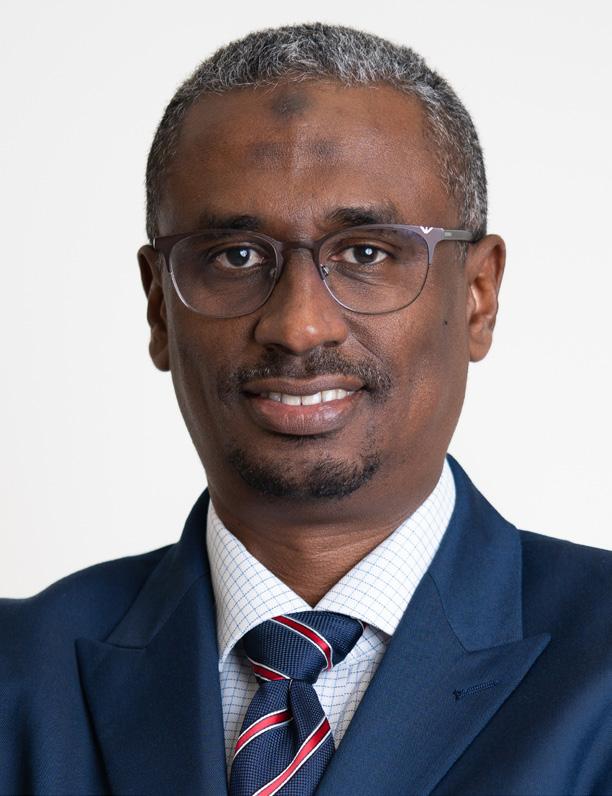
Mohamed Kheir Procurement Director
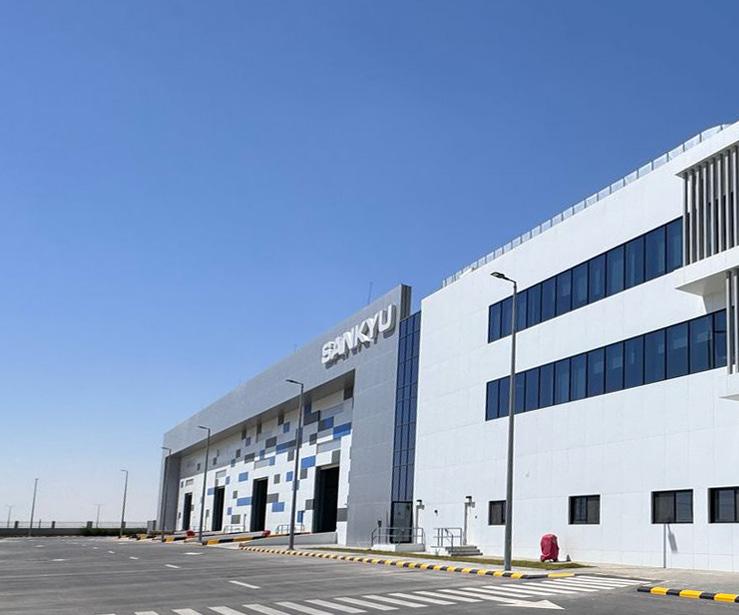
With more than a decade of experience in procurement, contract management and supply chain operations across the industrial and engineering sectors, Abdullah Bin Makhashin has built his leadership on a foundation of operational discipline, supplier partnership and strategic foresight. His journey includes critical roles supporting major oil and gas players, including Saudi Aramco Base Oil Luberef and leading EPC organisations, where he developed a strong focus on safety, compliance and sustainable sourcing.
Today, as Head of Procurement at SANKYU Saudi Arabia, Abdullah leads a procurement function that supports diverse service lines across logistics, plant engineering and operations. His approach centers on aligning sourcing strategy with business continuity, developing longterm supplier relationships and enabling local talent growth in line with national localisation and sustainability objectives.

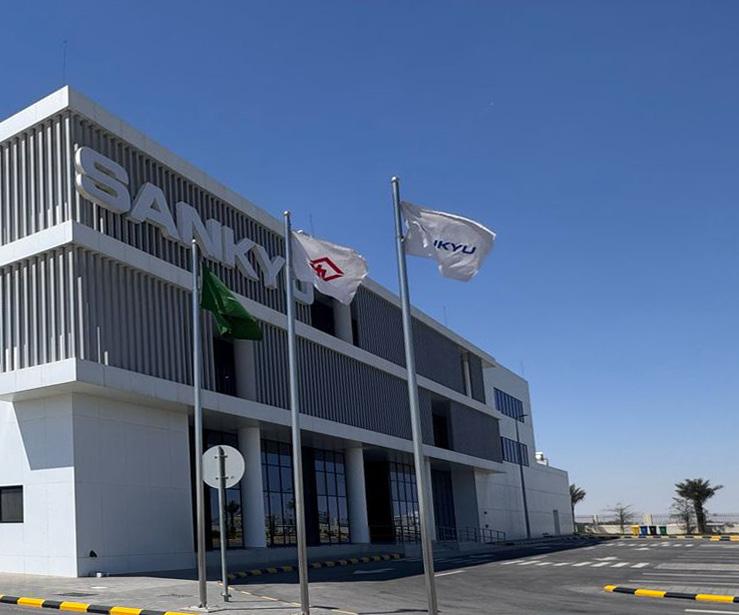
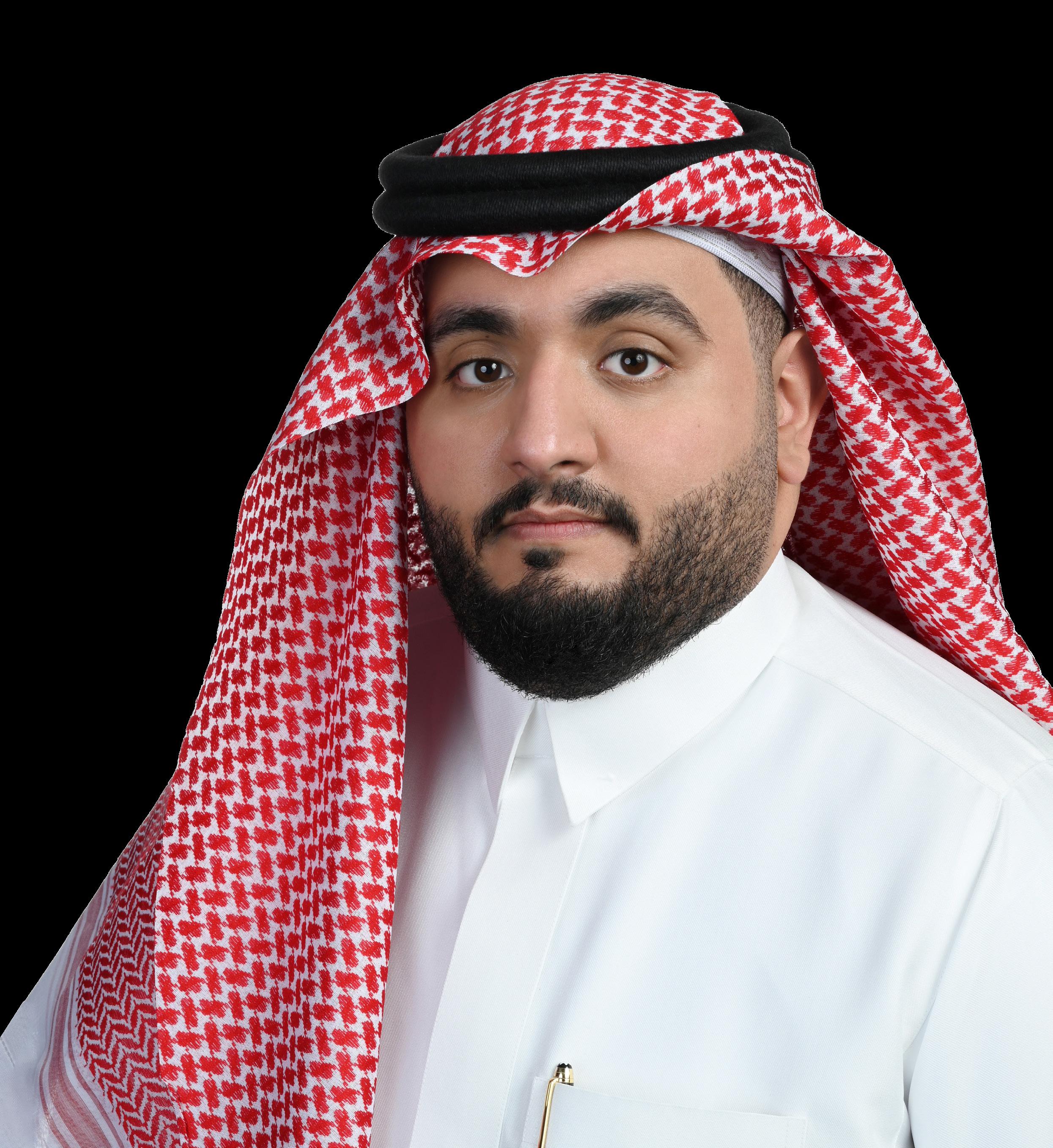
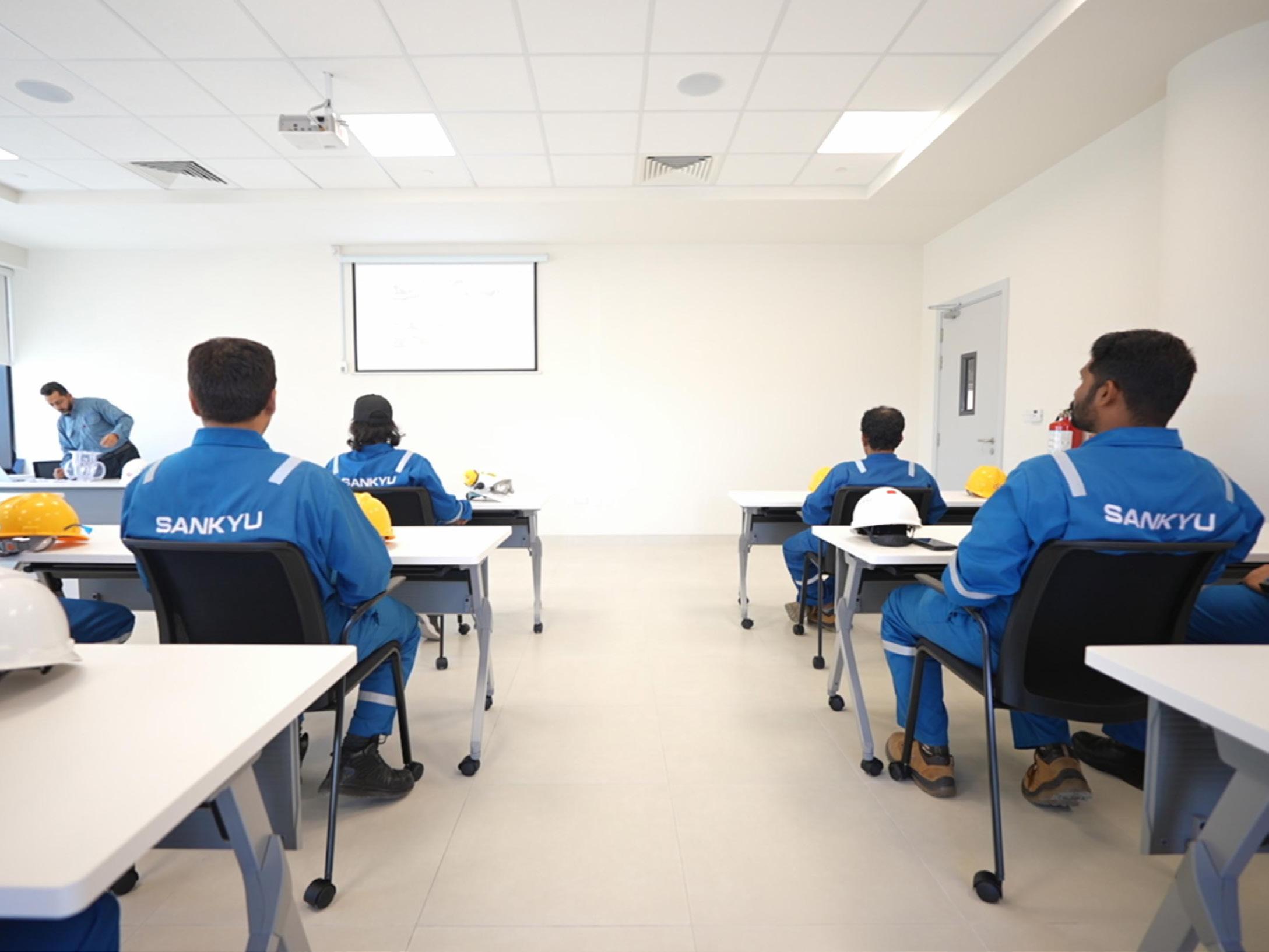
Can you share your path to becoming Head of Procurement at Sankyu Saudi Arabia? What past roles or experiences have influenced how you manage procurement and sourcing for heavy logistics, plant engineering, and operational support?
My journey to becoming Head of Procurement at SANKYU Saudi Arabia has been shaped by over a decade of experience in supply chain and contract management across the industrial and engineering sectors. I began in hands-on procurement roles at project sites and later moved into leading large-scale bidding operations, where I learned how to balance strategic planning with the agility required in fast-moving environments.
Each stage of my career, from coordinating critical logistics to managing multimillion-dollar contracts, reinforced that procurement is not just about purchasing; it is about enabling business continuity. At SANKYU, I apply these lessons every day by driving compliance, building strong and transparent supplier partnerships, and ensuring procurement remains aligned with operational and project objectives.
My experience working alongside Saudi Aramco Base Oil Luberef and major EPC contractors also deeply influenced my approach, shaping my commitment to safety, ethical standards, transparency, and sustainable supplier development across the supply chain.
Sankyu Saudi Arabia operates across business support, plant engineering, and logistics. From your perspective, how do you adapt procurement strategies differently for services vs. heavy equipment vs. maintenance?
SANKYU operates across several highly specialised service lines, logistics, plant engineering, and operations, each of which requires a distinct procurement approach. In heavy logistics, we prioritise reliability, safety compliance, and alignment with mobility regulations. In plant engineering, the focus is on technical accuracy, specification integrity, and long-lead planning to avoid project delays. For maintenance and operations, the priority shifts toward responsiveness, material availability, and cost control to ensure continuous support.
The key to managing these diverse needs is flexibility with governance. Our procurement team engages early with each division to understand operational requirements, risk exposure, and commercial sensitivities. This allows us to tailor sourcing strategies to the specific service model while maintaining consistent standards for quality, compliance, and value. By adapting where needed and standardising where it counts, we are able to support SANKYU’s business lines effectively and sustainably.
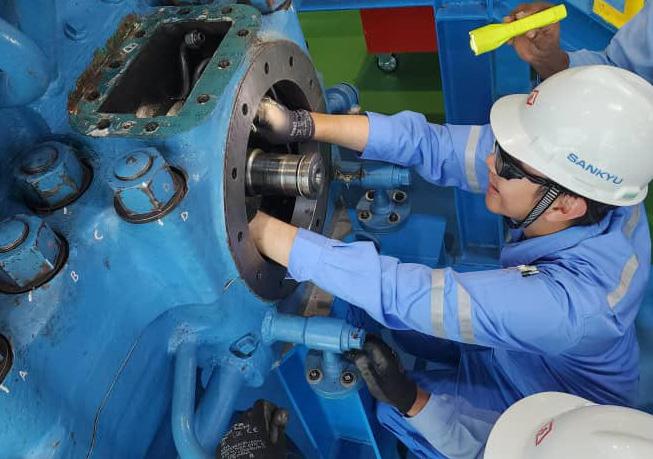
You’ve recently established a Maintenance & Human Resources Development Center in Jubail. What procurement decisions and supplier relationships have been critical in setting up this facility, especially when it comes to sourcing specialist materials, tools, and services?
The Jubail Maintenance and Human Resources Development Center was a significant milestone for SANKYU. From a procurement perspective, it required establishing strong partnerships with local manufacturers and service providers, particularly for specialised tools, lifting equipment, and training simulators. We adopted a local-first sourcing approach to ensure alignment with IKTVA and national local content objectives.
Equally important was selecting partners who shared our commitment to knowledge transfer and workforce upskilling. Many of the suppliers involved in the setup phase have since become longterm collaborators, contributing not only to operational readiness but also to the establishment of technical training programs. These programs are now helping develop the next generation of Saudi talent and form a core foundation for our ongoing workforce development strategy.
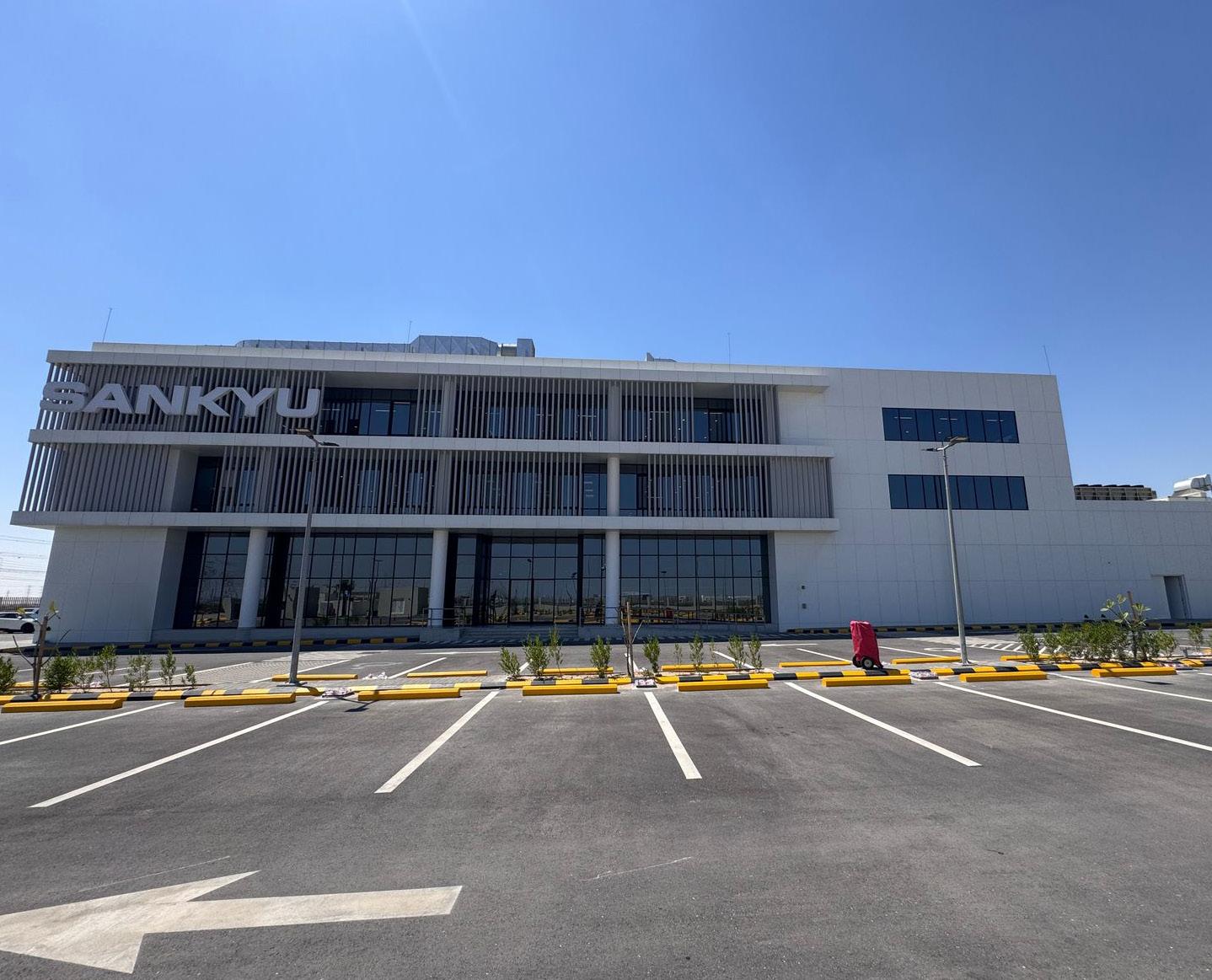

On a global level, Sankyu has environmental initiatives, green logistics, eco-warehouses, modal shifts etc. How are you embedding sustainability into procurement at the Saudi level? What supplier or material choices are you making to support greener operations?
Sustainability in procurement begins with awareness and intentional decision-making. At SANKYU Saudi Arabia, we are aligning our operations with the company’s broader commitment to green logistics and environmental stewardship. In practice, this means prioritising energy efficient equipment, reducing packaging waste, and partnering with suppliers who actively demonstrate responsible environmental practices. We also emphasise preventive maintenance and equipment lifecycle optimisation to reduce carbon impact and extend asset value.
For us, sustainability is not a checkbox, it is a mindset. Every sourcing decision has an environmental consequence. Our aim is to ensure that “green” becomes the default choice, delivered in a way that maintains reliability, performance, and long-term value.
Given Sankyu provides support to critical industries (oil & gas, petrochemicals, refineries), what processes do you have in place to manage procurement risks, supplier failure, equipment downtime, supply delays, quality issues?
Operating in critical industrial sectors means procurement must be precise, proactive, and highly controlled. We manage risk through a layered framework that includes supplier prequalification, insurance and compliance checks, structured performance guarantees, and routine audit cycles. For key material and service categories, we also maintain contingency suppliers to ensure continuity under any disruption.
The real focus is on foresight. Using ERP-driven data and close coordination with operations, we monitor capacity, lead times, and supplier performance trends to detect early signs of strain before they impact execution. Equally, strong supplier relationships play an essential role, regular communication enables transparency and fast problem solving when challenges arise.
At SANKYU, we are not only managing procurement risks; we are embedding resilience across the entire supply chain to ensure continuity without compromise.
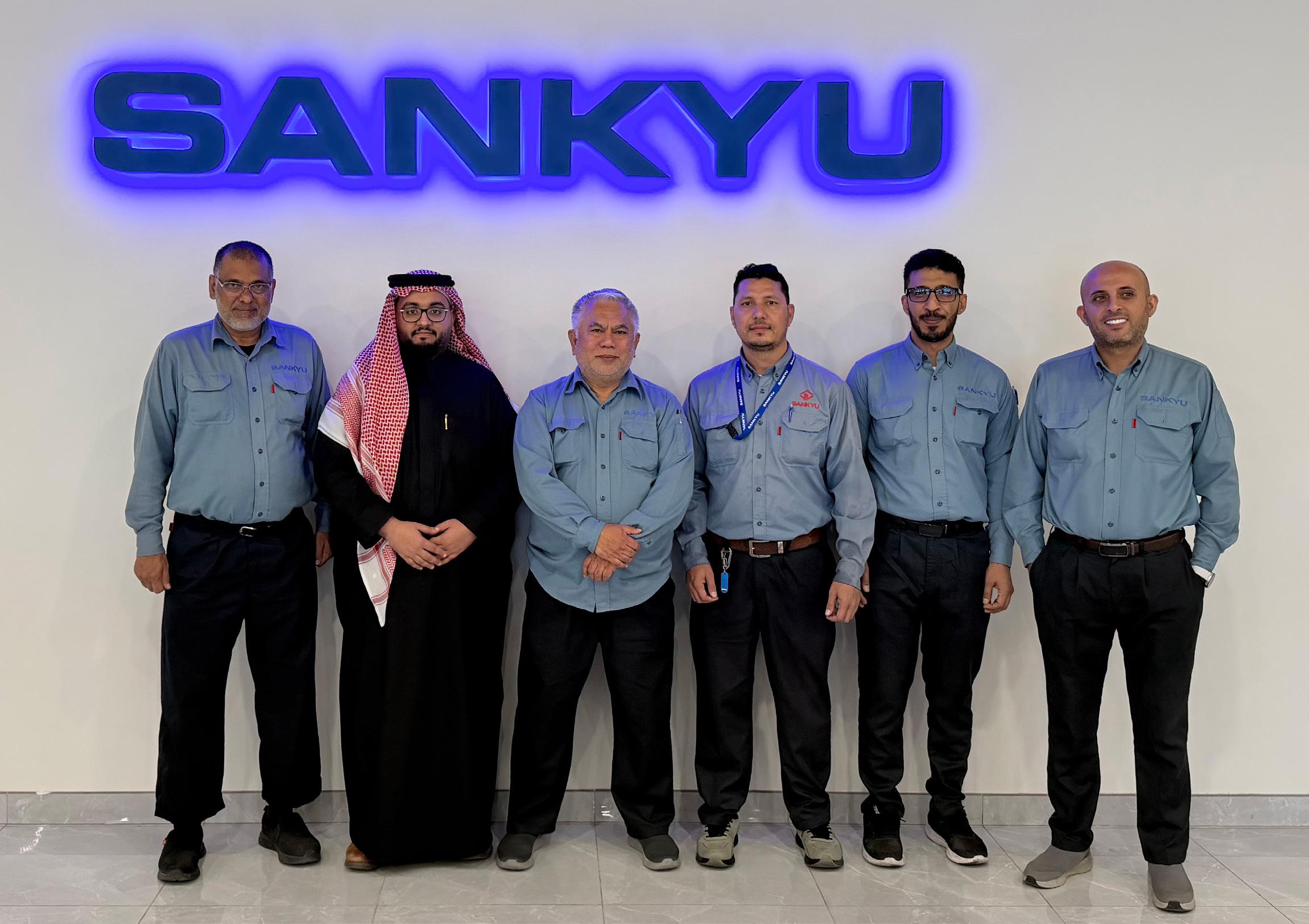
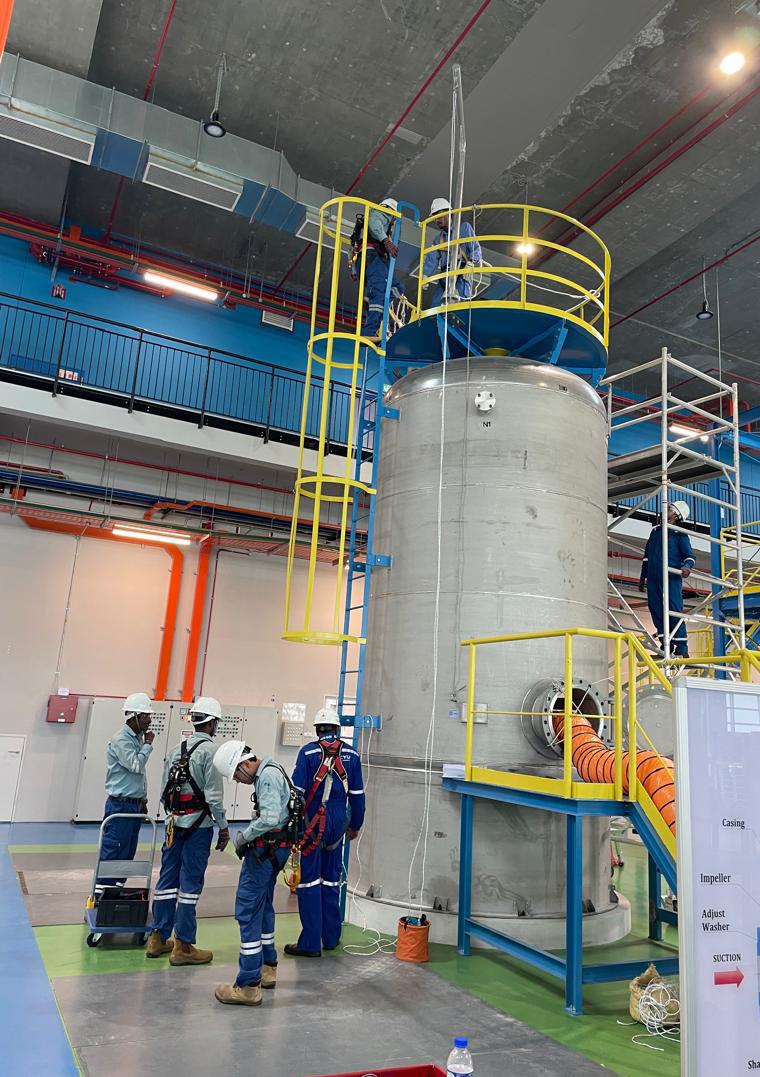
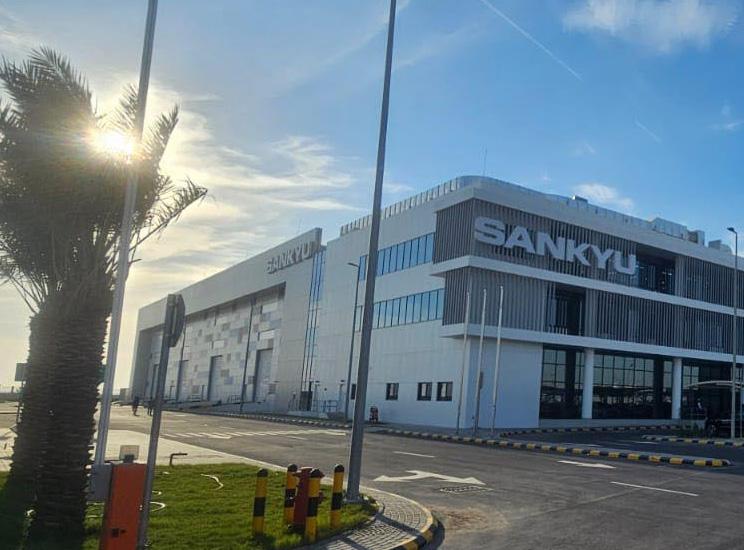
What has been your approach to cultivating strong relationships with vendors / suppliers for heavy machinery, engineering services, and maintenance contractors? How do you ensure quality, safety compliance, and performance over time?
Our supplier relationships are rooted in trust, transparency, and shared growth. We see our vendors as strategic partners rather than transactional providers. In areas like heavy machinery, technical services, and maintenance support, long-term collaboration is essential. That means clear communication, fair evaluation, and continuous improvement built into the relationship from day one.
Quality and safety remain non-negotiable. To uphold these standards, we conduct regular performance reviews and on-site audits, while also using vendor scorecards to measure delivery accuracy, service responsiveness, compliance, and innovation contribution. This structured approach increases accountability and gives suppliers a clear roadmap for how to elevate their performance.
When suppliers feel invested in your mission, they contribute more than products, they contribute reliability, loyalty, and operational resilience. At SANKYU, these partnerships are fundamental to sustaining consistent service and supporting long-term business continuity.
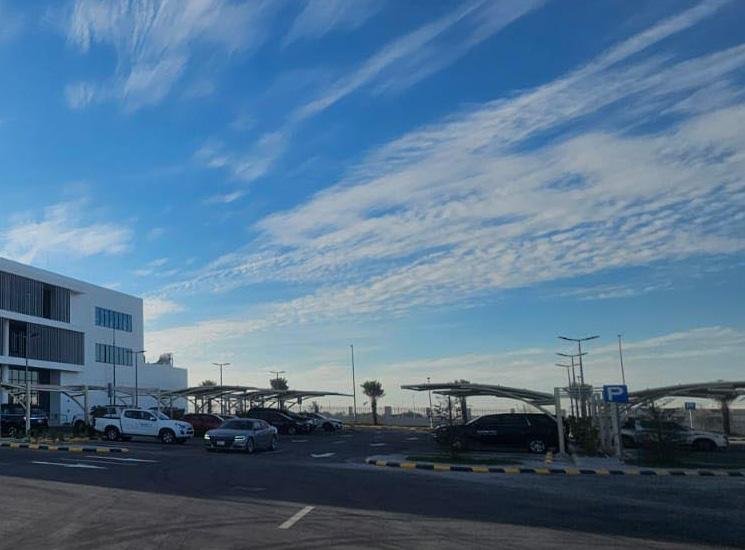
Are you using or planning to use digital procurement tools (e.g., ERP, supplier performance dashboards, predictive analytics) to improve decision making, forecasting, or cost control? If so, can you share examples?
We are advancing procurement digitalisation at SANKYU through the integration of Microsoft Dynamics 365, which now connects purchase requests, purchase orders, and cost centers in real time. This has significantly improved visibility, traceability, and financial control across our operations.
In parallel, we are developing data dashboards to monitor key performance indicators such as RFQ cycle times, vendor performance trends, and cost-saving achievements. The objective is to shift from reactive decision-making to predictive planning, using analytics to anticipate supply delays, forecast demand patterns, and optimise sourcing decisions before challenges arise.
Our next phase includes supplier scorecard analytics and automated approval workflows to further streamline processes. For us, technology does not replace human judgment; it elevates it. By reducing administrative burden and enhancing transparency, digital tools allow the procurement team to focus on strategic value creation rather than transactional tasks.
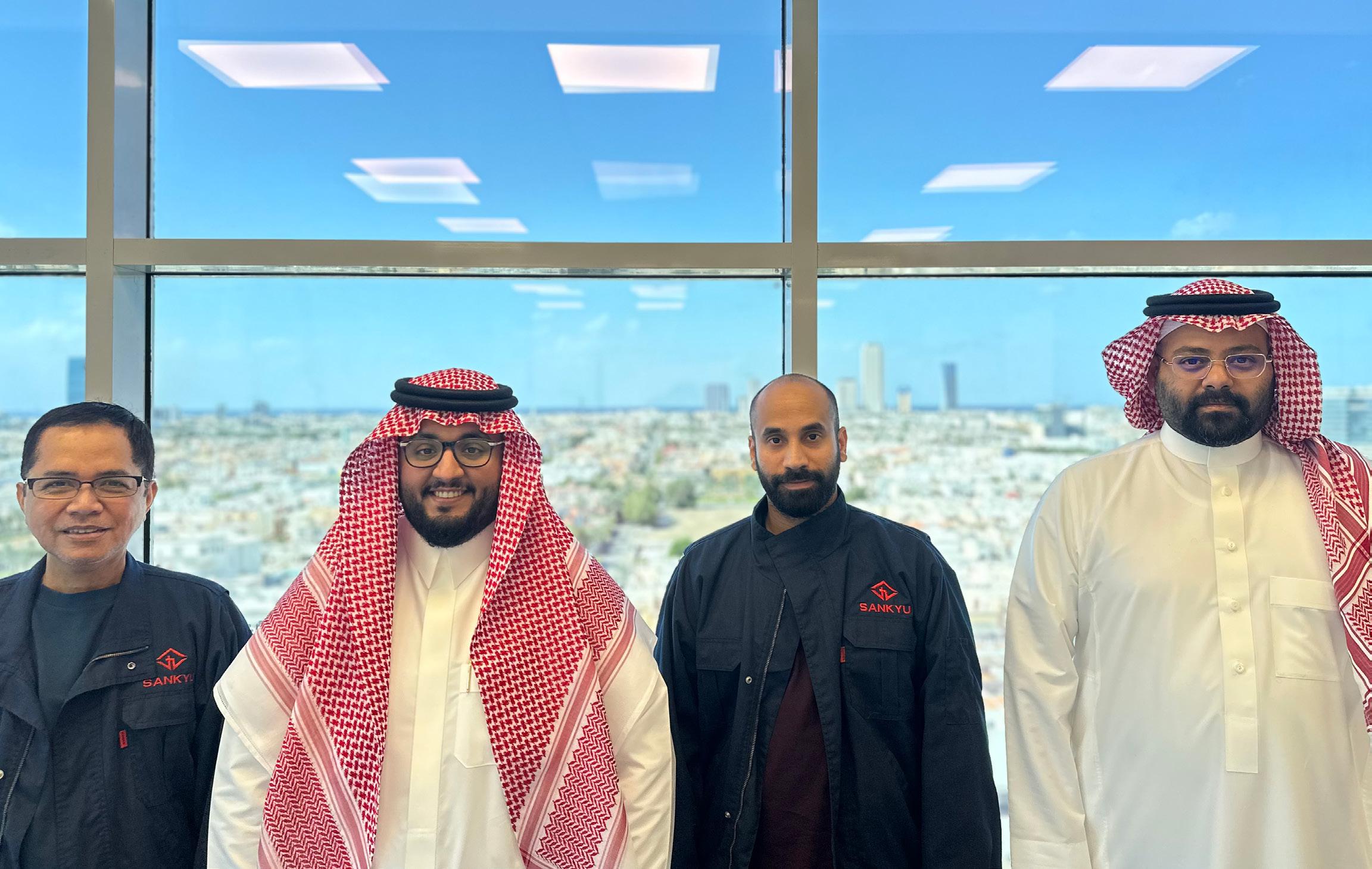
What are some of the biggest procurement challenges you face in the Saudi or broader GCC market (e.g. import/export restrictions, local content requirements, vendor capability, cost of capital)? How do you navigate them?
Procurement in the GCC is both dynamic and complex. We operate in markets where import dependency, fluctuating logistics costs, and evolving local content requirements can significantly impact sourcing strategies. Supplier capabilities vary widely, especially in highly specialised technical segments, which means we must balance speed with rigorous qualification and risk control.
To navigate this landscape, we place strong emphasis on supplier development, early engagement, and continuous market intelligence. We work closely with local vendors to strengthen their technical and operational capacity, supporting the broader national agenda for industrial growth and supply chain resilience.
We are also mindful of the financial pressure smaller suppliers face, from cost of capital to extended payment terms. While commercial discipline is essential, it must be balanced with fairness and partnership to ensure long-term stability in the value chain.
Saudi Arabia’s localisation and sustainability goals present both challenge and opportunity. The future of procurement in the region will be shaped by collaboration, adaptability, and the ability to innovate sourcing models. At SANKYU, we see procurement not only as a function that responds to market conditions, but as one that helps shape a stronger, more resilient local supply ecosystem.
For those looking to grow in procurement, especially in heavy industry, logistics, and plant maintenance, what qualities, skills, or experiences do you believe are most valuable?
Procurement leadership goes far beyond negotiation, it’s about influence, integrity, and strategic alignment. For those who want to build a strong career in this field, my core advice is to understand the business before you focus on buying. Learn how procurement decisions impact operations, finance, timelines, and the people on the ground.
It’s important to develop both analytical and interpersonal skills. Data and systems help inform decisions, but relationships are what enable execution and trust. Stay curious, stay ethical, and stay adaptable, procurement evolves quickly, and so should your mindset. Professional certifications such as CIPS or EIPM provide a helpful foundation, but real growth comes from solving challenges in real environments.
Ultimately, great procurement leaders don’t just reduce cost, they create value, build resilience, and support the organisation’s long-term mission.

SANKYU Saudi Arabia is a leading provider of integrated plant-engineering, operations-support and logistics services, serving major industrial sectors across the Kingdom. Established in 2008 under the global Sankyu Group, the company combines decades of engineering, heavy-lifting and supply-chain expertise with local knowhow to deliver maintenance, installation, transport and support solutions. With strong commitments to safety, reliability and efficiency, SANKYU helps industrial clients meet their operational, logistics and project-execution needs across Saudi Arabia.

As Pakistan’s largest vertically integrated refinery and one of the few energy companies with a nationwide retail footprint, Cnergyico Pk Limited sits at the centre of the country’s fuel supply, energy security, and industrial modernisation. Behind this complex ecosystem is a procurement function that not only supports operations, but actively shapes the company’s ability to remain agile, competitive, and future-ready.
In this Executive Insight,Saad Khamisani, Head of Procurement at Cnergyico Pk Limited, reflects on nearly two decades spent navigating the full spectrum of Pakistan’s energy supply chain, from upstream operations to refining, logistics, and retail distribution. He shares how strategic sourcing, supplier diversification, regulatory alignment, and digital transformation are driving operational excellence across the refinery and its vast network.
From managing the import of U.S. crude and expanding fuel oil exports, to strengthening local supplier capability and embedding sustainability into sourcing decisions, his perspective offers a comprehensive look at how procurement is transforming into a strategic engine behind Cnergyico’s growth and long-term resilience.




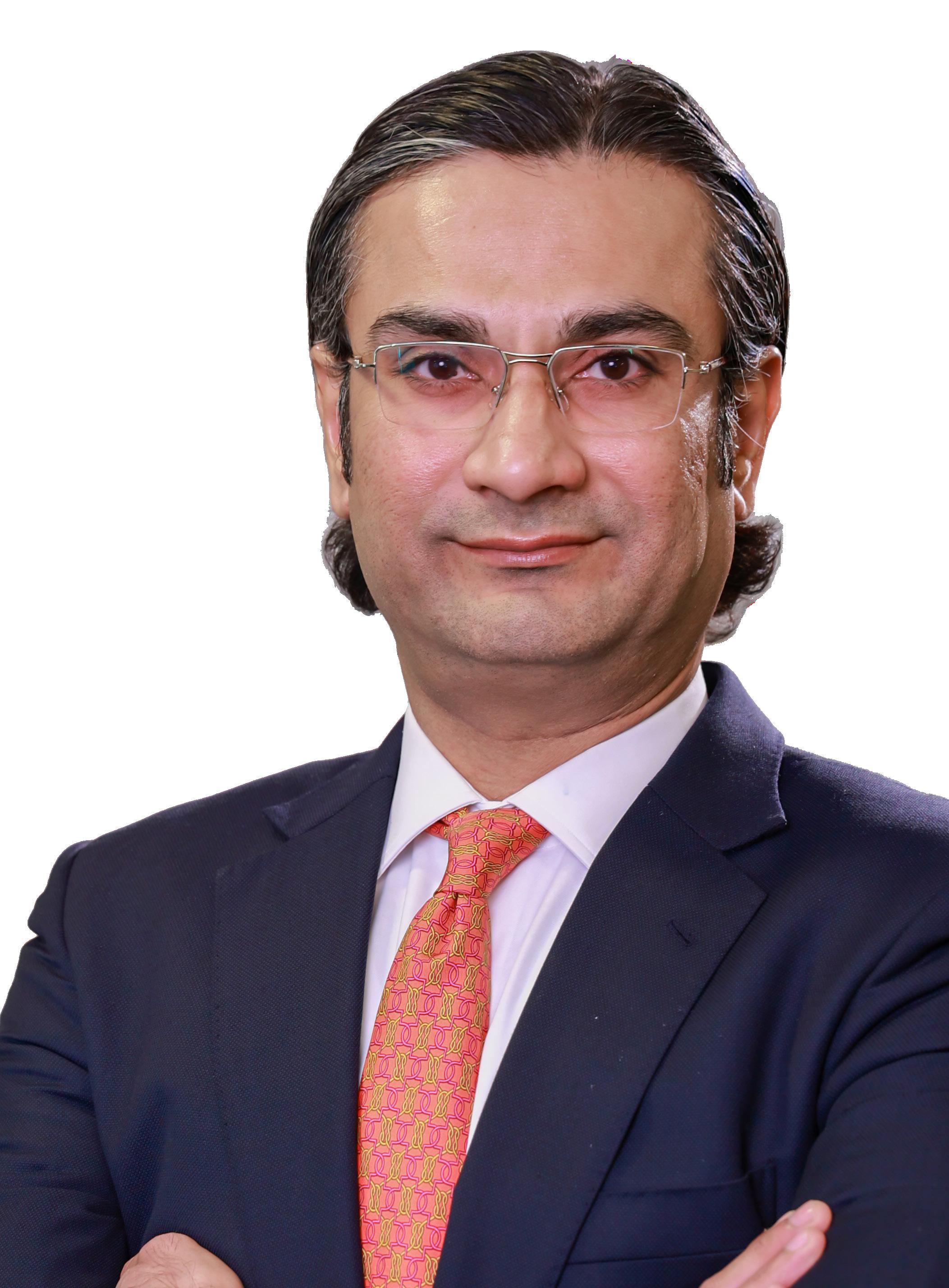
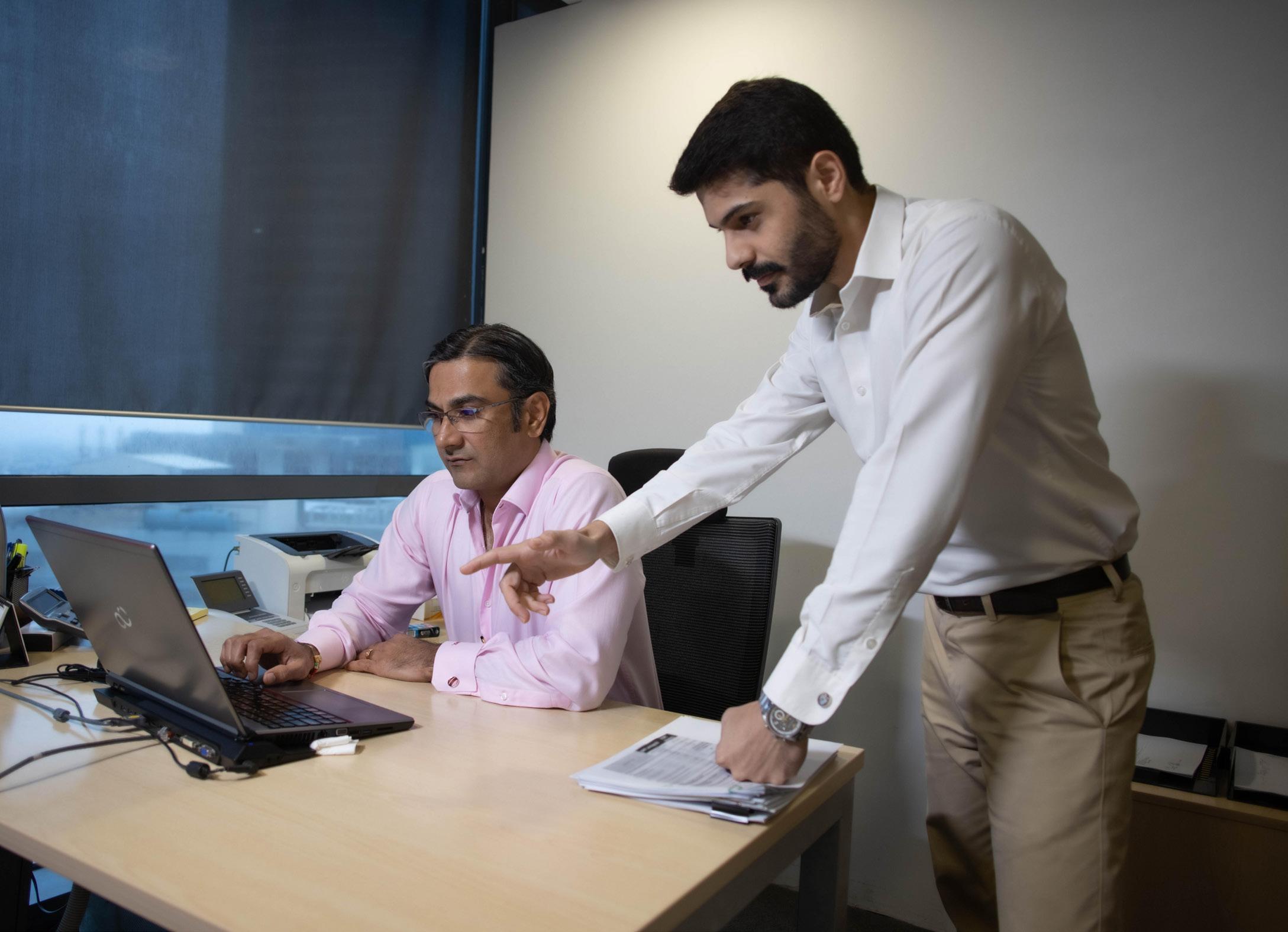
Can you share your personal journey into procurement, and what led you to take on the role of Head of Procurement at Cnergyico Pk Limited? Which experiences have most shaped your leadership style in the energy and oil refining sectors?
My journey into procurement began almost two decades ago with a fascination for how strategic sourcing can shape the efficiency and profitability of an entire enterprise. Over the years, I’ve had the privilege of working across upstream, midstream, and downstream operations in Pakistan’s energy sector, experiences that gave me a deep understanding of both the technical and commercial sides of the business. Joining Cnergyico Pk Limited was a natural progression. The company’s scale and ambition, especially its focus on modernisation and integration, aligned perfectly with my passion for transforming procurement from a transactional function into a strategic enabler. My leadership style has been shaped by lessons learned during high-value negotiations, complex EPCC projects, and international collaborations, where resilience, transparency, and relationship management became the foundation of successful outcomes.
Given Cnergyico is a vertically integrated refinery with a large retail footprint, how does your procurement strategy contribute to ensuring operational efficiency, safety, and high reliability across both refining and distribution?
At Cnergyico, procurement is not merely about acquiring goods and services, it’s about ensuring operational continuity, safety, and reliability across our refining, logistics, and retail operations. We’ve built a procurement model that integrates tightly with our production and maintenance planning functions. This ensures every sourcing decision contributes directly to uptime and efficiency. Our focus is on preemptive planning, supplier risk mapping, and contract governance so that materials and services are available when needed, without compromising on safety or compliance. By embedding procurement within the company’s core operational strategy, we’ve created a system that supports both refinery optimisation and network reliability, making procurement a key driver of operational excellence rather than just a cost center.
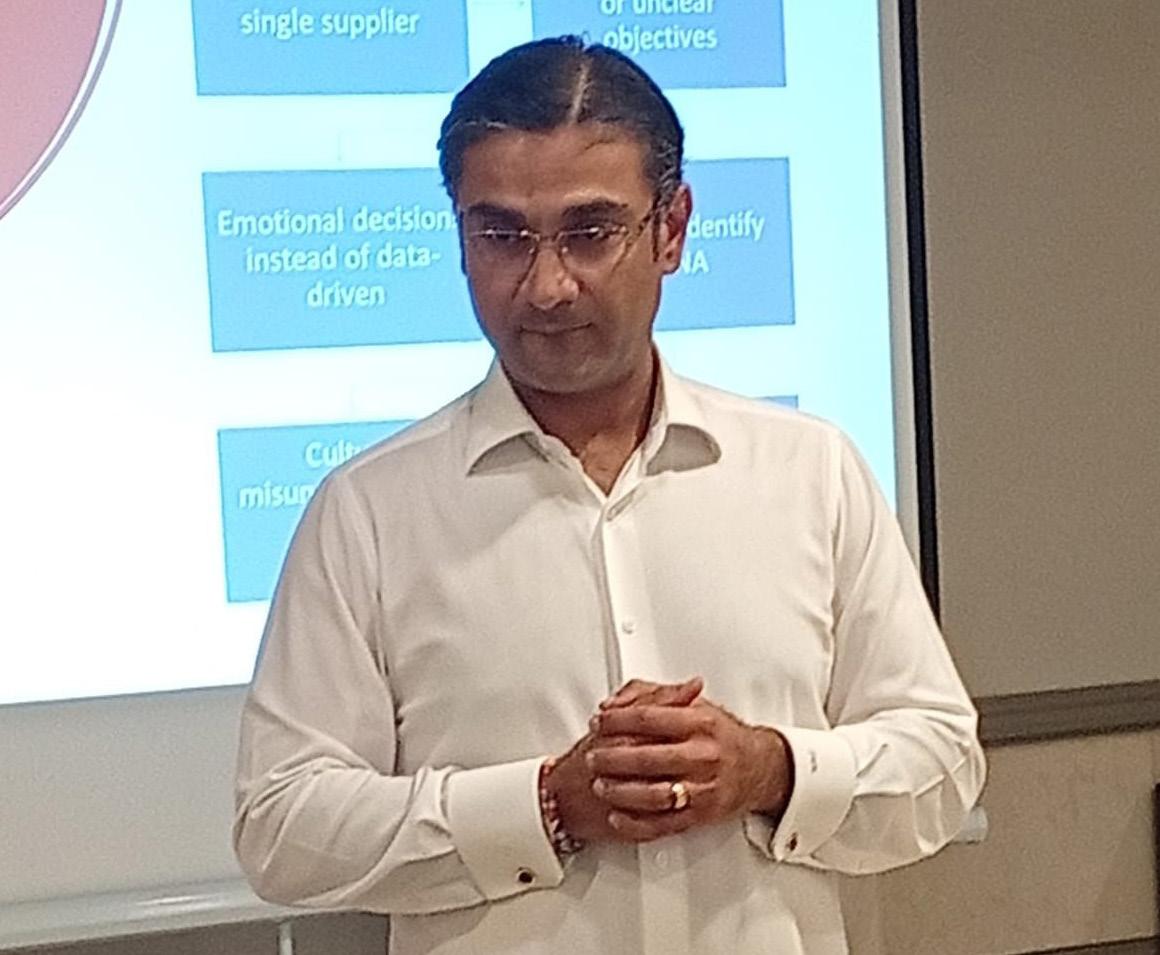
Cnergyico has recently begun importing US crude and expanding exports of fuel oil due to domestic demand challenges. How are you managing the risks of supply chain disruptions, and what role does supplier diversification play in your strategy?
Recent shifts in global energy dynamics, such as the import of U.S. crude and the export of fuel oil, have made supply chain resilience a top priority. At Cnergyico, we’ve diversified our supplier and logistics base to ensure flexibility against geopolitical and market disruptions. We evaluate multiple sourcing corridors, including GCC, U.S., and East Asian suppliers, to manage risk exposure. In parallel, we emphasise long-term relationships with key partners who can adapt with us through market cycles. Technology also plays a major role, real-time data visibility and forecasting tools help us anticipate bottlenecks and make proactive adjustments. The goal is to ensure that despite volatility, Cnergyico’s operations remain steady, reliable, and agile.
“At Cnergyico, procurement is not merely about acquiring goods and services, it’s about ensuring operational continuity, safety, and reliability across our refining, logistics, and retail operations”
With the evolving Brownfield Oil Refining Policy and regulatory reforms in Pakistan, how does government policy affect your procurement decisions, especially for upgrades, capacity expansion, and environmental compliance?
Government policies, particularly the evolving Brownfield Oil Refining Policy, have a direct impact on procurement strategies. These policies influence how we structure long-term contracts, plan upgrade projects, and align with environmental standards. At Cnergyico, our approach is proactive: we engage with regulators early, interpret policy changes quickly, and align our sourcing strategy to take advantage of incentives while maintaining compliance. For example, in capacity expansion and energy efficiency projects, we work closely with suppliers who understand Pakistan’s regulatory framework and can ensure that imported technologies meet both national and international environmental benchmarks. The result is a procurement function that not only follows policy but helps the company stay ahead of it.
We are providing rst-class, reliable, and customised marine support for The Cnergyico for more than 8 years, and we ensure safe and e cient operations anywhere in the world. We run a tight ship!
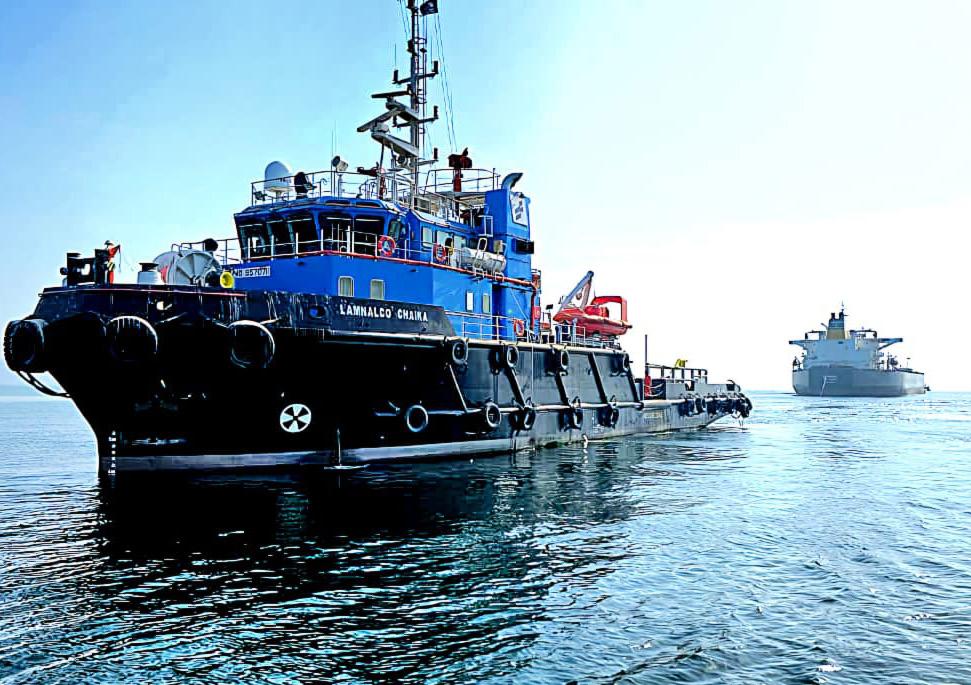


2000 Employees
42 Nationalities


140 Vessels 20 Countries
Smit Lamnalco is a global leader in marine towage and terminal support services, recognised for delivering safe, reliable, and e cient operations across some of the world’s most demanding maritime environments. With a heritage built on decades of expertise, the company provides essential marine services to the oil and gas, LNG, mining, and port sectors, supporting clients at both onshore and o shore terminals.
Operating a diverse eet of specialised vessels, including terminal and harbour tugs, o shore support vessels, pilot boats, crew boats, and line-handling cra , Smit Lamnalco ensures that every asset is carefully matched to the operational requirements of each project. This eet is supported by an experienced, multicultural workforce spread across more than 20 countries, providing round-the-clock coverage and deep local understanding.
The company’s service o ering includes towage, escort towage for LNG carriers and tankers, pilot transfer services, mooring and unmooring operations, o shore support, and fully integrated marine terminal management. Its strength lies in the ability to build long-term partnerships with port authorities, terminal operators, and energy companies, delivering tailored solutions designed for operational continuity, cost e ciency, and uncompromising safety.
Smit Lamnalco’s core values, safety, reliability, teamwork, integrity, and entrepreneurship, shape how it operates globally. The company places strong emphasis on local content, actively hiring, training, and developing local talent wherever it operates, ensuring sustainable social and economic impact.
With a proven track record across Africa, the Middle East, Asia-Paci c, and the Americas, Smit Lamnalco continues to be a trusted marine partner for industries where precision, expertise, and operational resilience are essential.
Cnergyico is investing in producing cleaner fuels and reducing environmental impact. How do you ensure your supplier and vendor base aligns with your sustainability goals? What criteria or certifications are most important in partner selection?
Sustainability has become integral to every procurement decision we make. Cnergyico’s drive toward producing cleaner fuels means our vendor base must share our commitment to environmental stewardship. We evaluate partners not just on cost and capability, but also on their ESG performance, certifications such as ISO 14001, and adherence to responsible sourcing practices. We actively prefer suppliers who invest in cleaner technologies and have transparent emissions reporting. Beyond compliance, we encourage collaboration, engaging suppliers in co-developing more energy-efficient and environmentally friendly solutions. The goal is to create a responsible supply chain that reflects our vision of a more sustainable refining ecosystem.


How is Cnergyico leveraging technology, such as digital systems, analytics, or supply chain visibility tools, to improve procurement efficiency, supplier performance, or forecasting accuracy?
Digital transformation has redefined how procurement operates at Cnergyico. We’ve integrated digital procurement platforms and analytics tools that provide visibility into spend, supplier performance, and lead times. By leveraging data, we can identify trends, anticipate shortages, and improve forecast accuracy. Automation has streamlined approval processes and contract lifecycle management, freeing our teams to focus on strategic initiatives. We are also exploring AI-driven analytics for supplier risk assessment and benchmarking. The combination of technology and datadriven decision-making has made procurement faster, smarter, and more accountable, turning it into a core driver of innovation within the company.
The company has experienced volatile refining margins, rising costs of sales, and inflation. How do you balance cost pressures with maintaining quality and supply continuity in your procurement operations?
Volatile refining margins are a constant reality in our industry. To manage cost pressures while maintaining quality and continuity, we focus on total cost of ownership rather than just purchase price. Strategic negotiations, long-term supplier partnerships, and framework agreements allow us to secure better value and pricing stability. We also leverage data to identify cost-saving opportunities through demand optimisation, improved inventory turns, and local sourcing where feasible. At the same time, we maintain a zero-compromise policy on safety and quality, because in refining operations, cost efficiency is meaningless without reliability. The balance lies in smart sourcing decisions supported by transparency and long-term thinking.
With your refining integration and growing retail network, how do you approach inventory management, storage terminal optimisation, and logistics to ensure product availability and minimise losses?
Managing inventory in an integrated refinery-retail network is about precision and agility. We utilise demand forecasting and consumption analytics to maintain optimal stock levels across terminals, depots, and the refinery. Our strategy combines centralised visibility with local responsiveness, ensuring that supply flows smoothly to the retail end without overstocking or product loss. We also focus on minimising demurrages and optimising storage utilisation by aligning import schedules with production and distribution cycles. The ultimate goal is to ensure product availability across the network, even during supply fluctuations, while keeping working capital efficient.
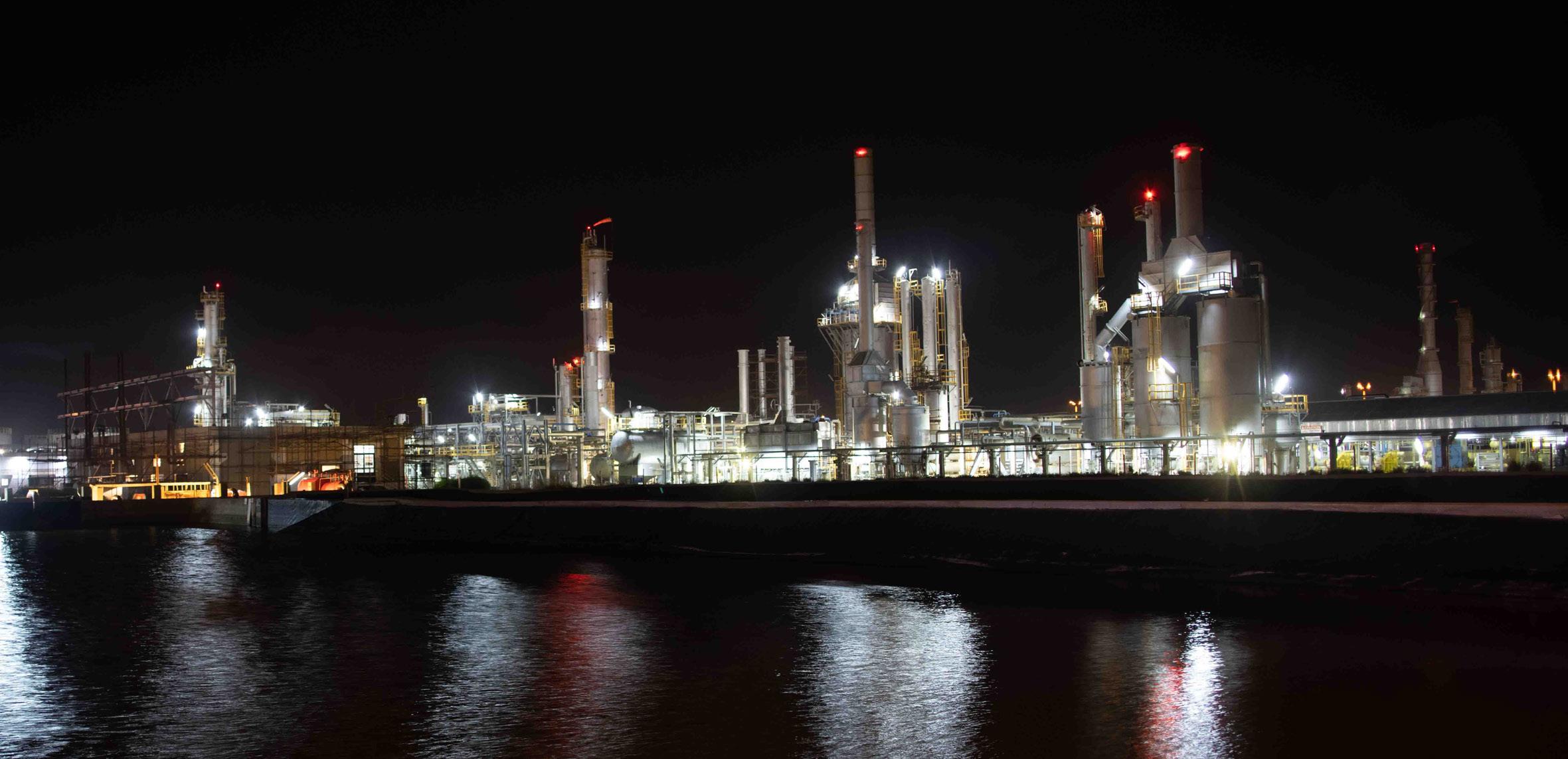
In Pakistan, local supplier capacity and regulatory compliance are key considerations. How do you manage supplier development, quality assurance, and collaboration, especially between local and international partners?
Pakistan’s supplier ecosystem is evolving rapidly, and at Cnergyico we see ourselves as partners in that journey. We invest time in supplier development, mentoring local vendors on compliance, safety, and quality standards so they can meet international expectations. At the same time, we maintain close collaboration with global suppliers to bring advanced technologies and expertise into the country. This hybrid model, fostering local capacity while leveraging international partnerships, helps strengthen the national supply base and ensures that Cnergyico’s procurement aligns with both local content goals and global best practices.
Looking ahead, what trends, such as cleaner technology, energy transition, emissions standards, or renewable inputs, do you see most impacting procurement in the refining sector over the next decade? How is Cnergyico preparing to adapt?
The next decade will redefine procurement in refining. Cleaner fuels, digital transformation, emissions standards, and the integration of renewables will dominate the landscape. We’re already seeing procurement evolve toward lifecycle thinking, where supplier partnerships, technology adoption, and sustainability go hand in hand. At Cnergyico, we’re preparing by aligning sourcing strategies with future regulatory trends and exploring materials and technologies that support decarbonisation. My belief is that procurement will increasingly become the bridge between innovation and implementation, where every sourcing decision contributes to a cleaner, more efficient energy ecosystem.

Cnergyico Pk Limited is Pakistan’s largest vertically integrated oil refining company, operating the country’s highest-capacity refinery and a wide-reaching petroleum distribution network. With core operations covering crude-oil refining, fuel marketing, logistics and infrastructure, including the nation’s only deep-sea Single Point Mooring terminal, Cnergyico supplies a full range of refined products to meet domestic energy needs. The company is committed to efficiency, energy security and sustainable growth while expanding its retail footprint across Pakistan.

Arnel Gamboa is the former Vice President of Logistics at ACE Hardware Philippines, where he oversees one of the country’s most extensive and fast-paced supply chain and distribution networks. His remit covers nationwide warehousing, distribution operations, inbound logistics, e-commerce support, and 3PL partnerships, ensuring consistent and reliable service to hundreds of ACE Hardware stores across Luzon, Visayas, and Mindanao. With more than twenty-five years of leadership experience across FMCG, agribusiness, cold chain, retail distribution, and multi-sector logistics, he has held senior roles at Swiftfoods, Benby Enterprises, National Book Store, and in advisory capacities supporting SMEs across the supply chain. His long-standing involvement with professional organisations including SCMAP, PISM, SOFSM, and CIPS PAN-ASEAN reflects a broader commitment to industry development and continuous capability building.
Gamboa’s leadership is grounded in systems thinking, innovation, and operational excellence. Through digital modernisation, network expansion, and strong governance, he continues to drive ACE Hardware’s transformation while championing education, mentorship, and the development of future supply chain leaders across the region.

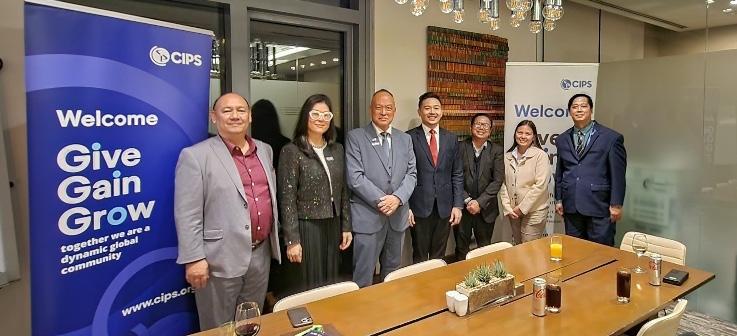
You’ve built an impressive career in logistics and retail operations. Can you share your professional journey and what led you to your current role as Vice President of Logistics at ACE Hardware? What key experiences or milestones have most shaped your leadership philosophy?
My career in procurement, logistics, supply chain, and retail operations has been shaped by more than two decades of leading end-to-end supply chain functions across diverse industries, from agribusiness and cold-chain operations to FMCG, retail distribution, and integrated 3PL/4PL networks. I began in production operations and inventory management, where I learned the fundamentals of accuracy, process discipline, and customer-centricity. These early years formed the foundation for later leadership roles at Swiftfoods, Benby Enterprises, National Book Store, and advisory work with various SMEs. Each position strengthened my ability to transform supply chains through systems thinking, technology adoption, and robust governance frameworks.
Joining ACE Hardware as Vice President for Logistics has allowed me to bring these cumulative lessons together. Managing a nationwide logistics network, leading major distribution centre transitions, modernising systems through JDA-WMS/Blue Yonder, and driving a comprehensive supply chain transformation roadmap have been defining milestones. These experiences have sharpened my leadership philosophy, which is anchored in innovation, operational excellence, and people development.
Equally influential has been my engagement with professional organisations such as SCMAP, PISM, SOFSM, and CIPS PAN-ASEAN. Advocating for sustainability, digital adoption, and industry education has reinforced my belief that leadership is both a responsibility and an opportunity to uplift the profession and create broader impact.
ACE Hardware Philippines operates within a vast and well-coordinated supply chain network. How does your logistics division specifically support the company’s mission of delivering exceptional service and value to hundreds of ACE Hardware stores across the Philippines?
ACE Hardware’s logistics division plays a central role in enabling the company’s mission to deliver exceptional service and value to hundreds of stores nationwide, anchored on being the “helpful place”. Our strength lies in operating a fully integrated supply chain that ensures products move with speed, accuracy, and reliability across Luzon, Visayas, and Mindanao. By managing a well-structured nationwide logistics network, including warehousing, distribution, importation, e-commerce fulfilment, and 3PL operations, we ensure that every store, regardless of location, receives the right products at the right time.
A major part of this mission is continuous transformation. We transitioned multiple distribution centres, migrated from MMS-WMS to JDA-WMS (Blue Yonder), strengthened inventory accuracy to 100%, and improved replenishment lead times by at least 30%. These initiatives directly enhance stock availability, operational efficiency, and customer service at store level.
We also ensure our logistics strategies support ACE Hardware’s core value proposition by building a strong regional hub-and-spoke network, optimising cost-to-serve through route-to-market planning, and maintaining strict quality, safety, and regulatory compliance. Beyond operational execution, strong supplier collaboration, data-driven planning, and a culture of accountability enable us to consistently support sales and service goals.
Ultimately, the logistics division serves as the backbone of ACE Hardware’s promise, delivering value, dependability, and an exceptional customer experience across all stores nationwide.
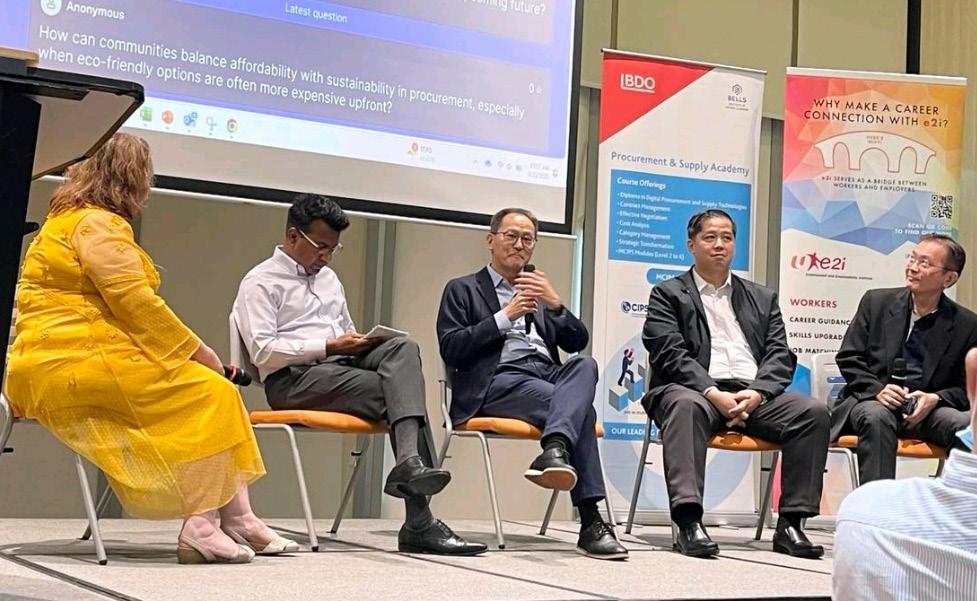
ACE Hardware Philippines manages a wide network of retail support centres and nationwide store operations. How do you ensure operational efficiency and consistency across this distribution network while maintaining service excellence for your stores and retail partners across the country?
Ensuring operational efficiency and consistency across ACE Hardware’s nationwide distribution network begins with strong systems, disciplined processes, and a culture of accountability. By overseeing multiple distribution centres, including major transitions such as DC6 Asinan and DC7 Silangan, we standardised operating procedures, optimised warehouse workflows, and strengthened end-to-end visibility across the entire logistics ecosystem. These initiatives ensure that every retail support centre operates with the same precision, safety, and service quality.
Our migration from MMS-WMS to JDA-WMS (Blue Yonder), combined with improvements that elevated inventory record accuracy to 100 percent, has been pivotal. It enables real-time decisionmaking, reduces errors, and ensures consistency in store replenishment. Network modelling, capacity planning, and the expansion of regional hubs further enhance speed-to-market while optimising cost-to-serve.
This system foundation is complemented by a robust performance management framework. Nationwide KPIs, including DIFOT, IRA, CSL, and replenishment lead times, are monitored closely to ensure operational excellence and early issue resolution. Collaboration with store teams, suppliers, and 3PL partners ensures alignment, transparency, and service reliability across all touchpoints.
Ultimately, our approach integrates technology, process discipline, and people development, enabling ACE Hardware to consistently deliver high-quality service to stores and retail partners across the Philippines. These collective initiatives culminated in the RACE2PLACE programme, which showcased best-in-class practices and earned multiple awards and industry recognition.
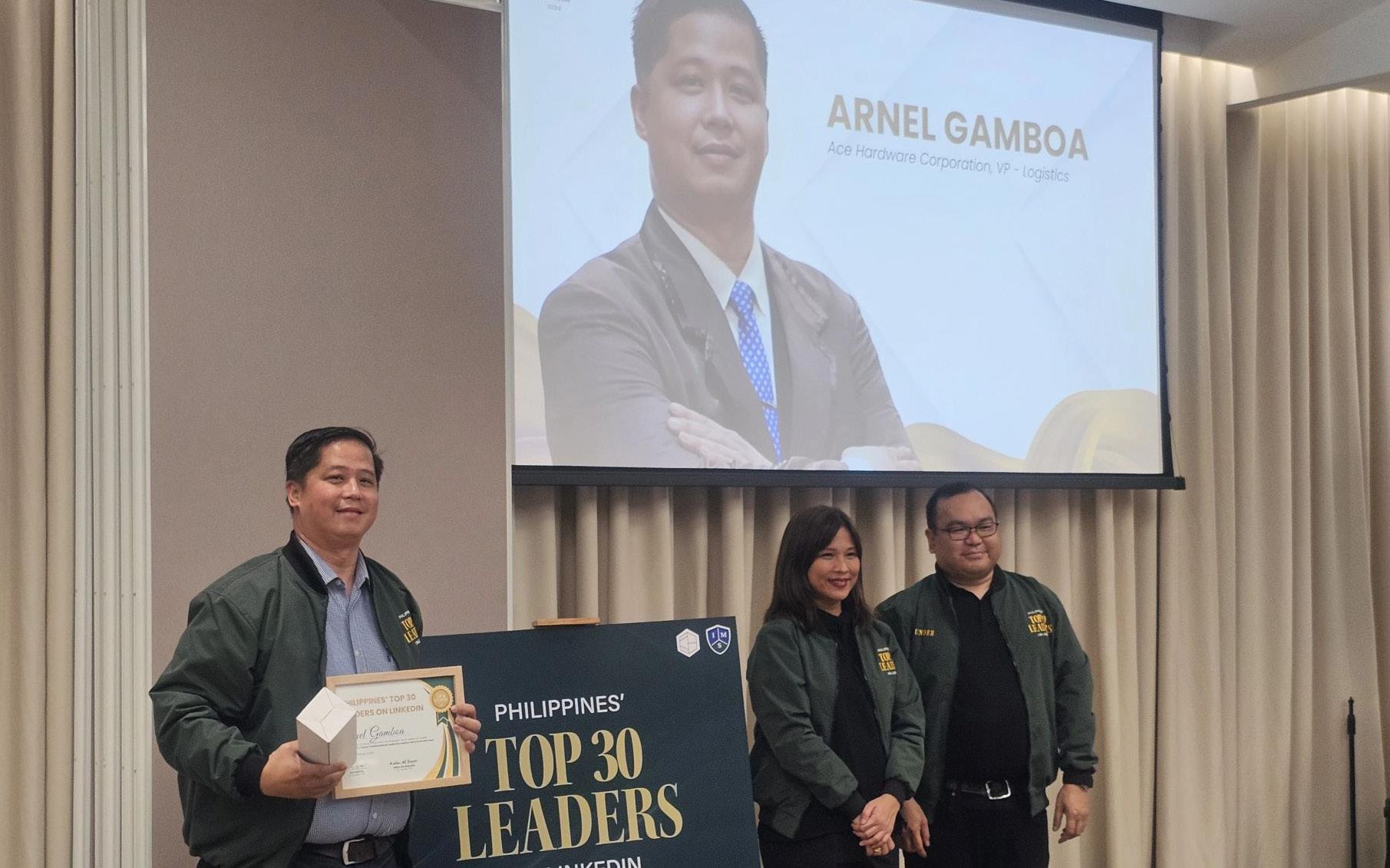
ACE Hardware has been investing in automation, data analytics, and digital tools to improve logistics. How is the current business transformation going in the region? Are there any specific technologies transforming ACE’s supply chain operations in the Philippines, and what recent innovations have had the biggest impact on performance and visibility?
ACE Hardware’s logistics transformation is progressing at pace, driven by investments that enhance visibility, speed, accuracy, and decision-making across our nationwide network. One of the most significant milestones has been the migration from the legacy MMS-WMS to the advanced JDAWMS (Blue Yonder) platform. This upgrade has enabled real-time inventory visibility, streamlined warehouse processes, and more accurate order management, directly contributing to a 100 percent inventory record accuracy and improving replenishment lead times by more than 30 percent.
We are also leveraging data analytics and KPI dashboards to strengthen forecasting, network planning, and performance monitoring. These tools allow us to proactively manage supply risks, optimise routing and storage strategies, and ensure logistics performance remains tightly aligned with business requirements.
Beyond core systems, our transformation roadmap includes regional hub expansion, targeted process automation, and deeper integration with SM Logistics, initiatives designed to elevate scalability, agility, and cost efficiency across our store network.
Recent innovations, including enhanced WMS configurations, upgraded barcode mobility solutions, and improved digital collaboration with suppliers and 3PL partners, have significantly boosted operational visibility and accuracy, as highlighted through our RACE2PLACE programme. Collectively, these advancements are making ACE Hardware’s logistics organisation more data-driven, resilient, and responsive, strengthening our ability to deliver exceptional service and value nationwide.
Sustainability is a growing priority in logistics. How is ACE Hardware incorporating environmentally responsible practices, such as energy-efficient facilities, optimized transport routes, or packaging innovation, into its logistics and supply chain operations?
Sustainability is an increasingly important pillar of ACE Hardware’s logistics strategy, and we have embedded environmentally responsible practices across our network to support long-term efficiency and operational resilience. Our roadmap focuses on developing smarter, greener operations, beginning with optimised warehouse processes, enhanced inventory accuracy, and waste reduction through improved forecasting and replenishment systems. Shorter lead times and a stronger shift toward direct vendor shipments to stores have also reduced excess handling, minimised obsolescence, and eliminated unnecessary, carbon-intensive rework movements.
We are further strengthening sustainability through advanced network modelling and capacity planning to optimise transport routes for load efficiency, fuel savings, and fewer empty miles. The expansion of regional store hubs enables more efficient product flows, reducing travel distances to stores and lowering our overall environmental footprint.
Within our distribution facilities, improvements in warehouse layouts, safety standards, and modernised material-handling equipment are helping promote energy-efficient operations and better resource utilisation. Additionally, close collaboration with suppliers supports packaging innovation, product standardisation, and reduced material waste, initiatives aligned with global best practices in green logistics.
Overall, ACE Hardware is embedding sustainability into both daily execution and long-term strategy, ensuring that responsible logistics strengthens operational excellence while advancing environmental stewardship across the Philippines.
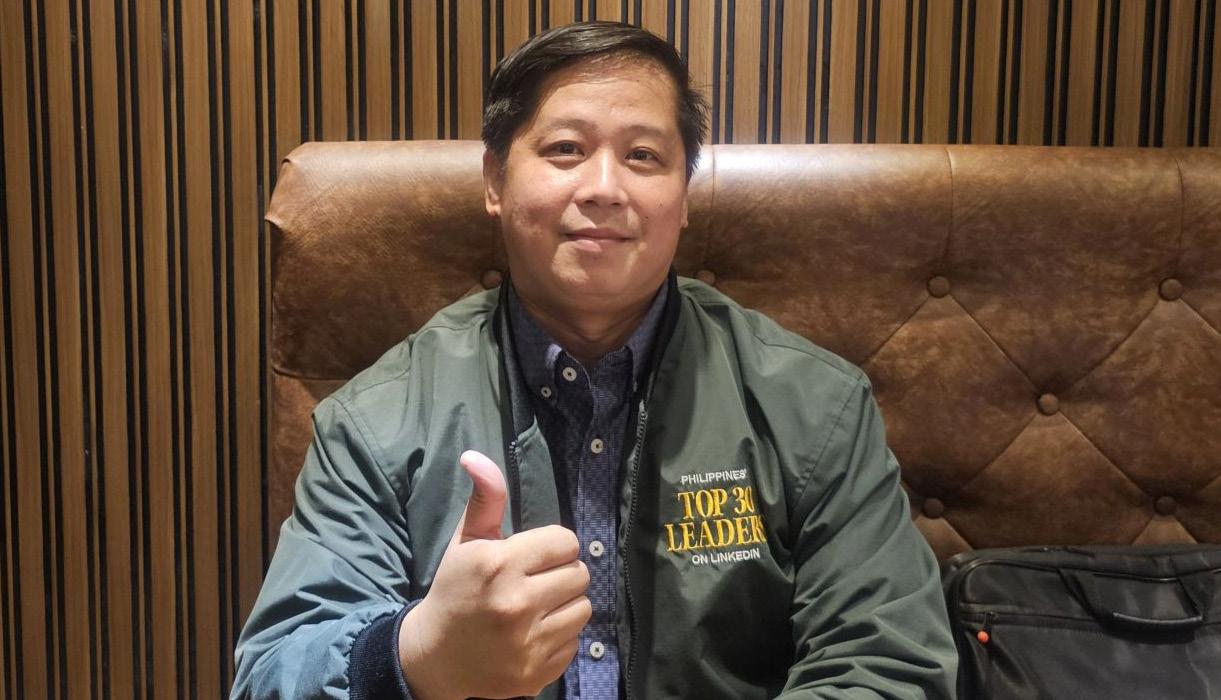
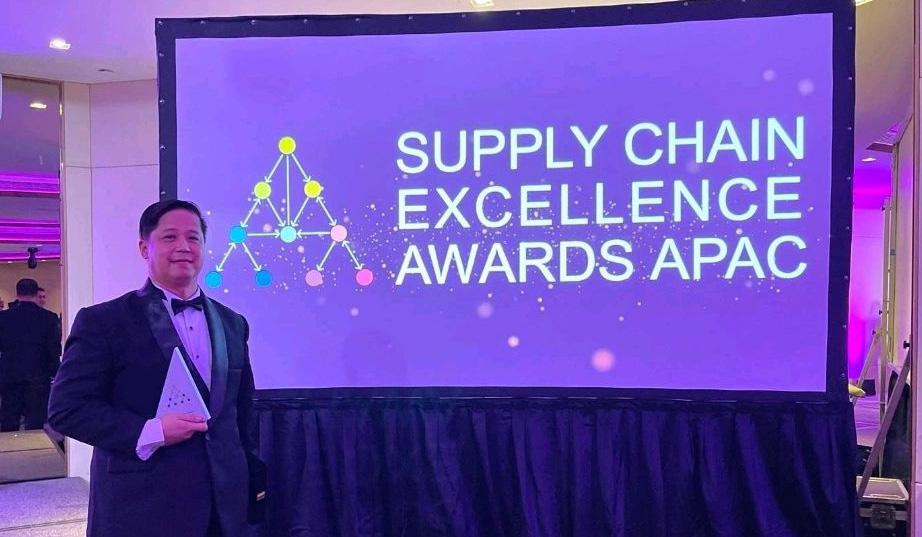
Strong supplier and carrier partnerships are essential to ACE’s reliability. What approach does your team take to managing supplier relationships, and how do you foster collaboration to ensure timely, cost-effective, and quality-driven logistics outcomes?
Strong supplier and carrier partnerships are critical to ACE Hardware’s nationwide logistics performance, and our approach is built on clear standards, measurable expectations, and structured collaboration. We begin by defining robust KPIs across service levels, lead times, fill rates, product quality, and compliance. Strengthened vendor management practices, including close monitoring of fill rates, on-time delivery, and adherence to product specifications, create a data-driven environment that promotes transparency, accountability, and continuous improvement.
Collaboration is equally central to our strategy. We regularly bring together suppliers and logistics partners for alignment sessions, operational reviews, and capability-building initiatives, ensuring that objectives, constraints, and opportunities are fully understood across the value chain. Through structured S&OP routines, enhanced forecast sharing, and tighter integration of inbound logistics, we minimise variability, reduce inefficiencies, and protect stock availability across all stores.
Our relationships with 3PL providers and carrier networks are built on mutual accountability and long-term value creation. By engaging them early in planning cycles, optimising rate structures, and driving innovations such as route optimisation, digital tracking, and performance dashboards, we create a collaborative ecosystem that reinforces ACE Hardware’s commitment to operational excellence.
In essence, our supplier strategy is a balance of governance, trust, and shared performance goals, ensuring reliable, timely, and quality-driven logistics outcomes that consistently support our stores and customers nationwide.
ACE Hardware prides itself on being “The Helpful Place.” How does this customer-first philosophy influence logistics decision-making, from warehouse management to last-mile delivery?
ACE Hardware’s identity as “The Helpful Place” is deeply reflected in how we design and execute our logistics strategies. A customer-first philosophy means every logistics decision, from warehouse processes to last-mile delivery, must support product availability, delivery reliability, and a consistently positive in-store experience. This begins within our distribution centres, where achieving 100% inventory record accuracy and significantly improving replenishment lead times ensure that stores receive the right products at exactly the right moment. These enhancements directly safeguard customer satisfaction by preventing stockouts, delays, and service disruptions.
Our migration to JDA-WMS (Blue Yonder) and the ongoing modernisation of our distribution network have further elevated service quality through enhanced visibility, faster processing, and more accurate order fulfilment, all of which translate into dependable store replenishment across the country. For last-mile delivery, we prioritise DIFOT, network optimisation, and strong collaboration with 3PL partners, supported by efficient utilisation of the ACE distribution fleet. By streamlining transport routes, enhancing communication with store teams, and maintaining high-performance re lationships with carriers, we ensure that every shipment reinforces ACE Hardware’s commitment to helpfulness.
Ultimately, our customer-first approach drives us to build a supply chain that is responsive, reliable, and service-driven, enabling ACE Hardware stores to consistently offer the convenience, quality, and availability customers expect.
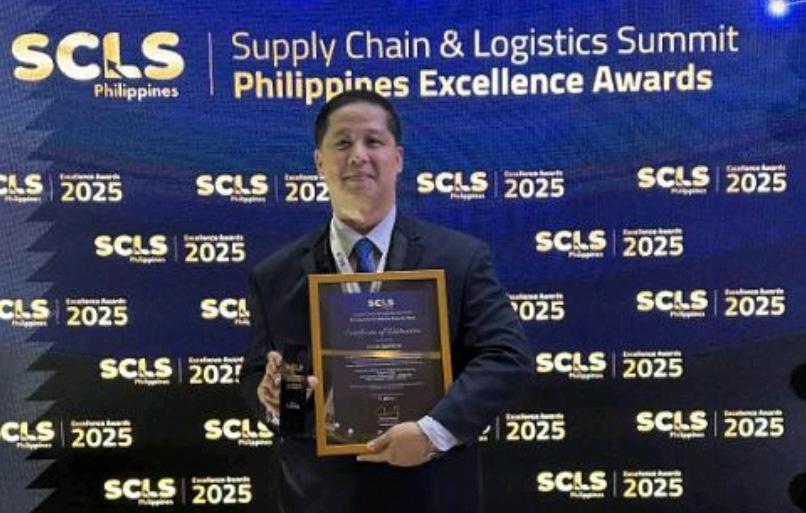
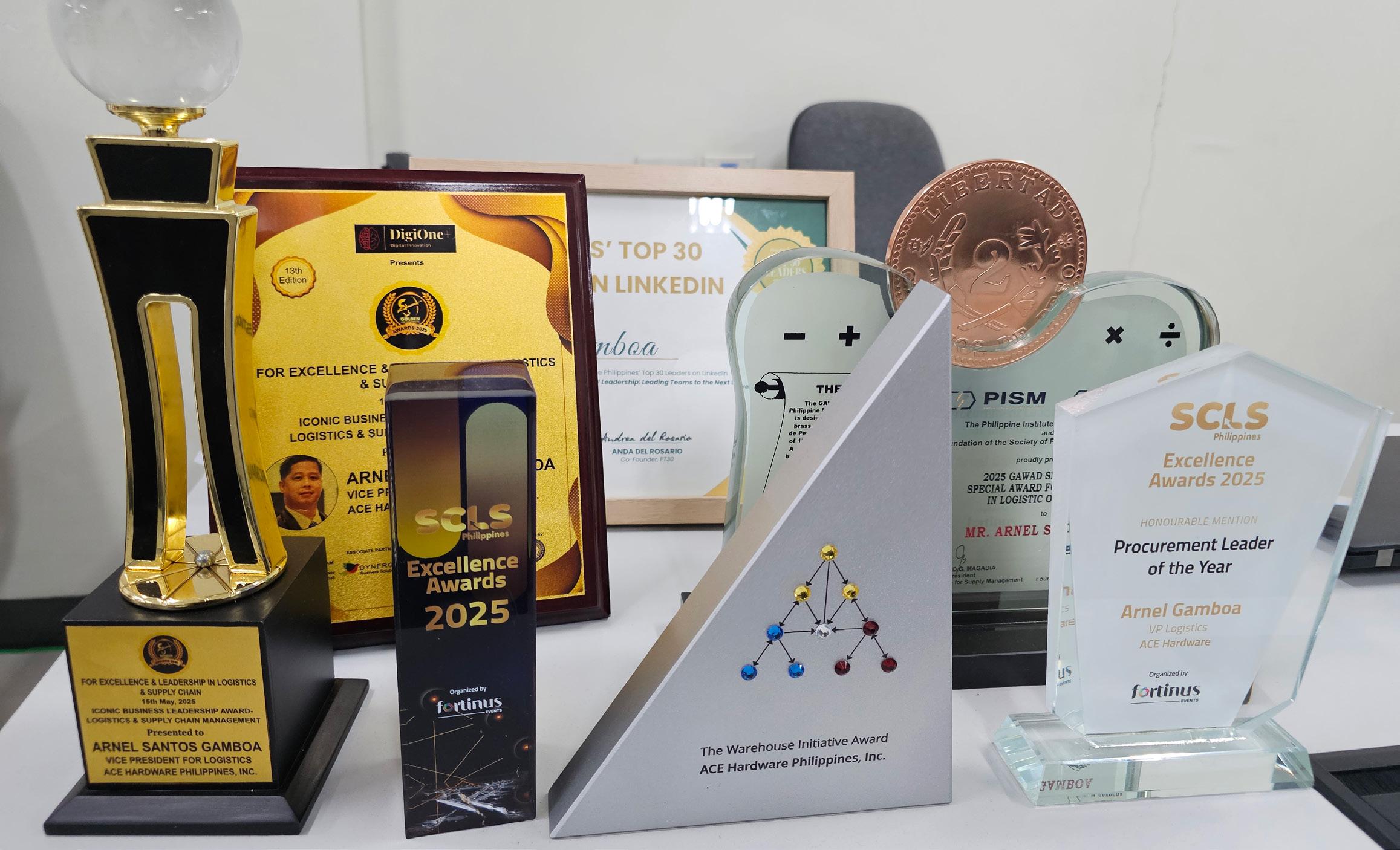
What trends do you see shaping the future of logistics, such as automation, omnichannel distribution, or predictive analytics, and how is ACE preparing to stay ahead?
The future of retail logistics will be defined by automation, data-driven planning, and seamless omnichannel integration. As customer expectations continue to move toward faster, more convenient, and more reliable fulfilment, logistics organisations must transform at the same pace. Key trends shaping this shift include advanced warehouse automation, predictive analytics for demand planning, and integrated supply chain platforms that offer real-time visibility across the end-to-end network.
ACE Hardware is proactively preparing for these changes. Our migration to JDA-WMS has laid a strong foundation for automation-ready operations by enhancing accuracy, speed, and data availability across all distribution centres. This, combined with achieving 100% inventory record accuracy and significantly improving replenishment lead times, positions us well for future digital enhancements.
We are also strengthening our analytics capabilities through KPI dashboards, network modelling, and improved forecast alignment to support predictive planning and increased supply chain resilience. As omnichannel retail continues to expand, our logistics roadmap includes the development of additional regional store hubs, ongoing process modernisation, and more advanced support for e-commerce and omnichannel fulfilment.
Ultimately, ACE Hardware’s strategy is to build a logistics organisation that is agile, technologyenabled, and future-read, ensuring we stay ahead of industry trends while consistently delivering value and service excellence to customers nationwide.
How do ACE Hardware Philippines, and you personally, invest in education, training, and mentorship to nurture future leaders across the entire supply chain spectrum, from procurement and planning to warehousing, distribution, and logistics?
Developing future supply chain leaders is both a responsibility and an advocacy that I take seriously, and it is an area where ACE Hardware Philippines continues to invest significantly. Within our organisation, we build talent through structured training programmes, cross-functional exposure, and capability-building initiatives that cover procurement, planning, warehousing, distribution, and logistics. We cultivate high-potential employees by institutionalising KPI dashboards, mentoring routines, and continuous improvement practices, ensuring teams have not only the tools but also the forward-thinking mindset required to excel in a modern supply chain environment.
I personally champion education and mentorship by actively guiding emerging leaders within ACE, as well as supporting MSMEs and professionals across the wider industry. My long-standing involvement with SCMAP, SOFSM, CIPS PAN-ASEAN, CILT UK, and other professional councils enables me to share global best practices, advocate for enhanced supply chain education, and promote sustainability and digital transformation, all essential competencies for the next generation of leaders.
Through speaking engagements, capability-building workshops, and hands-on mentorship, I help young supply chain professionals strengthen both their technical expertise and leadership capabilities. At ACE, we reinforce this commitment by promoting a culture of learning, encouraging professional certifications, and supporting continuous skills development.
Ultimately, our goal is to equip the next generation with the expertise, confidence, and strategic acumen needed to lead resilient, innovative, and future-ready supply chains.
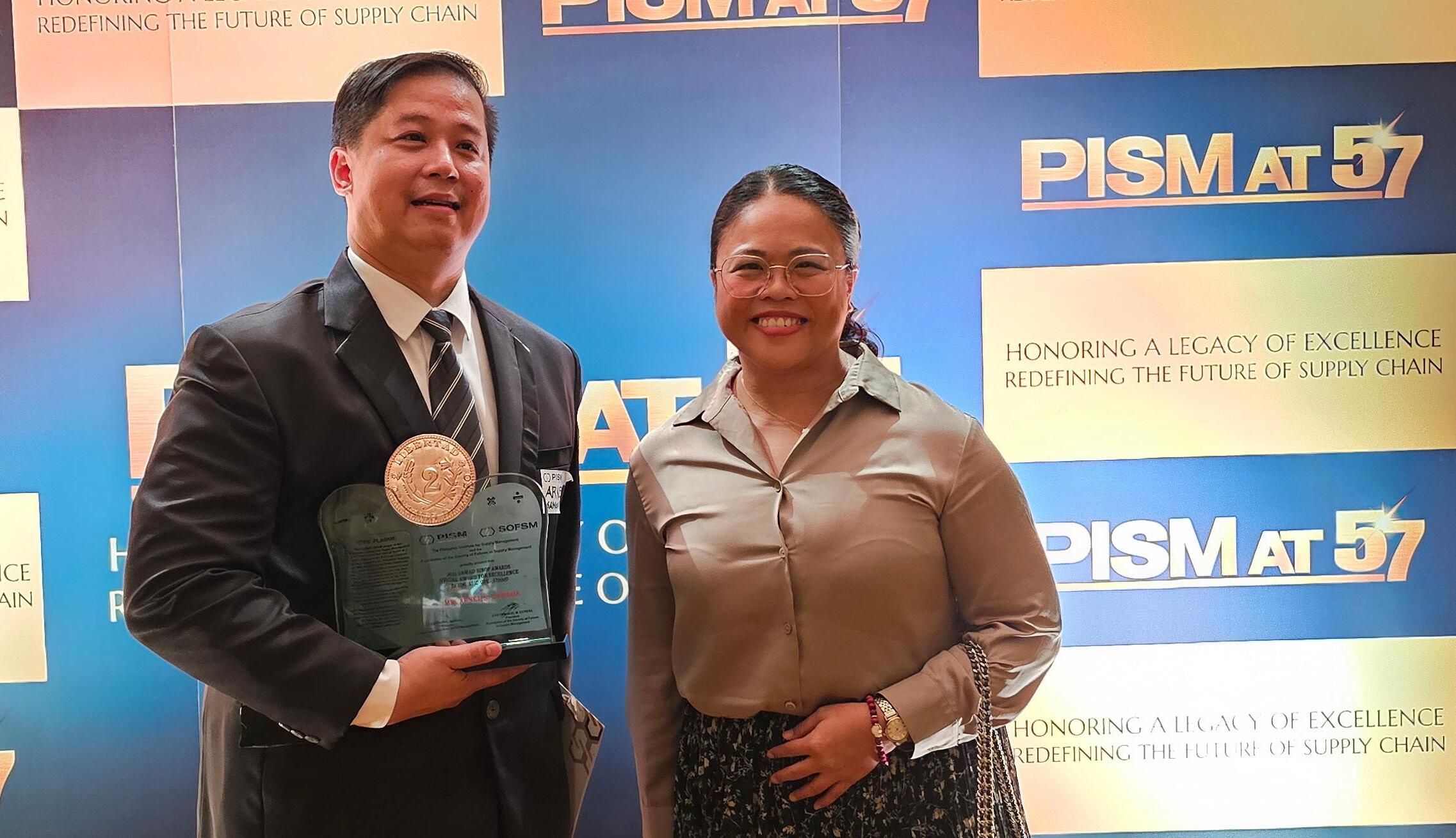
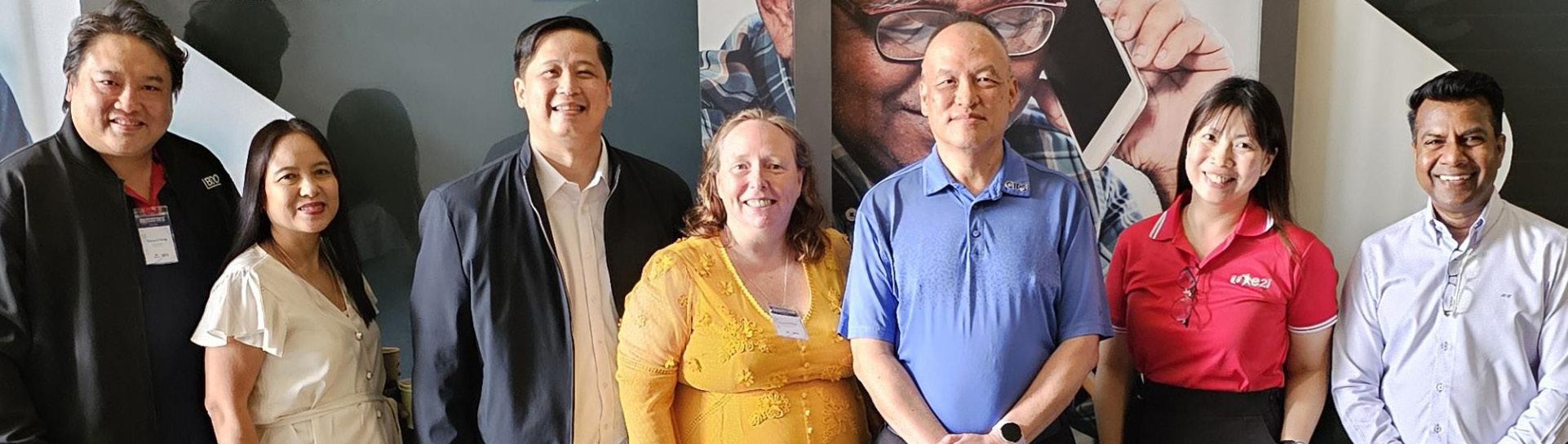
As a supply chain leader with responsibility across Asia and ASEAN, and an active contributor within CIPS, what advice would you offer to aspiring supply chain and logistics professionals in the region who want to make a meaningful impact in today’s fast-evolving industry landscape?
My advice to aspiring supply chain and logistics professionals in Asia and the ASEAN region is to embrace the industry’s increasing complexity with curiosity, discipline, and a commitment to continuous learning. The supply chain landscape is evolving rapidly, shaped by digital transformation, sustainability imperatives, geopolitical shifts, and rising customer expectations. To make a meaningful impact, young professionals need to build strong foundations in end-to-end supply chain principles while also developing agility and strategic thinking.
From my own journey across FMCG, retail, cold chain, and 3PL/4PL operations, I’ve learned that operational excellence must always be paired with innovation. Mastery of tools such as forecasting, project management, network modelling, and WMS platforms is essential, but so is the ability to lead teams, communicate effectively, and apply a systems-thinking approach to problem-solving. I also encourage emerging leaders to invest in their professional development through certifications, fellowships, and active participation in organisations such as CIPS, PISM, and SCMAP, platforms that helped shape my own leadership philosophy and broadened my global perspective.
Most importantly, cultivate integrity, resilience, and a genuine passion for service. Supply chain is the backbone of every organisation, and those who combine competence with purpose will become the region’s most influential future leaders. And finally, remember to pay it forward. CIPS expresses this perfectly in three words: Give, Gain, Grow.
ACE Hardware Philippines is a leading home improvement and hardware retailer, offering a wide range of tools, building materials, and home solutions through an extensive nationwide store network. The company is known for quality products, expert advice and reliable service, supporting both households and businesses across the Philippines.
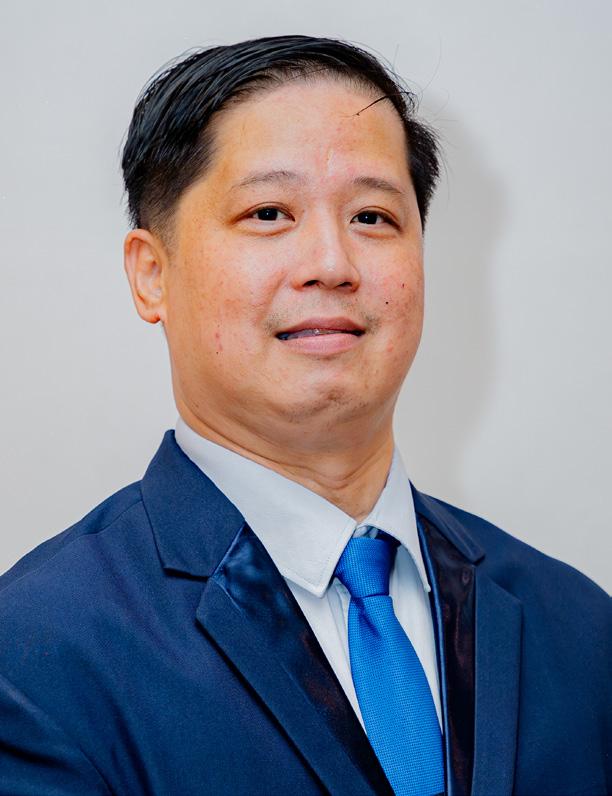

Markos Poulios on Procurement Excellence and Innovation at FHL Group
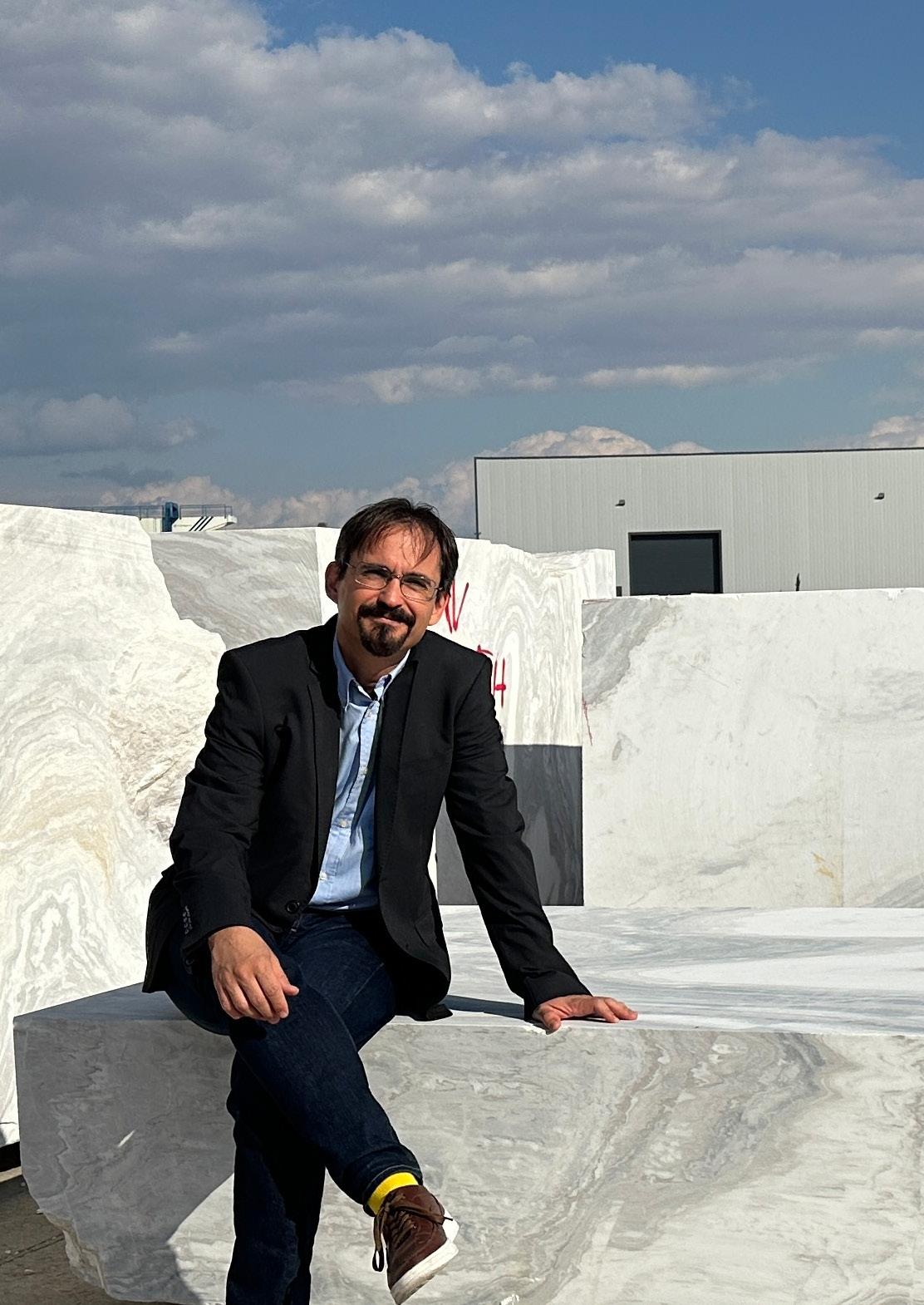
With more than two decades of experience in procurement and supply chain management, Markos Poulios, Group Procurement Director at FHL Group, has played a key role in shaping one of Greece’s leading marble producers into a modern, technology-driven enterprise. Since joining FHL in 2019, he has led the centralisation of procurement across the group’s diverse portfolio, spanning quarries, processing plants, and international operations, while navigating global disruptions, driving sustainability, and embracing digital transformation. In this interview, Markos reflects on the milestones that have defined his career, the balance between tradition and innovation in the marble industry, and his belief that people remain the cornerstone of procurement success.

You have led procurement at FHL for over three years, overseeing supply chain integration across the group. Could you share key experiences, both strategic and operational, that shaped your approach to centralised procurement and automation in the marble industry?
I have led procurement at FHL since 2019 and, since 2022, have been overseeing procurement for the entire group in a newly created position. FHL Group operates two marble processing factories, ten active marble quarries in Greece and abroad, a transportation company, production facilities for mortar and paints, as well as an elderly care facility. The group is also expanding into organic agriculture and solar energy.
Without a doubt, the opportunity to establish a new procurement department for the group was a milestone for me. It allowed me to shape the procurement strategy for one of the marble industry’s key players.
Another milestone, which had a profound impact on me and I believe on most supply chain professionals, was the COVID-19 pandemic and everything that followed, including the war in Ukraine. The disruption that began in 2020, and which we are still dealing with in many ways, marked a pivotal point in my career. It made clear, even to the most indifferent observer, the importance of having robust supply chains and the necessity of changing outdated practices. In many ways, the Greek market has not always been at the forefront of modern business practices, but the challenges of the past five years have pushed many previously reluctant players to adapt.

FHL has integrated supply chain and procurement functions across multiple subsidiaries. How have you leveraged the group’s collective purchasing power to improve efficiency, cost control, and procurement resilience across quarries and processing units?
Naturally, this was the main reason for creating a unified procurement department. With many overlapping suppliers, it soon became evident that by centralising our procurement operations, we could achieve significant advantages for the group. I must admit that, at first, management was less than enthusiastic about changing processes that had been in place for decades. I can understand that, those very methods helped take the company from its beginnings to becoming one of the most significant players in the market. However, once the advantages were clearly presented and the returns became evident, it was not difficult to gain support.
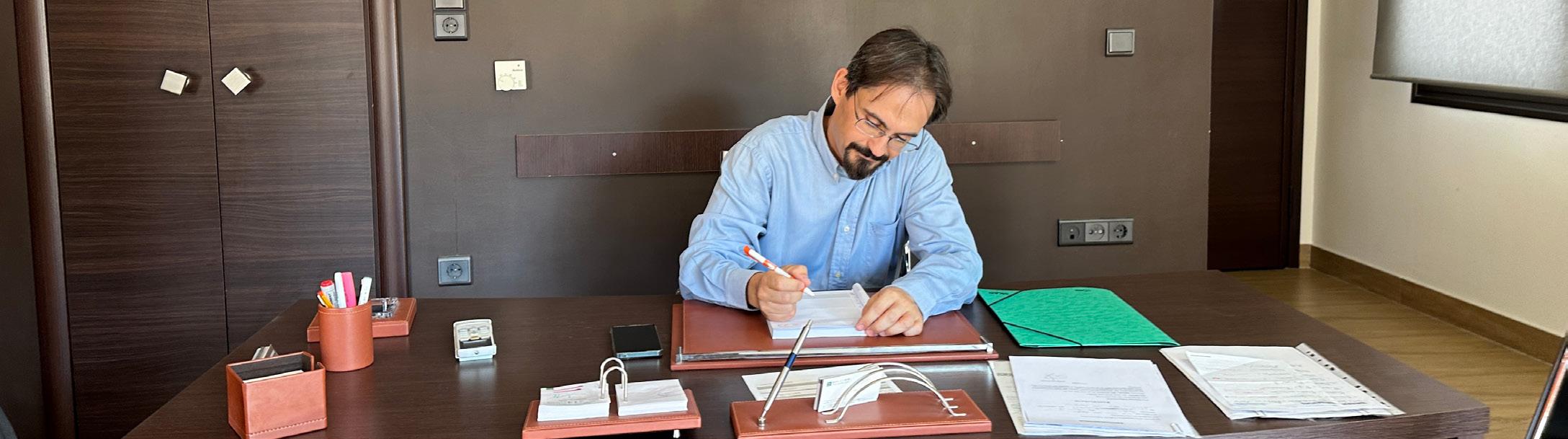
FHL operates quarries and processing facilities across Greece and subsidiaries in other countries. How do you harmonise procurement policies and maintain consistency in quality, compliance, and delivery across such a diverse global footprint?
Our headquarters are in Drama, in northern Greece, one of the most significant marble-producing regions in the world. Our quarries and other facilities are spread across northern Greece, Bulgaria, and North Macedonia. Even though, to an outside observer, these three countries may seem similar due to their geographic proximity, the reality is quite different.
What we have achieved, however, is getting our people to speak a common “language.” We have integrated most procurement functions, which are managed centrally, while still allowing room for autonomous decision-making where it makes sense. We always aim to remain flexible and continuously adjust our procedures and policies to better suit the situation at hand.
Naturally, our profitability is non-negotiable, but there can often be more than one way to achieve the same outcome. We are always open to adapting. If I had to summarise our approach, it would be adaptability and listening to our people.
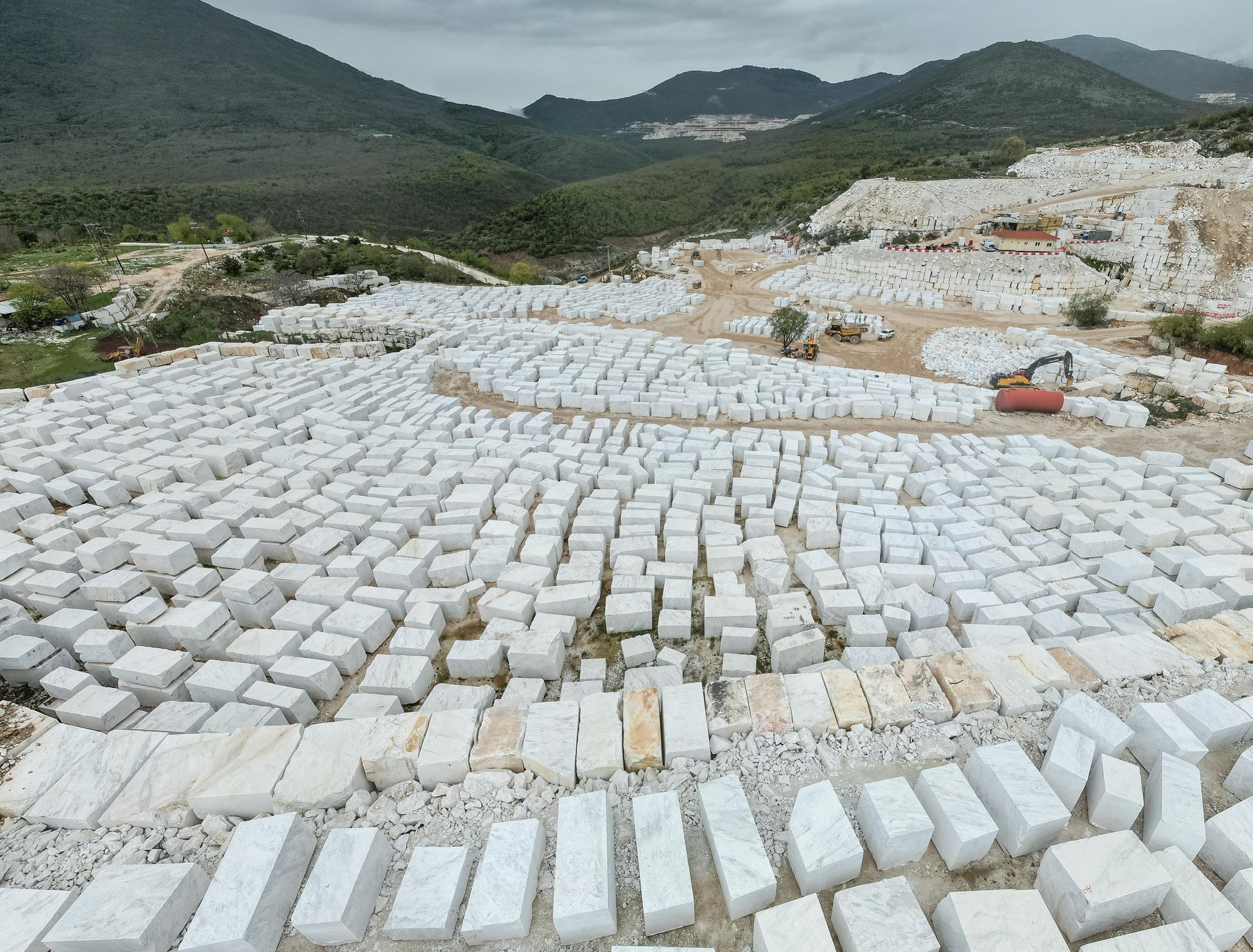

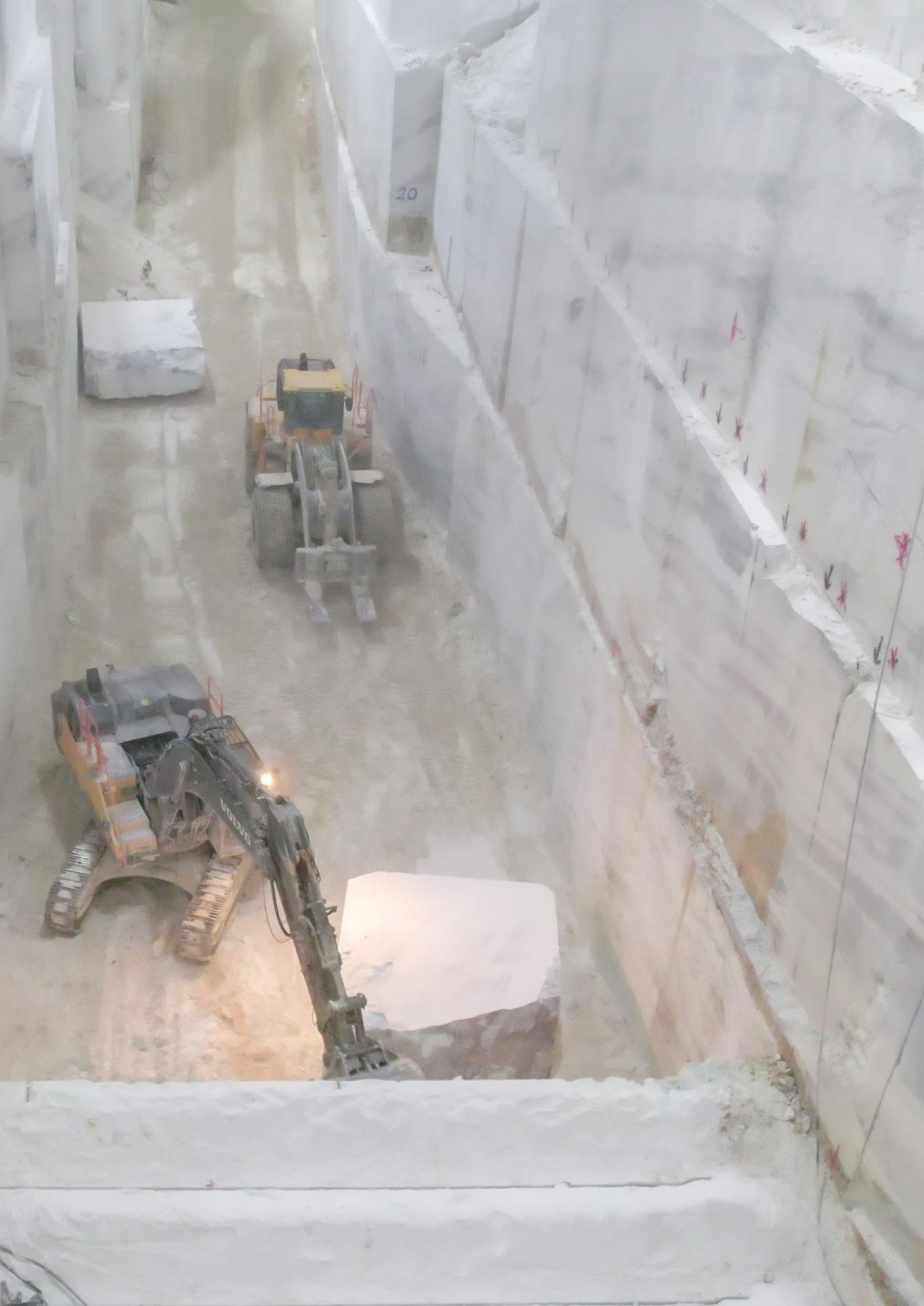
“What we have achieved, is getting our people to speak a common language.”
FHL is renowned for high-quality white marbles such as Thassos, Prinos, and Volakas. How do you uphold this heritage and exacting quality standards in vendor sourcing, while balancing sustainability and cost pressures?
White marble is a natural product with a long and storied history, one that people have used in their most precious and cherished construction projects since time immemorial. As custodians of this tradition of white Greek marble, we strive daily not only to honour this heritage but to continually improve upon it.
FHL has invested significant resources in high technology and, together with our partners across the supply chain, we can proudly say that our products remain at the forefront of quality and timeless design. We select our partners very carefully to ensure they share our values of quality and customer service, allowing us to consistently offer the best to our clients.
Another key criterion is that our suppliers possess complementary capabilities. This allows us to leverage both our extensive experience in marble and our suppliers’ strengths in their respective sectors. One such example is our long-term partnership with Fantini, producers of highly advanced quarrying machinery. Through this collaboration, we have not only been able to extract the finest quality marble but also increase quarry output, significantly reducing waste and electricity consumption per ton of product.

In competitive markets, we succeed by combining innovation with precision.

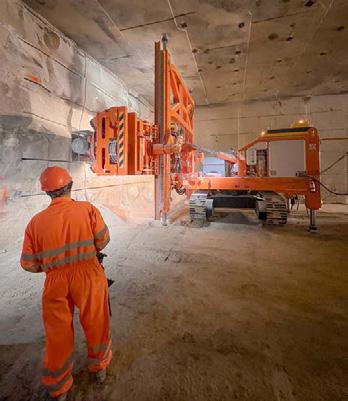
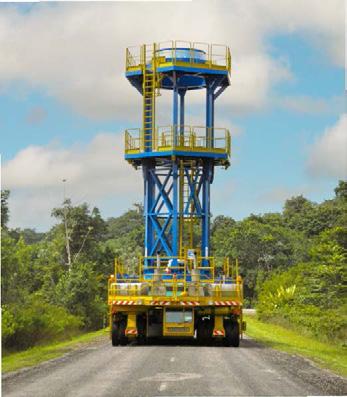
Fantini operates globally, serving clients across diverse markets with solutions tailored to local and international needs.
The Fantini Group is a trusted and experienced company dedicated to meeting the needs of a wide range of customers. From carefully selecting raw materials to certifying and testing machinery, we provide complete solutions that support business goals. Our foundation rests on modern facilities, advanced technologies, and highly qualified personnel. This allows us to design and manufacture a comprehensive range of customized products and services, tailored precisely to each client’s requirements.
Choosing Fantini means partnering with a specialized team where every technician works in synergy. Within our industrial complexes, we design and top notch chain saw machines for stone extraction, advanced automation systems, and mechanical solutions for research institutions. We ensure strict compliance with EU and international safety standards, providing clients with reliable, high-quality experiences that endure.
Our Guiding Values
At the core of Fantini’s identity are two principles: versatility and innovation.
• Versatility – Our products adapt across industries and materials.
• Innovation – A passion for high-value manufacturing, precision, and continuous improvement.
These values drive our modernization efforts: investing in advanced technologies, optimizing processes, and shortening production times — while maintaining the highest levels of quality and efficiency.
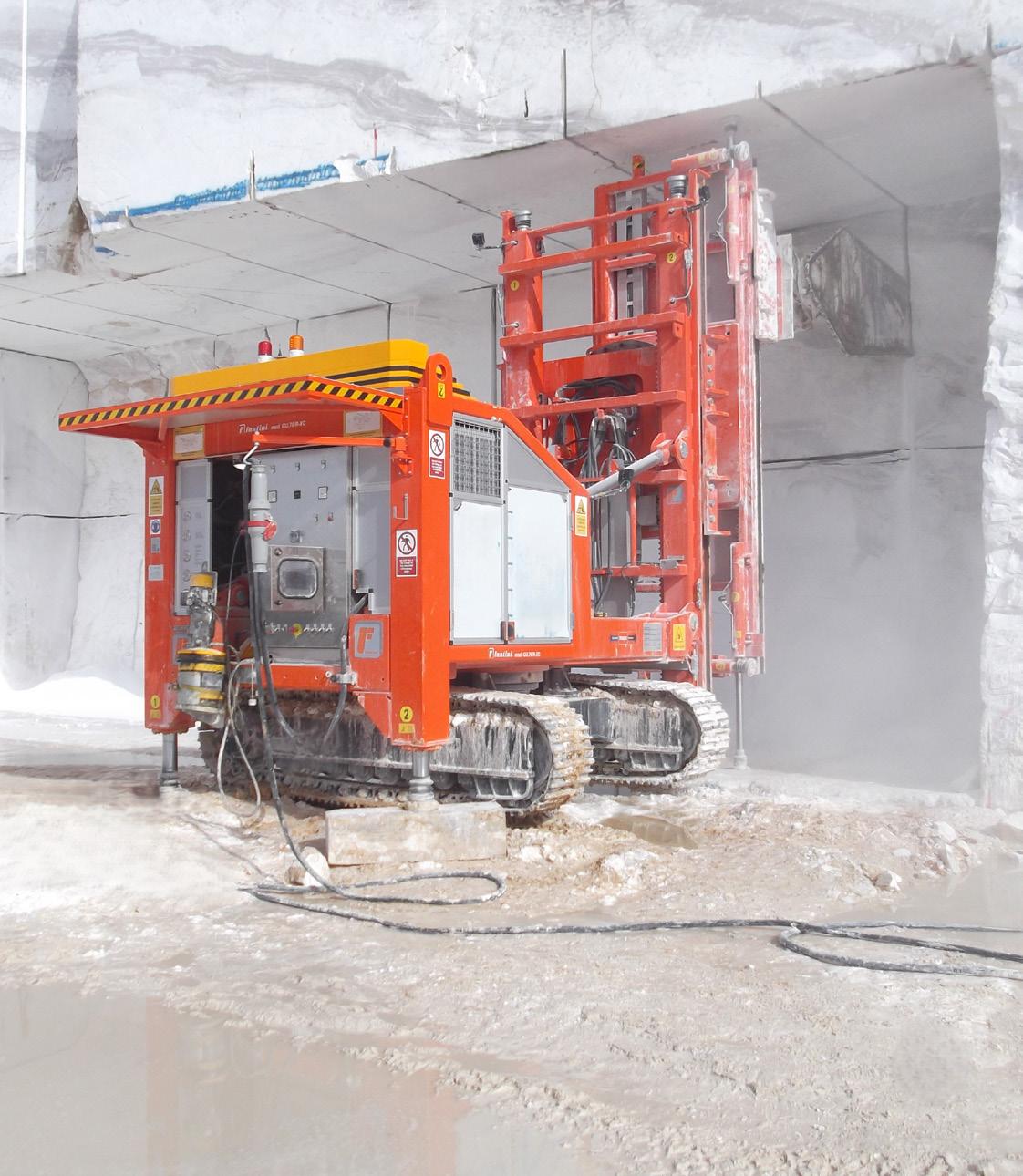
Product Diversification and Technology Transfer Fantini thrives in multiple industrial sectors, including:
• Ornamental stone quarrying
• Factory automation
• Aerospace
• Big Science
This diversification enables us to apply cross-disciplinary expertise, delivering tailored solutions that meet the strictest technical and regulatory standards. From design to after-sales support, we ensure value-added results and long-term trust with customers.
Innovation, Quality, and Long-Term
In competitive markets, we succeed by combining innovation with precision, but without ever forgetting the human side, We are always ready to help our clients whenever needed.
Fantini operates globally, serving clients across diverse markets with solutions tailored to local and international needs.
Global markets for marble and granite have experienced volatility, with fluctuating demand and logistic challenges. How have you structured procurement to absorb price shocks, supply chain disruptions, and fluctuations in raw material availability?
Ever since I started my career in procurement and supply chain management more than 20 years ago, my philosophy has been to always expect the unexpected. I am fortunate to have built a great team at FHL that shares this mindset and is willing to take things a step further.
By applying a dual strategy of maintaining long-term partnerships with reliable suppliers while also remaining open to new opportunities, we have successfully avoided stock-outs, even during the most severe disruptions of the past five years.
Our long-term partnerships allow us to structure contracts and purchases strategically, securing better pricing and ensuring continuity of essential supplies. At the same time, we remain open to working with new partners who bring innovation and efficiency, helping us continuously improve both our bottom line and the customer experience.
Additionally, my team and I maintain constant communication with our markets. This enables us not only to respond quickly to disruptions but, in many cases, to anticipate them. Through our ongoing dialogue with the market and strong relationships across our supply chain, we have managed to shield FHL from much of the inflation that has affected global markets over the past three years, delivering tangible benefits for both our customers and our financial performance.

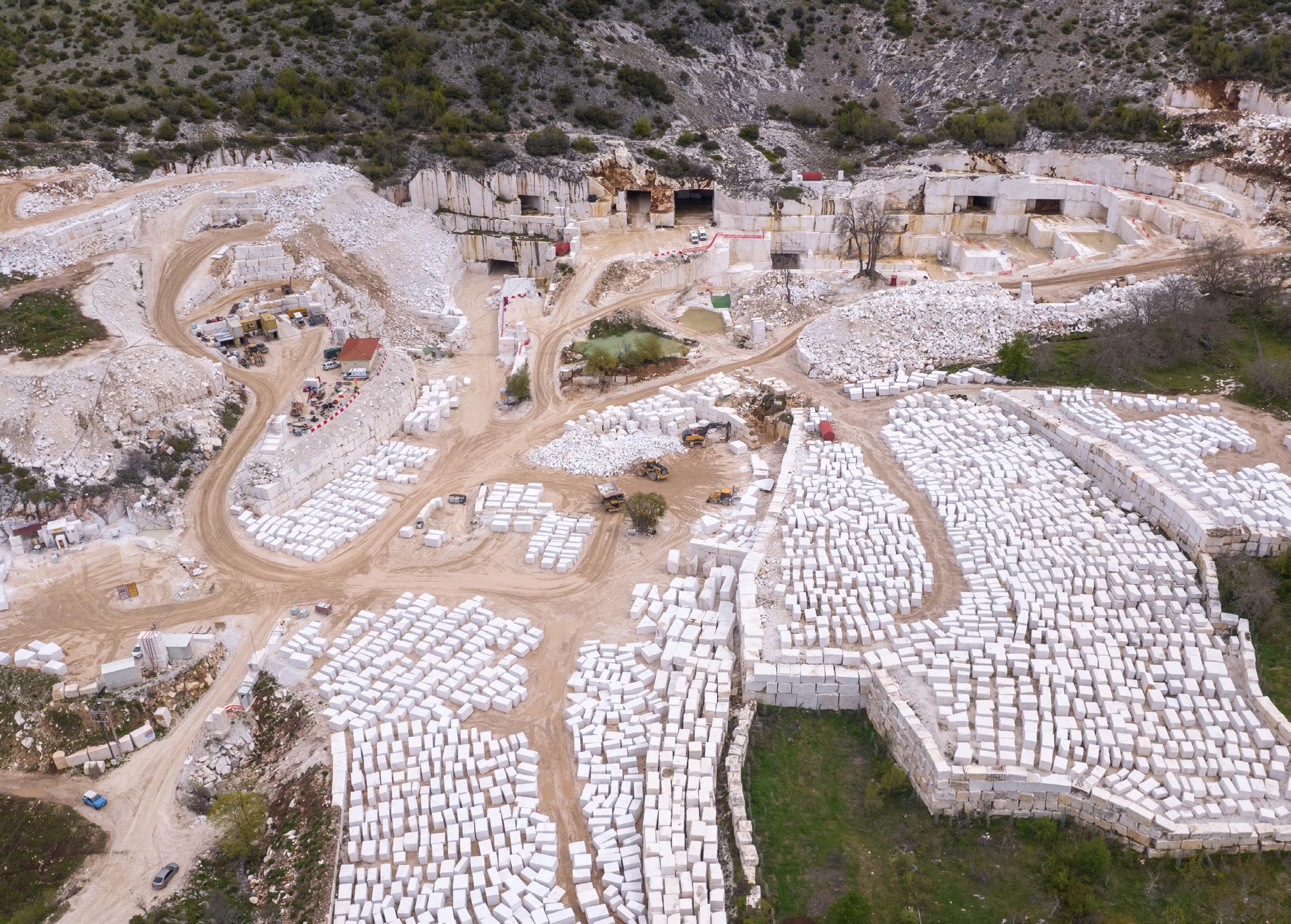
With large-scale quarrying and international exports, environmental and social responsibility are increasingly critical. How is FHL embedding sustainability, such as resource efficiency, environmental protection, or worker safety, into procurement decisions?
First and foremost, the safety of our colleagues is a top priority for everyone at FHL. We not only strictly adhere to all local regulations regarding workplace safety, but we also strive daily for continuous improvement. Every request for safety equipment is treated as an immediate priority. We work closely with both internal and external stakeholders to enhance safety standards, anticipate new regulations, and implement new policies and technologies to make our operations safer each day. Working in a quarry carries inherent risks, but with the right tools, policies, and attitudes, those risks can be effectively mitigated.
Sustainability is equally central to our strategy. We work with a natural product, and we respect not only the material itself but also the planet that provides it. FHL was the first company in Greece to pioneer technologies and techniques that significantly increase the recoverability of high-quality marble from the same quarried material. This means lower emissions, less environmental disruption, and reduced waste.
Moreover, we reuse a significant percentage of this waste to produce new products that would otherwise require additional quarrying. Our philosophy of “doing more with less” is not only an environmentally responsible approach but also lies at the heart of our operational efficiency and long-term success.


Longstanding operations and scale offer vast insight potential. Are there specific digital tools or datadriven approaches you have introduced, for example, demand forecasting, spend analytics, or supplier intelligence, that have transformed procurement effectiveness?
We are preparing to make significant changes in the way we work. We are currently setting up a new ERP system that will enable us to use data more effectively to gain insights into our markets, helping us adapt and anticipate developments with greater accuracy.
Even with the limited tools we currently use, we have already discovered that we can handle change and challenges far better than we once thought possible. The availability of more data, combined with improved ways to manage and interpret it, has allowed us to make better predictions and successfully navigate the turbulence of the past five years.
Our new ERP system will build on this foundation and, with the help of AI, will take us to a level we could not have imagined until recently. While there is plenty of hype surrounding AI, its ability to analyse data and provide meaningful insights is unmatched. We plan to harness this primarily in areas such as forecasting and spend analytics, where it can deliver real and measurable impact.


You manage a team of six assistants and coordinate complex procurement efforts. How do you maintain team cohesion, morale, and performance in a demanding, operations-intensive environment while fostering long-term capability development?
Although technology, and AI in particular, has become the talk of the town lately, and with good reason, I remain steadfast in my belief that people are the absolutely essential cog in the machine. People can work with technology, but technology cannot work without people.
I place great emphasis on my team’s continuous development and training, always stretching our training budgets as far as possible. However, that is only the foundation. What truly makes the difference is the strong rapport we have built within our team. I am fortunate to work with fantastic colleagues who do an exceptional job under demanding circumstances, often with fewer resources than they deserve, yet still find time to share a laugh and support one another.
Working from different locations can be challenging, but we make a conscious effort to stay connected on a personal level. We care about each other’s lives outside of work and step in to help whenever needed, whether that means covering for a colleague, arranging flexible schedules, or working from home.
As global demand for marble continues across architectural and decorative applications, what trends, whether technological, market-driven, or logistical, do you see shaping the future of procurement in natural stone? What advice would you offer young procurement professionals looking to excel in capital-intensive, production-driven industries?
I’d have to start with automation and AI, you can’t pick up a stone these days without finding AI underneath it. We are beginning to see significant levels of automation entering the quarrying process, with new machines gradually coming to market that offer remote and automated control. This brings increased productivity and safety, but also new challenges for procurement. Maintenance will become more complex and potentially more expensive, and issues such as spare-part compatibility will only grow in importance.
“I place great emphasis on my team’s continuous development and training, always stretching our training budgets as far as possible”
If I were 25 years younger, with the knowledge and experience I have now, I would focus on becoming much more technologically savvy.
However, perhaps because of this rising automation, the human factor has also become more important than ever, not in terms of labour, but in empathy, intelligence, and the timeless ability to build genuine relationships. Yes, automation is transforming the landscape, but the procurement professional who can pick up the phone and say, “Hey Joe, can you help me with something?” will always make the difference between being good and being great.
I. Kiriakidis Marbles & Granites S.A. is a Greece-based company specialising in the extraction, processing and distribution of natural stones including marble and granite. With decades of experience in the industry, the company supplies highquality stone materials for construction, architecture and design projects, serving both domestic and international markets. Known for craftsmanship, reliability and quality, FHL delivers exceptional natural-stone solutions tailored to meet the aesthetic and structural needs of clients worldwide.
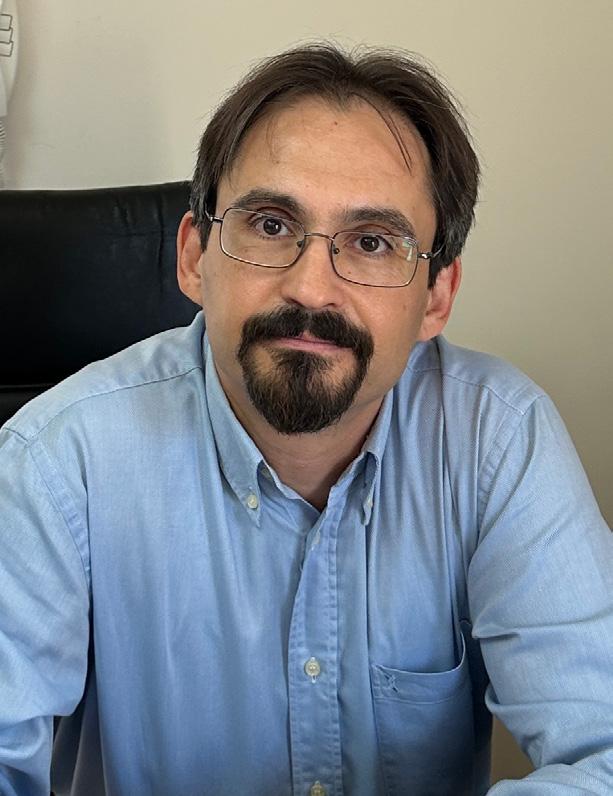
With a career spanning the private sector, manufacturing, logistics, government, FMCG, and notfor-profit aged care, Anthony Wayne brings a deeply rounded perspective to his role leading procurement and contract management at RAAFA WA. His approach is firmly rooted in building strategic, mutually beneficial partnerships that strengthen organisational performance while directly supporting resident wellbeing across RAAFA’s communities.
Anthony’s leadership philosophy places equal emphasis on people, governance, and long-term value creation. He is committed to developing capable, future-ready teams, embedding sustainability and compliance into every sourcing strategy, and driving digital transformation to elevate procurement across multiple sites. Under his stewardship, procurement is not simply an operational function, it is a purposeful, strategic contributor to organisational excellence and community impact.




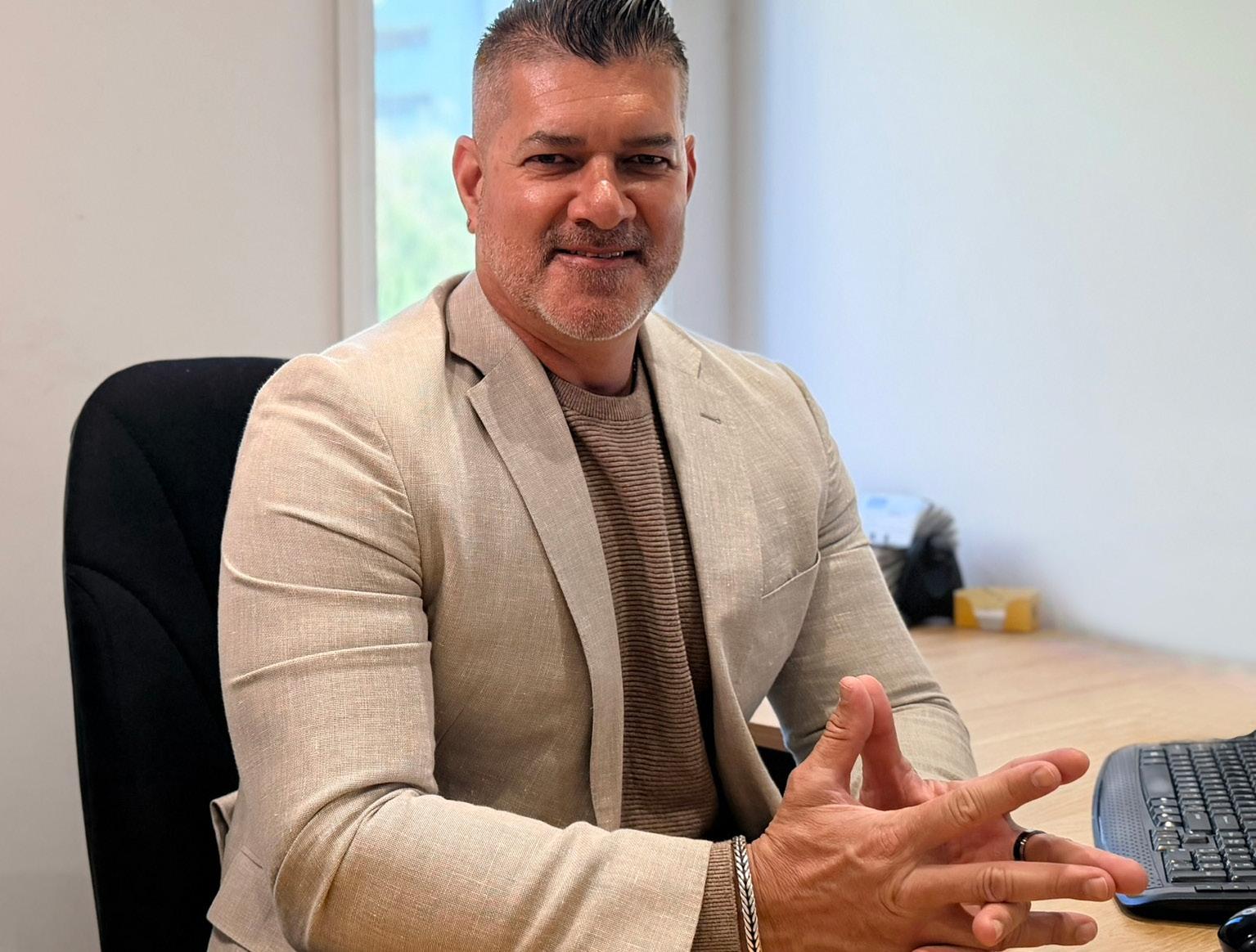
Can you share your career journey and what led you to your current role at RAAFA WA? What experiences have most influenced your approach to procurement and contract management in the notfor-profit and aged care sector?
My career journey has spanned multiple disciplines, including the private sector, manufacturing, logistics, government, FMCG, and not-for-profit aged care, each contributing a different layer to my leadership style and approach to procurement. Today, I lead procurement and contract management at RAAFA WA, drawing on this multidisciplinary background to deliver strategic value across complex, mission-driven environments.
Across my career, I have delivered savings exceeding 30 million AUD, reinforcing my focus on commercial acumen, responsible stewardship, and measurable value creation. But beyond the numbers, I am passionate about fostering mutually beneficial partnerships and developing teams, supporting staff to progress into advanced roles and broaden their career pathways.
My experience centres on embedding governance, sustainability, and compliance into every sourcing strategy while championing innovation and digital transformation. Through strong cross-functional collaboration, I have learned the importance of purposeful procurement, authentic partnerships, and empowering people so that procurement becomes not just a function, but a strategic enabler that uplifts the entire organisation.
Procurement plays a vital role in supporting critical care and lifestyle services. How does your procurement team support RAAFA WA’s commitment to delivering high-quality care and living experiences across its residential and retirement communities?
At RAAFA WA, procurement is not just about sourcing goods and services, it is integral to ensuring that residents and staff have the resources they need to thrive. Our team works hand in hand with operational leaders to understand the day-to-day requirements across our residential and retirement communities, enabling us to tailor sourcing strategies that directly support care outcomes.
Whether negotiating service contracts, securing clinical equipment, or coordinating facility upgrades, our focus is firmly on quality, compliance, and reliability. Strong supplier relationships, underpinned by transparency and data-driven insights, allow us to align procurement decisions with RAAFA’s mission to deliver exceptional quality of life for residents.
This close partnership with operations ensures procurement is viewed not as a back-office function but as a true enabler of care excellence. Every decision, large or small, is grounded in resident wellbeing, organisational integrity, and strengthening the communities we proudly serve.

With your focus on contracts and procurement, what strategies do you use to negotiate and manage supplier agreements that deliver both value and compliance in a highly regulated sector like aged care?
Operating in a regulated sector like aged care means contract management must deliver not only commercial value but also strict compliance. My approach begins with early supplier engagement and clear expectations from the outset, ensuring service delivery extends beyond cost to measurable outcomes that genuinely support resident care.
We structure contracts with defined performance indicators, quality benchmarks, and built-in flexibility, allowing us to adapt to resident needs, operational priorities, or regulatory frameworks as it evolves. Regular performance reviews and supplier scorecards create transparency and accountability while providing opportunities for continuous improvement.
By partnering closely with legal and compliance teams, we embed governance requirements seamlessly into agreements, reducing risk and safeguarding residents, staff, and the organisation. I view contracts as more than transactional documents, they are strategic tools that shape strong partnerships, uphold service standards, and enable long-term, sustainable value.
Through a combination of commercial discipline and a rigorous compliance focus, our contracting strategies deliver outcomes that strengthen RAAFA WA and the communities we serve.
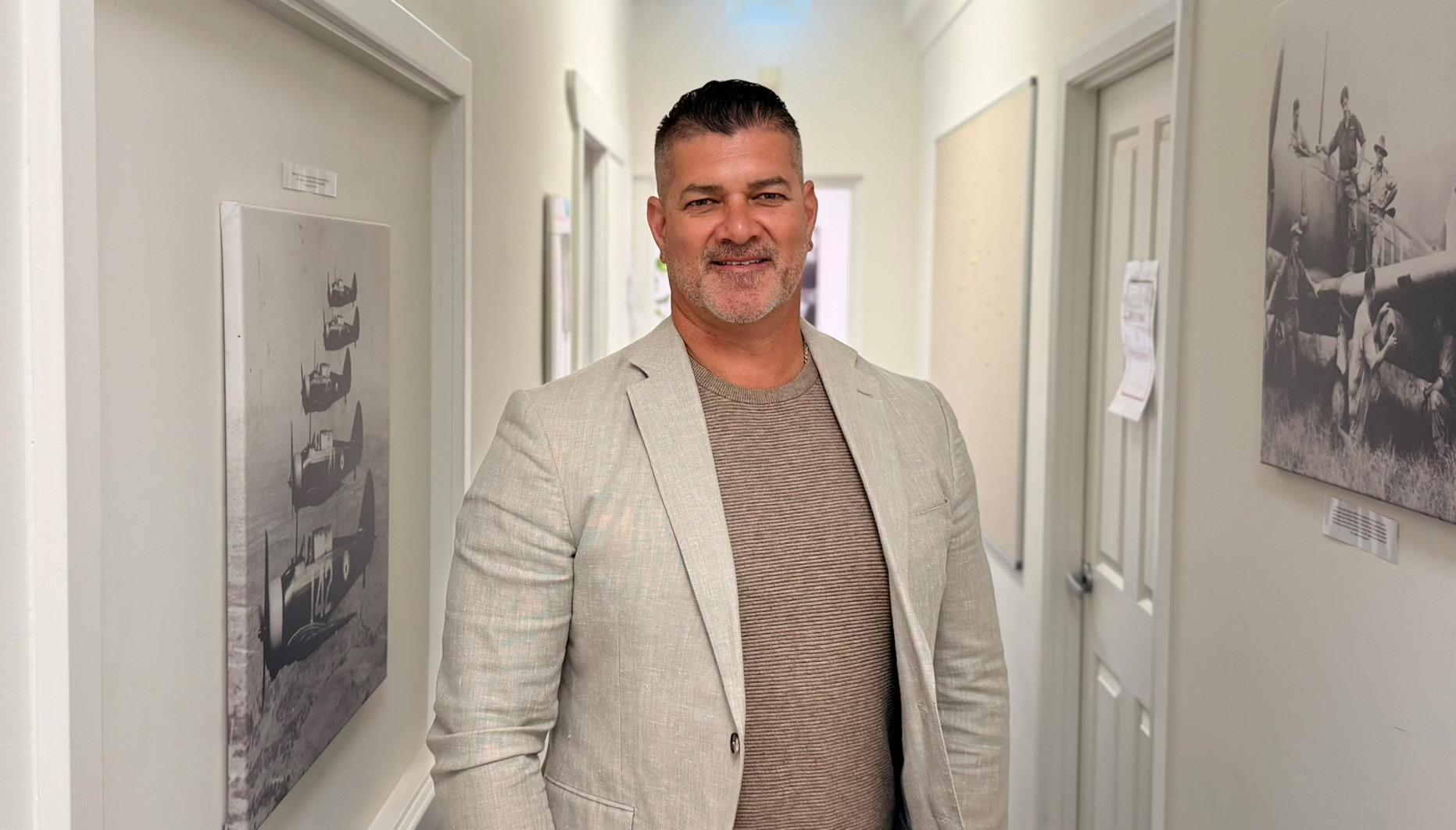
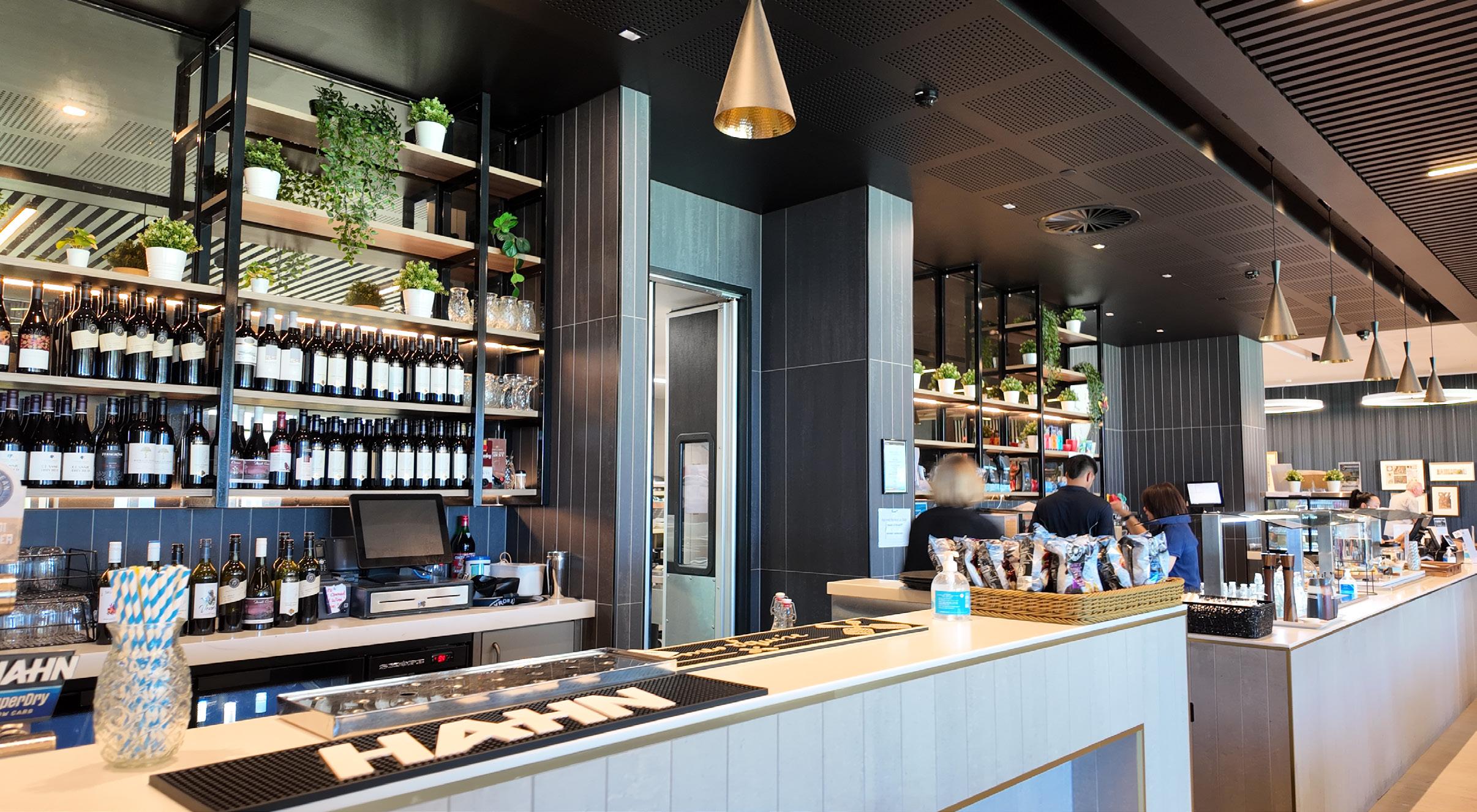
What are your key criteria for selecting and managing suppliers, and how do you ensure that service levels and product quality remain consistently high across all RAAFA WA sites?
Reliability is absolutely critical in aged care procurement, where any interruption in services or essential supplies can have an immediate impact on resident wellbeing. For this reason, supplier selection is grounded in capability, compliance history, and the ability to support operations across multiple sites. We prioritise partners who share our values and who demonstrate a commitment to long-term collaboration.
Once a supplier is onboarded, performance is managed through clearly defined KPIs, regular reviews, and open, ongoing communication to ensure accountability at every stage. An essential part of this process is integrating direct feedback from our residential and retirement communities. This sitelevel insight provides early visibility into operational challenges, helps identify trends, and ensures consistency of service across all locations.
This feedback loop allows procurement to remain proactive rather than reactive, addressing emerging issues before they escalate. Ultimately, supplier reliability is built on mutual accountability, suppliers know we hold them to high standards, and we in turn support them to deliver consistently. By maintaining this balance, we reduce risk, safeguard continuity of care, and provide residents and staff with the stability and quality they depend on.
What role does technology play in streamlining procurement and contract management at RAAFA WA, and are there any digital tools or systems that have significantly improved operational efficiency?
Digital transformation has significantly enhanced procurement operations at RAAFA WA. With the implementation of COUPA, our ERP procurement, purchasing, and contract management platform, we have been able to streamline processes, automate routine tasks, and strengthen compliance across the organisation. Activities that once required manual effort can now be monitored in real time, from contract milestones and spend analytics to supplier performance metrics.
This enhanced visibility empowers us to make faster, data-driven decisions and to respond more effectively to operational requirements. For instance, the ability to identify trends in supplier performance allows us to intervene early, supporting both reliability and continuity of service. Beyond efficiency improvements, digital systems improve transparency and strengthen governance, both essential in a highly regulated sector like aged care.
Looking ahead, advanced and AI-driven technologies will play a central role in future-proofing procurement, enhancing agility, accountability, and value delivery. Artificial intelligence will enable smarter data analysis, predictive sourcing, and automated decision-making, allowing procurement teams to anticipate needs and identify opportunities with greater precision. Ultimately, these intelligent digital tools will strengthen RAAFA WA’s mission, ensuring procurement not only supports quality care for residents but also drives long-term organisational sustainability.
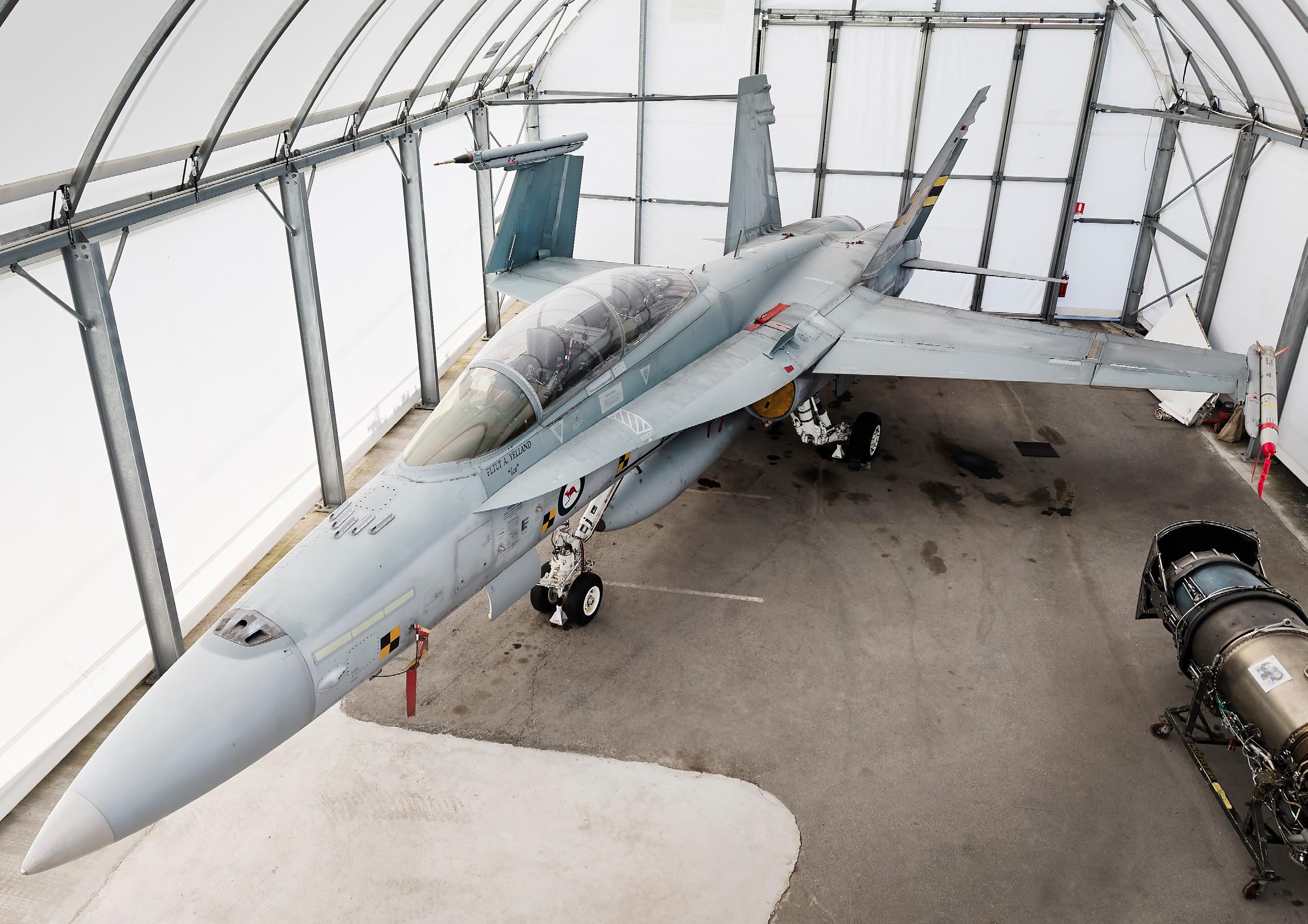

How do you manage procurement-related risk and compliance, especially in a sector with strict governance requirements like health, safety, and aged care standards?
Managing risk and compliance in aged care procurement requires a structured and proactive approach. At RAAFA WA, we embed governance throughout the entire procurement lifecycle, from supplier due diligence and onboarding to contract execution, service delivery, and performance monitoring. This includes comprehensive compliance checks, clearly defined contractual safeguards, and regular audits to ensure supplier practices remain aligned with regulatory and organisational standards.
Equally important is our cross-functional collaboration with legal, clinical, and operational teams. By working together early in the process, we identify potential risks, assess impacts on resident care, and develop robust mitigation strategies. This ensures procurement decisions strengthen, not compromise, safety, quality, and operational integrity.
Staying alert to changes in legislation and aged care reforms is also critical. As standards evolve, we adapt our policies, agreements, and supplier expectations to ensure ongoing compliance. In a sector where governance directly influences resident wellbeing and organisational trust, our risk and compliance framework ensures procurement remains a consistent enabler of safe, high-quality service delivery.
Sustainability is becoming more important across industries. How is RAAFA WA incorporating sustainable and socially responsible sourcing practices into its procurement strategies?
Sustainability and social responsibility are becoming core pillars of procurement at RAAFA WA. We actively seek suppliers who prioritise environmentally conscious practices, whether through emissions reduction, sustainable materials, responsible waste management, or ethical labour standards. Supporting local and social enterprises is equally important, as it helps foster economic inclusion, strengthens community ties, and ensures that our procurement activity delivers benefits beyond the immediate operational need.
We are progressively formalising sustainability criteria into sourcing processes, ensuring that environmental and social impact is evaluated alongside quality, cost, and compliance. Through longterm supplier engagement, we encourage transparency, shared goals, and continuous improvement, enabling partners to grow with us on this journey.
By embedding these considerations into every decision, procurement becomes a meaningful contributor to RAAFA’s mission and values. The goal is not only to meet operational requirements but to create lasting positive impact, supporting residents, enhancing community wellbeing, and contributing to a more sustainable future.

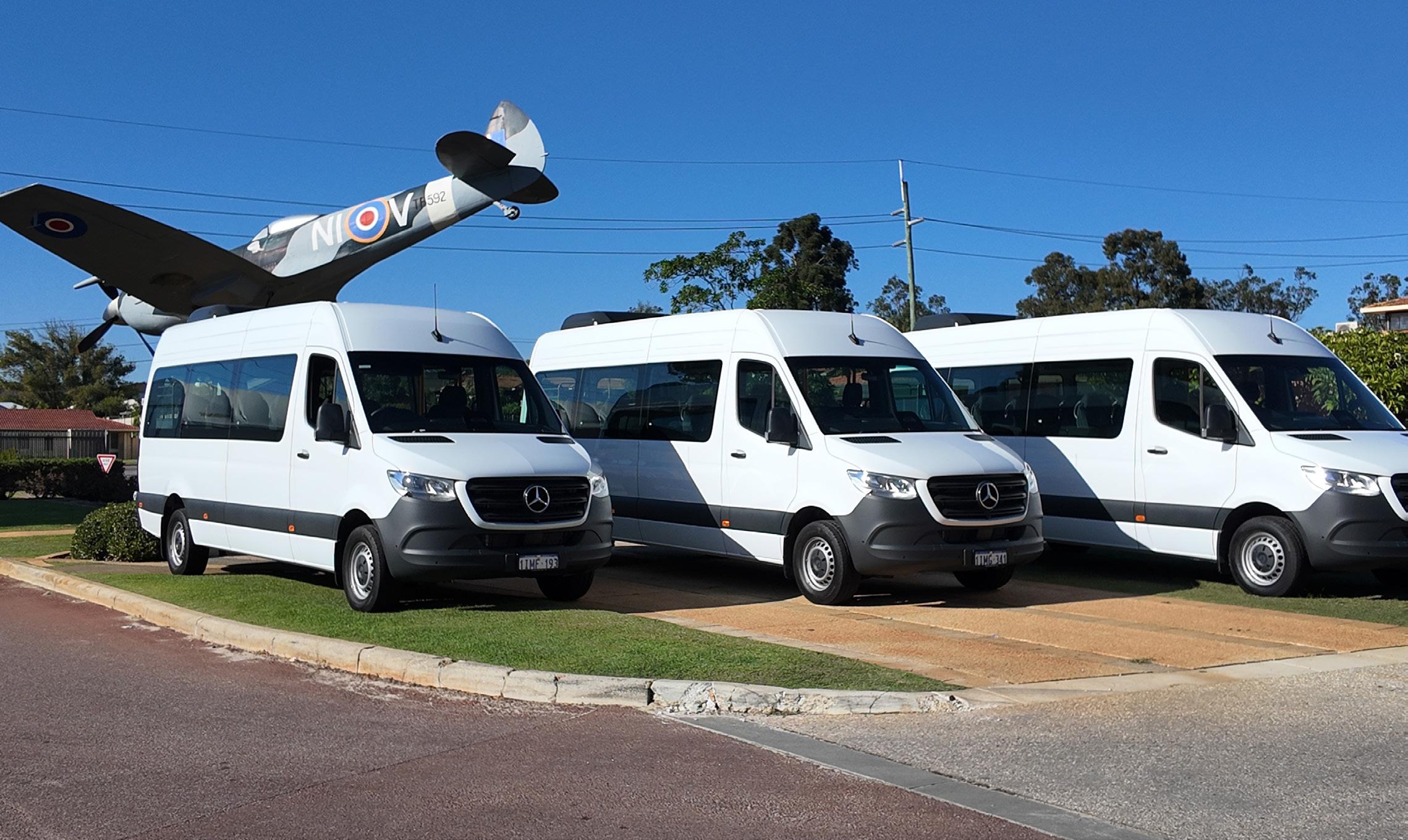
RAAFA WA operates a diverse portfolio of sites. How do you manage procurement processes across multiple facilities while ensuring alignment with organisational goals and resident needs?
Managing procurement across a broad and varied portfolio of sites requires a model that is both structured and adaptable. At RAAFA WA, we follow a centralised procurement framework to ensure processes remain standardised, compliant, and efficient across all locations. This provides the governance, visibility, and consistency essential in a regulated service environment.
At the same time, we recognise that each site has its own operational realities. We work closely with site-based teams to understand their day-to-day needs, challenges, and priorities. This collaboration allows us to tailor solutions that maintain organisational consistency while providing the flexibility required at the local level.
Communication is integral to this approach. Regular engagement with site managers, structured feedback loops, and continuous review mechanisms ensure that procurement remains aligned with operational pressures and frontline realities. Insight from the sites help shape our strategies, improve service delivery, and enhance the overall value we provide. By combining the strengths of centralisation with meaningful collaboration, we deliver procurement outcomes that are reliable, responsive, and supportive of high-quality care across every RAAFA WA community.
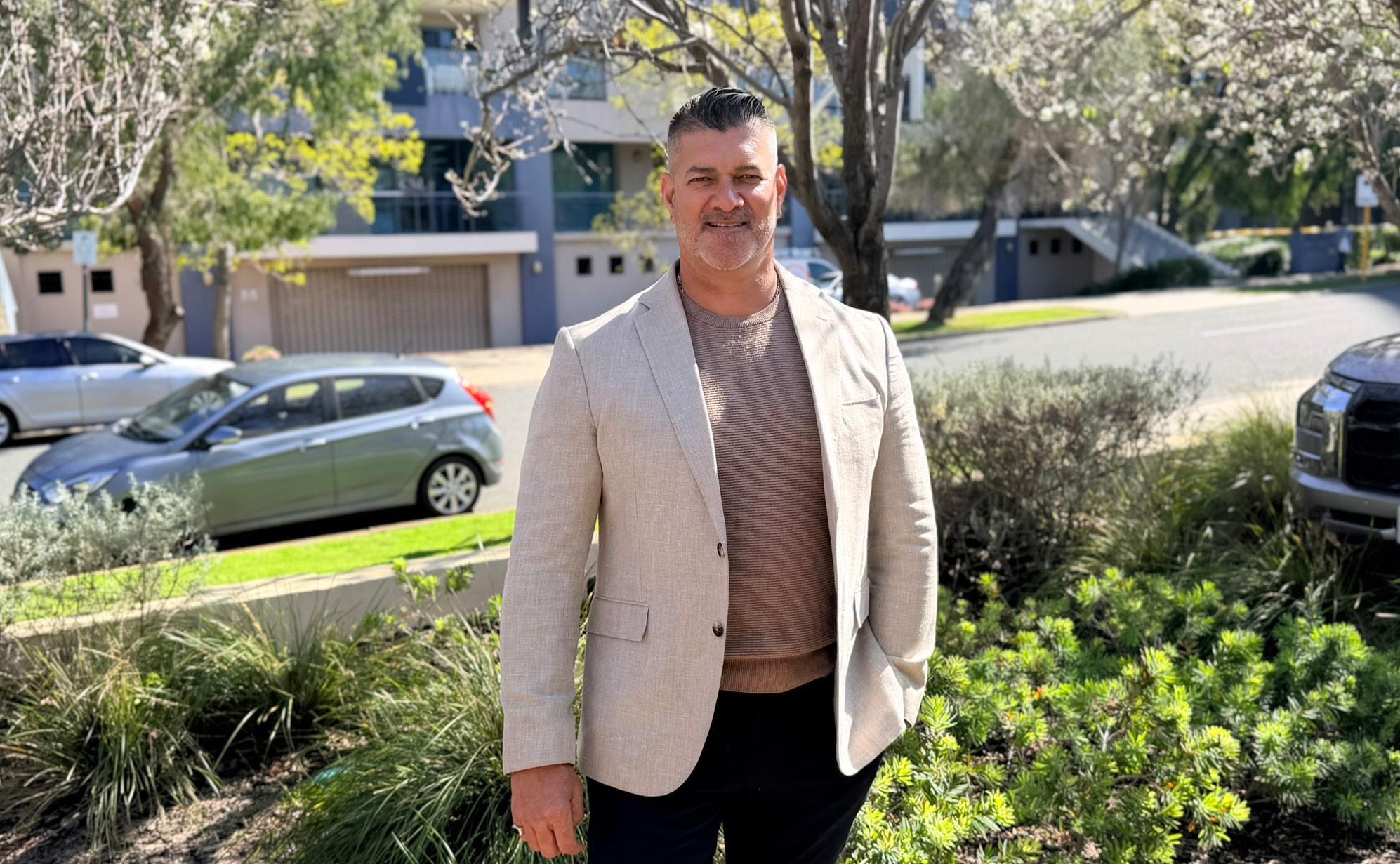
Looking ahead, what are the top priorities for procurement and contract management at RAAFA WA? Are there any major projects or transformations you’re preparing for?
Looking ahead, our priorities at RAAFA WA centre on strengthening strategic sourcing, deepening supplier collaboration, and advancing our sustainability and digital maturity. With major capital works and refurbishment initiatives on the horizon, we are preparing through agile procurement planning, early supplier engagement, and strong contract governance to ensure projects are delivered efficiently and safely.
Enhancing our use of data analytics is another key focus. By leveraging richer insights and predictive tools, we can make more informed decisions that improve value, service continuity, and operational efficiency across all sites.
Sustainability and social responsibility will continue to guide our direction as we work with partners who demonstrate strong environmental and ethical standards. Equally important is building internal capability, ensuring our team remains skilled, adaptable, and ready to support evolving operational and regulatory needs.
Our overarching goal is to continue the shift from a transactional procurement model to a strategic, value-driven partner. In doing so, we aim to support RAAFA WA’s long-term mission of delivering exceptional care, enhancing resident experience, and strengthening the communities we serve.
As someone leading procurement in the aged care and community services space, and someone who thrives on mentoring and supporting future leaders, what advice would you give to those looking to grow into leadership roles in contracts and procurement?
For those aspiring to leadership roles in procurement and contracting, my advice is to stay curious, adaptable, and people focused. Procurement today goes far beyond transactions, it demands strategic thinking, strong risk management capability, and the ability to create value through meaningful relationships. Take the time to understand the broader business context and listen actively to stakeholders; effective procurement always starts with understanding real needs on the ground.
Communication and negotiation skills are essential, as is a readiness to embrace technology and change. Digital transformation is reshaping the profession, and leaders who adapt quickly will be better equipped to drive efficiency and innovation.
Above all, lead with integrity. Hold yourself accountable, prioritise continuous improvement, and never lose sight of the impact procurement can have, especially in sectors like aged care, where decisions directly influence the wellbeing of residents and the operational stability of care communities. This responsibility is not only significant but also deeply motivating.
Mentorship is equally important. Seek mentors who challenge your thinking and broaden your perspective, and are willing to mentor others in return. Developing emerging talent ensures continuity, strengthens organisational capability, and builds a collaborative culture. Leadership in procurement is both an active role and a legacy, shaping not just today’s outcomes, but the future of the profession.
RAAFA WA is one of Western Australia’s largest and most trusted not-for-profit providers of retirement living, residential aged care, in-home care and community services. Founded in 1929 from a veterans’ legacy, RAAFA has grown into a compassionate organisation that supports not only former and serving members of the Australian Defence Force (particularly the Air Force), but also welcomes the broader community. RAAFA delivers modern retirement villages, aged-care residences, veteran support programmes, home-based care and community outreach — all underpinned by its commitment to respect, care and honesty.
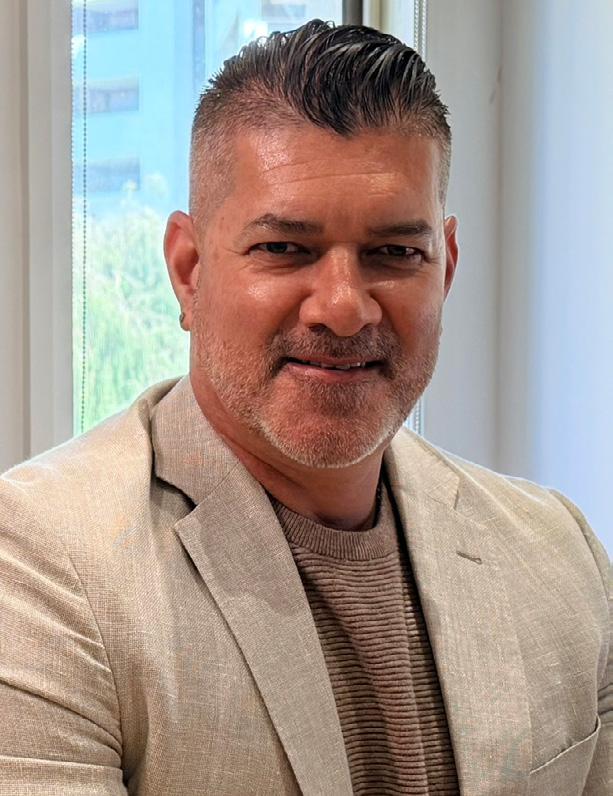
Anthony Wayne Contracts and Procurement Manager