Spring 2023
Regulatory Register

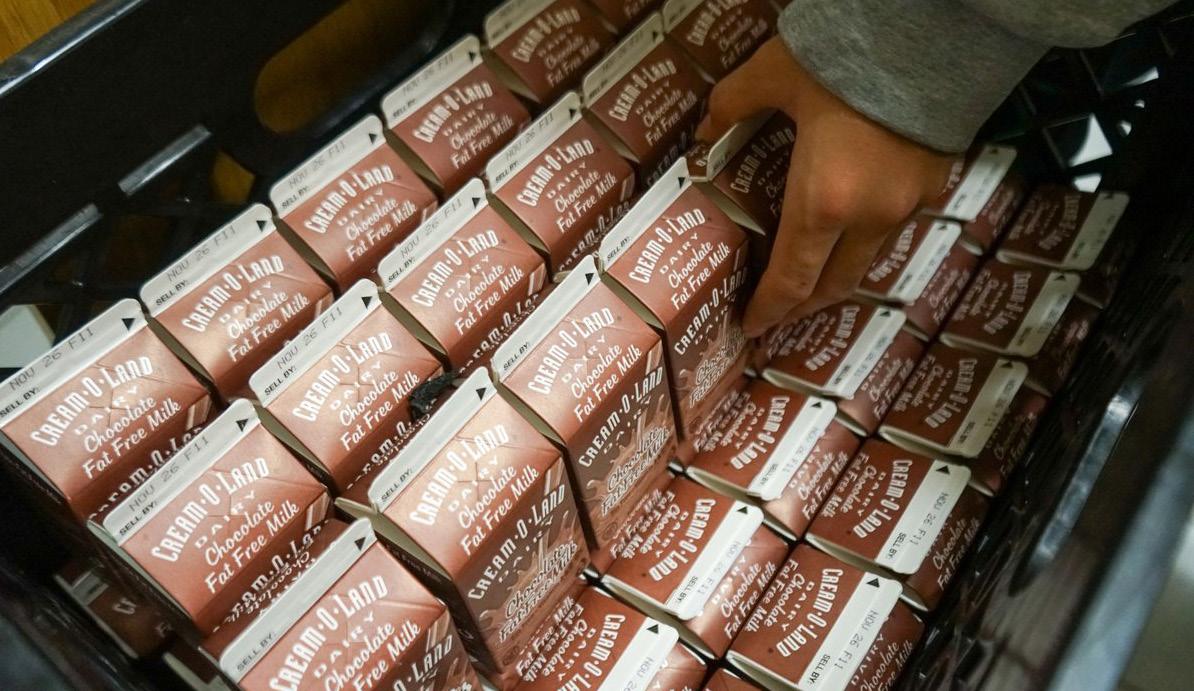
NMPF submitted comments on May 10 advocating for continuing to serve low-fat flavored milk in addition to fat-free varieties for all grade levels and highlighting the role milk, cheese and yogurt play in school meals being the healthiest meals children consume.
USDA’s Food and Nutrition Service (FNS) on Feb. 7 published a proposed rule to update school meal standards, intended to take effect beginning with the 2024-2025 school year. This proposed rule is the latest step FNS has taken to update school meal standards dating to passage of the Healthy, Hunger Free Kids Act in 2010.
The proposed rule continues to allow low-fat flavored milk in school meals, but potentially in a more limited fashion. FNS puts forward two different options for flavored milk in its proposed rule, requesting input on both options. The first would allow low-fat and fat-free flavored milk for either grades 6-12 or
9-12 only. The second would maintain current standards, allowing low-fat and fat-free flavored milk for all grade levels. The proposal also puts forward added sugar and sodium limits that will be phased into school meals in future school years, both of which could limit varieties of school milk, yogurt, and cheese that can be served in school meal programs.
Since 2010, multiple USDA rulemakings have intended to make school meals healthier, with NMPF working hard to ensure that changes don’t inadvertently reduce kids’ actual diet-quality and nutrient intake. This includes NMPF’s leading role in getting USDA to reinstate the low-fat flavored milk option in school meal programs after its removal by a 2012 rule. NMPF’s work here includes working closely with Chairman GT Thompson, R-PA, and Representative Joe Courtney, D-CT, over multiple congresses on their School Milk Nutrition Act, which would guarantee that schools have the choice to serve any milk variety consistent with federal dietary guidelines.
NMPF and the International Dairy Foods Association (IDFA) sent a joint letter to Health and Human Services Secretary Xavier Becerra and Agriculture Secretary Tom Vilsack on May 9 calling for the inclusion of the growing body of science studying dairy fat in the 2025 Dietary Guidelines Advisory Committee (DGAC) review.
Several scientific research studies, including multiple meta-analyses, demonstrate that dairy foods, regardless of fat level, appear to have neutral or beneficial effects on cardiovascular disease, type 2 diabetes, obesity, stroke and other conditions.
The committee, which held its second public meeting on May 10, will use three approaches to examine the evidence used to answer the scientific questions: systematic reviews, food pattern modeling and data analysis. NMPF and IDFA state in the letter, “NMPF and IDFA hope this committee won’t default to the overly broad recommendation to avoid saturated fats regardless of food source. This would fail to answer the 2025 proposed scientific question and, equally important, it would fail to address the 2020 DGAC report’s directive. We strongly urge the committee to develop protocols that will enable it to answer the question about specific food sources of saturated fat, including consideration of the recent science on dairy fats.”
NMPF submitted joint comments May 8 with IDFA on the proposed rule, “Child Nutrition Programs: Community Eligibility Provisions – Increasing Options for Schools” supporting the lowering percentage of enrolled students certified for free school meals without submitting a household application from 40% to 25%.
As noted in the preamble to the rule proposing the change, schools that implemented the community eligibility provision (CEP) attained participation rates about 7 percent higher for lunch and 12 percent higher for breakfast, compared to similar schools that did not choose the provision. Greater school participation in CEP can help further eliminate the stigma that can often be attached to free or reduced lunch at school. Further, as school meals were ranked the healthiest meals, providing healthy meals to all students helps address longstanding inequities based on race, income and other factors that contribute to disparities of nutritional intakes and health outcomes.

Several scientific research studies, including multiple meta-analyses, demonstrate that dairy foods, regardless of fat level, appear to have neutral or beneficial effects on cardiovascular disease, type 2 diabetes, obesity, stroke and other conditions.
NMPF submitted comments Feb. 21 urging USDA not to include proposed cuts to dairy in the Special Supplemental Nutrition Program for Women, Infants and Children (WIC), pointing out that reducing dairy could lower participation in the program.

“Reducing the amount of dairy available in WIC packages will decrease participants’ access to valuable nutrients needed during pivotal life stages, such as the first thousand days of a child’s life and their mother’s pregnancy and lactation, and those proposed reductions could lead to long-term negative health consequences,” NMPF said in its comments. With milk, cheese and yogurt being three of the five top redeemed items in the WIC program, NMPF is concerned reducing access to dairy will reduce participation in WIC as participants won’t be able to get the foods they value.
The rule also included some positive proposed changes, such as requiring the authorization of lactose-free milk, increasing the yogurt substitution amounts for milk and flexibilities for yogurt size containers, important steps to ensuring dairy and its nutrients are accessible for all WIC participants. The proposed rule was largely based on a 2017 National Academies of Sciences, Engineering and Medicine report that made recommendations based in part on the principle that any changes be budgetneutral; USDA’s proposal is not budgetneutral, removing one of the key justifications for following that report’s recommendations on that would reduce dairy access.
NMPF’s comments also emphasized the importance of requiring nutritional equivalency for any plant-based alternatives that may be allowed to be substituted for dairy products.
NMPF and IDFA met with USDA last December, emphasizing the two organizations’ concerns with the proposed cuts to dairy. Both organizations continue to monitor the situation closely.
The National Conference on Interstate Milk Shipments (NCIMS) addressed 72 proposals submitted to revise the Pasteurized Milk Ordinance (PMO) and its related documents at a meeting in Indianapolis from April 3-7.

NMPF staff advocated positions of interest for dairy cooperatives and their producer members. Many NMPF members also attended and played key roles in the deliberations of the conference. The 2023 conference featured more than 400 attendees — a record — after taking a four-year hiatus due to the COVID-19 pandemic. NMPF was pleased with many of the outcomes of the proposals and made significant progress in achieving reasonable solutions on many key issues.
The conference once again highlighted the successful collaboration between the U.S. Public Health Service/Food and Drug Administration, state regulators and dairy industry representatives to continue to promote and protect a safe supply of Grade A milk and milk products. A total of 40 proposals were passed by the delegates either as submitted or as amended. Below are the outcomes of the NMPF-submitted proposals.
• Proposal 207 would require a 48-hour notice prior to on-farm inspection. Reasons for this include the risks to human health following the COVID-19 pandemic, the farm’s biosecurity and overall personnel safety. The proposal was amended at the conference and passed through the
delegates to be assigned to a standing or ad-hoc committee to review sections 8, 13, and 14 of the PMO. This is an important first step in recognizing the importance of biosecurity measures on dairy farms and will hopefully lead to further discussion of inspection notices.
• Proposal 301 provided a definition of equivalence for the USPHS/FDA responsibility to determine whether a foreign country’s regulatory program and government oversight of that program has an equivalent effect on the safety of the regulated milk or milk product. The term “equivalence” is important for international trade; unfortunately, the PMO has long lacked a definition. This proposal passed through the delegates as amended to include a plain language definition in line with that of the World Trade Organization. Defining equivalence provides clarity for industry, state and Federal stakeholders about foreign countries’ obligations to participate in the PMO. This proposal reinforces the importance of transparency when analyzing equivalence for foreign countries.
• Proposal 302 was voted no action as 301 was decided to be the proper pathway for equivalence.
Also, to note, Antone Mickelson, NMPF’s NCIMS committee chair, was re-elected to fill the western states industry seat on the NCIMS Executive committee and NCIMS Vice Chair. The next conference will be held in 2025 in Minneapolis.

FDA released the draft guidance, “Labeling of Plant-Based Milk Alternatives and Voluntary Nutrient Statements” on Feb. 23, intending to “help ensure appropriate labeling of plantbased products that are marketed and sold as alternatives to milk.” The guidance encourages manufacturers of plant-based beverages that choose to use dairy terms to voluntarily disclose their nutritional differences with real milk, for example adding the phrase “contains a lower amount of potassium than milk” near a term like “Oat Milk” on the label. While this is a first step towards labeling integrity, NMPF would like to see the guidance withdrawn and the standards of identity enforced.
In reaction, Senate and House dairy advocates re-introduced the DAIRY PRIDE Act on Feb. 28 and March 8, respectively. The Defending Against Imitations and Replacements of Yogurt, Milk, and Cheese To Promote Regular Intake of Dairy Everyday Act” aka DAIRY PRIDE, requires FDA to enforce its standards of identity and would supersede its inadequate proposed solution, in which plant-based beverages could call themselves “milk” as long as they clearly state their nutritional differences with real dairy.
The Senate bill was re-introduced by Sens. Tammy Baldwin, D-WI; Jim Risch, R-ID; Peter Welch, D-VT, and Susan Collins, R-ME. A bipartisan group of six House members introduced DAIRY PRIDE, which included Reps. John Joyce, R-PA, and Ann Kuster, D-NH Reps. Mike Simpson, R-ID, Joe Courtney, D-CT, Derrick Van Orden, R-WI, and Angie Craig, D-MN. Now that FDA has made clear it won’t
enforce dairy standards of identity of its own volution, “DAIRY PRIDE is necessary for FDA to fulfill its own responsibilities,” Mulhern said.
To learn more about labeling, including information on why Milk of Magnesia or peanut butter don’t violate the labeling standards, click here.
The DAIRY PRIDE Act requires FDA to enforce its standards of identity and would supersede its inadequate proposed solution, in which plant-based beverages could call themselves “milk” as long as they clearly state their nutritional differences with real dairy.
NMPF submitted comments Feb. 16 urging FDA to modify the proposed rule to allow for a broader range of dairy products to qualify, including milk, cheese and yogurt at all fat levels and that contain modest amounts of added sugar.
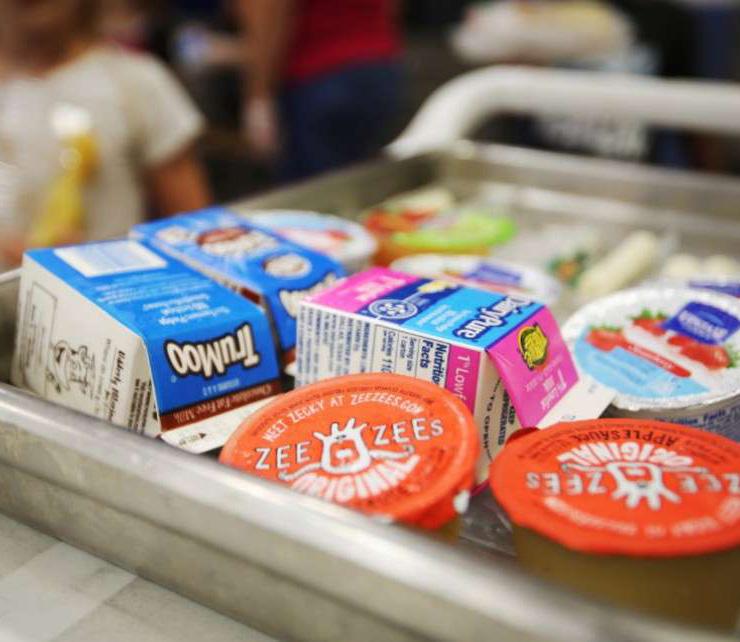

The proposed rule aimed to update the definition of the “healthy” claim to align more closely with the Dietary Guidelines for Americans (DGA). NMPF emphasized that the approach runs the risk of ignoring the best and newest nutrition science, such as newer science on the positive and neutral impact of dairy fats. According to the 2020-2025 guidelines, nearly 90 percent of Americans under-consume dairy.
“The ability to make “healthy” claims on dairy foods holds the potential to educate consumers about dairy’s nutritional value and could improve consumption closer to DGA recommendations,” NMPF noted in its comments.
National Milk also urged FDA to take no actions which would imply that plant-based beverages are nutritionally equivalent to real dairy. Several nutrition organizations including Academy of Nutrition and Dietetics, the American Academy of Pediatric Dentistry, the American Academy of Pediatrics, and the American Heart Association do not recommend plant-based imitators as they are not nutritionally equivalent to dairy products.
Registration is open for the International Dairy Federation (IDF) World Dairy Summit 2023 to be held Oct. 16-19 in Chicago.
The summit is returning to the United States for the first time in 30 years and is the world’s largest annual global dairy conference. Under the theme “BE Dairy…Boundless Potential and Endless Possibilities,” the Summit’s immersive program will bring together dairy leaders and renowned experts to address dairy’s most significant opportunities in a dynamic global marketplace.
Hosted by the United States National Committee of the IDF (US-IDF), the IDF World Dairy Summit is expected to attract more than 1,000 participants and expert speakers from around the world, including industry leaders, scientists, and producers. The summit’s expo will showcase dairy companies, suppliers, dairy trade organizations, and products while

23+ thematic sessions offer engaging content from health and nutrition to sustainable production, consumer expectations, policy and innovation.
Set against the backdrop of Chicago, participants will have easy access to some of America’s most famed dairy regions. Attendees will have the option to register for half-day, one and two-day farm and technical tours showcasing the diversity of U.S. dairy farms, research centers, processing facilities and retail in America’s heartland states of Michigan, Wisconsin, Illinois and Indiana.
Register online at www.idfwds2023.com by June 30 to receive a discounted rate. Full IDF World Dairy Summit 2023 details and program available here. Sponsorship opportunities are available.
Credentialed members of the news media should contact heather.oldani@dairy.org to express interest in registering. News media must present credentials to qualify for registration and special rates.
New EPA drinking water limits issued March 14 are raising concerns at NMPF that they may be arbitrarily restrictive and not based on the best science available.
The new limits, known as Maximum Contaminant Limits (MCLs), cover six PFAS chemicals, which environmental advocates say increase health risks. EPA set the limit for PFOA and PFOS, the focus of much of EPA’s attention on the issue, at 4 parts-per-trillion (PPT) individually. It’s using health hazard index to set limits for 4 other PFAS chemicals.

The limits are below international standards, including those set by the World Health Organization. As well as all state-imposed limits for PFAS (per-and polyfluoroalkyl substances) in drinking water. Unlike the previous EPA Health Hazard Advisory, which originally set the advisory limit at 70ppt, these new proposed limits are enforceable regulations. The proposed limits will not apply to private well water.
The new limits, if finalized, will require more
than 3,200 drinking water utilities to spend significant amounts of money to upgrade their water filtration systems to remove all detectable PFAS. Water in many areas of the country is already very expensive, and it will get even more expensive with this regulation. In addition to raising drinking water costs, the change also will increase food costs, as the food processing industry uses significant amounts of water to make food and to clean and sanitize food facilities.
NMPF also is concerned that the low limits on drinking water will impact potential limits in food, either in a regulation or in public perception. Thus far, FDA has declined to set a food limit and generally does not feel that trace levels of PFAS in human food are a human health concern, with rare exceptions.
While everyone should have an ample supply of clean water, the fact is many drinking water systems are contaminated with a variety of chemicals and it is economically impossible to get public drinking water to be 100% contaminant free. NMPF has cautioned EPA to be careful and follow the science on the regulation of all things PFAS for years. The comment period is open until May 30.
The new limits, if finalized, will require thousands of drinking water utilities to spend significant amounts of money to upgrade their water filtration systems to remove all detectable PFAS

NMPF advocated for changes in private accounting standards to allow for insetting and offsetting of Scope 3 GHG reductions in response to the GHG Protocol’s Survey on Need for GHG Protocol Corporate Standards and Guidance Updates on March 14. NMPF comments aligned with principles and key messages that were developed through the collaborative dairy stakeholder process of the Innovation Center for U.S. Dairy.
The GHG Protocol’s standards are globally recognized methodologies for greenhouse gas (GHG) emissions accounting, including the Scope 3 emissions tracking which FARM Environmental Stewardship enables. Companies across all industries, including within the dairy supply chain, utilize these standards for their GHG reporting because they underpin prominent GHG reporting frameworks, such as the Science Based Targets initiative and the Task Force on Climate-Related Financial Disclosures.
The agriculture and forestry sectors are in a unique position as both potential sources and sinks for GHG emissions – a situation not well addressed within GHG Protocol’s accounting standards – creating challenges for dairy farmers and dairy companies looking to demonstrate progress toward value chain GHG reduction goals.
The NMPF survey response will help to open dialogues with the organizations that develop the GHG Protocol for collaboration to find solutions that work across sectors. This will encourage GHG reductions in the agriculture and forestry sectors while eliminating double-counting of Scope 3 emission reductions and enable transparent communication of such reductions to consumers.

NMPF found that the Federal Trade Commission’s (FTC) Green Guides to be clear and helpful guidance for making robust environmental claims supported by substantiating evidence, in comments filed April 23. The use of illustrative examples throughout the Green Guides is helpful to support companies. The Green Guides are also an important tool for helping marketers avoid environmental claims that are unfair or deceptive and thus should continue to be offered.
The FTC Guides are designed to help marketers avoid making environmental claims that mislead consumers. FTC specifically inquired about revising the section on Carbon Offsets in the Green Guides. NMPF commented that the current guidance related to carbon offsets is straightforward. Any effort by the FTC to expand the Green Guides section on Carbon Offsets and Climate Change should leverage relevant globally accepted frameworks and protocols.
In 2012, the FTC determined it lacked a basis to give specific guidance on how consumers interpret “sustainable” claims. NMPF believes that the FTC still should not seek to define or provide guidance around “sustainable” claims. The U.S. dairy sector has a long track record of involvement in national and international sustainability efforts, and there is currently no clearcut definition of sustainability. Within agriculture, as an example, local weather and soil conditions vary to such an extent that the practices that contribute to “sustainability” depend on that local context. The environmental outcome measures that could indicate sustainable production also vary.

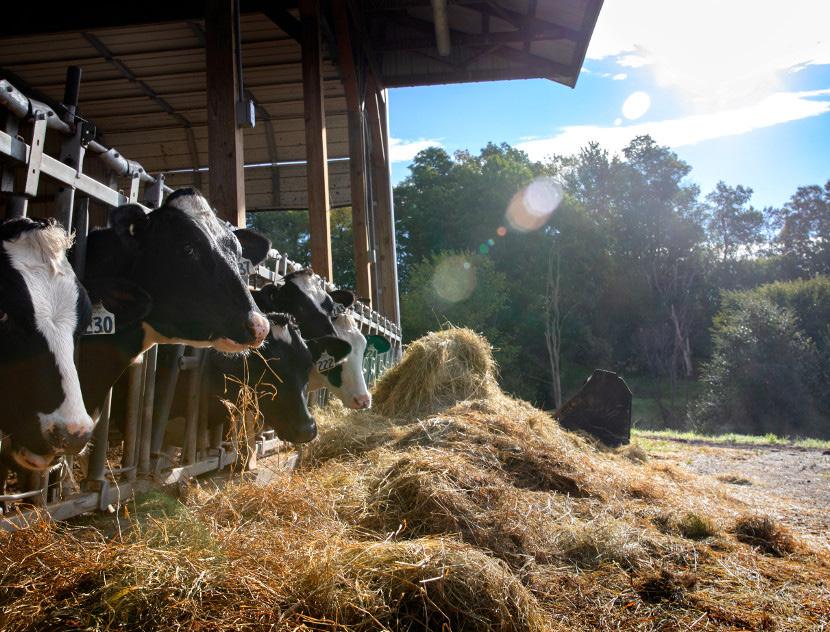
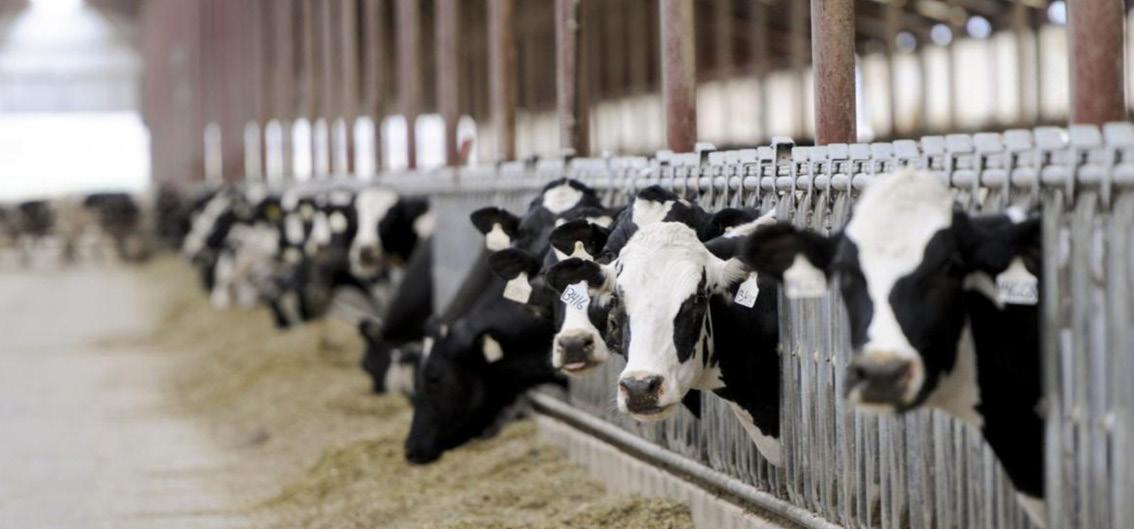
As part of its collective commitment to provide the world responsibly produced dairy foods that nourish people, strengthen communities and foster a sustainable future, the U.S. dairy industry has set aggressive environmental sustainability goals to become greenhouse gas neutral or better, optimize water usage and improve water quality by 2050.

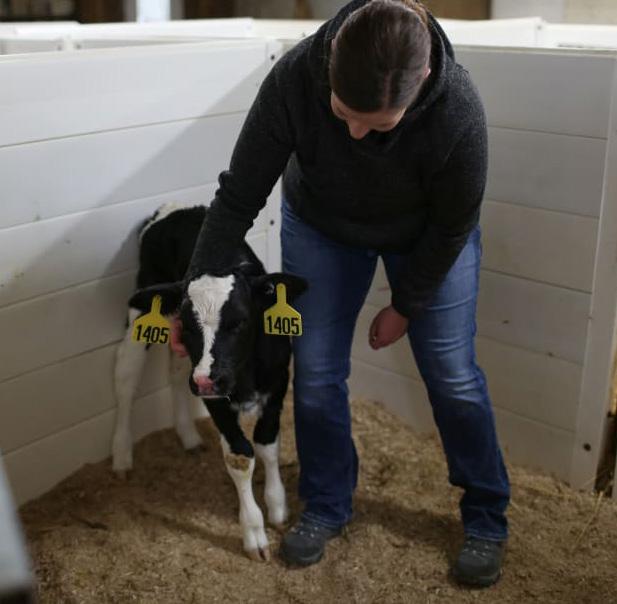
NMPF underscored its longstanding commitment to animal traceability to combat disease outbreaks while opposing a change to the definition of “dairy cattle” in comments it submitted April 19 to the U.S. Department of Agriculture Animal and Plant Health Inspection Service (USDA-APHIS) on the Use of Electronic Identification Eartags as Official Identification in Cattle and Bison (Docket No. APHIS–2021–0020).
USDA-APHIS is proposing to amend its animal disease traceability regulations to require that ear tags be both visually and electronically readable to be recognized for use as official ear tags for interstate movement of cattle and bison covered under the regulations. The agency also proposed changes to the definition of “dairy cattle” to include crossbred dairy beef animals.
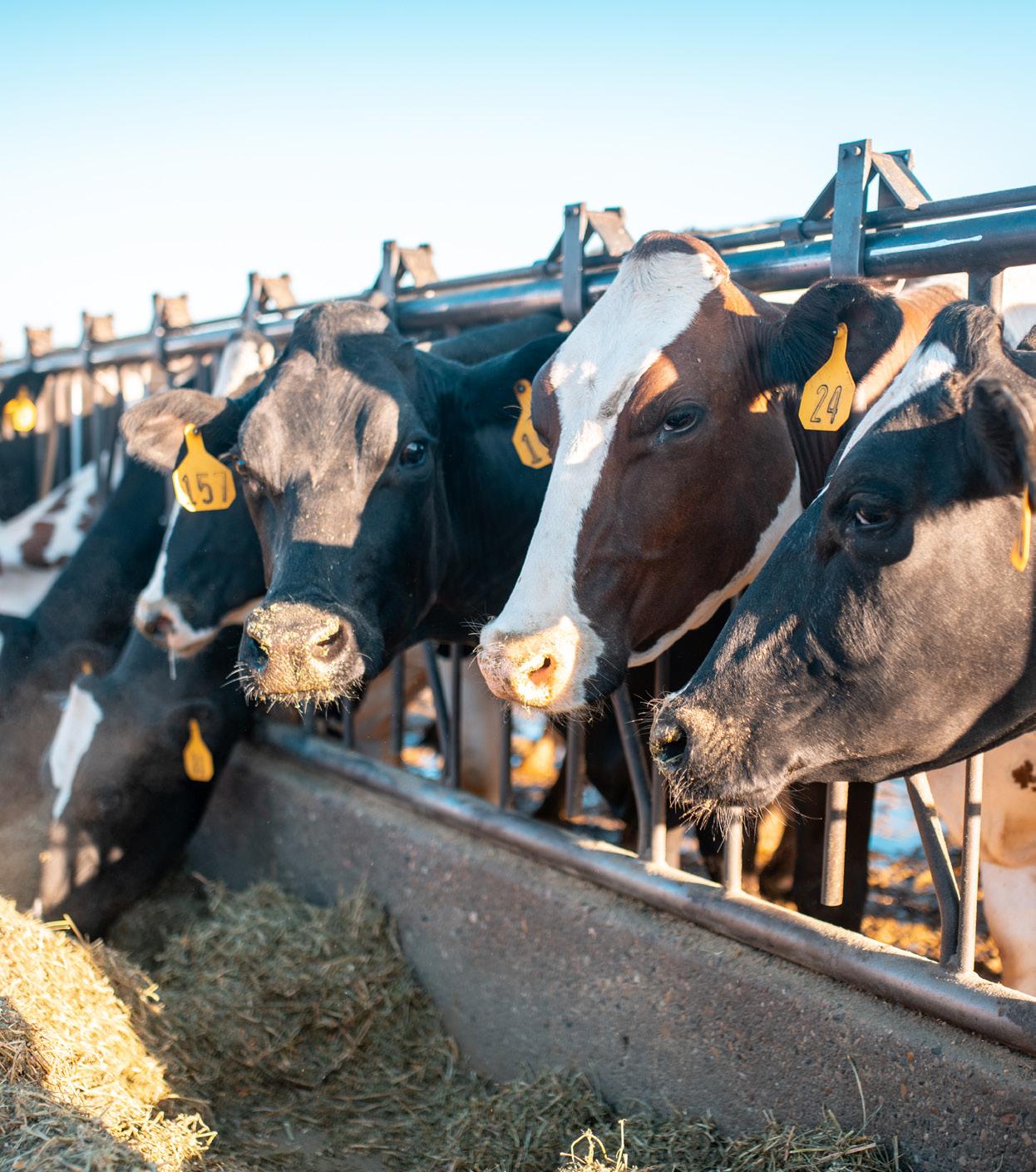
The proposed changes are intended to enhance the ability of tribal, state and federal officials, private veterinarians, and livestock producers to quickly respond to high-impact diseases currently existing in the United States, as well as foreign animal diseases that threaten the viability of the U.S. cattle and bison industries.
NMPF comments focused on the USDA-APHIS alignment with the longstanding NMPF policy supporting mandatory animal identification with radio frequency identification device (RFID) tags for dairy cattle. The APHIS requirement for ear tags to be electronically readable comports with NMPF’s animal identification policy which is nearly two decades old.
NMPF in its comments opposed the APHIS
proposed change to the definition of “dairy cattle” to include cross-bred dairy beef animals. APHIS contended that crossbred dairy-beef animals, which are raised solely for meat and not for milk, represent increased risks of disease transmission and thus the animal disease traceability requirements should be the same as for dairy cattle. However, APHIS did not present data to indicate an increased risk of disease transmission and simply asserted that being raised and managed on a dairy farm result in increased risk. Many dairy farms also raise other livestock commercially, such as swine and poultry, yet APHIS did not propose similar disease traceability requirements for those animals. NMPF suggested these crossbred dairy-beef animals should have the same requirements as other beef cattle.
In addition to endorsing a path forward on Federal Milk Marketing Order modernization, NMPF’s Board of Directors also voted to approve a package of updates to Version 5 of the FARM Program’s Animal Care standards.
The board on March 9 endorsed the overall package developed by the FARM program’s committee structure, including its Animal Care Task Force and the NMPF Animal Health and WellBeing Committee. It withdrew for further consideration one program proposal updating provisions to include additional guidance on broken tail scoring. The board will revisit that proposal, which would update the scoring approach for the existing version 4 benchmark about broken tails in lactating cows, at NMPF’s June Board meeting. The goal of FARM and NMPF, which administers the program, is to implement the overall Version 5 Animal Care standards July 1, 2024.
In early April, an online mRNA livestock vaccine conspiracy began circulating that U.S. farmers and ranchers would be required by USDA to inject livestock with mRNA vaccines. As a result, many dairy processors, cooperatives, and even dairy farmers have been asked about this baseless, false conspiracy theory.
While research on mRNA vaccines for use in livestock has been ongoing for more than a decade, none are currently approved for use in dairy cattle. Vaccines go through a rigorous pre-market approval process through the USDA Center for Veterinary Biologics. The USDA approval process includes tests for the safety and efficacy of the vaccine for animals and the administering person, and safety of the animal product (meat, milk, and eggs).
As a requirement of the National Dairy FARM Animal Care Program, dairy farmers work closely with their statelicensed veterinarian to keep dairy cattle healthy, and if a cow gets sick to provide therapy to bring the cow back to health. An important part of this veterinary-client-patient-relationship is establishing a Herd Health Plan for the prevention, control, and treatment of common diseases. One part of that Herd Health Plan is a written vaccination protocol developed by the farmer and veterinarian based on their knowledge of the herd’s disease history and farm risk. The written vaccination protocol includes the type of vaccine to use, vaccine storage and administration.
New vaccine technologies, such as mRNA, are likely to be available in the future. If and when they are approved by USDA for use in dairy cattle, producers and the public can be assured that they are safe.