Regulatory Register
Fall 2022
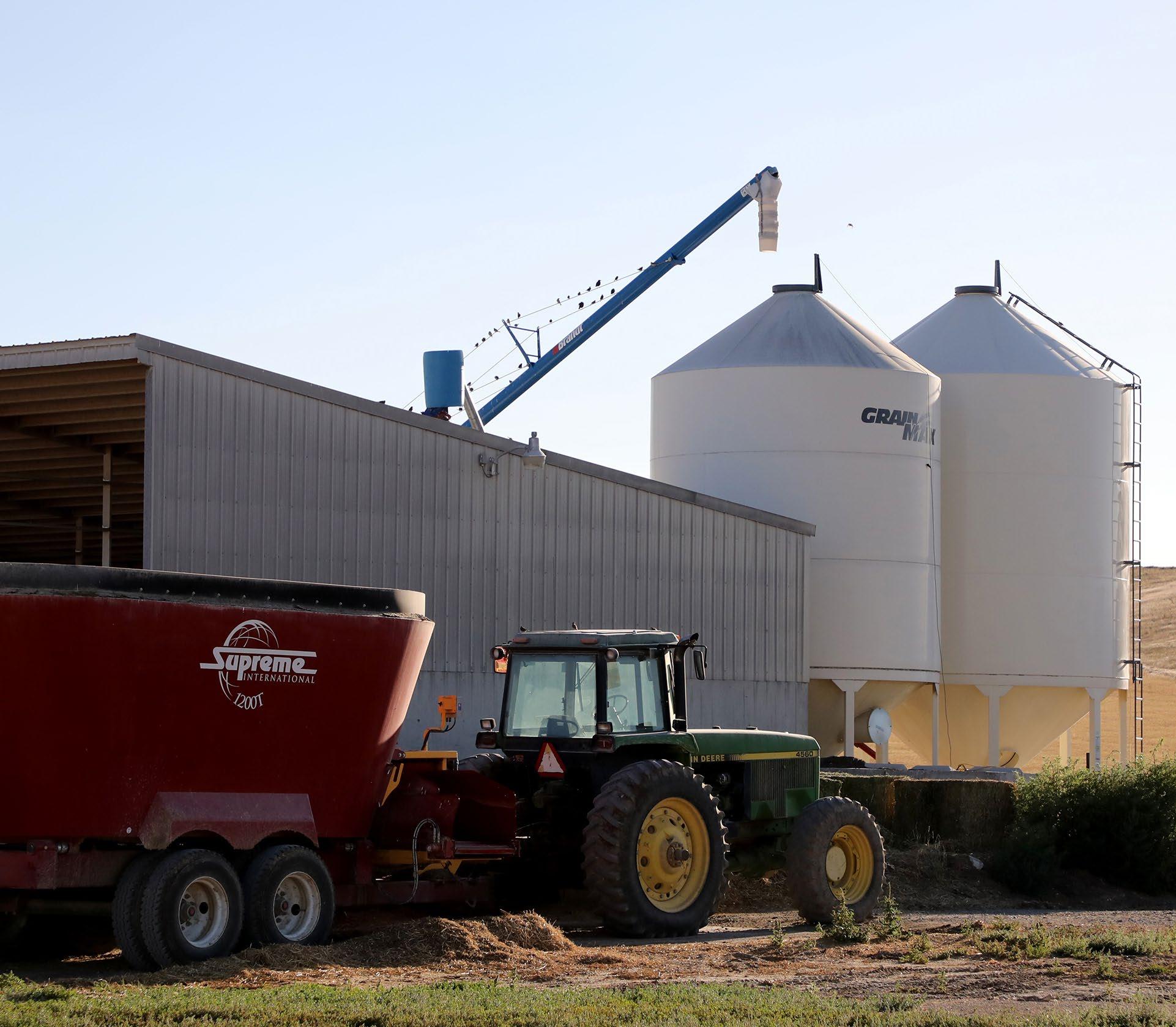

The Food and Drug Administration (FDA) and the National Conference on Interstate Milk Shipments (NCIMS) Appendix N Committee will host two stakeholder webinars on a new three-year national multi-drug residue raw milk monitoring project.
The new monitoring project—expected to begin early next year—will test for 19 different drug residues, including nonsteroidal antiinflammatory drugs, antiparasitic, macrolides, sulfa-drugs, and tetracyclines, among others. State milk regulatory officials will take the samples from milk trucks at dairy processing plants and double-blind them for testing, thus making them untraceable to an individual plant or farm. The information gathered will guide the food safety risk assessment process to ensure testing requirements reflect the latest science, thus affirming the safety of U.S. milk.

FDA and the NCIMS Appendix N Modification Committee are hosting two Industry Stakeholder Information Sessions:
- Nov. 29, 3:00 – 4:00 PM CT
- Nov. 30, 3:00 – 4:00 PM CT
Since 2019, the NCIMS Appendix N Modification Committee has been working cooperatively with FDA Center for Food Safety and Applied Nutrition to explore a new approach to evaluate whether the current animal drug residue monitoring program for the nation’s Grade “A” raw milk supply should be expanded to include additional types of drugs. NCIMS currently has a robust sampling
program under Appendix N of the Pasteurized Milk Ordinance (PMO) that requires sampling and testing for the beta-lactam family of drugs. This program has been highly effective at protecting public health and at providing credible data to demonstrate the significant decline in beta-lactam drug residue incidents over the past 30 years.
Through collaborative work with FDA, the Appendix N Modification Committee has developed a national milk sampling project to gather additional data on a wider group of animal drugs to help determine whether the current drug residue monitoring program should be further strengthened. By implementing a multi-drug residue raw milk monitoring project, the potential for residues in milk from drugs other than the beta-lactams can be evaluated. This additional data will allow NCIMS and FDA to examine the overall effectiveness of the drug residue monitoring program in Appendix N of the PMO and develop potential modifications, if warranted.
Importantly, this collaborative project will help assure consumers that FDA, states and industry are continuing to work together to both evaluate and minimize the risk of drug residues in milk. The anticipated implementation date for the project is early 2023.

NMPF and the International Dairy Foods Association (IDFA) sent a letter Sept. 7 to FDA explaining the complexities surrounding sodium reduction in cheese as it pertains to FDA’s short- and long-term goals of reducing sodium intake in the diets of Americans. In addition to the letter, NMPF and IDFA met with FDA on Nov. 4 to discuss the complexities of this issue.
The thrust of the discussion has been on the unique roles that salt plays in cheesemaking. Salt favors the drainage of residual whey, enhances the taste and aroma profile, regulates the texture, the final pH, the water activity, and effects microbial growth. In addition, it helps to regulate the starter and nonstarter cultures during ripening and it enhances shelf-life. NMPF and IDFA made it clear that salt in cheesemaking has a very different role than salt used in salty snacks like potato chips. NMPF and IDFA both weighed in heavily on the role salt plays in food safety and that many salt substitutes such as potassium chloride impart an unappealing taste.

Other key points raised during the meeting included:
- The cheese industry has made major efforts in sodium reduction and that for the most part have reduced the sodium levels to a point where we cannot go any lower without creating quality or food safety issues;
- Short-term goals slated for a 2.5-year timeframe could not be met for cheese that are aged for extended periods which can exceed 15 years; and
- Some of cheese food categories are particularly problematic, such as reducing the salt levels in soft Hispanic cheese. Also, sodium reductions in blue cheese are pretty much meaningless in an overall diet as the quantity of blue cheese consumption is negligible.
While part of the meeting was devoted to asking FDA to exempt cheese (and butter) from the voluntary guidance, it is unlikely FDA will do so; however, FDA now clearly understands the complexity of sodium in cheesemaking. NMPF anticipates FDA will not exercise undue pressure to attempt to force cheesemakers to meet the voluntary short and long-term sodium reduction targets.
NMPF’s Clay Detlefsen was featured at a White House ceremony on Nov. 9 in which the National Security Council unveiled its new strategy to address vulnerabilities in the Food and Agriculture Sector. The strategy was publicly released on Nov. 10 and replaces Homeland Security Presidential Directive #9 that was issued by the Bush administration in 2004. The memorandum recognizes the importance of the Food and Agriculture Sector and cements the critical role it plays in the nation’s national security.
The strategy is an important road map for addressing numerous vulnerabilities that


confront food and agriculture entities and sets forth a path to mitigate those vulnerabilities which range from intentional adulteration of the food supply, cybersecurity issues and the impacts of climate change among others. NMPF is very pleased with the strategy which was 5 years in the making as it lays out precise roles and responsibilities for the federal agencies that are involved in national security and will
NMPF’s Detlefsen, in his role as Chair of the Food and Agriculture Sector Coordinating Council, intends to use the memorandum to hold the federal governments feet to the fire to do more for the well-being of food and agriculture entities. Detlefsen was instrumental in the formation of the Food and Agriculture Sector after 9/11 and has been in a leadership role for the past two decades.
The
strategy is an important road map for addressing numerous vulnerabilities that confront food and agriculture entities and sets forth a path to mitigate those vulnerabilities which range from intentional adulteration of the food supply, cybersecurity issues and the impacts of climate change among others.

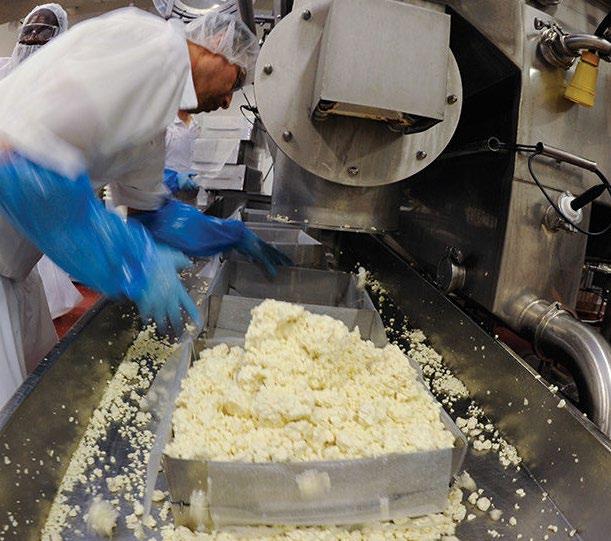


NMPF and representatives from its member cooperatives recently met with FDA officials to discuss FDA’s forthcoming strategies to enhance the safety of queso fresco cheese. FDA’s prevention strategies are an affirmative, deliberate approach undertaken by the agency and stakeholders to help limit or prevent future outbreaks linked to certain FDA-regulated foods. The prevention strategies examine commodity-hazard pairings, potential sources and routes of contamination, and what can be done to reduce incidences of foodborne illness in the future. They also identify existing knowledge gaps and needed areas of focus to inform and promote research and engagement with external stakeholders on steps that can be taken, collaboratively, to protect public health and prevent future outbreaks.
The strategies typically:
- Review outbreak trends associated with certain commodities;
- Explore environmental factors that may contribute to contamination in various locations, such as facilities or in more open landscapes like farms;
- Review issues related to specific foodborne hazards to identify potential mitigation measures or knowledge gaps;
- Review regulations to identify provisions that may be strengthened;
- Identify prevention measures that can be taken to reduce future incidences of foodborne illness; and
- Identify knowledge gaps to expand our understanding of food safety issues and limit recurrences of underlying root causes responsible for an outbreak or adverse event.
FDA has previously released preventive strategies for Enoki Mushrooms and Bulb Onions. The Queso Fresco strategy will be the third in what will be an ever-growing set of preventive strategies. When released in a few weeks, FDA will be open for constructive feedback and edits as needed.
NMPF submitted comments on Nov. 7 to the USDA Animal and Plant Health Inspection Service (APHIS) on the Advance Notice of Proposed Rulemaking on “a new approach to indemnity value determination and a new framework for the indemnity regulations”. USDA-APHIS is considering two structural changes to the indemnity regulations:
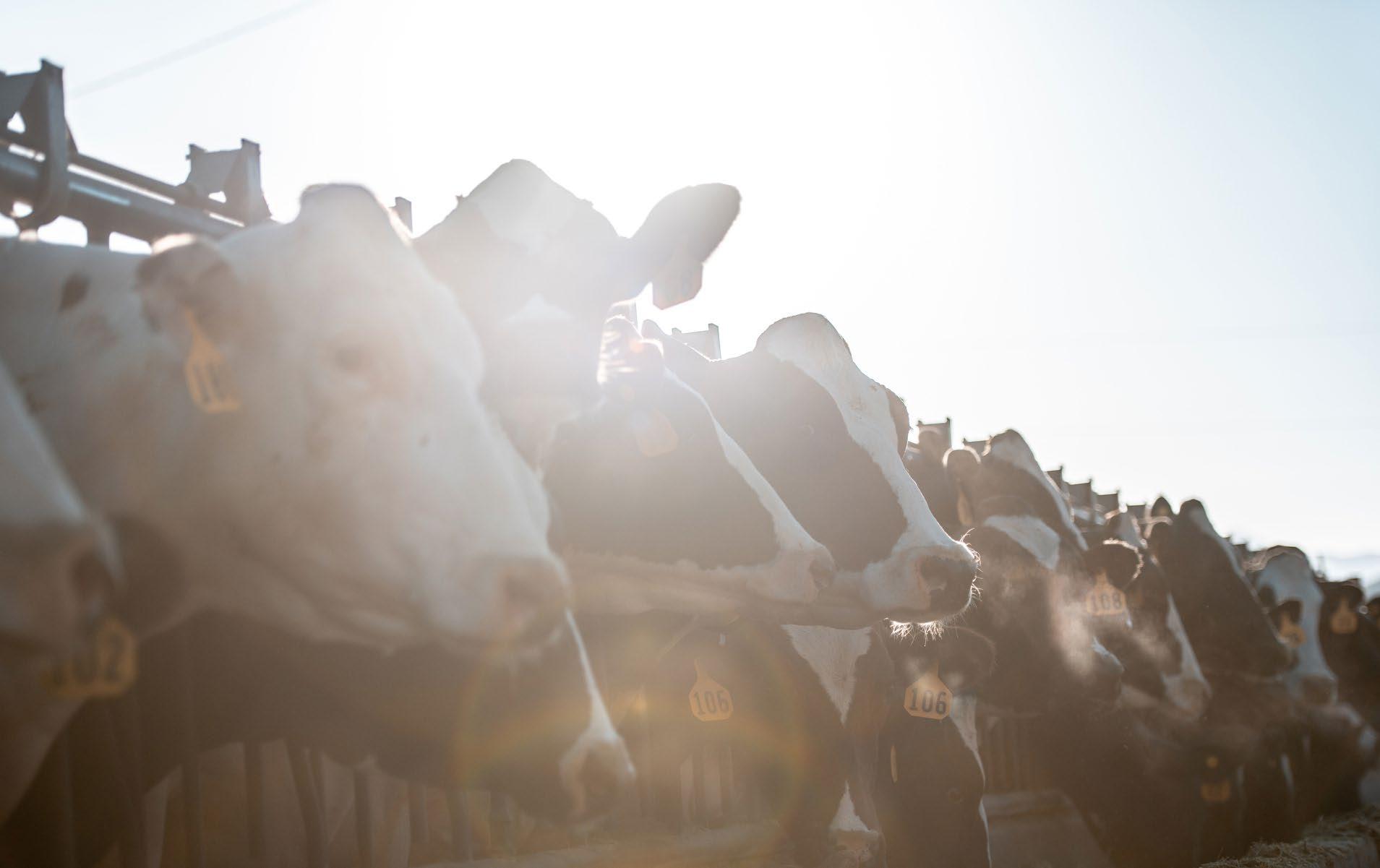
- Standardizing use of an annual indemnity value table for livestock species, and - A framework to consolidate all commodity indemnity regulations under a single unified section.
NMPF stated general support in its comments for “modernization of indemnity regulations including more frequent updates to indemnity values and a framework which to consolidate across commodities.” NMPF comments
addressed nineteen different animal indemnity areas and requested that USDAAPHIS form stakeholder working groups for the determination of indemnity methodology and the minimum biosecurity requirements for herds/flocks. Finally, NMPF highlighted the partner role that the National Dairy FARM Animal Care and Biosecurity programs play in maintaining the health and welfare of the national dairy herd.
The Animal Health Protection Act (7 U.S.C. 8301-8317; The Act) gives authority to the Secretary of Agriculture to hold, seize, quarantine, treat, destroy, dispose of, or take other remedial action as needed to prevent the introduction and spread of livestock pests and diseases within the United States. Animal indemnity is an important part of USDA efforts to protect the U.S. dairy herd from the introduction and spread of animal diseases like Bovine Tuberculosis, Brucellosis, Foot and Mouth disease, and other diseases and pests.
NMPF submitted comments on Nov. 11 to USDA Agricultural Marketing Service National Organic Program (USDA-AMS-NOP) on the proposed Organic Livestock and Poultry Standards rule. USDA-AMS-NOP has proposed to amend the organic livestock and poultry production requirements by expanding and clarifying existing requirements covering livestock care and production practices and mammalian living conditions.
In its comments, NMPF emphasized the role of the National Dairy FARM Animal Care in ensuring the best animal care and wellbeing decisions Program for all dairy farmers, conventional and organic, with critical input from their veterinarians and other animal care experts. The USDA-AMS has determined the FARM Program animal welfare standards meets the requirements of the International Organization for Standardization (ISO) Animal Welfare Technical Specification.
The World Organization for Animal Health (WO-AH) and ISO work together to help farmers and programs like FARM standardize and implement their animal care guidelines. The WO-AH, the World Trade Organizationrecognized body for setting animal health and welfare standards affecting international trade, adopted dairy cattle welfare standards in 2015. The FARM Program was the first animal-care program in the world to have its updated standards verified through this process.
NMPF noted that the standards proposed by USDA-AMS-NOP in the Proposed Rule generally align with the FARM Animal Care ISO-accredited standards. NMPF also gave specific comments on many of the proposed standards to improve clarity and alignment with the FARM Animal Care standards, such as including training for personnel who perform euthanasia, clarity for the use of shade structures, and stronger standards on recordkeeping for animal treatment.
The National Dairy Farmers Assuring Responsible Management (FARM) Program released Version 1 of the Everyday Biosecurity Manual, one of the key deliverables tied to 2020 National Animal Disease Preparedness and Response program funding to develop FARM Biosecurity. The manual focuses on everyday steps dairy farmers should take to protect herd and employee health. Taking a building block approach, the manual outlines key areas to focus on, including:
- Animal health and disease monitoring
- Animal movements and contact
- Animal products, vehicles and equipment
- Personnel, cleaning and disinfection and

- Line of separation.
Operations just getting started in biosecurity should focus on animal movements and contact, animal health and disease monitoring and personnel, the FARM Biosecurity task force recommends.
FARM Biosecurity is the newest pillar of the FARM program and participation is voluntary. In addition to everyday biosecurity mentioned above, enhanced biosecurity for the Secure Milk Supply Program focuses on the steps that need to be taken in the event of a Foot and Mouth disease outbreak.
NMPF filed comments with EPA on Nov. 7 on its proposed rule to add PFOA and PFOS to the Comprehensive Environmental Response, Compensation and Liability Act (CERCLA) list of hazardous chemicals. CERCLA is otherwise known as Superfund. In the comments, NMPF expresses concern that such a listing could impact thousands of agriculture operations around the country. In addition, NMPF is concerned that EPA’s expressed use of enforcement discretion to protect innocent landowners will likely fail or otherwise be meaningless. Enforcement discretion is a legally complex issue that could easily be challenged, and EPA is not the sole entity that could seek contribution from others for cleanup costs.
In 2021, the Pentagon notified Congress that it had notified 2143 agriculture operations that they may have been contaminated with PFAS chemicals due to the use of PFAS-containing firefighting foams on nearby military bases.
NMPF believes the 2021 number is likely over 5000 at this point which doesn’t include the contamination issues involving non-military activity such as industrial contamination and contamination from the application of biosolids.
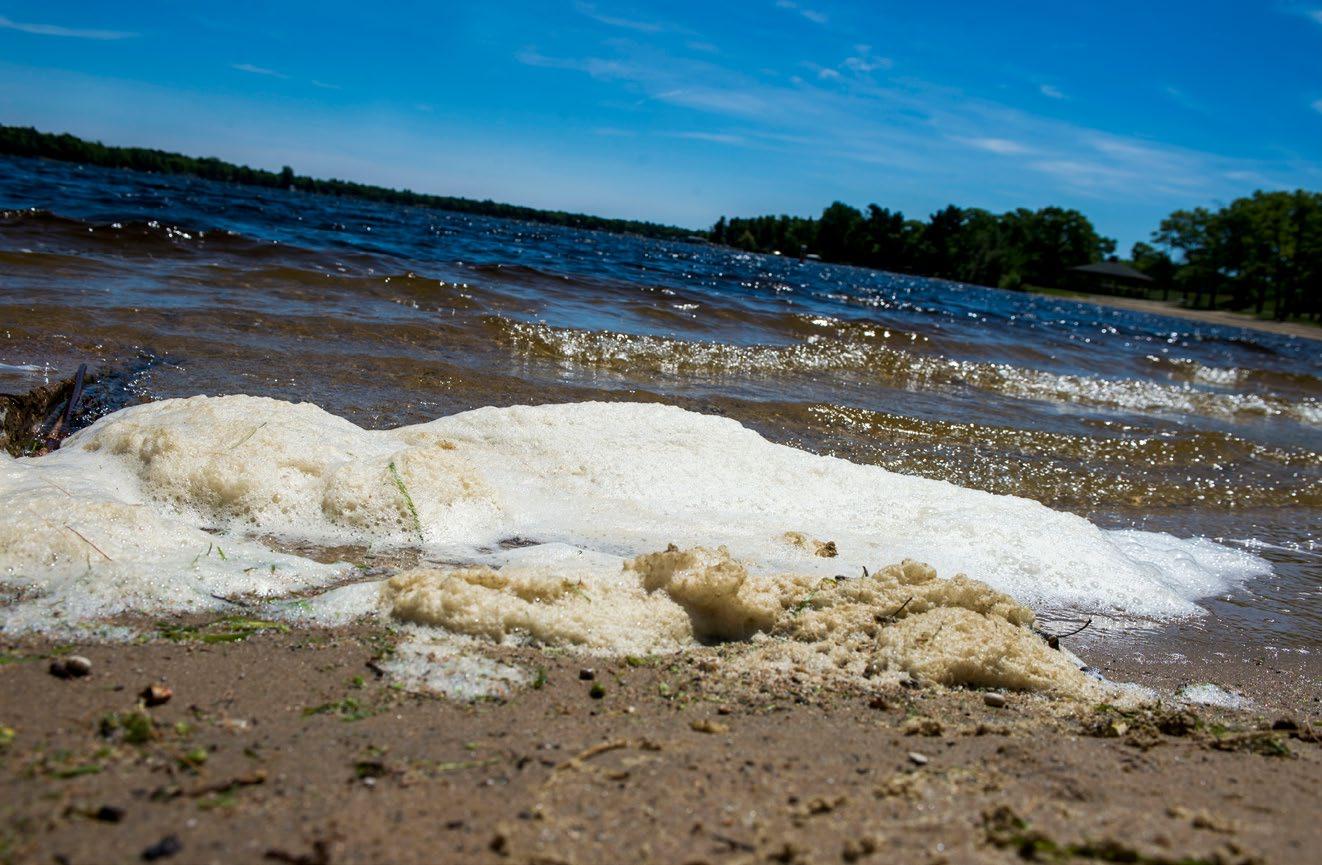
Under a Superfund designation, past and present owners of contaminated land are automatically assumed to be potentially responsible parties who must pay for the cleanup costs. There are defense options that can be brought to sever liability, but these are often costly and will involve hiring attorneys and consultants.
Lastly, NMPF pointed out that that EPA’s view and justification for listing PFOA and PFOS as hazardous chemicals because they may present a substantial danger to public health is out of line with the views of the Department of Health and Human Services as well as the World Health Organization. Both organizations point out that there are not any cause-andeffect relationships established between PFAS exposure and any disease.
Under a Superfund designation, past and present owners of contaminated land are automatically assumed to be potentially responsible parties who must pay for the cleanup costs
NMPF signed on to comments as part of the Agricultural Nutrient Policy Council sent to EPA on the “Proposed Revisions to the Atrazine Interim Registration Review Decision, Case Number 0062”. Submitted Oct. 7, these comments focus on sound federal policy to support reducing nutrient losses to protect water quality.
The comments were submitted in response to EPA’s proposed change to the Federal Insecticide, Fungicide, and Rodenticide Act label of atrazine which would significantly restrict its use on the basis of estimated effects on aquatic health when atrazine runs off into surface water. Atrazine and this associated system of herbicides is also integral to agriculture’s use of conservation tillage and cover crops – practices that are the absolute foundation of agriculture’s environmental programming to reduce erosion, nutrient
losses, soil organic matter losses, increase sequestered carbon and generally improve soil health and in turn, actually protect aquatic life.
The comments voiced the deep concern that the net effect of the proposed label changes significantly limiting atrazine’s use will lead farmers to reduce their use of conservation tillage and cover crops. Farmers may be forced to increase mechanical tillage to control weeds and helping to manage the development or presence of weed resistance to herbicides. While it is hard to offer estimates of exactly how all of this will play out, the risk of this occurring is very real and very serious and will have serious negative consequences for aquatic health due to the effects of sedimentation and nutrient over-enrichment. The Agency’s efforts to regulate atrazine use to reduce its runoff to protect aquatic health, ironically, could very well be unintentionally causing great damage to such health, NMPF stated in its comments.
Dr. Jamie Jonker, NMPF’s Chief Science Officer, testified on Oct. 18 at the FDA “Virtual Listening Session on the Regulation of Animal Foods with Certain Types of Claims”. CVM Policy and Procedures Manual 1240.3605, Regulating Animal Foods with Drug Claims, published in 1998, states that FDA will usually regulate nutritional ingredients or products with claims describing an intended effect on the structure or function of an animal’s body as animal food. FDA is reviewing this existing policy to evaluate how it could be updated to reflect evolving scientific knowledge and promote innovation.
In virtual testimony, Dr. Jonker presented U.S. dairy as an environmental solution, with the industry committing by 2050 “to achieve greenhouse gas neutrality, optimize water use while maximizing recycling, and improving
water quality by optimizing utilization of manure in its nutrients.” Through the U.S. Dairy Net Zero Initiative, a collaboration across dairy organizations, on-farm research is advancing new technology and new market development opportunities to make sustainability practices more accessible and affordable to farms of all sizes, including enteric methane reduction.
Jonker further testified of the need to modernize the guide through existing statutory authority so that FDA can relegate products with data-backed claims of acting on or in the digestive tract that have environmental benefit claims. Dr. Jonker concluded by saying he hoped “that FDA will modernize this process so that our U.S. dairy farmers, which are already exporting 20 percent of their dairy production worldwide, will be able to catch up to the ability of their competitors in such places as a European Union, South America and Oceana.”
National Milk Producers Federation 2107 Wilson Blvd., Suite 600 Arlington, VA 22201 info@nmpf.org Phone: 703-243-6111