Welcome to the first issue of Kidney Life for 2026, and it’s jam-packed with some great topics this quarter. They include interesting events for you to get involved in, some great patient stories, two campaigns, fundraising activities for the year and the results of an important clinical trial.
Of course, we couldn’t put the magazine together every quarter without your help so please let me have your feedback on what you’ve read or the story of your personal journey – I’d love to hear from you and I can help you write your story if you’d like to see it in print.
Last month we ran a little extra ‘Elf’ competition – thank you to everyone who replied. The voucher winner is John Lea who I haven’t been able to contact yet, so please if you read this John, send me an email! Congratulations also to our Christmas Prize Draw winners. Watch out for our Spring Prize Draw for your next chance to win. The draws bring in much-needed funds which can be boosted by you, your friends and family taking part in fundraising activities throughout the year, lots are listed on page 19. I’m committing to joining Best Foot Forward this year (not just for the socks) – let’s see how I get on! Don’t forget to take photos if you’re taking part so we can include them in a future issue.
With warmest wishes,
Annie Taylor Editor
Christmas 2025 Prize Draw Winners
Thank you to everyone who took part in our Christmas draw. It was a great success and wonderful to hear from our winners how they planned to spend their prizes. Our next draw will take place in Spring, so keep an eye out –next time it could be you who wins!
1st Prize – £1,500 T Jackson, Huntingdon, no 156156
2nd Prize – £750 R Barnett, Swansea, no 006051
3rd Prize – £500 S James, Eastleigh, no 005738
4th Prize – £250 R King, London, no 035600
Office: The Point, Coach Road, Shireoaks, Worksop, Nottinghamshire S81 8BW T: 01909 544999 E: nkf@kidney.org.uk
NKF Kidney Patient Association Day - March 2026
The Kidney Patient Association Day is an important day in the NKF’s calendar. Chris Talbot, Membership Development Lead at the NKF gives us information about the day and how you might get involved.
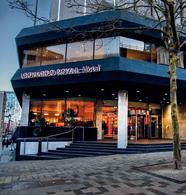
Registration is now open and the event will be held at the Leonardo Royal Hotel, Birmingham on Saturday 14th March 2026.
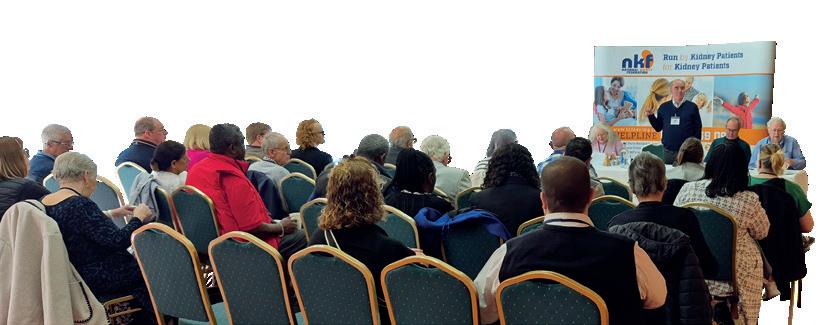
We are excited to be welcoming Kidney Patient Associations from across the UK to what promises to be an inspiring and energising day. This event offers a fantastic opportunity to come together face to face, with ample time for networking, connection, and collaboration, as well as the chance to hear directly from KPAs sharing their stories, experiences and examples of best practice.
The first part of the day will see the Annual General Meeting take place, where our trustees are elected for the year, followed by the Council Meeting.
For the next part of the day, we are delighted to announce that Professor Smeeta Sinha, Consultant Nephrologist and National Clinical Director for Renal Medicine, will be a guest speaker. Professor Sinha will provide valuable insights and updates on the latest developments across the renal landscape. We are also pleased to be joined by Ron Cullen, CEO of the UK Kidney Association (UKKA), who will share perspectives on the UKKA’s work and its impact across renal care in the UK.
The afternoon will be dedicated to KPA-led learning and shared experiences, before bringing the day to a celebratory close with the very first KPA Awards ceremony. The awards will recognise and celebrate outstanding contribution and leadership, including KPA Member of the Year, KPA Chair of the Year and KPA of the Year.
If you are a KPA officer or committee member and would like to register to attend, please email nkf@kidney.org.uk or call us on 01909 544999.
Supporting Kidney Patient Associations Across the UK
The NKF is the umbrella organisation for 53 KPAs across the UK. Supporting and connecting these local groups is part of the NKF’s charitable work. By bringing together the voices of kidney patients from across the country, the NKF can provide national representation for KPAs, ensuring that patient experience informs decision making and developments in renal care at every level.
Events such as KPA Day play an important role in this work, providing dedicated time and space for KPAs to come together to network, share best practice, learn from one another and strengthen connections, helping local associations feel supported as part of a wider national community.
Get Involved Locally
Staying Positive and Working Hard When Life
is Challenging
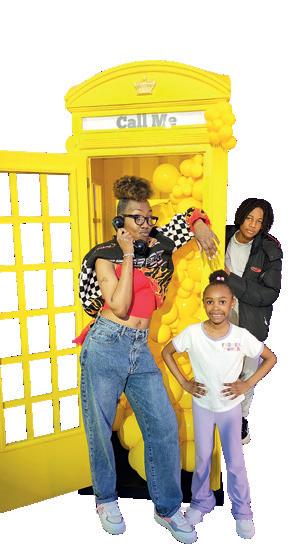
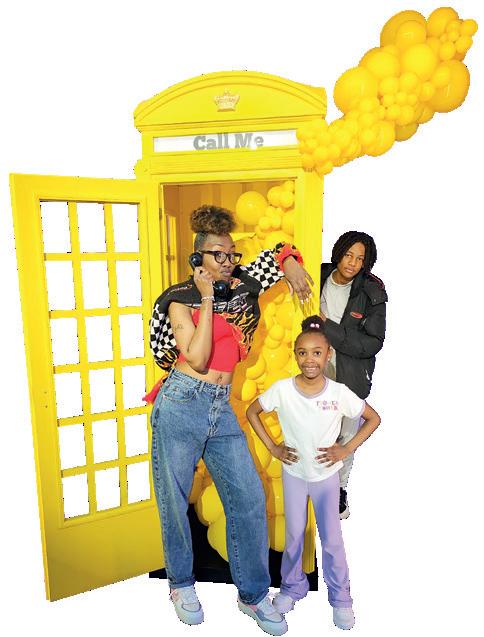
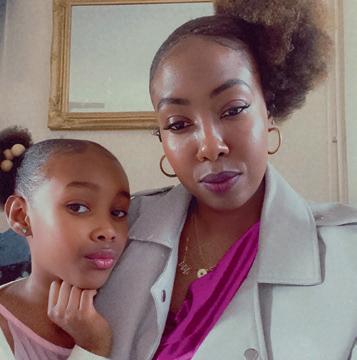
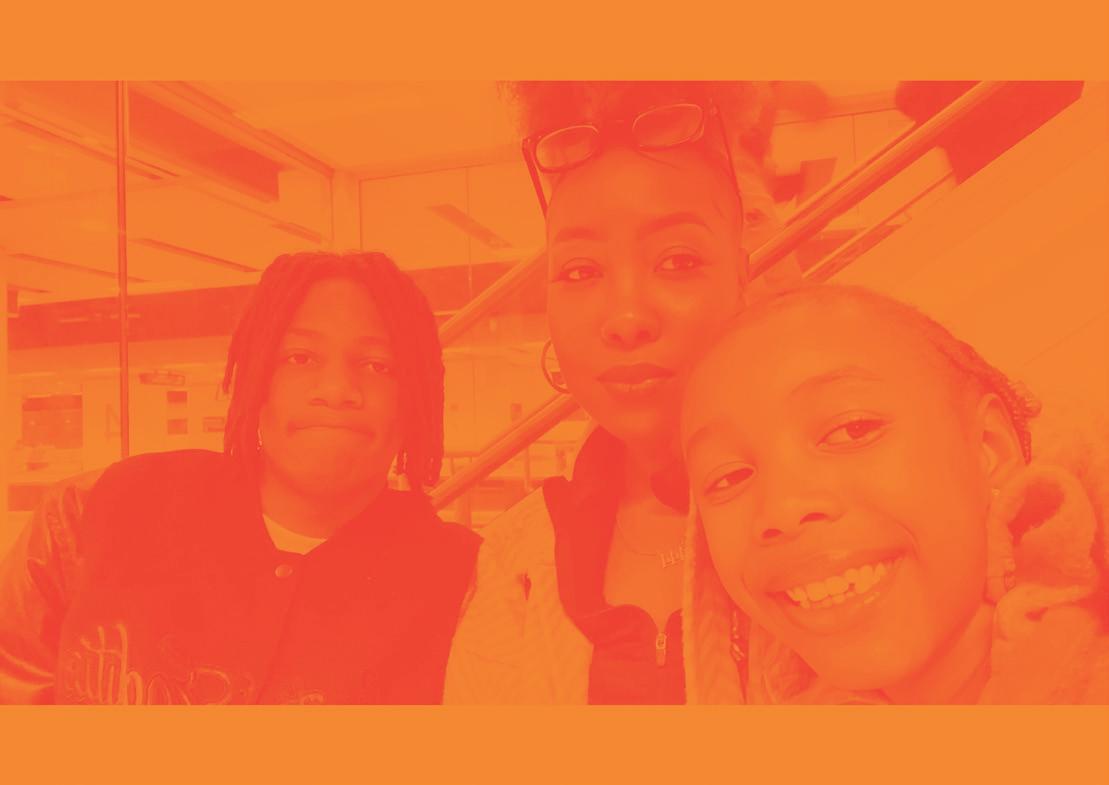
Jodi-Ann shares her story in her own words of her health challenges and how she keeps going and stays positive as a young, busy mum. Thank you for sharing with us Jodi-Ann.
Hi, I hope you are all well. I am Jodi-Ann Mitchell, a mother of two children – Tayvien who is 14, and Tahiry who is nine years old. I am aged 35 and originally from Jamaica in the Caribbean - Jamaica which I love and miss dearly. I came to England when I was 12, trying to map out my new life. I was born with sickle cell anaemia and I developed SLE (Systemic Lupus Erythematosus) nine years ago, after which I was extremely depressed and consumed by life.
I was trying my best to create a future for myself and went to university to study Paramedic Science. I am also phlebotomist by trade but I had to postpone everything due to my health. I enjoy working in the healthcare sector due to my caring and empathetic nature.
I enjoy life and exploring the unknown of life. I see myself as a philosopher as I have keen interest in trying new things and having adventures and learning new things.
I enjoy skating, writing poetry, painting; anything arty to escape reality from time to time.
I am passionate about things that teach me, decoding what life is about, why people operate the way they do, think the way they do. I also find great joy in people being kind and nice to each other.
The meaning of family is very important and fuel you in wanting to live life. My children are mine and are the reason I push, keep trying and keeping going.
I developed lupus nine years before I had my daughter. I was super depressed and felt I had so many heavy loads on my young shoulders. Life got so challenging that I just felt lost. One day I could not get out of bed, I was in the most excruciating pain, a pain I could not explain. I was in and out of hospital then tests came back as lupus. I tried to live my life as normal but I had moments where I was in a lot of pain. Life was a challenge for me but I kept going because I had my children to take care of.
As life went by, I was okay for once, years went by then one day at work I fainted. I was over worked, tired and I was not eating well because I was trying to provide for my family. Trying to balance university, my placement, work plus being a mother was one of the most challenging things in my life. I was told by my consultant that my kidneys were working at less than ten per cent. I was shocked because I hadn’t accomplished all that I needed to in life and I broke down mentality. There were days when I wanted to quit but I did not. I had to find me again.
In 2024 it all started again, and I’ve been in and out of hospital ever since. I’m now attending dialysis three days a week. I have been on dialysis for a year and three months now. I find it can be draining physically; mentally and emotionally at times. I had therapy to help regulate how I’m feeling and to give me an understanding of how to grasp it all. I am currently now on the kidney donor list waiting for a new chance of life.
My children and I had to figure out how to balance it all. My children have of course, been affected by the changes. They have been so helpful and strong with all that has happened. It’s a challenging life experience, balancing dialysis, my new life and trying to make time for those around me; my children but also myself. I am now trying to adapt and learn my new way of living. It can be very lonely, and exhausting. At times emotions fluctuate - being grateful for life, able
to live life with your family and then the next moment you feel you want to give up because you reminisce about your old life, plans you once had, as though I am grieving the life I once had. But I keep reminding myself that it’s not lost - it’s not over. Things might be paused, it may take me longer to get there but the end goal is getting there and I know I will, whatever I desire to do in the end. Life is precious and I am super grateful I was given the chance to still laugh, smile and enjoy moments with my children.
I manage my chronic illness by ensuring I make it to my hospital appointments, take my medication and attend my dialysis treatment. I’d like to thank my kidney specialist team at Birmingham University Hospital, and the dialysis team at both Great Bridge Kidney Treatment Centre and Birmingham University Hospital. I live life as much as I can, laugh a lot if I can and I have hope, even if it’s as small as a mustard seed. When there is hope there is a way. One other thing that gets me through is God, praying and reading my bible. At times when the odds are against me, I don’t want to cry so I pray. I listen to what my body tells me; I don’t overwork myself anymore. I also listen to my mental state, taking a break from the world and just escaping is highly important.
I realise that I have a choice between a positive and negative mindset. They both serve some purpose and it makes sense to me to stay as positive as I can. I then enjoy the outcome much better than indulging in feeling sorry for myself. I believe words are spells, they can manifest and form. Therefore, speaking positivity to attract what I desire in and around my life is beautiful to me. I try my best to surround myself with like-minded people, to be uplifted by people who pour into me rather than draining me. What motivates me is my children, God, and being proactive, ticking things off my checklist and achieving them gives me my life.
Life will always come in dark and light, and it’s how we manoeuvre in life with those choices we have been given that matters. Self-work and inner introspection will allow you to live life. What we need to remember is that life is about how we utilise and operate. Unlearning and learning new ways to solve things makes life so much easier.
Sometimes I enjoy going in silence, it gives me time to process and think about my next moves. Listening to music allows me to be free; turning the outside noise off is vital from time to time for clear judgment. So taking time out is really important for me.
World Kidney Day 2026 is just around the corner and will take place on Thursday 12th March.
This annual awareness day brings the kidney community together across the UK to shine a spotlight on kidney health and raise awareness.
Once again, the NKF will be working in partnership with Kidney Care UK, Kidney Research UK, Kidney Wales, PKD Charity, Popham Kidney Support, UK Kidney Association to help spread the message.
Many Kidney Patient Associations will be marking the day locally, so be sure to look for their information stands in hospital entrances. These resources will include fact sheets, posters, and children’s colouring activities to educate the public about kidney disease, symptoms, and ways to protect kidney health.
You can also follow our World Kidney Day UK awareness campaign across our social media platforms and website:
www.facebook.com/worldkidneydayuk
www.instagram.com/worldkidneydayuk/
x.com/kidneydayUK www.worldkidneyday.co.uk/
Organ Donation, Transplantation and Variation – latest news
The NKF and NHS Blood and Transplant (NHSBT) held a webinar in January on progress towards using more potential organs for transplantation in the UK and progress in reducing the variation between transplant centres. The webinar covered the following:
• Rates of organ utilisation among transplant centres
• What we are doing to increase organ utilisation rates
• What information would be helpful for kidney patients on organ utilisation.
Key messages include that a bolder, braver approach is needed for organ donation in the UK. The Organ Donation Joint Working Group recognises that change is needed due to fewer potential donors than before the pandemic; family consent rates have fallen; more people than ever are on the transplant waiting list and fewer people are registering their donation decision. Progress has slowed and action is required to rebuild consent, society’s support and new donor pathways.
Speakers on the webinar were: Dhiru Galani, Prof John Forsythe OBE, Senior Clinical Co-Chair (ISOU), DHSC and Prof Derek Manas, Medical Director, Organ and Tissue Donation and Transplantation (OTDT), NHSBT.
The webinar was chaired by Anthony Clarkson, Director OTDT, NHSBT and Kirit Modi, MBE, Hon President, NKF. Due to technical problems, the recording of the webinar failed, you can view Prof Derek Mannas, Prof John Forsythe OBE and Anthony Clarkson’s presentations at https://www.kidney.org.uk/Event/nkf-webinar-series
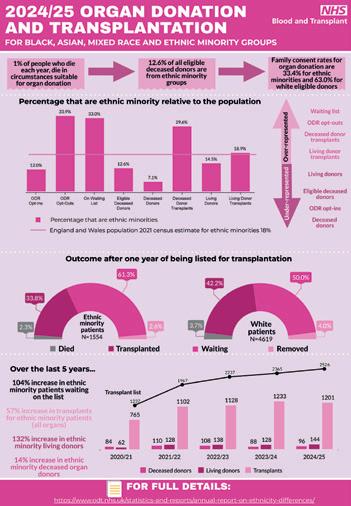
Annual Report on Ethnicity Differences in Organ Donation and Transplantation
The launch of the 2025/26 Annual Report on Ethnicity Differences in Organ Donation and Transplantation, presented by NHS Blood and Transplant (NHSBT) in partnership with the National Black, Asian and Minority Ethnic Transplant Alliance (NBTA) is now available to watch on YouTube.
This important event shared the latest findings on organ donation and transplantation trends across ethnicity groups in the UK, highlighting progress, challenges, and opportunities to improve equity and outcomes for all communities.
Watch here: www.youtube.com/watch?v=1fu8Ki8BbSA
You can now find the full reports on the NHSBT website:
My Journey Across the World with CKD and Haemodialysis
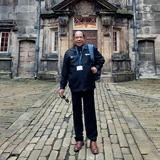
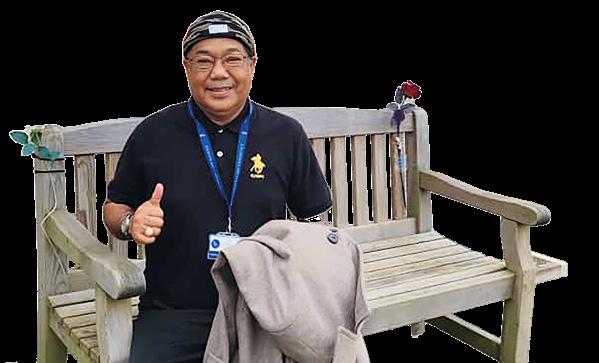
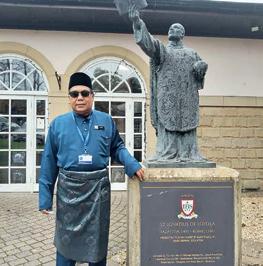
Mr Ainol Anwar Ahmad, Principal, SMK Megat Dewa, Kedah, Malaysia, visited the UK in 2025 and had a very positive experience. After reading Kidney Life while on dialysis he was inspired to tell us his remarkable story.
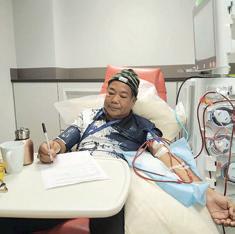
Almost four years ago, in March 2022, I was diagnosed with chronic kidney disease (CKD) and required haemodialysis (HD) treatment.
At first, I decided not to undergo HD because several of my friends had passed away while receiving the same treatment. I chose to leave the hospital after signing a self-risk acknowledgment form. However, as I was preparing to go home, a senior female doctor approached me. She advised me very sincerely to continue with the treatment since my haemoglobin level was only 5, even though my heart was still in good condition. Her genuine concern and clear explanation of the risks I would face if I refused HD truly touched me. Because of her compassion and dedication, I changed my mind and decided to start haemodialysis. She told me, “You have made the most important decision of your life.”
From that moment on, I disciplined myself to strictly follow every piece of medical advice and to attend all my scheduled dialysis sessions, every Sunday, Tuesday, and Thursday. This has become my destiny, and instead of giving up, I have chosen to accept and embrace it with patience and gratitude.
In 2018, I also lost vision in my right eye due to a burst blood vessel. Eventually, I received an OKU (Person with Disability) card from the Department of Social Welfare, Malaysia. My life principle is simple - Never see a problem as a limitation. Instead, turn it into an opportunity.
I have proven to society that my challenges have become my greatest motivation. Since losing my sight in 2018, I have continued to excel and achieve recognition, including:
• Excellent Service Award (2025)
• Kedah State Outstanding Teacher Award (2024–2025)
• National Outstanding Teacher (OKU) Award (2025)
• Bintang Kebaktian Masyarakat (Medal for Public Service) awarded by His Royal Highness the Sultan of Kedah (2023
Because of the National Outstanding Teacher (OKU) award I received, the Ministry of Education Malaysia selected me to participate in the GIFT 2025 Programme (Global Immersion for Future Ready Teachers) at Stonyhurst International School, Penang, followed by a short course and study visit to Stonyhurst College, Clitheroe, England, from 5th to 20th October 2025.
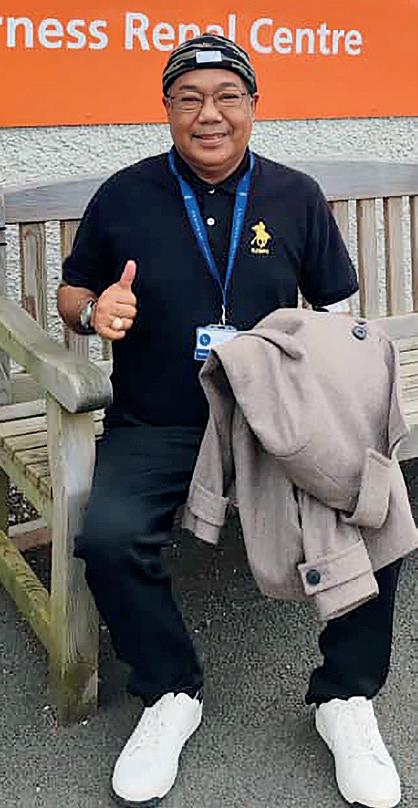
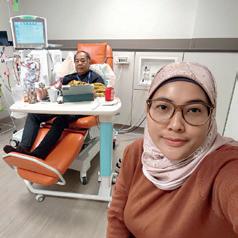
As a patient who requires regular HD, I accepted this challenge wholeheartedly. I underwent dialysis three times at Prodiso Dialysis Centre in Penang, and during my stay in the UK, at Furness Renal Centre in Ulverston. For some patients this might seem impossible, but not for me. I accepted this opportunity to show others that CKD and HD are not the end of life. We must learn to accept our fate, live with discipline, and follow medical advice faithfully. Feeling sad or hopeless will not change our situation but determination and gratitude will.
From my accommodation at Theodore House, Clitheroe, the journey to Furness Renal Centre took about two hours. I had to wake up as early as 4:00 am to get there. My beloved wife, Puan Wan Nooraini Megat Hanafi, accompanied me throughout the programme. Even though the journey was long, I never felt tired or discouraged, because I was blessed to meet kind and wonderful
people in the UK. Mr Michael (the manager of Theodore House), Mr Osman (the Uber driver), and the staff of Furness Renal Centre. Their warmth and helpfulness made me feel as though they were part of my own family.
The staff at Furness Renal Centre whether from the UK, India, or the Philippines, treated me with kindness and respect. I will forever treasure this beautiful experience. If I ever have the chance to return to England, I would definitely choose to receive my dialysis there again.
My heartfelt thanks also go to Stonyhurst School for their understanding, care, and excellent support throughout my stay in the UK. I never imagined that I would be treated with such kindness and respect.
In 2024 I visited Sydney, Australia, to see my family and continued my dialysis treatment there. To my fellow CKD and HD patients, I want to emphasize this message: Hemodialysis is not the end of your life. Life must go on. Be happy and enjoy every moment you are given.
During my treatment at Furness Renal Centre, one of the staff members gave me a copy of Kidney Life Magazine. I was immediately drawn to the “Patient Story – Travelling and Dialysing” section. They encouraged me to write and share my story, and I am truly grateful for this opportunity.
To all readers, let us be thankful for the gift of life and cherish it with love, discipline, and gratitude. With the support of family, friends, and a caring community, we can face any challenge with strength and hope. God gives His toughest tests to those He believes are strong enough to overcome them.
Thank you, Kidney Life Magazine, for inspiring and motivating patients like me to live life fully.
Lots of love from Malaysia,
Ainol Anwar Ahmad
And a Response From the Team at Furness Renal Centre…
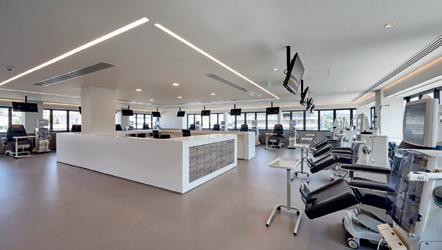
At Diaverum UK, we are committed to supporting people who require dialysis to maintain as much freedom and normality in their lives as possible — including when travelling internationally. When visitors like Mr Ainol Anwar Ahmad contact us for dialysis during a trip to the UK, our holiday dialysis coordinator in our clinic works closely with the receiving clinic, and patient, to make the process as smooth and safe as possible. For international patients, we typically ask for medical information well in advance of travel — ideally four to six weeks before the visit. This includes a recent dialysis prescription, virology status, medication list, and relevant clinical notes, all shared securely between the patient’s home centre and the clinic providing care. Once received, the clinic’s medical team reviews the information to confirm clinical suitability and available capacity.
We then work with the patient or their representative to schedule treatment times that fit with their travel plans. In Mr Ahmad’s case, our team received the request ahead of his visit and liaised directly with Furness Renal Centre to review the clinical documents, ensure dialysis slots were available, and prepare for his arrival. The clinic team arranged everything needed in advance so that his first session could run smoothly, from ensuring compatibility of his dialysis prescription to welcoming him on his arrival and explaining the unit’s procedures. Regular communication with the patient throughout the process helps reassure visitors and gives them a clear understanding of what to expect.
The team at Furness Renal Centre were delighted to care for Mr Ahmad during his stay. They wished to share the following message: “To Mr Ahmad, his family, and the University Office who supported his visit to the UK - as one of our first international patients from outside the EU, we are truly delighted to hear that you appreciated the care you received in our unit. At Furness Renal Centre, we strive to deliver the highest standard of care to every patient we treat. We value all feedback and use it to continually improve. You will always be welcomed with a smile whenever you return to the UK. We are honoured to have supported Mr Ahmad’s visit and are pleased that he had such a positive experience with our team.”
Improving Kidney Health by Staying Active with
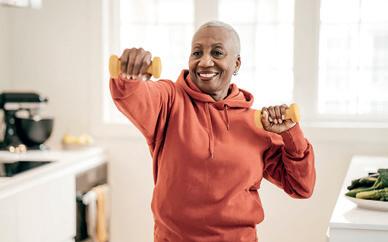
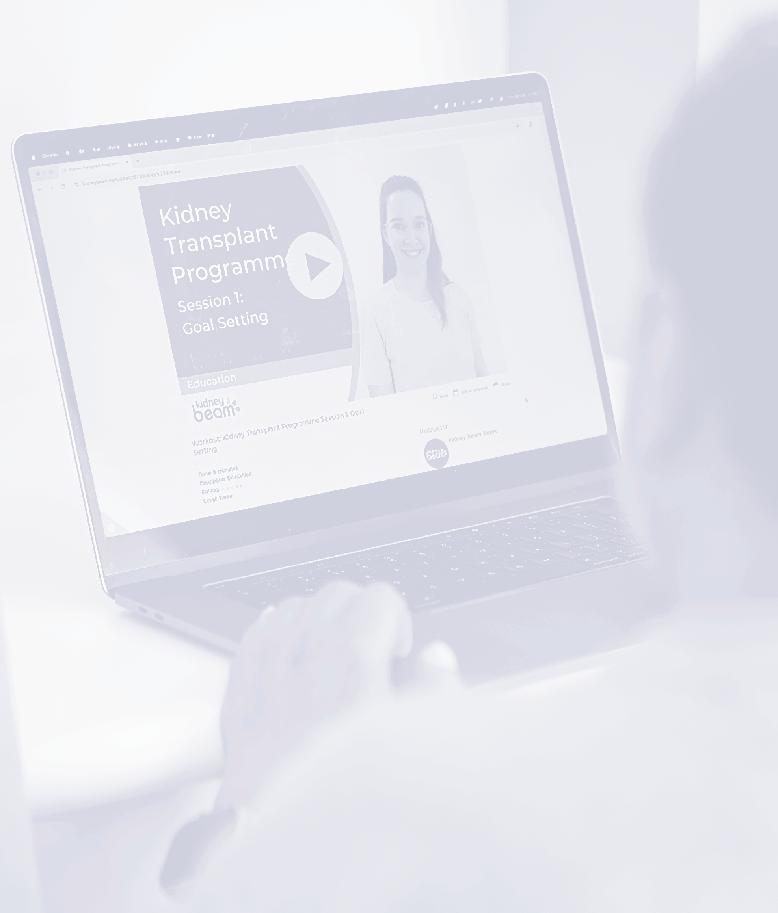
Kidney Beam is an award-winning online video exercise, education, diet and lifestyle app designed especially to help people living with kidney disease to become more physically active and look after their wellbeing.
First created during the Covid-19 pandemic to help people with kidney disease stay active while shielding, fast forward to 2026 and the service has delivered over 30,000 exercise classes and education sessions on managing kidney health - all delivered by specialists in kidney disease or those with lived experience of the condition.
Staying active can have a big impact on slowing down the progression of kidney disease and overall wellbeing. In fact, the Kidney Beam service is proven to significantly improve people’s mental health, physical function, tiredness, anxiety and depression, and ability to selfmanage care.
But don’t take our word for it - check out some of the first-hand experiences of Kidney Beamers as they have embarked on their journeys to get fitter and take control of their kidney health.
“I was given information by the London urology team when diagnosed with stage five kidney disease. I was feeling very worried - I knew I had to change my diet drastically and also to try and get a bit fitter. I felt overwhelmed by it all. I floundered around for a few weeks feeling a bit depressed, and at that point, it was wonderful to be contacted by a health coach from Kidney Beam. For the first time I got on with the exercises, and could talk to someone who listened and gave advice when I needed it. She helped me to develop a routine and feel confident in trying the different programmes. Since starting Kidney Beam, I feel more energised, more in control and a bit more hopeful. I have enjoyed moving more and it feels more purposeful.”
Annie
“Since my transplant, and the return of Immunoglobulin A Nephropathy (IgAN), I have often felt tired and not well enough to go back to running. I picked up a flyer for Kidney Beam at a conference for kidney patients. I was attracted by the idea of a structured, evidence-based fitness programme tailored for us. I feel better, the workouts lift my mood, my body looks better, and since starting, my face-to-face visits with my consultant have reduced from every four weeks, to every eight weeks.”
John
“When I first started the 12 week Kidney Rehab Programme I couldn’t walk at all, as both my legs felt weak and I didn’t feel confident moving about without being supervised. I started the exercise sessions at my own pace, managing two sessions a week until I could add more in. The results started to show, and by week three I had built up enough confidence to move about with my trusty crutches without need for supervision. I could finally take a shower without using support, as my legs felt stronger to allow me to stand up for longer periods. After three months of following various instructors, and trying out different exercise sessions that are more challenging, they have helped me to not just feel stronger, and better about my overall fitness, but they are also helping me to improve my sleep. I enjoy all the sessions and the instructors are great.”
Xochitl
Accessing Kidney Beam
The Kidney Beam Team have been working hard to offer wider access to specialised exercise programmes and dedicated health coaching via the NHS, particularly as research has shown that this can help save money by reducing things like hospital admissions and GP appointments. Watch this space for when this service rolls out in your area. If you’d like to try out some exercises on Kidney Beam for yourself in the meantime, get in touch with the NKF team on 0800 169 0936 for a special limited access code.
7 Million Lives at Risk –
What’s the Plan? Campaign Update
The previous edition of Kidney Life featured the launch of the joint campaign ‘7 Million Lives at Risk – What’s the Plan?’ This is a campaign with the NKF, UKKA, Kidney Research UK, Kidney Care UK and the PKD charity calling on the government to commit to a national strategy on kidney disease, a Kidney Disease Modern Service Framework and there are two key updates to provide on the work in this area.
Get
involved
in the listening events to help shape the future of kidney care
Secondly, we are working with the UK Kidney Association, NHS leaders and kidney professionals to co-develop a community informed national strategy, exploring what the community thinks should be prioritised to improve care and outcomes for people living with kidney disease. The project titled ‘Voices to Vision’ will include a number of free-to-attend, listening events across England to capture what matters most to the people at the heart of kidney disease and there will be a virtual launch of this on the 4 February. Whilst the kidney disease strategy will focus on England, it aims to recognise the impact on Wales, Scotland, and Northern Ireland and voices from all devolved nations are welcome to attend and participate.
Whether you live with kidney disease, support or work with someone who does, you can help us shape the future of kidney care.
Write to your MP about your personal experience of kidney disease
Firstly, we are asking for your support by writing to your MP to share your personal journey of kidney disease and urging them to write to the Secretary of State for Health and Social Care, Wes Streeting, and ask what the Government is doing to address the growing challenge of kidney disease. We know that there are around 7.2 million people in the UK living with kidney disease,
recognising the impact on
Scotland, and Northern Ireland. Voices f rom all devolved nations are welcome to participate.
Register your interest to attend via the link or QR code here https://bit.ly/45lXwUn
My Patient Journey
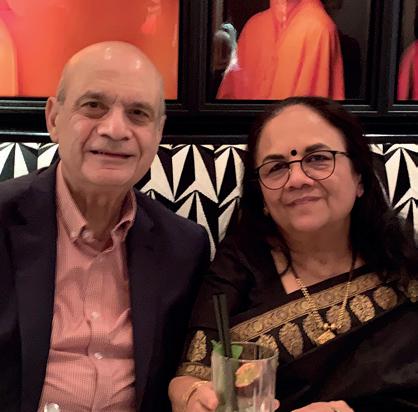
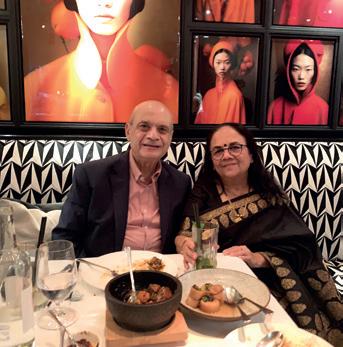
Kirit Modi, MBE, is Honorary President of the NKF. He has been involved in developing kidney care and advocating for change for a long time and continues to do so. Here he shares his personal story.
I have been very fortunate in my patient journey and have been a kidney transplant recipient for over 24 years. My first kidney donor was my wife Meena who donated a living kidney to me in 2001, at Addenbrooke’s Hospital in Cambridge. My kidney disease was identified when I was 46 years old because my blood pressure was not controlled by medication and my GP referred me to the renal department at the Lister Hospital in Stevenage. My kidney function was 30 % and the nephrologist explained that my kidneys would gradually fail over time. This was a huge shock to me and everyone in my extended family.
The first priority was to do all we could to minimise the rate of decline in the kidney function and change my diet and lifestyle. Both Meena and I were in senior posts; I was an Assistant Director of Education and Meena was a Headteacher. We are vegetarians and do not eat meat or fish. We needed urgent advice on how to control potassium for vegetarians and there was minimal information available from the renal dietitian or the NKF. This was before the invention of the internet, and we went through technical documents to find out and transform my diet. Since then, Meena has produced guidance for vegetarians, and this is readily available. The rate of decline in my kidney function slowed down but the trend was downwards.
Our second priority was to explore dialysis and transplant options. We talked to lots of people: staff at the Lister hospital, other patients, friends and family members and we attended our first NKF patient conference. We concluded that our preferences would be transplant first, and dialysis at home second. After lots of discussion within the family, Meena and my elder brother got tested as potential living donors. Unfortunately, my brother’s health was not good, and he could not be a donor. Meena’s health was good and she started to have lots of tests at the Lister Hospital over several months. In 1997, all the tests were completed. However, my kidney function was too high for a transplant, and we were advised to wait until it came down. Finally, six years after the initial diagnosis of kidney disease, the transplant took place on Christmas Eve in 2001.
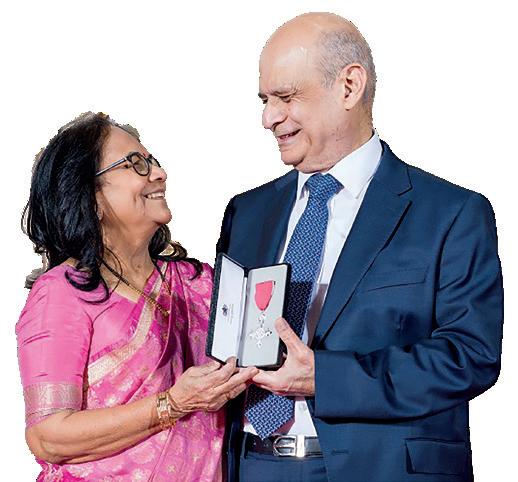
Kirit receiving his MBE at Windsor Castle with Meena in 2003
The donation and the transplant went well. Both Meena and I had good recovery, and we began to enjoy life again. We continued with our careers and started promoting organ donation. The transplant lasted 15 years and we again had to consider options. A second transplant was highly unlikely; given my ethnicity. I got tested and was put on the organ transplant waiting list at the Royal Free Hospital. We decided to go for peritoneal dialysis, and both got trained to use the Baxter machine at home. We prepared a room for storage of the machine and fluids at home. I had the catheter surgery and were waiting for it to heal before starting dialysis.
On 9 March 2016, we were at home, celebrating our daughter’s birthday. Around 9 pm, I had a call from the Royal Free to say that there may be a kidney available for me and that they would call again to confirm. I was shocked and did not believe what I had heard. I said to Meena not to raise hopes because such calls do not always result in a transplant. We went to bed and there was another call around midnight requesting me to go to the hospital at 5am the next day. Once we got to the hospital, there was lots of activity, seeing lots of staff, lots of tests and excitement. I received a second transplant on 10 March 2016, from a deceased donor, on World Kidney Day! It was a good match. I was back home after five days in hospital. I am indebted to my donor and their family for their amazing gift to me. I wrote a difficult letter to thank the family a year after my transplant and have not received a response.
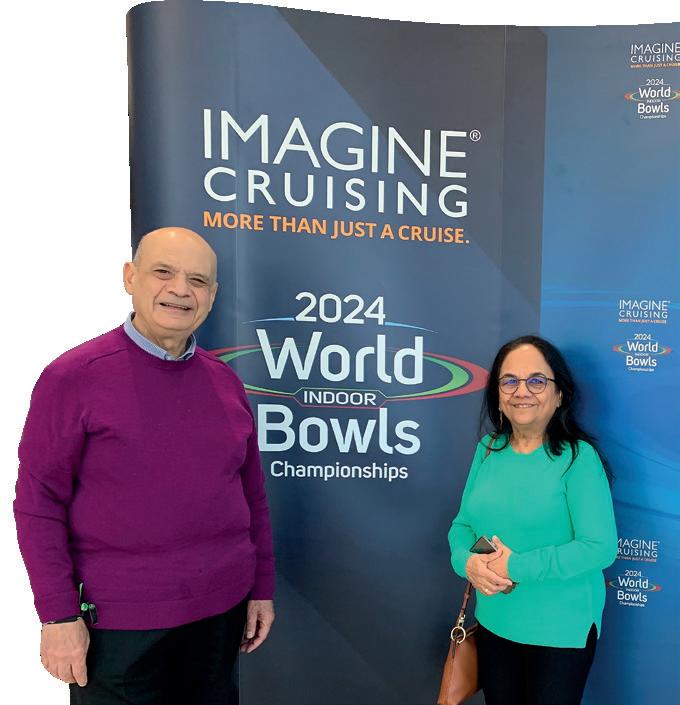
My second transplant is working very well, and my kidney function is around 80% after 9 years. Meena and I are enjoying retirement and are both active supporting charities. Mine include the NKF and the Lister Area Kidney Patients Association (LAKPA). In particular, I promote organ donation among ethnic minority communities to help reduce inequalities. Meena is a trustee of a charity which supports education and health in India. We have been very fortunate and have been recognised for our work: Meena with an OBE for her education work and I with an MBE for my work promoting organ donation. We retired some years ago and now enjoy playing bowls (a new hobby) and looking after our granddaughter.
My patient journey has taught me to face challenges positively, find out as much as you can about your disease and options, talk to other patients, keep a record of your results, use IT to help, and take ownership of your health. This may mean politely chasing NHS staff sometimes. I am most grateful to many NHS staff in various hospitals for looking after me so well. The other lesson is to value the gift of donation and I do what I can to support other patients.
Kirit and Meena at the World Bowls Championship in Norfolk
The PITHIA Trial results: Pre-Implantation trial of Histopathology in renal Allografts
Last year we reported progress of the PITHIA Trial. Here Prof Gavin Pettigrew, Chief Investigator for the Trial, and Charlotte Hickman, Clinical Trial Manager report on the results and conclusion of the trial.
Around 5,000 people in the UK are waiting for a kidney transplant at any time, and around 3,500 transplants take place a year. This shortage of kidneys increases the time patients spend waiting for a transplant.
To make a difference to waiting lists, we need to use more kidneys from people who donate after death (deceased donors). As we age, kidney function generally decreases, and kidneys from older deceased donors are on average more likely to fail than kidneys from younger donors. However, many kidney transplants are from donors over 60 years old and work well. The risk of not using these kidneys must be balanced against the risk of continuing to wait for transplants.
To decide which older donor kidneys are healthy enough to be transplanted, we can perform a biopsy (remove a sample of kidney and study it under a microscope) to look for signs of long-term kidney damage. However, performing a biopsy
During the
PITHIA trial:
• 2502 kidneys from donors over 60 were offered to UK transplant centres.
- 1080 kidneys were not transplanted.
carries risks: it may cause bleeding, delay transplantation, or increase the chance a kidney is not used for a transplant. The PITHIA trial team wanted to investigate whether providing a national biopsy service for kidneys from deceased donors over 60 years old:
• would increase the number of kidney transplants performed in the UK
• improve the outcomes of these transplants.
The trial took place in UK kidney transplant centres over 24 months, between 2018 and 2022. (The trial paused during this time due to the COVID-19 pandemic.)
At the start of the trial, none of the centres could use the biopsy service. Over time, groups of centres were randomly chosen to start using the service, until they could all request biopsies if they wanted to. A specialist doctor (pathologist) looked at each biopsy and scored them against several criteria. Using the biopsy results and routine information available, the surgeon then decided whether to accept the kidney for transplantation.
- 1422 kidneys were transplanted (most recipients received one kidney, but some received two).
• A kidney biopsy was performed on 285 of the kidneys offered for transplant.
• 1261 of the transplanted kidneys were still working in a recipient 12-months after their transplant
The trial found no significant difference in either the number of kidneys transplanted, or the 12-month eGFR results. eGFR stands for estimated glomerular filtration rate and is a blood test, taken from the kidney recipient a year after their transplant to show how well their kidney is working.
This means there is no evidence that the biopsy service made an impact (positive or negative) on the use of kidneys from donors over 60 or how well those kidneys worked in people who received the transplant.
We also found no evidence that the biopsy service affected:
• The number of kidney transplant recipients still alive 12-months after surgery
• The number of transplanted kidneys still working 12-months after surgery
• How long the kidneys were in cold storage conditions, between being removed from the donor and transplanted into the recipient.
This trial did not provide evidence that providing a national biopsy service would improve patients waiting list times or transplant function. We are interested in why a low number of biopsies were requested during the trial, and whether this would change if the service was offered again.
This study is funded by the NIHR Research for Patient Benefit programme (PB-PG-1215-20033). The views expressed are those of the author(s) and not necessarily those of the NIHR or the Department of Health and Social Care.
Talking about Sustainable Kidney Care with Dr Mark Harber by Gloria Munoz
This article appeared in West London KPA’s newsletter and I thought it important to bring it to your attention. It is reproduced with their kind permission, Ed.
Healthcare and education are at the heart of my professional journey. I began as a bacteriologist specialising in forensic science before becoming a kidney nurse - a transformation made after relocating to the UK and reinventing my professional path. This experience motivated me to complete a master’s degree in Global Health and Social Justice at King’s College London, deepening my understanding of the social, environmental, and commercial determinants of health.
My focus and passion are centred on prevention - the most powerful principle of sustainable healthcare and the one with the lowest carbon footprint. But one of my main lightbulb moments came after reading about the inquest into the death of nine-year-old Ella AdooKissi-Debrah. The coroner concluded that air pollution from road traffic contributed significantly to her death - the first case in the UK, and globally, where air pollution was formally listed as a cause of death. How did we, as a society, get here? And more importantly, how can we reverse this trajectory?
Although air pollution is not caused by climate change, they share the same cause: the burning of fossil fuels. In the UK, air pollution is responsible for 38,000 to 40,000 deaths/year. In 2024, the World Health Organization declared climate change to be a major threat to global health. Ironically, healthcare is part of the problem: if the global healthcare sector were a country, it would be the fifth-largest emitter of greenhouse gases. Sustainable kidney care isn’t a future aspiration - it begins with what we do today. Through education, collaboration, and the small everyday decisions we make, will shape a more equitable and resilient kidney health future.
I invited Dr Mark Harber to share his perspective and with his five-year lens, to share how he sees this field evolving in the UK. Dr Harber has been the Special Adviser on Healthcare Sustainability and Climate Change for the Royal College of Physicians since November 2023. He is a Consultant Nephrologist at the Royal Free Hospital in London and Associate Professor in Nephrology at University College London.
Why is it important for everyone— not just healthcare professionals— to care about climate change and sustainability?
There are several important reasons. Firstly, there are over 8 billion of us on the planet. We all contribute to climate change, some more than others. Anything we can do to mitigate that matters. Healthcare is responsible for about 5% of the national carbon footprint—more than aviation—so we all have a role to play in reducing carbon emissions.
Climate change brings real health consequences: more heatwaves, floods, and extreme weather, which particularly affect people with chronic illnesses or those from poorer socioeconomic backgrounds. When temperatures rise above 24 °C, death rates increase. We see more episodes of acute kidney injury, heart failure, mental-health decompensation, worsening of epilepsy. A warmer environment is resulting in emerging infectious diseases such as the mosquito that carries Zika and Dengue viruses - found in the UK now.
The climate crisis is a health crisis—and while the UK will be affected, the greatest burden will initially fall on low-income countries, especially in tropical regions.
How do you think climate change and sustainability will influence the NHS and kidney care in the next five years?
We need to strengthen resilience planning. A few years ago, two London hospitals flooded on the same day and couldn’t operate, highlighting the need for preparedness. We need to have much better contingency networks in place for such events.
There’s much we can do in nephrology to reduce our carbon footprint: fewer unnecessary tests and prescriptions, more virtual clinics, and helping patients stay healthy to reduce hospital admissions. For those with kidney failure, transplantation - when suitable - is better for quality of life and much greener than ongoing dialysis.
Under Simon Stevens, the NHS became the first healthcare system in the world to plan for net zero. Many others have since followed. The UK has been at the forefront and continues to lead in many ways.
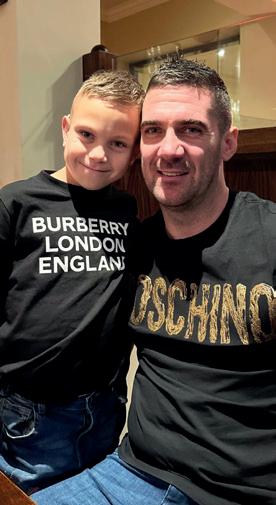
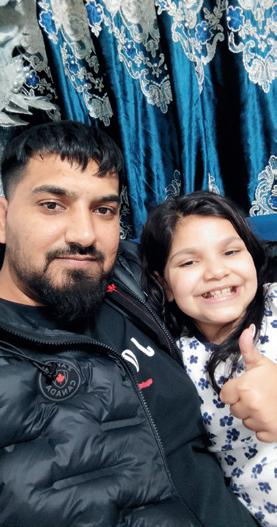
Three Amazing Dads Give Life-Changing Gift to Their Children
Three amazing dads each decided to donate a kidney to their children to give them a better life. Read about their life saving and changing experiences here.
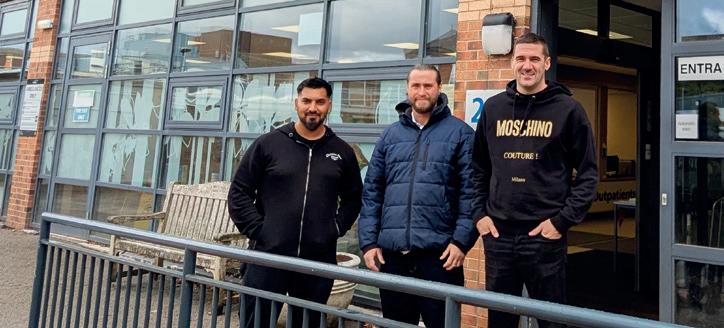
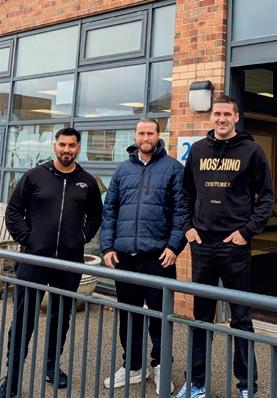
Dale Marshall, Liam Bridges and Jozef Pokuta all donated kidneys at the Sheffield Kidney Institute at the Northern General Hospital during 2025. Their kidneys were then transported to the paediatric transplant centre at Queen’s Medical Centre in Nottingham and transplanted into their children. Each of the children had life-limiting conditions which would otherwise have required lifelong dialysis.
Dale, 40, of Rotherham, donated to his nine-year-old son Austin in July. Austin, who is an identical twin, was born with low kidney function, and his parents knew from three days old that he would need a transplant at some point in his life.
Dale said: “As Austin got older his kidney function got worse and it affected him. He wasn’t growing as much as his twin brother. We’d worry about his weight, he got itchy skin, he was tired and had less energy.
“It got to the point about a year ago that we were told Austin would benefit from having a kidney from a donor. From then the process started for finding a suitable match for him. Me and his mum, Sarah, were the closest matches but after testing I was the most suitable donor.
“Because I’ve always known that he might need a kidney one day, I made a few lifestyle changes to take good care of it – I ate a better diet and stopped drinking alcohol. The surgeon said it was a beautiful kidney, so it was good to know that I’d taken care of it.
“I wanted to make a real difference to my son’s life, and I am just glad that he’s got what he needed, which is a healthy kidney.”
Within two weeks of the transplant, Austin had grown three centimetres and within six weeks he was back at swimming lessons.
Without the transplant, he would have faced being on dialysis for the rest of his life and twice weekly trips to hospital. Dale is recovering well and is back at work as a data cabling engineer.
He said: “You can see that Austin’s grown, that he’s got a bit more strength. When I pick him up from school I used to be able to easily tell him apart from his twin brother, but the first pick-up after the operation I was thinking ‘is that Austin?’
“He has been great about it – he knows it is better for him to have the kidney and he is over the moon, and his brother is as well.”
Jozef, Dale and Liam at the Sheffield Kidney Institute, Northern General Hospital
Dale Marshall with son Auston
Liam, 37, of Swinton, donated to his 14-year-old son Keeton in September.
Keeton had a condition called Posterior urethral valve (PUV), where tissue blocks the urethra. The condition can lead to kidney failure.
About 18 months ago Keeton was rushed into hospital with an infection and tests showed his kidney function had dropped to 14%. It was at that point that a transplant and kidney donation was discussed.
Liam said: “I didn’t give it a second thought, your kids mean everything to you. Without a transplant he would have been on dialysis and we would have been back and forth to Nottingham every few days which would have been really hard for him. I went for all the testing and everything matched.”
The transplant took place in early September and Keeton has already shown significant improvement. Liam said: “He’s always been quite small for his age, he looked poorly, but he’s put weight on already and he’s got colour in his cheeks. He’s been out walking, gone to the supermarket, he’s doing really well.
“Before he had to have quite a restricted diet, he couldn’t eat anything with salt in, so he’s enjoying having a few treats. He’s a good lad, you wouldn’t know everything that he’s been through.”
Liam, who works as a cladder, is also recovering well after his surgery. Of his decision to donate his kidney to Keeton, he said: “I feel proud. It’s not going to affect my life, I can carry on doing everything I’ve done before, but it will make a big difference to Keeton’s life.
“The staff here have been brilliant, checking up on me and coming to see me. They’re always on the phone if I need to call.”
Jozef, 28, of Sheffield, donated to his eight-year-old daughter Shayana in March.
Shayana had chronic kidney disease which was progressing and giving her symptoms such as high blood pressure, weight loss, a build-up of fluid next to her heart and blood in her urine.
She was having to undergo dialysis three times a week.
Jozef said: “We wanted Shayana to be able to go back to school and live a normal life. The outlook without a transplant was not good and we knew that there could be a wait for a kidney donor, and so that is why I decided to put myself forward.
“Since the transplant every day is better, she is drinking like normal, she is back at school, she can see her friends and play outside. She likes drawing and writing and dancing. She’s been very brave.
“I am feeling fine and the treatment I have had at the hospital has been really good.”
Jozef’s wife, Dagmara, said: “Shayana is very happy and says she loves Jozef so much.”
Caroline Basarab-Horwath, Living Donor Coordinator at Sheffield Teaching Hospitals NHS Foundation Trust, and who featured in the last issue of Kidney Life, supported Dale, Liam ad Jozef through their donations.
She said: “It has been such a privilege to support these incredible dads through the donation process and their operations. The highlight for me was when they video-called their children the following day, and I got to witness the joy of seeing them smiling back at their dads looking so well.”
The kidney is the most commonly donated organ by a living person. A healthy person can lead a normal life with only one functioning kidney and therefore they are able to donate the other to help someone in need of a kidney transplant.
Liam Bridges with son Keeton
Jozef Pokuta and his daughter Shayana
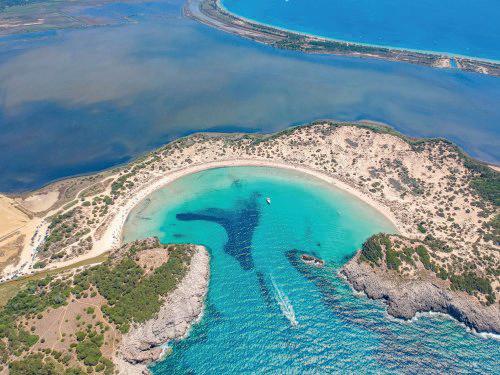
Hello, I'm Marta Olim, coordinator of d.Holiday in Portugal.
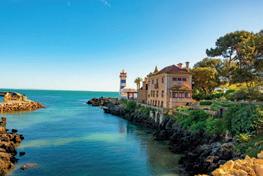
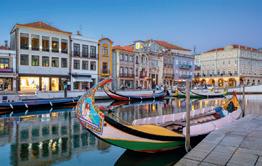
I suggest four destinations: Cascais, Aveiro, Porto and Amarante.
A mix of beach, mountains, and countryside, which illustrates Portugal's strongest point: diversity within a short distance.
We take care of everything: from hotel to transfers, restaurants and cultural tours. We can organize the entire trip for you, your family, or for a group.
Portugal is waiting for you!
Contact me by phone, whatsapp or email.
Become an NKF Member
–
Support Kidney Patients & Make a Difference
From just £3 a monthless than the cost of a coffee
Why join the NKF?
• Support vital patient services — your membership helps fund our free Helpline, Peer Support, and advocacy across the UK.
• Receive exclusive member benefits
Perk
What you get
All-Access Pass Invites to special NKF events and discounted entry to our annual event
First to Know Early notice of upcoming sales, campaigns, events — and more
Your membership helps do so much
• Keep our Helpline running — the NKF Helpline is a lifeline for thousands of patients. Many call when they need immediate help, guidance or just someone who understands. Membership donations help ensure this free service remains available.
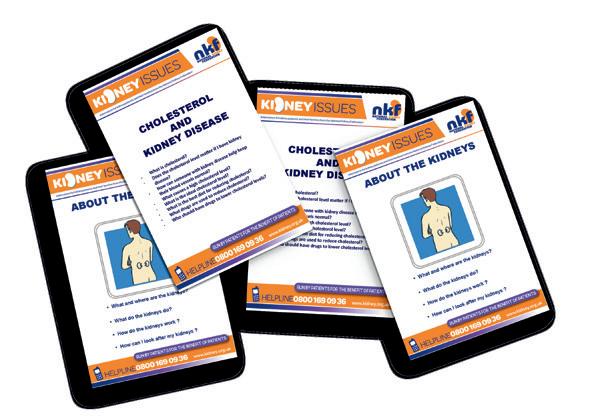
• Fund educational support — our library of kidney health leaflets stays current and free for patients, renal units, and GPs. Your membership helps us create and distribute these important resources nationwide.
• Advocate for better care and policy — with member support we campaign for improved kidney care, influence policy, and push for accessible treatments across the UK.
• Support local Kidney Patient Associations (KPAs) — your contribution helps sustain over 50 KPAs across the UK, strengthening local support networks and patient voices.
Become part of something bigger
• Free-to-call Helpline
• Peer Support service nationwide
• Over 200 information leaflets covering kidney disease, dialysis, transplantation, lifestyle, benefits and more
• Inclusion in a community working to transform the lives of 3.25 million people living with kidney disease (Stages 3–5) in the UK
Join the NKF Community Today
From as little as £3/month — a small amount with a big impact. Your support ensures no patient faces kidney disease alone. Visit www.kidney.org.uk/member to join OR Call 01909 544999
Thank you for helping us stand with kidney patients and their families.
National Kidney Federation — run by kidney patients, for kidney patients.
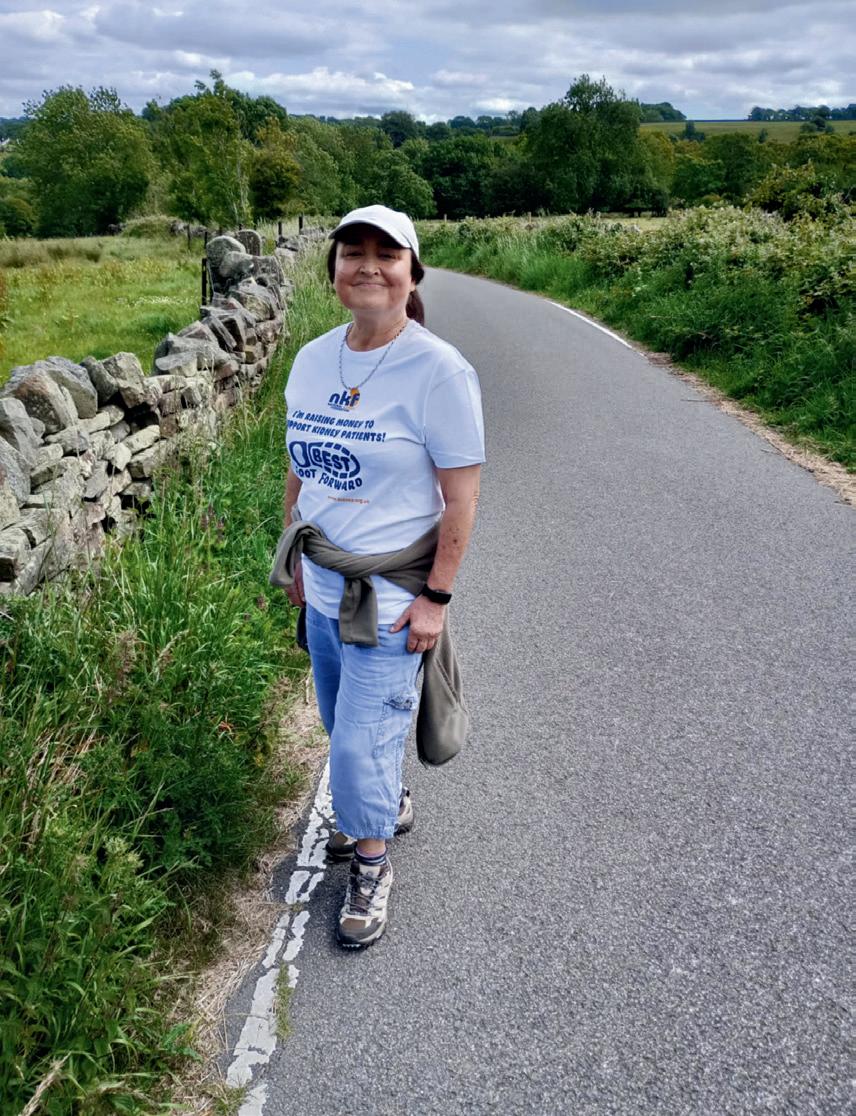
Step Into Spring with the NKF’s Best Foot Forward Challenge!
This April, we’re asking you to put your best foot forward and take on our annual step challenge to support kidney patients across the UK.
Walk or run 72,208 steps throughout the month of April - a powerful number which represents the 72,208 people currently on dialysis or living with a kidney transplant.
Take part for the thousands of kidney patients and families who need your support. Every step you take helps raise awareness and funds for our essential services.
Register today: www.kidney.org.uk/BFF2026
Fundraising Events For 2026
Get Active for Kidney Patients and join an NKF Event!
We run a wide range of exciting events for everyonewhether you want to do it as a personal challenge or to support a friend or family member.
Run with us
Take part in 5k and 10k races, half marathons and full marathons across the UK or in spectacular destination races worldwide.
Let’s step into spring — together! See the back page for more info.
Walk for a cause
Prefer a gentler pace? Join one of our memorable trekking challenges, from scenic coastal walks to iconic routes such as Ben Nevis, Hadrian’s Wall.
Try something daring
For thrill-seekers, skydives offer an unforgettable experience: jump from 13,000 feet at airfields across the UK and raise funds for kidney patients while making a memory for life.
Find your event and sign up today: www.kidney.org.uk/Events Thank you for supporting the NKF — together we make a difference.
NKF Webinars
Coming Up – A great way to learn and educate yourself about kidney disease
The NKF runs a series of webinars for kidney patients, family members and carers every year. The webinars are based on a wide variety of topics, all of which affect kidney patients to some degree. Speakers are expert clinicians and patients who share their knowledge and experience, encouraging participants to increase their understanding of kidney disease and its impact on quality of life.
Plans so far for the webinars in 2026 include one that took place in January and which we report on page 7, and the following
• Know your Numbers – February 18th
• Foot Care – March 25th
• Looking After Your Access and Lines – May 13th
• Memory Loss and Foggy Heads –July 8th
Other titles will be added over the year. All webinars are bookable online and are recorded so that if you can’t attend in real time you can go online and listen to the recording.
When it’s winter I really love a one-pot dish. Lovely and warming, loads of healthy veg and not much washing up! What’s not to love about it? This was a great recipe. I made it with chicken and fresh herbs and doubled the amount as I had hungry grandsons to feed –needless to say they loved it.
Ingredients (serves 4)
• 1 tbsp olive oil
• 1 small onion, finely chopped
• 2 garlic cloves, minced
• 120 g carrots, diced (or 80 g cabbage for extra potassium control)
• 150 g courgette, diced
• 150 g green beans, chopped
• 200 g white rice (uncooked; long-grain or basmati)
• 500 ml low-salt chicken or vegetable stock
• 300 ml water
• 1 tbsp fresh lemon juice (plus extra for serving)
• 1 tsp dried thyme
• 1 tsp dried parsley
• Black pepper, optional
Non-Vegetarian Option
• 250 g skinless chicken breast, diced OR
• 180 g cooked white fish added at the end
Vegetarian Option
Choose ONE:
• 120 g firm tofu, lightly fried
• 120 g paneer, diced (lower potassium than tofu)
• 100 g chickpeas, well rinsed (only if allowedmoderate potassium)
Method
1. Heat olive oil in a large pot over medium heat.
Add onion and cook 3–4 minutes until softened.
2. Add garlic and cook 1 minute.
3. (Non-vegetarian only) Add diced chicken and cook 5–6 minutes until lightly browned.
4. Add carrots/cabbage, courgette, and green beans. Stir to coat in the oil.
6. Pour in the stock and water. Bring to the boil, then reduce to a gentle simmer.
7. Cover and cook 15–18 minutes, stirring occasionally, until rice is tender and most liquid is absorbed. (If it gets too thick, add a splash more hot water.)
8. Stir in lemon juice.
9. (For fish option) Add cooked white fish now and warm through for 3 minutes.
10. (Vegetarian version) Stir in tofu/paneer/chickpeas and warm through for 3–5 minutes.
11. Rest for 5 minutes before serving - helps rice absorb any extra liquid.
Kidney-Friendly Notes
• Rice is naturally low potassium & low phosphorus, making this dish very kidney-safe.
• Avoid adding salt - the lemon and herbs give flavour.
• For very strict potassium control, skip chickpeas in the vegetarian option and use paneer or tofu instead.
• Add a handful of fresh parsley at the end for brightness without affecting kidney load.