Empowering the Future: Guiding Youth Toward Financial Confidence
by Nathan Nichols
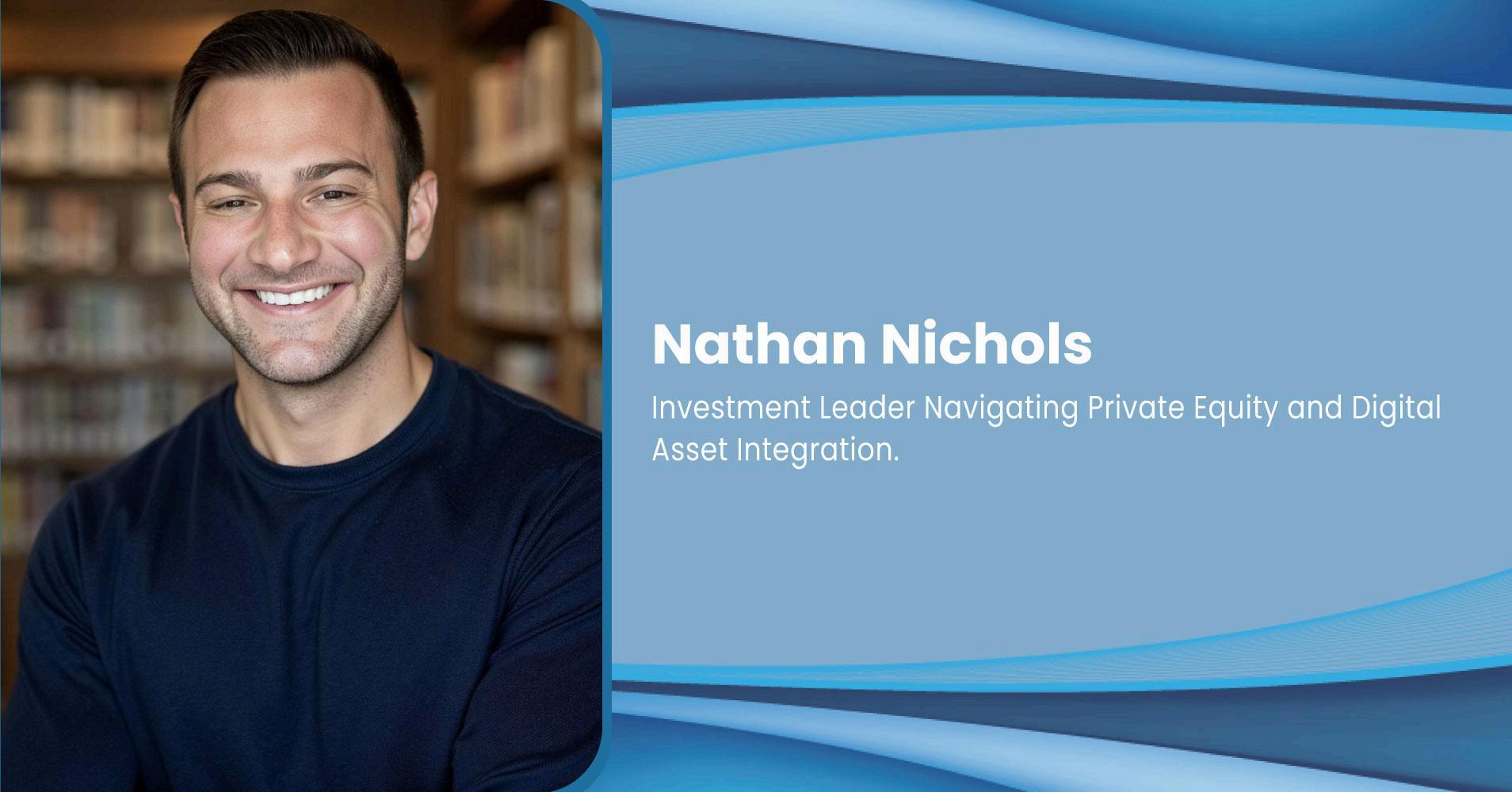
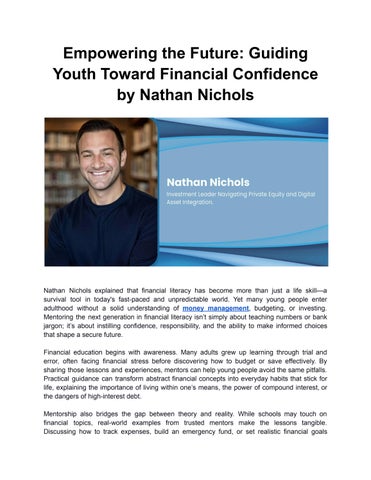
Nathan Nichols explained that financial literacy has become more than just a life skill a survival tool in today's fast-paced and unpredictable world. Yet many young people enter adulthood without a solid understanding of money management, budgeting, or investing Mentoring the next generation in financial literacy isn’t simply about teaching numbers or bank jargon; it’s about instilling confidence, responsibility, and the ability to make informed choices that shape a secure future
Financial education begins with awareness Many adults grew up learning through trial and error, often facing financial stress before discovering how to budget or save effectively By sharing those lessons and experiences, mentors can help young people avoid the same pitfalls. Practical guidance can transform abstract financial concepts into everyday habits that stick for life, explaining the importance of living within one’s means, the power of compound interest, or the dangers of high-interest debt.
Mentorship also bridges the gap between theory and reality. While schools may touch on financial topics, real-world examples from trusted mentors make the lessons tangible Discussing how to track expenses, build an emergency fund, or set realistic financial goals
helps young learners see money not as an obstacle but as a tool for empowerment Encouraging them to ask questions and make small, informed decisions like opening a savings account or learning about credit builds confidence and curiosity about financial independence.
Moreover, mentorship fosters long-term thinking The culture of instant gratification can make saving and investing seem unappealing to younger generations. Mentors can change this narrative by showing how delayed gratification pays off Explaining how saving early can lead to financial freedom later helps young people visualize success beyond short-term pleasures This approach nurtures patience, discipline, and an appreciation for long-term planning skills that extend far beyond finance
Technology also offers new ways to engage the next generation. Apps, budgeting tools, and online financial courses can complement mentoring by providing interactive learning experiences. However, the human element remains irreplaceable. A mentor’s encouragement, personal stories, and moral guidance can make all the difference in shaping responsible money habits
Ultimately, mentoring youth in financial literacy is an investment in the future A financially literate generation contributes to a stronger economy, healthier families, and more resilient communities. When young people learn to manage money wisely, they gain financial stability and a sense of control over their lives
By sharing knowledge, leading by example, and inspiring thoughtful decision-making, we can empower the next generation to handle their finances with confidence and integrity When passed down with care and clarity, financial wisdom becomes more than advice it becomes a legacy of empowerment