
This festive season, it gives us immense joy to present the very first edition of The Aesthete’s Edit, a hand-picked selection of pieces we believe make meaningful and memorable gifts for your loved ones
The edit unfolds through five overarching themes, each examining our chosen works through distinct lenses associated with the festive spirit While most of the pieces originate from the Indian mainland, a few hail from across the globe. Together, they open a dialogue to situate Indian art and its development within a wider, interconnected conversation
Through each of these five sections we hope to touch your heart and tickle your curiosity. The Gaze of Grace explores icons and the quiet power of their gaze Udayadeepam: Of Light is an ode to our family’s roots. We present a selection of South Indian lamps, dedicated to our greatgrandfather, T N Natesan, and his enduring philosophy of divine illumination Udayadeepam was also the title of his collection of essays and reflections published in 1988. From Plant to Ornament traces the transformation of floral and vegetative forms across mediums and materials Flight of Fantasy celebrates the magical tales that surround the festive season, represented here through the idea of flight. We inspect birds, an angel, and the mythical Kamadhenu Reminiscence, Ritual and Reverence evokes the tender nostalgia of family rituals; the joy of dressing up, cherished jewels, and the memories of communal ritual and reverence that define our celebrations.
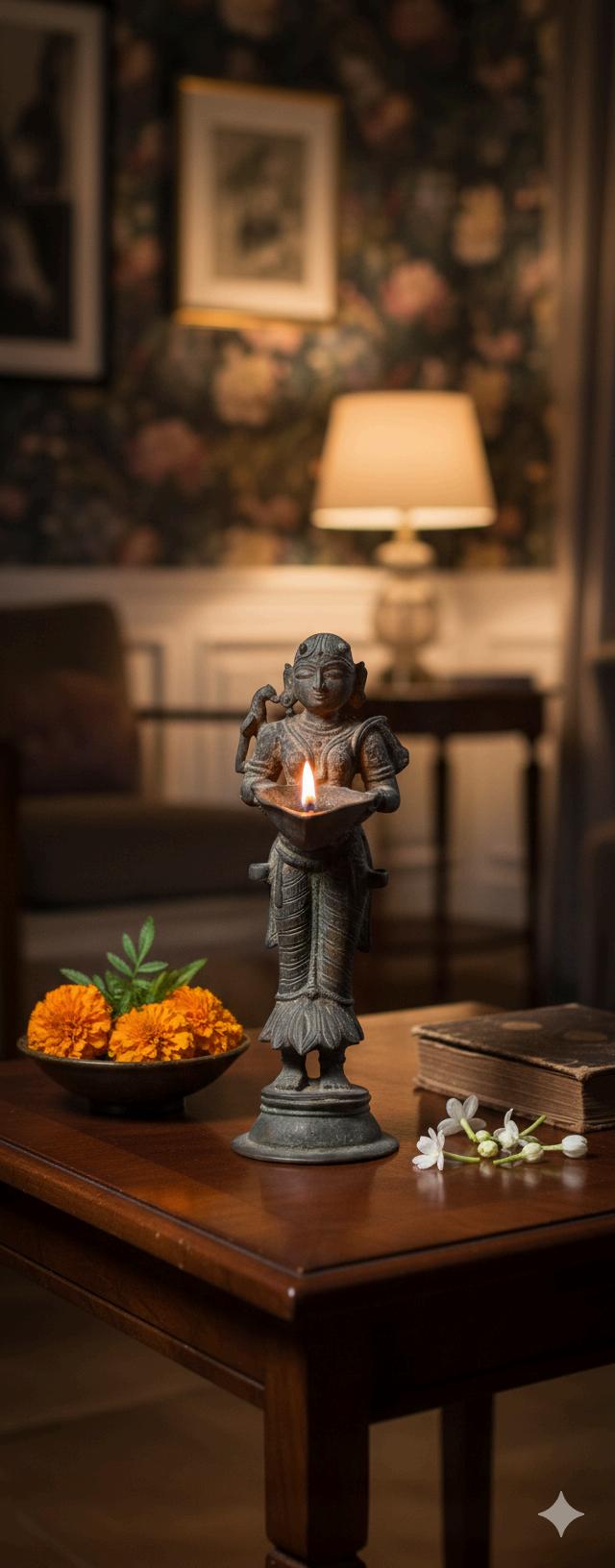
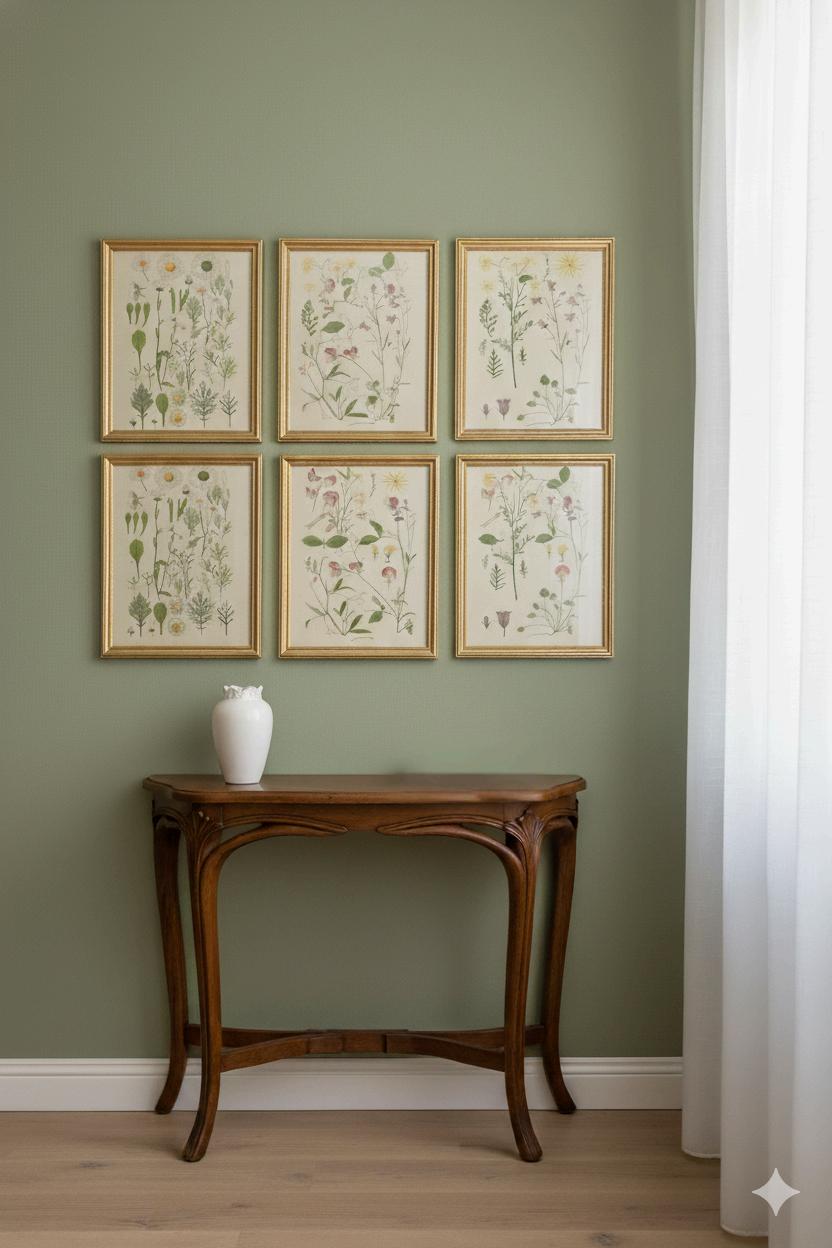
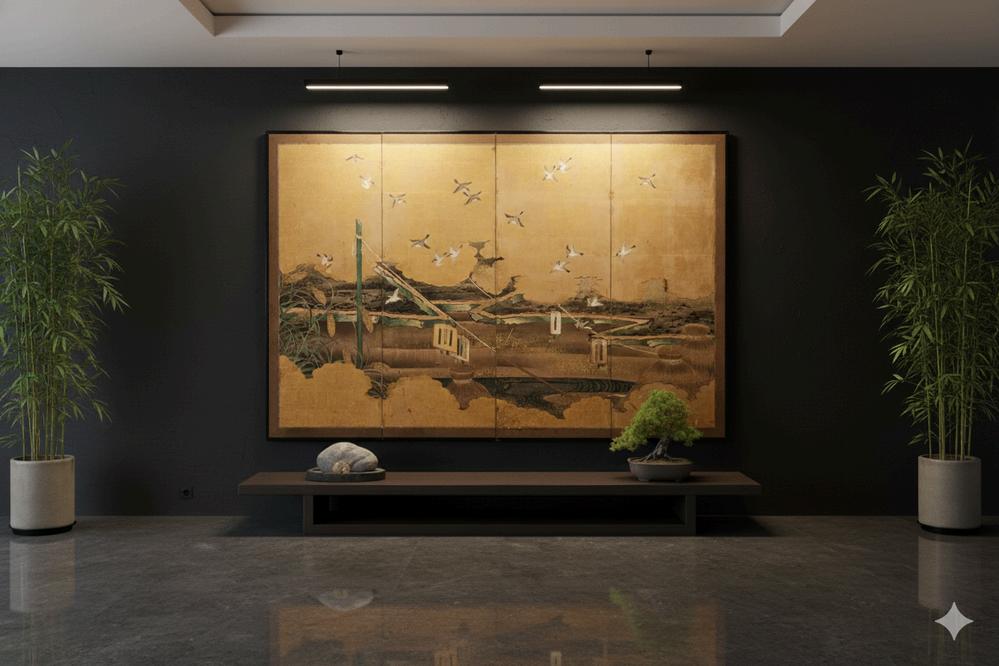
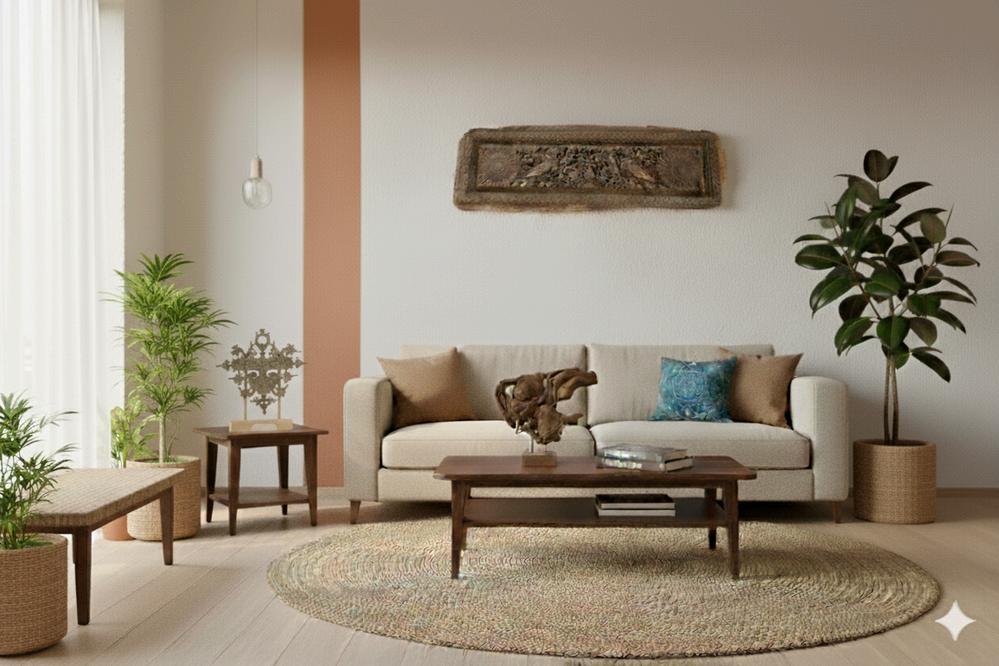
The works featured in this catalogue range from the 13th to the 20th century. Those designated as Registered Antiquities are available for acquisition exclusively within India For this edit, we have used AI-generated images to offer a glimpse of how some of our pieces might be styled in your home, complete with approximate size references.
For enquiries, please write to enquiry@natesans.com or reach us on Instagram at @natesans1930 As always, we would be delighted to welcome you by appointment at 76 Mahatma Gandhi Road, Bangalore.
Wishing you the best for the festive season, Suparna Shankaranand Natesan
There are many elements that draw a viewer to a work of art, the colour palette, composition, or the rendition of form Yet it is the Gaze of the subject that most powerfully holds our attention. It invites conversation, extends an unspoken welcome into its world, and offers an experience that is both intimate and enriching
As human beings, our eyes are the medium through which we recognise, connect, and empathise with one another. In art, too, it is the gaze that establishes this connection, bridging the world of the viewer and that of the divine or the depicted This ability to evoke presence through the eyes is what elevates a work of art to the status of an icon. The mastery with which Indian artists of earlier centuries achieved this remains unparalleled
Consider the serene countenance of an Āḻvār saint, his eyes radiating devotional love and wisdom towards Lord Vishnu; or a gilded butter Krishna, his large stylised eyes and coy smile inviting you into his opulent world, where he reclines gracefully, relishing his bowl of butter In a single glance, he inspires feelings of love, reverence, and tender, parent-like adoration.
Equally captivating is a miniature bronze of Nataraja, whose fiery eyes arrest your gaze even as his limbs move in rhythmic grace -his swirling locks alive with cosmic energy, perfectly balanced in scale and proportion within the palm of your hand.
This dialogue of the gaze transcends religion and geography, whether through the five Dhyani Buddhas gazing serenely from a bejewelled medallion, or Christ, offering compassion and benediction from a gilded Russian icon
Respecting the original context of these icons and the intimacy of personal interaction they offer, we have refrained from producing AI-generated display projections for this section.
This festive season, we wish you moments of meditative contemplation and the blessings from the Gaze of Grace
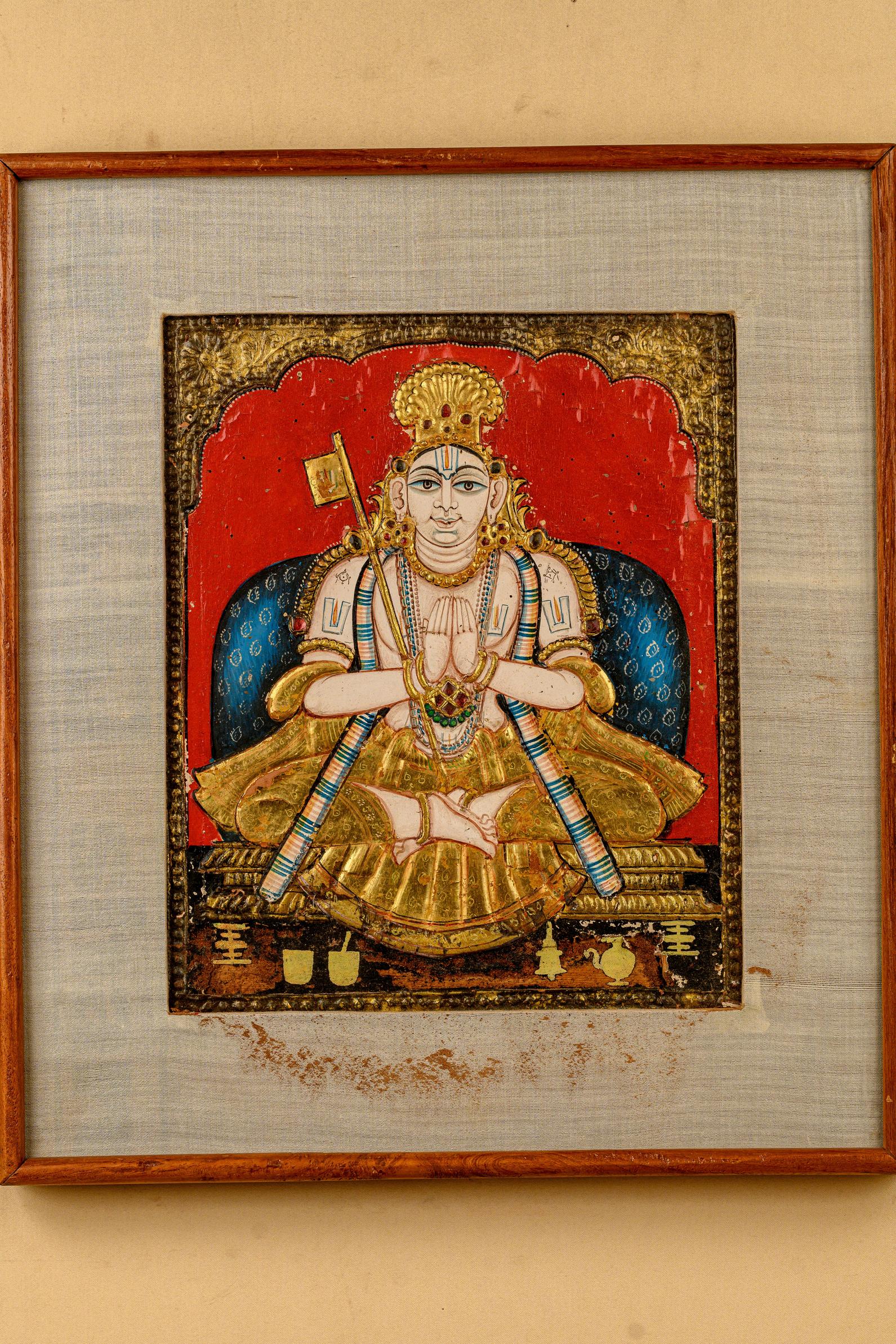
Vaishna Saint Ramanujam
75- 100 years
Tanjore
Gold Foil,Glass Embellishments, tempera on gesso primed wood board 22.8x 27.9cm
₹1,00,000
Set against a vivid red backdrop framed by a gilded arch, Alvar Rāmānuja Āchārya is depicted seated before a large bolster, with ritual objects arranged in the foreground. His distinctive headgear, the emblematic flag, and Vaishnava markings across his torso together affirm his identity
Vaishnava Saint Nammalvar 13th/14th century
Tamil Nadu
Bronze 6.5cm
₹1,65,000
Serene and composed, this figure likely represents Nammalvar, radiating inner peace and devotion His graceful hand gesture signifies the dissemination of divine knowledge. The perfectly proportioned, slender body and broad shoulders reflect the sculptural ideals of the 13th–14th century
Registered Antiquity
Bronze of Vishnu 18 Century th Tamil Nadu
Bronze
25 cm
₹2,00,000
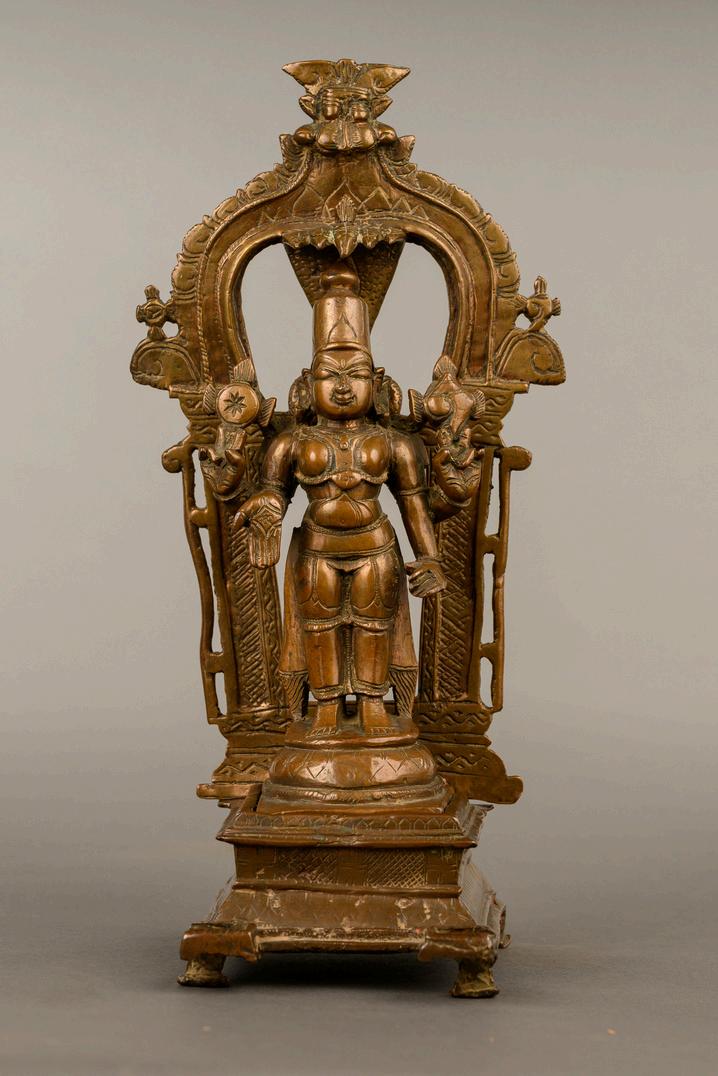
This bronze of Lord Vishnu radiates benevolence through a gentle, compassionate smile. Depicted with four arms, he holds the śankha and cakra in the rear hands, while the front right displays the varada mudra, the gesture of granting boons. A prabhāvali frames the divine form.
Registered Antiquity
Butter Krishna 19/ 20 Century th Tanjore Gold Foil,Glass Embellishments, Tempera on Gesso Primed Wood Board 26.7x33.2cm
₹1,75,000
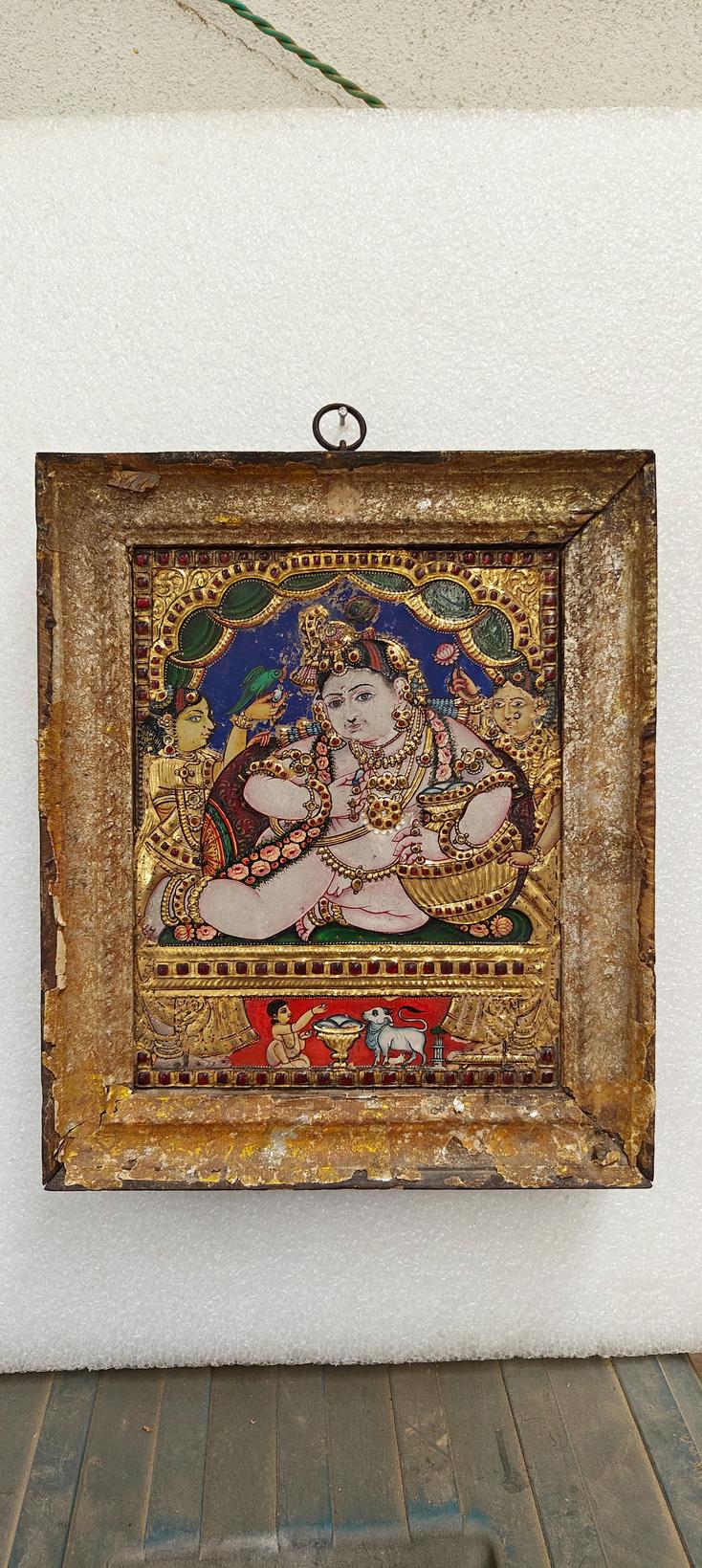
Set against a luminous blue background framed by gilded drapes, Krishna appears as a chubby infant reclining on a brocade bolster, delighting in a pot brimming with butter His large stylised eyes and coy smile draw the viewer into his opulent, playful world, evoking tender parental affection and devotional reverence. Flanking him are his consorts. Below, against a vivid red register, a small child offers butter from a bowl as a cow nurses her calf.
Vishnu with consorts 16 century th Kerala
Bronze
10 x 9 cm
₹3,50,000
Registered Antiquity
Vishnu with consorts 15/16 century th Kerala
Bronze
9.5 x 6.5 cm
₹3,25,000
Registered Antiquity
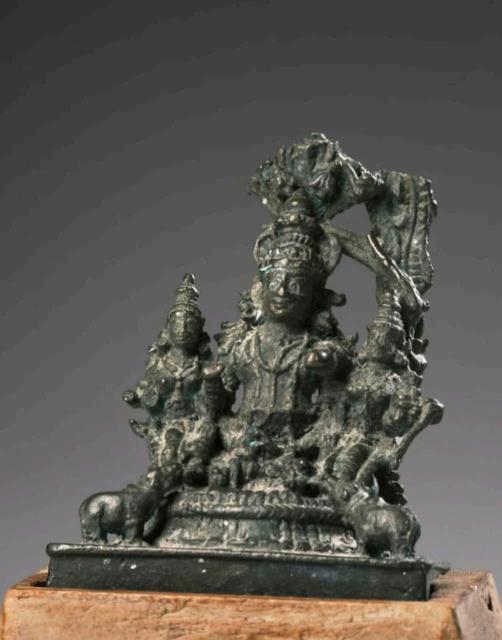
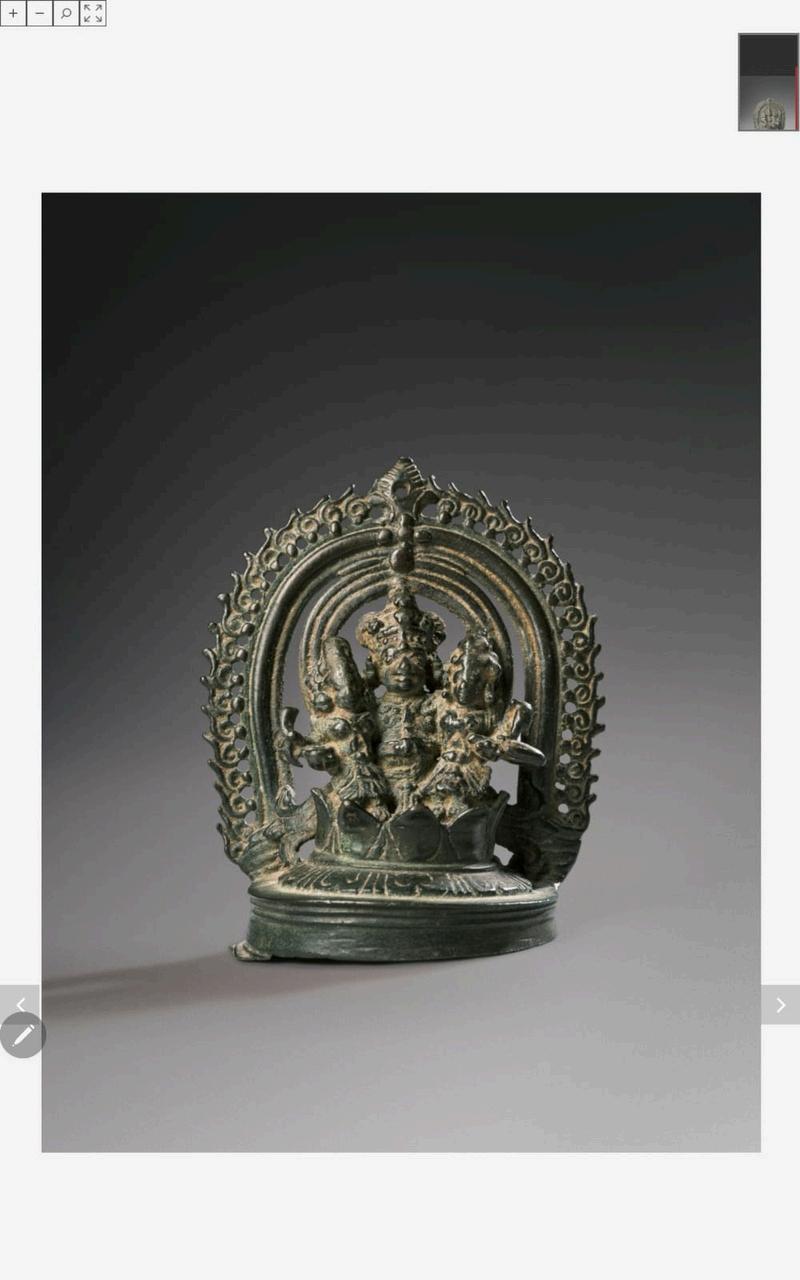
Seen here are two bronzes united by their shared origin and subject- Vishnu with his consorts, Sridevi and Bhudevi. A defining characteristic of Kerala bronzes lies in their exquisite detailing, juxtaposed with restrained, simplified bands that create a perfect sense of balance. Equally distinctive is their inherent approachability Though Vishnu, seated with his consorts on either lap, radiates divine authority, their gentle smiles invite an intimate, almost conversational connection with the viewer. The miniature scale of these bronzes reveals not only supreme craftsmanship but also their purpose; objects of personal devotion and worship.
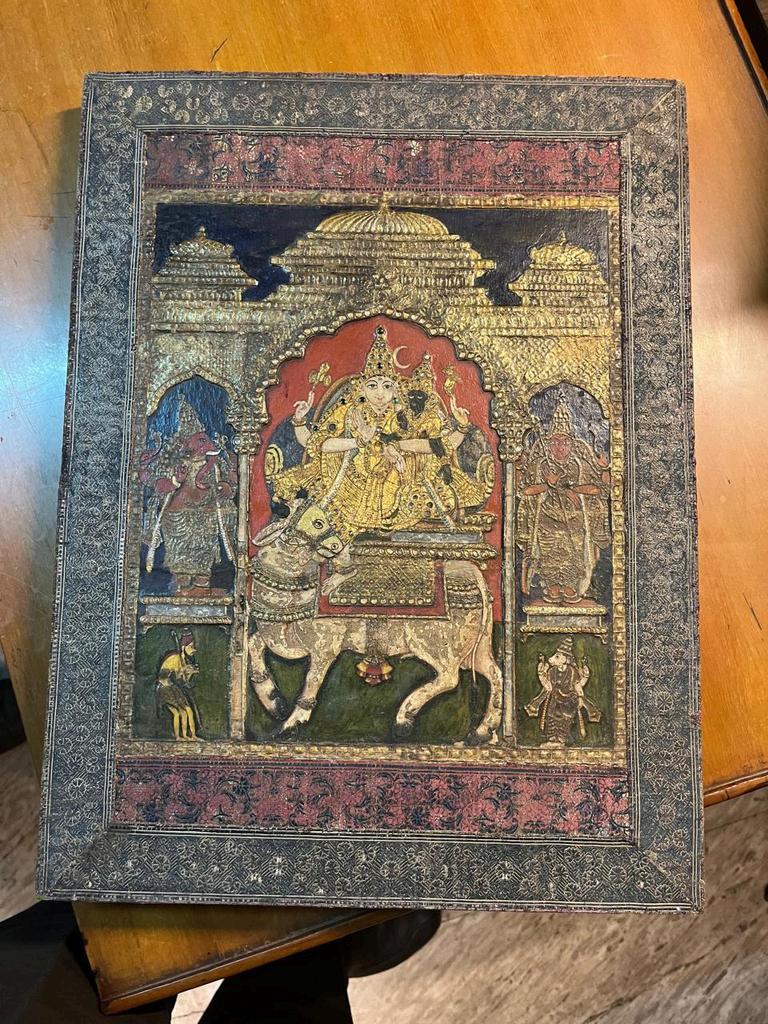
Shiva and his family 19/20 century th Andhra Gold Foil,Glass Embellishments, Tempera on Gesso Primed Wood Board
31.5x35.5cm; with frame 58.5x54.5cm
Price on request
From its earliest representations in the 6th–7th centuries, the composition of Shiva and Parvati with their sons, as a divine family gained immense popularity for its emotional relatability to a common devotee. The depiction evolved into varied stylised renditions across regions and periods In this example, rendered in the Andhra painting idiom of the 19th century, the celestial family is depicted enthroned upon their majestic mount, Nandi, with Ganesha and Subrahmanya They are framed within a separate niche beneath temple gopurams, while the sages Bhringi and Vyaghrapada appear reverentially in the foreground.
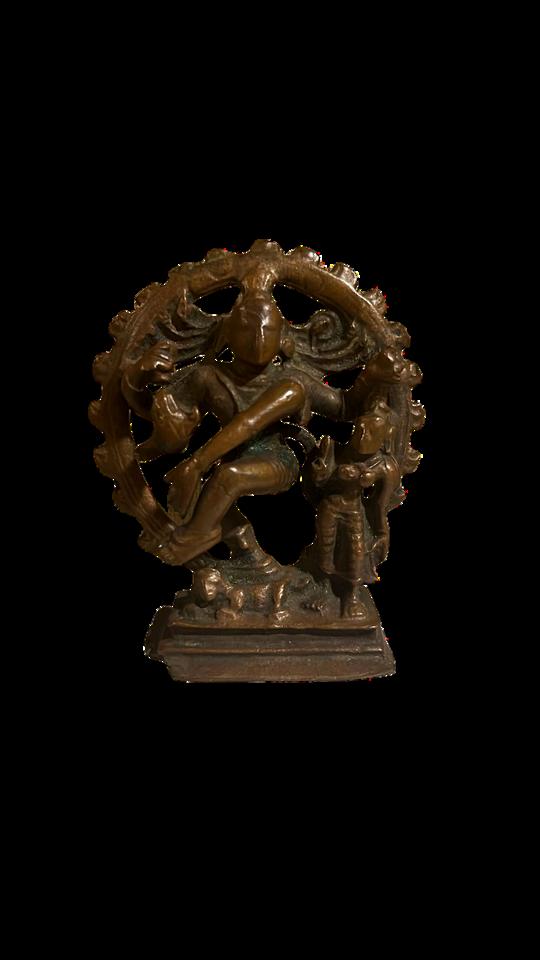
Lord Nataraj and Uma 14th century
Tamil Nadu
Bronze 7.62cm
₹3,00,000
Cast as a single piece, Shiva as Nataraja stands in all his majesty, accompanied by his consort Uma. For a fleeting moment, amidst his cosmic dance;his limbs poised in rhythmic grace; his matted locks swirling with divine energy, the Lord of the Universe meets your gaze, a glance of grace powerful enough to liberate. An intimate encounter with the creator, in the palm of your hand
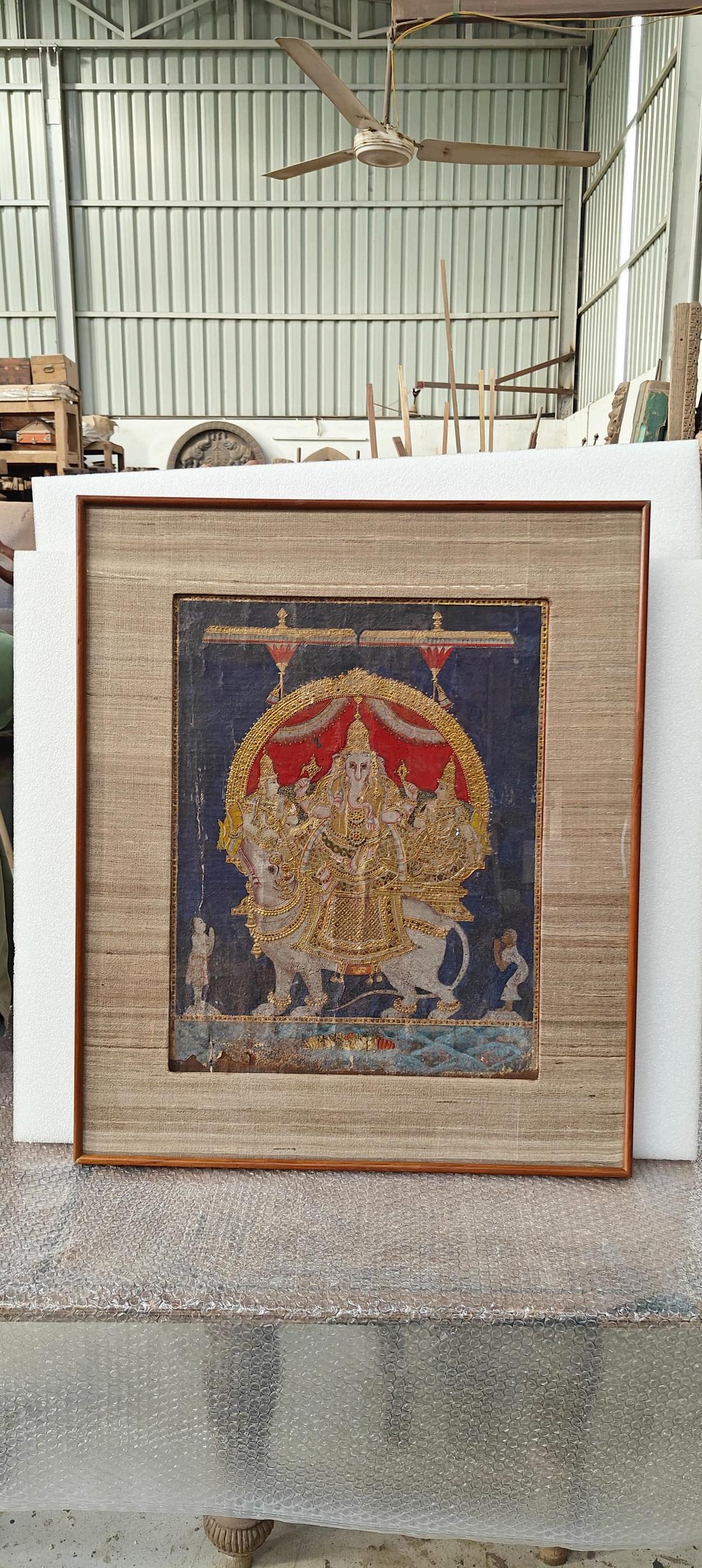
Lord Ganesh with consorts 19/20 Century th Tanjore
Gold foil,tempera on gesso primed wood board
43.18x 55.8cm with frame 78.76x 66.04cm
Price on Request
The blue rocky foreground acts as a visual threshold, drawing the viewer into a sacred realm. The gaze of the devotees and consorts converges upon Ganesha, guiding the viewer’s focus to the Almighty. Hierarchy is conveyed through scale, devotees rendered diminutive, the mount monumental The contrast of red within the prabhāvali against the indigo background further heightens the central deity’s presence. 9.
This exquisite Tanjore painting depicts Ganesha enthroned at the centre, flanked by his consorts Riddhi and Siddhi, all seated upon their enlarged mount, the mouse, rendered monumentally to signify divine grandeur. A gilded prabhāvali, adorned with floral garlands and crowned with parasols, frames the composition, while reverential devotees appear on either side
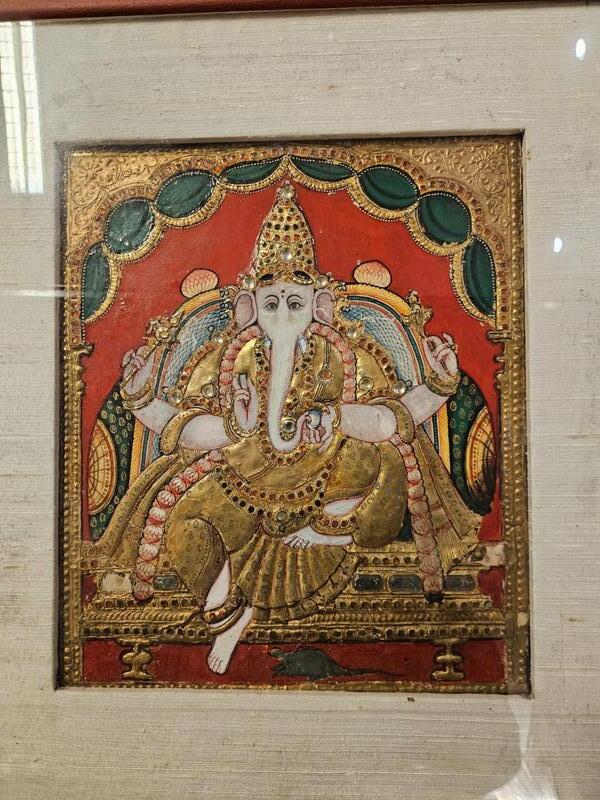
Ganesh 19/20 century th Tanjore
21x 19 cm
₹3,00,000
A Tanjore painting of Ganesha, seated in a posture that balances ease and authority. Reclining gracefully against a large bolster, he is adorned in shimmering gold textiles and resplendent jewels that radiate royal splendour. His direct, compassionate gaze meets yours, ever ready to remove obstacles and grant blessings
Ganesh 2024-25
South India Bronze
53.34cm
₹3,50,000
This newly commissioned bronze of Ganesha, created using the traditional lost-wax technique, captures the deity in the graceful Rājaleelāsana-a posture of relaxed ease and divine poise. One leg is folded upon the seat, the other bent at the knee, resting gently on a double lotus base. Though seated in repose, his fourarmed form exudes quiet authority: the rear hands hold the pāśa and ankuśa, while the front right holds a modaka (sweet), and the trunk delicately curls around another symbolic of abundance and fulfillment
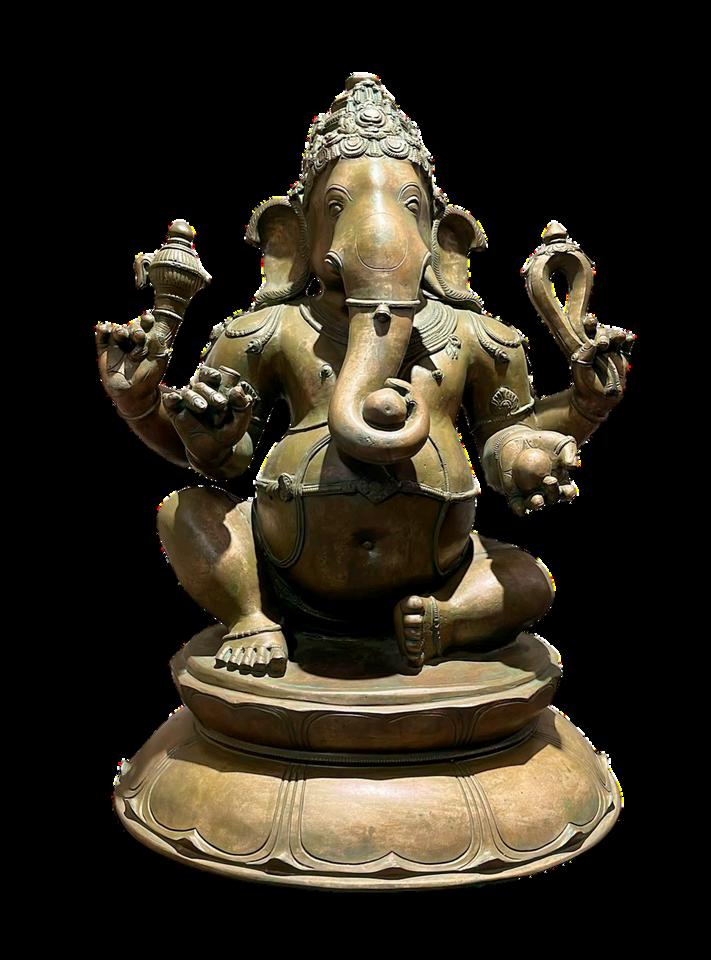
Christ blessing with open Gospel 1910
Russia
Tempera Over Gesso on Wood. Engraved
Silver with Remnants of Gold Gilding
22x 17.5cm
₹40,000
This icon depicts Christ Pantocrator (literally “Christ, Ruler of All”), shown with one hand raised in blessing and the other holding an open book of the New Testament. One of the earliest and most enduring representations of Christ in Christian art, the Pantocrator type portrays Him as a benevolent yet authoritative judge of humanity. This icon would have been used for private devotion, with Christ’s front-facing penetrating gaze serving as a powerful point of spiritual connection for the faithful.
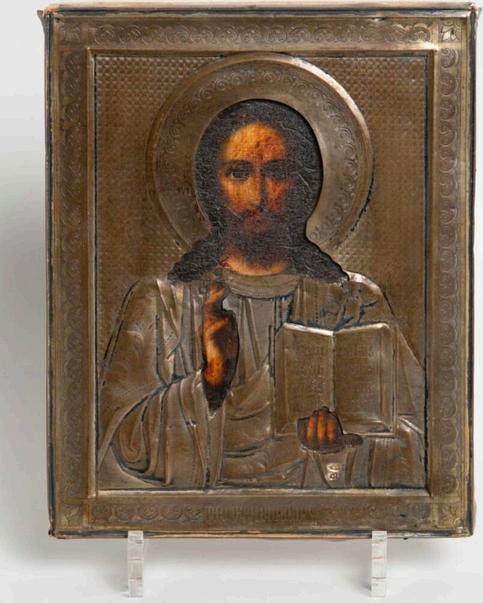
Christ blessing with a globe 1900
Russia
Tempera Over Gesso on Wood. Engraved
Silver with Remnants of Gold Gilding
22.5x 18cm
₹60,000
Like the preceding example, this icon also represents Christ Pantocrator. Here, however, Christ’s right hand holds a crucifix and rests upon a globe bearing God’s all-seeing eye, a symbol of divine omniscience and dominion over the world. This icon, too, would have been used for private worship. The decorative silver cover was likely commissioned by a devoted owner both as an act of reverence and to protect the sacred image from incense and candle smoke.
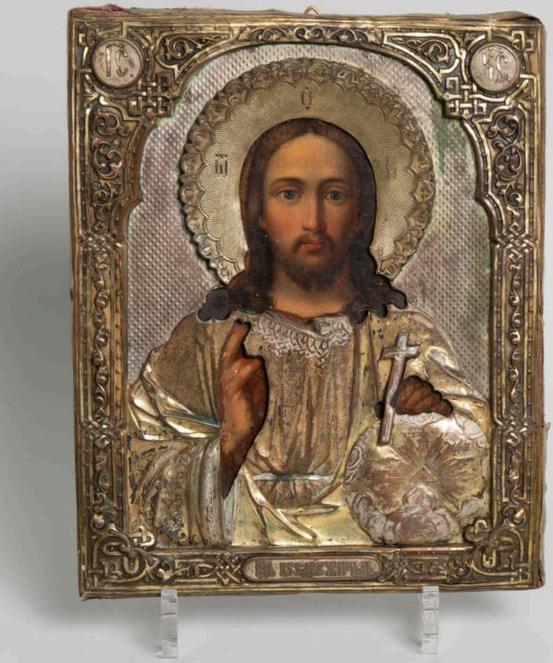
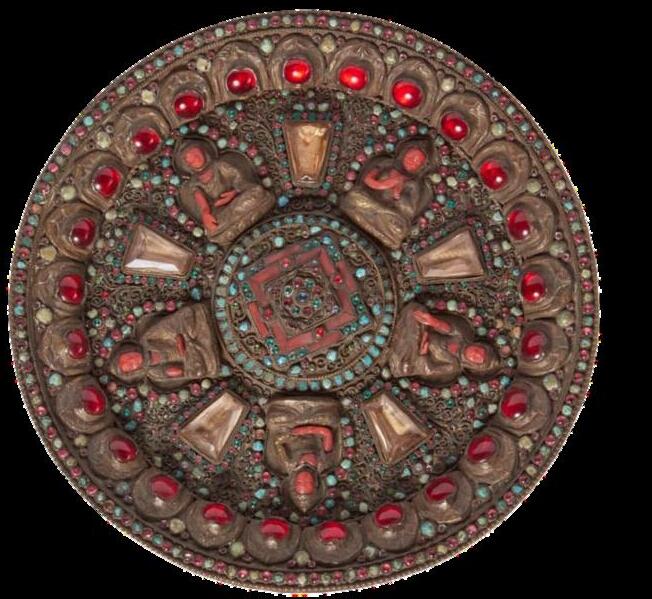
Medallion of the five Buddhas 19/20 century th Nepal
Hardstone Inlaid with Silver 22 cm
₹1,80,000
This Buddhist medallion was possibly used as a meditative aid or protective talisman An eight-petalled lotus, set within a square with four gateways, is enclosed by a central circle. Surrounding it are the Five Dhyani Buddhas, each distinguished by their unique hand gestures, emanating protection, guidance, and compassion.
Udayadeepam: Of Light is an ode to our family’s roots. This section presents a selection of South Indian lamps, dedicated to our great-grandfather, T. N. Natesan, and his enduring philosophy of divine illumination Udayadeepam was also the title of his 1988 collection of essays and reflections. As his daughter, Dr Jagadeeshwari, explains: “His philosophy embodied light, or Deepam, as the supreme reality. Ātma Jyothi is the light within us that embodies the divine Śakti.”
The opening piece in this section, a Deepalakshmi, represents his chosen form of veneration Though not the very image he worshipped, this example captures the same spiritual essence. Originating from the Deccan, a region long at the crossroads of faith and commerce, it reflects the area’s vibrant religious and artistic exchanges
The five lamps that follow are from Kerala, a historic centre of metalware craftsmanship. Recent research by Prof. Elizabeth Lambourn into the Geniza documents reveals that by the 12th century, Kerala was already a thriving hub for the production and export of lamps, ewers, and ritual metalware
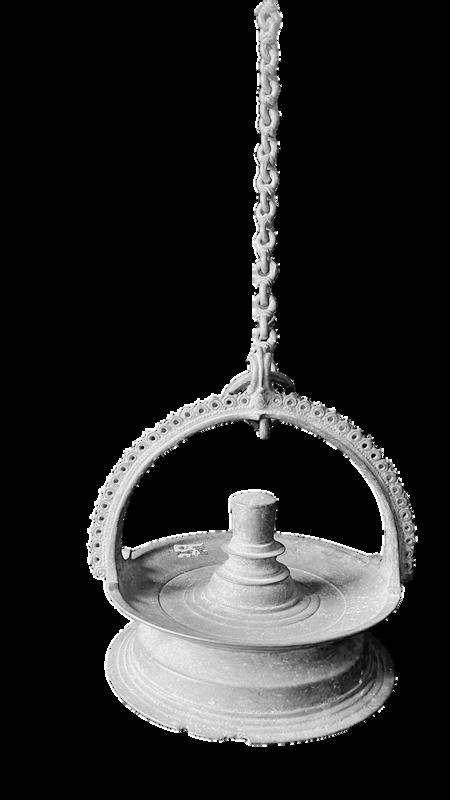
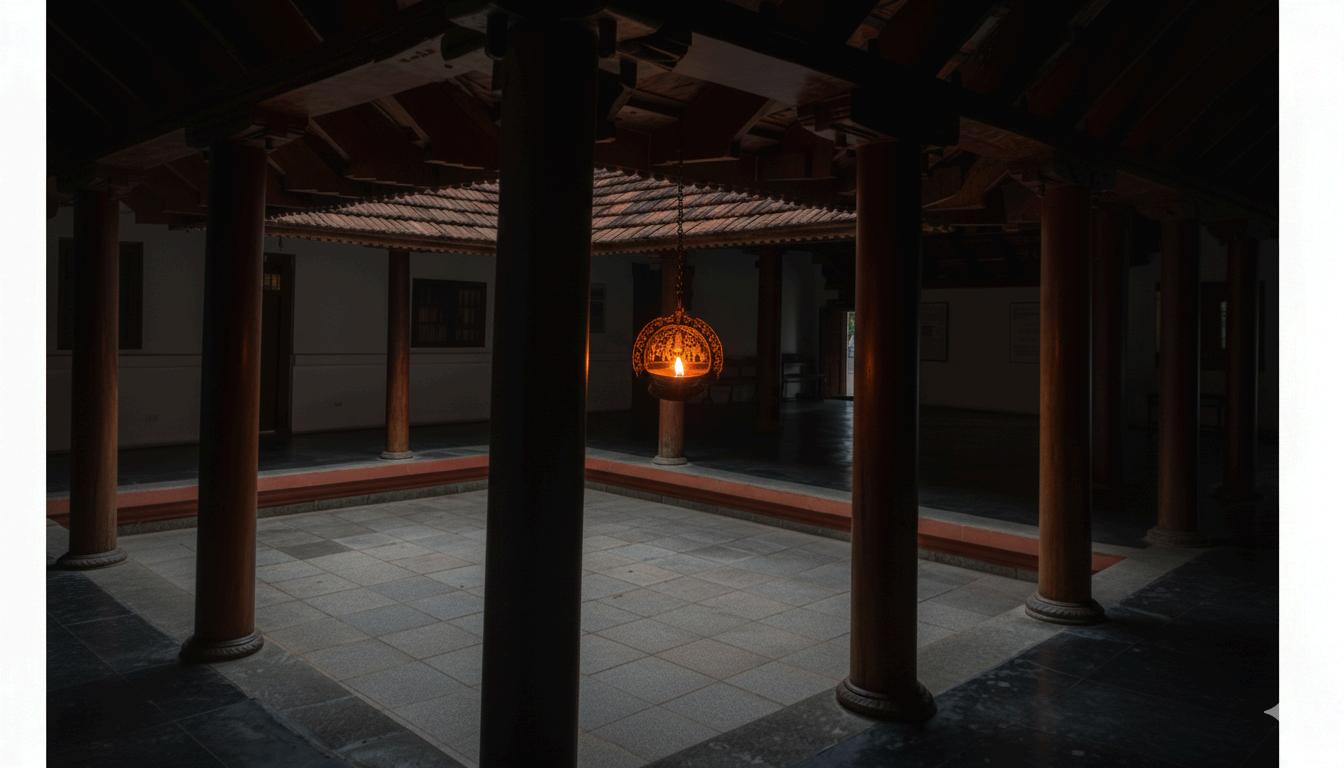
As Diwali approaches, we are reminded that the entire autumnal month of Karthika is considered sacred; a time for the lighting of lamps and the performance of devotional rituals. Among these is a stylised lamp to venerate the goddess of fortune The first lamp in this section, the Gajalakshmi Lamp (17th century, Kerala), exemplifies this tradition.
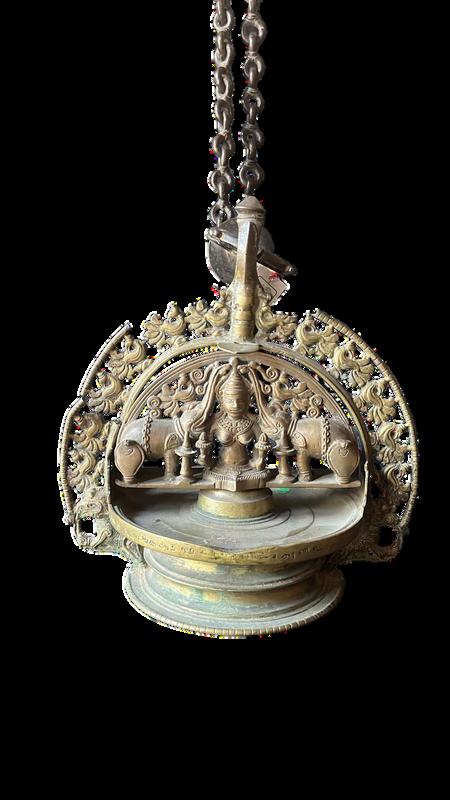
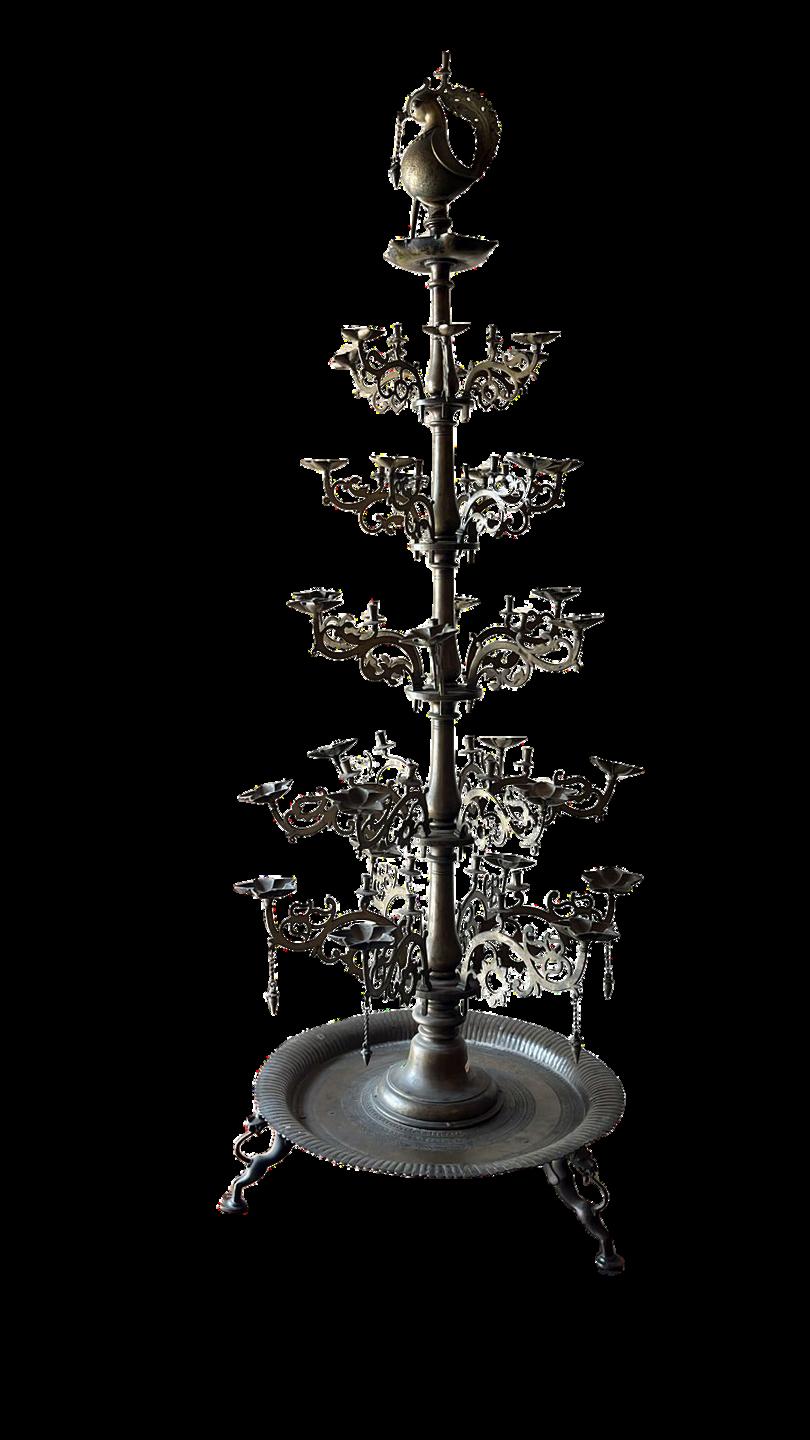
Subsequent examples include a range of hanging lamps, minimal in form yet deeply spiritual, and a classical Gajalakshmi hanging lamp distinguished by its timeless iconography The section concludes with a magnificent Tree Lamp from the Deccan, symbolically linking this chapter of light to the next, which explores inspiration from nature
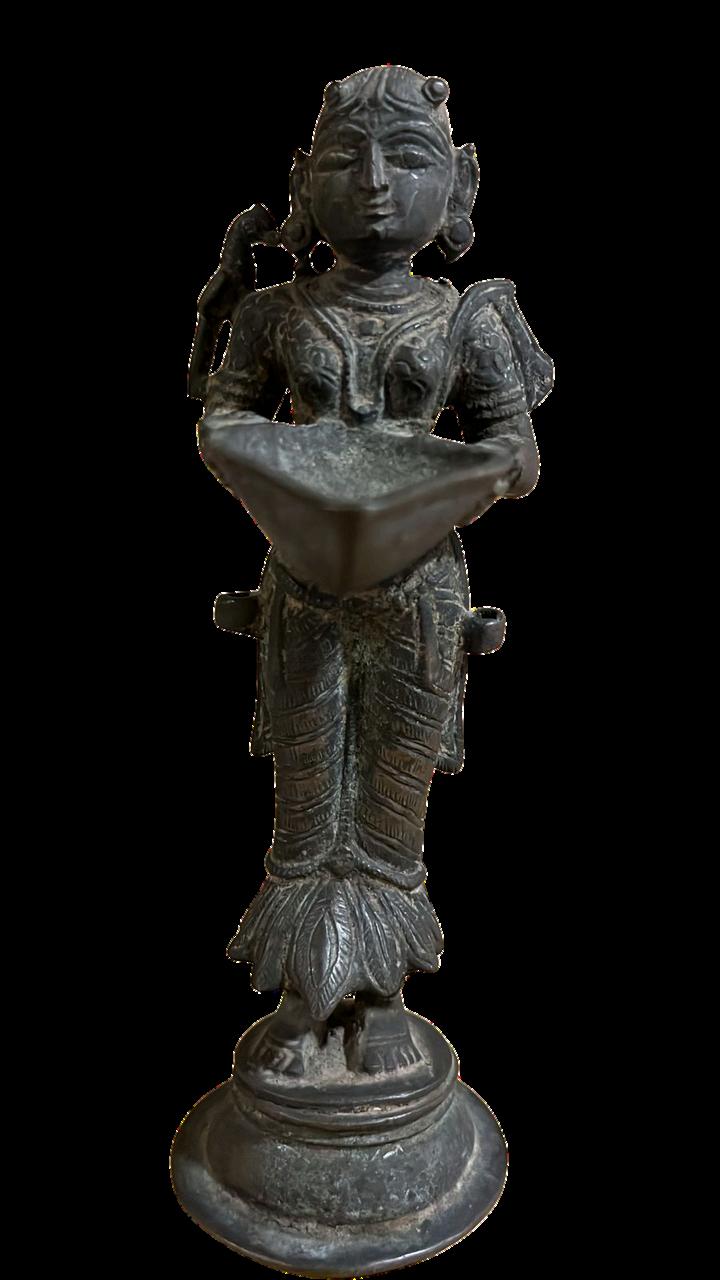
Deepalakshmi
18 Century th Deccan
Copper Alloy
17.5cm
₹85,000
Seen here is a finely proportioned Deepalakshmi, a charming and auspicious addition to any home Her facial features echo the folkstyle Gowri heads traditionally used during Gowri Pooja in Karnataka and Maharashtra.
Registered Antiquity
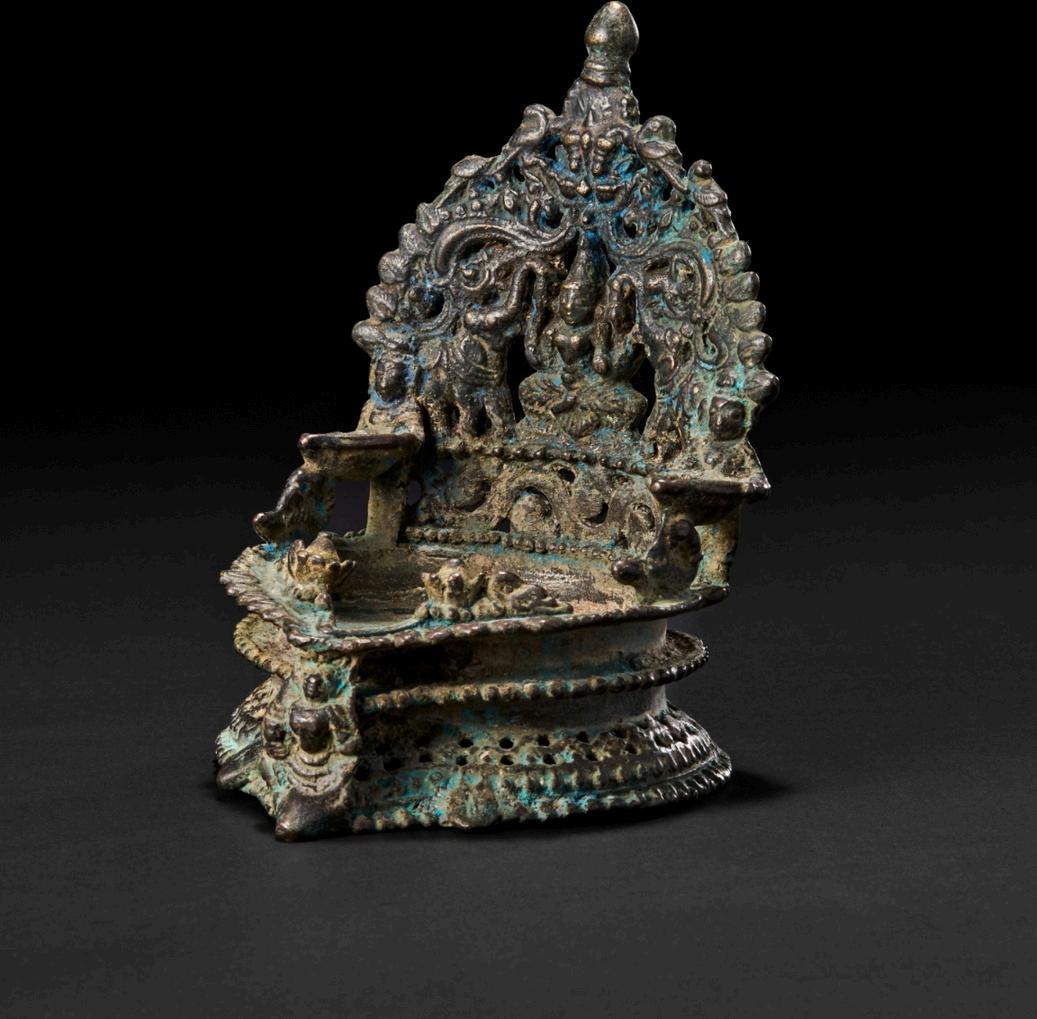

₹1,20,000
Here is an exceptional example of a lamp from Kerala, embodying the region’s distinctive metalworking tradition Characteristic of Kerala bronzes, the solid cast lamp combines intricate ornamentation with plain, unadorned bands to achieve perfect visual balance Framed by a vegetal arch crowned with a kīrtimukha, the goddess Lakshmi is depicted being lustrated by elephants an enduring symbol of prosperity. She is flanked on either side by diminutive Deepalakshmis, maidens bearing lamps in their hands. As one lights the lamp, the small pool of oil, dotted with bronze lotuses, mirrors the radiant goddess, her form illuminated by the gentle light of the flame.
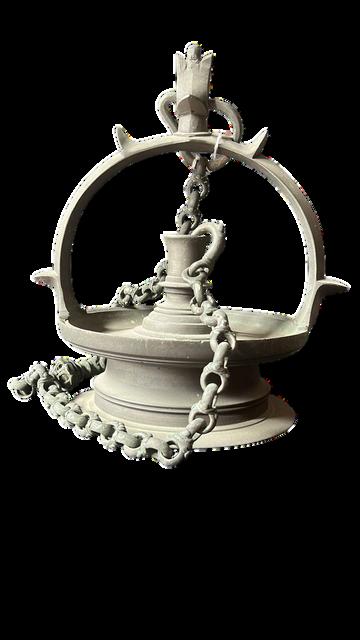
20 century th Kerala
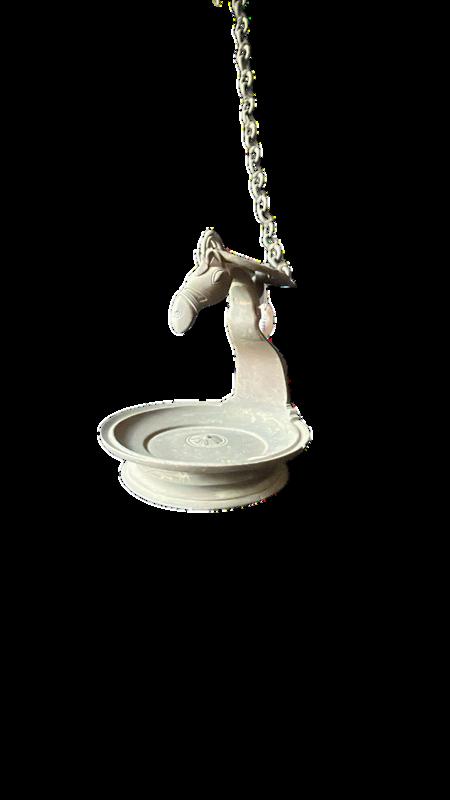
Ht:28cm , with chain:106.8cm
₹23,000
Ht:17.8cm, 94cm with chain
₹22,000
Ht: 20.32cm, 106.7 cm with chain
₹16500
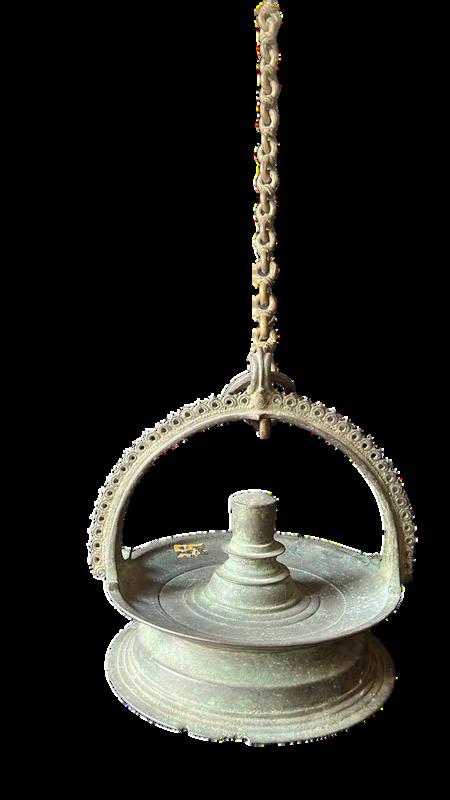
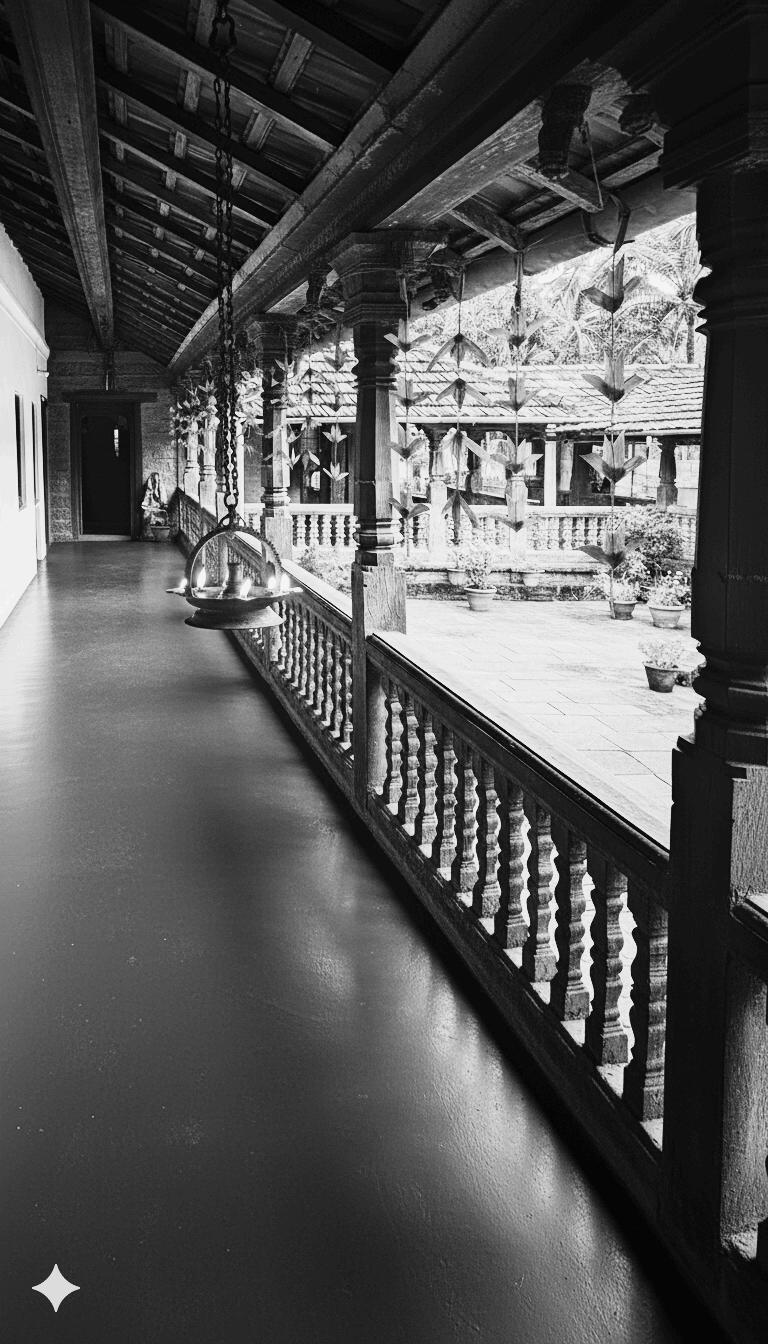
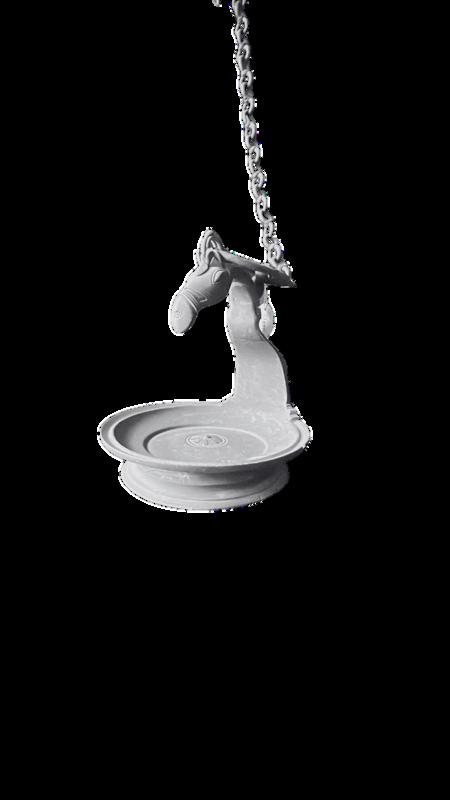
Gajalakshmi Hanging Lamp
18 Century th Kerala
Copper alloy
28cm ,with chain :111.8cm
₹95,000
A traditional hanging lamp featuring a central image of Gajalakshmi, the goddess of fortune, being lustrated by elephants. On either side of her are nīravilakku lamps, all composed within a semicircular panel that pivots on an axis above an oil-holding plate. The rim of this plate bears an inscription of a patron or donor. When lit, the gentle flame softly illuminates the goddess, evoking an atmosphere of prosperity.
Registered Antiquity
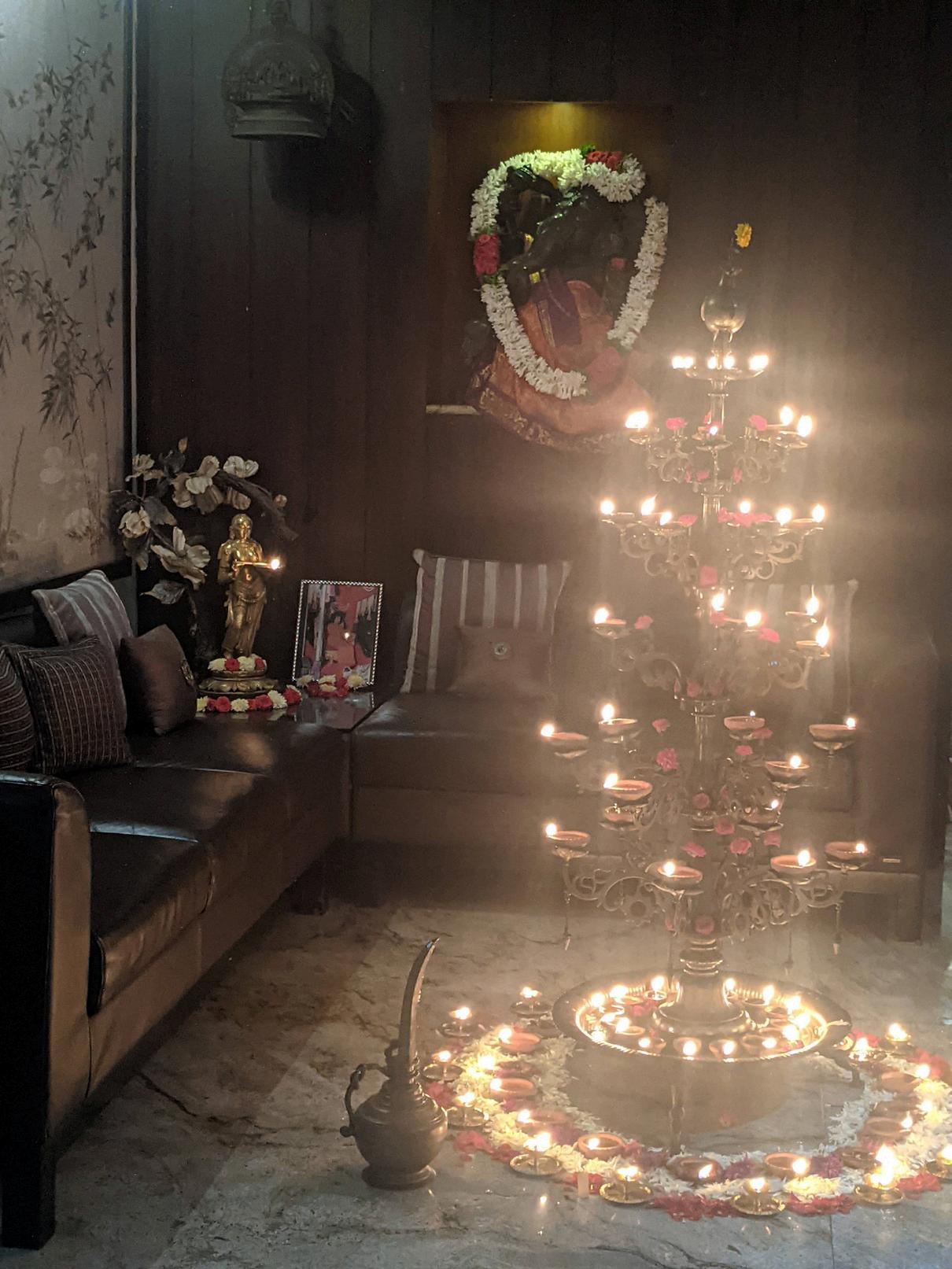
Tree Lamp 19/20th century Deccan Bronze 140cm ₹3,50,000
The aesthetics of the Deccan carry an innate sense of magic and mysticism, beautifully reflected in this magnificent six-tiered tree lamp At its finial, a graceful Hamsa (swan) perches upon a lamp, its beak suspending a delicate pendulum and a slot for an incense stick. Below, five cascading tiers radiate outward, each with six branches adorned with distinct floral and foliate designs At the end of every branch rests a flower-shaped lamp, alongside tiny holders for incense When illuminated, the entire form transforms into a breathtaking spectacle of light and fragrance.
Registered Antiquity
Von der Pflanze zum Ornamentwhich translates to “From Plant to Ornament” and was published between 1890 and 1900, during a period of intense design reform in Germany that witnessed the rise of Jugendstil, or German Art Nouveau This movement emerged as a response to industrial mass production and declining aesthetic standards, advocating instead for a return to nature, craftsmanship, and truth to materials.
At the time, the Kunstgewerbe schools (arts and crafts schools) encouraged artists and designers to study natural forms scientifically, then stylise them for decorative application. Von der Pflanze zum Ornament served as a key teaching aid in these institutions, demonstrating how botanical studies could be transformed into ornamental design Ten lithographic prints from this influential publication are presented in this section(21).
The ideals of Art Nouveau and European art movements before them naturally found resonance in India, where organic, flowing lines and floral motifs were reinterpreted through an indigenous aesthetic lens. This influence is visible in carved wooden architectural fragments(22&23).
While the incorporation of flora and fauna into art was by no means new to India, these motifs took on new significance in objects created for Western audiences in the late 19th and early 20th centuries. Carved sandalwood from Mysore, for instance, became highly coveted after the Great Exhibitions of the 19th century Artisans of the Guligar community adapted their skill to produce finely carved walking sticks and book covers ( 24 & 25) suited to Victorian tastes
Similarly, hand-painted textiles, known commercially as chintz, were crafted in Indian centres such as Machilipatnam (Deccan) for export as wall hangings and table furnishings (26). The section concludes with a woven border fragment from Kashmir, featuring the enduring paisley motif, originally derived from the cypress tree of Persian art, its form gradually evolved into the curving, mango-like synonymous Indian design today.
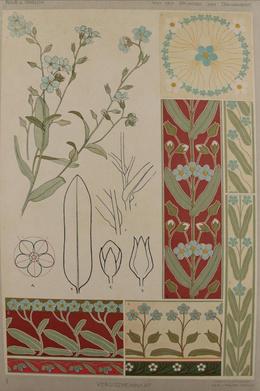
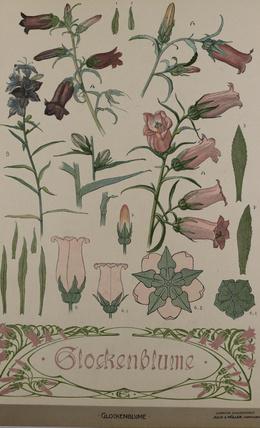
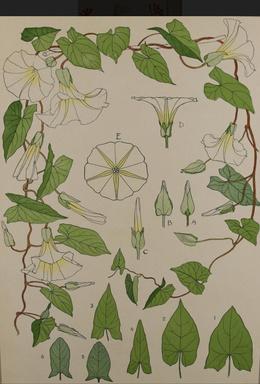
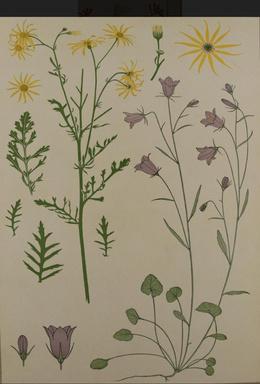
Ten pages from Von der Pflanze zum Ornament, (Plant to Ornament) by Kolb, G. and K. Gmelich 1902, Published and printed by Illig & Müller (German) Printed lithography 50.5X 35 cm ₹20,000 21.
This set comprises ten folios from Von der Pflanze zum Ornament (1902). Each page presents meticulously rendered botanical studies, where individual elements are first examined in isolation and then stylized into intricate pattern compositions These designs served as templates for transferring natural forms into ornamental motifs used across various applied arts and products during the German Art Nouveau movement.
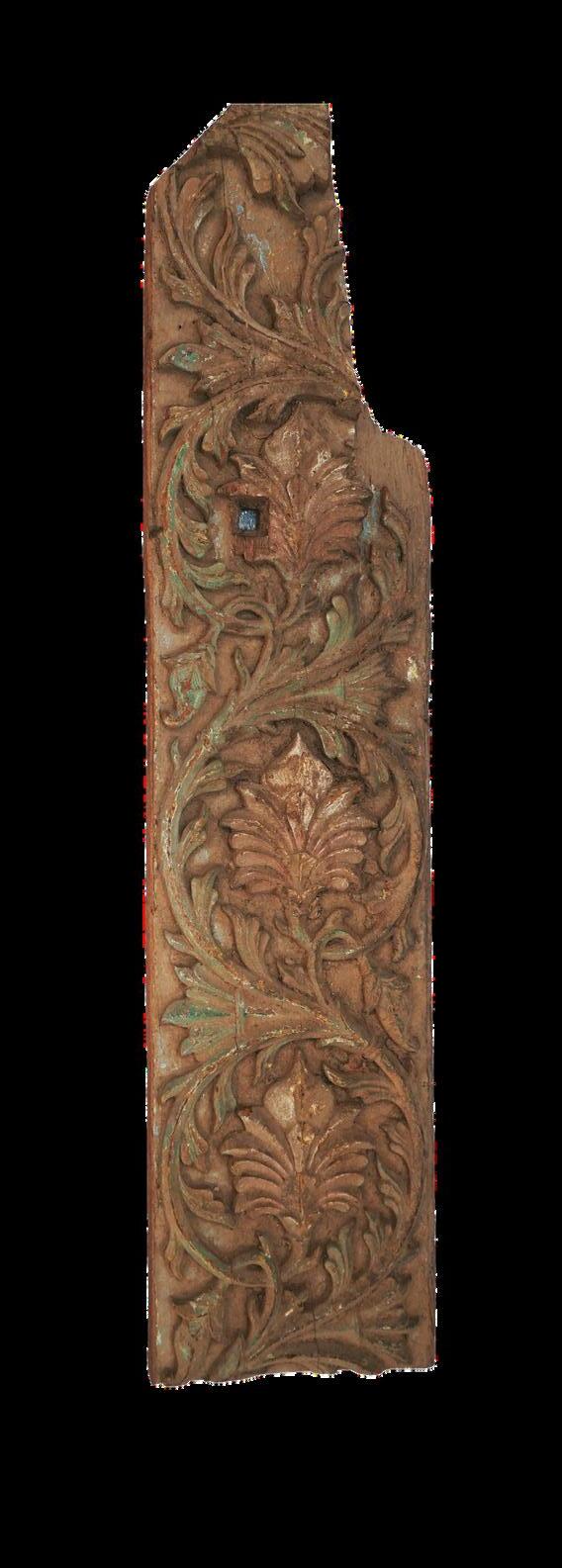
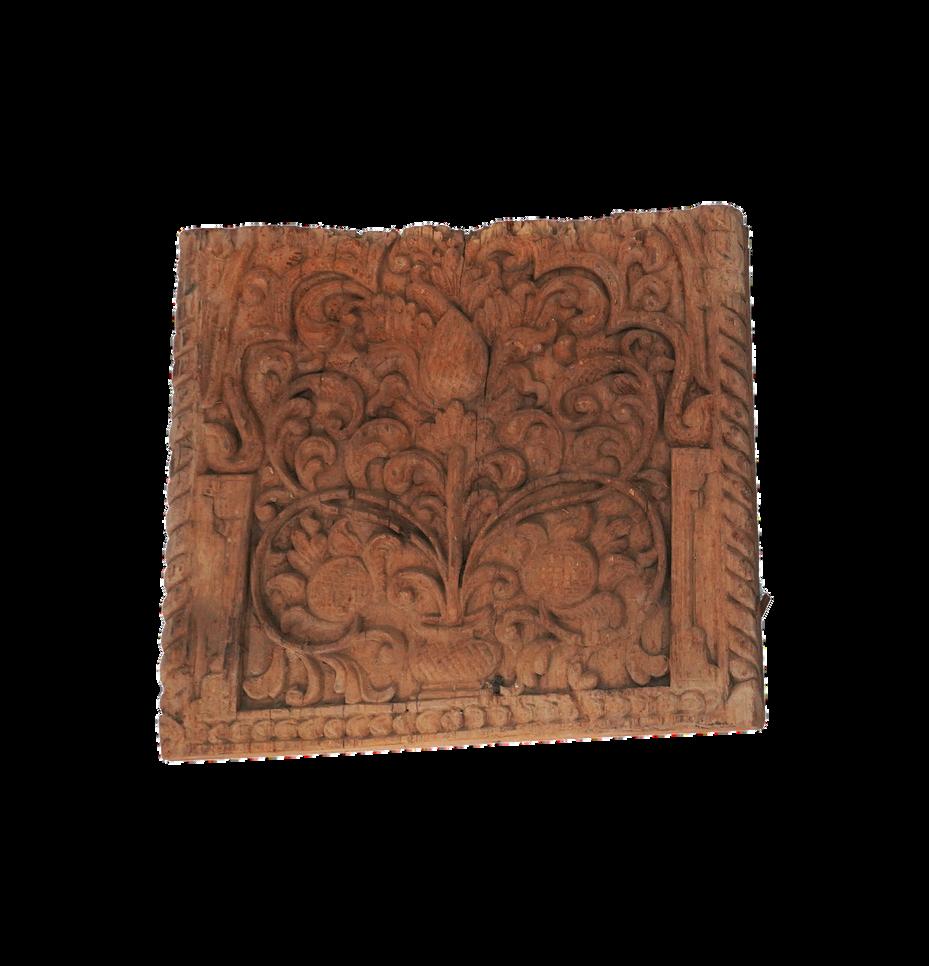
Carved fragment 20th century
Tamil Nadu
Jackwood/Teakwood
32x29cm
₹5,000
Carved panel 20th century
South India
Jackwood/Teakwood
102x23cm
₹7,000
An architectural fragment alive with a graceful creeper design. The curling lines and acanthus-like foliage whisper of European influence, while the bold, exaggerated bloom speaks in the lyrical idiom of the Deccan and South India Together, they embody a quiet dialogue between traditions.
Here is another architectural wood fragment where the aesthetics of India and Europe meet in graceful dialogue From a centrally placed lota emerges a stylised plant, its large blooms reflecting the Deccan idiom The flowing stems and dense, textured backdrop draw from the Art Nouveau and revivalist Arts and Crafts movements championed by design houses such as that of William Morris.
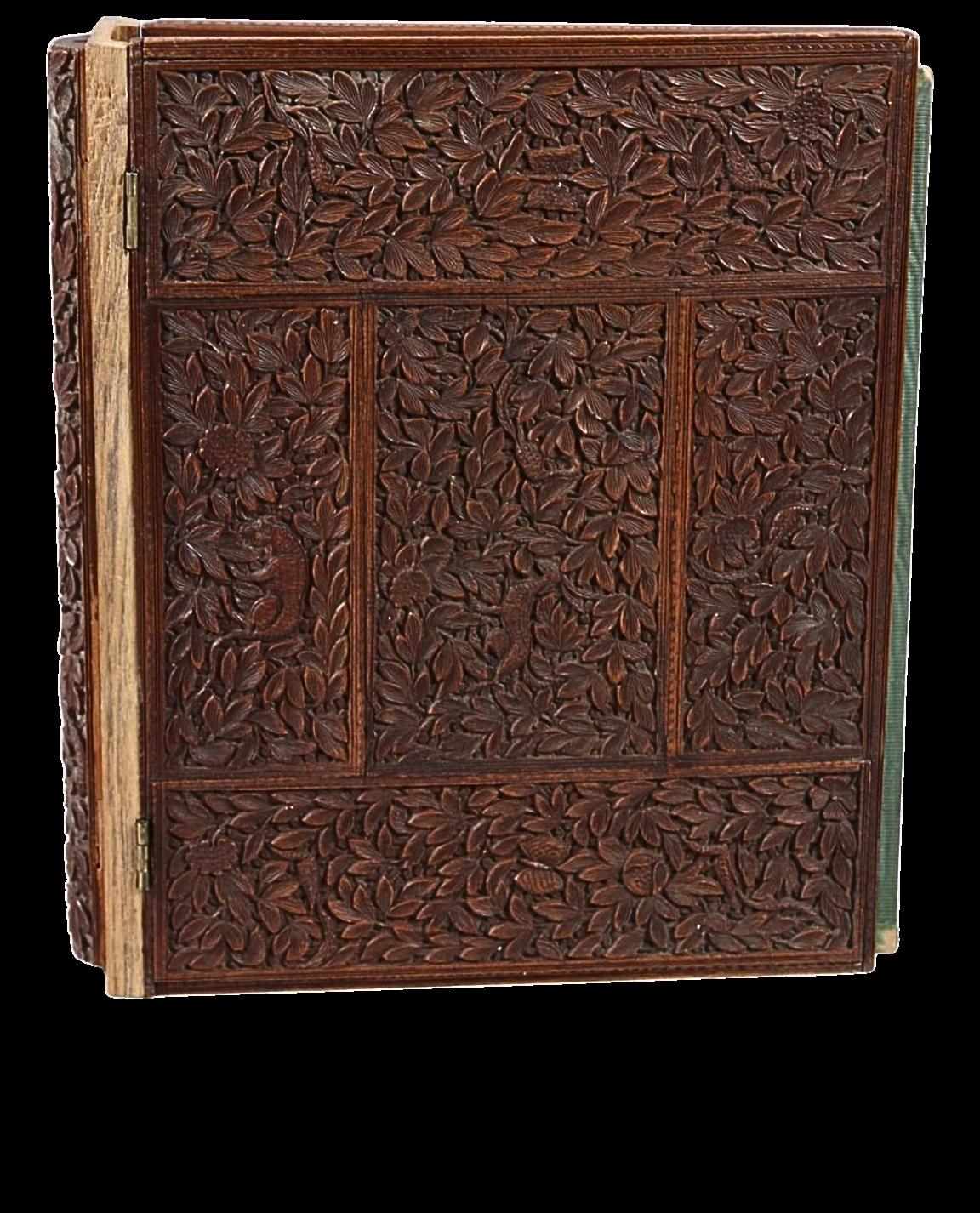
Decorative Bookcover
19/20 century th
Mysore
Sandalwood
20.32x25.4 cm
₹95,000
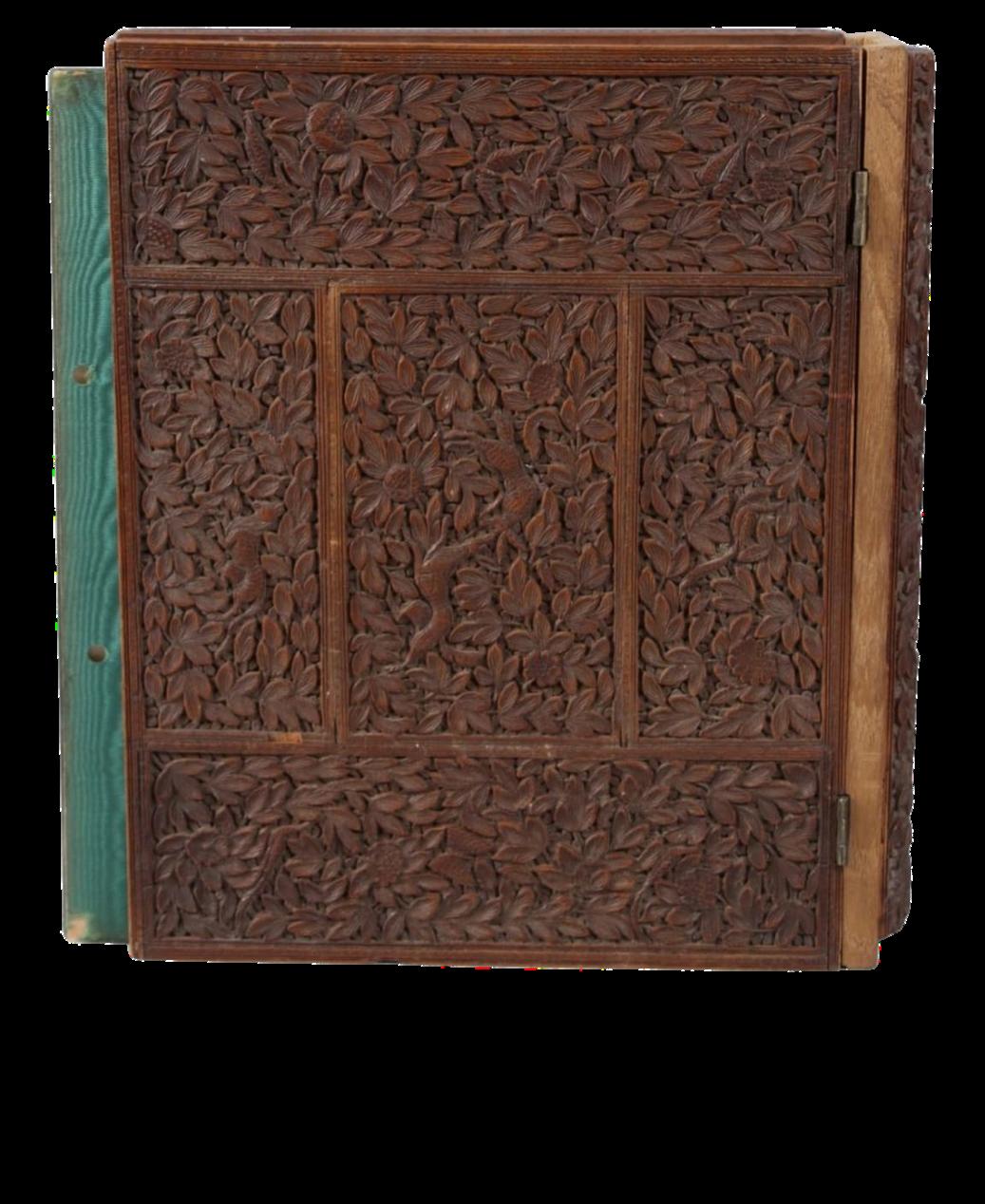
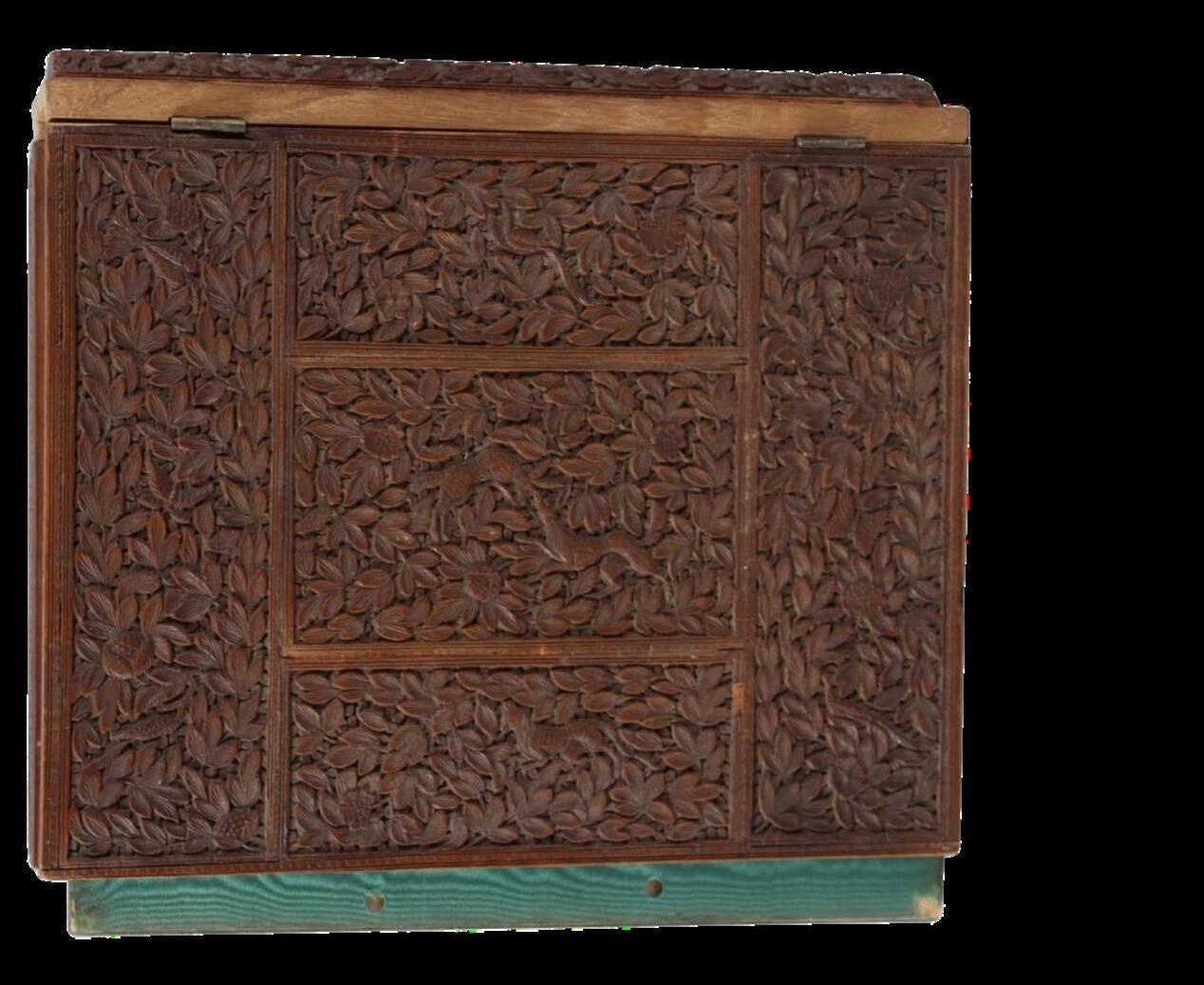
The mid-19th century witnessed the incorporation of fine Indian craftsmanship into new forms that catered to the tastes of a discerning European audience in the Victorian era. This trend can be traced to a select group of exquisite decorative objects commissioned for the Great Exhibition of 1851. Among the most celebrated were the intricate sandalwood carvings from present-day Karnataka, South India which were highly coveted for their extraordinary detailing rendered in contrasting degrees of relief.
These objects were created by a community of master carvers known as the Guligars, based in Mysore and the Canara region. Their works translated local artistic and architectural traditions into Western utilitarian forms like caskets, book covers, walking sticks, pen cases, and card holders, blending aesthetic finesse with functional appeal. Their craftsmanship found eager patrons among connoisseurs and the aspirational consumers of luxury goods of the time
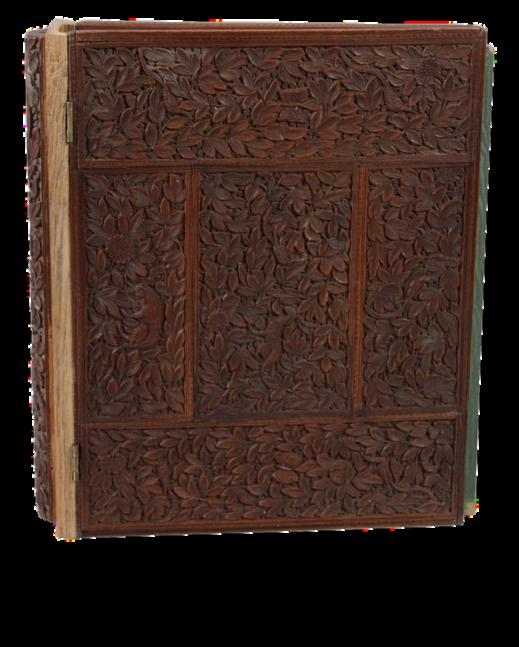
The book cover presented here is a fine example of this tradition. Three vertical registers are framed by two horizontal bands, all intricately carved with dense foliage A closer look reveals animals quietly nestled among the leaves, almost as if hidden in the forests of Bandipur, from where the carvers drew their inspiration.
₹2,25,000 25.
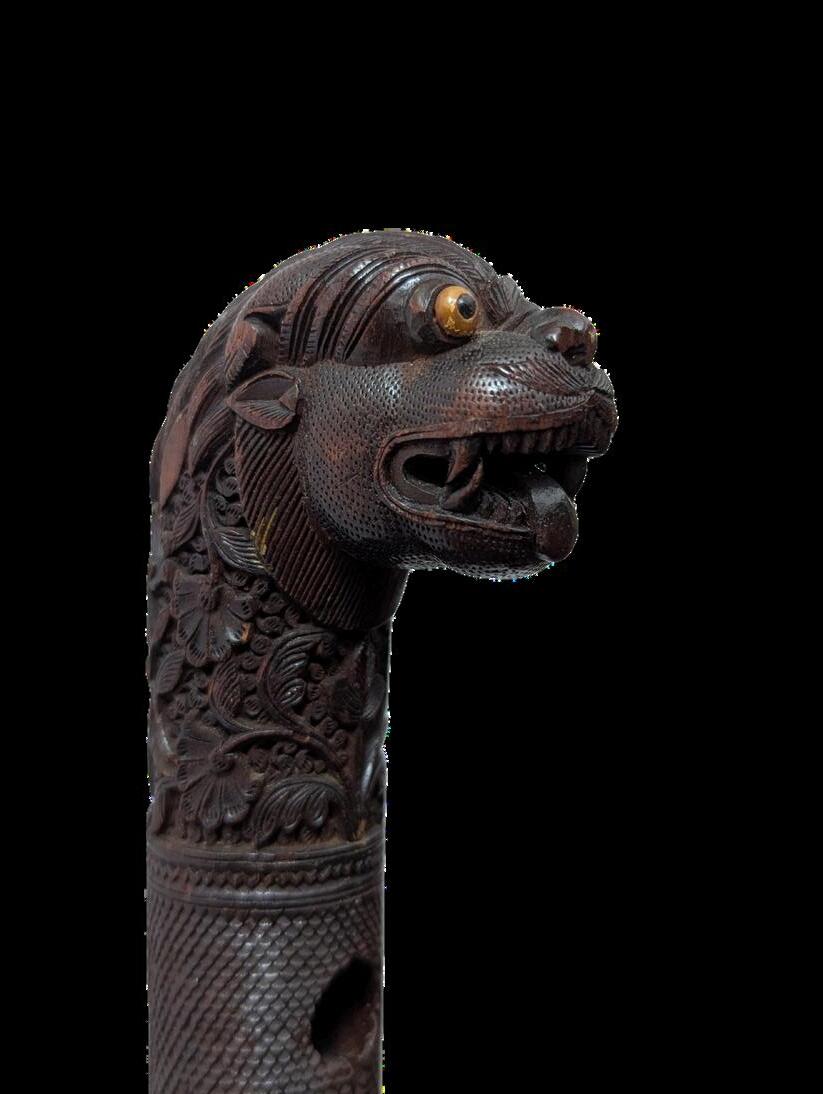
Intricately carved walking stick 20th century
Mysore
Tinted Sandalwood 96cm
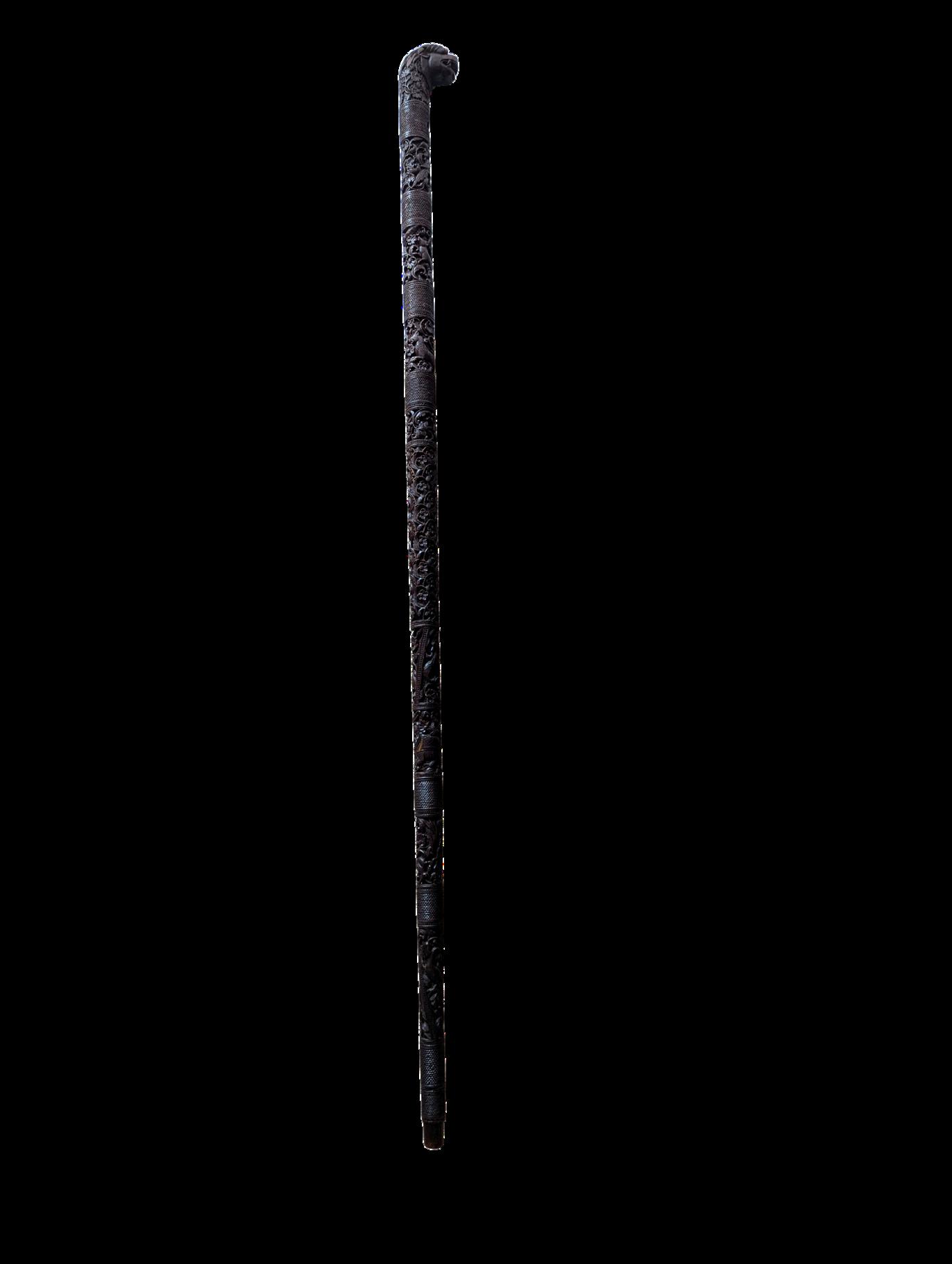
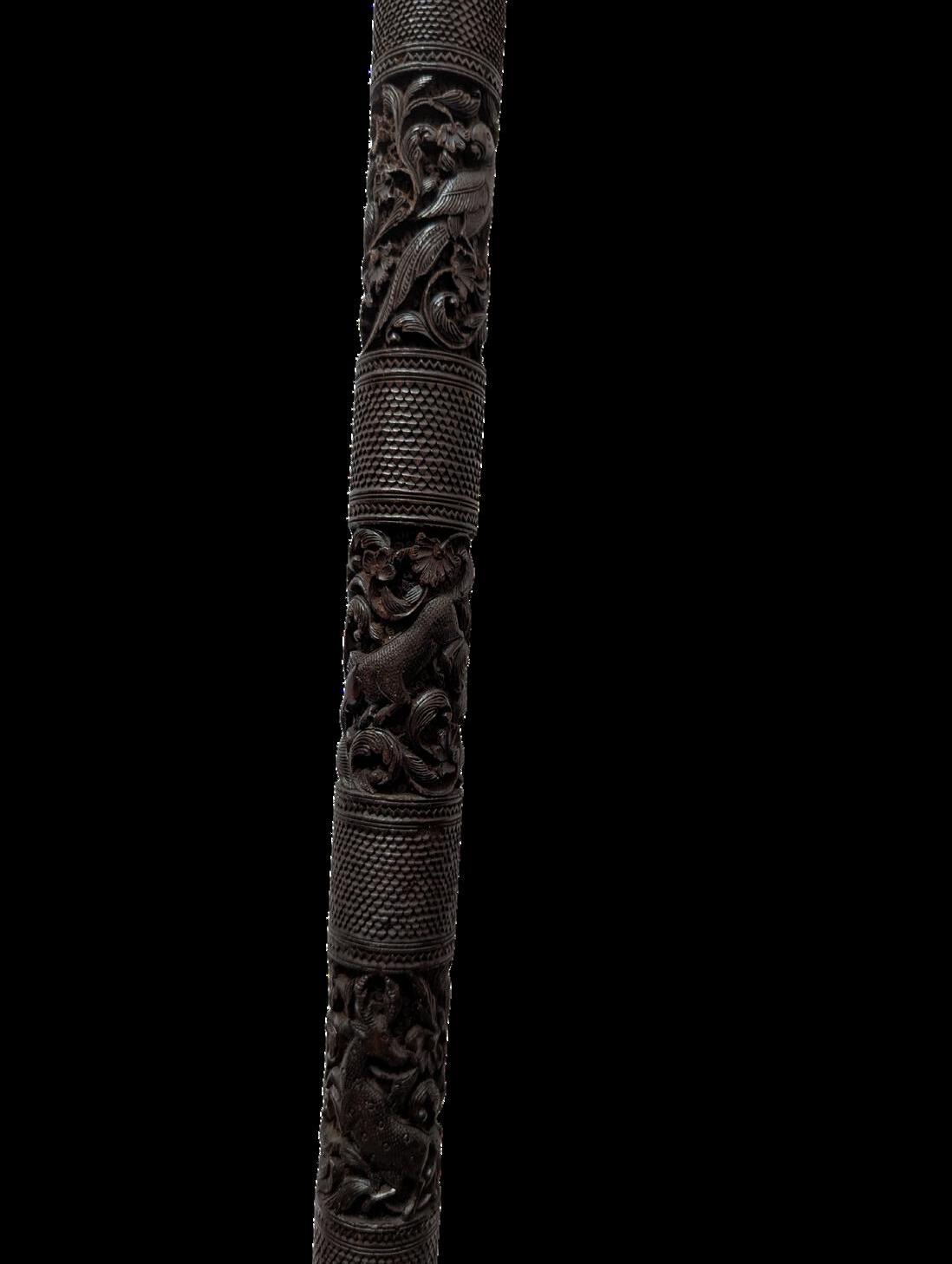
From the same artistic lineage as the book cover(23) comes this intricately carved walking stick, its surface alive with dense foliage interspersed with birds and animals Crowning the piece is a finely sculpted lion-shaped knob.
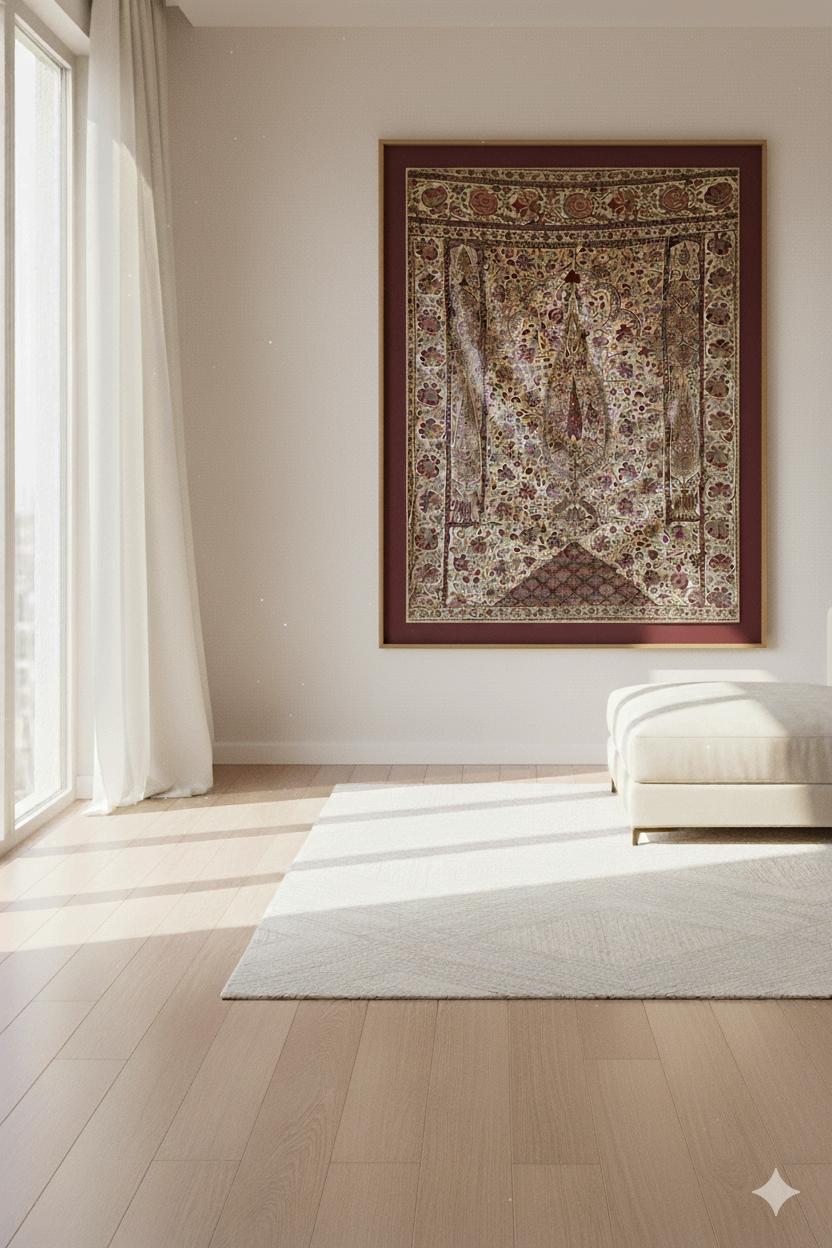
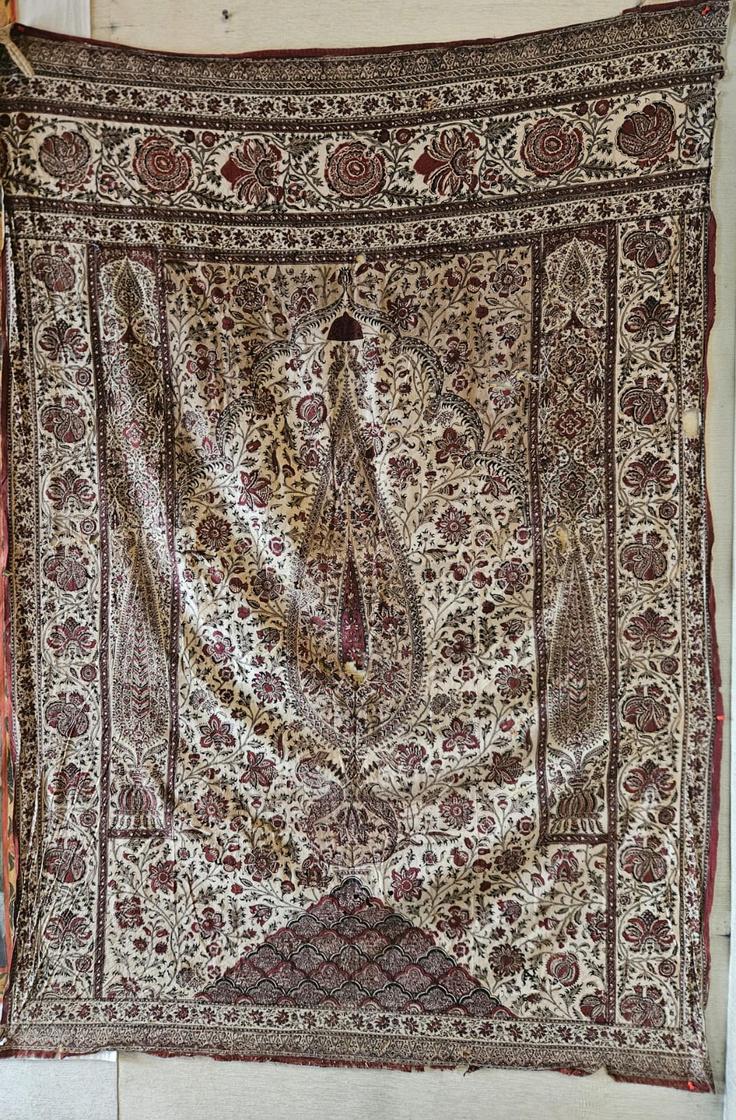
Chintz wall hanging 19/20 century th Machilipatnam, Andhra Pradesh
Block printed cotton 190x120 cm
₹2,50,000
A textile featuring a cypress tree rising elegantly from a central mound The composition, with its floral motifs and scrolling borders, closely recalls an example in the Victoria and Albert Museum (IS 130-1950), attributed to Machilipattanam Textiles such as this were hand block-printed and exported to Europe as palampores or chintz, adorning walls and furnishings in fashionable interiors. In this piece, a name inscribed in Persian or Urdu rests quietly within the parasol, perhaps that of the artist or a proud patron
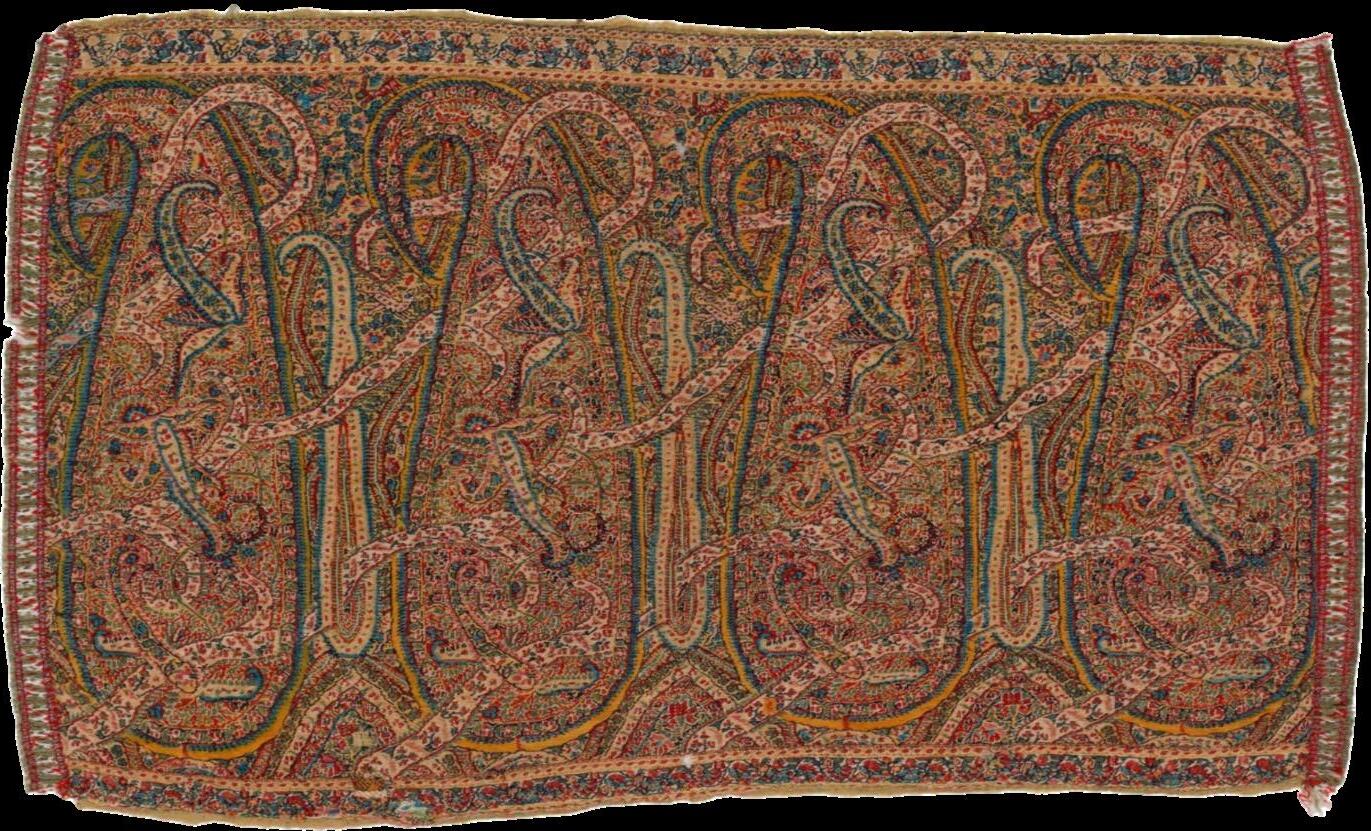
Pashmina Textile Panel
20 century th Kashmir
Woven wool
53x33 cm
₹50,000
A woven border fragment from Kashmir, featuring the timeless paisley motif, a form that traces its origins to the cypress tree of Persian art and gradually evolved into the curving, mango-like shape synonymous with Indian design today Woven with at least six shades of colour, this exquisite fragment stands as a testament to the mastery and finesse of Kashmiri weavers of yore.
Birds and magical winged beings have always brought a sense of wonder to the stories that accompany the festive season - the tales we were told as children, the ones we rediscover as adults, and those we now pass on to our own. This section is guided by these celestial companions - birds, angels, and other winged forms that invite the imagination to take flight.
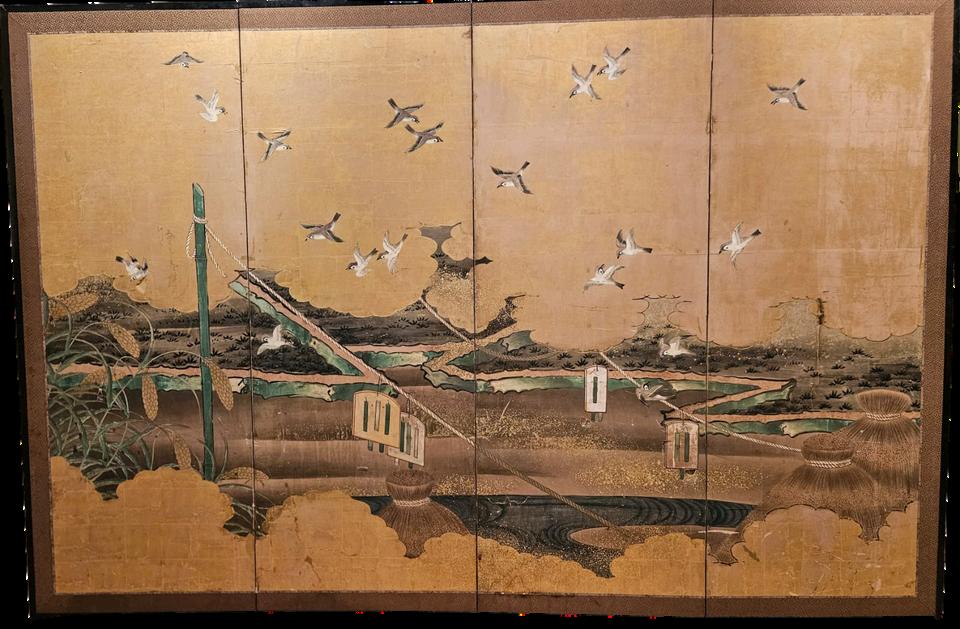
The opening piece is a magnificent Byōbu folding screen from Japan. From a bird’s-eye view, we peer through a gap in shimmering golden clouds into a world suspended in autumn light. Accompanying you on the same plane are birds fluttering above fields of maize, while wind chimes sway gently in the breeze, their sound keeping them from the grain below
We then encounter another ethereal being, an angel from Kerala, perhaps a Yakshi or Gandharvan, celestial spirits of beauty and grace who have found renewed resonance in contemporary film culture. The journey continues with a series of Hamsas (nos 30–32), the sacred swans of Indian mythology, mounts of Brahma and Saraswati, and in poetry, patient listeners and messengers of lovers
Our final encounter is with Kamadhenu, the divine cow and granter of all wishes To convey her magical power, she appears here in an anthropomorphic form -part woman, part cow; of course, she is winged!
Carved fragment of an Angel 18th century
Kerala
Jackwood/Teakwood
38x26cm
₹10,000
This fine wooden carving was likely part of a larger frieze It depicts a celestial being in flight perhaps an angel or a Yakshi. Beliefs surrounding Yakshis and Gandharvas, nature spirits revered for their beauty and ethereal presence, are deeply rooted in Kerala’s cultural imagination, with countless local tales woven around them. In recent years, these stories have found new life in contemporary film and popular culture.
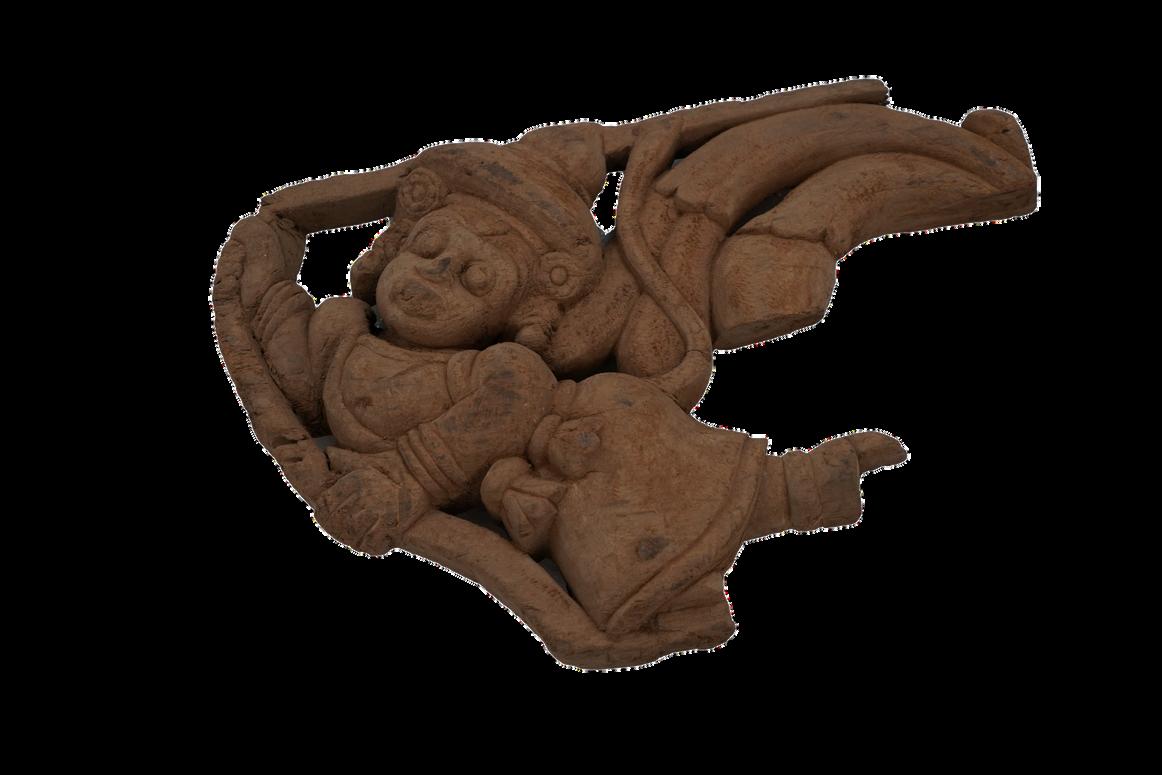
Intriguingly, the figure here is shown wearing what appears to be a flowing robe,a stylistic detail that may reflect European influence. The Portuguese first arrived in Kozhikode, Kerala, in 1498, over the centuries that followed, the European colonisers introduced new visual idioms that subtly blended with indigenous artistic traditions.
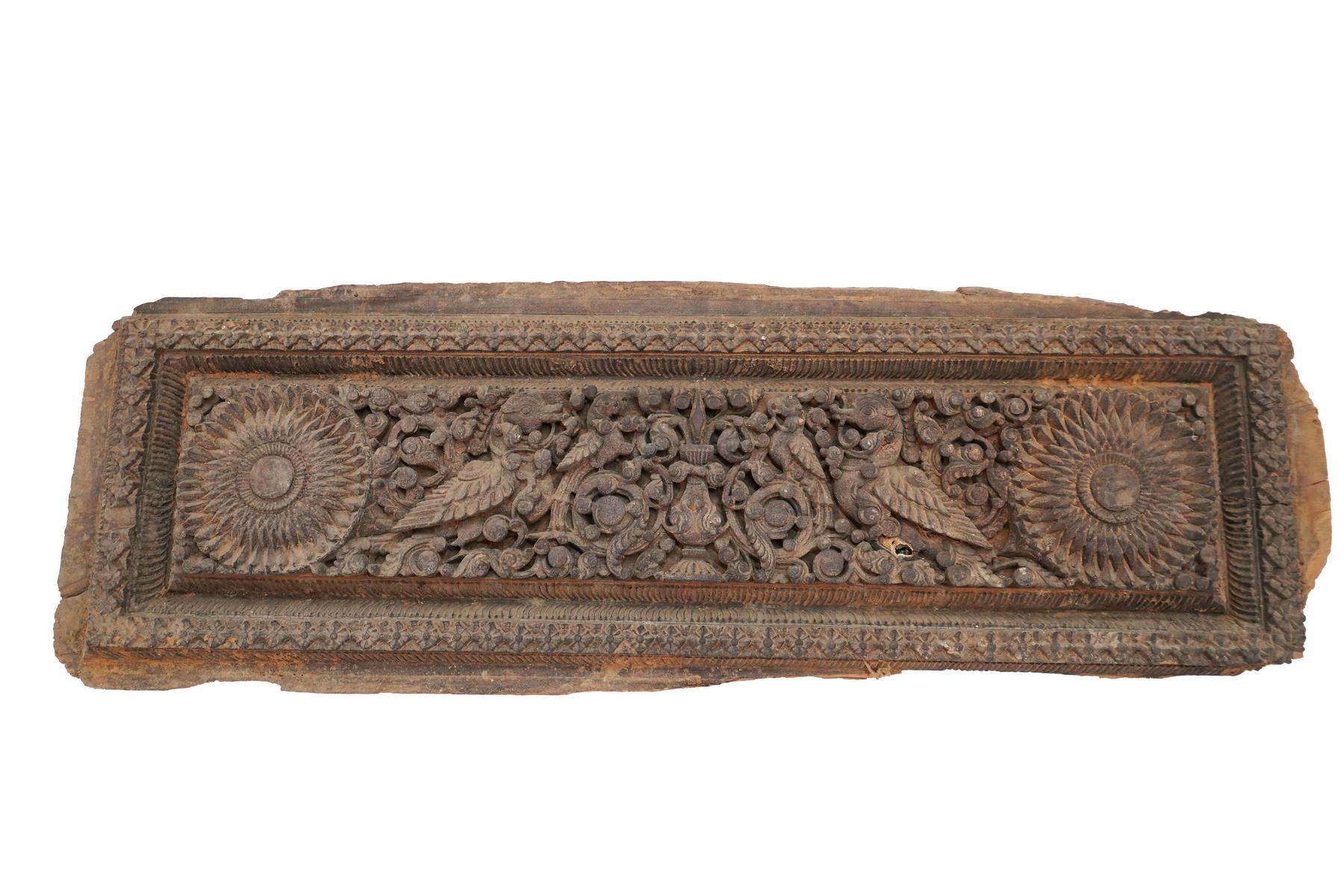
Door panel
19/20 century th
South India
Teak wood
77x26cm
₹45,000
This intricately carved wooden panel would once have adorned the interior of a traditional household, likely positioned above the doorway leading to an inner room At its centre, a stylised vase forms the focal point, flanked symmetrically by hamsas (swans), parrots, and circular medallions, all set against a backdrop of dense, scrolling foliage.
Carved architectural fragment of a Hamsa 20th century
Tamil Nadu
Jackwood 39x18cm
₹3,000
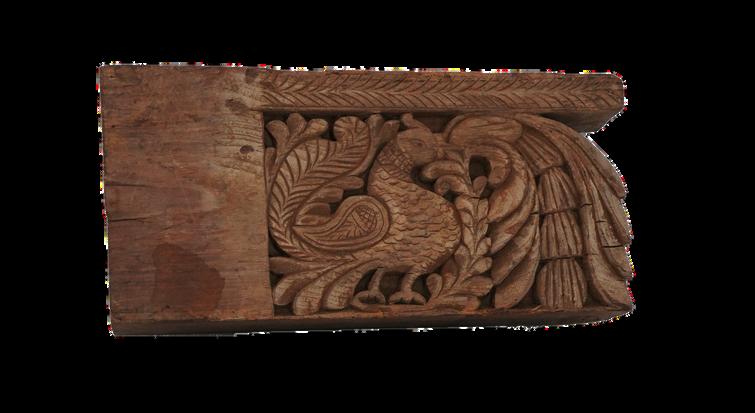
A hamsa is delicately carved onto this architectural fragment, possibly once part of a bracket The lines are fluid and voluptuous, imbued with a lyrical sense of movement. Ornamental yet graceful, the form would have enlivened the space it adorned
Carved architectural fragment of Hamsas 19/20 century th Kerala
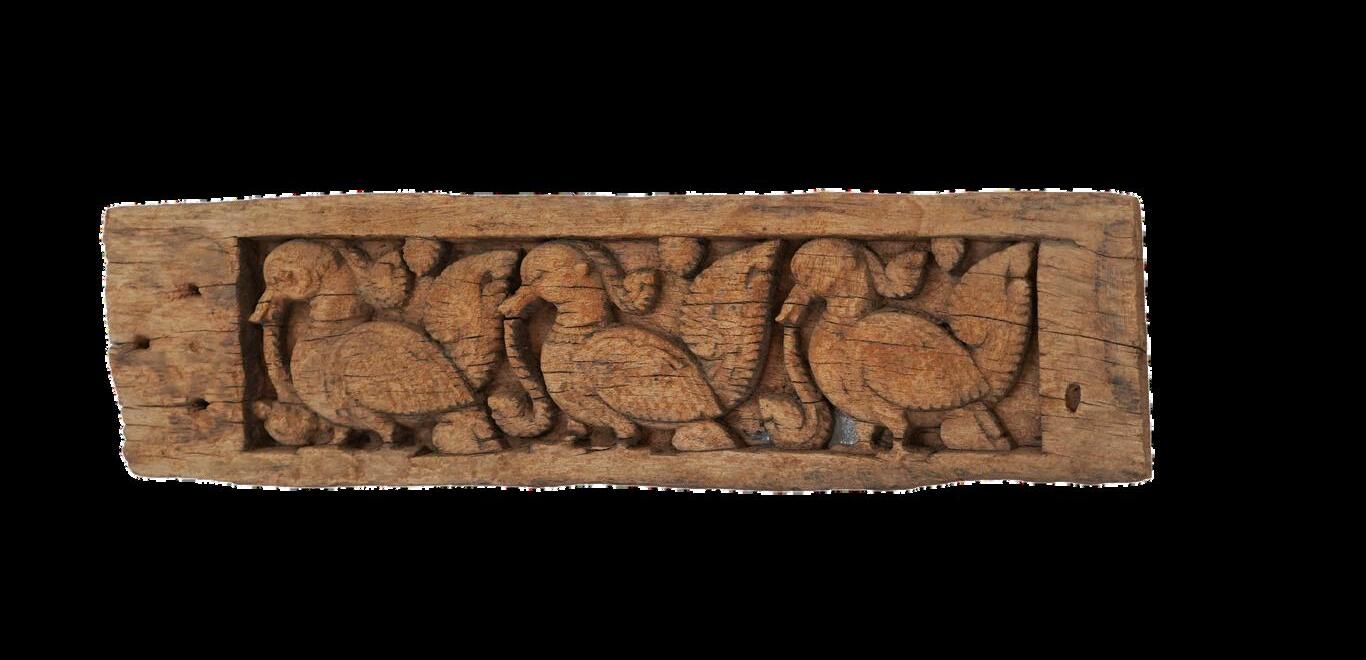
Jackwood 64x17cm
₹10,000
Three hamsas glide in graceful procession, carved in alignment like a celestial parade. This fragment was likely part of a longer frieze or border, reminiscent of those seen in Hoysala temples. It is believed that artists from the Hoysala region travelled to Kerala, where their influence shaped some of the earliest surviving wooden architectural works.
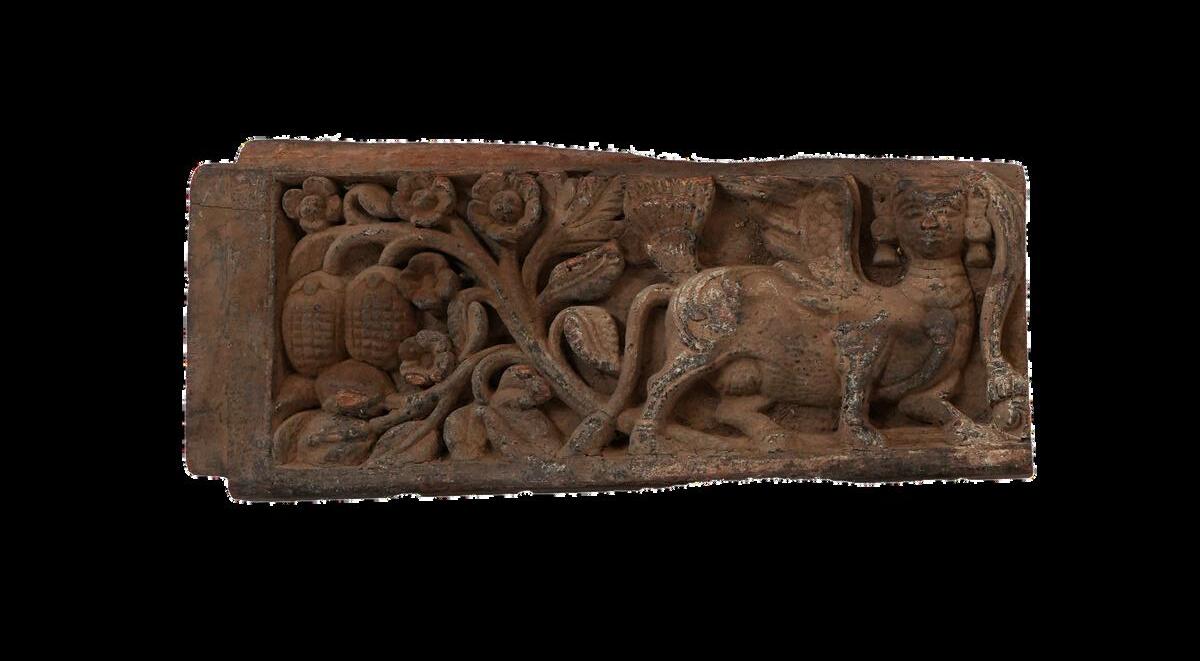
Architectural element with Kamadhenu 19/20 century th Tamil Nadu
Teakwood 34x17cm
₹5,000
Kamadhenu, the mythical wish-granting cow, is depicted here in a carved architectural fragment. Also known as Surabhi, she is said to have emerged from the Samudra Manthan, the cosmic churning of the ocean and to reside in the hermitage of Sage Vasistha as the divine mother of all cattle In this panel, that sacred narrative takes form through an anthropomorphic depiction: the head of a lady upon the body of a cow The addition of wings, though not canonical, imbues her with a celestial grace, a touch of magic that transforms the sacred into the sublime.
The festive season is not only a time for major celebrations such as Diwali and Christmas, but also for countless smaller, intimate gatherings - family weddings, regional festivals, and temple utsavas that bring people together in joy and devotion. This section is an ode to those deeply personal memories that shape our sense of home, belonging, and continuity
The first piece in this section is a traditional cash box, once used by accountants and administrators to store documents and stationery Over time, boxes such as these found their place in households, where women of the family used them to keep bills, letters, and everyday accessories For me, this form evokes the quiet nostalgia of home, the small yet significant objects that held the rhythm of daily life.
The next piece, a textile in the style of a Pichwai, belongs to the Pushtimarg sect, which lay at the heart of the Bhakti movement Known for their elaborate rituals, Pushtimarg followers celebrated devotion not only in temples but also within their homes. This particular textile served as a Simhasan, or throne cover, placed behind the deity during worship, a symbol of reverence and intimacy in devotion.
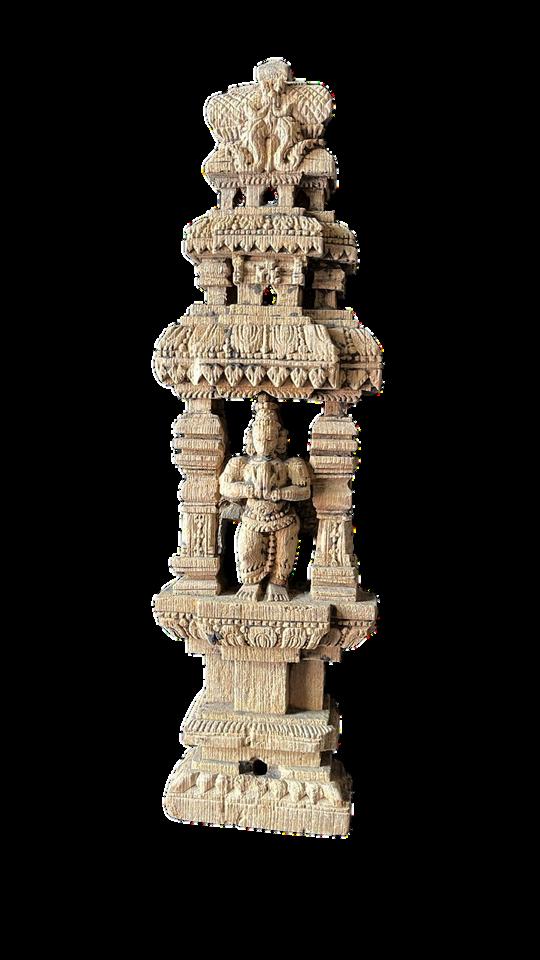
Objects 35 and 36 were once part of processional temple chariots, used during grand festivals. Because of the ephemeral nature of wood, such chariots were replaced over time Yet, each individual fragment, which originally fitted together like pieces of lego, remains a complete work of art in itself, a testament to an artistic tradition that must be preserved
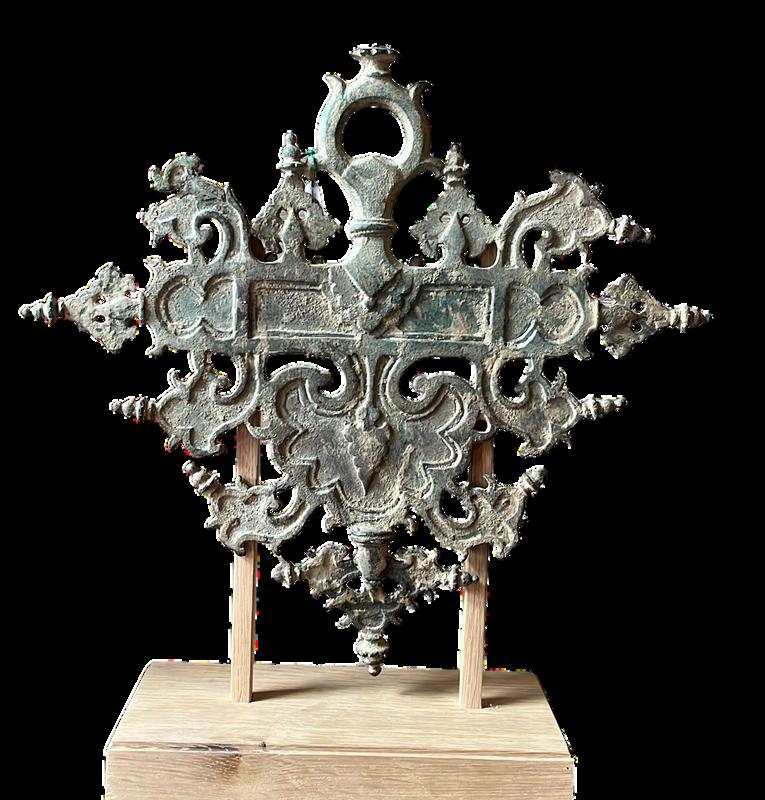
The final piece in this catalogue is a chariot fixture from the Khmer period in Southeast Asia Like the South Indian chariot panels, it too once adorned a vehicle of ritual procession, but from a distant land. It stands today as a symbol of enduring reverence, a reminder of shared traditions that transcend geography, and of our responsibility to preserve, sustain and carry forward.
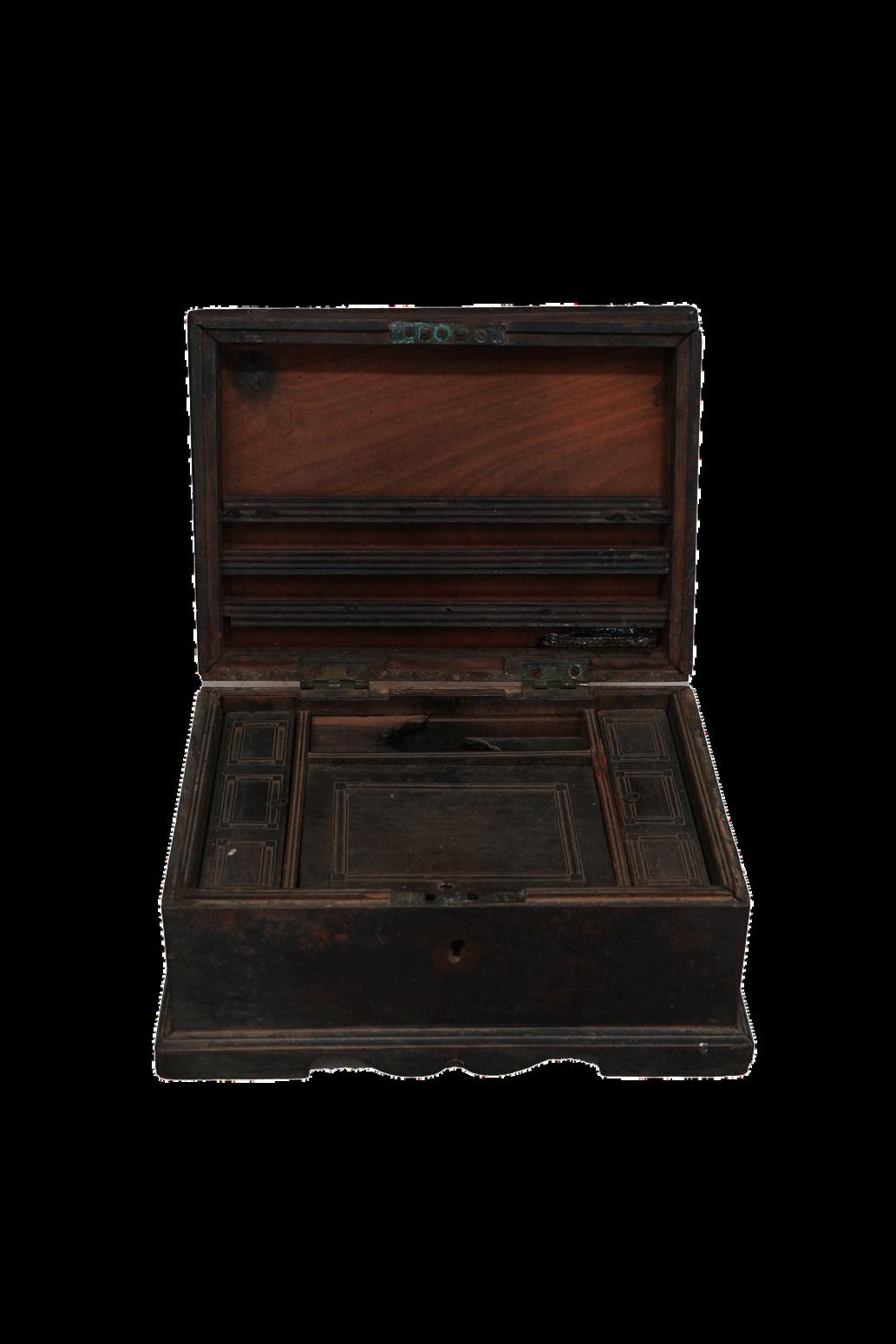
Cash box 20 century th Tamil Nadu Teakwood
34x25x17 cm
₹10,000
This is a traditional cash box, once used by accountants and administrators to store documents and stationery. Over time, in the late 20th century, these boxes were repurposed and found their place in households, where women of the family used them to keep bills, letters , and everyday accessories They hold a the quiet nostalgia of home, the small yet significant objects that held the rhythm of daily life.
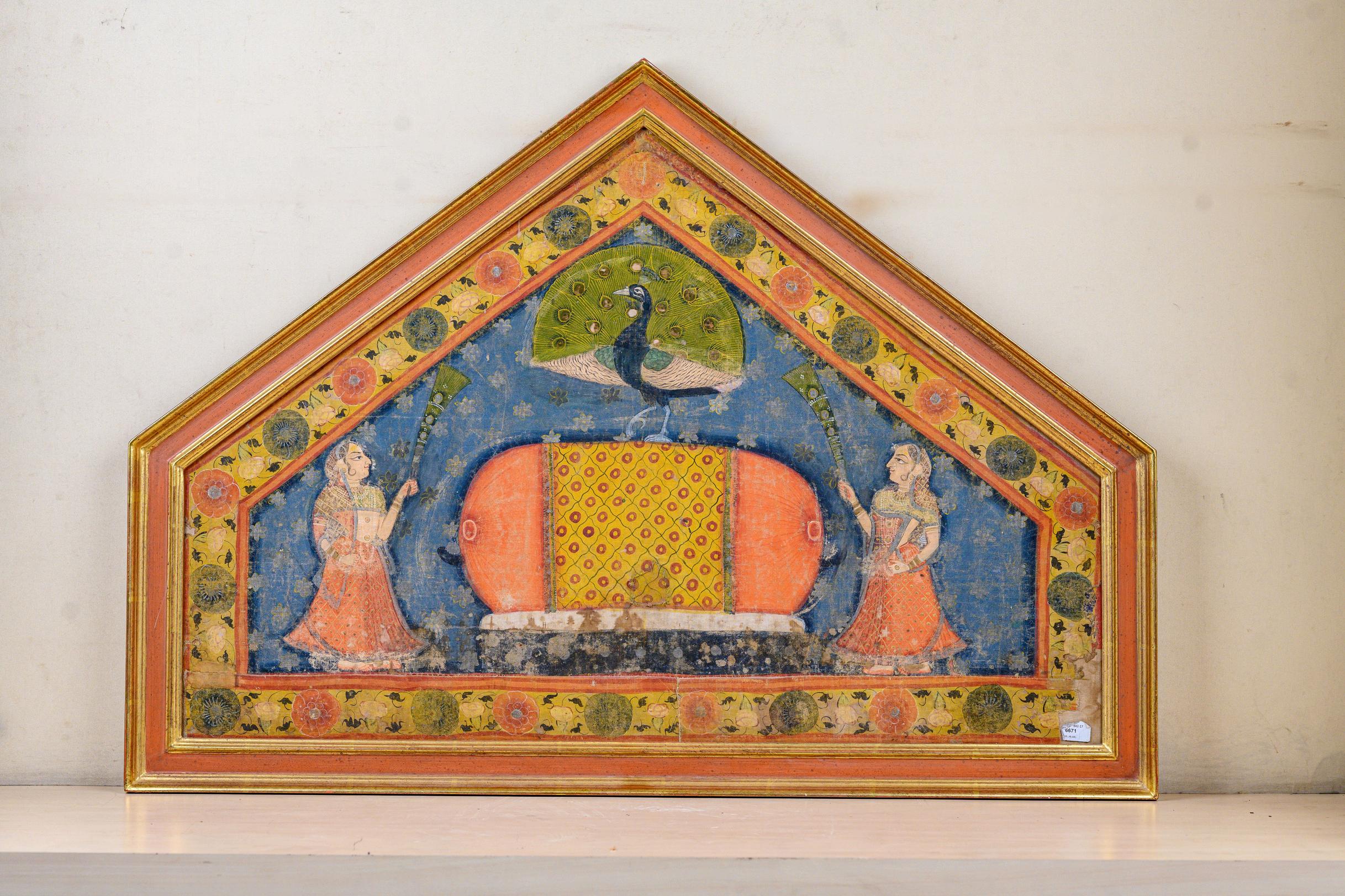
35.
Simhasan textile
18 century th Nathdwara
Natural Pigments on cotton
76.5x 51.5cm
₹70,000
From the rich tradition of Pichwai textiles of the Pushtimarg sect comes this Simhasan textile This pentagonal piece once served as a throne cloth, placed behind the deity, a detail echoed in the depiction of the opulent bolster wrapped in a Bandhani cover On either side stand two devoted gopis, gracefully holding fly-whisks to fan the divine presence, while at the apex, a peacock dances in reverence.
Registered Antiquity
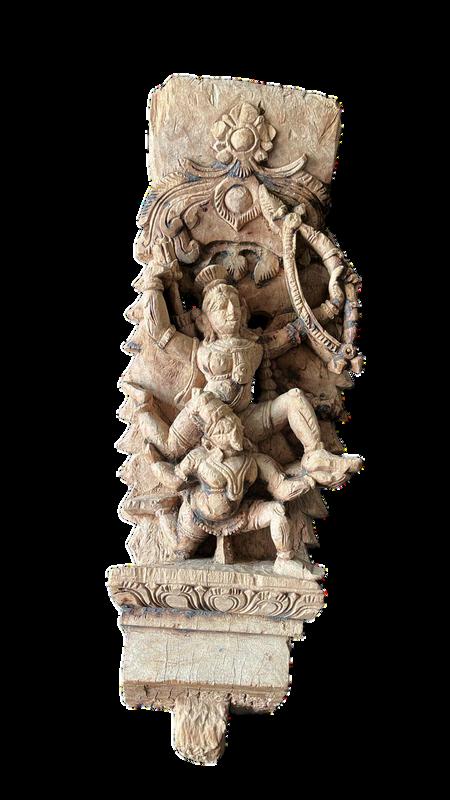
Rama taking aim
Less than 100 years
Tamil Nadu
Jack wood/Teak wood
48.26x17.8cm
₹30,000
In this panel, we see Rama in dynamic action, drawing his bow with focused precision He is seated atop Hanuman, who, with his immense strength and unwavering devotion, lifts the hero skyward The image beautifully captures the union of divine power and devotion
Garuda in a pavillion
Less than 100 years
Tamil Nadu
Jackwood/ Teakwood
55.9x17.8 cm
₹39,000
In this panel, we encounter Garuda, the mighty mount of Vishnu, standing in reverent posture within a temple pavilion, his hands folded in devotion.
₹1,20,000 37.
Chariot fixture
Bronze 14 century th Khmer, Laos 44 cm
This is a bronze chariot fixture from the Khmer period in Southeast Asia. Like the South Indian chariot panels, it once adorned a ritual procession vehicle. Its gracefully curved, pointed elements, intricate composition, and distinctive metal patina are key attributes for its historical and artistic attribution.
Registered Antiquity