Natalie Molczyk
I am a second year Interior Design student at Kent State University. I have had a passion for artistic endeavors since childhood, constantly doodling over my homework assignments and jumping from one craft to another. In middle school, I had the opportunity to explore different mediums through a required art course and started painting regularly. I pursued still life painting and drawing, as well as some photography throughout my high school career.
During the COVID-19 pandemic in 2021, I decided to renovate my bedroom, which had been the same since childhood. The process of picking paint colors and finding new furniture that would fit in the strangely shaped space was both complex and inspiring, pushing me to search for new solutions whenever I hit a roadblock. It was this expreience that propelled me to explore interior design. Its extensive possibilities and unique problems keep me eager to continue in the field.
Currently, my interest is in residential and small-scale hospitality programs. The projects featured in this portfolio highlight the usage of bright pops of color in spaces, occasionally in unusual ways.

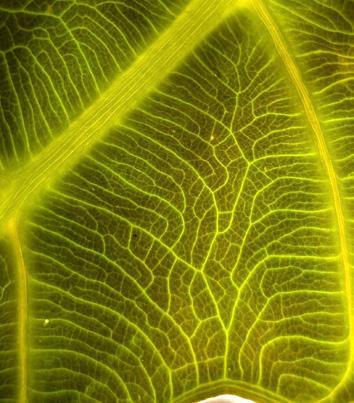
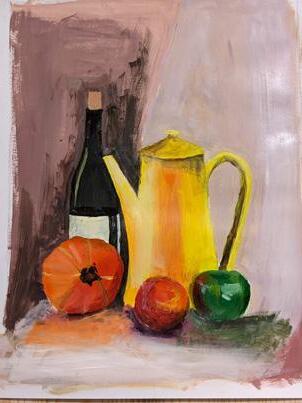
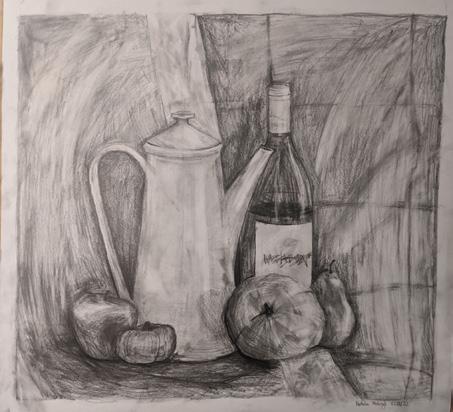

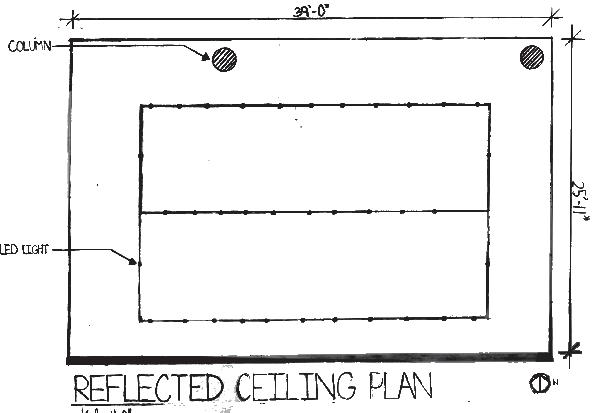
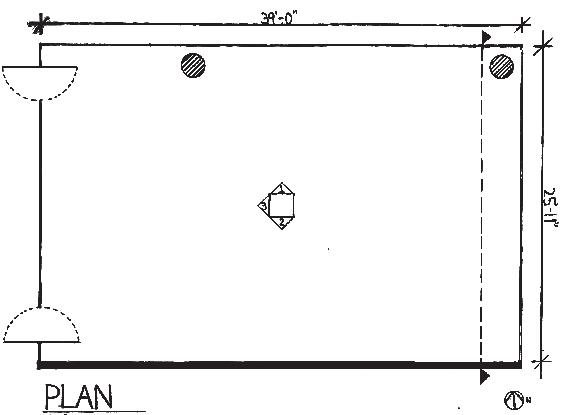
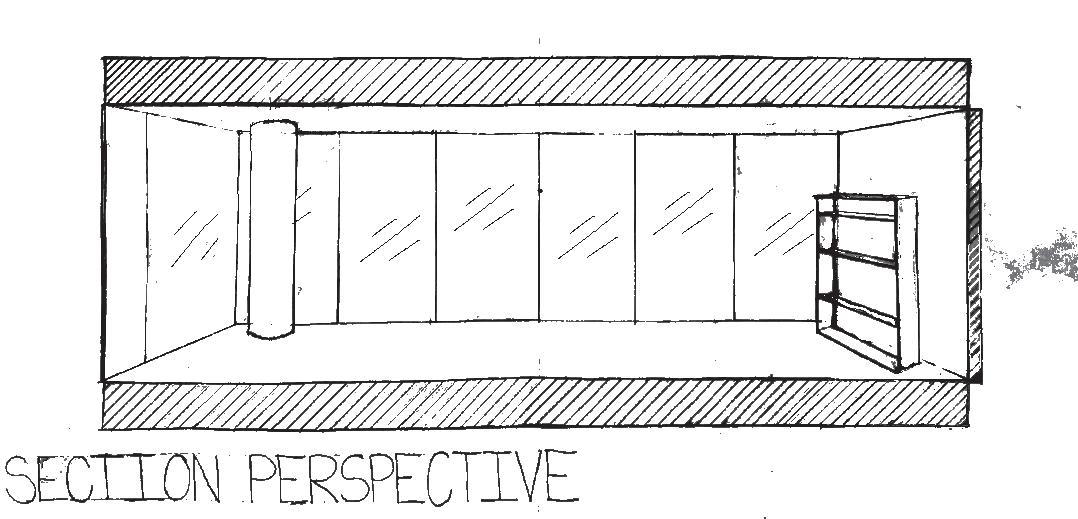
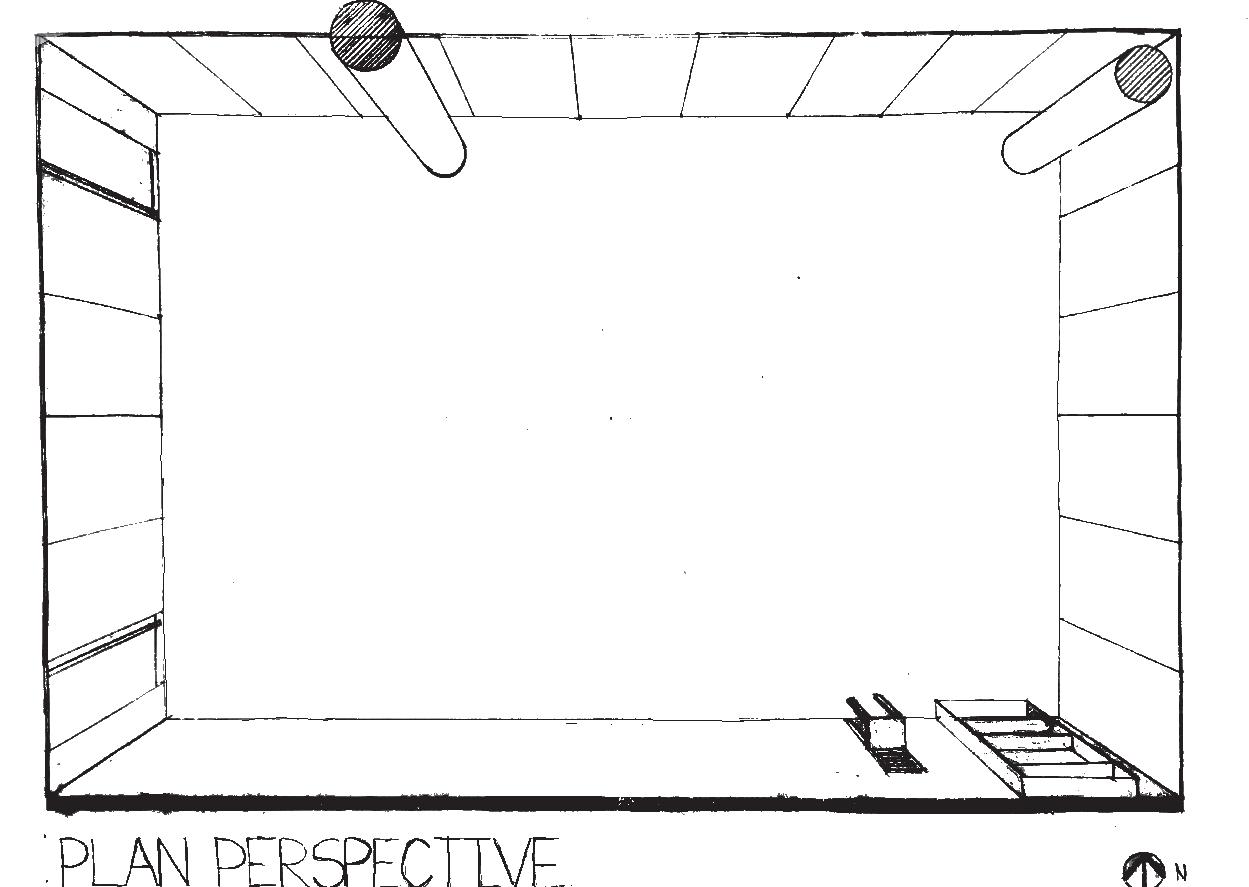
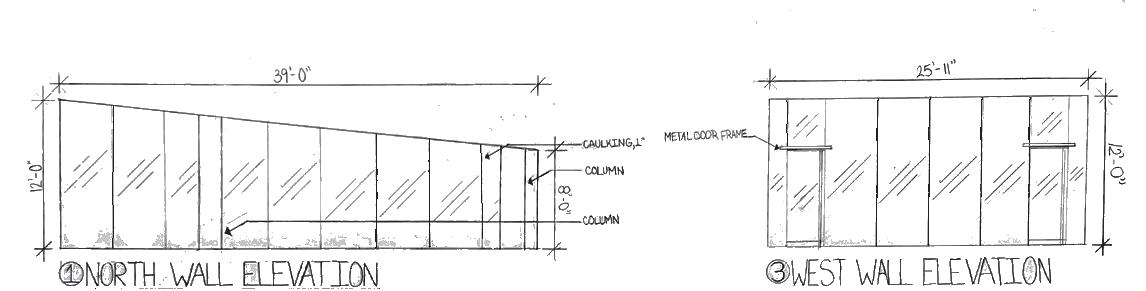
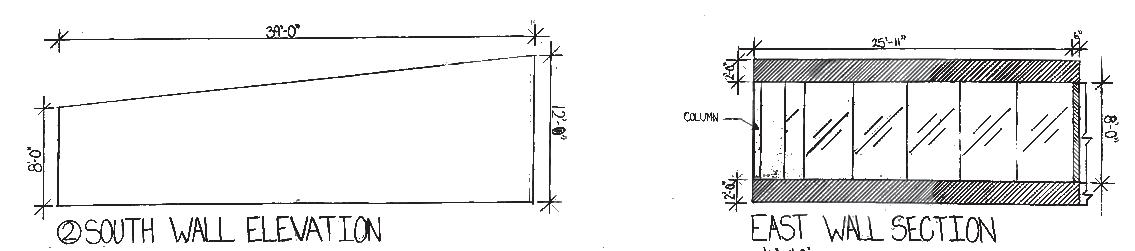
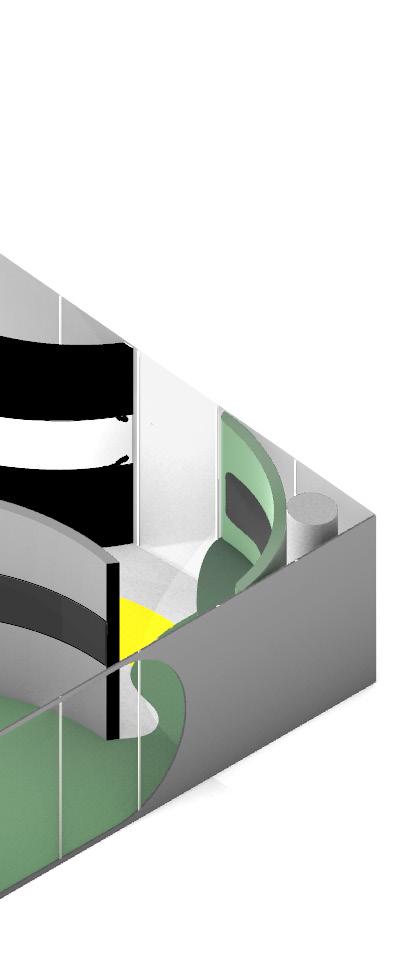
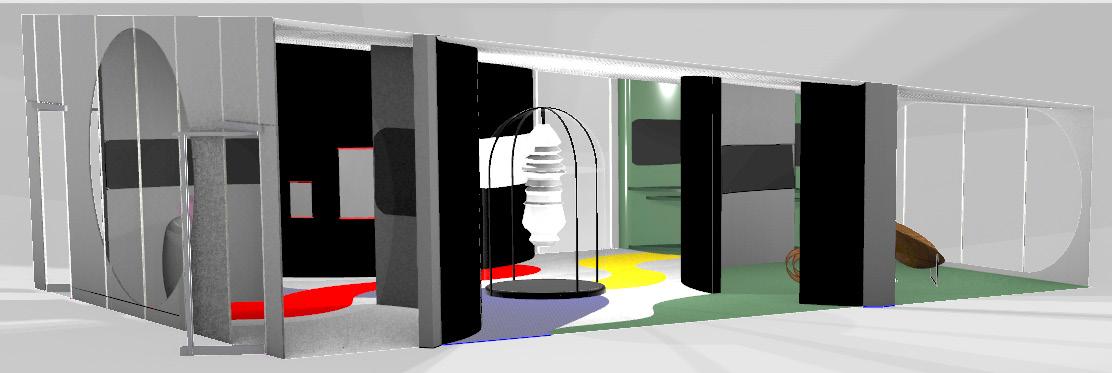
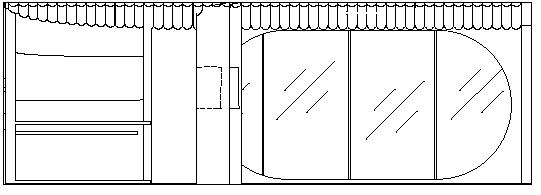
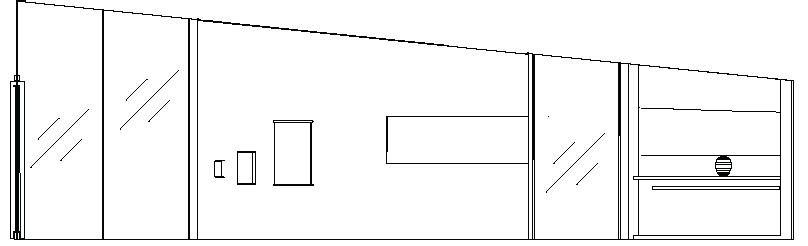
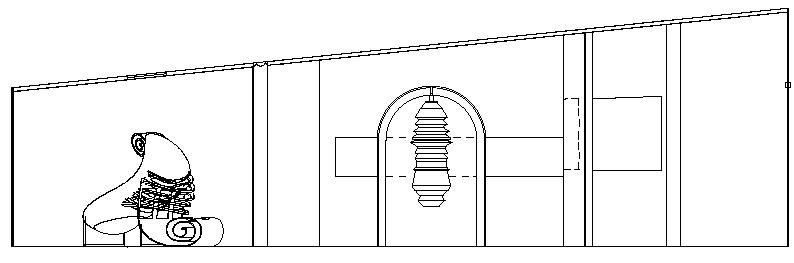
In order to produce these orthographic drawings of the critique box on the third floor of the John Elliott Center for Architecture and Environmental Design, all measurements were taken by hand and, translated first into rough sketches , then followed by properly scaled and measured drawings. This information was also used to recreate the critique box in Rhino7 as a foundation for the following project, “Art Museum”.
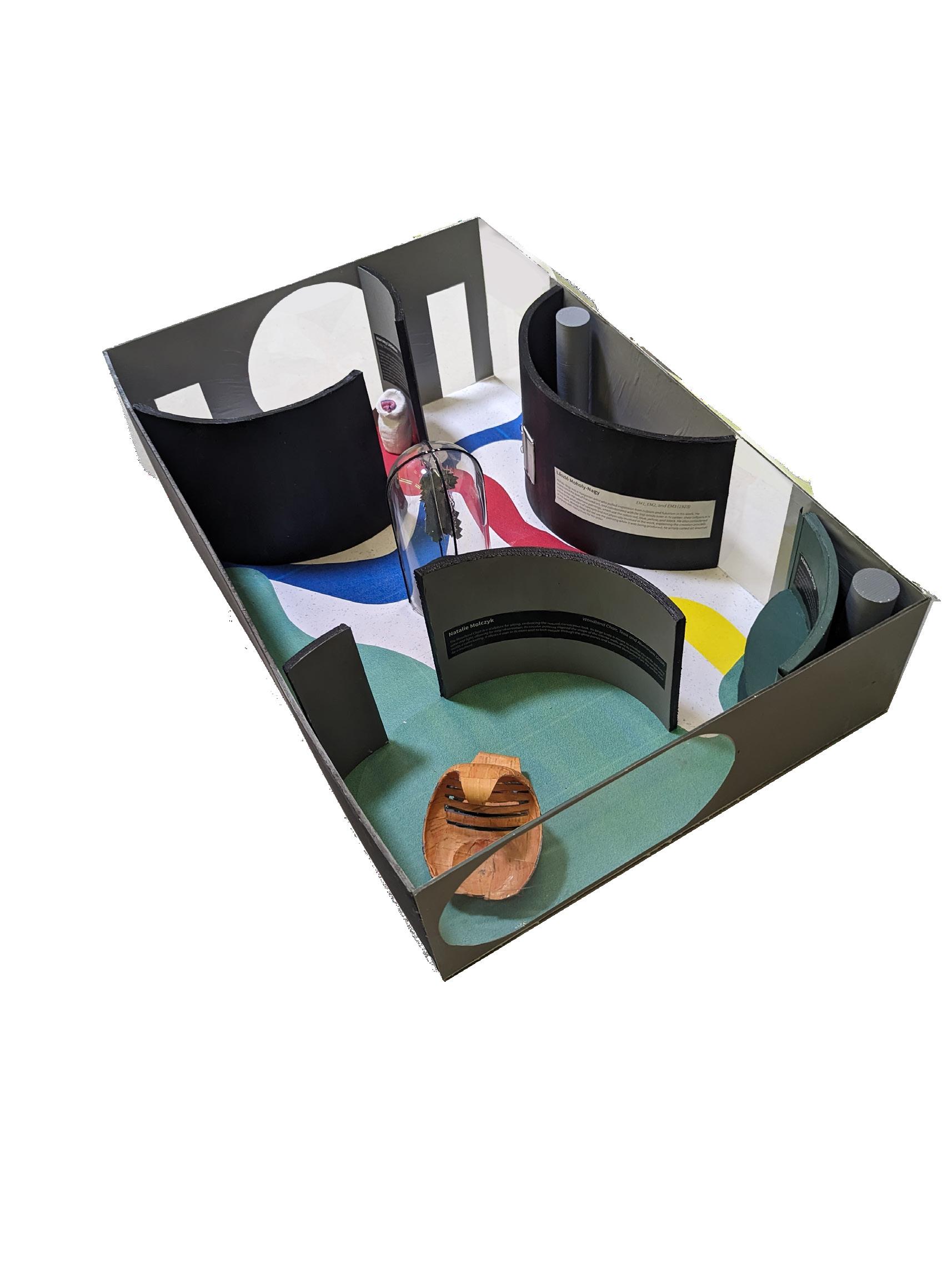
“Circular shapes evoke feelings of harmony, unity, and inclusivity in the mind because of their symmetry and lack of hard edges. The smooth, flowing nature of circles creates a sense of completeness that can be calming and reassuring.”
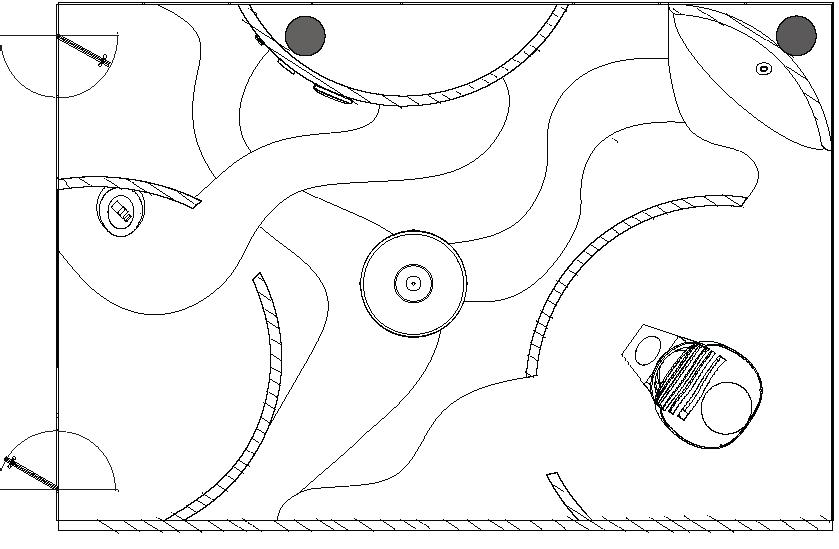
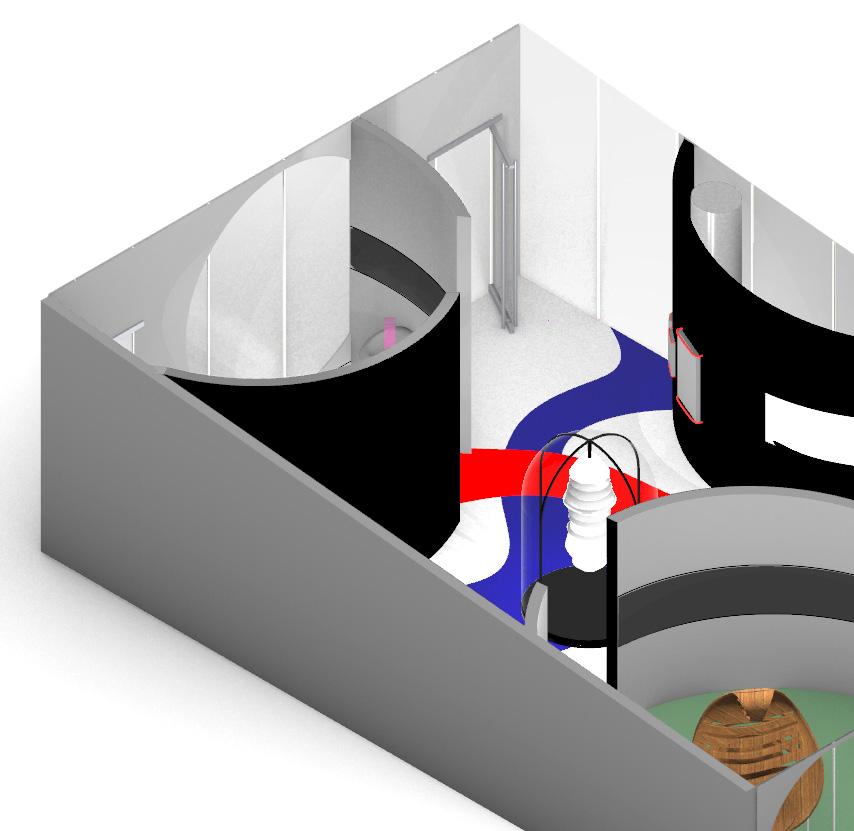
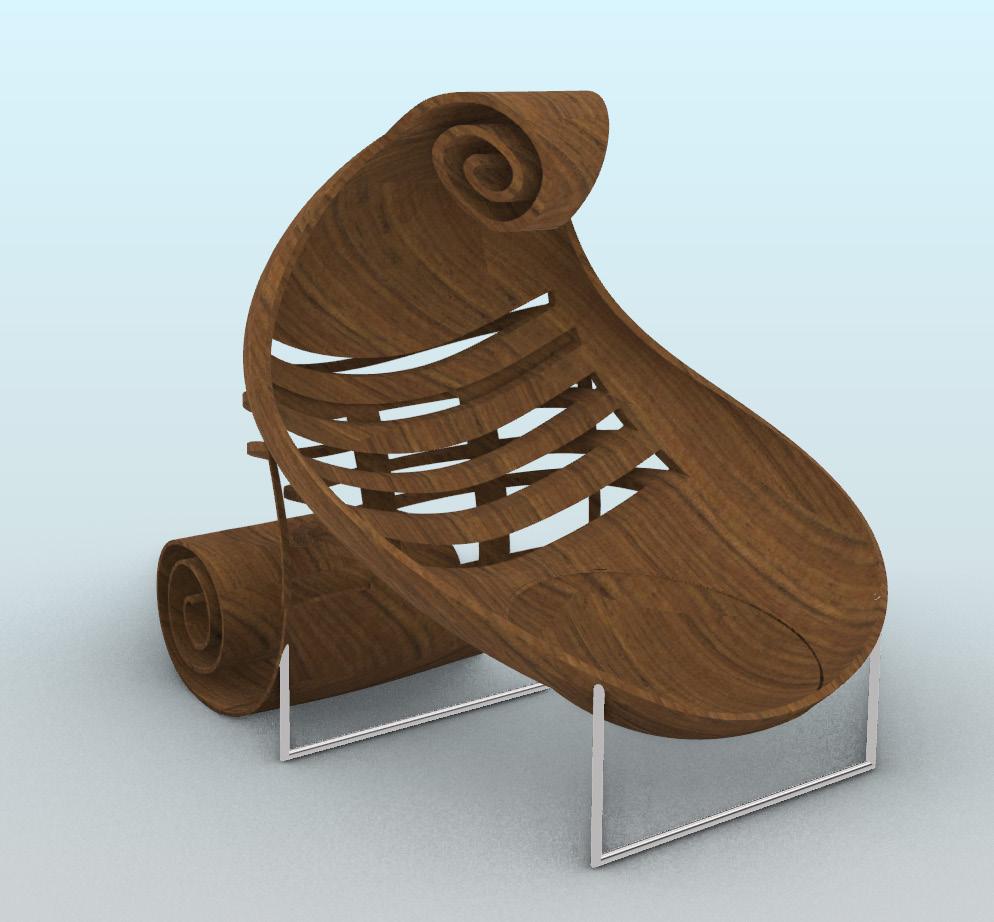
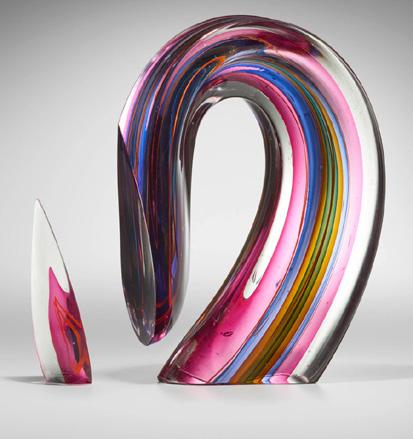
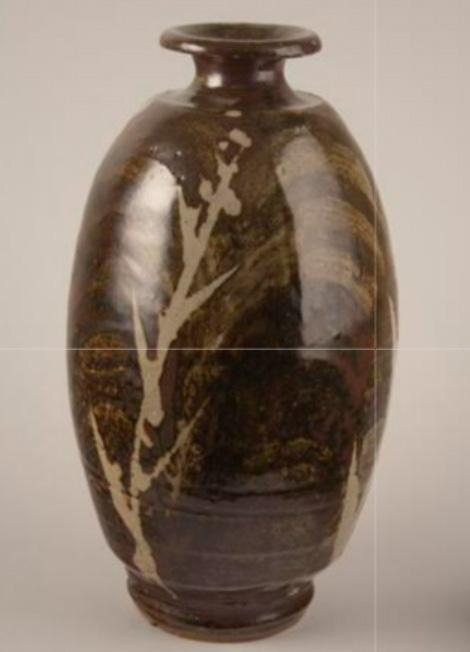
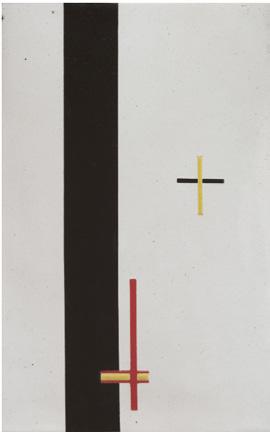
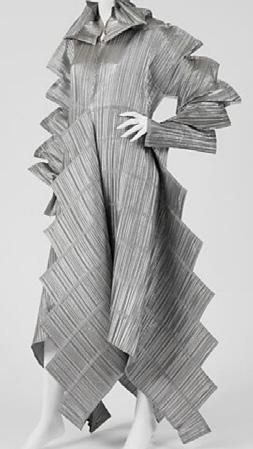
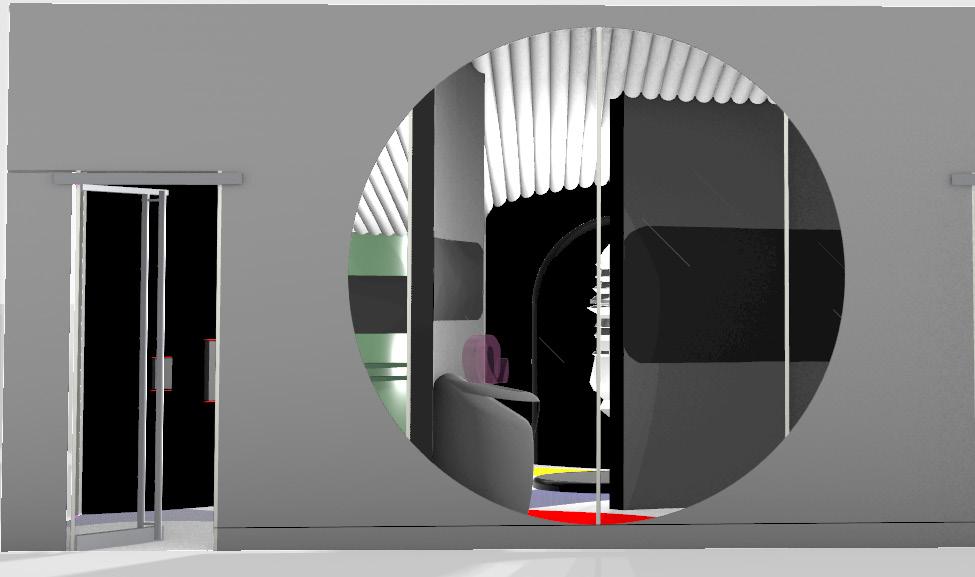
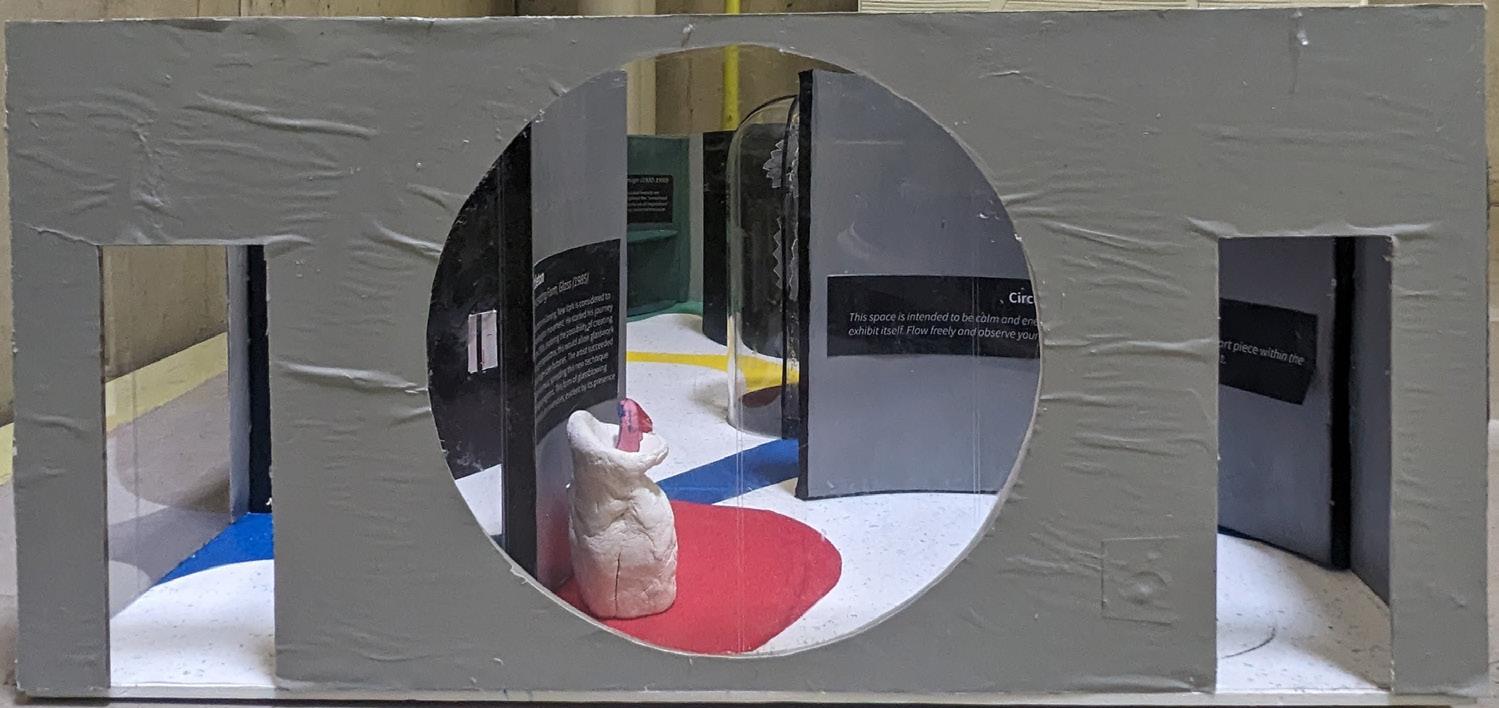
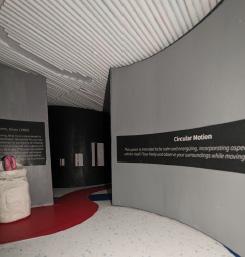
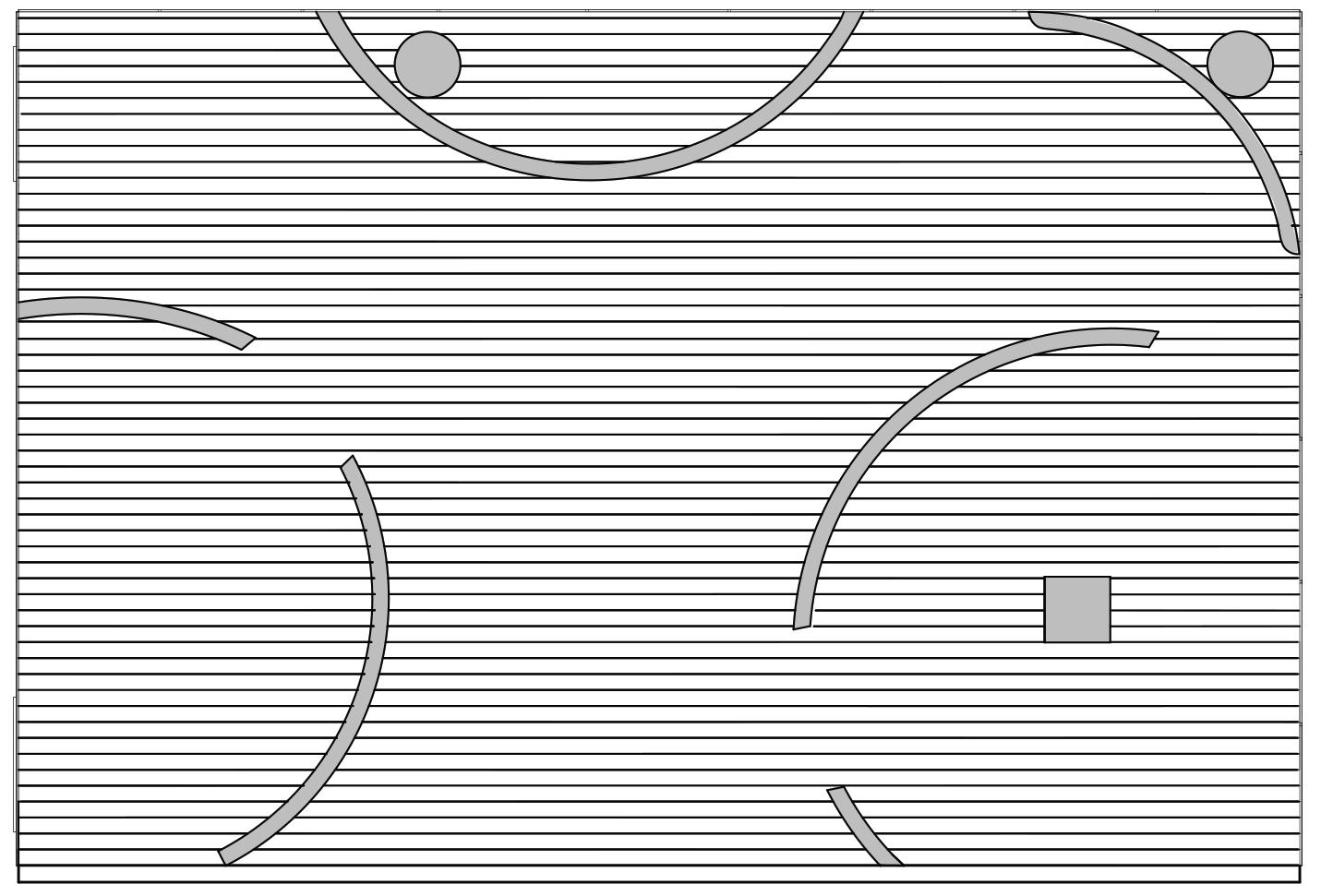
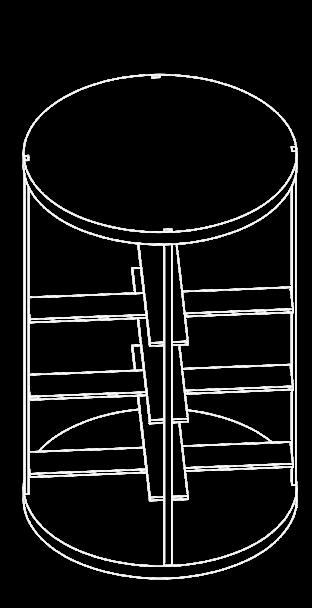
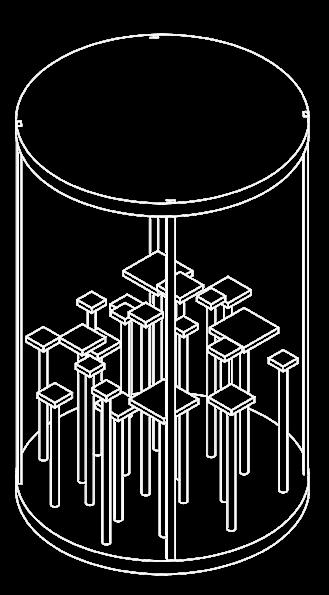
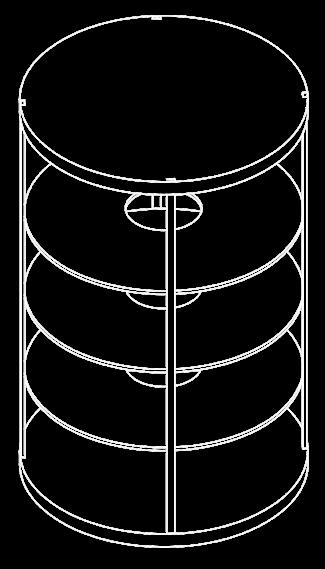
Utilizing the base model of the critique box, I was challenged to transform the space into an art musem featuring five unique items, with one of them being a previous project requiring me to design seating for two postures. Taking inspiration from my “Woodland Chair”, I incorporated circular shapes as a design feature. This space is intended to be calm and energizing, incorporating aspects of each art piece within the exhibit itself. Visitors are encouraged to flow freely and observe their surroundings while moving throughout the open space.
Natalie Molczyk

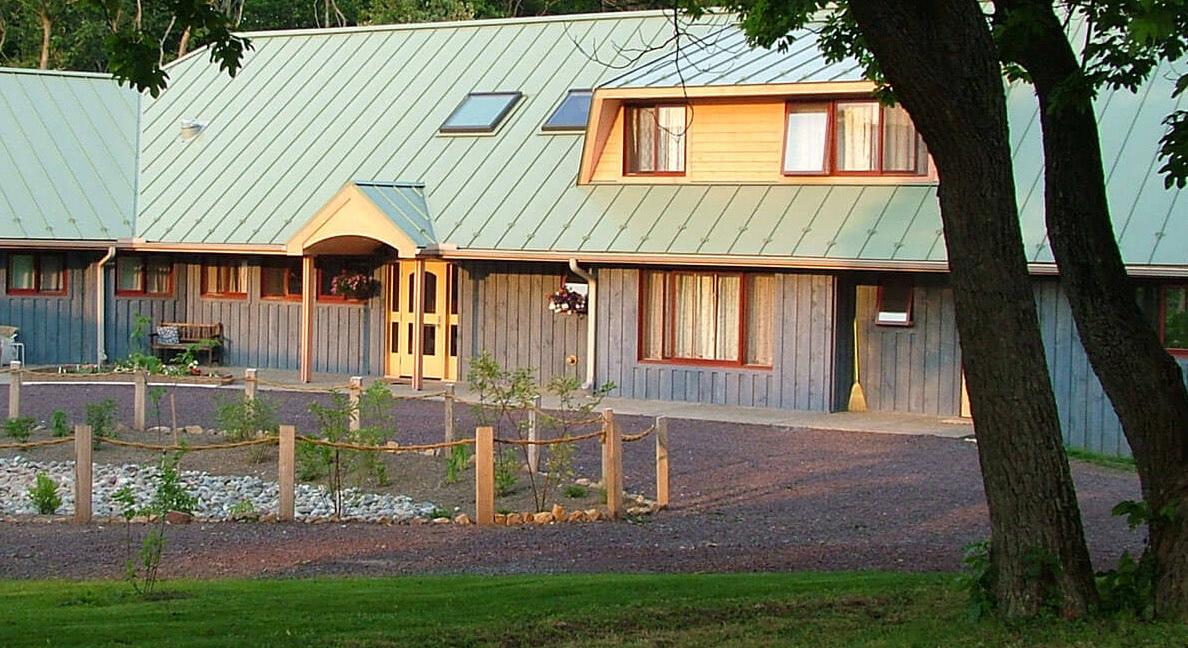
Kimberton Hills in Phoenixville, Pennsylvania is a part of the Camphill movement established in 1940. The network of collective communities are dedicated to curative education, which is a concept crated by Karl Konig, based on anthroposophy. Anthroposophy is a spiritual movement about the wisdom of humans, which explains the communities’ focus on sustainability, entrepreneurship, and other facets. The Camphill movement mainly houses adults with cognitive and developmental disabilities, but families live on the property as well. In terms of function, there are spaces for farming, gardening, art studios, and education; additionally, public events like concerts and art exhibitions are occasionally hosted. Kimberton Hills is one of over 100 Camphill communities worldwide, and the movement is creating incredible opportunities for education and growth to individuals who might not be able to have the same experiences in a traditional living environment like a city.
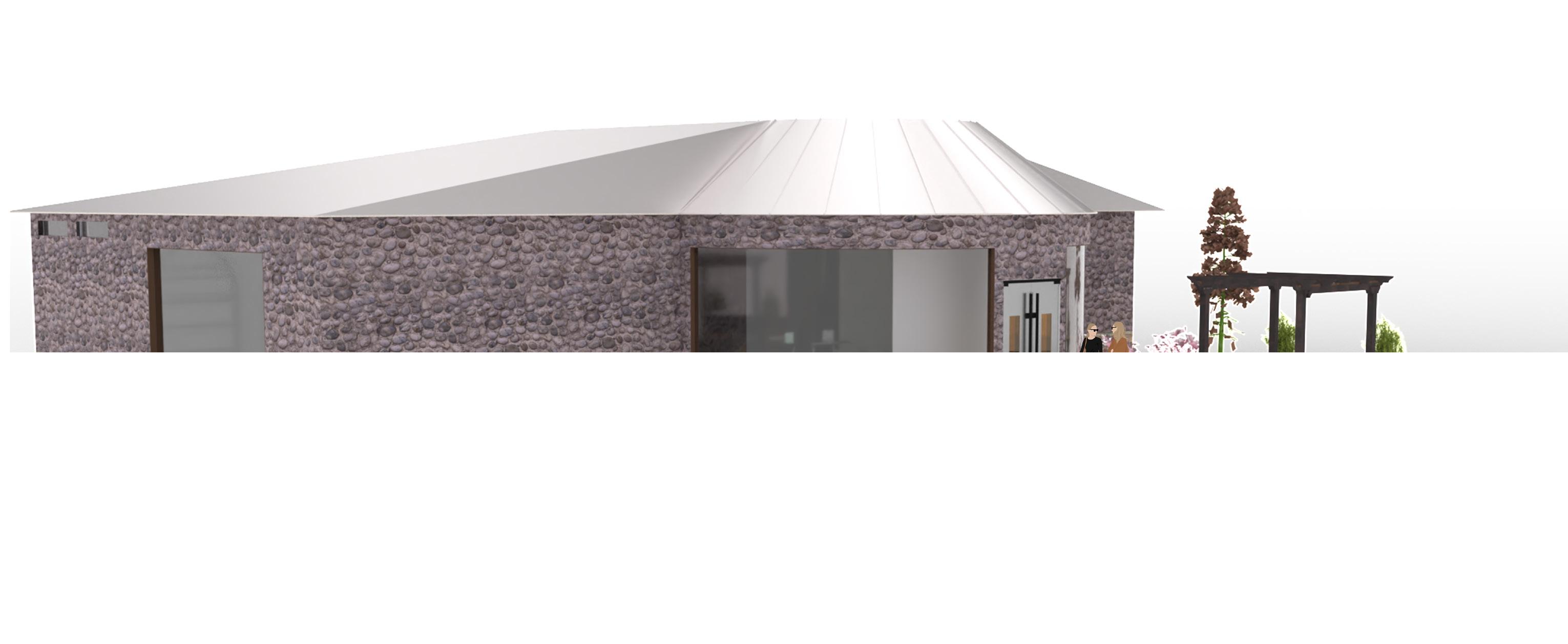
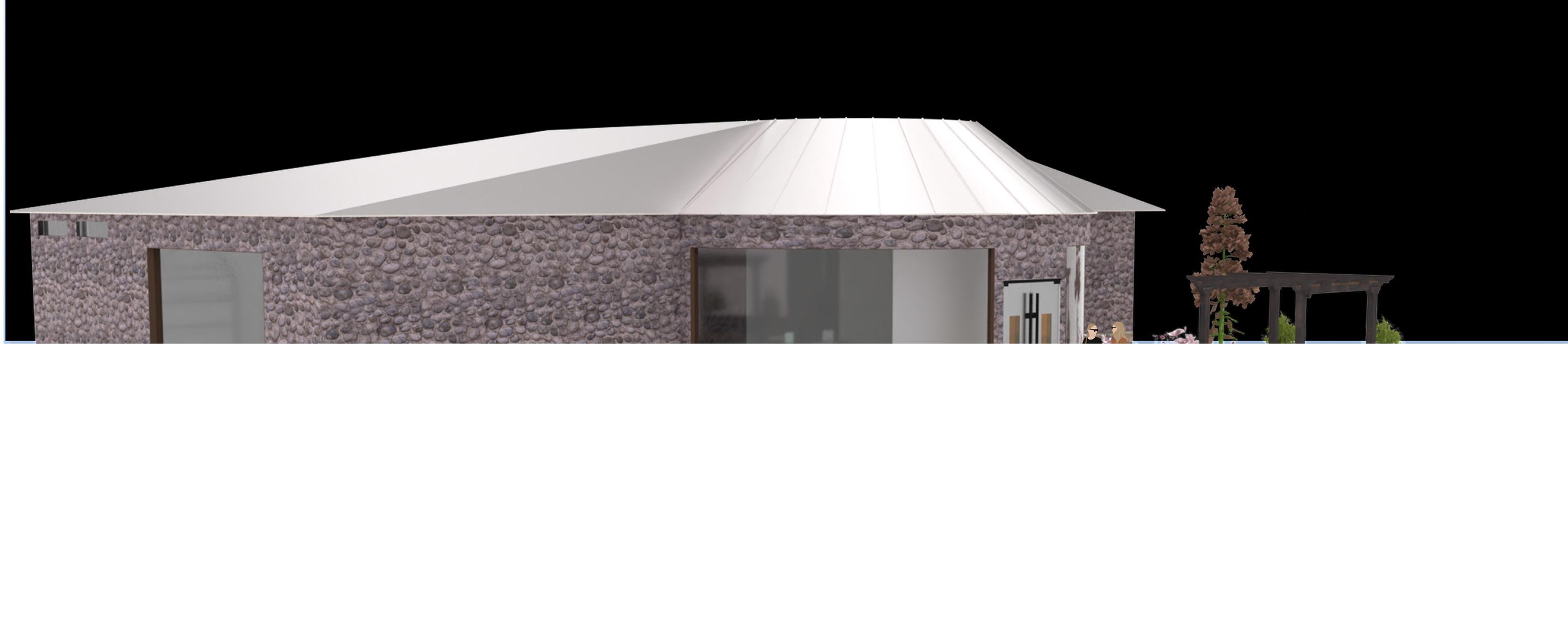
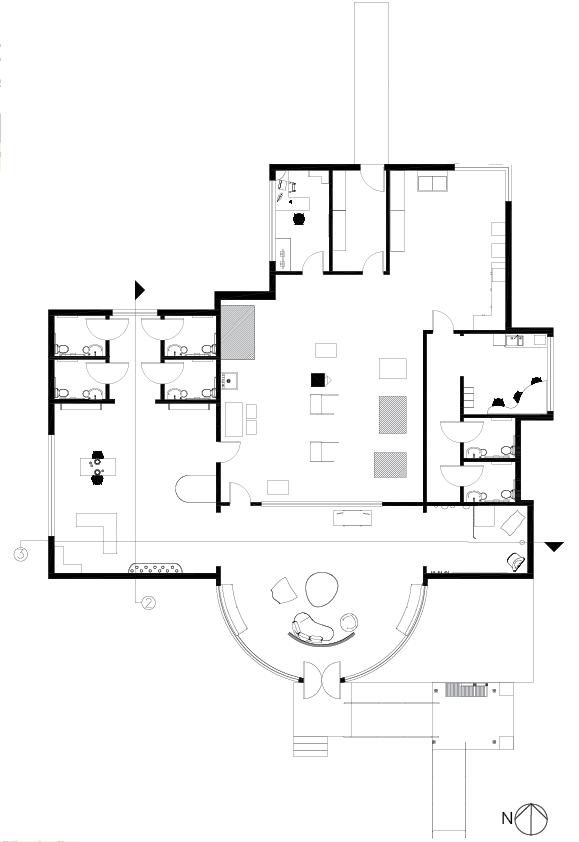
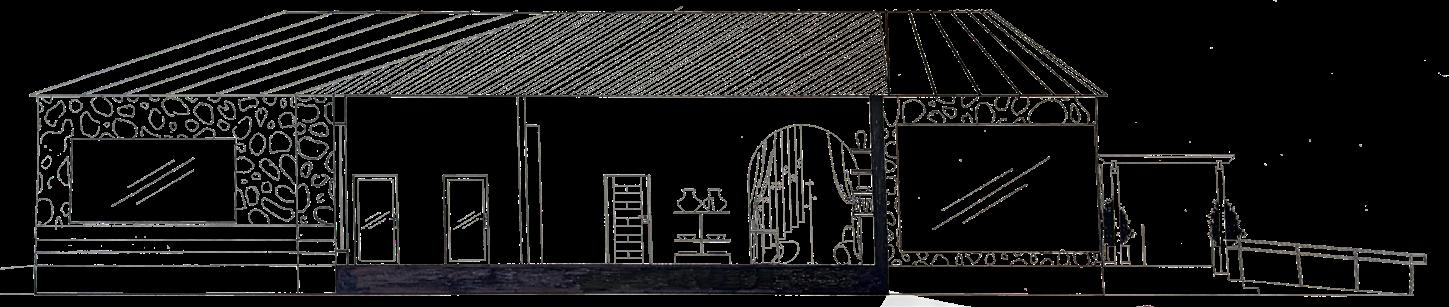
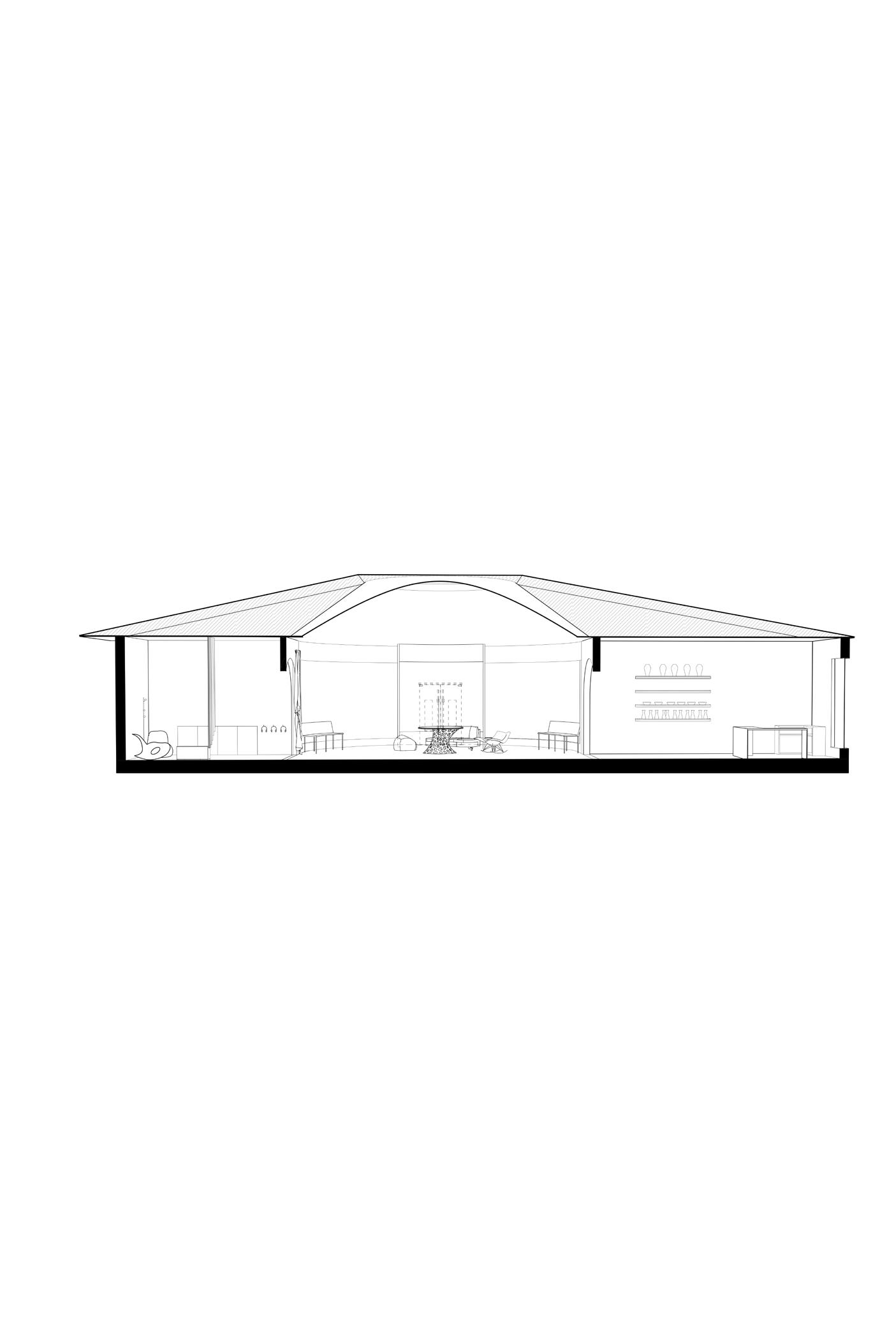
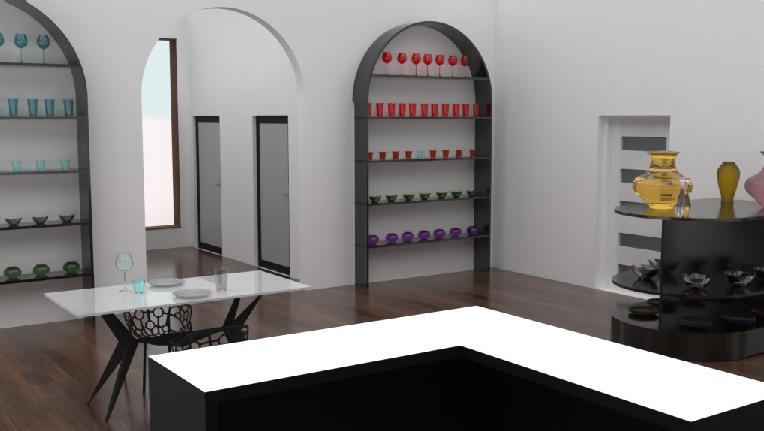
wanted this glassblowing shop to accentuate that unique feature. Most traditional communities are very individualistic, with people communities are such a dichotomy to that, and it inspired me to blow glass, but also enjoy the process and feel like they can be a part of if in more sensory friendly ways. Visitors are invited to sit and watch the process for as long as they please and design
Another way the space is connected to the community is that the dishes, bowls, vases, etc., fitting in with the communities’ goal of sustainability.
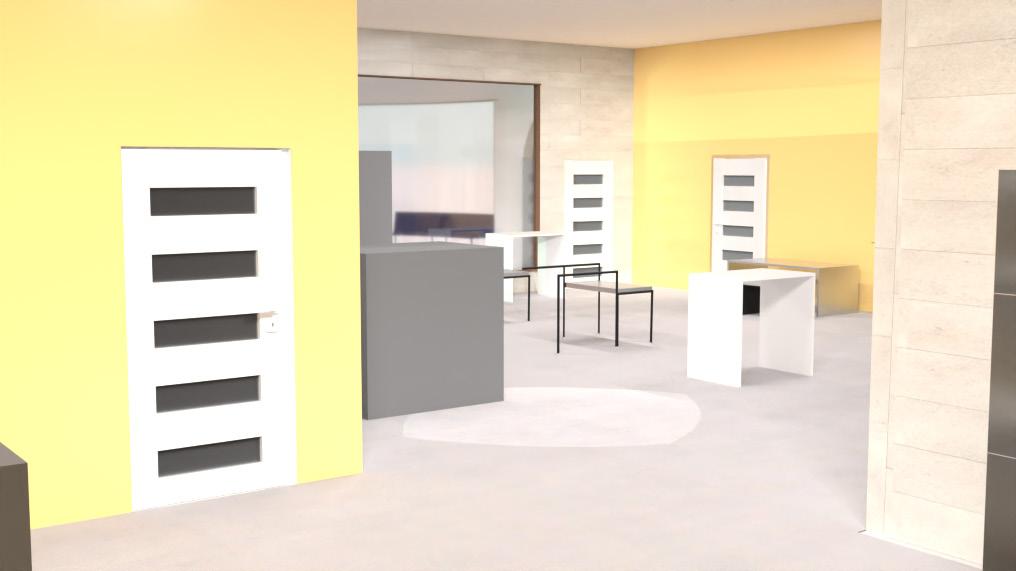

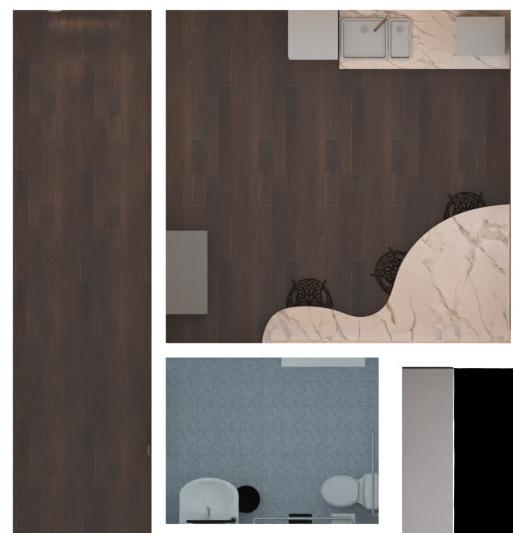
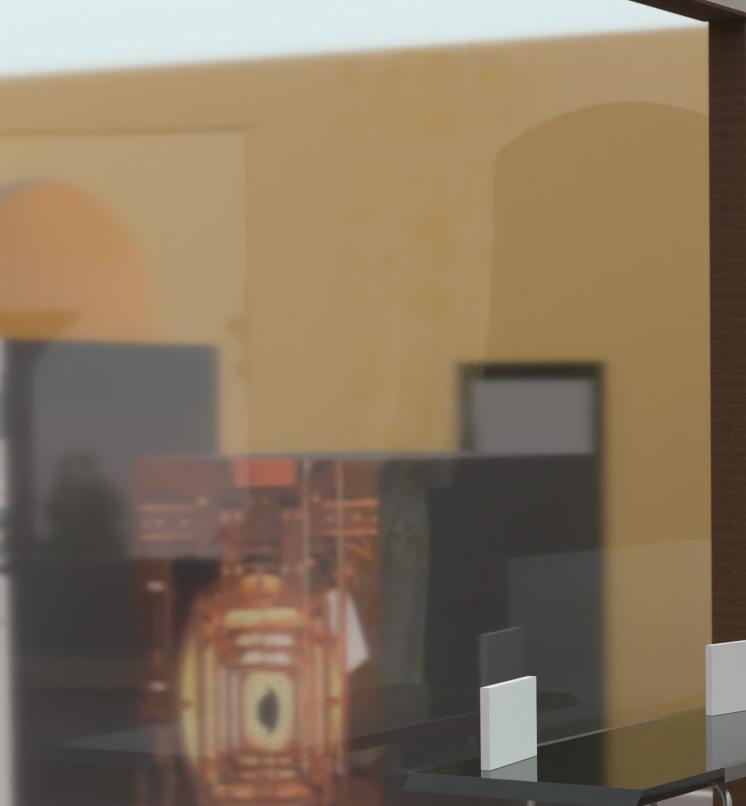
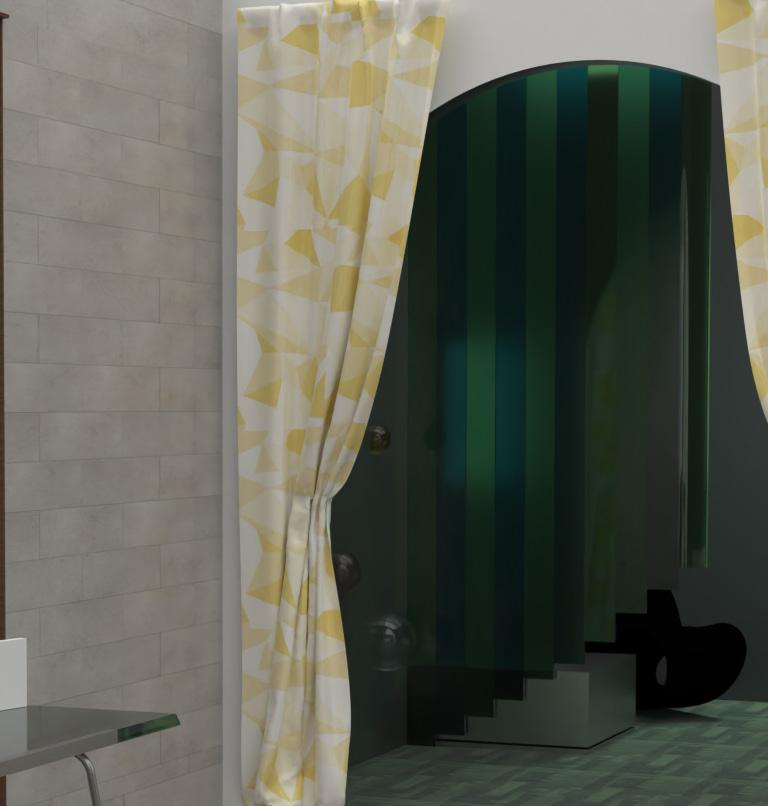

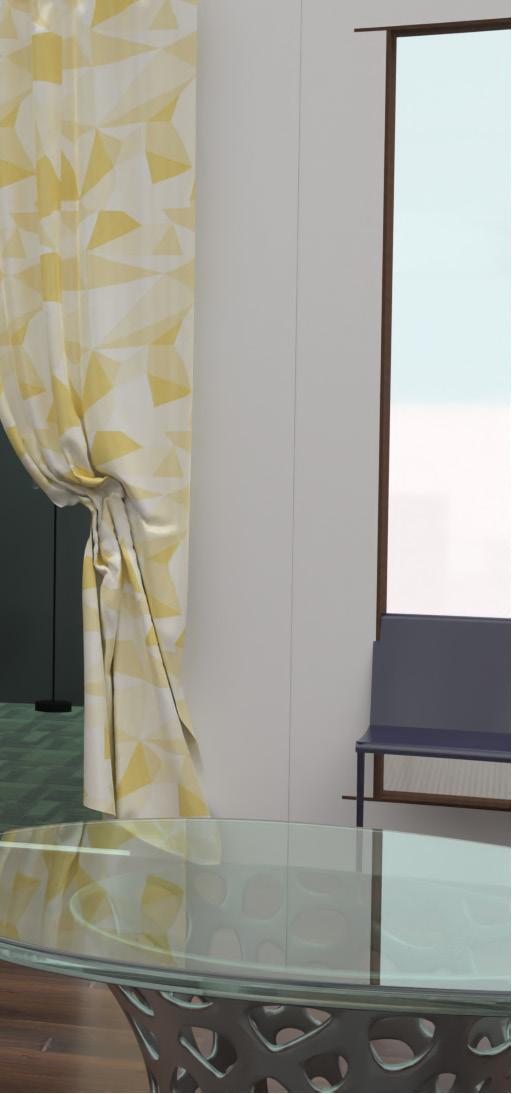
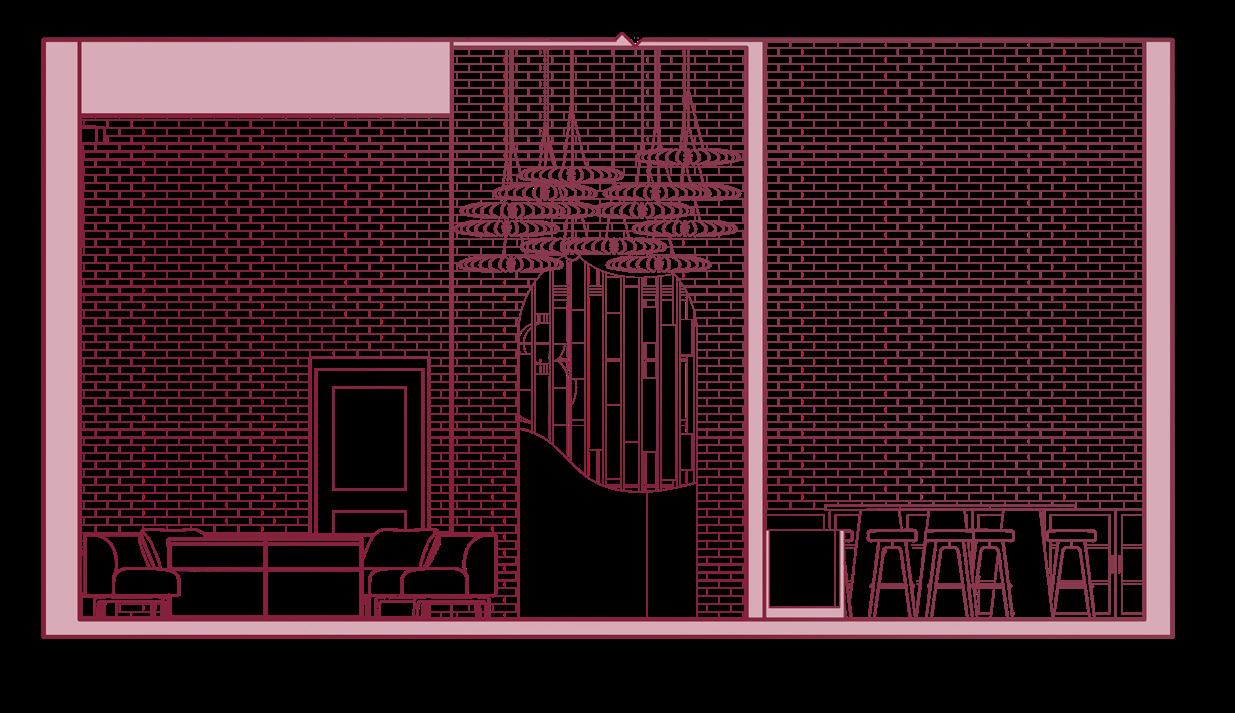
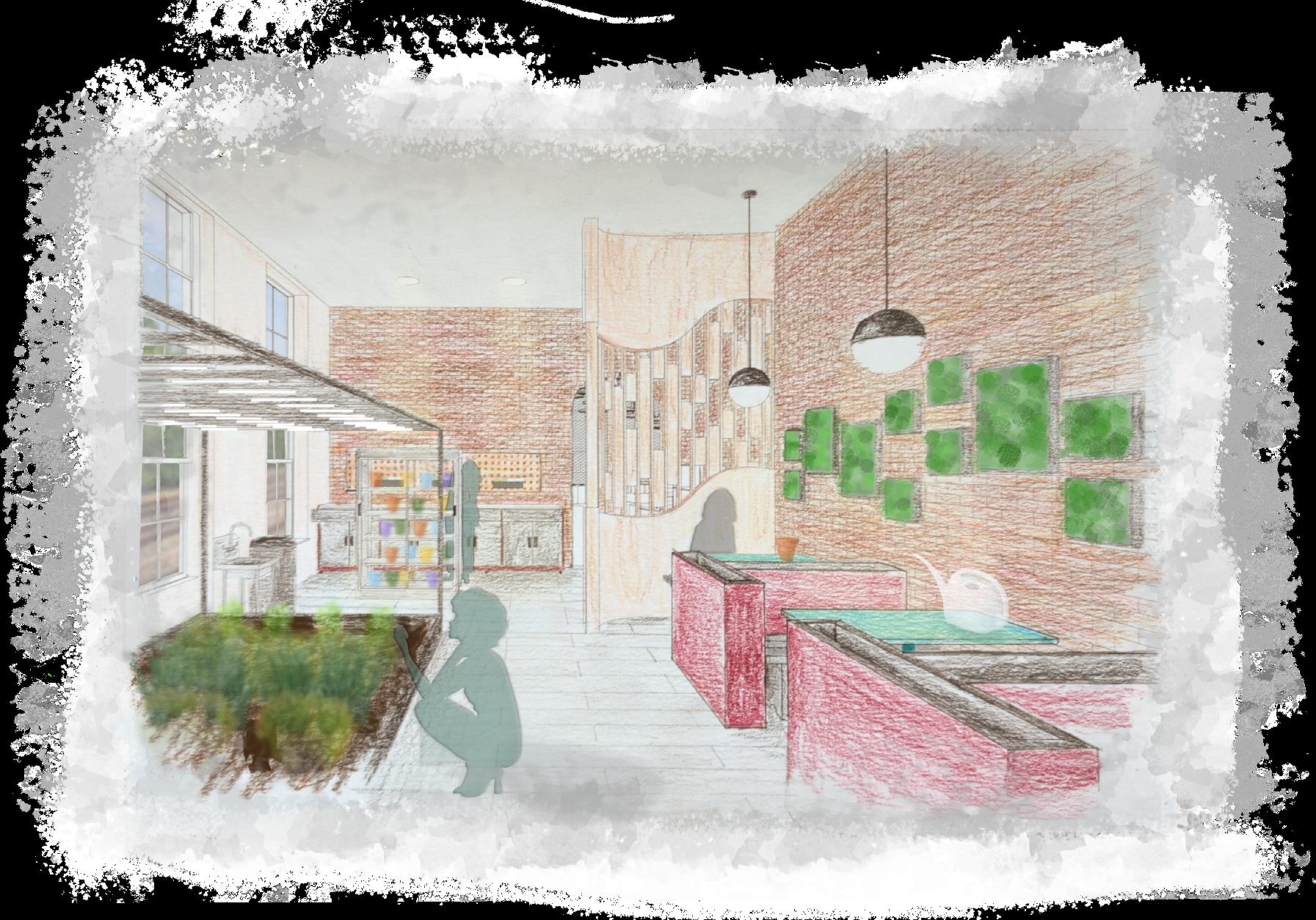
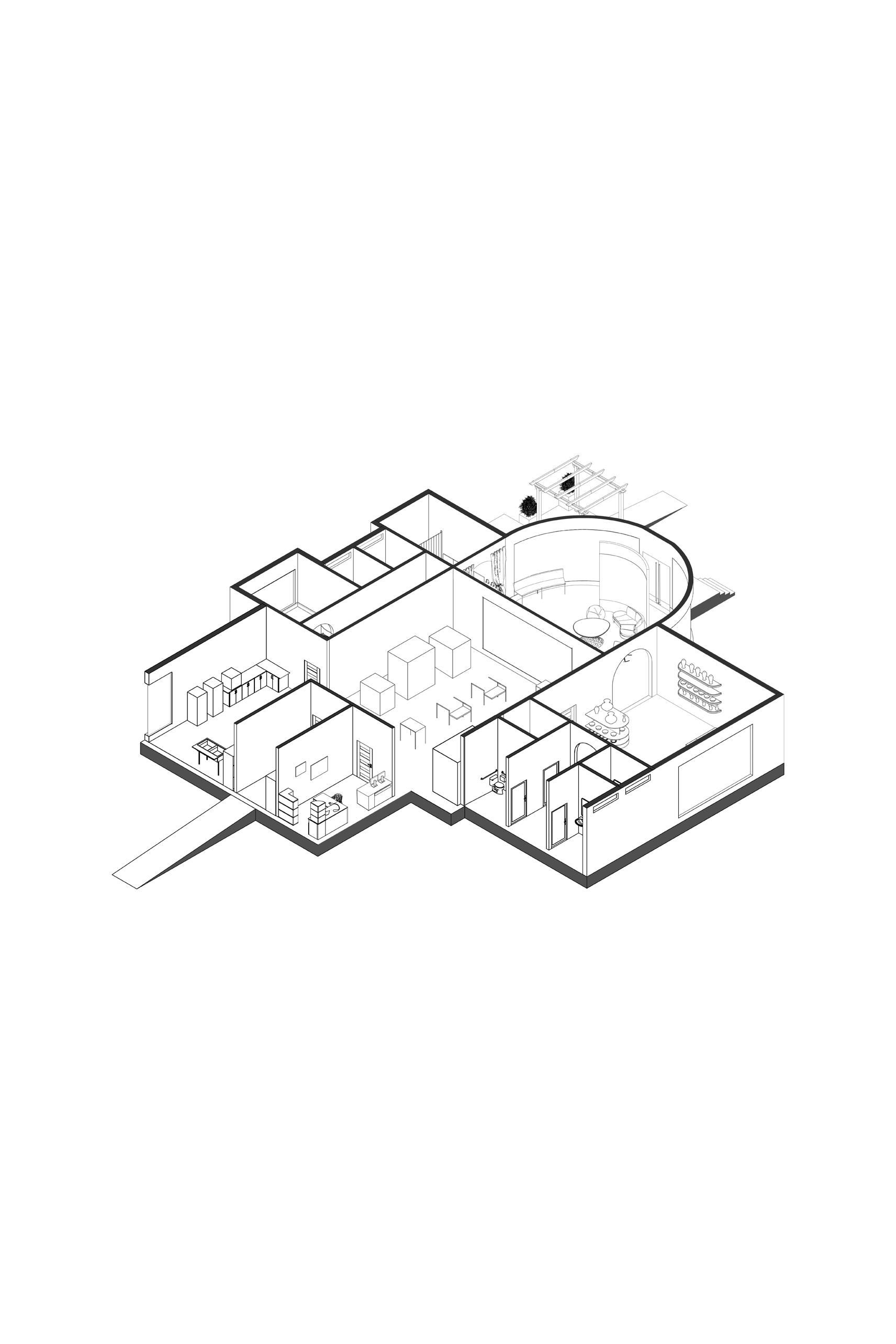
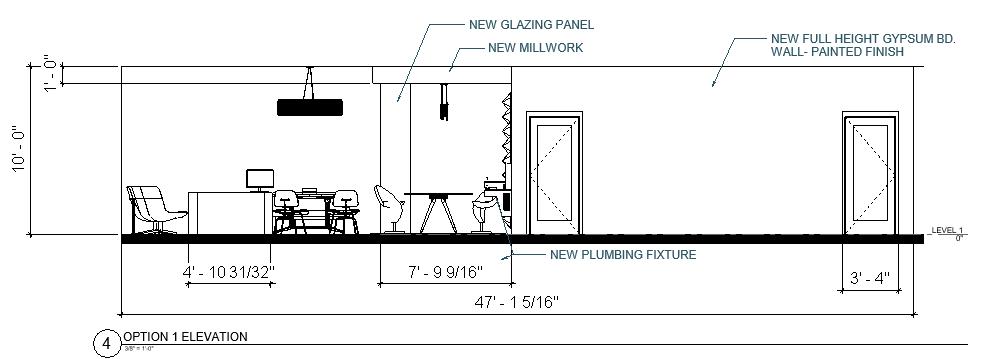
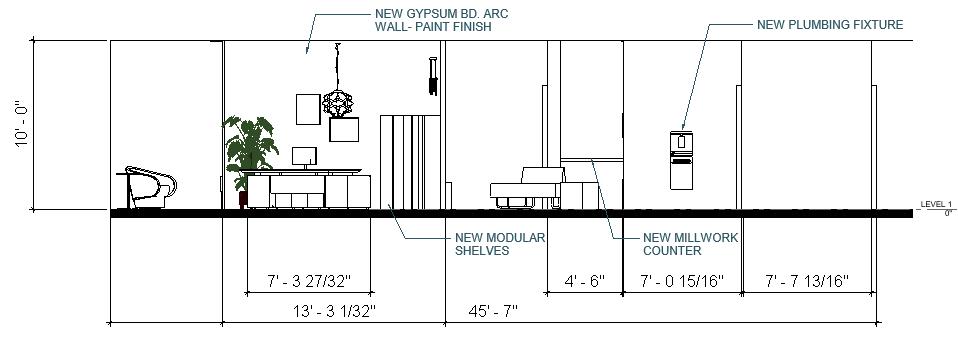
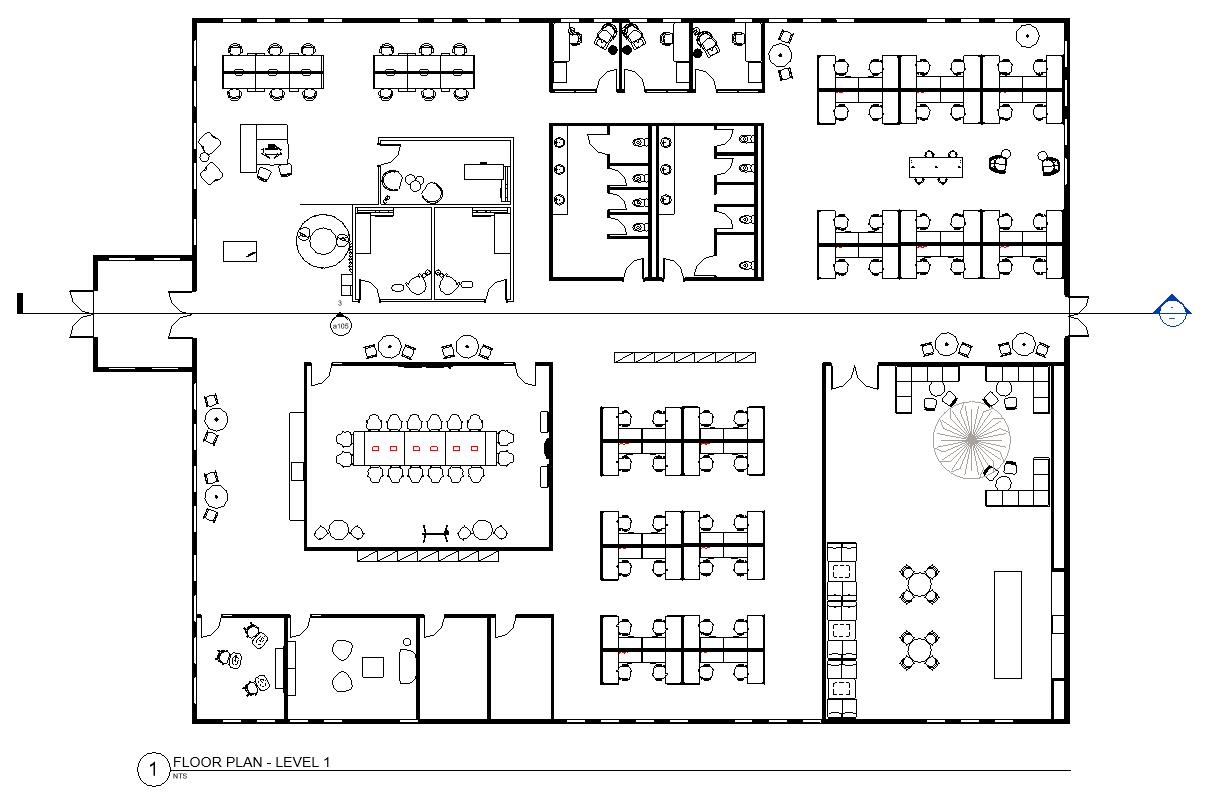
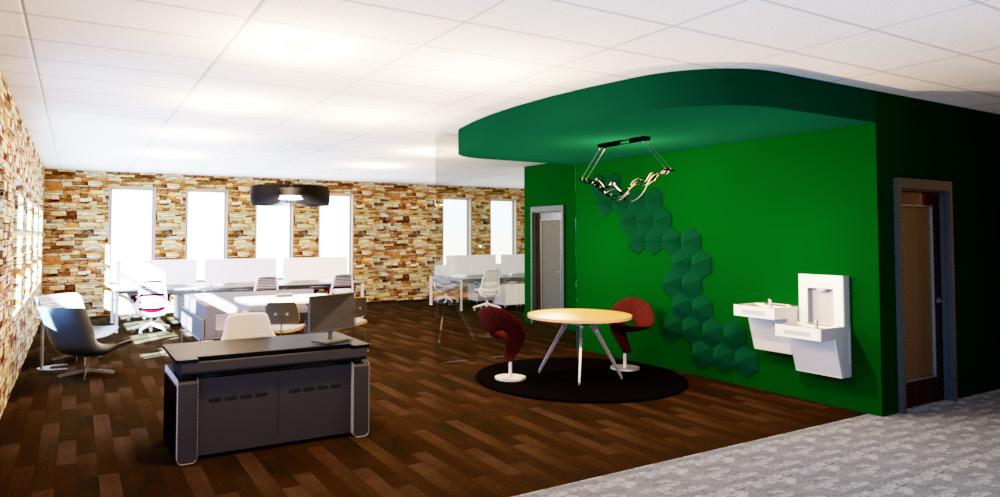
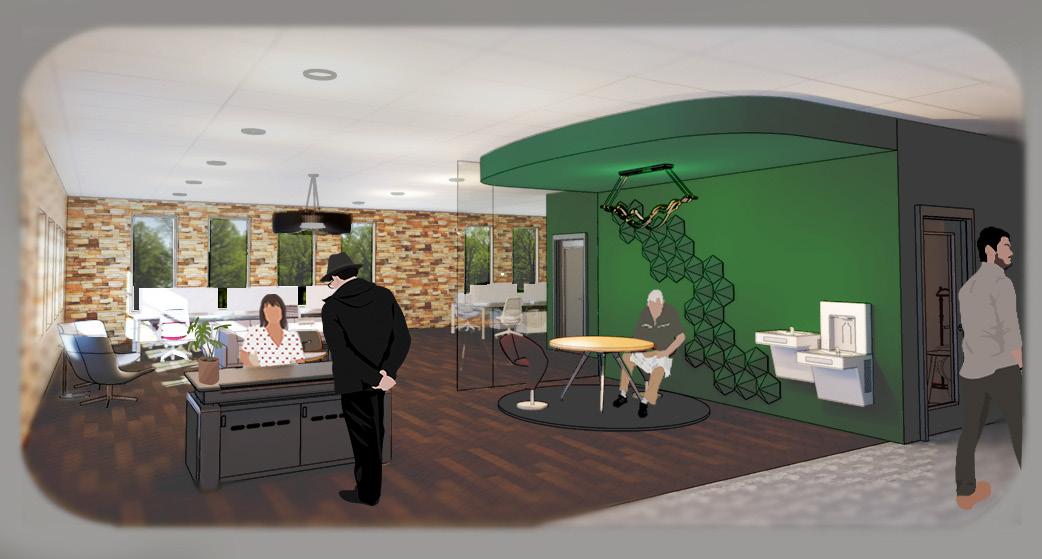
As an introduction to Revit, I was provided with a base model of an office space. Within this model, I selected a 1500 sq. ft. area to modify by introducing new families, setting up design phases, and demolishing existing elements in two different design options. Then, I modified and loaded in new materials to transform the space further before rendering. After rendering through Revit, we were encouraged to explore the capabilites of of Photoshop and other tools to transform the realistic renders in a stylistic way. In addition to these skills, I set up sheets, modified and created new title block families, built custom millwork, created ‘parts’ to allow for different flooring applications, applied room numbers and room separators, used masking regions, and set up section and elevation views.
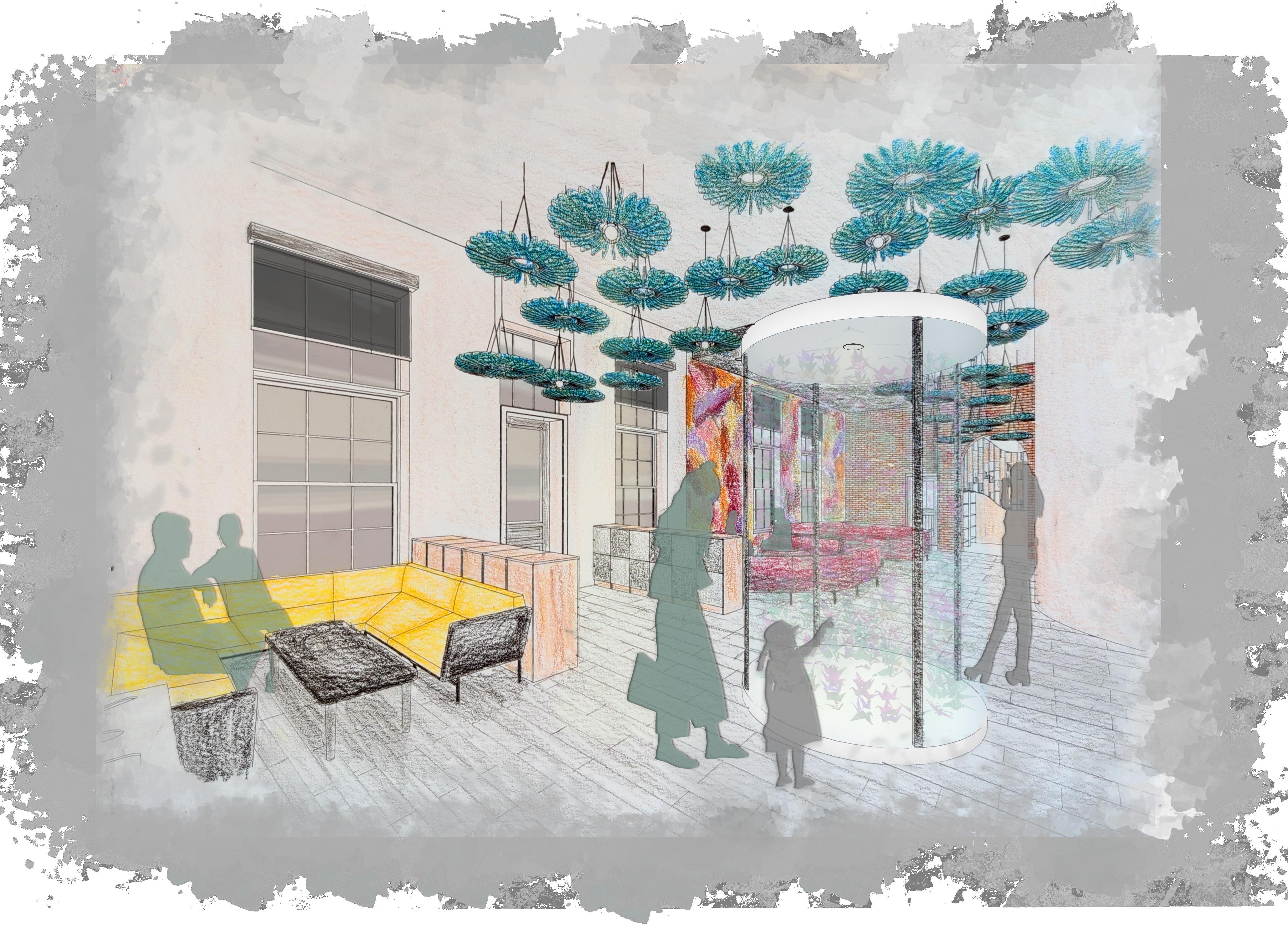
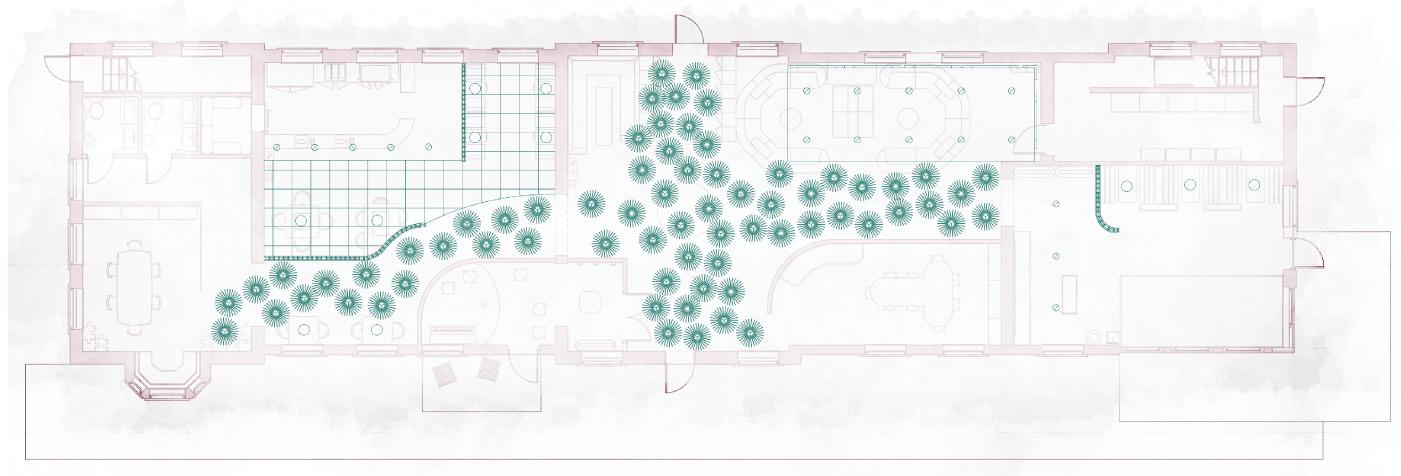
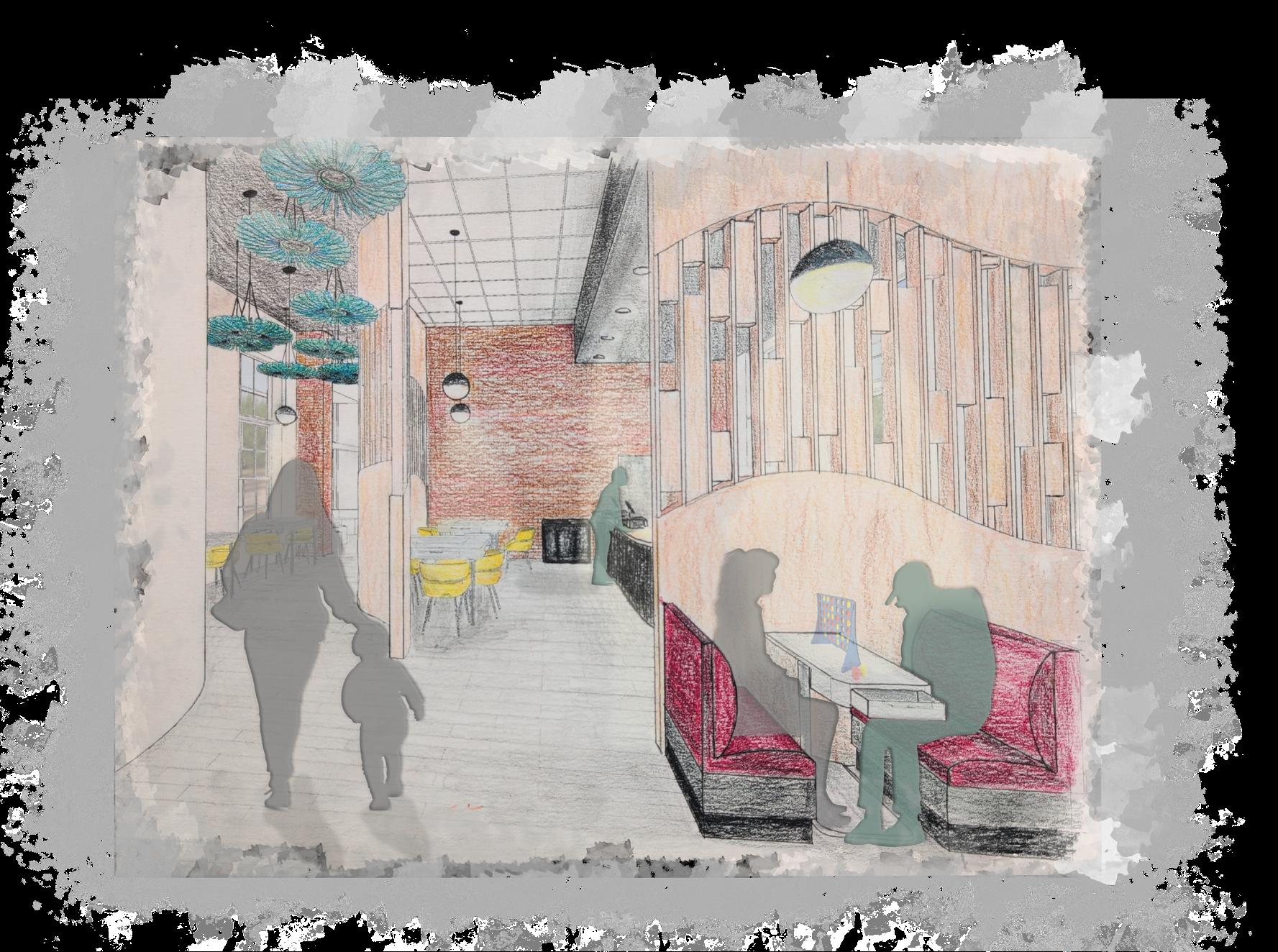
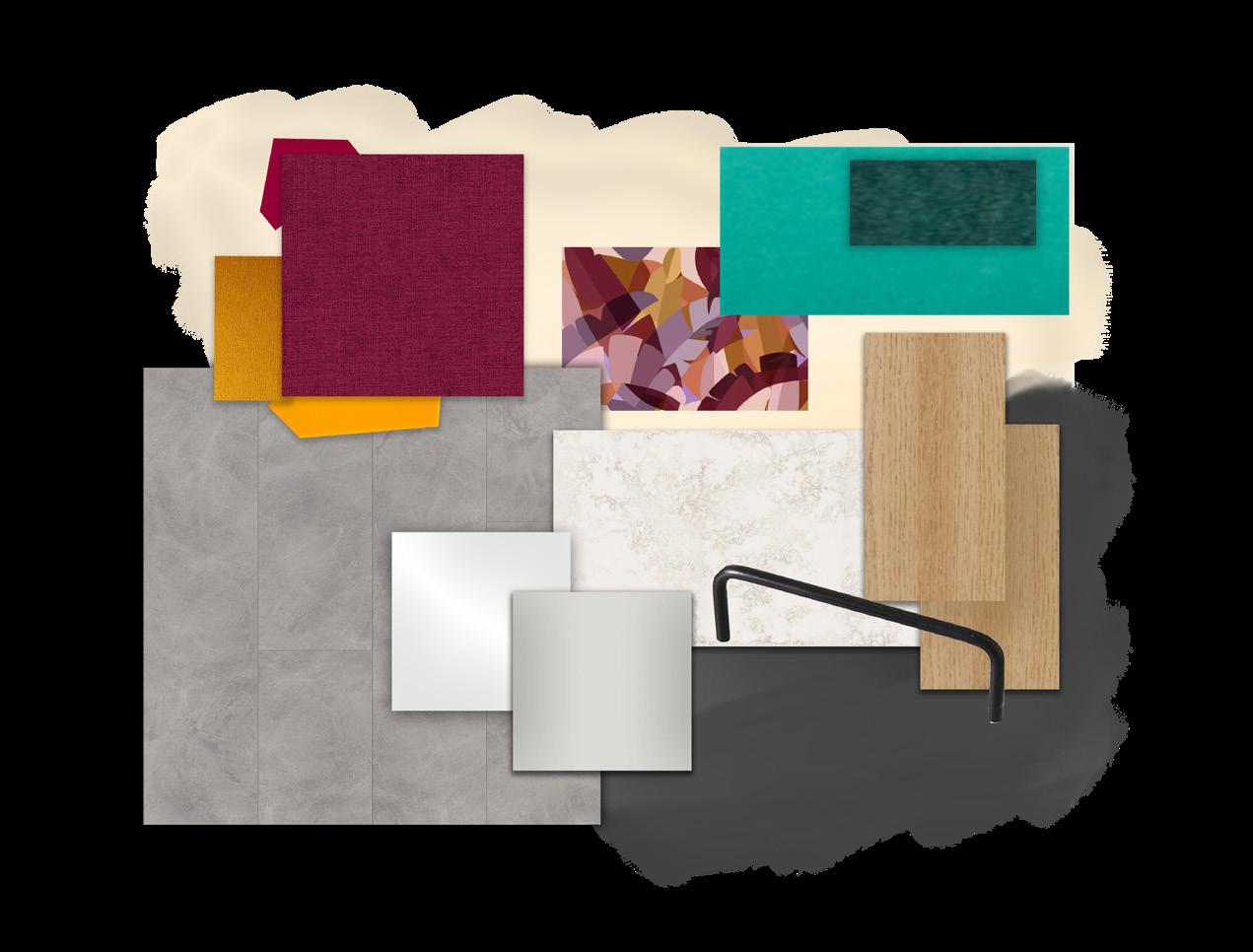
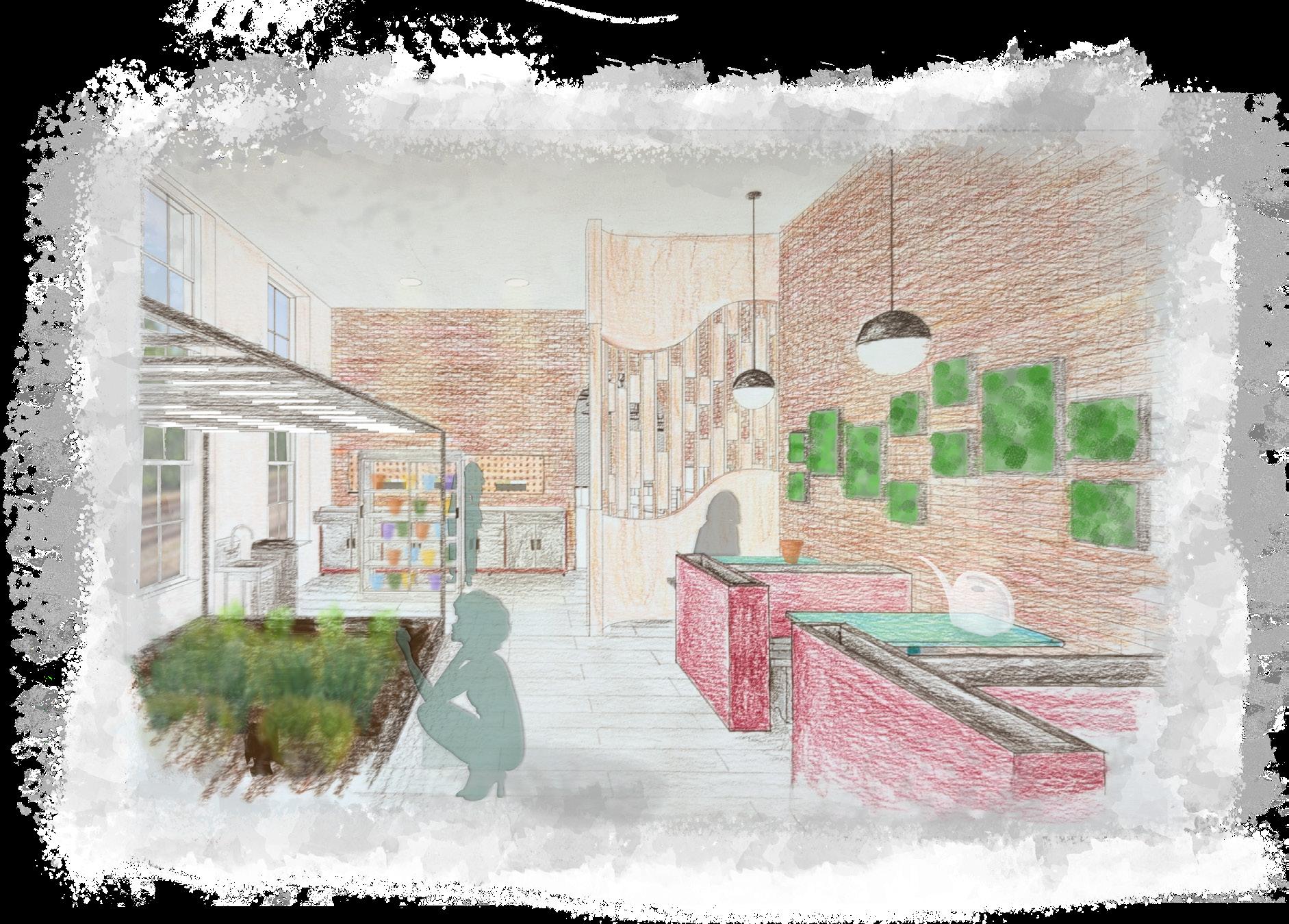
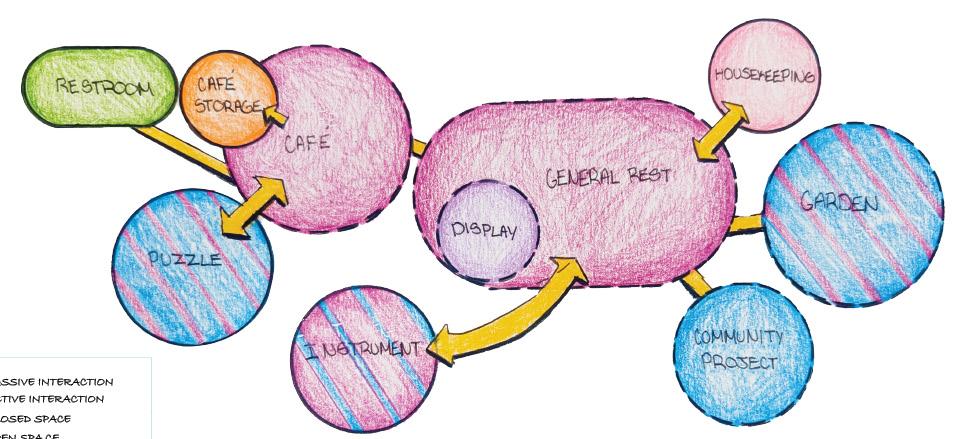
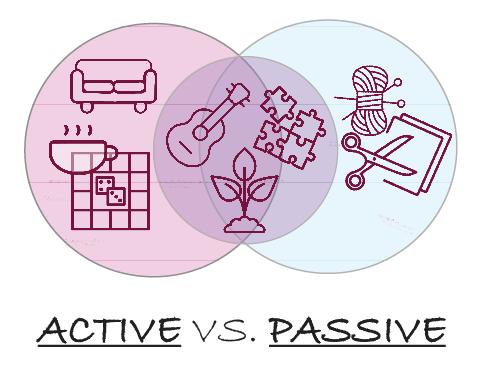
As technology continues to evolve and consume our daily lives, the negative effects associated with it become more evident. Human interaction has become distant and lost its sincerity through the everpresent ability to hide behind a screen without repercussions. This project tasked me with taking the Kent Train Depot, currently the Over Easy at the Depot breakfast restaurant, and repurposing it back into a train station, imagining that high-speed train travel is present and accessible in the United States. While considering human connection and mentorship, “Beyond the Screen” Train Depot will aid in bridging the gap between older and younger generations and promote socialization by addressing varying types of interpersonal connection through analog activities.
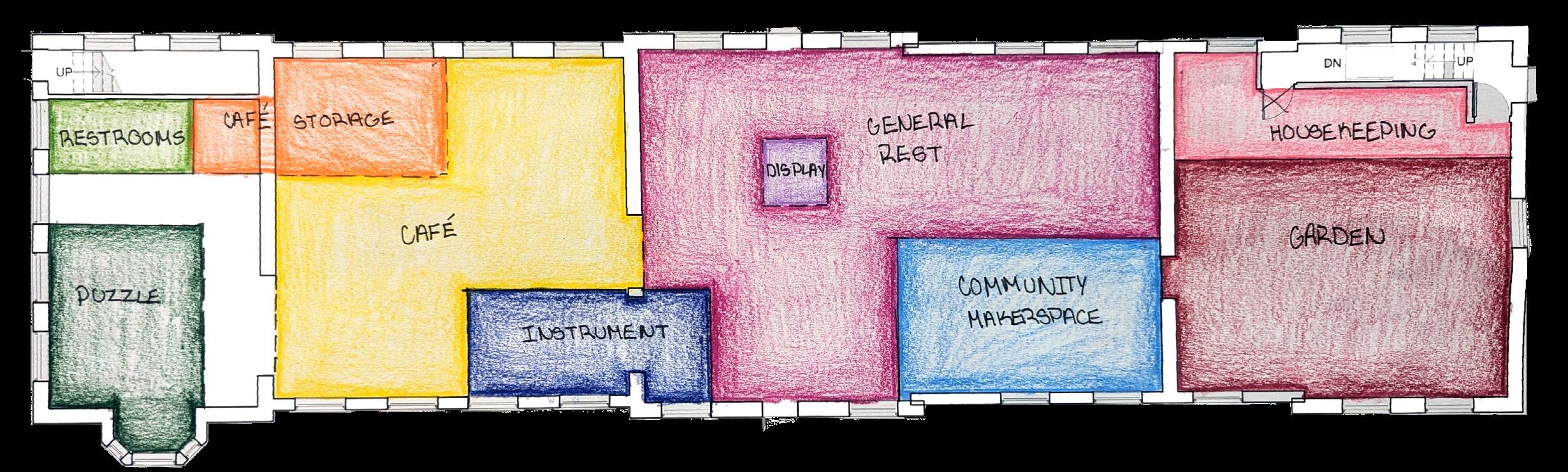
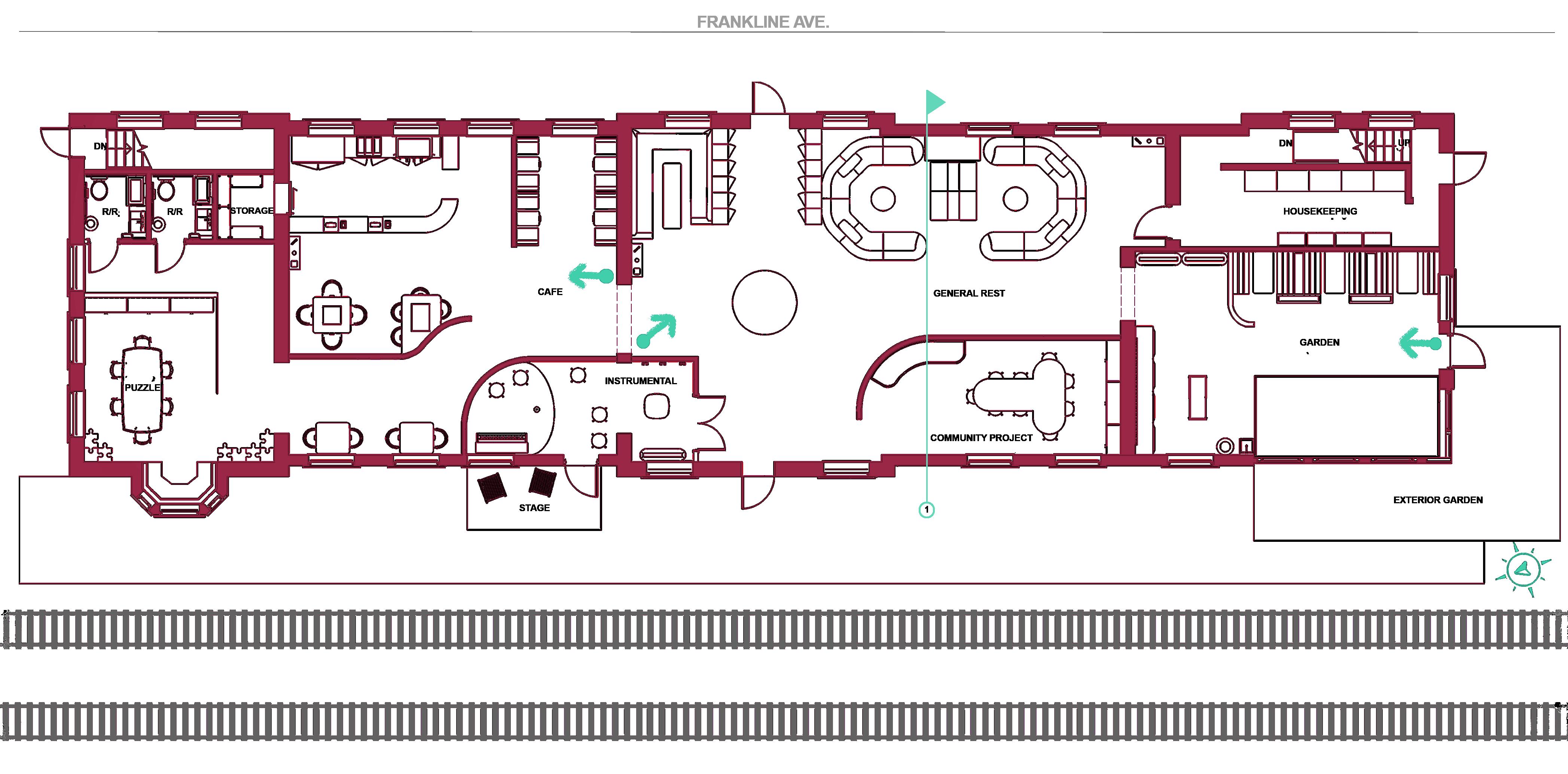
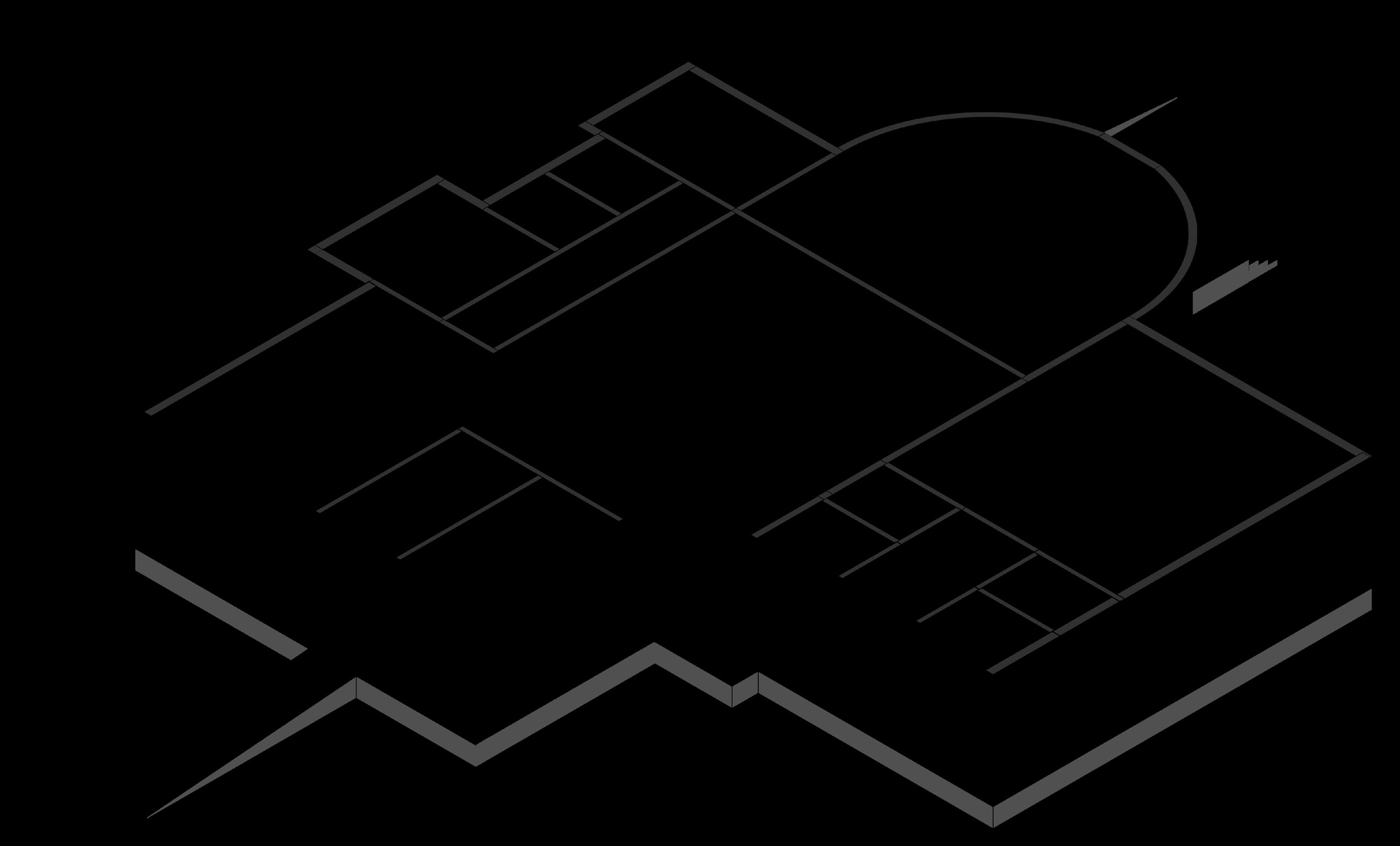
Plan and Ceiling Diagram