PROVIDER HANDBOOK
2023-2024

2023-2024

The purpose of this handbook is to provide comprehensive guidance and orientation for providers to our team. It aims to familiarize them with the internal processes involved in processing evaluations, establish clear communication expectations about deadlines and about the quality assurance process. By doing so, we seek to ensure that our providers are well-equipped to write equitable and unbiased evaluationsthatsupporttheregion.
Thishandbookwillserveasavaluableresourceforunderstandingthe evaluation process from start to finish. It willnot only provide step-bystep instructions on how to handle different stages of evaluation, but also highlight the importance of maintaining open and effective communication channels within the team. Additionally, it will emphasize the significance of adhering to deadlines to ensure timely completion of evaluations and avoid any potential disruptions in the evaluationcycle.
Our goal is to support and empower our providers in conducting and writing evaluations that are equitable and thorough. By providing comprehensive guidance on internal processes, communication expectations, evaluation requirements, our quality assurance procedures, as well as helpful templates and our assessment inventory, we hope to foster a collaborative environment that consistently produces high-quality evaluations.
Reginal forums & PD Evaluations, Consultations & Interpreting Pupil services coordination
Whatwedo?
Howwedoit?
Whywedoit?
Evidence-based practices & Evidence-informed practices; Implemented with fidelity
Culturally Responsive, Inclusive,& Equitable On-going evaluation & improvement
Whole child, Whole school, Whole community
Pathways to success for every student: academic, social emotional, life long
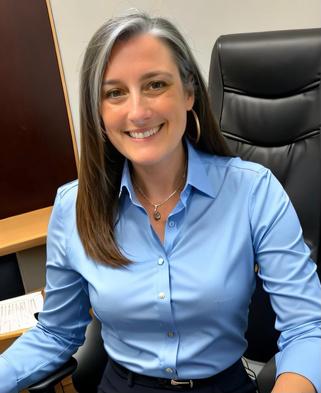
Welcome to Putnam | Northern Westchester BOCES family, a beacon of service, innovation, and partnership My name is Ann Narcisse, and as the Coordinator of the Guidance & Child Study Center, I extend my warmest invitation to you.

At PNW BOCES, we pride ourselves on our "we can do that" attitude. This isn't just a mantra, but a testament to our collective ambition to always strive for excellence. Each one of you, as service providers, brings unique skills and insights that are invaluable. I encourage you to look at every task, every evaluation, through the lens of compassion and personal commitment Together, we stand on the cusp of defining the next chapter in education, ensuring that our evaluations are not only of the highest quality but are also equitable, culturally responsive, and truly valuable to the communities we serve
Our vision is clear: to be New York's premier educational service agency And to bring this vision to life, we need dedicated professionals like you. Welcome aboard, and let's together embody the spirit of PNW BOCES –pathways to success for every student.
Sincerely,
Ann Narcisse Coordinator of GCSC Ann Narcisse




AreyouaskilledSchoolPsychologist,SpeechPathologist,orSocialWorker lookingforflexibleworkopportunities?Looknofurther!Ourrenownedregional educationalagencyisseekingtalentedindividualslikeyoutojoinourteam.We provideevaluationsforschooldistrictsandhaveshorttermleavereplacement opportunitiestoo.
Whychooseus?
Flexibility:Asaperdiemevaluator,youhavethefreedom tochoosewhenandwhereyouwork.Youcreateyour ownschedulebasedonyouravailability.Thisworkcan bedoneoutsideoftheschoolday.

RewardingWork:Makeapositiveimpactonthelivesof diversestudentsandempowerthemwiththeresources theyneedtosucceed.
CompetitiveCompensation:Enjoyattractiveevaluation rates.
SupportiveTeam:Joinacollaborativeteamenvironment, whereyourexpertiseisvaluedandcelebrated.
Requirements:AvalidNYSEDlicensureorcertificationasSchoolPsychologist,Speech Pathologist,orSocialWorker.
BilingualCertificationPreferred-Englishandatleastonemorelanguage.Monolingual candidateswillbeconsidered.
Toapply,pleaseemailyourresumeandacoverletteroutliningyourqualificationsto NarolinReyes,nreyes@pnwboces.org

1 2 3
Purpose: to determine a student's academic strengths and weaknesses (Educational) and to assess a student's academic performance in both their native language and English (Bilingual).
Purpose: To assess a student's feeding and swallowing skills to ensure safe and efficient eating (Feeding) and to assess a student's feeding and swallowing skills in the context of their culturalandlinguisticbackground(Bilingual).
Purpose: To determine how a student's visual impairment impacts their educational performance (Functional Vision) and to assess the impact of visual impairments on a student's education, considering their linguistic and cultural background (Bilingual).
Purpose: To assess a student's hearing ability and identify any hearing loss that may affect educational performance. Bilingual Audiological Evaluations specifically focus on assessing hearing abilityinboththestudent’snativelanguageandEnglish. 5
Purpose: To evaluate how a student's brain functions influence their learning, behavior, and social interactions. For bilingual evaluations, this includes understanding these relationships in thecontextoflinguisticandculturalfactors.
6 7 8
Purpose: To determine a student’s capabilities in fine motor skills, sensory processing, and skills required for school tasks , and to assess these skills while taking into account cultural and linguisticfactors(Bilingual).
Purpose: To evaluate a child's gross motor skills and ability to participate in school-related physical activities, and to assess these skills with an understanding of linguistic and cultural influences(Bilingual).
9
Purpose: To explore a student's emotional, behavioral, and social well-being within the school environment, and to understandtheseaspectswithanappreciationoflinguisticand culturalnuances(Bilingual).
Purpose: To understand a child's cognitive strengths and challenges as well as their academic performance, and to evaluate these areas in both the child's native language and English,consideringlinguisticandculturalfactors(Bilingual).
Increased need for evaluations in low incidence languages.
Expand the reach of expertise to meet diverse student needs.
Interpreters can help providers tailor their approach to each student’s linguistic and cultural context.

Ensuring every student receives comprehensive assessment services.
Collaborating with interpreters may potentially result in an increased number of referrals sent to providers.
The demand for working with interpreters is skyrocketing. Get up to speed with these practice points for maximum impact.
Contact the Interpreter FIRST to discuss the following before scheduling with parent and/or district:
Availability
Modality of participation:
in-person attendance
video conference
telephone conference
Inform interpreters on the nature of the assessment prior to its commencement.
Where possible, recognize the need to assist the interpreter to prepare for the information that may need to be interpreted.
Introduce the interpreter to the family and explain the role of the interpreter as a non-clinical member of the team, who is: tasked with facilitating effective communication through accurate interpretation bound by confidentiality and maintains impartiality.
Use direct speech and first-person pronouns when communicating with interpreters.
Use a speakerphone or a hands-free telephone to improve communication efficiency
The demand for working with interpreters is skyrocketing. Get up to speed with these practice points for maximum impact.
Interact directly with the student and ensure turn-taking. Compensate for the lack of visual cues. Use descriptive language during the evaluation.
Visually reference objects or actions for better understanding.
Speak at a reasonable speed, with appropriate pauses and avoid overlapping speech, so as to enable the interpreter to interpret
Providers must explain complex concepts and terminology to enhance understanding to allow clarity during the interpretation. Use descriptive language during the evaluation to compensate for lack of visual cues.
Visually reference objects or actions for better understanding. Avoid colloquialisms, idioms, technical language, and acronyms
Provide clarifications or repetitions if needed
Be aware of the cultural meaning embedded within language
Warn the interpreter about sensitive questions.
Provider-Interpreter Debriefing & Feedback
When possible and appropriate, providers and interpreters may debrief and exchange feedback following an evaluation.
1 Portal Request and Documentation
School districts input requests and supporting documents.
2 Provider Search We assign providers
3 Provider Acceptance
4 Provider Conducts Assessments, Interviews, Records Review Review all appropriate documents, interview family/student, conduct clinical observations and assessments.
Timelines discussed, communication with district/family, acquire testing materials.
5 Provider Analyzes and Writes Report
Compile data, perform any necessary analysis, and write a comprehensive report.
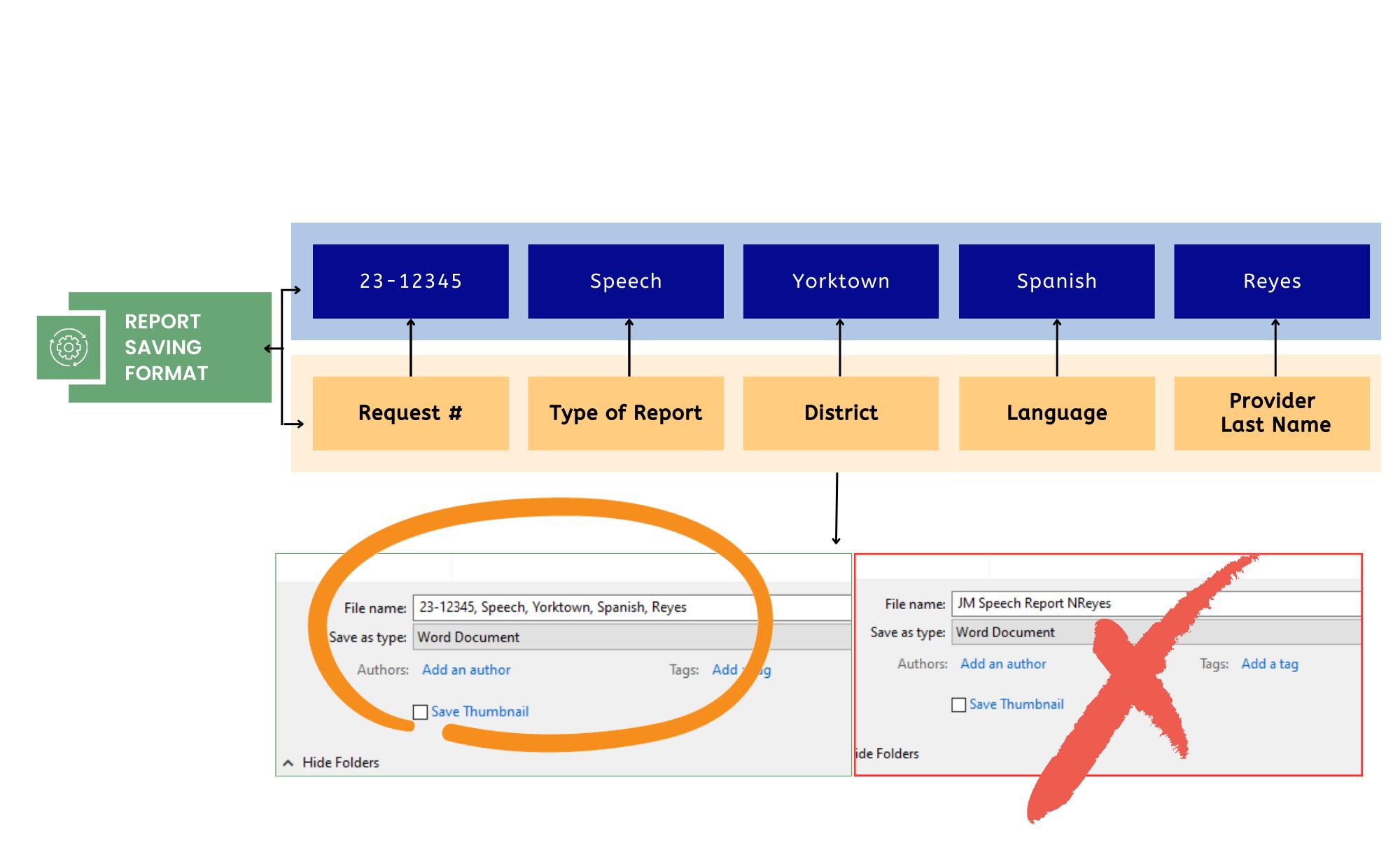
6 Upload to FTP with Request ID Title Reports: request #, type of report, district, language, provider last name EX:23-12345, Speech, Yorktown, Spanish, Reyes
7 GCSC Quality Assurance
Reports reviewed to ensure compliance with our standards for quality and content Perform a final review and make any proposed edits
8 District Receives the Reports
School districts are notified of the availability of the evaluations through our secure file system and may download and utilize as needed.

9 Provider Submits Invoice
Provider uploads invoice to secure file system for processing
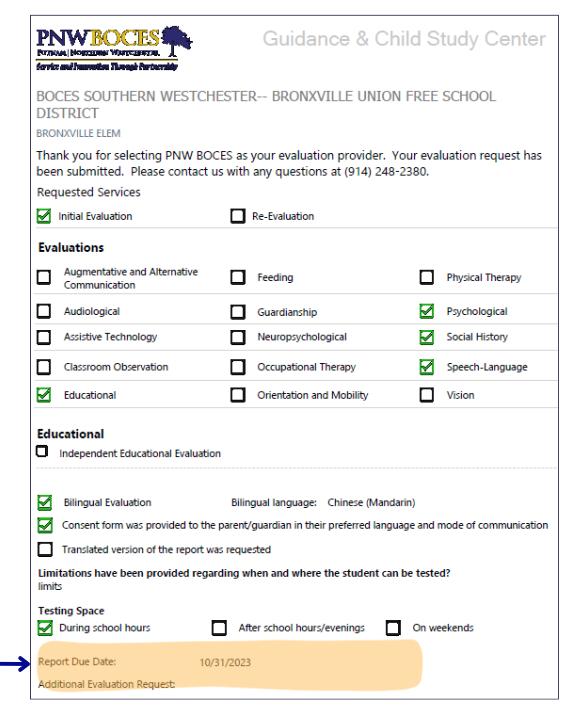
Remain attentive to our emails as requested testing may undergo changes.

Due to our review process, we have implemented a shorter deadline to ensure timely delivery of reports.
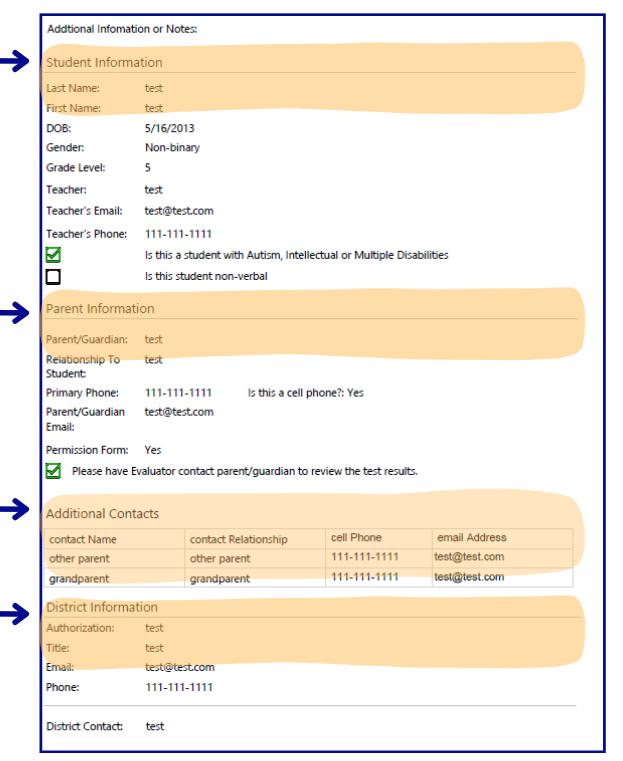
Please use the contact information given in the evaluation request form to reach key individuals promptly

up to 48 Hours
-Provider emails to indicate acceptance or decline
Promptly let us know if you accept or decline the new evaluation request to help us comply with district timelines.

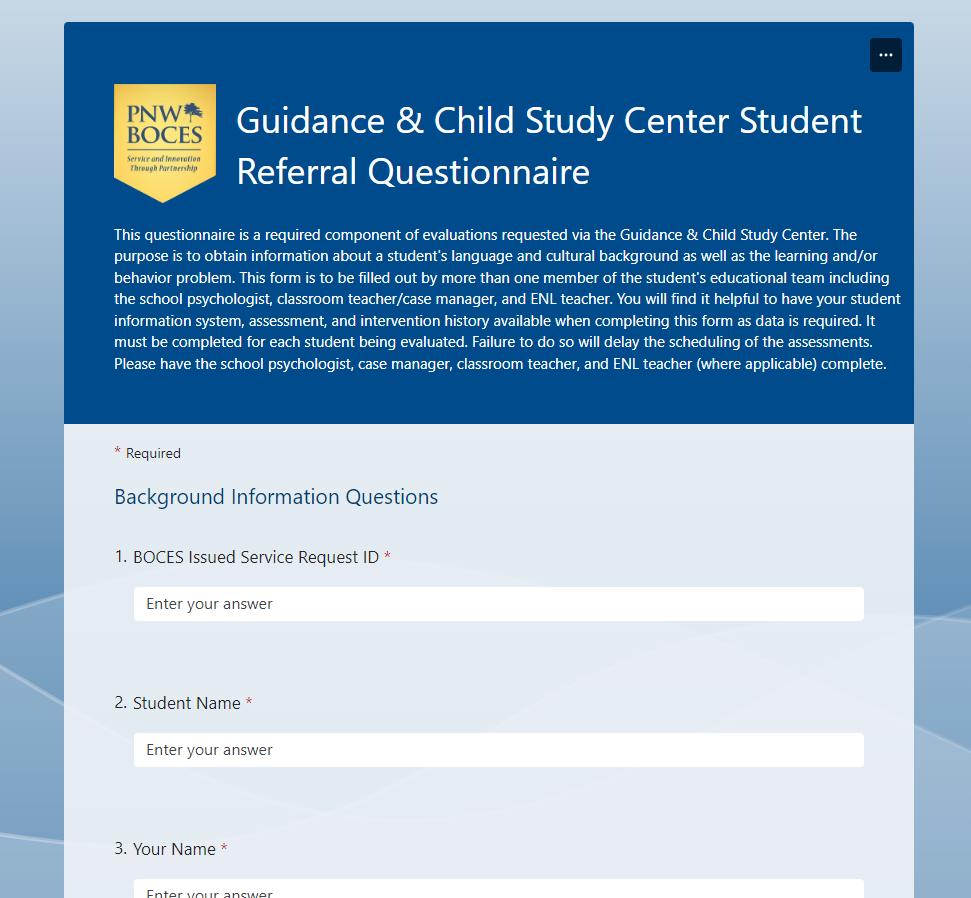
A student referral questionnaire is a tool used by districts to provide us with background information, such as language or cultural background.

The questionnaire asks specific questions about the student's strengths, learning challenges, and needs.
The information gathered through the questionnaire can then be used to determine what testing materials might be appropriate for the student.
Documents for Evaluation
When possible, we supply providers with student documents from school districts to assist in the evaluation process.
Case-by-Case Basis
Secure File System

These documents can be found on the Secure File System in provider folders.
Document availability may vary and is not guaranteed for every case.
Scribe Guide: Downloading Student Background Documents from Secure File…

This guide provides step-by-step instructions on how to download student reference documents from a secure file system. By following these steps, users can easily access…

Thisguideprovidesstep-by-stepinstructionsonhowtodownloadstudentreference documentsfromasecurefilesystem.Byfollowingthesesteps,userscaneasily accessandretrievethenecessarydocumentstoaidevaluatorsinassessingstudent needs.
1 Navigatetohttps://us1.hostedftp.com/login/setup/
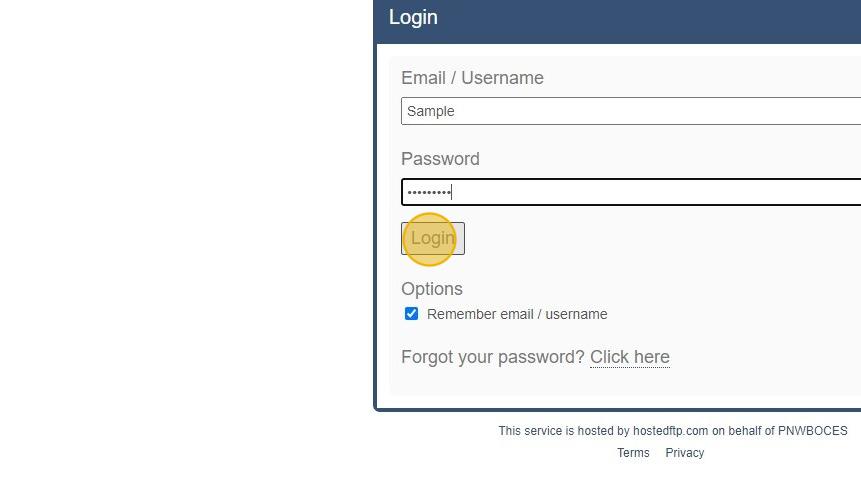
2 Enteryourusernameandpassword.ThenClick"Login"
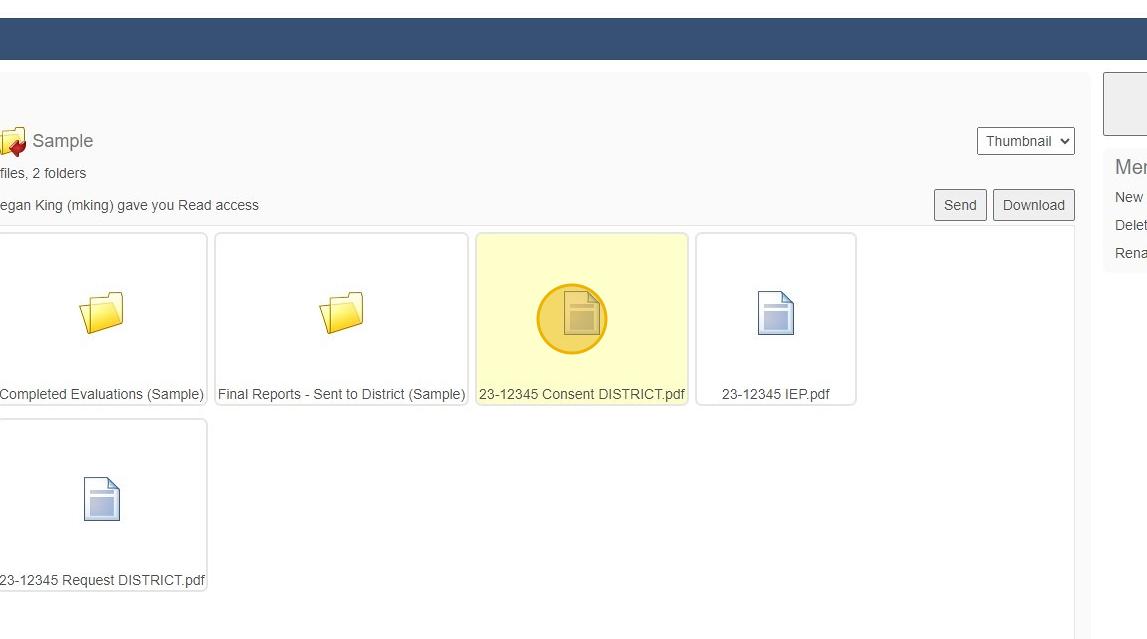
3 Clickondocumentyouwishtodownload
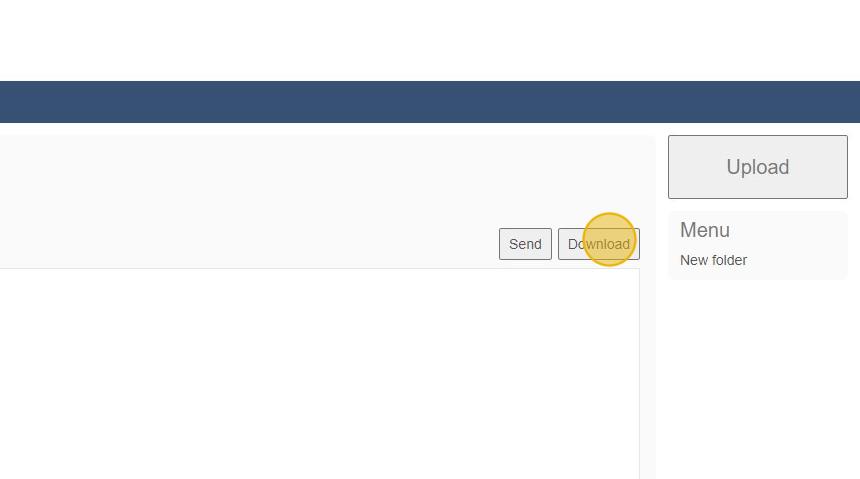
4 Click"Download"
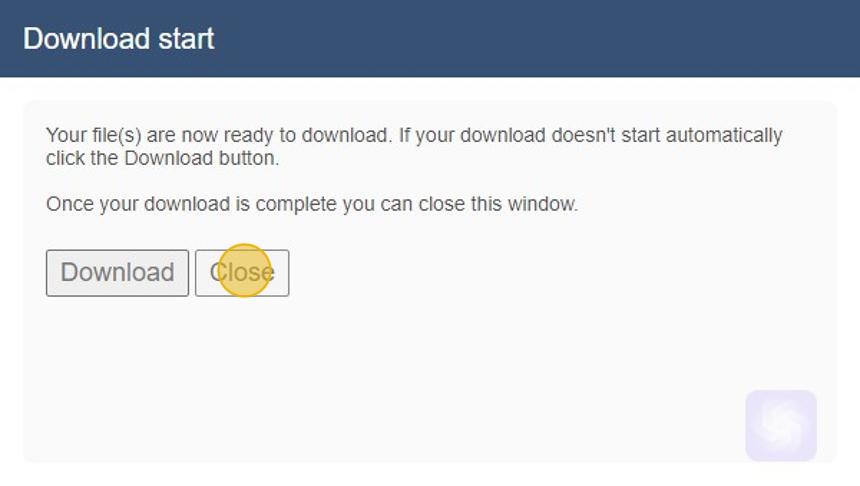
5 Click"Close"oncedocumentissuccessfullydownloaded
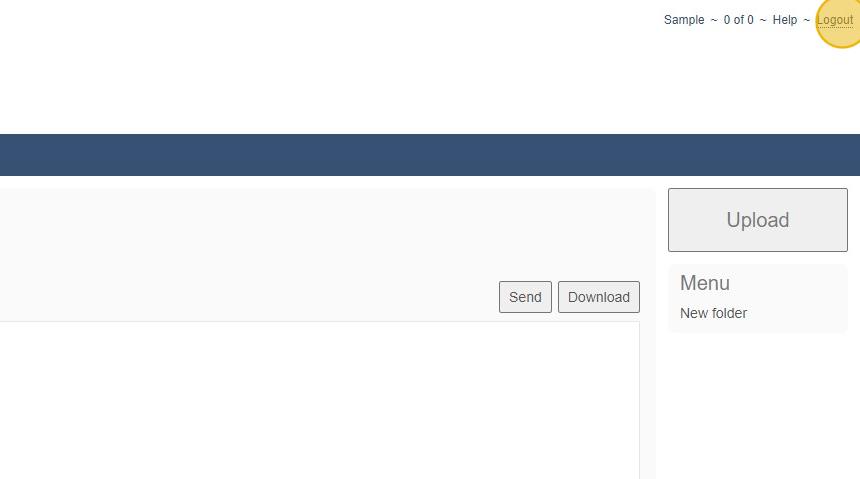
6 Click"Logout"

The Testing Material Inventory is regularly updated and can be located in Secure File System.
1 To request testing material, please email Megan King at mking@pnwboces.org by 7:30 AM each Monday. Thisissubjecttochange.
2 Be sure to format emails as outlined in Testing Material Inventory.

3 It is the provider's duty to ensure that all essential materials are present within the kit upon its return.
The testing material inventory list details all available assessments for loan, aiding providers in completing their reports.
This is a complete list of all test kits, protocols, and digital assets that the Guidance & Child Study Center owns.
To request testing materials, please email Megan King at mking@pnwboces.org.

Be sure to follow these procedures when submitting your request:
1. All requests are due by 7:30am each Monday
a. Requests must be received by the deadline to guarantee processing that week. Late requests cannot be guaranteed for processing that week.
b. Someone will reach out to you once your request is processed to schedule your pick-up time.
c. We are unable to accommodate same-day pick-ups.
2. Be sure to note the quantity you want of each protocol. If you do not specify a quantity you will receive only 1 of each.
a. Due to extended processing and delivery times from publishers, limits may be placed on protocol quantities.
b. Always be sure to specify which protocols you will need using the format in #3 (below). Failure to list the specific protocols you will need will result in delayed processing.
c. Small requests for protocols can be mailed. All requests received by the weekly deadline will be picked up by the mailroom on Thursday of the same week for processing.
3. Please use the following format in your emails:
• To request a kit and protocols – ‘Kit 19, 3 each of protocol a’ or ‘Kit 19, a-3’
• To request protocols only – ‘19a – 3’
• Requests submitted without kit numbers will have delayed processing.
**Due to limited quantities of test kits, the items you request may not be readily available. Please be sure to submit your requests as early as possible, and be prepared to use alternate tests where possible.**
1. ABAS-3 (Adaptive Behavior Assessment System)
a. ABAS-3 Ages 0-5 Parent/Caregiver Form
b. ABAS-3 Ages 2-5 Teacher/Daycare Provider Form
c. ABAS-3 Ages 5-21 Teacher Form
d. ABAS-3 Ages 5-21 Parent Form
e. ABAS-3 Ages 16-89 Adult Form
f. ABAS-3 Ages 5-21 Teacher Form Spanish
g. ABAS-3 Ages 5-21 Parent Form Spanish
2. ADOS-2 (Autism Diagnostic Observation Scale)
a. ADOS-2 Toddler Module (12-30 months) – Pre-Verbal/Single Words
b. ADOS-2 Module 1 (31 months and older) – Pre-Verbal/Single Words
c. ADOS-2 Module 2 – Phrase Speech
d. ADOS-2 Module 3 (Child/Adolescent) – Fluent Speech
e. ADOS-2 Module 4 (Adolescent/Adult) – Flue Speech
3. Arizona-4 (Digital Kit)
a. Arizona-4 Articulation & Phonology Scale – Word Articulation & Sentence Articulation Record Form
b. Arizona-4 Phonology Coding Form
4. ASRS (Autism Spectrum Rating Scales) (Manual)
a. ASRS Teacher/Childcare Provider Ratings 2-5
b. ASRS Parent Ratings 2-5
c. ASRS Short Form 2-5
d. ASRS Teacher Ratings 6-18
e. ASRS Parent Ratings 6-18
f. ASRS Short Form 6-18
5. BASC-3 (Behavior Assessment System for Children) (Manual)
a. BASC-3 Teacher Preschool 2-5
b. BASC-3 Teacher Preschool Hand-Scoring Worksheet
c. BASC-3 Parent Preschool 2-5
d. BASC-3 Parent Preschool Hand-Scoring Worksheet
e. BASC-3 Teacher Child 6-11
f. BASC-3 Teacher Child Hand-Scoring Worksheet
g. BASC-3 Parent Child 6-11
h. BASC-3 Parent Child Hand-Scoring Worksheet
i. BASC-3 Teacher Adolescent 12-21
j. BASC-3 Teacher Adolescent Hand-Scoring Worksheet
k. BASC-3 Parent Adolescent 12-21
l. BASC-3 Parent Adolescent Hand-Scoring Worksheet
m. BASC-3 Self-Report Interview 6-7
n. BASC-3 Self-Report Child 8-11
o. BASC-3 Self-Report Child Hand-Scoring Worksheet
p. BASC-3 Self-Report Adolescent 12-21
q. BASC-3 Self-Report Adolescent Hand-Scoring Worksheet
r. BASC-3 Self-Report College 18-25
s. BASC-3 Self-Report College Hand-Scoring Worksheet
t. BASC-3 Structured Developmental History
u. BASC-3 Student Observation System
v. BASC-3 Parent Preschool 2-5 Spanish
w. BASC-3 Parent Child 6-11 Spanish
x. BASC-3 Parent Adolescent 12-21 Spanish
y. BASC-3 Self-Report Child 8-11 Spanish
z. BASC-3 Self-Report Adolescent 12-21 Spanish
aa. BASC-3 Structured Developmental History Spanish
6. Batería-4 Achievement: Spanish (Achievement Skills Test)
a. Batería-4 Achievement Test Record
b. Batería-4 Achievement Response Booklet
7. Batería-4 Cognitive: Spanish (Cognitive Skills Test)
a. Batería-4 Cognitive Test Record
b. Batería-4 Cognitive Response Booklet
8. BEERY VMI-6 (The Beery-Buktenica Developmental Test of Visual-Motor Integration with Supplemental Developmental Tests of Visual Perception and Motor Coordination and Stepping Stones Age Norms from Birth to Age 6) (Manual)
a. BEERY VMI-6 Developmental Test of Visual-Motor Integration Ages 2-100 Full Form
b. BEERY VMI-6 Developmental Test of Motor Coordination Ages 2-18
9. BESA: English/Spanish (Bilingual English/Spanish Assessment)
a. BESA English Protocol
b. BESA BIOS (Bilingual Input-Output Survey)
c. BESA ITALK (Inventory to Assess Language Knowledge)
d. BESA Spanish Protocol
10. BOSA (Brief Observation of Symptoms of Autism)
11. BSRA-4 (Bracken School Readiness Assessment Fourth Edition Ages 3:0 through 7:11)
a. BSRA-4 Record Form
b. BSRA-4 Concept Development Guide
12. BRIEF-2 (Behavior Rating Inventory of Executive Function)
a. BRIEF-2 Teacher Form
b. BRIEF-2 Teacher Form Scoring Summary
c. BRIEF-2 Parent Form
d. BRIEF-2 Parent Form Scoring Summary
e. BRIEF-2 Self-Report Form
f. BRIEF-2 Self-Report Form Scoring Summary
g. BRIEF-2 Parent Form SPANISH
h. BRIEF-2 Self-Report Form SPANISH
13. Brown ADD Scales (Brown Attention-Deficit Disorder Scales for Children and Adolescents (Manual)
a. Brown ADD Scales Diagnostic 3-12
b. Brown ADD Scales Diagnostic 12-18
c. Brown ADD Adolescent Answer Document
d. Brown ADD Scales Teacher 3-7
e. Brown ADD Scales Teacher 8-12
f. Brown ADD Scales Parent 3-7
g. Brown ADD Scales Parent 8-12
h. Brown ADD Scales Self-Report 8-12
14. BVAT (Bilingual Verbal Ability Tests) Contact GCSC before submitting request
15. CARS-2 (Childhood Autism Rating Scale) (Manual)
a. CARS-2 Questionnaire for Parents or Caregivers
b. CARS-2 Standard Rating Scale
c. CARS-2 High-Functioning Rating Scale
16. CASL-2 (Comprehensive Assessment of Spoken Language)
a. CASL-2 Comprehensive Record Form Ages 3-21
17. CDI-2 (Children’s Depression Inventory) (Manual)
a. CDI-2 Teacher
b. CDI-2 Parent
c. CDI-2 Self-Report
d. CDI-2 Self-Report Short Form
18. CEFI (Comprehensive Executive Function Inventory) (Manual)
a. CEFI 5-18 Teacher Form
b. CEFI 5-18 Parent Form
c. CEFI 12-18 Self-Report Form
19. CELF Preschool-2: Spanish (Clinical Evaluation of Language Fundamentals)
a. CELF Preschool-2 Record Form Spanish
b. CELF Preschool-2 Pre-Literacy Rating Scale Spanish
20. CELF Preschool-3: English (Clinical Evaluation of Language Fundamentals)
a. CELF Preschool-3 Record Form
b. CELF Preschool-3 Descriptive Pragmatics Profile (DPP)
21. CELF-4: Spanish (Clinical Evaluation of Language Fundamentals)
a. CELF-4 Ages 5-8 Record Form Spanish
b. CELF-4 Ages 9-21 Record Form Spanish
c. CELF-4 Literacy Rating Scales Spanish
22. CELF-5 (Clinical Evaluation of Language Fundamentals)
a. CELF-5 Ages 5-8 Record Form 1
b. CELF-5 Ages 8-10 Reading and Writing 1
c. CELF-5 Ages 9-21 Record Form 2
d. CELF-5 Ages 11-21 Reading and Writing 2
e. CELF-5 Observational Rating Scale
23. CELF-5 Screening Test (Clinical Evaluation of Language Fundamentals – Screening) (Manual)
a. CELF-5 Screening Test Record Form
24. CMS (Children’s Memory Scale)
a. CMS Ages 5-8 Record Form
b. CMS Ages 9-16 Record Form
25. CONNERS-CBRS (Comprehensive Behavior Rating Scales) (Manual)
a. Conners CBRS Teacher
b. Conners CBRS Parent
c. Conners CBRS Self-Report
26. CTONI-2 (Comprehensive Test of Non-Verbal Intelligence)
a. CTONI-2 Examiner Record Form
27. CTOPP-2 (Comprehensive Test of Phonological Processing)
a. CTOPP-2 Ages 4-6 Examiner Record Booklet
b. CTOPP-2 Ages 7-24 Examiner Record Booklet
28. D-KEFS (Delis-Kaplan Executive Function System)
a. D-KEFS Standard Record Form
b. D-KEFS Design Fluency Test Condition 1 Filled Dots
c. D-KEFS Trail Making Test Condition 1 Visual Scanning
d. D-KEFS Trail Making Test Condition 2 Number Sequencing
e. D-KEFS Trail Making Test Condition 3 Letter Sequencing
f. D-KEFS Trail Making Test Condition 4 Number-Letter Switching
g. D-KEFS Trail Making Test Condition 5 Motor Speed
29. D-REF (Delis Rating of Executive Functions) (Manual)
a. D-REF Teacher Rating Form
b. D-REF Parent Rating Form
c. D-REF Self Rating Form
30. DAP (Draw a Person: A Quantitative Scoring System) (Manual)
a. DAP Response Form
31. DAS-2: English (Differential Ability Scales)
a. DAS-2 Early Years Record Form
b. DAS-2 School-Age Record Form
c. DAS-2 Speed of Information Processing Response Booklet A
d. DAS-2 Speed of Information Processing Response Booklet B
e. DAS-2 Speed of Information Processing Response Booklet C
32. DAS-2: Spanish (Differential Ability Scales)
a. DAS-2 Early Years Record Form Spanish
33. DAYC-2 (Developmental Assessment of Young Children)
a. DAYC-2 Examiner Summary Sheet
b. DAYC-2 Adaptive Behavior Domain Scoring Form
c. DAYC-2 Cognitive Domain Scoring Form
d. DAYC-2 Communication Domain Scoring Form
e. DAYC-2 Physical Development Domain Scoring Form
f. DAYC-2 Social-Emotional Domain Scoring Sheet
34. DEAP (Diagnostic Evaluation of Articulation & Phonology)
a. DEAP Articulation Assessment Record Form
b. DEAP Phonology Assessment Record Form
c. DEAP Diagnostic Screen
35. EDDT (Emotional Disturbance Decision Tree)
a. EDDT Score Summary Booklet
36. EIWA-3: Spanish WAIS (Escala de Inteligencia Wechsler)
a. EIWA-3 Pagina de Conversion de Punctuaciones
b. EIWA-3 Folleto de Respuestes
37. EOWPVT-4: English (Expressive One-Word Picture Vocabulary Test)
a. EOWPVT-4 Record Form
38. EOWPVT-4: Spanish (Expressive One-Word Picture Vocabulary Test)
a. EOWPVT-4 Record Form Spanish
39. ERSI (Early Reading Success Indicator)
a. ERSI Record Form
40. FAR (Feifer Assessment of Reading)
a. FAR Examiner Record Form
b. FAR Examinee Response Form
41. Functional Communication Profile (Assessing Communicative Effectiveness in Clients with Developmental Delays) (Manual)
a. Functional Communication Profile - Revised
42. GARS-3 (Gilliam Autism Rating Scale)
a. GARS-3 Summary/Response Form
43. GFTA-3 (Goldman-Fristoe Test of Articulation)
a. GFTA-3 Record Form
44. GFTA-3: Spanish (Goldman-Fristoe Test of Articulation)
a. GFTA-3 Record Form Spanish
45. GORT-5 (Gray Oral Reading Test)
a. GORT-5 Examiner Record Booklet Form A
b. GORT-5 Examiner Record Booklet Form B
46. Green’s MSVT (Green’s Medical Symptom Validity Test for Microsoft Windows) (Manual)
47. KABC-2 (Kaufman Assessment Battery for Children)
a. KABC-2 Ages 7-18
48. Key Math-3 Form A (Diagnostic Assessment)
a. Key Math-3 Form A
b. Key Math-3 Form A Written Computation Examinee Booklet
49. Key Math-3 Form B (Diagnostic Assessment)
a. Key Math-3 Form B
b. Key Math-3 Form B Written Computation Examinee Booklet
50. KLPA-3 (Khan-Lewis Phonological Analysis)
a. KLPA-3 Analysis Form
51. KOPPITZ-2 (Koppitz Developmental Scoring System for the Bender Gestalt Test)
a. KOPPITZ-2 Ages 5-7 Examiner Record Form
b. KOPPITZ-2 Ages 8-85+ Examiner Record Form
c. KOPPITZ-2 Supplemental Emotional Indicators Record Form
52. KTEA-3 Brief (Kaufman Test of Educational Achievement)
a. KTEA-3 Brief Record Form
b. KTEA-3 Brief Response Booklet
53. KTEA-3 A (Kaufman Test of Educational Achievement)
a. KTEA-3 Record Form A
b. KTEA-3 Response Booklet Form A
c. KTEA-3 Form A Written Expression Booklet Level 2 Grades 1-2
d. KTEA-3 Form A Written Expression Booklet Level 3 Grades 3-5
e. KTEA-3 Form A Written Expression Booklet Level 4 Grades 6-12+
54. KTEA-3 B (Kaufman Test of Educational Achievement)
a. KTEA-3 Record Form B
b. KTEA-3 Response Booklet Form B
c. KTEA-3 Form B Written Expression Booklet Level 2 Grades 1-2
d. KTEA-3 Form B Written Expression Booklet Level 3 Grades 3-5
e. KTEA-3 Form B Written Expression Booklet Level 4 Grades 6-12+
55. LEITER-3 (Leiter International Performance Scale)
a. Leiter-3 Record Form
b. Leiter-3 Response Booklet
56. MASC-2 (Multidimensional Anxiety Scale for Children) (Manual)
a. MASC-2 Parent
b. MASC-2 Self-Report
57. NEPSY-2 (Neuropsychological Assessment)
a. NEPSY-2 Ages 3-4 Record Form
b. NEPSY-2 Ages 3-4 Response Booklet
c. NEPSY-2 Ages 5-16 Record Form
d. NEPSY-2 Ages 5-16 Response Booklet
58. OWLS-2 Listening Comprehension & Oral Expression
a. OWLS-2 Comprehensive Profile Form
b. OWLS-2 Listening Comprehension & Oral Expression
59. OWLS-2 Reading Comprehension & Written Expression
a. OWLS-2 Comprehensive Profile Form
b. OWLS-2 Reading Comprehension & Written Expression
c. OWLS-2 Written Expression Response Booklet
60. PAL-2 (Process Assessment of the Learner)
a. PAL-2 Record Form for Reading & Writing
b. PAL-2 Response Booklet for Reading & Writing
61. PLS-5: English/Spanish (Preschool Language Skills)
a. PLS-5 Record Form
b. PLS-5 Home Communication Questionnaire
c. PLS-5 Record Form Spanish
d. PLS-5 Home Communication Questionnaire Spanish
62. PLSI (Pragmatic Language Skills Inventory) (Manual)
a. PLSI Summary/Response Form
63. PPVT-5 Form A (Peabody Picture Vocabulary Test)
a. PPVT-5 Record Form A
64. PPVT-5 Form B (Peabody Picture Vocabulary Test)
a. PPVT-5 Record Form B
65. PTONI (Primary Test of Nonverbal Intelligence)
a. PTONI Examiner Record Form
66. RCFT (Rey Complex Figure Test & Recognition Trial)
a. Rey Complex Figure Test & Recognition Trial Test Booklet
67. ROWPVT-4: English (Receptive One-Word Picture Vocabulary Test)
a. ROWPVT-4 Record Form
68. ROWPVT-4: Spanish (Receptive One-Word Picture Vocabulary Test)
a. ROWPVT-4 Record Form Spanish
69. 7-Day Loan Scoring Laptop
70. Sensory Profile-2 (Strengths-Based Approach to Assessment and Planning) (Manual)
a. School Companion Sensory Profile-2 Teacher Questionnaire 3:0-14:11 Years
b. Short Sensory Profile-2 Caregiver Questionnaire 3:0-14:11 Years
c. Infant Sensory Profile-2 Caregiver Questionnaire Birth-6 months
d. Toddler Sensory Profile-2 Caregiver Questionnaire 7-35 months
e. Child Sensory Profile-2 Caregiver Questionnaire 3:0-14:11 Years
f. SPANISH Short Sensory Profile-2 Caregiver Questionnaire 3:0-14:11 Years
g. SPANISH Infant Sensory Profile-2 Caregiver Questionnaire Birth-6 months
h. SPANISH Toddler Sensory Profile-2 Caregiver Questionnaire 7-35 months
i. SPANISH Child Sensory Profile-2 Caregiver Questionnaire 3:0-14:11 Years
71. SIB-R (Scales of Independent Behavior-Revised)
a. SIB-R Response Booklet Early Development Form
b. SIB-R Individual Plan Recommendations Early Development Form
c. SIB-R Response Booklet Full Scale
d. SIB-R Response Booklet Short Form
e. SIB-R Individual Plan Recommendations Short Form
72. Spanish SPELT-3 (Spanish Structured Photographic Expressive Language Test)
a. Spanish SPELT-3 Response Form
73. Stanford Binet-5 (Stanford Binet Intelligence Scales)
a. Stanford Binet-5 Record Form
74. TAPS-3: Spanish (Test of Auditory Processing Skills)
a. TAPS-3 Spanish
75. TAPS-4: English (Test of Auditory Processing Skills)
a. TAPS-4 Phonological Processing; Auditory Memory; Listening Comprehension
76. TEMAS (Tell Me a Story)
77. TILLS (Test of Integrated Language & Literacy Skills)
a. TILLS Examiner Record Form
b. TILLS Student Response Form
c. TILLS Student Language Scale
78. TOLD P-5 (Test of Language Development Primary)
a. TOLD P-5 Examiner Record Booklet
79. TONI-4 (Test of Non-Verbal Intelligence)
a. TONI-4 Answer and Record Form A
b. TONI-4 Answer and Record Form B
80. TOPL-2 (Test of Pragmatic Language)
a. TOPL-2 Ages 6-7 Examiner Record Booklet
b. TOPL-2 Ages 8-18 Examiner Record Booklet
81. TOWL-4 (Test of Written Language)
a. TOWL-4 Record/Story Scoring Form
b. TOWL-4 Student Response Booklet Form A
c. TOWL-4 Student Response Booklet Form B
82. TPAS: Spanish (Test of Phonological Awareness in Spanish)
a. TPAS Examiner Record Booklet
83. TVIP: Spanish Peabody Picture Vocabulary Test (English Manual included)
a. TVIP Individual Test Record
84. UNIT-2 (Universal Non-Verbal Intelligence Test)
a. UNIT-2 Examiner Record Form
b. Unit Mazes Response Booklet
85. Vineland-3 (Vineland Adaptive Behavior Scales) (Manual)
a. Vineland-3 Domain-Level Teacher Form
b. Vineland-3 Comprehensive Teacher Form
c. Vineland-3 Domain-Level Parent/Caregiver Form
d. Vineland-3 Comprehensive Parent/Caregiver Form
e. Vineland-3 Domain-Level Interview Form
f. Vineland-3 Comprehensive Interview Form
g. Vineland-3 Comprehensive Interview Form without Item-Level Probes
h. Vineland-3 Domain-Level Parent/Caregiver Form SPANISH
i. Vineland-3 Comprehensive Parent/Caregiver Form SPANISH
86. WAIS-4 (Wechsler Adult Intelligence Scale)
a. WAIS-4 Record Book
b. WAIS-4 Response Booklet 1
c. WAIS-4 Response Booklet 2
87. WIAT-4 (Wechsler Individual Achievement Test)
a. WIAT-4 Record Form
b. WIAT-4 Response Booklet
c. WIAT-4 Dyslexia Index Record Form
88. WIIIP (Woodcock Interpretation & Instruction Interventions Program)
a. WIIIP Reason Referral Checklist
89. WISC-5: English (Wechsler Intelligence Scale for Children)
a. WISC-5 Record Form
b. WISC-5 Response Booklet 1
c. WISC-5 Response Booklet 2
90. WISC-5: Spanish (Wechsler Intelligence Scale for Children)
a. WISC-5 Record Form Spanish
b. WISC-5 Response Booklet Spanish
91. WJ-4 Test of Oral Language (Woodcock-Johnson Test of Oral Language)
a. WJ-4 Tests of Oral Language Test Record
92. WJ-4 Combined Kit: Achievement & Cognitive (Woodcock-Johnson Combined Kit: Achievement/Cognitive)
a. *See WJ-4 Achievement and WJ-4 Cognitive for protocols
93. WJ-4 Achievement (Woodcock-Johnson – Achievement)
a. WJ-4 Tests of Achievement Test Record Form A
b. WJ-4 Tests of Achievement Response Booklet Form A
c. WJ-4 Tests of Achievement Test Record Form B
d. WJ-4 Tests of Achievement Response Booklet Form B
94. WJ-4 Cognitive (Woodcock-Johnson – Cognitive)
a. WJ-4 Tests of Cognitive Abilities Test Record
b. WJ-4 Tests of Cognitive Abilities Response Booklet
95. WJ-4 ECAD (Woodcock-Johnson - Tests of Early Cognitive and Academic Development)
a. WJ-4 ECAD Test Record
b. WJ-4 ECAD Response Worksheet
96. WMLS-3: Spanish (Woodcock Muñoz Language Survey)
a. WMLS-3 Test Record English Form A
b. WMLS-3 Response Booklet English Form A
c. WMLS-3 Test Record Spanish
d. WMLS-3 Response Booklet Spanish
97. WMS-4 (Wechsler Memory Scale)
a. WMS-4 Adult Battery Ages 16-99 Record Form
b. WMS-4 Response Booklet
98. WNV (Wechsler Non-Verbal)
a. WNV Record Form
b. WNV Response Booklet
99. WPPSI-4 (Wechsler Primary Preschool Scale of Intelligence)
a. WPPSI-4 Ages 2:6-3:11 Record Form
b. WPPSI-4 Ages 4:0-7:7 Record Form
c. WPPSI-4 Response Booklet 1
d. WPPSI-4 Response Booklet 2
e. WPPSI-4 Response Booklet 3
100. WRAML-3 (Wide Range Assessment of Memory & Learning)
a. WRAML-3 Record Form
b. WRAML-3 Recall Response Booklet (Picture Memory, Design Learning, Picture Memory Delayed, Design Learning Delayed)
c. WRAML-3 Recognition Response Booklet (Picture Memory Recognition, Design Learning Recognition)
d. WRAML-3 Brief Record Form
e. WRAML-3 Brief Response Booklet (Design Learning, Design Learning Delayed, Design Learning Recognition)
101 YCAT-2 (Young Children’s Achievement Test)
a. YCAT-2 Ages 4-0 to 7-11 Examiner Record Booklet Form A
b. YCAT-2 Ages 4-0 to 7-11 Student Response Form A
c. YCAT-2 Ages 4-0 to 7-11 Examiner Record Booklet Form B
d. YCAT-2 Ages 4-0 to 7-11 Student Response Form B
Below is the list of digital materials owned by the GCSC. For login information, please see the ‘Digital Assets PNW BOCES Credentials’ document located in the Documents for Providers folder on the secure file system.
*If you notice that inventory is running low, please email Narolin Reyes at nreyes@pnwboces.org and Debbi LaPadula at dlapadula@pnwboces.org.
Q Global BASC-3
CELF Preschool-3
CELF-4 Spanish
CELF-5
D-REF
GFTA-3
KABC-2
KTEA-3 Brief
MACI-2
PPVT-5
Vineland-3
WAIS-4
WIAT-4
WISC-5
WISC-5 Spanish
WPPSI-4
WRAML-3
Riverside Insights
WJ-4
WMLS-3
PARiConnect
BRIEF-2
FAR
RCFT In-Person e-stimulus card
WPS Online
Arizona-4
ABAS-3
DBC-2
MHS
Conners-4
Ortiz PVAT
Focus on strengths, abilities, talents and positive attributes.
Utilizing the appropriate assessment tool is essential for accurately understanding a student's abilities and challenges.
When documenting the reason for referral, it's important to be specific and provide as much detail as possible.
Reports should detail how a student's strengths and weaknesses impact their school performance to guide the development of tailored interventions and ensure appropriate educational support.
Include important information such as family background, educational and outside supports.
If districts ask you to share evaluation findings with a family, ensure your reports state whether the findings were reviewed with the parent, including the specific date, or note if the parent was unreachable, with the corresponding date

All bilingual reports include a native language summary, unless an interpreter was used.
Providers should present findings for the CSE’s contemplation rather then recommendations.
Providers are required to affix their signature and/or electronic signature at the end of the report.
1 Include the service request ID inthe title of the report so that it canbe identified and marked as received.

2 Include your signature or electronic signature at the end of your report
3 Save your report following this format:
request #, type of report, District, language, provider last name
4 Upload reports to the secure file system as Word documents.
5 Due to the data privacy requirements of Education Law Part 2D, completed evaluations should NOT be submitted via email.
6 If youare experiencing issues with the secure file system, review the troubleshooting guide or email MeganKing. Google Drive Putnam | Northern Westchester Boces Report Header
This document has the PNW BOCES header that all providers should use when turning in report.


Jamie, a 7-year-old student, was observed to have difficulties in communication and motor skills. Multiple related service providers, including a Speech-Language Pathologist (SLP) and an Occupational Therapist (OT), were involved in conducting evaluations.
The SLP and OT documented detailed findings and considerations regarding Jamie’s needs They outlined how Jamie's challenges might impact his educational experience but refrained from prescribing specific therapies or programs.
During the CSE meeting, led by the CSE Chairperson, all evaluations and considerations were reviewed. The team, including Jamie’s parents, discussed the educational impact of Jamie’s challenges The CSE Chairperson synthesized the information, facilitated discussions, and led the team in determining eligibility, describing the impact of the disability, and developing an Individualized Education Program (IEP) for Jamie.

Please notify us of delays at least 3 days before the deadlines to allow us to inform the district


Thisconciseguideprovidesstep-by-stepinstructionsonhowtouploadyour completedreportstoaSecureFileSystem,ensuringasmoothandsecuretransferof yourreportstoschooldistricts.
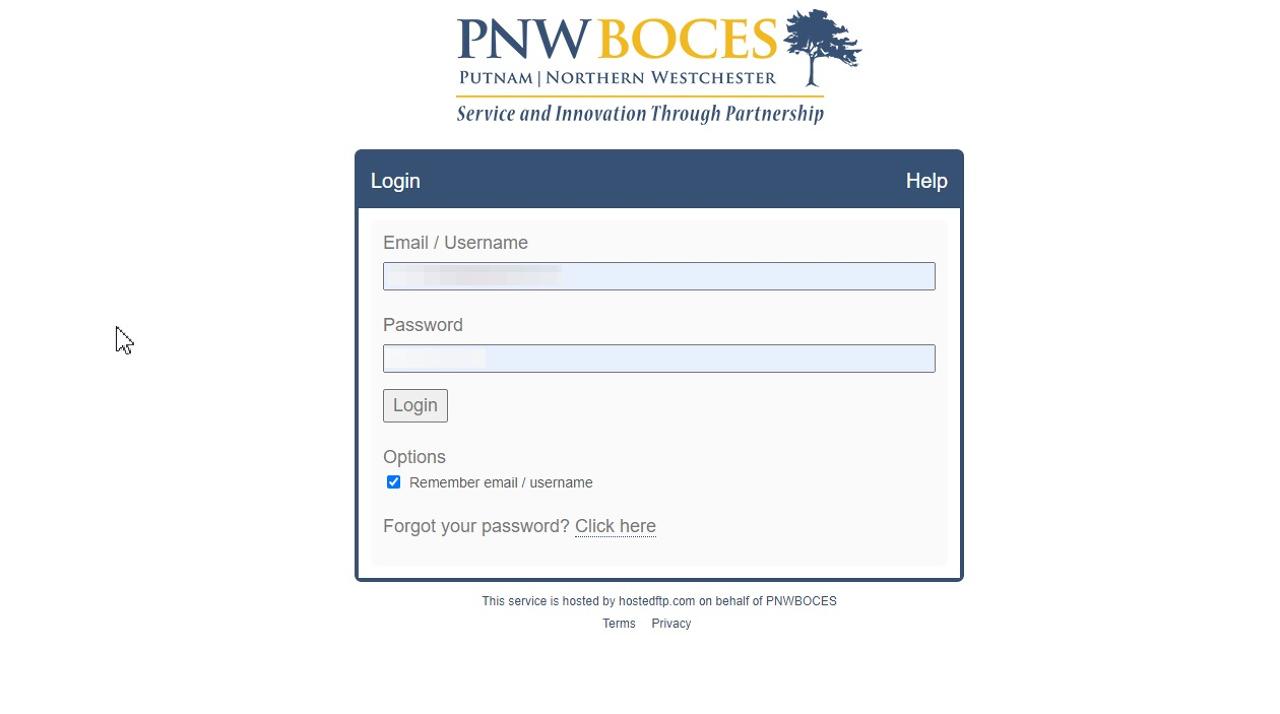
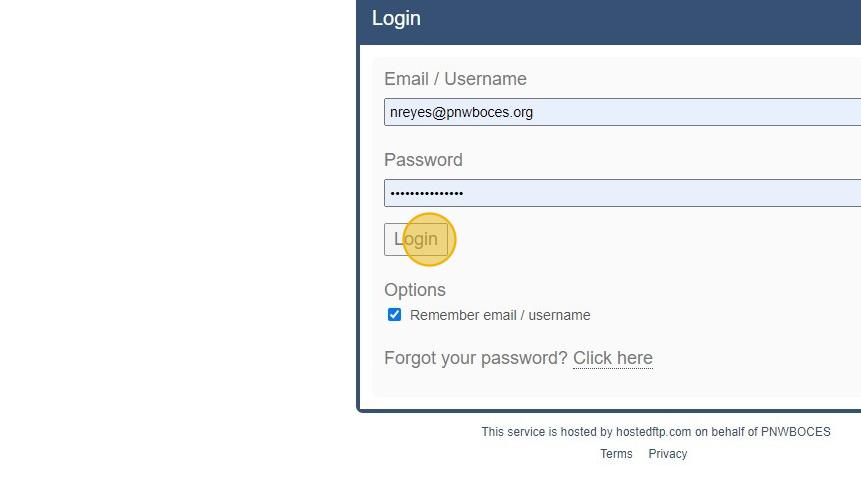
1 Navigatetohttps://us1.hostedftp.com/login/
2 EnteryourusernameandpasswordtoLogin
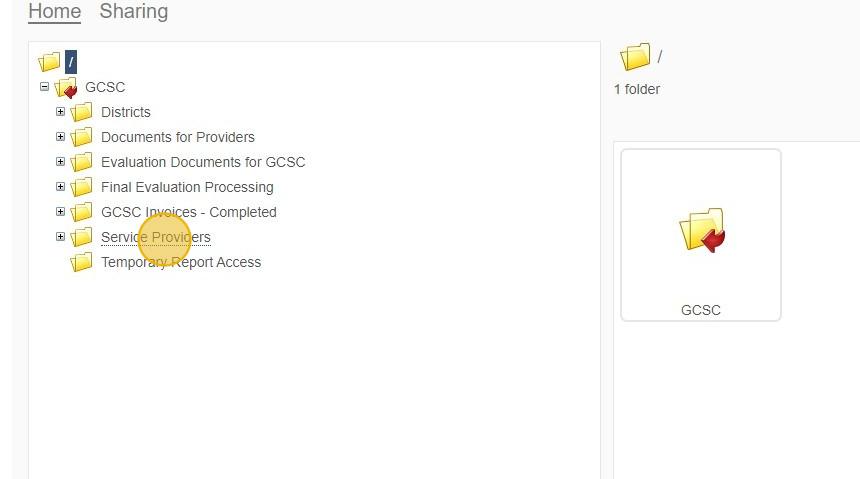
5 Clickthefolderlabeledwithyourname
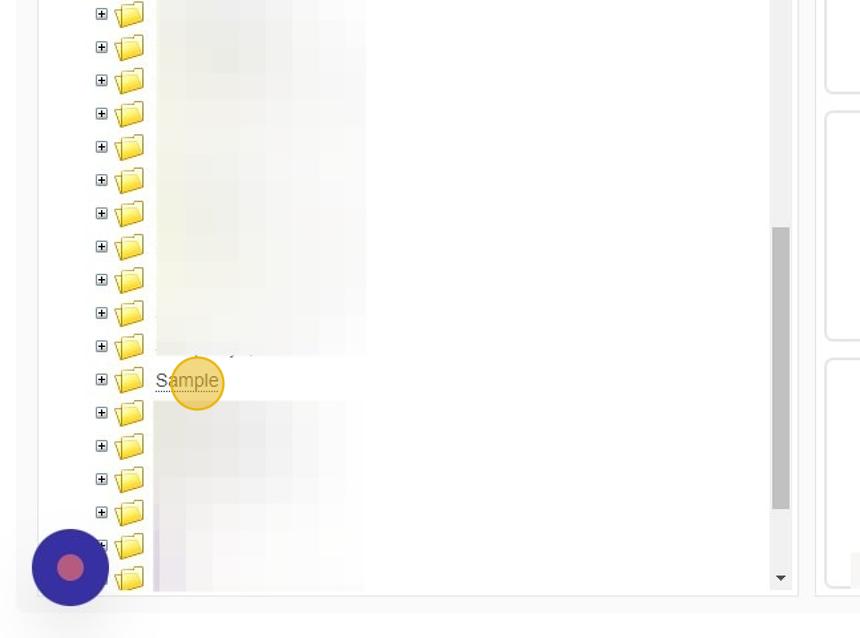
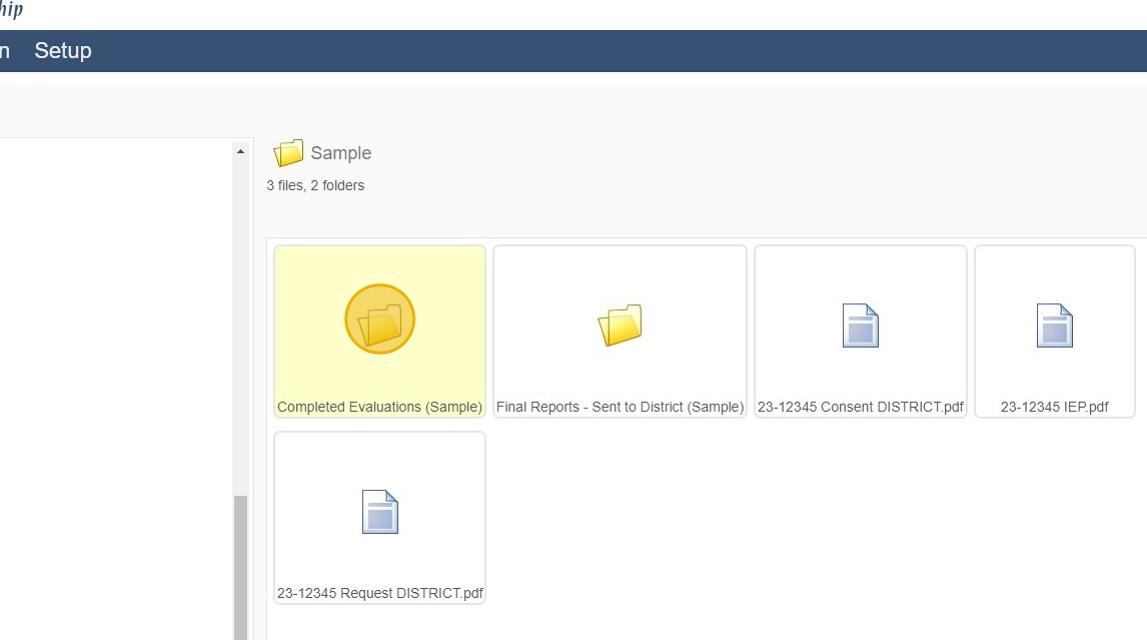
8 Click"ChooseFile"andselectyourcompletedreporttoupload
9 Click"Upload"
IDENTIFYING INFORMATION
Name: Parents:
GCSC ID#: Date of Evaluation:
Birthdate: Chronological Age:
Ethnic Background: Language:
School: District:
Assessment Conducted by:

Reason for Referral and Background Information
Cultural/ Language History Development
• Language/Literacy History: Document the student’s language and dialect acquisition history, the current primary language at home, the primary language of the student in various settings, and the student’s language preference.
• Note the parent’s or primary caregiver’s language and literacy background.
• Document delays / milestones, family history of learning problems.
Evaluation of Experiential Factors:
When considering English Language Learners (ELLs) who are suspected of having a disability, exclusionary factors should be carefully examined to ensure that language and cultural differences are not mistaken for a disability. Exclusionary factors have to be ruled out as being major contributors to the student’s academic achievement.
Assessment Procedures, Techniques, and Instruments [Standard Language]: In accordance with NYSED Field Advisory (2014), assessment scores for culturally and linguistically diverse students are valid and reportable if the tests align with their intended purposes and if the student is represented in the normative sample based on their cultural, linguistic, and racial background. Our assessment was conducted in the most informative language and format. Instead of standard scores, we provide descriptive, qualitative results to highlight individual strengths and needs. Any adjustments for bilingual considerations are documented accordingly.
Procedures/ Techniques
• Procedures and materials for students who possess limited English proficiency shall be in the student’s native language.
• Include a statement that explains the modality that the assessment will be conducted in (English, non-verbal, native language, or a combination) and the rationale.
• If testing modifications were made, describe the modifications, and describe the results from the modified approach.
• When using an interpreter, document the interpreter’s language proficiency in the student’s primary language and specify the areas that they were involved (i.e., administration of a test, interview with parents).
• Utilize tests and subtests that are low to moderate in linguistic and cultural loading.
List Instruments/Assessments
Examples include but are not limited to:
Review of Records
Review of current IEP
Parent Interview
Student Interview
Assessments
Clinical and Behavioral Observations
Communication
• Describe student’s Stage of Second Language Acquisition, English language proficiency and bilingual verbal ability include BICS/CALP/ NYSESLAT.
• Document if the student’s performance/ patterns are related to the normal process of second-language acquisition or are a manifestation of dialect and sociolinguistic variance.
• Where available, provide descriptions that have been provided by teachers/school staff compare against same age/experience peers.
Cognitive Functioning
• Adequately interpret findings. Present results in clear, understandable terms so that the parties involved can make informed decisions.
Academic Functioning – Spanish / English
• Reading
• Listening Comprehension/ Language Memory
• Written Expression
• Mathematics
Social/emotional/behavioral:
Where indicated by the referral question/request or presenting concerns, use tools and interpret the findings.
Adaptive behavior/vocational/self-help skills:
Where indicated by the referral question/request or presenting concerns, use tools and interpret the findings.
Summary & Overall Impression
• Interpret findings and present results in clear, understandable terms so that the parties involved can make informed decisions.
• Summarize the student’s patterns of strengths and weaknesses.
• Make connections between the student’s language background and present levels of performance.
• Include a determination of the exclusionary factors considered.
• Determine if present levels of performance are consistent or not consistent with a disability.
Reports including recommendations for consideration by the Committee on Special Education (CSE), should follow these guidelines:
• List the student’s need(s) and if needed describe any proposed intervention and support options.
• Avoid use of: specific classification categories, program names, settings, therapies, related services, class sizes or use of aides.
• Provide rationale and evidence if proposing additional testing.
Parent Contact Statement [Standard Language]:
• When the district asks the provider to share results with parents include who the results were shared with and when.
• “Results of this evaluation were reviewed with ________ on ____________”.
Evaluator's Details
• Name:
• License/Certification Number:
• Signature:
• Date:
Appendices (If needed)
- Test score tables.
- Copies of assessment tools or protocols used.
IDENTIFYING INFORMATION
Name: Parents:
GCSC ID#: Date of Evaluation:
Birthdate: Chronological Age:
Ethnic Background: Language:
School: District:
Assessment Conducted by:
Evaluation of Experiential Factors:
Exclusionary factors should be carefully examined to ensure that any differences or cultural influences are not mistaken for a disability. Exclusionary factors must be ruled out as being the major contributors to the student's academic achievement.
Procedures/ Techniques
• Include a statement that describes the modality that the assessment will be conducted in (e.g., English, non-verbal) and the rationale.
• If testing modifications were made, describe the modifications and provide results from the modified approach.
List Instruments/Assessments
Examples include but are not limited to:
Review of Records
Review of current IEP
Parent Interview
Student Interview Assessments
Clinical and Behavioral Observations
Communication
• Document if the student’s performance/ patterns are related to the normal process of second-language acquisition or are a manifestation of dialect and sociolinguistic variance.
• Where available, provide descriptions that have been provided by teachers/school staff compare against same age/experience peers.
Cognitive Functioning
• Adequately interpret findings. Present results in clear, understandable terms so that the parties involved can make informed decisions.
Academic Functioning
• Reading
• Listening Comprehension/ Language Memory
• Written Expression
• Mathematics
Social/emotional/behavioral:
• Where indicated by the referral question/request or presenting concerns, use tools and interpret the findings.
• Adaptive behavior/vocational/self-help skills: Where indicated by the referral question/request or presenting concerns, use tools and interpret the findings.
Summary & Overall Impression
• Interpret findings and present results in clear, understandable terms so that the parties involved can make informed decisions.
• Summarize the student’s patterns of strengths and weaknesses.
• Include a determination of the exclusionary factors considered.
• Determine if present levels of performance are consistent or not consistent with a disability.
Reports including recommendations for consideration by the Committee on Special Education (CSE), should follow these guidelines:
• List the student’s need(s) and if needed describe any proposed intervention and support options.
• Avoid use of specific classification categories, program names, settings, therapies, related services, class sizes or use of aides.
• Provide rationale and evidence if proposing additional testing.
Parent Contact Statement [Standard Language]:
• When the district asks the provider to share results with parents include who the results were shared with and when.
• “Results of this evaluation were reviewed with ________ on ____________”.
• Name:
• License/Certification Number:
• Signature:
• Date:
Appendices (If needed)
- Test score tables.
- Copies of assessment tools or protocols used.
IDENTIFYING INFORMATION
Name: Parents:
GCSC ID#: Date of Evaluation:
Birthdate: Chronological Age:
Ethnic Background: Language:
School: District:
Assessment Conducted by:
Background of Student
Include the following in narrative format: Age of student, where evaluated, reason for assessment, who requested assessment and setting (lighting conditions/seating/visual or auditory distractions) and how student reacted or participated in the assessment.
Eye Condition and Acuity: Based on E12S form, include date of eye report and when indicating medical terminology, describe briefly what it means in layperson’s words. Show if acuity is for distance or near vision (if known).
Additional Related Diagnoses: This may include other disabilities such as syndromes, physical limitations, hearing impairment, intellectual disabilities and Spectrum Disorders. If indicating medical jargon, site reference and describe terms briefly. Include that student has an Intellectual Disability or Autism only if diagnosed by authorized professional.
Medical History: May include any past surgeries or procedures, prognosis of condition(s) if known, if the student wears glasses (tinted/aphakic), uses a visor and doctor’s recommendations, etc…
Services Student is Currently receiving: (OT, PT, Speech, Special Education, Counseling)
Assessment Tools used (List any standardize/criterion/curriculum-based assessments. Also state your own clinical observations and any other professional or family member who provided testimony or additional comments about student)
Physical Appearance of Eyes:
• Alignment of eyes-
• Color of eyes (irides)-
• Irides (size, shape and location in eye socket)-
• Scleras-
• Pupils (size and shape)-
• Blink Response
• Other visible structural observations: (drooping eyelids/eyelashes/eye socket shape)-
Oculo-Motor Observations:
• Light- (how eyes move with and without light)
• Pupils (indicate dilation or constriction and if they are visible with and without light presence)-
• Fixation- (when head is in midline and eyes lock onto object, also indicating distance object was held)
• Tracking (include horizontal/vertical/diagonal/circular following and distance)-
• Scanning (more than 2 objects placed at a specific distance in front of student)-
• Convergence/Divergence (when object moves toward and away from student in midline)-
• Depth Perception (when student reaches or touches a small or narrow object held at different distances)-
• Eye Shifting (when eyes dart from one object to another at specific distances)-
• Eye Preference- Right___ Left___ None Observed-
• Binocularity/Monocularity-
• Peripheral Reactions- (indicate horizontal to an object up to 180 degrees and vertical up to about 140 degrees while student’s head remains in midline fixating on another object).
Visual Attending Behaviors
• Eye poking-
• Hand flapping-
• Head positioning (include head tilting/torticolis or head shaking)
• Sensitivity to light/Abnormal Light reactions-
• Posture/Physical Movement/Gait Patterns-
Visual Examining Behaviors/Visual Perception
• Contrast: (indicate different levels of contrast at different distances)
• Letter/Number Point Size:
• Describing Pictures/Photos:
• Recognizes familiar or novel objects:
Adapted with permission, provided by District 75/Educational Vision Services of New York, NY.
Academic Skills
• Reading Abilities/Reading Distance (include age level if possible)-
• Writing Skills (include age level if possible and a writing sample derived from this assessment if possible)-
• Typing Skills (if known or can assess during this evaluation)-
• Subject Area Results (can be taken from report cards, teacher’s testimony/observations as well as grades if they are made available)-
• Age Appropriate Skills (including milestones, knowing concepts such as body parts, colors, shapes, etc… that is age-appropriate)-
• Additional Academic Comments from IEP (if available)- (if verbatim, this should be quoted and an indication of where this was taken from within the most current IEP)-
Classroom Observation (if possible)
• Physical Description of Classroom such as lighting, auditory and visual distractions, placement of furniture-
• Description of Subject matter or lesson-
• Number of Classmates-
• Student seating-
• How student followed directions-
• Student Participation with classmates-
• Student self-advocacy for visual needs-
• Other relevant observations of student while in the classroom-
School Accommodations
• Classroom seating/placement-
• Lighting-
• Additional Time-
• Magnification Devices- (over the counter-not prescribed)-
• Print Size-
• Quality of Print/Picture- (sharp, bold image/cannot be faded)-
• High Color or Print Contrast-
• Wide-ruled or bold lined paper-
• Need for Braille or Pre-Braille-
• Testing Accommodations-
• Decrease auditory/visual distractions-
• Need for aural or voice media (that would not be included in Assistive Tech evaluation)-
• Other-
Adapted with permission, provided by District 75/Educational Vision Services of New York, NY.
• Websites
• Organizations
• Programs
• Articles
Reports including recommendations for consideration by the Committee on Special Education (CSE), should follow these guidelines:
• List the student’s need(s) and if needed describe any proposed intervention and support options.
• Avoid use of specific classification categories, program names, settings, therapies, related services, class sizes or use of aides.
• Provide rationale and evidence if proposing additional testing.
• When the district asks the provider to share results with parents include who the results were shared with and when.
• “Results of this evaluation were reviewed with ________ on ____________”.
Evaluator's Details
• Name:
• License/Certification Number:
• Signature:
• Date:
Appendices (If needed)
- Test score tables.
- Copies of assessment tools or protocols used.
Adapted with permission, provided by District 75/Educational Vision Services of New York, NY.
IDENTIFYING INFORMATION
Name: Parents:
GCSC ID#: Date of Evaluation:
Birthdate: Chronological Age:
Ethnic Background: Language:
School: District:
Assessment Conducted by:
Parent/Guardian Information:
Mother: Phone Number:
Father:
Address:
Language(s) spoken in the home:
Language(s) spoken by others responsible for caretaking or extended family: (if applicable):
Time in U.S. ENL level:
Interview(s):
Date of Interview:
Date of Interview:
Method:
Method:
Interviewee: Title:
Language of Interview:
List Records/Reports Reviewed:
I. Reason for Referral: State the referral question and the reason for the assessment which may be initial or re-evaluation.
II. Family Composition and Relevant Family History:
III. Birth, Developmental, & Medical History:
Medical Alerts:
Please Note the Following:
- For students age 14 and older:
• Identify the student's desired post-school outcomes in areas such as employment, education/training, independent living, and community participation. Include relevant student's abilities, interests, and aptitudes.
• Incorporate the student's input about their own strengths, interests, preferences, and self-advocacy skills regarding their transition goals and preferences for post-school outcomes.
• Obtain input from guardians or parents regarding their perspectives on the student's goals, preferences, and expectations related to post-school outcomes.
- It is not part of our process to provide the parents with the social history for review and edits before providing it to the district.
Reports including recommendations for consideration by the Committee on Special Education (CSE), should follow these guidelines:
• List the student’s need(s) and if needed describe any proposed intervention and support options.
• Avoid use of specific classification categories, program names, settings, therapies, related services, class sizes or use of aides.
• Provide rationale and evidence if proposing additional testing.
Parent Contact Statement [Standard Language]:
• When the district asks the provider to share results with parents include who the results were shared with and when.
• “Results of this evaluation were reviewed with ________ on ____________”.
• Name,
• Title (insert signature)
- License/Certification Number:
- Signature:
- Date:
IDENTIFYING INFORMATION
Name: Parents:
GCSC ID#: Date of Evaluation:
Birthdate: Chronological Age:
Ethnic Background: Language:
School: District:
Assessment Conducted by:
Assessment Procedures, Techniques, and Instruments [Standard Language]: In accordance with NYSED Field Advisory (2014), assessment scores for culturally and linguistically diverse students are valid and reportable if the tests align with their intended purposes and if the student is represented in the normative sample based on their cultural, linguistic, and racial background. Our assessment was conducted in the most informative language and format. Instead of standard scores, we provide descriptive, qualitative results to highlight individual strengths and needs. Any adjustments for bilingual considerations are documented accordingly.
Reason for Referral: State the referral question and the reason for the assessment which may be initial or re-evaluation.
Birth, Developmental, & Medical History:
Family Composition and Relevant Family History: Gather information about the child's speech and language development, concerns in communication, and any family history of speech or communication disorders. Seek insights into the child's use of both languages in different settings.
Cultural/Language History Development:
• Language/Literacy History: Document the student’s language and dialect acquisition history, the primary language at home, the primary language of the student in various settings, and the student’s language preference.
• Note the parent’s or primary caregiver’s language and literacy background.
• Inquire about BICS (Basic Interpersonal Communicative Skills) vs. CALP (Cognitive Academic Language Proficiency) to differentiate between social language proficiency and academic language proficiency.
• Determine and document the student's language dominance in each language.
• Document any delays/milestones and family history of speech or communication issues.
Review of Records:
• Reviewing records is an essential step, especially when evaluating bilingual children, to gain a comprehensive understanding of their educational and linguistic backgrounds. Report cards, previous evaluations, and school assignments can offer valuable context and historical data, enriching the evaluation process (Kohnert, 2010).
- Report Cards:
- Previous Evaluations:
- School Assignments:
Oral Motor Examination
• Inspect the structure and function of the lips, tongue, palate, and facial muscles. Evaluate oral-motor skills for any abnormalities that may impact speech production.
Fluency
• Document any stuttering or fluency concerns in each language.
Voice and Resonance
• Note any concerns related to pitch, volume, quality, or resonance.
Dynamic Assessment
• Dynamic assessment is an interactive approach to conducting assessments within a test-teach-test framework. It focuses on the child's potential to learn, rather than just what they already know. It is particularly effective for bilingual populations as it helps distinguish between language differences and disorders (Pena, Iglesias & Lidz, 2001).
- Preliminary Testing: Initial tests or tasks given to determine the student's baseline abilities.
- Mediated Learning: A period of instruction where strategies are taught to help the student improve.
- Post-Testing: Re-testing of the initial tasks to determine if there's been a change in the student's performance after mediation.
Speech Sound Production Assessment:
• Articulation Analysis: Evaluate the child's ability to produce speech sounds accurately in both languages.
• Phonological Processes Chart:
Final Consonant Deletion 'ca' for 'cat' 3-4 years
• Intelligibility Statement: Provide an estimate of how understandable the child's speech is to unfamiliar listeners in both languages.
• Cross-linguistic Influences: Bilingual speakers may exhibit speech patterns influenced by the phonological rules of one language when speaking the other. For instance, Spanish speakers might produce the English word "ship" as "sheep" because Spanish lacks the short 'i' sound found in English.
Receptive Language:
• Evaluate comprehension in both languages. This includes understanding vocabulary, following multistep directions, understanding grammatical structures, and comprehending complex sentences.
Expressive Language:
• Assess the student's ability to form coherent sentences, use appropriate grammar and syntax, narrate events, and describe complex ideas in both languages.
Social Communication:
• Assess the child's pragmatic skills in both languages.
Narrative Language Assessment:
• Evaluate the child's ability to understand and produce narratives in both languages.
• Assess skills such as story comprehension, sequencing, story grammar elements, and the use of complex sentences.
Summary & Impressions:
• A concise overview of the student’s performance across areas.
• Diagnostic impressions, if applicable.
• Clear statement of Education Impact
Reports including recommendations for consideration by the Committee on Special Education (CSE), should follow these guidelines:
• List the student’s need(s) and if needed describe any proposed intervention and support options.
• Avoid use of specific classification categories, program names, settings, therapies, related services, class sizes or use of aides.
• Provide rationale and evidence if proposing additional testing
Parent Contact Statement [Standard Language]:
• When the district asks the provider to share results with parents include who the results were shared with and when.
• “Results of this evaluation were reviewed with ________ on ____________”.
• Name
• Title
• License/Certification Number:
• Signature:
• Date:
IDENTIFYING INFORMATION
Name: Parents:
GCSC ID#: Date of Evaluation:
Birthdate: Chronological Age:
Ethnic Background: Language:
School: District:
Assessment Conducted by:
Reason for Referral: State the referral question and the reason for the assessment which may be initial or re-evaluation.
Birth, Developmental, & Medical History:
Family Composition and Relevant Family History: Gather information about the student’s speech and language development, concerns in communication, and any family history of speech or communication disorders.
Review of Records:
Reviewing records is an essential step in evaluation to gain a comprehensive understanding of a child's educational background. Report cards, previous evaluations, and school assignments can offer valuable context and historical data.
Oral Motor Examination:
• Inspect the structure and function of the lips, tongue, palate, and facial muscles. Evaluate oral-motor skills for any abnormalities that may impact speech production.
Fluency:
• Document any stuttering or fluency concerns.
Voice and Resonance:
• Note any concerns related to pitch, volume, quality, or resonance.
Speech Sound Production Assessment:
• Articulation Analysis: Evaluate the child's ability to produce speech sounds accurately.
• Phonological Processes Chart:
Phonological Process Example Expected Age of Elimination
• Intelligibility Statement: Provide an estimate of how understandable the child's speech is to unfamiliar listeners in both languages.
Receptive Language:
Evaluate comprehension, including understanding vocabulary, following multi-step directions, understanding grammatical structures, and comprehending complex sentences.
Expressive Language:
Assess the child's ability to form coherent sentences, use appropriate grammar and syntax, narrate events, and describe complex ideas.
Social Communication:
• Assess the child's pragmatic skills.
Narrative Language Assessment:
• Evaluate the child's ability to understand and produce narratives.
• Assess skills such as story comprehension, sequencing, story grammar elements, and the use of complex sentences.
Summary & Impressions:
• A concise overview of the student’s performance across areas.
• Diagnostic impressions, if applicable.
• Detail how the student's strengths and weaknesses impact their school performance.
Reports including recommendations for consideration by the Committee on Special Education (CSE), should follow these guidelines:
• List the student’s need(s) and if needed describe any proposed intervention and support options.
• Avoid use of specific classification categories, program names, settings, therapies, related services, class sizes or use of aides.
• Provide rationale and evidence if proposing additional testing.
Parent Contact Statement [Standard Language]:
• When the district asks the provider to share results with parents include who the results were shared with and when. “Results of this evaluation were reviewed with ________ on
• Name/Title
• License/Certification Number:
• Signature & Date:
Reviewers focus on providing objective feedback on clinical writing.


Reviewers prioritize identifying any typographical errors in the report.

Ensuring the clarity of facts presented in the report is also a high priority for reviewers.
Reviewers identify grammatical and/or syntactical errors in the report.
Reviewers highlight any missing pertinent information in the report.
Google Docs
Quality Assurance Proposed Edits Explained.pdf
This document explains the different categories of edits that reviewers use to give feedback during the quality assurance process, making it easier to understand and…
Report Review:
Evaluate the Following Elements
Typographical:
Prioritize the correction of errors can cause confusion and hinder the readability of the report.
Accuracy:
Thoroughly assess the report's contents, verifying the accuracy and coherence of the facts presented.
Errors related to spelling, punctuation, or typographical layout (e.g., font, size, color, alignment, arrangement)
Misspelling
Missing punctuation
Incorrect arrangement of text, charts, and other elements
Verify that sentence structure does not affect the meaning, flow, and overall readability of the final report. Ensure the final report is clear, avoids ambiguity, and sentences are easy to understand.
Be attentive to any missing pertinent information that should be included in the report.
Errors involving incorrect information
Errors related to the rules and convention of grammar

Incorrect names, pronouns, etc. Misalignment between scores reported and descriptive explanation
Mistakes in subject-verbagreement, verb tenses, and incorrect word usage
Errors related to structure and arrangement of words within a sentence
Run-on sentences
Sentence fragments Incorrect word order
Absence of crucial details or essential components
Absence of instructional implications
Missing provider signature
Absence of data, charts and other relevant documentation

1 Upload completed report to secure file system

After uploading the completed report to the secure file system, providers can proceed with submitting an invoice.
2 Complete invoice form
Ensure all required fields are filled, including request ID #, district, student initials, and type of evaluation(s)
3

Name,LastName 123Street,Yorktown,NY10710
[StreetAddress,City,STZIPCode]
Email Address: Clickheretoentertext.

Clickheretoentera date.
Clickheretoentera date.
Clickheretoentera date.
Clickheretoentera date.
Clickheretoentera date.
Clickheretoentera date.
Clickheretoentera date.
Clickheretoentera date.
Clickheretoentera date.
Clickheretoentera date.
Clickheretoentera date.
Clickheretoentera date.
Clickheretoentera date.
Clickheretoentera date. TOTAL
GCSCInvoice2023-2024
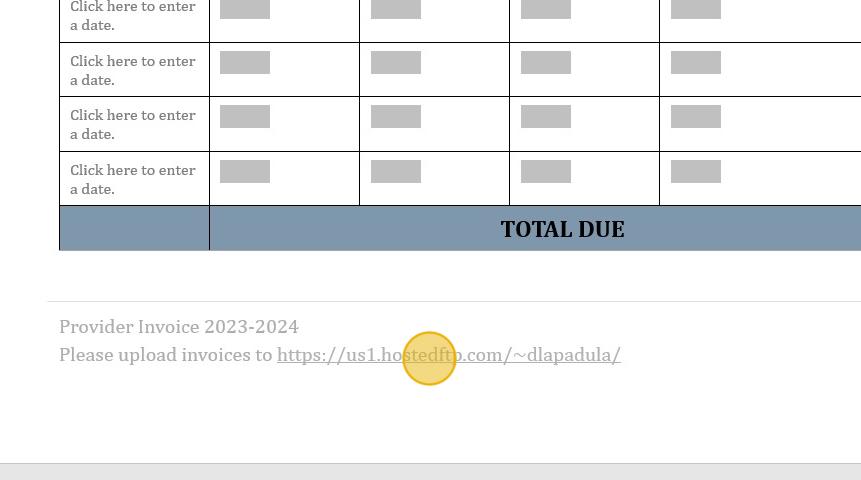
Pleaseuploadinvoicesto: https://us1.hostedftp.com/~dlapadula/
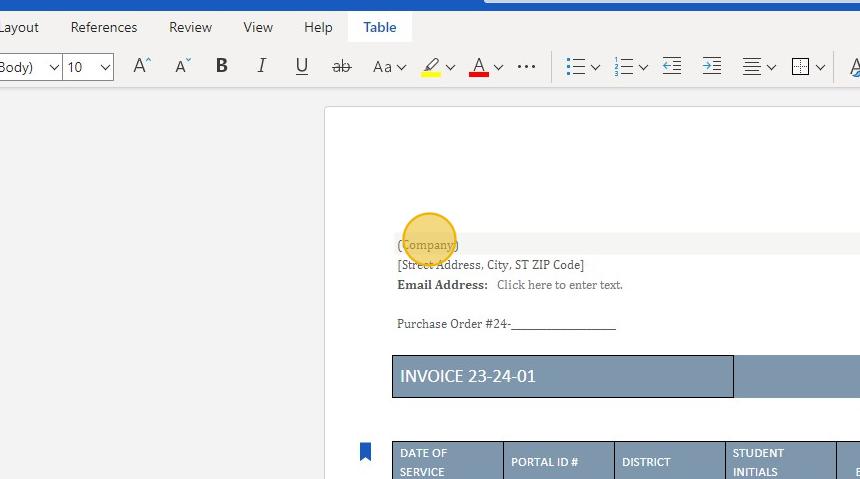
Thisguideprovidesstep-by-stepinstructionsonhowtocompleteandsubmitan invoice.
1 Click"Company"andenteryourname
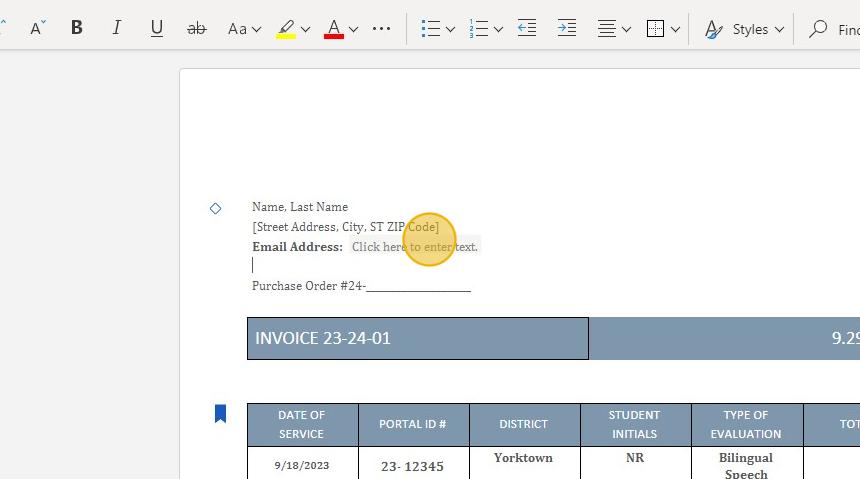
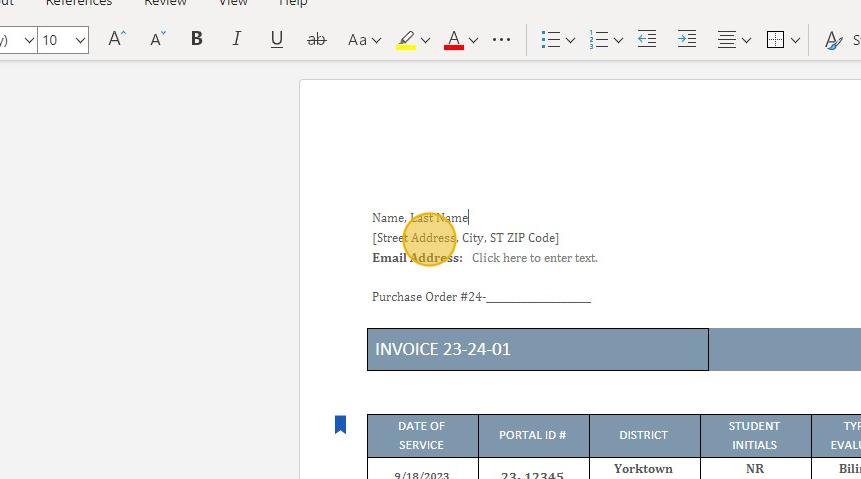
2 Click"[StreetAddress,City,STZIPCode]"andenteryouraddress
3 Click"EMAILADRESS"andenteryouremailaddress
4 Click"INVOICE23-24"andnumbertheinvoicesequentially.
23-24denotestheschoolyear,followedby01foryourfirstinvoice,02forthe second,andsoon.
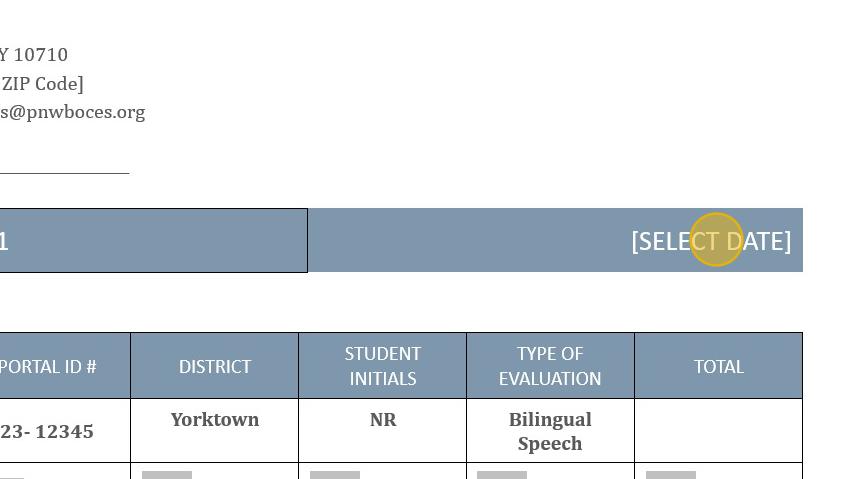
5 Click"SELECTDATE"andenterthedateyouaresubmittingtheinvoice
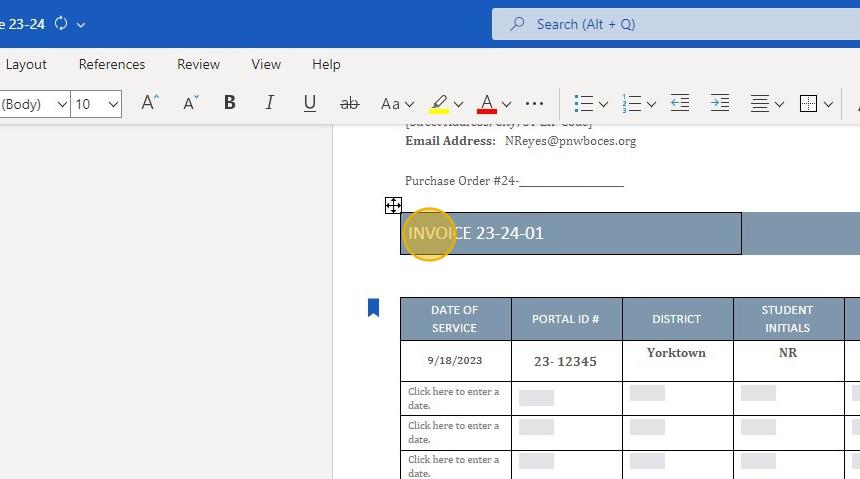
6 Click"DATEOFSERVICE"andenterthedateyouuploadedthecompletedreportto thesecurefilesystem
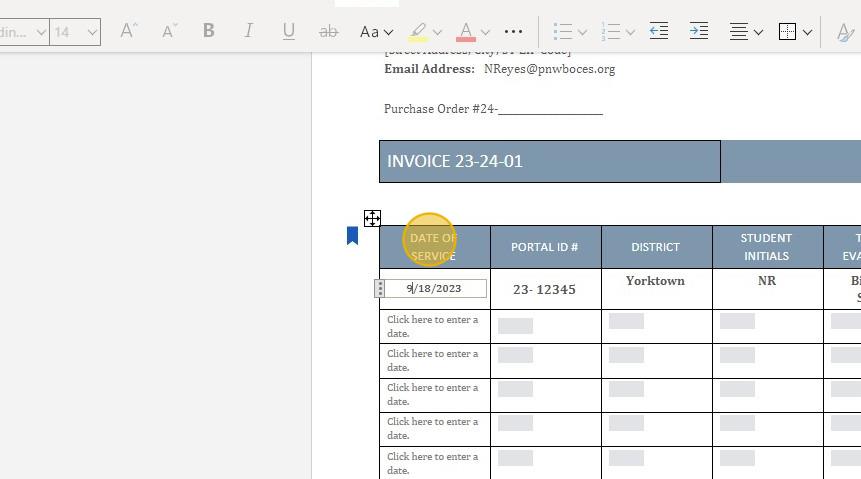
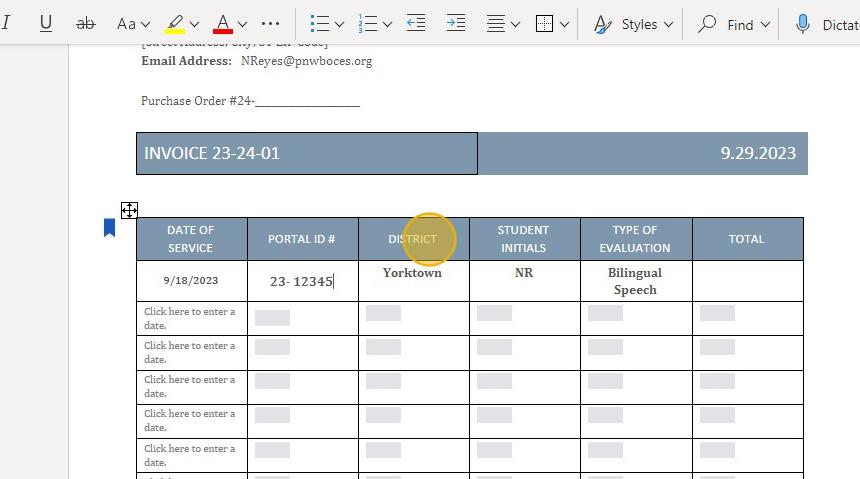
7 Click"PORTALID#"andentertheIDnumberforthereport
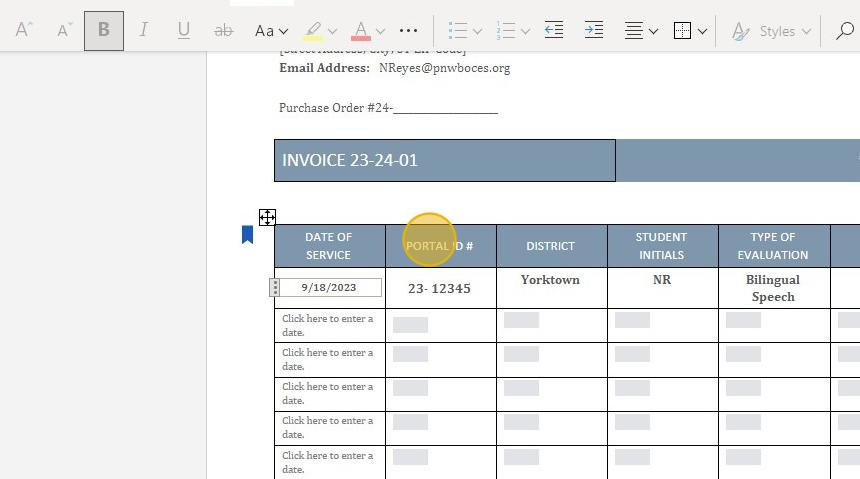
8 Click"DISTRICT"andenterthenameofdistrict
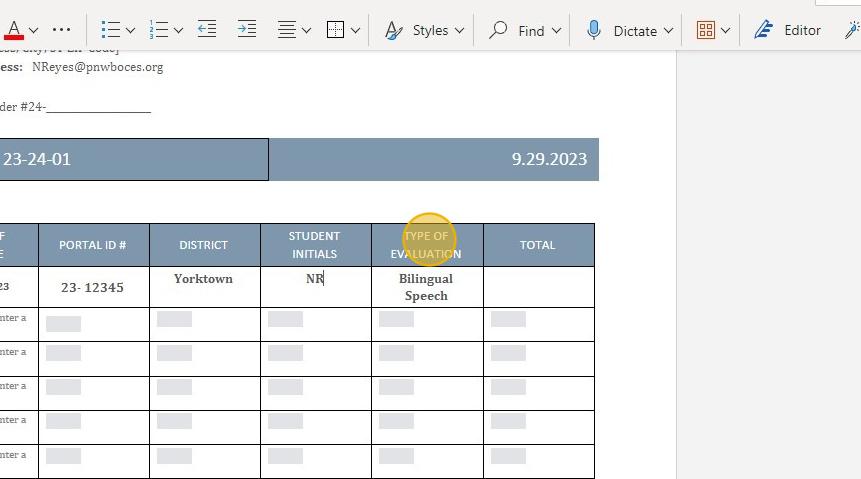
9 Click"STUDENTINITALS"andenterstudentinitials
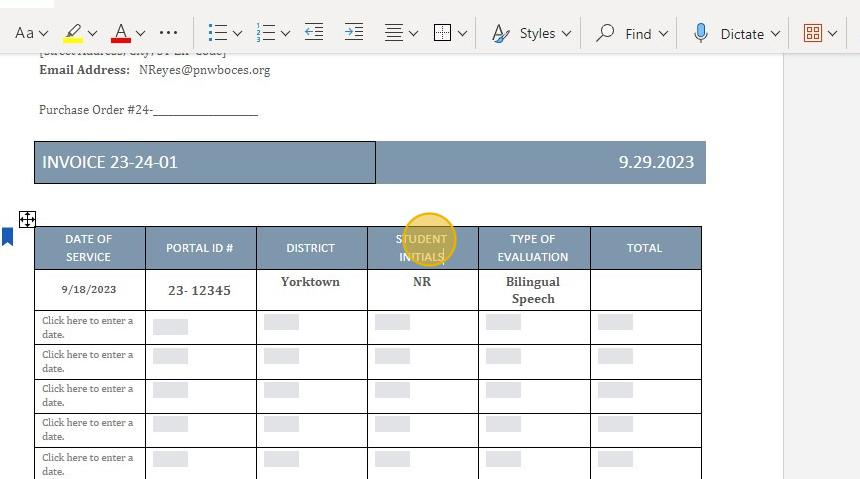
10 Click"TYPEOFEVALUATIONS"andentertypeofreportyoucompleted
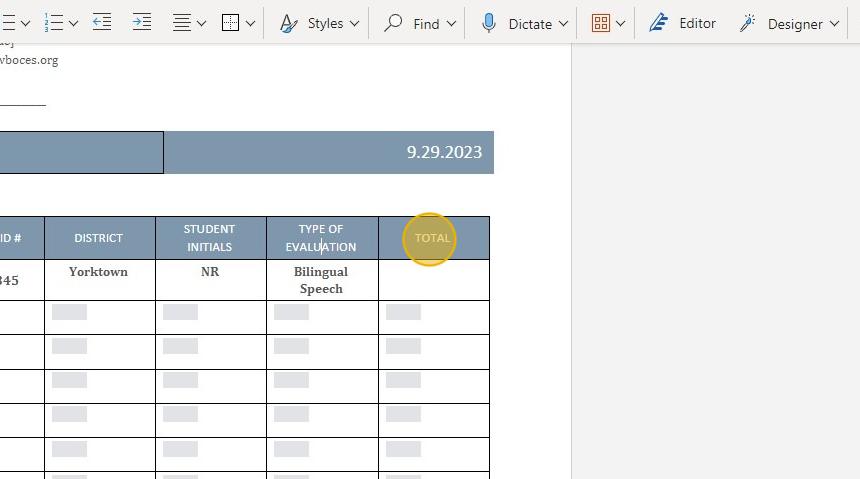
11 "Click'TOTAL'andentertheagreed-uponratefromyourcontract."
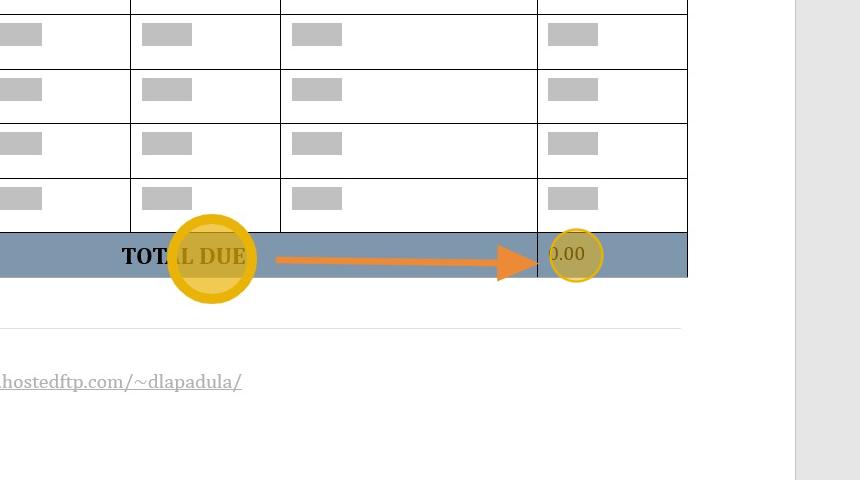
12 "Click'TOTALDUE'andentertotalamountofinvoice
13 Clicklink[https://us1.hostedftp.com/~dlapadula/touploadinvoice
1. Go to https://hostedftp.com/
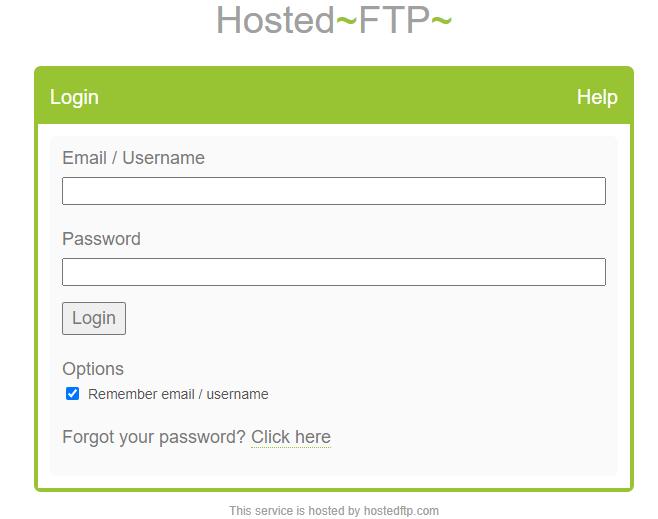
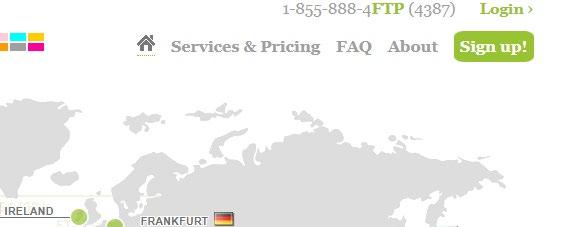
2. Click on Login in the upper right corner.
3. Enter your username and password.
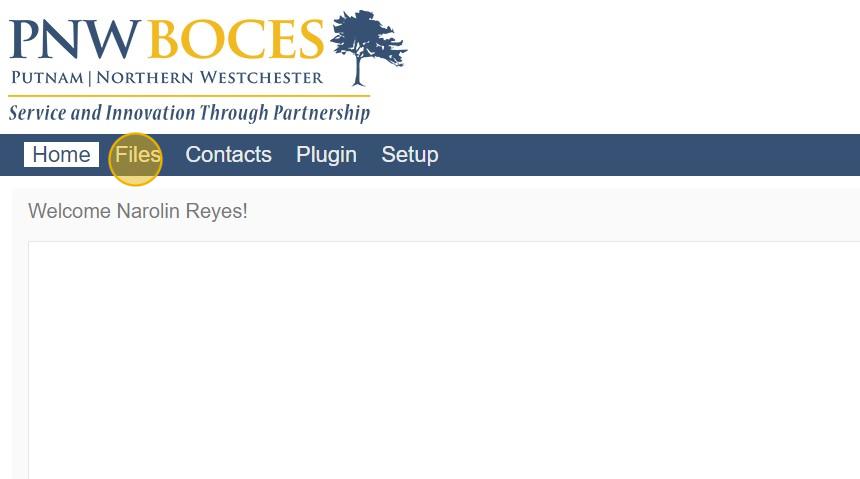
4. Click on ‘Files’ in the blue menu bar.
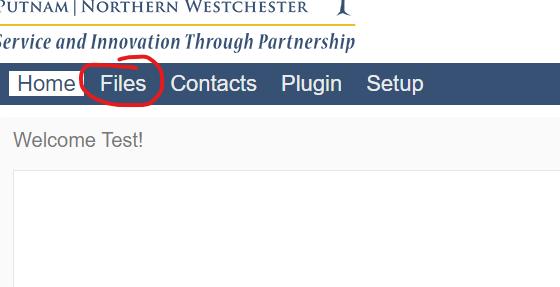
5. From this screen, you can upload completed/revised reports, retrieve request documents, and access important documents such as blank invoices and the inventory list for testing materials.
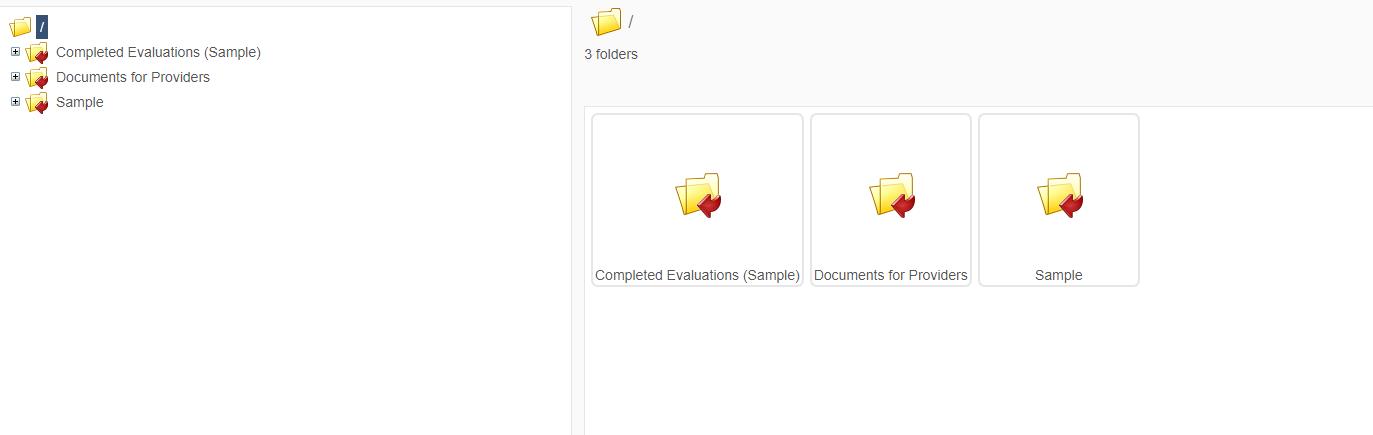
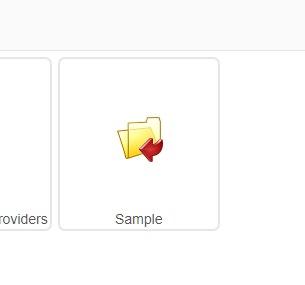
1. Click on the folder with your name (in this example, the folder is named ‘Sample’. Yours will appear as ‘Your Last Name, First Name’)
2. Click on the request document you would like to download from this screen.
a. To download a completed/revised report you have uploaded, click on the ‘Completed Evaluations’ folder, then follow the below steps.
b. To download a final report that has been sent to the district by the GCSC, click on the ‘Final Reports’ folder, then follo w the below steps.
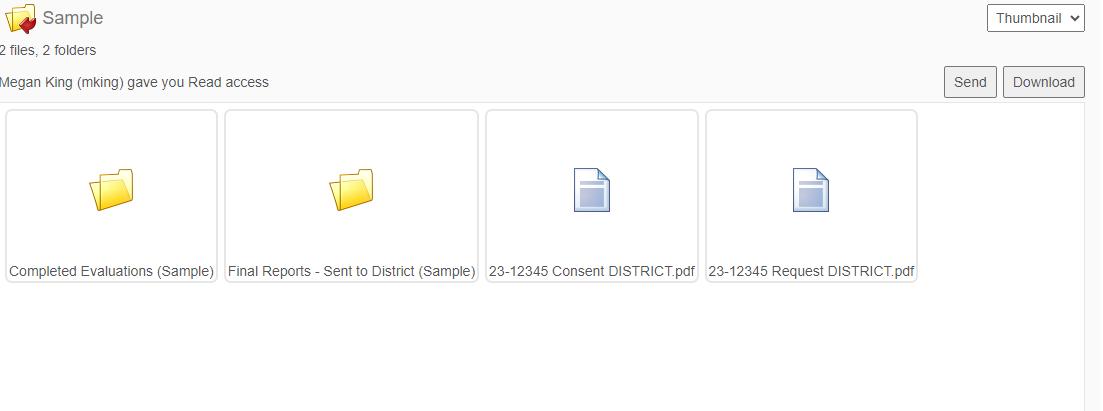
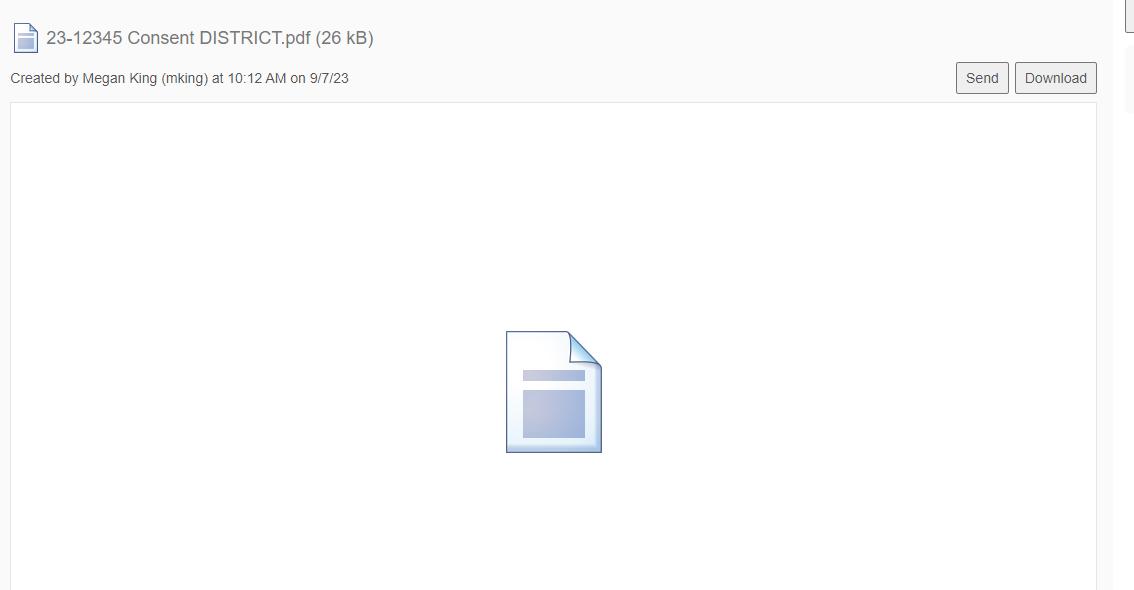
3. Once the document has opened, you will see this screen.
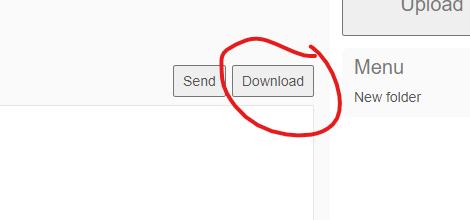
4. Click ‘Download’ when you are ready to download your document.
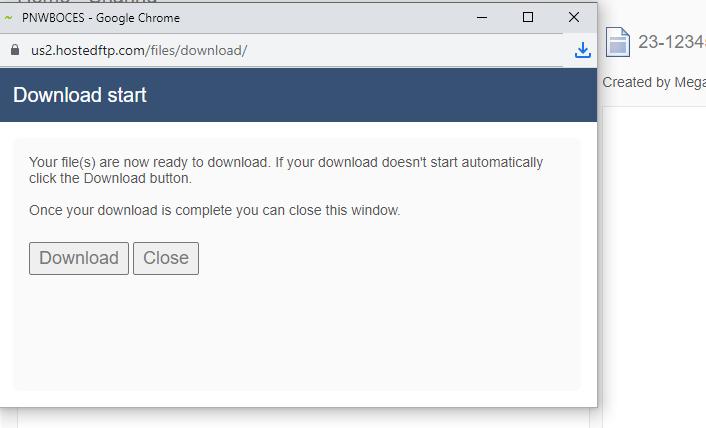
5. After you click download, the document should automatically download to your desktop. You will receive the below pop -up. Click ‘Close’ if the document has downloaded.
a. If the download did not begin automatically, click ‘ Download.’
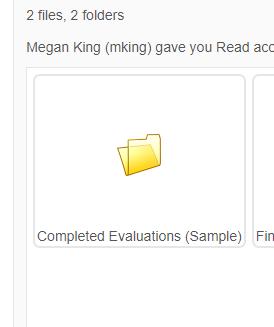
1. Click on the folder with your name (in this example, the folder is named ‘Sample’. Yours will appear as ‘Your Last Name, First Name’)
a. You may also click on ‘Completed Evaluations’ from the left-hand menu.
2. Click on the ‘Completed Evaluations’ folder.
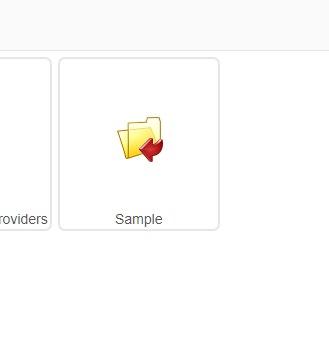
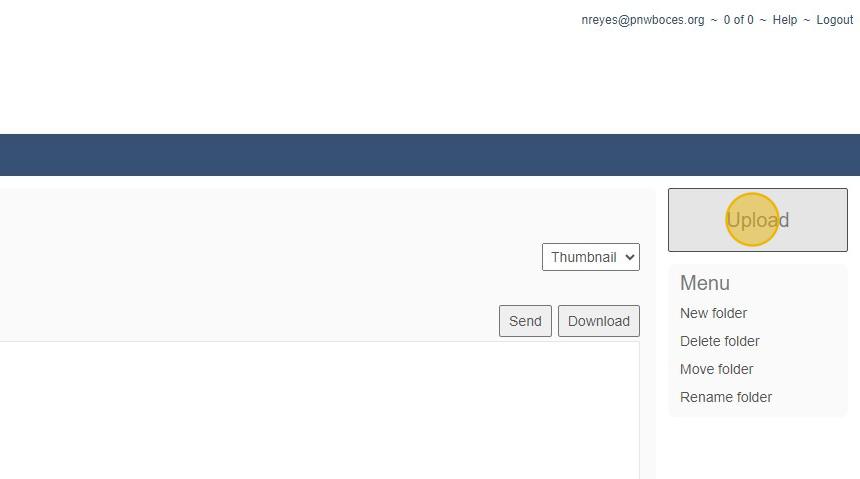
3. Click on ‘Upload’ in the upper right corner.
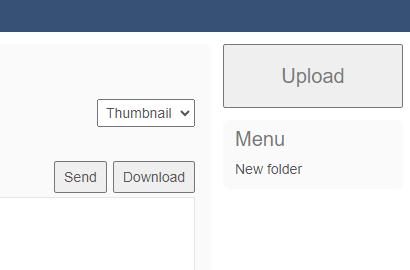
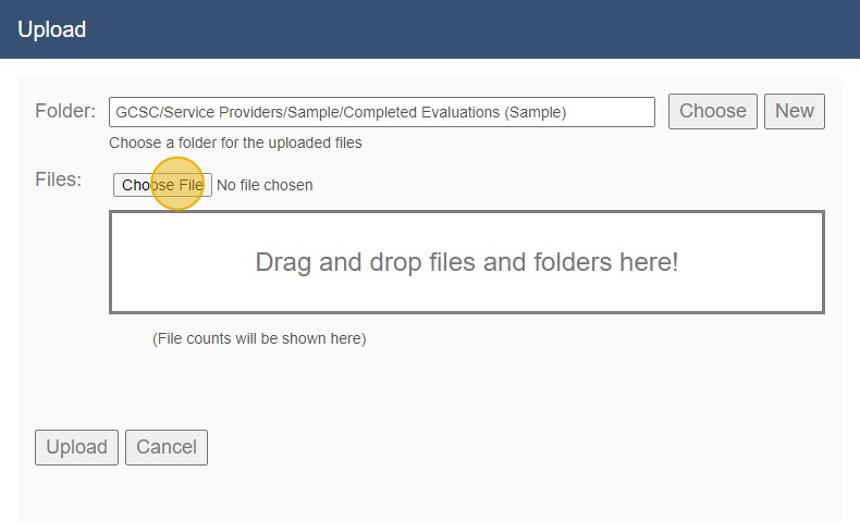
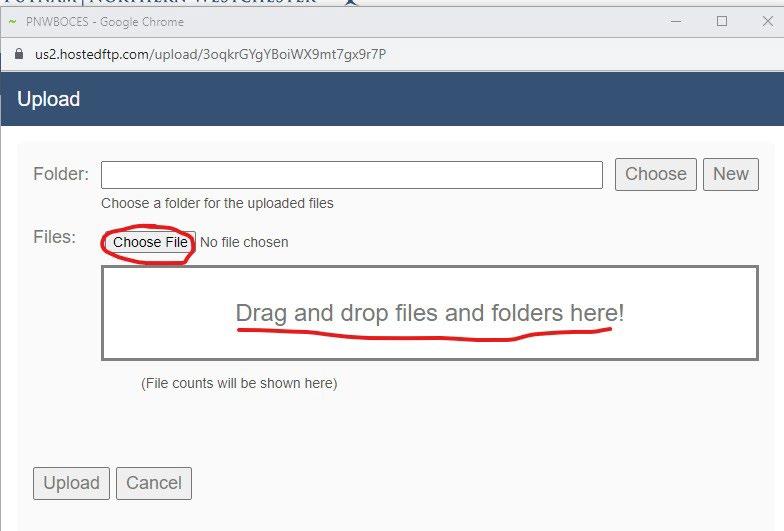
4. Once you click ‘Upload’, you will see a pop-up box.
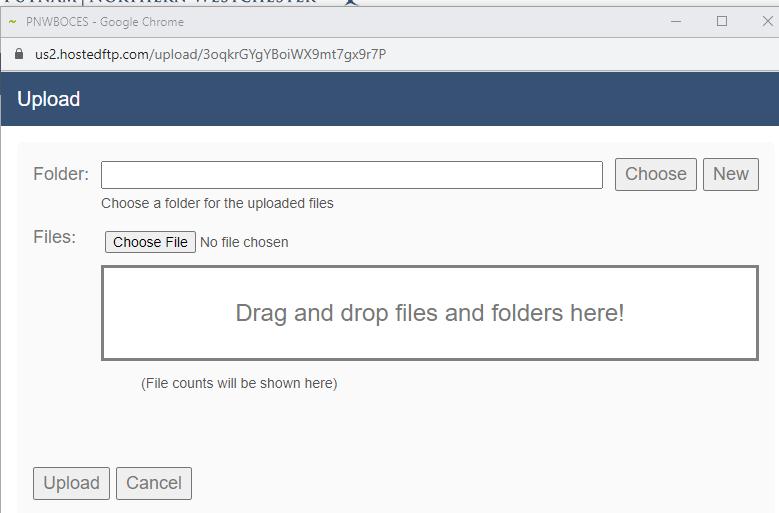
5. From this pop-up, you can upload by either clicking ‘Choose File’ and selecting the document(s) from your desktop, or by dragging and dropping the document(s).
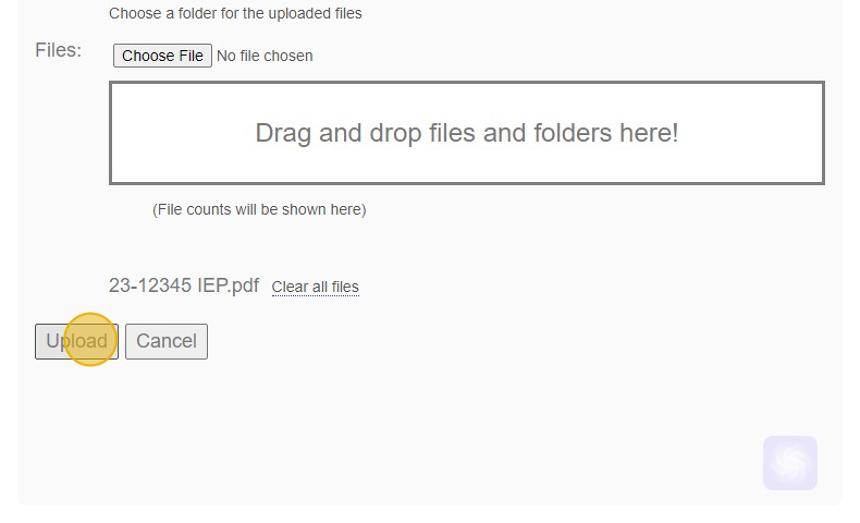
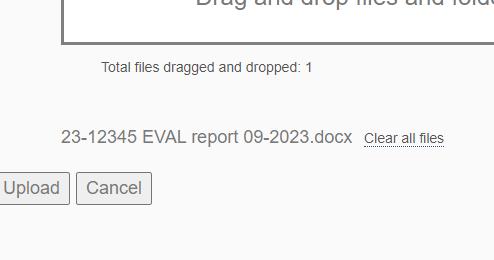
6. Once you have selected documents to upload, they will be listed in this pop-up box.
7. You may upload multiple documents at once. When all the documents you are uploading have been selected, click ‘Upload’ in the pop-up box.
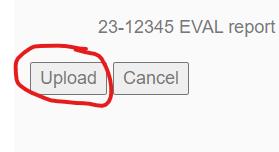
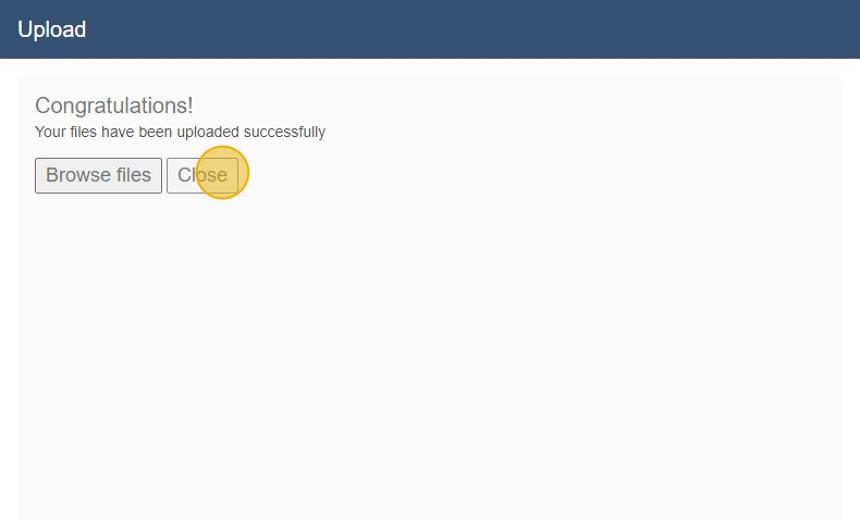
8. Once your upload is complete, you will receive a confirmation message. Hit ‘Close’ to exit the pop-up.
9. Your report may not immediately show on the screen. If it does not, refresh the page. You can do this using the refresh option on your browser, or by clicking the ‘Completed Evaluations’ folder on the left-side menu.
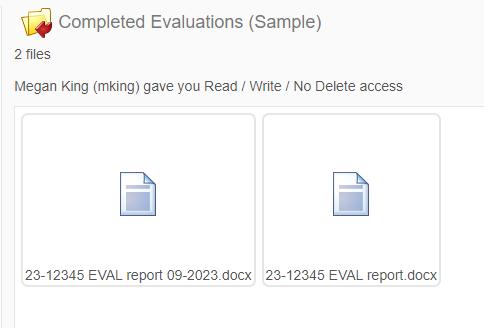
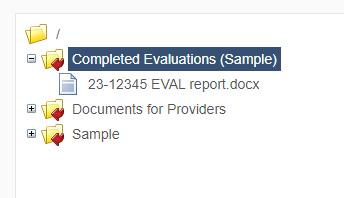

10. Once you have refreshed the page, you should see your uploaded document.
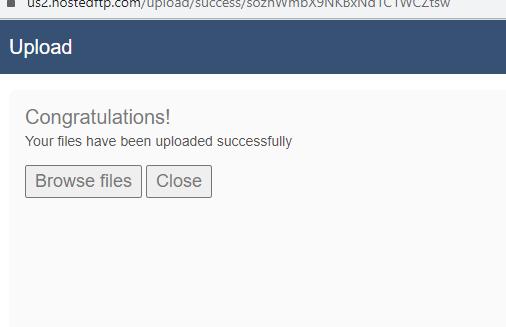
• Once we have received & processed your completed report for a request, the report and all request documents will be removed from your folder. This is how you can tell if we received it.
o We will not send individual emails confirming that a report has been uploaded.
• If you encounter error messages or other technical issues, please refer to the troubleshooting portion of this handbook before contacting the GCSC.
• We are unable to view your password. If you do not remember your password, you will need to use the Forgot Password option on the login page to reset it.
If you encounter an error message when attempting to upload:
1. You are only able to upload to the Completed Evaluations folder. Be sure this folder is open before you click Upload.
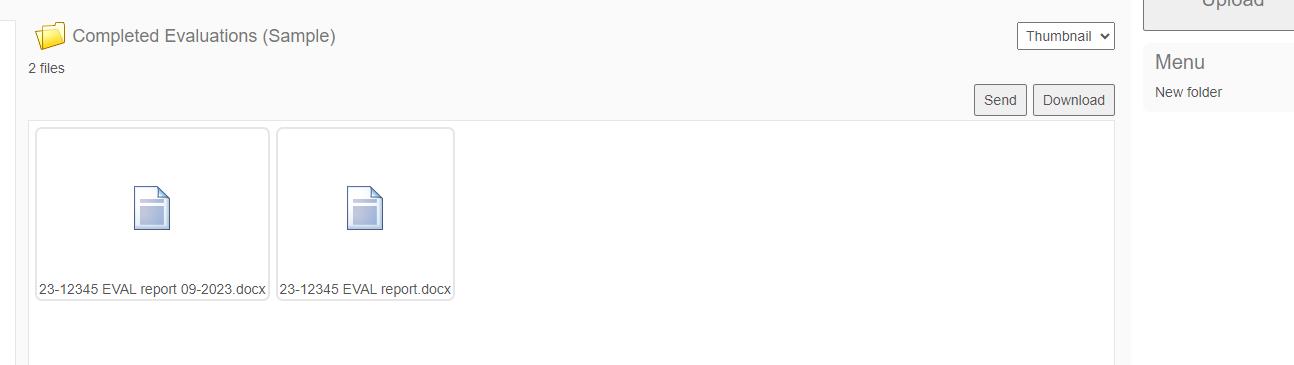
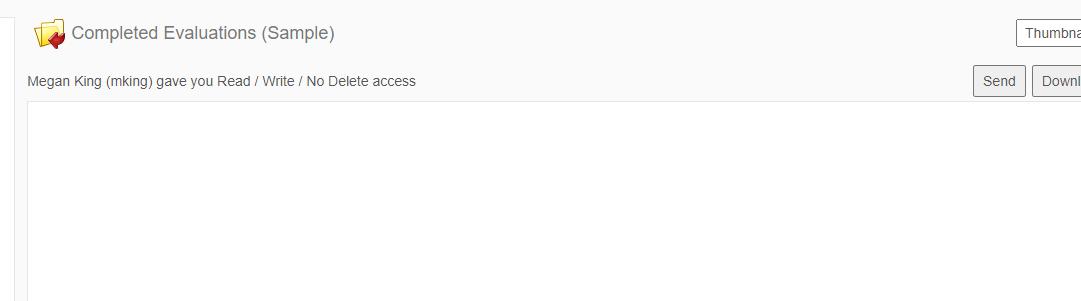
a. If you have uploaded documents that have not yet been processed, you will see them in the folder. (See the first image below).
b. If you do not have any documents waiting to be processed, you will see an option to ‘Click here to upload’ in the middle of the screen. (See the second image below).


2. The folder name should be automatically populated in the upload box. If you have changed the folder name or if it is blank, close the pop- up, reopen the folder, and begin the steps to upload again.
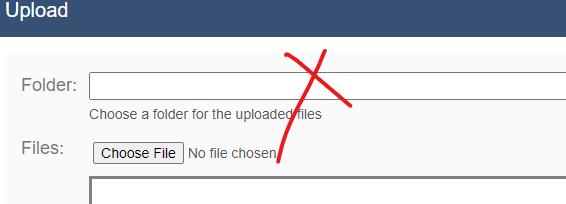
Correct Folder Title – should already be there when the upload box opens.
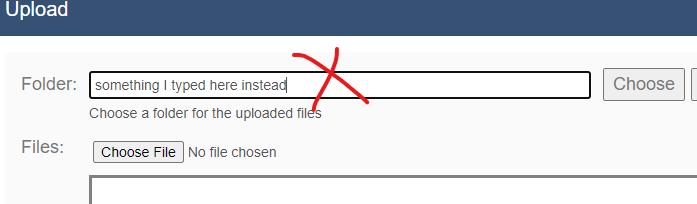
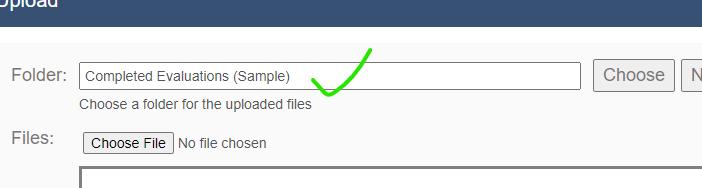
Incorrect Folder Title – if you attempted to rename the folder before uploading.
Incorrect Folder Title – if the folder line is blank.
3. Ensure your document is a Word document.
a. The system can also accept PDF documents; however, all evaluation reports MUST be Word documents.
4. Sometimes the cookies on a web browser can prevent an upload. Our IT department has suggested trying a different browser. (For example, if you are using Chrome, try using Firefox instead).
a. This has proven effective when other troubleshooting suggestions do not work.
5. After you have gone through the above list, if you are still unable to upload your document, email Megan King at mking@pnwboces.org.
a. Include the request ID number in the subject line.
b. State that you have tried/checked all items on this list.
c. DO NOT attach the report to this email.
d. Megan will respond with next steps. Take no further action until you hear from her.
1. On the login page, there is an option for when you forget your password.
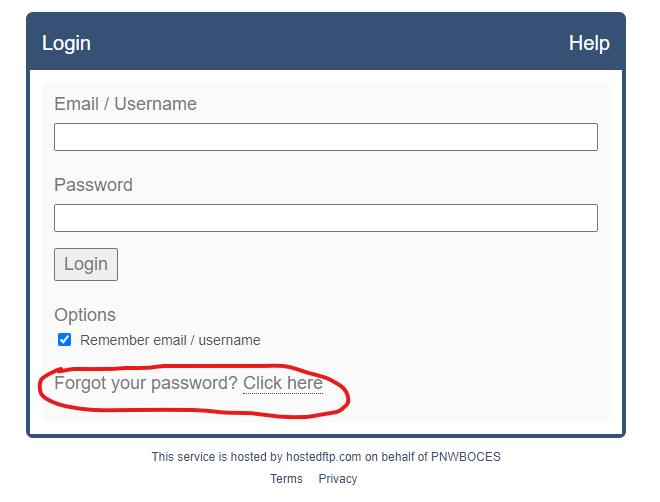
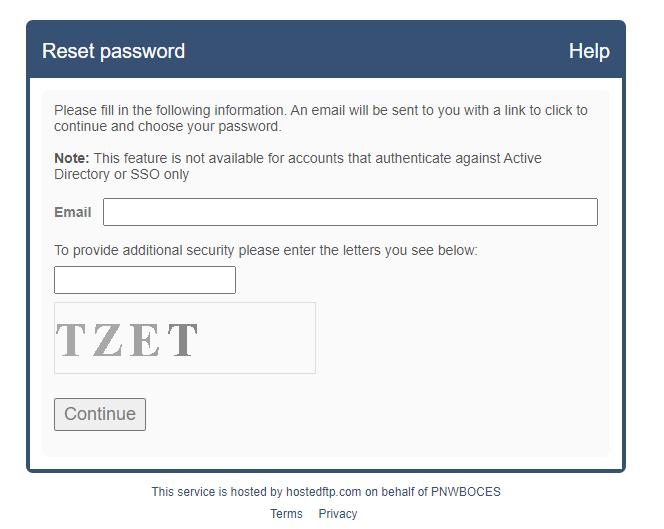
2. You will be directed to a screen to Reset Password.
3. Enter the email address associated with your account and enter the letters that appear in the box. Then hit ‘Continue’.
4. You should receive a link in your email. Click on that link and follow the prompts to reset your password.
5. If you do not receive the link after 30 minutes, email Megan King at mking@pnwboces.org for assistance. Be sure to let her know you have already attempted to reset your password.
(When you know your current password)
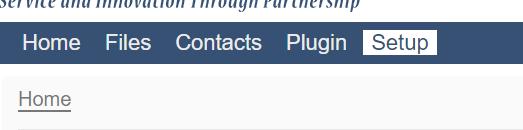
1. Click on ‘Setup’ in the blue menu bar.
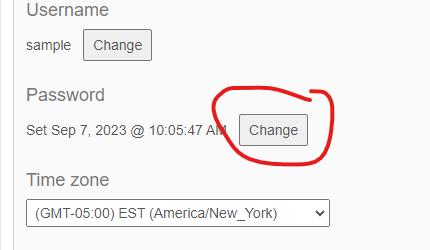
2. Under ‘Password’, click ‘Change’.
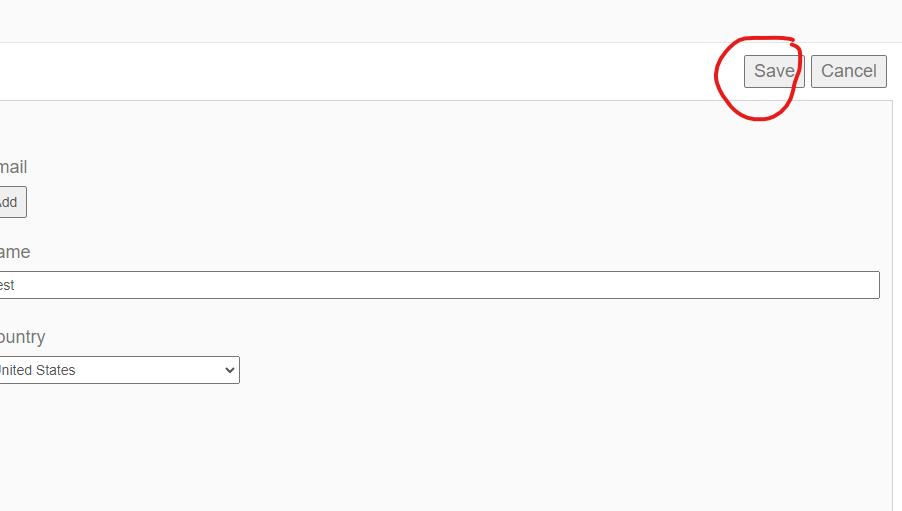
3. Enter the requested information, then hit ‘Save’.
4. Once the pop-up box disappears, click ‘Save’ in the upper right corner.
Who do I contact when the family contact information on the request form is not working?
Email or call the district and/or scheduling contact on the request form. If you send an email, you may CC Megan King.
If the district and/or scheduling contacts do not respond to you, let Megan or Narolin know.
Who do I contact if the district staff is not responding to me? How do I request testing materials?
Email Megan to let her know. Be sure to specify who at the district is not responding, and when/how you have attempted to reach them.
The current request procedure will always be available on the secure file system in the Documents for Providers folder. The procedure is listed on the first page of the inventory list.
How do I request testing materials?
The current request procedure will always be available on the secure file system in the Documents for Providers folder. The procedure is listed on the first page of the inventory list.
How do I know who to contact at the GCSC?
Megan King, mking@pnwboces.org, 914-248-2380
Narolin Reyes, nreyes@pnwboces.org, 914-248-0758
Questions regarding contracts, invoices, and rates: Debra LaPadula, dlapadula@pnwboces.org, 914-248-2383
For all questions regarding the Secure File System, please refer to the Secure File System Handbook & Troubleshooting Guide.
If your question or issue is not addressed in the Guide, please email Megan.
Who do I contact if my availability changes?
Email Megan King with any updates on availability.
2023-2024 PROVIDER ORIENTATION
PROVIDER ACKNOWLEDGEMENT FORM
I,_____________________________________________,acknowledgetheelectronicreceiptoftheGuidanceand ChildStudyCenterProviderHandbookandPresentationforthe2023-2024academicyear,posted ontheGuidanceandChildStudyCenterBrightSpacewebsite.IunderstandthattheProvider HandbooksetsforththeexpectationsforallGuidanceandChildStudyCenterproviders.Iamaware oftheimportanceofadheringtotheprovidedguidancetoensurethetimelycompletionof evaluations,maintainopenandeffective,communicationchannelswiththeteam.Iunderstandthe signedproviderorientationacknowledgmentformisduebyOctober6,2023.