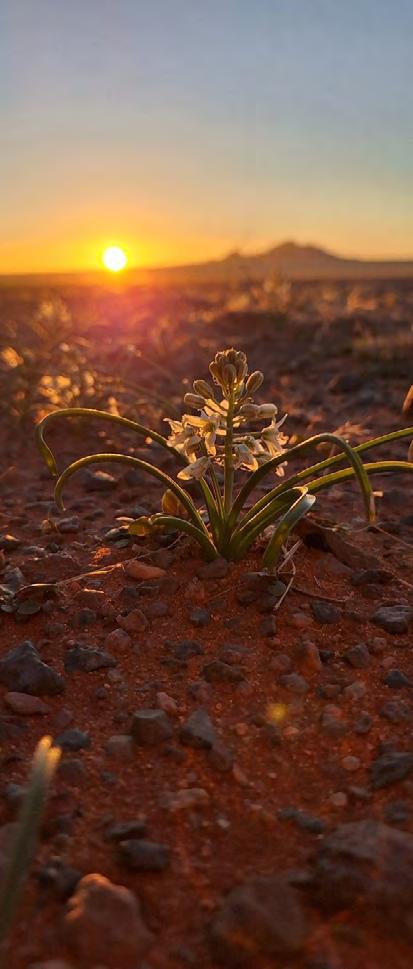
“Heaven is under our feet as well as over our heads.” -Henry David Thoreau,











Each month’s sunset seen from Keerweder in 2025.

Jessice Steyn
“Heaven is under our feet as well as over our heads.” -Henry David Thoreau,
Each month’s sunset seen from Keerweder in 2025.
Last year flew by so quickly that we were caught by surprise when the new year began. In fact, we were so busy that we were unable to publish a December edition of the Newsletter. However, we hope this edition brings you up to date on everything that has happened since then.
Renovations and improvements have taken place across the reserve, while staff members travelled to neighbouring countries to meet fellow conservationists - gaining new insights and inspiration along the way.
At NaDEET, students were given a glimpse into what happens after sunset at the centre. At Wolwedans, we explored their remarkable garden and learned what makes it so special.
Mountain hikes were undertaken to assist students with their Master’s research - and even led to the discovery of new species along the way.
Last year ended on a fantastic note for everyone, and the new year has started just as positively. We hope that 2026 will be an inspiring and rewarding year for us all.
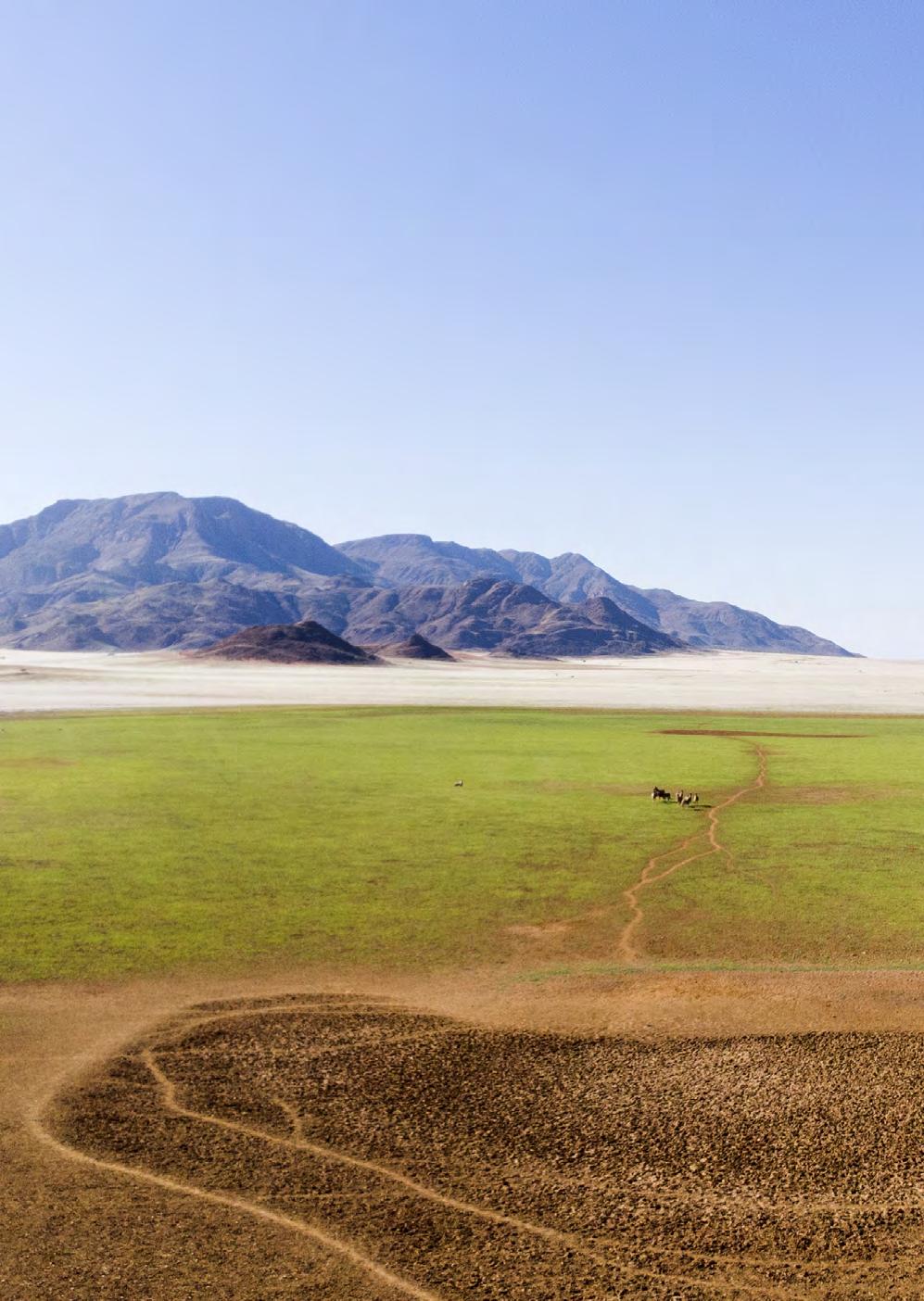
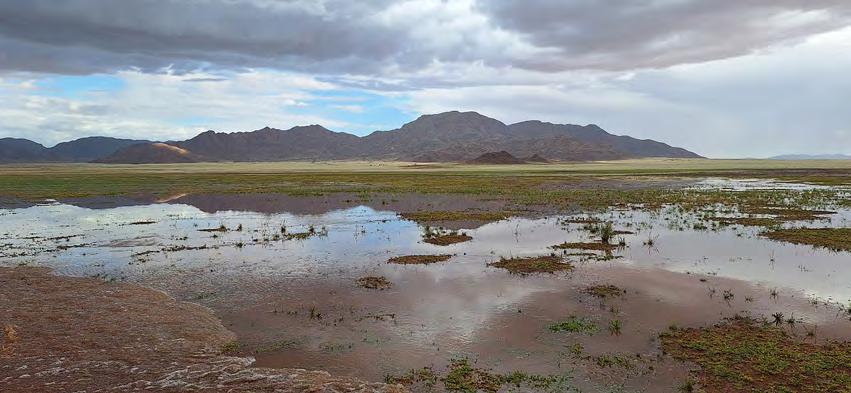
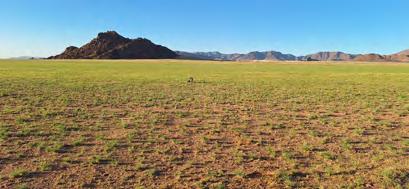
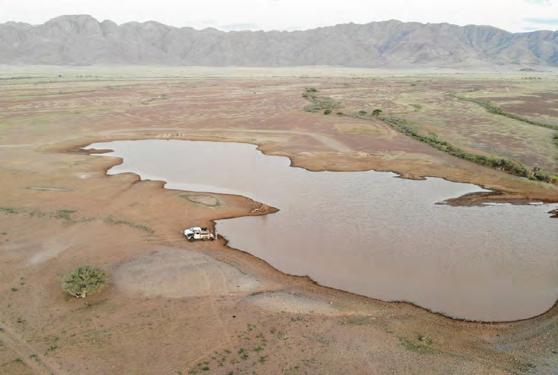
Green remembrance on the Keerweder Pan in January.
Jessica & Andre Steyn
We stepped into the new year full of excitement for what lies ahead — and it certainly didn’t take long for nature to surprise us.
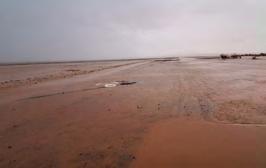
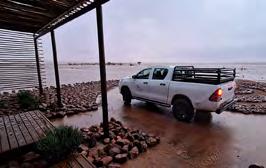
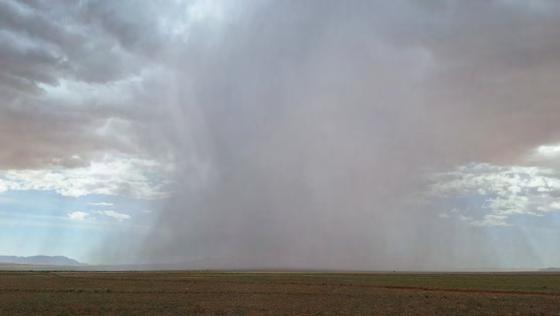
On New Year’s Eve, we were grateful to receive some very welcome rain. Yet even before the official rainy season, which normally begins in
September, had fully settled in, November brought unexpected downpours. Around the Keerweder area, the rainfall was so heavy that large sections became flooded. When we went out to assess the landscape afterwards, it felt less like driving a vehicle and more like navigating a boat! It’s been a promising start to the season,
and we hope more rain is still to come.
Infrastructure Improvements October saw renovations to the TV room at Keerweder. To improve airflow, two ventilation bricks were installed, and wooden strips were added to support the sagging ceiling before the room was repainted.
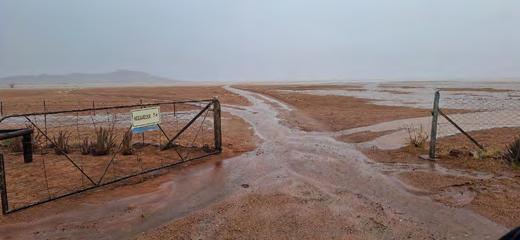
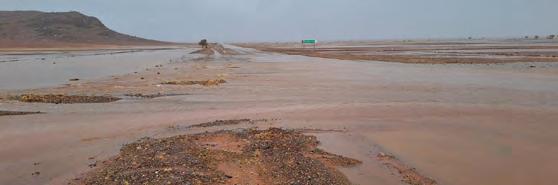
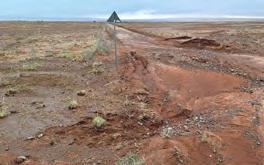
In December, similar support structures were added to the kitchen ceiling in the main house. The entrance road to Keerweder did not escape the impact of the rains and was badly damaged by flooding. Thanks to a passing grader — and plenty of manual effort with spades and shovels — the road and its anti-erosion humps were repaired.
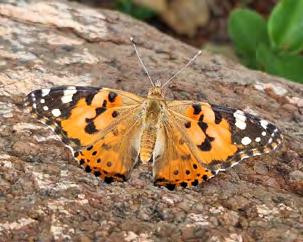
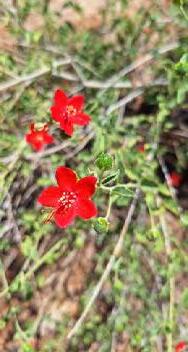
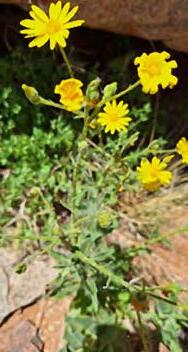
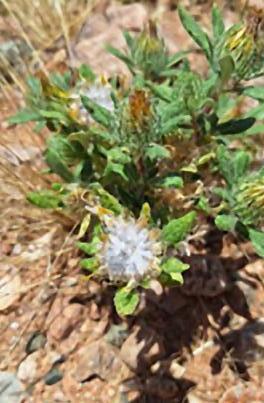
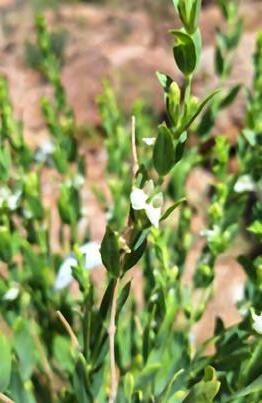
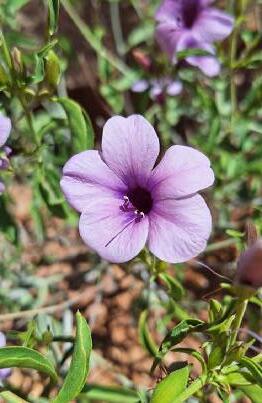
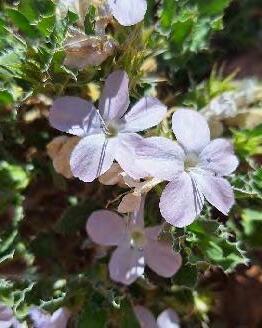
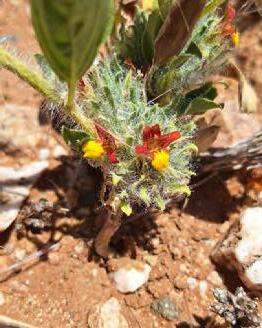
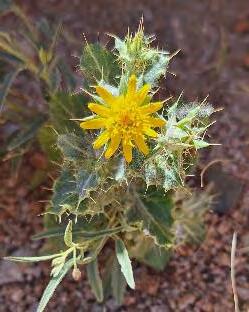
The rains triggered a remarkable return of vegetation. Even more surprising was the noticeable increase in insect activity — unusual for this time of year. With everything bursting into bloom, a special botanical trip was made to the Satanskop area on 28 December. The foothills were alive with flowering plants. Specimens were photographed and collected for identification and inclusion in the NamibRand Herbarium.
On 17 October, we joined the team from Vultures Namibia for an aerial survey across the NamibRand Nature Reserve to search for vulture nests. Ten nests with chicks were located — one in the Satanskop area and nine in the dunes near Wolwedans. Unfortunately, none of these nests was accessible by vehicle. Although no tagging took place this year, the discovery of ten nests marks a
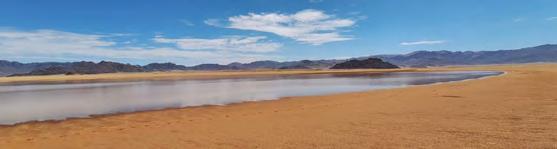
Area around Keerweder turning green in December.
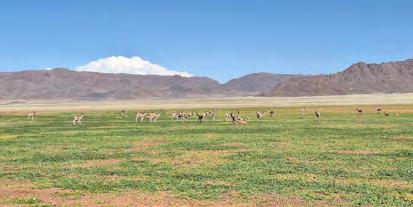
Springboks are enjoying the fresh grass at the Keerweder pan.
significant improvement from last year’s four.
On 28 October, Jessica and Gunnar Heussen from Heussen Media hosted a workshop focused on redesigning the online Herbarium. Work on the new platform is underway, though progress takes time due to the extensive digital imaging required.
On 27 November, a Fairy Circle Workshop was presented at Wolwedans by Stephan Getzin. The workshop explored: •Namibia’s climate and plant adaptations to water stress •The distribution of fairy circles •25 years of fairy circle research •Global patterns of plant selforganisation
Participants included guides from Wolwedans, Kwessi Dunes Lodge, NaDEET, Family Hideout and external attendees.
We also welcomed two Natural Resource Management students from the Namibia University of Science and Technology in January this year, who joined us for their Work Integrated Learning internships until May.
The annual Dark Sky Report for NamibRand was submitted to International Dark Sky Places, reaffirming our commitment to preserving one of the world’s most pristine night skies. The report can be found here https://darksky.app.box.com/s/ xnjhq20fk9t8a7l0qduj58mj2r54tee7
From 13–20 April 2026, we will celebrate International Dark Sky Week — a time to highlight the importance of reducing light pollution. Anyone can take part simply by stepping outside, appreciating the stars, and spreading awareness about protecting our night skies. For more information on this event have a look at the page https://darksky. org/what-we-do/events/dark-sky-week/
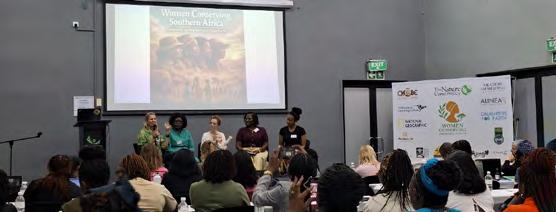
In February, Jessica and Andre travelled to Kasane in Botswana, where Jessica attended the Women Conserving Southern Africa congress. The event brought together 120 women from 11 African countries working across conservation sectors. Traditionally in southern Africa, women were expected to focus on raising children while men worked — but this is changing. Increasingly, women are stepping into roles as guides, rangers, researchers and conservation leaders.
The congress created a valuable space for networking and collaboration, with discussions covering:

•Community-Based Natural Resource Management
•Climate Change
•Indigenous Knowledge
•Biodiversity
•Gender safeguards
Through presentations, workshops and open dialogue, participants shared experiences and built connections across borders. While challenges remain in some regions, it was encouraging to reflect on the progress made — and Namibia’s growing role in empowering women to lead in conservation.
With rain, renewal, research and collaboration shaping the start of the year, we look forward to what the months ahead will bring.
Throughout nearly six years working at NamibRand Nature Reserve as a Warden, I’ve come to realise that living in the Namib Desert goes far beyond repairing vehicles and managing breakdowns, which was my main focus before joining NamibRand. Over the past six years, I have had the privilege of meeting many remarkable individuals and researchers from whom I have learned valuable things about nature, far more than I would have learned otherwise. Being part of the NamibRand family has presented
numerous opportunities to observe and expand my knowledge. I’ve learned that every part of nature, from spiders to hyaenas, jackals and leopards, has its place. Although I’m still a farmer at heart, and understand the harm predators can cause, I now appreciate their role in the Reserve. Over time, I’ve learned to stop and truly appreciate the small wonders around me — such as the small, lovely wildflowers and the value of every drop of rain. Even a small amount of rain can reveal the beauty around you.
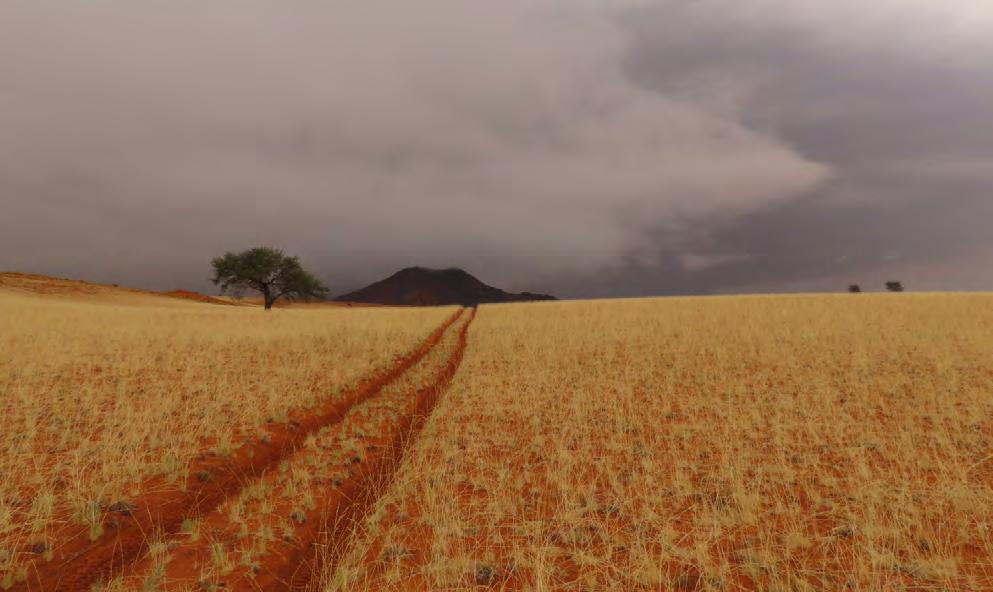
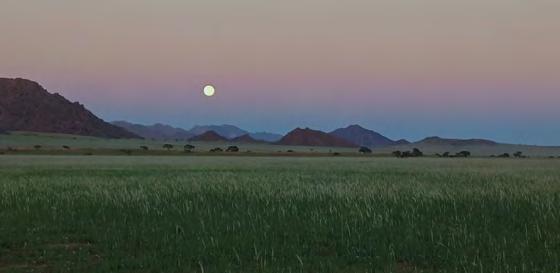
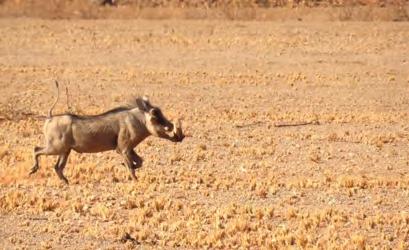
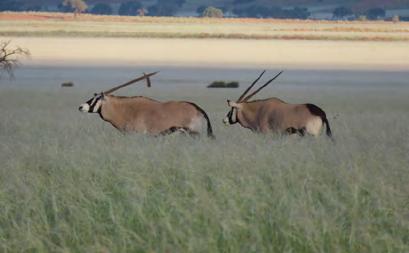
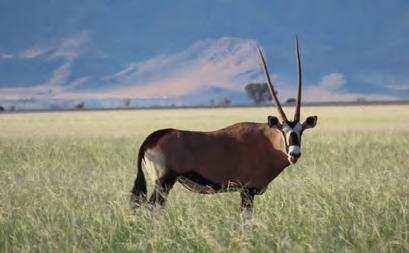
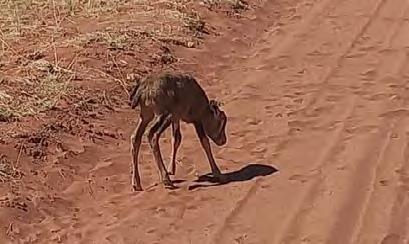
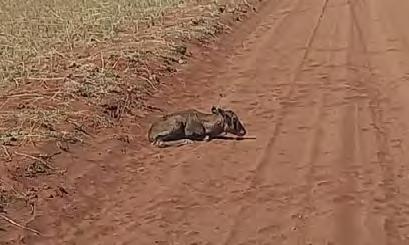
After the good rain we had from January to December 2025 the plains are full of grass, and this means that the wildlife has enough food to forage on. We can see a lot of new life: Oryx calves, zebra foals, springbok lambs and more. These young animals bring a renewed sense of hope to the landscape and make
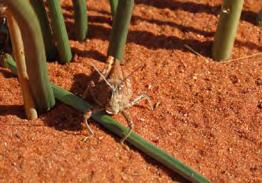
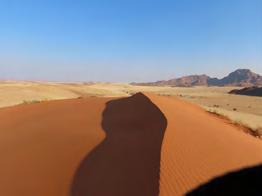
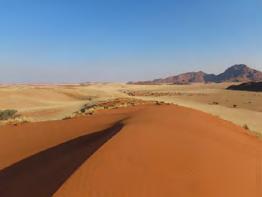
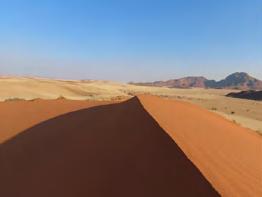
our hearts very happy. But the rain did not stop after the rainy season; we were blessed with even more showers during the winter, something that hardly ever happens in the Namib Desert. Although the rain we had in the winter was not much, it was just enough to keep the roots of the grass and brush wet and the grass green at the base. This moisture helped the landscape retain a hint of green.
From August 23rd to 26th, NamibRand once again hosted a successful Maltahöhe Farmers Association (MBV) short tour at Aandster, together with ProNamib Nature Reserve. The small group of people really enjoyed their stay. The farmers arrived on Saturday the 23rd of August and since Tuesday the 26th was a public holiday, they made it an extra-long visit. Saturday, we took them on a trip through the southern part of NamibRand Nature Reserve and on Sunday, after an early breakfast, the group left for a tour guided by Murray Tindall in the mountain areas of the
ProNamib Nature Reserve. On Monday, the group just relaxed at Aandster homestead, chatting and reminiscing over the past two days’ adventures. Stories of wildlife sightings and the lush, grassy plains were shared, while laughter echoed against the quiet landscape. It was a perfect opportunity to slow down, savour the peaceful surroundings, and strengthen bonds forged by shared experiences. After lunch, a few of our group departed, while those who stayed enjoyed the final evening
gathered around the campfire. We were truly grateful for the pleasant weather that graced the weekend. However, once the last guests had left on Tuesday, the winds picked up and a chill settled over the area once again.
Although work never stops, I’m happy to report that we are on schedule with our work here in the southern part of the reserve. The team is working well together and our ongoing projects are progressing smoothly. It is encouraging to see
everyone’s dedication and how the collective effort continues to produce positive results.
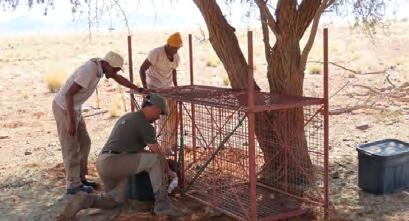
In addition to our regular activities, it is exciting to share that ProNamib has launched a programme focused on tracking the movements of cheetahs in the region. Their programme involves capturing, darting, collaring and safely releasing the cheetahs to monitor their movements and better understand their habits. The cheetah collaring programme is overseen by Ruben Portas and Hange Zazapamue. Recognising the value of working together, ProNamib proposed that NamibRand participate in this initiative. Following productive discussions, we agreed to join the programme. A cage was strategically placed under a tree identified from a camera placed
by Hange as an area visited by cheetahs in the southern side of the reserve. This step marks the beginning of our involvement in this important conservation effort, and we are eager to see what insights will be gained about these animals. Up to now, no cheetahs have been caught, but this is an ongoing programme.
I am proud to say that most of the work that we set out for ourselves to do in 2025 has been done. With the new rainy season underway, we eagerly await to see what 2026 has in store for us.
With the red sand still in my shoes, I greet you.
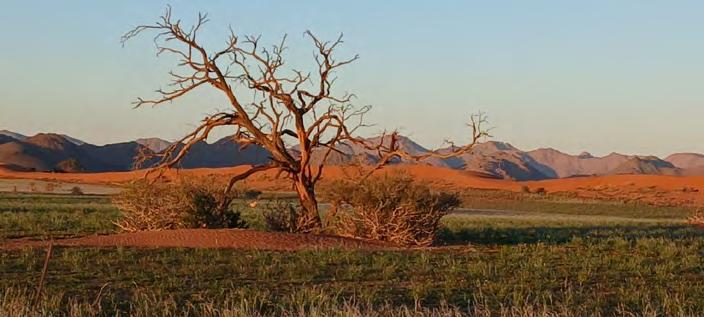
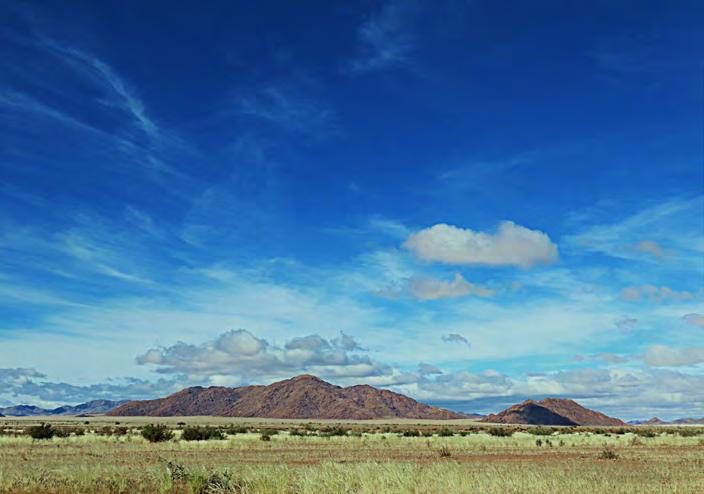
Some trees did not survive the drought, but after rain, there will always be grass growing in the
Ralph Dantu, General Manager of Kwessi Dunes Lodge
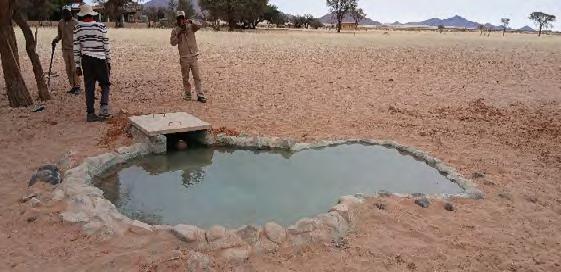
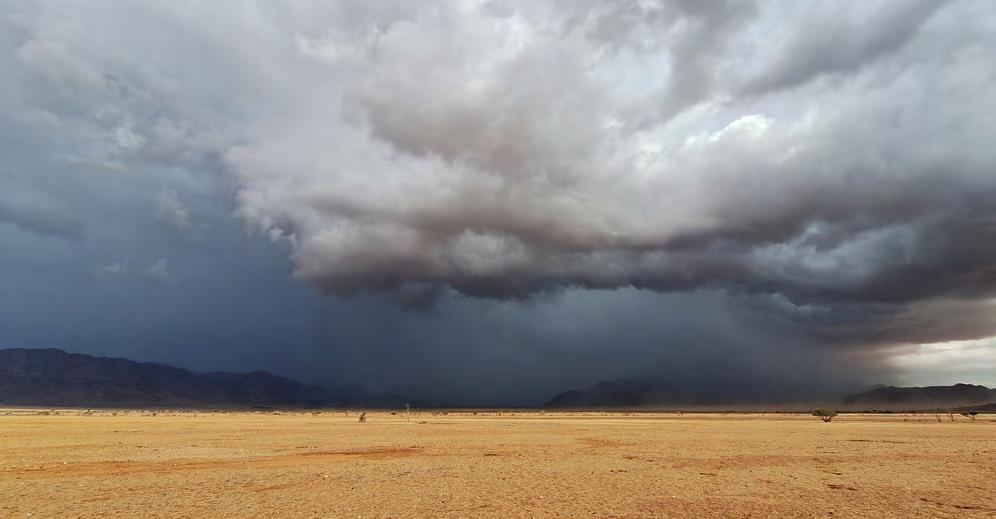
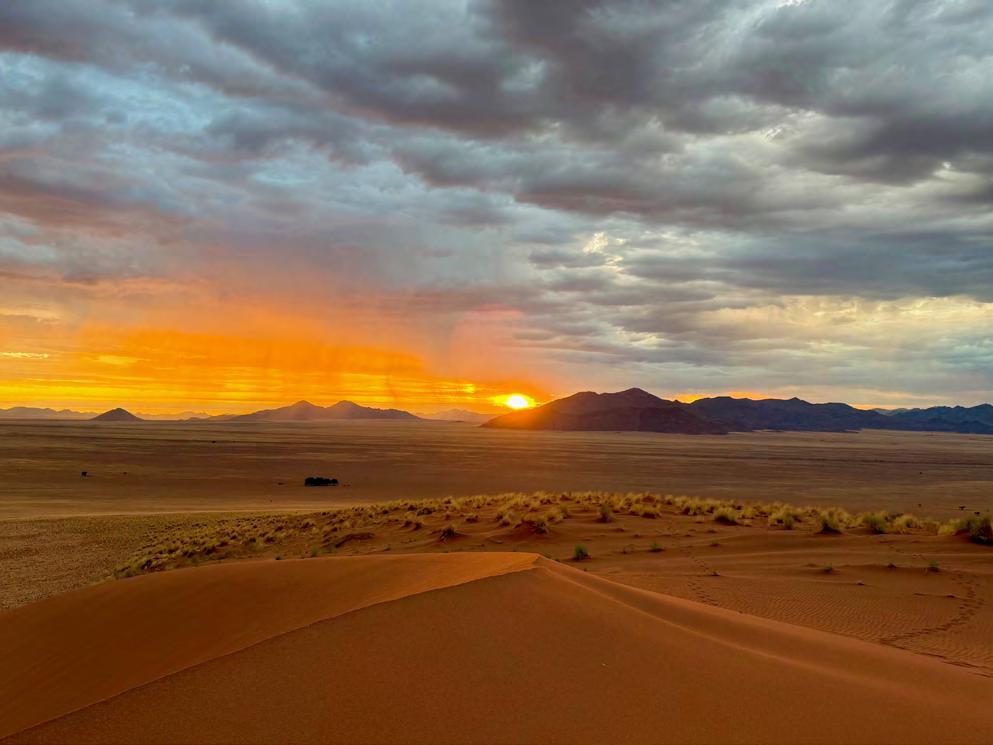
February surprised us with some rain totaling 19 mm. Sandstorms are starting to be more frequent in the late afternoons with the prevailing west wind picking up. Zebras started coming to the waterhole, giving more life to the waterhole.
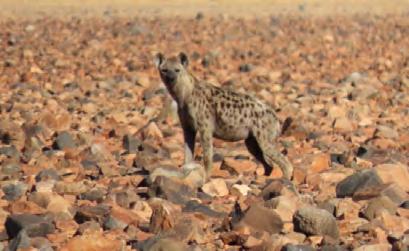
There was a good sighting of the Brown Hyaena that frequented the waterhole almost every evening at the end of January 2026. And while out on a drive with some guests, Elias, one of our guides, found fresh Cheetah tracks on the Kwessi Farm.
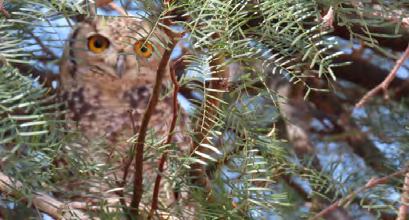
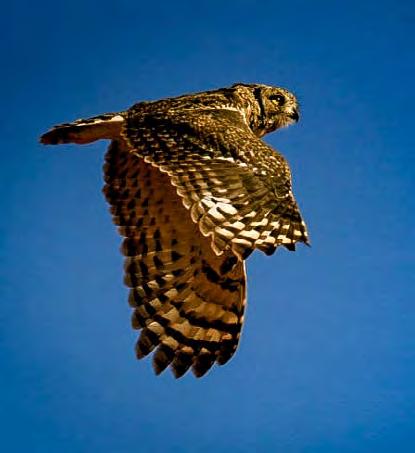
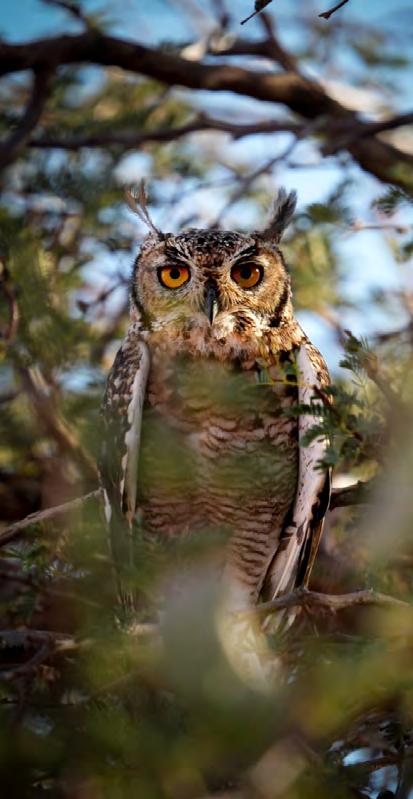
We seem to have a resident Spotted Eagle Owl (Bubo africanus), which one is almost guaranteed to find in the trees behind room 1, room 3 and room 4.
By Cecilijah Oletu Nghidengwa
Photos by Jacques Junius and Cecilijah Oletu Nghidengwa
Wolwedans, nestled in the breathtaking NamibRand, is not just a stunning destination for nature lovers, it is also a vibrant hub for artistic expression.
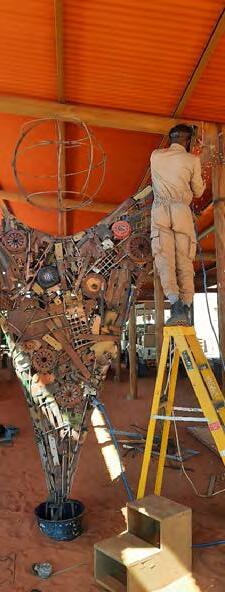
With the establishment of the Village Art Studio and Gallery, Wolwedans invites local, regional and international artists to participate in its “Artist in Residence” program, which spans two to four weeks. This initiative allows creatives to immerse themselves in the unique beauty of our AridEden, fostering inspiration and innovation in their work.
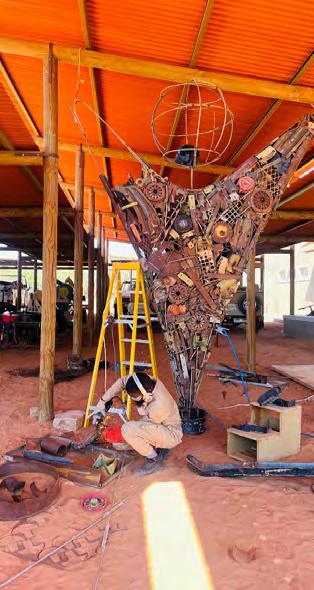
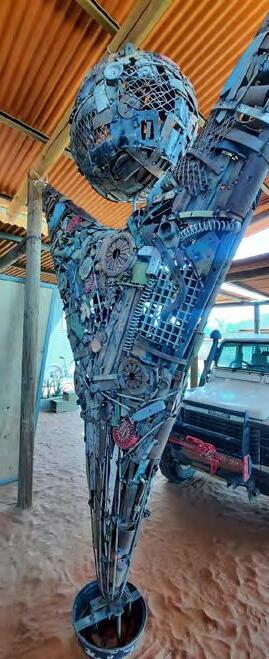
Among the talented artists who have graced Wolwedans is Ismael Shivute, whose recent residency culminated in a remarkable metal sculpture embodying a “happy being”. Shivute’s work resonates deeply with the ethos of Wolwedans, where the interplay between art and nature is celebrated. His sculpture not only showcases his skill but also reflects the joy and positivity that the NamibRand landscape inspires.
Shivute’s artistic journey at Wolwedans was marked by a profound connection to the environment. The serene surroundings and the vibrant community provided him with a unique backdrop to explore his creativity. His ability to transform metal at 3 m in height, all from scrap metal collected from our scrapyard, turning trash into treasure and a symbol of happiness, speaks to the transformative power of art — an essential aspect of the Wolwedans experience.
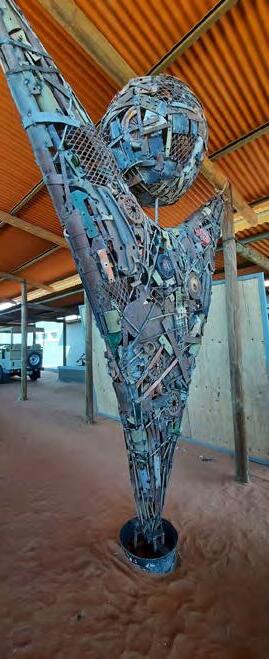
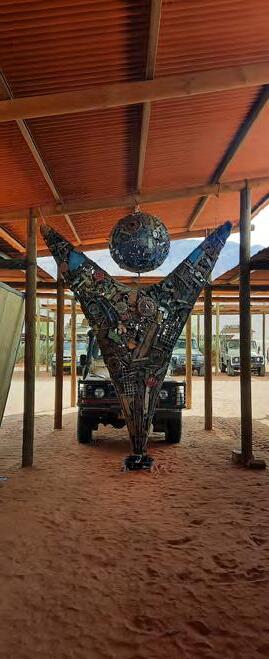
Shivute’s sculpture “Sculpting Joy” finished.
Since its inception, the “Artist in Residence” program at Wolwedans has welcomed a diverse array of talented individuals, each leaving a lasting impact on the community and contributing to the growing collection of artworks. Notable artists such as Diego Ferrari, Hage Mukwendje, Mirreille R Champagne and Roland Blum have all shared their unique perspectives and expertise during their time here. Each artist’s work enriches the narrative of the AridEden Project with a focus on turning trash into treasure, incorporating a sustainable way of art, creating a tapestry of creativity that reflects the beauty and spirit of the NamibRand.
At the end of their residency, each artist contributes a piece to be displayed in designated
areas, ensuring that their legacy continues to inspire future generations. This collection will serve as a testament to the creativity sparked within the heart of the NamibRand, inviting visitors to engage with the artistic journey fostered by Wolwedans.
Wolwedans stands as a beacon of creativity, where the natural world and artistic expression intertwine. Ismael Shivute’s joyful metal sculpture is a perfect representation of this synergy, capturing the essence of what it means to create in such a remarkable setting. As we continue to host talented artists from around the globe, the Village Art Studio and Gallery will undoubtedly flourish, nurturing a new generation of creatives inspired by the beauty of the NamibRand.
By Elizabeth N Namulo, Environmental Educator at NaDEET Centre
Photos by NaDEET
Ever wondered what happens after sunset at NaDEET Centre? When the sun dips behind the dunes, the desert comes alive in a whole new way. Life after sunset at NaDEET is all about connecting with nature and bringing our environmental themes to life through fun and meaningful activities.
From the very first evening, participants dive right into learning about NaDEET’s way of living sustainably, from energy saving and waste management to water conservation. We use minimal lighting to reduce light pollution and set the tone for an unforgettable desert experience. Nights at NaDEET are filled with laughter, games, discovery and reflection through activities like Game Nights, UV Adventures, “Tell Us What You Think,” and our Environmental Quiz.
The first night often kicks off with lively icebreakers; fun, interactive sessions that help everyone get to know each other better. It’s amazing how quickly NaDEET staff and participants get acquainted and share meaningful moments under the dark Namib sky. These kinds of activities build connection, teamwork and a sense of belonging that lasts throughout the week and hopefully forever.
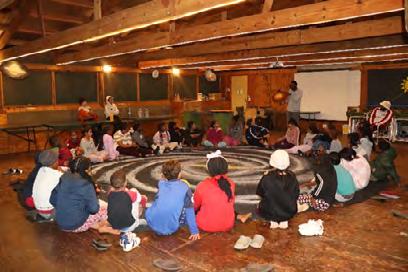
Our second night is always a favourite; it’s when we truly connect and rejuvenate. Participants are introduced to the environmental issue of light pollution and why protecting our night skies is so important. We proudly share that the NamibRand Nature Reserve is home to Africa’s first International Dark Sky Reserve (IDSR) and Africa’s First Wilderness Quiet Park. Watching the ”Losing the Dark” video by the International Dark Sky Association sets the stage, helping us understand how extreme artificial light affects both people and wildlife. We learn that light pollution can disrupt human health, confuse nocturnal animals, and even contribute to accidents. Afterwards, we step outside and look up, often in complete awe. The NamibRand Nature Reserve night sky is vast, unspoiled and filled with stars so bright you can almost reach out and touch them. This wow moment is truly unforgettable, leaving participants more aware of how even our smallest actions, like unshielded lights, affect the world around us.
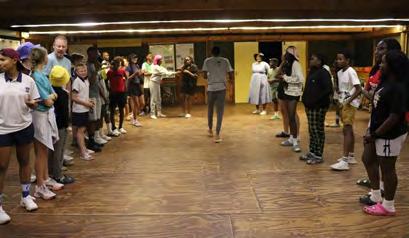
Then comes games night, one of the highlights for our primary school groups! The famous “Desert Twister”, a local adaptation of the well-known party game, is always a hit, filled with laughter and friendly competition. It’s not only fun but also a great way to build team spirit. Our returning, partner schools know there’s never a dull moment, and the night always feels young at NaDEET!
Another favourite is UV Adventures, a magical experience that exposes nocturnal creatures. Have you ever seen a Namib Dune Gecko or a scorpion glowing under UV light? It’s mesmerising! During this activity, participants explore the dunes safely at night, discovering the fascinating organisms that glow in the dark. It’s a perfect blend of science, curiosity and wonder, helping participants gain confidence in nature not only during the day but also at night.
Before we wrap up our stay, we take time for Tell Us What You Think, where participants share honest feedback about their experience. Their insights help us improve our programmes and facilities, ensuring that every visit to NaDEET keeps getting better.
Finally, we end with our Environmental Quiz, a competitive yet fun way to review everything learned throughout the week. Teams compete, everyone has a turn, laughter fills the air, and before we know it, the night has flown by. It’s the perfect way to celebrate all the knowledge and experiences gained and memories made during our time together.
As the lights go out and we settle into our last night, the desert reminds us of its quiet magic. Under one of the darkest night skies in Africa, we rest inspired, connected and a little more in tune with the planet we call home. Because at NaDEET Centre on the NamibRand Nature Reserve, even after the sun sets, learning and discovery never stop.
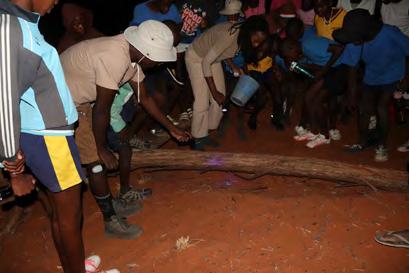
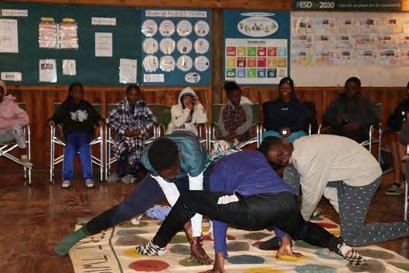
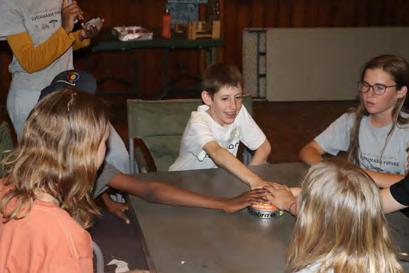
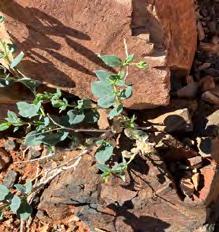
Image taken on NamibRand, 31 March 2024
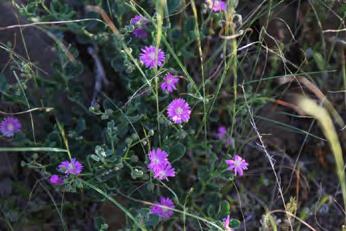
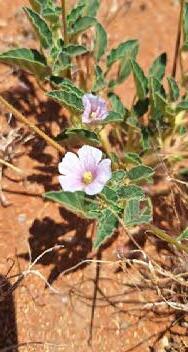
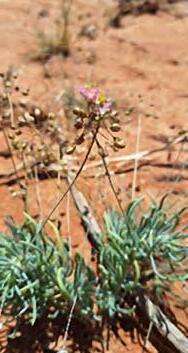
Corbichonia exellii seen on Farm Kyffhäuser (February 2022)
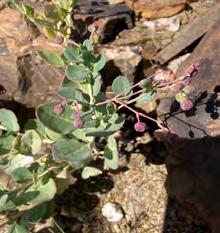
Fruits of Corbichonia exellii (Tsauchab, 16 April 2022)
By Vera De Cauwer, Biodiversity Research Centre, NUST (brc.nust.na)
During last year’s Easter holidays, while enjoying the beautiful Tok Tokkie trail in NamibRand Nature Reserve with my family, I found a remarkable plant when descending the rocky hill along the trail. The plant was woody but had beautiful silver-grey semi-succulent leaves, and was growing out of a dry crack in the rocks. Its scientific name is Corbichonia exellii, sierkooltjie in Afrikaans, and as far as I know, it has no English common name. The species was only recently described, in 2015, by two Russian botanists (Sukhorukov & Kushunina), because it was initially confused with another Corbichonia species. In Namibia, it occurs in the Omaheke, Karas and Erongo regions, but it also occurs in our neighbouring countries. The plant I saw during our visit to NamibRand had no flowers, although its purple flowers have been spotted from as early as December till April. With the early rains this year, we can hopefully expect them soon again.
The plant is also interesting for botanists who try to unravel the mechanisms that allow it to survive in such arid ecosystems. Its carbon-isotope values are in the typical range for plants using C3 photosynthesis growing in drier habitats, as was recently demonstrated by the doctoral study of a student at the Namibia University of Science and
References:
Technology in close collaboration with Professor Andrew Smith from the University of Oxford.
Not only is this plant a newly recognised species, but the family to which it belongs is as well. In fact, the genus Corbichonia has historically proven very difficult for plant taxonomists to place: the plants have usually been treated as part of the family Molluginaceae, and at various times have even been given names in Portulaca and Talinum. But as a result of a phylogenetic study in 2016, the genus Corbichonia has been moved to its own newly created family, the Corbichoniaceae (Thulin et al., 2016). Corbichonia, which occurs in the drier parts of tropical Africa and southern Asia, remains the only genus in the family, and all three known species can be found in southern Africa, including Namibia. So we are well placed to further study the mechanisms of drought survival in this sturdy plant! Corbichonia decumbens is the most widespread species, while Corbichonia rubriviolacea is endemic to Namibia and occurs in the central Namib. However, the differences between the three species appear to be relatively minor and warrant further investigation. Further field study of these rather poorly known and erratically spotted plants would definitely be worthwhile.
Thulin, M., Moore, A. J., El-Seedi, H., Larsson, A., Christin, P. A.& Edwards, E. J. (2016). “Phylogeny and generic delimitation in Molluginaceae, new pigment data in Caryophyllales, and the new family Corbichoniaceae”. Taxon, 65(4), 775-793 https://onlinelibrary.wiley.com/ doi/10.12705/654.6.
Sukhorukov, A.P. and Kushunina, M. (2015). “Taxonomy and chorology of Corbichonia (Lophiocarpaceae s.l.) with further description of a new species from Southern Africa.” Phytotaxa, 218(3), 227–240. DOI: https://doi.org/10.11646/phytotaxa.218.3.2 .
By Annely Ickua
by Wolwedans Foundation
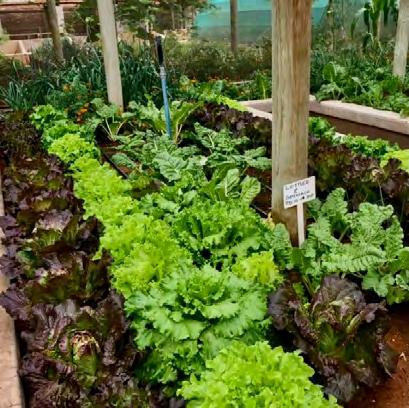
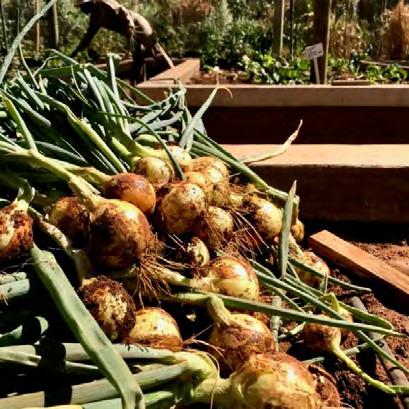
At Wolwedans Village, in the heart of the NamibRand Nature Reserve, sustainability is not a concept — it is a daily practice. One of the clearest expressions of this philosophy is the thriving organic garden, a living system that nourishes both people and place. Carefully designed to work in harmony with the desert environment, the garden demonstrates how thoughtful land stewardship can yield abundance even in arid landscapes.
At the core of the garden’s success is a commitment to
organic principles and closedloop systems. Natural fertilisation plays a vital role; horse manure and chicken waste from Wolwedans are composted and returned to the soil, enriching it with nutrients while reducing waste. This approach not only improves soil health and structure but also reinforces the idea that every element on the farm has value. Nothing is wasted; everything contributes.
The main garden beds are planted with a variety of lettuces and spinach, forming the backbone of daily harvests.
These leafy greens thrive under careful management and provide a steady supply of fresh produce for the kitchens. Tomatoes are another key crop, adding colour, flavour and versatility to meals enjoyed by staff and guests alike.
SEASONALITY IN DESERT-BASED GARDENING
Seasonality guides planting decisions, ensuring that crops are well-suited to the NamibRand’s climate. During the warmer months, the garden produces an impressive range of summer vegetables. Watermelons flourish, offering a refreshing reward
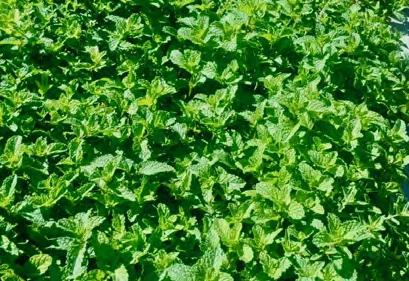
Spearmint from the garden.
after months of careful tending. Butternut, pumpkin, cucumbers, beans, onions and potatoes are also harvested, each crop chosen for its resilience and nutritional value. These summer harvests bring variety and vitality to the table while showcasing what is possible with attentive care and timing.
Winter, while cooler and often challenging, is no less productive. Cabbages and winter beans take centre stage, thriving in the milder temperatures. Winter is also an ideal time for potatoes, which benefit from the conditions and continue to play an important role in the village’s food supply. By rotating crops and alternating planting schedules, the garden maintains soil fertility and reduces pest pressure naturally.
Beyond vegetables, the garden is rich in herbs and companion plants that enhance both biodiversity and culinary creativity. Lavender grows alongside rosemary, offering fragrance and resilience. Several varieties of mint, including chocolate mint and spearmint, add freshness to dishes and drinks. Oregano, dill and fennel contribute depth and character to meals, while marigolds and lucerne support soil health and attract beneficial insects. Nasturtiums, planted as winter flowers, are not only visually striking but also serve as edible garnishes, bringing beauty directly onto the plate.
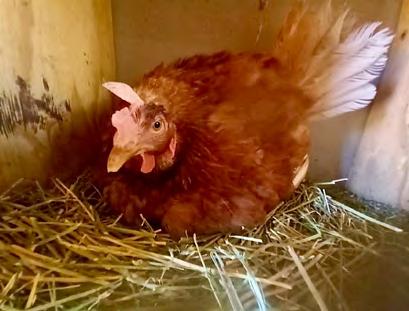
The relationship between chickens, pigs and the garden is one of common and mutual benefit, as the crop/plant residues are used as feed supplements for both pigs and chickens and of course, the animal waste is then a fertiliser, and the chickens act as pest control by feeding on the pests.
Poultry plays an integral role in the garden ecosystem. Chickens provide a reliable supply of fresh eggs — around 130 eggs per day during summer, and approximately 80 to 100 eggs per day as winter approaches. These eggs support the village kitchens while the chickens themselves contribute valuable manure for composting, reinforcing the interconnected nature of the system.
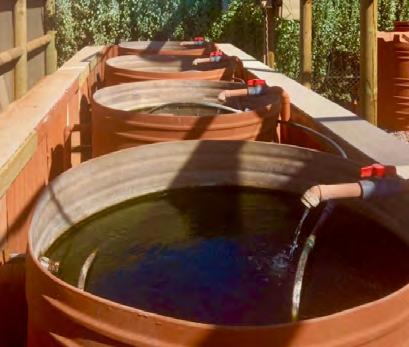
Innovation also finds its place at Wolwedans through aquaponics. Fish are raised as part of this system, where nutrient-rich water supports plant growth while plants help maintain clean water for the fish. This efficient, water-conscious method aligns perfectly with the reserve’s environmental values and adds another layer of resilience to food production at the village.
In addition, pork is now produced and sold to the staff canteen, helping to support the garden financially. This initiative strengthens food security within the Wolwedans community while ensuring that the garden remains economically sustainable. It is a practical example of how small-scale agriculture can support itself when thoughtfully integrated into a broader system.
For guests, the organic garden is more than a source of food — it is an experience. The garden is a refreshing part of the Heart and Home Tour, where visitors are invited to explore the space with knowledgeable guides. During a tour of the balanced community that is our Wolwedans Village, the garden takes centre stage; walking through the beds, learning about the crops and understanding
how the system works offer a deeper connection to Wolwedans’ ethos of sustainability. The experience is completed with a fresh organic lunch, where salads are prepared from the very crops guests have seen growing moments before.
At its heart, the garden reflects the Long Run philosophy incorporated into the Wolwedans Way, centred around Conservation, Community, Culture, Commerce and Consciousness.
As guests walk through the garden and sit down to enjoy a meal grown just metres away, they are invited to pause and reflect; what might change if we all lived a little closer to the sources that sustain us and with greater consciousness of our role within nature’s interconnected systems?
Gardening is a cornerstone at Wolwedans Foundation. With our gardens, both at Wolwedans and the new Desert Academy Maltahöhe, gardens have thrived with very careful attention to soil preparation, sustainability and continued generation. Crop husbandry is a delicate task in desert-based regions.
So, fair to say, fertiliser isn’t something we buy or import, at Wolwedans it’s something we carefully grow and cycle, through earthworms and aquaponics.
Under the umbrella of organic fertilisation, our garden at Wolwedans Village relies on two quiet but powerful allies: earthworms and fish. Together, they transform everyday waste into nourishment while respecting the natural limits and regulations of the nature reserve.
At the heart of our composting system are 10 boxes of earthworms, working steadily to convert kitchen waste into rich, living compost. Food scraps from the village kitchen are the most prevalent material used to feed the worms. Eggshells provide calcium, cardboard adds carbon and structure, and vegetable offcuts offer a steady supply of nutrients. Certain items are carefully excluded — citrus, starch, chilli and pepper — as these can irritate or harm the earthworms and disrupt the balance of the compost. What the worms produce is not simply “their waste,” but a biologically active fertiliser teeming with beneficial microbes. How clever nature is!
Complementing the worm composting system is our aquaponics project, where tilapia fish play an unexpected role in fertilising the garden. As the fish are fed, they naturally produce waste, rich in ammonia. In a healthy aquaponics system, beneficial bacteria convert this ammonia first into nitrites and then into nitrates — a form of nitrogen that plants can readily absorb.
This process, known as nitrification, is the key link between fish and plants and refers to the nitrogen cycle in aquaponics or hydroponics. Nitrification is the process by which beneficial bacteria convert toxic ammonia (from fish waste) into nitrite and then nitrate, which plants can use as fertiliser.
Because Wolwedans is located within a nature reserve, we work within strict guidelines to maintain the natural state of the land. Large-scale wheat or grain production is not permitted, so our garden remains intentionally scaled to the Wolwedans team and guests. This limitation has shaped our philosophy: focus on producing better, using the space we have at Wolwedans Village as efficiently and respectfully as possible.
Did you know? Horticulture Level 2 is offered at the Desert Academy Maltahöhe? Visit www.desertacademy.org and follow the story.
By Natalie Kapsosideris
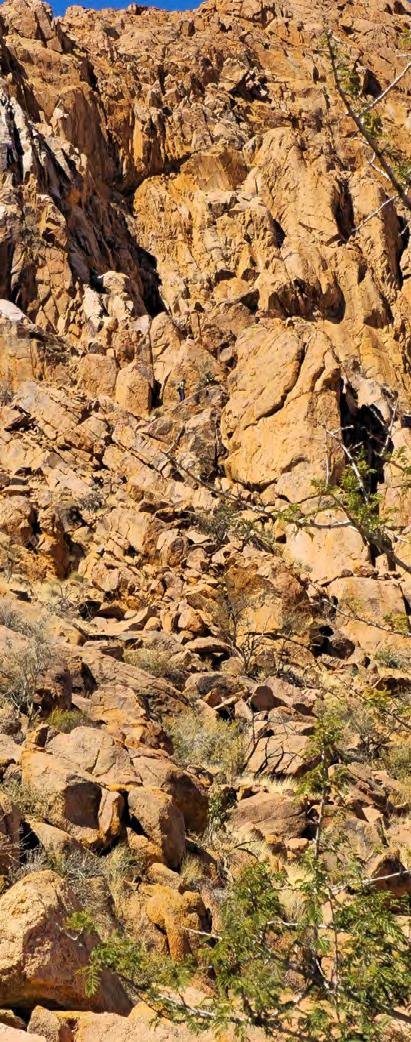
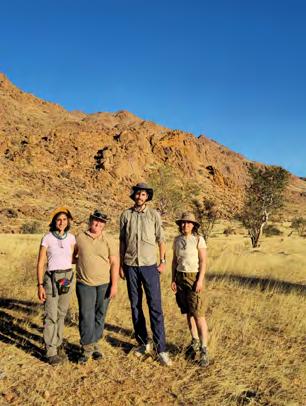
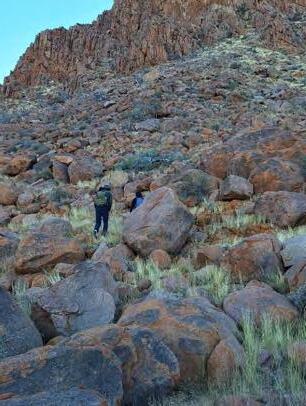
On the 20th of August 2025, I set off with Jessica and two interns from Gobabeb Namib Research Institute to climb the Nubib Mountains in search of a rare Namib endemic plant. I need samples of this plant from across the Namib to perform analysis for my MSc. The climb was strenuous and scary at times. We started our climb early, up just as the sun rose, but even still, we were only back at dusk. The original aim was to make it to the top of the mountain, as there was a known population that I could sample from. Jesscia carefully scouted for the best path up the mountains; the strategy was slow and steady as the mountain is steep and rocky; we did not want to underestimate it.
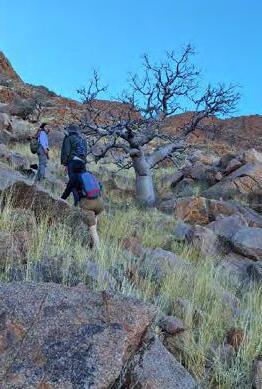
As we began, we excitedly pointed out each unique plant species we saw for Jessica, who was noting them for reserve records. Many resurrection plants had come alive after the rains, with young green leaves at the tips of dead stems. As we got higher, the Boscia trees (after which the area is named) got denser. At one point, we were surrounded by large and clearly very old Moringa trees. The mountain was full of diverse icons of the Namib’s flora. Unfortunately for us, this also meant a dense diversity of thorny plants. As it got steeper, we had to grab onto rocks and trees to hoist ourselves up, and of course, this meant hands full of tiny thorns. We made good time and made it three-quarters of the way up by lunchtime. But we had reached an impasse; the rest of the way to the top was just flat rock face. We attempted to try to walk around the apex of the slope to see if there was a clearer way up through a wash. It was steep and at some distance, and we could not see a safe way to the top. A little
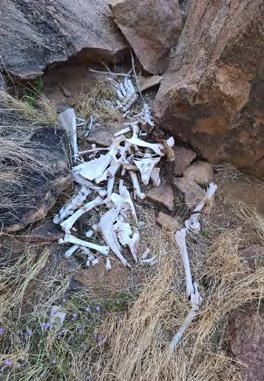
defeated, we decided to have our lunch on a large boulder. Upon coming to the boulder, we noticed a complete Oryx skeleton, with skin, nestled between two boulders. A reminder that this was the territory of the NamibRand’s one-eyed leopard!
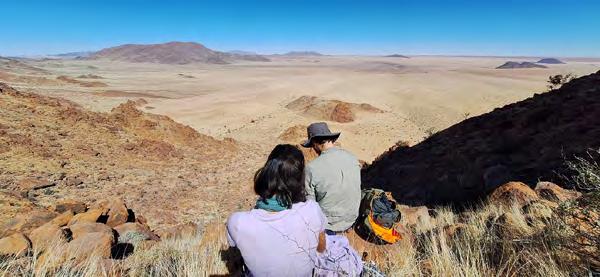
So far, we had only found two of the plants we had come to sample. I was worried we would return largely empty-handed. Fortunately, as we were having lunch and enjoying the view, we spotted another two individuals in the distance. After carefully making our way to each to sample them, we began our descent back down the mountain. We decided to travel down the wash. The large granites were exposed and worn smooth, making them slippery, but there was no vegetation, a welcome break from being attacked by thorns. As we climbed down, we again spotted some individuals to sample. Somehow, we had managed to stumble upon a population without ever having to reach the top!
We reached the bottom by late afternoon, exhausted, sunburnt, thirsty and covered in thorns but happy, nonetheless. We were, of course, very grateful at that time for Jesscia’s hospitality and that we could sleep in real beds that night! We spent the rest of the day watching the zebras from Keerweder and reflecting on the views from the climb up the Nubib Mountains.
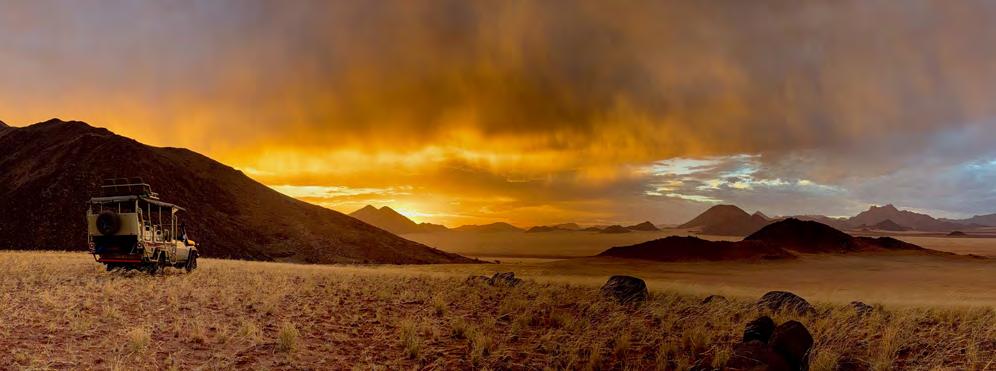
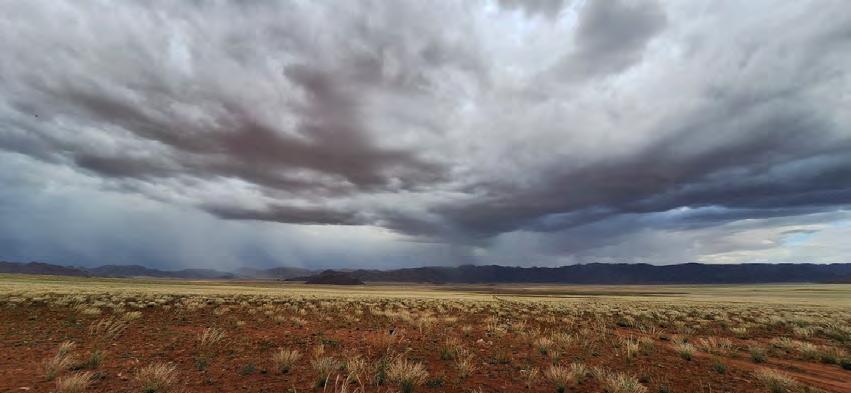
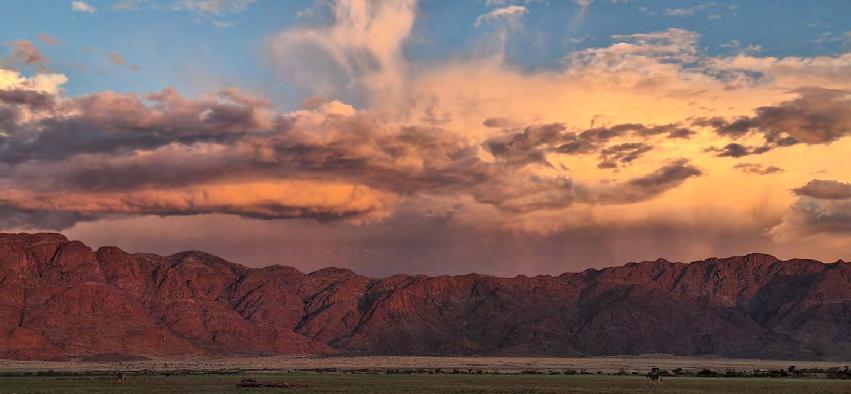
Sunset rain view from Springbokvlakte.
The editors would like to thank all the contributors to this edition of the Barking Gecko. Many thanks to Vicky Human for her support and layout skills.
This newsletter is for our readers, friends and colleagues of NamibRand. We welcome any ideas, input and feedback you may have.
KINDLY NOTE:
Photographs are under copyright and may not be reused without the permission of the photographer.
Editors: Jessica Steyn, Nature Conservation Warden & Barbara Curtis
Reserve Office: PO Box 131
Maltahöhe, Namibia
Phone: +264-63-683 026
Email: jessica@namibrand.org
Head Office: 2 Mozart Street PO Box 40707
Windhoek, Namibia
Phone: +264-61-224 882
Email: info@namibrand.org Website: www.namibrand.org
If you wish to subscribe to the Barking Gecko, please contact the editor at the above address. Note that previous issues of this newsletter are available on the NamibRand website.