University of Calgary
School of Architecture, Planning + Landscape
PORTFOLIO
2021-2023
Nai-Xin [Cindy] Cheng
University of Calgary
School of Architecture, Planning + Landscape
PORTFOLIO
2021-2023
Studio III: Cultural UpTowne
Instructor: Immanuel Arole
Keywords: Vertical Farm, Farmto-Table Facilities, Food Hub, Multi-Cultural Community Hub
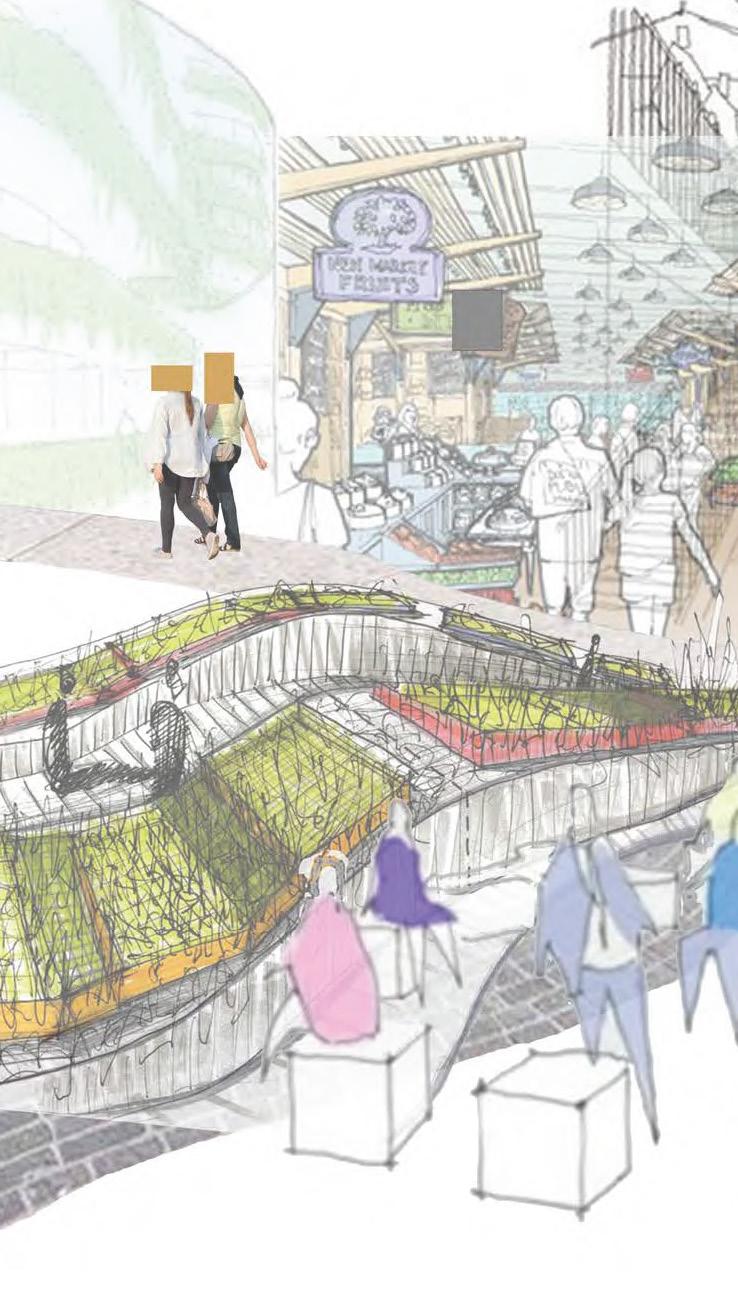
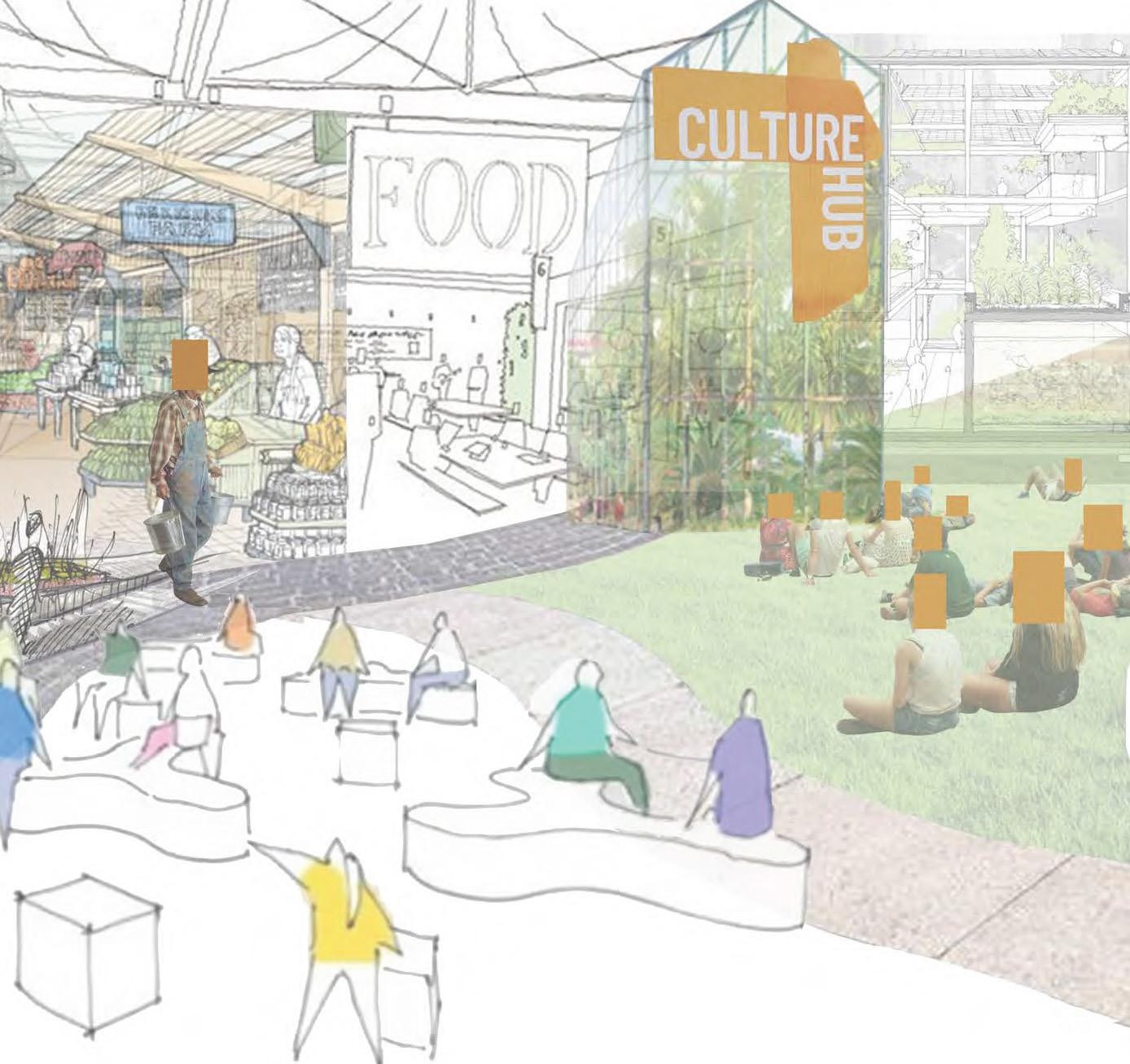
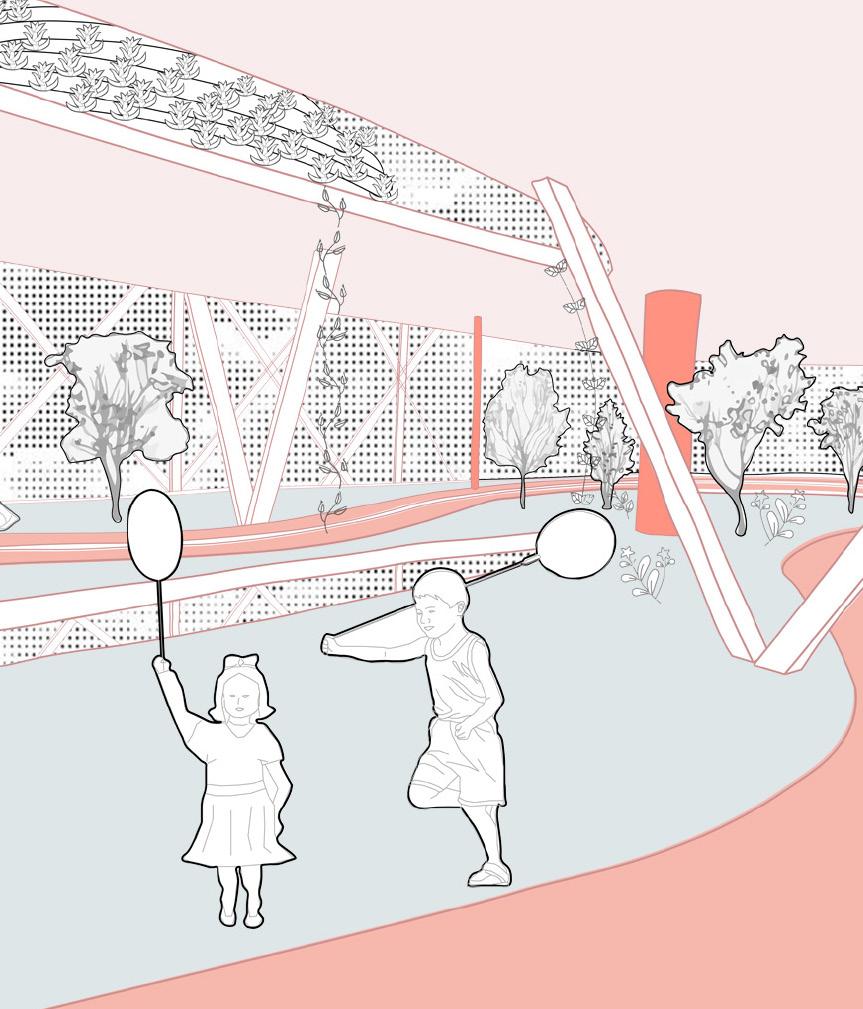
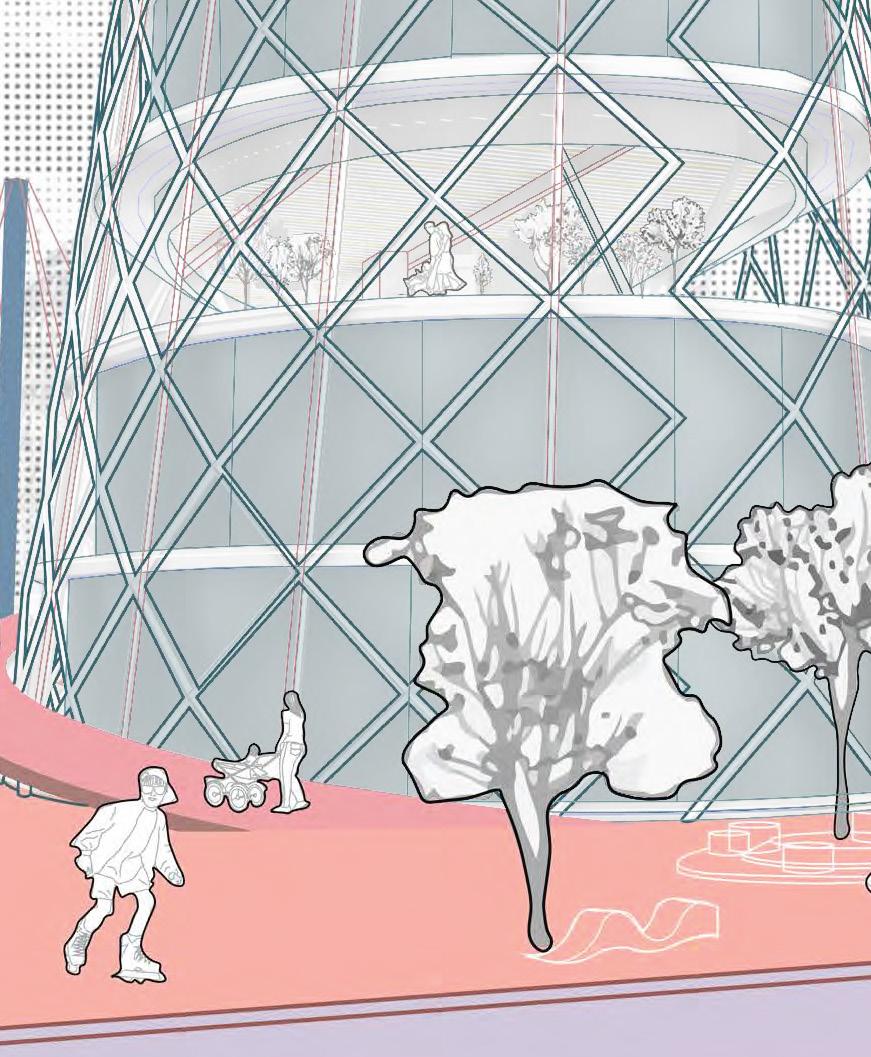
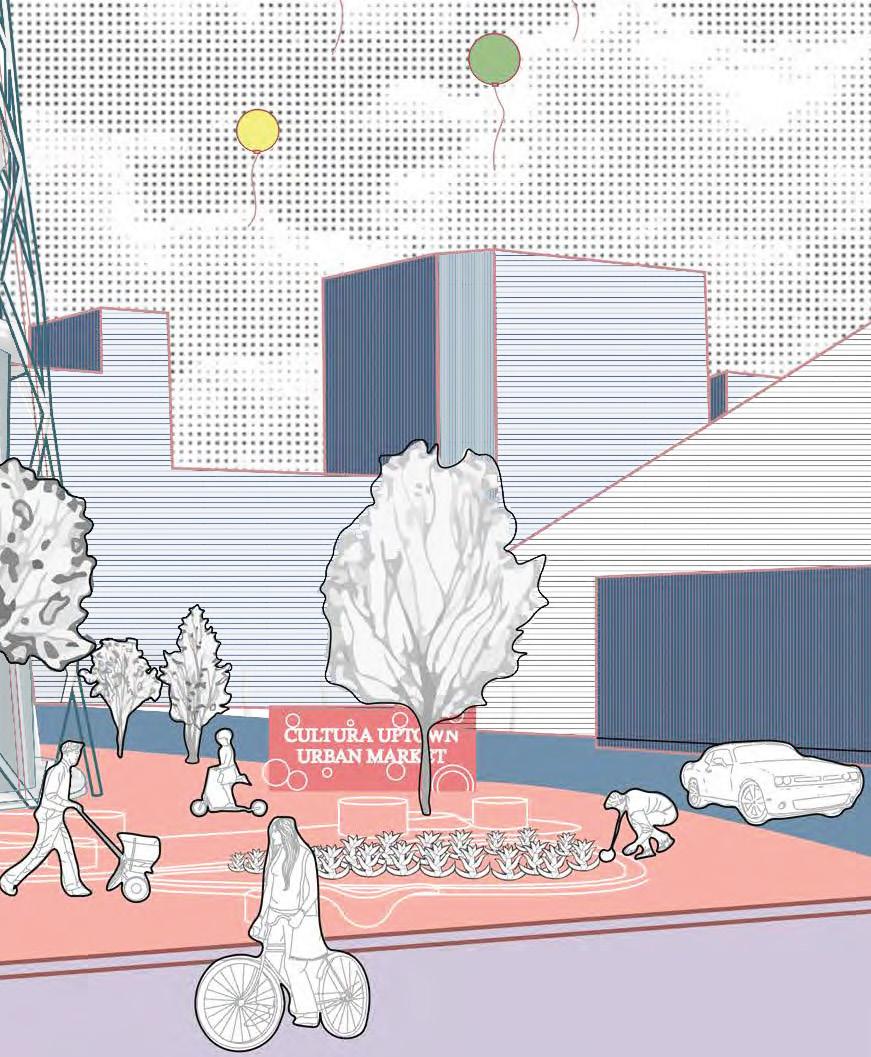
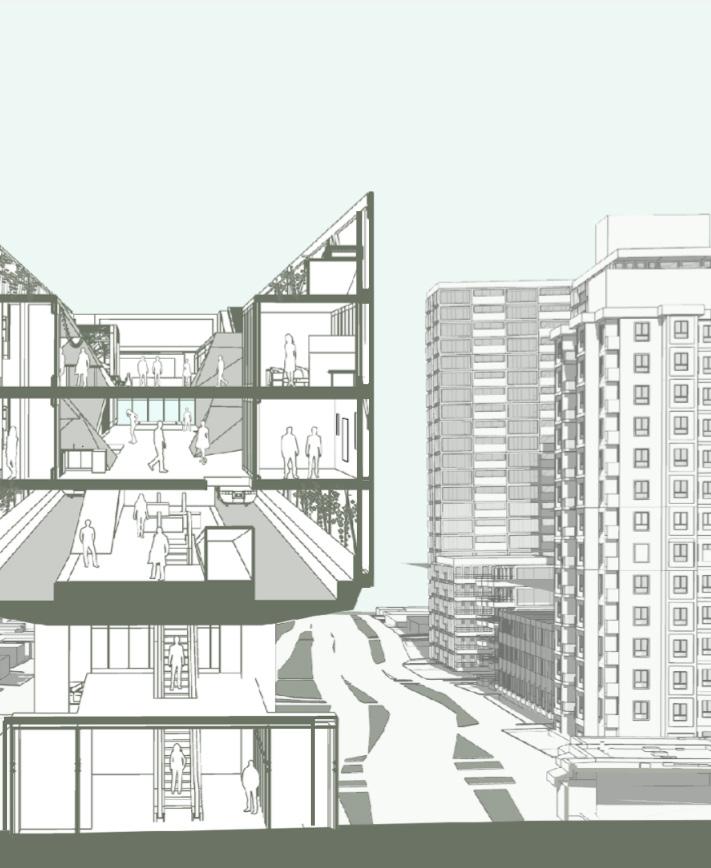
The Edible Network is an innovative and multifunctional complex that encompasses a vertical farm, a food market, and recreational facilities. Its core lies a vertical farm, utilizes vertical space in Downtown Calgary to cultivate a wide range of crops, overcoming traditional limitations of land availability and offsetting the carbone emission from transporting crops. By employing such farming practices, the Edible Network ensures a consistent supply of fresh produce throughout the year. One of the most captivating aspects of the Edible Network is its ability to bridge the gap between diverse cultures through food. The complex serves as a vibrant marketplace where individuals from all walks of life can come together to explore, experience, and savor culinary delights from around the world, enjoying different cultures through the universal language of food, fostering a sense of unity and understanding. Beyond its agricultural and cultural contributions, the Edible Network enriches the community by providing recreational facilities for individuals to relax.This integration of leisure and sustainable food production fosters a sense of community well-being and enhances the overall quality of life in Calgary.
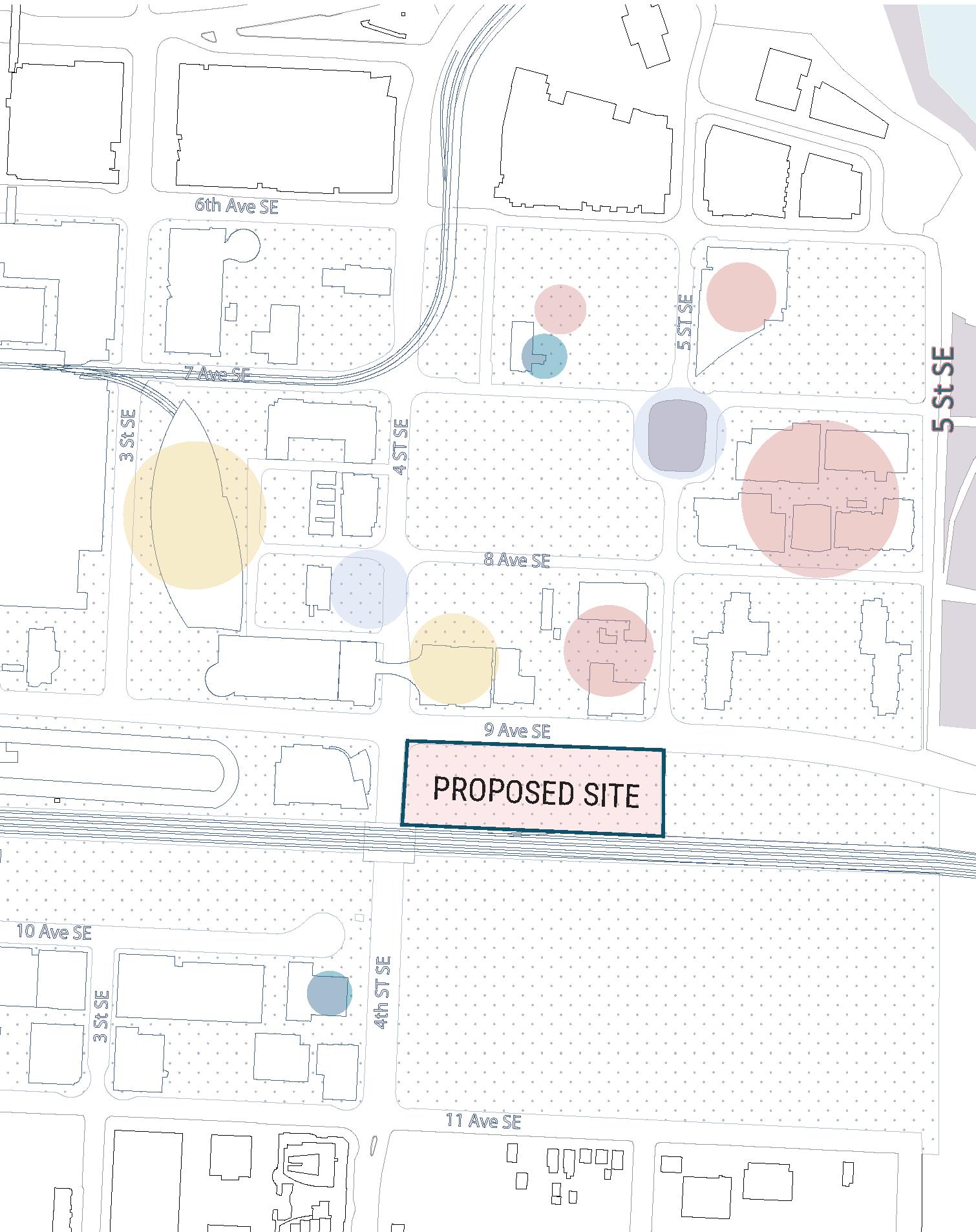
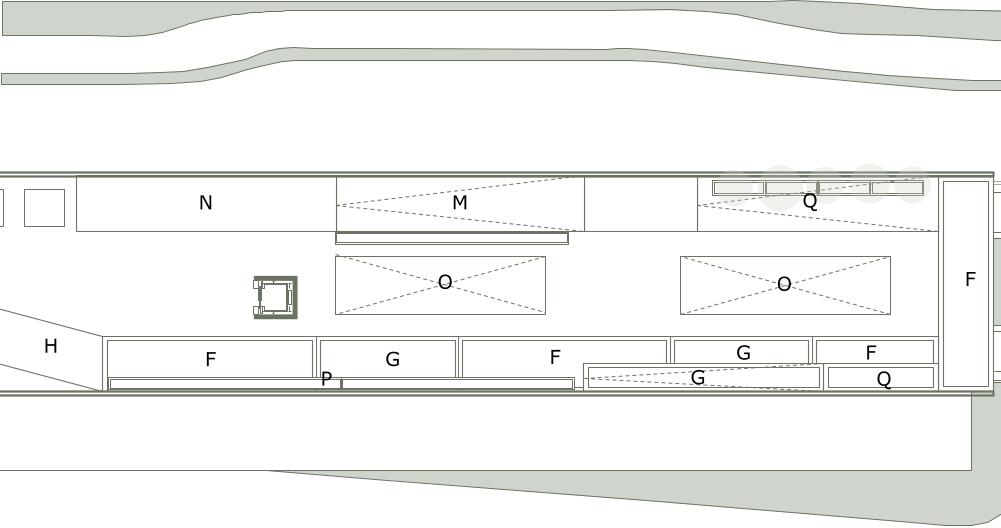
Indoor Amenities
Outdoor Public Space
Indoor Public Space
Gym/ Boxing Studio
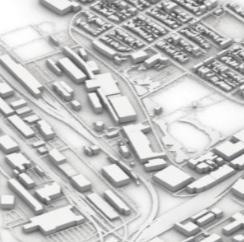
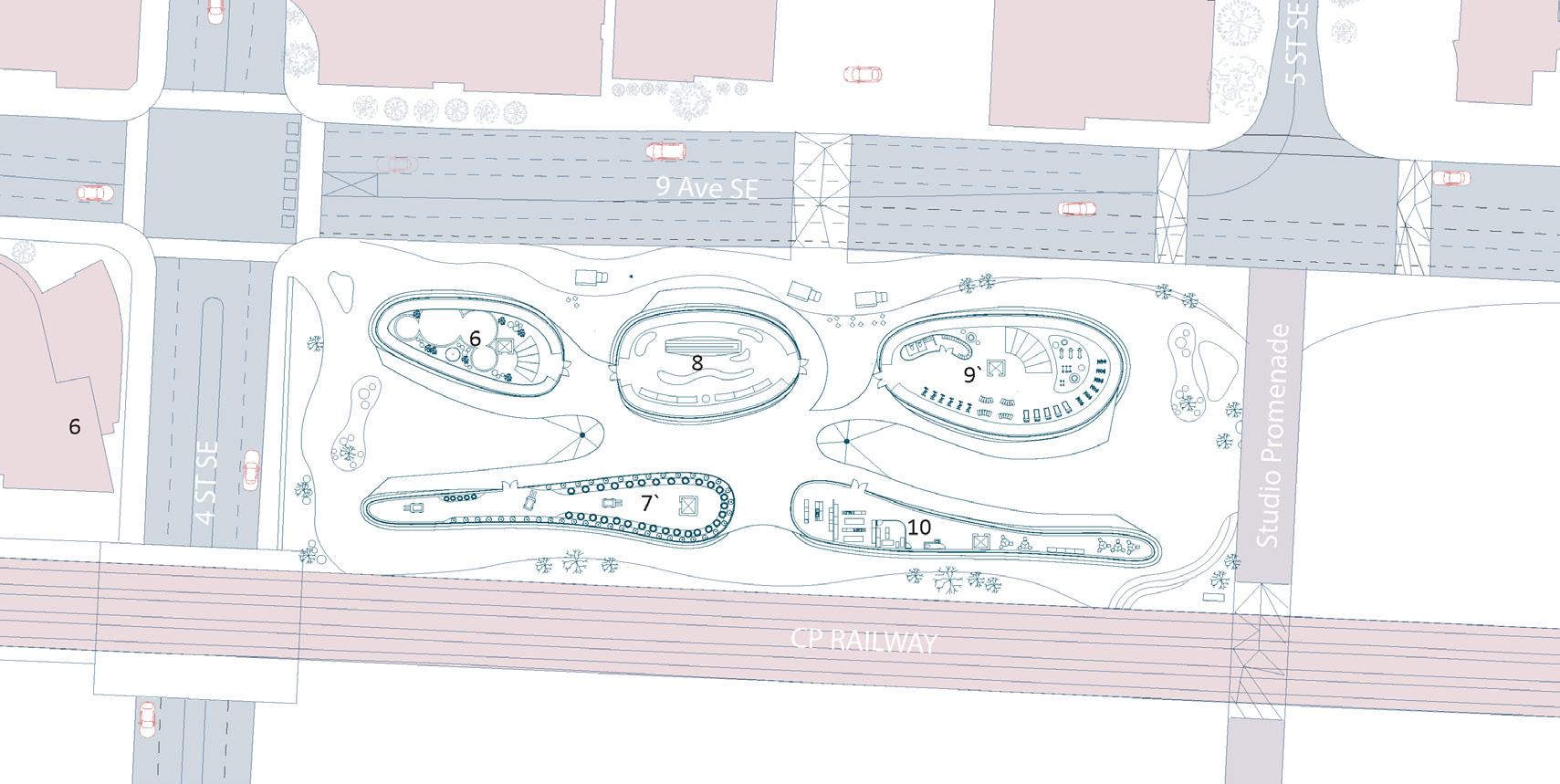
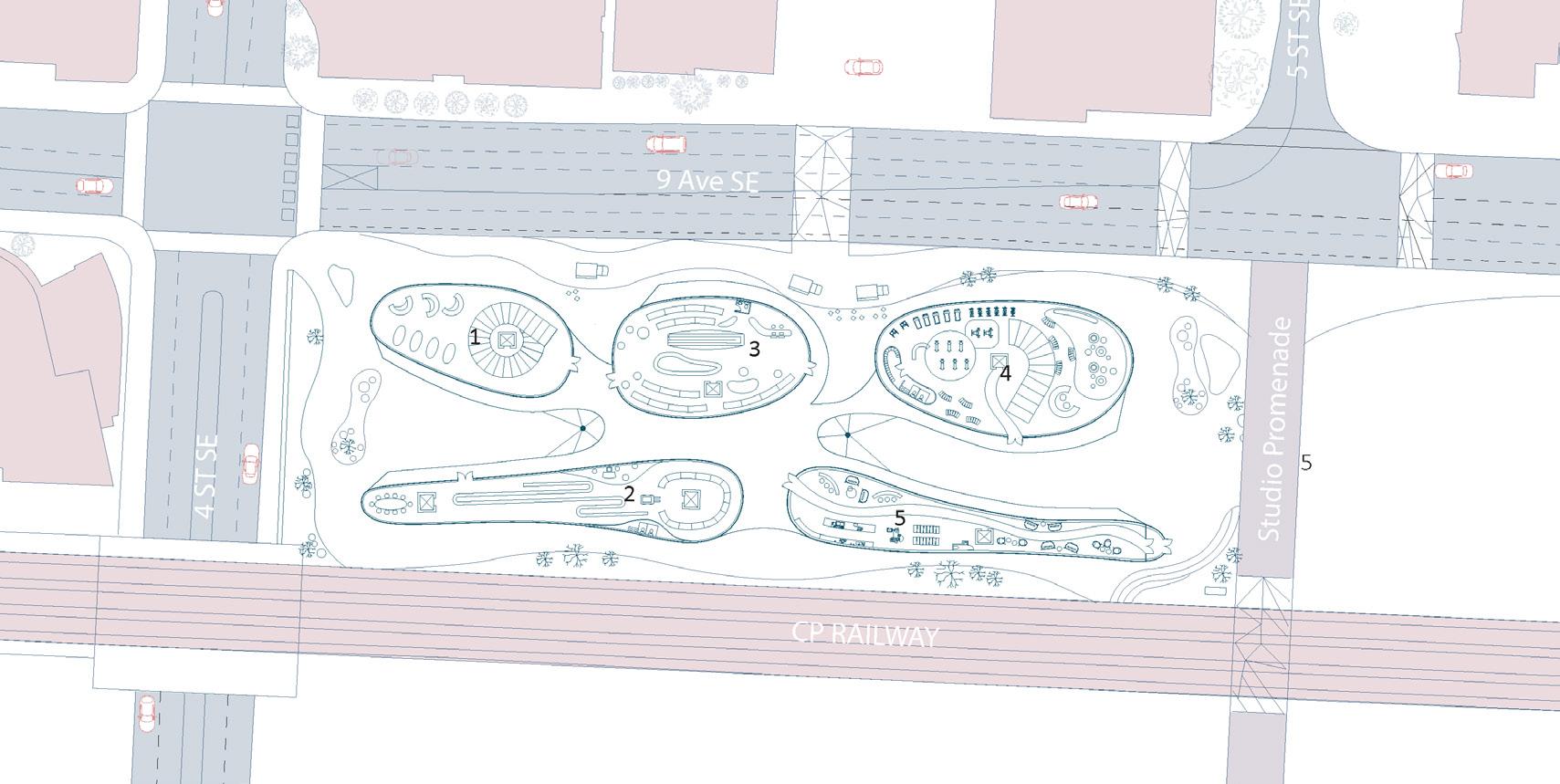
Surrounding amenity spaces, showing the potential of the site introducing new programs and functions.
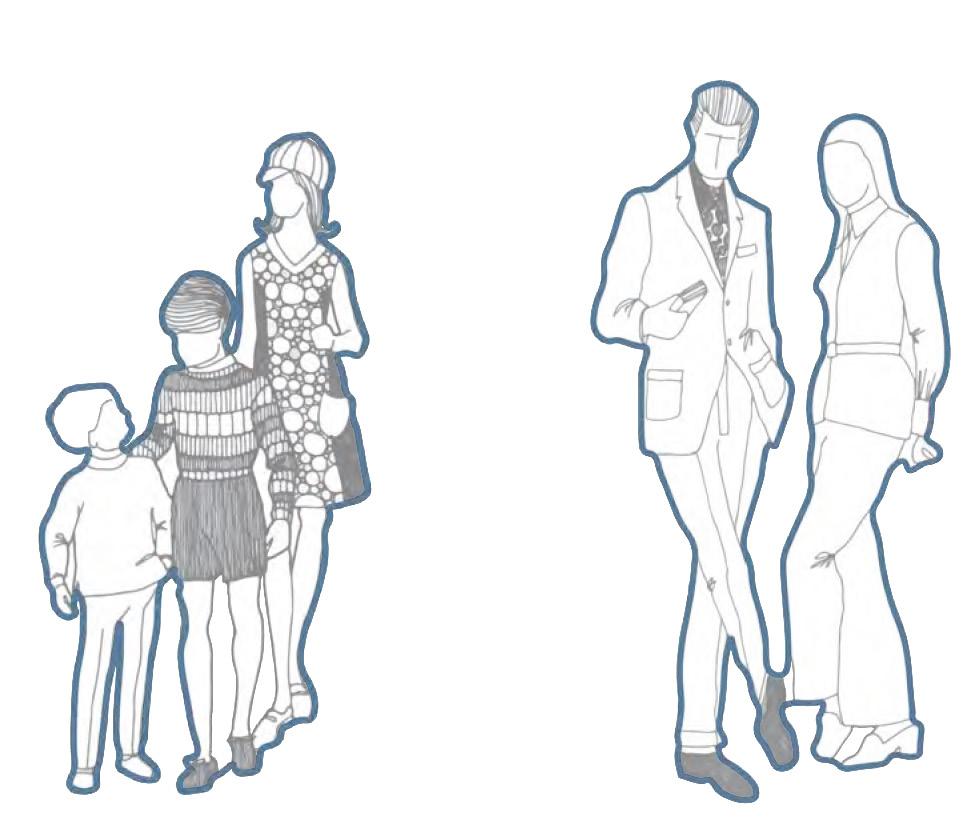
Demographic diagram, showing the potential of the design being adapted to suit the ongoing demographic with diverse backgrounds.

POPULATION DISTRIBUTION
IMMIGRANTS STATUS
2% Immigrants
73% Non-Immigrants
25% Non-Canadian Citizens
Increase in Immigrants Population
Young Professionals
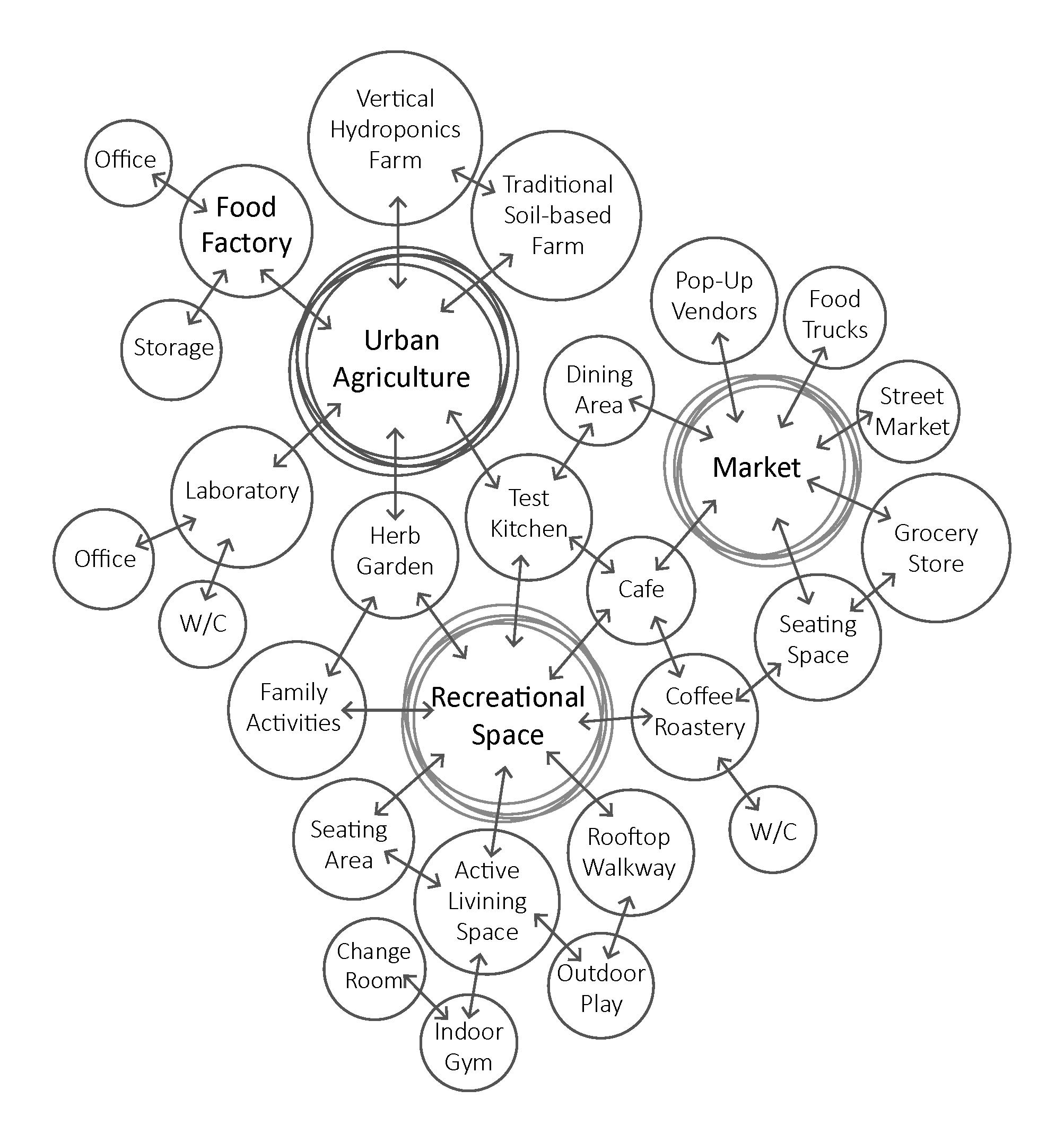
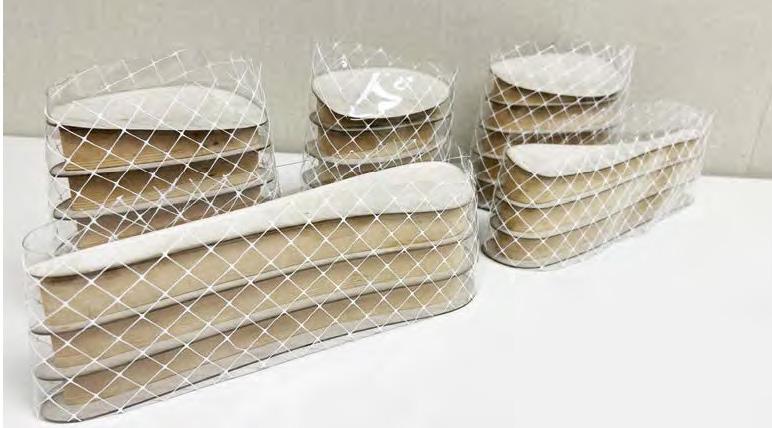
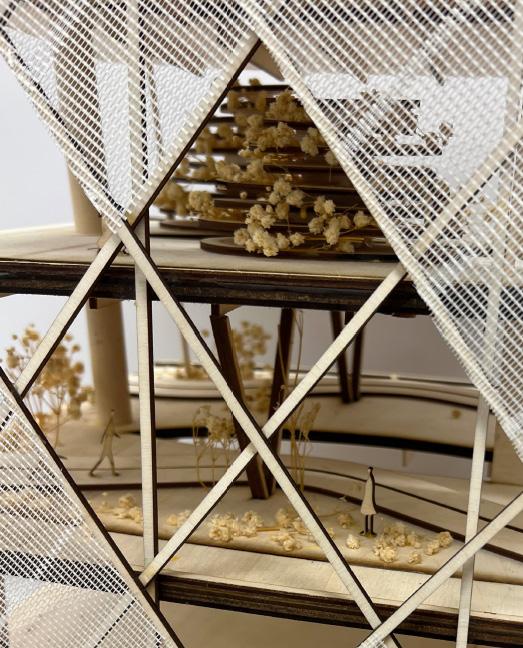
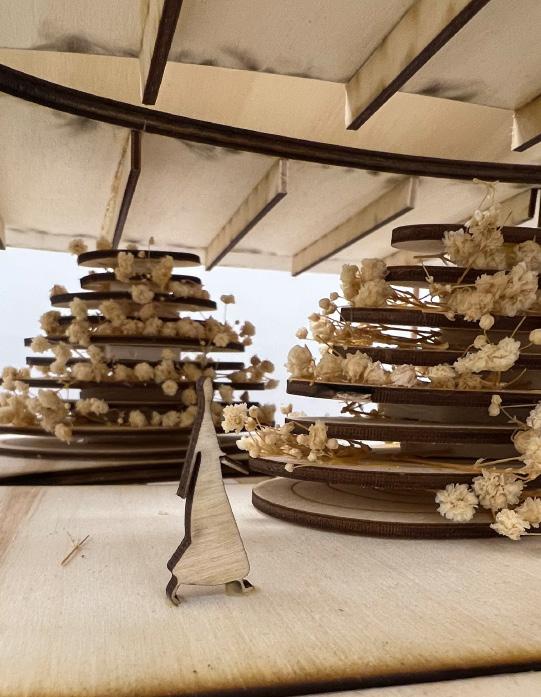
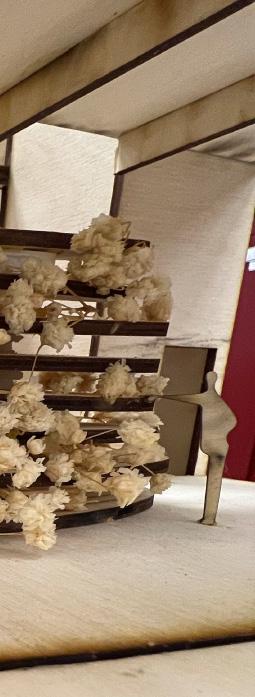
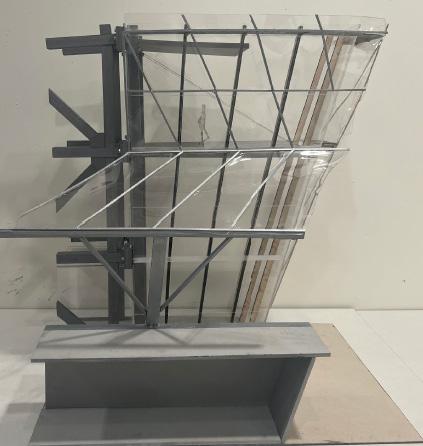
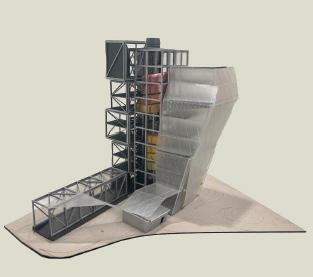
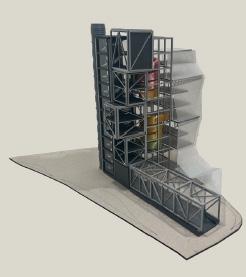
Massing model, created by millboards, MDFs, and vinyl fabrics, showcasing the desired form and the diagonal, double skin structure.
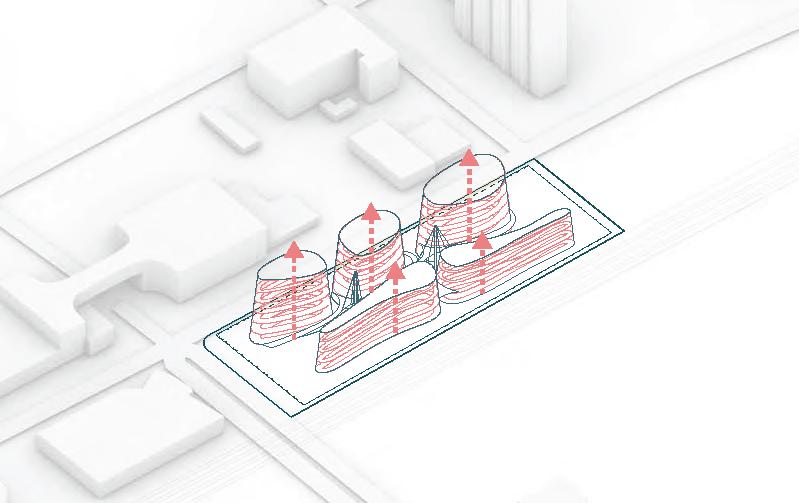
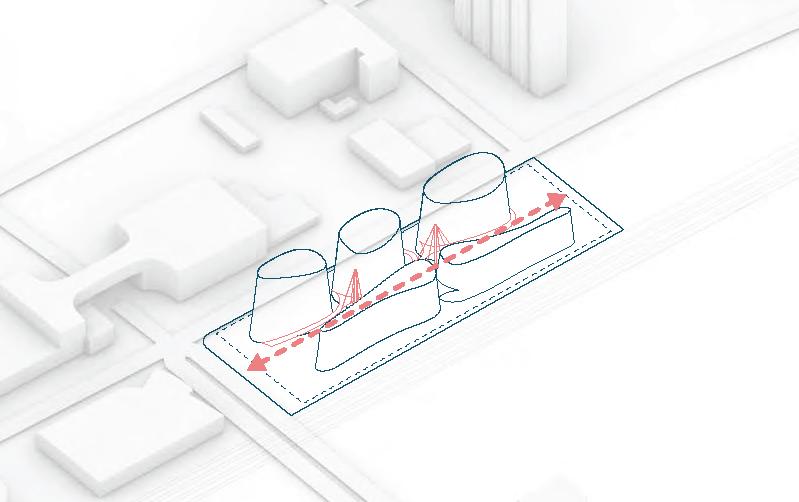
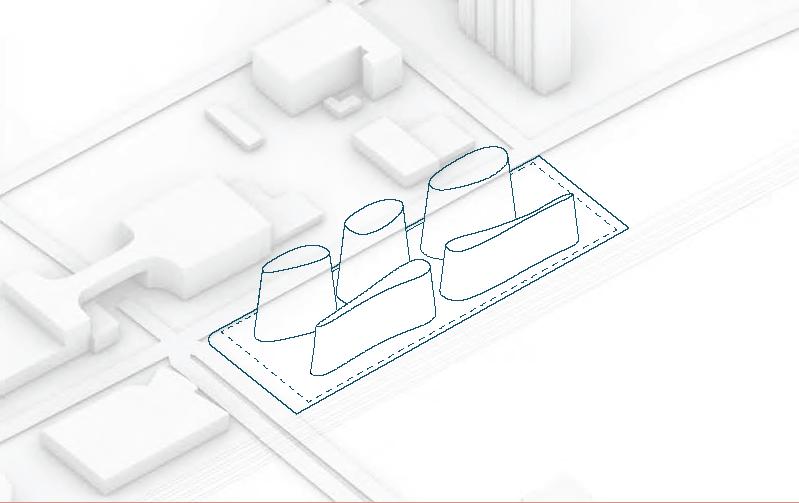
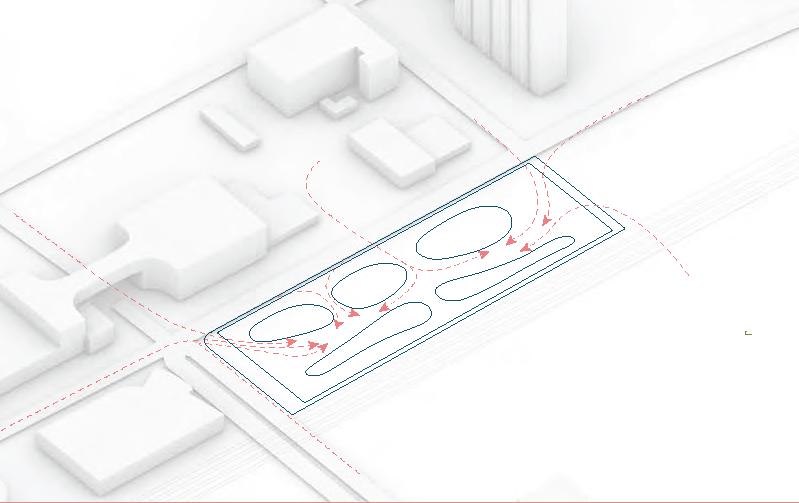
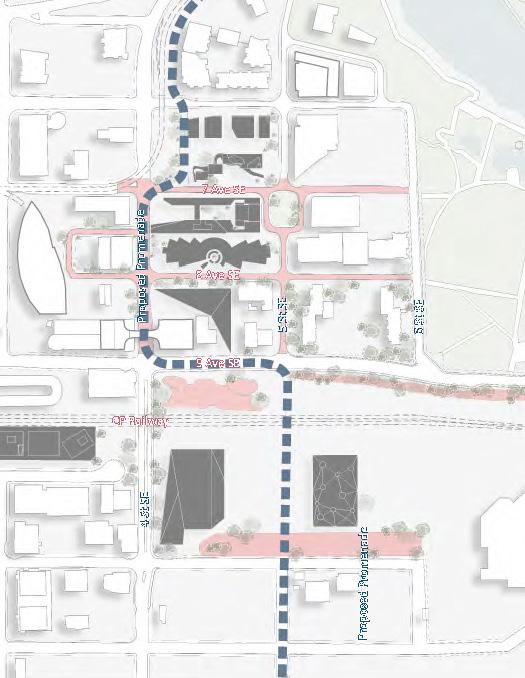
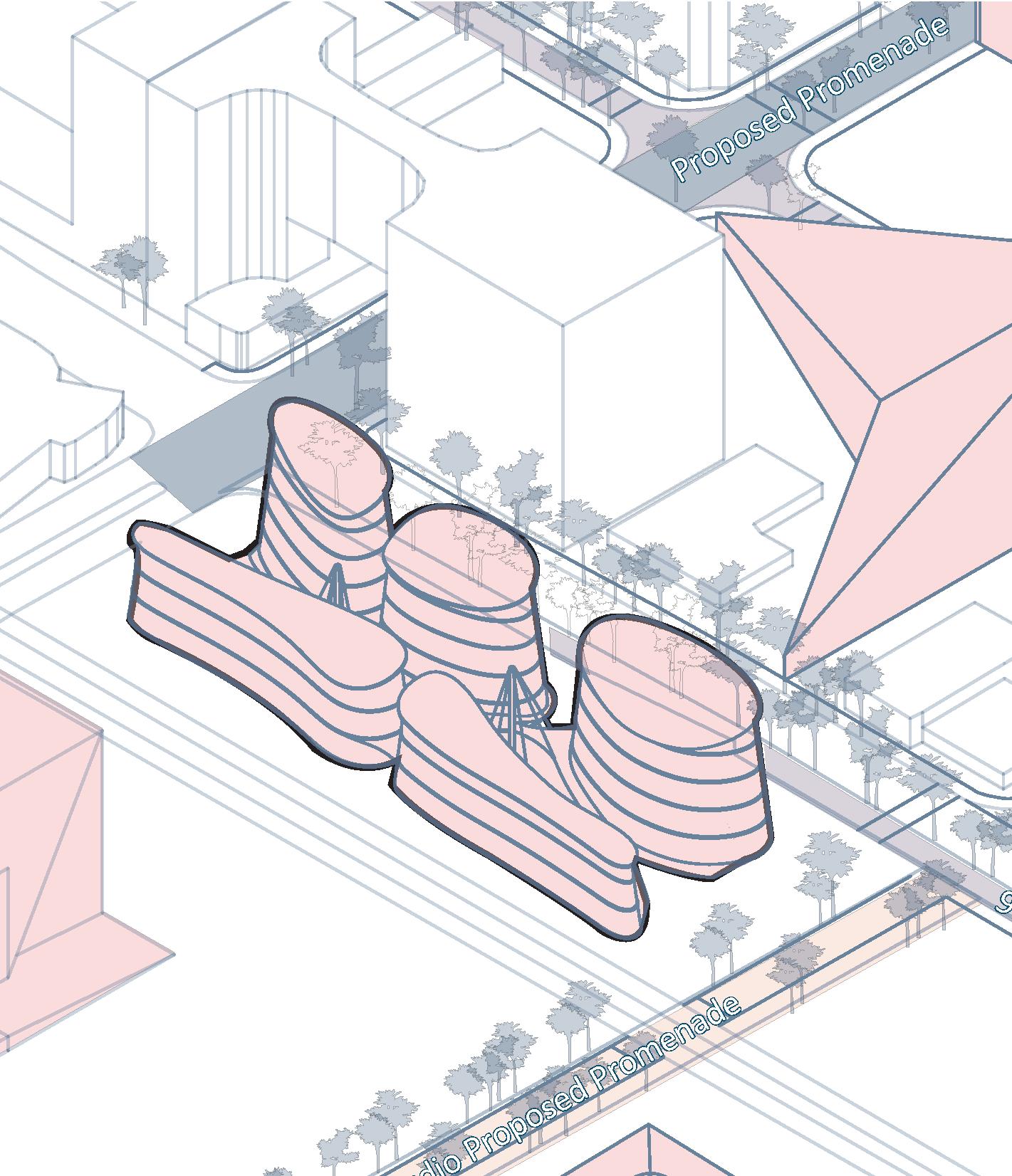
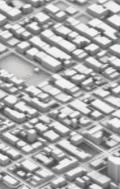
Isometric view, showing the relationship between surrounding buildings and the proposed promenade emitting vehicular flow to increase walkability of the neighbourhood.
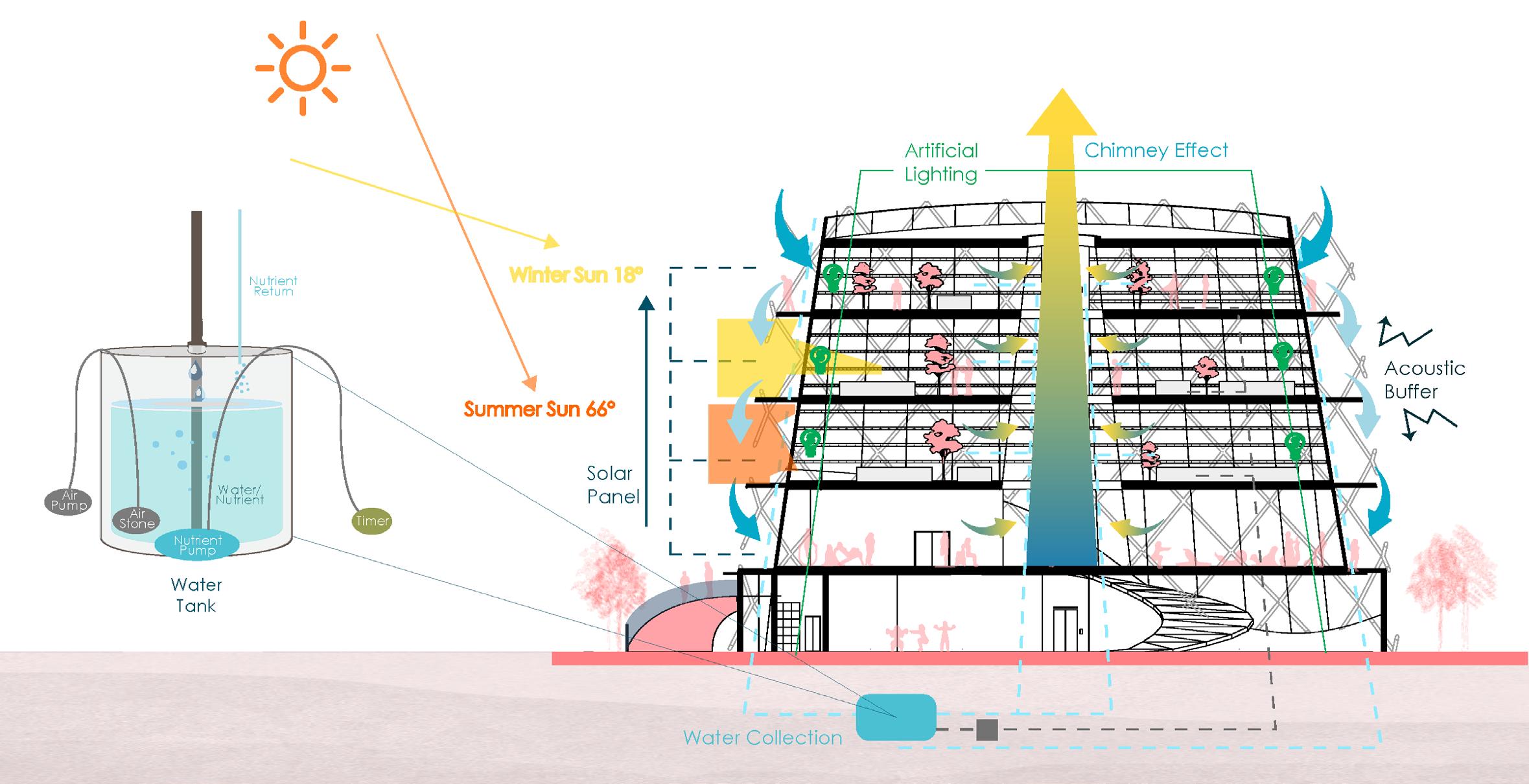
Passive Design Strategies were implemented to optimize and sustain building functions.

99mm 3-Layer CLT Panels
Beam Girder Joist
13mm Plywood
25mm Semi-Rigid
Glass Fiber Insulation
Acoustical
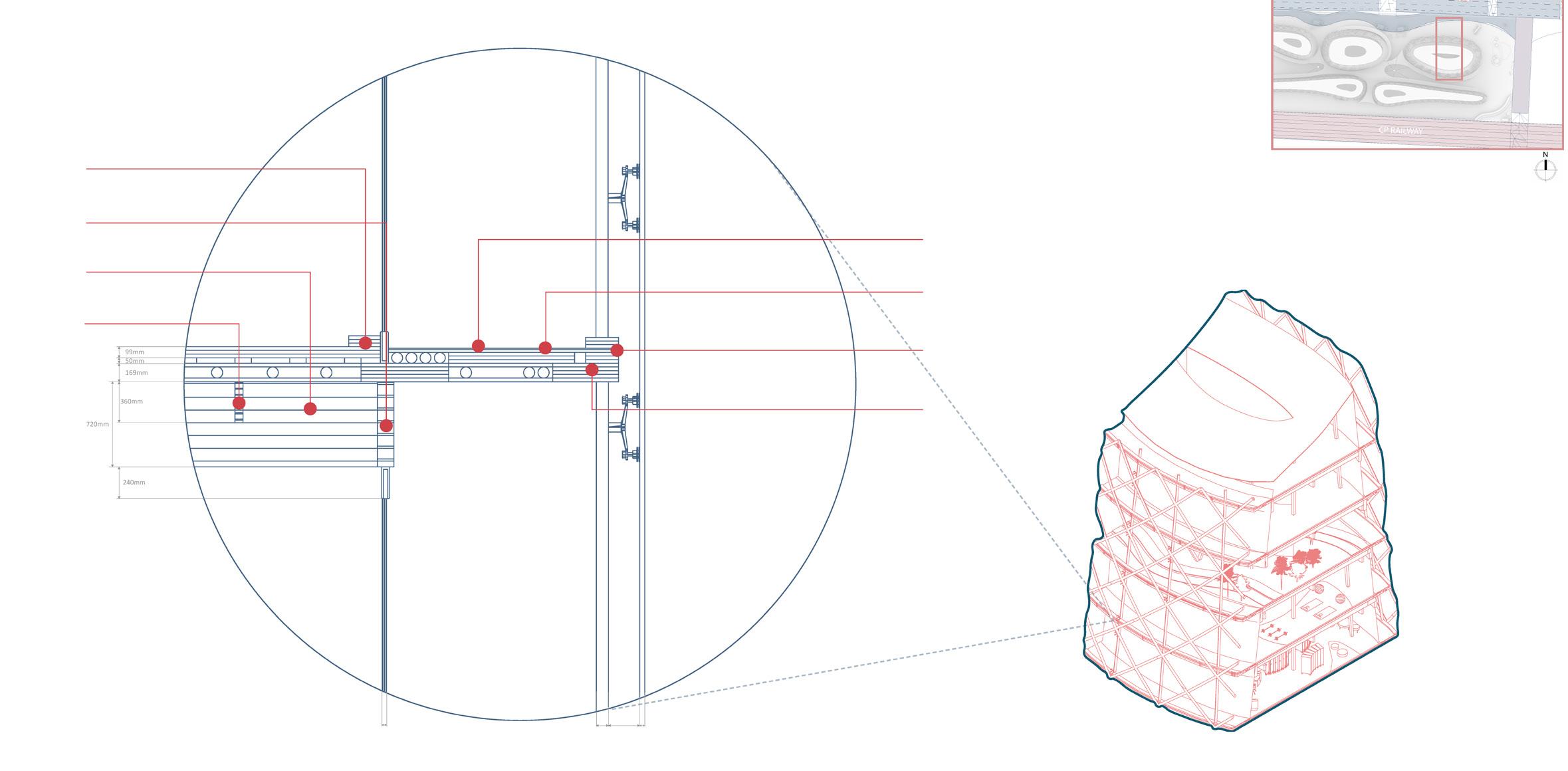
Underlayment
169mm 5-Layer CLT Panels
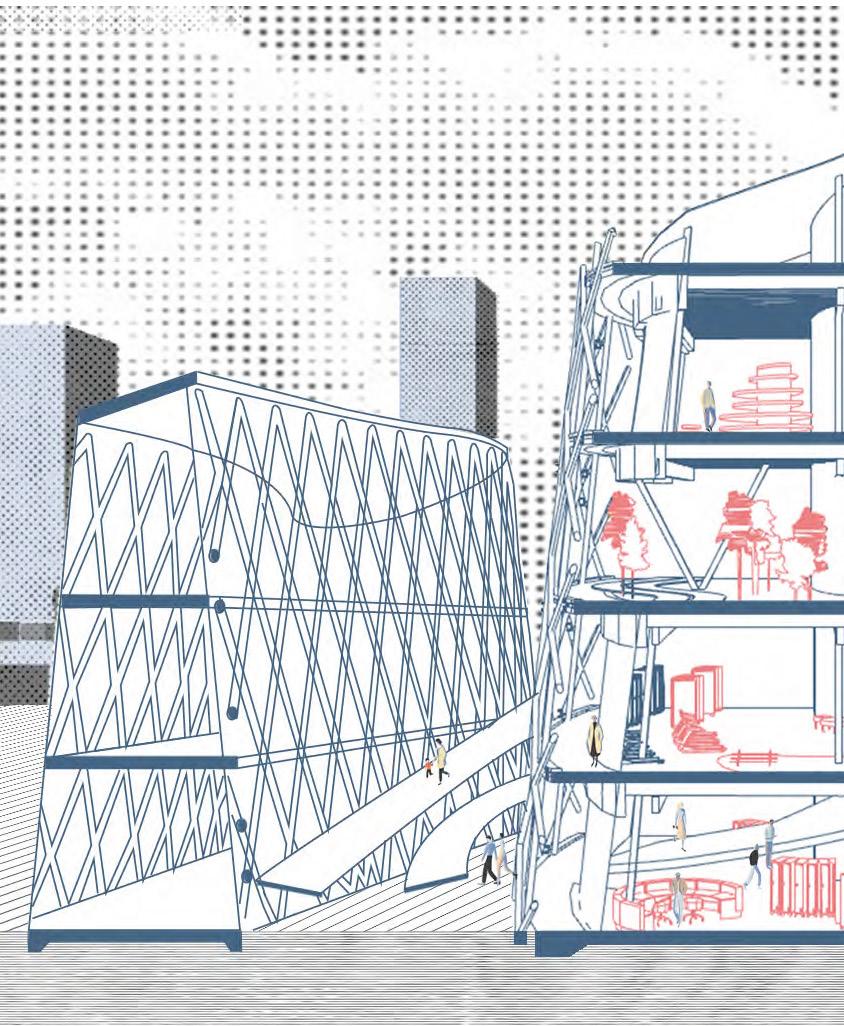
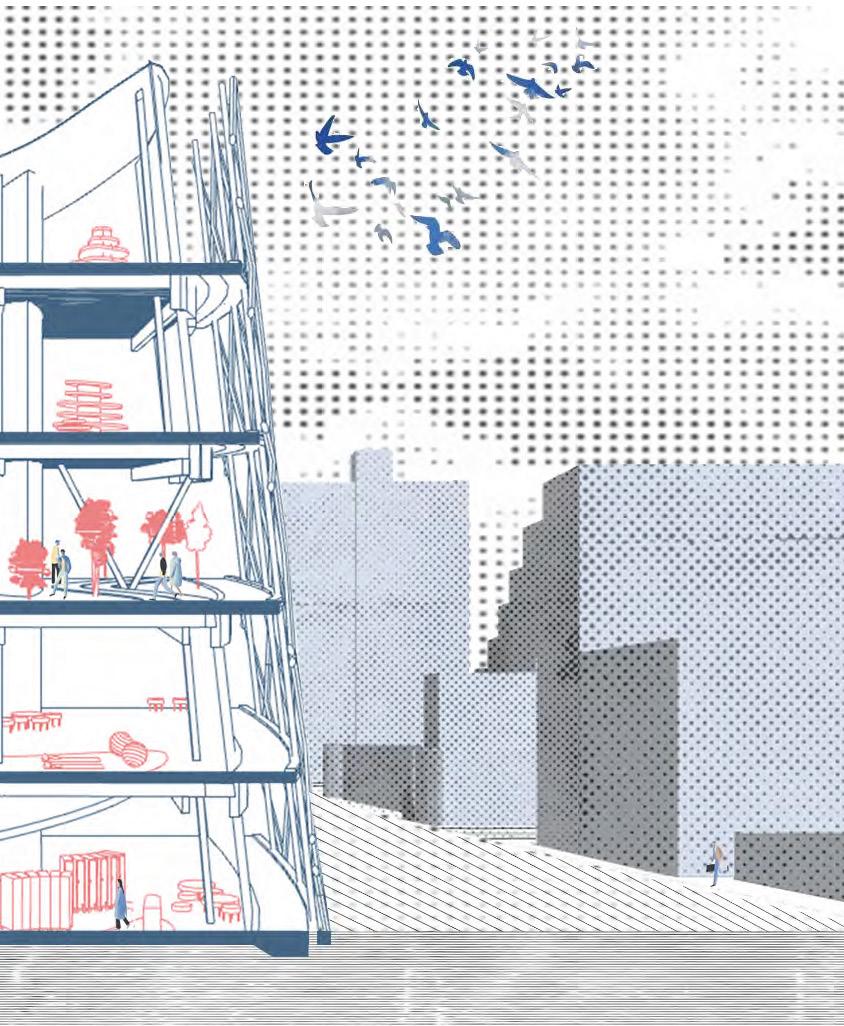
This project takes pride in promoting locally grown produce. By nurturing a variety of crops within the vertical farm, the complex eliminates the need for extensive transportation and reduces carbon emissions associated with long-distance food distribution. This emphasis on local sourcing strengthens Calgary’s food security, supports local farmers, and ensures a sustainable and resilient food system for the future.
Studio II: Shelflife-Towards an Architecture of Impermanence
Instructor: Dustin Couzens
Keywords: Affordable Housings, Cohousing, Collective Modules, Smart Grid Integration
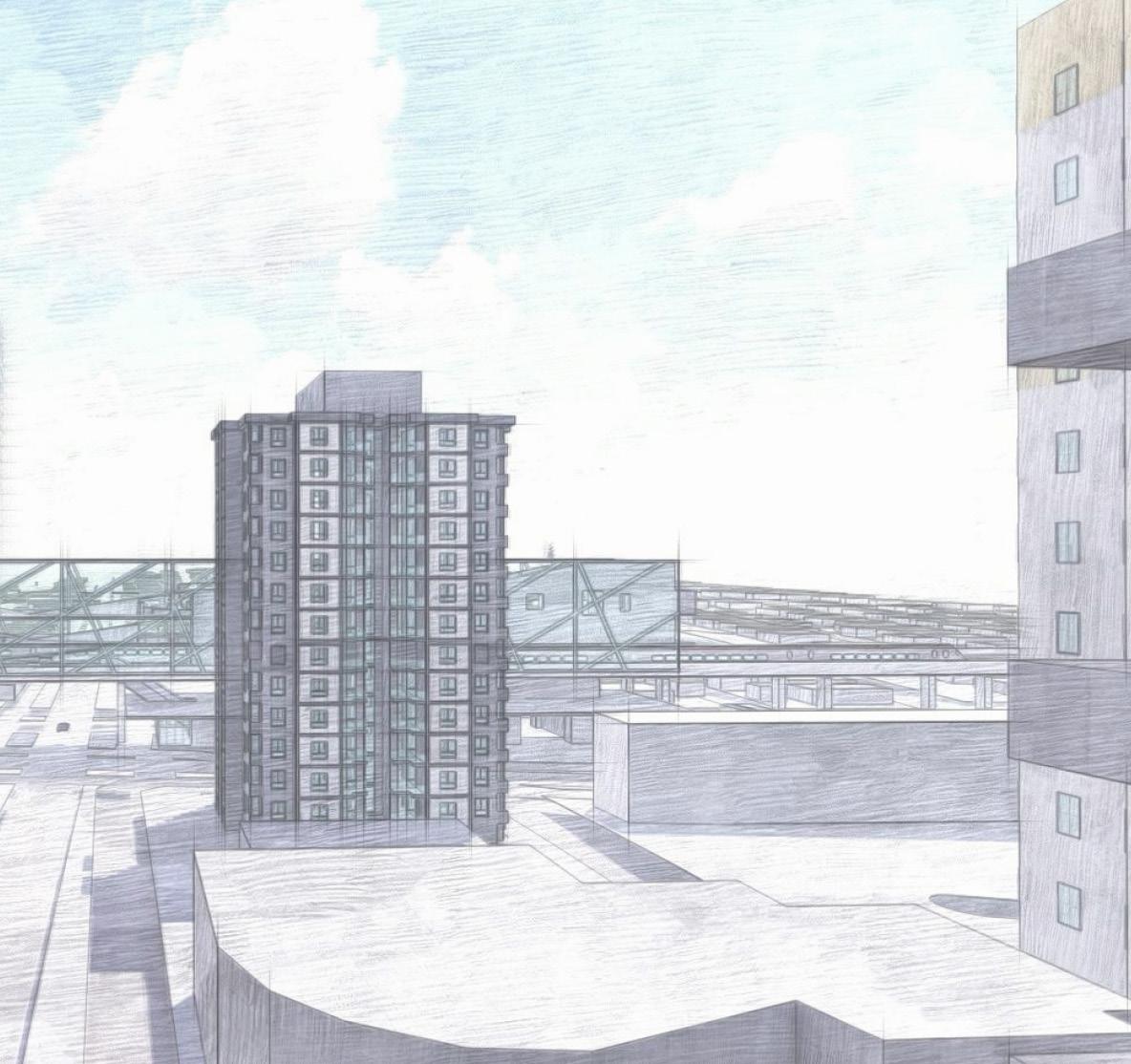
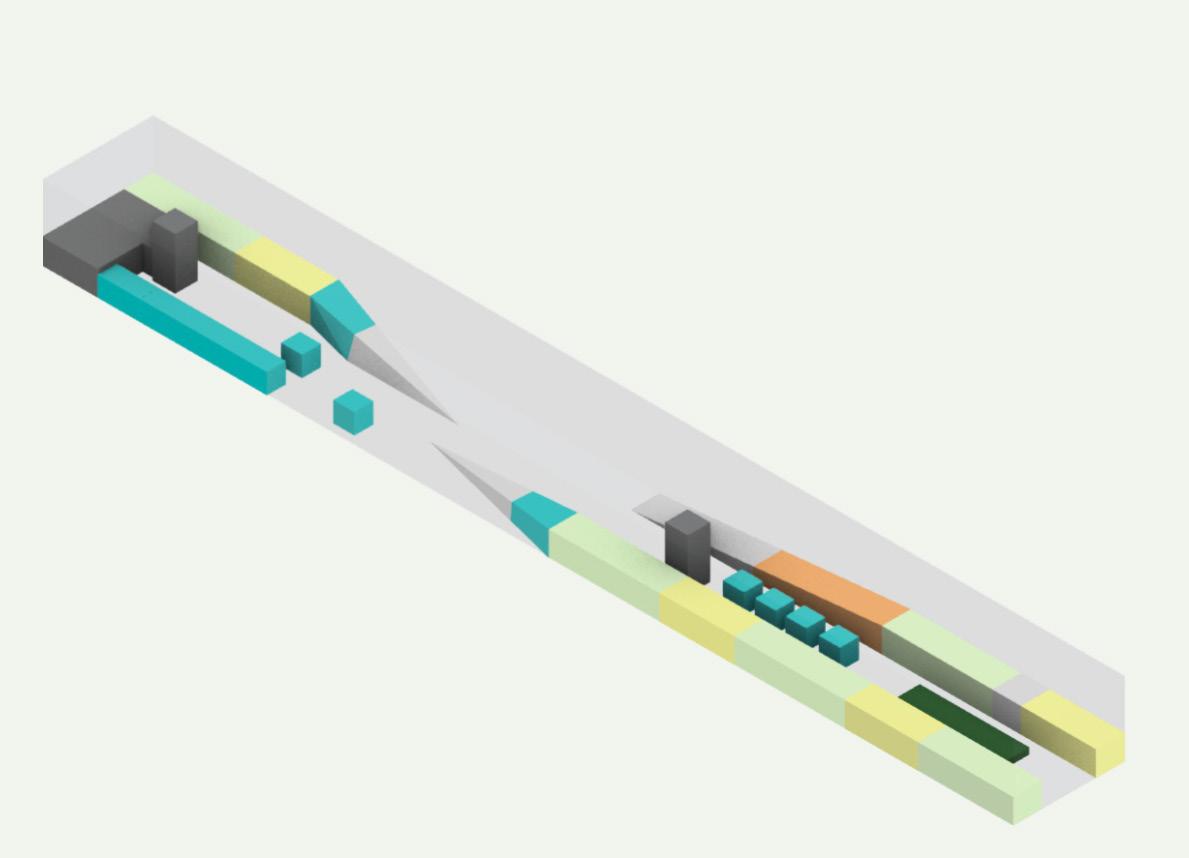
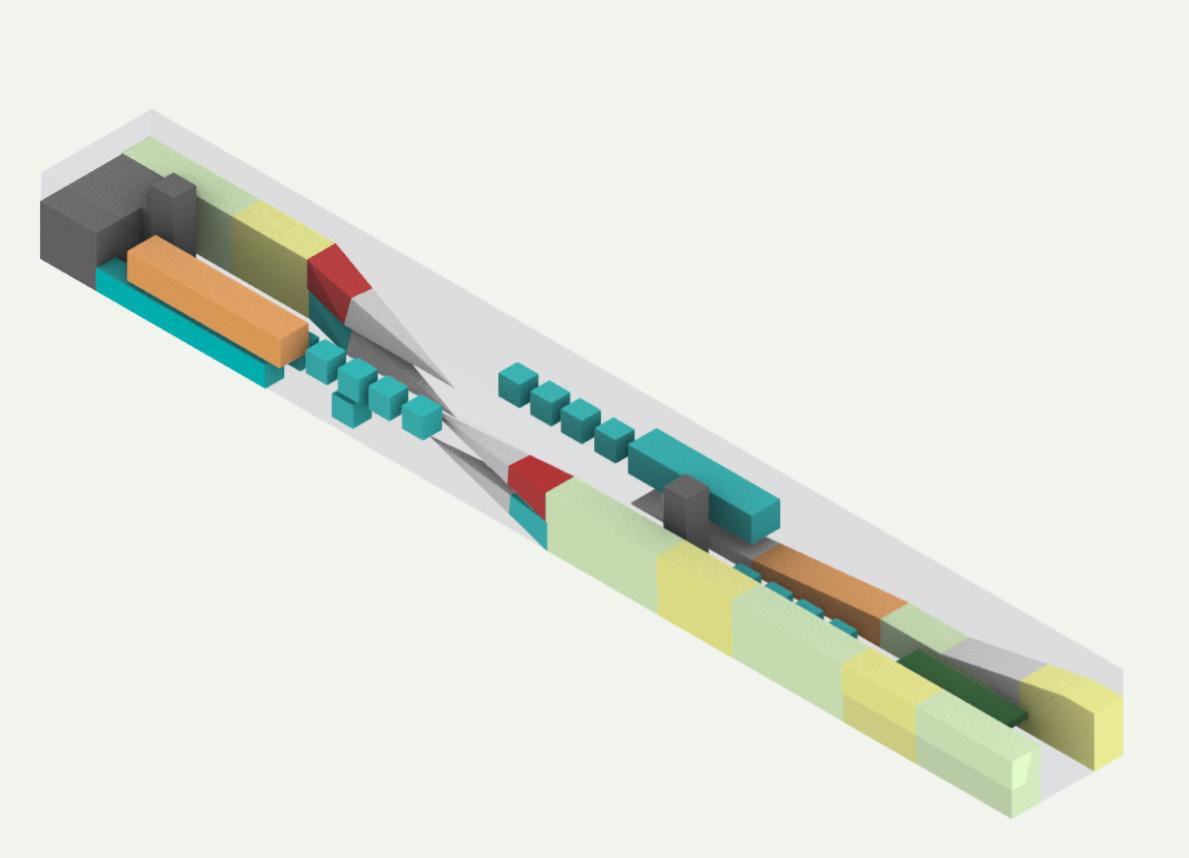
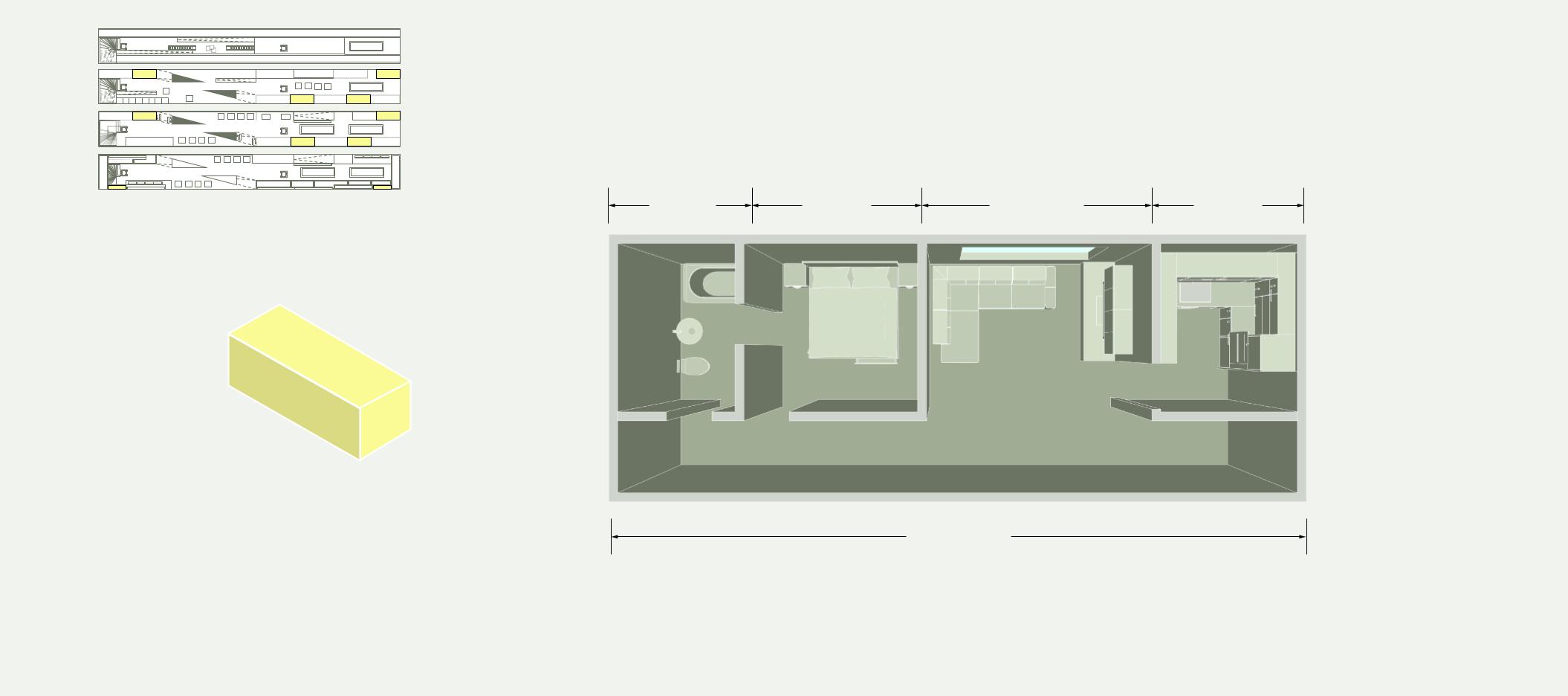
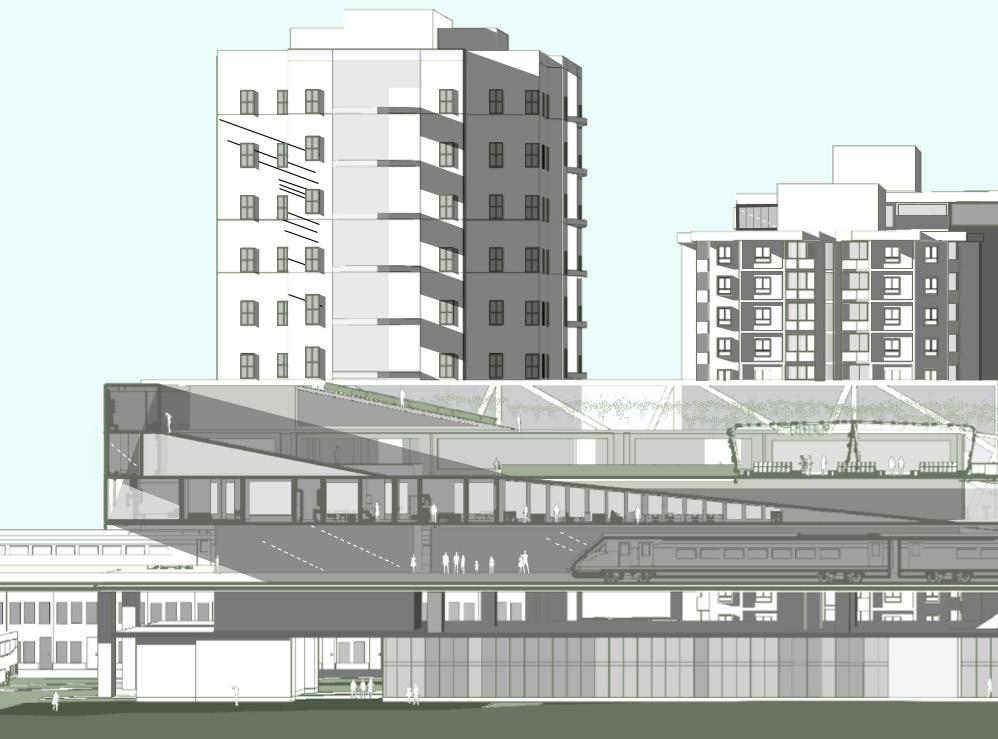
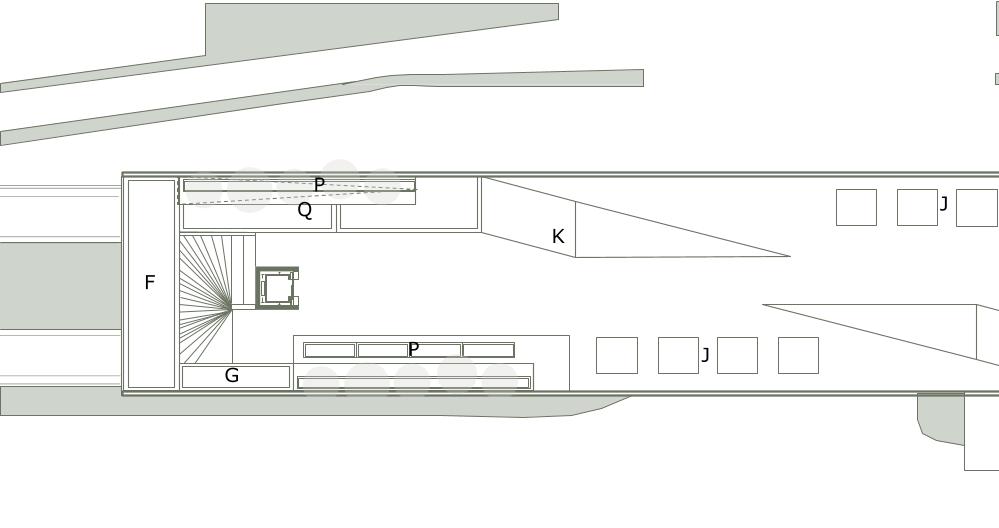
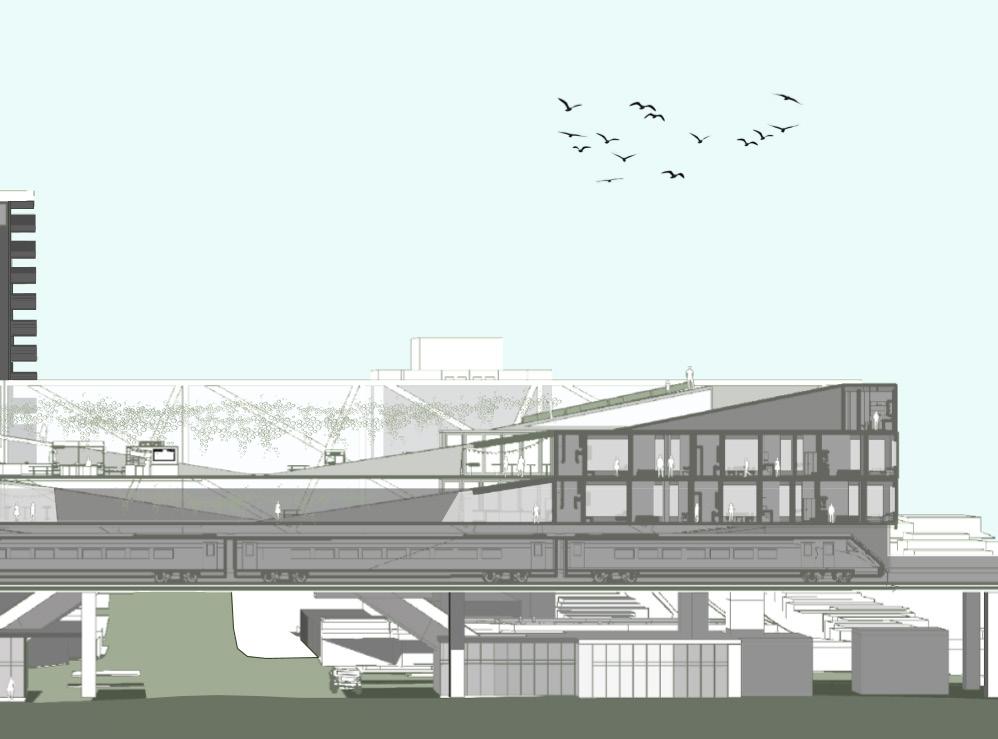
The Cogenerative Housing aims to develop an innovative and sustainable residential community on top of Vancouver’s Joyce-Collingwood Skytrain Station in Vancouver. By incorporating cogeneration systems and renewable energy sources, this project will provide affordable housing while significantly reducing energy costs and greenhouse gas emissions.
The design Objectives create affordable housing that reduces the financial burden on residents by minimizing energy costs. It promotes sustainability by harnessing renewable energy sources, such as kinetic energy and solar power, for electricity generation, which maximizes energy efficiency to capture waste heat for space heating, water heating, and other thermal needs. By integrating the housing project with the existing Joyce-Collingwood Skytrain Station, the project provides convenient access to amenities and public transportation, serves as a model for future sustainable housing projects and inspire investment in renewable energy and affordable housing in Vancouver.
Phase One


Phase Two
Phase Three
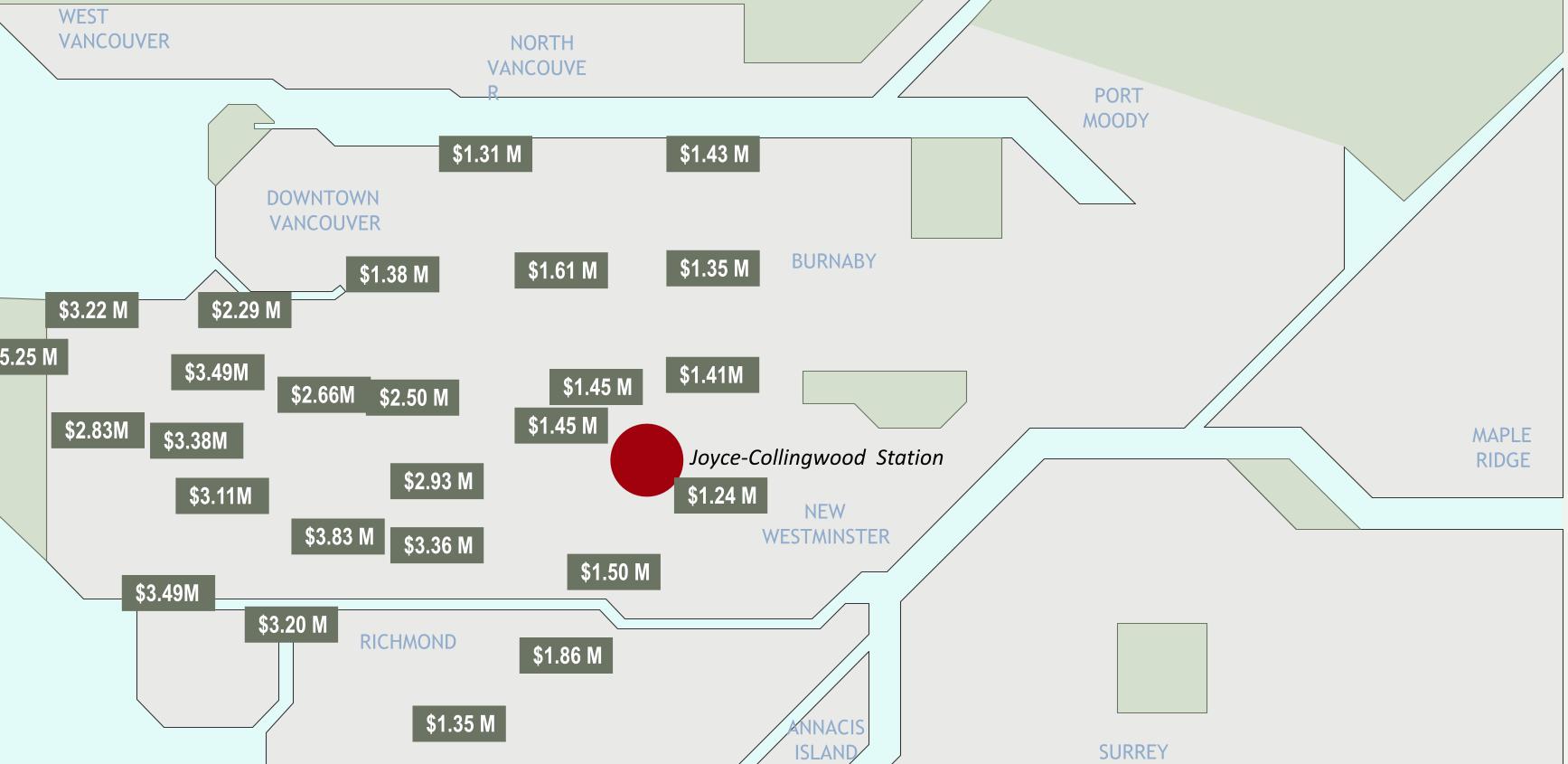
Land Value, making Vancouver the least affordable city in Canada, due largely to the number of people paying high rents to live in downtown Vancouver. This diagram informs an urgent need for affordable housing in Vancouver.



Studio IV: Synthesizing Ecologies

Instructor: Sumer Singh
Group partner: Yiming Yang
Keywords: Renewable energy, Integrated Renewable Systems, Green Facades
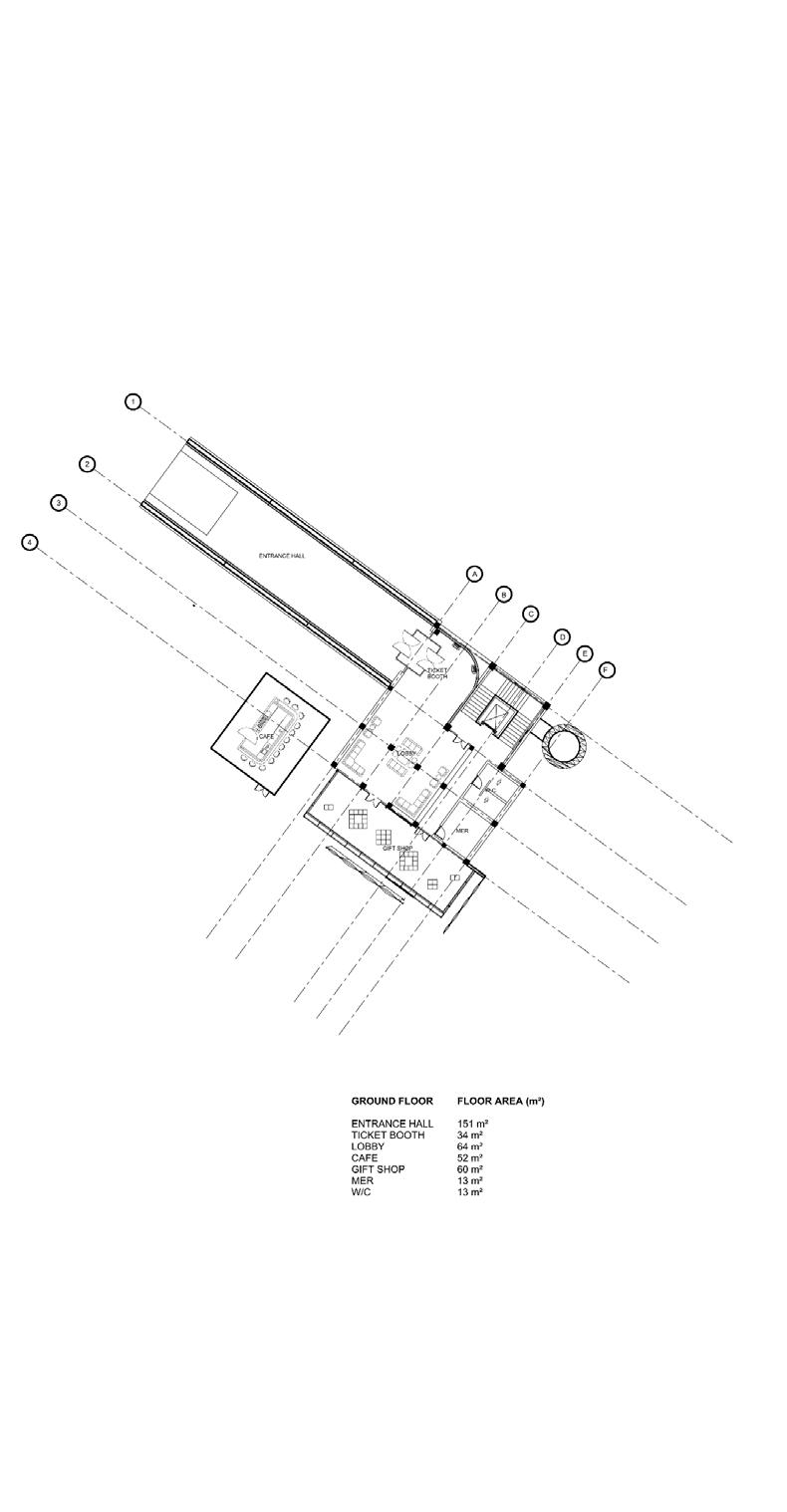
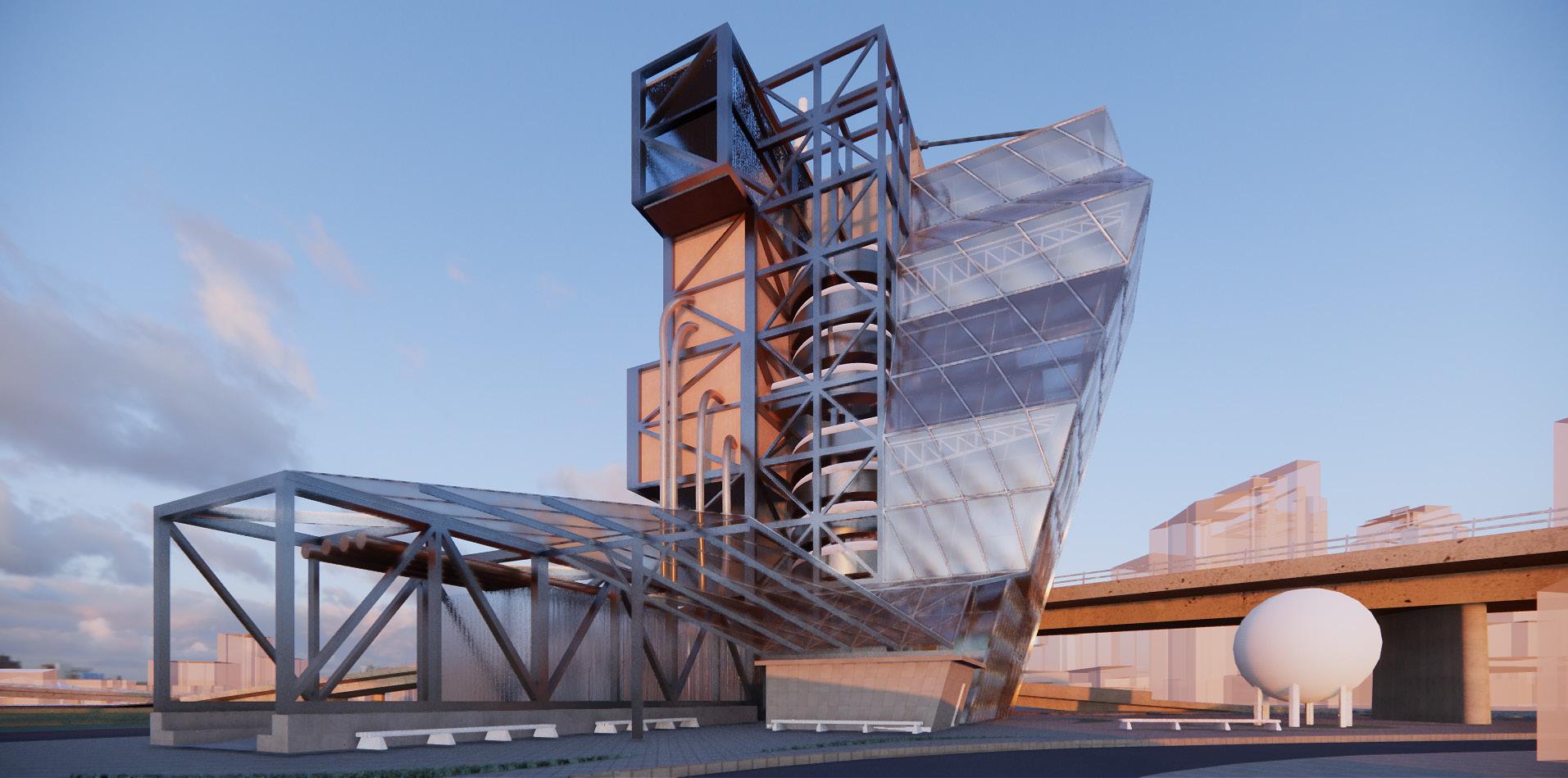
The focal point of this project revolves around the oil and coal-dependent culture prevalent in Calgary. Calgary stands as the pioneering oil hub in Canada, and the influence of oil and gas has significantly molded it into a thriving metropolis. The economic gains, ample employment opportunities, and a robust economy have been the direct outcomes of this industry. However, its escalating costs have become increasingly burdensome. Furthermore, the exploitation and leakage associated with these activities have resulted in grave environmental consequences. The encroachment upon indigenous territories and wildlife habitats has been an unfortunate consequence. The extraction, transportation, and combustion processes involved in utilizing these resources also give rise to hazardous pollutants in both the air and water. It is worth mentioning the substantial carbon footprint associated with the construction of an oil rig facility. In light of these circumstances, our cultural center of futurism aims to serve as an educational hub, facilitating a paradigm shift from the traditional oil and gas domain to renewable energy sources. Our primary objective is to recognize and honor the significant cultural elements of Calgary, while concurrently transforming them into a series of engaging and immersive spaces.
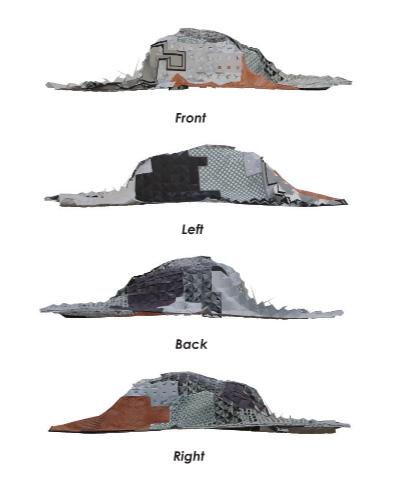
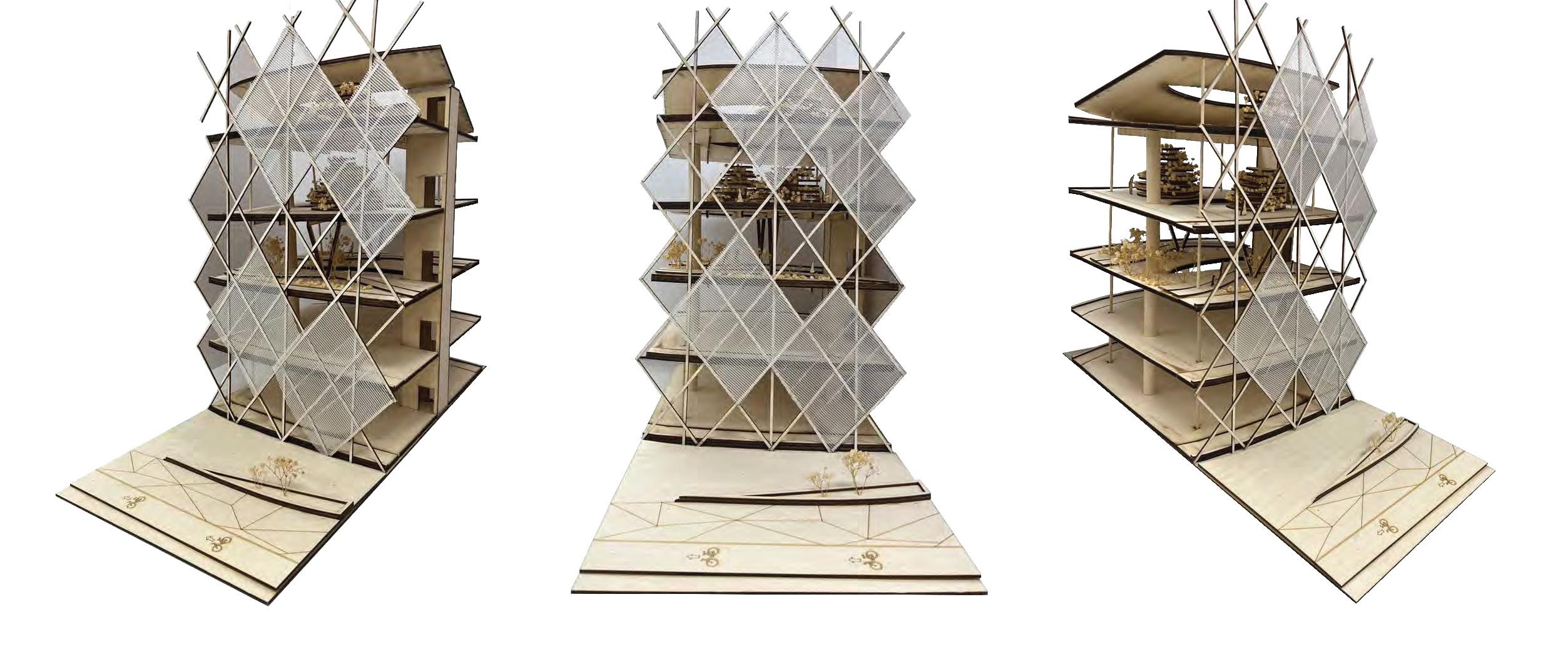
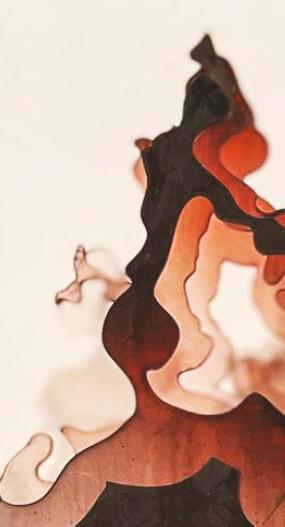
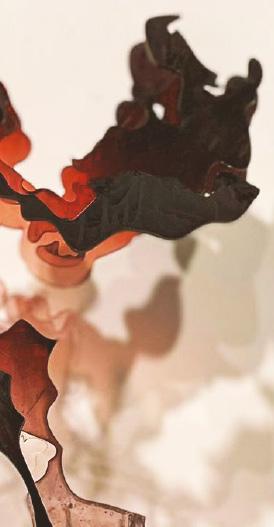
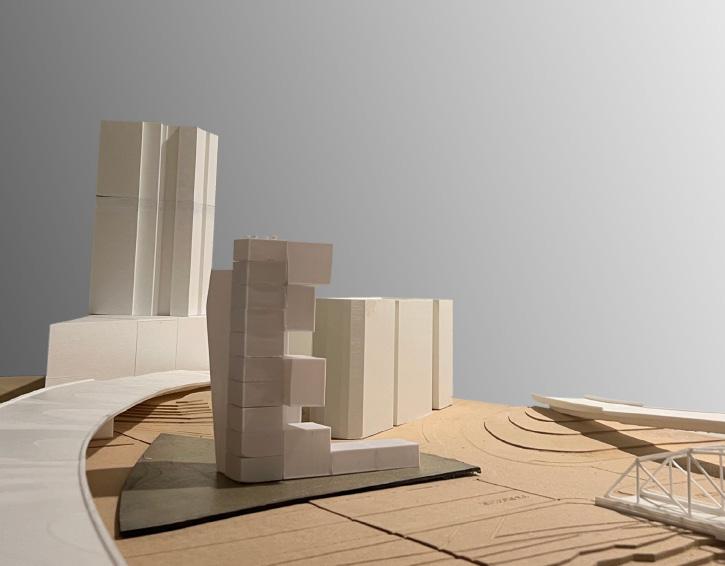
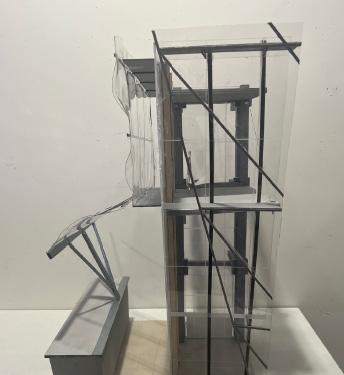
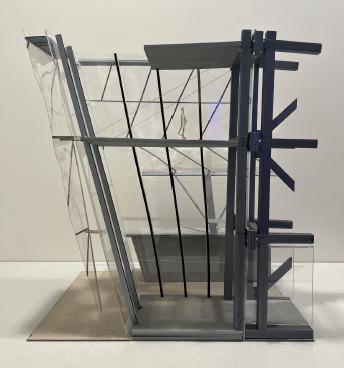
Concept model, metaphorising the contaimination of water from oil and gas industry in Alberta.
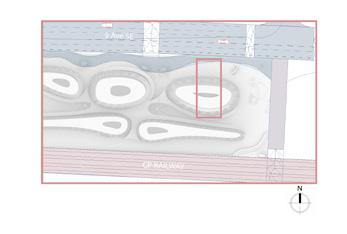
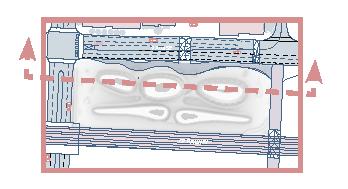
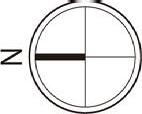
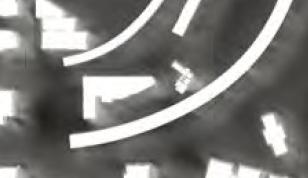
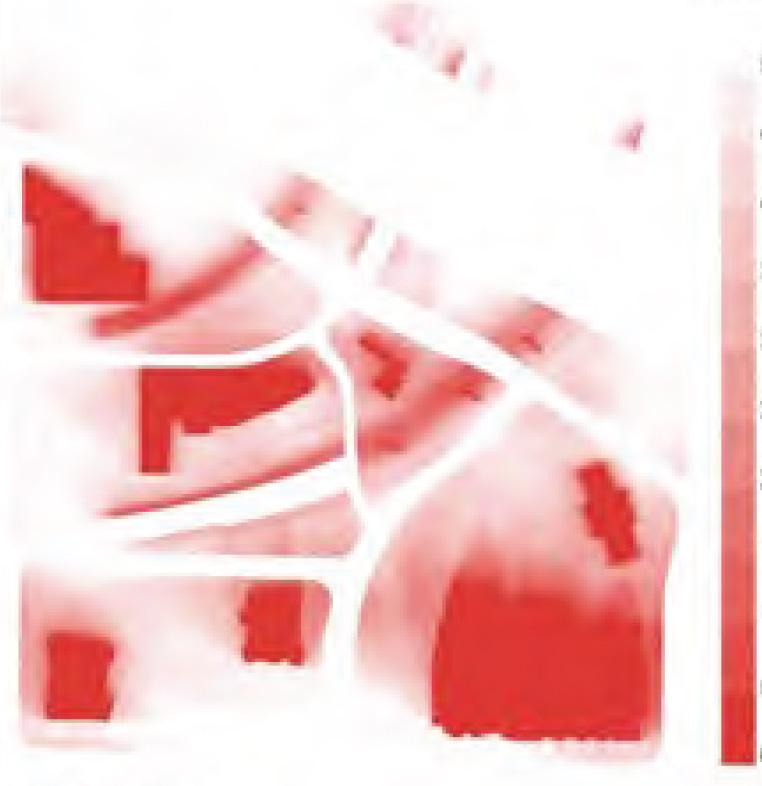
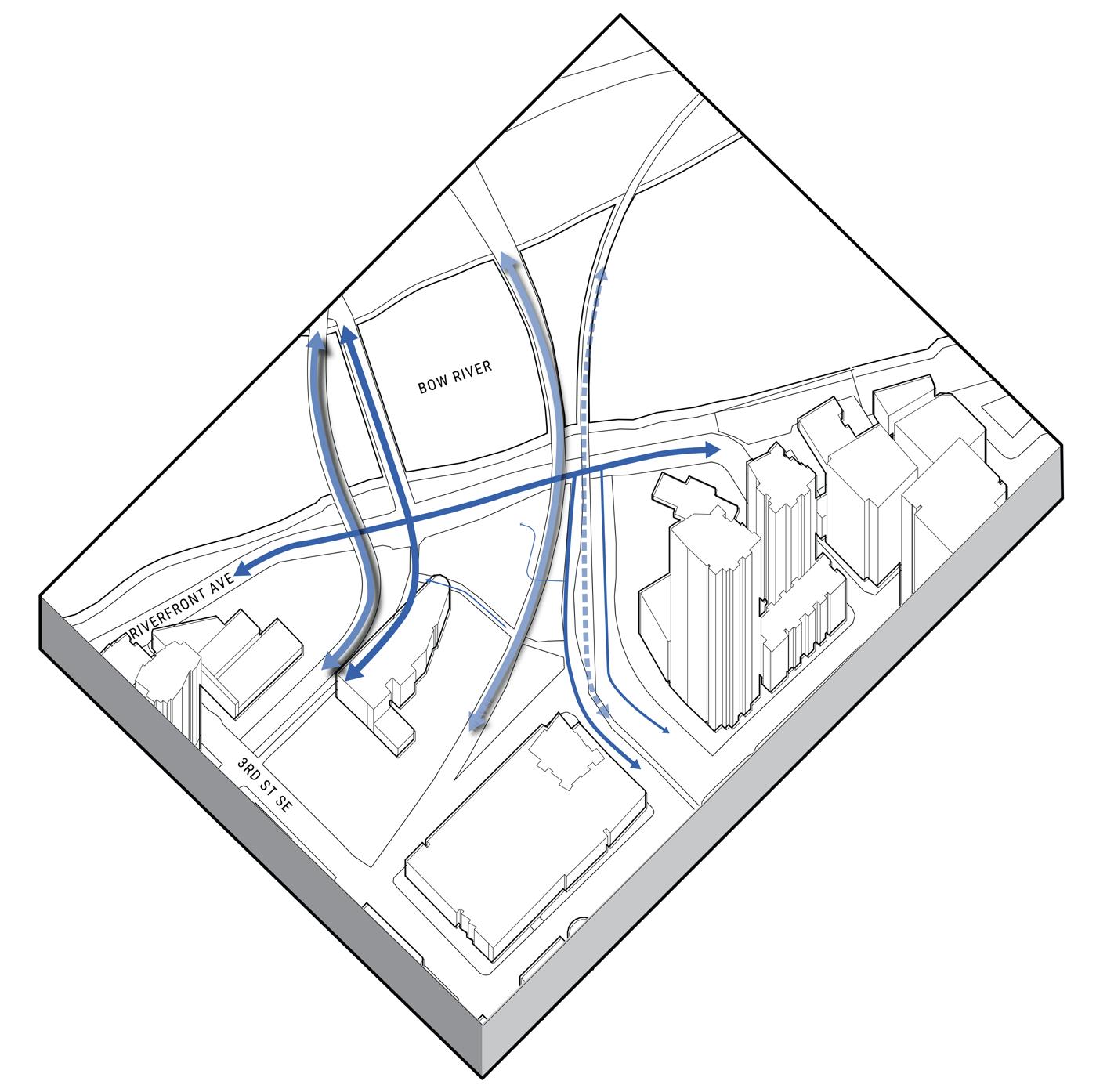
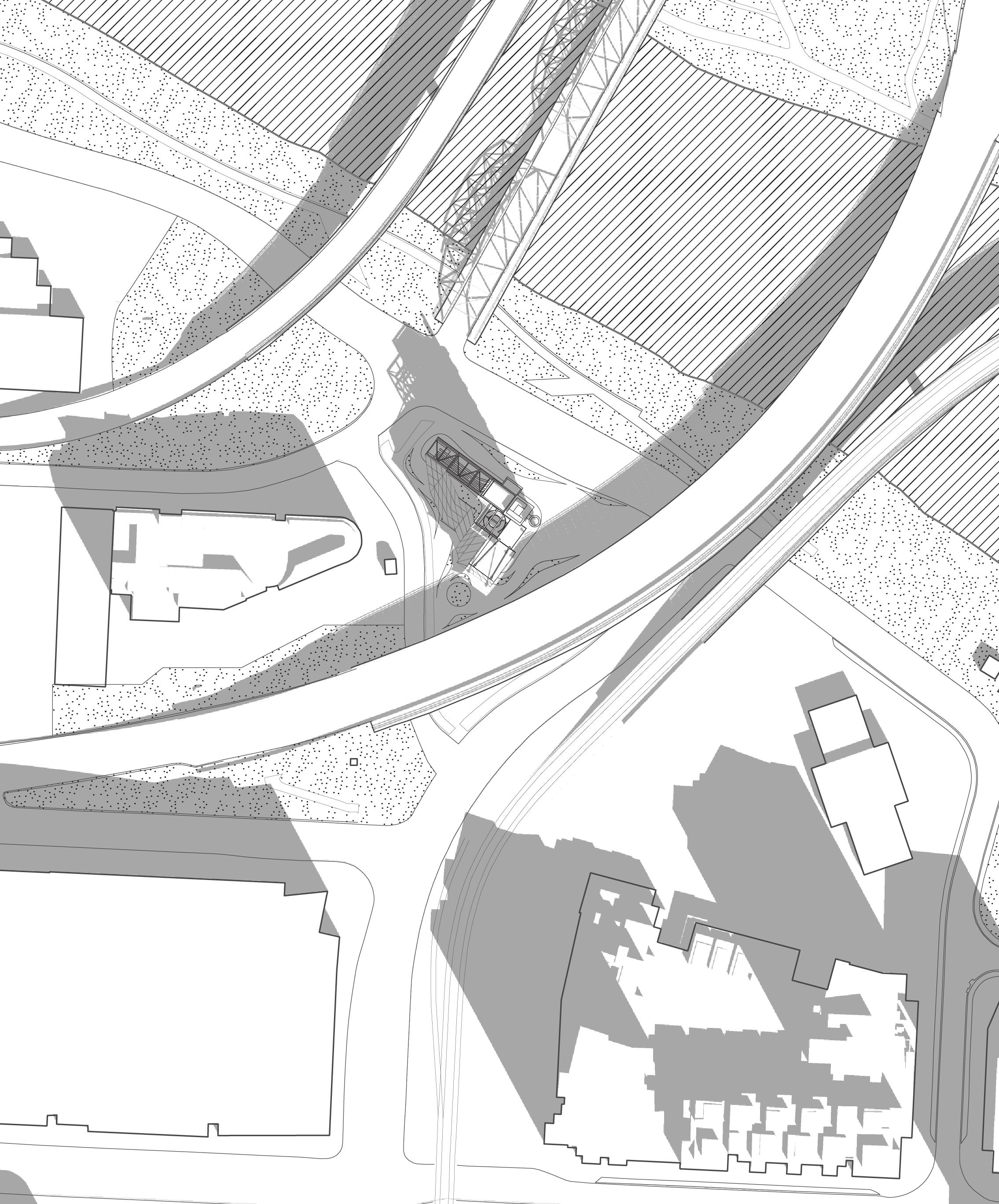
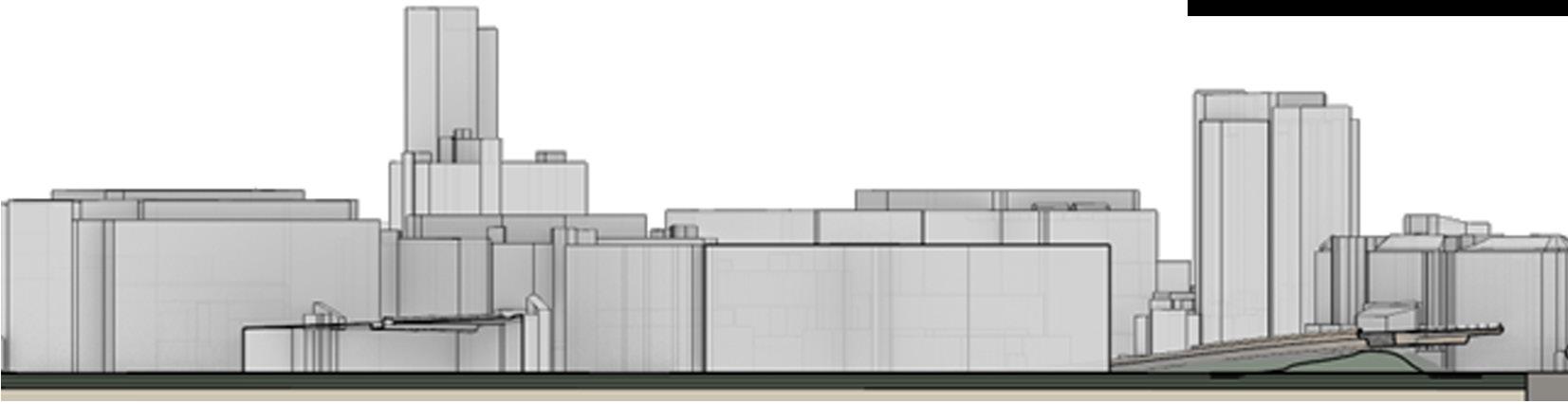
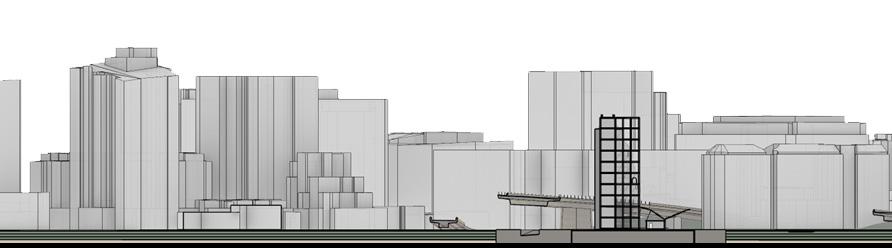
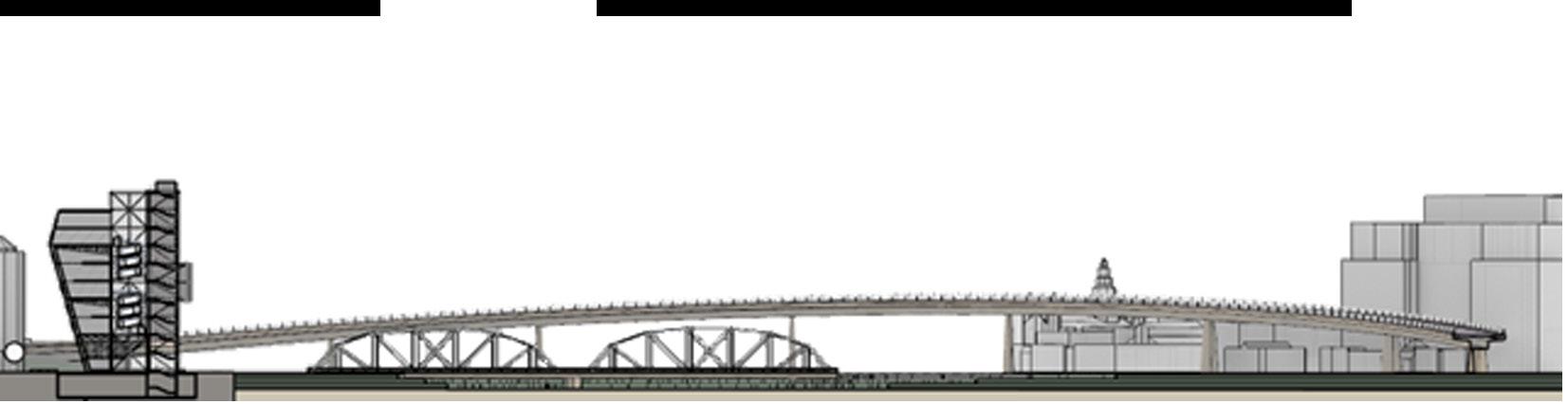
The selected site has a close proximity to Bow river, the reconciliation bridge and the 5th Avenue flyover, which acts as a gateway to enter the downtown core of the city of Calgary, making this project play a crucial role to the citizen of the city. The site recieves 50% to 70% sunlight all year around and the proposed architecture casts no more than 20 meter of the shadow to the bow river.

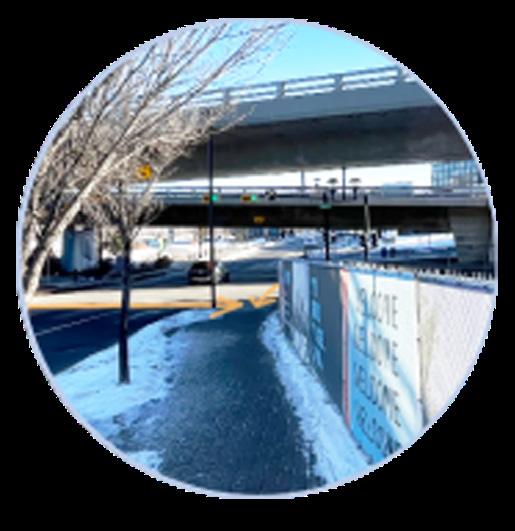
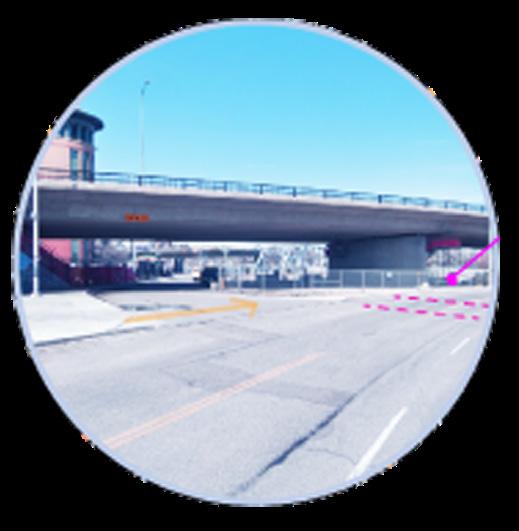
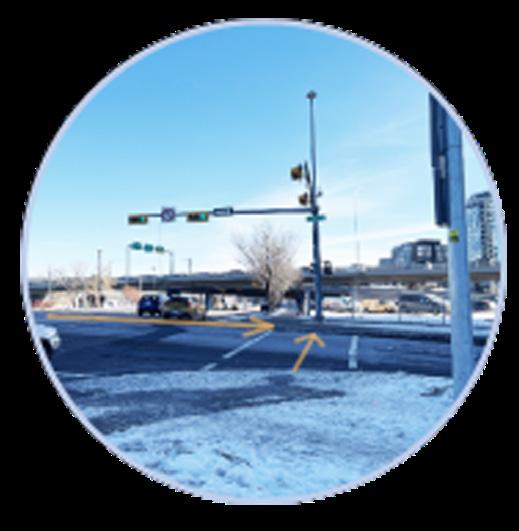
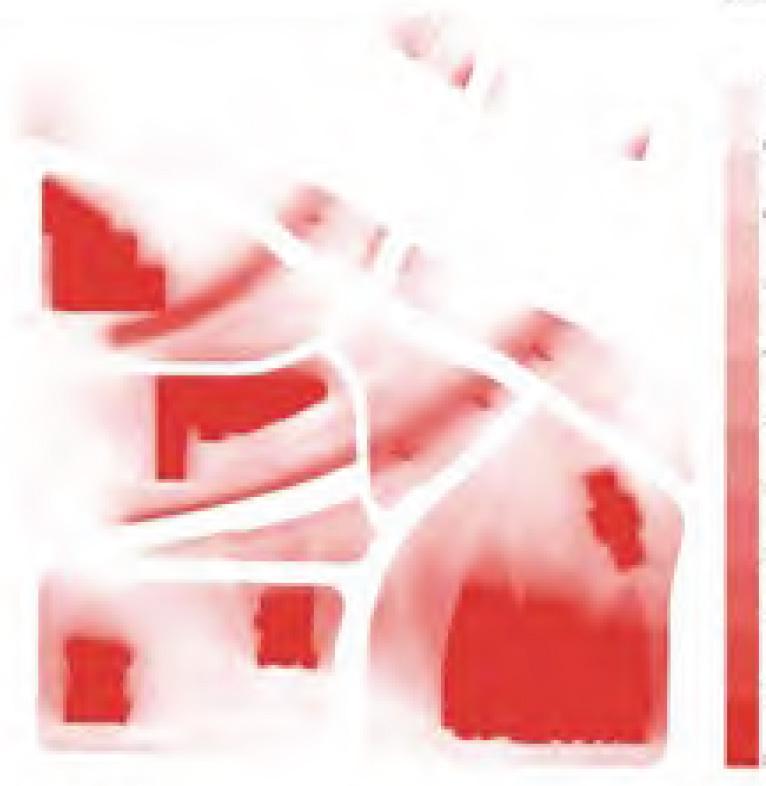
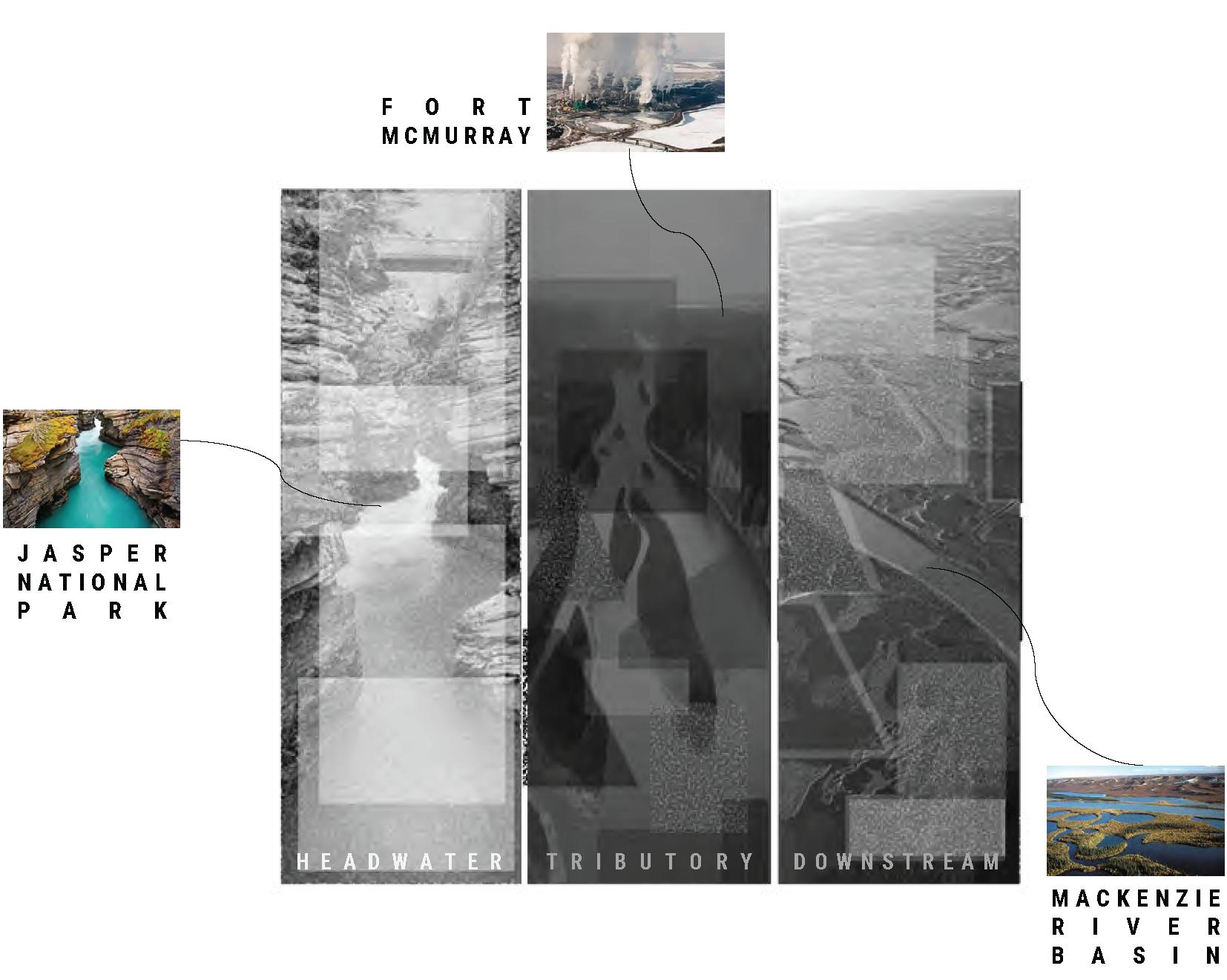
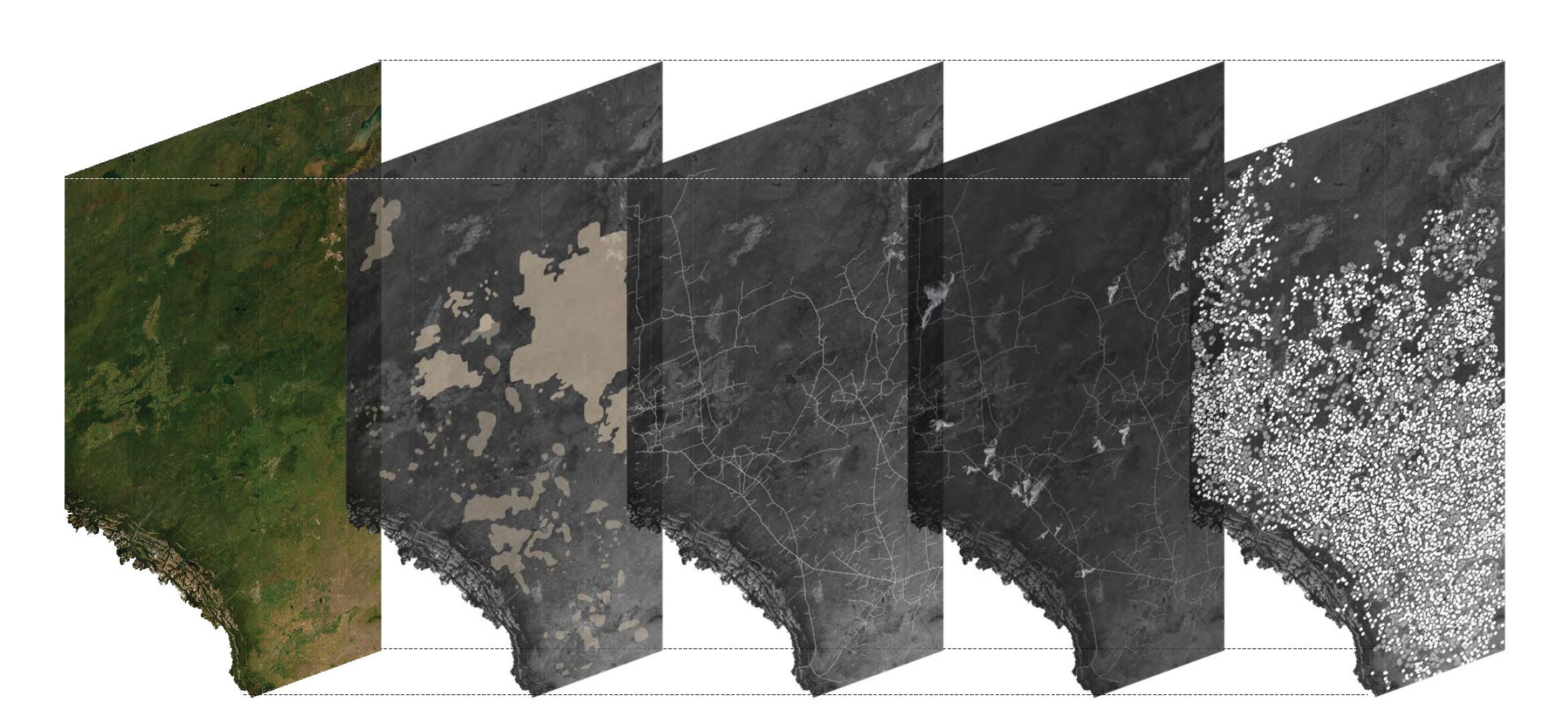
Concept diagram, exploring Calgary’s history of the oil and gas industry, its impact on the environment and surrounding community communities.
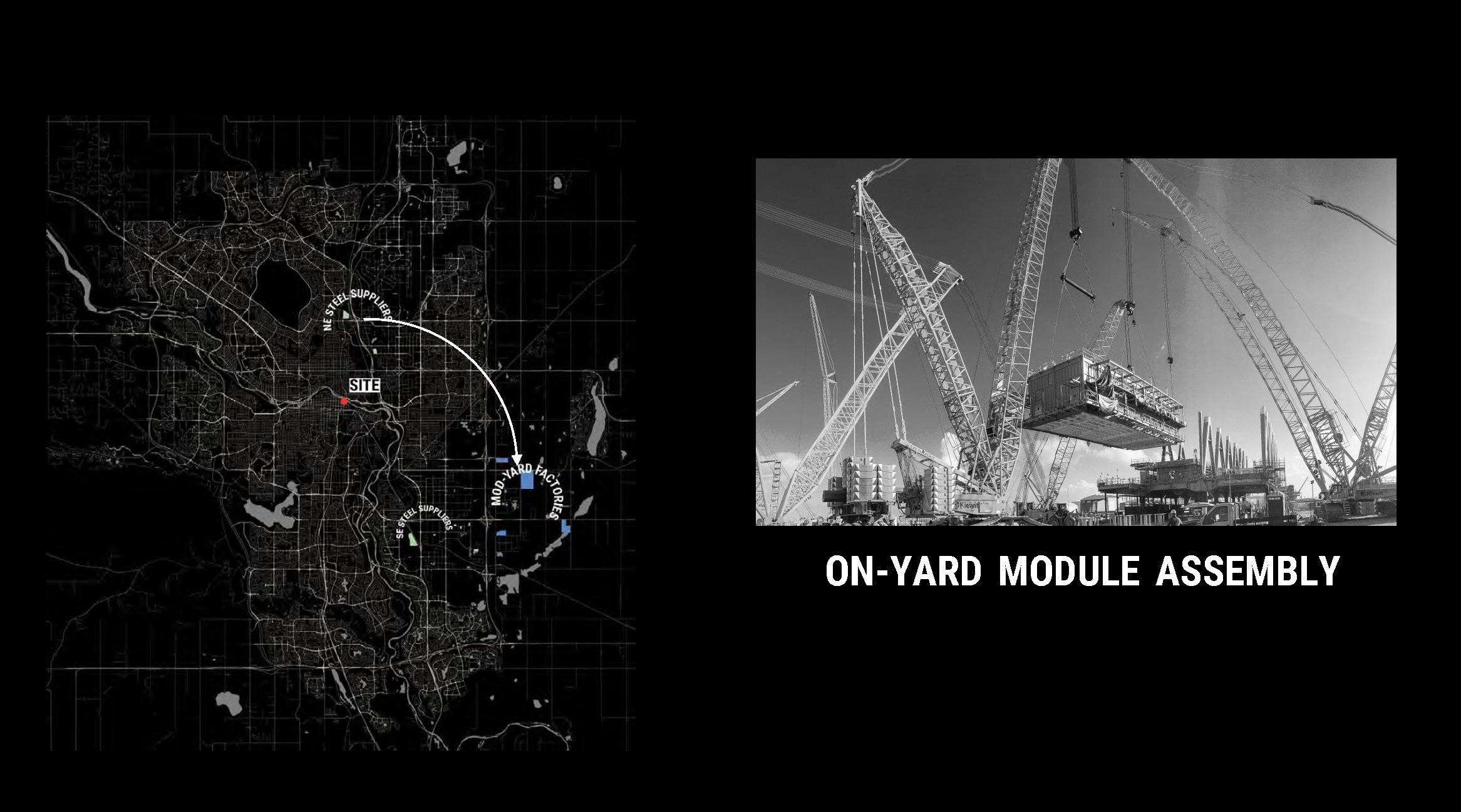
Transportation + On-site Construction
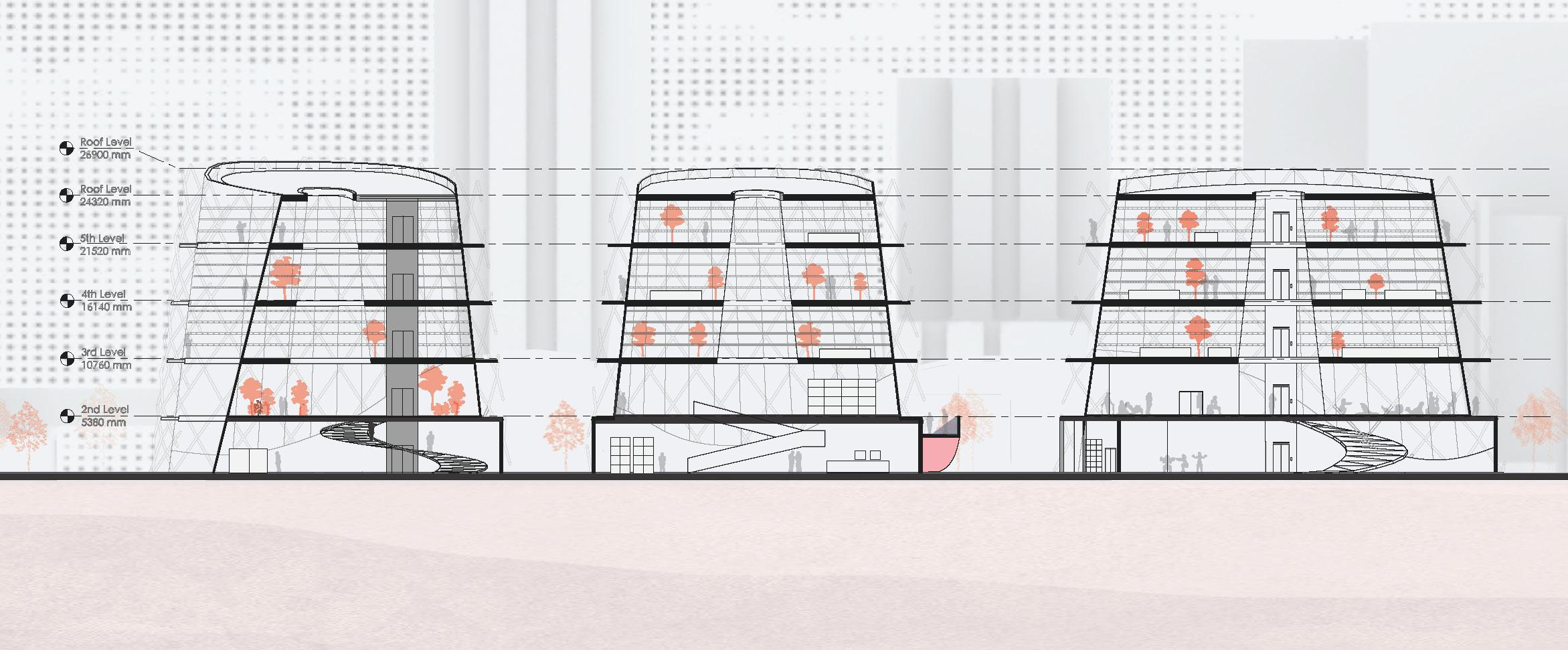
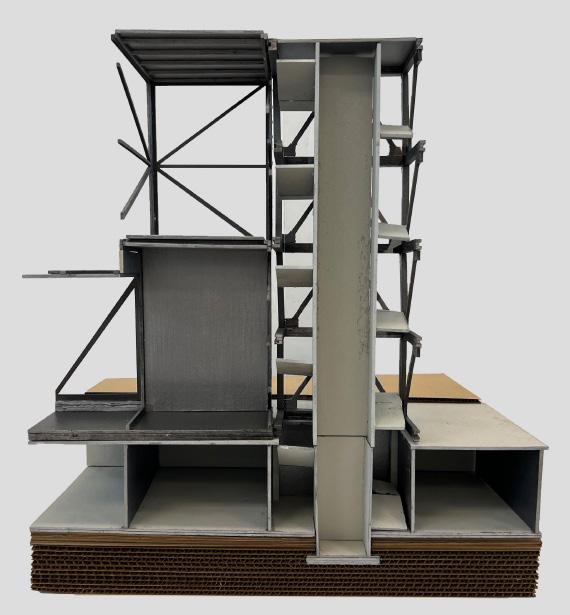
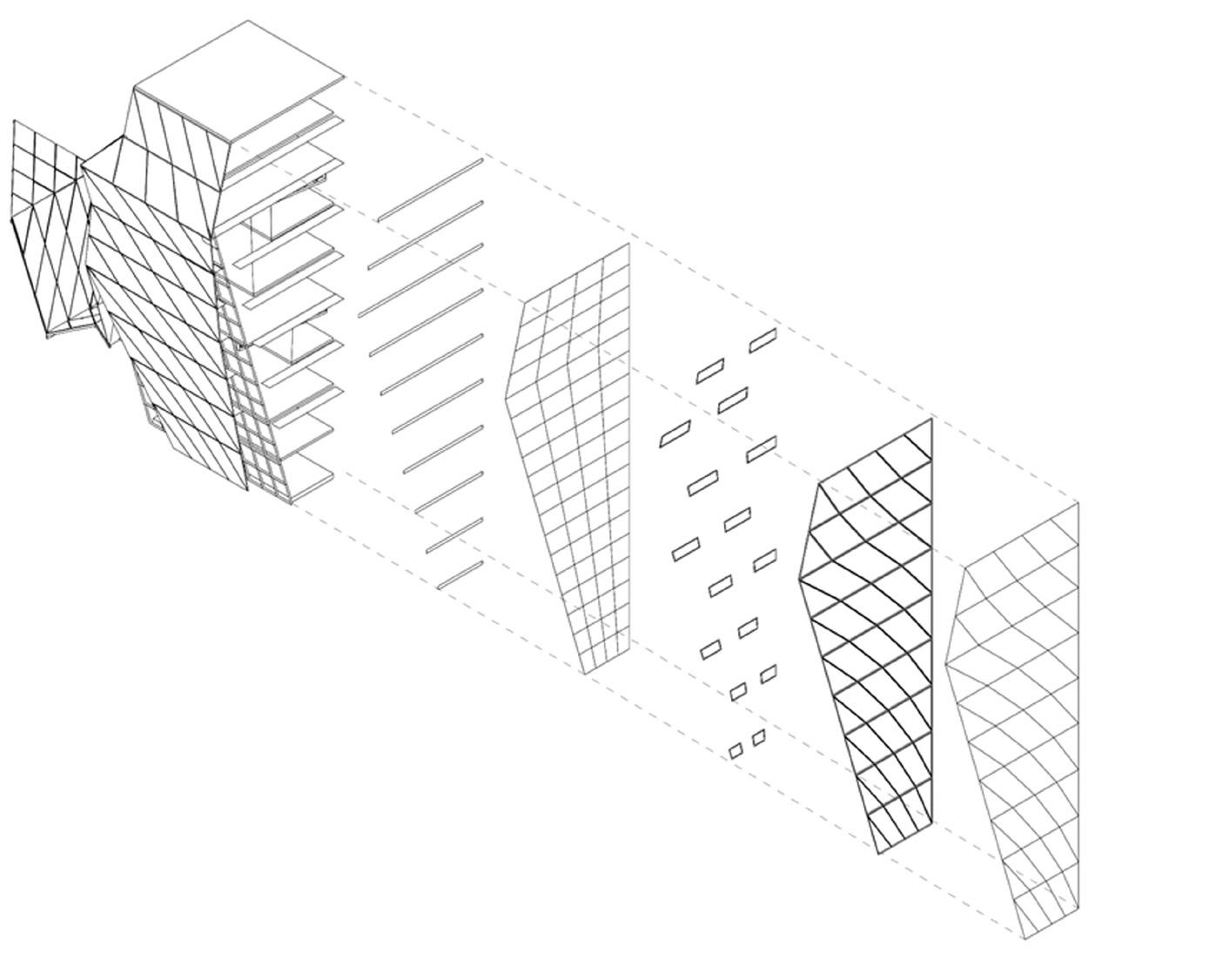
Mod-yard technique is seen as an opportunity to customize the modules by using leftover steel from oil rig construction for NextGen Energy Expo, the architecture that aims to exhibit the transition from oil and gas to renewable energy future.
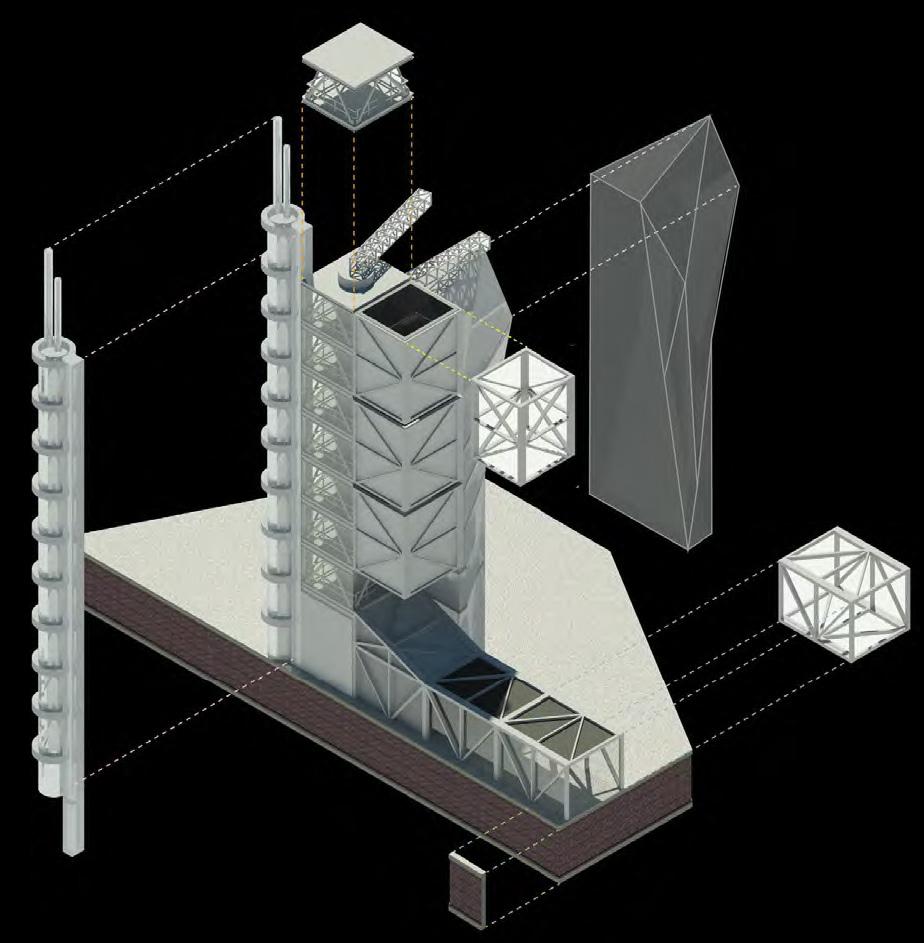
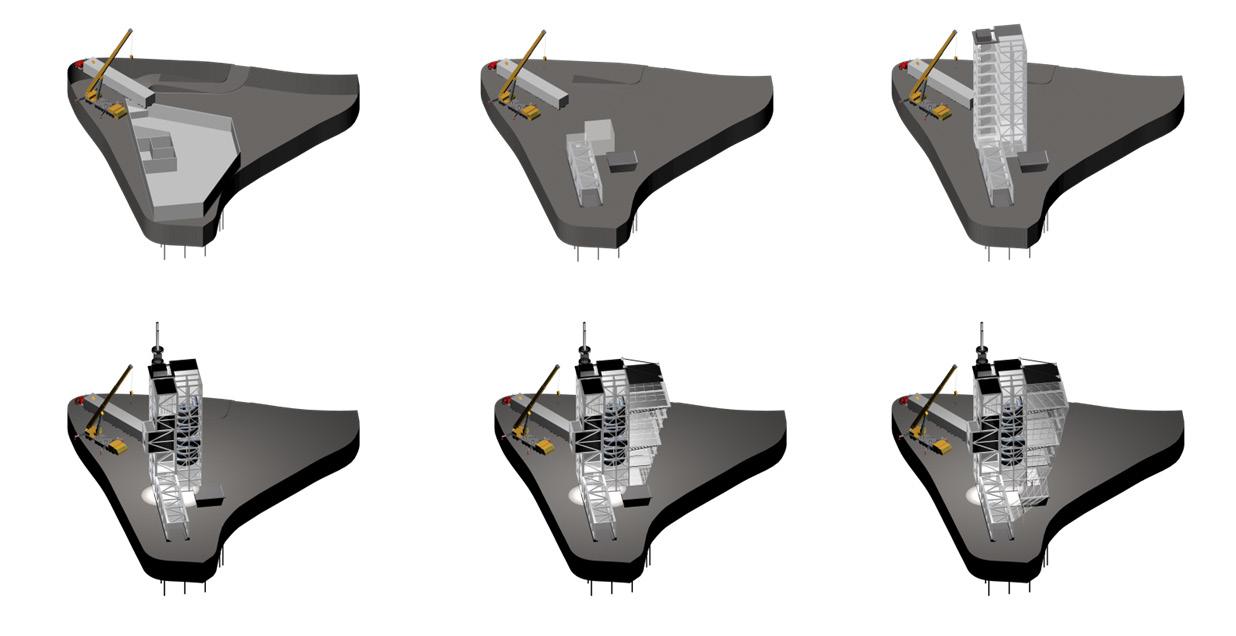
 CMU Wall Foundation for On-site Assembly
Mod-yard Module Assembly
Core Structure Assembly
Add-On Module Assembly
Glass Module Assembly
CMU Wall Foundation for On-site Assembly
Mod-yard Module Assembly
Core Structure Assembly
Add-On Module Assembly
Glass Module Assembly
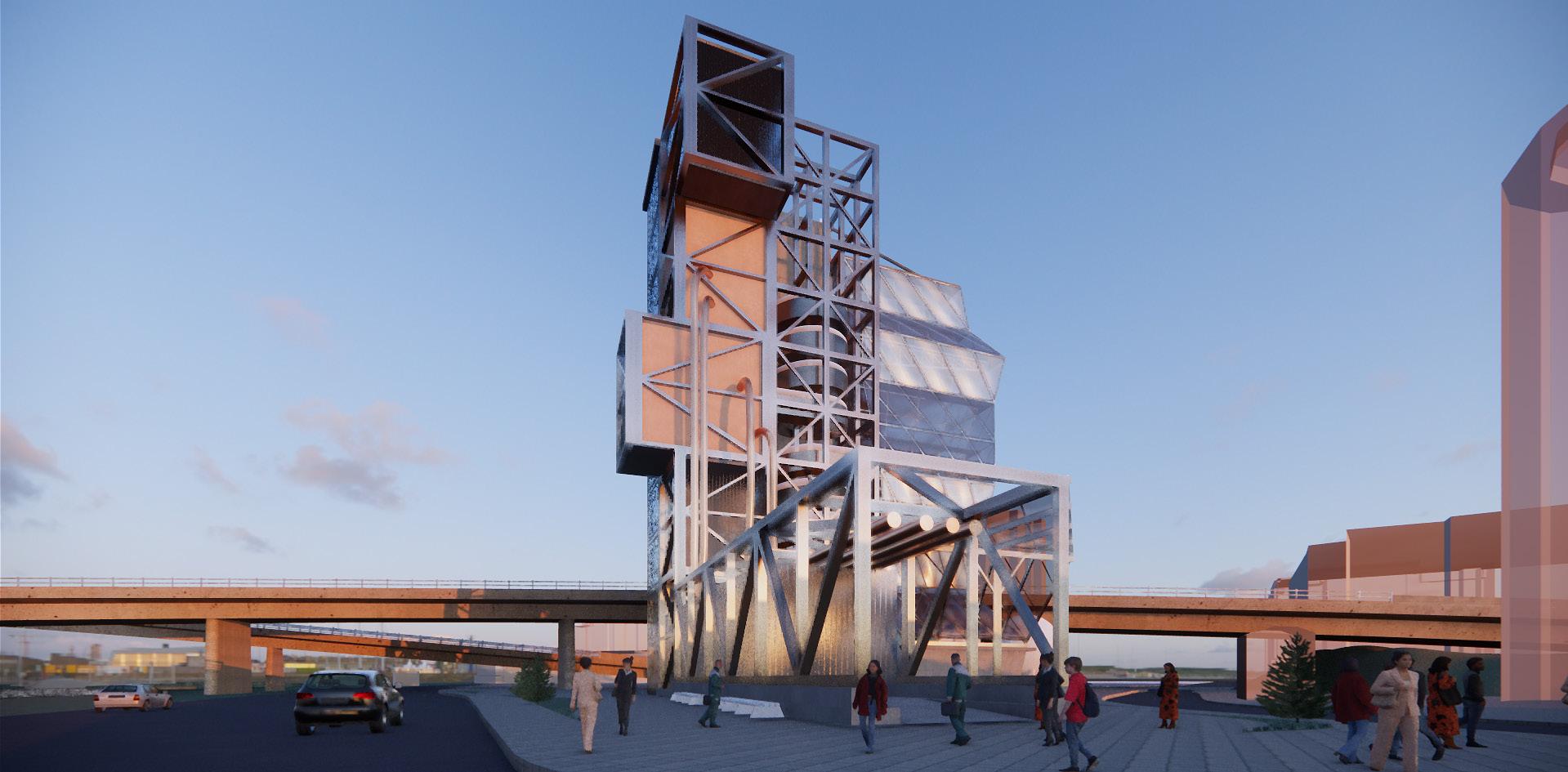
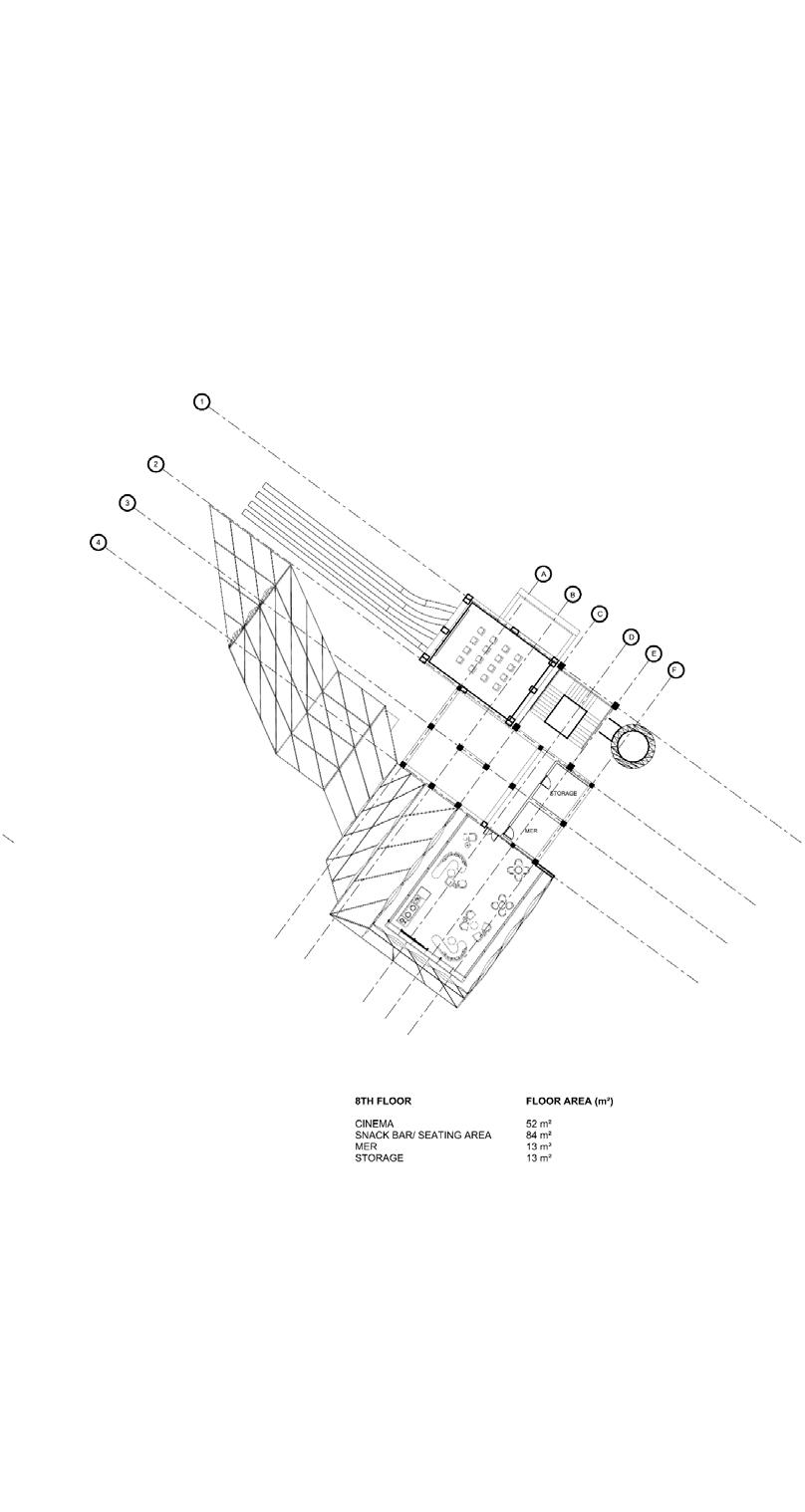
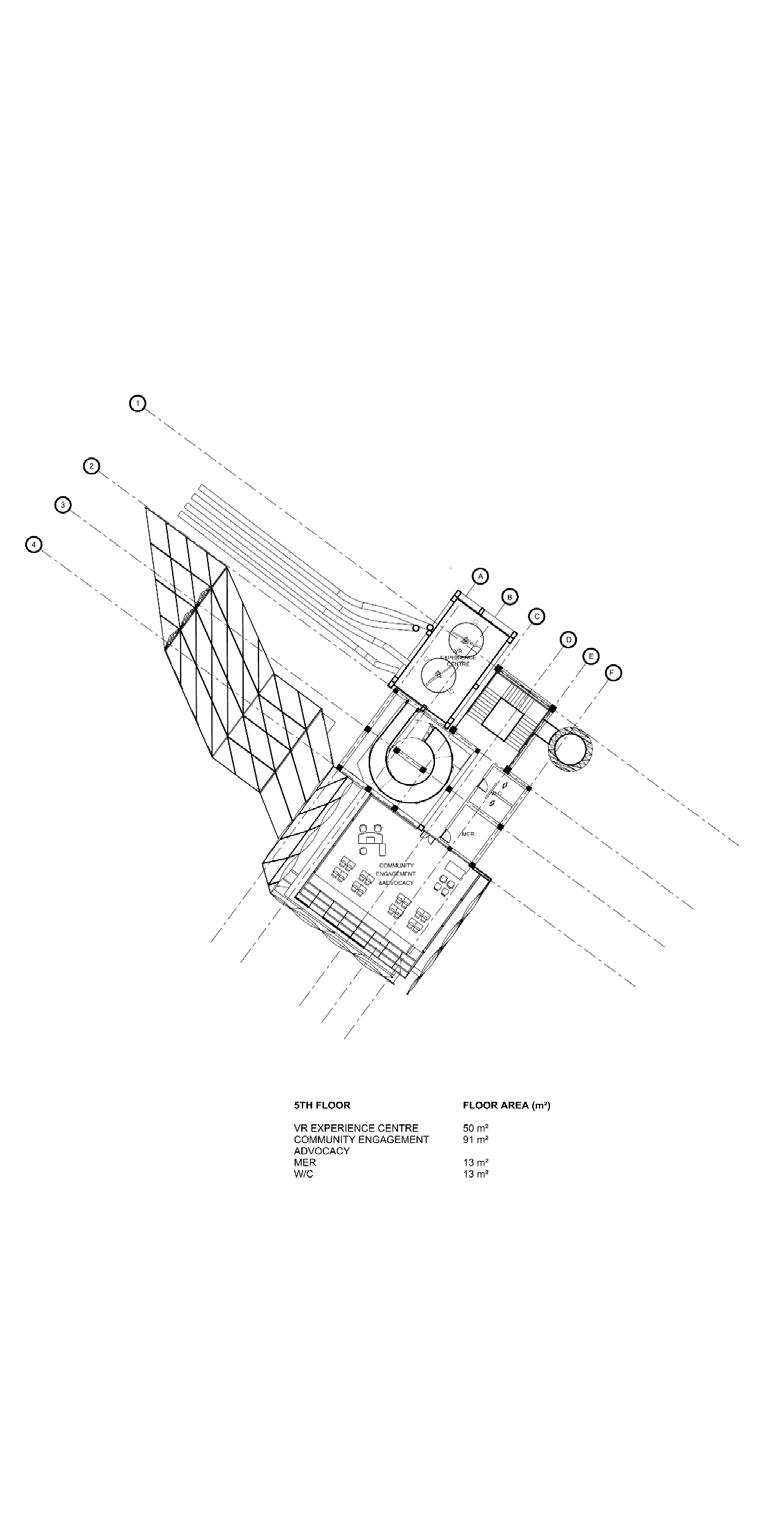
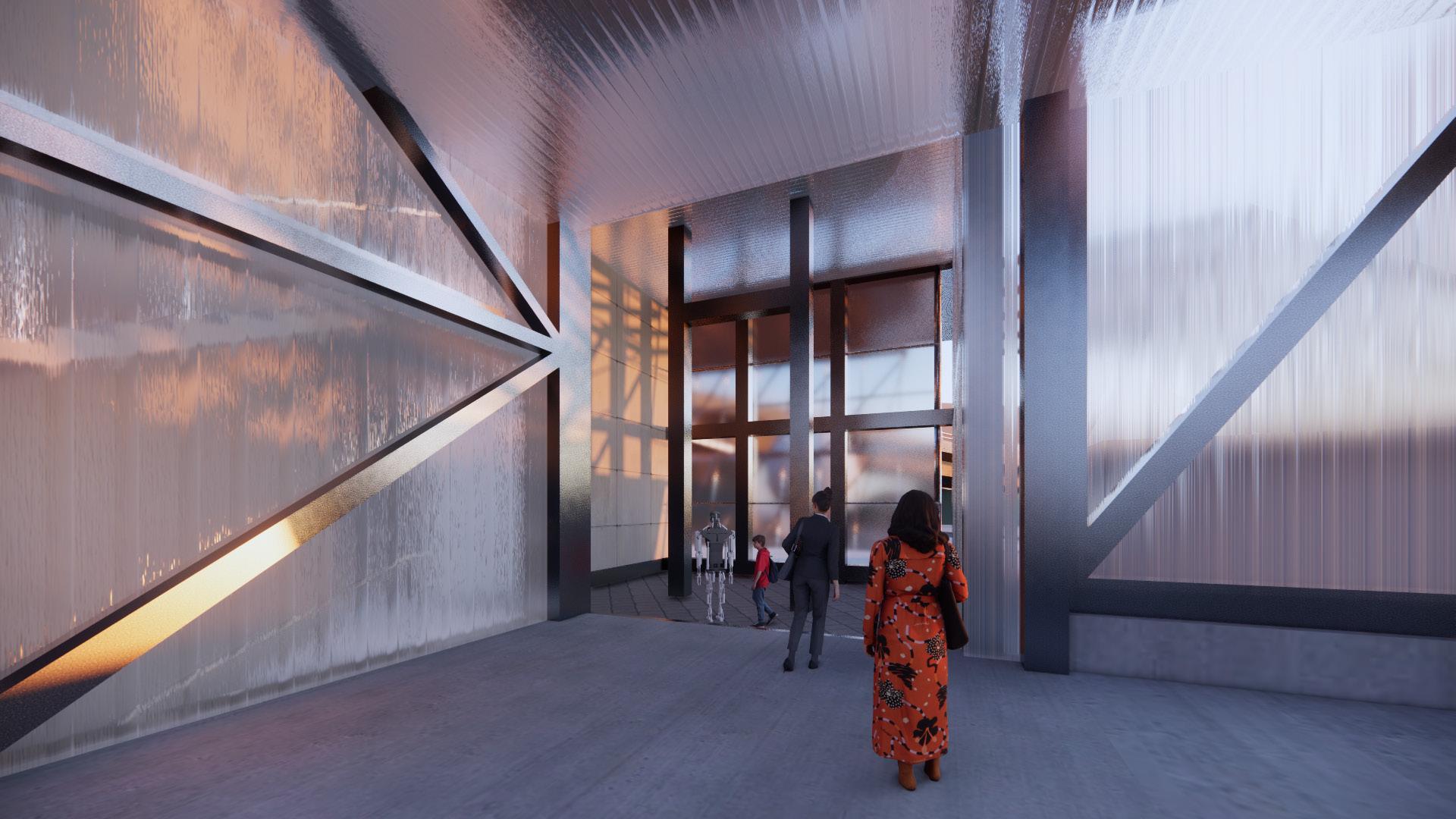
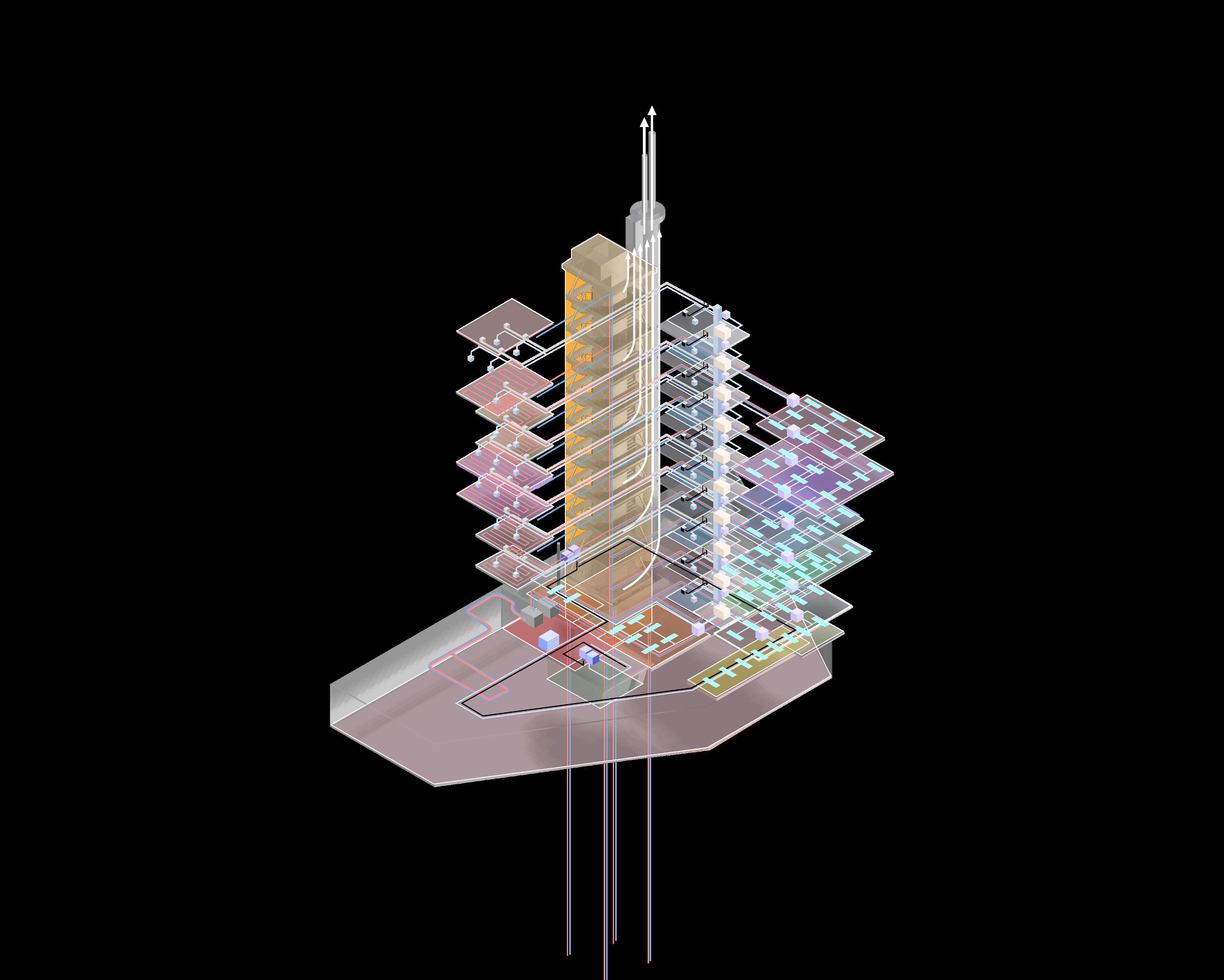
NextGen Energy Expo exemplifies the new transition to renewable energy by integrating radiant heating and cooling powered by geoexchange with unconventional environmental control systems such as solar chimney, operable windows and chilled beams. This innovative approach minimizes carbon emissions, maximizes energy efficiency, improves indoor air quality, and showcases a cost-effective solution for sustainable building design. It represents a significant step towards a greener and more sustainable future.
Boiler
Chiller
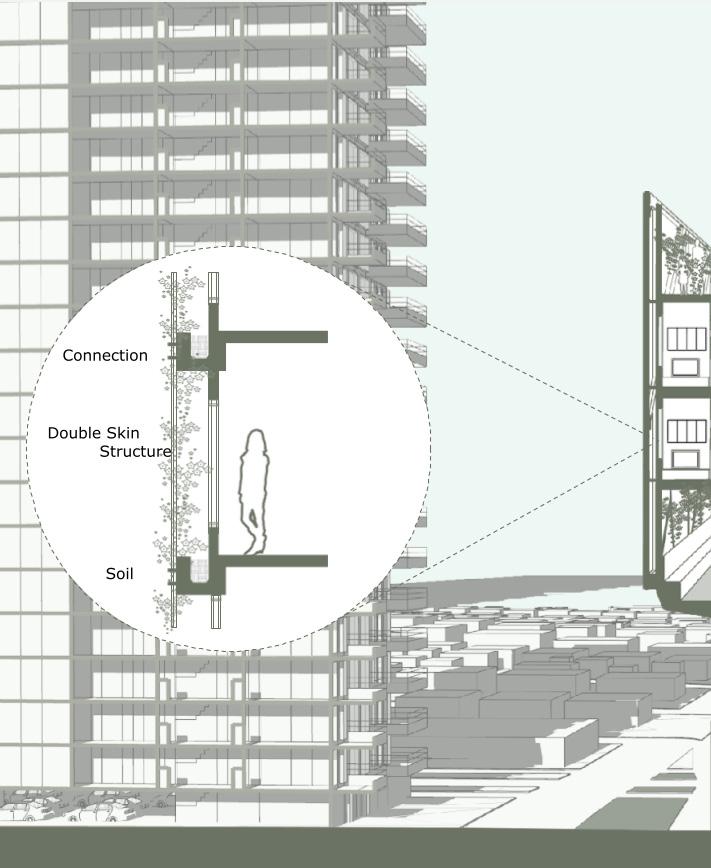
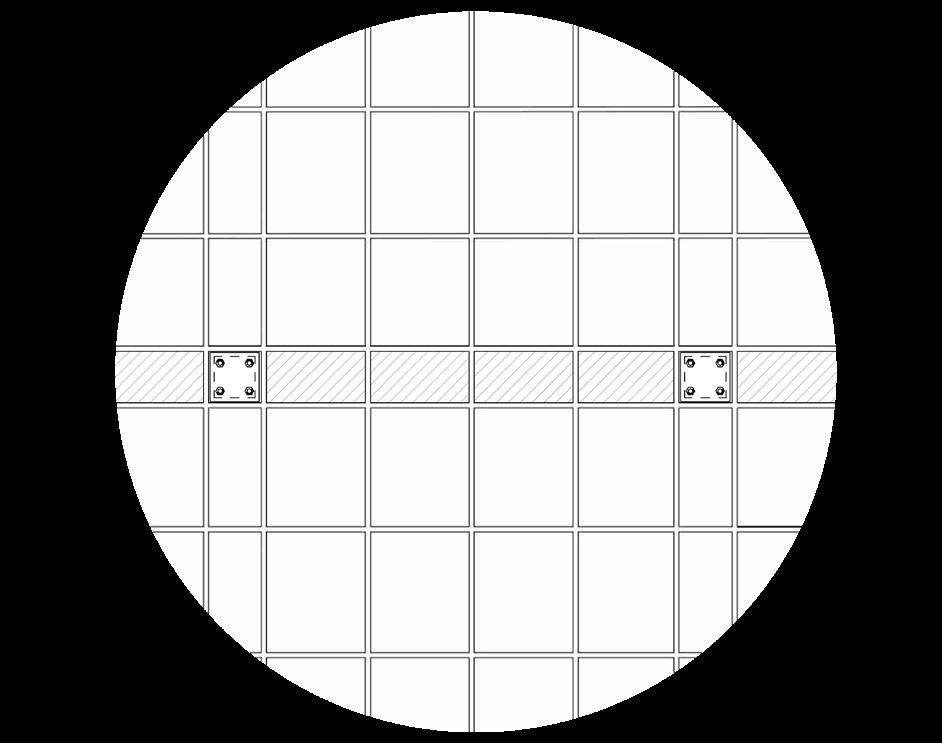
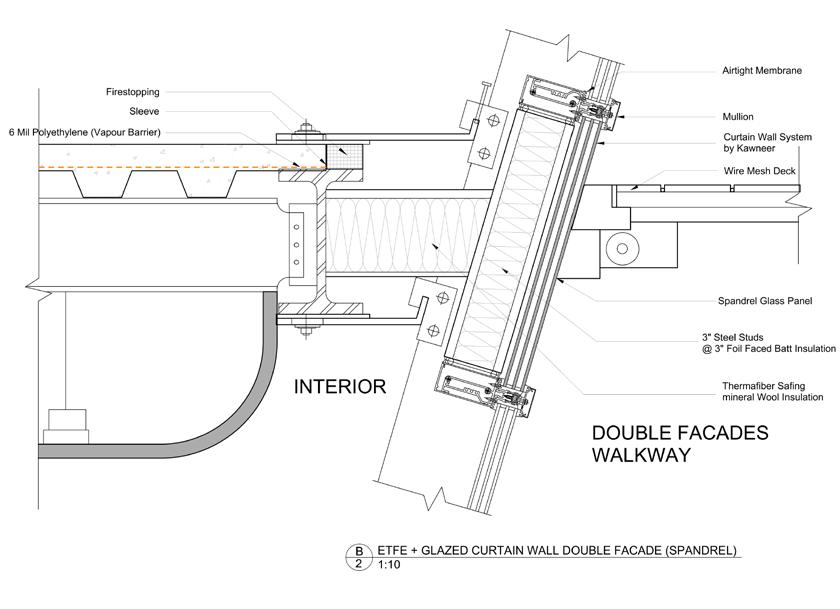
Unitized curtain walls are a superior choice for reducing the carbon footprint in building construction due to their precise manufacturing, efficient installation, enhanced thermal performance, durability, and recyclability. It promotes a circular economy by enabling the recycling of components.
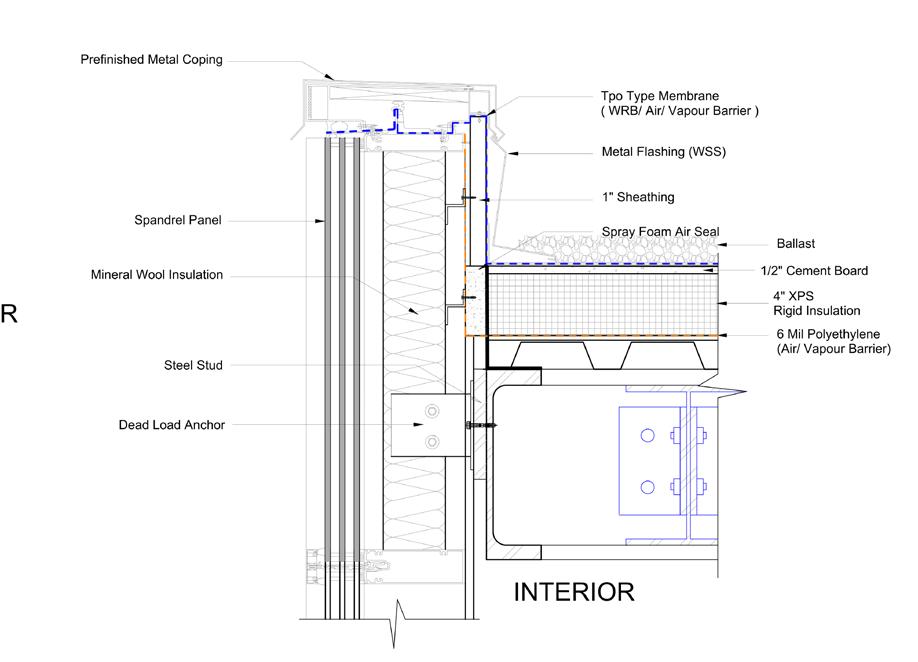
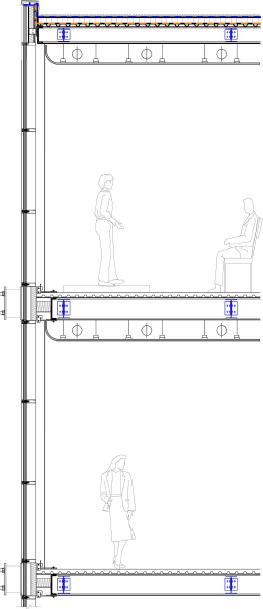
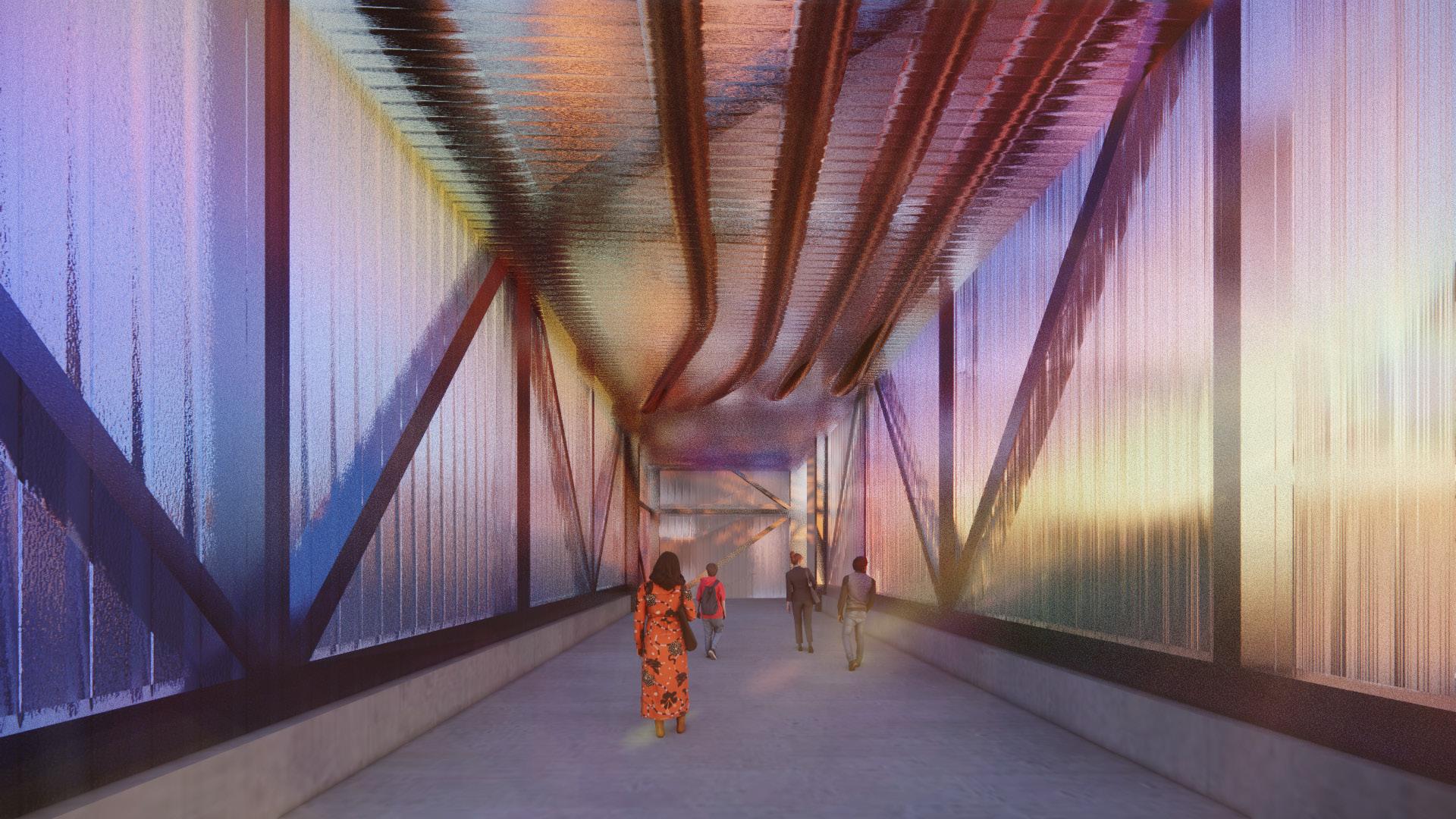
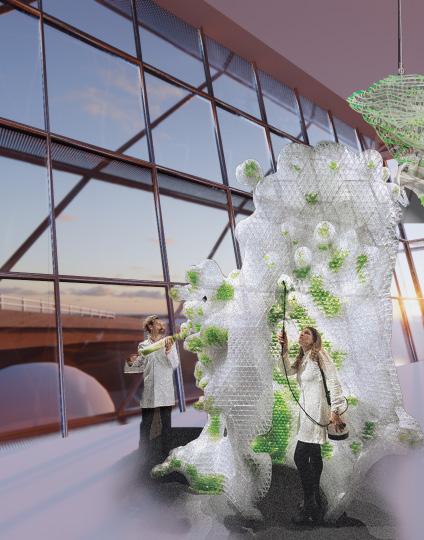
The incorporation of ETFE and double facades with operable windows in building design exemplifies sustainable practices by promoting energy efficiency, thermal comfort, daylighting, views, durability, recyclability, aesthetics, and occupant flexibility.
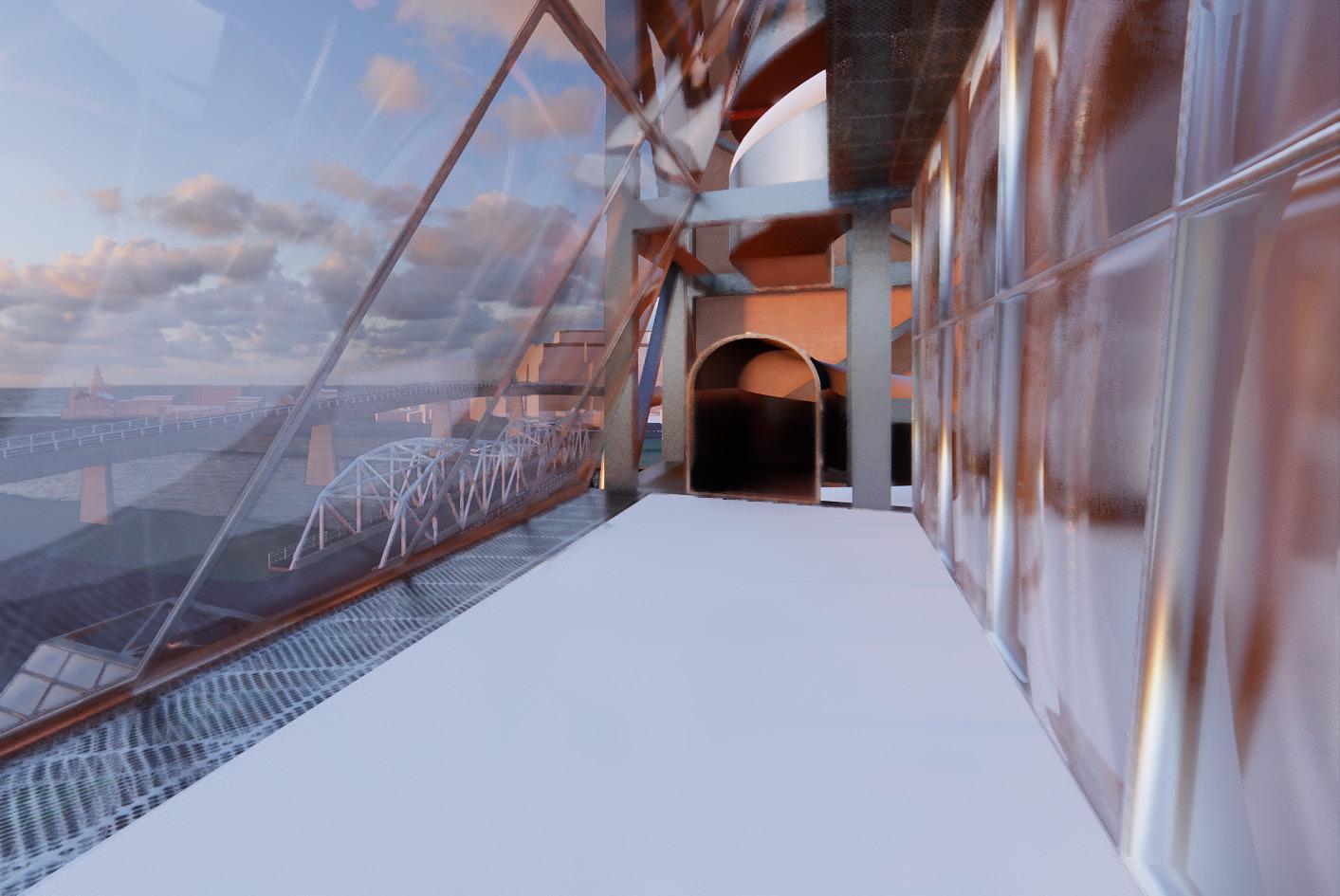
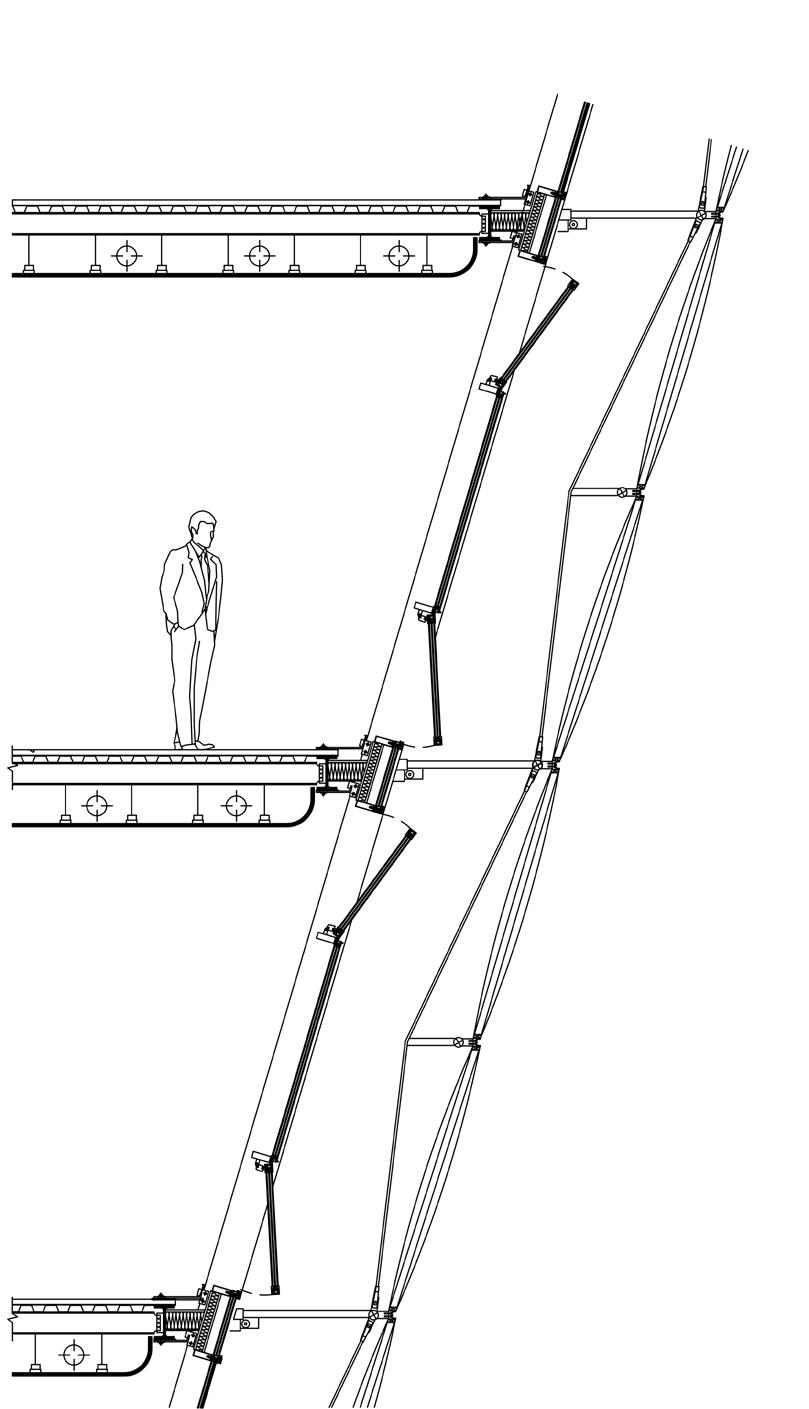
These practices contribute to a more sustainable built environment and align with the goal of reducing environmental impact while enhancing the overall quality of indoor spaces.
Block Week: Hybrid Drawing
Instructor:
Michael ZabinskiKeywords: Mixed Mediums, sketching, hardline drawing, perspective drawing
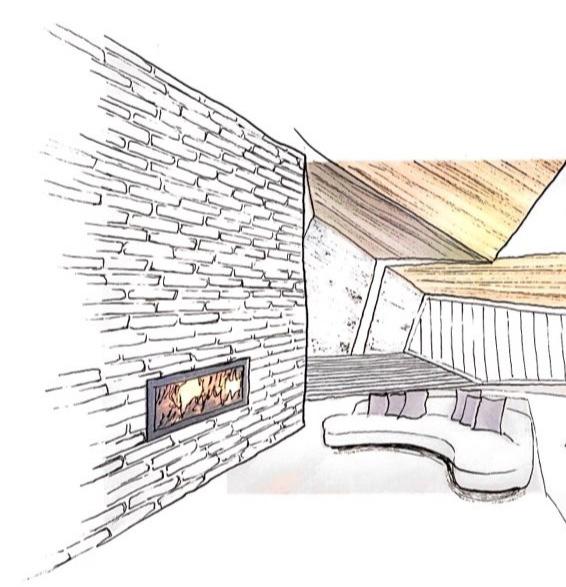
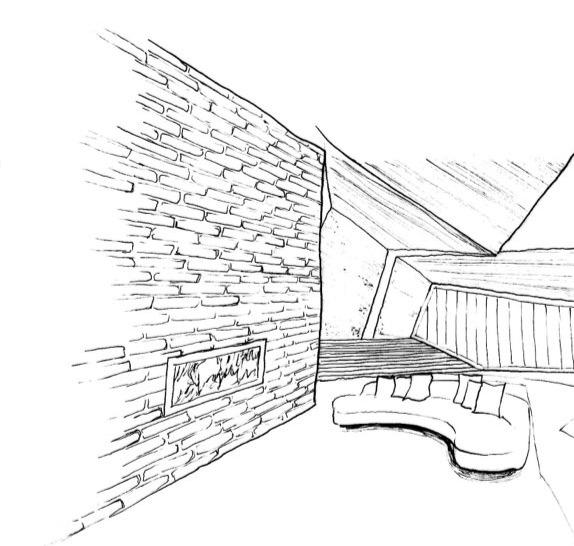
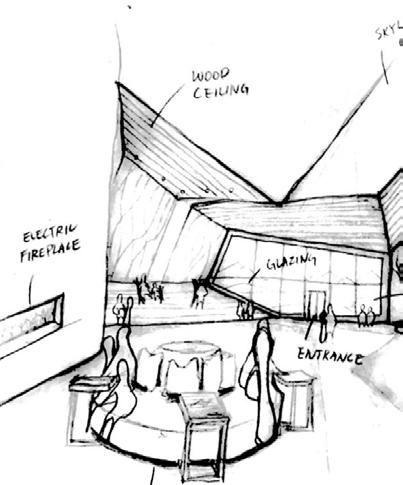
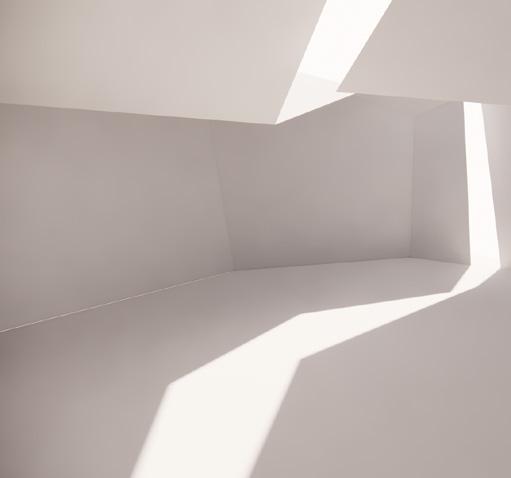
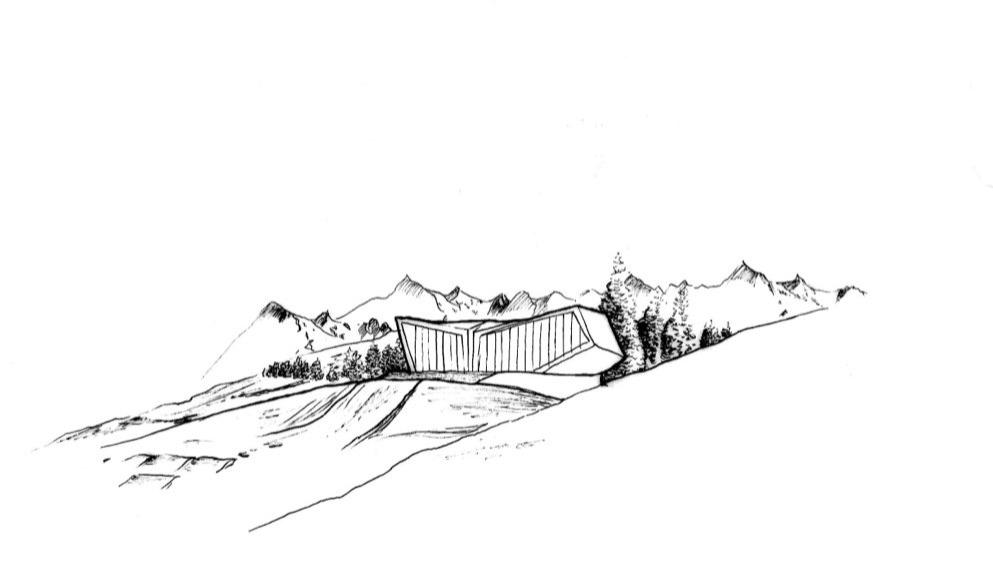
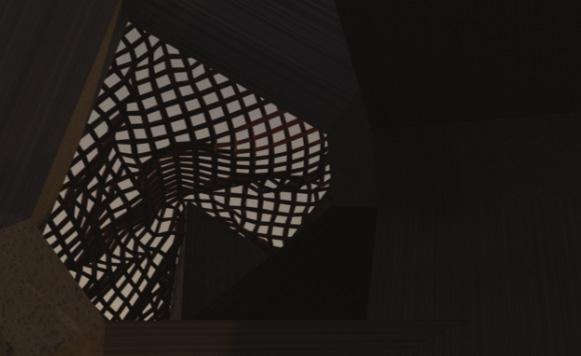
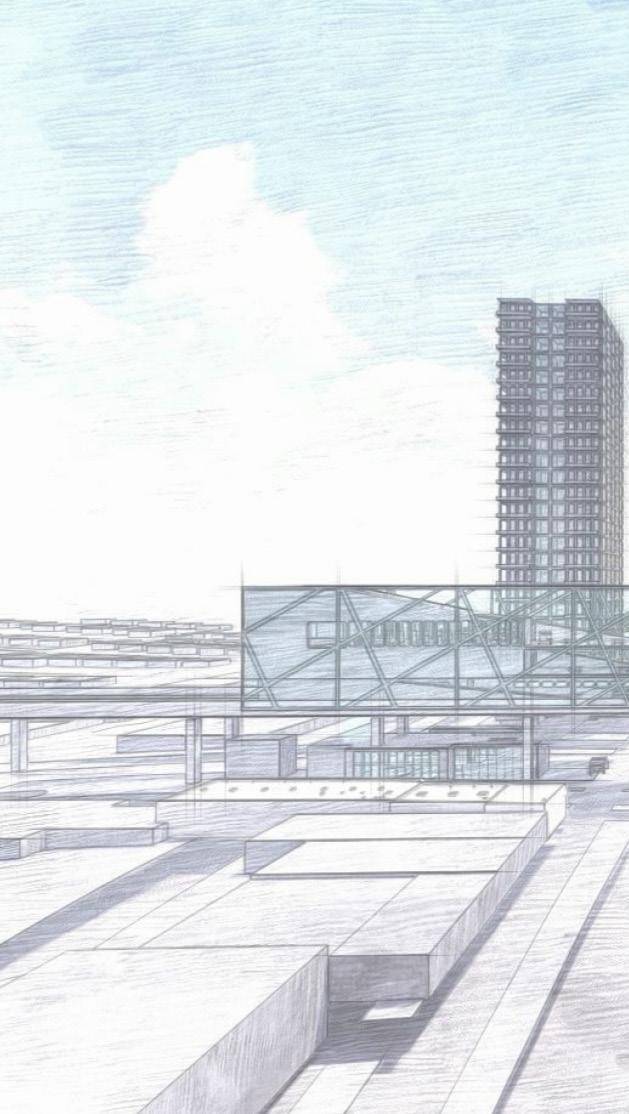
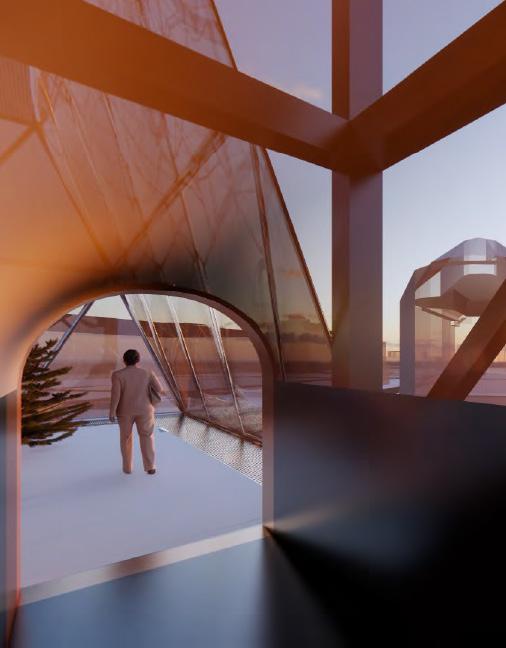
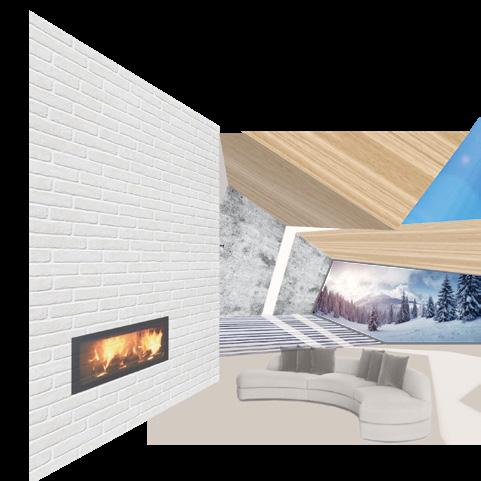
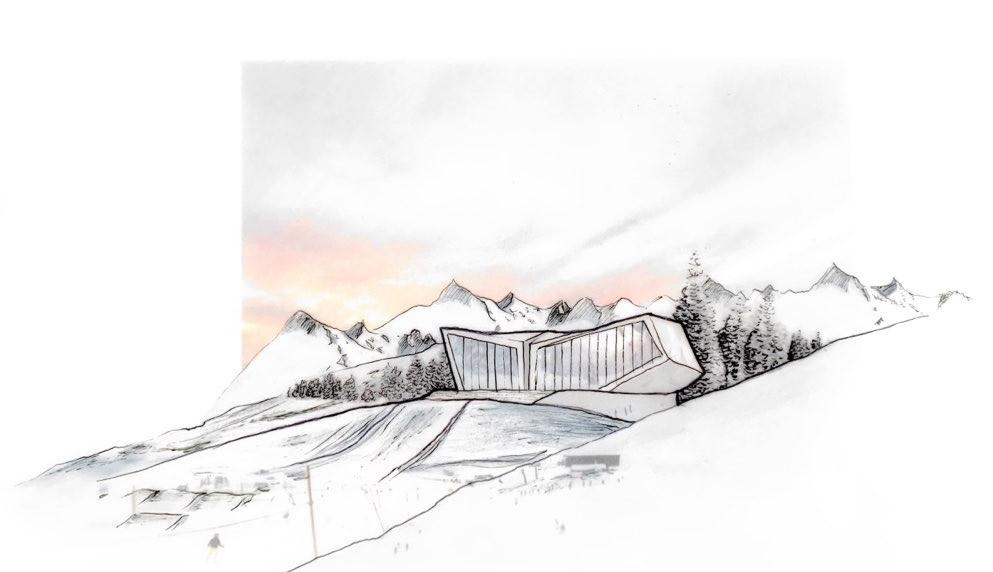
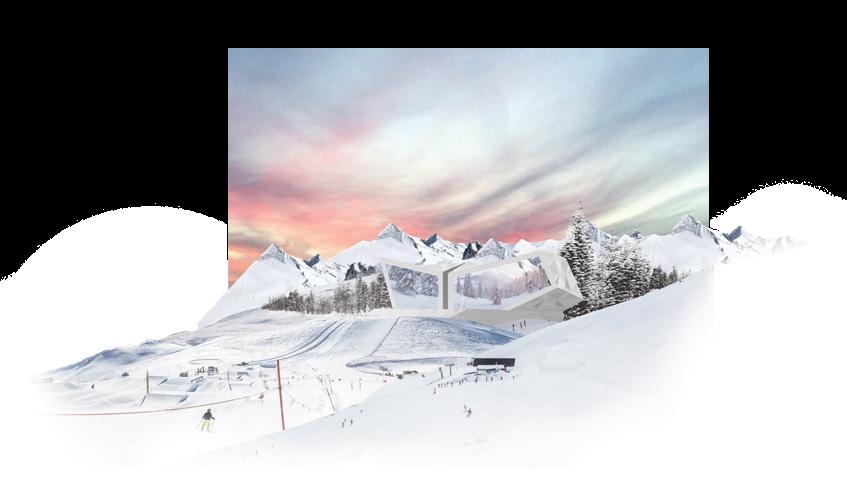
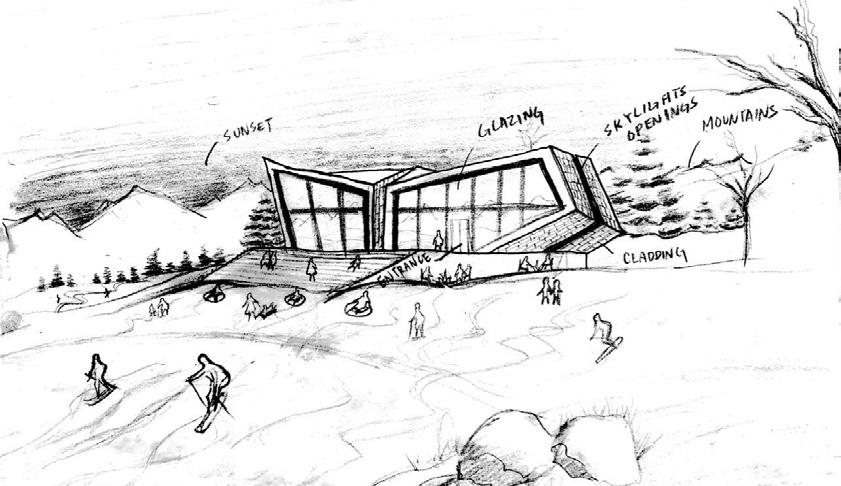
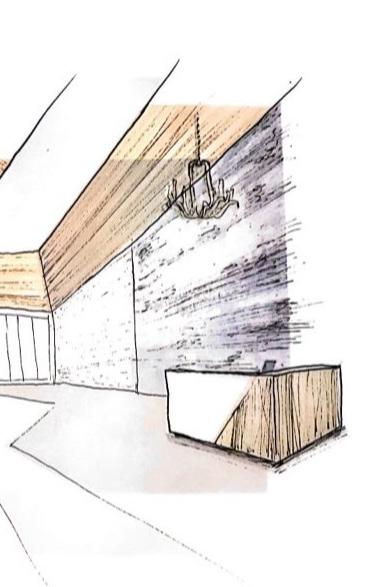
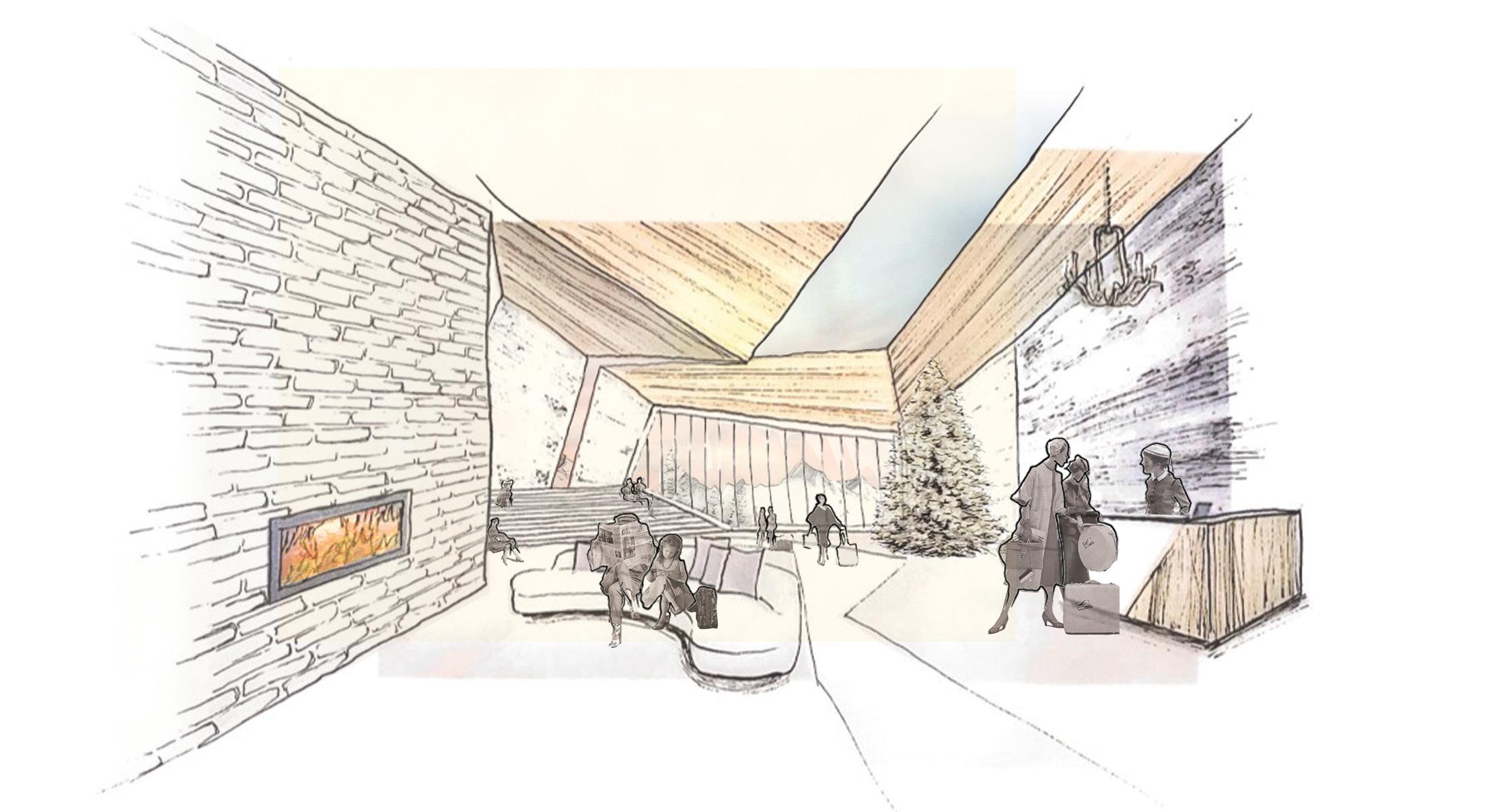
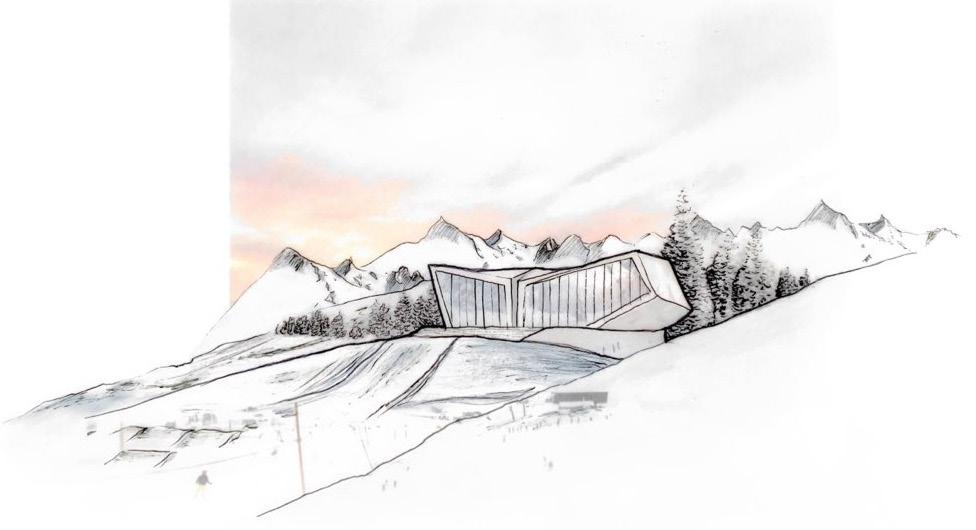
This project entails the execution of a multi-media drawing process aimed at producing immersive and visually captivating drawings of a ski resort and visitor centre located in Big Sky, Montana. The project workflow commences with the creation of randomized boxes within Rhinoceros 3D, which are subsequently manipulated using boolean commands to achieve desired shapes. The resultant 3D model serves as the foundation for the subsequent stages. Through the application of hand sketching techniques, storyboards are developed, portraying both the interior and exterior spaces, with an emphasis on creating a welcoming and warm ambiance for the indoor area, while employing an arctic color palette complemented by subtle sunrise accents for the outdoor view. Digital tools such as Photoshop are utilized for montage, enabling the integration of textures and colors into the drawing. To emphasize the spatial hierarchy, pencil sketching techniques are employed, by hatching with varying line thickness. The combination of both digitally edited and hand-drawn sketches is accomplished by scanning, ensuring a cohesive and layered composition. The final stage involves attention to detail to refine the perspective renders, resulting in visually appealing and aesthetically polished depictions of this drawing project.
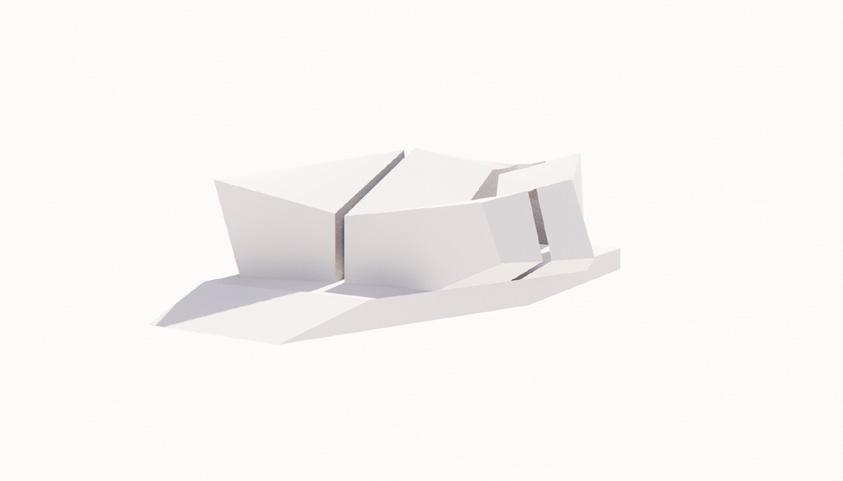

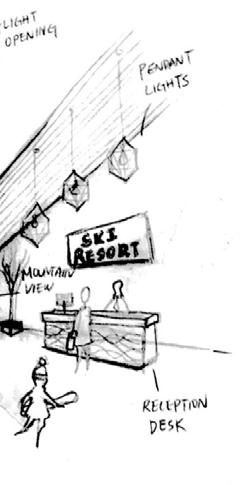
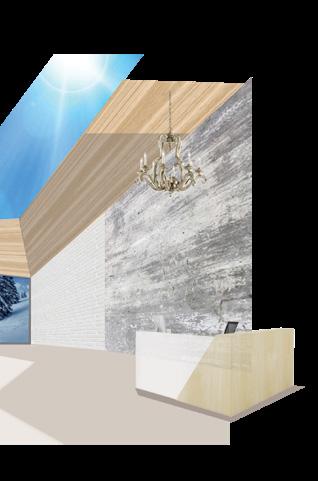
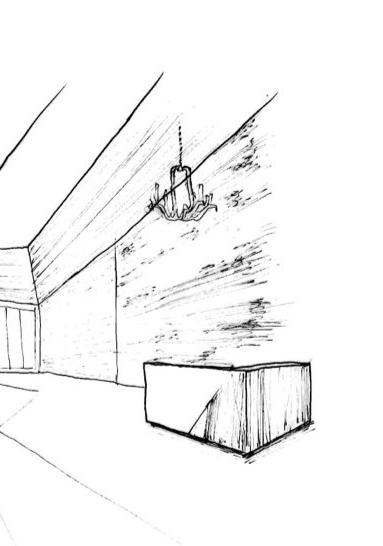
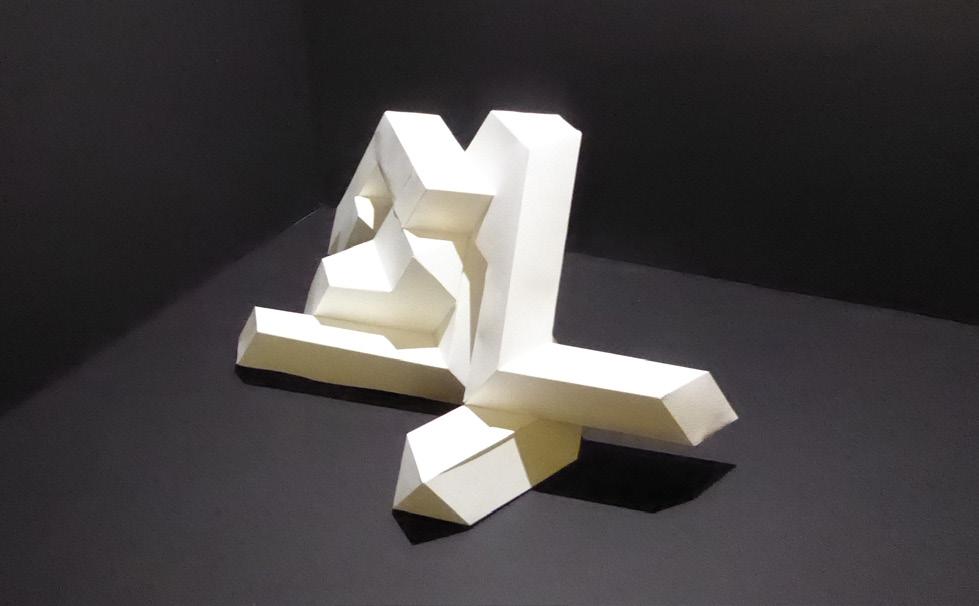
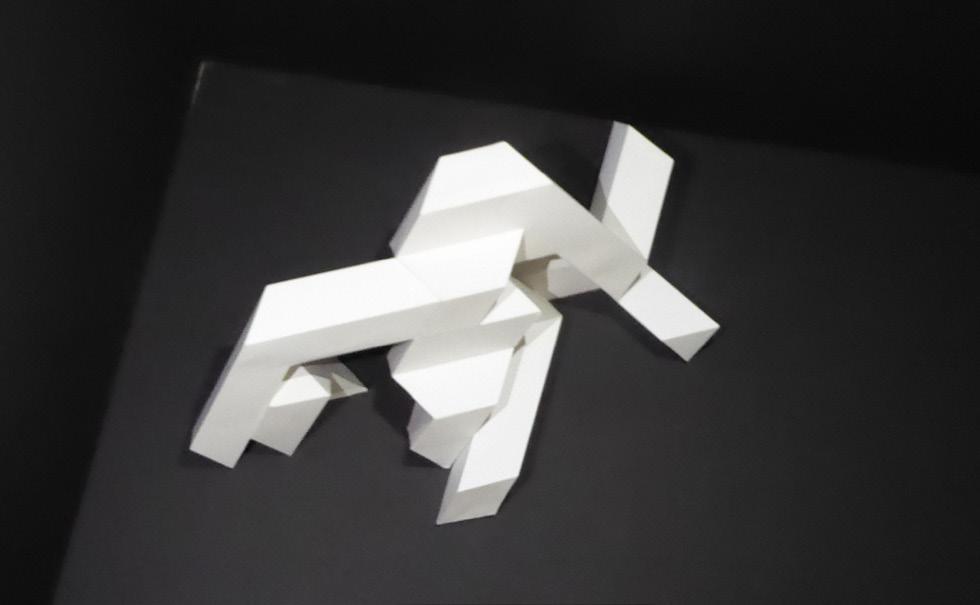
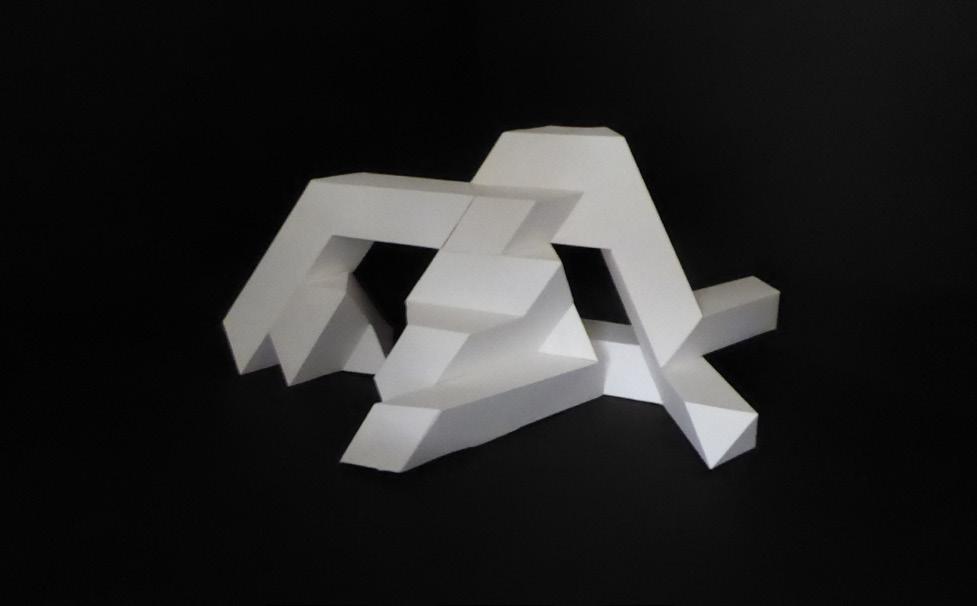
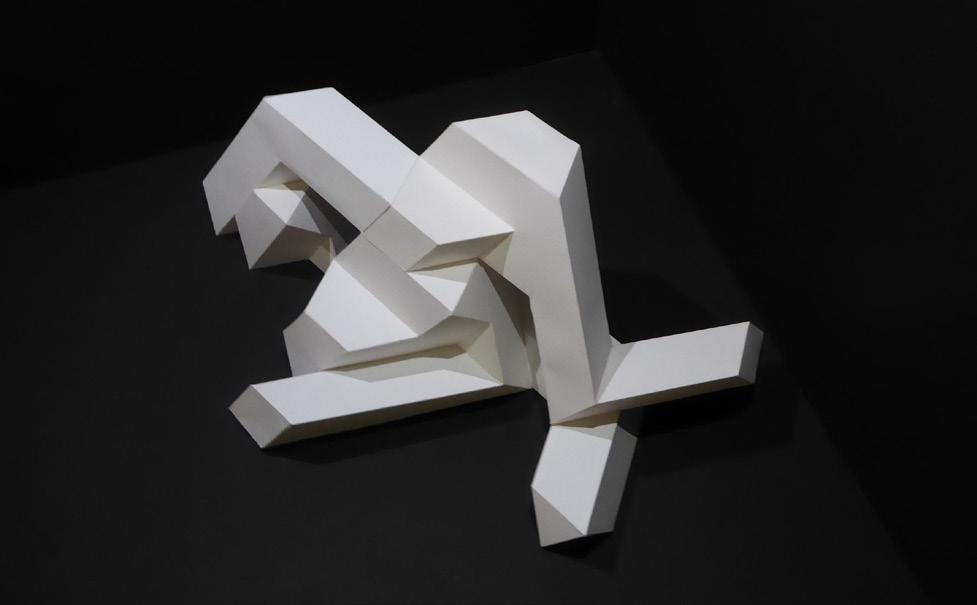
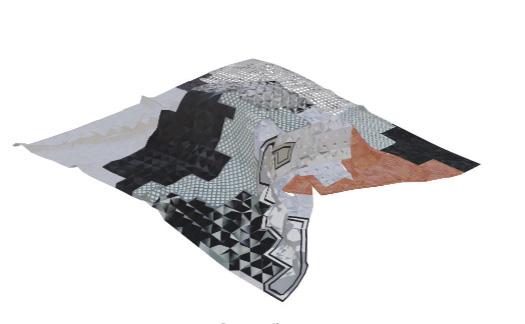
Mediums: Cardstock, , Blender, Rhinoceros, Grasshopper