NSG Edition.
Summer 2026
Holly Anderson / Natasha Walsh / Savannah Jarvis / Miriam Charlie
Tom Blake / Vipoo Srivilasa / Thea Anamara Perkins / Dylan Mooney
Claire Healy & Sean Cordeiro / Darrell Sibosado / Mason Kimber
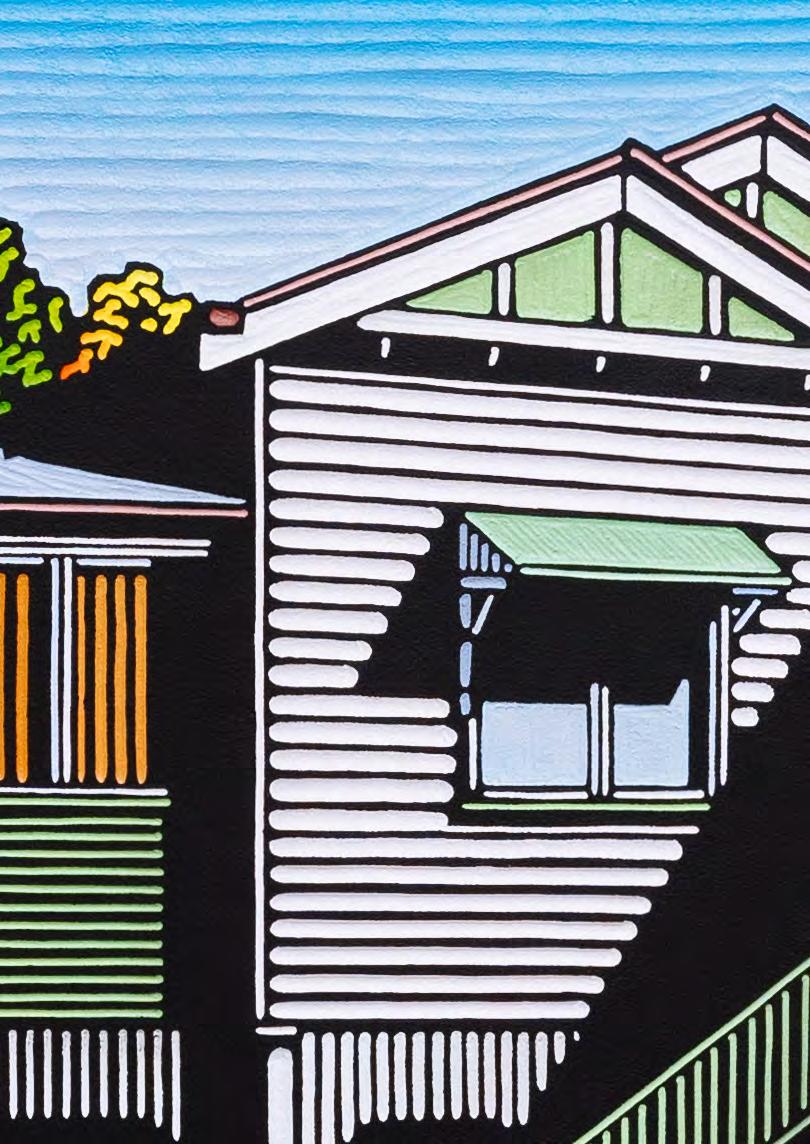
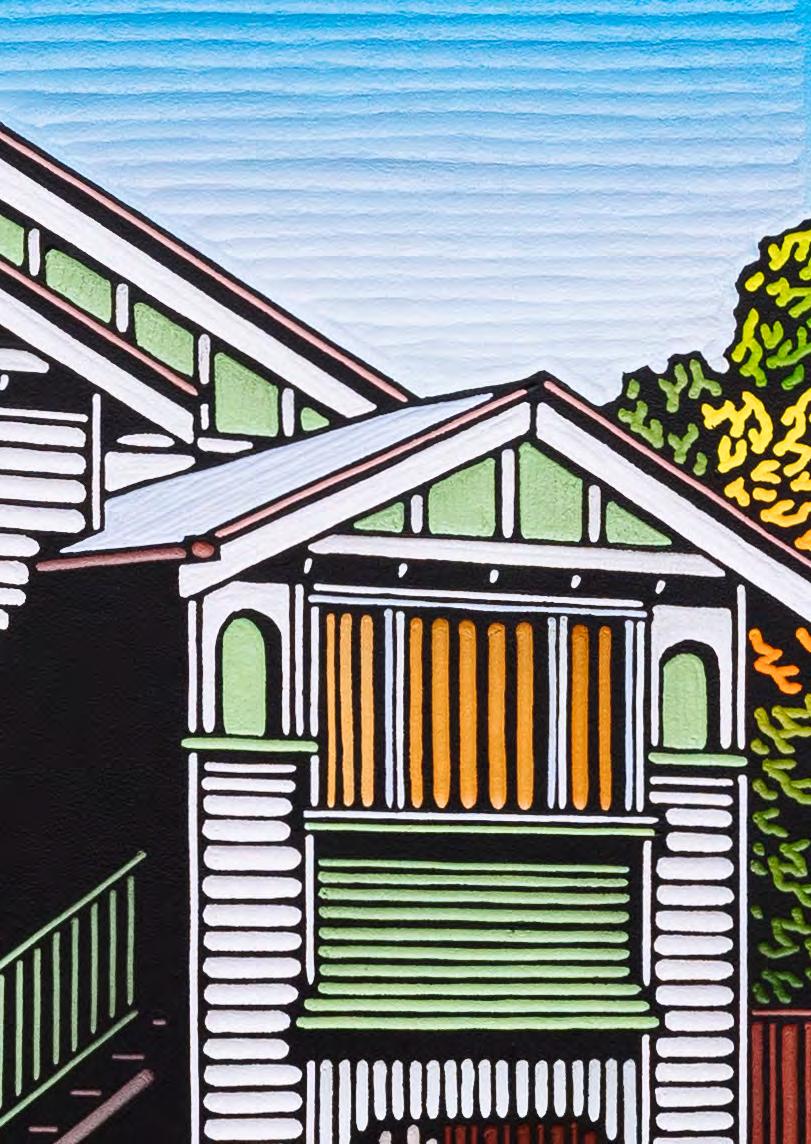
Christopher Zanko
Gateways, 2025
acrylic on wood relief carving
50 x 45 cm
Savannah
5th National Indigenous
Art Triennial: After the Rain
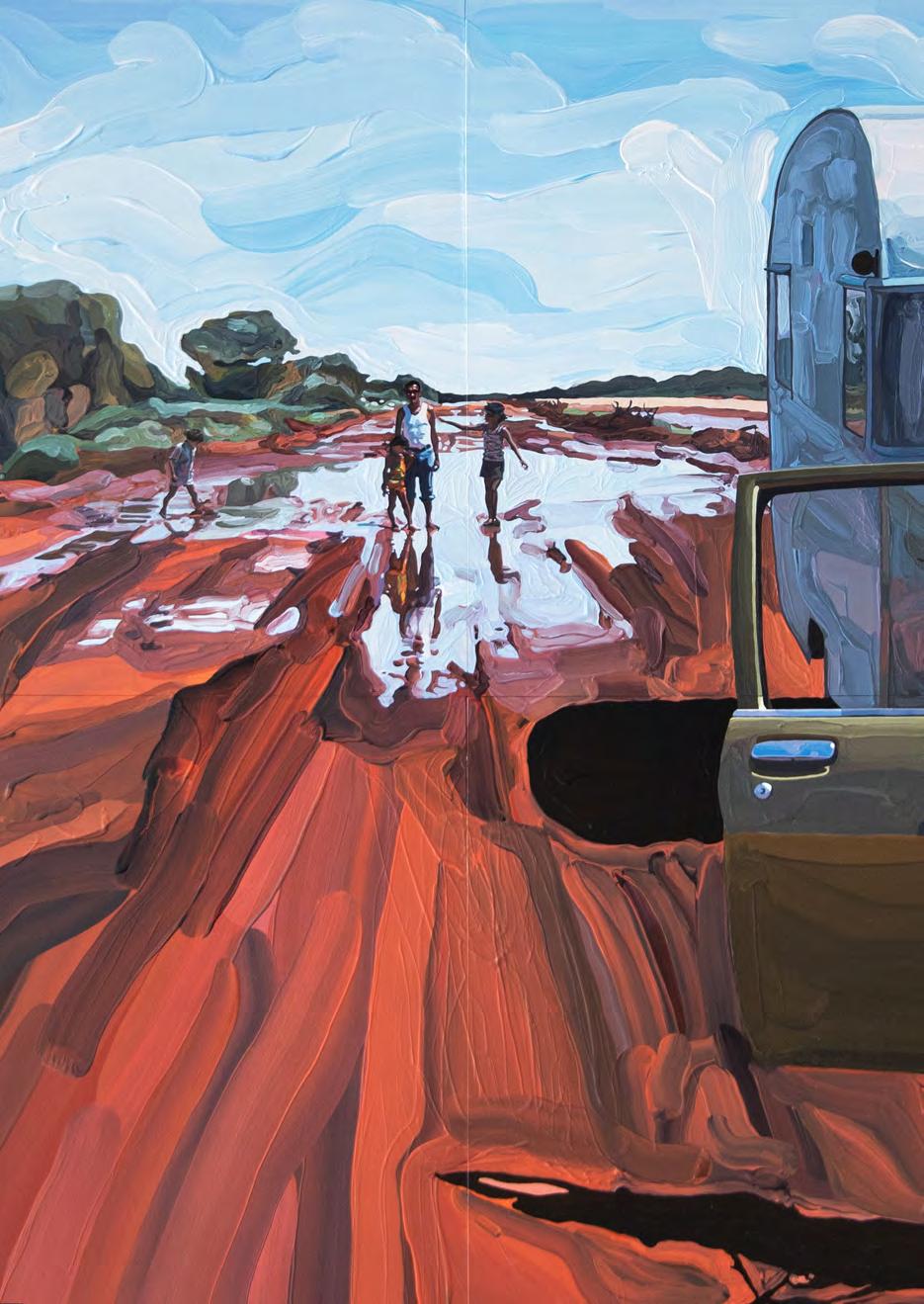
Claire Healy & Sean
Cordeiro: Psychopomp
Awakening Histories
Holly Anderson: Some Things Too Bright to See
Miriam
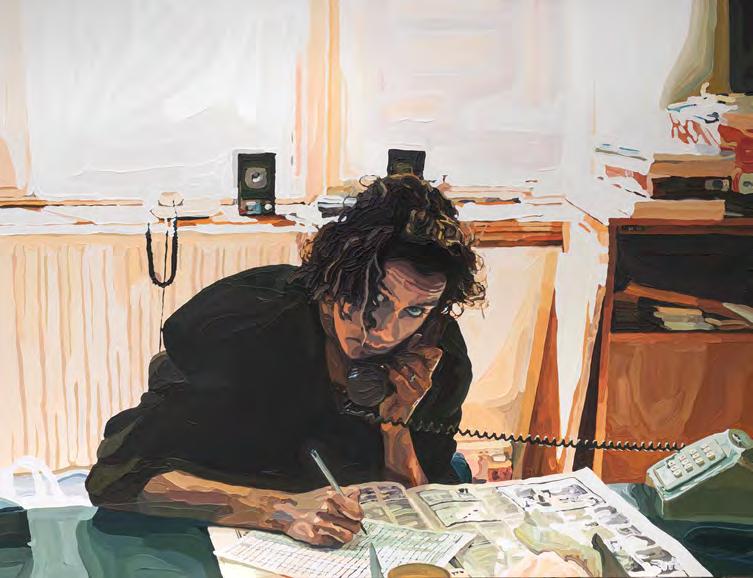
Thea Anamara Perkins Rise 4, 2025
acrylic on board, 90 x 120 cm
Commissioned by the National Gallery of Australia for The 5th National Indigenous Art Triennial: After the Rain
CONTRIBUTORS
N.Smith
Ianni Huang
Daniel Sherington
Talia Smith
PUBLISHING COORDINATOR
Rosy Leake
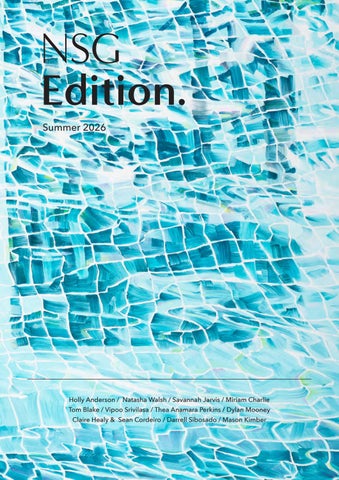
COVER ARTWORK
Holly Anderson
Pool (the secret garden), 2025 oil on board
140 x 100 cm
Letter from the Director.
Summer 2026
There’s a particular kind of light that defines the Australian summer – the kind that shimmers across water, glows against skin, and slows the day into a quiet rhythm. It’s this clarity that Holly Anderson captures so perfectly in our cover image, one of her iconic pool paintings included in our annual summer exhibition.
As we look ahead to 2026, that sense of momentum carries through the year. We’re thrilled to launch the beginning of a program that will see our artists represented across major museum exhibitions and international biennials, an ambitious exhibition calendar in our Sydney gallery, a growing presence at regional and international art fairs, and an expanded series of independent projects across Australia.
For those in the southern hemisphere, we hope the summer break brings a little space to pause, recharge and enjoy the long, bright days ahead. Summer gathers brightness in its own unhurried way, inviting us to slow down and notice the light a little more closely.
Warmest, Nick Smith
Founder & Director
N.Smith Gallery
IG: @nw.smith
Mason Kimber Morning Window, 2025
acrylic, paper pulp, hessian, composite render, extruded polystyrene, wood 55 x 83 x 6 cm
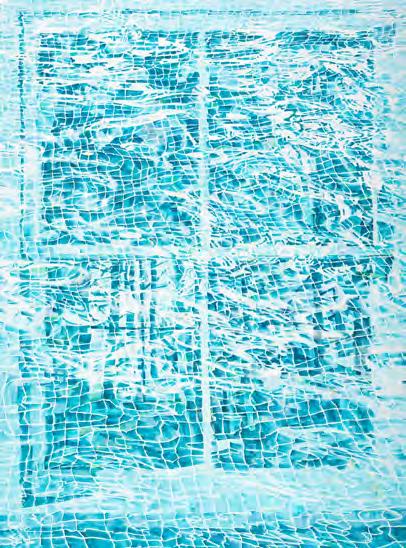
Anderson, Pool (the secret garden), 2025, oil on board
140 x 100 cm
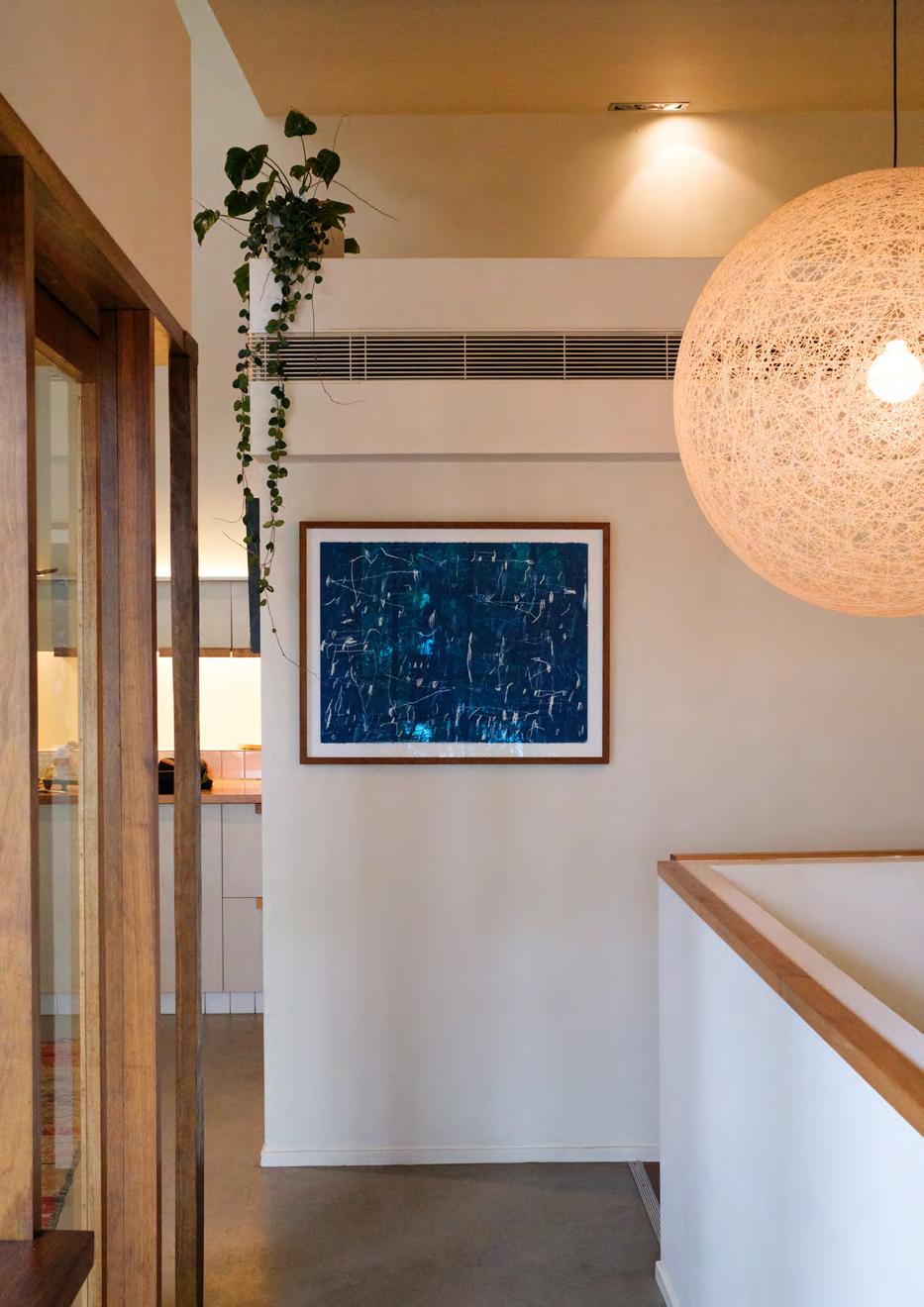
Nestled within the sides streets of New Farm, N.Smith Gallery found residence in the confines of the Cornwall Apartments, a mid 2000s scheme by architecture firm Donovan Hill. Brian Donovan and Timothy Hill are famed – together they designed some of Brisbane’s most significant residences and civic structures: C House, D House, and The State Library of Queensland. It’s a group of buildings that are deliberate, succinct and materially cognisant.
An inter-flow of activity and intent, Cornwall Apartments provided N.Smith Gallery with the perfect opportunity: a means to house themselves in a site of possibility to anticipate what might come going forward. Across the three-level town home, Return to Sender responded to the spatially charged nature of the residence, prodding at ideas concerned with the domestic and external; the local and universal; the boundaries and systems that encompass us.
Words by Daniel Sherington.
Holly
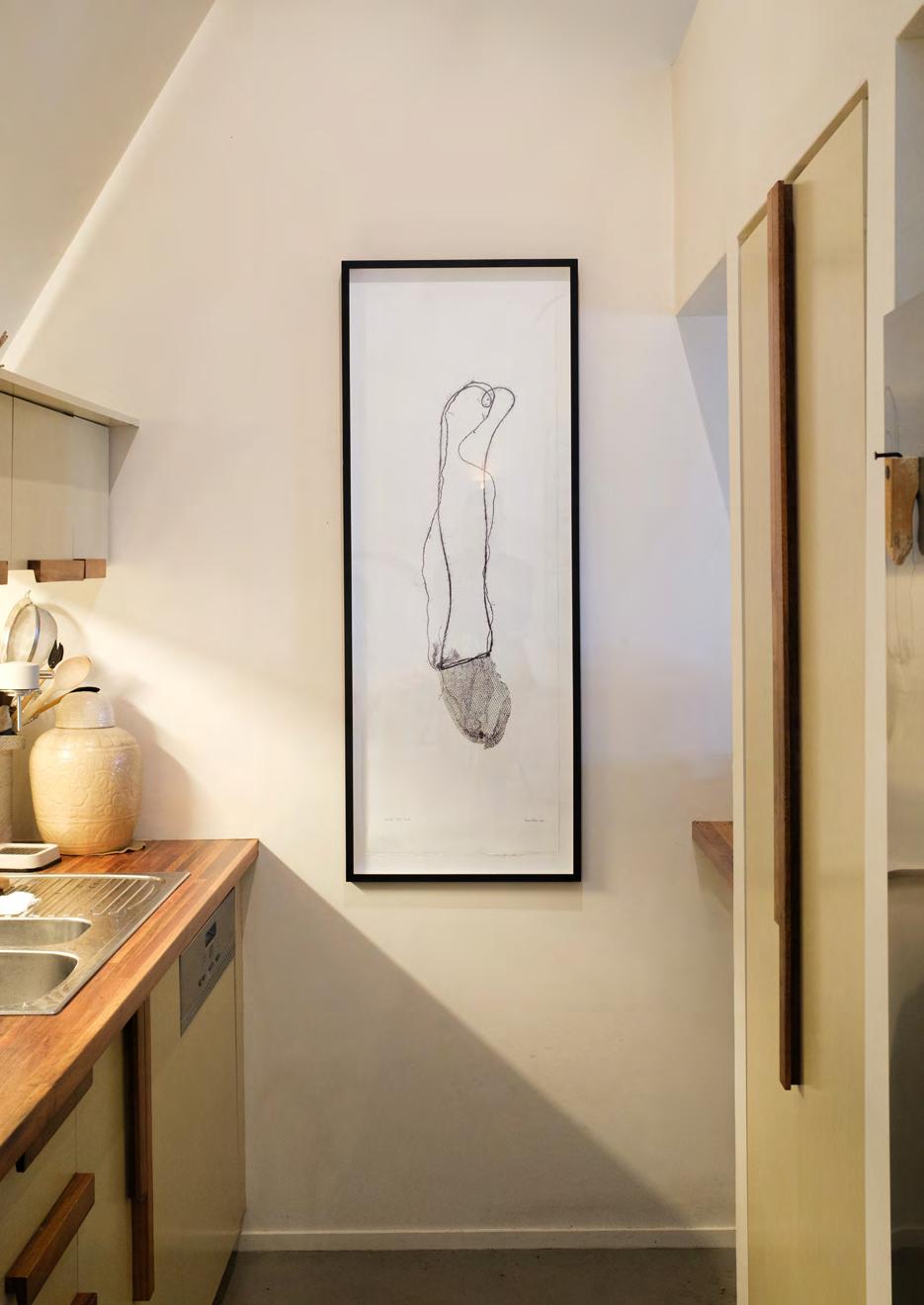
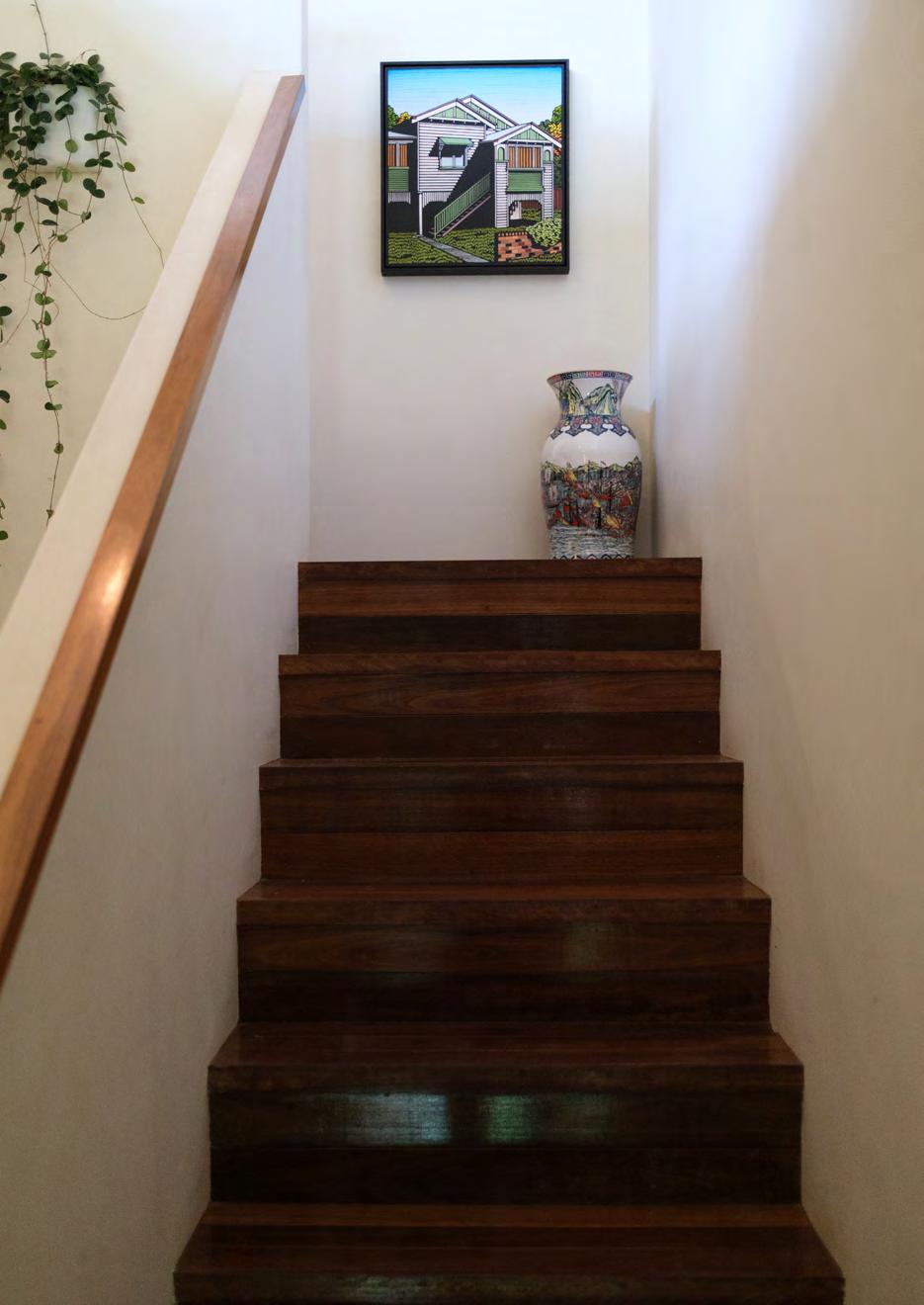
Installation view — Return to Sender. New Farm, Brisbane.
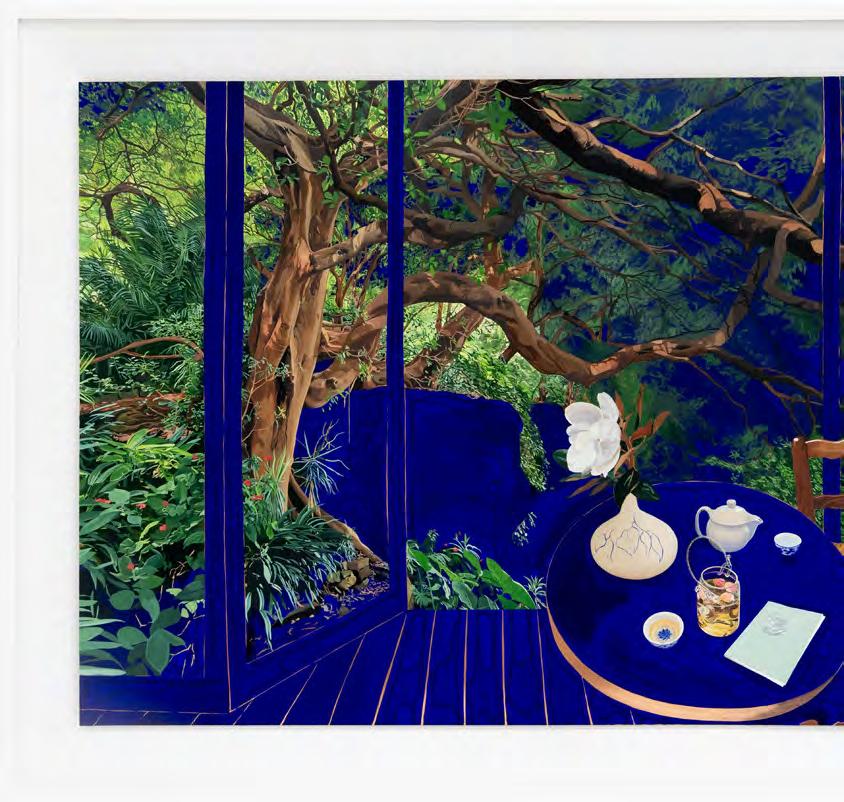
Dreaming of rose scented tea leaves carried to me on a summer breeze, 2025 oil & pigment on copper
74 x 100 cm
Natasha Walsh
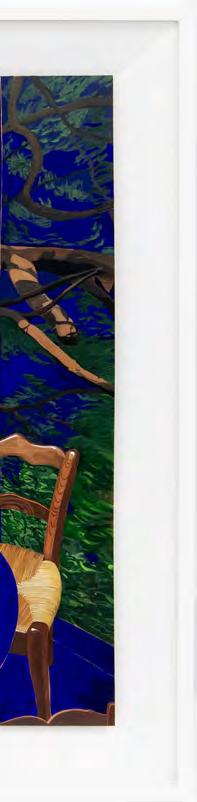
Natasha Walsh: The Window.
28 Aug – 20 Sep
The Window reveals an ambitious new chapter in Natasha’s practice. At its centre is her largest work to date — a commanding, luminous work that anchors the exhibition and the artist’s ambition. Smaller paintings echo and refract its presence, each bound together by the use of a deep, resonant ultramarine blue that threads through the entire series.
Natasha’s process remains characteristically meticulous. Finely ground pigments suspended in oil and painted delicately on copper. The ultramarine blue becomes both a visual and emotional constant, at times a sharp, crystalline hue, at others softened to the haze of memory.
The window as subject and metaphor runs throughout. A threshold between inside and outside, present and past, Natasha’s paintings invite slow looking, rewarding attention with subtle shifts in light and tone that alter the mood from moment to moment.

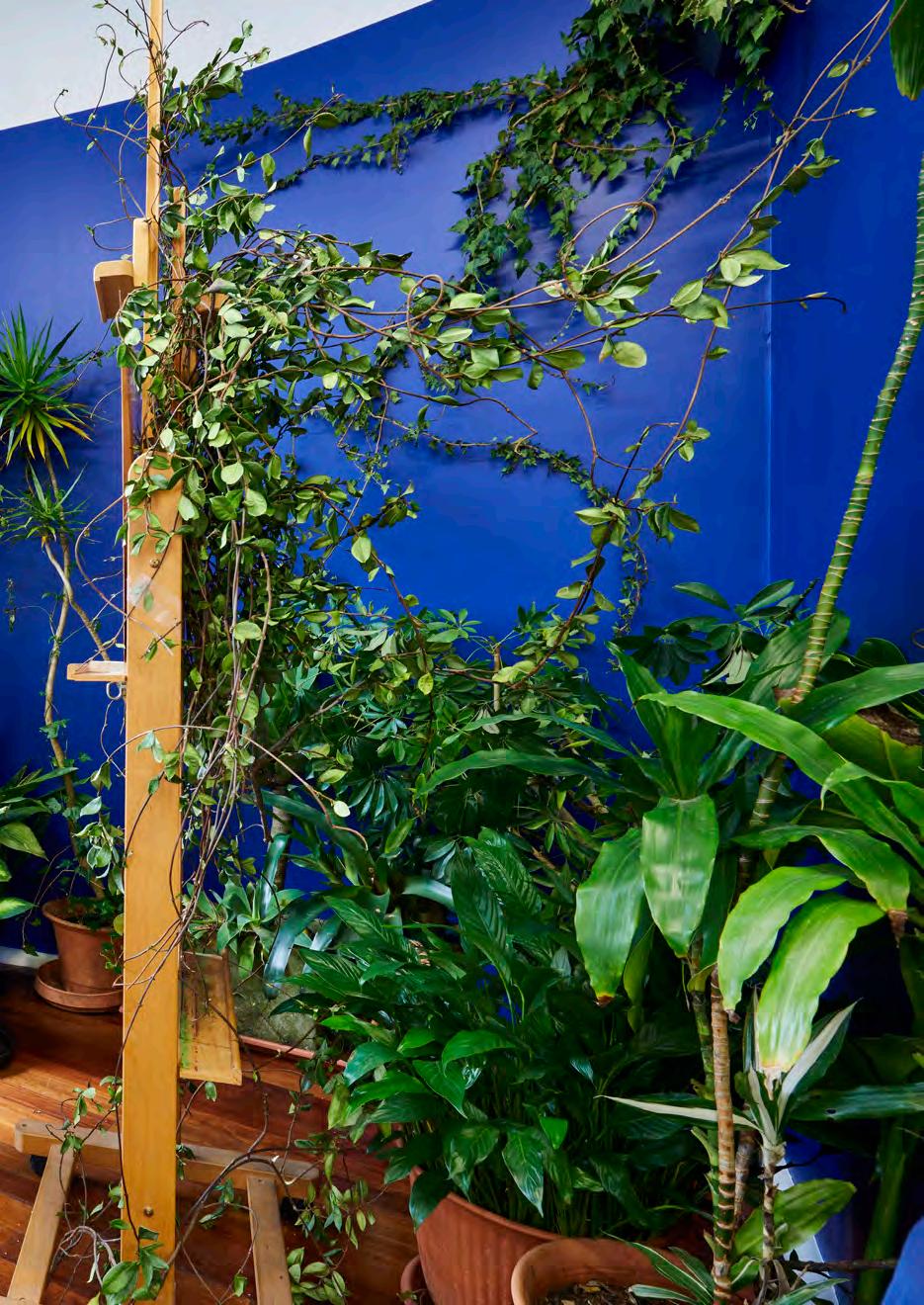
Installation view — Natasha Walsh: The Window. N.Smith Gallery, Sydney. Photography by Alfonso Chavez-Lujan
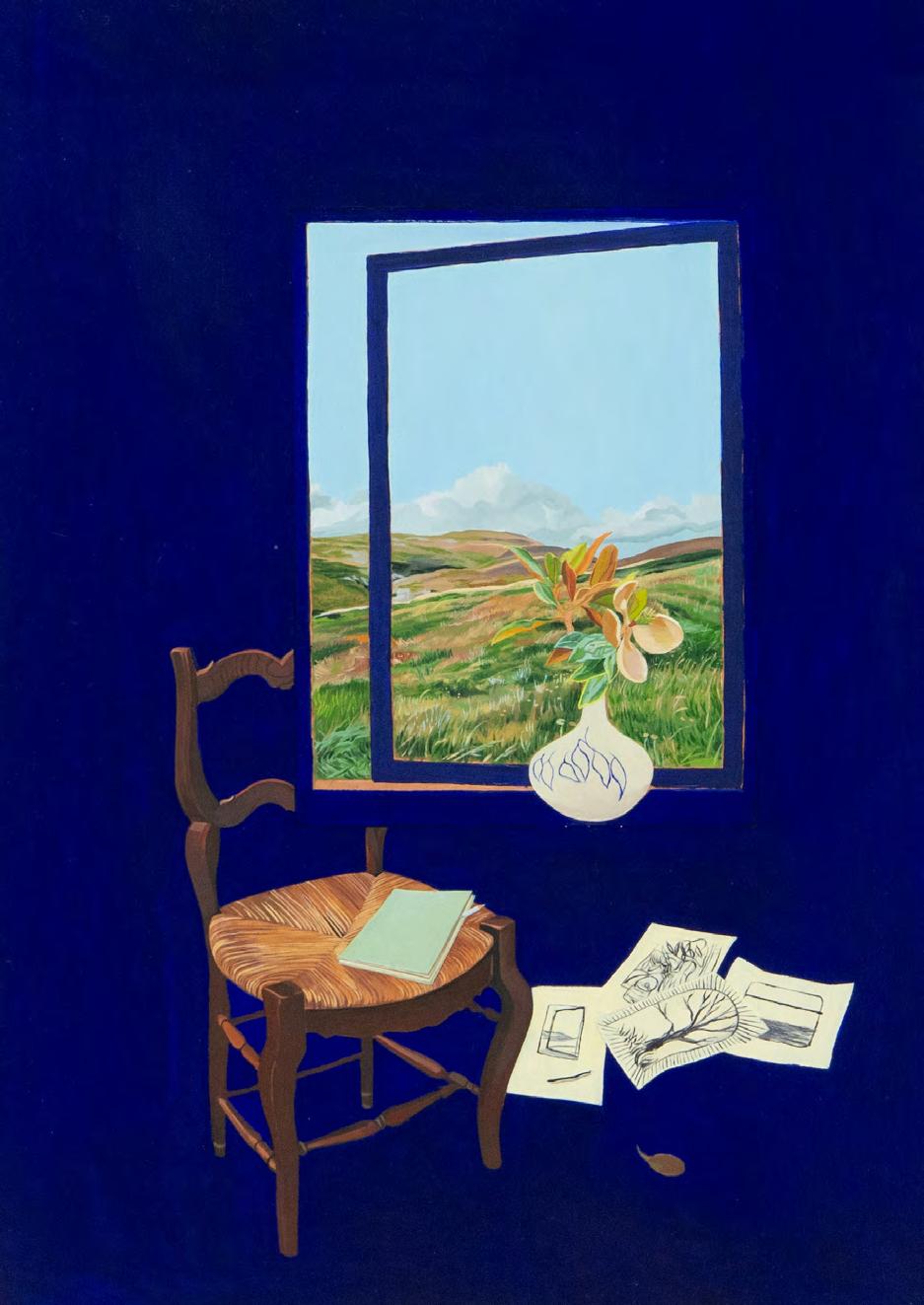
Prologue
'In darkness with eyes half shut I stumble to the window, dreaming of the magnolia.
The window lengthens and widens into a corridor, inviting me to step inside to take another clipping for myself.
Treasuring it, I pull it out by its stem into this liminal space. Transfixing it into paint.
This place has depth without dimension, between the real and the symbolic. There, my clipping can remain.
I desire to stay here in this in-between. To taste, to touch, to dream. To look through this aperture and remember the shape of things now unseen.
I close my eyes and waken to the petals losing their soft touch. Stilled in falling, they do not wilt as they return to pigmented dust.'
– Natasha Walsh
by the window, 2025, oil & pigment on copper, 40 x 31 cm
Sketches
Thesword doesn’tdrop.
Savannah Jarvis: The sword doesn’t drop.
28 Aug – 20 Sep
In the ancient story of the Sword of Damocles, a single blade hangs by a hair above the head of a man who has been granted a taste of power. The sword becomes a metaphor for privilege under constant threat — the anxious awareness that one’s position can change at any moment.
In The sword doesn’t drop, Savannah Jarvis’ debut exhibition with N.Smith Gallery, this metaphor is recast. Here, the suspended swords sit not as symbols of political danger but as an awareness and an a intimate fear: that of the body. Recontextualising the swords within the world of chronic pain; they are sharp, looming, hanging over your head.
The exhibition brings together fourteen oil paintings and a field of cast cement swords suspended in space. Each work stages a confrontation with these metaphoric maxims. The paintings draw on common, often fearful, self-descriptions of chronic pain — phrases that usually remain private and internal — and fix them into visibility. No longer imagined or weightless, the bodily fears are here in the room, present enough to walk among.
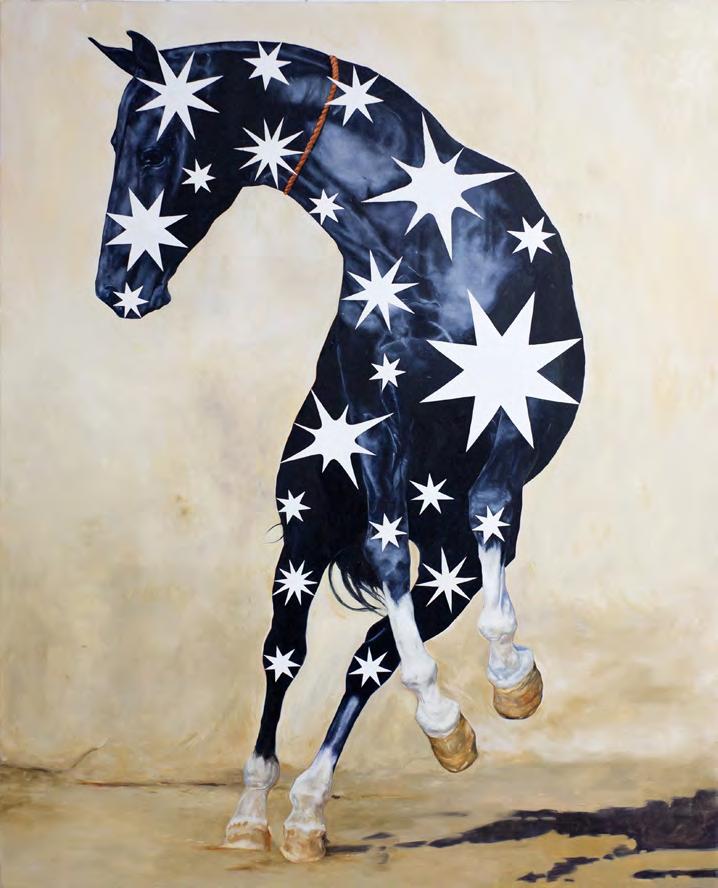
Jarvis Horse holds mixed feelings on spurs, 2025 oil on polycotton 153 x 122 cm
Savannah
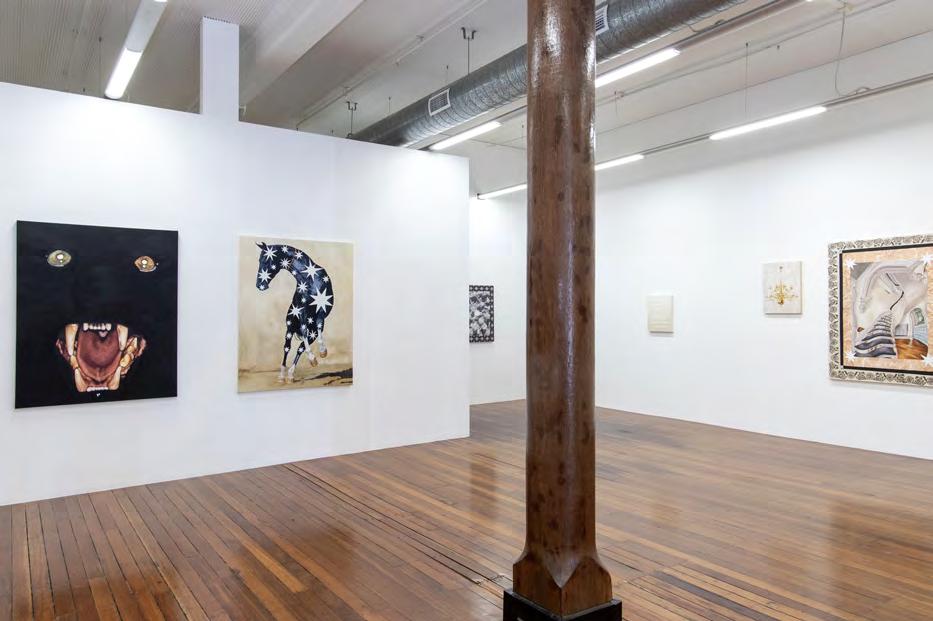
Jarvis’s paintings move between figuration and suggestion, worked with gradients, abrupt edges, and satin expanses that slow the eye. Blades appear in impossible contexts: held aloft in quiet atmospheres or dissolving into ambiguous terrains. The images ask for a double reading — first, the instinctive recognition of danger; second, the knowledge that this danger is constructed, shaped by learned narratives around pain and permanence. At this juncture lies the work’s reparative intent.
Underlying the project is a belief that visual culture plays an active role in shaping how pain is understood. The images we inherit, from medical diagrams to popular media, inform the metaphors we reach for, which in turn influence the neural scripts the brain rehearses. These scripts can shape not only the lived experience of pain but also society’s response to it. Painting has long been part of this cultural scaffolding: not simply recording what is seen but offering frameworks
Installation view — Savannah Jarvis: The sword doesn’t drop. N.Smith Gallery, Sydney.
worn
Savannah Jarvis
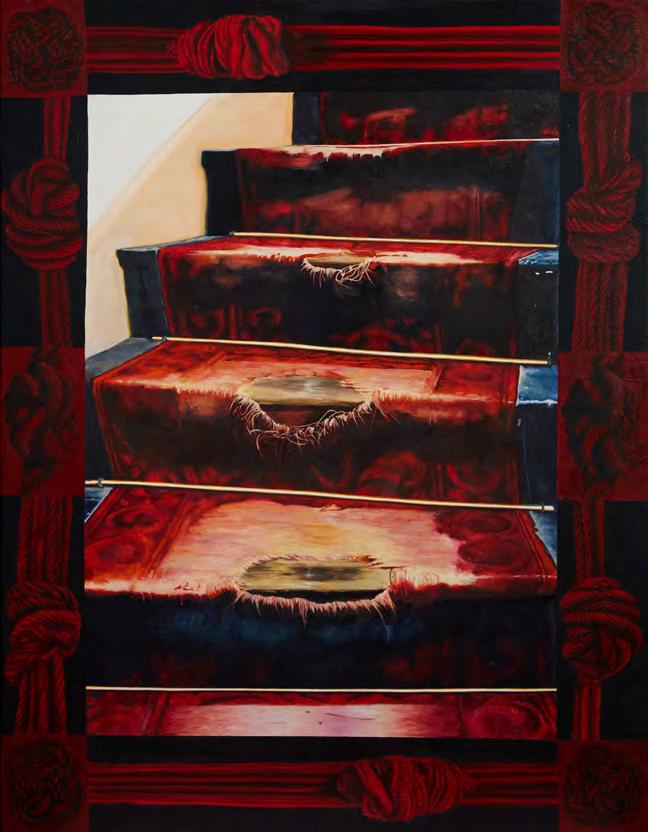
Knotted, overworked and
, 2025 oil on polycotton
91.5 x 71.5 cm
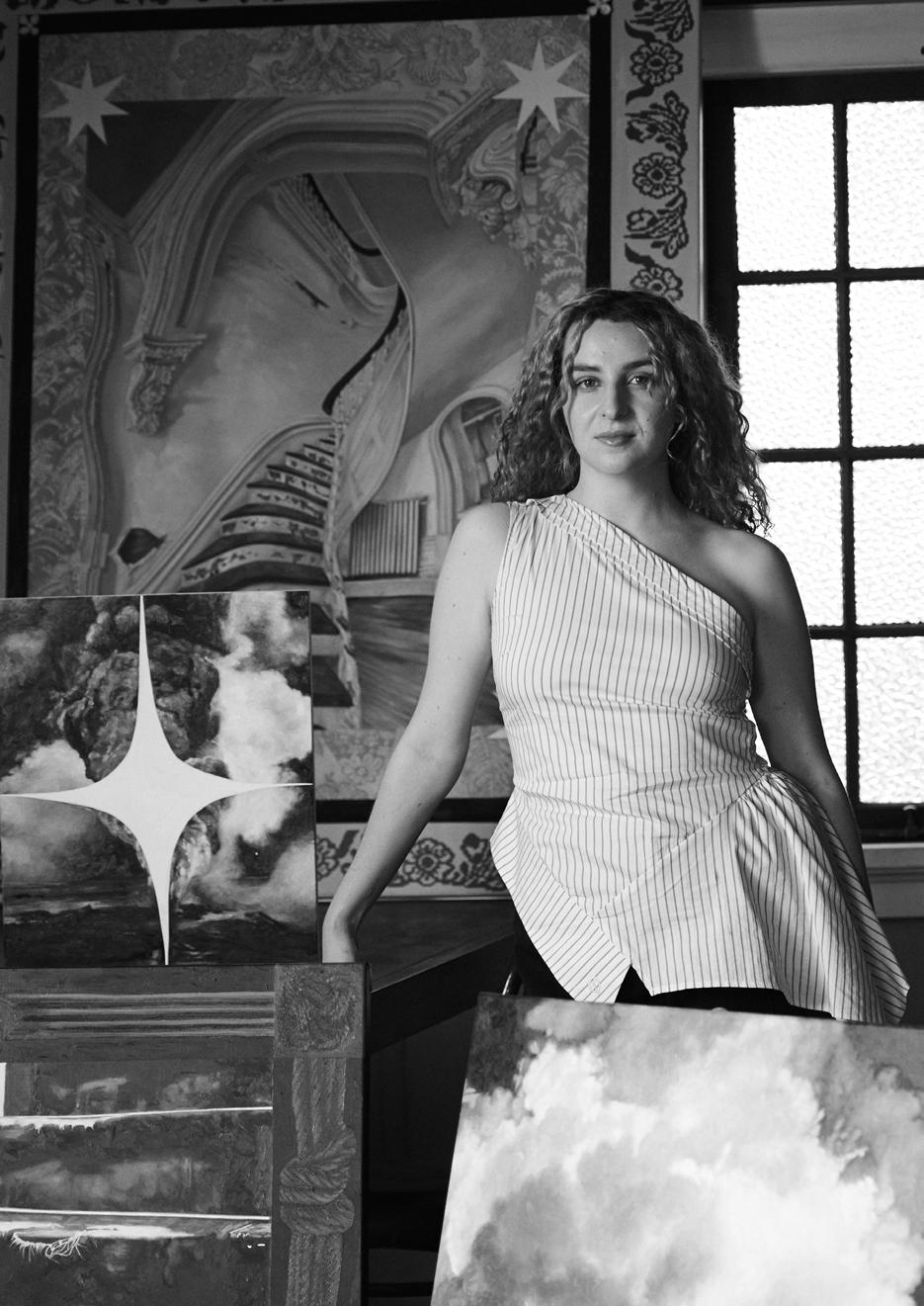
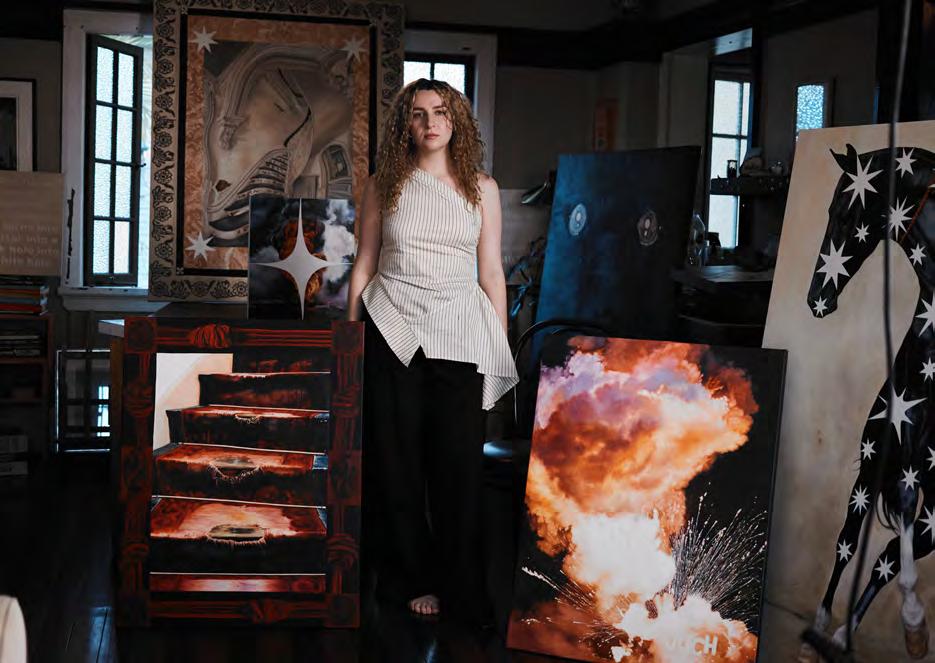
Savannah Jarvis in her studio. Portrait by James Caswell.

for interpretation. In this project, painting is deployed not to reinforce the regime of pain-as-catastrophe but to interrupt it, creating a record in which the feared object remains, but does not act.
Visually, the exhibition resists the acute-trauma aesthetic often seen in depictions of pain, which can reinforce catastrophic thinking. Instead, it settles into stillness and suspension. These swords do not drip with blood nor swing mid-strike; they are caught in a state of deferral. The threat has been measured, cast, hung — and will go no further unless we imagine it. With chronic pain discourse, metaphors matter. They are not decorative but integral to how the brain organises and sustains experience.
In this way, The sword doesn’t drop sits between art and clinical theatre. It invites rehearsal for a different relationship with pain — one in which metaphors are externalised, suspended, and questioned. The works neither deny the weight of chronic pain nor reduce it to symbol. Instead, they acknowledge its reality while disrupting the imagery that entrenches it. If visual culture helps define what pain ‘is’ in the public imagination, art can also help unmake that definition. The result is an exhibition that works both as catalogue and as reframing device, mapping the metaphors of pain, while dismantling their power. It asks: What changes when the threat is fixed in place, visible but inert? When the weight that hangs above you is given form — and when you are assured, at last, that the sword doesn’t drop?
Words by Savannah Jarvis & N.Smith.
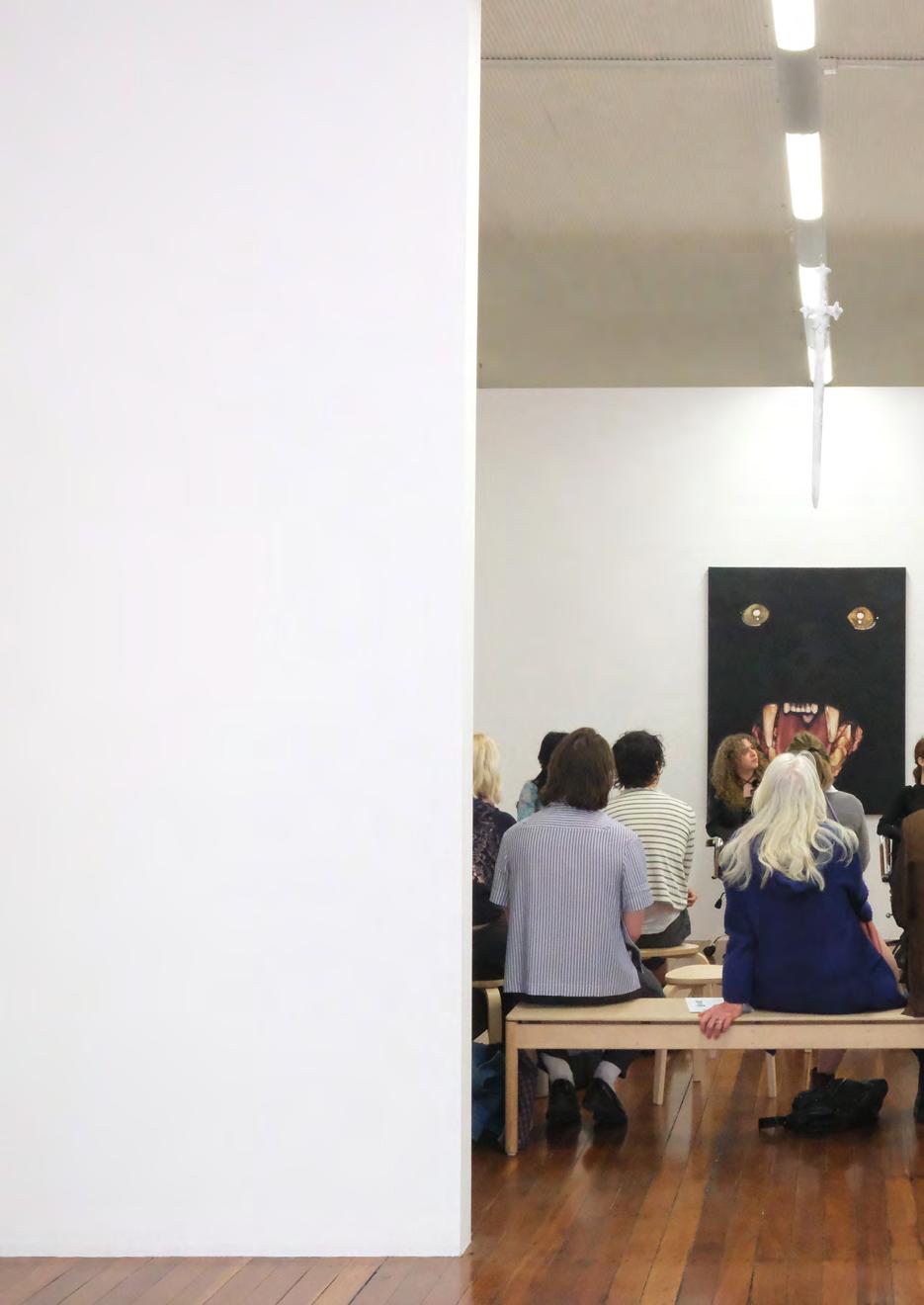
& Savannah Jarvis
Walsh
In Conversation: Natasha
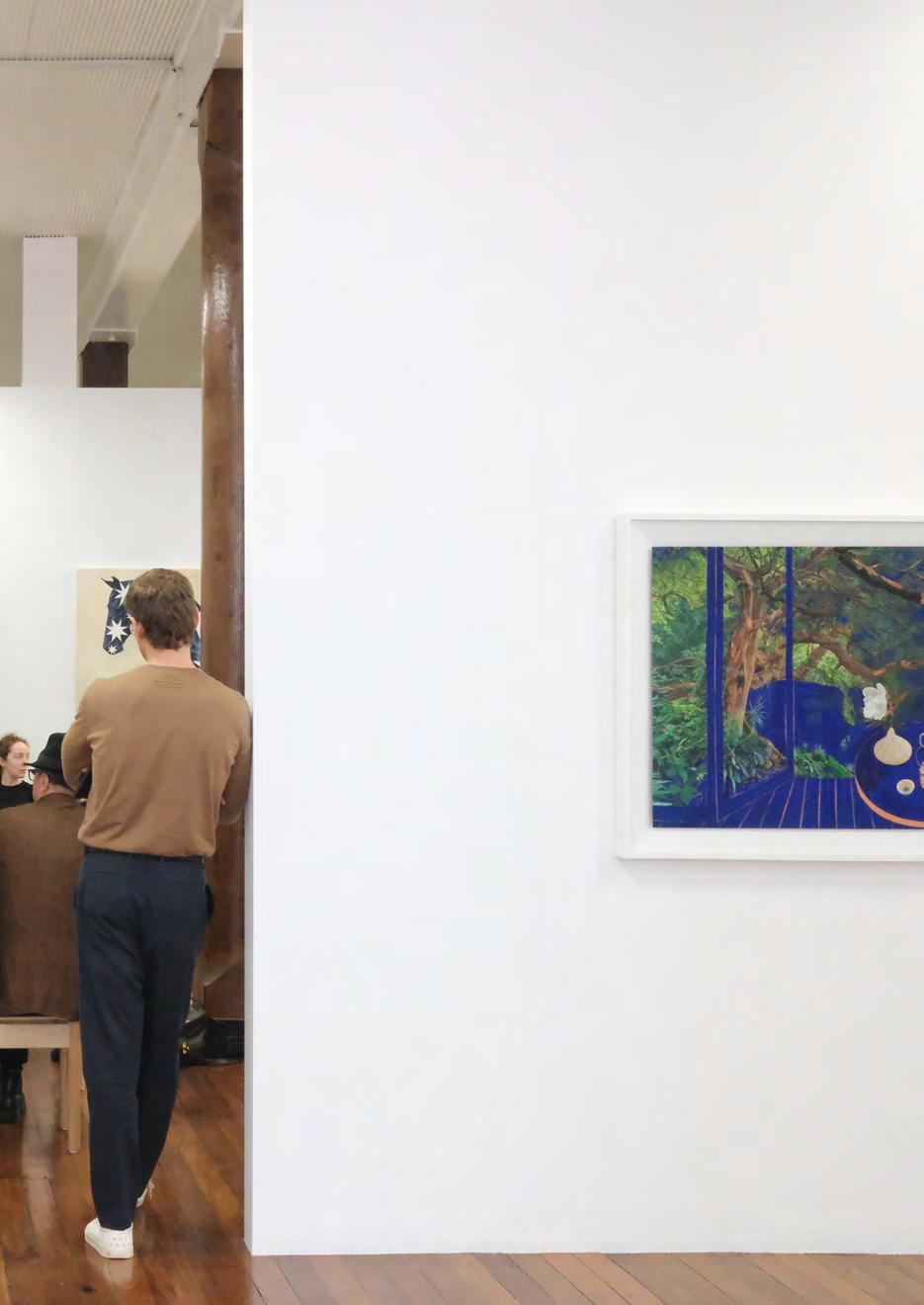
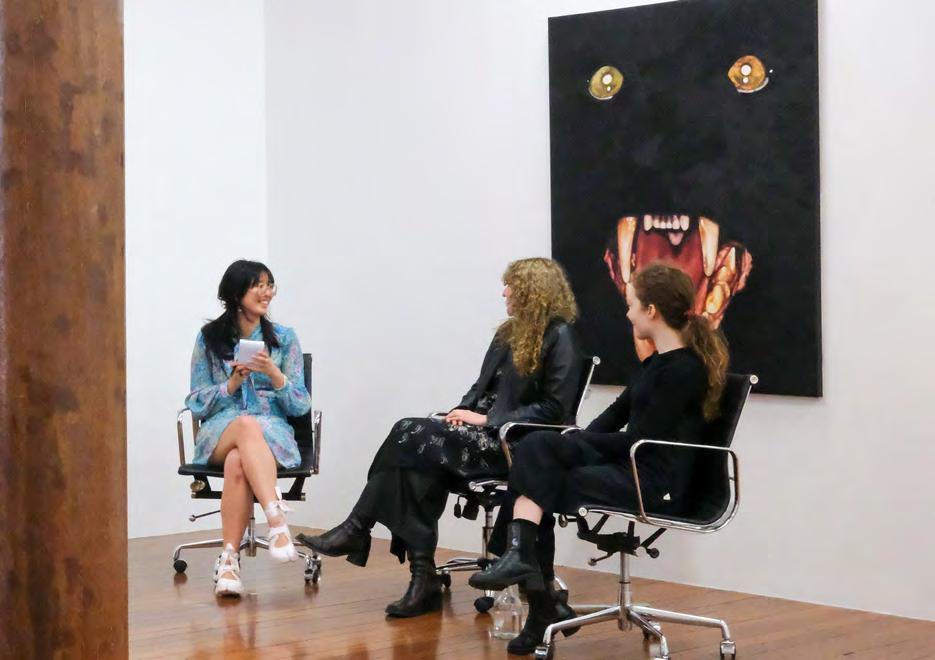
To mark the concurrent solo exhibitions Natasha Walsh: The Window and Savannah Jarvis: The sword doesn’t drop, N.Smith Gallery hosted an in-conversation with the artists moderated by Ianni Huang. Bringing together two distinct yet resonant practices, the discussion considered painting as a medium through which the ineffable—states of perception, pain, and intimacy.
Ianni Huang. It’s exciting to have your paintings exhibited concurrently, Natasha and Savannah – the parallels that have surfaced in conversations leading up to the exhibitions and now beyond have been incredibly insightful.
In particular, there’s a line from Natasha’s exhibition’s manifesto that stayed with me: ‘Treasuring it, I pull it out by its stem into this liminal space, transfixing it into paint.’ Trying to transfix something liminal or transient is something that runs through both of your practices despite being visually and conceptually distinct. Resisting a simple description of your experiences — can you unpack how your exhibitions begin to ‘transfix’ the abstract and render it visible?
Savannah Jarvis. To borrow Natasha’s term of ‘transfixing’, my exhibition tries to capture the abstract notion of chronic pain which inherently doesn’t have objects. It doesn’t exist in the same language we might describe an acute wound — chronic pain has a temporality, a duration.
I’m interested in forming a new or alternative visual language with more durational metaphors that speaks with specificity to chronic pain. Horses are one of the continuous metaphors I’ve used, where spurs or rope visualise a pain attached to the body — this sense of binding which limits movement. It’s exhausting having to continually reinvent your body in your mind, so I think the language of painting is a helpful reference to begin sharing it with others.
Natasha Walsh. For me, painting has always felt alchemical. My materials – the copper I paint on, the way pigments oxidise and transform. Painting is like alchemy to me in the way that our brains turn inert materials, earth and stone, into images and meaning. Capturing something liminal in paint speaks to the nature of painting itself.
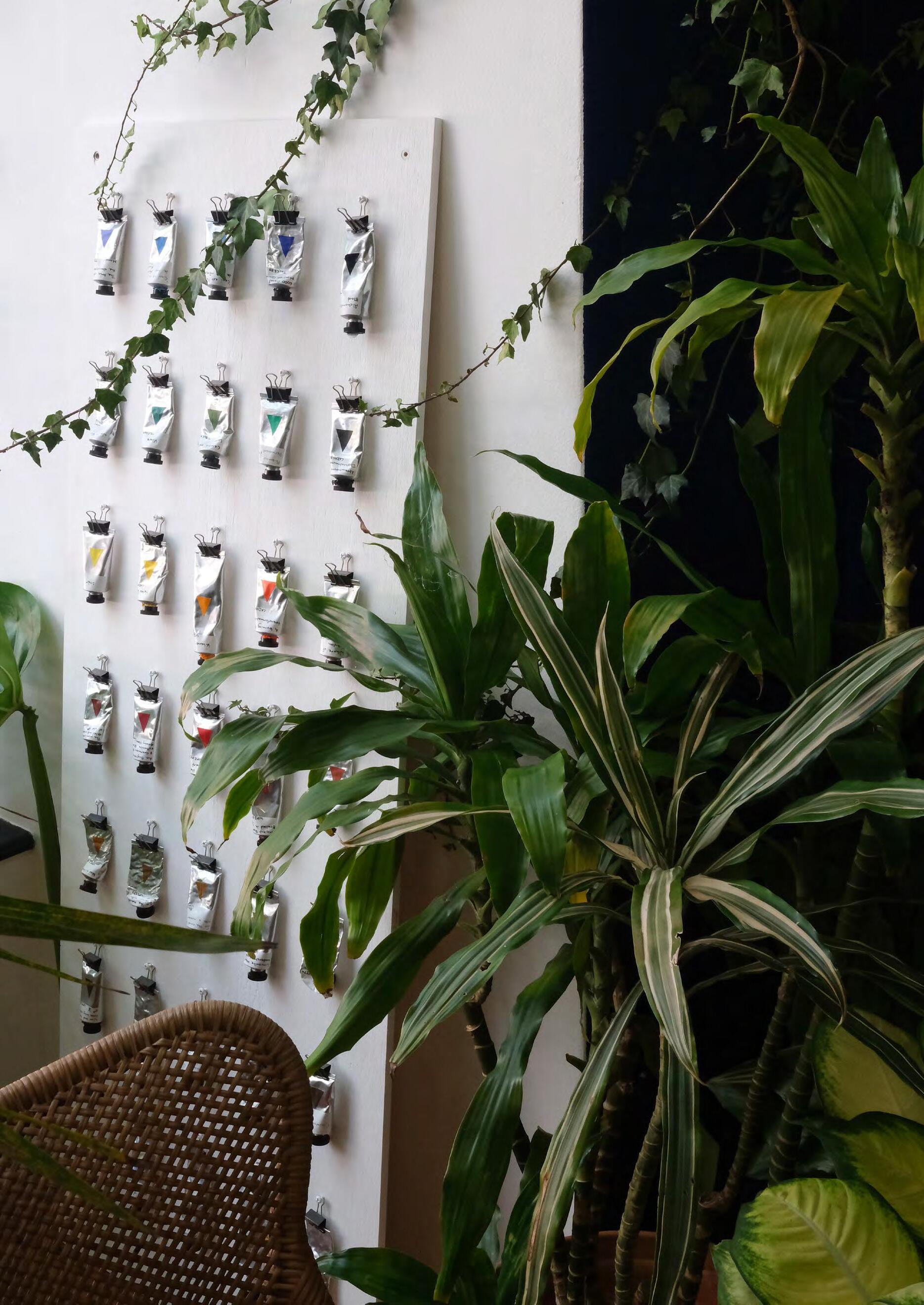
Installation view — Natasha Walsh: The Window. N.Smith Gallery, Sydney.
IH. Natasha, you’ve described painting as a process of revealing and giving away. Savannah, your exhibition revolves around the intensity of your lived experience and PhD research. For both of you these exhibitions are extraordinarily intimate. How do you think painting for a public audience informs the way you express your ideas?
NW. If it just exists in my head, it’s like a tree falling in a forest — does it exist if no one hears it? For me the work is only given life when it’s perceived by someone else. There’s a vitality only an audience can give an artwork; their response is what allows it to grow.
That’s the purpose of the writing — it’s abstract because it’s trying to define a place that only exists in my mind’s eye. Writing has always been important to my work — the letters in my first solo exhibition and then the pink manifestos from Hysteria. The whole point is to make the viewer a witness and part of the experimentation – it gives you an understanding of my intention and I hope people engage with the text in the same way they would my paintings.
SJ. I’m interested in finding ways to mediate that intimacy through the visualisation of things taken from clinical data. Though it doesn’t initially strike you that way, there’s a baseline objectivity that allows us to explore the subjective experience.
People have resonated with these images and they’ve opened up conversations we rarely have because of how vulnerable it makes you feel. Talking about pain is so often conflated with complaining, but I hope this exhibition invites us to share these experiences with others, something that rarely feels accessible to do.
IH. Savannah, the visual impact of your exhibition – being surrounded by these beautiful paintings but also the intensity of these metaphors – can feel quite confronting. It connects to something I’ve been thinking about: the way art creates language where there isn’t one. One of the works references the Schmidt Pain Index — the scientist who stung himself repeatedly with insects to measure pain. In a way I see your practice in parallel to that.
SJ. Schmidt had a long-standing gripe with the zero to ten pain scale – which is functionally useless. I loved that through his experiments he recognised we don’t have the language to describe the intricacies of pain, and from that attempted to build a new one.
He described being stung by a wasp like ‘intense, ripping, sharp — the dog’s tooth finds its mark.’ It’s full of vivid, poetic language that we don’t see in the clinical world, and that kind of subjective language is actually valuable when trying to measure and communicate pain.
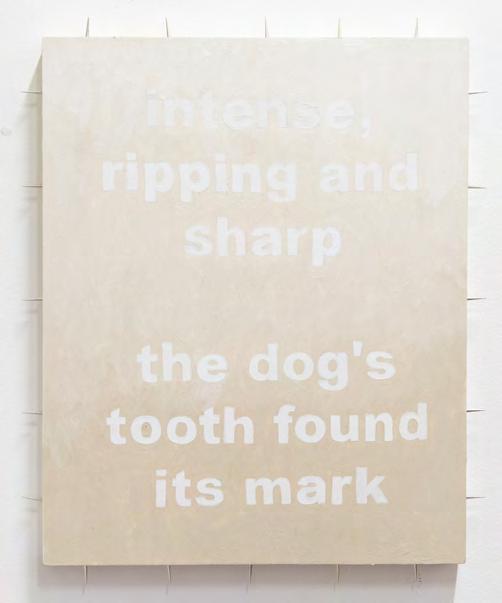
Savannah Jarvis Schmidt Sting, Dog Bite, 2025
oil and metal on board
51 x 41 cm
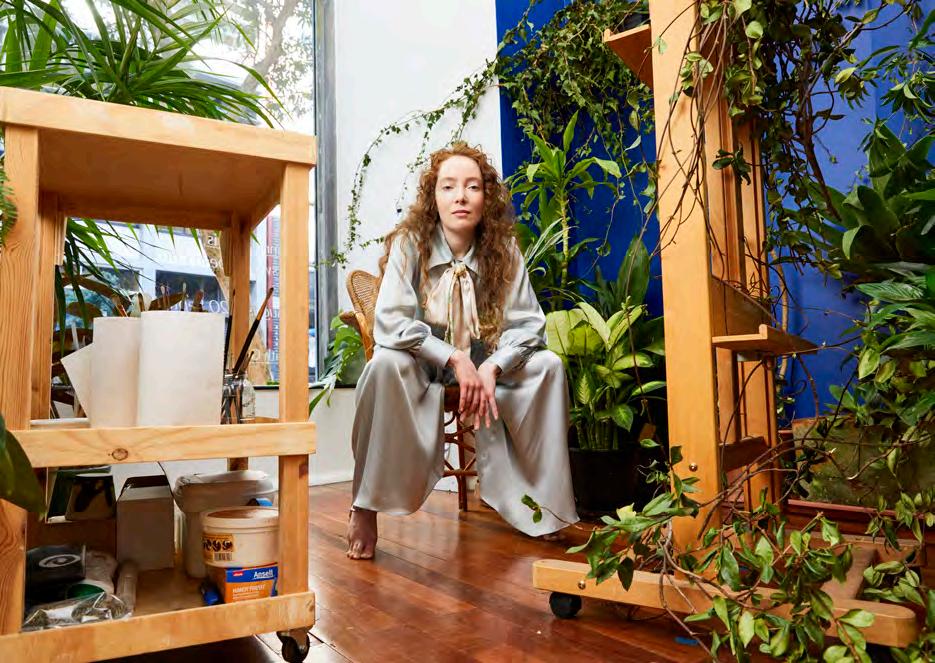
Natasha Walsh in her exhibition. Portrait by Alfonso Chavez-Lujan
Savannah Jarvis in her studio. Portrait by James Caswell.
IH. Discussions about chronic pain inevitably bring a gendered lens into play – but as female artists who explore universal concepts, gender can be a fatiguing conversation. Despite a shift into feminist frameworks, artists are still defined by gender because our inherited languages were built in sexist contexts. Art and visual language exist to bridge that gap. How does painting encourage a new kind of language for you?
SJ. I find it frustrating how when I’m talking about pain, people automatically funnel it through the lens of women’s pain, which is rarely given the same gravity. I’m interested in the linguistics of pain as a universal experience. When I’m not present, an audience can investigate the artworks beyond my personal framework — painting allows an open-ended conversation where no one is trying to negotiate my life or experience. It allows me to do more than what I can say in words, to talk about feminine pain which is very culturally loaded.
NW. This question has so many levels to it. For my previous body of work Hysteria, which explored how women were represented by men historically, gender was contextually an important part of re-examining the artist’s muse. How we perceive women is almost automatic in our language – it’s obvious when you look at AI models or how we assume a doctor is a man. There are so many women artists, but so little representation in our institutions. The disparity of income between male and female artists in Australia speaks to how in the contemporary moment, our art is not taken seriously.
In this exhibition The Window, sitting in the gallery and painting landscapes framed through the interior and domestic is a provocation. How would the perception of my paintings change if they were painted by a man?
Public program: In conversation with Natasha Walsh and Savannah Jarvis N.Smith Gallery, Sydney.
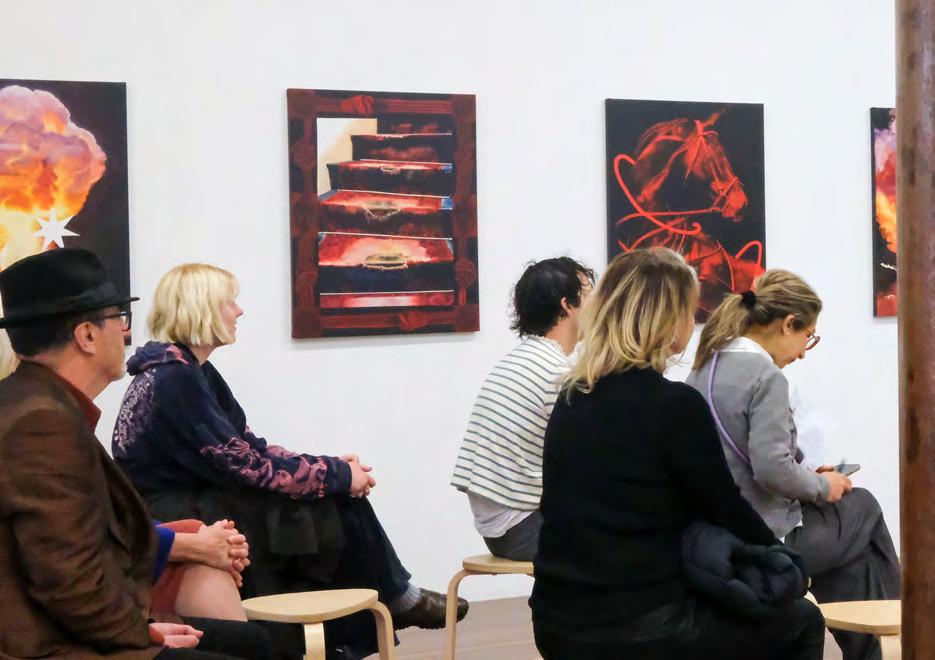
IH. Natasha, you painting live in the gallery confronts the gendered gaze on the labour of women – to have you working so visibly when our societies often expect ‘women’s work’ to remain invisible. That performance aspect inserts the individual, intervening in a static understanding of the art object. Savannah, in a different way, you use suspended swords to make your presence known throughout the exhibition. In making yourselves heard and seen, how do you want your audiences to listen? What do you hope they take away?
NW. It’s funny, my previous performances were explicitly about reshaping what we consider an artist to be, but in this body of work, it’s shifted. The performance element reiterates that what I’m presenting is a creation – to make you aware of the construction. What I most want from my audiences is their authentic response to The Window. These works are an experimentation for me – I want visitors to be present and curious.
I make paintings because I feel it’s an opportunity to make something real, to provide solace for life and our experiences. It’s the opportunity to create something expansive and soothing – so you can feel seen through the eyes of another.
SJ. It’s a kind of testament to reality – I talk about chronic pain and our conceptions of it. How can paintings impact our felt senses? Through realistic depictions, that same alchemical process you speak of – as an artist, I can fabricate an image an audience can empathise with.
The swords reference the Sword of Damocles – it looms overhead, but it doesn’t drop. It’s a metaphor for the fear and anxiety of our bodies in pain, which is easy to catastrophise when you’re in that position. My exhibition highlights that while the sword is present and real, it is also unmoving, and we can begin to reframe our understanding towards something regenerative.
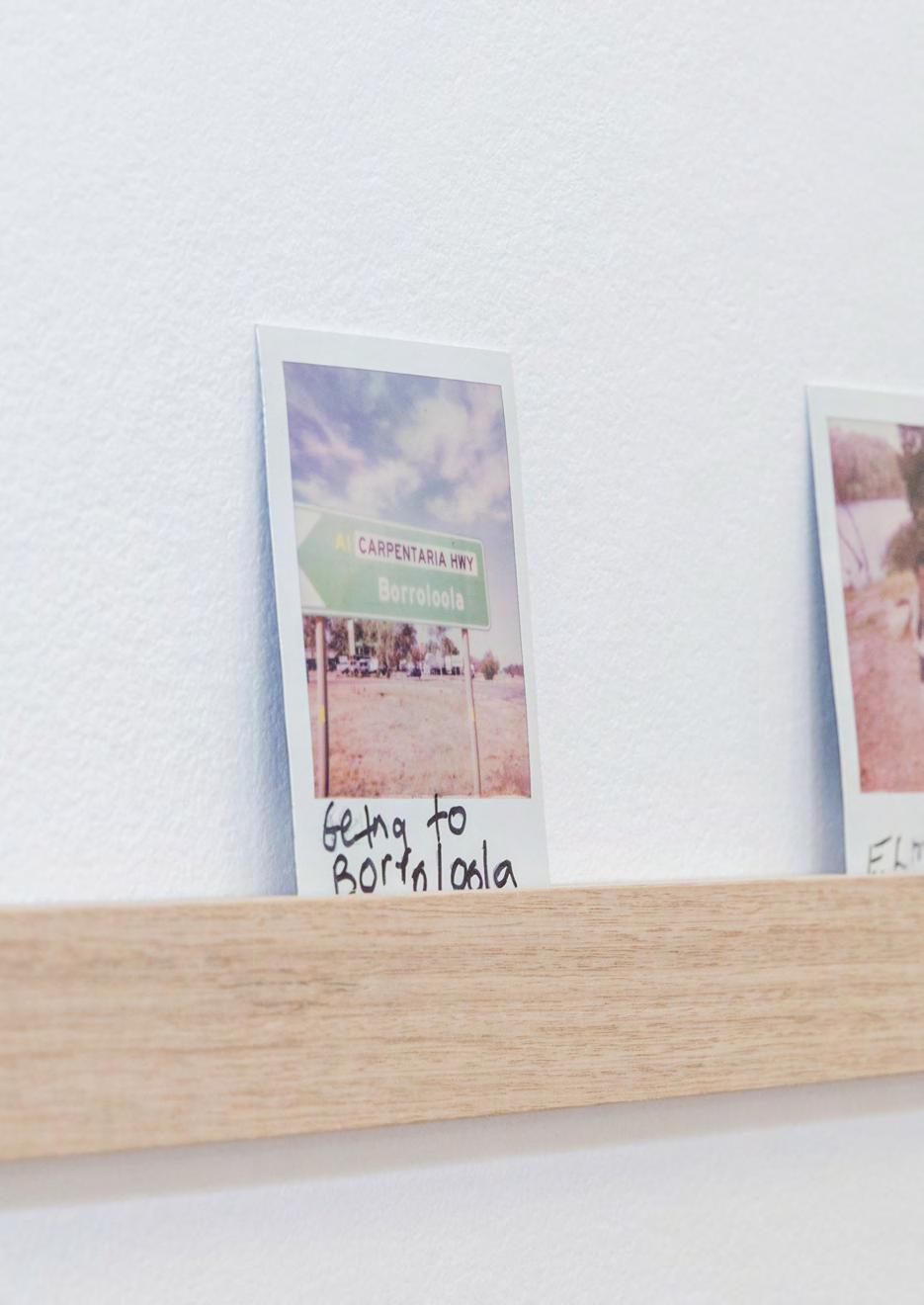
Miriam Charlie Getting to Borroloola.
25 Sep –11 Oct
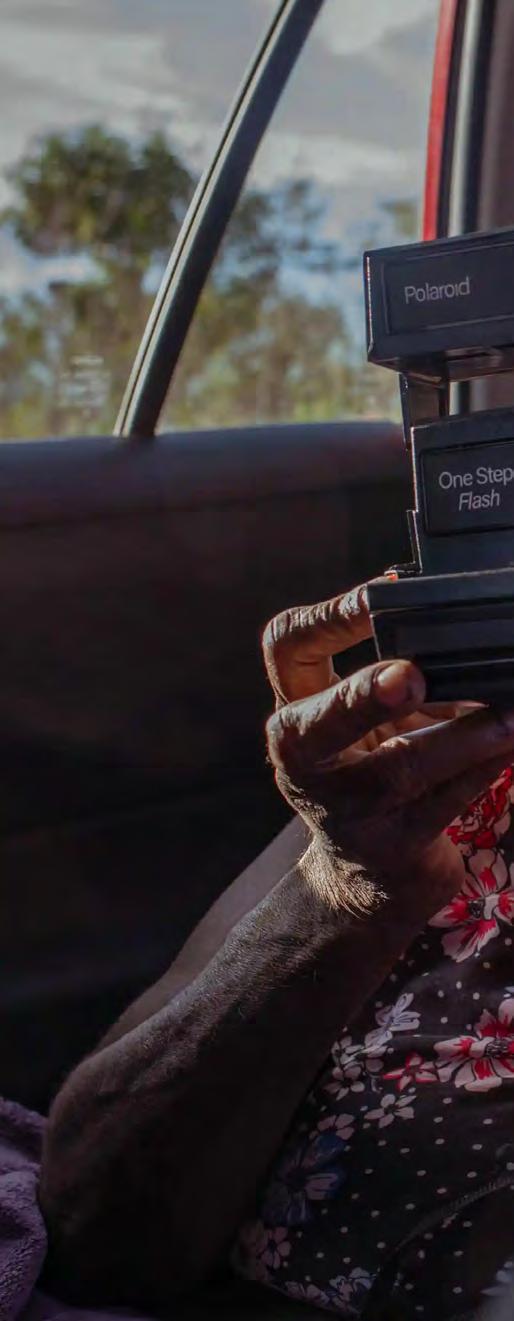
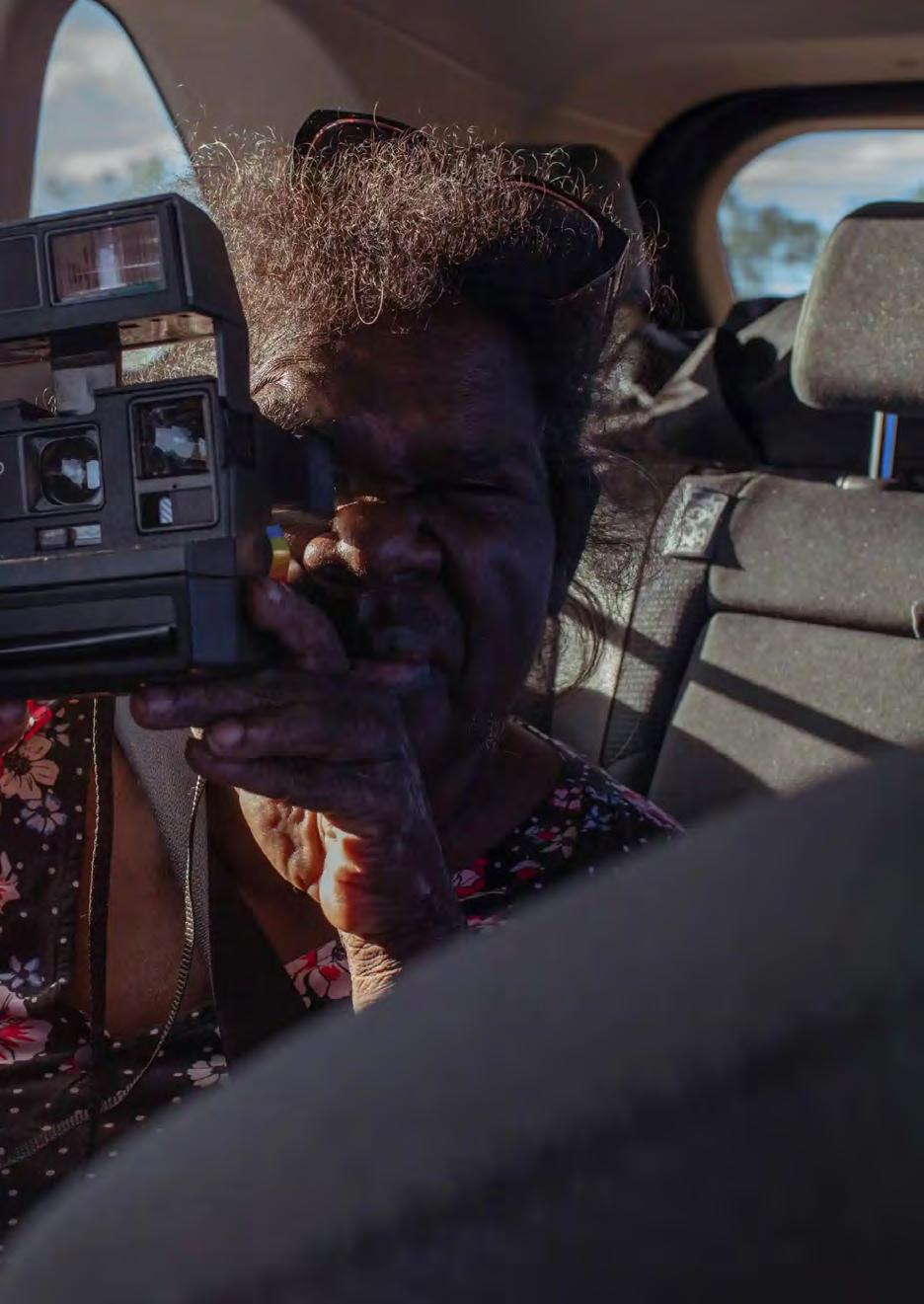
‘These photos capture me getting back to my Country after time spent in Covid isolation. I wanted to document how it felt being free again – and reconnecting with my family and Country.’
— Miriam Charlie
Miriam Charlie’s first major exhibition with enlarged Polaroids marks a profound step in her practice — expanding the scale of a medium often held close, intimate, and fleeting. In these works, what was once hand-sized now stretches into presence, carrying the weight of story, memory, and return.
Tracing her journey back to Borroloola, her homeland in the Gulf of Carpentaria, Charlie’s photographs map not only the physical road home, but the emotional terrain of reconnection to Country. Each image is a fragment of travel – the shifting skies, the rhythm of bitumen and dirt, the quiet signs and symbols that chart the way north. Together, they form a portrait of belonging: tender, luminous, and deeply personal.
By enlarging the Polaroid, Charlie transforms the private into the monumental, making visible the strength of her return to Country and the ongoing pulse of her community. These works invite us to witness the act of going home — and the profound ways that place and identity are carried in image.
Left:
Miriam Charlie
Travelling down the Carpentaria HW, 2022
polaroid reproduction print on archival cotton rag
106 x 88.3 cm
edition of 5 + 2 AP
Right:
Miriam Charlie
Orazio in the Phone Booth, 2022
polaroid reproduction print on archival cotton rag
106 x 88.3 cm
edition of 5 + 2 AP

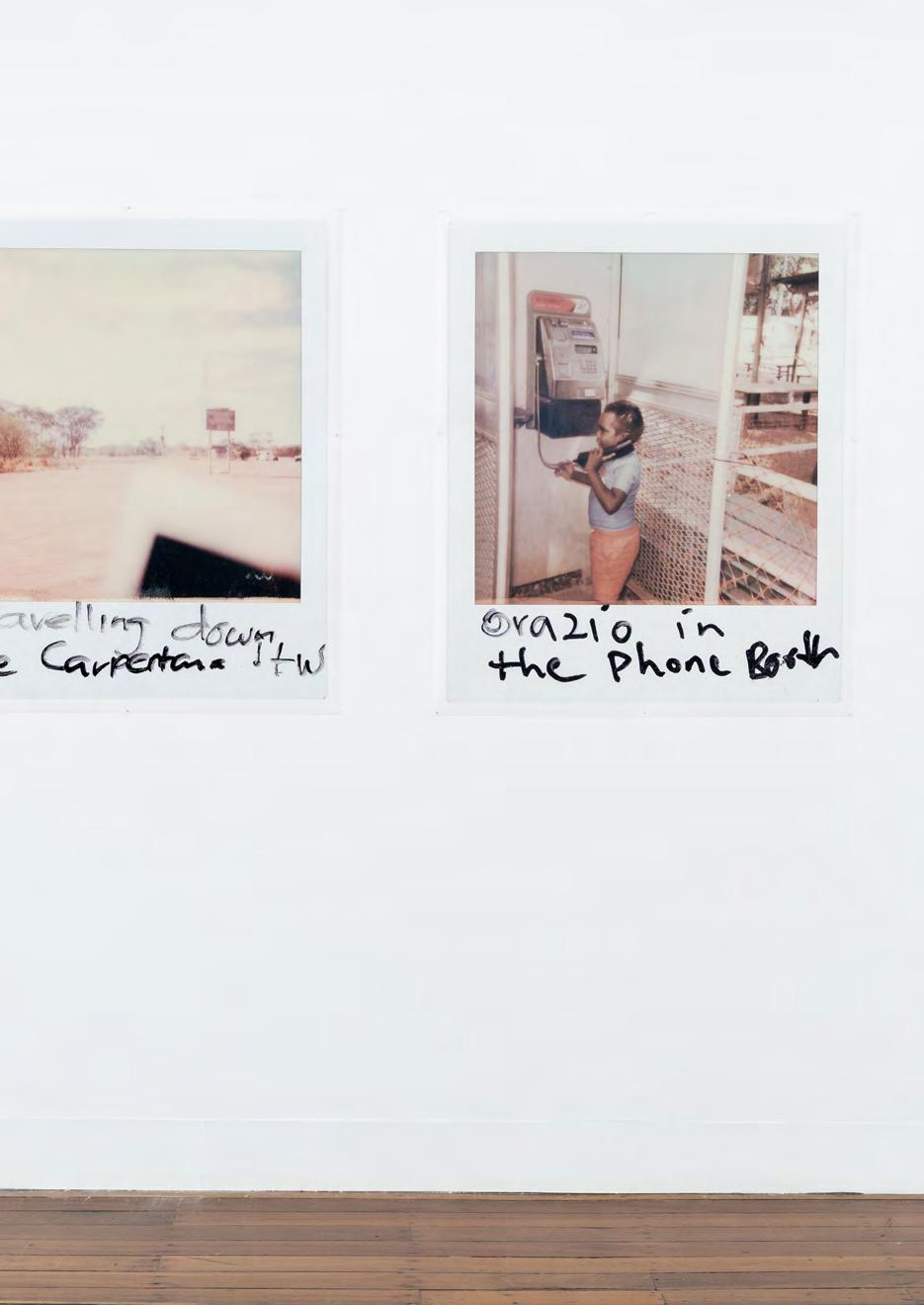
Installation view — Miriam Charlie: Getting to Borrolloola. N.Smith Gallery, Sydney.
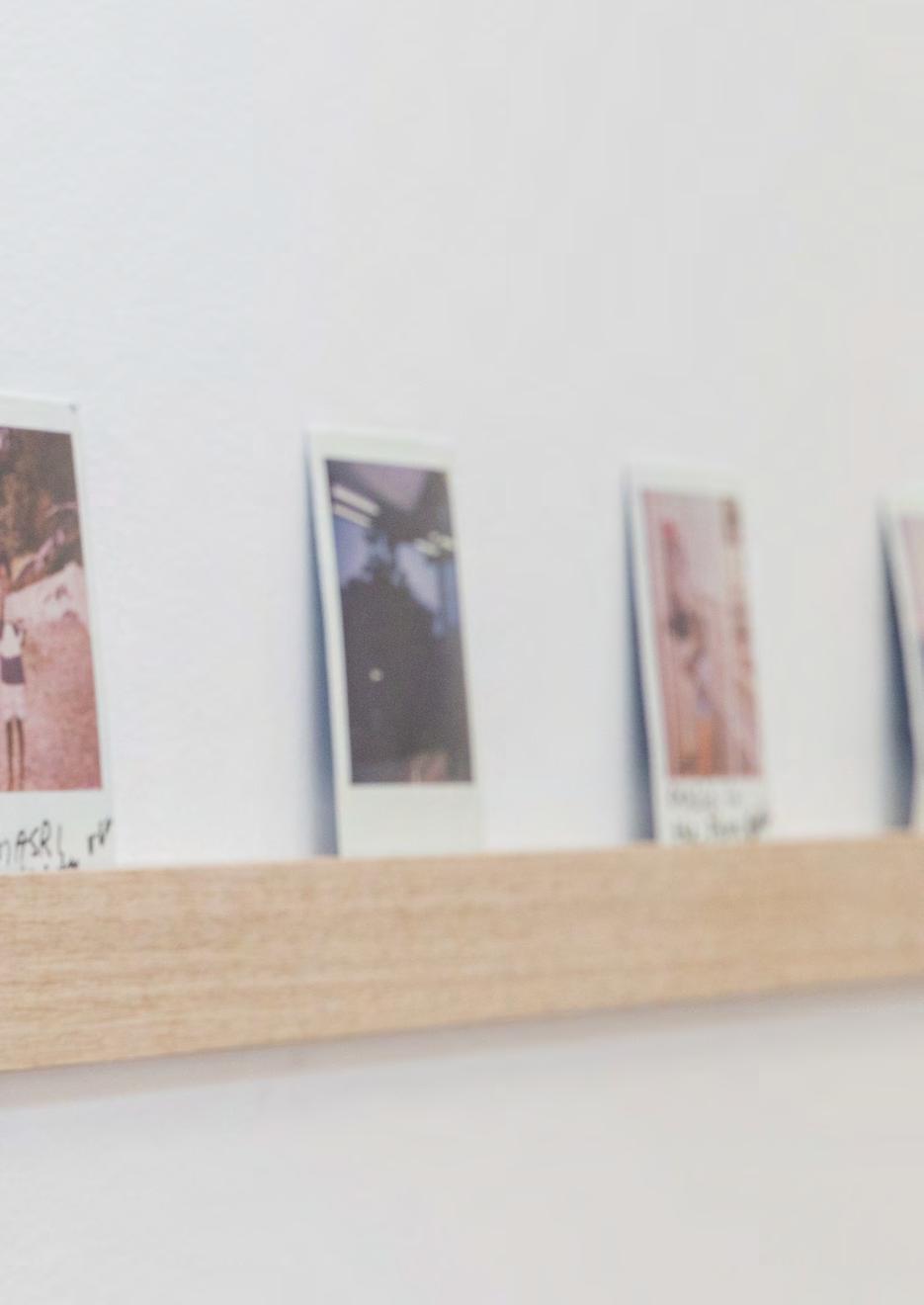
Installation view — Miriam Charlie: Getting to Borrolloola. N.Smith Gallery, Sydney.
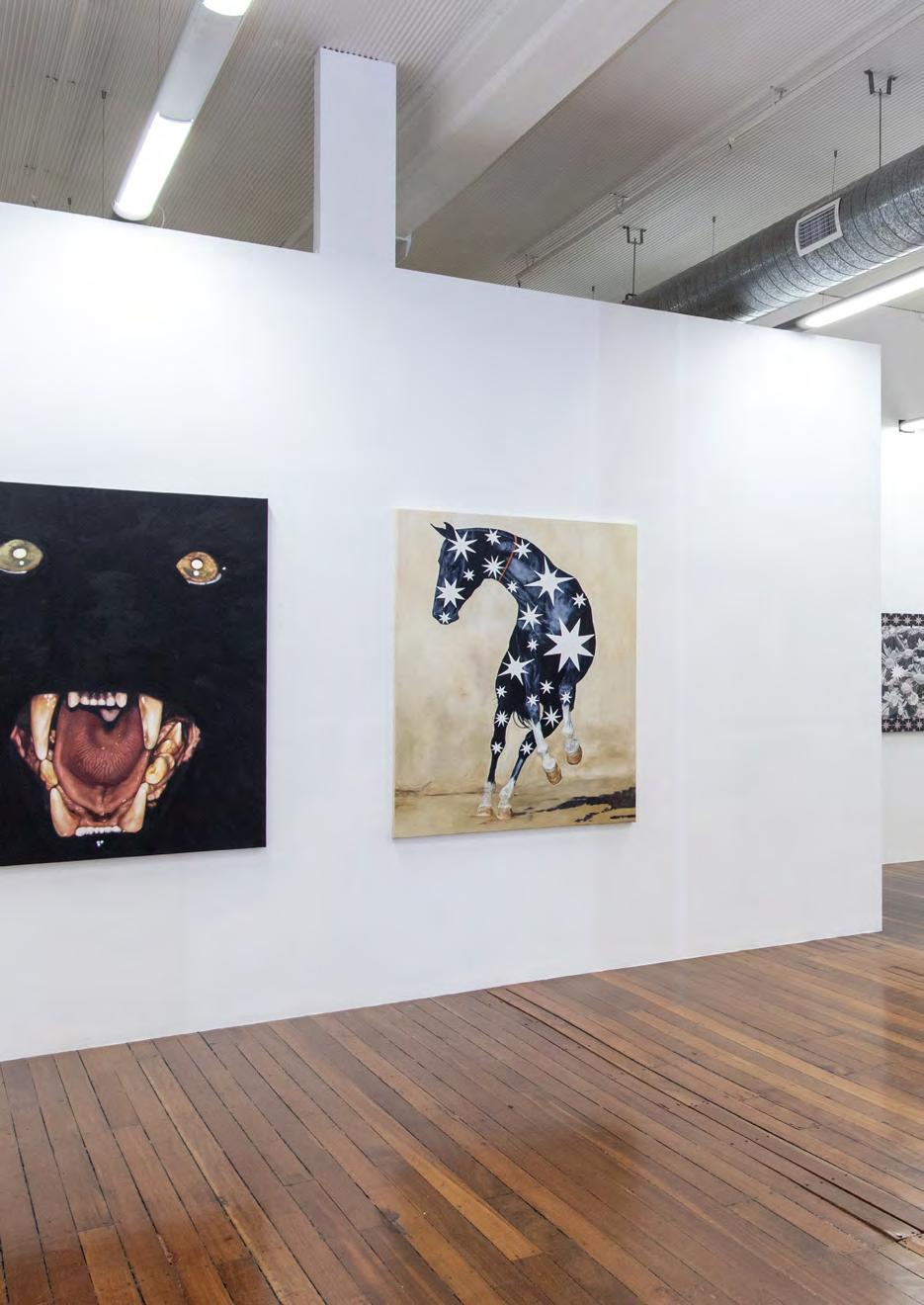
Kindling.
25 Sep – 11 Oct
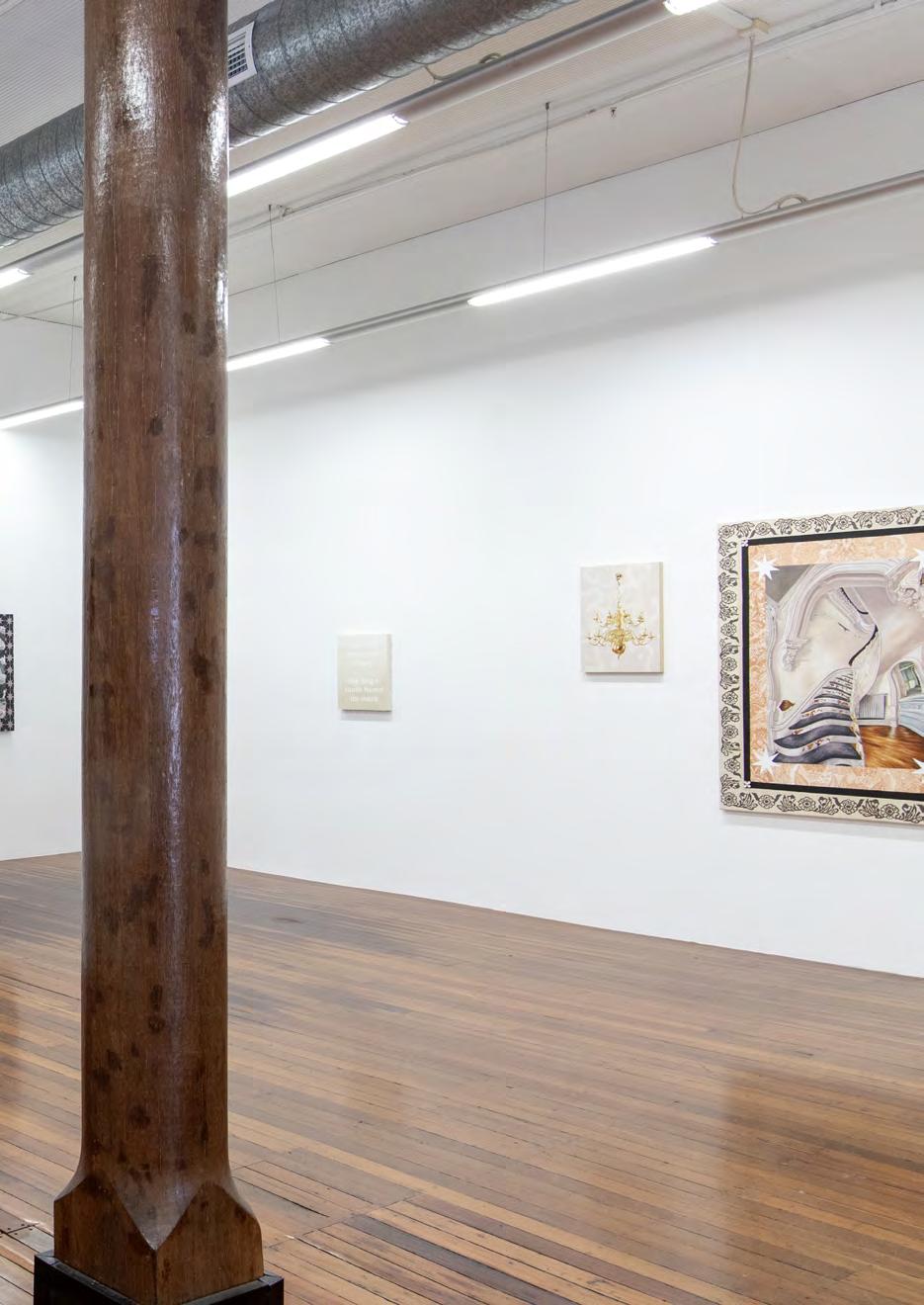
Installation view — Kindling. N.Smith Gallery, Sydney.
Fire promises many things. From the first signs of smoke, a stray wisp carries an acute warning of danger. Fire lines that blindly march through tree filled valleys leave trails of destruction, summers of grey skies, and red suns. And yet, through this consumption – fire welcomes into the space it leaves behind, room for essential change. Just as First Nations Australians have for millennia encouraged bush regrowth through controlled burning, fire is essential to serotinous pods and the clearing of dense underbrush, maintaining the environment and everything that lives from it. Simultaneously, smoke (ever the reliable messenger), has been employed by many cultures to send messages across distances of mountains, water, and even into the heavens.
Emerging from the hibernation of the colder seasons, Kindling explores this duality of fire: the destructive and the regenerative, celebrating the symbiotic necessity of both. Featuring works by Tom Blake, Casey Chen, Aidan Hartshorn, Claire Healy & Sean Cordeiro, Savannah Jarvis, Thea Anamara Perkins, Joan Ross, Vipoo Srivilasa, Louise Zhang and artists from Mimili Arts Centre: Tuppy Ngintja Goodwin and Umatji Tjapalyi, fire is explored on both an aesthetic and conceptual level.
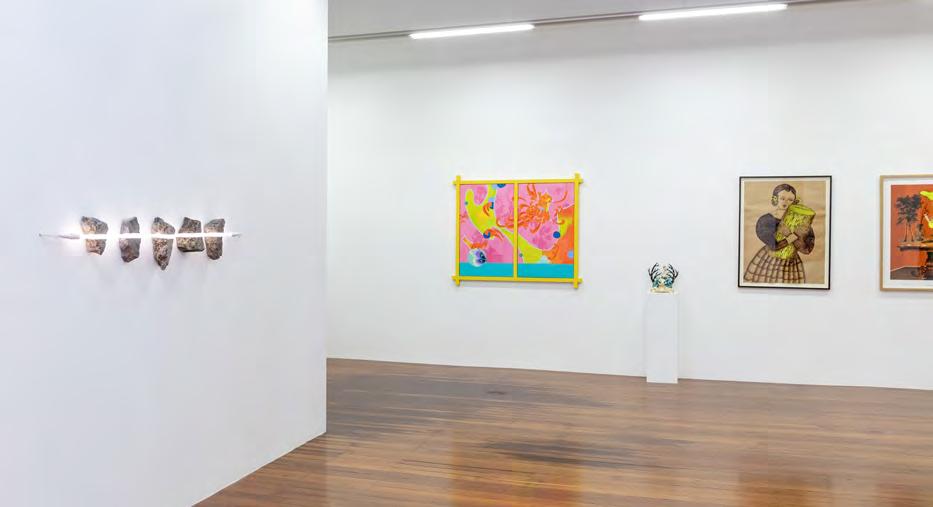
Installation view — Kindling. N.Smith Gallery, Sydney.
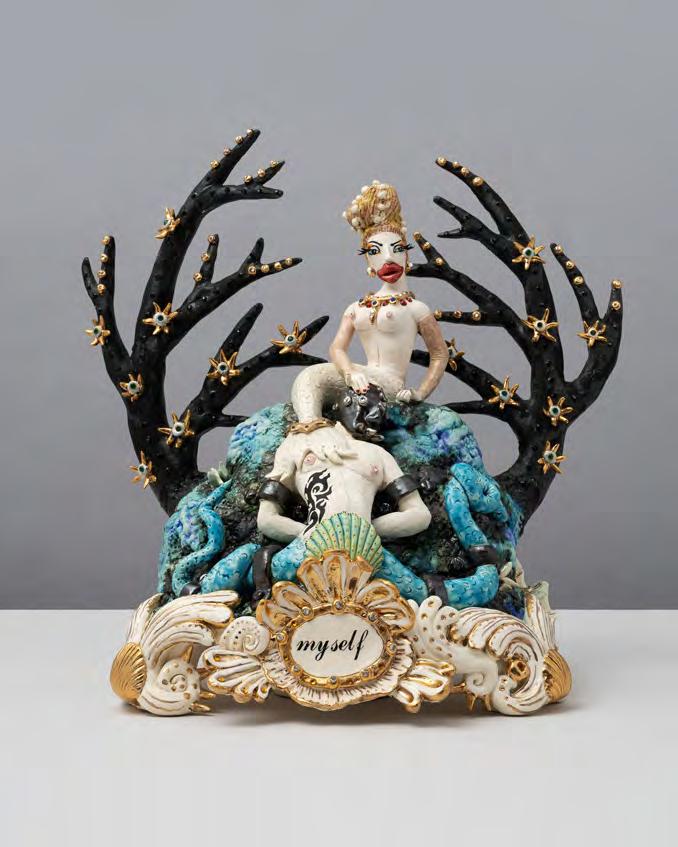
glazed ceramic, gold lustre and mixed media
30 x 24 x 21 cm
Vipoo Srivilasa
Myself, 2000
Tom Blake index of a stream.
16 Oct – 15 Nov
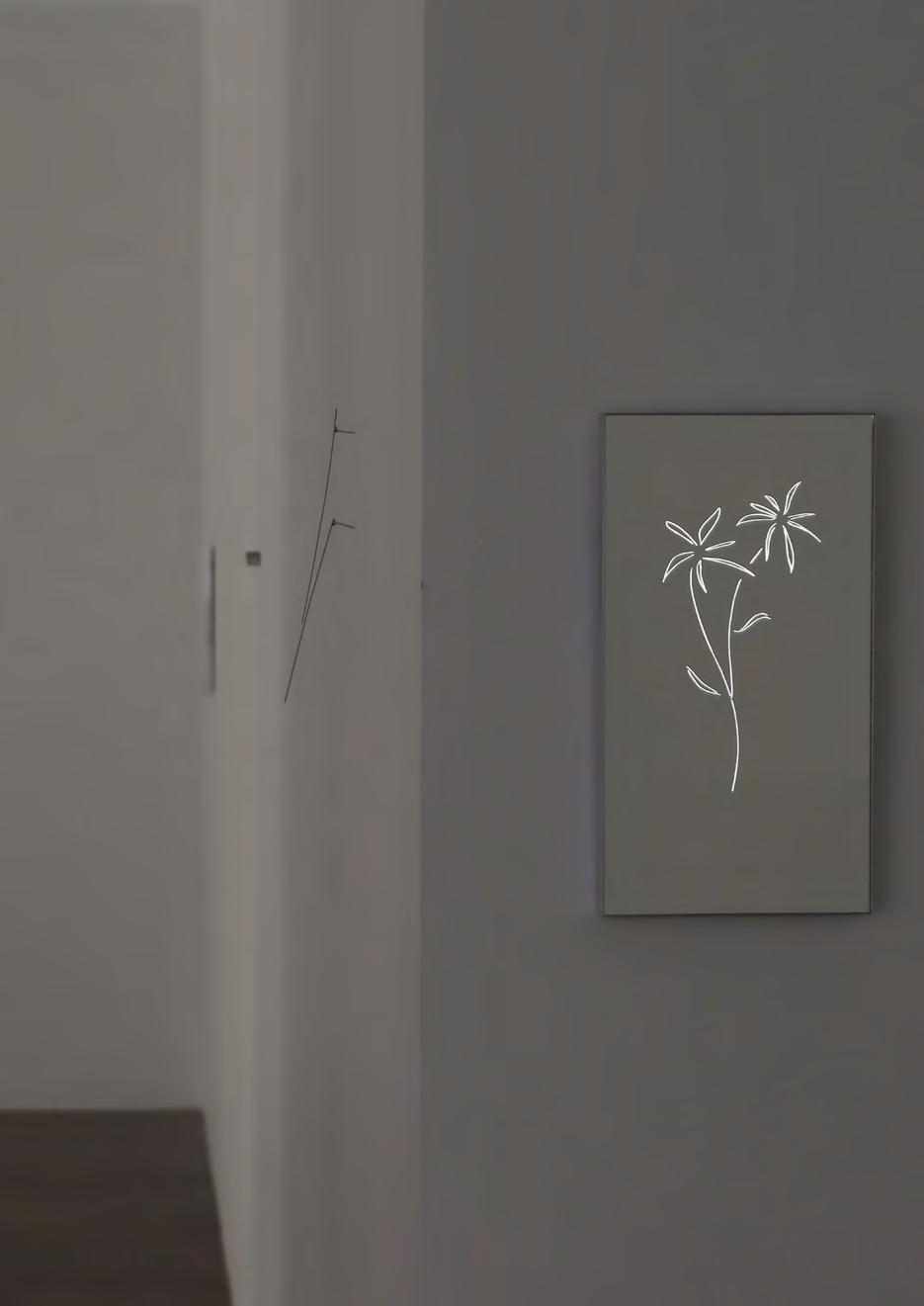
Installation view — index of a stream. N.Smith Gallery, Sydney.
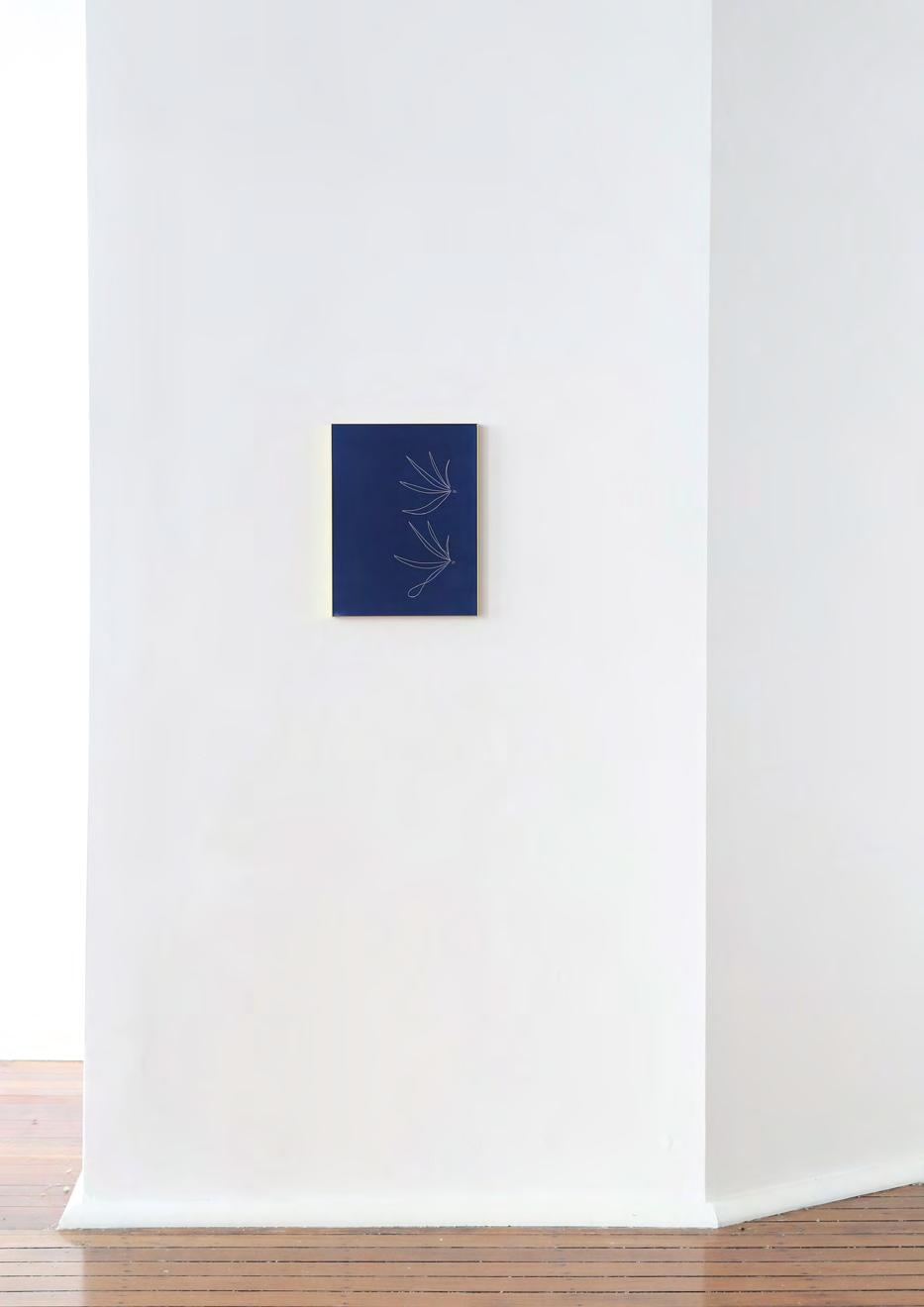
Installation view — index of a stream. N.Smith Gallery, Sydney.
‘To index is to fix, to point out, to sort, to organize, to categorize into meaning. The index signifies, it indicates, it declares. The pointing of the index finger is a milestone in early child development, a primal communicative signal. When a child points she directs the gaze of her parent to an object of interest and she comes into a language community through this social gesture. Tom Blake’s indexing is an offering, a distillation of subtle events drawn out of the close and careful observation of his surround.'
Sarah Robayo Sheridan, Assistant Professor, Visual Art, University of Toronto
In index of a stream, Tom Blake turns observation into a quiet form of devotion. Through de-silvered mirrors, cyanotypes, and looping video works, he translates moments of perception into a visual language of restraint and rhythm. Each work feels like an act of listening: to light, to surface, to the barely perceptible movements that shape how we experience the world.
Developed during an eight-week residency at Treasure Hill Artist Village in Taipei as part of PICA’s International Studio Residency Program, this exhibition distils the residue of place — its humidity, its stillness, its quiet persistence — into works that sit delicately between presence and erasure. The mirrors shimmer between reflection and void, the cyanotypes register time through exposure as light imprints itself directly onto paper. Both processes are grounded in observation and chance, a choreography of control and surrender.
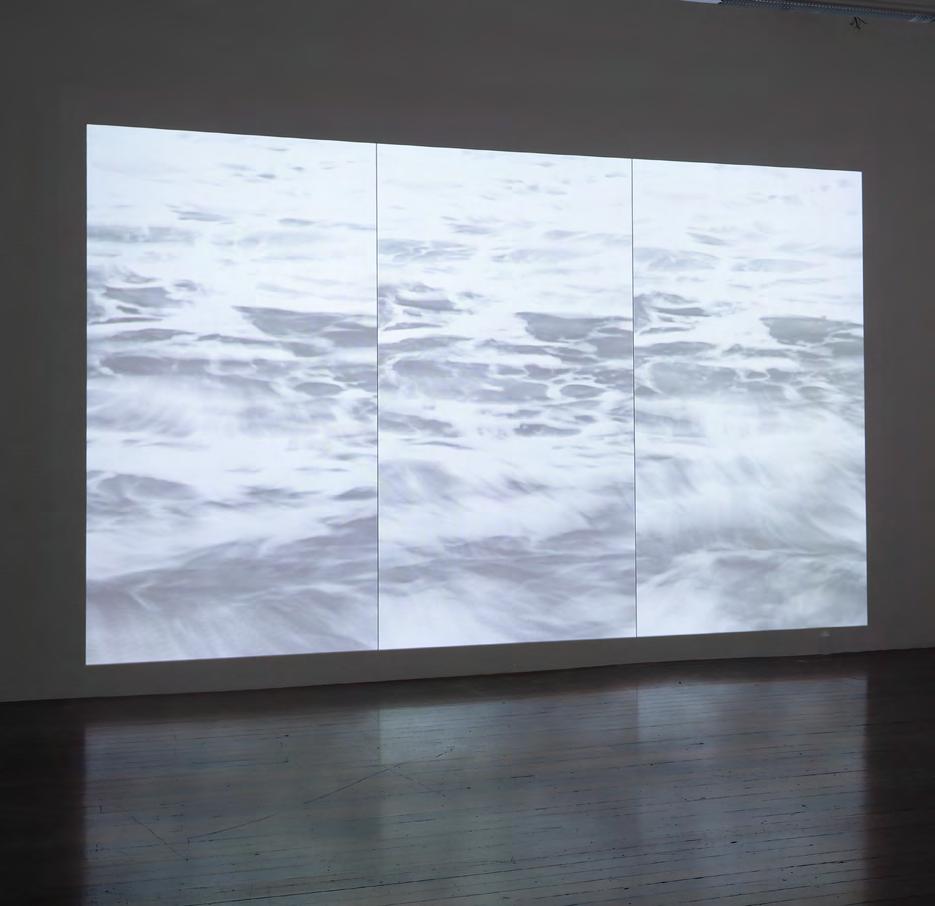
Tom Blake leaves on the sea, 2025 three-channel video 01:18, continuous loop
Accompanying these works are new poems by acclaimed filmmaker Tsai Ming-liang, written in response to Blake’s video loops. The collaboration heightens the temporal qualities of his practice: repetition, return, and duration, extending them into language and sound. Together, these pieces create an atmosphere of contemplation where movement is both real and imagined.
Tom Blake might best be described as a master of negative space. In his work, what is absent becomes a site of intensity. Sometimes the negative space is illuminated by light; sometimes it is illuminated by the untouched surface of paper. These fields of stillness are not empty but charged with possibility, memory, and the quiet hum of perception. Within them, meaning gathers slowly, like dust across glass.
His compositions rely on what is withheld as much as what is shown. The unmarked areas in his cyanotypes carry the same weight as his gestures, while the voids in his mirrors reflect not the image before them but the act of looking itself. In this way, Blake’s practice becomes a meditation on attention: on the beauty of pause, the generosity of silence, and the discipline of seeing.
index of a stream reminds us that to notice is to care.
Through his indexing — his subtle acts of sorting, pointing, and naming — Blake builds a lexicon of moments that might otherwise dissolve into passing time. Each work offers a place to linger, to think, to see the world not through accumulation but through the quiet grace of what remains.
Words by N.Smith.
In Conversation: Tom Blake & Talia Smith
Take a tour around Tom Blake’s index of a stream with artist and curator Talia Smith.
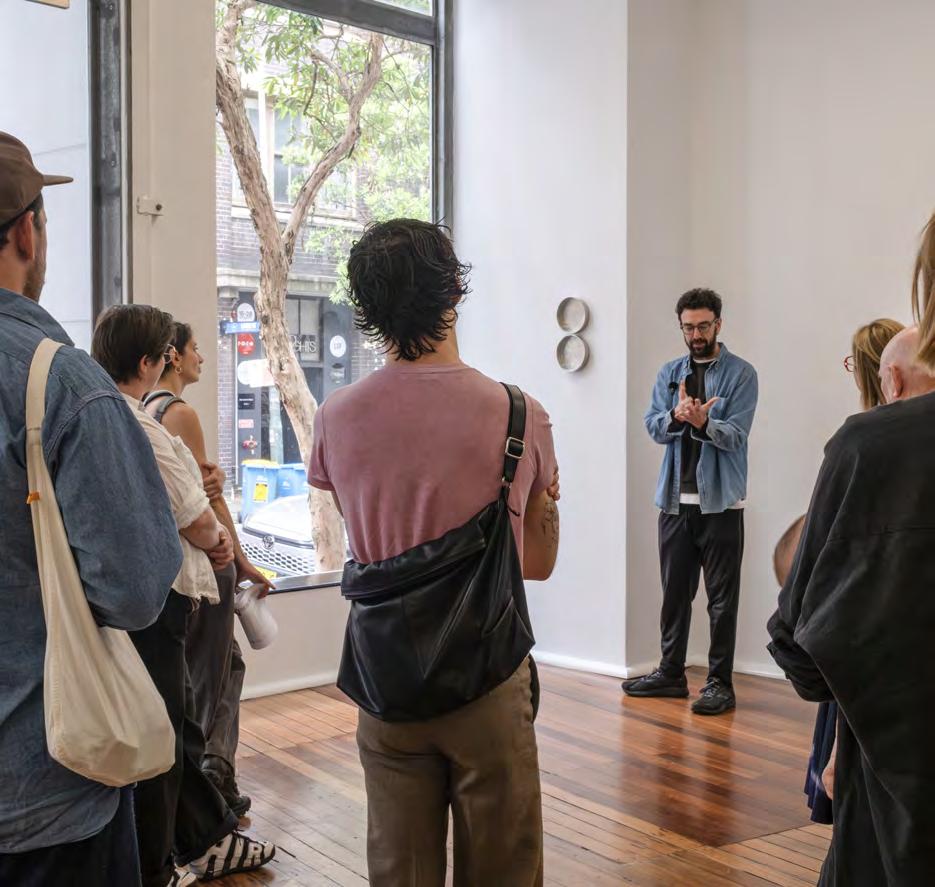
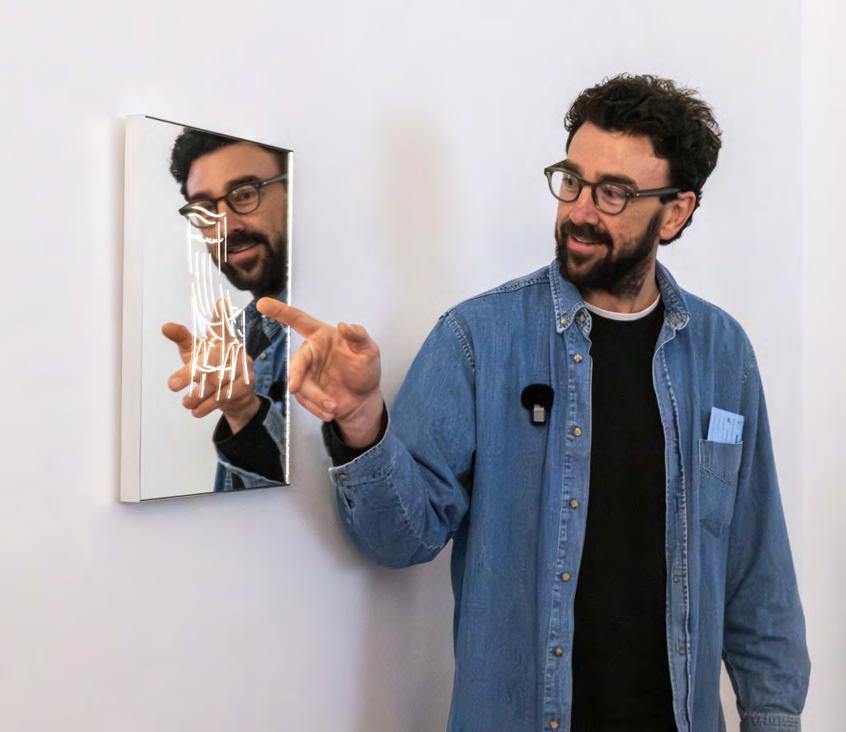
Tom Blake in conversation with Talia Smith for index of a stream. N.Smith Gallery, Sydney.
Talia: I wanted to start with something a mutual dear friend of ours, Lisa Sammut, once told me about Halley’s Comet. She was telling me how she’d realised it had come at the start of her lifetime, and it will come around again near the end of her lifetime. When she told me that, I was really taken by the idea of looking to the world, to things beyond ourselves, to think about time and our lifetimes — time is so loose and elastic. What does it really mean? I think it speaks beautifully to some of the sensibilities in your work. Could you talk about that elasticity of time? For Lisa it was a measurement, but for you, what is time?
Tom: I think in some ways, this work over here could hold some insights to this question relating to time [Tom points to a small sculptural assemblage made from narrow lengths of metal]. This simple assemblage is made from a couple of metal street sweeper bristles. When I noticed these metal bristles scattered on the road I collected a few, initially with the idea of including them in a show many years ago at Firstdraft, as the gallery building used to be the Wooloomooloo streetsweeper depot. Anyway, they ended up moving with me from one studio to the next for the last 7-8 years.
I suppose their placement here echoes the arrangement of clock hands, paused at a particular time. If you bump them they will swing back and forward on the small magnets, then come to rest again. There is also a connection to this pair of looping videos index, silt (I wake up in the morning, make coffee and sweep the floor) as the windscreen wipers are constantly moving back and forward, similar to a metronome.
As the two videos fall in and out of sync (due to slight differences in the refresh rate on each phone), the windscreen wipers echo a metronomic measure of time. While my work isn’t necessarily focused on the measurement of time, I’m noticing that there is often a reference to the register of time… and to repeated gestures which fragment
the flow of time, perhaps moving closer to a multi-layered rhythm of time that is felt rather than a linear movement from one moment to the next.
Talia: In my culture, time isn’t generally thought of as linear. In any present moment I’m affected by the past of my ancestors, and I’m affecting the future ancestors. That overlapping is how we often think of time, which contrasts with the structures we work within. I think your work shares that sensibility — that layering of time. The video may end and replay, but you can enter at any point and it feels like it is the correct time to arrive. There’s a timelessness to it. Your work also engages with linearity — fragmented lines, needles, wire — linear forms that make loose references to things like leaves, hands or chairs. Could you talk about that relationship between form, structure and gesture in your work?
Tom: For me, it’s tied to drawing and the movement and gestures of hands. Including the chalk holder here. Chalk is generally a material used to make ephemeral marks; it can be brushed off, washed away with water. The line left by chalk is almost not there. It’s inherently a slight gesture.
The de-silvered mirrors also have a strong connection to the hand. The mirrors are all hand-cut, I then paint the back and draw into this surface using a fine needle. The first drawing is very fast, barely breaking through the surface. I then render it very carefully, gently removing the layers of silver, copper, and paint. The line looks like one continuous line but in many ways more like there are hundreds of tiny drawings as I carefully remove these three layers from this initial line. Previously, I would only show a mirror if the first line was final. Now I work faster and looser, knowing I can mask lines with paint. Because the line is so thin, once it is painted over it almost disappears - but up close you can see traces of previous lines. I love that these traces are visible. It creates a contrast between the final illuminated line and the other ideas for this composition which were left behind as residues
of the process of mark making. This process is quite intuitive –I try not to overthink it. Making looser gestures definitely feels more vulnerable though. With the painting in the front room especially, once that line is done, it’s done.. there’s no hiding.
Talia: When you talk about painting and that sense of intuition, it connects well to the assemblage piece — this idea of masking, revealing, and hiding. Much of your work does that: we see through a lens, a small angle, not the whole scene. The windscreen wiper video, for instance — it’s not the whole scene, it’s a small fragment of it, seen through drops
Tom Blake with his work stream (index, chair), 2025. N.Smith Gallery, Sydney.
on glass. There’s intimacy, but it never feels voyeuristic. It’s more like we’re invited into something personal. This assemblage work feels new for you — since you’re usually known for drawings, de-silvered mirrors, and video works. Could you talk about that shift?
Tom: It’s interesting, because this assemblage of drawing/ painting and metal fragments is probably closer to what you might see lying around in the studio. People visit expecting to see lots of cyanotypes and mirrors, but much of my practice revolves around drawing and painting. The other works exist in the studio too, but they are often the end points in this long process of repeated mark-making and fragmentation.
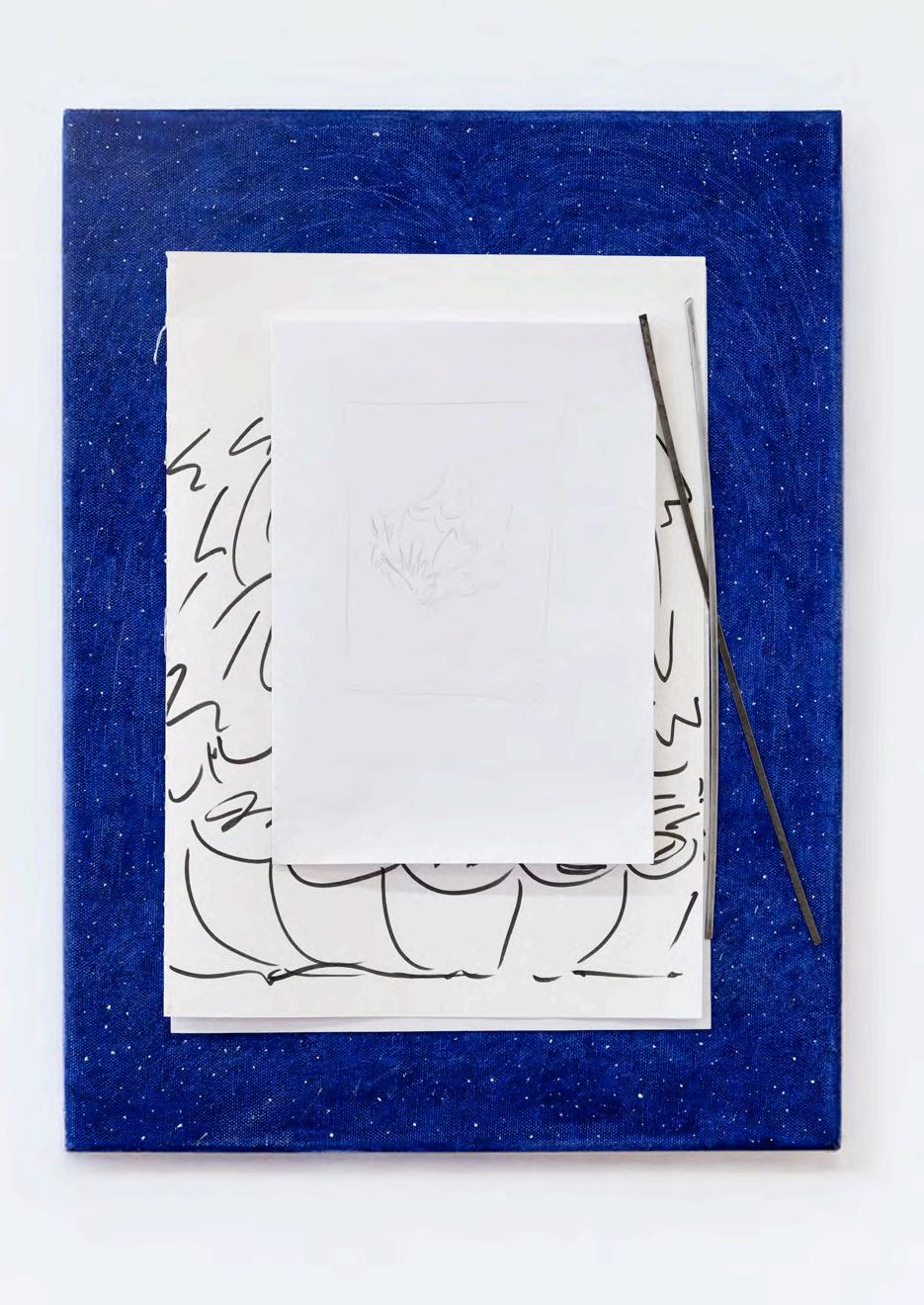
This work was a late inclusion, but I felt it offered clues into some of the generative processes behind the show. There’s a drawing here, the hands echo the leaves over there. There’s a fountain behind, and the street sweeper blades hold the pages down. It’s quite precarious. The painting is masked with folded paper, and it’s positioned here in the darker room, illuminated only by the soft light of the video.
Talia: You mentioned leaves, and the show’s called index of a stream, what are you implying with index? We usually think of it as a classification, a list, or accumulation of things that relate to each other. What does it mean for you — and why are leaves and streams recurring elements within your work?
Tom Blake
holding (leaves, constellations, a fountain, a stream), 2025 oil on canvas, pencil and ink on folded leaves of paper, spine binding thread, found steel street sweeper blades 41x 31 cm
Tom: Leaves and streams both operate in cycles — forming, spinning, falling, returning, looping — they both exist within some form of ‘loop’. Leaves are also pages in a book (held in our hands) and a stream can be a flow of conscious thoughts (held in the mind). The body of water in a stream is constantly moving yet the stream itself appears constant and probably looks almost the same if you arrive at one moment or the next. I guess this is that ancient idea that you can’t step in the same stream twice. It’s always changing yet always familiar. An index is often quite tightly structured, but I’m interested in how an index can be loose. How it can be an arrangement that’s constantly shifting. Leaves and silt float and drift in a stream, always moving, and rearranging. I guess I’m thinking of an index here as a way of arranging these fragments and holding on to something that is constantly in motion.
Talia: That connects with the idea of the photographic moment, it captures a time that can’t be recreated. You’re interested in photography and film — especially movingimage. Could you talk about that?
Tom: The moving-image, for me, is about creating a mood — a space you want to spend time in. It’s less about a narrative and more about the atmosphere. With the cyanotypes I wanted to capture something fluid — a register of movement rendered through sunlight and water. To create these works I use very fine jewelley wire which I carefully shape into the various fragments of a drawing. These are then arranged on the surface that has been painted with light sensitive solution and when it is exposed to UV light, the drawing that remains is the trace of the wire — there is only ever one of these made for each drawing and following its creation, I cut the wire up into tiny fragments and scatter these across the surface of another work to again to make one of the constellations. Choreography and cinematic moments are always in my mind. Amy Sillman talks about exhibitions as table settings — bringing different people or ideas into conversation with each other over a meal. That’s how I think of exhibitions
too. The space, the light, even the time of year all affect the formation of the exhibition and the dialogue that ultimately exists between works.
Talia: Let’s finish at the cake tins. From what we were discussing earlier today it sounds like they sum up the show’s ideas beautifully.
Tom: I brought this whole show over from the west coast in a couple of large suitcases and wasn’t sure these tins would make it in. I’d had them in the studio for a while. Once the video and the street sweeper blades came together, they made sense — they connected to both the ideas and materials in this body of work. Artists are often bringing ideas and materials together and for me, the most powerful works are those where concept and material merge completely — the form itself holds and embodies the idea itself.
These tins have had many cakes baked in them and cut out to share – leaving marks and scratches that I started to see as clock hands or residues of time. Together, they suggest some sort of looping, circling time that goes back and forward. Having two of them also disrupts the idea of singular linear time. It’s not about correct time, but about a felt time — the kind that slips and overlaps. I’m thinking of this more and more as a kind of metronomic time – as a rhythm constantly repeating itself, rather than the linear movement of time that contains (and holds) each day, month, year.
That’s what these metal tins hold for me – an experiential time that is contained in scratched lines and is constantly spinning in circles, backwards and forwards and sometimes over and over in the same place twice. Even though there are all of these ideas behind these works I guess I’m hoping that someone walking in off the street, who doesn’t necessarily know all of the thinking behind these works, can still feel some of this when they move through this space.
Vipoo Srivilasa
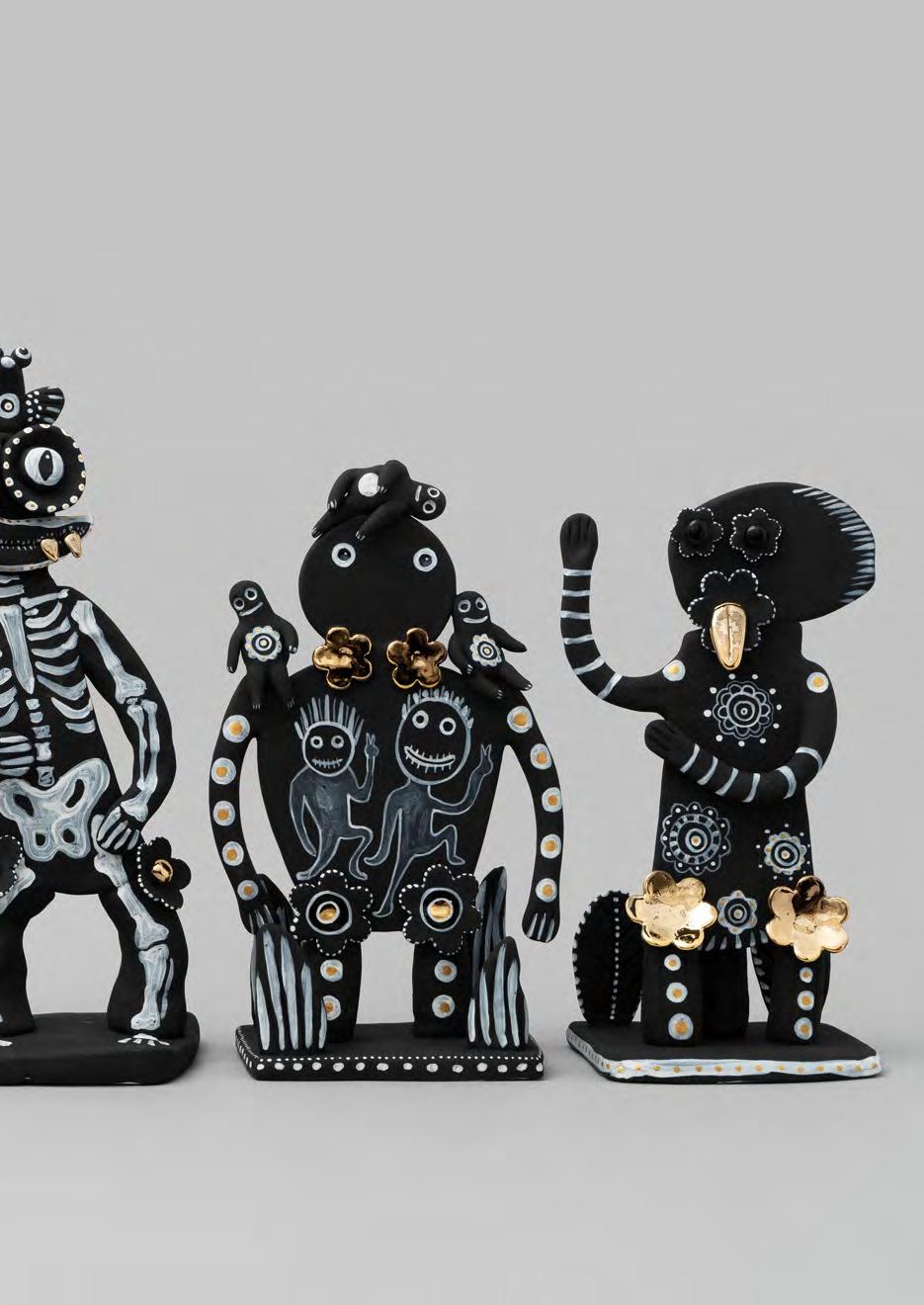
Cats, Ghosts, & Other Stories.
30 Oct – 13 Nov
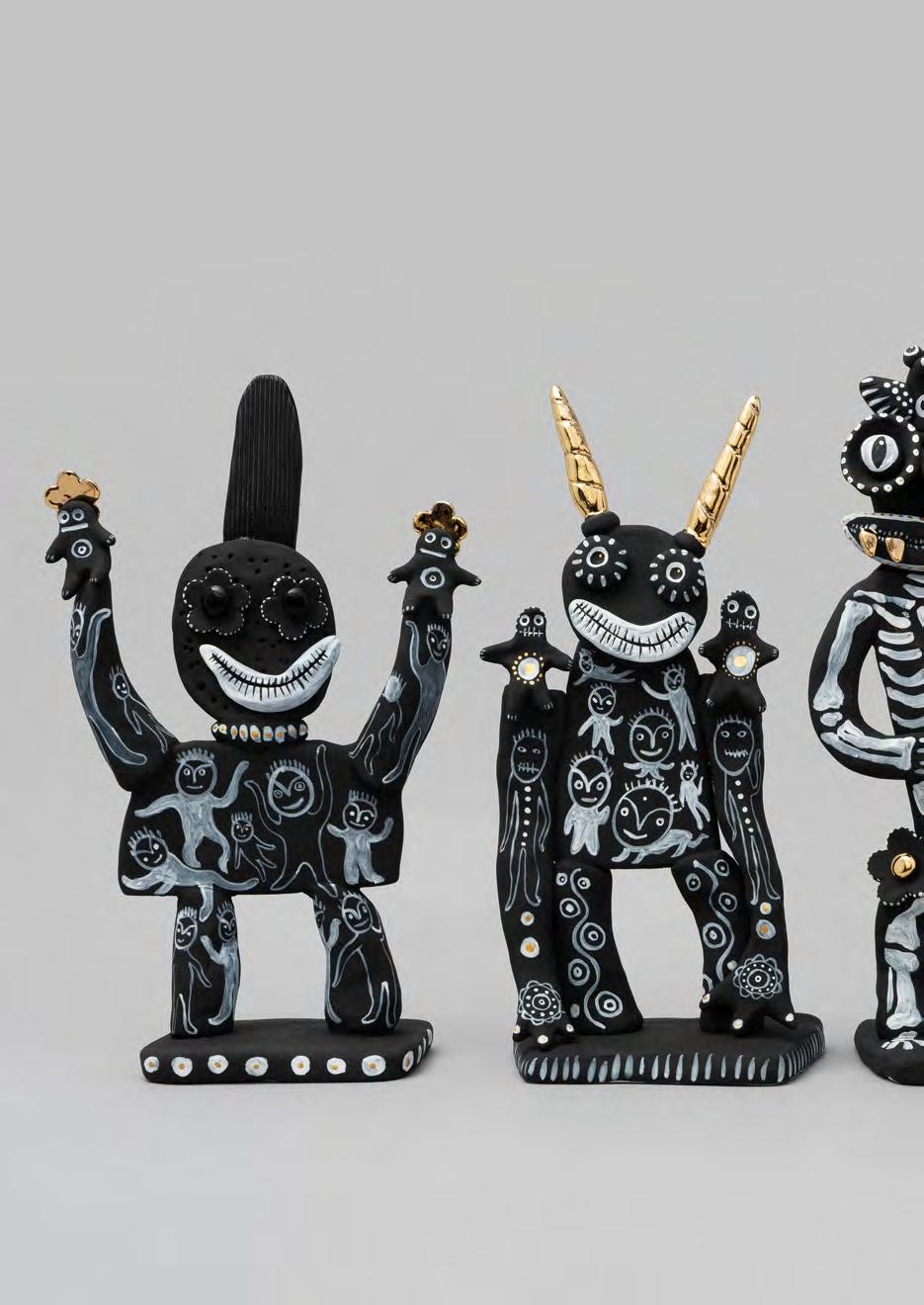
Vipoo Srivilasa Between Light and Dark series. N.Smith Gallery, Sydney.
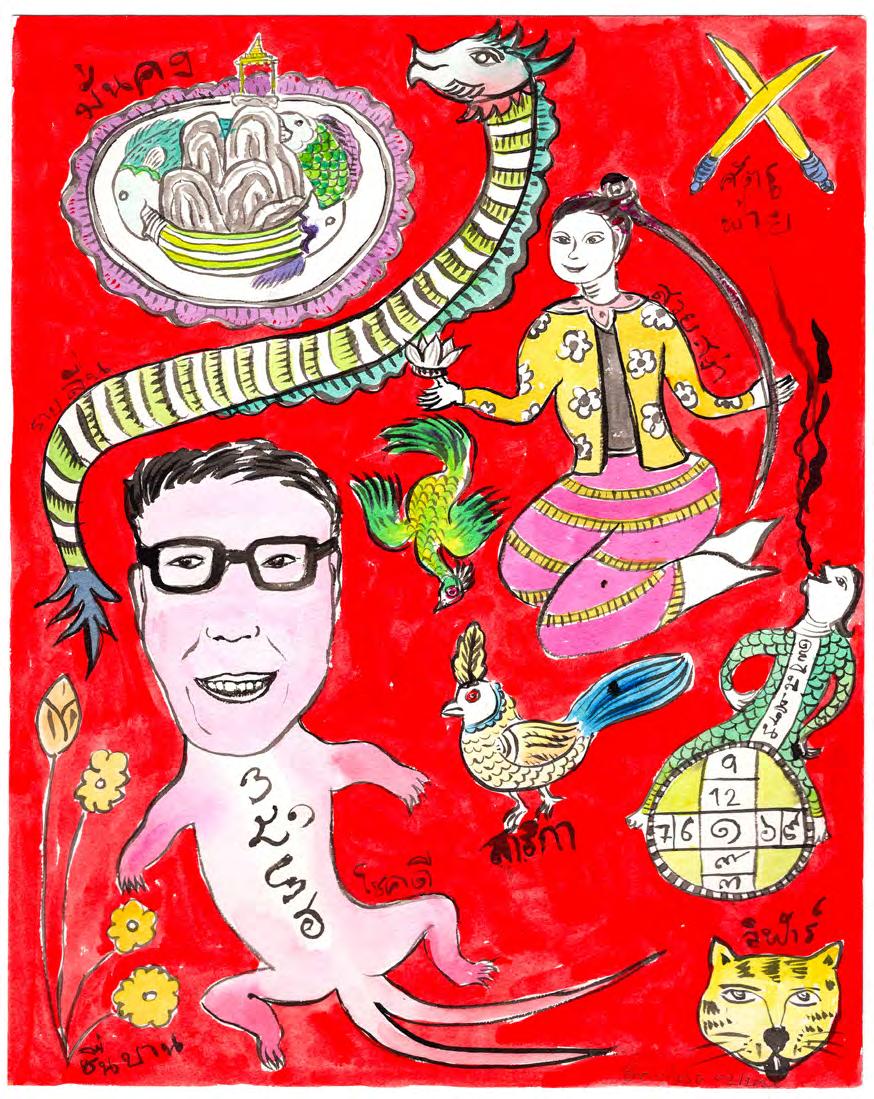
‘Through ceramics and painting, I weave stories about love and longing, and the superstitions that connect them.’
— Vipoo Srivilasa
Cats, Ghosts, & Other Stories invites viewers into Vipoo Srivilasa’s world of whimsy and reflection — where myth, memory, and emotion converge. Through intricately detailed ceramics and intimate self-portraits, Vipoo weaves stories of love and longing, and the superstitions that connect them.
Accessible, positive, and beautiful, Vipoo’s work celebrates connection and care, finding meaning in both the everyday and the imagined. Bringing together two complementary bodies of work, this exhibition reveals the playful, tender, and mysterious sides of life, where cats become companions of the spirit world, ghosts linger with affection, and selfportraiture becomes a vessel for vulnerability and humour.
Vipoo Srivilasa
Self Portrait as a Lucky Gecko, 2025
ink and acrylic on paper
34 × 28 cm
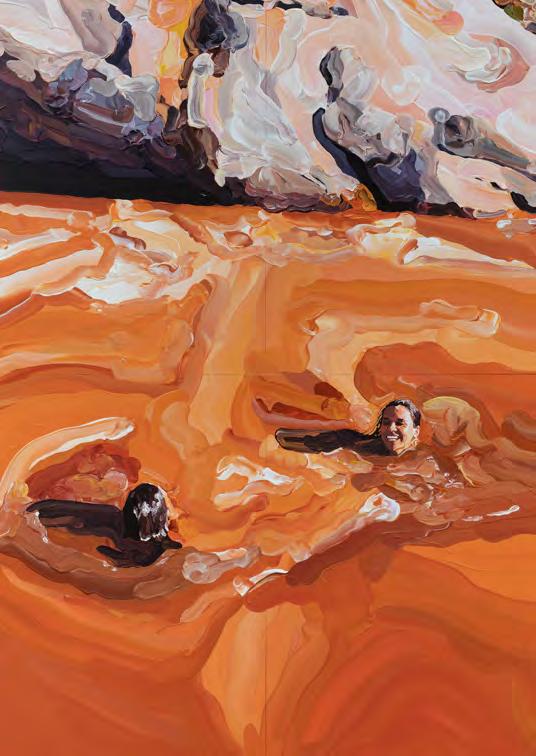
After the Rain. 5th National Indigenous Art
Triennial
National Gallery of Australia
6 Dec – 26 Apr
Thea Anamara Perkins and Dylan Mooney are included the National Indigenous Art Triennial under the Artistic Direction of Tony Albert at the National Gallery of Australia. Their inclusion signals not only the strength of their individual practices, but a generational shift in First Nations storytelling, sovereignty, and representation.
Together, Perkins and Mooney represent a powerful, future-focused moment in Australian art, one shaped by cultural inheritance, unapologetic self-representation and a refusal to be confined. Their inclusion in the Triennial reflects a wider movement: artists telling stories on their own terms, grounded in community and propelled by new forms of visibility.
Their works, presented here alongside portraits of the artists, offer a glimpse into what the Triennial promises: bold, intimate and culturally resonant narratives that speak to who we are, where we come from and what we can imagine next.
Thea Anamara Perkins
Rise 2, 2025
acrylic on board
120 x 90 cm
Commissioned by the National Gallery of Australia for The 5th National Indigenous Art Triennial: After the Rain
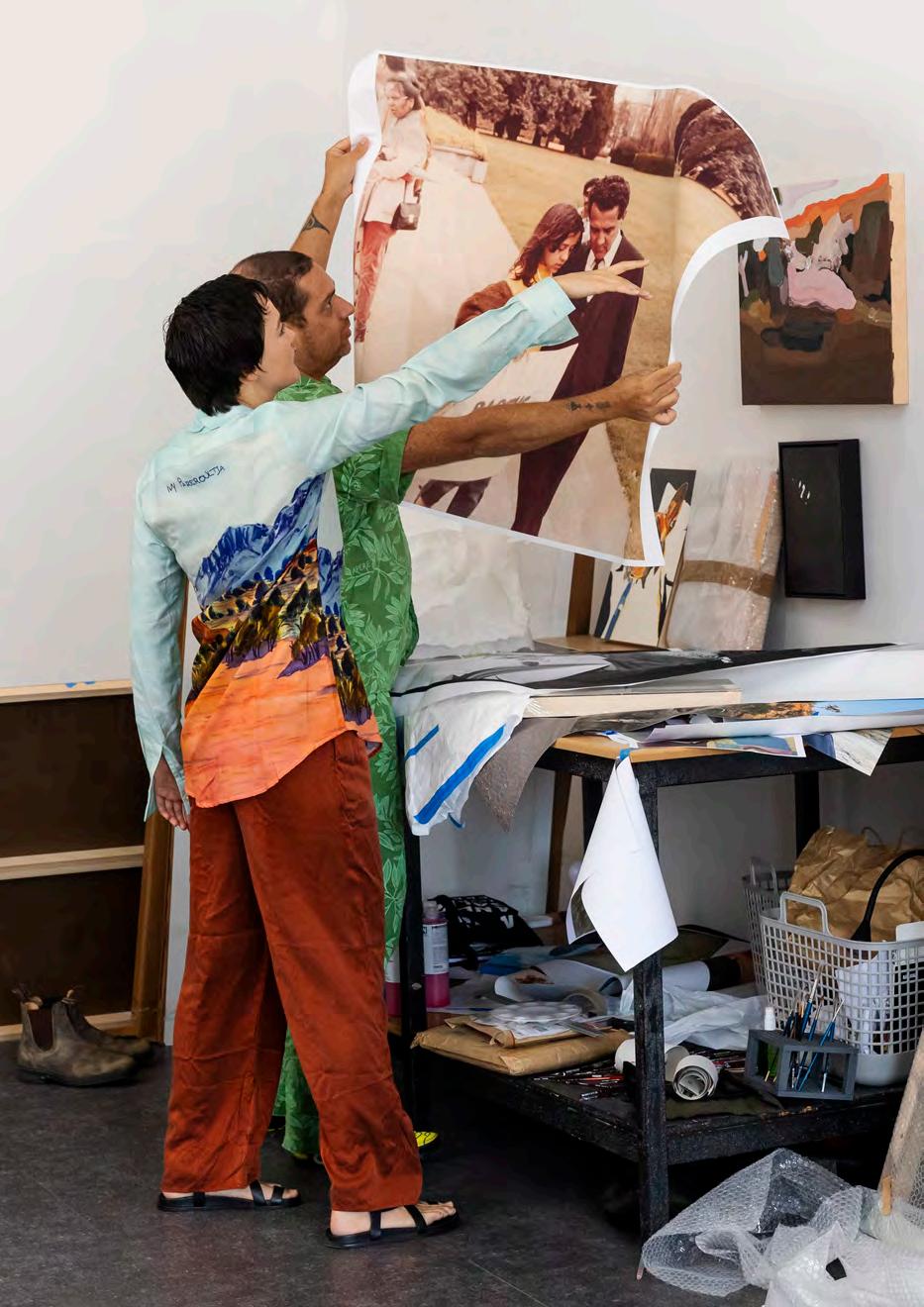
Thea Anamara Perkins: Still I Rise.
Thea Anamara Perkins’s practice is equally grounded in lineage, memory and the continual assertion of presence. As she reflects: ‘There are so many people in our community that inspire me. In my family we all have that drive to change things, to speak out and not accept the status quo. For each of us this can be done in our own way.’
Her Triennial presentation, Still I Rise, invites audiences into a richly layered portrait of family, Country, and intergenerational resilience. Drawn from personal and familial archives, Perkins’s paintings form a kind of ‘everywhen’ – a temporal space where past, present and future converge. Her work quietly refutes misrepresentation, insisting instead on strength, warmth, and the sovereignty of lived experience.
The exhibition title echoes both Maya Angelou’s enduring poem and the words of Perkins’s grandfather, Charles Perkins: ‘We know we cannot live in the past but the past lives in us.’ It’s a sentiment that resonates deeply through her practice, which continues to grow in national prominence, with works now held in major collections including the National Portrait Gallery in Kamberri/Canberra.
Tony Albert, Girramay/Yidinji/Kuku-Yalanji peoples, and Thea Anamara Perkins, Arrernte/Kalkadoon peoples, in her studio.
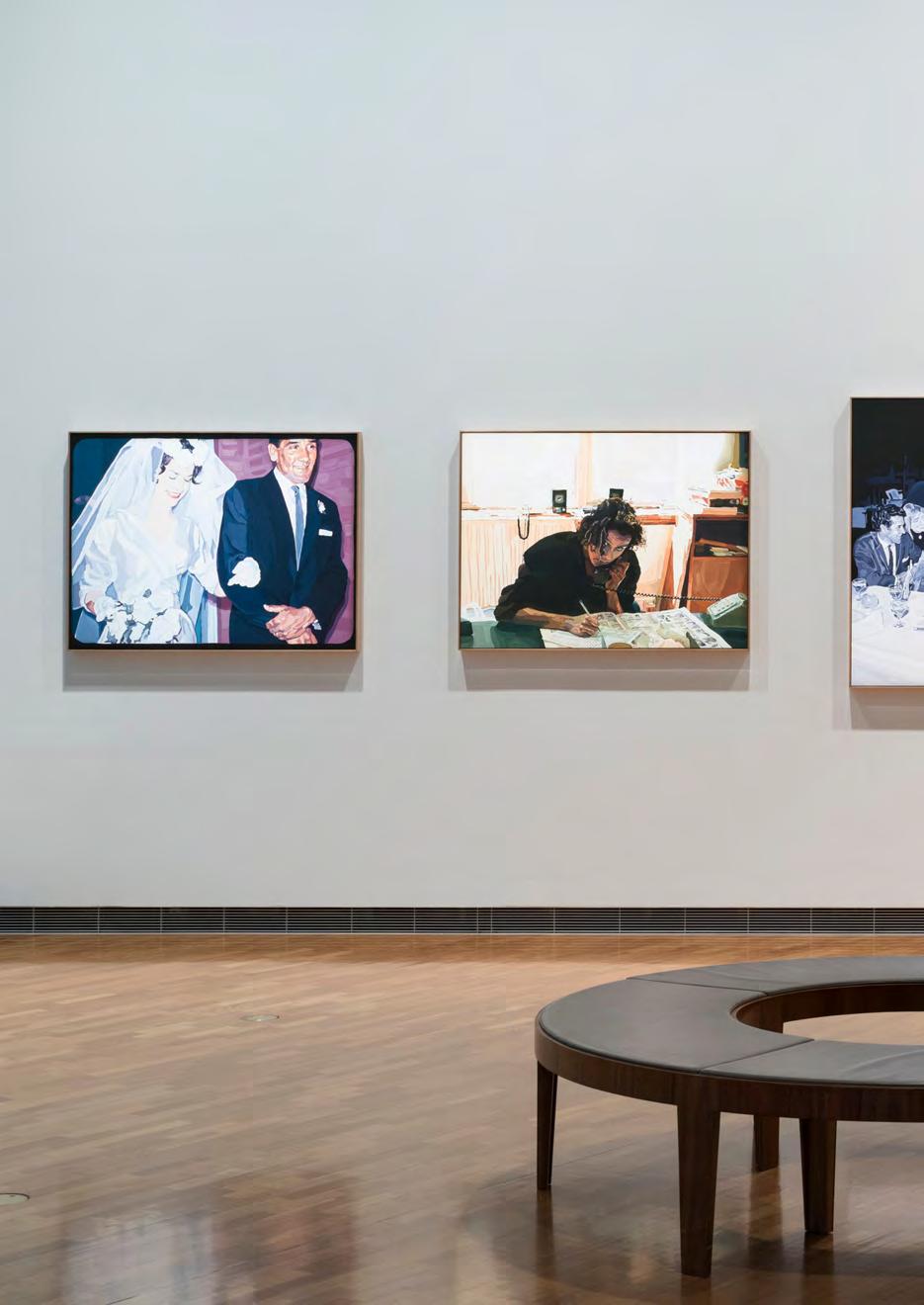
Thea Anamara Perkins, Arrernte/Kalkadoon peoples, Still l Rise, installation view, 5th National Indigenous Art Triennial: After the Rain, National Gallery of Australia, Kamberri/Canberra, 2025.
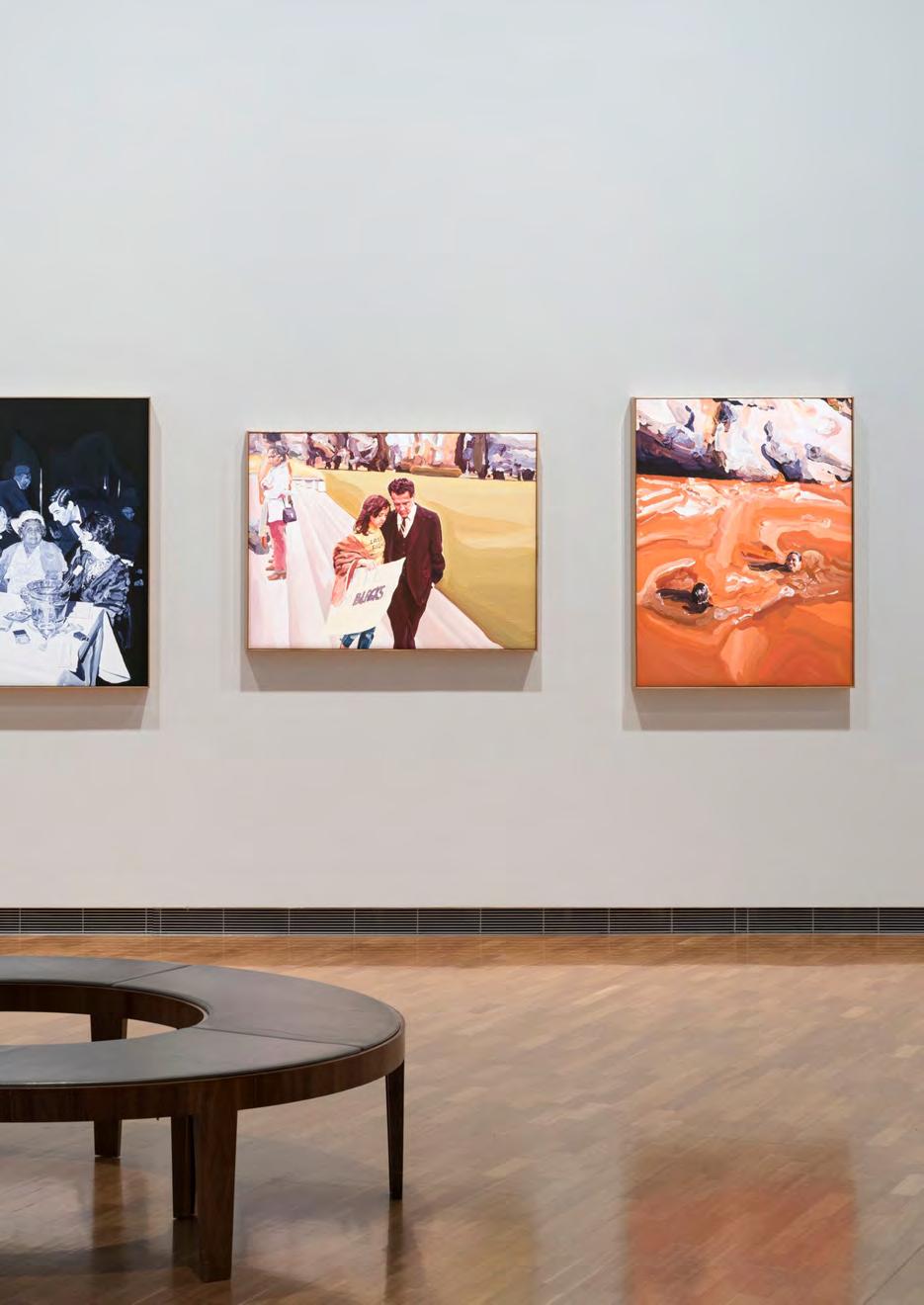
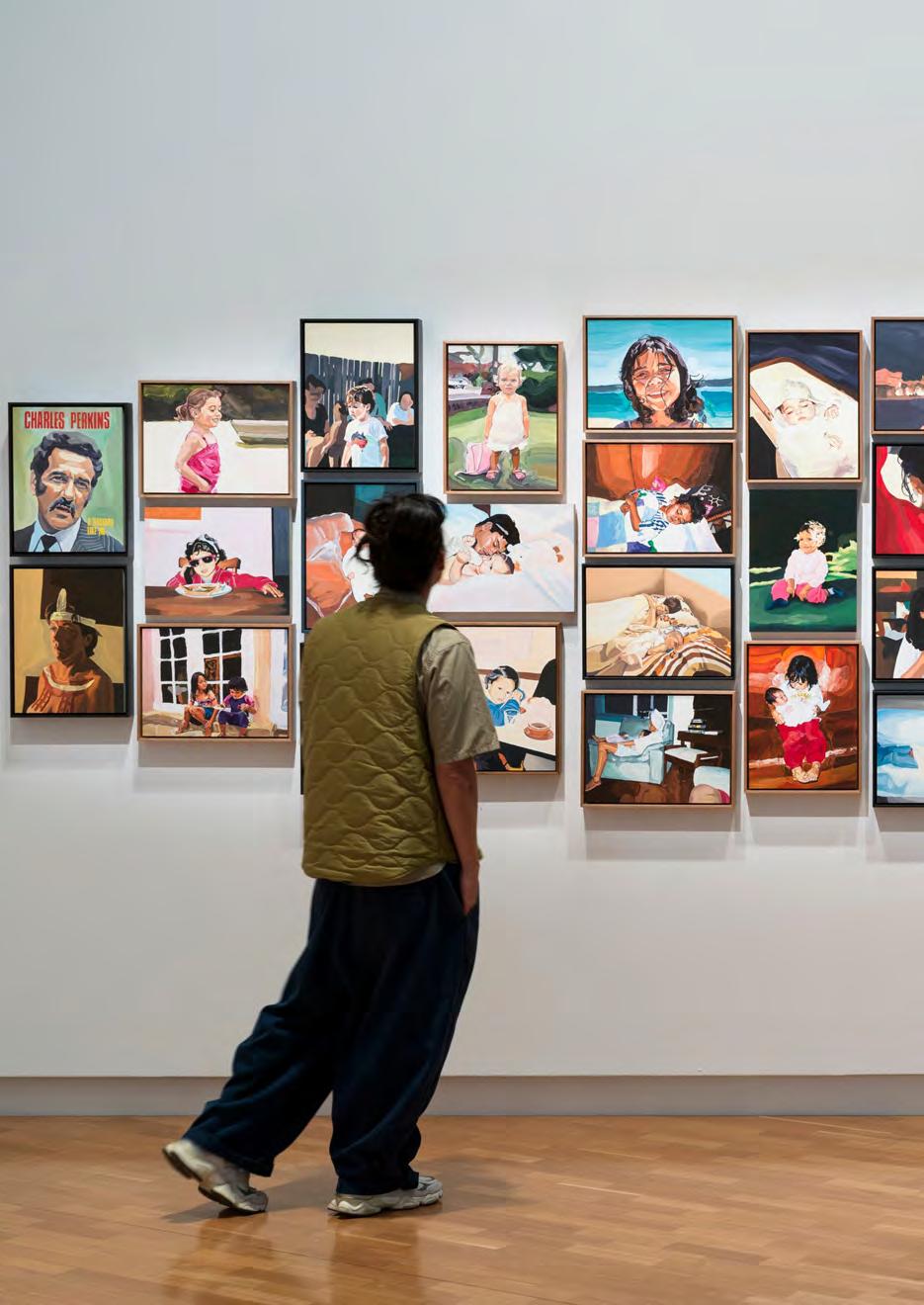
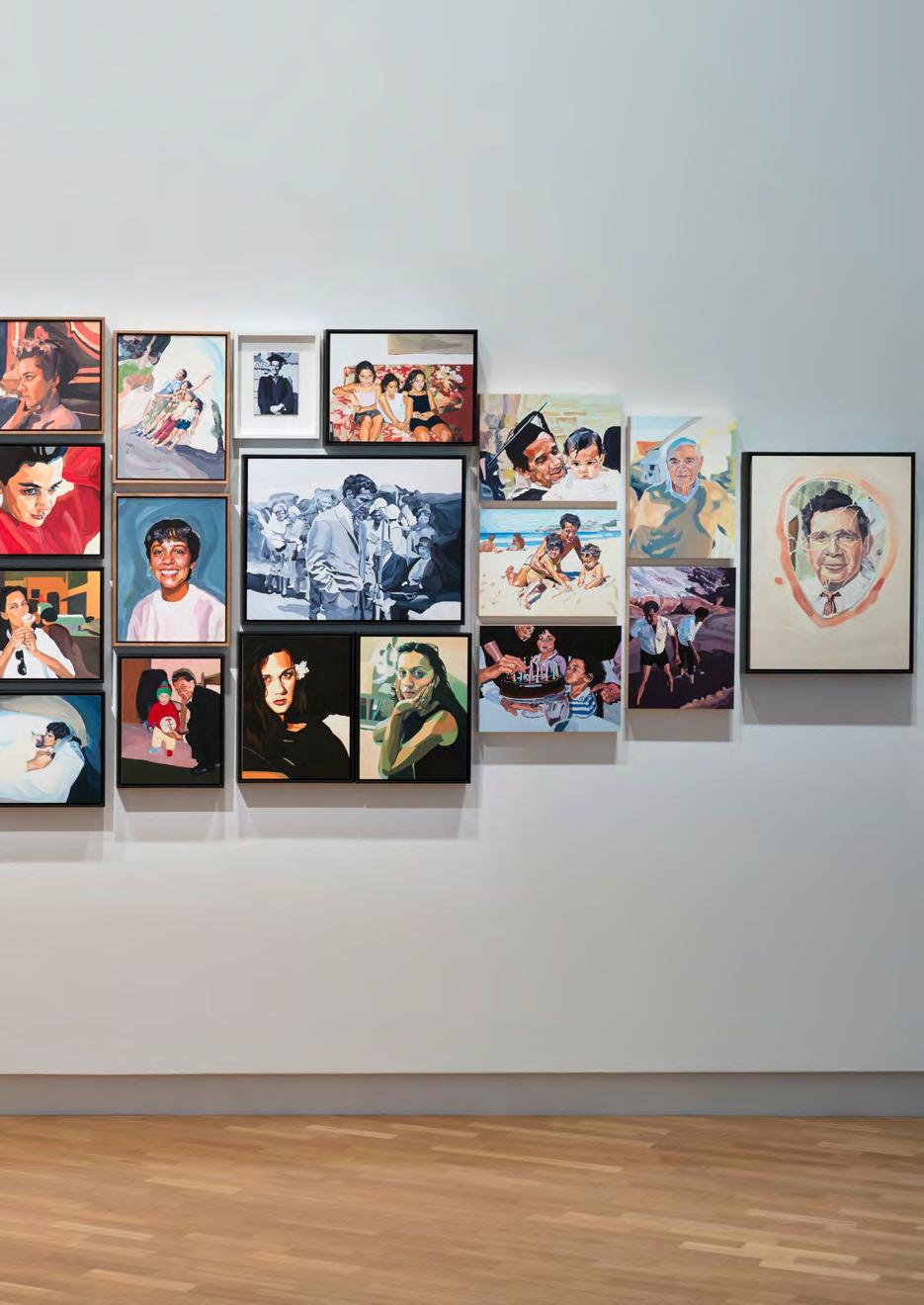
Thea Anamara Perkins, Arrernte/Kalkadoon peoples, Still l Rise, installation view, 5th National Indigenous Art Triennial: After the Rain, National Gallery of Australia, Kamberri/Canberra, 2025.
Dylan Mooney: Resilience in Bloom.
For Dylan Mooney, art is an act of continuation:
‘I’ve inherited from my family a lot of cultural knowledge, stories and history. I bring these stories into my contemporary art practice, telling them in my ways. I want to convey the stories that have been passed down and continue that on for future generations.’
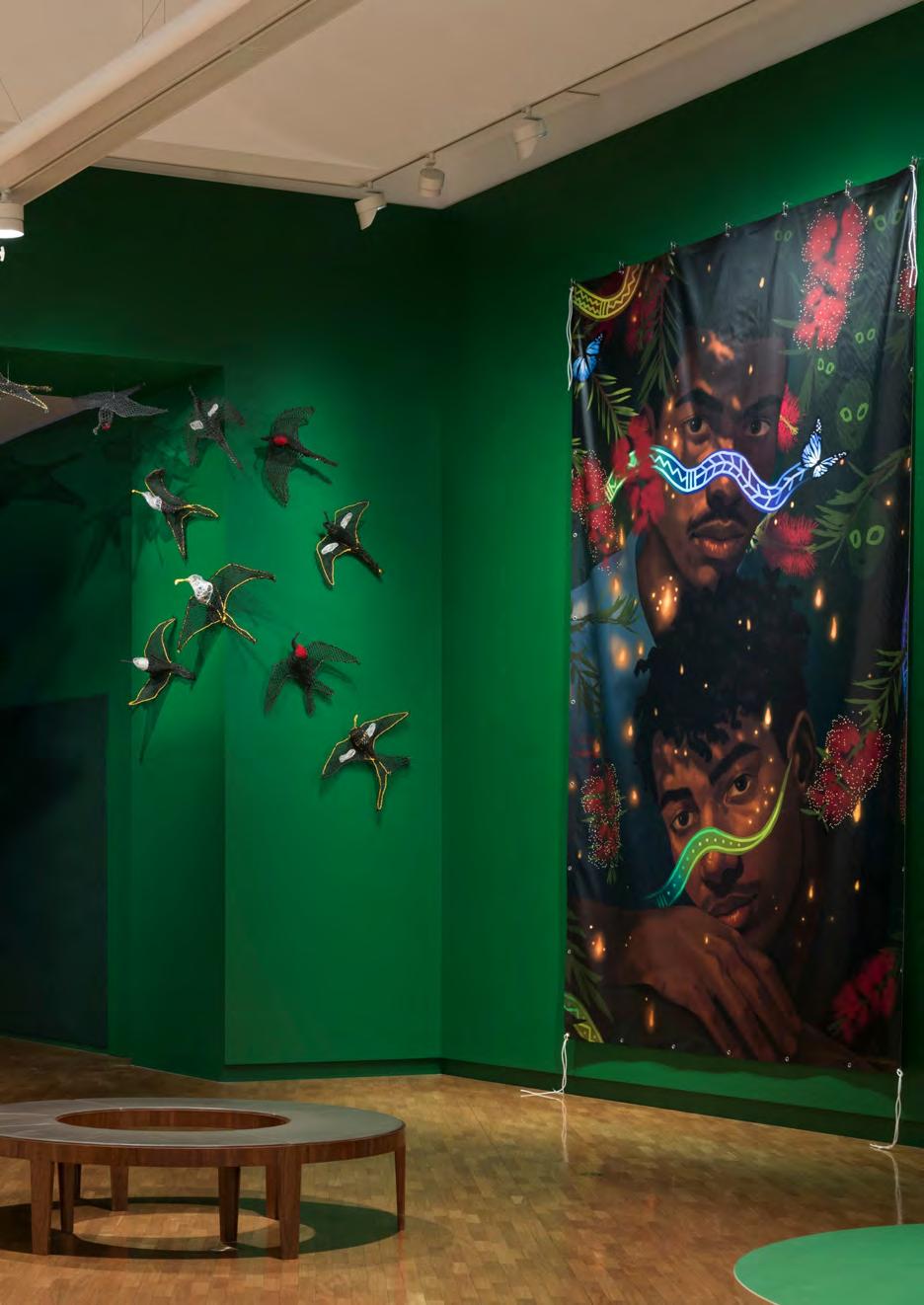
In Resilience in Bloom, Mooney’s installation unfurls as a radiant celebration of queer love among people of colour. Large-scale portraits, couples embraced, entwined and grounded in vibrant Country, transform the gallery walls into a field of colour, intimacy, and pride. Droplets of water shimmer like jewels across the skin: sweat, tears, resilience. Personal and political become inseparable.
Legally blind, Mooney works primarily with digital tools, backlit screens enabling him to craft highly detailed images that later bloom across paper, canvas and even building façades. His portraits are shaped by community stories and current events, yet always carry a deep optimism. Still early in his career, Mooney’s work is already represented in major public collections, his unmistakable aesthetic reaching audiences from gallery spaces to the cover of Rolling Stone Australia.
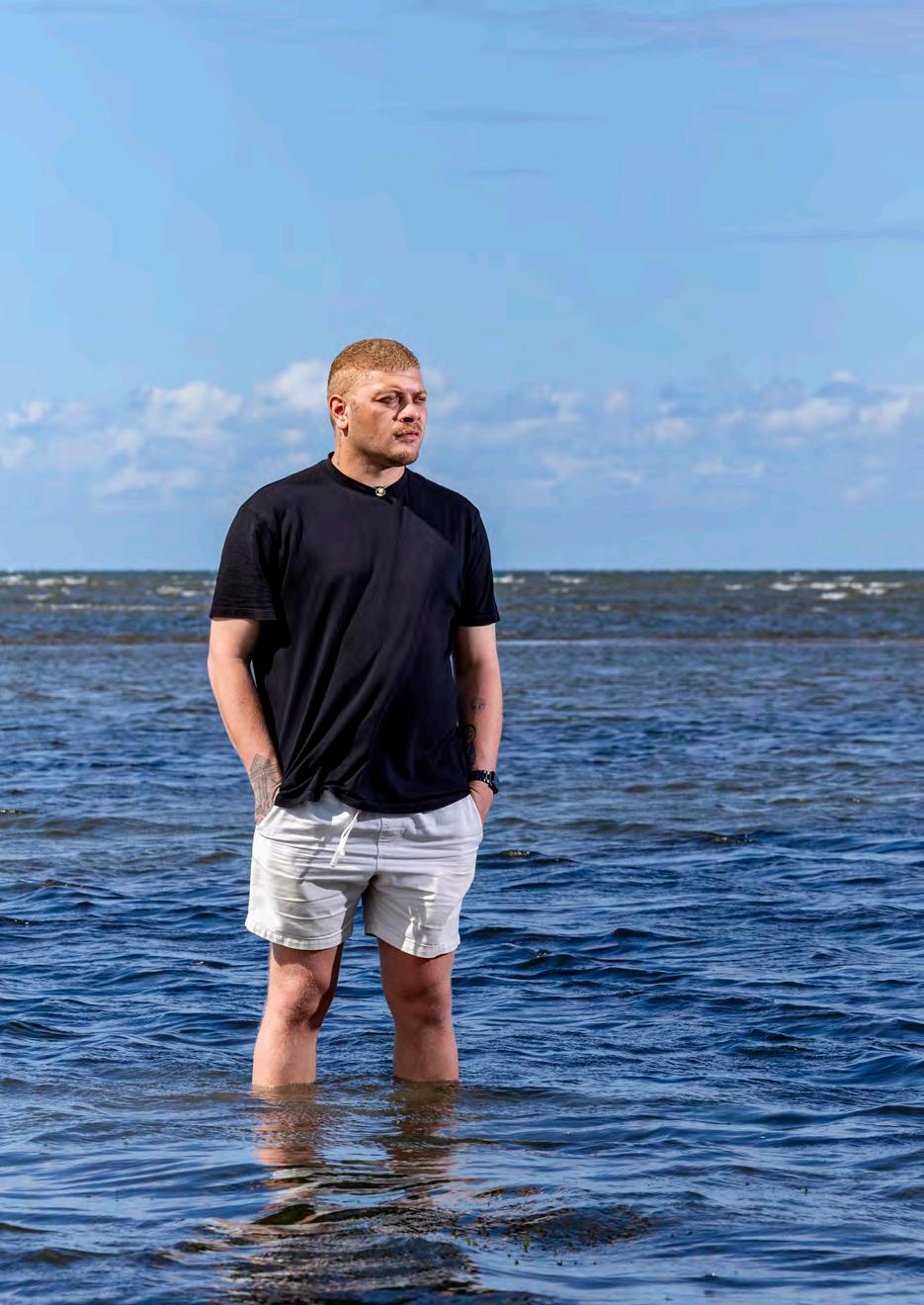
Dylan Mooney, Yuwi people/Torres Strait and South Sea Islander. Photo courtesy of the National Gallery of Australia.
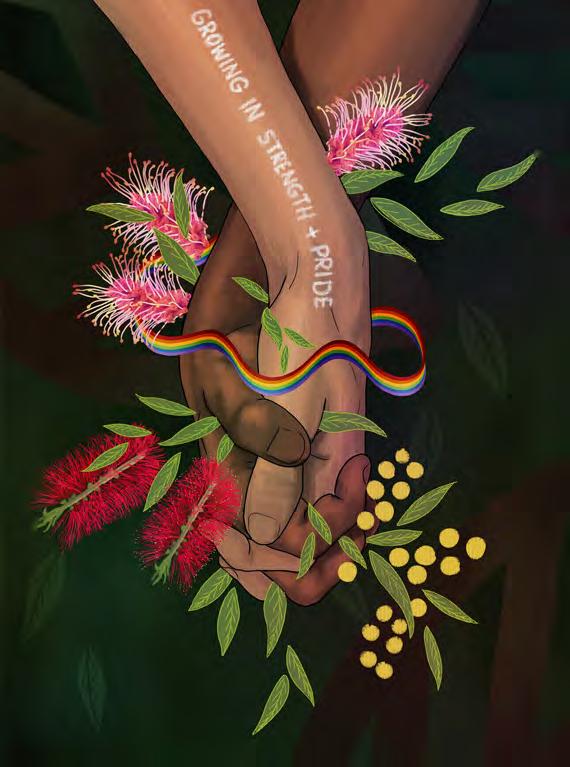
Growing in Strength and Pride, 2025
digital illustration
Love and legacy, 2025
digital illustration
Commissioned by the National Gallery of Australia for The 5th National Indigenous Art Triennial: After the Rain.
Top: Dylan Mooney
Right: Dylan Mooney
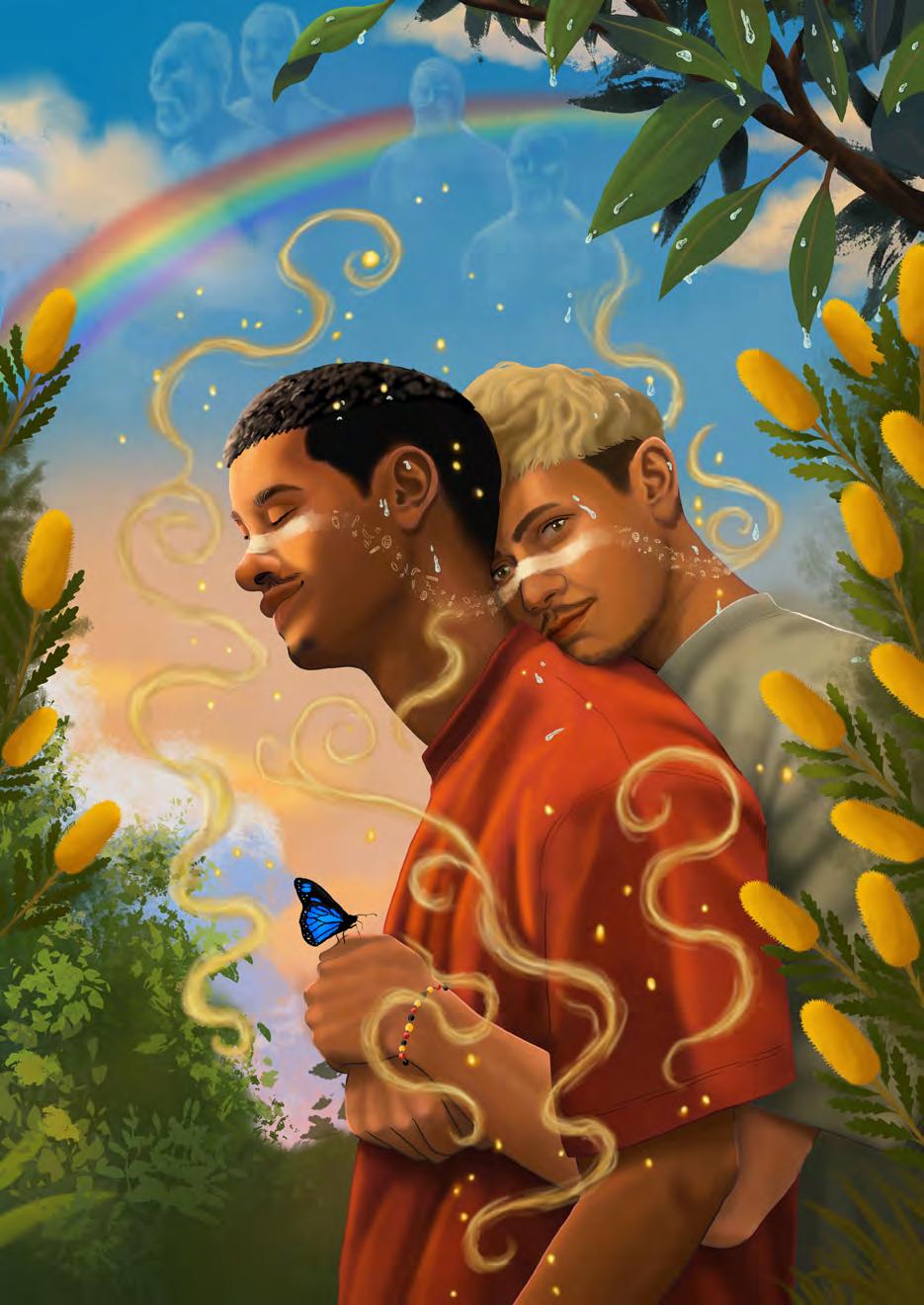
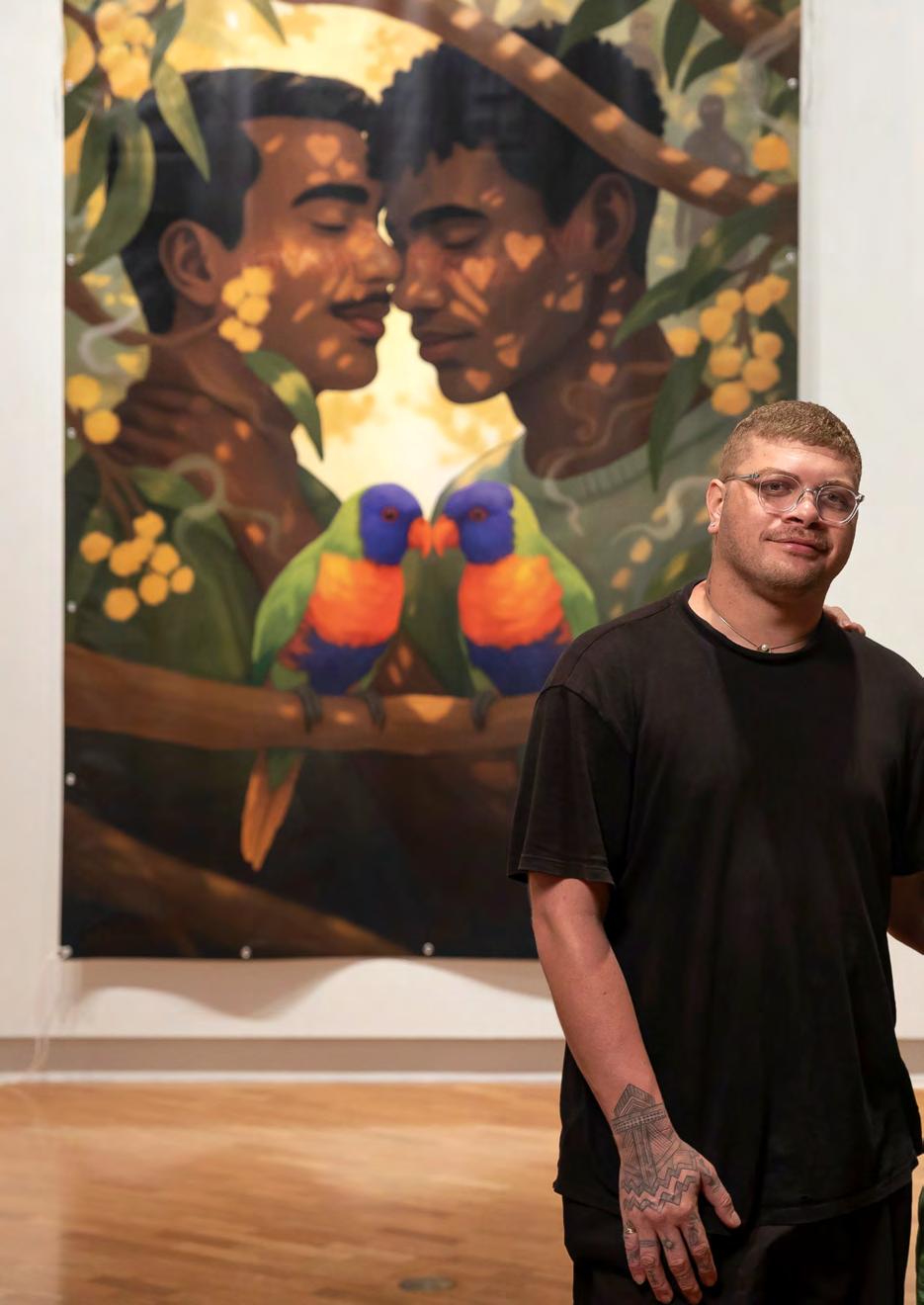
Dylan Mooney, Yuwi people/Torres Strait and South Sea Islander and Tony Albert, Girramay/Yidinji/Kuku-Yalanji peoples, with Resilience in Bloom, installation view, 5th National Indigenous Art Triennial: After the Rain, National Gallery of Australia, Kamberri/Canberra, 2025.

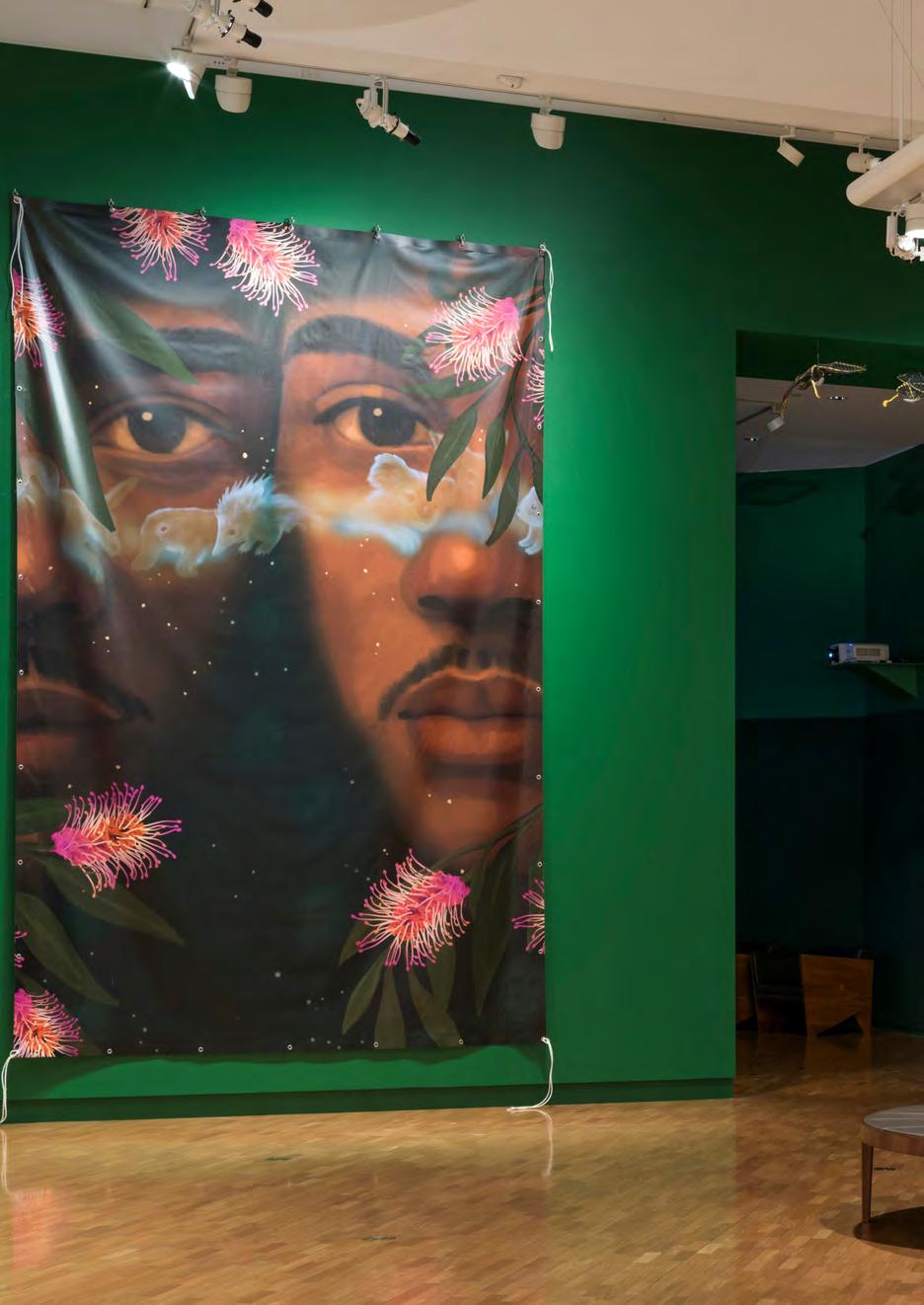
Dylan Mooney, Yuwi people/Torres Strait and South Sea Islander, Resilience in Bloom, installation view, 5th National Indigenous Art Triennial: After the Rain, National Gallery of Australia, Kamberri/Canberra, 2025.
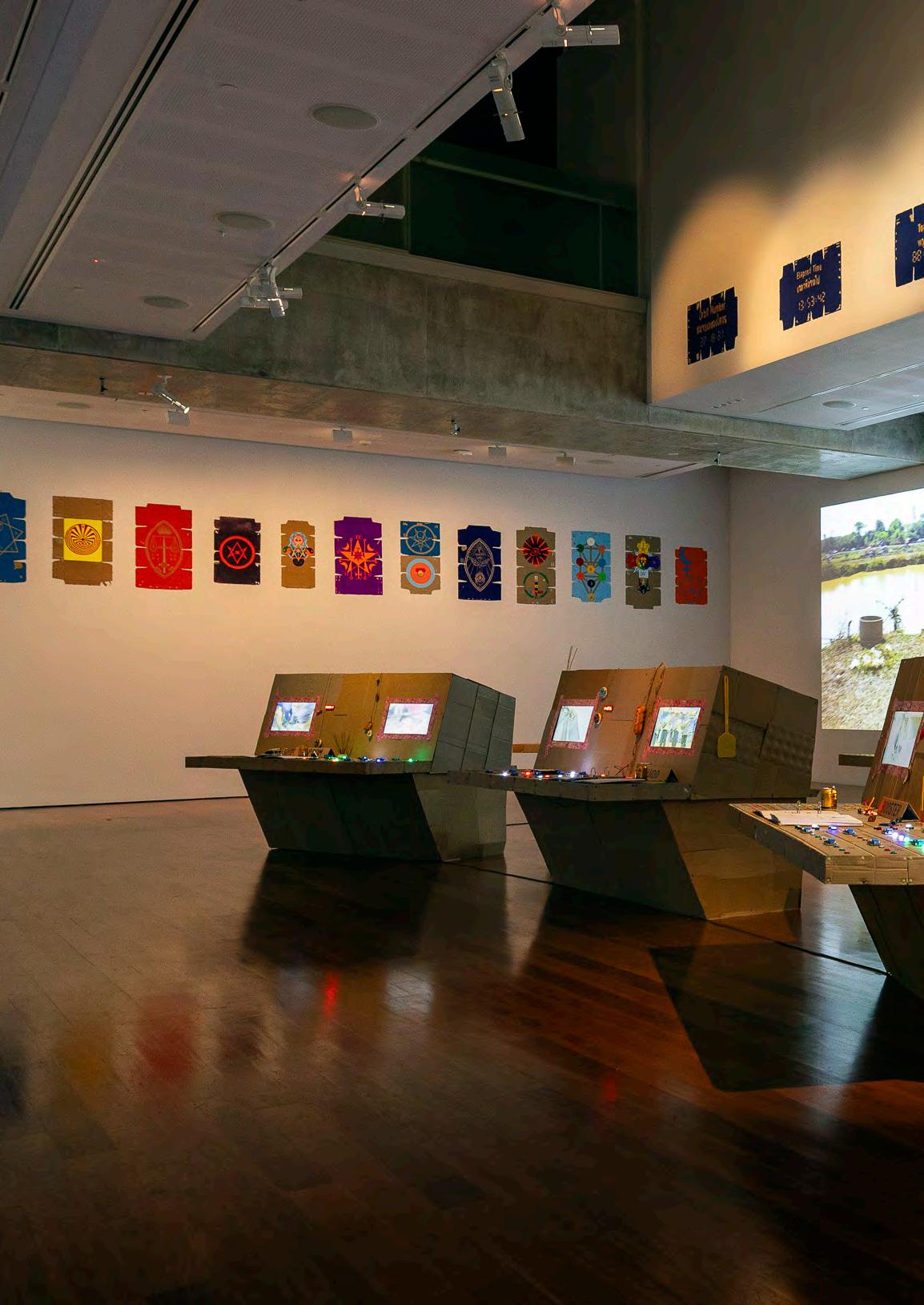
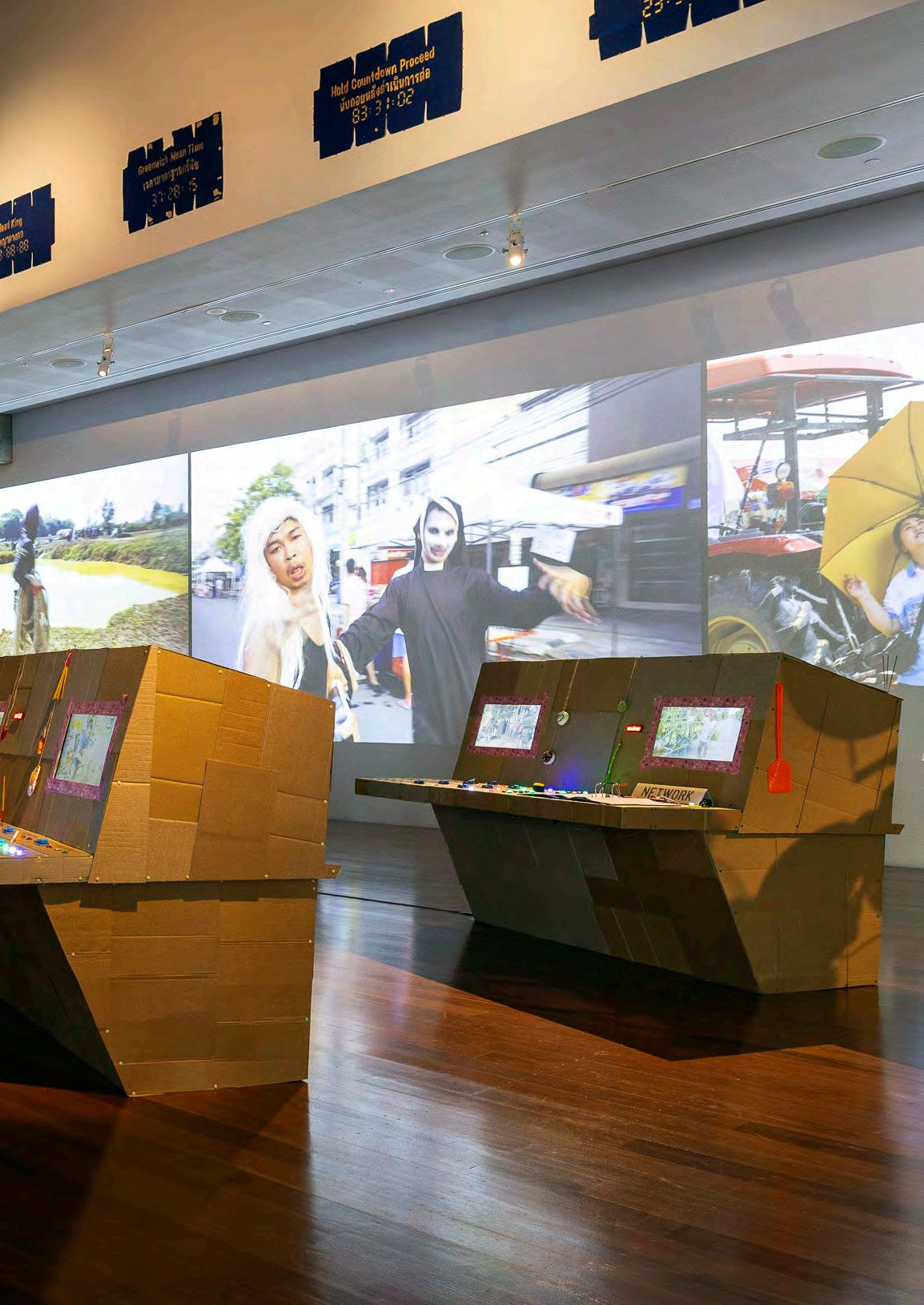
Claire Healy & Sean Cordeiro
Psychopomp
Samstag Museum of Art 16 Oct – 5 Dec
‘In the contemporary technosphere, it is often assumed that the rockets which transport satellites into Earth orbit or landers to the surface of the Moon are engineering objects with no emotional or symbolic dimensions.
But for the archaeologist, rockets are objects like any other, material things which come into being in a particular social and political context with multivalent meanings. They symbolise a range of human beliefs and they are created and launched accompanied by rituals which embody those beliefs.’
Dr Alice Gorman
Artistic collaborative duo and Samstag Scholars Sean Cordeiro and Claire Healy’s practice reflects a preoccupation with the dynamics of global mobility — the networks, standards and financial systems that enable and restrict the movement of people and goods in the modern era.
In this ambitious new work, Healy and Cordeiro premiere Psychopomp, a cacophonous and vibrant moving image work. Exploring the porous relationship between science and mysticism, the pair turn their attention to rocket technology and its link to spirituality.
From the way in which NASA’s Apollo, Mercury and Gemini mission names are directly inspired by gods of antiquity, to pioneer rocket scientist Jack Parson’s conversion to Aleister Crowley’s occult Thelema movement, Cordeiro and Healy identify a strong spiritual thread in the history of rocket and space exploration. Melding Crowley’s poem Hymn to Pan, a significant historical text, with footage of farming fertility festivals in Thailand and Laos, Psychopomp explores the expressive potential of motion, technology and pagan rituals.

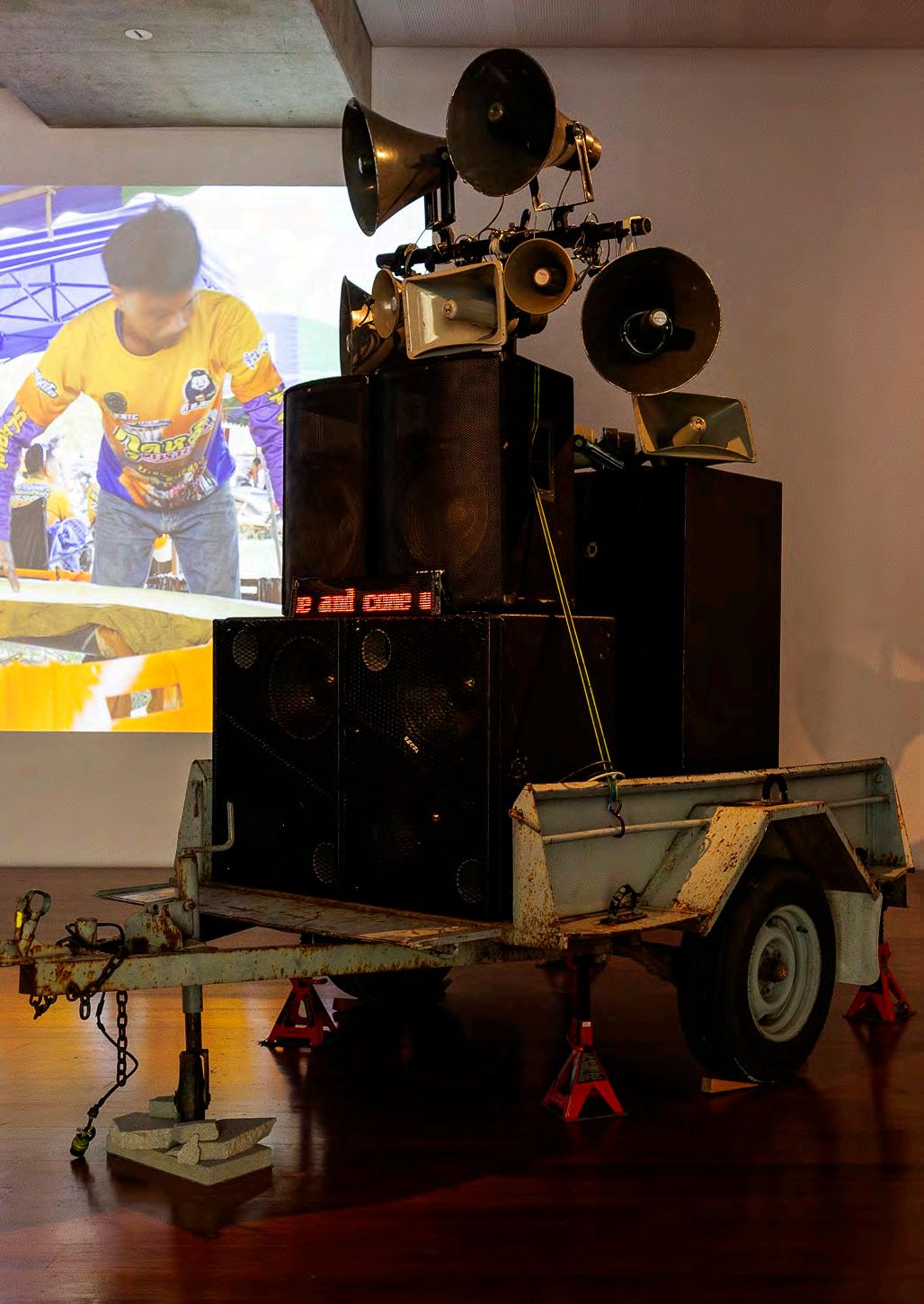
Installation views — Claire Healy & Sean Cordeiro: Psychopomp. Samstag Museum of Art.
Photos by Josh Raymond and Sia Duff.
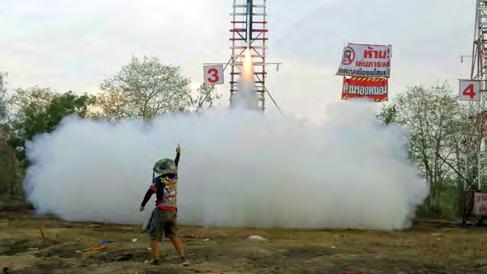


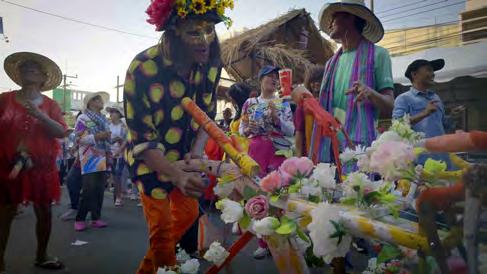
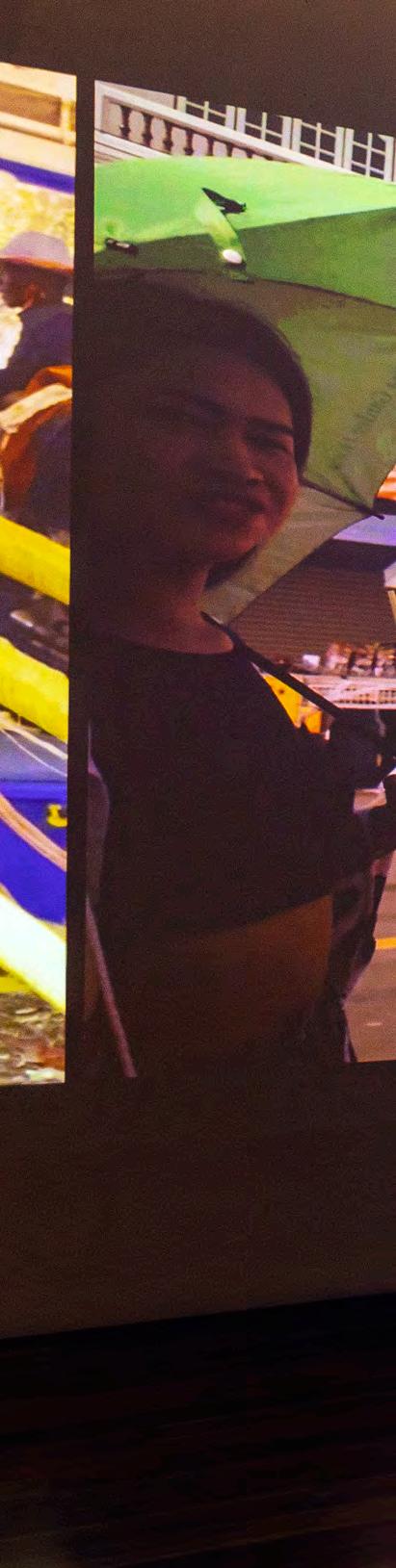
Installation view — Claire Healy & Sean Cordeiro: Psychopomp. Samstag Museum of Art.
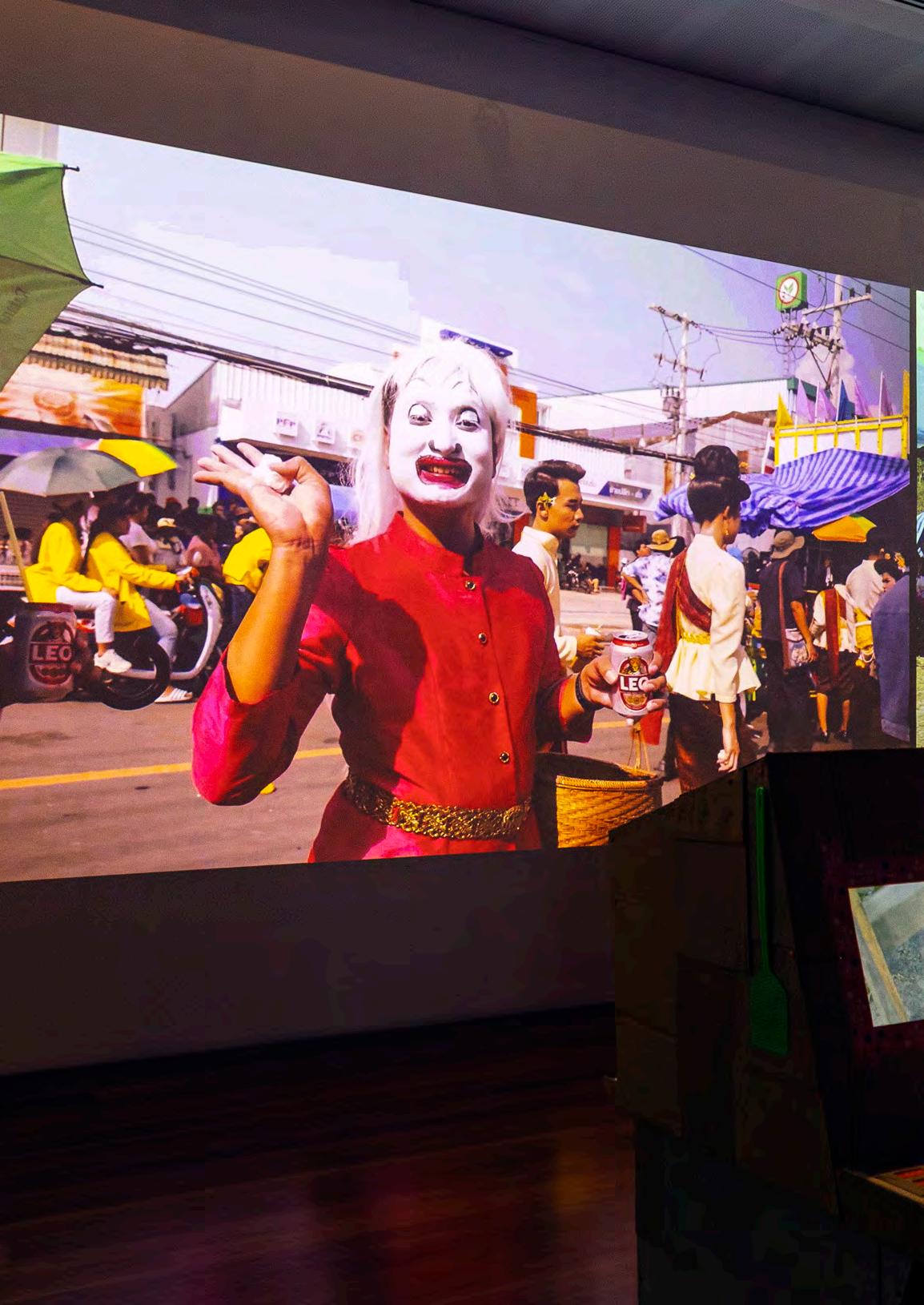
Psychopomp, 2025 Production stills.
Left: Claire Healy and Sean Cordeiro
Awakening Histories
Monash University Museum of Art
4 October – 6 December 2025
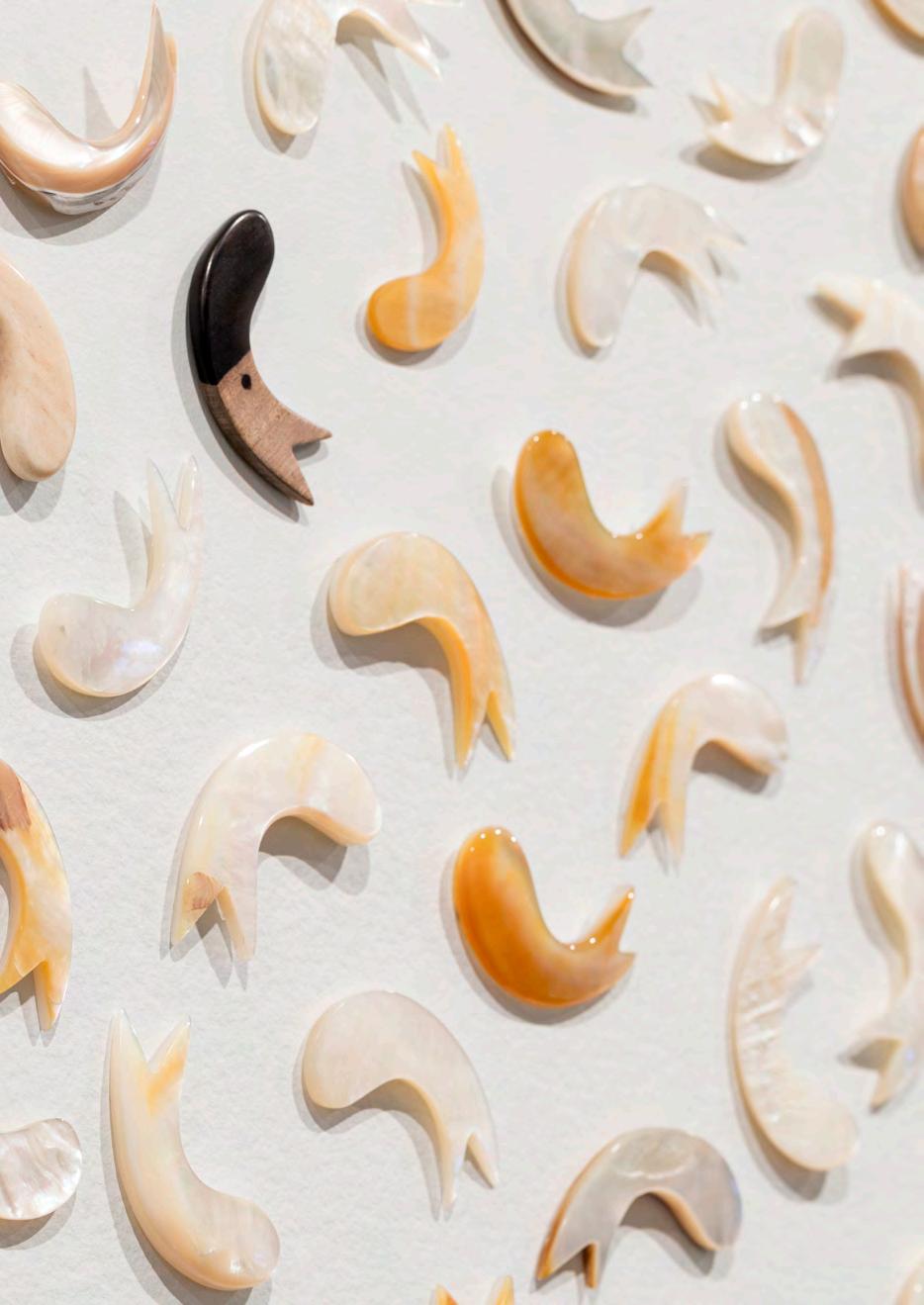
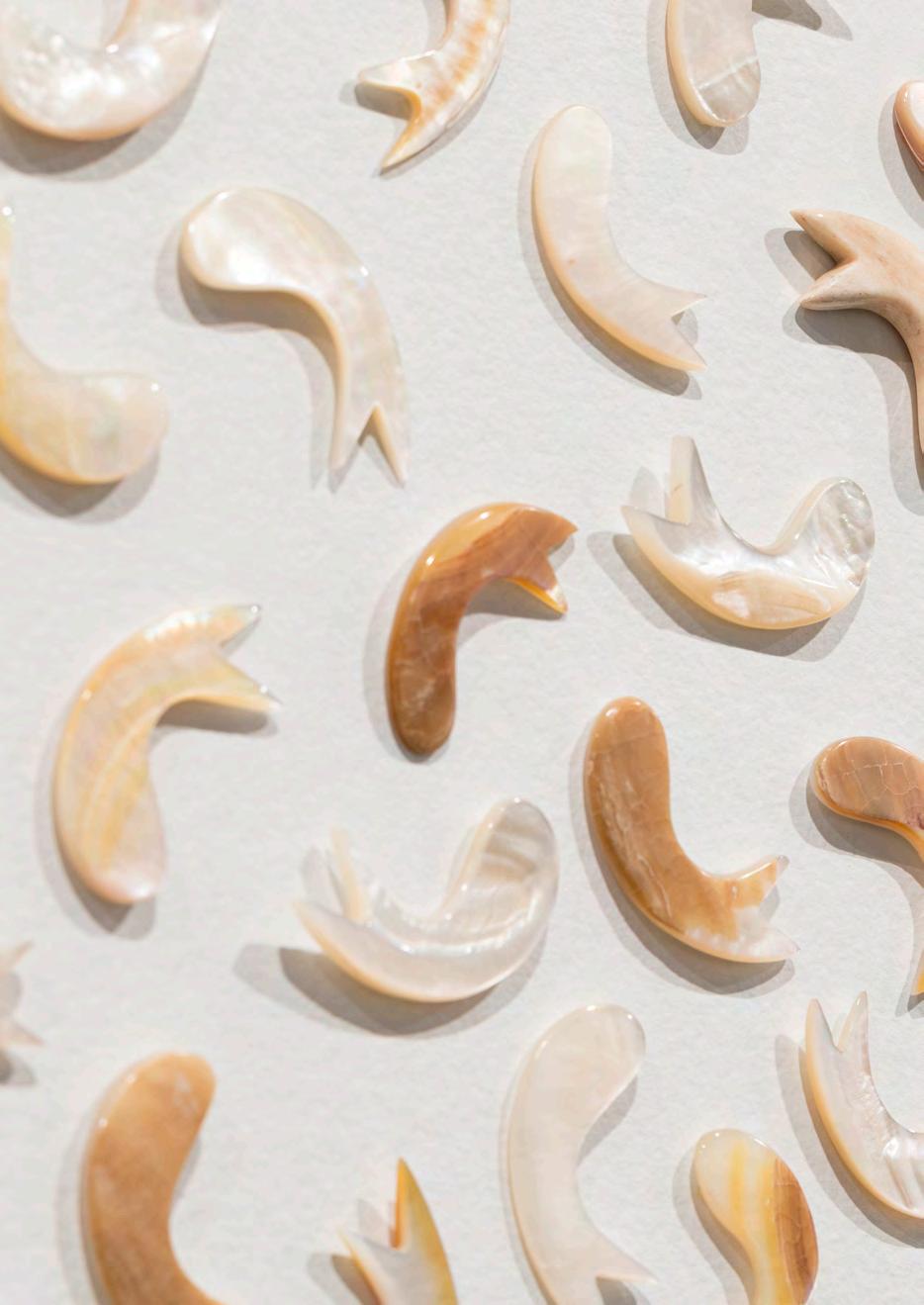
Darrell Sibosado is included in Awakening Histories, exploring the innovative potential of the riji (pearl shell) designs within a contemporary context. Passed down over countless generations, the designs represent the detached scales of Aalingoon, the Rainbow Snake, as he rests on the ocean surface, shedding his scales containing traditional knowledge and beliefs.
Awakening Histories traces the deep connections between First Nations peoples and Southeast Asian seafarers from the port of Makassar in South Sulawesi, Indonesia, celebrating enduring relationships that remain prominent in art, language and material culture.
Featuring new commissions and key loans, the twentyseven artists and collectives presented in this exhibition share stories of migration, trade and cultural exchange, highlighting the roles of trepang or sea cucumber, trochus and turtle shells, tamarind trees, palm wine, seafaring technology, metal tools, textiles and patterns in histories shared across the ocean. Artworks reflect on stories and songs of the interactions that have taken place across the north of this continent, now known as Australia, from the Gulf of Carpentaria, around Arnhem Land to Garamilla/Darwin –an area known as Marege to the sailors from Makassar – and beyond to the Kimberley region, or Kayu Djawa.
Foregrounding Indigenous sovereignty and ocean-centred storytelling, Awakening Histories reinforces the understanding of Country as sea, sky and land, the passing of knowledge through families and generations – living histories that counter assumptions that this land’s peoples were isolated or that it was ‘discovered’ by Europeans during colonial expansion. The exhibition aims to shift understandings of this country’s history and contribute to the dialogue around First Nations ways of knowing and being, reasserting sovereignty.

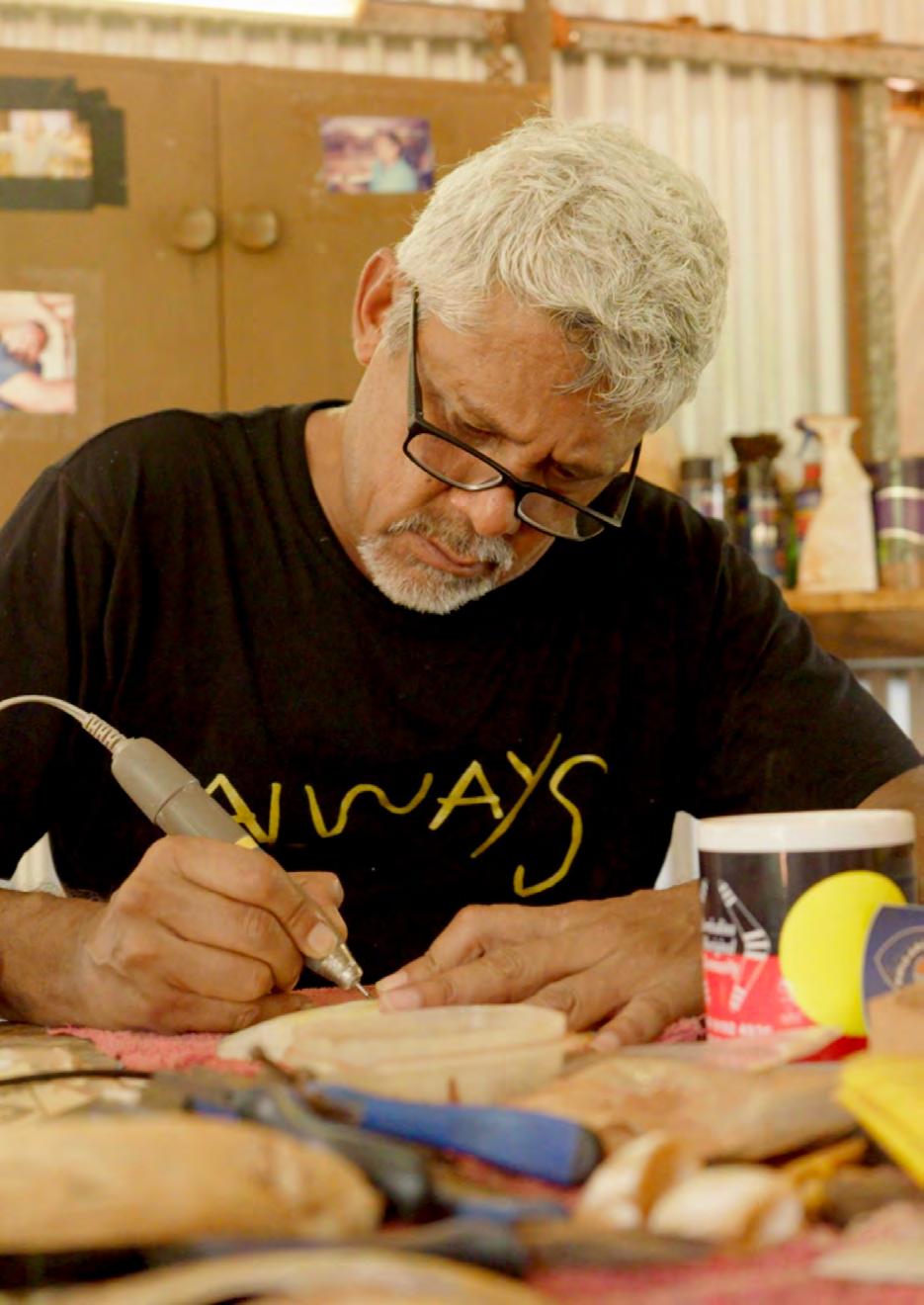
Darrell Sibosado in his studio. Photography by Cass Eipper.
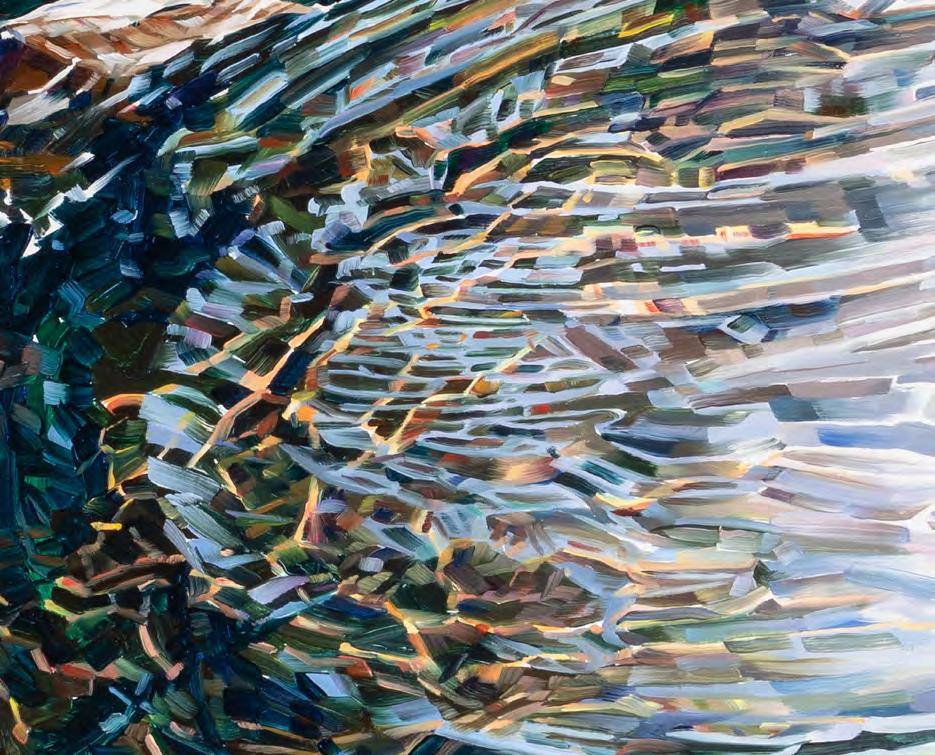
Redland Art Gallery
30 Nov – 27 Jan 2026
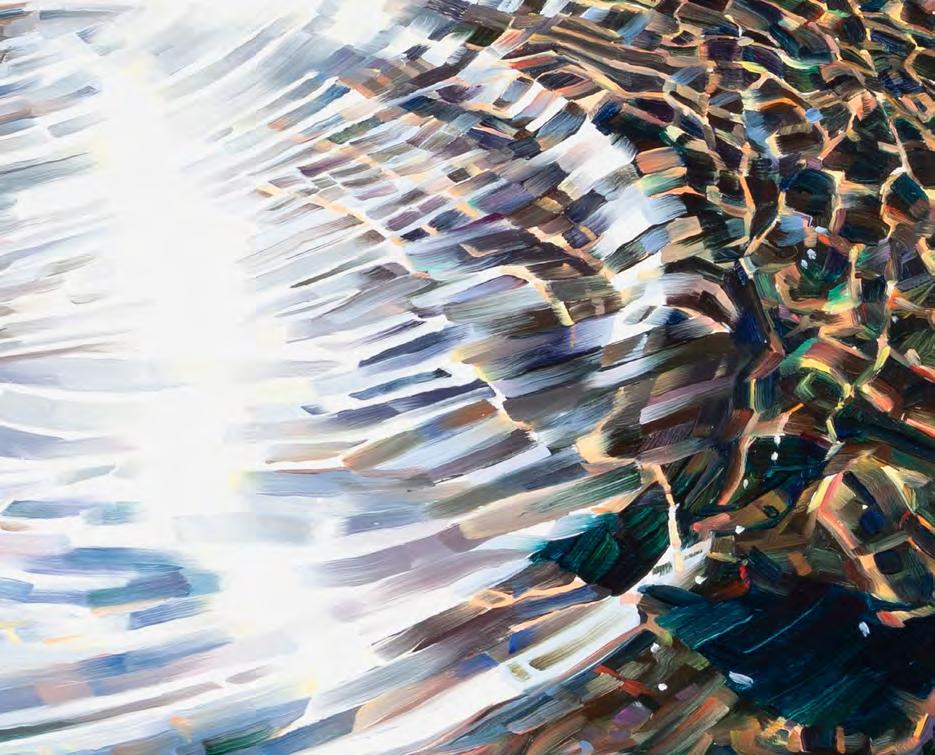
A Luminous Path.
There are moments in nature so radiant they seem to look back at us. Moments when light feels alive, so intensely bright that the act of seeing gives way to an awareness of our eye’s perceptual limits. In Some Things Too Bright to See, Holly Anderson invites us into this luminous threshold where vision, body and landscape converge. Rooted in her deep connection to the beaches of Minjerribah (North Stradbroke Island), Anderson’s new series transforms one of nature’s most ephemeral spectacles, the glitter path, into a meditation on perception, presence and the ways light reveals our place in the world.
The glitter path, a dazzling line of reflected sunlight that stretches across the ocean’s surface, has long fascinated Anderson. To a casual observer it may appear like a fixed feature of the landscape, as tangible as a headland or a sandbar. Yet as Anderson reminds us, it is an optical phenomenon, existing only through a precise alignment of the Sun, the eye and a rippled surface. It is not a stable object but an optical event; a collaboration between the viewer and the light source. A long bright shadow that appears to follow the body as it moves along the shoreline. Its inherent subjectivity raises questions about how we relate to landscape. As Anderson writes: ‘Inside the monochromatic flatness of the ocean, the glitter path seems to press forwards out of logical pictorial depth to stand vertically against the water. Its form is long like a body that has turned to face me.’ In her paintings, this body of light behaves like a shadow, inhabiting the spaces directly around her, falling across domestic interiors as readily as the sea.
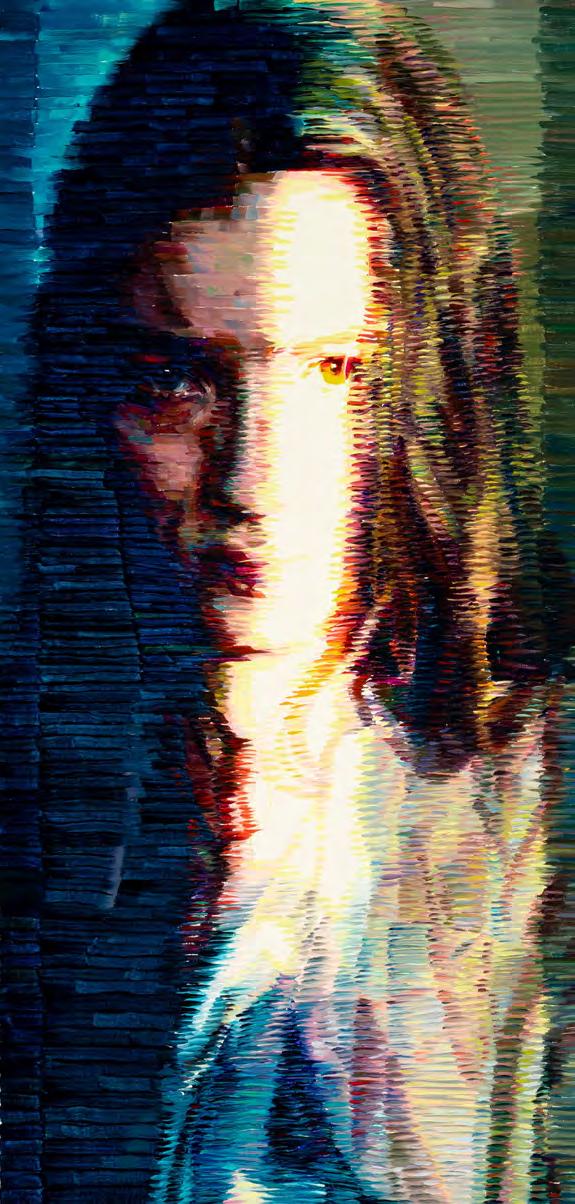
This relational quality sits at the centre of Anderson’s practice. Through her sustained meditation on the glitter path, she invites us to consider perception as an active, embodied process. Seeing is physical, reciprocal and intimate, a contact point between interior and exterior worlds. Her paintings are therefore not landscapes in a picturesque sense; they are records of encounter. Each surface captures an event that is both visual and phenomenological: light meeting body, eye meeting horizon. In Candle, a gap between curtains throws a long spine of light across a shirt hung to dry. In I found a tunnel, a trail of light across rumpled sheets evokes a body at rest. In A narrow Aperture, this encounter turns inward as the impression of the glitter path falls across an image of the artist’s own eye. In each instance, an encounter with a glitter path is pictured as an encounter with the self.
Holly
Anderson
A narrow aperture, 2025 oil on panel
40 x 19.5 cm
Formally, Anderson’s works play with the painterly tension between flatness and depth. The aforementioned verticality of the glitter path disrupts the familiar spatial logic of the seascape — a plane of light that appears flat yet vibrates with infinite distance. In these paintings, bright light presses through objects, appearing both in the foreground, close to the eye, and simultaneously deep in the distance. Anderson emphasises this perspectival confusion by building images out of horizontal stripes of paint, the stripes evoking the rippled surface of the ocean while underscoring the glitter path’s flattening effect on the landscape.
Where these stripes part, light seems to emerge from the blankness of the primed canvas. By using negative space to figure bright light, Anderson captures the optical strangeness of light’s formless quality, observing the way it erases a blank white spot in the world wherever it reflects. The result is both dazzling and unsettling, evoking the sensory overwhelm that comes from looking too long into brightness, when sight becomes sensation and we are made aware of our body’s perceptual limits.
Beneath their serenity, these works are philosophical inquiries. Anderson asks what it means to inhabit a landscape not as a removed observer but as a participant, to see one’s own presence mirrored within it. The glitter path, shimmering and unstable, becomes a metaphor for our relationship to the natural world: fleeting, complicated and deeply felt. In translating this phenomenon into paint, Anderson creates spaces where the viewer’s presence completes the work. What appears on the surface is, ultimately, a trace of ourselves — refracted through light, water and time.
In Some Things Too Bright to See, Anderson reminds us that vision can be both revelation and surrender. Her paintings dwell in the threshold where perception dissolves into feeling, where the seen world folds back toward us.
Words by N.Smith.
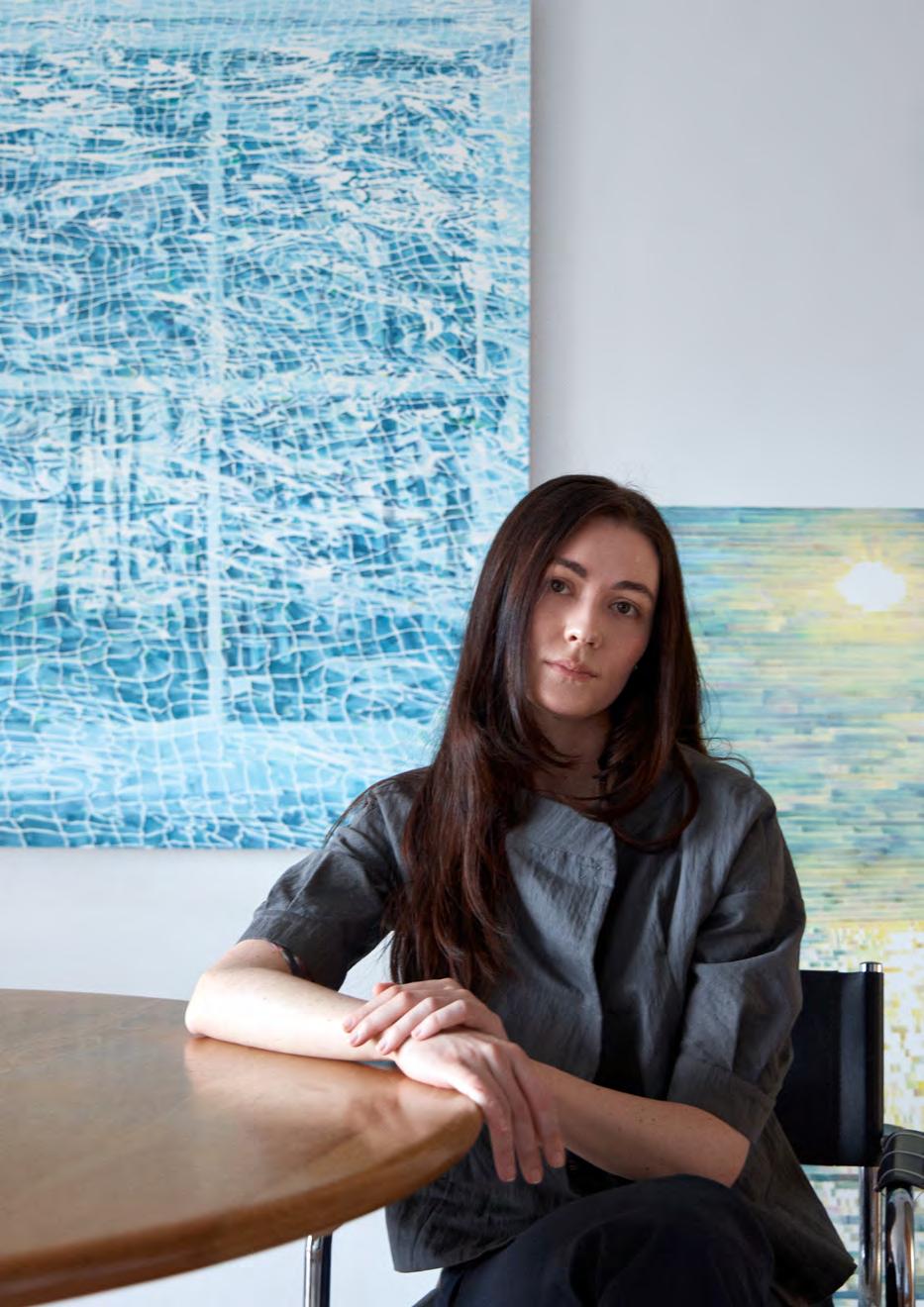
Portrait by James Caswell.
INTRODUCING: Mason Kimber.
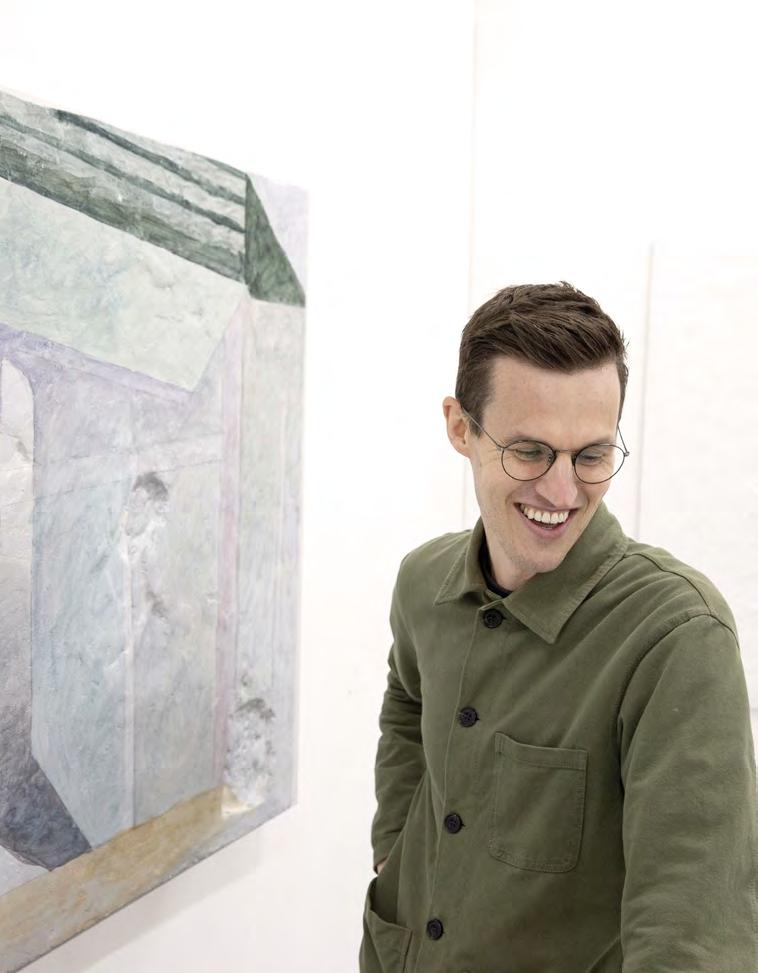
‘We’re thrilled to welcome Mason Kimber to N.Smith Gallery. His practice moves fluidly between painting, relief, and architectural installation, with a sensitivity to memory and place that feels both deeply personal and universally resonant. Mason brings an exciting new dimension to the gallery program, and we look forward to supporting the next chapter of his career.’ – N.
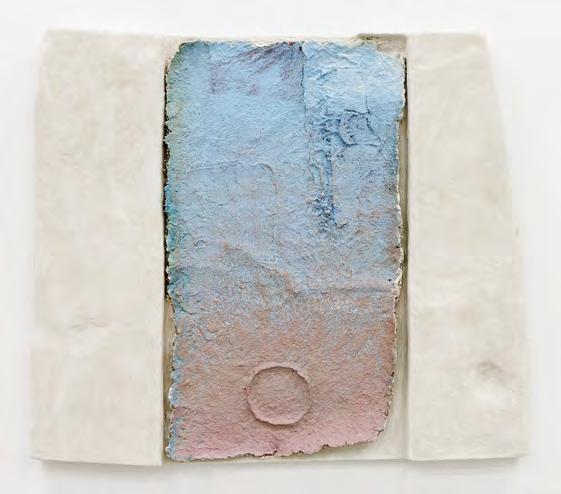
Skyfade, 2025. Acrylic, paper pulp, hessian, composite render, extruded polystyrene, wood. 92 x 80 x 7 cm
MasonKimber is a Sydney/Gadigal based artist whose practice spans textural painting, sculptural relief and site specific installation. His work explores the relationship between architecture and memory, using surface, material and form to investigate how built environments can hold personal and collective histories. Through processes such as moulding, casting and framing, Kimber reimagines interior spaces as layered living structures embedded with traces of memory.
After completing a Master of Fine Art in Painting at the National Art School in 2013, Kimber undertook a three month residency at the British School at Rome. There, his study of ancient frescoes and architectural surfaces deepened his interest in how painting can engage with the material language of buildings and cities.
Drawing on a range of influences from ancient reliefs to the textures of domestic spaces, his work often reflects places from his own past. These fragmented compositions act as liminal thresholds between interior and exterior, evoking a sense of presence within absence.
Kimber has been a finalist in the Sulman Prize, Churchie National Emerging Art Prize, Sunshine Coast Art Prize and NSW Visual Arts Fellowship (Emerging). He has held residencies at Artspace, Parramatta Artists Studios, Waverley Artist Studios and the British School at Rome. His work is held in public collections including Artbank and the Museum of Contemporary Art Australia.
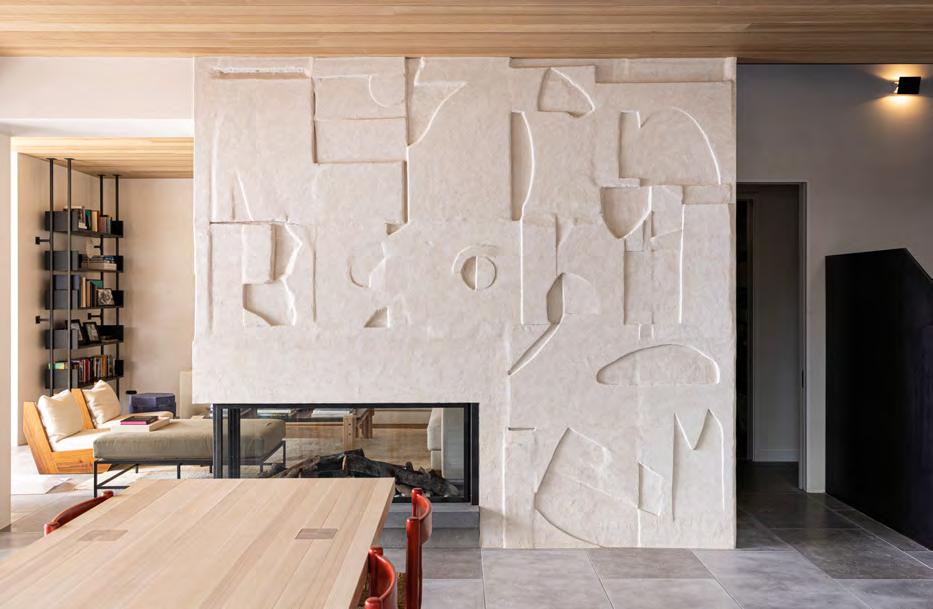
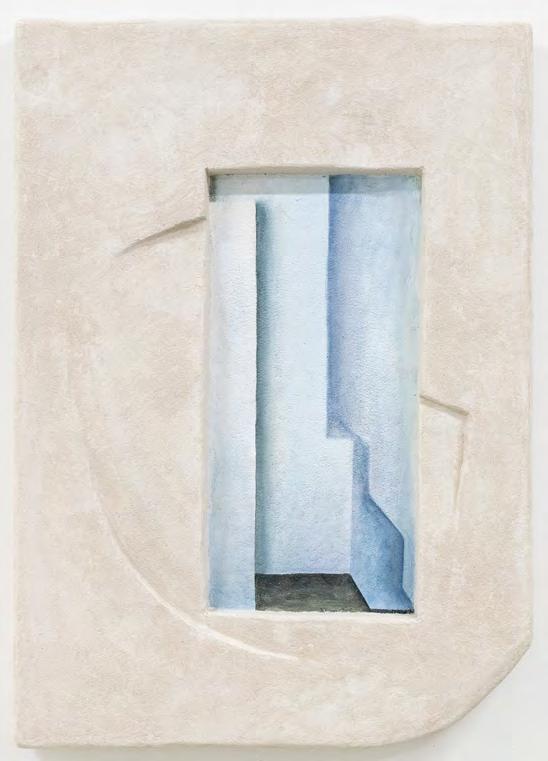
Top:
Tablet/Passage, 2023
acrylic, composite render, extruded polystyrene, wood
85 x 60 x 6cm
Left:
Bronte Wall Commission, 2022
Extruded polystyrene, joint compound, foam coat render
Drawing sits at the foundation of artmaking — the first mark of an idea, a site of reflection, and an enduring trace of the artist’s hand. Folio: Contemporary Australian Drawing and Print brings together a cross-section of Australian artists whose works on paper reveal the continued relevance and range of the medium today.
Alongside guest artists Tuppy Ngintja Goodwin and Kate Vassallo the exhibition features both artists' long associated with drawing and others not typically known for working on paper. Together, they expand what drawing can be – a structural framework, a performative act, or an experiment in texture and tone.
Through graphite, pastel, ink, and collage, Folio seeks to elevate works on paper from the periphery of artistic practice to its centre. These pieces are not studies or sketches, but complete and considered works that carry the immediacy, intimacy, and vulnerability of direct mark-making.
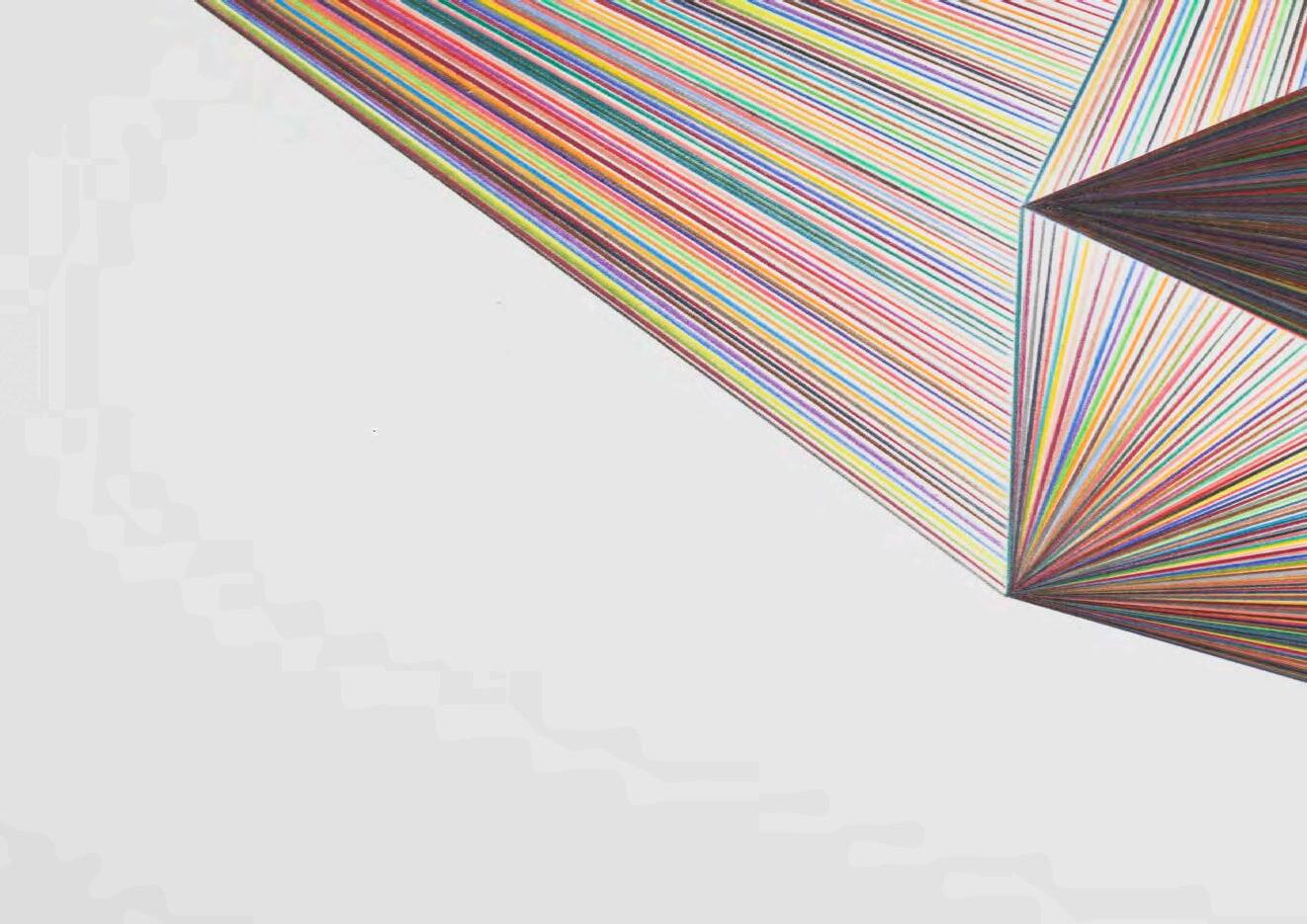
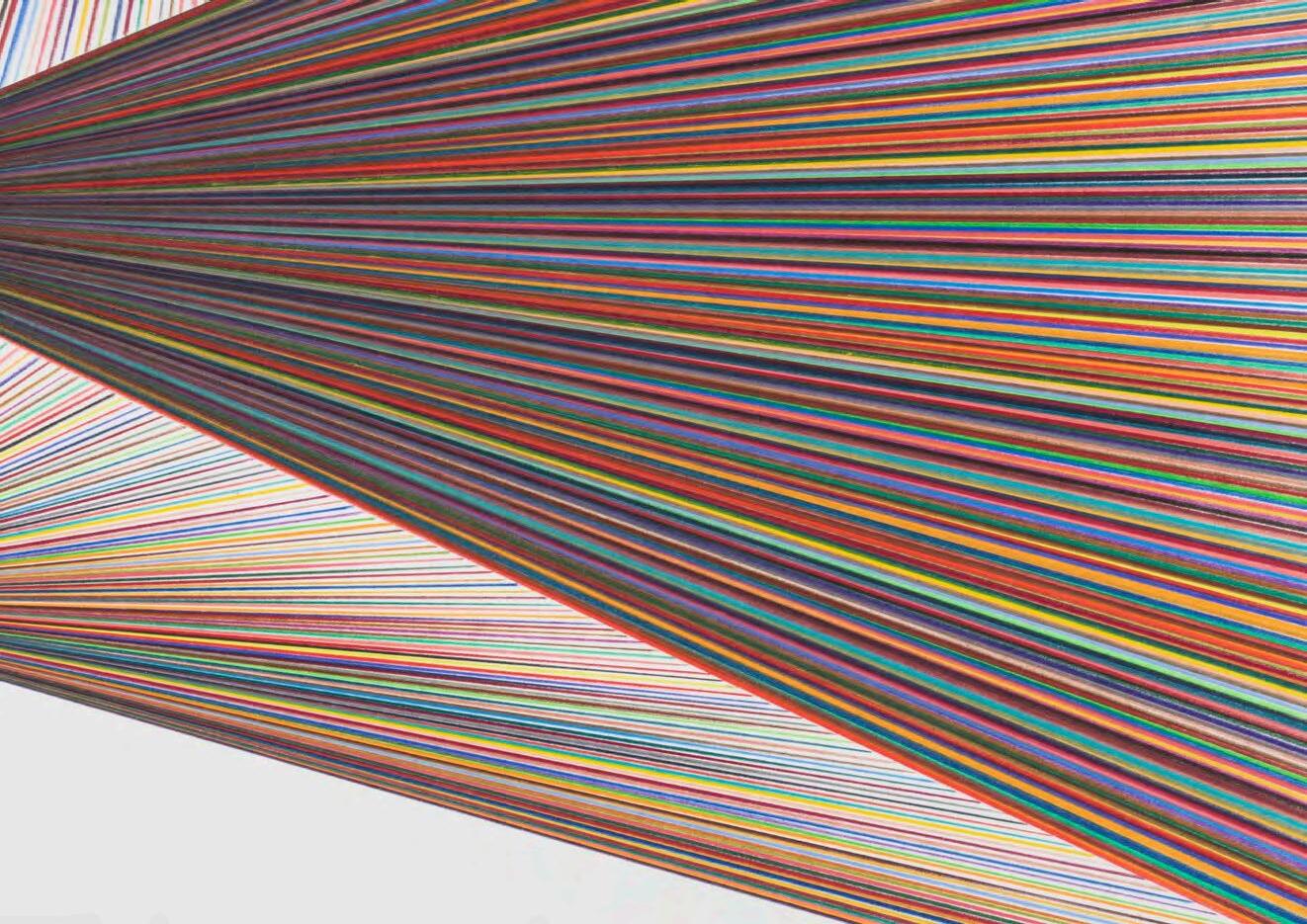
Kate Vassallo
Gain and Loss (100 pencils) [detail], 2024 coloured pencil on paper 150 x 600 cm
By gathering new and established voices across generations and disciplines, Folio reaffirms drawing as a vital and evolving language — one that continues to shape the future of Australian art. View online.
20 Nov – 13 Dec
Summer ‘26.
18 Dec – 17 Jan 2026
Each summer, N.Smith Gallery takes a moment to pause and to look back on the year that was and to acknowledge the shared effort that makes our program possible. Summer ‘26 brings together artists from across the gallery community in a celebration of collective achievement: the works made, the exhibitions realised, the projects that extended far beyond our walls.
More than a survey, Summer ‘26 is a reminder that every artwork, conversation, and collaboration contributes to a broader ecosystem — one sustained by artists, arts workers, collectors, and the communities who engage with contemporary art.
In celebrating this shared momentum, Summer ‘26 marks not just the close of a year, but the beginning of the next chapter in an ongoing story of creative exchange.
Preview online.
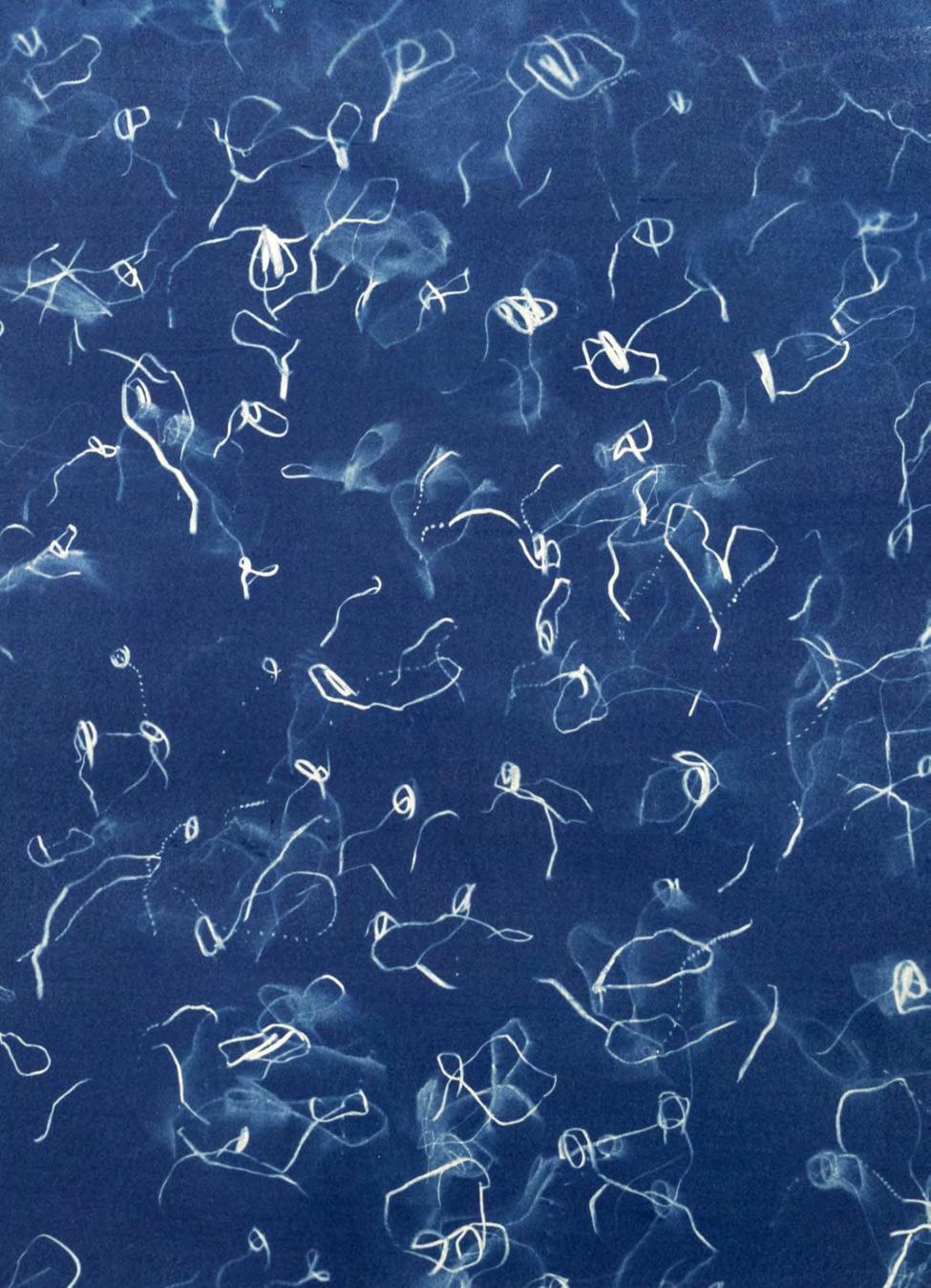
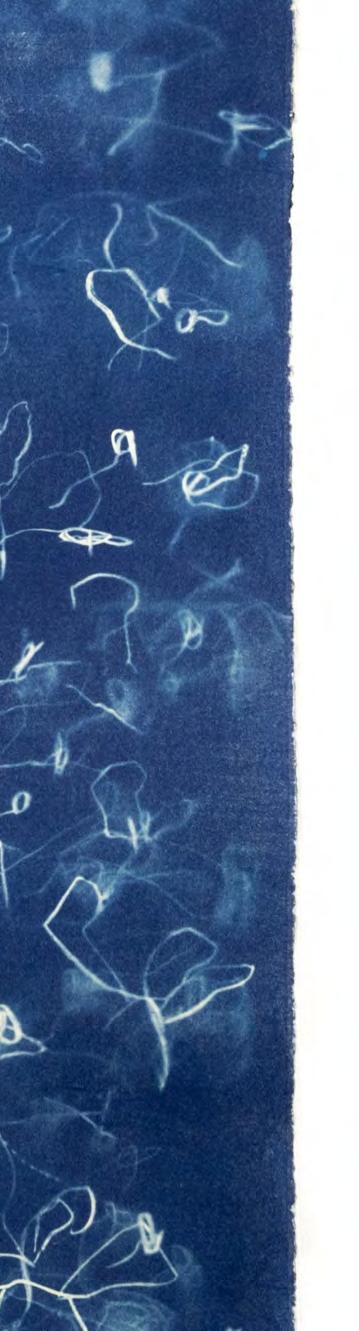
Matt Bromhead JS3 (2), 2025 cyanotype drawing on cotton paper
58 x 78 cm
N.Smith Gallery 12 –28 Feb
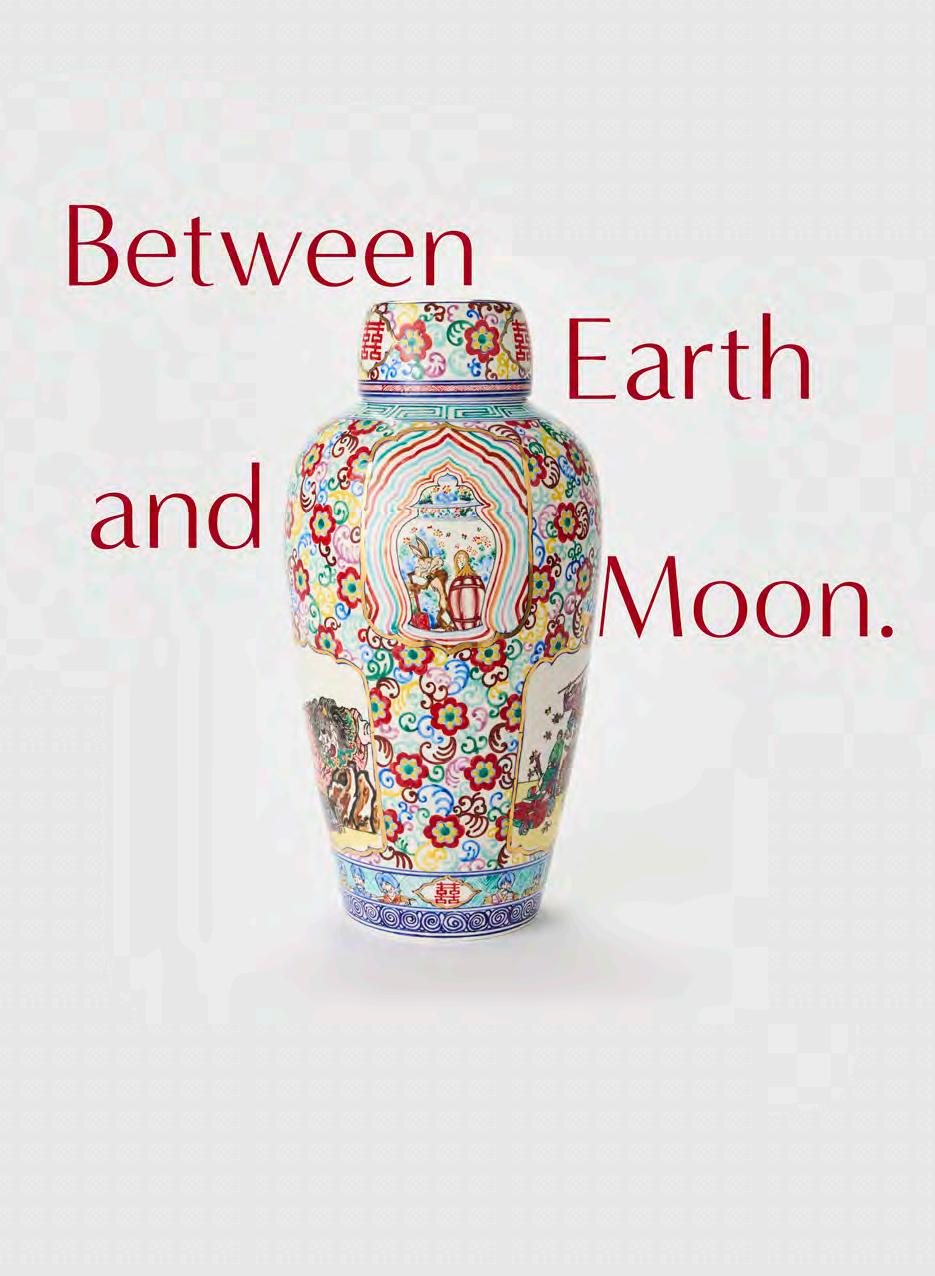
Preview online. A Lunar New Year Exhibition.
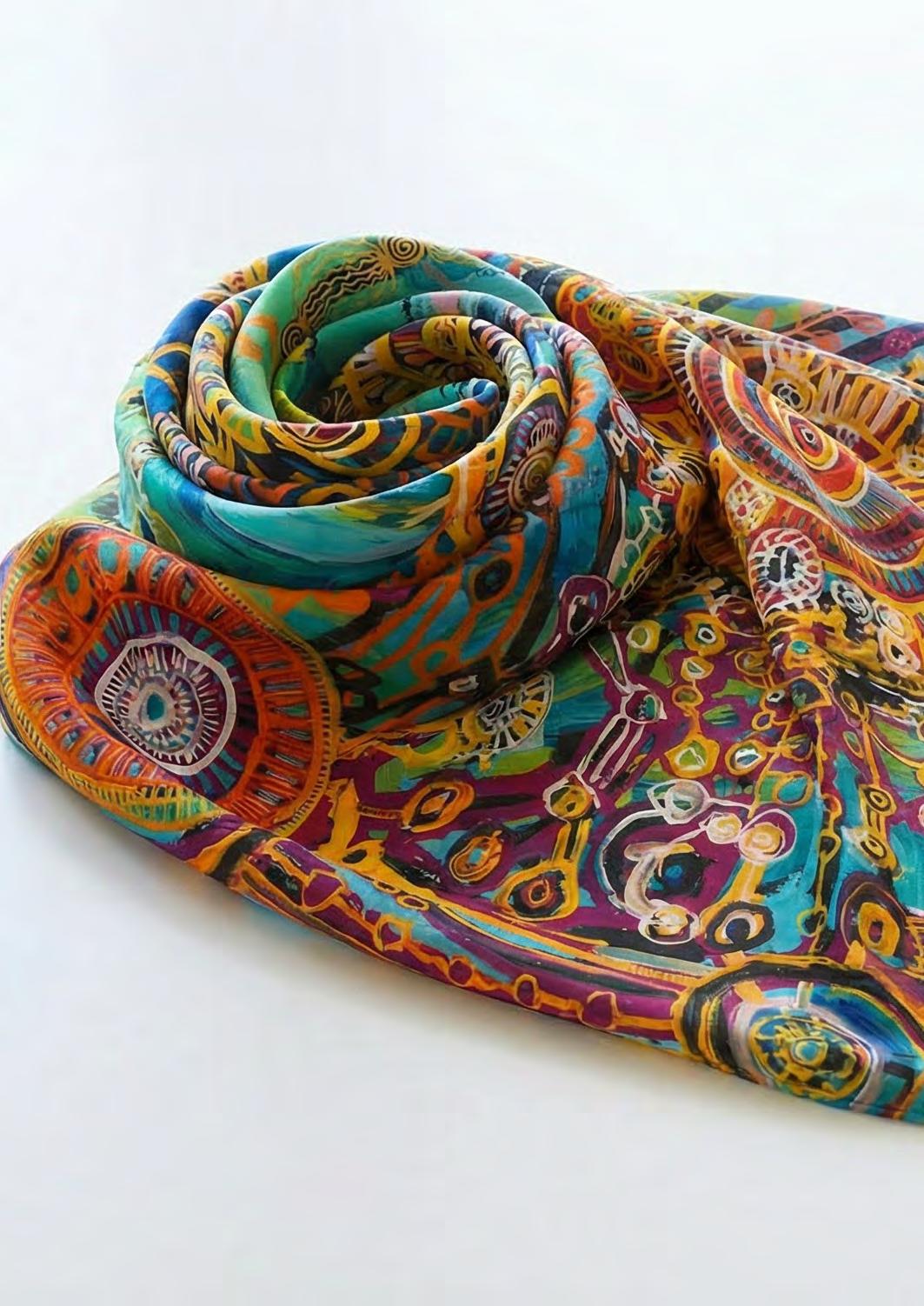
Shop online.
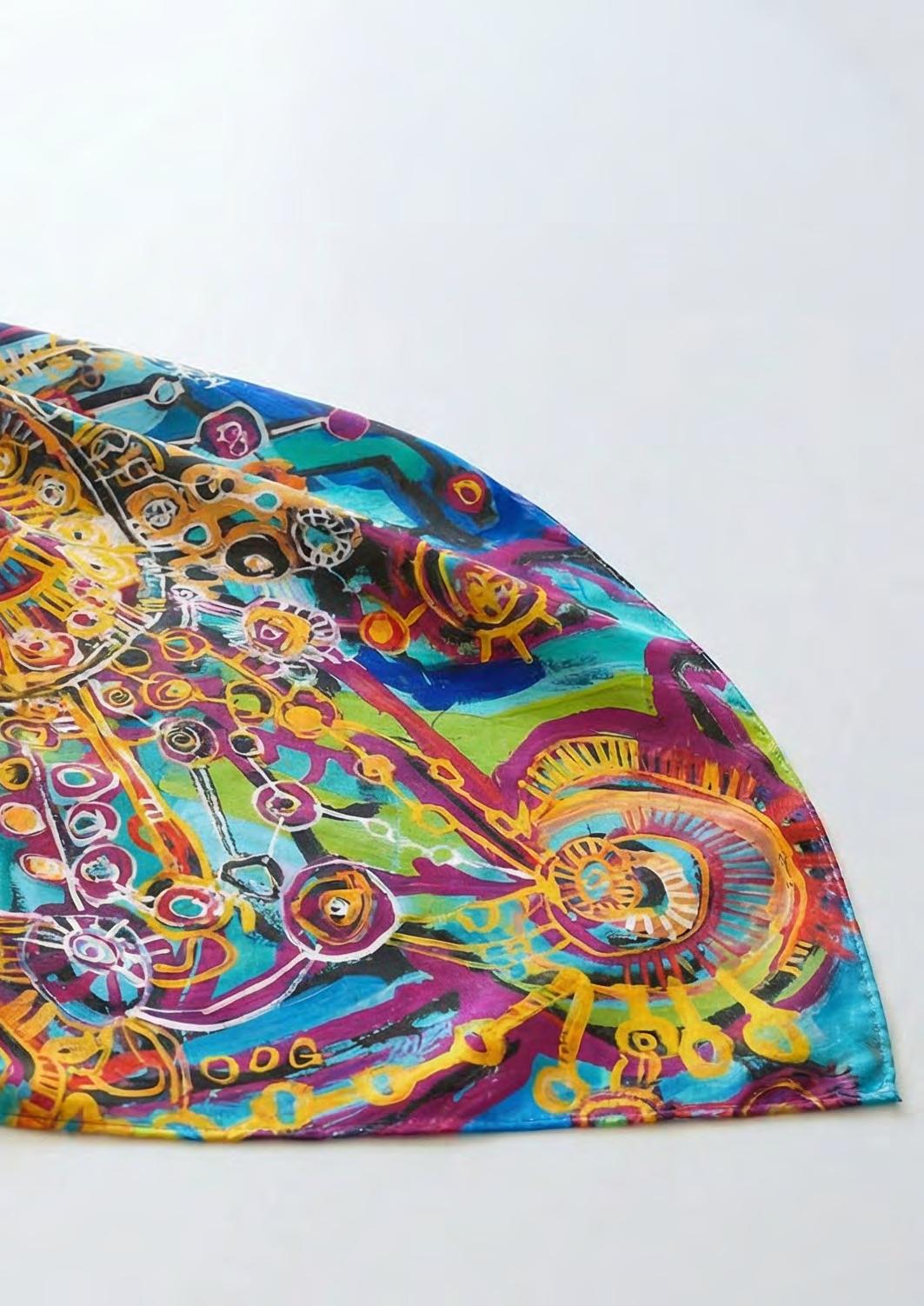
Sally Scales Silk Scarf
NSG Shop.
Introducing NSG Shop – a new platform with a range of items perfect for any arts lover.
Whether you’re looking for the perfect gift or something to inspire your own curiosity, browse through our exclusive books, prints, and collectibles.
With worldwide shipping on all items, explore in person at the gallery or browse online.
NSG EXHIBITION GUIDE.
S W
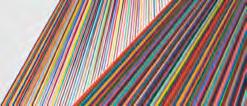
Folio: Contemporary
Australian Drawing & Print.
N.Smith Gallery
20 Nov – 13 Dec
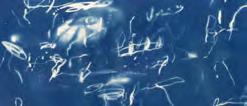
Summer ‘26
A group exhibition.
N.Smith Gallery
18 Dec – 17 Jan
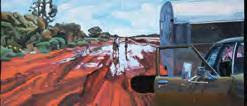
Thea Anamara Perkins
Solo exhibition.
N.Smith Gallery
22 Jan – 13 Dec
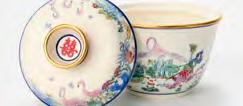
Between Earth and Moon: A Lunar New Year exhibition.
N.Smith Gallery
12 – 28 Feb
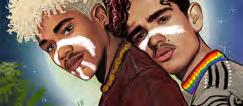
High Colour
Dylan Mooney
Art Gallery of NSW
31 May – 11 Jan 2026
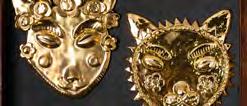
Kerameikos
Vipoo Srivilasa
Chau Chak Wing Museum
24 Aug – 2 Feb 2026
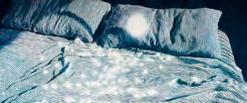
Archibald, Wynne
Gosford Regional Gallery
22 Nov – 11 Jan 2026
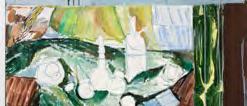
Ode:Margaret Olley & Sally Anderson
Tweed Regional Gallery
12 Sep – 8 Mar 2026
And Still I Rise
Kyra Mancktelow
Art Gallery of NSW
8 Nov – 2026
Vipoo Srivilasa re/JOY
Tweed Regional Gallery
14 Nov – 8 Feb 2026
Vipoo Srivilasa re/JOY
Shoalhaven Regional Gallery
21 Feb – 2 May 2026
Foreshore
Thea Anamara Perkins
Mosman Art Gallery
15 Nov – 15 Feb 2026
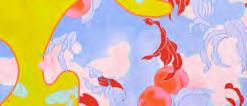
Garden Variety
Louise Zhang
Manly Art Gallery & Museum
5 Dec – 15 Feb
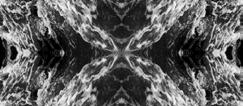
Aidan Hartshorn
Yiribana
Art Gallery of NSW 2026
V I C
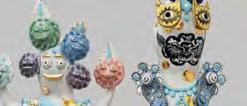
Mud to Masterpiece
Vipoo Srivilasa
Maitland Regional Art Gallery
25 Oct – 1 Feb 2026
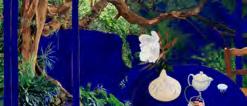
Melbourne Art Fair ‘26
N.Smith Gallery
Melbourne, VIC
19 – 22 Feb
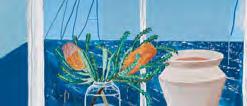
Objective
Sally Anderson
Town Hall Gallery
12 Nov – 24 Jan
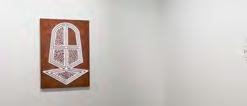
Awakening Histories
Darrell Sibosado
MUMA
4 Oct – 6 Dec
A C T
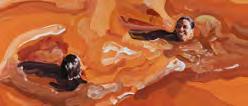
After the Rain:Thea Anamara
Perkins & Dylan Mooney
National Gallery of Australia
6 Dec – 26 Apr 2026
S A
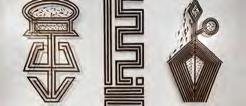
Too Deadly: Tarnanthi
Darrell Sibosado & Thea Anamara Perkins
AGSA
17 Oct – 18 Jan
Return to Sender
Adelaide 24 Feb – 1 Mar
Q L D
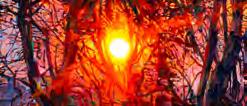
Holly Anderson: Some Things Too Bright to See.
Redland Art Gallery
30 Nov – 27 Jan 2026
Snap Blak: James Tylor
QAGOMA
30 Aug 2025 – 13 Sep 2026
W A
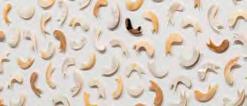
Awakening Histories
Darrell Sibosado
PICA
6 Feb – 29 March
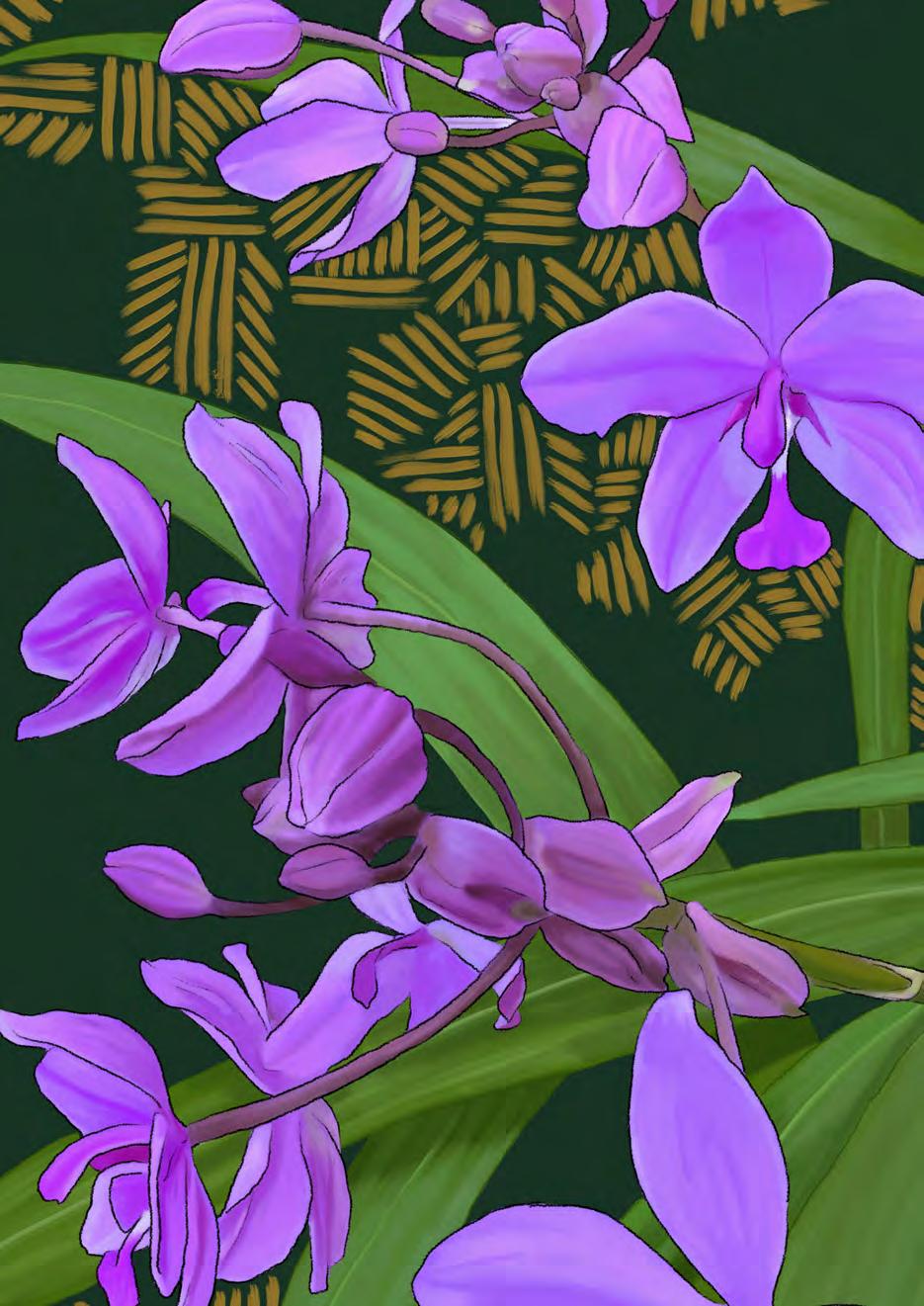
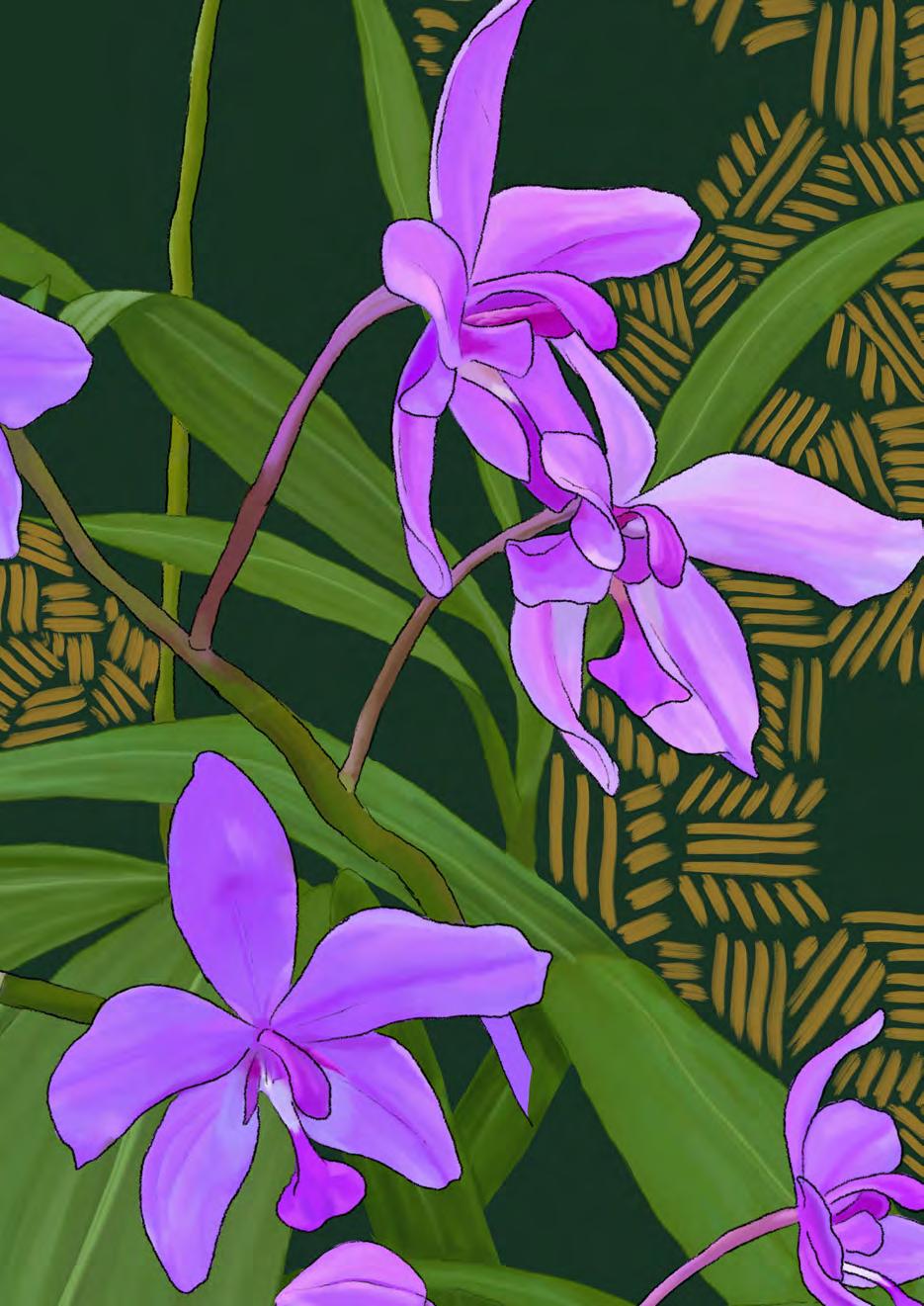
Dylan Mooney
Spathoglottis Plicata – Large Purple Orchid, 2024
digital illustration hand-painted with Yuwi ochre