Understanding the different between vegan and vegetarian chart
Plant-based diets have become more and more popular in recent years, with many people choosing to lead different between vegetarian or vegan chart lifestyles. Despite the fact that both diets forgo meat, fish, and poultry, they differ significantly. The distinctions between the vegan and vegetarian diets including their definitions, dietary options, advantages for health, and effects on the environment will be discussed in this article.
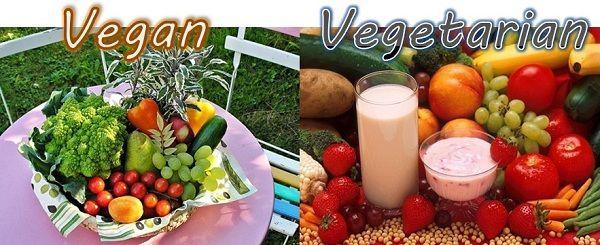
Veganism: A vegan lifestyle involves abstaining from all animal products, such as dairy, eggs, honey, and meat. Additionally, vegans abstain from using leather, wool, and silk products that come from animals.
Vegetarianism: This diet philosophy abstains from eating fish, fowl, and meat. Vegetarians are nevertheless permitted to eat eggs and dairy products. Food Selections.
Food Choices
Vegan Diet: Fruits, vegetables, grains, legumes, nuts, and seeds make up the majority of a vegan diet. Vegans frequently replace animal products with plant-based substitutes including tempeh, tofu, and soy milk.
Vegetarian Diet: A diet rich in plant-based foods, dairy products, and eggs is known as a vegetarian diet. Plant-based meat alternatives, such as soy sausages and veggie burgers, are also acceptable to vegetarians.
Health Benefits
Vegan Diet: Research indicates that a vegan diet can reduce the risk of high blood pressure, heart disease, type 2 diabetes, and some cancers. Furthermore, when compared to non-vegans, vegans typically have lower body mass indices (BMIs) and cholesterol levels.
Vegan Diet: Similar to veganism, vegetarianism has been linked to a decreased risk of type 2 diabetes, high blood pressure, and heart disease. Comparing vegetarians to non-vegetarians, vegetarians also typically have lower BMIs and obesity rates.
Environmental Impact
Vegan Diet: Compared to animal agriculture, the production of plant-based foods typically uses less energy, water, and land. Furthermore, livestock emissions especially those of cattle contribute significantly to global warming. People can lessen their carbon footprint and contribute to the mitigation of climate change by adopting a vegan diet.
Vegetarian Diet: Although vegetarianism is less harmful to the environment than omnivorous diets, it still requires the manufacture of dairy and egg products, which can increase pollution of water sources and greenhouse gas emissions.
In summary, vegetarianism and veganism both have a number of positive health effects and can lessen their negative effects on the environment. But it's crucial that people think through their food choices and make sure they're getting all the nutrients they need. A healthier and more sustainable lifestyle can be achieved by include a range of plant-based foods in your meals, regardless of whether you decide to follow a vegan or vegetarian diet.