

7 expert tips for selecting and caring for a fresh Christmas tree
LISLE, Ill., (Nov. 25, 2025)—With the shopping season underway for live Christmas trees, The Morton Arboretum’s tree experts offer seven key tips for choosing the best tree and keeping it fresh through the holidays.
“Live evergreen trees are commonly purchased for Christmas weeks before Dec. 25,” said Arboretum Plant Clinic Manager Spencer Campbell. “If the tree dries out, it could become a fire hazard. But a well-cared-for tree with consistent water can last all through the holiday season.”


The Arboretum’s Plant Clinic supplied this list of tips for preserving an evergreen tree’s freshness and can provide free advice by phone or email for those with questions about Christmas tree or other plant care.


1. Ensure the tree and stand are a match. Just as fresh-cut flowers need a vase, a cut evergreen needs a proper tree stand. If purchasing a new stand, keep in mind it should hold one gallon of water at a minimum to ensure the tree stays sufficiently hydrated. Bring the stand to the Christmas tree lot—that way, it’s there for comparison against the width of the tree’s trunk. Avoid whittling down a trunk in an attempt to make it fit the stand. Water vessels are located just beneath the bark, so if severed, the tree will quickly dry out.
2. Decide on a suitable evergreen species. Some evergreens retain moisture and hold onto their needles longer than others. Some are more fragrant, less sharp, or have stronger branches for hanging ornaments. Common species sold in the Chicago area include Fraser fir, balsam fir, concolor fir and Scots pine. Learn more about different kinds of Christmas trees on the Arboretum’s website.
3. Search for a fresh tree. The more recently it’s cut, the longer the tree will last. The best option is harvesting from a choose-and-cut tree farm. Small local lots also likely have a stock from the last few days or weeks, making them fairly fresh. Wherever a tree is purchased, check it carefully for freshness.
• How to test for freshness: Needles should
be lush green, plump with water, firmly attached, flexible and fragrant. Try running a hand gently over a branch. If many needles fall off or if the needles feel stiff or crackly, the tree is past prime and should not be bought. While it’s normal for an evergreen to lose some yellow or brown needles in autumn, dropping a significant number of green needles is a primary indication that the tree is drying out. It is not recommended to buy a tree if the seller won’t let the customer unwrap it to examine its freshness.

4. Make a new cut. Once the desired evergreen is cut, time starts ticking. If it’s not placed in water within about an hour, the base of the trunk will become sealed by dried sap, which blocks water absorption. To reopen the tree to water, trim about an inch off the bottom, or ask if the vendor can do it before leaving the lot.



5. Water, water, water. If a tree will be kept outdoors for an extended period of time before it’s set up inside, store it in a bucket of water in a sheltered spot or in an unheated garage. Top off the water in the bucket daily. As soon as the tree is in its desired position indoors, fill the tree stand with warm tap water. Check the water at least twice a day and refill as needed. Never allow the water level to fall below the bottom of the trunk. Exposure to air can still cause the cut surface to seal with sap.
• Use plain water. Don’t add aspirin, sugar or any other substance. Water is all the tree needs.
6. Protect the tree from heat. Stage the tree well away from any heat sources such as radiators, heating vents or fireplaces. Even a very sunny window can dry out a tree. When decorating, opt for newer LED lights that are both more energy efficient and cooler than older incandescent tree lights, which tend to run hot.
7. Routinely check for freshness. Needle loss is normal, but if the tree starts dropping many needles and the branches become brittle, it has dried out. At that point, it’s safest to remove it from the house to prevent a fire hazard.
The Morton Arboretum Plant Clinic is generously sponsored by Bartlett Tree Experts.
How-To Winterize Your Lawn Mower
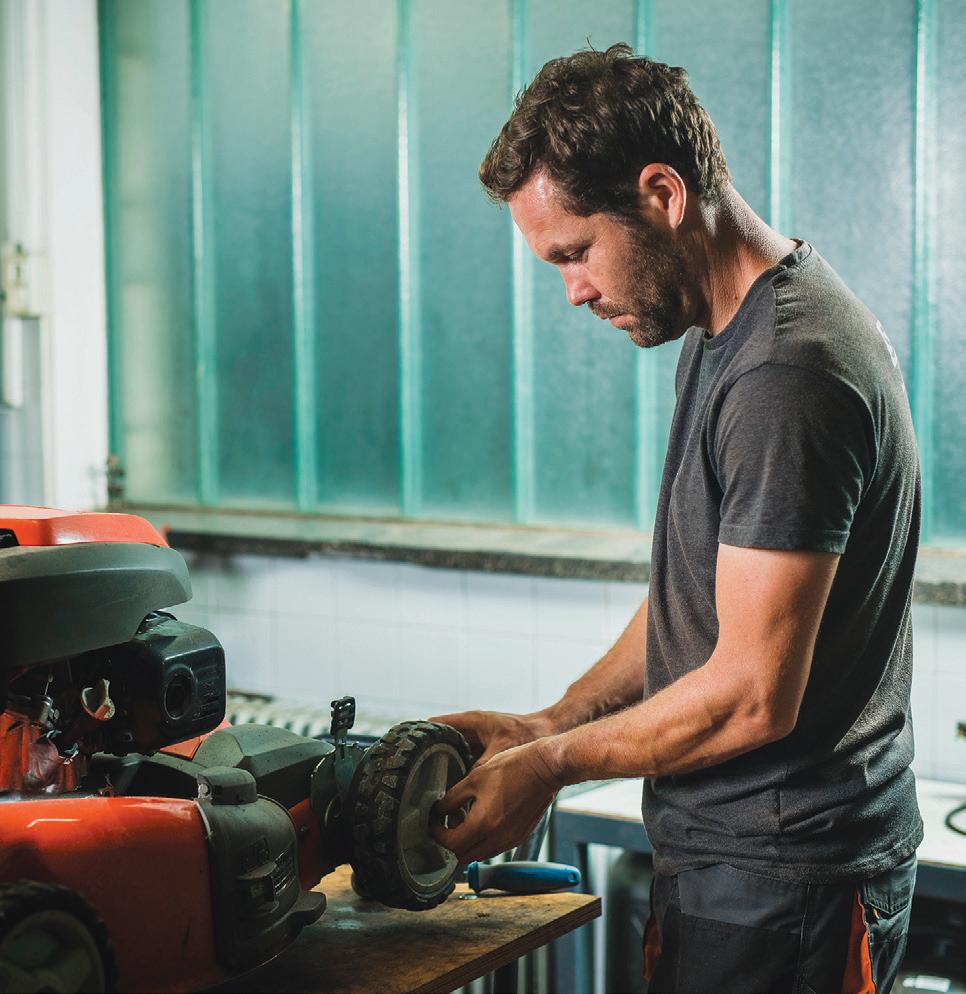
(Family Features) As mowing season winds down with cooler weather setting in, it’s time to prepare your lawn mower for storage. Properly winterizing your mower can help ensure it’s ready to run smoothly when spring returns.
Consider these steps to get your mower ready for winter, which may help prevent corrosion, fuel problems and more costly repairs.
Clean Your Mower Thoroughly
Start by removing any loose grass clippings, dirt and debris then, using a garden hose and scraper, clean the underside of the mower deck. Wipe down the exterior with a damp cloth and mild soap or all-purpose cleaner. Once dry, apply a light coat of silicone spray to metal parts to help prevent rust.
Drain or Stabilize the Fuel
Gasoline left in the tank through winter can break down and cause carburetor issues. You can either drain the tank by running the mower until it’s out of fuel or add fuel stabilizer, running your mower for 5-10 minutes afterward to circulate it through the fuel system.
Change the Oil
Similarly, used oil contains contaminants that can
Strack & VanTil Raises over $38,000 for Meals on Wheels

The results are in for the Strack and Van Til Check Out Challenge. 23 Strack and Van Till locations participated in a two-week fundraising challenge for Meals on Wheels. With the support of Strack & Van Til associates and customers across the Northwest region, a total of $38,758 has been collected. The challenge was between all locations, and the store with the highest amount raised was recognized and rewarded. Customers at each location were invited to round up their total amount or make an additional donation with their cashier associate or through self-checkout. At the end of two weeks, Hobart, Valparaiso, and Crown Point were recognized for their highest contributions. Each store recorded its top-collecting associate, three women: Mary Schilla from Valparaiso, Alexa Jeka from Hobart, and Debbie Scott from Crown Point. They were awarded a gift of appreciation for their support. The winning store, based on the most donations, was the Crown Point Location. They celebrated with pizza and treats baked by Meals on Wheels.
Meals on Wheels acknowledges the contributions of Strack & Van Til associates, staff, volunteers, and participating customers. Through donations and fundraisers, all proceeds will support their mission to prepare and deliver essential, nutritious meals to the community. For more information about Meals on Wheels of Northwest Indiana or to get involved, visit www.mownwi.org or call (219) 756- 3663.
corrode your mower’s engine. Drain the oil following your mower’s manual - usually by tipping the mower or removing the drain plug - then refill with the recommended type and amount of fresh oil.
Inspect the Spark Plug
To inspect for buildup or wear, remove the sparkplug then gently clean with a wire brush. If corroded or worn, the sparkplug may need replaced.
Clean or Replace the Air Filter
A clean air filter helps your mower run more efficiently. Replace paper filters or wash foam filters in warm, soapy water before drying and lightly oiling then reinstalling.
Sharpen the Blade
Remove the mower blade and inspect it for nicks or dull edges. If necessary, sharpen it using a file or grinder then reinstall securely.
Lubricate Moving Parts
Apply spray lubricant to moving parts, such as the wheels, cables and pivot points, to prevent rust and sticking.
Find more guidance for keeping your lawn equipment working correctly at eLivingtoday.com.

Is this a good year for tax-loss harvesting?
SUBMITTED BY PATRICK ZAMKIN
Thanks to market swings, evolving tax laws and new technology, it may be a good year to consider tax-loss harvesting – a strategy that can help reduce taxes and improve long-term returns.
What is tax-loss harvesting? When you sell an investment for less than you paid, you may be able to use that loss to offset gains from other investments, potentially reducing your overall tax bill.
If your total capital losses exceed your gains, you can use up to $3,000 of those losses to reduce ordinary income each year. You can carry any remaining losses forward to future tax years. The strategy doesn’t eliminate taxes altogether; it simply defers them, which can free up money to reinvest elsewhere.
How it works. Imagine an investor who sold one stock for a $10,000 gain and another for a $10,000 loss. The two transactions cancel each other out, meaning no capital gains tax is owed for that year. The investor can then reinvest the proceeds while following the IRS’s “wash-sale rule.” This rule prevents you from claiming a loss if you, or your spouse or a related party, repurchase the same or a “substantially identical” investment within 30 days before or after the sale.
Because of this rule, you should consider how tax-loss harvesting will affect your investment strategy, as the benefit of holding on to that investment (and letting it grow over time) may outweigh the benefit of lowering your capital gains tax bill for a given year.
Good candidates for tax-loss harvesting include investments that no longer fit your strategy (when rebalancing your portfolio, for example), have poor investment potential or can be easily substituted with other investments.
Why 2025 may be favorable. Several factors suggest 2025 may be a good time to consider taxloss harvesting.
First, market volatility has created more opportunities to realize losses. The first half of the year saw sharp market swings that left some portfolios uneven. Many large asset managers have already harvested billions in losses, using them to help lower clients’ tax liability while keeping investment strategies on track.
Second, tax law changes are on the horizon. With major tax reform provisions scheduled to expire in the coming years, many investors are motivated to manage their gains and losses proactively. Those in higher tax brackets stand to benefit most, as the savings increase with your tax rate.
Finally, technology has made the process more efficient. In the past, investors typically harvested losses near year-end. Today, automation and direct indexing allow for continuous monitoring and harvesting throughout the year, capturing losses as they appear.
Putting it into practice. Tax-loss harvesting isn’t right for everyone, and it’s not a reason to overhaul your investment strategy. The approach works best for investors with taxable accounts, current or expected capital gains and a long-term perspective.
Consult your financial advisor and a tax professional before making decisions. When used thoughtfully, tax-loss harvesting can help you navigate a volatile market, reduce taxes and keep more of your money working toward your future goals.
Edward Jones, its employees and financial advisors cannot provide tax or legal advice. You should consult your attorney or qualified tax advisor regarding your situation.
This article was written by Edward Jones for use by your local Edward Jones Financial Advisor, Patrick Zamkin, located at 18735 Dixie Hwy, Homewood, IL 60430. Contact us at (708) 7989066. Edward Jones. Member SIPC.
St. Jude House Staff Envision Growing New Transitional Housing Program for 2026
St. Jude House staff are utilizing a supportive financial housing program to help end the cycle of domestic violence and abuse.
Transitional housing is a new program at the domestic violence shelter and prevention center, St. Jude House. The program, which has been in minor development in years prior, is St. Jude House’s way of extending care to survivors after they leave St. Jude House’s facility.
Transitional housing is a financial support program for survivors who have left St. Jude House’s facilities and moved into traditional housing that don’t have the means and economic resources to support themselves completely, says St. Jude House Executive Director Anna Schoon.
“[Transitional housing] was part of the organization’s strategy before I got here, and there had been some initial legwork done before I got here,” said Schoon, “But as it turned out, we had to kind of regroup after I got here. We had to find a new way to get it accomplished.
Survivors need more time to build up to economic sustainability. So St. Jude House will help support a portion of their housing expenses for a period of time, up to two years, while they get on their feet.”
This new program is a part of St. Jude House’s ongoing commitment to stopping the cycle of domestic violence. St. Jude House and other domestic violence shelters like it provide on-site shelter to temporarily stop domestic violence, but preventing survivors from stepping back into abusive cycles is an entirely different struggle.
St. Jude House employees specialize in making survivors feel safe, secure, and welcome. Through transitional housing, St. Jude House financially empowers survivors reentering society. Survivors must work to find new housing themselves, and St. Jude House will help support them for at least two years.
The demand for this program has not diminished. Lauren Zurbriggen, Director of Development at St. Jude House, emphasizes that while the program is beginning to take shape, more funding is needed to turn transitional housing from a small development into something St. Jude House can offer all survivors leaving the facility.
“The more access that we have to funding to support that program, the more people we can offer it to, and then they can leave the shelter faster,” said Zurbriggen. “Most people are here because they don’t have another housing option. Housing is one of our biggest needs.”
St. Jude House facility currently contains nine bedrooms and forty beds. The organization currently has three families in transitional housing, and has hopes to extend it to more families and survivors in the future.
As a legal advocate for survivors at St. Jude House, Pamela Serrano knows how difficult it can be for traumatized survivors and families to get the help they need. She sees the program as an opportunity for survivors to get back on their feet and avoid falling back into the cycle of abuse.
“One of the main reasons survivors go back [to abusive relationships] is because they don’t have a place to go,” said Serrano, “They’ve been financially abused, emotionally abused, and isolated. It’s confusing for people who don’t really understand domestic violence and all the intricacies of it. But, survivors go back often because they don’t have a place to go, and they’re scared.”
The security of financial backing from St. Jude House can help survivors build up economic stability and avoid sinking back into an abusive cycle. Serrano looks forward to the day the program can be offered to more families and survivors leaving St. Jude House. She has even helped survivors move into new homes herself.
“Because we’re limited right now, the person has to fit a certain criteria just to make [the transition] successful,” said Serrano, “I’ve actually helped people move before into places. The really nice thing about it is lots of those clients come back for groups and come back for certain events. It’s super nice to see how they’re doing, how their kids are doing, and how successful they have been. That’s a really nice piece of it.”
Plans for additional funding for the transitional housing program have not been announced. As a nonprofit domestic violence shelter, St. Jude House is always accepting donations from the community. These donations can help make the transitional housing program more accessible to survivors leaving St. Jude House and those entering the facility in the future.
St. Jude House is a domestic violence shelter and prevention center located in Crown Point, Indiana, open to all survivors of domestic violence. In addition to free 24-hour, 365-day shelter and crisis intervention, St. Jude House also offers mobile advocacy, legal advocacy, case management, clinical therapy, child advocacy, adult advocacy, group services and programs, and financial empowerment.
An independent newspaper serving the area since 1957.
©The Shopper
924 E. 162nd Street • South Holland, IL 60473
HOW TO REACH US
Phone: 708-271-8971 • www.myshopper.biz
Email: general@myshopper.biz
CIRCULATION
Published every week covering the towns of South Holland/Thornton, Lansing, Dolton/ Calumet City, Munster, Highland, and Schererville. Our circulation is independently audited by CAC.
ERRORS
We proofread all Classified ads. However, should a mistake occur, it can easily be corrected, provided it is brought to our attention.
Call 708-271-8971 to rectify an error. We cannot be responsible for more than one incorrect insertion.
Adjustment for error is limited to republication. In any event, adjustment for errors or omissions is limited to the cost of the space occupied.
CLASSIFIED ADS
The Shopper offers FREE non-business Classified Ads (20 word maximum). Business Classifieds are $25 for 20 words, $1.00 per word over.
Place ads online at www.myshopper.biz
NEWS
Email news items to general@myshopper.biz
Some content courtesy of Family Features and Capital News Illinois.
DEADLINE
Friday 4:00 pm for the following week’s issue.
PUBLISHER’S NOTICE
The Shopper reserves the right to edit any content supplied for publication as it sees fit, including but not limited to clarity, grammatical and factual accuracy, and to accommodate available space. All real estate advertising in this newspaper is subject to Fair Housing Laws which makes it illegal to advertise “any preference, limitation or discrimination based on race, color, religion, sex, national origin, familial status, sexual orientation, marital status, military status, age, ancestry, parental status, source of income, military discharge status or housing status,” no matter how large or small the property. This newspaper will not knowingly accept any advertising for real estate which is in violation of the law. Our readers are hereby informed that all dwellings advertised in this newspaper are available on an equal opportunity basis.
To complain of discrimination call HUD toll-free at 1-800-669-9777. The toll-free telephone number for the hearing impaired is 1-800-927-9275.
LOCAL CHURCHES
CHRIST COMMUNITY CHURCH, COGIC
1151 E. 170th St., South Holland
708-331-8389
FAX 708.331.8374
Admin@ChristCommunityCOGIC.org ChristCommunityCOGIC.org
PASTOR DR. CARL E. KING,
COVENANT UNITED CHURCH OF CHRIST 1130 East 154th St., South Holland
708-333-5955
www.covucc.org
PASTOR REV. DR. PATRICK L. DAYMOND WORSHIP SERVICES
FIRST CHURCH (PCA)
708-474-9610
www.firstchurchpca.org
RECONCILIATION CHURCH
833 East 168th St., South Holland
708-331-7755
www.reconciliationchurch.org
PASTOR GLEN MCCARTHY WORSHIP SERVICES
Worship 10:00 a.m. Wednesday Bible Study 7:00 p.m.
REDEEMER LUTHERAN CHURCH
651 East 166th St., South Holland
708-331-4100
redeemer-lutheran@sbcglobal.net
WORSHIP SERVICES Sunday 9:30 a.m. Sunday School 10:45 a.m. Channel 6 Tues. 10:00 a.m.
ST. PAUL’S EVANGELICAL LUTHERAN CHURCH & SCHOOL 8601 Harrison Avenue, Munster, In. 46321 219-838-6720 stplmunster.com
Pastors: Peter Speckhard, Adrian Krebs
WORSHIP SERVICES:
FIRST ORTHODOX PRESBYTERIAN CHURCH OF SOUTH HOLLAND 16248 South Park Ave., South Holland
708-333-8211
www.firstchurchsh.org
PASTOR REV. DANIEL SVENDSEN WORSHIP SERVICES Sunday 9:30 a.m. & 5:30 p.m.
GRACE LUTHERAN CHURCH, LCMS
8303 Sheffield Avenue Dyer, IN 46311 (219) 865-1137
gracedyer.org
PASTOR REV. DALE HETHERINGTON
Bible Study: Sundays at ........9:15am (Sunday school at
2nd & 4th Tuesdays of the
ESPIRITU DE DIOS
16400 S. State St., South Holland
708-439-1220 sogfchurch.com
PASTORES Jose & Paula Lopez
SERVICIOS: Grupo de Oracion de Hombres Jueves ........................................... 7:30 p.m. Sabado Alabanza y Predicacion.....6:00 p.m.
UNITY OF NORTHWEST INDIANA
Plum Creek Center
2138 Moeller Street Dyer, IN 46311 (219) 931-5284
www.unitynwi.org ALL WELCOME
MINISTER: REV. GERALDINE COLVIN SUNDAY SERVICE.......................10:00 AM

One word you might hear a lot this Christmas season is “peace.”
In Isaiah 9:6, Jesus is prophesied to be the “Prince of Peace.” In anticipation of His birth, the angels that appeared to the shepherds near Bethlehem said, “Glory to God in the highest, and on earth peace among those with whom he is pleased!” (Luke 2:14).
In a Biblical sense, peace is more than an absence of fighting — it’s a sense of wholeness and harmony — a “rightness” with God and those around you. In this way, it makes perfect sense why Jesus is called the “Prince of Peace.” As sinners, our relationship with God is warped — it’s adversarial, not whole.
But when Jesus Christ came to earth to pay for our sins, he restored us to a right relationship with God. Isaiah 53 says “we are healed by his wounds.”
The peace this brings is greater than having all our gifts bought and wrapped, or having a clean house ready to host our loved ones. This

Are You Shining Brightly? Turn Your Light On!
by Janice R Newman
Life is filled with both light and darkness. When we think of light, we picture brightness, warmth, and the ability to see clearly. Light can also feel like something gentle that lifts your spirit and helps you move forward. However, when we think of darkness, we often envision a deep, empty space filled with fear, sadness, or confusion. Darkness can leave us feeling lost, weighed down, or uncertain about our future. We all experience light and dark moments throughout our lives. Some days we feel bright, joyful, and confident, and other days we may feel discouraged, overwhelmed, and disheartened. Even though darkness surrounds us through news, violence, or personal challenge, we still have a choice. We can let the goodness inside us shine, or we can allow the darkness to take control.
Living “in the light” means allowing the best parts of yourself to show. Light brings joy, love, appreciation, honesty, and understanding. It reflects kindness in others, because life is not only about what we need, but also about how we treat the people around us. When you choose to live in the light, you begin to see the positive side of situations. Instead of complaining, you may start to feel thankful. Instead of judging others, you may start showing patience. These small changes help your light grow brighter and help you become a person others feel safe coming to.
Your light shining has a powerful effect on others. When you act with kindness or compassion, others notice and can be inspired to shine. For example, when a co-worker succeeds by getting the promotion you wanted, you may feel disappointed. But choosing to be truly happy for them keeps you positive. It protects you from jealousy, envy, and negativity, which are all forms of darkness that affect your spirit. Showing good character strengthens who you are and shows others what living in the light
looks like.
Light also plays a big role in our close relationships. When arguing with your spouse, family member, or friend, choosing to stay calm, understanding, and willing to listen helps heal the situation instead of damaging it further. Forgiveness, patience, and thoughtfulness are all ways of shining brightly. These actions may not always be easy, but they give you hope. People feel safe around someone who shines light versus reacts with anger, hostility, or harsh words.
Why should we choose light instead of darkness? Light brings clarity, hope, and direction. Darkness brings confusion, negativity, and pain. When we walk in the light, we allow God to guide us. His light helps us move forward and gives us the strength to handle whatever life brings. But when we hold on to darkness—such as hatred, gossip, jealousy, or anger, harm not only others but also ourselves. Dark emotions weigh you down and adversely affect your physical health. They can keep us stuck.
Every day brings a new chance to choose light. Even when life feels unfair or difficult, your light will shine in the darkness. It will give you purpose, strength, and make a positive impact. When you display kindness, hope, and love, people see God working through your life.
In Matthew 5:16 (NIV), Jesus teaches us, “Let your light shine before others, that they may see your good deeds and glorify your Father in heaven.” This means that our light is not just for us, but for others to see God’s goodness in us.
Every day, choose to shine brightly. We don’t have to be perfect, but simply need to stay open, grateful, hopeful, and willing to let God lead us. So, ask yourself: “Is my light on?” And if it’s not, turn it on now and let it shine! Y? Why Not!
Like me on Facebook https://www. facebook.com/ywhynotshow/

peace comes from the sacrifice of Jesus changing us from being hostile toward Almighty God (James 4:4) to becoming His cherished children (1 John 3:1).
And it doesn’t stop there! As God’s beloved children, our inheritance is peace — in the form of a renovated world where all things will be set right and we will live with our Father forever.
This Christmas season, remember that true peace doesn’t come from gift-giving, family time, getting all your work done, or even from a baby cooing in a Bethlehem manger thousands of years ago. The real peace of Christmas is the peace that Jesus Christ brings as the savior of his people — a gospel peace that we’re to share with those around us during this season and throughout the year.
Josh
Bootsma
Director
of Ministries, Covenant Fellowship Church cfcsh.org
Heart Smart
JOSH BOOTSMA


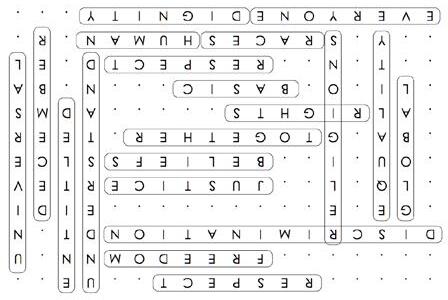
WORDSEARCH


ACROSS
A shelter for birds
Informal conversations
Oxygenates
A Middle-Eastern peninsula
A food turner
Remorse
Not cold
Beeped
Definite article
A Great Lake
Quick or acute (Scottish)
Equal in score
Gale
Attempt
100 in a dollar
Smiled contemptuously
Large chimes
Lenders
Celebrated 36. Dealers 39. Mammalian solid waste 40. Biography (abbrev.) 41. Long narrow openings 43. Extol 44. Hacks
46. Days gone by 47. Earned Run Average 48. A type of igneous rock 50. Brownish 51. Ideal 53. A narcotic
55. Making harsh noises while sleeping
56. Geysers or fountains
57. A dabchick bird
58. A sudden forceful flow

DOWN
1. Accounts
2. Formal speech
3. A type of cereal grass
4. Half a ticket
5. Expresses in spoken words
6. A wicker fish-basket
7. Each one has 5 fingers
8. Fabric made of camel hair
9. Dyeing
10. Small soft bags
11. Residues from a fire
12. Beatified
13. Put into service
14. Requirements
19. Hell
22. Constructed
24. In a nervous or anxious manner
26. Small ponds
28. Units of cut wood
30. The color of cherries
31. Anagram of “Ago”
33. Equatorial regions
34. Dreading
35. South American country
37. A state of violent disorder
38. Exotic or unusual
39. Hurries away
40. A drug made from the hemp plant
42. Anagram of “Sense”
44. An ugly evil-looking old woman
45. Ceases
48. Smooth-tongued
49. Beige
52. Mineral-bearing rock
54. What we breathe
UNIVERSAL HUMAN RIGHTS MONTH
December is a time to honor the Universal Declaration of Human Rights, an international document stating the basic rights and fundamental freedoms to which all human beings are entitled. These rights include freedom from discrimination, the right to equality, and the right to be considered innocent until proven guilty.
Source: nationaldaycalendar.com


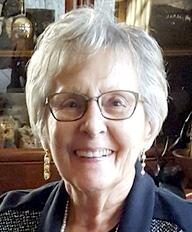
Patricia A. Queen, nee Koester, age 87, of Lynwood, IL, passed away on Thursday, November 20, 2025. Beloved wife of the late Billy Queen. Loving mother of Mark (Nancy) Queen, Marcia Queen, and Michelle (Henry) Trevino. Cherished grandmother of Kelly O’Neill, Jamie Landall, Mark Queen Jr., and Jeremy Trevino. Greatgrandmother of Alexis, Kylie, Rook, Mark III, Kendall, Kaiden, Emma, and Memphis. Dear sister of the late Carol (late Edward) Beckman. Kind aunt of Gerald Beckman and Susan Klaczak. Preceded in death by her parents Arthur and Helen Koester. Private services will be held. Arrangements entrusted to Smits Funeral Home—Dyer, IN.
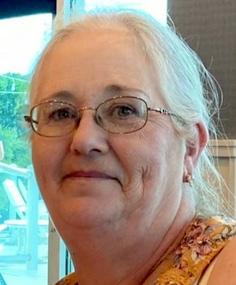
Patricia Ann Woltz (née Calhoun), age 64, of Sauk Village, IL, passed away peacefully on Friday, November 28, 2025.
Patricia was the devoted wife of the late Francis Thomas Woltz and a loving mother to the late Krista Ann Woltz, Christopher Thomas Woltz, Daniel Kennith Woltz, and Genevieve Marguerite Calhoun. Her heart was fullest in the presence of her family, and she took immense pride in being “Mom” and especially “Nanna.” She was a cherished Nanna to Crystal Star Williams, Alex Dale Francis Hamilton, Delphine Ann Hamilton, Hasiley Ann Woltz, Brandon Thomas Woltz, Brian Kennith Woltz, and Carmen Fernando Woltz—each of whom brought her tremendous joy. Patricia was the beloved sister of Glenn Calhoun, Rodney Calhoun, Sandy Leonard, Joey Calhoun, and Roger Calhoun. She is preceded in death by her parents, Arthur and Genevieve Calhoun.
Patricia spent many years as a deli clerk at Strack & Van Til, where she was known for her warmth, her easy laugh, and her gift for making people feel welcome. She approached life with resilience, a
generous spirit, and a deep love for her family. Those who knew her well remember her kindness, her strength, and the steady love she carried for the people closest to her. She will be profoundly missed.
A Memorial visitation will be held on Saturday, December 6, 2025, from 1:00–4:00 p.m. with a family celebration of Life Service at 3:00 p.m. at Smits Funeral Home, 2121 Pleasant Springs Lane, Dyer, IN. For further information, please call 219-3227300 or visit the online obituary and guestbook at www.SMITSFH.com
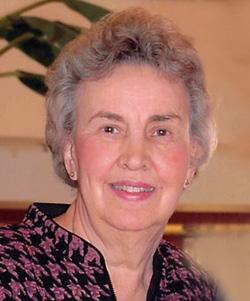
Ida M. Peerbolte, nee Van Dyke, age 88, of Munster, IN, went home to her Lord and Savior on Saturday, November 22, 2025. Loving wife of the late John A. “Al” Peerbolte. Devoted mother of Linda (Rick) Herman, John (Lorraine) Peerbolte, and Leanne (Jon) Heiniger. Proud grandmother of Rick (Jen), Tom, Dave Herman, and Kristina (Marvin) Buhle; J.P. and Catrien Peerbolte; Rachael (Kyle) Moore, Jack (Aimee) Heiniger, Nicole (Ethan) Howard; great-grandmother of Leah Herman and Stella Buhle, Annie, Ruby, and Winston Moore, Harry & Sam Heiniger, and Maesie Howard. Preceded in death by her parents Thomas and Ella Van Dyke, daughter Brenda Peerbolte, and daughter-in-law Cathy Peerbolte, nee Beezhold. Dear sister of Jack (Carol) Van Dyke, Cora (late Dave) Moake, Donna (late Dave) Fledderjohann, and late Hank (late Nikki) Van Dyke; sisterin-law of the late Don (Georgeanne) Peerbolte, Judy (Bill) Staat, Dave (Toni) Peerbolte, and the late Gene (Karen) Peerbolte. Kind aunt of many nieces and nephews. Ida was loved by her family, and many friends, and will be dearly missed. Visitation Saturday, November 29, 2025 from 11:00 a.m. until the time of the funeral service at 1:00 p.m. at Smits Funeral Home, 2121 Pleasant Springs Lane (Rt.30/Pleasant Springs Ln.), Dyer, IN, with services conducted by Rev. Jim Hollendoner. The service will be live streamed from our Facebook page at https://www.facebook.
com/SmitsFH. Private interment Oak Ridge Cemetery – Lansing, IL. In lieu of flowers, memorial donations to Highland Christian School 3040 Ridge Road Highland, IN 46322, appreciated. For further information, please contact 219-322-7300 or visit our online obituary and guest book at www. SMITSFH.com
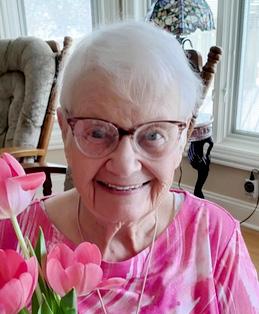
Carol A. Winefka, nee Zaur, age 89, of Dyer, IN, passed away on Tuesday, November 25, 2025. Beloved wife of the late Robert J. Winefka. Loving mother of Steven (Donna) Winefka, Cindy (Edward) Duckworth, and Scott (Cheryl) Winefka. Cherished grandmother of Michael Duckworth, Timothy Duckworth, Kyle (Kelly) Duckworth, Michael (Melanie) Keller, Danny Keller, and Jeff (Jen) Winefka. Greatgrandmother of Jackson, Charlotte, Tanner, Jacen, Aubrey, and Tanner. Dear sister of the late Jerome (Geraldine) Zaur. Preceded in death by her parents Joseph and Anne Zaur. Private family services will be held. Arrangements entrusted to Smits Funeral Home—Dyer, IN. For further information, please contact 219-3227300 or visit our online obituary and guest book at www.SMITSFH.com

Down Syndrome Association and Suncrest Church Collaborate for Families
Since 1987, the Down Syndrome Association of Northwest Indiana has been providing services to those with Down Syndrome and their families. They aim to give these people and their families opportunities to have fun and learn new skills that could lead to better futures. They host play groups, parties, craft nights, sports games, and classes that families can participate in. Over 130 activities are offered, free of charge, annually.
Suncrest Christian Church, located in St. John, Indiana, has created a partnership with the Down Syndrome Association. Over many years, this relationship has expanded, providing compassionate service in volunteer activities and financial support of over $10,000 a year.
Along with the annual donations, Suncrest Christian Church has a group of volunteers, the Compassion Team, that actively participates in the events hosted by the Down Syndrome Association. What began as two times per month, has now increased to four times a month, the Compassion Team helps plan and execute different events for those using the Down Syndrome Association’s services.
The Compassion Team recently helped host a murder mystery night where the participants received their character assignment through the mail with a script for their role. Everyone showed up dressed for their part in fun costumes. This even has become so popular that it is hosted every Monday night. The Compassion Team volunteers help the young adults execute their part until the exciting conclusion.
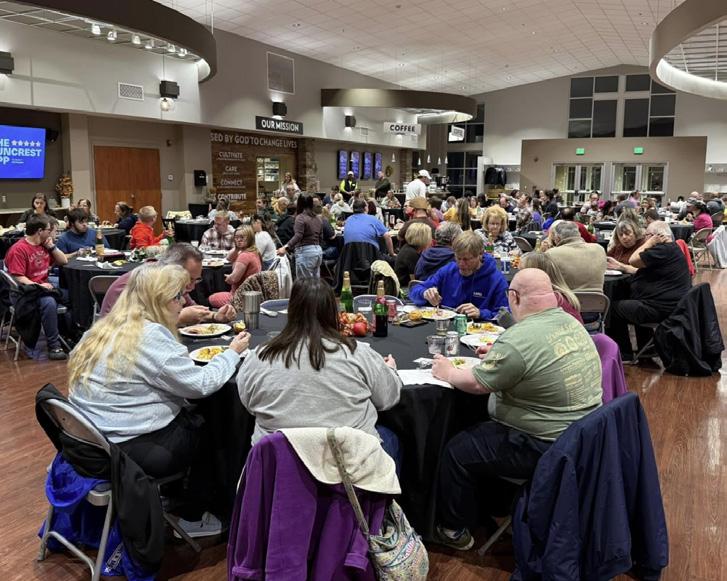
This week, Suncrest Christian Church opened their doors and hosted the annual Down Syndrome Association Friendsgiving dinner. Families brought dishes to share and well over 100 people were in attendance. The Compassion Team volunteers set up the entire event, served food, and took care of all of the clean-up afterwards.
Events such as these make a huge difference in the lives of those with Down Syndrome and their families. The Down Syndrome Association’s mission includes creating friendships amongst families and other region organizations. The events allow for all of these people to gather together and spend quality time with one another.
The bonds created within the Down Syndrome Association are unbreakable. Being in collaboration with organizations, such as the Compassion team at Suncrest Christian Church, makes a huge difference for these families and gives them more opportunities to nurture and expand these friendships.
This partnership with Suncrest Christian Church is appreciated by the Down Syndrome Association and its families. Support, whether it’s a big gesture or small, from the community and local organizations make a major difference for the Down Syndrome Association. It is these partnerships that allow for them to prosper and continue to grow.
For more information about The Down Syndrome Association Northwest Indiana, or find out how you can volunteer and donate, visit info@dsanwi. org, or call (219) 838-3656.
Balance Fall Comfort Foods with a Lighter Bite

(Family Features) Before turning your attention to the comfort of filling soups and slow-cooked meals, give warmer weather one last hurrah. If you have any garden veggies leftover, this Cucumber and Tomato Salad offers a light, tasty dish that’s perfect for packing to the office. Discover more recipe ideas for any season at Culinary.net.
Cucumber and Tomato Salad
Recipe courtesy of “Cookin’ Savvy”
Servings: 4-6
• 3 medium or large cucumbers
• 2-3 vine tomatoes
• 1/2 cup chopped red onion (optional)
Dressing:
• 1/3 cup apple cider vinegar
• 1/2 cup olive oil
• 1/4 cup sugar
• 1 tablespoon onion powder
• 1 tablespoon garlic powder
• 1 tablespoon fresh minced dill
• 1 tablespoon mayo
• salt & pepper, to taste
• 1/4 cup shredded Parmesan cheese
Peel and slice cucumbers. Deseed, if desired. Coarsely chop into bite-size pieces. Slice and chop tomatoes. Place cucumbers and tomatoes in large bowl with chopped onions, if desired.
To make dressing: In separate bowl, mix apple cider vinegar, olive oil, sugar, onion powder, garlic powder, dill and mayo. Season with salt and pepper, to taste. Pour over cucumber mixture and mix well.
Top with shredded Parmesan cheese and serve.
Source: Culinary.net
Members of the Down Syndrome Association gathered at Suncrest Christian Church for their annual Friendsgiving dinner. Photo Provided

LIBRARY HAPPENINGS
Calumet City Public Librar y
Address: 660 S Manistee Ave, Calumet City, IL 60409
Phone: (708) 862-6220
Email: info@calumetcitypl.org
Website: http://www calumetcitypl.org/index.html
Dolton Public Libr ar y
Address: 14037 Lincoln Ave, Dolton, IL
Phone: 708-849-2385
Email: lincoln@doltonpubliclibrary.org
Website: www.doltonpubliclibrary.org
BEGINNERS COMPUTER CLASSES
Every Monday, from 1-2 pm. Call to register 708-849-2385
THRIVE ON TUESDAYS W/ MARIO KOONCE
Every 4th Tuesday from 10-11 am. Nutrition Tips, Fitness & Exercise Guidance, Preventive Care, and the Importance of Sleep and Rest. ONGOING PROGRAMS
EVERY MONDAY: STAY FIT with SHEENA STINSON: In-house workout program from 9:30-10:30 am. Register by calling 708-849-2385.
EVERY THIRD SATURDAY OF THE MONTH:
BETWEEN THE PAGES: A VIRTUAL STORY TIME! Register by calling 708-849-2385 the link will be emailed to you.
EVERY SECOND TUESDAY OF THE MONTH: TODDLER TIME with Ms. Brooks: 10:45-11:45 AM. No registration is necessary. Daycares are welcome!
EVERY THIRD WEDNESDAY OF THE MONTH, SIMON SAYS..GET UP AND MOVE with Ms. Lottie Maria: 11:30-12 PM. Jump, Clap, and Dance. Toddlers and Daycares are welcome! Call to register at 708-849-2385 ext 4.
HOMEWORK HELP: Call 708-849-2385 ext. 4 to make an appointment with Ms. Brooks on Fridays or Saturdays. Ages 5-12.
Hammond Public Librar y
Address: 564 State St., Hammond
Phone: (219) 931-5100, ext. 310 or 307
Email: swishl@hammond.lib.in.us
Website: www.hammond.lib.in.us
Har vey Public Libr ar y
Address: 15441 Turlington, Harvey, IL 60426
Phone: 708-331-0757x3200
Email: has@harvey.lib.il.us
Website:www.harvey.lib.il.us
Join Us For Vir tual Programs : Each day at 4:00 pm, “stop” in for online family-fun at the Harvey Library Tuesday: Craft Wednesday: Story Time Thursday: Bacon Bits & Cooking Tips Monthly Virtual Music Class (Friday, check calendar each month)

Homewood Public Librar y
Address: 17917 Dixie Hwy, Homewood, IL 60430
Phone: (708) 798-0121
Email: hplhelp@homewoodlibrary.org
Website: www.homewoodlibrary.org/
Jane Austen Trivia Dec. 9 | 6:30pm | All Ages
Winter Slime Dec. 11 | 4pm | Grades K-6
Registration Required
Gift Workshop Dec. 13 | 1pm | Grades K-12
Jane Austen Movie Night Dec. 15 | 6:30pm
Semester Exam Cram Dec. 16 - 18 | 8pm | Grades 9-12
Legos @ the Library Dec. 29 | 4pm | Grades K-6
Registration Required
Lansing Public Libr ar y
Address: 2750 Indiana Ave., Lansing IL
Phone: 708-474-2447
Email: shari@lansingpl.org
Website: www.lansingpl.org
Riverdale Public Librar y
Address: 208 W 144th St
Riverdale, IL 60827
Phone: (708) 841-3311
Email: library@rpld.org
Website: www.rpld.org
READ THE SHOPPER ONLINE!
(Family Features) There’s no magic quite like the holidays through the eyes of a child. The season brings countless special moments and opportunities to make lifelong memories, from enjoying tasty holiday treats to exploring traditions with the family.
Infuse your festive moments with some extra magic this season with these familyfriendly tips from the experts at Kinder Chocolate, who aim to spark, share and celebrate simply wonderful moments of togetherness between parents and children.
Decorate Together
Letting your family’s creativity soar is a terrific way to bond and nurture kids’ development. Let them take an active role in bringing festive energy to the household and allow them to make some design decisions, such as stringing lights and choosing the perfect place for ornaments or seasonal decor. You can also create a personalized wreath for each member of the family to display or decorate custom stockings.
Enjoy Magical Treats
From candy canes to gingerbread houses and beyond, candy and other edible goodies are integral to the holiday season. This year, make treat time extra special with an option like limited-edition Kinder Chocolate bar x The Elf on the Shelf packs. These special packs feature the beloved Scout Elf character in single, share and mini sizes. Each pack also includes one of eight collectible cards with a special QR code that unlocks “Let’s Story!” - a unique, co-created digital storytelling experience via Ferrero’s free Applaydu app that lets parents and kids build personalized adventures together.
Partake in Holiday Traditions
‘Tis the season for traditions and creating your own makes celebrating together each year even sweeter. You might make trimming the tree a family affair, encouraging kids to try their hand at decorating or involving everyone to help clean up before a cozy family meal. Many families also make volunteering together an important part of their holiday experience, reinforcing messages about kindness and caring for all ages.
Look at Holiday Lights
Bringing the family together for special holiday experiences doesn’t have to be grand. In fact, a simple road trip through your hometown to find the most awe-inspiring light displays can bring plenty of fun. You may even find local light shows that synchronize to radio music in your car. Make it an extra exciting family outing by bringing along some hot cocoa and treats like Kinder Chocolate for the car ride.
Organize a Family Movie Night
Bring the vibrance of the big screen to your living room with an at-home family movie night. For a special touch, consider investing in a low-cost projector that creates a theater-like experience on any wall in your house. Choose a favorite family-friendly holiday movie (or two), some popcorn and treats then settle in for an entertaining evening together.
Pick up the limited-edition packs at local retailers, and discover more free, family-friendly ideas to last all season long at elfontheshelf.com/blog.
Riverdale Public Library District Food Pantry
Our food pantry is open to everyone and is located in the entryway of library. Donations are also welcome and can be dropped off at the Circulation Desk. Please ensure that food items are non-perishable, non-glass containers and not expired.
Weekly Walking Group
9 – 10 am Ages: Adults/Seniors This walking program is for everyone interested in achieving a healthier lifestyle. What better way to start your path to better physical and emotional health, than on your feet making strides to help your heart and improve your general health.
South Holland Public Librar y Address: 16250 Wausau Ave., South Holland IL Phone: 708-527-3160 or 708-580-6161
Email: library@southhollandlibrary.org
Website: shlibrary.org/events-calendar
Thor nton Public Librar y
Address: 115 E. Margaret St. Thornton, IL.
Email: library@thorntonil us
Website: https://www thorntonlibrary org/








Services
AC/HEATING
SERVICES: Summer Special! Furnaces or A/C’s , Clean & check $59.95. Furnaces, A/C’s, Boilers, water heaters, sump pumps, humidifiers, installations, repairs, furnaces installed from $1495.00 R/D Heating & Cooling. IL. and IN. 219-616-3281
SMITH PAINTING
30
YRS EXP - FREE
ESTIMATES Mention Sherry, get 5% off job. Call Mike 2197429867
MOVING SERVICES: Pick up/ Delivery Service. Small moves; in-house move; store-to-home. Assembly: Furniture & exercise equipment (Ikea, Office Depot, etc.) Call Rob daily until 9pm 708-898-8668
JUNK REMOVAL Time to make space! Cleanouts (garage attic, basement, shed). Hauling away appliances, furniture, trash. WE RECYCLE! Call ‘til 8pm. 708-898-8668
CAR / TRUCK TROUBLE?
Vehicle shopping? Onlocation diagnosis: Will find needed repairs / maintenance. Uncertain of mechanic estimate? 32 years exper. Any day! 708-898-8668
Vehicles
2022 Jeep Cherokee 4x4, Trail-rated V6, Leather Seats, Only 5,000 miles. $37,000. 708-796-5331

2009 Chevy Silverado, 1GCEK39069Z164494b. Extended Cab, 4WD, 6.5’ bed. V8 5.3L Flex Fuel. New Battery &Alternator, April 2025. Tires, 1 year old. Some Rust on Driver’s Rear Quarter Panel. 149k miles Asking $4,000. If interested, Call 708-9138624
1997 Lincoln Mark 8, low miles 53,000. Super clean. $5,000. 708-668-3851. Silver grey, third owner. Shererville, Indiana.IN
DESPARATE NEED SMALL CAR FOR 80 YEAR OLDECONOMICAL CAR CAN BE DAMAGED IF RUNNING FOR LOW INCOME SR. CITIZ. Does not have to pass emission test if the price is right - Call 219-801-0955
LOOKING FOR A NEW HOME FOR THREE DOGS. Owner died and husband is 84 and is not able to care for them anymore. Adult dogs, one boy two girls. Female shitsu mix, and male and female poodle mixes. 219-3024817.
For Rent
HOUSES FOR RENT IN PHOENIX. THREE AND FOUR BEDROOMS, SECTION 8 WELCOME. $1650 / mo. One month security deposit and background check required. Have yards. Extra charge for appliances. Available immediately. Pets negotiable. Driveway parking available. Call Renetta Thomas for more information 708-4178384.

3 BED 1BATH RANCH HOUSE, COMPLETELY RENOVATED WITH LARGE PRIVATE, FENCED YARD IN SOUTH HAMMOND ON THE BORDER WITH MUNSTER. All new appliances including washer and dryer. 12 month lease. Pets negotiable. Tenant pays utilities. Off-street parking, nice neighbors, close to the expressway. Call 323-4730673. $1,995 per month, with one month security deposit.
BEAUTIFUL SOUTH HOLLAND ROOM FOR RENT IN A SINGLE FAMILY HOME. King size bed, semi private bathroom with Jacuzzi tub. No cooking, full size refrigerator and microwave in room. Free lights, free gas. Only $225 a week, $500 move in fee. Background check required. Call 708-8433932 for more info.
APARTMENT FOR RENT- 2 BEDROOMS 2ND FLOOR. CALUMET CITY IL. $1200 RENT and one month security. No smoking, no pets and no section 8. Street parking. Serious inquiries only. Call 708 466-7272
For Sale
Four cemetery lots next to each other in Oakland Memory Lanes in Dolton. Price negotiable. Call 407-709-5285
Snow Blower 5hp Two Stage, Like New, Runs Great $150; Snow Blower Single Stage, Like-new, Runs great $115; Both have electric start. Dyer area 708-837-9814. Please leave message.
Shih Tzu Puppies for sale, $800 each, Puppies are 2 months old with first shots. Puppies available 11/15/25. Call Karen at 708-7319137
Grandpa’s golf collection - PING putters $49, golf balls $6/dozen and up, kids sets $39, senior TI-Drivers $49, display sports shadow boxes, $39. Call 708-3393429 for more info. South Holland
Lamb fur Cossack hat, expertly tailored, unique, $85.00..Nostalgia electric Hollywood popcorn machine..$25.00. 708-6454245
Spring mounted Rocking Horse made by Hedstrom. Called Black Stallion. Classic children’s toy for ages 2 to 6. Great condition. $60 Call or text. 708-673-9361
Vintage (60’s) 27” Ranger style bike. Has tank with Ranger printed on it . A bit rusty, pedal missing, luggage rack bent. $100. Lansing area. 708-3025256
Dunlop Golf Clubs $40; Mandolin Slicer $15 new; 70’ x 1/2” EMT Conduit
$20, Backgammon Game
$12, G. Foreman Grill $12; Trailer Tire 4.8 x 12
Mounted $8. Call 708877-6088
Women’s Large Leather Jacket, $20; Sony Walkman $8; Cuisinart BreadMaker $35; Beach Towels $1; Halloween and Xmas Ceramic Houses $10-$20 ea; Butterball Turkey Frier $30; Dell Printer $20, Shark Vaccum $20; Hoover Vac $10; Tools. 708-877-6088
Lighted Christmas Tree. Seven feet, six inches tall. Great condition. $40 Call or text 708-673-9361
Steamer travel trunk, 1890’s dome top , excellent condition, $175.00. Avon flashing Santa, boxed.. $20.00 708-645-4245
Wanted
REHOMING 7 MONTH
OLD AMERICAN BULLY PUPS. Pet Home Only. Great Temperaments, Friendly, Playful, Social and Very Healthy. Up to date on Vaccinations. 2 Males, 2 Females serious Inquiries Only. Parents on Premises. $250 Obo. 773-457-9616
WANTED: OLD BEER CAN COLLECTIONS AND OLD POP CAN COLLECTIONS. CASH PAID.219-730-9624
Looking for DEGAN OR MUSSER VIBRAPHONE CALL 219-801-0955
WANTED - As many can of salmon fish as you
WANTED: Electric chainsaws and as many