
Question: We have a bedroom in our basement. The appraiser said it is not a bedroom and our home appraised at less than sale price. How could they say it is not a bedroom when we have beds in there and our sons slept there for 13 years? We are not happy about this!
Answer: I understand your frustration. You have a nice home, both parties agreed to the sale price, you made it through the home inspection and everyone is happy. Then the appraiser steps in and ruins this perfect deal.
Although your home obviously has a bedroom in the basement, it does not meet the bedroom criteria that an appraiser uses. This may vary from state to state, but generally a bedroom is considered a bedroom by an appraiser if it has 2 ways of egress (door and/or window). The bedroom must be at least 70 sq. ft, and it cannot be smaller than 7 ft in any
horizontal direction. Sorry, that 2’x35’ room is not abedroom. The escape window or door must be at least 5.7 sq. ft for an opening.
But guess what? It doesn’t need a closet according to the appraiser!
NOTE: It would be a good idea to put at least an armoire in that bedroom to satisfy your buyer.
The Conclusion: It may look like a bedroom, it may have a bed like a bedroom and you sleep in it like a bedroom, but according to the appraiser, it doesn’t quack like a bedroom.
Thinking of Selling? Call Cathy & Jim Higgins for a Market Evaluation on your Home: Ind: 219-5775905 Ill: 708-828-3304. Licensed Broker/Realtors in Indiana & Illinois. McColly Real Estate. Website: www.Cathyhiggins.com - Our Personal Real Estate Journal: www.Higginshousechat.blogspot.com
Y? WHY NOT!
by Janice R Newman
“I’m sorry” carries a lot of weight. Sorry can mean you did something wrong or that you’re showing regret or remorse. It can be used to apologize or express sympathy, such as in the case of a loss. Saying you’re sorry can defuse a situation. It can mend broken relationships. It can also teach us to be humble. Although with all these meanings and usages, many people still struggle to say, “I’m sorry”. Why is that?
Sometimes it’s our pride and ego. It prevents us from admitting we’re wrong, which can feel uncomfortable, and it requires humility. Ironically, many people expect others to apologize to them, but they often refuse to apologize. Pride and ego can create a wall that stops us from saying those two simple words.
However, saying “I’m sorry” has real power. It can calm a situation and prevent small issues from turning into major conflicts. It can heal broken relationships and lead to understanding and love. When we apologize, we show that we care about others’ feelings. We learn to see the other person’s point of view.
Recently, a friend told me about an interaction with her principal, who asked her—while others were present—to join a committee. My friend already had several after-school responsibilities, so she responded bluntly, listing all her commitments and implying the principal should have known. She was not polite, as she felt that she shouldn’t have been asked.
I asked her why she didn’t simply say, “I’m sorry, I currently have too many activities.” Her response surprised me. She said, “I have nothing to be sorry about. Real women don’t say ‘I’m sorry.’”
That statement raised a serious question: Does saying “I’m sorry” make someone look weak or display low confidence? Some people believe it does. They see an apology as a loss of power or confidence. But that’s not true.
It takes strength to admit when you are wrong. It takes courage to take responsibility for your actions. Saying “I’m sorry” is not a sign of weakness; it is a sign of being humble and mature. I later thought back, I’ve never noticed her say sorry to anyone for anything. She rarely, if ever, apologized— to anyone. This has affected many areas of her life, including her marriage, children, and work. Those areas are in conflict because the words “I’m sorry” were never spoken. Sometimes, those two words are exactly what others are waiting to hear to mend the relationship.
Of course, not every apology is sincere. Some people say “sorry” without meaning it. But a genuine apology does more than smooth things over. It creates a sense of conviction. It reminds us of the impact our actions have on others. That feeling can help us grow and avoid repeating the same mistakes.
We are all responsible for our actions and their consequences. Do you allow your ego and pride to destroy your life because of refusing to say those two words? I always thought it was honorable to admit that you’re wrong and apologize. It takes courage and confidence to admit faults, regrets, or even to take the high road to diffuse a situation. I’m reminded of the Bible verse, 1 Corinthians 13:4-6
“Love is patient and kind…it does not rejoice at wrongdoing.” Refusing to apologize when we’re at fault manifests as rejoicing, resentment, and arrogance, not love. Choosing to apologize can bring peace and restoration. If more people were willing to set aside their pride and speak those two simple words, we might see less anger, hostility, and bitterness in the world.
How can someone not say, “I’m sorry”? I wonder if they can even say “I’m sorry” to God and mean it. Y? Why Not!
Like us on Facebook https://www. facebook.com/ywhynotshow/


Honoring the Heart of the Family ~ A Mother’s Day Affair
Celebrate the love, strength, and beauty of mothers at Honoring the Heart of the Family ~ A Mother’s Day Affair on Saturday, May 9 at 11:00 AM. This elegant and uplifting celebration will take place in a warm and welcoming setting, bringing families and communities together to honor the incredible role of mothers.
Guests will enjoy a delightful brunch experience paired with inspiring entertainment and heartfelt moments. Admission includes a delicious meal, live performances, and access to all special programming designed to celebrate and uplift.
The event will feature an exciting lineup of special guests, including Teresa Sykes, comedian, who will bring laughter and joy; DJ Tree, providing music and atmosphere throughout the event; and Brittany Ramsey, Ms. Illinois, serving as host for this memorable occasion. Attendees will also be treated to powerful musical performances by Ernesha and Soulful Exposure.
A meaningful highlight of the program will be a courageous Lupus patient sharing her personal story— offering insight into her symptoms, treatments, and the daily realities of living with Lupus. Her testimony aims to educate, inspire, and bring awareness to this often misunderstood condition.
In support of this cause, a portion of the event proceeds will be donated to the Lupus Foundation, helping to advance research and provide support for those affected.
Tickets are available now and include brunch, entertainment, and full access to the event experience. For more information and to reserve your seat, please visit:
https://www.eventbrite.com/e/honoringthe-heart-of-the-family-a-mothers-day-affairtickets-1983972959529
Join us for a beautiful and meaningful celebration honoring the heart of every family—our mothers.
An independent newspaper serving the area since 1957. ©The Shopper 924 E. 162nd Street • South Holland, IL 60473
HOW TO REACH US
Phone: 708-271-8971 • www.myshopper.biz
Email: general@myshopper.biz
Published every week covering the towns of South Holland/Thornton, Lansing, Dolton/ Calumet City, Munster, Highland, and Schererville. Our circulation is independently audited by CAC.
We proofread all Classified ads. However, should a mistake occur, it can easily be corrected, provided it is brought to our attention.
Call 708-271-8971 to rectify an error. We cannot be responsible for more than one incorrect insertion.
Adjustment for error is limited to republication. In any event, adjustment for errors or omissions is limited to the cost of the space occupied.
The Shopper offers FREE non-business Classified Ads (20 word maximum). Business Classifieds are $25 for 20 words, $1.00 per word over.
Place ads online at www.myshopper.biz
Email news items to general@myshopper.biz
Some content courtesy of Family Features and Capital News Illinois.
Friday 4:00 pm for the following week’s issue.
The Shopper reserves the right to edit any content supplied for publication as it sees fit, including but not limited to clarity, grammatical and factual accuracy, and to accommodate available space. All real estate advertising in this newspaper is subject to Fair Housing Laws which makes it illegal to advertise “any preference, limitation or discrimination based on race, color, religion, sex, national origin, familial status, sexual orientation, marital status, military status, age, ancestry, parental status, source of income, military discharge status or housing status,” no matter how large or small the property. This newspaper will not knowingly accept any advertising for real estate which is in violation of the law. Our readers are hereby informed that all dwellings advertised in this newspaper are available on an equal opportunity basis.
To complain of discrimination call HUD toll-free at 1-800-669-9777. The toll-free telephone number for the hearing impaired is 1-800-927-9275.
CHRIST COMMUNITY CHURCH, COGIC
1151 E. 170th St., South Holland
708-331-8389
FAX 708.331.8374
Admin@ChristCommunityCOGIC.org
ChristCommunityCOGIC.org
PASTOR DR. CARL E. KING, SR.
JESUS LIGHTHOUSE OF LOVE INTERNATIONAL MINISTRIES 19058 Burnham Ave, Lansing 312-206-1833 facebook.com/JLOLMinistries
PASTOR EL CID ZOLLICOFFER
PASTOR SHONNI ZOLLICOFFER

RICHARD ZEKVELD
It was late Sunday afternoon. Two men trudged the seven miles back to Emmaus from Jerusalem. Deep in conversation, they struggled to process the judicial murder of the man on whom they’d pinned their messianic hopes. Now he was dead.
COVENANT UNITED CHURCH OF CHRIST 1130 East 154th St., South Holland
708-333-5955
www.covucc.org
PASTOR REV. DR. PATRICK L. DAYMOND WORSHIP SERVICES
Sunday Worship 7:30 a.m. 11:00 a.m. Wed. Bible Study Noon
FIRST CHURCH (PCA)
3134 Ridge Rd, Lansing
708-474-9610
www.firstchurchpca.org
Morning Worship 9:30 a.m. Sunday School 11:00 a.m. Evening Worship 5:30 p.m.
FIRST ORTHODOX PRESBYTERIAN CHURCH OF SOUTH HOLLAND 16248 South Park Ave., South Holland
708-333-8211
www.firstchurchsh.org
PASTOR REV. DANIEL SVENDSEN WORSHIP SERVICES
Sunday 9:30 a.m. & 5:30 p.m. Sunday School 11:00 a.m.
GRACE LUTHERAN CHURCH, LCMS
8303 Sheffield Avenue Dyer, IN 46311 (219) 865-1137 gracedyer.org
PASTOR REV. DALE HETHERINGTON WORSHIP SERVICES
RECONCILIATION CHURCH
833 East 168th St., South Holland
708-331-7755
www.reconciliationchurch.org
PASTOR GLEN MCCARTHY WORSHIP SERVICES
Sunday Worship 10:00 a.m. Wednesday Bible Study 7:00 p.m.
REDEEMER LUTHERAN CHURCH
651 East 166th St., South Holland 708-331-4100
redeemer-lutheran@sbcglobal.net
WORSHIP SERVICES
ESPIRITU DE DIOS
16400 S. State St., South Holland
708-439-1220 sogfchurch.com
PASTORES Jose & Paula Lopez
SERVICIOS: Grupo de Oracion de Hombres Jueves ........................................... 7:30 p.m. Sabado Alabanza y Predicacion.....6:00 p.m.
UNITY OF NORTHWEST INDIANA Plum Creek Center 2138 Moeller Street Dyer, IN 46311 (219) 931-5284 www.unitynwi.org ALL WELCOME
MINISTER: REV. GERALDINE COLVIN SUNDAY SERVICE.......................10:00 AM
A stranger joined them. He asked what they were discussing. They told him about Jesus, the great prophet, mighty in word and deed, who had advanced God’s kingdom on earth. They had hoped he was the longawaited Messiah sent to redeem Israel. But his enemies crucified him, crushing their hopes.
Gently, he rebuked them for missing what the prophets had said about Messiah. He had to suffer and die, then begin his glorious reign. It was all part of God’s plan! Evil had fulfilled, not killed, their hopes. He led them through the Old Testament, explaining how various passages pointed forward to Messiah and his sufferings. Maybe he led them through Leviticus 16, Psalm 22, and
Isaiah 53.
When they arrived home, he accepted their supper invitation. The moment he spoke a blessing over the meal, they recognized him. It was Jesus! Then he vanished. Astounded, they raced back to Jerusalem to tell the disciples. You can read this account in Luke 24:13-35.
When Jesus joined the men, “their eyes were kept from recognizing him” (Luke 24:16, ESV). It was vital that they first get to know (recognize!) Jesus for who he was from the Scriptures before recognizing him physically. Physical recognition would have short-circuited faith recognition.
Jesus still shows up, by his Spirit, to reveal himself to us in his Word so that we can know, trust, and love him as our Savior and risen Lord. Show up where he promises to meet you – in his Word and in communal Christian worship.
Richard Zekveld, Pastor, Covenant Fellowship Church cfcsh.org


Calumet City Public Librar y
Address: 660 S Manistee Ave, Calumet City, IL 60409
Phone: (708) 862-6220
Email: info@calumetcitypl.org www calumetcitypl.org/index.html
Dolton Public Libr ar y
Address: 14037 Lincoln Ave, Dolton, IL
Phone: 708-849-2385
Email: lincoln@doltonpubliclibrary.org
Website: www.doltonpubliclibrary.org
BEGINNERS COMPUTER CLASSES
Every Monday, from 1-2 pm. Call to register 708-849-2385
THRIVE ON TUESDAYS W/ MARIO KOONCE
Every 4th Tuesday from 10-11 am. Nutrition Tips, Fitness & Exercise Guidance, Preventive Care, and the Importance of Sleep and Rest. ONGOING PROGRAMS
EVERY MONDAY: STAY FIT with SHEENA
STINSON: In-house workout program from 9:30-10:30 am. Register by calling 708-849-2385.
EVERY THIRD SATURDAY OF THE MONTH:
BETWEEN THE PAGES: A VIRTUAL STORY TIME! Register by calling 708-849-2385 the link will be emailed to you.
EVERY SECOND TUESDAY OF THE MONTH:
TODDLER TIME with Ms. Brooks: 10:45-11:45 AM. No registration is necessary. Daycares are welcome!
EVERY THIRD WEDNESDAY OF THE MONTH, SIMON SAYS..GET UP AND MOVE with Ms. Lottie Maria: 11:30-12 PM. Jump, Clap, and Dance. Toddlers and Daycares are welcome! Call to register at 708-849-2385 ext 4.
HOMEWORK HELP: Call 708-849-2385 ext. 4 to make an appointment with Ms. Brooks on Fridays or Saturdays. Ages 5-12.
Hammond Public Librar y
Address: 564 State St., Hammond
Phone: (219) 931-5100, ext. 310 or 307
Email: swishl@hammond.lib.in.us
Website: www.hammond.lib.in.us
Har vey Public Libr ar y
Address: 15441 Turlington, Harvey, IL 60426
Phone: 708-331-0757x3200
Email: has@harvey.lib.il.us Website:www.harvey.lib.il.us
Join Us For Vir tual Programs : Each day at 4:00 pm, “stop” in for online family-fun at the Harvey Library Tuesday: Craft Wednesday: Story Time Thursday: Bacon Bits & Cooking Tips Monthly Virtual Music Class (Friday, check calendar each month)

Homewood Public Librar y
Address: 17917 Dixie Hwy, Homewood, IL 60430
Phone: (708) 798-0121
Email: hplhelp@homewoodlibrary.org
Website: www.homewoodlibrary.org/
MENDING WITH DECORATIVE STITCHES
April 15 | 2pm | Ages 18+ Registration Req.
3D SCANNER DEMO April 16 | 7:30pm | Ages 18+ Registration Req.
CLOTHING REPAIR 101 April 17 | 2pm | Ages 18+ Registration Req.
SPRING AWAKENING April 17 | 6:30pm | Grades 7-12
Lansing Public Libr ar y
Address: 2750 Indiana Ave., Lansing IL
Phone: 708-474-2447
Email: shari@lansingpl.org
Website: www.lansingpl.org
Riverdale Public Librar y Address: 208 W 144th St Riverdale, IL 60827
Phone: (708) 841-3311
Email: library@rpld.org
Website: www.rpld.org
Riverdale Public Library District Food Pantry
Our food pantry is open to everyone and is located in the entryway of library. Donations are also welcome and can be dropped off at the Circulation Desk. Please ensure that food items are non-perishable, non-glass containers and not expired.
Weekly Walking Group
9 – 10 am Ages: Adults/Seniors This walking program is for everyone interested in achieving a healthier lifestyle. What better way to start your path to better physical and emotional health, than on your feet making strides to help your heart and improve your general health.
South Holland Public Librar y Address: 16250 Wausau Ave., South Holland IL Phone: 708-527-3150
Email: library@shlibrary.org
Website: https://www.shlibrary.org/events
Thor nton Public Librar y
Address: 115 E. Margaret St. Thornton, IL.
Email: library@thorntonil us
Website: https://www thorntonlibrary org/




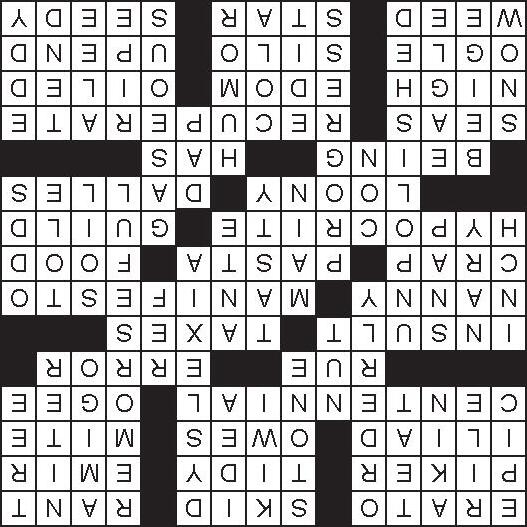
we eat
Deceiver
Association of craftsmen
Bonkers
Rapids
Existence
Possesses
Oceans
Recover
Near
Biblical kingdom
Lubricated
Leer at
Storage cylinder
Flip over
Noxious plant
1. Sweeping story
2. Anger
3. Analogous
4. Nipple
5. Hospital attendant
6. Rock
7. Flightless bird
8. Bright thought
9. Learning disorder
10. Repentant
11. Spanish for “Friend”
12. Fertilizer ingredient
13. Tall woody plant
21. Cashew or almond
25. Ump
26. 1/12 of a foot
27. Not
28. Break
29. Rough
30. Yummy
31. Initial wager
33. Principal
34. Dirt
35. Lacquered metalware
36. Probabilities
38. Advancement
41. Bamboozle
42. Vaporish
44. Dip lightly
45. Ecru
46. American symbol
47. The quality of being funny
48. Winter precipitation
50. Modify
51. Soft drink
52. Fully developed
53. Away from the wind
54. Care for
55. Countercurrent
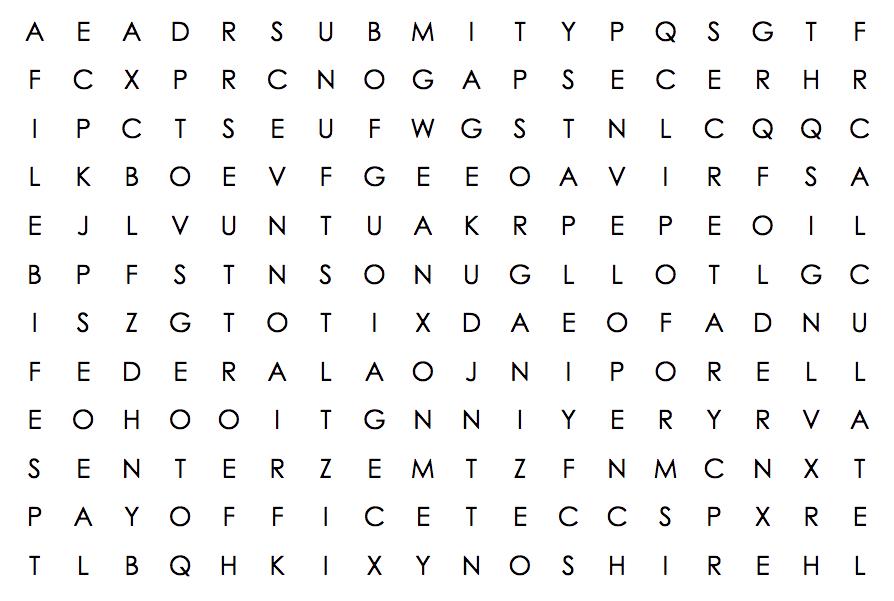
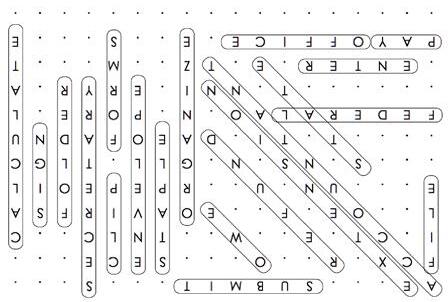
April 15th of each year is National Tax Day. In the United States, the term “tax day” refers to the day on which individual income tax returns are due to the federal government. The day may also refer to April 15th for state tax returns.
Source: nationaldaycalendar.com


Matthew Todd Kelderhouse, age 39, of Thornton, IL passed away, suddenly, on Saturday, April 4, 2026 in Thornton, IL. Devoted father of Noah and Athena. Loving son of Todd (Debbie) Kelderhouse and the late Natalie (Terry) Lucken. Beloved fiancé of Jessica McCrary. Dear brother of Brittanni (Mark) Brown, Brandon Lucken and Brianna Lucken. Cherished uncle of Aiden, Elizabeth, Autumn, Stefan and several other nieces, nephews, aunts, uncles, and cousins. Dear grandson of Joseph and the late Christine Stazzone, the late Carol and the late Donald Housman, and the late Kenneth (Irma) Kelderhouse.
Matthew was a Local #150 operator engineer and an employee of the Roy Zenere Trucking & Excavating, Inc. in Thornton, IL. He loved his family very much, he was patient and had a big heart. He was always willing to help others. He loved to garden, take care of his Subaru, and was known as the family weatherman. Matthew was loved by his family and friends and will be dearly missed.
Visitation with family and friends will be held on Thursday, April 9, 2026 from 1:00 P.M. until the time of the funeral service at 5:00 P.M. at Smits Funeral Home, 2121 Pleasant Springs Lane, Dyer, IN with Rev. Andy Nearpass officiating. For further information, please contact 219-322-7300 or visit our online obituary and guest book at www. SMITSFH.com
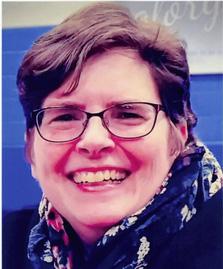
Susan G. Trentacosti, age 69, of Glenwood, IL, went home to her Lord and Savior on Saturday, April 11, 2026. Dear auntie of Rob (Chris) Witvoet and Amanda (Will) McMahan. Greatauntie of Drew, James, Peter, Lizzy, Rayna, and the late Jocelyn. Preceded in death by her sister Ellen (Boyd “Bud”) Witvoet, and by her parents Robert and Lois Trentacosti. Susan loved spending
time with her family and friends, often doing crafts and activities. Her love of travel took her to experiences throughout the United States and many parts of the world. Her publishing career was with one company for nearly 48 years, Richard D. Irwin Inc. and through all the mergers now is McGraw Hill.
Visitation with family and friends will be held Friday, April 17, 2026 from 2:00 – 8:00 p.m. Smits Funeral Home, 2121 Pleasant Springs Lane, Dyer, IN. Funeral service Saturday, April 18, 2026 at 11:00 a.m. at Lynwood United Reformed Church, 1990 Glenwood-Dyer Rd., Lynwood, IL with Rev. Nick Alons officiating. Interment Chapel Hill Gardens South – Oak Lawn, IL. Memorial contributions may be given to GlenwoodLynwood Public Library District or Lynwood URC Education Fund. For further information please contact 219-3227300 or visit our online obituary and guest book at www.SMITSFH.com
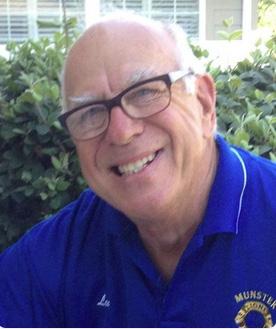
Louis W. Harding, age 94, of Dyer formerly of Munster, IN, passed away peacefully on Tuesday, March 31, 2026. Loving husband of Mary Jo Harding, nee Batliner. Devoted father of Vicky (Nick) Wenzel, Connie Harding, Sandy (Clint) Hetchler, Walt (Susan) Harding, Ron Harding, and Joe Harding. Cherished grandfather of Jackie Hetchler, Mark Hetchler, Kristi (Alejandro Herrera) Hetchler, Ryan Wenzel, Erik Wenzel, Megan Harding, and Louis Harding. Dearest brother of Norma Donnelly. Kind uncle of nieces, nephews, inlaws and other extended family and friends. Preceded in death by his parents Walter and Mabel Harding, brother Al Harding, sisters Mary Giuliani, Barbara Fisher and Janet Doyle. Lou was a longtime member of the Munster Lions Club, American Legion. He was a long time employee at Inland Steel. He enjoyed traveling, golfing, and fishing. Lou was loved by his family and friends and will be dearly missed.
Memorial visitation Saturday, April 11, 2026 from 11:30 a.m. until the time of his memorial
Mass at 12:00 p.m. directly at St. Thomas More Catholic Church 8501 Calumet Avenue Munster, IN, with Rev. Michael Yadron officiating. Private inurnment Abraham Lincoln National Cemetery – Elwood, IL. In lieu of flowers, memorial donations to Breakthrough T1D (200 Vesey St. 28th Floor New York, NY 10281) or the Charity of your Choice, appreciated. Arrangements entrusted to Smits Funeral Home Dyer, IN.
For further information, please contact 219-322-7300 or visit our online obituary and guest book at www. SMITSFH.com
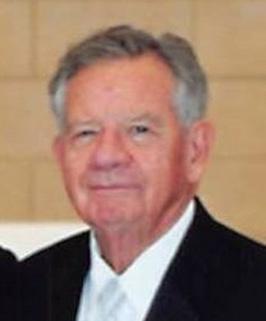
William “Bill” M. Bramer Jr., age 90, of Dyer, IN, passed away peacefully on Saturday, April 4, 2026. Beloved husband of Arlene Bramer, nee Koby. Loving father of Bill “Mike” (Kathy Kroft) Bramer and Andrew (Meghan) Bramer. Proud grandfather of Jenna and Grace. Dear brother of the late Phyllis (late Mark) Nikolich. Cherished uncle of two nieces and one nephew. Preceded in death by his parents William Sr. and Ida Bramer. William was a United States Army Veteran. He was a retired employee of R.R. Donnelley. William was loved by his family and will be dearly missed.
Visitation Saturday, April 11, 2026 from 10:00 a.m. until the time of the funeral service at 11:00 a.m. at Smits Funeral Home, 2121 Pleasant Springs Lane, Dyer, IN. Interment Abraham Lincoln National Cemetery – Elwood, IL. For further information, please contact 219-322-7300 or visit our online obituary and guest book at www. SMITSFH.com
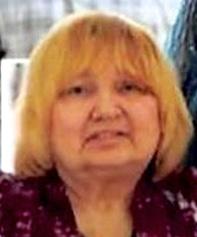
Cynthia Furto, age 75, formerly of Schererville, IN, passed away on Saturday, April 11, 2026. Beloved wife of the late Charles Savage. Loving sister of Barbara Jacobus, Michael (Carol) Furto, Christine (Dan) Kelley,
Carol (Bob) Mitziga, Jan (Roger) Solkey, Donna (Scott) Anthony, and Susan (Tim) Richards. Cherished aunt to several nieces and nephews. Preceded in death by her parents William and Marian Furto.
Visitation Saturday, April 18, 2026 from 11:00 a.m. until the time of the funeral service at 1:00 p.m. at Smits Funeral Home, 2121 Pleasant Springs Lane, Dyer, IN. Memorial contributions may be given to Humane Indiana (https://www. humaneindiana.org)
For further information, please contact 219-322-7300 or visit the online guestbook and obituary at www.SMITSFH.com
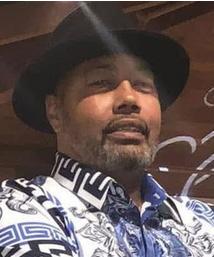
Anthony Woodson, aka Tony, Tone, or Wood was one of a kind and unforgettable! He was born on November 22, 1967, at Gottlieb Hospital in Melrose Park, Illinois, to Harry Woodson Sr. and Sandra Garrett Woodson. From that union, three children were born, Harry Jr., Anthony and Felita. Tony grew up in Maywood, Illinois, where he built lifelong friendships.
He was baptised at St. James Catholic Church and he also attended elementary school there before moving on to Washington Elementary, and then proceeding to high school at Proviso East, Class of 1986 alumni. Tony played basketball in school, he loved to swim and he was also a part of a “pop-lock” dance group. Wood enlisted in the US Army for a short term at the age of 17. Wood moved from Maywood to Calumet City in 2003 to be with his life partner, Jamie Ford. There he continued his religious worship at Faith United Church in Dolton where he accompanied his grandchildren and family, often volunteering and assisting wherever needed. He worked as a butcher until the company went out of business, then he joined the family business as Head of Security at Klubb Karma for over a decade.
He later moved on to working in a field where he was able to give back by helping others in need through the CeaseFire, Roseland, Foundation. Tone was also a current and long-time employee of Occasions Express,
a family business that he enjoyed being a part of. He made lifelong friendships at all of his workplaces through the years. Tone was further blessed with Daddy Duty to his bonus children, Brontice’s siblings,…. Brandon Ford, Britton Ford, Brycen Ford, Brehana Ford, Brentez Ford, and Braquel Ford, along with Miranda Kemp and Ethan Kemp. From them came 14 beautiful bonus grandchildren. Beyond his security role at Karma, Tone was the protector in the family. He was the one people leaned on, the calm in the storm. The voice of reason and a great listener. He wasn’t afraid to give a compliment or praise and he didn’t have a jealous bone in his body. He had the memory of an elephant and an infectious laugh. Then there was that million dollar smile, and let’s not forget his quiet reactions, his signature mumble when he wasn’t pleased—if you know you know! Tone was a fighter. He battled NonHodgkin’s lymphoma and beat it like the champion he was, living cancer-free for over 15 years. Throughout that journey, he was supported by someone very special—his bonus mother, Judie Lewis. Their bond was unbreakable, a true mother-son relationship built on 100% love, trust, and care. Tone leaves to cherish his children: son- Levi (Wife Mia, Kids: Ariyanna, Khristian),
Daughters Tamika (KidsRandy, Angelina, Jules), Tanesha (Son- Josiah), Brontice (Son’s-Cortice and Corey), Simone (Jazzmine) (Husband Yadaya (Darius) and Daughters- Leah, Sarah, Ameya, Navah, Shamarah), Tiara (KidsDe-Veyah, Darryl, Cyrie, Chase). His bonus children: Brandon (WifeQuiana, Kids Avion and Kamani), Britton (Wife Celia, Kids-Ambria, Amarri, Armani), Brycen (Kids- Brycen, Adren, BreYelle, Brylen), Brehana (Kids:Nikko, Nino, Nevaeh, Nariana), Brentez (Son-Brentez Jr.), Braquel, Miranda, Ethan (Kids: Amera, Ethan Jr.). The love of his life Jamie, his father Harry Woodson Sr., his sister Felita WoodsonCalvin (Marvell), his brother Michael Woodson; nephew Devin and nieces Dedrionne, Ashley, Arlondria, Tamia. He also leaves to cherish his Aunt Laverne (Patrick) Cameron. Cousins Jerry Garrett (Lajuana), Lori (Derrick) Logan and special friends: Terry (Ro) Milliner, Michael (Julo) Hilliard. And a host of cousins, friends and co-workers. Tone is now in good company and has reunited with those who went before him— Mother Sandra, Brother Harry Jr., Aunt Holly Woodson, Uncle Eddie Woodson, Uncle William Garrett, Aunt Felita Garrett, Aunt Patty Garrett, and bonus Son Brentez. While that gives us peace, it doesn’t take away the space Tone leaves here.

A Taste of Theatre presents its International Short Film Festival, showcasing 40–60 family-friendly indie films from around the world. With over 900 submissions, selected films range from 1 to 15 minutes and include animation, documentaries, and narrative shorts. Join us from 10 AM to 3 PM on April 18, 2026, at the South Holland Public Library and April 25, 2026, at the Hegewisch Public Library. Admission is free. Showcasing Family-Friendly films. Audience members can vote for their favorite films and enjoy live presentations on filmmaking and marketing. A celebration of creativity, culture, and community— open to all ages.
Services
AC/HEATING
SERVICES: Summer
Special! Furnaces or A/C’s , Clean & check
$59.95. Furnaces, A/C’s, Boilers, water heaters, sump pumps, humidifiers, installations, repairs, furnaces installed from $1495.00 R/D Heating & Cooling. IL. and IN. 219-616-3281
SMITH PAINTING 30 YRS EXP - FREE
ESTIMATES Mention Sherry, get 5% off job. Call Mike 2197429867
MOVING SERVICES: Pick up/ Delivery Service. Small moves; in-house move; store-to-home. Assembly: Furniture & exercise equipment (Ikea, Office Depot, etc.) Call Rob daily until 9pm 708-898-8668
JUNK REMOVAL Time to make space! Cleanouts (garage attic, basement, shed). Hauling away appliances, furniture, trash. WE RECYCLE! Call ‘til 8pm. 708-898-8668
CAR / TRUCK TROUBLE?
Vehicle shopping? Onlocation diagnosis: Will find needed repairs / maintenance. Uncertain of mechanic estimate? 32 years exper. Any day! 708-898-8668
Vehicles
2022 Jeep Cherokee 4x4, Trail-rated V6, Leather Seats, Only 5,000 miles. $37,000. 708-796-5331

2009 Chevy Silverado, 1GCEK39069Z164494b. Extended Cab, 4WD, 6.5’ bed. V8 5.3L Flex Fuel. New Battery &Alternator, April 2025. Tires, 1 year old. Some Rust on Driver’s Rear Quarter Panel. 149k miles Asking $4,000. If interested, Call 708-9138624
2020 FOREST RIVER WILDWOOD XLITE TRAVEL TRAILER MODEL233RBXL. $17,500. Call for details and showing 970-2501145
HOUSES FOR RENT IN PHOENIX. THREE AND FOUR BEDROOMS, SECTION 8 WELCOME. $1650 / mo. One month security deposit and background check required. Have yards. Extra charge for appliances. Available immediately. Pets negotiable. Driveway parking available. Call Renetta Thomas for more information 708-4178384.
CONDO FOR RENT IN LANSING. SPACIOUS 2-BEDROOM, NEWLY DECORATED, $1600/ MONTH, 1 month security, no smoking, no pets. Section 8 welcome. Private parking for one car. Serious Inquiries only. Call 708-646-8652. Ask for Mr or Mrs. Jones.
APARTMENT FOR RENT- Spacious 2 bedroom, 1 bath, 2nd floor of duplex in East Chicago, IN. $1300/month. Call (708) 968-0788, or search for 4925 Walsh Avenue on Zillow for more details and pictures.

3 BED 1BATH RANCH HOUSE, COMPLETELY RENOVATED WITH LARGE PRIVATE, FENCED YARD IN SOUTH HAMMOND ON THE BORDER WITH MUNSTER. All new appliances including washer and dryer. 12 month lease. Pets negotiable. Tenant pays utilities. Off-street parking, nice neighbors, close to the expressway. Call 323-4730673. $1,995 per month, with one month security deposit.
BEAUTIFUL SOUTH HOLLAND ROOM FOR RENT IN A SINGLE FAMILY HOME. King size bed, semi private bathroom with Jacuzzi tub. No cooking, full size refrigerator and microwave in room. Free lights, free gas. Only $225 a week, $500 move in fee.
Background check required. Call 708-8433932 for more info.
APARTMENT FOR RENT- 2 BEDROOMS 2ND FLOOR. CALUMET CITY IL. $1200 RENT and one month security. No smoking, no pets and no section 8. Street parking. Serious inquiries only. Call 708 466-7272
Wanted
South side Adult Day Care has PA, Driver & Nursing positions available at our locations in Crestwood, Glenwood and Richton Park. Please call (708)7552345
For Sale
Four cemetery lots next to each other in Oakland Memory Lanes in Dolton. Price negotiable. Call 407-709-5285
Butterball Turkey Frier, $30; Cuisinart Bread, Maker $35; Dell Printer $20; Sony Walkman $8; Halloween & Xmas Ceramic Houses $10-$20 ea; Hoover Vac, $12; Beach Towels $1; Dunlop Golf Clubs $40; Mandolin Slicer $15 new; 70’ x 1/2” EMT Conduit $20; Backgammon Game $12; G Foreman Grill $12; Trailer Tire 4.8” x 12” Mounted, $8. Call 708-877-6088
Asking $500 for Tool Box - $500 for Ladder Racks. Tool Box 24” High, 24”w, 60” Long. Ladder Racks Fit Full Size Pick-up Truck. Price is Negotiable, Cash only! Call Carlton 708913-8624
Brand New Michael Jordan Suede Leather Sporting Boot 1993 Edition. Comes with Bags Sz 10.5, Call for Price. Pair of LaCrosse Steel Toe Hiking Sz 10.5, Brown, Brand New in box, Paid $65, asking $35, Call 312-203-4167 ask for Tony
Grandpa’s golf collection - PING putters $49, golf balls $6/dozen and up, kids sets $39, senior TI-Drivers $49, display sports shadow boxes, $39. Call 708-3393429 for more info. South Holland
Dunlop Golf Clubs $40; Mandolin Slicer $15 new; 70’ x 1/2” EMT Conduit $20; Back Gammon Game $12, George Foreman Grill $12; Trailer Tire 4.8 x 12 Mounted $8. 708-8776088
Late 1940s mahogany Lane hope chest. good condition. The lock is removed for safety and legal reasons. 708-8776157
Coffee Maker New W/2 Stainless Travel Cups still in box$20.00 Heavy Duty Ladder used once w/multi purpose tray.$20.00 call 708-474-9568
Kenmore refrigerator Black, freezer on top 64” high,34 “wide $175.00. Call 708-439-2330
Wanted Small trailer to fit 14 foot fishing boat. Needing repairs ok . Reasonably priced call or text 219-9237716
DESPARATE NEED SMALL CAR FOR 80 YEAR OLDECONOMICAL CAR CAN BE DAMAGED IF RUNNING FOR LOW INCOME SR. CITIZ. Does not have to pass emission test if the price is right - Call 219-801-0955
Looking for room to rent with own bathroom. NW Indiana/Lansing area. Elderly care experience. 40+ Non-drinking/smoking male w/ maintnenance skills. Prefer kitchenette & garage space. 708-8988668