
UNIVERSITY GUIDE 2026 ENTRY
Everything you need to know about applying to University



To Go or Not to Go?

Deciding whether to go to university is a big decision that depends on your personal goals, interests, and the path you want to take in life University can open doors to advanced knowledge, new experiences, and career opportunities, but it’s important to consider whether it aligns with your passions and future aspirations.
If you're someone who values learning in a structured environment and wants to pursue a career that requires a degree, university can provide valuable resources and connections.
However, if you're unsure about your career path or prefer hands-on experience, you might want to explore other options that offer more immediate learning and growth Think about your long-term goals, financial situation, and whether you feel ready for the academic commitment there’s no one-size-fits-all answer, so weigh up your options carefully.


Choosing a Course
Interests and Passion:
Here’s a list of key points to consider when choosing a university course: Does the subject excite you, and are you genuinely interested in it?
Career Goals:
Will the course help you achieve your long-term career aspirations?
Course Content:
Research the specific modules and topics covered do they align with your interests and goals?
Entry Requirements:
Are you eligible for the course based on your current qualifications, and are you prepared for the academic challenges?


Future Opportunities:
What kind of job prospects or further study options will this course provide after graduation?
Learning Style:
Does the course offer the teaching methods and study environment that suit your learning style (e.g., lectures, practical work, group projects)?
Reputation of the Program:
How well-regarded is the course or university for your chosen subject? Check rankings, reviews, and alumni success.
Work Placement/Internships:
Does the course offer practical experience, internships, or work placements to help you build real-world skills?
The UCAS Hub
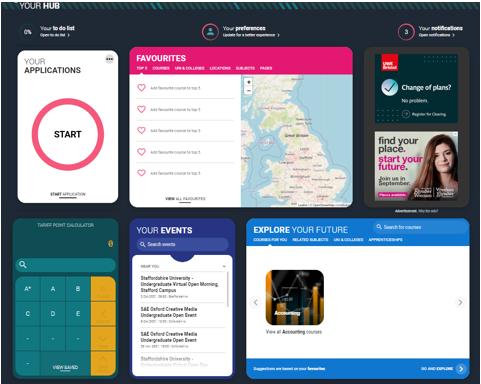
The UCAS Hub is your one-stop-shop for applying to university. Once you register you can:
Research university options
Review entry requirements
Apply to multiple universities with a single application form
Track application progress
Keep track of deadlines
Receive important updates from universities
UCAS Buzzword
Use the code below to link your application to college for your reference to be completed
Myerscough2026
Enter in this year ’ s UCAS buzzword, then choose the right group to link your application to the college.
UCAS Application Fee
You’ll need to pay the UCAS application fee when you submit your application – this is £28.95
If you have had Free School Meals, you may be eligible for a fee waiver. Please come and see the careers team
Register for the UCAS Hub:

Personal Statement
This is the most important part of your application as it will help admissions tutors decide whether to make you an offer of a place Remember, they’ve never met you before and the aim of the statement is to tell them why you deserve a place, so it needs to sell your passion for the subject and show a clear understanding of it.
You have 4000 characters to answer the following three questions
Each answer must contain at least 350 characters, so you cannot skip a question.
Question One
Why do you want to study this course or subject?
Personal Interest and Passion: Explain what first sparked your interest in the subject and why it excites you Share specific experiences or moments that deepened your passion for the topic
Academic Strengths: Discuss your academic strengths and how they align with the subject
Relevant Experiences: Mention any relevant experiences, such as coursework, projects, or personal hobbies, that have helped you develop a deeper understanding of the subject.
Career Aspirations: Link your interest in the subject to your long-term career goals. How does studying this subject align with your ambitions and future professional plans?
Practical Applications: Highlight how you ’ re excited about the practical or real-world applications of the subject. For example, if applying to study veterinary medicine, you should mention your experiences of working with animals and reflect on what you learned from this.
Subject's Impact on Society: Explain how the subject impacts or contributes to society, and why you want to be a part of that. For example, studying environmental science could be driven by a desire to address climate change.
Academic Curiosity: Share your eagerness to explore and learn more about the subject. Mention specific areas of the course that you ’ re particularly interested in.
Future Study and Research Opportunities: If applicable, talk about how the subject offers opportunities for further study, research, or specialisation that excite you.
Personal Development: Reflect on how studying this subject will help you grow intellectually and personally, whether it’s through developing critical thinking, creativity, or practical skills.
NOTES

Question Two
How have your qualifications and studies helped you to prepare for this course or subject?
Relevant Subjects: Discuss the specific subjects you ’ ve studied at school or college that are directly related to the course. Highlight key topics or modules that have prepared you for the content of the university course.
Academic Skills Developed: Explain the skills you've gained from your studies, such as critical thinking, research, analysis, time management, or problemsolving, and how they will help you succeed in the course.
Coursework and Projects: Mention any specific assignments, coursework, or projects that are relevant to the course you're applying for Explain what you learned from these experiences and how they’ve helped build your understanding of the subject.
Extended Learning: Talk about any additional learning you've pursued outside the standard curriculum, such as self-directed study, extra reading, or online courses. Show how this extra effort has deepened your knowledge and understanding.
Exams and Assessments: Reflect on how your performance in exams, assessments, or practical work has prepared you for the academic challenges of the university course. This could include your ability to manage deadlines, work under pressure, or demonstrate your subject knowledge.
Practical Experience: If your qualifications include practical elements, such as lab work, field trips, or creative assignments, discuss how these experiences have given you hands-on knowledge that will be useful for the course.
Skills from Extracurricular Activities: If you've been involved in any extracurricular activities like clubs, sports, or volunteering, explain how these have helped you develop transferable skills (e.g., teamwork, leadership, communication) that will support your studies.
Relevant Work Experience or Internships: Mention any work experience, internships, or part-time jobs related to the subject area. Show how this experience has given you a practical understanding of the field and prepared you for the course.
Personal Development: Reflect on how your qualifications have helped you develop as a person, such as gaining confidence, resilience, or an ability to work independently. These qualities can be valuable in university-level studies.
Academic Achievements: If you ’ ve received awards, scholarships, or recognition for your academic achievements, mention these to demonstrate your commitment and capability in your subject.
NOTES

Attending Conferences, Talks, or Workshops: If you ’ ve attended events related to your field of interest, explain how these experiences allowed you to network, learn from experts, and stay current with trends or new research in the subject area
Online Communities or Networking: Discuss your participation in online forums, groups, or communities where you engage with others who share your interests This could involve discussions, collaborations, or learning from professionals in the field
Travel or Cultural Experiences: If you ’ ve travelled or had exposure to different cultures or environments (either locally or abroad), discuss how these experiences have broadened your perspective, helped you develop adaptability, or contributed to your understanding of global issues (if relevant to your course).
Personal Reflection and Skill Development: Reflect on how personal experiences outside of education (e g , overcoming challenges, pursuing hobbies, or engaging in self-improvement activities) have contributed to your maturity, resilience, and readiness for university life.
Certifications and Qualifications: If you ’ ve completed any additional certifications, like First Aid, language courses, or digital skills certifications (e.g., coding), highlight how these qualifications complement your studies and demonstrate initiative and responsibility.
Shadowing or Mentoring: If you've shadowed professionals or been mentored in a field related to your studies, explain how these experiences provided valuable insight into the industry or subject area and gave you a clearer understanding of the practical side of the field.
Finally...
Competitive courses such as veterinary may require specific information to be included in your personal statement; please check directly with providers on their websites for details, or call them directly
Student Finance
Undergraduate student finance in England is designed to help students cover the cost of tuition fees, living expenses, and other associated costs of attending university The system is primarily made up of loans, which are provided by the government. These loans are split into two categories: tuition fee loans and maintenance loans.
Tuition Fee Loan: This covers the full cost of tuition fees, which can be up to £9,535 per year. The loan is paid directly to the university by the government on your behalf.
Maintenance Loan: This helps with living costs, such as rent, food, and transport The amount you can borrow depends on household income and where you live
2025 to 2026 academic year
Living with your parents Up to £8,877
Living away from your parents, outside London Up to £10,544
Living away from your parents, in London Up to £13,762
You spend a year of a UK course studying abroad Up to £12,076
Repayments for these loans are income-based and only begin once you earn above a certain threshold. The loans are written off after 40 years. Interest is charged on your loan, from the first day of payment, until it is paid off
Additionally, students may be eligible for grants or bursaries, which do not need to be repaid These are often provided by the university or other organisations to support students from low-income backgrounds or with specific needs.
Please note the information above only applies to Permanent residents in England If you from Scotland, Wales or another country please check with the appropriate funding authority for details of support
For more information go to SFE
Useful Resources
BOOK AN APPOINTMENT WITH A COLLEGE CAREERS ADVISOR
EXPLORE MORE RESOURCES THROUGH CANVAS
UCAS.COM
STUDENT FINANCE ENGLAND