

DNA - MX
Insects and Other Small Animals Can Experience Feelings
Jelly Combs
How Exercise Fuels and Fights
Metabolic Health
LUCA Tracing the Origins of All Life
Aphantasia
Alzheimer's and Parkinson's
GO GREEN
Dr. Erickson’s Continuous Love Affair with Science
My Summer Research at Nature Standards
The Perfect Science Elective
Paranormal Plastic Solutions
Making Cities
with Urban Greening
General Relativity

DNA-MXMagazine
Editors-in-Chief MoranLiu KatieChen
LayoutEditor MoranLiu
SectionEditors GinaZhao
AllisonLuo
HowardLiu
LindaWang
Editorial
From the Editors-in-Chief
We are thrilled to welcome you to the fourth publishing year of DNAMX, the Middlesex Science Magazine! We are so excited to continue growing this publication and to share another issue full of curiosity, creativity, and discovery.
This year’s contributors have explored a wide range of scientific ideas - from fascinating physics discoveries to innovative biomedical research to sustainability efforts shaping our campus and beyond Each article reflects the energy of students who aren’t afraid to ask bold questions and connect science to the world around them
At DNAMX, we believe that science isn’t just about formulas or experiments - it’s about wonder, collaboration, and storytelling Our goal is to make science feel alive and accessible to everyone, no matter your background or interests Whether you’re drawn to the thrill of a new discovery, the creativity behind biomedical research, or the impact of environmental innovation, there’s something for you
We also want this magazine to be a space where the Middlesex community can share, discuss, and celebrate the ways science shapes our everyday lives If you’re interested in writing, designing, or brainstorming for future ideas, reach out to us and keep an eye out for future issues
Thank you for supporting DNAMX, and we hope you enjoy reading this issue as much as we enjoyed creating it!
Katie Chen ‘26 and Moran Liu
‘26

BIOLOGY


Insects and Other Small Animals Can Experience Feelings
Gina Zhao ‘26
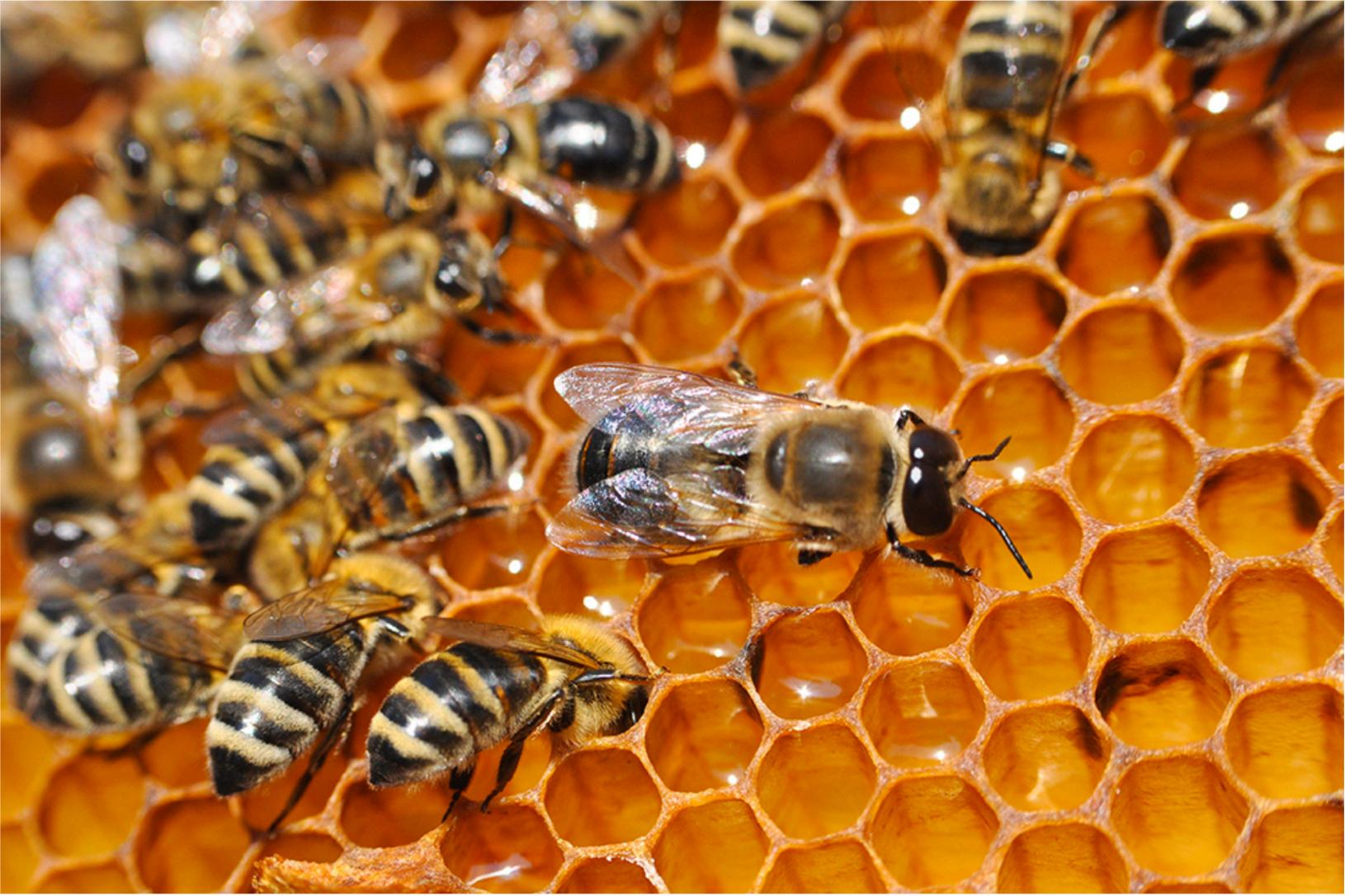
For centuries people assumed that insects and other small animals were nothing more than instinct driven creatures Recent research challenges this view by suggesting that bees, fish, and even fruit flies may experience something similar to feelings In humans, consciousness usually refers to the ability to have subjective experiences and to feel sensations like pain or pleasure Philosophers call this the possession of qualia, or the private sense of “what it is like” to have an experience Since we cannot ask animals to describe their thoughts, researchers look for indirect signs of awareness; for example, According to Allen and Trestman, they study whether animals can learn in flexible ways or show behaviors that indicate a sense of self or the ability to suffer These markers help scientists decide whether an animal is capable of more than automatic reactions
Recognizing that small animals might be conscious carries important ethical and practical consequences Ethically, it challenges the long held belief that only mammals or birds deserve serious moral concern If insects or crustaceans can suffer then practices like boiling lobsters alive or using billions of insects for food production need to be reconsidered Some governments have already acted on this evidence The United Kingdom updated its Animal Welfare Act in 2022 to include decapod crustaceans and cephalopods after reviewing the latest scientific data Protecting these animals may become an international issue as evidence grows
Researchers have developed creative experiments to test for these signs in small animals One line of evidence comes from motivational trade off studies done by Elwood and Appel in 2009 In one experiment hermit crabs were given mild electric shocks inside their shells Many chose to leave their shells even though doing so left them exposed, suggesting they weighed the discomfort of the shock against the need for protection Bees have also shown remarkable mental skills Honeybees can learn abstract concepts like “same versus different” and can even count up to four, which was once thought to be possible only for animals with large brains Other small creatures reveal similar hints of inner life Fruit flies that are exposed to stressful shaking later lose interest in sweet rewards, a change that resembles a key symptom of human depression called anhedonia (Ries et al 2017) Fish provide another example Experiments with trout show that they react protectively after receiving a painful stimulus and that these behaviors decrease when they are given painkillers such as morphine The presence of pain receptors and stress related brain chemicals makes it harder to dismiss these reactions as simple reflexes
There are also practical reasons to think carefully about insect welfare Pollinators such as bees are essential for ecosystems and agriculture If their wellbeing matters in its own right, societies may feel stronger obligations to limit pesticide use and preserve habitats In fact, philosopher Peter Godfrey Smith argues that consciousness probably exists on a spectrum, with simpler forms appearing whenever a nervous system allows flexible behavior
Scientific studies are showing that the ability to have subjective experiences may be far more common than once believed From bees solving puzzles to crabs making difficult trade offs, small creatures continue to surprise us Accepting that they may have feelings does not mean treating a fruit fly like a dog, but it does mean reconsidering practices that cause unnecessary suffering Even a small chance of sentience invites caution Expanding our moral circle to include these overlooked animals challenges us to show empathy and to think more carefully about how we share the planet
Biology
JellyCombs “AMysteryofLife”
Angela Huffer ‘26
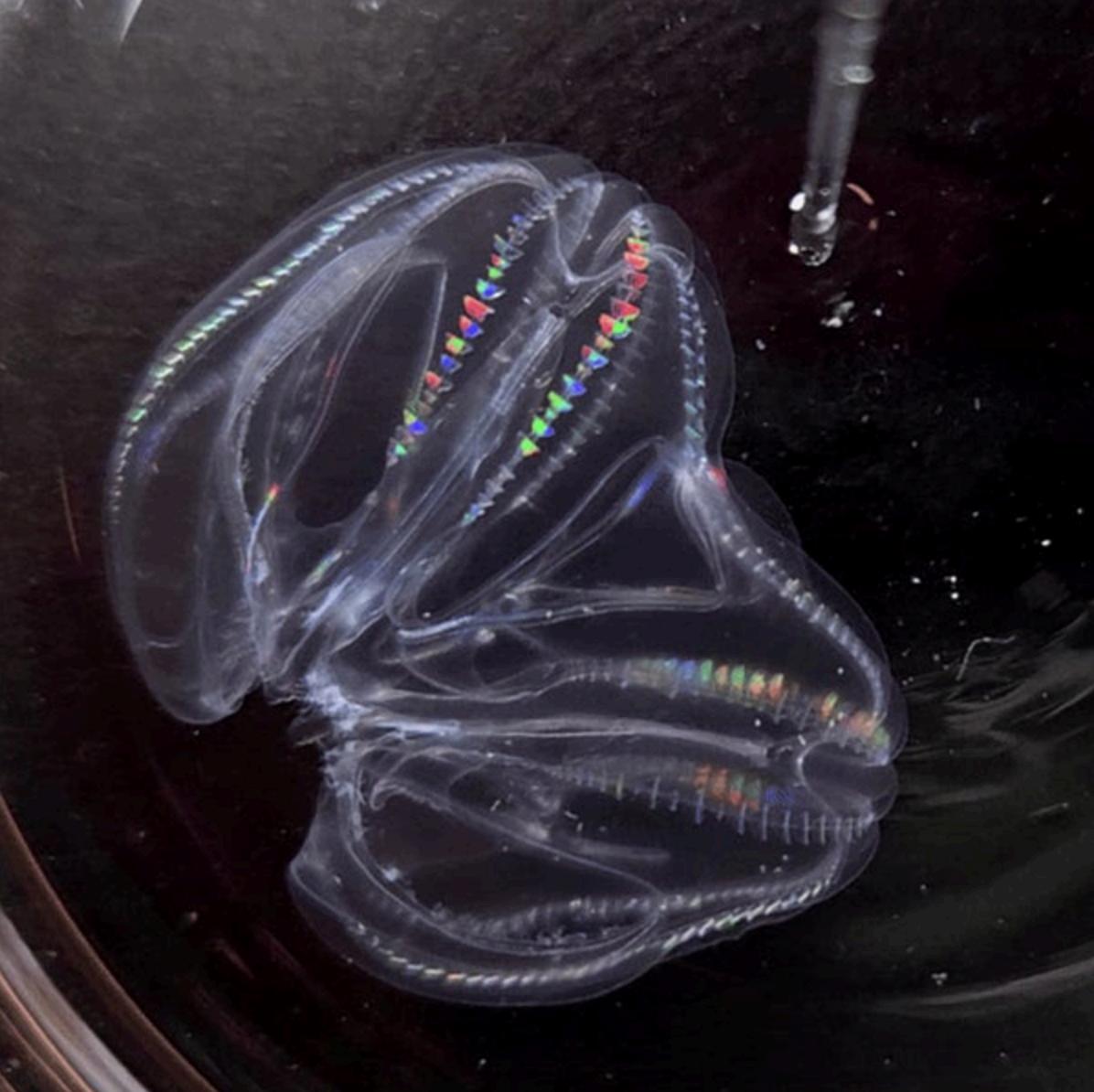
Imagine slicing two animals in half and instead of dying their bodies fuse This phenomenon is exactly what researchers witnessed in 2023 at the Marine Biological Laboratory in Woods Hole, Massachusetts when observing comb jelly, or ancient marine animals that may be Earths oldest surviving lineage Deep in the ocean, among glowing creatures and ancient sponges, these animals challenge our understanding of biology These comb jellies drift silently through the water like jellyfish shining with flickers of rainbow light and can fuse with another of its kind joining bodies guts and even nervous systems to become a single, living organism
Come jellies, or ctenophores, are creatures so strange that scientists are calling them “sea aliens” Additionally, what scientists are discovering about comb jellies might one day change how we think about healing regeneration and maybe even medicine
Comb jellies are among the oldest animals on Earth They split off from the rest of the animal kingdom over 700 million years ago, forging their own evolutionary path
Scientists at the MBL and other institutions have studied them to better understand how life first developed complex behaviors and nervous systems
Ctenophore bodies are unlike anything else gelatinous and ghostlike with rows of tiny cilia hairs (called combs, also found on the surface of cells for locomotion) that beat in rhythm, propelling the organisms through water These small and numerous movements of cilia scatter light, giving the jellies a glowing, rainbow-like appearance
What really sets comb jellies apart from other organisms is what happens when they are cut or injured Instead of simply healing like most animals, they fuse In the Grass Lab at MBL, researchers noticed a comb jelly with two mouths Curious, they investigated further, and discovered that it wasnt born that way It was actually two different comb jellies that had merged into a single body Their digestive systems had connected and food entered one jelly’s mouth and exited through the other’s gut In fact the two creatures moved together in perfect unison suggesting that their nervous systems had become one
To test this hypothesis, scientists began cutting and recombining jelly tissues In almost every case the pieces didn’t reject each other but rather they fused into a single working creature The fusion of the two jellies was not just surface-level; it was a deep biological reorganization of the two In a few hours, two halves became a whole This ability to fuse is incredibly rare Most animals, including humans, have immune systems that reject tissue from other individuals But comb jellies? They just merge and keep on going
Their nervous systems are the key to this ability Unlike humans whose neurons communicate through a chain of electrical signals, comb jellies develop neurons that fuse into a net-like mesh This unusual design makes it easier for their nervous systems to link together when two animals fuse Additionally, ctenophores lack a system for allorecognition the biological way animals recognize and reject tissue from others Essentially T cells (specialized white blood cells called lymphocytes) inspect peptides (fragments of proteins) presented from the Major Histocompatibility Complex (MCH), the main chemical system responsible for allorecognition If T cell receptors (TCRs) do not accept MCH proteins, the proteins are determined as foreign, and the T cells trigger an immune response rejecting or attacking the unfamiliar tissue
“SILENT
FUSIONS: OCEAN DRIFTERS WITH ANCIENT HEALING MAGIC”
Researchers are now trying to understand how these creatures detect and respond to their environments One theory involves Piezo genes a type of sensor that helps organisms feel things like pressure and gravity These genes seem to play a role in how comb jellies interpret mechanical signals, possibly influencing their ability to recognize each other and coordinate movement after fusion
This fusion ability is more than just a deep-sea curiosity It could give us clues about how nervous systems evolved in addition to opening doors to new kinds of regenerative medicine If comb jellies can merge nervous systems and tissues without rejection what could that mean for humans? Could we one day grow compatible organs, or heal spinal injuries using similar mechanisms? Indeed these mysterious creatures older than dinosaurs are teaching us how strange and complex life can be
HowExerciseFuelsand FightsMetabolicHealth
Lactic Acid
Lactic acid often gets blamed for post-workout soreness. But recent studies reveal that it’s not just a waste product. It’s a vital fuel that muscles, the brain, and even the heart can reuse (Lee). Produced when oxygen runs low, lactate helps sustain energy by recycling glucose through the Cori cycle, turning fatigue into endurance. In moderate amounts, lactic acid also improves insulin sensitivity, helping cells respond better to glucose and supporting stable blood sugar levels (Chomiuk et al.). Unlike more aggressive molecules, lactic acid does not damage muscle fibers or interfere with muscle growth. Instead, it appears to act as a protective metabolite, promoting energy balance without compromising muscle integrity.
Succinic Acid
Succinic acid, another exercise-related metabolite, plays a very different role. Found in the citric acid cycle, it’s essential for generating ATP, the body’s energy currency. In moderate doses, succinic acid improves mitochondrial efficiency and oxygen use, giving endurance athletes sustained power boost (Lattibeaudiere and AlexanderLindo). However, too much succinctness can backfire. Elevated succinic acid has been linked to inflammation and muscle breakdown, triggering higher levels of myostatin, a protein that inhibits muscle growth (Fernández-Veledo et al.). Excessive succinate may therefore harm muscle regeneration over time—especially in sedentary or aging individuals whose metabolic systems can’t process it efficiently. In other words, succinic acid acts like a double agent: beneficial at balanced levels but destructive in excess.
Moran Liu ‘26 Biology
When we sprint, lift, or climb, our muscles do more than move us—they also talk to the rest of our body through chemical signals. Among these signals are two small but mighty molecules: succinic acid and lactic acid, both born during intense exercise. Though they may sound simple, these metabolites play opposite roles in keeping our muscles and metabolism balanced—and too much of one can turn helpful signals into harm.
The Metabolic Balancing Act
Metabolic health is the body’s ability to convert food into energy efficiently. When this system falters, glucose builds up in the blood, paving the way toward insulin resistance and type 2 diabetes. Insulin, the hormone that helps cells absorb glucose, works best when our muscles are active and healthy. Skeletal muscle alone accounts for nearly 80% of glucose uptake after a meal, making it central to preventing diabetes and obesity (Cleveland Clinic).
But here’s the twist: what happens inside those muscles—specifically, what they release after exercise—can dramatically influence how sensitive we remain to insulin. That’s where lactic acid and succinic acid come in.
Why This Matters for Everyday Health

Muscle tissue isn’t just about strength. It’s a metabolic powerhouse that keeps the rest of our body in check. Loss of muscle mass, known as sarcopenia, often leads to insulin resistance and higher risks of chronic disease (Kim and Kim). Maintaining muscle health through balanced nutrition and physical activity can help prevent these metabolic imbalances. Understanding how exercise metabolites like lactic and succinic acids work opens doors to practical strategies:
For active individuals, maintaining regular aerobic and resistance exercise helps regulate both metabolites naturally.
For those with metabolic disorders, moderating diets that influence succinate levels, such as those high in processed foods, may help reduce inflammation and muscle degradation.
For aging adults, encouraging activities that boost lactic acid production (like moderate interval training) could protect muscle mass and insulin sensitivity.
Ultimately, both succinic and lactic acids remind us that balance is biology’s favorite rule. Every workout, every meal, and every molecule contributes to the delicate equilibrium that keeps us healthy Exercise doesn’t just change our bodies—it rewrites our metabolism, one metabolite at a time.
Biology
LUCA TracingtheOriginsofAllLife
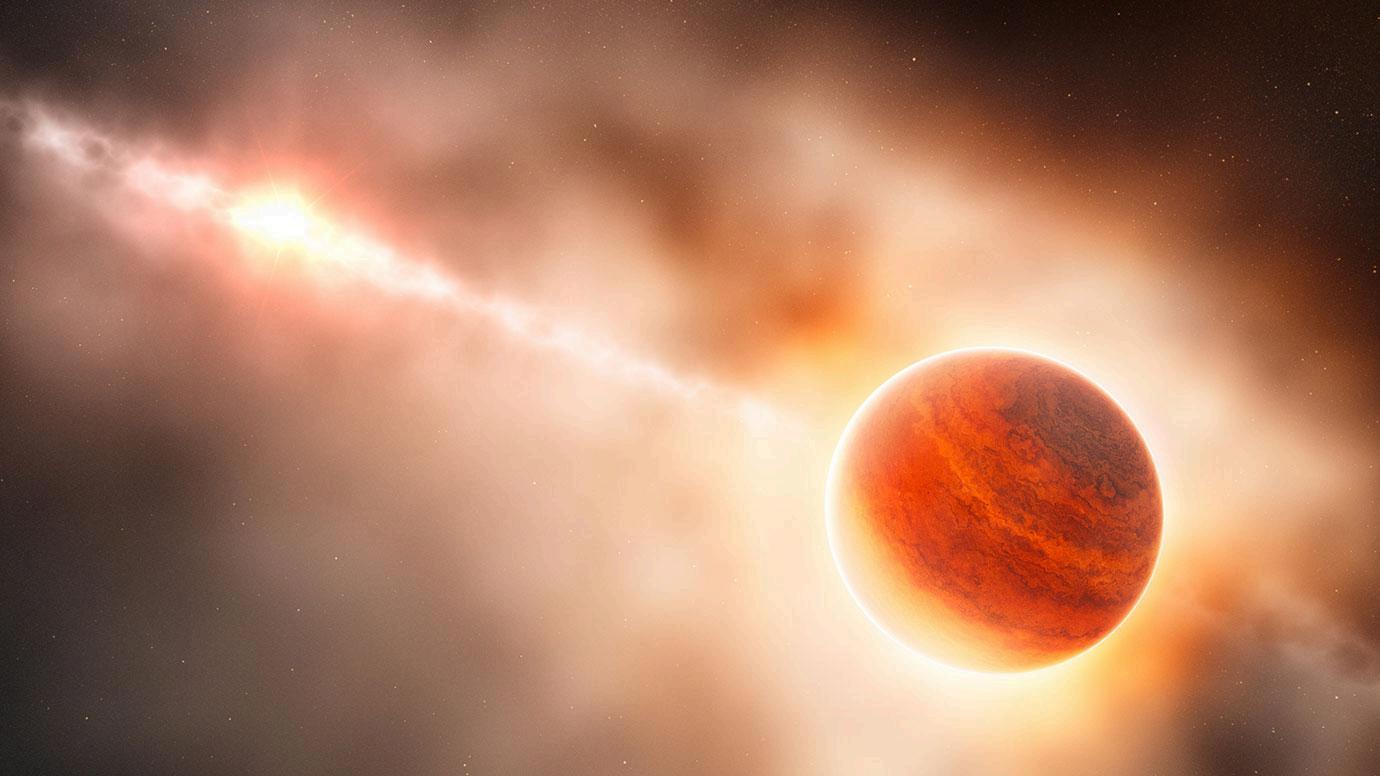
Four billion years ago, not long after the Big Bag, the Earth was a hostile world of boiling seas, rocky mountains, with no oxygen to breathe. During the chaotic time, a microscopic ancestor emerged — a cell that would change everything. Scientists call it LUCA, the Last Universal Common Ancestor. Though Luca is not the very first life on Earth, it was the common ancestor that links every living thing today, from tiny organisms such as bacteria and germs, to oak trees to humans.
LUCA wasn’t a single species in the way we think of modern organisms. Instead, it was a population of early stage micro organisms that lived together and adapted to survive. Researchers estimate LUCA lived about 3.5 to 4 billion years ago, probably in extreme environments like hydrothermal vents on the seafloor, where fluids with rich minerals gushed from Earth’s crust. Through genetic studies, scientists suggest LUCA was already fairly sophisticated, as it contained DNA and RNA, was able to build proteins, and carried out the chemical reactions necessary for metabolism (Weiss, 2016). It may not have been life that we are used to seeing, but it had the original blueprint that would eventually give rise to all modern biology.
But how do modern day scientists study an organism that became extinct, or vanished billions of years ago, with no physical evidence like fossils to study? The clues lie within our own genomes. Certain genes are universal, appearing in humans, plants, bacteria, and everything in between. If a gene is found across all forms of life, chances are it was present in LUCA. In 2016, scientists analyzed over six million genes from modern microbes and identified a “starter kit” of about 355 core genes that LUCA likely carried (Weiss et al., 2016). These genes reveal not just what LUCA looked like, but how it lived.
Early Earth was a harsh place for any modern organism to live in; the atmosphere lacked oxygen, the oceans were acidic, and temperatures were extreme. LUCA probably survived by tapping into the chemistry around hydrothermal vents, using hydrogen and carbon dioxide as fuel — much like some microbes do today (Martin & Russell, 2003). Imagine tiny cells emerging around dark underwater trench, trying their best to survive without sunlight. In an environment that would seem uninhabitable to humans today, LUCA managed to survive. LUCA’s success shows just how strong and flexible life can be.
LUCA is more than just a piece of ancient history: it's a key to some of science’s biggest questions. By studying LUCA, researchers can explore how life began, what conditions made it possible, and where else in the universe it might arise. If LUCA could thrive in deep sea vents on Earth, then maybe life could exist in similar environments on Mars, or on the icy moons Europa and Enceladus where modern day organisms are struggling to survive (NASA, 2020).
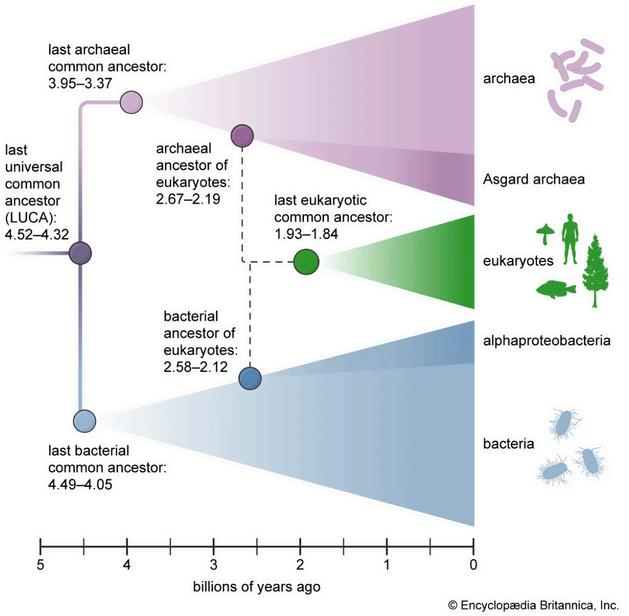
The search for LUCA is far from over. Each new genetic discovery sharpens the picture of what this ancestor looked like, how it functioned, and where it lived. What’s remarkable is that this tiny organism, though invisible to the naked eye, connects us all at the very Every breath you take, every tree you see, every fish swimming in the sea, are descendants of the same ancient cell. By understanding LUCA, we are not just uncovering the story of life’s origins; we are rediscovering our own place in a four billion year old family tree.
APHANTASIA LIVINGWITHOUTAMIND’SEYE
Imagine being asked to picture your childhood bedroom
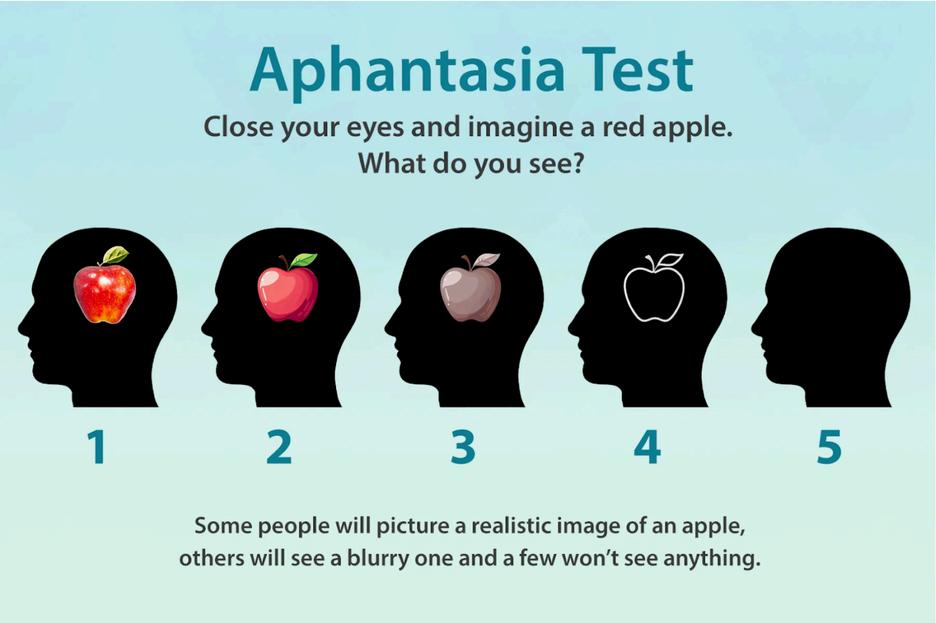
Most people can instantly summon a vivid mental image: the bedspread’s color, the view out the window, the creak of the floorboards But for some, there’s only darkness No image comes to mind This is the everyday experience of someone with aphantasia a condition where the brain can not produce mental imagery Aphantasia isn’t just a quirky brain trait: it’s a profound difference in the way people experience thought, memory and imagination First discovered in 2015 by neurologist Adam Zeman, aphantasia challenges the longstanding assumption that “seeing in the mind’s eye ” is a universal human experience Instead, some people never had a mind’s eye to begin with
Aphantasia is not classified as a disorder or disability, but rather a variation in the way the mind works, a condition similar to being left-handed Some individuals are born with congenital aphantasia, while others may develop it later in life because of brain injury, stroke, or illness Most people with the condition don’t even realize their experience is unusual until late in life
What does this mean in everyday life? Someone with aphantasia might struggle to visualize a friend’s face or mentally rehearse a route to school They might say they “know” what their childhood home looked like, but they can’t mentally see it Despite this, many people with aphantasia excel in creative fields like design or writing They approach creativity differently often relying on conceptual thinking rather than mental pictures Aphantasia not only affects the visual domain Some people with this condition also lack mental sound touch or the ability to simulate movement This form of “multi-sensory aphantasia” suggests that mental imagery is more complex than scientists once thought
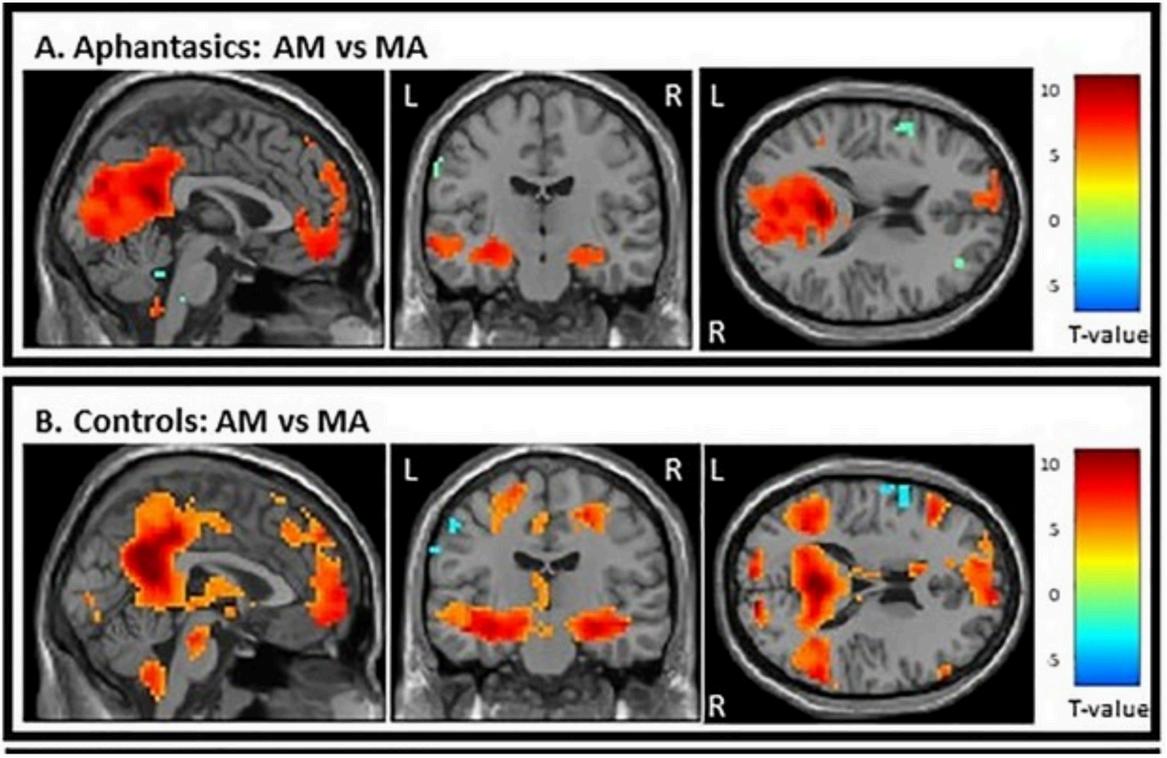
Scientists studying aphantasia have uncovered some fascinating neurological differences A study from 2018 found that individuals with aphantasia had significantly reduced activity in brain areas responsible for visual imagery, particularly in the visual cortex and frontal regions that help create mental images Their brains function perfectly well for perception, but when asked to imagine something, those same regions stay quiet Another study in 2021 took it a step further using both behavioral tasks and brain imaging The team discovered that aphantasic participants didn’t show the same physiological responses to frightening imagery When asked to imagine a scary scene, such as being chased by a shark people with typical imagery showed elevated heart rates Those with aphantasia, however, displayed no change This shows that mental imagery not only affects what we can visualize, but also shapes our emotional experience
Even memory, something we usually think of as factual, is altered by aphantasia In people without mental imagery, autobiographical memories are more about facts than pictures They remember what happened but not in a movie-like replay So how common is this? Estimates vary, but some researchers believe that around 1-4% of the population may have aphantasia That’s millions of people living without mental pictures most of whom don’t even realize their experience is unusual until asked to describe it
Aphantasia reveals just how diverse human cognition can be We often assume our mental experience is the “normal” one, but conditions like aphantasia remind us that there is no single way to think, remember, or imagine As science digs deeper into this condition, we may uncover new strategies for learning, creativity, and therapy that work better for different thinkers In the future, a better understanding of aphantasia could help reshape education For students who can’t visualize, verbal or hands-on approaches might work better than diagrams or mind-maps Ultimately, aphantasia doesn’t make life any less rich It simply changes the texture of thought And in doing so it opens our eyes to the invisible diversity of the human mind
Alzheimer'sandParkinson's
Picture waking up one day and struggling to remember the faces of loved ones, or losing the ability to move and speak with ease For millions of people worldwide, this is the devastating reality of living with Alzheimer’s or Parkinson’s disease two relentless neurodegenerative conditions that slowly rob individuals of their memories, independence, and quality of life
What are Alzheimer’s and Parkinson’s?
Alzheimer’s disease and Parkinson’s disease are the two most common neurodegenerative diseases, impacting nearly 8 million people combined in the U.S. The number of people living with each disease is expected to double by 2050 Both Alzheimer’s and Parkinson’s are neurodegenerative diseases researches have linked to toxic protein clumps in the brain There are three types of proteins commonly linked to neurodegenerative diseases beta-amyloid, alphasynuclein and tau.
Alzheimer’s disease is a progressive neurodegenerative disorder primarily affecting memory, thinking and behavior It’s the leading cause for dementia, accounting for 60%-80% of cases The disease is characterized by the accumulation of beta-amyloid plaques and tau protein tangles in the brain ,which disrupt neutral communication and eventually lead to the death of brain cells Symptoms worsen over time, from early signs of basic age-related memory issues and progresses to memory loss, confusion and difficulty thinking in performing daily tasks.
On the other hand, Parkinson’s disease is a movement disorder caused by the degeneration of dopamine-producing neurons in the substantia nigra region of the brain Dopamine is a neurotransmitter, and as these neurons die, Parkinson’s patients experience symptoms such as tremors, muscle rigidness, bradykinesia (slowness of movement), and balance issues Over time, the disease may also affect cognitive functions, mood, and autonomic processes (e g digestion) and eventually develop dementia at some point (American Brain Foundation, 2024). Although Alzheimer’s and Parkinson’s are both caused by disruption and damage to certain parts of the brain where critical brain cells typically die in the process, each neurodegenerative disease has distinct symptoms and affected brain regions
Current Research Findings
In recent years, research into Alzheimer’s and Parkinson’s has made remarkable strides Scientists have uncovered critical insights into their underlying mechanisms, paving the way for new potential therapies Regarding Alzheimer’s Research, one of the most promising developments is the use of monoclonal antibodies such as aducanumab and lecanemab (Szeto) These drugs target beta-amyloid plaques which help to slow down the cognitive decline Researchers have also explored chronic neuroinflammation which leads to trials of anti-inflammatory drugs and lifestyle interventions since it has been linked to disease progression Previously, there have been medications
CelineShi‘29
for cognitive symptoms offered such as cholinesterase inhibitors that can help improve memory and behavioral symptoms by increasing acetylcholine, a key neurotransmitter Memantine is also a type of medication that helps by regulating glutamate to prevent overstimulation of neurons
Parkinson's researches are more focused on protecting and restoring dopamine-producing neurons Stem cell therapy with transplanted cells potentially repairing damaged areas of the brain are available in India, but is currently considered an experimental treatment not yet approved by the FDA Another breakthrough is the development of gene therapies, which aim to treat the underlying cause of the disease by delivering genes to the brian to restore dopamine production, protect dying neurons or correct genetic mutations, especially targeting the GBA and LRRK2 genes (National Institute of Neurological Disorders and Stroke, 2004) Researchers also refined deep brain stimulation (DBS), a surgical treatment for Parkinson’s disease that involves implanting a device to send electrical impulses to specific brain areas, thereby regulating abnormal signals that cause movement symptoms such as stiffness and dyskinesias to improve patients’ quality of life
How Can We Help Patients?
As of September 2025, there are no cures for Alzheimer’s and Parkinson’s disease, though there are currently available treatments focused on managing symptoms and slowing the progression of these neurodegenerative conditions However, as an average citizen, we can contribute to therapies and lifestyle changes to support patients and improve their quality of life. Non-pharmacological interventions (physical, occupational and speech therapy) can play a significant role in improving patients’ well-being in maintaining mobility, independence and communication skills (Seaton Senior Living, accessed 2025) Interestingly, toys can be effective for managing symptoms of Alzheimer’s and Parkinson’s by providing sensory stimulation, reducing anxiety and improving cognitive motor skills
Living with a neurodegenerative disease can be emotionally challenging for both patients and caregivers Community support and education are crucial in helping individuals cope with the emotional burden Simply encouraging patients to engage in social activities and hobbies can act to improve their mental health and slow cognitive decline While not a cure, they offer a non-pharmacological way to enhance quality of life, provide comfort, and encourage engagement.


MX SCIENCE

GO GREEN
TheGreenSaleandBeyond:How
CommonSenseisMakinganImpact
AllisonLuo‘27
Do you want to help Middlesex become a cleaner school? If so, Common Sense is the club for you! Common Sense is a club focusing on helping Middlesex become a more
cleaner school? If so, Common Sense is the club for you! Common Sense is a club focusing on helping Middlesex become a more sustainable school, encouraging students to think more about their impact at the school, such as turning off water while brushing teeth, turning dorm lights off when leaving, and recycling clothing While these everyday actions may seem like small gestures, they will add up across campus. Common Sense will also be doing collaborations with other clubs, creating community-wide projects to focus on sustainability
One of Common Sense’s biggest events is the Green Sale The Green Sale allows students to donate their old dorm essentials, such as rugs, fridges, and beanbags, as opposed to throwing these items away and ultimately sending them to landfills.
Then, in the fall, new and returning students come back and are able to purchase these items at a steeply discounted price. One of the heads of Common Sense, Luisa Ferrari ’26, says that “the profits made from this sale are donated to local environmental organizations where the money will have a big impact.” This fall, the Green Sale generated almost 1,000 dollars! How can students help out? Students can help out by going to the Common Sense meetings along with their events! This year, they will be focusing on an anti-plastic campaign, highlighting the importance of reducing single-use plastics on campus, such as plastic water bottles or plastic spoons, and finding better alternatives for them. They are also trying to create more school-wide projects that focus on becoming a more sustainable school. If anyone has ideas, feel free to reach out to the heads, Luisa Ferrari ’26 and Lulu Goulet-Hofsass ’26, or just show up to the meetings! Even if you can’t show up to all the meetings, you should still strive to support the club by living with more sustainable habits.
Dr.Erickson’sContinuousLoveAffair withScience
ASparkpasseddownthePassionforSciencetotheNextGeneration
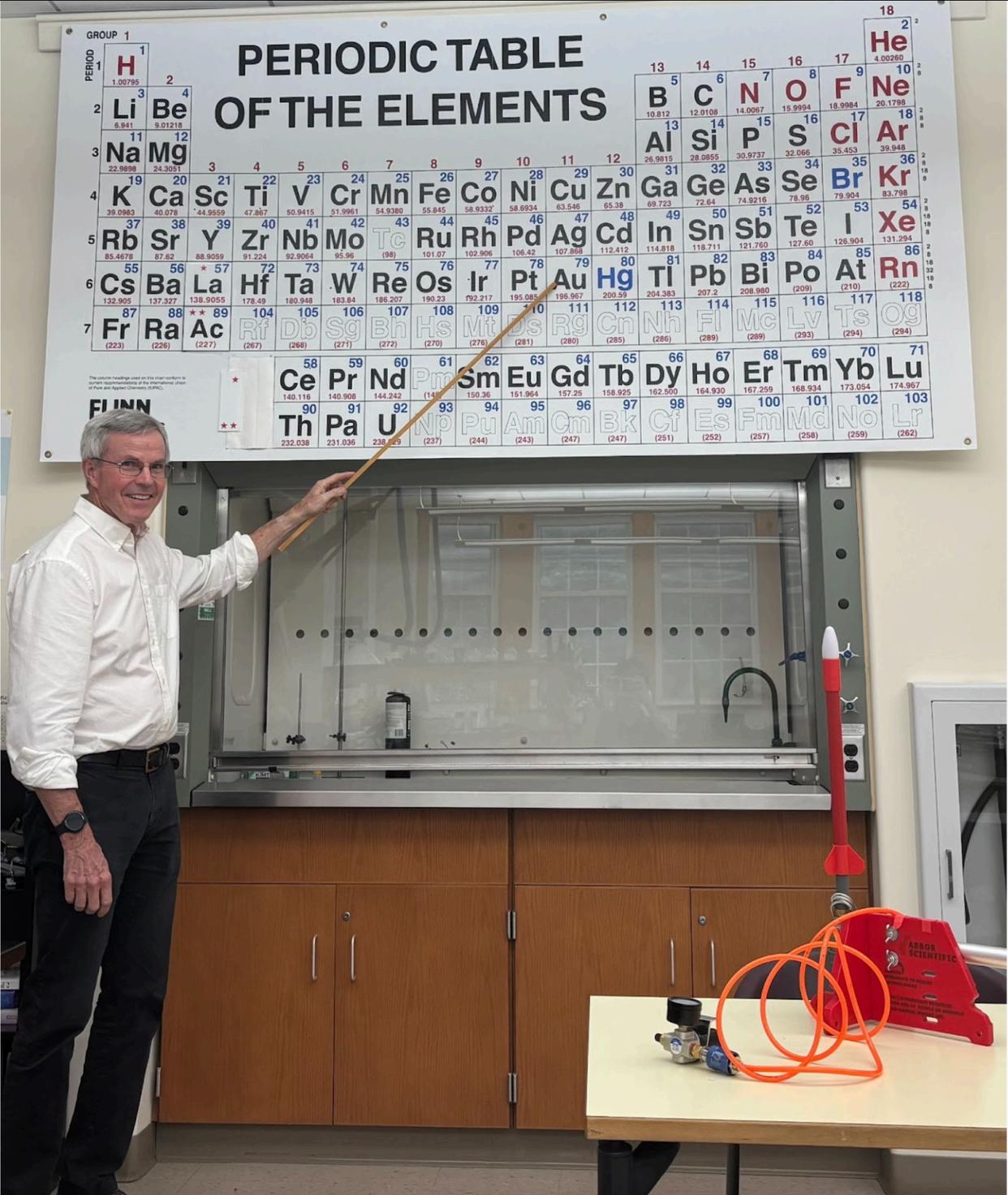
How does someone fall in love with science? For one of our most beloved Middlesex science teachers, Dr E, everything began in high school with his chemistry teacher and the discovery of how hands-on experiments can reveal the mysteries of the scientific world That spark inspired Dr E to start his undergraduate research in University of Oregon’s laboratories, paving the way for a lifelong career in chemistry, research, and education
“I was always curious about how the world worked,” Dr E replied in response to my question of why he pursued science I didnt enjoy the humanities as much, but science just made sense to me It was tangible” That curiosity of science first started in the laboratories of MIT, where he was selected for a prestigious federal undergraduate research program The focus of his research was on Organic synthesis the art of building complex molecules from simpler ones “It was practical real work” he declared “It wasn’t just theory it was discovery with your own hands”
But after years of studying getting a PhD and conducting further research something changed for Dr E: his visit to Middlesex As a parent at Middlesex, Dr E was invited to observe a class That classroom visit became a turning point for him, allowing him to view teaching as “educational enlightenment” for younger generations Soon after he transitioned from professional research to teaching driven by a desire to share his passion for science with the next generation
Now a seasoned teacher his favorite moments in the classroom come from memorable labs One of his favorite physics labs involves balancing a student on a board using a simple torque demonstration Another classic is the acid-base titration in chemistry which brings abstract chemistry to life through a visible colorful change Dr E’s passion comes through in his teaching, and he says, “You learn that you might only really reach a small percentage of your students but if you can inspire even one to pursue science, it makes your day”
Last year, Dr Erickson was on sabbatical, allowing him to reflect on his teaching He describes the most intriguing part of his sabbatical as the fact that he spent the majority of his year off taking private pilot lessons and eventually learned how to fly small planes! In the meantime, he also spent valuable family time with his granddaughter and volunteered as a coach at Northfield Mount Hermon School “It gave me space to take a breath and step back from science for a little bit” he said “When I came back it made me enjoy teaching more ”

Sunny Qian ‘27

When asked about the importance of science education in the modern world, Dr E stressed the necessity of having certain knowledge with science, as he remarks, “Even if you don’t become a scientist, science still helps you understand how the world works” especially in a time when climate change technological advancement and global health concerns are all happening faster than ever
Regarding students who are considering a career in science his advice is to “ engage in different subjects, like biology, chemistry, or physics Find the ones that make you excited to get to work in the morning Lastly, at the end of our interview he reflected on his time working as both a scientific researcher and educator He pointed out that he wished he could advise his younger self to start teaching sooner, describing it as “ more fulfilling than research”
Dr Erickson’s journey from research laboratories to the classroom illustrates his lifelong passion for discovery and a deep commitment to inspiring others His story highlights that there is more to science than knowledge Curiosity, connection, and the impact are all treasures along the path of pursuing science Ultimately, it was through teaching that he discovered what he loved most: empowering the next generation of scientists for the world
MYSUMMER RESEARCHAT NATURE STANDARDS
Neo Wang ‘28
This summer, I spent several days at Nature Standard Biotechnology in Shanghai a laboratory specializing in functional foods and pharmaceutical research Through this valuable internship, I learned not only from lab work but also from carrying my project from biochemical testing to creating a consumer product and into the early stages of commercialization The experience gave me a comprehensive understanding of how science can be applied to the real world
My project focused on saffron the world’s most expensive spice long valued in both traditional medicine and modern research for its bioactive compounds Specifically, the interests were on the compounds crocin-I and crocin-II For the first three days, my work focused on material testing and analysis I used techniques such as Thin Layer Chromatography (TLC) and High Performance Liquid Chromatography (HPLC) to compare the concentration of crocin across saffron and gardenia samples The work was meticulous, and I spent hours preparing solvents adjusting ratios on the HPLC machines, and waiting for the chromatograms to run
At first, the repetition felt exhausting - was this what real research always looked like? My mentor, Dr He, told me frankly, “Yes, science involves repeating steps over and over Every repetition is part of discovery; that is why you have to truly love it” Through this insightful conversation I shifted my perspective to believe that repetition is not a waste of time Instead, it is crucial for obtaining accurate data I learned this lesson the hard way when I found that I had used the wrong molecular weight for crocin-I, so I had to go back correct the number and recalculate the data While it was frustrating at the moment, it taught me that patience and attention to detail are the keys to being a good scientist
Once I had identified the chemical composition of the extracts the next step was to test whether they actually worked in living organisms For this, I used the tiny roundworm Caenorhabditis elegans (C elegans), also known as nematodes, a common model in biology because of its short lifespan and transparent body The process of working with nematodes was delicate To ensure fair comparisons, I had to synchronize populations so that all worms were at the same developmental stage Then I transferred them into a 96-well plate, treating each group with different extracts After applying all the extracts and leaving a controlled group with vitamin C I exposed them to juglone, a compound that creates oxidative stress, and recorded the ones that survived The results were clear and exciting: Worms treated with the 95% ethanol fraction of the extract had a survival rate of 732% nearly matching the 84% survival rate of the vitamin C control
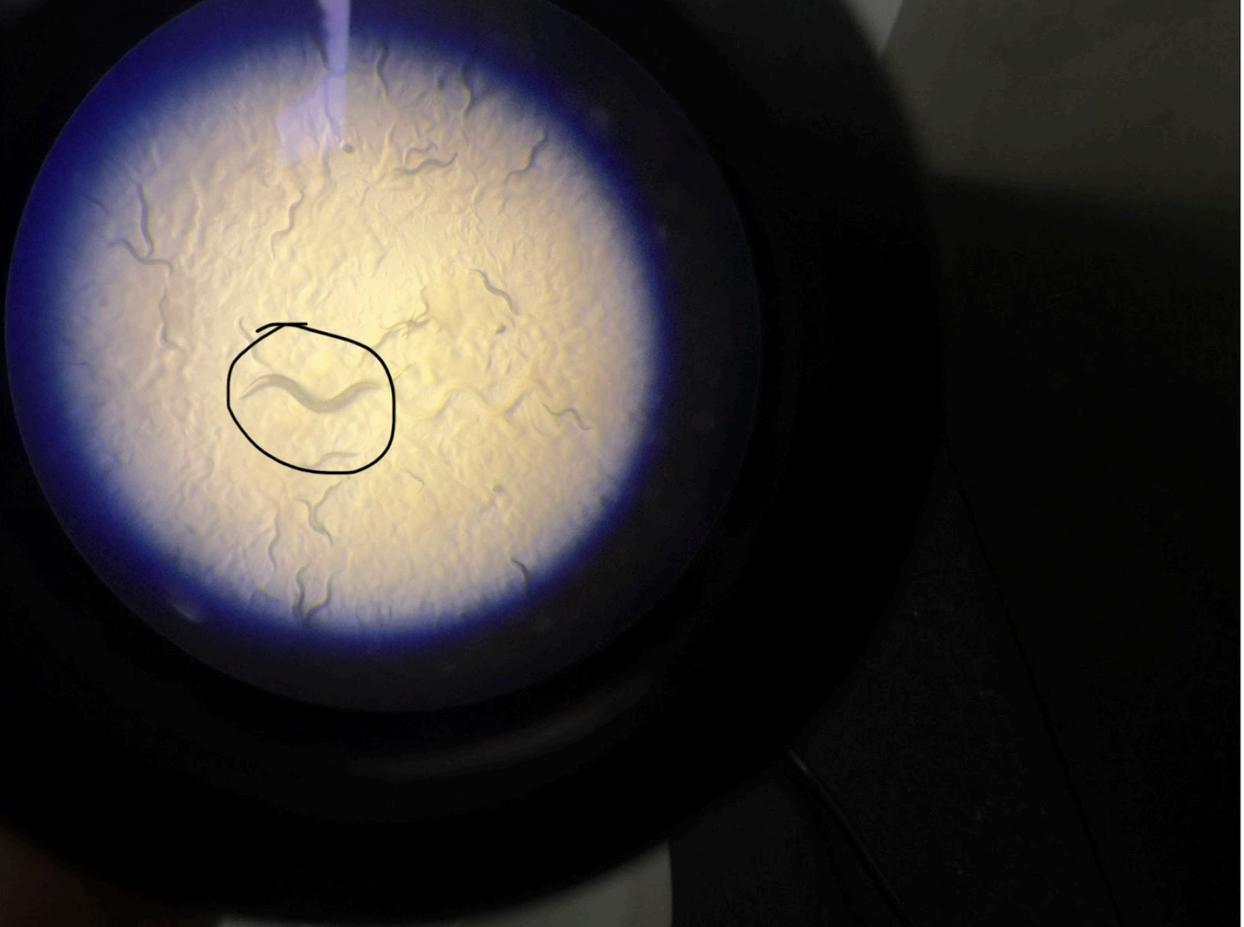
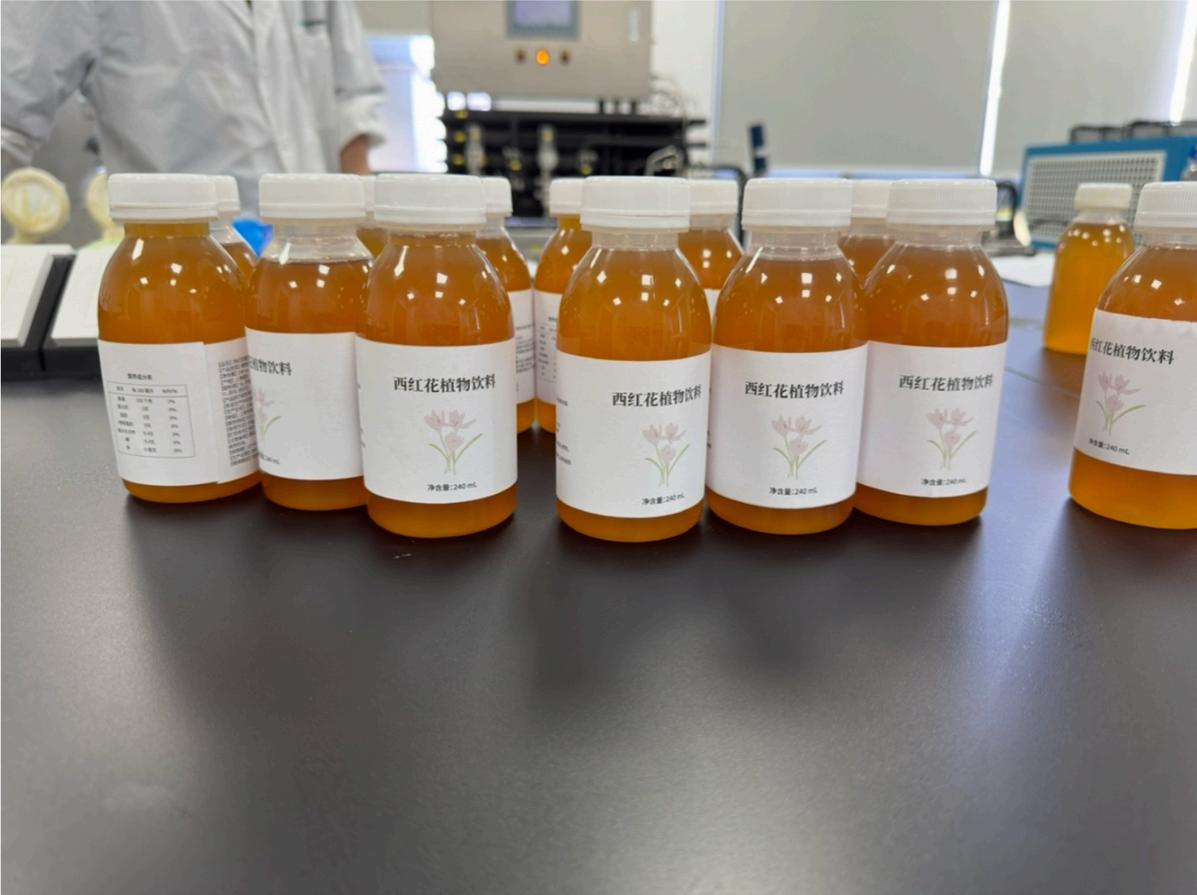
group In contrast worms treated with lighter extracts performed far worse I also found that the darker the extract the more protection it seemed to provide There were moments of surprise, too While picking worms from plates, I spotted two rare male nematodes Males make up only about 02% of the total population My mentor admitted that he had only seen two in his entire career and amazingly he saw two more just in that one day For me, this surprising moment reminded me that science could have unexpected discoveries, often when you are focused on something else With evidence of saffron’s antioxidant properties, I moved on to something completely different: product development The goal was to create a saffronbased beverage that was not only scientifically functional but also safe and enjoyable to drink I began by preparing extraction liquids using saffron and complementary ingredients such as dendrobium, poria, and sour jujube seed, which have strong and bitter flavors To improve the taste, I experimented with blends of mango and passion fruit concentrates through a pH meter and refractometer to carefully adjust acidity and sweetness Through this process, I discovered that with an acidity around pH 32-33 and a sweetness of about 94%, Brix created the most tasty and refreshing flavor similar to fruit juices
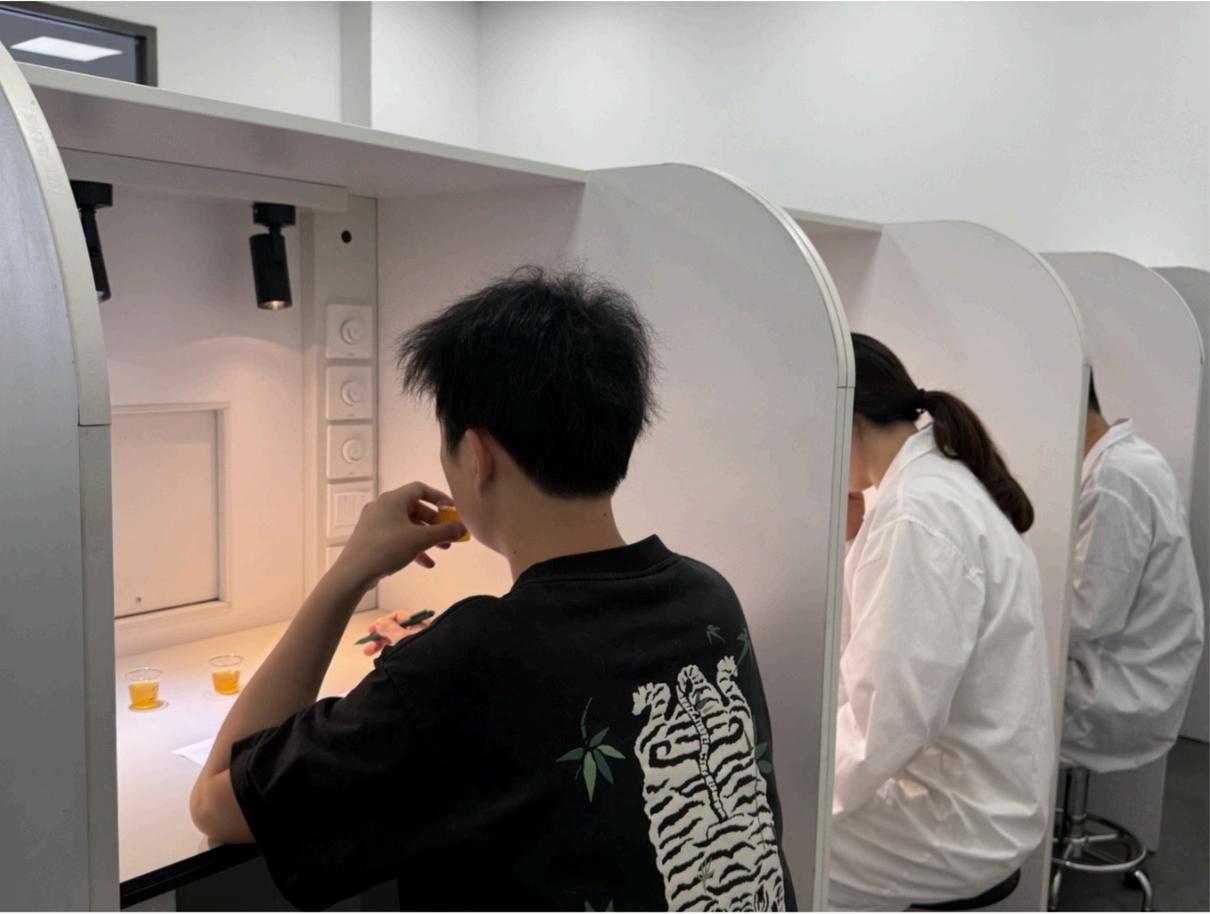
Figure 1: Sensory evaluation
Figure 2: Male nematode (in the circle)
Figure 3: Bottled saffron drink
To prove my formula, I did a sensory evaluation with ten volunteers Each person sampled four different gradient formulas and ranked them on taste, aroma, and overall balance of sweetness and sourness The winning formula, known as “Sample A,” was chosen by the majority for its bright color, smooth texture, and good sweet and sour balance Once the formula was finalized, I turned to production and safety testing. I used Ultra-High Temperature (UHT) sterilization to ensure the drink contained no harmful bacteria, and then bottled it under sterile conditions. Then I took the final bottled product for bacterial count and E. coli testing to confirm its safety for consumption. To finish off the production process, I designed a standard food label that complied with the Chinese GB regulations, including ingredient lists, nutrition facts, storage instructions, and more
Having a final tangible product that is safe and tasty to drink felt incredibly satisfying and it gave me this new perspective of science that is not constrained in a laboratory but also appears in everyday products The final stage of my project took me out of the lab and into the business world In the next month after the internship, I built a hypothetical commercialization plan with my mentor for my saffron drink under the brand name Rouge Elixir The goal was not to launch a real company, but to better understand the logistics of bringing a product to market I began by studying the U S functional beverage market, which was valued at $158 billion in 2024 and projected to grow continuously. Many consumers, frustrated with sugary, artificial drinks, look for natural, science-proven alternatives Saffron, with its effects on mood and focus, seemed to fit perfectly to meet this demand I imagined how consumers might respond to this drink I sketched out three product formulas: Daily Boost (20mg Saffron), Intense Focus (36mg), and Fitness Recharge (50mg) Each comes with a distinct flavor: the mango passionfruit version I produced in the lab, plus projected formulas like mint honey and peach citrus to expand the variety for different customer needs Going through the financial side, my mentor guided me through a draft profit-and-loss model (P&L) We projected scenarios for direct-to-consumer (D2C) subscriptions, online sales, and retail stores. We also estimated costs for production, shipping, and customer acquisition. This exercise was not about starting a real business, but learning the economic side of science to determine if an innovation could realistically succeed in the marketplace
This internship gave me more than technical knowledge in the biochemistry field It presented me with a view into how science and entrepreneurship intersect I not only understand how to run an HPLC machine or sterilize a drink, but also how research can flow into design, safety, and market strategy Moving forward, I want to keep exploring this intersection where lab work meets human impact, and where discovery can truly leave the laboratory to reach people’s daily lives.
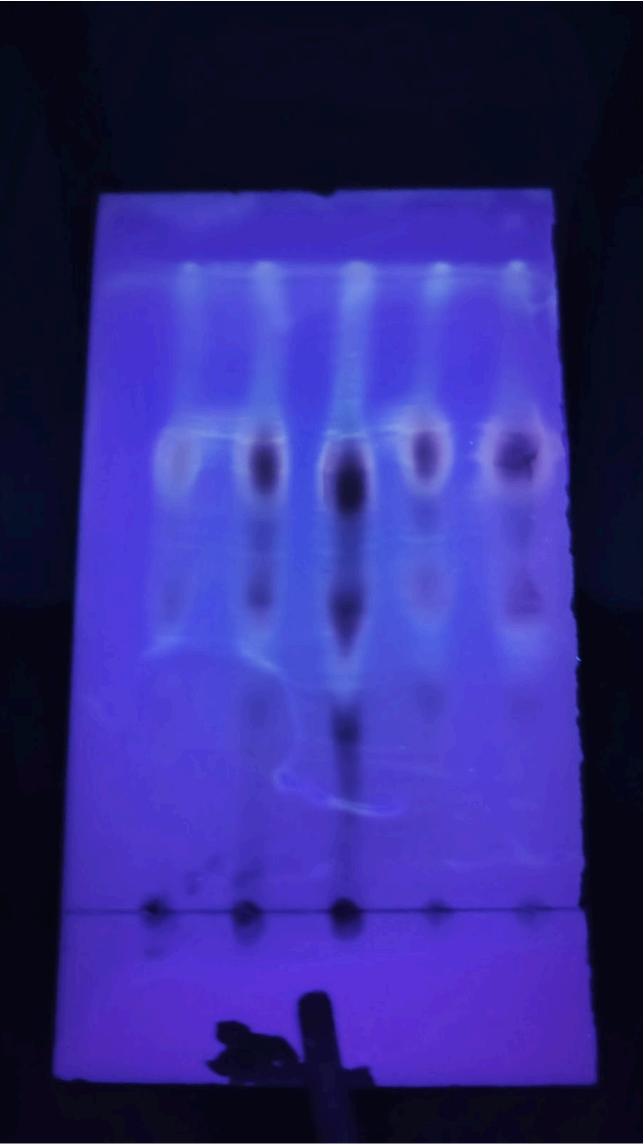
Figure 4: Thin layer chromatography under 365nm light
ThePerfectScienceElective
WhyyoushouldtakeMrWhitt'sbiotechnologyclass
RobertSou‘28
I’m not exaggerating, but in my two semesters at MX, biotechnology has been the most interesting course I have taken. While one might be intimidated by the “Preference given to 12th and 11th grade students” note or the “SCIENCE 44” course number and it might seem like a daunting class filled with long lectures or exams, this is far from the truth.
The biotech course is filled with enjoyable lessons on niche topics and valuable skills. The first lab we did was making cheese using a micropipette. Did you know that there are three different ways cheese can be made? We tested them all, finding that adding rennin (an enzyme in cow stomachs) to milk caused the fastest change.

Yes, I still would write the cliché question here: “Do you know what makes you you?” And yes, the answer is DNA. But did you know that we had no idea what our DNA code was before the Human Genome Project in the 90s? In biotech, students get to simulate the actual experiments the groundbreaking scientists did by taking their very own DNA, using Restriction Enzymes, and seeing through gel electrophoresis the differences in their DNA and someone else’s. At the end of the course, students will even get to engineer bacteria that can survive on Mars.
Some people hold the common misconception that freshmen “aren’t supposed to take an extra course,” or that electives are “too hard for them.” However, biotech is the exact opposite; in the previous year’s biotech class, all four freshmen, including me, reported that biotech was a healthy supplement course. While some material overlaps with the BIO-12 course, serving as a healthy review, the biotech course brings the theory into real life through a more hands-on approach.
All in all, biotechnology is definitely a light, fun, and enlightening course. Whether you are a freshman eager to strengthen your biology skills or a senior curious about biotech skills in the real world, or anyone in between, SCIENCE 44 is an excellent choice. I hope that a sequel to this course will be available for eager students to dive deeper.
Mr. Whitt, who teaches this class, always manages to make abstract science concepts simple and relatable through hands-on labs. His kindness shines when he prepares outside work time for a lab or when he buys Dunkin’ Donuts for the entire class. Thank you, Mr. Whitt, for your work in biotech; I hope more people will consider taking this class.

ENVI SCI


PARANORMAL PLASTIC SOLUTIONS
Caleb Mitchell ‘26
Everyone knows about the issue plastic poses in everyday life now We all accept the hard truth that plastic has infested our ocean contaminated our shores, and litters even our Middlesex campus We take this as a simple truth something unavoidable and yet some promising new solutions have appeared with more strength than eve before suggesting that our solution is over the horizon
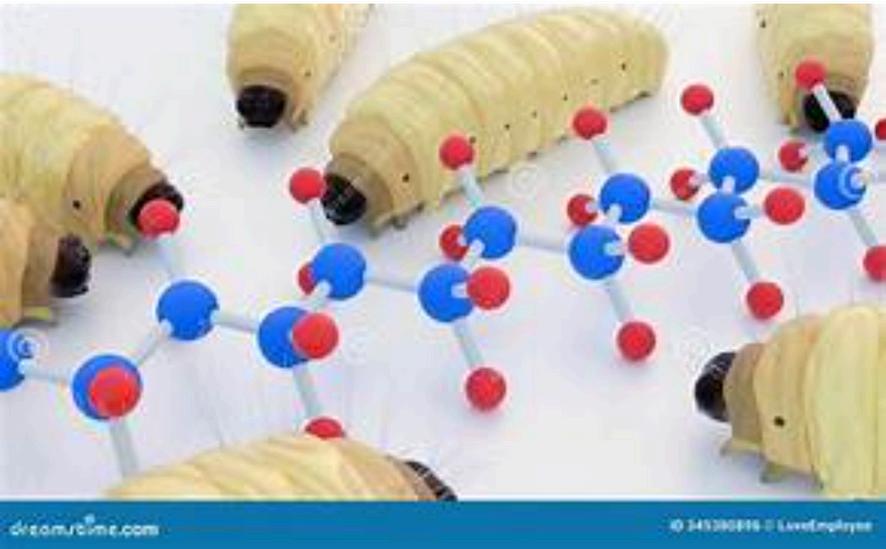
One path we are looking out at is Wax Worms! These creatures are known as pests due to their tendency to infest beehives, ruining a key pollinator for these environments However researchers have found a use for these creatures as their larvae feed on the polyethylene o plastics decomposing this material much faster-and safer-than ou landfills and oceans, as these plastics would normally take decades to fully decompose The worms are able to decompose polyethylene because its chemical structure is similar to that of beeswax, as the polyethylene is often used as an artificial wax
Interestingly, the worms, when digesting, break down polyethylene and produce glycol as a byproduct only when the insects' gut microbes are healthy and functioning Because of this, these worms can dispose of little plastic on their own but if farmed in large enough quantities and given stimulants like sugar to co-supplement the overall rate of their eating much more could be disposed of as about 2000 worms are equal to 1 plastic bag without the stimulants The number of these worms would also help our aquatic friends further as growing and caring for these worms allows us to provide food to fish, giving protein and new life to the very ocean plastic pervades
Unfortunately these worms don't have bottomless stomachs when it comes to plastic Wax worms having eaten a lot of polyethylene are both fatter, and decompose fat far faster than their brethren Many strains of these worms have been created with the sole intent of decomposing microplastics and one even lasted a full year, continuously decomposing polyethylene throughout its life However, most only last a few days before expiring, as wax worms have difficulty decomposing only plastic in their diet A solution for this problem would simply be to find a food to eat alongside the plastic, fixing the issue and creating an even more sustainable way to decompose our plastic
By comparison to this solution alternative plastic bags have been in development for much longer, and yet these new innovations are even wackier than anything seen before From simple paper bags to mushroom packaging, these alternatives to plastic bags vary greatly First off though, we have plant-based plastics developed from corn and sugarcane one of the most promising alternatives, as more lab work will prove to be useful in finding out the further extent beyond Polylactic acid and Polyhydroxyalkanoates (mouthful!), our two leading candidates from the plant based route
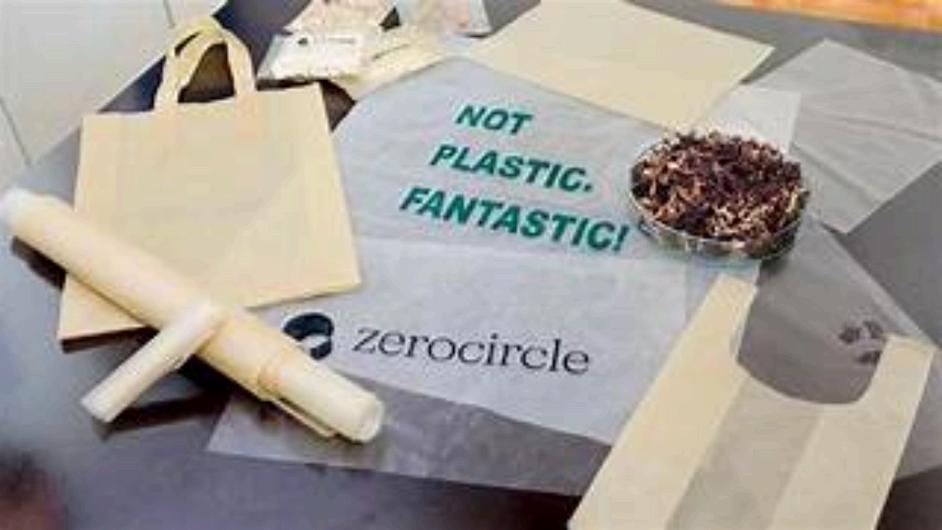
On to two more fun ones: seaweed and mushroom packaging First, the seaweed packaging is incredibly ocean friendly being easily biodegradable even if blown into water It is also being made an edible alternative reducing waste further and giving a yummy snack! (assuming you haven't used it to carry anything dirty) Mushrooms, on the other hand are another packaging type gaining traction as people use the mycelium of the mushroom to create these molds for packages These mushrooms are fully compostable adding even more to the pros for this new type of packaging
It is not the innovations wackiness that causes us to forget they exist, but instead the fact that they are rarely supported by governments and companies, as they look for the most cost effective and popular way that people are bagging and packaging, or even just plain recycling To truly create more change in our plastic pandemonium, we need to speak with our wallets and buy eco-friendly products and packaging to minimize the companies that still use plastic
MakingCitiesBreathablewithUrbanGreening
SueHayashi‘27
What is urban greening?
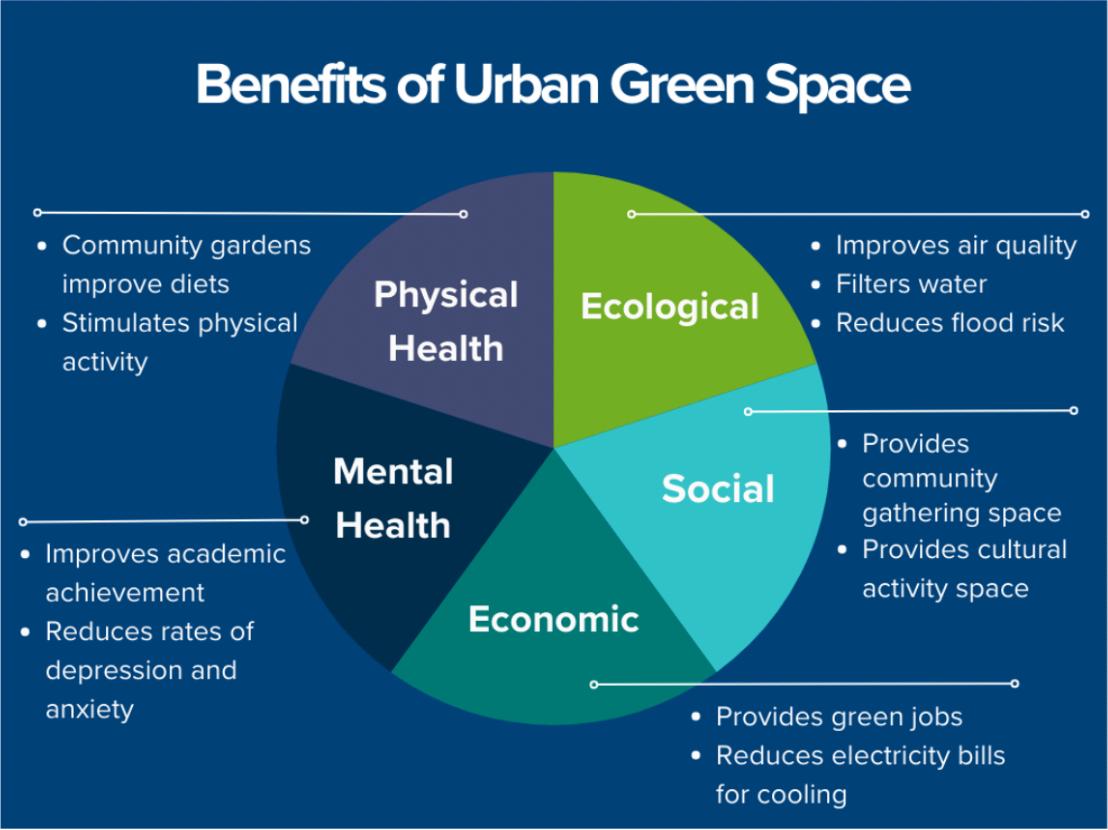
Urban greening involves varying processes of building and incorporating green spaces into city infrastructure for the purpose of providing ecological, recreational, and social benefits for its residents. Some of these efforts seem rather simple, such as planting trees along the streets or growing community gardens between buildings or on roofs. The benefits they reap, however, are not to be overlooked. Through the environmental lens, vegetation plays a crucial role in offsetting carbon emissions as they absorb carbon dioxide for photosynthesis, creating carbon sinks. The extra trees and plants help mitigate the urban heat island effect by providing shade, reflecting the sun’s UV rays, and providing a cooling effect as water evaporates off plants in a process called evapotranspiration. In turn, people can pull back on energy usage and reduce their electricity bills for air conditioning. Vegetation also acts as natural air purifiers, filtering pollutants from the air and providing city residents better air to breathe in, decreasing the risk of respiratory illnesses. Furthermore, green spaces can become new habitats for wildlife in cities and lead to improved ecological resilience within urban environments.
Another perspective of urban greening is its benefits on mental and social health. First, green spaces provide opportunities for recreational activities such as running, jogging, or biking. City residents can interact with one another within green spaces, improving their social lives and promoting social cohesion within the community. Urban green spaces also create a place for people to destress and attain emotional relief, with one study from 2010 showing that individuals living in areas with many green spaces were less affected by life stressors than individuals living in areas with fewer such spaces (Van den Berg et al., 2010). Overall, urban greening not only mitigates severe climate change effects within cities, but also serves as a platform for reducing anxiety and fostering cultural exchange and feelings of belonging between residents. These initiatives improve community resilience and make it more likely for similar efforts to continue to be sustained.
What comes to your mind when you hear the phrase, “urban greening”? Perhaps you imagine a city covered in lush vegetation, with fountains gushing in the centers of streets and vines hanging down the sides of skyscrapers. For some cases, like Singapore’s regeneration as a “garden city,” this utopian vision is not too far off from the truth. But for the most part, what urban greening refers to is the process of incorporating green spaces within urban infrastructure, whether that be through building rooftop gardens, planting trees, or creating hidden pocket parks throughout the city. Now comes the question, why go through all that effort in the first place?
Climate Change in Cities
As our population grows, cities become denser, and skyscrapers are built increasingly taller, the issue of turning urban areas into healthier spaces to live has become a central focus for environmental scientists across the globe. According to the Environmental and Energy Study Institute (EESI), over 80% of the world’s population lives in cities as of 2025 (Orloff). The abundance of concrete and asphalt surfaces and trapped heat within the city’s tall buildings produces an urban heat island effect, causing cities to be significantly hotter than surrounding rural areas. The UHI effect not only poses health risks to city dwellers but also raises power bills as temperatures tip up to 1-7 degrees warmer just within cities due to high solar heat absorption rate, forcing residents to increase air conditioning usage (Orloff). And the heating effect is not the only problem --- city residents also face severe smog, water contamination, and other forms of pollution daily. Specifically, the World Health Organization found that approximately 4.2 million premature deaths across the planet link directly back to exposure to air pollution, in rural and urban areas combined (University of the Built Environment, 2024). Clearly, our world’s cities are in dire need of a solution to mitigate these harmful effects of climate change for both our natural environment and humans --- and that’s where urban greening comes in.
What global communities are doing now
One famous example of a city taking on climate change head-to-head with urban greening is Singapore’s “City in a Garden” project. Begun in 1967 after Singapore destroyed nearly 95% of its vegetation through uncontrolled urbanization in the initial years of its founding, the “Garden City” plan designated land to become natural reserves to combat air, water, and land pollution and finally address the city’s public health needs (de Ferrer, 2020). As a result, Singapore has now become a ‘biophilic’-- meaning nature-loving – city, with over 100 buildings redesigned to include green roofs, recreational and edible gardens, and vertical plant walls (de Ferrer, 2020). Now, under the Singapore Green Plan 2030, the city of Singapore hopes to plant one million trees by 2030 in the One Million Trees movement, as well as expand park networks and further intensify nature in existing green spaces.
What does it mean for us?
There is no doubt that urban greening has its benefits, ranging from improvements in human physical and mental health and the restoration of natural environments to combat climate change. At the same time, there are challenges to the process of turning our cities “greener”, including obtaining funding, overcoming the limited land availability, maintaining existing green spaces, and ensuring all residents have equal access to green spaces. Nonetheless, by addressing its current uncertainties of equity and sustainability, we can turn urban greening into a powerful tool to help make our planet a more liveable place.

PHYSICS
GENERAL RELATIVITY A BRIEF DISCUSSION
Howard Liu ‘26
In 1919, British astronomer Arthur Eddington observed a solar eclipse and witnessed the peculiar fact that starlight bends around the sun the 1919 Eddington Experiment. Eddington provided the first experimental confirmation that gravity could warp space itself, a phenomenon that verified Albert Einstein’s theory of general relativity and reshaped our understanding of the universe.
The Wise Man
Motion is relative, relative to the reference of measurement. A moving car could be moving at 10 mph relative to the ground, or it could be moving at 100 mph relative to a train traveling at 90 mph in the opposite direction Puzzled by this weird phenomenon in which the physical data of an object’s motion can be inconsistent, Einstein, looking at a window washer hanging on the outside of a building, had an epiphany. He thought, “What would the window washer feel if he fell?” More precisely, what would he feel as he is falling? Obviously, he will experience an acceleration of 9.8 m/s^2 straight down due to gravity, but since there is no ground under him, there is no normal force (the so-called “weight” we experience is actually the normal force that the ground exerts on us), so the washer experiences no weight equivalent to being weightless in space Thus, Einstein realized that gravity and acceleration must be connected as gravity existed in the form of acceleration.
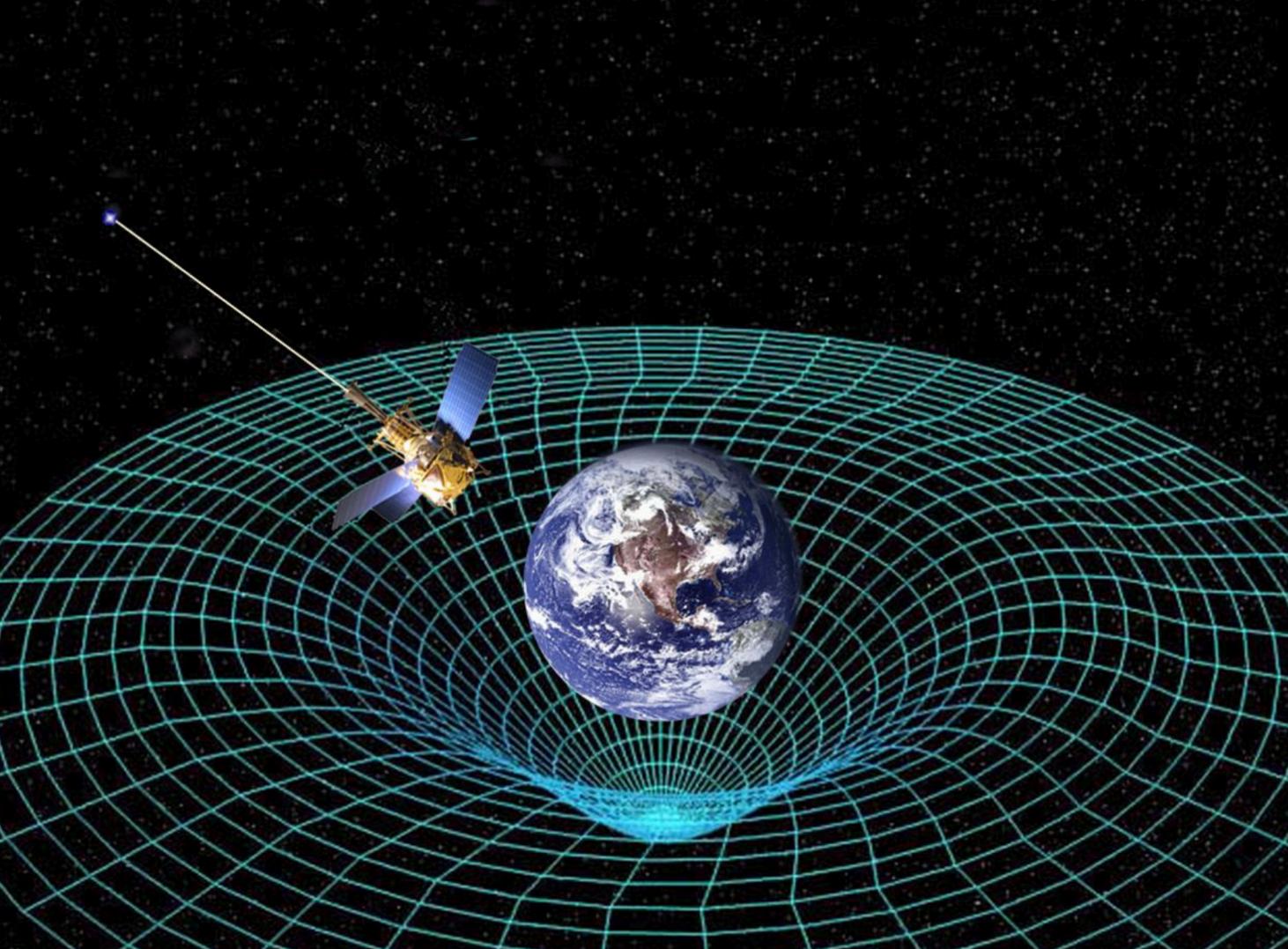
Then, Einstein thought about what a person would feel standing in a rocket that is accelerating upwards at 9.8 m/s^2. The answer is that the person would feel the same if they were on Earth because in both cases the person is experiencing an acceleration of 9 8 m/s^2 downwards Then, in the rocket, if the person turned on a flashlight at a wall, Einstein imagined that the light would bend because, as the rocket is constantly moving up, the photons would hit the wall at a position lower than where it was shot (light could be understood as a stream of individual particles that move at a fast but finite speed). Therefore, should the same phenomenon occur on Earth as well if there is no difference between standing in the accelerating rocket and on Earth? The answer is yes, because laws of physics must be consistent at all times (except at the singularity, refer to Finn’s article on Black Holes) On Earth, light will also bend, but at the slightest, unnoticeable degree as light is so fast So this leads to the conclusion that light bends when there is acceleration, and thus light bends when there is gravity Why? Because light always takes the shortest path between two points (this is also why light refracts in water, causing the image of your straw in a glass of water to bend). So the shortest path between two points in space is a curve when there is gravity? YES, and this is the core of general relativity: Gravity causes space to bend. And due to Newton's Law of Universal Gravitation, any object with mass has gravity, so any object with mass can bend space, and gravity emerges as a result of the morphed space (and time actually, but that’s more special relativity, I think)
The Gravity We Know Doesn’t Exist
ravity is just a magical force between m together, but I think this is kind of a t be wrong to say that, but gravity is e mass of an object that bends space below shows. Naturally, the satellite arth because the Earth bent the space mous mass However, since the satellite and there is no friction in outer space, main in circular motion with gravity as one could imagine that if the satellite suddenly lost all its velocity, it would “roll” straight towards Earth, due to the morphed space.
However, Einstein faced criticism and doubts for years because his theory defied the Newtonian belief that time and space are fixed. It is not until four years later, in 1919, that the Eddington experiment finally validated Einstein’s theory of relativity, which is what you read at the start of this article
The Theory of Relativity actually has two parts, and general relativity, discovered in 1915, which I discussed in this article, is only one part of it; the other part is special relativity, discovered earlier in 1905. I think special relativity is more complex than general relativity and more applicable to our everyday life, and I will leave it to my next article to discuss
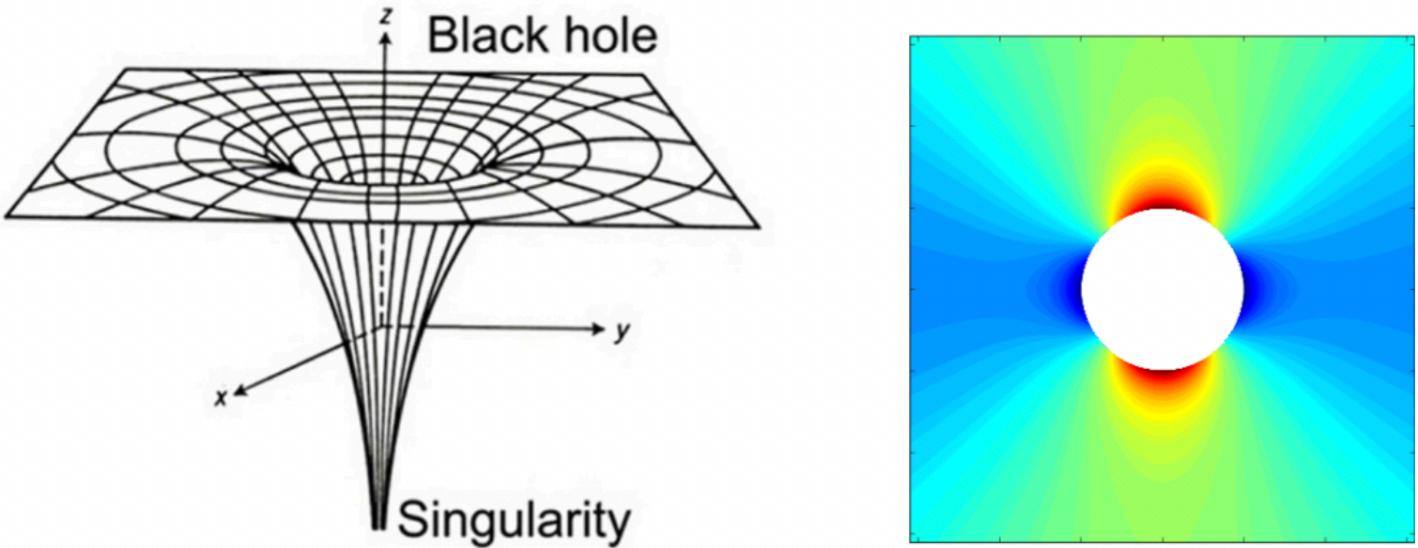
As I mentioned in this article, the rules of relativity and the consistency of conventional physics don’t work in black holes because of the existence of a singularity, a point of infinite mass The graph below is different from the graph of the Earth and satellite because the singularity point is actually a point of discontinuity in space; it's like a hole in the fabric of space, shown by the colorful topographic map on the right. If finite mass can bend space by a finite amount, then infinite mass pokes a hole in space. Therefore, the conventional laws of physics and general relativity don’t apply there, much like how you can’t take the derivative of the sharp corner of a function

BlackHoles
Whattheyareandhowtheycoulddeletetheuniverse
The laws of physics are universal, right? Well, what if there was something whose mere existence contradicted this statement and whose powers might spell the end of the universe? But first, what exactly are black holes? Firstly, black holes aren’t literal holes in space like the name might suggest. In fact, black holes are composed of super-dense matter that often contains more mass than our sun. The largest black hole in the universe, S5 0014+81, is 40 billion times the mass of our sun — black holes form when stars collapse in on themselves. Stars perform nuclear fusion in their cores with hydrogen atoms, emitting radiation that pushes back against the forces of gravity, a delicate balance which keeps a star from imploding. However, stars that have much more mass than our sun can fuse heavier elements until they reach iron. While most elements involved in fusion in stars emit energy and radiation, iron (which is at a star's core) does not emit energy and slowly builds up inside the core which causes the star to slowly emit less and less radiation. The star implodes and “dies” in a supernova which can either produce a neutron star or a black hole. A star will become a neutron star unless it is dense enough to become a black hole. A black hole's gravity is so intense that even light cannot escape, thus the reason a black hole is called a black hole. The event horizon of the black hole is the point at which light cannot escape. You cannot see the event horizon itself (which is just an intangible description) but only the shadow of the event horizon. As you enter a black hole, the differences in gravity throughout are so intense that one part of your body might experience millions of more pounds of gravitational force than another. For instance, if an astronaut somehow dove into a black hole head first, for a millisecond his head would be crushed while the rest of his body would be intact. Interestingly, the larger the black hole, the longer you could survive inside of it. This is because the farther you are from the singularity (core) of the Black hole, the less gravity there is. The singularity is defined as a point that has seemingly infinite density.
However, scientists don’t know exactly what a singularity is or what happens around it. One theory is that singularities explain the physics-breaking properties of black holes. According to Einstein's theory of general relativity, space and time are one
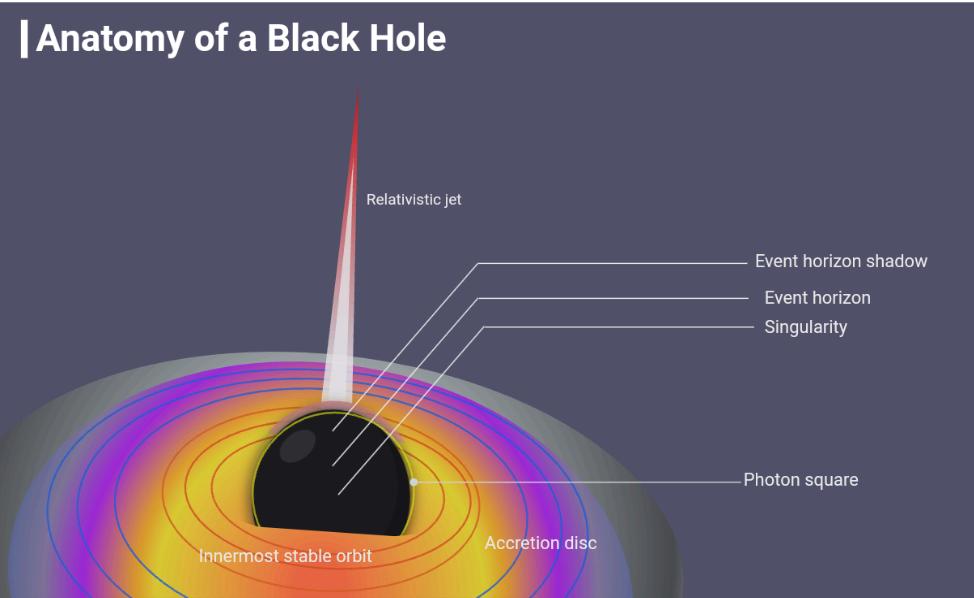
four-dimensional fabric that makes up the universe called space-time, which can be bent, folded, or even ripped. The idea is that the singularity is so dense that space-time becomes infinitely curved and thus the properties of physics don’t work anymore. What exactly does this mean? Essentially, infinity is impossible in the mathematics of general relativity as it provides results that are uninterpretable, proving that the theory is incomplete and that our rules of physics are incomplete. Another physics-bending property of black holes is that time doesn’t work in them, in fact it slows down. If you’ve even seen the movie, Interstellar, the same property of time dilation that happens in the movie also occurs around a black hole. In the movie, every hour the protagonist Cooper spends on a planet in another galaxy, seven years occur back on Earth. In the movie, this is caused by the supermassive black hole Gargantua. The gravitational field around a black hole bends the fabric of spacetime, making the black hole essentially a time chamber. If someone could observe your image in a black hole, it would appear to be frozen in time.
One important misconception around black holes is that they are wormholes. Theoretical wormholes connect points in spacetime together while a black hole simply bends space-time. So will these all-powerful black holes survive longer than time itself? Well actually black holes eventually “evaporate” due to a phenomenon called Hawking radiation. The black hole radiates all of its energy out and explodes with power comparable to a supernova. Even though this sounds good, the smallest black hole could take up to a googol (number with 100 zeroes) years to “evaporate”.
Now that you know the anatomy of a black hole and some of the effects of its gravity, we can move onto the ultimate danger of black holes. According to quantum mechanics, information can never be lost. You’ve all heard that energy cannot be created nor destroyed but what about information? Information in the scientific sense can be defined as describing the arrangement of particles. Arrange carbon atoms in one way, and they are coal; but arrange them in a different way, and they become diamonds. Black holes essentially destroy information through Hawking radiation. Black holes transform all matter inside of them into black hole matter (which we don’t know anything about), and when they come out in Hawking radiation, nothing can be ascertained about what they were. In comparison, a fire might turn paper into ash, but if given a theoretical molecule tracking machine, you could still know its information — the position in space of each paper molecule. But if information can be lost, the absolutes we rely on to prove the laws of physics become null and void. This is extremely dangerous, because if we cannot know things for sure then what's to say we all can’t die now for an unexplained reason of physics we cannot predict. In the end, black holes will consume every last piece of information in the universe. Thankfully, it is also possible that the information is simply hidden in a way we have yet to discover. Either way, the truth about black holes is that they embody uncertainty, and the mysteries of black holes may never be solved.
WILL ROBOTS REPLACE HUMANS?
EXPLORING AI AND ROBOTICS IN MODERN SOCIETY
Lawrence Chen ‘29
As a 14-year-old who’s seen floor-cleaning robots tidying up after me and my little sister, and hotel robots delivering room service like seasoned staff, I’ve watched the rise of AI and robotics with both awe and a bit of dread “Are we being replaced?” I used to wonder But after looking deeper into today’s developments, I’ve realized something: robots won’t replace humans at least not completely They’re just redefining what it means to be human
AI has taken huge leaps, largely thanks to the rise of Large Language Models (LLMs) Take DeepSeek v3, an open-source Chinese model with advanced writing, coding, and reasoning abilities all without billion-dollar backing (DeepSeek AI, 2025). These tools are like giving every high school student access to a super brain They've also sparked a rise in AI agents, systems that can handle tasks like research and personalization, allowing humans to move from repetitive coding to strategic thinking.
Then there’s ChatGPT 5 0, launched by OpenAI on August 7, and Gemini 2 5 DeepThink from Google on August 1 At the 2025 ICPC World Finals in Baku, GPT-5 solved all 12 problems, while Gemini solved 10 including one no human team could crack (Google DeepMind, 2025) That’s more than impressive; it’s historic. But remember: these models didn’t train or compete on their own Humans built, tested, and guided them. AI may be the brain but we’re still the soul
When it comes to humanoid robots, Tesla’s Optimus 3+ is now very real. In September, Tesla received a $10 billion order to deploy 10,000 units in pharmaceutical factories (Tesla, 2025). Elon Musk even claims it could make up 80% of Tesla’s future valuation
Boston Dynamics’ Atlas, once famous for doing backflips, now performs precise industrial tasks With superhuman 3D awareness, Atlas can navigate tight spaces and handle fragile parts with millimeter accuracy It’s even being tested in Hyundai’s factories (Boston Dynamics, 2025).
But neither of these robots can comfort a friend, write a meaningful poem, or debate whether pineapple belongs on pizza.
For everyday automation, Amazon now uses over a million warehouse robots, coordinated by an AI model called DeepFleet These robots reduce worker strain and increase efficiency (Amazon, 2025). But they also create new roles robot maintenance, data analysis, and logistics design
Similarly, Starship Technologies has completed over 8 million autonomous deliveries. Their sidewalk robots are adorable, ecofriendly, and efficient (Starship Technologies, 2025) But they can’t climb stairs or handle unexpected obstacles. In the unpredictable world, humans still have the edge
Perhaps the most surreal development came on September 12, when Albania appointed an AI-generated minister named Diella to oversee public tenders and corruption prevention (Reuters, 2025) She’s entirely virtual, wears traditional Albanian clothing, and has processed over 36,000 digital documents But critics argue her role is unconstitutional After all, can an AI truly understand compromise, public trust, or political nuance?
Despite the rapid growth, AI and robotics still face major challenges:
Energy: Sustainable, scalable fusion energy is still years away
Data: Real-world training data is limited. Synthetic data often produces unreliable results
Computing: Current chips are nearing physical limits, and quantum computing remains mostly experimental
LLM Limits: AI pioneer Geoffrey Hinton warns that LLMs may not be the ultimate path to human-level intelligence
And who’s tackling these problems? Humans Scientists, engineers, thinkers, and creators So, will robots replace humans?
Yes for sorting packages, delivering burritos, or flipping burgers at Tesla’s retro diner.
No for inventing, empathizing, governing, or creating with originality.
Rather than a future of joblessness, we’re likely heading into an era of collaboration Robots will handle the boring or dangerous work, while humans focus on ethics, empathy, and innovation. The future isn’t man vs machine it’s man with machine Our real task isn’t competing with robots it’s staying human in an automated world For students like me, that means honing skills like critical thinking, emotional intelligence, and adaptability

TECH

Deepfakes TheDualNatureofTechnology
Linda Wang ‘27
In today’s digital age, people can’t always believe what they see The development of new technologies especially artificial intelligence has sparked both excitement and concern for the public
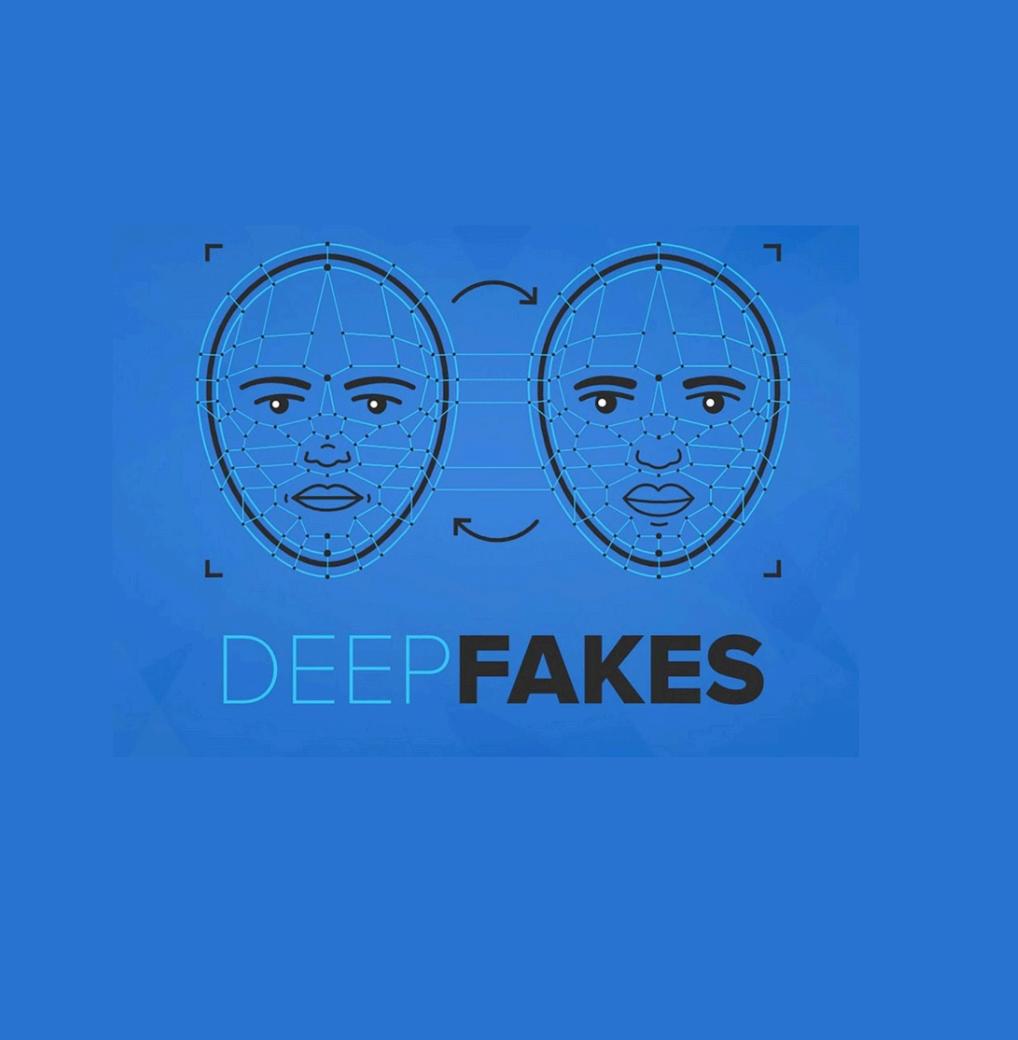
One example of this type of technological advancement and effect is deepfake Deepfakes are a form of synthetic media such as images videos or audio artificially generated or modified by artificial intelligence (AI) These images or videos can depict individuals doing or saying things they never actually did, yet it seems so realistic that it is often difficult to tell the truth from all the fabrication
Deepfakes are powered by deep learning, a subset of machine learning that uses multilayered neural networks, called deep neural networks, to learn complex patterns from large amounts of data and to simulate the complex decisionmaking power of the human brain (Holdsworth and Scapicchio) By mimicking the structure and function of the human brain, these "deep" neural networks process information through layers, with each layer identifying increasingly complex features within the input data Deepfakes also utilize the generative adversarial network (GAN), which is a type of AI where two neural networks compete with each other (Hansen) The two networks used are the generator and the discriminator, where one creates synthetic images, videos, or sounds, and the other evaluates whether the content is real or fake respectively Ultimately the back and forth continues until the generator produces media that resembles the real data, and even the discriminator can’t tell the difference (Hansen)
Deepfakes carry serious damage to society especially when used unethically
One harm that deepfakes pose to society is misinformation Deepfakes can spread false information by creating videos of political figures making statements they never made, spreading false narratives and eroding public trust (Desjardins) Also deepfakes damage the reputation of people Fake videos can be created about people doing things they’ve never done before, ruining the private lives of others Furthermore, scammers can impersonate others by creating videos that change their faces to others, persuading victims to transfer money or personal information
WHISPERING SHADOWS:
WHEN TECHNOLOGY LEARNS TO IMITATE US
Yet, despite these risks, deepfake technology is not entirely negative Deepfakes are beneficial in the film industry, where filmmakers can change the faces of actors or de-age them (Desjardins) Also it is easier for movies to do translations and make the actors seem like they’re actually speaking the language They are also beneficial in terms of accessibility These tools can help speech-impaired people to generate authentic and personalized voices In terms of education, deepfakes allow teachers to bring historical figures back to life fostering a better more engaging class environment for students
Overall, deepfakes demonstrate the dual nature of technological innovations Though they could help industries and people, they also present new challenges for privacy and security In the future, people need to consider how to harness the benefits of deepfakes while minimizing the harm done to people In the end, science development is not good or bad –it depends on how people utilize these tools to their needs
SPACEX STARSHIP 10TH TEST FLIGHT SPACEX STARSHIP 10THTEST FLIGHT
ClementCheng‘29
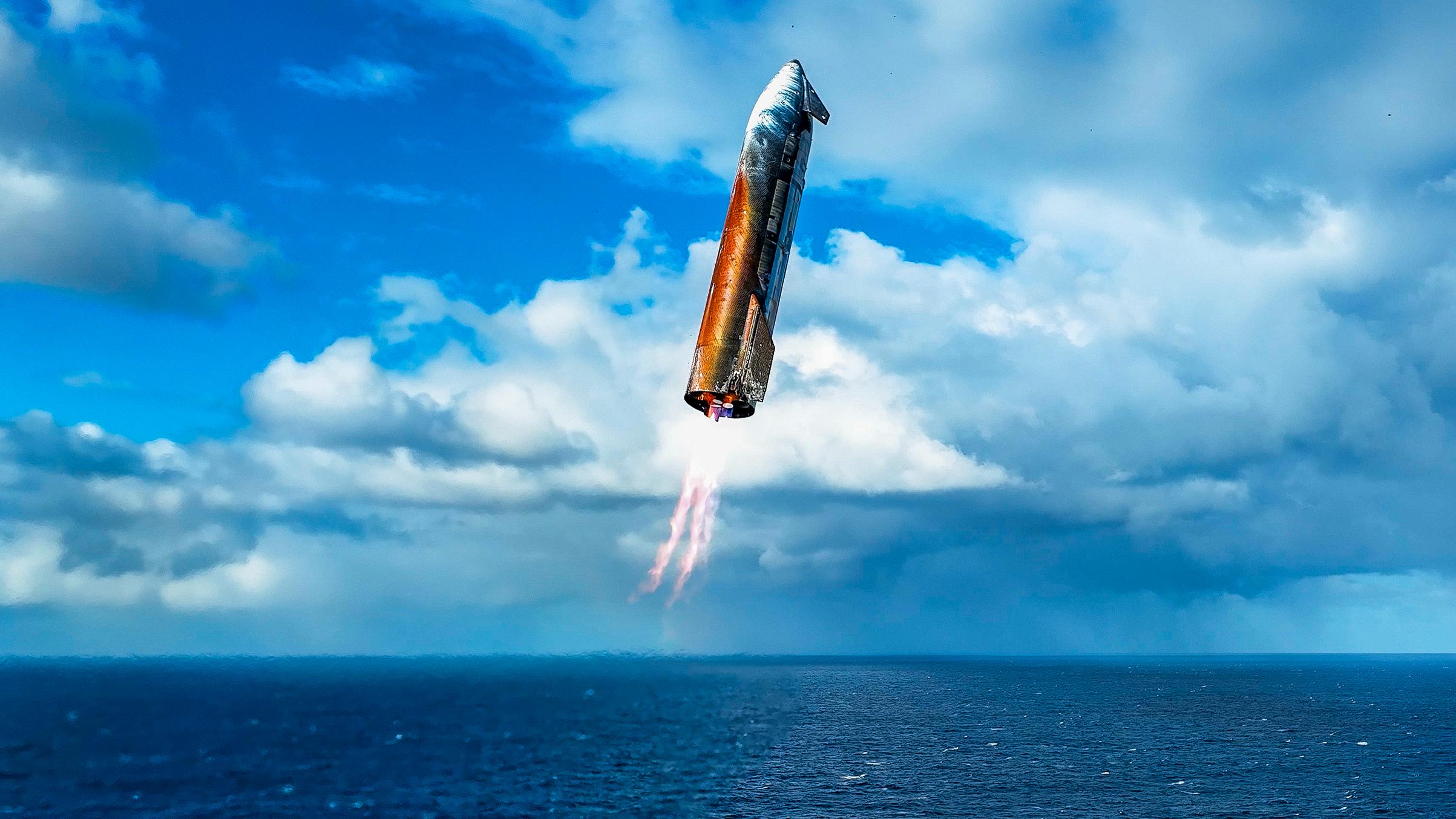
The SpaceX Starship spacecraft and Super Heavy rocket are the world’s most powerful launch vehicles ever developed. Starship – a fully reusable spacecraft designed to carry both crew and cargo into space – has had 10 launches to this point. All Starship launches have been test flights, starting in April 2023 and continuing to the present (SpaceX).
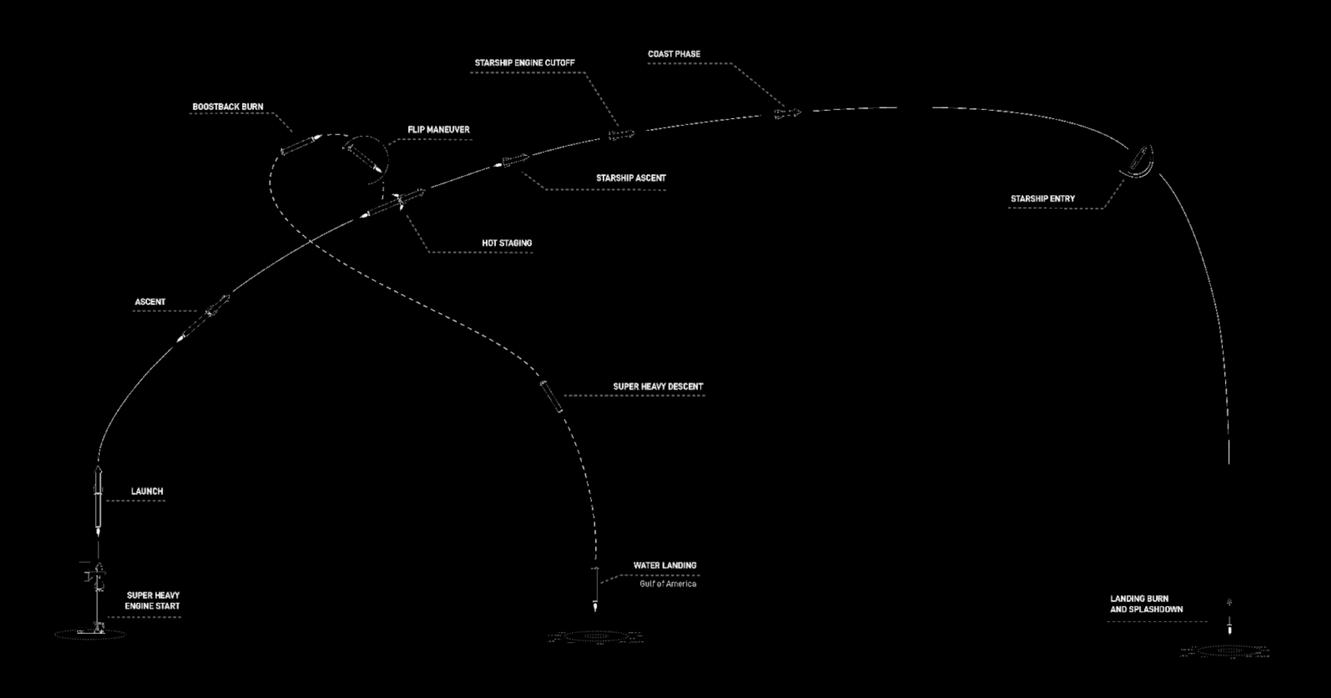
After a series of back-to-back launch failures – what SpaceX team described as episodes of “rapid unscheduled disassembly” – SpaceX recently achieved monumental success with its 10th Starship launch on August 26, 2025, lifting off from Starbase in Texas. With 16 million pounds of thrust generated by 33 Raptor Engines, the Super Heavy booster successfully projected Starship out of the lower atmosphere. The detached Super Heavy booster then conducted a flip maneuver and landed with a splashdown into the pre-planned Gulf area off the coast of Texas. Previously, the stage’s landing was designed to be caught by a huge mechanical arm, but the SpaceX team intentionally targeted the Gulf while “flight controllers monitored how it performed when an engine used for landing was deliberately shut down to simulate a failure. The stage appeared to compensate as required” (Harwood). Meanwhile, the upper stage achieved a suborbital trajectory, a feat that had eluded previous tests. While in orbit, Starship tested the “Pez-like deployment mechanism”, deploying eight dummy Starlink satellites, demonstrating the new system’s capabilities (Harwood). Upon re-entering the lower atmosphere, new heat shields were tested and monitored, and Starship ended with a splashdown in the Indian Ocean.

A successful test flight was critical to both SpaceX and NASA. SpaceX hopes to fix up the bugs as soon as possible in order to deploy more satellites, while NASA is relying on the refined and final version of Starship to carry two astronauts to the moon as soon as 2027.
Besides the present posed problems, there are also many critical problems that remain unresolved. For example, how can it be ensured that such a large rocket like Starship can land safely on the Moon, without mentioning all the debris and uneven surfaces? Such adversity has pushed the possibility of launching astronauts by 2027 to the edge. NASA engineers and contractors all agreed unanimously that a safe landing could be carried out with the current architecture. A senior engineer who worked on the NASA Artemis program stated that they are “not going to go ahead and get a crewed Starship to the moon by 2030, under any circumstances”. SpaceX and NASA will have to cooperate and work to an even greater extent to get Starship ready to use and launched by 2027.
Despite these successes, the Starship launch still has many technical hurdles to overcome. When ascending through the atmosphere, one of the 33 engines shut off prematurely; during re-entry, a control flap melted, and the protective skirt around one of the engines broke apart, though these factors did not seem to impact Starship’s performance.
Sources
InsectsandOtherSmallAnimalsCanExperienceFeelings
Allen,C.,andM.Trestman.“AnimalConsciousness.”StanfordEncyclopediaof Philosophy,Fall2020Edition.
Elwood,R.W.,andM.Appel.“PainExperienceinHermitCrabs?”AnimalBehaviour,vol.77, no.6,2009,pp.1243–1246.
GodfreySmith,P.OtherMinds:TheOctopus,theSea,andtheDeepOriginsof Consciousness.Farrar,StrausandGiroux,2016.
Ries,A.S.,etal.“DepressionlikeStatesinDrosophila.”NatureCommunications,vol.8, 2017,15738.
UKGovernment.AnimalWelfare(Sentience)Act2022.
JellyCombs
Boardman,DominicA.,etal.“WhatIsDirectAllorecognition?”CurrentTransplantation Reports,vol.3,no.4,7Oct.2016,pp.275–283,https://doi.org/10.1007/s40472-016-01158.
“CombJelliesUniquelyEvolvedtoSenseTheirWorld|MarineBiologicalLaboratory.” MarineBiologicalLaboratory,2020,www.mbl.edu/news/comb-jellies-uniquely-evolvedsense-their-world.
Zimmer,Carl.“WhenTwoSeaAliensBecomeOne.”Nytimes.com,TheNewYorkTimes,7 Oct.2024,www.nytimes.com/2024/10/07/science/comb-jellies-fusing-bodies.html.
Schupak,Amanda.“TheCombJelly,OneoftheOldestAnimalsonEarth,CanFusewith Another.”CNN,30Dec.2024,www.cnn.com/2024/12/30/science/comb-jellies-fusesingle-organism.
HowExerciseFuelsandFightsMetabolicHealth
Chomiuk,Tomasz,etal.“PhysicalActivityinMetabolicSyndrome.”Frontiersin Physiology,vol.15,2024,article1365761,https://doi.org/10.3389/fphys.2024.1365761.
Fernández-Veledo,Sonia,etal.“Type2DiabetesandSuccinate:UnmaskinganAge-Old Molecule.”Diabetologia,vol.67,no.3,2024,pp.430–442, https://doi.org/10.1007/s00125-023-06063-7.
“InsulinResistance:WhatItIs,Causes,Symptoms&Treatment.”ClevelandClinic,21Nov. 2024, https://my.clevelandclinic.org/health/diseases/22206-insulin-resistance
Lee,Tae-Young.“Lactate:AMultifunctionalSignalingMolecule.”YeungnamUniversity JournalofMedicine,vol.38,2021,pp.183–193, https://doi.org/10.12701/yujm.2021.01163.
Lattibeaudiere,K.G.,andR.L.Alexander-Lindo.“OleicAcidandSuccinicAcid:APotent NutritionalSupplementinImprovingHepaticGlycaemicControlinType2DiabeticRats.” AdvancesinPharmacologicalandPharmaceuticalSciences,2024,Article5556722.
Kim,G.,andJ.H.Kim.“ImpactofSkeletalMuscleMassonMetabolicHealth.” EndocrinologyandMetabolism(Seoul),vol.35,2020,pp.1–6.
LUCATracingtheOriginsofAllLife
“LastUniversalCommonAncestor.”Wikipedia.September2025. https://en.wikipedia.org/wiki/Last_universal_common_ancestor
Martin,William,andMichaelJ.Russell.“OntheOriginofBiochemicalPathways:Evolution ofMetabolicPathwaysbyNaturalSelectionRatherThanbyInvention.”Philosophical TransactionsoftheRoyalSocietyB:BiologicalSciences358,no.1429(2003). https://pmc.ncbi.nlm.nih.gov/articles/PMC5348977/
NASA.“LookingforLUCA,theLastUniversalCommonAncestor.”AstrobiologyatNASA, April13,2020.
https://astrobiology.nasa.gov/news/looking-for-luca-the-last-universal-commonancestor/
Weiss,MadelineC.,FilipaL.Sousa,NickLane,JohnF.Allen,ElbertBruggemann,etal.“The PhysiologyandHabitatoftheLastUniversalCommonAncestor.”NatureMicrobiology1 (2016). https://www.nature.com/articles/s41559-024-02461-1.
Aphantasia
ClevelandClinic.“Aphantasia:ThinkingThat’soutofSight.”ClevelandClinic,31Aug.2023, my.clevelandclinic.org/health/symptoms/25222-aphantasia.
Keogh,Rebecca,andJoelPearson.“TheBlindMind:NoSensoryVisualImageryin Aphantasia.”Cortex,vol.105,no.105,Aug.2018,pp.53–60, www.sciencedirect.com/science/article/pii/S0010945217303581, https://doi.org/10.1016/j.cortex.2017.10.012.
Sia_Admin.“UnderstandingAphantasiaandAutism.”ReframingAutism,30Nov.2023, reframingautism.org.au/understanding-aphantasia-autism/.
Zeman,Adam,etal.“LiveswithoutImagery–CongenitalAphantasia.”Cortex,vol.73,no.73, Dec.2015,pp.378–380,www.sciencedirect.com/science/article/pii/S0010945215001781? via%3Dihub,https://doi.org/10.1016/j.cortex.2015.05.019.
Alzheimer'sandParkinson's
"Parkinson'sDisease:Challenges,Progress,andPromise."NationalInstituteofNeurological DisordersandStroke.NationalInstituteofNeurologicalDisordersandStroke, https://doi.org/DIH.
SeatonSeniorLiving(n.d.).HowToysCanSupportCognitiveStimulationInYourLovedOne WithAlzheimer’sDisease.
"HowToysCanSupportCognitiveStimulationInYourLovedOneWithAlzheimer’SDisease." SeatonSeniorLiving.SeatonSeniorLiving,https://doi.org/SeatonSeniorLiving.
"CurrentTreatmentOptionsforAlzheimer'sDiseaseandParkinson'sDiseaseDementia."NIH NationalLibraryofMedicine.PubMedCentral,May14,2016.https://doi.org/PMCPubMed Central.
"DiseaseConnections:Alzheimer’SandParkinson’S."AmericanBrianFoundation.American BrianFoundation,February16,2024.https://doi.org/AmericanBrianFoundation.
ParanormalPlasticSolutions
“HungryWormsCouldHelpSolvePlasticPollution.”WIRED,2Sept.2025, www.wired.com/story/could-plastic-eating-moth-larvae-be-a-solution-to-environmentalpollution/
“TheFutureofPlasticAlternatives.”ConservationInstitute,13Dec.2024.
MakingCitiesBreathablewithUrbanGreening
deFerrer,Marthe.“Singapore:Thecitythatlearnedhowtoblendnaturewithurbanliving.” Euronews.November11,2021. https://www.euronews.com/green/2021/11/11/how-hassingapore-learned-to-blend-nature-with-urban-living
Fassina,Nicole.“UnevenGround:TheComplexitiesofUrbanGreeningandEquitable Access.”SouthernCaliforniaExtremeHeatResearchHub.October25,2024. https://socalheathub.ucsd.edu/2024/08/25/uneven-ground-the-complexities-of-urbangreening-and-equitable-access/
Orloff,Whitney.“GreeningWithoutDisplacement:TheUSDA’sUrbanForestryApproach.” EnvironmentalandEnergyStudyInstitute(EESI).April4,2025. https://www.eesi.org/articles/view/greening-without-displacement-the-usdas-urbanforestry-approach
“OurTargets.”SingaporeGreenPlan2030.AccessedSeptember22,2025. https://www.greenplan.gov.sg/targets/
vandenBerg,AgnesE.,JolandaMaas,RobertA.Verheij,andPeterP.Groenewegen.“Green spaceasabufferbetweenstressfullifeeventsandhealth.”ScienceDirect.April2010. https://www.sciencedirect.com/science/article/abs/pii/S0277953610000675
“WhatAretheMostInnovativeUrbanGreeningInitiatives?”SustainablyDirectory.March15, 2025. https://lifestyle.sustainability-directory.com/question/what-are-the-most-innovativeurban-greening-initiatives/
“Whatisurbangreening(andhowisitcreatingthecitiesofthefuture)?”Universityofthe BuiltEnvironment.November4,2024. https://www.ube.ac.uk/whatshappening/articles/what-is-urban-greening/
Sources
GeneralRelativity
Lehmkuhl,Dennis.“TheGenesisofEinstein’sWorkontheProblemofMotion.”Studiesin HistoryandPhilosophyofModernPhysics,vol.67,2019,pp.176–190.
Janssen,Michel,andDennisLehmkuhl.“GeneralRelativity:ThenandNow.”Physicsin Perspective,vol.27,2025,pp.128–131.https://doi.org/10.1007/s00016-025-00333-0.
Todorov,IvanT.“EinsteinandHilbert:TheCreationofGeneralRelativity.”arXiv:Physics History&Philosophy,25Apr.2005,arXiv:physics/0504179.
Sauer,Tilman.“AlbertEinstein’s1916ReviewArticleonGeneralRelativity.”arXiv: PhysicsHistory&Philosophy,13May2004,arXiv:physics/0405066.
Goenner,HubertF.M.“AGoldenAgeofGeneralRelativity?SomeRemarksonthe‘Low WaterMark’.”GeneralRelativityandGravitation,vol.49,no.6,2017.
BlackHoles
Engelhardt,Netta.THEBLACKHOLEINFORMATIONPARADOXaRESOLUTIONonthe HORIZON2023MITPHYSICSANNUAL42.2023.
Hirvonen,Ville.“WhyTimeSlowsdownnearaBlackHole:ThePhysicsExplained.” ProfoundPhysics,2023, profoundphysics.com/why-time-slows-down-near-a-blackhole/
NASA.“BlackHoles-NASAScience.”Science.nasa.gov,NASA,8May2024, science.nasa.gov/universe/black-holes/.
Kurzgesagt.“BlackHolesExplained–fromBirthtoDeath.”YouTube,15Dec.2015, www.youtube.com/watch?v=e-P5IFTqB98.
Kurzgesagt–InaNutshell.“BlackHole’sEvilTwin-GravastarsExplained.”YouTube,3 Dec.2024,www.youtube.com/watch?v=BmUZ2wp1lM8.
Sutter,Paul.“WhatHappensattheCenterofaBlackHole?”Space.com,9Feb.2022, www.space.com/what-happens-black-hole-center.
The.“EventHorizon|Definition,Explanation,&Facts.”EncyclopediaBritannica,20Feb. 2009,www.britannica.com/topic/event-horizon-black-hole?utm_source=chatgpt.com.
WillRobotsReplaceHumans?
Amazon.AmazonDeploysOver1MillionRobotsandLaunchesNewAIFoundation Model.AboutAmazon,2025, https://www.aboutamazon.com/news/operations/amazonmillion-robots-ai-foundation-model.Accessed21Sept.2025.
BostonDynamics.LargeBehaviorModelsandAtlasFindNewFooting.BostonDynamics Blog,2025, https://bostondynamics.com/blog/large-behavior-models-atlas-find-newfooting/.Accessed21Sept.2025.
DeepSeekAI.DeepSeekAIStatistics2025:Users,Benchmarks,etc.SQMagazine,2025, https://sqmagazine.co.uk/deepseek-ai-statistics/.Accessed21Sept.2025.
GoogleDeepMind.GeminiAchievesGold-MedalLevelattheInternationalCollegiate ProgrammingContest.DeepMindBlog,2025, https://deepmind.google/discover/blog/gemini-achieves-gold-level-performance-atthe-international-collegiate-programming-contest-world-finals/.Accessed21Sept. 2025.
Reuters.AlbaniaAppointsAIBotasMinistertoTackleCorruption.Reuters,11Sept. 2025, https://www.reuters.com/technology/albania-appoints-ai-bot-minister-tacklecorruption-2025-09-11/.Accessed21Sept.2025.
StarshipTechnologies.StarshipTechnologiesSurpasses8MillionDeliveries.Starship Technologies,2025, https://www.starship.xyz/press/starship-technologies-surpasses-8million-deliveries/.Accessed21Sept.2025.
Tesla.AI&Robotics.Tesla,2025, https://www.tesla.com/AI.Accessed21Sept.2025.
Deepfakes
Desjardins,Dylan.“PossibilitiesandPerilsofDeepfakeTechnology.”GWRegulatoryStudies Center,07Apr.2022, https://regulatorystudies.columbian.gwu.edu/possibilities-and-perilsdeepfaketechnology#:~:text=Potential%20Benefits&text=Deepfakes%20can%20help%20make%20tra nslation,with%20ddesjar2@gwu.edu
Hansen,Caper.“GenerativeAdversarialNetworksExplained.”IBMDeveloper,21Jul.2022, https://developer.ibm.com/articles/generative-adversarial-networks-explained/ Holdsworth,Jim,andMarkScapicchio.“WhatIsDeepLearning?.”IBM, https://www.ibm.com/think/topics/deep-learning
Jacobson,Neill.“DeepfakesandtheirImpactonSociety.”CPIOpenFox,26Feb.2024, https://www.openfox.com/deepfakes-and-their-impact-on-society/
Lalla,Vejay,et.al.“ArtificialIntelligence:DeepfakesintheEntertainmentIndustry.”WIPO Magazine,19Jun.2022, https://www.wipo.int/web/wipo-magazine/articles/artificialintelligence-deepfakes-in-the-entertainment-industry-42620
Regan,Gabe.“ABriefHistoryofDeepfakes.”RealityDefender,01Jun.2024, https://www.realitydefender.com/insights/history-of-deepfakes
Regan,Gabe.“GoodUsesofDeepfakes.”RealityDefender,01Jun.2024, https://www.realitydefender.com/insights/good-uses-of-deepfakes
SpaceXStarship10thTestFlight
Harwood,William.“SpaceXsuccessfullylaunchesSuperHeavy-Starshiponcriticaltest flight.”SpaceFlightNow,27Aug.2025, https://spaceflightnow.com/2025/08/27/spacexsuccessfully-launches-super-heavy-starship-on-critical-testflight/#:~:text=A%20SpaceX%20Super%20Heavy%2DStarship,the%20agency%27s%20legen dary%20Saturn%205
SpaceX.“SpaceX.”SpaceX,2025, www.spacex.com/vehicles/starship
CoverImages
Front&Back:MiddlesexChapel(Sep2023),PhotobyMoranLiu
DNA MX
Cover Photo by Moran Liu