Matthew Williams
Syracuse University School of Architecture Class of 2025
B. Arch Class of 2025, Minor in Environment and Society (858) 952-6948
mwilli26@syr.edu
www.linkedin.com/in/mwilliamsarch
Ceramics Studio
Creating a Space for Small-Scale
Ceramics Production
Spring 2022
ARC 555: Intro to BIM
Professor Eric Wing
Individual Assignment
Revit
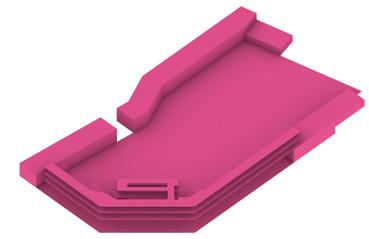
The studio, located on the Hudson River Valley in Upstate New York, is designed to be an all-in-one space, with different studios for different experience levels, a kiln room for firing, a library with extensive resources on ceramics and glazes, and a gallery. The primary structure for the studio is a rammed earth wall. Originally a project in ARC 208, this design was adapted into a later project for ARC 555 to demonstrate the capabilities of Revit modeling. A full set of documents were created, including floor, roof, and occupancy plans, sections, and details. Custom wall sections were used to create the rammed earth walls, as well as the more typical interior walls.
Professional Work
Drawing Set Based on Previous Internship Work
AutoCAD
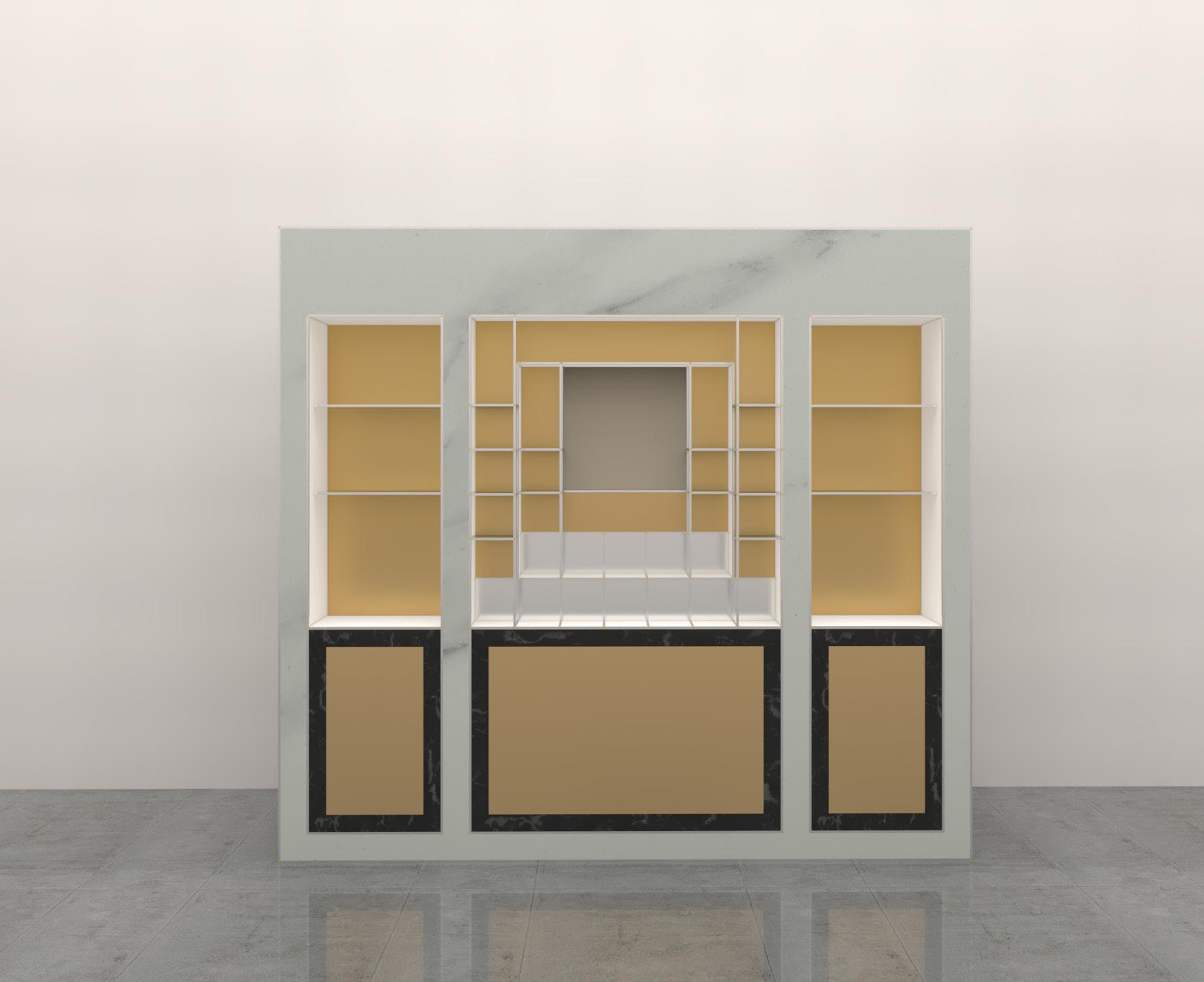
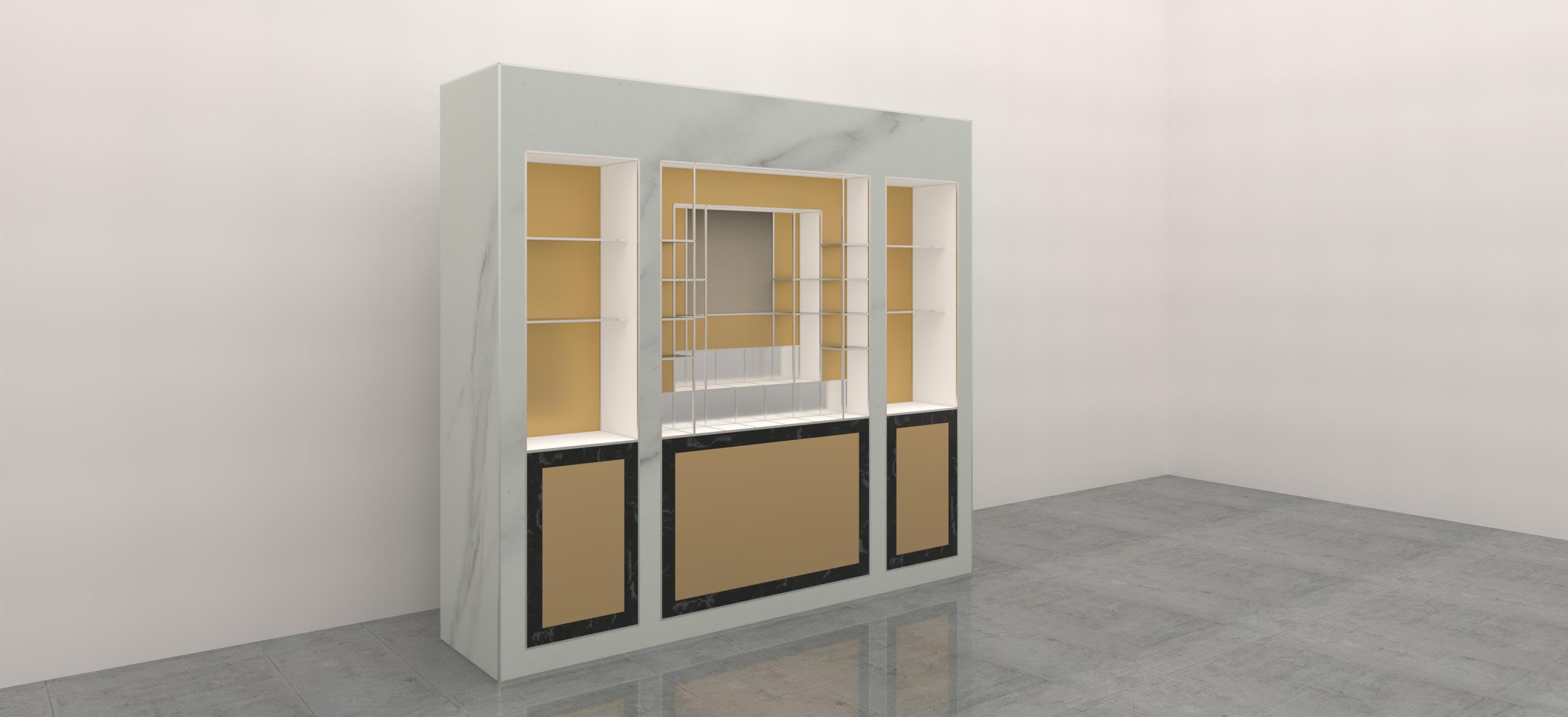
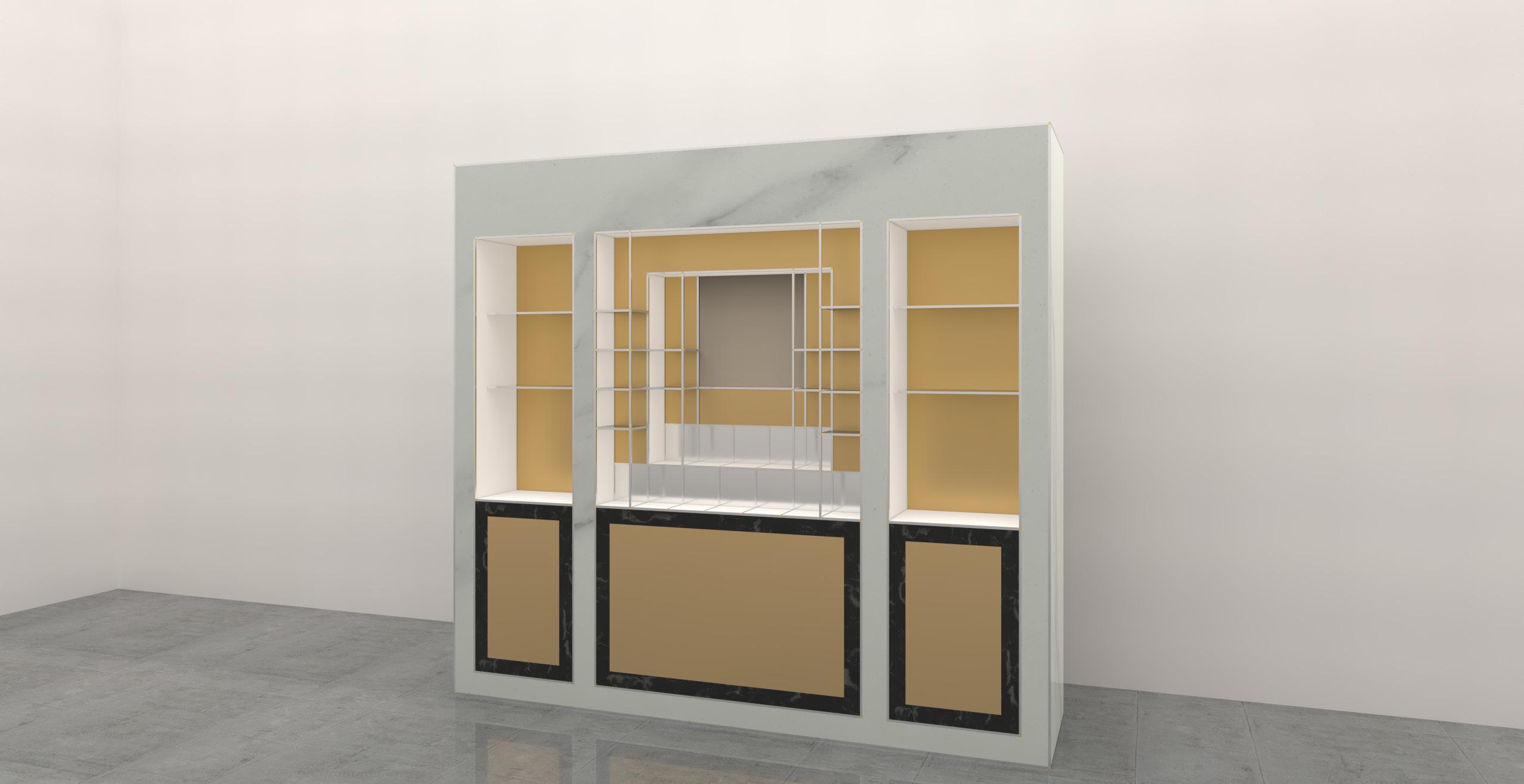
This drawing set was recreated based on a typical backwall design from previous work done while at Kering Beauté. Typical drawing sets included elevations, sections, and plans, each detailing dimensions as well as materiality.
Scale: 1
BACKWALL ELEVATION 1/2" = 1’−0"
B1 PLAN
Scale: A1 SECTION 1/2" = 1’−0"
Scale:
1/2" = 1’−0"
Scale: A1 SECTION 1/2" = 1’−0"
1/2" = 1’−0"
Scale: A2 SECTION 1/2" = 1’−0"
B2 PLAN
Scale:
1/2" = 1’−0"
Scale: A2 SECTION 1/2" = 1’−0"
Timber in the City
An Experiment in Mass Timber Construction
Spring 2024
ARC 409: Integrated Studio
Professor Emily Pellicano
Group Assignment with Tianyi Zheng
Rhino, Illustrator, Hand Drawing, Physical Modeling
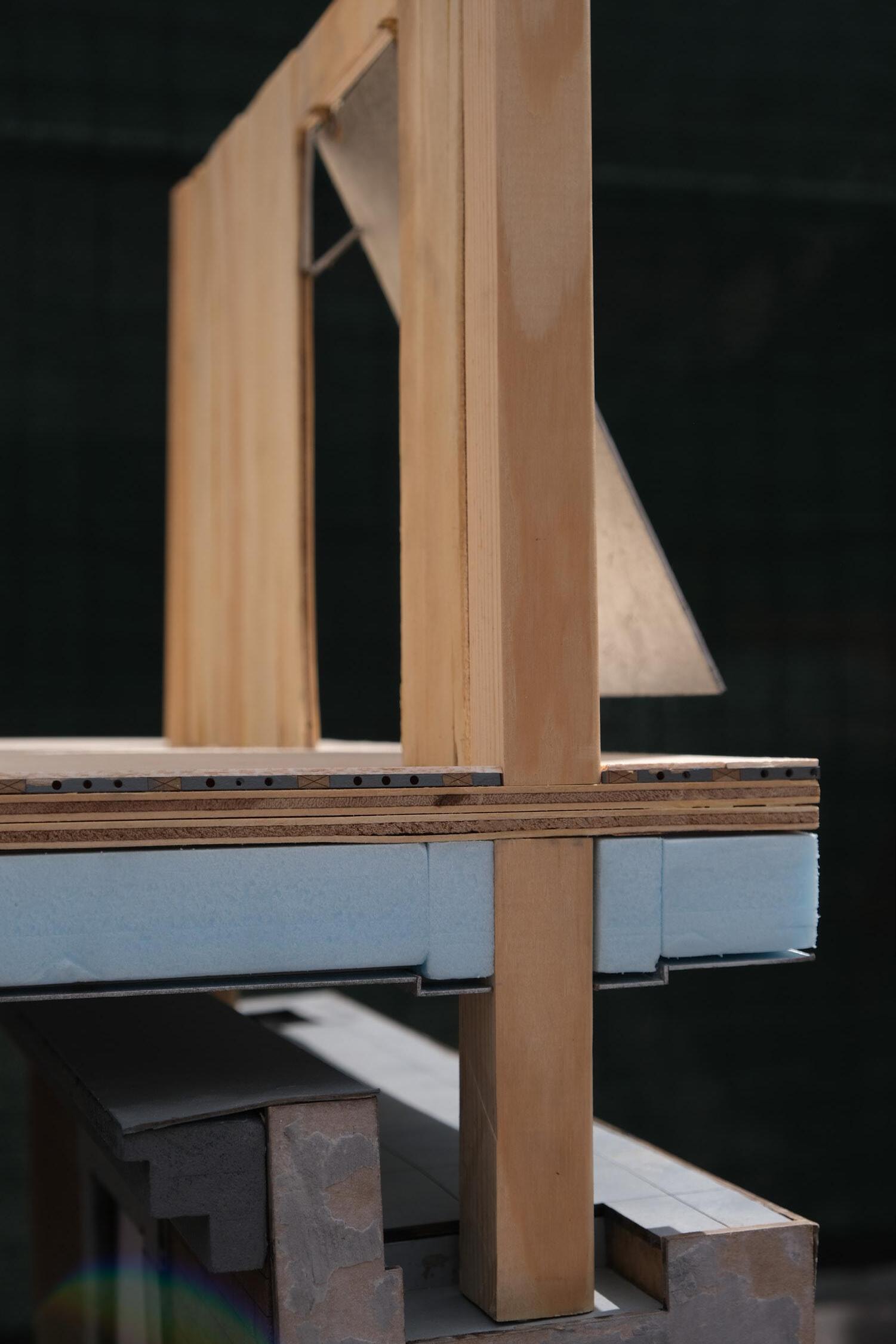
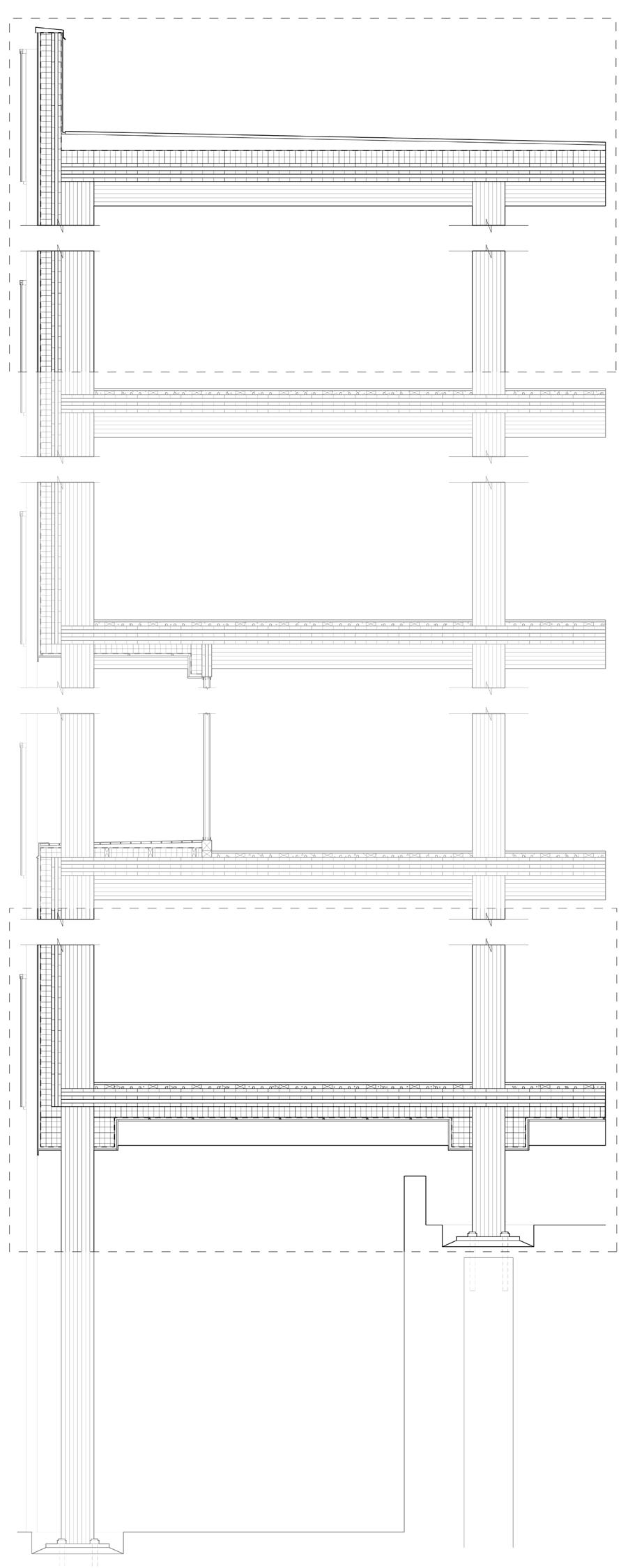
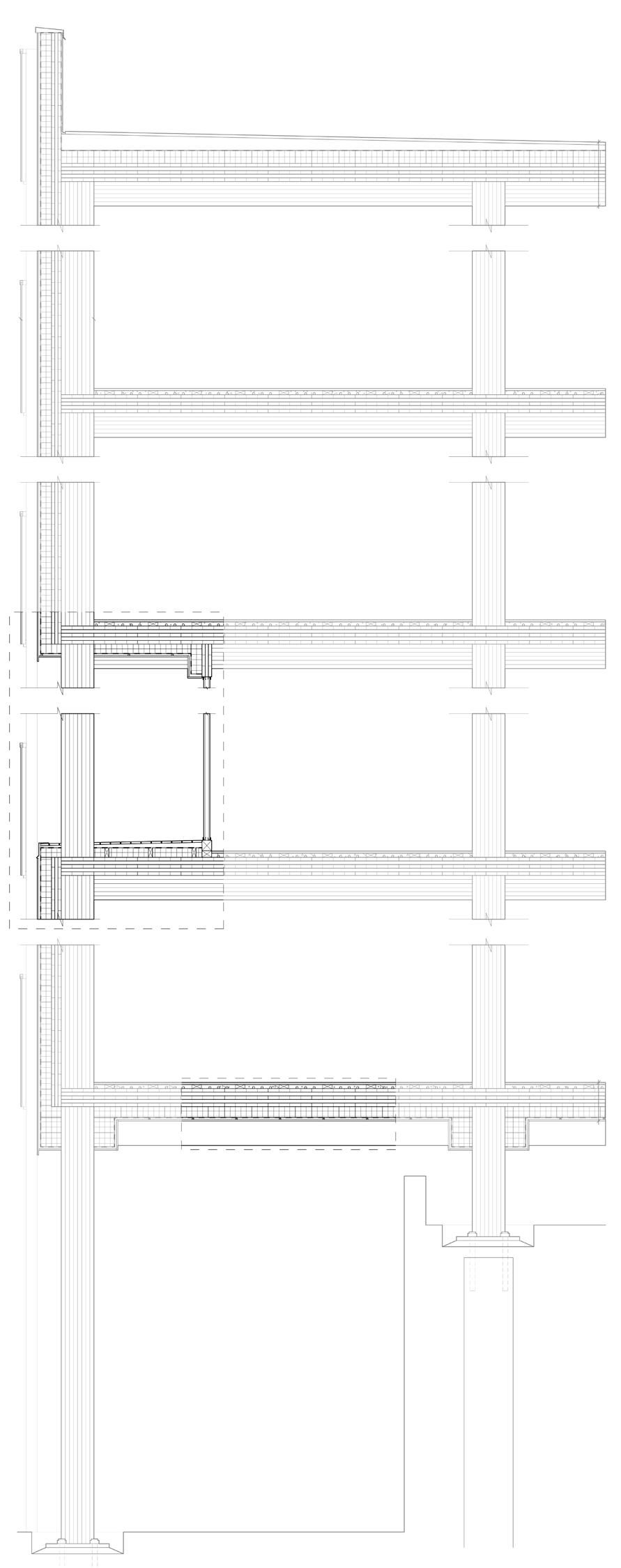
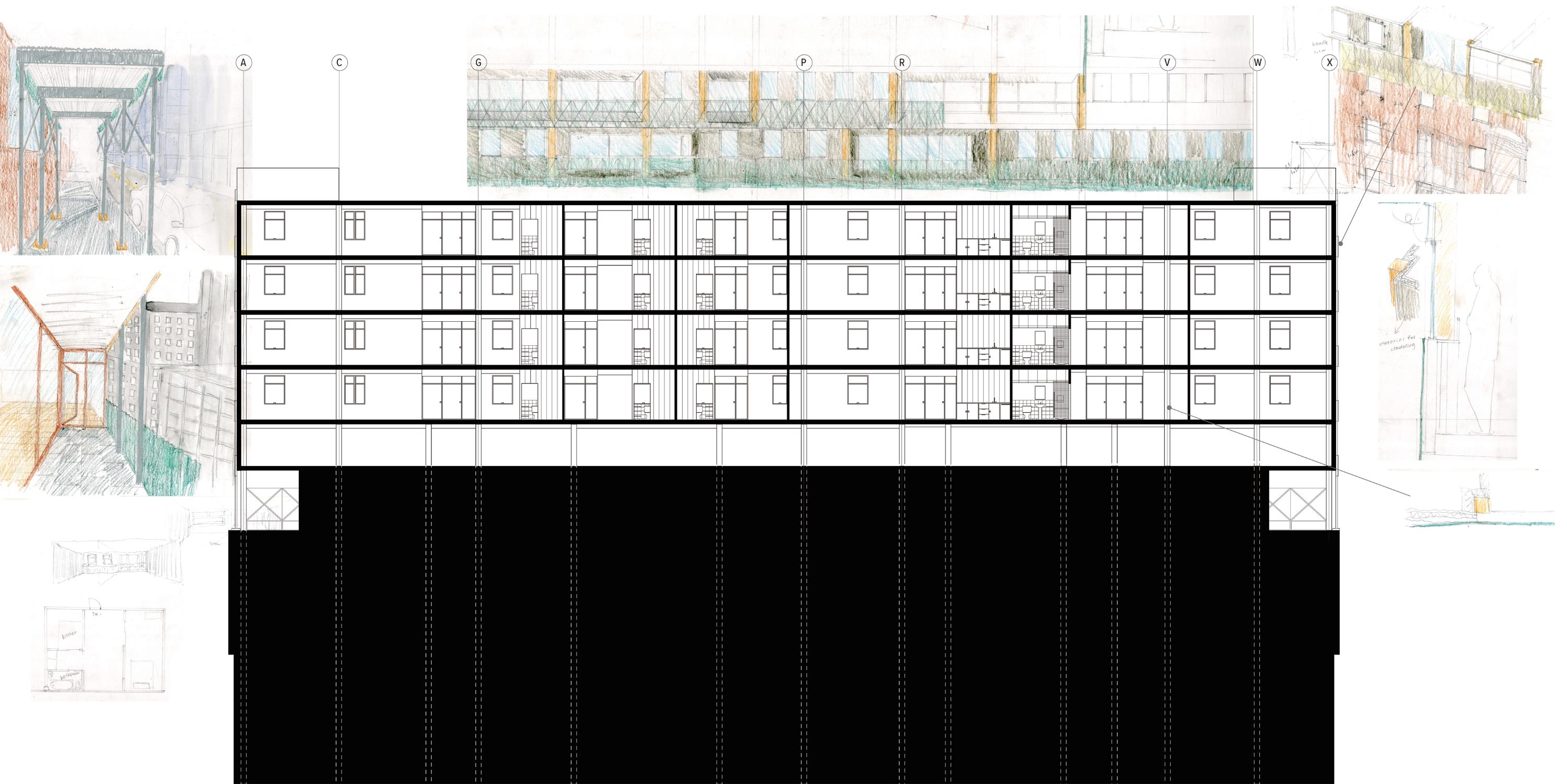
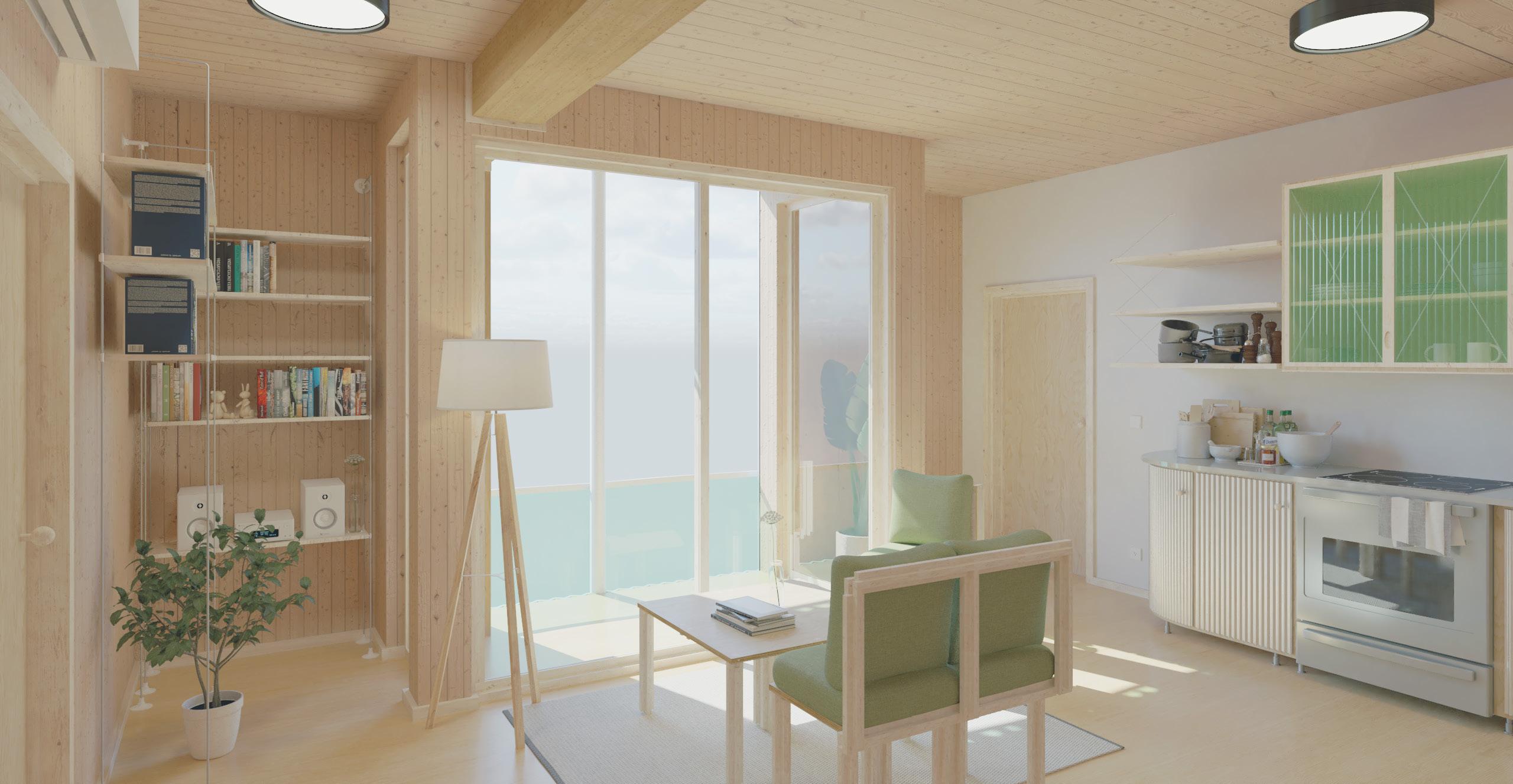
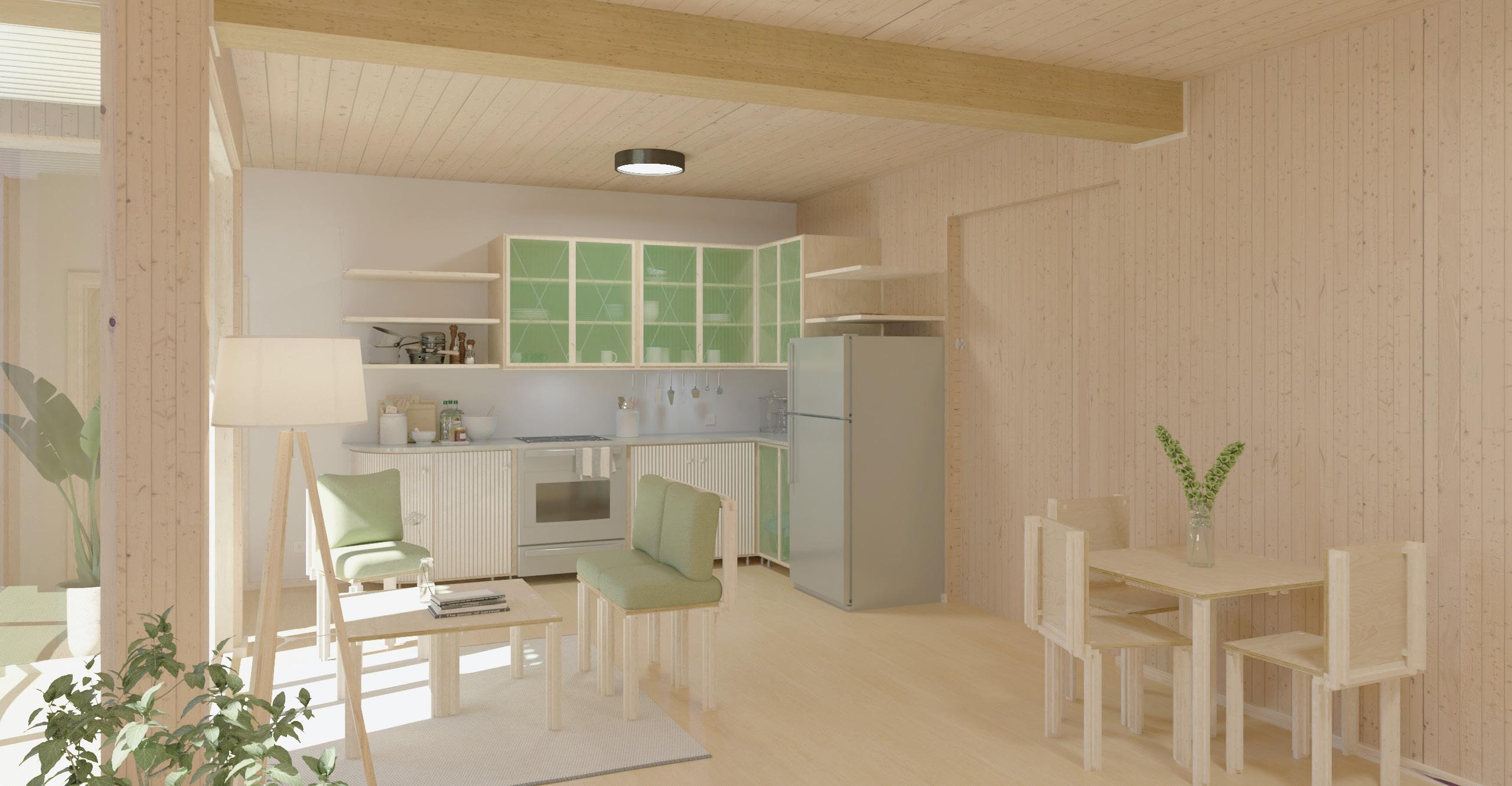
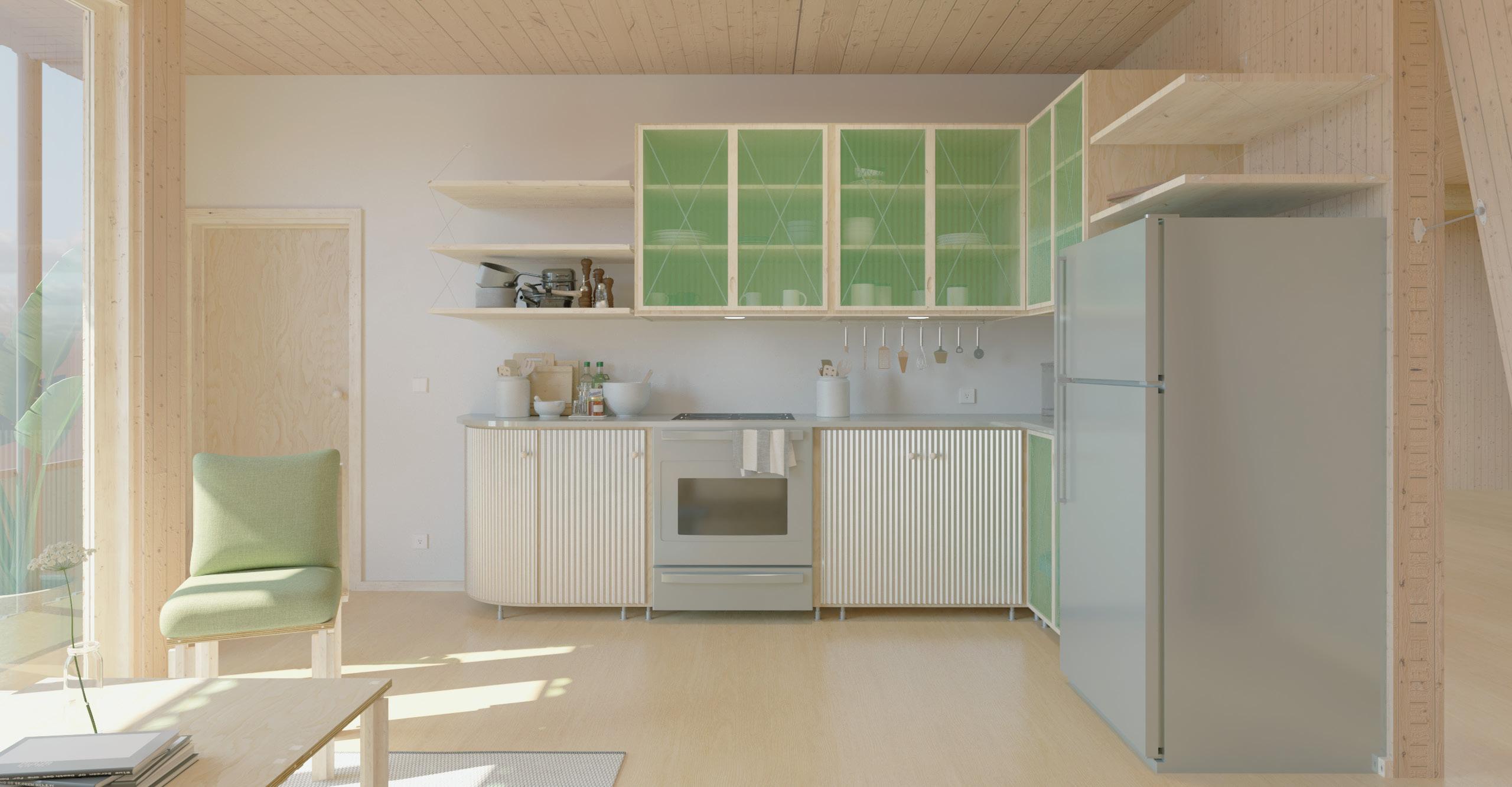
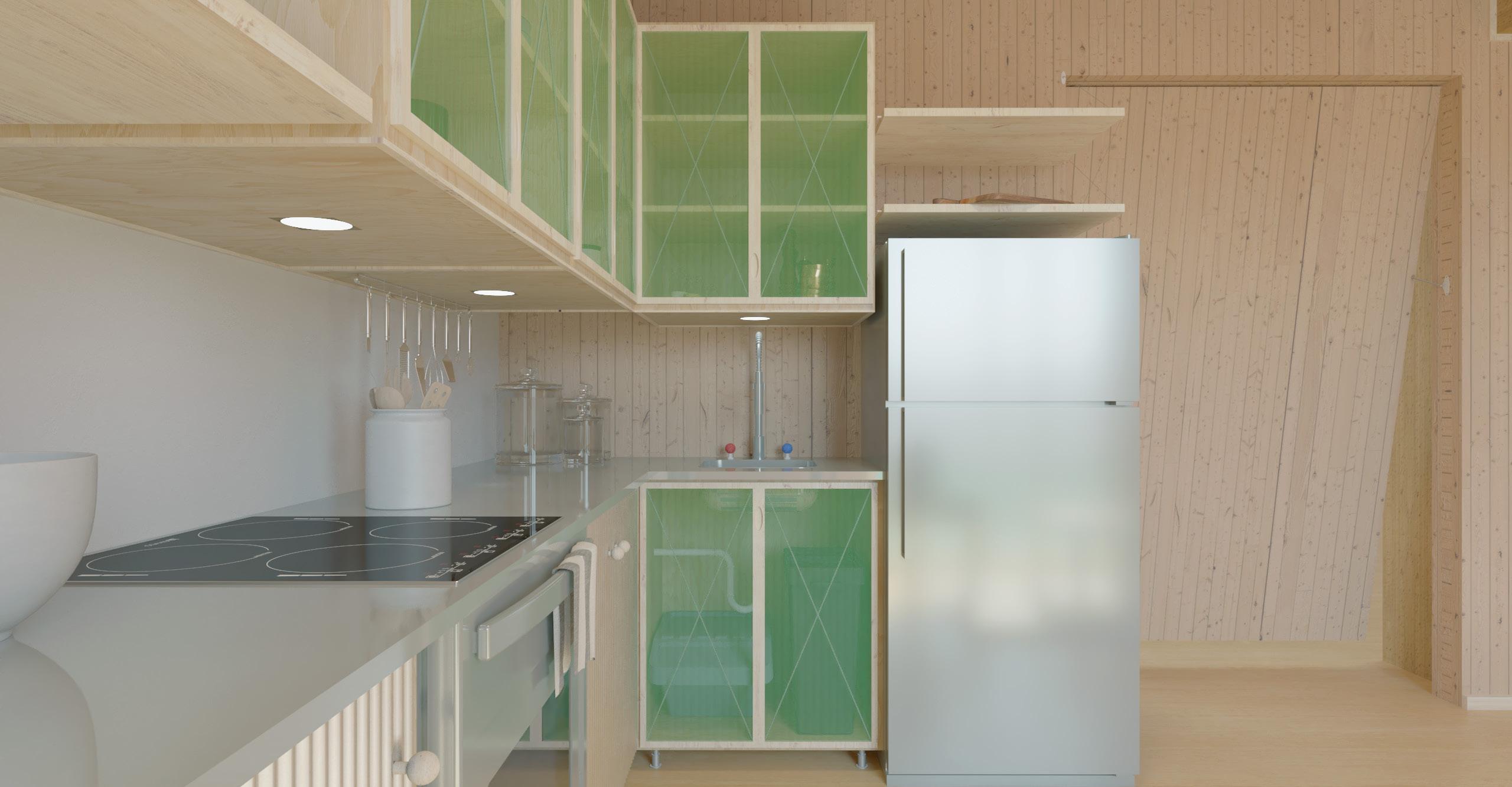
Designed as a mass timber building attached to the top of the Roosevelt Hotel in New York City, this project aimed to imagine and research how this hypothetical structure this could be constructed given current building code standards. Critical to the project was a continuation of the existing structural system in the Roosevelt Hotel, the use of timber for the bulk of the structure, as well as the use of the aesthetics and functions of scaffolding that has become ubiquitous to New York City.
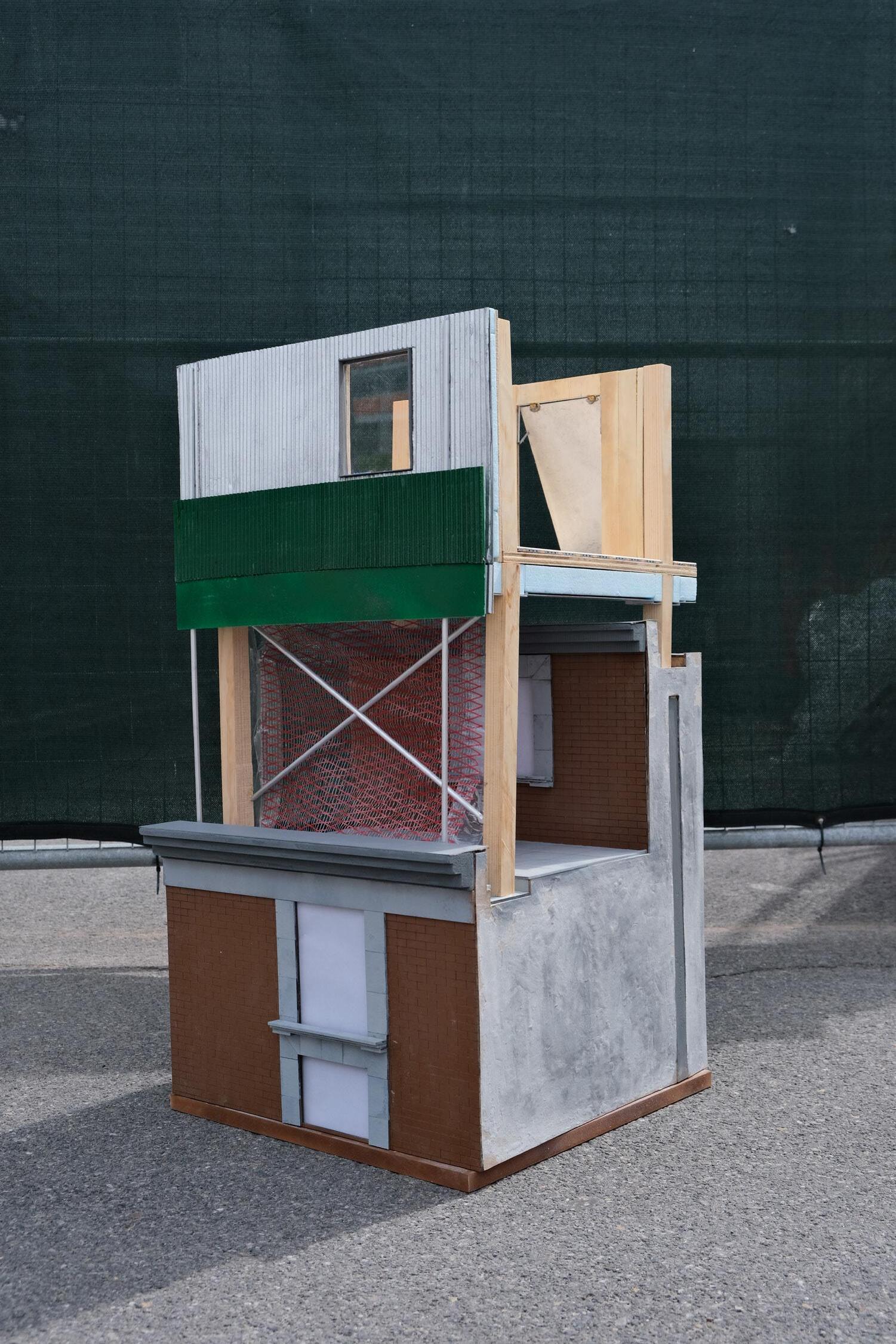
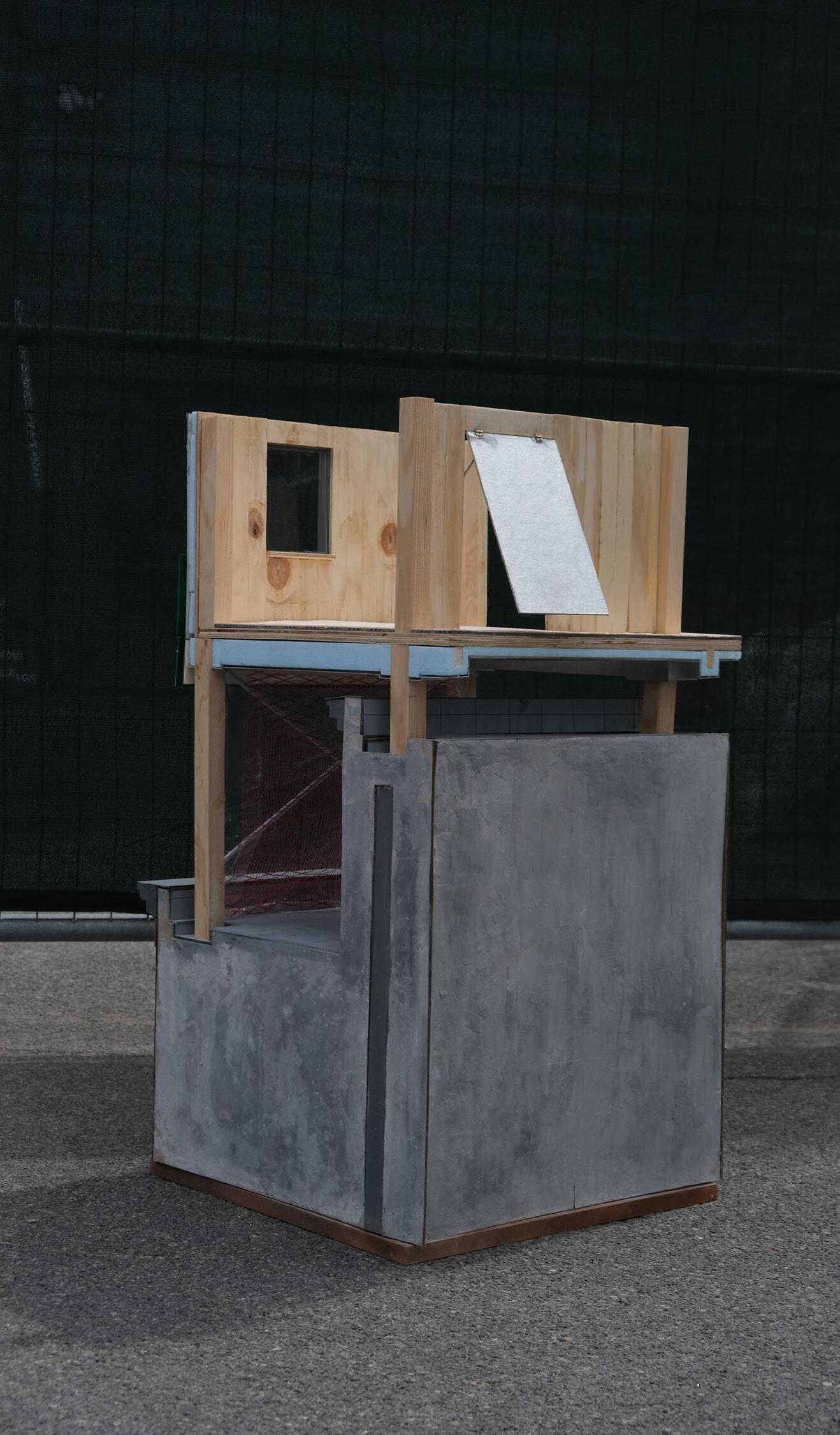
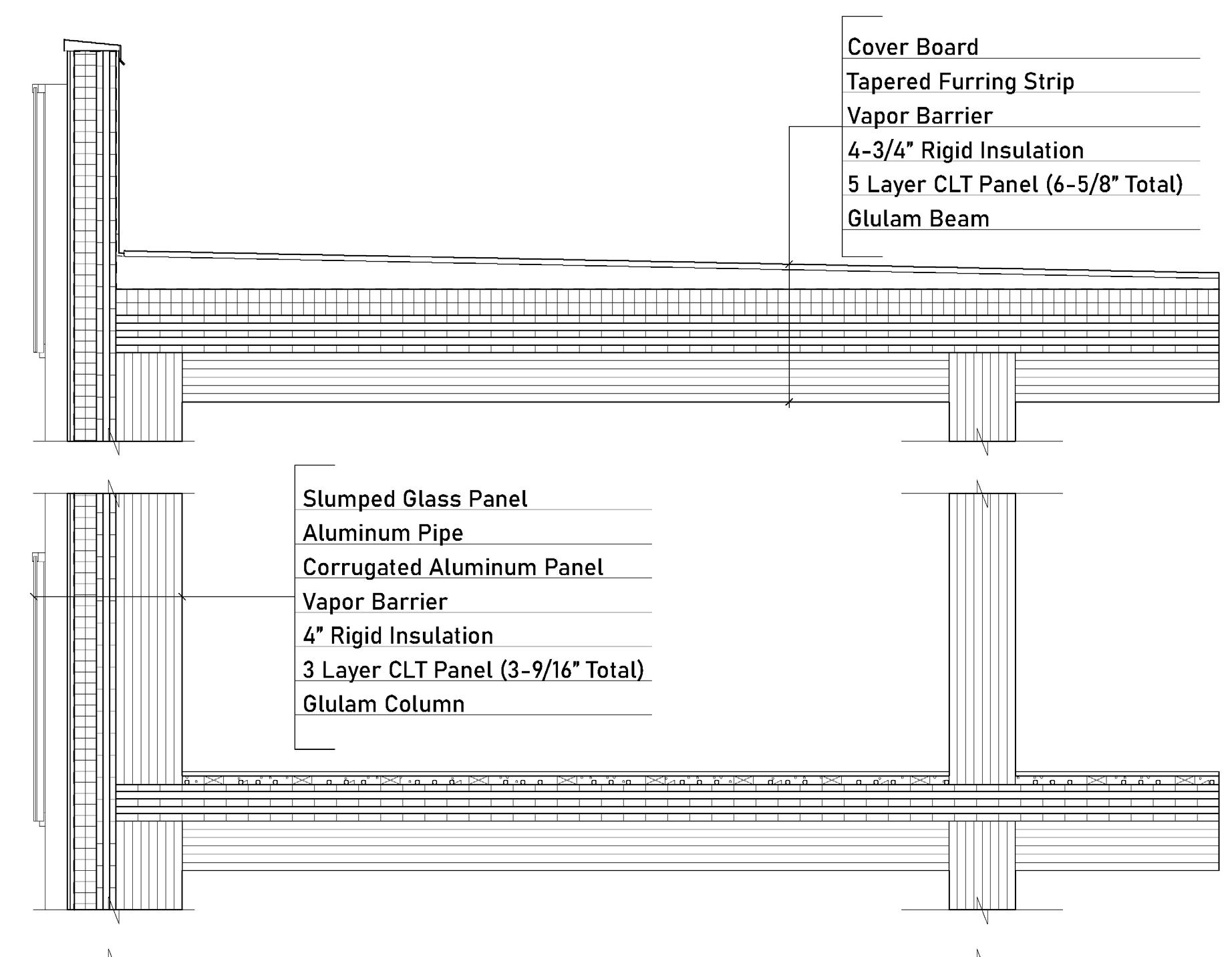
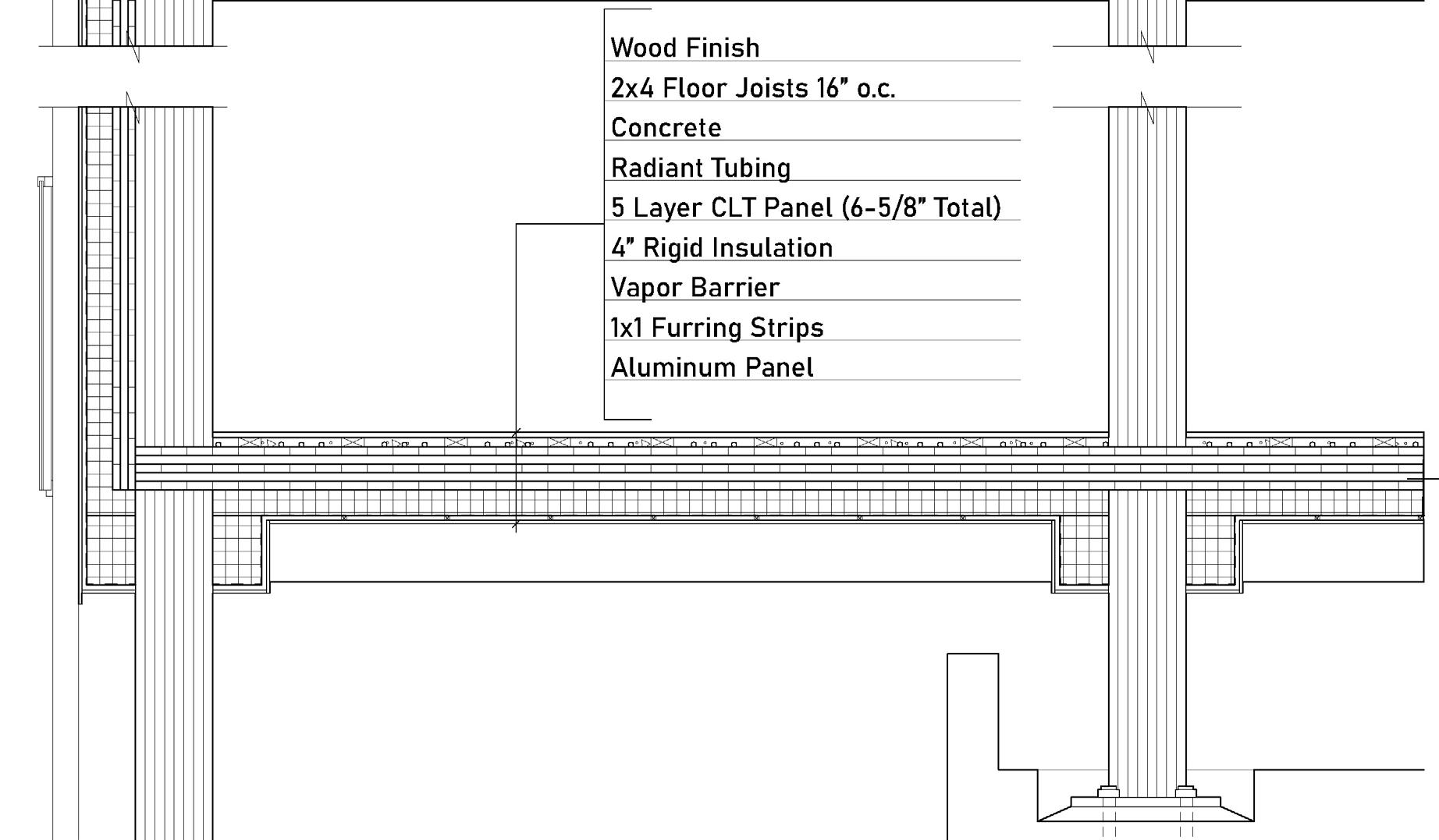
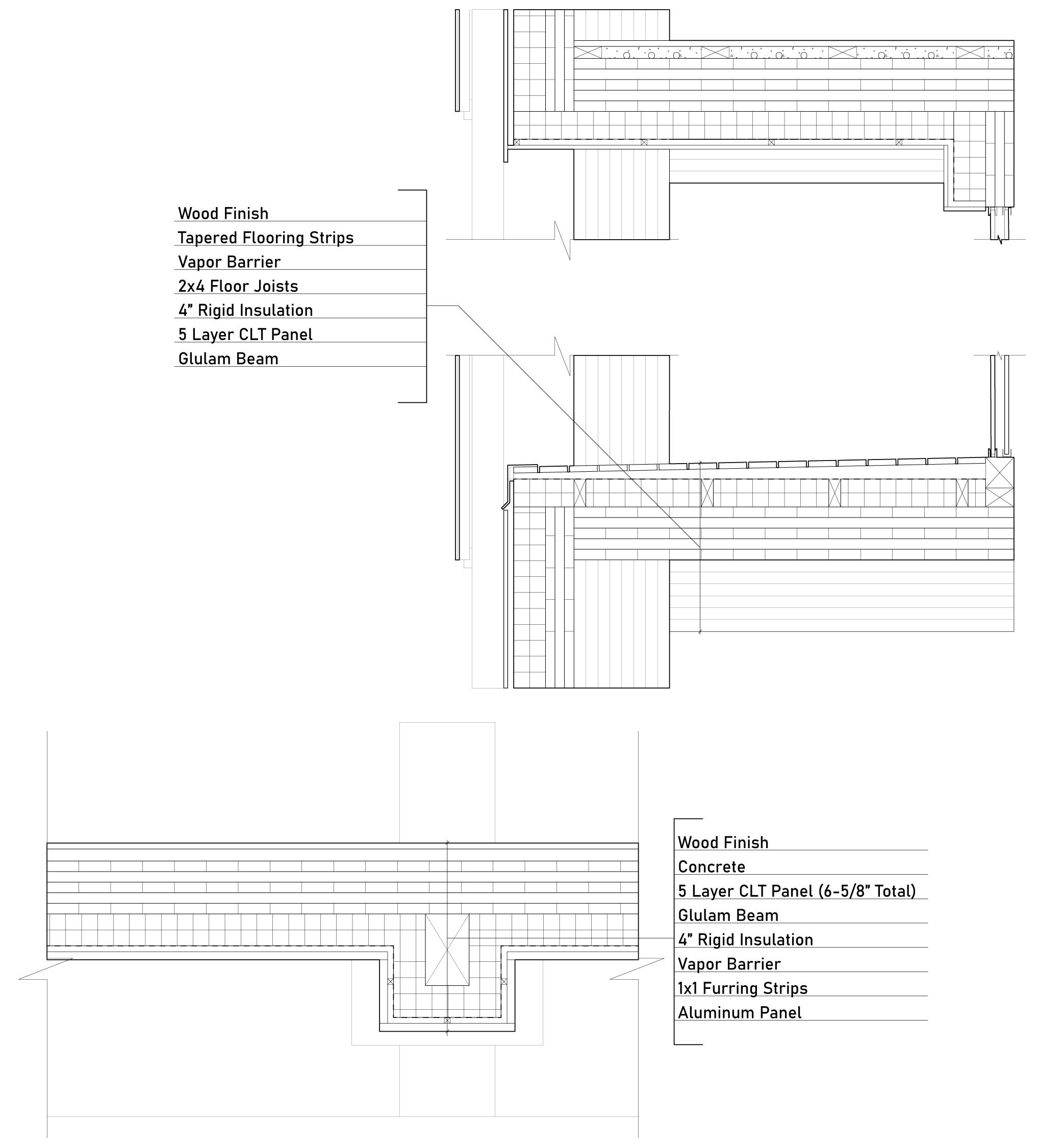
Apartment Balcony Detail
Floor Cut Through Beam Detail
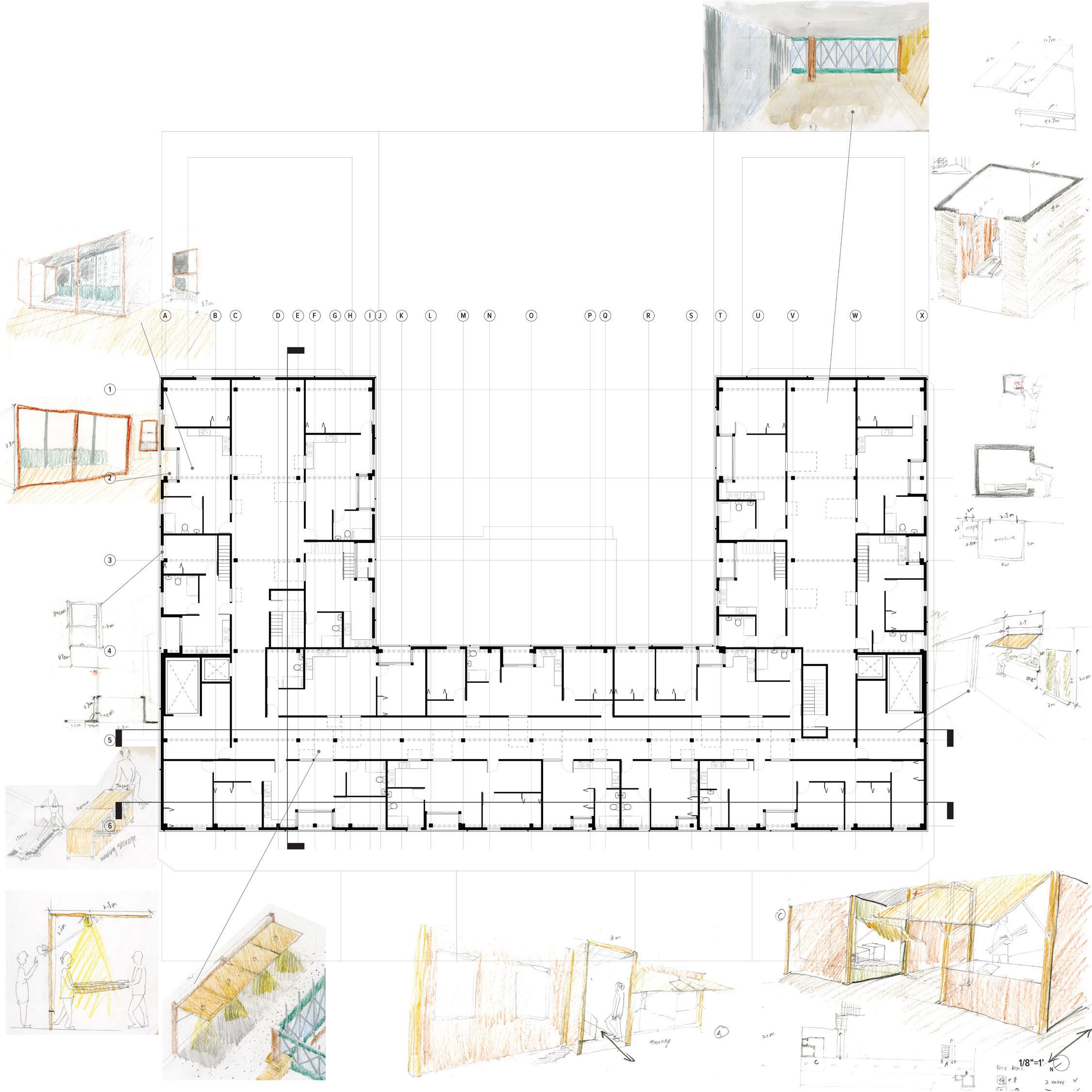
Living Room Renders
Castables
Concrete-wood hybridization through casting, joining, and burning.
Spring 2025
ARC 498: Directed Research
Professor Tim Stenson
Individual Assignment
Wood, Mortar, Rockite, Castable Refractory
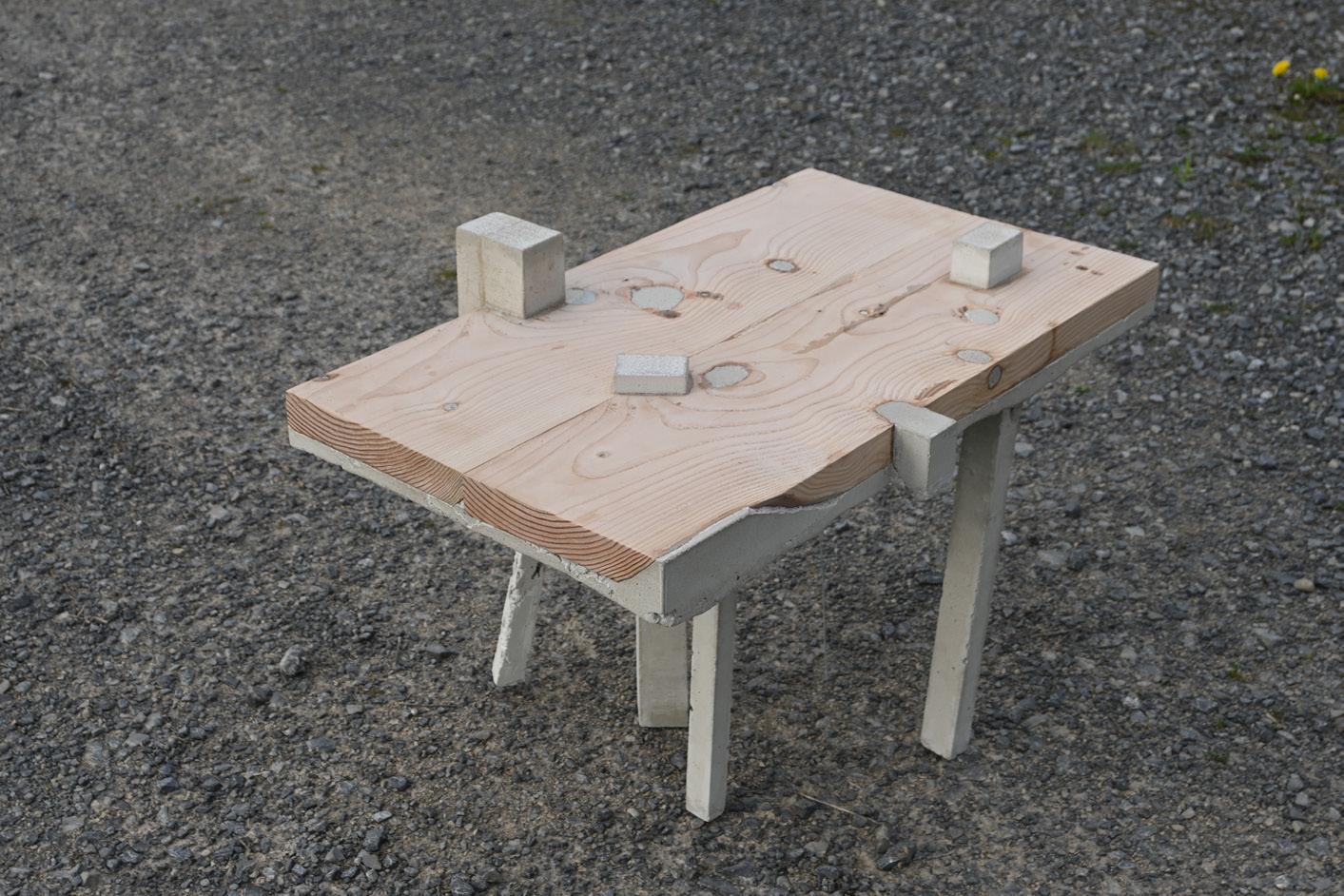
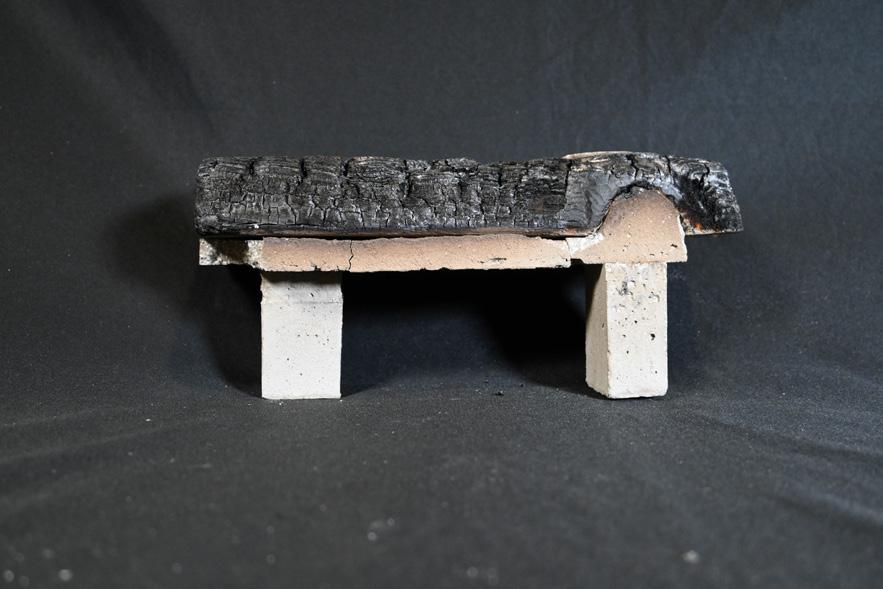
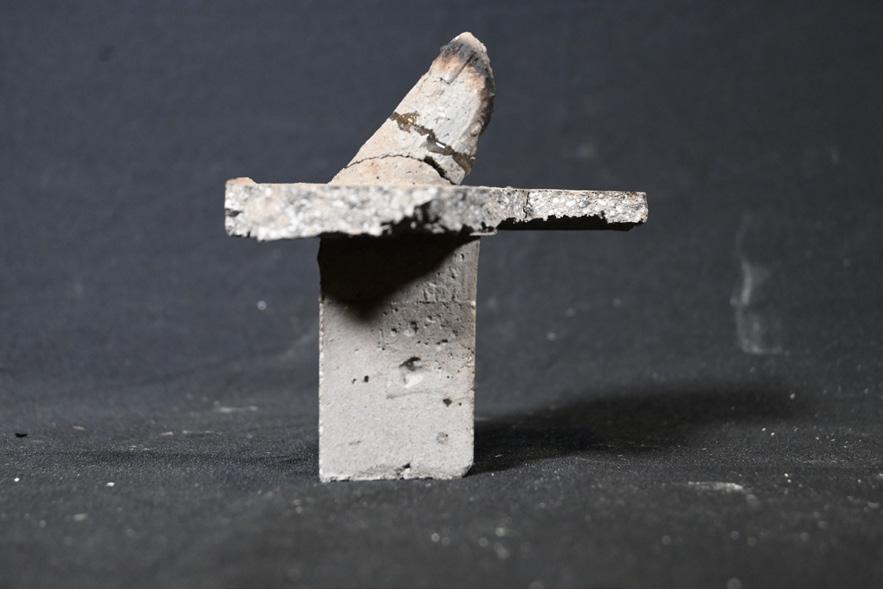
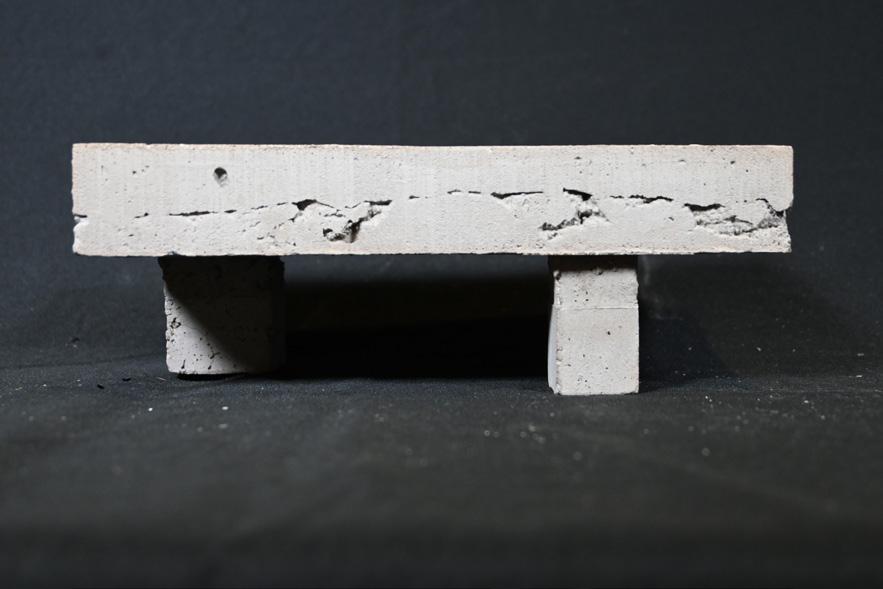
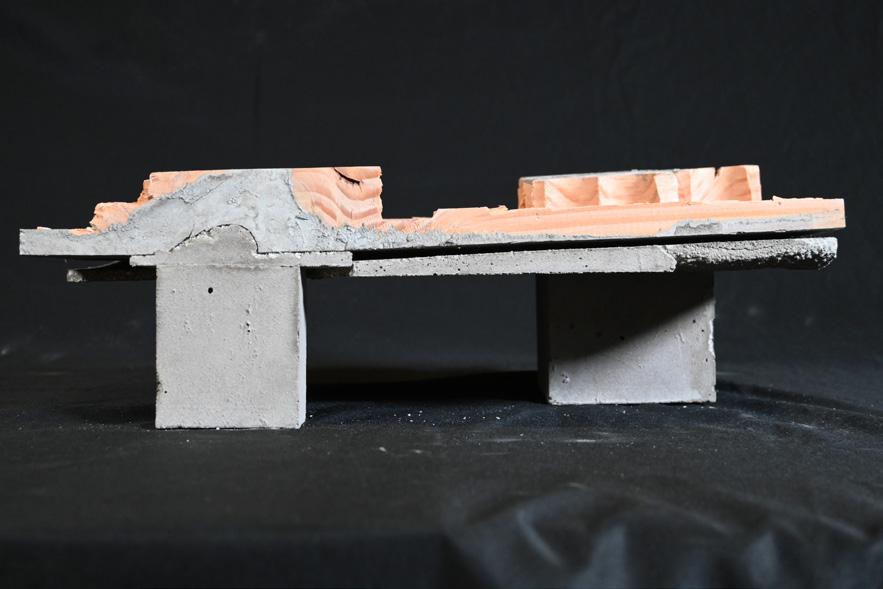
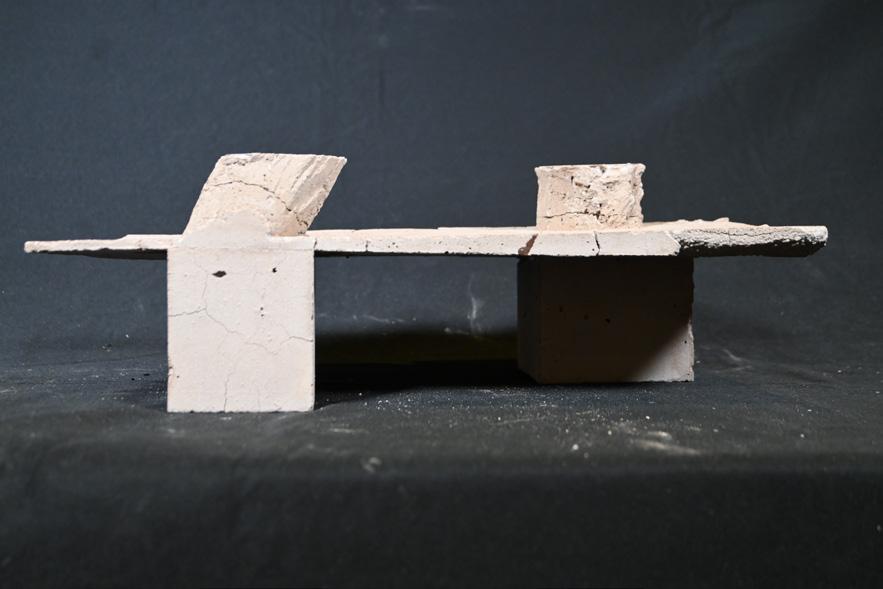
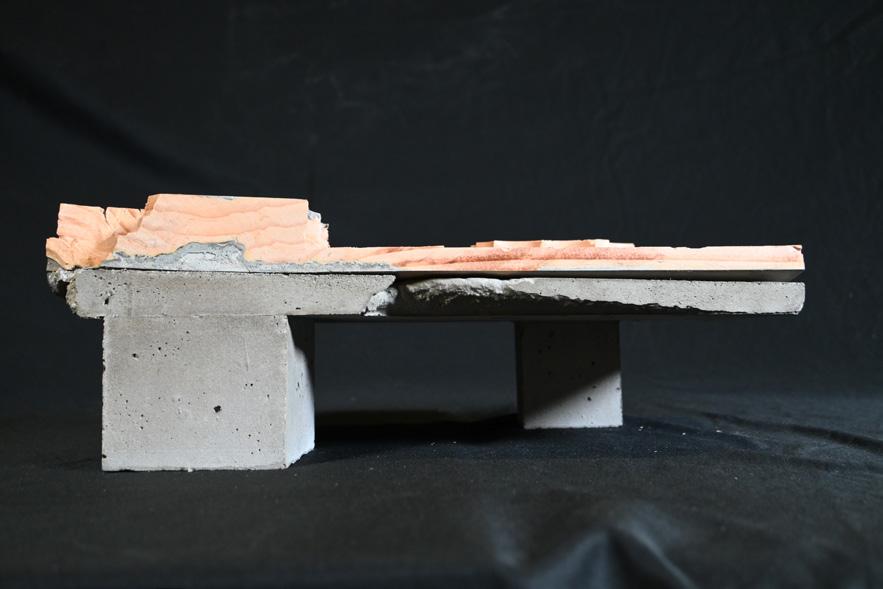
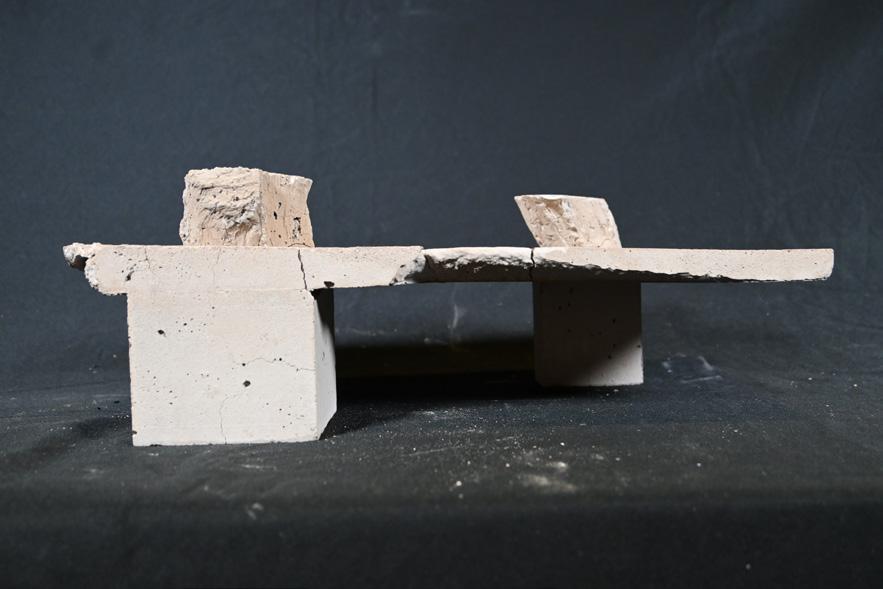
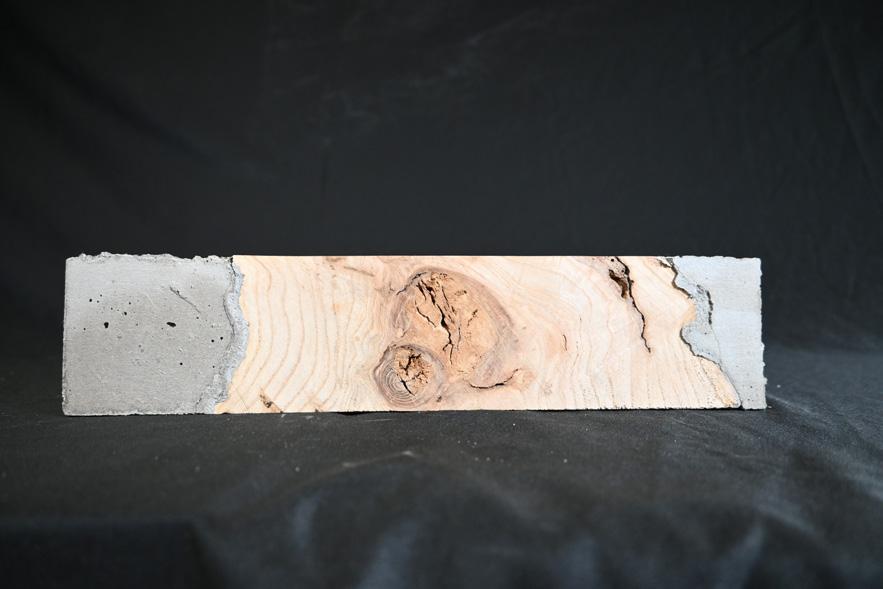
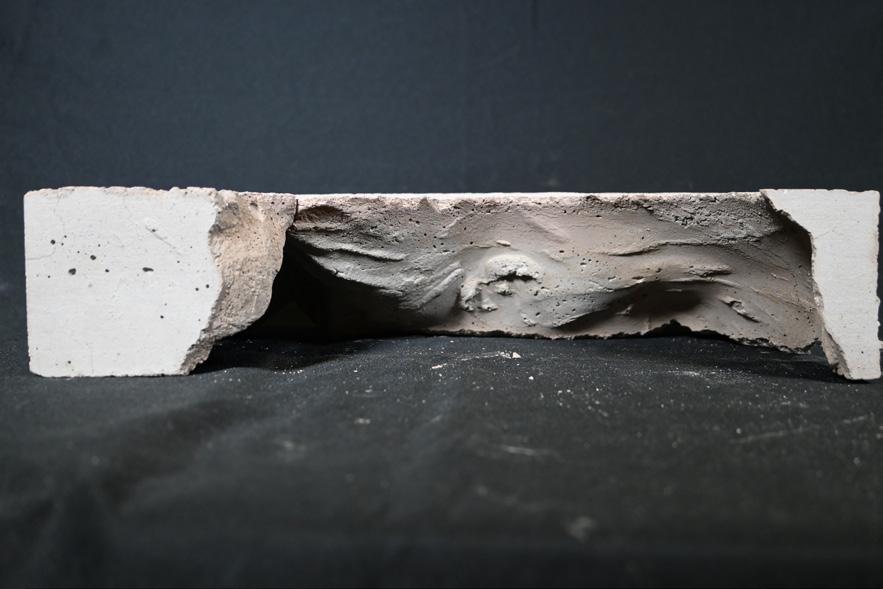
This project began as an exploration into the potentials of natural imperfections in wood, like knots and cracks, as joints and connections. Each of the first three pieces built upon the knowledge gained in the last and experimented in new ways. The first tested the construction method, size limitations, and directions of the pour. The second then refined the construction and experimented with creating larger legs out of multiple knots at once. The third continued refining the construction method and changed the axis of the wood and, therefore, the resulting pour. Simultaneously, a series of investigations took place into the potential of burning the wood to reveal the geometry of the concrete joint. Initial failed experiments using an open flame led to the introduction of a different cementitious material, called castable refractory. This material proved promising for future exploration as, when fired in a kiln, it retains its strength, removes all trace of the wood, and is lighter than traditional concrete.
Experiment 1: Coffee Table
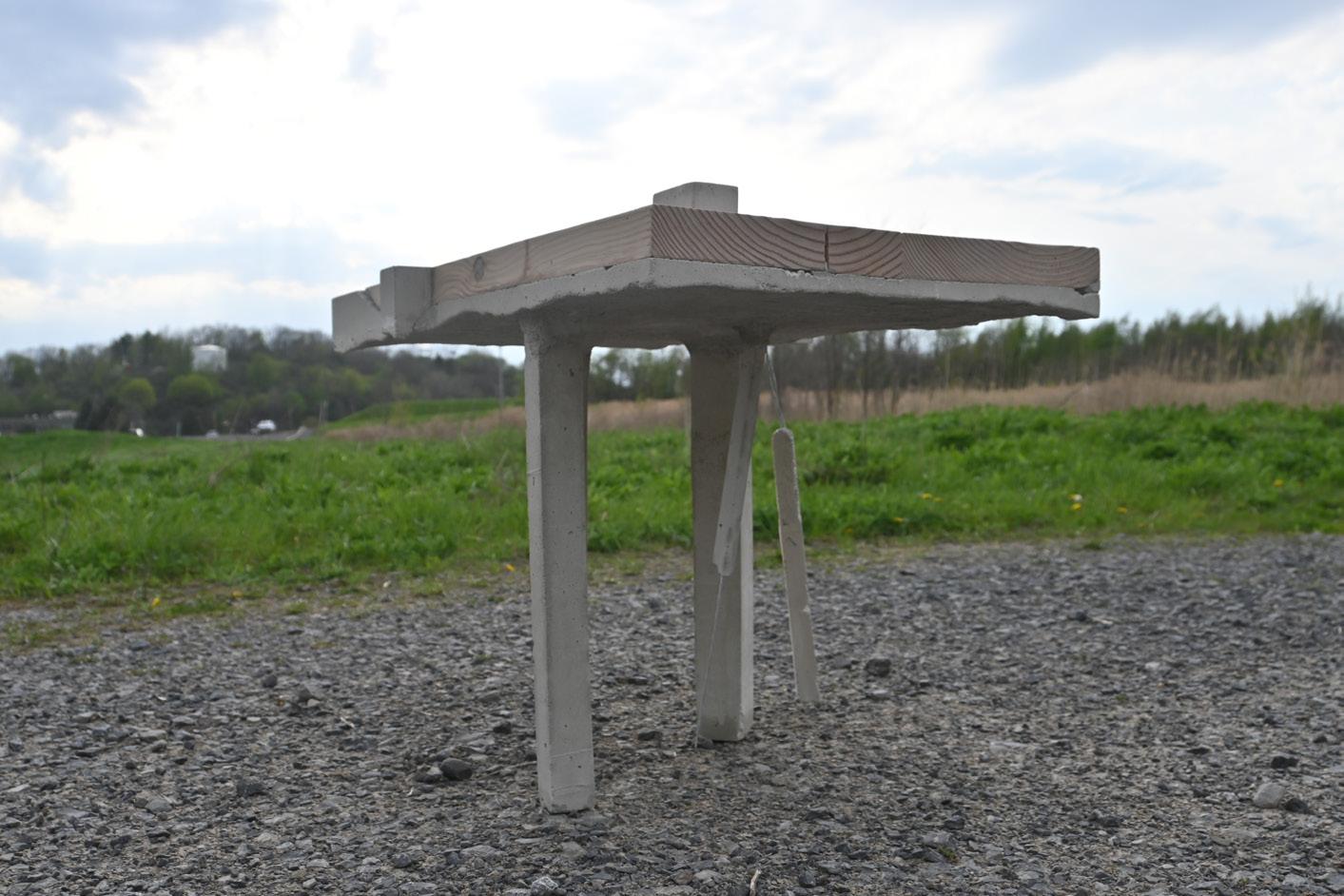
Experiment 2: Bench
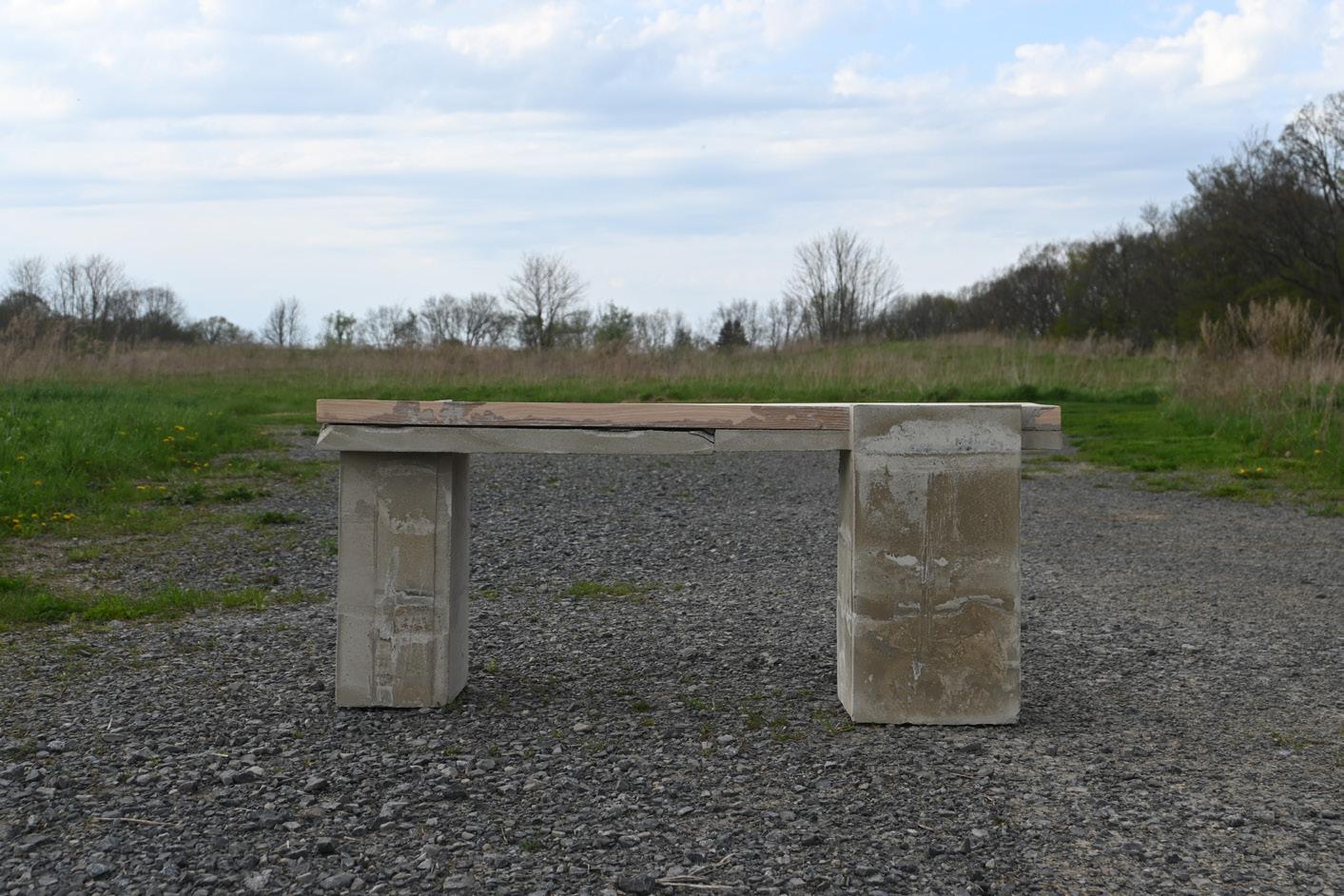
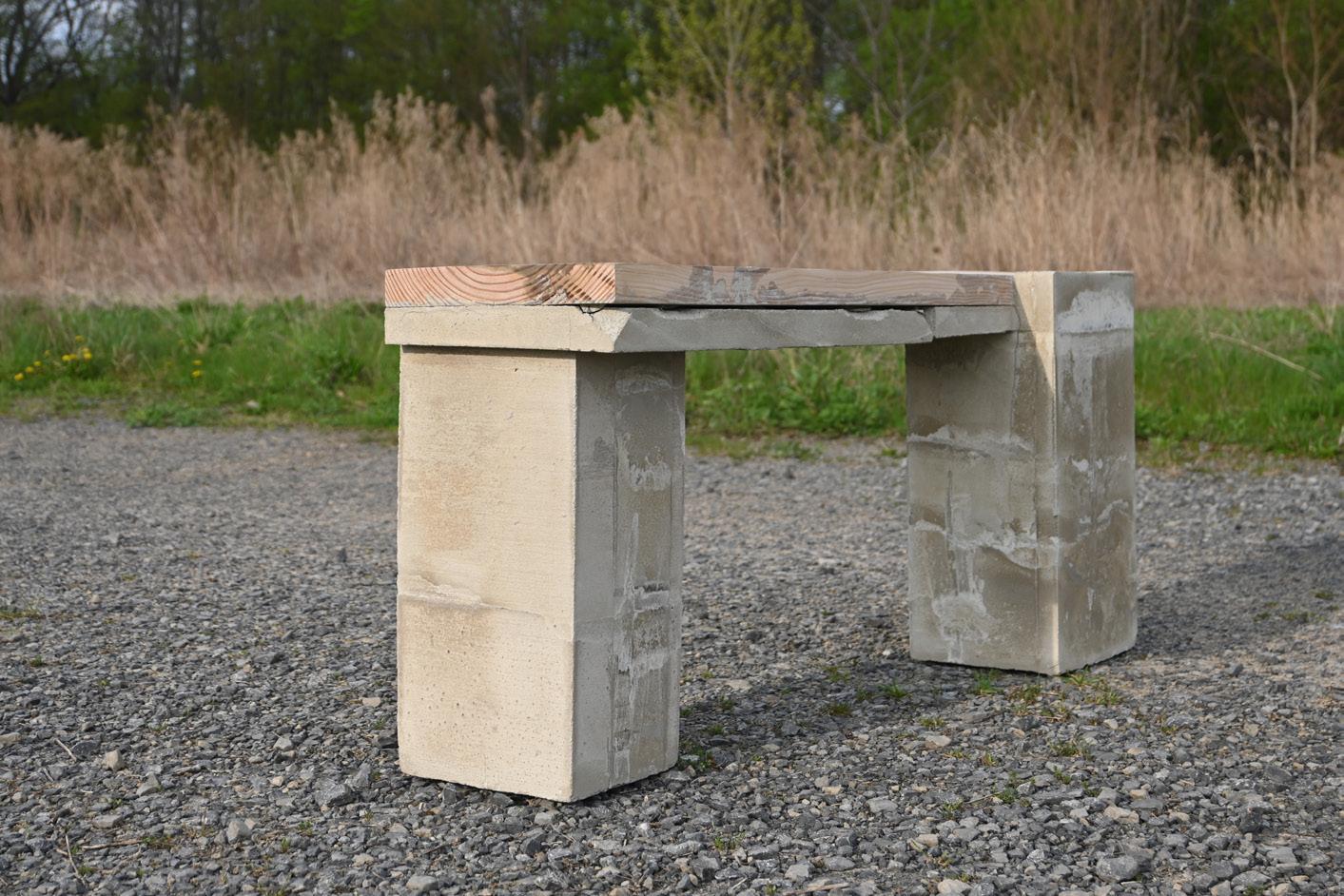
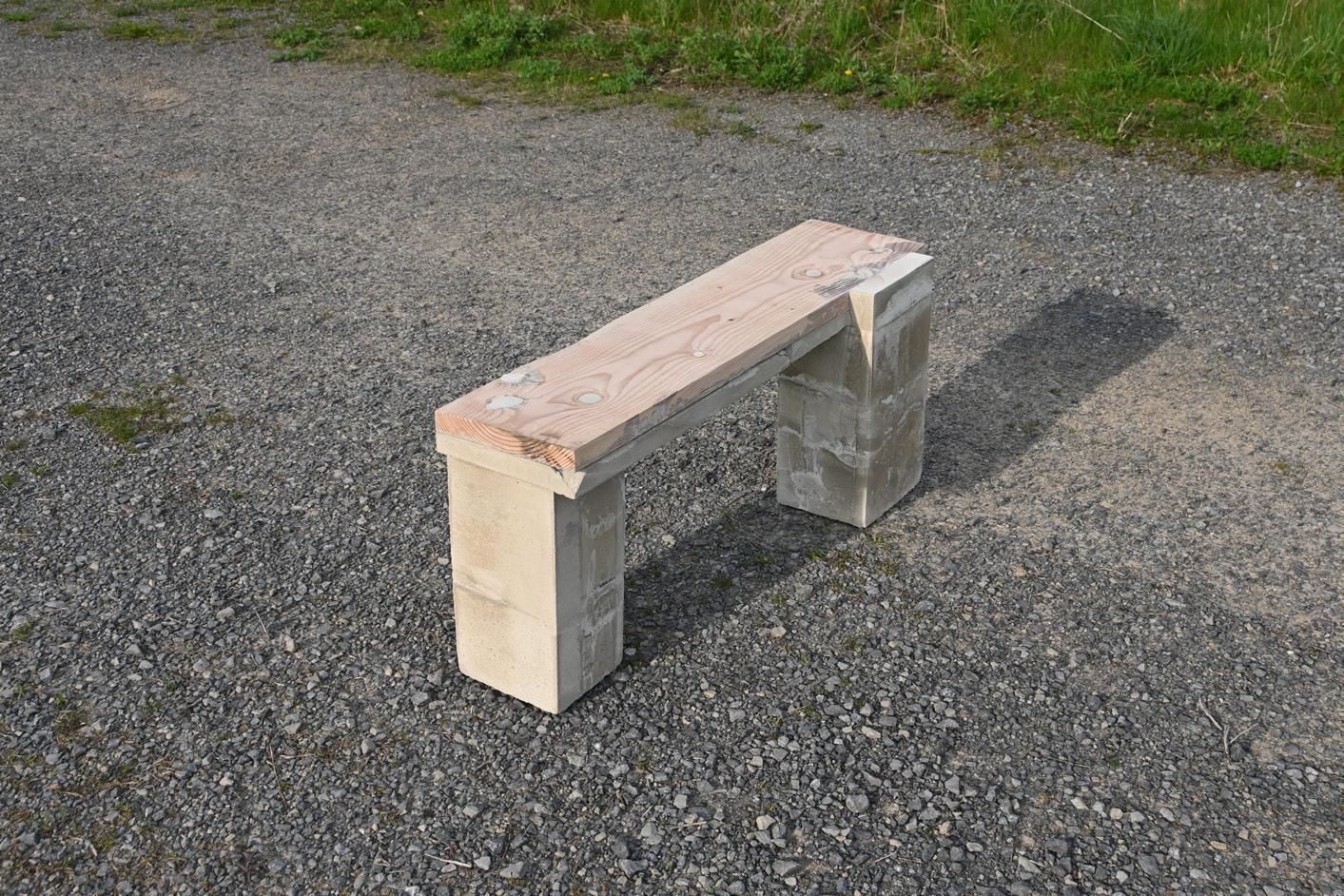
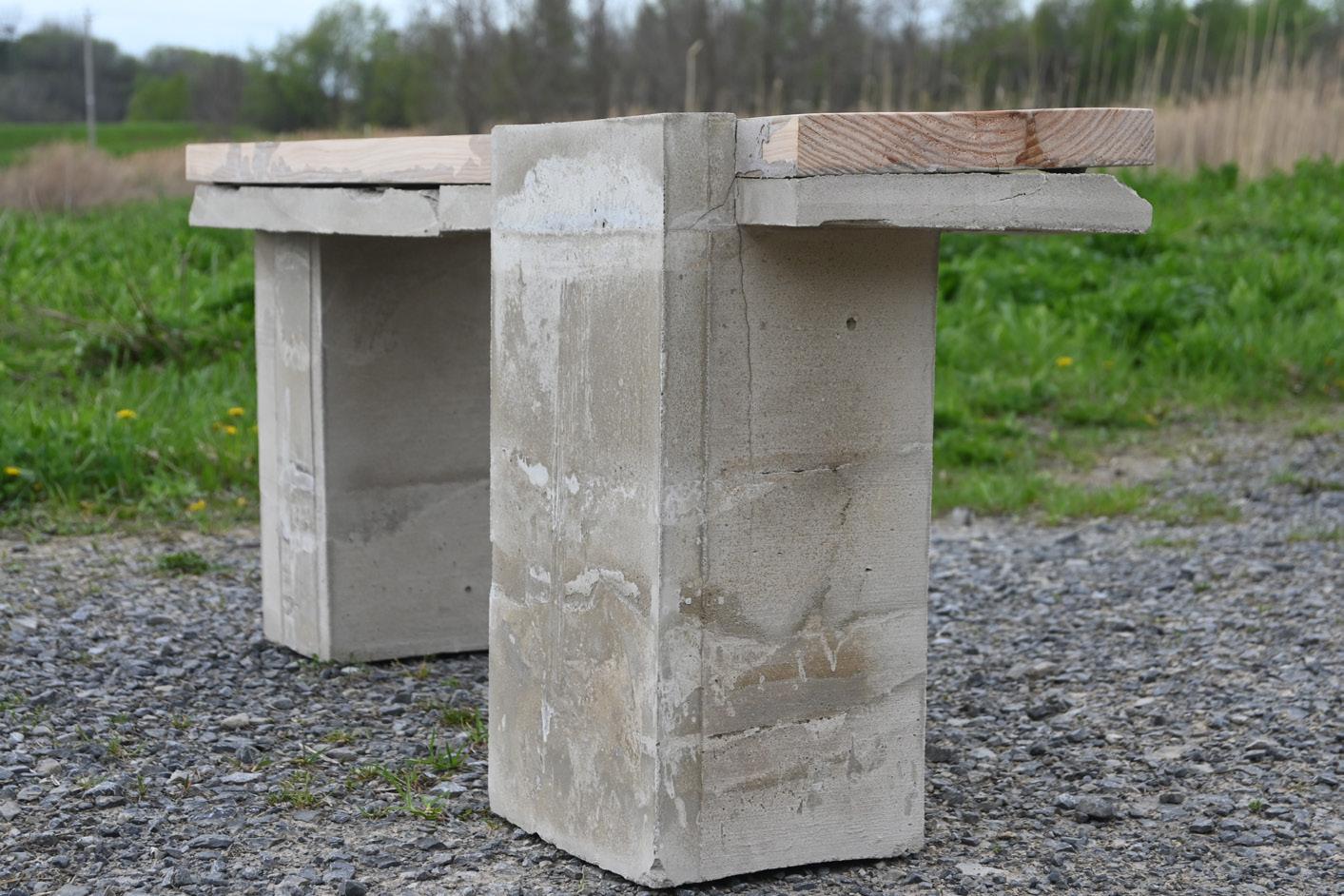
Experiment 3: End Table
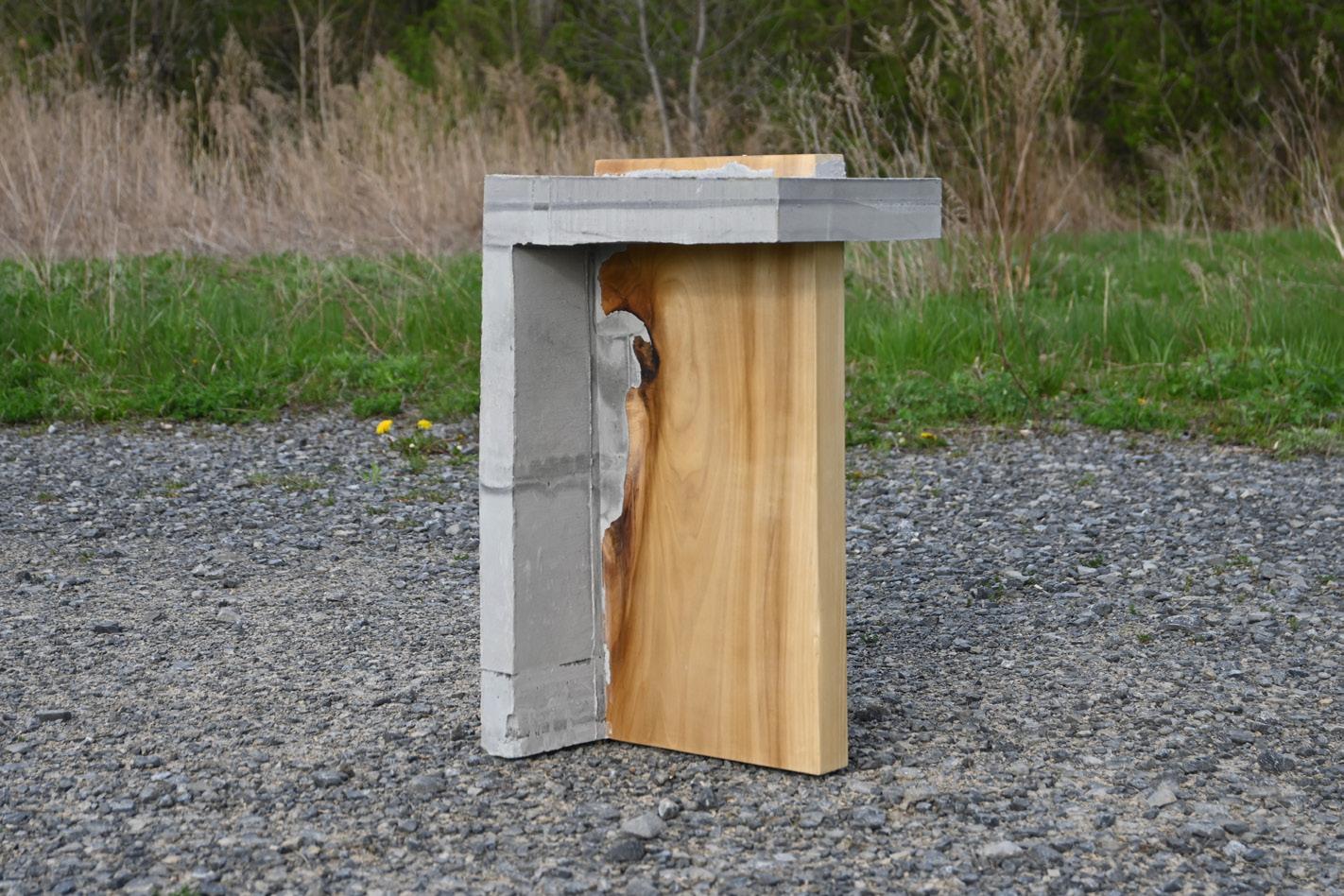
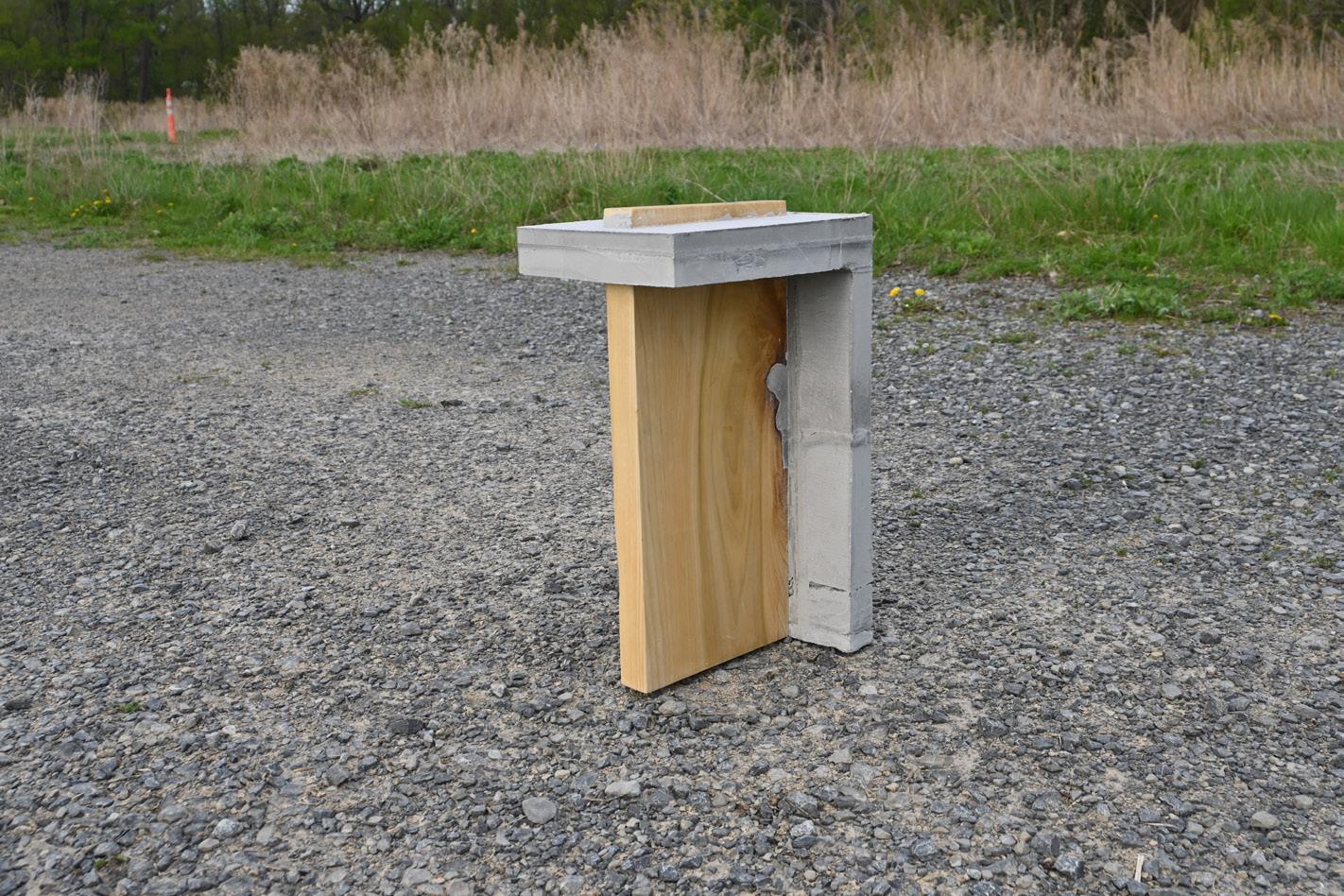
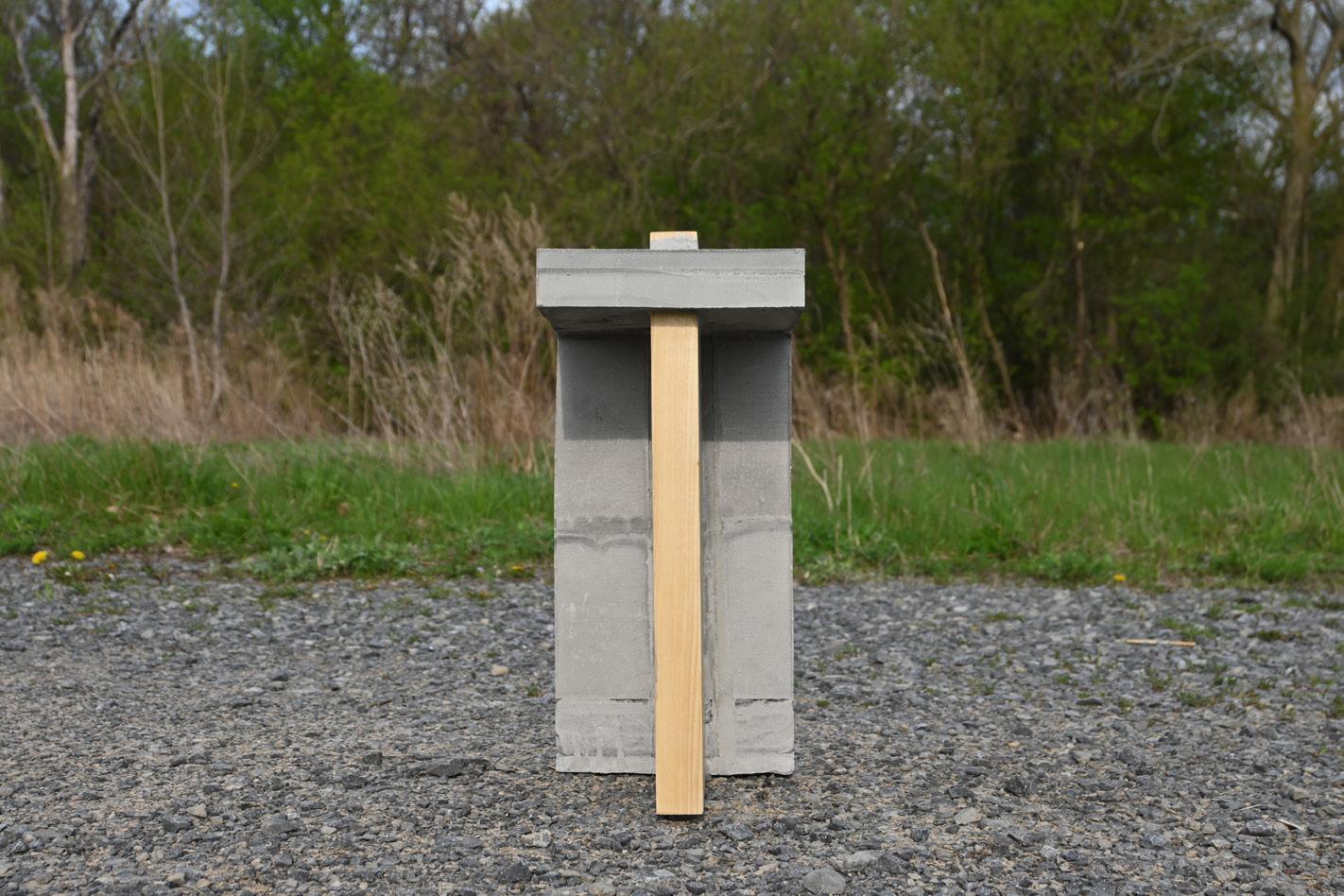
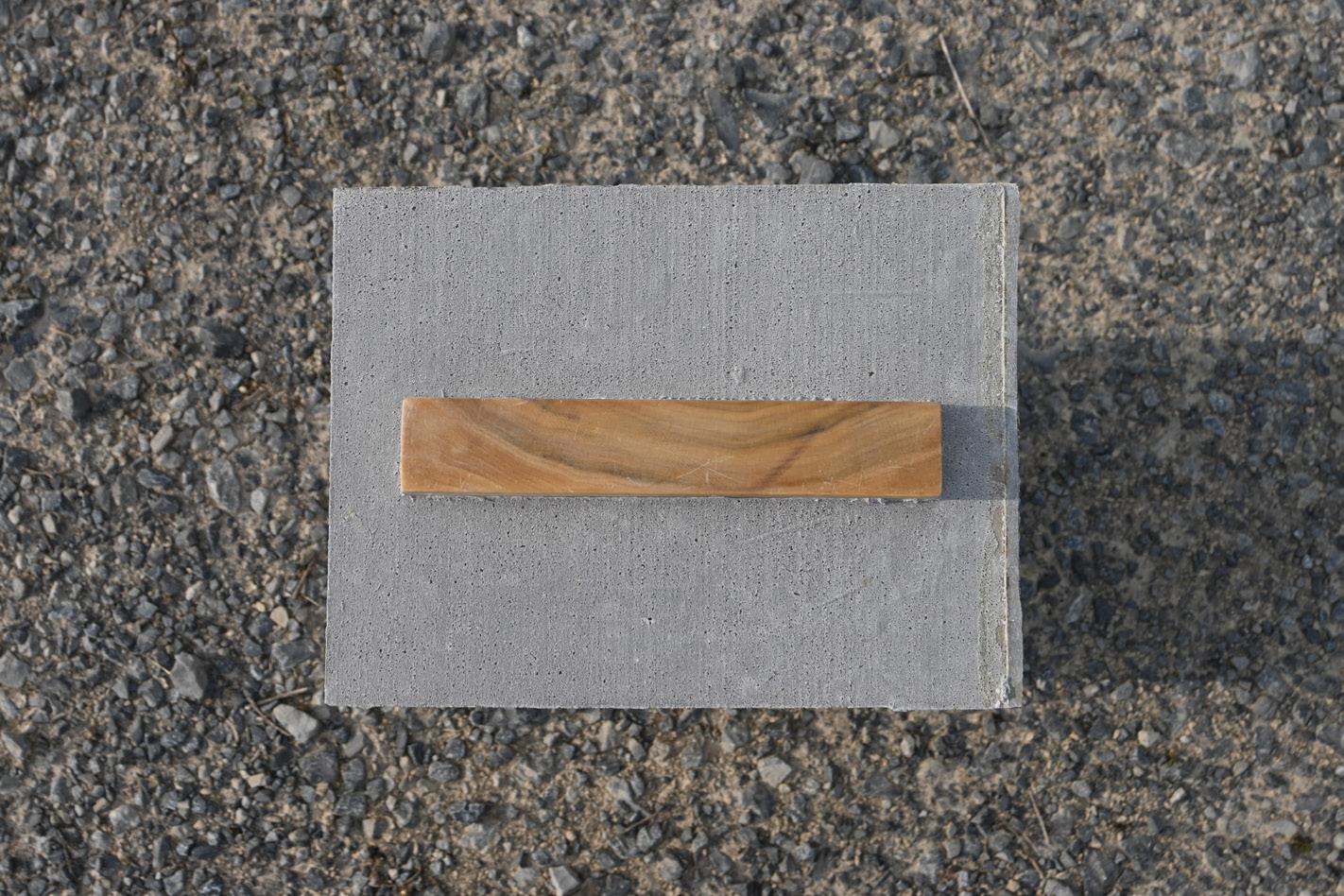
Experiment 4: Wood Burning
Korean Factory
Critiquing the Architecture of K-Food through Dumplings
Spring 2023
ARC 407: Studio
Professor Jooeun Sung (of Yonsei University) and Professor Daekwon Park Group Assignment with Ethan Fox
Rhino, InDesign, Illustrator
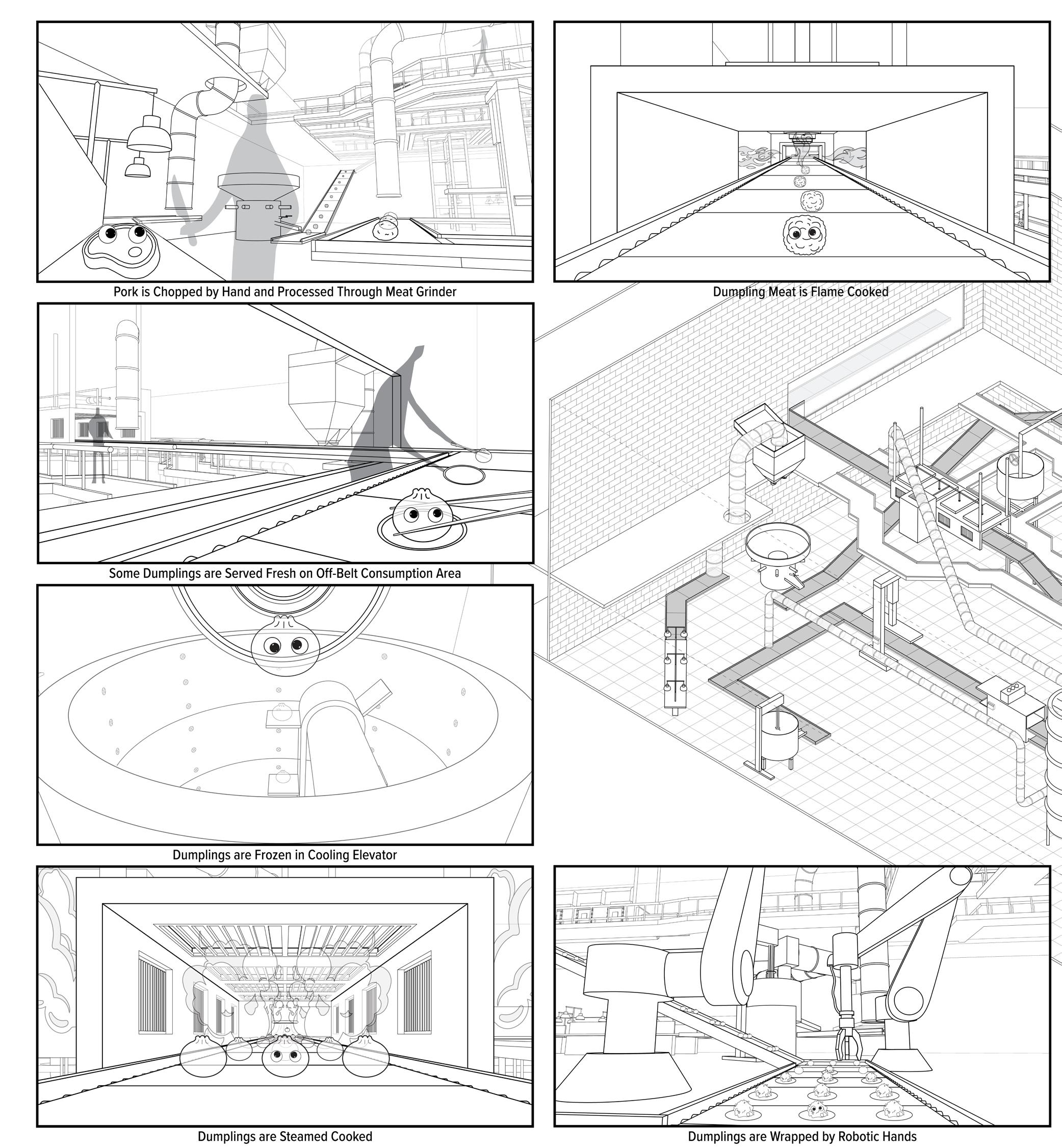
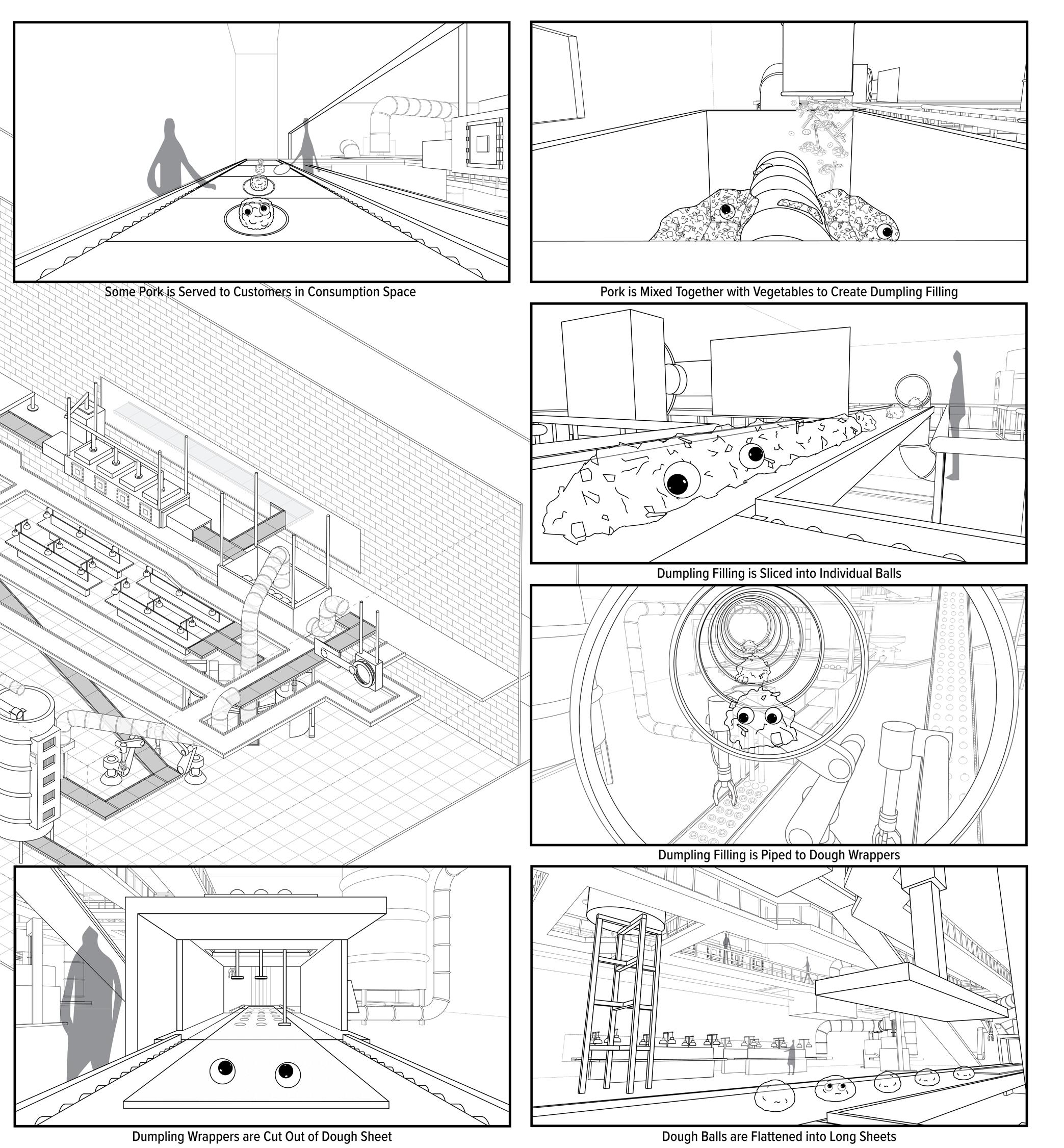
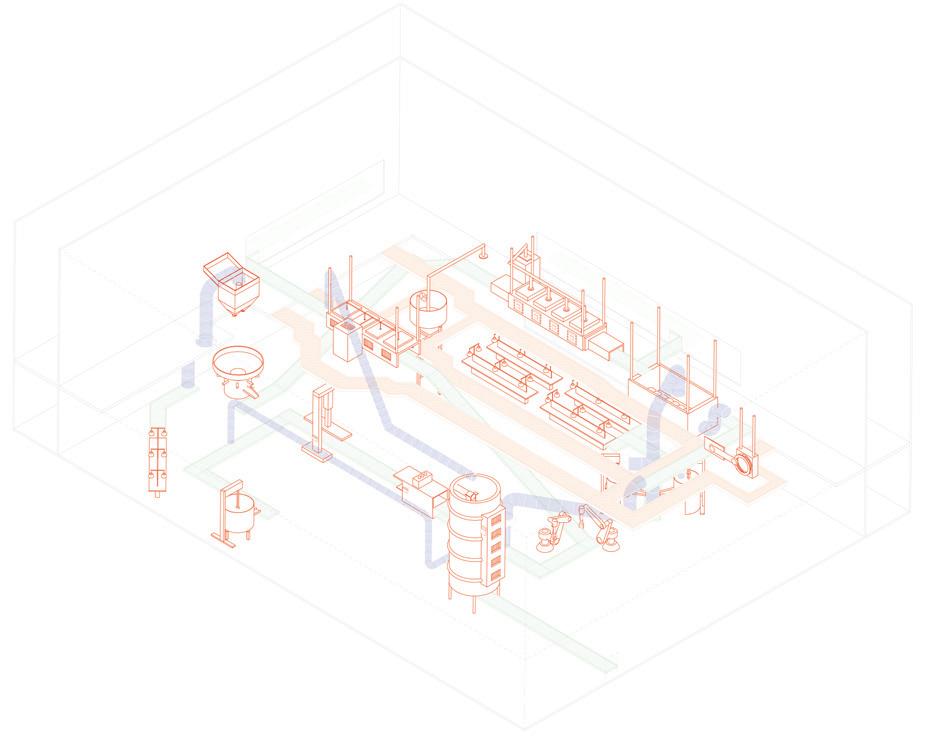
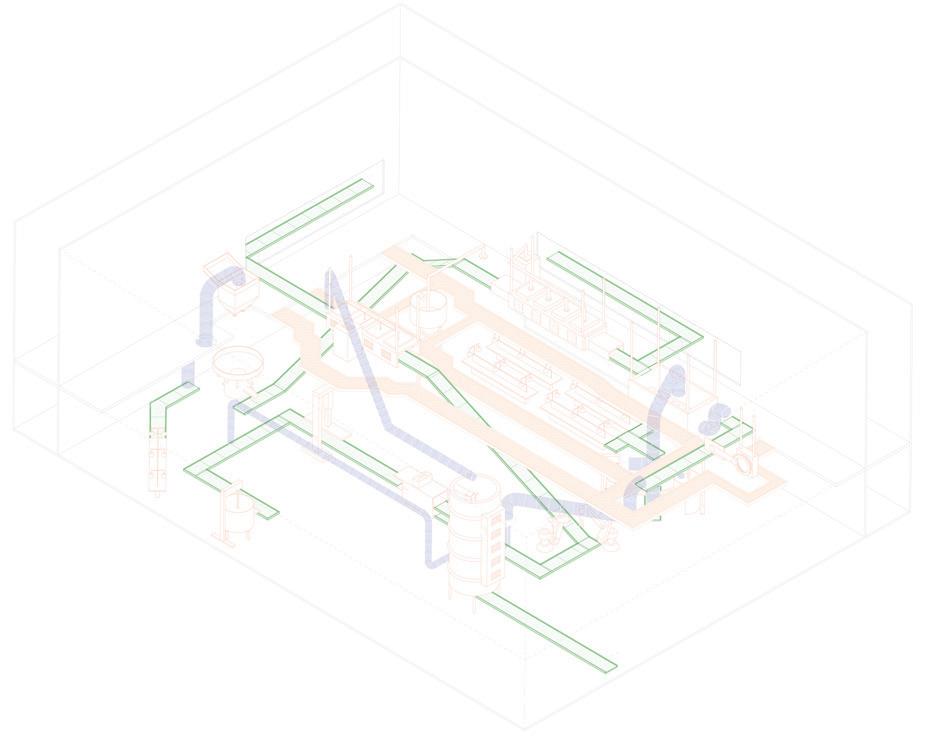
Based on studies of Korean food spaces, this project combines both observations and critiques of spaces of production and spaces of consumption. The factory design attempts to bridge the physical gap between production and consumption by inviting the consumers to directly observe and participate in the production process. Shown from the perspective of a dumpling being formed, the comic takes the viewer through the entire factory, showing the different machines and processes needed to make a dumpling as well as the opportunities for participants to consume the products.
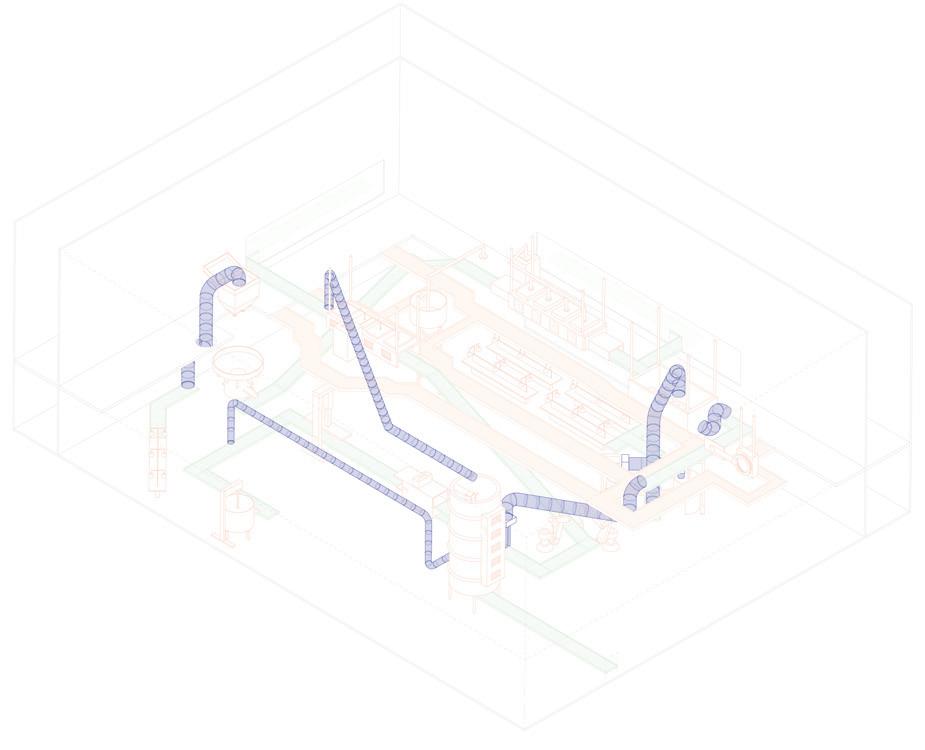
Pipes
Conveyor Belts
Ingredient Research
Exploring the Stories of Sundubu Jjigae
Spring 2023
ARC 407: Studio
Professor Jooeun Sung (of Yonsei University) and Professor Daekwon Park Group Assignment with Ethan Fox
Rhino, Illustrator, Photoshop
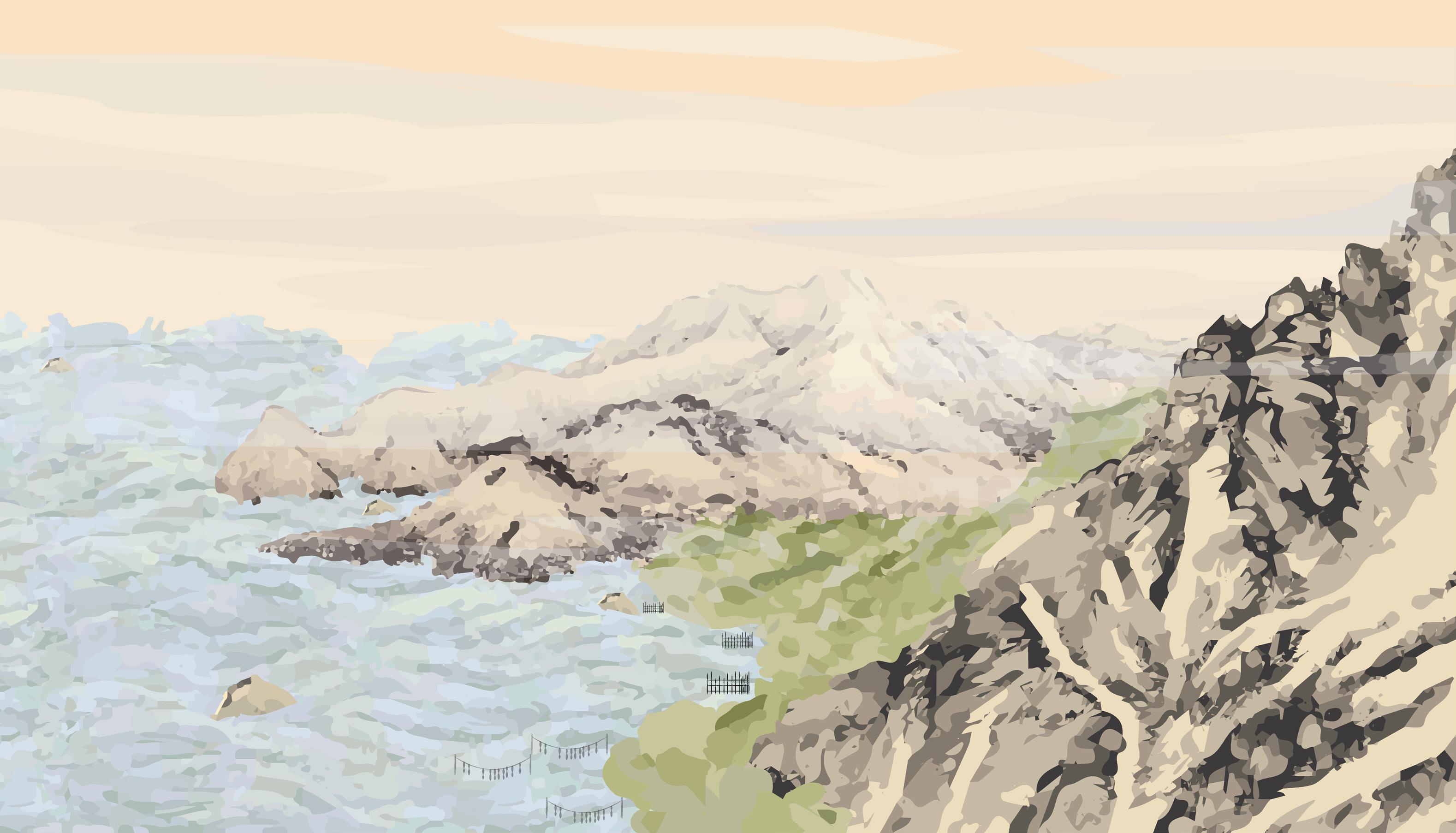
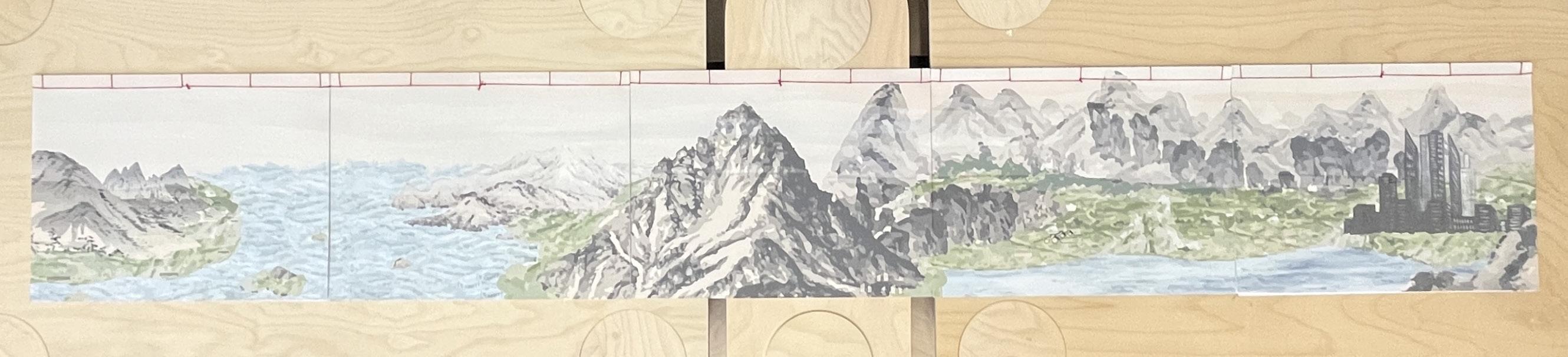
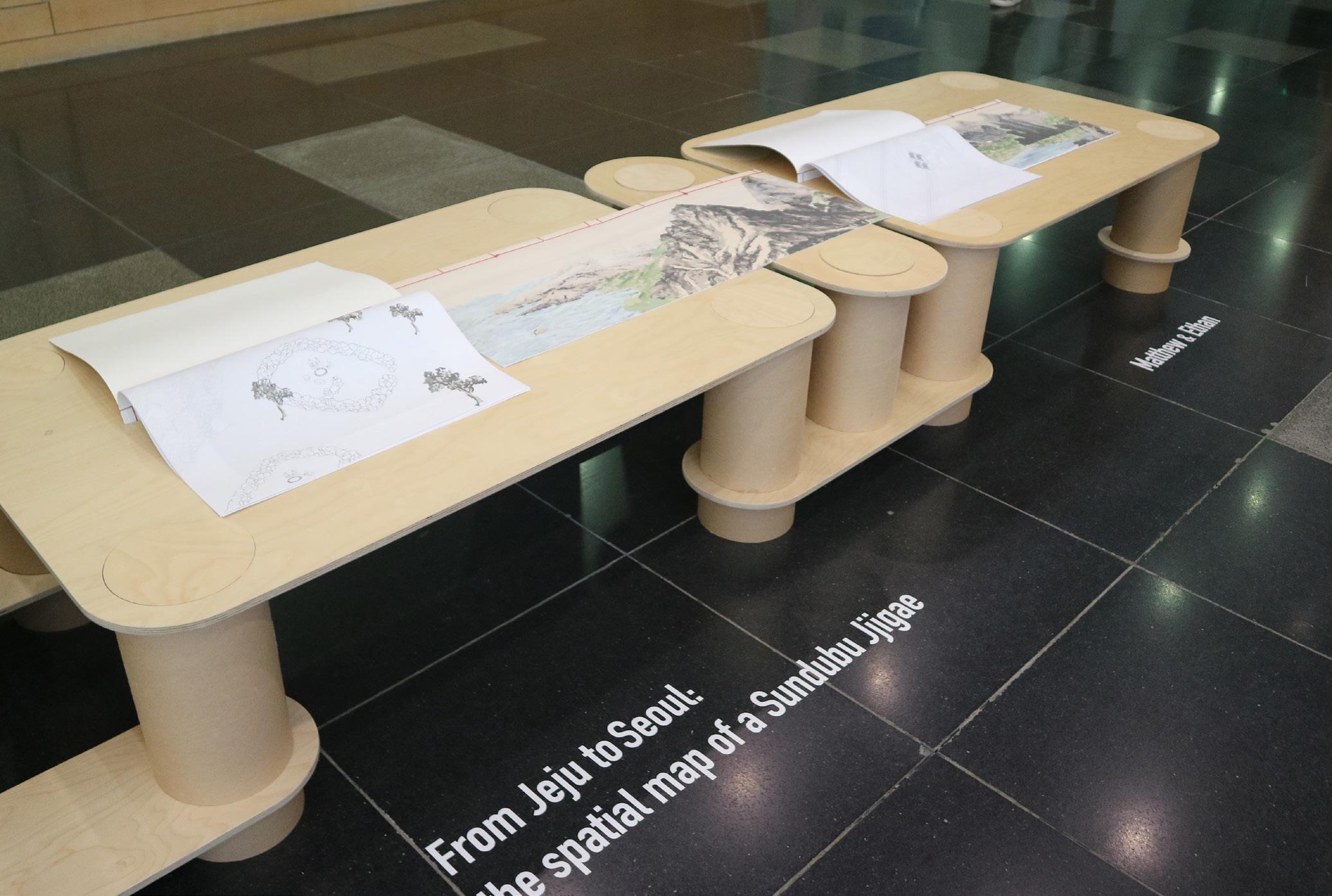
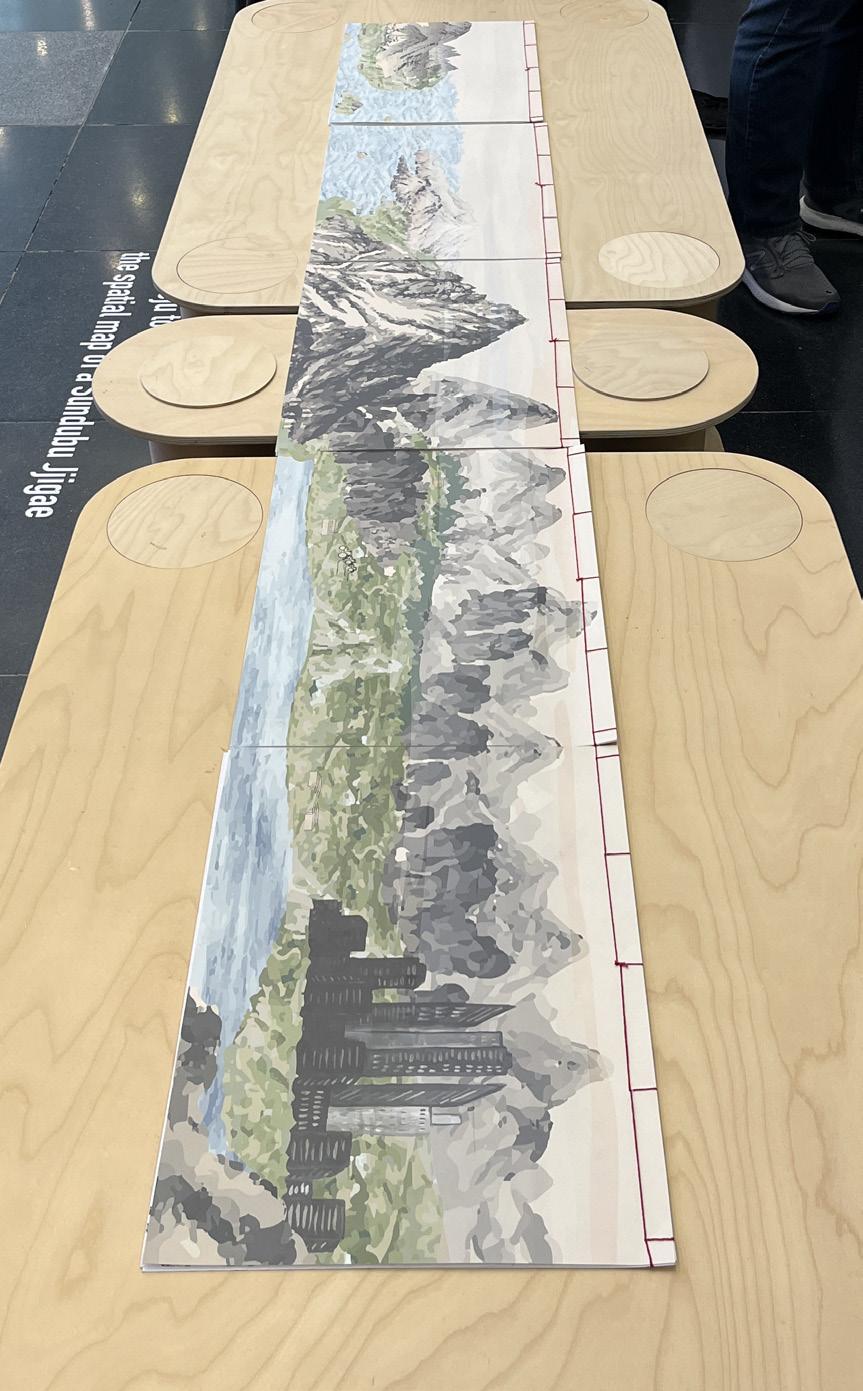
This project explores the Korean dish Sundubu Jjigae and the artisanal production methods used for its ingredients. The drawings look at key ingredients of the dish such as shellfish, anchovies, and tofu and the unique spaces of production for them. The scroll takes inspiration from traditional Korean landscape drawings by abstracting and collaging them into one large scroll encompassing all of Korea. Placed on the scroll are small icons that reference the locations where each production method can be found. The scroll was then split into five pieces and turned into booklets featuring the drawings as well as background research. The booklets were bound using a traditional Korean method called seonjang and placed on exhibition during a joint symposium between Syracuse University and Yonsei University in Seoul, South Korea.
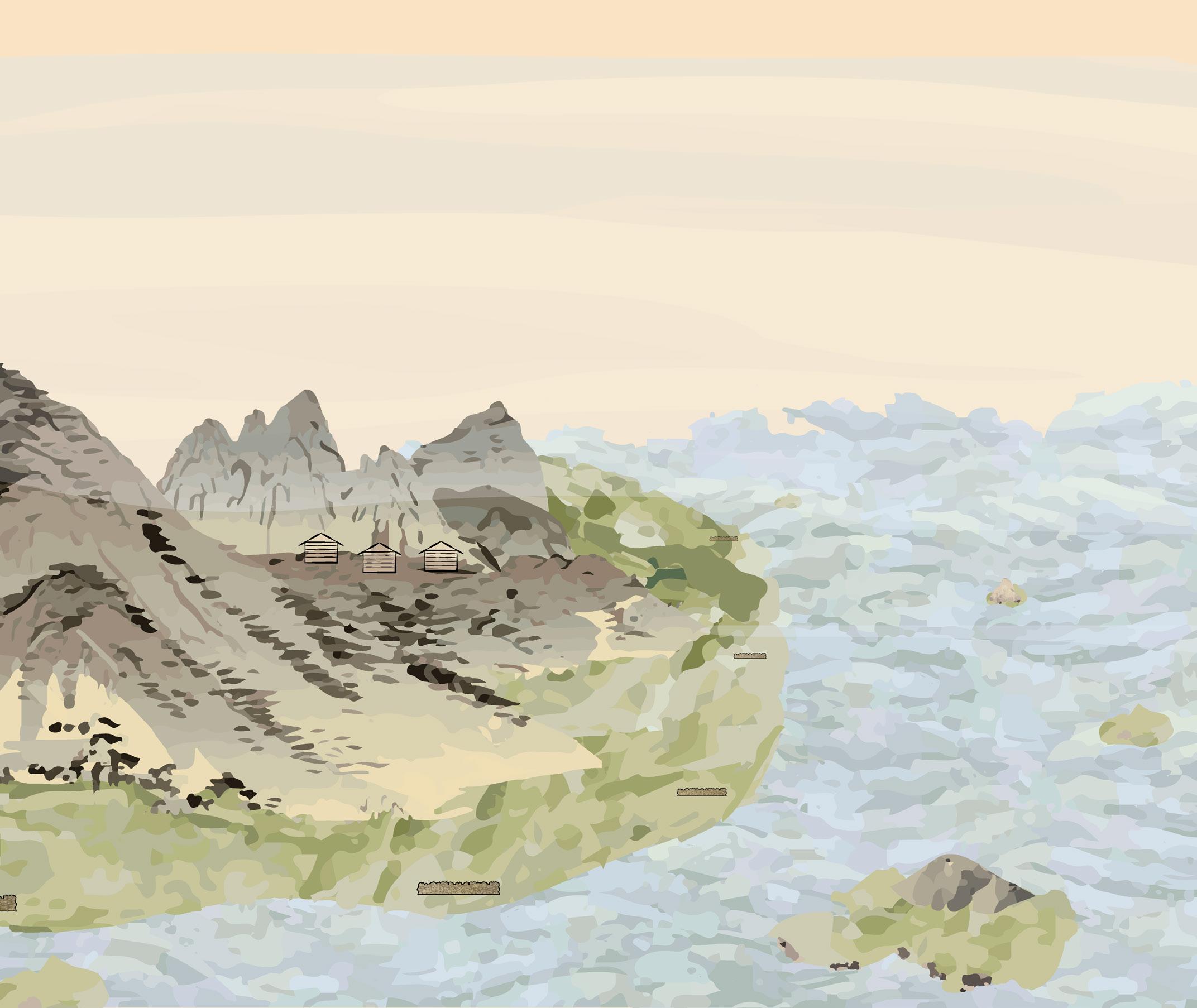
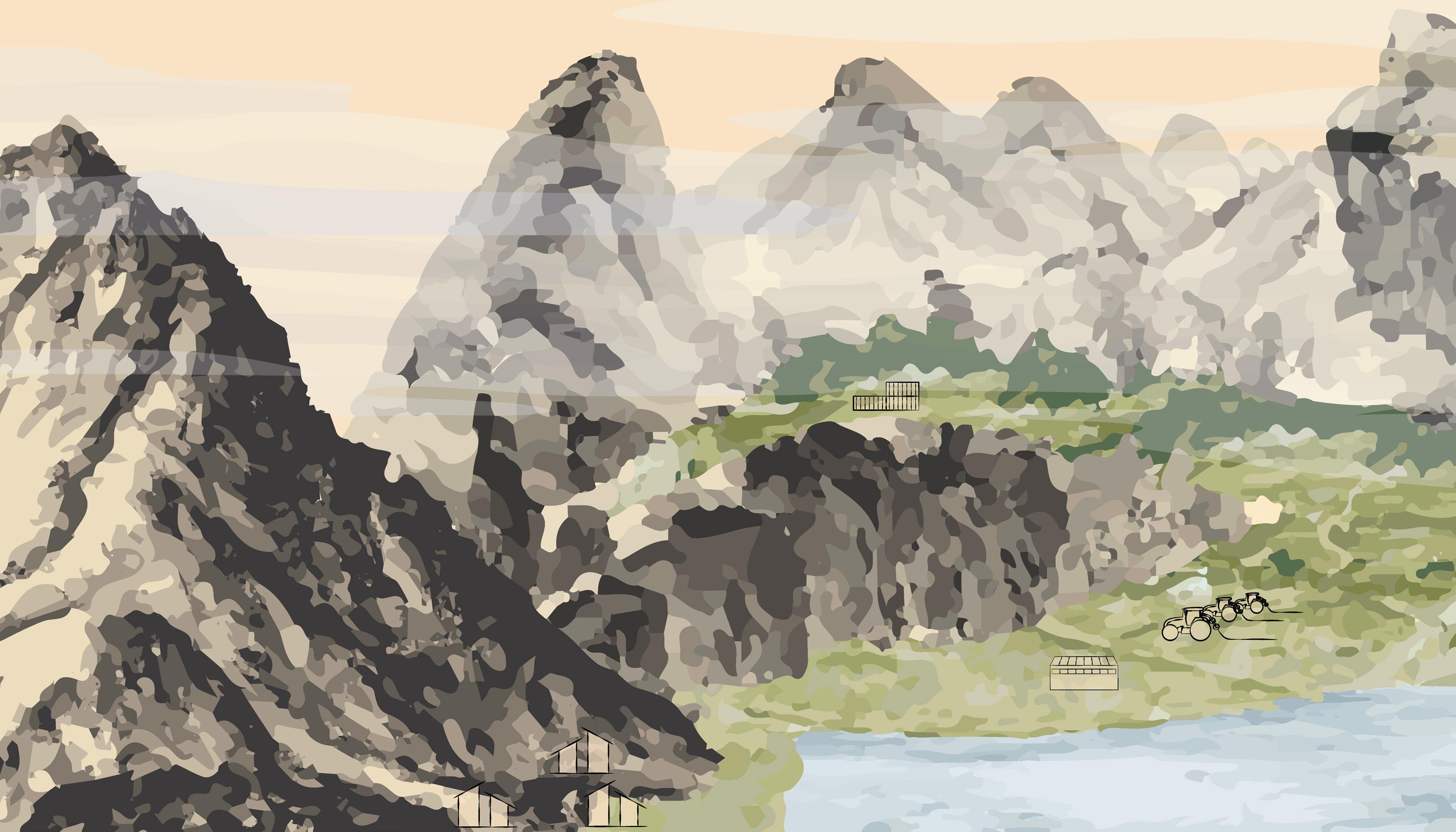
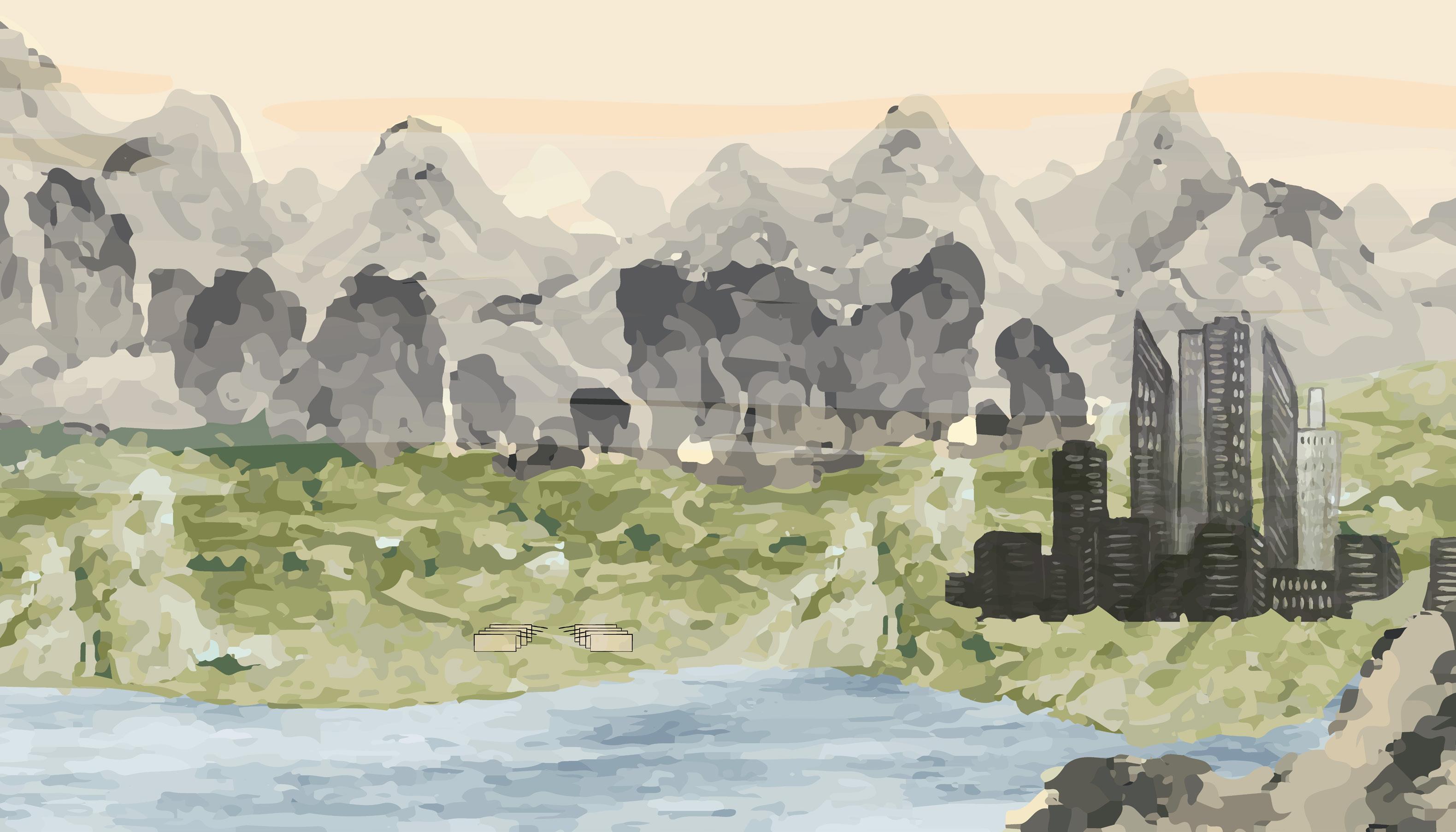
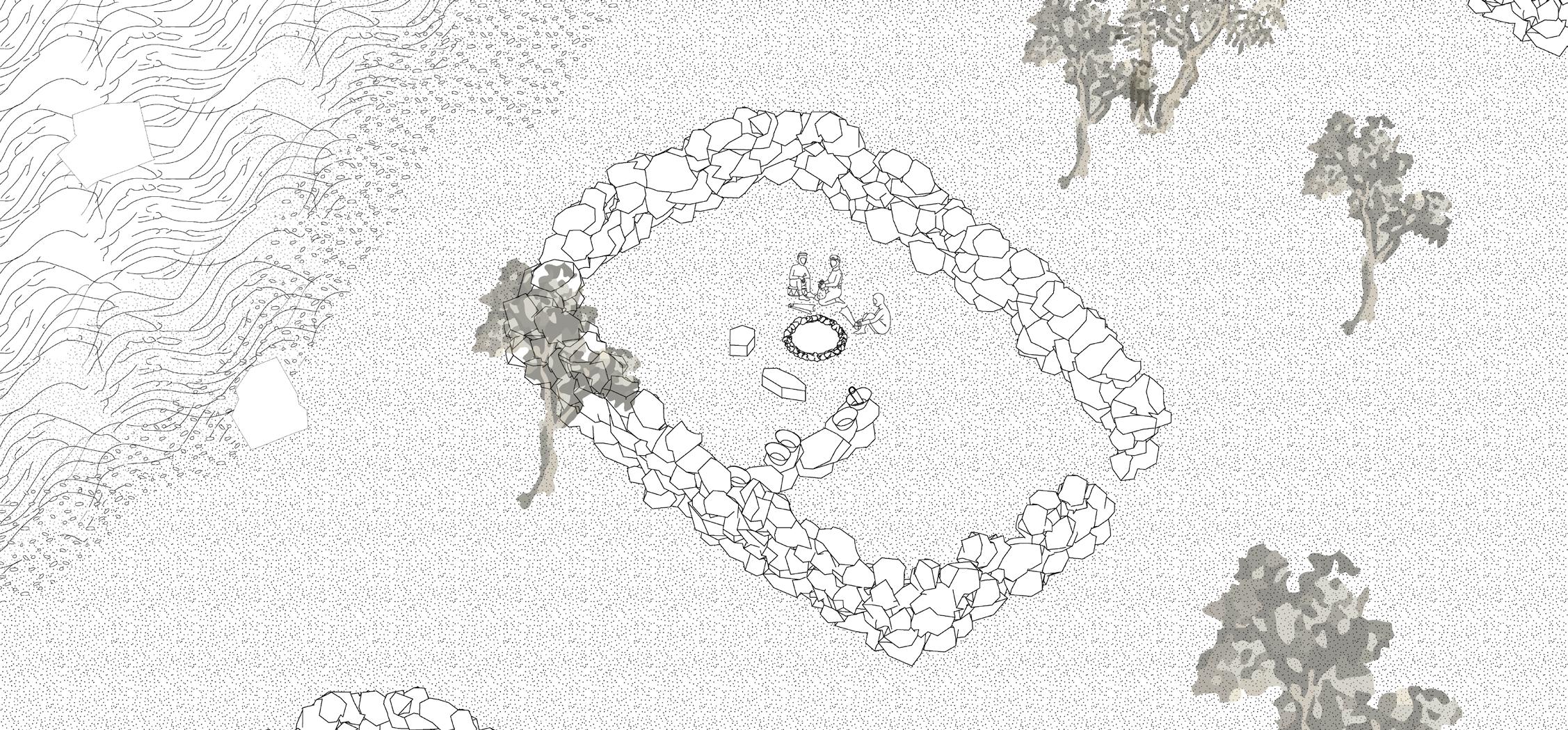
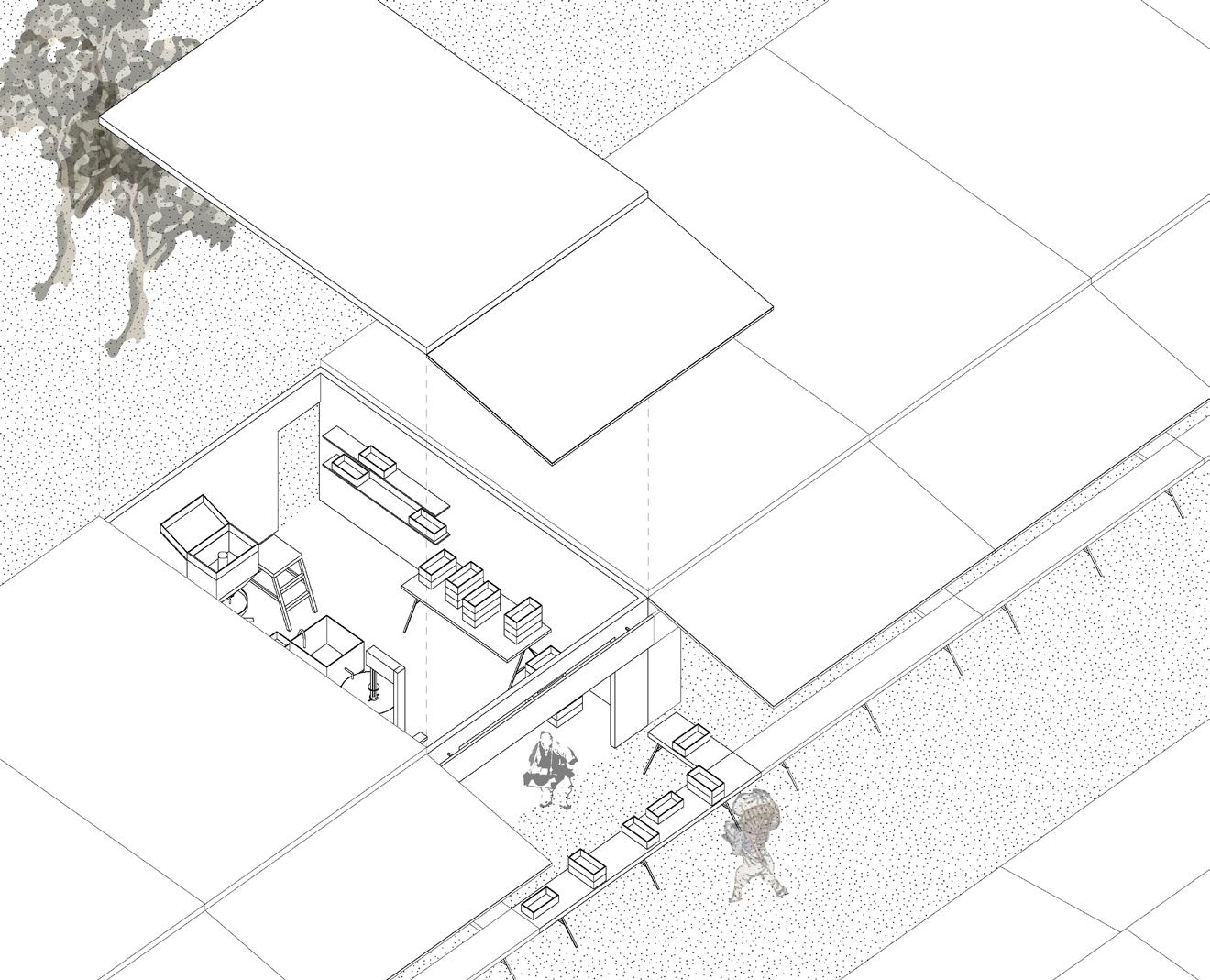
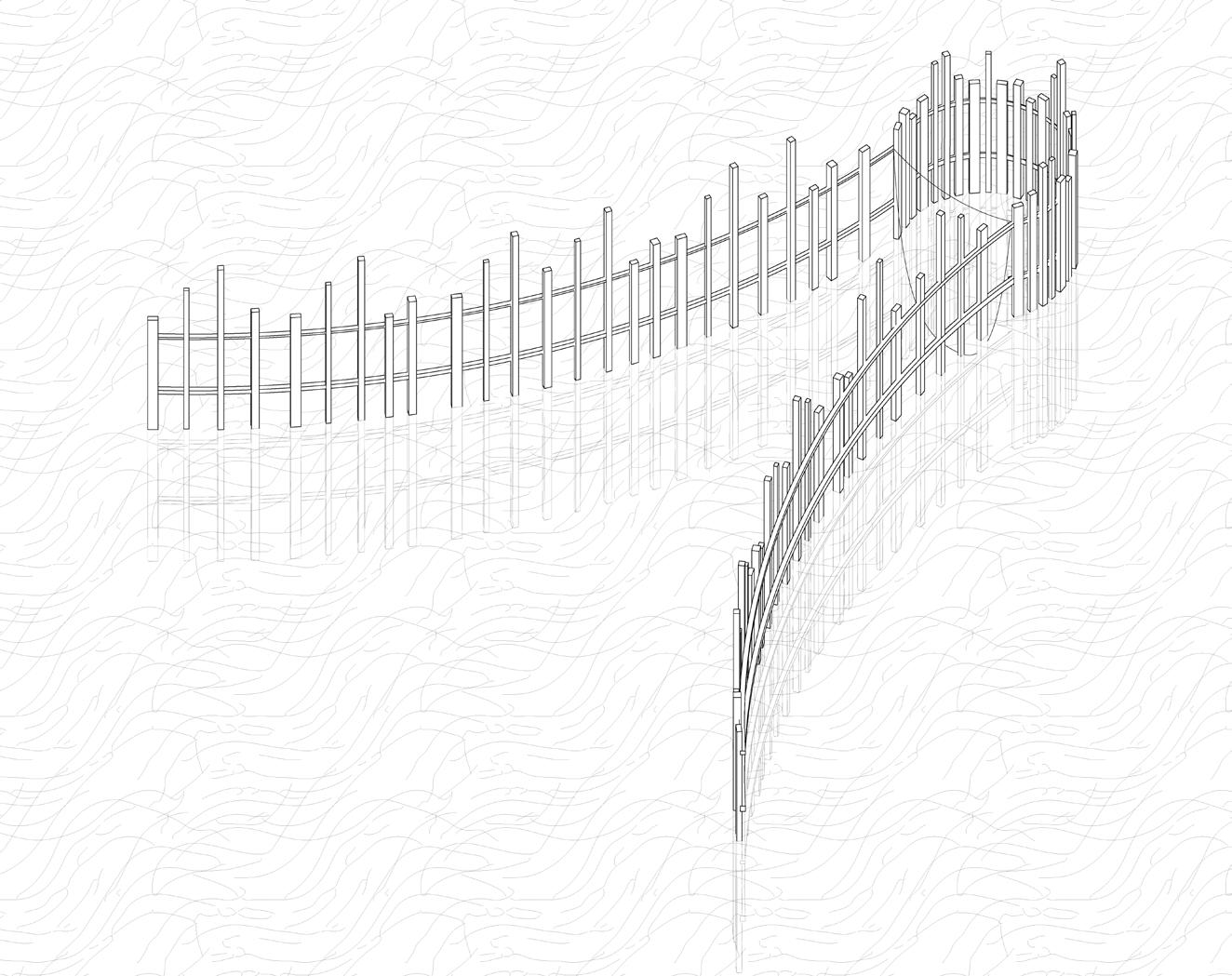
Bulteok of the Haenyeo Who Catch Shellfish
Tofu Shop
Jukbang Anchovy Farming
Exhibition in Seoul
Claymaking Studio
A Comprehensive Studio for Artists
Spring 2022
ARC 208: Studio
Professor Ayesha Ghosh
Group Assignment with Karen Villacis
Rhino, Illustrator, Photoshop, InDesign, Physical Modeling (CNC, Blue Foam, Plaster, Clay)
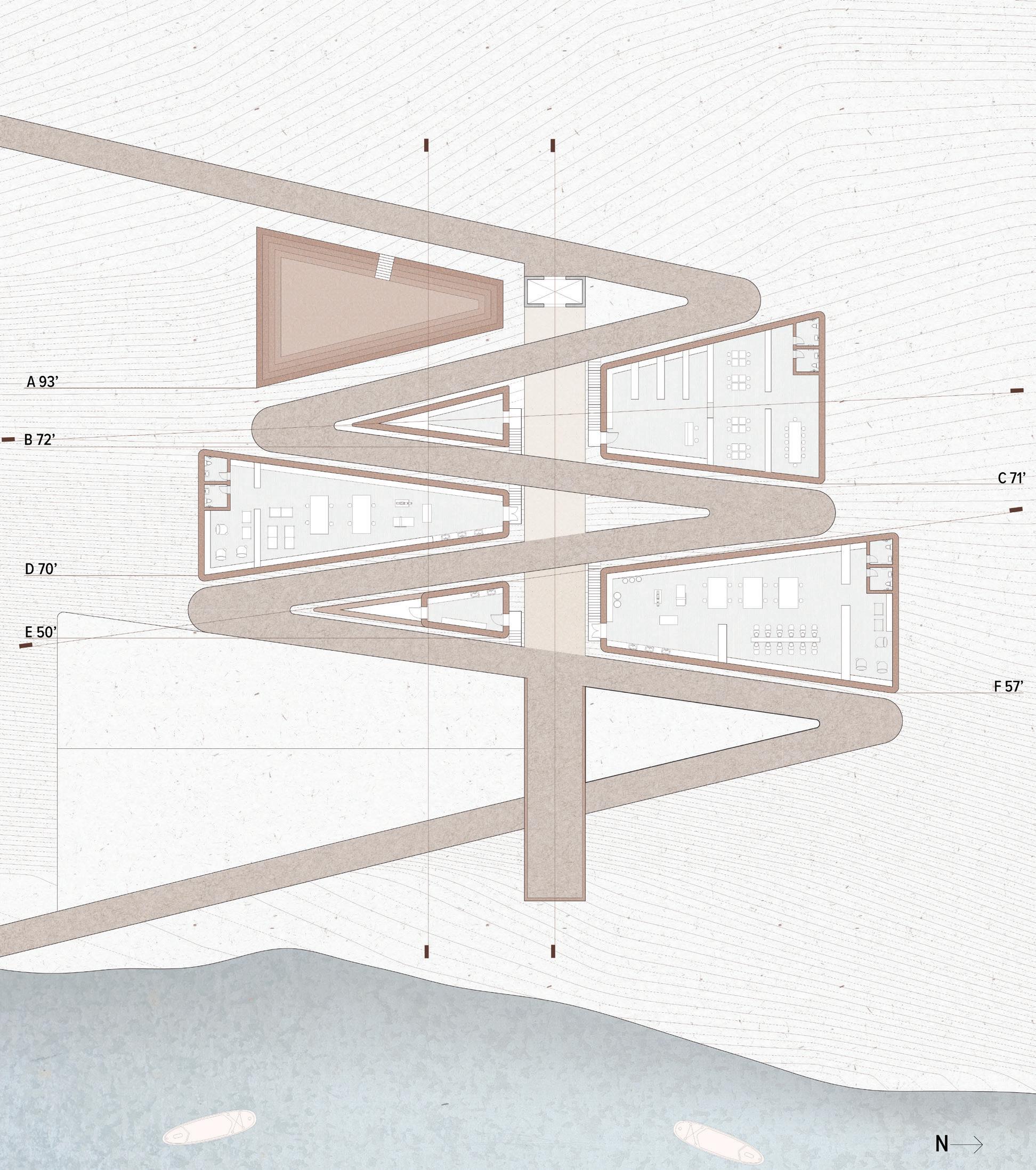
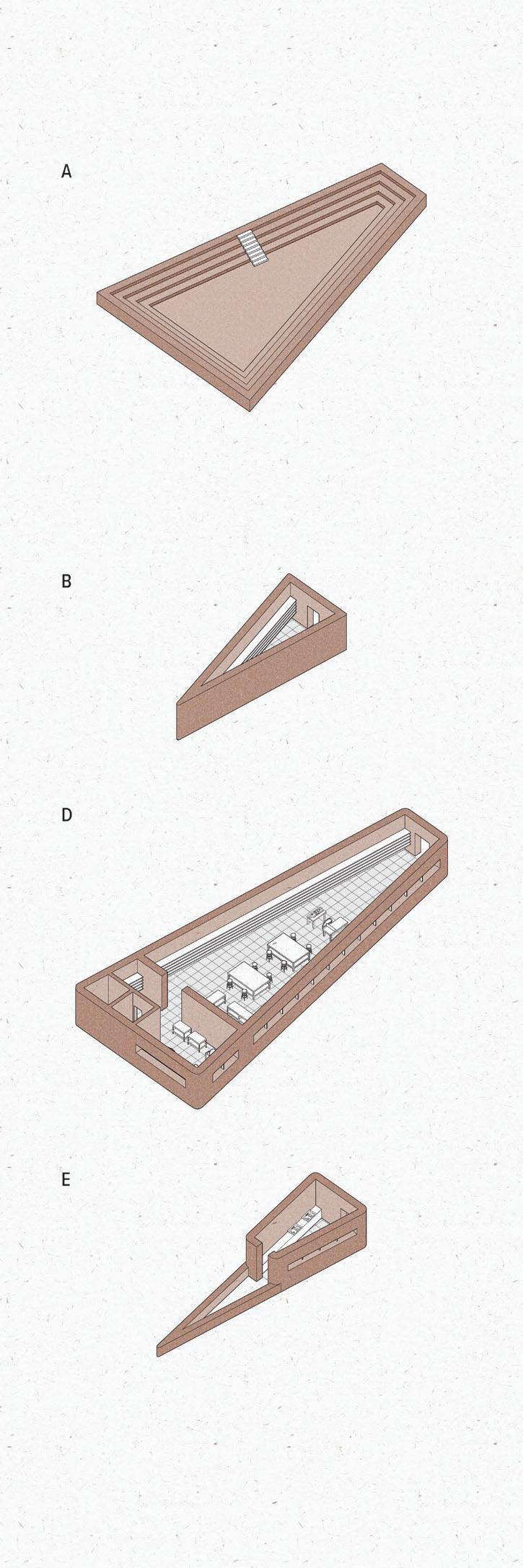
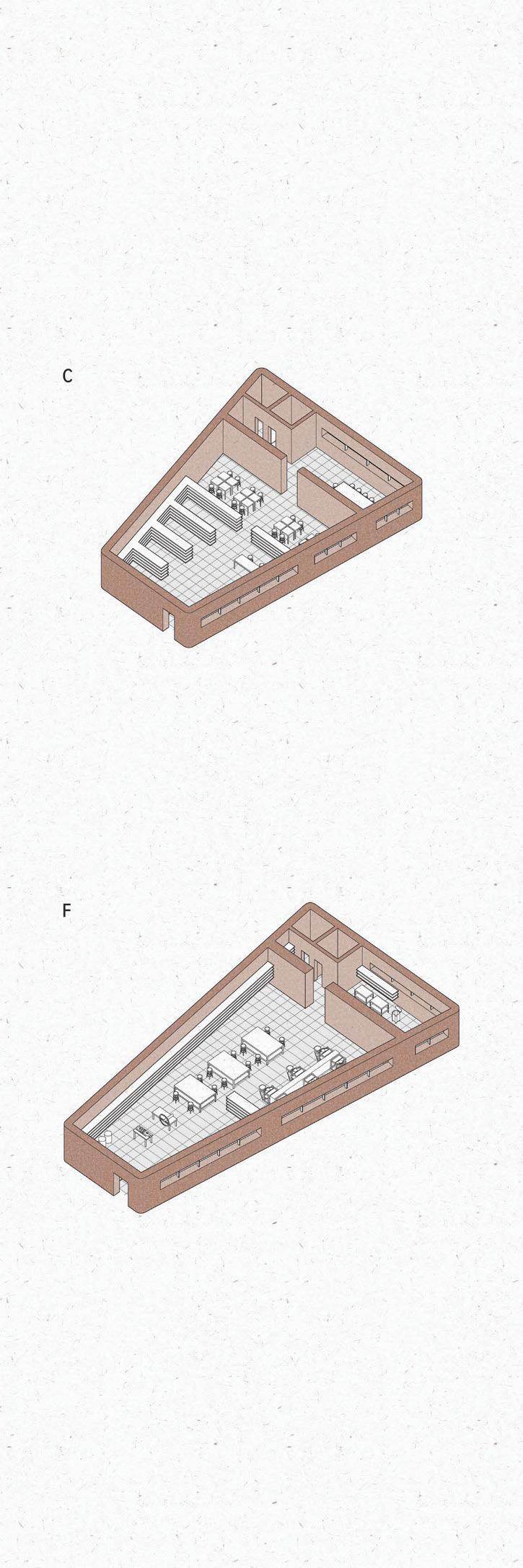
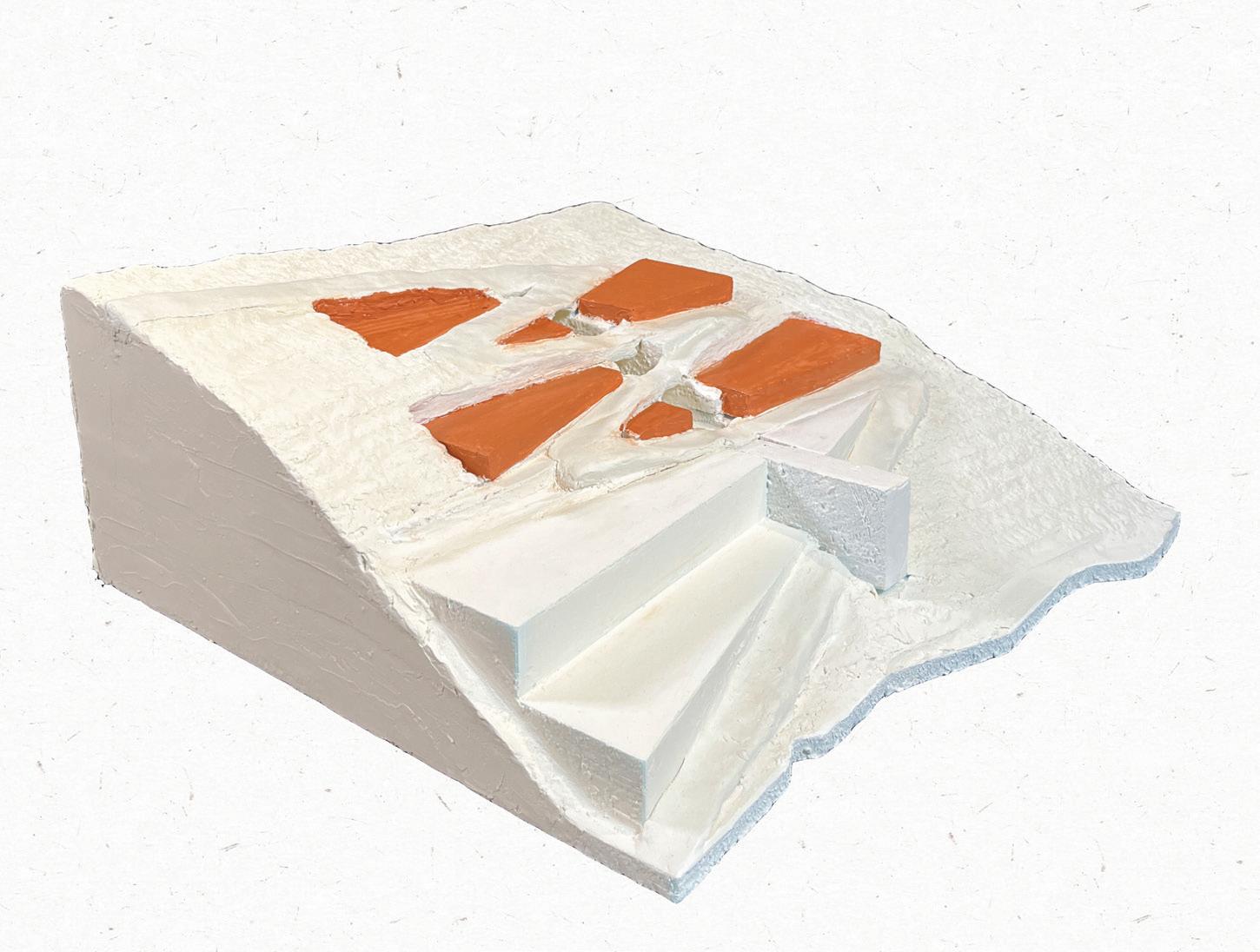
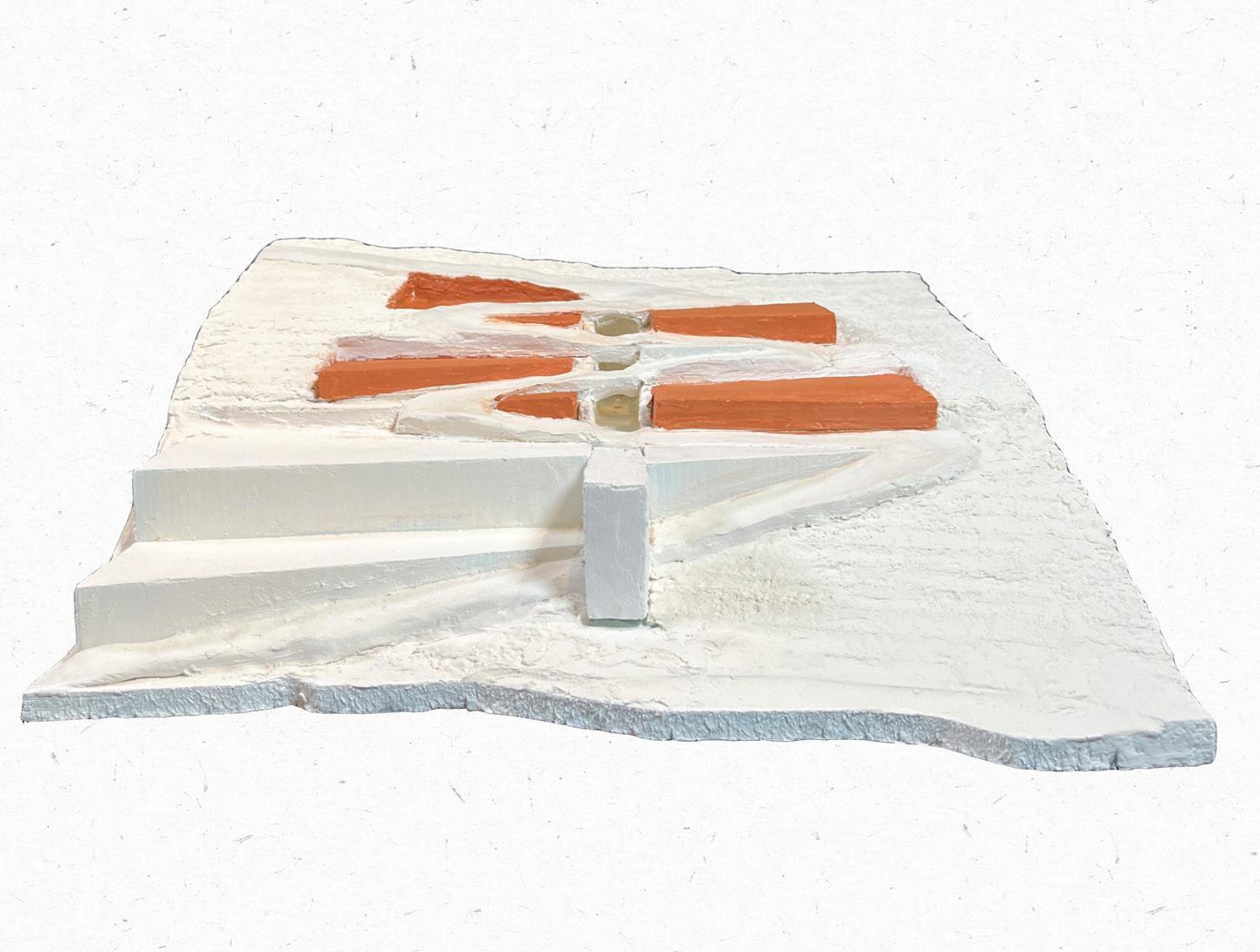
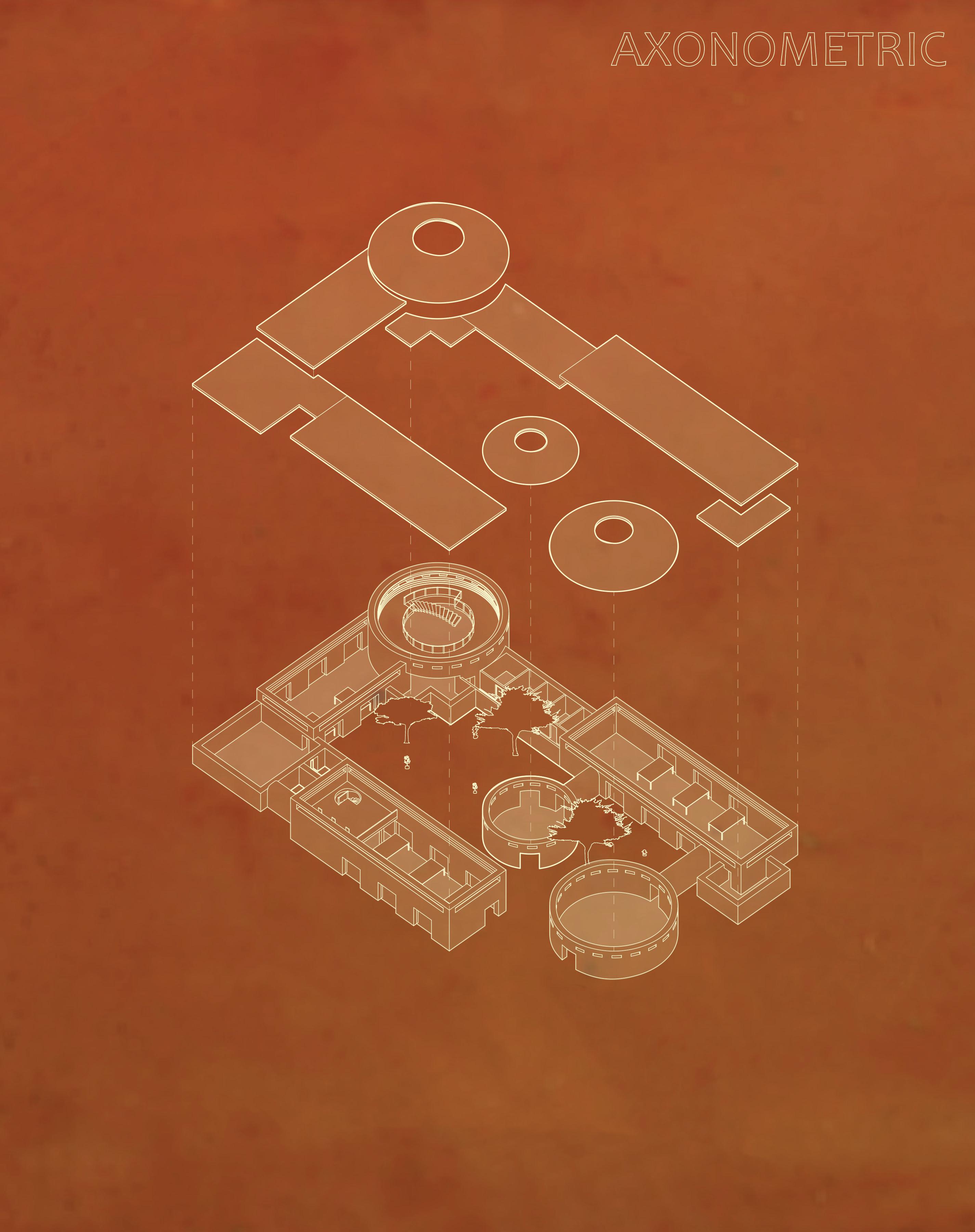
This project aims to create an all-encompassing space for a collective to create ceramics. Participants are able to create their own ceramics by hand, from scratch, starting with the excavation of clay and ending with a finished ceramic product, all done by themselves. Sited along a steep hill, a winding path was created to allow access to each of the spaces and a separate path cutting straight through the land frames the view of the surrounding landscape. The spaces are built using rammed earth walls and, due to the steep terrain, are partially embedded in the earth, furthering the connection between the ground and built spaces.
Axonometric: Parts of the Whole
Model
Short Sections
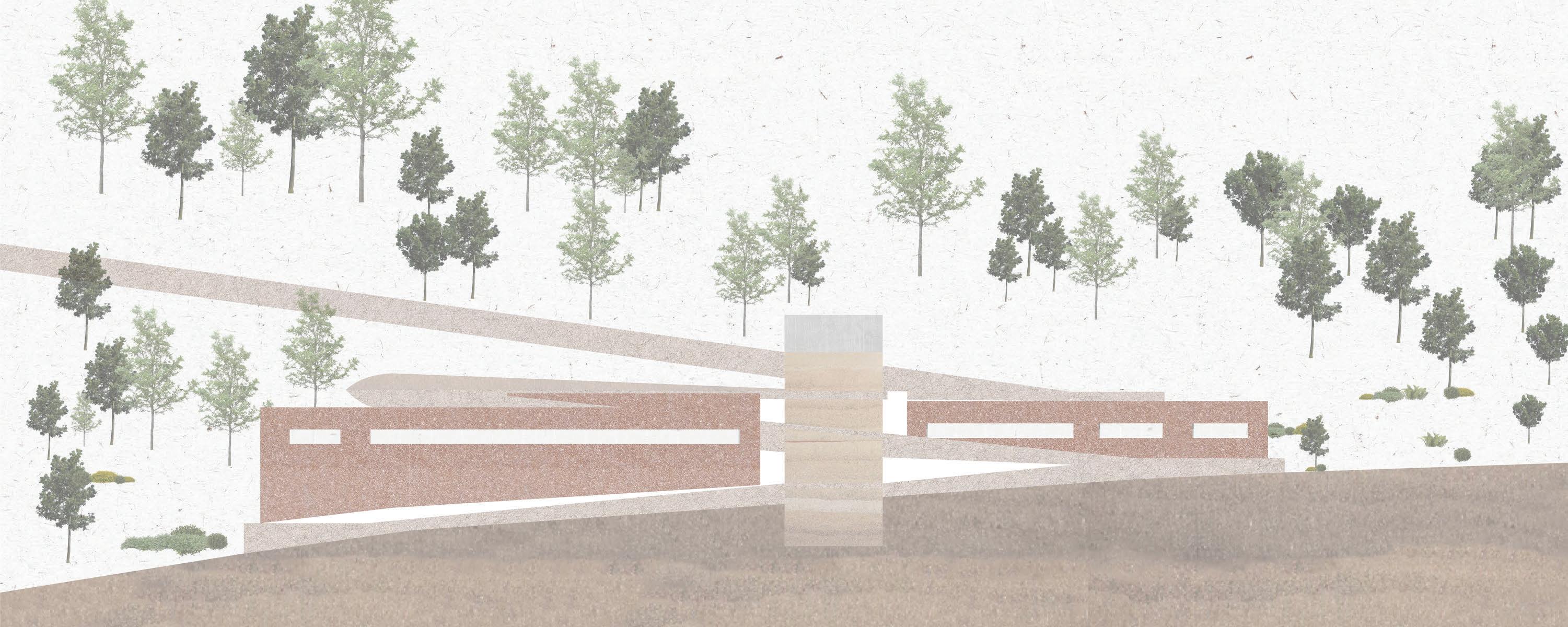
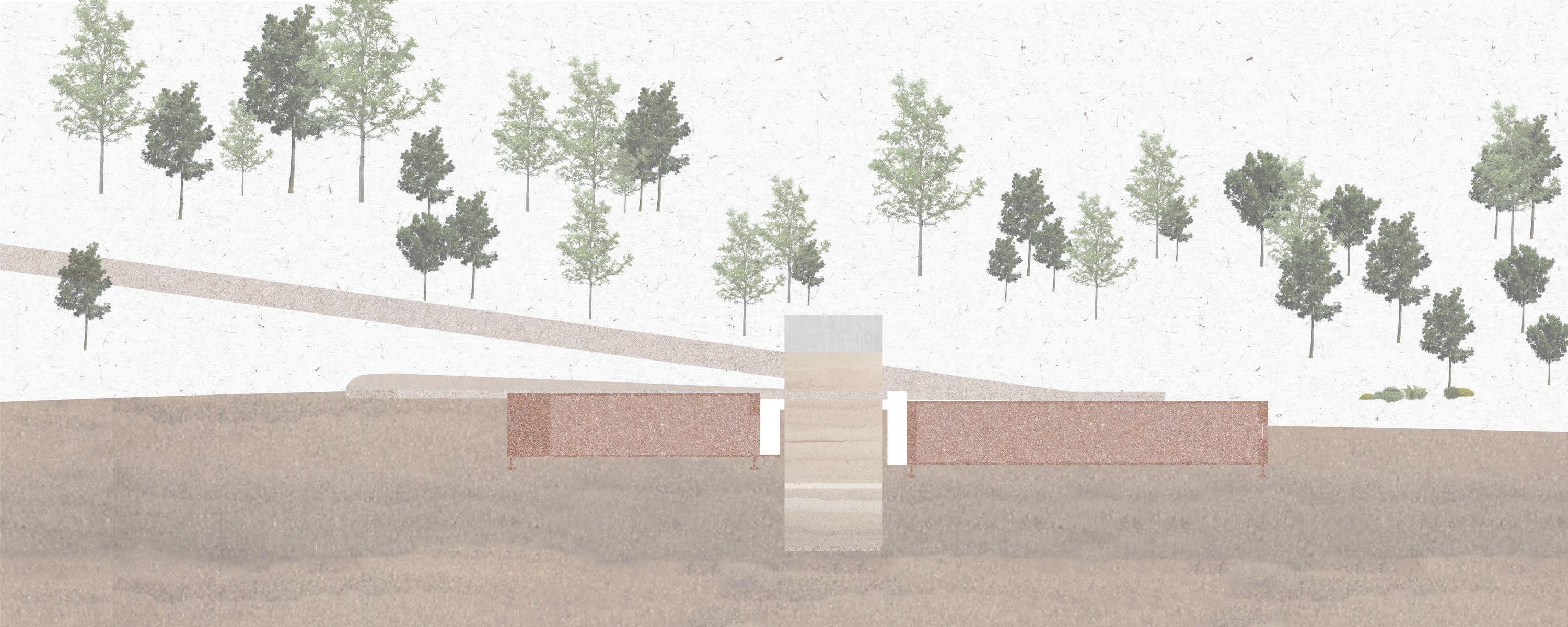
1’=1/16"
1’=1/16"
Long Sections
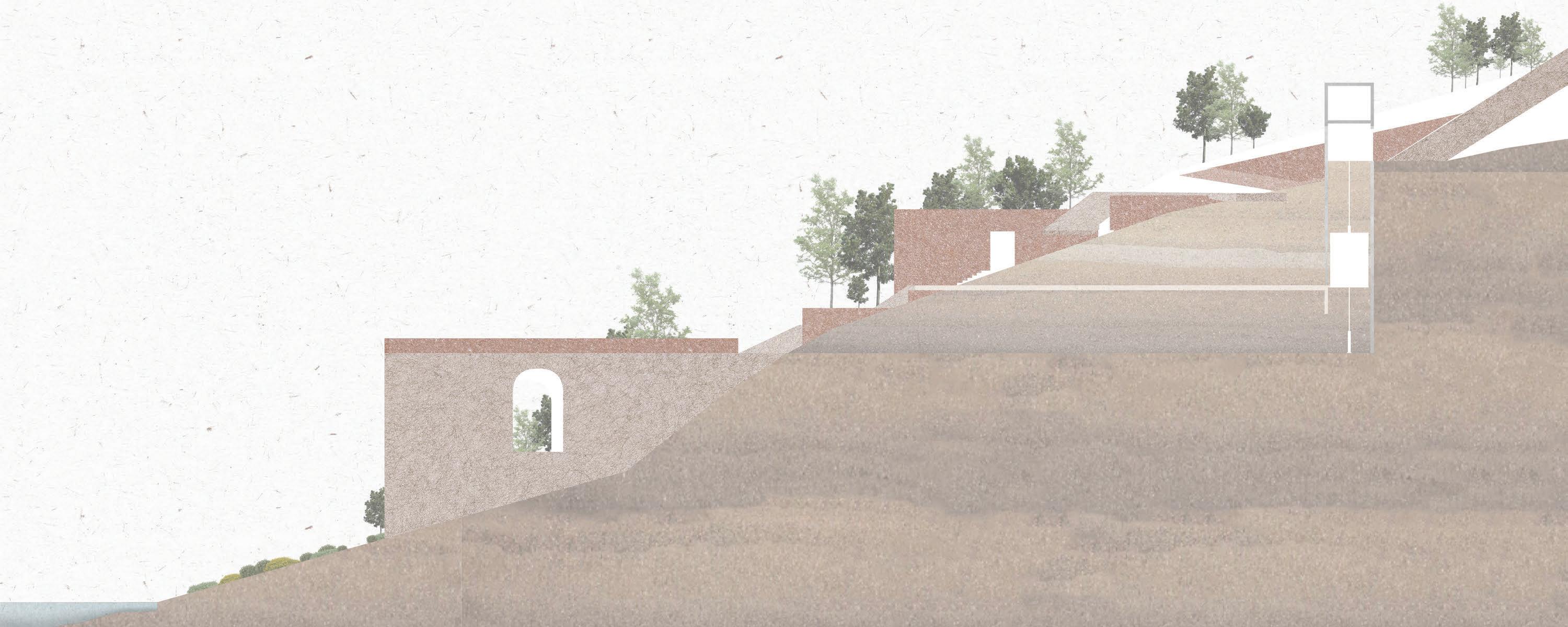
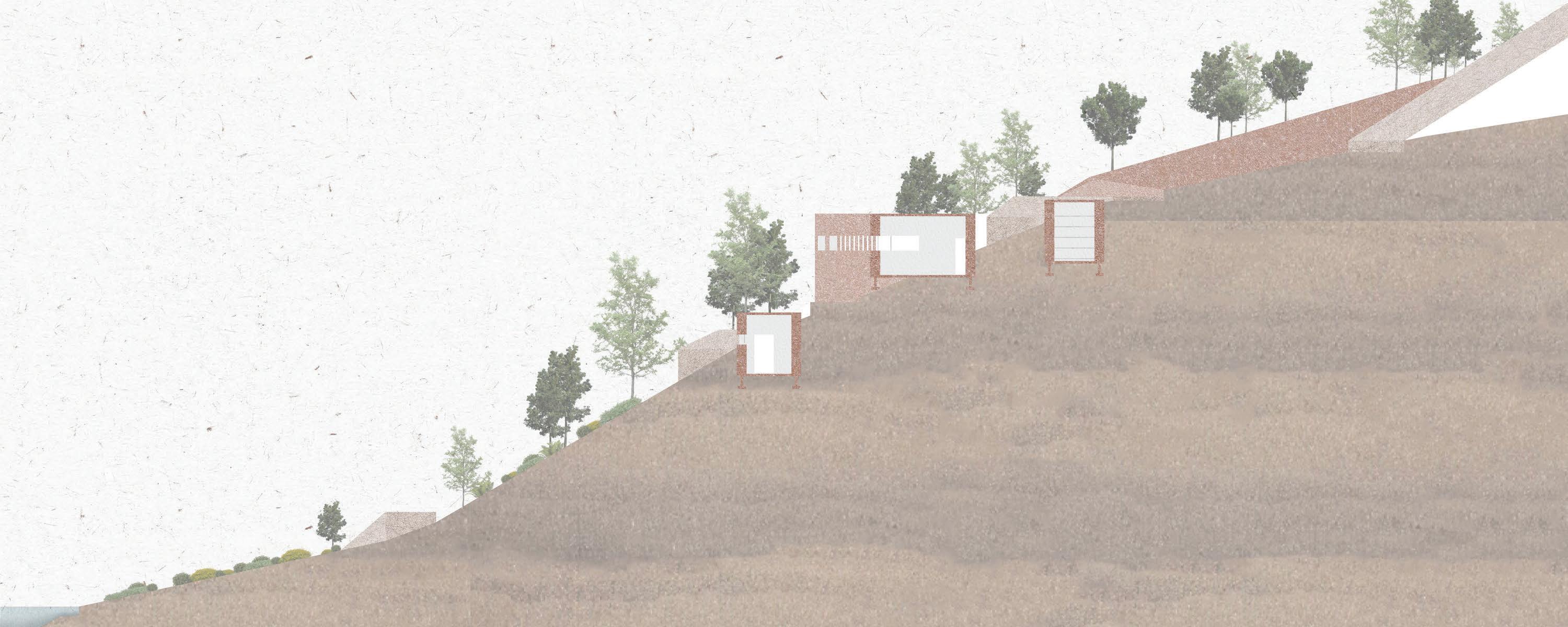
1’=1/16"
The Park
An Experiment in Mid-Rise Mixed-Use Buildings
Fall 2022
ARC 307: Studio
Professor Bing Bu
Group Assignment with Aryan Ambani and Michela Brittis-Tannenbaum
Monterey Park, California
Rhino, InDesign, Illustrator
This project, situated in the city of Monterey Park, California, aims to create a mixed use building that offers much-needed green spaces and an environment that fosters connections between residents. The form is centered around the need for a large park that is both visually appealing and abundant in its offerings, something the city lacks. The hallway was transformed into something more animated and dynamic by creating a pathway within a pathway. Where a hallway is used solely as a means to get to a destination, this inner pathway turns it around by allowing residents to expand their homes and expression outside and into this space, blending the boundaries between the home and the communal. Lastly, the array of columns in the northwest corner of the building creates a landmark for the space, allows for activity within the array, and creates a visual barrier between the city and the park.
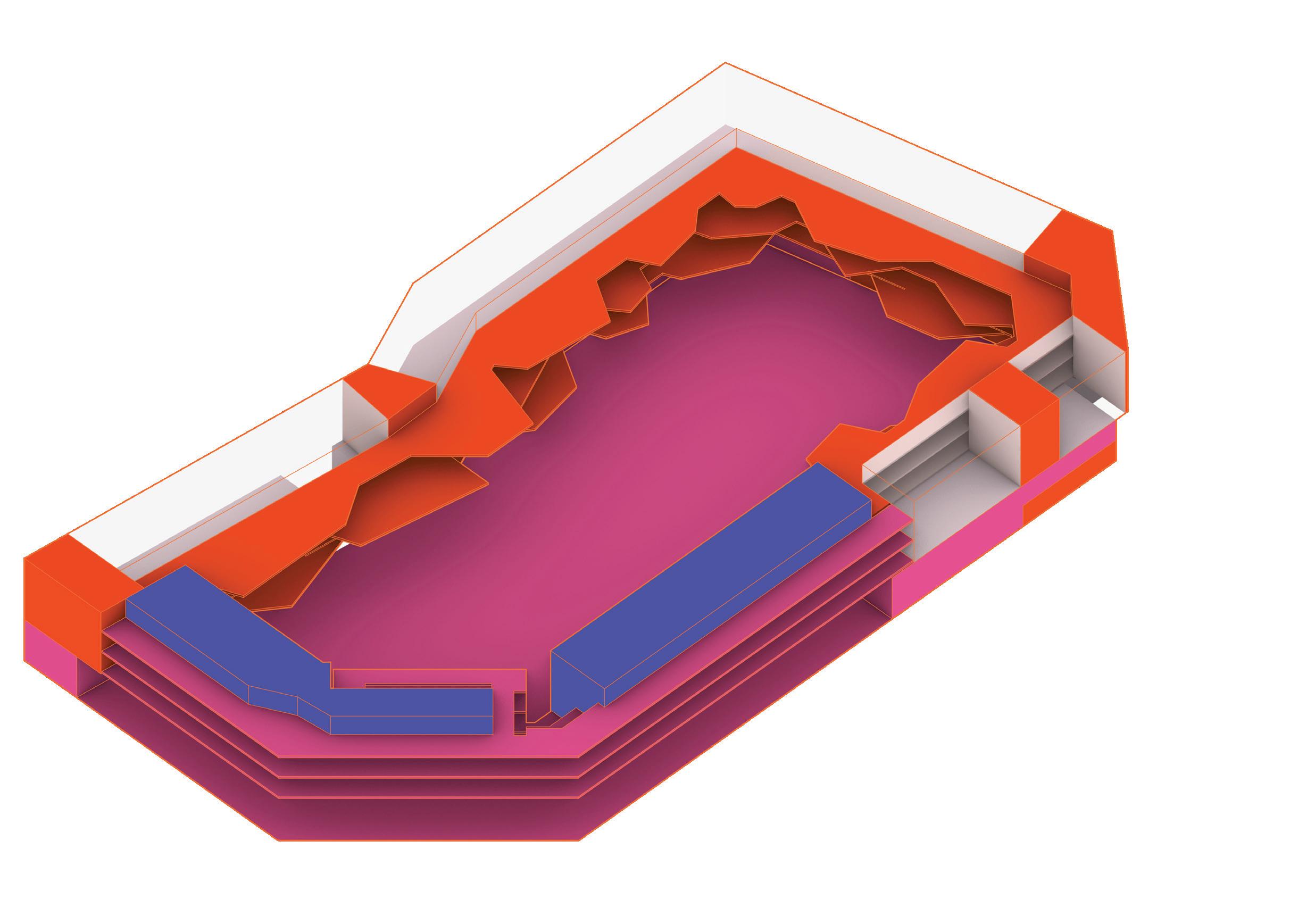
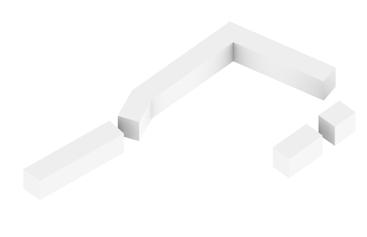
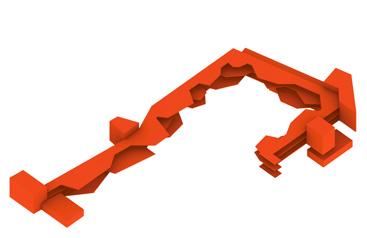

1/16”=1’
Short Section
Column Use During Activities
Ceramics Studio
Creating a Space for Ceramics Education and Production
Spring 2022
ARC 208: Studio
Professor Ayesha Ghosh
Group Assignment with Karen Villacis
Rhino, Illustrator, Photoshop
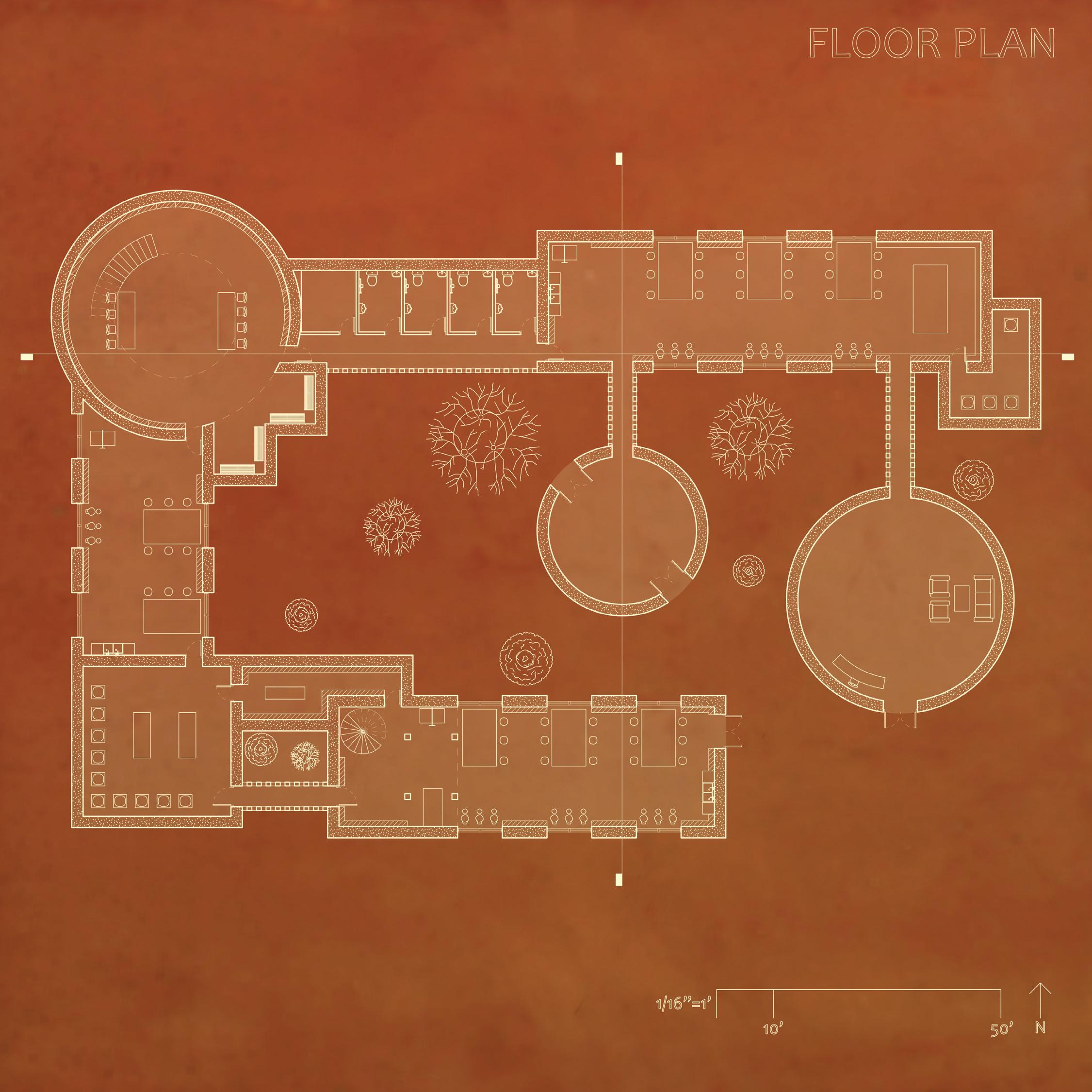
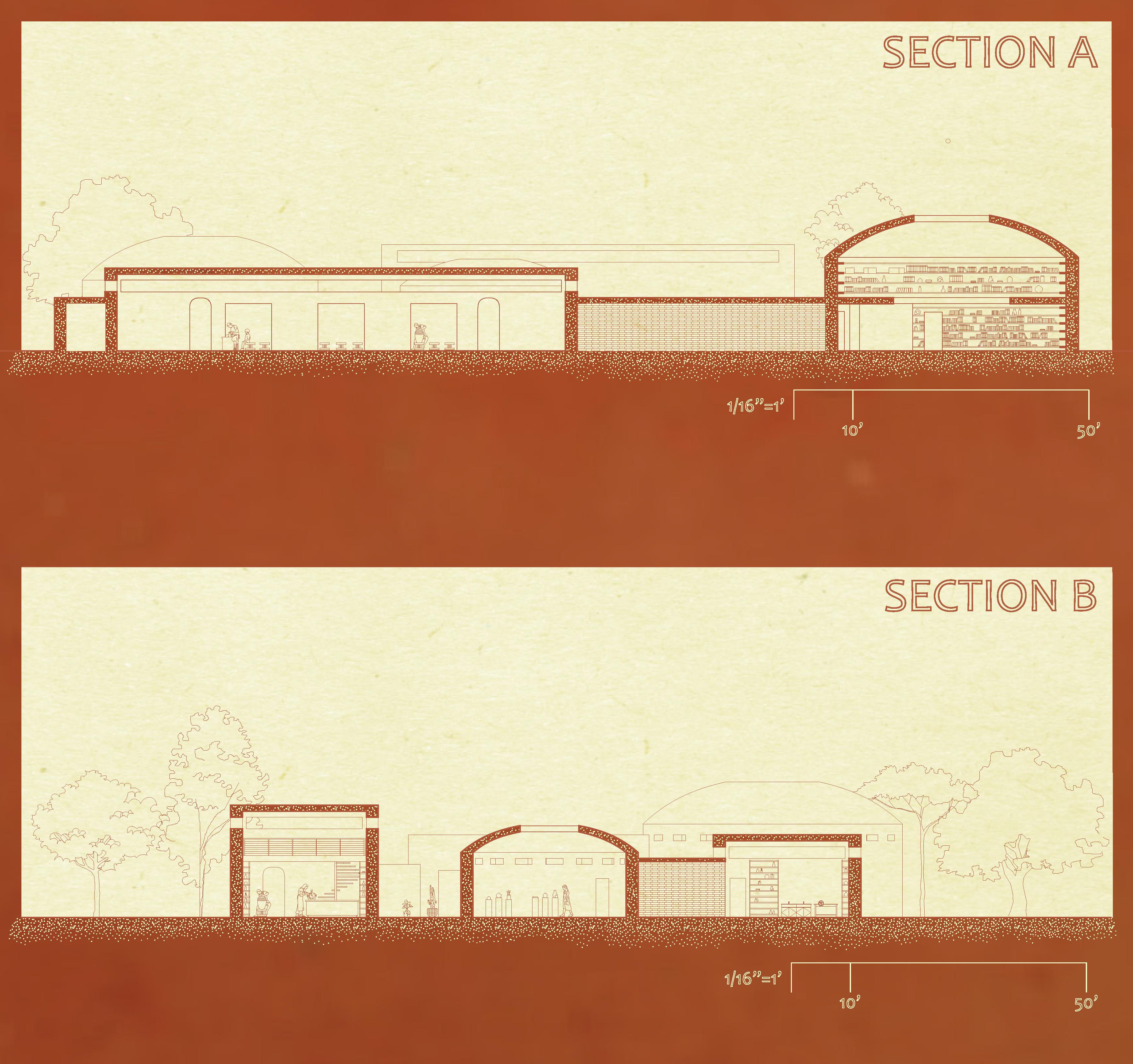
This building is a ceramics space, located in the town of Catskill, that offers studios for beginners through professionals as well as a library, gallery, and lobby. There are three studio spaces, one on the northeast for beginners, one on the west for intermediates, and one on the south for professionals. The rectangular shapes denote spaces of production and the circular spaces denote other uses. The largest of the three circular spaces is a library, with the bottom half used as a material library for ceramics and the top as a traditional library with books on ceramics making. The town of Catskill has a strong art community, many of which produce ceramics. By creating this space, the art community has a place to gather to create communally as well as part their wisdom on those less experienced with clay.
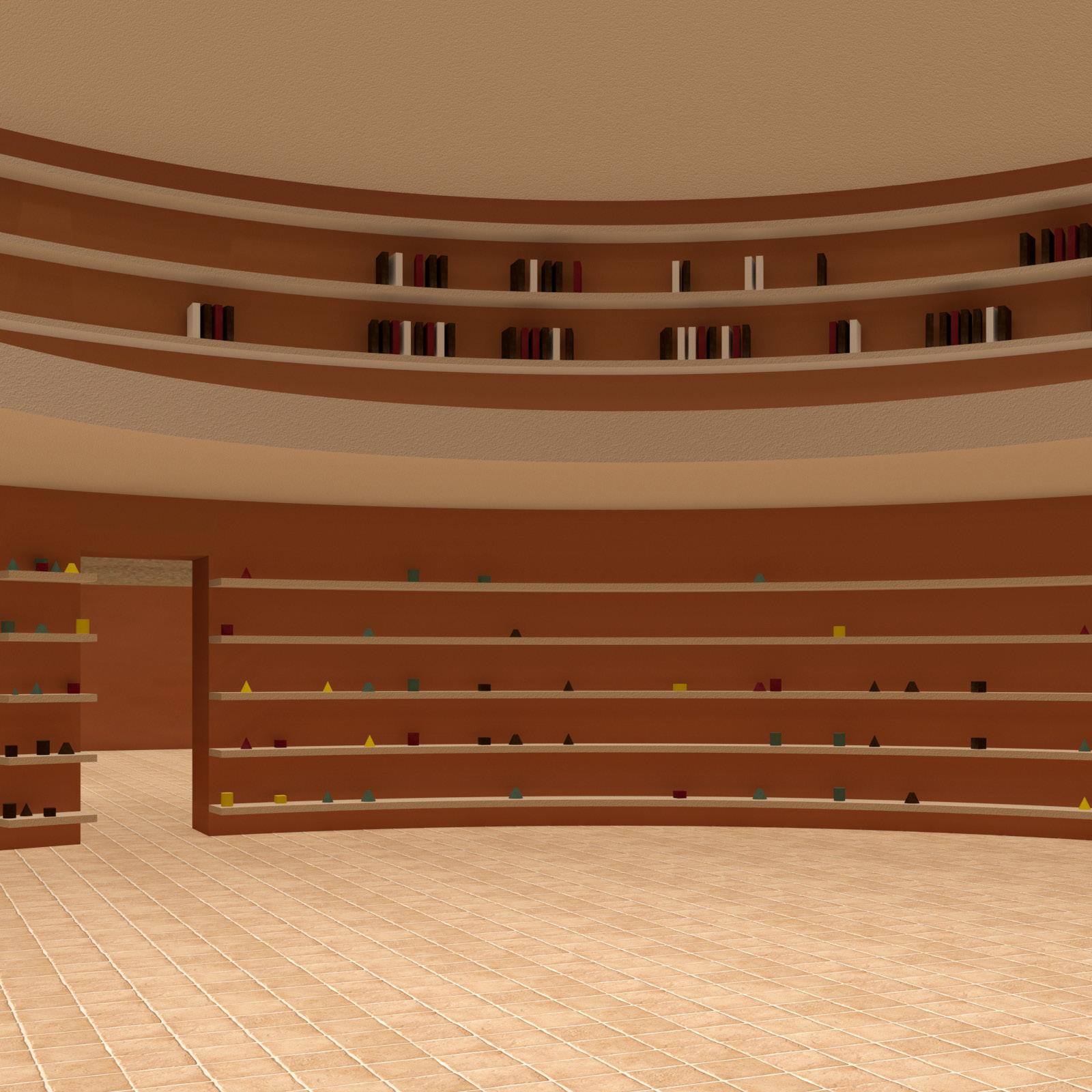
Material Library
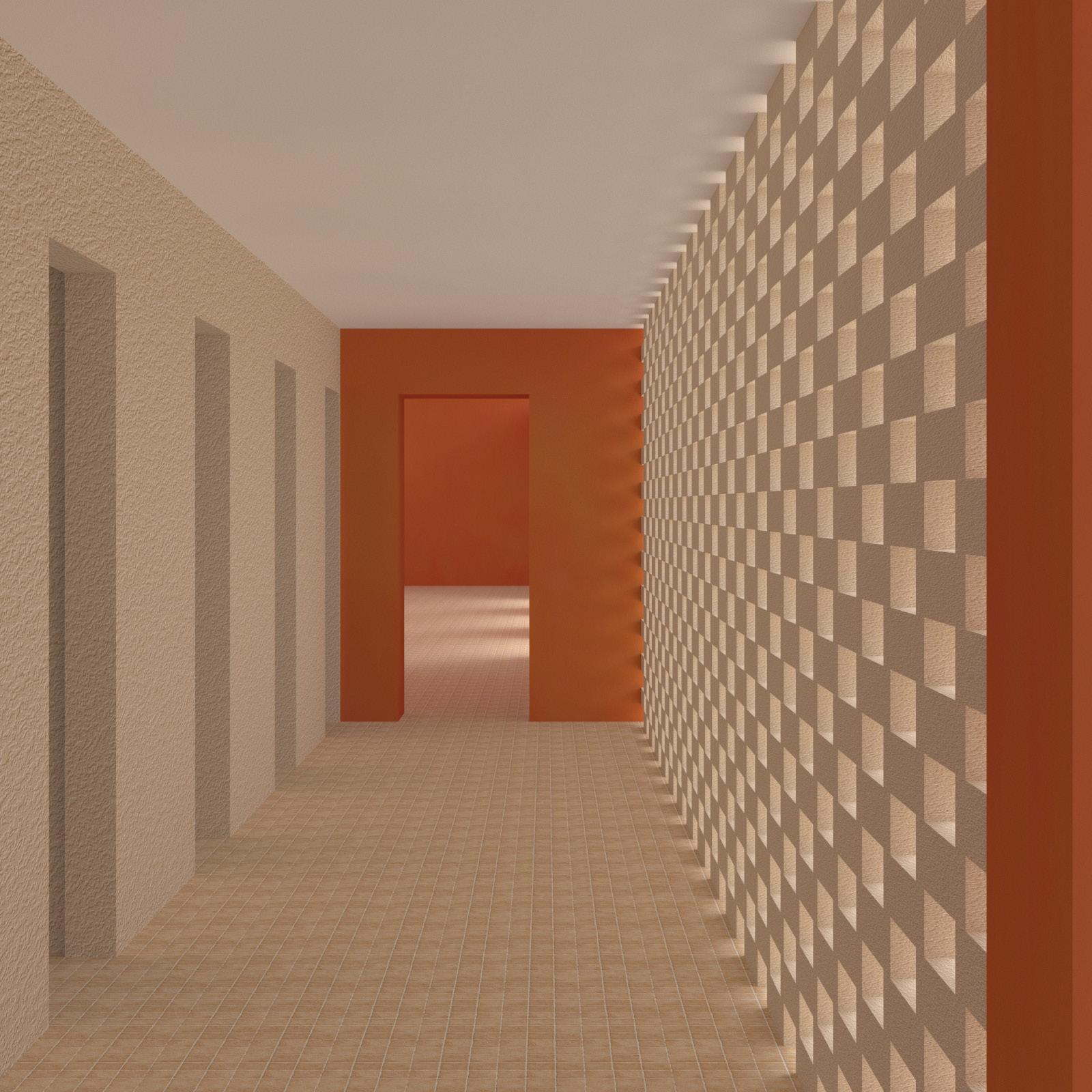
Hallway with Brick Celosia
Palm Tree Stories
A Memoryscape for Post-Genocide
Cambodia
Spring 2024
ARC 500: Cities of Memories
Professor Christina Zhang
Individual Assignment
Illustrator, Photoshop, Rhino, Physical Modeling
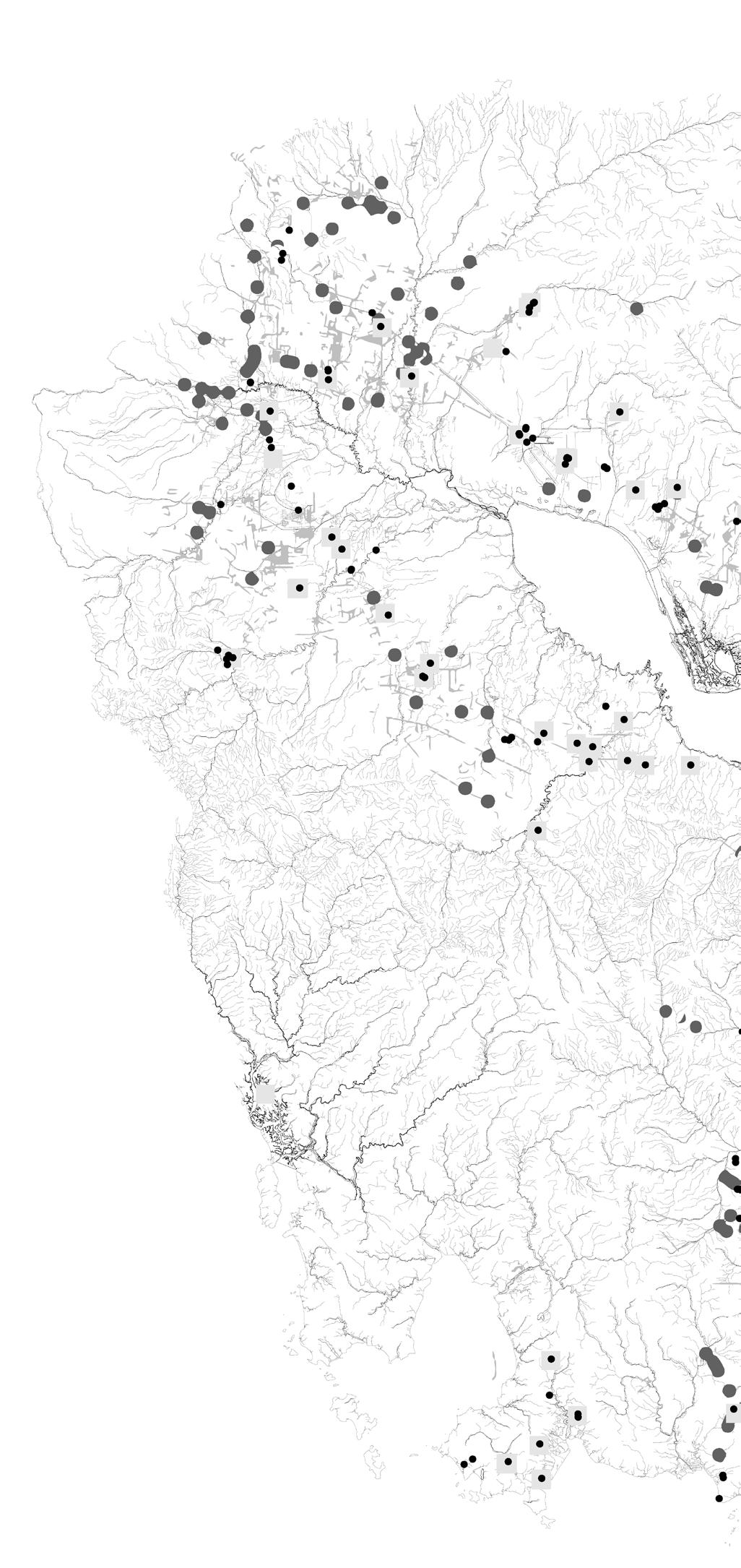
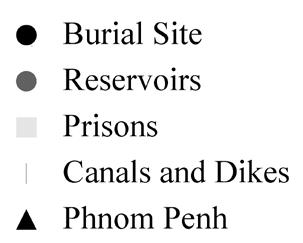
Palm Tree Stories imagines that the Sugar Palm, a plant that’s prevalent throughout Cambodia and holds significant meaning to those within the country, could act as a memory holder for the trauma endured during the Cambodian Genocide. These trees were witnesses, and oftentimes unwilling participants, to the atrocities committed by the Khmer Rouge. These trees have held onto the memories of the brutalities to pass on to future generations, preserving those who lost their lives.
Frond in Phnom Penh
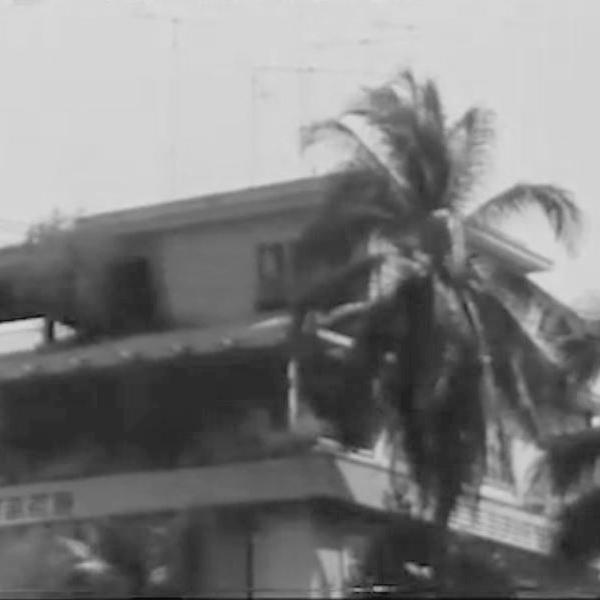
The fronds of the palm tree, in Phnom Penh, watched as the Khmer Rouge entered the city to cheers of support, believing the war was over and peace would follow. Over the next two days, the tree witnessed cadres going from home to home, expelling the residents and forcing them on a march towards the countryside. Before long, the palm tree sat in an empty, silent city. The tree watched as only a couple of people would pass by it on the rare occasion until, one day, more palms began to be planted around it. Soon, everywhere the palm looked, it only saw empty buildings and other palms.

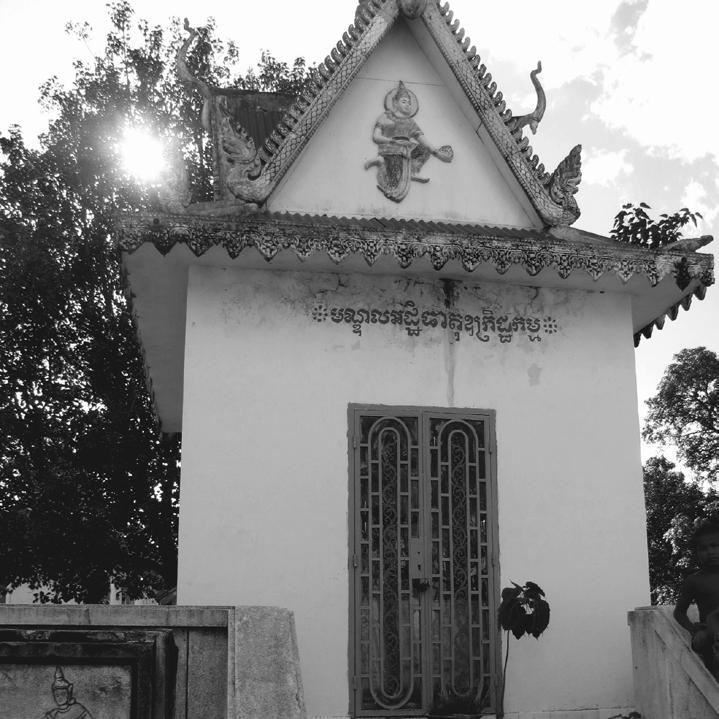
Trunk at Way Baray Chaon Dek
Here, near the eventual site of the 1 Makara Dam, the trunk of the palm tree watched as a man built himself a stupa to one day be buried in. Not long after he finished construction, however, the Khmer Rouge came. It watched as the now abandoned stupa was converted into a prison and torture chamber for cadres to use on those who did not meet their production quota during the construction of the dam. The tree witnessed the murder of hundreds of Cambodians here and their dumping in graves throughout the area.
“Here lies a resting place for the ashes of the ones who were killed.” - Inscription on the stupa at Wat Baray Chaon Dek
Roots at Choeung Ek
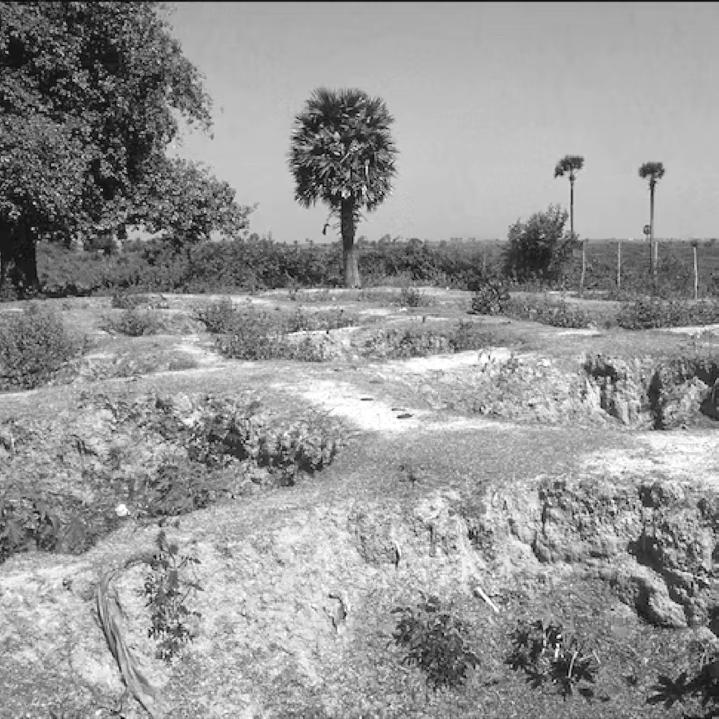
Here, at Choeung Ek, the palm trees’ roots watched as 8,000 victims were executed and buried in the graves. Attached to S-21, the most infamous prison and torture center during the regime, the trees watched as each week dozens of prisoners were lined up and sent to be executed. Once dead, they were left in the pits and mixed in with fertilizer, making the trees healthier and stronger.
“[I] could no longer see a row of palm trees without thinking that the tallest were those most fertilized with corpses.”
-Tiziano Terzani

Fronds
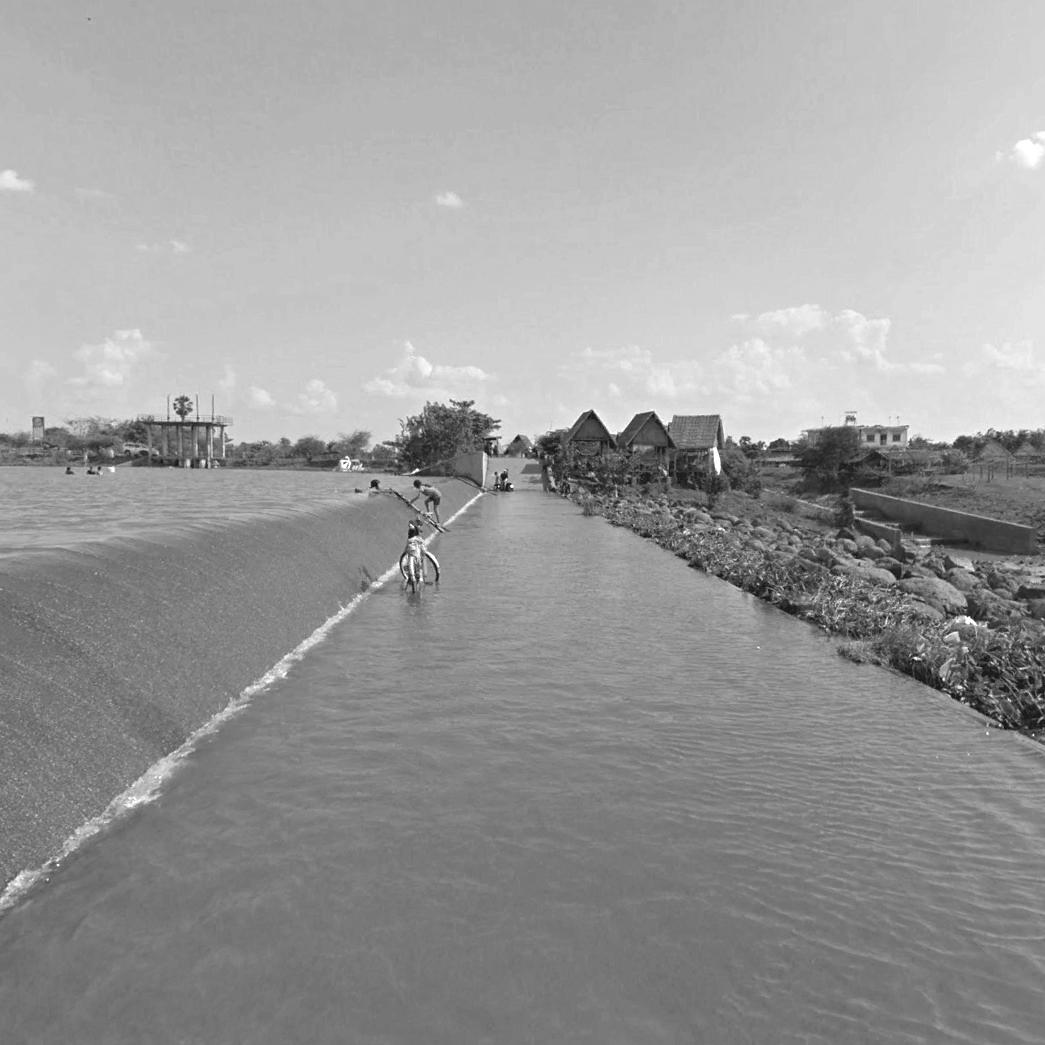
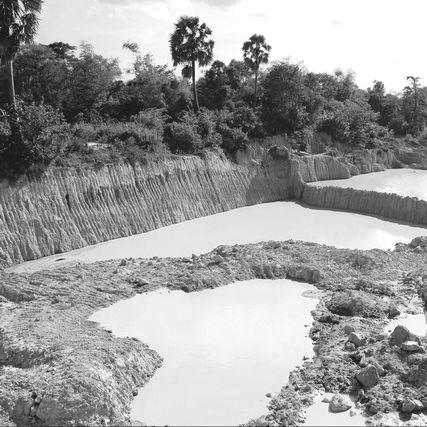
Here, the palm tree’s fronds witnessed from above, the transporting of soil, earth, and rocks to dam the river, Stoeung Chinit. It watched as tens of thousands of Cambodians were sent to do the labor, working from sunrise to sunset. It witnessed workers collapsing from exhaustion and starvation and saw at night when cadres would come and take people away to be beaten and executed. It watched as people would climb its trunk and rip off the fronds to use as shovels and move the earth. The resulting reservoir and streams gave crucial water to drought-stricken fields for rice and other crops. The palm tree watched as the workers were forced elsewhere after construction finished. Today, it watches tourists come to the dam to relax in its reservoir and the new streams continue to replenish fields everywhere it looks.
Trunk in Phnom Penh
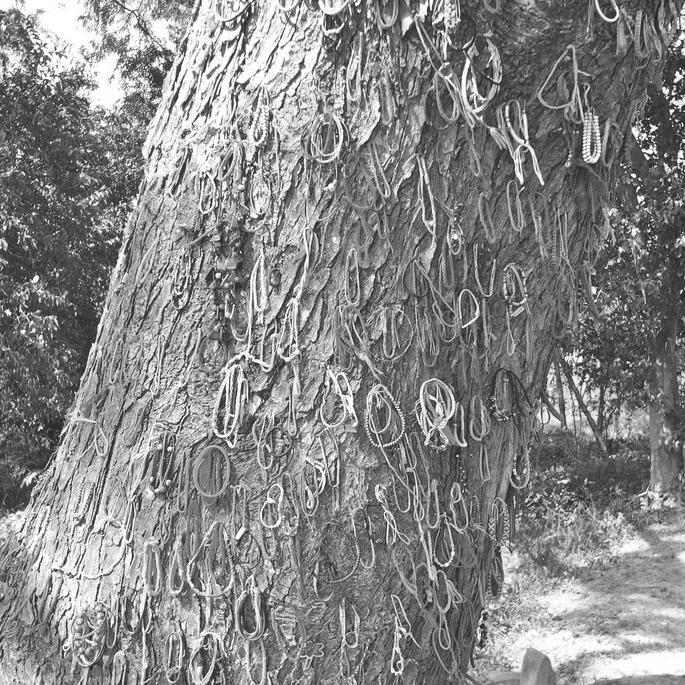
The trunk of the tree here, at Cheoung Ek, witnessed the brutal murder of infants and children by Khmer Rouge cadres. The tree, next to an open pit to be used as a mass grave, watched as the parents of the children were beaten, killed, and thrown in before the young children themselves were killed. The palm witnessed the children being swung against its trunk until the children were also dead and were thrown in the pit with their parents.
Roots in Do Dontrei
The palm roots here watched as Khmer Rouge cadres dug deep pits in the earth and filled them with the lifeless bodies of their victims. It watched as 35,000 Cambodians were beaten and murdered before being left in the pit. The tree watched as the bodies were covered up with soil and the cadres left. Now, the tree watches as the grave is uncovered and those that were left in the pit can find peace with proper burial rites.
“63-year-old Chea Nouen and other survivors in this small, farming community cannot forget, hold their tears in check or banish the nightmares when they daily tread over the unexamined bones of 35,000 victims and live among restless souls that still hover, they believe, over homes and rice fields.”
-Denis Gray
Elban History
Mapping Species and Their Environments on Isola d’Elba
Fall 2023
ARC 408: Studio
Professor Olivia Gori
Group Assignment with Isabela Restrepo and Shannon Grech
Illustrator, Photoshop
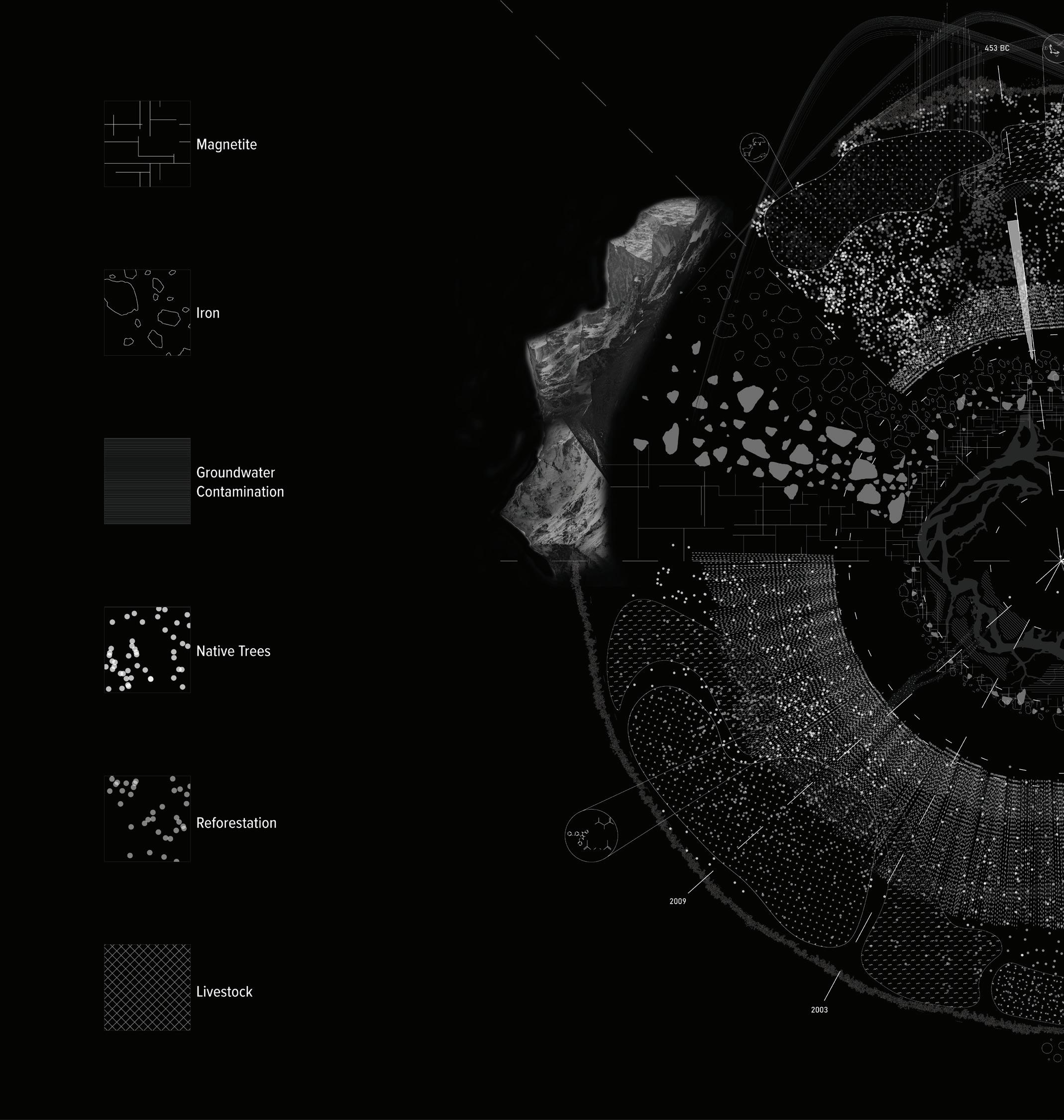
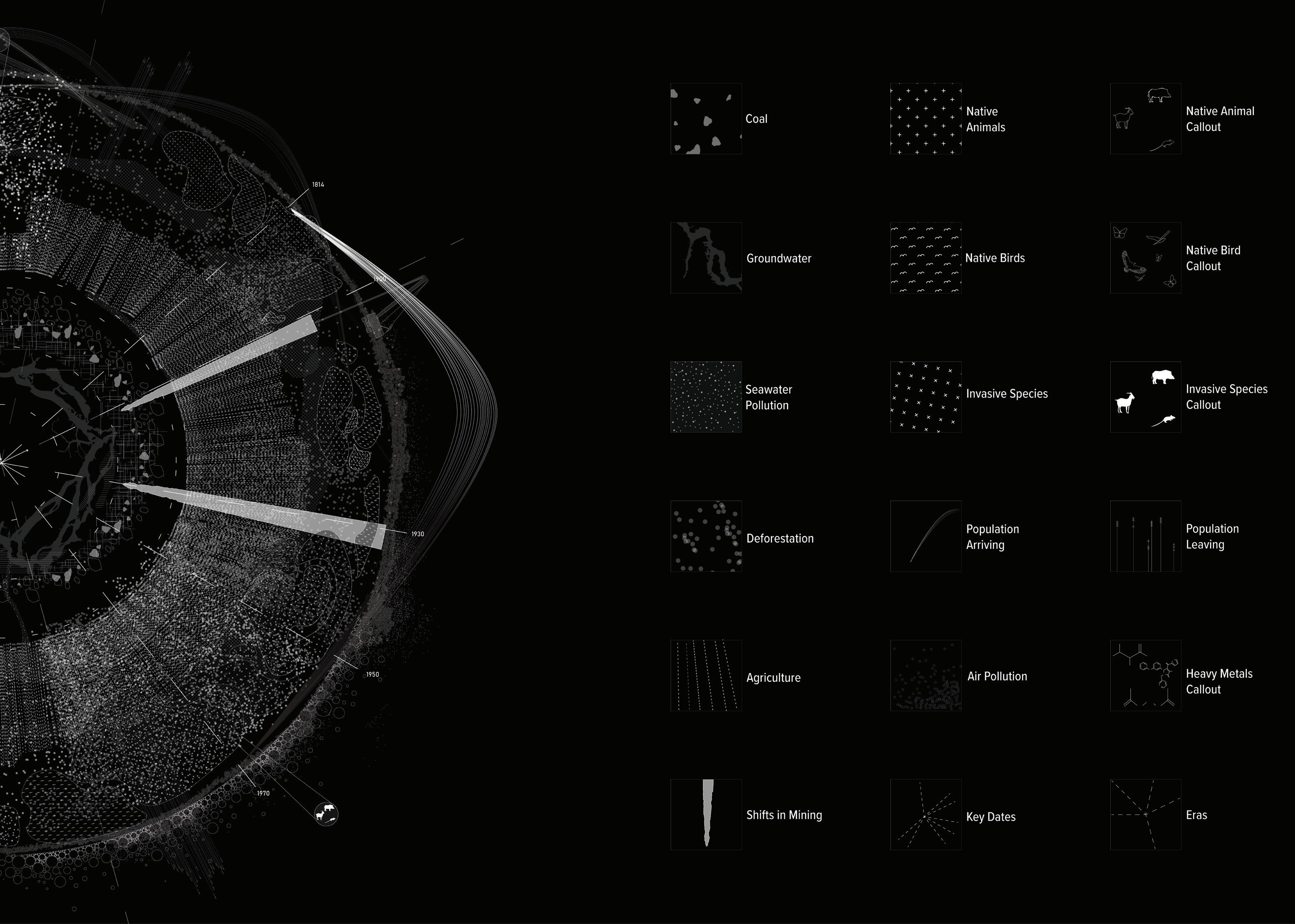
Beginning with the formation of Elba as an island, this map shows a skewed chronology of time, split into 5 distinct periods. Each time period is distinguished by a particular attitude and form of extraction, from the ancient Etruscans that smelted iron ore, to the rapid growth of viticulture, to the present with a boom in tourism. The map also displays different species types and their relative population levels during each period. By analyzing forms of extraction and population levels, the map displays how extractive activities affect and damage ecosystems.
Renders
Refreshing and Learning New Skills and Softwares
Fall 2025-Spring 2026
Rhino, V-Ray, Blender
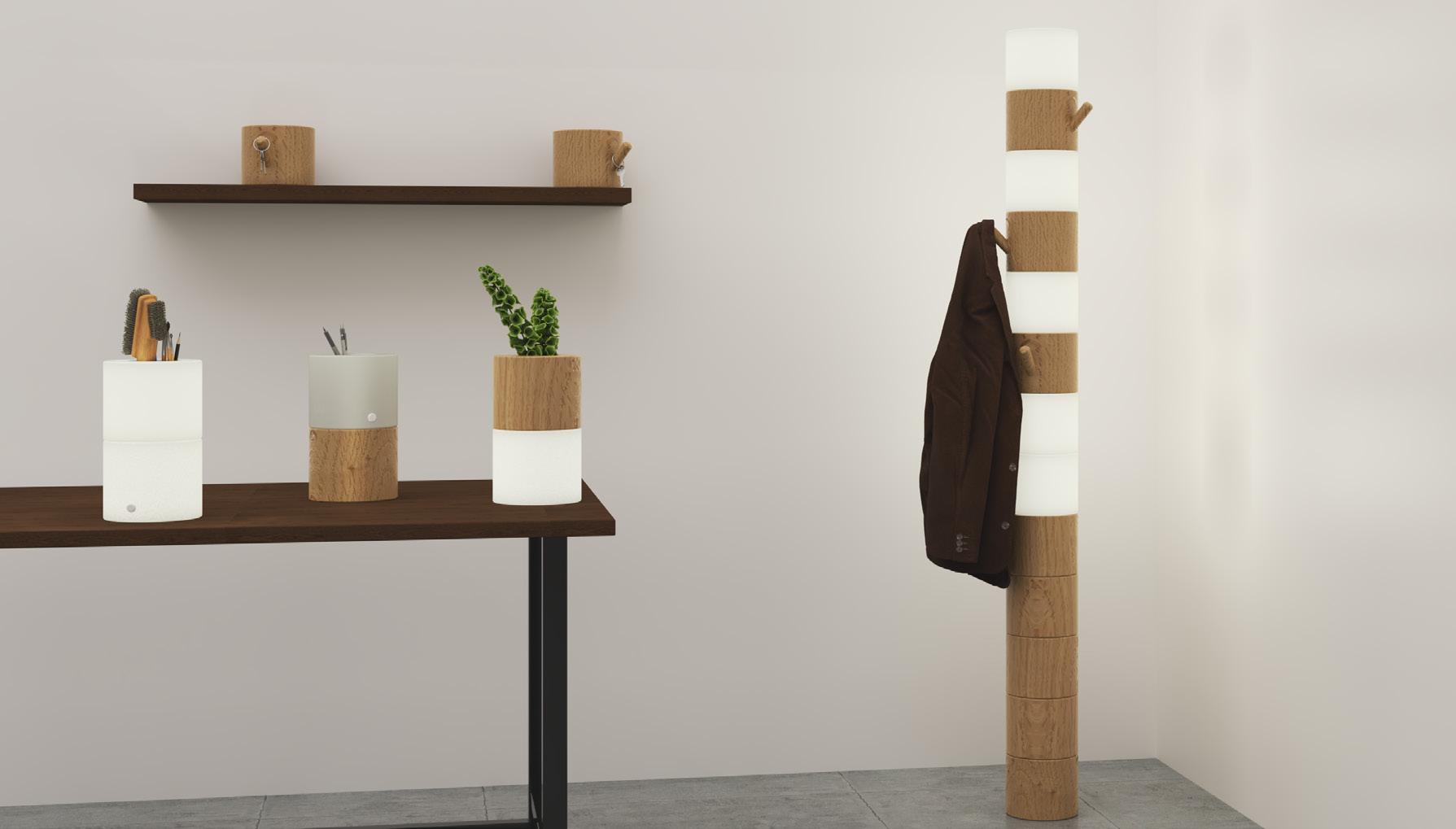
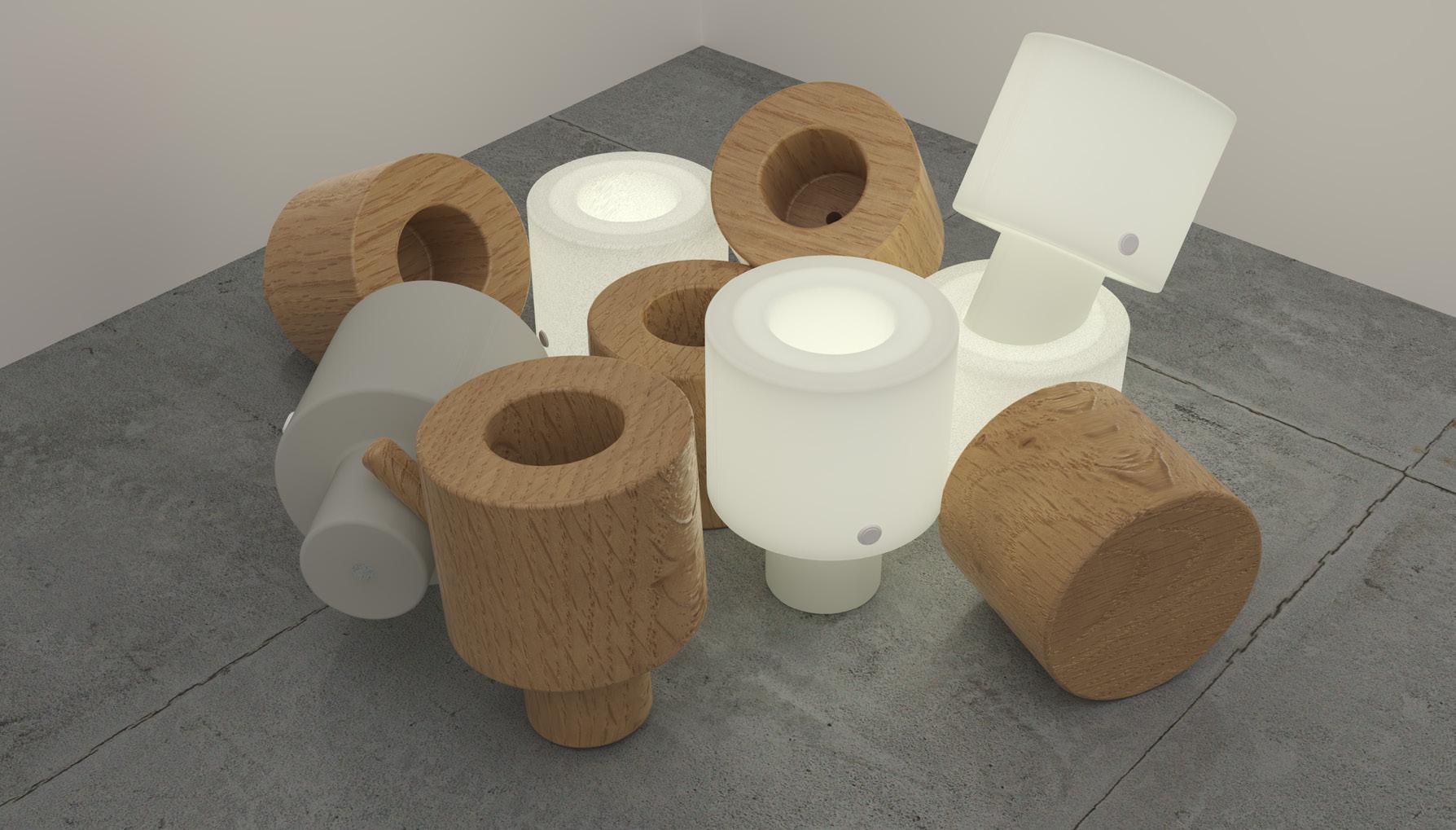
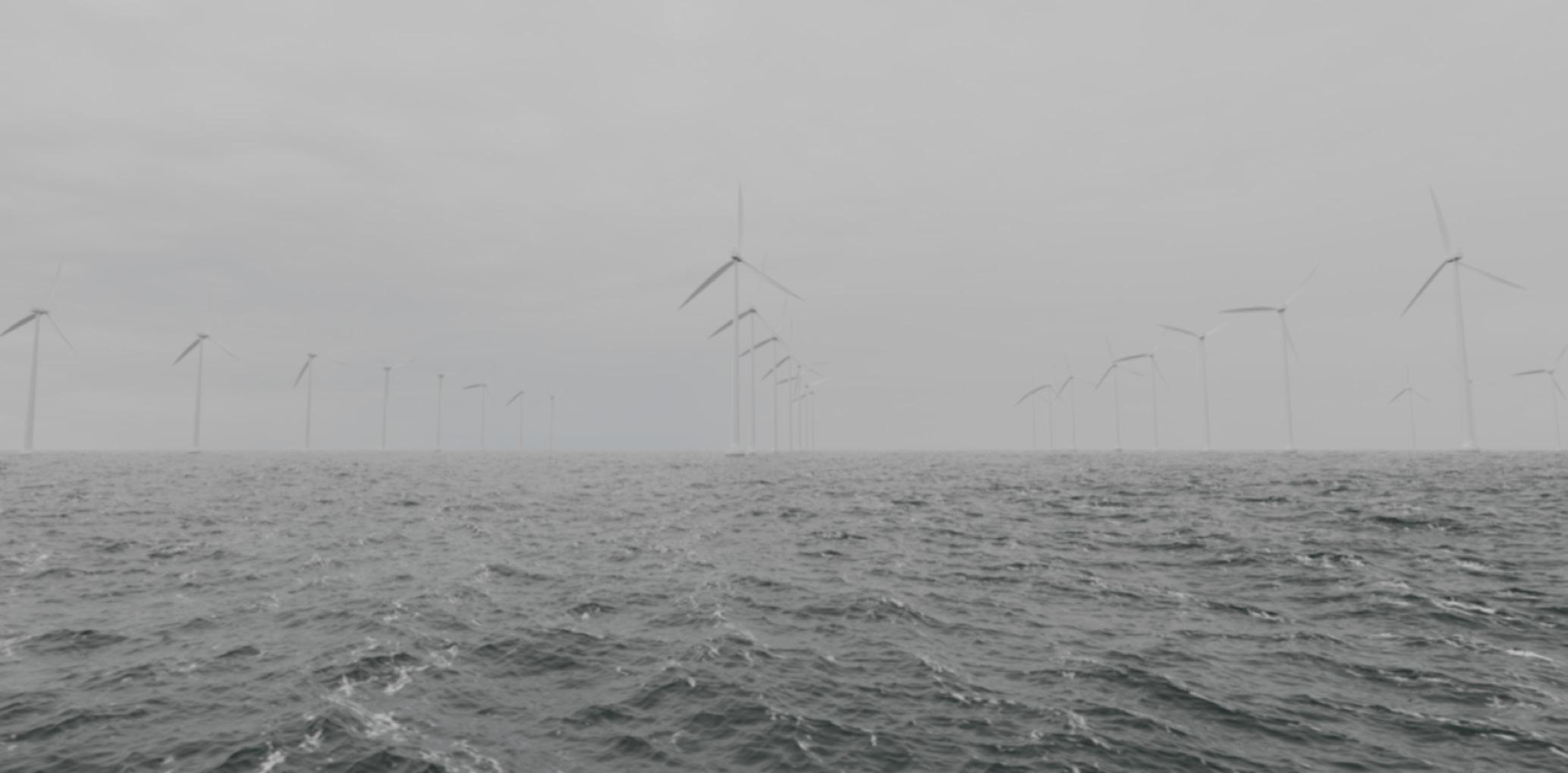
The project on the left, entitled Stackables, was a quick exercise in Rhino modeling and rendering in V-Ray. Intended to be practice creating renderings using custom textures efficiently with V-Ray, this piece was modeled and rendered in one day. The project on the right is a recreation of a still from a video. The modeling and rendering was done entirely in Blender as a way to learn how to create multiple different types of Blender elements and put them together.
Objects Stacked
Objects Cluttered
Original Shot
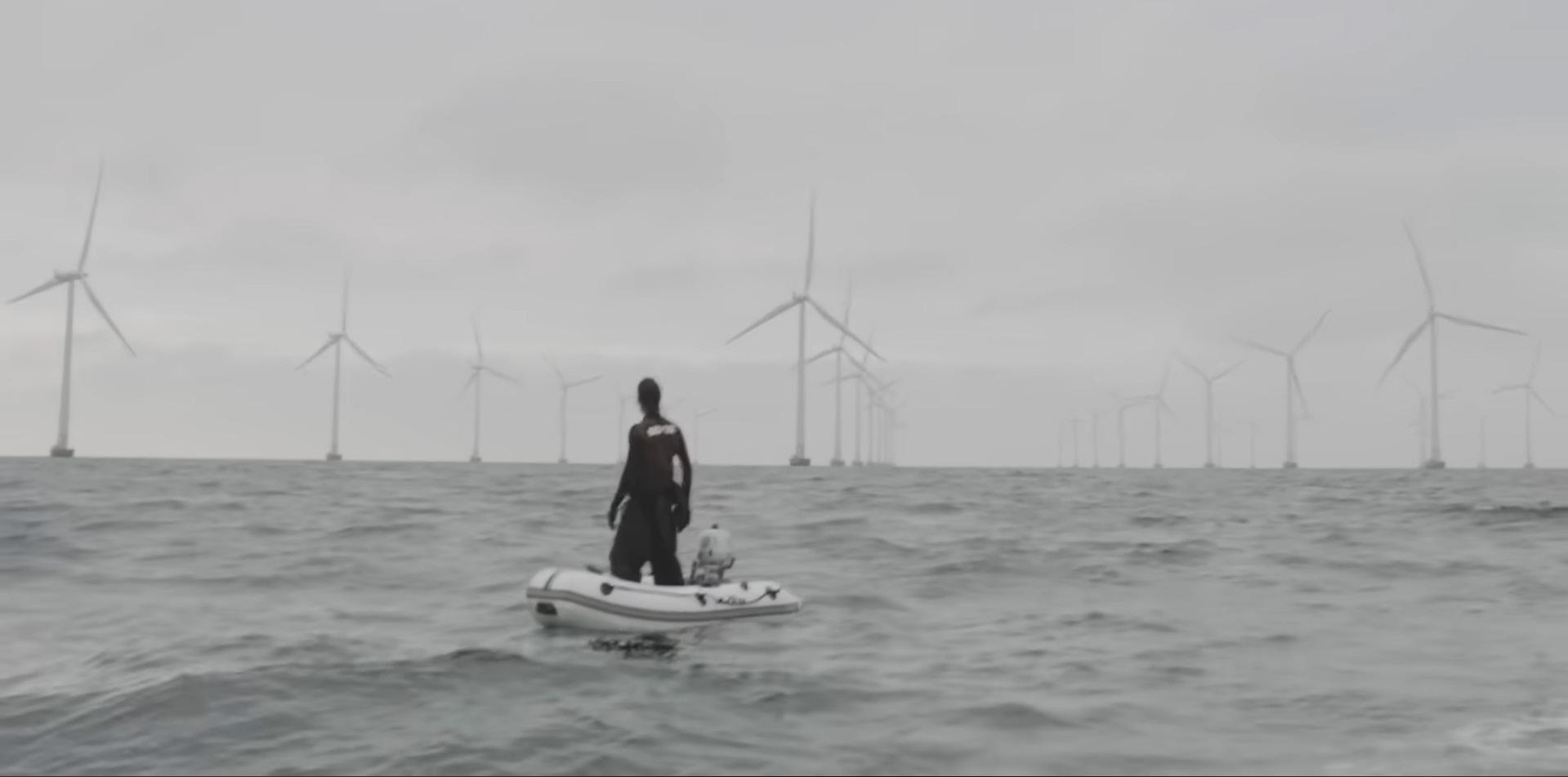
Recreation Progress
Woodworking
Creating Pieces and Learning for Academic and Personal Projects
Fall 2024-Spring 2025
Machinery, Power Tools, Hand Tools, Wood, Epoxy Resin, Acrylic
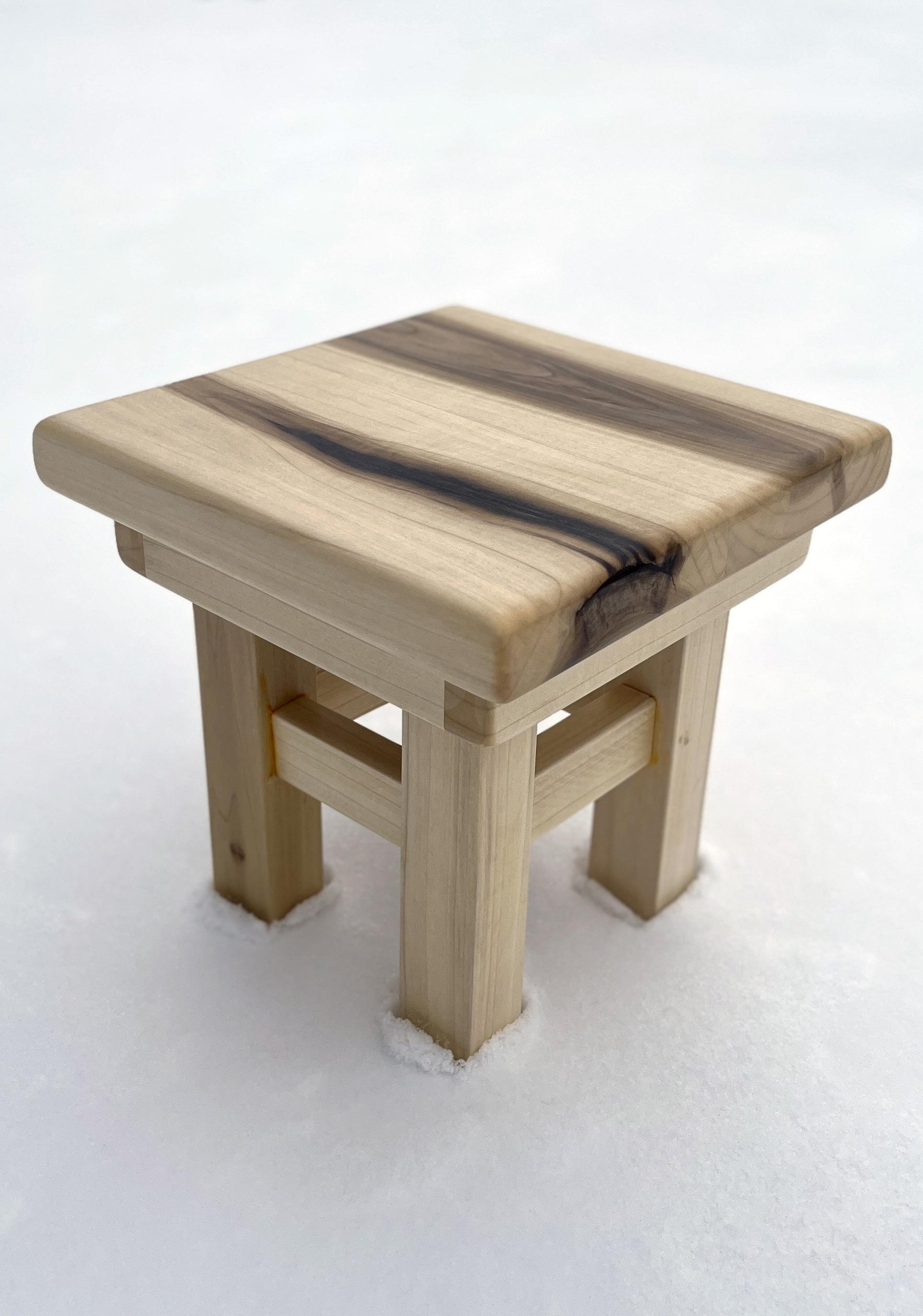
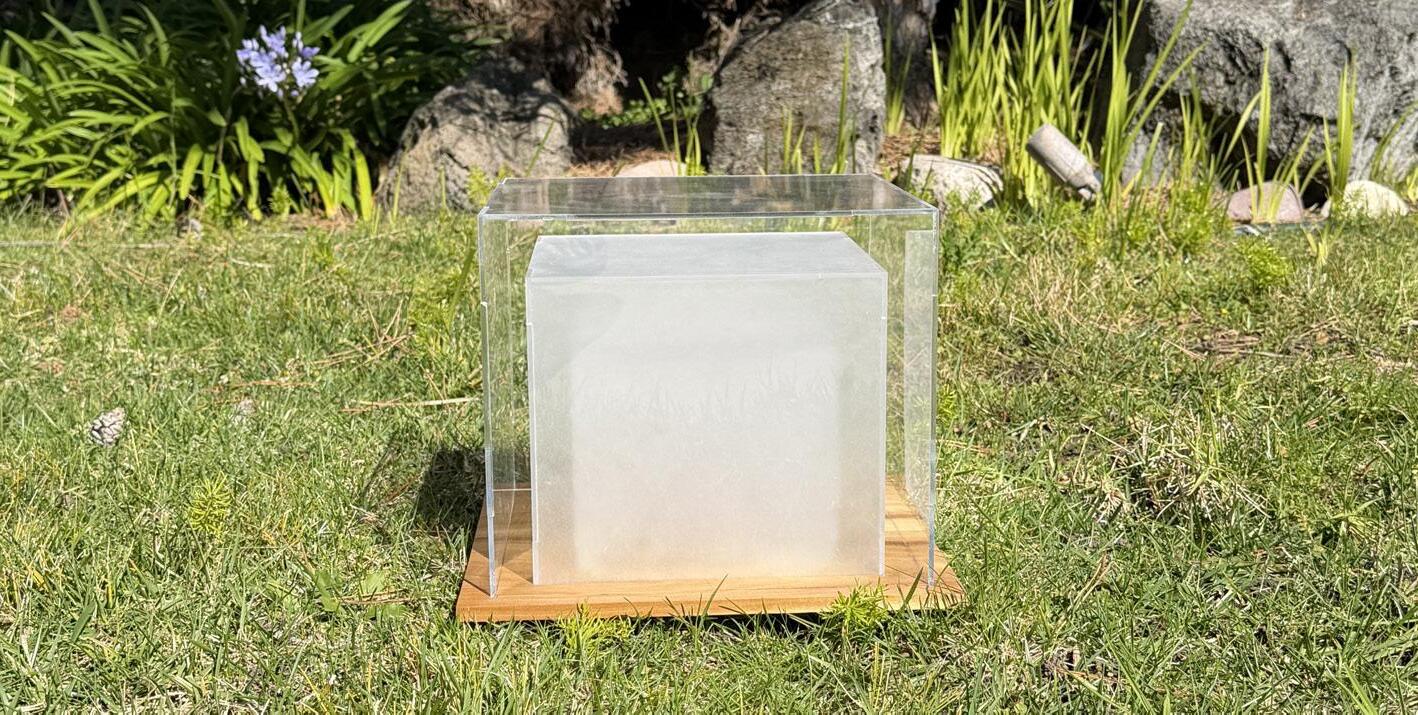
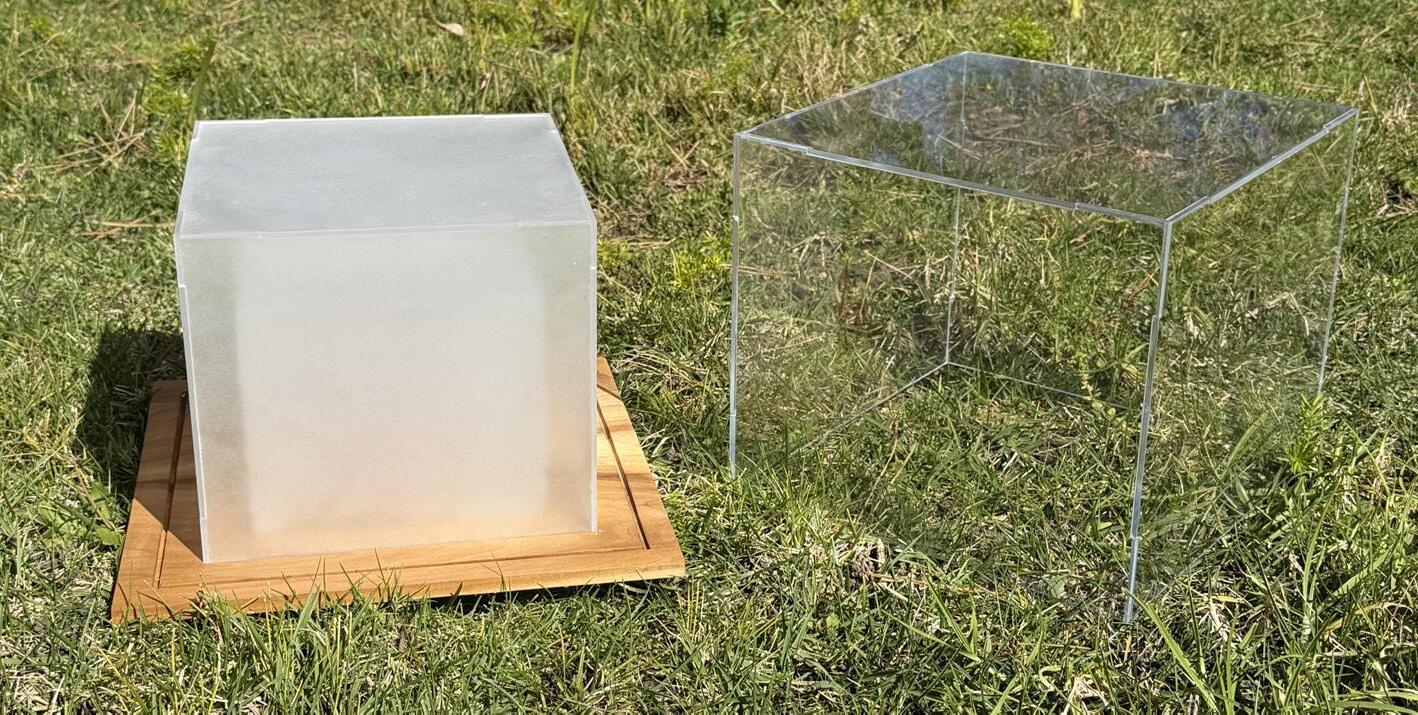
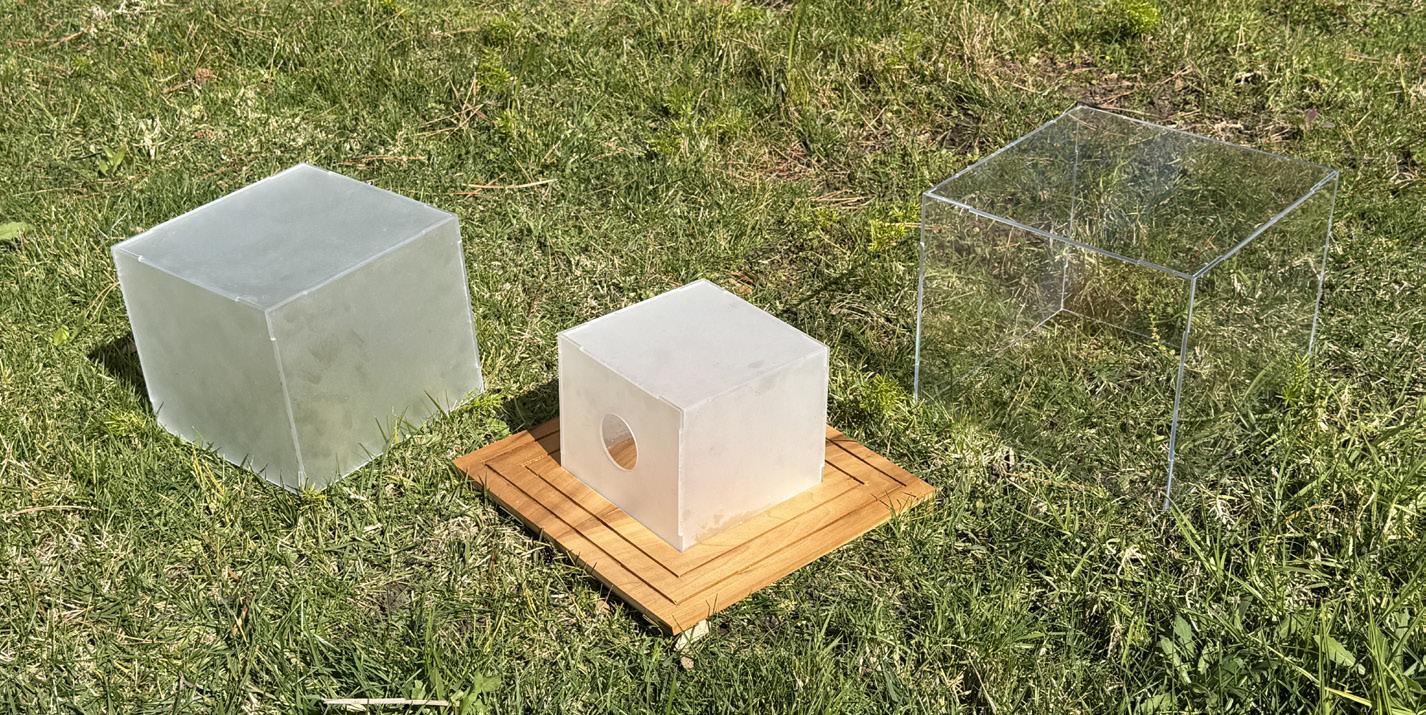
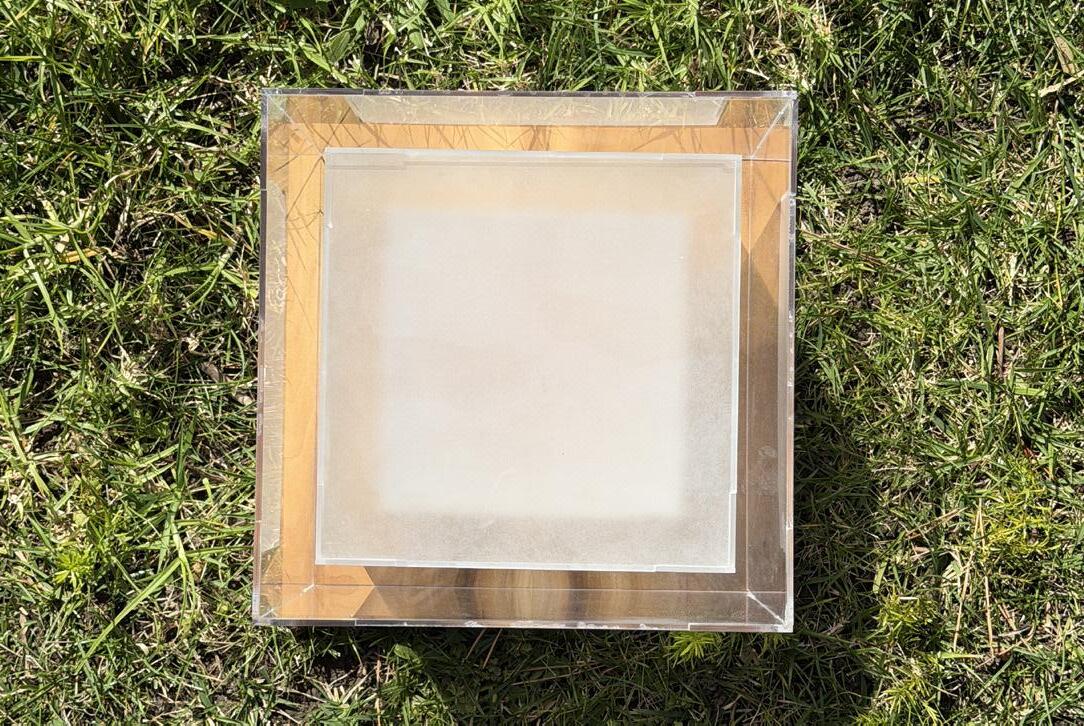
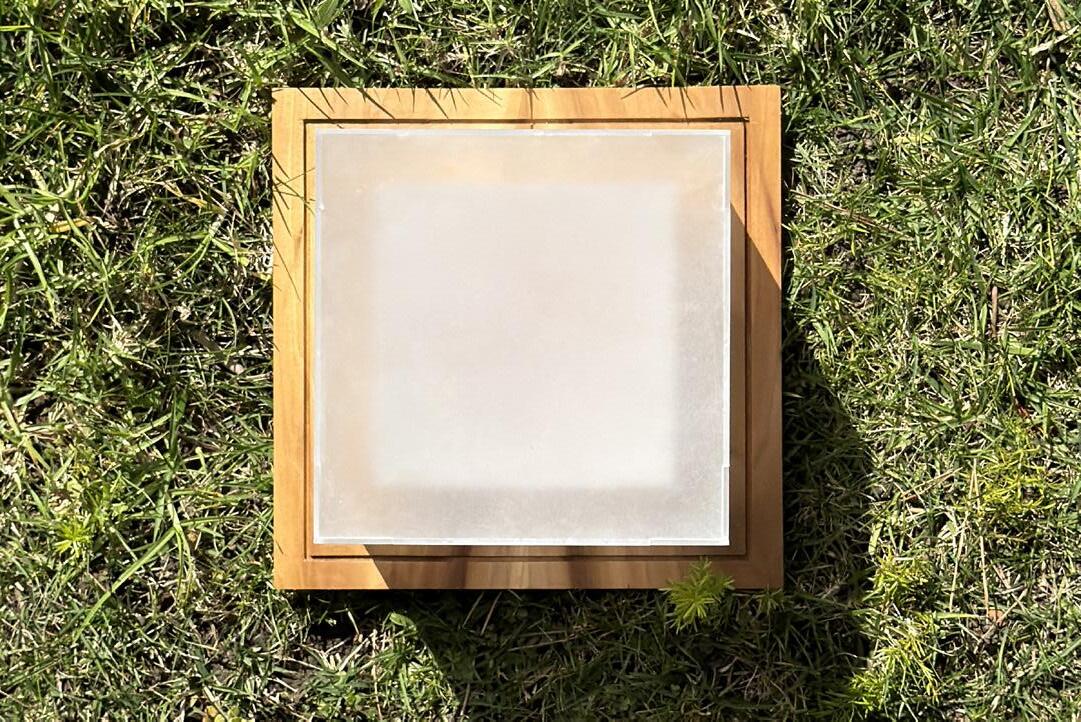
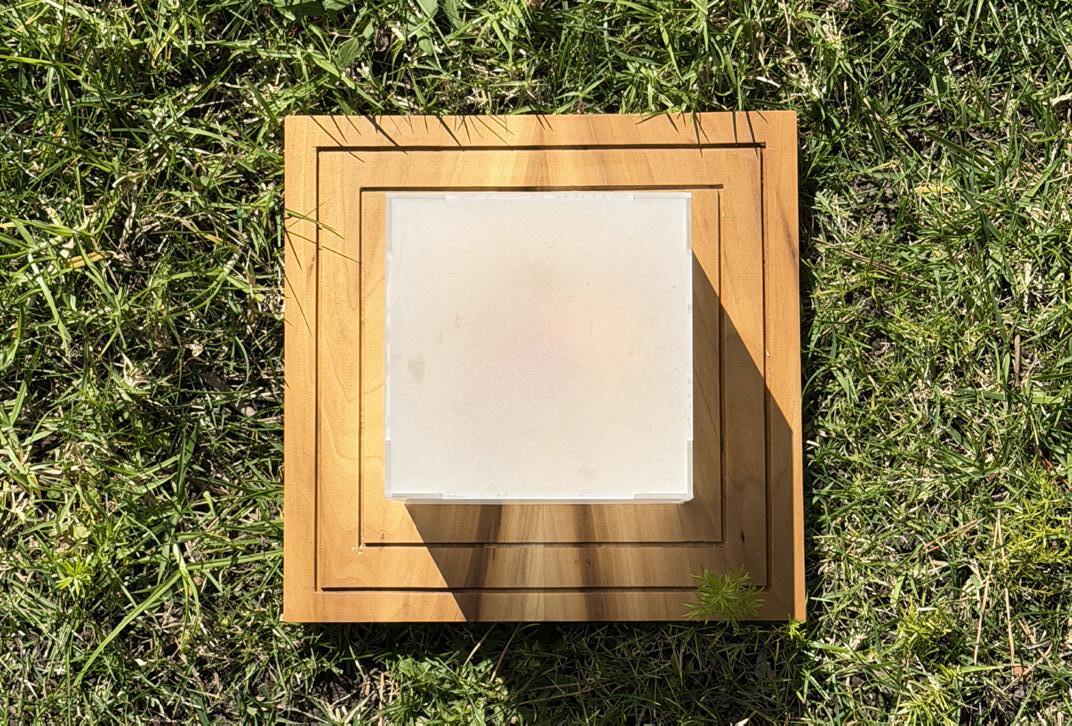
The project on the left is a stool created from a single board of Poplar. Intended as a way to learn multiple different machines and tools commonly used in woodworking, the piece features no screws or hardware, is glued together, and uses mortise and tenon joints throughout. The seat uses a roundover and the crack was sealing using an epoxy resin. The project on the right, initially conceived in ARC 498- Directed Research, is intended to be a reliquary for an object. Mimicking traditional reliquaries found in churches and cathedrals globally, a series of acrylic boxes with reducing transparency were slotted into a board of poplar. The poplar board was first bookmatched, then glued together, and lastly tracks were routed in. The outer two boxes can be removed for closer viewing of the object within the reliquary, however, the final layer is glued onto the board, limiting exposure and viewing of the object itself.