
MEDITOR Susan Findlay
EDITOR Ruth Duncan
FEATURES Prof. Earle Abrahamson
FEATURES Earle Abrahamson
Vicky Carroll
Sue Burgess
Erik Dalton
Ruth Duncan
Tor Davis
James Earls
Ruth Duncan
Rachel Fairweather
Rachel Fairweather
Susan Findlay
Susan Findlay
Owen Lewis
Cassandra Gramozi
Natalie Lenton
Hannah Poulton
Colleen O’Flaherty-Hilder
Sunita Passi
Lily Sequoia Yan Sophokleous
Gina Sanki
Claire Squire
Madelaine Winzer
GRAPHIC DESIGN Victoria Osborne
SOCIAL MEDIA Pia Singleton
MEDIA
TMassage therapy continues to evolve, shaped by research, refined by experience, and guided by the hands and hearts of practitioners around the globe. Yet at its core, our profession remains beautifully simple: we work through touch, presence, and attentive listening.
In a world that moves quickly and often feels fragmented, massage offers something profoundly human. It invites pause. It creates space. It reminds people that their bodies are worth noticing, their stories are worth hearing, and their wellbeing matters.
he clocks have changed, and we are slowly moving towards the longer and warmer days. Spring often feels like a time to renewal and growth and this edition of Massage World will certainly help you grow your knowledge and skills. There is an abundance of thought-provoking articles aiming to inspire and engage your critical thinking skills and offer insight into different ways that we can promote health.
Colleen O’Flaherty-Hilder discusses aromatherapy and stress while Sue Burges delves into Kinesthetic Optimum Recovery & Enhancement (K.O.R.E) muscle testing. Owen Lewis discusses uncertainty, postural evaluation and the neural/ dural system while Earle Abrahamson’s article looks at what we consider what matters most in Massage Therapy Education.
Across clinics, classrooms, hospitals, sports settings, and private practices, therapists are expanding their skills and deepening their understanding. We see increasing integration with healthcare teams, more evidence-informed practice, and greater recognition of the role massage can play in complex conditions from chronic pain and stress-related disorders to oncology and rehabilitation.
COMMUNICATION C J Newbury
GRAPHIC DESIGN Victoria Osborne
PUBLISHERS NK Publishing
SOCIAL MEDIA Pia Singleton
MEDIA
COMMUNICATION C J Newbury
PUBLISHERS NK Publishing
ADVERTISING Please email info@massageworld.co.uk for all advertising enquiries
ADVERTISING Please call Jackie Bristow T 01963 361 753
FOUR QUARTERLY ISSUES
UK: £20 UK Student: £15
FOUR QUARTERLY ISSUES
Rest of World: £40 ISSN 1474-4171
UK Student: of World: How to contact us
UK: £20 UK Student: £15 Rest of World: £40 ISSN 1474-4171
HOW TO CONTACT US E info@massageworld.co.uk W www.massageworld.co.uk
HOW TO CON TACT US
E info@massageworld.co.uk W www.massageworld.co.uk
DISCLAIMERS
DISCLAIMERS
The publisher has taken all reasonable measures to ensure the accuracy of the information in Massage World and cannot accept responsibility for errors in or omissions from any information given in this or previous editions or for any consequences arising thereof. The Editor may not always agree with opinions expressed in Massage World but allow publication as a matter of interest, nothing printed should be construed as Policy or an Official Announcement unless stated. No part of this publication may be reproduced in any form or by any means whether electronic, mechanical and/or optical without the express prior written permission of the publisher.
PRINTED BY www.bishops.co.uk
The publisher has taken all reasonable measures to ensure the accuracy of the information in Massage World and cannot accept responsibility for errors in or omissions from any information given in this or previous editions or for any consequences arising thereof. The Editor may not always agree with opinions expressed in Massage World but allow publication as a matter of interest, nothing printed should be construed as Policy or an Official Announcement unless stated. No part of this publication may be reproduced in any form or by any means whether electronic, mechanical and/or optical without the express prior written permission of the publisher. PRINTED BY
But alongside technical knowledge, what continues to define our profession is the quality of attention we bring. Safe, skilful touch. Ethical practice. Clinical reasoning. Compassion without overwhelm. The ability to sit with discomfort, physical or emotional, without trying to rush it away.
James Earls discusses fascia, movement and the important aspect of interdependency of body systems then we have our therapist spotlight interview with Tamer Morsy titled ‘Inspired by Change’. Ruth Duncan looks at the fascial system and historical thinking that it stores memories.
For now, it’s time to chill quite literally!
This issue celebrates both the science and the art of massage therapy. You will find research insights, clinical reflections, practical tools, and stories from therapists who are shaping the future of our field. We hope these pages both challenge and reassure you, reminding you that growth and grounding can coexist.
Whether you are newly qualified or decades into practice, part of a multidisciplinary team or building your own clinic, you are part of a profession that matters. Every session, every client, every carefully considered treatment contributes to something larger: a culture of care.
RUTH DUNCAN Guest Editor
Thank you for the work you do. Thank you for the professionalism, integrity, and humanity you bring to your practice.
We are proud to share this space with you.



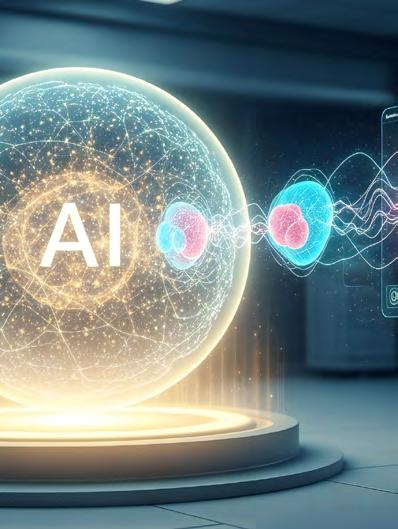
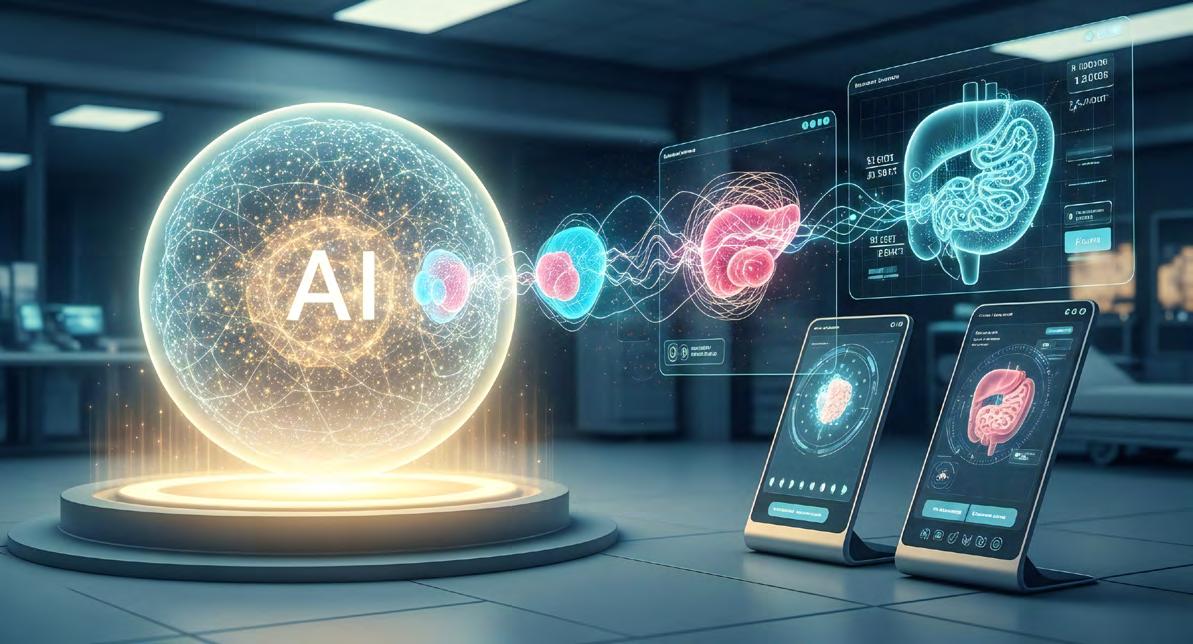
8 How AI is changing everything for Massage Therapists by Tor Davis
You’d have to be living under a rock not to have heard all the talk about AI taking people’s jobs. The headlines, the job stats, the predictions, the general anxiety about what the future holds.
12 Competitive massage and therapeutic massage, a shared profession, different purposes by GCMT
This article explores the differences between competitive massage formats and therapeutic massage practice, examining the distinct purposes and contexts in which each takes place and the role they play within the wider profession.
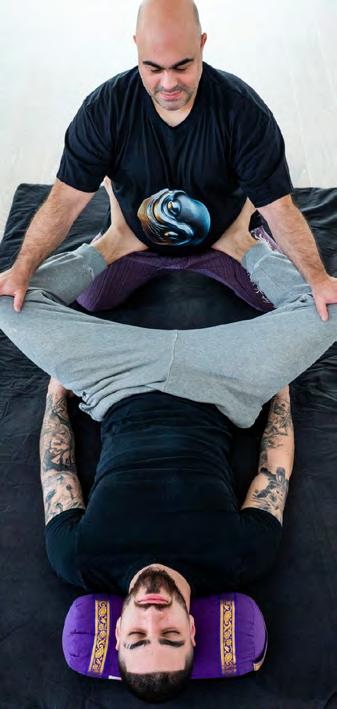
16 Garuda Thai Massage – Three pathways to transformation by Yan Sophokleous
Thai massage has always been dynamic: stretches, compressions, rhythmic pressure, and meditative flow. Garuda Thai Massage builds on this foundation and takes it further.
22 What is placebo and why does it matter in massage therapy? By Ruth Duncan
The word placebo is widely used in healthcare but rarely discussed in massage therapy. Yet placebo effects are not about deception; they reflect how people respond to meaning, expectation, and context.
16 34
48 Bringing the Scar Community Together, reflection on the SCAR Symposium from Hannah Poulton
34 Erik Dalton’s Legacy: Myoskeletal Alignment Techniques (MAT) By the Dalton Myoskeletal team from the work of Erik Dalton
Erik Dalton’s Myoskeletal Alignment
Techniques offer manual therapists a comprehensive framework for addressing the complex interplay of structure, movement, and nervous system function underlying persistent pain and dysfunction.
40 Rebuilding from the ground up. A case study in lower limb recovery by Cassandra Gramozi
This is not a story about an exceptional individual. It’s a story about process. The temptation after surgery is always to zero in on the site of repair. But that site is only one chapter in a much larger story.
44 More than skin deep. The therapeutic power of Red Light Therapy, an interview with Susan Findlay and Naval Mair
People often seek treatment for issues such as muscular tension, back pain, or sports injuries. Red light therapy can support tissue repair and recovery while care also considers wider factors such as stress, sleep, and overall wellbeing.
The symposium highlighted the importance of connection, networking, and belonging to a supportive community, all of which can help individuals achieve better outcomes, as demonstrated in her case study.
54 From chemotherapy suites to skincare ritual by Vicky Carroll
From oncology suites to creating skincare, my work has always been about offering comfort—through words, through touch, through aromas, and now through the simple act of caring for the skin.
62 The Value of GCMT –Strengthening the place of Soft Tissue Therapy in UK Healthcare by Professor Earle Abrahamson
The GCMT provides a collaborative framework to strengthen public understanding of the profession. It works with professional bodies to address key challenges, offering guidance, support, and a unified platform for advocacy.
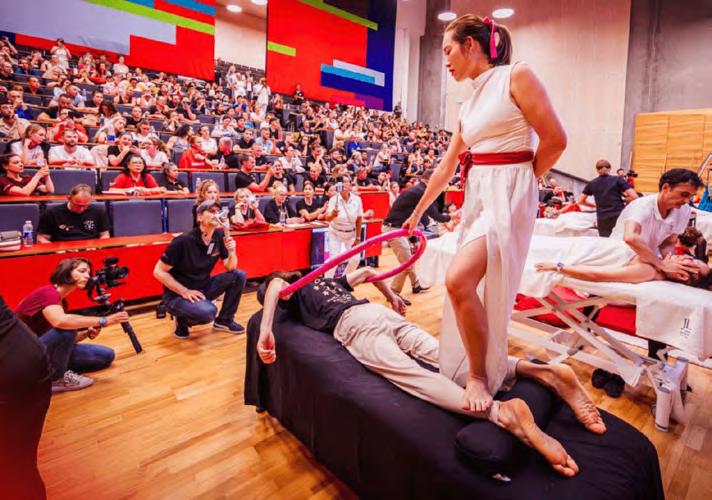
The International Massage Association’s World Championships in Massage is back for another year. The aim of these championships is to develop and promote the various massage techniques which are practised by experienced Massage Therapists worldwide.
The World Championship in Massage is primarily a competition, but at the same time, an opportunity for Massage Therapists to find professional inspiration and networking.
By participating in the World Championship, the Massage Therapists will get the opportunity to strengthen and improve their skills. A Diploma will be issued for each participant, enabling the Massage Therapists to brand their business in a new way.
Date and Location: The 9th World Championship in Massage will be held in Copenhagen on July 3-5, 2026. Sigurdsgade 26, DK 2200 Copenhagen N, Denmark
Therapy Show is the UK’s premier multidisciplinary event for high-quality, evidence-led CPD in real-world MSK practice.
Returning to NEC Birmingham on 25–26 November 2026, Therapy Show brings together 3,000+ therapy and rehabilitation professionals for two immersive days of practical learning, collaboration and discovery.
Develop your practice through highquality CPD-focused education you can apply immediately in practice, hands-on sessions and direct access to the technologies and solutions supporting real-world MSK and rehabilitation.
Bringing together physiotherapists, osteopaths, chiropractors, massage and sports therapists, exercise rehabilitation professionals and physical trainers, Therapy Show connects the disciplines shaping modern MSK and rehabilitation practice.
By learning across professions, attendees gain a broader, more integrated perspective on injury prevention, movement restoration and long-term client outcomes - grounded in evidence and refined through realworld application.
Step into an experience where clinical reasoning meets hands-on practice and leave with high-quality CPD you can apply immediately in your own setting.
Newspaper-style worksheet for massage therapists and students Fill in the grid using the clues on the next page. Only starting squares are numbered.

Peng Xuan has been operating a massage clinic in the Chaoyang District of Beijing for nearly 20 years. Like many blind massage therapists in the country, he learned the therapeutic skills in order to earn a living.
Peng Xuan has been operating a massage clinic in the Chaoyang District of Beijing for nearly 20 years. Like many blind massage therapists in the country, he learned the therapeutic skills in order
“Our massage is called traditional Chinese medical massage, which is also known as blind massage. Why do customers like a blind massage? Firstly, blind people cannot see, so their hands have better touch and sensitivity,” Peng Xuan said.
There are 17.5 million visually impaired people in China, making them the country’s largest disabled group, according to the World Blind Union Asia Pacific.
“Our massage is called traditional Chinese medical massage, which is also known as blind massage. Why do customers like a blind massage? Firstly, blind people cannot see, so their hands have better touch and sensitivity,” Peng Xuan said.
Blind masseurs are often thought to be especially skilled, as their heightened sensitivity to touch helps them fi nd areas of tension without visual cues.
There are 17.5 million visually impaired people in China, making them the country’s largest disabled group, according to the World Blind Union Asia Pacific.
Blind masseurs are often thought to be especially skilled, as their heightened sensitivity to touch helps them fi nd areas of tension without visual cues.
No matter who trained you or how long you’ve been in practice, if you’re a scar therapist, or a professional who has an interest in scarring, or you want to know more about scars and their impact - this is an event not to be missed!
The second Scar Symposium 2027 gathering is designed exclusively for scar therapists and professionals interested in scarring, from across the UK and worldwide.
It’s a welcoming space to share knowledge, explore best practice, and connect with fellow professionals who are just as passionate about advancing scar care as you are. This is a day to learn, collaborate, and grow - together.
Across
Massage is used as a therapeutic treatment in traditional Chinese medicine, usually done over clothing and focusing more on therapy than relaxation.
1. Functional unit of a muscle fiber.
4. Largest bone in the body.
Massage is used as a therapeutic treatment in traditional Chinese medicine, usually done over clothing and focusing more on therapy than relaxation.
6. Triangular muscle of the upper back and neck.
8. Fibrous connective tissue surrounding muscles.
10. Muscle that opposes the action of the prime mover.
12. Joint type found in the shoulder and hip. (3 words)
25. Outer layer of bone tissue.
27. Type of muscle contraction without joint movement.
Down
2. Connects muscle to bone.
3. The calf muscle responsible for plantar flexion.
7. The collarbone.
13. Muscle located on the front of the thigh.
14. Movement that decreases the angle between bones.
“Many young people work at a desk for a long time, sitting and standing for a long time, bowing their heads for a long time, often staying up late, and not resting well. The work pressure is relatively high, so there are some pain and fatigue points in the cervical spine and shoulders. Blind massage can accurately fi nd the customer’s pain and fatigue points, thereby relieving fatigue and relaxing the pain points,” said Peng Xuan.
15. Protein filament that interacts with actin during contraction.
17. Point where a muscle attaches to a stationary bone.
hlp-therapy.co.uk/scarsymposium-2027
5. Cylindrical structural unit of compact bone.
9. Circular movement of a limb around an axis.
“Many young people work at a desk for a long time, sitting and standing for a long time, bowing their heads for a long time, often staying up late, and not resting well. The work pressure is relatively high, so there are some pain and fatigue points in the cervical spine and shoulders. Blind massage can accurately fi nd the customer’s pain and fatigue points, thereby relieving fatigue and relaxing the pain points,” said Peng Xuan.
11. Muscle group on the back of the thigh.
16. Bone that forms the lower jaw.
18. Muscle that assists the prime mover.
20. End of a long bone covered by cartilage.
Massage World has contacted the Royal National Institute of Blind People to get a list of blind clinics in the United Kingdom so we will keep you updated where you can book a massage with a blind or visually impaired practitioner.
19. Bones of the forearm, medial side.
21. The primary muscle responsible for a movement.
23. The shoulder blade.
22. Long, flat muscle on the abdomen’s front. (2 words)
26. Bone forming the forehead.
Massage World has contacted the Royal National Institute of Blind People to get a list of blind clinics in the United Kingdom so we will keep you updated where you can book a massage with a blind or visually impaired practitioner. rnib.org.uk
24. Depression in the hip bone that receives the femur head.
28. Cartilaginous structure connecting ribs to sternum. (2 words)
29. Fibrous bands connecting bones to other bones.
30. Muscle tissue found only in the heart
rnib.org.uk classifiedsclassifiedsclassifieds classifiedsclassifiedsclassifieds


(and why I think you need to know about it)
BY TOR DAVIES
You’d have to be living under a rock not to have heard all the talk about AI taking people’s jobs. The headlines, the job stats, the predictions, the general anxiety about what the future holds.
Here’s the great news (and trust me, I’ve invested a lot of time researching this because my business depends on it!): Thankfully, I’m pretty confident that massage therapists are in one of the most resilient, AIresistant professions out there.
Machines simply cannot replicate what we do. The intuition we bring to a treatment, the way we read someone’s
body, the therapeutic relationship we build, the healing that comes from human touch, none of that can be automated. Your job is fundamentally safe.
HOWEVER… and this is a very important “however”, the way people find you is changing dramatically. And that’s what I want to talk to you about.
Following a short career as a physio, I’ve spent the last 26 years creating content for the physiotherapy
and massage therapy world, both professional educational content and patient-facing materials.
I’ve also been building technology platforms throughout that time, from content management systems to marketing platforms, so I’ve had a frontrow seat to every shift in how healthcare practitioners connect with patients. And honestly, I can’t overstate the change that AI is bringing to our industry.
Because the truth is, the massage therapists who will thrive in the next few years won’t be the most skilled; they’ll be the most visible.
Here’s what we know now: when someone has a health issue these days, they’re increasingly likely to ask an AI assistant for help rather than typing into Google, and even if they’re typing into Google, Google is using AI to answer it!
They’re asking questions like “What type of massage would help my neck pain caused by sitting at a desk all day?” or “I’m pregnant, is massage safe, and who should I see nearby?” or “I need lymphatic drainage after surgery, can you recommend someone close to [postcode]?”
And here’s the reality: if you’re not visible to these AI systems, you simply won’t be part of that conversation. It doesn’t matter how skilled you are, how experienced, how wonderful your results are. If AI doesn’t know you exist, neither will a huge portion of your potential clients.
Now, I’m actually quite excited about this. Yes, it’s a challenge, but it’s also a genuine opportunity for the therapists who act on it. Because I know exactly how to build platforms and systems that solve this problem, and I’m seeing the therapists who’ve started building their digital presence already gaining real momentum.
The sooner you get your content out there, the sooner you start building visibility, so that visibility will compound over time. The therapists who started six months ago already have a huge advantage. The ones who start today will have an advantage over those who wait.
What I’d like to do in this article is walk you through what’s actually happening, why it matters, and what you might want to think about for your own practice. Not in a “you must do this now” way, but in a clear, honest conversation about what’s shifting and what your options are.
Because the truth is, the massage therapists who will thrive in the next few years won’t be the most skilled; they’ll be the most visible. And visibility, thankfully, is something you have far more control over than you might think.
Here’s what you need to understand: 71.5% of people now use AI for search activities, and that number is growing rapidly. People are having conversations with AI assistants about their health concerns, and the path from problem to practitioner has fundamentally changed. Word of mouth is still valuable, but it’s going to get less and less useful.
It’s also not just about keywords anymore; it’s about demonstrating real authority and expertise. When AI systems scan the web, they’re evaluating signals of credibility and trustworthiness. This is often referred to as E.E.A.T., aka experience, expertise, authority and trustworthiness.
Here’s what matters:
• Educational content that demonstrates expertise: Content about the specific conditions you treat, written in a way that shows you genuinely understand them. Whether it’s sports massage, pregnancy massage, or lymphatic drainage, AI systems favour practitioners who’ve proven their knowledge through content.
• Patient-facing resources: Blogs, FAQs, treatment guides, self-care advice that show you’re actively educating patients, not just treating them.
• Authority signals: Your qualifications, training, specialisations, professional memberships, certifications, and years in practice, clearly stated and properly structured.
• Con sistency and currency: Regular, current content that shows you’re an active, engaged practitioner.
• Te chnical structure: Schema markup and proper website structure that helps AI systems understand exactly who you are, what you do, and what you specialise in.
• Connections and partnerships: Links from gyms, sports clubs, wellness centres, and local health organisations. These collaborations signal trust and create additional pathways for people to discover you.
• Your digital footprint: When your practice appears on your website, Google Business Profile, professional directories, and social media, and is mentioned by partner organisations, it creates a pattern of legitimacy that AI systems recognise.
• The key insight: AI systems are looking for specialists who’ve demonstrated specific expertise through content and professional relationships.
Why partnerships and collaborations matter more than ever
Something I don’t think gets talked about enough is how important local connections have become. When AI systems evaluate your credibility, they’re not just looking at what you say about yourself; they’re looking at who else vouches for you and links to you.
Partnerships with local gyms, sports clubs, yoga studios, wellness centres, and corporate wellness programmes with local employers all create authority signals that AI systems recognise. They show you’re embedded in your community, trusted
by other organisations, and actively involved in the local health ecosystem.
This isn’t just about SEO, it’s about genuine collaboration. But those collaborations have the added benefit of making you more visible to AI systems looking for credible local practitioners.
The same AI technology that’s changing how people find therapists can actually help you create the content you need to stay visible. That’s the bit I find genuinely exciting.
Creating 20 or 30 pieces of quality, properly structured educational content whilst running a busy practice sounds completely unrealistic. For most therapists, it is, which is exactly why so few manage it (and why I’m building a solution to it).
Now, I know what some of you might be thinking: doesn’t Google penalise AI-generated content? This is one of the biggest myths out there. Google doesn’t penalise AI content; it penalises low-quality, unhelpful content.
Here’s a telling statistic: as of October 2025, more than half (52%) of all content on the web is now AI-generated. Google can’t penalise it all. What matters is whether the content is useful, accurate, and demonstrates genuine expertise. Using AI to help you write content that you then review, refine, and add your clinical experience to?
That’s absolutely fine. In fact, it’s smart.
Modern AI tools can help you create professional, personalised educational content at a scale that would have been impossible even two years ago. I’m building platforms specifically to solve this problem, because I’ve seen how powerful it can be when done properly.
The therapists who thrive won’t be the most tech-savvy necessarily; they’ll be the ones who recognise that building digital authority matters and find practical ways to make it happen without burning out.
Creating the content you need while running a practice is a lot. That’s exactly why most therapists don’t do it, and why those who do have such a significant advantage.
Start by understanding where you stand with a free visibility assessment. I’ve built one specifically for the physical and manual therapy industry (you can find it here).
Then ensure your Google Business Profile is properly set up. List the conditions you most commonly treat and start creating educational content about them, one piece at a time, in priority order. Include FAQs answering the questions patients actually ask you (AI loves FAQs). Use AI to help you draft and structure content.
We’ll be covering all of this in practical detail on our YouTube channel, with specific techniques, examples, and answers to your questions.
Take note: the therapists who start now will have real advantages within six months. Those who wait will find it harder and harder to catch up the longer they leave it.
Your expertise is valuable. But people need to be able to find you first.
The massage therapists who continue to thrive will be those who adapt to these changes, who recognise that digital visibility has become
essential, and who take consistent action to build their presence online.
The window for gaining an early advantage is still open. I’d encourage you to start with a visibility assessment, understand where you stand, and then make an informed decision about what makes sense for your practice.
The best massage therapists will survive. But the visible ones will thrive, and they’ll be the ones who reach the people who need their help most.
If you’d like to dive deeper into this topic and get practical guidance on building your visibility, here’s where you can find me:
Free Visibility AssessmentStart here to understand exactly where you stand right now and where your opportunities are.
YouTube Channel - We’ll be covering all of this in practical detail, with specific techniques, examples, and answers to your questions. @co-kinetic
Resources - Detailed articles and guides on content creation, SEO, and building your digital presence as a healthcare practitioner. co-kinetic.com/blog/
LinkedIn - Professional insights and updates on how the digital landscape is evolving for healthcare practitioners. @co-kinetic
Instagram - Behind-the-scenes content, quick tips, and ongoing discussions about practice growth and visibility. @co_kinetic
TOR DAVIES is a physiotherapy-trained publisher and platform developer who has spent 25 years serving the musculoskeletal healthcare community. She founded and published the Co-Kinetic Journal until 2024, and has built content management systems, membership platforms, and marketing tools specifically for physical therapy practices across the UK, Australia, New Zealand, and North America. Tor speaks internationally on AI’s role in healthcare marketing and lectures sports therapy students on business growth. Obsessed with business efficiency, she spends her time immersed in cutting-edge AI developments, watching emerging technologies unfold and translating them into practical solutions. She’s currently building an AI-powered content system designed to dramatically reduce the time and cost practitioners spend on marketing, whilst creating highly optimised content for online visibility.
JOIN the JING ongoing professional mentoring and business support group to RECEIVE:
Donna Woodcock Massage Therapist
Advice and tutorials on how to diversify your practice into offering

Advice and help on both hands-on and online self-care client cases. Up to date information on COVID guidelines for massage therapists. Exclusive community Zoom sessions with inspirational leaders Meg 01273 628 942
jingmassage.com/cpd/jing-method-online-
To nd outhow the CThA helped Donna and hundreds of other members last year just when they needed it, call a member of the CThA team on: 0845 202 2941or visit our website at:
BY THE GENERAL COUNCIL FOR MASSAGE THERAPY (GCMT)
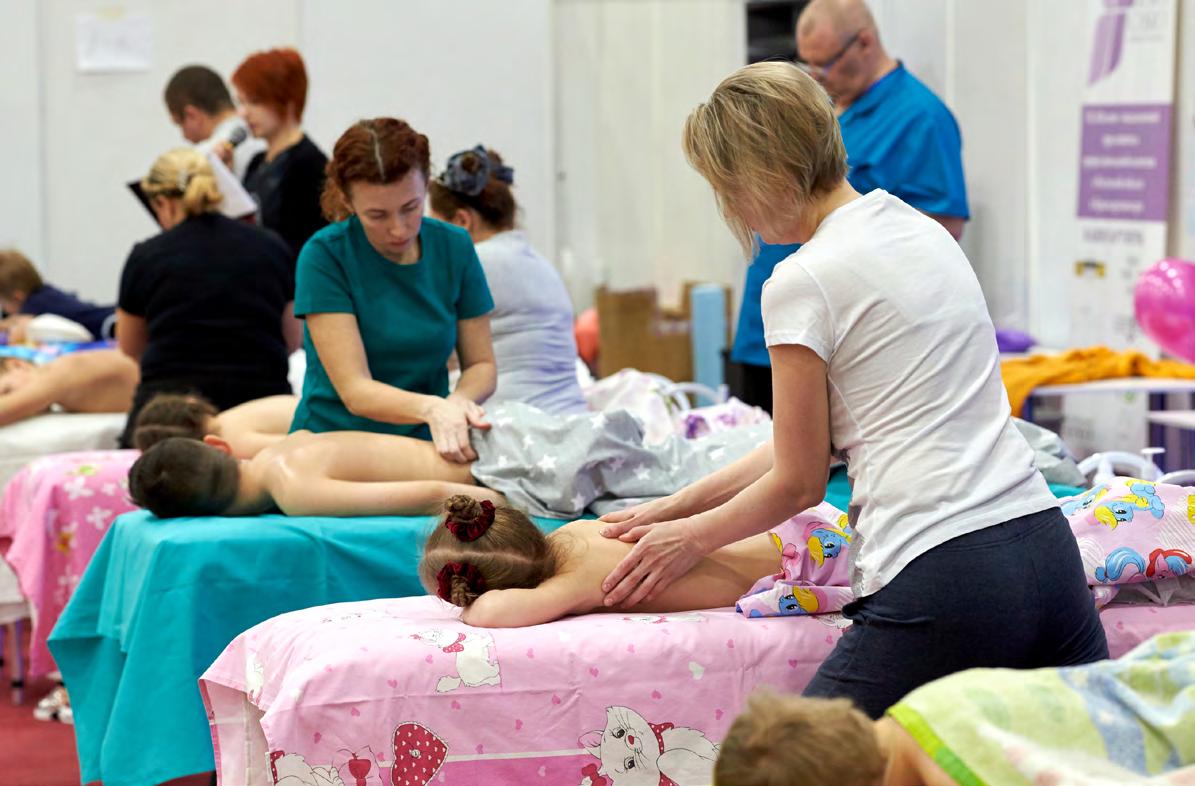
Massage therapy is a diverse and evolving field. Within it, there are many expressions of skill, creativity and intent. In recent years, competitive massage events have gained attention across Europe and the UK, inviting practitioners to showcase their techniques and celebrate their profession in public settings.
COMPETITIVE
These events can be lively, engaging and inspiring. Many therapists attend to share ideas, observe different styles, and connect with others who share their passion for massage. The experience can be uplifting, bringing together a community that often works in isolation.
From the perspective of the General Council for Manual Therapies (GCMT), which represents many professional associations across the UK, competitions are part of the wider landscape of massage. However, they are not the same as therapeutic massage practice. While both may involve similar touch techniques, their purpose, setting and outcomes are fundamentally different.
Competitions undoubtedly have their benefits. They provide an opportunity for therapists to present their technical ability, artistic expression and professional confidence. For newer practitioners, observing others at work can spark curiosity and motivation to continue learning. Feedback from judges may also help some entrants to reflect on their technique or approach to presentation.
Competitions can foster pride and visibility in the profession. They remind both therapists and the public that massage is a skilled discipline requiring precision, creativity and care. The energy and enthusiasm that fill these events demonstrate just how passionate many practitioners are about their work.
There is, however, an important point of context. Competitive massage takes place in a very specific environment. The setting is public, time is limited, and participants perform under the observation of judges and spectators. The focus is inevitably on the therapist’s skill and presentation rather than the client’s inner experience.
Therapeutic massage, by contrast, exists in a private and confidential space. It is collaborative, client centred and shaped by the client’s story, preferences and needs. The emphasis is not on the technique itself, but on how the client feels, both physically and emotionally, during and after the session.
The therapeutic encounter relies on trust, respect and empathy. It takes place within a safe environment that protects dignity and fosters comfort. In this setting, the therapist listens as much with their hands as with their words, adapting to verbal and non-verbal feedback. The measure of success is not the elegance of a technique but the client’s sense of safety, relief and improved wellbeing.
This approach reflects the biopsychosocial model of care, which recognises that health, pain and recovery are influenced by biological, psychological and social factors. Massage therapists working in this way draw on evidence informed practice, combining the best available research with their professional experience and the client’s own values and preferences. In musculoskeletal and manual therapy settings, a strong therapeutic alliance, characterised by agreement on goals, tasks and a trusting bond between practitioner and client, has been shown to improve adherence, function and pain outcomes (Hall et al., 2010, Kim et al., 2018, Lawford et al., 2021).
The therapist and client share responsibility for decision making, ensuring that goals, boundaries and expectations are agreed upon together. This mutual understanding forms the therapeutic alliance, a partnership that is at the heart of meaningful therapeutic outcomes.
The goals of competitive and therapeutic massage are very different. Competition massage is a performance. It is designed to impress, to inspire and to demonstrate. Therapeutic massage is not a performance, it is a process
of interaction, reflection and care. In a competition, the focus lies on how the massage looks, how techniques are combined, and how well the therapist performs under pressure. The person on the table is part of that performance. In therapy, the focus lies on how the client feels, what they need, and how the session supports their physical and emotional wellbeing. It is important not to confuse the two. A therapist may be highly skilled in competition settings, but this does not necessarily mean that their practice in private settings is therapeutic, client focused or evidence informed. Likewise, many excellent therapeutic practitioners may not feel comfortable performing publicly or being judged on presentation. Both forms of massage can have value, but they serve very different purposes.
One of GCMT’s key concerns is the way some competitions are now being linked to education and professional development. When competition winners are invited to create courses, present masterclasses or design CPD programmes, questions naturally arise about educational quality and ethical standards.
In healthcare and education, teaching is recognised as a profession. Within manual and complementary therapy, formal teaching qualifications may not be a legal requirement, but they are widely expected as part of good professional practice. Becoming an educator involves more than sharing personal experience or technical skill. It requires mentorship, adherence to educational frameworks, and a clear understanding of curriculum design, assessment and professional standards.
Therapists who teach should be able to demonstrate that their courses are supported by policies, protocols and quality assurance measures. These help ensure that education delivered to others reflects consistent standards, aligns with evidence informed practice, and supports safe,
COMPETITIVE MASSAGE AND THERAPEUTIC MASSAGE
effective learning. It is not standard practice in any healthcare profession for competition winners to become teachers simply because they achieved recognition in a contest. Reviews of health education programmes have shown that structured train the trainer models and curriculum oversight are essential to maintain teaching competence and educational outcomes (Sorensen et al., 2023).
The image of massage therapy in the public eye depends on how the profession defines itself. If massage is seen as performance, display and entertainment, its credibility as a therapeutic and healthcare discipline may be undermined.
Therapeutic massage should continue to be recognised as a professional healthcare practice rooted in empathy, safety and evidence informed care. This does not mean there is no place for creativity or demonstration, but that the profession’s public representation must remain aligned with its ethical purpose.
Clients choose massage because they want to feel cared for, listened to and respected. They seek comfort, relief or wellbeing, not performance. The therapist’s skill lies not in showmanship but in sensitivity, adaptability and the ability to foster trust and safety. These qualities cannot be judged in a competition arena.
Massage therapy’s strength lies not in performance but in relationship. A therapeutic encounter is collaborative and client centred. It involves informed consent, clear boundaries and emotional safety. The outcome is shaped by contextual factors, environment, empathy, communication and perceived safety, which together influence how the client experiences benefit (Finlay, 2021). Research in pain science and touch neuroscience reinforces this relational perspective. Perceived safety and trust modulate physiological and emotional
responses, contributing to regulation of the autonomic nervous system and improved wellbeing (Krahé et al., 2020, McGlone et al., 2017). These processes cannot be reproduced within a competitive or public setting.
Therapeutic massage is, therefore, a process of shared decision making, not performance. The therapist supports the client’s agency, integrates evidence with empathy, and works within professional boundaries that protect both parties. This approach aligns massage with contemporary healthcare practice and with GCMT’s standards for evidence informed professionalism.
Competitions will likely remain part of the landscape, and for some therapists they may continue to offer enjoyment and a sense of achievement. GCMT respects the right of individuals to participate and recognises that personal reflection and pride can arise from these experiences.
However, it is vital to distinguish between performance and practice. Therapeutic massage is not a contest. It is a private, collaborative and client centred process that focuses on wellbeing rather than visibility.
GCMT supports education and development pathways that are structured, accountable and evidence informed. Success in a competition should not be regarded as a qualification to teach, design courses or influence professional standards.
Both competition and therapy may involve skilled hands, but only one involves a shared journey between two people, grounded in safety, empathy and care. That difference is not one of technique but of purpose, and it is what defines massage therapy as a profession of trust rather than performance.
Finlay, L. (2021) ‘Relational practice in healthcare: the influence of context and connection’, Health Care Analysis, 29 (1), pp. 1–17. Hall, A., Ferreira, P. H., Maher, C. G., Latimer, J. and Ferreira, M. L. (2010) ‘The influence of the therapist–patient relationship on treatment outcome in physical rehabilitation: a systematic review’, Physical Therapy, 90 (8), pp. 1099–1110.
Kim, S., Lee, D., Moon, H. and Jeong, H. (2018) ‘The role of the therapeutic alliance on pain relief in musculoskeletal disorders treated by physiotherapy: a systematic review’, Journal of Manual and Manipulative Therap y, 26 (1), pp. 18–28.
Krahé, C., Paloyelis, Y. and Fotopoulou, A. (2020) ‘The affective and social dimensions of touch: from neuroscience to therapy’, Current Opinion in Behavioural Sciences, 36, pp. 29–35.
Lawford, B. J., Bennell, K. L., Campbell, P. K. and Hinman, R. S. (2021) ‘Therapeutic alliance: patients’ expectations before and experiences after physical therapy for low back pain: a qualitative study with 6-month followup’, Physical Therapy, 101 (1), pp. 1–9.
McGlone, F., Wessberg, J. and Olausson, H. (2017) ‘Discriminative and affective touch: sensing and feeling’, Neuron, 82 (4), pp. 737–755.
Sorensen, J. L. et al. (2023) ‘Train the trainer programmes in healthcare: a systematic review’, BMC Medical Education, 23 (1), pp. 1–12.
Competitions will likely remain part of the landscape... GCMT respects the right of individuals to participate and recognises that personal reflection and pride can arise from these experiences.
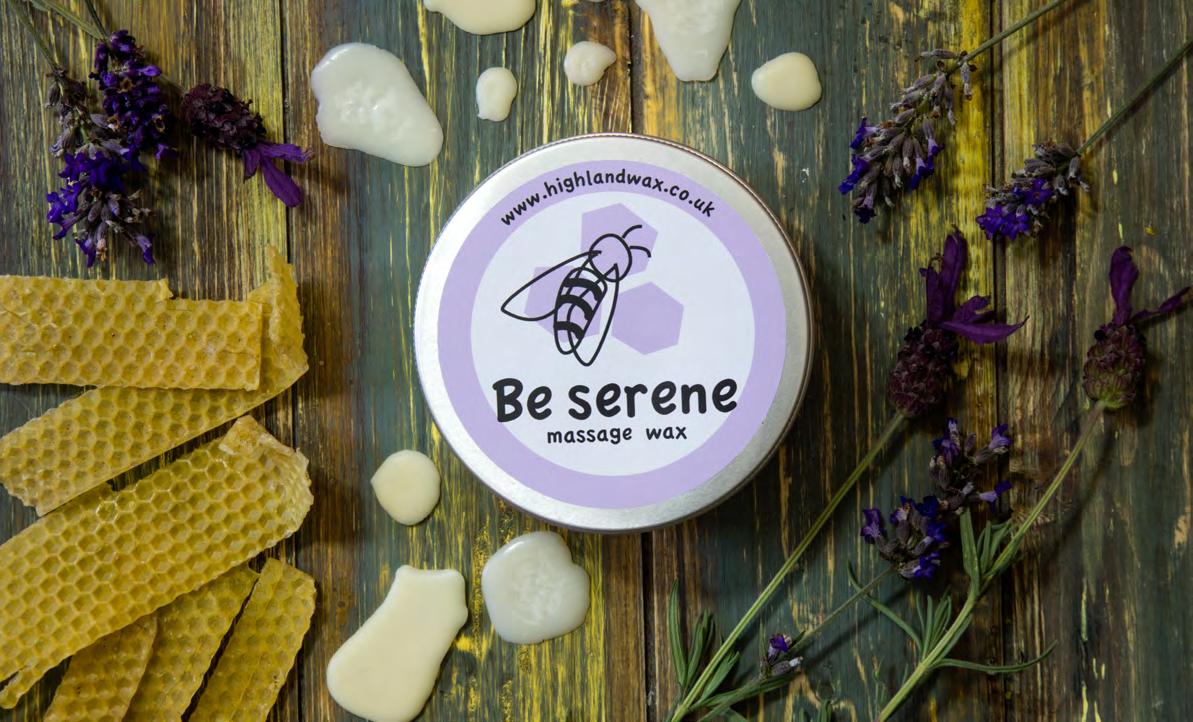
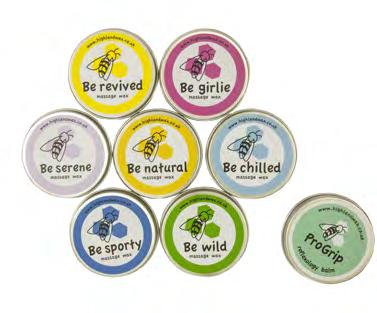
Our range of Massage Waxes are handmade using quality Scottish beeswax
No spills - nourishing - 100% natural Range of blends to suit every client
Free P&P on all orders over £30
Our Massage Wax range offers professional therapists a variety of delicately formulated aromatic blends - one to suit every client!
A fantastic alternative to massage oil - with no spills!
Leaves skin nourished and hydrated without feeling oily
Protects delicate skin, perfect for Baby massage (Be Sensitive)
Recyclable packaging • 100% Natural Ingredients.
www.highlandwax.co.uk
Highland Wax Company, Foynesfield Cottage, Nairn IV12 5SA
01667 451736

BY YAN SOPHOKLEOUS
Massage is often thought of as a way to relax, ease sore muscles, or escape the pressures of daily life. But what if it could be more? What if massage became a living system — one that grows and adapts with every therapist, every client, and every moment? That’s the vision behind Garuda Thai Massage (GTM).
GTM isn’t a fixed routine. It’s a philosophy of movement, breath, and connection. Rooted in Thai massage traditions yet infused with modern anatomical intelligence, it invites therapists to work creatively and clients to experience something truly transformative. Whether practised on the floor, table, or chair, GTM is about awakening — not just touch.
The story behind GTM
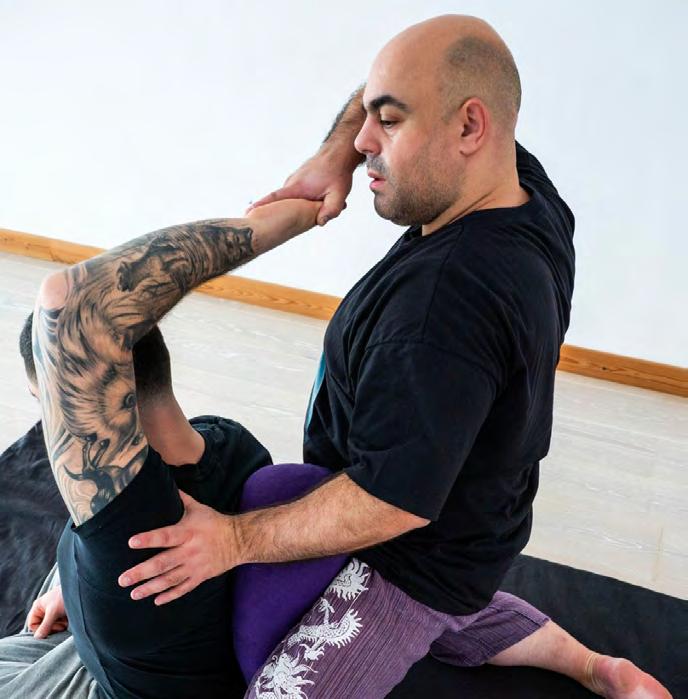
Thai massage has always been dynamic: stretches, compressions, rhythmic pressure, and meditative flow. Garuda Thai Massage builds on this foundation and takes it further. Therapists are taught to move with awareness, breathe with intention, and engage their whole bodies in the act of healing.
Instead of memorising sequences, they learn principles — posture, rhythm, intuition, and the Spherical Approach. This makes every session unique. For clients, it means a massage that feels alive. For therapists, it means freedom — the chance to express artistry while protecting their own bodies from strain.
As one therapist put it: “Garuda Thai Massage isn’t just a technique. It’s a way of moving, a way of being.”
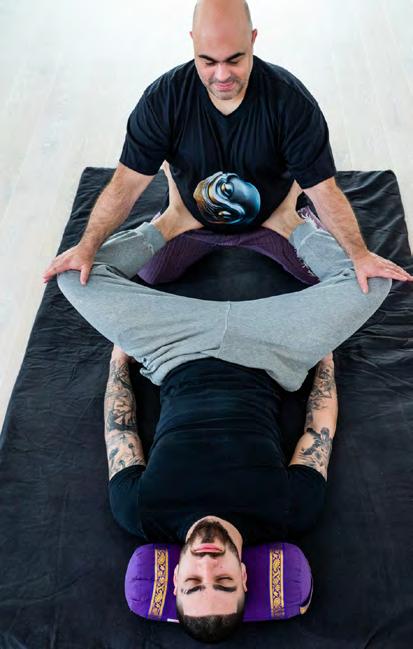
Garuda Thai Massage unfolds in three complementary forms, each designed for different settings but united by the same philosophy of whole body connection and adaptive flow:
• GTM (Garuda Thai Massage): Floor-based, immersive, and deeply transformative. Clients experience stretches and positions that engage the whole body, leaving them grounded and renewed. Perfect for 1:1 sessions or office teams seeking longer treatments (45–90 minutes).
• GT TM (Garuda Thai Table Massage): Adapted for spa and clinical environments, it blends innovation with accessibility. Therapists bring Garuda Thai Massage’s fluidity into a familiar setting, making it ideal for wellness centres or workplaces. Sessions last 30–90 minutes.
• GCM (Garuda Chair Massage): Designed for workplaces, events, and parties, it delivers powerful results in short bursts. In just 15–30 minutes, clients feel reset, energised, and ready to face the day.
Together, these approaches create a versatile toolkit. Therapists can adapt to any environment, and businesses can integrate Garuda Thai Massage into their wellness offerings.
Massage therapists often face a hidden challenge: the physical toll of their work. Long hours, repetitive movements, and awkward postures can lead to burnout. GTM was designed with sustainability in mind. By teaching therapists to use their whole bodies — not just their hands — GTM reduces strain and increases longevity. Movements flow from natural postures, guided by breath and rhythm. This makes the work not only sustainable but joyful. Therapists also discover creativity. Instead of following rigid routines, they learn to improvise, to listen, and to adapt. This keeps their practice fresh and engaging, both for themselves and their clients.
Unlike conventional massage approaches, GTM is guided by five core principles:
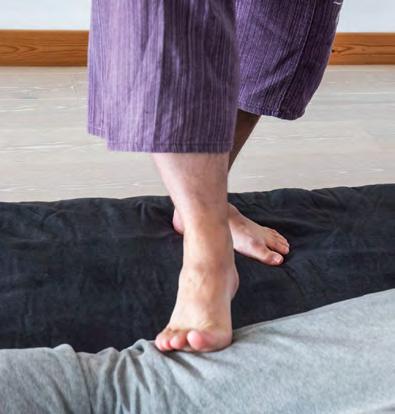
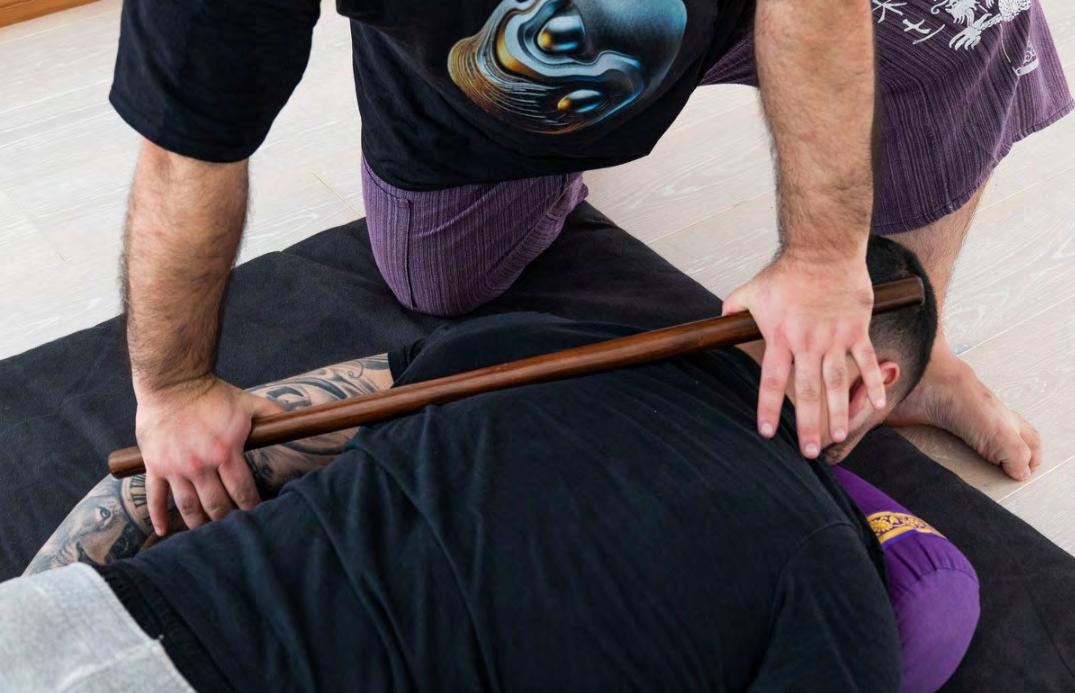
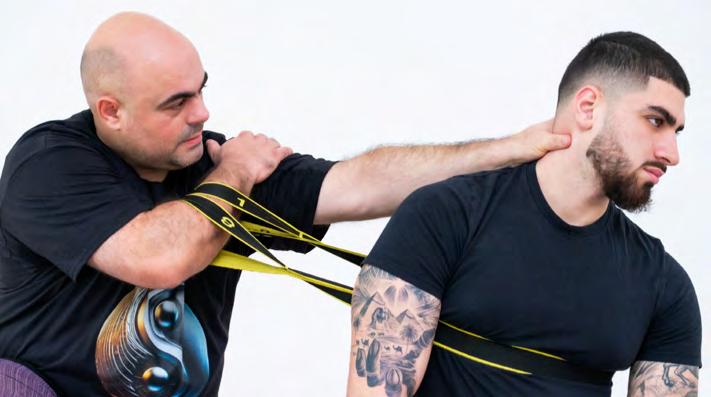
• Whole Body Engagement – Therapists use their entire body — hands, feet, forearms, shins, knees, elbows, hips, even the head — to create multidirectional pressure. Massage becomes a full body dialogue rather than isolated techniques.
• Adaptive Flow – No two sessions are the same. GTM responds to the client’s posture, rhythm, and energy, creating a bespoke experience every time.
• Anatomical Intelligence –Every movement is grounded in biomechanics. GTM emphasises safe, sustainable practice, ensuring therapists can work powerfully without strain.
• Creative Innovation – Breathwork, sensory exploration, and unique positions make each session immersive and unforgettable.
• The Spherical Approach – Therapist and client explore the ever-changing play within the sphere, discovering new dimensions of connection.
GTM isn’t just for clients — it’s a system designed to empower therapists. My teaching style is adaptive, immersive, and deeply human. Instead of copying techniques, you’ll be discovering your own way, rhythm, posture, and creative flow.
Training options include:
• 1:1 Mentorship – Personalised guidance tailored to your style and goals.
• Small Group Workshops – Intimate settings where therapists learn through dialogue, demonstration, and practice.
• La rge Courses – Structured programs introducing GTM principles to schools, wellness centres, and corporate training programs.
• Global Retreats – Immersive experiences combining GTM training with cultural exploration and community building.
For therapists, GTM is liberating. It reduces strain, reignites passion, and opens new creative possibilities. For businesses, it offers staff sustainable training and a distinctive therapy that sets them apart.
GARUDA THAI MASSAGE
Stress is the silent epidemic of modern workplaces. Deadlines, screens, and constant demands leave employees drained.
Garuda Chair Massage (GCM) offers a practical solution. In just 15–30 minutes, employees can experience a reset: reduced tension, improved posture, renewed energy. This not only benefits individuals but also transforms the atmosphere of the workplace. Teams feel more focused, more connected, and more resilient.
As one company shared: “Our team was buzzing with energy after a Garuda Chair Massage day — it changed the whole mood of the office.”
Beyond chair massage, workplaces can explore GTTM and GTM for wellness days, offering deeper renewal and connection.
Garuda Thai Massage has been shared in workshops across London, Hertfordshire, and the UK, as well as retreats in Cyprus, Greece, and Thailand. Its philosophy resonates globally because it speaks to universal human needs: movement, connection, transformation.
Every culture has its own traditions of healing through touch. GTM honours these traditions while creating something new — a living system that evolves with each therapist, each client, and each moment.
Clients often describe GTM as “like being reassembled from the inside out.” It’s not just relaxation — it’s renewal.
What clients may experience from GTM:
• A deep release of physical and emotional stress
• Renewed energy and vitality for daily life
• Greater flexibility and freedom of movement
• A st ronger sense of balance and inner calm
• Empowerment to live with confidence and resilience
Whether on a futon, table, or chair, GTM adapts to your needs. It’s physical, yes — but also emotional. GTM creates space for release, renewal, and reconnection.
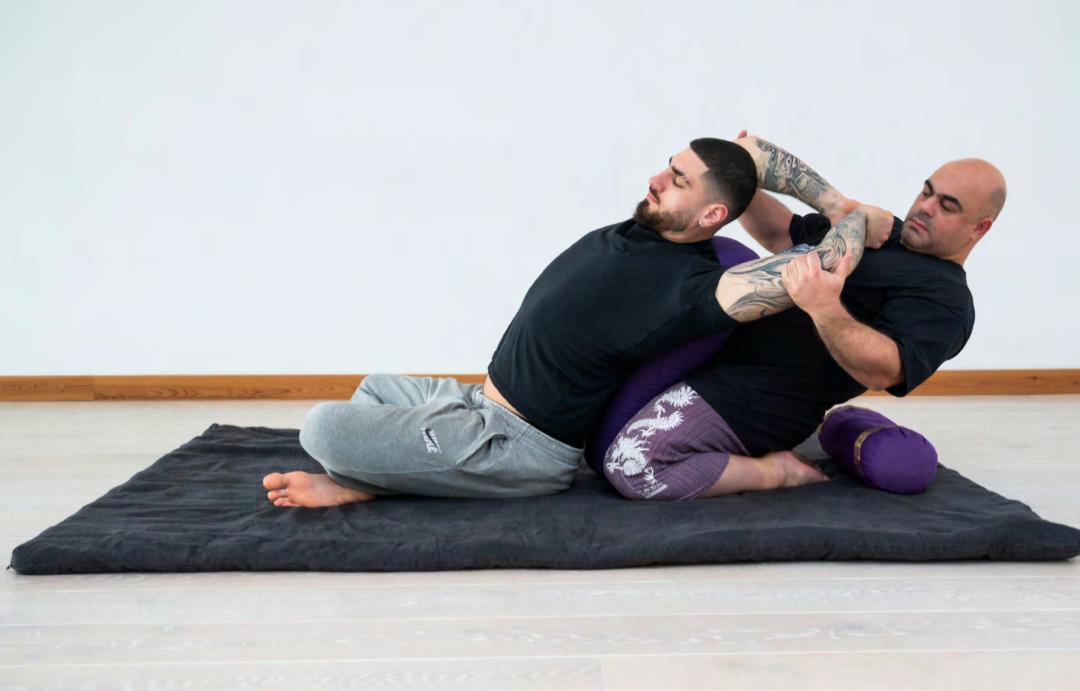
The power of GTM is best expressed through those who have experienced it:
• “I felt taller, lighter, and more grounded after my first Garuda Thai Massage session. Thank you, Yan, I am already looking forward to the next one!”
• “I’ve practised Thai massage for 13 years now. GTM opened a new dimension. It feels alive. Yan, thank you so much!”
• “We’ve booked Yan for just over 2 years now for workplace massage days. He always delivers, leaving us relaxed and transformed, too. GTM is more than a massage — it’s a journey.”
GARUDA THAI MASSAGE
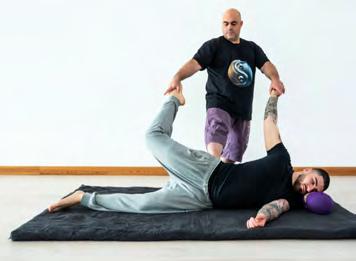
Garuda Thai Massage isn’t just a therapy. It’s a journey — a chance to experience massage as connection, creativity, and transformation.
Garuda Thai Massage isn’t just a therapy. It’s a journey — a chance to experience massage as connection, creativity, and transformation. Whether you’re a client seeking renewal, a therapist ready to expand your skills, or a business wanting to elevate your offerings — this is your invitation. Book a futon, table, or chair session. Join a workshop. Bring GTM into your workplace. Step into the Garuda experience.
one transformation
Garuda Thai Massage is more than a massage. It is a philosophy, a movement, and a living system. It honours tradition while embracing innovation, empowering therapists while transforming clients, and offering businesses a unique path to distinction. With three options — GTM, GTTM, and GCM — it adapts to every setting. With flexible booking formats — 1:1, small groups, and corporate programs — it meets every need. And with teaching available worldwide, it empowers therapists to carry the Garuda spirit forward.
YAN SOPHOKLEOUS is a passionate life enthusiast with over 30 years of transformative experience across London and the UK. Yan empowers others through innovative, core value-driven methods. His offerings include cutting-edge self-defence classes and pioneering mind/body connection sessions, designed to help participants with practical skills to explore and enhance all facets of wellbeing.
As a versatile mobile therapist and trainer, Yan delivers personalised home visits, corporate wellness days, international events, and global health & wellness retreats that foster communities dedicated to living life to the fullest.
Yan offers comprehensive training in all aspects of GTM, tailored to meet you exactly where you are in your professional journey. Options include focused 1:1 tuition, dynamic small-group sessions or immersive training for larger teams. GTM mastery awaits you.
The
only way to understand GTM is to experience it. Are you ready to feel the difference?
If you’re looking to become a certified GTM practitioner, elevate the skills of your therapy team. You can also experience private GTM sessions yourself, in the workplace or from the comfort of your own home - Yan brings the teaching to you with clarity, depth and genuine care.
To explore training options or booking sessions, reach out to Yan directly. For more information on his latest projects, call Yan on +44 (0) 7917671801 or visit www.yansophokleous.com
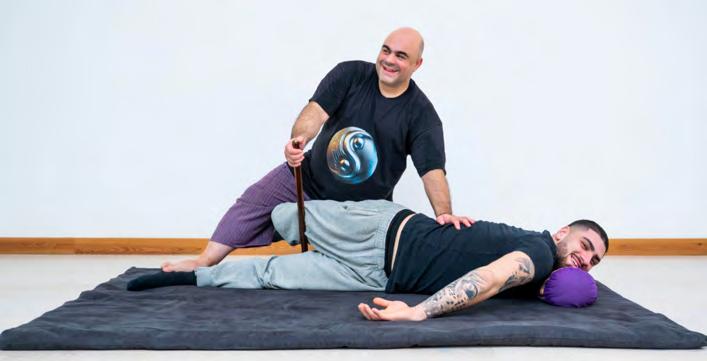
“Stay true to who you are, and always strive to be the best version of yourself!” Yan - The Yin Yang Man







BY RUTH DUNCAN
The word placebo is often used in healthcare, but it is rarely discussed openly in massage therapy. It can sound misleading or even uncomfortable, as if it means something false or imagined. In reality, placebo effects are part of how all therapies work, not because of deception, but because human beings respond to meaning, expectation, and context.
Understanding this does not take away from the value of our hands-on skills. It helps us appreciate that what we do goes beyond muscle and movement. The way we speak, the atmosphere we create, and the trust we build all contribute to how our clients respond and recover.
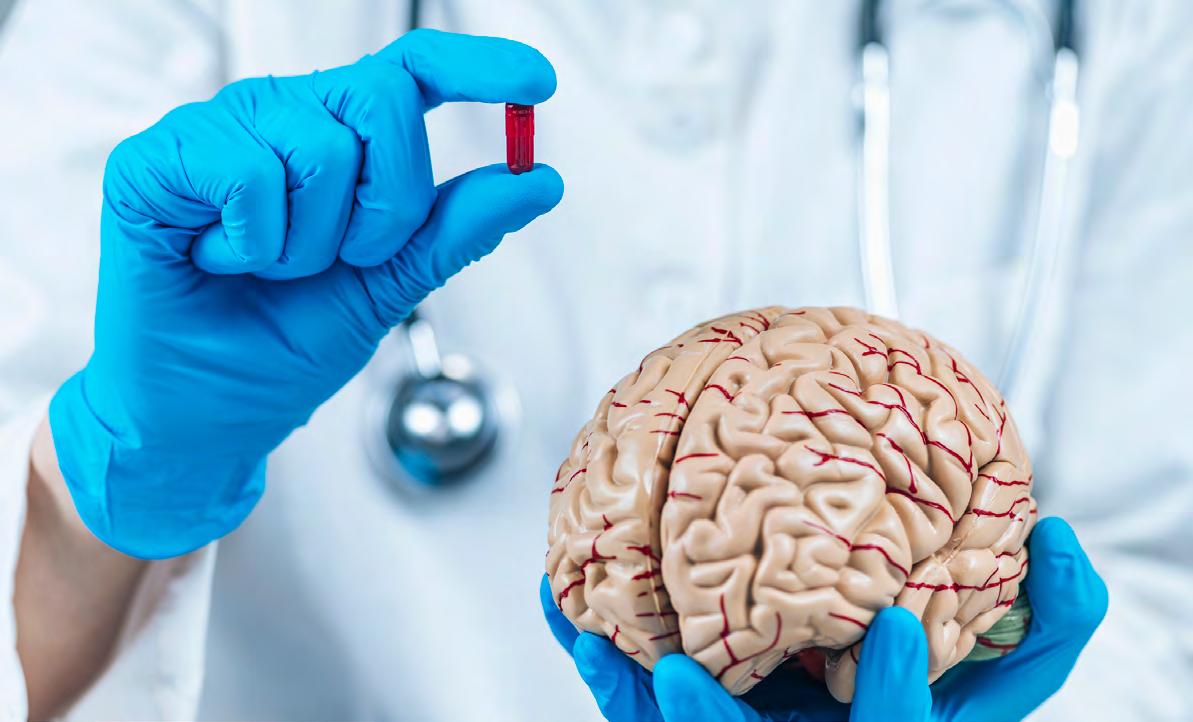
The word placebo comes from the Latin for ‘I shall please’. Historically, it meant something given to make the patient feel better rather than to directly treat their condition (1). In research, a placebo is usually an inactive treatment, such as a sugar pill, used to measure how much of a result comes from the treatment itself versus everything else happening around it (2).
The more useful way for us to think about it in massage therapy is this:
The placebo effect refers to the changes that happen not because of the specific parts of the treatment itself, such as physical pressure or tissue movement, but because of everything that surrounds it, the meaning, the client’s expectations, the atmosphere, and the relationship between therapist and client.
When these elements come together, they shape how the brain and body respond. Pain may lessen, tension may soften, and mood may improve. These are genuine physiological and psychological changes, not imagined ones.
Massage therapy is not about sugar pills or fake treatments. We work with real touch, connection, safety, and interaction. But those extra elements that surround our techniques, trust, communication, environment, and confidence have powerful effects on how our clients feel and respond.
Ignoring these effects can make us underestimate what is really helping our clients. Understanding them allows us to use every part of the experience to our advantage.
In simple terms:
• Specific effects come from what we do with our hands.
• Contextual and placebo-related effects come from everything that shapes how the client experiences that touch.
Together, they create the overall therapeutic outcome.
Here is what the placebo mechanism brings to therapy when we understand and use it consciously.
• Supports the body’s natural regulatory mechanisms, where expectation, belief, and a sense of safety contribute to how pain and emotion are modulated (3).
• Works best for experiences like pain, fatigue, and mood, where perception plays a huge role (4).
• St rengthens trust and relaxation, as the nervous system can settle when the client feels safe and cared for.
• Sh ifts focus from fixing tissue to helping the person, integrating touch, meaning, and communication.
• Rem inds us that how we act, speak, and hold space changes physiology too.
What
• It doesn’t replace good clinical reasoning.
• It’s not a substitute for skill or safety.
• It doesn’t work for everything, and it’s not something to fake or manipulate (5).
Used consciously, the placebo mechanism is part of good therapy, not a trick.
Not quite. They overlap, but they are not identical.
• Contextual factors are everything that shapes the therapy experience: your tone of voice, how confident you seem, the environment, the way you explain things, even the smell of the room or the rhythm of the session (6).
• The placebo effect is the change that happens because of those factors, the measurable impact of expectation, meaning, and context on the client’s brain and body (7).
So, you could say: Contextual
factors are the ingredients. Placebo mechanisms are the reactions those ingredients create in the client. When we talk about contextual factors in massage, the calm music, the warm towels, the sense of care, we are really talking about the conditions that make those placebo mechanisms possible.
You cannot hand out a placebo, but you can build a therapeutic environment that maximises the same mechanisms safely, honestly, and without pretending.
Try these ideas in your next few sessions.
• Set expectations clearly. A confident and calm explanation of what to expect helps clients feel safe and hopeful.
• Create a reliable ritual. The small routines, such as how you welcome clients or prepare the space, signal safety and professionalism.
• Use language carefully. Avoid phrases like ‘this will hurt’ or ‘we will see if this works’. Instead, frame things positively but realistically.
• Engage the client’s attention. Invite them to notice sensations or changes: ‘What do you feel now?’ This deepens awareness and reinforces meaning.
• St ay authentic. You don’t need to ‘sell hope’. Knowing that how you connect, communicate, and care genuinely changes outcomes is enough.
• Be m indful of the nocebo. Negative expectations, uncertainty, or careless comments can have the opposite effect, increasing pain or anxiety.
Contextual factors are the ingredients.
Placebo mechanisms are the reactions those ingredients create in the client.
WHAT IS PLACEBO?
contextual factors is not about diluting what we do. It is about expanding it. The touch, the environment, the words we use, and the trust we build all interact with the client’s nervous system, emotions, and expectations. This is what creates the full experience of care.
When we understand that, we work with greater clarity. We communicate more openly, create safer spaces, and connect more deeply with those we treat. Our techniques still matter, but now they sit within a wider, more human framework. By embracing this, we are not stepping away from evidence, we are stepping into it. Placebo and contextual factors remind us that we do not only treat tissues, we work with people. Every element of our interaction becomes part of the therapy. That is the real power of massage, skilled touch supported by meaning, trust, and the full context of human connection.
At In-Touch Education, we teach soft tissue therapy from a modern, evidence informed perspective, helping therapists understand the science of touch, context, and human connection. Our workshops combine practical skills with up-to-date research on pain, interoception, and the neurophysiology of touch, giving you the knowledge to evolve your practice with confidence. For bookings and more information, visit www.in-toucheducation.co.uk
References
1. Miller, F.G. and Kaptchuk, T.J. (2008) ‘The power of context: reconceptualising the placebo effect’, Journal of the Royal Society of Medicine, 101(5), pp. 222–225. Available at: https://www.ncbi.nlm.nih.gov/pmc/articles/PMC2376272/
2. Fi nniss, D.G., Kaptchuk, T.J., Miller, F. and Benedetti, F. (2010) ‘Biological, clinical, and ethical advances of placebo effects’, The Lancet, 375(9715), pp. 686–695. Available at: https://pmc.ncbi.nlm.nih.gov/articles/PMC2832199/
3. Rossettini, G., Palese, A., Geri, T., Mirandola, M., Tortella, F. and Testa, M. (2019) ‘The knowledge of contextual factors as triggers of placebo and nocebo effects in patients with musculoskeletal pain’, Frontiers in Psychiatry, 10, 478. https://doi.org/10.3389/fpsyt.2019.00478
4. Ashar, Y.K., Chang, L.J. and Wager, T.D. (2017) ‘Brain mechanisms of the placebo effect: an affective appraisal account’, Annual Review of Clinical Psychology, 13, pp. 73–89. Available at: https://cosanlab.com/static/papers/Ashar_2017_AnnRevClinPsy.pdf
5. Anderson, S. and Stebbins, G.T. (2020) ‘Determinants of placebo effects’, International Review of Neurobiology, 153, pp. 27–47. https://doi.org/10.1016/BS.IRN.2020.03.029
6. Dr uart, L., Bailly-Basin, E., Dolgopoloff, M., Rossettini, G., Blease, C., Locher, C., Kubicki, A. and Pinsault, N. (2023) ‘Using contextual factors to elicit placebo and nocebo effects: an online survey of healthcare providers’ practice’, PLOS ONE, 18(9), e0291079. https://doi.org/10.1371/journal.pone.0291079
7. Mi ller, F.G. and Rosenstein, D.L. (2006) ‘The nature and power of the placebo effect’, Journal of Clinical Epidemiology, 59(4), pp. 331–335. Available at: https://www.sciencedirect.com/science/article/abs/pii/S089543560500404X
8. Hróbjartsson, A. and Gøtzsche, P.C. (2001) ‘Is the placebo powerless? An analysis of clinical trials comparing placebo with no treatment’, New England Journal of Medicine, 344(21), pp. 1594–1602. https://doi.org/10.1056/NEJM200105243442106
RUTH DUNCAN BSC (HONS )
Vice Chair Scottish Manual Therapists Organisation, Chair General Council for Manual Therapy. Myofascial Release UK and In-Touch Education. Web: www.in-toucheducation.co.uk Email: info@in-toucheducation.co.uk
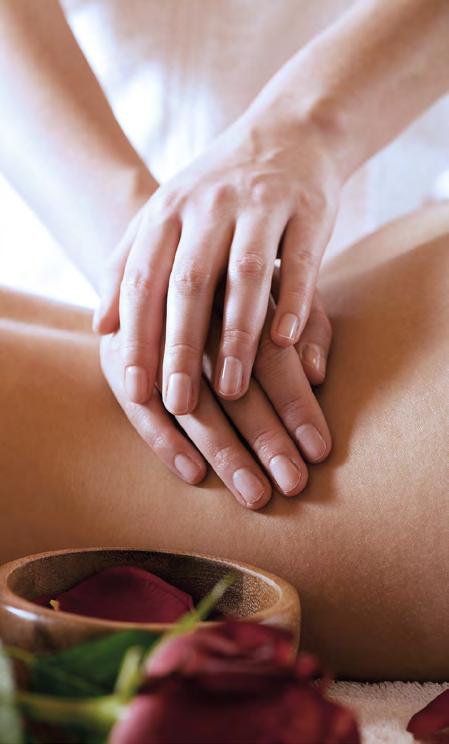
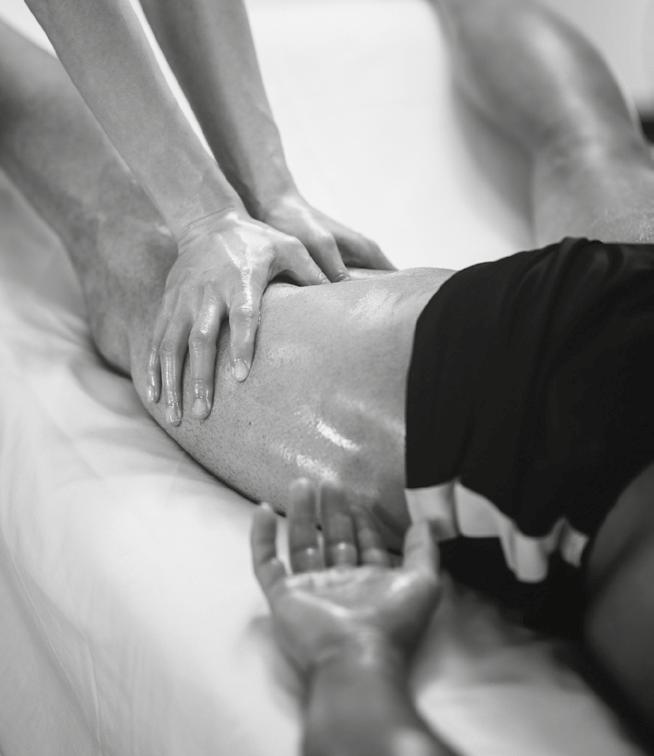
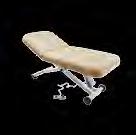
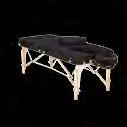
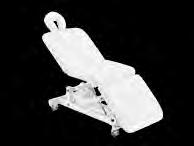
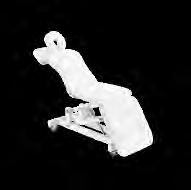
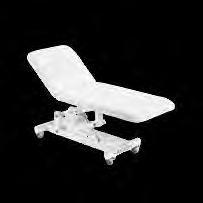
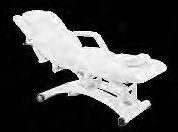
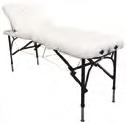
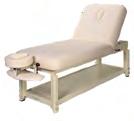
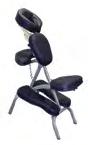
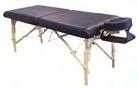
Affinity couches will make you want to treat all day, and ensure your clients come back for more. A bold statement but all Affinity couches have evolved from our understanding of what you, as therapists, want and equally as important, the feel they should give your client.
With over 23 years of research and development, Affinity offers a superb range of massage therapy equipment, used in all manner of locations for all types of treatments. With comfort and wellbeing of both client and therapist our prime consideration, we have pioneered many innovative ideas for close work and posture support as we know that a comfortable therapist will always give a better treatment and a comfortable client is more likely to re-book!
From home salon to commercial spa or treatment/therapy centre, there is an Affinity for every location and budget.
Contact us for information on our Affiliate Student/Educators Discount Scheme, list of distributors or to book a product viewing at our West Oxfordshire HQ.
BY LILY SEQUOIA
Ican remember my first ever Sports Massage. It was from a fellow personal trainer who was building up his treatment hours for his BTEC. I paid a tenner. I was in training for an Ironman 90.3 race, training 6 times a week, and getting up at 4:30 each day to commute to work in a basement gym in Liverpool St, the heart of the financial district in London. The treatment was fantastic. My body was hungry for this kind of therapeutic touch. I decided right then that I needed to develop these skills for myself. I had often referred clients for sports massage, but this was the first time I had felt the benefits for myself. I couldn’t have imagined where that pathway would have led, but here I am, almost 17 years on, and I’m still practising as a Soft Tissue Therapist.
After training in group exercise and as a gym instructor in my early 20s, I went on to study with the C.H.E.K institute to become a Health and Wellbeing Coach. The pace was fast. The “lose weight” mindset of the fitness industry had left me feeling empty, knowing that there was more to wellbeing and a healthy body than running on a treadmill and lifting weights. The C.H.E.K institute offered a more holistic approach to my work as a personal trainer, but still, the client-trainer dynamic felt wrong, like the hour we had together each week was supposed to be a complete panacea for a lifestyle that was essentially an accumulation of high nutritional, circadian, emotional and physical stress. There was an expectation for me to contribute to this stress by “beasting” clients in the gym. But my training and my gut were telling me, this wasn’t the answer. When I had the treatment that day, I felt in an embodied way how I had internalised the fast pace. I realised how much that pace was impacting my wellbeing. I also realised how little I actually knew about the body.
I called the two main Soft Tissue Therapy (or ‘Sports and Remedial Massage’) Schools in London, and knew from the moment I spoke to Susan Findlay that the NLSSM was the right place to study for my Level
One of the things that I had always loved about personal training was the flexibility of being self-employed, having agency over my own time. It enabled me to pursue my creative passions...
5 BTEC. It was a relatively short conversation, but she used the word ‘intuitive’. That was the hook.
By the time I started the course in 2007, I had made a major move and was now living in Brighton, cycling to work each day in a quirky beachfront gym with huge windows looking out to sea. This move turned out to be pivotal, as a year later, I was also destined to meet my husband there, at the gym, and the trajectory of my life changed forever.
I began building up my 100 hours with a local Sports Injury Clinic, Studio 57. By the time I had completed my hours, I had started working there as an SMR therapist, building a client base from referrals and people I had trained at the gym alongside bookings from the clinic itself. I quickly built up to around 20 clients a week, at
which point I began to phase out my personal training work. Something about the practitioner/client dynamic was different in the treatment room…
The treatment room provided a container for a deeper connection with the client. Our parasympathetic systems were activated. Often, people would settle into a level of vulnerability that just wasn’t possible on the gym floor. This led to a more holistic understanding of my clients. The motivations were often different; people wanted to heal from injury, to look after themselves. I found that my skills as a personal trainer and as a coach had a place here. I could approach each client in a bespoke way, offering support with therapeutic movement, lifestyle adaptations, alongside hands-on body work. It felt creative and responsive. Things were beginning to make more sense.
Meanwhile, one Wednesday morning on the stretch mat, when I was supposed to be cleaning the mirrors, I met my husband, Pete. We got into a chat about the converging global crises, the cognitive dissonance that comes with living in a capitalist world, and about dance culture. It turned out that we both had tickets for the same music festival that weekend. I ended up giving him a lift there. 6 months later, he proposed. Despite my skepticism around institutions such as marriage, the hopeless romantic in me said ‘yes’.
One of the things that I had always loved about personal training was the flexibility of being self-employed, having agency over my own time. It enabled me to pursue my creative passions without needing to generate a huge income, so from my early 20s I had been involved in theatre production, writing and events. As I continued with my work as an STT, my creative endeavours ran as a parallel path. Meeting Pete was creative alchemy with the alignment of ideas and passions. The summer we got married, we decided to convert a mid-wheelbase truck and move out of our house share and into a home on wheels. That winter, we honeymooned in South America with £1000
spending money for 6 months. We volunteered and wild camped and had many adventures. Along the way, we met a couple who were making short films about permaculture. We were inspired.
When we returned to the UK, Pete and I began to work on a documentary film and community-building project. I continued working at the Sports Clinic, heading from the truck to the shower at my local yoga centre after class, uniform fresh from the laundrette. Sometimes, I’d worry that I smelled like woodsmoke. Not everyone whom I treated knew about my alternative lifestyle.
Later that year, I decided to leave the clinic and set up my own practice in the yoga centre. I had loved working there, and the team were wonderful, and I really did learn a lot during that time. Nonetheless, I was finding the tight 55-minute timeslots and injuryfocused work restrictive. I wanted longer sessions, increased client accessibility through sliding scale pricing.I didn’t want to work in prescriptive ways; I wanted each treatment to be bespoke, responsive, led by what my hands (and my gut) were telling me, rather than a clinical presentation. I wanted more space to find ways to support the client to feel empowered in their own healing.
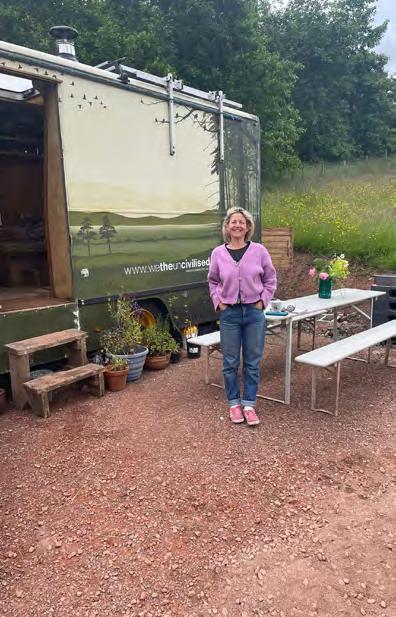
In 2013, I became pregnant with my daughter. I continued treatments until I was 8 months pregnant. She was born in December. For the next few years, the flexibility of my work and the loyalty of my client base meant that I was able to navigate early motherhood alongside giving treatments. My mum would come and take my baby for two or three hours while I saw clients. I was able to earn enough to sustain our modest lifestyle in our home on wheels. Meanwhile, my creative life was flourishing. In 2016, we released a feature-length ecological documentary and community-building project (www. wetheuncivilised.org), exploring some of the ideas we had first discussed on the mat that day when we met back in 2009. We raised money through a crowdfunder to create a solar-powered pop-up cinema, and that summer, I pressed pause on my work as an STT once again,
We began dreaming about a piece of land, a place inspired by the people we’d met along the way, a place that could offer a positive response to the converging global crises.
and with film and toddler in tow, we hit the road. We screened the film over 100 times and won a few awards along the way.
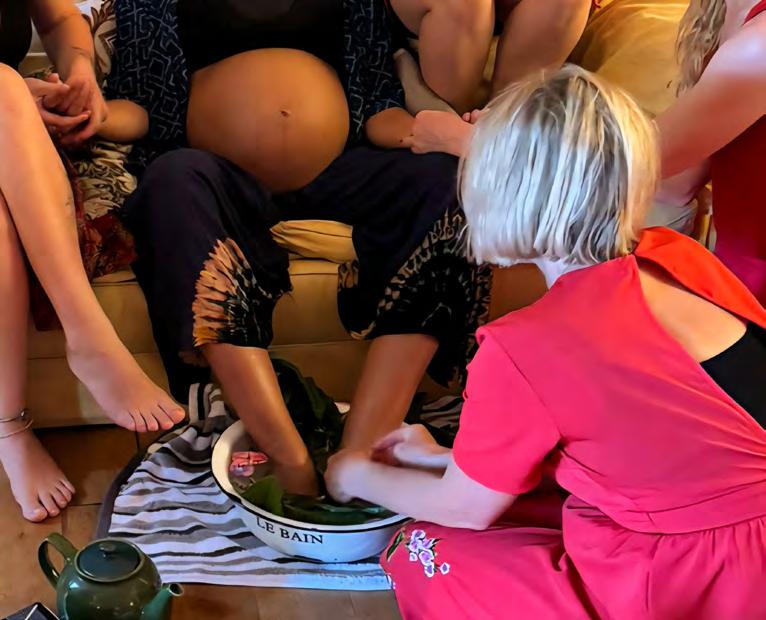
We began dreaming about a piece of land, a place inspired by the people we’d met along the way, a place that could offer a positive response to the converging global crises. We imagined a place that would cultivate a sense of connection, a sense of belonging. We decided to move to the SW and to start looking. I found work in a Bristol clinic and travelled in from our new park-up on an organic farm in the Mendips. Since having my daughter, I have developed a strong interest in supporting pregnant people and birth, so I began to train as a birth companion or Doula.
Within a year, we had found a rental property on the Welsh borders, and I moved my work to Neal’s Yard in Hereford. Having always offered pregnancy massage and now practising as a Doula, I decided to deepen my practice by training with Suzanne Yates. Again, I was attracted to her pragmatic, clinically informed, yet deeply intuitive teaching style. One unexpected outcome from this course was how much it fed into my other STT work by reiterating the importance of meeting a client where they are, and treating them as a whole person, rather than as a set of symptoms.
In 2019, we moved across the border into a rental in Abergavenny, and I became pregnant with my second child. He was born in the height of Lockdown. Life became slower and quieter, and I found time to write again, having stopped after my daughter was born. I started writing poetry about
motherhood, and made a commitment to wanting to perform my work more, and to maybe even getting published. As life began to return to normal, I decided to open my own practice again, this time in Abergavenny, close to home, to fit with life as a mother of two. In 2022, following a performance at the Abergavenny Writing Festival, I received an offer to publish a pamphlet of my poems. So now my work with pregnant people, my passion for human
connection and understanding and my creativity were once again in a state of flow. We continued to look for land, for a place to finally put down roots, for a place to call home.
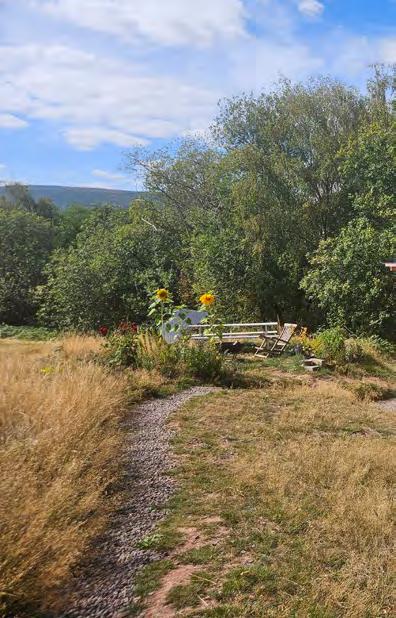
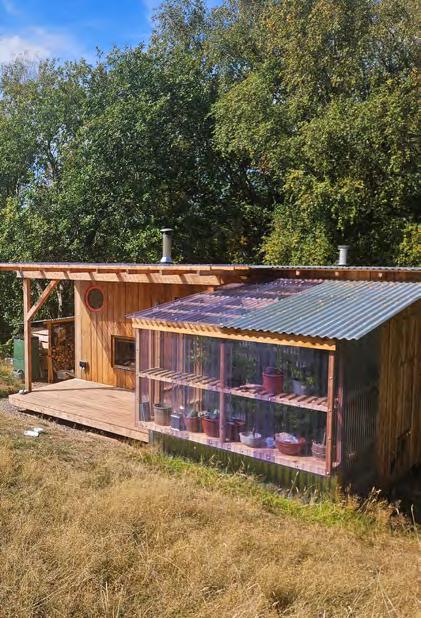
One cold Autumn morning in 2022, we saw 16 acres for sale locally on Rightmove. By midday, Pete had gone to see it, and by 5 pm that evening, we had put an offer in. By the end of the week, it had been accepted. Fast forward via the four of us in a small touring caravan on the side of a hill with no power or running water to today. We are living in an off-grid cabin powered by the sun, with water from our spring, and the beginnings of a regenerative farm, Bryn Cynefin (Home Hill). We’re currently applying to live onsite in a low-impact dwelling under the One Planet Development policy—a sustainable approach to land-based living. The vision for Bryn Cynefin is to cultivate resilience and well-being by weaving together local ecology, local economy, and local people through regenerative land practices, healthy produce, education, and community-building.
Meanwhile, I run a busy clinic 2 days a week, with a range of clients from ultra runners to pregnancy massage, to CPTSD and Chronic health conditions, to my eldest regular client who is 90! My client base has grown purely through word of mouth and Google reviews. I’ve never had a website or Instagram page
for my STT work. Most of my clients continue to see me for years rather than months - once we have addressed the acute issue(s), clients often come back every month or so, because they know it helps them to feel better, and to navigate the complex layers of life. I am deeply grateful to my practice as an STT, how it has enabled me to hone my skills and create endless opportunities for my creativity to emerge, both in the treatment
room and also rippling out into my life. It’s interesting to reflect on the beginning of this story, and how (much like the perfect treatment), STT has acted like an anchor over the past 16 years, enabling me to be responsive, to stay connected, to be present to creativity and to follow my intuition.
LILY SEQUOIA is a BTEC level 5 Soft Tissue Therapist, spoken word artist, page poet, filmmaker and facilitator. Lily also supports people through pregnancy, labour and early motherhood as a birth companion.
Lily has performed her work across the UK. Her debut pamphlet, You Make Me Think of Swifts, is a raw navigation through the landscape of early motherhood. She facilitates sessions on the themes of motherhood, nature connection and creativity. Lily also creates bespoke ceremonies for individuals and groups. Originally from South East London, Lily now lives off-grid in South Wales, where she is working with her local community to establish a regenerative farm with her partner and two children.
You can find Lily onlinePoetry (under her penname) -@lilyredwoodpoet / www.lilyredwood.co.uk Film - www.wetheuncivilised.org Farm - @bryncynefin
Part one of a 3 part series exclusively for Massage World
BY RACHEL FAIRWEATHER
In this exclusive three-part series for Massage World, Rachel Fairweather, Director of Jing Institute of Advanced Massage unveils the hidden beauty and profound importance of the diaphragm—a gateway to better breath, stress relief, and better health.
or massage therapists, the diaphragm can be implicated in all kinds of common client issues – from unexplained pain around the area, palpitations, chest pain, asthma, heartburn, and breathlessness. Today’s article focuses on the foundational anatomy of this amazing muscle. Upcoming offerings in the series will examine fascial and trigger point connections plus the all-important hands-on techniques for effective treatment.
The diaphragm – learn your anatomy with a slice of attitude (FIG 1)
More than just a muscle, the diaphragm is the beautiful bridge between breath and body, yin and yang, vitality and ease. This unsung hero of human function is not only essential for life but also a masterpiece of anatomical design, influencing posture, pain, and performance in ways that often go unnoticed.
Why should you care about the diaphragm?
If you’re a massage therapist or a movement professional understanding the diaphragm is crucial. It’s the primary muscle of respiration, meaning every breath you take is thanks to this domeshaped wonder. But its importance doesn’t stop there—it’s also deeply connected to posture, core stability, and even emotional well-being.
To skilfully execute any bodywork techniques for the diaphragm it is essential we understand the anatomy fully so we can visualise this marvellous muscle beneath our hands while working.
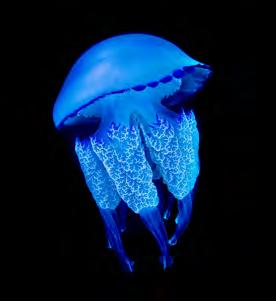
or jellyfish?
Picture a jellyfish—yes, really! (Fig
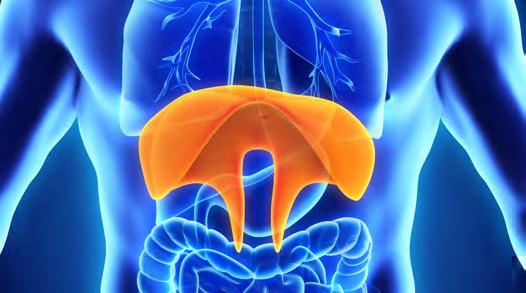
2) Shaped not unlike our weird and wonderful marine friend (true fact: some jellyfish are immortal), the diaphragm is a dome-shaped muscle that separates the thoracic (chest) cavity from the abdominal cavity (FIG 3). It has three primary attachment points:
1. Costal (Rib) Attachment – Inner surfaces of the lower six ribs.
2. Lumbar (Back) Attachment – Upper two or three lumbar vertebrae (L1-L3).
3. Sternal (Front) Attachment – The inner part of the xiphoid process (if you visualise your sternum as a tie then the xiphoid process is the point of the tie at the bottom ).
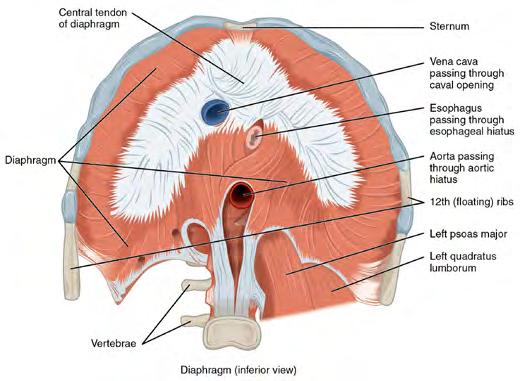
It’s insertion point is the central tendon, which is unique because it doesn’t attach to a bone—just itself! The central tendon is non contractile but can flatten if the surrounding muscular fibres contract - as we will discover later, this is important in the mechanism of breathing. (FIG 4)
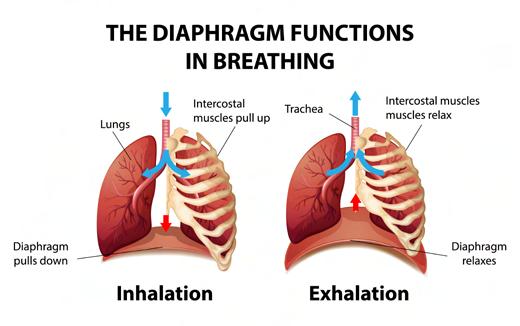
Breathing might seem simple, but the biomechanics behind it are fascinating. When you inhale, the diaphragm contracts and flattens, creating more space in the chest cavity, which pulls air into the lungs. When you exhale, it relaxes and domes up, pushing air out. This movement is critical for oxygen exchange, but it also plays a role in digestion, circulation, and even relaxation. (FIG 5)
When engaged in diaphragmatic breathing, the abdomen bulges out on the inbreath (when the diaphragm contracts and flattens) and is drawn in on the exhale. For some people, the reverse happens – the abdomen is drawn in on the inhale and out on the exhale. This is known as paradoxical breathing and can be a key reason for developing trigger points and dysfunction in this muscle.
The diaphragm is controlled by the phrenic nerve, which originates from
3. Esophageal Hiatus: for the Esophagus – the food highway to the stomach. The vagus nerve (a major parasympathetic nerve) also passes through this aperture
cervical vertebrae C3, C4, and C5. There’s a handy mnemonic to remember this: “C3, 4, 5 keeps you alive.” Damage to this nerve can seriously impact breathing, making it a vital player in life itself.
Hidden connections: the diaphragm and its neighbours
The diaphragm isn’t an isolated muscle—it has some important friends! Two key muscles in close relationship with the diaphragm are:
• Quadratus Lumborum (QL) – A deep back muscle that affects lower back movement and stability.
• Psoas Major – A deep hip flexor muscle that connects to the lumbar spine and plays a huge role in posture.
If the diaphragm becomes tight or restricted, it can influence these muscles, leading to lower back pain and postural imbalances.
The diaphragm’s secret passageways (FIG 6)
This muscle isn’t just a partition; it also allows vital structures to pass through it. Three major openings let key players travel between the chest and abdomen:
1. Caval Opening: for the Inferior Vena Cava – carries deoxygenated blood to the heart
2. Aortic Hiatus: for the Aorta – the body’s main artery
A fun way to remember these is the mnemonic CAVE:
• C – Caval opening
• A – Aortic hiatus
• V – Vagus nerve
• E – Esophageal hiatus
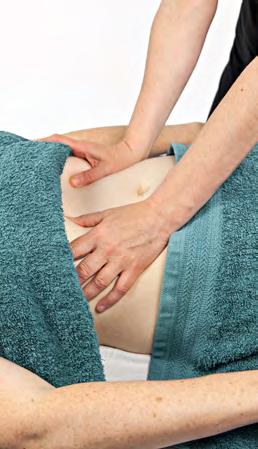
Palpation: can you feel the diaphragm? (FIG 7)
For massage therapists and bodyworkers, being able to palpate the diaphragm is a game-changer.
With your client in a sidelying or supine position with knees up, you can gently swim your fingers under the ribcage (costal arch) while the client breathes deeply. Since the diaphragm is surrounded by major organs like the liver and stomach, gentle listening touch is key! Ask your client to breathe deeply in and out to see if you can feel the contraction and relaxation of the muscle.
Let’s test your newfound knowledge:
1. What are the three attachment points of the diaphragm?
2. Name four structures that pass through the diaphragm.
3. Which muscles are intimately associated with the diaphragm?
Check back at the text to see if you were right!
Ligaments, bursa, and veins—oh my!
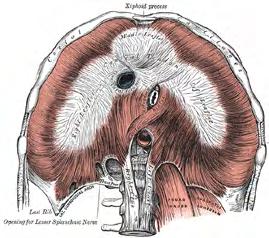
Now, let’s geek out a bit more and explore the intricate ligaments connected to the diaphragm. These structures play a vital role in stabilizing the diaphragm and linking it to surrounding muscles and bones.
The Arcuate Ligaments
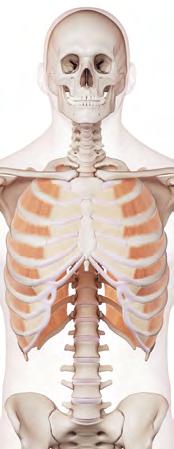
points in the rectus abdominis, transverus abdominis or obliques can be mistaken for diaphragm tension.
Quick Quiz!
1. What role do the intercostals play in breathing?
2. Which abdominal muscle is deepest and wraps around the torso?
3. What is the easiest way to visualize the abdominal muscles?
The diaphragm has three arcuate ligaments, which act as thickened bands connecting it to the lumbar vertebrae and ribs:
• Lateral Arcuate Ligament – A thickening of the thoracolumbar fascia deep to the Quadratus Lumborum (QL). It extends from L1 to the 12th rib.
• Medial Arcuate Ligament – Spans over the Psoas Major, connecting the lumbar vertebrae to the diaphragm.
• Median Arcuate Ligament – This ligament forms an arch over the Aorta, contributing to the aortic hiatus. These ligaments demonstrate just how closely the diaphragm interacts with the QL and Psoas, which is why releasing tension in these muscles can positively impact diaphragmatic function.
Quick Quiz!
Test your knowledge:
1. What are the three arcuate ligaments of the diaphragm?
2. Which ligament forms an arch over the Aorta?
3. What muscles are closely linked with these ligaments?
Write down your answers and check back to see how well you did!
Muscle matters: the diaphragm and its supporting cast
Understanding the diaphragm also means considering the surrounding muscles,
particularly those in the thorax and abdomen. For our purposes, we’ll focus on the abdominals (rectus abdominis, external and internal obliques, and transverse abdominis) and the intercostals since they can contribute to tension and trigger points affecting the diaphragm.
The external and internal intercostals play a critical role in breathing (FIG 8)
• External intercostals assist with inhalation by pulling the ribs superiorly.
• Internal intercostals assist with exhalation by pulling the ribs inferiorly.
You can palpate your intercostals by placing your fingers in the spaces between your own or your clients ribs and taking deep breaths. Feel the expansion? That’s them at work! (FIG 9)
The abdominals: the core connection
Think of the abdominals like the Union Jack flag: (FIG 10)
• Rectus abdominis – Runs from superior to inferior (top to bottom); this is your classic six-pack muscle. (FIG 11)
• Transverse abdominis – The deepest layer, running horizontally; it engages during coughing, sneezing, and core stabilization.
• Obliques – The external oblique on one side interacts with the internal oblique on the other, forming a diagonal cross pattern.(FIG 12)
These muscles attach at the cartilage of ribs 5, 6, and 7 and the xiphoid process— which, interestingly, is also an attachment site for the diaphragm. This is why trigger
Write down your answers and check back for insights!
Fascial connections: the deep front line
The diaphragm is not just a muscle of respiration; it plays a crucial role in the body’s Deep Front Line—a myofascial chain that runs from the feet to the head. This fascial network, described by Tom Myers, forms a continuous line of tension and support that integrates multiple body regions. The Deep Front Line extends:
• From the bottom of the feet, through the adductor muscles of the thighs,
• Envelops the pelvic floor,
• Travels up through the psoas muscle,
• Passes through the diaphragm (a key structural component),
• Wraps around the lungs and heart,
• Continues up the neck, and
• Ends in the jaw and tongue.
This fascial highway links posture, stability, and movement, making the diaphragm a central player in how force and tension are transmitted throughout the body. Because of its profound integration with other structures, tension or dysfunction in the diaphragm can create compensatory patterns along the entire chain.
The Deep Front Line is sometimes called the “trauma line” because of its involvement in emotional and physical stress responses. When we experience trauma, whether physical (such as injury)
or emotional (such as chronic stress), the body tends to hold tension along this fascial network. Since the diaphragm is central to both breathing and nervous system regulation, it can become restricted when stress patterns persist, leading to:
• Shallow breathing patterns,
• Increased tension in the psoas and pelvic floor,
• Postural imbalances affecting the spine and head position,
• A chronic fight-or-flight response due to limited vagal tone.
By working with the diaphragm and its fascial connections, bodyworkers, therapists, and movement specialists can help release long-held tension, improving not just physical function but also emotional resilience.
In Chinese Medicine, the diaphragm serves as the gateway between the upper and lower parts of the body, playing a vital role in regulating the ascending and descending functions of Qi, blood, and fluids. This regulation ensures the efficient transportation of energy and nourishment to the brain and internal organs, supporting overall vitality.
Regulatory Role:
• Modulates the parasympathetic nervous system, helping to control internal organ functions and maintain homeostasis.
• Ser ves as a mediator of yin and yang, balancing dynamic, active responses with calm, restorative states.
Dynamic Functionality:
• Yang Aspect: Quickly activates during high-demand activities (e.g., sprinting) to facilitate rapid oxygen exchange.
• Yin Aspect: Maintains a gentle, continuous function during everyday breathing, fostering calm and balance.
Overall Impact:
• Enhances the body’s self-regulatory capacity and general well-being.
• Encourages smooth energy flow, promoting a state of grace in both physical movement and daily life.
The diaphragm connects to all 14 primary meridians, influencing both:
• Superficial Meridians: Affecting muscles, fascia, and tissues.
• Internal Meridians: Supporting the function of internal organs.
This profound relationship allows the diaphragm to influence organ function, circulation, and overall vitality, making it a key player in traditional healing modalities. Blockages or tension in the diaphragm can disrupt energy flow, contributing to emotional distress, digestive issues, and overall imbalance.
By expanding our understanding beyond the diaphragm itself, we unlock a more complete picture of how breathing, posture, and movement interact. The diaphragm is not just a muscle—it’s a bridge between systems, a regulator of energy, and a fundamental component of our well-being. Keep exploring, keep breathing deeply, and never stop geeking out over the wonders of the human body!
Rachel Fairweather is author of the best-selling book for passionate massage therapists – ‘Massage Fusion: The Jing Method for the treatment of chronic pain”. She is also the dynamic co-founder and Director of Jing Advanced Massage Training (www.jingmassage.com), a company providing degree level, hands-on and online training for all who are passionate about massage.
www.jingmassage.com Tel: 01273 628942
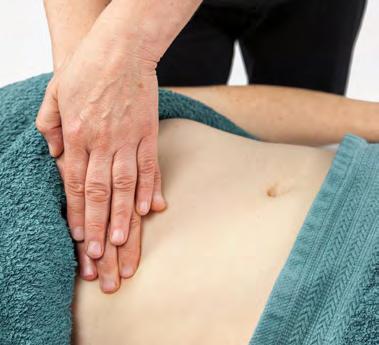
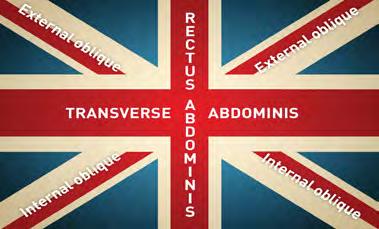
11
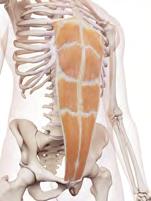
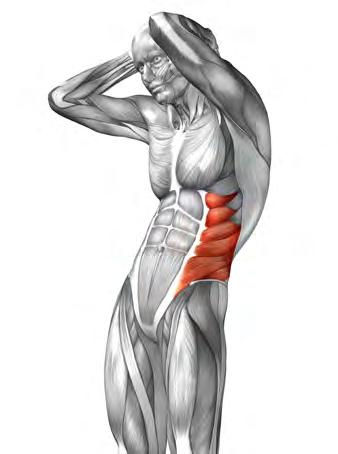
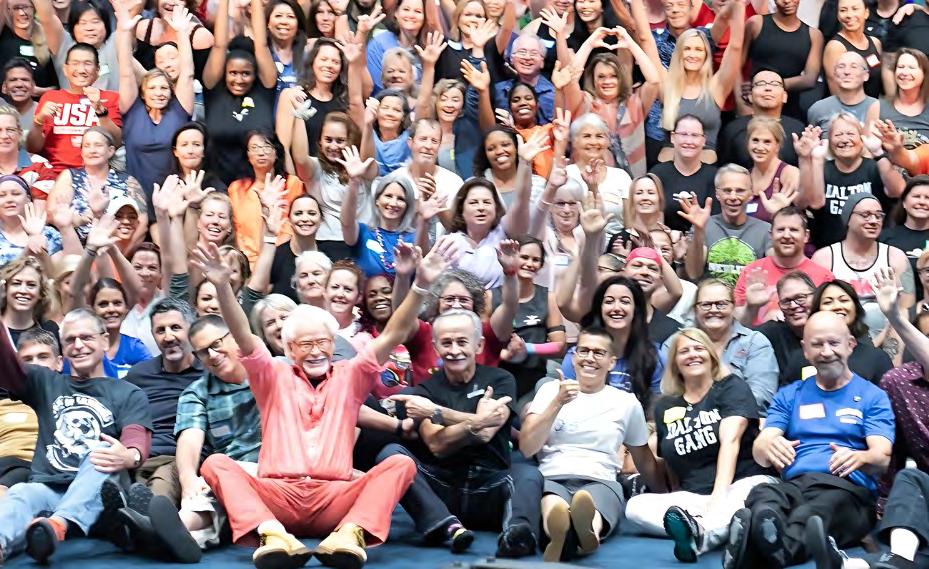
By the Dalton Myoskeletal team
Massage and bodywork therapists encounter a dizzying array of client complaints. Some clients live with persistent pain that resists conventional approaches, while others display postural and compensation patterns that confound treatment plans. Often, these structural and movement adaptations seem permanent, leaving clients vulnerable to chronic pain and repetitive stress injuries. Practitioners often describe a similar frustration: the work feels effective in the moment, but results don’t last and pain returns, often in a new location.
rik Dalton, Ph.D., developed Myoskeletal Alignment Techniques (MAT)® to address the unsettling pain epidemic he faced as a manual therapist in the United States. His initial bodywork system sprang from training in Ida Rolf’s Structural Integration and from studies in osteopathic medicine, psychology, and neurology at the Menninger Foundation, Mueller College of Holistic Studies, and Michigan State University College of Osteopathic Medicine. This diverse educational foundation provided the framework, but clinical practice truly shaped MAT. Over four decades, Erik tested and evolved the system as pain science advanced, and he unraveled clinical pain puzzles in his private practice.
Today, MAT offers manual therapists a pragmatic intervention for the stubborn
postural, biomechanical, and neurological patterns they encounter daily. Erik’s methods produce significant results that last as clients embrace an improved relationship with movement.
Though Erik passed away in January 2025, his legacy thrives through more than 350 certified practitioners and his education team, who continue to preserve and teach his work. We’re excited to introduce core MAT principles to therapists in the U.K. encountering this approach for the first time (Image 01). Image 01: Erik (front row, wearing pink clothing) with participants at the annual Oklahoma City workshop in 2023.
Erik viewed assessment as a continuous process of evaluating and addressing biomechanical and neurological adaptations. Assessment never stops but evolves moment by moment as the therapist observes, palpates, tests motion, applies an intervention, and immediately checks whether the body shifts. The question is, “Did it change? Does movement feel safer, smoother, easier?” If no, the therapist can’t double down; they must be skilled and flexible enough to adjust their strategy.
A.R.T. refers to asymmetry, restriction of motion, and tissue texture abnormality. It is the lens through which myoskeletal therapists observe and palpate the body. Asymmetry highlights imbalanced load sharing throughout the kinetic chain, while restriction of motion directs attention to where and how movement is limited. Tissue texture abnormality sharpens awareness of neuromuscular tone and protective responses. Together, these findings guide intervention and provide a baseline for reassessment.
Erik often referenced Vladimir Janda’s concept of crossed syndromes to organize his assessment of global neuromuscular
imbalance. In this framework, Janda proposed that tonic muscles with a predisposition toward hypertonicity and shortened resting lengths tend to dominate movement, while phasic muscles may become inhibited. These predictable “crossed” relationships helped Erik identify why movement breaks down across regions, why compensations persist, and why pain often appears distant from its mechanical source.
Erik wrote, “Treat the pattern, not the pathology.” He emphasized that symptoms are often downstream expressions of larger mechanical and neurological disturbances. Rather than chase pain around the body, myoskeletal therapists aim to correct underlying asymmetries that perpetuate muscle guarding, compensation patterns, and symptoms. Central to this philosophy is “leveling the head and tail,” where therapists use techniques to restore muscular balance and alignment of the occiput and sacral base. Erik believed that leveling the head and tail allowed the nervous system to release unnecessary guarding, joints to move more freely, and targeted techniques to become more effective (Image 02–03).
Image 02: The OA Chin Tuck is one MAT technique used to level the head. This procedure mobilizes the occipito-atlanto (OA) joint and stretches the suboccipitals.
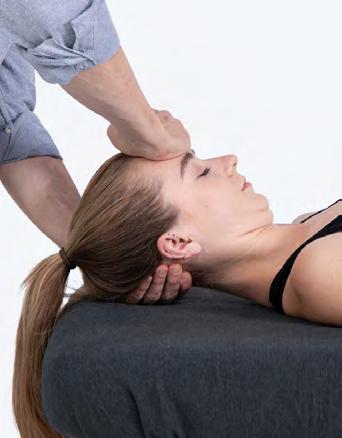
Standing at the head of the table, the therapist slides the left hand under the client’s head to cradle it while using the right hand to brace the client’s forehead. The therapist asks the client to tuck the chin to the chest. With elbows extended and hands fixed, the therapist steps to the right foot and applies a gentle two-second overpressure that increases OA flexion, placing a stretch on the suboccipitals. The therapist works within the client’s comfort zone and repeats the chin tuck three or four times, then reverses hand position, steps onto the left foot, and repeats three or four times.
Image 03: This iliosacral alignment technique is one MAT application used to address pelvic asymmetry by targeting restricted rotation and the muscles that influence sacral and iliac positioning. The therapist stands on the client’s left side. The therapist’s right hand lifts the client’s right ilium, while the left hand braces the client’s left posterior superior iliac spine. The therapist gently pulls with the right hand while resisting with the left, then asks the client to push the right ilium toward the table for a count of five, then relax. The therapist rotates the client’s pelvis to the next restrictive barrier and repeats. The therapist performs this maneuver three to five times, then repeats on the other side. By addressing rotational restrictions and recalibrating muscle tone throughout the pelvis, this technique supports more balanced sacral positioning. 2 3
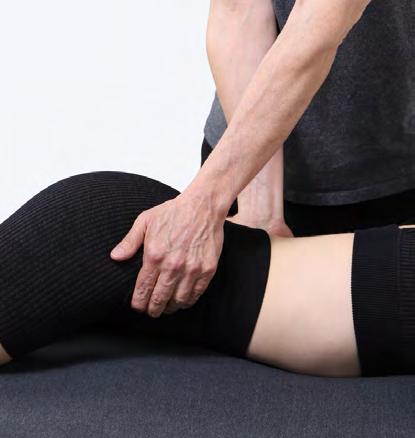
DALTON METHOD
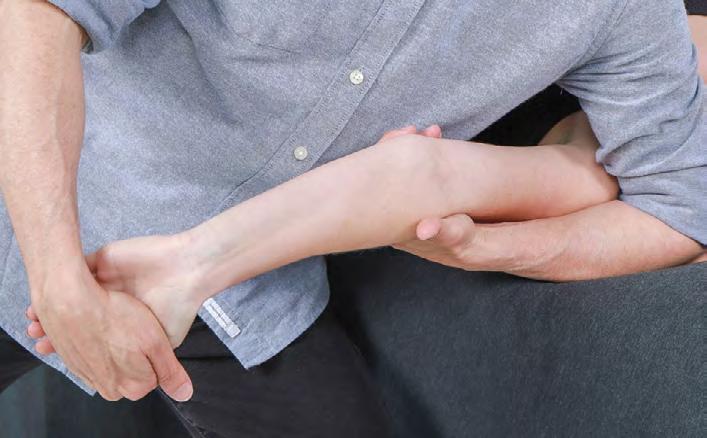
Nerve fascicles are wrapped in connective tissue that, when movement is restricted, may contribute to increased mechanosensitivity and pain. Nerve gliding, sometimes called “flossing,” involves specific body positions and movements that pull a nerve back and forth along its path. Nerve tensioning elongates a nerve by placing it under gentle tensile force at both ends. Erik integrated nerve mobilization techniques with other approaches to address common soft-tissue conditions, such as carpal tunnel syndrome, thoracic outlet syndrome, hip pain, and piriformis syndrome (Image 04).
Image 04: The therapist sets up for median nerve gliding by grasping the client’s right arm above the elbow with the client’s arm abducted to 90 degrees. The therapist’s left forearm rests on the table to brace and stabilize the superior border of the client’s shoulder. With the right hand, the therapist grasps the client’s wrist and externally rotates the arm while extending the client’s thumb, index, and middle fingers and supinating the wrist. The therapist asks the client to sidebend the head to the left, then return to neutral, moving at a slow, rhythmic pace. As the client returns to neutral, the therapist extends the client’s wrist, fingers, and elbow. As the client sidebends, the therapist releases pressure on the wrist, fingers, and elbow. The client pulls the nerve to the left while the therapist pulls it to the right, creating a flossing action. The therapist continues these coordinated movements for five cycles.
Most bodywork therapists recognize that chronic musculoskeletal pain follows a predictable pattern. An injury causes pain, and clients fear that movement will aggravate symptoms or cause further damage. They alter movement patterns and reduce activity. Eventually, the injury heals, but for many clients, the pain pattern persists, and disability continues. People living with chronic pain are prone to central sensitization, a broad term referring to nervous system hyperexcitability. Central sensitization often produces defensive muscle spasms, muscle imbalances, and ongoing compensation patterns.
Erik called MAT brain-based bodywork because techniques apply complex mechanical loads to soft tissue, generating novel proprioception that re-educates the nervous system about pain and movement. Graded-exposure stretches help break fear-avoidance cycles, while rhythm and entrainment soothe the nervous system and make movement feel safe.
Erik designed techniques that produce therapeutic effects through an elegant integration of mechanical forces and neurological responses. Rather than isolating forces such as compression, tension, shear, and torsion, Erik wove them together to create complex loads that engage the whole neuromuscular
system. At the heart of his approach was understanding that mechanical load is only part of the story. What matters is the proprioceptive richness that emerges when complex loads cause layers of mechanoreceptors to fire together, sending novel patterns of information to the brain (Image 05).
Image 05: Each of these MAT techniques generates multiple forces simultaneously, activating different receptor types: Pacinian corpuscles respond to compression, Ruffini endings activate through sustained stretch and skin tension, muscle spindles register stretch, Golgi tendon organs monitor tension changes, and joint receptors track movement patterns. The brain receives dense, complex proprioceptive information, much richer than what daily activities or most massage techniques provide.
This proprioceptive richness supports pain modulation through several mechanisms. Large-diameter mechanoreceptor fibers can “close the gate” on smaller pain fibers at the spinal cord level. When therapists activate multiple mechanoreceptor types simultaneously, they flood the nervous system with nonthreatening sensory information that can override pain signals. The brain constantly predicts what should happen next based on sensory input. When movement consistently produces pain, the brain learns to expect pain with that movement, even after the original injury heals. Proprioceptive richness interrupts this prediction, challenging old pain associations.
For motor control, proprioceptive richness helps the nervous system recalibrate muscle tone and movement patterns. Chronic pain often triggers protective muscle guarding that becomes habitual, restricting movement and perpetuating discomfort. When therapists introduce proprioceptively rich input that is simultaneously engaging and nonthreatening, they give the nervous system permission to release unnecessary protective mechanisms and allow for more balanced, efficient movement.
As a drummer, Erik developed many
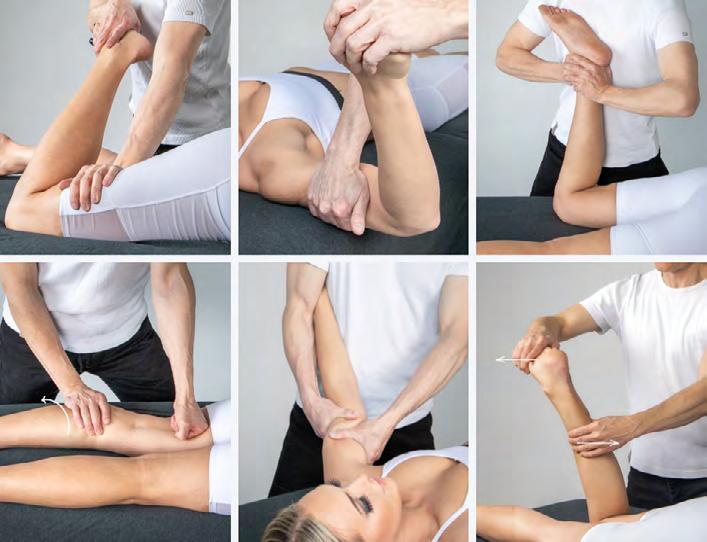
techniques using oscillating, repetitive input and a steady cadence. The human nervous system is wired to respond to rhythmic input. Research suggests that rhythmic sensory input can entrain neural oscillations, synchronizing brainwave patterns to external rhythms. This predictability promotes activation of the parasympathetic nervous system. Unlike unpredictable or threatening stimuli that activate sympathetic responses, rhythmic input signals safety and feels calming to clients.
The underlying principle of graded-exposure stretching comes from cognitive-behavioral therapy, where gradual contact with anxietyproducing stimuli promotes healing from phobias and anxiety disorders. When a person avoids movement, they inadvertently reinforce their fear. Graded-exposure stretching systematically introduces the feared stimulus in a controlled manner, helping clients break the cycle of avoidance and fear reinforcement (Image 06).
To perform a graded-exposure stretch, the therapist moves the client’s body to the first mild pain barrier and instructs the client to contract their muscles against resistance for a count of five, then relax. The therapist then moves the client’s body to the next mild pain barrier and repeats the sequence multiple times until the client becomes comfortable
with the movement.
Image 06: In this graded exposure stretch of the external hip rotators, Erik places the client’s right foot across the left knee with toes pointing toward the end of the table. The therapist controls the knee with the right hand while the left hand braces the client at the right ASIS. The therapist asks the client to gently push the knee into the therapist’s hand for a count of five, then relax. The therapist pushes the client’s knee toward the table until they find the next restrictive barrier, then asks the client to push the knee against resistance for a count of five, then relax. The therapist repeats this procedure five times on both sides.
Erik Dalton’s Myoskeletal Alignment Techniques offer manual therapists a comprehensive framework for addressing the complex interplay of structure,
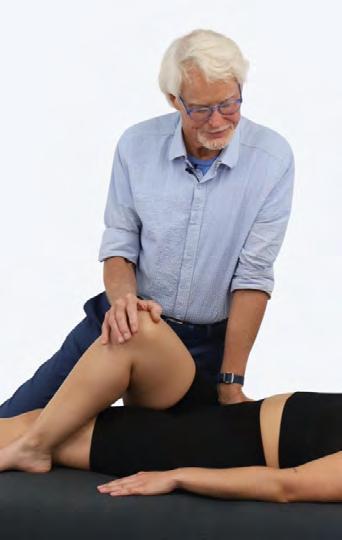
movement, and nervous system function underlying persistent pain and dysfunction. By treating patterns rather than chasing symptoms, continuously assessing change, and understanding that mechanical intervention is ultimately a conversation with the brain, MAT provides practical tools that produce lasting results. Though Erik has passed, his legacy endures in the hands of therapists worldwide who continue to apply his methods with skill, flexibility, and respect for the body’s capacity to reorganize toward health. For therapists encountering MAT for the first time, this introduction scratches the surface of a rich system that rewards ongoing study and clinical application with the satisfaction of watching clients move beyond limitation toward greater freedom and function.
ERIK DALTON, PH.D. , is a recognized pioneer in the bodywork community. He founded Myoskeletal Alignment Techniques (MAT) - a bodywork system developed from his extensive training in Ida Rolf’s Structural Integration, osteopathy, and neurology. Erik Dalton passed away on January 11, 2025 but his work continues through online courses and workshops taught by MAT educators.
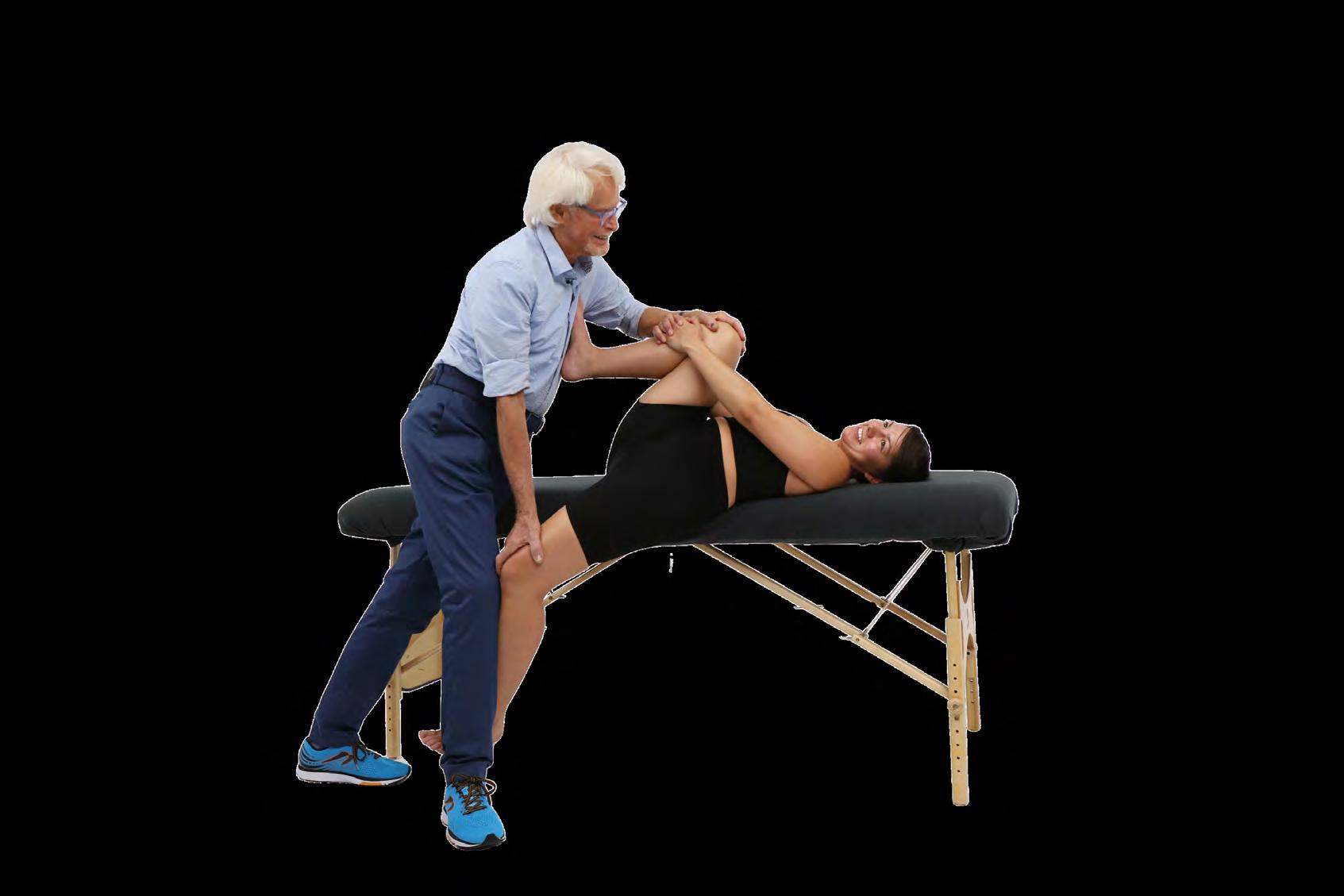
Learn from international MAT Educator Clinton Merrifield. Currently scheduled workshops include Frankfurt, Germany, and Amsterdam, the Netherlands.
SEE THE WORKSHOP SCHEDULE, LEARN MORE, AND REGISTER AT ERIKDALTON.COM/WORKSHOPS.
Choose from 14 online or homestudy courses taught by Erik, featuring video demonstrations of techniques. Feel confident addressing complex pain patterns, injury, and soft-tissue pathologies.
SEE THE COURSE CATALOGUE, LEARN MORE, AND REGISTER AT ERIKDALTON.COM/COURSES.



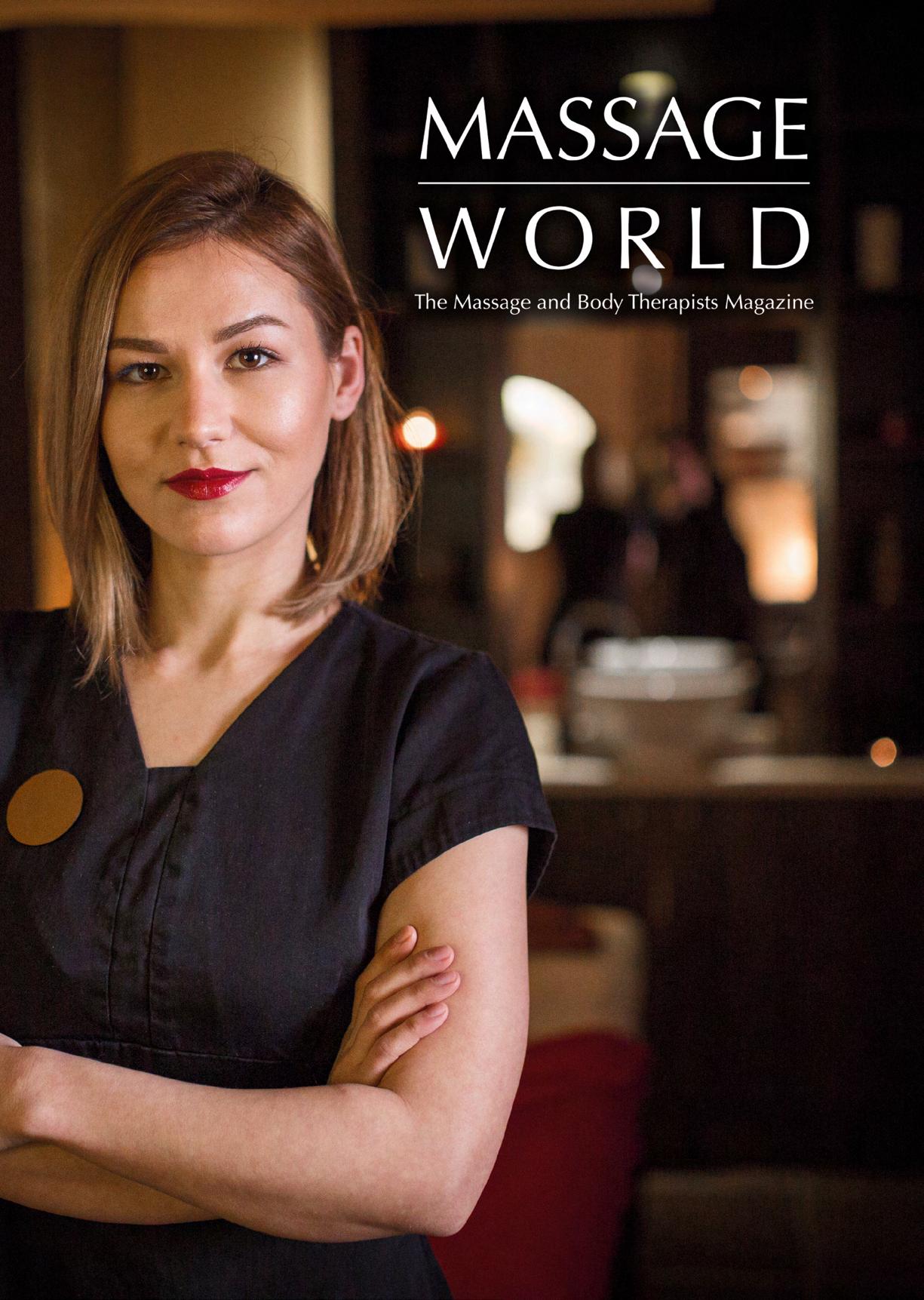
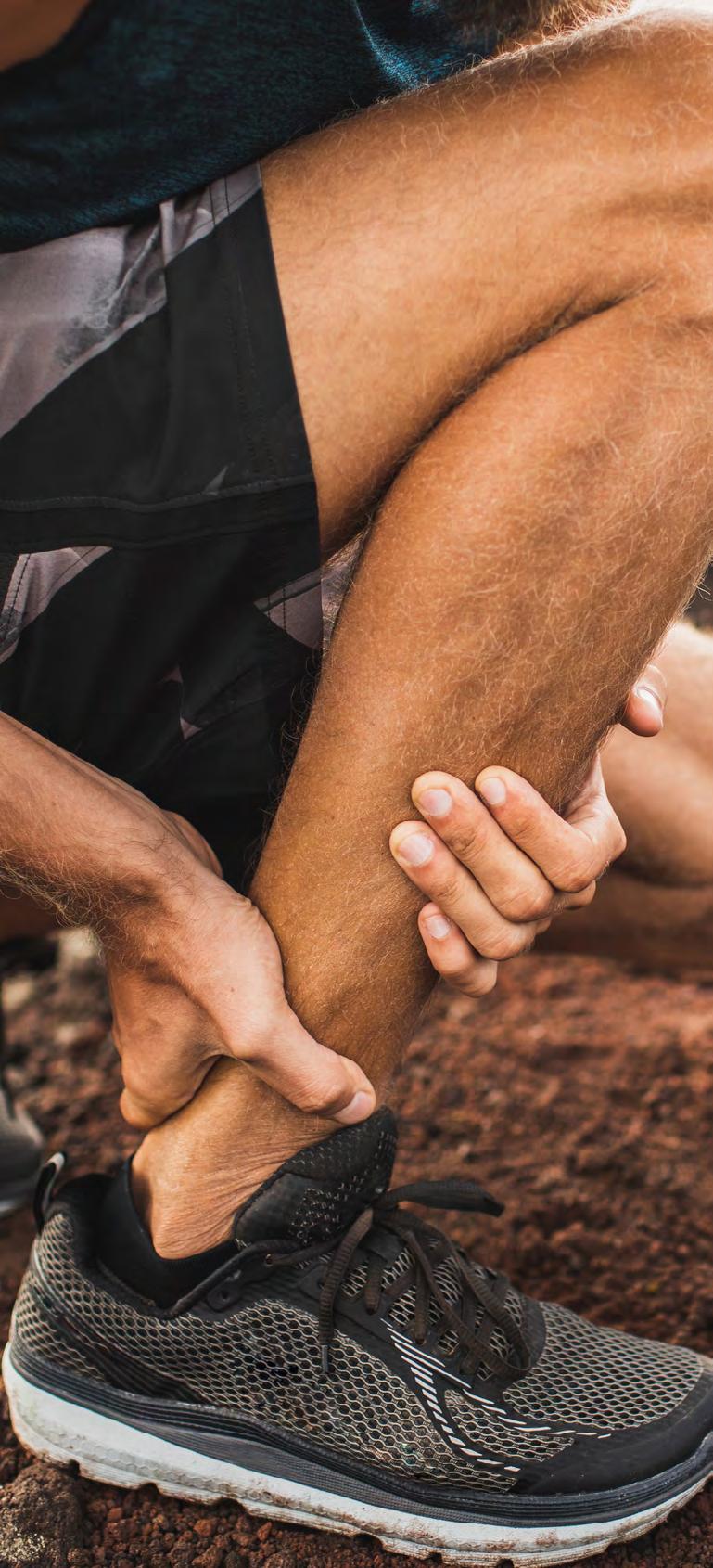

BY CASSANDRA GRAMOZI
Most conversations about lower limb injuries in sport follow a familiar script. We talk about overload, tendinopathies, training errors, and cumulative stress injury as something that quietly creeps in over time.
This case didn’t follow that pattern at all. This was a full rupture. A clear moment of trauma.Followed by surgery. This particular surgery was unique in the UK, performed only a handful of times at this point; it was a reinforced, accelerated repair technique [1], and one I hadn’t worked with before.
And I didn’t meet the athlete at the beginning of their rehabilitation journey. I met them later in that sometimes uncomfortable, frustrating in-between stage. The stage where the surgery is technically successful, strength numbers are improving, but movement still doesn’t feel trustworthy. Where the body looks repaired on paper, but doesn’t yet behave like it believes that repair.
What this case ultimately taught me was the difference between repair and reconstruction, and why effective rehabilitation depends on thinking in systems, not segments.
The athlete was a winter sport competitor in their mid-30s - fast, elastic, and explosively powerful. A sprint-pattern dominant mover who loaded their Achilles like a spring.
They had sustained a complete Achilles rupture during a training session. They then underwent surgical re-attachment using a wire fixation technique designed to tolerate earlier loading and accelerate return-to-performance benchmarks. The procedure is well documented in orthopaedic literature, and on paper, the outcomes are compelling [1]. And the reason for this was that the Winter Olympics were less than a year out. Time was not on our side.
But here’s the reality that often gets lost: Repairing a tendon is one thing. Reteaching an entire lower limb to trust that tendon again is something else entirely.
I met them during the sub-acute phase of rehabilitation at the UK Sport Institute
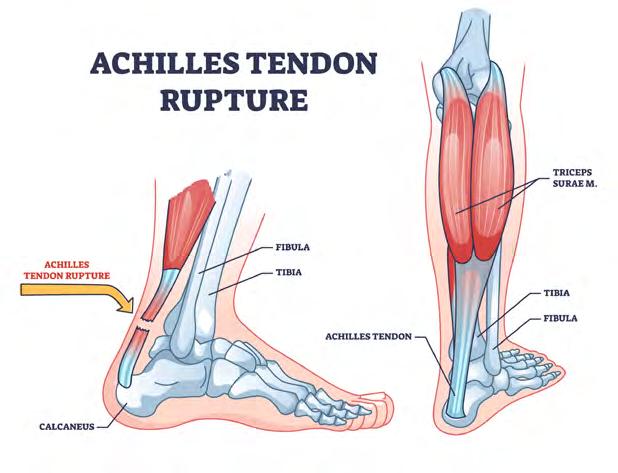
(UKSI) Intensive Rehabilitation Unit (IRU), based at Bisham Abbey National Sports Centre. The IRU offers residential, highintensity rehabilitation for elite athletes within the British Olympic system, bringing together a full multidisciplinary team (MDT) under one roof.
With only a small number of athletes in residence at any one time, the model allows for deeply individualised care. For this athlete, that meant I was able to work with them twice a week over several months, an invaluable window into how change actually unfolded over time.
My role within the multidisciplinary team
Within the IRU, the athlete was supported by a full MDT: sports doctor, psychologist, nutritionist, strength & conditioning coach, and physiotherapist.
My remit was Soft Tissue Therapy.
Now, it’s easy to reduce that role to “hands-on work” or to assume soft tissue input sits on the periphery of performance rehabilitation. But the way I practise, and the way we teach at NLSSM, demands structured clinical reasoning at every stage.
Soft Tissue Therapy in a highperformance return-to-sport pathway is not cosmetic.
It is targeted, hypothesis-led, and assessment-driven.
This is where I believe massage and soft tissue therapists need to step into a clearer professional identity. We are not passive technicians. We are contributors to the decision-making ecosystem.
The MDT handover was thorough and collaborative. We were aligned on goals and constraints. But what emerged in the first hands-on session shifted the direction of the work.
On initial palpation, the athlete’s right anterior knee and plantar fascia felt tethered, not acutely tender, not inflamed, but stuck. This wasn’t local tissue irritation; it was the kind of immobility that comes from prolonged protection and lack of movement.
The boot had created a holding pattern. Their body was behaving like a suspended puppet, segments waiting for permission to move.
Crucially, the first breakthrough didn’t come from working directly on the Achilles. It came from working everywhere around it. We ran a structured assessment chain that included:
• Tissue mobility mapping through the calf, hamstrings, lateral hip and adductors
• Fascial glide and spacing between the 1st–3rd metatarsals (particularly relevant given the prolonged boot)
• Functional knee-to-wall testing or also known formally as weight weightbearing lunge test[2], is a marker of weighted dorsiflexion tolerance
• The knee-to-wall test became our primary outcome measure. It gave us an honest indicator of their willingness, not just ability, to load
the chain. It was easy to repeat, visible to the athlete, and could be shared consistently across physio and gym sessions.
• That consistency mattered, for both practitioners and the athlete.
Following treatment focused on fascial release through the anterior & posterior knee, plantar fascia, and thoracolumbar line, their knee-to-wall measure improved significantly within the session. Importantly, this change did not occur when we went straight to the site of injury. The system, not the tendon, was holding the brakes.
Intervention evolved session by session, guided by reassessment. Techniques included:
• Soft Tissue Therapy (STT) through the posterior chain
• Instrument-assisted STT through anterior and posterior knee structures, including the popliteus
• Fascial mobilisation between the 1st and 3rd metatarsals
• Deep and soft tissue work through the thoracolumbar fascia and region of the right quadratus lumborum
• Intercostal spacing combined with breath-guided thoracic work
We also treated the left hip, not because it was “injured”, but because crutching and guarded weight transfer had quietly written compensatory patterns into the system.
After each intervention block, we retested. And the pattern was remarkably consistent. This is often the point in workshops where newer therapists raise an eyebrow.
But it’s worth saying clearly: Sometimes the solution lives nowhere near the scar.
The psychology mattered as much as the hands-on work
One of the most significant aspects of this case was the role Soft
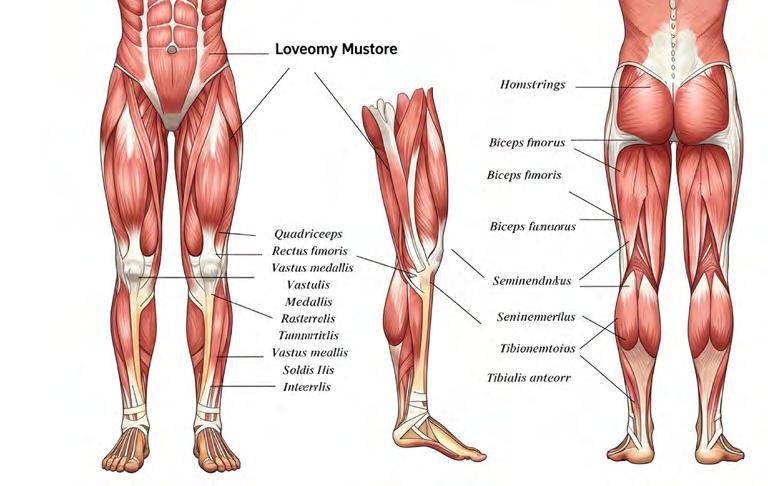
Tissue Therapy played as a bridge, both physiologically and neurologically.
While the surgery reconstructed the tendon, rehabilitation required the athlete to rebuild trust in movement. That process is rarely linear.
Touch, when delivered with consent, intention, and clinical reasoning, has a powerful influence on the nervous system - manual therapy can potentially help modulate pain perception, reduce threat, improve body awareness, and enhance engagement when paired with clear communication. [3] [4] [5]
But beyond the data, there was something else happening in the treatment space.
The room became somewhere the athlete wasn’t being tested or measured. It was a controlled environment where discomfort could be explored gradually, where pacing was respected, and where they could recalibrate their perception of load without performance pressure.
Soft Tissue Therapy allowed for graded exposure, influencing tone where protective holding patterns had developed and supporting interoceptive awareness. They learned to distinguish surgical sensation from protective tension, and protective tension from genuine overload.
I do believe that well-reasoned touch signals safety to the nervous system. It creates a platform upon which
more demanding strength, power, and plyometric work can eventually be built.
In this way, STT became more than symptom management.
It became part of neuromuscular reeducation, a bridge between immobilisation and confident movement.
This is not a story about an exceptional individual. It’s a story about process.
The temptation after surgery is always to zero in on the site of repair. But that site is only one chapter in a much larger story. In this case, the real limiter wasn’t the tendon, it was the system surrounding it.
Had I treated the calf simply because “Achilles = calf”, this outcome would not have occurred.
The change came from following a chain of reasoning:
scar → boot → immobilisation → fascial tethering → altered gait → altered thoracic tension → load inhibition → reduced dorsiflexion → increased threat perception
We worked with the system, not the symptom.
This case highlights an important message for our profession: effective rehabilitation is not about isolated tissue work. When applied thoughtfully, Soft Tissue Therapy can influence both mechanical and neurological readiness,
creating a safe space for movement to be relearned and confidence restored.
That requires more than technical skill. It requires structured assessment frameworks, integrated with palpation and clinical reasoning, so that intervention and reassessment inform each other continuously.
When that feedback loop is in place, touch becomes more than a technique. It becomes a tool for recovery at every level; tissue, system, and psyche.
1 - Byrne PA, Hopper GP, Wilson WT, Mackay GM. Knotless Repair of Achilles Tendon Rupture in an Elite Athlete: Return to Competition in 18 Weeks. J Foot Ankle Surg. 2017 Jan-Feb;56(1):121-124. doi: 10.1053/j. jfas.2016.07.007. Epub 2016 Aug 21. PMID: 27555353.
2 - Powden CJ, Hoch JM, Hoch MC. Reliability and minimal detectable change of the weight-bearing lunge test: A systematic review.Man Ther. 2015 Aug;20(4):52432 (last accessed 12 November 2018)
3 - Moseley GL, Flor H. Targeting cortical representations in the treatment of chronic pain: a review. Neurorehabil Neural Repair. 2012 JulAug;26(6):646-52. doi: 10.1177/1545968311433209. Epub 2012 Feb 13. PMID: 22331213.
4 - Moseley GL, Nicholas MK, Hodges PW. A randomized controlled trial of intensive neurophysiology education in chronic low back pain. Clin J Pain. 2004 SepOct;20(5):324-30. doi: 10.1097/00002508-20040900000007. PMID: 15322439.
5 - G. Lorimer Moseley, David S. Butler, Fifteen Years of Explaining Pain: The Past, Present, and Future,The Journal of Pain,Volume 16, Issue 9, 2015,Pages 807-813, ISSN 1526-5900,
Since qualifying with NLSSM, The School of Soft Tissue Therapy in 2008, Cassandra Gramozi has gained extensive experience in sports massage and soft tissue therapy across private practice, professional sport and elite performance environments. Her career began in clinics and at sporting events before moving into professional rugby, where she worked with Saracens RFC and later served as Senior Soft Tissue Therapist at Wasps RFC. There, she developed a strong interest in movement, rehabilitation, and equipment Pilates as tools to support recovery and improve performance. She then spent four years working in Olympic sport with the UKSI (previously English Institute of Sport) and the Intensive Rehabilitation Unit, contributing to multidisciplinary care for elite athletes during complex rehabilitation. Since 2017, Cassandra has been a Consultant Soft Tissue Therapist to the England U21 Men’s Football team, contributing to their European Under-21 Championship successes in 2023 and 2025 through an integrated approach combining soft tissue therapy, movement analysis and Pilates-based exercise. Alongside this work, she lectures and manages NLSSM, works with Complete Pilates Online delivering one-to-one and group sessions, and continues to see private clients at her North London clinic.
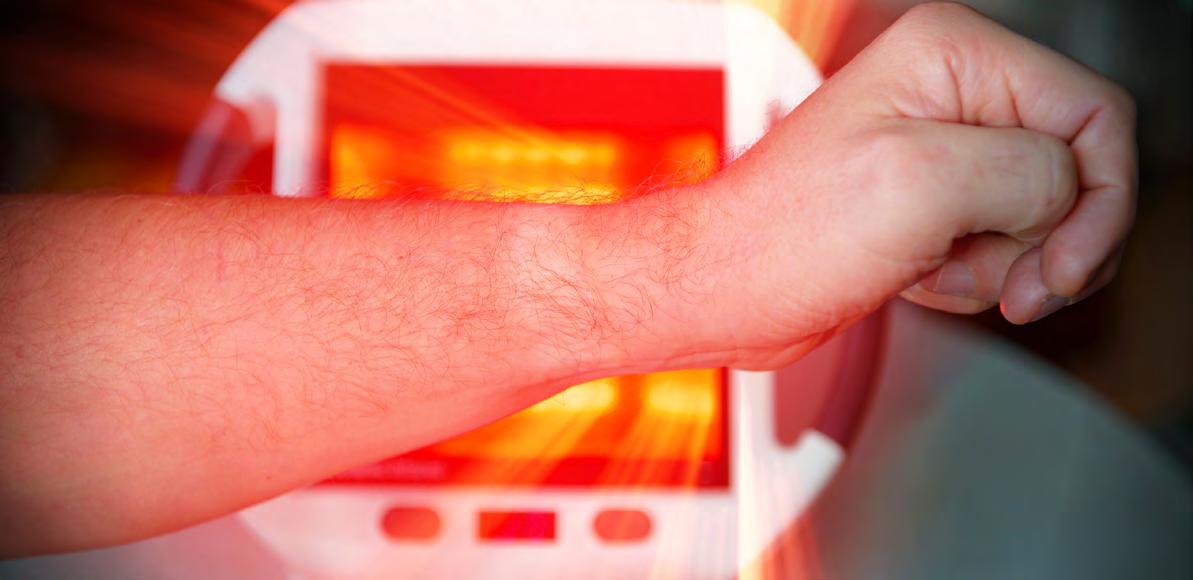
Susan: Thank you so much for speaking with me. As you know, I have a client who sees you for red light therapy to help her with her symptoms of PTSD. She told me that for the first time in almost 15 years, she had a full night’s sleep. She feels hopeful that this therapy might play a significant role in her healing.
I must be honest. I don’t know much about red light therapy beyond what I’ve researched online. I’ve seen some promising results, but I’d really like to understand it better so I can make more informed decisions. Could you tell me a little about your background and what led you to
BY SUSAN FINDLAY
use red light therapy in your clinic?
Naval: Of course, Susan. Thank you for inviting me. I’m grateful, and it’s lovely to meet you. Your patient has told me a lot about you.
I’ve been an osteopath for 35 years. An osteopath is essentially an expert mechanic of the human body who looks at the whole person in the context of whatever physical or health issues they may have. Physical health is the main access point we have to holistic health.
People may come with tension, back pain, stress, joint or sports injuries, pregnancy-related pain, or anything. We identify the physical issue objectively and then place it in
the context of the whole person. We ask about the cause of the problem, but we also ask about its purpose. That invites the patient to explore what has brought them to this point: trauma, vulnerability, life circumstances. While we treat the local issue, we also look at the bigger picture: sleep, diet, digestion, stress, and emotional health. This helps people feel humanised and empowered in a world that often does the opposite. That’s a long way of describing what I do!
Susan: Brilliant. We’re clearly on the same page. At NLSSM, we train our therapists to consider the
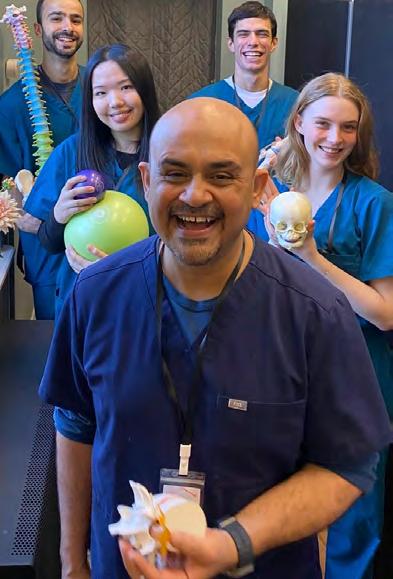
global picture, which also includes mental and emotional aspects that contribute to symptoms. It must be multidimensional and personalised.
So what first caught your attention about red light therapy in the context of your work?
Naval: In 2020, when the pandemic hit, everything shut down. Fortunately, my practice was well organised, and we were allowed to stay open with strict precautions.
I read reports about how isolation was impacting people’s health.
Around that time, I began researching photobiomodulation, red light therapy. We already used class IV laser, which sits in the infrared range of the electromagnetic spectrum, so red light therapy seemed like a safe, non-invasive way to influence health at a cellular level.
I did my research, bought two units, and set up a treatment room with a fully sanitised automated massage table. People would come in and either have a massage with the red light or simply bathe in the red light for 40 minutes.
We saw many people during that time, and they loved it. Word spread, and we began seeing individuals with trauma and PTSD; soldiers, victims of conflict, and eventually the patient we share.
Research now shows that red light therapy can support muscle healing, reduce inflammation, relax muscles, and
I would never claim it’s a miracle cure for everyone, but most people feel as though they’ve just spent 40 minutes in the Bahamas. They come out deeply relaxed.
may stimulate the pineal gland, which is linked to melatonin production.
Susan: That explains why, after her first session, she slept through the night for the first time in years.
Naval: Exactly. I tease her now, we laugh about it, but yes, it helped her sleep. I would never claim it’s a miracle cure for everyone, but most people feel as though they’ve just spent 40 minutes in the Bahamas. They come out deeply relaxed.
Susan: So it helps shift them into a parasympathetic state, that “happy place.”
Naval: Yes, a sense of calm and elation. I believe, though not formally researched, that it moves the brain toward an alpha state, similar to meditation or deep relaxation.
Susan: It sounds like it works well alongside hands-on therapy.
Naval: Very much so. With our shared patient, I didn’t initially plan to use the pod, but after hearing her history and seeing the trauma she’d endured, I suggested she stay an extra hour and try it. Thankfully, she trusted me. Now it’s hard to get her out of the pod! The best part is that now she’s more positive about her progress, which makes my job easier.
Susan: Absolutely. Hope is powerful. However, I do worry that people hear about red light therapy and buy unsafe, inadequate devices. Why is it important to be under the care of a professional?
Naval: It’s essential. While red light therapy is generally safe, we know from class III and IV lasers that
if someone has a melanoma, an unknown breast lump, or metastasis, certain wavelengths could potentially accelerate growth. We also ensure proper eye protection, as staring into bright red light in the dark isn’t ideal. Some evidence says it may benefit the eyes, but that’s contentious. So yes, people should be guided at the start. Eventually, they can use a device at home, but first, we must understand their overall health and determine whether red light therapy may influence them positively or negatively.
Susan: And their health history really matters; for some people, it could exacerbate issues rather than help.
Naval: Exactly. For example, I once had a gentleman referred by his wife. His personality had changed, and his case history raised concerns. Had I simply placed him under red light without examining him, it could have been disastrous. I referred him to his doctor, and it turned out he had a frontal lobe tumour. I didn’t diagnose him; I simply sensed something wasn’t right. This is where intuition is so important.
Susan: Yes, therapists are finally acknowledging that intuition is valid. Sometimes you just sense something, even before you can logically explain it.
Naval: Hippocrates wrote about intuition, our inner intuition. The gut forms before the brain. It’s vital to listen to those instincts, even when they don’t immediately make sense, and then balance them with logic.
Susan: Absolutely. Too many training programs focus on doing things to
A therapeutic interaction should feel the same, attuned, responsive, and connected, with clear professional
boundaries.
I really appreciate your time. Naval’s Bio
people, instead of listening and responding with their hands.
Naval: Exactly. You don’t treat at someone, just like you don’t dance at someone. You dance with someone. A therapeutic interaction should feel the same, attuned, responsive, and connected, with clear professional boundaries. When your hands join or leave the body, it should be almost imperceptible, like a bird gently landing on or taking off from a branch.
today’s challenges
Here’s how you can navigate research on cancer trends in younger populations:
Susan: Beautiful analogy.
reliability, but I recommend buying from reputable sources with strong safety compliance. During COVID I purchased mine from a U.S. company with FDA-related oversight. Reading reviews, thousands of positive ones can also be reassuring.
Step 2: Use Research Databases
Susan: As a summary, what are the benefits of red light therapy?
1. PubMed - Go to [pubmed.ncbi.nlm.nih.gov] (https://pubmed.ncbi.nlm.nih.gov).
- Use search terms like “trends in childhood cancer,” “young adults cancer incidence, “or “paediatric cancer statistics.”
So, you can use red light therapy on its own, combined with handson treatment, or recommended for at-home use, provided the person has proper guidance?
1 2 4 5 3
Step 4: Review Articles and Reports
Naval: In the context of therapeutic care:
- Look for articles that summarize findings, such as systematic reviews or meta-analyses, and aggregate data from multiple studies.
• It i s a safe, non-invasive method to influence healing
• It c an reduce inflammation
2. Google Scholar 3(https://scholar.google.com).
date about all the current policies, procedures. I cannot say this for every PA, but I do know that those sitting as board members of the GCMT (The General Council of Massage Therapies) played a significant role in getting information out to all their members.
• It promotes relaxation and a sense of well-being
- Pay attention to the methods and populations studied as this can help you understand the context of the findings.
- Input similar search terms. Look for articles published in reputable journals and pay attention to recent studies.
I was heartened to see that so many therapists joined in on the conversation, how the profession started talking as a unified body, and how we got behind our professional associations, with GCMT emerged as a body with influence. It is now up to us to support our PA’s in their efforts to petition the government to recognise the value of higher education within the profession.
Step 1: Start with Key Websites
Naval: Yes. It should always be tailored. And the person must know what to do if they feel unusual effects. There must be accountability and communication so we can keep them safe.
1. American Cancer Society (ACS) - Go to [cancer.org](https:// www.cancer.org).
- Use the search bar to look for terms like “childhood cancer statistics” or “adolescent cancer trends.”
• It complements massage, handson therapy, and osteopathy
• It often amplifies positive outcomes
So, what can you do? The good news is, the more education and experience you have the easier it will be for you to re-establish yourself. For those therapists that are new to the profession, it is important that you have a niche, a specialism that places you in a position of greater value. Your expert skills will establish you firmly and increase the need for your services.
Step 3: Search for Specific Studies Examples:
Susan:
- “Increasing cancer rates in adolescents”
I want to leave you with thoughts of encouragement; we all know how important massage is and the thought of a future without it is daunting, both for our clients and ourselves as professionals. I cannot see massage stopping; whilst we may have to improvise and adapt, we will certainly survive.
2. National Cancer Institute (NCI)
- Visit [cancer.gov] www.cancer.gov.
References
- Navigate to the “Cancer Statistics” section under the “Statistics” tab. Look for reports or data on childhood and adolescent cancers.
Susan: If someone wants an at-home device, what should they be careful about?
3. Centres for Disease Control and Prevention (CDC)
- “Childhood cancer trends 2023”
Step 5: Check References
- When you find relevant articles, check their references for more studies that might provide additional insights or data.
SUSAN FINDLAY
What final message would you like to leave with the massage community?
- “Young adult cancer incidence study”
Practitioner:
Susan Findlay specialises in Oncology Massage, she is the Director of NLSSM and is a board member of GCMT as well is a Trustee for Circle of Comfort Cancer Care.
“Coronavirus And The Impact On Output In The UK Economy - Office For National Statistics”. Ons.Gov.Uk, 2020, https://www.ons.gov.uk/economy/ grossdomesticproductgdp/articles coronavirusandtheimpactonoutputintheukeconomy/june2020#:~:text=It%20 is%20clear%2C%20that%20the,the%20largest%20recession%20on%20 record.&text=Furthermore%2C%20Quarter%202%202020%20is,downturn%20of%202008%20to%202009.
- Access [cdc.gov/cancer](https:// www.cdc.gov/cancer).
- Check out their “Cancer Data” section for reports on incidence and trends.
Susan’s first love is dance, sport, anything to do with the joy of movement. She trained as a nurse in Canada but soon left the profession when she came to the UK as she wanted a deeper connection with her clients. For many years she worked in both health and fitness, teaching 20+ classes a week and running GP referral schemes. She wanted to make better use of all her knowledge which led her to retrain as a Sports Massage and Remedial Soft Tissue Therapist. Currently she is the director of NLSSM and specialises in teaching Oncology Massage. She is the author of Sports Massage: Hands on Guide for Therapists and is the Sports Massage feature writer for Massage World. She volunteers her time as a board member of GCMT.
“When you change the way you think about things, the things you think about change.”
His wealth of experience ranges from working in and teaching Paediatric Osteopathy to serving Schools of Ballet for high-impact injuries. His integrated approach to Osteopathy has allowed him to work with every genre of patient that is seen within Physical Medicine, and beyond. Throughout his career, Naval has served patients with life-limiting conditions with his unique approach in environments such as The Trinity Hospice, London. Naval was Consultant in Charge at the world-famous Osteopathic Centre for Children, London. He was a Module Leader for expectant mothers and the newborn in the MSc in Paediatrics here in conjunction with The University of Bedfordshire. He was a contributing author to The German Textbook of Paediatric Osteopathy. Naval is recruited regularly through a typical year to travel globally for his work, both to teach and to work therapeutically with dignitaries, heads of nations, famed and celebrated individuals and also for charitable causes.
She is passionate about providing the highest quality of massage training in both soft tissue therapy and Oncology Massage, with workshops around the UK and Ireland including online! Susan runs her own clinic from her home in Wales and the school in North London, and is also the author of Sports Massage, A Hands-on Guide for Therapists.
Naval: Safety first, fire hazards, electrical standards, etc. Many devices from abroad are improving in
You can join her on Massage Mondays for free weekly massage videos www.susanfindlay.co.uk
It’s a quote from my teacher, Dr Wayne Dyer, an incredible human being.
You can find out more about Susan at www.susanfindlay.co.uk, or on Instagram @susanfindlaymassage, and you can contact her directly at info@susanfindlay.co.uk.
“Set Up A Business”. GOV.UK, 2020, https://www.gov.uk/set-up-business. Hellicar, Lauren. “Coronavirus: What Support Is Available For Small Businesses And The Self-Employed?”. Simplybusiness.Co.Uk, 2020, https://www.simplybusiness. co.uk/knowledge/articles/2020/06/coronavirus-support-for-small-business/.
Susan: I love that. Thank you so much.

Susan Findlay BSc
RGN, Dip SMRT MSMA, MCHP, MLCSP Vice Chair GCMT Director
NLSSM
44 (0) 775 4941 922 www.susanfindlay.co.uk
For this reason, consultations with Naval are in high demand and cannot be booked online. Naval’s whole Team work closely with him and cares for many of his patients. It is therefore recommended that patients see their Team initially; thereafter, Naval becomes more closely involved with the patient in their therapeutic experience. involved with the patient in their therapeutic experience.
Studio 5 The Royal Victoria Patriotic Building John Archer Way London SW18 3SX 020 8812 3733




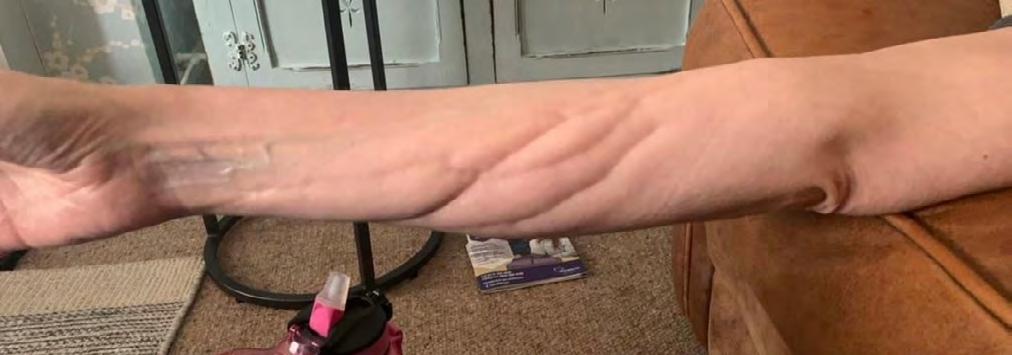
The SCAR Symposium, held on 15 November 2025, marked a significant milestone for clinicians and therapists working with scars across healthcare disciplines. The event exceeded expectations, selling out in advance and featuring 12 exhibitors alongside worldclass speakers, both in person and online. Throughout the day, the atmosphere was one of curiosity, openness, and collaboration, culminating in a powerful and spontaneous standing ovation from attendees.
Professionals repeatedly highlighted the value of learning in a space that prioritised shared clinical reasoning, thoughtful discussion, and real-world application. Many participants also expressed interest in contributing as speakers at future events, reflecting the symposium’s success in fostering a genuinely multidisciplinary community. From 2 a.m. Idea for a National Event The concept for the SCAR Symposium emerged earlier this year from a moment of unexpected clarity. As Hannah explains, the idea came in the early hours of the morning, rooted in a simple but powerful
question: how can professionals working with scars learn better together?
“I wanted to bring everyone into one room regardless of profession, training route, or location. If you are interested in scars, want to understand them more deeply, or want to treat them well, then there should be a space where good practice is shared openly.”
Accessibility shaped every aspect of planning. Birmingham NEC was chosen for its central location and strong transport links, allowing attendees to travel easily by rail or air. While the scale of the venue initially felt daunting, the decision ultimately enabled the symposium to welcome a diverse national and international audience.
A defining feature of the symposium was its emphasis on clinical reasoning, rather than technique-led intervention alone. Sessions encouraged participants to reflect on why they were treating in a particular way, not simply how. This approach led to rich discussion across professional boundaries and reinforced
the importance of context, surgical history, tissue behaviour, nervous system response, and psychosocial factors for effective scar care.
One of the most impactful moments of the symposium was the presentation of a complex case study involving a patient who experienced significant complications following lumpectomy surgery. What initially presented as post-surgical scar restriction evolved into a multifaceted clinical picture with profound physical and psychological consequences. Despite multiple medical interventions, the patient continued to experience:
• Persistent pain and hypersensitivity
• Reduced shoulder and chest wall mobility
• Ongoing inflammatory responses and tissue reactivity
• Heightened anxiety and fear associated with touch and movement
Over time, it became evident that isolated treatment approaches were insufficient.
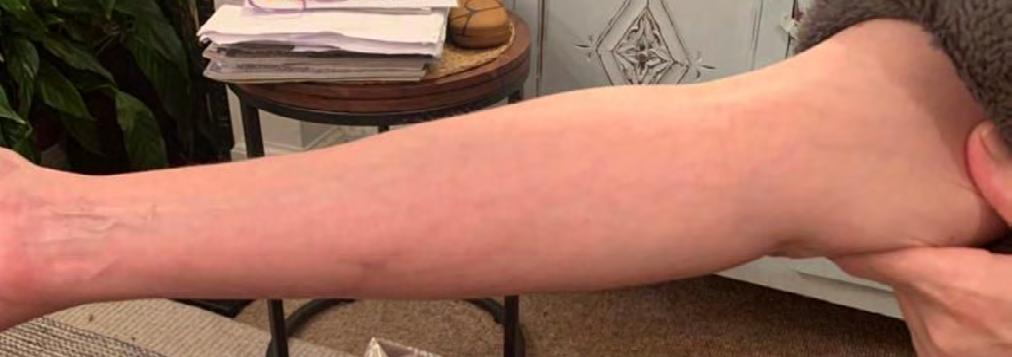
Meaningful progress only occurred once a multidisciplinary team was established and sustained over more than a year. Communication between medical practitioners, therapists, and mental health professionals was central to this process, with treatment pacing, consent, and patient autonomy consistently prioritised. Critically, treatment focused not only on connective tissue change, but on restoring a sense of safety within the patient’s body. The case underscored the interplay between scar tissue, the nervous system, psychological trauma, and identity, reminding practitioners that scars are rarely “just local”.
Learning Points from the Case Study
This case study offered several key insights for clinicians working with complex scars:
• Scar presentation must be viewed in context Persistent symptoms may reflect systemic, neurological, or psychological factors rather than local tissue alone.
• Clinical progress is not always linear Flare-ups, setbacks, and plateaus are common in complex cases and do not necessarily indicate treatment failure.
• The nervous system matters
Hypersensitivity, fear of touch, and pain amplification require trauma-informed, safety-focused approaches.
• Multidisciplinary collaboration is essential Effective scar care may require coordinated input from medical, therapeutic, and mental health professionals.
• Consent and patient agency are therapeutic tools Respecting choice,
pacing, and autonomy can be as clinically significant as manual intervention.
• Knowing when to pause or refer is a professional responsibility Working beyond scope or in isolation may risk harm rather than support recovery.
Hannah regularly receives inquiries about scar therapy training from a wide range of healthcare professionals, including occupational therapists, massage therapists, physiotherapists, chiropractors, and GPs. Training recommendations are personalised according to professional scope, experience, availability, and long-term goals.
Where interests extend beyond specific expertise such as burns or pelvic health scarring, clear and appropriate referrals are encouraged. This reflects a broader commitment to ethical practice and patient safety across disciplines.
Recordings from the SCAR Symposium are currently in post-production and will be hosted on a dedicated digital platform. Attendees will have free access for one year, with recordings also available for purchase by those unable to attend. The symposium will now run on a biennial schedule, with the next event planned for March 2027. Future events will be hosted in rotating UK locations to maintain accessibility while allowing adequate preparation time.
Balancing clinical work, research, and education requires a strong support structure. Hannah divides her week between clinical practice, PhD research, and administrative responsibilities, supported by a dedicated team. At the heart of this work is a guiding principle: meaningful progress in scar care is driven by collaboration, reflection, and shared learning.
A Quote from Hannah “One day you’ll look back and realise how hard it was and just how well you did” This not only resonates with me in my profession, but also for my clients.
HANNAH POULTON is a Women’s Health Physiotherapist with over 24 years of clinical experience. She is the founder and director of HLP Therapy, a multidisciplinary clinic based in South Leicestershire. As an acupuncturist, educator, and specialist in scar recovery, Hannah teaches healthcare professionals advanced approaches to scar management. She is currently undertaking a five-year PhD research project examining the impact of caesarean scar massage and negative-pressure therapy on surgical scarring, with the aim of shaping future clinical practice and improving postnatal recovery for women.
Email: info@hlp-therapy.co.uk
Phone: 0116 216 60 88
Web: www.hlp-therapy.co.uk
eeting Konstantina Makri — World Massage Champion of the International Massage Association (IMA), approved teacher, judge, and trainer — is an experience that leaves a lasting impression. Her presence combines elegance, grounded confidence, and a vibrant energy that immediately draws you in.
MBefore entering the world of massage, Konstantina taught classical ballet and modern jazz, guiding others through movement and expression. She has always been an athlete — active, passionate, and deeply connected to the body’s language.
“I was truly fascinated by the idea that my techniques — simply using my hands — could influence a person’s healing, both physically and mentally.”
This realisation opened an entirely new path for her, one that invited both challenge and growth. What began as curiosity quickly became motivation — a healthy competition with herself to see how far she could go. Inspired by her mentor, Konstantina committed to the journey: supporting people through massage, offering relief, and delivering what often feels like a magic touch.
Her enthusiasm led her deeper into the medical and therapeutic dimensions of the profession, revealing just how profoundly a skilled pair of hands can influence someone’s well-being.
Konstantina’s formal journey into massage therapy and bodywork began in Greece, where she completed her studies

in Holistic Massage Therapy, followed by training in Physiotherapy. Her fascination with anatomy, structure, and precision naturally guided her toward advanced qualifications in Deep Tissue Massage, Sports Massage, Lymphatic Drainage, and Natural Face-Lifting Massage.
Yet her curiosity for knowledge and mastery never ceased.
“I’ve always been fascinated by how different cultures understand healing,” she explains. “That’s why I continued my studies internationally — learning from masters of both Eastern and Western traditions.”
Her exploration later expanded into Phytotherapy at the National University of Athens, deepening her understanding of the relationship between nature and the human body. “Herbal therapy has always played an important role in our lives, offering natural solutions and supporting overall well-being.”
Her interest is deeply rooted in Greece and its rich tradition of medicinal herbs. Growing up surrounded by the healing plants of the Greek landscape, she was captivated by how they supported emotional balance and helped address psychosomatic challenges.
Every therapist’s path is shaped by moments of insight and the mentors who inspire them. For Konstantina, that guiding light was Katia Boustani — a Shiatsu master and renowned breathwork and rebirthing teacher.
“My greatest inspiration came from Katia,” Konstantina shares. “She opened my eyes to the profound connection between body, breath, and energy. She taught me that touch is not only a technique, but a dialogue — a way to listen to the body’s truth beyond words.”
Under her mentor’s guidance, Konstantina began to view massage not simply as physical therapy, but as a form of transformation — a means to access emotional balance, energetic harmony, and inner awareness. This holistic philosophy became the foundation of her approach to bodywork and remains at the heart of her practice today.
Although her foundation is firmly
rooted in Western anatomy and physiology, Konstantina’s philosophy draws deeply from the wisdom of Eastern traditions. This integration forms the essence of her approach — one that honours both structure and spirit.
“A complete therapist blends anatomy with intuition. Massage is where expertise becomes experience. The body is structure; the spirit is energy — and massage connects the two,” she remarks with a meaningful smile.
As her practice evolved, Konstantina began weaving together her deep knowledge of anatomy, movement, and energetic flow into a technique uniquely her own. This became the Makri Method — a signature approach that unites deep tissue work, lymphatic drainage, and sculpting massage into one seamless, continuous experience.
“It’s about flow and connection,” she explains. “Every stroke should feel like a natural extension of the one before it — almost like music for the body. It’s choreography with purpose, grounded in discipline and focus.”
Today, Konstantina is internationally recognised for her Freestyle Deep Tissue techniques and the Makri Method, as well as for her expertise in ergonomics, postural alignment, body mechanics, and massage-therapy career longevity. Through her educational work, she helps therapists develop strength, fluidity, and sustainability in their practice — ensuring that the act of healing others never compromises their own well-being.
Celebrated worldwide for her transformative treatments and her 16year professional career, Konstantina teaches and inspires therapists to move with intention, protect their bodies, and cultivate careers that can thrive for decades. Her mission is simple yet powerful: to ensure that those who devote their hands to healing learn to honour, preserve, and elevate their own well-being along the way.
Based primarily in Athens and Mykonos, Konstantina’s clientele and
KONSTANTINA MAKRI
influence extend far beyond Greece. She collaborates with luxury hotels, spas, and schools across Europe and Asia, where she leads seminars, masterclasses, private training sessions, and coaching for massage championships. Professionals seeking to refine their skills and deepen their understanding of therapeutic touch meet her around the world each year.
She is a proud ambassador and certified instructor for the International Massage Association, representing the organisation in more than 18 countries. She describes this role as “a global platform that celebrates the diversity and excellence of massage worldwide.” She has also been inducted into both the International Association Hall of Fame and the American Massage Therapists Hall of Fame, recognising her outstanding contributions to the field.
“I draw inspiration from people around the world who combine science with intuition — those who approach massage with intelligence, awareness, and respect for the human body,” she says.
Competition once played an important role in Konstantina’s professional development, pushing her to refine her techniques and expand her perspective. Today, she stands on the other side of that experience — serving as a judge in many international massage championships and festivals.
To compete, she says, is a conscious choice — one that allows new talent to emerge on the global stage. Konstantina speaks of competitions with deep respect, viewing them not simply as contests but as opportunities for growth, connection, and shared learning.
“Competition is not about winning,” she says. “It’s about evolving, getting inspired, learning from others, and celebrating the potential of therapeutic touch. I love witnessing the next generation of therapists find their confidence and voice.”
Beyond her hands-on work, Konstantina
has contributed to the field through a range of professional guides and technical writings. Among them are Deep Tissue by Konstantina Makri – The Golden Therapy and her article The Importance of Using Massage Tools for Effective and Efficient Treatments for the International Massage Association — resources that continue to support therapists seeking clarity, technique, and refinement.
For Konstantina, teaching is much more than a profession — it is a way of giving back to the community that shaped her.
“Education is how I share my work with the world,” she says with a smile. “It’s through teaching that I connect, contribute, and grow.”
Her seminars and live demonstrations have become spaces where therapists from around the world come to learn, reconnect with their purpose, and refine the sensitivity of their hands. Konstantina’s approach to teaching is deeply personal; she stays connected with many of her students, following their progress with pride and supporting their journey long after the classroom lights go down.
Her schedule continues to grow with new educational projects and international collaborations — including her upcoming Massage World Exchange Weekend & Masterclass in London on 28 & 29 March 2026, an event she describes as a celebration of knowledge, connection, and professional evolution.
Her next project marks a significant milestone: a forthcoming book that brings together her life journey, professional experience, and evolving therapeutic philosophy.
“It’s more than a book,” she reflects.
“It’s a collection of everything I’ve learned — how to touch with intention, how to read and listen with my hands, and how to find meaning through healing for both giver and receiver.”
As Konstantina looks toward the future, her vision is filled with purpose and possibility. She sees herself continuing to teach, mentor, and innovate — creating new protocols, collaborating with wellness leaders, and expanding educational programs that support therapists in developing both their technique and their professional awareness.
Her goal is to strengthen the foundations of the industry by promoting mindful, sustainable practice. Whether she is refining her own methods or guiding others in theirs, Konstantina
is committed to helping therapists find confidence, clarity, and longevity in their work.
“I believe in continuous evolution,” she says. “There is always more to learn, more to refine, and more to offer. My dream is to leave a legacy of knowledge and inspiration for the therapists who will shape the future of our field.”
For those just beginning their journey — or considering entering the world of massage therapy — she offers a simple yet powerful message: FOCUS.
“Focus on presence, on listening, on truly understanding the person in front of you,” she says. “Technique is important, but it’s your awareness and intention that make the difference. Stay curious, stay dedicated, and let the body be your greatest teacher.”
She reminds new therapists that mastery is not reached through speed or pressure, but through patience, sensitivity, and a genuine commitment to learning.
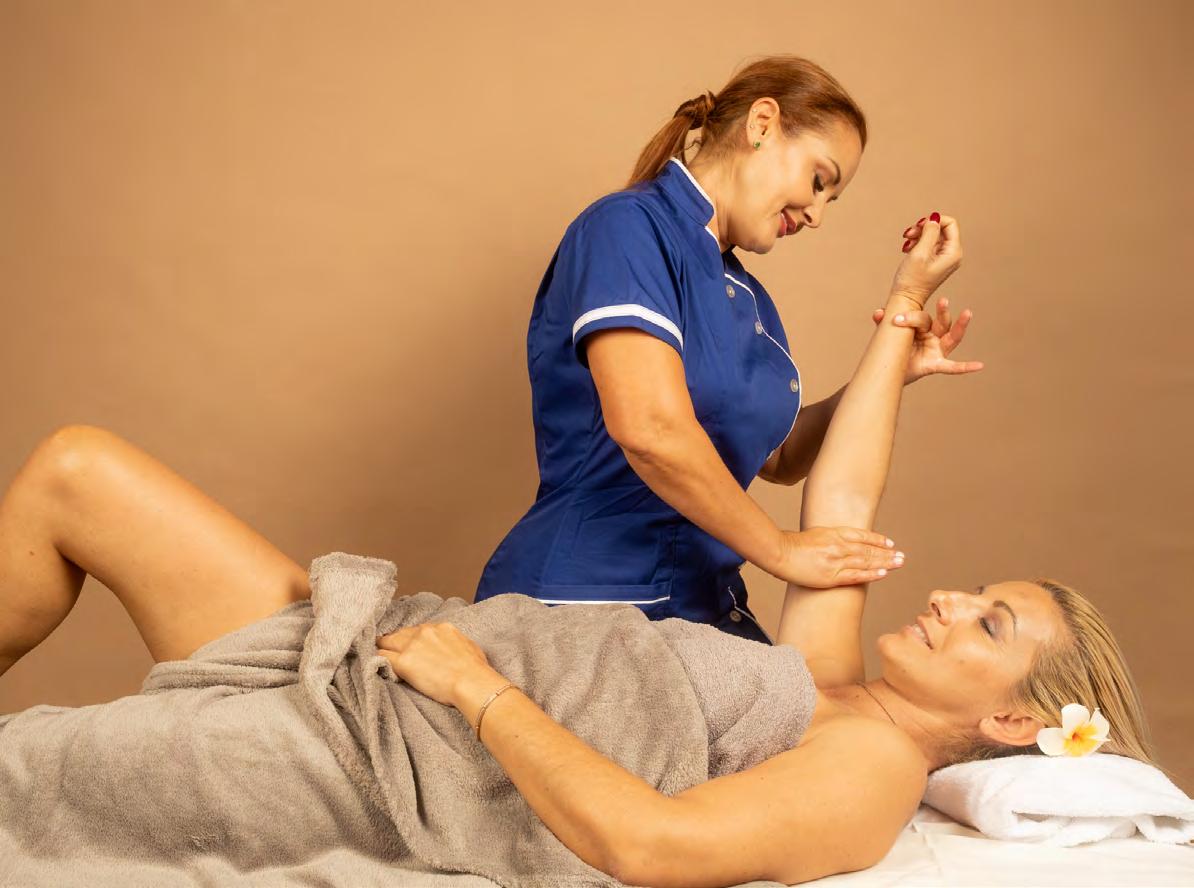
An experience to nourish your heart and soul
18-19 April2026
SATURDAY 10am-5pm SUNDAY 10am-4pm
WOODBRIDGE COMMUNITY HALL, STATION ROAD, SUFFOLK IP12 4AU
Talks, Workshops & Demos
Natural Body Products
Crystals & Jewellery
Spiritual Gifts & Art
Taster Treatments


Wellbeing Advice
Buddha Cave - Meditation
Mindfulness

Live Music Delicious Food
Readings
SCAN FOR TICKETS AND INFO
40+ Stands FREE entry for under 16’s
Chris Cozens Event
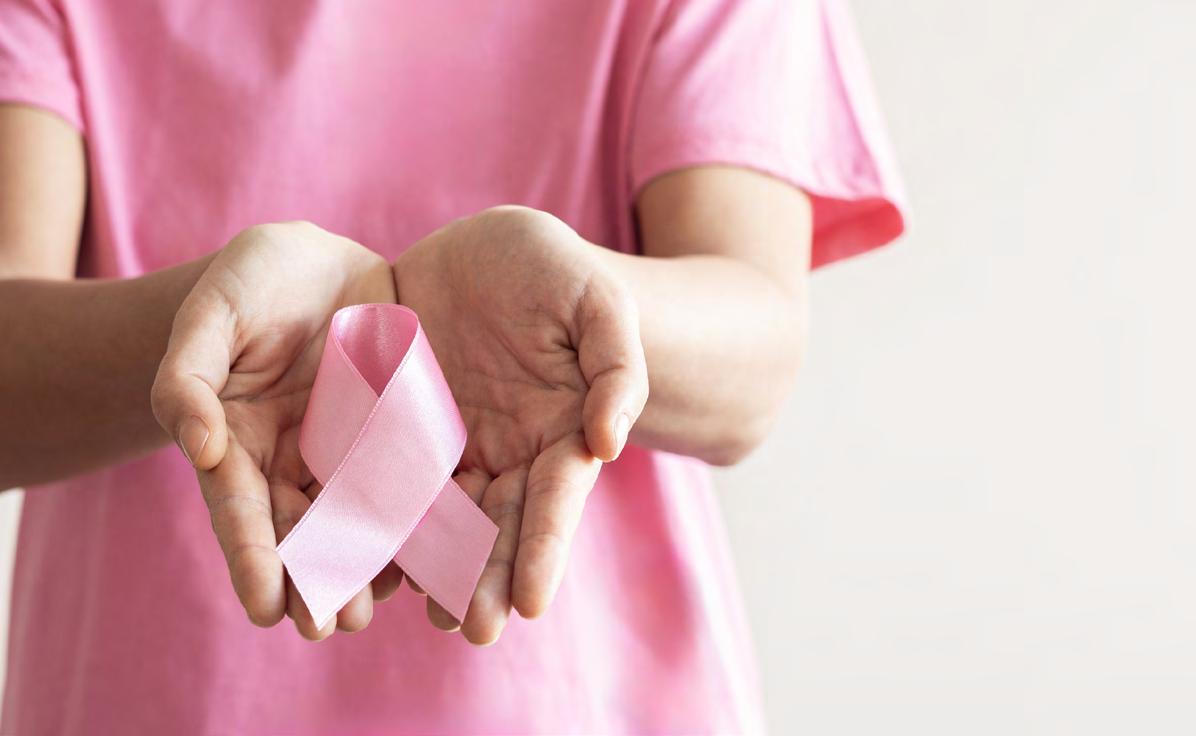
BY VICKY CARROLL
My journey with massage therapy was brief in years, but its impact on me has been anything but. I didn’t set out to work in oncology; I was studying aromatherapy and massage, unaware that my path would lead me into chemotherapy suites, hospice care, and treatment rooms within charity settings. Yet once I began working with clients in those spaces, it became immediately clear why massage is one of the most widely used complementary therapies in oncology and palliative care.
The time I spent in oncology massage shaped the way I see the body, the way I
understand care, and ultimately the way I create skincare today. It taught me how powerful touch can be, how the nervous system responds to gentleness, and how even the smallest moment of comfort can ripple through someone’s entire day.
What follows is the thread that connects those worlds—how working hands-on with patients led me to formulate products for the same people I once treated, and why I still believe that massage remains one of the most valuable, underestimated forms of support in cancer care.
The list of benefits is so extensive that it makes you question why it isn’t used as standard treatment within the
NHS. Any therapist working in oncology can describe the changes they witness daily: the relief, the softening of tissue, the deeper breath, the visible exhale.
The physical benefits include reduced pain, softened tissue, decreased muscle stiffness, increased joint mobility, deeper respiration, less nausea, faster healing, improved sleep, shorter hospital stays, reduced oedema, improved digestion and peristalsis, and a reduction in chemotherapy and radiotherapy side effects, among many others.
The psychological, emotional and spiritual benefits are just as profound. One of the immediate and long-term
effects of massage is a feeling of deep relaxation and calm. Massage prompts the release of endorphins, serotonin and dopamine—our natural feel-good chemicals. Levels of stress hormones such as adrenaline, cortisol and norepinephrine decrease. Heart and breathing rates slow. Muscles relax. The autonomic nervous system begins to re-balance.
Massage helps us breathe deeper, become more aware of where we hold tension, and soften some of the fear and anxiety that cancer brings. For many clients, it offers a sense of control, reducing anxiety and depression, and improving quality of life—sometimes even at the end of life.
I remember watching clients during massage as their breathing slowed, their skin warmed, and their muscles relaxed. People who hadn’t slept well for days, even months, would sometimes drift off within minutes, and I often didn’t want to wake them at the end of the session. You can physically feel the changes in their body: the chemistry shifting, endorphins rising, stress hormones easing, a sense of peace settling in.
Massage reminds the body of its own wisdom. It brings blood and nutrients to where they’re needed, stimulates the lymphatic system, supports digestion, releases tension, and highlights the places where we’ve been holding too much for too long. But beyond the physiology, it restores a sense of agency. A quiet return to: I’m still here. I’m still me. I am not my cancer, and my body can still feel good things.
The list of benefits often feels nothing short of miraculous. Massage is powerful—and acknowledging that power matters, because anything powerful must be used with respect, sensitivity, and intention.
While the physical, hands-on work
While the physical, hands-on work creates real physiological change, the psychological and relational components are just as influential. The environment, your presence, your intention, and the quality of the therapeutic relationship all shape the client’s experience.
creates real physiological change, the psychological and relational components are just as influential. The environment, your presence, your intention, and the quality of the therapeutic relationship all shape the client’s experience.
Before training in complementary practices, I worked as a psychotherapist in mental health. That background helped me understand massage not just as a physical intervention, but as a relational one. Over time, I came to think of the foundations of safe, effective oncology massage as the Four C’s: Connection – The relationship comes first. When a client feels seen, met and understood, their body softens, and their nervous system settles. Many people feel vulnerable about the physical changes cancer brings—scars, hair loss, altered body shape. Open conversations about areas they may wish to avoid, or whether they prefer to remain clothed, build trust and safety. Connection is the ground everything else rests on.
Comfort – Comfort tells the body it can breathe again. It’s shaped by the warmth of touch, the softness of the room, the tone of your voice, and the rhythm of your movements. It is instinctive and deeply human—like the relief of being held when unwell or hurt. When comfort is present, the nervous system shifts from protection into ease, softening tension and even changing how pain is perceived.
Care – Care lives in the details: asking thoughtful questions, remembering the answers, noticing small changes in how a client presents from one session to the next. It’s the quiet, consistent
message that you matter here.
Containment – Containment is the emotional holding that allows a client to feel truly safe in the space, to let go and relax, not only their muscles but their guard. It’s the sense of being supported within steady, clear boundaries. This is communicated through the small but significant behaviours: your consistency with time, your reliability, and the predictability of your care.
Together, the Four C’s transform massage from a practice into a therapeutic experience. They form the unseen structure that allows the physical, psychological, and spiritual benefits to unfold.
During this time, I was also studying natural skincare formulation—a world I fell completely in love with. Exploring oils, butters, and plant extracts felt almost magical. As I continued working with oncology clients, it became impossible not to notice how deeply their skin was affected by treatment. Chemotherapy, radiotherapy, and the stress of illness all showed up on the surface.
Many people would tell me how different their skin felt—dry, fragile, irritated, or simply uncomfortable to live in. Others shared how they missed the small rituals of skincare: the familiar scent of a favourite product, the soothing textures, the comfort of a warm, soft cloth, the pause at the end of a long day. Those routines that had once been grounding and nurturing were now gone—at a
ONCOLOGY MASSAGE
time when they were needed the most.
This led me to create my skincare and wellness brand, Brave Crab, and my first skincare range, Bee Loved—a COSMOS Certified Organic collection of five balms designed to care for skin from head to toe, formulated with butters, oils, plant extracts, and very low percentages of essential oils—lavender, patchouli and others—that not only nurture the skin but help settle the nervous system and invite a sense of ease.
Alongside the products, I feel it’s important to show how a simple routine—gently massaging a balm or oil into the skin—can recreate elements of the treatment room. The slow, intentional movements soften tension, relax muscles, ease discomfort, and encourage deeper breathing. But they also offer something more subtle: a moment of connection with the self, a reconnection with the body.
These small routines and rituals can become a daily practice of care and comfort—protecting, nurturing, and balancing both skin and self. They offer a quiet return home to the body and a moment of centred presence.
In March 2026, I will be hosting my first wellness event and skincare launch, Brave Crab & Friends: Wisdom & Wellness Cancer Festival, at Easthampstead Park Hotel in Wokingham—a day of insight, wellness, and inspiration for anyone touched by cancer, and for those who support them. The festival will feature words of wisdom from keynote speakers, including Dr Nina Fuller Shavel and Rosamund Dean, alongside experts in oncology offering sessions on sleep, nutrition, exercise, sexual wellbeing, yoga, breathwork, and skincare, of course. And no wellness day is complete without a little shopping, so we’ve included that too, with curated stands offering cancer-supportive products. I’m thrilled that oncology massage will also be represented, with guests receiving hand and foot treatments
My journey with massage may have been brief, but its influence is undeniable... my work now brings together all these expressions of care and comfort in a new, integrated way.
using Cocoon, the balm from my first skincare range. It feels like a fullcircle moment—returning to touch, but in a new form. The hands that once soothed tension in treatment rooms now guide others toward comfort, connection, and the small rituals of care that mean so much.
My journey with massage may have been brief, but its influence is undeniable. From oncology suites to creating skincare, my work has always been about offering comfort—through words, through touch, through aromas, and now through the simple act of caring for the skin. And though the form has changed, the intention hasn’t; if anything, my work now brings together all these expressions of care and comfort in a new, integrated way.
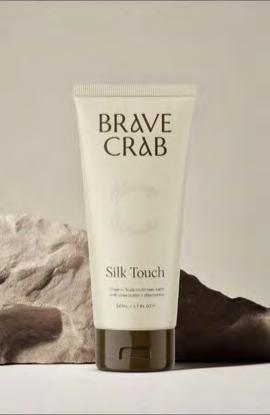
I began my career as a registered psychiatric nurse, and what I loved most was getting to know my patients and the life stories that shaped them. This led me to complete a master’s in psychotherapy, and for the next 20 years I worked across almost every area of mental health—from the NHS to inpatient and outpatient services and therapeutic communities.
After two decades in the field, I retrained in aromatherapy, massage, herbal foundations and natural skincare formulation, which opened the door to a new path. Today, I’m a skincare formulator and founder of Brave Crab, an organic skincare and wellness brand for people going through cancer, where I bring together my therapeutic background and knowledge of botanicals to create products that support people on their cancer journey.
website: bravecrab.co.uk
IG: Instagram.com/bravecrab
Join my journey and read my free e-book on skin care: e-book


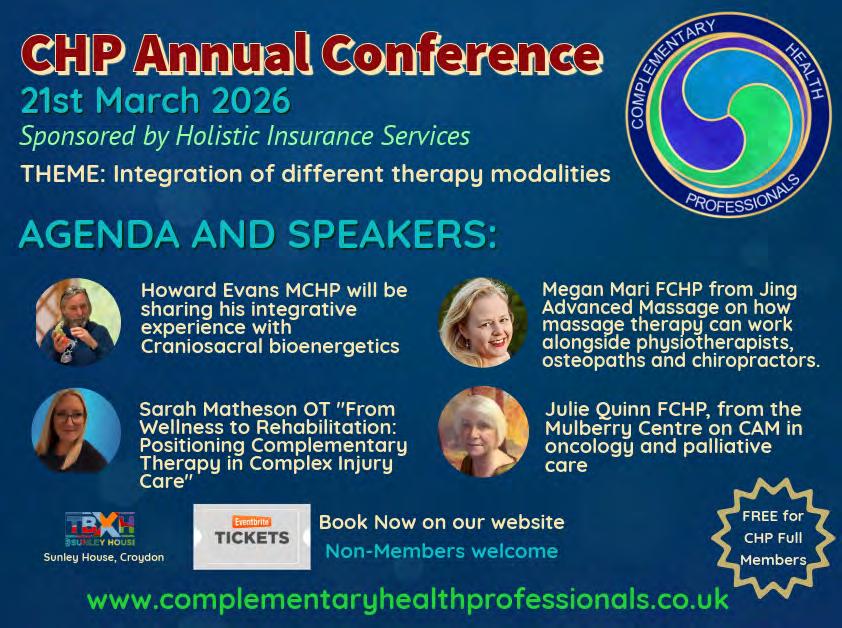
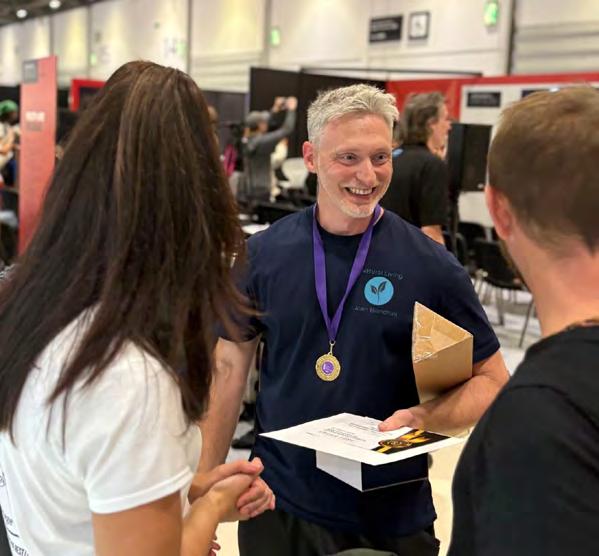
How did you arrive in the massage and bodywork industry?
Thanks to my wife, who encouraged and supported me to pursue my passion for anatomy and physiology, which I’ve had since I was in school.
Where did you first train in massage therapy?
Here in London...I started with an introductory massage course, and from there, I earned my diplomas at Gateway Workshops and St. Mary’s University
What inspired you to get into the massage industry?
A passion for anatomy and physiology.
Who was your first and favourite massage tutor?
My favourite teacher was Kevin, a Sports Massage teacher at St. Mary’s University.
Where are your massage clinics/clients based?
I work as a mobile massage therapist, but I also work at the Core clinic in the Dulwich area of London.
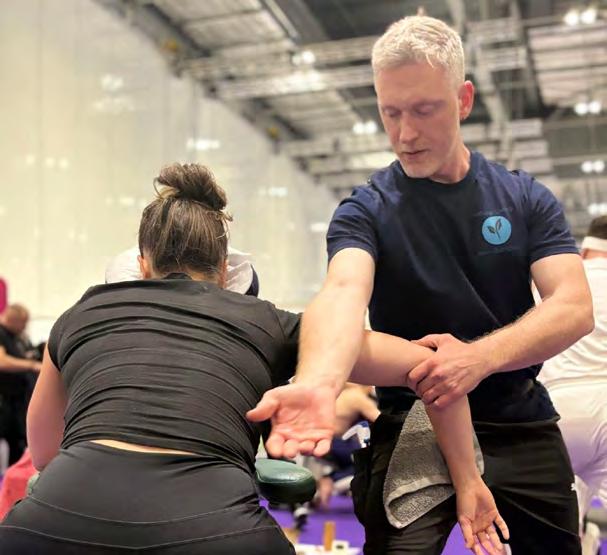
What specialist area of massage and bodywork do you prefer to work with?
I like to work using a holistic approach, but with Sports Massage techniques combined with Thai yoga techniques.
Are you trained in the Western medical system or the Eastern Medical system, or both?
Western but with an Eastern influence.
Which person or training organisation inspires you in massage and bodywork?
I think in our industry, we never stop learning...and thanks to all the Masters, colleagues, and organisations that continue to enrich the massage sector.
What is your favourite way to market your practice and yourself? By always giving my best and using social media.
What technology is your preferred choice for marketing?
Using social media and word of mouth among customers.
Have you written any articles or books? If so, which and when? No, not yet.
What motivates you to compete in massage competitions?
I like challenging myself, learning more from all the champions, colleagues, and friends, and networking with people from all over the world.
What can you see in your future in the massage industry? It’s growing all the time, and that’s fantastic.
What advice would you give to a newly qualified massage therapist or to someone thinking of studying massage therapy?
My best advice is to be passionate and, even though there are ups and downs, never give up if this is the path you choose.
For many therapists and wellbeing practitioners, there comes a point where familiar techniques no longer feel enough. Clients present with deeper patterns - stress lodged in the body, emotional overwhelm, chronic fatigue, a sense of “stuckness” - that aren’t fully resolved through massage, coaching, or talk-based interventions alone. Increasingly, practitioners are seeking training that bridges both the physical and energetic landscapes of healing.
It’s in response to this need that TriDosha has launched its new Diploma in Integrated Energy Therapy, a oneyear professional training grounded in Ayurvedic methodology and designed for those ready to work at a deeper, more transformative level.
For over 20 years, I’ve trained thousands of therapists, healers, and clinicians across the UK and Europe. What I’ve consistently witnessed is a hunger for an approach that integrates the whole person - body, energy, psyche, and narrative - without becoming overly complex, esoteric, or inaccessible.
Many practitioners tell me they feel limited by their current toolkit. They can ease muscular tension but not the emotional load beneath it. They can guide clients verbally but not shift the energetic patterns held in the body. Some describe burnout from holding space without adequate frameworks for protection, grounding, or energetic hygiene.
The Integrated Energy Therapy Diploma was developed precisely to address these gaps.
While the programme includes clear structure - twelve months, modular learning, case studies, and live supervision - the real focus is transformation, both for the practitioner and the client.
Practitioners learn to:
• Work confidently w ith t he Ay urvedic energy system, including chakras, marma points, and koshas.
• Integrate talking therapy with somatic and energetic techniques for a more complete therapeutic experience.
• Develop intuitive perception without losing professional boundaries or rigour.
• Understand how stress, trauma, identity, and lifestyle shape energetic patterns.
• Support clients through emotional release, regulation, and long-term change.
By the end of the trainings, students often describe feeling “more spacious,” “more grounded,” and “more aligned with my purpose.”
Today’s clients are asking for more. They want treatments that soothe the body while also helping them navigate anxiety, grief, overwhelm, and burnout. They
want therapy that’s nurturing but also meaningfully transformative. Integrated Energy Therapy gives practitioners the tools to meet these needs - safely, ethically, and effectively.
The programme is fully CPD-recognised and taught by an experienced faculty, with my own 20+ years of practice shaping its foundation. Graduates range from massage therapists and Ayurvedic practitioners to physiotherapists, counsellors, yoga teachers, coaches, and spa teams. Many report a profound shift in confidence and the ability to work at a deeper, more integrated level. As one graduate shared: “It changed not just how I treat my clients, but how I understand energy, emotion, and the body as one system. My work is richer - and so is my wellbeing.”
Massage Therapy Clinic has a special
If you’re ready to expand your therapeutic reach or bring more depth and intuition into your practice, you can explore the full 1-Year Diploma in Integrated Energy Therapy here: TriDosha - Integrated Energy Therapy. This is more than training. It’s a pathway into the future of holistic care - one where body, mind, and energy finally meet.
Beata Aleksandrowicz, the internationally-renowned expert on massage, healing and women’s wellbeing is proud to announce the launch of Beata Digital Academy®, a premier online learning platform designed specifically for holistic therapists with an emphasis on massage and beauty therapists plus facialists and bodywork practitioners.
With a mission to support professional growth and elevate therapeutic standards, the Beata Digital Academy® offers internationally accredited training,
community support, and practical resources crafted by therapists for therapists. The Academy operates as an app – where therapists can access its content (including over 280 videos) on the go at any point during the day or night.
“My aim was that this would be accessible to the therapists, to give them knowledge at a price that they can afford because we will benefit as a whole industry if therapists are well trained.”
With over 35 years as both a therapist and educator, Beata brings a wealth of experience to her digital training
programme. Her vision centres on equipping therapists with advanced training that allows them to deliver exceptional care while maintaining their own wellbeing.
The Beata Digital Academy offers internationally recognised accreditation from the IPHM Worldwide Accreditation Board and the International Guild of Complementary Therapists
The app is based on a subscription model and offers two levels with different options, depending on the therapist’s need and level of previous training.
The basic level:
£7 monthly or £35 for 6 months
This level features topics such as how to apply pressure in safe way and the principles of oil and dry massage. There are sections on how to stay injury free (including how to protect lower back and hands) plus stretches and how to avoid burnout. Subscribers will also learn the basic principles of communication and
learn about anatomy and physiology through training videos. To boost selfcare there are pre-recorded meditation videos and wellness rituals for both therapists and their clients. Subscribers will gain access to new meditations and effective stretches each week plus anatomy and physiology on rotation. There is also access to a forum to chat with others in the community.
The accredited subscription:
This enhanced level of subscription includes everything from the basic subscription and access to a series of accredited courses and masterclasses that consist of pre-recorded videos that include from 8 to 60 (depending on the programme) divided into modules.
Those who purchase masterclasses or course will also have access to an
online group Clinic Day with Beata – 30 minutes twice a month live meeting where therapists can connect directly with Beata and ask specific questions.
This is an opportunity for therapists who are undergoing their learning journey to meet in person, connect with each other and raise concerns, receiving support and encouragement.
Masterclass: How to communicate powerfully and build a loyal and regular client base
Masterclass: How to successfully set up your own practice
Masterclass: How to take care of yourself
Masterclass: How to take your practice to the next level
Students will receive accreditation for each masterclass you complete. There is no examination for the masterclasses.
These follow in sequence with progression through the levels and each step is supported where they have to take guidance and recap on learnings. This minimises the digital wall and helps students to maintain their study.
Course: Beata Back and Body Massage Course: Beata Face Massage
Each features a worksheet attached to each video where therapists can make notes as they go.
To complete the examination students must complete home practice with a minimum of 9 massages on 3 people and include a rapport sheet, client questionnaire, self-assessment form and complete a multiple-choice exam. They are also required to submit filmed treatments for assessment. They have three months to complete their examination. Within one month they will receive accreditation if they have successfully passed.
The app has been designed to create a community for holistic therapists. There are community forums and ways to chat and connect with other like-minded professionals. As a therapist herself, Beata felt that this should be an essential element of the concept. About Beata
Beata Aleksandrowicz, founder of Beata Digital Academy, is an internationally respected expert in massage, healing, and women’s wellbeing. An intuitive practitioner, educator, and speaker, she is dedicated to elevating therapist education and raising awareness of the power of touch. Celebrated for her natural approach to wellness and ageing, her exceptional facial and massage therapies have been recognised by Vogue, Tatler, and The Times.
An accomplished author and thought leader, Beata has published two internationally translated books with Duncan Baird, written for The Sunday Telegraph, and co-authored The Guardian Magazine’s Massage Guide. She has spoken widely across Europe on the power of touch and wellbeing, served on the Global Wellness Institute’s Mental Wellness Initiative, and judged the National Massage Championship and TPOT Shine Your Light Awards.
Creator of the Beata Aleksandrowicz Spa Training Method, she has shaped spa projects worldwide — from the Cotswolds’ Dormy House to luxury resorts across the Maldives including Amilla Fushi, Finolhu, and Huvafen Fushi. www.beatadigitalacademy.com
BY PROFESSOR EARLE ABRAHAMSON
The highest form of healthcare is to prevent disease and maintain wellness. World Health Organisation, 1986
This quote from the World Health Organisation highlights a shift in global healthcare thinking, where maintaining wellbeing is valued as highly as treating illness. It provides a fitting foundation for understanding the growing importance of soft tissue and manual therapies in supporting prevention and long-term health.
The UK healthcare system is experiencing a period of considerable change. With demand for NHS services continuing to rise, there is increasing recognition of the need to prioritise prevention, rehabilitation and ongoing
wellbeing. The focus is shifting from reacting to illness towards supporting people to maintain health and quality of life across the lifespan. Evidence from both the NHS Long Term Plan (NHS England, 2019) and public health research demonstrates that early support and preventative care reduce long-term healthcare costs while improving life outcomes.
Within this evolving landscape, soft tissue and manual therapies play a significant role. These therapies help reduce pain, improve movement, support recovery from physical strain and enhance emotional resilience. To ensure the full value of this work is realised, the profession must be understood and integrated as a recognised part of wider healthcare
planning and delivery (Clarke et al., 2004). The General Council for Soft Tissue Therapies (GCMT) is key in supporting this integration.
Healthcare systems are complex and continuously adapting. Decisions about funding, workforce requirements and clinical priorities are influenced by national policy, public health needs and economic pressures. In this environment, professions that do not have a clear and organised voice risk being undervalued or excluded from strategic planning discussions. Skilled practitioners may find their contributions overlooked, not because their work lacks value, but because there is no single recognised
channel through which their expertise is communicated and understood.
The GCMT provides this vital representation. By bringing together professional associations, it establishes shared ethical standards, expectations and values, offering a collective identity and purpose. This clarity helps define what high-quality soft tissue and manual therapy looks like, ensuring consistency and accountability across the field. The presence of a representative body also strengthens public confidence, as people can trust that therapists are regulated by agreed norms of safe and responsible practice.
Importantly, this unified voice ensures that policymakers, educators and health bodies can engage with soft tissue and manual therapy as a recognised professional sector. Through consultation, research support and professional dialogue, the GCMT positions the profession to contributeto national conversations about integrated care, prevention and long-term health improvement.
Soft tissue therapists play a central role in supporting daily wellbeing by helping people manage pain, stress, postural strain and mobility challenges. This work enables individuals to remain active, independent and engaged in daily life. The GCMT supports safe and professional practice, which encourages therapists to participate in social prescribing programmes and community health initiatives.
The need for non-pharmacological support in primary care continues to grow, especially for musculoskeletal conditions. GCMT’s focus on evidenceinformed practice encourages collaboration with general practitioners, physiotherapists and other allied health professionals (Pokladnikova and Telec, 2020). This contributes to patientcentred and coordinated care.
Continuing professional development is positioned at the heart of practice, fostering a culture of lifelong learning that encourages therapists to integrate the latest research, techniques and evidence-informed approaches into their work.
Soft tissue therapy also assists in supporting those living with chronic pain or long-term conditions. Research shows that regular movement-based and soft tissue interventions support long-term functional improvement (Marmot, 2013). The GCMT promotes research, reflective practice and continuing professional development, aligning the profession with broader healthcare goals.
The GCMT plays a central role in shaping the professional identity and influence of soft tissue therapy. By establishing unified standards of practice and shared ethical expectations across its member organisations, it ensures that therapists operate consistently at a high level, which builds credibility and trust with patients, healthcare providers and policymakers. Beyond standards, the GCMT advocates for excellence in education, promoting rigorous training pathways that equip therapists with the knowledge and skills required to respond effectively to evolving healthcare needs. Continuing professional development is positioned at the heart of practice, fostering a culture of lifelong learning that encourages therapists to integrate the latest research, techniques and evidence-informed approaches into their work.
Crucially, the GCMT amplifies the profession’s voice in national conversations on regulation, workforce planning and public health strategy. Participating in policy discussions and advisory forums ensures that the
contributions of soft tissue and manual therapy are considered in the design of integrated care models. This strategic presence strengthens the profession’s visibility, influence and ability to shape how prevention, rehabilitation and wellbeing are addressed within the wider healthcare system.
Despite the growing recognition of its value, the field of soft tissue and manual therapies continues to face challenges. Public understanding of the scope and impact of these therapies varies, and recognition by commissioners and decision-makers remains inconsistent. Without clear visibility and professional representation, opportunities to contribute to integrated care initiatives or preventive health strategies can be missed. The GCMT provides a collaborative structure to address these challenges, offering guidance, support and a unified platform for advocacy.
Active engagement from practitioners is essential in maximising this influence. By participating in professional networks, contributing to research and sharing evidence-based outcomes, therapists help strengthen the credibility of the profession. The GCMT also fosters opportunities for collaboration with policymakers, healthcare commissioners and allied health professionals, enabling the profession to demonstrate its impact on patient wellbeing, prevention and longterm health outcomes. Through these efforts, soft tissue therapy can move from being a complementary option to a recognised, integral part of UK healthcare. By
collectively leveraging their expertise and professionalism, practitioners and associations can shape policy, increase public confidence and expand the reach of therapies that support health, resilience and community wellbeing.
The GCMT stands as far more than an administrative body. It represents the shared maturity, accountability and self-determination of the soft tissue therapy profession. Its purpose is to safeguard quality, build public confidence and connect the profession with the changing priorities of UK health care. In a time of increasing focus on prevention and community wellbeing, the GCMT offers guidance, stability and opportunity for growth.
For soft tissue and manual therapies to continue developing their rightful place within the community, primary and sustained care, the profession benefits from moving forward together under the GCMT’s supportive framework. Through shared standards, open collaboration and continued engagement, therapists can strengthen the credibility and visibility of the work they do every day.
Looking ahead, there are many positive and practical ways for the profession to advance. One key opportunity lies in expanding the evidence base that demonstrates the effectiveness and value of soft tissue and manual therapies. The GCMT is well placed to encourage practitioner-led studies, support research partnerships with universities and promote the collection of meaningful outcome data. By sharing knowledge and evidence in
accessible ways, the profession can more clearly communicate its contribution to national health goals.
Continuing professional development remains central to this progress. As one of the leading bodies for CPD, the GCMT can continue to create pathways that help therapists apply research in practice, refine their clinical skills and stay connected to the latest developments in health care. Ongoing learning not only enhances confidence and competence but also strengthens the profession’s reputation for excellence and care.
Building stronger relationships with health regulators, commissioners and policymakers is another promising avenue (Sharp et al., 2018). By engaging in open conversation, demonstrating consistent standards and showing the impact of therapeutic work, the GCMT can help position soft tissue therapy as an integral part of the broader health and wellbeing system. Collaboration and dialogue will be key to shaping recognition and integration in the years ahead.
Public understanding also continues to evolve. Many people are already discovering that soft tissue therapy supports not only relaxation and recovery but also prevention, rehabilitation and long-term wellbeing. The GCMT can help guide collective communication efforts that highlight this wider contribution in clear, inclusive and evidence-based language. Practitioners themselves play a vital role as ambassadors for their profession, sharing positive stories and outcomes within their communities and professional networks.
The future of soft tissue and manual therapy in the UK is rich with potential. Through cooperation, curiosity and shared purpose, practitioners, educators and associations can continue to shape a profession that is confident, compassionate
and forward-thinking. With the GCMT providing direction and representation, the field is well positioned to thrive as part of an integrated, people-centred health care system.
By working together, the profession can continue to evolve - building recognition, strengthening trust and offering meaningful contributions to the health and well-being of communities across the country. The path ahead is one of opportunity, collaboration and collective growth, where every practitioner plays a part in shaping the next chapter of soft tissue and manual therapy in the UK.
Clarke, D. B., Doel, M. A., & Segrott, J. (2004). No alternative? The regulation and professionalization of complementary and alternative medicine in the United Kingdom. Health & Place, 10(4), 329-338.
Marmot, M. (2013). Fair society, healthy lives.
England, N. H. S., & Improvement, N. H. S. (2019). The NHS patient safety strategy. Safer culture, safer systems, safer patients.
Pokladnikova, J., & Telec, I. (2020).
Provision of complementary and alternative medicine: Compliance with the health professional requirements. Health Policy, 124(3), 311-316.
Sharp, D., Lorenc, A., Little, P., Mercer, S. W., Hollinghurst, S., Feder, G., & MacPherson, H. (2018). Complementary medicine and the NHS: experiences of integration with UK primary care. European Journal of Integrative Medicine, 24, 8-16.
World Health Organization, 1986. Ottawa Charter for Health Promotion. Geneva: WHO
Earle Abrahamson is a Professor in the Scholarship of Teaching and Learning at the University of Hertfordshire, National Teaching Fellow, Principal Fellow of Advance HE and inaugural ISSOTL fellow. He currently chairs the GCMT and is an elected registrant board member on the CNHC. Earle was former chair of the MTI and is an internationally renowned author, therapist, educator, and practitioner.



The Original Bowen Technique
Expert tuition from instructors accredited by the Bowen Therapy Academy of Australia, taking you step by step (seven modules) through this gentle yet highly effective therapy that taps into the body’s innate healing ability. Ideal for complementary and massage therapists, and healthcare professionals who wish to develop their skills and grow their business.
For dates and details of beginners’ and CPD courses, and to find your nearest instructor, please see the website, where you can also request a free Prospectus. bowentrainingukoffice@gmail.com www.bowentraining.co.uk Secretary 07885 990201
NLSSM – North London School of Sports Massage and Remedial Soft Tissue Therapy
At NLSSM we offer a Level 5 qualification, along with a range of courses suitable for complete beginners through to experienced therapists looking for advanced CPD workshops.
Our Courses Include:
Level 5 Diploma in Sports Massage and Remedial Soft Tissue Therapy
If you would like to join the bridging programme, please see further details on our website.
CPD Workshops
• Ma ssage Refresher Workshop – also suitable for therapists who may be experiencing job-related strain or who are not currently working with ease in their practice
• Mu scle Energy Technique
• Tr ansverse Soft Tissue Release – exclusive to NLSSM
• Neck, Jaw and Chest Massage with Susan Findlay
• Treating the Shoulder with Susan Findlay
• Postural Assessment for massage therapists
• Biomechanics and Biotensegrity – where the two differ and where they meet
• Soft Tissue Re-education Methods and Homecare
• An atomy and Physiology Online Course – ideal preparation for the Diploma course
All courses take place at:
The Hub, Unit 3i & 3j, 25 Ashley Road, Tottenham, London N17 9LJ
Visit our website for full course details, dates, and booking information: nlssm.com
Have a question?
Please email info@nlssm.com and ask for Aimee, who will be happy to help

• Myofascial Release Practitioner Diploma
• Myofascial Release Foundation
• Oncology Massage Diploma
• Deep Tissue & Advanced Techniques
• Understanding & Treating Back Pain
• Understanding & Treating the Shoulder
• Understanding & Treating the Pelvis
• Understanding & Treating the Neck and Upper Thoracic
• Understanding & Treating the Limbs & Joints
• Indian Head Massage Diploma
• Cr anial & TMJ
• Th ai Table Massage
• Pregnancy Massage Diploma
• Rejuvenating Facelift Massage
• Pr inciples of Rehabilitation, Tissue Healing & Repair
• Hot Stone Therapy
• Remedial Hot Stone Therapy
For more info and to book: www.schoolofbodywork.com

Instrument Assisted Soft Tissue Mobilisation (IASTM)
Add the RockBlades (IASTM) method to your skillset to enhance your treatments and reduce hand fatigue. The ergonomically designed smooth edged RockBlade and Mohawk tools combine with cutting edge education to produce this internationally acclaimed course run throughout the UK.
We also have a popular triple evening live stream course with a unique assessment and certification process.
Dates: Courses available throughout the UK and via Live Stream Visit: www.RockTape.co.uk
London | Bristol | Birmingham | Nottingham | Brighton | Liverpool
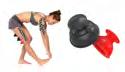
RockPods Cupping EducationMyofascial Dry Cupping
The RockPods cupping course was our most popular course of 2020 and 2021. Join us to find out why this modern and unique approach to cupping is proving so popular. Through a combination of soft tissue mobilisation and movement you will discover new possibilities for cupping in modern manual therapy.

The worlds leading Kinesiology Taping Education from RockTape UK will teach you everything you need to know to get the best results from this fantastic treatment and rehabilitation tool. Join us for one or two days for an evidence informed highly practical and fun course. We also have a popular evening live stream course with a unique assessment and certification process. Daniel@RockTape.co.uk 01206 615464