







MVNU’s
MVNU’s
When I was really young, my favorite “author” was Richard Scarry. I used to “read” his books even before I could read. They were books full of kooky animal characters involved in some of the craziest scenes from the fictitious Busytown. My two favorite characters were Huckle Cat and Goldbug. Some of you reading my words may have grown up with his books. Some of my favorites were:
The Busiest People Ever What Do People Do All Day?
As a child, I used to imagine what life would be like in Busytown. As an adult, I had to imagine no more—no matter what setting I have lived in, whether Urban, Suburban, and now Rural - Richard Scarry seems to have accurately characterized our society as we have, indeed, become The Busiest People Ever
We can get so consumed with life that there is little opportunity for real life to impact us—no matter the setting, our lives can become so full that to add one more thing to our plate seems impossible.
It is for this reason a place like Mount Vernon Nazarene University is so needed in our world. Everyday, we journey with students who are wrestling with the question, to paraphrase Scarry’s question, “What Should I do All Day?” It is a question of vocational call and we exist to enable students to discover and prepare for their vocational call through offering a first-rate education that pursues excellence in all ways.
It is our desire for our graduates to occupy roles in our society from federal court benches, to operating rooms, classrooms, lecture halls, the halls of Congress, to local mayoral roles, and leading both local and global nonprofits! As Stanley Hauerwas says in his article, “Go with God,” as printed in First Things in November of 2010, our students should be “ambassadors” at home in the intellectual world and, once there, be prepared to give an answer to the hope you have.
Thus, it is our desire for our students to prepare for a good life, not the good life. Hauerwas goes on to say,
“… (because you are a Christian) you cannot go to college just to get a better job. These days people talk about college as an investment because they think of education as a bank account: You deposit the knowledge and expertise you’ve earned, and when it comes time to get a job, you make a withdrawal, putting all that stuff on a resume and making money off the investment of your four years. Christians need jobs like anybody else, but the years you spend as an undergraduate are like everything else in your life. They’re not yours to do with as you please. They’re Christ’s.”
Challenging our students to possess this perspective in life is a fundamental reason for our existence. When we describe our educational experience as “life-changing” we are challenging our students to not simply become “busy” with their vocation and life (a life that can often be focused inwardly), but calling them to a life as a disciple of Christ that makes room and space for experiencing life and others.
You will see evidence of our educational philosophy in this edition of Mount Vernon NOW—that is, of educating the whole person. In an increasingly divisive and busy world, this philosophy unites a student’s faculties and entire potential for growth to enable a seamless transition from university student to fully engaged global citizen.
Three Latin words capture the essence of educating the whole person: cognosco —to examine, inquire, learn; delecto —to love; and ministro —to serve. MVNU seeks to provide an educational experience that challenges and shapes a student’s head, heart, and hands, in cognitive, affective, and behavioral realms of learning and growth. By doing so, each student’s potential is developed to answer the call for becoming a change agent on Christ’s behalf in a broken and hurting world.
Whether near or far, rural or urban, no matter what vocational call is followed—the vision for Mount Vernon Nazarene University, as embodied by those who have been marked by its influence – is to Change the World with the Love of Christ.
“Christians need jobs like anybody else, but the years you spend as an undergraduate are like everything else in your life. They're not yours to do with as you please. They're Christ's.”
CAN THIS BE SHORTENED A BIT?
Dr. Daniel J. Martin President
By Cassie Porter
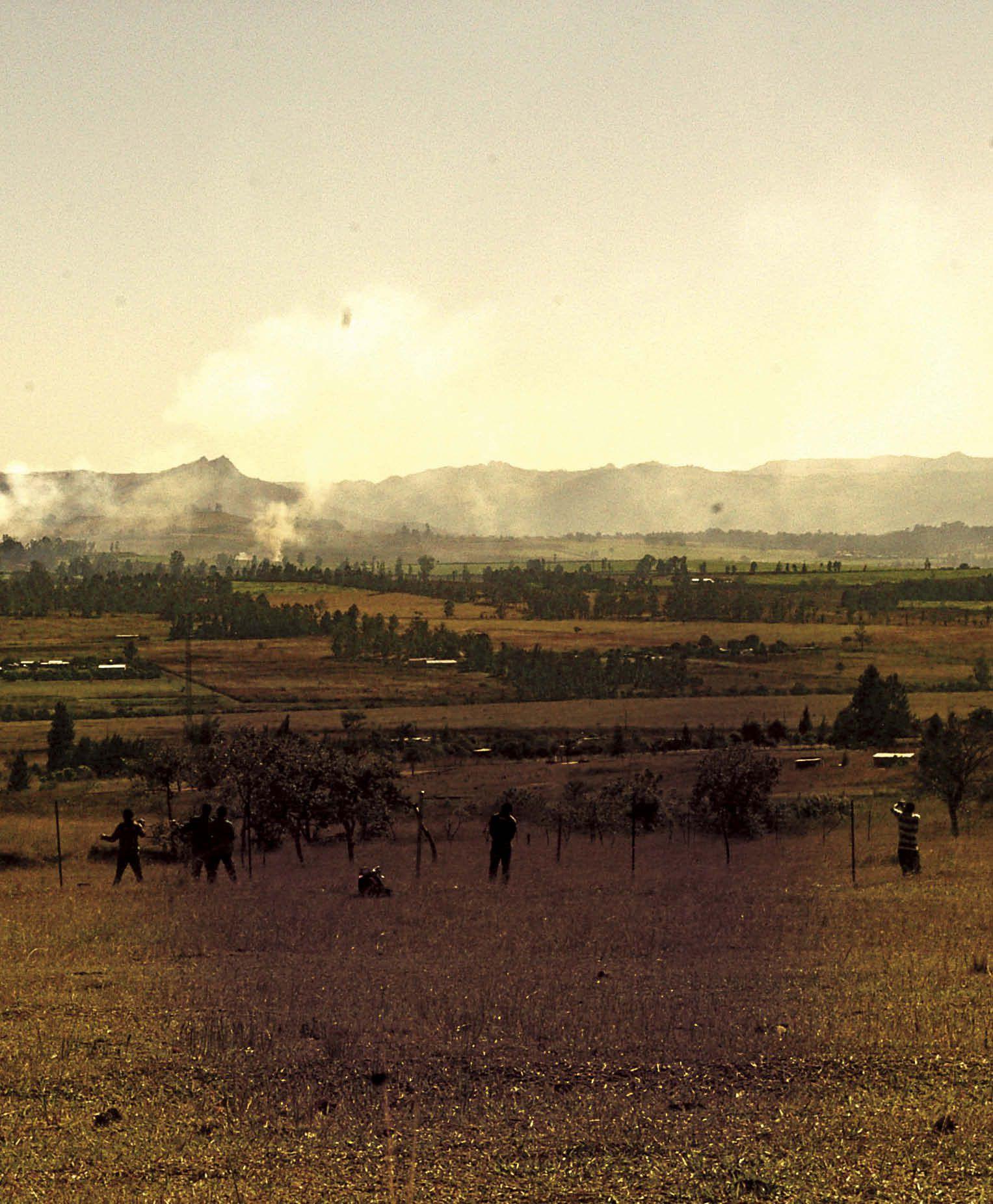
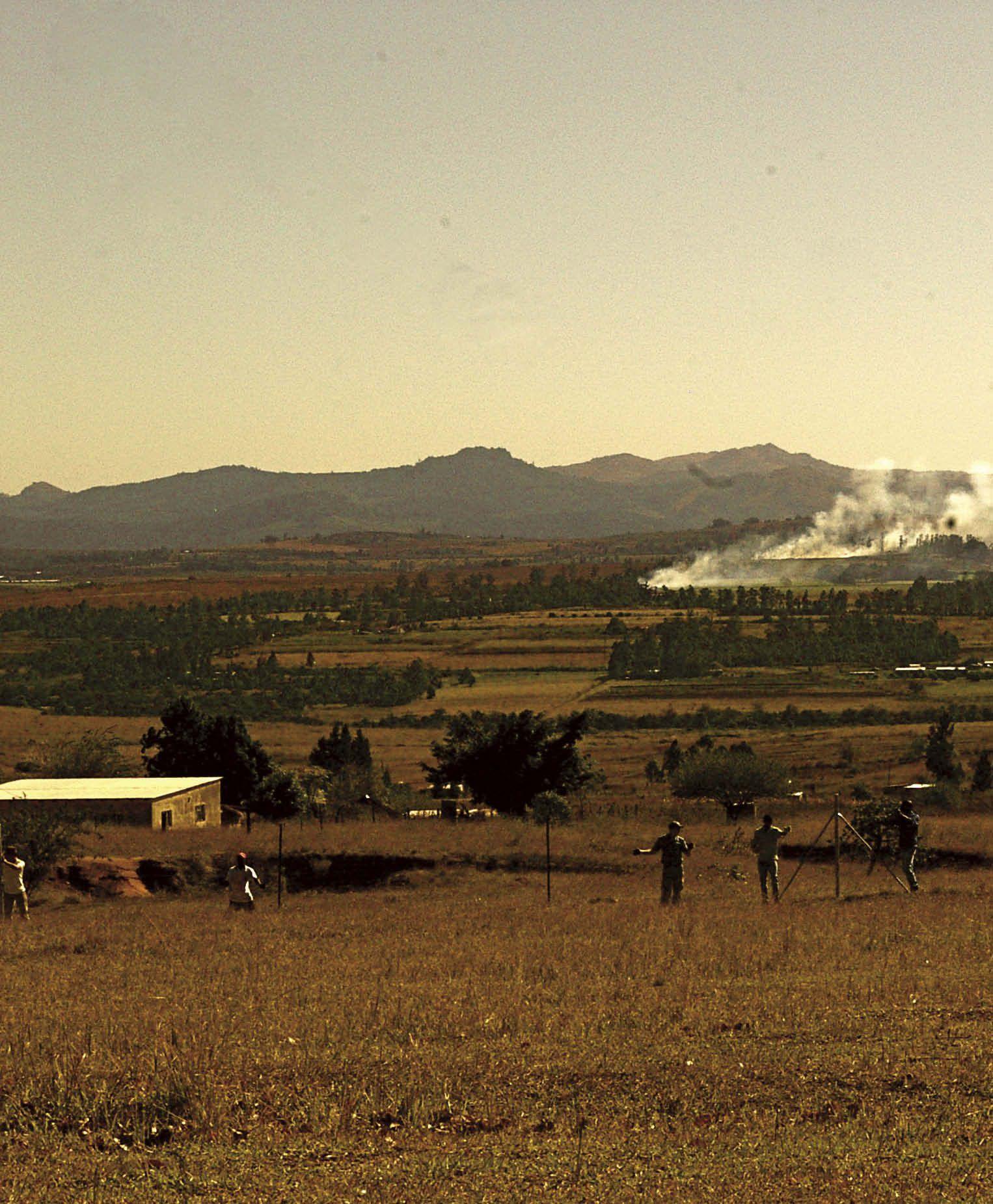
Swaziland, with a population close to one million, is considered by many to be one of the most rural and isolated countries in the world. In addition to a number of challenges common to far too many global regions (extreme poverty, inadequate transportation, inaccessible education), the nation of Swaziland has become a prime host for both tuberculosis (TB) and HIV/AIDS pandemics. In fact, the United Nations, of which Swaziland has been a member state since its independence in 1968, has gone so far as to determine the country’s expiration date. According to the U.N., unless drastic changes are evidenced, the adult Swazi population will simply and mathematically be reduced to zero by the year 2030 as a result of these diseases. And by 2050, the country will no longer exist.
That conclusion is haunting, and nearly impossible to fathom. However, as the world stares into a complete and tragic catastrophe, God is also working. In fact, He has pricked the hearts of several students at Mount Vernon Nazarene University, and is prompting several
leaders within the MVNU community to join others in asking questions like these: Couldn’t a country the size of New Jersey be spared extinction? Together, can we find a way to literally “change the world” of Swaziland “with the love of Christ?”
Harry and Echo VanderWal are among those who firmly believe the answer to those questions can and ought to be a resounding “Yes!” As the founders and executive directors of The Luke Commission, a nonprofit organization based in Swaziland, they are inspiring others—including many on the campus of Mount Vernon Nazarene University—to join them in their effort to reverse this devastating trend. Working with a team of close to 30 Swazi staff members and a growing legion of supporting activists around the world, the VanderWals are seeing glimmers of hope in some of the country’s most inaccessible and desperate places. “God has something different than extinction for Swaziland,” says Echo. “We see hope.”
The Luke Commission has a simple yet profound approach: members travel deep into the pockets of the country where adequate food and water are luxuries—places from which transportation to the nearest doctor or medical facility does not exist. When you are faced with the question of where your next meal is coming from, you are inevitably far less worried about getting that nagging cough checked out. Besides, it’s not like there is a bus to get you to the nearest hospital sitting 40 miles away.
But what if healthcare could come to you? You might be less intimidated and feel like less of a burden on your family if the clinic came and set up in the center of your village. That is the simple elegance of what The Luke Commission is doing, all over rural Swaziland. And while hundreds of individuals from these isolated communities are treated for coughs, rashes, or infections, they are also offered the opportunity to be tested for viruses like TB and HIV/AIDS. And they are prayed for.


On average, The Luke Commission team will see approximately 500 people treated each day and around 80,000 different services given to 20,000 Swazis every year. “We have frequent field days that last far into the evening or even the next day,” says Harry, “but
we often see over 150 people tested for HIV in a single visit.”
Mondays and Wednesdays are clinic days. Harry and Echo will travel with their team for hours to reach a small rural community. “In the field, we have 16- to 18-hour days,” says Echo, as if she wondered why this would seem at all remarkable. “There are many issues that Swazis deal with regarding medical care.”
More often than not, they treat children, the unemployed, and the very sick—those with no income. The team’s focus, however, is to delay orphanhood. This requires testing parents for HIV as early as possible. “If we get parents tested early enough,” says Echo, “we can treat them and extend their life. Parents who know their condition are the best educators for their children.”

It’s a big job, made even bigger by a larger vision. “There are between 30 and 40 team members—providing transportation, assisting medically, praying over patients, and even sharing the gospel.” Each day, The Jesus Film is shown to patients who are waiting for their supplies or results. With the help and prayer of the commission’s pastoral staff, many individuals come to know Christ.
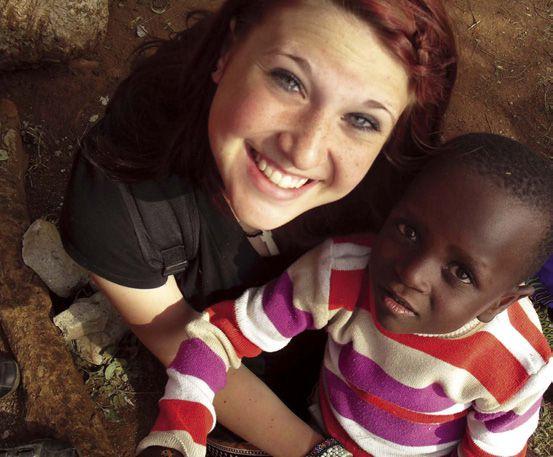
“THEY COME BECAUSE IT IS CONVENIENT AND, SOMETIMES, THEY ARE DIAGNOSED AT AN EARLY ENOUGH STAGE SO THAT TREATMENT CAN MAKE A REAL DIFFERENCE— EXTENDING LIFE AND IMPROVING THE QUALITY OF WHAT TIME THEY HAVE LEFT.”

15,662 ORPHANS & VULNERABLE CHILDREN CLOTHED


The team diligently works to restock their supplies on Tuesdays and Thursdays; it takes about 200 manhours to prepare for a day in the field. Often, they will conduct follow-up clinics, revisiting communities they have been to recently. “There is poverty, lack of HIV education, and transportation struggles,” explains Echo. “Those are not issues which can be overcome in one visit.” There is also a battle over beliefs, as many communities in Swaziland still hold to tribal traditions about spirituality and medicine. This tends to breed a sense of mistrust regarding modern medicine, and creates a stigma for some who would otherwise seek treatment. Because of these issues, patients often only reach out for help late in their illness, when effective care is much more difficult. Still, people do come to the clinics. They come because it is convenient and, sometimes, they are diagnosed at an early enough stage so that treatment can make a real difference—extending life and improving the quality of what time they have left.


19,744
4,219
In fact, in a testament to the effectiveness of The Luke Commission’s model, the national government of Swaziland has put its faith in the mobile clinics. Put simply, the commission has demonstrated an effectiveness that has never before been witnessed in Swaziland, and they are making quite an impression. “The Luke Commission is playing an important role in Swaziland, not only on health service delivery but also on making Christ known to many Swazis,” says Dr. Bitchong, the chief medical officer at R.F.M. Hospital in Manzini, Swaziland.
The VanderWals visited MVNU’s campus last fall, presenting The Luke Commission to the community and challenging the campus to get involved. Students, faculty, and community members answered this call, buying an overwhelming number of HIV tests to be used in the field. Even in recent months, this effort to reverse the trend in Swaziland has become a unified vision not only for MVNU students, but on campuses across the nation. “Many students began to ask, ‘What can I do about it?’” says Joe Noonen. “So we will be facilitating an ongoing drive for test kits.” There will also be a second MVNU trip to Swaziland this summer, working solely with The Luke Commission.

“We’ve seen God’s hand, even in the U.S. recession,” said Echo. “He’s expanded our support base each year in the U.S. Our prayer is that students would have wise and reckless abandon.”
The next challenge facing The Luke Commission is building up their malnourished infrastructure. Travel to and from the commission headquarters is difficult and unsafe for most of the Swazi team members. “We invested in the people first,” explains Echo. “After you invest in the people, you better understand what the needs are for an infrastructure.”
A project to build a sufficient home base for the team has become their top priority, something they’ve dubbed the Miracle Campus. “We call it the Miracle Campus because we expect God to work a miracle: basic buildings and housing,” Echo explained.
see a vast number of brand-new vehicles that we will be able to put to great use.” Harry adds, “God has worked so many miracles that we just don’t expect anything else from Him anymore. We often feel like flies on a wall—just observers of His work.”
A sufficient infrastructure isn’t their only current battle; there is also a spiritual war at work. Their team needs prayer. “We need our Swazi team members to be mentally and spiritually healthy,” says Echo. “They hear and sense more than we do— stuff that happens behind the scenes. The reality is that our Swazi team members bring a great amount of credibility to our effort. Why would someone listen to an American who doesn’t understand their situation?”
The work to ensure Swaziland will not see extinction has just begun. And MVNU’s partnership is an important part of that work. This year, the MVNU community made a commitment to raise $6,000 for Swaziland, which will provide 600 testing kits. “Through prayer, action, and the same faith that built this organization,” explains Noonen, “we could see Swaziland turn around in our lifetime.”

They have experience in seeing miracles. Just recently, the commission received new vehicles for travel. “Our internal motto is to never complain,” Echo explained. “But it was difficult when our vehicles would break down. Not only was it unsafe, but we often couldn’t get to the field because of vehicle issues. It’s incredible now to look out the window and
To learn more about The Luke Commission, visit www.lukecommission.org. If you would like to partner with MVNU in its efforts to support the ongoing work in Swaziland, contact jnoonen@mvnu.edu.
Cassie Porter is sophomore at MVNU, majoring in English with a minor in Journalism.

158
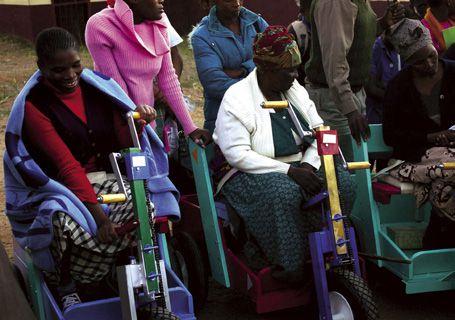
WHEELCHAIRS/ ADAPTIVE EQUIPMENT FITTED
1,558 HIV/TB REFERRALS TRACKED
69,935 SCRIPTURE BOOKLETS/ BOOK OF HOPE GIVEN

546
SKILLS PROGRAM FOR SCHOOL-AGED CHILDREN

2,535
OPERATION CHRISTMAS CHILD BOXES DELIVERED
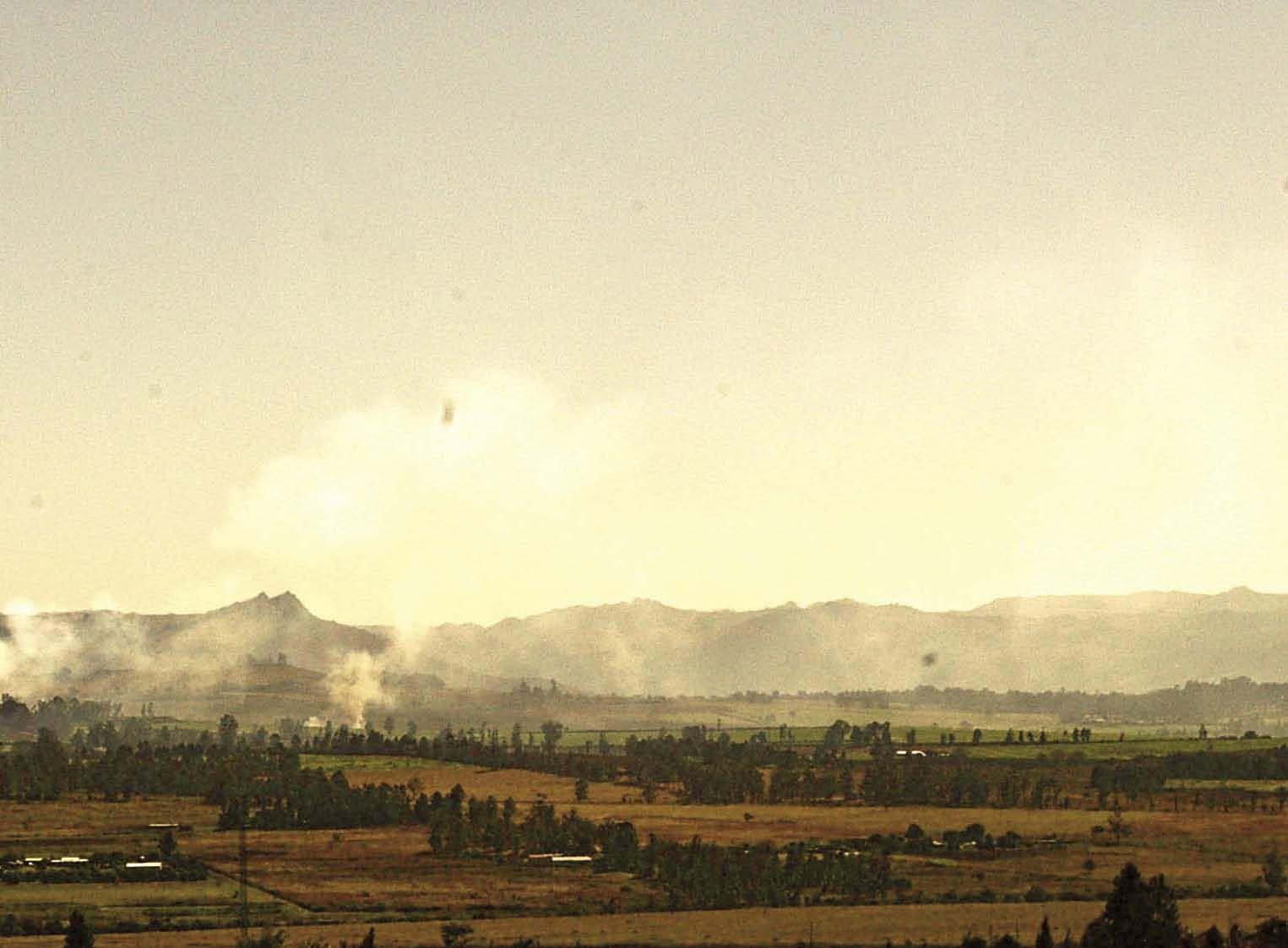




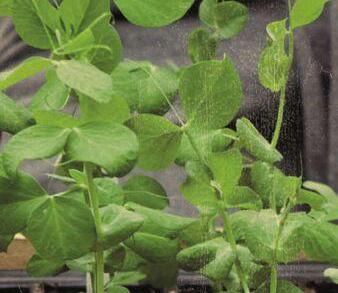

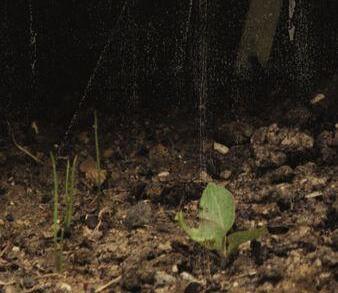


















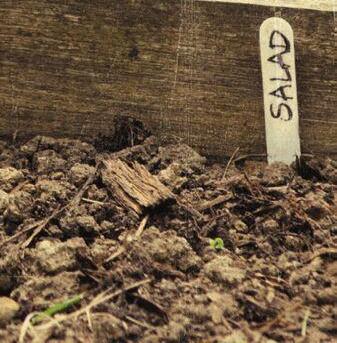
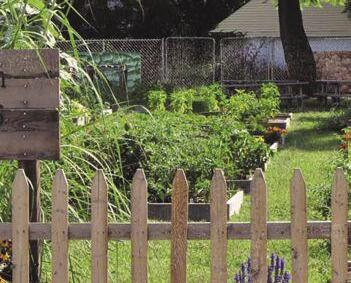
The Franklinton Gardens is a farm of sorts. In that way, the nonprofit organization resembles much of Ohio and the many similar parcels of land scattered throughout the state. But unlike those acres of corn, soybeans, or potatoes, these small plots are nestled within a city populated by three quarters of a million people and surrounded by concrete.








and Tiffany Gribben
contributed to this article.
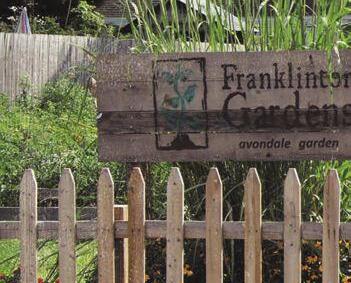

Franklinton is the oldest neighborhood in Columbus. It was settled in 1797 by Lucas Sullivant, a surveyor and admirer of Benjamin Franklin, as a farming community. Americans were moving west, and Ohio was the new frontier. The fertile lowlands on the west bank of the Scioto River were rich and full of promise. They were also, often, full of water.
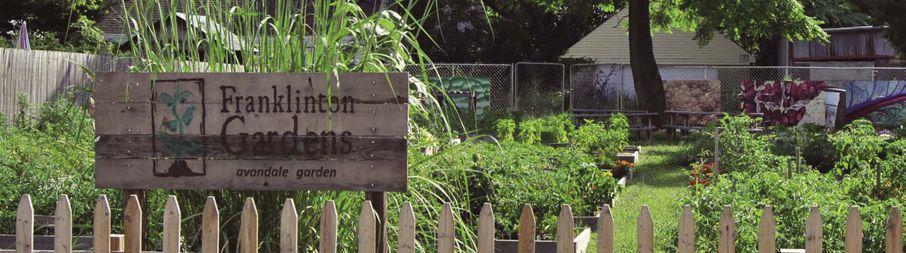
Frequent flooding—at times, devastating—shaped much of Franklinton’s story, although a floodwall and a recent flood prevention program have diminished the risk. The town’s potential—it had grown dramatically and was a major training center during the War of 1812—faded quickly once Columbus became the state capital. Annexed by the growing metropolis in 1870 and severely wounded by another flood in 1913, Franklinton was essentially terminated in 1982 when the Federal Emergency Management Agency (FEMA) designated the community as lying within the 100-year flood plain. Already among the poorest neighborhoods at the time, this designation essentially prohibited new construction, making any effort at renewal and rehabilitation challenging. Today, the once-promising town of Franklinton is now, for many, a picture of one of the most neglected neighborhoods in an otherwise growing, developing, and thriving city—in many ways, a forgotten community.


Urban agriculture has a long and fascinating history, tracing its roots all the way back to ancient Egypt.
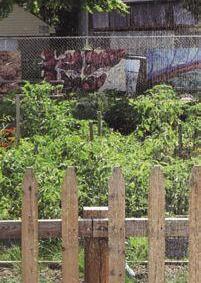
During the last century, especially during times of depression and war, a variety of different communities turned to different urban farming methods in an effort to reduce pressure on food production. Today, a number of governments, farmers, nonprofit organizations, and gardening enthusiasts are pumping resources, time, and effort into urban agriculture movements in some of the largest cities around the world including Mumbai, Bangkok, Havana, Beijing, Cape Town, Amman, and New York.
Simply put, urban agriculture is engaged whenever and wherever plants are grown and animals are raised in and around cities. But perhaps its most striking and promising characteristic is this: urban agriculture is specifically designed to be integrated into the economy and ecology of the local urban environment. In other words, local urban residents provide the labor. Local urban resources, such as organic waste and collected rainwater, are used. And needs particular to the local urban environment are met.


There has long been a connection between MVNU and the Franklinton Community. For more than 20 years,
Lower Lights Ministries, an extension of the Lower Lights Community Church of the Nazarene, has been loving and serving the community of Franklinton in a variety of innovative and holistic ways. For much of its history, Lower Lights has focused on meeting the needs of women and children, providing meals, recovery programs, and launching Rachel’s House, a women’s prisoner reentry program. During that period, a number of students from MVNU have volunteered in various ways to support Lower Lights and the people of Franklinton. For many of these individuals, the Franklinton community leaves a lasting impression.



When a small group of friends, including Eric and Kerri (Pressley) Stetler (’99) and Kyle and Kelsie (Willoughby) Meyers (’01), first encountered the Franklinton community, they were struck by a simple but profound fact: there was no grocery store in the neighborhood. In fact, there was nowhere at all within the community to buy fresh food—especially fruits and vegetables. As a result, community members who lacked the time, resources, or transportation to get to the nearest full-service store were forced to scrounge for what limited prepackaged options they could find at the corner convenience store.


“It’s hard for those of us who grew up in another context to imagine what life is like without easy access to fresh food,” says Eric. “But the impact is dramatic.” Indeed, many who live in Franklinton and other such isolated communities suffer from a number of diet-related issues such as obesity, diabetes, high blood pressure, and heart disease. Kyle adds, “The effects can become generational as well. Not only are children growing up without adequate nutrition, but they aren’t learning the simple skills like preparing a meal or balancing their diet to pass along to their families down the road.”
It was in this context that Franklinton Gardens was born. Over time, more friends joined in, others moved on, and the project ebbed and flowed with each new dynamic. It changed with, and like, the seasons. But what remained consistent was the simple and elegant vision for “growing and sharing healthy food, creating beauty in abandoned places, promoting nutrition and active living, and building community with their neighbors.”
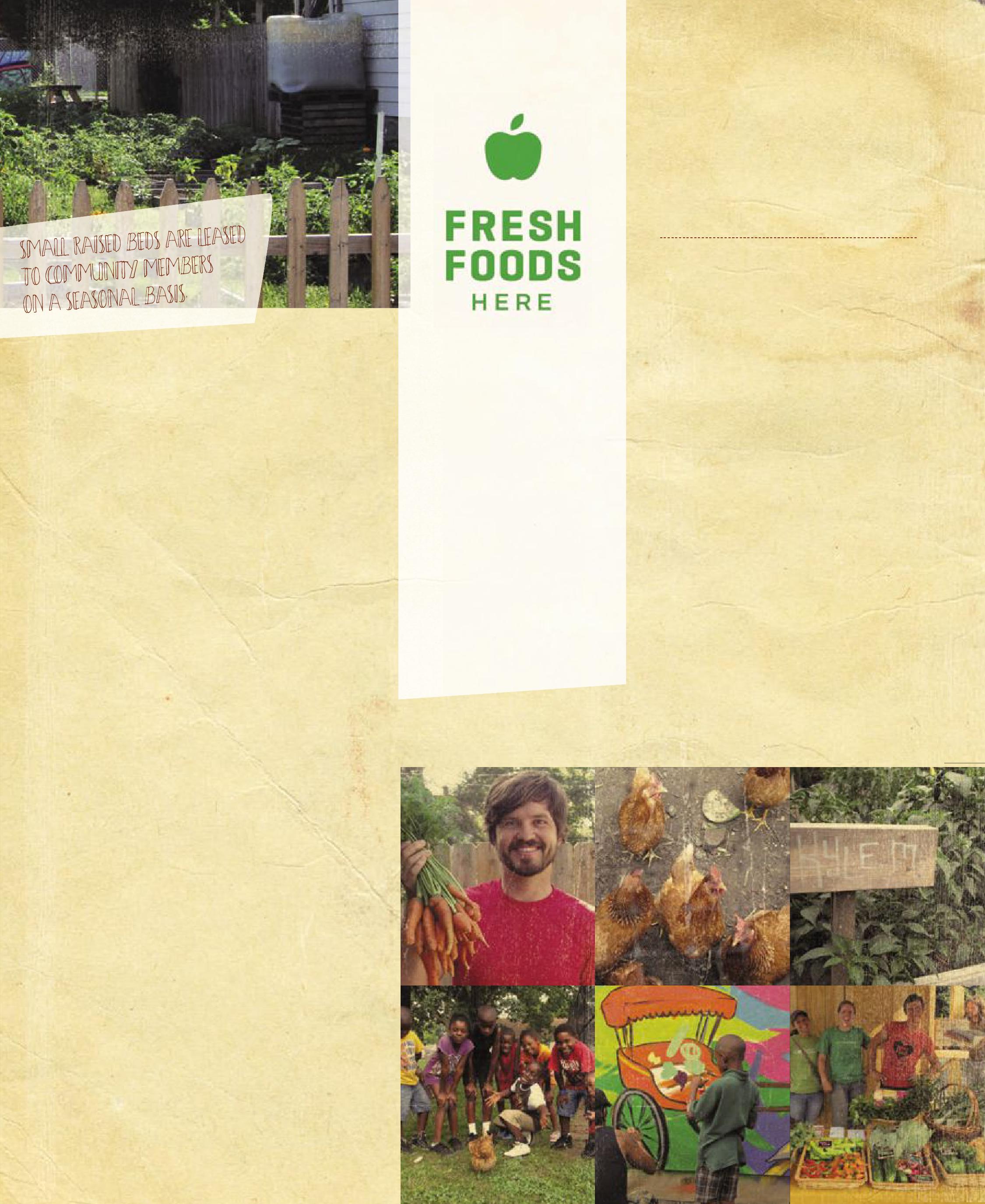
That seed of an idea has grown into a thriving model of successful urban agriculture. Franklinton Gardens’ two full-time directors, Patrick Kaufman and Ashley Laughlin, oversee more than an acre of growing space in total across seven different garden plots scattered throughout the community. Three different corner markets offer fresh, homegrown produce as it is available. On some sites, large drums collect rainwater for garden use. Organic waste is composted and fed back into the soil. A chicken coop is safely protected from various city critters and regularly provides fresh eggs. A few small raised beds are leased to community members on a seasonal basis, giving them the freedom
“THE EFFECTS CAN BECOME GENERATIONAL AS WELL. NOT ONLY ARE CHILDREN GROWING UP WITHOUT ADEQUATE NUTRITION, BUT THEY AREN’T LEARNING THE SIMPLE SKILLS LIKE PREPARING A MEAL OR BALANCING THEIR DIET TO PASS ALONG TO THEIR FAMILIES DOWN THE ROAD.”
to make their own choices about what to grow and the opportunity to develop new skills. Interestingly, art has begun to spring up in and around the gardens, adding a dimension of beauty and creativity to the once bleak landscape.
Gardening is organic. A seed is planted, watered, and nurtured. The gardener makes invaluable contributions to the process, but the actual growth and development of the plant is built into the seed itself. And under the right conditions, growth happens and life blossoms, in new and fresh and surprising ways.
The same can be said for community. It is also organic. It can be planted with the seed of an idea, like a hopeful vision. It can be cultivated and nurtured and protected. But, like the best gardens, community eventually blossoms in new and surprising ways. New seeds are formed and carried into new gardens. Lives are changed. New life takes root. And a forgotten community begins to remember the great promise and hope it once had.
For more information about Franklinton Gardens, please visit www.franklintongardens.org.










S F C T R I T O O T H R M Y E









I am the lead pastor for Tampa First Church of the Nazarene in Tampa, Florida. Though it used to be a white Englishspeaking church with a considerable amount of money, we are now a multicultural church struggling to pay the bills. The neighborhood around the church has drastically changed in the past 20 years. Thirty percent of the neighborhood population has immigrated to the U.S. in the last ten years. Many of these are undocumented. Hispanics now make up 55% of the neighborhood; whites make up 22%; blacks make up 19% and Asians make up 2%. It used to be a middle class neighborhood with little crime. Now many of the households live at the poverty level, often with multiple families living together. Crime has become a fact of life here. We have a very large population of homeless who live around the church, which has created challenges. The church has gone through great tension as it has attempted to deal with these demographic shifts. Most of the original members no longer live in the area around the church. They drive an average of 15 miles to church every week or have chosen to go to other churches closer to where they live. The church has also gone through a difficult split. We have allowed a couple of Hispanic churches use the facilities in the past. Eight years ago, the church adopted a new approach and hired a young Cuban pastor to begin a Hispanic ministry as a part of Tampa First. We also have a large group of Haitian immigrants who are members of our church. After the earthquake in Haiti, many injured Haitians came to Tampa on medical visas to get help. Our church has reached out to them and some of them are part of our church today. Today, we are one church ministering in three languages. We have an English worship service at 9:45 on Sunday mornings followed by Discovery Groups in English, Spanish and French Creole at 11:15. At 1 p.m., we have a worship service in Spanish. Our Spanish service is led by an Associate Pastor who is Hispanic. Our Haitian ministry is led by several dedicated Haitians. I am here because of the unique multicultural approach. I have a missionary calling. Our vision is “A unified MULTICULTURAL family of believers representing CHRIST in the COMMUNITY.”
A Multicultural Christ Community describes who we are becoming. Not only is our congregation made up of different races, but also different socioeconomic levels as well. We have very wealthy and very poor worshipping together. Our diversity also includes U.S. citizens, people on visas hoping to become citizens and undocumented people hoping to remain in the United States.
As you might expect, this great diversity creates many leadership challenges as well as blessings. In my First Hundred Days Vision presentation I stated, “This diversity provides us with the rare opportunity to experience the grace of God in its diverse cultural expressions. Most people will have to wait until heaven to worship in this kind of diversity.” In the almost three years I have been here, I have experienced the blessing of diversity in many ways. I believe this diversity
provides a great glimpse of the Kingdom of God. I have also experienced the difficulty of bringing unity to this great diversity. While this continues to be the most challenging leadership assignment of my life, I am grateful for the opportunity to lead this multicultural experiment.
Works with the Mollie Kessler School, educating students with learning disabilities in inner-city Youngstown, Ohio. This year, she and her class of twelve students focused on homelessness, visiting the Rescue Mission down the street and holding a food drive for the homeless in their community. The class also put together two Christmas baskets for their community and rang bells outside of convenience stores. This focus taught the students, many of whom have dealt with poverty, that you can always give.
In my work as co-host of Mornings with Mary & Josh on 104.9 the River in Columbus, I’ve been honored and blessed to work with and support Faith Mission. They say, “hope starts with a meal,” but I’ve seen firsthand that it doesn’t end there. Faith Mission provides housing, meals, job resources, medical care and hope for homeless and hurting individuals and families in Columbus. They do this at several facilities for men, women and families. Those in need can stay for as long as three months and receive help in getting on their feet with employment and healthcare as well as emotional and spiritual healing. Many even come back to volunteer once their stay at Faith Mission is done and their lives are moving forward again.
And the face of homelessness is changing. Take all the stereotypes of “homelessness” and throw them out the window. Many people we know, families who are pursuing the American Dream, are just one step away from homelessness. One mistake, one illness, one layoff or pink slip. In serving Faith Mission, we are serving individuals from all walks of life in Columbus and Central Ohio. The team at 104.9 the River has spent time serving at Faith Mission, and for the past several years has hosted on-air fundraisers to benefit this great organization. In 2011 alone, God has used our station to help raise more than $100,000 for Faith Mission.
Community service was established as an important part of my radio career during my time at MVNU, working at WNZR alongside Marcy Rinehart and so many others involved with Food for the Hungry, the Focus on the Family Bike Ride for the Family, various concerts and many other service projects and events. I’m honored to be able to continue to serve the Lord, and people in our community.


Our family arrived at Grace Center for Children & Families in Bahir Dar, Ethiopia, in July 2010. At that time, Grace Center had been in operation for four years. This project had grown so large that more volunteers were needed to manage the day-to-day operations. Through a series of events, which included the adoption of our daughter from Ethiopia, God began to prepare our hearts for this journey that ultimately brought us to Grace Center as full-time volunteers.
Grace Center is situated at the edge of the town of Bahir Dar. A city of more than 200,000 people, it is located in the northern region of Ethiopia. Grace Center serves the people of Bahir Dar and those living in the surrounding countryside.
Grace Center seeks to serve those living in extreme poverty. The aim is to provide services that help to build up families so that they become self sufficient. Many of Grace’s beneficiaries are single parent families who, without the services of Grace, may have given up their children to orphanages simply because they could not provide for them. Grace has a staff of more than 130 local employees, 3 directors, and 3 long-term volunteers to help facilitate the operations of the program. Grace Center offers the following services:
• Free Day Care, providing single parents with a safe place for their children while they go to work to provide for their families.
• Free Medical Clinic, offering medical services.
• Small Business Program, providing basket weaving, sewing, embroidery, and jewelry training as well as employment.
• Food Program, serving many beneficiaries when they first come to Grace and numerous children without families.
• Grace Children’s Home, serving orphans and those who need temporary care.
• Sponsorship Program, a $40/month contribution to provide for a child’s school fees, rent, clothes, food, and medical needs.
Serving others is a lifestyle rather than an event.
One area that has become close to our hearts is the need for programs for individuals with special needs. Prior to coming to Ethiopia, Cheryl worked for eight years with the Franklin County Board of Disabilities in Columbus, Ohio. It is our desire to see programs available for these individuals who are very special in God’s eyes. They are the forgotten ones in a community of extreme poverty. The need is great, and with
the help of God’s people, we will work toward developing programs to meet these needs. We have established a 501 (c)3 nonprofit organization, Forgotten No More, Inc., to help raise funds and awareness for this specific purpose. As we continue to work with Grace Center, we will also work toward gathering professionals in the area of special needs who are willing to invest their time in visiting us here in Bahir Dar to help develop programs.
To learn more about this important work, please visit us at www.4gottenNoMore.org. Thank you so much for your prayers and support!
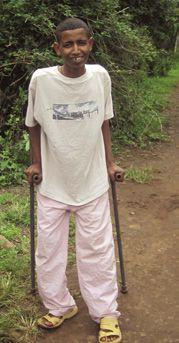

When we first met Yismaw, he was walking a long distance on crutches each day to get to Grace’s food program. We learned that he was attending a government school, but had no family caring for him and no home. His teacher at the school had compassion on him and allowed him to stay in her mud home until she could find another solution. She herself was financially unable to meet Yismaw’s needs. They turned to Grace for food. As we became acquainted with Yismaw, we learned that he is an incredibly bright young man. We also learned that he had suffered some devastating losses in his life. When he was in third grade, he became extremely sick and lost the use of his legs. At some point after his sickness, his family said that they could no longer take care of him and made him leave. Since coming to Grace, Yismaw now has a sponsor. His sponsor is helping to meet his need for housing, food, medical care, and education. With the help of his sponsor, he was able to enroll in a private school which will expand his future opportunities. We have been so blessed to see firsthand the transformation in Yismaw’s life. We are excited to see what the future holds for this very bright, very special young man. He is no longer forgotten.















Even magazines can get busy. So we thought we'd create some space for you to pause, breathe deeply, and rest.
The MVNU women's soccer team pauses to pray after a match.


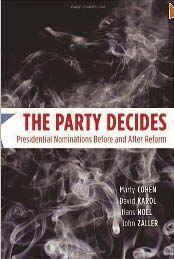







Marty Cohen, David Karol, Hans Noel, and John Zaller (University of Chicago Press, 2008). 404 pages.
Who really picks the presidential candidates we vote on in November—primary voters or party insiders? Who controls political parties in the United States— ambitious elites bent on reelection or social groups and activists inspired by sincere policy goals?

This is an incredibly sophisticated work of political science research. Yet it is also accessible to the non-specialist who might be interested in better understanding the parties and primaries presently dominating our political news cycle—or, for that matter, in understanding what on Earth it is that political scientists do!
Harlow Giles Unger (Da Capo Press, 2010). 388 pages.
Thinking of such great figures in American history probably doesn’t lead you quickly to the name of James Monroe. Yet Unger makes a strong case in this book that our nation’s fifth president was much more significant in his time than we realize. The resume of the man Unger calls the United States’ “first full-time politician” is truly remarkable: congressman, foreign ambassador, governor, secretary of state, secretary of war, and president.

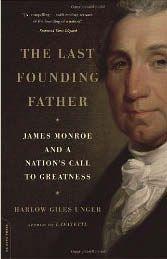
Unger’s writing is particularly strong when describing Monroe’s Republican political philosophy and its impact on key battles of the early United States government, including the constitutional ratification debate, U.S. relations with revolutionary France, and the development of the first major party system.








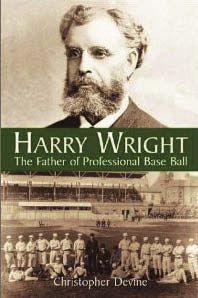
Christopher J. Devine (McFarland Publishing, 2003). 191 pages.
Talk about a shameless plug! Well, I thought this would be a fun one to throw in. I wrote this book when I was a senior in high school, just after my first book (Thurman Munson: A Baseball Biography) was published. A 1953 Baseball Hall of Fame inductee, Wright made his impact as a player, manager, and innovator. Most famously, he managed and played center field for the first all-professional team in baseball history: the 1869-1870 Cincinnati Red Stockings.








Above all else, Harry Wright was an extraordinary baseball innovator. In addition to introducing the modern baseball uniform, Wright invented many of baseball’s most familiar practices, including: spring training, double headers, pitching changes, and—an original discovery reported in this book—the minor league farm system. Indeed, Wright’s contributions to baseball were so significant that his contemporaries declared him “The Father of Professional Base Ball.”

Can you tell us a little about yourself—your family, what you've been doing up to the most recent assignment as District Superintendent for the Northwestern Ohio District?
Mona (Melvin '82) and I married a month after graduation. We have two daughters: Jelayne is an elementary school teacher and married to Mark, who is a youth pastor; Danae is in pharmacy school. Over a 25-year period I pastored three Nazarene churches in Kentucky, Ohio, and South Carolina.
Can you tell us a little bit about your role as District Superintendent?
Well, it's an assignment I never wanted, but because of the fine Nazarene pastors and laymen in northwestern Ohio, it is far better than I imagined possible. For those unfamiliar with our Nazarene government, the assignment is one of oversight, in varying degrees, of a certain number of churches in a given geographical area. While the tasks are varied, the greatest fulfillment in this position for me is assisting pastors and local churches to "succeed" in the calling God has given them.
What are your goals or hopes for MVNU during your tenure as Chair of the Board of Trustees?
I am in a steep learning curve, but as the name suggests, our foremost responsibility is to protect and enhance this "trust" we know as MVNU. MVNU has a dynamic University Plan in place with clear—even breathtaking—dreams. I hope to be of assistance to our President and other leaders in seeing these visions and goals become realities. Furthermore, I am humbled to be the first alumnus serving as MVNU's Board Chair, and it is my hope to rally our alumni in even greater support of the school we all love so much.
Does that role come with any perks, like free coffee at Baker Bros. (MVNU's downtown coffeehouse) or do you get to give Dr. Martin any crazy assignments or tasks just to mess with him?
The last cup of coffee I had was in college (I conveniently decided sleep was more beneficial than all-nighters), so I’m glad that Baker Bros. serves a hot chocolate and other drinks as well. As for Dr. Martin, I’m sure he already feels like he gets “messed with” enough.
What do you remember best from your days at MVNU as a student?
Trying to get a date with a certain young lady (married now for almost 30 years); a real sincerity about spiritual matters among the student body; bad food (I can't believe how good the food is now!); religion department professors (and others) who sometimes would be overcome with emotion while teaching theology or the Bible. Such experiences emphasized to me that “spiritual knowledge” is not merely an academic experience.
What kind of role has MVNU played in your life since graduation?
An informal, but significant role. I have so many close friends because of our time together. Of course, the things I experienced and learned at Mount Vernon shape me yet today. So, in a real sense, MVNU’s role has been huge in me being who I am.
What excites you about Christian higher education and MVNU in particular?
Christian higher education is, or ought to be, rooted in "the Way, the Truth, the Life." By such and in such, we "live and move and have our being.” This not only shapes the individual, but has the capacity to "change the world with the love of Christ."
Regarding MVNU, I am gratified that we have so quickly become so highly regarded. I am energized by the vision to become one of the world's most widely recognized Wesleyan universities, and really believe it is possible if we, the MVNU family, wholeheartedly give ourselves to to that cause.
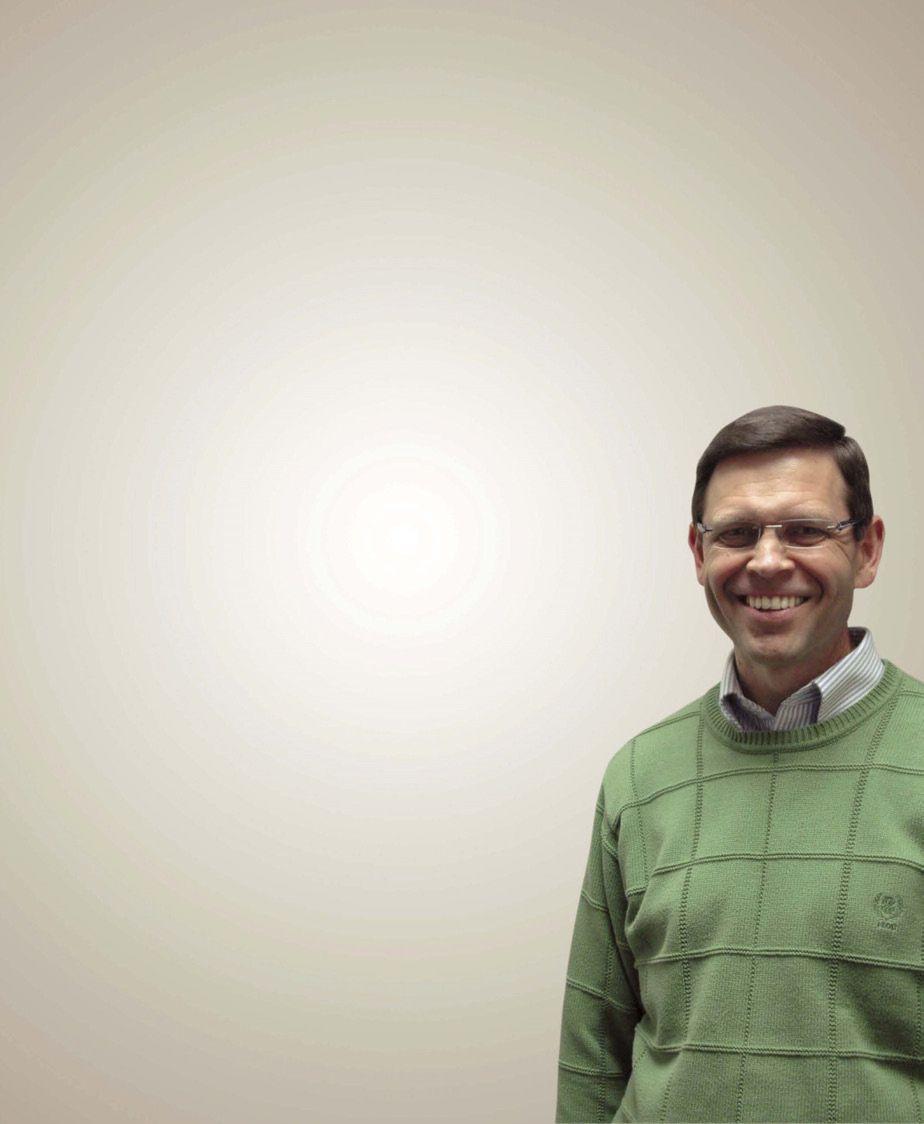
Geoff
Kunselman is the Chair of MVNU’s Board of Trustees and serves as the District Superintendent for the Church of the Nazarene on the Northwestern Ohio District.
Dr. Brad Whitaker, Director
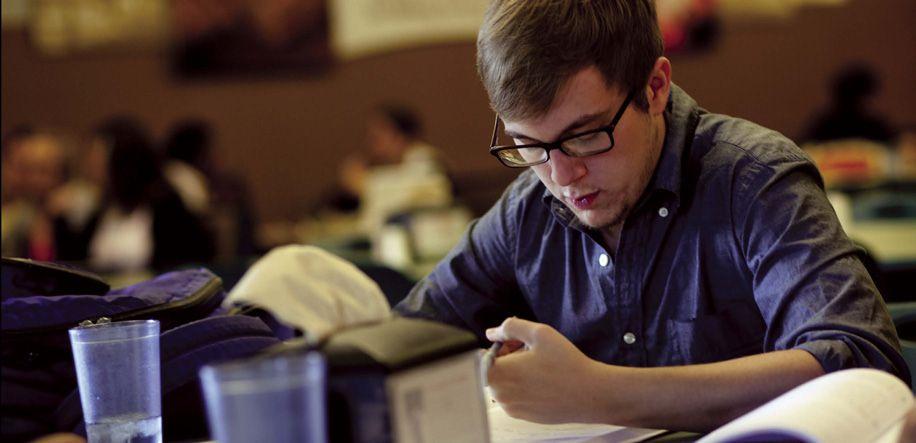
MVNU believes in the potential of Christian higher education to change lives. We believe it has the capacity to chart a new course in our imagination of what is possible through obedient and active surrender to God. Christian higher education can, as it has for so many of us, resource us with the hope, ambition, confidence and skill to change our life. And not just to change our life, but also the lives of our family, to change the trajectory of our family tree, and even to affect change in the Church. Out of our witness of what God has done in our own lives through the blessing of Christian higher education, we believe that MVNU is an academic faith community where emerging adults of the church belong. They can belong here. This is a community where we have found our place and we want them to find their place as well—their place with us, their place in the church, and their place in the journey that is their Godenvisioned life, their vocation. We believe in MVNU as an agent of change. We also believe our emerging adults belong with a community such as this. Why? For what we know that we have become and for what we know they can become. Many of us, if not all, can each testify to the confidence that where we are right now in our life—to what we have become and are becoming, whether out of college for one year or 50 years—due in large part to the life-changing chapter
that was our four- or five-year journey in a Christian academic community, our journey at MVNU. We believe in the capacity of MVNU to change lives. We find we belong in a community of intentional faith-based learning. We become changed, equipped, focused and prepared for the vocation to which we have been called. This is our story—the story of a life-changing chapter that was our college experience. But we understand that we have been called to share this story, not just in word, but in deed. How can this life-changing chapter find its way into the story of emerging adults, of high-school graduates, who:
• have no one in their family who has attended college,
• do not have the full complement of academic preparation for college,
• simply do not have the financial resources to afford college?
At the 2009 annual community dinner, Dr. Martin presented “Four Stones,” which would be central to fulfilling the University Plan. One of those stones was described as an “Open Access College.” Soon afterward, plans started on The Nease Institute, a resolute initiative to develop a first-year scaffolding experience for students who are not fully prepared to do the academics required at MVNU.
“In addition to receiving remediation in mathematics, writing, and/or reading, Nease students will receive specific help with university success strategies.”
Now, moving forward, The Nease Institute Advisory Board has been formed and is developing a focused, tailored remediation program. The following faculty/staff serve on The Nease Institute Advisory Board, which has already begun the work of launching The Nease Institute this coming summer: John Ballenger, Amber Blake, Dr. Carol Matthews, Denise Parks, Dr. Yvonne Schultz, and Dr. David Wilkes.
The experience for those students accepted into The Nease Institute will begin in just a few months with a summer "boot camp," followed by an individualized remediation-centered curriculum for their first-year experience. In addition to receiving remediation in mathematics, writing, and/or reading, Nease students will receive specific help with university success strategies (time management, note-taking skills, etc.).
Freshman in the Institute will be paired with upper-classman student mentors to assist with social, spiritual and emotional challenges.
Some of the resources for The Nease Institute already exist at MVNU, such as those in the Office of Academic Support and the Office of Student Life. The Nease Institute will be partnering with these resources as well as introducing others. Recruiting of students for The Nease Institute took place during February and March of 2012. The Nease Institute will give special consideration to those potential students who would be the first in their family to attend college.
The Nease Institute is central to our MVNU vision. We anticipate that, done well, these incoming freshmen will:
• Believe in the capacity of The Nease Institute and MVNU to initiate lasting change in their life trajectory.
• Belong in this community of intentional faith-based learning.
• Become changed, equipped, focused and prepared for the vocation to which they have been called.
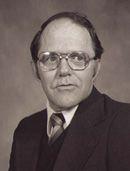
Five months after I was appointed director of The Nease Institute, Dr. Paul “Doc” Whitaker passed away. Several times in those five months prior to his death, Dad asked me to tell him the latest on the progress of The Nease Institute. As many of you know, one of Doc’s primary passions was students. So much of the vision for The Nease Institute resonated with his passion.
Soon after his death, former students and friends of MVNU began funding a scholarship which had been established in his honor, the Paul H. Whitaker Scholarship. The scholarship committee has determined that this scholarship will, in part, support students in The Nease Institute.
With your support, we will be able to sustain the mission of The Nease Institute. Please prayerfully consider contributing to the Paul H. Whitaker Scholarship. Or you may contribute directly to The Nease Institute. You can invest in a life-changing MVNU experience for students who would otherwise not have the opportunity.
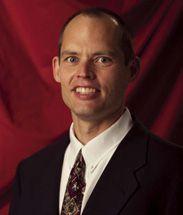
By Dr. Joseph Lechner
When Boyd Rorabaugh originally enrolled at MVNC in 1991, he planned to earn an associate’s degree in natural resources and become a conservation officer. Instead, he stayed to complete a B.S. degree in biology (1995). He then earned an M.S. degree in biology from Bowling Green State University (1997) and a Ph.D. in pharmacology from Creighton University (2002). After two years of postdoctoral research in the Department of Molecular Cardiology at The Cleveland Clinic Foundation, he joined the faculty of Ohio Northern University in Ada, Ohio. He is currently Associate Professor of Pharmacology and Cell Biology in ONU’s College of Pharmacy.
Rorabaugh investigates the physiological role of G proteins and the “regulator of G protein signaling (RGS) proteins” which modulate them. These molecules transmit signals through the cell membrane after a hormone binds to a receptor. If a hormone were a person standing on your doorstep, a receptor would be the doorbell button; the G protein would represent wires that pass through the walls; and adenyl cyclase would be the ringing bell that brings a response from occupants of the home. In this analogy, RGS would be like a volume control that can make the bell ring softer or louder. Over half of all prescription drugs interact with receptors that are coupled to a G protein.
Rorabaugh seeks a drug that would help limit myocardial damage that follows a heart attack. He collaborates with Dr. Richard Neubig at the University of Michigan. In August 2011, they received a $2.5 million grant from the National Institutes of Health. Rorabaugh’s share was $350 thousand. According to ONU’s public relations office, this was the largest research grant in the university’s history. Rorabaugh was invited to be the keynote speaker at ONU’s Honors Day convocation on May 7, 2011. In his address, “The Purpose of Honors: Stepping Stone or Legacy,” he challenged students to change the world by making a difference in the life of one other person. The complete text of his address can be read at www.onu.edu/node/34892.
On Nov. 11, 2011, Rorabaugh shared his passion for research with an audience of MVNU students in a lecture titled “Regulator of G Protein Signaling Proteins: Therapeutic Targets to Cure a Broken Heart.” In his spare time, Rorabaugh serves as a member of Ada’s volunteer fire department. He also enjoys hunting. He is married to the former Susan Hoover (’92, Sociology). They worship at Union Chapel Missionary Church in Lima, Ohio, where Susan serves as treasurer. They have two sons, Andrew (6) and Aaron (2).


Faculty News

Dr. Carrie Beal (Biology) recently co-authored a paper titled: “Twostage Cooperative T Cell Receptor-Peptide Major Histocompatibility Complex-CD8 Trimolecular Interactions Amplify Antigen Discrimination” published in Immunity.

Dr. Dan Mosher (Biology) co-authored a published abstract and poster presentation, “Taphonomy of Disarticulated Crinoids from the Upper Pennsylvanian Barnsdall Formation, Northeastern Oklahoma,” and the published abstract “Genesis of a Crinoid Lagerstatte in the Upper Pennsylvania Barnsdall Formation of Northeastern Oklahoma” with the Geological Society of America Annual Meeting in October, 2010.

Dr. Joseph Lechner (Chemistry) recently authored a paper, “More Nuts and Bolts of MichaelisMenten Enzyme Kinetics,” published in the Journal of Chemical Education.

Dr. Richard Sutherland (Physics) received a US Patent #8,077,274, “Optimizing Performance Parameters for Switches in Polymer Dispersed Liquid Crystal Optical Elements” on Dec. 13, 2011.

Dr. LeeAnn Miner (Psychology) co-authored a paper, “Chronic desipramine treatment alters tyrosine hydroxylase but not norepinephrine transporter immunoreactivity in norepinephrine axons in the rat prefrontal cortext,” published in International Journal of Neuropsychopharmacology.
New Voices Join Messiah
George Frederick Handel’s Messiah has been presented by the MVNU Music Department annually from the opening days of the institution in 1968. The performance is a highlight on the MVNU campus as well as the greater Knox County community. This year’s 44th annual performance on Dec. 4, 2011, was notable by the absence of two familiar voices and longtime faculty members: tenor David Liles, retired in 2011, and contralto Virginia Cameron, who will retire in 2012. Their mark on MVNU music and the department’s Messiah presentations is indelible. These roles in the 2011 performance were covered beautifully by two stellar MVNU alumni vocalists, Carolyn Redman and Tyler Skidmore, who were very well received. David Templeton returned for his fourteenth year in the bass role, and newcomer Jennifer Whitehead sang soprano. Robert Tocheff, chair of the MVNU Music Department, conducted his 21st performance. All of the performers, the 160-voice choir, and the chamber orchestra filled the chapel auditorium with both beautiful music and the beautiful spirit of the scripture.

Virginia Cameron (Music) has informed the University that she will end her service to MVNU at the end of this academic year, on May 30, 2012. We thank her for many years of faithful service to the University.

Andrew Hendrixson (Art) recently received word from Alma Ruiz, the Senior Curator of Contemporary Art in Los Angeles, that his work will be included in the next issue of "New American Paintings." Professor John Donnelly comments, “This is big news. This is one of the major art publications in the country and our Professor Andrew Hendrixson was selected to be in it! The competition is rigorous. We are so very proud of him.”

Assistant English professor Dr. Dorothea Hawthorne will be teaching this spring's Honors Seminar on C.S. Lewis's “The Chronicles of Narnia” and the Christian imagination. Students will be reading several of Lewis's acclaimed "fairy tales" with the aim of further cultivating their own Christian imaginations. Of particular interest to Dr. Hawthorne is the character of the lion, Aslan, the Christ-figure in the stories, and what he can teach us about the character of God.


Dr. Ronald Bolender presented “The Future of Online Education” at the Rotary International (Mount Vernon, Ohio) on Jan. 17, 2012.
Dr. Robert Roller was the keynote speaker for the North Central Ohio Business Startup Seminar on Saturday, Jan. 21, 2012, at Kenyon College; his topic was "The View from 30,000 Feet: Key Issues in New Business Formation."

Dr. Linda Miller has informed the University that she intends to retire at the end of the academic year. We thank Dr. Miller for her contribution to the University.

Dr. Sonja Smith has indicated the she intends to fully retire on June 30, 2012. It has been a pleasure to work with her and she will be missed. Dr. Damon Osborne will assume the role of Dean of the School of Education and Professional Studies on July 1, 2012.
Debra Garee, Judy Gregg, Esther Rudolph, and Karla Adu are participating in a grant funded project with Kent State University. The aim of this program is to work with an expanding number of partner schools of nursing, starting first in northeastern Ohio, and followed by state and national partnerships. Implementation of this program will follow a “train the trainer” model. The Cleveland Foundation, and its funding partner, The Mt. Sinai Health Care Foundation, received matching support for Phases 3 and 4 of the Online Education project from The Robert Wood Johnson and Northwest Health Foundations’ Partners Investing in Nursing’s Future (PIN) initiative.

Debra Garee was accepted to present at a poster presentation for the Third Biennial Innovations in Faith-Based Nursing on June 18 at Indiana Wesleyan University.
MVNU’s involvement and influence were
on full display again this year at the annual Food For The Hungry live broadcast on Saturday, Dec. 10, to benefit the Salvation Army and Interchurch Social Services in Knox County. More than $177,700 and 56 truckloads of food were raised during the campaign. WNZR and the MVNU Communication Department coordinated the overall broadcast schedule and provided technical support. Marcy Rinehart (’91), WNZR Station Manager, co-hosted the radio and TV simulcast on Time Warner Cable and WMVO. Joe Rinehart, Assistant Professor of Communication, also shared hosting duties and produced an ‘in memoriam’ video piece for the broadcast. More than 20 MVNU students and staff members served as documentary producers, broadcast crew and support personnel.
Two WNZR students placed in the annual Intercollegiate National Religious Broadcasters. The production awards were presented to:
Chris Runion (sophomore): First Place for Television/Video Promo for his 30-second MVNU Men’s Soccer promo, “Iron Sharpens Iron.”
Sam Dye (senior): Third Place for Radio Public Service Announcement with “Let’s Get Ready to Learn” for Head Start, voiced by Yvonne Schultz, Assistant Professor of Journalism.
Three MVNU men's basketball players, Ben Severns, Caleb Williams, and Zach Zeltman, along with Sierra Fletcher from the MVNU women's basketball team, were named to their respective Capital One® Academic All-District Teams. Fletcher also became the first women's basketball player in school history to be named to the Capital One® Academic All-America Third Team.

Dr. Michael VanZant (Associate Vice President for Graduate and Professional Programs) has accepted the call of the Grace Community Church of the Nazarene in Louisville, Kentucky. His last day at MVNU will be March 30, 2012. We thank him for his service to the University. Dr. Brock Schroeder will become our next Associate Vice President for Graduate and Professional Programs. He will begin on April 1. Brock served on the faculty of Olivet Nazarene University for 12 years. He comes to us from Malone University where he currently serves as Vice President of Enrollment Development. His Ph.D. from Walden University is in Astronomy Education.



After receiving news that his former college roommate and longtime friend had passed away, Chad Current (’96) was faced with writing a funeral message he never expected to give. It had only been a day since the loss of his friend, Jeff Wittung, an MVNU graduate and loving husband and father. He prayed for words and, in the hours that followed, a story began to take shape. With the blessing of Jeff’s wife, Marne (Dixon ’97), he decided to share the story at the funeral.
A memorial to his friend, the story is intended to honor Marne and Jeff’s two daughters, Ana (7) and Kate (3). Now published as a children’s book, Just Like That is designed to help children process the death of a loved one. Written from a biblical perspective, the story invites children to imagine heaven and is meant to help a child give voice to the painful emotions he or she is feeling when confronted with loss.
Current has dedicated the book to Jeff’s memory and his faith in Christ— the same faith that has helped carry Marne, Ana, and Kate through this difficult period. At the family’s request, all proceeds from the sale of Just Like That are committed to supporting an MVNU scholarship in Jeff’s name. The Office of Alumni Relations is helping promote the sale of the book to benefit the Jeff Wittung Memorial Scholarship. One hundred percent of the proceeds will go to the scholarship fund at MVNU. To purchase the book, visit www.justlikethatchildrensbook.com.
For those who would like to contribute to the scholarship fund, you can either mail a check to the MVNU Development Office (attn. Jeff Wittung Memorial Scholarship) or visit: giving.mvnu.edu. Click on “Give on-line now,” then, at the first drop down box, choose “Other Donation.” In the OTHER box, type in Jeff Wittung Memorial Scholarship.
Doris (England ’72-’74) Cannon announces that she has finally received a bachelor’s degree in Journalism and English from Ashland University. She began working on her BA at MVNU in 1972, and after nearly 40 years and 11 kids, she has finished what she set out to do. Graduating Dec. 17, 2011, as her 11th child is preparing for college, Doris and her husband Kevin are preparing for a whole new life.
Greg (’76) and Elaine Mason announce that the Board of Trustees at Trevecca Nazarene University has voted to confer Greg’s Honorary Doctor of Divinity degree at its spring commencement. Greg has served as District Superintendent of both the Mississippi District and the Louisiana District Church of the Nazarene for the past six years. gmason24@hotmail.com
1980 s
Scott Sharpes (’85) announces that he has become the lead pastor at Lakeholm Church of the Nazarene. He and wife, Wendy, are currently living in Mount Vernon, Ohio. SESharpes@aol.com
1990 s
Ned Campbell (’97) received his Master of Arts degree in Business Education from Bloomsburg University of Pennsylvania on Dec. 16, 2011. Currently, Ned works at Geisinger Medical Center as an EHR Systems Analyst and Pharmacy Trainer.

James (’99) and Kelly (Fig ’99) Smith are glad to be back at their alma mater. James is serving in his fourth year as the Director of Admissions. Kelly is a full-time stay-at-home mom to their four beautiful children: Halle (6), Judah (3), Phineas (2), and Asher (6 months). ophelia2377@hotmail.com

Jason (’00) and Tricia (Stine ’02) Guilliams announce that they have recently moved back to Mansfield, Ohio, as Jason begins his own State Farm Agency in May, 2012. During this exciting transition, they welcomed a son, Jackson Andrew, on Nov. 1, 2011. Guilliams.jason@gmail.com
Matt (’01) and Jennifer (Holland ’01) Keller welcomed Tayte Maddox on July 21, 2011. He joins big sister, Addie (3).

Thomas (’02) and Jaclyn (Fairhurst ’00) Cummings announce the birth of their daughter, Kennedy Alexis Cummings, on Aug. 30, 2011. A dream baby, she is now almost five months old and sleeps 10 hours at night. Thomasrcummings@gmail.com

Rodney (’02) and Krista (Reynolds ’02) Clutter announce the birth of their son, Colton Lee. Born on Dec. 5, 2011, he joins big sister Adrian (5) and big brother Kaiden (3). The family currently resides in Howard, Ohio. waynerey@juno.com
Due to recent changes implemented by Facebook, all MVNU Alumni who wish to be a part of the “Mount Vernon Nazarene University Alumni” Facebook Group must request to join, even if they were previously already a member. (We know. We’re really excited about the change as well.) If you are an alumnus, we’d love to have you be a part of our Facebook group—it’s a great way for us to stay connected with you and get you important updates and information. To join, search “Mount Vernon Nazarene University Alumni” under Groups, and click the “Ask To Join Group” button. Thanks!

Stacey (Smith ’02) and Randy Coldiron welcomed Summer Rose into their family in 2011. Summer was born Nov. 21.
lotusnutritian@aol.com
Bethany “Sage” Thompson ’03 married Julio Moreno Ledesma on Oct. 28, 2011, and is currently teaching language arts at Columbus Torah Academy.


will gain as he continues his studies at Harvard, better preparing him for school administration.
David (’06) and Holli (Caton ’07) Brummett are now residing in Fort Hood, Texas, with their two children, Jackson (3) and Jilli (18 months). David is employed with the U.S. Army and Holli is employed by Old Navy.

Stephanie (Okuley ’07) and Greg Wright (’07) welcomed a baby girl on June 18, 2011. Currently living in Lexington, Kentucky, Stephanie is the senior graphic designer for Asbury Theological Seminary and Greg is the operations manager at Family Financial Partners. swrightcreative@gmail.com




Denver Fowler (’05), a Patton College doctoral student at Ohio University, recently received the ‘Learning and Leadership’ grant from the National Education Association Foundation that will allow him to attend Harvard University’s ‘New and Aspiring School Leaders’ program. He is also currently an Adjunct Professor and Lecturer at The Ohio State University, teaching courses in Education and Human Ecology, and is a full-time sixth-grade teacher in the Licking Heights Local School District. Denver is extremely excited about the experience and the tools he





Please feel free to submit photos of weddings, babies, etc. to Mount Vernon NOW, 800 Martinsburg Road, Mount Vernon, OH 43050, or by email to alumni@mvnu.edu, or online at grapevine.mvnu.edu.
NOTICE: Due to space limitations, we will no longer publish baby weights and measurements. Thank you for understanding.










Joshua (’07) and Danielle (Brown ’09) Hartzler announce the birth of their first child, son Cameron Michael, on Dec. 12, 2011.
Matthew (’08) and Carrie Whisenhunt welcomed their son, Dawson Gary Whisenhunt, on Dec. 16, 2011. mlwhisenhunt@aol.com

Jonathan (’10) and Mallory (Coburn ’09) Nelson welcomed their son, Parker Alan, on July 7, 2011. Both teachers in the Fairfield City School District, the family resides in Trenton, Ohio.

Lee (Adkins ’10) and Chris McHam were married on Dec. 30, 2011. Currently living in West Virginia, Lee teaches high school math and Chris works in construction. They are looking forward to seeing where God leads them in the future.

Tamera R. Jackson (’07 BBA, ’10 MBA) was recently nominated for the Columbus State Community College 2011 Distinguished Teaching Award, one of the College's highest awards of teaching distinction. Recipients receive an honorarium $2,500 and receive reassigned time to select Award winners the following year. Additionally, Tamera is currently studying at Walden University and seeking to obtain her Ph.D. in Public Policy and Administration with a specialization in Law and Public Policy. tamirahj@gmail.com

Send us a picture of yourself “on the road,” whether somewhere significant in the United States, or halfway around the world. Please include:
1. Name(s) including maiden name
2. Class Year
3. Location of picture
4. A one- or two-sentence description of the picture
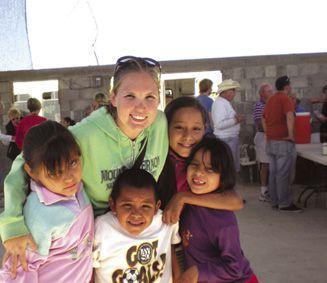
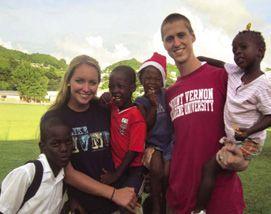
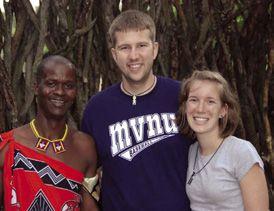
Please make sure you are wearing an MVNU shirt, hat, jacket, sweater, etc., which is visible in the photo you are submitting. Submit your pictures to alumni@mvnu.edu. Take a look at these recent submissions:



Dr. Donald Thomas Martin, a former professor of English and Speech at MVNU for more than 20 years, passed away on Dec. 17, 2011. As God's obedient servant, Dr. Donald Thomas Martin invested his time and energy as an educator. Led by the Holy Spirit, Don was a pastor and professor for more than 50 years, having a guiding influence in the lives of countless students, fellow Christians and his beloved family as well. After 88 years on this earth, Christ's work in Don's life is now complete and his faith is now sight.












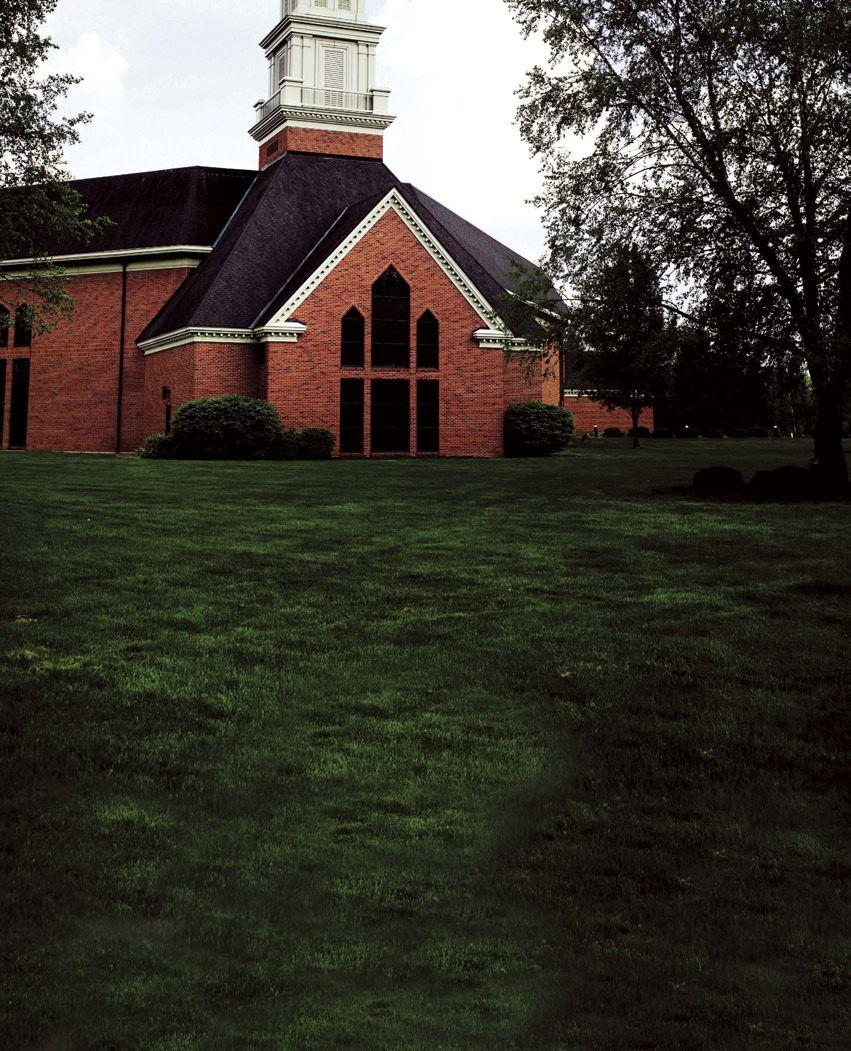











The Alumni Council serves as a liaison between the Alumni Association and the University. It is also the chief legislative body for alumni as described by the Alumni Constitution (see description at alumni.mvnu.edu) We are seeking a nomination for CLERGY REPRESENTATIVE TO THE BOARD OF TRUSTEES. This candidate must be a member of the Church of the Nazarene, actively serving in the role as pastor of a Nazarene church on the East Central Region (OH, WV or EKY), and be a graduate of Mount Vernon Nazarene University (see Article VI, section three of the Alumni Constitution). Please submit nominations to alumni@mvnu.edu no later than May 15. Once the nominations are collected, information on accessing an online ballot will appear in the summer issue of Mount Vernon NOW. A three year term begins Sept. 1. For a detailed description of duties assignments for this position listed above, please visit alumni.mvnu.edu. Your partnership with us is highly valued!
Choose to join us for an unforgettable day of
Mount Vernon NOW USPS 761-980
Mount Vernon Nazarene University
800 Martinsburg Road
Mount Vernon, OH 43050
Address Service Requested
Friday, May 4, 2012 9 a.m.-4:30 p.m. (registration begins at 8 a.m.)
Cost: $49
More Info: www.chick-fil-aleadercast.com (740) 397-9000, ext. 4550 events@mvnu.edu
• Main Campus – Jetter School of Business
• Mansfield Site – 890 West Fourth Street
• Newark Site – 13650 Granville Road