
Understanding Botanical Therapeutics
Low Dose and Micro Dose Therapy in Herbal Medicine and Homeopathy
ABSTRACT
This booklet explores the role of low dose and micro dose therapeutics in botanical medicine and low potency homeopathic preparations. The discussion introduces the biological principle of hormesis, in which small exposures to certain stimuli activate beneficial adaptive responses while larger exposures may produce inhibition or toxicity. By examining phytochemicals, bitter herbs, botanical tinctures, and emerging research on cannabinoid microdosing, this booklet provides a practical framework for understanding how carefully moderated biological signals may support physiological regulation and adaptive health.
Dr. Gregory Lawton
Gregory Lawton, D.C., D.N., D.Ac., N.D. is the founder of the Blue Heron Academy of Healing Arts and Sciences and has spent more than four decades teaching natural health sciences, herbal medicine, and manual therapy. He is nationally board certified in radiology, physiotherapy, and acupuncture and has been licensed in multiple states. Dr. Lawton’s work focuses on integrating physiology, nutrition, botanical medicine, and traditional therapeutic systems within the framework of Functional Naturopathic Medicine.
Understanding Botanical Therapeutics
Low Dose and Micro Dose Therapy in Herbal Medicine and Homeopathy
Gregory Lawton, D.C., D.N., D.Ac., N.D.
Functional Naturopathic Medicine Series
Blue Heron Academy of Healing Arts and Sciences Grand Rapids, Michigan
COPYRIGHT
Copyright © 2026 Gregory Lawton
All rights reserved. No portion of this publication may be reproduced, stored in a retrieval system, or transmitted in any form or by any means, electronic or mechanical, including photocopying, recording, or information storage systems, without prior written permission from the author, except for brief quotations used for educational review or scholarly citation.
Published by Blue Heron Academy of Healing Arts and Sciences
Grand Rapids, Michigan
This booklet is part of the Functional Naturopathic Medicine educational series developed for students and practitioners studying herbal medicine, natural health sciences, and traditional therapeutic systems.
DISCLAIMER
The material presented in this publication is intended for educational purposes only. It is designed to support the training of students and practitioners studying herbal medicine, natural health sciences, and traditional therapeutic systems.
The information contained in this booklet is not intended to diagnose, treat, cure, or prevent disease. It should not be used as a substitute for professional medical advice or care.
Students and practitioners are responsible for exercising their own professional judgment and for complying with all applicable local, state, and federal regulations governing the practice of health care.
The author and publisher assume no responsibility for the application or misuse of the information presented in this publication.
PREFACE
Traditional systems of medicine have long recognized that the human body responds to small physiological challenges by strengthening its adaptive and regulatory systems. Gentle stimulation of digestion, circulation, immune activity, and metabolic processes has been used for centuries as a way of supporting health and restoring balance.
Modern scientific research has increasingly described these responses using the concept of hormesis. Hormesis refers to a biological phenomenon in which small amounts of a stimulus activate beneficial adaptive responses while larger amounts of the same stimulus may produce inhibition or toxicity.
Many herbal medicines contain phytochemicals that act as mild biological signals. These compounds can stimulate digestive activity, influence metabolic regulation, activate antioxidant defenses, and modulate immune function. Rather than forcing physiological change, these substances often work by encouraging the body’s inherent capacity for regulation and adaptation.
Low dose botanical preparations and certain traditional medicinal practices reflect this principle. When administered in carefully moderated amounts, biologically active compounds may activate regulatory pathways that strengthen resilience and support recovery.
This booklet explores the concept of low dose and micro dose botanical therapeutics within the context of herbal medicine and traditional low potency homeopathic preparations. By examining these topics together, students can better understand how small biological signals may influence physiological regulation and adaptive health processes.
FOREWORD
Human physiology operates through complex regulatory systems that continually respond to internal and external signals. Many biological processes function not through suppression or force, but through adaptive responses to subtle environmental and biochemical cues.
In recent decades, research in toxicology, molecular biology, and physiology has provided increasing evidence that low level exposure to certain stressors can stimulate protective biological responses. These responses may include improved cellular repair mechanisms, enhanced antioxidant activity, and increased resilience to metabolic and environmental stress.
The concept of hormesis provides an important scientific framework for understanding these adaptive responses. At the same time, traditional herbal medicine has long employed plant compounds that appear to function as mild biological stimuli, encouraging physiological activity rather than suppressing it.
An appreciation of these principles helps students of natural medicine understand how botanical therapeutics may support the body’s natural regulatory systems. By examining low dose and micro dose therapeutic strategies, practitioners can better understand how carefully moderated biological signals may contribute to health, adaptation, and recovery.
ABSTRACT
Botanical medicine has traditionally used plants not only for their direct pharmacological effects but also for their ability to stimulate physiological regulation and adaptation. Modern research in toxicology, physiology, and molecular biology has increasingly recognized the phenomenon of hormesis, in which low levels of a stimulus activate beneficial adaptive responses while higher levels may produce inhibition or toxicity.
This booklet explores the role of low dose and micro dose therapeutics within the context of herbal medicine and traditional low potency homeopathic preparations. Particular attention is given to the way botanical phytochemicals function as biological signals that influence digestion, metabolism, immune function, and cellular repair pathways.
By examining these principles together, students can better understand how carefully moderated botanical signals may support the body’s regulatory systems and contribute to resilience, adaptation, and recovery.
LEARNING OBJECTIVES
After studying this booklet, students should be able to:
1. Describe the biological principle of hormesis and explain its relevance to health and disease.
2. Explain how low levels of biological stimuli can activate adaptive physiological responses.
3. Identify how phytochemicals found in medicinal plants function as biological signaling molecules.
4. Discuss the role of bitter herbs and tonic plants in stimulating digestive and metabolic activity.
5. Describe how low dose botanical preparations may influence physiological regulation.
6. Explain the relationship between mother tinctures and low potency homeopathic dilutions.
7. Discuss the emerging concept of micro dose therapeutics within botanical medicine.
8. Recognize the importance of appropriate dosing in herbal therapeutics.
9. Understand how low dose botanical signals may support immune function, metabolic balance, and cellular resilience.
10. Apply these concepts to the development of safe and rational botanical treatment strategies.
TABLE OF CONTENTS
Title Page
Copyright
Disclaimer
Preface
Foreword
Abstract
Learning Objectives
Introduction
The Biological Principle of Hormesis
The Hormetic Dose Response Curve
Adaptive Responses to Mild Biological Stress
Phytochemicals as Biological Signals
Bitter Herbs and Traditional Botanical Tonics
Low Dose Herbal Therapeutics
Mother Tinctures and Low Potency Preparations
Micro Dose Therapeutics in Botanical Medicine
The Endocannabinoid System and Low Dose Cannabinoid Pharmacology
Clinical Principles of Low Dose Therapeutics
Clinical Case Examples
Case Example 1: Digestive Hypofunction and Bitter Herb Stimulation
Case Example 2: Low Dose Adaptogenic Support for Stress Regulation
Case Example 3: Lymphatic Congestion and Gentle Botanical Stimulation
Case Example 4: Low Potency Botanical Preparation for Sensitive Patients
Case Example 5: Micro Dose Cannabinoid Therapy for Chronic Pain
Case Example 6: Low Potency Homeopathic Preparation for Chronic Skin
Irritation
Case Example 7: Low Dose Homeopathic Preparation for IBS-D
Daily Rhythm and Botanical Therapeutics
Suggested Daily Schedule for Adaptive Health and Low Dose Botanical Therapy
Summary
Conclusion
Hormesis and Homeosomatic Regulation
Closing Reflection
Glossary
References
About the Author
INTRODUCTION
Modern pharmacology often emphasizes strong interventions designed to suppress symptoms or block disease processes. While such approaches can be valuable in acute medical situations, they do not always reflect the adaptive and regulatory nature of human physiology.
The human organism is constantly adjusting to environmental signals, nutritional inputs, and internal biochemical changes. Many physiological systems respond to small challenges by strengthening their capacity to regulate and maintain balance. These adaptive responses form the foundation of resilience in biological systems.
One of the most important concepts describing this phenomenon is hormesis. Hormesis refers to a biphasic biological response in which a substance or stimulus produces beneficial effects at low doses but inhibitory or harmful effects at higher doses. Rather than overwhelming physiological systems, small exposures to certain biological signals can activate cellular repair processes, strengthen metabolic regulation, and enhance resistance to stress.
Examples of hormetic responses are found throughout biology. Physical exercise places temporary stress on muscle and connective tissue, stimulating repair and strengthening. Periods of reduced caloric intake can activate metabolic switching and cellular housekeeping processes. Exposure to mild environmental stress can stimulate protective cellular pathways that improve resilience.
Many medicinal plants appear to operate within this same biological framework. Plants produce a wide range of phytochemicals as part of their own defense and adaptation systems. When consumed by humans in appropriate amounts, these compounds can influence digestive function, metabolic regulation, immune activity, and cellular signaling pathways.
Traditional herbal medicine has long used plants in ways that gently stimulate physiological activity. Bitter herbs encourage digestive secretion and appetite. Circulatory herbs stimulate blood flow and metabolic activity. Tonic plants are used to strengthen the body’s resistance to fatigue and stress. In many cases, these effects arise from small biological signals that encourage regulatory responses rather than forcing physiological change.
Low dose botanical preparations and certain traditional medicinal practices reflect this principle of gentle stimulation. Mother tinctures and low potency dilutions
retain measurable phytochemical constituents that can interact with human physiology in subtle but meaningful ways.
This booklet examines the concept of low dose and micro dose botanical therapeutics and explores how these practices may be understood through the biological principle of hormesis. By examining the relationships between plant phytochemicals, adaptive physiology, and dose response biology, students can gain a deeper appreciation for how botanical medicines may support the body’s natural regulatory systems.
INTRODUCTION
Modern pharmacology often emphasizes strong interventions designed to suppress symptoms or block disease processes. While such approaches can be valuable in acute medical situations, they do not always reflect the adaptive and regulatory nature of human physiology.
The human organism is constantly adjusting to environmental signals, nutritional inputs, and internal biochemical changes. Many physiological systems respond to small challenges by strengthening their capacity to regulate and maintain balance. These adaptive responses form the foundation of resilience in biological systems.
One of the most important concepts describing this phenomenon is hormesis. Hormesis refers to a biphasic biological response in which a substance or stimulus produces beneficial effects at low doses but inhibitory or harmful effects at higher doses. Rather than overwhelming physiological systems, small exposures to certain biological signals can activate cellular repair processes, strengthen metabolic regulation, and enhance resistance to stress.
Examples of hormetic responses are found throughout biology. Physical exercise places temporary stress on muscle and connective tissue, stimulating repair and strengthening. Periods of reduced caloric intake can activate metabolic switching and cellular housekeeping processes. Exposure to mild environmental stress can stimulate protective cellular pathways that improve resilience.
Many medicinal plants appear to operate within this same biological framework. Plants produce a wide range of phytochemicals as part of their own defense and adaptation systems. When consumed by humans in appropriate amounts, these compounds can influence digestive function, metabolic regulation, immune activity, and cellular signaling pathways.
Traditional herbal medicine has long used plants in ways that gently stimulate physiological activity. Bitter herbs encourage digestive secretion and appetite. Circulatory herbs stimulate blood flow and metabolic activity. Tonic plants are used to strengthen the body’s resistance to fatigue and stress. In many cases, these effects arise from small biological signals that encourage regulatory responses rather than forcing physiological change.
Low dose botanical preparations and certain traditional medicinal practices reflect this principle of gentle stimulation. Mother tinctures and low potency dilutions
retain measurable phytochemical constituents that can interact with human physiology in subtle but meaningful ways.
This booklet examines the concept of low dose and micro dose botanical therapeutics and explores how these practices may be understood through the biological principle of hormesis. By examining the relationships between plant phytochemicals, adaptive physiology, and dose response biology, students can gain a deeper appreciation for how botanical medicines may support the body’s natural regulatory systems.
THE BIOLOGICAL PRINCIPLE OF HORMESIS
Hormesis describes a biological phenomenon in which exposure to a small amount of a stimulus produces beneficial adaptive responses, while larger amounts of the same stimulus may produce inhibition, dysfunction, or toxicity. This biphasic relationship between dose and response is observed across many areas of biology, including toxicology, physiology, pharmacology, and aging research.
The concept reflects the ability of living systems to respond to mild challenges by strengthening their regulatory capacity. Rather than being damaged by small physiological stresses, organisms frequently adapt to them by activating protective mechanisms that improve resilience and function.
This response can be visualized as a biphasic dose response curve. At very low levels of exposure, a stimulus may produce little measurable effect. As the dose increases within a moderate range, the organism may respond by activating protective pathways and adaptive physiological processes. When the exposure exceeds the organism’s adaptive capacity, the stimulus becomes inhibitory or toxic.
Many biological systems operate within this adaptive range. Physical exercise is one of the most familiar examples. Moderate mechanical stress placed on muscles and connective tissues stimulates repair processes that increase strength and endurance. Excessive mechanical stress, however, produces injury and tissue damage.
Similar adaptive responses occur in metabolic regulation. Periods of reduced caloric intake can stimulate cellular repair pathways, increase metabolic flexibility, and enhance mitochondrial efficiency. Prolonged or extreme caloric deprivation, however, leads to physiological deterioration.
At the cellular level, mild biological stress can activate several important protective systems. These include antioxidant defense pathways that protect cells from oxidative damage, protein repair mechanisms that maintain cellular structure, and metabolic signaling pathways that regulate energy production and cellular survival.
These responses are part of the organism’s natural capacity to adapt to changing environmental conditions. Mild physiological challenges act as signals that activate repair, maintenance, and regulatory systems that might otherwise remain dormant.
The recognition of hormesis has become increasingly important in modern biomedical research. Scientists have observed hormetic responses in areas such as radiation biology, toxicology, aging research, and nutritional science. These findings suggest that carefully moderated biological stimuli can activate protective physiological responses that contribute to long term health and resilience.
Understanding this principle provides an important foundation for the study of botanical medicine. Many plant compounds appear to function as mild biological signals that stimulate physiological activity rather than suppressing it. When administered in appropriate amounts, these compounds may activate adaptive regulatory pathways that support digestion, metabolism, immune function, and cellular repair.
For practitioners of natural medicine, the concept of hormesis helps explain why small amounts of certain biological stimuli may strengthen physiological function while larger amounts may produce undesirable effects. The therapeutic goal is not simply to apply a substance, but to apply it within a range that encourages adaptive physiological response.
REFLECTION AND DISCUSSION
1. In your own words, describe the concept of hormesis and explain how it differs from a simple linear dose response relationship.
2. Identify three examples from everyday life in which mild physiological stress stimulates adaptive improvement in function.
3. Why might excessive exposure to the same stimulus that produces beneficial effects at low levels become harmful at higher levels?
4. Consider how the principle of hormesis might influence the way herbal medicines are selected and dosed.
5. Discuss how understanding hormesis might change the way practitioners think about stimulating physiological regulation rather than suppressing symptoms.
6. Reflect on how adaptive biological responses support resilience and longterm health.
THE HORMETIC DOSE RESPONSE CURVE
The principle of hormesis is commonly illustrated using a dose response curve. This curve shows how the biological effect of a substance or stimulus changes as the level of exposure increases.
In a traditional linear model, the assumption is that increasing the dose of a substance simply increases its effect. Hormesis demonstrates that many biological responses do not follow this pattern.
Instead, the response often follows a biphasic pattern.
At extremely low levels of exposure, a substance may produce little or no measurable effect. As the exposure increases slightly, a beneficial adaptive response may occur. In this range the organism activates protective physiological mechanisms that improve resilience, efficiency, and regulation.
This range is sometimes referred to as the adaptive zone. Within this range, mild biological stress stimulates repair processes and strengthens regulatory systems.
As exposure continues to increase, the beneficial adaptive effect reaches a peak. Beyond this point, additional increases in dose begin to overwhelm the organism’s adaptive capacity. Physiological systems become inhibited or damaged, and toxicity begins to appear.
When graphed, this pattern produces a curve that resembles a shallow U shape or J shape. The left side of the curve represents the adaptive stimulation zone, while the right side represents inhibitory or toxic effects.
This model helps explain why many biological stimuli produce opposite effects depending on dose. Small exposures may stimulate biological function, while larger exposures suppress it.
Understanding the hormetic dose response curve is essential for practitioners working with botanical medicines and other biological therapeutics. The goal of therapy is not simply to increase the amount of a substance, but to identify the range in which the organism responds with adaptive improvement.
Figure: Hormetic Dose–Response Curve

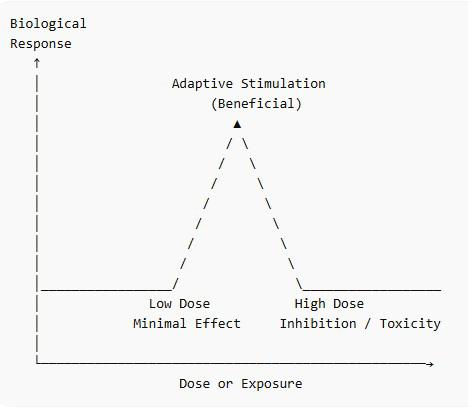
The hormetic dose–response curve illustrates the biphasic relationship between exposure and biological response. Small amounts of a stimulus may activate beneficial adaptive responses, while larger exposures may inhibit physiological function or produce toxicity.
Many biological systems respond to stressors according to this pattern, including exercise, fasting, phytochemicals, and low dose botanical therapeutics.
ADAPTIVE RESPONSES TO MILD BIOLOGICAL STRESS
Living organisms have evolved sophisticated mechanisms for responding to environmental challenges. Rather than remaining static, biological systems constantly adjust to changing conditions through regulatory and adaptive processes.
Mild physiological stress can serve as a signal that activates these adaptive mechanisms. When a small challenge is introduced, cells and tissues respond by strengthening their protective systems and improving their capacity to maintain balance.
Several important cellular pathways are involved in these responses.
Antioxidant defense systems protect cells from oxidative damage produced by normal metabolic activity. When mild oxidative stress occurs, cells often respond by increasing the production of endogenous antioxidant enzymes.
Protein repair systems help maintain the structural integrity of cells. When proteins become damaged by stress or metabolic activity, repair mechanisms restore proper structure and function.
Energy regulation systems also respond to mild stress signals. Mitochondria adjust their activity to improve efficiency in energy production and cellular metabolism.
Immune regulation may also be influenced by mild biological signals. Small exposures to certain environmental or biological stimuli can strengthen immune responsiveness and improve the body’s ability to respond to infection or injury.
These adaptive processes are part of the organism’s natural capacity to maintain internal stability while responding to environmental change. The presence of mild challenges helps keep regulatory systems active and responsive.
Many traditional health practices unknowingly rely on these biological principles. Exercise, fasting, thermal exposure, and certain dietary components stimulate adaptive responses that support long term health.
Botanical medicine appears to operate within this same adaptive framework. Plants produce a wide range of biologically active compounds that evolved primarily as defense mechanisms against environmental stress and predation. These compounds include alkaloids, polyphenols, terpenes, and other phytochemicals.
When humans consume these compounds in moderate amounts, they may function as biological signals that activate adaptive physiological responses. Rather than acting solely as pharmacological agents that directly suppress disease processes, many phytochemicals appear to stimulate the body’s own regulatory systems.
This concept forms an important bridge between modern physiological research and traditional herbal practice.
REFLECTION AND DISCUSSION
1. Describe the shape of the hormetic dose response curve and explain what occurs in the adaptive zone.
2. Why do many biological systems respond differently to small amounts of a stimulus compared with large amounts?
3. Identify several cellular systems that participate in adaptive responses to mild biological stress.
4. Consider how mild physiological stress may strengthen the body’s regulatory systems.
5. Discuss how the concept of hormesis might apply to herbal medicines that contain biologically active phytochemicals.
6. Reflect on how traditional health practices such as exercise, fasting, and exposure to natural environmental conditions may stimulate adaptive physiological responses.
PHYTOCHEMICALS AS BIOLOGICAL SIGNALS
Plants produce a remarkable variety of chemical compounds as part of their natural survival strategies. These compounds are not produced primarily for human use. They evolved as defense mechanisms that help plants respond to environmental stress, microbial attack, insect predation, and changes in climate or soil conditions.
Many of these plant compounds belong to groups known as secondary metabolites. Unlike primary metabolites that are directly involved in growth and reproduction, secondary metabolites serve protective and adaptive functions for the plant. These compounds include alkaloids, polyphenols, flavonoids, terpenes, glycosides, and bitter principles.
When humans consume medicinal plants, these compounds interact with human physiology in complex ways. In many cases they do not function as strong pharmacological agents that force a direct biochemical effect. Instead, they often act as signaling molecules that stimulate adaptive physiological responses.
This concept has been described by some researchers as xenohormesis. Xenohormesis refers to the idea that organisms can respond to chemical signals produced by other species. In the case of plants and humans, certain plant compounds may signal environmental stress conditions and trigger adaptive biological responses in the organisms that consume them.
For example, when plants are exposed to environmental stress such as drought, ultraviolet radiation, or pathogen attack, they often increase the production of protective phytochemicals. These compounds help the plant resist damage and maintain survival under adverse conditions.
When humans ingest these compounds in moderate amounts, they may activate similar protective pathways within human cells. These pathways can include antioxidant defense systems, detoxification mechanisms, metabolic regulation pathways, and immune signaling networks.
Polyphenols found in many medicinal plants and foods illustrate this principle. These compounds can stimulate the body’s own antioxidant systems rather than functioning solely as antioxidants themselves. In doing so they encourage the body to strengthen its internal protective mechanisms.
Other phytochemicals influence detoxification enzymes in the liver and other tissues. By activating these enzyme systems, plant compounds can help the body process metabolic byproducts and environmental toxins more efficiently.
Through these signaling effects, medicinal plants may influence human physiology in subtle but important ways. The therapeutic benefit arises not simply from the chemical action of the plant compound, but from the body’s adaptive response to that signal.
Understanding phytochemicals as biological signals helps explain why many traditional herbal medicines are most effective when used in moderate amounts. In this range the plant compounds stimulate physiological regulation. When used in excessive amounts, however, the same compounds may produce inhibitory or toxic effects.
This relationship between plant chemistry and adaptive physiology provides an important scientific foundation for botanical therapeutics.
REFLECTION AND DISCUSSION
1. Explain the difference between primary plant metabolites and secondary metabolites.
2. Identify several major classes of phytochemicals found in medicinal plants.
3. Describe how phytochemicals may function as biological signals rather than simply as pharmacological agents.
4. Discuss the concept of xenohormesis and how plant stress compounds may influence human physiology.
5. Consider how moderate consumption of phytochemical rich plants might stimulate protective cellular responses.
BITTER HERBS AND TRADITIONAL BOTANICAL TONICS
Among the most important examples of hormetic stimulation in traditional herbal medicine are the bitter herbs. Bitter tasting plants have been used for centuries to stimulate digestive activity and improve metabolic regulation.
The bitter taste is produced by specific phytochemical compounds that activate specialized taste receptors located on the tongue and throughout the digestive tract. These receptors detect bitter substances and trigger physiological responses designed to prepare the digestive system for food intake.
When bitter compounds contact these receptors, a cascade of digestive responses occurs. Salivary secretion increases, gastric acid production rises, digestive enzyme activity improves, and bile flow from the liver and gallbladder is stimulated.
These responses enhance the body’s ability to digest food and absorb nutrients. At the same time, stimulation of digestive activity can improve appetite and support metabolic regulation.
From a physiological perspective, bitter compounds function as mild biological irritants that activate protective and regulatory responses in the digestive system. The body interprets the bitter signal as a potential environmental challenge and responds by strengthening digestive capacity.
In moderate amounts this stimulation supports digestive health. If bitter compounds are consumed in very large quantities, however, they can irritate the digestive tract and produce nausea or other adverse effects. This illustrates the biphasic dose relationship characteristic of hormesis.
Many traditional herbal tonics operate within this same framework. Tonic herbs are often used to gently stimulate physiological systems that have become sluggish or weakened. Rather than forcing a strong pharmacological effect, these herbs encourage gradual improvement in function through repeated mild stimulation.
Classic examples of bitter and tonic herbs include gentian root, dandelion root, wormwood, angelica root, and artichoke leaf. Each of these plants contains compounds that stimulate digestive and metabolic activity when used in appropriate amounts.
These herbs illustrate an important principle of botanical medicine. The therapeutic effect often arises not from overwhelming the body with a strong chemical action, but from providing a small biological signal that encourages the body to regulate itself more effectively.
REFLECTION AND DISCUSSION
1. Explain how bitter taste receptors influence digestive physiology.
2. Describe the digestive responses that occur when bitter herbs stimulate the digestive system.
3. Discuss why bitter herbs may function as mild biological stimulants.
4. Identify several traditional bitter herbs and describe their traditional uses.
5. Explain how the use of bitter herbs illustrates the principle of hormesis.
LOW DOSE HERBAL THERAPEUTICS
Herbal medicine has traditionally emphasized the careful selection of plant remedies and the thoughtful determination of dose. While some herbal preparations are used in substantial quantities, many therapeutic effects arise from relatively small amounts of plant compounds that gently stimulate physiological processes.
Low dose herbal therapeutics refers to the use of botanical preparations in amounts that influence biological regulation without overwhelming physiological systems. In this range, plant compounds often function as biological signals that activate digestive, metabolic, circulatory, or immune responses.
Many herbal traditions have long recognized that the effectiveness of a plant remedy depends not only on the choice of herb but also on the amount administered. Excessive dosing can produce undesirable reactions such as nausea, digestive irritation, or nervous system stimulation. Smaller amounts may produce more balanced physiological responses and greater long-term benefit.
Low dose herbal practice frequently involves tinctures, fluid extracts, and concentrated plant preparations. These preparations allow practitioners to administer small quantities of botanically active compounds while maintaining precise control over dosage.
In this context, the goal of therapy is to encourage physiological regulation rather than to impose strong pharmacological effects. Small doses may stimulate digestive secretions, promote circulatory activity, influence immune signaling, or support metabolic balance.
Repeated low dose administration can provide a steady biological signal that encourages adaptive physiological responses. This approach reflects the broader biological principle of hormesis, in which small challenges stimulate beneficial adaptation.
Many traditional herbalists have observed that certain herbs produce their most desirable effects when used in modest amounts. Gentle stimulation allows the body’s own regulatory systems to respond without becoming overwhelmed.
The practice of low dose herbal therapeutics therefore emphasizes careful observation, gradual adjustment of dose, and attention to the individual response of the patient.
REFLECTION AND DISCUSSION
1. Describe the concept of low dose herbal therapeutics.
2. Explain why smaller doses of certain herbs may produce more balanced physiological responses than larger doses.
3. Discuss the advantages of tinctures and fluid extracts in low dose botanical therapy.
4. Consider how repeated small doses of plant compounds may influence physiological regulation.
5. Reflect on how the principle of hormesis may apply to herbal dosing strategies.
MOTHER TINCTURES AND LOW POTENCY PREPARATIONS
Mother tinctures represent concentrated extracts of medicinal plants prepared through maceration of plant material in alcohol and water. In traditional botanical practice, these extracts capture a wide spectrum of the plant’s phytochemical constituents.
Within early homeopathic practice, mother tinctures served as the starting point for dilution and preparation of lower potency remedies. Dilutions in the range of 1X through 3X retain measurable amounts of plant compounds and therefore remain pharmacologically active.
A 1X dilution represents a one to ten ratio of the original preparation. A 2X dilution represents a one to one hundred ratio. A 3X dilution represents a one to one thousand ratio. Although these dilutions reduce the concentration of phytochemicals, they still contain detectable molecules of the original plant constituents.
When used in this range, low potency preparations function similarly to low dose herbal medicines. The biological effects arise from the interaction between plant compounds and physiological regulatory systems.
These preparations allow practitioners to administer very small amounts of botanically active compounds. Such dosing may be particularly useful for individuals who are sensitive to stronger herbal preparations or for situations in which gentle physiological stimulation is desired.
Low potency preparations therefore occupy an interesting intersection between herbal pharmacology and traditional homeopathic practice. When used within the range of mother tinctures through 3X dilutions, these preparations remain within the realm of measurable phytochemistry and biological activity.
From a physiological perspective, the therapeutic effects may arise through the same adaptive biological responses associated with hormesis and low dose stimulation.
REFLECTION AND DISCUSSION
1. Define a mother tincture and describe how it is prepared.
2. Explain the dilution ratios represented by 1X, 2X, and 3X preparations.
3. Discuss why low potency preparations retain pharmacological activity.
4. Consider how low potency botanical preparations may influence physiological regulation.
5. Reflect on how these preparations relate to the principle of low dose stimulation in natural medicine.
MICRO DOSE THERAPEUTICS
IN BOTANICAL MEDICINE
Micro dose therapeutics refers to the use of extremely small quantities of biologically active substances to influence physiological regulation without producing strong pharmacological effects. In botanical medicine, this approach emphasizes subtle stimulation of regulatory systems rather than aggressive biochemical intervention.
While the concept may appear modern, the practice of administering very small amounts of plant compounds has long been observed in traditional medicine. Experienced herbal practitioners have often noted that certain plants produce their most balanced effects when used in minimal quantities.
Micro dosing typically involves amounts that are significantly lower than conventional herbal doses. In this range, plant compounds function primarily as biological signals that influence regulatory pathways rather than producing direct pharmacological suppression of symptoms.
Small biological signals can influence numerous physiological systems. These may include digestive regulation, circulatory activity, immune signaling, metabolic balance, and nervous system function. Because the stimulus is mild, the organism retains control over the adaptive response.
One advantage of micro dose therapy is the reduced likelihood of adverse reactions. When plant compounds are administered in very small quantities, the risk of toxicity or strong pharmacological effects is greatly reduced. At the same time, the organism may still respond to the biological signal through adaptive regulatory pathways.
Micro dosing also allows practitioners to work with individuals who demonstrate heightened sensitivity to herbal preparations. Some patients respond strongly to conventional herbal doses. In these cases, very small quantities may provide a more appropriate level of stimulation.
This therapeutic approach emphasizes observation and gradual adjustment. The practitioner observes the physiological response and modifies the dose accordingly. The objective is to find the range in which the organism responds with improved regulation rather than irritation or suppression.
Micro dose therapeutics therefore represents an extension of the hormetic principle within botanical medicine. The goal is to provide a stimulus that encourages
adaptive physiological responses while avoiding excessive pharmacological influence.
REFLECTION AND DISCUSSION
1. Describe the concept of micro dose therapeutics in botanical medicine.
2. Explain how micro dosing differs from conventional herbal dosing strategies.
3. Discuss why extremely small amounts of plant compounds may still influence physiological regulation.
4. Consider situations in which micro dosing may be beneficial for sensitive individuals.
5. Reflect on how micro dose therapeutics relates to the principle of hormesis.
THE ENDOCANNABINOID SYSTEM AND LOW DOSE CANNABINOID PHARMACOLOGY
The endocannabinoid system is an important regulatory network within human physiology. This system influences numerous biological processes including pain perception, mood regulation, immune activity, metabolic balance, appetite, sleep, and neurological function.
The system consists of naturally occurring signaling molecules produced within the body, known as endocannabinoids, along with receptors that respond to these molecules. Two of the most well-known endocannabinoids are anandamide and 2arachidonoylglycerol. These compounds interact primarily with cannabinoid receptors known as CB1 and CB2.
The CB1 receptors are found predominantly in the nervous system, while CB2 receptors are associated more closely with immune cells and peripheral tissues. Together these receptors help regulate communication between cells and maintain physiological balance.
Cannabis plants contain several biologically active compounds known as cannabinoids. The most widely recognized of these are tetrahydrocannabinol and cannabidiol. These compounds interact with the endocannabinoid system and influence many of the same physiological pathways regulated by endogenous cannabinoids.
Research has demonstrated that cannabinoids often produce biphasic responses depending on dose. Small amounts may produce beneficial physiological effects, while larger amounts can produce undesirable effects such as sedation, anxiety, or impaired cognitive function.
Low dose cannabinoid administration has been explored for conditions such as chronic pain, migraine disorders, anxiety, and sleep disturbance. In these situations, the objective is not to produce intoxication but to gently influence the regulatory activity of the endocannabinoid system.
Micro dosing strategies typically involve very small quantities of cannabinoids administered in a controlled manner. These doses may be below the threshold required to produce noticeable psychoactive effects. Even at these levels, cannabinoids may influence receptor activity and cellular signaling pathways.
From a physiological perspective, low dose cannabinoid exposure may function as a regulatory signal that influences neural communication, inflammatory signaling, and metabolic activity. These effects appear to follow a biphasic pattern like the hormetic responses observed with many other biological stimuli.
Understanding the endocannabinoid system provides an additional example of how small biological signals can influence complex physiological networks. When administered in appropriate amounts, cannabinoids may act as modulators of regulatory systems rather than as strong pharmacological agents.
This emerging research illustrates how the principle of hormesis can apply not only to traditional herbal medicines but also to modern studies of plant derived compounds that interact with human regulatory physiology.
REFLECTION AND DISCUSSION
1. Describe the basic components of the endocannabinoid system.
2. Identify the primary cannabinoid receptors and their general physiological roles.
3. Explain how cannabinoids interact with the endocannabinoid system.
4. Discuss why cannabinoids often produce different effects depending on dose.
5. Reflect on how low dose cannabinoid therapy illustrates the principle of hormesis.
CLINICAL IMPLICATIONS OF LOW DOSE BOTANICAL THERAPY
The concepts discussed in this booklet have important implications for the clinical use of herbal medicines and botanical therapeutics. Understanding how small biological signals influence physiological regulation allows practitioners to approach botanical treatment with greater precision and sensitivity to the adaptive nature of the human organism.
Traditional pharmacological models often emphasize strong interventions designed to suppress symptoms or inhibit disease processes. While such approaches may be appropriate in acute medical situations, they do not always reflect the regulatory and adaptive processes that maintain long term physiological balance.
Botanical medicine frequently operates through a different therapeutic philosophy. Rather than overwhelming physiological systems, many plant compounds act as biological signals that encourage the body to regulate itself more effectively. When used in appropriate amounts, these signals can stimulate digestive activity, support metabolic regulation, influence immune signaling, and improve cellular resilience.
Low dose and micro dose strategies allow practitioners to work within the adaptive range of biological response. In this range, the organism retains control over the regulatory process while responding to mild physiological stimulation.
Several clinical principles arise from this understanding.
First, the practitioner must recognize that more is not always better. Increasing the dose of a botanical preparation does not necessarily improve therapeutic outcomes. In many situations, excessive dosing may produce irritation or inhibition rather than beneficial regulation.
Second, individual variability must be considered. Patients differ in their sensitivity to botanical compounds. Some individuals respond strongly to small quantities of herbal preparations, while others require larger amounts to produce a noticeable effect. Careful observation and gradual adjustment of dose allows the practitioner to identify the most appropriate therapeutic range.
Third, repeated gentle stimulation may produce more stable long-term effects than a single strong intervention. When mild biological signals are applied consistently over time, physiological systems may gradually strengthen their regulatory capacity.
Fourth, botanical preparations may be combined with other practices that stimulate adaptive responses. Exercise, balanced nutrition, appropriate exposure to environmental conditions, and stress regulation all contribute to the activation of the body’s natural adaptive systems.
In clinical practice, the use of low dose botanical therapeutics therefore emphasizes thoughtful dosing, careful observation, and respect for the body’s inherent capacity for self-regulation. Rather than forcing physiological change, the practitioner works with the organism’s adaptive responses to encourage restoration of balance.
REFLECTION AND DISCUSSION
1. Explain why increasing the dose of an herbal preparation does not always improve therapeutic outcomes.
2. Discuss how individual variability influences botanical dosing strategies.
3. Describe the advantages of repeated mild physiological stimulation compared with strong pharmacological intervention.
4. Consider how botanical therapeutics may work together with lifestyle practices that stimulate adaptive physiological responses.
5. Reflect on how understanding hormesis may influence clinical decision making in natural medicine.
CLINICAL CASE EXAMPLES
The following clinical case examples are presented to help illustrate how the principles discussed in this booklet may be applied in practical therapeutic situations. These cases are intended for educational purposes and are designed to demonstrate how low dose and micro dose botanical therapeutics may influence physiological regulation through mild biological stimulation.
In each example, the practitioner seeks to support the body’s inherent regulatory systems rather than applying strong pharmacological suppression. The goal is to provide a biological signal that encourages adaptive physiological responses within digestive, metabolic, immune, nervous, or inflammatory pathways.
These cases also illustrate the importance of careful observation and individualized dosing. Different patients may respond to different levels of botanical stimulation depending on their sensitivity, underlying physiology, and clinical condition. Thoughtful adjustment of dose allows the practitioner to work within the adaptive range of biological response.
While these examples reflect common clinical patterns, they are simplified for instructional purposes. In practice, the selection of botanical preparations and dosing strategies must always be tailored to the specific needs of the individual patient.
CLINICAL CASE EXAMPLE 1
Digestive Hypofunction and Bitter Herb Stimulation
A 54-year-old patient presented with chronic digestive sluggishness characterized by reduced appetite, post-meal fullness, and intermittent bloating. The patient reported that digestion had gradually slowed during the previous decade and those heavy meals often produced discomfort.
Physical examination suggested diminished gastric secretion and sluggish digestive function. The practitioner recommended a low dose bitter tonic composed of gentian root and dandelion root tincture. The patient was instructed to take a small amount fifteen minutes before meals.
Within two weeks the patient reported improved appetite, reduced post-meal discomfort, and more consistent digestive function. The stimulation of bitter taste receptors appeared to activate salivary secretion, gastric acid production, and digestive enzyme activity.
This case illustrates how mild stimulation of digestive physiology may restore functional balance.
Discussion Questions
1. Why do bitter herbs stimulate digestive activity?
2. How does this case illustrate adaptive physiological stimulation?
3. Why might small doses of bitters be more effective than large doses?
CLINICAL CASE EXAMPLE 2
Low Dose Adaptogenic Support for Stress Regulation
A 40-year-old patient reported persistent fatigue, irritability, and difficulty maintaining focus during periods of occupational stress. Sleep quality was inconsistent, and the patient reported feeling overstimulated when using conventional doses of herbal adaptogens.
The practitioner recommended a low dose tincture containing small amounts of ashwagandha and rhodiola. The patient began with a very small amount twice daily.
Over the next four weeks the patient reported gradual improvement in stress tolerance and more consistent energy throughout the day. Sleep quality improved and the patient experienced fewer episodes of irritability.
The low dose botanical stimulation appeared to support neuroendocrine regulation without producing excessive stimulation.
Discussion Questions
1. Why might smaller doses of adaptogenic herbs be preferable for some individuals?
2. How does this case illustrate the concept of adaptive physiological regulation?
3. What advantages does gradual dose titration provide in stress related conditions?
CLINICAL CASE EXAMPLE 3
Lymphatic Congestion and Gentle Botanical Stimulation
A 63-year-old patient presented with mild lymphatic congestion characterized by tissue heaviness in the lower extremities and intermittent swelling at the end of the day. The patient had a sedentary occupation and reported reduced physical activity.
Manual lymphatic techniques were recommended along with a very low dose botanical formula containing cleavers and red root tincture. The botanical preparation was administered in small amounts twice daily.
After several weeks the patient reported improvement in tissue lightness and reduced evening swelling. The gentle stimulation of lymphatic circulation combined with manual therapy appeared to support improved lymphatic movement.
This case illustrates how low dose botanical stimulation may support physiological drainage and fluid regulation.
Discussion Questions
1. What role does the lymphatic system play in tissue fluid balance?
2. How might lymphatic herbs influence physiological drainage?
3. Why might mild stimulation be preferable in lymphatic conditions?
CLINICAL CASE EXAMPLE 4
Low Potency Botanical Preparation for Sensitive Patients
A 47-year-old patient reported digestive sensitivity and intolerance to many herbal preparations. Even modest doses of botanical tinctures often produced nausea or discomfort.
The practitioner selected a low potency botanical preparation derived from a mother tincture diluted to 2X potency. The preparation contained small amounts of chamomile and angelica.
The patient tolerated the preparation well and reported gradual improvement in digestive comfort and reduced abdominal tension over several weeks.
This case illustrates how low potency preparations can provide gentle physiological stimulation for individuals who are sensitive to conventional herbal doses.
Discussion Questions
1. Why might some patients respond better to low potency botanical preparations?
2. How do low potency dilutions retain measurable phytochemical activity?
3. How does this case demonstrate the value of individualized dosing?
CLINICAL CASE EXAMPLE 5
Micro Dose Cannabinoid Therapy for Chronic Pain
A 60-year-old patient presented with chronic musculoskeletal pain associated with degenerative joint changes in the spine and hips. The patient reported limited relief from conventional analgesic medications and was concerned about gastrointestinal side effects.
The practitioner recommended a micro dose cannabinoid preparation containing very small quantities of THC combined with cannabidiol. The initial dose was kept extremely low and administered in the evening.
Over several weeks the patient reported reduced pain intensity and improved sleep quality without cognitive impairment or intoxication. The gentle stimulation of the endocannabinoid system appeared to influence pain signaling and inflammatory regulation.
This case demonstrates how very small amounts of cannabinoids may modulate regulatory systems involved in pain perception.
Discussion Questions
1. What role does the endocannabinoid system play in pain regulation?
2. Why do cannabinoids often produce different effects depending on dose?
3. How does micro dosing illustrate the biphasic response characteristic of hormesis?
CLINICAL CASE EXAMPLE 6
Low Potency Homeopathic Preparation for Chronic Skin Irritation
A 47-year-old patient presented with a chronic inflammatory skin condition characterized by recurrent patches of dry, itchy skin affecting the arms and neck. The condition had persisted for several years with periodic flare ups. Topical corticosteroid preparations had been used intermittently but provided only temporary relief.
The practitioner selected a low potency homeopathic preparation derived from a botanical mother tincture traditionally associated with inflammatory skin conditions. The preparation was administered in a 3X dilution in very small doses twice daily.
The goal of treatment was not to suppress inflammation directly but to provide a gentle biological stimulus that might encourage improved physiological regulation of inflammatory processes.
Over the course of six weeks the patient reported gradual reduction in itching and a noticeable decrease in the frequency and severity of flare ups. The skin appeared less inflamed and required less frequent topical treatment.
This case illustrates how low potency preparations containing measurable botanical constituents may influence regulatory pathways associated with inflammatory skin responses.
Discussion Questions
1. Why might chronic inflammatory skin conditions respond to gentle regulatory stimulation?
2. How do low potency preparations differ from stronger pharmacological treatments?
3. In what ways might hormetic principles apply to immune and inflammatory regulation?
CLINICAL CASE EXAMPLE 7
Low Dose Homeopathic Preparation for IBS-D
A 35-year-old patient presented with symptoms consistent with irritable bowel syndrome with diarrhea predominance. The patient reported frequent loose stools, abdominal cramping, and urgency that were often triggered by emotional stress or irregular eating patterns.
Previous treatments including dietary modification and antidiarrheal medications had provided only partial relief.
The practitioner selected a low potency homeopathic preparation derived from a plant traditionally associated with gastrointestinal irritation and cramping. The preparation was administered as a 2X dilution in very small doses taken before meals.
Within three weeks the patient reported reduced abdominal cramping and a decrease in stool frequency. Episodes of urgency became less frequent, and the patient experienced greater digestive stability.
The gentle stimulation provided by the low potency preparation appeared to influence gastrointestinal regulation without producing strong pharmacological suppression.
Discussion Questions
1. Why might functional gastrointestinal disorders respond to low dose therapeutic stimulation?
2. How might the principle of similars be interpreted within a hormetic framework?
3. Why is careful dose selection important in sensitive gastrointestinal conditions?
CLINICAL CASE EXAMPLE 8
Low Dose Cannabinoid Therapy for Mild Cognitive Decline
A 68-year-old patient presented with concerns about gradual cognitive decline over the previous two years. The patient reported increasing forgetfulness, difficulty recalling names, and occasional trouble maintaining focus during complex tasks. Family members had noticed mild changes in memory and concentration, but the patient remained functionally independent.
Medical history revealed mild hypertension and long-standing occupational stress. Sleep quality was inconsistent, and the patient reported periods of mental fatigue during the afternoon.
The practitioner recommended a comprehensive program that included improved sleep hygiene, daily walking, cognitive engagement through reading and problemsolving activities, and dietary emphasis on whole foods rich in antioxidants and healthy fats.
As part of the therapeutic plan, a micro dose cannabinoid preparation containing a very small amount of THC isolate was introduced. The objective was not to produce intoxication but to gently stimulate the endocannabinoid system, which plays a role in neural signaling, synaptic plasticity, and regulation of neuroinflammatory processes.
The patient began with an extremely small evening dose well below the threshold for psychoactive effects. The dose was adjusted gradually while monitoring cognitive function, sleep quality, and overall tolerance.
After eight weeks the patient reported improved sleep quality and greater mental clarity during the day. Family members observed fewer episodes of forgetfulness and improved attentiveness during conversations. No adverse cognitive or psychoactive effects were reported.
This case illustrates how low dose cannabinoid signaling may influence neurological regulation and neuroprotective pathways without producing the impairing effects sometimes associated with larger doses.
Discussion Questions
1. What role does the endocannabinoid system play in neurological regulation and synaptic communication?
2. Why might cannabinoids demonstrate different effects at low doses compared with higher doses?
3. How does this case illustrate the concept of hormesis in neurological function?
4. Why is careful dose titration especially important when working with cognitive disorders?
CLINICAL PRINCIPLES OF LOW DOSE THERAPEUTICS
The therapeutic approach described in this booklet reflects a clinical philosophy that emphasizes stimulation of physiological regulation rather than suppression of symptoms. Low dose and micro dose therapeutics are grounded in the understanding that biological systems often respond favorably to mild challenges that activate adaptive responses.
When working with botanical medicines and low potency preparations, several guiding principles can help practitioners apply these concepts safely and effectively.
The first principle is recognition of the adaptive range of biological response. Small amounts of biologically active compounds may stimulate regulatory pathways that improve physiological balance. Excessive amounts of the same compounds may overwhelm the organism’s adaptive capacity and produce undesirable effects. The practitioner therefore seeks to identify the range in which beneficial adaptation occurs.
The second principle is the use of the minimum effective dose. Rather than assuming that stronger dosing produces better results, the practitioner begins with small amounts and observes the physiological response. If improvement occurs, the dose may be maintained or adjusted gradually as needed.
The third principle is careful attention to individual sensitivity. Patients vary widely in their responsiveness to botanical preparations. Some individuals demonstrate heightened sensitivity to plant compounds and respond best to very small doses. Others may require moderate stimulation before noticeable effects occur. Observing the patient’s response allows the practitioner to individualize therapy.
The fourth principle is gradual titration. Changes in dosage should be made slowly so that the practitioner can observe how the organism responds to the therapeutic stimulus. Gradual adjustment reduces the likelihood of excessive stimulation and allows the practitioner to remain within the adaptive range of response.
The fifth principle is support of physiological regulation rather than suppression of symptoms. Botanical medicines may stimulate digestive activity, circulatory movement, immune signaling, or metabolic balance. These effects support the body’s natural regulatory systems rather than replacing them.
The sixth principle is integration with lifestyle practices that stimulate adaptive physiology. Exercise, balanced nutrition, restorative sleep, stress regulation, and appropriate environmental exposure all contribute to the activation of the body’s adaptive mechanisms. Botanical therapeutics can work together with these practices to support overall physiological resilience.
The final principle is ongoing clinical observation. The practitioner continually evaluates the patient’s response to treatment and adjusts therapeutic strategies accordingly. The goal is to guide physiological regulation in a way that supports long term health and adaptive capacity.
Understanding these principles helps practitioners apply low dose botanical therapeutics in a thoughtful and responsible manner. When used appropriately, small biological signals may encourage the organism to restore balance through its own regulatory processes.
REFLECTION AND DISCUSSION
1. Explain the concept of the adaptive range of biological response.
2. Why is the minimum effective dose an important principle in botanical therapeutics?
3. Discuss how individual variability influences dosing strategies.
4. Describe the role of gradual titration in safe therapeutic practice.
5. Reflect on how lifestyle practices may work together with botanical medicines to support adaptive physiology.
DAILY RHYTHM AND BOTANICAL THERAPEUTICS
Human physiology operates according to natural biological rhythms that regulate digestion, metabolism, hormone production, energy levels, and sleep. These rhythms are influenced by the daily cycle of light and darkness, patterns of physical activity, nutritional intake, and emotional and mental states. When daily activities occur in harmony with these natural cycles, physiological systems tend to function more efficiently and maintain better regulatory balance.
Many traditional systems of health have long recognized the importance of daily rhythm in maintaining health. Regular patterns of waking, eating, movement, work, reflection, and sleep provide a stable framework within which the body’s regulatory systems can function effectively. Irregular schedules, poor sleep habits, excessive stress, and inconsistent eating patterns can disrupt these rhythms and contribute to physiological imbalance.
Botanical therapeutics can be integrated naturally into these daily cycles. Many plant medicines exert their effects by gently stimulating physiological systems that follow circadian patterns. Bitter herbs stimulate digestion before meals, tonic herbs may support metabolic activity during the day, and calming botanicals may assist nervous system regulation in the evening.
Low dose and micro dose botanical therapy fits particularly well within this rhythmic framework. Rather than relying on large, infrequent doses of plant compounds, small amounts of botanical preparations can be administered at times when the body is most responsive to their physiological effects. In this way the practitioner works with the body’s natural rhythms rather than attempting to override them.
Daily lifestyle practices also contribute to adaptive physiological regulation. Moderate physical activity stimulates circulation and metabolic activity. Periods of rest and reflection support nervous system balance. Creative expression and meaningful social interaction support emotional and psychological well-being. Adequate sleep allows the body to complete essential processes of repair and restoration.
The following suggested daily schedule illustrates one way that healthy lifestyle practices, spiritual reflection, physical activity, and botanical therapeutics may be integrated into a balanced daily rhythm. This schedule is not intended to be rigid or prescriptive. Instead, it serves as an example of how natural daily cycles can support physiological regulation and overall health.
SAMPLE DAILY RHYTHM FOR ADAPTIVE HEALTH AND LOW DOSE BOTANICAL THERAPY
Morning Awakening (6:00–7:00 AM)
The early morning hours are an important time for physiological activation. Cortisol naturally rises, circulation increases, and the body prepares for daily activity.
Begin the day with hydration. A glass of warm water, lemon water, or lightly mineralized water may help stimulate digestive and metabolic activity.
A short period of prayer, reflection, or meditation helps orient the mind and nervous system before engaging the day’s activities. Five to ten minutes of quiet breathing or devotional practice may improve mental clarity and emotional regulation.
If botanical tonics are being used for metabolic or stress regulation, this is often an appropriate time for a small dose of a morning botanical tincture such as an adaptogenic herb or circulatory tonic.
Morning Movement (7:00–7:30 AM)
Gentle physical movement stimulates circulation, lymphatic flow, and metabolic activity. This may include walking, tai chi, stretching, or light calisthenics.
Movement in the morning functions as a mild physiological stress that activates adaptive biological responses. Regular daily movement supports cardiovascular health, metabolic regulation, and musculoskeletal resilience.
Pre-Breakfast Digestive Stimulation (7:30 AM)
If digestive bitters are used, a small dose may be taken ten to fifteen minutes before eating. Bitter herbs such as gentian or dandelion stimulate salivary secretion, gastric acid production, and bile flow.
This mild stimulation prepares the digestive system for food intake and improves nutrient absorption.
Breakfast (7:45–8:15 AM)
A balanced morning meal supports stable blood sugar and sustained energy. Whole foods that include protein, healthy fats, and complex carbohydrates are generally preferred over refined sugars and processed foods.
Botanical medicines intended to support digestion or metabolism may be taken with meals when appropriate.
Mid-Morning Activity and Work (9:00–12:00 PM)
This period often represents a time of peak cognitive performance. Focused work, study, or creative activity is well suited to this portion of the day.
Short breaks for stretching or brief walking help maintain circulation and mental clarity.
Midday Meal (12:00–1:00 PM)
The largest meal of the day is often best taken at midday when digestive capacity is strongest. Balanced meals that emphasize whole foods, vegetables, and adequate protein support metabolic stability.
Digestive botanical formulas may be used with meals when indicated.
Early Afternoon Restoration (1:30–2:00 PM)
A brief period of rest, reflection, or quiet breathing can help restore mental clarity during the natural afternoon energy dip.
Short meditation, prayer, or quiet contemplation may reduce stress and improve autonomic balance.
Afternoon Movement and Outdoor Activity (3:30–4:30 PM)
Moderate physical activity during the afternoon supports circulation, lymphatic movement, and metabolic regulation. Walking, light strength training, gardening, or recreational movement can provide beneficial physiological stimulation.
Exposure to natural light and fresh air also supports circadian rhythm regulation.
Evening Meal (5:30–6:30 PM)
The evening meal is typically lighter than the midday meal. Easily digestible foods support overnight metabolic recovery and restorative sleep.
Heavy meals late in the evening may disrupt sleep and digestive function.
Evening Botanical Support (7:00 PM)
If calming or restorative botanical preparations are used, small doses may be taken in the evening. Herbs traditionally used for nervous system support or sleep regulation may be administered at this time.
Low dose or micro dose botanical preparations can gently influence nervous system regulation without producing sedation or impairment.
Evening Reflection and Creative Activity (7:30–9:00 PM)
Creative expression, reading, music, journaling, or quiet artistic activity can help transition the mind toward evening rest.
Spiritual reflection, prayer, or gratitude practices may support emotional balance and mental clarity.
Preparation for Sleep (9:30–10:00 PM)
Reducing exposure to bright screens and artificial light helps support natural melatonin production.
Quiet breathing, meditation, or contemplative reading prepares the nervous system for sleep.
Adequate sleep is one of the most powerful regulators of adaptive physiology and cellular repair.
REFLECTION AND DISCUSSION
1. How does daily rhythm influence physiological regulation and adaptive health?
2. Why are mild daily stressors such as exercise and fasting beneficial when appropriately balanced with recovery?
3. How might botanical medicines fit naturally into daily patterns of digestion, activity, and rest?
4. In what ways do spiritual practices such as prayer or meditation influence nervous system regulation?
5. How does maintaining a regular daily rhythm support long term resilience and metabolic health?
SUGGESTED DAILY RHYTHM FOR ADAPTIVE HEALTH AND LOW DOSE BOTANICAL THERAPY
Time Activity
6:00 AM Wake, hydrate
6:15 AM Prayer, meditation, reflection
6:30 AM Gentle movement, stretching, Tai Chi, walking
7:15 AM Digestive bitters before breakfast
7:30 AM Breakfast
Purpose
Activates metabolism and circulation
Mental clarity and nervous system regulation
Stimulates circulation and lymphatic flow
Stimulates gastric secretion and bile flow
Stable energy and metabolic balance
9:00–12:00 Work, study, creative activity Peak cognitive productivity
12:00 PM Midday meal
Botanical Integration
Optional low dose adaptogenic tonic
None
None
Small dose bitter tonic
Digestive support if needed
Optional low dose metabolic or cognitive botanical
Primary digestive period of the day Digestive botanical if indicated
1:30 PM Quiet reflection, breathing, short walk Restores focus and reduces stress
3:30 PM Physical activity or outdoor movement
5:30–6:30 PM Evening meal
7:00 PM Evening botanical support
7:30–9:00 PM Creative activity, reading, music, journaling
9:30 PM Prayer, meditation, quiet reflection
10:00 PM Sleep
Supports circulation and metabolic health
Light meal to support overnight recovery
None
None
Mild digestive support if needed
Nervous system and relaxation support Low dose calming botanical
Emotional balance and creative expression
Mental and spiritual preparation for sleep
Cellular repair and nervous system restoration
None
None
Optional sleep-support botanical if needed
SUMMARY
This booklet has explored the concept of low dose and micro dose therapeutics within the context of botanical medicine and low potency homeopathic preparations. Central to this discussion is the biological principle of hormesis, which describes how small amounts of a stimulus can activate beneficial adaptive responses while larger exposures may produce inhibitory or toxic effects.
Many medicinal plants contain phytochemicals that function as biological signals rather than strong pharmacological agents. When used in appropriate amounts, these compounds may stimulate digestive activity, influence metabolic regulation, support immune function, and activate cellular defense systems.
Traditional herbal practices such as the use of bitter herbs and botanical tonics illustrate how mild physiological stimulation can improve regulatory function. Modern research has begun to recognize similar mechanisms through the study of adaptive biological responses and cellular signaling pathways.
Low dose herbal therapeutics emphasize the use of carefully measured botanical preparations that work within the adaptive range of biological response. Micro dose approaches extend this concept by using extremely small quantities of biologically active substances to influence regulatory systems without producing strong pharmacological effects.
Mother tinctures and low potency preparations in the range of 1X through 3X dilutions retain measurable plant constituents and therefore remain within the realm of botanical pharmacology. These preparations may provide gentle physiological stimulation that supports regulatory balance.
Emerging research on the endocannabinoid system provides another example of how plant derived compounds can influence complex regulatory networks when used in appropriate amounts.
For practitioners of natural medicine, these concepts emphasize the importance of thoughtful dosing, careful observation, and individualized treatment. Botanical therapeutics may support the body’s natural capacity for adaptation and regulation when applied within the appropriate physiological range.
CONCLUSION
The study of botanical therapeutics reveals an important principle of human physiology. Health is not maintained by the complete absence of stress or stimulation, but by the organism’s ability to adapt to the challenges of its environment.
Small biological signals often activate protective and regulatory mechanisms that strengthen the body’s resilience. These adaptive responses help maintain balance within complex physiological systems.
Many traditional healing practices appear to operate within this framework. Herbal medicines, bitter tonics, and low dose botanical preparations may influence regulatory pathways through mild stimulation rather than strong pharmacological intervention.
The concept of hormesis provides a useful scientific perspective for understanding how these traditional practices may support adaptive physiology. By recognizing the importance of dose and timing, practitioners can use botanical medicines in ways that encourage physiological balance rather than overwhelming the body’s regulatory systems.
Low dose and micro dose botanical therapeutics therefore represent an approach that works with the body’s inherent capacity for adaptation. When applied with careful observation and clinical judgment, small biological signals may help guide physiological processes toward greater resilience and stability.
An appreciation of these principles allows practitioners and students of natural medicine to better understand the subtle ways in which plant compounds may influence human health and adaptive capacity.
HORMESIS AND HOMEOSOMATIC REGULATION
The principles discussed in this booklet are also consistent with the homeosomatic perspective in natural medicine. Homeosomatic theory emphasizes that the human organism possesses intrinsic regulatory systems that continually work to maintain balance, stability, and functional integrity. Health is not maintained solely through external intervention, but through the coordinated activity of these internal regulatory mechanisms. Mild physiological stimulation can activate these systems and encourage adaptive responses that restore balance within the organism. In this context, low dose and micro dose botanical therapeutics may serve as gentle biological signals that support the body’s homeosomatic regulatory processes. Rather than forcing physiological change, carefully selected botanical stimuli can encourage the organism to respond through its own adaptive and self-regulating capacities.
CLOSING REFLECTION
Throughout nature, life grows stronger through appropriate challenge. Muscles strengthen through movement, the mind becomes clearer through thoughtful effort, and the body’s regulatory systems become more resilient through mild biological stimulation. Botanical medicines often work within this same pattern. When used thoughtfully and in appropriate amounts, plant compounds may act as gentle signals that encourage the body to regulate itself more effectively. The practitioner’s task is not simply to administer substances, but to understand how small influences can guide physiological systems toward balance, resilience, and health.
GLOSSARY
Adaptation
The ability of an organism to adjust its physiological processes in response to environmental or internal stimuli to maintain stability and function.
Adaptogenic Herb
A plant traditionally used to support the body’s ability to respond to stress and maintain physiological balance.
Biphasic Dose Response
A biological response pattern in which a substance produces beneficial or stimulatory effects at low doses and inhibitory or harmful effects at higher doses.
Botanical Therapeutics
The clinical use of medicinal plants and plant preparations to support physiological regulation and health.
Cannabinoids
Biologically active compounds found in cannabis plants that interact with the human endocannabinoid system.
Endocannabinoid System
A regulatory signaling system within the human body composed of endogenous cannabinoids, receptors, and metabolic enzymes that influence many physiological processes.
Gentian
A bitter medicinal plant traditionally used to stimulate digestive secretions and improve appetite.
Hormesis
A biological phenomenon in which exposure to a low level of a stimulus produces beneficial adaptive responses while higher levels may produce inhibition or toxicity.
Micro Dose
The administration of extremely small quantities of a biologically active substance in order to influence physiological regulation without producing strong pharmacological effects.
Mother Tincture
A concentrated herbal extract prepared by macerating plant material in alcohol and water that serves as the starting preparation for many herbal and homeopathic remedies.
Phytochemicals
Biologically active chemical compounds produced by plants that can influence human physiology.
Secondary Metabolites
Plant compounds not directly involved in growth or reproduction but produced for defense, adaptation, and environmental interaction.
Xenohormesis
A biological concept suggesting that organisms may respond to stress related compounds produced by other species, particularly plants.
REFERENCES
Calabrese EJ, Baldwin LA. Hormesis: the dose response revolution. Annual Review of Pharmacology and Toxicology. 2003.
Mattson MP. Hormesis defined. Ageing Research Reviews. 2008.
Calabrese EJ. Hormesis and medicine. British Journal of Clinical Pharmacology. 2008.
Panossian A, Wikman G. Effects of adaptogens on the central nervous system and the molecular mechanisms associated with their stress protective activity. Pharmaceuticals. 2010.
McPartland JM, Russo EB. Cannabis and cannabis extracts: greater than the sum of their parts. Journal of Cannabis Therapeutics. 2001.
Pacher P, Batkai S, Kunos G. The endocannabinoid system as an emerging target of pharmacotherapy. Pharmacological Reviews. 2006.
Mills S, Bone K. Principles and Practice of Phytotherapy. Churchill Livingstone.
Hoffmann D. Medical Herbalism. Healing Arts Press.
Williamson E. Major Herbs of Ayurveda. Churchill Livingstone.
ABOUT THE AUTHOR
Gregory Lawton, D.C., D.N., D.Ac., N.D. is the founder of the Blue Heron Academy of Healing Arts and Sciences and has spent more than four decades teaching natural health sciences, manual therapy, and traditional healing practices. His work focuses on the integration of physiology, nutrition, herbal medicine, and traditional therapeutic systems with modern understandings of human health and metabolic regulation.
Dr. Lawton has developed numerous educational programs for students and practitioners in massage therapy, naturopathic health sciences, herbal medicine, and clinical bodywork. His teaching emphasizes the interconnected nature of human physiology and the importance of supporting the body’s regulatory systems through nutrition, lifestyle practices, and traditional therapeutic approaches.
He is nationally board certified in radiology, physiotherapy, and acupuncture and has been licensed in multiple states. Through his teaching and writing, Dr. Lawton continues to explore the relationships between traditional healing knowledge, modern physiology, and the practical application of natural medicine in clinical practice.