PORTFOLIO
Timisoara, Romania

28 / 06/ 2001
Hello!
I am a sixth-year architecture student at the Faculty of Architecture in Timisoara, with a strong passion for design and creative thinking. Over the years, I have explored architecture as a way of combining functionality, atmosphere, and visual expression into coherent spatial solutions. This portfolio brings together a selection of my work and represents both my academic journey and my growing perspective on architecture and design.
CONTACT

mustataadelamonica@gmail.com
adela.mustata@student.upt.ro
MUSTATA ADELA MONICA
EDUCATION
2016-2020
2020-present
ERASMUS
2024-2025
2025
EXPERIENCE
2023
2023
2024
Banat National College - Social sciences | Timisoara, Romania
Politehnica University Timisoara Faculty of Architecture and Urban planning | Timisoara, Romania
Università degli Studi di Ferrara Department of Architecture | Ferrara, Italy
Sapienza University of Rome Faculty of Architecture - Architecture and town planning | Rome, Italy
ARHIBAZIC Architectural internship | Timisoara, Romania
Studio ARCA Architectural internship | Timisoara, Romania
Blended Intensive Programme “Extended Mind for Creative Facilities” Gabriele d’Annunzio University of Chieti | Pescara, Italy
2024 “Wood Technology Hackathon” Vidzeme Uiversity of Aplplied Siences | Vidzeme, Latvia
2024
SUBCONTROL Architectural internship | Timisoara, Romania
2024 Andreescu&Gaivoronschi Architectural internship | Timisoara, Romania
COMPETITIONS
2020
2023
2023
2023
2024
Hans Fackelmann Admission Competition - 2020 Edition 3rd place
Rural Housing - TerraViva Competition participation (group)
Manifest for the Făgăras Mountains Artistic Installation Competition participation (group)
The Order of Architects in Romania (OAR) “Victoriei Square” International Design Competition 1st place (Studio Arca&Prodid)
Saint-Gobain Architecture Student Contest - 19th edition in Helsinki 4th place (national stage)(group)
2024 International VELUX Award for Students of Architecture shortlisted (group)
2024
2025
SOFTWARES
BIM/CAD
Modeling
Rendering
Adobe
LANGUAGES
Romanian
English
The Order of Architects in Romania (OAR) Performance Spaces Iasi participation (group)
Easdale Ferry Office - TerraViva Competition honorable mention (group)
ArchiCAD
Sketchup
Twinmotion |D5 | Lumion | Enscape
Photoshop | Indesign | Ilustrator
Native Advanced
VERTICAL
contemporary art center student housing ferry hub
PAUL NEAGU MUSEUM
GARDEN
O.M CAFE
EASDALE ECHOES
riverside tower
CAFE CASCINA LOSSANO VICTORIEI SQUARE TIMISOARA MARCONI RIVERBANK tower cafe adaptive reuse urban redevelopment landscape redevelopment
01
PAUL NEAGU MUSEUM

YEAR: 2023 | 3rd year of study
LOCATION: Timisoara, Romania
TEAM: Mustata Adela
THEME: Contemporary art center
PROGRAMS: ArchiCAD|SketchUp|TwinMotion|Photoshop
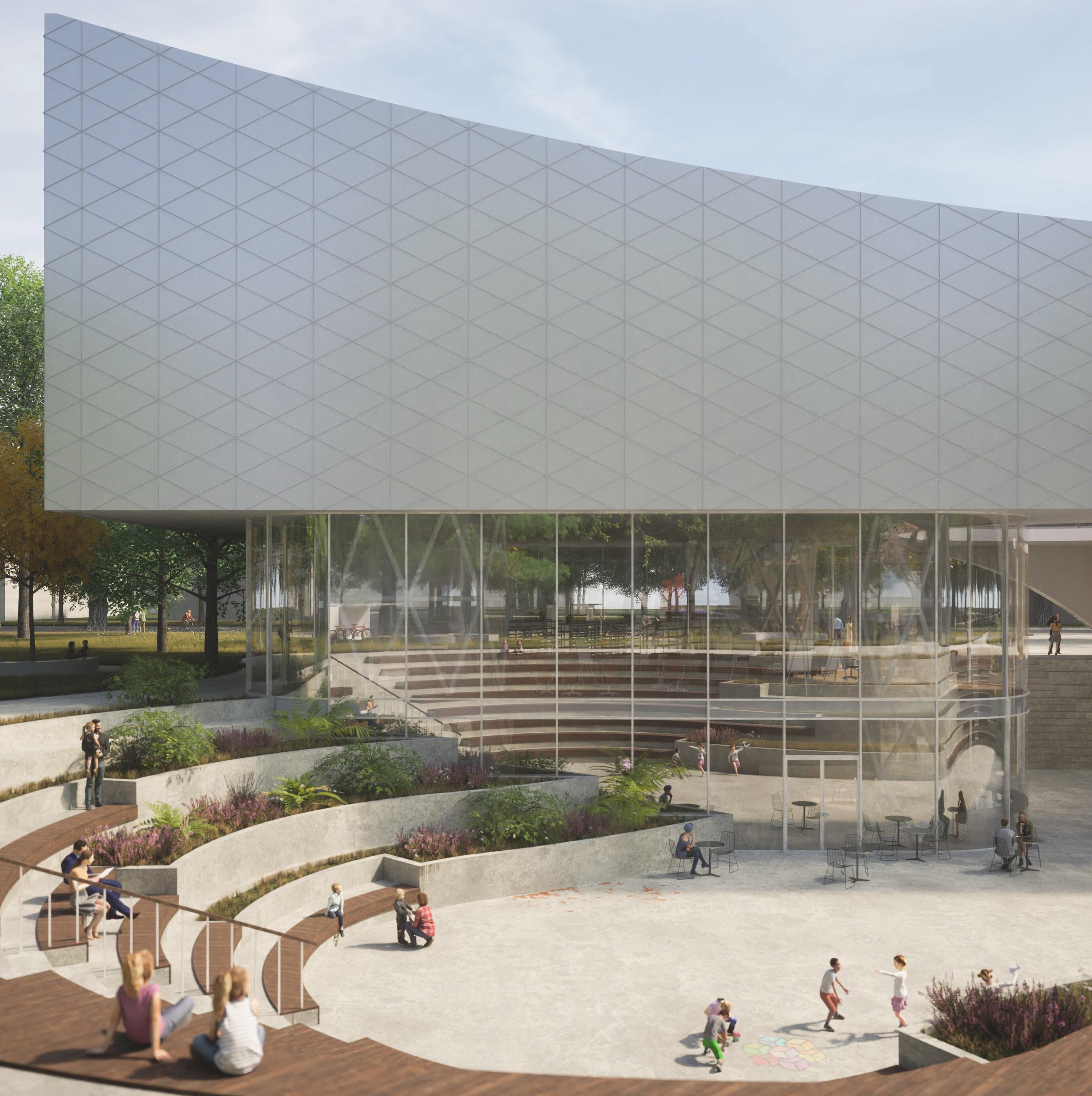
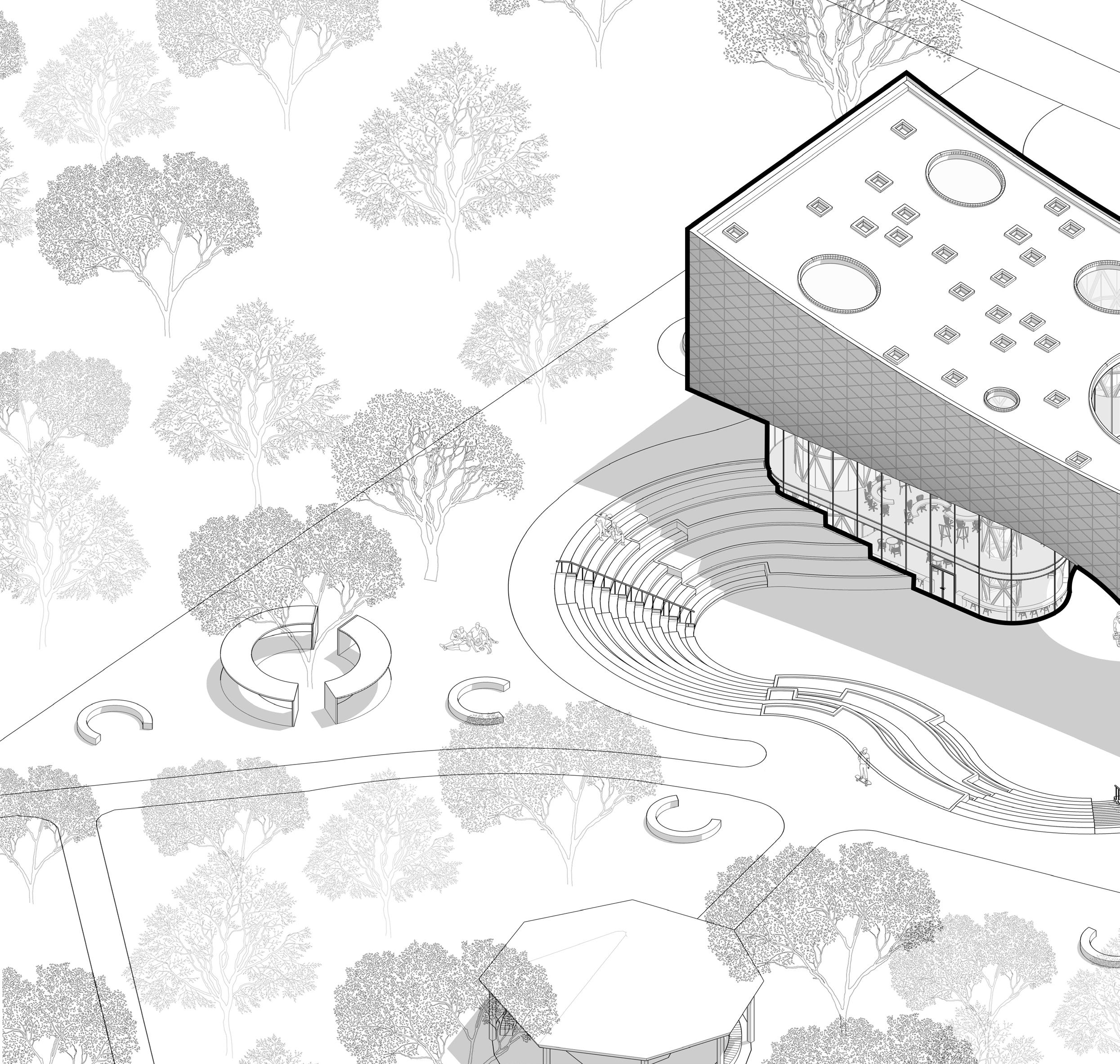
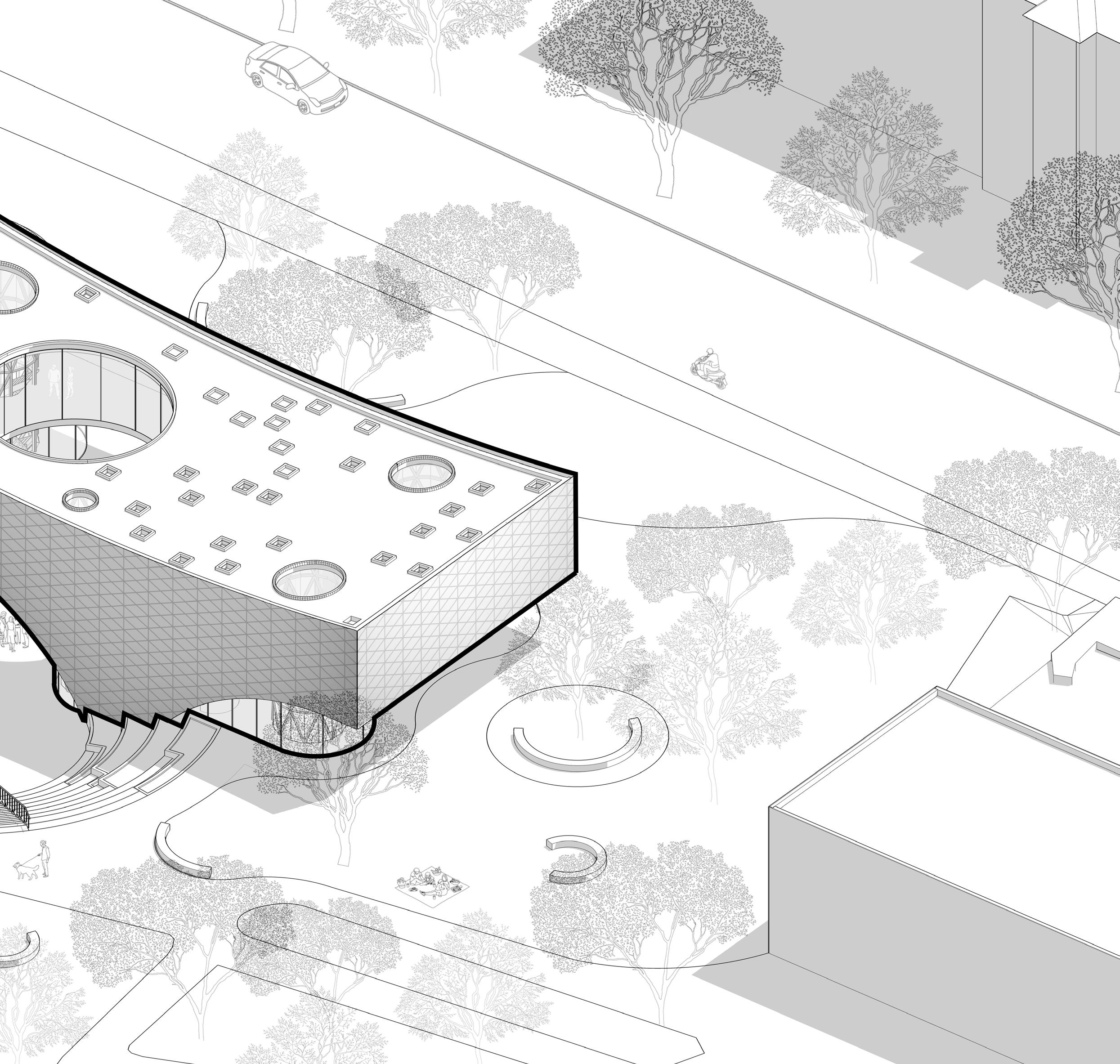
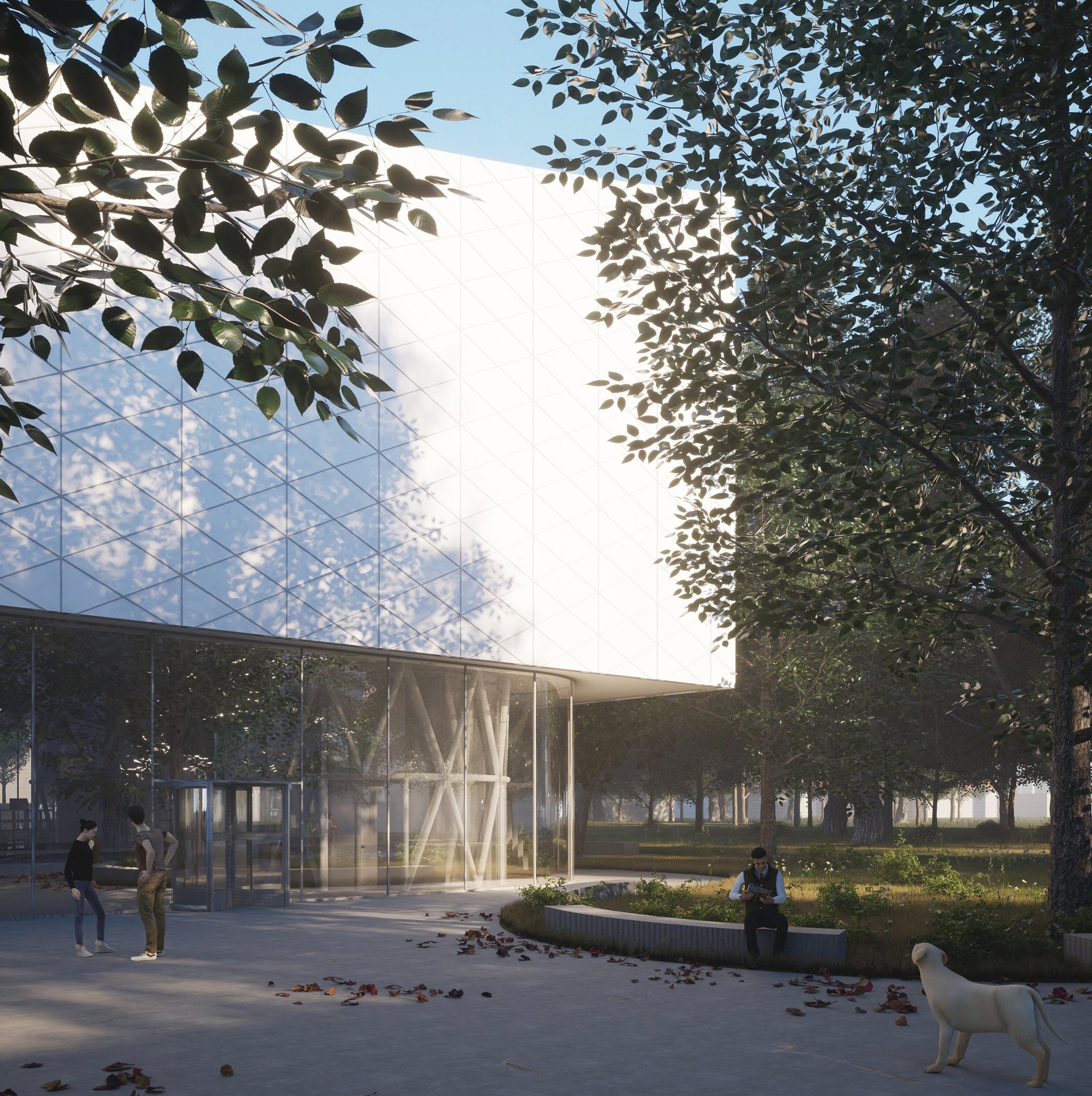
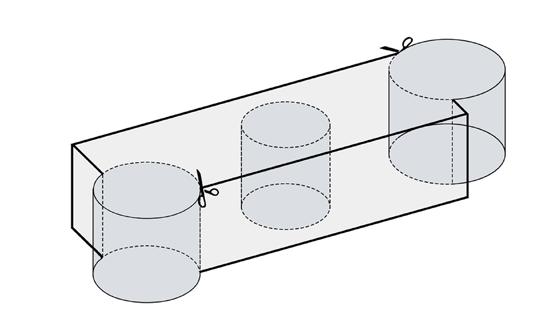
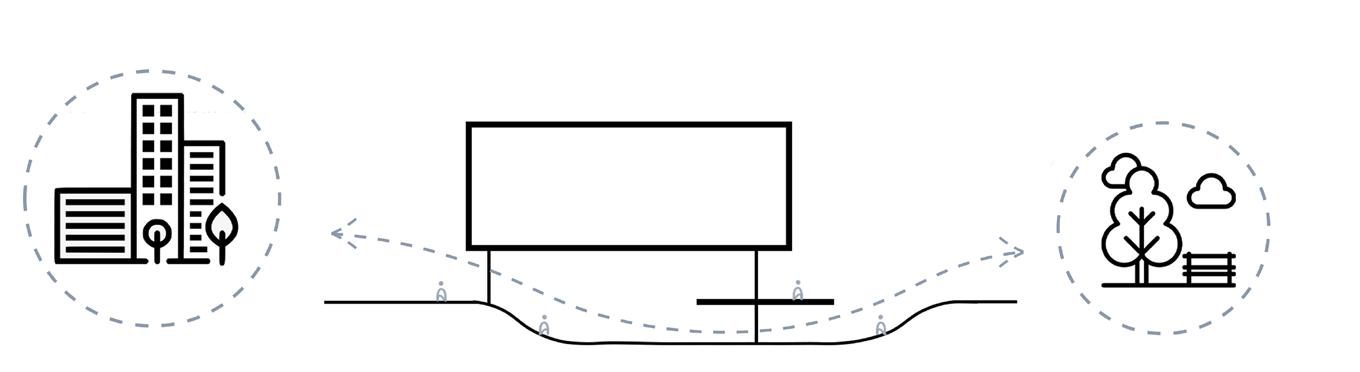
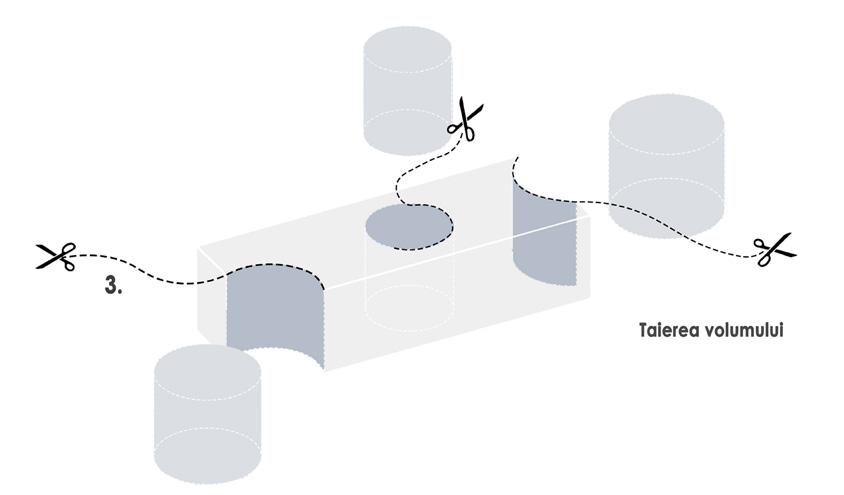
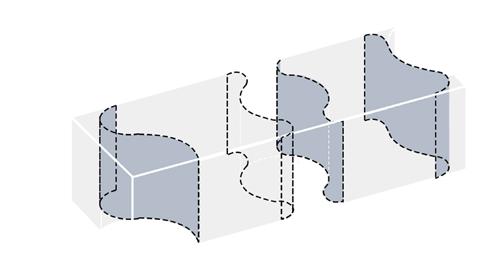
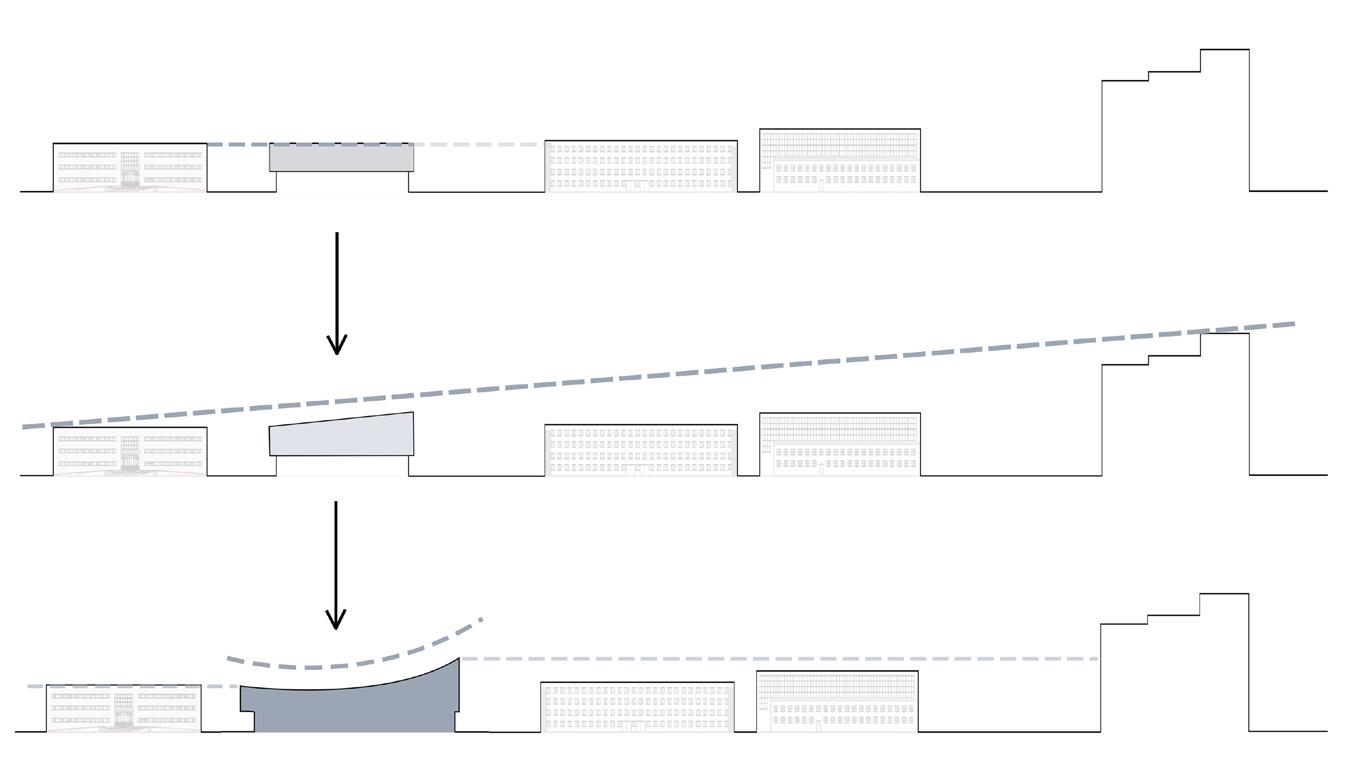
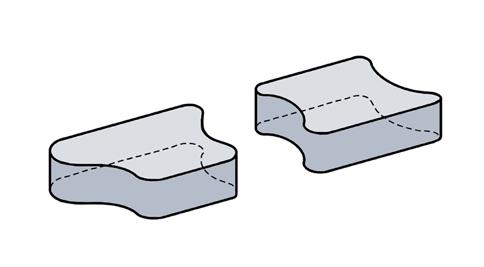
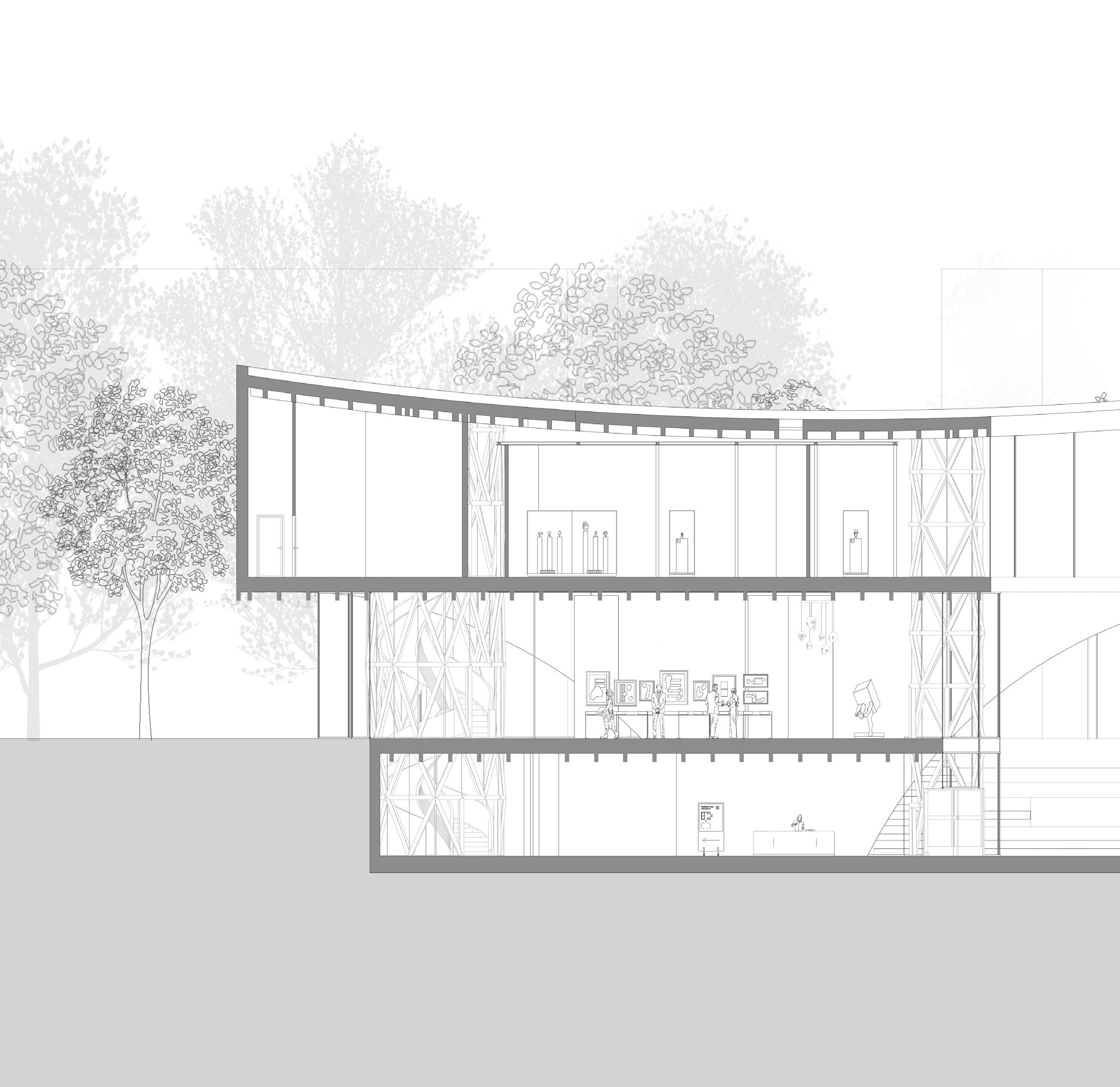
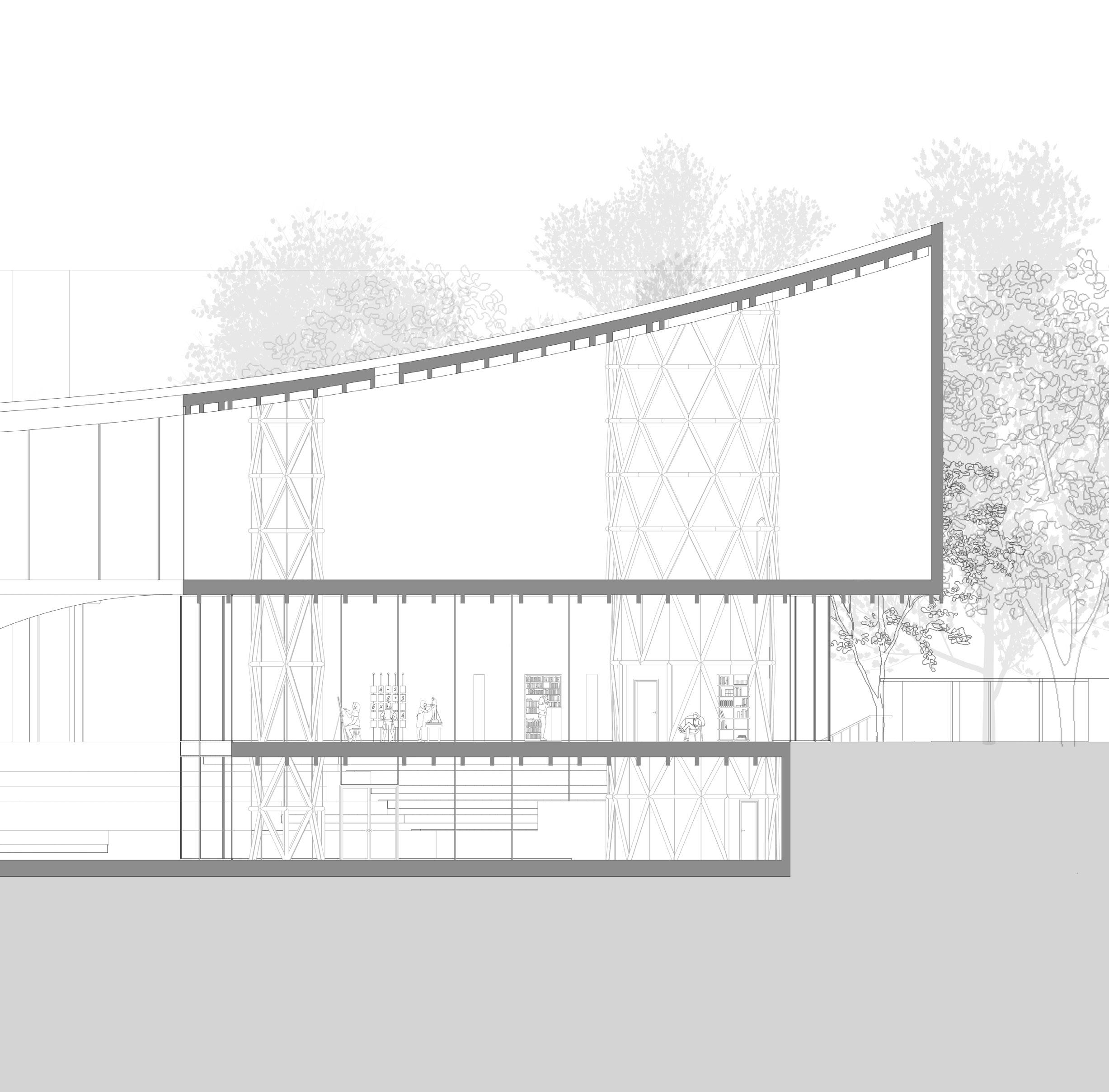
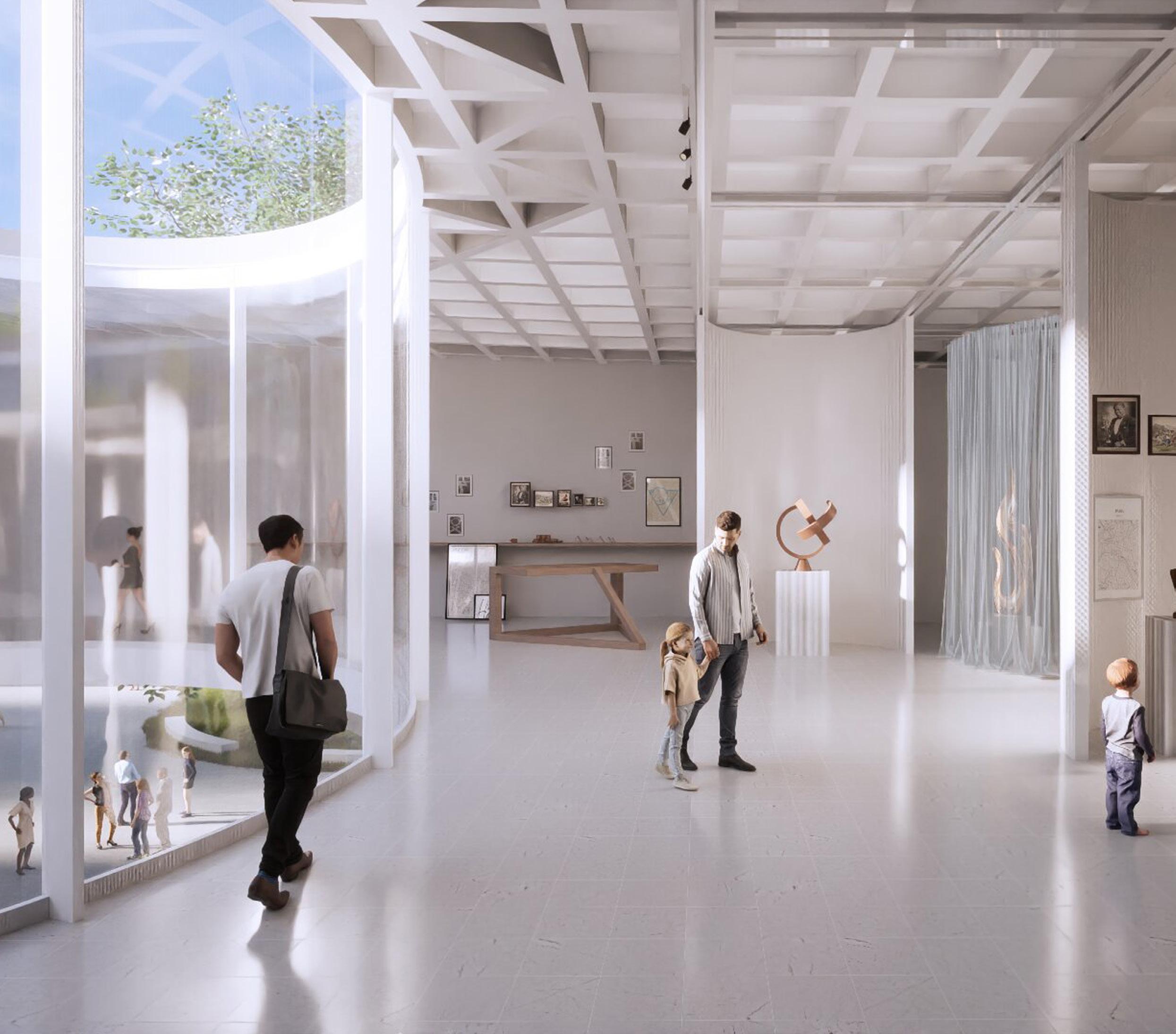
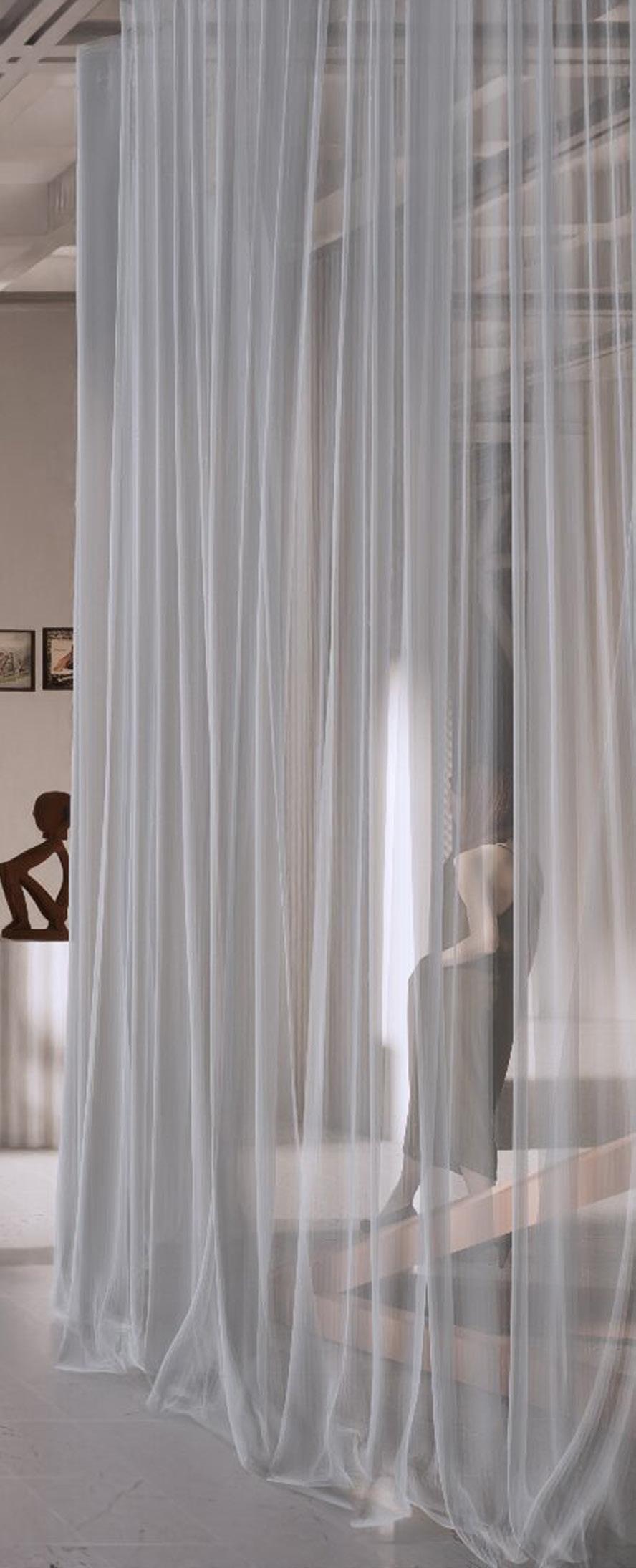
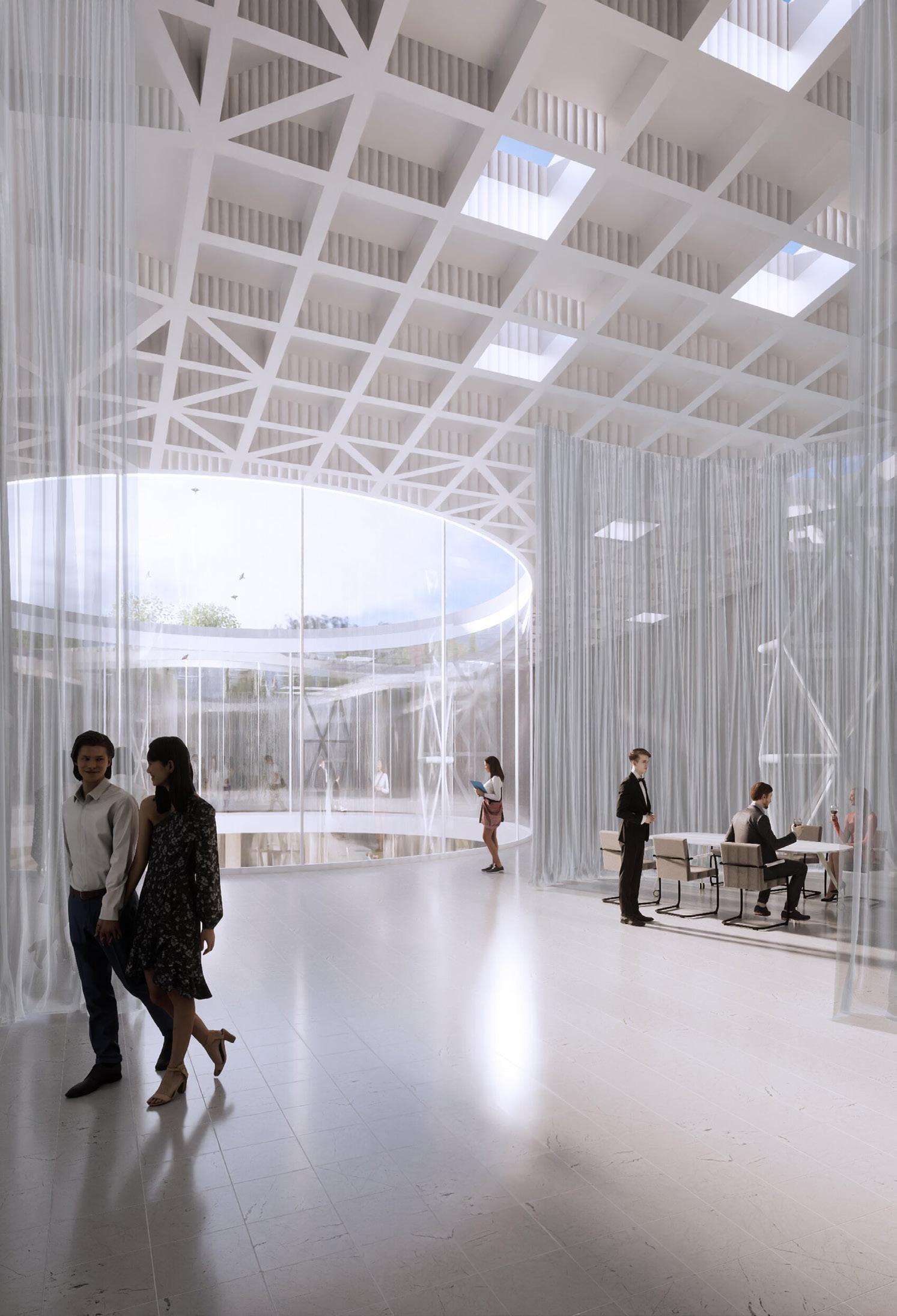
The project is a museum of contemporary art with an architectural concept that explores the relationship between solid and void. The architecture of the museum takes the form of an elegant arch, serving as a bridge between the two environments. The arch extends an invitation to visitors to explore and discover the connections between art and the surrounding environment. Inside the museum, solid and void spaces coexist harmoniously, allowing natural light to penetrate and create intriguing plays of shadows and lights. This interaction between solid and void creates a dynamic and captivating atmosphere for the exhibited contemporary art pieces.
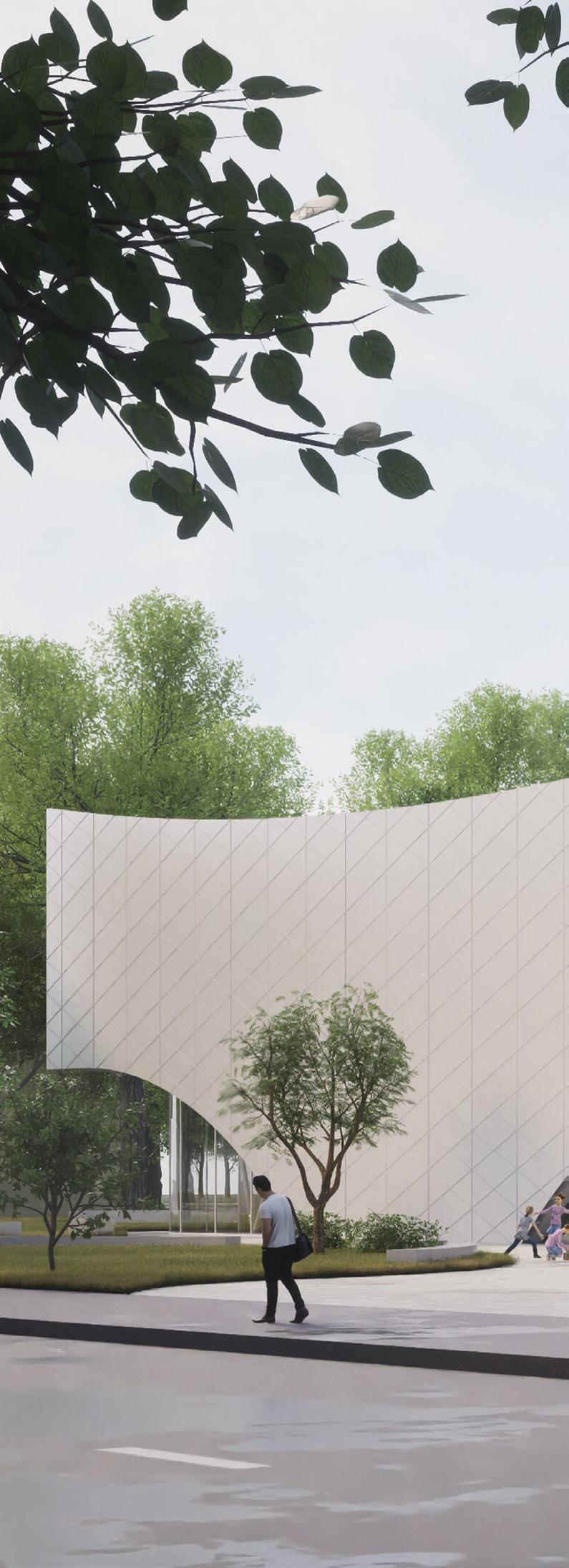
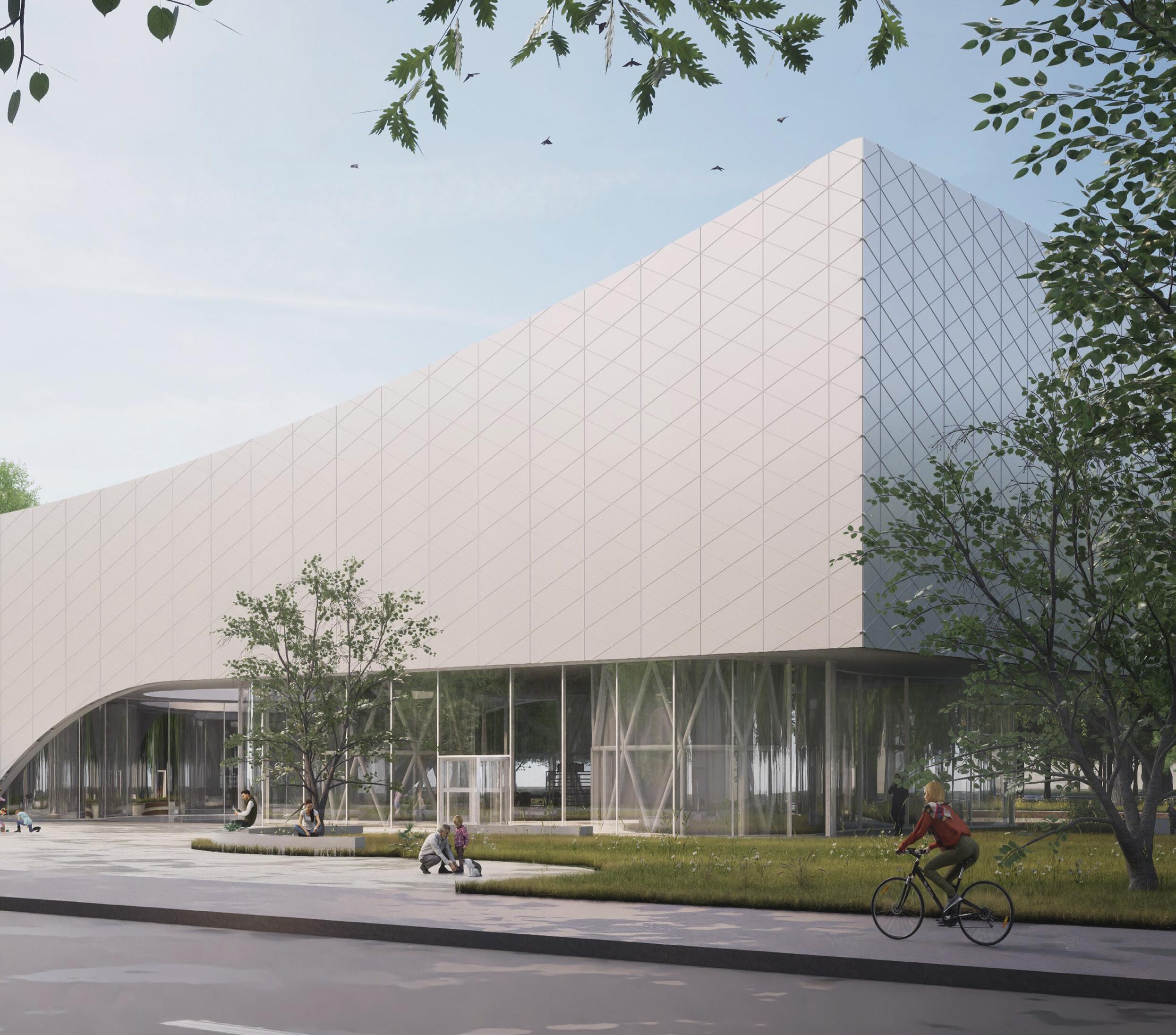
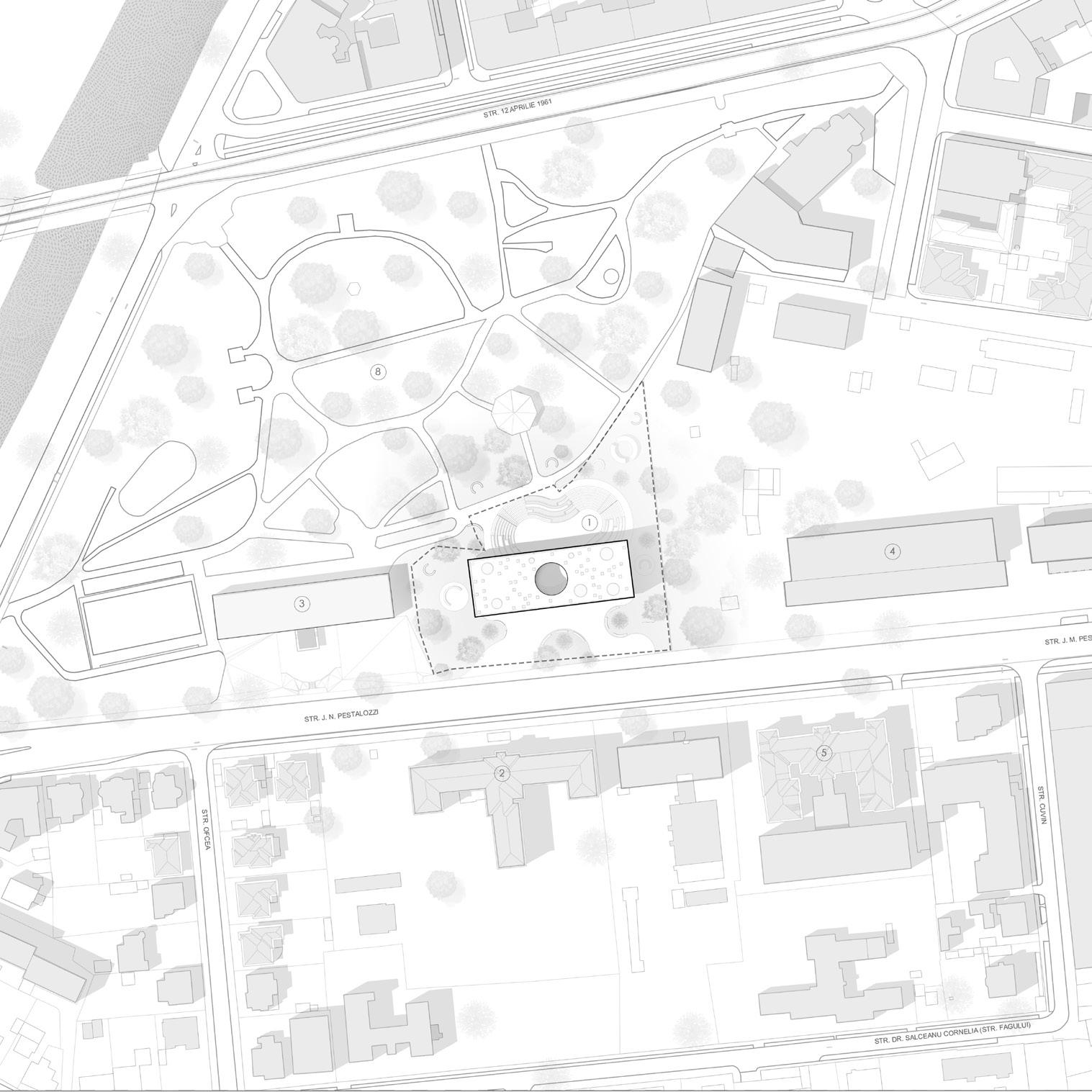
The museum is located at the boundary between two contrasting environments: the park, a natural setting, and the city, a mineral environment.

02
VERTICAL GARDEN

Saint-Gobain Architecture Student Contest | 4th place national stage
YEAR: 2024 | 4th year of study
LOCATION: Helsinki, Finland
TEAM: Mustata Adela, Tudoroiu Alexandru
THEME: Sustainable residential development in Viikki PROGRAMS: ArchiCAD|SketchUp|TwinMotion|Photoshop
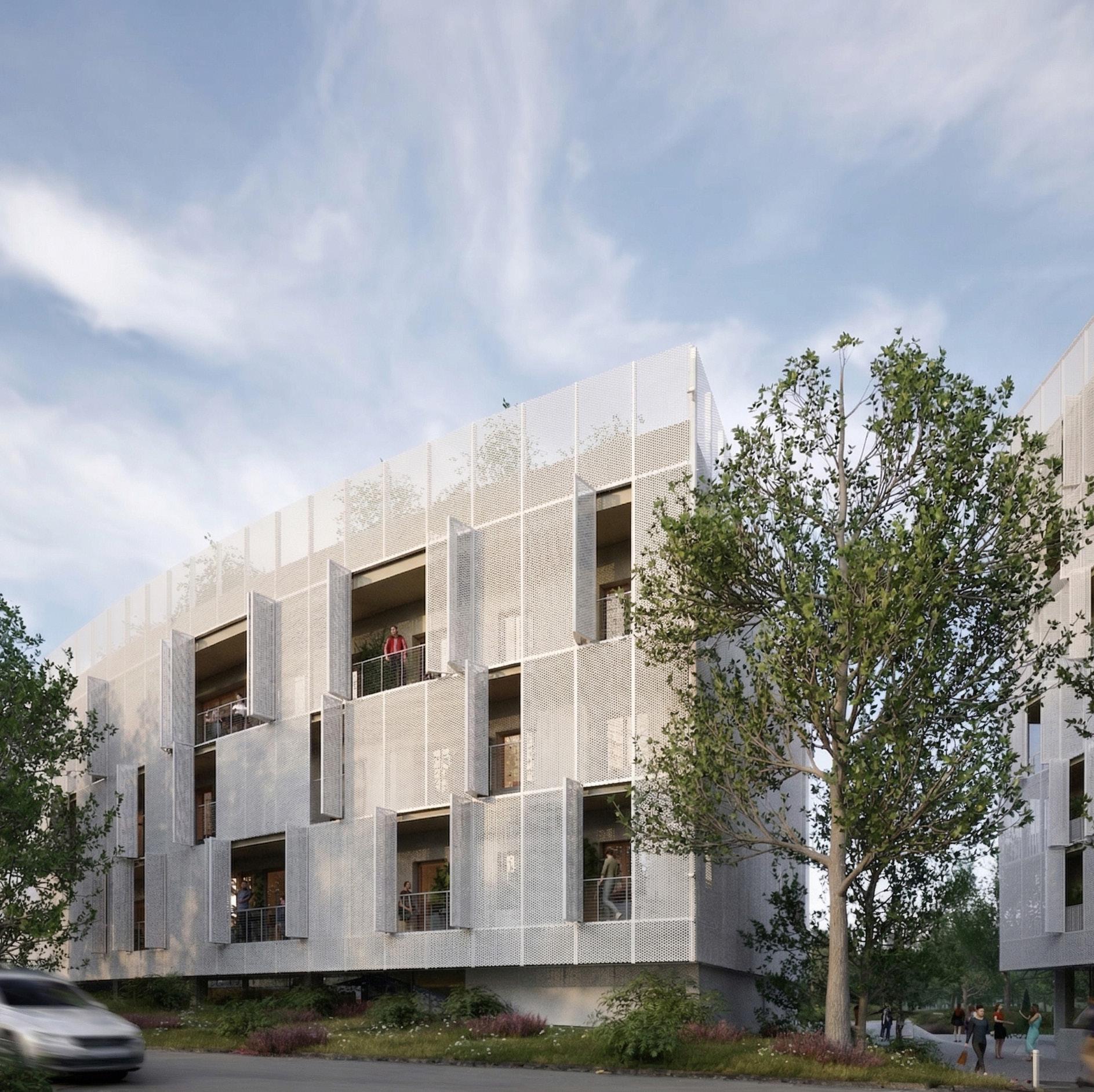
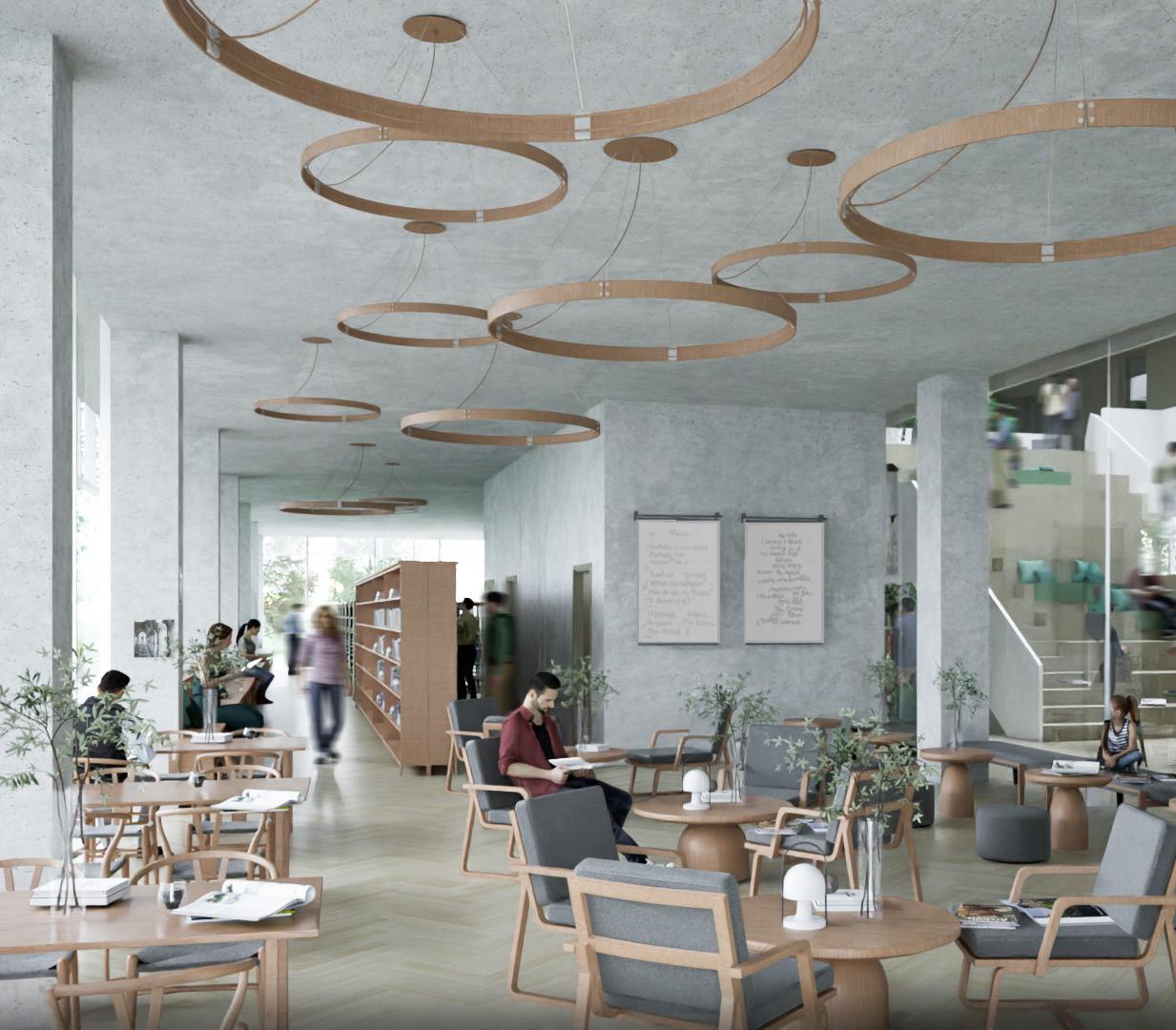
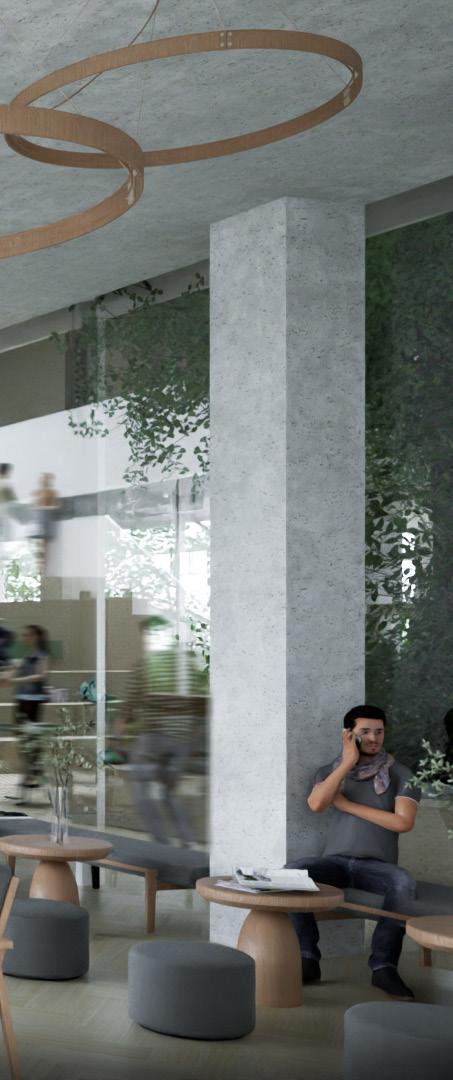
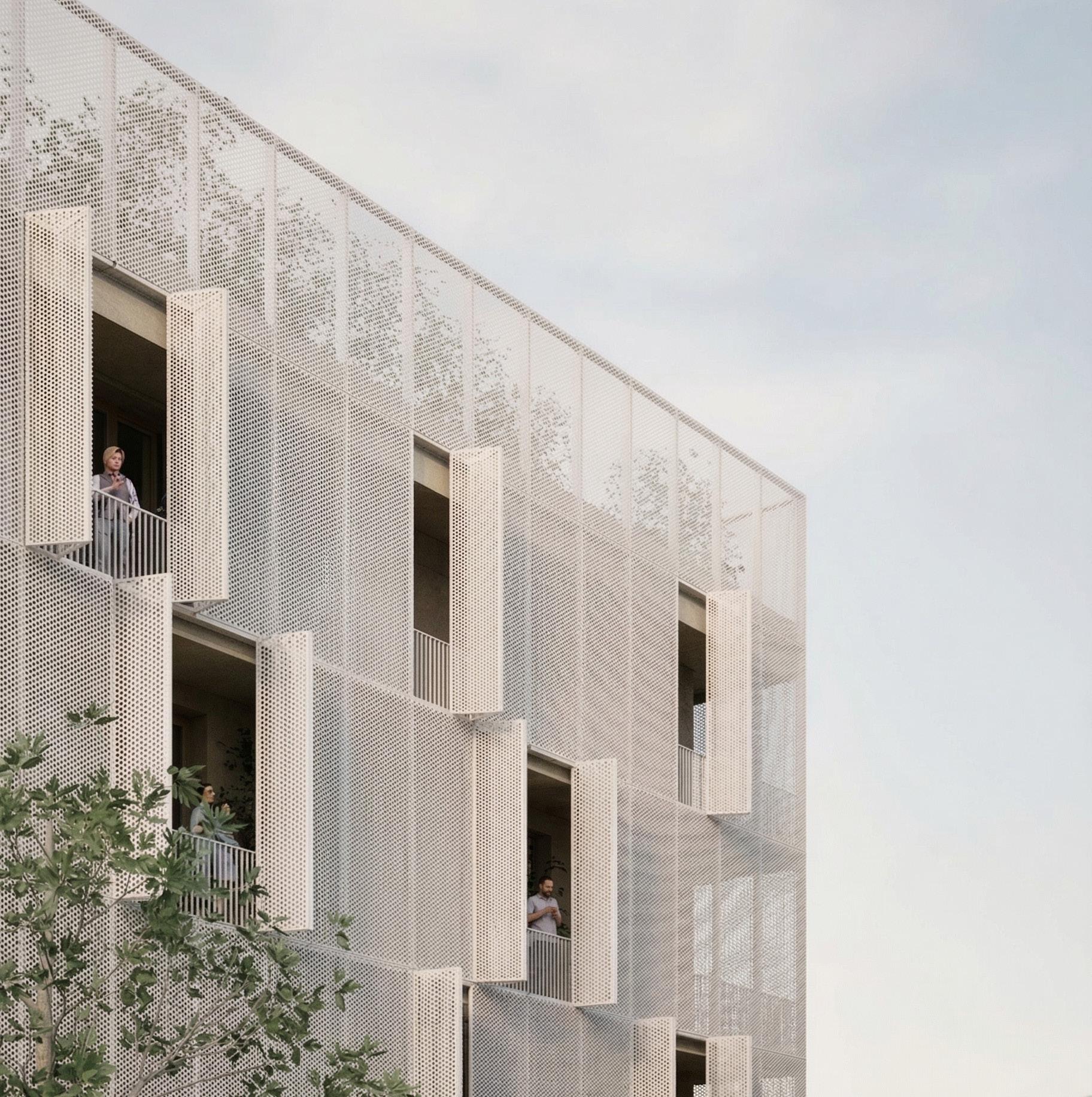
Nature represents an essential element in architecture and can exert a profound influence on how we experience the buildings we live in or frequent. In this project, we have sought to harness the potential of nature and incorporate it harmoniously into our structures. One of the primary ways to bring nature into architecture is by creating green spaces inside or in proximity to buildings. Through vertical gardens, interior green zones, and plant-filled terraces, we have successfully integrated nature into architecture. These green spaces not only provide a pleasing aesthetic but also contribute to a healthier environment. Additionally, the project capitalizes on the benefits of interacting with nature by opening up to the surrounding environment. This is achieved through terraces and openings that allow people to enjoy the views and sounds of nature.
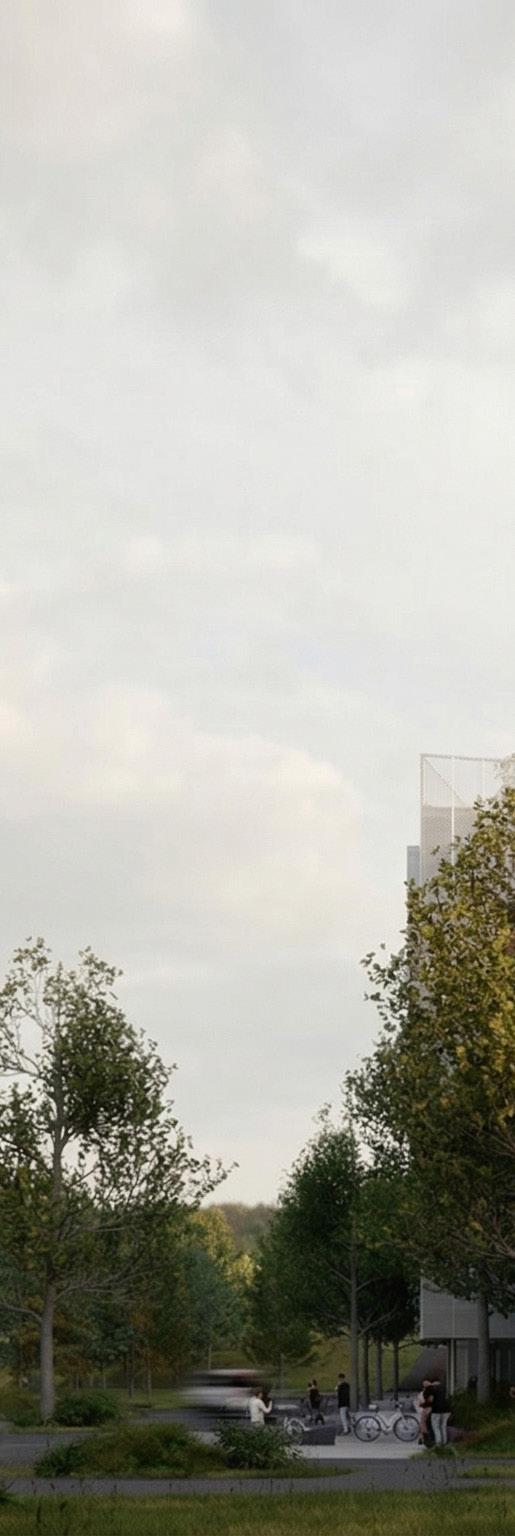
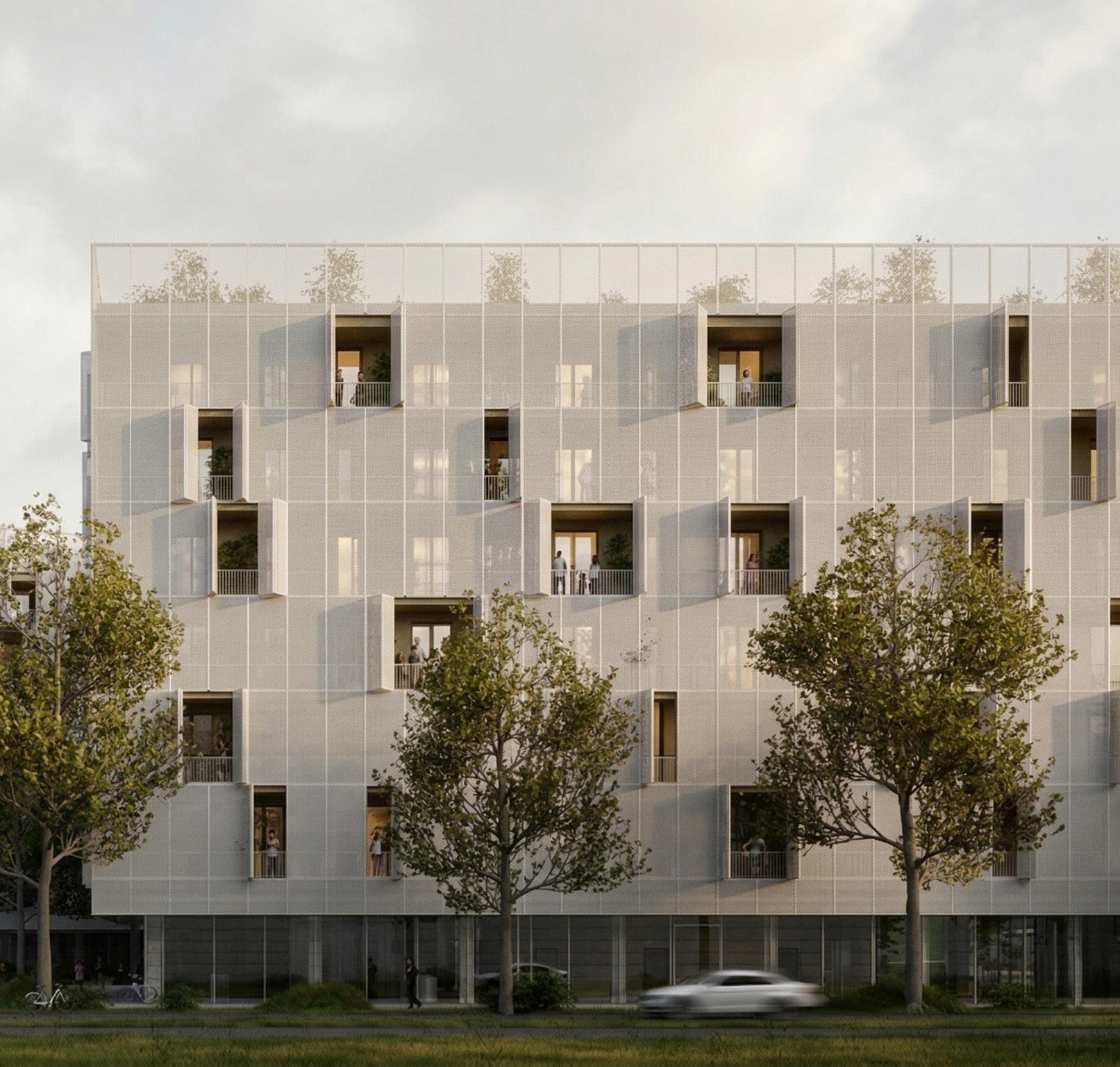
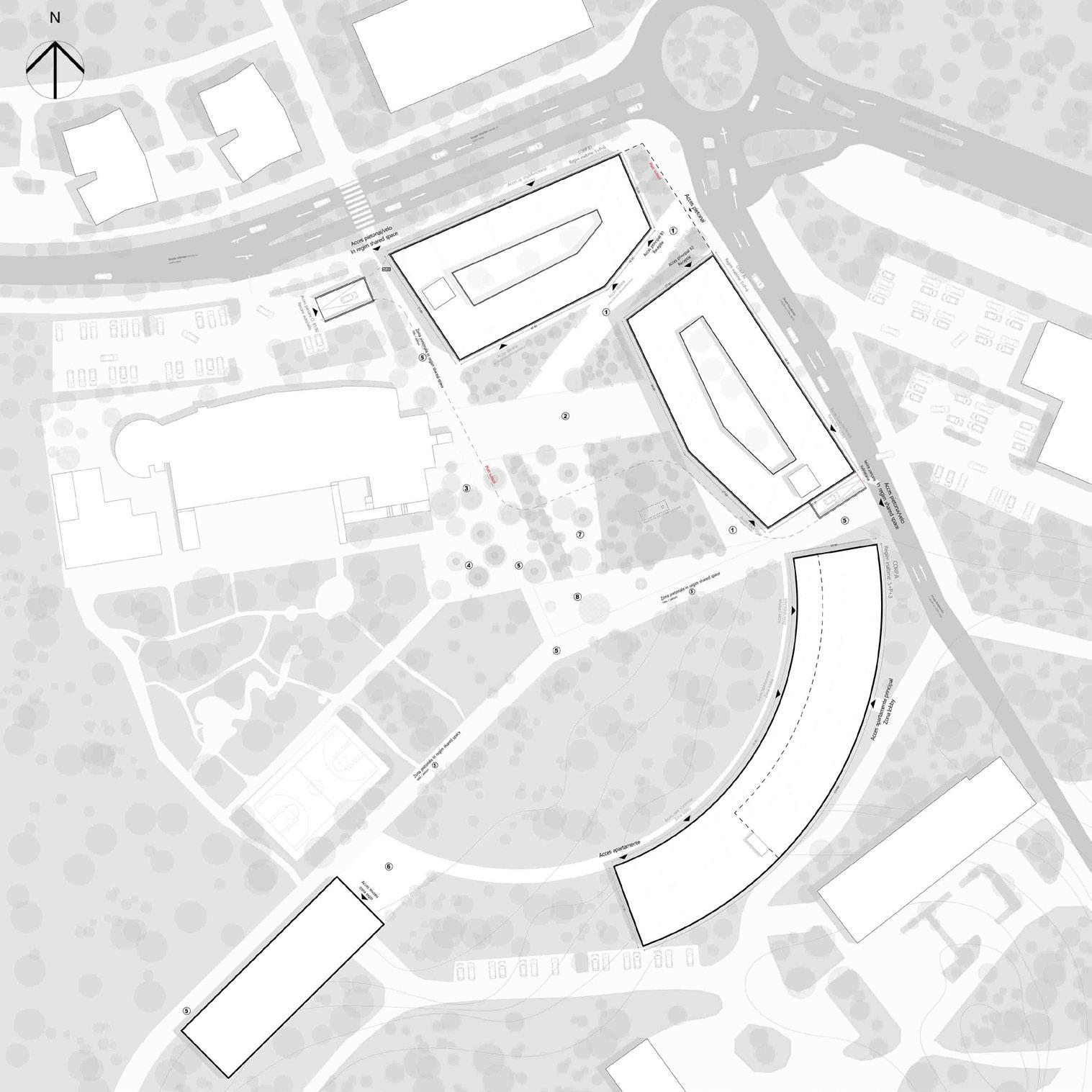
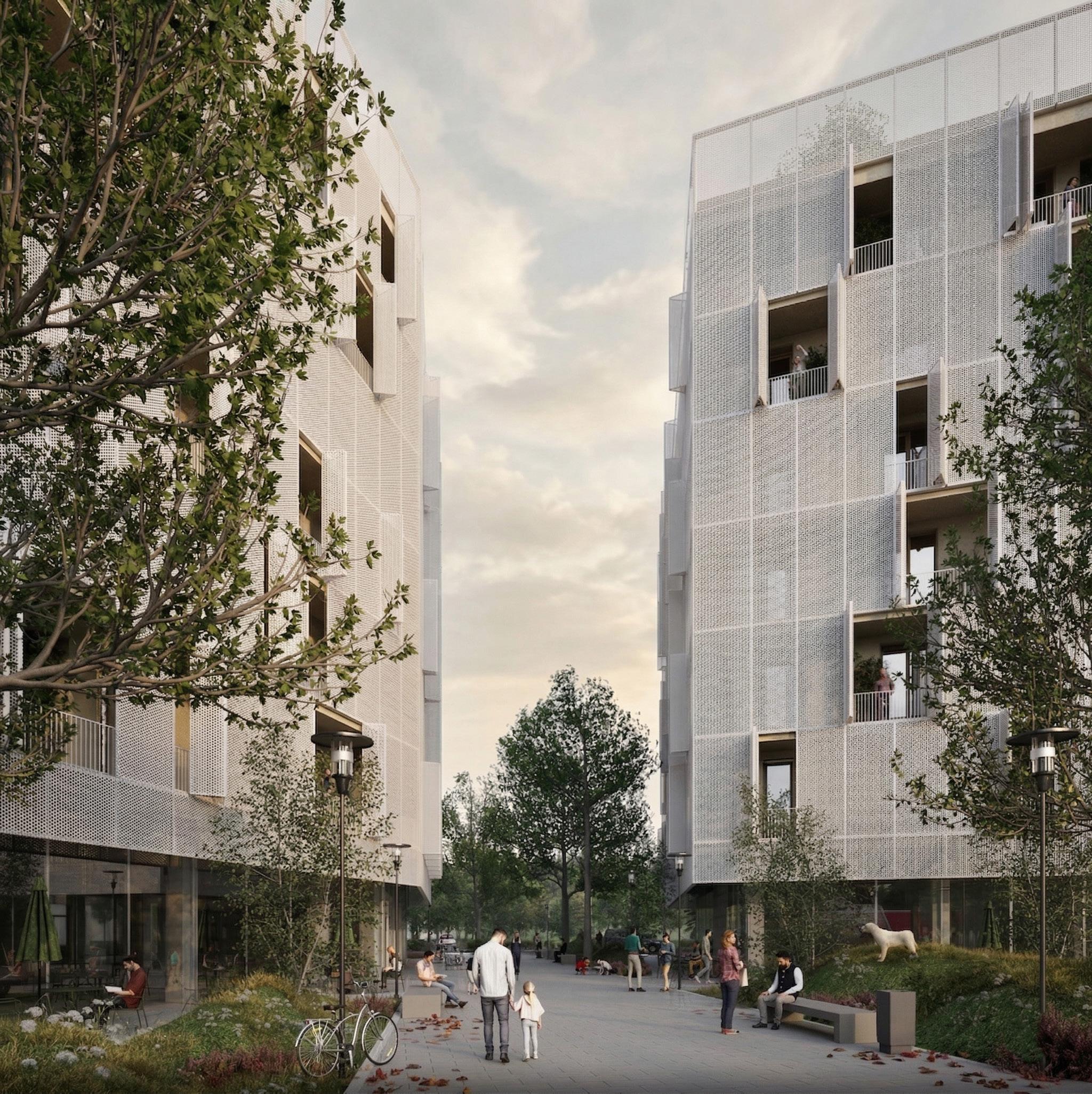
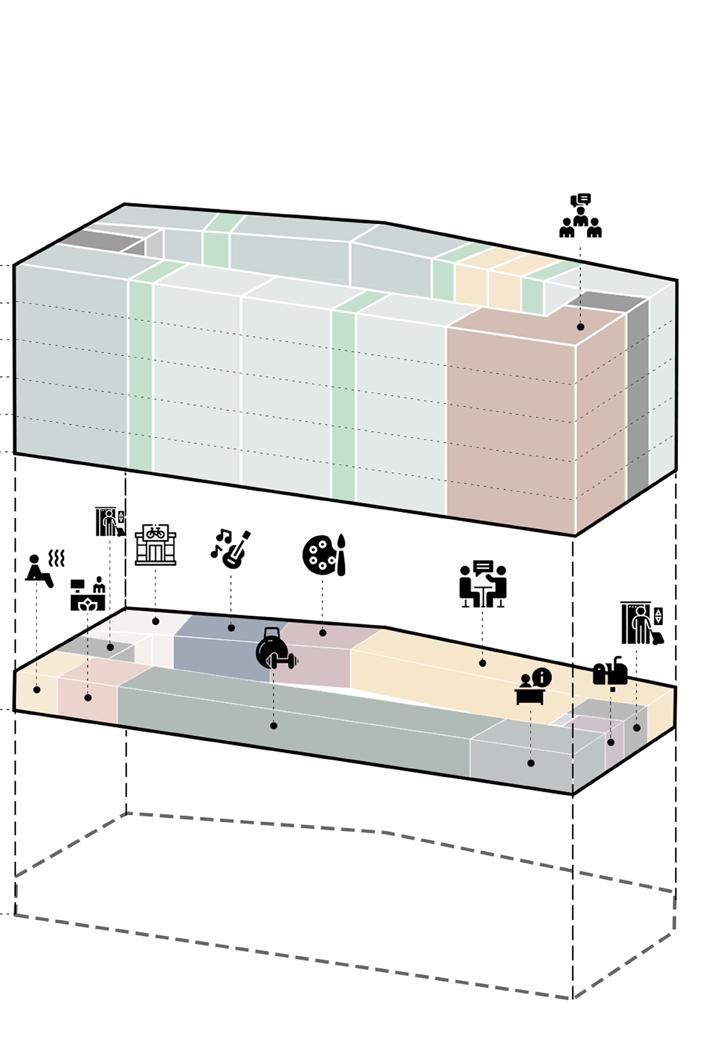
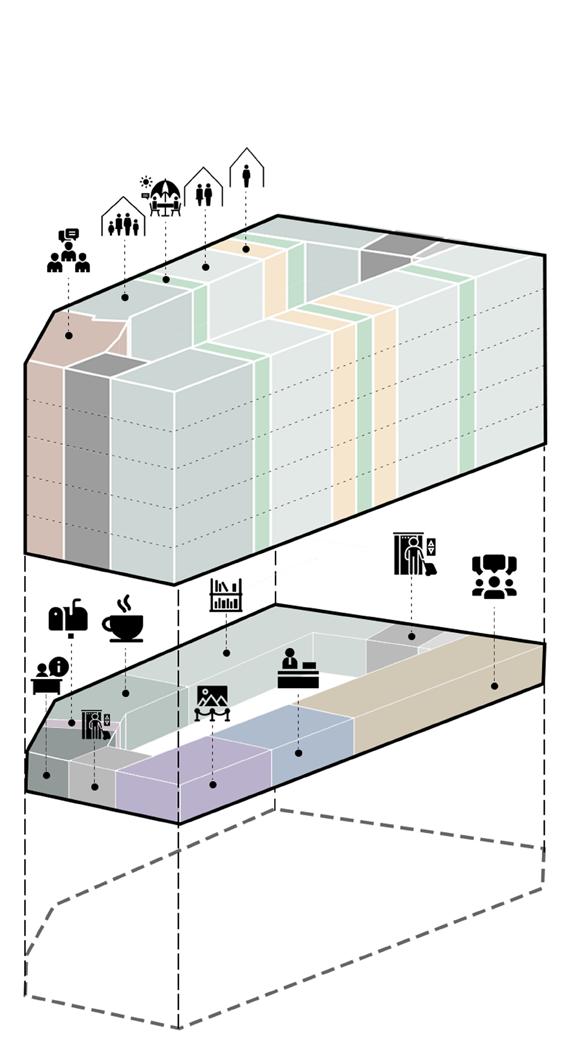
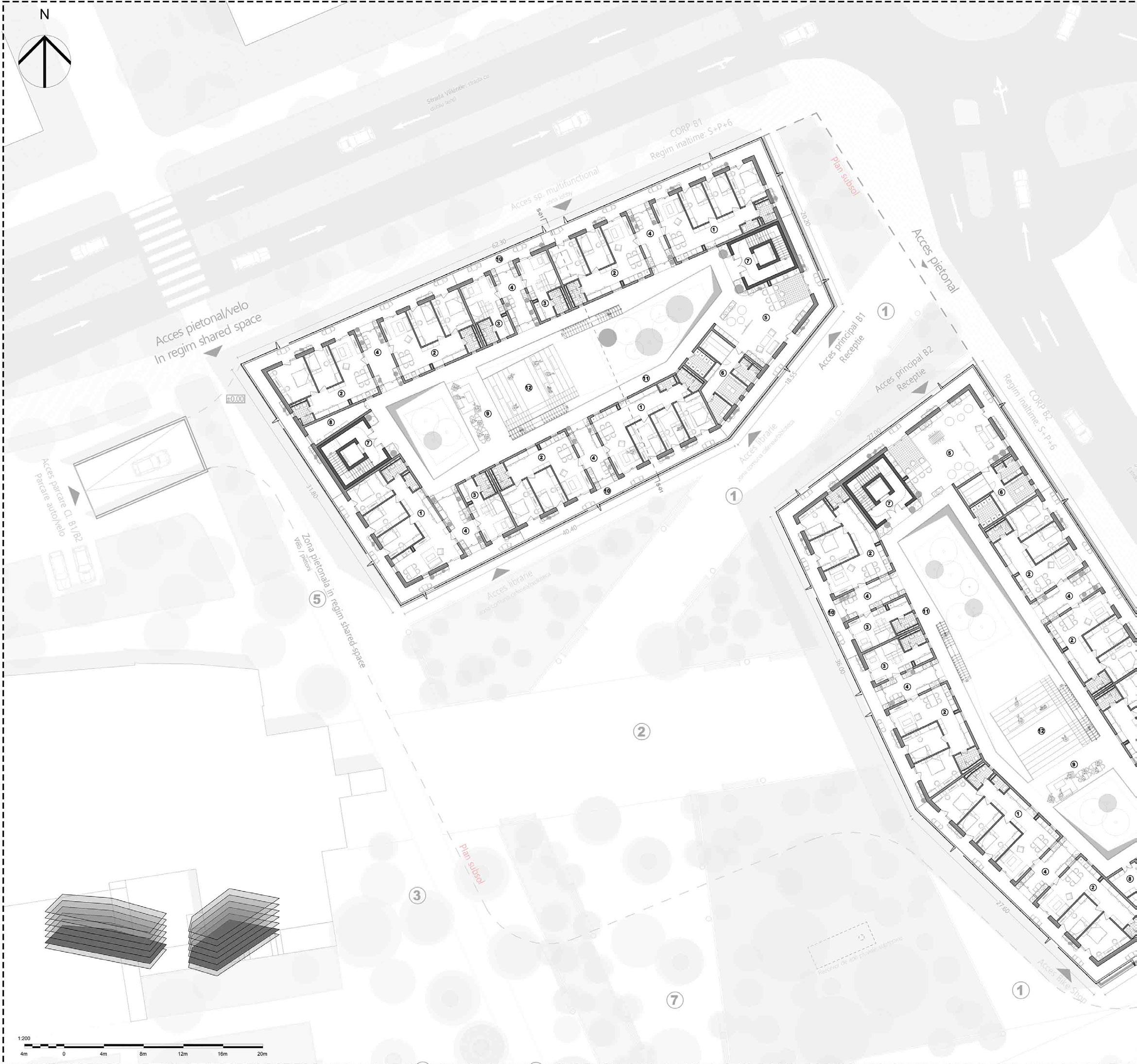
The buildings frame the site while opening toward the surrounding green areas, creating clear pedestrian routes and generous shared outdoor spaces. The proposal strengthens the connection to nature through planted terraces, open spaces, and an overall sustainable urban approach.
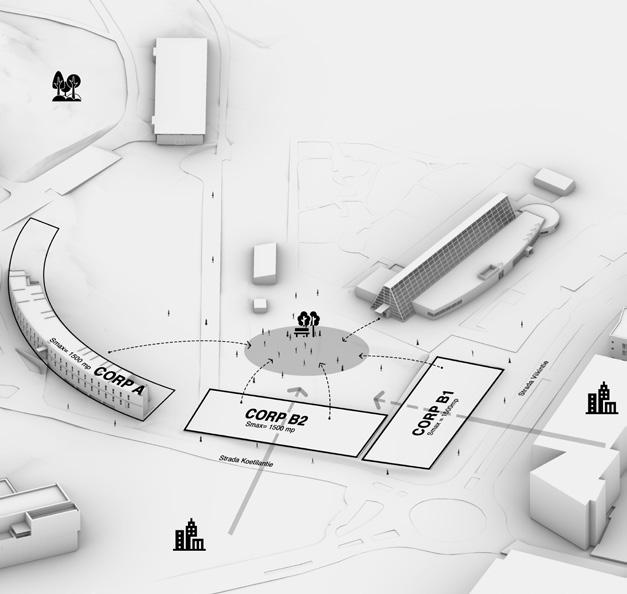
The site is fragmented into multiple volumes oriented toward a protected central core, separating the inner life from the city.
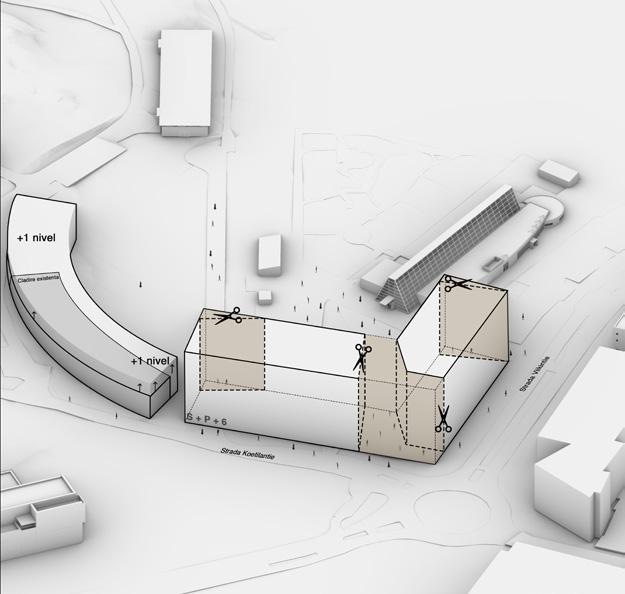
Cuts are introduced in the massing to improve the relationship with the existing buildings and to create key visual points.
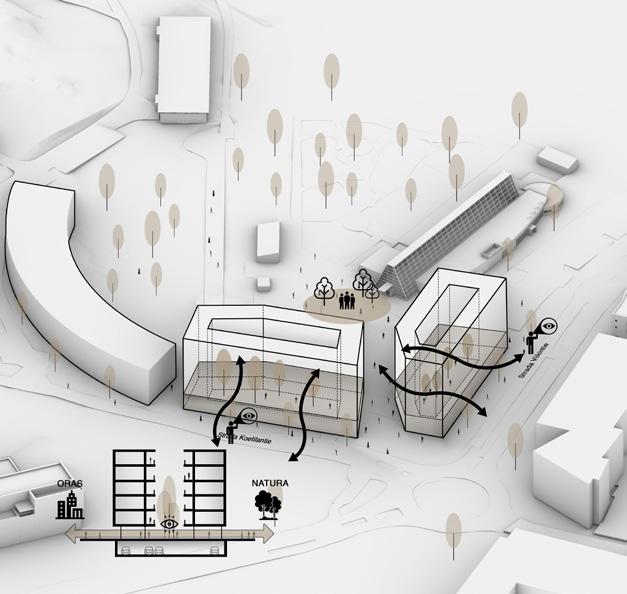
functions
strengthen
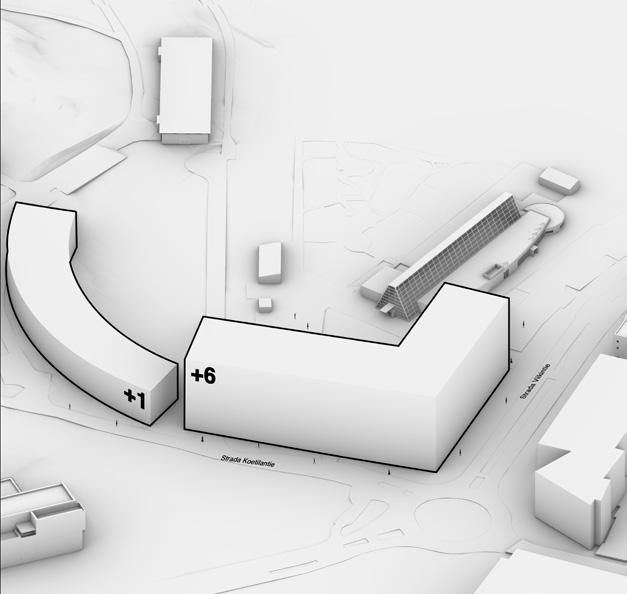
The existing building is extended vertically and horizontally to establish a similar scale with the new construction.
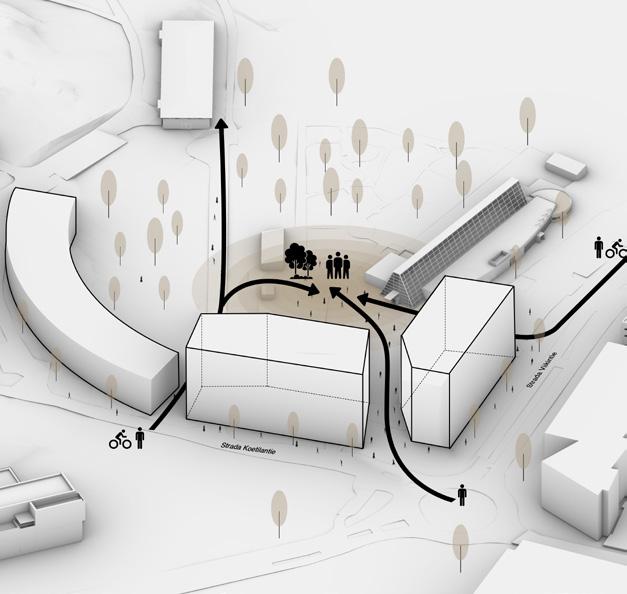
The central area is envisioned as a people-friendly space, with imited car a cess, encouraging community life, relaxation and social interaction.
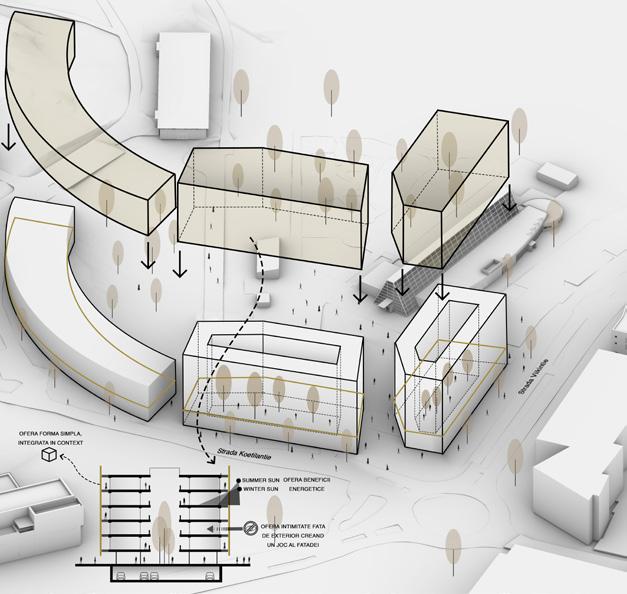
A continuous facade is applied to both the new volumes and existing building, creating a coherent architectural identity across the ensemble.
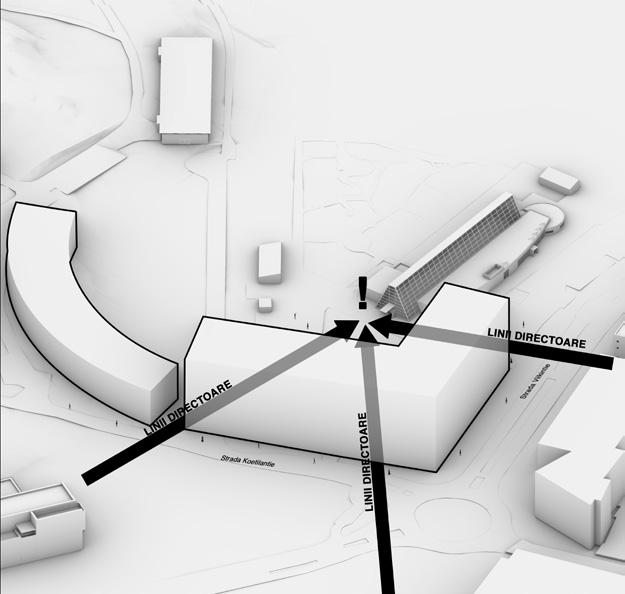
All components are carefully integrated to create an efficient and harmonious relationship between volumes.
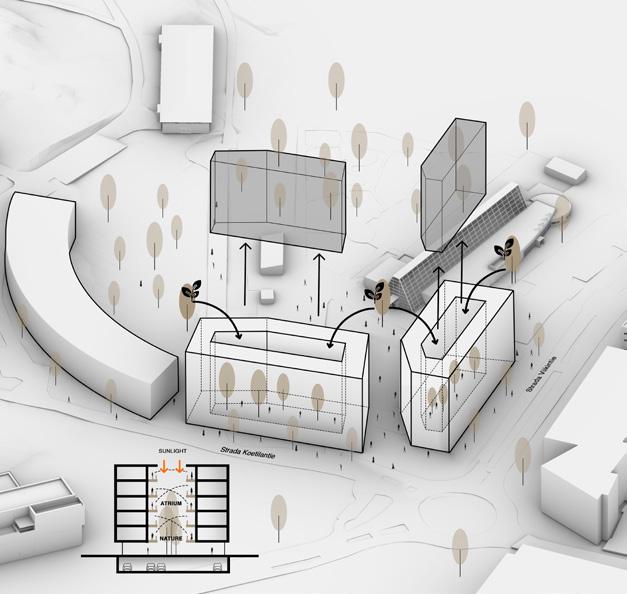
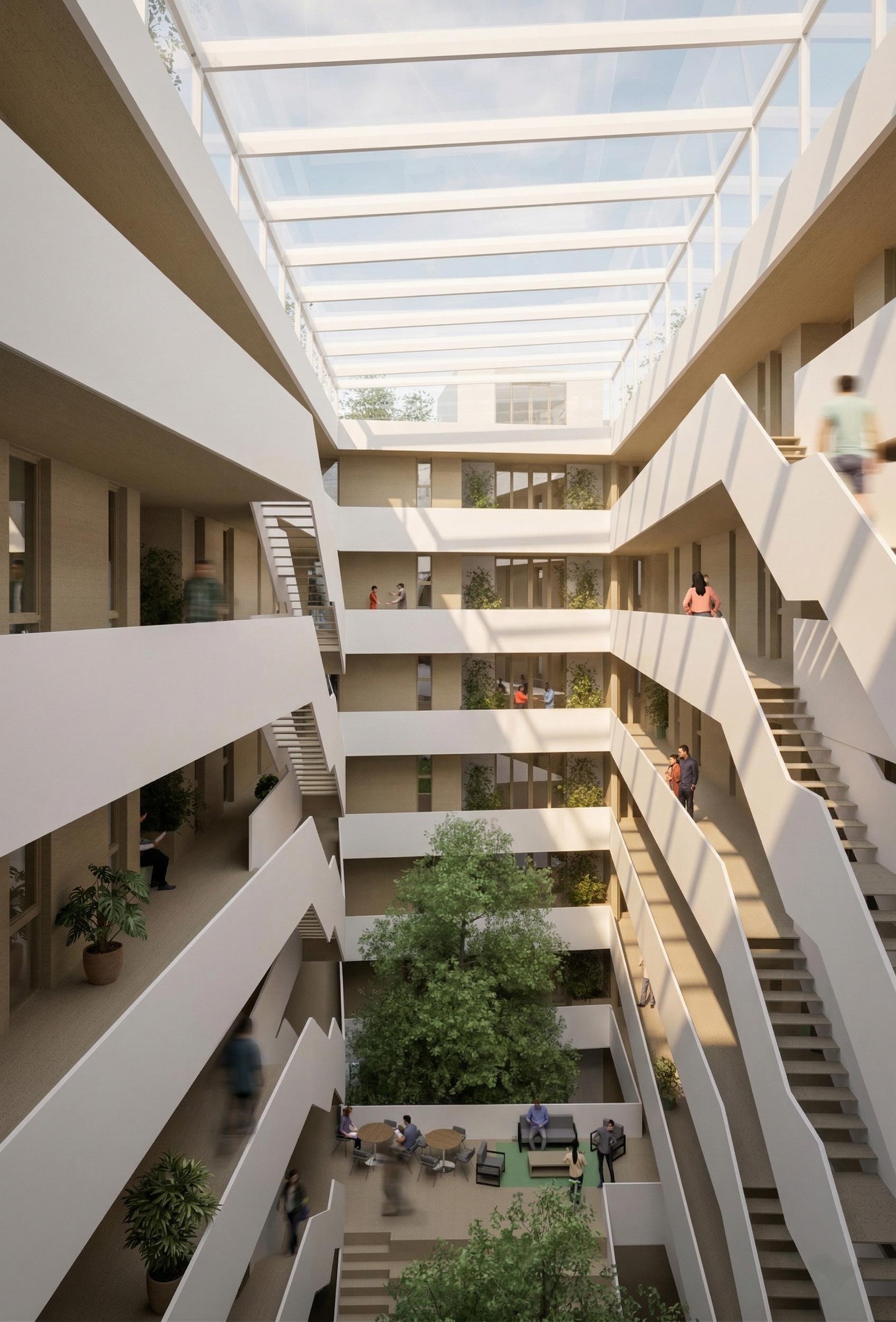
Interior courtyards and atriums are introduced into the buildings, bringing natural light inside and organizing the main internal circulation.
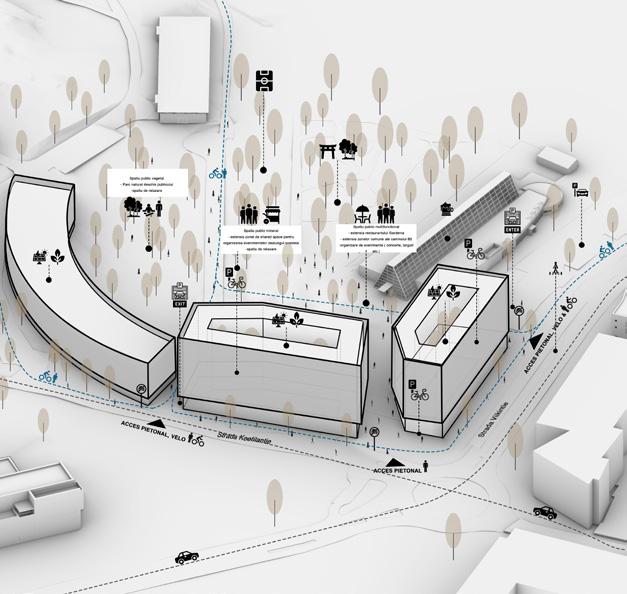
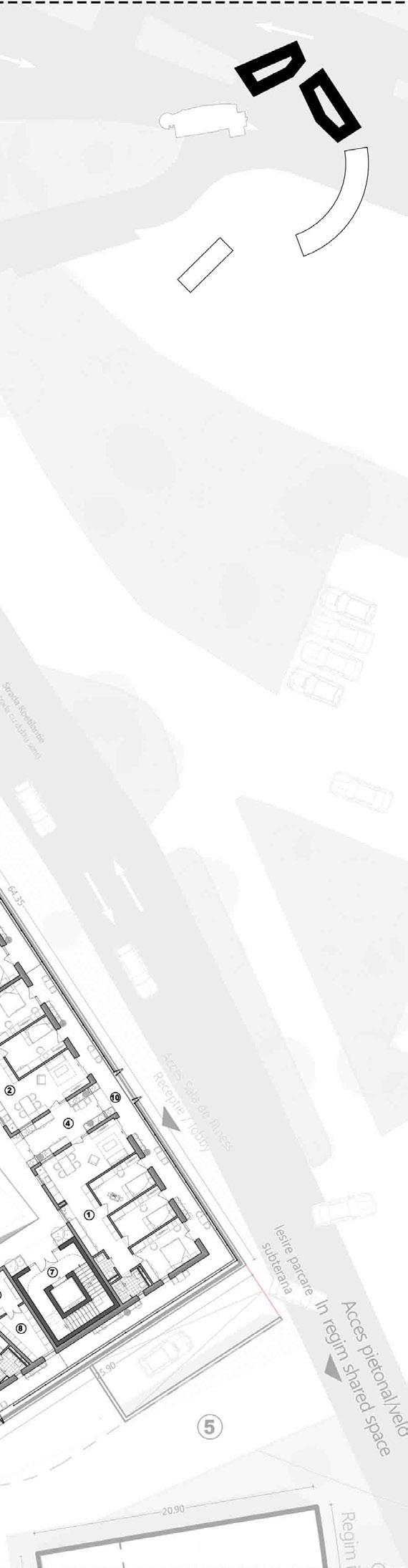
The project defines the main functional zones, pedestrian and vehicular accesses, and the relationship between built and natural elements.
The ground floor is opened to the public, with active
that
the relationship between the buildings and the surrounding urban space.
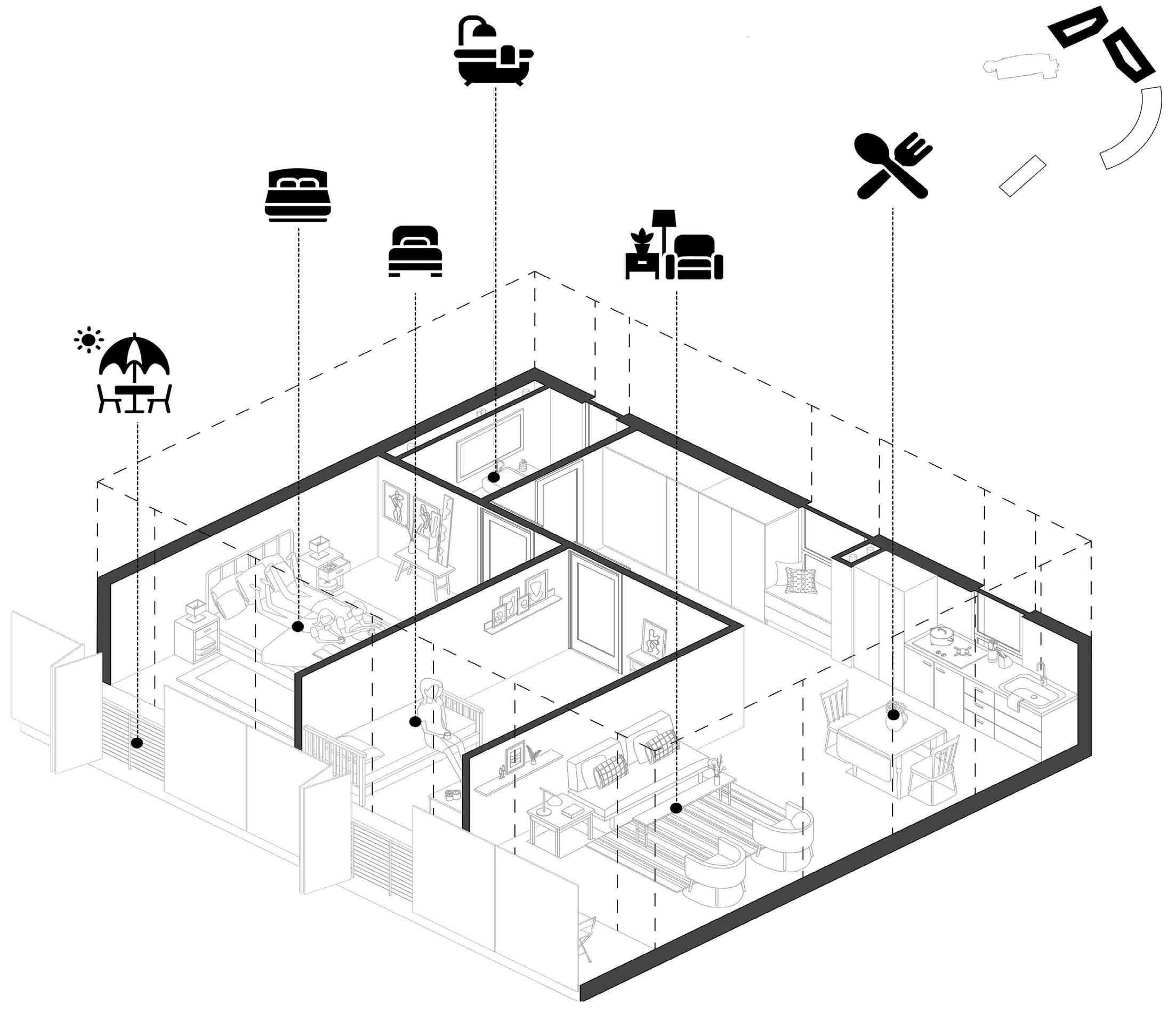
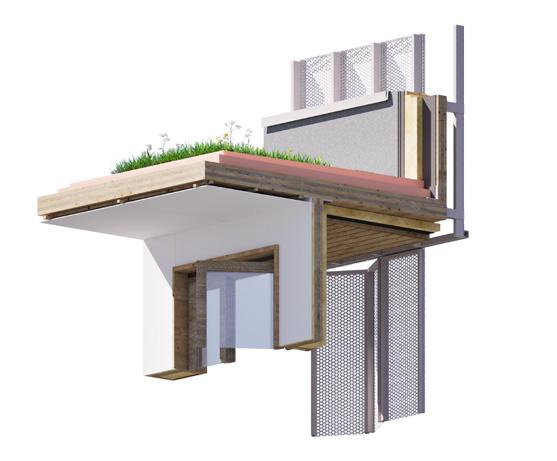
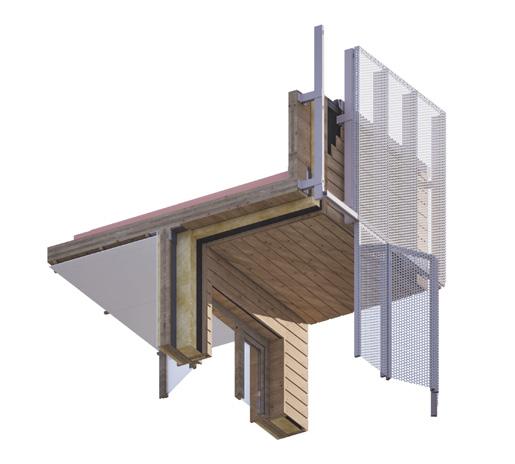
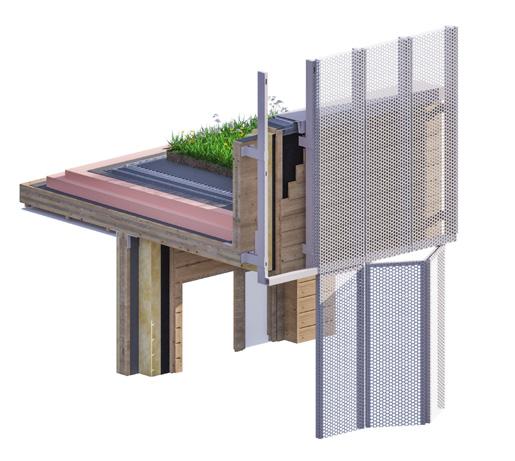
Axonometric view of the 3 room module
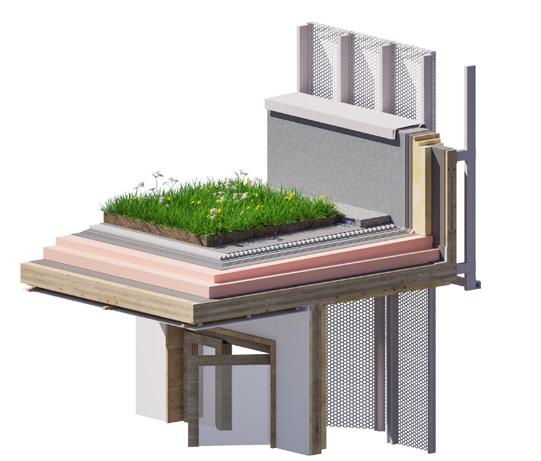
5. Strat de protecţie -folie antiradacini - de tip BauderGREEN FSM 600 Strat de protectie antiradacini realizat din fibre de poliester și polipropilenă)
6. Membrană hidroizolatoare - de tip BauderTEC KSA DUO- Membrană autoadezivă la rece cu bitum elastomer
7. Membrană hidroizolatoare - de tip BauderTEC KSA DUO- Membrană autoadezivă la rece cu bitum elastomer
8. Termoizolatie 120mm ( poliizocianurat - spumă rigidă de poliuretană ) - de tip BauderPIR T G / BauderPIR T P ( Plăci termoizolante cu pantă, necaşerate, fără falţ, pantă standard 2%.)
9. Termoizolatie 120mm ( poliizocianurat - spumă rigidă de poliuretană ) - de tip BauderPIR M/MF (Plăci termoizolante-acoperiş terasă caşerate pe ambele feţe cu voal mineral)
10. Bariera de vapori - de tip BauderTEC KSD DUO (Barieră de vapori autoadezivă la rece cu bitum elastomer cu lipire variabilă a cusăturii)
11. Panou CLT (Cross-laminated timber) 200mm
03
EASDALE ECHO
Terraviva competition | Honorable mention
YEAR: 2025 | 5th year of study

LOCATION: Easdale Islands, Scotland, United Kingdom
TEAM: Mustata Adela, Tudoroiu Alexandru
THEME: Renovation and extension of a ferry terminal PROGRAMS: ArchiCAD|SkecthUp|TwinMotion|Photoshop
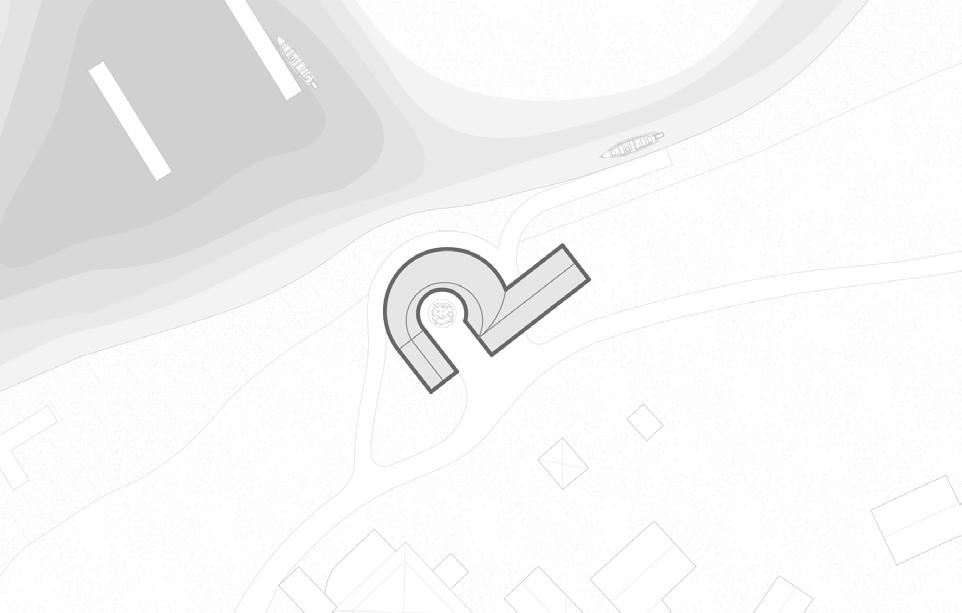
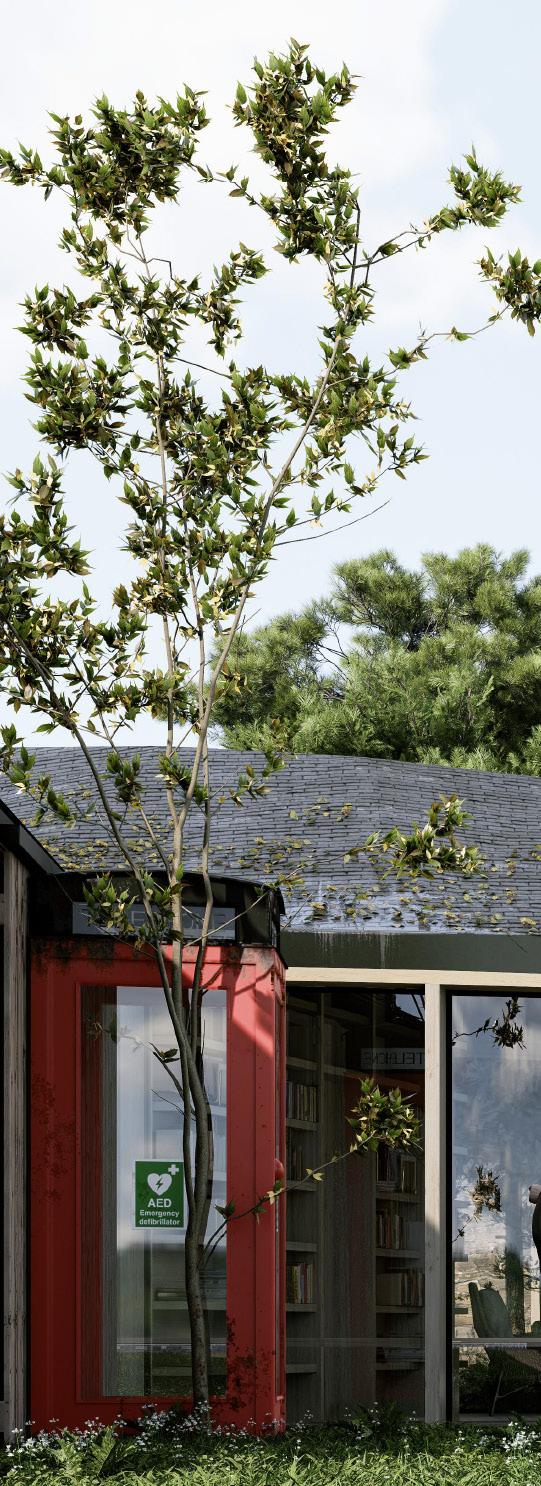
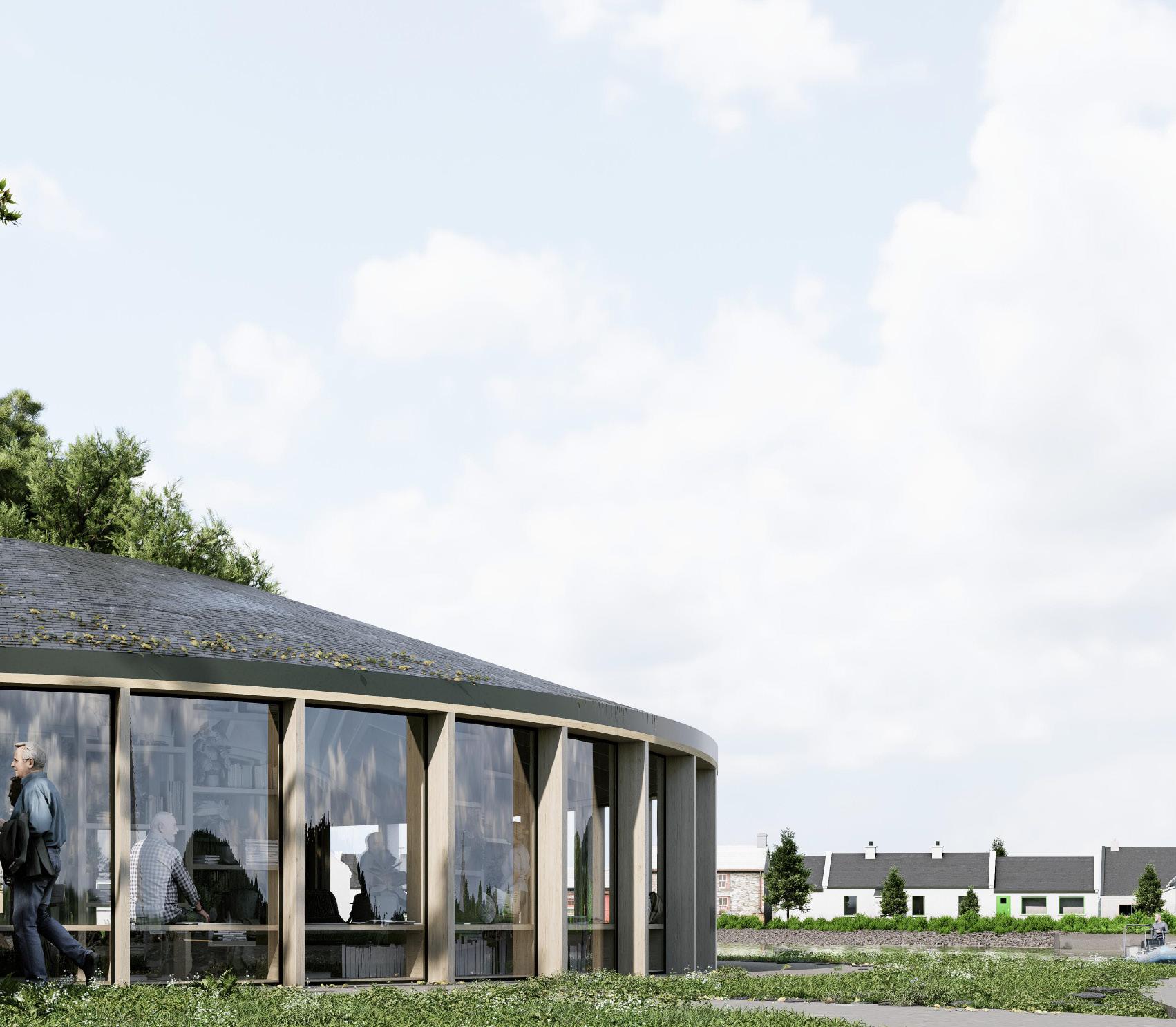
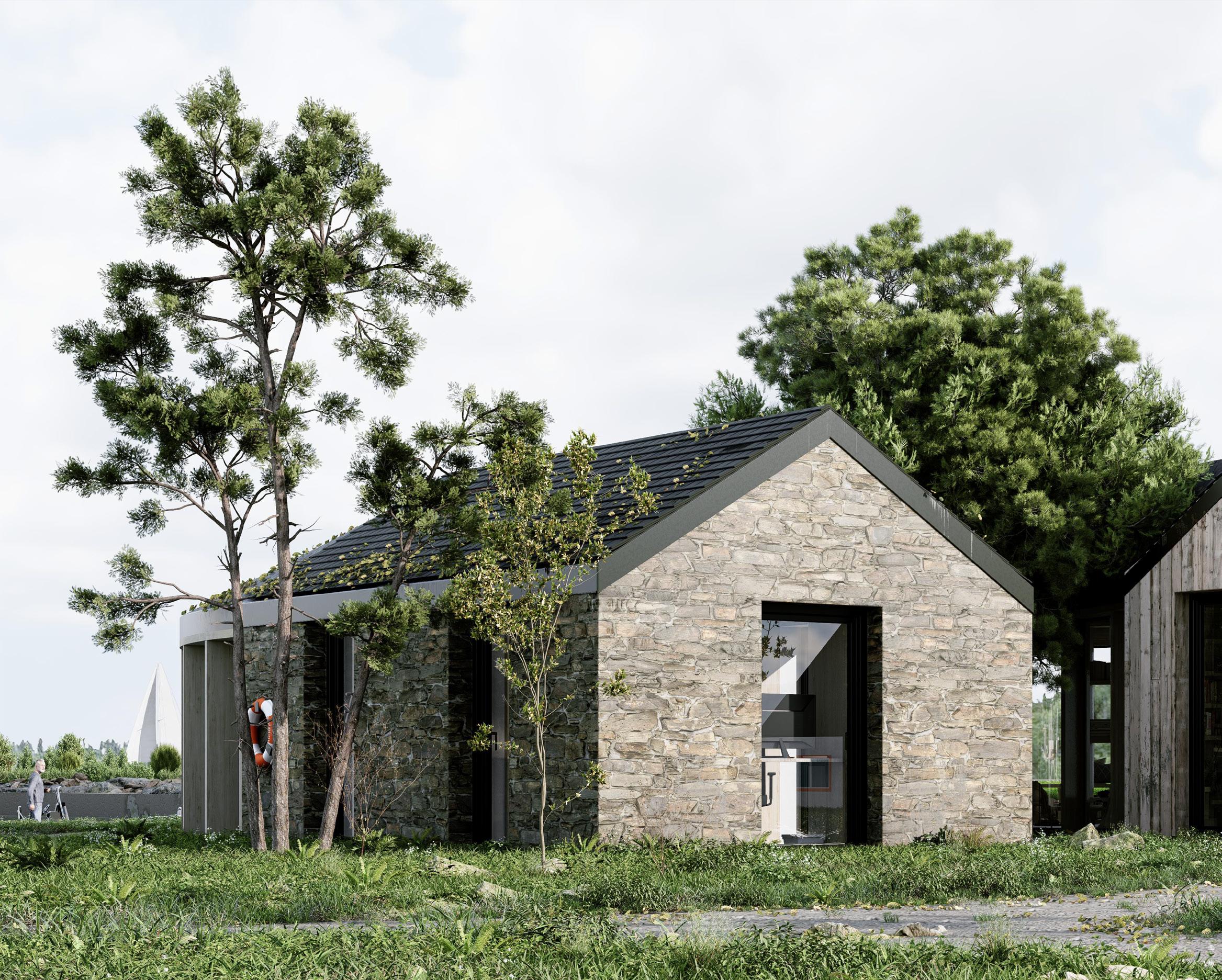
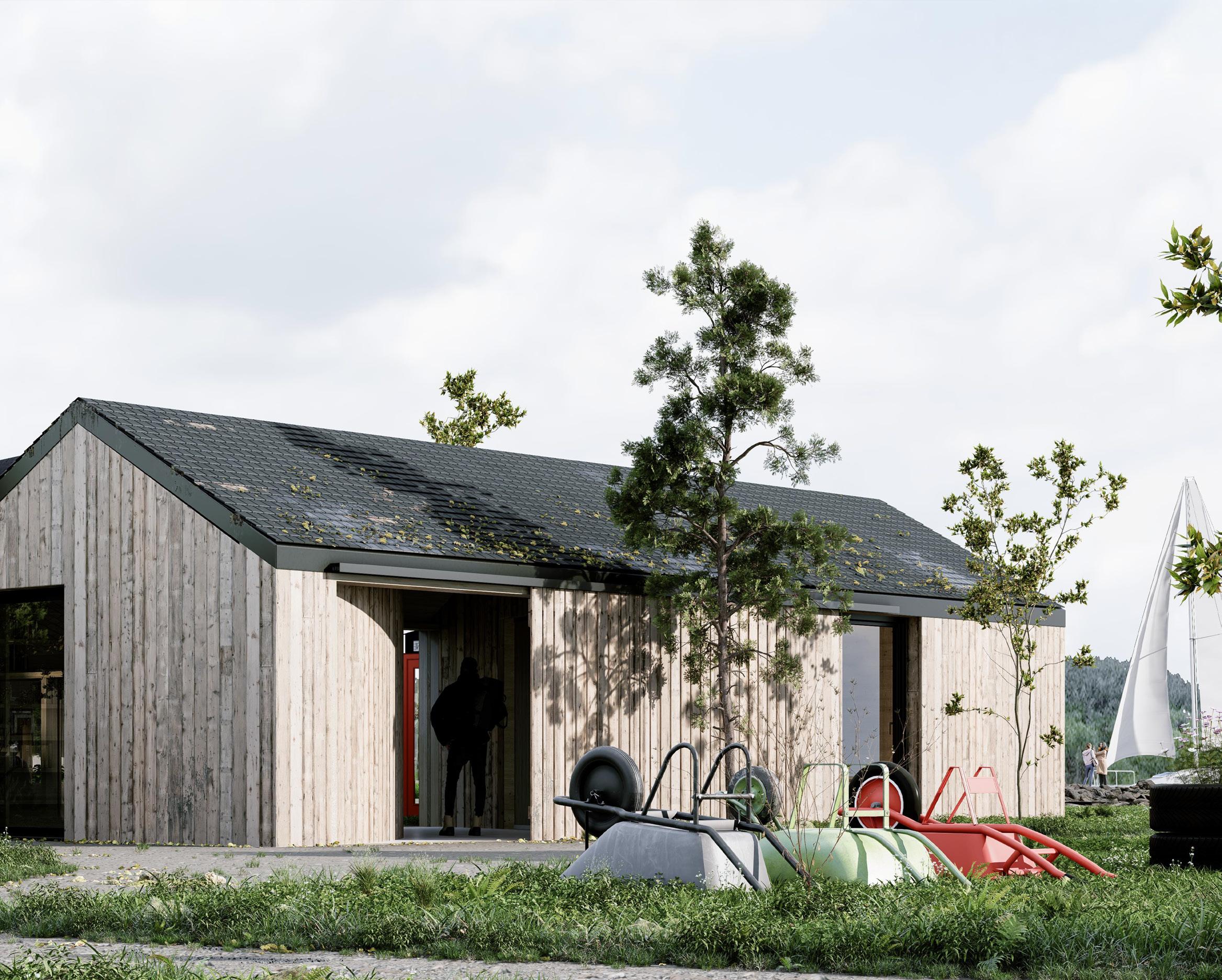
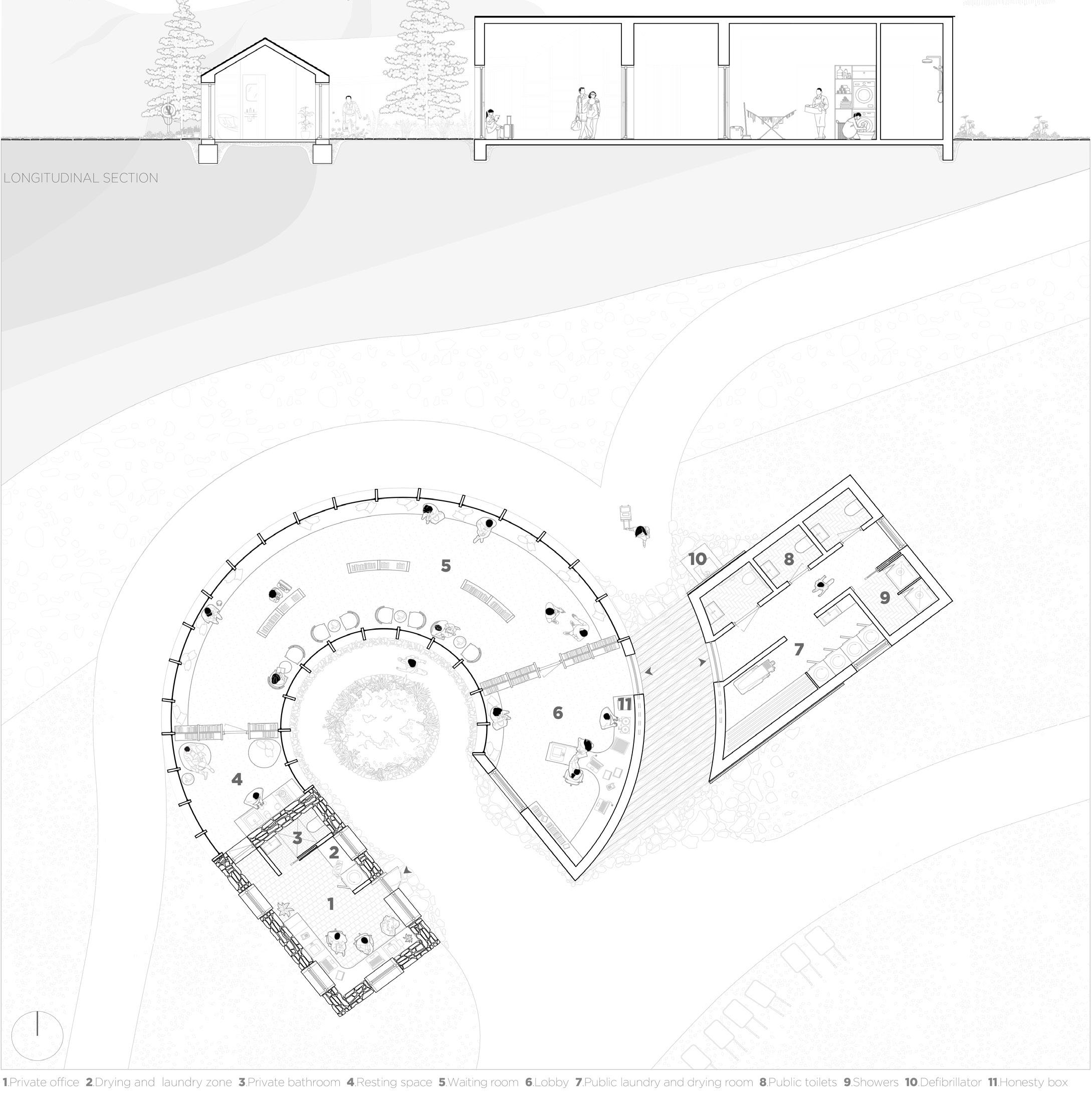
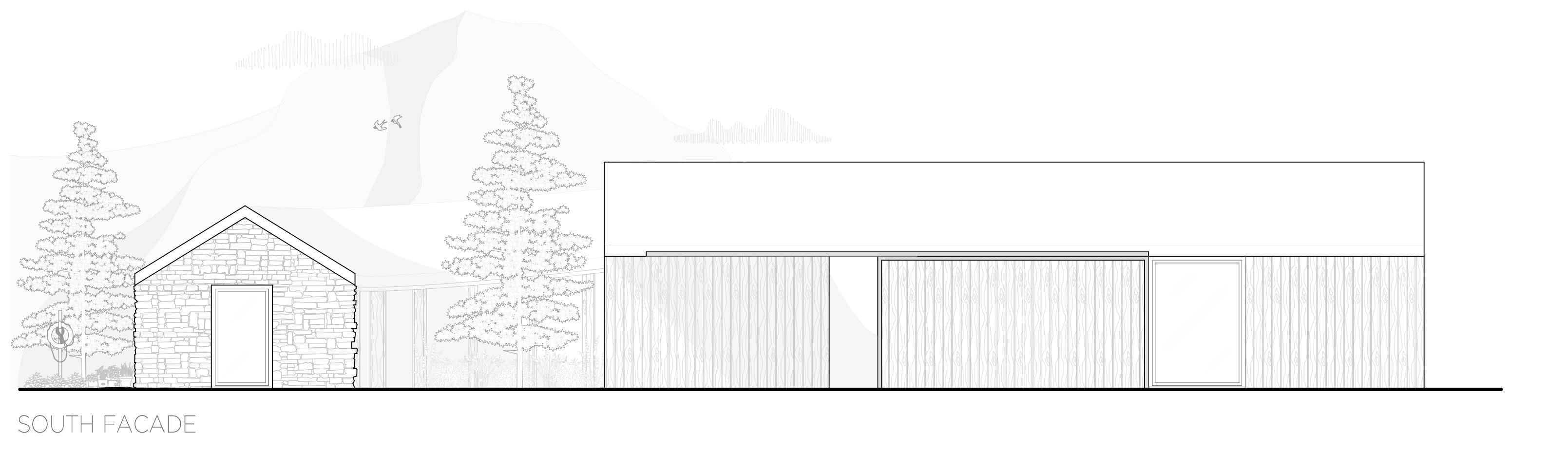
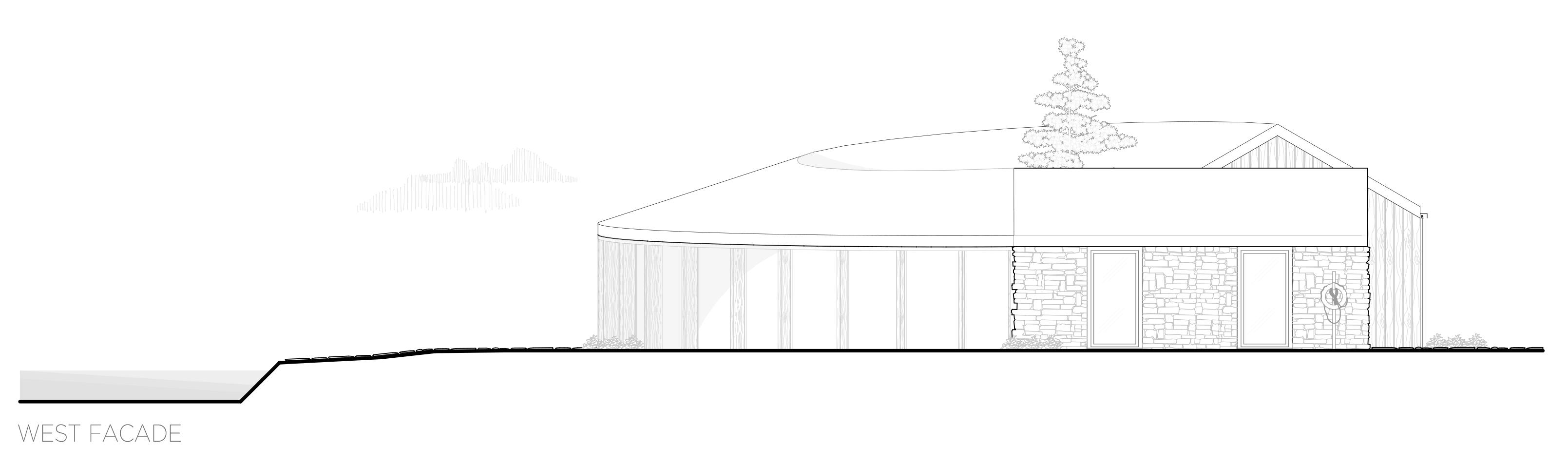
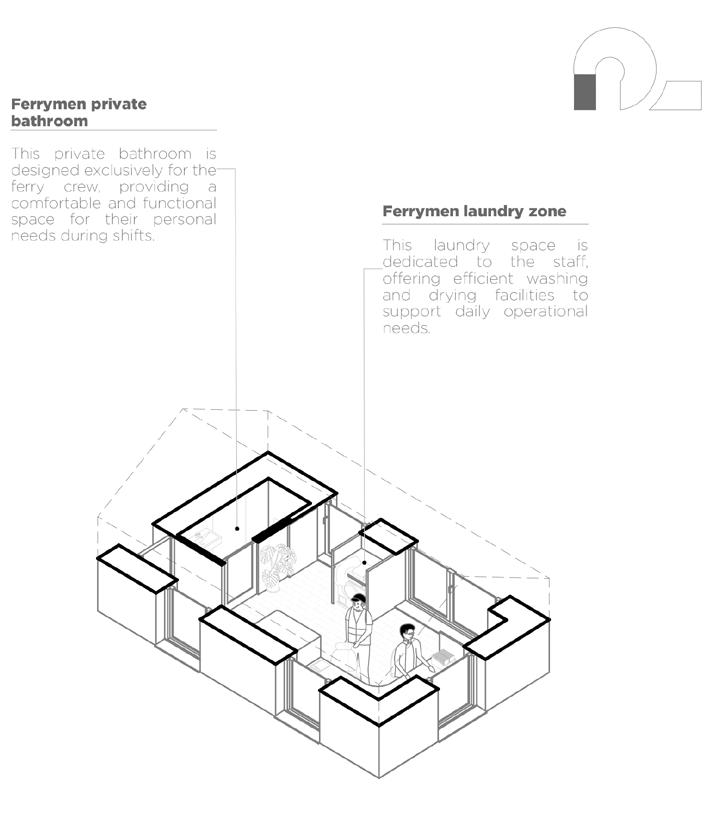
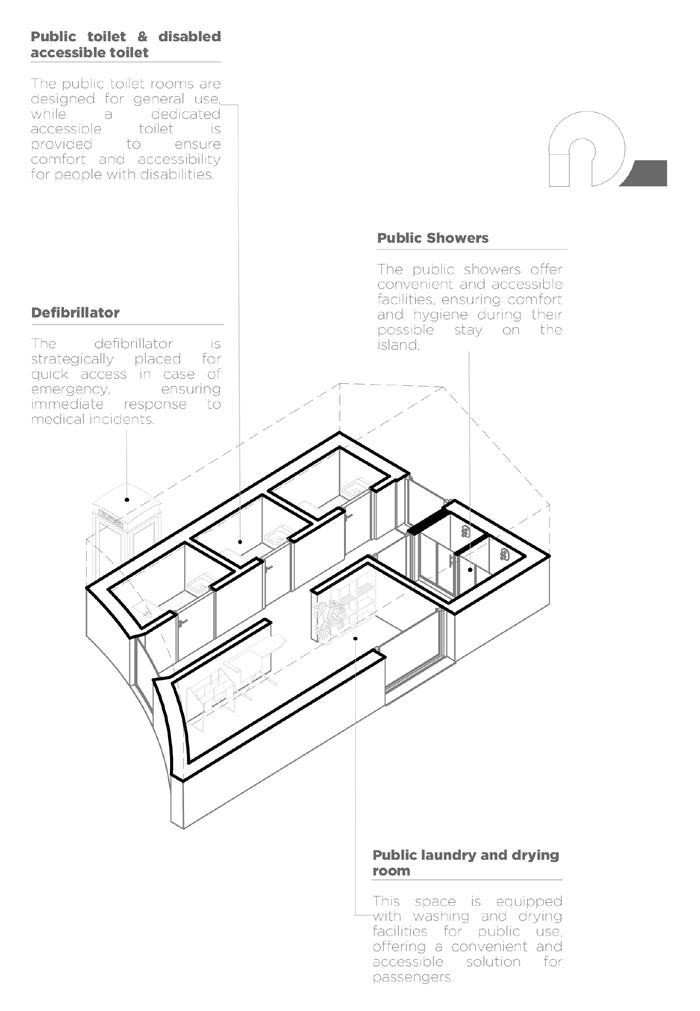
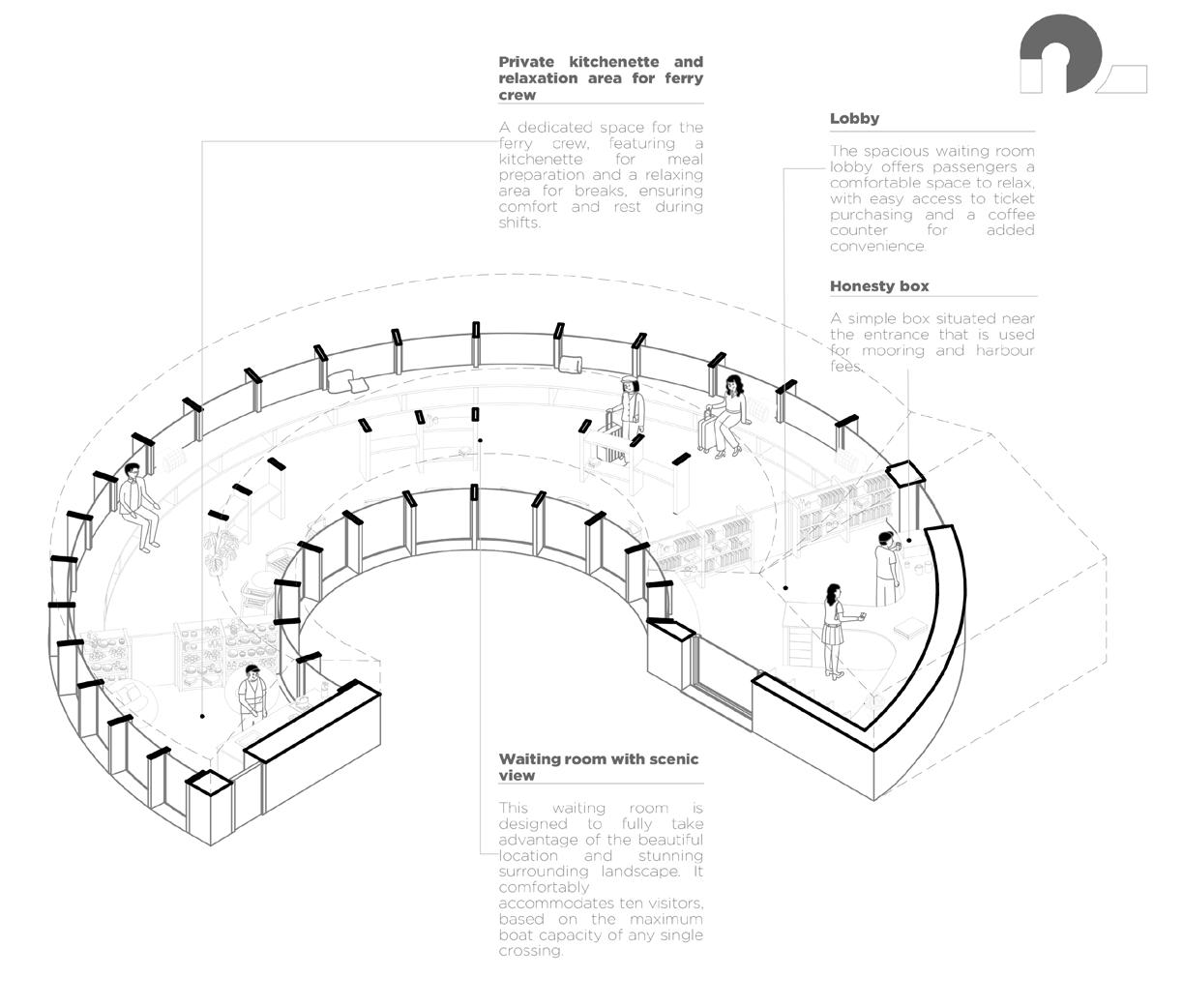
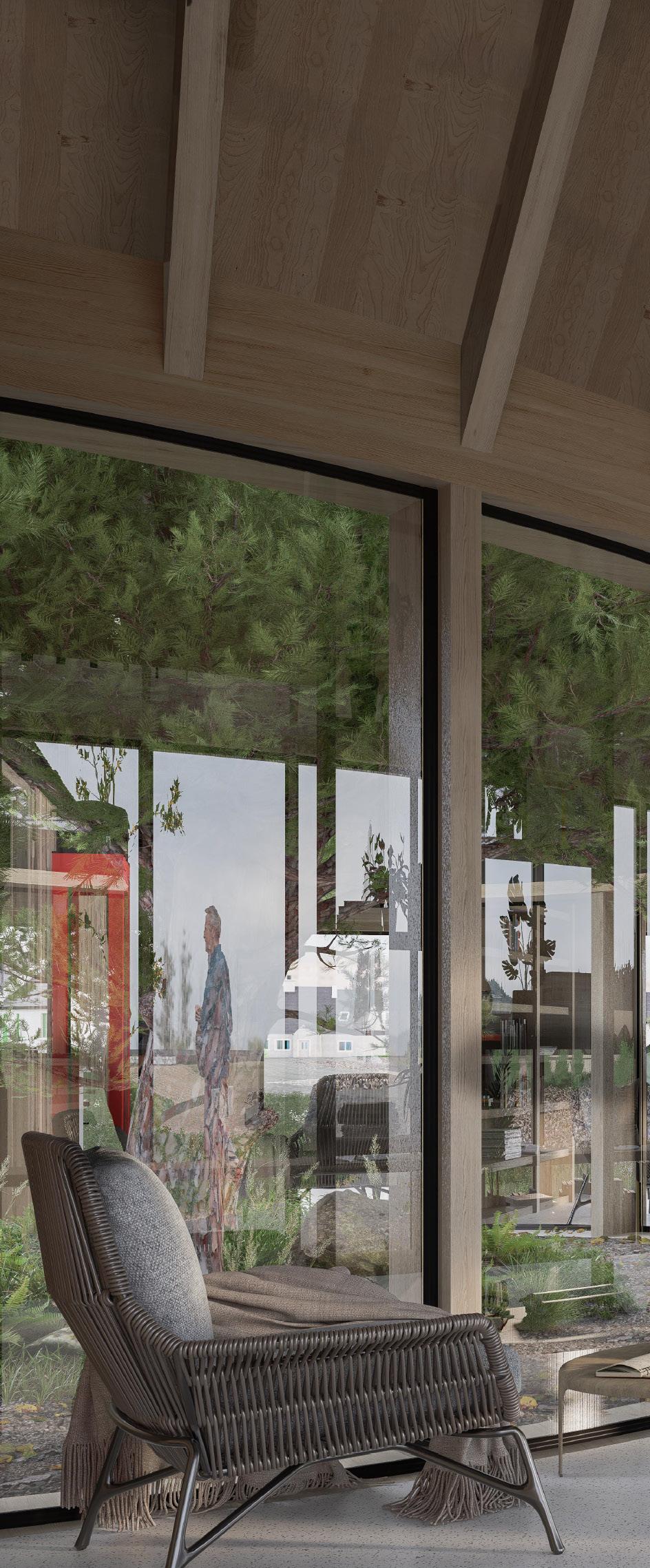
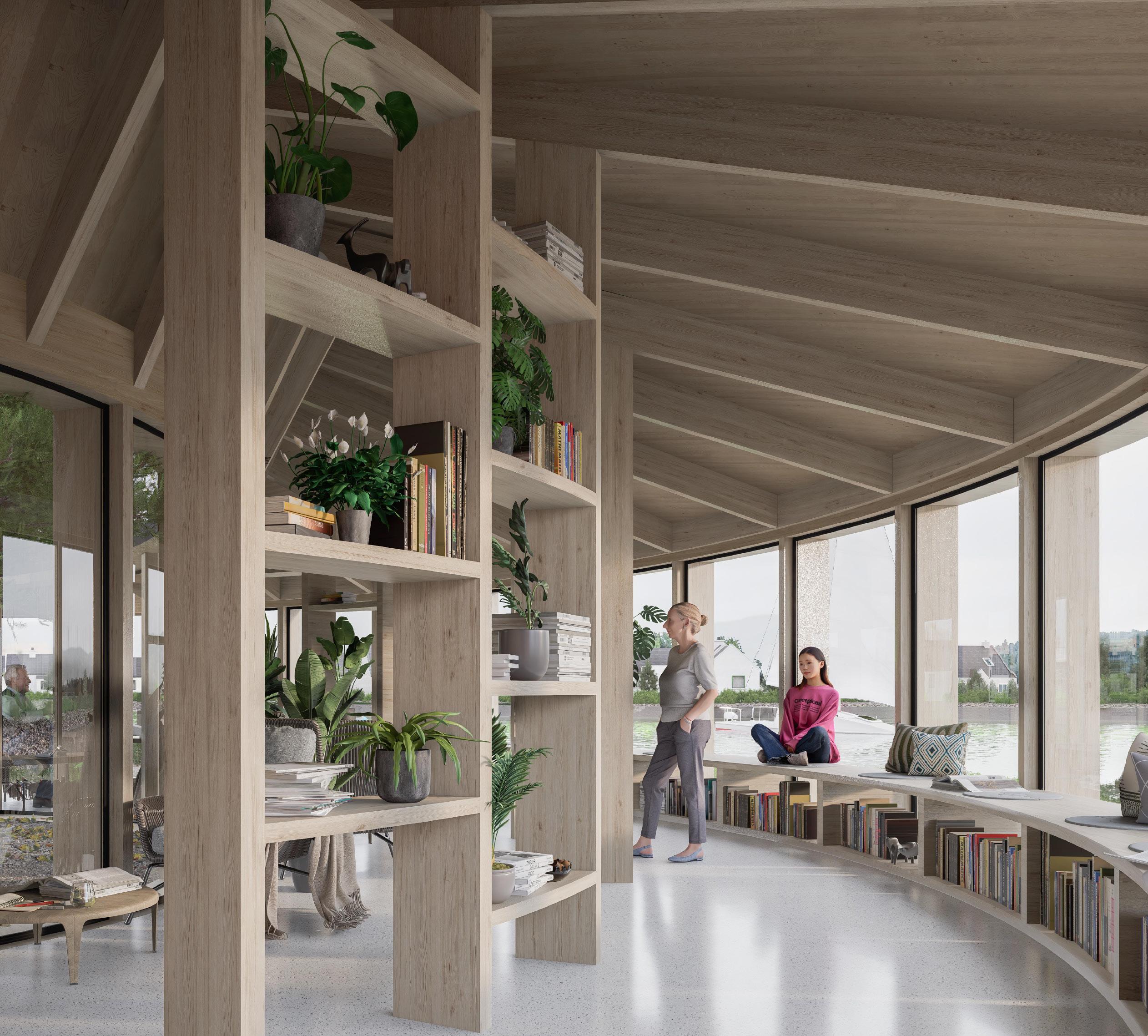
Easdale, an island on Scotland’s west coast, symbolizes resilience and regeneration. Once called “The Island that Roofed the World” for its slate industry, its fate changed after a tidal wave in 1881. Today, the abandoned quarries are tranquil pools, and the slate-roofed houses tell a story of coexistence between man and nature. The project was inspired by this unique, secluded site, accessible only by water, offering an opportunity to integrate architecture into a region rich in history and tradition. The project centers on two ideas: using local slate as a tribute to tradition and creating architecture that harmonizes with the landscape. We preserved the proportions of the existing building’s facade, reinterpreting them into a contemporary form.



O.M. CAFE
YEAR: 2025
LOCATION: Timisoara, Romania
TEAM: Mustata Adela
THEME: Three-day academic design exercise for a cafe on the Bega riverside, including a belvedere point overlooking the landscape.
PROGRAMS: ArchiCAD|SketchUp|TwinMotion|Photoshop
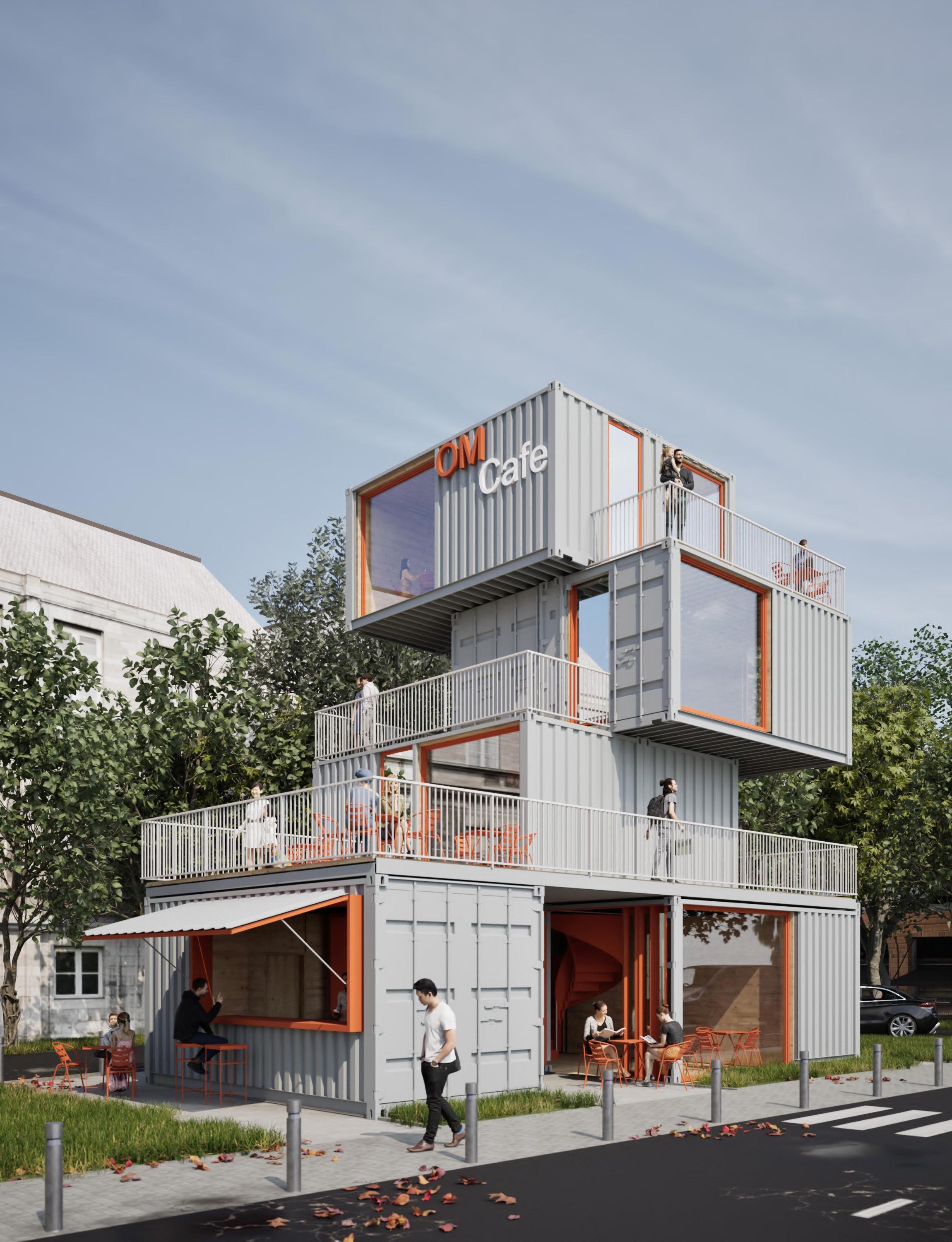
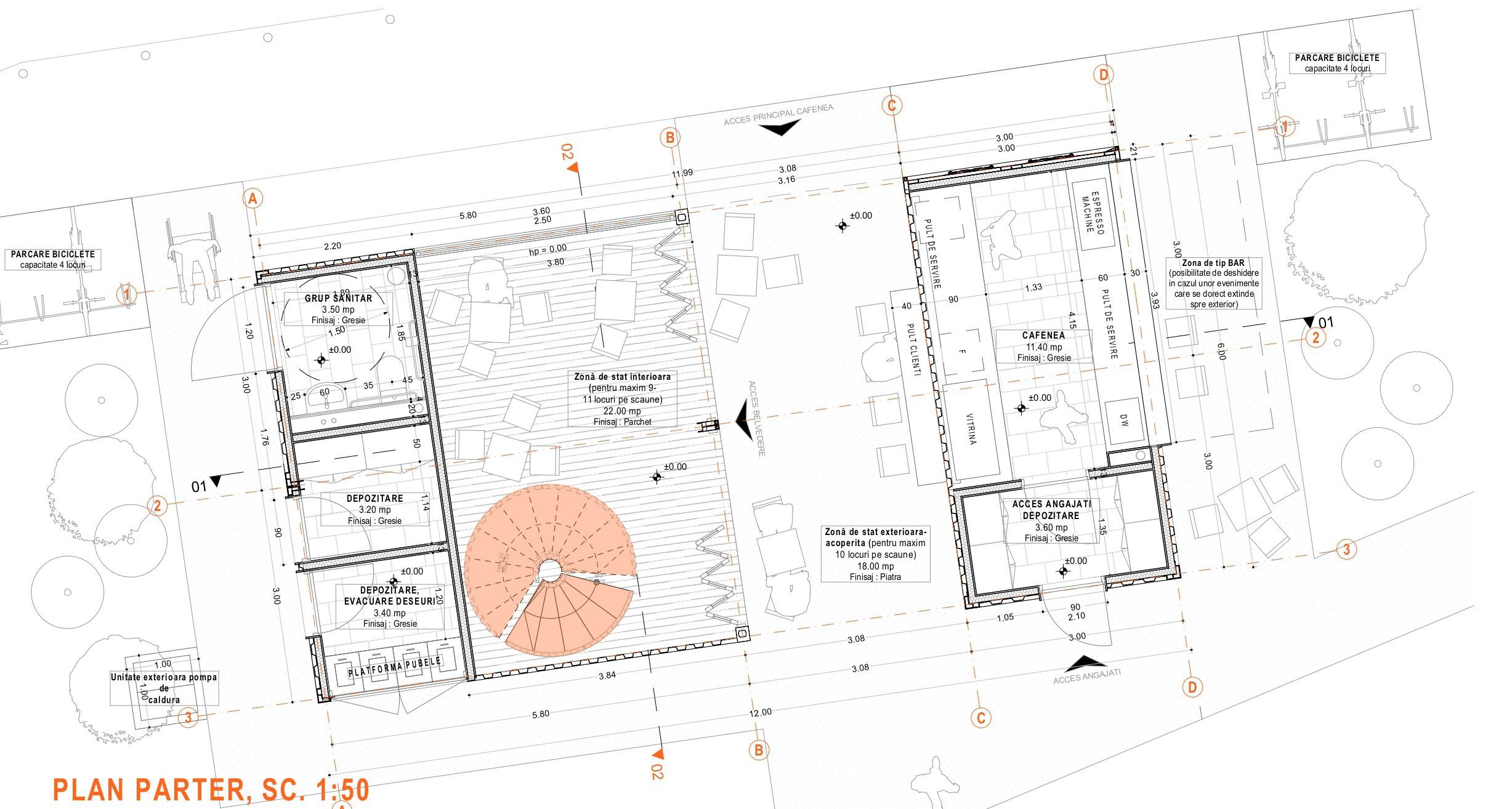
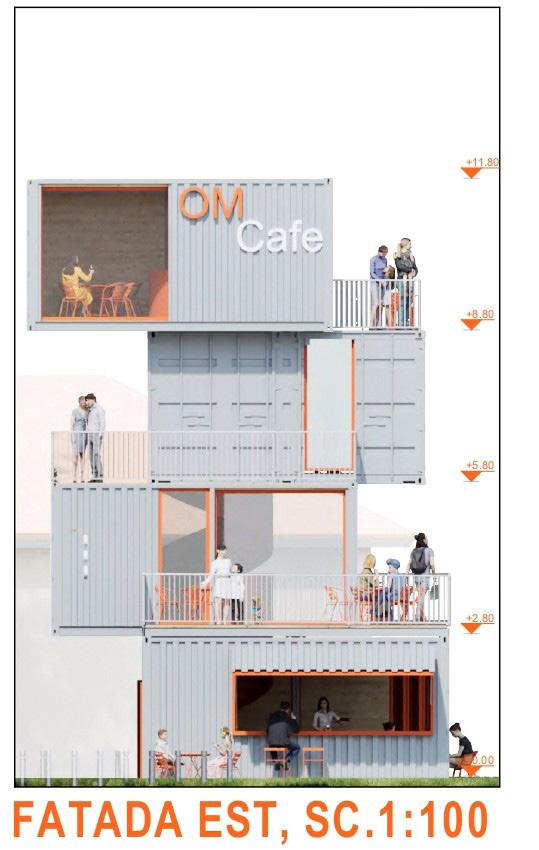
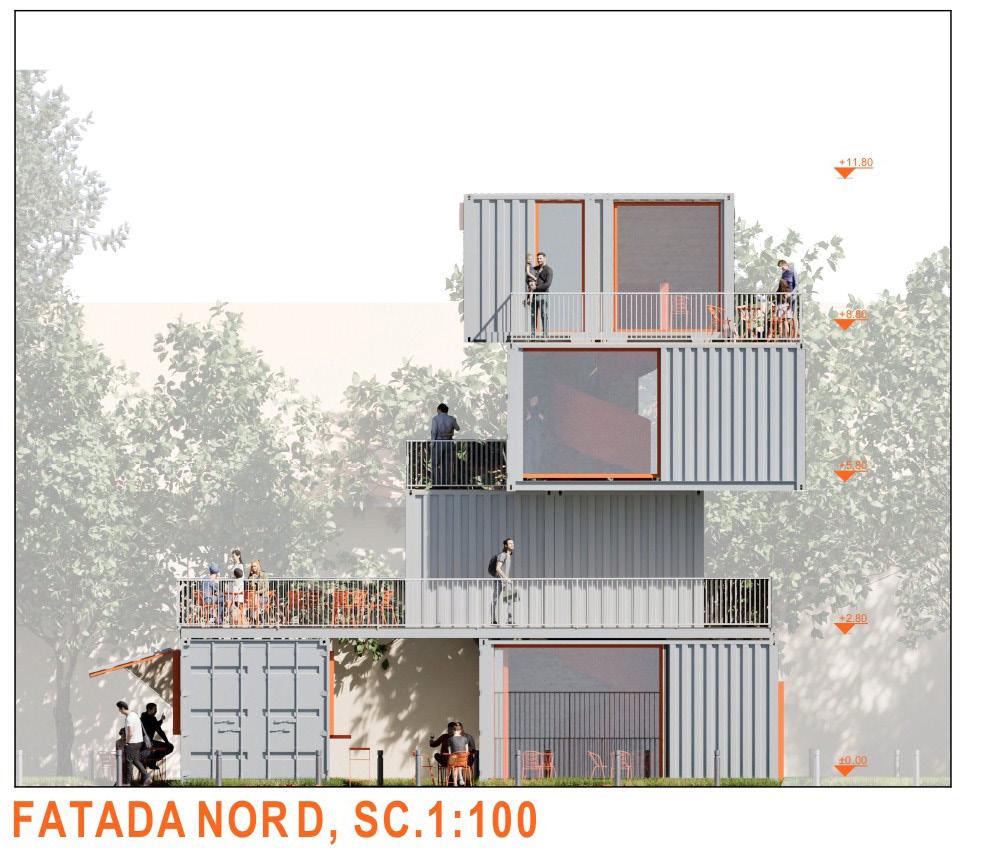
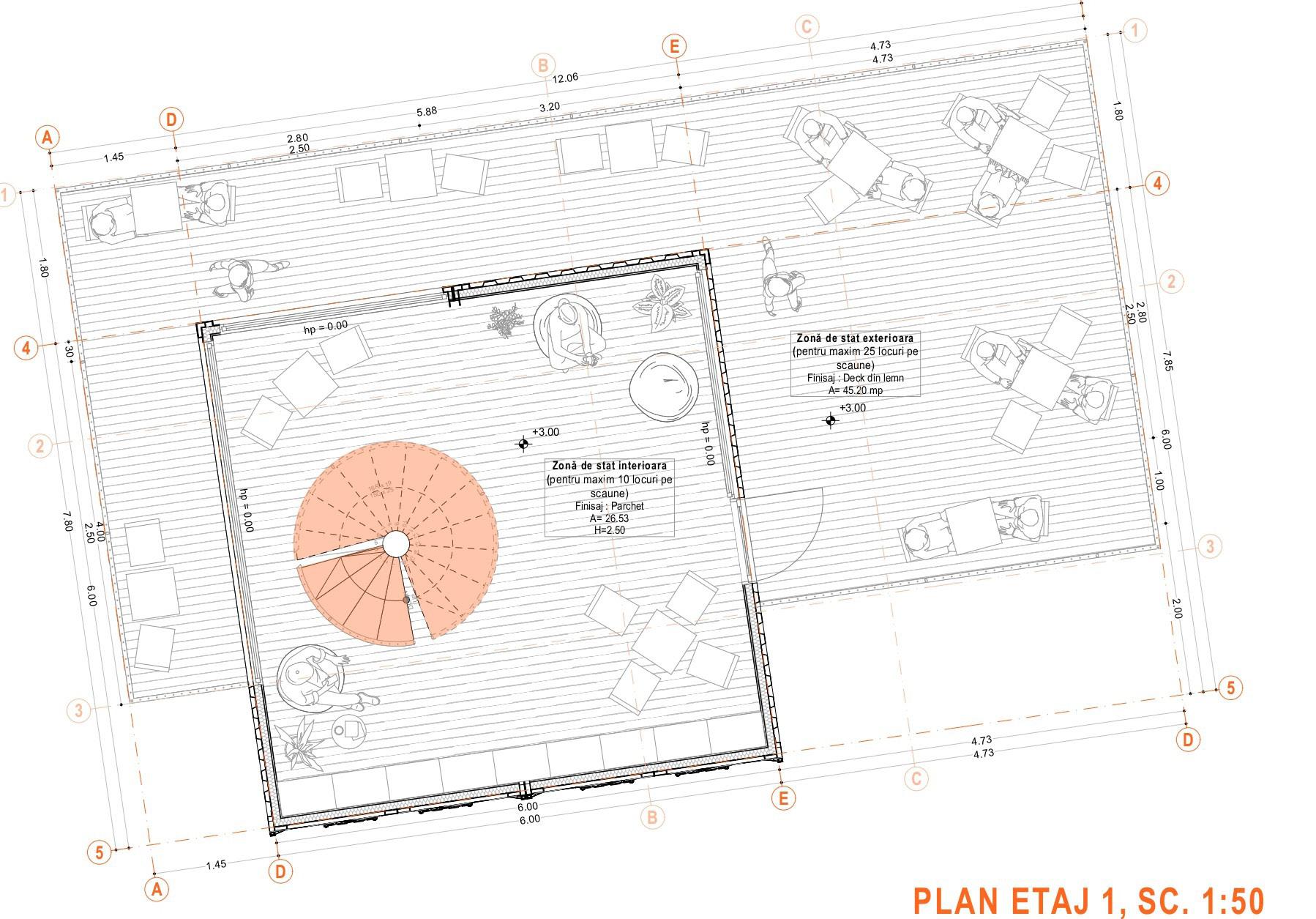
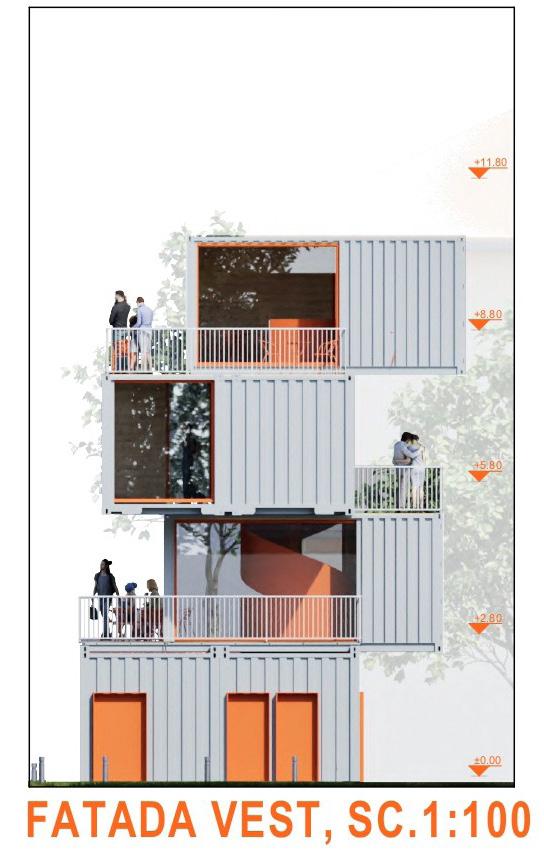
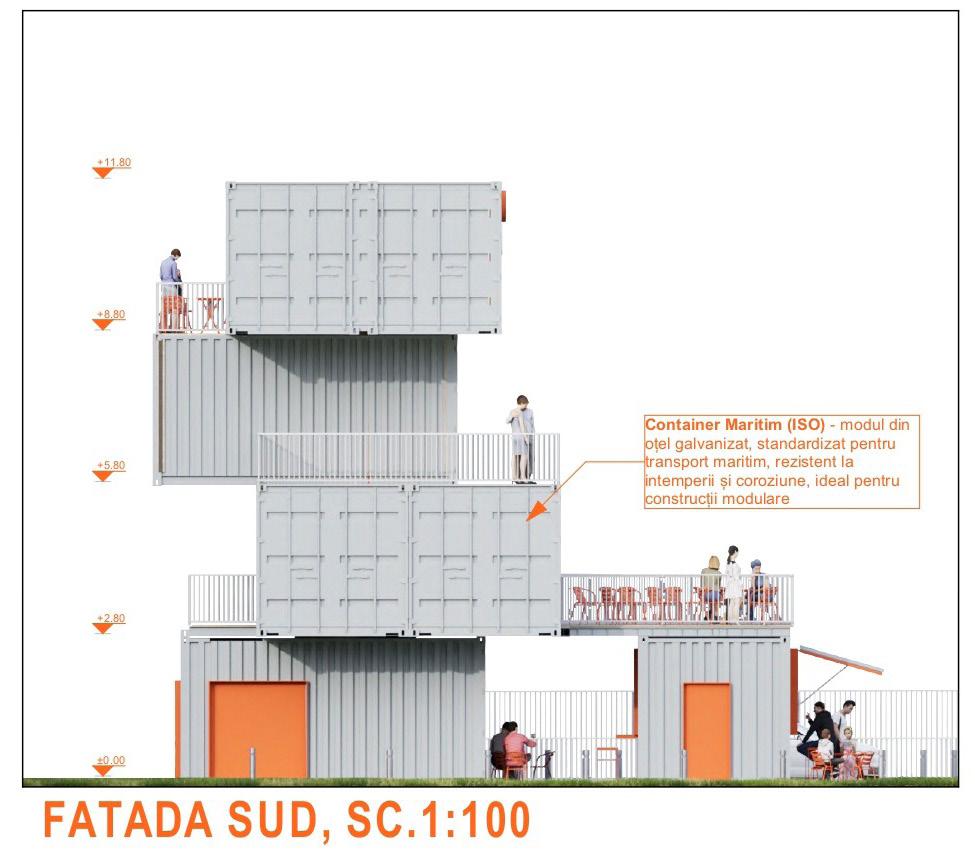
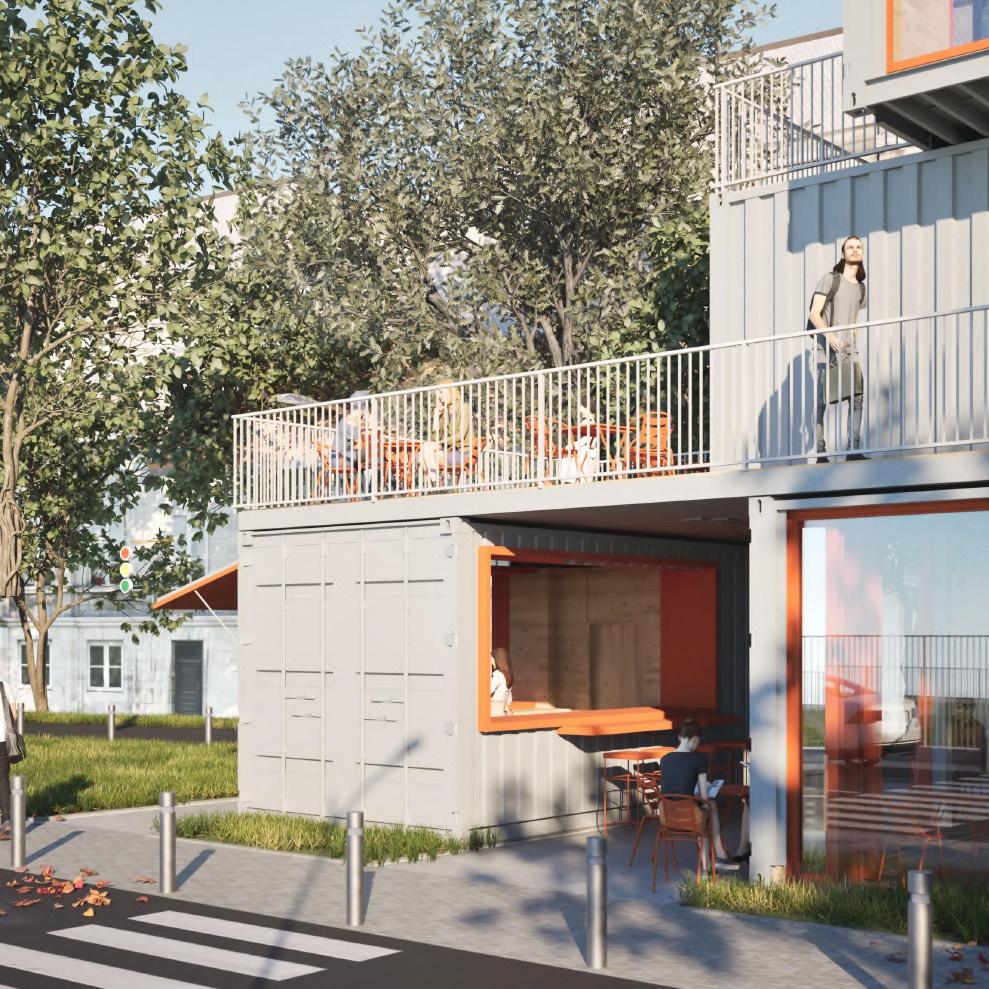
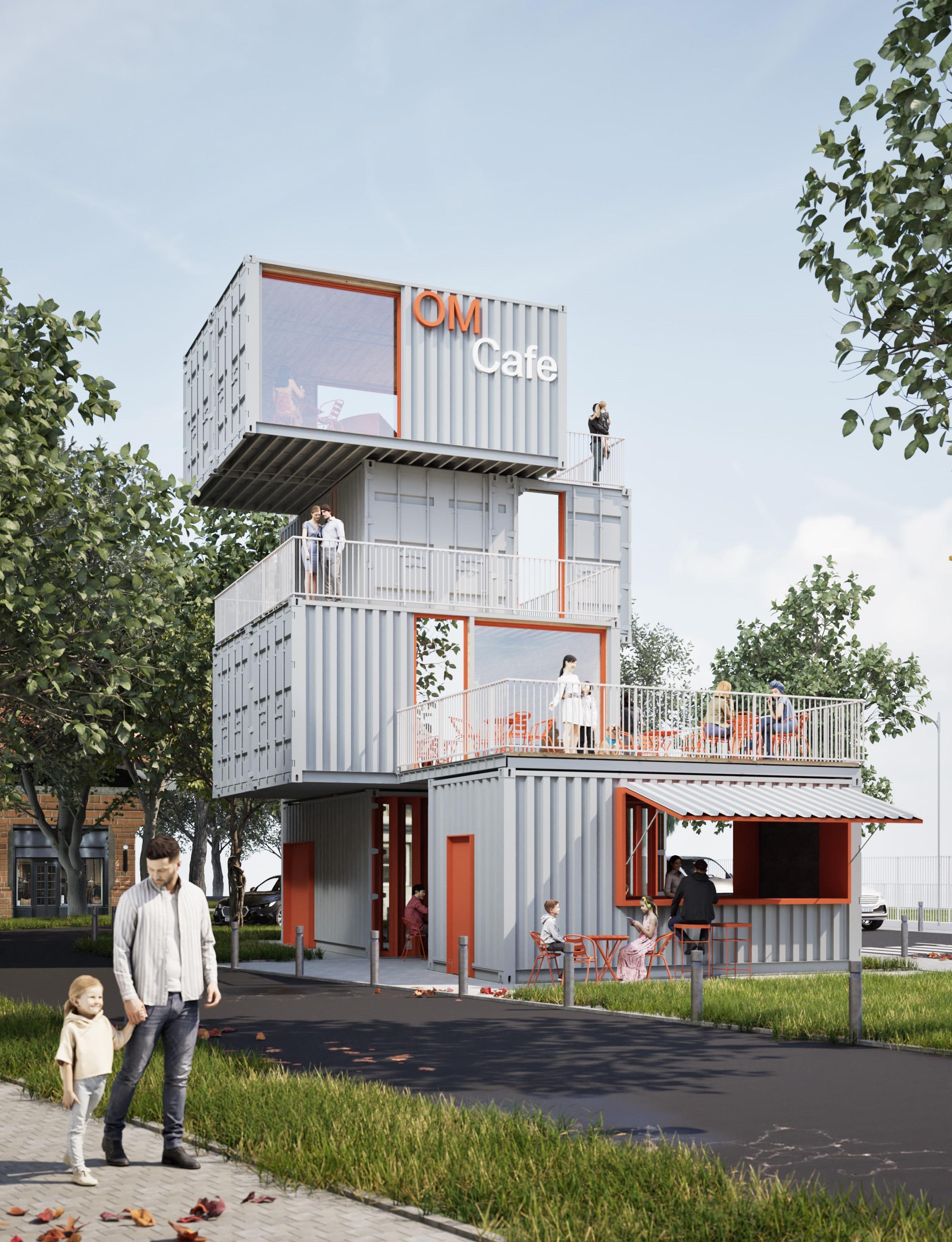
OM Café (Orange Modular) is a café built from stacked shipping containers, arranged like offset LEGO pieces. This modular approach not only maximizes the use of space, but also creates rooftop terraces and lookout areas, offering spectacular views of the city.
One of the distinctive features of this structure is the vibrant orange metal spiral staircase that runs vertically through the modules, adding a modern and dynamic accent to the entire building. The choice of orange was made not only to provide a pleasant visual contrast, but also to catch the attention of visitors, turning OM Café into a focal point.
The use of shipping containers represents an ecological solution, contributing to the recycling of existing materials and reducing the building’s carbon footprint. This solution is not only environmentally friendly, but also offers remarkable flexibility and adaptability. The café’s modular structure allows for easy modifications and expansions, so the space can be adjusted according to the needs of events and the preferences of customers.
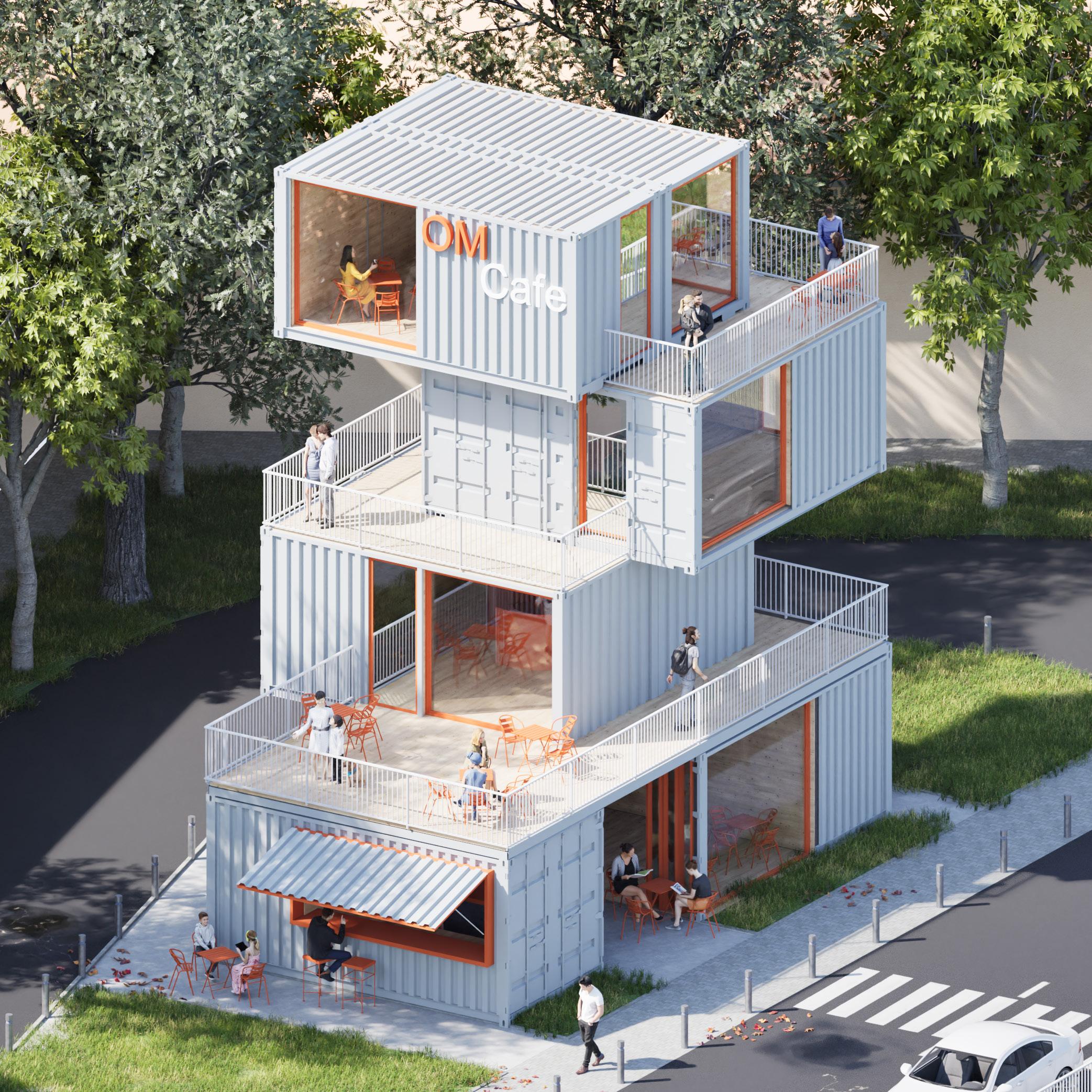
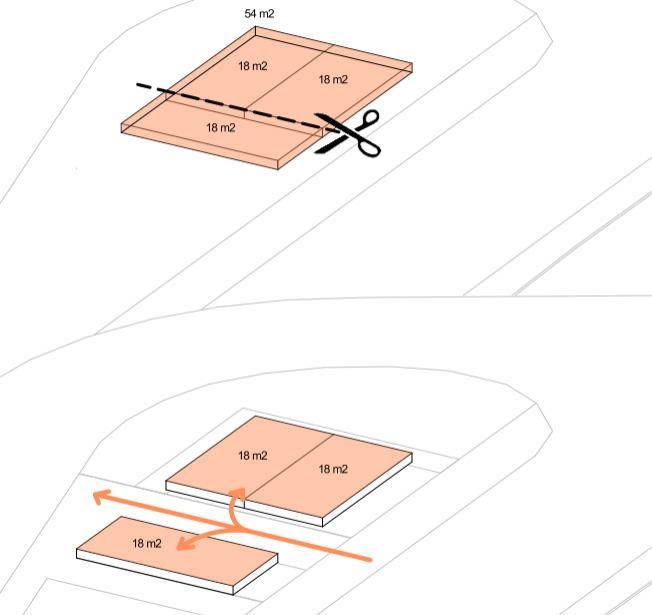
The concept starts from a 54 m² volume, divided into three equal 18 m² modules. These units are then shifted and rearranged to create a dynamic modular composition, allowing the café to adapt to the site while generating terraces and outdoor lookout areas.
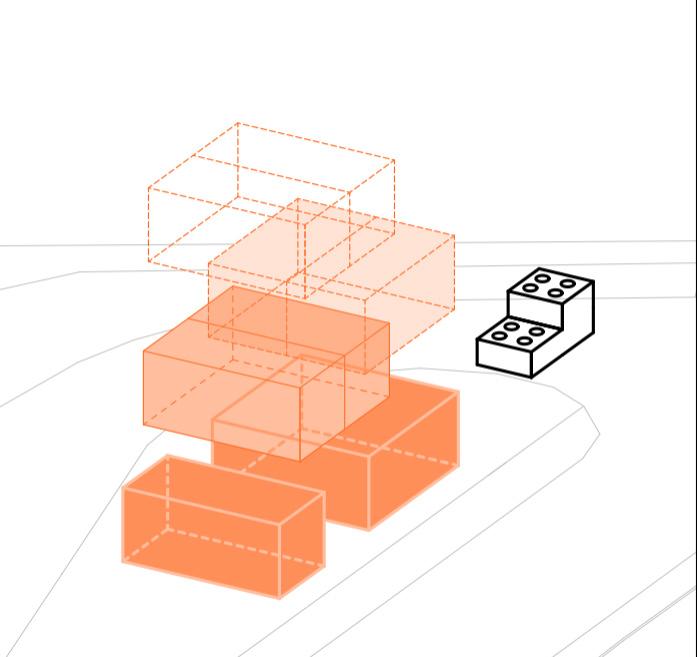
The diagram illustrates the vertical composition of the café through the stacking and offsetting of modular container units. This arrangement creates a dynamic volumetric structure while maximizing space efficiency and generating terraces at different levels.
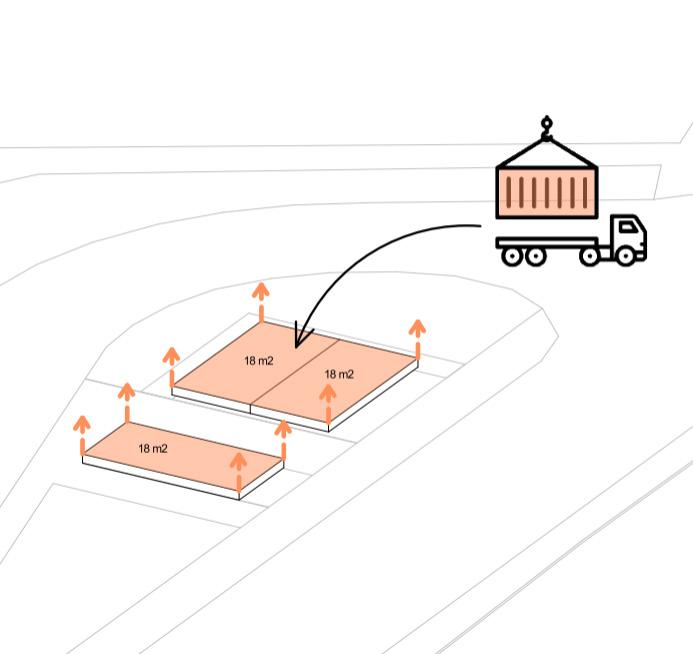
The project is based on prefabricated modular units that can be transported and assembled on site with ease. By stacking and offsetting the modules, the design achieves a flexible structure that shortens construction time, and creates elevated platforms with views toward the surrounding landscape.
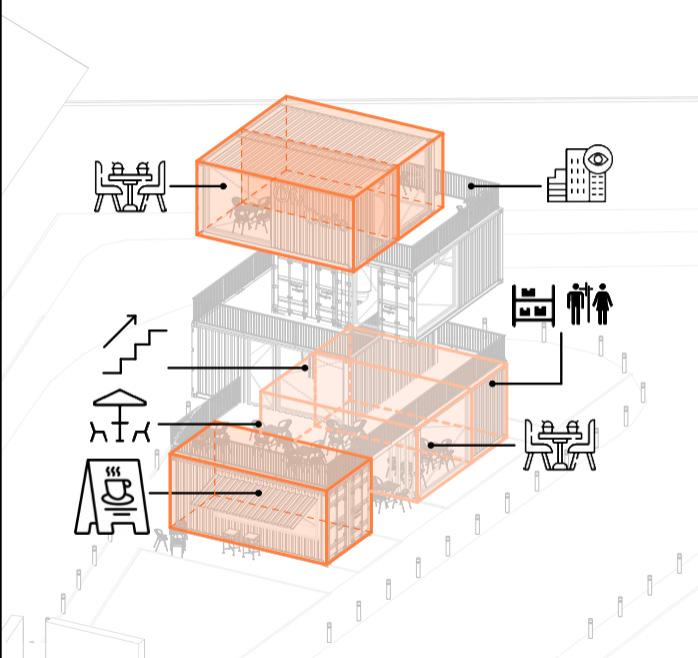
The diagram highlights the functional organization of the project, showing how the modular volumes accommodate indoor seating, service spaces, terraces, and lookout areas. The vertical layout creates a clear separation of functions while offering varied spatial experiences.
Finisaj panou lemn 20mm
Termoizolatie - polistiren
extrudat 70mm
Structura independenta container metalic
Finisaj parchet/gresie 20mm
Incalzire electrica in pardoseala
Termoizolatie - polistiren
extrudat 70mm
Structura independenta container metalic
AXONOMETRIE ANSMBLU
ACCES
Finisaj parchet/gresie 20mm
Incalzire electrica in pardoseala
Termoizolatie - polistiren extrudat 70mm
Structura independenta container metalic
Finisaj panou lemn 20mm
Termoizolatie - polistiren extrudat 70mm
Structura independenta container metalic
05 CASCINA LOSSANO
Terraviva competition
YEAR: 2023 | 3th year of study
LOCATION: Sant’Alessio con Vialone, Italy

TEAM: Mustata Adela, Arhibazic, Mark Nagy, Alexandra Negru
THEME: Renovation of an old italian cascina
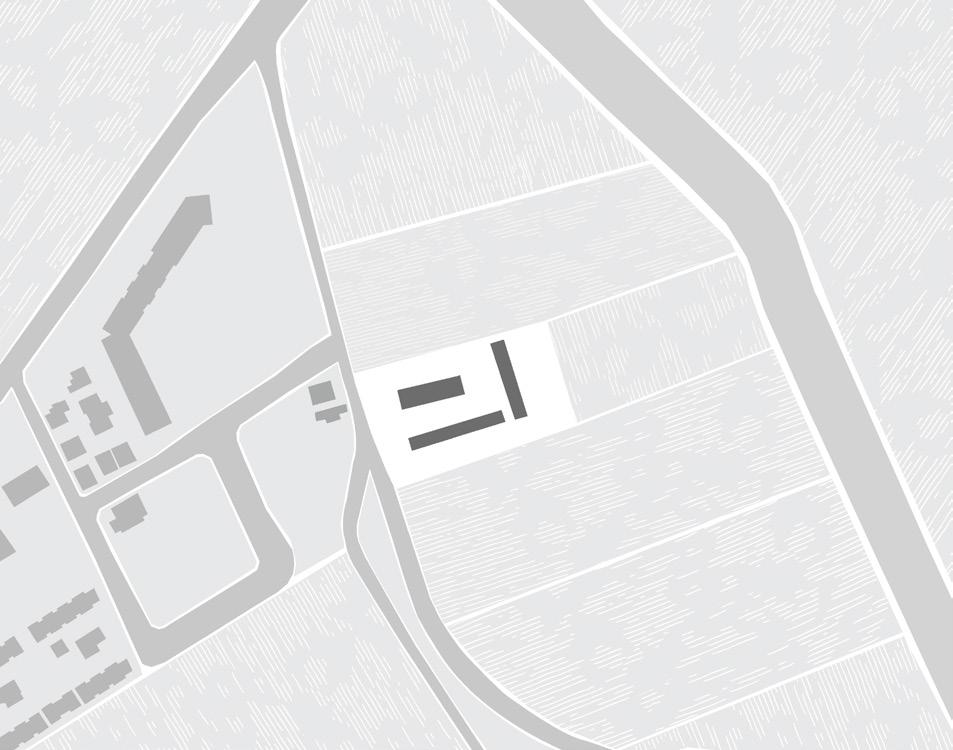
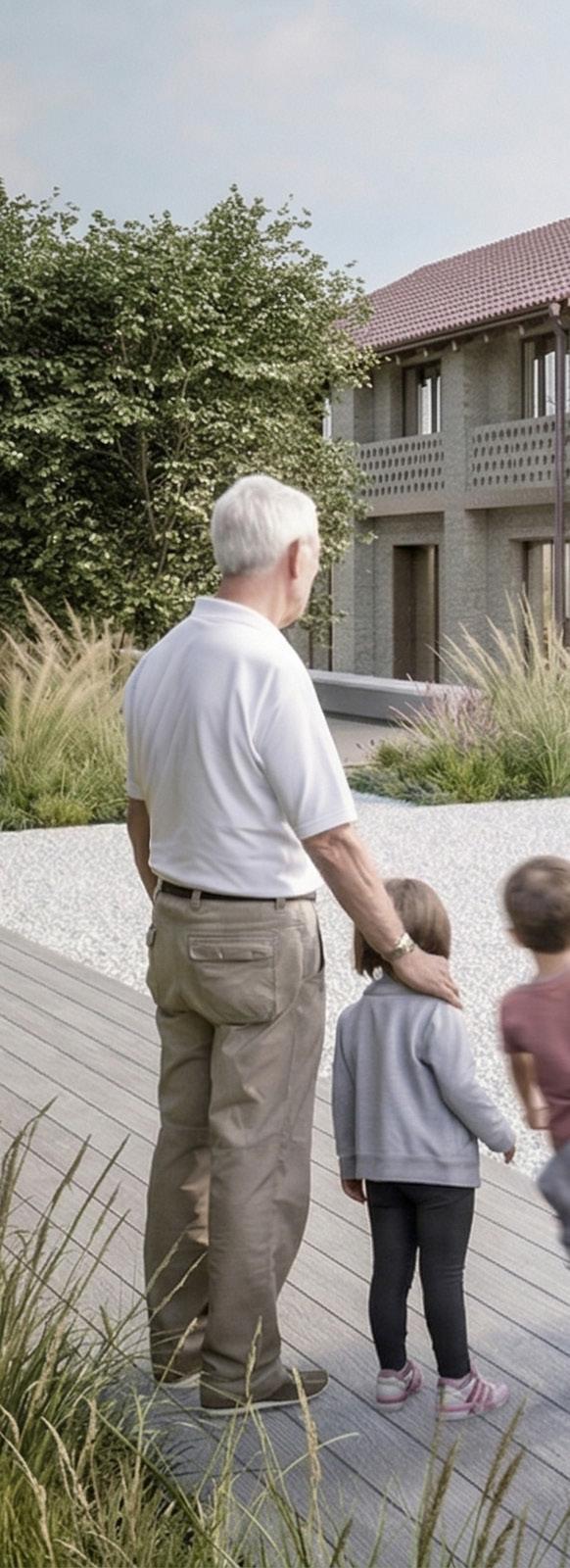
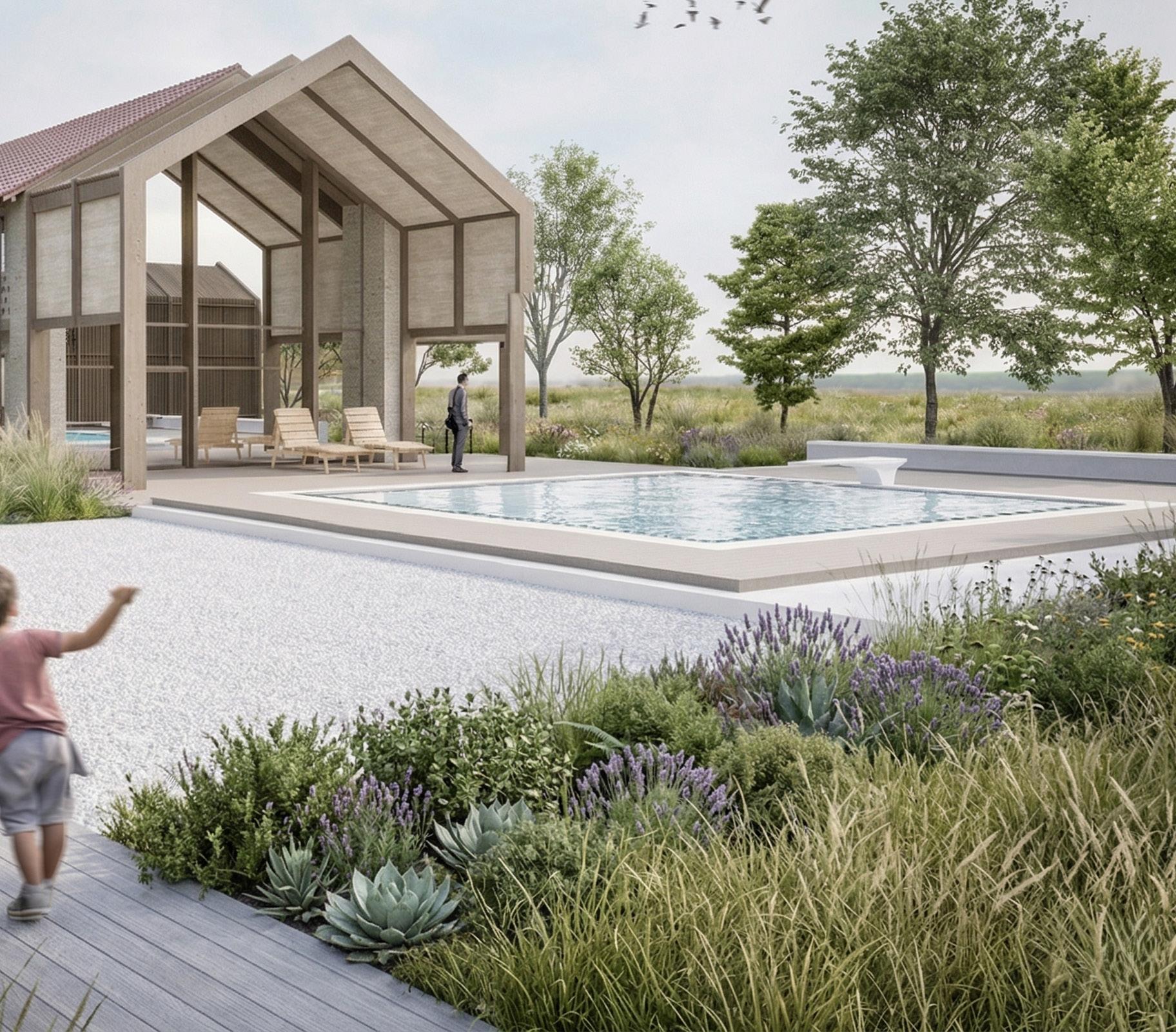
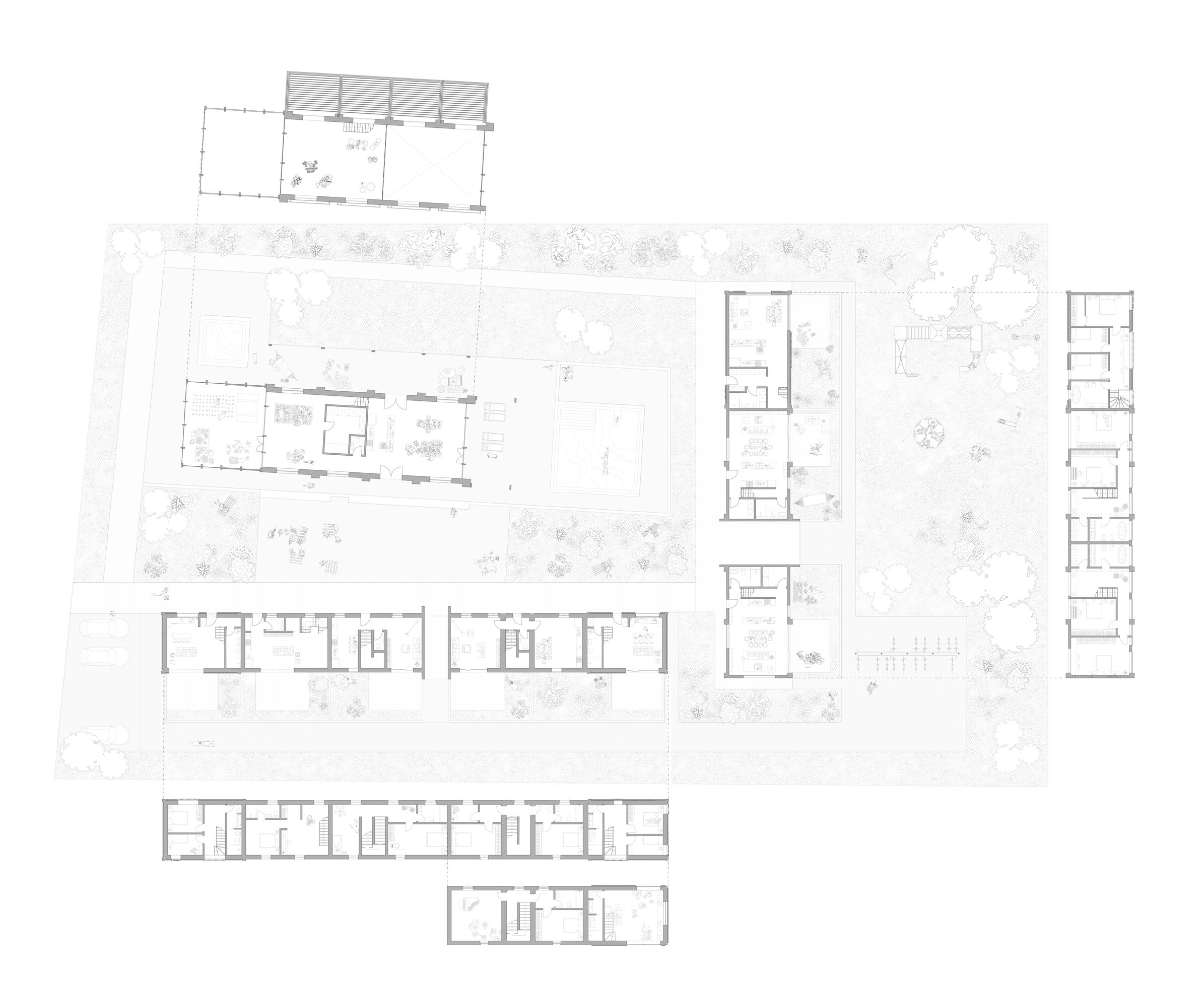
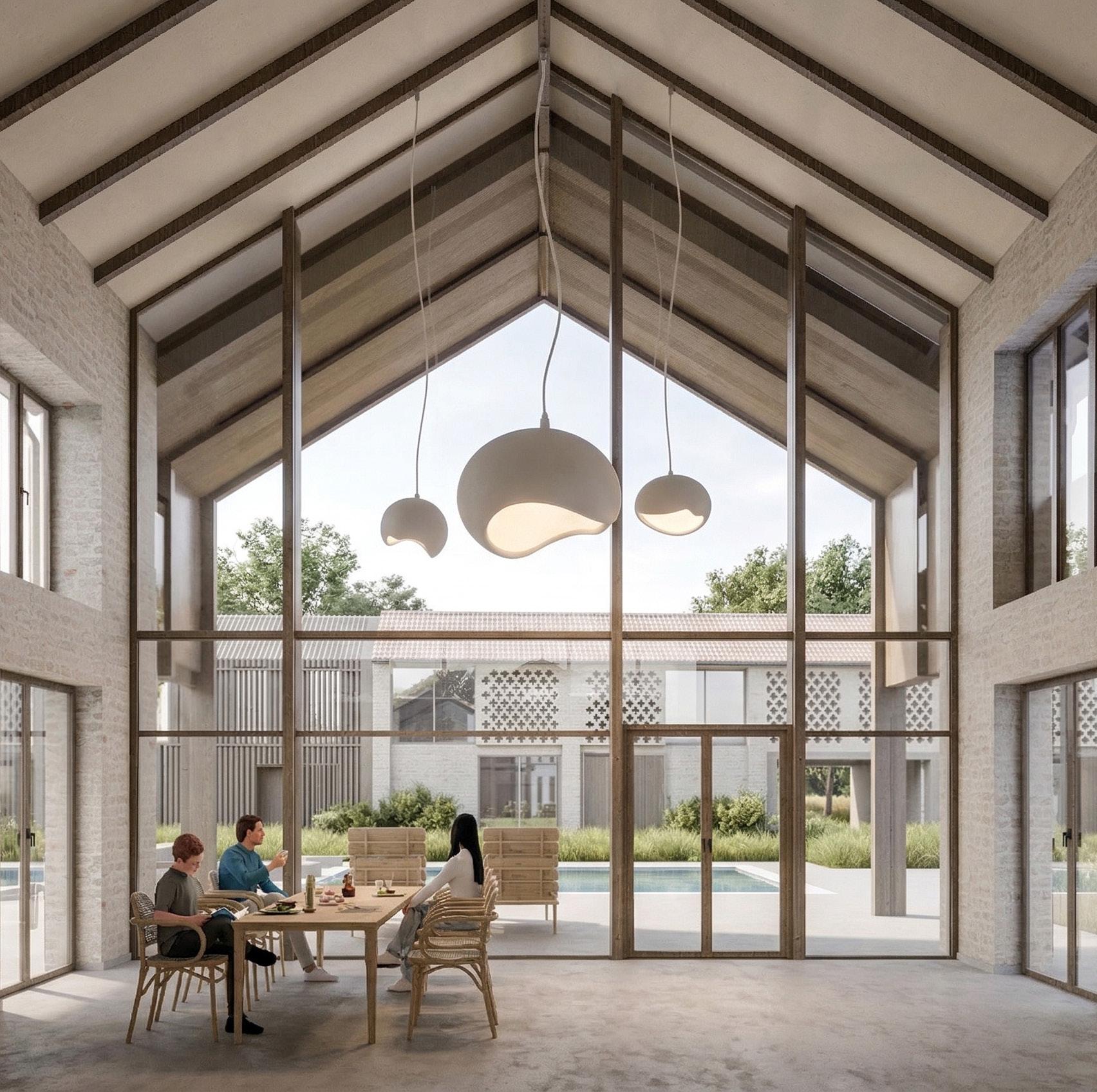
The project aims to integrate basic principles, which will create quality long-term living, seeking to intertwine individual needs as well as those of common interaction, taking into account the specific typology of “cascina” constructions, the local context and the principles of sustainable development. From the current planimetric format, the buildings that define an “L” shape on the site, the former building intended for sheltering the horses and the structure behind the site, that will be used as a covered bicycle parking lot, will be kept. The new L-shaped configuration will be used for living and the old stable will be repurposed for common spaces.
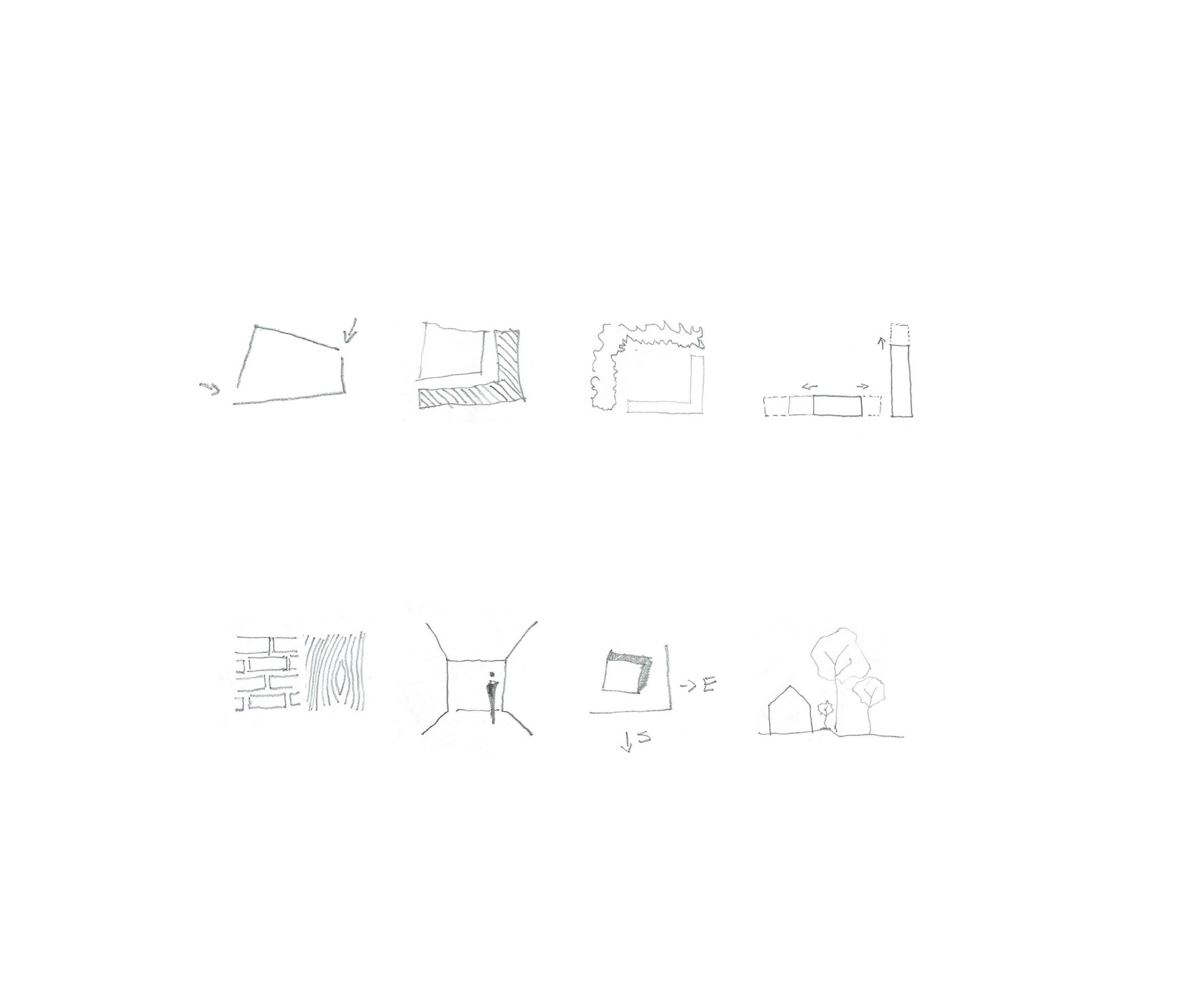
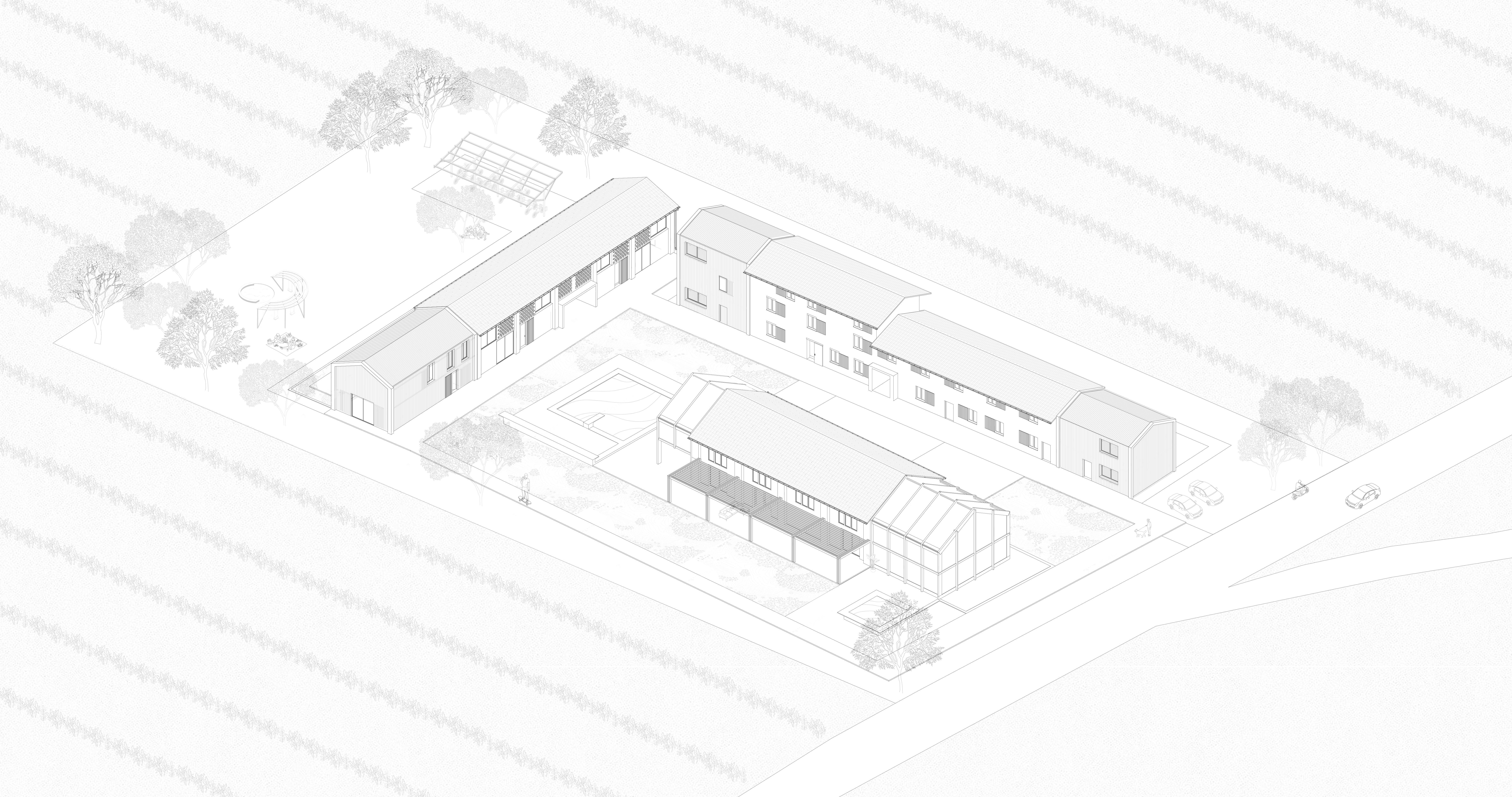
“cascina” type enclosure private / common natural / built growth
06

VICTORIEI SQUARE TIMISOARA
The Order of Architects in Romania (OAR)- International design competition | 1st place
YEAR: 2023 | 4th year of study
LOCATION: Timisoara, Romania
TEAM: STUDIO ARCA, PRODID
THEME: Redevelopment and modernization of Victory Square and the streets in the Cetate area
PROGRAMS: ArchiCAD|SkecthUp|TwinMotion|Adobe Photoshop| D5
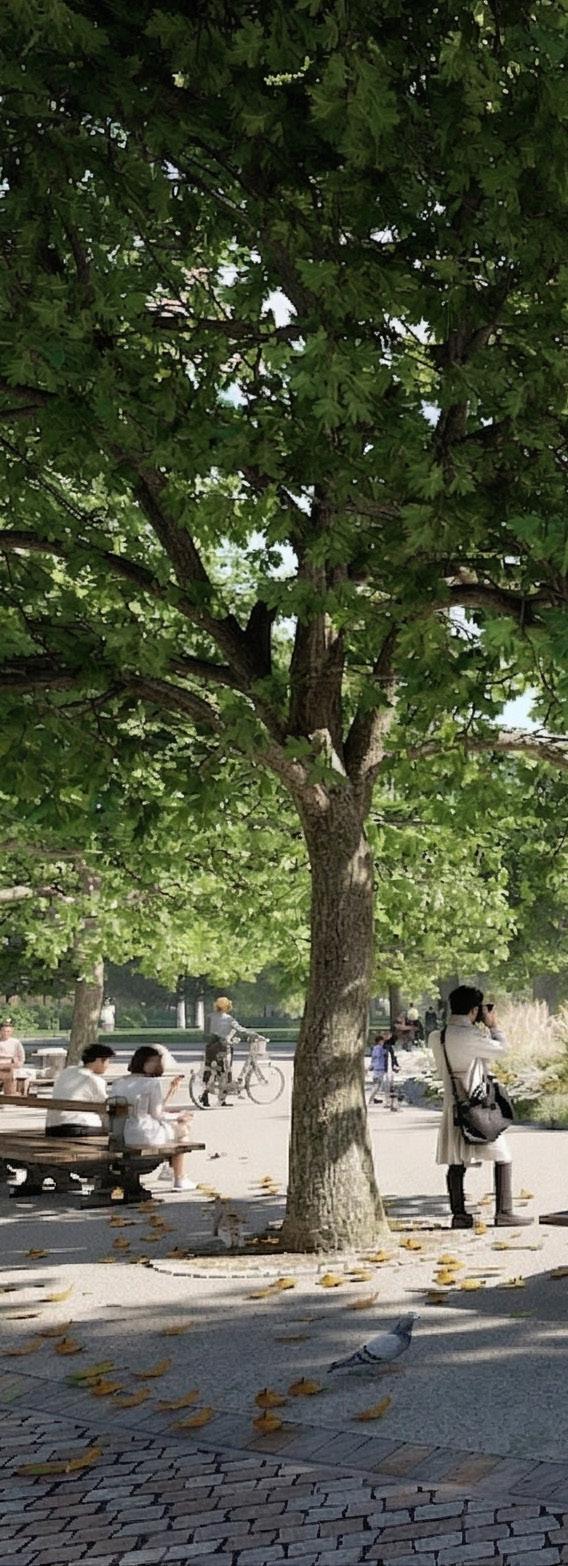
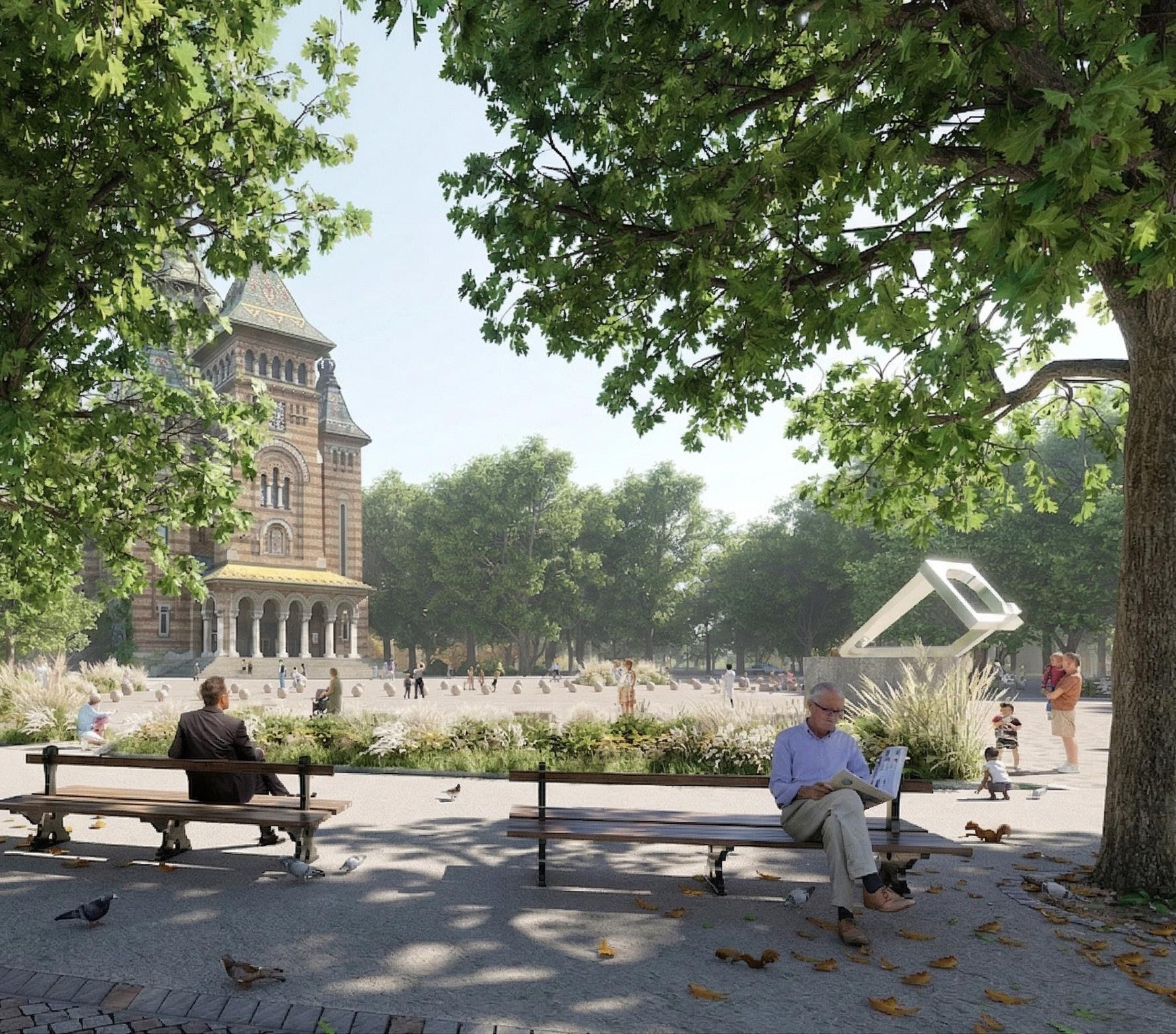
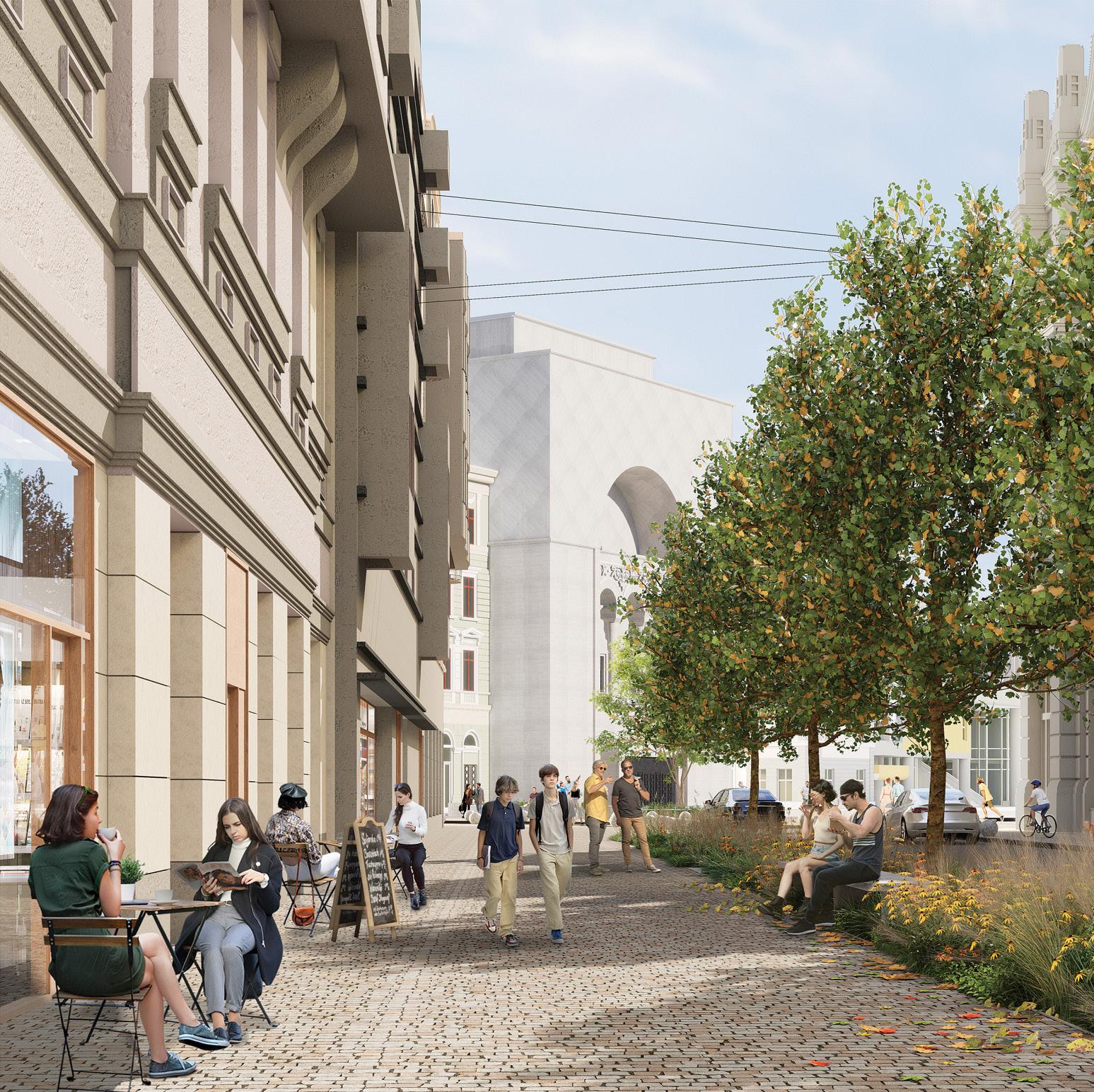
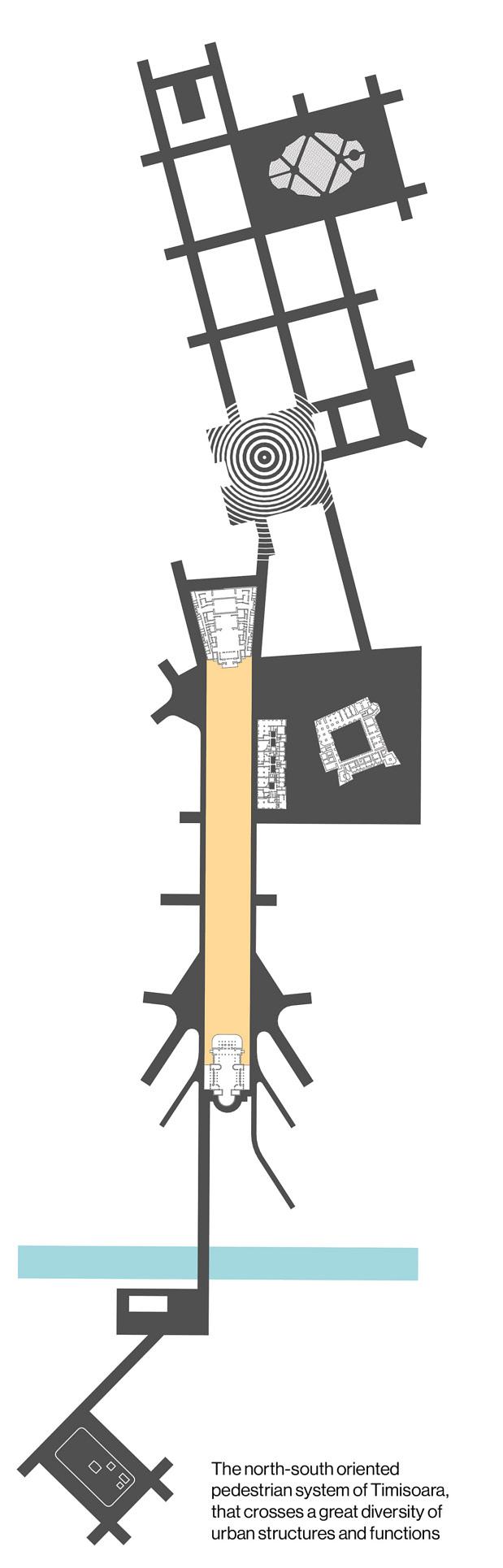
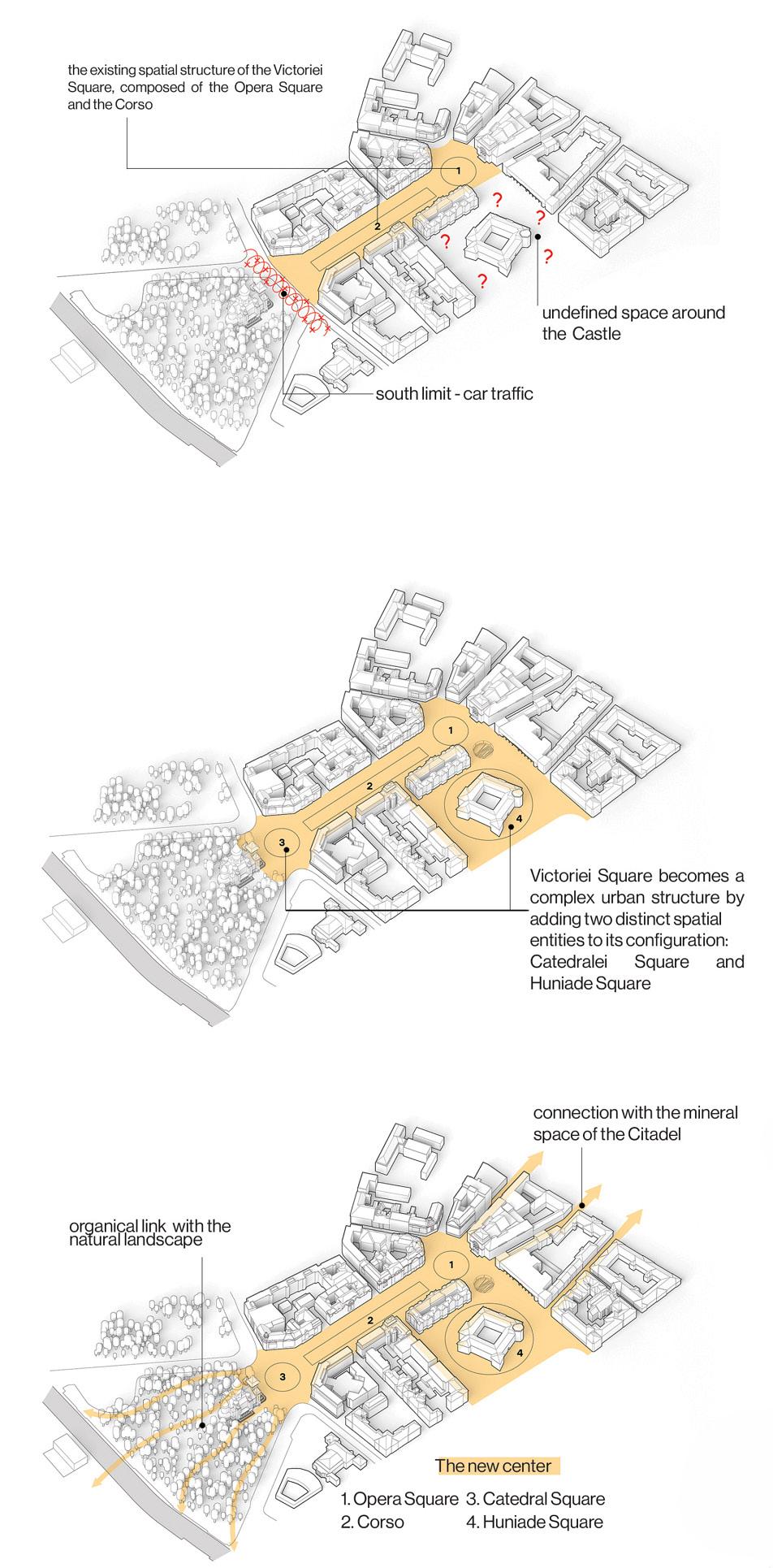
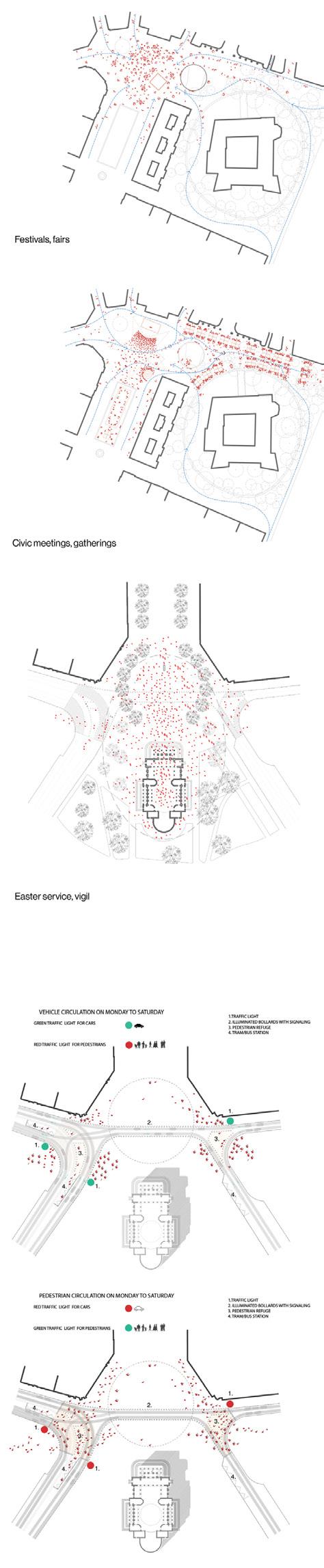
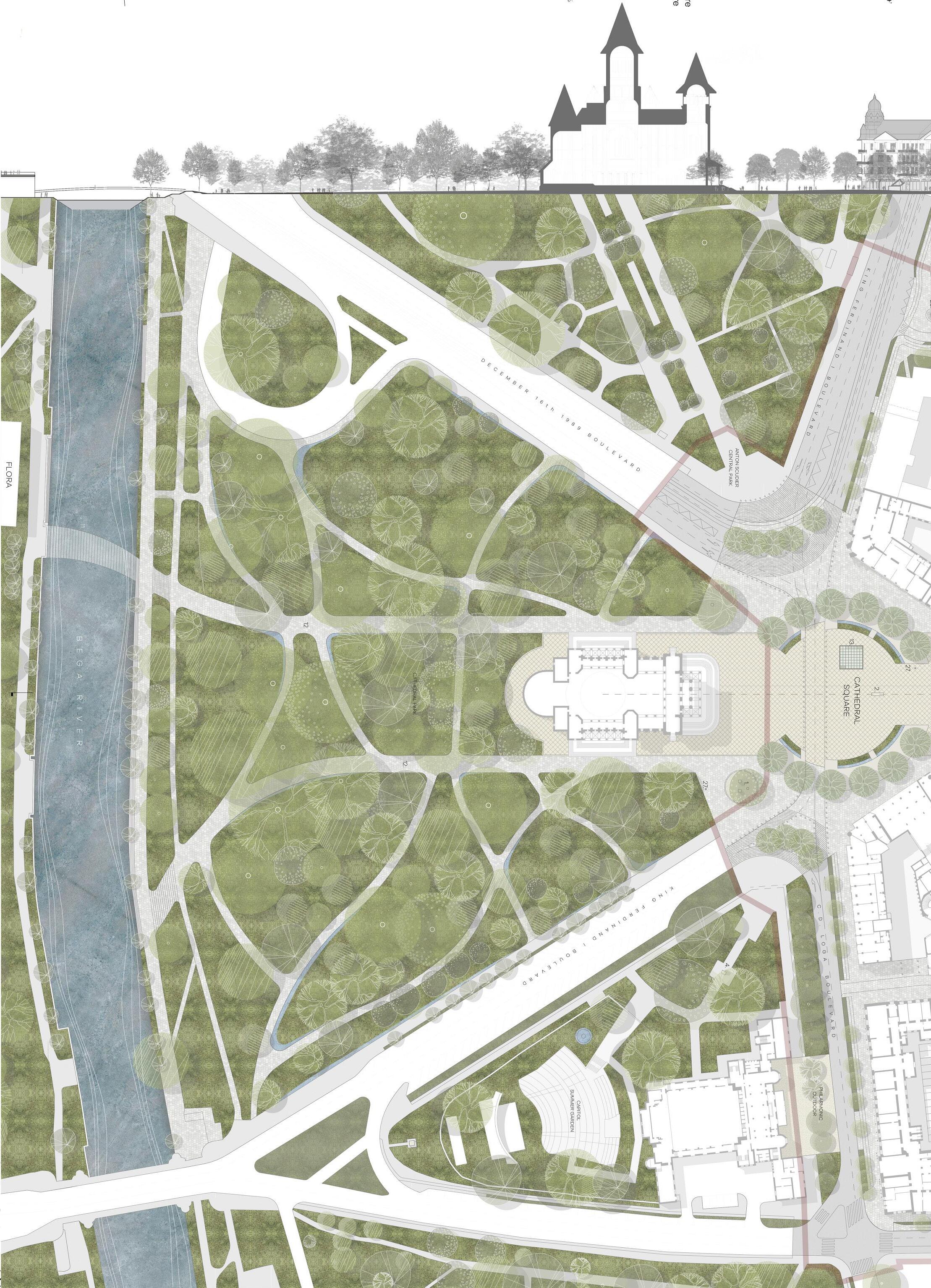
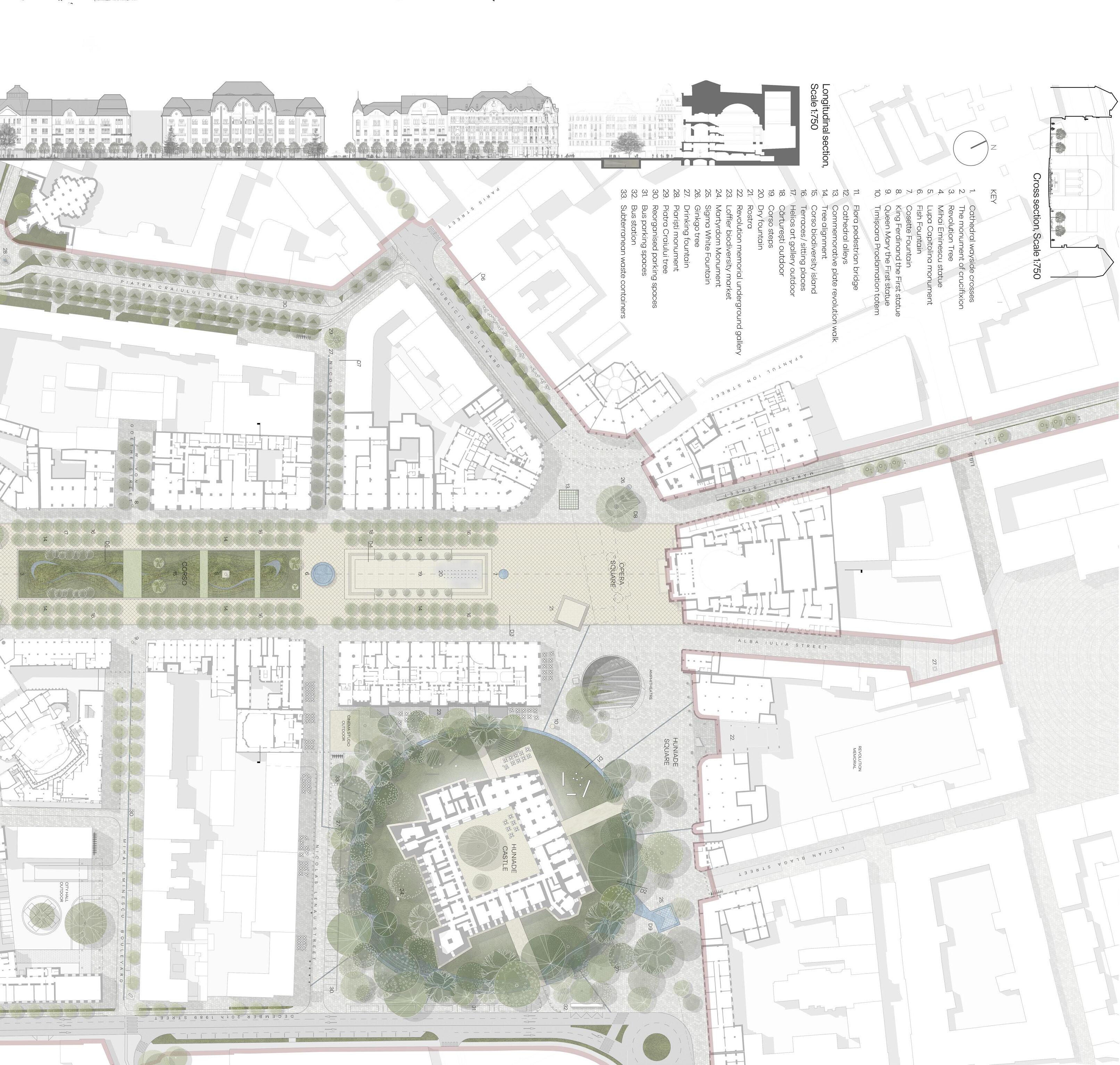
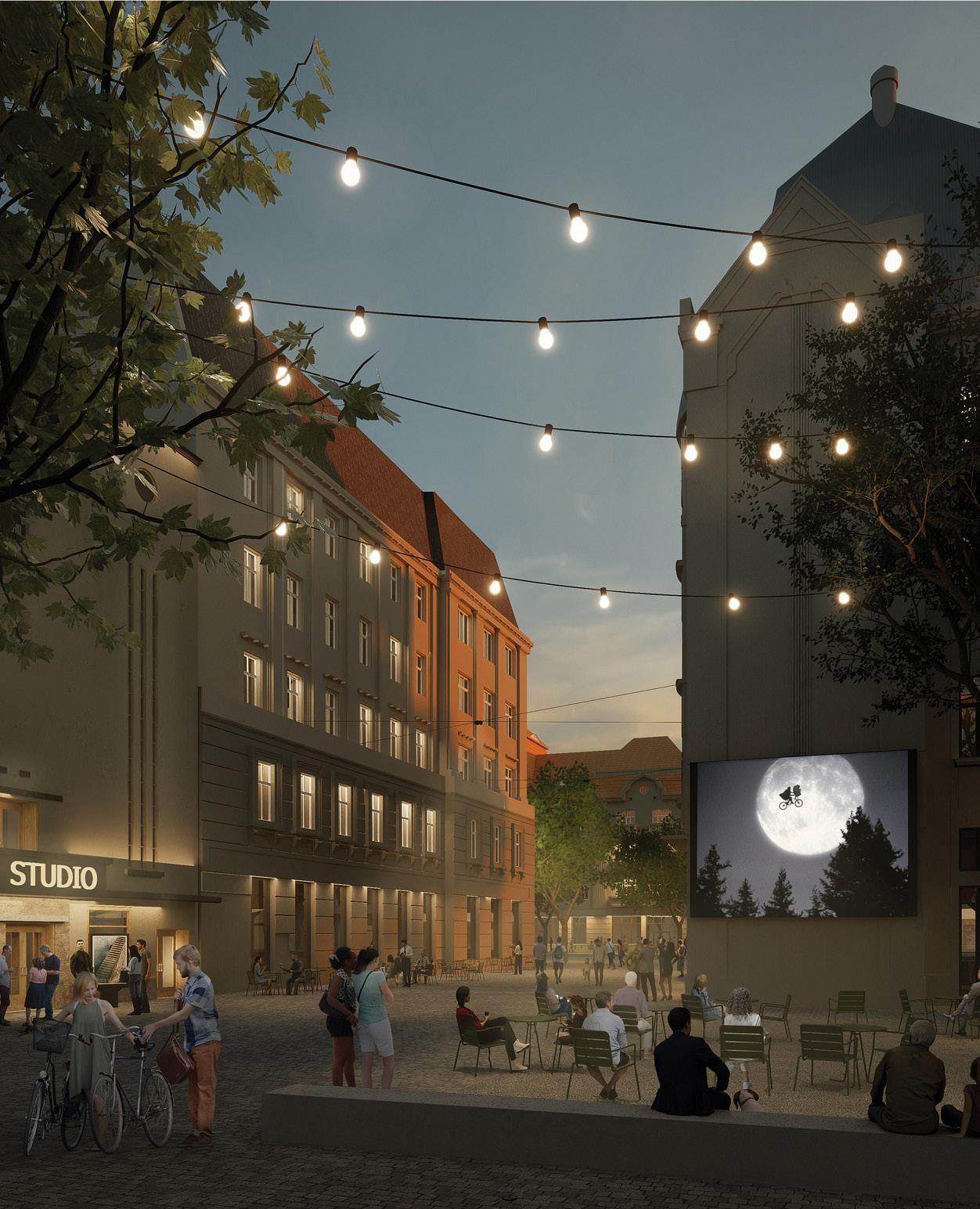
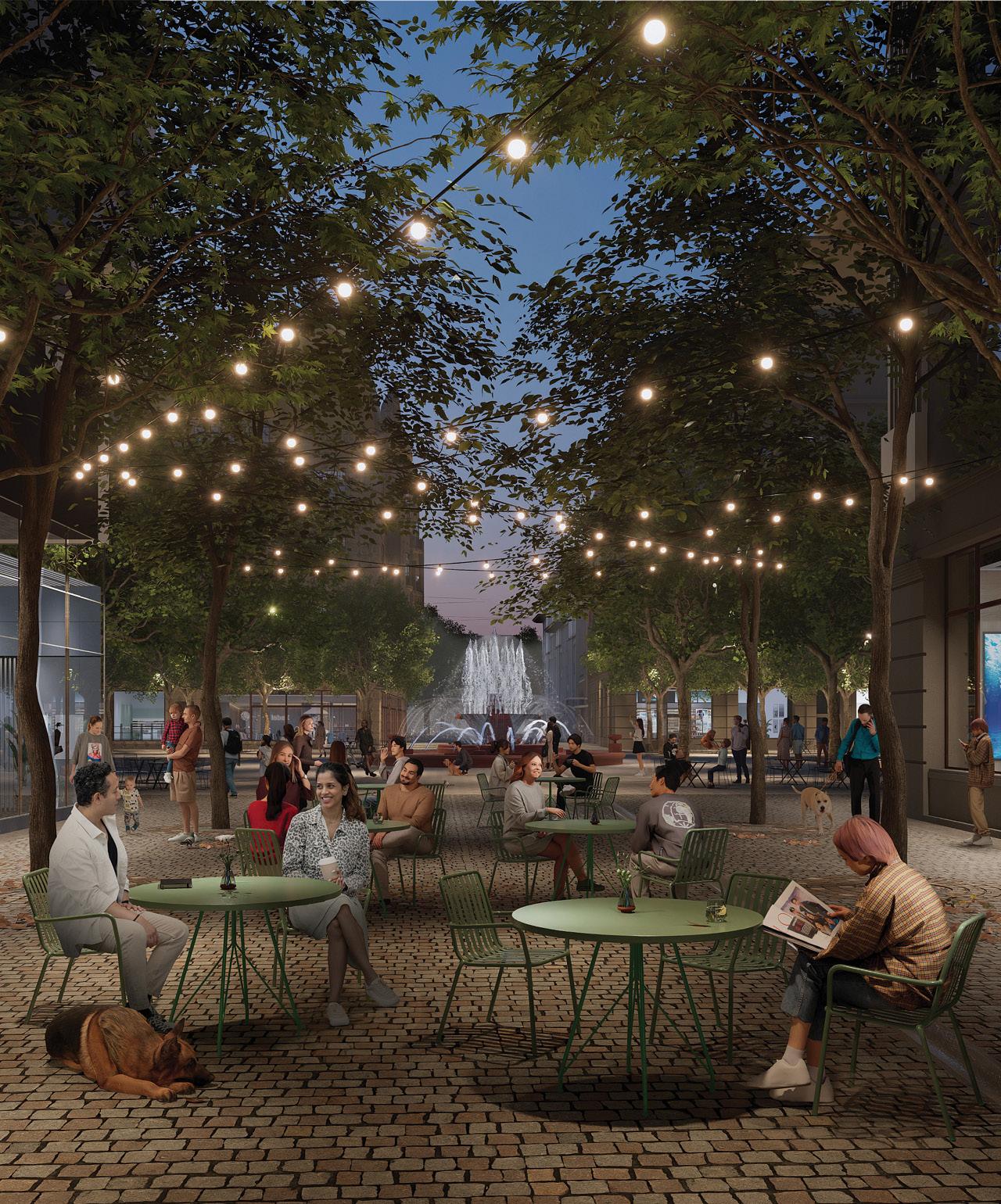
The approach involves three intervention pillars: strengthening the character of the two existing spaces, Opera Square and Corso; connecting the ensemble to the green-blue corridor and thereby bringing its elements into the interior of the square; recovering and integrating the space of the Castle into the Victoriei Square spatial system. Connecting to the green-blue corridor and recovering the Castle space lead to an ensemble of Victoriei Square structured into four distinct spatial entities: Opera Square, Corso, Cathedral Square, and Castle Square. They form a unified ensemble while ensuring connections, adjacency, and perspectives for the future evolution of the territory.
07 MARCONI RIVERBANK

YEAR: 2025 | 5th year of study
LOCATION: Rome, Italy
TEAM: Mustata Adela
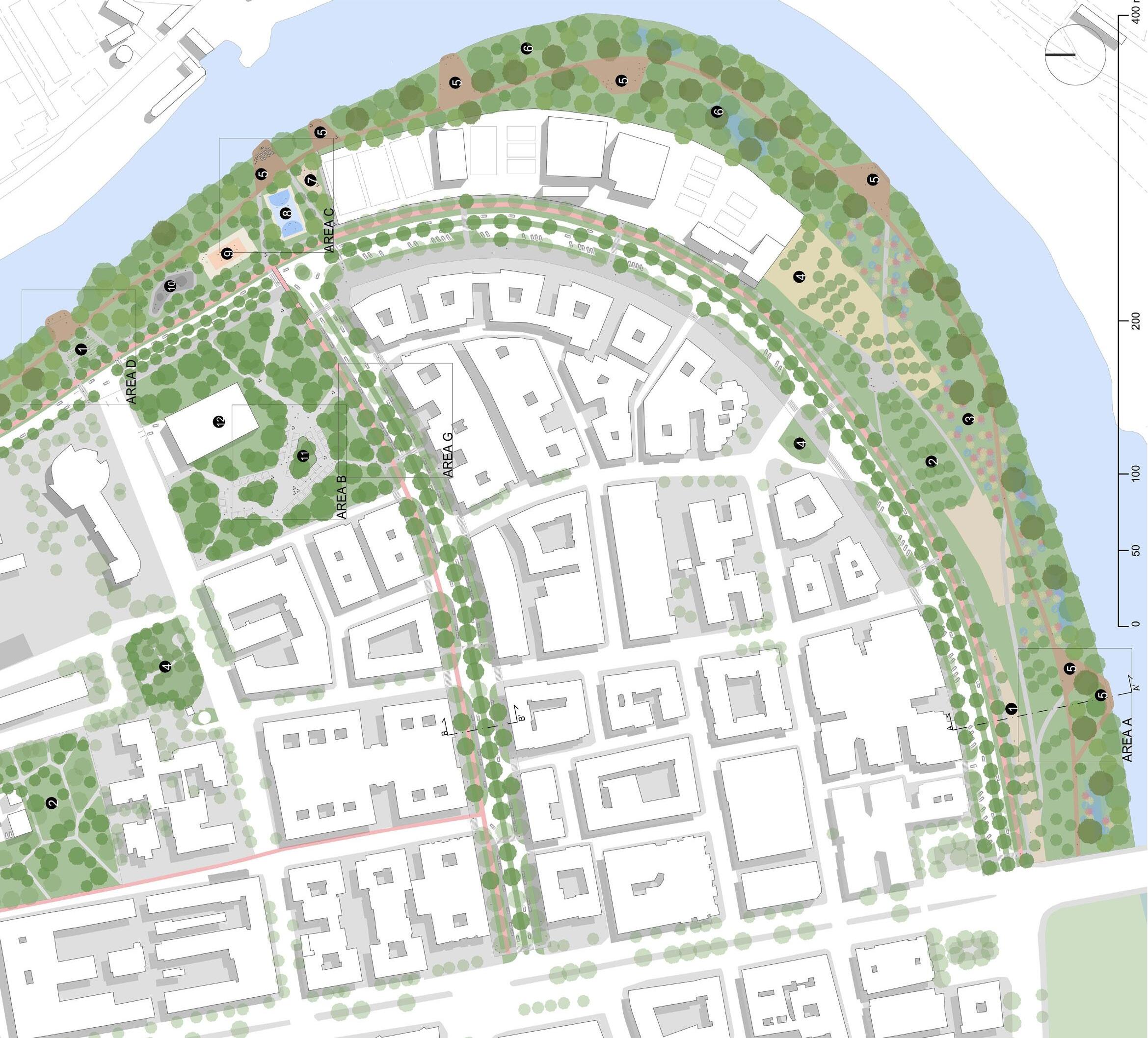
THEME: Landscape and urban project, reactivating and reconnecting the Marconi riverbankwith the city.
PROGRAMS: ArchiCAD|SkecthUp|Adobe Photoshop| D5
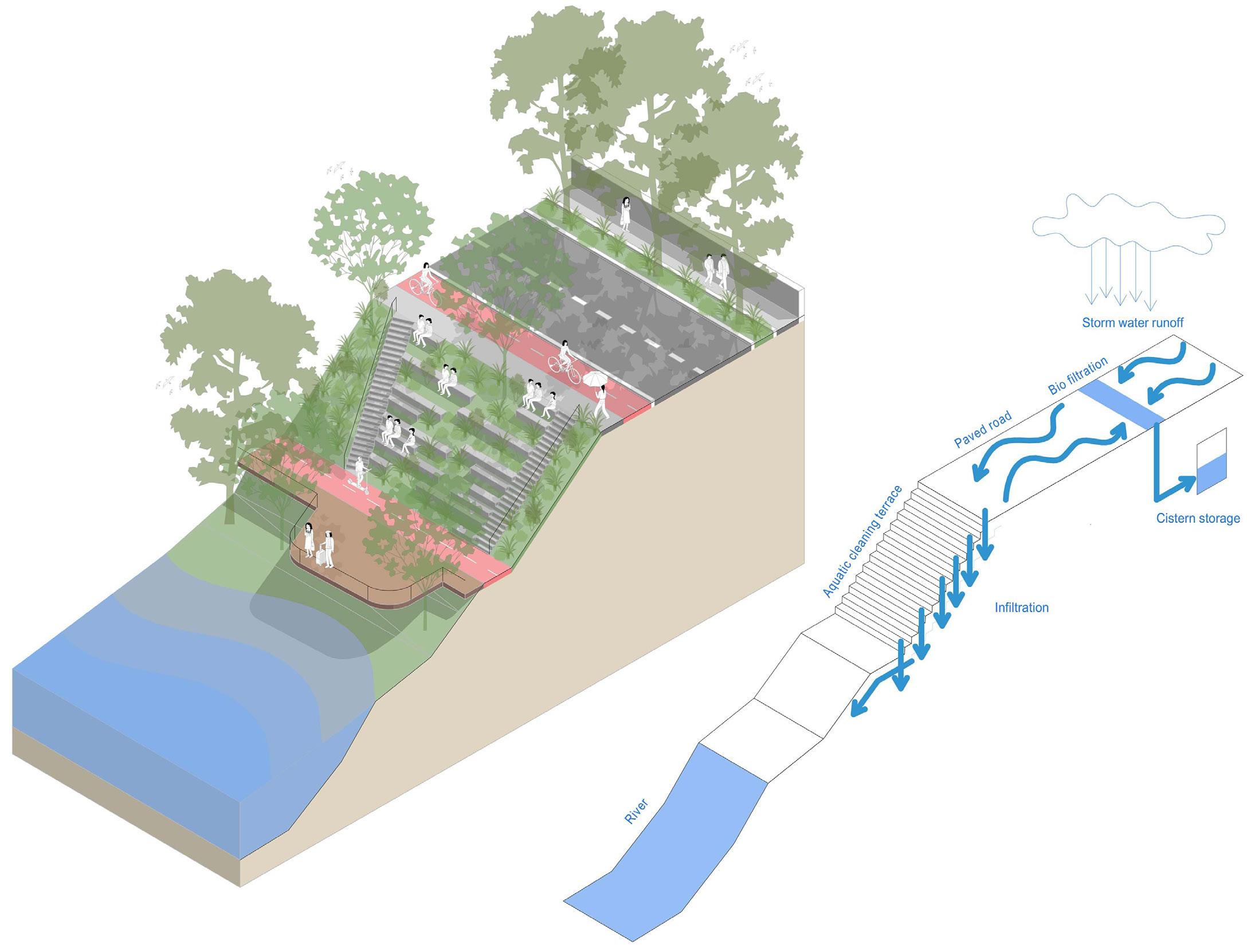
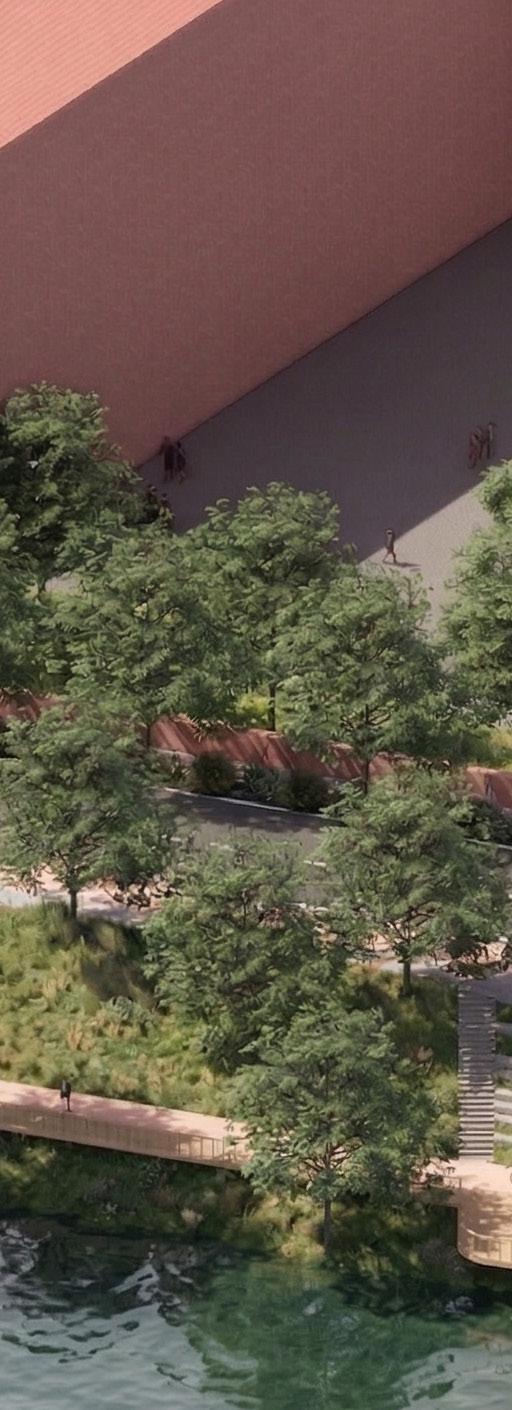
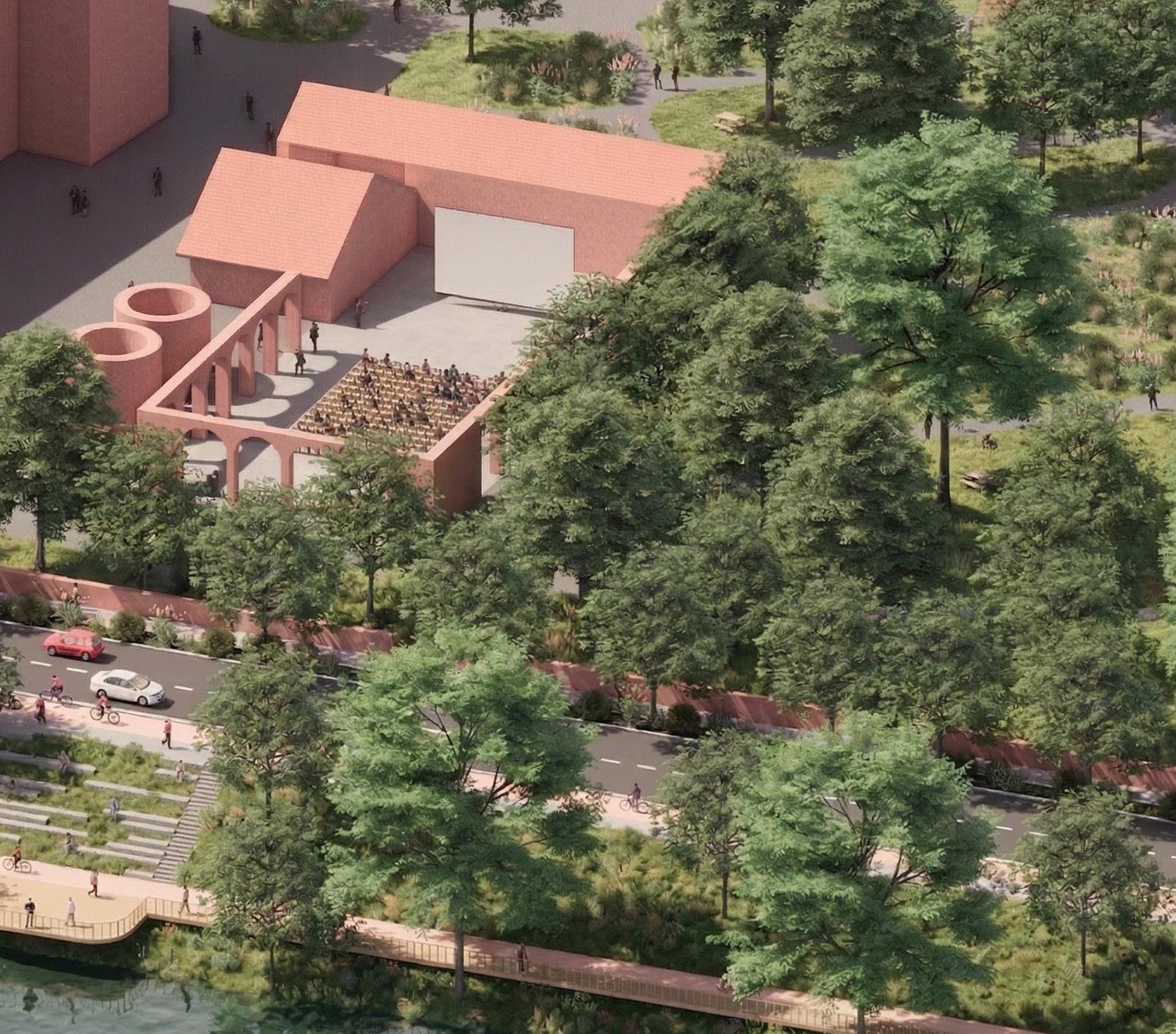
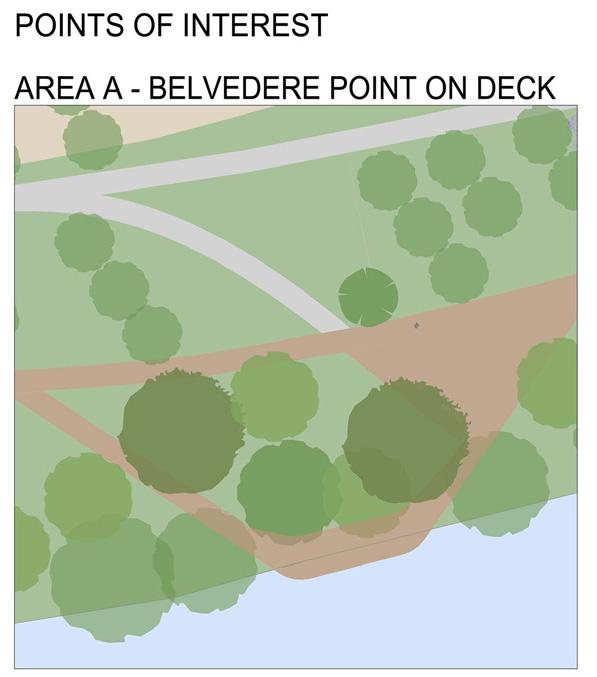
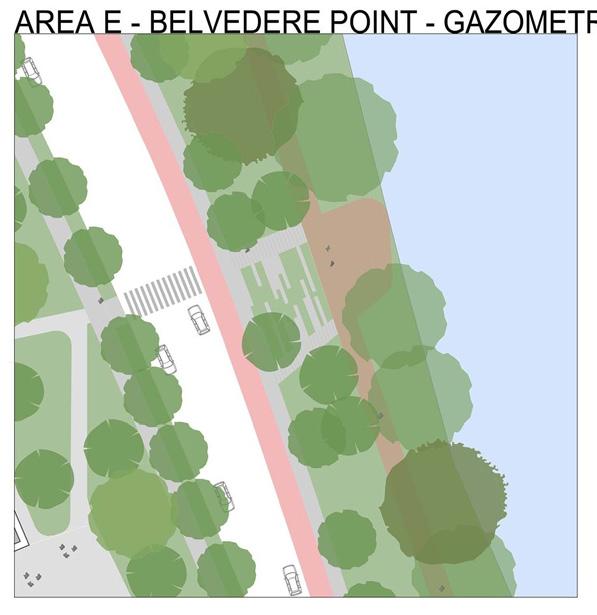
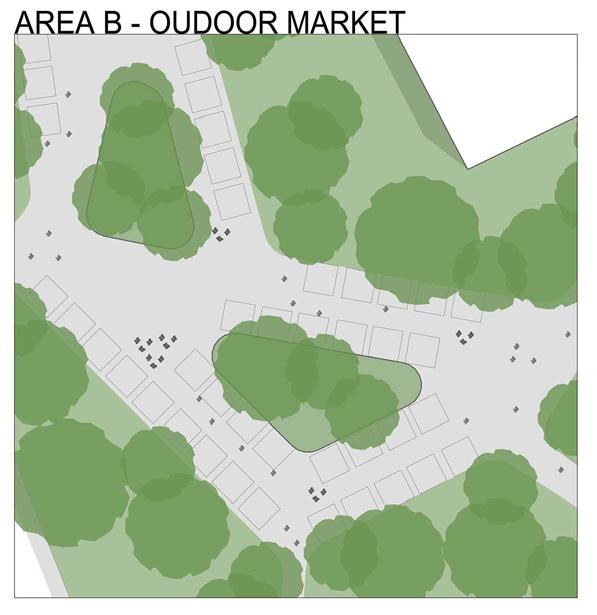
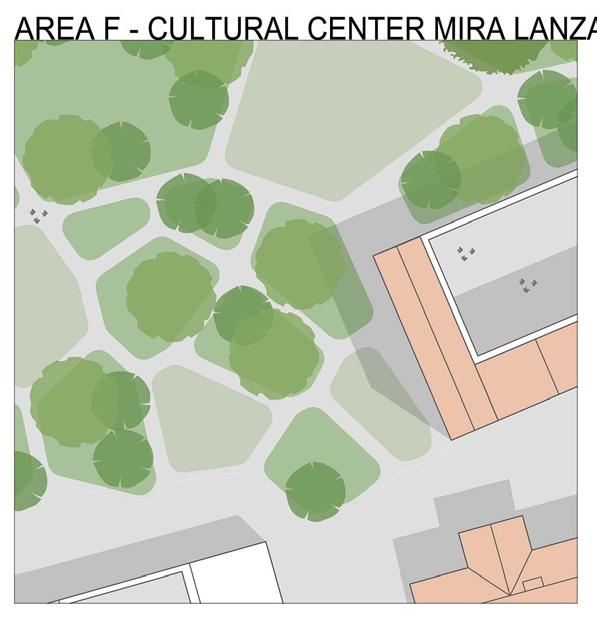
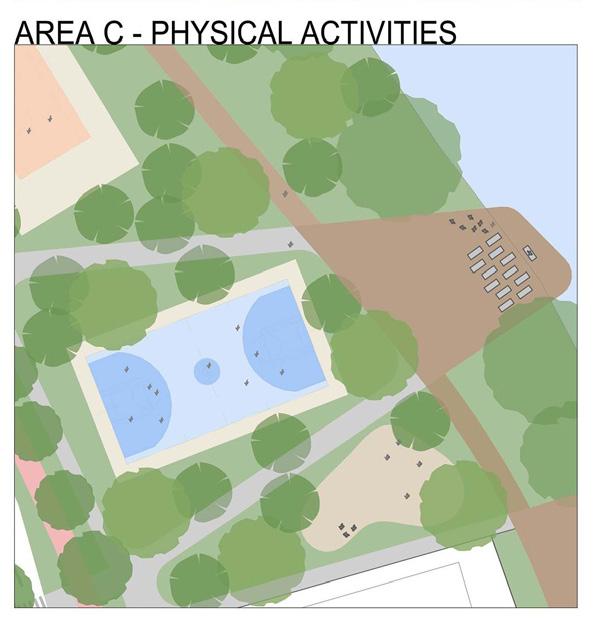
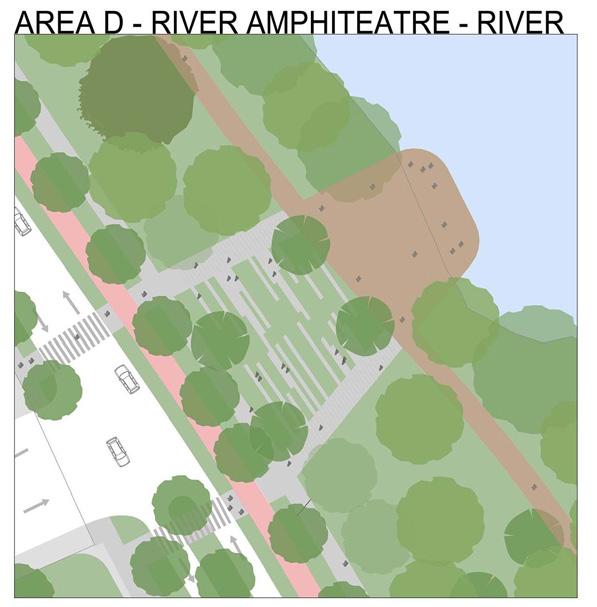
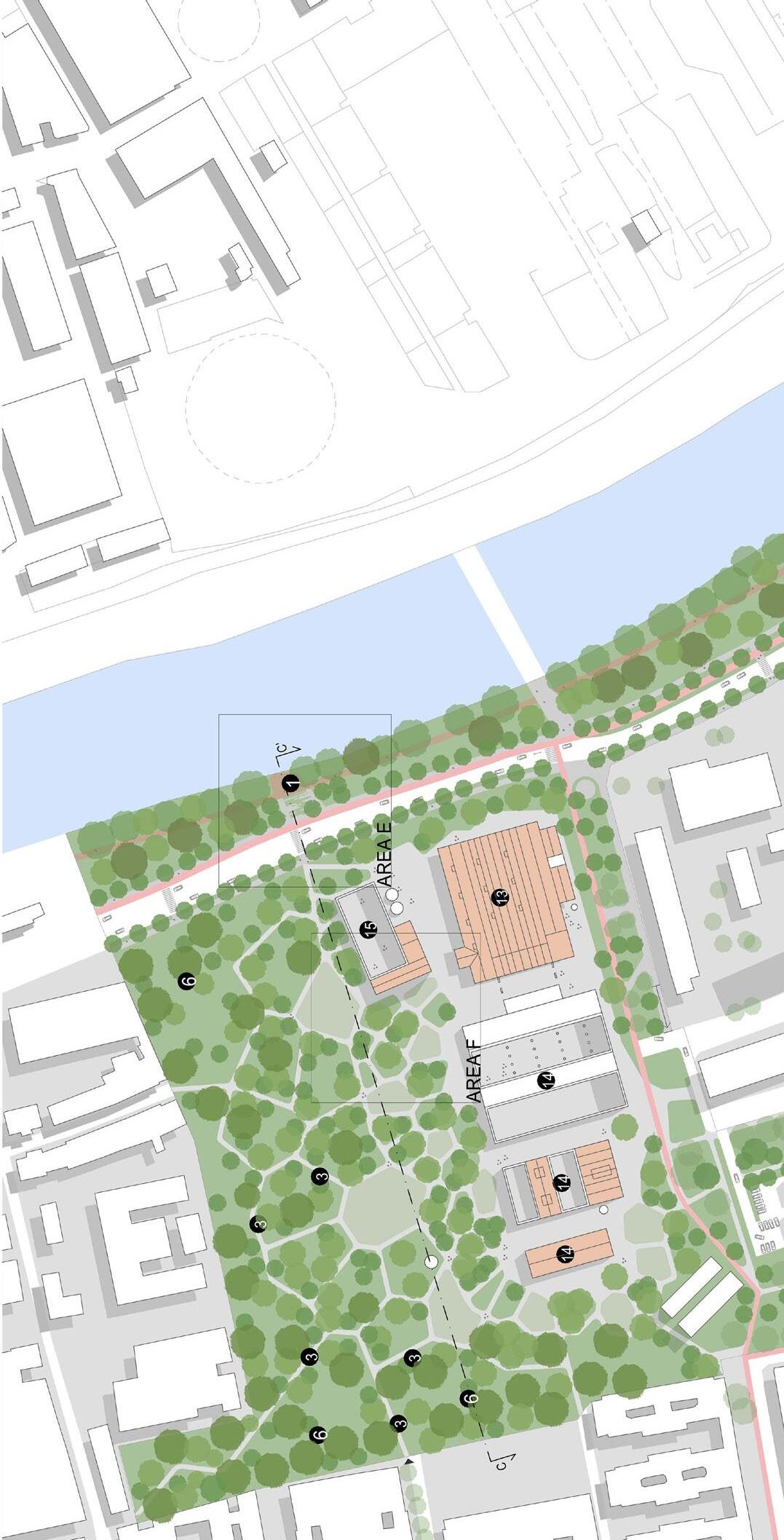
The project proposes the landscape and functional regeneration of the Tiber riverfront in Rome’s Marconi district, transforming a fragmented urban edge into a continuous linear park. The intervention aims to reconnect the neighborhood with the river, increase vegetation and tree canopy, and introduce a network of pedestrian and cycling paths. The masterplan integrates a variety of public spaces, including belvedere points, decks, relaxation areas, playgrounds, sports facilities, an outdoor market, and cultural spaces, creating a more accessible, active, and resilient urban landscape. The project focuses on climate adaptation, biodiversity, urban wellness, and on redefining the relationship between the city and the river.
Sapienza University of Rome, Faculty of Architecture
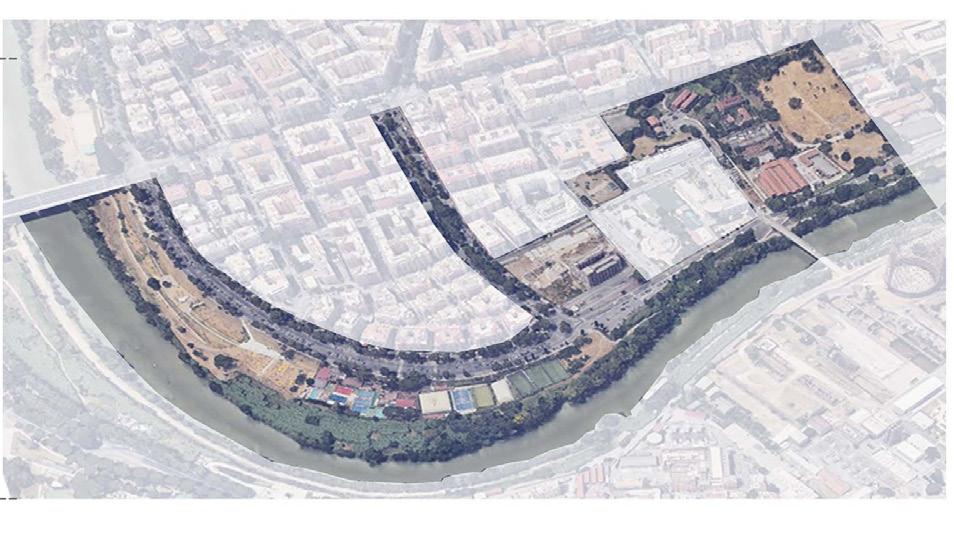
CURRENT SITUATION
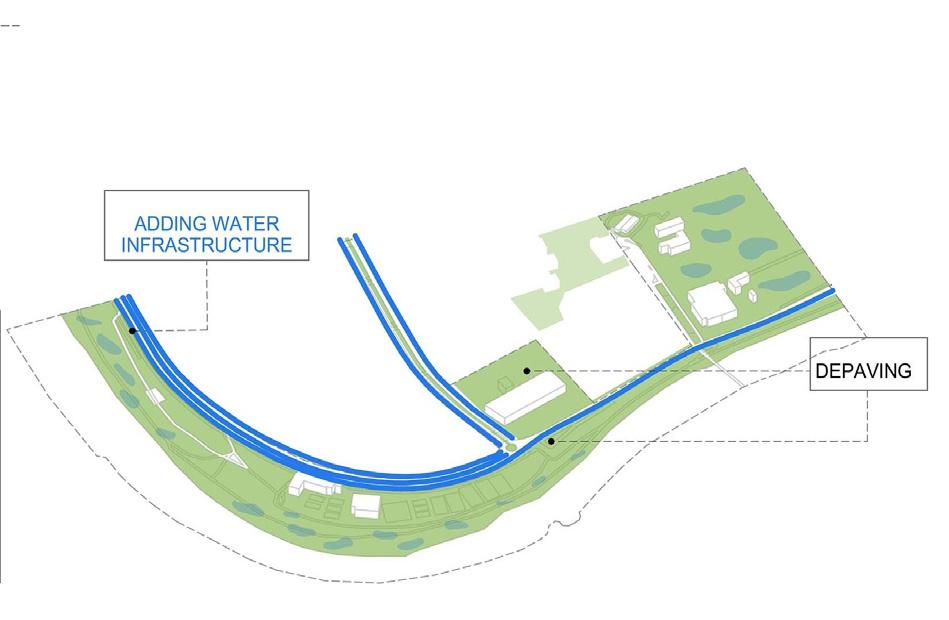
CLIMATE ADAPTATION - NEW GREEN SURFACES
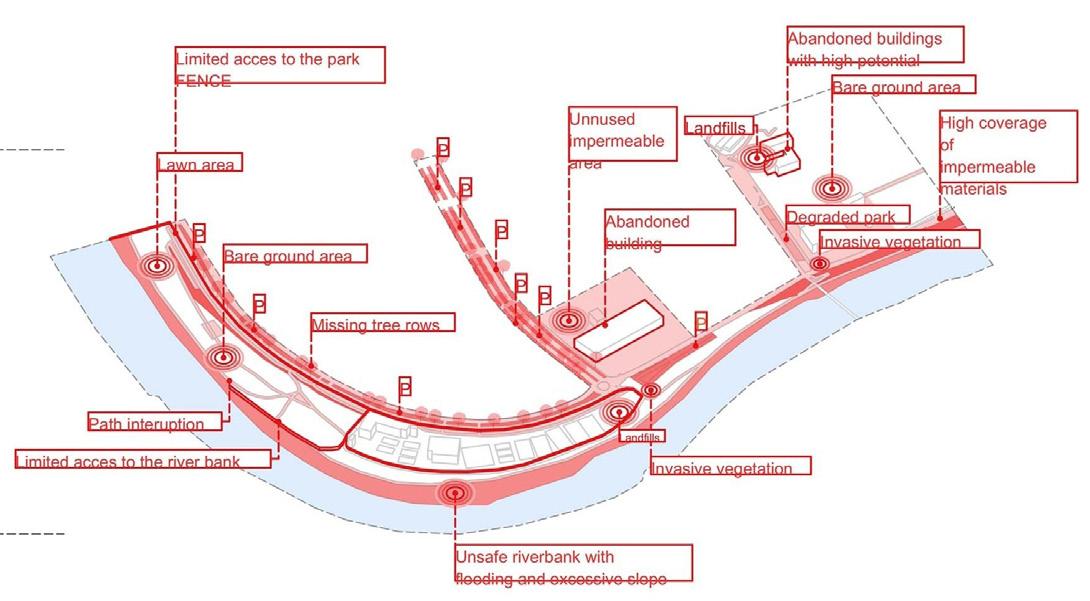
PROBLEMS
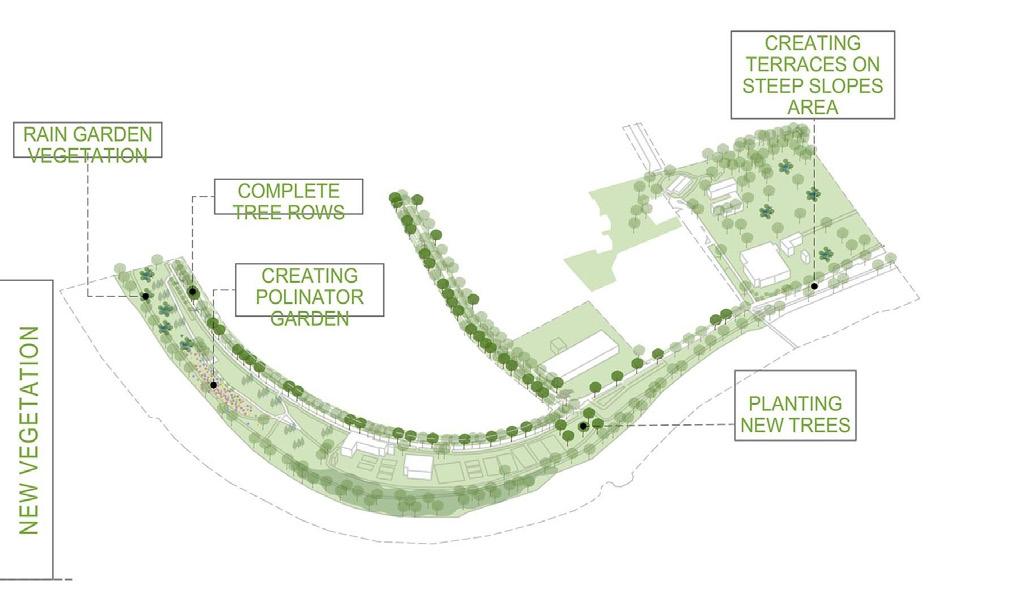
CLIMATE ADAPTATION - NEW VEGETATION
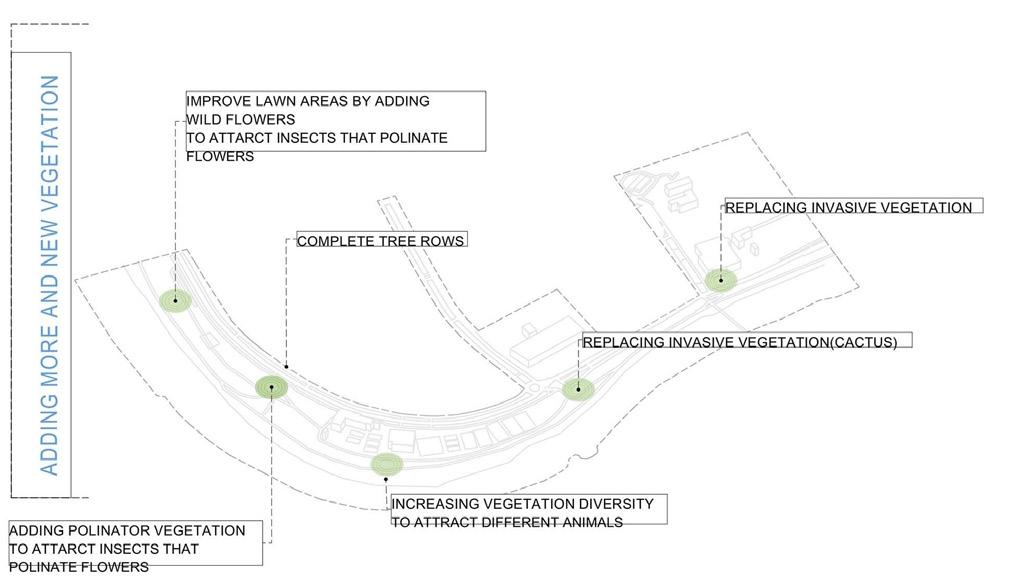
BIODIVERSITY
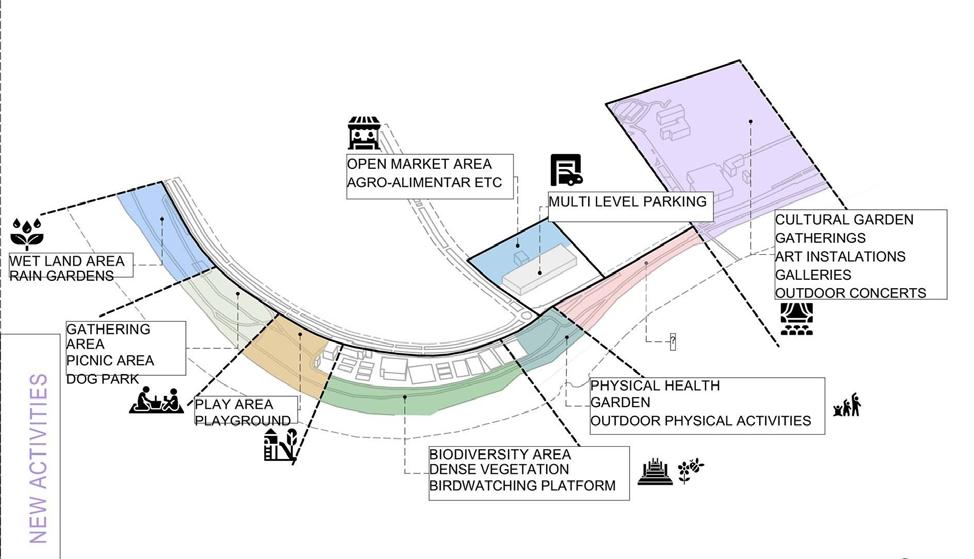
CONNECTIVITY, WELLNESS AND INCLUSION
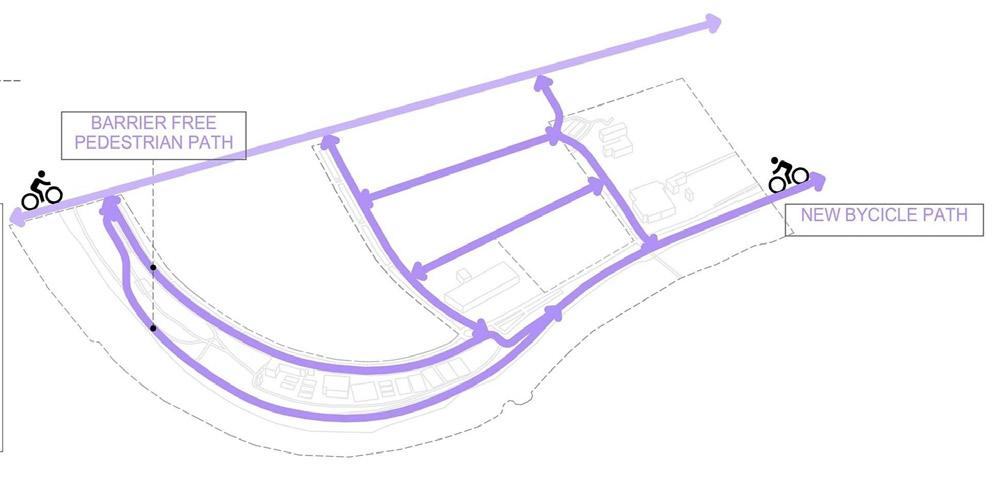
CONNECTIVITY- REMOVING BARRIERS
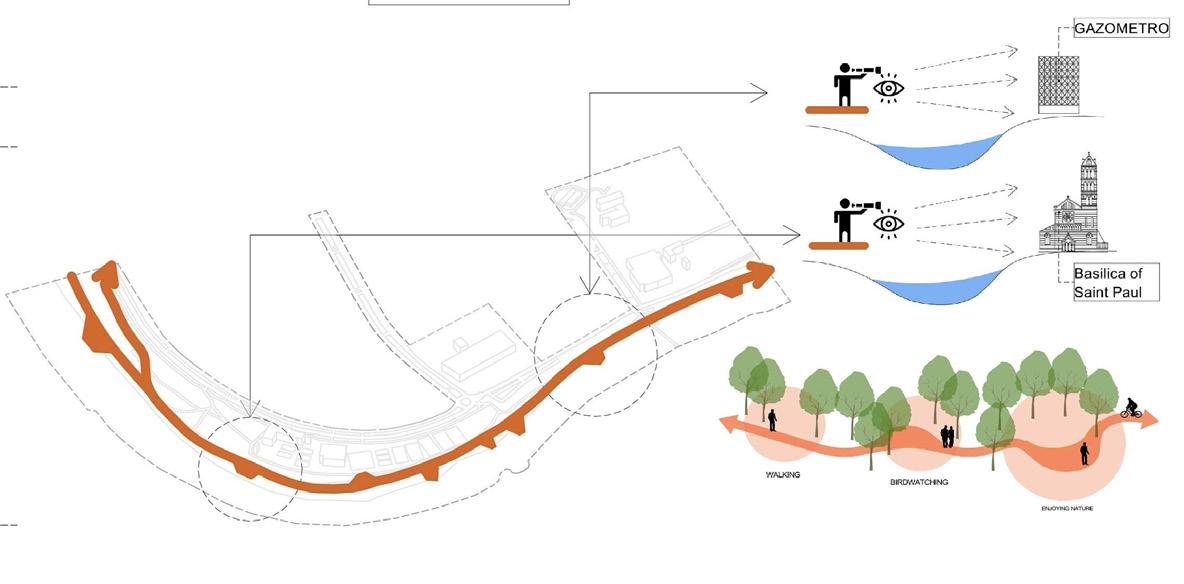
CONCEPT - ACCESIBLE RIVERBANK






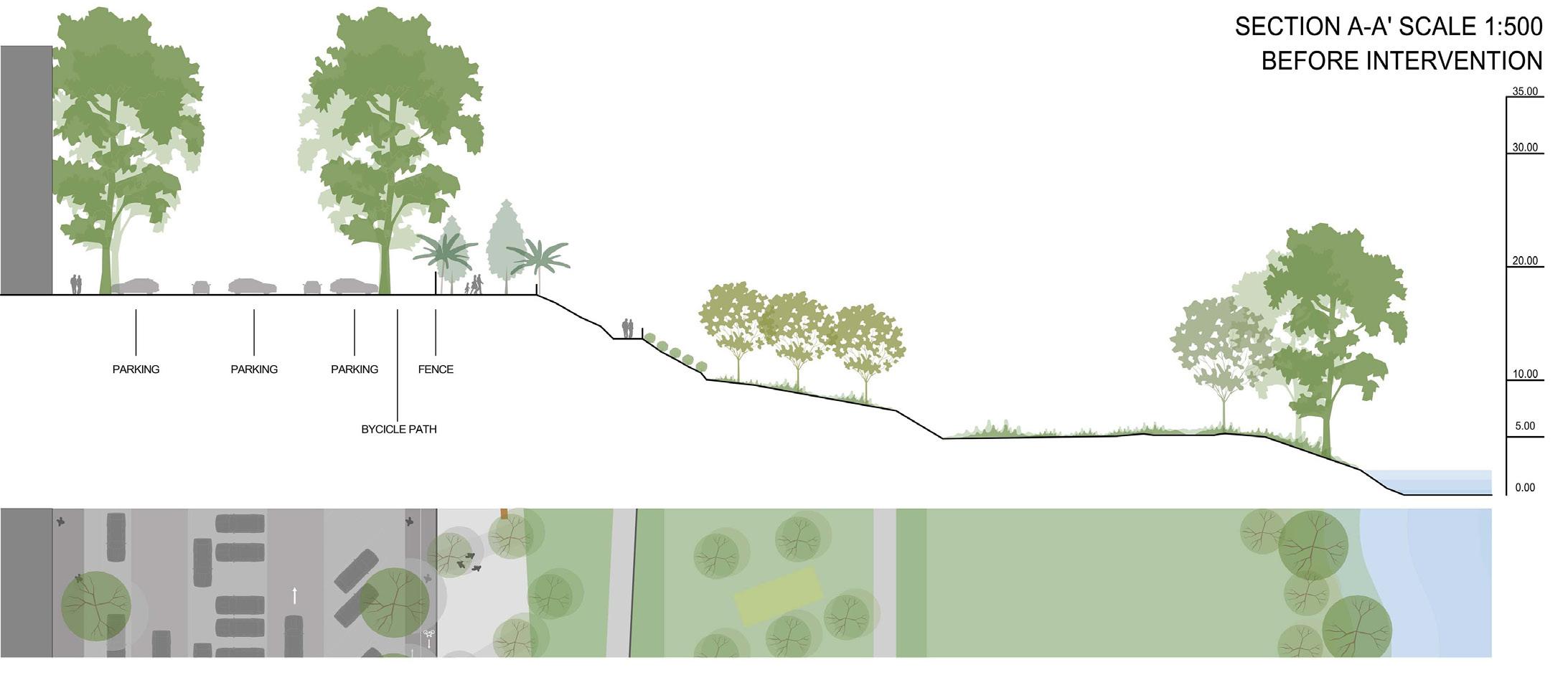
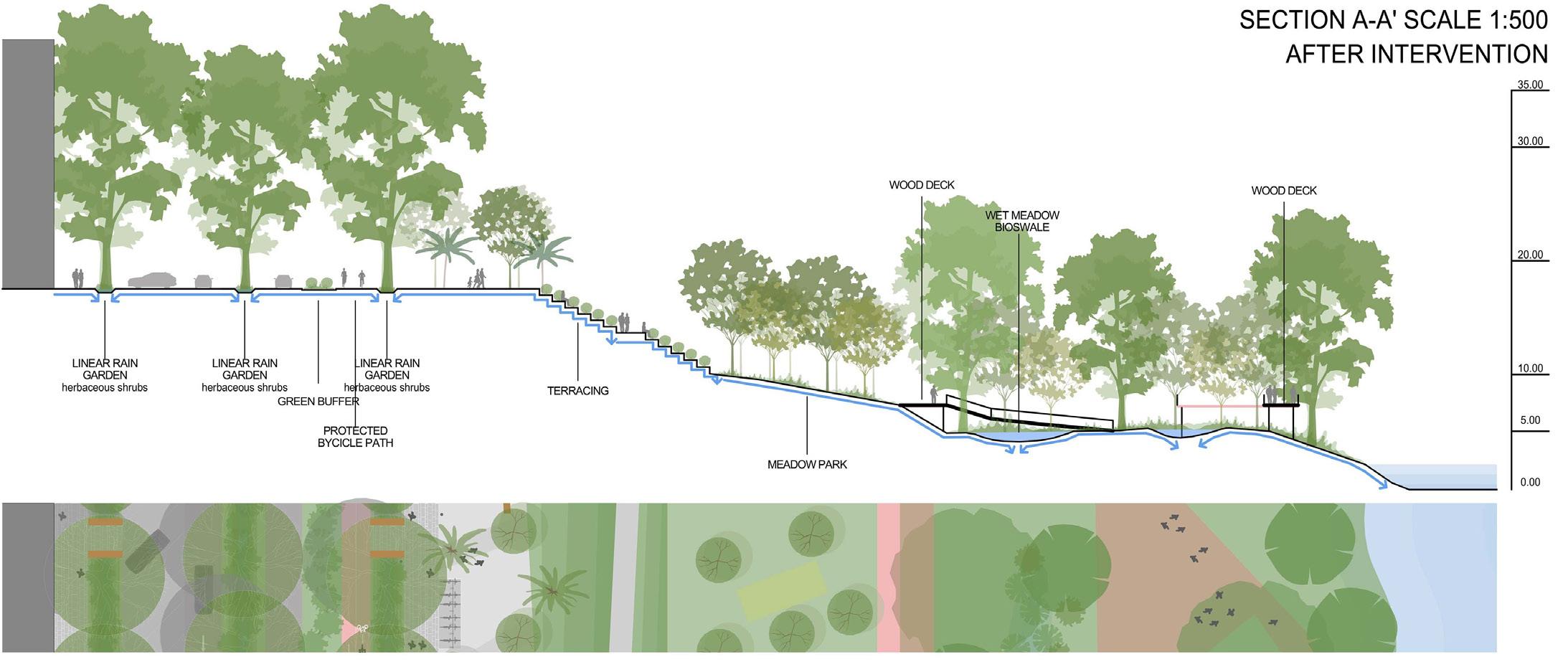
STREET BIOSWALE DETAIL
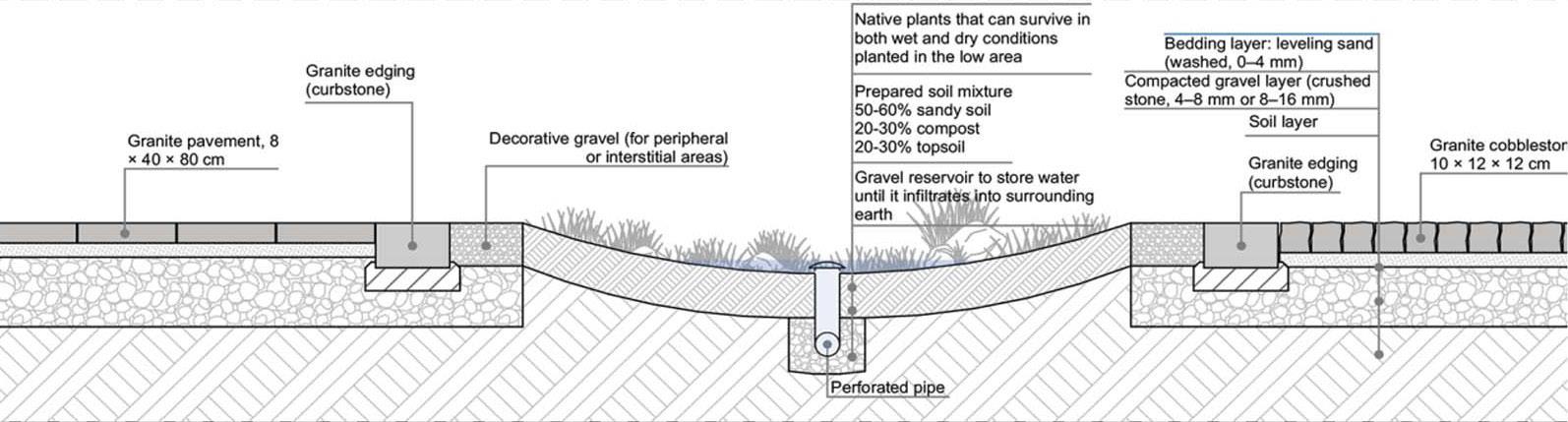
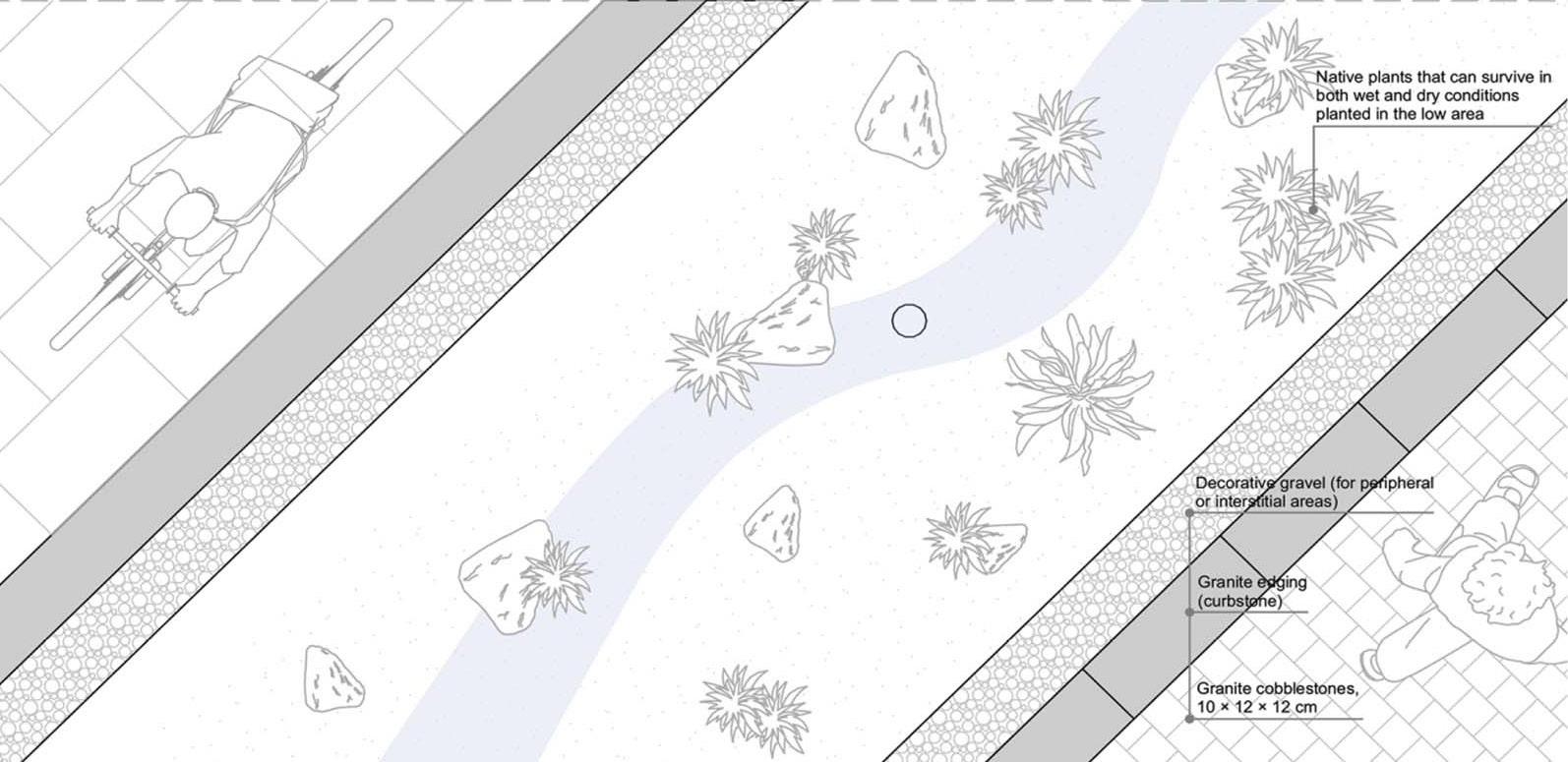
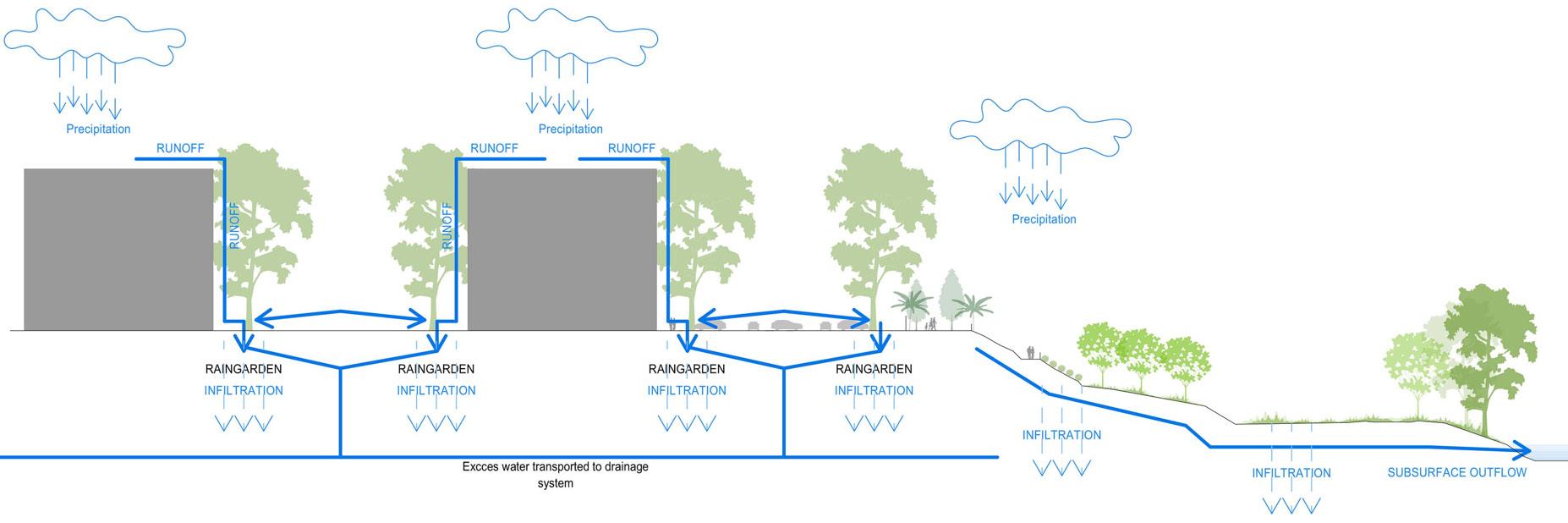
WATER DRAINING STRATEGY
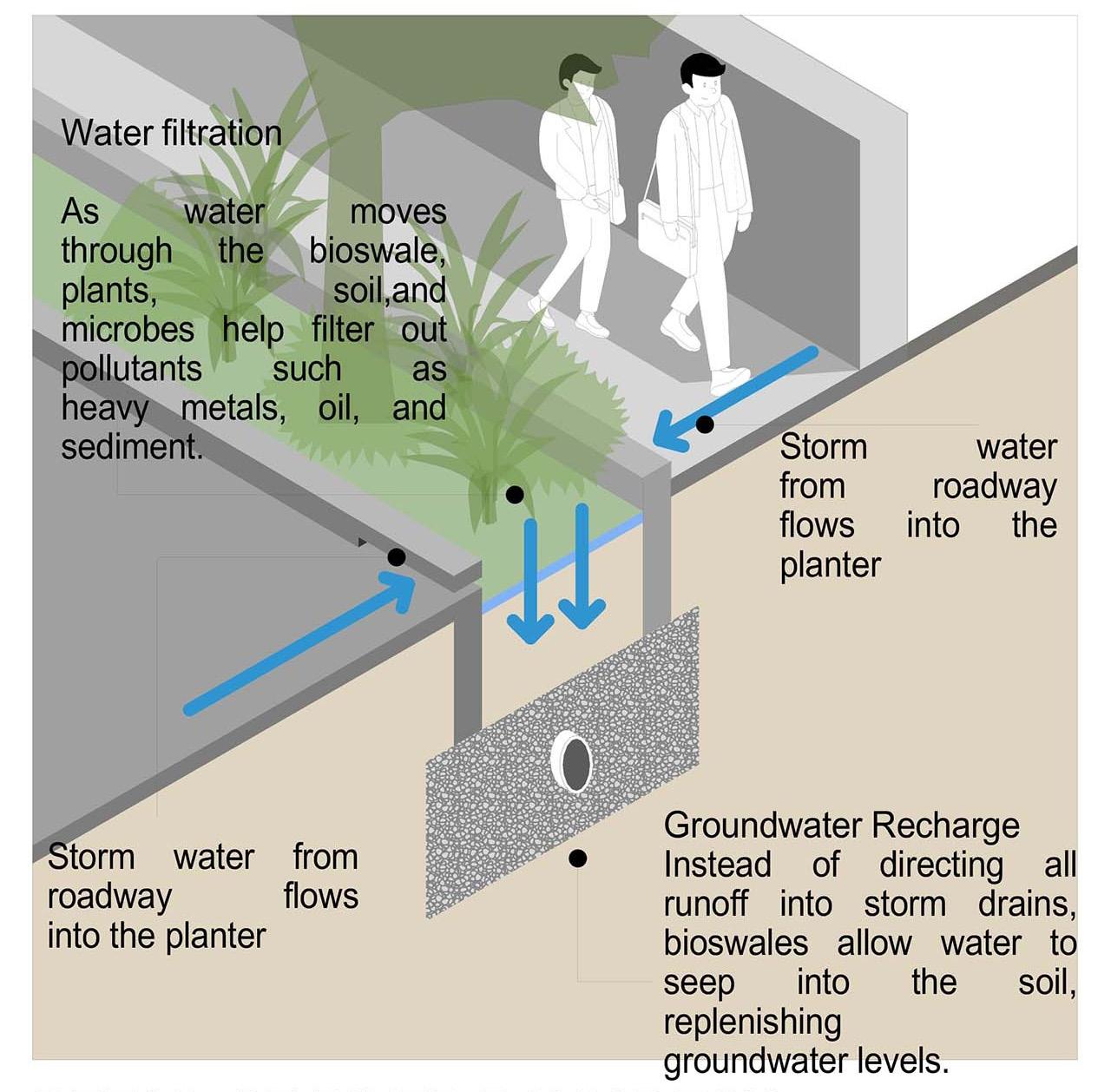
STREET BIOSWALE DETAIL
RIVERBANK DECK DETAIL
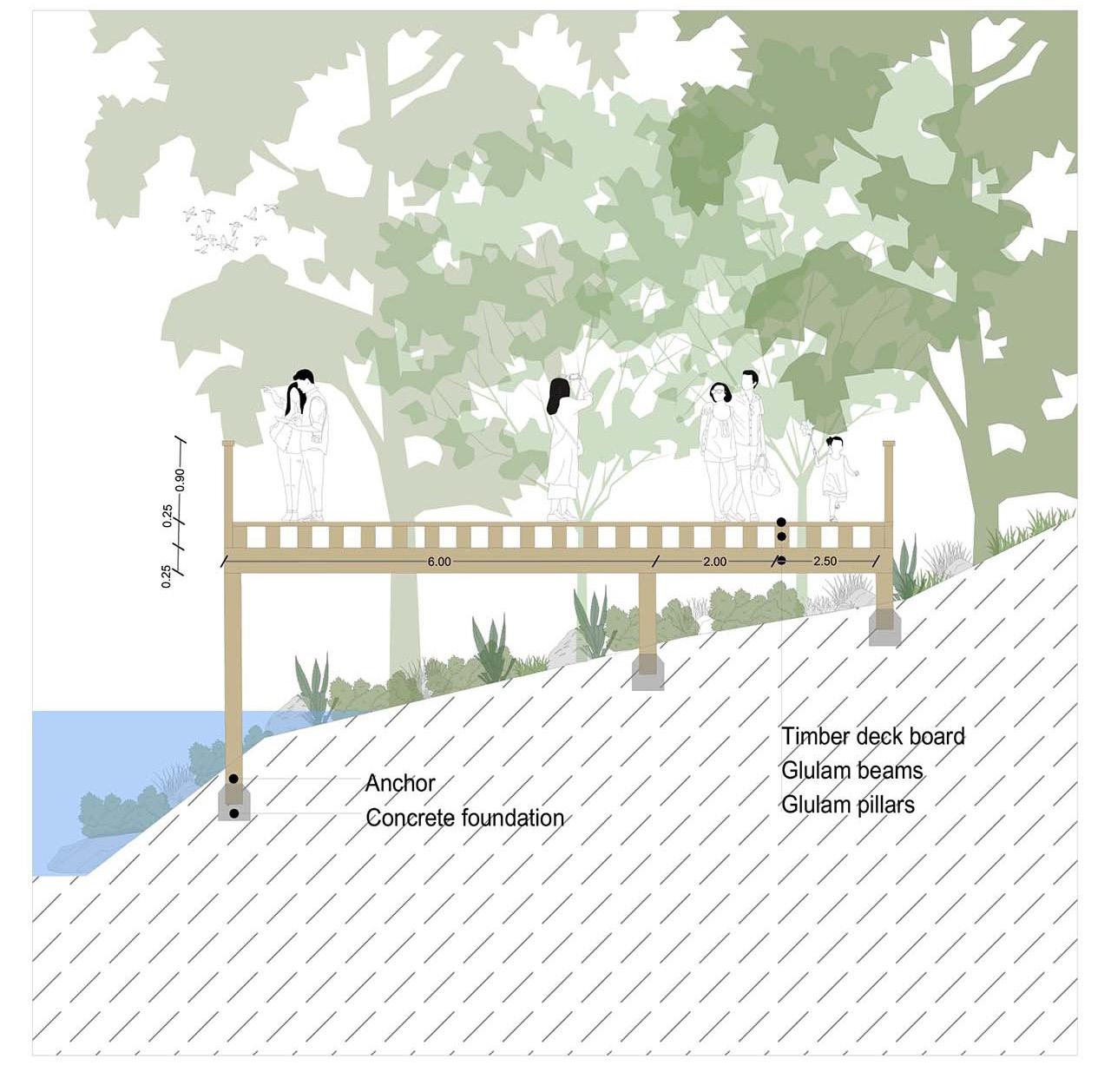
AXONOMETRIC VIEW OF THE RIVERBANK AMPHITEATRE AND WOODEN DECK