MOHAMED MUSTAK HAMED RAFI
URBAN DESIGN & ARCHITECTURE
PORTFOLIO
I am an innovative and adaptable architect and urban designer with a passion for creating sustainable, functional, and aesthetically compelling spaces. With expertise in architecturals software, urban planning, and projectmanagement, I excel at translating complex design concepts into practical solutions. My strong communication and leadership skills enable me to thrive in collaborative environments, working effectively with multi disciplinary teams to deliver projects that enhance urban living and community engagement. Commitied to a holistic approach, I aim to integrate creativity, sustainability, and attention to detail in every project ensuring long-lasting, positive impacts on the built environment.
MOHAMED MUSTAK HAMED RAFI
+ 1 (226) 966-4888 rafi.mohamedmustakhamed@gmail.com www.linkedin.com/in/mohamed-mustak-hamed-rafi
WORK EXPERINCE
Evolve architects and interior designers
Internship (2018 - 2019)
AKD Architects
Junior Architect (Aug 2020 - Aug 2022)
Evolve architects and interior designers
Project Coordinator cum Architect (Sep 2022 - Apr 2023)
Freelancing
3D Modeler and Visualizer, India
City of Mississauga
Urban Design Internship (May 2024 - Aug 2024)
EDUCATION
Sheridan College | 2024 l Jan - Sept
Post Graduate Diploma in Urban Design
Conestoga College l 2023
Post Graduate in Project Management
St.Peter’s School of Architecture l 2020
Bachelor of Architecture
CERTIFICATIONS
CADD centre
Diploma in Architectural Design
SOFTWARE SKILLS
AutoCAD
Revit Architecture
Sketchup
Adobe Illustrator
Adobe Indesign
Adobe Photoshop
Lumion
Enscape
V-Ray
3dsMax
Rhino
ArcGIS
MS Office
Jira
The Web - Reimagining Erin Mills
Town Center
5100 Erin Mills Pkwy, Mississauga, ON Autocad | Sketchup | Lumion | Adobe Photosho | Adobe Illustrator | Adobe InDesign
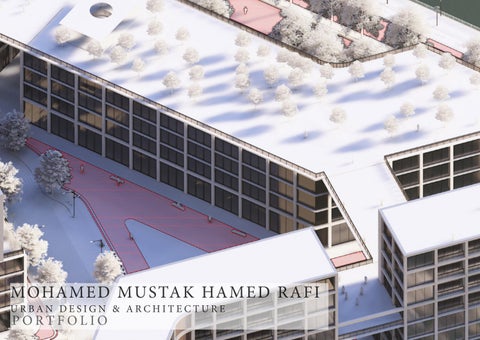
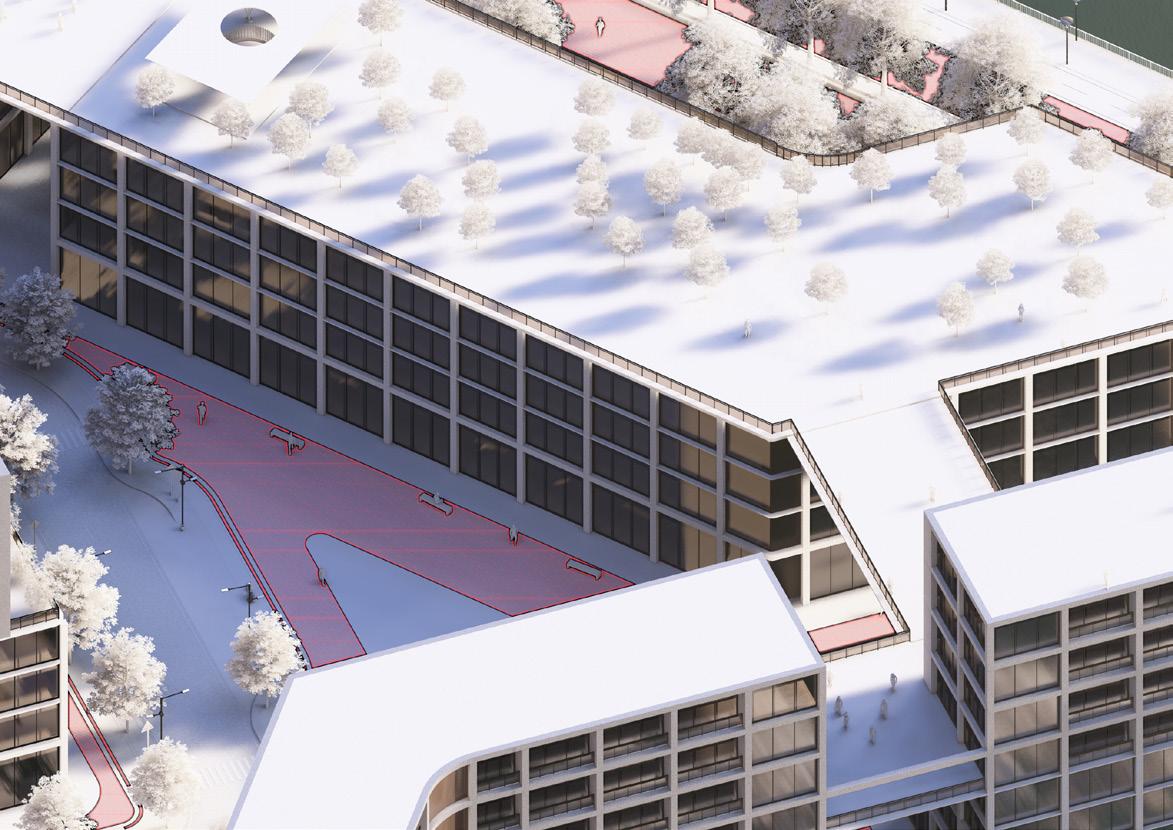
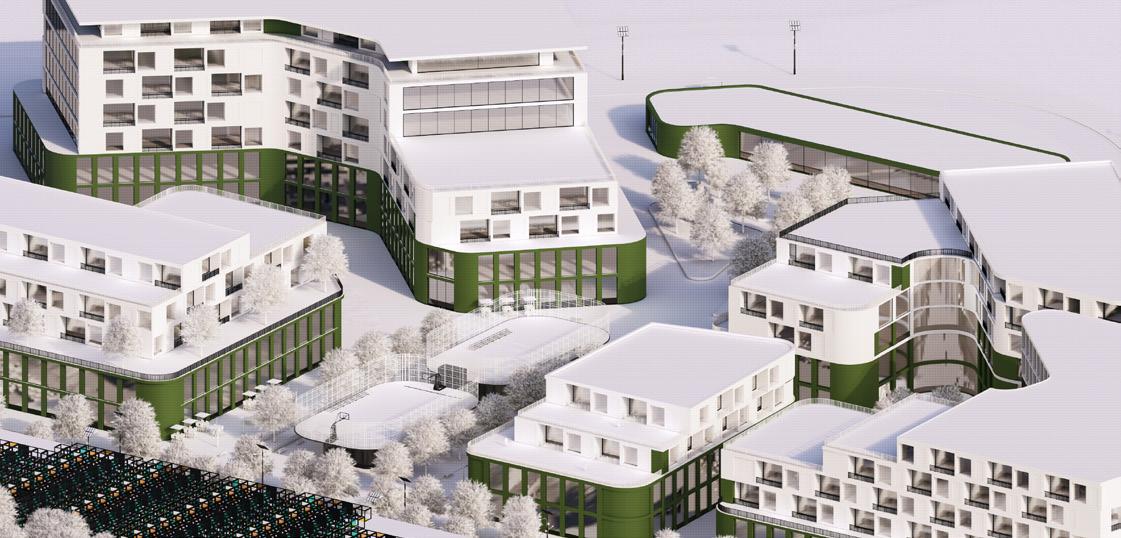
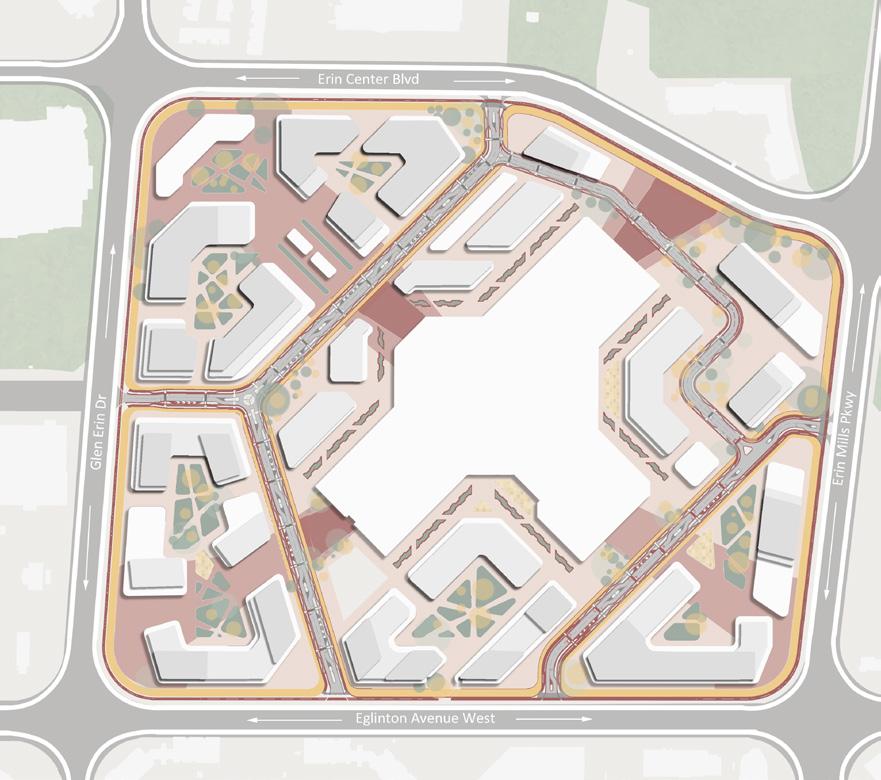
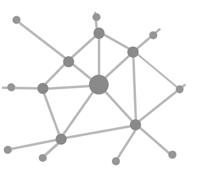
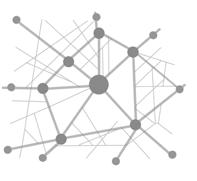
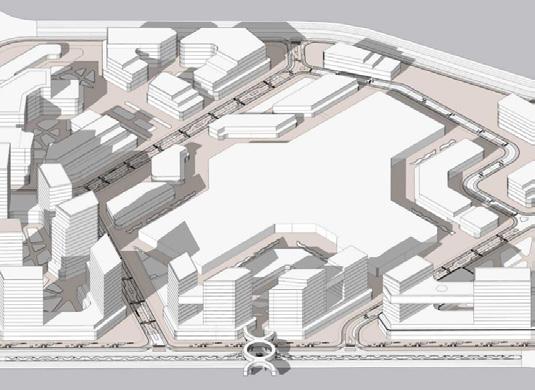
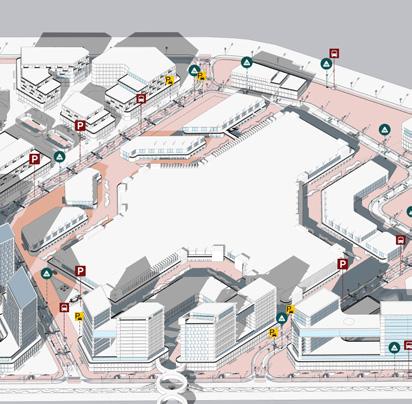
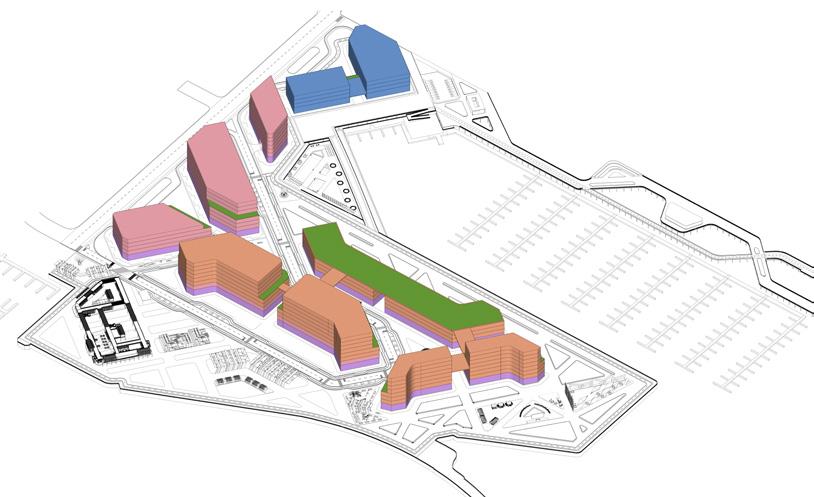
‘The Web’ redefines urban living by blending commercial, residential, open public spaces, and plazas into a vibrant community. The design concept focuses on creating a thriving environment where live, work, and play come together, using voronoi diagram principles. ‘The web’ pattern interconnects the entire site, allowing people to connect through spaces in one continuous flow. The thoughtfully interwoven design through an expansive public realm belt ensures the entire site is active throughout the day. There are other minor pockets created which are interconnected both horizontally and vertically, leading to the main design concept - ‘THE WEB’.
The streets serve as active edges, offering multiple uses like open markets, extended patios, and plazas. The main focus is the Erin Mills mall, which serves as the main anchor of the town center. The web design is resilient, flexible, and sustainable, considering green building designs, water conservation, and renewable energy sources. It also supports small-scale and local businesses, providing a space for them to expand their market and foster new opportunities. The web design is a testament to the potential of urban living.
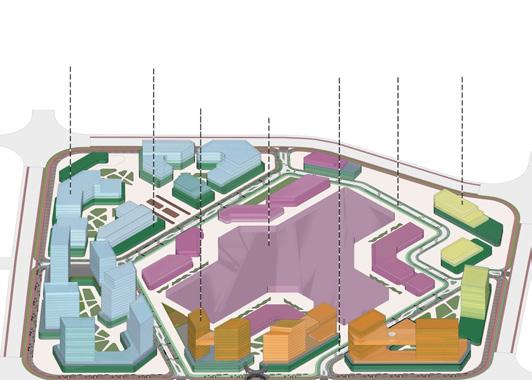
LEGEND
1. Erin mills mall 2. The passage 3. Open plaza 4. Office zone multipurpose courtyard 5. Market street 6. Community hub
7. Recreational zone
8. Private courtyards
9. Multipurpose plaza/ Ground parking lot
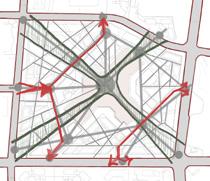
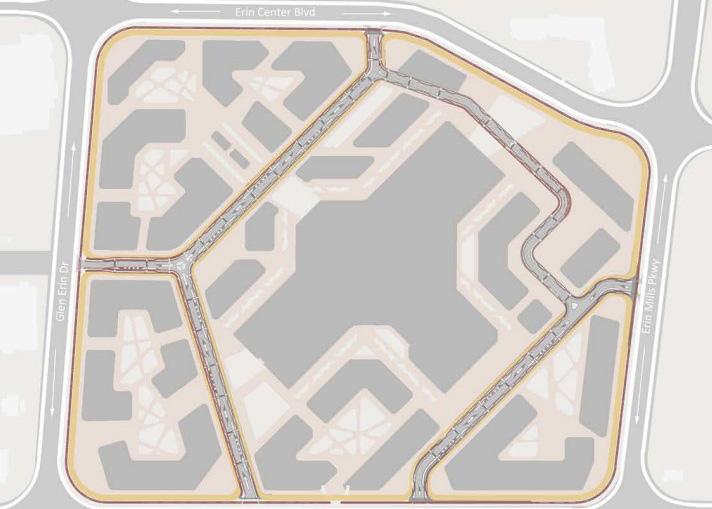
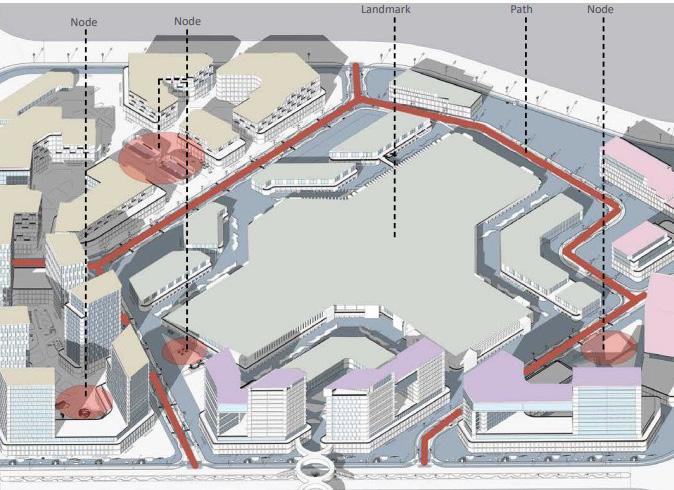
The major node points act as the connectors of the masterplan, to create distinct cells of the voronoi structure. The central mall is the largest and major node which is connected to every part of the site either through a pedestrian network or a public realm network.
These zones are defined by their proximity to central points of interest, such as commercial hubs, green spaces, and community facilities. The boundaries of each Voronoi cell naturally create organic, non-linear pathways that enhance walkability and exploration.
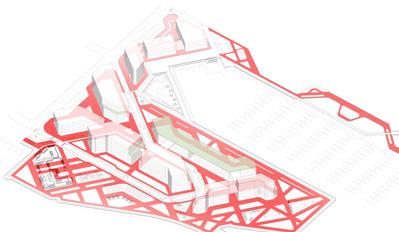
Interconnected micro mobility and pedestrian network, within the green
Pathways and streets are designed to facilitate easy movement between zones, fostering a sense of community and accessibility. Each Voronoi cell includes a dedicated open area, creating pockets of nature that encourage outdoor activities and social interaction.
With minimal vehicular intervention into the site, the major focus is towards the green public realm that stitches the entire site together, with the support of the vernoi cells.
Mobility Network
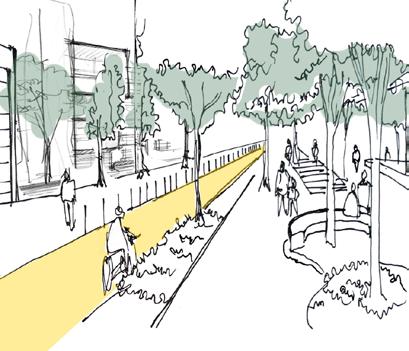
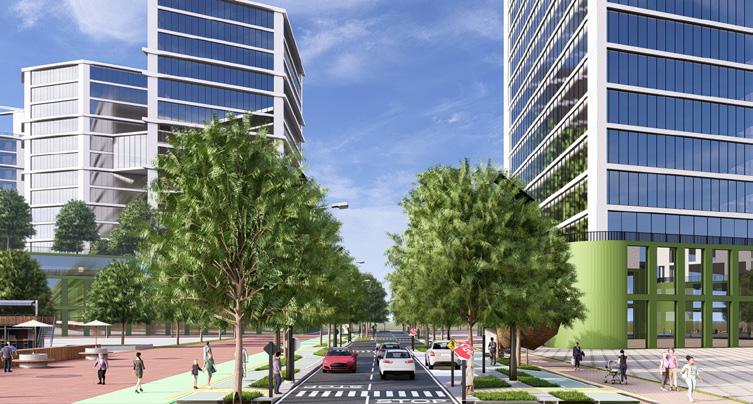
With minimal vehicular intervention into the site, and focus on pedestrians and active transportation, aspects such as tactile urbanism, increased social interaction and economic vitality are also key considerations. A vibrant, walkable town center can attract businesses and boost local economy.
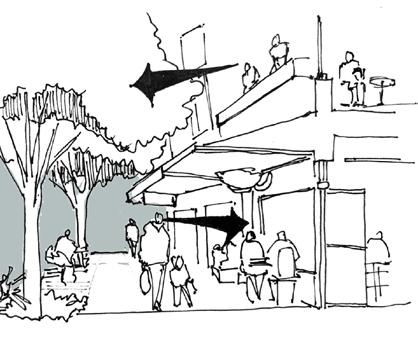
Wide sidewalks, that extend into the patio space of the groundlevel outlets creates a seamless transit between the streets and the built areas.
Regular crosswalks and wider streets extending into plazas and squares that act as event spaces, makes the network more active and vibrant, breaking the monotony of mere walking.
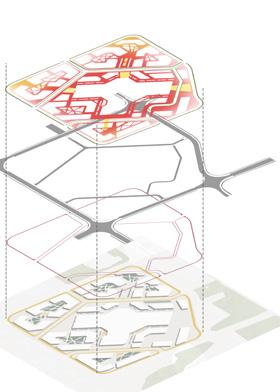
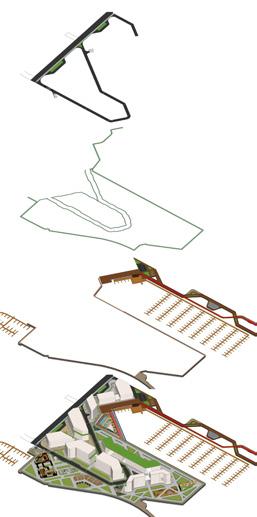
Pedestrian realm - interconnected throughout the site
Vehicular network
Bicycle track Built and open spaces
Patios extending into the street, to create active frontages and eyes on the street design.
corridor.
Streetscape Design
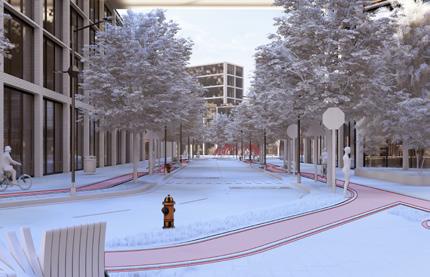
With focus on pedestrians and active transportation, aspects such as tactile urbanism, increased social interaction and economic vitality are also key considerations. A vibrant, walkable town center can attract businesses and boost local economy.
Creating an identity for the entire site, through rightly placed landmarks and icons will make wayfinding easy and the site easily navigable. With the design concept of the web, as each space is interconnected, the intention always remains to achieve the shortest path for the pedestrians from one point to another.
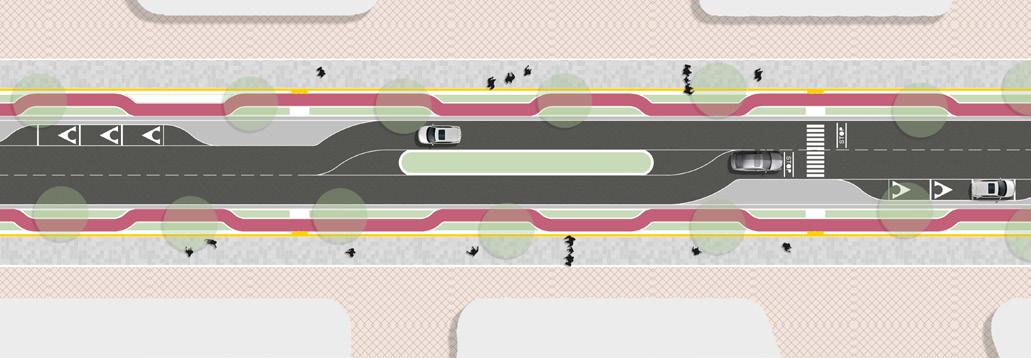
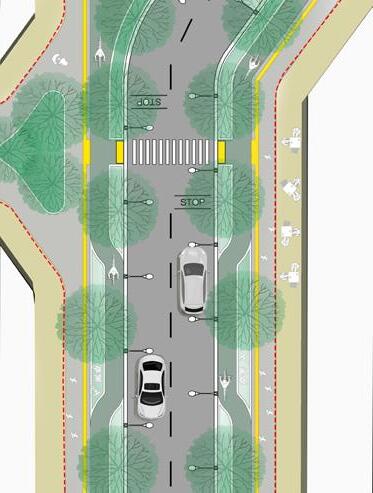
Reducing the number of lanes within the site will automatically slow down vehicle speeds creating a safe environment. Extend curbs at intersections to reduce crossing distance for pedestrians is also part of the design considerations.
Eglington Avenue Redesign
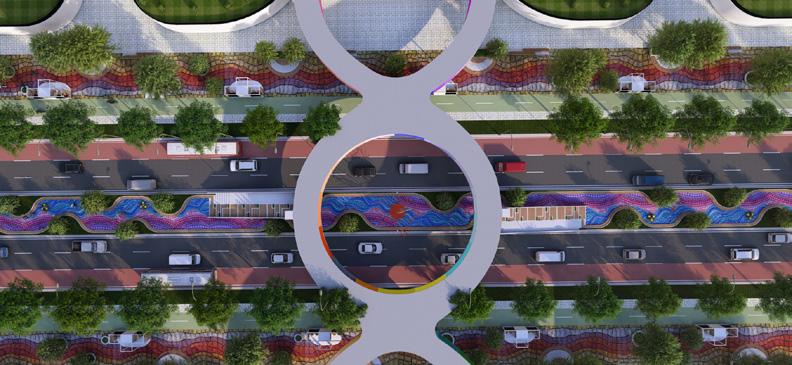
• Pedestrian focused streets
• Vibrant & Active median
• Design based on mobility trends
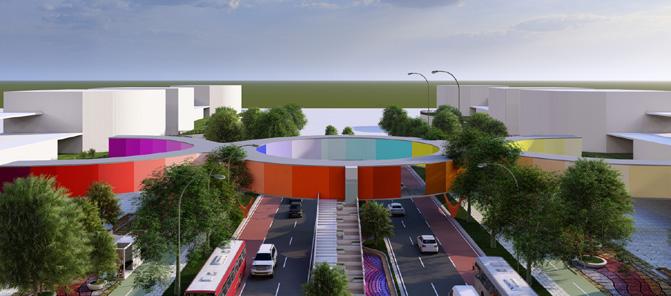
• Multilevel connectivity
• Integrating POPS into the public space
• Crime prevention design techniques
• Tactile urbanism
• Transit Oriented Development
• Night life
• Flexible public spaces
• Engaging street edges
• Design creates landmarks making wayfinding easy
Eglington Avenue Street Section
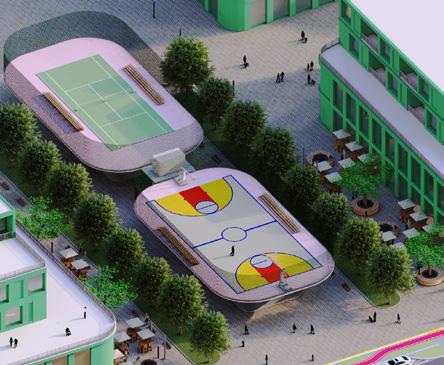
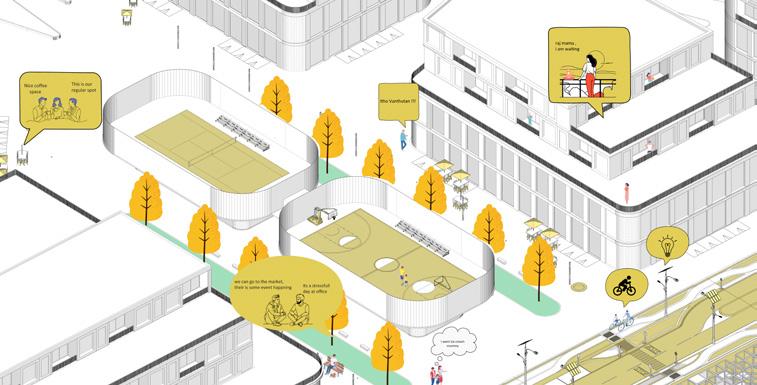
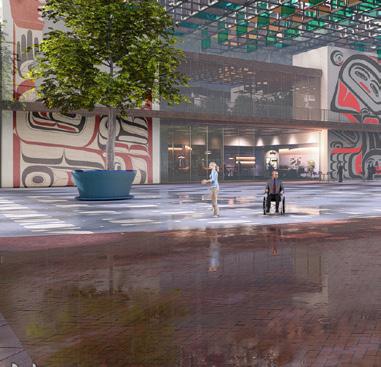
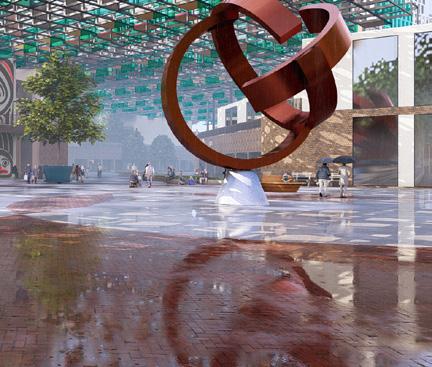
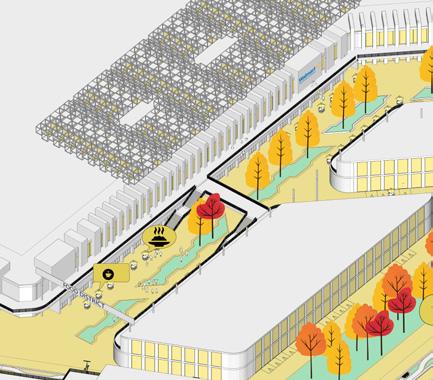
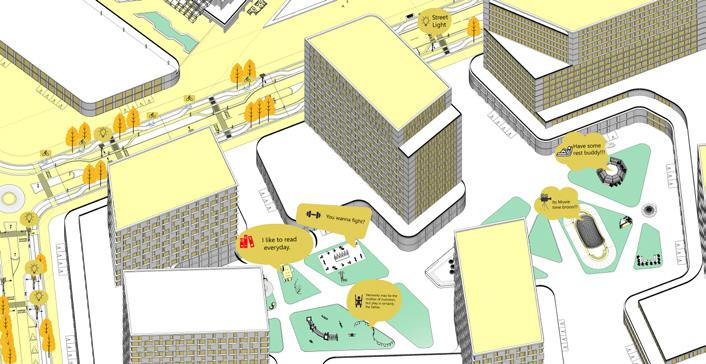
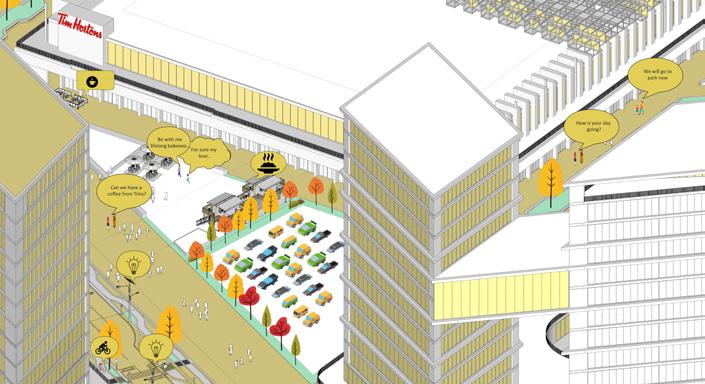
The multifunctional activity landscape and street market around the mall exemplify innovative public space design that boosts community engagement and well-being. Featuring modular seating and green infrastructure, the adaptable landscape supports activities like sports, fitness, and events. The market, with its colorful kinetic glass roof, creates a striking, energy-efficient space that draws visitors, while eco-friendly stalls promote local business and sustainability. Solar-powered lighting, recycling stations, and community areas enhance environmental responsibility. Together, these spaces foster social interaction, cultural events, and a sense of community, enriching the area’s quality of life.
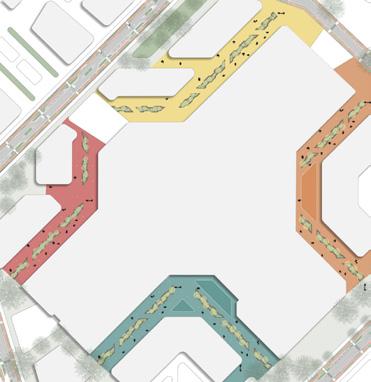
Street Market Plan
RED ZONE - Street cafes and open bars
ORANGE ZONE - Gaming
BLUE ZONEFarmers market
YELLOW ZONEClothing and attire
Residential Courtyard with activities
Public Square
The Anchor - Reimagining Port Credit
1 Port St E, Mississauga, ON Autocad | Sketchup | Lumion | Adobe Photoshop | Adobe Illustrator | Adobe InDesign
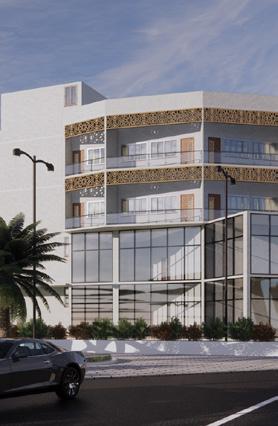
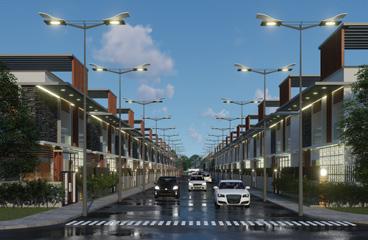
The vision for Port Credit is to develop a vibrant, pedestrian-friendly urban corridor that celebrates the area’s rich history and natural beauty. The design features mixed-use buildings with retail spaces on the ground floor and residential units above, blending traditional brick elements with contemporary design to create a harmonious and modern aesthetic. These buildings will be strategically designed to maximize natural light and ventilation, promoting a healthy and energy-efficient living environment. The development will be seamlessly integrated with the surrounding neighborhood through a network of pedestrian pathways, bike lanes, and lush gardens, fostering a vibrant community space that encourages interaction and accessibility while reducing reliance on cars.
Central to this vision is the creation of an inclusive and sustainable community that respects and enhances Port Credit’s natural landscape. The pedestrian pathways and bike lanes will ensure easy access to amenities and promote eco-friendly transportation. Lush gardens and green spaces will provide relaxation areas and support local wildlife, contributing to biodiversity. By preserving the area’s natural beauty and integrating historical references into the design, the project aims to create a sense of place and continuity, offering a dynamic and cohesive environment for residents and visitors alike.
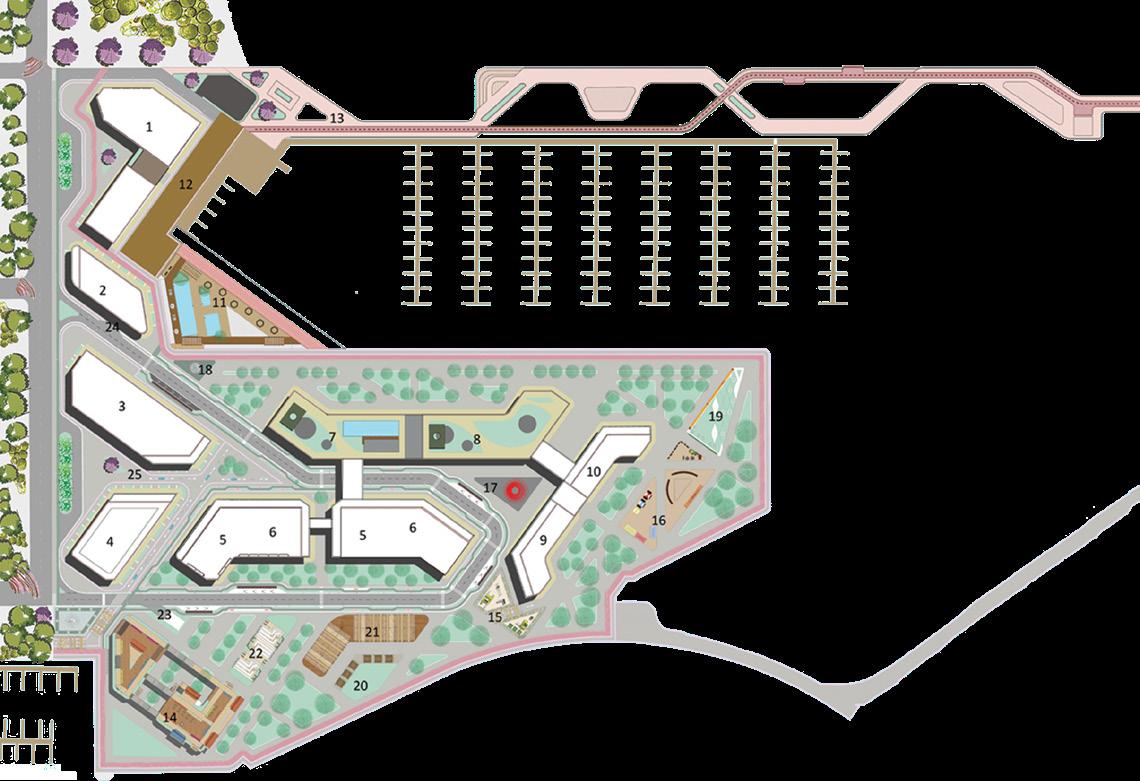
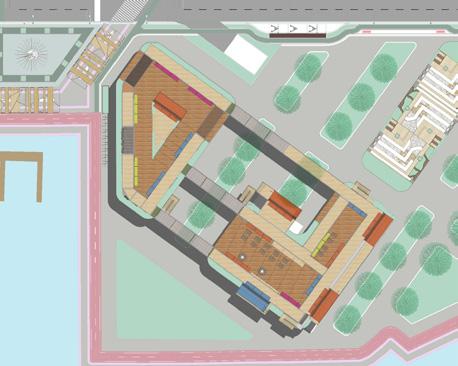
LEGEND
1. Boat Club 2. Commercial & Retail 3. Shopping Center 4. Entertainment hub 5. Commercial area
6. Residential 7. Condos
8. Studio appartments
9. Mixed use residential
10. Mixed use residential
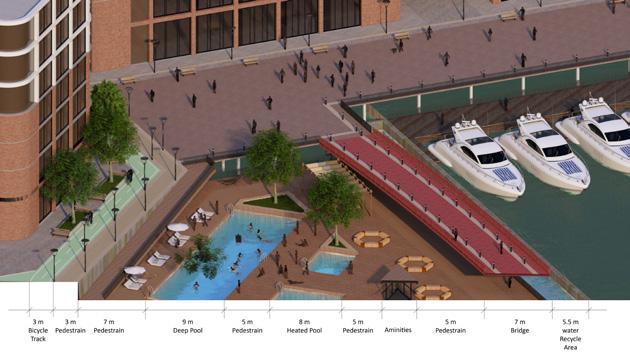
11. Pool deck
12. Dock area
13. Marina promenade
14. Container residences
15. Public park with outdoor gym
16. Plaza
17. Central Plaza
18. Fountain Plaza
19. Photo booth
20. Kids play area
21. Shaded walkway
22. Canopy
23. Garage entrance
24. Garage exit
25. Main pedestrian axis
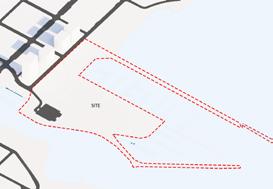
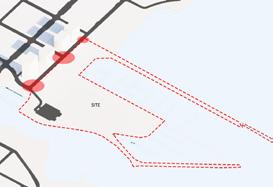
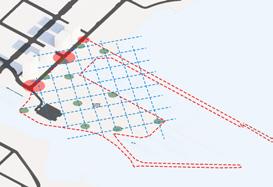
Fig:2 : Identifying important vehicular connectivity to the site
Fig:3 : Pedestrian point of interest in site
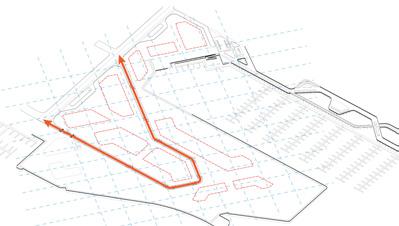
Fig:4 : Connecting all the point of interest to make it easily a accessible
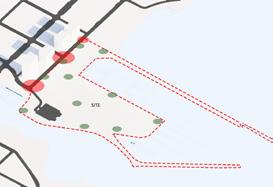
Fig:1 : Port Credit - Site
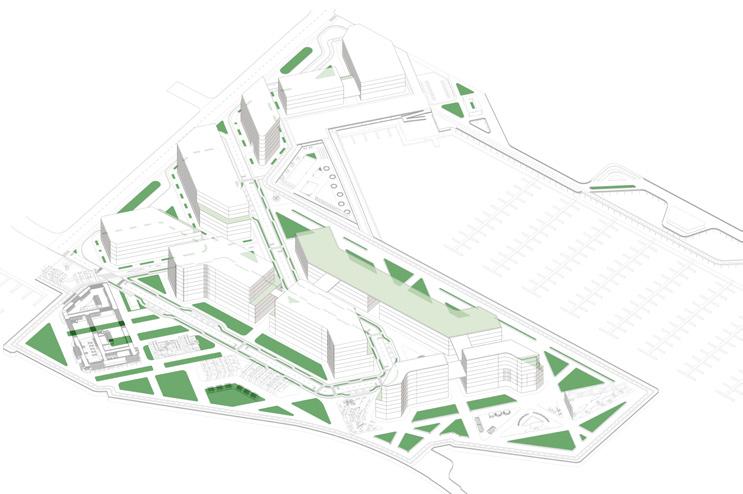
Building form are designed based on the pedestrain grid
Sustainability and Mobility
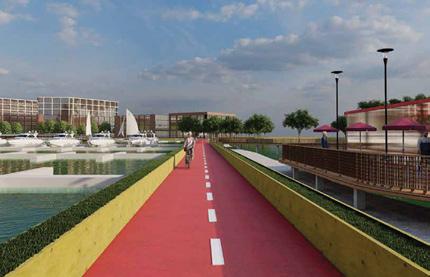
Anchor aims for a sustainable urban development through the fusion of green building technology, energy efficiency systems like solar powered streetlights, etc. The design promotes active transportation modes, features like only pedestrian pathways and cycle tracks which connects to a Port Credit’s existing waterside trail.
Pedestrain movement
Pedestrian
Streetscape Design
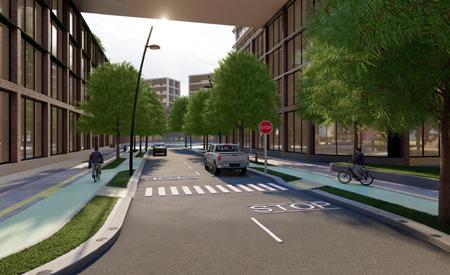
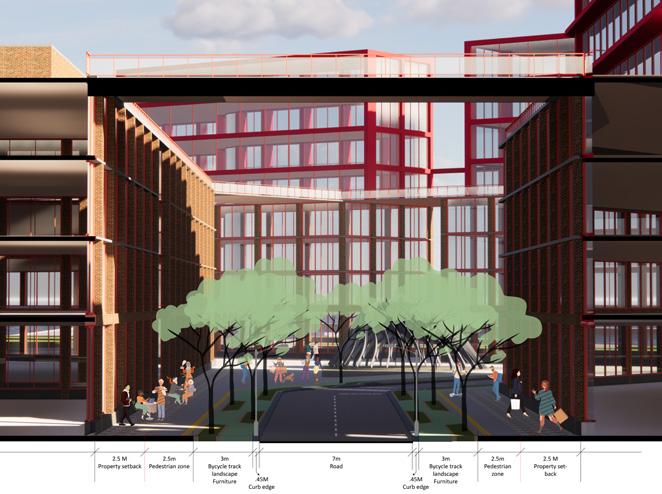
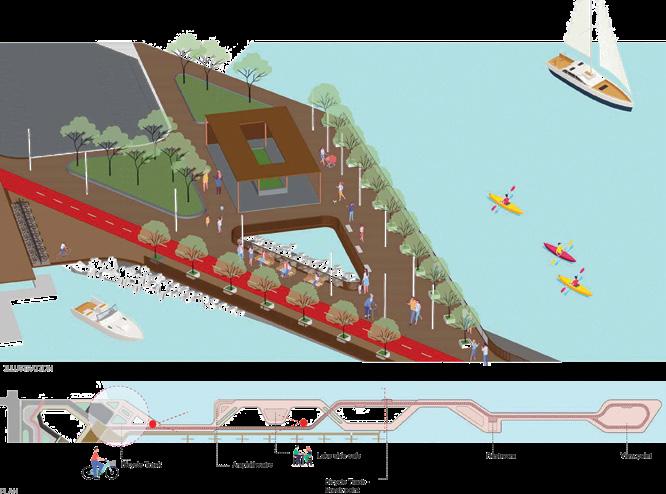
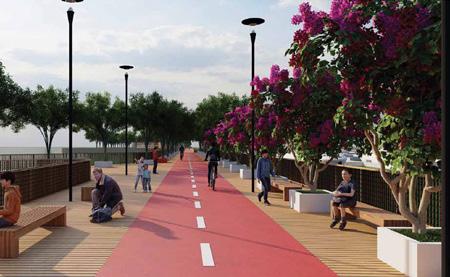
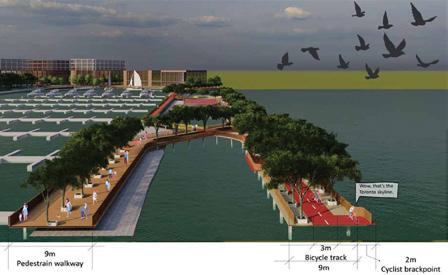
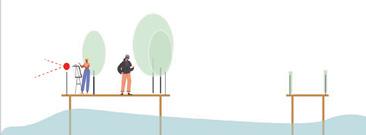
Our streets cape design includes integrated sidewalks that prioritize pedestrian friendliness. These sidewalks are complemented by a landscaped buffer. The buffer adds aesthetic value and includes a dedicated cycle track to ensure safety and ease of access for both cyclists and pedestrians. The design seamlessly connects path- ways with lush gardens, creating a harmonious and inviting environment for all.
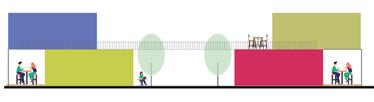
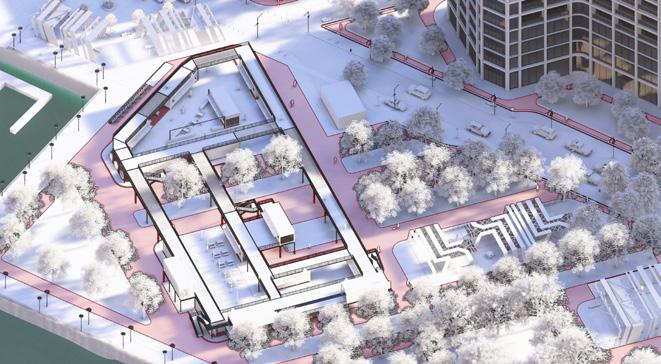
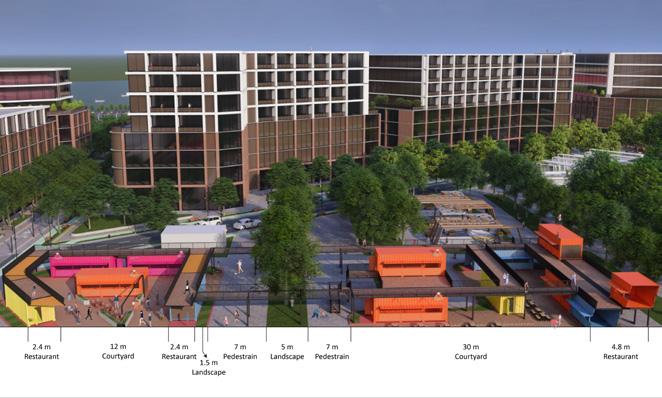
The container restaurants at The Anchor are designed to create a lively, sustainable dining experience within the public realm. Built from repurposed shipping containers, these restaurants sit on wooden decks and are surrounded by concrete planter boxes, blending urban style with natural elements. This design choice emphasizes sustainability and flexibility, allowing for a diverse range of culinary offerings.
Located along the lakeside promenade and connected to bicycle and pedestrian pathways, the container restaurants provide an inviting atmosphere for both locals and visitors. The outdoor seating areas foster social interaction, offering a vibrant, relaxed space to enjoy meals while taking in the scenic views. By integrating dining with the public space, the design enhances community engagement and promotes a dynamic, accessible environment.
Public Swimming Pool
Our mixed-use community will include a public swimming pool designed as a vibrant communal space. Open to everyone, the pool will serve as a focal point for social interaction, recreation, and relaxation. This will enhance the sense of community and create a welcoming atmosphere for all residents and visitors.
A scenic route begins from the boat club, featuring dedicated lanes for bicycles and pedestrians, along the pathway there are lake side cafe which leads to a viewpoint that offers breathtaking views of the Toronto skyline.
The public swimming pool facility is a versatile recreational hub featuring three distinct pools to cater to various user needs. The large diving pool, with its high diving boards and spacious design, is perfect for diving enthusiasts and adventurous swimmers. The kid-friendly pool is designed with safety and fun in mind, featuring a shallower depth and interactive elements like water slides and splash pads. The heated pool ensures comfort year-round, offering a pleasant swimming experience even during cooler weather, ideal for leisure swimming and water aerobics.
Complementing the pools, the facility includes sauna rooms for relaxation, enhancing the overall experience with therapeutic benefits. Essential amenities such as changing rooms, lockers, showers, and a snack bar are also provided to ensure a convenient and enjoyable visit. The facility aims to be a central point for families and fitness enthusiasts alike, promoting active lifestyles and community engagement through its thoughtfully designed spaces and amenities.
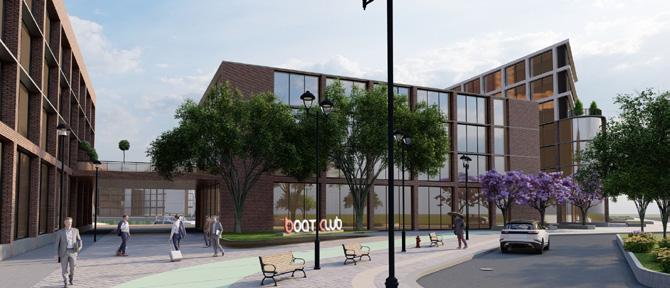
This place act as an entry point to one of the main attraction on site, the boat club, which is a private happening club for the marine community. The area is tucked away in the northwest corner of the site and it linked by the secondary vehicular access point. The view seen here portrays a bridge that connects two different block of the boat club.In this way the space under the bridge creates a framed view towards the waterfront.This enhances the quality of the space both visually and in terms of comfert level.
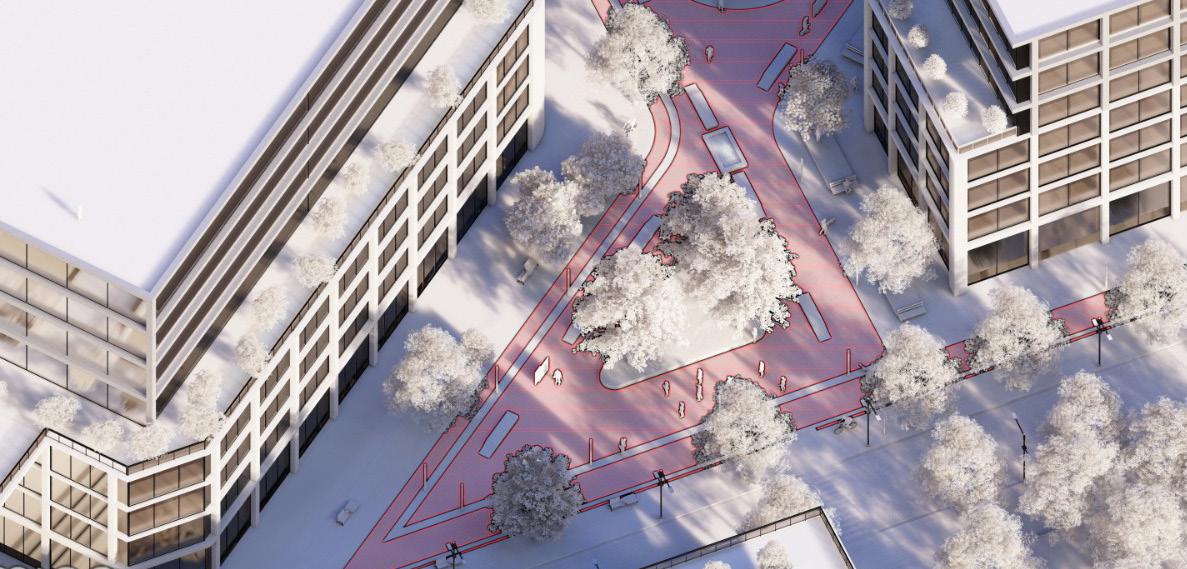
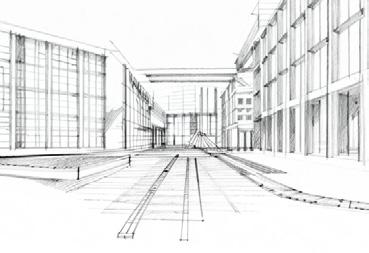
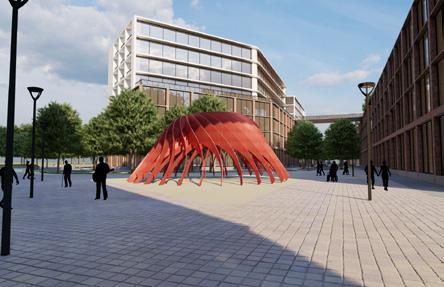
This place act as an assembly point and only pedestrian zone between building. As well as the abstract landmark which also serves as a point which can be used as a directional point for the pedestrains.
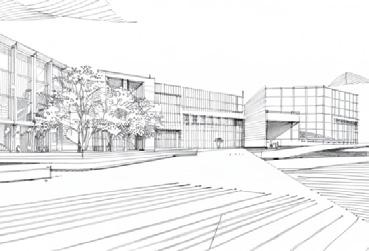
And this place is a transition between the build environment and landscape zone.
Wooden deck Concrete Planter box
Fibre bicycle track
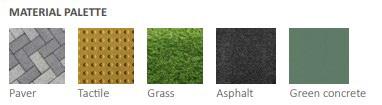
Material
Islamic Cultural Centre
C83P+7HF, Kokapet, Hyderabad, India
Autocad | Sketchup | Enscape | Adobe Photoshop | Adobe InDesign
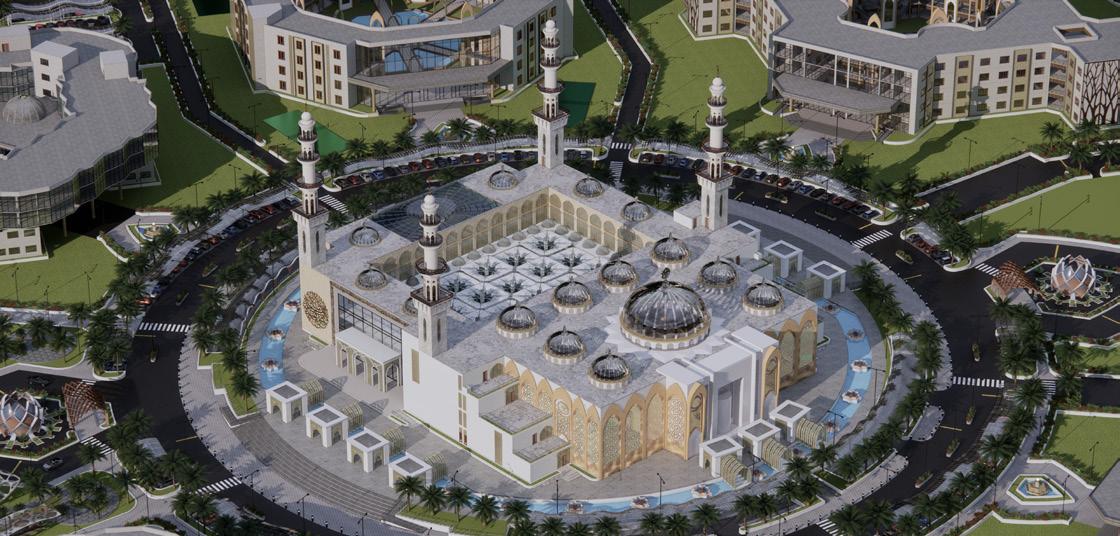
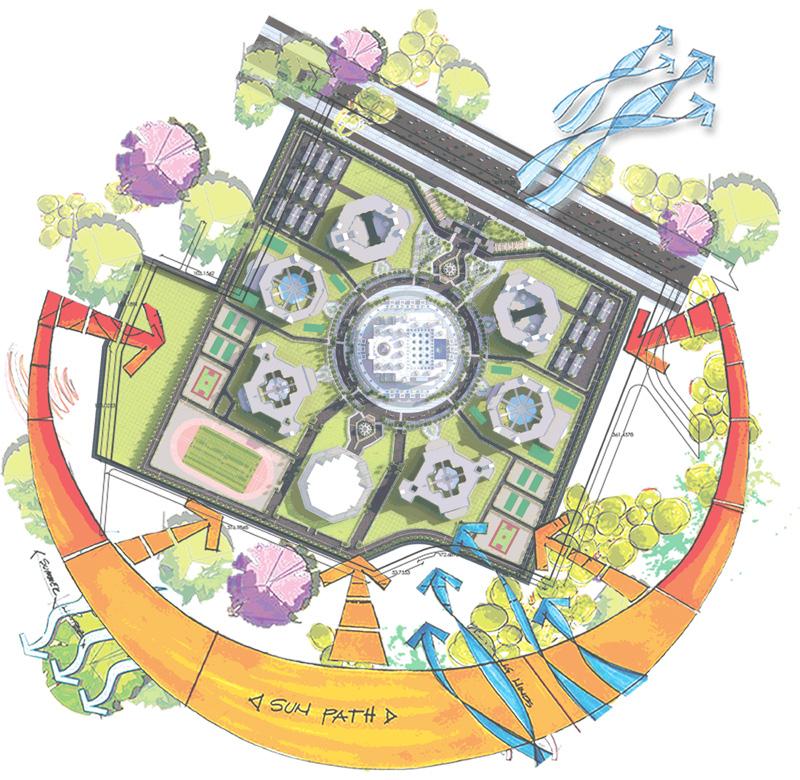
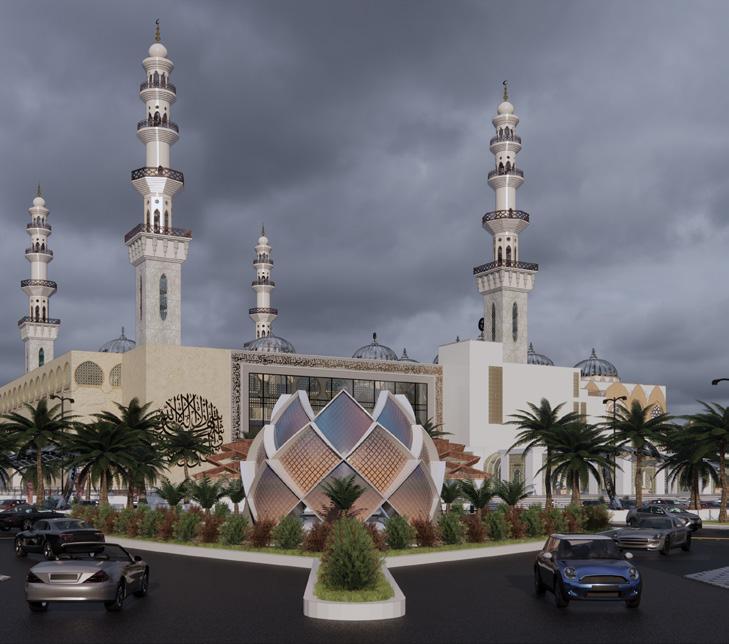
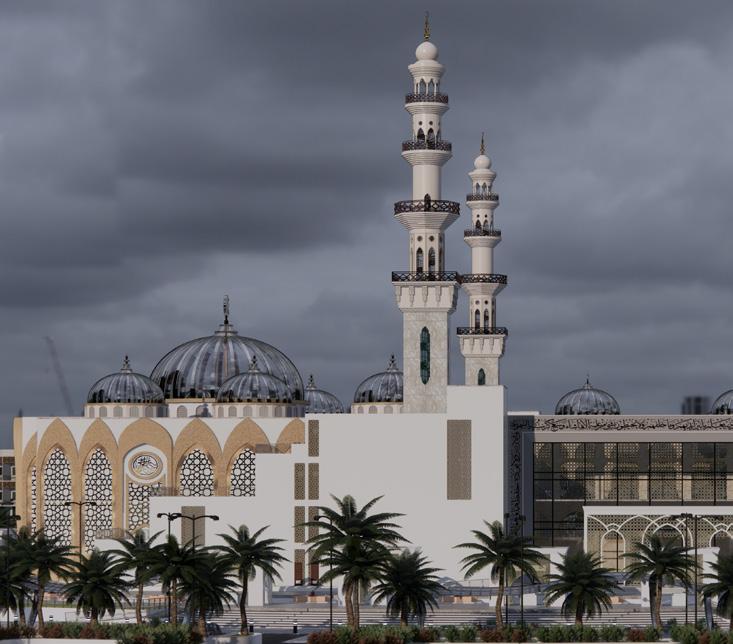
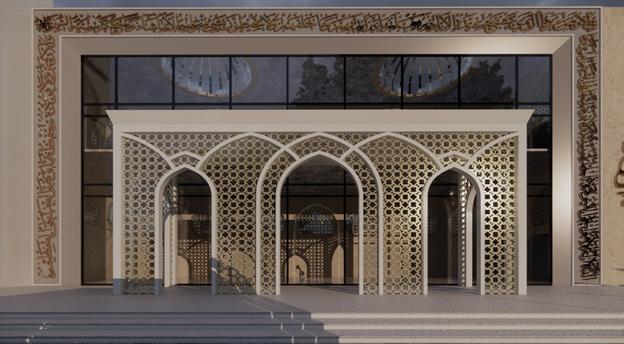
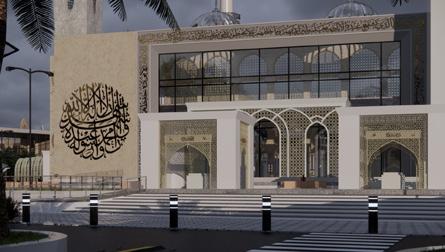
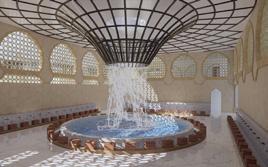
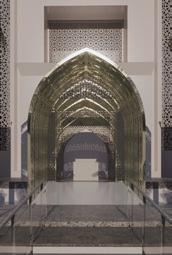
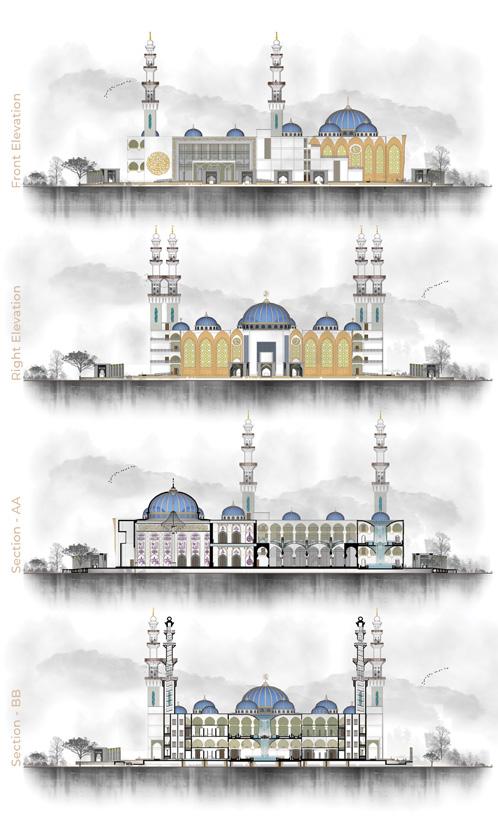
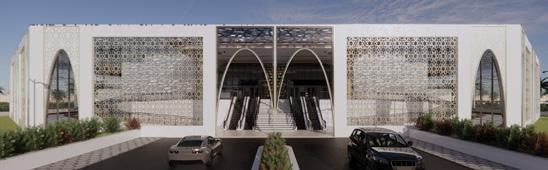
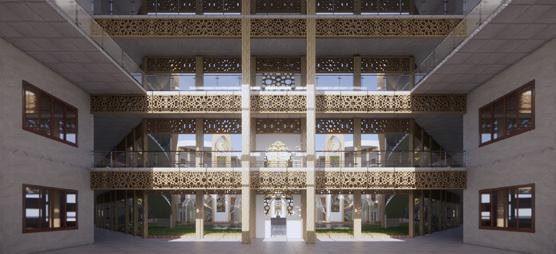
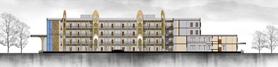
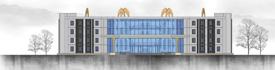
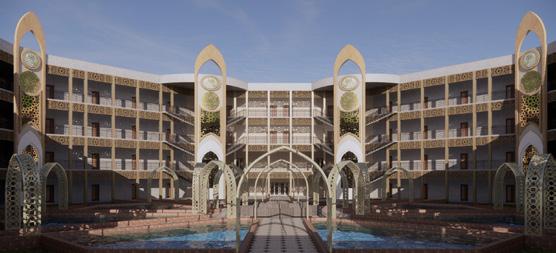
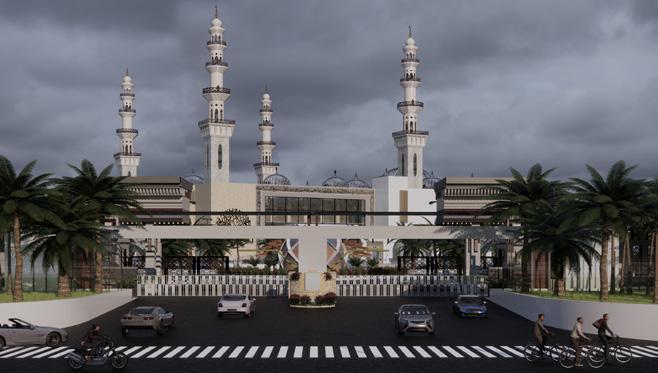
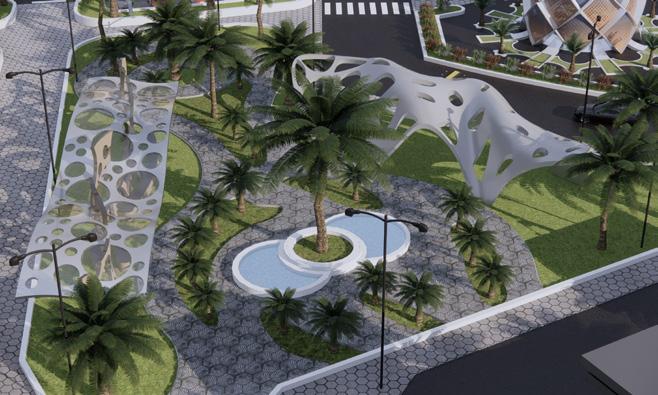
An innovative architectural solution to address the prevalent misunderstandings between Islam and the Western world through the creation of a multi-functional center in Hyderabad, India. The design marries modern and Islamic architectural principles, drawing inspiration from the phases of the moon and geometric shapes to create a space that resonates with both contemporary aesthetics and the celestial significance in Islamic tradition. This fusion of design elements not only honors the spiritual and cultural heritage but also introduces a fresh, modern perspective that speaks to diverse audiences.
The center’s functionality extends beyond its role as a place of worship; it is envisioned as a vibrant community hub and educational resource. The architecture, characterized by lunar and geometric motifs, facilitates various activities such as communal gatherings, cultural events, and interfaith dialogues. This thoughtful integration of form and function enhances the center’s ability to serve as a platform for intercultural engagement, fostering understanding and collaboration across different cultures and faiths. The design thus symbolizes the bridging of cultural and religious divides, promoting greater intercultural harmony and shared learning.
7. Recreational zone
8. Public Realm
9. Ground parking lot 10. OSR
Mosque 2. Library / Museum
3. Hajj Complex / Hotel
Hostel 5. Institute 6. Auditorium
A prayer hall is where the main prayer is performed by group or individually. It is typically enclosed by all sides or given a sense of enclosure by series of columns or so. But it is always walled on the one side that is facing the ‘kaaba’ and all the muslims has to face that wall while praying.
A mimbar is a platform reached by steps which is normally kept at the right side of the mihrab.
A mihrab is a space, typically a semicircular niche created by carving inside the wall facing the kaaba.
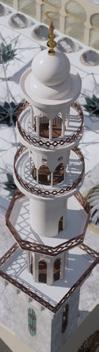
A Minaret is the tower with a spiral staircase inside to reach the top. The ‘muezzin’ the caller to perform the ‘adhan’ the call for pray would climb the top five times a day so that his voice could reach the farthest corner possible. Besides it is also done to create a landmark.
Ground Floor Plan
First Floor Plan
The Hypostyle Halls Were Constructed With Rows Of Column Supporting A ‘Roof And A Central Large Space Covered With One Or More Smaller Domes. It Was Practiced In Arab, Spain And North Africa. Eg. Umayyad Great Mosque In Damascus.
A Melting Of Hindu And Islamic Traditions Resulted In A Mosque Type With Three Domes, Walled With A Large Courtyard. This Mosque Was Often Of Monumental Scale. This Style Was Practiced In Mughal Architecture. Eg: The Jamia Masjid In Delhi
Central Dome Mosque Was Introduced By The Ottoman Empire. This Mosque Was Arranged With Prayer Hall Based On The Mosque Of The Prophet As A Regular Hypostyle Hall Covered By A Central Large Dome Surrounded By Smaller And Lower Semi Domes.
Second Floor Plan
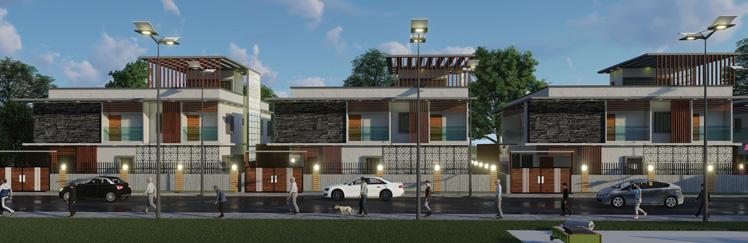
Smart Gated Community
No.106, Kalvakkam,Nehru Nagar, Thoraipakkam, India. Autocad | Revit | Sketchup | Enscape | Adobe Photoshop | Adobe InDesign
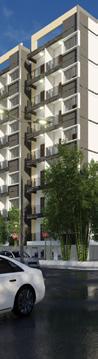
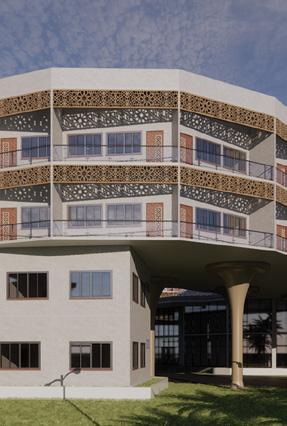
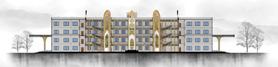
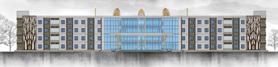
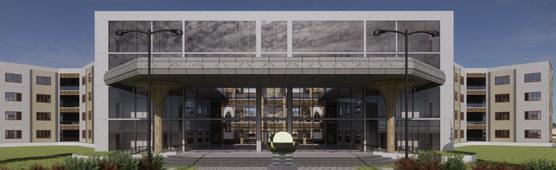
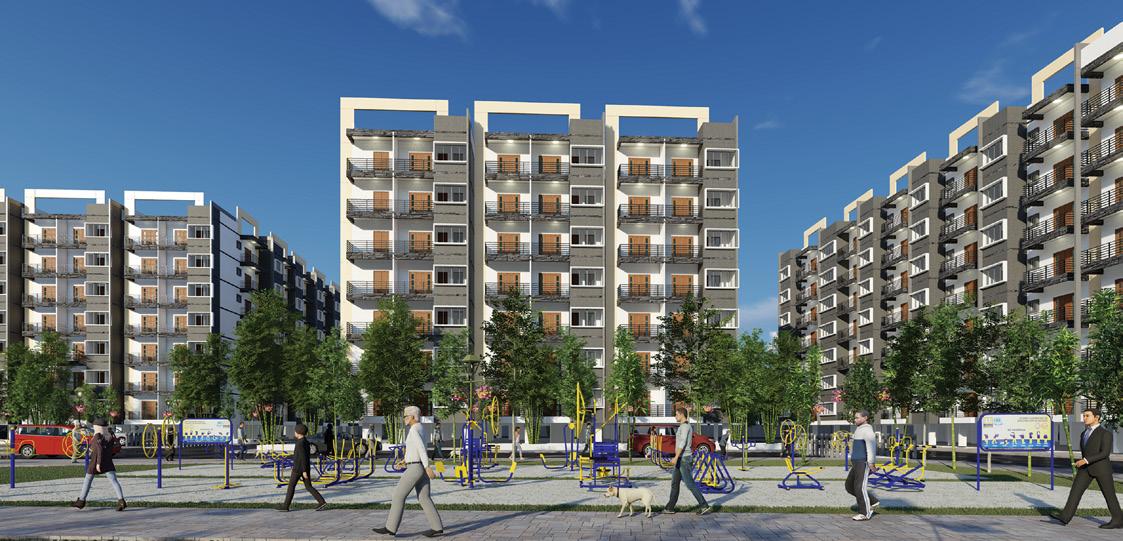
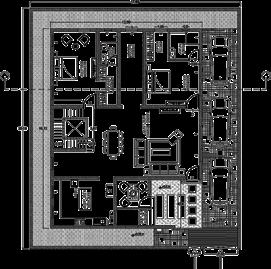
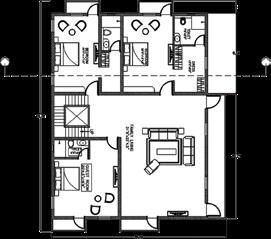
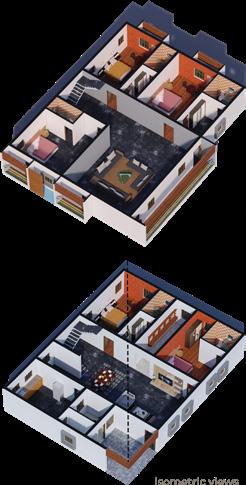
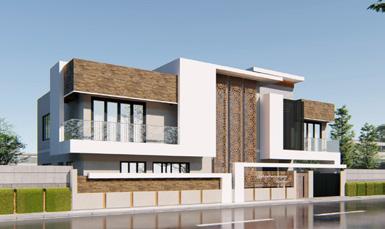
An apartment, or flat, is a self-contained housing unit typically situated on a single floor within a larger building. This setup allows residents to enjoy privacy and autonomy while sharing walls and other structural elements with neighboring units. The design and layout of apartments can vary widely, catering to different needs and preferences, from compact studios to spacious multi-bedroom units. Each apartment generally includes essential living areas such as a kitchen, bathroom, and living space, designed to maximize convenience and functionality within the constraints of the building’s architecture.
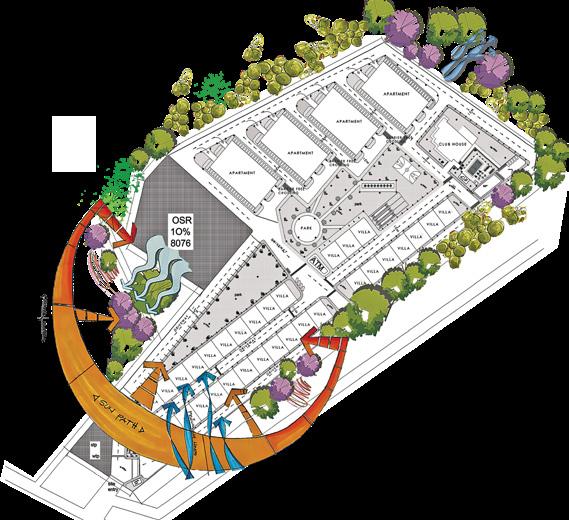
Vaastu Shastra, an ancient Indian architectural science, integrates various energies to create harmonious living spaces. It emphasizes the importance of aligning buildings with natural forces like solar, lunar, and cosmic energies. Vaastu considers factors such as solar energy from the sun, cosmic energy from the universe, lunar energy from the moon, and other elements like thermal, magnetic, light, and wind energy. By harnessing these energies, Vaastu aims to enhance well-being and prosperity in residential environments, reflecting the belief that a well-designed space can positively impact the lives of its occupants.
Villa Floor Plan
Urban Rejuvenation of Chintadripet
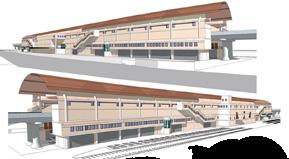
Chintadripet MRTS Station, Chennai, India.
Autocad | Sketchup | Enscape | Adobe Photoshop | Adobe InDesign
LANDSCAPE
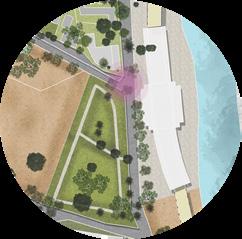
Coovum acts as an open space for chintadripet and facilitates ventilations. With the important character of chintadripet. cooum being redeveloped, the landscape that we have proposed provides beautiful vista of the redeveloped river front.
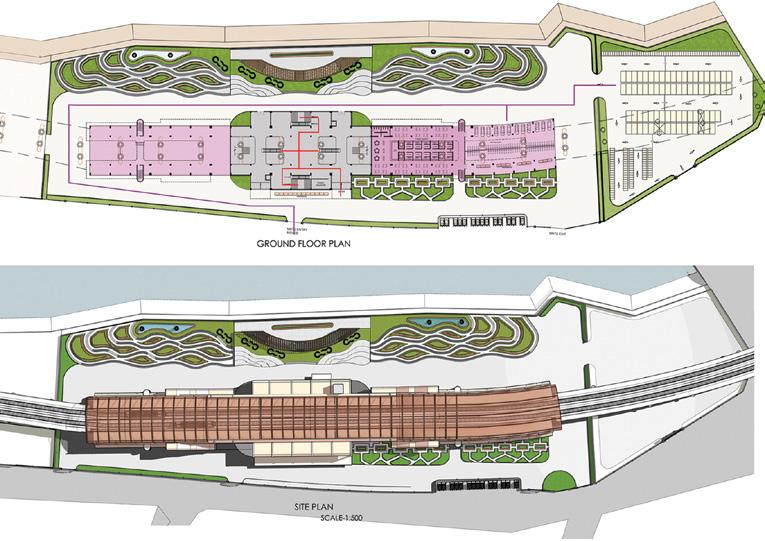
CIRCULATION OF PROPOSED MRTS
The MRTS proposal includes various active spaces that creates movement within the MRTS. All the spaces designed here are functional public spaces attracting the crowd surrounding the MRTS. The circulation is desgned in such a way that interconnects all the spaces without disturbing the function of one another.
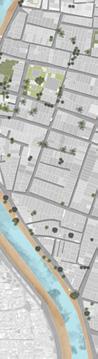
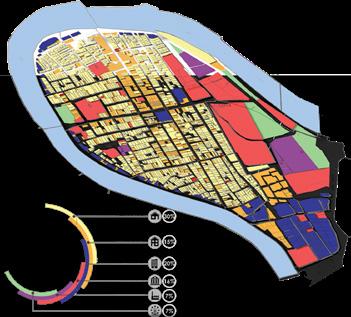
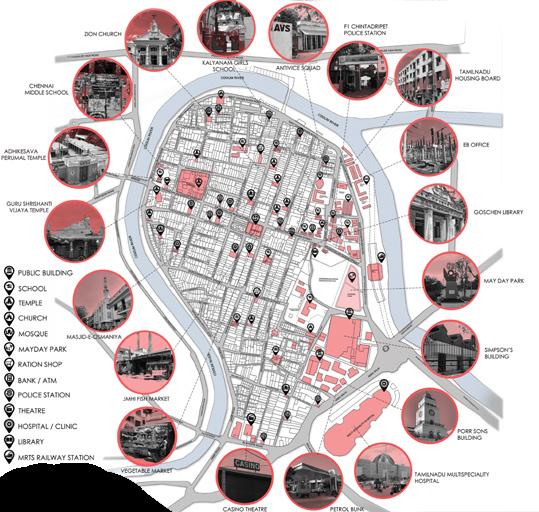
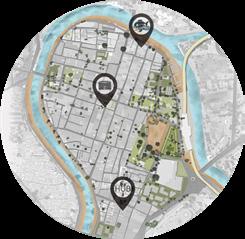
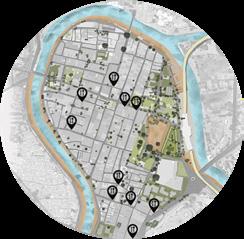
Our academic team project centered on the study of Chintadripet, a historically significant neighborhood in Chennai, India, located along the southern banks of the Koovum River. Despite its rich heritage, Chintadripet faces issues like urban decay, poor infrastructure, and environmental degradation. The objective of the project was to propose a plan for urban rejuvenation, specifically focusing on revitalizing the waterfront and redesigning the MRTS (Mass Rapid Transit System) station area.
The waterfront redesign aimed to restore the riverbanks by transforming them into functional public spaces that could serve the community. The plan included green zones, vpedestrian walkways, and recreational areas, while also addressing water pollution and flood control. The MRTS redesign sought to enhance station accessibility and integrate it better with the surrounding area. This included improving pedestrian links, modernizing the station’s infrastructure, and creating efficient public transport connections. Our vision was to create a vibrant, sustainable space that would reconnect Chintadripet with the Koovum River and rejuvenate its urban landscape.
HAWKERS
Provision for hawkers is given inside the building. As we noticed during our on-site survey, the presence of hawkers is causing congestion. The entry restricted for hawker movement as the density of people increases be evening, so we have alloted two spaces for them, Near the food court At the entrance of the station We have provided hawkers for an easy-grab food for the passengers travelling further.
ENTRY
MRTS Entry has been shifted 50m. towards Anna Salai as it causes accidents and congestion at the node.
AUTO RICHSHAWS
Auto stand at the entrance causes congestion. So, stand for 10 autos is provided in the station premises.
COMMERCIAL ZONE
Introducing commercial zone within the MRTS which will make the space active. Like electronic shops, printer shops,export office, travel agencies, etc.
RPF(RAILWAY PROTECTION FORCE) The accomodation for RPF was improper in the existing plan. So, a dormitory is designed with proper facilities in the proposed MRTS plan.
FOOD COURT
There are less number of opportunities for the people here to go to the restaurants. The ratio of food stall affortable by the categories are limited.To change such a scenario, hawkers & food court design was included in the planning of RTS proposal.
PARKING
The streets of chintadripet are NARROW in residential zone two-wheelers and fourwheelers are parked along the streets. Bike theft is a major crime happening. So providing parking for residencial zone will help the people of chintadripet.
Shopping Mall
Vanagram, Chennai, India.
Autocad | Revit | Sketchup | Enscape | Adobe Photoshop | Adobe InDesign
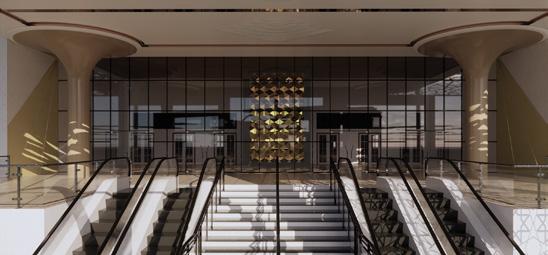
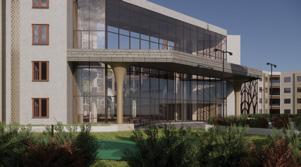
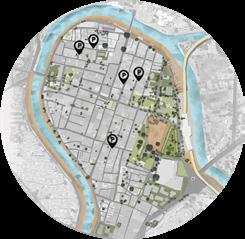
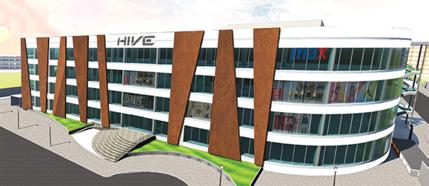
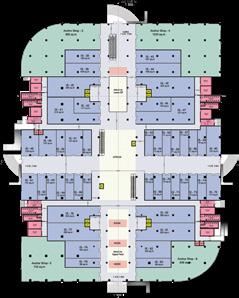
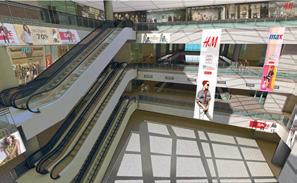
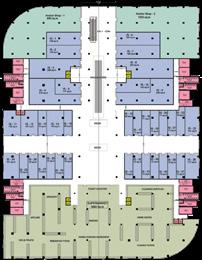
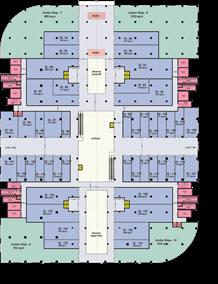
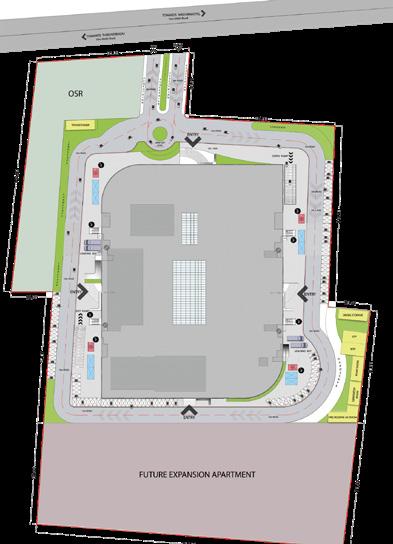
Shopping spaces have evolved dramatically from the charming, pedestrian-focused arcades to the expansive, vehicleaccessible shopping malls we see today. Arcades, often open-air or covered, were intimate spaces designed for community interaction. Over time, these smaller precincts were largely replaced by modern shopping malls, which feature interconnected indoor walkways and a variety of retail and entertainment options, catering primarily to vehicular access.
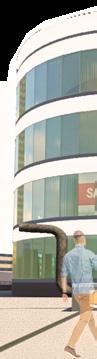
This evolution is closely tied to modernist architecture, which emphasized the use of innovative materials such as glass, steel, and reinforced concrete. Modernism’s core principle of “form follows function” focused on creating buildings that prioritize utility, with clean lines, open interior spaces, and minimal ornamentation. This project examines the shift from traditional shopping arcades to modern malls, showcasing how modernist ideals have influenced the design and functionality of these contemporary commercial spaces, shaping how people engage with retail environments in today’s world.