
1 Table of Contents About Us 2 All Access Fest 3 Intro 4 Music Industry Related Fields 5 Map to My Dream Career 6 Sample Career List 8 Identify Your Skills 12 Identify Your Characteristics 14 Resumes 16 Cover Letters 18 Interview Guide 22 Professional Pitch 24 Ask the Professionals 26 Sponsors 28 Notes 29 Contacts 32
about us
Music Forward transforms young lives, inspires careers, and champions a more inclusive music industry.
Since 1993, we’ve impacted over one million young lives and invested $42 million toward providing transformational experiences to youth from underserved communities. Our programs:
• Open Mic Fridays cultivates and gives a platform to young emerging artists.
• Industry Sessions provides industry career resources through panels and workshops.
• Internships offer paid placement opportunities at some of the music industry’s top companies
• Scholarships grant dollars to deserving college students focused on entering the music & live entertainment industry.
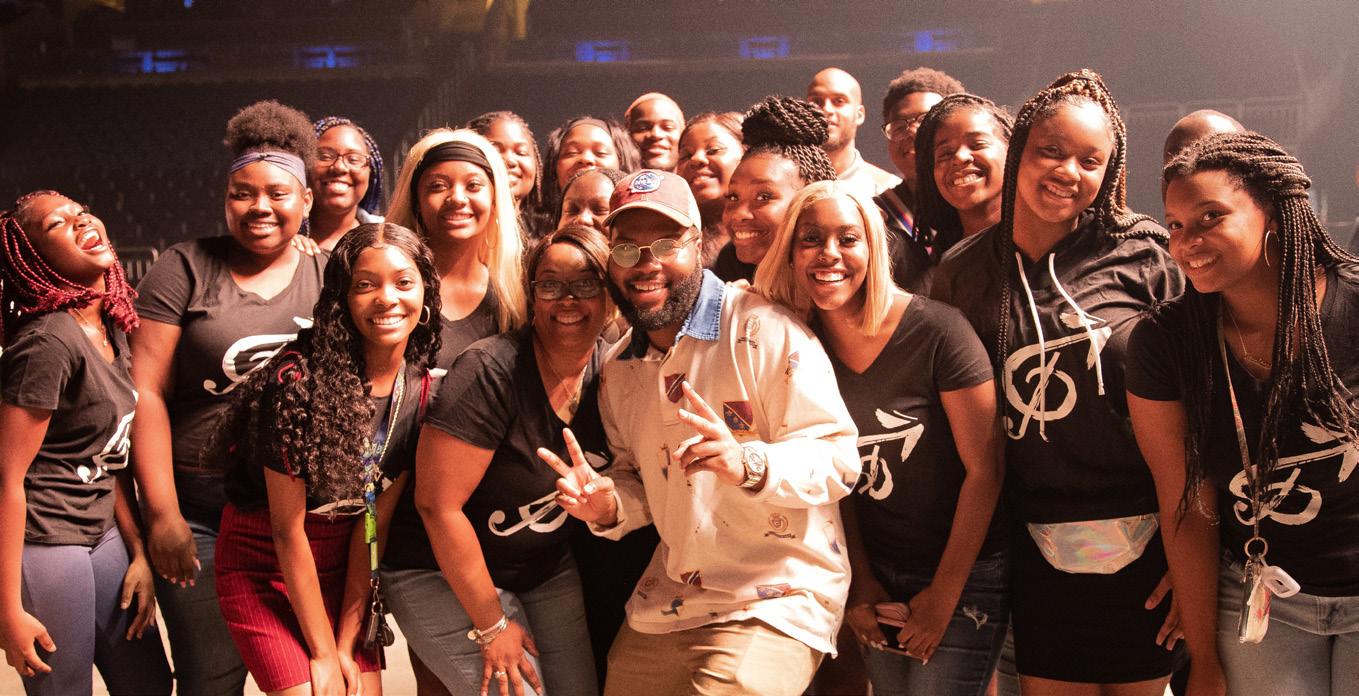
Each year, we activate our significant network of music industry professionals, schools, nonprofits, donors, and businesses to help us deliver $1,000,000 in programming that impacts over 15,000 youth globally. Together, through our partnerships, we bridge community to industry to shape tomorrow’s innovators and leaders and generate a more vibrant and inclusive music industry.
Learn more and get involved at www.musicforwardfoundation.org
2

3 All Access Fest
More All Access Fest The Wiltern April 26, 2023
Schedule, Map, Speakers, &
Welcome to All Access Fest, a career fair with a music industry twist.
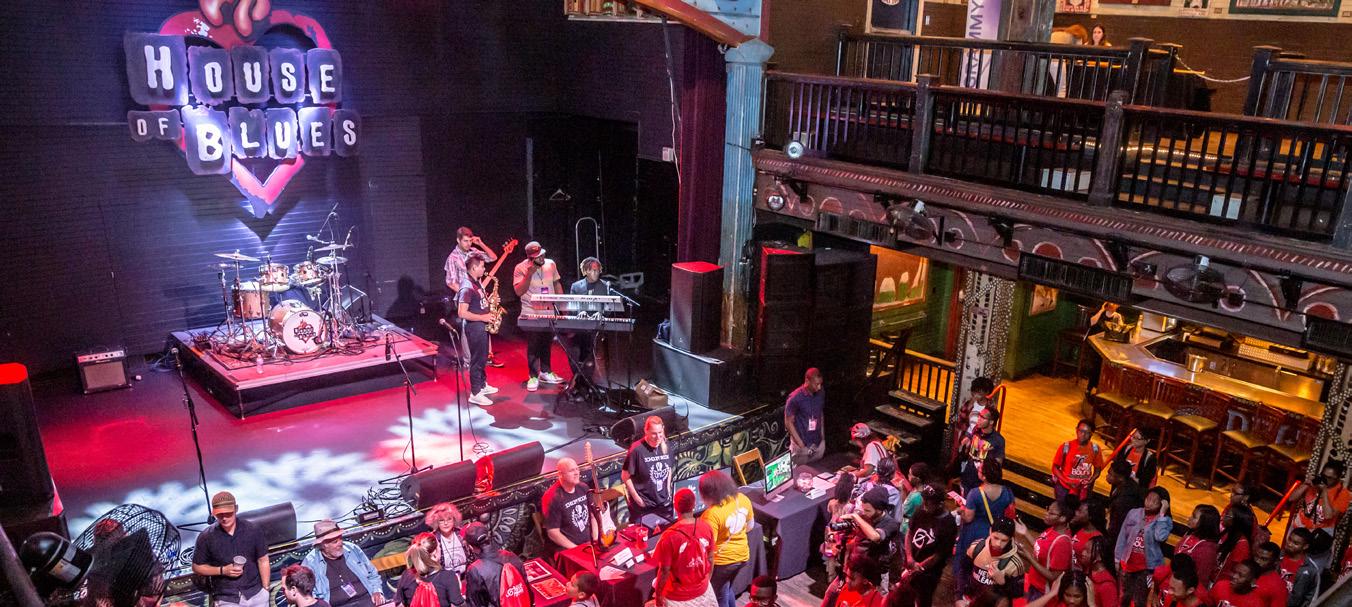
Use this guide to explore career opportunities and map your pathway to success in the music industry. We encourage you to fill out the career map, take notes during panels, reference the resources, and scribble in the margins. Let this guide help you spark and chart your life’s story.
Did you know?
• In 2021, the global recorded music market grew by 18.5%, the seventh consecutive year of global growth.
• The global recorded music industry revenue for 2021 was $25.9 billion, reaching the highest levels in this millennium.
• Live Nation, a live entertainment industry leader, sold over 121 million tickets across 43,600 events in 2022 and saw global reve- nue reach $16.7 billion.
• The iconic art deco theatre, The Wiltern, has housed the likes of Madonna, Imagine Dragons, E3, Pollstar, American Idol and more since its opening over 90 years ago.
The music industry offers a variety of opportunities for a range of skill sets and interests, on-stage and off-stage. The industry is vibrant and competitive, requiring planning, adaptability, commitment and creativity to find success. Local, national, and international markets continue to grow. So, where do you see yourself fitting into this exciting industry?
4
intro
performers & writers
music industry related fields
music business
film & television
public relations
health & wellness
touring & festivals
journalism
physical & digital
distribution
producing & recording
merchandising
record labels
arenas & clubs
music
education
advocacy & policy making
marketing & advertising
5
This month: What do I want to accomplish in the next month?

6
Characteristics
What traits do I have that will help me succeed?
What skills do I want to build?
Dream Companies
When I’m done, these are the companies that will be lucky to have me.
What do I need to overcome and how will I do it?
This year: What do I want to learn more about in the next year?
5 years: What do I want to accomplish five years from now?

7
Live Entertainment - Sample Career List
Agent: Part of the artist’s team. They book concerts, participate in commercial/TV placement, tour sponsorships, and TV/public appearances. Agents do NOT support recorded music, songwriting, or merchandising. Typically receive 5%-10% of revenue generated from their supporting role.
A/V Tech: Responsible for ensuring the success of show and event productions by performing the technical aspects related to a show’s audio and video production. Assists in all aspects of stage operation and on-site A/V operations.
Booking Agent: Secures bookings for musical talent. If their act is unknown to the public, the booking agent must work to book engagements. If the artist is well known, clubs and promoters will contact the booking agent to request performances at their venues.
Bookers/Talent Buyers: Schedules live performances for venues. They handle all financial matters in connection with the show dates. The talent buyer works directly with agents, managers, and artists to confirm the details of a show including compensation, lineup, ticket price, showtime, merch sales, etc. In some cases, bookers may even be involved with promoting the events they book.
Box Office Manager: Responsibilities include day-to-day operations, training and managing box office staff, ticketing department, sales, and event reporting. They must be proactively involved in communication with event partners prior to and during ticket sales periods and in post-event evaluation of the effectiveness of ticketing programs. Box office managers must also train staff to ensure customer satisfaction during the ticket buying process.
Business Manager/Accountant: Part of the artist’s team. They are responsible for all financial matters for an artist. Usually, an accountant by trade, handles financial affairs for recording artists. The business manager pays all bills, collects payments, files tax documents, and oversees investment strategies for the artist. Typically receives 15-30% of an artist’s revenue.
Costume Attendant: Works as part of a team having responsibility for assisting performers in their costume changes during performances. They must select, fit, and alter costumes according to performers’ role and body shape.
Concert Promoter: Puts concerts together by managing all details of presenting a show (concert, club, festival) including identifying talent, marketing, fundraising/sponsorship, venue specs, hospitality, etc. Concert Promoters can be companies or individuals. Most individuals
8
who are concert promoters work for a larger company.
Grip (Rigger): Responsible for ensuring the success of show and event productions by performing the technical aspects related to show production. Assists in all aspects of stage & load in operations and all on-site lighting & stage set up including hanging lights, spotting camera operators, and constructing sets. They work as part of a team responsible for ensuring the success of show and event productions.
Lighting Technician: Responsible for rigging lights, setting up equipment and ensuring on-stage lighting effects are delivered based on artist specifications that complement live shows. Supports load-in and break-down of live events. Techs are responsible for ensuring the proper care and handling of all lighting equipment.
Monitor Engineer: Responsible for maintaining control of monitor sound effects and mixing during sound checks and live shows. Assures that all monitor equipment is working properly.
Marketing Coordinator: Responsible for multiple tasks that drive the success of marketing efforts for venues. Tasks include updating show information across communication channels (website, app, social), automated communications, coordination and delivery of marketing assets supporting live shows.
Marketing Manager: Leads marketing campaigns, works closely with public relations and advertising departments, and develops concepts and budgets. Responsibilities include development and presentation of marketing plans, direction and implementation of marketing promotions, and management of advertising budgets for live events and initiatives.
Merchandise Manager: Oversees merchandising (merch) displays for artists through efficient communication with venues. This individual develops staffing schedules, manages inventory and sales goals, runs POS (point of sales) systems, handles all aspects of payment processes, and training of local sellers.
Music Attorney: Part of the artist’s team. They are responsible for handling the legal needs of the artist. The attorney negotiates and prepares contracts, handles copyright and trademark infringement suits, and applies for new copyrights and published material on behalf of the artist. Typically, the attorney works on a retainer (a set fee) rather than receiving an hourly rate of service from the artist.
9
Live Entertainment - Sample Career List
Music Hall Manager: Manages concert hall, oversees all activities and employees working front of house during live performances at the venue including security, servers, bartenders, and VIP Hosts.
Personal/Artist Manager: Part of the artist’s team. They oversee and coordinate the business operations of an artist. They work with artists to provide career direction, artist representation, and marketing strategies, and can help secure merchandising and sponsorships. Typically receive 15%-20% of an artist’s gross earnings.
General Manager: Manages budgets and is responsible for implementation of local safety regulations and compliance requirements. Oversees department leaders and handles day-to-day logistics and operations of the venue. Responsibilities include overseeing live show schedules, controlling inventory, leading department staff meetings, supervising venue trainers, tracking revenue and expenses, and monitoring the completion of venue goals.
Production Manager: Oversees all technical staff for live entertainment. Advances with bands and touring acts to ensure lighting, sound, load-in, and staging needs are agreed upon and effectively delivered.
Publicist: Works closely with marketing teams by creating press conferences, press releases, developing appearance opportunities, and coordinating with event photographers for development and alignment of artist image.
Public Relations Manager: Secures media coverage of artists by coordinating with news companies to offer tour/new music coverage, press releases, artist schedules and conducting interviews. They focus on establishing a network amongst media outlets, publicists, booking agents, and show promoters.
Procurement Manager: Responsible for sourcing equipment, goods and services and managing vendors for venues, amphitheaters, and festivals. They lead strategic planning across multiple categories of spending, searching for the best deals, and finding the most profitable suppliers.
Social Media Manager: Responsible for creating strategies to gain and manage a social media platform fanbase by increasing followers through campaigns, analyzing media trends to capture audience attention, reporting metrics, and maintaining a schedule for social media posts.
Sound Technician: Sets up and uses soundboard and other sound equipment during performances, ensuring that levels are correct,
10
and the sound mix is correct for the space. Techs are responsible for ensuring the proper care and handling of all sound equipment
Special Events Sales Manager: Generate revenue in live event spaces through successfully meeting sales quotas and developing and maintaining client databases. The special events manager is part of a team that coordinates staff, personnel, and clients to plan and execute a variety of live events.
Stage Manager: In charge of distributing stage layouts, organizing load-in and sound check schedules, keeps track of the Run of the Show and stage equipment during live shows. They also ensure visiting artists receive agreed upon services communicated through artist riders.
Tour Manager: Responsible for making sure a concert tour runs smoothly. Their job focuses heavily on logistics and involves overseeing the tour finances, planning and coordinating travel logistics, and making sure crews and artists are where they are supposed to be throughout the tour.
Tour Production Manager: Oversees and coordinates all tour production elements and personnel. They work closely with tour managers, helping with the details related to the production of the live shows. They assist in advancing shows and scheduling and coordinating both touring crews and the local crews.
Venue level hourly and entry-level positions: Servers, retail clerks, security staff, ushers, ticket sellers, hospitality staff, bartenders, merch sellers, hosts, event set up, facilities maintenance, reception/administrative support, accounting clerks, stagehands, and VIP services.

11
identify your SKILLS
DECISION MAKING
Considering the relative costs and benefits of potential actions to choose the most appropriate one. teamwork Working with others to achieve a common goal. Adjusting your actions in relation to others’ actions.
leadership Motivating, developing, and directing people as they work, identifying the best people for the job.
self-control Monitoring/assessing performance of yourself and taking corrective action.
writing Communicating effectively in writing as appropriate for the needs of the audience.
LISTENING Giving full attention to what other people are saying, taking time to understand the points being made, asking questions as appropriate, and not interrupting at inappropriate times.
negotiating Bringing others together and trying to differences.reconcile
public speaking Talking to others to convey information effectively.
reading Understanding written sentences and paragraphs in work related documents.
persuading Persuading others to change their minds or behavior.
socially perceptive
Being aware of others’ reactions and understanding why they react as they do.
teaching Teaching others how to do something.
time management
Managing one’s own time and the time of others.
critical thinking Using logic and reasoning to identify the strengths and weaknesses of alternative solutions, conclusions or approaches to problems.
mathematics mathematicsUsing to solve problems.
working independently
Working with limited supervision, maintaining standards and meeting goals without supervision.
USING TECHNOLOGY Generating or adapting equipment and technology to serve user needs. Involves troubleshooting, installing, repairing, and maintenance.
science scientificUsingrules and methods to solve problems.
problem solving
Identifying complex problems and reviewing informationrelated to develop and evaluate options and implement solutions.
multi tasking Doing multiple things at once, or working on multiple projects simultaneously.
identify your characteristics
decisive You make decisions quickly and confidently.
observant You like to look at the world and people around you and learn from them. You notice little things others might miss when solving a problem or completing a task.
creative You enjoy using your imagination to solve problems or come up with new ideas.
risk taker You are the first to speak up for what you believe in. You take risks if you believe they will pay off.
tolerant You are understanding of peoples’ differences and don’t try to change the opinions of others.
Conscientious You care about others & think of others when making decisions. You try to do what is good for the overall group.
SELF motivated You have a desire to not only complete projects or tasks, but to do them well - not based on outside rules or opinions, but because you get satisfactionpersonal from it.
cooperative You work easily with others, and others like to work with you.
innovative You can easily come up with new solutions to problems or new ways of thinking about things.
relaxed You’re not easily rattled and can roll with the punches. You can handle anything life throws at you without stressing.
organized You regularly make to-do lists and keep your classwork in order. You can easily find items because you put everything back in its place.
patient You believe a job well done takes time, and you don’t jump the gun on projects or tasks. You find it easy to wait for the right time to complete something.
sociable You are naturally social and enjoy socializing with others.
big picture thinker You think about the overall goal or picture and prefer not to think about the details. You’d rather think about the finished product than the small steps needed to get there.
detail-oriented You enjoy thinking about the small aspects of a project/task. You are good at creating timelines & lists without forgetting anything.
flexible You easily adapt to situationschanging or rules. Change doesn’t scare you - it excites you of new possibilities.
self-disciplined You have self-control and find it easy to do what is asked of you, even if you don’t feel like it.
reliable People can rely on you to come through, deadlines,meet and do what you say you’ll do.
optimistic You focus on positive aspects of a project or task and aren’t concerned with the challenges.
Resumes
Resumes allow you to showcase yourself. There are different formats to package the same information about you. Below is a summary of resume formats:
chronological resume
The chronological resume is the most common format for resumes. Education and experience are listed using chronological order. The most recent education and experience is listed first. This format emphasizes job titles and company names, as well as describing achievements and your responsibilities. A chronological resume shows career growth and continuity, and is very effective when you are applying for a job that is the same as your experience and academic background.
16
combination resume
The combination resume format blends aspects of a functional resume and a chronological resume together. It focuses on skills and experiences, including job titles, employers, and dates. The chronological format is kept, and the skills are grouped in categories by function.
functional resume
The functional format for a resume highlights accomplishments, experiences, and skills, taking the emphasis off specific job titles, dates of employment and names of employers. Functional resumes are used if you have had jobs that are not related to the job you are applying for. Experiences come from school, community, jobs, and the skills are transferable to the work place. The resume is organized by skill topics such as writing, communication, leadership.
resource:
https://www.resumecoach.com/resume-templates/entry-level/
17
The profile statement is at the top of your resume under your personal information.
It is meant to immediately grab the attention of the employer. A focused profile statement contains relevant information in a convincing format. It is a persuasive statement of why you are the perfect internship or job candidate. A profile statement should be customized for each opportunity you are seeking.
When you send your resume to apply for a job or internship, you should include a cover letter.
A cover letter is an opportunity to tell the employer why you are the right person for the job and why the opportunity interests you. It shows that what you bring to the table, is valuable, and is tailored to the specific employer for the specific position so that the employer is excited to offer you an interview.
18
COVER LETTERS
cover letter process
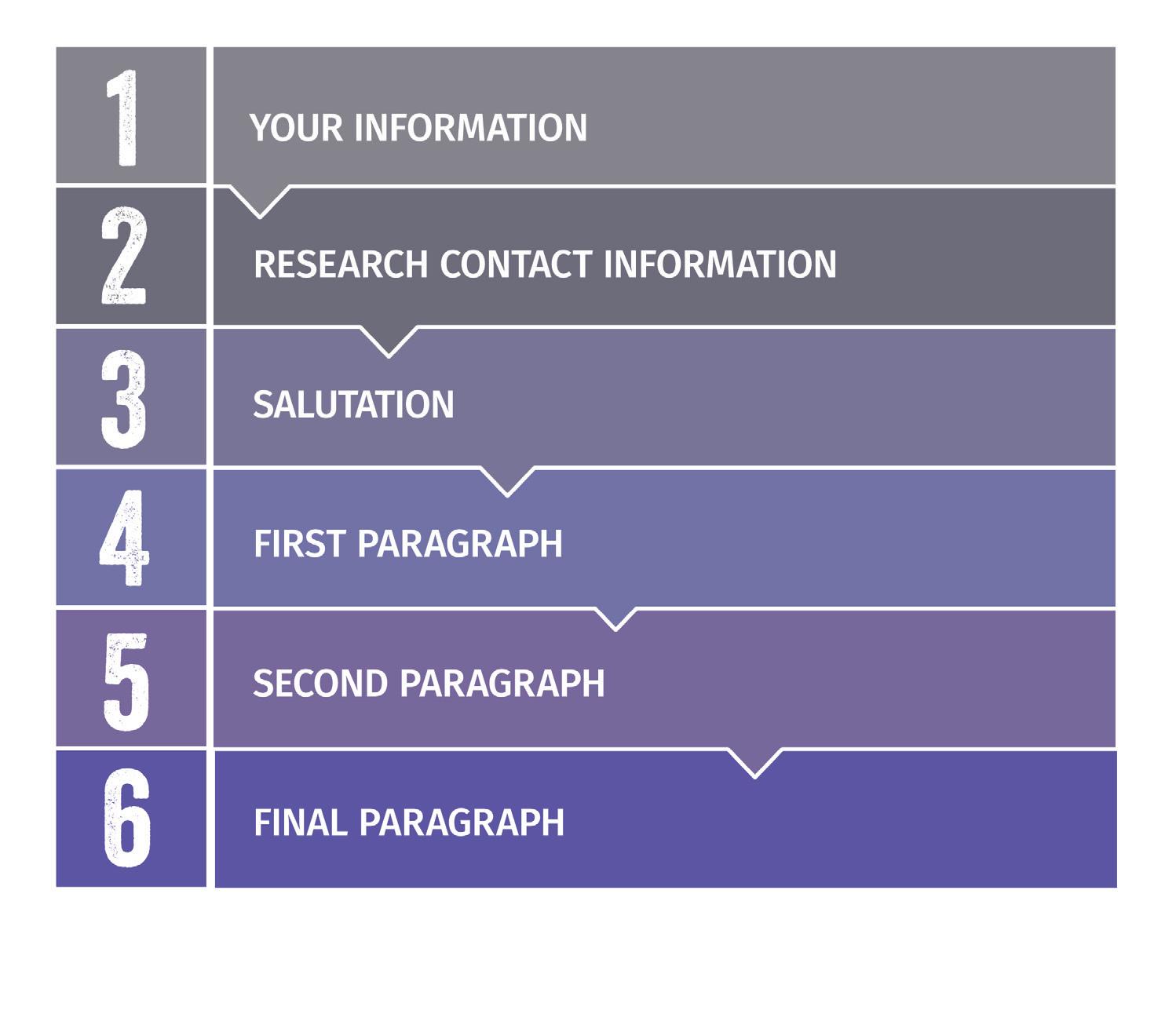
Place your personal information and contact information at the top. It can be in the same format as your resume. The date should go under your personal information.


Find the name and address of the person who does the hiring for interns/jobs. Address the cover letter to them. You can start your search by reviewing the job posting and looking up the company information online.
19
COVER LETTERS

Dear Hiring Manager,
First paragraph should contain:
• the title of the position you are applying for


• something that connects you to the organization
SAMPLE TEMPLATE: With great enthusiasm, I am interested in (position title) at (organization name). My interest in (job field) has grown through my experiences with (experience) and (experience). I know that my passion for (job field aspect), interest in (job field aspect) and commitment to (job field aspect) makes me an excellent person to join the (department name) team at (company name).

THE FINAL PRODUCT COULD LOOK LIKE THIS:
With great enthusiasm, I am interested in the Marketing Intern position at Live Nation Entertainment. My interest in marketing has grown through my experiences with photography, social media and graphic design. I know that my passion for photography, interest in creative color usage and commitment to brand marketing makes me an excellent person to join the Marketing Department at Live Nation Entertainment.
Second paragraph should contain:
• What your transferable skills and experiences are & what you can bring to the table for the company
20
SAMPLE TEMPLATE: During my role as (title), I (what the project was about). I was able to showcase my (skills) as (name of project) (what was accomplished).
THE FINAL PRODUCT COULD LOOK LIKE THIS:
In my role as a Youth Group leader, I led the community engagement component of organizing youth group members to collect donations for the project “Books on the Block”. I was able to showcase my leadership, communication and organizational skills as “Books on the Block” collected 1200 books from local business’ and community members to donate to the local school library.
ANOTHER SAMPLE CAN READ LIKE THIS: Everything that I have done so far has been driven by my dedication to (interest/ aspect of the job field).
THE FINAL PRODUCT COULD LOOK LIKE THIS:

Everything that I have done so far has been driven by my dedication to education and connecting young people with the power of music.
The final paragraph should finish strong and confident, a concise wrap up about why you want to work for them.
• the title of the position you are applying for

• something that connects you to the organization

SAMPLE TEMPLATE: I am excited for the opportunity to contribute my experiences and skills as the (position) at (organization) and look forward to the chance to speak with you in depth about how I could be a valuable team member.
Sincerely,
(Your Name)
21
before the interview
• Research and know the company, know the mission, know the position you are applying for and have questions prepared to ask the employer.
• Dress for success! Know the company’s culture and dress accordingly. Always look neat and clean.
• Arrive 10 minutes early.
• For virtual interviews, check your audio, video, and your background prior to the interview. Arrive 1-2 minutes early.
• As soon as you walk in the door, the evaluation begins.
• Provide a firm handshake and eye contact when you are introduced to people.
INTERVIEW HAS STARTED
• The employer will discuss the organization and the position.
• When your resume is being discussed, this is your time to highlight your positive traits.
• Questions about your interests and career are to determine the direction of your goals.
• Employers want to hire people with motivation and direction in their life.
• Small talk may seem informal, but it is part of the evaluationavoid topics that are controversial.
22 interview guide
questions
• Expect to be asked unexpected questions. These are designed to see how you react and handle stress, as well as how honest you are. For example “What would you do with a million dollars?” or “Tell me a joke.”
• Be thoughtful, it is okay to take a minute to think about the question before you answer.
• Be honest and positive.
• “Do you have any questions?” By having questions you show that you have put time into learning about the organization and are motivated to learn more and succeed.
• Ask well thought out, intelligent questions that you prepared beforehand based on your research of the organization.
closing
• Remain confident and professional until you are out of the building.
• Shake the interviewer’s hand and thank them for considering you for the position.
• Send a thank you email to the interviewer the next day.
• Remember to thank the receptionist and to be polite to anyone you encounter on your way out of the interview.
• If you feel you forgot to mention something critical in the interview, you can provide a follow up e-mail that bullets a particular skill or accomplishment.
23
professional pitch
1. who you are
Name:
Where are you from:
2.what you do
School:
Job/internship/specialty program:
Career goals:
3.highlight yourself
What makes you stand out:
3 strongest skills:
Unique accomplishments:
24
4.call to action
What are you looking to get out of this pitch:

When/how would you like to connect:
Contact info:
EXAMPLE:
My name is (1) _______________, from _________________. I am/attend (2) ______________ with the career goal of _______________. My strengths are ______, ________, and, ____________. Recently I (3) ______________. I am here today because (4) _____________. I’d like to connect further by ________________________________.
put it into action
Be MEMORABLE in 15 seconds or less. Your pitch should be easy to recite. You can adjust the template language to fit your speaking style. Remember you are speaking to a professional, not a friend. Don’t be too casual.
25
career questions: ask the professionals
speaker names & titles
What are the essential functions of your job?
What are the most important personal characteristics needed to be successful in your job?
What are the most important skills needed to be successful in your job?
Where do you spend most of your work day?
What are your scheduled hours/days of work?
What is the dress code for your job?
What is the typical training or education required for your job?
What is the starting salary for your position?
What is the high end of the salary range for your position?
Were there any classes or extracurricular activities that you participated in during high school that helped prepare you for this job?
26
2. 3. 4.
1.
Did you start in your current position or did you hold other positions before moving up to a leadership position?
What entry level jobs or internships did you have that helped prepare you for a leadership role?
How did you know this was the career you wanted to pursue?
What is your favorite part of the job?
What is your least favorite part of the job?
Why did you choose to work for this company?
If I decide to pursue a career in your field, what advice would you have for me?
More Resources

27
Artist Resources, Stage Plots, Branding Guides, and More
sponsors & supporters





28
29 notes
30 notes
31
Notes
32
Name Social Handle Email/Phone Name Social Handle Email/Phone Name Social Handle Email/Phone Name Social Handle Email/Phone Name Social Handle Email/Phone Name Social Handle Email/Phone Name Social Handle Email/Phone Name Social Handle Email/Phone Name Social Handle Email/Phone Name Social Handle Email/Phone Name Social Handle Email/Phone Name Social Handle Email/Phone Name Social Handle Email/Phone Name Social Handle Email/Phone Name Social Handle Email/Phone Name Social Handle Email/Phone Name Social Handle Email/Phone Name Social Handle Email/Phone Name Social Handle Email/Phone Name Social Handle Email/Phone Name Social Handle Email/Phone
Contacts
33 Contacts Name Social Handle Email/Phone Name Social Handle Email/Phone Name Social Handle Email/Phone Name Social Handle Email/Phone Name Social Handle Email/Phone Name Social Handle Email/Phone Name Social Handle Email/Phone Name Social Handle Email/Phone Name Social Handle Email/Phone Name Social Handle Email/Phone Name Social Handle Email/Phone Name Social Handle Email/Phone Name Social Handle Email/Phone Name Social Handle Email/Phone Name Social Handle Email/Phone Name Social Handle Email/Phone Name Social Handle Email/Phone Name Social Handle Email/Phone Name Social Handle Email/Phone Name Social Handle Email/Phone Name Social Handle Email/Phone