2025-2030
Murrumbidgee Mental Health, Suicide Prevention and Alcohol and Other Drugs
Regional Plan






We acknowledge and pay our respects to the traditional owners of the lands on which MPHN and MLHD operate; the Wiradjuri, Nari Nari, Wemba Wemba, Perepa Perepa, Yorta Yorta, Ngunnawal, Ngarigo, Bangerang and Yitha Yitha Nations. We recognise our communities are made up of many Aboriginal and Torres Strait Islander peoples descended from additional mobs and clans who also call the Murrumbidgee region home.
We pay respect to elders past, present and leaders of the future and recognise these lands have always been places of traditional healing and medicine, and this plays a role in shaping future health services.
Throughout this document, the terms ‘First Nations people,’ ‘First Nations communities,’ and ‘Aboriginal and Torres Strait Islander people’ are used interchangeably to respectfully refer to the Traditional Custodians of the lands and waters across the Murrumbidgee. We acknowledge the diversity, strength, and cultural richness of all Aboriginal and Torres Strait Islander peoples.

We acknowledge the profound contributions of individuals with lived and living experiences of mental health challenges, substance use, and suicide, as well as those who care for and support them. Each person’s journey is unique and adds invaluable insight into how we can collectively improve and reform mental health and suicide prevention systems.
We also remember those we have lost too soon and recognise the lasting impact their absence leaves on their families, carers, and communities. Their stories, strength, and resilience guide us to confront stigma and ensure our efforts are informed by compassion, respect, and lived experience.
This document discusses mental health, suicide, and alcohol and other drug use. Please take a moment to think about your own readiness to read this kind of content right now. If you do feel distressed while reading, consider taking a break and activate your support networks and strategies if needed.
We respectfully acknowledge people who have died or have been affected by suicide or intentional self-harm. We are dedicated to supporting continuous system change aimed at preventing suicide and self-harm.
Where to go if you or anyone you know needs help
» Triple zero 000
Call immediately if you or someone you know is in a life-threatening emergency.
» Murrumbidgee Accessline 1800 800 944
» Lifeline 13 11 14
24/7 crisis support and suicide prevention services for all Australians.
» BeyondBlue 1300 224 636
Support service available 24/7 for brief free and confidential counselling.
» 13YARN 13 92 76
24/7 crisis support for the Aboriginal and/or Torres Strait Islander people.
» eheadspace 1800 650 890
Free national online or phone mental health support service for young people 1225 and their families and friends.
» Kids Helpline 1800 551 800 24/7 phone and online counselling services for young people (age five to 25 years).
» 1800 RESPECT 1800 737 732
24/7 counselling and support to people impacted by sexual assault, domestic or family violence, and abuse.
» MensLine Australia 1300 789 978 Free professional 24/7 telephone counselling support for men with concerns about mental health, anger management, family violence (using and experiencing), addiction, relationship, stress, and wellbeing.
» NSW Domestic Violence Line 1800 656 463 Free counselling and referral services 24/7.
» NSW Sexual Violence Helpline 1800 424 017
» Rainbow Sexual, Domestic and Family Violence Helpline 1800 497 212 Free, confidential, 24/7 counselling for anyone in Australia who is from LGBTQIA+ communities.
» Suicide Call Back Service 1300 659 467
A nationwide service providing 24/7 telephone and online counselling to people affected by suicide.
» National Alcohol and Other Drug Hotline 1800 250 015
Confidential support for people struggling with alcohol and other drug use.
» Medicare Mental Health 1800 595 212
Available Monday to Friday, 8:30am to 5pm (except public holidays); and provide free, confidential mental health and wellbeing support for anyone in Australia.
While the Australian Government Department of Health, Disability and Ageing has contributed to the funding of this material, the information contained in it does not necessarily reflect the views of the Australian Government and is not advice that is provided, or information that is endorsed, by the Australian Government. The Australian Government is not responsible in negligence or otherwise for any injury, loss or damage however arising from the use of or reliance on the information provided herein.
© State of New South Wales through Murrumbidgee Local Health District 2025. Information contained in this publication is based on knowledge and understanding at the time of writing, August 2025, and is subject to change. For more information, please visit https://www.health.nsw.gov.au/Pages/copyright.aspx
Since the launch of the inaugural Murrumbidgee Mental Health, Suicide Prevention, and Alcohol and Other Drugs Regional Plan in 2021, strong progress has been made toward ensuring timely, effective, and accessible treatment and support for people with mental illness and/ or drug and alcohol dependency — promoting recovery, community participation, and early intervention. The 2024 update highlighted key achievements, including:
» Development of the Common Referral Form to reduce people needing to re-tell their story
» Launch of the MapMyRecovery service directory and associated media campaign
» Establishment of Safe Havens in Wagga Wagga and Griffith
» Creation of Suicide Prevention Outreach Teams (SPOT)
» Continuation of the Murrumbidgee Suicide Prevention and Aftercare Collaborative and Local Response Group
» Development of School Link to support students in accessing mental healthcare
» Local implementation of the NSW Aboriginal Mental Health and Wellbeing Strategy (2020-2025)
» Publication of a dedicated Health Needs Assessment for the region’s LGBTQIA+ community.
We are really proud of these achievements but recognise there is always more work to be done in such a continually evolving space. The challenges our communities face are not static, and neither can be our response. Emerging pressures on services, changing population needs, and the increasing complexity of mental health, suicidality, and alcohol and other drug challenges call for sustained focus, innovation, and adaptability.
The NSW Mental Health and Suicide Prevention Bilateral Agreement has been instrumental in streamlining funding and resources, enabling more effective coordination across state and federal initiatives.
This second Regional Plan provides a strategic framework to build on these successes and further strengthen partnerships, ensuring resources are effectively and efficiently allocated and services are coordinated. It focuses on improving access to mental health, suicide prevention, and alcohol and other drug services across the region, while tailoring initiatives to the unique needs of our communities.
At its core, this plan is grounded in local knowledge and shaped by ongoing input from stakeholders, particularly people with lived and living experience. By working in partnership, we aim to improve health and wellbeing outcomes for people, families, carers, kin and communities – especially those facing barriers to care.
Murrumbidgee Primary Health Network (MPHN) and Murrumbidgee Local Health District (MLHD) are committed to ongoing collaboration with stakeholders, including the Murrumbidgee Mental Health Drug and Alcohol Alliance, and the Murrumbidgee Suicide Prevention and Aftercare Collaborative to meet the system challenges and address the evolving mental health, suicide prevention, and alcohol and other drugs needs of our communities.
Through continued innovation and collaboration, we are focused on improving health outcomes for all people in the Murrumbidgee region.
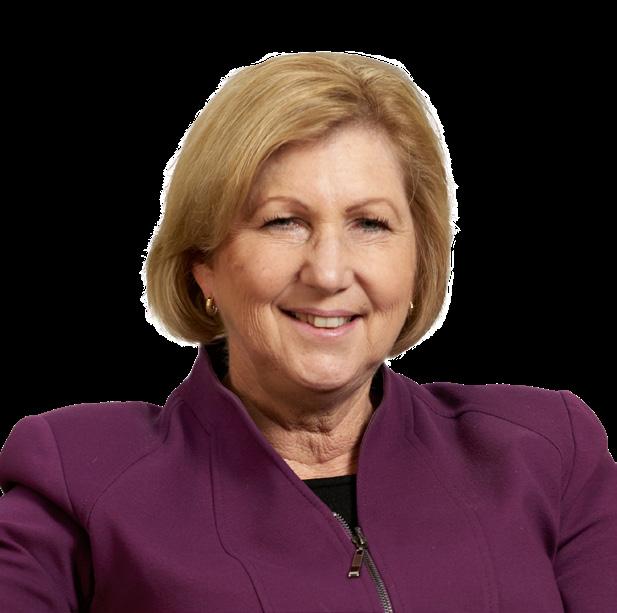
Jill Ludford CE, MLHD

Stewart Gordon CEO, MPHN

Our Regional Plan provides a strategic framework for how MPHN and MLHD work together to strengthen and build upon existing key partnerships. It guides our collaborative efforts to develop a more informed, coordinated, and responsive service system that enhances awareness of, and access to, mental health, suicide prevention/postvention/aftercare, and alcohol and other drug (AOD) services across the region.
At its core, the Plan is focused on ensuring that initiatives are tailored to the unique needs of our communities, grounded in local knowledge, and shaped by ongoing input from key stakeholders, including people with lived and living experience. Planning partners are committed to deliver better health and wellbeing outcomes for people, families, and communities — particularly for priority populations who may face additional barriers to accessing care.
The NSW Primary Health Network – NSW Health Joint Statement
On a state level, the NSW Primary Health Network –NSW Health Joint Statement is an agreement which reaffirms the commitment of both parties to work collaboratively to improve the health and wellbeing of people across New South Wales. It outlines shared priorities such as enhancing access to care, supporting integrated service delivery, addressing health inequities, and strengthening local partnerships. The statement highlights the importance of coordinated planning and data sharing to deliver person-centred, sustainable healthcare that meets the needs of local communities. View here.
On local level, the MPHN and MLHD Collaboration Agreement affirms our commitment to working together to implement various NSW and Federal Government healthcare reforms and activities, and to advocate for local change when required. This Collaborative Agreement formalises the existing partnership and strong commitment between both organisations to work towards a shared vision of a one health system for the Murrumbidgee region. View here.

This Regional Plan has been developed in collaboration with key partners, including:
» Murrumbidgee Mental Health Drug and Alcohol Alliance – a unique partnership of organisations in the Murrumbidgee specifically funded to provide mental health, suicide prevention/post-vention/aftercare and/or drug and alcohol services. It is a forum through which key stakeholders from the health, community and social sectors work together on a strategic approach to meeting the needs and expectations of people accessing supports.
» Murrumbidgee Aboriginal Health Consortium – a collaboration of local agencies offering leadership and cultural expertise to ensure Aboriginal and Torres Strait Islander perspectives, priorities, and self-determined approaches are embedded throughout the plan.
» Aboriginal and Torres Strait Islander communities and organisations – to ensure that culturally safe and selfdetermined approaches are central to planning and service commissioning and delivery, supporting improved outcomes for First Nations peoples.
» Murrumbidgee Suicide Prevention and Aftercare Collaborative (MSPAC) – a group of key stakeholders including first responders, education, community managed organisations, social services, local Members of Parliament, priority population and peak groups, who work on strategies to reduce suicide rates and improve responses to suicide events and critical incidents in the Murrumbidgee region.
» People with lived and living experience, families, carers, and kin – whose insights and voices are essential to ensuring services are relevant, respectful, recovery-oriented, and genuinely person-centred.
» MPHN Community Advisory Committee and Clinical Councils – providing essential community and clinician insights and guidance to ensure services are responsive to local needs and expectations.
» Local Health Advisory Committee representatives – are a vital connection between the local community and health service activities. Local committees work with MLHD facility staff and MPHN representatives to identify local service needs, ways to improve access to services, and to assist in planning and development. The groups provide valuable input into planning health services and sharing information with the local community. LHACs across the region were represented as part of a LHAC Sector Chair consultation.
» Community – managed organisations and non-government service providers – to embed flexible, communitybased supports that are responsive to local needs and lived experience and ensure they are part of supporting implementation of the plan through their services.
» Local government and other sectors – including housing, education, justice, child protection, and employment services, recognising that mental health and wellbeing are shaped by a wide range of social and environmental factors and require cross sector collaboration to be effective.
The MPHN and MLHD Regional Plan working group would like to thank everyone who took the time to share their experiences, thoughts and provided feedback through in-person consultations, online sessions or by completing the online survey. Your input has been vital in shaping a plan that reflects the voices and needs across the Murrumbidgee region.
This plan is intended to be a dynamic, living document which will grow and evolve over time. It reflects our ongoing commitment to adapt, improve, and strengthen our approach in response to the lived and living experiences and insights of community members across the region, as well as people working within the mental health, suicide prevention, and alcohol and other drug sectors. As new challenges and opportunities emerge and feedback continues to flow in, we will remain responsive — refining actions and priorities to ensure the plan stays relevant, inclusive, and grounded in the realities of the people and communities it seeks to support.
A snapshot of the rich diversity of our region
77,209 under 24 years with 19.8% growth1
53,508 over 65 years with 7.1% growth1
The Murrumbidgee region covers 21 Local Government Areas (LGAs) with a population of 252,358 people living in urban, rural and remote areas spreading across 126,124km2 1
7.2% (17,796) Aboriginal and Torres Strait Islander peoples (higher than the NSW and national proportion).1
45.6% weekly income less than $999 per week (NSW 36.1%).1
12.5% weekly income of more than $2000 per week (NSW 22.8%).1
1,053 (23.6%) First Nations people are not in the labour force.1
81.9% Australian born (NSW 65.4%).1
Highest other countries of birth (not English speaking) India, the Philippines and Italy.1
473 homeless.1
2.74% average population growth, population increase in all LGAs.1
21.8% of children’s female parent left school at year 10 or below (15.8 NSW, 14.1% AUS).1
32.5% left school at year 10 or below or did not go to school (NSW 34.7%).1
Number of people older than 16 in Murrumbidgee region in 20222 with mental health issues by severity (aged 16-85 years).
(n-10,306)
9% of people have been told by a doctor or nurse they have a mental illness (including depression or anxiety).3
15.2% of adults experienced high or very high levels of psychological distress.
The prevalence has increased from 2013 to 2023 but is not significantly different from NSW at 18.1%.4
The prevalence of mental health conditions, including depression and anxiety, is higher compared to NSW as a whole.5
For children aged 0-14 years.
For individuals aged 15 and over.
20.6% of people had a 12-month mental disorder, with anxiety being the most common group (16.2% of people aged 16–85 years).
40.3% of people aged 16–24 years had a 12-month mental disorder 2
Approximately 8.8% of people aged 16 to 85 experience both a mental health disorder and a physical condition, such as asthma, arthritis or heart disease.2
In 2022-2023, the crude rate of mental healthrelated emergency department visits
1,865.9
1,398.3
The 25-34 age group saw the largest increase in mental health-related emergency department presentations.
The 18-24 age group remains the highest presenting population, a trend consistent since 2021/2023.6
The prevalence of mental healthrelated emergency department presentations for Aboriginal and Torres Strait Islander people was 4.7 times higher than for non-First Nations people across all age groups.6
5734
1216
The prevalence of mental health issues is higher than both state and national rates. First Nations people of all ages and young non-First Nations individuals are particularly at risk of poor mental health and potentially more severe disorders.5,7
Suicide prevention, aftercare, and postvention across the Murrumbidgee is supported by a strong and connected network of people and organisations working together to ensure efforts are compassionate, evidence informed and shaped by the voices of local communities. Three key groups provide the strategic, operational, and local coordination that underpins this work: the Murrumbidgee Suicide Prevention and Aftercare Collaborative (MSPAC), the Murrumbidgee Suicide Prevention and Aftercare Steering Committee, and the Murrumbidgee Local Response Group (LRG).
MSPAC plays a strategic role in supporting suicide prevention activities across the region and develops the Murrumbidgee Suicide Prevention and Aftercare Priority Action Plan, which guides strategies to reduce suicide and distress within our community. MSPAC brings together a diverse mix of key stakeholders, including first responders, education providers, community-managed organisations, social services, local members of parliament, lived experience representatives, and priority population and peak bodies. MSPAC engages a system-based and place-based approach that recognises the unique needs of local communities, ensuring alignment with national and state suicide prevention priorities.
The Murrumbidgee Suicide Prevention and Aftercare Steering Committee provides oversight and guidance for the implementation of universal aftercare across the region. Building on the success of The Way Back Support Service, this work reflects a regional commitment to providing consistent and integrated support for individuals following a suicide attempt or suicidal crisis. The steering committee includes the commissioned provider, MPHN, MLHD, and service partners all working together to ensure aftercare pathways are well coordinated and accessible.
The LRG provides timely and coordinated support to families and communities impacted by suicide. The LRG includes representatives from MPHN, MLHD, Wellways, NSW Police, and NSW Ambulance who collaborate to deliver immediate and compassionate assistance. Together, these structures form a connected approach to suicide prevention, aftercare, and postvention across the Murrumbidgee, grounded in partnership to deliver meaningful support.
MURRUMBIDGEE
The highest rates of suicide in NSW.
Experience 43 deaths from suicide on average per year.
The suicide rate has been increasing since 2013.10
For 2022 the suicide rate in the Murrumbidgee was higher than the average for NSW.
The rate of intentional self-harm hospitalisations for females aged 15-24 years was the fifth highest rate out of 15 districts in the state.9
Males of all ages have a significantly higher risk of dying by suicide than females.
Death rates from suicide are higher in outer regional and remote areas than in major cities.
Suicide rates in regional and rural areas are notably higher than both metro and state averages due to a combination of social, economic, and environmental factors, including:
» Limited access to mental health services
» Higher levels of social isolation and economic hardship
» Increased stigma around seeking help.
Alcohol and other drug (AOD) use continues to have a significant impact on people, families, and communities across the Murrumbidgee region. Addressing these challenges requires a coordinated, evidence-based approach that reflects local needs and priorities.
Well established partnerships between AOD specific funded services such as MLHD, Calvary Riverina Drug and Alcohol Centre, Directions Health Services, Karralika Programs, The Salvation Army Wagga Wagga Recovery Hub, and our local Aboriginal Medical Services (Cummeragunja Housing and Development Aboriginal Corporation (Viney Morgan), Griffith Aboriginal Medical
Service and Riverina Medical and Dental Aboriginal Corporation), headspace (Wagga Wagga and Griffith) and Medicare Mental Health Centres (Wagga Wagga and Young), and primary care providers. These partnerships and resulting collaborative way of working underpin the delivery of integrated, responsive AOD support.
MPHN and MLHD further strengthen the regional response by providing access to specialised training for GPs, allied health, and community organisations — building workforce capability, confidence, and capacity to deliver effective, person-centred care to people experiencing addiction and their family, carers and kin.
Residents are more likely to:
» Drink alcohol daily
» Use and/or possess amphetamines
» Use and/or possess cannabis.8 27.1% of people accessing drug and alcohol services identified as either Aboriginal and/or Torres Strait Islander.11
Frequency of daily alcohol intake is higher in both males and females.12
Alcohol consumption at levels posing a longterm risk to health is higher.12
Alcohol attributable hospitalisations for males are higher.
‘Drug and alcohol misuse’ reported as one of the top five most serious health and wellbeing concerns for the community.
A higher arrest rate15 for ‘possession and use of cannabis’.
A higher arrest rate15 for ‘possession and use of amphetamines’.
A higher prevalence15 of adult daily smokers.
A higher prevalence15 of smoking in the first 20 weeks of pregnancy.
Smoking in the first 20 weeks of pregnancy is higher among our Aboriginal and Torres Strait Islander women.15
More people over the age of 1516 who currently use an electronic cigarette or vaping device.
MURRUMBIDGEE
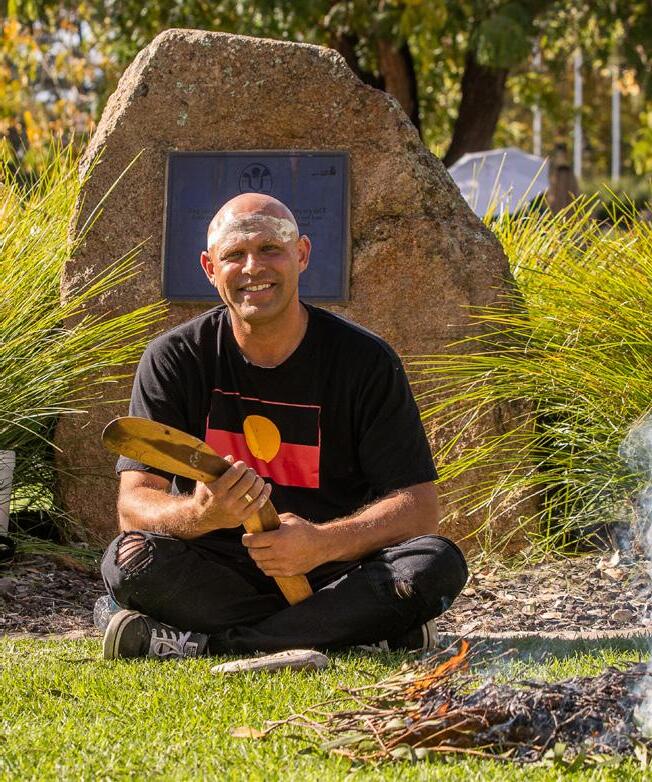
Almost 6% of the population identify as Aboriginal and Torres Strait Islander.
According to the Australian Bureau of Statistics, the Local Government Areas within our region with the highest proportion of Aboriginal and Torres Strait Islander peoples as a percentage of the total population include:
Lachlan (part b) (18.3%)
Narrandera (12.7%)
Carrathool (8.8%) Murrumbidgee (8.6%)
This is higher than both
Approximately 14,548 people according to the last census.
50.5% of Aboriginal and Torres Strait Islanders are aged under 25 years.
Compared to 30.9% of all people. Aboriginal and Torres Strait Islander
PERCENTAGE OF ABORIGINAL AND TORRES STRAIT ISLAND PEOPLES COMPARED TO TOTAL POPULATION IN THE MURRUMBIDGEE
Total population
Source: MPHN First Nations Health Strategy
Aboriginal and Torres Strait Islander people in the Murrumbidgee region are more likely to experience health disparities resulting in poorer health outcomes and reduced quality of life.
Self-report of health and overall life satisfaction reflected far poorer ratings of health. And overall life satisfaction.
Average of 4.5 health conditions which is triple that of nonFirst Nations population of 1.5 (including mental health concerns).
The prevalence of mental healthrelated emergency department presentations for First Nations people was 4.7 times higher than for non-First Nations people across all age groups.17
27.1% of people accessing drug and alcohol services identified as either Aboriginal and/or Torres Strait Islander.11
Alcohol-attributable hospitalisations
for First Nations people are higher for both males and females in NSW.18
» Mental and behavioural condition (29%) up from 24% in 2018–19
» Three in ten people aged 18 years and over (30%) experienced high or very high levels of psychological distress in the last 4 weeks, about the same as in 2018–19 (31%); males (24%); females (36%)
» Exceeded single occasion risk guideline (>5 standard drinks on a single occasion at least 12 times in the last 12 months) (30%); 15 years and over males (39%); females (20%)
» Exceeded lifetime risk guideline (2009 NHMRC guidelines) (15%)
» Consume alcohol 12 or more months ago (17%); 15 years and over males (15%); females (18%)
» Never consumed alcohol (13%) 15 years and over males (11%); females (15%)
Substance use
» Used substances for non-medical purposes previous year (27%); males (34%); females (20%); 15-29 years (35%); 30-44 years (28%); 45 years over (18%)
» Marijuana use in previous year (22%); males (28%); females (17%); 15-29 years (28%); 30-44 years (26%); 45 years and over (14%)
» Amphetamines (3%); males (5%); females (2%)
» Smoke daily (29%) 15 years and over, down from (37%) in 2018–19
» Never smoked (43%), up from 37% in 2018–19
» Use an e-cigarette or vaping device (8%) 15 years and over
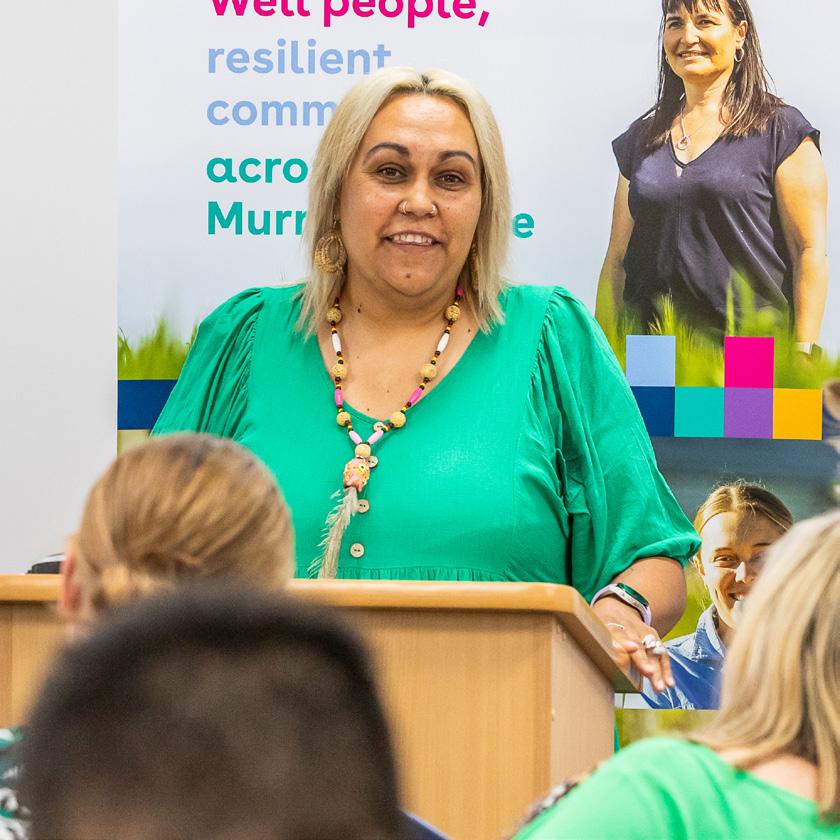
The multicultural population of the Murrumbidgee region is vibrant and diverse, including refugees and humanitarian entrants, skilled migrants, international students, and seasonal workers. It includes both long-established migrant communities and a continual influx of new humanitarian settlers. The cities of Wagga Wagga, Albury and Griffith are key settlement areas for refugees and asylum seekers. The Murrumbidgee’s cultural landscape is ever evolving, enriched by people from a wide range of countries who choose to call the region home.
MURRUMBIDGEE
There are 18,560 people from diverse cultural backgrounds who call the Murrumbidgee home.4
Top five languages
spoken at home in ranked order:
» Italian
» Punjabi
» Gujarati
» Malayalam
» Tagalog
People from multicultural backgrounds are more likely to abstain from alcohol
And are less likely to have recently used illicit drugs compared to people who mainly speak English at home.20
These findings are consistent with anecdotal feedback from community organisations and service providers working with multicultural populations, who also reported lower rates of substance use within these communities.
The true prevalence of mental health challenges among multicultural communities remains largely unknown due to a significant lack of comprehensive data collection, monitoring, and reporting.
Many people from multicultural communities have experienced trauma, torture, displacement, and family separation and/or human rights abuses in their country of origin, factors known to increase vulnerability to mental health issues. Cultural differences in understanding mental health, language barriers, stigma, mistrust of services, and unfamiliarity with western models of care can result in additional barriers to accessing care and result in a reluctance to seek help.
These systemic and cultural barriers not only hinder access to support but also obscure the scale and nature of mental health needs within these communities.19
Anecdotal feedback from organisations working directly with humanitarian settlers suggests that reported suicide rates within these communities are relatively low. This is often attributed to strong cultural and religious beliefs, which are frequently cited as protective factors.
In many cases, faith-based values, community cohesion, and cultural norms surrounding the sanctity of life provide a sense of hope, belonging, and moral guidance that can act as buffers against suicidal ideation. However, it is important to note that the absence of reported deaths by suicide does not necessarily reflect the absence of distress, as stigma and cultural taboos may also contribute to underreporting and silence around suicide and mental health challenges.
Unique challenges and priorities:
» Ensuring the routine use of professional interpreters in clinical settings to support accurate and culturally safe communication.
» Delivering care that is both culturally responsive and trauma-informed, recognising the complex histories and needs of individuals from diverse backgrounds.
» Designing and delivering targeted, culturally appropriate health promotion and education initiatives to enhance health literacy within multicultural communities.
» Strengthening cross-sector collaboration between health services, settlement agencies, NGOs, and other stakeholders to support a holistic and coordinated response for individuals experiencing mental health issues, suicidality, and/or AOD challenges.21
1. Stepped care
2. Priority populations
3. Workforce and support
4. Partnerships
The stepped care approach to mental health supports is designed to match people with the level of care that best meets their needs, ensuring that support is accessible, affordable, and effective. It recognises that mental health challenges can range from mild to severe and aims to deliver the least intensive, most appropriate, intervention first, only stepping up to more intensive supports if necessary. Mild mental health needs may be supported through low-intensity options like self-help resources, digital tools, peer support, or brief psychological interventions. Moderate needs often involve more structured support such as face-to-face counselling, psychological therapies, or support from general practitioners and community-based organisations. Severe and complex mental health needs often require more intensive and ongoing care, which may include multidisciplinary teams, specialist mental health services, or hospital-based treatment.
In recent years the Initial Assessment and Decision Support Tool (IAR-DST) was developed as part of Australia`s stepped care approach to mental health to support consistent, person-centred clinical decision making. The IAR-DST provides a structured, evidenceinformed framework that guides clinicians and service providers in determining a person’s mental health needs and recommending an appropriate level of care. By standardising assessment and referral pathways, the IAR-DST enhances service coordination and helps ensure people receive access to the most suitable support. The IAR-DST also underpins the model of care in terms of assessment for people accessing supports across Medicare Mental Health services. In our region, these services are located in Wagga Wagga and Young, as well as through the national Medicare Mental Health phone service.
What we’ve heard
• Strength of local community led groups and initiatives e.g., Deniliquin Mental Health Awareness Group (MHAG). Strong community involvement, listening to and responding to community needs.
• Importance of collaboration e.g., Deniliquin MHAG and LHAC health banner project.
• Community awareness of services and supports available is a challenge – people are not overly aware of where to start, whether an early intervention or in times of crisis. Importance of the role of navigation e.g., either as a service or a resource.
• Locally led websites like Deniliquin MHAG and MapMyRecovery are a great source of information for the Murrumbidgee community but increased awareness and promotion is required.
• Lifeline identified as a trusted and known support.
“My
GP has been a vital constant in my mental health journey. Despite not being a specialist, she has always made time for extra appointments when I’m in crisis, carefully monitored my medications, and advocated for me when I’ve been unable to do so myself. Her care has often been the only thread holding things together.”
Lived experience respondent, Regional Plan survey 2025
“To improve awareness and reduce stigma, we need lived experience-led storytelling in schools, workplaces, and communities—sharing real, honest journeys of recovery without shame.
Campaigns must move beyond clichés and include diverse voices: regional people, First Nations communities, men, carers, and those with complex diagnoses. Embedding mental health education in schools from a young age –normalising emotions, therapy, and help-seeking – is crucial. We also need to train frontline workers (e.g., GPs, police, Centrelink staff) in trauma-informed care to shift attitudes at the point of contact.
Normalising mental health check-ups, the same way we do physical health, can change the culture over time. Language matters too –move away from labels and focus on connection, hope, and dignity.”
Lived experience respondent, Regional Plan survey 2025
1.1 People with severe and/or persistent mental illness
Reliable, continuous, and holistic support during highly challenging and complex times
Smooth transitions between levels of care and services when needs change
Tailored supports that account for individual complexity and circumstances
1.2 People with moderate levels of mental health challenges
Timely identification and interventions of emerging challenges to ensure stability
Accessible, affordable therapies to prevent higher acuity
1.3 People with mild mental challenges
Early recognition of issues before they escalate
Self-help options and peer support
Accessible pathways to support day to day stability and wellbeing
1.4 People at risk of developing a mental illness (social determinants of health)
Tailored assistance that acknowledges social and cultural contexts
Support across all the social determinants to help with identification and prioritisation
Overcome barriers (financial, geographic, informational) to accessing appropriate services
1.5 The well population
Reinforcement of positive behaviours that maintain a stable quality of life
Accessible information that is easily understood when a need arises
Ongoing resources and awareness raising to maintain wellness, healthy mind and healthy body
1.1.1
Intensive care coordination (including remote settings) and combined MH and AOD care plans for dual diagnosis.
1.1.2 Specialist mental health liaison for acute presentations.
1.1.3 Evidence based suicide prevention interventions.
1.1.4 Integrated holistic health care (supporting co-occurring conditions such as diabetes and heart disease).
1.1.5 Close coordination with general allied health (e.g. dietetics, exercise physiology).
1.1.6 Support and implement the principles of the Equally Well Consensus Statement.
1.2.1 Brief interventions in primary care (low intensity CBT or AOD counselling to reduce escalation).
1.2.2 Continued referral to structured MH and AOD programs and GP collaboration for ongoing monitoring.
1.2.3 Preventative health checks and proactive screening (blood pressure, nutrition, smoking cessation).
1.2.4 Outreach clinics or telehealth as part of continued care.
1.3.1 Community helplines and online therapy modules for easy, early support.
1.3.2 Peer-led groups (e.g. SMART Recovery).
1.3.3 Suicide prevention training integrated into everyday community settings (sports clubs, neighbourhood centres).
1.3.4 Routine health promotion (diet, exercise) delivered at workplaces or local events.
1.3.5 Continued basic screening for physical issues at GP or pharmacy level.
1.4.1 Early identification and intervention for people with higher risk factors (e.g., youth, postpartum, homelessness).
1.4.2 Social prescribing to reduce isolation (linking people to exercise groups, arts, volunteering).
1.4.3 Short psycho-educational sessions in community hubs (schools, workplaces, etc) to build resilience.
1.4.4 Affordable access to physical and general health services and activities
1.4.5 Co-located AOD, general practice and allied health in ‘hub and spoke’ models, supporting at risk community members.
1.5.1 Accessible preventative screenings (e.g., heart, diabetes) integrated with health promotion events.
1.5.2 Accessible physical activity programs linked to local councils or community groups (affordability, geographical access, etc).
To effectively support diverse priority population groups, services delivering mental health, suicide prevention/ post-vention/aftercare and AOD supports must be culturally competent including being sensitive, responsive and inclusive, tailoring supports to the person and unique community needs. Holistic, person-centred approaches that consider the social determinants of health are essential to delivering effective and equitable support. The priority population groups listed below often face unique and additional challenges and barriers when accessing care:
» Carers
» First Nations people
» LGBTQIA+
» Multicultural
» Older people
» Veterans
» Young people
People experiencing mental health, suicide, or AOD challenges need smooth transitions of care that can be adjusted to changing levels of need and tailored to the distinct needs of the person which may include people from specific population groups.
» As First Nations peoples are made up of many diverse groups, it is well recognised that a blanket approach does not work. This, however, is often overlooked in planning, strategies and actions.
» There is a lot of talk but there are limited actions; empowerment of the local Elders and First Nations leaders to share their stories/histories, lived experience of trauma should be prioritised.
» Among multicultural communities, fear, language barriers, and a lack of trust in services remain major barriers to seeking support. Stigma also plays a key role, with mental health often viewed solely through the lens of severe illness and institutionalisation. As a result, people frequently delay seeking help until they are in significant distress, leading to higher rates of acute hospital admissions.
» The term mental health itself can be problematic, as many cultures lack equivalent vocabulary, making it harder to understand or engage with services. Shifting the focus to wellbeing may reduce stigma and make services more approachable.
» To improve access and engagement, it’s essential to build trust through informal, respectful, and culturally sensitive communication. Mental health workers must be culturally competent and adopt a responsive approach to respond to the diverse needs of multicultural communities.
The rate of people accessing ‘specialist homelessness services’ across the Murrumbidgee is 42.9% above the national average.
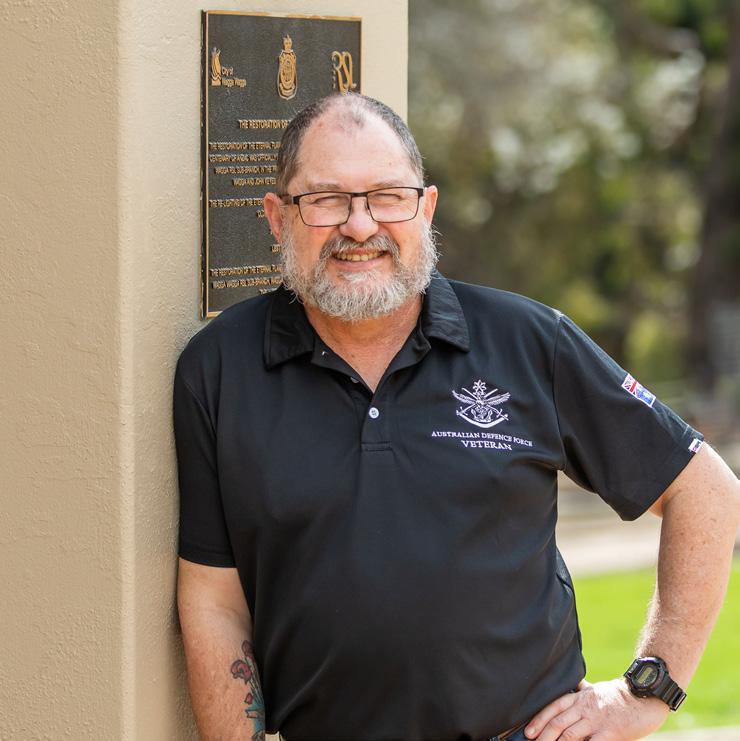
» The importance of understanding the number of serving and ex-serving Australian Defence Force (ADF) members across the Murrumbidgee, in particular Wagga Wagga as a defence city, and the needs of this group as well as their families.
Awareness raising of carer support
Culturally safe and welcoming environments
Local leadership from Elders and Aboriginal Health Workers
Support that recognises trans-generational trauma impacts
2.1.1 Develop and implement a communication strategy regarding available carer supports.
2.1.2 Support community education and disseminate resources for consumers, carers and family members that help them create a meaningful dialogue with GPs, pharmacists and other health professionals about medication, allied health and lifestyle changes.
2.2.1 Facilitate access to Cultural Competency Training Programs that address the specific cultural needs and diversity of First Nations peoples, considering the distinct mobs within these nations:
• Collaborate with local First Nations Elders, leaders, and cultural experts to design training content.
• Include modules on the history, traditions, and contemporary issues of various First Nations groups.
• Ensure the training is adaptable to different service environments (e.g., healthcare, education, social services).
• Schedule regular refresher courses and updates to ensure continuous learning and adaptation.
• Regularly review and update training content based on feedback and emerging needs.
2.2.2 Co-designed MH-SP-AOD initiatives with ACCHOs.
2.2.3 Culturally safe suicide prevention training for all local health district and community/NGO staff.
2.2.4 Support for First Nations peer workers and Elder-led wellbeing circles.
2.2.5 Inclusion of cultural assessments in existing assessment processes.
2.2.6 Holistic, community based chronic disease management (heart, renal, diabetes) connected to cultural practices.
2.2.7 Outreach services respectful of community dynamics and confidentiality.
2.2.8 Raising education and awareness across the health sector to ensure a focus on mental and physical health, with integration into other services.
2.2.9 Support and advocate for funding for service models that align with the National Strategic Framework for Aboriginal and Torres Strait Islander Peoples’ Mental Health and Social and Emotional Wellbeing.
2.2.10 Partner with First Nations Peoples to develop strategies for use in the commissioning process to determine the suitability of providers seeking to deliver services to Aboriginal and Torres Strait Islander people.
2.2.11 Service providers are encouraged and supported to partner with First Nations communities to develop suicide prevention and response plans.
2.2.12 Focus on identified positions within the MLHD Drug and Alcohol team, including two Aboriginal Drug and Alcohol trainees and an identified position within the Magistrates Early Referral into Treatment (MERIT) team in Griffith.
Social connection that fosters belonging and builds community resilience
Build personal as well as community resilience
Inclusive environments ensuring comfort and dignity
Language and culturespecific guidance ensuring meaningful communication
Education that aligns with cultural norms and beliefs
Trauma informed support and connection for refugees and asylum seekers
Support addressing loneliness, multiple conditions, grief and loss
Age appropriate mental health services for depression, anxiety and dementia
Support to address discrimination and abuse based on ageism
2.6
Recognition and identification of risk factors
Resources that young people can connect with
Involvement of young people in service design and planning
2.3.1 LGBTQIA+ aware counsellors and peer networks, utlising existing resources.
2.3.2 Local safe spaces and community events combating stigma.
2.3.3 Promoting training for mainstream MH-SP-AOD providers, general practice and allied health on LGBTQIA+ cultural competency.
2.3.4 Identified roles and targeted recruitment of LGBTQIA+ staff to provide services.
2.3.5 Inclusive and gender affirming physical healthcare (e.g., hormone management) where needed.
2.3.6 Respectful screening and assessments that account for potential trauma from discrimination.
2.4.1 Access to interpreters and bilingual staff in MH-SP-AOD services.
2.4.2 Psychoeducation groups in multiple languages.
2.4.3 Inclusion of priority population groups in service planning.
2.4.4 Enhance partnerships and improve communication with the Transcultural Mental Health Centre (TMHC) and the NSW Service for the Treatment and Rehabilitation of Torture and Trauma Survivors (STARTTS).
2.4.5 Establish and maintain effective links with Community Managed Organisations (CMOs) that provide support for refugees and asylum seekers to enhance the provision and coordination of services.
2.5.1 Geriatric mental health assessments, including AOD screening.
2.5.2 In home or telehealth options for psychosocial support.
2.5.3 Suicide risk assessment for all people, especially for men who are at heightened risk – particularly in rural areas.
2.5.4 Inreach services to Residential Aged Care Homes (RACHs) for mental health and AOD support.
2.5.5 Routine medication reviews.
2.5.6 Continue to support and promote the integration of physical health checks in chronic disease management (e.g., heart failure, diabetes).
2.5.7 Ongoing support for the implementation of the NSW Older People’s Mental Health Services Service Plan 2017-2027.
2.6.1 Support relevant recommendations from the Royal Commission into Defence and Veteran Suicide e.g., Recommendation #72 – Expand and strengthen healthcare services for veterans, #73 – Improve military cultural competency in health professionals working with veterans.
2.7.1 School based resilience and life skills programs.
2.7.2 Youth specific counselling (e.g., headspace) incorporating AOD support.
2.7.3 Peer led anti stigma and harm reduction initiatives.
2.7.4 Use of social prescribing to promote positive community engagement.
2.7.5 Adolescent focused preventative screenings (sexual health, nutrition, mental health check-ups).
2.7.6 Structured extracurricular activities (sporting or arts programs) to develop prosocial networks.
2.7.7 Staff education to ensure they are monitoring both physical and mental health.
“There needs to be more involvement from the families. The families are the ones who know about the person they care for. The families can often give a more in-depth insight to the person which can be very helpful to practitioners and the persons recovery.”
Carer, Regional Plan survey 2025
“Would like to see services together in a building with other services so it’s not obvious what someone is going into the building for. People feel judged if they are seeking mental health assistance. I would also want a First Nations staff member on reception.”
Community member, Conversations on the Couch
“There needs to be community education campaigns around mental health that is relevant to everyone – all families, on TV and radio. However, there needs to be quality affordable community health services and groups and programs that are free and available to all sectors. Especially services and psychological support for people with serious chronic and episodic mental health conditions such as psychosis, bipolar disorder.”
Multicultural community member, Regional Plan survey 2025

Speaking with carers in agencies who have a lived experience similar to ours. You can always tell if someone in a government agency has been a carer - their understanding of our issues is so different to someone who has no experience.”
Carer, Regional Plan survey 2025
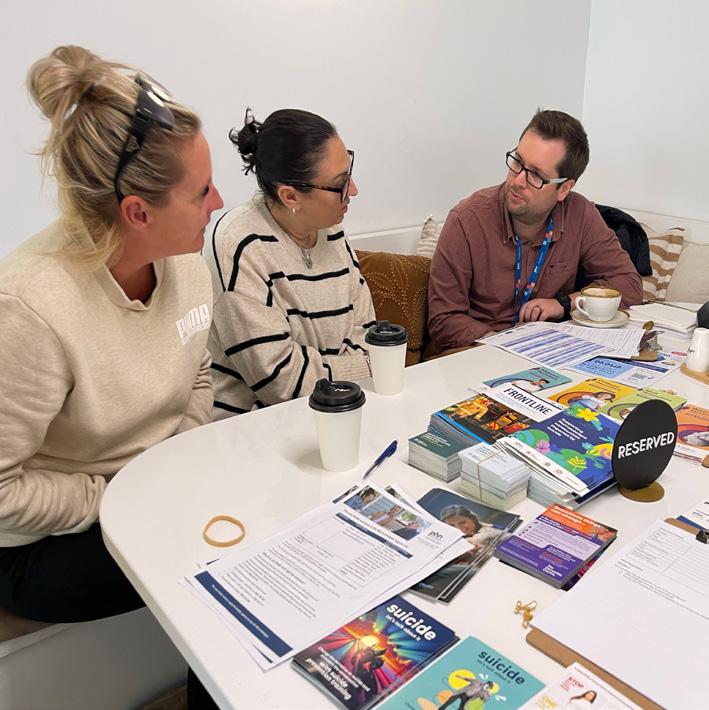
“Medicare Mental Health Service ease of access.”
Older person, Regional Plan survey 2025
“Defence people always put other people’s needs before their own. Defence people will put up with issues for much longer. The threshold of when you need help is much higher than general public.”
Community member, Conversations on the Couch
“I think if our AMS had the resources to outreach around the community on a regular basis to support access to services education connections and therapies it would break down barriers allow the environment and space for people to gather and talk.”
Mental health/AOD professional, Regional Plan survey 2025
“I’ve had experiences with the mental health services where the worker was supportive in theory, and not at all hostile, but didn’t have the understanding of uniquely gay relationship and sexual health issues - therefore in a mental health crisis I was having to educate the worker which was stressful at a time when stress was the number one indicator of likelihood of self-harm.”
Community member, Urbis/ACON consultation
“Veterans float between medical systemsDVA and Medicare.”
Community member, Conversations on the Couch
“Many young people don’t recognise their substance use as a problem — especially if it’s experimental, socially accepted among peers, or seen as a way to cope.”
Young person, Regional Plan survey 2025
The mental health, AOD, suicide prevention/postvention/ aftercare, and broader healthcare workforce plays a critical role in improving the wellbeing of people and communities across the Murrumbidgee. This is a diverse workforce including but not limited to mental health clinicians, peer workers, allied health professionals, support workers, general practitioners and specialists. They work in complex environments, where demand is growing, needs are diverse and becoming more complex with staff attraction and retention challenging.
“As GPs we can be the person that channels them to all the right directions so all the more reason for GPs to be able to know who the people are who can be part of that team locally because it’s a big deal for people to have to travel.”
Provider, Urbis/ACON consultation
“Education of primary health professionals about LGBTQIA+ health concerns and inclusive language. Access to professionals who are able to support people experiencing gender or body dysphoria.”
Community member, Urbis/ACON
consultation
What we`ve heard
» Graduate programs are great initiatives, but the requirements can stand in the way of implementing these types of programs in small areas or organisations. Grow your own workforce!
» Quite a young/less experienced graduate workforce across some areas of the Murrumbidgee. This is helping to address workforce demands, although the need for clinical supervision is greater.
» Staff retention is more than just the salary; it`s the overall work environment and how staff are recognised and supported in their organisation.
» Funding timeframes impact retention and morale of staff.
» Collaborating across organisations and sectors to support the education and training of staff, as well as providing options for clinical supervision. e.g., Board approved supervisors from Department of Education being available to offer supervision for Provisional Psychologists from smaller NGOs or Child and Adolescent Mental Health Services (CAMHS).
» Growing trend where smaller NGOs are being used as stepping stones to larger organisations and higher paying roles. They tend to be easier to get in, receive relevant training and build on skills which then creates opportunities for career advancement (often outside of the smaller ‘training’ organisation).
» LHACs playing a role in smaller towns by trying to secure accommodation/housing to attract health professionals to move to work in the regions.
» Incentives – relocation allowances, additional leave, education and training support, provision of clinical supervision at no cost.
3.1 Community workforce (NGOs, peer and lived experience workforce, ACCHOs)
Attraction and retention of workforce into rural and regional areas to ensure service continuity
Build capacity and capability of the workforce through professional development and structured career pathways
Support for the existing workforce to prevent burnout and sustain high quality service delivery
3.2 Public health workforce
Predictable and structured service delivery models that support long-term workforce planning
Efficient referral pathways and coordination with primary and hospital-based care to ensure smooth transitions for patients
Technology-enabled care models to reduce travel burdens
Adequate staffing levels to prevent burnout and ensure high-quality care
Workforce structures that support continuity of care across different service levels
3.1.1 Staff support programs, including supervision, reflective practice, and mentorship.
3.1.2 Improved staff training on suicide risk, self-harm, and de-escalation.
3.1.3 Education on culturally safe mental health practices, particularly for First Nations and refugee communities.
3.1.4 Increased awareness and access to referral pathways for all levels of care.
3.1.5 Strengthening culturally safe care models to improve health literacy and self-management.
3.1.6 Training in chronic disease identification and management for nonclinical community support workers.
3.1.7 Strengthening culturally safe care models to improve health literacy and self-management.
3.1.8 Support recruitment strategies to increase the proportion of the workforce who identify as being part of a priority population group (e.g., LGBTQIA+).
3.1.9 Support the development of a Lived Experience, Peer and Carer Network which includes a Peer Worker Placement program (Alliance activity).
3.1.10 Continue to support the training and implementation of the use of the IAR-DST.
3.2.1 Consistent crisis protocols for suicide risk and severe AOD presentations in emergency settings.
3.2.2 Multidisciplinary team led reviews for people with complex MH challenges and/or AOD challenges including psychiatrist and addiction specialist support.
3.2.3 Evidence based AOD treatments such as opioid dependence therapy, delivered locally where possible.
3.2.4 Comprehensive assessment of comorbidities (heart disease, diabetes, neurological issues) integrated with MH and AOD management.
3.2.5 Shared care plans that link inpatient and outpatient services.
3.2.6 Improved specialist outreach or telehealth clinics for follow-up.
3.2.7 Participation in research or pilot programs for innovative mental health treatments.
3.2.8 Staff training in de-escalation, trauma informed approaches, and service delivery best practices.
3.2.9 Workplace strategies to recognise and respond to vicarious trauma, ensuring psychologically safe environments for staff.
3.3 Primary care workforce (GPs, primary care nurses, pharmacists, allied health)
Integrated service models that provide flexibility in rural and regional areas
Sustainable local workforce development to reduce reliance on visiting specialists
Clear workforce role classifications to improve coordination and service delivery
A stable, locally based workforce with reduced reliance on locums
Sufficient workforce supply to meet demand, ensuring access to care
Support to reduce professional isolation and improve job satisfaction in rural and remote area
3.3.1 Specialist training in treatment modalities and diagnostic-specific responses (e.g., eating disorders, early psychosis).
3.3.2 Psychiatric and AOD liaison clinics embedded within community health centres.
3.3.3 Co-location or rotational outreach services among towns to increase service accessibility.
3.3.4 Funded travel stipends or telehealth-enabled sessions to reduce patient/ family travel.
3.3.5 Shared data systems for smoother transitions (e.g., discharge summaries, test results).
3.3.6 Short-course training on brief interventions, risk assessment for suicide and AOD.
3.3.7 Telehealth clinical support for real-time consultation with psychiatrists, psychologists and addiction specialists.
3.3.8 Clear referral pathways for all levels of care, ensuring timely access to moderate and severe mental health and AOD services.
3.3.9 Standardised frameworks for identifying and managing chronic conditions alongside mental health and AOD (shared care plans).
3.3.10 Rural incentives (housing, salary support) to attract and retain staff.
3.3.11 Support and promote the involvement of pharmacists, where appropriate.

Strong and collaborative partnerships are essential to delivering effective and responsive mental health, suicide prevention, postvention and aftercare and AOD services across the Murrumbidgee region. With a diverse population spread across regional, rural and remote communities, the integration and coordination of services is key to ensuring people receive timely and appropriate care, no matter where they live.
In the Murrumbidgee region, partnerships between MLHD, MPHN, general practice, allied health professionals and a broad range of service providers are central to the region’s approach to coordinated care. These collaborative relationships enhance service accessibility, reduce duplication, and support a shared understanding of community needs and priorities. By working together, partners are better equipped to design and deliver services that are person-centred, culturally responsive, and aligned to meeting people’s needs.
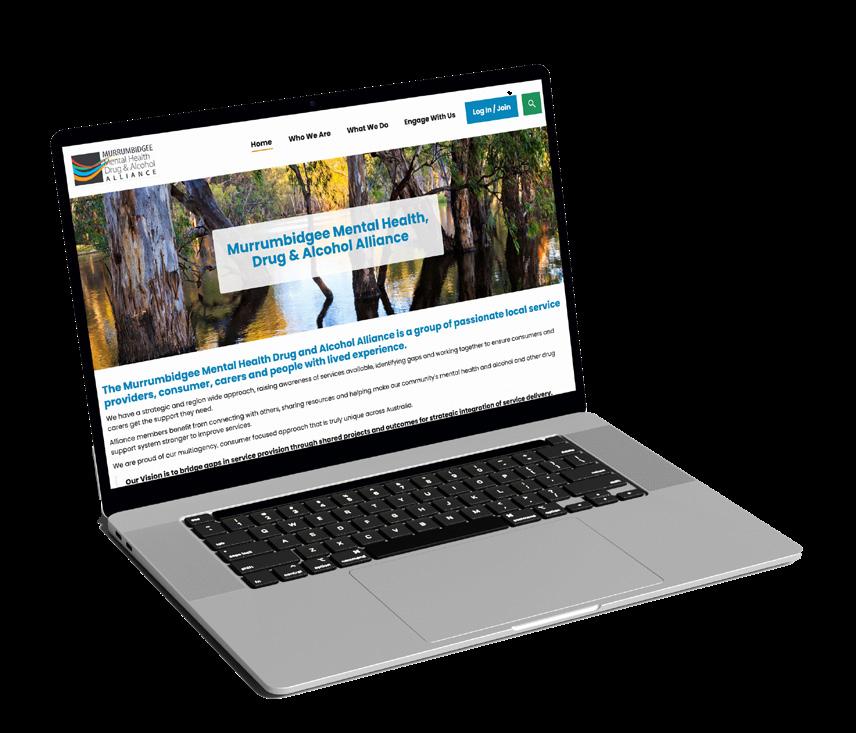
A long standing and key partnership in the region is the Murrumbidgee Mental Health Drug and Alcohol Alliance (the Alliance). The purpose of the Alliance is to enable and enhance the recovery journey of people in the Murrumbidgee living with mental health challenges including suicidality and/or drug and alcohol issues. The Alliance provides a forum through which key stakeholders from the health, community and social sectors can develop a strategic approach to meeting the mental health and drug and alcohol needs and expectations of people for access to, and delivery of services for the Murrumbidgee population. Twenty-five member organisations and living/lived experienced representatives (consumers and carers) meet on a monthly basis to work together on set priorities from the Alliance Work Plan. The meetings also provide an opportunity to share service information, which also includes non-member organisations. This coordinated approach enables the Murrumbidgee region to respond proactively to emerging challenges, better integrate care across service boundaries and build a system that reflects the voices and experiences of the people.
» Cohesive collaboration and an integrated service approach are critical to supporting individuals and communities effectively:
• Positive:
“Collaborating with services to offer people access to support internally and externally to the school.”
“Clients returning for service, verbal recommendations, positive and supportive allied health workers.”
“MH Workers and AOD Workers going into schools - education and conversation. Expos in malls - talking to people. Nurses - inservices to educate re AOD and MH - there is a lot of stigma/judgement when AOD and MH clients attend hospitals.”
Mental health/AOD professionalsRegional Plan survey 2025
• Negative:
“The BIGGEST challenge is definitely the struggle to refer to other services. The staff shortage is ridiculous and there are waitlists everywhere, and most places can only do mild-moderate when we need more services to support the moderate-complex (not acute enough for tertiary intervention but definitely too acute for mild-moderate services).”
“Unclear referral pathways and eligibility requirements; no continuation of care, or a collaborative recovery approach from fellow services; thresholds of services. Everyone is full, with ridiculous wait times.”
“Some schools are hesitant to accept external support, as they worry it may trigger mandatory reporting obligations or reflect poorly on the school’s reputation. This creates a barrier to early engagement, especially when support could make a real difference before a young person’s situation escalates.”
Mental health/AOD professionalsRegional Plan survey 2025
» There is a need for better communication between services; reducing fragmentation of information.
4.1 Healthcare and social care organisations
Person-led decision-making ensuring care is person centred
Collaborative culture across the system, involving people, providers, partners and funders
Communication and coordination, reducing fragmentation between care providers
Relationships between services, improving trust and system navigation
Clear, accessible service information, ensuring people can easily find and use support
4.1.1 People led decision-making embedded across all levels.
4.1.2 Continued collaborative culture ensuring strong lived and living experience voices and joint working relationships.
4.1.3 Accessible information sharing about care plans and available services.
4.1.4 Integrated strategy and planning across micro, meso and macro levels.
4.1.5 Sustainable funding to support long term, collaborative commissioning.
4.1.6 Work with peak bodies and lived and living experience representatives to develop service models, procurement activities, projects, referral and transitional care pathways, and evaluation activities that are safe, appropriate, and relevant.
4.1.7 Support communities, community-controlled organisations, and peak bodies to take the lead in designing and delivering services relevant to their specific priority population.
4.1.8 Improve data collection and analysis to understand the differences in access rates, service experiences and outcomes for people from priority population groups and use that data to make better decisions about service models, planning and availability (e.g., collection of cultural background, sexuality, and gender).
4.1.9 Support representation of priority population members on committees and local governance structures.
4.1.10 Utilise the Murrumbidgee Mental Health Drug and Alcohol Alliance to facilitate improved communication and operate as a coordinate service system including improved referral pathways.
Implementation of the Regional Plan will be driven through bi-monthly meetings of the joint working group including MPHN, MLHD and chair of the Alliance. Meetings will support joint accountability for the plan and ensure actions and activities are progressed in a timely and coordinated manner, co-opting other partners where appropriate. In addition, and as needed, steering committee members will be allocated to working groups aligned to the plan’s four focus areas: stepped care, priority populations, workforce and partners. These working groups will focus on progressing specific actions within each area, enabling targeted collaboration, informed decision-making, reporting back to the broader committee to maintain alignment and drive collective impact.
The Murrumbidgee Patient-centred Co-commissioning Group (PCCG), which is a long established joint MPHN and MLHD governance group tasked with overseeing joint collaborative work, will continue to provide overarching governance for the Regional Plan and will play a key role in guiding decision making and endorsing recommendations put forward by the steering committee. It will also act as the approver, in relation to joint funded activities.
As part of the review process, the joint steering committee will be responsible for providing a mid-term report card outlining performance against the actions identified in the Regional Plan. This will include reporting against actions in each of the four focus areas: stepped care, priority populations, workforce and partnerships. The timeframe for the Regional Plan is 2025-2030, with the mid-term report due by December 2027
Increased periods of wellness for people as services adapt flexibly to meet changing demands.
Reduced reliance on crisis-driven support by ensuring people’s needs are met early, empowering self-agency.
Increased confidence and capability for people to proactively manage their wellbeing and seek support when needed.
Improved awareness of available services, ensuring people can access timely support when challenges arise.
Strengthened community knowledge and skills to support both themselves and others effectively.
A more inclusive service system where LGBTQIA+ community experience equity, safety and meaningful participation
Increased equity, safety, meaningful participation, self-determination, and the achievement of generational health
Cohesive, diverse communities where cultural diversity strengthens social capital and systemic equity. Empowered young people who experience equity, safety, and meaningful participation, with access to the support they need.
Inclusive services where older people are valued, free from discrimination and supported to live with dignity, independence and connection to community and supports.
that drives community health outcomes and reduces system inefficiencies.
A reliable specialist referral network that supports ongoing speciality care.
Support for families in an emergency or acute exacerbation of a chronic condition.
Reliable access to appropriate medical specialists for ongoing and acute care.
A skilled, well supported, sustainable, culturally competent and resilient community managed workforce
A rebalanced system that prioritises prevention and recovery, reducing reliance on crisis-driven care and ensuring sustainable, personcentred support.
Reduced suicide rates across the region through utilisation of local and state data to implement data informed and targeted responses and activities
Reduced wait times for people accessing services by utilising comprehensive service mapping tools to connect people to the most appropriate and also most immediate supports
Contribute to closing the gap for Murrumbidgee First Nations communities by working closely with local Aboriginal Medical Services, supporting mainstream services to be culturally safe and accessible and prioritising initiatives for First Nations people aligned to state and national policy and localised data.
National
» Accessible Mental Health Services for People with Intellectual Disability: A Guide for Providers – National Disability Services
» Equally Well Consensus Statement
» Fifth National Mental Health and Suicide Prevention Plan – National Mental Health Commission
» Framework for Mental Health in Multicultural Australia – National Mental Health Commission
» Gayaa Dhuwi (Proud Spirit) Declaration Framework and Implementation Guide – Australian Government Department of Health and Aged Care
» Guidelines on the Management of Co-occurring Alcohol and Other Drug and Mental Health Conditions in Alcohol and Other Drug Treatment Settings –Australian Government Department of Health and Aged Care
» National Aboriginal and Torres Strait Islander Suicide Prevention Strategy – Australian Government Department of Health and Aged Care
» National Carer Strategy 2024-2034 – Australian Government Department of Social Services
» National Children’s Mental Health and Wellbeing Strategy – National Mental Health Commission
» National Drug Strategy 2017-2026 – Australian Government Department of Health and Aged Care
» National Eating Disorders Strategy 2023-2033 –National Eating Disorders Collaboration
» National LGBTIQ+ Mental Health and Suicide Prevention Strategy - LGBTIQ+ Health Australia
» National Lived Experience (Peer) Workforce Development Guidelines – National Mental Health Commission
» National Mental Health and Suicide Prevention Agreement
» National Mental Health and Suicide Prevention Plan – Australian Government Department of Health and Aged Care
» National Mental Health Workforce Strategy 20222032 – Australian Government Department of Health and Aged Care
» National Strategic Framework for Aboriginal and Torres Strait Islander Peoples’ Mental Health and Social and Emotional Wellbeing 2017-2023 – National Indigenous Australians Agency
» PHN Multicultural Health Framework, February 2024
» Royal Commission into Defence and Veteran Suicide Final Report
» The National Aboriginal and Torres Strait Islander Health Plan 2021–2031 – Australian Government Department of Health and Aged Care
» Alcohol and Other Drugs Workforce Strategy 20242032 – NSW Health
» Bilateral Schedule on Mental Health and Suicide Prevention: New South Wales
» Clinical Care Standards for Alcohol and Other Drug Treatment – NSW Health
» 10-year Strategic Plan 2023-2032 – Justice Health NSW
» A Strategic Plan for Mental Health in NSW – Living Well
» Guidelines for Physical Health Care for People Living with Mental Health Issues – NSW Health
» Lived Experience Framework – NSW Mental Health Commission
» Productivity Commission Inquiry Report, Mental Health – Australian Government Productivity Commission
» Strategic Framework for Suicide Prevention in NSW 2022-2027 – NSW Health
» The NSW Primary Health Network - NSW Health Joint Statement
» Murrumbidgee Collaboration Agreement 20222027 — Murrumbidgee Primary Health Network and Murrumbidgee Local Health District
» MPHN First Nations Health Strategy — Murrumbidgee Primary Health Network
» MPHN Health Needs Assessment — Murrumbidgee Primary Health Network
» MLHD Strategic Plan 2021-2026: Exceptional rural healthcare – Murrumbidgee Local Health District
» MPHN Strategic Plan 2023-2027 — Murrumbidgee Primary Health Network
» Murrumbidgee First Nations Toolkit for General Practice — Murrumbidgee Primary Health Network
» Murrumbidgee Suicide Prevention and Aftercare Priority Action Plan 2023-2025 — Murrumbidgee Primary Health Network
ACCHO Aboriginal Community Controlled Health Organisation
AOD Alcohol and Other Drugs
CAMHS Child and Adolescent Mental Health Services
CBT Cognitive Behavioural Therapy
CMO Community Managed Organisation
DVA Department of Veterans Affairs
GP General Practitioner
IAR-DST Initial Assessment and Referral Decision Support Tool
LGA Local Government Area
LGBTQIA+ Lesbian, Gay, Bisexual, Transgender, Queer, Intersex, Asexual
LHAC Local Health Advisory Committee
MH Mental Health
MHAG Mental Health Awareness Group
MH-AOD Mental Health-Alcohol and Other Drugs
MH-SP-AOD Mental Health Suicide Prevention Alcohol and Other Drugs
MLHD Murrumbidgee Local Health District
MPHN Murrumbidgee Primary Health Network
MSPAC Murrumbidgee Suicide Prevention and Aftercare Collaborative
NDSHS National Drug Strategy Household Survey
NGO Non-Government Organisation
RACH Residential Aged Care Homes
SP Suicide Prevention
STARTTS Services for the Treatment and Rehabilitation of Torture and Trauma Survivors
TMHC Transcultural Mental Health Centre
1. Australian Bureau of Statistics. (2021, November 19). TableBuilder. ABS. Retrieved 2024.
2. Australian Bureau of Statistics. (2023, October 12). National study of mental health and wellbeing, 2020–2022.
3. Australian Institute of Health and Welfare. (2024, April 30). Prevalence and impact of mental illness.
4. Murrumbidgee Local Health District. (2025, February). MLHD at a glance: Population and health indicator data 2025 [PDF]. NSW Government.
5. Public Health Information Development Unit (PHIDU). (2023, August 15). Social Health Atlases of Australia [Data collection]. Torrens University Australia.
6. NSW Ministry of Health. (2023, October 4). NSW Emergency Department Records for Epidemiology (SAPHaRI): EDRE snapshot [Data snapshot]. Centre for Epidemiology and Evidence. HealthStats NSW. Retrieved 2025.
7. Public Health Information Development Unit (PHIDU). (n.d.). Aboriginal and Torres Strait Islander Social Health Atlas of Australia [Interactive maps]. Torrens University Australia. Retrieved 2025.
8. Australian Institute of Health and Welfare. (2025). Alcohol and Other Drug Treatment Services National Minimum Data Set: PHN AODTS Episode 1, Episode 2 and Episode 3 [Web data tables]. AIHW. Retrieved 2025.
9. Australian Coordinating Registry. (n.d.). Cause of Death Unit Record File [Data file]. SAPHaRI, Centre for Epidemiology and Evidence, NSW Ministry of Health. Populations for rate calculations are from Australian Bureau of Statistics estimated resident populations based on the 2021 Census (Current estimated resident population (ERP) for NSW, Snapshot 20241). Aboriginal population estimates are based on the 2021 Census with projections from the ABS. HealthStats NSW. Retrieved 2025.
10. Centre for Epidemiology and Evidence. (n.d.). HealthStats NSW [Homepage]. NSW Ministry of Health. Retrieved 2025.
11. Australian Institute of Health and Welfare. (2024). Alcohol and Other Drug Treatment Services National Minimum Data Set: PHN AODTS Clients 5, 6, and 7 (2022–2023) [Web tables]. AIHW. Retrieved 2025.
12. Centre for Epidemiology and Evidence. (n.d.). Population Health Survey [Topic overview]. HealthStats NSW. Retrieved 2025.
13. NSW Ministry of Health. (n.d.). NSW Combined Admitted Patient Epidemiology Data and ABS population estimates (SAPHaRI): Unpublished tables from Australian Burden of Disease Study, 2015 [Data tables]. Centre for Epidemiology and Evidence; Australian Institute of Health and Welfare. HealthStats NSW. Retrieved 2025.
14. NSW Ministry of Health. (n.d.). NSW Combined Admitted Patient Epidemiology Data and ABS population estimates (SAPHaRI) [Data tables]. Centre for Epidemiology and Evidence. HealthStats NSW. Retrieved 2025.
15. Murrumbidgee Primary Health Network. (2025). Health needs assessment 2025–2028. Murrumbidgee Primary Health Network. Retrieved 2025.
16. Public Health Information Development Unit. (2023). Social health atlas of Australia: Primary health networks – Vaping and e-cigarettes. Torrens University Australia. Retrieved 2025.
17. Summary tables of NSW Emergency Department Data Collection (EDDC), via the NSW Health Information Exchange supplied by InforMH System Information & Analytics Branch, NSW Ministry of Health. Retrieved 2024.
18. Mental Health in Multicultural Australia (MHiMA). (2014, March). Framework for mental health in multicultural Australia: Towards culturally inclusive service delivery (Introductory guide). MHiMA. ISBN 978 0 9923547 1 8. Retrieved 2025.
19. Embrace Multicultural Mental Health. (2024, February 27). PHN Multicultural Health Framework: Roadmap to improving health outcomes for multicultural communities across Primary Health Network regions [PDF]. Embrace. Retrieved 2025.
20. Australian Institute of Health and Welfare. (2025, June 27). People from culturally and linguistically diverse (CALD) backgrounds. In Alcohol, tobacco & other drugs in Australia (Priority Populations section). Australian Government. Retrieved 2025.
21. NSW Ministry of Health. (2022). NSW Refugee Health Plan 2022–2027. NSW Ministry of Health. Retrieved 2025.
22. Australian Bureau of Statistics National Aboriginal and Torres Strait Islander Health Survey. (2022-2023). Retrieved 2025.