House Rendering in Melbourne: Enhance the Look and Durability of Your Home
If you're looking to enhance your home’s curb appeal and improve its durability, house rendering is one of the most effective solutions. This process involves applying a layer of render to the exterior walls of your home, providing both an attractive finish and added protection against the elements. In Melbourne, where the climate can be unpredictable, house rendering offers both aesthetic and practical benefits. In this article, we will explore the different types of house rendering, its advantages, the best materials to use, and why it’s a popular choice for homeowners in Melbourne.
What is House Rendering?
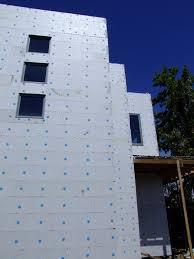
House Rendering in Melbourne refers to the process of applying a mixture of sand, cement, and other additives to the exterior of a building. The render is then smoothed to create a uniform surface that is both decorative and protective. The material used for rendering can vary depending on the desired finish, the type of wall, and environmental factors.
Rendering can be applied to various surfaces, including brick, concrete, and even timber-framed homes. It not only improves the appearance of a home but also adds an extra layer of protection against moisture, weather conditions, and temperature fluctuations.
Benefits of House Rendering
1. Aesthetic Appeal
One of the main reasons homeowners choose rendering is for its visual appeal. Rendering can completely transform the look of your home, whether you're aiming for a sleek, modern look or a more textured, traditional style. The variety of colors, finishes, and textures available allows homeowners to choose a look that complements their personal style.
2. Increased Durability
Rendering acts as a protective barrier for your home, shielding the exterior walls from rain, wind, and sun damage. In Melbourne, where rainfall and humidity can cause issues like dampness or mold, rendering helps protect your home’s structural integrity. It reduces the chances of water penetration, which can lead to long-term damage.
3. Improved Insulation
Rendered walls can help with insulation, keeping your home cooler in summer and warmer in winter. Some types of render, such as insulated render, include materials designed to improve energy efficiency, reducing the strain on your heating and cooling systems.
4. Low Maintenance
A rendered home is generally easier to maintain than one with unrendered surfaces. The smooth finish of render can be cleaned more easily, and it’s less prone to cracking, peeling, or fading than painted walls. It’s also resistant to weathering, ensuring a longer lifespan with less frequent upkeep
5. Increased Property Value
Rendered homes often have a higher market value compared to non-rendered properties. The clean, modern appearance adds curb appeal, which is especially important when selling your home. A rendered exterior gives a sense of quality and care, attracting more potential buyers.
Types of House Rendering
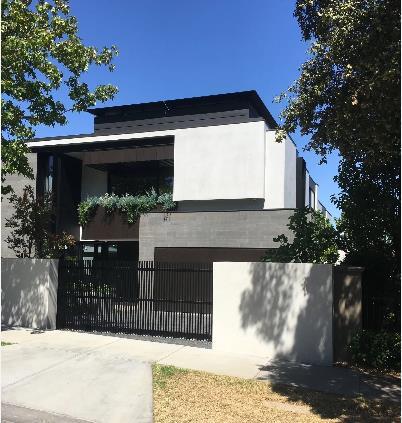
1. Cement Render
Cement render is the most commonly used type of render. It’s made from a mixture of sand, cement, and House Rendering Services water, and can be applied to almost any surface. Cement render is a strong and durable option that offers a smooth, sleek finish.
2. Acrylic Render
Acrylic render is a flexible alternative to traditional cement render. It’s made from acrylic resins, making it more resistant to cracking, fading, and damage from the weather. It’s
often used for homes in coastal areas or regions with high humidity due to its flexibility and moisture resistance.
3. Lime Render
Lime render is a traditional form of rendering that’s ideal for older homes and buildings. It allows the walls to breathe, preventing moisture from becoming trapped inside the walls. Lime render is more breathable than cement render, making it an excellent option for historic homes.
4. Insulated Render
Insulated rendering involves adding a layer of insulation material to the render, improving the home’s energy efficiency. This type of render is ideal for homes in areas with extreme temperatures, as it provides additional protection from heat loss or heat gain.
House Rendering Process
1. Preparation: The walls are cleaned to remove any dirt, dust, or loose materials. Cracks and holes are repaired, and any necessary priming is done to ensure the render adheres properly.
2. Applying the Render: The render mix is applied in layers. The first layer is called the "base coat," which is spread evenly across the surface. Once the base coat is dry, a finishing coat is applied to create the desired texture or finish.
3. Drying and Curing: After the render is applied, it needs time to dry and cure. This can take several days, depending on the weather and the type of render used. It's important not to rush this process to ensure a long-lasting finish.
Frequently Asked Questions (FAQ)
1. How long does the rendering process take? The time it takes to render a house depends on the size of the property and the type of render being applied. On average, the process can take anywhere from a few days to a week or more.
2. Can I render my house myself, or should I hire a professional? While it’s possible to render a house yourself, it's a skilled job that requires knowledge of the materials, tools, and techniques. Hiring a professional ensures a high-quality finish and reduces the risk of mistakes or damage.
3. How long does rendered finish last? A well-applied render can last anywhere from 15 to 30 years, depending on the type of render and the conditions of the environment. Regular maintenance and cleaning can extend its lifespan.
4. Does rendering improve the insulation of my home? Yes, rendering can improve the insulation of your home, especially if you choose insulated render. It helps keep your home cooler in the summer and warmer in the winter by reducing the transfer of heat.
5. Can rendered surfaces crack over time? All rendered surfaces have the potential to crack over time, especially if there are significant changes in temperature or moisture levels. However, modern rendering techniques, such as acrylic or flexible renders, are more resistant to cracking than traditional cement render.
Testimonial
"We decided to render our home in Melbourne to give it a modern facelift, and we couldn't be happier with the result. The process was smooth, and the team was professional. Not only does our home look amazing, but we’ve noticed it stays cooler in the summer and warmer in the winter. We highly recommend house rendering for anyone looking to improve the appearance and comfort of their home."
– Sarah and John T., Melbourne Homeowners
"After years of dealing with cracked and faded walls, we decided to go for a cement render. It’s been about 18 months since the job was done, and our home still looks brand new. The render has added a beautiful finish and significantly improved the exterior durability. It was well worth the investment!"
– Emily R., Melbourne Homeowner
Conclusion
House rendering is a fantastic way to enhance your home’s appearance while providing protection and improving its energy efficiency. Whether you’re looking to modernize your home’s exterior, protect it from the elements, or boost its market value, rendering offers a variety of benefits. With different types of render available to suit various styles and climates, you can choose the right solution to meet your needs.