To give all children the opportunity to live a healthy and fulfilled life.
Murdoch Children’s Research Institute acknowledges the Wurundjeri people as the Traditional Owners of the land on which MCRI is located. We pay our respects to their Elders, past and present.
Welcome to MCRI’s Prospectus
As we celebrate 40 years of pioneering research at Murdoch Children’s Research Institute (MCRI), we are proud to share the impact of our work and the opportunities ahead. Since our foundation, MCRI has been driven to improve the health and wellbeing of children everywhere.
This milestone year is a chance to reflect on four decades of discovery – and to look forward. Your support today will help shape the next 40 years, accelerating earlier diagnosis, advancing treatments and bringing renewed hope to families who need it most.
The funding opportunities featured here represent just a glimpse of our broader efforts. Each opportunity aligns with MCRI’s strategic priorities and reflects the shared aspirations of supporters like you.
Your generosity is the foundation of sustainable research. It ensures our teams have the resources, tools and environments essential for innovation. Every opportunity includes both direct project costs and contributions to the vital infrastructure that makes breakthroughs possible.
As we mark this significant anniversary, we invite you to join us in creating a future where all children have the opportunity to live a healthy and fulfilled life. Every contribution – large or small – helps drive meaningful and lasting change.
Thank you for considering supporting our research. We hope you enjoy discovering more about our work and the many ways you can help advance child health.
Image left: Melbourne’s biomedical precinct located on Wurundjeri land
Credit: Peter Glenane, HiVis Pictures
Project
Infection, Immunity and Global Health Stem Cell Medicine
A message from our Director
At Murdoch Children’s Research Institute (MCRI), we have been at the forefront of advances in medical research since our inception 40 years ago. The visionary thinking and innovation of our researchers, combined with cutting-edge technology, have shaped a healthier future for children across Australia, in our region and around the world.
MCRI was founded in 1986 by a pioneer in clinical genetics, Professor David Danks AO, with the invaluable support of Dame Elisabeth Murdoch AC DBE and a community of visionary philanthropists, who shared a common belief in the value of transforming children’s health.
In the 21st century, the pace of medical discovery is faster than ever, powered by new and stillemerging technologies such as next-generation sequencing, gene editing and stem cell technologies, artificial intelligence, high-powered computing and population-scale data linkage. The ability to leverage these opportunities has never been more important.
Our research teams are laserfocused on solving the challenges that affect children, families and communities today, and anticipating those of tomorrow. By investing now, we can shape the future of child health on a global scale, ensuring better outcomes for all children.
Today, the spirit of generosity and forward-thinking demonstrated by Dame Elisabeth and Professor Danks continues to propel MCRI as a global leader in child health research. Thanks to our community’s ongoing support, MCRI is proud to be ranked among the top three child health research institutes in the world.
Investing in groundbreaking research at MCRI will have an indelible impact on the lives of children everywhere, for decades to come.
I am so excited about all that we will accomplish, together.
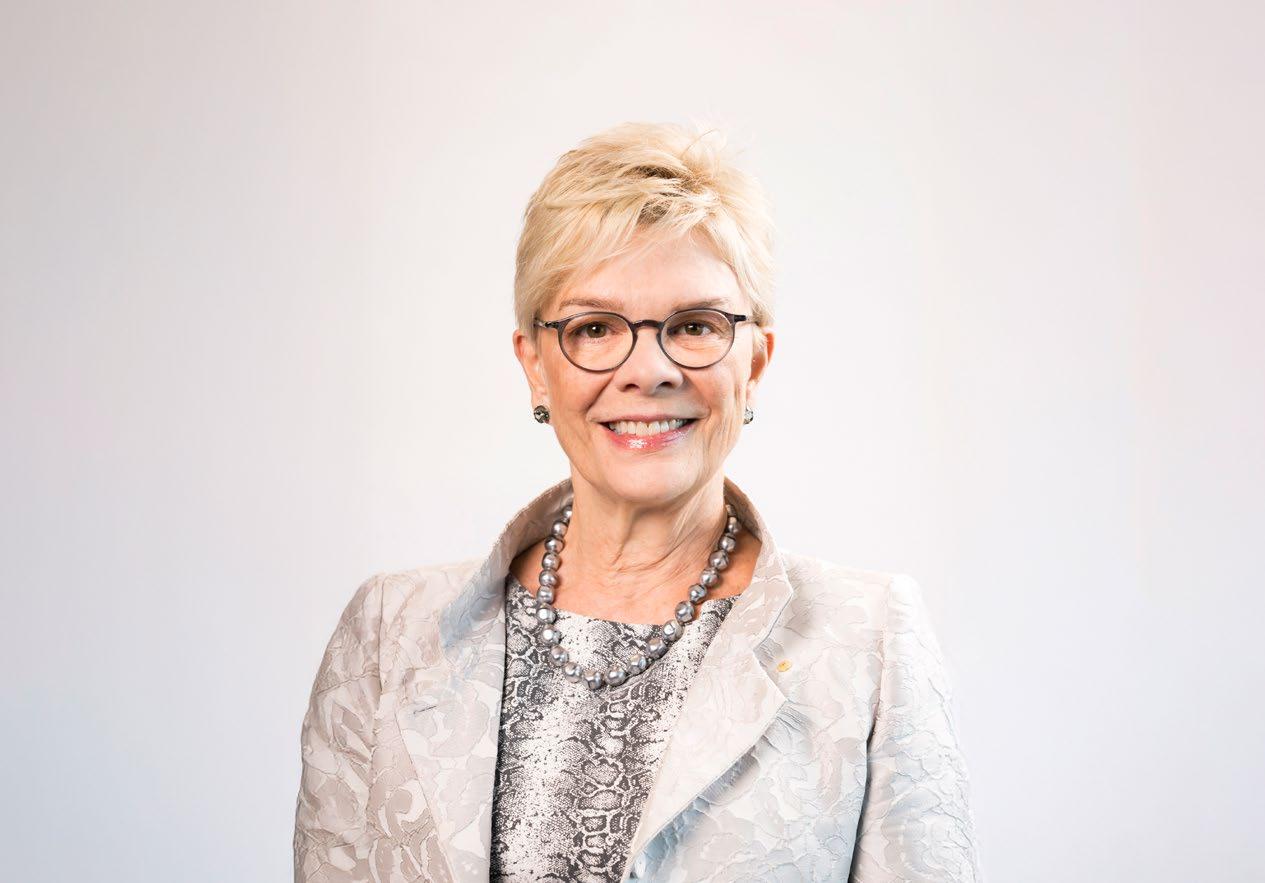
Professor Kathryn North AC Director, Murdoch Children’s Research Institute
Investing in our children’s future
As we approach MCRI’s 40th anniversary in 2026, this milestone reminds us of the impact four decades of research has already had, and the responsibility we share in ensuring that momentum continues.
Philanthropic support is essential for continuing discovery at MCRI. While government and competitive grants fund aspects of research, they rarely cover the full cost of innovation.
Forty years ago, Murdoch Children’s Research Institute began with a bold vision: to better understand and prevent birth defects - laying the groundwork for what would become a broader mission to improve the health and wellbeing of children everywhere. Today, that vision shines brighter than ever. Over the past four decades, MCRI has delivered discoveries that have changed the future for children here in Australia and across the world.
Having been part of this incredible journey for more than 25 years, I am constantly in awe of the brilliance and dedication of our researchers. Their work doesn’t just set global standards — it saves lives and creates hope where there was none.
This 40th Anniversary milestone is also a tribute to Dame Elisabeth Murdoch AC DBE, whose passion for children and philanthropy remains the heartbeat of our mission.
Her legacy inspires us every day to dream bigger and achieve more. None of this would be possible without you — our supporters, partners, and friends. Your belief in our work fuels innovation and makes every breakthrough possible.
As you explore this Prospectus, I invite you to consider supporting one of the transformative projects that will shape the next generation of child health discoveries.
Thank you for standing with us as we celebrate 40 years of impact and look ahead to an even brighter future for children everywhere.
Sarah Murdoch MCRI Board (Co-Chair), Global Advisory Board (Chair) and Global Ambassador, Murdoch Children’s Research Institute
Donations from our supporters empower our scientists to pursue bold ideas, accelerate breakthroughs, and translate research into real-world solutions for children and their families.
Every gift, large or small, helps us close the gap on what is possible, ensuring that the next generation benefits from healthier and brighter futures.
Miffany Blythe MCRI Board Member, Development Board (Chair) and Global Advisory Board Member, Murdoch Children’s Research Institute
Our story
Our story began in 1986 when paediatrician Professor David Danks AO established the original Murdoch Institute with the support of Dame Elisabeth Murdoch AC DBE, her family, and other visionary philanthropists, including the late Sir Jack Brockhoff, Scobie and Claire MacKinnon Trust and the Miller family.
Professor Danks’ vision for an independent genetic research institute expanded from a handful of researchers to become a world class centre for genetics research and clinical genetics services. The formation of the Institute crystallises a rich history of child and adolescent health research on the campus, dating back to 1936 when the first Medical Research Committee was formed within The Royal Children’s Hospital.
In the early 2000s, under the leadership of Chair, Mr Laurie Cox AO, and Director, Professor Bob Williamson AO, the Murdoch Institute and The Royal Children’s Hospital Research Institute merged to form Murdoch Children’s Research Institute, with a broader focus on child health research, including public health and clinical research.
Dame Elisabeth Murdoch AC DBE
As a founding member of the Institute in 1986, Dame Elisabeth Murdoch’s unparalleled generosity has empowered the Institute to enhance the health and wellbeing of children worldwide. Alongside Professor David Danks, Dame Elisabeth stands at the heart of MCRI.
Until her passing in 2012, Dame Elisabeth played a pivotal role in overseeing the Institute, contributing as a generous philanthropist and esteemed patron. Her influence reached people from all walks of life – from politicians and business leaders to families and children – inspiring them to discover the joy of giving and championing the importance of medical research. She possessed the foresight to recognise the significance of investing in and developing genetic research, even during the early stages of this field.
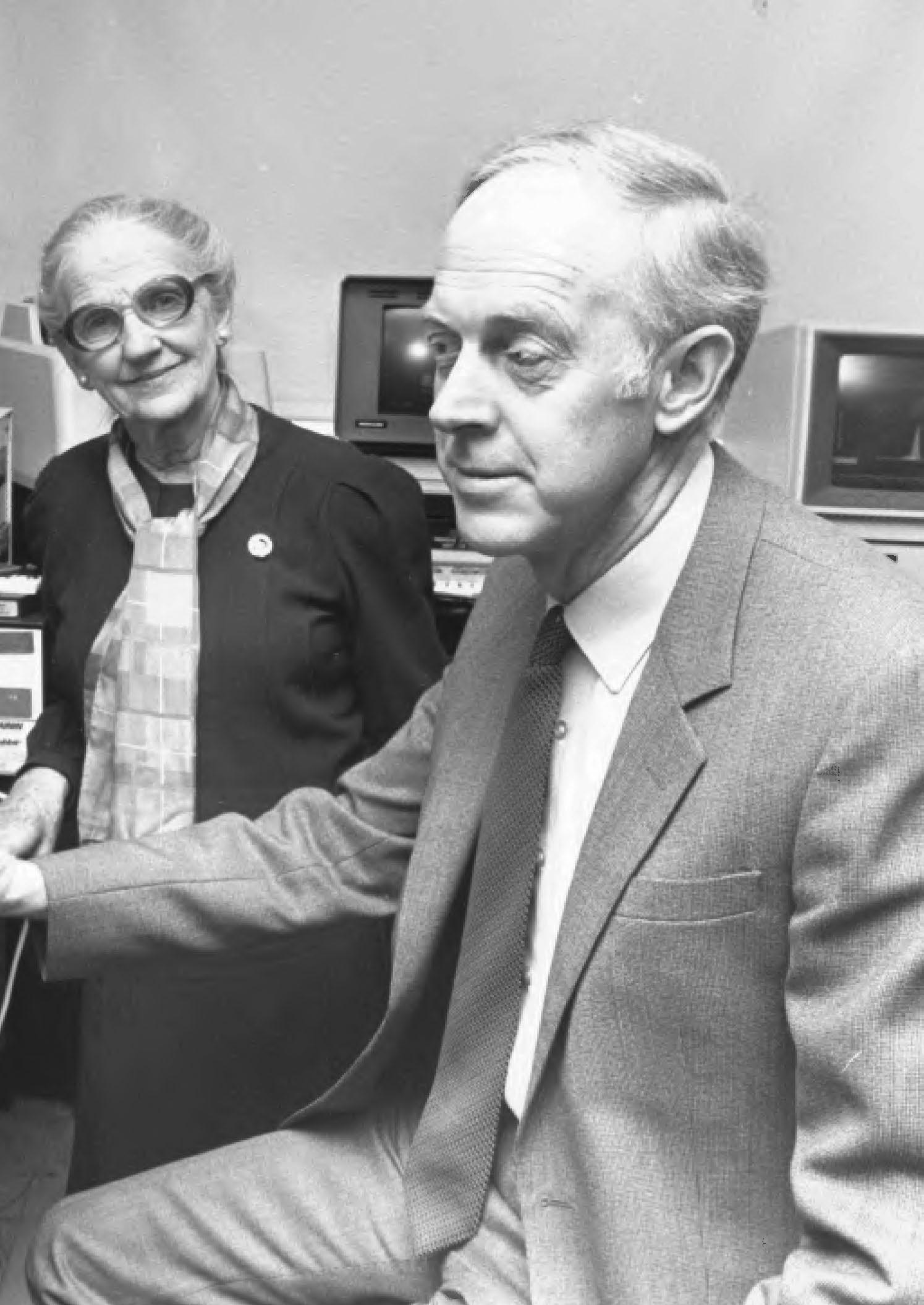
Image: Co-founders Dame
Elisabeth Murdoch AC DBE and Professor David Danks AO at The Murdoch Institute for Research in Birth Defects
“The
is not
career of
a
scientist
an easy one and
it
is definitely not for all of us, but they depend on our generosity. We must do all that we can within our own capacity to help them in our quest for knowledge.”
Dame Elisabeth Murdoch AC DBE Co-Founder, Murdoch Children’s Research Institute
One of the
top three
child health research institutes worldwide for research quality and impact*
1,800+
world-leading researchers working across more than 150 diseases
World-class facilities, laboratories, and research equipment unlocking new frontiers of discovery and innovation
*Clarivate Performance analysis and MCRI benchmarking report, November 2023
Located within a globally renowned biomedical precinct of 48,000+ employees and 40+ biomedical organisations in Melbourne, Australia
6x more than the global average Publications cited
leveraged 10x
Philanthropic investment across all programs
Collaborating across 120+ countries
World-leading research changing the lives of children around the globe
Revolutionising rare disease diagnosis
Led the Acute Care Genomics study, showing that rapid genomic testing for critically ill babies can provide life-saving answers in under three days.
Life-changing dwarfism treatments
Helped children with severe dwarfism grow at typical rates and successfully trialled drugs to reduce sudden death risk.
World-first mini kidneys grown from stem cells
Pioneered growing mini kidneys from stem cells, revolutionising kidney disease research and treatment discovery.
Life-saving allergy interventions
Made peanut oral immunotherapy standard care for children to increase remission rates.
Blood
stem cell breakthrough
Engineered world-first blood stem cells that closely resemble those in the human body which could transform bone marrow treatments for children and adults.
Global leader in concussion research
Spearheaded concussion guidelines and developed the Concussion Essentials (HeadCheck) app for better diagnosis and recovery management.
Groundbreaking rotavirus discovery
Discovered human rotavirus, enabling development of a vaccine to protect millions of children against deadly gastroenteritis. Licensed a new rotavirus vaccine for newborns, extending this protection to their most vulnerable stage.
Advanced AI epilepsy tool
Developed an advanced AI tool that can detect tiny brain lesions that cause severe epilepsy, enabling targeted surgery which helps children live seizure free.
Elimination of disease on a national scale
Reduced scabies prevalence in Solomon Islands, Fiji and Kiribati, through our World Scabies Program, improving quality of life, school attendance and future health outcomes.
The future of child health
Children are not ‘little adults.’ They have distinct physiological and developmental needs that require consideration of the genetic, biological, environmental and social factors affecting their health and wellbeing.
We believe the future of child health lies in fully integrating the genetic, biological, environmental and social factors affecting child health into healthcare systems. We envision a future where we can prevent diseases before they develop, remove trial and error from treatment and ensure that clinicians have seamless access to the data needed to treat each child as a unique individual.
The future of child heath will be where:
• Genomic sequencing enables tailored health plans from birth
• Gene and cell therapies become routine first-line treatments
• Most care is delivered outside the hospital supported by digital innovation and community health care services
• Partnerships achieve global targets to reduce the incidence of preventable disease worldwide.
Through it all, we aim to remain a global leader in advancing knowledge, driving innovation and redefining what is possible, to deliver on our purpose – to give all children the opportunity to live a healthy and fulfilled life.
We know discoveries alone are not enough. Discoveries should be scalable and shared, so every child has access to tomorrow’s health solutions, not just a privileged few. Achieving impact at scale demands collaboration. We listen to the voices of children, families and communities and work together with clinicians and policymakers.
The impact of our research has never been greater, and yet we know there is much more to be done. We look ahead with fresh resolve, knowing the future of child health depends on what we do today.
We invite you to join us in transforming the future of child health - for every child, everywhere.
The future of child health is at a pivotal crossroads. Children today are facing unprecedented challenges, from rising mental health issues to chronic diseases, social inequalities and environmental changes that will shape their futures. The stakes are high and the need for action is urgent. At MCRI, we are harnessing groundbreaking technologies, advanced data systems and the brightest research talent to lead this transformation.
But we cannot do it alone.
To revolutionise child health on a global scale, we need bold investments now to ensure that the solutions we uncover today will shape the future of healthcare for generations to come. Philanthropy is the catalyst for this change – your support is the key to driving this monumental shift. By joining us, you are helping us create a healthier future for all children.
The future is now and you can be a part of it.
One in four children are overweight or obese, with increased risk of diabetes and cardiovascular disease.*
One in seven children have mental health issues.*
One in 10
children in the poorest countries die before the age of five years.
One in 12
babies are born with a ‘rare’ genetic disease.
One in five children grow up in a disadvantaged environment and start school with two or more developmental difficulties.*
One in 10 children have serious food allergies.*
The technology that drives discovery
Modern medical research is no longer defined by a single experiment or discipline. It is defined by data, technology and the systems that connect them.
Today’s medical research depends on the ability to collect, store, protect and analyse vast amounts of complex data.
This is the invisible infrastructure behind every breakthrough.
Why this matters now
Emerging technologies are accelerating and converging. They are reshaping what is possible in research.
The scale and sensitivity of data now generated through medical research has created a clear imperative. Without modern, secure and integrated data and technology platforms, discovery slows and impact is limited.
Ensuring MCRI can anticipate and respond to this shift, just as it always has, is essential to delivering impact for children today and into the future.
The volume of data generated each year at MCRI has grown almost ten-fold since 2016.
In under a decade, our data has expanded from 2.5 petabytes to 24 petabytes – an exponential increase. 24 petabytes is the approximate storage capacity of 10 human brains or equal to storing 30 million hours of TV shows.
This represents sustained annual growth of around 25 per cent, reflecting the accelerating scale and complexity of modern medical research.
From infrastructure to impact
Across MCRI, shared data and technology platforms underpin research from discovery through to clinical translation.
A powerful example is the advanced AI tool developed by MCRI researchers to detect tiny brain lesions in children with severe epilepsy.
These lesions are often invisible in standard scans, delaying diagnosis and treatment. By applying AI to high-resolution medical imaging, researchers can now identify abnormalities earlier, enabling faster diagnosis, more targeted surgery and, for some children, the chance of a cure.
This breakthrough was not driven by basic AI alone. It relied on:
• High-quality medical imaging
• Secure data storage and computing capability
• Advanced analytical platforms
• Clinical and research systems working together
The technology together with our researchers made the discovery possible.
Our data has since 2016.
To learn more, scan the QR code or click here
Technology that supports the whole Institute
These capabilities are not confined to one project or disease area. The same data and technology infrastructure supports research across neuroscience, genomics, stem cells, population health and rare disease.
It enables:
• Cross-disciplinary collaboration
• Faster translation from lab to clinic
• Responsible and ethical use of sensitive patient health data
• Global partnerships and scalable impact
This is how individual discoveries become system-wide change.
Why philanthropy is essential
Public and competitive funding rarely covers the full cost of the infrastructure required to support emerging technologies. Yet this infrastructure is foundational to modern medical research.
Philanthropy plays a unique and catalytic role by enabling MCRI to:
• Invest in shared platforms that benefit all research programs
• Adopt new technologies early, before they become mainstream
• Maintain secure, future-ready data systems
• Accelerate the translation of discovery into real-world impact
It is about building the foundations that make every project stronger.
How you can support the technologies that enable discovery
There are a number of ways to support the data, technology and AI platforms that underpin MCRI’s research, from direct philanthropic investment to naming opportunities for leading technologies, facilities and centres of excellence. These opportunities can be tailored to reflect individual or organisational priorities while enabling impact across the entire Institute.
If you or your business are interested in exploring how you can support this critical infrastructure, we invite you to contact the Philanthropy team to discuss opportunities aligned with your vision and values. Data is not peripheral to discovery. It is what makes discovery possible.
Our people
Support some of the brilliant minds improving children’s lives.
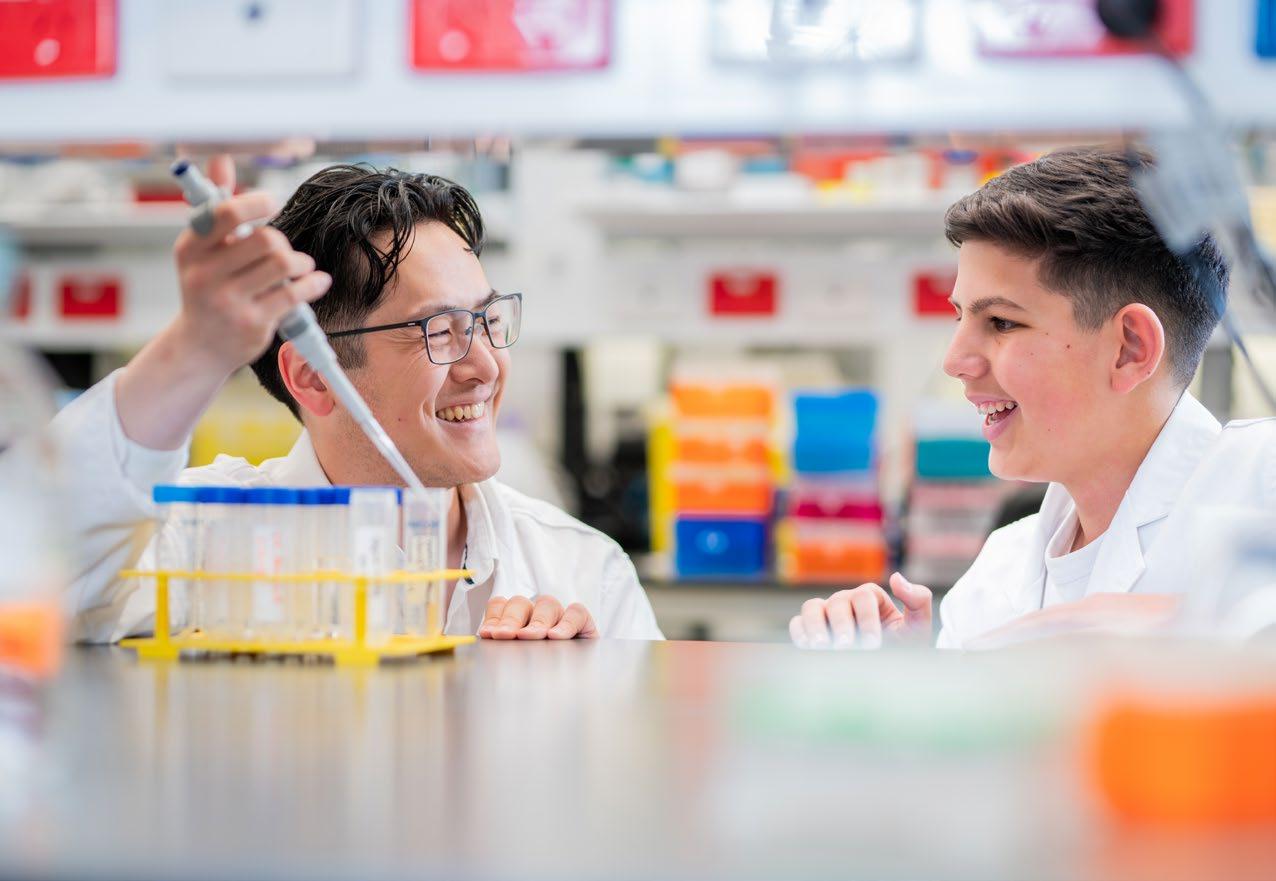
At MCRI, our greatest asset is our people – exceptional researchers, clinicians and innovators who are committed to transforming the future of child health. To turn groundbreaking ideas into lifechanging discoveries, we must invest in the brilliant minds driving these advancements.
By supporting these visionary researchers, your philanthropic contribution ensures they have the resources to pursue bold, transformative research. Your support directly empowers these inspiring individuals, with every contribution playing a crucial part in their research.
Meet just some of the brilliant minds at MCRI shaping tomorrow’s breakthroughs. Through their words, discover the incredible impact they are having on the future of child health.
We invite you to get in touch with us and explore how you can support these leaders in their vision to create lasting change for children and families around the world.
Meet Sohinee
Using stem cells to find better treatments for the most challenging infections
“Non-tuberculous mycobacteria are among the most challenging infections to treat, especially for those with weakened immune systems or lung conditions. These bacteria are highly resistant to antibiotics, making current treatments ineffective. Our research is using advanced stem cell technology to better understand how these pathogens interact with the human body and to develop new, more effective treatment options for these multidrugresistant infections.”
Dr Sohinee Sarkar Senior Research Fellow, Respiratory Group
Meet Peter
New treatments for muscle disorders
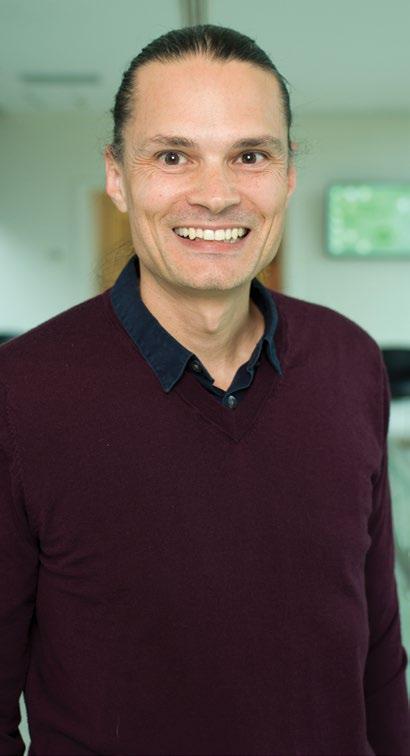
“For too long, genetic muscle disorders have left patients with limited options and uncertain futures. Our research is changing that. By shifting the way we model and develop treatments, we are placing the patient at the heart of every breakthrough. Using advanced human-specific models, we are pioneering new therapies that offer real hope for those affected by these devastating conditions.”
Dr Peter Houweling Research Team Leader, Muscle Research Team
Meet David
Preventing heart disease across the whole life span
“Cardiovascular disease is the leading cause of death worldwide, yet only around 50 per cent of the risk is due to traditional risk factors such as high cholesterol. My research focuses on cardiovascular disease from early life onwards – before changes to the arteries become irreversible – and on emerging targets for prevention, particularly infection and inflammation. Our goal is to understand the lifetime development of cardiovascular disease risk to effectively prevent heart attacks and strokes in later life.”
Professor David Burgner
Senior
Research Fellow and Group Leader, Inflammatory Origins Group
Meet Rachel
New approaches to preventing food allergy
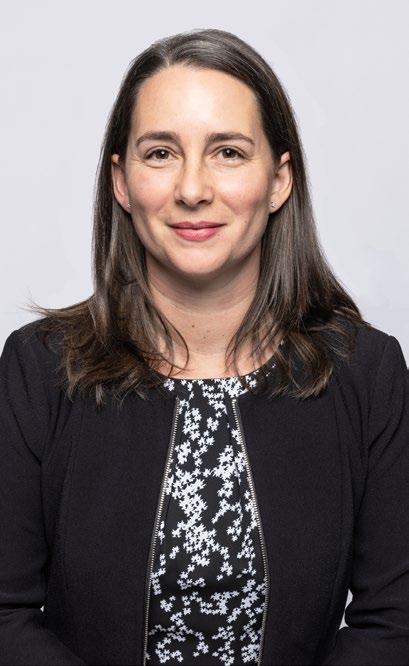
“Despite major advances in understanding what causes food allergy, it still affects one in 10 babies born in Australia. My research is testing new early-life strategies to prevent children from developing potentially life-threatening allergies. By intervening during infancy, we hope to help more children grow up free from food allergy and the daily burden it places on families.”
Associate Professor Rachel Peters
Epidemiologist and Principal Research Fellow, Population Allergy Group
Meet Simon
Bringing the power of AI and data science to genomics
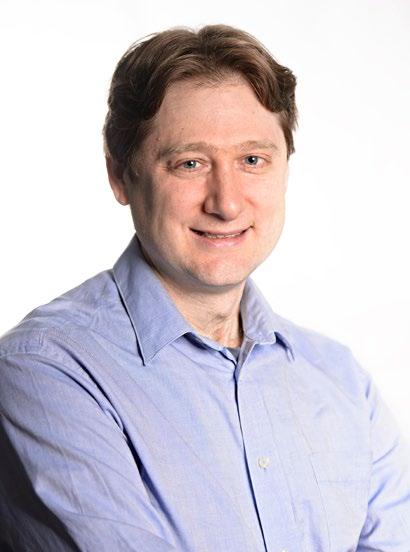
“Incredible progress in DNA sequencing, data science, and AI is creating powerful opportunities to improve outcomes for patients with genetic disorders. However, these tools are often inaccessible to researchers without deep software or data science skills. Our work builds applications that ‘bridge the gap,’ giving researchers and doctors access to cutting-edge tools they wouldn’t otherwise have.”
Dr Simon Sadedin Head of Clinical Bioinformatics
Scholarships, fellowships and awards
Drive the next breakthrough in child health
At MCRI, our world-class research, global collaborations and state-of-the-art facilities empower us to tackle the most pressing challenges in child health.
To remain at the forefront of discovery, we must attract and support the brightest, most brilliant minds. This requires long-term investment in exceptional talent – those who will drive medical breakthroughs and give all children the opportunity to live a healthy and fulfilled life.
Naming opportunities: a rare chance to accelerate discovery
For visionary donors, MCRI offers exclusive naming opportunities for fellowships, scholarships and research positions. These prestigious opportunities support researchers at all career stages and ensure lasting recognition for those who enable transformative progress in child health.
By establishing a named position, your support will directly advance scientific excellence and be forever linked to the future of medical discovery.
Endowed fellowships and scholarships: a legacy of impact Endowed positions represent the highest level of philanthropic investment, providing perpetual support for research excellence. With a minimum endowment, these fellowships and scholarships secure long-term progress and ensure MCRI remains a global leader in child health.
Term fellowships and scholarships: targeted, highimpact support
For those seeking to make an immediate impact, term-named fellowships and scholarships provide essential funding for a defined period – typically three years – giving researchers the support they need to accelerate discoveries and secure competitive funding.
Investment and recognition opportunities
We invite you to be part of this rare opportunity to drive innovation and shape the future of medical research. Through these exclusive naming opportunities, your contribution will be recognised for generations to come.
By investing in these opportunities, you are not only funding groundbreaking research but also leaving a lasting legacy in child health. Join us in making a difference today.
Distinguished Fellowship
Senior Fellowship
Early-Mid Career Fellowship
PhD Scholarship
Establishes a permanent distinguished fellowship providing ongoing support.
Supports a senior researcher for a term of three years.
Supports a researcher for a term of three years. $150,000 p.a. min. 3 years
Supports a PhD candidate for a three-year term. $50,000 p.a. min. 3 years
Philanthropic funds
MCRI has established four philanthropic funds, offering supporters a targeted way to contribute to child health research.
Each fund focuses on specific priorities, from urgent needs to bold new discoveries, enabling individuals to align their support with areas of greatest interest that align with their passions. By coming together, we can address the most pressing child health challenges and create a healthier future for every child.
Director’s Fund
Make a contribution to the Director’s Fund and help Professor Kathryn North AC advance MCRI’s most urgent research priorities. Your support ensures critical research can continue without delay, addressing immediate needs in child health.
Brilliant Minds Fund
Help brilliant minds change the future. By supporting the Brilliant Minds Fund, you enable MCRI to attract and retain extraordinary researchers who are creating lifechanging treatments for children and giving families hope.
Discovery Fund
Be part of the next big breakthrough. Your gift to the Discovery Fund provides vital seed funding for bold, earlystage projects with the potential to transform child health and redefine what is possible.
Future Fund
Secure a healthier tomorrow for every child. A contribution to the Future Fund ensures MCRI’s research thrives for generations to come, driving discoveries that protect and heal children well into the future.
Gifts in Wills
When you choose to leave a gift in your Will to MCRI, you are leaving something truly meaningful — hope for a healthier future for children.
Your generosity helps support vital research and discovery, improving the lives of children and their families for many years to come. Long after today, your kindness will continue to make a difference.
Gifts in Wills are essential to the work we do at MCRI. Many of the breakthroughs that change lives take years — sometimes decades — of dedication and care. By including MCRI in your Will, you give our researchers the time and certainty they need to pursue bold ideas and turn them into life-changing outcomes for children and families.
Meet our ambassador
“Breakthroughs rarely just happen quickly or out of the blue. They are the result of years and often decades of hard work.
Small incremental steps, unspectacular quiet dedication and slow progress. But if you look at where we are today, it is an incredibly exciting picture.”
The Honourable Dame Quentin Bryce AD CVO Former Governor-General of Australia and MCRI supporter
Get in touch with us
If you would like to learn more or have a confidential discussion about leaving a gift in your Will to MCRI, please reach out to:
Nelita de Vos Philanthropy & Gift in Wills Manager bequests@mcri.edu.au +61 3 9936 6390
Generation Victoria (GenV): A
once-in-a-generation opportunity to transform child health
Imagine a future where every child has the best chance to thrivefree from preventable disease, supported by evidence-based care and living in a society that prioritises health and equity. This is GenV’s vision.
GenV is Australia’s most ambitious child health initiative and one of the few globally with the power to transform health at a population level. With almost 125,000 participants, including nearly 50,000 Victorian children, GenV is creating one of the world’s largest intergenerational birth cohorts. This is not just research — it’s a platform for change.
Your support will accelerate breakthroughs that predict, prevent and treat disease, reduce inequalities, and inform policies that shape healthier futures.
Total investment required $30M over four years
GenV and Me
Empowering families.
Advancing health research.
GenV and Me is a purpose-built app developed for GenV. It enables thousands of families to contribute vital information about their children’s health and wellbeing, creating a powerful resource for researchers to answer complex health questions faster and more effectively.
The app makes participation simple and secure. Parents receive short surveys once or twice a year, covering topics such as child development, health and nutrition, sleep and feeding and quality of life.
By combining this data with existing health service records, GenV builds a rich, longitudinal dataset that reveals how early life experiences shape health outcomes over time.
As GenV children grow, so does the dataset — providing insights that
can transform healthcare for future generations. Funding is required to support upcoming parent surveys and engagement, data collection and analysis and technology infrastructure.
Investment required $400,000
Minimum contribution $50,000
The GenV Biobank – A world leading research legacy
The GenV Biobank is the biological heart of GenV’s open research platform, securely storing samples from almost 125,000 Victorian participants — nearly 50,000 children and 75,000 parents. It already contains more than 200,000 samples, including saliva, breastmilk, infant stool, newborn blood spots, pregnancy serum and plasma, and Group B Streptococcus samples. With capacity for six million samples and supported by automated ultralow temperature freezers and robotic inventory systems, it is one of the most advanced biobanks worldwide.
Each biosample represents a snapshot of early life biology, providing vital clues about how children grow, adapt and thrive. Combined with GenV’s rich clinical and environmental data, the Biobank enables powerful research into allergies, asthma, neurodevelopment, mental health, cancer, heart disease and other lifelong conditions.
To realise the full value of this resource, samples need skilled preparation, quality checks and early analysis so they can be transformed into trusted data for global researchers. Each sample dataset becomes a renewable research asset — usable again and again to drive discoveries and inform policies that improve child health for generations.
Philanthropic support sustains the Biobank’s specialised infrastructure and expert staff, enhances secure international access and enables the ongoing preparation of samples as GenV children grow. This is a rare opportunity to support a long-term research legacy that will deliver knowledge, solutions and hope.
Funding opportunities
GenV Biobank naming rights
A $5 million gift secures exclusive naming rights for ten years and provides foundational support to ensure the Biobank critical core operations that keep precious biosamples safe and accessible to the research community.
Investment required
$5M
Bio sample priming
Support priming these samples to enable high-quality data collection that can be safely shared and trusted by researchers worldwide.
Investment required
$300,000 over three years
Minimum contribution
$20,000 supports the preparation and priming of stored biosamples for researcher use.
Centre for Population Genomics (CPG): Shaping the future of genomic medicine
Over the coming decade, genomic medicine will transform the very fabric of healthcare worldwide, unlocking breakthroughs that make prevention, diagnosis and treatment of disease more precise and personalised.
The Centre for Population Genomics (CPG) is focused on enabling more rapid and equitable impact for genomic medicine in Australia.
We are working to create a world in which genomic information enables comprehensive disease prediction, accurate diagnosis and effective therapeutics for all people. We believe everyone should be able to benefit from advances in genomic medicine. Genomic medicine is a growing and important field where a person’s genetic information is analysed in-depth, providing potential risk factors, diagnoses and guiding clinical care.
Total investment required
$21.4M over three years
OurDNA program – Building an inclusive genomic future
Many Australians are at risk of missing out on the benefits of genomic medicine because their communities are underrepresented in research. This gap already leads to misdiagnoses and limited treatment options, and will continue to widen without genomic resources that represent all Australian communities.
To address this, the CPG’s OurDNA program is creating Australia’s first large-scale genomic resource that truly reflects our population’s diversity. Our aim is to recruit 10,000 individuals over three years, ensuring that people from all backgrounds are included.
To date the team has recruited nearly 3,000 individuals of Filipino, Vietnamese, Samoan, Tongan, Fijian, Lebanese, Syrian, Jordanian and Palestinian ancestry.
To reach our target, funding is needed for culturally respectful engagement, participant recruitment, DNA sequencing and secure data systems. With this investment, clinicians will be able to predict disease risk and tailor treatments for all Australians, reducing health inequities and improving outcomes for generations to come.
Investment required
$500,000 per year for three years
Minimum contribution
$35,000 to support recruitment activities in an under-represented community.
CaRDinal platform
– Accelerating rare disease diagnosis
Families living with rare genetic conditions often wait years for answers, delaying care and adding stress. CaRDinal is a secure, cloud-based platform that connects clinicians and researchers nationwide, enabling faster and more accurate genomic analysis. It has already provided diagnoses to nearly 500 families, changing treatment plans for many children with severe conditions.
Continued funding is critical to maintain infrastructure, expand sequencing capacity, and develop innovative tools that empower clinicians and researchers. Without this support, families will remain in diagnostic limbo. With CaRDinal, Australia can deliver timely answers and personalised care to thousands more families.
Investment required
$500,000 per year for three years to support the team of talented researchers, data scientists, and engineers developing the CaRDinal platform and delivering diagnoses.
Minimum contribution
$25,000 will enable the CaRDinal platform to support an additional 20 families affected by rare disease.
Talos platform – Transforming uncertainty into answers
For many families, initial genomic testing does not provide clear answers. Inconclusive results leave them without a diagnosis, treatment options, or hope.
Talos changes this. By reanalysing existing genomic data with advanced algorithms and artificial intelligence, Talos uncovers genetic variants (genetic differences that may influence disease) that were previously missed, giving families renewed clarity and the possibility of better care.
Already processing data for more than 10,000 patients each month, Talos improves diagnostic accuracy and accelerates rare genetic disease research. Scaling this innovation requires investment in computational expertise, software development and cloud infrastructure to expand capacity and deliver answers to thousands more families. Support will also help integrate exciting new AI-based tools into the pipeline, further increasing the accuracy and power of this approach.
Investment required
$400,000 per year for three years to fund computational experts and cloud costs for reanalysing over 10,000 patients monthly.
Minimum contribution
$70,000 will contribute to funding a software engineer specialising in AI tool integration.
Image: Professor Daniel MacArthur, CPG Director
Genomic Medicine
Harnessing genomic technologies for families affected by rare disorders.
Leadership
“Our genetic research is essential for understanding and addressing child health challenges. Through early diagnosis and targeted treatments, we aim to make a practical impact on genetic disorders, contributing to tangible improvements in healthcare for the younger generation.”
Professor John Christodoulou Theme Director, Genomic Medicine
Story of discovery and impact
Most patients with mitochondrial disease can be diagnosed via genomic sequencing
Genomic sequencing is transforming the diagnosis of mitochondrial disease (a group of inherited genetic disorders), offering hope to families and driving medical breakthroughs. Our worldfirst study revealed that over half of cases can now be identified through a simple blood test. This advance spares patients from invasive procedures and provides faster answers.
With a 55 per cent success rate, the study highlights the power of genomic testing, especially for children, where diagnostic rates reach 71 per cent. The research also uncovered genetic variations not previously linked to mitochondrial disease, paving the way for new discoveries and treatments.
By giving families clarity and empowering informed decisions, these findings mark a turning point in tackling mitochondrial disease.
Meet Emma
Emma was only a newborn when she started shaking uncontrollably in her mother Jenny’s arms. She was having a seizure, the first of what would be many.
But in Jenny’s search for answers, it would be months before Emma saw a paediatrician due to long waiting lists and more than a decade to access the tests required to make an accurate diagnosis.
Alongside her daily seizures, developmental issues started to appear and milestones were missed.
It wasn’t until she was two years old that Emma was diagnosed with infantile spasms, a rare but serious type of seizure.
Jenny said while Emma was yet to learn to walk or talk, in the absence of a diagnosis for her other symptoms, the focus shifted to treating the spasms.
“We tried many different medications to control the seizures, but nothing worked long term,” she said. “Back then they didn’t have the technology to investigate fully, they were only skimming like using binoculars to look across the road.”
Keen to help the family find answers, researchers at MCRI and Victorian Clinical Genetics Services (VCGS) offered the family a trio genome sequencing test under the Rare Diseases Now (RDNow) research program. The powerful tool analyses DNA from a child and their parents to identify genetic variations that may cause inherited diseases.
The test revealed Emma had CDKL5 Deficiency Disorder (CDD), a rare neurodevelopmental disorder caused by changes in the CDKL5 gene.
Jenny said finally having a formal diagnosis provided some hope for the future.
A research project at MCRI is focusing on identifying new treatments to help restore brain function in children with CDD by developing personalised medicines using genomics, stem cells and drug screening.
Emma, now 18, has finished school and although unable to talk, she communicates with her family in her own special way through grunts, laughs and smiles.
Jenny said despite Emma still having seizures every day they were now under control and she had a great support network.
“Her support workers take her swimming and for physio and speech therapy, and everything is tailored to her interests,” she said. “The main thing is for Emma to enjoy life and she’s able to do that now, which makes us happy.”
Rare Diseases Now: delivering answers for families
Overcoming the diagnostic odyssey to improve care for children with rare genetic conditions.
Problem
Rare diseases collectively affect millions of children worldwide, with one in 12 babies born with such conditions. In Australia, more than 15,000 children born each year will experience disability or shortened life due to a rare disease. Despite advances in genomic testing, half of all children with a rare disease do not receive a genetic diagnosis after clinically available testing, and even fewer access targeted treatments. Without a diagnosis, families face years of uncertainty, repeated tests and missed opportunities for care. A precise diagnosis ends the diagnostic odyssey, informs treatment and connects families to support networks and clinical trials. There is an urgent need to close the diagnostic gap, provide earlier treatment and deliver personalised care.
Solution
Rare Diseases Now (RDNow) provides a pathway for children who remain undiagnosed after clinical genomic testing. Using cuttingedge multi-omics technologies (a biological analysis approach that integrates multiple data types) and advanced bioinformatics, RDNow delivers diagnoses and connects families to novel treatments and clinical trials. Each year, more than 70 families benefit from the RDNow program at our campus. Funding will support clinicianresearchers, genetic counsellors and data scientists who bridge the gap between gene discovery and patient care. These experts ensure that complex genomic data is analysed with the most advanced tools, accelerating diagnoses and enabling personalised therapies. RDNow is a collaborative hub that integrates research and clinical care, giving children the best chance for answers and improved outcomes. The long-term impacts of our project benefit not only the Melbourne Children’s Campus, but the rare disease community nationwide and even internationally. The Melbourne Children’s Campus physically brings together four organisations: The Royal Children’s Hospital, Murdoch Children’s Research Institute, the University of Melbourne, Department of Paediatrics and The Royal Children’s Hospital Foundation at a single, purposebuilt and multi-award winning campus in the city of Melbourne.
Investment required
$1M
Minimum contribution
$25,000 to support validation research for new genetic conditions.
Research leads
Professor Tiong Tan
Professor Sue White
One in 12 babies is born with a rare disease, and half remain undiagnosed after genomic testing.
Project 2
Muscle regeneration for Duchenne: restoring strength
Harnessing stem cell technology to accelerate therapies for children with Duchenne Muscular Dystrophy.
Problem
Duchenne muscular dystrophy (DMD) is a severe genetic disorder that affects one in every 5,000 boys born in Australia. DMD causes ongoing muscle damage that the body cannot repair, leading to progressive weakness, loss of mobility, difficulty breathing and heart complications with a shortened lifespan. While gene therapies offer hope, delivering treatment to different muscles around the body remains challenging. Late-stage clinical trials have shown mixed results and serious immune-related side effects have halted some trials.
The urgency is immediate: muscle loss happens silently every day. Once healthy muscle is replaced by scar tissue and fat, rebuilding strength becomes extremely difficult. There is a critical unmet need for therapies that prevent muscle loss and promote repair to preserve strength for as long as possible.
Solution
Our team aims to develop regenerative treatments that promote muscle repair. The program approach combines two strategies:
• Preclinical studies modelling muscle damage and repair
• Human stem-cell ‘muscle-in-adish’ models from patients with DMD to test novel treatments and measure functional improvement
This project will create advanced models in the laboratory that mimic muscle injury and regeneration to identify novel treatments that aid the repair process. These treatments will then be validated using DMD patient-derived stem cell-based mini-muscle models as proof-of-concept before progressing into drug development.
A defining feature of this project is a strong partnership with DMD patient advocates which ensures our research outcomes are patientfocused and valuable. Philanthropic support will fund postdoctoral time, research assistant support, and essential consumables to complete studies and progress the best therapies toward patients.
Our goal is to accelerate muscle regenerative therapies to delay disease progression, retain strength and independence for longer and extend the lifespan for children with DMD.
Investment required
$406,050 over two years
Minimum contribution
$148,070 to support a part-time postdoctoral researcher and consumables in year 1
Research leads
Dr Peter Houweling
Dr Leon Kiriaev
Duchenne muscular dystrophy affects one in 5,000 live male births in Australia, with around 1,000 Australians living with the condition.
Project 3
New hope for children with CDKL5 deficiency disorder
Repurposing existing medicines to fasttrack treatments for a devastating childhood brain disorder.
Problem
CDKL5 Deficiency Disorder (CDD) is a rare but severe brain condition that leads to early-onset epilepsy and profound developmental challenges. There are very few effective therapies, leaving families with limited options and immense emotional and financial strain. CDD affects up to one in 40,000 live births and worsens over time, creating a critical window for intervention. For children with CDD, there is an urgent need for treatments that can change the course of this devastating disorder.
Solution
Our research will rapidly screen thousands of existing, clinicallyapproved drugs to find new treatments for CDD. This ‘drug repurposing’ approach is faster, safer and more cost-effective than developing new medicines, especially for rare diseases. Using stem-cell technology, we can grow brain cells from stem cell lines generated from children with CDD. Over 4,000 drugs will be tested on the laboratory-grown brain cells to determine which improve cell function. The most promising drug candidates from this screen will then be tested on threedimensional (3D) brain ‘organoids’ or ‘mini-brains’ to assess their ability to reduce seizure-like activity and restore normal brain function. This innovative strategy could deliver urgently needed therapies, bringing hope to children and families affected by CDD.
Investment required
$232,524
Minimum contribution
$58,908 to support drug screening
Research lead
Dr Nicole Van Bergen
Up to one in 40,000 babies are born with CDKL5 Deficiency Disorder.
Project 4
Understanding the developing brain in neurofibromatosis
Using stem cell-derived 3D brain organoids to study brain development and progress early interventions for children with neurofibromatosis.
Problem
Neurofibromatosis type 1 (NF1) is a genetic condition leading to changes in skin pigmentation and tumour growth on nerves. NF1 affects around one in 2,700 people worldwide, making it one of the most common genetic neurodevelopmental conditions. Up to 80 per cent of children with NF1 experience learning difficulties, attention deficits, and autism-like features that can severely disrupt education and socialisation. Despite its prevalence and impact, there are no targeted treatments for NF1 because the underlying biological mechanisms remain poorly understood. Most studies focus on animal models or later stages of brain development, missing opportunities for prevention and early intervention. As a result, children and families with an NF1 diagnosis face limited treatment options and lifelong challenges.
Solution
To investigate NF1, our team will grow patient-derived stem cells into three-dimensional (3D) brain organoids to study early brain development and function. By studying early growth stages, we aim to identify the molecular and cellular changes that disrupt brain development in NF1 using advanced analytical techniques. This knowledge will lay the foundation for the development of targeted therapies that address the root cause of NF1, shifting care from symptom management towards earlier intervention, improving learning outcomes, independence and quality of life for affected children.
Investment required
$168,110
Minimum contribution
$103,680 to support in-depth molecular analyses
Research lead Dr Kiymet Bozaoglu
NF1 affects one in 2,700 people worldwide, with up to 80 per cent of children experiencing learning difficulties.
Stem Cell Medicine
Developing a new generation of transformative stem cell therapies.
Credit: Dr Callum
and Dr Tabitha Cree
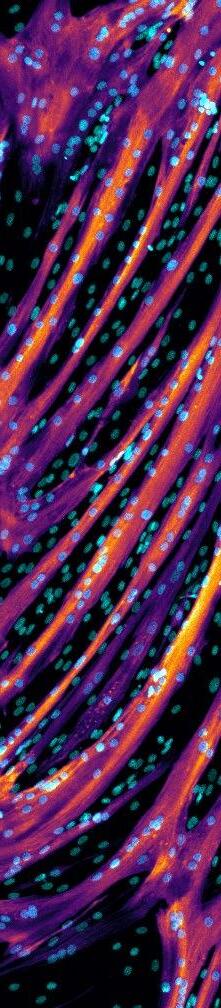
Image: Making functional muscle models.
Dark
Leadership
“Our researchers are pioneering therapies for childhood diseases once deemed incurable – be it kidney diseases, heart and skeletal muscle disorders, leukaemia, brain cancer, respiratory ailments, or juvenile diabetes. Every breakthrough is an exciting stride toward a future where no child’s health is defined by these challenges.”
Professor Enzo Porrello Theme Director, Stem Cell Medicine
Story of discovery and impact
A global partnership to treat childhood heart disease
Each year in Australia, one in every 100 babies is born with a childhood heart disease. These children are at increased risk of developing heart failure, with the only current treatment option for end-stage patients being heart transplantation.
However, transplantation is not a cure. Patients fortunate enough to receive a new heart from the limited donor pool still face poor medium to long-term survival rates. MCRI researchers are striving to give these patients more options. We have established a global partnership with the Gladstone Institutes in the USA to create the Decoding Broken Hearts program.
Decoding Broken Hearts leverages two revolutionary technologies from these world-leading institutions: MCRI’s advanced stem cell technologies and the Gladstone Institutes’ AI capabilities.
Together, the partnership is breaking new ground in our understanding of childhood heart disease and developing new approaches that have the potential to change how we treat heart failure.
See project 5 (pg. 37) for more detail.
To read the full story, scan the QR code or click here
Meet Amelia and Elijah
Amelia was just two years old when she suddenly went into heart failure. Coming in and out of consciousness and barely able to open her eyes due to her swollen face, mum Ebony and dad Kyle rushed Amelia to hospital.
Chest x-rays confirmed Amelia’s heart was much larger than normal. She was subsequently diagnosed with left ventricular noncompaction (LVNC) cardiomyopathy, a rare heart condition that affects the pumping power of the heart. Given its severity, the only option for Amelia was a heart transplant.
Ebony recalls thinking, “When will she get a new heart? Where will it come from? How long will it be?”
After a year on the waitlist, Amelia underwent a successful heart transplant.
But not long afterwards, Ebony and Kyle discovered during a precautionary checkup that their son, Elijah, also had the same condition.
Ebony said Elijah, 7, was being closely monitored by a cardiology team, as they knew that he too could one day go into heart failure.
Despite the uncertainty, Ebony said she found comfort in knowing that new technologies and techniques were being tested to help treat children affected by heart disease. Heart disease is one of the most common health issues affecting children.
MCRI and the Gladstone Institutes have joined forces to revolutionise the treatment of childhood diseases. Our Decoding Broken Hearts program utilises cutting-edge stem cell models and artificial intelligence to target molecular pathways that predict patient outcomes.
By understanding these gene pathways, researchers can design and test targeted interventions that prevent heart failure before it occurs.
Amelia, now 12, enjoys a mostly normal life, but a transplant isn’t a cure.
Decoding Broken Hearts aims to spare children like Elijah the need to undergo a transplant in future.
“Elijah is currently stable, but our hope is, if he ever does become unwell, the work that MCRI is doing would be very beneficial if any treatment is needed,” Ebony said.
“It’s good to know that there are people working on things that will help the lives of my kids and others around the country.”
Project 5
Decoding Broken Hearts
A global collaboration to accelerate and transform precision therapies for childhood heart disease.
Problem
Heart disease is one of the most common health issues in children, affecting up to one in 100 births. It includes congenital heart defects and disorders of the heart muscle, both of which reduce the heart’s ability to pump blood effectively. In severe cases, these conditions progress to heart failure – a lifethreatening stage where the heart cannot meet the body’s needs.
Current therapies do not treat the root cause and only provide temporary relief. For children in end-stage heart failure, the only option is heart transplantation. However, transplantation is not a cure and is associated with low donor tissue availability, lifelong immunosuppression, frequent hospitalisation, reduced quality of life and poor long-term survival. We urgently need new therapies that prevent progression to heart failure and improve outcomes for children.
Solution
We have established a global partnership between two leading research institutes with world leading expertise in children’s health, computational biology, and stem cell medicine to accelerate precision therapies for childhood heart disease. This partnership will transform treatment by identifying molecular pathways that predict patient outcomes and tailoring therapies to each child’s unique biology.
Our approach combines cuttingedge stem cell technologies with advanced computational analysis to decode the mechanisms driving heart disease. Specifically, we utilise artificial intelligence tools to examine large patient data sets to investigate how dysregulated genes play a role in heart disease. By understanding these gene pathways, we can design and test targeted interventions that prevent heart failure before it occurs. With donor support, we will accelerate this international collaboration towards the development of new therapies to change the future for children living with heart disease.
Investment required $5.65M
Minimum contribution $240,000 to support a postdoc and research consumables for 12 months
Research leads
Professor Enzo Porrello Professor David Elliott
Image: Stem cell-derived heart cells with their characteristic striped pattern that is formed by its beating units, the sarcomeres, as well as its nuclei in blue.
Credit: Dr Antonia Zech (Heart Regeneration and Disease groups – Professor Enzo Porrello and Professor David Elliott).
One in every 100 babies born will have a childhood heart disease, and these children need treatment options to prevent heart failure.
Project 6
Towards treatments for rheumatic heart disease
Developing life-saving therapies for children living with rheumatic heart disease.
Problem
Rheumatic heart disease (RHD) is a global health crisis affecting 55 million people and causing 360,000 deaths every year. In Australia, this condition disproportionately affects First Nations communities, accounting for 95 per cent of cases. RHD stems from an overactive immune response to a common bacterial infection that, if left untreated, causes inflammation and damage to heart valves. Children living with RHD face repeated hospitalisations, open-heart valve surgery to prevent heart failure, and a significantly reduced life expectancy.
Because RHD is triggered by a human-specific infection, it cannot be studied in traditional animal models. Current treatments only manage symptoms and cannot repair valve damage or cure the disease. Without new approaches, children will continue to die from a preventable disease.
Solution
MCRI is leading a research program to develop new medicines that repair the hearts of children with RHD. Using cutting-edge stem cell technology, we have developed a world-first miniature 3D heart valve tissue from patient-derived stem cells to better understand the causes of RHD and test new medicines to repair valve damage. By repairing the valve damage, we could restore heart function and prevent heart failure in RHD patients.
First Nations peoples are most impacted by RHD, which is why it is imperative that we work in partnership with these communities to ensure cultural safety and patient involvement at every stage of the program. This includes community-led engagement programs, co-designed research protocols, and internships for First Nations students.
Funding is required to accelerate drug screening in our 3D heart valve tissues, which will allow us to identify promising drug compounds for preclinical testing and subsequent clinical trials. The ultimate goal of this research is to identify novel treatments that repair heart valve damage in RHD, thereby improving the lives of thousands of children across Australia.
Investment required
$3.4M
Minimum contribution
$28,000 to grow a stem cell model from a First Nations child affected by RHD
Research leads
Dr Holly Voges
Dr Adam Piers
95 per cent of rheumatic heart disease cases in Australia occur in First Nations communities, and there is no cure.
Accelerating drug discovery for childhood disease
Fast-tracking drug development for childhood diseases with cutting-edge technology.
Problem
Childhood diseases, including brain cancers, muscular dystrophies and congenital heart defects, devastate families and all lack effective treatments. Current drug development is painfully slow, taking decades from initial testing to clinical approval, with success rates for approval being well below 10 per cent. This tedious process costs billions of dollars and, more importantly, precious time for children who need lifesaving treatments.
Our expert team have pioneered a comprehensive approach for drug discovery using mass spectrometry technology combined with machine learning. However, our progress is limited by our current instruments, which are at full capacity and in need of an upgrade to the latest model system. Without faster technology, promising therapies remain out of reach for children who urgently need them.
Solution
MCRI aims to acquire a nextgeneration Orbitrap Astral Mass Spectrometer that can be used to understand how these molecular processes go awry during disease and help discover effective new drugs to treat them. This advanced instrument will double the speed, sensitivity and sample capacity of our current system, allowing us to complete drug screening studies in months instead of years and test twice as many compounds simultaneously.
Our team will apply this technology to stem cell-derived models of childhood diseases, including brain cancers, muscular disorders and heart conditions. By combining ultra-high-content drug screens with cell-based assays and machine learning, we will gain unprecedented insight into how potential drugs work at the molecular level and can be developed into novel treatments. This capability will accelerate the identification of promising therapies, reduce the cost of drug development and position MCRI as a global leader in drug discovery.
Investment required
$2.75M to purchase and install the next-generation mass spectrometer, expected to be released in 2027.
Research lead
Dr Sean Humphrey
95 per cent of rare childhood diseases have no approved treatment, and drug development can take decades with a less than 10 per cent success rate.
Project 8
Pioneering safer radiotherapy for children with cancer
Using technology to study the harmful side effects of radiotherapy and advance cancer care.
Problem
Radiotherapy is often an essential mode of treating childhood cancer. While it can slow cancer growth and save lives, it can also damage healthy tissue near the tumour, causing severe side effects and increasing the risk of developing secondary cancer later in life. Children who survive cancer may live with anxiety, require lifelong monitoring and have long-term health issues, including infertility.
Despite these risks, little is known about how radiation affects healthy tissue or how radiotherapy can be made safer to reduce harm. Without this knowledge, clinicians cannot modify current treatment protocols for children with cancer and improve their quality of life. We urgently need research that will protect children from these devastating long-term effects.
Solution
Our team requires a lab irradiator (a machine used to expose materials, such as biological samples and blood products, to a controlled amount of radiation) to study the effects of radiotherapy, with the goal to improve treatment outcomes for children with cancer. Specifically, this equipment will allow scientists to study how radiation impacts cancerous and healthy cells in the lab to mimic the effects of treating cancer with radiation in patients.
Using advanced stem cell-derived models and preclinical studies, our team will explore how different doses and frequencies of radiation affect both tumour and healthy cells. These insights will inform clinical practice, helping oncologists tailor treatments to maximise cancer control while minimising harm to the child.
By leveraging MCRI’s world-class expertise in stem cell modelling and access to precious childhood tumour samples, this project will deliver urgently needed evidence to make radiotherapy safer for children everywhere.
Investment required
$522,000 to purchase and install the irradiator.
Research lead
Professor David Eisenstat
Up to a third of children with cancer receive radiotherapy, and survivors are up to 20 times more likely to develop a second cancer.
Project 9
Understanding childhood disease as it unfolds in real time
Revealing how disease develops in human cells towards better treatments.
Problem
Advancing treatments for currently incurable childhood diseases requires a deep understanding of how healthy cells transform into diseased cells, and how these diseased cells interact with the body, respond to stress, and ultimately survive or die over time.
Researchers at MCRI are leaders in using induced pluripotent stem cells (iPSCs) to model childhood disease that affect critical systems such as blood, immune, heart, brain, kidneys, and lungs. These models provide powerful insights into disease biology and therapeutic development.
However, traditional laboratory approaches often capture only static snapshots of cells, missing the dynamic processes that drive disease progression and treatment response.
It’s like seeing only the final score of a sports game. We need to watch the full play unfold in real time to understand how the outcome occurred and what changes or errors shaped it. Without advanced live-cell imaging, critical disease mechanisms and promising therapeutic responses may remain hidden.
Solution
MCRI aims to acquire the Mica Widefield Live Cell Microhub Automated Microscope, a nextgeneration imaging system that enables continuous, long-term observation of human cells under tightly controlled conditions. This automated platform allows researchers to monitor cell growth, movement, division, and survival over hours to days without disrupting delicate samples.
The Mica will allow side-by-side comparison of healthy and diseased cells, and rapid testing of potential treatments. Available to all, our researchers will be able to track immune responses to infection, monitor beating heart cells under stress, and observe lung cell injury and repair in real time.
By generating robust, high-content datasets across many cell and disease types, the Mica will support our stem cell researchers accelerate discovery, improve reproducibility, boost scalability, and enable faster evaluation of drugs and advanced therapies for childhood disease.
Investment required
Infection
Respiratory
Stem Cells
$396,000 to purchase and install the Mica Widefield Live Cell Microhub Automated Microscope.
Research lead
Professor Ed Stanley
Live-cell imaging reveals disease processes that current static imaging may miss, enabling faster and more reliable testing of new treatments in patient-derived cells. Equipment Heart
Clinical Sciences
Accelerating innovative and translatable discoveries into clinical care.
Leadership
“Our researchers are world renowned and the innovation, excellence and commitment to improving the lives of sick children, never ceases to astonish!”
Professor Vicki Anderson Theme Director, Clinical Sciences
Story of discovery and impact
AI technology helps identify cerebral palsy in babies
A new study from MCRI reveals that cutting-edge AI technology can significantly aid in the early detection of cerebral palsy by analysing baby movement videos submitted by parents on their phones.
The study, published in PLOS Digital Health, shows that the AI, using videos from the Baby Moves app, detected abnormal movements in 76 per cent of cases, a result comparable to expert clinicians’ assessments. The study analysed 484 videos from 327 infants aged 12 to 18 weeks, identifying abnormal movements in 41 babies.
MCRI’s Dr Elyse Passmore emphasised that this technology could be a ‘game-changer’ for early diagnosis, particularly in underserved or remote areas. The research also found that abnormal movements were linked to cognitive delays and motor issues seen by age two. As part of the Generation Victoria (GenV) study, the technology will now analyse an even larger dataset. The Baby Moves app is available to families through the Google Play Store and Apple Store.
Meet
Macy
With every passing moment Macy went undiagnosed she risked going into shock and organ failure. Sick with a fever and experiencing pain when urinating, mum Kate took Macy, then 18 months, to their local hospital in search of answers.
“The doctors thought she had a urinary tract infection (UTI), but they decided to initiate treatment only once confirmed on urine testing” Kate said. “It took 18 hours for the pathology results to come back, which confirmed their hunch.
“But due to delays in receiving treatment Macy deteriorated rapidly. Sepsis is a known complication of untreated UTI’s and I was worried things could escalate quickly.”
Kate said overnight Macy’s heart rate elevated, and she turned pale and was cold to touch.
“Macy was transferred to The Royal Children’s Hospital where she was given IV fluids and antibiotics to treat the UTI and sepsis,” she said. “It was incredibly scary to watch everything unfold.”
Macy, now seven, spent a week in hospital before making a full recovery at home.
Sepsis, a serious condition that happens when the body’s immune system has an extreme response to an infection, can lead to shock (inadequate circulation), organ failure and death if not treated promptly.
Every year, about 25 million children are diagnosed with sepsis, resulting in three million deaths. In Australia, sepsis remains one of the leading causes of Paediatric Intensive Care Unit (PICU) admissions. Sepsis can be difficult to diagnose in children due to its non-specific symptoms, which can mimic other common illnesses.
Bedside monitors capture blood pressure and heart rate data in children requiring intensive care, but vital warning signs are rarely analysed in real time that could help guide sepsis treatment.
To change this, MCRI will create a data platform to harness these high volume, highly important data to develop new tools that can help doctors and nurses detect patient deterioration earlier and improve clinical decision-making.
Kate said more accurate measures were urgently needed to help diagnose and treat children with sepsis.
“Children must be diagnosed early, no matter what hospital or clinician is overseeing their care,” Kate said. “Something as simple as a UTI can lead to a situation that’s life or death so receiving treatment quickly is vital.”
Project 10
Observation to action: helping clinicians make
more precise, lifesaving decisions for critically ill babies
Harnessing real-time vital signs data to guide life-saving decisions for critically ill babies and children.
Problem
Circulatory failure commonly affects severely ill children in intensive care, and clinicians rely on regular examinations and clinical tests to monitor progress. Children with heart disease and those with septic shock are populations that commonly experience circulatory failure which is a major contributor to morbidity and mortality in paediatric intensive care. In Australia, sepsis remains one of the leading causes of PICU admission, with hundreds of children developing septic shock each year. For children in intensive care, bedside vital sign monitoring data, such as blood pressure and heart rate, are analysed by clinicians to make treatment decisions. These data are generated continuously and are rarely analysed in depth in real time to guide treatment. As a result, early warning signs of deterioration may not be recognisable to clinicians. There is an urgent need for accurate, datadriven tools to support timely and precise interventions in real time.
and children
Solution
These studies aim to harness continuous vital sign data, such as heart rate and blood pressure from children requiring intensive care to develop tools to help clinicians make more precise decisions. By developing electronic, datadriven decision-support tools, the program seeks to guide clinicians more precisely than intermittent examination and blood tests alone. We will test whether realtime analysis of heart function can predict outcomes above the capability of clinicians and support treatment decisions. We will build a real-time data analytics platform - a Learning Health System - that integrates continuous bedside monitoring with advanced machinelearning tools. This system will analyse vital sign data to predict deterioration earlier and guide precise treatment decisions.
This work could transform paediatric critical care and extend across the hospital system and paediatric critical care generally.
Artificial Intelligence Clinical Care
Infection
Investment required
$711,084 over four years to establish the data ecosystem, software licences and research coordination.
Research Lead
Dr Ben Gelbart
Sepsis and heart failure cause thousands of PICU admissions annually, yet they remain difficult to detect early.
Project 11
From smartphone to screening
Using AI and smartphone videos to identify cerebral palsy risk in babies.
Problem
Cerebral palsy is the most common cause of physical disability in children, yet many babies fall outside current screening practices as fewer than half have identifiable risk factors at birth. Only one in five are detected in the first six months – missing the critical window when intervention is most effective. Current clinical assessments require specialist expertise which have long wait times, leaving many families without a timely diagnosis. Early detection is critical to minimise lifelong challenges, uncertainty and stress. There is an urgent need for accessible, technology-driven solutions to identify risk early, regardless of where families live or their economic status.
Solution
This project will use AI to analyse short smartphone videos of infants at three months of age, detecting subtle movement patterns linked to cerebral palsy. Building on a decade of research and leveraging Australia’s largest infant video dataset through GenV, we will develop a foundation AI model capable of population-scale screening. This technology will enable universal early detection, reduce reliance on specialist clinics and accelerate access to targeted therapies for children most in need. By integrating cutting-edge computer vision with clinical expertise, our solution will transform early diagnosis, improve outcomes and reduce lifetime disability costs.
Investment required
$1.8M over four years to develop AI models, secure data infrastructure, and scale automated screening.
Research lead
Associate Professor Gareth Ball
Cerebral palsy is the most common cause of physical disability in children, yet only one in five babies are detected in the first six months – missing the critical window when intervention is most effective.
Project 12
The comfort promise: reducing needle pain for kids
Implementing a hospitalwide strategy to prevent and treat needle pain to reduce trauma and improve care for children.
Problem
Needle pain is the most common painful experience for hospitalised children. Up to 75 per cent of hospitalised children experience significant pain from needles and babies in intensive care undergo up to 10 painful procedures daily. Despite proven strategies to reduce needle pain, these are often inconsistently applied, which can lead to children being distressed and fearful. Poorly managed needle pain can lead to long-term fear of needles and healthcare avoidance, which is a leading cause of immunisation non-compliance. Fear of needles affects 25 per cent of the adult population and is mainly related to negative childhood experiences. This project aims to improve children’s experience of needle pain, through the development and implementation of a hospital-wide strategy, the Children’s Comfort Promise, which aims to improve clinical care and organisational outcomes.
Solution
This project aims to improve management of needle pain for children attending hospital. In Phase 1 of this project, we will undertake a survey at The Royal Children’s Hospital to establish current practices related to needle pain. This will include a crosssectional, hospital-wide survey of staff, patients and families and an electronic medical record review that will establish a baseline of patients’ experience of pain and its management.
In Phase 2, we will develop an implementation strategy of the Children’s Comfort Promise, an established approach to design, deploy and evaluate clinical practices (e.g. comfort positioning, sucrose, numbing cream) and system-wide culture changes aimed at reducing needle pain experienced by patients. We will systematically pilot the Comfort Promise initiative in three to four hospital areas/ departments and evaluate multiple metrics including children’s pain experience, caregiver satisfaction, staff appraisal, length of procedure/ visit and cost consequences.
Investment required
$598,800 over two years to support staffing, implementation and evaluation of the Comfort Promise program.
Minimum contribution
$176,222 to support Phase 1
Research leads
Associate Professor Maria McCarthy
Associate Professor Catherine Olwegny
Up to 75 per cent of hospitalised children experience pain, with needle pain the most common and a major source of children’s distress and fear.
Joining the global fight against
Charcot-Marie-Tooth disease
Connecting Australian children to international research and clinical trials for Charcot–Marie–Tooth disease.
Problem
Dr Eppie Yiu Project
Charcot-Marie-Tooth disease (CMT) is the most common inherited neuromuscular disorder, affecting one in 2,500 people. Starting in childhood, it causes progressive muscle weakness, walking difficulties, sensory problems and pain. CMT significantly impacts daily functioning, schooling and quality of life. Unfortunately, there are no treatments for CMT. However, with many clinical trials on the horizon access to these trials for Australian children is critical. Without this collaboration, Victorian children will miss opportunities to access emerging therapies. Due to The Royal Children’s Hospital (RCH) and MCRI’s track record in the paediatric CMT field, a rare chance to join the International Inherited Neuropathy Consortium (INC) has been offered to RCH and MCRI, but urgent funding is needed to secure our place.
Solution
This project will fund a Senior Research Officer to establish and manage our participation in the INC. This role will coordinate ethics approvals, data sharing agreements, recruitment and deep clinical phenotyping (deep analysis of clinical characteristics, symptoms or traits), ensuring Victorian and Tasmanian children are represented in global datasets. Membership will enable access to international clinical trials and new therapies, while positioning RCH and MCRI as leaders in CMT research. By contributing high-quality data and continuing our scientific outputs, we will accelerate discoveries and improve care for children living with CMT.
Investment required
$98,870 over two years to support research coordination and data integration for Inherited Neuropathy Consortium membership.
Research lead
Charcot-Marie-Tooth disease affects one in 2,500 people worldwide and costs an estimated $51.2 billion annually.
Population Health
Advancing policy and practice for equitable healthy populations.
Leadership
“In Population Health, we focus on the common conditions of childhood such as mental health, allergy, developmental problems; these are the conditions that are going to impact the lives of our future generations. They are also conditions that are influenced by the circumstance of children and young people’s lives including where they live, their family background and financial situation, any trauma, and access to healthcare, education and support services. Our research strives to develop effective prevention, early intervention and treatment strategies to reduce inequities and give all children the opportunity to live their best life.”
Story of discovery and impact
Unique mental health program in schools has positive impact and reduces stigma
A study by MCRI found the Decode Mental Health and Wellbeing Program significantly improved mental health literacy and reduced stigma among students.
The program, using entertaining videos featuring relatable stories, was trialled in five Victorian schools. Results showed 67 per cent of students and 86 per cent of teachers had positive engagement, with mental health literacy increasing by 7 per cent and stigma decreasing by 19 per cent. Teachers also reported improved confidence in discussing mental health, with 57 per cent noting better student wellbeing. The program offers a practical, engaging way to address youth mental health and wellbeing.
To read the full story, scan the QR code or click here
Professor Sharon Goldfeld AM Theme Director, Population Health
Meet Declan
It wasn’t until the age of four that Declan’s family discovered he had a problem with peanuts.
Declan ate them freely before a slice of peanut butter toast triggered an allergic reaction. His lips and tongue swelled and face ballooned, forcing his eyes shut.
Mum Kate rushed him to hospital where the eventual diagnosis was a peanut allergy.
Peanut allergies, affecting about 3 per cent of babies, are the most common cause of severe allergic reactions. Australia has the highest reported rates of childhood food allergy in the world. On average, one child in every classroom will have a food allergy.
Kate said in the years that followed the family had to remain hyper vigilant around food, fearing Declan would need to carry an EpiPen for the rest of his life.
But a breakthrough came after Declan took part in a MCRI allergy trial, helping him to gradually build up a tolerance to peanuts. He has now achieved clinical remission and eats peanuts weekly.
Since 2007, MCRI has recruited over 21,300 participants, across more than 15 projects that investigate 12 allergies impacting children and their families. Two projects aiming to turn the tide on the food allergy epidemic include testing whether bacterial lysates, that help train the immune system, could serve as a preventive strategy, and whether genetic variants influence the potential benefits of vitamin D supplementation.
Kate said it was a huge relief that Declan could now eat peanuts without fear of a reaction.
“Having a child with a food allergy is quite stressful,” she said. “In the home, you can control the environment around food but school, play dates and birthday parties are largely out of your hands. One of the most confronting things was having to teach a fouryear-old how to use an EpiPen.
“With Declan in remission a lot of anxiety has lifted, and his quality of life has greatly improved. Declan enjoys eating peanut chocolate M&Ms and sees this as a real treat. He looks forward to eating them every week. He calls it his chocolate medicine.”
Image credit: Wayne Taylor, News Corp Australia
PRIME: a world-first step toward an allergy-free childhood
Mimicking the effects of growing up on a farm to prevent food allergy before school starts.
Problem
Solution
Investment required
$1.3M over three years
Professor Kirsten Perrett Project 14
The rates of food allergy in Australia remain unacceptably high. Several factors are linked to developing food allergies, such as our diet and the environment. Food allergy also places emotional, social and financial pressure on families and the health system. Studies show that babies who grow up on a farm or around pets are less likely to develop allergies.
Bacterial lysates are microbial formulations that have been likened to mimicking the immune benefits of growing up on a farm. They are used around the world to prevent recurrent respiratory infections and new research shows they promote healthy development of the immune system, which may protect babies from developing food allergies.
PRIME (Preventing food allergy in Infants with Microbial Exposures) is a randomised, placebo-controlled trial that will test whether giving bacterial lysates to infants is effective at preventing the development of food allergy in infants. This could unlock a new prevention strategy and help turn the tide on the food allergy epidemic.
We will recruit 742 infants at high risk of developing food allergies. Infants will receive OM85 (a bacterial lysate used as an immunostimulant to train the immune system) or placebo for nine months.
At 12 months of age, food allergy will be assessed with medically supervised oral food challenges. If effective, PRIME can unlock a simple, safe and scalable prevention strategy for families worldwide. Results will inform best practice guidelines and change how we prevent food allergy in early life.
Minimum contribution
$235,450 over two years to recruit 20 participants
Research Lead
Associate Professor Rachel Peters
One in 10 Australian infants have a food allergy.
Bright beginnings: vitamin D’s role in allergy prevention
Can a baby’s genes predict allergy prevention success?
Problem
Dr Rhiannon Grant Project 15
Food allergy remains a major public health concern, affecting one in 10 infants, yet we still do not fully understand why some children develop allergies and others do not. It disproportionately impacts culturally and linguistically diverse communities, who have higher allergy rates yet face greater barriers to care.
Research suggests vitamin D deficiency is linked to an increased risk of food allergy, but not all children with low vitamin D develop allergy, and supplementation is not universally effective. Yet current prevention strategies still follow a one-size-fits-all approach because we do not know which children are genetically likely to benefit. Without identifying these genetic factors, we cannot effectively target interventions, and a critical prevention window is missed.
Solution
Leveraging thousands of samples that we have already collected through previous studies, this project will screen for genetic variants that influence how well vitamin D supplementation works in preventing food allergy. This will help uncover which genes influence food allergy risk and how we can better target interventions, identifying which infants are most likely to benefit from early vitamin D supplementation, supporting tailored, evidence-based prevention strategies.
This work could also inform a genetic test to predict allergy prevention strategy success and reveal new avenues for prevention. This could ultimately reduce the community burden of food allergy, improve quality of life for children and families, and lower costs to the Australian economy.
Our goal is to build a targeted allergy prevention strategy approach and a future where all children can start school without their food allergy.
Investment required
$100,000
Minimum contribution
$20,000 for genomic analysis of 200 samples
Research lead
Project 16
Connected minds: exploring social media for adolescent wellbeing
Measuring Australia’s social media age ban to guide smarter youth mental health.
Problem
Mental health disorders represent a leading cause of disability among adolescents in Australia and globally. Our research shows that 74 per cent of Australian adolescents experience clinically significant depressive or anxiety symptoms at least once by age 18. The global youth mental health crisis has occurred alongside the rapid proliferation of social media over the past decade, raising urgent questions about whether these two are linked. Most young Australians spend 2-3 hours daily on social media platforms.
This research will generate urgently needed evidence on whether restricting under 16s from major social media platforms truly mitigates mental health risks. Our findings will inform evidencebased strategies for policymakers, educators, clinicians, and parents on how best to support young people in a rapidly changing digital world.
Solution
This study examines the impact of Australia’s world-first social media age restrictions on adolescent mental health and wellbeing. The social media ban for kids under 16 provides a unique opportunity to determine whether restricting the use of social media platforms improves mental health and whether alternative approaches are needed to support young people in the digital age. We recruited 176 13-16 year olds and their parents in 2025 who completed assessments prior to the ban, and we will undertake follow-up assessments in 2026 following the ban. Using objective digital assessments alongside self-reported measures, we will determine the impact of the social media ban on adolescents’ social media use patterns, mental health symptoms, and developmental outcomes. Results will show whether restrictions reduce risks, identify harmful online patterns, and inform precision interventions and policy to keep young people healthier online.
Adolescent
Investment required
$156,000 over two years.
Minimum contribution
$82,506 to support post ban data collection
Research leads
Dr Nandi Vijayakumar
Professor Susan Sawyer
Most young Australians spend two to three hours on social media each day.
Project 17
Justice health: co-designing care for vulnerable youth
Working with young people and service providers to design a culturally safe, evidence-based model of care to improve health and life outcomes.
Problem
Children and adolescents who encounter the youth justice system often have chronically poor health. Unaddressed health and developmental issues contribute to lifelong adversity and high rates of reoffending.
Australia’s youth incarceration rate is rising, particularly for Aboriginal and Torres Strait Islander children, who are dramatically overrepresented in detention. Current detention health systems fail to provide coordinated healthcare, and critical health information does not routinely follow children through detention and back into the community. Addressing these service gaps is essential to improve life outcomes, prevent deaths, reduce the burden on stretched healthcare services, and lower rates of reoffending.
Solution
This project will work with government and community service providers, as well as young people with lived experience of the youth justice system, to co-design a model of health and social care that meets the needs of justiceinvolved children and adolescents. The model will be evidence-based, culturally safe and scalable, drawing on the Victorian Pathway to good health programme which has received $37.8 million over four years (from 2023-2027) to improve health outcomes for children in outof-home care.
Our co-design process will ensure that critical health information follows children from the community, through detention, and back into the community. We will adapt proven models of care to the youth justice context and produce a practical resource with recommendations for adaptation, implementation and ongoing evaluation. This codesign approach will help decrease the likelihood of adolescents re-offending.
Funding will support a postdoctoral researcher to lead this process and develop the model of care. Building on this, we will seek further funding to rigorously evaluate the model, including a cost-benefit analysis. This approach will create a childcentred model that can improve health, reduce premature deaths, and lower rates of reoffending for some of Victoria’s most vulnerable children.
Aboriginal Health
Adolescent Health Mental Health
Investment required
$80,000
Minimum contribution
$25,000
Research lead
Professor Stuart Kinner
Our First Nations children are 28 times more likely to be in detention, and children released from youth detention die at more than six times the rate of their community peers.
Adolescent
Project 18
Targeting period pain
Fast-tracking targeted treatments for young women and girls.
Problem
The origins of chronic pain and chronic pelvic pain usually arise in adolescence. Period pain affects 20-90 per cent of teenagers, with severe pain occurring in 14-23 per cent. Endometriosis, a condition where the uterine lining tissue is outside the uterus, is thought to contribute to period pain and can cause infertility. Both period pain and endometriosis impact school, work and daily life.
Care often relies on general pain medicines or hormones, which some young people cannot tolerate. The biology of pain during menstruation remains underexplored, especially in adolescents.
As menstruation is an inflammatory process, we want to analyse blood and menstrual fluid to identify markers in those with and without pain and with and without endometriosis. By understanding which immune factors are related to pain, new treatments could be developed.
Solution
Menstruation, the process of endometrial shedding, is an inflammatory process. There is ample evidence that inflammation plays an important role in the development of endometriosis. This project will help us to understand which inflammatory markers are being produced at the time of painful periods in those with and without endometriosis, contrasting these markers to women who do not have period pain or do not have endometriosis. We aim to identify substances that are driving the pain.
There are specific therapeutic agents already in use that reduce inflammation for a number of conditions, and other new ones that have been developed to tackle the pain associated with migraines and sickle cell disease. These could be applied to the treatment of period pain and endometriosis.
Our aim is to expand our knowledge of this women’s health burden and uncover alternative pathways for managing period pain and endometriosis.
Investment required
$89,785
Research leads
Professor Sonia Grover
Associate Professor Melanie Neeland
Dr Courtney Munro
One in 10 women have endometriosis, and one in five live with chronic pelvic pain.
Project 19
Hot spots: protecting mothers and babies from extreme heat
Turning daily heat information into pregnancy safety plans for the families at risk.
Problem
Extreme heat is no longer a future risk. Australia’s National Climate Risk Assessment projects a 250 per cent increase in heatrelated deaths in Melbourne at three degrees celsius warming. Pregnant women and children are particularly vulnerable: heat stress drives dehydration, inflammation and cardiovascular strain, which can result in preterm birth, low birthweight and stillbirth. However, we lack granular heat-exposure data linked to birth records. This means we are unable to measure risk, target interventions or protect vulnerable populations at scale.
Climate change disproportionately affects disadvantaged communities, and extreme heat challenges vulnerable populations, including pregnant women and babies. Families in disadvantaged areas may face higher risks due to limited capacity to adapt to heatwaves, poor housing quality, limited cooling and high energy costs. Health services need precise data to act early, adjust care during heat and protect those most vulnerable.
Solution
This project will gather data and build the tools that identify heatrelated harm for mothers and babies, who are most at risk, and where prevention will have the greatest impact. We’re building the first high-resolution heat tracking system for Victoria using two major birth cohorts: Generation Victoria (GenV), following mothers and babies from pregnancy through childhood, and the Collaborative Maternity and Newborn Dashboard (CoMaND), tracking pregnancy outcomes across Melbourne’s public hospitals (over 350,000 pregnancies). This reveals exactly when heat exposure causes harm, which mothers and babies are most vulnerable and what interventions work.
We can use this heat-health data to identify which pregnancy periods are most vulnerable to heat, which populations face highest risk and factors that can offset the risk. Clinicians can use these findings to adjust care during heatwaves: earlier screening for at-risk women, modified appointment scheduling during extreme heat days and targeted counselling on heat protection strategies.
Investment required
$41,485 over one year
Research leads
Dr Melvin Barrientos Marzan
Associate Professor Suzanne Mavoa
Australia’s National Climate Risk Assessment projects a 250 per cent increase in heat-related deaths in Melbourne at three degrees celsius warming.
Infection, Immunity and Global Health
Addressing childhood infections and inequities.
Leadership
“Our researchers actively safeguard children from avoidable threats like allergies, common infections, and immune conditions. Our concentrated efforts extend globally, with a particular dedication to disadvantaged populations, especially in low- and middleincome countries. We are committed to defending every child’s health, ensuring a practical impact where it matters most.”
Professor Andrew Steer Theme Director, Infection, Immunity and Global Health
Story of discovery and impact
New partnership to improve child health in the Asia-Pacific
MCRI is partnering with 12 countries in the Asia-Pacific to improve child and adolescent health through the ReALiSE program. The initiative will strengthen health systems, engage youth leaders, and enhance public health across the region.
Key objectives include improving care and oxygen use in Cambodia, Lao People’s Democratic Republic and Papua New Guinea, tackling neglected tropical diseases in Fiji and others, and boosting vaccine uptake in Indonesia and the Philippines. Professor Andrew Steer said it was important to build local expertise to benefit the 750 million young people living in the Asia-Pacific region.
To read the full story, scan the QR code or click here
Meet Lewis
Lewis has never let cystic fibrosis hold him back from thriving in the great outdoors.
Having a genetic condition that largely affects the lungs, achieving a peak award from Scouts Victoria might have been too lofty a goal. But with the help of medical research, medications and a mountain of resilience, the 11-yearold has achieved the highest award honour for his age group from Scouts Victoria.
Born with an intestinal blockage, Lewis was airlifted from regional Victoria to Melbourne for emergency surgery where he was diagnosed with cystic fibrosis.
With Lewis’ condition being caused by a rare combination of genetic mutations, it meant he was eligible to receive specialised medication on the Pharmaceutical Benefits Scheme (PBS).
Mum Justine said the treatment proved life-changing, alongside other cystic fibrosis drugs and daily treatments.
“Lewis was just a toddler when he started on targeted PBS medications,” she said. “Since then, the medications have had a remarkable impact on his lung health.
“We were encouraged early on by his doctors to not keep Lewis in a bubble, so with the help of different treatments, he can still play sport and thrive in outdoor activities. He impresses us every day with his resilience and positive attitude.”
Children with cystic fibrosis often face persistent lung infections due to thick mucus in their airways.
To help find new treatments for antibiotic resistant infections in affected children, MCRI researchers have grown miniature lung models from stem cells in the lab. The lung models are enabling the team to test thousands of existing medicines, using an in-house drug screening facility, to see if they have any impact on infection progression.
Justine said the cystic fibrosis research at MCRI was transformative and encouraged other families to join clinical trials.
“We have taken part in research before and would do it again in a heartbeat if it helps other children,” she said. “The only reason Lewis has access to life-changing medications is because a team of researchers somewhere proved that they work.”
Lewis said he doesn’t believe cystic fibrosis defined him.
“My lungs feel a lot better because of the treatments, and I don’t really feel different to anyone else,” he said.
Project 20
Infection X: protecting children from emerging infections
Building a rapid platform to track, sample and study paediatric infections.
Problem
Infections remain the leading cause of childhood admissions to hospital. We need to understand, in real time, which pathogens are circulating, why some children are more vulnerable, and how well vaccines protect. Respiratory infections also disrupt care, because isolation procedures, slow treatment and stretch hospital resources. Despite the lessons of COVID-19, our community and healthcare system is underprepared for the next pandemic. Respiratory Syncytial Virus (RSV) and influenza continue to drive significant morbidity in children. A rapid platform that identifies and characterises infections as they emerge will help clinicians act sooner and keep families safer. Children need faster answers when new threats appear.
Solution
Infection X will build an agile research platform that integrates near real time hospital electronic medical records with a prospective clinical data repository and a biobank of paediatric biospecimens. We will collect and analyse samples to describe infection and immune responses, and measure vaccine impact for key respiratory pathogens, including influenza, RSV, Human Metapneumovirus (HMPV) and parainfluenza. The platform will produce timely reports on admissions, treatments and outcomes, and identify children most at risk so prevention and care can be tailored. The team will include research managers, research nurses, a postdoctoral program lead and an advisory committee. The platform will shorten the time from signal to action, improving prevention and care and reducing hospital stays for children.
Infection,
Immunology
Infection
Respiratory Vaccines
Investment required
$500,000+
Minimum contribution
$50,000 per annum for three years to support a clinical research coordinator and biobanking for first 20 samples
Research lead
Associate Professor Shidan Tosif
In 2022 at The Royal Children’s Hospital, there were 1,185 RSV, 565 Influenza and 315 HMPV admissions.
Project 21
Preventing cardiovascular disease risk from birth
Uncovering how earlylife infections and inflammation shape lifelong heart health.
Problem
Cardiovascular disease affects one in five adults in Australia and causes a quarter of all deaths. Current prevention focuses on traditional risk factors (such as cholesterol) in adults. Yet cardiovascular risk accumulates from early life onwards and other risk factors (such as infection and inflammation) are poorly understood. Primordial prevention – stopping risk factors from developing in childhood, when damage is still reversible – is key to reducing cardiovascular disease throughout life. By uncovering how childhood infections and inflammation shape lifelong heart health, we can shift prevention into childhood - when it can make the greatest difference, ensuring healthier lives for generations to come.
Solution
Our Inflammatory Origins research Group is recognised as world leaders in inflammation, infection, and cardiovascular research.
The Origins of Inflammation Program explores how infections and inflammation beginning in childhood shape lifelong cardiovascular health, and how early intervention can prevent heart disease before irreversible damage occurs. The program’s research streams include:
How do early life infections affect heart health?
Following children from infancy, this study examines how common infections drive inflammation and early cardiovascular risk, and identifies protective factors, such as breastfeeding, that reduce this risk.
What happens to heart health after serious infection?
This study investigates how severe infections, requiring hospitalisation, alter inflammation and heart health in children and adults, tracking recovery over time to identify who remains at risk and when cardiovascular prevention should begin.
Can infections directly damage arteries?
This exciting study explores whether bacterial or viral material carried by cholesterol in the blood directly triggers inflammation within blood vessel walls, potentially accelerating artery damage and cardiovascular disease. Can treatments reduce inflammation-driven risk?
Examining whether new antiobesity medications reduce inflammation, improve immune function, reduce inflammation, and lower future cardiovascular disease risk in young people.
Together, the program aims to shift heart disease prevention into childhood, improving health across generations.
Investment required
$618,000 program support over two years and/or
$750,000 over three years Term Named Fellowship for Program Lead
Research lead
Professor David Burgner
In Australia, there is a cardiovascular death every 12 minutes.
22
Combating superbugs to improve outcomes for children with cystic fibrosis
Screening approved medicines to find new treatments for antibiotic resistant infections in children with cystic fibrosis.
Problem
Children with cystic fibrosis often face persistent lung infections due to thick mucus in their airways.
Infections caused by Mycobacterium abscessus are among the most devastating. This superbug resists nearly all available antibiotics and hides inside immune cells, making treatment extremely difficult.
Typical treatment regimens can last from months to years and involves a daily cocktail of three to five different antibiotics that can cause serious side effects on the developing child. Daily regimens include nebulizers, oral medications, intravenous medications, and exercise, often taking two to three hours, creating a heavy burden of care for patients and their carers. Even then, treatment can fail in more than 50 per cent of cases which can cause irreversible lung damage.
We are working to find better and safer treatment options for M. abscessus infections in children with cystic fibrosis.
Solution
Our team has produced world-first models to study M. abscessus infection. One model uses tiny ‘mini-lungs’ grown from human stem cells to monitor infection progression, and the other mimics how the bacteria hide inside the body’s immune cells. These models allow us to test thousands of existing medicines quickly and accurately using our in-house high throughput drug screening facility. Already we’ve screened more than 4,200 clinically approved drugs and identified 20 promising candidates that are effective against resistant M. abscessus infections. These drugs have been clinically approved for other diseases and have already undergone considerable safety testing, thereby reducing the time for drug development.
Funds are needed to validate these drugs across disease-relevant infection models, assess dosing, and test new drug combinations alongside standard therapies. By moving promising therapies from the lab to the clinic, we aim to transform care - reducing hospital stays, uncertainty, and lifethreatening infections.
Investment required
$412,521 over two years
Research lead Dr Sohinee Sarkar
Treatment failure for M. abscessus can reach 60 per cent. Drug Discovery Infection
Respiratory Stem Cells
Clear skies, healthy lives: Protecting children from pollution-driven pneumonia
Analysing pollution and disease in Ulaanbaatar to guide protection for children.
Problem
Air pollution is a major global health threat and closely linked with climate change. Children are especially vulnerable because of their size, physiology and everyday exposure. Poor air quality increases both respiratory infections, including pneumonia, and associated risks undermining gains from vaccination. We know pollution worsens disease, but the interactive effects of specific pollutants with viruses and bacteria are not well defined, especially in settings with extreme exposure. Without clear evidence, health systems and associated policies cannot target the right pollutants, associated risk factors or highrisk communities. Quantifying these risks will allow families and policymakers to act earlier to protect children and families.
Solution
We will use existing clinical, laboratory and vaccination data from Ulaanbaatar—one of the world’s most polluted cities during winter —and link it with hourly air quality readings from 15 monitoring stations. This will help us understand how variable exposure levels to different pollutants relates to pneumonia outcomes in children and adults. We will also measure the impact of clean air policies and vaccines to estimate how many cases could be prevented. Our findings will identify high-risk exposure windows, show which pollutants cause the most harm, and provide evidence to guide clean air interventions. This research will inform policy and help reduce pollution-driven respiratory disease in children, saving lives and improving health for families.
Investment required
$96,000
Research lead
Associate Professor Claire von Mollendorf
In 2019, 99 per cent of people globally breathed unhealthy levels of fine particulate matter (PM2.5).
On target and on time diagnosis for children with complicated pneumonia
Using molecular tests to pinpoint bacteria and inform vaccine strategies.
Problem
Elissavet Nikolaou Project 24
Pneumonia is the leading cause of death among children worldwide. Pleural empyema, the buildup of infected fluid around the lungs, is one of its most serious complications, affecting about 5 per cent of hospitalised paediatric cases. Treatment of empyema requires drainage of the infected pleural fluid and antibiotics. However, the current diagnostic test often fails to identify the specific bacteria involved, forcing clinicians to treat children with prolonged broadspectrum antibiotics.
This approach is increasingly ineffective in regions such as Asia, where extensive use of broadspectrum antibiotics has driven widespread resistance.
Alarmingly, 40 per cent of global childhood pneumonia deaths occur in Asia.
There is an urgent need to identify the bacteria causing empyema, such as pneumococcal bacteria, enabling targeted treatment and effective vaccine strategies.
Solution
Our team has developed innovative laboratory tests that improve detection of bacterial strains fourfold and pneumococcal strains eightfold compared to traditional methods.
We will apply these tests in our MATE-Asia study, recruiting 400 children with pleural infection across six Asian countries, to identify pathogens, coinfections, and estimate vaccinepreventable cases.
Concurrently, in Australia, our Finding Pneumo study will enrol 2,700 children to measure pneumococcal burden and strain distribution in pneumonia and empyema and evaluate the impact of introducing PCV20—a nextgeneration vaccine protecting against 20 pneumococcal strains. Together, these studies will enable rapid, targeted antibiotic treatment and inform vaccine policy, offering transformative potential to reduce disease and save lives around the globe.
Investment required
$114,600 to purchase a real-time qPCR machine.
Research lead
Dr
Together we can shape the future
Board of Directors
Patrick Houlihan (Chair)
Sarah Murdoch (Co-Chair)
Miffany Blythe
Brandon Carp
Steven Casper
Prof Jane Gunn
Prof Christine Kilpatrick
Rajeev Natarajan
Prof Kathryn North AC
The Hon Nicola Roxon
Dr Peter Steer
Dominic Stevens
Andrew Wilson
Development Board
Miffany Blythe (Chair)
Trent Blacket
William Broughton
Georgia Danos
Tanya Hamersfeld
Sophia Healey
Zara Hines
Vas Katos
Clark Kirby
Tahli Koch
Tamara Lasky
Kaajal Prasad
Carly Taylor
Global Advisory Board
Sarah Murdoch (Chair)
Trent Blacket
Miffany Blythe
David Calvert-Jones
Suzi Carp AO
Sue Collyns
Sarah Harden
Vas Katos
Tristen Langley
Chelsey Martin
Kate Mohr
Katie O’Reilly
Erica Packer
Nicholas Stone
Lauren Thurin
Global Ambassadors
Suzi Carp AO
Sarah Murdoch
Council of Ambassadors
The Honourable Dame
Quentin Bryce AD CVO
The Honourable Justice Linda
Dessau AC CVO
Janet Calvert-Jones AO
Paula Fox AO
Jean Miller
Lady Primrose Potter AC
Jeanne Pratt AC
Frances Underwood
Areas of interest
Aboriginal Health 22, 24, 38, 56
Adolescent Health 55, 56, 57
Allergy 22, 53, 54
Artificial Intelligence 24, 37, 45, 46
Brain 22, 31, 32
Cancer 22, 39, 40
Climate 22, 58, 66
Clinical Care 45, 47
Drug Discovery 31, 38, 39, 65
Equipment 39, 40, 41, 67
Genetics 22, 24, 29, 30, 31, 32, 37, 54
GenV 22, 46, 58
Global Health 66, 67
Heart 37, 38, 39, 41, 64
Immunology 22, 53, 57, 63, 64
Infection 22, 41, 45, 63, 64, 65, 66, 67
Mental Health 22, 47, 55, 56
Muscle Disease 30, 39, 48
Rare Disease 22, 24, 29, 30, 37, 48
Respiratory 22, 41, 63, 65, 66, 67
Stem Cells 31, 32, 37, 39, 40, 41, 65
Vaccines 22, 63
We extend our thanks to the children and MCRI researchers who participated in the Children at the Heart photo shoot, with images featured throughout this prospectus.
Back cover image: Stem cell-derived bioengineered heart valve tissue.
Credit: Jessica Durrant-Whyte
We would love to learn more about you and how we might work together to deliver groundbreaking research that has a long-lasting, positive impact. To discuss further, please contact: Engagement and Philanthropy E philanthropy@mcri.edu.au T +61 3 9936 6362
Matthew Hannan Director of Engagement and Development