What you need to know before starting a calorie-restriction diet
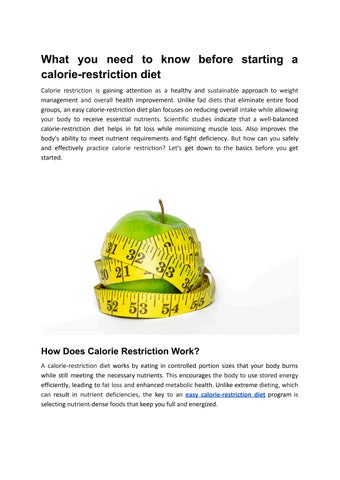
Calorie restriction is gaining attention as a healthy and sustainable approach to weight management and overall health improvement. Unlike fad diets that eliminate entire food groups, an easy calorie-restriction diet plan focuses on reducing overall intake while allowing your body to receive essential nutrients. Scientific studies indicate that a well-balanced calorie-restriction diet helps in fat loss while minimizing muscle loss. Also improves the body's ability to meet nutrient requirements and fight deficiency. But how can you safely and effectively practice calorie restriction? Let's get down to the basics before you get started.
How Does Calorie Restriction Work?
A calorie-restriction diet works by eating in controlled portion sizes that your body burns while still meeting the necessary nutrients. This encourages the body to use stored energy efficiently, leading to fat loss and enhanced metabolic health. Unlike extreme dieting, which can result in nutrient deficiencies, the key to an easy calorie-restriction diet program is selecting nutrient-dense foods that keep you full and energized.
What are the advantages of a Healthy, Balanced Calorie deficit
● Weight Loss: Gradual and sustainable weight loss without extreme dieting. By creating a controlled calorie deficit, the body gradually burns and utilizes stored fat, leading to consistent weight management over time.
● Enhanced Metabolic Health: Increased insulin sensitivity and balanced blood sugar levels help reduce the risk of diabetes and other metabolic diseases This also results in improved regulation of energy levels throughout the day
● Better Gut Health: Improves Gut Health by increasing the number of good bacteria in the gut. Good gut health indeed aids in weight loss by better digestion, prevention of bloating and absorption of Nutrition.
● Reduced Cravings and Improved Mood: Studies show that controlled calorie intake can control hunger hormones, leading to decreased cravings and better emotional health. By maintaining steady energy levels and preventing sugar crashes, individuals tend to have improved concentration, mental clarity, and general mood stability
● Potential Longevity Benefits: Research suggests that a calorie-restricted yet healthy balanced diet may contribute to a longer lifespan by reducing oxidative stress and slowing down ageing-related processes.
How can you Safely Reduce Calorie Intake?
Alright, let’s get real: cutting calories doesn’t mean starving yourself or surviving on lettuce and air The secret is to eat smarter, not less. Here’s how to do it the right way without feeling miserable:
● Go for Nutrient Powerhouses – Prioritize proteins, whole grains, healthy fats, and fiber-packed vegetables. These keep you full longer, so you’re not raiding the fridge at midnight.
● Avoid Extreme Calorie Cuts – Drastically slashing calories? Bad idea. Your body will fight back by slowing down metabolism and burning muscle tissue instead of fat. Instead, aim for small, sustainable calorie reductions.
● Increase Meal Frequency and Distribute Calories Wisely – Instead of sticking to three large meals, opt for a small, frequent meal pattern throughout the day Start with a healthy breakfast, balanced lunch, and nutritious dinner, while incorporating healthy snacks and fruits in between. This approach helps maintain energy levels, supports metabolism, and ensures steady nutrient intake.
● Stay Hydrated: Drinking enough water supports digestion and helps control hunger signals.
● Use Smarter Nutrition Solutions– Balanced pre-meal nutrition and meal replacements help control hunger while keeping your nutrients in check.