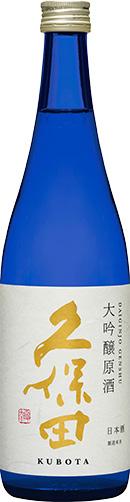
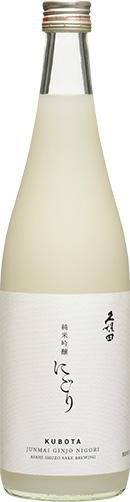
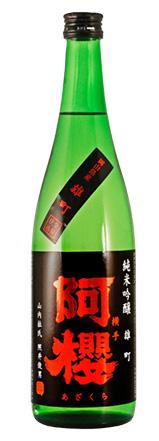
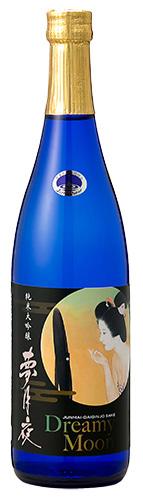
Some of the most frequently asked questions we receive on Jizake (fine artisan Sake) are: “What does this Sake taste like?” and “How is this Sake different from that Sake?” Most often, Japanese Jizake breweries describe their products by emphasizing the rare rice and water ingredients, and the proprietary production methods, rather than offering profiles on their actual flavors which is the standard for wines here in the US.
Mutual Trading’s catalogue is designed to help business operators create their own, functional Jizake menus, one which can be understood by the average American customer. (Please see the Jizake Menu Sample on the following page). To conduct an objective assessment on flavor descriptions and food pairing information, each of our Jizake products was carefully screen tasted by seasoned, professional wine sommeliers, Kevin O’Connor of Spago Beverly Hills, and Chris Angulo of the Water Grill in Downtown LA.
• Flavor Profiles
Descriptions of flavor and aroma, using familiar “wine-listing” terminology.
• Flavor Mapping
Flavor mapping using dry-to-fruity flavor, and light-to-full body variables. This is useful in conjunction with food pairing suggestions.
• Food Pairing Suggestions
Listing of representative foods which would complement a particular Jizake.
• Cost Calculation
Cost per ounce and per serving portion, to facilitate menu list price calculation. In the back are several listings to help you see products in various segmentation groupings: by geographic origin, by price, by Nihonshu-Do, and by brewery.
Mutual Trading would like to thank you for your support in promoting the good word and the wonderful flavors of Jizake.
Sake is a Japanese alcoholic beverage made of rice, water, koji and yeast. Although sake is known as “Japanese rice wine”, it is quite different from wine. Rather, sake is brewed like beer (alcohol produced through fermentation of starches.) However, sake is not quite like beer, either, since the majority of sake is non-carbonated, and the alcohol content is much higher than beer. Sake is unique, and it deserves its own category.
HISTORY OF SAKE
There are multiple theories on how sake was developed in Japan, but one theory suggests that sake production started soon after the arrival of rice cultivation in the third century B.C. In ancient Japan, the Imperial court and large religious institutions controlled the sake production, and sake was used as sacred life water for rituals and festivals. Even today, sake is deeply embedded in the Japanese culture, where most traditional ceremonies would not start without a sake toast.
Examples:
• A bride and groom exchange vows in a Shinto marriage ceremony with three consecutive sips of sake from a single cup.
• Kagami Biraki or the sake cask breaking ceremony is often seen at large celebrations such as construction groundbreakings and corporate gatherings.
JIZAKE – FINE ARTISAN SAKE
Jizake, literally meaning “local or regional sake”, is a genre of sake produced by microbreweries, most often in remote countryside, which by geographic definition gives birth to a variety of interesting flavor characteristics not available through mass production. Many of these sake breweries continue to utilize their traditional methods of sake brewing, not opting for modern and more efficient technology.
Current estimates show 50,000 labels being made by some 1,500 sake breweries in Japan, out of which seven are large-scale commercial breweries and another a couple of hundred medium size operations. The remaining 1,300 or so are considered small-scale Jizake breweries, where production relies on experienced skills of the Toji, the brewmaster. Earning the Toji status not only requires years of experience brewing sake, but also management skills and pure dedication to refine his art.
The best known regions for Jizake are concentrated in the areas with most suitable rice and water. Niigata, the rice growing capital of Japan is one, while Hiroshima is known to provide one of the most suitable waters. Fushimi and Nada, synonymous to California’s Napa and Sonoma Valleys for wine making, are two of the best regions with ideal water conditions, and naturally house a high concentration of large scale sake breweries. This area is the old capital of Japan, today being the city of Kyoto, which is the cultural center of the finest in Japanese cuisine, thus the finest sake.
Basic Ingredients of Sake
Rice
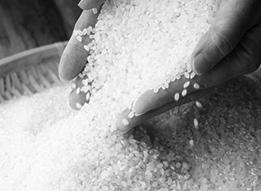
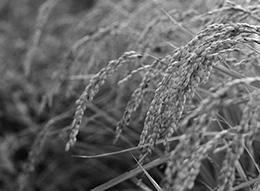
Sake rice or Sakamai is used exclusively for sake brewing, completely different from the rice consumed for food. Each Sake rice variety yields a specific flavor profile. For example, Yamada Nishiki is known for its fragrant and well-rounded character, and Gohyakumangoku is known to yield clean and light sake.
Water
Velvety smooth “soft” water to “hard” water like the famous Miyamizu of Nada region is found in abundance throughout Japan. Among the minerals contained in water, there are both good and bad elements. Good elements: potassium, magnesium and phosphoric acid help vigorous yeast propagation and assist koji development. Bad elements: Iron and manganese adversely affect the flavor, aroma and color of sake.
Koji
Koji is steamed rice that holds the cultivation of the koji-kin mold. Koji-kin eats its way into the rice and breaks down the rice’s long starch molecules into smaller glucose (sugar) molecules that later become food for the yeast. Unlike grapes that naturally ferment by adding yeast, the starch in sake rice must first be converted to sugar by koji-kin before the fermentation can take place.
Yeast
Sake yeast converts sugar into alcohol, and it has a large effect on the aroma of sake. There are many strains of sake yeast, however, #9-yeast, with the ability to create wonderful fragrance, is probably the most commonly used sake yeast for Ginjo grade.
Sake making season starts soon after the autumn rice harvest, and continues until spring. It takes approximately two months to produce a batch of fresh-pressed sake. After the liquid (sake) is separated from grain solids (lees) at the pressing stage, (nigori sake is created by using a coarse filter), carbon-
filtration is used to inhibit coloring and aging of sake. (Some brewers skip this process). Sake is then heat-pasteurized to kill yeast and to stop enzyme action before being stored in the tank for up to 18 months until it reaches the optimal maturity. After the aging process, different tanks of sake are blended to achieve
consistency. Following the second carbonfiltration, dilution, and heat-pasteurization processes, sake is finally bottled and shipped. There are exceptions, of course, and some breweries do things differently.
Sake Categories & Grades
There two major sake categories, each with four grades:
[ JUNMAI ] category:
Junmai Daiginjo, Junmai Ginjo, Tokubetsu Junmai and Junmai Junmai literally means “pure rice”.and color of sake.
[ ARUTEN ] category:
Daiginjo, Ginjo, Tokubetsu Honjozo and Honjozo
Aruten literally means “alcohol added”. In sake brewing, this is a category where less than 10% of brewer’s alcohol in volume is added, usually to lighten the flavor and to accentuate the fragrance.
Sake is graded by “how much of the exterior of rice grain is removed (polished) before brewing begins”.
This has a huge effect on quality and the flavor profile of the finished product.
In general, the more the rice is polished, the higher the grade of sake. Higher polished rice usually leads to a lighter, more complex flavor profile.
A higher polish rids the “impurities” (fats, proteins, amino acids), which reduces the chance of hangovers.
Sake is truly a versatile beverage which suits many of the world’s cuisine regardless of ingredients or the preparation method. In Japan, food takes back seat to sake, where small dishes are prepared to enhance the enjoyment of sake, and not the other way around, similar to the Spanish tapas concept. And similar to wine drinking, different sake
would be served during the course of meal, from the delicate Daiginjo and Ginjo with light appetizers, to the fuller bodied Tokubetsu Junmai and Junmai with heavier fried and grilled dishes to fully enjoy the flavor combinations. The following is a general food pairing guideline, grouped by serving occasions and exemplary dishes:
DAIGINJO & GINJO with Appetizers
For the untainted palate at the start of a meal, delicate and lightbodied Daiginjo and Ginjo is the recommended starter sake. To best accompany the Sake, simple and lightly flavored appetizers are most suitable as not to overpower the delicate flavor of sake.
Representative flavor characteristics of Daiginjo and Ginjo: Fragrant, Light-bodied, Smooth, Clean, Refreshing, Fruity to dry, with low to moderate acidity.
Complements unseasoned or lightly seasoned foods:
• Fresh & Steamed Seafood
• Smoked Salmon
• Steamed Crab & Lobster
• Broiled Seafood
• Fish & chips, Calamari
• Tempura
• Simple chicken dishes
• Salads • Fruits
• Steamed Vegetables
• Tofu
• Soba Noodles
• Light Pasta Dishes
• Sandwiches
• Mild cheese
TOKUBETSU
JUNMAI & JUNMAI with Entrees
As meals progress with introduction of stronger seasonings and heavier textures, sake should also progress to offer more pronounced flavors and distinctive characters. The super to ultra dry sake can balance off dishes with heavier sauces and oils.
Representative flavor characteristics of Tokubetsu Junmai and Junmai:
Full bodied, Robust, Rich, and Rounded Bouquet.
Best matches stronger flavored dishes, rich to creamy:
• Sukiyaki
• Yakitori
• Spicy Seasonings
• Clam Chowder
• Stews
• Creamy Sauces
• Deep Fried Dishes
• Cream & Meat sauces
• BBQ ribs
• Toro Sashimi, Uni
• Teriyaki Unagi
• Steaks, BBQ
• Goat Cheese
• Cheese
NIGORI SAKE & JAPANESE PLUM WINE as Aperitif & After Dinner Cordial
Specialty Sake
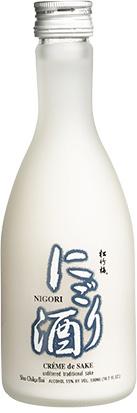
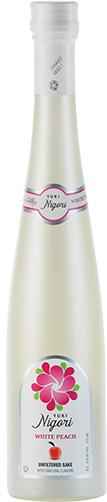
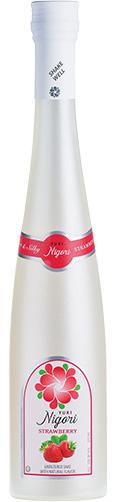
NIGORI SAKE - Unfiltered Sake
Unfiltered sake is a milky white, sweet brew. Although the term “unfiltered” is widely used, Nigori sake is actually coarsely filtered Sake, leaving some of the fermented rice particles from the mash. Always serve chilled.
• Food Pairing: Great as aperitif and after dinner cordial; also complements spicy foods.
NAMA SAKE - Draft, Unpasteurized Sake
Unpasteurized sake “has a zing” and a fresh-lively character. Always serve chilled.
• Food Pairing: Lightly seasoned dishes
GENSHU - The Raw, Unprocessed Sake
While most sake is diluted with water for a more palatable brew, Genshu is not. Genshu literally means “unprocessed sake”, and is the first pressed and raw sake, reaching upwards of 20% alcohol.
KIMOTO - Traditional Brewing Method
Kimoto is the traditional method of sake brewing process in use for at least 300 years.Most of today‘s sake breweries add commerciallyavailable lactic acid to the mash to control the growth of harmful bacteria. In the Kimoto method, however, the sake mash is handchurned for at least a four weeks’ period to induce and to control the growth of natural acting lactic acid bacteria.
YAMAHAI - Traditional Brewing Method
It is the simplified version of Kimoto brewing method introduced in the early 1900’s. YAMA oroshi process of hand-churning the mash for weeks was HAIshisareta, or eliminated, thus adapted the Yamahai method. The mash is carefully monitored and controlled by the brewmaster to create the ideal condition. Sake brewed by the Kimoto and Yamahai method tends to have higher acidity level.
TARU SAKE - The Cedar Cask Sake
Aged for some time in a cedar cask, Taru sake is infused with a pleasantly refreshing cedar aroma. Always serve chilled.
• Food Pairing : Steamed or broiled seafood, Broiled vegetables, Steamed or broiled chicken, especially Yakitori, Light Pasta.
KOSHU - Aged Sake
From the aging process of more than three years, Koshu adapts a spicy, smoky and even an earthy tone. Its initial sharp impact connotes flavors of distilled liquor rather than a wine. Due to its long aging period, most aged sake take on a golden hue.
Muroka literally means “unfiltered”, but this term is used to describe sake that has not been exposed to the carbon filtration process. It is different from Nigori the unfiltered sake. The car bon filtration process makes sake clean and clearer, however, some breweries believe that it also reduces the favorable characteristics in the process.
INFUSED SAKE
Sake is infused with other ingredients, such as fruits. One example is: Japanese Ume plum wine.
• Japanese Ume Plum Wine & Ume Sake: A majority of plum wine sold in the American market is either sake or white wine based. The Ume plum is unique to Japan, a kin to the apricot family, with a distinctive flavor. Historically, Ume is purported to hold mysterious medicinal properties.
JIZAKE – Most Frequently Asked Questions
What is Nihonshu-do or Sake Meter Value (SMV)?
It generalizes the sweetness/dryness of sake using the scientific ratio of sugar versus alcohol. In reality, it is simply the density of sake compared to the density of water. The higher the number, the drier the sake. Mutual Trading’s highest is +14.0 (Otokoyama Tokubetsu Junmai) and ranges to the lowest at -20.0 (Shochikubai Nigori Silky Mild). When two different sakes have the same SMV, the one with higher acidity level will taste drier, because higher acidity level suppresses the fruity flavor sensation by its dry, snappy character.
What is the alcohol content of sake?
On average, between 14% to 17%, a tad higher than wine.
What is the shelf life of sake?
In general, an unopened bottle of sake is good up to one year when kept in a cool dark place, preferably refrigerated. Once opened, unused portions should be stored under refrigeration and finished within a couple of days. Treat all sakes like fine wines. The exception is the Koshu, aged sake.
What is the proper way of serving Sake?
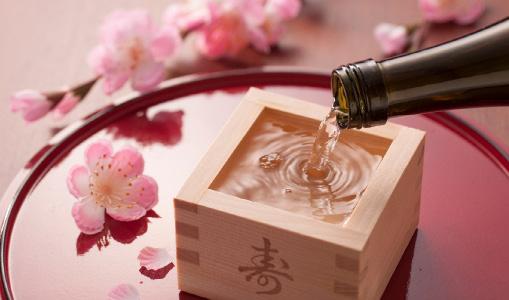
Although there are no particular rules in serving chilled or warm sake, chilled sake is commonly served in small glasses, often clear in color, to accentuate its pure qualities. In traditional settings you may see them in wooden or lacquered boxes which sit on a shallow saucer, where a server would pour to spill over the box as a gesture of generosity.
When serving warm, sake is poured into small earthenware or porcelain decanters called Tokkuri or Ochoshi, and placed into a bath of warm water until heated to 100 to 120 degrees. To serve, small sake cups called Sakazuki are used, and often times with the junior person pouring for the seniors first, then vice versa.
Why is Jizake so expensive?
Contrary to what many may think, the high price is not due to transport nor import duty fees. Rather, the primary reason stems from the high prices associated with the Sakamai (sake rice) ingredient. Quality Sakamai is grown only in limited regions of Japan, is difficult to cultivate, has a small yield, and is sold at a premium. When brewing Daiginjo, more than 50% of the precious ingredient is polished away, doubling the cost of the ingredient. For a bottle of 1.8 liter Daiginjo, over 3.5 pounds of premium Sakamai is used.
Shouldn’t sake be served hot?
Heating sake is an individual preference.
Daiginjo and Ginjo are usually served slightly chilled at around 50 degrees F to fully enjoy the delicate flavor nuances and aroma, which would otherwise be compromised through heating.
Tokubetsu Junmai, Junmai, some Honjozo and most sake brewed in Yamahai method can be served slightly warm or at room temperature. If served warm, sake should only be heated to a slight luke-warm and never to the boiling point.
To maintain its high quality, Jizake requires small batch production. Hand brewing methods over long hours by skilled and seasoned staff go into creating the best Jizake.
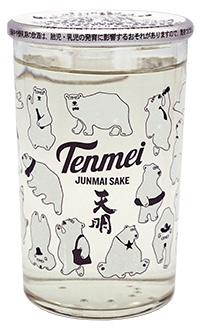
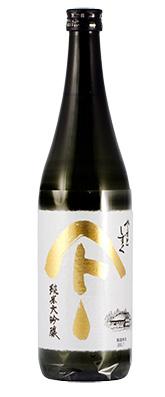
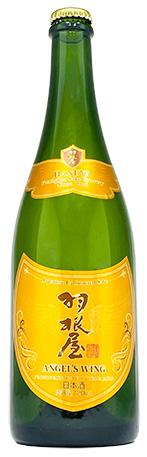
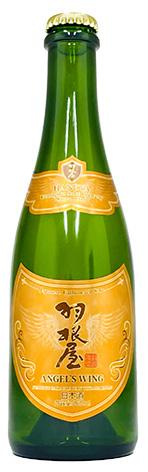
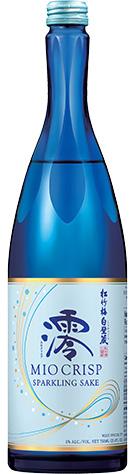
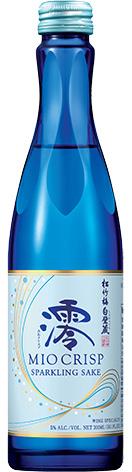
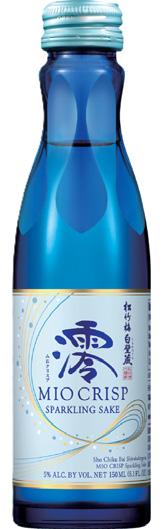
Soft and layered, this sake offers a clean, crisp character with gentle aromas of honeysuckle, mochi rice, melon, and mint. Its refined expression is the result of the brewery’s meticulous attention to detail—harnessing the unique qualities of different sake rice varietals, traditional Junmai brewing and post-production techniques, freezing cold storage, and a quiet dedication to achieving perfect balance in every cup.
[ Food Pairing Suggestion ]
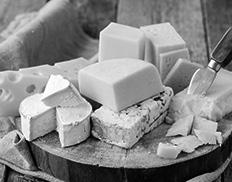
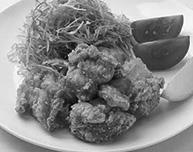
Japanese Style Hamburger Steak, Fish and Chips, Sharp White Cheddar, Lamb with Mint Jelly
Brewed using local rice and water from Akita prefecture. Has the sweet, mellow fruity fragrance of pears and grapes. Clean and elegant sake with a beautiful finish.
[ Flavor Profile for Menu Listing ]
Fragrant, vivid taste. It has a vibrant fruity fragrance of pears and grapes, feels dry but considerably smooth.
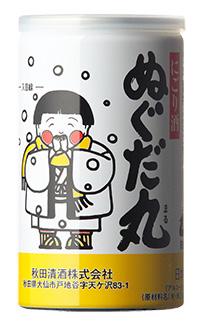
Dewatsuru Nugudamaru is a beloved nigori sake that has been enjoyed in Akita Prefecture for over 40 years. Sweet notes of honeyed milk, cornflakes, and melon are balanced by a distinct umami depth. Best served with simple, flavorful dishes—particularly appetizers or snacks—it also makes an excellent aperitif. The name Nugudamaru, meaning “to warm up” in the Akita dialect, reflects its gentle, comforting flavor. This sake is equally enjoyable served warm, offering a soothing experience for both body and soul.
[ Food Pairing Suggestion ]
Surume (dried squid) and Eihire (ray fins), Tarako (cod roe), Processed cheese and Cheese flavored Snacks, Nuts, Potato chips, Pickled vegetables, Hot pot, Porridge
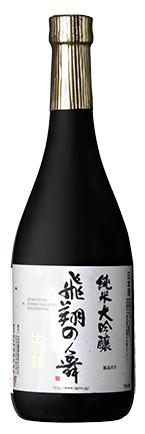
This sake is brewed with locally grown sake rice varietal Akita Sake Komachi and enhanced by Dewatsuru's unique brewing method of using soft water. Hisho no Mai translates to "dance of flight", referencing the elegance of cranes (tsuru) taking off in the sky. This sake has a rich aroma of lush ripe apples, melon, violets, and a touch of mint. This sake dances seamlessly from fruity sweetness to acidic and astringent notes, ending with a gentle savory umami and whispery dryness. The exquisitely refined flavors linger on the palate.
[ Food Pairing Suggestion ]
Cucumber with ume plums, oysters, sardine fish balls, marinated octopus, tartines (open-faced sandwich)
Brewed using the traditional Akita-style Kimoto method passed down through generations, it is followed by a long and slow low-temperature fermentation during the cold season. The resulting sake carries a fine, delicate nose of chestnut Mont Blanc, cocoa powder, and Danish butter cookies. Despite the sweet nose, this sake leans dry with smooth umami on the palate, carrying depth and richness, making this sake an excellent choice for protein-based pairings. Drink chilled for a silky texture, refined acidity, longer finish, and notes of chestnuts and banana. Drink warmed to reveal sweeter aromas and a tightened expression but livelier impact!
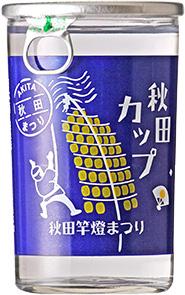
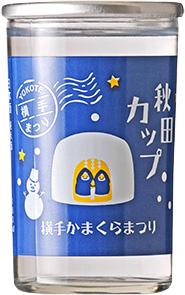
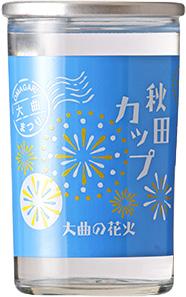
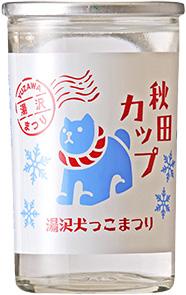
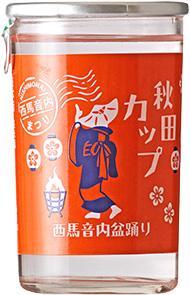
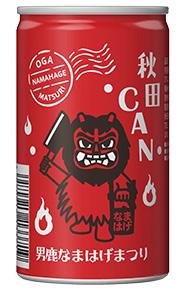
Take a trip to Akita prefecture with these festival themed cup sake. The summer is represented by the Akita Kanto Festival, Omagari Hanabi Festival (Fireworks), and Nishinomai Bon Odori. The winter is represented by Yokote Kamakura (Snow Hut) Festival, Yuzawa Inukko Festival, and Oga Namahage Festival. The sake has a modest aroma of cool green stone fruits, dark milk chocolate, and mushroom. The sake itself has a vibrant flavor with a gentle note of rice. Relatively dry with a higher acidity level, it is excellent paired with strong flavors and rich foods.
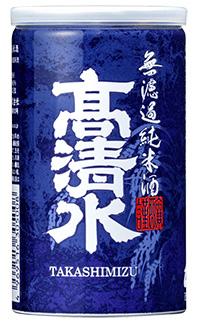
This cup sake shelters freshly squeezed Junmaishu (junmai sake) in a sleek aluminum can that protects it from light and makes it easy to chill. This sake is quickly refrigerated and stored after pressing to preserve the original flavor and richness of Junmai. The profound flavors and umami from rice are waiting to be unleashed from the can! Enjoy aromas of almonds, violets, and gentle sweet scents of honeydew melon and maple syrup. A junmai that delivers with a juicy full body and dry finish.
Alcohol Level: 15%, SMV (Nihonshudo) : +7.0, Sake Rice: Saga no Hana Rice Polishing Ratio (Seimaibuai) : 60%, Acidity : 1.7, Amino Acid : 1.1
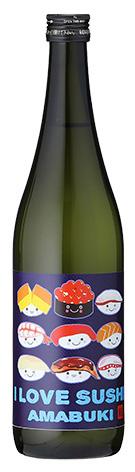
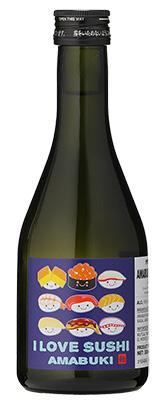
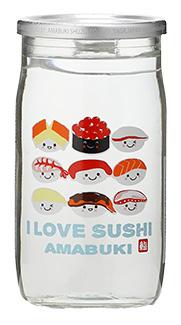
The name speaks for itself, the perfect sake to go with your sushi! Amabuki's I LOVE SUSHI Junmai acts as a palate cleanser with its dryness. However, its well-balanced soft acidity and moderate umami make it an easy go-to for food pairings. From sushi to a variety of dishes and any occasion, Amabuki I LOVE SUSHI can handle the rich, oily, umami blessed, and boldly flavored dishes.
Alcohol Level: 15%, SMV (Nihonshudo) : +1.0, Sake Rice: Saga no Hana Rice Polishing Ratio (Seimaibuai) : 100%, Acidity : 1.1, Amino Acid : 0.9
Junmai
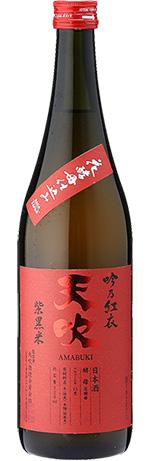
This sake is a revolution in the taste, color and aroma of sake. From the moment of the first unbelievable pour, the special qualities are quite apparent - a beautiful rosé color, resulting from the use of ancient black rice, glistens in your wine glass. The flavor is lightly sweet with muted fruit undertones, but it’s the color that will truly draw you in. An ideal sake to gift or to serve for any celebration.
[ Flavor Profile for Menu Listing ]
Elegant and fruity aroma, slightly dry but full-bodied taste.
[ Food Pairing Suggestion ]
Fruits (figs, strawberries), Best as an Aperitif, but good with dessert as well.
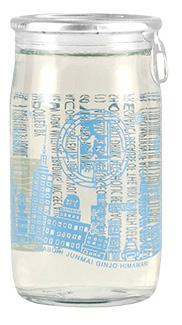
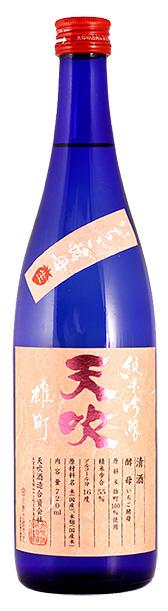
Dry, crisp, clean and mouth-filling with complex notes of wildflowers and anise. This pasteurized version of the popular nama Amabuki Himawari (Sunflower) is more delicate and complex.
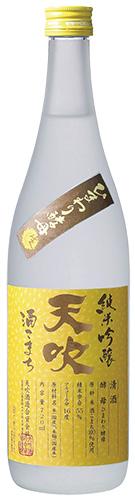
This unpasteurized stunner has a hint of dryness on the finish that pairs beautifully with an array of different cuisines, and the unique sunflower yeast provides a rounded flavor you won’t soon forget. Notes of wildflowers and anise. Enjoy the smooth palate and crisp finish of this excellent and interesting sake.
[ Flavor Profile for Menu Listing ] Yakitori, Mozzarella cheese
This Junmai Ginjo sake is brewed with strawberry flower yeast. Its aroma is reminiscent of strawberries, and its refreshing sweet and sour taste makes it perfect for drinking with meals. It can be enjoyed both chilled and warmed.
[ Flavor Profile for Menu Listing ]
[ Food Pairing Suggestion ]
Carpaccio, Pizza, Grilled chicken breast Perfect balance of sweet, fruity and sharpness.
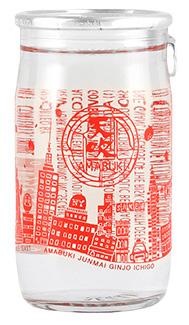
Strawberry flower sake yeast is used to give this sake a uniquely complex and layered fruitiness that is indeed reminiscent of lush fruits and flowers. A succulent bottle loaded with new and interesting flavors. This pasteurized cup version offers another interpretation of the immensely popular nama Amabuki Ichigo. Though it maintains the plush mouthfeel and rich body, the flavor is more immediately and noticibly dry, leading to an entirely different experience.
[ Food Pairing Suggestion ]
Fig Prosciutto, Spicy Sauces, Wagyu or Otoro Carpaccio, Lamb and Goat Dishes
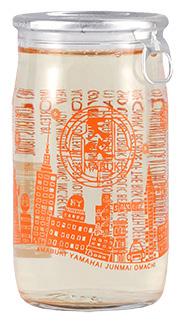
The vibrant character of marigold flowers comes through clearly on both the nose and palate of this sake, enhanced by the signature earthy, funky depth of the Yamahai-jikomi brewing method. While excellent chilled, the distinctive personality of Omachi rice and the complexity of Yamahai-jikomi truly shine when gently warmed.
[ Food Pairing Suggestion ]
Charcoal Grilled Chicken, Porcino and other fragrant Mushrooms
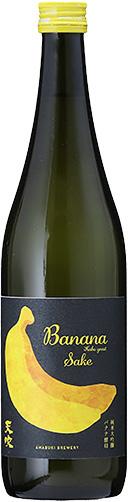
This sake captivates with a sweet aroma reminiscent of ripe bananas and a juicy, mouth-filling sensation. Its refreshing lightness and harmonious balance create a truly indulgent experience. Ideal with delicate fish dishes and vegetablebased cuisine, its gentle flavor unquestionably elevates every dining occasion.
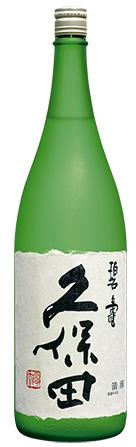
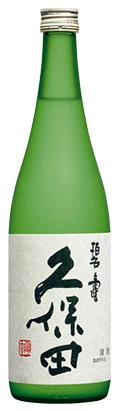
Crafted using the traditional Yamahai brewing method, Kubota Hekiju offers a depth of flavor that is both rich and refined. Despite its complexity, it maintains a light, clean mouthfeel and a smooth, effortless finish. Best enjoyed either chilled or at room temperature.
[ Flavor Profile for Menu Listing ]
Nutmeg, stewed pear and grape flavor with ripe pear, brandy and sugar cane on the nose. A sister Sake to Kubota Manjyu at a more affordable price.
Alcohol Level: 15%, SMV (Nihonshudo) : +2.0, Sake Rice: Yuki no Sei Rice Polishing Ratio (Seimaibuai) : 28%, Acidity : 1.1, Amino Acid : N/A
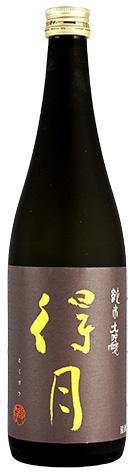
A limited-release sake that reaches its fullest expression in the fall, when the moon is at its most radiant. The name Tokugetsu—meaning 'Special Moon'—reflects the poetic beauty of this brew: the rice, polished down to an exceptional 28%, gleams like the moon against a night sky. It offers an elegant aroma and a delicate, graceful flavor that lingers gently on the palate.
[ Flavor Profile for Menu Listing ]
Citrus and a hint of chili flavor with spices and tangerine on the nose. A masterpiece from Asahi Shuzo, the maker of Kubota Manjyu.
An unparalleled sake brewed in small batches - limited availability. The rice used is specifically contracted by the farmer, and is polished to 28% of the original grain's size. The sake is brewed with great skill and aged slowly, creating a seductive and silky elegance in the finished product.
朝日酒造 株式会社 | 新潟県 Flavor Chart Best Serving Temp
#3568 : 6 / 1.8L, #3569 : 12 / 720 ml #3555 : 20 / 300 ml
[ Flavor Profile for Menu Listing ]
Mild aroma with flavors of cantaloupe and herb with pepper and citrus on the finish.
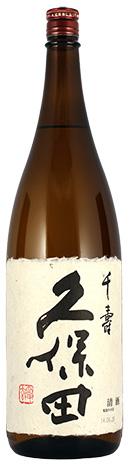
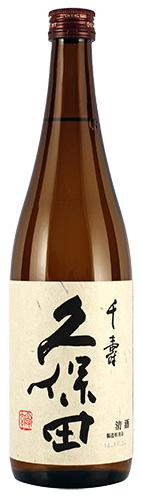
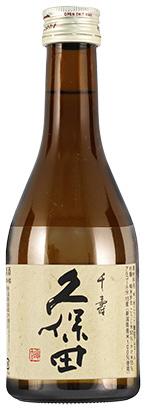
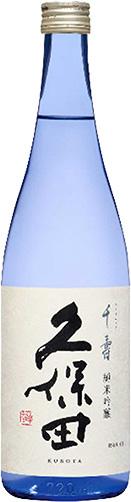
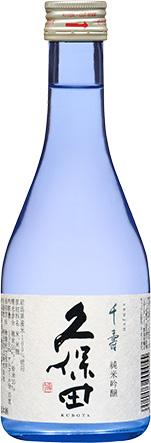
Aiming for a sake that can be enjoyed with meals, Kubota Senjyu boasts a modest bouquet and a timeless flavor that one does not tire of drinking. Velvety mouthfeel and excellent when chilled, but also highly enjoyable when warmed.
[ Flavor Profile for Menu Listing ]
Full banana cream pie aroma with spicy flavors of clove and nutmeg. Rated the number two Honjozo Sake by top Sake Izakaya pubs in Japan.
This junmai sake balances both richness and a clean finish. At room temperature, it is powerful yet mild, and when warmed, its strength and crispness are even more pronounced.
#4855 : 12 / 720 ml
A Junmai sake excelling in balance, with a quick clean finish. Refreshing chilled, full of flavor neat or gently warmed.
[ Food Pairing Suggestion ]
Fried Oyster, Pork Kimchi, Shrimp with chili sauce [ Flavor Profile for Menu Listing ]
Light and comforting sweetness with a refined fragrance. Spring release in limited quantities. Notes of sakura and light mint. Extremely refreshing and perfect to celebrate the passing of the seasons.
[ Food Pairing Suggestion ]
Hirame Carpaccio, Spring Rolls
#5103 : 6 / 1.8L, #7630 : 6 / 720 ml
#5953 : 12 / 300 ml
#9791 : 6 / 1.8L, #6375 : 6 / 720 ml #10142 : 12 / 300 ml
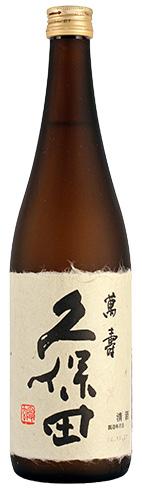
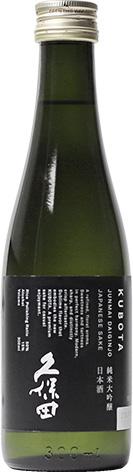
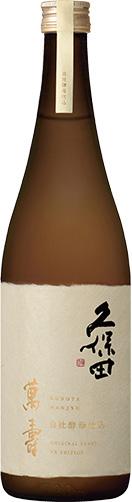
Kubota Manjyu is the paramount of the "Kubota" series. Plush and creamy in texture with several layers of complex flavor and umami. Enjoyed chilled, this sake can reveal the calm and complex portrait of existence.
[ Flavor Profile for Menu Listing ]
Honeysuckle and tuberose aroma with flavors of Fuji apple and spiced tart pear. The very rare and most sought after Junmai Daiginjo in Japan! Consistently rated num- ber one by Sake connoisseurs and fine dining restaurant owners.
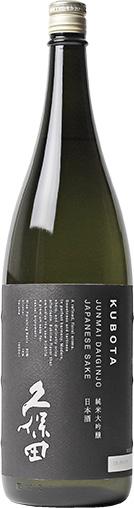
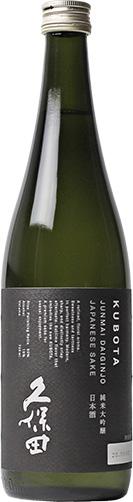
In pursuit of an impact-laden, magnificent new flavor, the brewers of the beloved Kubota lineup crafted this fine Junmai Daiginjo. An elegant nose with notes of pear and melon, with a harmonious acidity and pleasant mouthfeel. Kubota's distinctive smooth and clean texture and crisp flavor lead into a comfortably long finish.
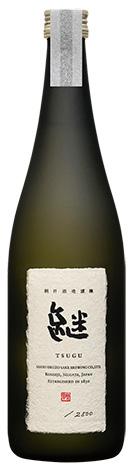
Tsugu has a delicate and elegant floral aroma with a soft mouthfeel. Splendidly balanced flavor and a clean, dry, medium-long finish. This sake is Asahi Brewery's greatest achievement, and represents the culmination of all of their history, technique, research and technology. Only 2500 bottles are produced each year.
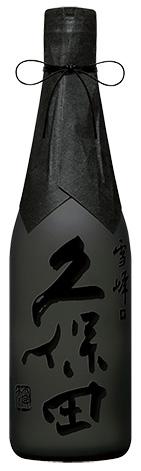
A special Kubota seasonal release, "Seppou" can be served at all temperatures. Warming this sake releases all the Yamahai power and unleashes richer, rounder textures, whereas serving it cold increases the sharpness and offers a crisp finish.
[ Food Pairing Suggestion ]
Served Warm - Tempura, Dumplings, Fried Chicken, Fried Fish
Served Cold - Crudite with creamy dip, Salad, Sashimi, Goat milk Gouda, Cheddar Cheese
Crafted to evoke the arrival and vitality of spring—snowmelt, budding greenery, and the season’s gentle awakening. Carefully selected rice is used, with low-temperature fermentation during winter and ice-cold storage to preserve its fresh, delicate aroma. It features fruity notes reminiscent of muscat grapes and musk melon. Enjoy its crisp finish at 10–15°C, or its blossoming aroma at room temperature.
[ Food Pairing Suggestion ]
Served Warm - Oden, Roasted vegetables
Served Cold - Crudo of vegetables/Fish, Chilled Tofu, Sushi, Sashimi, Creamy Cheese
A balanced tanrei-karakuchi sake that has an elegant, refreshing and gentle aroma, with echoes of umami and a smooth, dry mouthfeel. When chilled, you'll get hints of tartness and a crisp finish.
[ Flavor Profile for Menu Listing ]
It is well-balanced, clean and refreshing with a gentle aroma. The mouthfeel is soft with a dry finish.
Crafted with Gohyakumangoku sake rice from the Koshiji region of Niigata— grown with the involvement of the brewers themselves—polished to 40% using “Genkei Seimai” rice polishing technique. Brewed with an in-house yeast strain cultivated over many years, it features elegant aroma, deep flavor, and a crisp, transparent finish. Made with the most joyous occasions in mind, it is perfect for celebrating life’s milestones such as coming of age, weddings, or milestone birthdays.
[ Food Pairing Suggestion ]
Salt-crusted Roast Pork, Kombu cured sea bream, Pan seared sea bass, Shaved fennel salad with fresh herbs walnuts and parmesan
A dynamic and dry front palate leads into soft umami undertones and a smooth clean finish in this astonishingly quaffable and sophisticated Genshu (undiluted) sake. Has hints of bosc pear, koji-rice and freshly picked mushrooms hiding beneath a gorgeous floral bouquet. Recommended chilled and in a wine glass alongside a meal.
[ Food Pairing Suggestion ]
Buttery scallops, Cheesy loaded potatoes sprinkled with bacon bits, Shrimp fritters, Vegetable and Feta cheese quiche
A coarse-filtered cloudy sake with velvety, elegant texture. Along with the smoothness, it brings perfect fruitiness and subtle sweetness as well as superb Ginjo aroma. Enjoy it chilled, or arrange it with your favorite fruits.
A junmai ginjo using the rare Omachi and Akita Yukiguni UT-1 yeast that is known for it's long shelf life. Omachi is known for giving sake a robust body and an elegant sweetness and tartness. This sake starts with sweet and filled with umami, then transitions into an expansive aroma and finishes with a slight bitterness and clean acidity. However, because of the UT-1 yeast and brewing water from the brewery, this sake does not have the bitterness associated with Omachi rice. Just the fullness and fruitiness. Serve cold to taste acidity and the faint bitterness. Serve warmed to bring out the umami that pairs well with boldly flavored dishes.
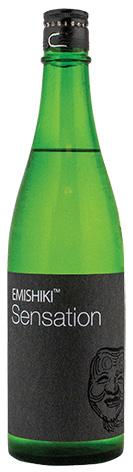
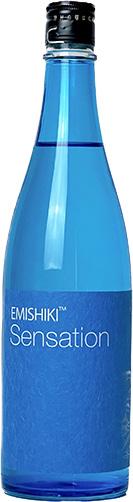
Sensation Black has a fresh scent like young grass, pandan, green apple, and strawberries. It has soft and delicate sweetness that is reined in by the rising acidity. A rounded but firm mouthfeel with a crisp finish enhanced by minerality and amino acids. The bitterness of yeast-derived succinic acid creates a comfortable pairing, and it goes well with classics like yakitori to unique South East Asian cuisine and European-style dishes.
[ Food Pairing Suggestion ]
Yakitori, Grilled mackerel with Salt, Mustard-dill Salmon, Shellfish, Fruit salad
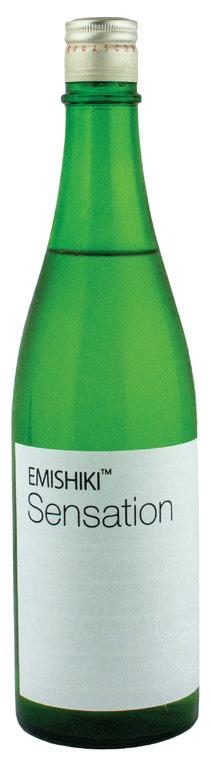
Sensation White has a pleasant Ginjo scent comprised of citrus, grapes, banana, and ripe red apple. Soft and rounded sweetness spreads, followed by a refreshing acidity and a gentle lingering fruity finish. A sake that pairs well with light appetizers, chicken, and fish.
[ Food Pairing Suggestion ]
Fried chicken, Teriyaki yellowtail, Boiled vegetables, Caesar salad, Sashimi, Steamed fish
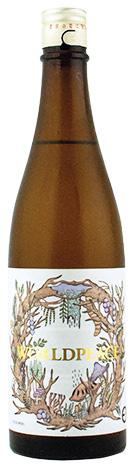
This sake emphasizes the full flavor of the gorgeous ginjo aroma (derived from ethyl caproate), which is a characteristic of flower yeast. The rising scent is glossy, similar to pineapple and lychee. The soft sweetness supports the scent and the full flavor of acidity that creates a slight astringent taste. World Peace carries great balance of aroma, sweetness, and acidity. A sake meant to be eaten with food together, rather than drunk separately.
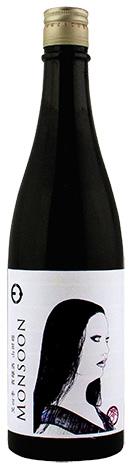
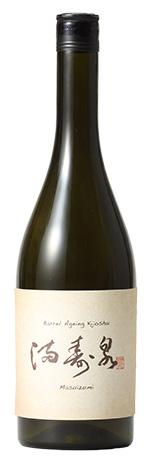
This Kijoshu is made by incorporating Junmai sake (instead of water) during the last step of fermentation. Monsoon Kijoshu has a gentle acidity similar to prized noble rot wine. Enjoy the pronounced aroma of tropical fruits such as apricots, mangoes, and bananas. The finish is long and velvety, the scent of fragrant soil will follow with a heavy sweetness. Great as a digestif or replacement for dessert.
[ Food Pairing Suggestion ]
Anglerfish / Monkfish liver, Blue cheese, Beef steak, Charcuterie board
Rice Polishing Ratio (Seimaibuai) : Koji 55% / Kake 58%, Acidity : 1.3, Amino Acid : 0.9
Soft aromas of fresh white peach and sweet rice cakes lead into a gentle front palate which descends sharply into a short, clean, semi-dry finish. Fine, lively effervescence adds a vibrant touch to this otherwise velvety brew. Serve chilled to room temperature & pair with seafood, wild vegetable dishes, tempura and more.
Elegantly fruity with clean salinity, this junmai gingo delivers a pleasant nose of sweet bananas with a hint of strawberry and wildflower honey. Brewed using medium-hard spring water that is rich in minerals, it drinks fresh and inviting, with a dry palate that finishes long and savory. Serve chilled in a wineglass to highlight the aromas. Perfect with seafood.
[ Food Pairing Suggestion ]
Seafood, Saikyo Miso Black Cod, Barley tea ochazuke, Tsukune (chicken meatball yakitori), Endives with blue cheese crumbles drizzled with honey and almonds
While being uplifting and light on your palate, it gives you a clean lingering finish. The very delicate green apple-like Ginjo aroma will not overpower your food pairing. Serve chilled in a wine glass to enhance the aromas.
[ Flavor Profile for Menu Listing ]
The refreshing aroma of green apple is a very elegant, light and subtle scent.
[ Food Pairing Suggestion ]
Japanese, French, and Italian seafood such as sweet shrimp, squid, or white fish
Beautifully transparent balance of acidity and dryness. A sake which will not tire your palate. Delicate banana aromas and smooth texture. Serve chilled to enhance refreshing dryness or warm to broaden the impression on the palate.
[ Flavor Profile for Menu Listing ]
Clean acidity and transparent dry taste.
[ Food Pairing Suggestion ]
Japanese, French, or Italian, Seafood, Hot pot, Shabu shabu
Fresh and juicy on the palate with fruity aroma and longer finish. The fresh green apple-like ginjo aroma is elegant and will not distract from your food pairing. Generally recommended chilled in a wine glass; however, the gentle umami can be highlighted by warming slightly.
[ Flavor Profile for Menu Listing ]
Mellow impression which spreads in the mouth, as well as a fresh and juicy taste with the refreshing Ginjo aroma of green apple.
[ Food Pairing Suggestion ]
Japanese, French, or Italian, Seafood in rich sauces, Salmon belly
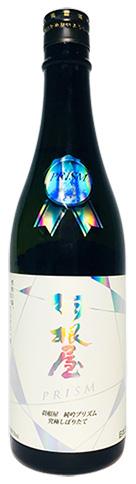
This ultimate shiboritate captures the fresh taste of newly pressed sake in its most unfiltered form and is bottled in the shortest time possible. It shines with juiciness and complex interwoven flavors, radiating in seven colors like a "PRISM."
[ Food Pairing Suggestion ]
Seafood marinade, Fruit, Red meat dishes (beef, lamb), Chicken
This sparkling sake is characterized by its subtle minerality, refreshing mouthfeel, and rich aroma. The flavor balances sweetness with a hint of acidity and a touch of bitterness, making it perfect as an aperitif or a celebratory drink.
[ Food Pairing Suggestion ]
White fish fritters, Shrimp risotto, Mild-flavored fish
Rice Polishing Ratio (Seimaibuai) : Koji 55% / Kake 60%
Acidity : 1.0, Amino Acid : 1.0
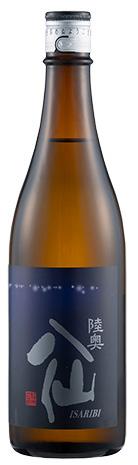
Mutsu Hassen Isaribi was inspired by the idea of a "fisherman's sake for meals" and named after the fire used for luring fish at night. A dry sake with solid umami, strong acidity, and less focus on fruitiness. Perfectly matched with seafood, and soysauce flavors. Versatile temperature range.
[ Flavor Profile for Menu Listing ]
Medium intensity, fruity aromas with notes of marshmallow.
Rice Polishing Ratio (Seimaibuai) : Koji 55% / Kake 60%
Acidity : 1.0, Amino Acid : 1.0
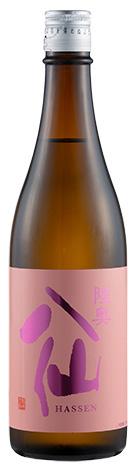
The scent is mild and slightly sweet, and on the first sip it has a very soft mouthfeel that gradually opens up. A ginjo sake with a balance of freshness, sweetness and sourness that is reminiscent of fruit juice.
[ Flavor Profile for Menu Listing ] Rich in flavors with a hint of banana and melon.
Rice Polishing Ratio (Seimaibuai) : Koji 55% / Kake 60%
Acidity : 1.2, Amino Acid : 1.0
This Aomori craft sake is made with a focus on select rice and yeast from the prefecture and utilizes Hachinohe, Kanisawa District's famed water for brewing. Compliments and enhances flavors from any cuisine.
[ Food Pairing Suggestion ]
Squid shiokara, Seafood al ajillo, Chicken karaage, Chinese cuisine
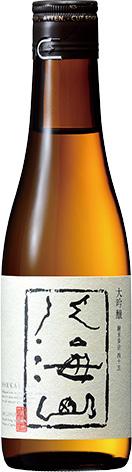
Hakkaisan’s Kijoshu is an elegant and luxurious sake with a unique brewing method: instead of using water in the final stages, sake itself is used. This innovative process results in a refreshingly distinct beverage. Bottled before fully maturing, it develops an otherworldly character, featuring a rich, densely sweet flavor and a caramel-like aroma that sets it apart from traditional sake.
[ Flavor Profile for Menu Listing ]
An extremely luscious-sweet brew which creates elegant, sweet and luxurious tastes.
Shipped unpasteurized after bottling, this namazume sake is gently pasteurized only once after pressing and then matured for six months. The result is a remarkably fresh and lively sake, bursting with crisp green apple aromas and a super-dry, clean finish. Best enjoyed chilled, or served partially frozen as “Mizore sake” for an ultra-refreshing experience.
[ Flavor Profile for Menu Listing ]
Full flavor and refreshing scent when chilled.
[ Food Pairing Suggestion ]
Karaage, Ribeye steak, Curry, Ma-po tofu, Stew
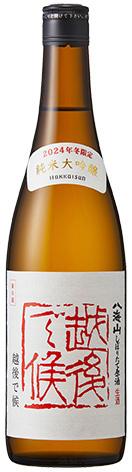
DRY 辛い
八海醸造株式会社 | 新潟県 吟醸酒、生原酒
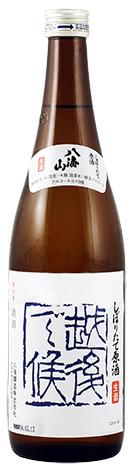
八海山 しぼりたて原酒
越後で候
: 12 / 720 ml アルコール度数:19%、日本酒度:+4.0 、使用米: 山田錦、五百万石 他
Only sold between October and March. Enjoy this well-balanced and wildly refreshing fresh-pressed sake chilled.
[ Flavor Profile for Menu Listing ]
A gentle collection of strawberry, melon, and floral tones. This juicy and plump sake is loaded with velvety fruit flavors that do not drink sweet, rather they drink lush and solid.
芳醇
甘い SWEET
#1409 : 12 / 720 ml, #1408 : 15 / 300 ml
淡麗 LIGHT
辛い
[ Food Pairing Suggestion ]
Tonkatsu, Chicken stew with vegetable, Gyoza dumplings
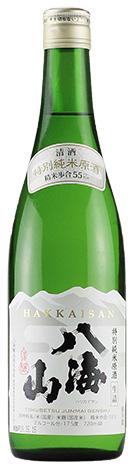
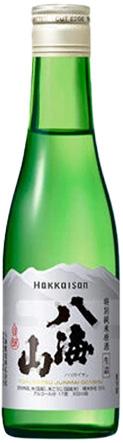
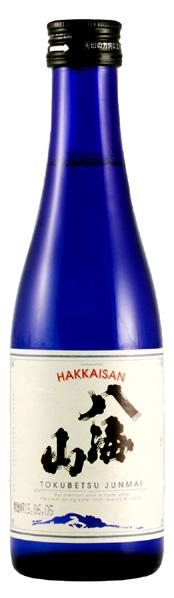
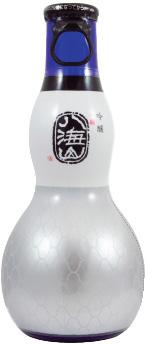
Hakkaisan Tokubetsu Junmai is brewed specifically for the American market. The rice is polished down to 60% to produce a clean junmai style sake. Its well-balanced mellow and elegant flavor is tailored to match not only delicate Japanese cuisine but also a wide range of food from other cultures.
[ Flavor Profile for Menu Listing ] Ginjo with rich and robust flavor of Junmai. Smooth, fruity aroma
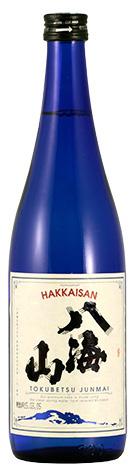
Hakkaisan Signature Brew – Smooth and easy to drink, this sake never feels heavy or tiring. Clean and dry, it can be enjoyed at almost any temperature. When warmed, its rich koji-rice aroma unfolds beautifully, enhancing every occasion.
[ Flavor Profile for Menu Listing ]
Nose of spice, tropical fruit and mint with a full mango, rice and nougat flavor.
The number one, most popular Honjozo Sake rated by top Sake Izakaya pubs in Japan.
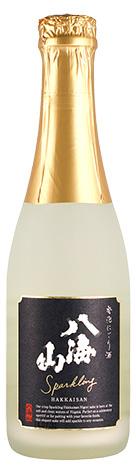
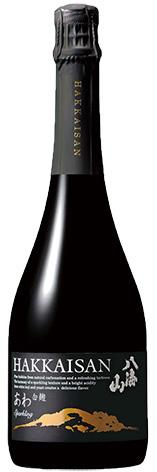
With a refreshing acidity and gorgeous aroma, Hakkaisan Sparkling Nigori is certainly enjoyable as an aperitif, but this popular sake can be enjoyed many ways. Try pairing with rich or spicy dishes as well as fruits and dessert. There is no better way to celebrate than with a toast using this dazzling sparkling nigori sake.
[ Flavor Profile for Menu Listing ]
Delightfully bubbly, aromatic and well-balanced nigori sake. This lightly creamy nigori is refreshing, with a clean and crisp mouthfeel.
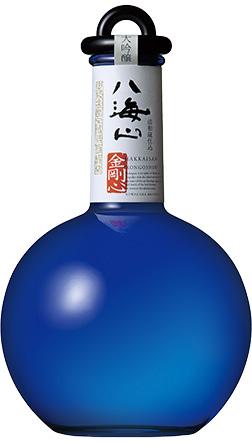
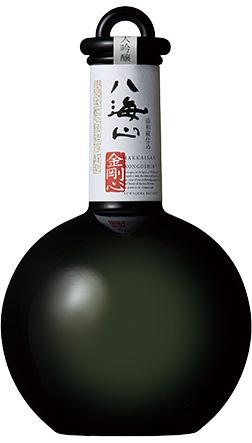
The term Kongoshin, meaning “a firm and stable mind,” is perfectly embodied in this supremely noble brew. Made from the finest sake rice, Yamada Nishiki, polished to the absolute limit, it has been nurtured for two years with the deepest love, care, and supervision. A very limited item.
[ Food Pairing Suggestion ]
Grilled Anago with salt, White fish mousse, Salmon simmered in sake kasu
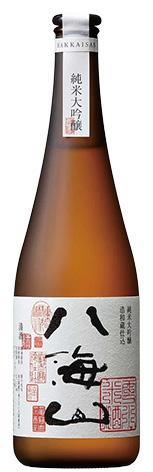
This is a premium sake crafted to achieve the highest quality. With no compromise on standards, the brewers poured in their finest skills and deepest passion. The flavor is refined and elegant, yet rich with umami, enhancing the taste of any dish. Created as a “Japanese sake for Japanese cuisine,” it is designed to shine not only on tables in Japan but also on dining tables around the world.
[ Food Pairing Suggestion ] Japanese cuisine, Western cuisine, Seafood dishes
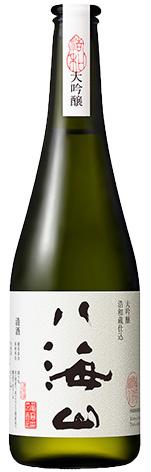
Always striving for the highest quality, Hakkaisan has invested in building Kowagura, a new brewery dedicated to brewing ultra-premium sake. By utilizing every brewer’s mastered skills, knowledge, passion, and commitment to quality, together they created this flavorful and well-rounded premium sake –Hakkaisan Daiginjo Kowagura. It has a clear aroma that complements meals and a clean, crisp taste with a hint of rice flavor that is deep and expansive. It can be enjoyed at any temperature.
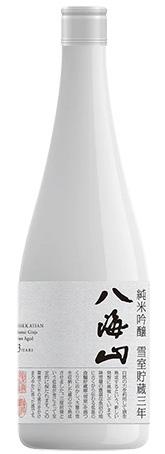
This sake was matured alongside and chilled by a massive amount of snow stored in the same insulated room, known as Hakkaisan's “Yukimuro”. This method of storing food at low temperatures, using the abundant snow provided by nature, has been used traditionally in the snowy region of Uonuma, Japan for centuries. From the cold of the snow alone, temperature is naturally kept stable at 3 degrees Celsius without the use of electricity. After three years, the sake becomes round and very smooth.
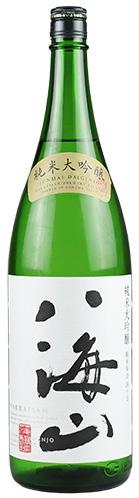
A smooth and refreshing sake that drinks as brisk and refreshing as a cold winter morning. Internationally renowned as a perfect example of the Niigata region's signature crisp and clean brewing style, it has a restrained and delicate aroma offering hints of steamed rice with the barest touch of florility and earth, and the first sip evokes a gentle rice flavor with a pristine and invigorating dry finish.
[ Flavor Profile for Menu Listing ]
Dry and a hint of spice with subtle flavors of stewed apples, lightly toasted nuts and wood. One of the most popular and highly sought after Junmai Daiginjo in Japan.
Hakkaisan Brewery is nestled in deep snow in the winter, and their Daiginjo is made to embody the spirit of the clean, cold air of the season. Experience the alluring aroma and gentle flavor on the palate. Supported by nature and their craftsman, the elegant flavor of Hakkaisan Daiginjo enhances enjoyment of seasonal dishes.
[ Flavor Profile for Menu Listing ]
Very clean, clear and crisp taste. Light texture, restrained aroma.
[ Food Pairing Suggestion ]
Aji-fry, Grilled salmon, Roast beef, Mexican street corn
A balanced, refreshing taste characteristic of "Tanrei Karakuchi" (clean, crisp and dry), incorporating the inherent richness of sake into the freshness of freshly squeezed raw sake. This Junmai Daiginjo is carefully brewed through a long-term, low-temperature fermentation with a polishing ratio of 45%. Enjoy its luxurious flavor.
Hakkaisan Clear Sparkling “AWA” is made using the foremost in brewing technology while honoring the traditions of Japan's sake history, and is carbonated naturally with a secondary in-bottle fermentation to create a clear and elegant sake. Enjoy the harmony of flavors and a refreshing tartness from the use of white koji and yeast, all of which are enhanced by fine sparkling bubbles.
[ Food Pairing Suggestion ]
Eggplant and Mozzarella Mille-feuille, Asparagus in Gorgonzola Sauce, Grilled Chicken Wings, Beef Lasagna
This super dry sake is incredible with all kinds of fish, particularly silver-skinned, more oily fish or fatty cuts. Best served at room temperature or slightly warmed to about 104°F to enhance the breadth of the umami & acidity. Hitakami sake are highly sought after by top sushi chefs in Japan after careful consideration and decades of seeking precisely for sake that match best with seafood and sushi.
[ Food Pairing Suggestion ]
Sushi, Seafood dishes, Silver-blue skinned fish, Red fleshed fish
Named after the classic Kabuki play Sukeroku Yukari no Edo Zakura, this sake reflects the enduring cultural connection between Hitakami, sushi, and Edoera food traditions, where sukeroku sushi was a beloved dish of the common people and remains popular today. Crafted to be equally approachable and food-friendly, it offers a restrained aroma, a mellow yet dry profile, and generous umami, with a soft, enveloping flavor that shines best alongside a meal.
[ Food Pairing Suggestion ]
Anago sushi, Uni sushi, Sukeroku sushi, Tamagoyaki
Round on the nose with the scent of concord grape, honeysuckle, sweet steamed rice, and ripe Asian pear. Incredibly well balanced on the palate - it envelops the entire mouth quickly, with a gentle sweetness and a reserved acidity. Less than 2000 bottles made in a year. Aged in-bottle, completely undiluted, exclusively from the nakadori (middle) portion of the sake's pressing process, which is considered the best portion of the press. Finally, all the Yamada Nishiki used is “Special A” grade - the highest grade rice harvested in the famed fields of Yoshikawa.
Expressive and luxurious on the nose, with aromas of ripe apple, steamed rice, chestnut, lychee, and fresh grass. The palate is bold and focused, showing the intensity and sharp definition of genshu, supported by lively acidity. Savory and complex, it finishes long yet clean, leaving a refined impression. This sake is bottled undiluted and aged in bottle, using only nakadori—the prized middle cut of the press, known for its elegance and balance. Crafted exclusively from “Special A” grade Yamada Nishiki grown in Hyogo, this limited release is produced at just 2,000 bottles annually.
[ Food Pairing Suggestion ]
Chawanmushi (savory egg custard), Sea bream, fatty tuna, Caesar salad
Floral but reserved on the nose; honeysuckle, sweet banana, rice cake and white pepper. Elegant and smooth, a touch of sweetness but finishes with a deft dryness. Medium light weight, light acidity, long finish. Gentle and clean, this sake matches well with the delicate flavors often found in Japanese cuisine. Aged in-bottle and undiluted, this sake's Yamada Nishiki - which is the highest grade available of Hyogo's rice harvests - is grown in the famed fields of the Tojo District. Less than 1700 bottles made in a year.
[ Food Pairing Suggestion ]
Sushi, Sashimi, Chilled crab, Oysters, Arugula with lemon and pecorino
Using naturally dried Yamada Nishiki rice from Arata Kousaku's organically fertilized farm, this sake reaches the highest level of quality. The aroma is modest yet fruity, and the first sip conveys an incredible roundness of flavor both contributing to the balance of its character.
[ Flavor Profile for Menu Listing ]
The aroma is modest yet fruity, and the first sip conveys an incredible roundness of flavor, both contributing to the balance of its character.
[ Food Pairing Suggestion ] Japanese food, Chinese food, French food
Crafted from carefully selected Yamadanishiki rice and aged for eight years at ice-cold temperatures, this sake is very delicate on the nose, with hints of honeysuckle and musk melon. Gorgeous, deep-reaching fruit flavors unfold alongside complex minerality, finishing clean, refined, and sharply defined.
[ Flavor Profile for Menu Listing ]
Boasts a very light nose of honeysuckle and musk melon, a light to medium body, a gorgeous true depth of flavor, and a clean cut finish.
The color is crystal clear with a faint hint of yellow. The aroma is elegant and richly expressive, featuring fruit notes of yellow apple compote, yellow peach, apricot, and quince, complemented by floral aromas of fragrant olive and wintersweet. Herbal nuances reminiscent of green bamboo and chervil emerge, along with additional notes of rice flour and sakura mochi, harmonized with subtle hints of boxwood and Japanese cypress. On the palate, a gentle sweetness unfolds into a smooth, rounded impression, balanced by mild acidity, and finishes with a lingering mineral note.
[ Food Pairing Suggestion ] Snow crab sashimi, Chicken cordon bleu, Sole à la meunière, Emmental cheese, Dim sum, Yakitori
A sharp and solid tokubetsu junmai sake brewed with the time-honored Kimoto method - a ways to produce sake's mother yeast starter that takes extra time, labor and experience, but yeilds immensely well-structured and umami-rich sake. Recommended serving temperature: 48 degrees Celsius.
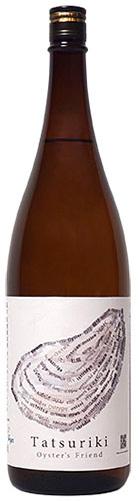
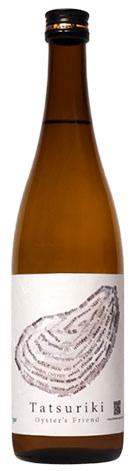
The clear mineral-rich water from Ibo River is used by Tatsuriki for both growing the rice used in the sake, the sake itself. The same river feeds into the Harima Nada sea where oysters prosper thanks to the nutrients provided by the Ibo River. This coastal area on the edge of Hyogo is known for their thriving oyster production. Honda Shoten has created an excellent sake to match with these famed oysters. The subtle banana aroma and sweetness of the sake rounds the following flavors of the oyster, and the delightful acid specific to Shinriki sake rice reveals a refreshing aftertaste.
[ Food Pairing Suggestion ] Oysters and other foods with oceanic salinity
A refreshing sake with aromas of apple, mango, and guava, complemented by a hint of sea breeze. It has a clean, elegant, and concentrated flavor profile, with sweetness and umami reminiscent of tropical fruits, followed by a long finish and a crisp aftertaste, making it a perfectly balanced experience. This Daiginjo is brewed using Yamadanishiki rice from the Toku A district in Hyogo, crafted to the same standards as those entered in the National New Sake Awards.
[ Food Pairing Suggestion ]
Sashimi of crustaceans, Tempura served with salt, Hot pot of winter yellowtail shabu-shabu
The aroma is gentle, and the rich umami and sweetness gradually unfolds, finishing with pleasant acidity. This Junmai Ginjo sake is brewed with "Shinryu Nishiki," a sake rice variety developed by the brewery. The brewery, located in Banshu, combined the "Shinryoku," widely cultivated across Japan during the Meiji and Taisho periods, with "Yamada Nishiki," which has reigned as the king of sake rice from the Showa era to the present Heisei and Reiwa periods. This new sake rice was developed over more than 10 years. It combines the sweetness and mellowness of Yamada Nishiki with the distinctive acidity of Shinryoku, creating a sake that is both interesting and romantic from a brewer's perspective.
[ Food Pairing Suggestion ]
Steamed egg custard, Sake-steamed thornhead (Kinki), and a Creamy dish made with minced white fish.
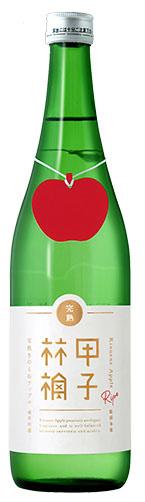
The approchable and highly quaffable Kinoene "Apple" Junmai Ginjo sake uses the power of sake yeast that produces a lot of malic acid that mimics the acidity of apples, and opens up juicy new possibilities. Additionally, by performing kanjuku - a seasonal sake aging technique - with time the fruity character, richness of texture, and depth of flavor are all brought into balance, all while preserving soft peach, pear, apple and citron aromas, and emphasizing the deliciously tart and crisp, white wine-like finish.
[ Food Pairing Suggestion ]
Sea bream carpaccio with Pesto, Smoked duck, Karaage with lemon juice, Shiso and ume-stuffed cordon bleu, Cured mackerel
By introducing pasteurization in a bottle, you can now enjoy the fresh taste of raw sake and the gas sensation from fermentation. It has a fruity aroma, with a refreshing sourness and a sweet aftertaste.
[ Food Pairing Suggestion ]
Goes well with white fish, Shrimp, Scallop, and Seafood dishes with light seasonings. It also goes well with western dishes such as Thai carpaccio with Genovese sauce, Seafood gratin with white sauce, and cream stew.
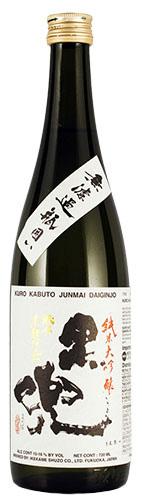
Using rare sake rice, Kuro Babuto offers a unique taste, that has never been found in Japan before. Its acidity imparts a pleasant taste that is different from Kimoto and Yamahai. Enjoy the sweet strawberry aroma and refreshing taste of Kuro Kabuto.
[ Flavor Profile for Menu Listing ]
Sweet strawberry aroma and refreshing taste.
[ Food Pairing Suggestion ]
Chicken teriyaki, Fried oyster, Fish tempura, Fatty sashimi
This dry sake has a reserved aroma and an umami that expands in the mouth. Finishes with a light and sharp acidity. This sake is not just dry, it has umami.
[ Flavor Profile for Menu Listing ]
This dry sake has a reserved aroma and an umami that expands in the mouth. Finishes with a light and sharp acidity. This sake is not just dry, it has umami.
A balance between a reserved ginjo aroma, elegant umami and just the right amount of acidity. This sake have a clear and transparent flavor that works well with meals.
[ Flavor Profile for Menu Listing ]
A balance between a gentle Ginjo aroma, elegant umami and just the right amount of acidity. This sake has a clear and transparent flavor that works well with meals.
[ Food Pairing Suggestion ]
White fish sashimi, Carpaccio, Boiled greens in bonito-flavored soy sauce, Grilled fish with salt, Olives
A refreshing ginjo aroma that resembles ramune. Fresh and tender on the palate with a clean sharp acidity, This junmai ginjo is clean and clear with no offflavors and has a moderate body and juicy umami.
[ Food Pairing Suggestion ]
A sake that can pair with any thing. Oden, Grilled fish marinated in shio koji, Cheese
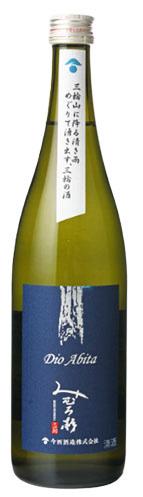
In Italian, the term "Dio Abita" refers to the place where the gods live. Imanishi Shuzo utilizes the subterranean streams of Mt. Miwa (said to be the water of the gods in Japan) and Yamada Nishiki polished to 60% remaining of it's original size to make this soft, modern sake. Although it's 13% alcohol by volume, it is an undiluted genshu sake that boasts fresh florility-driven soda-pop aromas, and has a juicy, plump flavor offering umami, sweetness, and a crisp finish.
[ Food Pairing Suggestion ]
White fleshed fish carpaccio, Vietnamese spring rolls
This sake has a vivid fruity aroma, and as the termperature rises, the mellow umami drawn out from the rice's core can be enjoyed. Has a little sweetness at the front, but because of the quick, clean finish, this sake can pair beautifully with Western cuisine.
[ Food Pairing Suggestion ]
Singaporean cuisine, Spanish cuisine, Oysters on the half-shell, Steamers with garlic butter sauce, Crawfish, Venison, Duck
This hearty and bold sake has a refreshing, fruit-like sweetness and a fine lingering finish. As the temperature rises gradually, the firm flavor opens even further, allowing one to feel the quality of the rice and water on one's palate.
[ Food Pairing Suggestion ]
Pairs easily with nearly anything, but goes especially well with fish dishes and seafood.
Alcohol Level: 15.0%, SMV (Nihonshudo) : +4, Sake Rice: Kami no Ho etc. Rice Polishing Ratio (Seimaibuai) : 65%, Acidity : 1.8, Amino Acid : N/A
It has a refreshing yet full-bodied flavor, and is recommended to be drunk chilled or lukewarmly warmed. It is a good sake to drink as a mealtime drink, with a nice crispness and moderate acidity.
Carefully polishing away the outer layers of the famed Yamada Nishiki rice from Kanagawa prefecture, this Junmai Ginjo is made to be good for any time, any meal, and any temperature. The nose is gentle and floral, and it has a delicious and refreshing flavor that cleans the palate.
[ Flavor Profile for Menu Listing ]
The nose is gentle and floral, and it has a delicious and refreshing flavor that cleans the palate.
[ Food Pairing Suggestion ]
Sushi & sashimi, Roast beef, Fresh seafood dishes, Yakitori and other skewers
This special Kanagawa prefecture kimoto sake has a reserved and understated aroma, with light delicate flavors. It is delicious slightly warm, and perfect for enhancing rich flavors and cutting through oil.
[ Food Pairing Suggestion ]
Goes well with red meat, Seafood, Soy sauce and Miso dishes, Fatty tuna, Fatty salmon, Roast beef, Sukiyaki, Steak, BBQ
This sparkling Nigori is wrapped in aromas of yellow peach, lychee, pineapple, and yogurt. The naturally made bubbles are fine and gentle, leaving you with a clean, soft finish that melts onto the palate. Smooth acidity balances the slight sweetness from the rice particles. Chill this sake well for the best experience.
[ Food Pairing Suggestion ] Raw seafood, Carpaccio
The aroma is comprised of juicy yellow apples, strawberry, mint, anise, and herbaceous notes. On the palate, this sake has a round, ample, and broad mouthfeel. The matured fla-vors are layered and persistent, rounding off the acidity.
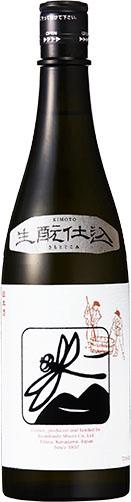
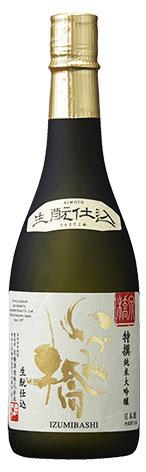
A Junmai Daiginjo sake made using the traditional kimoto-zukuri method and with Izumibashi grown Yamada Nishiki rice polished to 40%. It has a mild aroma of ripe apples, orange blossoms, and jackfruit with a gentle sweetness and a smooth umami finish on the palate. The juicy acidity is veiled by its full mouthfeel, bouncy texture, and hints of straw.
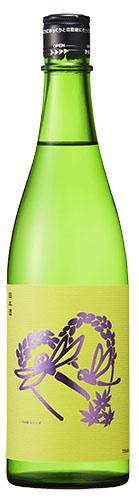
An aroma reminiscent of banana, white flowers, honey buttercream, and lemon biscuits. This sake evokes a lush fruitiness on the palate but still remains mellow. The unique fresh and citrusy acidity of white koji meets the rich umami and dense sweetness of yellow koji in this junmai ginjo. The label features a color gradation from white to yellow to symbolize the two types of koji being used. The idea to brew sake with white koji arose during Izumibashi's research and development of their amazake.
[ Food Pairing Suggestion ]
Carpaccio, Fried dishes, Mushroom ankake, Tofu, Bitter greens, Balsamic sauces, Honey mustard, Sweet desserts, Seasonal fruits, Chinese cuisine w/ rich sauces, French cuisine, Italian cuisine
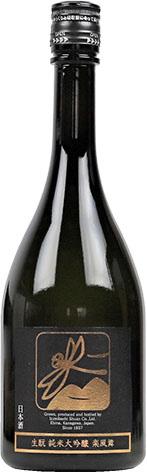
This luxurious junmai daiginjo is ready for an evening of elegance. Rich aromas of ripe apple and melon envelop the senses, with whispers of anise and coconut milk. Juicy fruit and rice flavors dance on the palate dressed in a unforgettable silky smoothness. Made using the unique and rare Rakufumai sake rice polished to 35% paired with traditional kimoto production methods create a brew of the highest caliber.
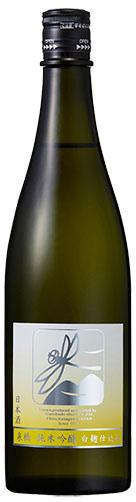
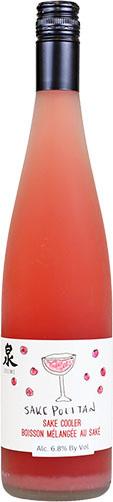
Crafted at Ontario's award-winning sake brewery in Toronto's historic Distillery District. This refreshing cocktail is made with freshly brewed junmai sake, pure Muskoka cranberry juice, zesty lime and Japanese yuzu juice. Red berry and citrus on the nose & palate, as well as sweet and tart cranberry. The aromatic yuzu citrus flavor plays with hints of melon-vanilla notes from the Izumi draft sake. Lingering and refreshing finish.
[ Food Pairing Suggestion ]
Ramen, Karaage, Thai, Dragon roll sushi, Spicy salmon sushi, California roll, Teriyaki
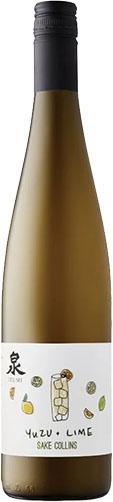
Crafted at Ontario's award-winning sake brewery in Toronto's historic Distillery District with freshly brewed junmai sake, Japanese yuzu juice, and lime juice, this is zippy, tangy and quite lovely. It has a cloudy appearance and is simply overflowing with lime, mint, fresh pastry, floral and herbal tones. A refreshing, bright sipper that would be an ideal addition to cocktail hour.
[ Food Pairing Suggestion ]
Ramen, Karaage, Thai, Dragon roll sushi, Spicy salmon sushi, California roll, Teriyaki
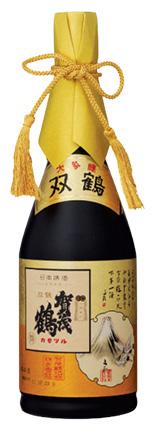
Kamotsuru brewery’s pride and premier sake, Kamotsuru Sokaku Daiginjo uses only the highest quality sake rice, Yamadanishiki. Combined with the skill and passion of Hiroshima Toji, this Daiginjo’s elegant and sublime aroma embodies thetrue art of a Sake. It is also the Japanese royal family’s favorite Sake.
[ Flavor Profile for Menu Listing ]
Elegant aroma with light and dry flavor.
[ Food Pairing Suggestion ]
Complements light-to-medium flavored dishes: tofu, kaiseki and nabe.
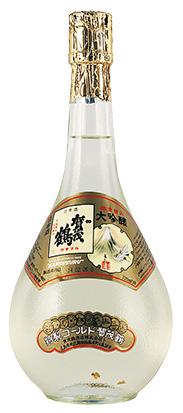
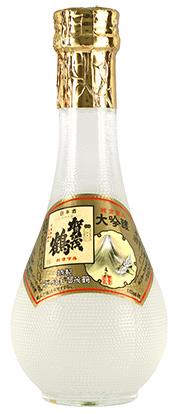
Introduced in Showa era year 33, this sake was the first Daiginjo ever made available for public purchase, and is Kamotsuru's Signature Brand. Gold Leaf Sakura Blossoms dance to-and-fro in the bottle.
[ Flavor Profile for Menu Listing ]
Rich in flavor with a crisp finish and mellow aroma.
Invigorating and fresh Junmai sake. Light bodied and excellent chilled. Aged for a short time unpasturized, and only pasturized before shipping (namachozo).
[ Flavor Profile for Menu Listing ]
Lean with flavors of tart apple and cedar. Lively-fresh and clean flavor, characteristic of a genuine draft.
This unfiltered sake is aged for one year at -10 and has a pale gold color with refreshing acidity. Serve chilled in a large wine glass to accentuate its deep, refreshing flavors. It has a smooth texture that expands on the mid-palate and offers an elegant mouthfeel, finishing with a dry note.
[ Flavor Profile for Menu Listing ]
Soft & sweet aroma with lively and robust characteristics of a genshu draft.
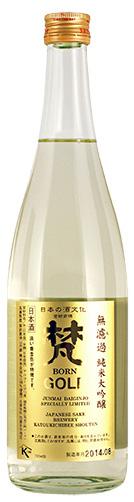
From Katokichibee Shouten, a brewery with a 350 year legacy of fine brewing.
[ Food Pairing Suggestion ]
It is an excellent match for delicate Japanese cuisine as well as dishes made with butter, Cheese, and olive oil.
Alcohol Level: 16%, SMV (Nihonshudo) : N/A, Sake Rice: Special A Grade Yamada Nishiki Rice Polishing Ratio (Seimaibuai) : 20%, Acidity : N/A, Amino Acid : N/A
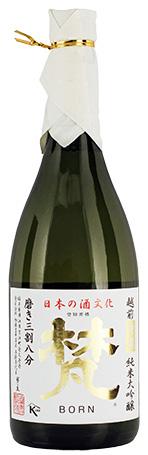
The ultimate Junmai Daiginjo sake made from 100% contract-grown Yamada Nishiki from Hyogo Prefecture's Special Area A, handmade with 20% milling, and aged at -10 ° C for 5 years. The wonderful aroma and deep taste are truly impressive, and are the gems of sake that represent Japanese sake culture.
[ Food Pairing Suggestion ] Fish and meat dishes in general (whether Japanese, Western or Chinese).
Aged for a full five years at -5 degrees Celsius - the ultimate Junmai Daiginjo sake. It's massive aroma and flavorful personality are kept partially subdued with a sinfully silky mouthfeel. Has an interesting, cleanly cut finish, despite the richness.
[ Food Pairing Suggestion ]
Delicate Japanese Dishes, Dishes cooked with butter, Cheese and olive oil.
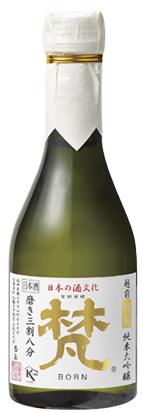
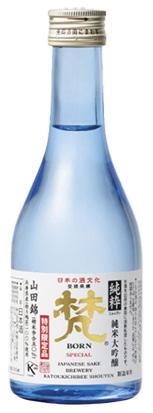
Born's Special Junmai Daiginjo, aged for a minimum of two years at 0℃ .Mediumbodied satin-like mouthfeel, and boasts the mature fragrance of grapefruits. Delightfully debonair.
[ Flavor Profile for Menu Listing ]
Medium-bodied satin-like mouthfeel, and boasts the mature fragrance of grapefruits. Delightfully debonair.
[ Food Pairing Suggestion ]
Delicate Japanese Dishes, Dishes cooked with butter, Cheese and olive oil.
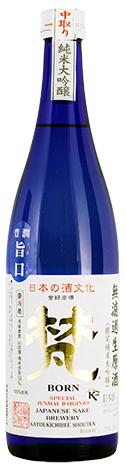
A richly flavorful sake with a robust body characteristic of unprocessed sake, yet imbued with a fragrant aroma and the fresh, seasonal taste sealed within – a truly 'full-bodied and savory' delight.
[ Flavor Profile for Menu Listing ]
Rich aroma with lively and robust characteristics of a pressed draft genshu. From Katokichibee Shouten, a brewery with a 350 year legacy of fine brewing.
[ Food Pairing Suggestion ]
A dish that pairs wonderfully with everything from Japanese to Western cuisine. It also goes perfectly with desserts and cheese à la carte, adding a vibrant touch to your table.
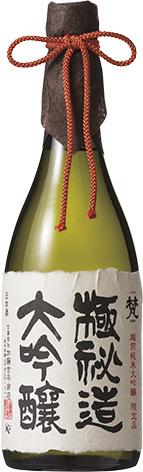
Born Gokuhizo was originally produced in 1968 with a rice polishing ratio of 40%, which translates to a 20-30% polishing ratio by today's standards. This was an incredible feat at the time since rice polishing technology was not as advanced as it is today, and breweries were submitting competition-grade sake with a 50% polishing ratio to the Annual Japan Sake Awards. Born Gokuhizo was the first junmai daiginjo sake commercially available in Japan in 1968. Born Gokuhizo is currently produced with a 35% rice polishing ratio due to improvments in rice polishing technology.
[ Food Pairing Suggestion ]
Dishes prepared with butter, Cheese and/or olive oil, as well as Japanese cuisine.
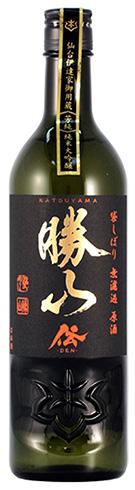
Brewed with a traditional sake brewing method, Den features a fruity aroma and distinct rich flavors.This sake has the true characteristics of a Junmai Daiginjo. Its crisp and clean umami stands out clearly and lingers as a distinctly mouthwatering aftertaste. It is an excellent choice to pair with tuna and salmon sushi/sashimi. It also goes well with meat and meat dishes prepared in both Japanese and western style. Den means "tradition," referring to the traditional way this sake is brewed. The name Den also can mean "to convey" thoughts and feelings.
[ Flavor Profile for Menu Listing ]
Fruity aroma and distinct rich flavors. Crisp and clean umami flavor. Lingering and distinct aftertaste.
[ Food Pairing Suggestion ]
Fatty fish Sashimi such as Toro and Salmon, Yakiniku, Sukiyaki
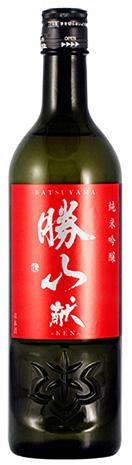
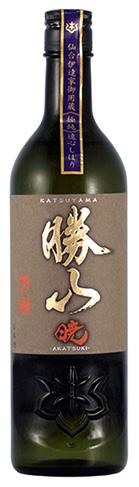
This is an expertly Junmai Ginjo with a 50% milling rate. Very reasonably priced compared to other Katsuyama sake but still maintains the same superior quality. Has a light fragrance and is very flavorful. A perfect sake to pair with many types of dishes.
[ Flavor Profile for Menu Listing ]
This elegant sake features a gentle, clean nose and smooth drinkability with flavors that expands into a softly supple fullness. Superbly balanced and well-rounded finish.
A remarkable sake from Katsuyama brewery in Akita prefecture. Akatsuki Junmai Daiginjo is a “centrifuge” sake, meaning the mash is separated from the sake using an expensive, space age centrifuge machine. This sake is amazingly complex and comes with many tantalizing opportunities for pairing with both western and eastern cuisines.
[ Flavor Profile for Menu Listing ]
A Chablis-styled SAKE with complexity, providing scents of flint, earth, jam, citrus and peach.
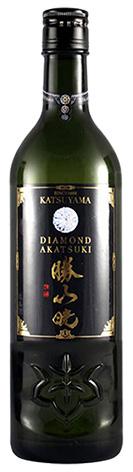
Diamond Akatsuki is brewed to perfection resembling the true beauty of a flawless diamond. By embracing the 4C's of diamond analysis (color, cut, clarity and carat weight), each bottle is made with care, and contains the finest droplets coaxed out during centrifugal filtration of Katsuyama Akatsuki. This derivative creates this heavenly elixir that elegantly parades its solid umami flavor of rice on the palate while leaving a serene aftertaste with everlasting clarity. Undeniably, the ultimate sake for today's world that best suits the name "liquid diamond."
[ Flavor Profile for Menu Listing ] Clear-cut flavors, sweet rice notes, and delightfully pronounced body.
[ Food Pairing Suggestion ] "Kaiseki" style dishes, any kind of meat dishes
A blended sake combining the richly aromatic, flavor-packed Shizuku sake with the full-bodied taste of Fuku-shibori. The rich umami and fragrance of the rice are in perfect harmony, and the more you sip, the more the lingering finish unfolds on your palate.
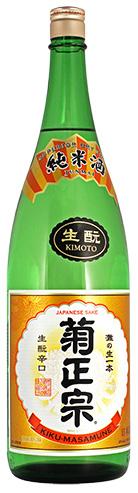
By borrowing the power of the same naturally-occuring lactobacillae that have been produced in the Kiku-Masamune brewery for generations, this carefully & deliberately brewed sake Kimoto Junmai is born in the heart of the Nada ward of Hyogo (A region historically famous for Sake) where the brewery has been operating since the early Edo period of Japan. The sake itself has a deep, round flavor and is excellent at any temperature with nearly any kind of food.
Blueberries and strawberries on the nose with flavors of almonds, tart pear and melon in the finish. A natural Kimoto brew from Kikumasamune Shuzo, known for their signature dry flavor.
[ Food Pairing Suggestion ]
Washoku, Richly-flavored dishes, Meat and Poultry, Special Rolls [ Flavor Profile for Menu Listing ]
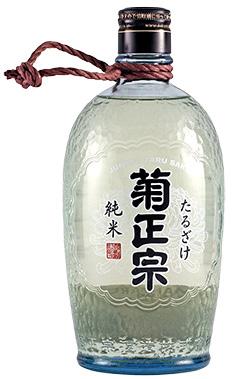
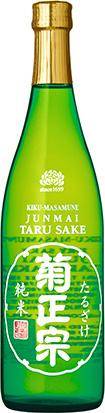
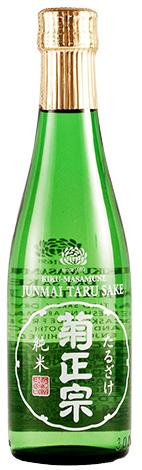
Authentically-brewed Dry Junmai Sake is sealed into New Casks of Yoshino Cedar, and is only broken open for bottling once the sake reaches KikuMasamune's standard of excellence. We invite you to experience the invigorating cedar aroma and soft yet bright flavors. A nod to the Edo Period of Japan, when sake first started being produced on an industrial level, and was stored and transported in large wooden barrels by ship.
[ Flavor Profile for Menu Listing ]
Nice aroma of cedar smoke with spicy, banana chip flavor. True to tradition, aged in Yoshino cedar casks.
Kiku Masamune's latest masterpiece - a Kimoto Junmai Daiginjo - has an elegant fragrance, gentle and delicate mouthfeel, and the deep and distinctive flavor of kimoto sake which brings everything into a balanced and harmonious crescendo.
[ Flavor Profile for Menu Listing ]
Elegant fragrance, gentle and delicate mouthfeel, and the deep and distinctive flavor of kimoto sake which brings everything into a balanced and harmonious crescendo.
Kimoto Daiginjo Sake has a well-balanced balance of gorgeous aroma and deep taste peculiar to Kimoto type. A stylish dry sake that you can enjoy with your dishes.
[ Flavor Profile for Menu Listing ]
Gentle aroma of yellow apple, banana and wet leaves. Mild and creamy
Using Kiku-Masamune's newly developed sake yeast HA14 lends this sake the fragrant aroma of fruits and flowers - enticing ripe banana and cantaloupe with bright sweet honey-crisp apples. Fruity, textured, round and smooth this light yet umami-rich Junmai grade finishes with a lingering umami and is a major crowd pleaser. Serve chilled for best results.
[ Flavor Profile for Menu Listing ] Semi sweet light-umami flavor, with a clean & finish.
[ Food Pairing Suggestion ]
Pork Kakuni, Tempura, Apple Fritters, Tortas, Mini Sliders with Pickles, Chicken Karaage
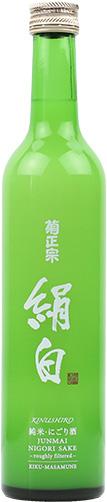
Silky smooth and smartly chic in a frosted glass bottle, Kinushiro is a Junmai grade nigori sake with a clean and refreshing aftertaste and a full but elegant character.
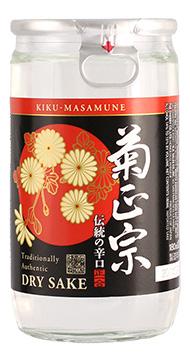
Kiku-Masamune's original yeast Kokumi Alpha-Kobo is blended with their treasured and protected KIKUMASA-Kobo to create into the peerless W-Kobo used in a new dry brewing technique. The resulting sake is an exceptionally pragmatic, sharp, versatile, and of course extra dry.
[ Flavor Profile for Menu Listing ] Umami-rich flavor, with a clean and dry finish.
This is an extra dry Junmai sake made with Gohyakumangoku rice, which is cultivated in Nasu highlands. The soft mouthfeel and exquisitely dry finish allow one to sense this sake's abundent umami, and it is enjoyable both warmed and chilled.
[ Food Pairing Suggestion ]
Fish boiled in sweet soy sauce broth, Stewed dishes, Stir Fried dishes
This Junmai sake is brewed with Nagano's prefectural rice Takane-Nishiki. The rice is polished with the Henpei method, which effectively removes unnecessary parts of the rice while retaining as much starch as possible. This polishing method takes time, but creates a rich, clear flavor full of umami. Notes of marzipan, plantain and palm leaves. When served chilled, the acidity and finish are crisp creating a more refreshing experience. When served gently warmed, this sake shines. Warming the sake mellows and rounds out the acidity while adding weight to the palate and releasing cereal grain and dried longan notes.
[ Food Pairing Suggestion ]
Simmered fish, Tempura, Roast Beef and other strongly flavored dishes
This Honjozo Nama-Chozo sake presents a fresh and light, yet refreshing flavor that invigorates your taste buds. Through special processing, it harmonizes seamlessly with a diverse range of foods. Nagano Kikusui Brewery has meticulously chosen the local premium Nagano rice varietal, Takane-Nishiki, delivering a clean initial taste that evolves into a delightful umami on your palate. Best enjoyed when served chilled.
[ Food Pairing Suggestion ]
Light dishes such as stir-fried leafy greens, Tempura of sillago (kisu) or vegetables, Seafood dishes
Kikusui sake rice (father of the renowned Gohyakumangoku sake rice) had been all but lost to the world for half a century.... that is until Kikusui Sake Company tepped in. They spearheaded the effort to revive this ancient strain from only 25 grains, and now attempt to pay homage to its legacy of elegance. After they gently and methodically polished away the outer 60% of the rice grains, their brewers set to work and were rewarded with a pure, mellow aroma. The flavor is affable and light, and carries itself deliberately over the pallet. It is bolstered by the complexities and natural dryness brought to the table by the ancient Kikusui sake rice. Enjoy slightly chilled for a rare drinking experience.
[ Food Pairing Suggestion ] Fried white fish, Sashimi
This drink has a pure and clear taste with no off-flavors, having a smooth texture that glides effortlessly over the tongue, accompanied by an elegant and refined ginjo aroma.
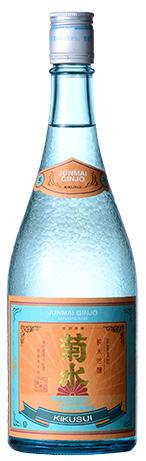
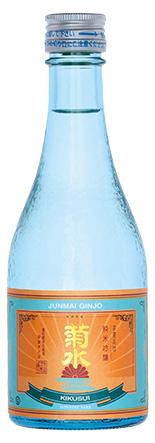
The clear nectar contained in this gorgeous blue bottle will impress upon you a gentle, fruity aroma and a light dry finish. A charming aspect of Kikusui Junmai Ginjo is that that it draws out the inner flavors of accompanying dishes, however there is no single style of cuisine with which it absolutely must be paired. A fine choice for restaurants and beginners to sake.
[ Flavor Profile for Menu Listing ]
A sweet aroma of rose and Mandarin orange with a clean and spicy finish. From Kikusui Shuzo, the Gold Award recipient at the National Sake Competition in Japan.
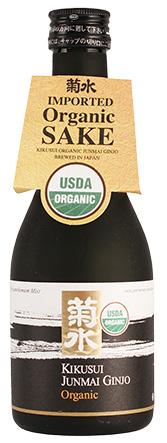
Kikusui Organic Junmai Ginjo, inspected and certified by the infamously harsh scrutiny of the National Organic Program, carries itself with a quiet dryness and a respectful disposition. The front of the nose is reminiscent of ripened bananas, blending well with an understated honeydew flavor on the palate. Enjoyable chilled, and a pleasure to pair with light fare, as the quiet and amiable personality of this sake will not hinder the seasoning of your meal.
[ Flavor Profile for Menu Listing ]
Gentle dry with aroma of honeysuckle and a hint of ripe bananas, and the flavor of fresh honeydew melons.
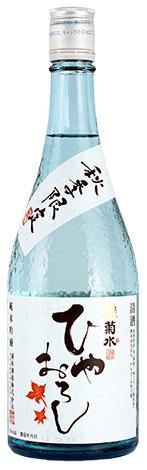
This seasonal sake is a lip-smacking treat for the fall. The balance evident in every sip is achieved through the Edo-era method of aging the bottles in the coolest part of the brewery from spring to fall. They doze there from the end of previous brewing season until the chill (Hiya) of fall creeps in , when the brewery drops (Oroshi) the sake into the market. This sake has a round, lively personality with notes of rice, honey, and roasted nuts.
[ Food Pairing Suggestion ]
Pair with bold Fall flavors to experience the change of seasons
Well-rounded, clean and rich, yet avoids any semblance of heaviness. Kikusui Junmai will nestle itself comfortably in the center of your palate like a cat sleeping in the sun. When the sake is warmed slightly the bouquet becomes bolder, plumper, and the flavors ripple from that snug center down to the tips of your fingers and nose. This sake is Kikusui's best brew to be enjoyed warm.
[ Flavor Profile for Menu Listing ]
Crisp, underripe pineapple flavors with notes of stone fruit and licorice. Serve slightly warm (100 degrees F) to experience the fragrance expand as a more rounded flavor surfaces.
This sake offers a clean, dry taste with a gentle aroma and a sharp, crisp finish that reveals just the right amount of umami richness. It enhances the subtle flavors of light dishes and, with bolder dishes, refines and balances their depth and complexity.
[ Food Pairing Suggestion ]
Chinese cuisine (Sweet and sour pork, Shrimp with mayonnaise, Happosai, Pickled mustard greens, Gyoza), Miso dishes (Miso ramen, Salmon "chan-chan yaki"), Foods or dishes with strong acidity (Vinegared dishes, Kiwi, Apple)
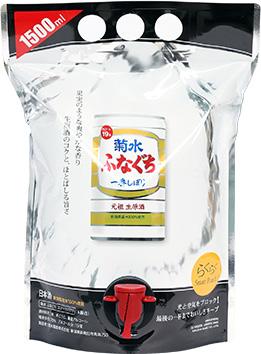
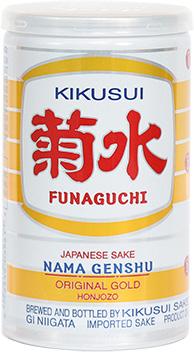
One of our most popular sake -- full-bodied and positively bursting with the fresh and creamy flavor of steamed rice, roasted hazelnuts, and pungent tropical fruit.Pop open an ice-cold Funaguchi to experience one of Japan's most unique offerings for yourself. Since Funaguchi's birth in the 47th year of the Showa period (1976), it has become beloved all over Japan, popular for home and restaurant consumption, and even as a portable treat for hikers and mountain climbers.
[ Flavor Profile for Menu Listing ]
The fresh clear taste of new sake up to two months after production, the richness of the brew after six months.
[ Food Pairing Suggestion ]
Cheeseburger, Shiokara (heavily salted & fermented fish), Szechuan Cuisine & other strongly seasoned Chinese Cuisines, Chicken Empanadas, Ramen, Pizza.
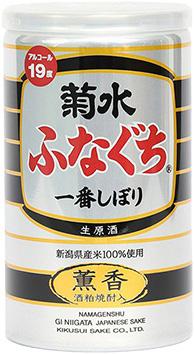
Style meets Depth in this special take on the famous Funaguchi. Instead of fortifying Kunko with the usual jozo (distiller's alcohol), sake-kasu Shochu is used, adding a whole new world to the aromatics and flavors of Funaguchi. Lush and luxurious mouthfeel, with a finish that leaves you smiling.
[ Flavor Profile for Menu Listing ]
Full bodied and rich flavor with distinctive noble aroma and umami.
[ Food Pairing Suggestion ]
Will draw out the flavors of rich, unique foods such as Sea Urchin
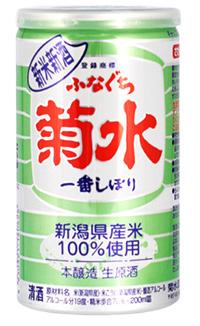
Limited Edition Funaguchi "New-Rice New-Sake" "Shinmai-Shinshu" has arrived. Brewed using 100% newly harvested, locally grown Niigata Gohyakumangoku rice, this is a Funaguchi Experience you can only get your hands on once a year.A rich and electrifyingly vivid treat for lovers of super fresh namazake.
[ Food Pairing Suggestion ] Yakitori and other light salty dishes
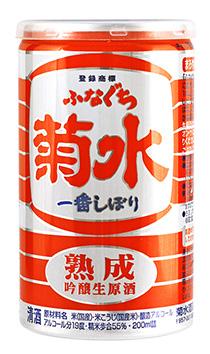
Tempted by the irresistible notion that their flagship canned "Funaguchi" sake would be delicious if aged, Kikusui’s development team pooled their efforts and created this Aged Unpasteurized Sake. As time passes in the cold Kikusui cellars, the active enzymes in the sake elevate the already present richness to new levels - the little red can has a hard time holding all the flavor in. Boasting 19% ABV, gorgeous floral aromatics, strong flavor and personality, this full-bodied sake is great at dinnertime or cocktail hour. For fun times and comfortable afternoons.
[ Flavor Profile for Menu Listing ]
Rich and dense flavor. Full-bodied with a hint of sweetness.
[ Food Pairing Suggestion ]
Richly Seasoned Foods, such as Unagi Kabayaki and Braised Pork
A mouthful of Japan’s #1 selling Nigorizake “Perfect Snow” leaves a perfectly excellent impression. "Impact" is the main idea, coming from a flowery, full body, a crisp and dynamic sweetness, and the delectable aftertaste of steamed rice from the coarsely filtered rice mash particles - not to mention the amazing 21% ABV. It's no wonder there is no Nigorizake that can share the spotlight with this tasty sake giant.
[ Flavor Profile for Menu Listing ]
Full-bodied flavor as the sake passes over the palate and finishes with a crisp, dynamic flavor.
[ Food Pairing Suggestion ]
Spare Ribs, Spicy Korean Cuisine, Strongly Seasoned dishes, Sushi, Yakitori
An extra-rich genshu (undiluted) sparkling sake, with powerfully refreshing Funaguchi flavor. Big playful bubbles meet bring funaguchi's classic fruity aromas and juicy flavors to a brand-new level accompanied by refreshing carbonation. Enjoy this special sake by itself or alongside a meal in a champagne glass, on the rocks, and even mixed with fruits in a cocktial.
[ Food Pairing Suggestion ]
Prosciutto and ham dishes, Hard to semi-hard Cheese such as Gouda, Cheddar and Parmesan, Memphis style BBQ
This sake has a refreshing melon aroma with a touch of effervescence upon opening. The mellow mouthfeel, mild acidity and light sweetness leads to a lovely finish with notes of mochi rice lingering on the palate. This sake pairs with a wide variety of foods. Enjoy it chilled with light fare or experiment with it at different serving temperatures to bring out this sake’s ability to pair with richer fare.
[ Food Pairing Suggestion ]
Light white fish and chicken (steamed chicken is better than grilled). Coronation Chicken salad. Red fruits such as strawberries, apples and peaches. Dairy-based desserts such as tres leches.
Refreshing sweet and tart aromas of melon, red apple, and yellow peach accented by cherry blossoms . Slightly bubbly when opened, with a mellow mouthfeel, gentle acidity, and sweetness. The finish is short, but the sweetness of the rice lingers pleasantly. Ideal food pairings would vary depending on temperature the sake is served at, but this sake is very versatile and can be enjoyed at a variety of temperatures.
[ Food Pairing Suggestion ]
Protein: White fish, chicken (steamed, poached, boiled), chilled poached chicken with sesame dressing & cucumbers. Fruits & Vegetables: Berries, apples, peaches, salad with nuts, nutty dressings
Dairy: Desserts with fresh cream, vanilla ice cream
A gentle, luxurious Ginjo aroma that resembles fresh peaches, ripe apples, and oranges. Slightly fizzy with an exquisite balance of sweetness and acidity. Hints of sweet mochi rice and green herbs bloom on the palate, and the gentle finish and fruity acidity harmonize beautifully to create a sense of refinement.
[ Food Pairing Suggestion ]
Seafood: White fish, blue-backed fish (raw or lightly grilled) & other seafood (squid, scallops, etc.) with salt and citrus, seafood-based hot pots. Protein: Light/lean meats, tofu, eggrolls or lumpia
Dairy: Caprese, desserts with fresh cream or mascarpone cheese
Other: Balsamic vinegar, dishes featuring soy sauce and miso, green herbs
Alcohol Level: 15%, SMV (Nihonshudo) : +2, Sake Rice : Saga no Hana Rice Polishing Ratio (Seimaibuai) : 65%, Acidity : 2.5, Amino Acid : 1.2
Junmai
Quiet aromas of liquorice and herbs with a round and light mouthfeel. Refreshing and smooth flavor with a nice balance of rustic acidity and umami. When warmed, the acidity and dryness are enhanced, but then the sweetness of the rice gradually surfaces. Try this sake chilled for a smoother mouthfeel, or warmed for more pronounced umami notes from the rice. This sake comes in a reusable Imari ware porcelain cup in five charming traditional patterns.
[ Food Pairing Suggestion ]
[With chilled NOMANNE] White fish, shellfish, chicken, chilled poached chicken with sesame dressing & cucumbers, berries, apples, peaches, other fruit from Rosaceae family, salad with nuts, desserts with fresh cream or vanilla ice cream [With warmed NOMANNE] Sautéed mushrooms, roasted radish or tunip, braised dishes, white mold cheese (Brie de Meaux)
Low in acidity, with a subtle sweetness reminiscent of shiratama (glutinous rice dumplings). Though slightly viscous, a pleasant ricederived sweetness gently spreads across the palate. Selected as a First Class sake on JAL domestic flights in 2015. Featuring a refined, luxurious ginjo aroma, this beautifully crafted sake offers a juicy, sweet, and smooth flavor. The elegant harmony with acidity creates a truly indulgent and exquisite drinking experience.
[ Food Pairing Suggestion ]
Mild white fish, hot pots or soups made with fish-based broth such as dried sardines, Dishes seasoned with fermented soybean products like soy sauce or miso, Dishes or desserts made with dairy products such as fresh cream or mascarpone cheese, Berry fruits, Tropical fruits.
A gentle, elegant ginjo aroma reminiscent of ripe peaches. Slightly sparkling, with a well-balanced interplay of effervescence, sweetness, and acidity. Subtle sweetness akin to shiratama (glutinous rice dumplings). A pleasant ricederived sweetness spreads across the palate, followed by a smooth, peach-like finish where richness and acidity harmonize beautifully, creating a refined and luxurious impression.
[ Food Pairing Suggestion ]
Light meats, White fish, Blue fish (raw or lightly seared), Seafood such as squid and scallops, Hot pot or soup dishes with dried sardine or fish-based broth, Dishes seasoned with soy sauce or miso, Dishes or desserts made with fresh cream or mascarpone cheese.
A sweet, grape-like aroma. Slightly sparkling upon opening. Light and smooth on the palate. Excellent balance between crisp acidity and sweetness. Pairs well with delicate ingredients, but also complements dairy-based desserts like ice cream. It works wonderfully when served in the style of a dessert wine.
[ Food Pairing Suggestion ]
White-fleshed fish like sea bream, Chicken, Salads with nuts, Bang bang chicken, Strawberries, Apples, Peaches, Fresh cream, Vanilla, Ice cream, Soups or hot pots made with seafood broth, Umami-rich fish (sashimi, sushi).
This Junmai Daiginjo is certified Kosher and Vegan. Characterized by its exquisitely balanced ginjo aroma, the unique umami of Yamada Nishiki rice, and clean finish. A Gold Award winner in the Premium Daiginjo category of the Fine Sake Awards for four consecutive years. The sake lees of this sake are aged for over three years then brewed together with Junmai sake in a large 30-koku wooden vat to create Saika's Ginjo Red Vinegar. The ultimate pairing for this sake is sushi made with Saika's Ginjo Red Vinegar.
[ Flavor Profile for Menu Listing ]
The elegant and refined Ginjo aroma and rice Umami flavor.
[ Food Pairing Suggestion ]
Battera, shiny bluefish oshizushi, sushi - especially salmon nigiri made with Kokonoesaika's red vinegar
A sake with an elegant aroma and profundi flavors derived from the Yamahai brewing process. Recommended to be served chilled, at room temperature or warmed.
[ Flavor Profile for Menu Listing ]
It features a refined fragrance and deep Yamahai flavor. Cool to warmed, appropriate for various temperatures.
[ Food Pairing Suggestion ]
Red vinegar made from this product's sake kasu is available.
A nigori sake that achieved the sparkling effect through secondary bottle fermentation. It avoids the thick, mucky mouthfeel some nigori sake have, instead going for a refreshing and light effect. This sake is famously low in sweetness and has very gentle, natural carbonation. Notes of apple and pear.
[ Flavor Profile for Menu Listing ]
Cotton candy on the nose, slightly effervescent with the flavor of caramel apple and a mildly bitter aftertaste. The Symphony Nigori Sake.
[ Food Pairing Suggestion ]
Salmon, Roast Beef, Grilled beef kalbi, Cheese with less salt
The centrifuge system is a revolutionary method that separates sake and lees from moromi with a centrifugal force of 3000 revolutions per minute. Because no pressure is applied during squeezing, it produces a natural, top-quality sake like Shizukuzake.
A bold and full-bodied Junmai Ginjo sake produced using selected grains of Gohyakumangoku sake rice, known for a high standard of quality that brings out the best in any brew. This sake is the culmination of 140 years of brewing history and technique, and incorporates delicious mineral water from Mount Akagi - a composite volcano that is home to a quiet temple, cold northern winds, and lush vegetation.
Combining the pristine water of Akagi Mountain and the esteemed techniques of Iwate Nanbu Toji (aka. “a northern sake brewing guild"), this sake is a handcrafted masterpiece. Aromatic, with notes of ripe fruits and flowers, this medium bodied Daiginjo pairs well with vegetable crudité, shrimp shumai and/ or gyoza.
[ Food Pairing Suggestion ] Seafood risotto, Vegetable terrine, Oysters on the half shell
This sake is crafted to preserve the beautiful terraced rice fields of Tochio for future generations, where abandoned farmland has been increasing. Working closely with local farmers, we oversee everything from rice cultivation to brewing, creating a sake that truly reflects its terroir. It offers a gently fragrant ginjo aroma and remarkable balance—despite being polished down to 21%, the rich character of the rice remains beautifully expressed. The texture is soft and glides smoothly across the palate, quickly unfolding with deep umami, followed by a clean, crisp finish. Made with 100% Koshitanrei rice from the Tochio terraced fields, this sake is available in limited quantities."
This "kanpyokai shuppinshu" or sake produced specifically for the Annual Japan Sake Awards (Zenkoku Shinshu Kanpyokai) is brewed from late January to late February, when the outside temperature is at its optimum for sake making. Produced exclusively with 100% Koshitanrei rice from the local Tochio area and polished down to 38%. It is one of the highest quality sake produced by the brewery showcasing the toji's skill and quantities are limited. This daiginjo has a splendid aroma, rounded flavors that blooms beautifully on the palate, and a bright, refreshing finish. Notes of husky coconut sugar, cucumber, ripe apple, juicy melon, and a dash of white pepper.
[ Food Pairing Suggestion ]
Seafood tempura, Smoked chicken, Prosciutto and other dry-cured ham, Shiokara
Kijoshu is made by incorporating sake instead of water during the last step of fermentation, lending a sweeter, richer, and more concentrated flavor, similar to noble rot wine. This product is a rare kijoshu-style sake aged in oak barrels giving it more complexity and depth than regular kijoshu. On the nose, there are aromas of oak, honey, black pepper, and butterscotch. This full-bodied sake is smooth and rounded with notes of cinnamon, toffee, and the nuances of honey are enhanced by the barrel aging. Delicious as is or transform it into a Old Fashioned cocktail with an orange peel and bitters. Since this sake is stored and aged in oak barrels, there may be some sediment from the barrel.
[ Food Pairing Suggestion ]
Mimolette cheese, Blue cheese. Marinated shrimp, Foie gras pickled in sake lees, mildly sweet desserts
Made with pesticide-free cultivated Iwai rice, a sake brewing variety grown in Fushimi, Kyoto. Among nigori (cloudy) sake, this Junmai Daiginjo Nigori stands out as exceptionally luxurious and refined, offering a fresh and sharp flavor. The unique sweet richness of nigori sake spreads in the mouth, intertwined with fine, lightly sparkling bubbles, delivering a taste like no other. Truly, enjoy this "sparkling rice sake." For a different and mellow experience, try mixing it with a light-flavored beer.
In contrast to its gorgeous aroma, it harmonizes elegantly with the flavors of your dish in the mouth, gradually fading away. It has been crafted with compatibility in mind for all types of cuisine. A gentle ginjo aroma, lightness, and fine texture are beautifully balanced. It also pairs exceptionally well with bitter chocolate and desserts that aren't overly sweet. Enjoy the soft fragrance and smooth mouthfeel together in a wine glass.
[ Food Pairing Suggestion ]
Japanese and Western Cuisine. Bitter chocolate and desserts that are not too sweet.
"Iwai" rice from Fushimi, Kyoto, is cultivated under contract with select farmers using pesticide-free farming methods. The rice is deliberately left unpolished to preserve the powerful, full-bodied flavor and the natural sweetness inherent in the carefully grown, high-quality sake rice. The rich depth characteristic of low-polished rice is retained, while a refreshing, smooth finish is pursued. This junmai sake offers a refined, concentrated umami that brings out the unique character of Iwai rice, along with an aroma reminiscent of freshly steamed rice. It is best enjoyed in a thin glass, flat sake cup (hirahai), or traditional ochoko.
[ Food Pairing Suggestion ]
Dishes that use dashi, Simmered dishes, Grilled fish, Meat dishes
This junmai daiginjo sake is mellow with a rich umami and a light fruity aroma. Their koji is made not by machine, but by hand in small batches, using a traditional method of "koji hako" (or kōji boxes) to convey the pure flavors of the rice with strict quality control.
[ Food Pairing Suggestion ]
Oysters on the half-shell with with mignonette sauce, Octopus carpaccio, Sole meunière
Gohyakumangoku rice is polished down to 50%, and fermented very slowly at low temperatures, which enhances the natural umami of the rice, and produces a subtle aroma, and a round clean flavor. The most popular Junmai Ginjo sake amongst professionals in Japan for the past 2 decades.
[ Flavor Profile for Menu Listing ]
Mild floral aroma of honeysuckle with a hint of tropical fruits.
“Kin” means “gold” which serves as a unique signifier for this Daiginjo sake. Carrying bright fragrances of banana and green apple this sake gives way to round and smooth flavors of creamy rice. On the lighter-side of Daiginjo, but pairs will with many dishes.
High-quality Yamada Nishiki rice polished down to 38% is used to brew this sake. Pasteurized only once after pressing, then directly to bottle and stored in refrigeration. This process locks in the sake's elegant aromas and flavors as it matures. The result is a refined daiginjo with a sophisticated, crisp aroma and a smooth, clean finish.
[ Food Pairing Suggestion ]
Dishes made with seafood. Sushi, Sashimi, Seafood salad, Grilled fish
This flavorful Ginjo sake is made with 100% "Bizen Omachi" rice, which is quite rare, expensive, and difficult to obtain. Has a light and sweet aroma, and is delicious chilled.
Lamb Chops, Beef Stew, Roasted Duck, Uni or Ikura Dishes, Avocado and Shrimp Salad, Steamed Scallops with White Wine [ Flavor Profile for Menu Listing ]
Crisp but complex with fruity tones and rich bouquet aroma.
This liqueur is made by mixing a luxurious amount of Japanese yuzu citrus juice into Junmai sake. It is characterized by a rich and mellow flavor with pronounced acidity.
[ Food Pairing Suggestion ] Fish dishes (White fish meuniere, Fried fish)
A sublime matcha liqueur made with green tea produced in Nishio, Aichi Prefecture. The liqueur features the aroma and the subtle bitterness of matcha in beautiful harmony with the junmai sake base.
Made from 100% Yamada Nishiki rice, the label was designed to evoke the image of a single grain of this pure white Sakamai (sake rice). Has an elegant ginjo aroma, an a pillowy mouthfeel. Splendidly balanced.
[ Flavor Profile for Menu Listing ]
Rich aroma, full-body note and dry aftertaste. Elegant and beautiful impression.
[ Food Pairing Suggestion ]
White Fish Sashimi, Grilled Fish, Soup with Dashi, Nabe Hotpot
One of the best sake from Nanbu Bijin, featuring a gorgeous aroma of fresh and juicy orange, melon, pear, and zesty pineapple. The fruitiness follows through to the palate with the refreshing flavor of apples and the umami-rich sweetness of rice come together in a long-lasting, beautiful, and clean finish. An elegant sake for special celebrations as well as everyday meals. Served in the first-class cabin of Japan Airlines.
[ Food Pairing Suggestion ]
White fish sashimi, Oysters, Delicate shrimp, Steamed fish, Poached chicken, Soba noodles, Olives
Aromas of fresh citrus, ripe fruits, medicinal herbs, and charming florals transport you to a Farmer’s Market. This sake carries a velvety texture alongside the gentle sweetness and umami of rice. Hints of green, herbaceous, and peppery notes peek out on the palate. The sharp, clean finish and savory notes make this sake extremely compatible with food pairings! From fruits to fish, this sake will be your go-to for meals.
[ Food Pairing Suggestion ]
Sashimi, Sardines, Rich Fish (fishy or fatty), Pork, Motsuni, Stewed Tomatoes, Rosemary, Leafy Vegetables, Root Vegetables, Fruit Salad, Fruit Sauces.
Made with local Yuinoka rice milled down to 45%, lending the sake a delicate floral aroma and an exceptionally clean taste. Dry, juicy and full of umami.
[ Flavor Profile for Menu Listing ]
This well balanced Daiginjo sake has a gorgeous aroma. It also has a juicy and fresh flavor reminicient of citrus fruits, and a clean and refreshing aftertaste. Nanbu Bijin Daiginjo is Vegan and certified Kosher.
Gentle aromas of chestnuts and steamed sweet potatoes accompany this sharp, crisp, and full-bodied sake has a synergistic effect with a variety of dishes from around the world. The convenient aluminum can protects the sake from light damage and makes it easy to take it anywhere and for any occassion. Elegant and beautiful sake from start to finish, as expected from Nanbu Bijin.
Nanbu Bijin's Signature Brand, which uses locally grown Ginotome rice. Rich but refreshing, and long lasting with a subtle velvety texture, as well as their savory umami on the mid palate. There is an intensity of aromas including quality rice notes, fruity, floral, and grainy characters, along with marshmallows. Neat, clean, and crafted to pair with a wide range of food, excellent at any temperature.
[ Flavor Profile for Menu Listing ]
Highly fragrant with a rich and lively mouth-feel. Has an excellent presence on the tongue with a wellconstructed and complex undercurrent of flavors. Known as The Southern Beauty!
This elegant and perfectly balanced sparkling sake is made with local Ginotome rice and delicious subterranean water. It has a calming floral aroma and a crisp carbonation which offsets the soft mouthfeel of the sake. Finally, the delicate umami undertone leads the palate to a creamy and satisfying finish.
[ Flavor Profile for Menu Listing ]
With a pleasant, Ginjo aroma, and gentle yet refreshing mouth-feel, this well-balanced sparkling sake finishes with the clear presence of umami from the rice.
Sometimes more can be achieved with less. It seems to be the case with SAKARI Junmai Daiginjo: by polishing off half of the rice grain, the true and rich taste of rice can come through. Full-bodied and mellow, with the robust flavor of rice and a tropical fruity aroma (Ginjo aroma) bursting with freshness. The aroma is created using Nihonsakari's original yeast and the rich flavors and texture come from leaving this sake unpasteurized. Vegetarian, Gluten-free, and Preservative-free!
[ Flavor Profile for Menu Listing ]
Full-bodied and mellow, with the robust flavor of rice and a tropical fruity aroma (Ginjo aroma) bursting with freshness.
[ Food Pairing Suggestion ]
Tempura, Boiled sea bream, Chikuzen-ni, Stir-fried lettuce and beef with oyster sauce, Meat pie, Roasted duck
You will be surprised by how fruity SAKARI Junmai Ginjo can taste. While - of course - it contains no fruit, the fermentation process lets it develop all kinds of natural aromas. A joy for your palate. Tropical fragrances of melon and mango with a rich flavor and plentiful umami. Vegetarian, Gluten-free, and Preservative-free!
[ Flavor Profile for Menu Listing ]
Tropical fragrances of melon and mango with a rich flavor and plentiful umami.
[ Food Pairing Suggestion ]
Tempura (tsuyu), Boiled sea bream, Boiled Chikuzen, Stir-fried lettuce and beef in oyster oil, Meat pie, Roasted duck
Joy can be found in the most unexpected places. You might find it in the elegant and fruity aroma of Sakari Daiginjo: an award-winning sake made from Japanese rice, with the purest water from mount Rokkō. A well-balanced Daiginjo with a vibrant aroma of tropical fruits produced by carefully brewing at low temperatures. A refreshingly light, dry, and well-balanced sake with a soft mouthfeel and rich flavors rice and umami. Vegetarian, Gluten-free, and Preservative-free!
[ Food Pairing Suggestion ]
Grilled sweetfish, Sashimi of white fish, Mashed Tofu salad, Cold steamed chicken, Bon bon chicken, Avocado and shrimp salad
Wherever your culinary adventures lead you, Sakari Junmai will prove a trusted companion. Its simple and smooth taste makes it easy to pair and enjoy with any kind of food. This light and dry sake carries a soft mouthfeel that highlights the beautiful umami of rice with a crisp clean finish. Aromatic notes of steamed rice and mushroom with a touch of herbs. Vegetarian, Gluten-free, and Preservative-free!
[ Flavor Profile for Menu Listing ]
A light and dry sake carries a soft mouthfeel that highlights the beautiful umami of rice with a crisp clean finish.
It takes the whole yuzu fruit - flesh, seeds and peel - to give this Yuzu Sake its rich and fresh taste. SAKARI only uses yuzu from Kochi and Kagoshima, known for their high quality citrus fruits. By making full use of the tartness, slight bitterness, and flavor peculiar to Yuzu, and using junmai sake as raw materials, the refined umami and moderate sweetness creates a delightfully rounded harmony. So deliciously fresh, you'll feel like you're on a vacation in sunny southern Japan. Vegetarian, Gluten-free, and Preservative-free!
[ Food Pairing Suggestion ]
Blanched green vegetables, Pound cake, Ponzu and soy sauce w/ steamed fish, Orange chicken
A blend of junmai sake and 100% premium Uji matcha—one of Japan’s three most renowned teas—this artisanal drink is free from artificial flavors and colorings, offering a pure and natural harmony between sake and matcha. Enjoy the rich umami of the sake, the refined sweetness and subtle bitterness of Uji matcha, and a fragrant aroma that gently fills the palate.
[ Food Pairing Suggestion ]
Enjoy it straight, with soda, or with milk. It’s also perfect for cocktails. This new style of sake is also delicious when served slightly warmed.
“DAIGINJO” means one of the highest classes of sake. Slightly dry, rich in flavor, and a mellow texture with elegant fruity aromatics. This sake brings new flavors and tastes each time it is enjoyed. Enjoy authentic sake with a wine glass for stylish drinking.
[ Flavor Profile for Menu Listing ]
Elegant fruity aroma with mellow texture and slightly dry rich flavor.
[ Food Pairing Suggestion ]
Scallops or Shrimp, Corn, Sunomono, Dishes containing nuts
Nihonsakari Junmai is brewed with Nada’s famous water, Miyamizu. This sake‘s round yet dry taste is highlighted by its umami flavor. Enjoy this sake chilled at 45 degree F, or warm at 120 degree F. [ Food Pairing Suggestion ]
Rich & Dry. Luxurious Ginjo aroma with sharp finish.
Thai, Korean or Chinese cusine, Richly favored dishes [ Flavor Profile for Menu Listing ]
“Nama Genshu” defines sake that is unpasteurized and undiluted. Sake is almost always pasteurized twice and water is added to adjust the aroma and flavor as well as to lower alcohol content before bottling, but this sake does not go through those processes. Full-bodied & rich flavor. Fresh scent with full of freshness.
[ Flavor Profile for Menu Listing ] Full-bodied & slightly sweet.
This is a light and dry sake (unpasteurized) that preserves the fresh flavor and aroma of freshly squeezed ingredients. It has a refreshing taste and smooth finish.
[ Flavor Profile for Menu Listing ]
Onikoroshi is a fresh taste and aroma with a refreshing throat sensation. This freshly pressed sake has an earthy aroma while retaining the original flavor of sake. 甘い SWEET
[ Food Pairing Suggestion ]
Fried chicken (Japanese style, tori no karaage), Crab meat and miso paste : (kani miso), Sweet and sour pork: (su buta), Spicy Sichuan-style tofu dish : (ma po dou fu), Fried chicken (Western style furaido chikin)
A junmai ginjo sake with a gorgeous aroma and a refreshing taste. It pairs perfectly with Japanese cuisine that highlights the natural flavors of the ingredients, as well as with seafood dishes.
[ Flavor Profile for Menu Listing ]
Gorgeous smooth clean flavor with clear finish.
[ Food Pairing Suggestion ]
Sashimi, Raw oysters, Grilled salmon, Chawanmushi, Sushi
Niigata Meijo's "Silver" Junmai is a feat of elegant fragrance and versatility. Pairable with both eastern and western dishes, and excellent at every temperature.
Yamahai Junmai Daiginjo is the symbol of Toji Noguchi Naohiko. Combining the technique of Yamazukuri and Daiginjo, both of which have been refined by Toji Noguchi since the 1960s, Yamahai Junmai Daiginjo has a supreme taste that combines the deep, rich flavor and elegant acidity of Yamahai with the sublime aroma and clarity of Daiginjo. The flavor profile offers notes of custard cream and ripe banana, with subtle hints of Comté cheese and grains. Its texture is smooth, with a soft, full-bodied richness, leaving a delicate aftertaste of caramel and nuts. The sake is beautifully balanced with a mineral finish and an abundance of umami.
[ Food Pairing Suggestion ]
A soft and smooth texture. Best paired with ingredients low in fat, such as chicken or white fish. The matured flavor of the sake pairs especially well with savory, roasted notes like those of sesame.
A fragrance that evokes fruits such as lychee, papaya and pineapple that contains mellow and fresh sweetness with a refreshing sour taste. When you try this sake, you can find a clear and fresh flavor with a balance of sweet aroma and soft umami that produces elegance. It has a long and beautiful finish. Enjoy it with light and delicate Japanese food, not too chilled, in an aromatic vessel like a wine glass.
This sake is made with a local rice nearby the brewery. A fragrance reminiscent of Oriental flowers that is mild and calms. When you try this sake there is a fine, silky, smooth mouthfeel as well as a slightly milky richness. The finish is short and crisp. The sweetness is enhanced at room temperature and mellowness increases at 42°C /108.
This sake has a citrus aroma with refreshing acidity and the scent of lush mountains. When you have a sip the balance of umami and acidity with a soft mouthfeel is pleasant. It feels refreshing -- like herbs in the throat -- and has an elegant, clean finish.
This sake has minerality and is reminiscent of pears. When you take a sip, it has a fresh and refined mouthfeel and spreads its sweet taste and rich flavor across the palate. It goes down well and refreshes. This sake has exquisite balance of all elements. It can be served at a wide range of temperatures, not only cold sake at around 10°C/50°F. It can also be served at room temperature or 42°C /108°F, and can be paired with a wide variety of dishes.
Lean with a strong yet smooth presence, this sake's savory, vegetal character comes with a sharp, dry finish & a long umami tail. Three years of in-brewery aging contributes notes of savory white miso & a hint of dried fruit to the forefront. Enjoy at any temperature.
Refreshing sour fragrance recalls strawberry. When you take a sip, it has a fresh, clean, sweet umami and crispiness from gentle acidity like yogurt that produces elegance. The finish is longer but crisp at last. At 12°C/54°F, you will enjoy its fruity flavor, and at 42°C/108°F, you will enjoy its creaminess and pleasant acidity.
Sweet and sour aroma recalls orange peel. When you try this sake, you can feel a soft, creamy flavor, a slightly sour richness, and a gentle acidity. In contrast to heavy, thick flavors it has an exquisite finish in the throat. It can be enjoyed in a wide range of temperatures from near room temperature to 50°C/122°F.
The aroma is fresh muscat, with melon-like nuances. On the palate, it has a light umami flavor, round and soft acidity, and a moderately bitter aftertaste that goes well with summer foods. Enjoy it well chilled in a glass sake cup.
Soft and refreshing aromas of young citrus with nuances of melon and banana. On the palate, there is light umami, rounded soft acidity, and a slightly bitter aftertaste.
[ Food Pairing Suggestion ]
Minerality, Natural ingredient flavor, Salty, Citrusy [ Flavor Profile for Menu Listing ]
The sake has matured to become a sake that can be enjoyed at a wide range of temperatures. It has a dry expression when drunk cold or at room temperature. When it is warmed up to 40°C / 104°F, the flavour swells and the aftertaste is mellow and the umami reaches its peak. When warmed further, the flavour sharpens to 55°C / 131°F. The umami takes on the flavours of hot meat and fried food, while the sharpness in the throat helps to refresh the palate by cutting the fat. Enjoy it in the cold season at the temperature of your choice, with ceramic cup.
The palate is filled with a full aroma derived from the rice with sweetness and acidity. The aftertaste is pleasantly slightly bitter. The sweetness and acidity are enhanced when stored in the refrigerator, and the synergy with food can be enjoyed more fully when served at room temperature or warmed to a lukewarm temperature of about 40°C / 104°F.
This is a commemorative new sake, the first to be brewed and the first to be squeezed. Fresh, sweet fruit aroma of young green apples. This product has a youthful citrus aroma, a fresh, clear, crisp taste, and a piquant gassy sensation. Since it is a new sake, there is a slight astringency, but it is a special taste that can only be enjoyed at this time each year. Serve chilled, not too cold, at around 10°C/50°F, in glassware.
The 2018 vintage is a commemorative vintage of the 70th year since Mr. Noguchi, known as the “the God of Sake Brewing ”, started his career of sake brewing. This sake is bottled from the single best batch of the entire season, as selected by Mr. Noguchi himself. We introduce this Limited Edition; in which special aging techniques and processes have also been thoroughly undertaken. Please enjoy this ultimate taste which transcends time and borders.
Since the establishment of The Noguchi Naohiko Sake Institute in 2017, Brewmaster Noguchi developed a special edition of sake that has been carefully aged for limited release. For this particular sake, Brewmaster Noguchi himself created the special blend from multiple vintages made with multiple rice varieties, resulting in the one and only NOGUCHI NAOHIKO_01 Special Edition, a limited release of 888 bottles. The sake is bottled in crimson red glass, and the serial number (001/888) will be written on the accompanying tag, making it a rare and highly collectible item.
Using sake yeast plucked from the wooden beams of the brewery (dubbed MS3) Okuda Shuzoten crafted this unique Junmai Daiginjo sake. This special yeast helps pull the umami and aromatics into the spotlight. It boasts a gentle nose of freshly cut fruits, and has a light and dry flavor that is impossible to tire of drinking. As an added bonus, while being a Junmai Daiginjo that performs well chilled, Chiyomidori MS3 also lends itself perfectly to gentle warming (up to body temperature).
[ Food Pairing Suggestion ]
Tarako, Ikura, Karasumi, Uni, Seafood hotpot, Deer, Duck, Wild boar, White fish
Okuda Shuzo is the third oldest brewery established in Akita prefecture and exports the smallest amount of sake leaving Akita prefecture (2015 shipment data); this allows them the flexibility and time to develop their skills and painstaking attention to detail which maintain the highest standards of Sakebrewing. Particularly popular are their Junmai Ginjo Genshu and Sake that made with modern, proprietary yeasts.
[ Food Pairing Suggestion ]
Marinated Squid and Octopus, Baked White Asparagus wrapped with prochutto, Foie Gras terrine with honey sauce, Summer Truffle Risotto, Grilled Lamb with Blueberry sauce, Duck Confit
A crisp, very dry style with a refined grain-like aroma reminiscent of joshinko (rice flour), layered with delicate hints of quince and fresh apple. The palate reveals a rich, steamed chestnut-like depth, beautifully balanced by the bright, gentle acidity of ripe apple. Subtle nuances of earthy minerality intertwine with a touch of rum-raisin sweetness, adding complexity. Exceptionally dry yet precise and well-structured, it delivers a full-bodied and elegantly defined finish.
[ Food Pairing Suggestion ]
Yellowtail and tuna sashimi, Deep- fried oysters, Shiitake mushroom cream gratin, Scallop gratin, Bonito cooked with ginger sauce, Whitefish carpaccio, Marinated clams, Oyster Hot Pot
This special Nama zume sake has a bright citrus aroma with an elegant sweetness. Enjoy its smooth texture and a clean, sharp after taste. Very limited availability even in Japan.
[ Flavor Profile for Menu Listing ]
This special Namazume sake has a bright citrus aroma with an elegant sweetness. Enjoy its smooth texture and a clean, sharp after taste. Very limited availability even in Japan.
Bull Rider features a gorgeous aroma full of juicy tropical fruits such as Fuji apple, banana, pineapple, mango, and pear with floral notes of orange blossom and lily. Bull Rider's entrance onto the palate is clear, round, and sweet, but quickly turns impactful as sharp acid comes out to play making this sake juicy with a touch of tartness. Bull Rider finishes cool and dry. Like the dance of a cowboy riding and taming a bull.
[ Flavor Profile for Menu Listing ]
This special Namazume sake has a bright citrus aroma with an elegant sweetness. Enjoy its smooth texture and a clean, sharp after taste. Very limited availability even in Japan.
[ Food Pairing Suggestion ]
Great compatibility with meat dishes and sweet sauces, but can be paired with many cuisines.
The highest quality (Tokujou) Yamadanishiki is polished to 35% and fermented at low temperatures using small-batch koji rice (futa koji). Only the best parts of the pressed sake (nakadori) are bottled, pasteurized, and matured at very low temperature. The aroma is reminiscent of forest air—clear, fresh, and frosty— with notes of grapes, pears, and dewy bamboo. Lively flavors and textures are balanced with acidity, highlighting Akitsu’s high-quality Yamadanishiki rice alongside hints of fruit, marzipan, and cocoa powder.
[ Food Pairing Suggestion ]
Vegetables, Simple dishes that let the ingredients shine, Beef, Pork, Sashimi, Japanese cuisine
A lovely rose-colored sake that exists within a sphere of balance between sweet and tart, and has a flavor that resembles wild strawberries. Brewed with the exceedingly difficult-to-use red yeast, it has been said that if a Junmai Daiginjo is the most difficult grade of sake to brew, this Rose Junmai Daiginjo was 10 times as difficult, so many brewers are unable to work with it. Keep refrigerated.
Served primarily as an aperitif or digestif with cheese, Foie gras, Sushi
"Sakana umai" means "delicious fish," and this dry sake is crafted to pair perfectly with seafood. It features "UMA-KARA-KOKU-KIRE" (umami, dryness, richness, and crisp finish) that complements white fish, shellfish, red vinegar sushi rice, warayaki, and seared fish.Mild yet surprising aromas of tropical mango, passionfruit, blood orange, and hibiscus lead to a smooth, light start with a slightly bitter finish and lingering acidity, fully shining when enjoyed with food.
[ Food Pairing Suggestion ]
Sushi (especially sushi rice made with red vinegar), Fish (Raw, Seared, Smoked, Grilled), Seafood Secondary pairings: Warayaki (straw grill) dishes, Grilled / Smokey dishes
Fresh and fruit-forward with a plush, cream-like mouthfeel. Flavors languish in your mouth with a slow burn that will suddenly fade into nothingness for a beautifully clean finish, calling for a second glass. To be served exclusively in restaurants, so one may truly appreciate the image of versatility and artistry in which Ryujin's Kakushi Ginjo was crafted.
This sake offers a juicy and well-rounded flavor (a specialty of the King of Sake Rice, Yamada Nishiki) and light finish, with mild fruity notes of pear and melon. Bottled without added water, this Junmai Ginjo sake is best enjoyed chilled in a wine glass or on the rocks alongside light appetizers and salty bites.
[ Food Pairing Suggestion ]
White fish carpaccio, Prosciutto, Blue cheese dressed salad
Wakabotan Hinohikari toes the line between sour and sweet, and boasts aromas reminiscent of fresh citrus, white peach and Fuji apple. It may have a slight fizzy or effervescent character from the fermentation that adds excitement and interest, and has a high acidity and a clean, dry finish. Enjoy this sake either with food or by itself, chilled or on the rocks - best served chilled and enjoyed in a wine glass.
[ Food Pairing Suggestion ]
Marinated salmon, Fresh cheeses such as Feta, Ricotta, Cream cheese, Hot wings, Green curry
Rice Polishing Ratio (Seimaibuai) : Koji 40%, Kake 45%, Acidity : N/A, Amino Acid : N/A
A daiginjo made with yamada nishiki, this is polished to 40-45% and it really shows. The nose is restrained at first but opens up with a bit of time, and blossoms into something truly gorgeous - ripe red apples, whispers of fresh cream and acacia flower all appear on the nose. Starts soft and light on the palate, and displays a delicate elegance in the way it handles its barest amount of sweetness, with some lovely acidity as well. Smooth and round with a relatively long finish to savor with a touch of bitterness that keeps you wanting more.
[ Food Pairing Suggestion ]
Raw Fish (such as Tuna Sashimi), Crudité, Hard Salty Cheeses, Oysters, Raw Clams, Tinned Seafood, Konjac Shirae, Itawasa
A ginjo made from yamada nishiki milled to 50%, this reads like a tropical-focused daiginjo on the nose. Tons of ripe fruit - banana, melon, lychee and white peachwith a small of amount of steamed rice and sweet almond jelly-like aromas dance in one's glass. Wa also displays a distinct sweetness on the palate - rich and smooth and opulent, but with distinct acidity.
[ Food Pairing Suggestion ]
Sichuan Boiled Fish, Dan Dan Noodles, Papaya Salad, Rich Spicy Indian Coconut Milk Curries, Cured Mackerel, Spicy Konjac, Macaroni Salad, Anchovy Pizza
"EDO STYLE," following the methods of the Edo period. Fermented with naturally occurring brewery yeast and using organic ancient rice "Kamenoo," this represents an ultra-natural approach. This product is the embodiment of Senkin's philosophy.
[ Food Pairing Suggestion ]
White fish escabeche, Spring vegetables simmered in broth, Basil spaghetti, Seafood salad, Chilled steamed chicken, Cellophane noodle salad, Steamed shrimp shumai, Sea urchin dishes, Oyster hot pot, Pork miso stir-fry, Butter-grilled sockeye salmon, Shirako with ponzu sauce, Yuba dishes, Rock oysters, Ark shell with vinegared miso
Edo-gaeri. A new modern revival, where everything has transformed into kimoto-style brewing, uniting all expressions of modern sake. *Brewed with a traditional kimoto starter, no additives, using subterranean water from the Kinu River. The kimoto method weaves together aromas reminiscent of La France pears and melon, with a soft and light finish that isn't overpowered by the alcohol. The aroma also includes notes of muscat, lychee, and a wine-like character similar to Sauvignon Blanc, characterized by the presence of 4MMP.
[ Food Pairing Suggestion ]
Rainbow trout meunière, Cod fish balls, Deep-fried goby, Salt-grilled Japanese whiting, Squid sashimi, Boiled vegetables in dashi, Seared chicken with plum sauce, Soba noodles, Vinegared octopus, Flounder with ponzu, Deep-fried shrimp with lemon
Edo-gaeri — "Retro" means cherishing the past. This new retro is a sweet and sour Senkin sake evoking memories of 20 years ago, highlighting the power of Omachi rice.Brewed with kimoto starter, no additives, using Kinu River groundwater. Aromas of banana and melon, with the characteristic sweetness and acidity of Omachi rice and Senkin sake.
[ Food Pairing Suggestion ]
Shiokara, Scallops and bok choy in cream sauce, Miso dengaku, Sweetfish wrapped in kelp, Roasted Jidori Chicken with cream sauce, Stir-fried beef and green peppers, Salmon roe marinated in soy sauce, Squid marinated in soy sauce, Grilled miso paste, Simmered daikon radish with miso, Suppon dish
Edo-gaeri — A new classic revival where Kamenoo rice, restored to its original form, merges with yeast-free brewing. Its existence is natural, and its survival into the modern age attests to its value.Brewed with a traditional kimoto starter, no added yeast (using native brewery yeast), Kinu River groundwater, and fullpolish rice. The native yeast, living in the Senkin brewery for over 200 years, gives aromas of ripe banana and a unique acidity from lactic and malic acids combined.
[ Food Pairing Suggestion ]
White fish escabeche, Spring vegetables simmered in bouillon, Basil spaghetti, Seafood salad, Chilled steamed chicken, Glass noodle salad, Shrimp shumai, Sea urchin dish, Oyster hot pot, Pork stir-fried with miso, Butter-grilled sockeye salmon, Soft roe with ponzu, Yuba, Rock oyster, Ark shell with vinegared miso
Among the Tengumai flavors, this is a relatively light type of Junmai Daiginjo with a less aged taste. It has a pleasant sweet ginjo aroma reminiscent of pears, and a harmonious balance of freshness and refreshing acidity. It has a gentle, natural aroma that can be enjoyed with food. It is recommended to drink it cold or at room temperature.
The seemingly effortless harmony so characteristic of Yamahai sake is ever present in Tengumai's masterful brew. Gorgeous pale straw pour, with a funky mushroom nose to match the acidic, dry and earthy first impression. While savoring the buttery mouthfeel, one may even notice hints of walnut bread and honeyed mead, so keep your eyes peeled. When chilled, the more floral notes come into play. An absolute pleasure to drink at any and all temperatures.
[ Food Pairing Suggestion ]
Mushrooms, Buri-Daikon, Soft Cheeses, Miso Based Dishes, Japanese Hot Pot
Asahi rice produced in Okayama prefecture is polished down to 50% to give this incredible cult-hit sake it's expansive aroma, clean and refreshing taste. The brewery truly produces only a small amount of it each year, so generally it is difficult even in Japan to purchase a bottle. The meaning of the name "Zaku" is simply "to make" or "to create".
Fruity aroma similar to apple or banana. Luxurious umami-rich flavor but smooth and refreshing to your throat and at the finish. Chill to enjoy even more features of this sake. Japan’s highest level super soft water “Kokuyo Water” is used as the mother water. With the super soft water, the scent of sake and the umami of rice, as well as the sharpness, become luxuriously intensified.
[ Food Pairing Suggestion ]
Cheese, dishes with high acidity, Sashimi, Yakitori, Oden, Grilled Fish, Seafood Salad
This exemplary Junmai Daiginjo draws a crisp and dry flavor from Hiroshima prefecture's well-known sake rice varietal Hattan Nishiki, which is famed for producing a clean taste. The brewery polishes this special rice down to 40%, and brews it carefully with kumamoto yeast at low temperatures to craft subtle and elegant aromatics, a short finish, and an abundantly broad flavor profile. Layered beautifully, Sho matches will with a meal, and is representative of Suigei's wish for a simple, perfect and clean food-friendly Junmai Daiginjo.
[ Food Pairing Suggestion ]
Seafood and Meat dishes, Washoku cuisine like Harihari Nabe, Sake-Kasu Miso Wagyu, Western Cuisine like Sautéed Pork
A gentle aroma of banana and other fruits derived from Kumamoto yeast, along with a refined and rich rice fragrance. When sipped, it features the fullness characteristic of Yamada Nishiki from Hyogo Prefecture's Special A district. Despite its dry profile, it has a subtle, gentle sweetness and umami, complemented by Suigei's characteristic high acidity, all of which convey an elegance and sophistication that can be enjoyed through the finish. This premium dry sake from Suigei pairs well with luxurious meat dishes and delicate high-end sushi.
[ Food Pairing Suggestion ]
Steak seasoned with just salt and pepper or lightly flavored to enjoy the meat's natural taste, Teppanyaki and other meat dishes. Sashimi and other raw or steamed seafood, Tempura
This sake has two types of ginjo aroma, making it one of the most fragrant Junmai Daiginjo brewed by Suigei. The combination of apple and banana produces a new, glossier fruit aroma. This aroma is further drawn out by brewing only with Yamadanishiki sake rice made in Toujo district of Toku-A region, Hyogo Prefecture and polishing the rice to 40%.
[ Food Pairing Suggestion ]
Korean BBQ, Yakitori, Tempura, Unagi, Soba, Miso or soy sauce seansoned wagyu.
The name "Harmony" refers to the harmonious blend of flavors achieved in the brewing process, using a combination of different batches of Junmai Daiginjo and specific yeast strains to create a modern Junmai Daiginjo while maintaining the signature Suigei finish. Round and silky notes of cantaloupe and pear with a mineral driven finish.
This special Junmai Ginjo sake from Suigei brewed with the original rice developed by Kochi prefecture called "Gin-no Yume" (Silver Dream/project name Kouiku 54). The aroma is modest and vaguely citrusy, and the flavor has a hint of sourness with solid umami, yet the finish is clean and pleasant. Enjoyed best with both Asian and western seafood or fried/fatty dishes.
[ Food Pairing Suggestion ]
Pairs well with any kind of dishes both Asian and Western
This is a flagship Junmai Ginjo sake from Suigei. By combining the natural umami of the ingredients with Suigei's distinctive acidity, we've created a sake that offers depth of flavor while maintaining a clean, crisp finish. The five basic tastes—including acidity and bitterness—are fully expressed to broaden the flavor profile. The aroma is kept deliberately subtle, allowing the accompanying dishes to shine.
[ Food Pairing Suggestion ]
Seafood dishes, whether Western or Japanese. Its firm acidity and umami also make it an excellent match for rich, Fatty dishes
A reserved aroma, gentle rice notes, perfect acidity and a fine finish combine to create the unique flavor profile of Suigei Tokubetsu Junmai. Chilling creates a freshness that is quite pairable with many dishes, but warming it reveals a wide reverberating breadth of flavor and harmony.
[ Food Pairing Suggestion ]
All Japanese Dishes (Tempura, Otsukuri, Nimono), Oily foods
With a refreshing sweet aroma and an exquisite tart flavor, this sake based liqueur electrifies the palate with a juicy citrus burst. Suigei Brewery's home Kochi prefecture is a major producer of citrus, and boasts the highest production volume in Japan. Suigei's citrus liqueur incorporates 39% fruit juice; a blend of Yuzu citrus, Konatsu citrus, and Naoshichi citrus (a type of sudachi). The concentrated flavor makes this an excellent addition to dishes or cocktails, but the brewery also recommends enjoying Kaju 39 chilled, on the rocks, and mixed with sparkling water or hot water depending on the season and occasion.
[ Food Pairing Suggestion ]
All Japanese Dishes (Tempura, Otsukuri, Nimono), Oily foods
This citrus liqueur contains 35% fruit juice, made with an indulgent blend of two types of citrus—Tosa buntan, a specialty of Kochi Prefecture, as the main ingredient, and yuzu—along with Suigei’s premium sake. Using their sake, known for its refined umami and clean finish, as the base, the liqueur is packed with the rich flavors of citrus. The refreshing, juicy sweet-sourness of the buntan, complemented by the supporting notes of yuzu, spreads smoothly across the palate. Combined with the soft, rounded taste produced by Suigei’s sake—crafted with a focus on being an ideal sake to enjoy with food—this liqueur offers a fresh, smooth, and well-balanced flavor profile.
[ Food Pairing Suggestion ]
When served straight or on the rocks, enjoy it on its own. When mixed with soda, it pairs well with dishes that are finished with a squeeze of citrus—such as various fried foods or grilled fish. Liqueur
A refined aroma reminiscent of fruits like pears, characteristic of highly polished Yamada Nishiki rice. Rich in flavor yet not heavy, it offers a smooth and rounded mouthfeel that is very pleasant. The umami, sweetness, and acidity are well balanced, making it easy to pair with food. Enjoy in a wine glass.
[ Food Pairing Suggestion ]
Medium-rare beef steak, Seafood cream pasta, Crab cream croquettes, Steamed white fish with butter.
This is the most refreshingly dry sake from Mikokuru. It has the fresh clarity that is characteristic of Gohyakumangoku sake. It has a pleasant, sharp aroma reminiscent of apples and grapes.
[ Food Pairing Suggestion ]
Refreshing white fish sashimi, Grilled fish, Soba noodles, Spicy chicken saute with herbs such as green onions
Served chilled this Classic Junmai Sake offers a very fine texture with harmonious aromas and flavors of macadamia nuts, Chai spic (cardamom, nutmeg), vanilla, heavy cream and freshly sliced bread. Served at a room temperature, notes of mineral, creme fraiche, sourdough bread, custard, umami and apples emerge. When warmed to around 100°F., the texture and flavor build, bringing out more intense umami while still retaining softness of texture. Savory elements of salted custard, cocoa nib, banana bread, toasted nuts and mineral are evident.
[ Food Pairing Suggestion ]
Lightly seasoned foods, including egg dishes, noodles, rice, sushi, and shrimp tempura. Also complements moderately flavored firm white cheeses, such as gruyere, manchego, cheddar, and young creamy cheeses such as Brillate Savarin and Saint Andre
Sho Chiku Bai Extra Dry Junmai is a traditional Junmai sake but with very little sweetness. This gives it a lighter, crisper mouthfeel and a clean finish. This, along with its gently savory palate, makes it a good food-pairing sake and also an excellent ingredient in cocktails. At any temperature, this sake has a core of savory mineral. When warm, aromas and flavors include salted rice, bran, sourdough bread and parmesan cheese. The warmth also provides a rounder mouthful. At room temperature or chilled, flavors of mineral and lightly toasted sourdough bread emerge, with a touch of salted butter, green almonds, spice, and warm rice.
[ Food Pairing Suggestion ]
Green olives, Marcona almonds, Dry and mild white cheeses, Thinly sliced ham, Croquetas and fried potatoes, Tempura, Grilled calamari, Chicken breast Junmai
This Junmai Daiginjo is exceptionally smooth and well-balanced with a bright Ginjo bouquet, rich fruity taste, and an elegant finish. When served chilled, it has a fragrant nose with complex, fruity aromas and flavors of honeydew melon, cantaloupe, watermelon, asian pear, and banana. Pale gold and bright in the glass, it is full-bodied in the mouth with a fine, silky texture, and a lasting, lightly juicy finish with building savoriness.
[ Food Pairing Suggestion ]
Creamy oysters, Sushi, White rind cheeses like brie, Cambozala
REI presents with a hint of white flowers, cantaloupe, and honeydew melon. This smooth and lightly creamy sake with soft and full body character are good for all occasion.
[ Flavor Profile for Menu Listing ]
Harmonious and fresh flavors with floral bouquet and a young fruity aroma. Kosher certified.
[ Food Pairing Suggestion ]
Complements lightly to richly flavored dishes: Sushi, Fresh crab, and more fully flavored Tempura, Sukiyaki, Yakitori, Meat dishes, as well as savory desserts
Sierra Cold sake offers rounded flavors of melon, Asian pear, and a hint of cherry or strawberry. At just 12% alcohol, it has a smooth, medium body with a clean and fruity finish.
Clean and mild aroma with young melon flavor. Mild, with reduced alcohol – suitable for daytime drinking occasions. Kosher certified.
[ Food Pairing Suggestion ]
Light chicken or mild cheeses, Seafood [ Flavor Profile for Menu Listing ]
This dry, delicate and fruity sake features a smooth, silky texture, tinged with aromas and flavors of pear, melon, honeysuckle, custard and nutmeg. The finish is clean and refreshing with a gentle and subtle salinity.
[ Flavor Profile for Menu Listing ]
Clean and grassy aroma with vanilla, nectarine and fruity flavors. Known as “The Frosty Bottle”, it is one of the top selling Ginjo Sake in the U.S. Kosher certified.
[ Food Pairing Suggestion ]
White tuna, Scallops, Steamed cod, Fresh kumamoto oysters, or Ama-ebi sushi. Brie and other mild, Creamy cheeses
SKYLINE is forging a new path in the sake world with a modern style that bucks tradition. An unexpected pop of heightened acidity is complemented by hints of tannins from blending in barrel aged sake. The result is daring and uniquely delicious, with a complex mix of fruity, savory, and floral notes.
OCEAN VIEW is a new style of sake that is brewed with the unconventional choice of white koji, which lends to heightened levels of citric acid. As a result, OCEAN VIEW is bold and refreshing on the palate, and easily paired with a variety of foods but especially well with seafood.
[ Food Pairing Suggestion ]
Raw Oysters, Scallops, Grilled Lobster tail, Steamed Mussels
This is a very refined sake with flavors and aromas that are subtle and soothing. It’s wonderful near a warm fireplace in the evening after a long day shreading the ski slopes. Subtle aromas reminiscent of French vanilla ice cream and cardamom lead into a soft, creamy palate with silky texture and flavors of lightly seasoned cream of wheat and honeydew. At room temperature, hidden notes of baking spice become more prominent and the palate is even creamier.
[ Food Pairing Suggestion ]
This sake is ideal for subtle, creamy foods such as chicken korma, squash blossom risotto, and California rolls. It will also match with steamed white fish, a buttery lobster roll, or a bowl of popcorn
MUWA has both the fruity aroma of sake and the spice noted deriverd froma bourbon barrels. The nuances of baking spices and of oak meld beautifully with the Junmai sake's naturally delicious notes of fruit. The savory nose and plate offer a core of butter-poached apple and oak enveloped by spiced custard (cinnamon, allspice, and cumin). Junmai
[ Food Pairing Suggestion ]
This sake is wonderful on its own, before or after a meal.
A plate of nuts, dried fruit, and a dry, mild cheese, Wagyu beef, Baked chicken, Butter-poached lobster
Unlike other sake types, Organic Nama is micro-filtered rather than being pasteurized by heat. While high temperatures can change the subtle flavors of sake, the micro-filtration process retains the orginal nama (young and fresh) flavors. It is rich and savory with comforting aromas and the flavors of corn flake, banana bread, macadamia nuts, and mild spices. On the palate, a hint of cocoa lingers.
It is rich in umami, particularly when served warm, with the Gin Jikomi production style providing subtle, fruity flavors. Served warm, this premium Junmai sake gives off light aromas of warmed buckwheat, spice, damp wood, and hot, briny wwater, Flavors of dried mushroom, spice, and dashi prevail. As the sake cools, the flavor focus evolves toward a suggestion of wheat toast, accented by melon and salted Asian pear. Served chilled, aromas and flavors of less intensity and a different character emerges; the sake becomes slightly fuller, with aromas and flaovrs of mineral, vanilla, custard, cinnamon, fresh dough, and toasted rice.
[ Food Pairing Suggestion ]
Complements light-to-medium flavored dishes: Sushi, Tempura, Sukiyaki, Teriyaki, Yakitori, Tonkatsu, BBQ meats, Deep fried dishes and a variety of Western dishes
Sho Chiku Bai's Silky Mild Nigori has fruity aromas and flavors of ripe banana, vanilla, melon, strawberry, and creamy sweet rice custard. Slightly sweeter than Sho Chiku Bai Crème de sake, its milky-white appearance hints at the charactically full, smooth palate of the nigori sake style.
[ Flavor Profile for Menu Listing ]
Rich coconut, custard and sweet honeydew melon flavors with green banana and pineapple fragrance and a hint of tropical fruits. Once known as the Samurai’s Sake, it is also known as Crazy Milk. Kosher certified.
[ Food Pairing Suggestion ]
Spicy and salty foods, and grilled cuisine such as unagi, grilled chicken, pork BBQ. It also pairs with hot Thai, Chinese, or Indian dishes, whereas in breakfast, it can accompany unsweetened, savory waffles
Milky white Nigori Crème de Sake offers aromas of melon, marshmallow and fresh cream, with a slightly smooth, wholesome texture and flavors of melon and vanilla ice cream. Slightly drier than Takara's Sho Chiku bai Nigori Silky Mild, its finish is lightly savory, with hints of salt and spice.
[ Flavor Profile for Menu Listing ]
Coconut custard on the nose with pear and sweet coconut flavors, and a toasty marshmallow finish. Crème de Sake. Kosher certified.
[ Food Pairing Suggestion ]
Complements spicy Indian curries and Thai soup with coconu, as well as fish dishes such as macadamia nut-crusted Mahi Mahi and steamed Cod with a miso glaze
Discover the refreshing new Nigori Sake with its delicious variety of flavors: White Peach,Lychee, Mango and Strawberry. Yuki Nigori’s rich aroma and smooth flavors delight the palate as a refreshing aperitif or a satisfying dessert beverage.
[ Flavor Profile for Menu Listing ] Pleasant, fresh , rich aroma and smooth flavors.
[ Food Pairing Suggestion ] Complements well for refreshing aperitif and dessert
It has a full-bodied palate with a hint of sweetness and a smooth, velbety mouthfeel. On the nose the sake gives off subtle aromas of pear, melon, banana and petrichor aromas, but the sake will hint at flavors of vanilla, melon, banana and white mushroom, enhanced by a hint of sweetness. When warmed, smoothness and a strong umami profile are heightened, savory notes of rice, cream of wheat and ripe banana emerge.
[ Food Pairing Suggestion ]
Served chilled: Steamed fish, Poached chicken breast, Scallops and mushroom quiche. Served warm: Sea urchin, Salmon, Eel, Soondubu
As a result of the exacting methods of the kimoto process, this junmai sake presents a robust body and highly nuanced flavors. When served warm, as it has traditionally been served, its innately earthy and fruity notes of apple, creany cheese, and spice emerge. Chilling is equally recommended, as it will present lighter, delicately nuanced aromas of vanilla, flowers, stone fruit, melon and sweet milk.
[ Flavor Profile for Menu Listing ]
Pear and nutmeg on the nose with flavors of hot, tart pear compote and green apple peel.
[ Food Pairing Suggestion ]
Mild triple-cream cheese, risotto, fatty meats and fish such as Japanese Wagyu beef & Toro. Fresh Uni offers a match in texture and excellent contrast in flavor
This Junmai sake offers an excellent balance between fruity and savory characteristics. The nuanced nose includes notes of salted Asian pear, sweet custard, orange creamsicle, subtle banana, and jasmine. The gently mouthwatering palate has a creamy mouthfeel and very fine, silky texture with flavors of melon, vanilla, banana and cream. The finish is very long and savory with cocoa nib, salty plantain, and crushed-rock mineral flavors. At room temperature, this sake is even more savory and a minty flavor appears too.
Complex, well balanced and smooth. Pear and nutmeg on the nose with flavors of hot, tart pear compote and green apple peel. Relish the sweet rice flavor as it unfolds with each sip.
[ Flavor Profile for Menu Listing ]
Pear and nutmeg on the nose with flavors of hot, tart pear compote and green apple peel.
[ Food Pairing Suggestion ]
Excellent companion to a wide range of dishes, particularly mildly seasoned to richer foods
Pineapple #88: 12 / 750 ml, #86: 12 / 375 ml
Fuji Apple #1378: 12 / 750 ml, #3141: 12 / 375 ml
Lychee #1379: 12 / 750 ml, #3140: 12 / 375 ml
White Peach #2949: 12 / 750 ml, #3139: 12 / 375 ml
HANA premium sake is carefully brewed using the finest rice from the fertile Sacramento Valley and pure water from the Sierra Nevada Mountains. HANA's fresh fruit aroma is followed by a smooth and mellow taste. This beautifully balanced drink pairs well with many dishes and is a refreshing aperitif. Available in Pineapple, Fuji Apple, Lychee, White Peach and Yuzu.
[ Flavor Profile for Menu Listing ]
Pleasant, fresh fruit aroma followed by smooth and mellow flavor.
[ Food Pairing Suggestion ]
Complements well with a variety of dishes. The refreshing taste makes an excellent aperitif
Lively aromas of grape and ripe pear rise out of the light effervescence which presents the palate with a gentle sweetness paired with a refreshing acidity when initially sipped.
[ Flavor Profile for Menu Listing ]
A unique sparkling sake that tickles taste buds with its sweet aroma, soft and smooth texture and refreshing fruity flavor.
[ Food Pairing Suggestion ]
Excellent as an aperitif, and a great match for a variety of foods, Mio is also delightful with desserts containing acidic fruit
MIO CRISP is a refreshing sparkling sake with pretty aromas of honeydew melon, lemon, sweet cream, watermelon, almond, and daffodil. It has a light creamy mouthfeel with flavors that balance tangy fruit and savory notes: zesty stone fruit, melon, tangerine, vanilla, Asian pear, and wet stone.
[ Food Pairing Suggestion ]
Drink MIO CRISP on its own anytime or with a celebratory toast on special occasions. It pairs nicely with light appetizers, such as prosciutto, savory custard tarts, and mild white cheese. It works well with many gently savory main courses, such as poached chicken, scallops, crab, lobster, and mushroom pizza with white sauce. For dessert, a fresh fruit plate or pound cake will be lovely.
A well-balanced sake with pleasing notes created by natural amino acids alanine and glutamic acid, peptide ornithine, and oligosaccharide panose, which is generated only when brewing fully fermented sake by hand. The mild aroma of oranges, neroli, and asian pear invite you in for a sip. Rich umami blooms on the palate and lingers, with a refreshing finish down to the last sip.
[ Food Pairing Suggestion ]
SEAFOOD: Grilled, Steamed, Cured, or Raw seafood, Oysters or scallops al ajillo, Caviar, Chowder, Soup, Gumbo, Risotto CHEESE : Blue cheese, Gorgonzola, Camembert, Mozzarella
DIPS/SAUCES: Guacamole, Bagna cauda, Olive oil, Soy sauce OTHER : Keema & green curry, Escargot, Foie gras, Caesar salad, Duck, Pork, Steak, Tofu, Fresh spring rolls, Yakitori
Smooth with a crisp, full-bodied flavor and pleasant umami. The aroma is similar to a orange creamsicle accented by ripe red apples, and a touch of honey nectar.
[ Food Pairing Suggestion ]
SEAFOOD: Grilled, Steamed, Cured, or Raw seafood, Oysters or scallops al ajillo, Caviar, Chowder, Soup, Gumbo, Risotto CHEESE : Blue cheese, Gorgonzola, Camembert, Mozzarella
DIPS/SAUCES: Guacamole, Bagna cauda, Olive oil, Soy sauce OTHER : Keema & green curry, Escargot, Foie gras, Caesar salad, Duck, Pork, Steak, Tofu, Fresh spring rolls, Yakitori
Lovely aromas of pineapple and red apples. A unique and well-balanced sake with a mild flavor, clear, refreshing, and pleasant umami from the rice, and a smooth, clean finish. Demonstrates the delicious creamy and earthy tones of Miyama Nishiki rice.
[ Food Pairing Suggestion ]
SEAFOOD: Grilled, Steamed, Cured, or Raw seafood, Oysters or scallops al ajillo, Caviar, Chowder, Soup, Gumbo, Risotto CHEESE : Blue cheese, Gorgonzola, Camembert, Mozzarella
DIPS/SAUCES: Guacamole, Bagna cauda, Olive oil, Soy sauce OTHER : Keema & green curry, Escargot, Foie gras, Caesar salad, Duck, Pork, Steak, Tofu, Fresh spring rolls, Yakitori
Earthy wet leaves mingle with violets and yellow apples on the nose. A fullbodied, lush sake with soft flavor and light depth of earthiness, mushrooms, and rice. Smooth and pleasant with a refreshing finish.
[ Food Pairing Suggestion ]
SEAFOOD: Grilled, Steamed, Cured, or Raw seafood, Oysters or scallops al ajillo, Caviar, Chowder, Soup, Gumbo, Risotto CHEESE : Blue cheese, Gorgonzola, Camembert, Mozzarella
DIPS/SAUCES: Guacamole, Bagna cauda, Olive oil, Soy sauce OTHER : Keema & green curry, Escargot, Foie gras, Caesar salad, Duck, Pork, Steak, Tofu, Fresh spring rolls, Yakitori
Alcohol Level: 17.5%, SMV (Nihonshudo) : -1, Sake Rice : Dewa no Sato Rice Polishing Ratio (Seimaibuai) : 60%, Acidity : 1.2, Amino Acid : 1.0
Mild nose with notes of creamy banana and honeydew smoothie. Soft and sweet on the entrance with a clean texture followed by lush and juicy white peach flavors. Ends with a delicate and refreshing finish.
[ Food Pairing Suggestion ]
SEAFOOD: Grilled, Steamed, Cured, or Raw seafood, Oysters or scallops al ajillo, Caviar, Chowder, Soup, Gumbo, Risotto CHEESE : Blue cheese, Gorgonzola, Camembert, Mozzarella
DIPS/SAUCES: Guacamole, Bagna cauda, Olive oil, Soy sauce OTHER : Keema & green curry, Escargot, Foie gras, Caesar salad, Duck, Pork, Steak, Tofu, Fresh spring rolls, Yakitori
Alcohol Level: 16.5%, SMV (Nihonshudo) : +4, Sake Rice : Kame no O Rice Polishing Ratio (Seimaibuai) : 55%, Acidity : 1.2, Amino Acid : 0.9
Mild aromas of mushroom, melon musk, and charcoal. A profoundly deep, clear, and bright flavor rich in umami. Refreshing on the palate with a fine-grained finish. Discovered in 1893, "Kame no O" is a legendary sake rice varietal from the Shonai Plain, and the root of superior modern-day sake rice varieties.
[ Food Pairing Suggestion ]
SEAFOOD: Grilled, Steamed, Cured, or Raw seafood, Oysters or scallops al ajillo, Caviar, Chowder, Soup, Gumbo, Risotto CHEESE : Blue cheese, Gorgonzola, Camembert, Mozzarella
DIPS/SAUCES: Guacamole, Bagna cauda, Olive oil, Soy sauce OTHER : Keema & green curry, Escargot, Foie gras, Caesar salad, Duck, Pork, Steak, Tofu, Fresh spring rolls, Yakitori
Brewed gently in winter with Dewasansan and Miyama Nishiki Rice received from summer's bounty, which harmonize beautifully. Delicious and fresh chilled, but when warmed it progressively reveals layers of beautiful, soft flavors that had previously been sealed in. Fragrant and full bodied.
[ Food Pairing Suggestion ]
White Fish, White Cheese, White Vegetables, White Bamboo, Cream Stew, Gratin, New England Clam Chowder
Combining locally grown “Dewasansan” sake rice with the Gassan underground spring waters, comes Junmai Hatsushibori Yukihonoka. Meaning “snowy delicate flavors,” this is a draft Sake with airy yet sound flavor. Serve chilled to enjoy the fresh offerings of this draft brew.
[ Flavor Profile for Menu Listing ]
Sweet nutty aroma with black licorice, anise and peach flavors.
The first full-fledged rosé type sparkling sake in Japan. It features a strawberrylike aroma and a mild sweetness that blooms on the palate. Kura Master 2019 Gold Medal, IWC 2021 Saitama Sparkling Sake Trophy & Gold Medal.
[ Flavor Profile for Menu Listing ]
The first full-fledged rosé type sparkling sake in Japan. It features a strawberry-like aroma and a mild sweetness that blooms on the palate.
[ Food Pairing Suggestion ]
Shelfish, Poultry and cream sauces (creamy crab croquette, macaroni au gratin, and chicken in tomato sauce)
A clear sparkling Junmai sake with pleasant acidity and refreshing, mellow carbonation, produced by secondary fermentation. The patent for this process was obtained in 2019. (Patent No. 6611181) Kura Master 2019 and 2020 Gold Medals IWC 2020 Silver Medal, IWC 2021 Sparkling Sake Trophy & Gold Medal.
[ Flavor Profile for Menu Listing ]
A clear sparkling Junmai sake with pleasant acidity and refreshing, mellow carbonation, produced by secondary fermentation. The patent for this process was obtained in 2019. (Patent No. 6611181)
[ Food Pairing Suggestion ]
Fried foods such as tempura, and fish roe dishes such as Ikura (salmon roe) and caviar
“The Key to Delicious Sake is Special Rice.” Tamanohikari Shuzo presents a Junmai Daiginjo Sake made from rare Bizen Omachi rice. Tamanohikari yields a well- balanced Sake, imparting a distinctive body and mild flow. The flavor fades with a crisp, refreshing finish.
[ Flavor Profile for Menu Listing ]
Cotton, orange peel and white peach aroma with coconut, banana and almond flavors. Brewed using 100% Bizen Omachi rice, regarded as the best rice for Sake.
[ Food Pairing Suggestion ]
Sushi, Sashimi, Tempura and many other Japanese dishes
This Junmai Daiginjo sake is made by hand using the original sake rice "Omachi", which is polished to exactly 35% in-house. The aroma is a subtle expression of the flavor of "Omachi", and it is the masterpiece of "Tamanohikari" in Fushimi, Kyoto. Junmai Daiginjo
[ Food Pairing Suggestion ]
Fish dishes like sushi and sashimi, as well as Japanese cuisine
A seasonal summer-only Junmai Daiginjo sake brewed exclusively with rice from Kyoto. This sake features the soft mouthfeel unique to nama-chozōshu (heat pasteurized before bottling), with a clean finish after drinking.
[ Food Pairing Suggestion ]
Soba noodles, Carpaccio, Sashimi (especially white fish)
Tamano Hikari Brewery draws out the umami from their rice in this slightly acidic sake in order to best draw out the flavor of the raw ingredients. Boasts a subtle flavor and aroma, and a clean finish. Tamano Hikari Tokusen has a long history of sales in Kyoto.
[ Flavor Profile for Menu Listing ]
Ripe banana flavor with a hint of vanilla and white pepper.
Sister Sake to Tamanohikari Daiginjo at a more affordable price.
For Sake Slurries! This Ginjo Sake that has been made for over 340 years is stored in freezer proof packs - the brewery recommends that you freeze this sake and pour into your glass for a very special treat, but it can be enjoyed in the normal fashion as well.
[ Flavor Profile for Menu Listing ]
Ripe banana flavor with a hint of vanilla and white pepper. Enjoy a refreshing Sake slush!
This Junmai Ginjo offers a clean and refreshing taste, with a well-balanced harmony of natural acidity and the rich umami of rice. Its full-bodied flavor pairs beautifully with both meat and fish dishes. Carefully handcrafted, it embodies the passion and spirit of the brewers at Tamano Hikari Brewery.
Tamano Hikari Brewery's first sparkling sake, crafted through in-bottle secondary fermentation. This lightly cloudy sparkling sake boasts natural bubbles, complemented by the umami and subtle sweetness typical of sake. It stimulates the palate and is ideal not only as an aperitif or toast, but also as a versatile pairing throughout a meal.
Tamano Hikari Brewery's first sparkling sake, crafted through in-bottle secondary fermentation. This lightly cloudy sparkling sake boasts natural bubbles, complemented by the umami and subtle sweetness typical of sake. It stimulates the palate and is ideal not only as an aperitif or toast, but also as a versatile pairing throughout a meal.
Alcohol Level: 17.6%, SMV (Nihonshudo) : +3, Sake Rice : Kura no Hana / Miyama Nishiki / Yamada Nishiki, Rice Polishing Ratio (Seimaibuai) : 60%, Acidity : 1.9, Amino Acid : 1.3
Expresses dominant aromas of aniseed and fresh basil, with a dense, round yet vivid mouthfeel and flavors of peach, pineapple, coconut, and almond milk. A partially unpasteurized blend using three yeast types and six kimoto and yamahai sakes, achieving excellent balance at any temperature and pairing beautifully with a wide range of dishes. With long bottle-aging potential, its acidity, texture, and umami gradually evolve into subtle nutty and sotolon-like aromas over time.
[ Food Pairing Suggestion ]
Designed by master food & wine pairing specialist François Chartier to pair with food at various temperatures. Enjoy with seafood, truffle, wagyu, foie gras, bottarga, Iberico ham, and smoked dishes.
Alcohol Level: 16-17%, SMV (Nihonshudo) : +4.3, Sake Rice : Kura no Hana / Miyama Nishiki / Gin no Iroha, Rice Polishing Ratio (Seimaibuai) : 60%, Acidity : 1.6, Amino Acid : 1.5
The wilder younger brother to Blend 001, this moderately aged sake shows a pale golden hue with cool undertones. The nose offers pear-like aromas with citrus notes, while a mild, lingering sweetness is balanced by a subtle bitterness on the palate, alongside hints of dried pineapple and apple. It pairs well with a variety of savory, herbaceous dishes, and also complements lightly fatty or rich foods.
[ Food Pairing Suggestion ]
Excellent with white fish, either marinated or meunière; herb-roasted or teriyaki chicken; sauteed mushrooms; steamed carrots and cauliflower.
Alcohol Level: 16%, SMV (Nihonshudo) : +5.5, Sake Rice : Kura no Hana / Toyo Nishiki / Gin no Iroha, Rice Polishing Ratio (Seimaibuai) : 60%, Acidity : 1.7, Amino Acid : 1.8
François Chartier of TANAKA 1789 collaborated with renowned port wine master blender Dirk Niepoort to create this sake. A masterful blend of seven Junmai sake (kimoto, yamahai, sokujo), combining Niepoort’s signature minerality with Chartier’s wine-like fruit expression. Rich yet refreshing and complex, with umami, green tea nuances, subtle reduction and salinity, bridging Japanese sake and European white wine. This very limited blend of 1,789 bottles commemorates the founding of Tanaka Shuzoten in 1789.
[ Food Pairing Suggestion ]
Pairs beautifully with Japanese and Western dishes, including herb-forward and rich preparations. Best served in a wine glass at 10–16 °C (50–60 °F).
Special local rice "Sasa Nishiki" is used to brew this Sake. They release it without performing charcoal filtration (roka), resulting in a tasteful amber hue, and it is well-loved by serious sake fans. Very dry, and aged in Cedar Barrels. "This is how true sake should taste".
This extremely rare and limited sake by Tatenokawa Shuzo (Yamagata Prefecture) is the first and only of its kind, brewed using rice polished to an unprecedented 1%. While many questioned the necessity of such an extreme challenge, master brewer Junpei Sato pursued it precisely because no one else had succeeded before. What he discovered could only be revealed through brewing with these extraordinary rice grains. Named Komyo, meaning a wish to surpass the unprecedented and open doors to new experiences, this sake invites the curious to discover a new, luminous world of sake.
Tatenyan (who is a modeled after an actual cat who lives at the brewery) is the Tatenokawa's official mascot. One day she snuck into the brewery as a stray and has lived there ever since. A reserved aroma, well balanced rice umami and a round flavor.
[ Food Pairing Suggestion ]
Tatenyan Junmai Daiginjo is great served chilled or at room temperature with sushi, sashimi, or grilled fish. This sake also pairs well with sparsely seasoned meat dishes like pork shabu shabu and yakitori with salt.
The alcohol content is on the slightly lower side at around 14% and characterized by a light and soft mouthfeel with a refreshing aroma reminiscent of fresh fruits. Polished to 50%, this sake, made from Yamagata’s sake rice “Dewa Sansan,” offers a clean and refined quality with a gentle and soft taste, making it an ideal choice for those trying sake for the first time.
Using the locally grown Dewasansan sake rice and only native Yamagata Kobo, Tatenokawa achieves an elegant sake with surprising complexity and energy. Relatively high acidity with a grapefruit peel-like aroma and flavor. Just the right amount of sweetness offers balance and leads every sip into a refreshing finish.
[ Food Pairing Suggestion ]
Certainly worth drinking on it's own, this bottle would be great with a wide range of dishes. Nothing too heavy - I would avoid fatty meat or heavily smoked dishes, but lightly grilled fish, vegetables and poultry would be great, as would raw fish and vegetable preparations. The acidity gives it a little wiggle room, so definitely experiment!
We chose the recently revived rice “Soubei Wase” for the first NEHAN series, a historic rice native to the Shonai Region and the parent of the legendary heirloom rice Kamenoo. It took over three years to revive this variety. This sake offers a gentle floral aroma and soft sweetness. Rather than being flashy, Soubei Wase expresses a refined, rustic beauty, making it well suited for aging. We hope you enjoy imagining how its flavors evolve over time—from freshly brewed to years into the future.
[ Food Pairing Suggestion ]
Grilled vegetables, lighter styles of pasta dishes, or for Japanese cuisine, spinach with karashi-su-miso, and fresh sashimi.
The aroma calls clearly to ripe melon. On the palate, a bit of sweetness, gentle umami and soft acidity, but with a long finish that is well balanced and elegant. Begs to be served in a wine glass in order to fully experience it's unique aromas. As for the temperature, we recommend 5°C to 12°C - served right out of the fridge. Enjoy the change in flavour as the temperature changes! The flavour of the sake may not fully open up immediately after opening the bottle. In this case, it is recommended to keep the bottle in the fridge and allow it to air for 2-3 days after opening.
[ Food Pairing Suggestion ]
It goes well with simply seasoned Japanese food, fresh vegetables, fresh fish, shellfish like a oysters, and sushi.
This sake uses rice polished down to 18% of the original grain size - the highest polishing ratio in the entirety of Japan. Furthermore, instead of blending the brewer only bottles the best portion of the pressed sake (called the "Nakadori") as it holds the best flavor. With magnificent aromatics and a complex, brilliant flavor, Tatenokawa 18 is the essence of luxury. A true gem.
The rice is polished to a mere 2mm, achieving a perfect balance of pristine clarity, rich depth, and delightful rice flavor. Take your time to savor the exquisite roundness and profound aftertaste of this premium sake.
[ Food Pairing Suggestion ]
It is recommended to pair with kaiseki and other fine dishes. The umami and lingering finish will delight your taste buds. You can enjoy the sake on its own, or try it with selected beans and Kyoto tofu. You will be amazed at how perfectly it complements these flavors. For a unique experience, try pairing it with different types of cheese or dried foods.
It has been crafted to maximize the distinguished character of Yamada Nishiki, offering transparency and refined elegance while delivering a pronounced depth of rice umami and gentle sweetness. You can enjoy its aroma, flavor, and lingering finish over an extended sensory experience. Through low-temperature aging, the flavors harmonize and become even more polished, allowing you to appreciate not only its present expression but also the evolving character that unfolds over time.
[ Food Pairing Suggestion ]
Salad, Carpaccio, Oysters, White fish, Cheese, Sushi
Soube Wase is an ancient rice varietal revived from 150 years ago.It offers an understated aroma of steamed rice, elegant pear and white flowers, but drinks deep yet transparent, rich but profoundly exquisite on the palate. The supple acidity and crisp minerality allow you to enjoy the beauty of this rice variety in every sip. Soube Wase is highly suitable for aging. Expect more ricey mellowness, grounding complexity and calming umami.
[ Food Pairing Suggestion ]
Wide range of omakase, Sushi, Tempura, Wagyu, Carpaccio, Green Vegetables, Egg, Fish, Shellfish, Lobster, Cheese, Shiso Ponzu, Grilled Chicken, BBQ
Kanchiku is the product of locally harvested, Nagano grown Miyamanishiki rice and Yatsugatake underground spring waters. It is brewed during the subfreezing months at about minus 15 degrees Celcius, to arrive at the Toji's ideal brew. The name depicts a rare species of bamboo which sprout in winter.
Complements medium to rich flavored dishes: succotash, pan roasted striped bass, and fried chicken [ Flavor Profile for Menu Listing ]
Raw corn and unripe mango flavors finishing with a note of ginger.
Alcohol Level: 16%, SMV (Nihonshudo) : +10, Sake Rice : Local Rice in Miyagi Rice Polishing Ratio (Seimaibuai) : 60%, Acidity : 1.2, Amino Acid : 1.2 Honjozo
As the name "Onikoroshi" or the "Demon Slayer" suggests, "Michinoku Onikoroshi" is known for its dry and brisk flavor. Its well-rounded flavor complements a wide variety of dishes. Enjoy chilled or slightly warmed.
[ Flavor Profile for Menu Listing ]
Green apple, cinnamon and strawberry jam on the nose with hot mochi and grape juice flavors. The demon slayer!
[ Food Pairing Suggestion ]
Complements light to rich flavored dishes: shabu shabu with ponzu, Yellowtail, Teriyaki, Shumai, Gyoza, Tonkatsu, Beef katsu, Yakitori, Sukiyaki
The bewitching roses of Ispahan give a delicate floral fragrance, the lychee brings a soft, sweet flavour and, finally, the raspberry brings a pleasant fruity and moderate acidity to this delicate recipe.
[ Food Pairing Suggestion ]
It is easy to use in desserts for chocolate-mousse and red-fruit cakes and also in cocktails.
Rice Polishing Ratio (Seimaibuai) : 90%, Acidity : 4 to 5, Amino Acid : N/A
It can be drunk at room temperature, but the aroma can also be warmed up to broaden and give it a different taste. The key point is that even though it is a liquor, it was matured in wine casks from the Burgundy region.
[ Food Pairing Suggestion ]
Duck dishes swuch as magret canard, red meat dishes such as roast beef, rum raisin ice cream, matcha daifuku rice cake, oden
Rice Polishing Ratio (Seimaibuai) : 90%, Acidity : 4 to 5, Amino Acid : N/A
The rich sweetness from the brewing process Kijoshu and aromas of oak and grain derived from whisky casks and mature fruits such as apricots and rum raisins. Recommended as an after-dinner drink for a luxurious evening.
[ Food Pairing Suggestion ]
It goes well with strong cheeses like Roquefort, such as Roquefort for an aperitif, and citrus cakes, such as lemon tart.
It features a distinctive, refreshing aroma with fruity notes and a hint of pear, derived from wine yeast. Made with low-polished rice, it combines a rich, complex rice flavor with the acidity from white koji and carbonation, resulting in a drinkable sake that you won't tired of.
[ Food Pairing Suggestion ]
It has a light and refreshing quality with acidity and carbonation, yet it also possesses a rich and complex flavor derived from the rice, making it a great match for pizza and hamburgers. It also pairs beautifully with oysters, chips, and, of course, Japanese cuisine.
Our canned Junmai Ginjo sake is gentle, balanced, and incredibly easy to drink. It features aromatic fruity notes such as melon, grapes, and sweet rice. Each sip is even, with a rounded out, dry finish.
The two dominant words used at the brewery to describe the sake of Niwa No Uguisu are juicy and fresh. This creamy and juicy Junmai Daiginjo sake is round, balanced and fruity with a very clean finish.
[ Food Pairing Suggestion ]
Dishes that are sweet and savory such as sasami no bainiku-ae (aka. “chicken fillet with umeboshi (plum) sauce”), meats braised in fresh peaches/apricots, or with grilled bread, balsamic-braised figs and robiola cheese
In two words, fruity and juicy. Has a bright and lively apple-like aroma, and a casual, lingering sweetness that harmonizes perfectly with the soft and smooth flavor.
[ Food Pairing Suggestion ]
Fresh vegetable and fish preparations, dark-meat sashimi like Tuna, fresh spring rolls, stir fried vegetables, apple and yogurt salad, dishes involving cucumber kimuchi and ponzu such as negishio (aka. “salted beef and onion”); dishes with gochujang such as ishiyaki bibimpa (hot stone bibimbap)
This aromatic and fresh Junmai Ginjo sake smells like green melons and is vibrantly crisp and textured on the palate. Umami-rice flavors give way to a long, lingering finish that is perfect when served with food.
[ Food Pairing Suggestion ]
Grilled fish, vegetable and meat dishes, yuzu kosho, sansho pepper seasoning, dashi-stock seasoned omlettes, Japanese-style simmered tofu and vegetables, herb-crusted grilled shrimp, dan dan noodles, vinaigrettes made with shoyu, garlic and ginger
This seasonally available sake in the style of extremely light nigori (usunigori) is akin to skin-contact aromatic white wine, and ultra-fine rice sediment can be found upon close inspection. Highly fresh and elegant, it offers a fresh, fruity nose with notes on the palate of peach skin, green apple and mango sticky-rice.
[ Food Pairing Suggestion ]
Simple dishes such as sea bream carpaccio, spring rolls, apple and yogurt salad, or marinated grilled vegetables
Sweet and tangy, refreshing. Although it has a strong sweetness, the wellbalanced acidity gives it a refreshing drinkability. It features the rich and full-bodied flavor characteristic of doburoku, with plenty of umami and a pronounced rice character.
This seasonally brewed limited edition 100% unfiltered sake is a fresh, sweet, tart treat from the makers of Niwa sake. With the power of the famously finicky red yeast, the brewers created this naturally pink sake based on the image of when one bites into a sweet and fresh strawberry. Has the clean, light and beautiful flavor of fresh fruits to match the gentle floral aroma and lovely color - highly recommended for fans of everything pink! Store and sip chilled for best flavor.
A sparkling Japanese sake crafted using a kijoshu made from a 40-year aged Daiginjo, carefully preserved by three generations of the brewery. The kijoshu undergoes secondary fermentation in the bottle and is further aged in cherry wood barrels, resulting in a truly unique and one-of-a-kind sake.
In this Usunigori sparkling, the fine bubbles that only the second fermentation in the bottle can produce, and the fruity ginjo aroma that rises in a haze of ori.
Second fermentation in bottle sparkling sake, carefully brewed and aged in mellow whiskey barrels. The one and only. Refreshingly cool, like sunlight filtering through the trees.
[ Food Pairing Suggestion ]
Seared Tuna with Yuzu Kosho, Roasted Lamb with Estragon Sauce, Chocolate
Fruity and refreshing Junmai Daiginjo with elegant and colorful aroma. Great to pair with light dishes such as sashimi or prosciutto, as well as creamy dishes such as camembert cheese and casserole. Enjoy chilled for a refreshing "nodogoshi"sensation of sake going down your throat.
Mild and smooth Junmai Ginjo sake with refreshing aroma and deep umami from sake rice. Great to pair with a wide variety of dishes. Delicious at either room temperature or chilled.
Tsuki Akari has gentle aroma profile of malted rice with a mixture of subtle fruitness completed with the well-balanced acidity and sweetness. Recommended as an aperitif but also pairs will with richly flavored dished.
[ Food Pairing Suggestion ]
Complements medium flavored dishes: Nikudango, Agedashi-tofus
This rare Koshu (aged) sake is brewed by traditional techniques using the wild microorganisms living in the brewery and aged at ambient brewery temperature. This classical style displays rich, toothsome character and plentiful umami, set in harmonious balance against chewey acidity smoothed through the aging process. The nose has notes of vanilla, nuts, and spices. Please drink without chilling.
[ Food Pairing Suggestion ]
Lamp chop, spicy curry, sauted mushrooms with chicken liver and pesto, Chocolate, Vanilla ice cream
This sake is smooth and graceful, like the sekirei (Japanese wagtails) that swoop and glide over the Nishikigawa river that flows next to the brewery. Has an elegant, satisfying aroma and a beautiful, long finish.
[ Food Pairing Suggestion ]
Tosa-ni of bamboo shoot, White fish sashimi, Root vegetable salad
Brewed to match the calm twilight hours on the Nishikigawa river that flows from the brewery to the Seto Inland Sea in the evenings, this sake has a refined aroma and a gentle flavor.
[ Food Pairing Suggestion ]
Grilled fish with salt, Carpaccio, Bang bang chicken
"GANGI MUSUHI" is best paired with food, offering bright flavor, tight acidity, and a clean nose reminiscent of the pure air of the beautiful farming fields of So’o. Crafted from organic Yamada Nishiki rice grown by natural farming methods, involving formerly abandoned and since resuscitated rice terraces, the concept of this sake is "rebirth.” The label continues the concept by showing the brilliance of the beginning of life emerging from the darkness. Yaoshin Shuzo has partnered with local farmers to continue to produce organic sake rice, with the goal of ongoing agricultural and environmental sustainability.
[ Food Pairing Suggestion ]
Japanese or French cuisine, Peppery greens, Sashimi, Grilled fish, Shellfish
Honjun Zuiyo’s stylish frosted black bottle with golden Chinese characters attracts attention before it is even opened. Umami will delight the palate while a burst of acidty gives it a dry taste. This combination makes this sake very adaptable to a wide range of foods. Well-known sake critics proclaim this Sake pairs well with North American dishes– it is a Sake for America.
[ Food Pairing Suggestion ] Fried chicken, Chinese dish, Yakitori