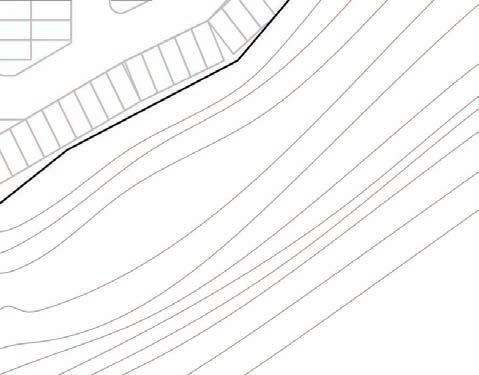
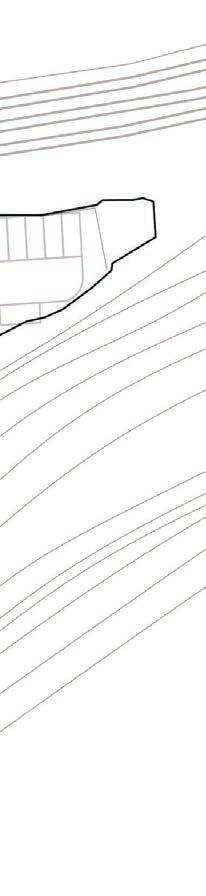
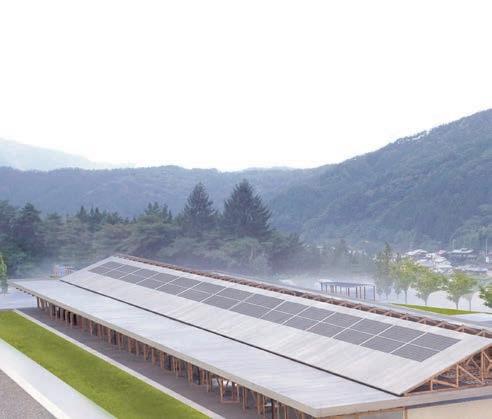
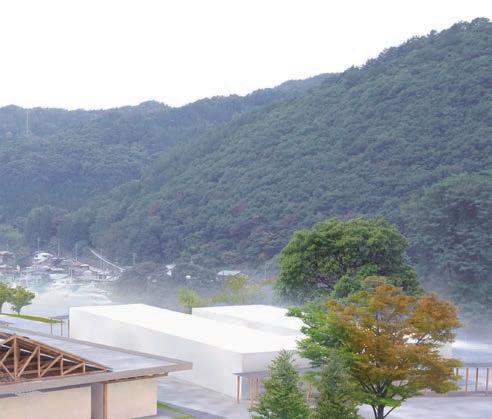
Memorial Museum of Canal - Graduation work in M. Archi
Floating Dormitory - Selected 100 selection of 2013 Rookies of Architecture in Japan
Book Design
BLUM GALLERY
Project Type: Cultural
Location: Tribeca, New York
Size: +/- 17,000 sqft
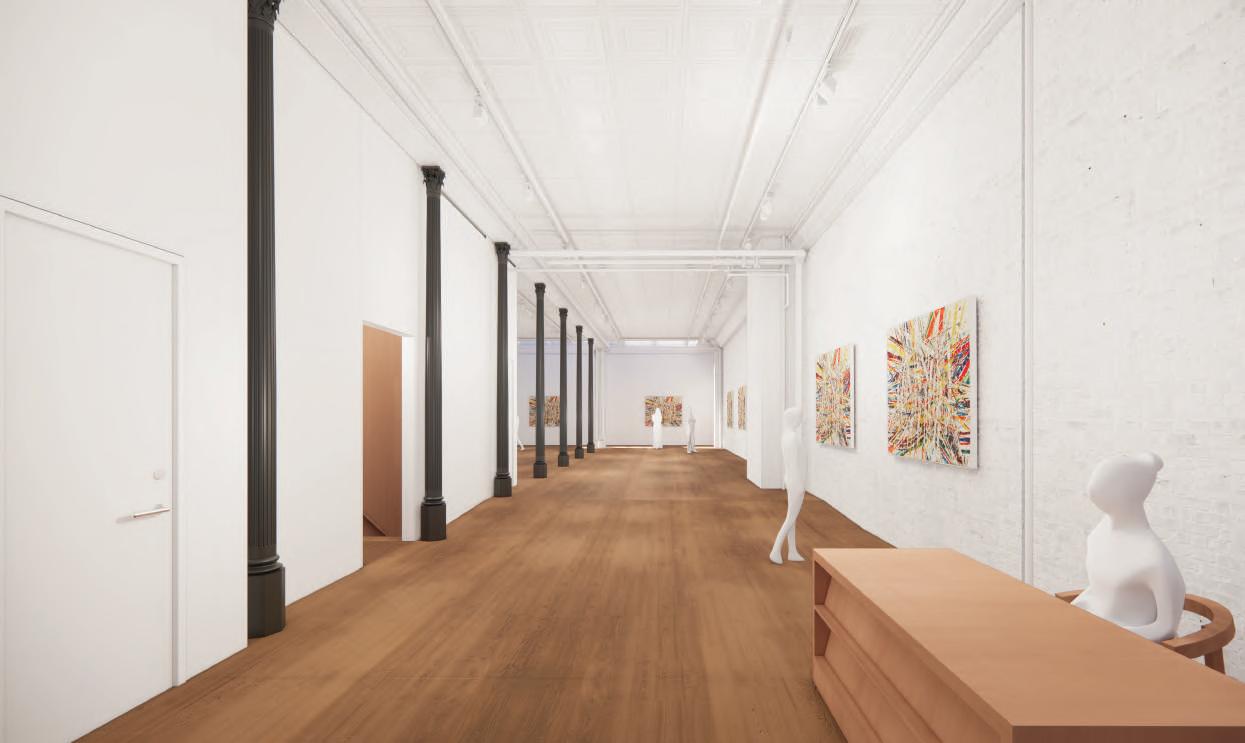
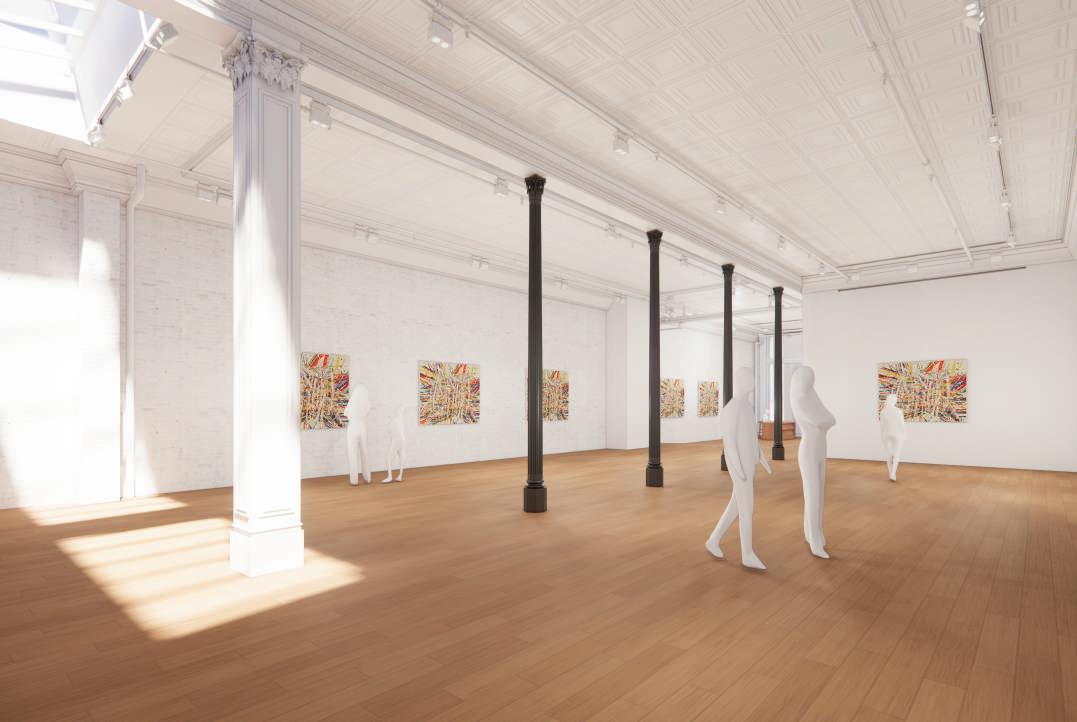
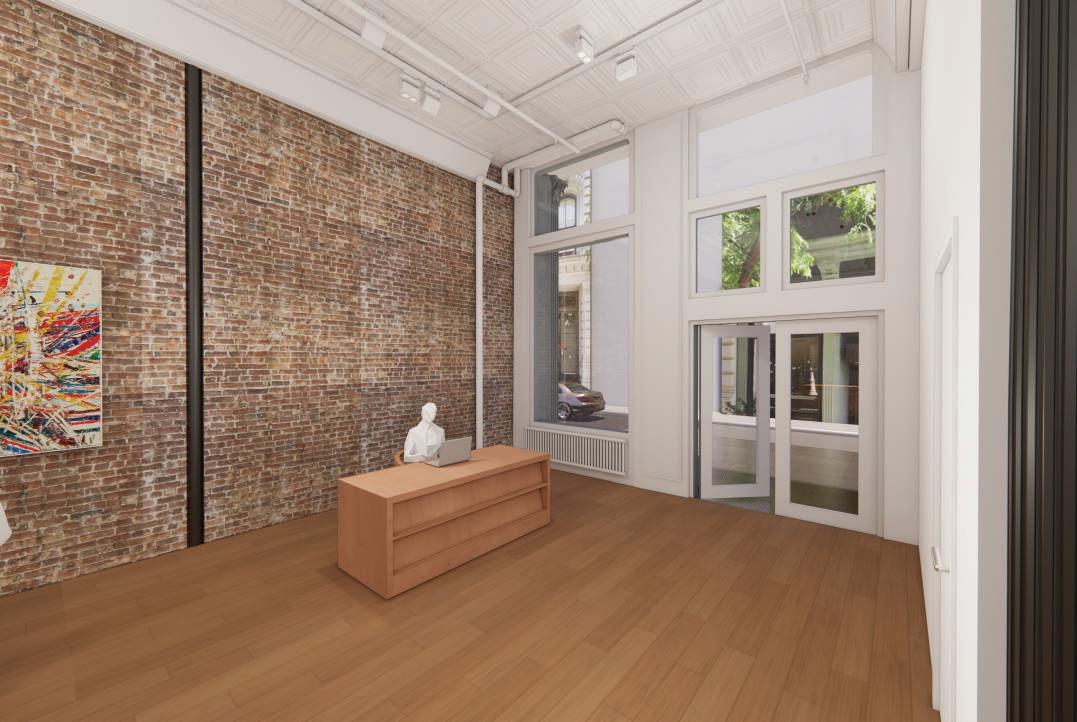
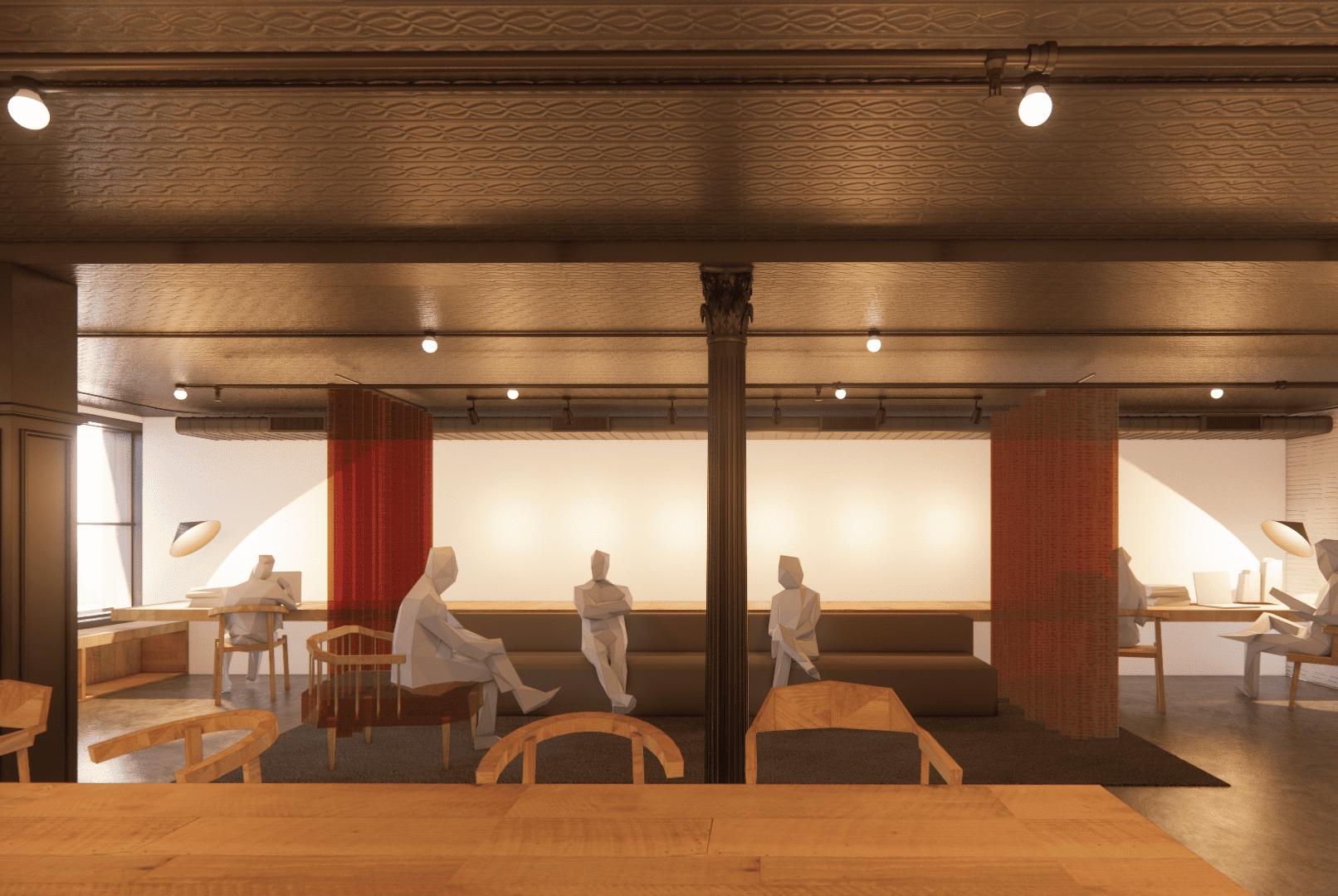
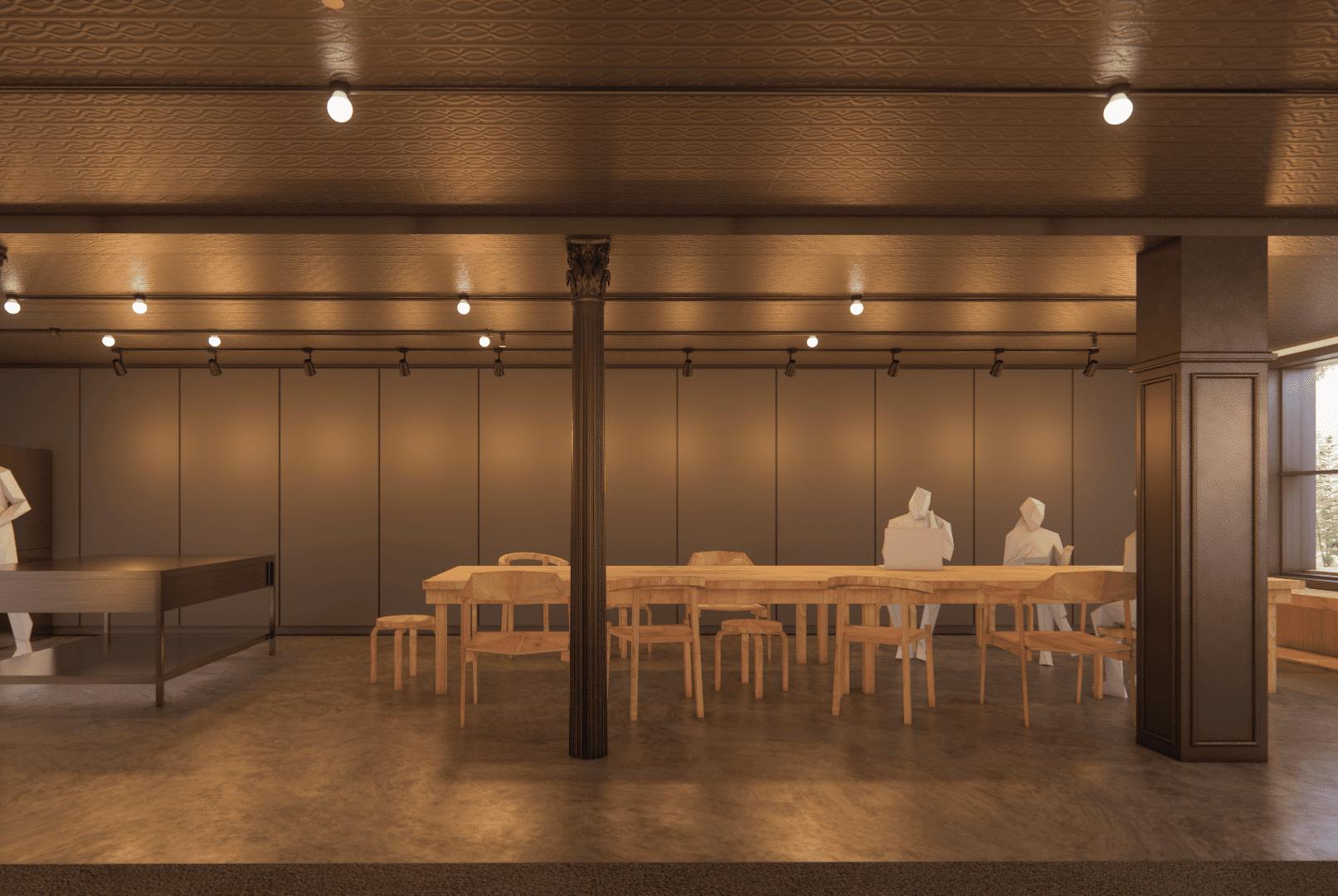
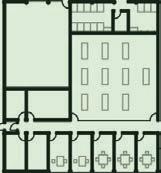
The interior renovation of a historic building in Tribeca, NY, originally constructed prior to 1938. This 17,000 square-foot project involved a meticulous redesign of the first floor into a contemporary gallery and the cellar floor into a versatile office and communal area.
Responsibility: SD-CD phase. Providing documentations for DD and CD drawing set as well as Alt.2 and Alt.CO filing set, and renderings for design studies. Material & hardware sample selections.
24 DRYDOCK
Project Type: Life-Science
Location: Boston, MA
Size: +/- 237,000 sqft
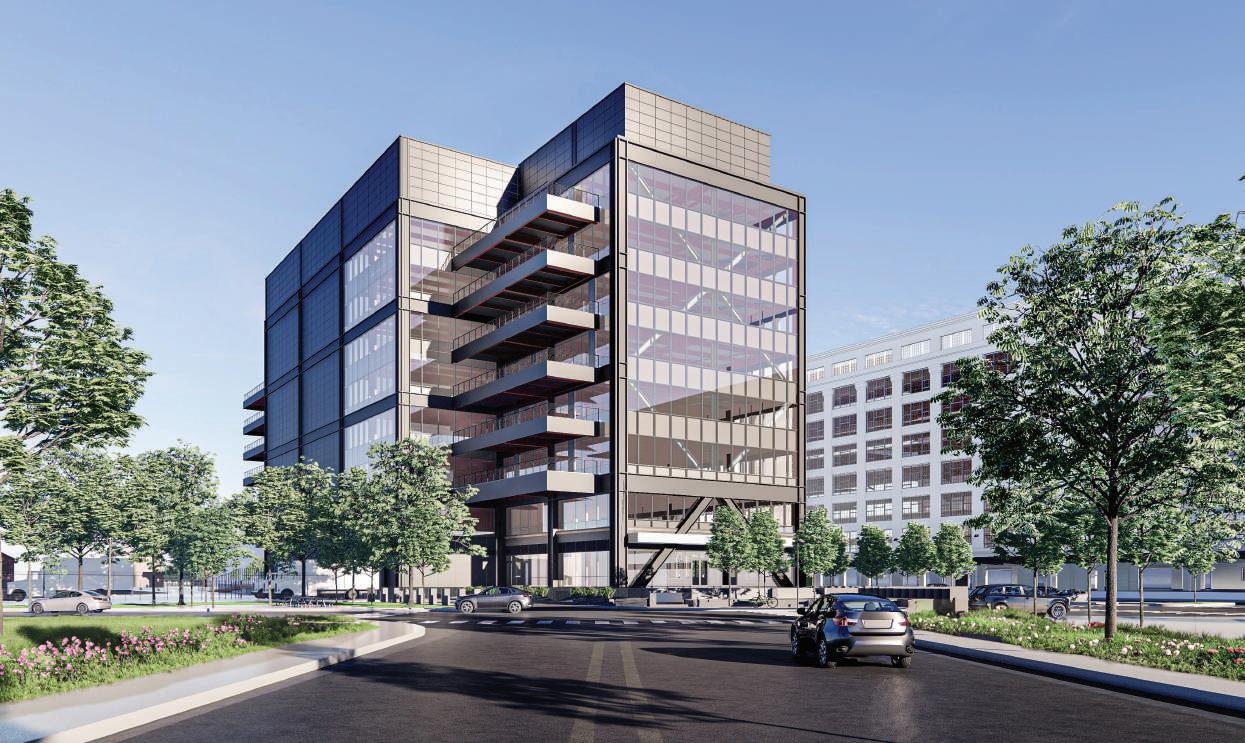
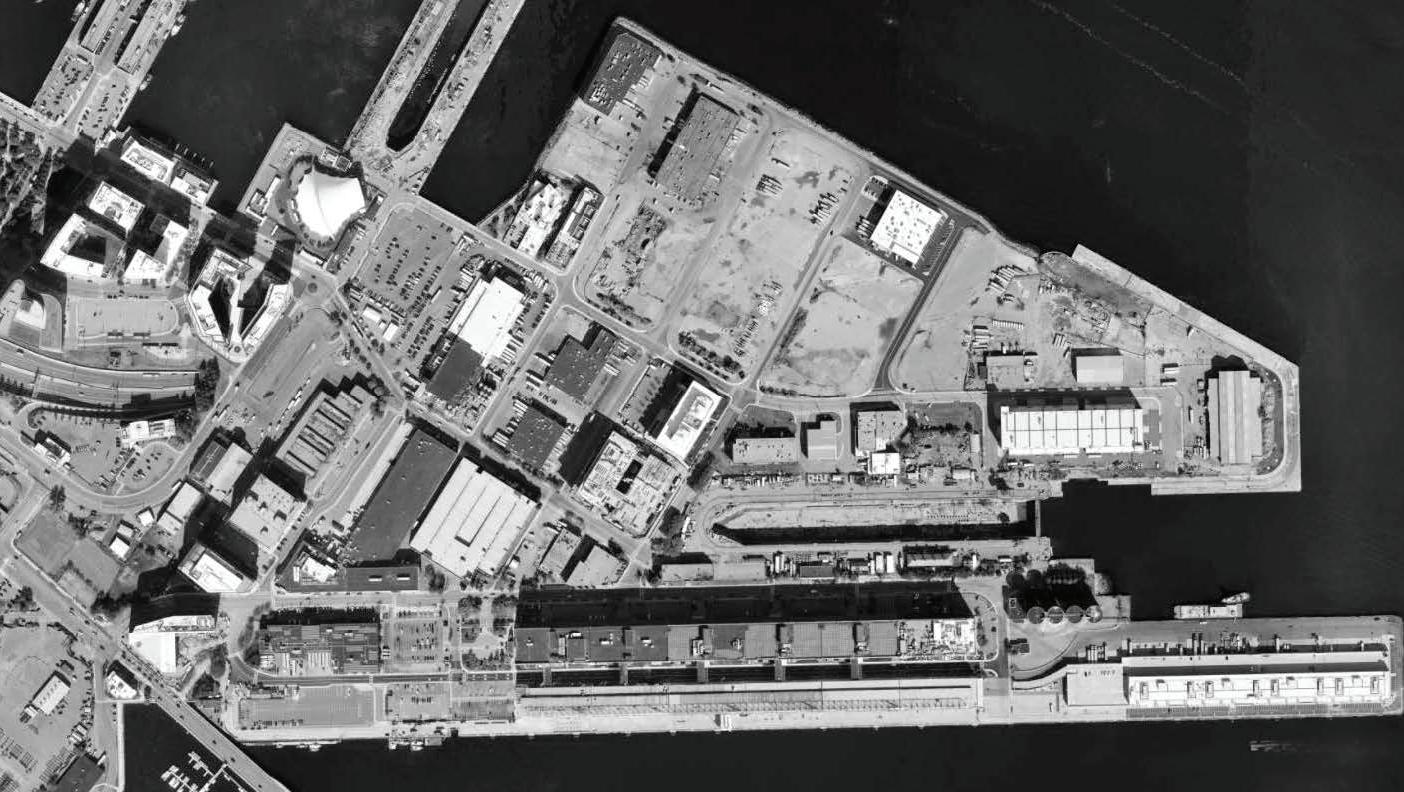
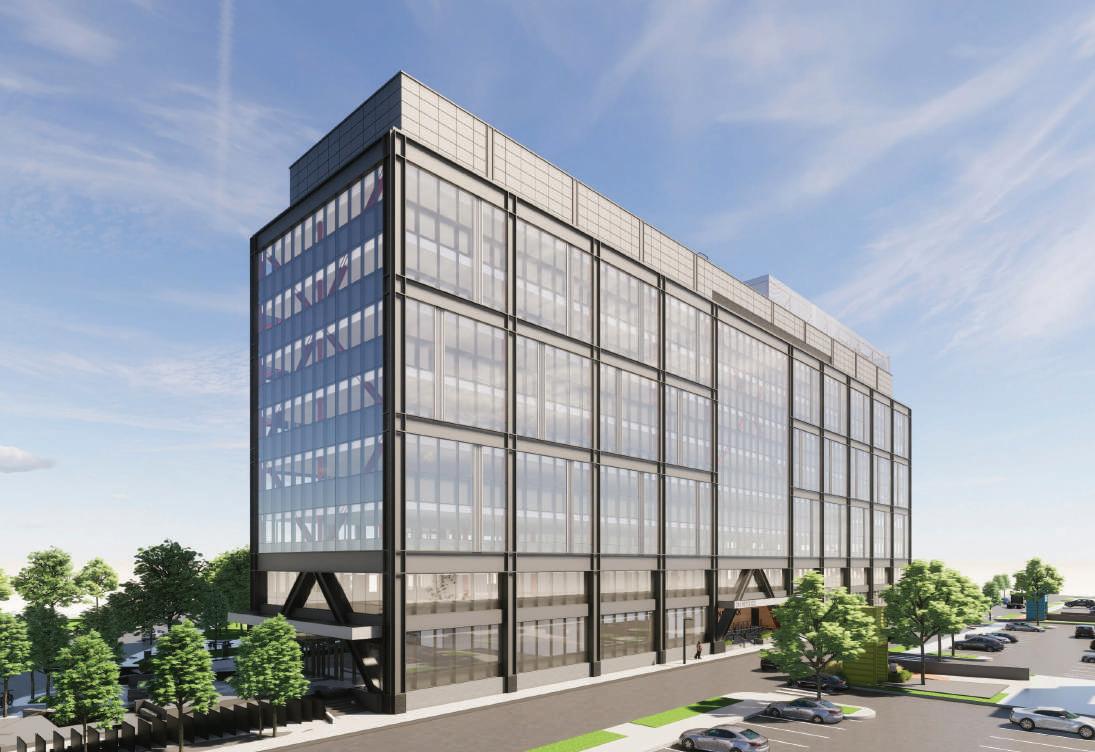
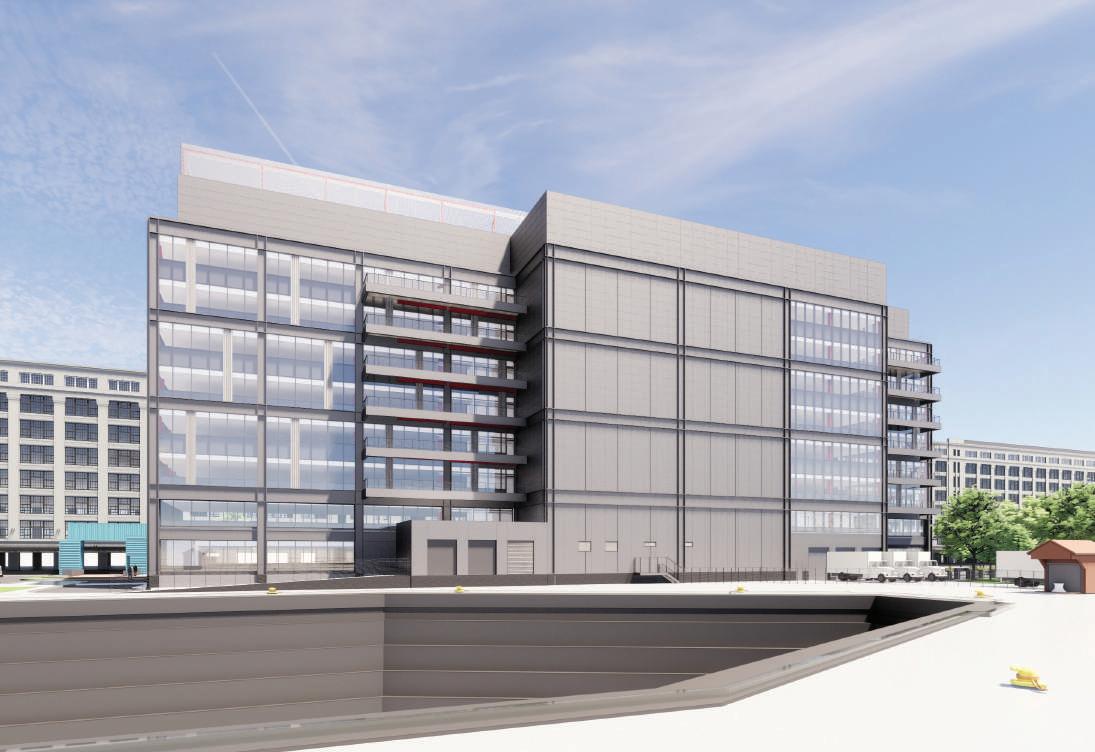
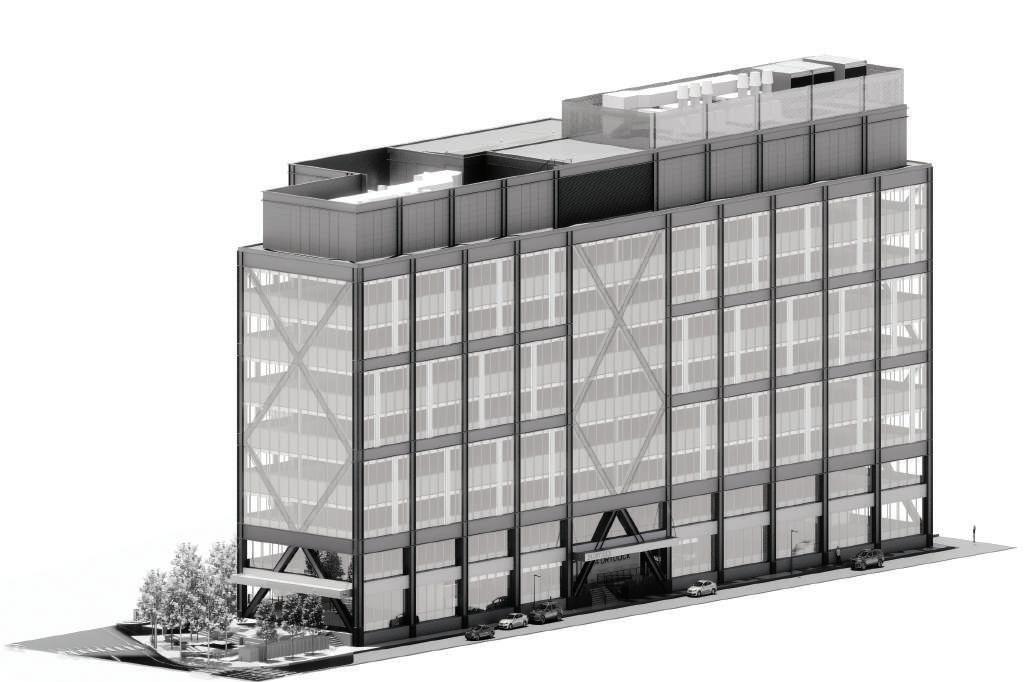
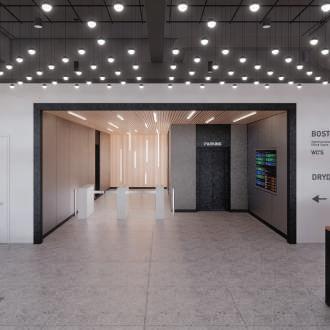
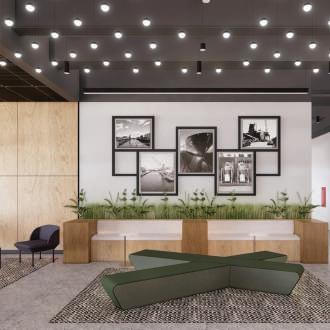
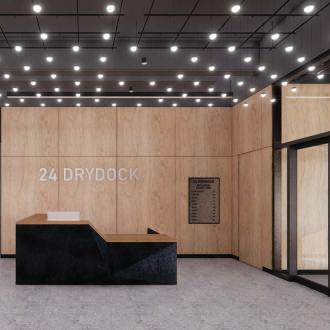
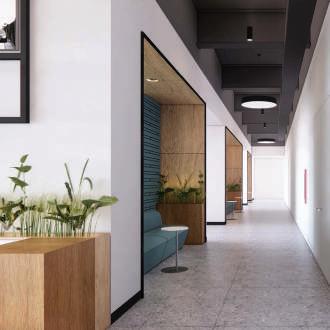
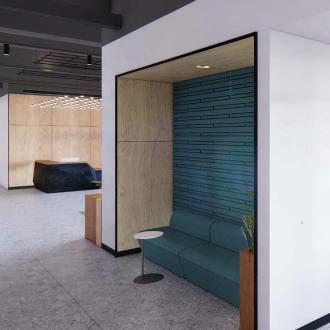
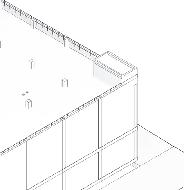
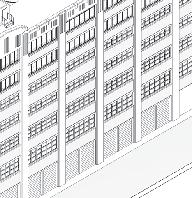
Ground-up construction project that is located in the marine industry area. The 8-story lab & office building that includes headquarters for Boston Ship Repair (BSR), training facility and office space for local nonprofit Save The Harbor / Save The Bay and a restaurant on ground level.
Responsibility: SD-CD phase (including early phase of CA). Design Study for Balcony, Core configuration, and ground floor plan coordination (DD-CD). BOMA calculation for city local filing. Construction documentation and detailing for core, stairs, ramps, and canopy.
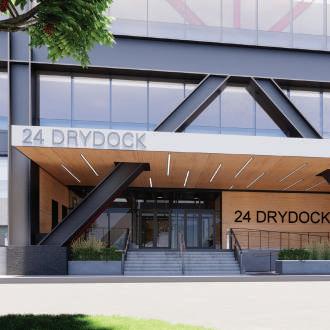
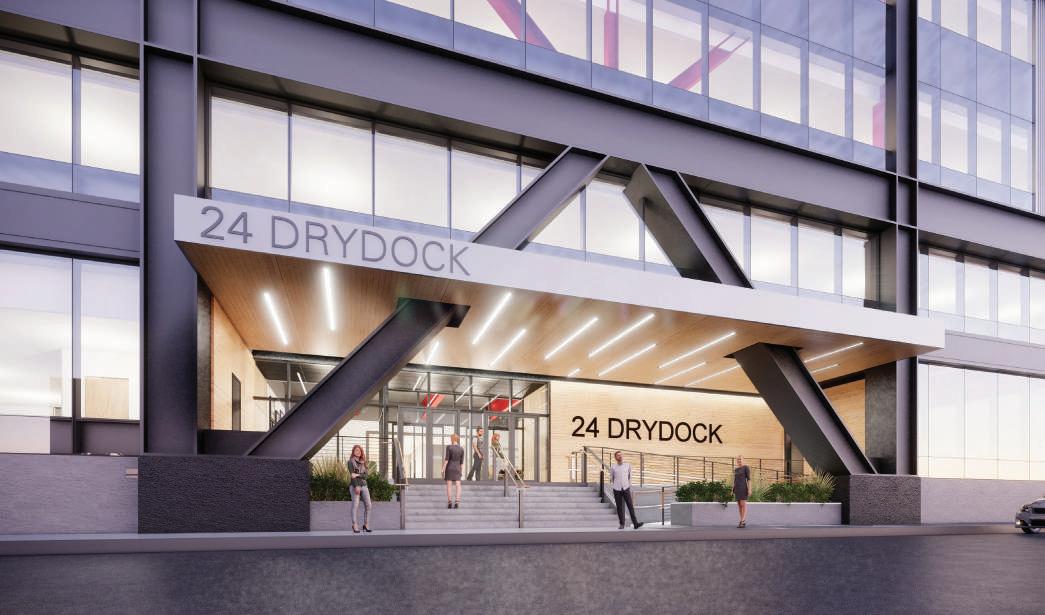
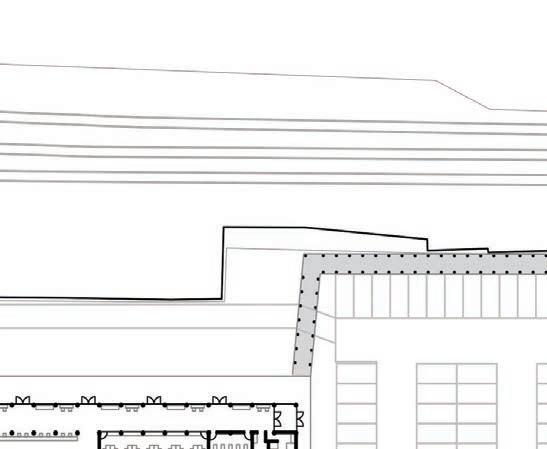
Positioned within Boston’s industrial district, 24 Drydock stands in close proximity to the existing drydock, seamlessly integrating with the bustling industrial community while contributing to the growth of a vibrant innovation ecosystem. This project encompasses an eight-story structure, serving as the future headquarters for Boston Ship Repair, housing a training facility, providing ����space for the local non-profit organization Save The Harbor / Save The Bay, and featuring a restaurant. Furthermore, it actively encourages the adoption of emerging economy endeavors. The Proposed Project outlines the allocation of space for two key tenants: Boston Ship Repair and life sciences/research and development facilities.
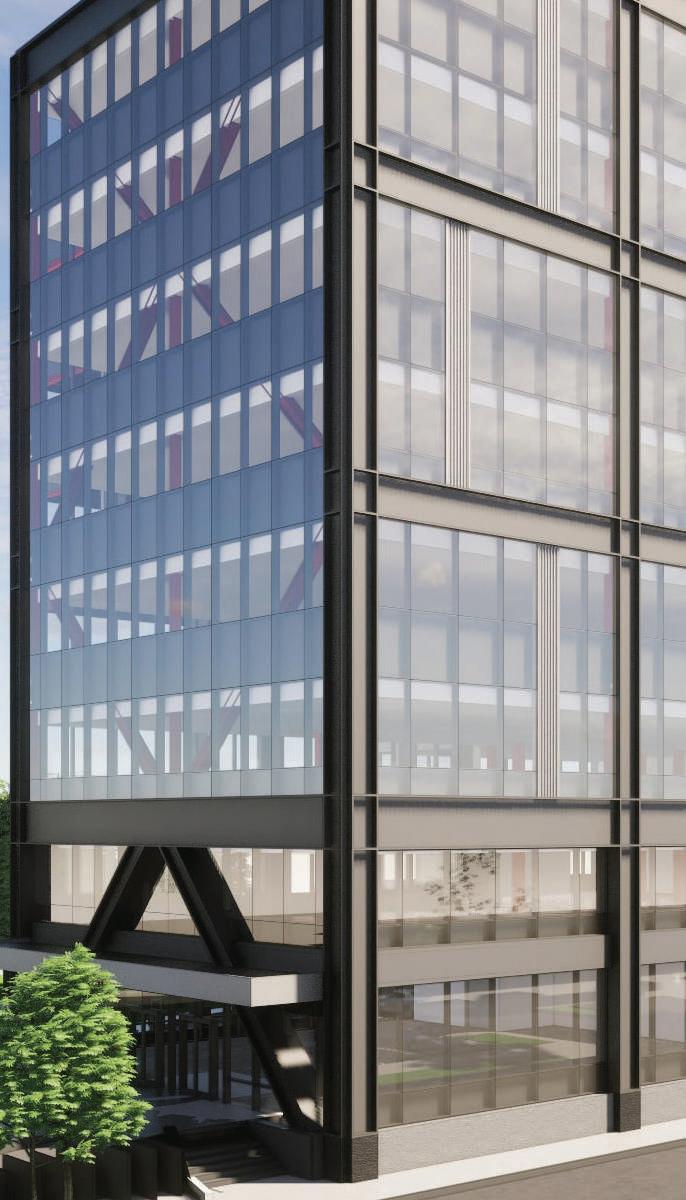
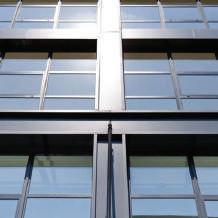
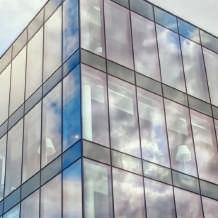
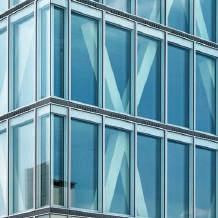
In the design of the building facade/envelope, distinctive features are employed to create a unique architectural expression. These features include single columns strategically positioned at the building’s corners, a double-bay glass arrangement that imparts a sense of openness and transparency, and cross bracing discreetly positioned behind the glass, enhanced with frit to optimize visibility
The main entry of the building serves as a focal point, where an elegantly designed canopy is centrally located above the double-bay expression, providing shelter and a sense of arrival. The entry is further accentuated with a double-bay recessed design, artfully framed with a cross frame detail, offering a striking and inviting architectural element.
DRYDOCK AVENUE
TENANT 1
TENANT 2
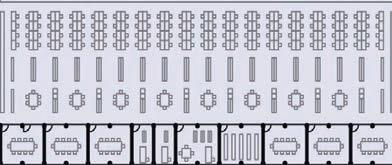
at Typical Floor Level - Two tenant
49TH AVENUE
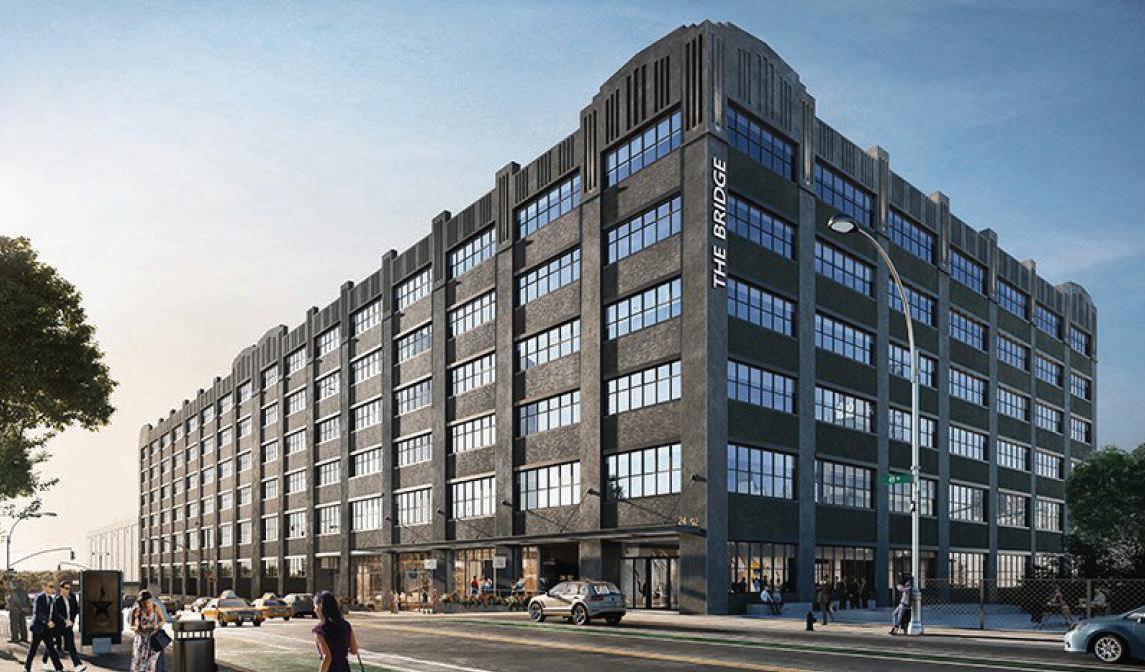
Project Type: Life-Science
Location: Long Island City, NY
Size: +/- 50,000 sqft
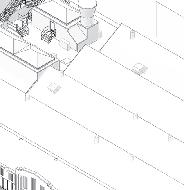
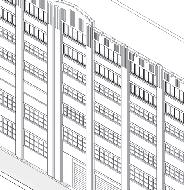
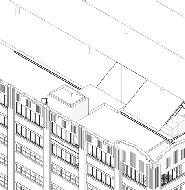
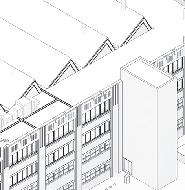
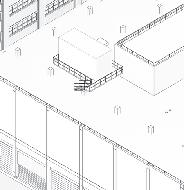
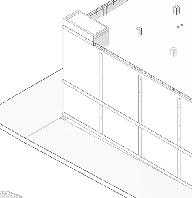
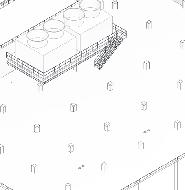
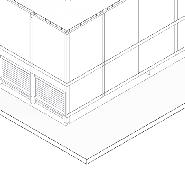
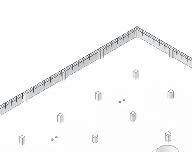
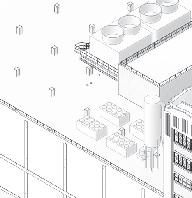
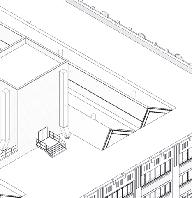
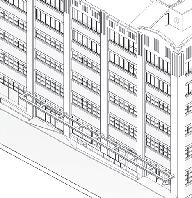
Envelope upgrades and interior on 5th and 6th �oors and perimeter wall as well as the roof.
Responsibility: Completion of DD documentation set that includes envelope package and infrastructure package.
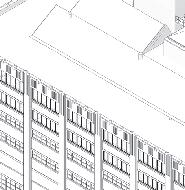
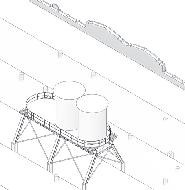
Rooftop Elevation - East
Rooftop Elevation - West
HMC RETAIL
Project Type:Retail
Location: Boston, MA
Size: +/- 8,600 sqft
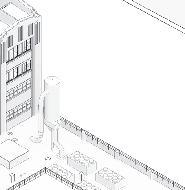
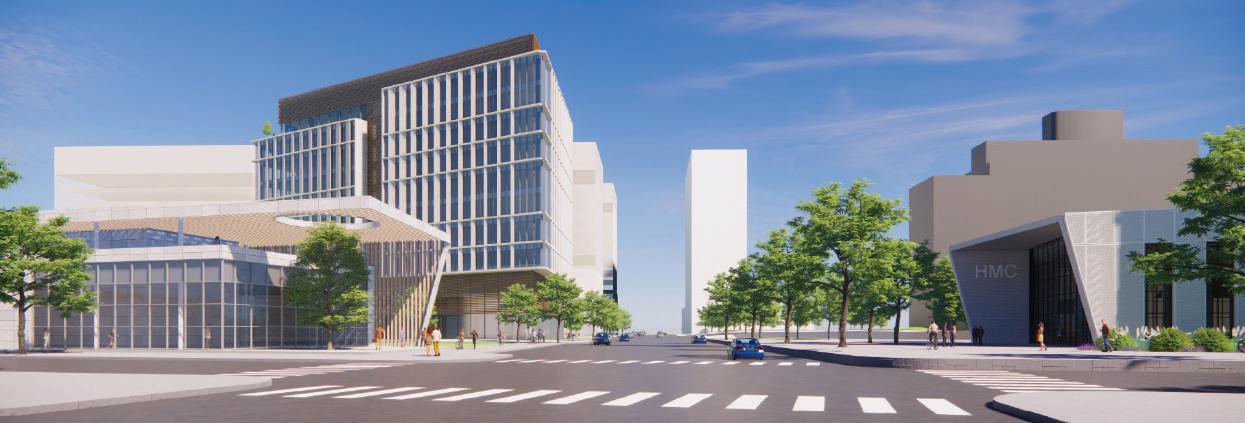
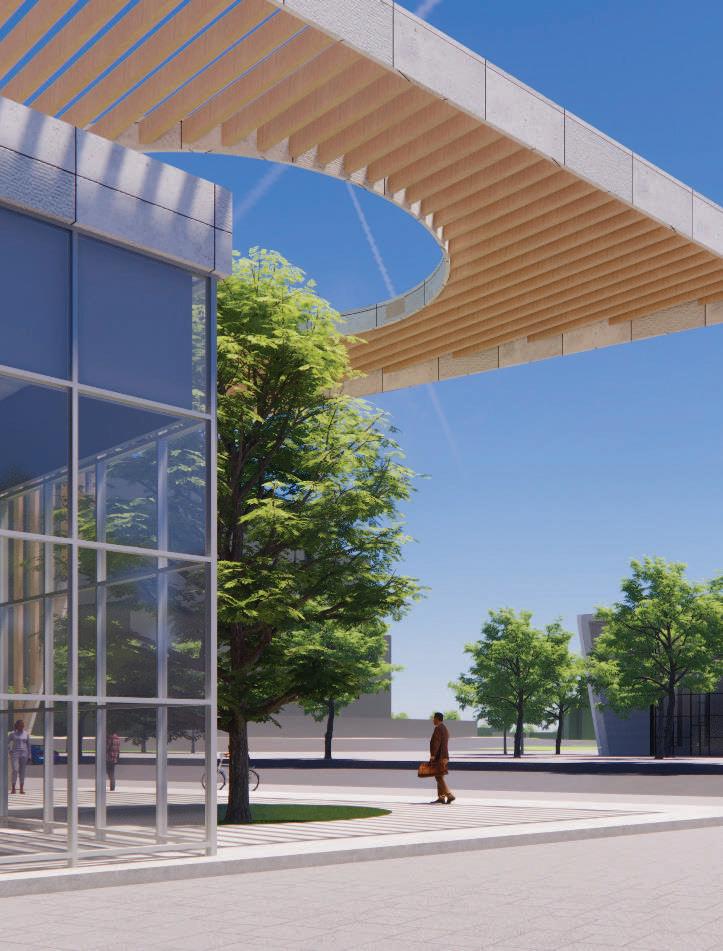
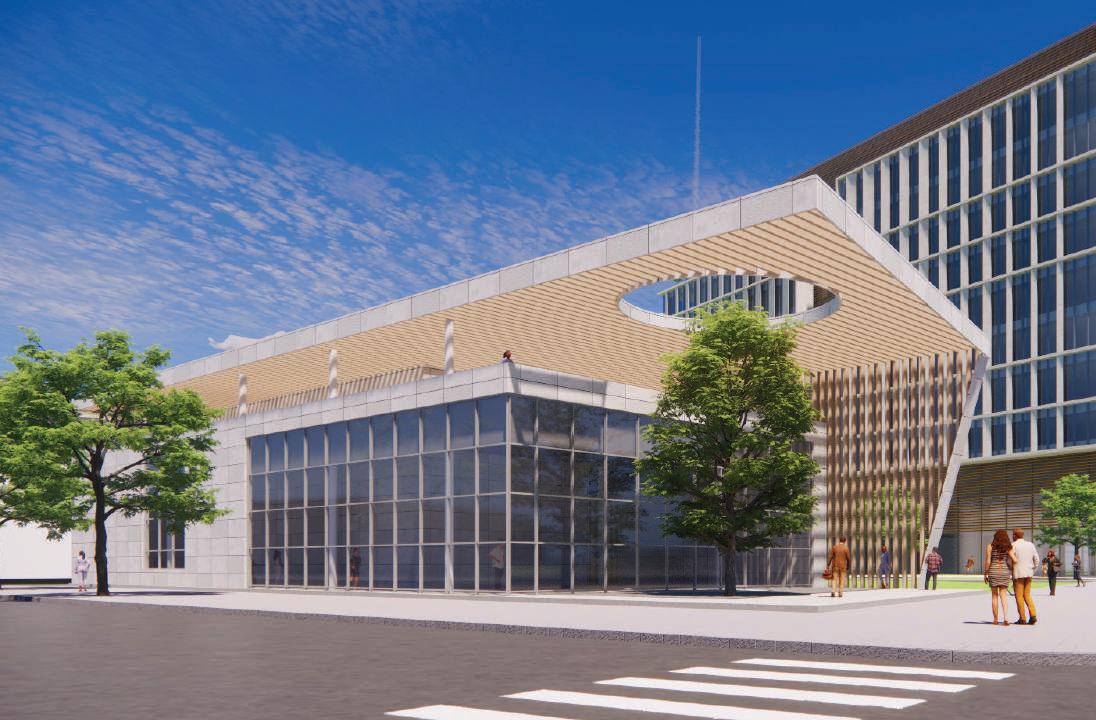
Retail project next to the existing powerhouse. Design intention is to design a building that responds to the existing electrical tower and to have a connection between the two buildings.
Responsibility: Presented the conceptual idea and designed the store
MASS TIMBER
Project Type: Life-Science
Location: Long Island City, NY
Size: +/- 510,000 sqft
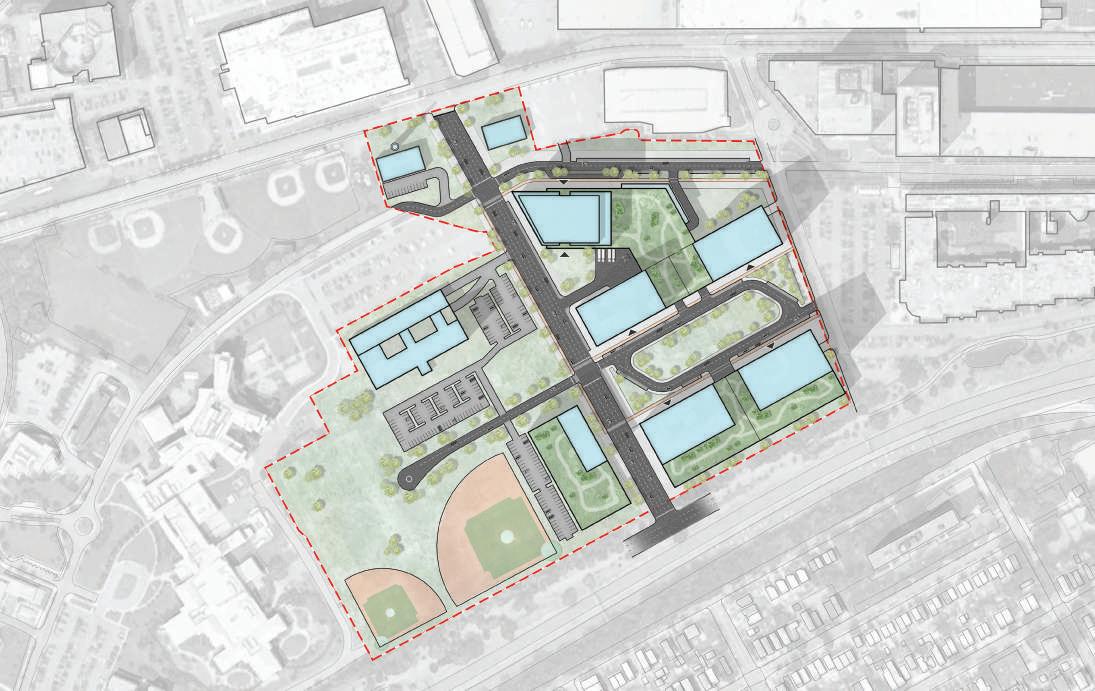
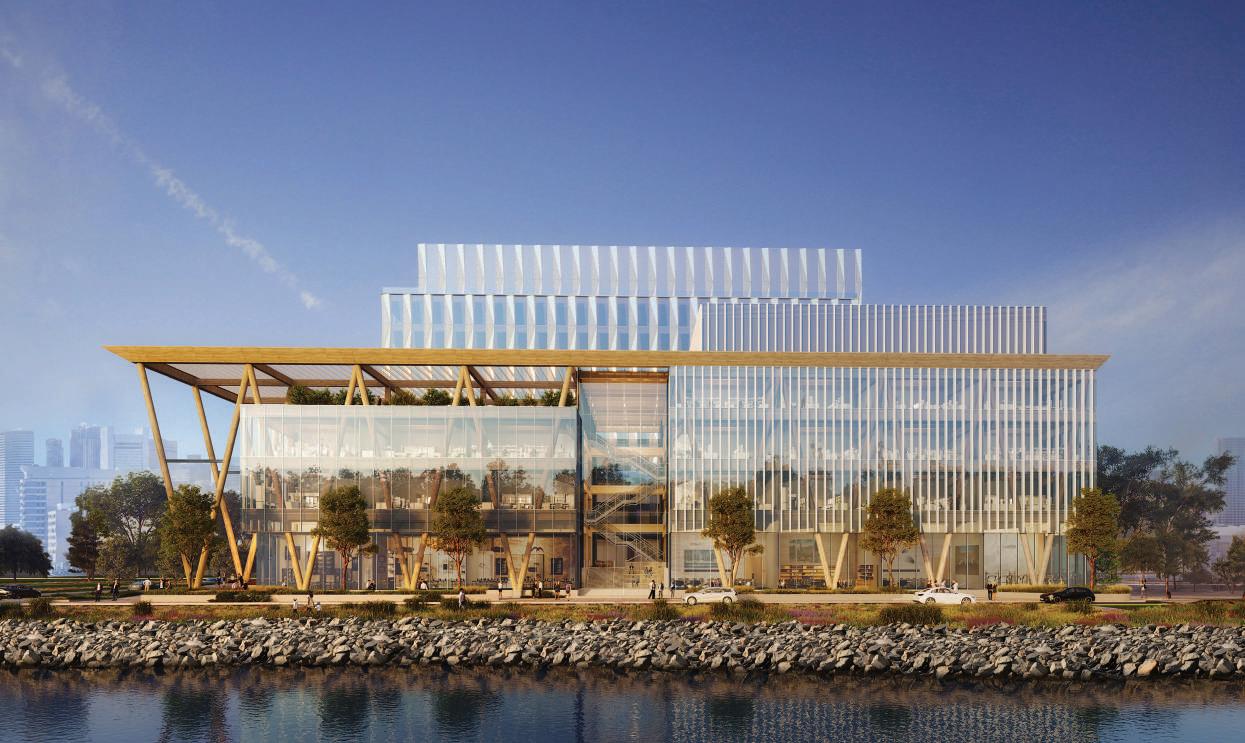
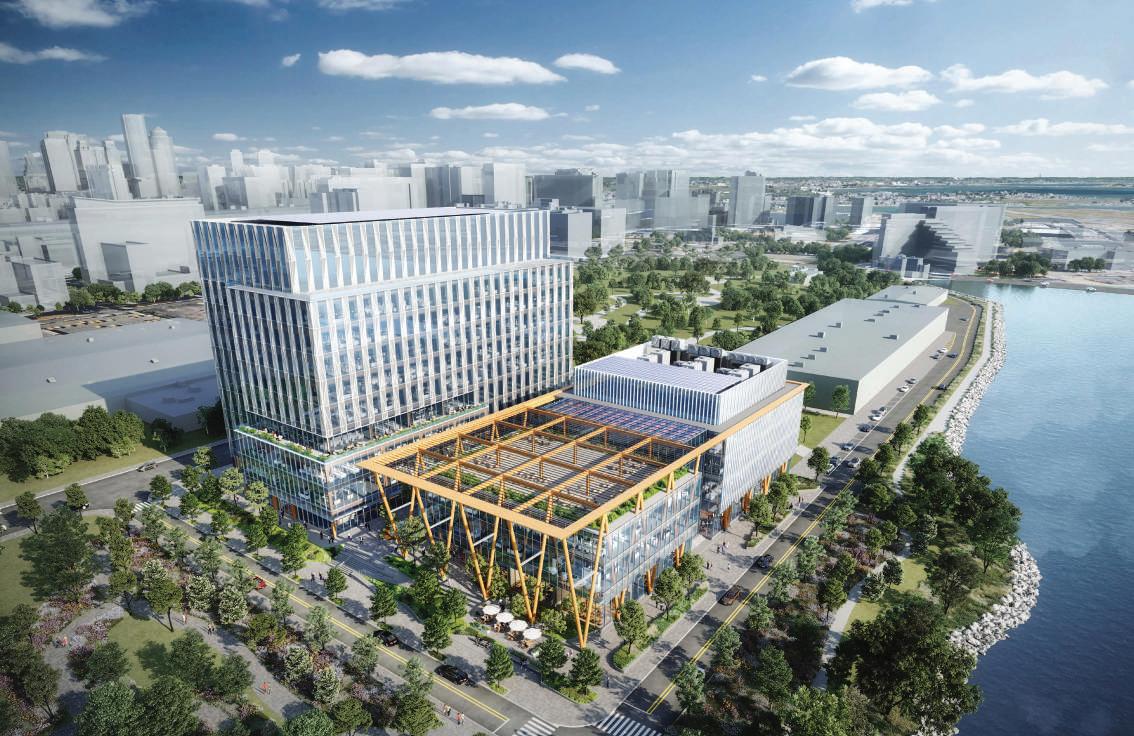
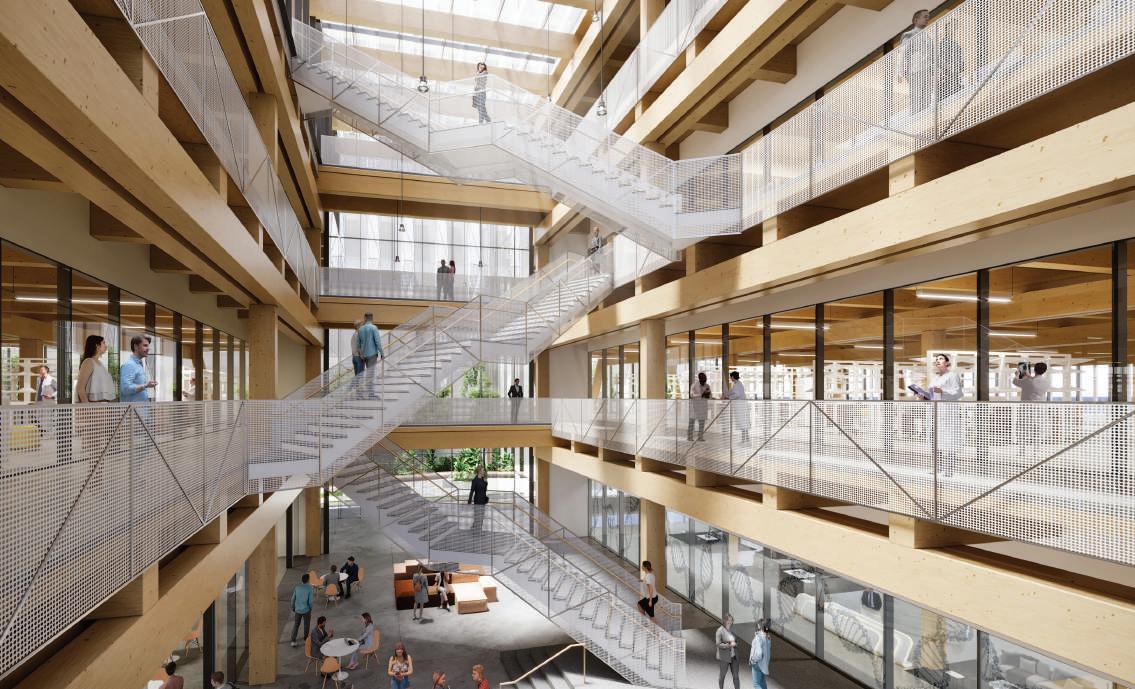
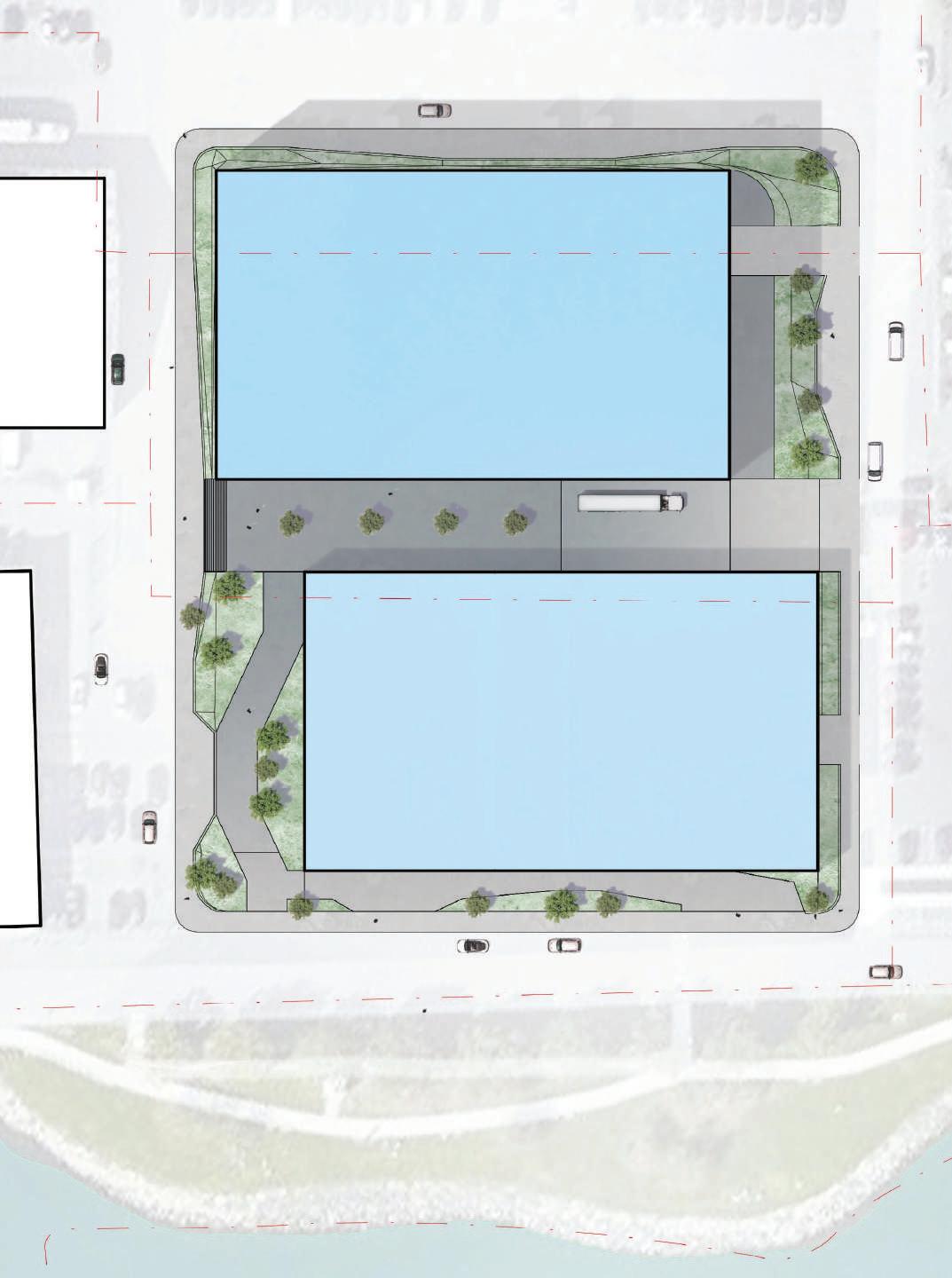
Two buildings next to each other at the waterfront to create a highly sustainable architecture in-class lab & life science using mass timber.
Responsibility: Conceptual design phase. Provide ideas for the ground-level program study.
PAPPAS WAY
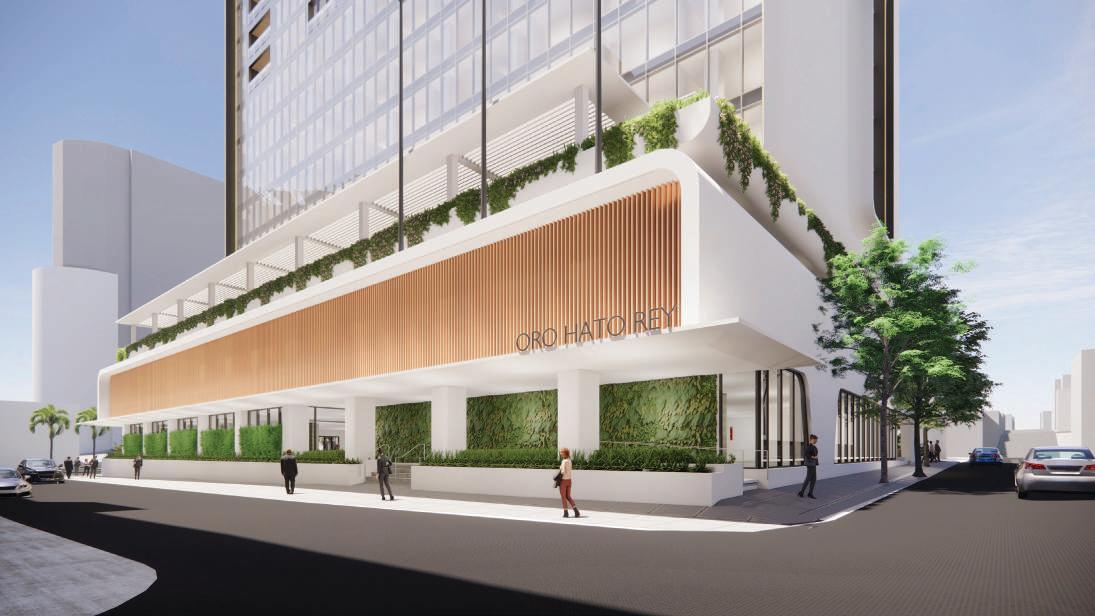
HETO RAY
Project Type: Hospitality/Resi
Location: Puerto Rico
Size: +/- 345,700 sqft
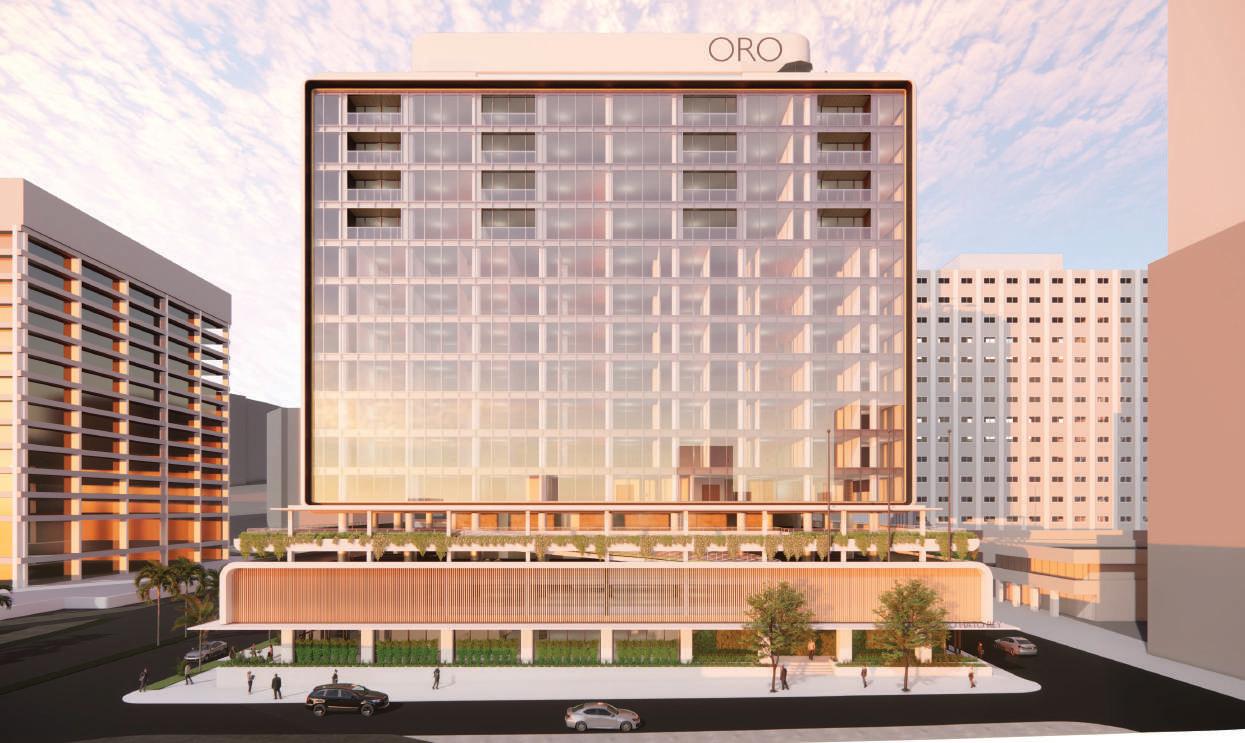
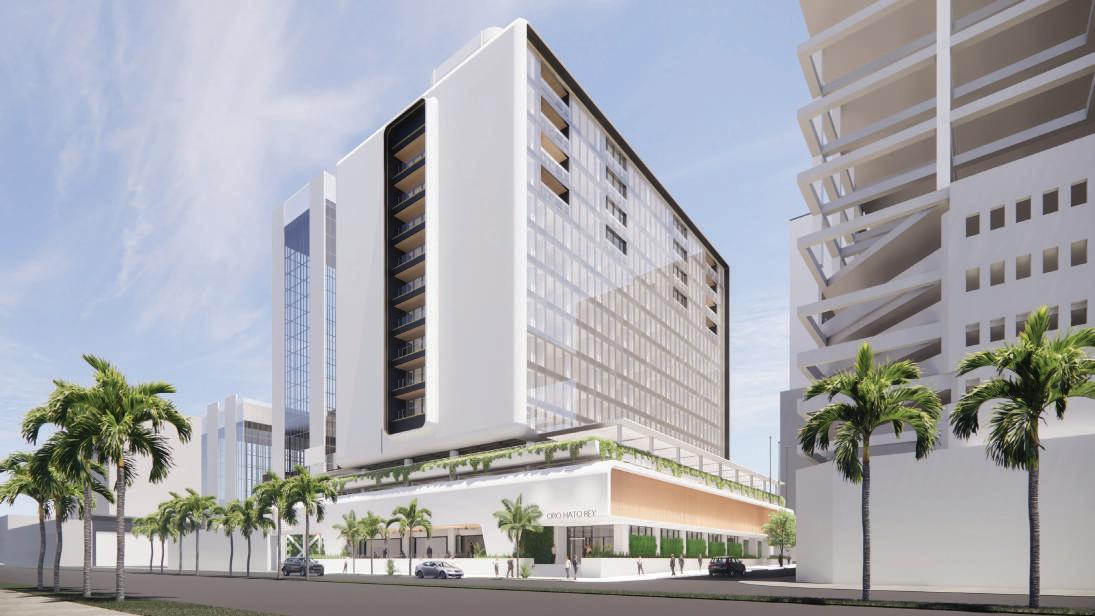
Existing office building conversion to hotel and condominiums that include a restaurant, conference center, spa, fitness center, rooftop pool, and sundeck.
Responsibility: Core and interior floor plan coordination and model updates to existing conditions
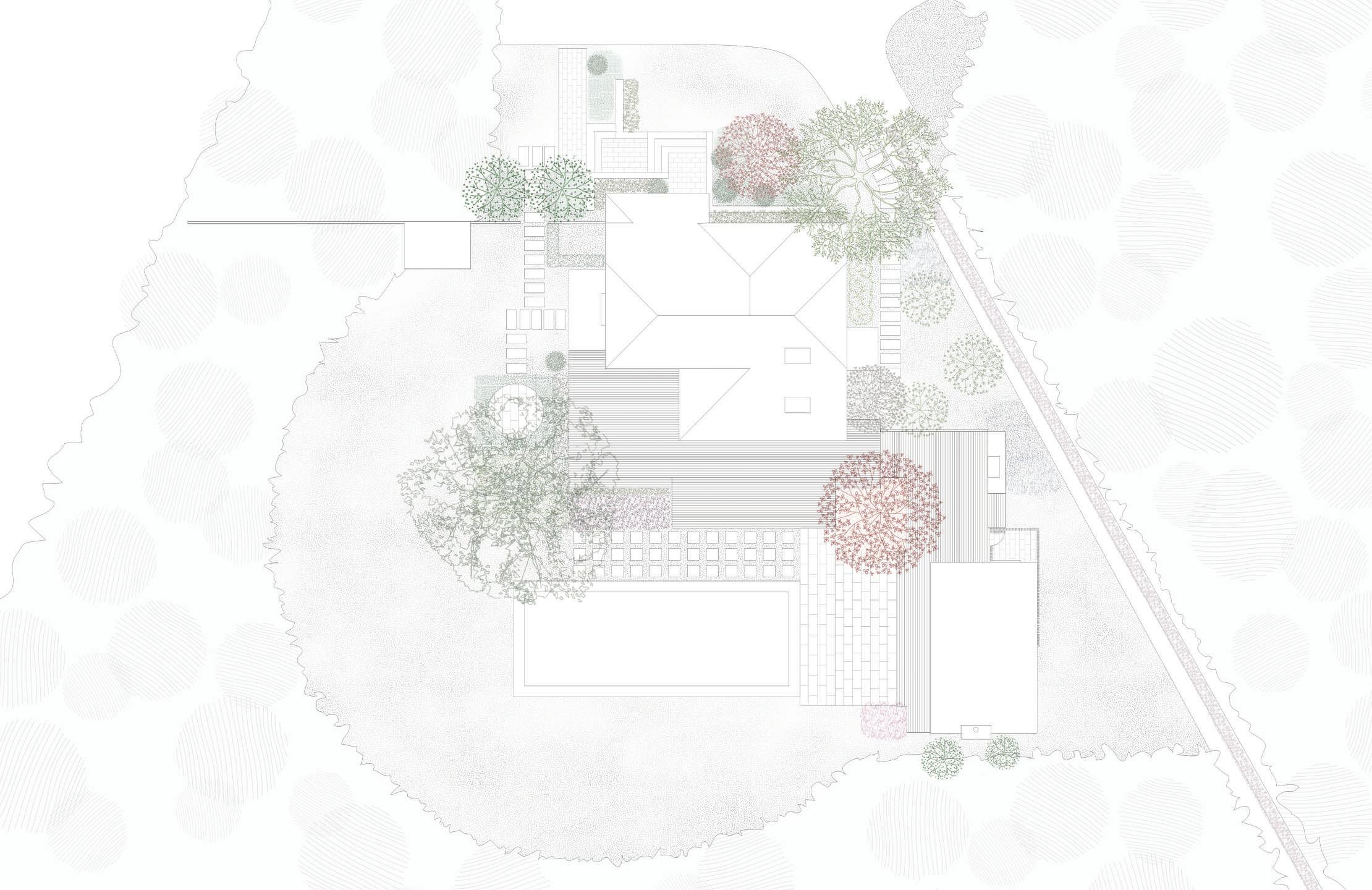
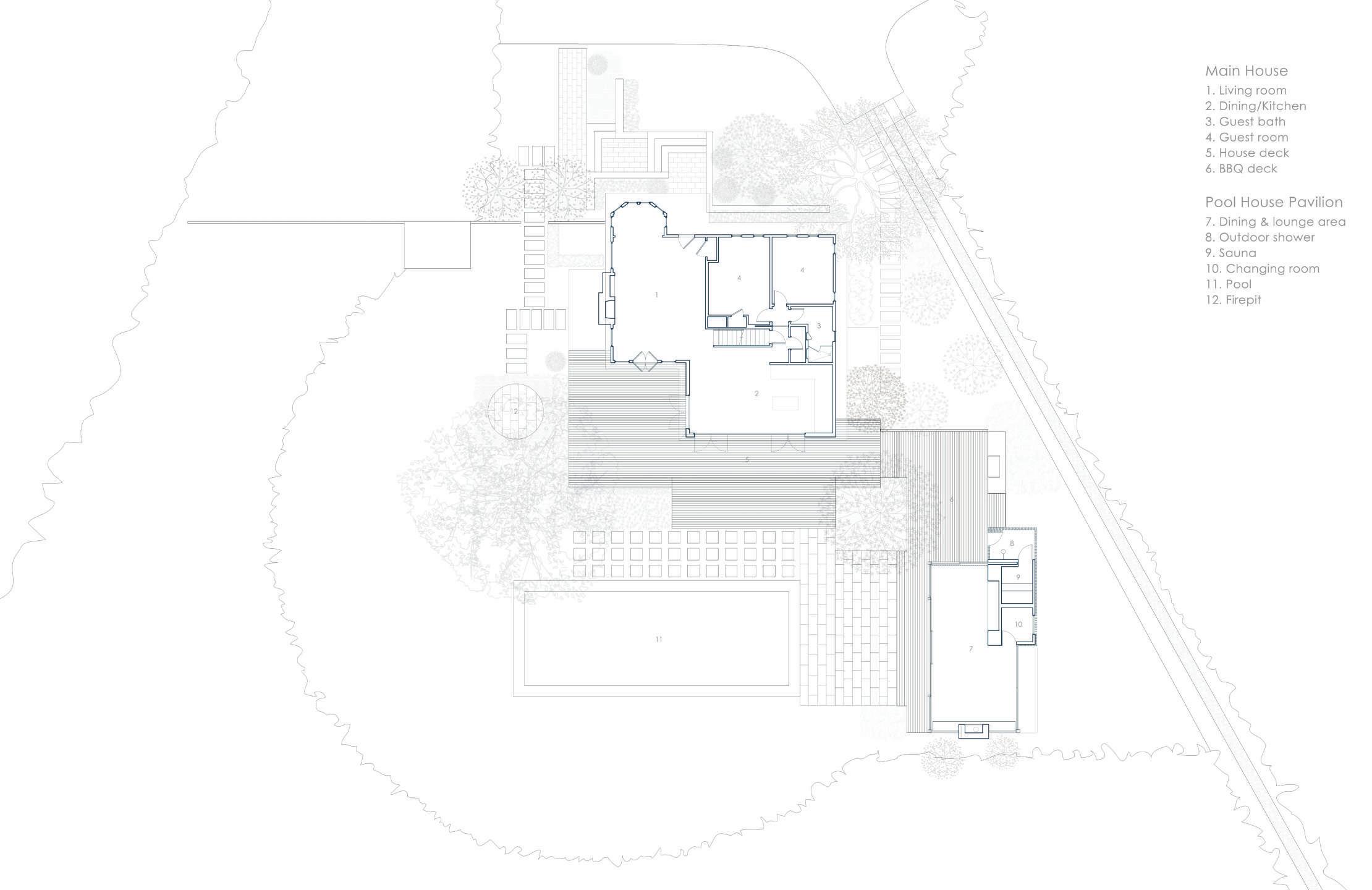
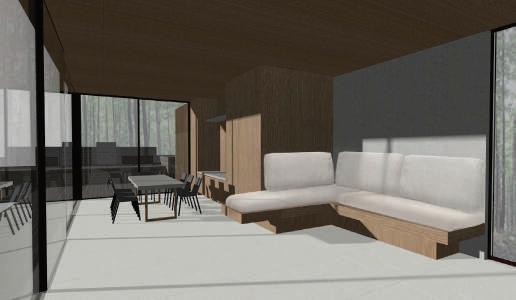
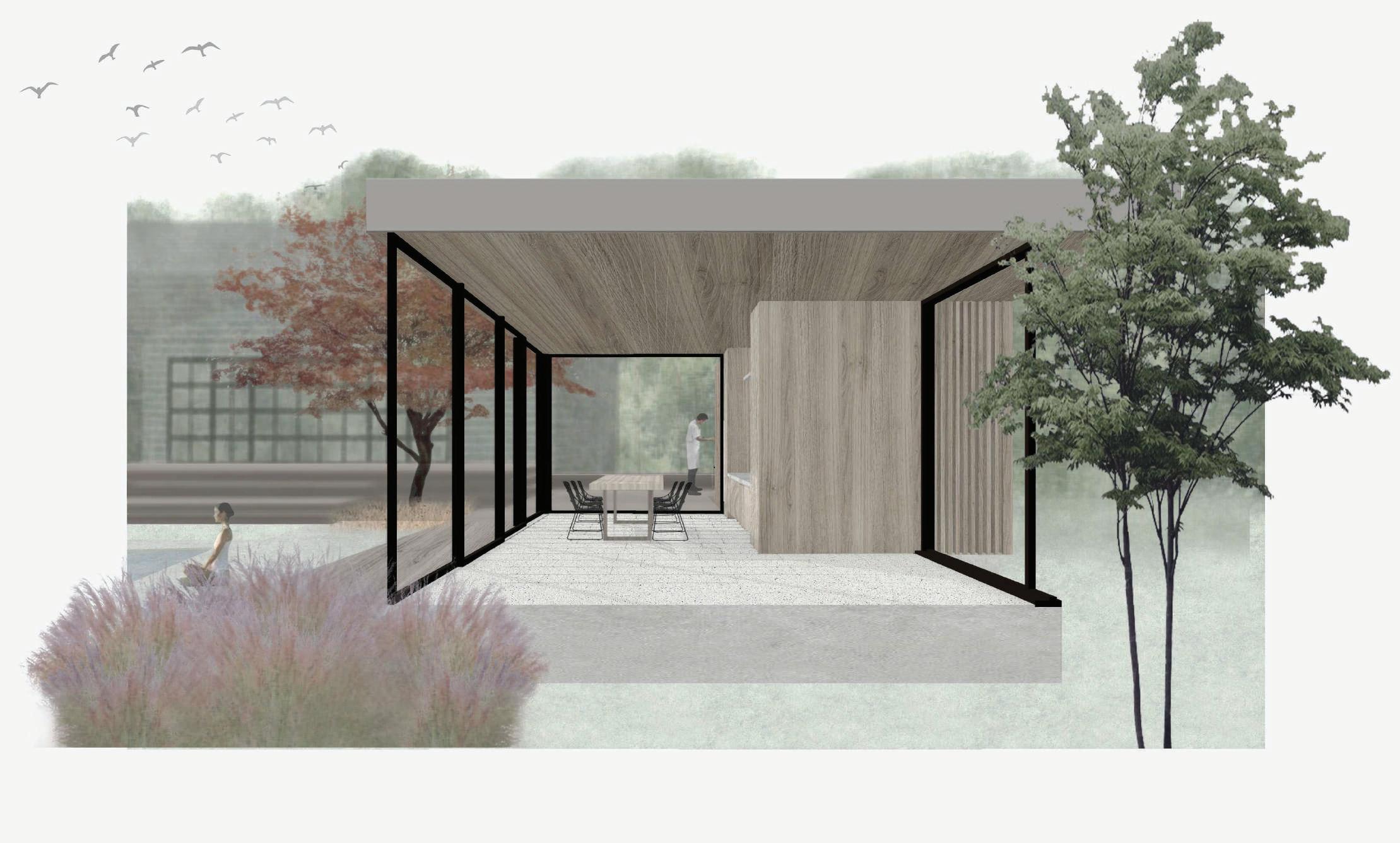
POOL HOUSE PAVILION
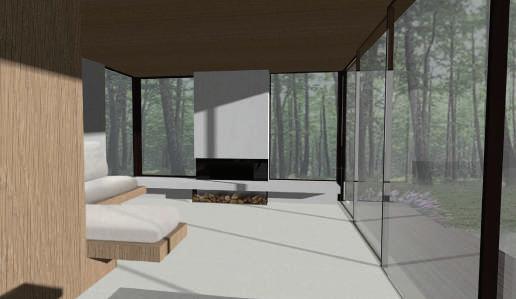
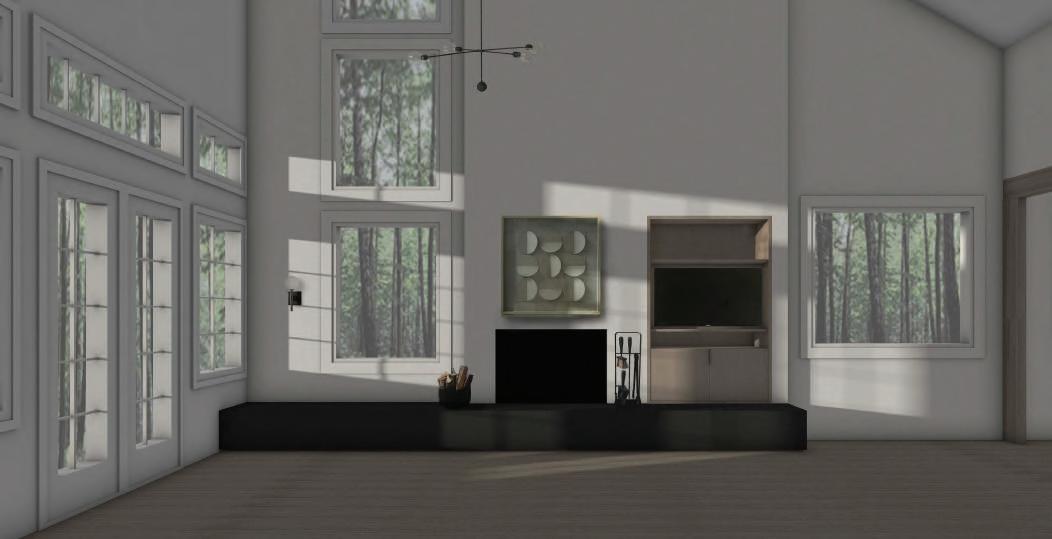
Pool Pavilion & Interior renovation project in East Hampton, NY. The pavilion is a ground-up project for a summer pool house, next to the main house, connected by deck. Interior renovation in the main house has been completed. The placement of the plants was planned in collaboration with a landscape designer to connect the deck, pavilion, and main house.
Responsibility: SD-CA, all phases of projects from SD to CA, created renderings, prepared construction documentation, and selected materials for a fireplace renovation.
CAMBRIDGE HOUSE
-Exterior/Landscape design
-Bathroom design
-Facade design
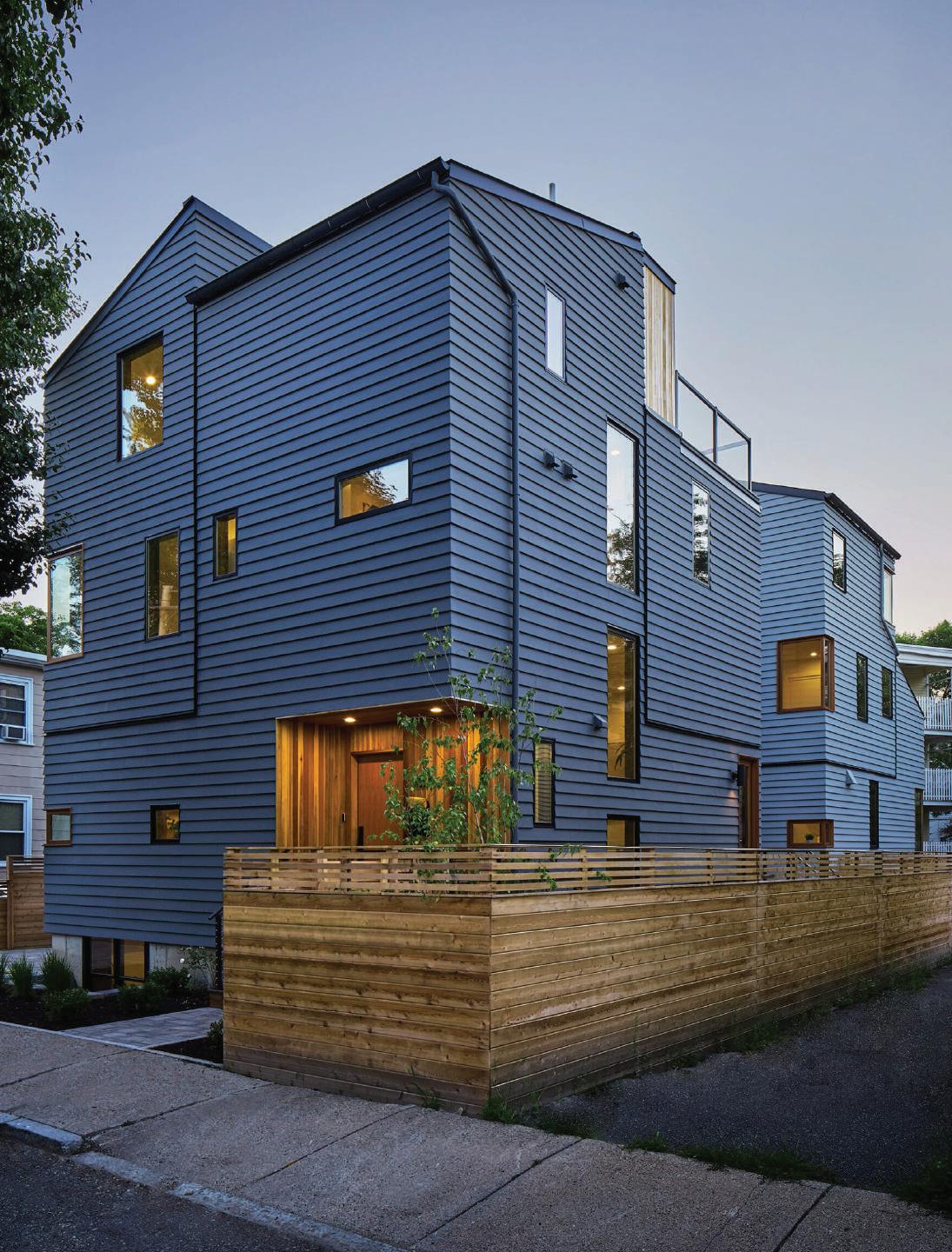
Residential project; New construction house in MA, completed in 2020.
Responsibility: Conceptual phase to SD, providing physical models for the facade study, interior design configuration study, and creating presentation boards for the bathroom interior finish.
Location: Cambridge, MA
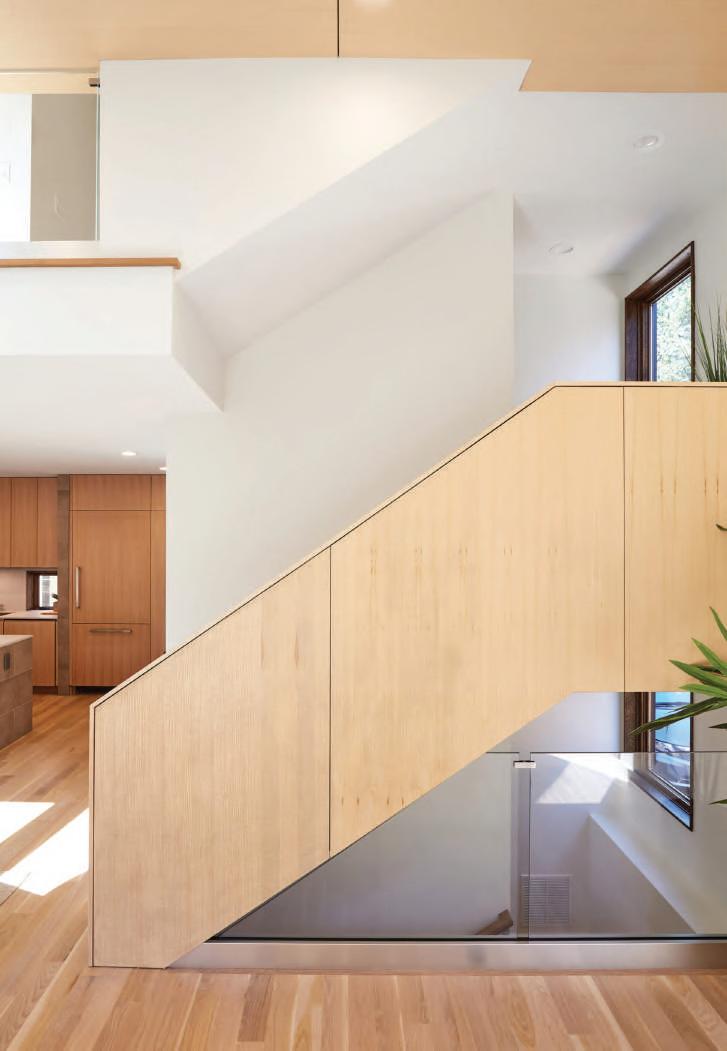
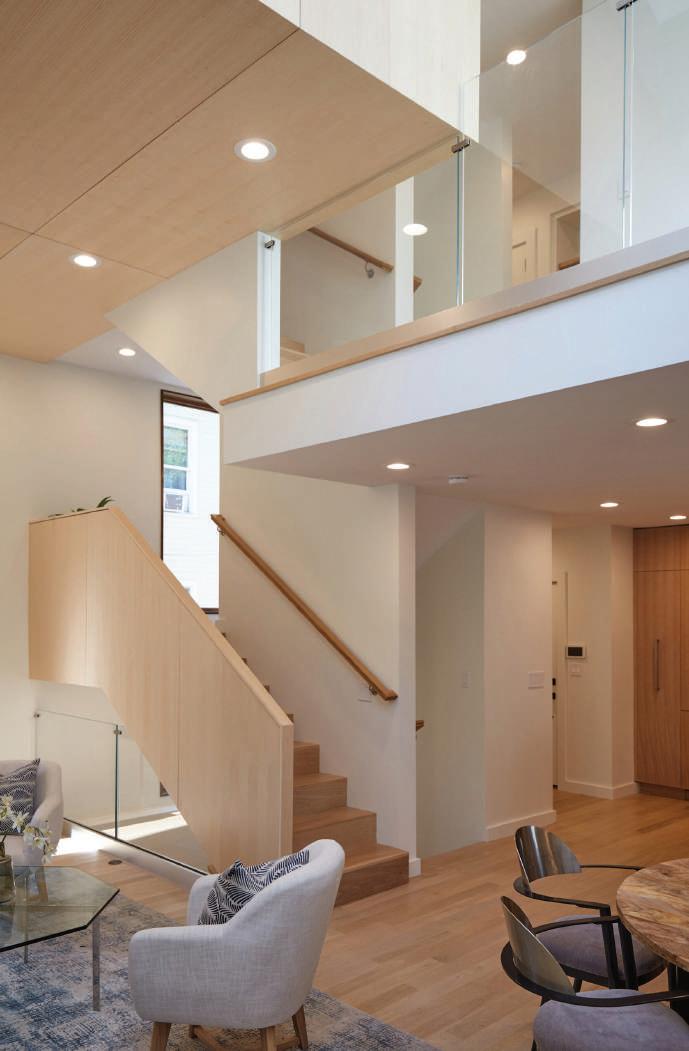
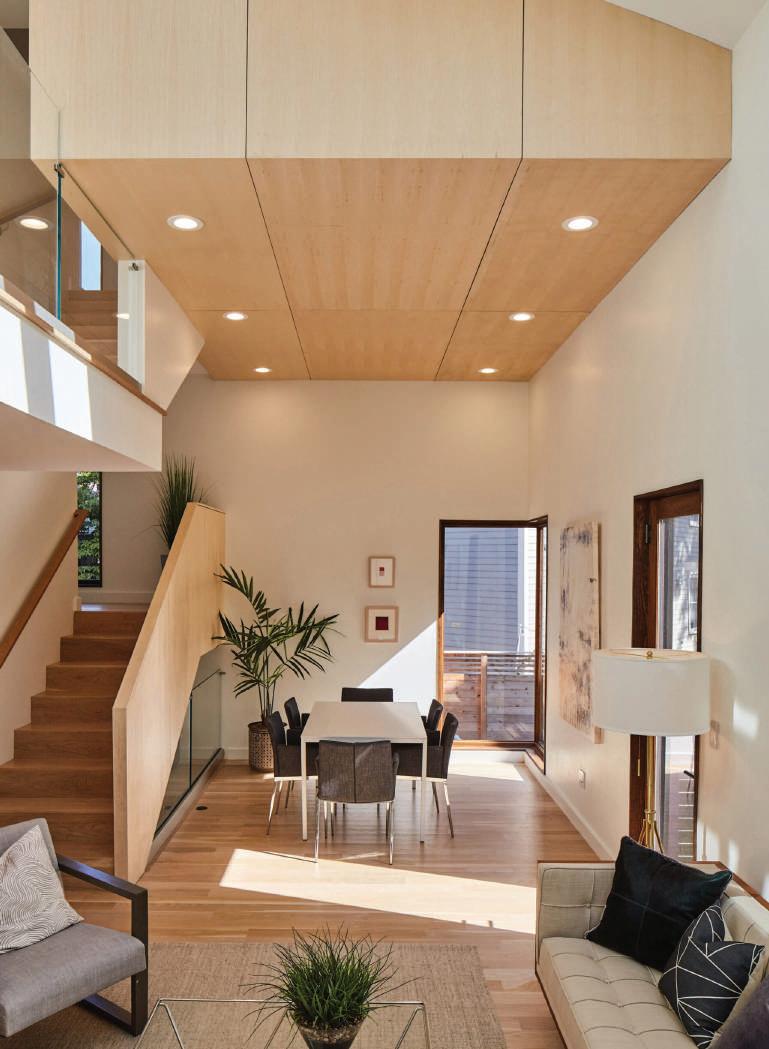
Design in charge : Facade & interior design
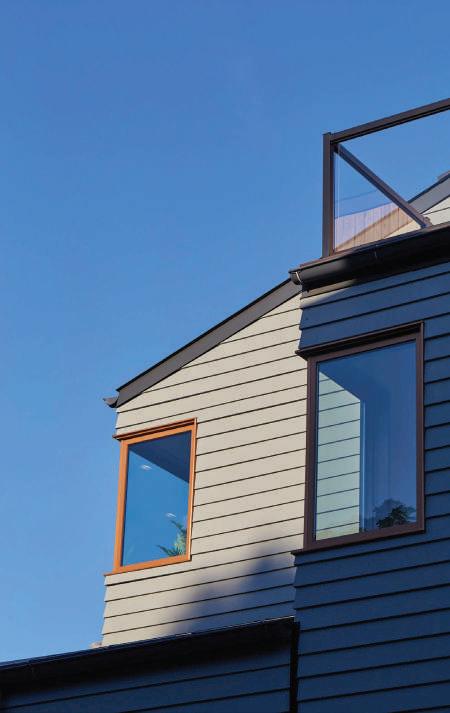
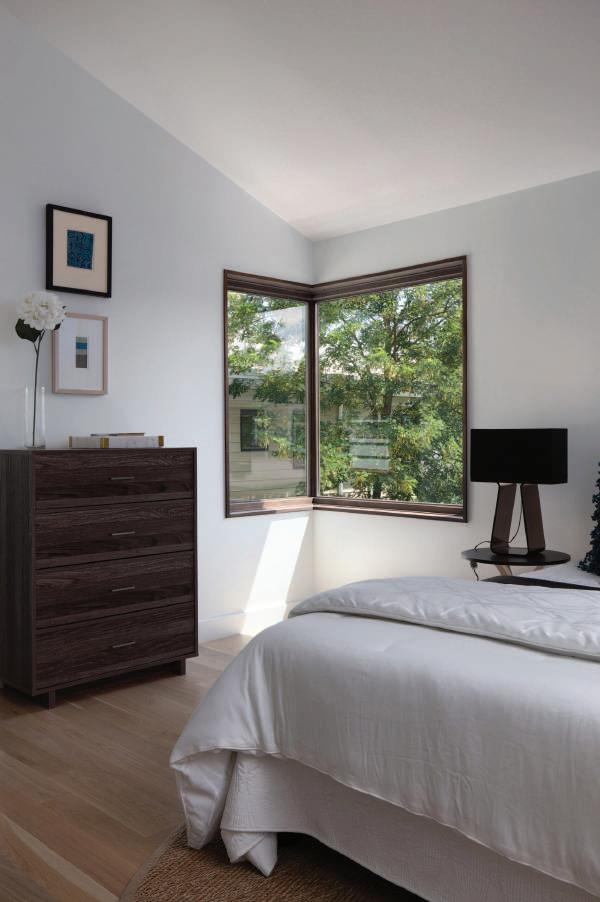
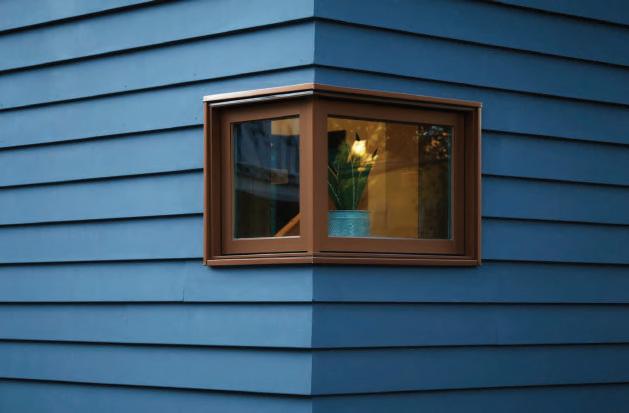
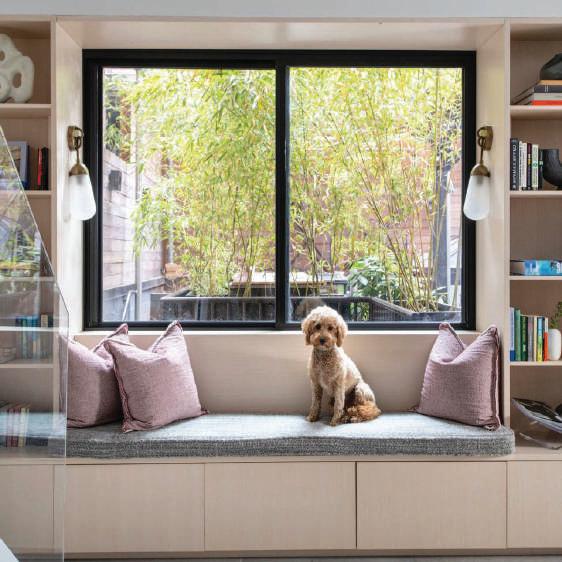
Design for two adjacent single family speculative homes within a site. Many of the significant windows are placed in the corners of each room to maximize light and views while maintaining privacy, especially from the adjacent home getting built at the same time. For the back house, the floor plans of the front design was simply rotated and mirrored resulting in an �����design and construction process, while allowing the house to respond
Location: Cambridge, MA
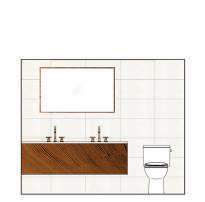
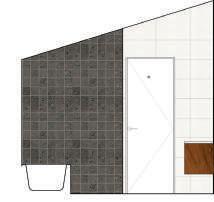
Design in charge: Material/finish design in bathrooms in the house
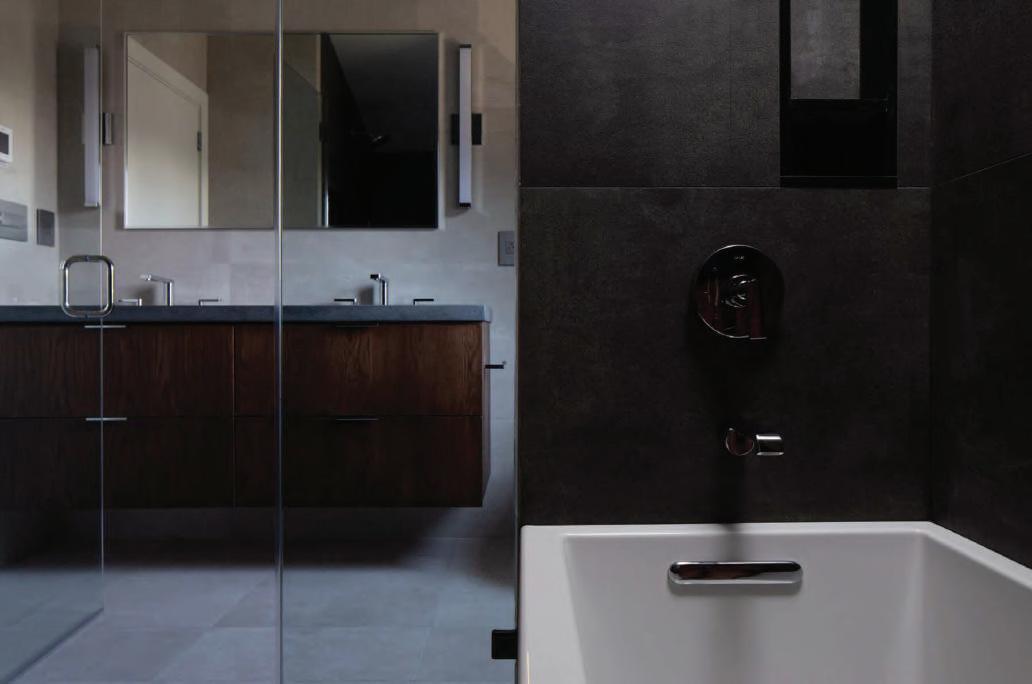
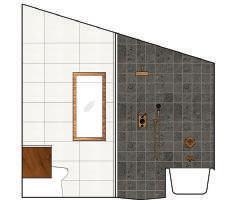
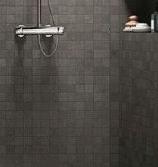
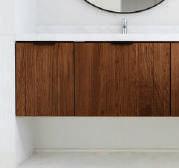
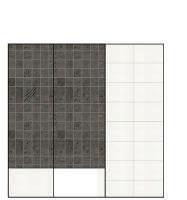
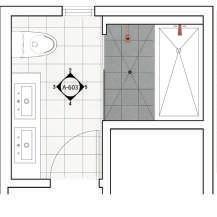
Bathroom design for a house in MA. Studied design for materials and finishes. I proposed the designs and created the presentation for several bathrooms in a house. This is the master bathroom of one of them. It was made with a sense of luxury while matching the materials and colors of the entire house.
Master Bathroom-Oprion. 1
Master Bathroom-Option. 1
Completion
CITY HALL
Master 2nd year.
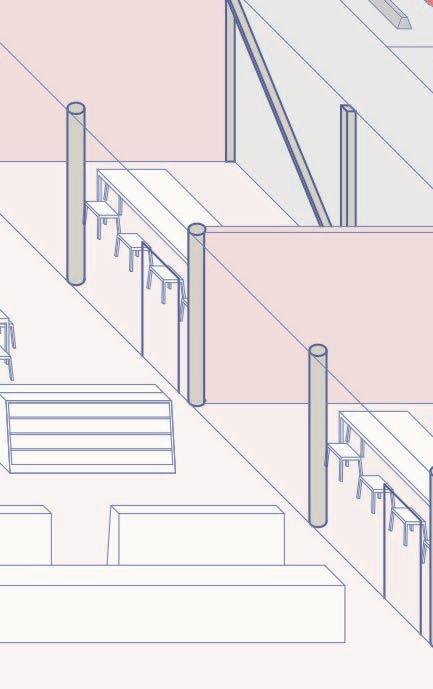
The public competition idea of the city hall in Japan. It requires a general function of the government ����as well as the function for the disaster relief, using local-made wood. This flexible plane �������is to support switching the functions and of���reorganization.
City Hall
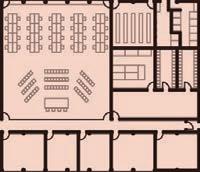
Plan is compact and has ��������line with general structure. Modular equipment arrangements that correspond to equi-span structural systems enable coordination between health centers, each department, and disaster prevention center. It also realizes a �����plane �������that can support reorganization such as new establishment and relocation of departments. By arranging a window and ��ce space so as to open facing the open space, various functions and activities will be integrated to build a cooperation.
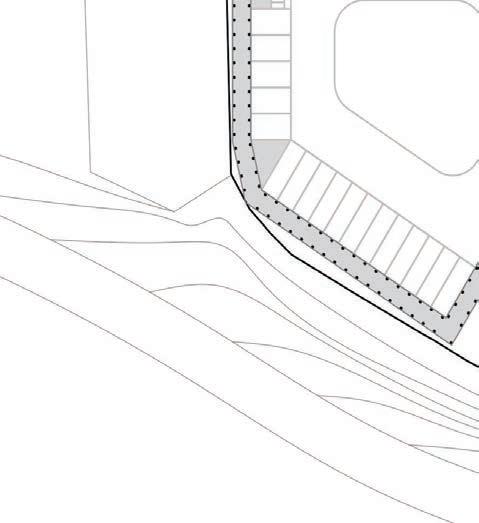
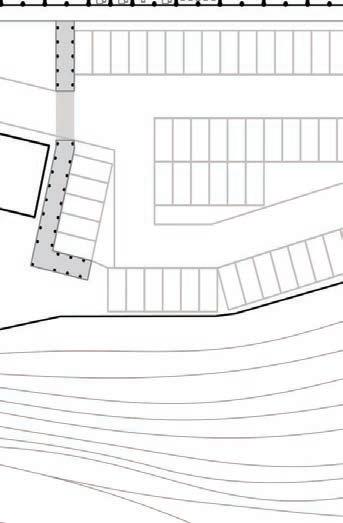
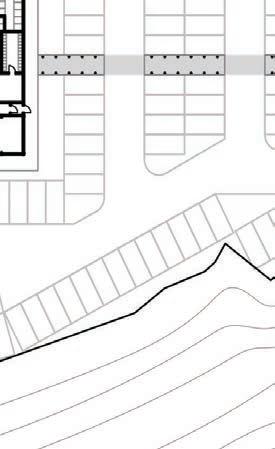
Easy-to-understand parking lot
T�������plan with a clear and easy-to-use layout. This arranges the ����of many ����agents at the entrance and also for the employees and visitors at the back.
Emergency
traffic line
In the disaster situation, by passing through the emergency vehicle road in the square, smooth access to the Disaster Prevention Center in building and square for desaster prevantion area are ensured. Also by making the site a migratable traf��line, emergency vehicle line can be organized
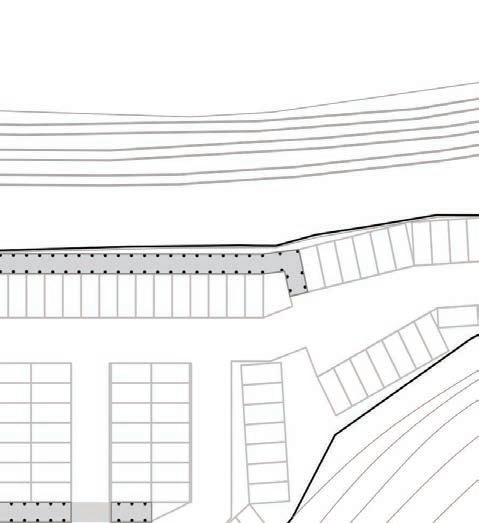
Easy-to-understand parking lot
T�������plan with a clear and easy-to-use layout. This arranges the ����of many ����agents at the entrance and also for the employees and visitors at the back.
Safe and clear access plan
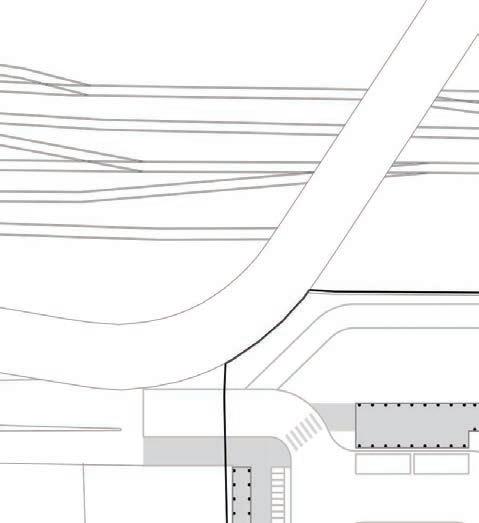
A green bus rotary enables separation of pedestrians. Visitors can be safely guided to the building with a separation line between traffic for pedestrians and bus that guides to turn around the bus rotery.
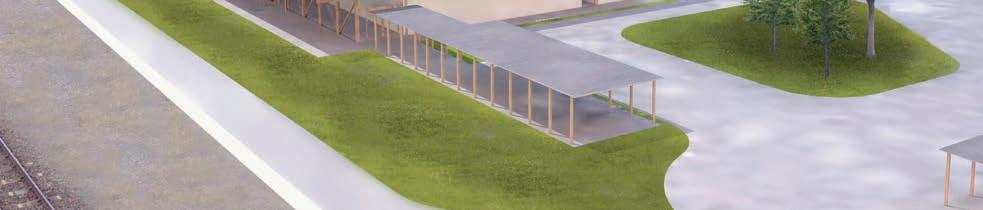
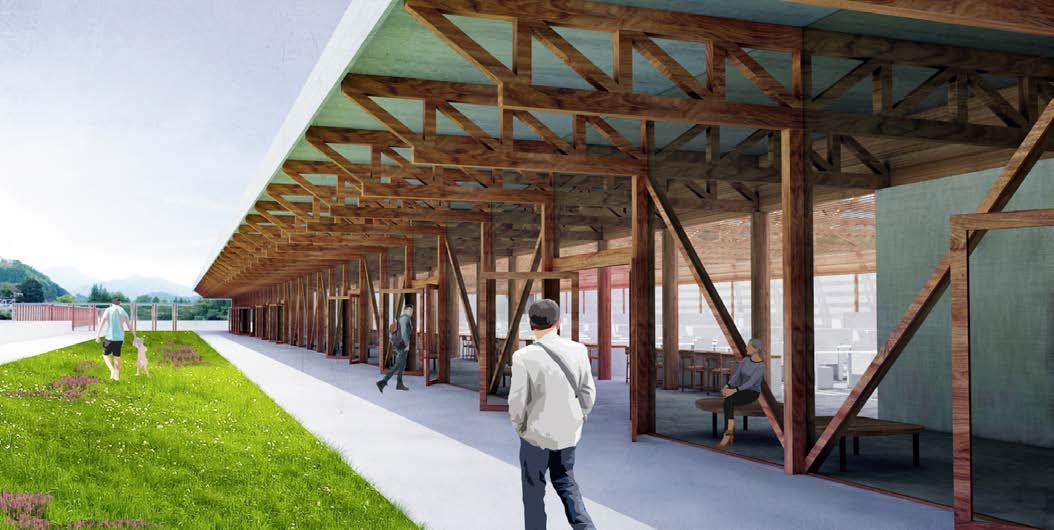
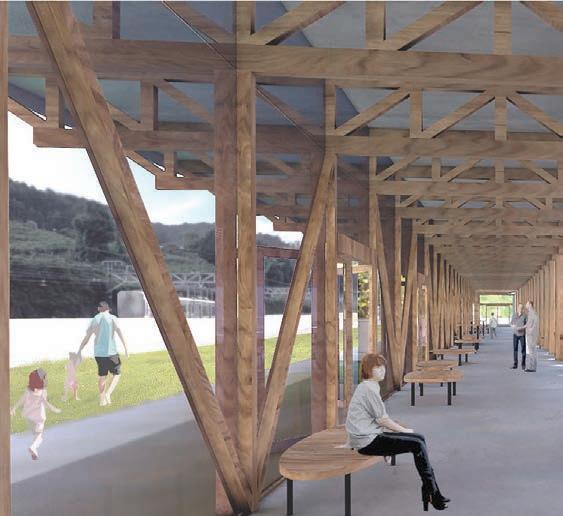
The arcade made from locally produced wood connects the building to parking lots, bus rotary, and existing building, ensuring easy access for the visitors without blocking ����lines due to winter snow.
Reversing the function for a disaster situation
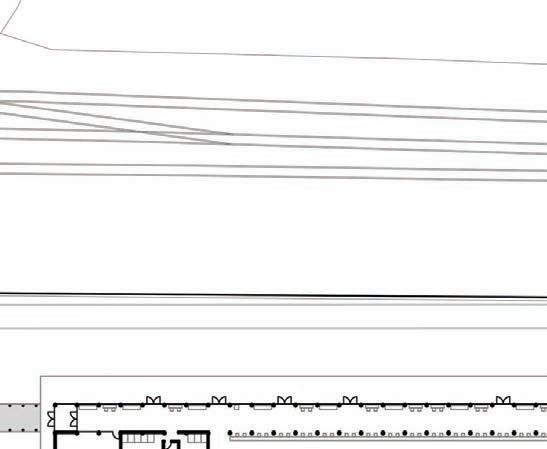
In a disaster situation, emergency vehicles can be accessed in the road at the edge of sqare. This is the case so the entire front of the building becomes a disaster prevention square, which transforms into a functional disaster prevention base. Through the long corridor, the disaster prevention center can smoothly communicate with eachother. Also, by inserting the emergency ����line to the square, it ensures smooth access to the Disaster Prevention Center and Disaster Prevention square.
The green outdoor square and a semi-outdoor eaves open to the public and have a continuous strip shape toward the
Colonnade opened to the area
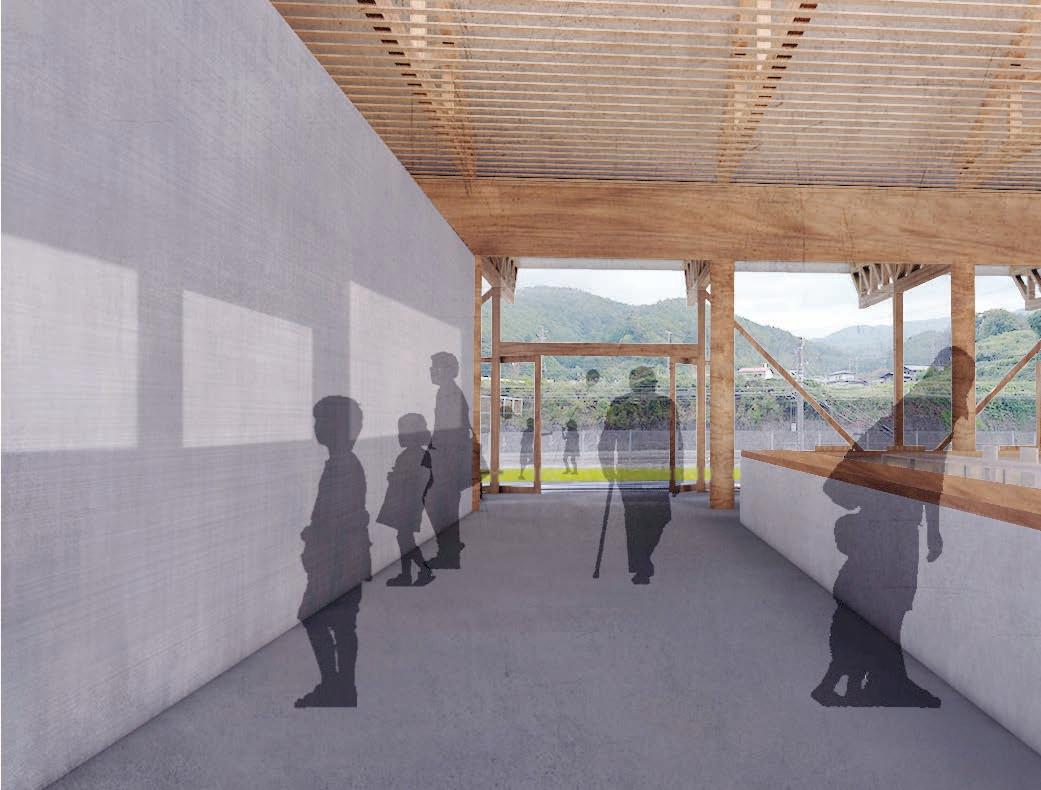
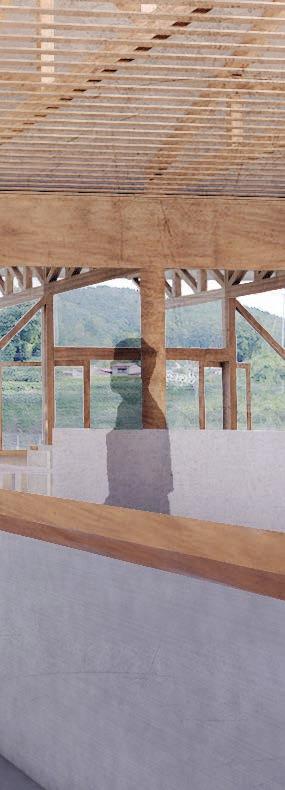
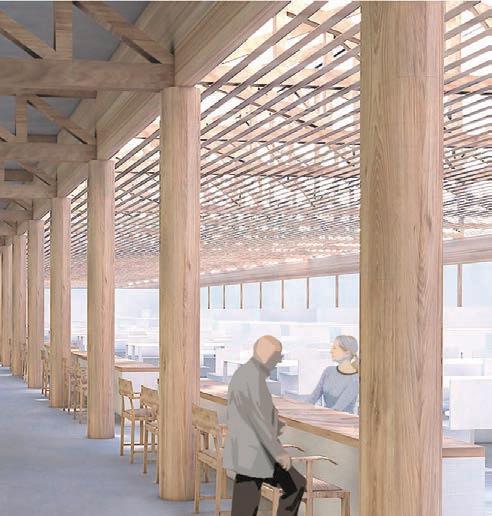
The central corridor is a highly visible window / waiting lobby and is a one-stop window.
In addition to thorough barrier-free integration with the exterior made of concrete soil, the easy-to-understand plan layout of the one-story building realizes a government building that is easy for elderly people, people with disabilities, and children who tend to get lost in the building.
The counter is based on a low counter where you can sit and respond, and a consultation booth with privacy in mind will be placed in a balanced manner to plan an interactive window environment that is easy for everyone to use.
Gable roof that becomes a pool of light
By collecting snow on the eaves, light can be taken from the top light even in winter. Light is diffusely �����at the triangular part of the roof to
Roof and eaves space that does not require snow removal
Eliminates the need for snow removal by accumulating snow on the eaves and melting it gradually with a snow melting device. In addition, it supports outdoor activities by having a space under the eaves with a long roof. By not putting snow on the big roof, the solar panel is used to the maximum extent.
Clear configuration with central location
Visitors are smoothly led to a spacious square by the arcade. Each program has a space structure that everyone can access by touching the long corridor.
Dust that stores heat
Because of its abundant water sources and wood, a “pellet-type hot water boiler” will be adopted. The ���is made of concrete and heat storage, creating a comfortable environment without waste even in large spaces.
A well-ventilated government building using natural ventilation
The cool air from the open space is taken in, and the heat accumulated in the roof is released from the high window of the gable roof, reducing the air conditioning load in the middle period.
2019 International competition
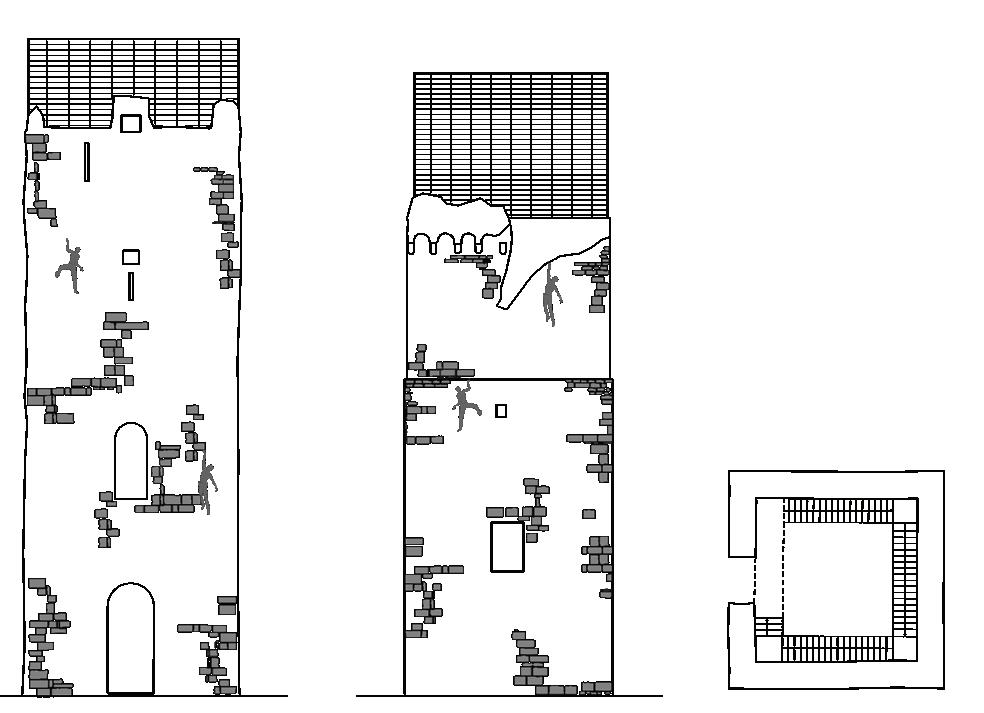
Re-use the castle Ripafratta Pisa, Italy
It is to transform a ruined castle in Italy in a place for to the climbing activity, for events and conferences, a public park connected with the hiking system of the surrounding mountains. It requres the preservation of the historial elements of the fortress through the history of two cities, Pisa and Lucca, as well as its material use, and considering to bring hikers and tourists to revive the castle through the famous hiking trail and landscape.
RENOVATION OF THE CASTLE
Concept; Kintsugi
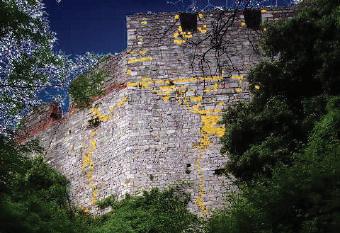
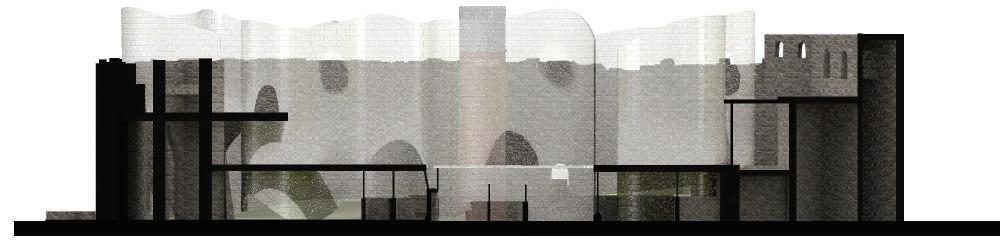
Celebrate the history of the Castle using the concept of Kintsugi (Cravatta d’oro), a traditional Japanese technique which not only repairs but highlights the cracks and imperfections, as an event in the life of that object. Instead of hiding past, Kintsugi embraces it to enrich the present and carries it into the future.
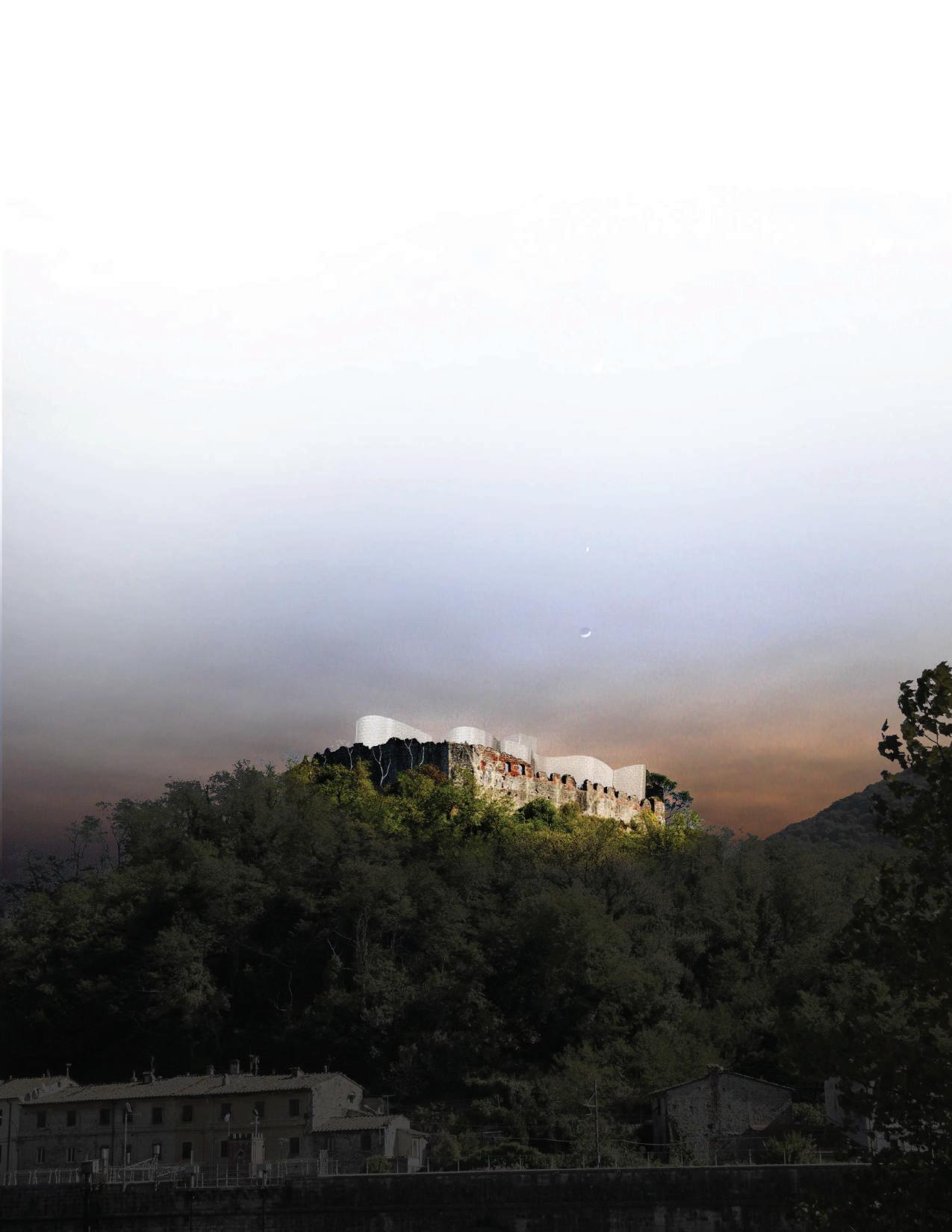
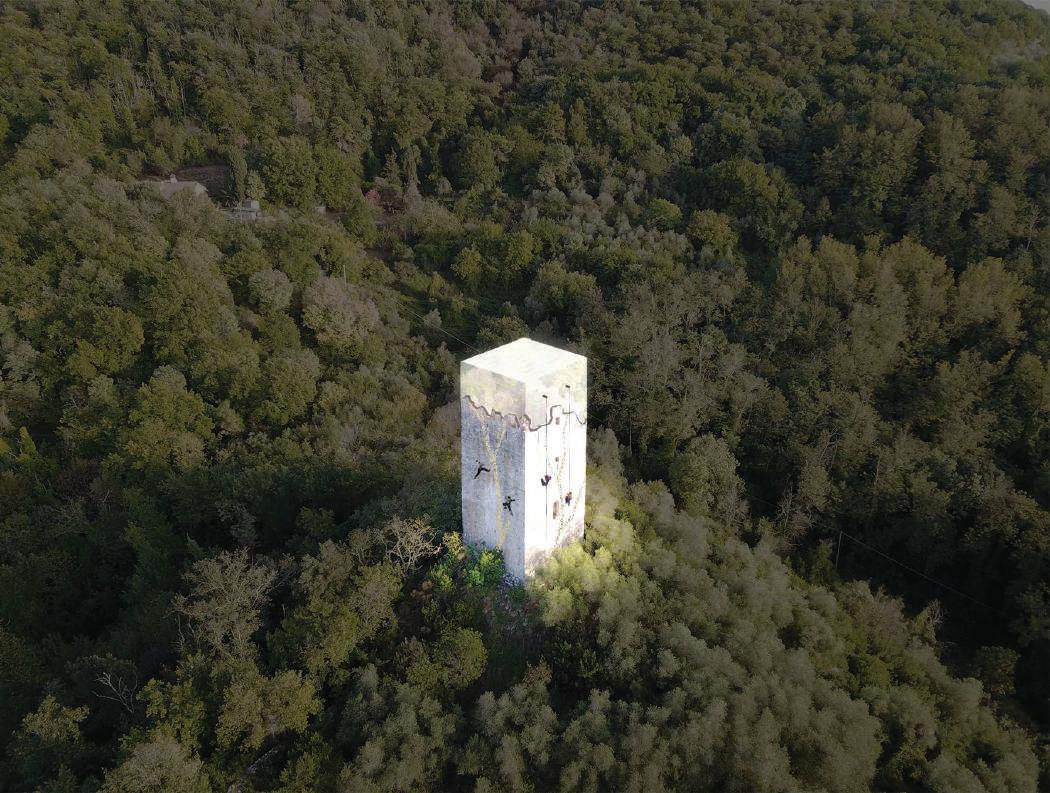
The three main historic structures in need of repair, the fortress, Niccolai tower, and the Centino tower will be linked conceptually and visually using translucent “glue”, a material combination of locally sourced glass bricks and translucent concrete, to fill in and preserve the cracks and gaps that have developed over time.
Same material and technique are applied to cap the tops of three towers, providing necessary reinforcing, protection from the weather, and transforming the entire tower into a climbing surface.
In both the fortress and the towers, the Kintsugi night transmits the light from within. The beacon of light becomes the symbol and marker for the CAI trails while honoring the rich history of the city and the region.
Landscape; Node-path-district
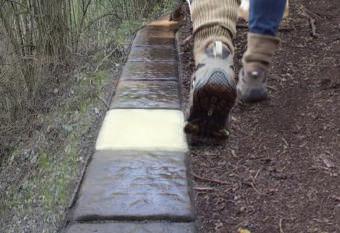
Connect the significant nodes within the site and the region using glass brick as signage and wayfinding device. On the ground, in keeping with the Kintsugi concept, glass bricks will be used to repair and reinforce the pedestrian trails and the terraced landscape. New furniture elements such as outdoor benches and information displays will also be built using glass brick as the primary material.
Experienced together with the fortress and the towers, material continuity unifies the isolated nodes into a mesh like network, celebrating the Castle and its territory.
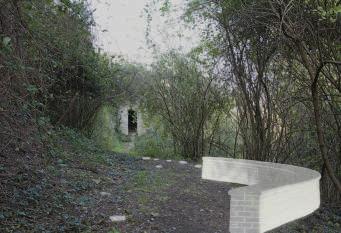
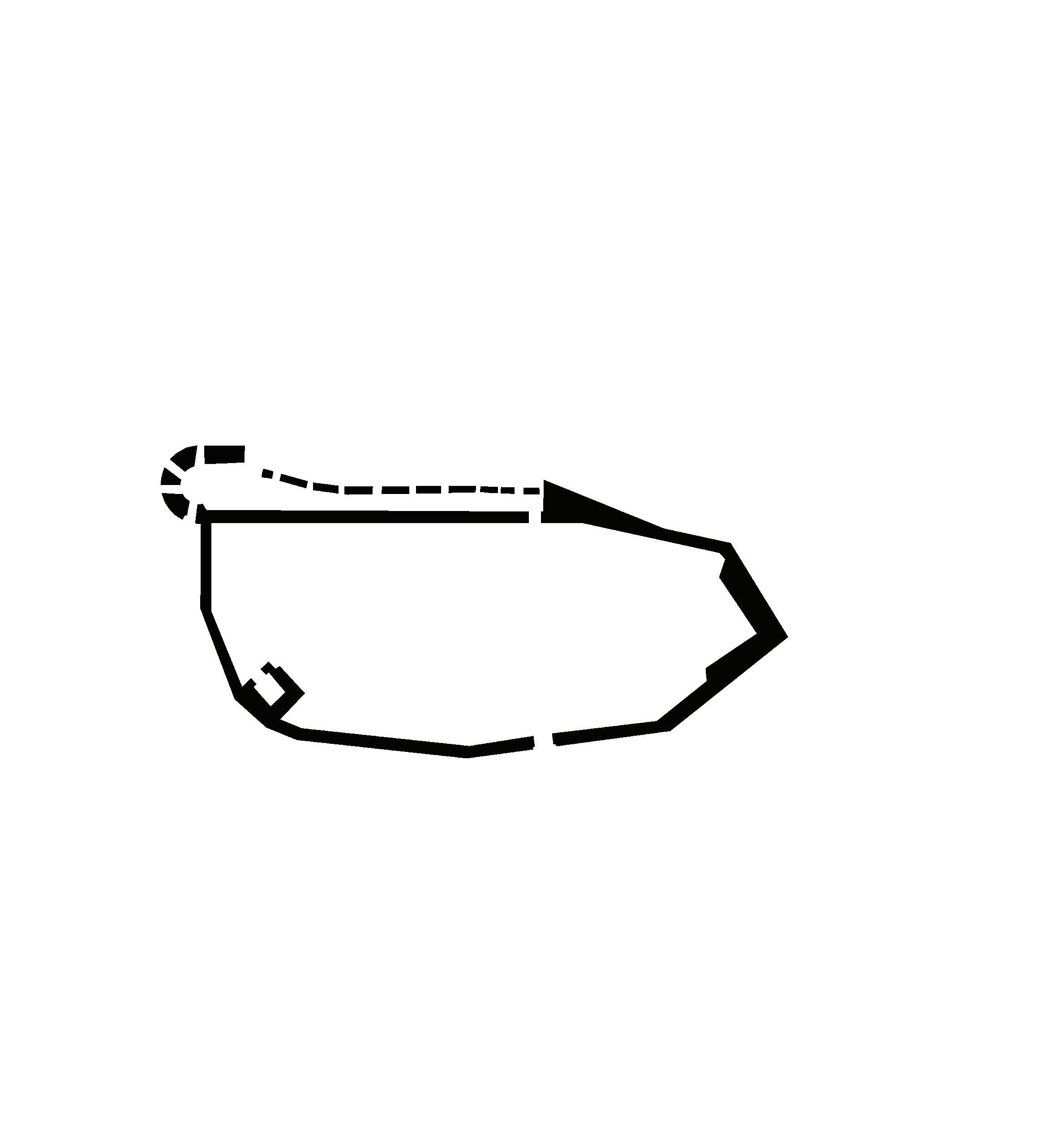
Programmatically and structurally reinforce the fortress wall by inserting a glass brick curvilinear wall inside the fortress.
The wavy wall runs approximately parallel to the historic masonry wall but undulates for structural stability, connecting to the historic wall along the way like a buttress. ����������������������������������������
height, housing the programmatic elements at various elevations around the fortress. Respecting the material history of the fortress, the glass block adds a new layer on top of its deep legacy (limestone, brick, stone), aimed not to complete the project but serve as a new foundation for the future.
MEMORIAL MUSEUM OF CANAL
In architecture space is time.
In architecture light is defines form.
In architecture the route surprises.
In architecture rough materials convey elegance.
In architecture the function is being there.
In architecture the shadow reveals the beauty.
-Carlos Castanheira
Graduation work in M. Archi, Kyoto Instutute of Technology
Honorable mentioned as a presenter in public exhibition by juries: dam Caruso (Caruso St John Architects) and Ling Hao (Linghao Architects)
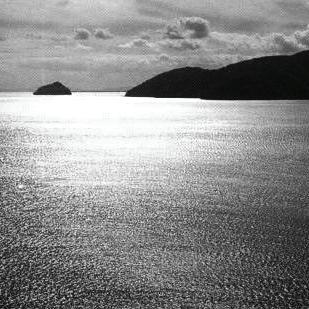
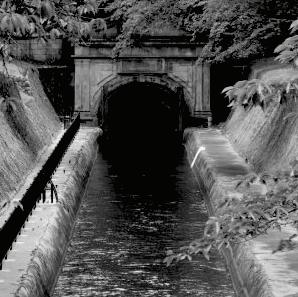
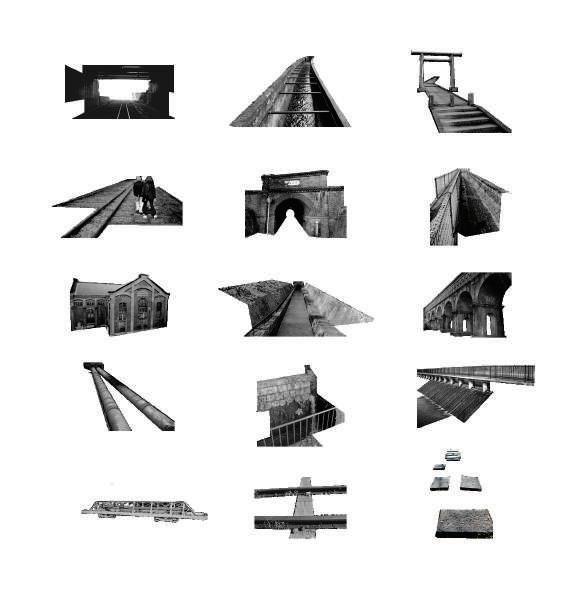
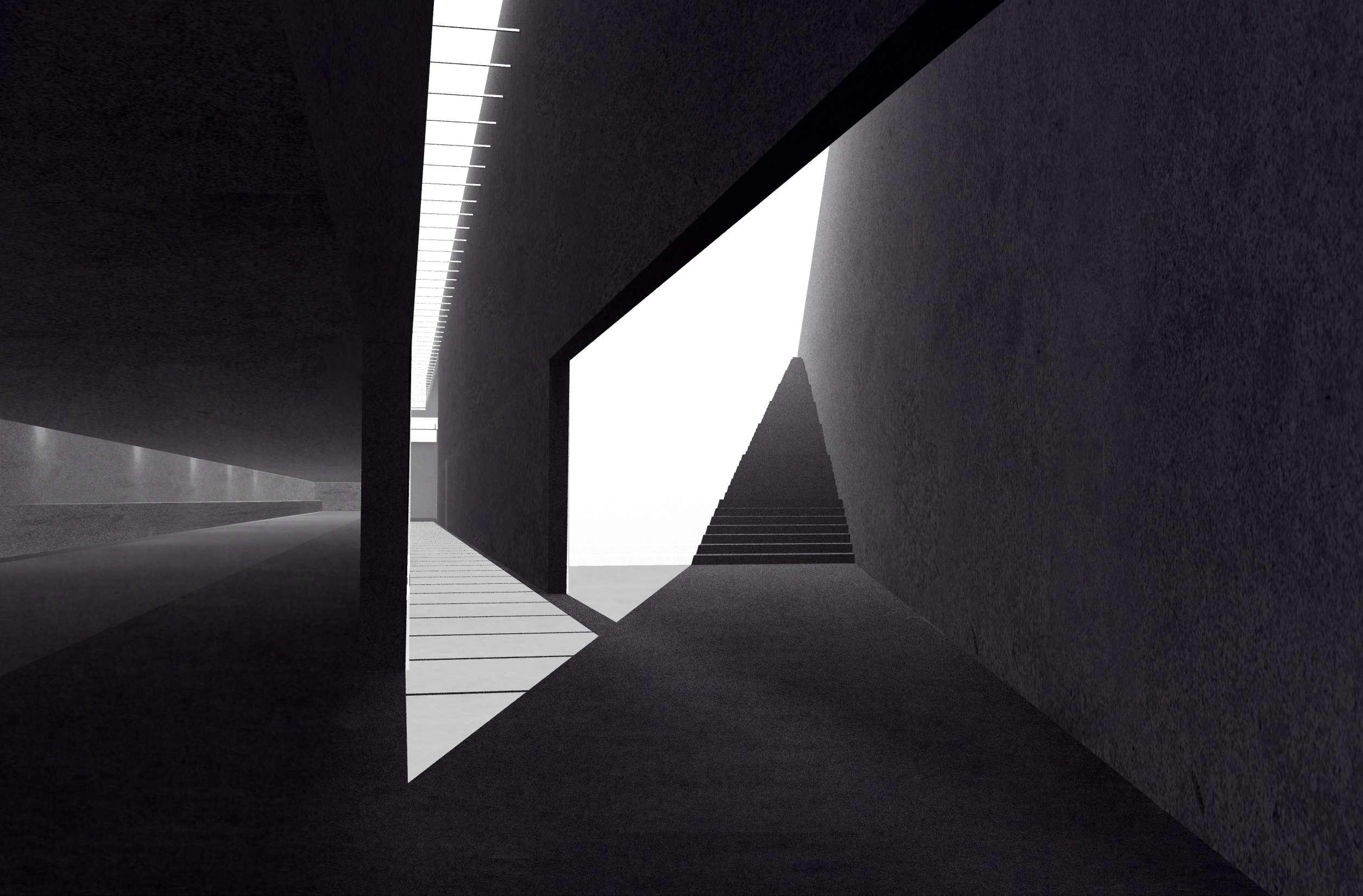
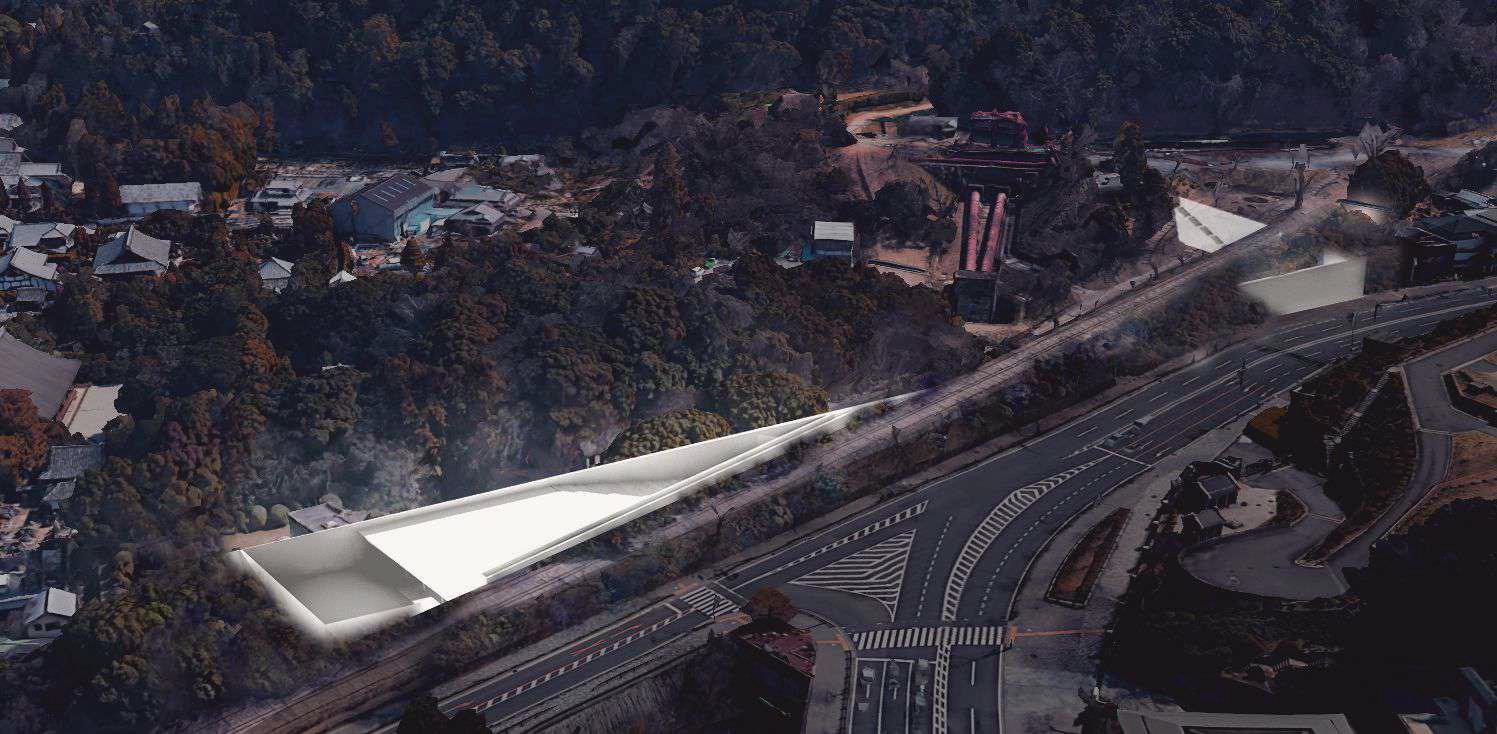
Can space be a counterpoint that connects what we see and what it exists? This is a spatial experiment to integrate imagery and entity. Shadow/light that changes as time passes or as you walk introduces time-scale into the sequence space.
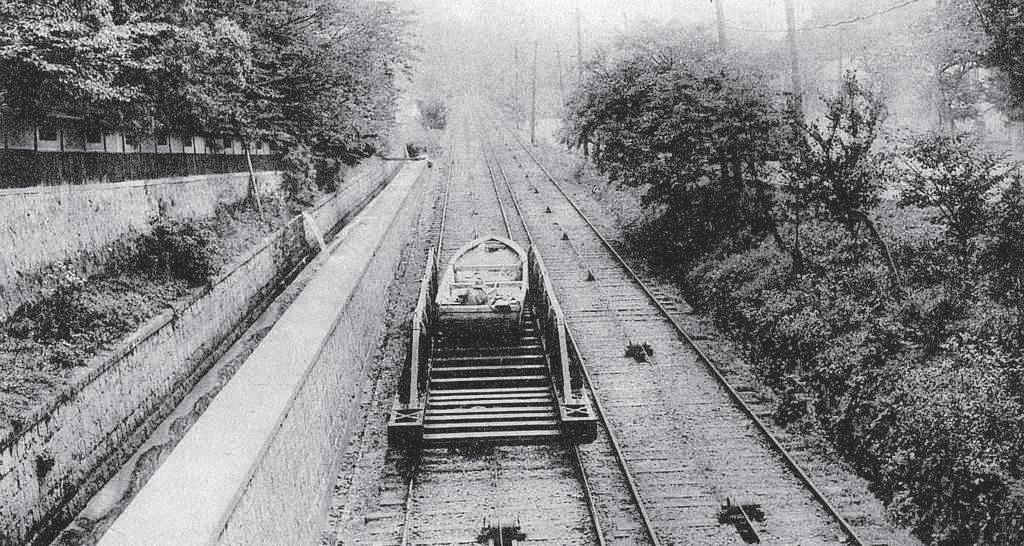
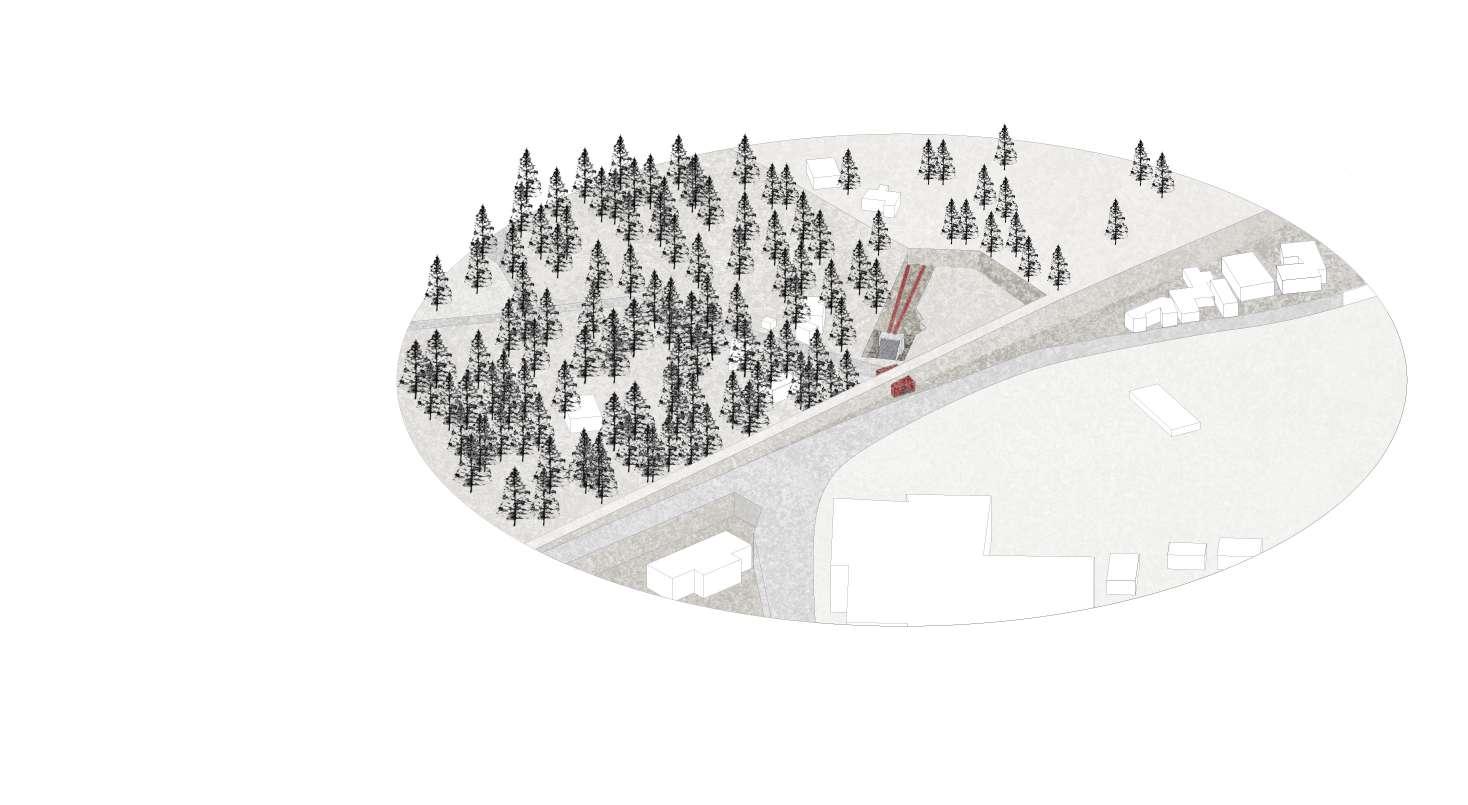
Keage Incline, The History and Site Description
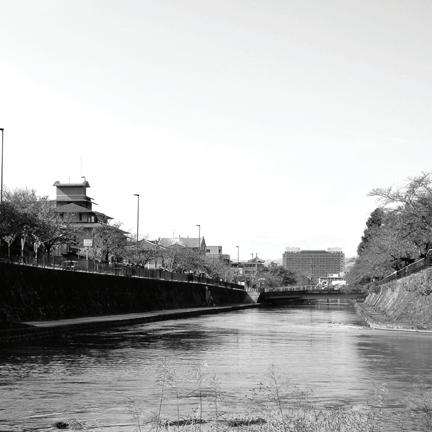
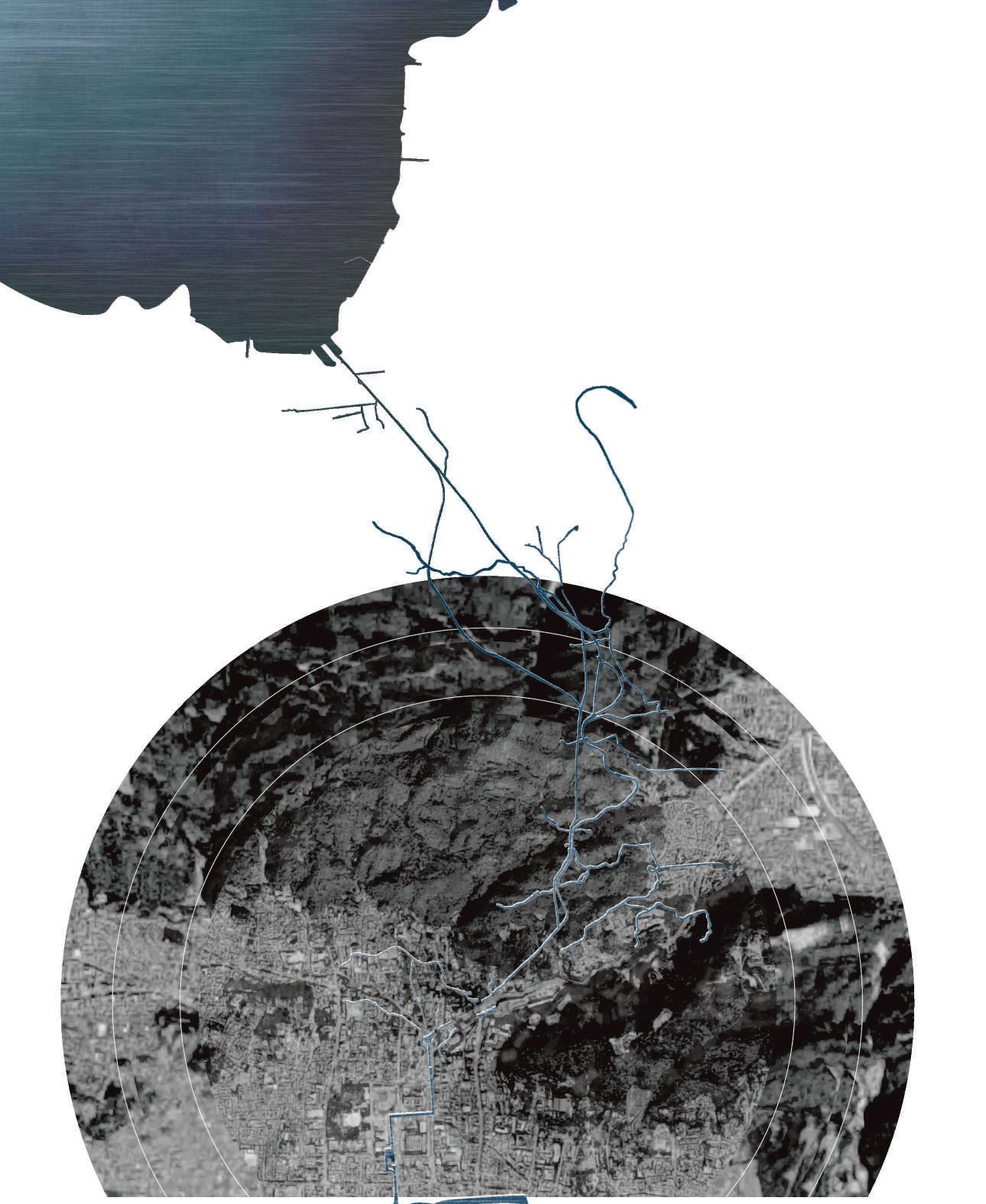
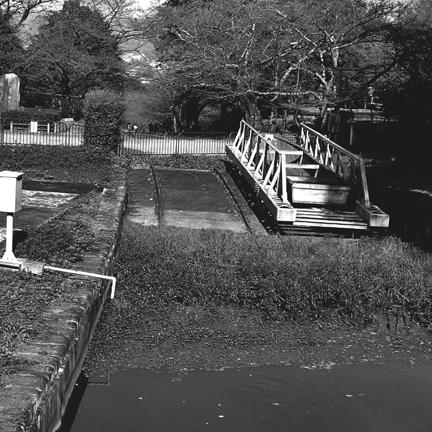
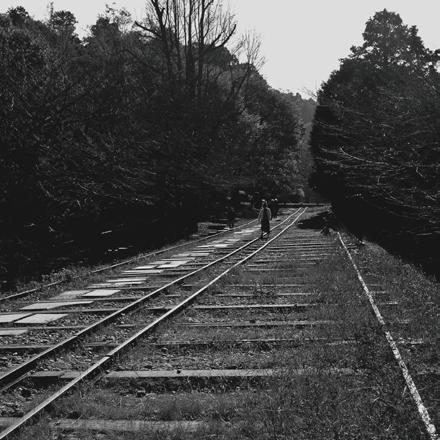
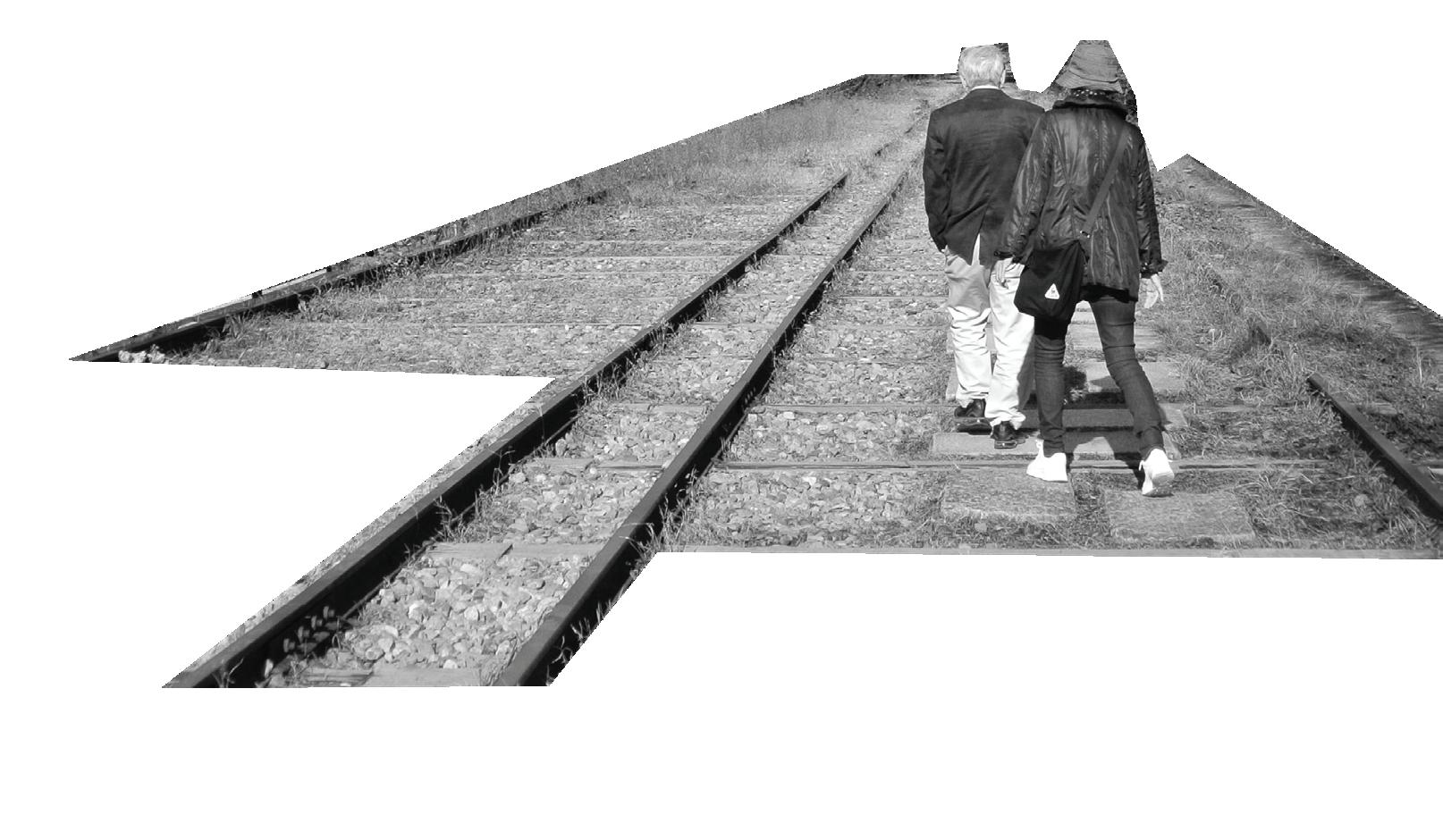
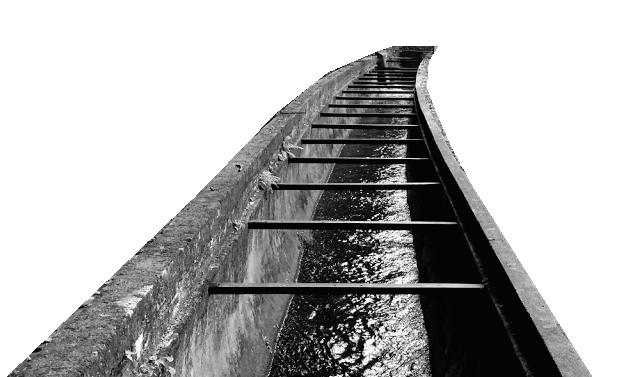
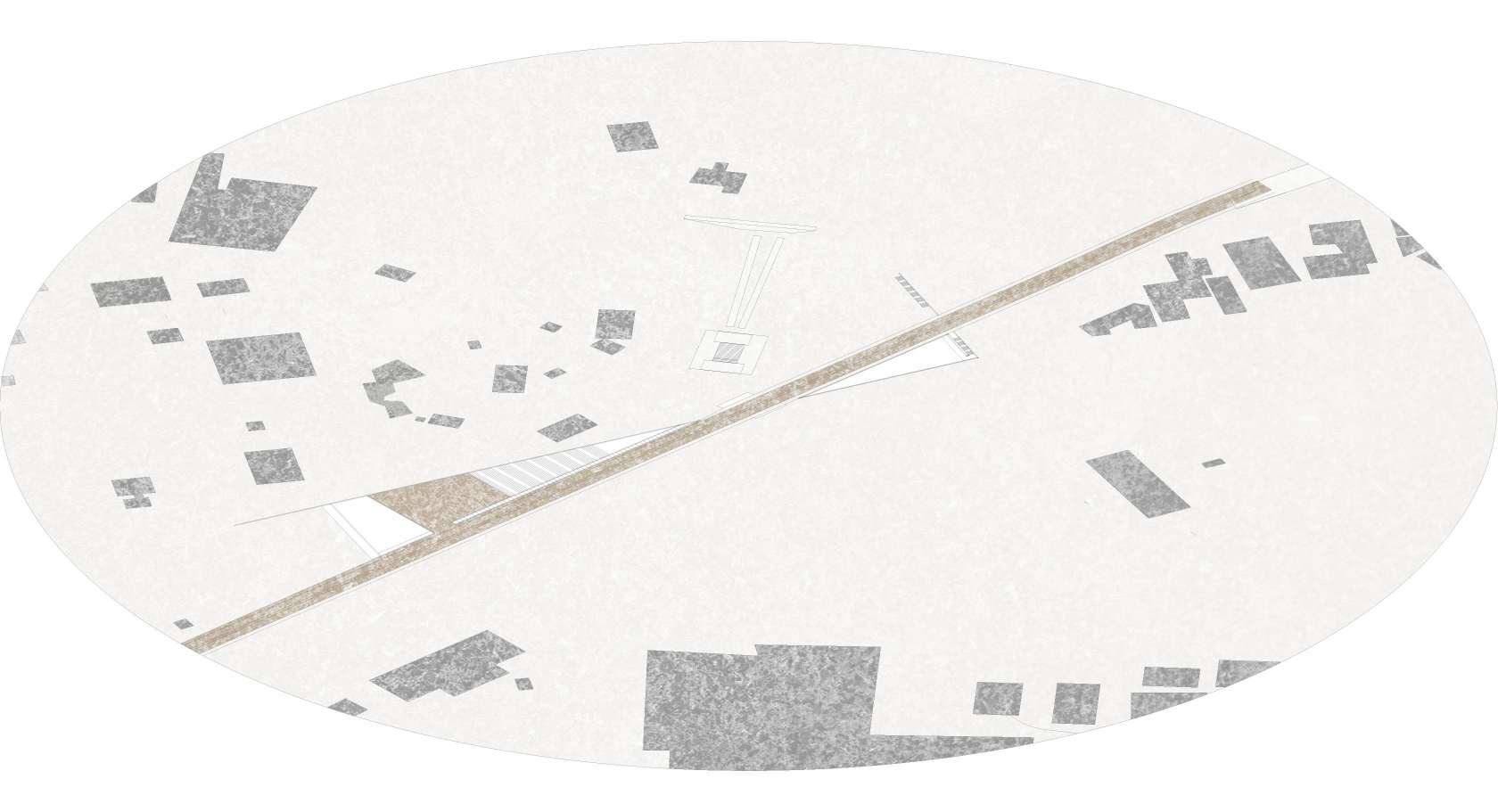
Keage-Incline is the longest funicular railway track in the world with a total length of 582m. This ruins was built to extract water underneath and transpport ships from Lake Biwa to Kyoto city, which was about 36 meters in elevation.
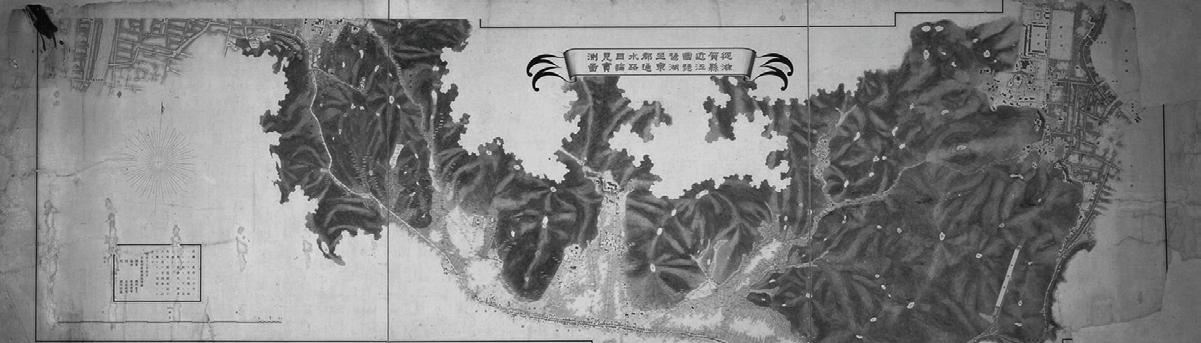
As the capital moved from Kyoto to Tokyo in 1882, the industry in Kyoto suddenly declined and the population rapidly decreased. In order to revitalize Kyoto, the inundation project was planned to promote industries.
Governor of Kyoto paid attention to Lake Biwa, which is close to Kyoto city. By excavating the canal, it opens a boat connection between Lake Biwa and the river in the city, which is used for power (turbine), irrigation, and fire prevention for restoration of Kyoto. Today the railway is mainly a tourist attraction but it is used for water source and hydroelectric power generator for approximately 1.47 million citizens.
Kage-Incline was an important part of industrializing Kyoto. I designed a memorial museum that conveys significance of Keage Incline and how it changed Kyoto.
Lake Biwa
Canal
Kyoto City
Nanzenji Pier
Keage-Incline
Keage Pier
Keage Pier
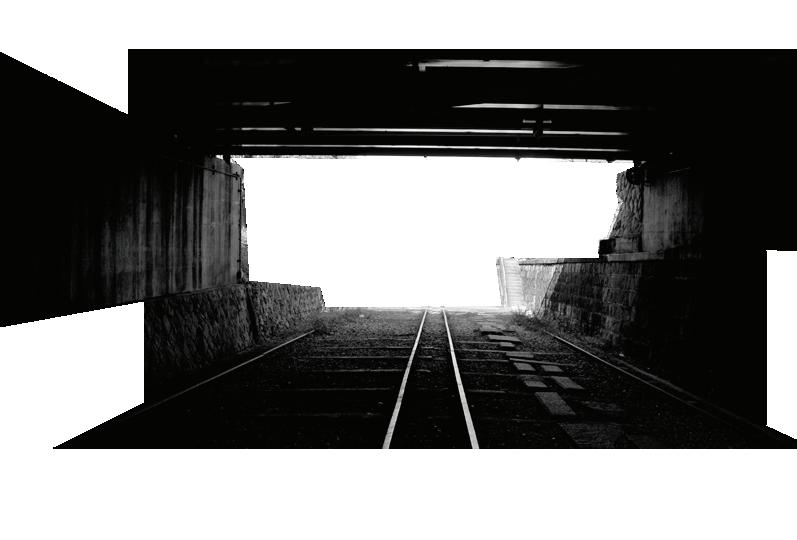
Nejiri-manpo Tunnel
1. Connect Water Flow Line
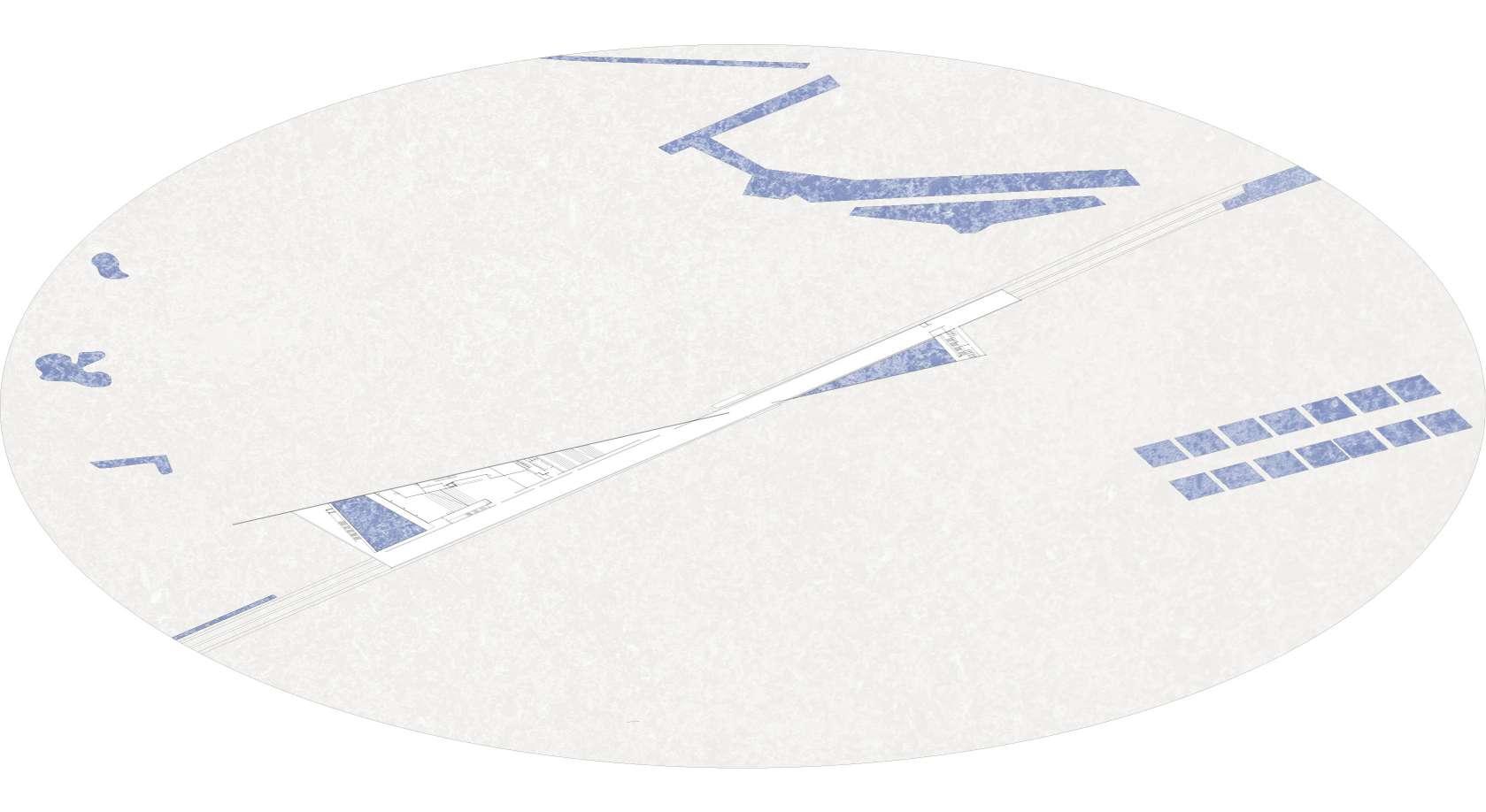
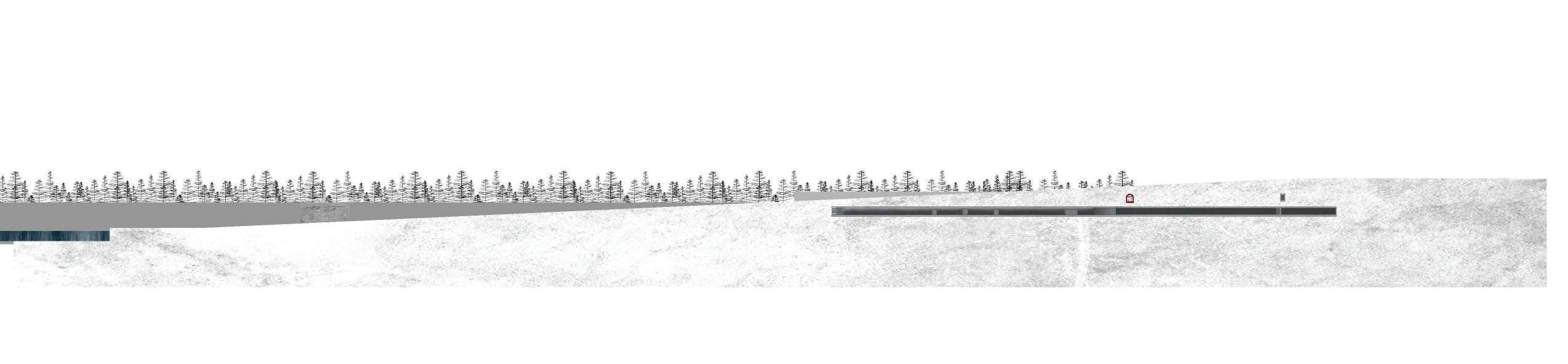
It shows the place where water from Lake Biwa exists. Water flow in the site starts from the top of Keage-Incline’s slope. Small waterfall at the lower part of Keage-Incline suddenly appears on the ground level, flowing through a culvert located below the passage space. As you walk through the passage under the Keage-Incline slope, you physically feel the blocked water-flow line is connected to the waterfall.
2. Coincide the Perspective and Landscape
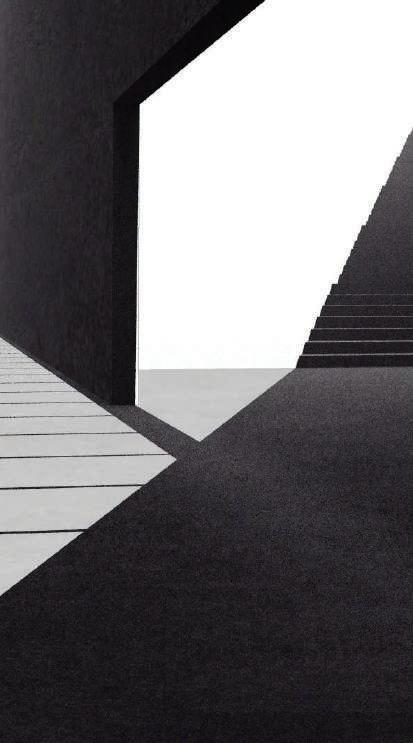
The line of flow in the museum passage space below Keage-Incline is along the slope. It starts from the entrance and leads to the hall.
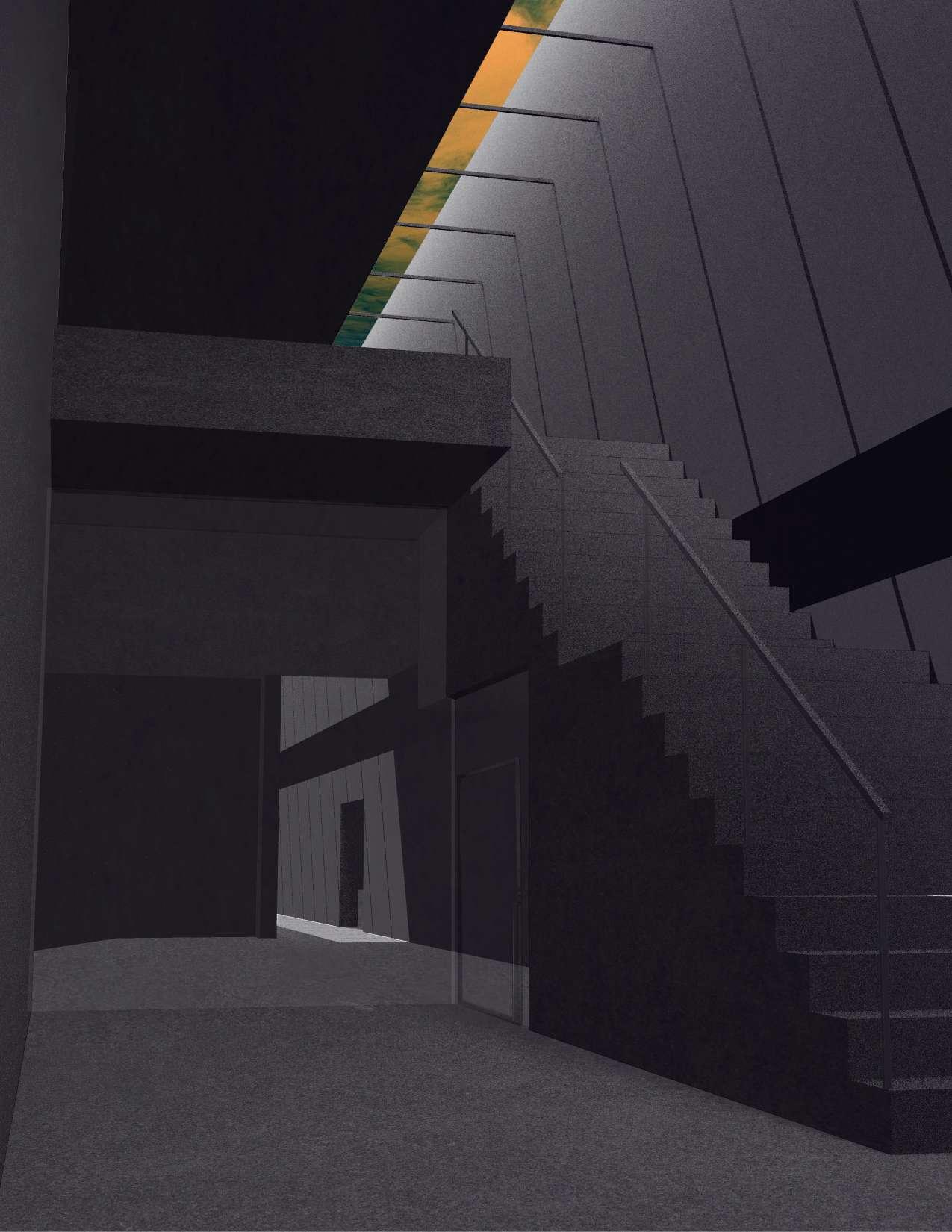
As you pass through the passage, your eye line gradually approaches the ground level of slope of Keage-Incline. Walking in parallel with the Keage-Incline slope and passing through the passage, grand staircase leads your eye line to the landscape.
Nejiri-manpo Tunnel Keage-pier
Nejiri-manbo Tunnel above
Nejiri-manbo Tunnel Entrance Staircase
Keage-Incline
FLOATING LANDSCAPE
DORMITORY
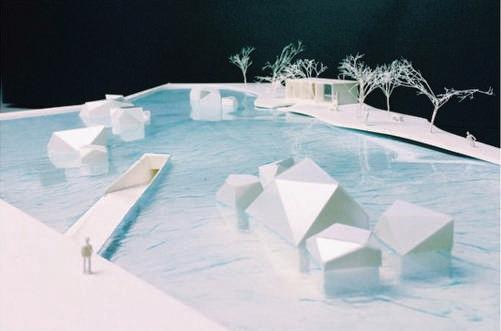
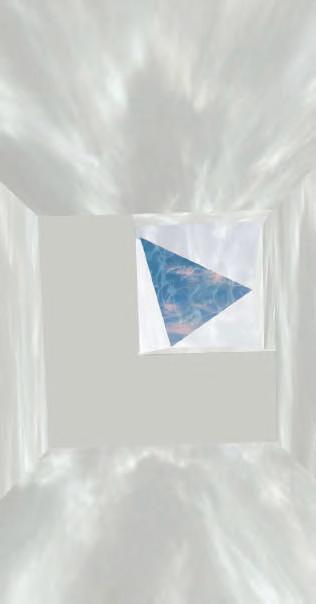
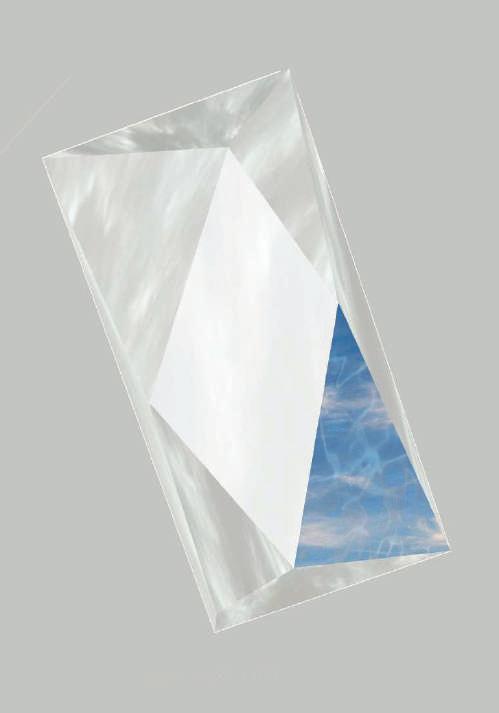
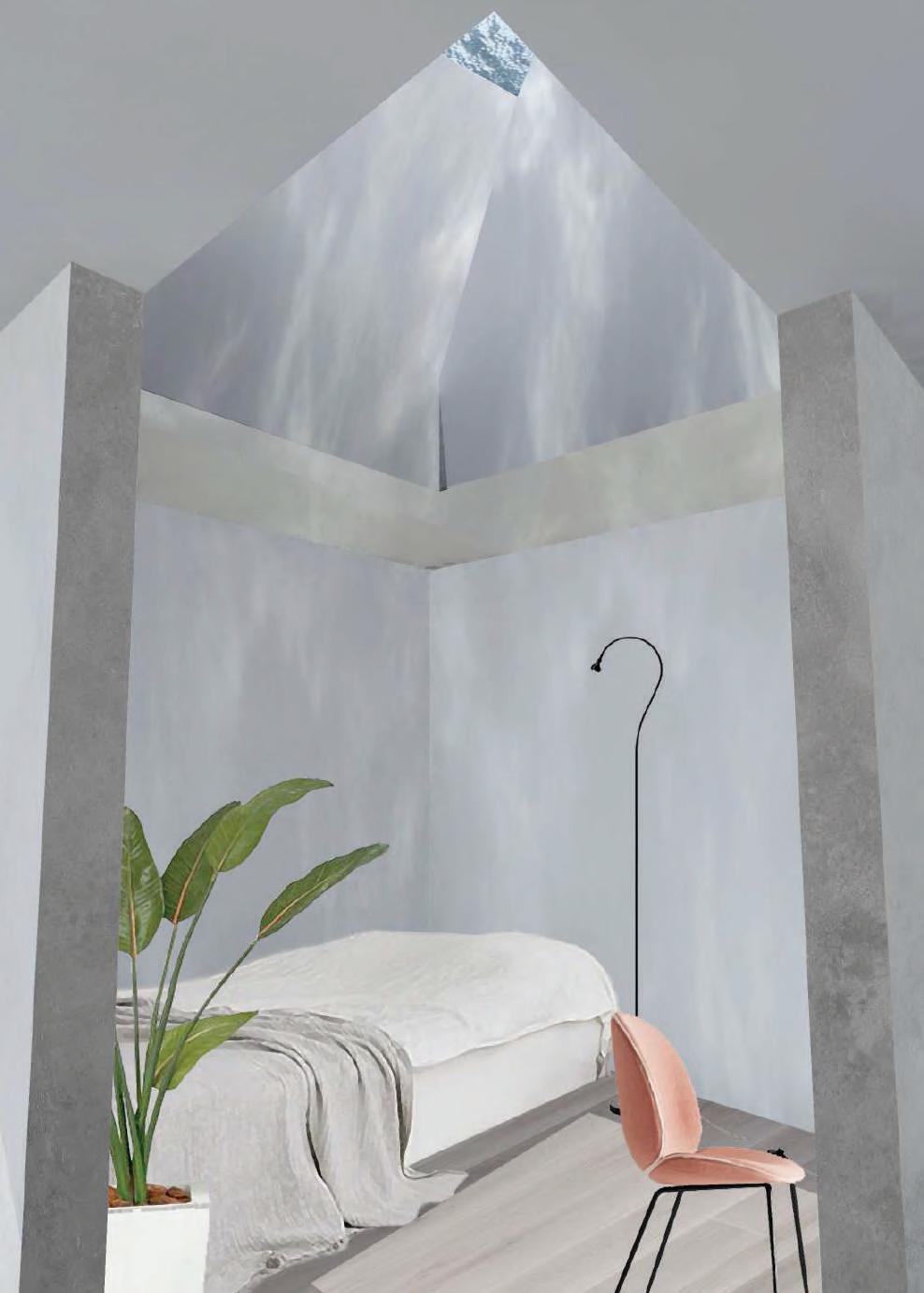
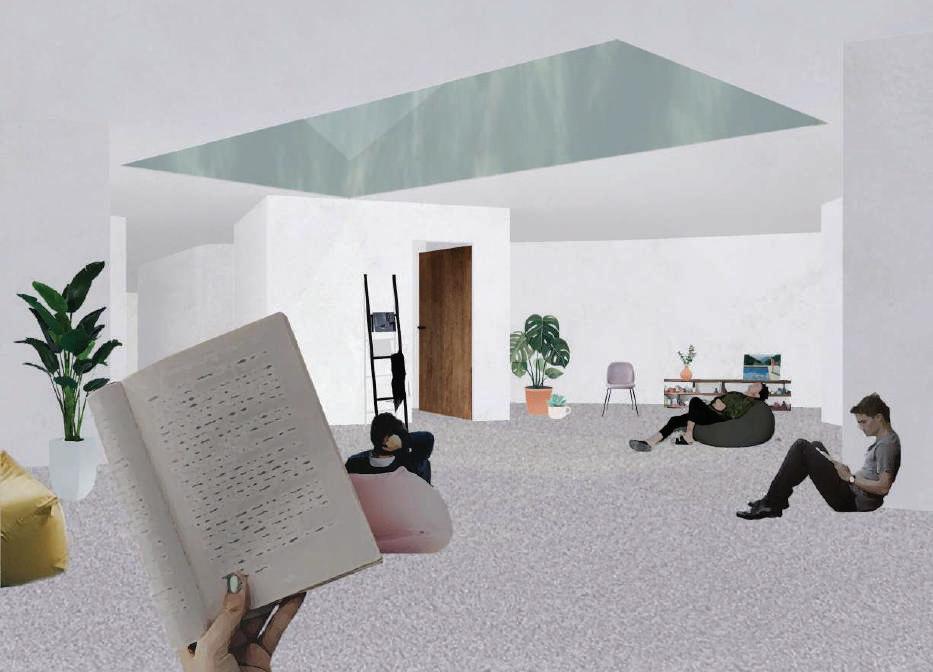
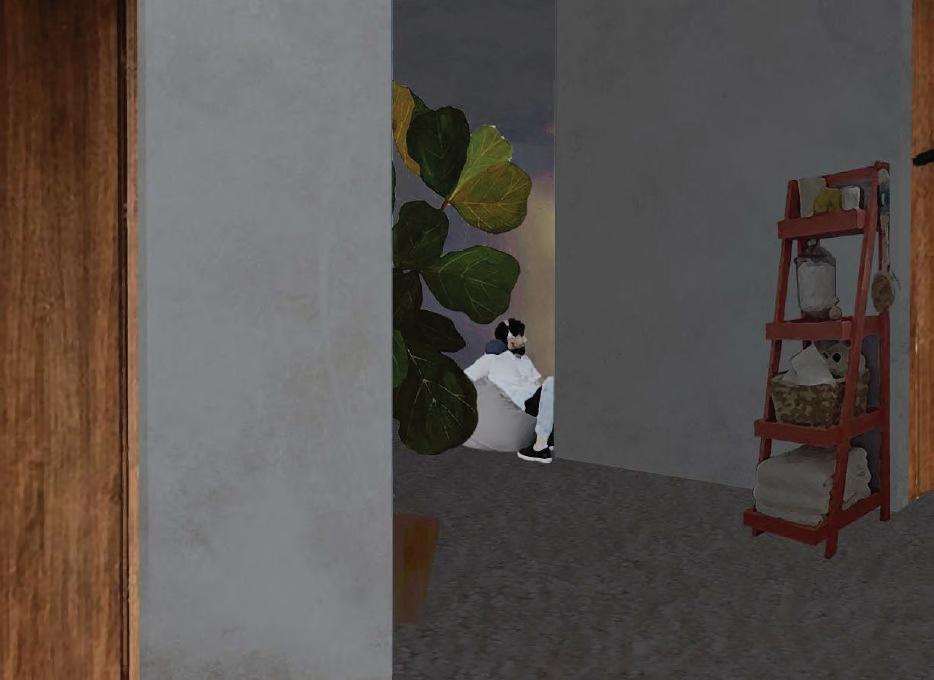
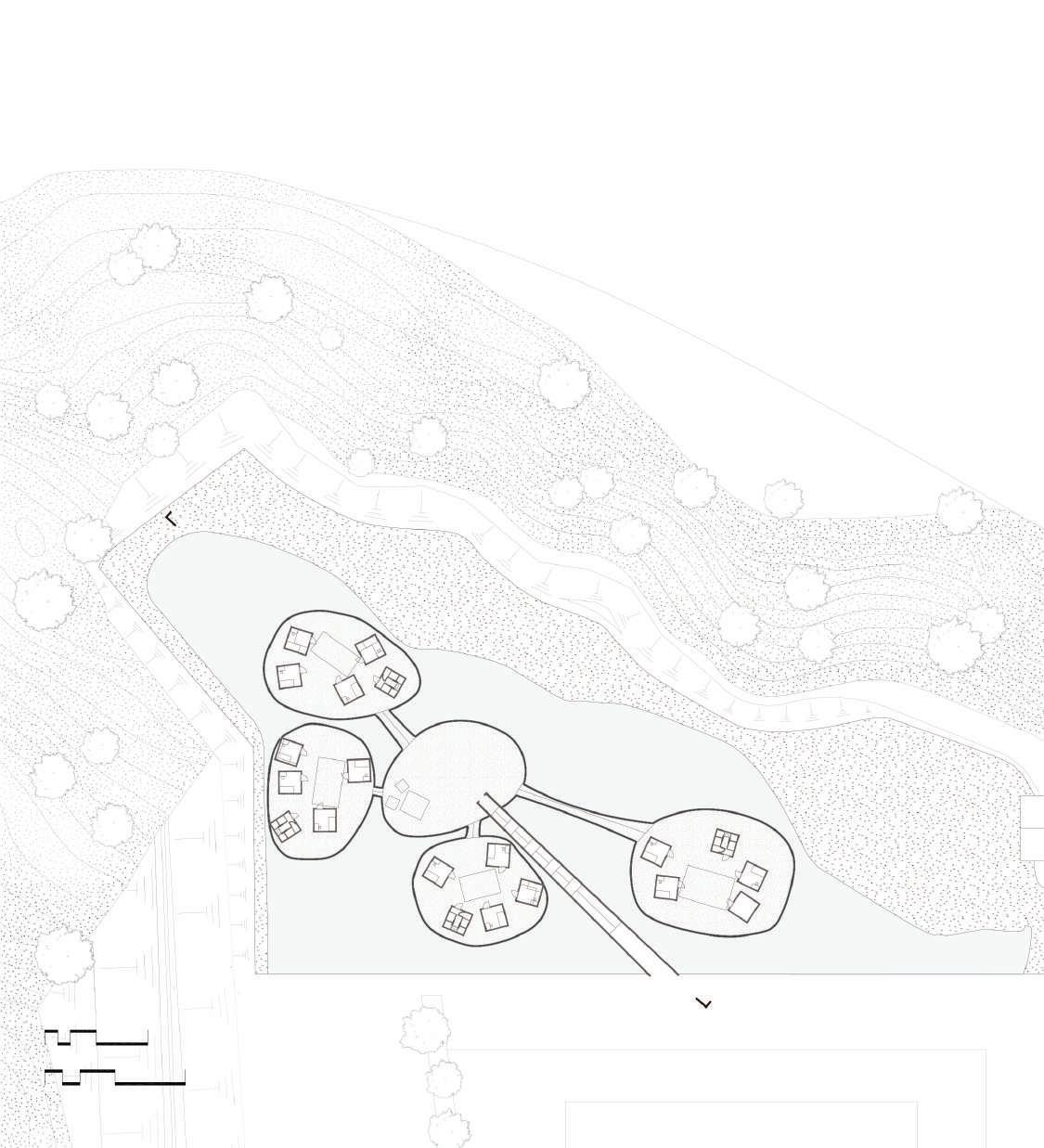
School project on bachelor 2nd year. The dormitory for the students at the college in Hyogo, Japan.
AWARD
100 selection of 2013 Rookies of Architecture in Japan
(Jury: Ryue Nishizawa, Jun Igarashi, Sei Takeyama, Kaoru Suehiro and Hirokazu Toki)
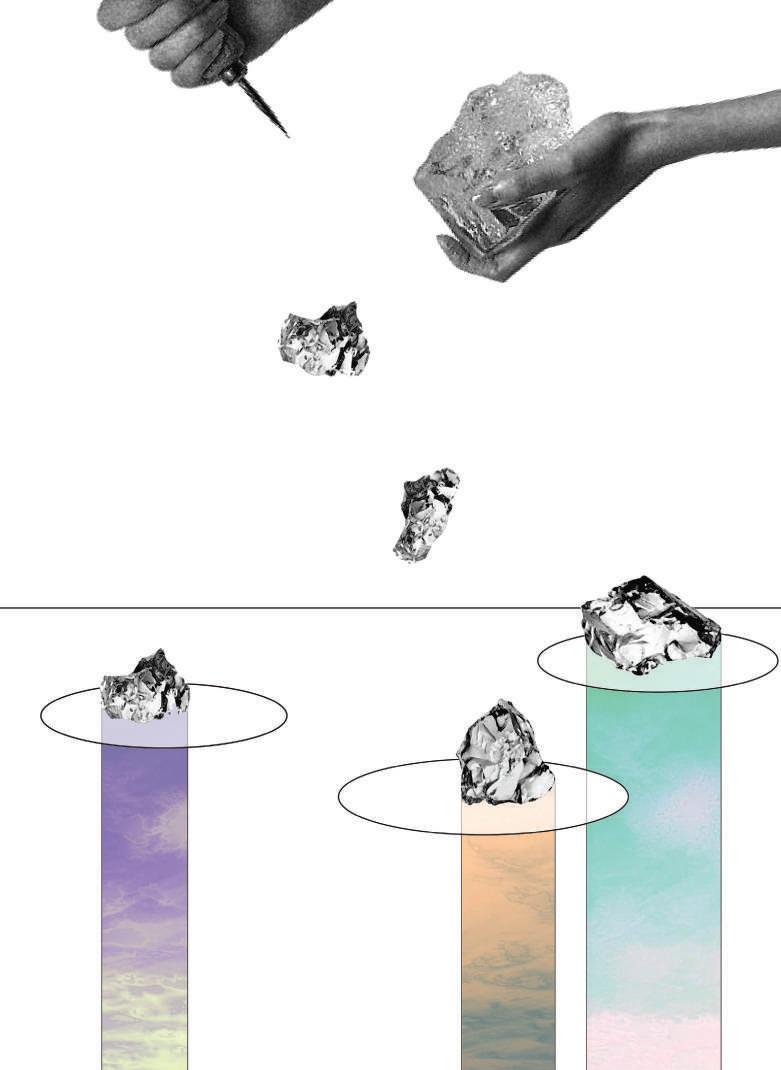
Water waves are reflected on the walls as the weather changes. In rainy day, rain drops reflects on the room and the room resonates with sound. The color of the room changes with the sky and the wether.
BOOK DESIGN
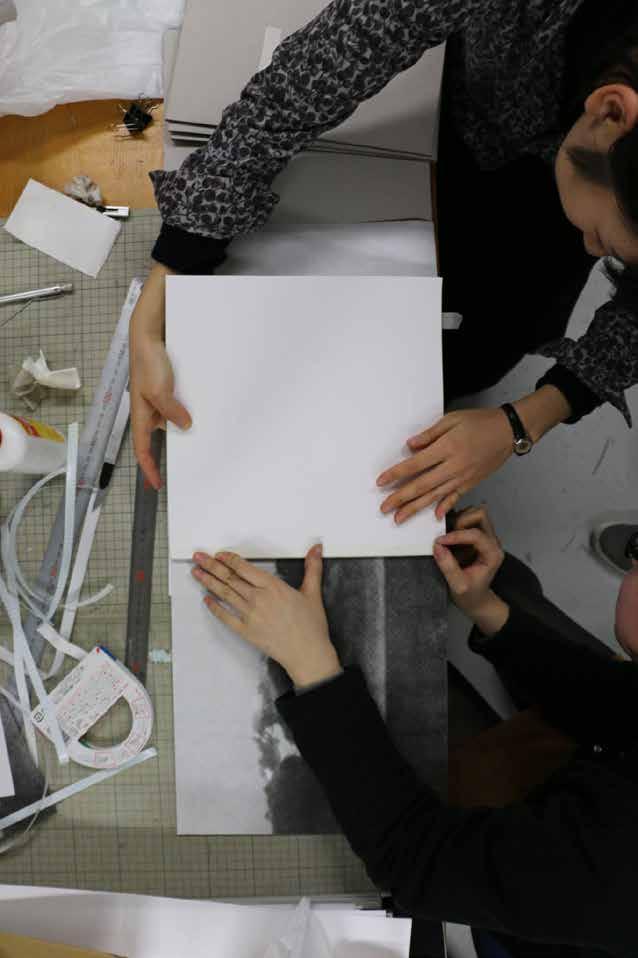
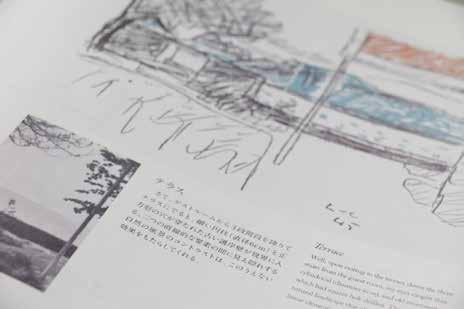
A project “BUILDING BOOKS” in collaboration with Lars Müller, a leading international book designer and founder of Lars Müller Publishers. This workshop aimed to introduce editing techniques to communicate the beauty of architecture and design using a historic masterpiece UNE PETITE MAISON. We re-read the book’s concept in a modern context to create a new form of editing. The book was exhibited in Kyoto Design Lab in Tokyo Gallery.
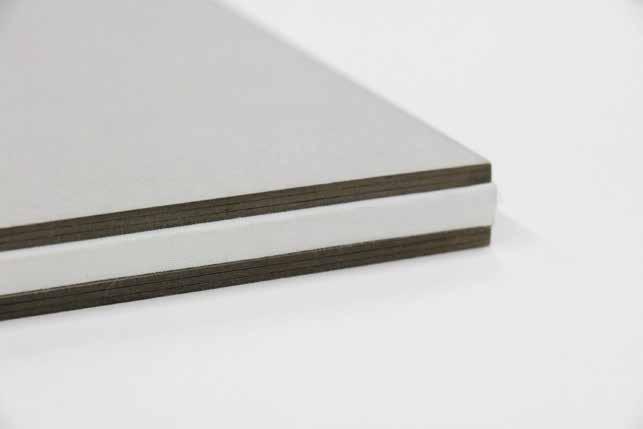
The theme was to reimagine Le Corbusier’s book “A Little House” in the mordern context. The concept centered on viewing architecture from the perspective of a house as the protagonist, observing the evolving landscapes and scenery over time. The story unfolds in parallel with the physical experience of the reader flipping through the pages. Every element, from the paper’s color, thickness, and texture to the typography, content, and binding, was meticulously designed and crafted by hand.