

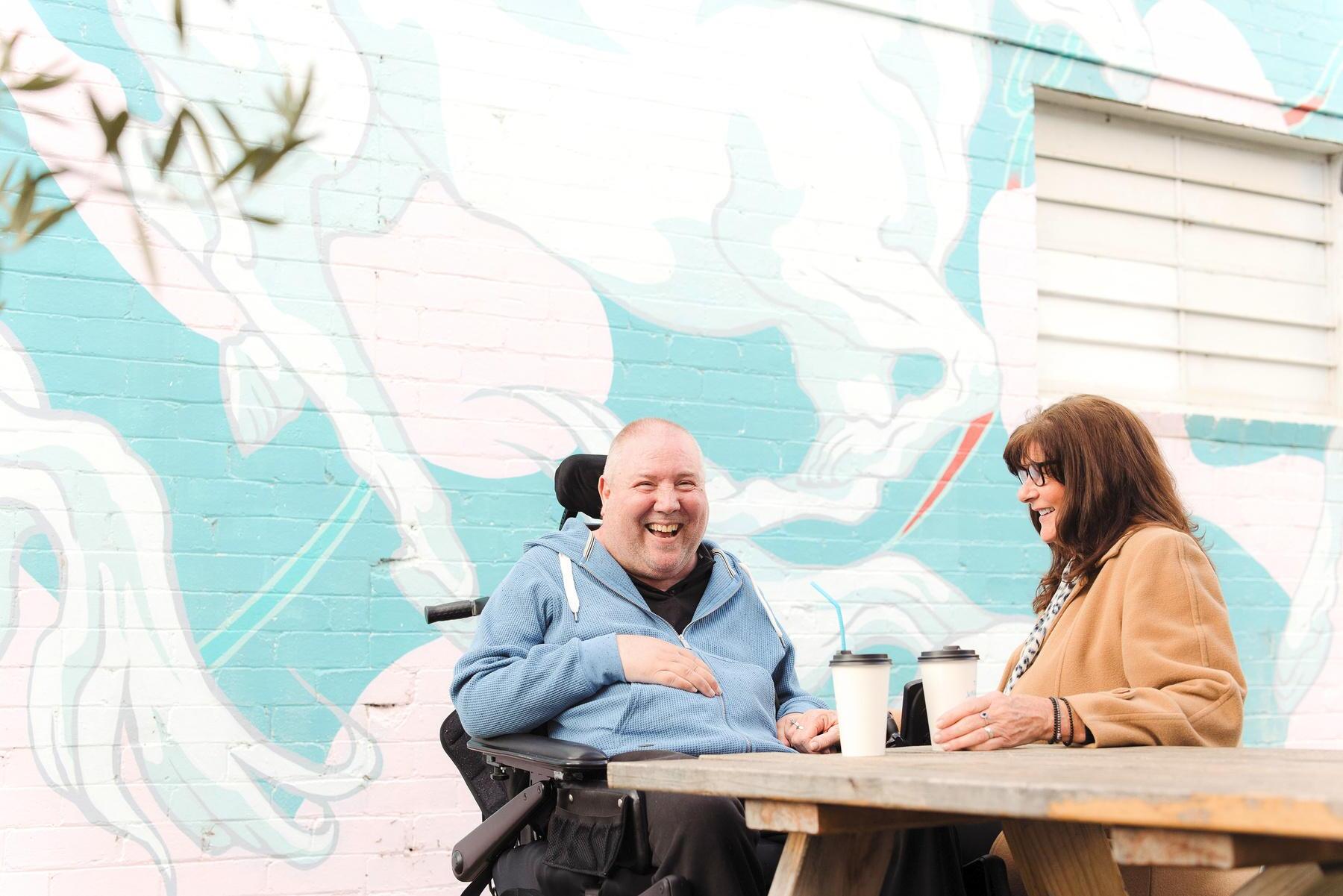
“Having a team that understands you makes a huge difference. When they actually talk to each other, it just works better.”
Person with MS
“Having a team that understands you makes a huge difference. When they actually talk to each other, it just works better.”
Person with MS
Thanks to
This project was made possible through the support and partnership of many individuals and organisations dedicated to improving outcomes for people living with multiple sclerosis.
The MS Integrated Care Project was funded by the NSW Government through Western Sydney Local Health District, delivered in partnership with MS Plus, and developed in collaboration with Westmead MS Clinic clinicians. Sincere thanks to all partners and contributors who supported its development, engagement, and evaluation.
We thank the health professionals who support people with MS every day. Your expertise and compassion provided valuable guidance on the challenges and opportunities within the current healthcare system.
We are especially grateful to the PwMS and their families who generously shared their time, experiences, and personal stories. Your honesty, insight, and strength have shaped this work and reflect the diversity and resilience of the MS community.
This framework reflects a shared commitment to co-design, collaboration, and continuous improvement, bringing together health services, community partners, and PwMS to create more coordinated, person-centred care.
In the spirit of reconciliation, MS Plus acknowledges the Traditional Custodians of country throughout Australia and their connections to land, sea and community. We pay our respect to their Elders past and present and extend that respect to all Aboriginal and Torres Strait Islander peoples today.
The project, including the consultation and framework development, was led by Jess Morris, Integrated Care Project Lead at MS Plus. It was overseen by Kylie Osborne, Senior Manager, Community & Partnerships, with additional support from Dr Justin Garber, Westmead Hospital.

Funded by NSW Health
“Having a team that understands you makes a huge difference. When they actually talk to each other, it just works better.”
- Person with MS
Improving MS care means taking time to understand and respond to what people with MS need across the whole system.
The MS Integrated Care Project aimed to better understand the experiences and challenges that people with MS (PwMS) face in accessing and navigating healthcare services in New South Wales.
Funded by NSW Health and coordinated by MS Plus, in partnership with Westmead Hospital, the project focused on improving integrated and equitable MS care with input from community and clinical expertise. Throughout the project, people with MS, carers, and health professionals provided ongoing guidance and advice, from identifying key themes and gaps, to co-designing consultations and solutions, and reviewing findings and recommendations for health system partners. This process developed a clinically informed framework grounded in lived experience and shaped by what matters most to PwMS.
Key insights included:
PwMS often manage disjointed care alone due to fragmentation across healthcare, disability, and social support systems
Where GPs and neurologists work collaboratively, PwMS report greater confidence and better outcomes, but this level of collaboration remains inconsistent
Communication across providers is often inconsistent, resulting in missed updates, duplication, and PwMS feeling unseen or unsupported in their care
MS Nurses play a critical role in continuity, education, and access to supports such as NDIS applications, yet availability varies and many PwMS do not have this support
Neurologists are highly trusted and preferred sources of information, but access is restricted by time, location, and demand on specialist services
PwMS prefer face-to-face support and want access to MS-specific allied health services close to home
Emotional and financial concerns are common but often go unaddressed due to time constraints, unclear pathways, and limited resources.
PwMS face significant barriers to engaging with services including cost, location, and lack of MS-specific knowledge, even those PwMS on NDIS
GPs were the main point of contact during symptom changes and often the most consistent, but lacked time, support, and MS-specific knowledge
Early education following diagnosis is inconsistent, leaving many unprepared to understand MS progression or manage their condition with confidence
When exploring experiences of accessing and navigating health services with PwMS and clinicians, findings and recommendations have been grouped under six themes:

Multiple Sclerosis (MS) is a progressive neurological condition affecting over 33,000 Australians, with most diagnosed between ages 20 and 40 (Campbell et al., 2023; Multiple Sclerosis Australia, n.d.). It is a leading cause of non-traumatic disability in young adults.
MS occurs when the immune system attacks myelin, disrupting communication between the brain and body. Common symptoms include fatigue, mobility issues, pain, and cognitive changes, which can significantly affect quality of life, independence, and participation in work and social life (Multiple Sclerosis Australia, n.d.)
Currently, MS is classified into three main types: Relapsing-Remitting MS (RRMS), the most common at diagnosis; Secondary Progressive MS (SPMS), which typically follows RRMS after a period of time; and Primary Progressive MS (PPMS), the least common, involving gradual worsening from onset. While multiple disease-modifying therapies exist for RRMS, treatment options for PPMS are limited, affecting access and care planning.
Many PwMS leave paid work within 10 years of diagnosis, often due to the combined effects of symptoms such as fatigue and physical impairment (Conradsson, 2020). This loss of income contributes to increased financial pressure and greater reliance on health services and unpaid carers. In Australia, the economic impact of MS is estimated at more than $2 billion annually, reflecting healthcare costs, lost productivity, and informal care (Campbell et al., 2023). Improving access to coordinated, person-centred care may help reduce these long-term costs and support greater participation and independence.
This report explores MS care experiences in New South Wales and outlines key priorities for a more integrated and responsive system.
Email education@ms.org.au to request a full version of the Framework.