Long ago in a board room far, far away a collection of committed MSGA Board Members discussed the importance of getting clubs in the hands of juniors who might not have any familiarity or connection to the game of golf.
Okay, it was 10 years ago, and it was Great Falls, but the memory is still vivid for me as I listened to various board members speak with conviction about the opportunity to introduce golf to more juniors, but importantly when they are young and still determining where their interests may lie.
Jim Redmond out of Polson waxed poetically about this young golf professional who was doing amazing things in his community

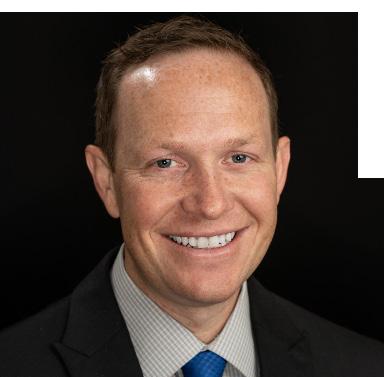
in the schools and how we must develop a way to get more knowledgeable golfers involved and provide learning opportunities around the state for kids in schools. That professional, still in Polson and still as youthful as back then –Cameron Milton – was an unknown to me but grew legendary status as the meeting went on and Jim’s recounting of his teaching methodologies went on. But how might we fund such programs as school curriculums rarely include any funding for golf supplies?
Enter Teresa Brown of Havre spearheading the effort to bring a fundraising opportunity with a raffle for vacations and cash prizes. The idea had spirited conversation, and it was clear that the energy and enthusiasm were there, but would the funding be?
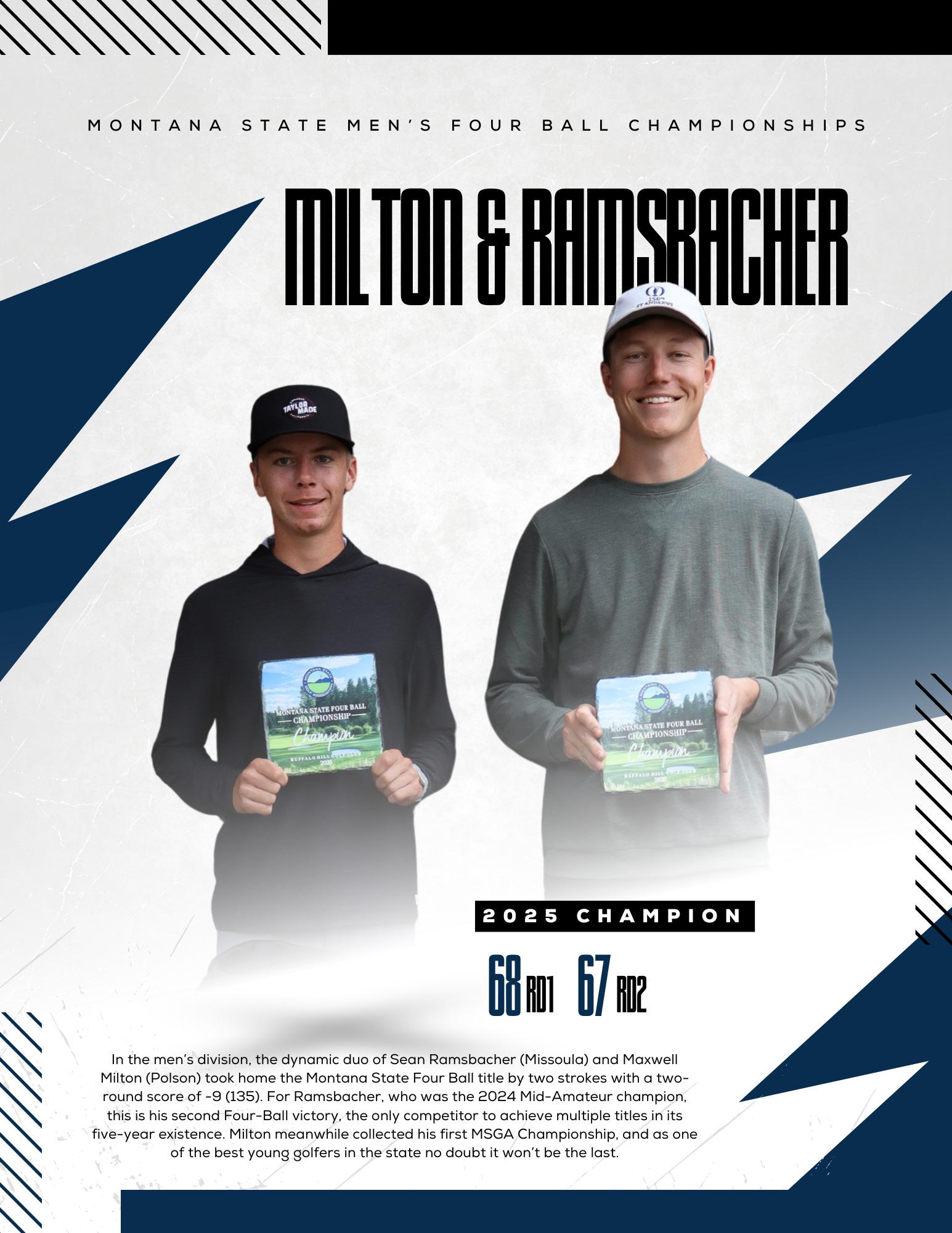
Fast forward and I can call Cameron Milton a friend of the MSGA and he helped serve on this year’s review committee to continue his service to the game well beyond his community. His son Max has developed into a phenom on the links, but the legacy of Polson’s junior golf program has exceeded low rounds from
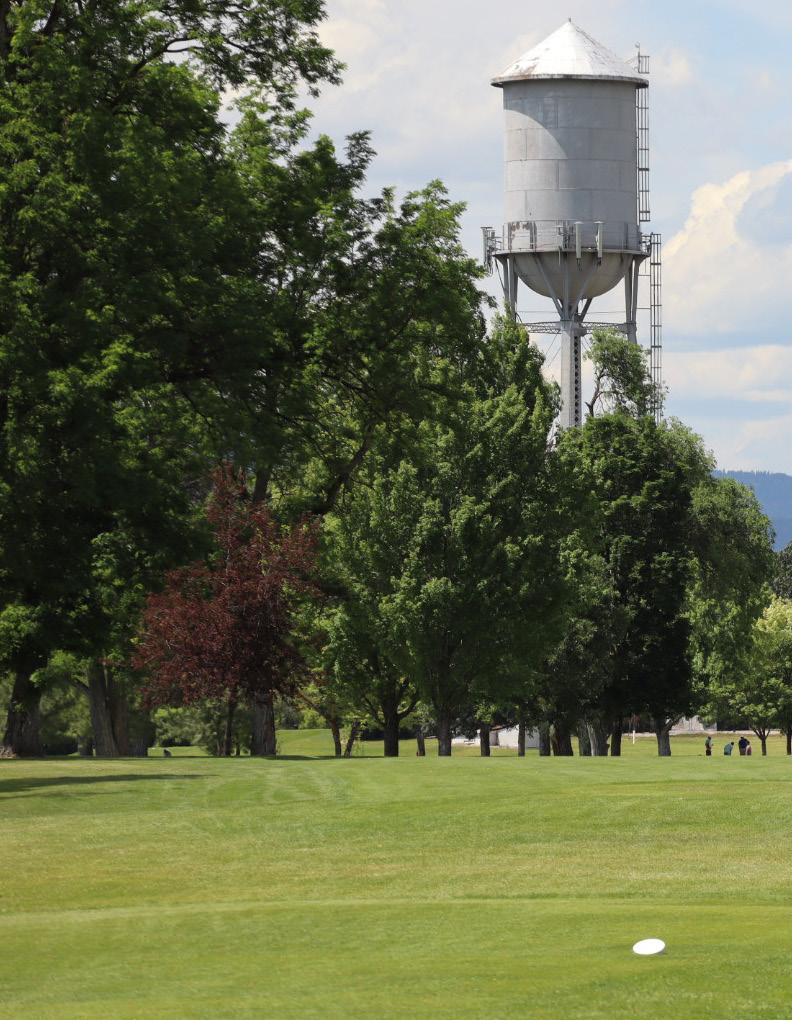
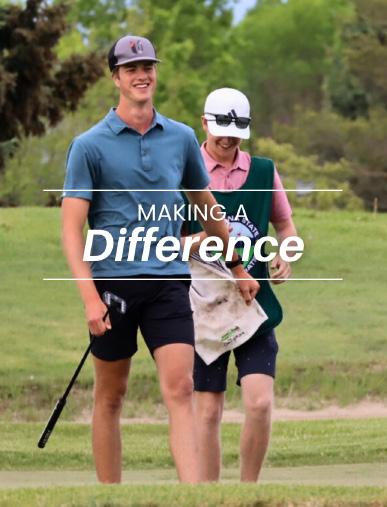

the Polson Pirates rather it’s the high turnout for the teams and the consistent site of juniors at Polson Bay that is the enduring legacy that continues to grow in the relatively small community, where golf is a fixture for all ages.
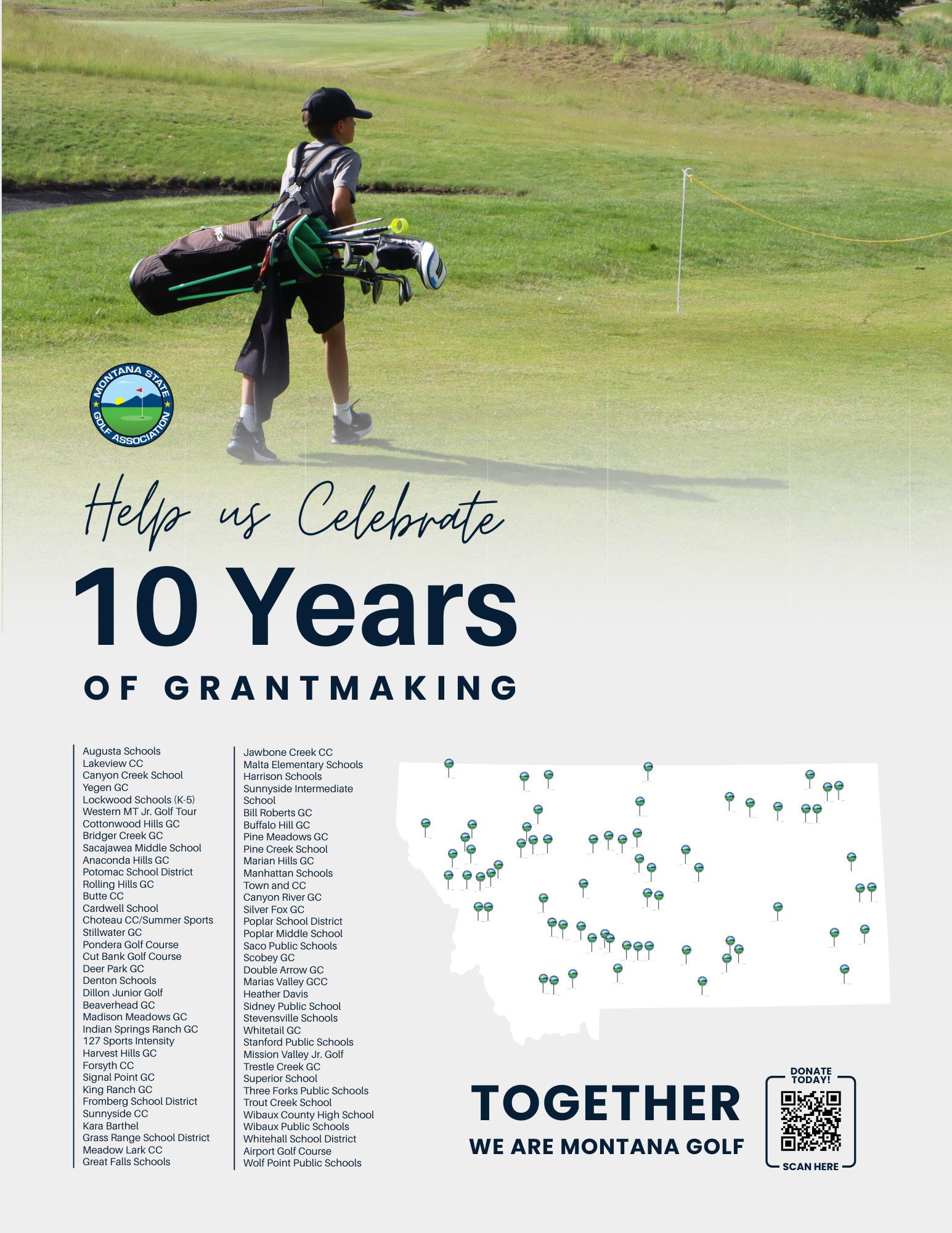
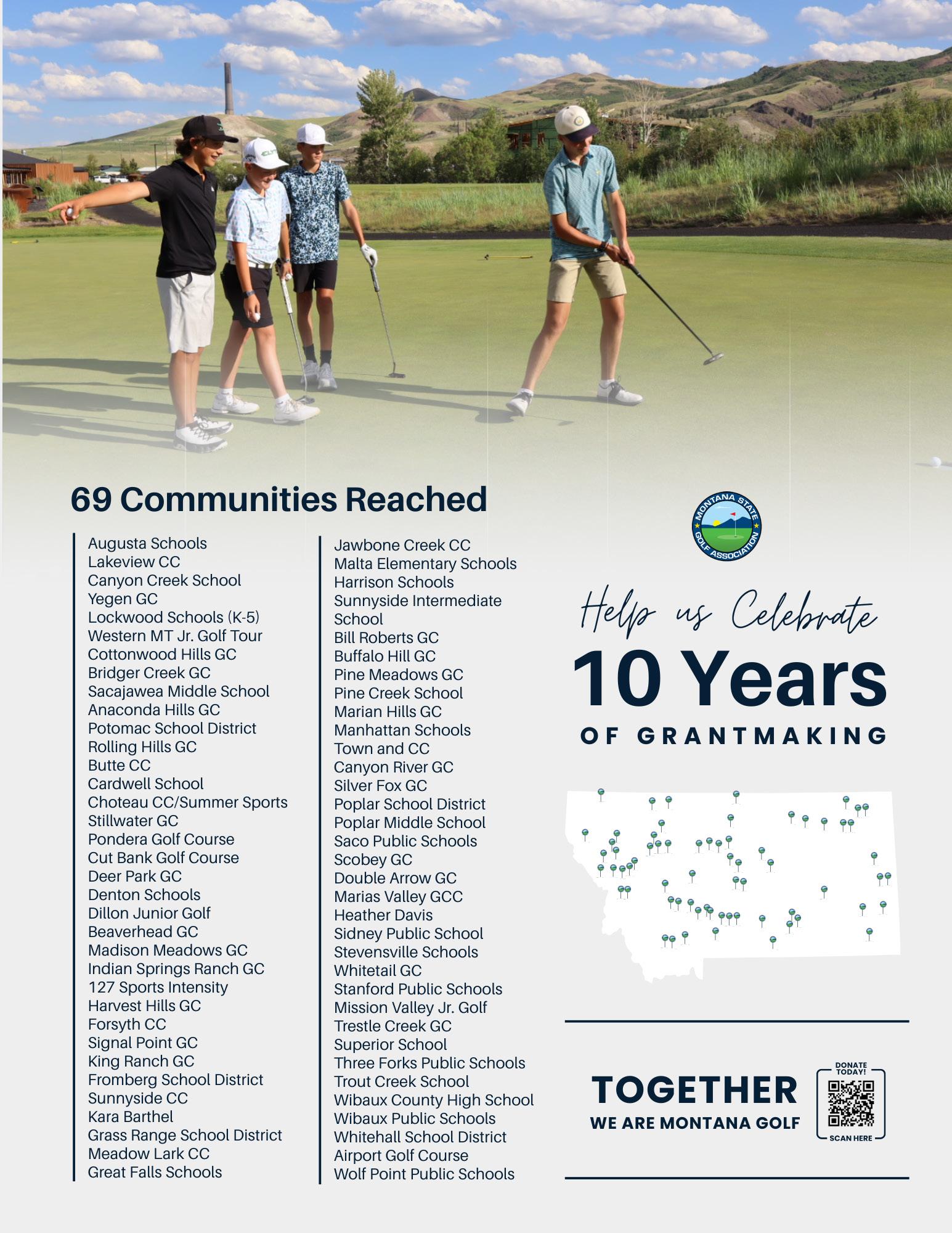
This year marks a milestone for golf in Montana: 10 years of the MSGA Junior Development Grant Program. What began as a simple idea—to help more kids experience the game we all love—has now grown into a statewide movement reaching communities from Eureka to Wibaux and everywhere in between.
During the past decade, the MSGA has awarded $130,000 in financial support to juniors in grades K–8 through schools, golf courses, and community programs. 58 Montana communities have benefited—some hosting junior golf programs for the first time ever. These grants introduce, inspire, and instruct the next generation of Montana golfers, opening doors that didn’t exist before.
This progress is possible thanks to the continuation of our Trip-of-the-Month fundraising raffle and the MSGA board’s continued investment from the general fund to help grow the program. In combination, this has allowed us to triple our average grant size and reach more communities each year.
10 years ago, the state of golf in Montana was in a different place. The last five years have created immense popularity, exposure and now it’s less about introducing golf to juniors, but providing opportunities for them to have access, instruction and inspiration. As we work to continue this program, increase our reach and continue the momentum of the past decade into the next ten years, we’re looking for our membership's support.
Thanks to Karen Rice's leadership on our grant review committee, junior grant funding has provided everything from SNAG equipment (perfect for our youngest beginners) to clubs, bags, training aids, and range balls. Grants have also funded youth clinics, PE curriculum, volunteer support, and even meals
and awards that help turn a simple event into a memory that keeps a child coming back to the game we like to call a “lifetime sport.”
Growing the game in rural Montana is not easy. Large travel distances, limited facilities, tight school budgets, and the need for knowledgeable volunteers can make junior programming difficult to sustain. Yet, year after year, we hear about the impact. We see the smiles. We watch kids who first touched a club through an MSGA grant go on to play high school golf—and become part of our extended MSGA family.
As we celebrate a decade of progress, we’re not slowing down. We’re expanding our efforts to increase access, deepen programming, and support even more Montana communities in the years ahead.
And we need your help to make the next 10 years even stronger.
Will you join us with a year-end gift to the MSGA Junior Golf Fund?
Every tax-deductible contribution—whether large or small—directly supports opportunities for Montana kids. Your gift keeps golf in Montana accessible, affordable, and full of possibility. It ensures that the values of achievement, character, and community continue to be passed on to the next generation.
Together, let’s continue building the future of Montana golf. I hope you’ll consider joining the hundreds of individuals who have played a role in bringing the game we love to children across the Treasure State.


BOARD OF DIRECTORS - OFFICERS
PRESIDENT................................................... Peter Benson
VICE PRESIDENT.................................. Ron Ramsbacher
TREASURER....................................................... Bill Dunn
PAST PRESIDENT......................................... Mary Bryson
EXEC COMMITTEE......................................Joe Rossman
BOARD OF DIRECTORS
Ross Bartell, Peter Benson, Carla Berg, Marshall Bettandorf, Mary Bryson, Brandon Davidson, Bill Dunn, Cheri Ellis, Lisa Forsberg, Marcia Hafner, Susan Haskins, Jeri Heard, Katy Peterson, Ron Ramsbacher, Joe Rossman, Rod Stirling
MSGA STAFF
Executive Director......................................... Nick Dietzen
Tournament Director...................................... Tim Bakker
Membership Operations Director............... Emily Hulsey
Member Services Coordinator......................... Ian Hulsey
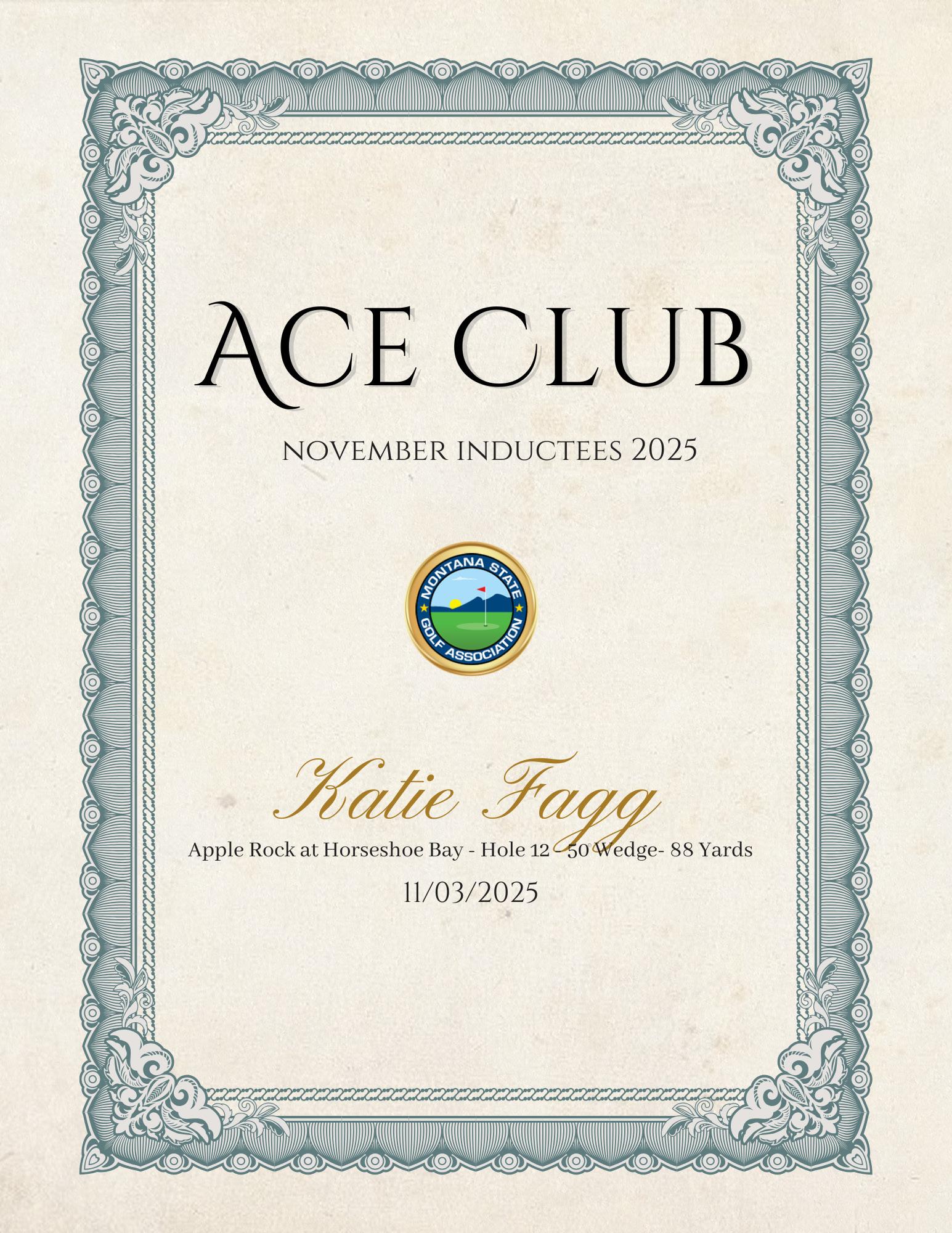
Communications & Tournament Manager.... Katie Fagg
Communcations Coordinator.......................... Ty Sparing
Partnerships & Business Development...... Nick Dietzen
USGA PJ Boatwright, Jr. Intern................ Dean Hendrix
USGA PJ Boatwright, Jr. Intern...................... Ella Prigge
USGA PJ Boatwright, Jr. Intern................ Stella Claridge
PARTNERSHIPS
Nick Dietzen.............................. 1 (800) 628-3752, ext. 6
Editor in Chief............................................... Nick Dietzen
Consulting Editor........................................ David Bataller
Senior Writer..................................................... Ty Sparing
Graphic Designer............................................... Katie Fagg
Contributing Writer............................................Sam Boyd
Contributing Writer...........................................Pete Grass
Contributing Writer.................................Victoria Student
Contributing Writer.................................Mitch Leininger

Montana State Golf Association P.O. Box 4306 Helena, MT 59604
1 (800) 628-3752
www.msgagolf.org




4. What is your favorite course in Mon tana and why?
1. Who introduced you to golf?
My granddad introduced me to golf when I was around eight years old.
2. Who influenced you most in your golf life?
My high school best friends influenced me the most. We were all on the golf team together and played nearly every day from eighth grade through senior year. We constantly pushed each other to improve and compete, and those friendships have lasted to this day—we still talk every week.
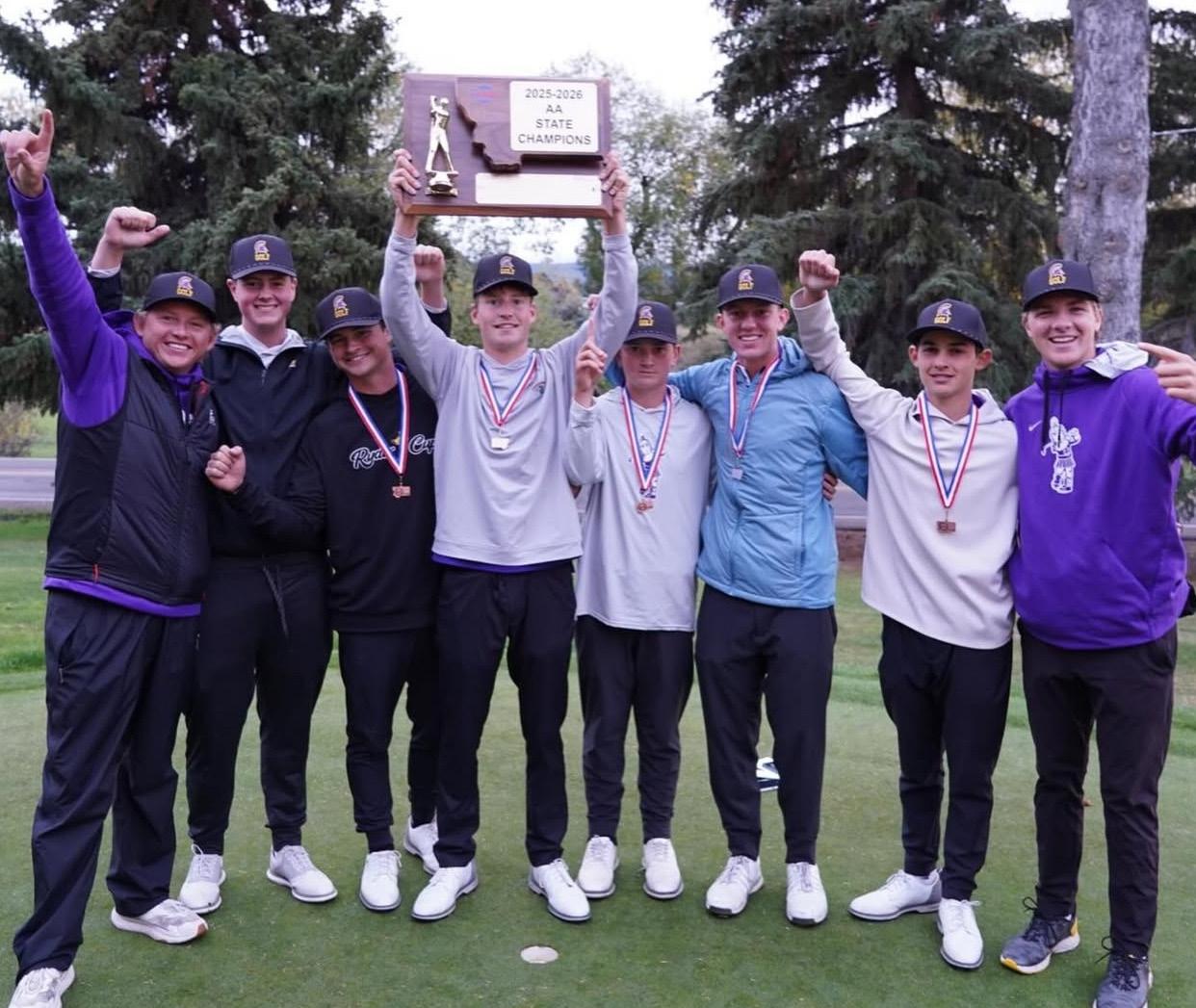
3. What was it like winning the 2025 Class AA team championship in just your first year as Head Coach of the Missoula Sentinel golf team?
It was such a blessing. I’d been an assistant coach for three years and watched our guys finish second at state two seasons in a row. To see this team come together—not just to win state, but to win every tournament we entered—was incredibly special. It’s something I’ll remember for the rest of my life.
That’s a tough one. My biased answer is Canyon River here in Missoula—it’s my home course, and I know I can go pretty low on it any given day. But my “sleeper pick” would be Rivers Bend in Thompson Falls. There’s just something about a quirky little nine-hole course you can walk in a T-shirt that brings me so much joy.
5. What is a dream golf course you’d like to play once?
Northwood Golf Club in Northern California—it’s tucked away in the redwoods, and it looks absolutely incredible.
6. What is your dream celebrity foursome (living or dead)? Why would you choose them?
Tiger Woods, and two of my best friends, Trevor and Ty. We grew up watching Tiger every Sunday, so playing 18 holes with him and my best friends would be a dream come true.
7. What’s your most memorable moment on a golf course?
Being at the 2012 Masters. I was stand-
ing right next to Bubba Watson on the playoff hole when he hit that huge hook shot from the trees to win. It’s still the greatest golf shot I’ve ever seen in person.
8. If you could change one thing about the game of golf what would it be?
I’d make it more inclusive. I hate when golf feels exclusive or intimidating—like you need money or connections to play. It’s a game that’s taught me so much, and I think everyone should have the chance to experience it.
9. What advice would you give to beginner golfers?
To try and relax and have fun out there. Try to learn from mistakes but don’t dwell on them. Realize that you aren’t a pro golfer and focus on being positive with yourself.
Bonus: Lay up or go for it?
Lay up to my most confident wedge number — 85 yards — and then tap in the birdie.


BY VICTORIA STUDENT USGA HISTORIAN
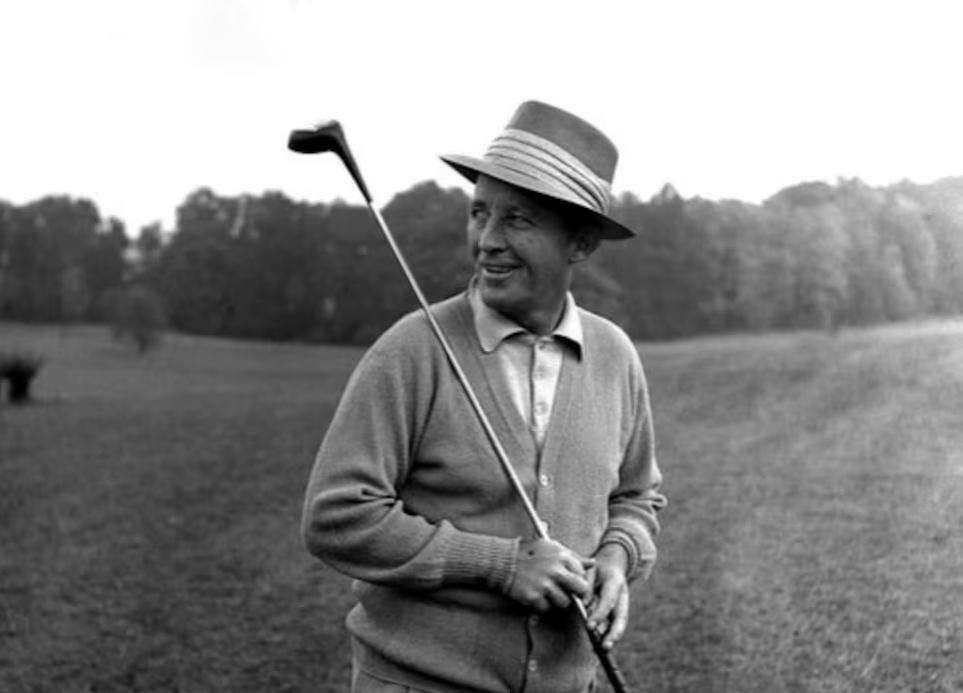
Bing Crosby, one of the most popular entertainers of the 20th century, still plays a role in holiday celebrations around the globe. His hit song “White Christmas” has sold an estimated 100 million copies worldwide since 1942, while Crosby’s character, humor and generous spirit have cemented his place in American cultural history.
These qualities, combined with his love of golf as an amateur player and tournament host, made the legendary baritone one of the game’s greatest advocates, helping propel golf’s popularity in America. Beginning in 1941, Crosby toured the country with actor Bob Hope in a series of exhibition matches with famous personalities and local club pros that raised millions of dollars for the Red Cross, bond drives and other wartime charities. John
Fitzpatrick wrote in 1953, “In all of these public appearances the showmen give the cash customers more of a comedy act than a golf exhibition... Goofy golf is what the crowd wants anyway.”
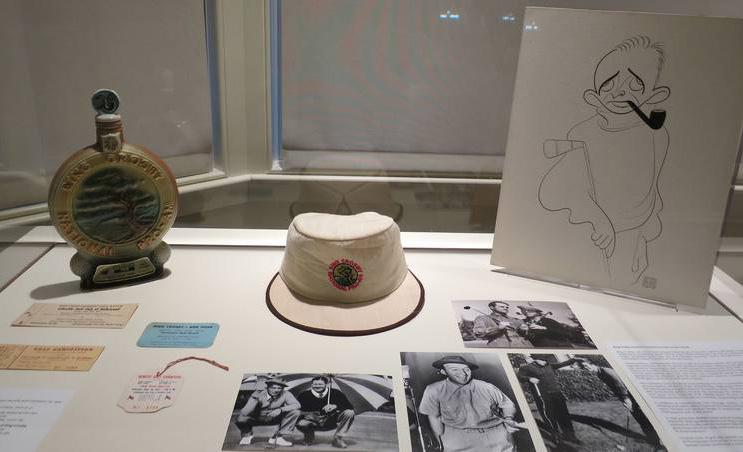
His namesake event, the Bing Crosby National Pro-Am Tournament, pioneered the philosophy of golf as a successful vehicle for major philanthropy. Beginning in the late 1930s as a gathering of friends for merrymaking and golf in support of a worthy cause, “The Crosby” format, which paired celebrities with professional golfers, became the prototype for similar tournaments that proliferated the PGA Tour for decades such as the Andy Williams San Diego Open, Glen Campbell Los Angeles Open and the Jackie Gleason Inverrary Classic. Now called the AT&T Pebble Beach Pro-Am, the tournament has led the PGA Tour in charitable donations for almost a decade, supporting nonprofits in the Monterey Peninsula.
In addition to transforming lives through
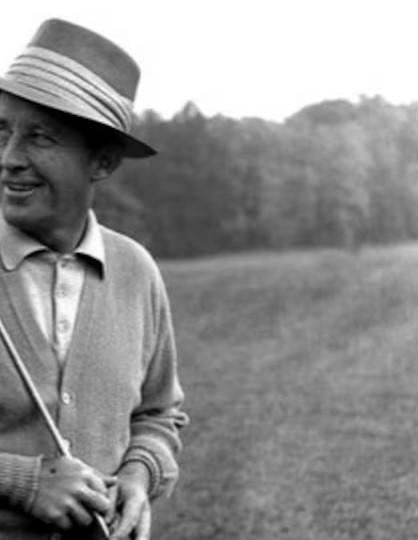
charity, Crosby’s legacy lies in his quick-wittedness, affability and talent, which captured the hearts of Americans. In a nationwide personality poll in the 1940s, he beat out General Dwight D. Eisenhower, President Harry S. Truman and Pope Pius XII as the most popular man in the world.
In 1978, journalist Alistair Cooke said of Crosby upon his posthumous receipt of the USGA’s Bob Jones Award for distinguished sportsmanship in golf, “He was everybody’s easygoing buddy.” Cooke added of Crosby and co-recipient Bob Hope, “We are honoring two men… who have given more devotion, time, enthusiasm and money to the game than any other twosome in the history of show business.”
Crosby passed his love of golf on to his youngest son, Nathaniel, who won the 1981 U.S. Amateur at The Olympic Club in San Francisco, Calif., and was recently chosen by the USGA to captain the 2019 USA Walker Team.



BY TY SPARING MSGA COMMUNICATIONS COORDINATOR
1939 was a pretty eventful year for Butte’s Lloyd Skedd. In July of that year the 22-yearold law student at the University of Montana came into the Montana State Men’s Amateur as an underdog but nevertheless dominated the tournament en route to his one and only State Amateur Championship.
As the Butte Daily Post eloquently remarked at the time, “The slender collegian converted into a rout what most observers had pegged in advance as a stirring struggle. His approach irons, functioning with unerring effect, thrummed a victory talloo early in the day, and his putter, guided with the wizardry of a Thurston, was can-conscious from the outset.”
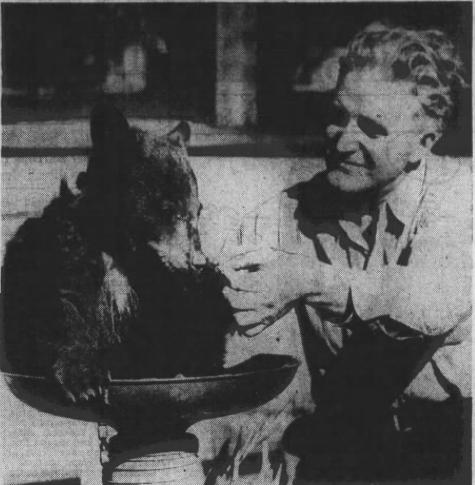
Just a few months later the golf champ was a key figure in delivering a live black bear cub to the University of Montana to be used as a mascot for the school’s athletic teams.
As the story goes, Skedd’s father James was working as a watchman for the timber mill south of Butte when a German Shepherd that lived on the property started barking hysterically at something that had climbed 20 feet up into a trestle. Realizing it was a black bear cub, James Skedd and his two colleagues wrestled the fuzzy little cub off the trestle, fashioned a leather collar for it, and named it “Fatty.”
At this point in time the University of Montana had been using a revolving door of wayward bear cubs to represent their sports teams for nearly forty years, the first one named “Teddy” being introduced in 1904. Named
after the then President Roosevelt, Teddy was brought to the school by Leo Greenough, the captain of the football team, who secured the cub from a trapper that had been living with it in the woods near the upper Blackfoot River for several months previously.
As a sports fan and loyal student, the golfing champion Lloyd Skedd knew the University of Montana was always on the lookout for new bear cubs to replace the outgoing mascots that inevitably grew too large and unruly to handle at events, so he convinced his dad James to donate it to the school in time for the upcoming Cat-Griz football game. As James described it, “We figured Fatty must have come over the mountain to help the University Grizzlies beat the State College Bobcats here Saturday, so we decided to give him to the Grizzlies.”
The tradition of live mascots for college sports teams actually goes back all the way to 1892 when Yale introduced a bulldog called “Handsome Dan.” We still see quite a few live animals at today’s college sporting events even, with the Colorado Buffalos, Texas Longhorns, and Georgia Bulldogs as some of the more famous examples of programs that continue to prefer their mascots coming from the actual animal kingdom.
For the University of Montana however, having a live bear mascot at sporting events came to a halt in the early 1960s. After several years of student grumblings claiming animal abuse the last bear was returned to the Montana Fish and Game, and from there on out the program would be represented by humans in bear costumes, culminating in the ever popular “Monte” seen at todays events.
The only thing we might ask is for Monte and all the other state college mascots to start making appearances at their school’s golfing events. Wouldn’t it be great to see Monte doing a backflip every time Raina Ports made a birdie? Or Champ the Bobcat getting the wave going after a long drive by Lauren Greeny? You think the rules officials would allow it?
As for Lloyd Skedd he went on to become President of the MSGA and ultimately a charter member of the inaugural 1986 class of the Montana State Golf Association Hall of Fame. Certainly a great golfer in our state’s history and boy did he have school spirit.

This past November a new golf facility called Golf WRLD opened its doors in Billings, just in time as the cold weather starts to shift
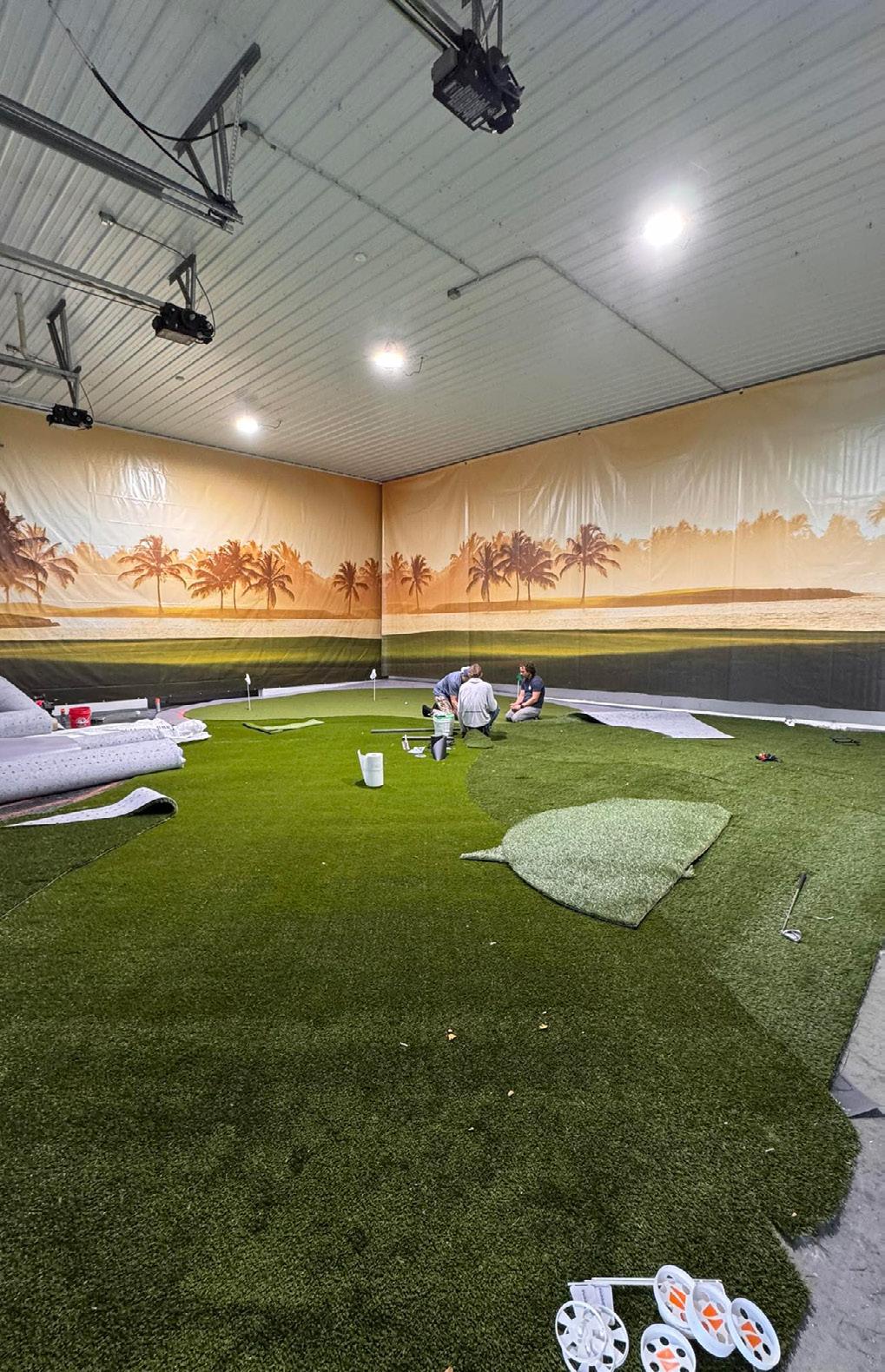
everything inside. It’s a two-story building with three golf simulators, a putting green and chipping range, and even a private conference room for business members – the perfect spot for Magic City golfers to keep your skills sharp as you bide the time until next golfing season.
Golf WRLD is also intent on keeping it a family-friendly environment, as the alcohol-free business says on their FACEBOOK PAGE “our goal is to create something different – a clean, professional, and inclusive space that celebrates golf and community above all else.”
For more information on Golf WRLD, visit their WEBSITE HERE
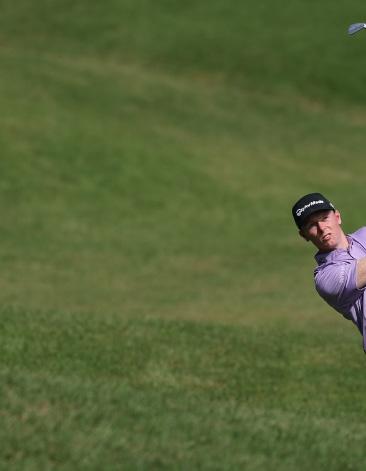
It was an eventful year for Libby’s Ryggs Johnston, who after an impressive run through several stages of Qualifying School in Europe, won the Australian Open in just his second career professional tournament, made the cut at the 153rd Open Championship, and earned just under $540,000 by the end of the season.
It all culminated for Johnston in early November with an appearance at the Abu Dhabi HSBC Championship, in which the top 70 performers throughout the year battled it out to secure one of 50 spots at the ensuing DP World Tour Championship at the Jumeirah Golf Estates in Dubai. With big names like

Rory McIlroy, Tommy Fleetwood, Robert MacIntyre, Ludvig Aberg and many others in the mix, Johnston certainly had his work cut out for him.
The former Arizona State All-American golfer got out to a slow start with two rounds of 77 and 74 to begin the event but found his rhythm playing against many of the top golfers in the world during his final two rounds with scores of 68 and 69 respectively. After notching just three birdies throughout his first two days, Johnston tallied nine overall during his last two rounds including an eagle on the par-5 eleventh hole on the last day of competition, as he finished up in 69th place, and thus his first season on the DP World Tour came to a close.
After a big year in which Johnston traveled all over the world, he stated on his Instagram page that he’s “excited to recharge and keep working hard the next few weeks in preparation for season 2.”
We at the MSGA are excited to see what Montana’s best golfer has in store for next season, and will continue to provide regular updates on Johnston’s progress as a touring professional.
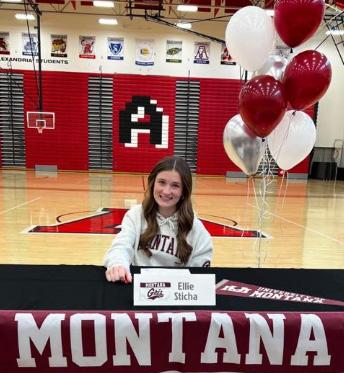
The fall portion of the season might be over, but for University of Montana Head Coach Jimmy Mee, the recruitment continues. This past November the Griz added two new additions to the team, Ellie Sticha and Zoe Bar-Or.
Sticha hails from Alexandria, Minnesota where she was a Section 8AAA individual titlist in her senior year of high school.
Bar-Or meawhile is coming from Denver, Colorado where she finished runnerup at the Colorado Class AA high school championship and has been one of the top performing golfers in the AJGA.




BY PETE GRASS CGCS (RETIRED)
In my first year of retirement, after 50 years working at Hilands Golf Club, it has been fun sharing my thoughts monthly here and hopefully educating any readers about things they may not know or realize the extent of, that it takes to maintain a golf course. This will be my last submission for 2025 and I look forward to starting up again, like you golfers, in the Spring.
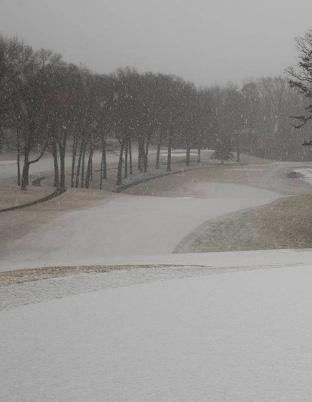
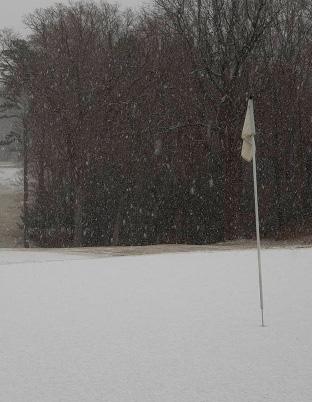
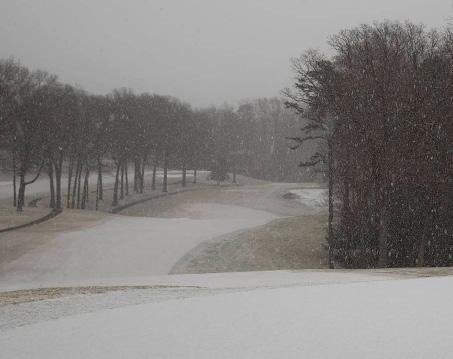
As I write this, I have been watching from several scientific meteorological sources including NOAA, their Dec-March general predictions. They show overall below average temperatures and above normal precipitation for 90% of Montana and at least normal for the entire state. That is good news for skiers, bad for golfers but I will say, very good for golf courses. By that I mean the physical property (turf and trees). By not having the additional damage of play and cart traffic on dormant turf, better conditions in the early spring will be the result. This forecast can be poor economic news for the overall golf facilities revenues from “bonus” green fees, cart rentals, food/beverage sales. If the cooler/wetter weather happens, it will also be a better than average scenario for courses that have added in-house simulators and off-site simulator businesses also. In situations that are weather dependent, the phrase “sometimes you win, sometimes you lose” could not be more true.
What I have learned, is to prepare for the worst and hopefully be surprised if it does not occur. Those preparations include a thorough
winterization of the irrigation system, prop er soil and plant fertility levels beginning in September and thru Fall, with availability in the soil whenever ground temperatures rise enough to allow plant intake (March/April). Adjusting greens height of cut higher in small increments through the fall to increase leaf surface as daylight hours reduce. As budgets allow (again that has a huge variance between golf facilities) at a minimum, treat greens and if able, tees and fairways also with snow mold preventative disease applications. With this forecast I say for sure, some winters you could get by without but treatments are “insurance” just like we have for cars and homes. A side note, although the common names are pink and grey snow mold, the disease occurs anytime soil temperatures and moisture levels are conducive for disease spore activity, no snow is really necessary. Have a plan and resources available should natural moisture not be sufficient or timely to needs, so you can either through wells, water tanks or other means, be able to at the very least add water to greens if needed. Some courses that are particularly vulnerable to more open, windy conditions also use breathable covers on some or all greens to protect them from desiccation. The last major concern is to be checking for any ice buildup when daytime thawing and nighttime freezing occurs. The type of ice, solid or porous, is what you have to watch, as long as soils can breathe (yes they are still releasing gases in winter) you are ok. If solid ice cover lasts between 3-6 weeks, depending upon type of grass, poa annua being the most easily damaged, some sort of action should be taken to either break up or remove the ice. The hard part in doing
so, is to not do more damage than good during the process. I have had things go both ways, no matter how careful we thought we were being during ice removal. If ice is typically an issue on greens at where you play, please go back a couple issues and read (re-read) my thoughts about trees, especially around greens.
The main overall take from my perspective, is that mother nature and weather, acts like a good baseball pitcher, you never know what will be thrown at you next, fastball, curveball or a knuckleball. If not properly prepared, you absolutely may “strike out” and the result will be struggling, possibly dead turf in the spring. Without someone monitoring conditions throughout the winter months and having the
ability to do the things necessary to avoid unnecessary damage. A golf course is a living, yes breathing thing and thus just saying it is winter, and we will not think about it until March, will always be harmful in the long run. Saving a few dollars by not having someone qualified to be checking the course through winter, in my opinion, is very short-sighted when comparing the lost revenue, complaints and blame game when less than satisfactory turf conditions appear in the spring. OK there is my plea to owners, boards, committees, other decision makers. It may sound mean and not meant to be offensive but here is my parting thought, if you can’t properly take care of it, maybe you shouldn’t have it?




















BY MITCH LEININGER AGRONOMIST, EAST REGION
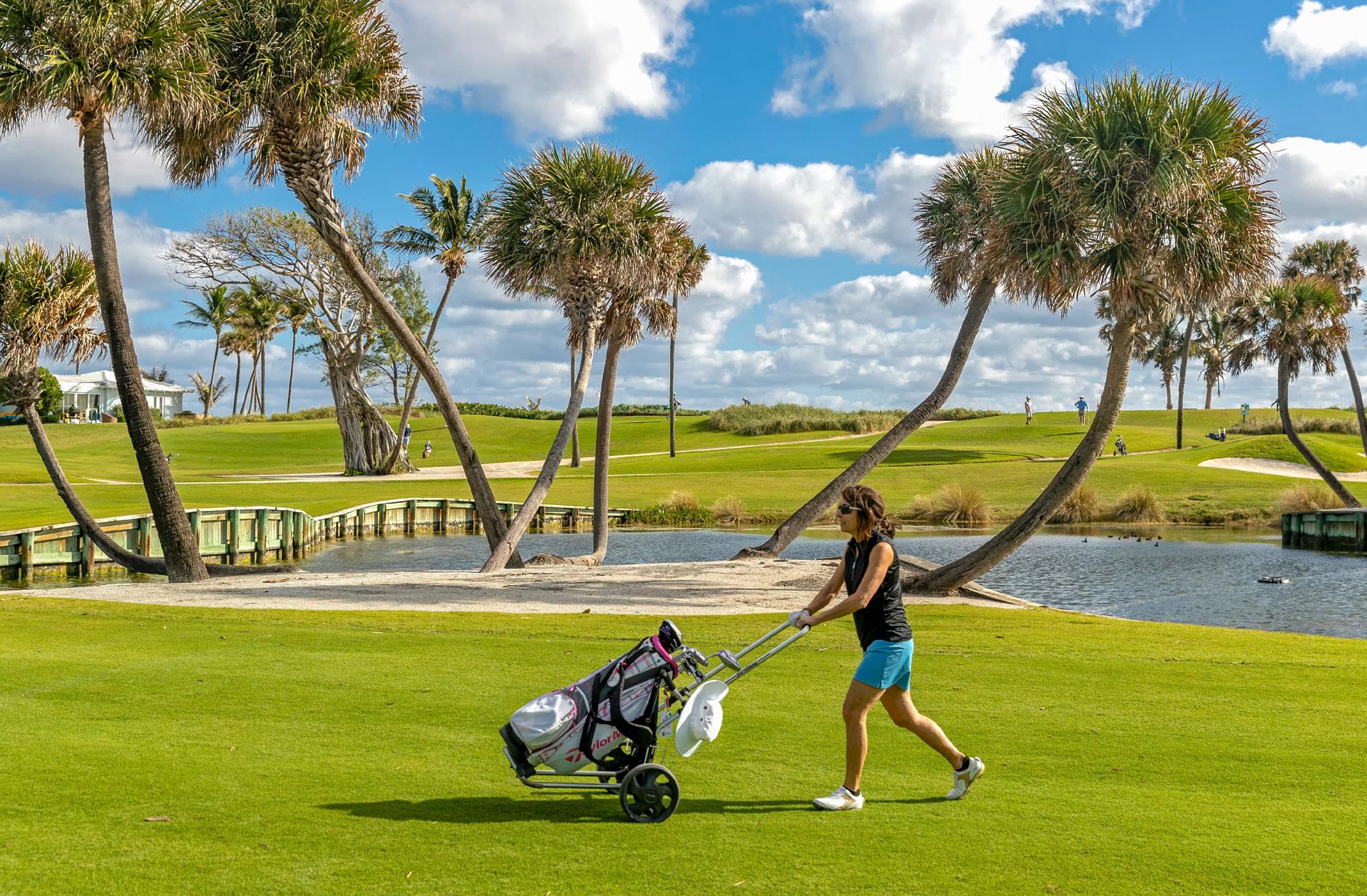
During the winter months, as temperatures drop across much of the country, warmer regions like the Southeast and Southwest become seasonal havens for golfers. However, maintaining high-quality playing conditions in the winter is not easy, even if the weather is perfect for golf. Golfers should expect some changes in course conditions and maintenance practices during winter as superintendents try to help their courses perform as well as possible through shorter days, cooler temperatures and lots of play.
In winter golf destinations, most courses are planted with warm-season grasses such as bermudagrass, zoysiagrass or seashore paspalum. These grasses thrive in the heat of summer, but their growth naturally slows down or stops completely during winter, which may be the busiest season for play. That means playing
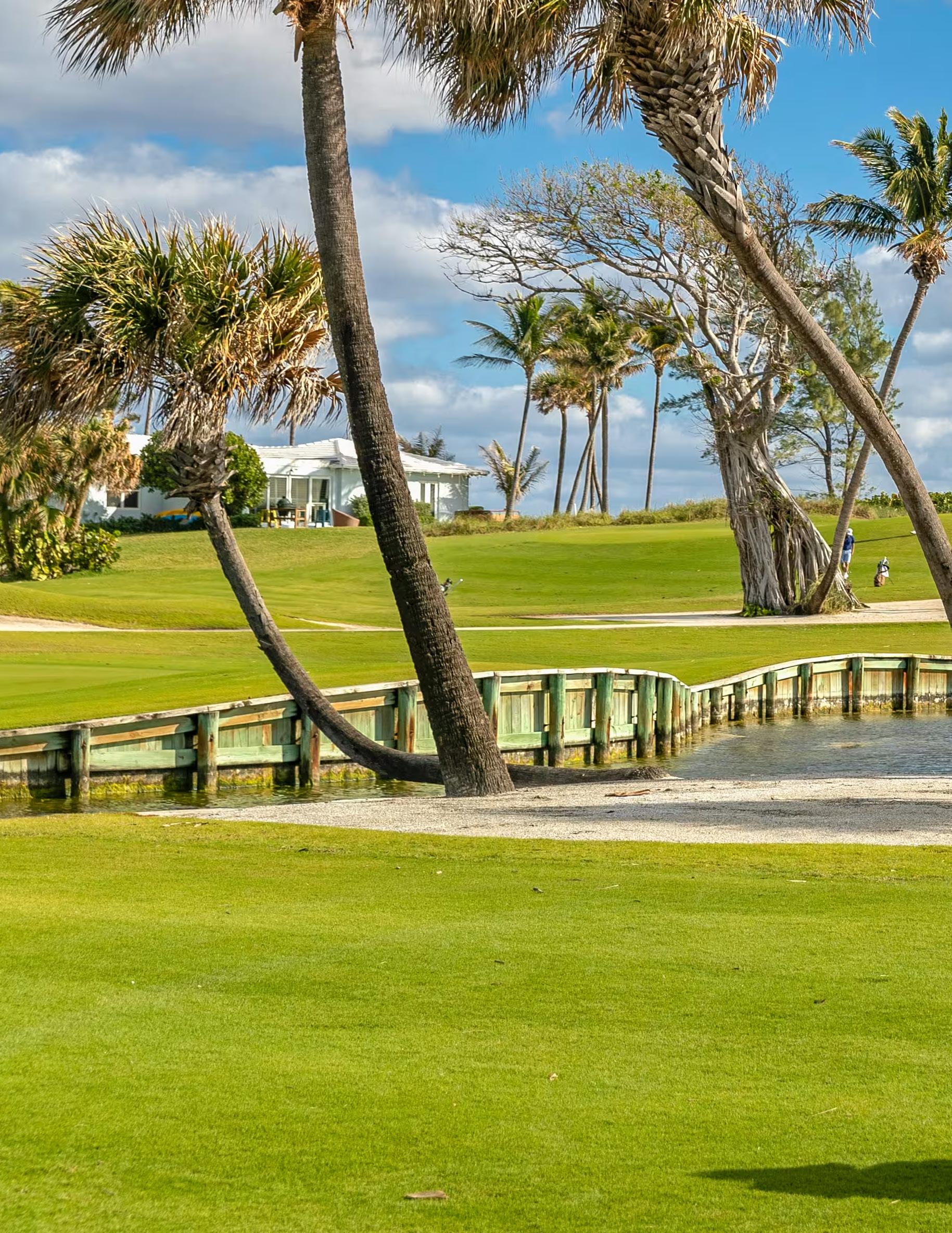
surfaces will be slow to recover from damage and traffic, the grass may lose some or all of its green color, and lies may get increasingly thin or trampled as the winter wears on.
Even in typically warm places like Florida and Arizona, there can be cold snaps and frosty mornings. When frost forms on grass, walking or driving a cart over it can lead to potentially long-lasting harm. That’s why winter tee times are sometimes delayed until temperatures rise enough for the frost to melt. If extended periods of subfreezing temperatures are expected, courses may cover their putting greens to reduce the risk of winter injury. That often means the course will be closed completely until warmer temperatures return.
To help playing surfaces withstand traffic and maintain green color, many courses in winter destinations choose to overseed with a cool-season grass such as ryegrass. This creates

a vibrant, lush appearance and more-consistent lies throughout the cooler months. However, fewer courses are opting to overseed – often because of the disruption that comes with establishing overseed in the fall, the recovery needed in spring, and the increased resources required to establish and maintain the overseed. Each course makes this decision based on their goals, player expectations and the resources available.
Another challenge is managing winter weeds like Poa annua and chickweed, which can be very disruptive to both the appearance and playability of a course. Superintendents try to suppress winter weeds by maintaining a dense stand of turf and applying preventative herbicides, but as winter weeds emerge, controlling them can be a nonstop battle that is very hard to win at some courses.
During the winter months, golf courses often take steps to protect high-traffic and heavily played areas. Don’t be surprised if you’re using artificial mats on the driving range – or even some par-3 tees. Cart restrictions are also commonly used to minimize wear. These precautions are usually temporary, but they are essential for maintaining the best possible conditions during periods of heavy play and slow growth.
Even in places where the weather stays warm, winter brings a different rhythm to the golf course. The grass grows slower, playing conditions change, and the maintenance team adapts. Superintendents have to play some defense to get courses through a busy season of winter golf. For golfers, a little awareness goes a long way, and respect for the course is as important as ever.