Responsible Research & Innovation (RRI) Manual RRIstandsforResponsibleResearchandInnovation.
Thisframeworkinresearchandinnovationpolicy encouragesethicalconsiderations,inclusiveness,and societalengagementintheresearchandinnovation process.
Researchandinnovationareoftenfundedbysociety andeveniftheyarenot,theyareimplicatedtowards thesociety.Thisiswhythereisamovementaimed towardsaligningresearchwithsocietalneedsand valuesandtacklingsocietalchallenges.
TheHumanGenomeProject(HGP)isalandmark scientificendeavourthataimedtomapandsequence theentirehumangenome,completedin2003.In termsofresponsibleresearchandinnovation(RRI), theHGPsetimportantprecedents.Ithighlightedthe needforethicalconsiderations,suchasprotecting individuals'geneticprivacyandensuringequitable accesstogenomicdataandtechnologies.
Thus, RRIensuresthatresearchand innovationprocessesareconducted ethically,takingintoaccountdiverse perspectives,societalvalues,and environmentalconcerns.
2
1
TheHumanGenomeProjectwas alandmarkglobalscientific effortwhosesignaturegoalwas togeneratethefirstsequenceof thehumangenome.
ButsoontheleadersoftheHuman GenomeProjectrecognizedthe needtobeproactiveinaddressing awiderangeofethicalandsocial issuesrelatedtotheacquisition anduseofgenomicinformation.
4
3
Theywereawareofthe potentialmisuseofgenomic informationwhenitcameto insuranceandemployment, amongothers.
Tohelpunderstandandaddress theseissues,NHGRIestablished theEthical,Legal,andSocial Implications(ELSI)Research Programin1990.
ResponsibleInnovationinHealthcare(RIH)embracesfive keyvaluedomainsfromResponsibleResearchand Innovation(RRI),aimingtoimprovescientificoutput, diversifyresearchprograms,andincorporatereal-world factors.RRIreconcilesthedifferingprioritiesofscientific researchandinnovationbyintegratingsocial,economic, technical,andcommercialgoalsforholisticprogres.
AddressingSocialandEconomicConcerns: RRIproactivelyanticipatessocialrisksandpromotes innovationthatengagesthepublicinmeaningful debatesbeyondeconomicfactors,strivingforethical, social,andenvironmentalsustainability.
TechnicalandCommercialGoals: RRIacknowledgestheroleofcommercialvalueinshaping innovationsandstakeholderperspectives,enhancingvalue throughethicalconsiderationsandstakeholderengagement. Itnavigateshealthcarecomplexitiestofostermedical innovationwhilebalancingpublichealthexpenditureand patientcare.
RIHConceptualFramework: RIHenhancescollectivehealthneedsandtacklesinequalities, determininghealthrelevancebasedonregion-specific factors.
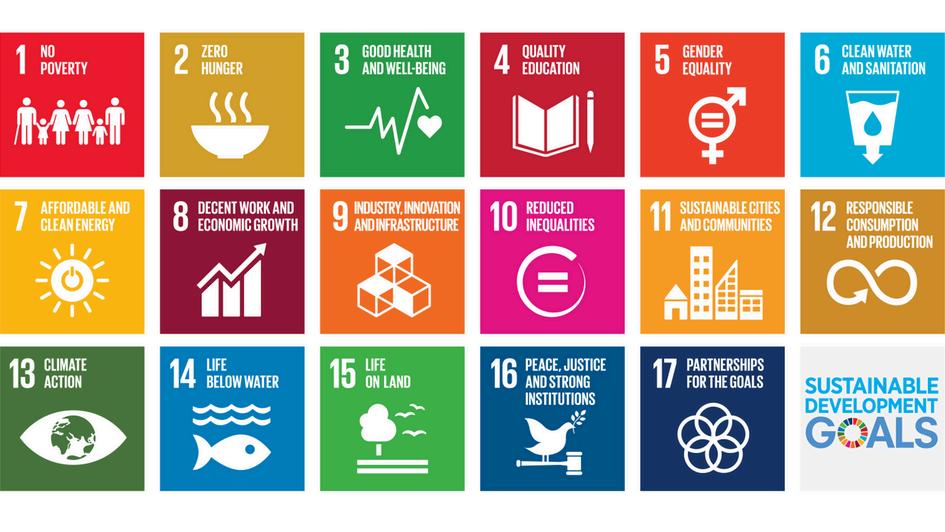
HealthRelevance: ConsideringRegionalBurdenofDisease PrioritisingInvestmentsbasedonEpidemiologicalPatterns MonitoringProgresstowardSustainableDevelopment Goals
Ethical,Legal,andSocialImplications(ELSIs):
AddressingEthicalConsiderationsinDigitalHealthSolutions PromotingEthicalUseofHealthTechnologies
HealthEquity: AchievingGoodHealthAcrossSocialGroups PromotingHealthEquityinVulnerablePopulations
1.Healthsystemvalue: Healthsystemvalueextendsbeyondtraditionalmetricsto encompassoverallbenefitsrelativetoresourcesinvested.It prioritizeshigh-quality,patient-centered,equitable,and sustainablecare,consideringaccess,patientexperience, outcomes,andcost-effectiveness.Thisfocusoptimizes resourceallocationandenhancespopulationhealthand well-being.
Responsiveness:
RecognisingUnforeseenConsequencesof Innovations
AdaptingtoShiftingContexts
IntensityandLevelofCare: BalancingHealthSystemEquityandSustainability
ReducingLaborIntensityofCare
AddressingGeographicAccessBarriers
Inclusiveness:
Encouraging StakeholderEngagement
RespectingandIncorporatingVariedCultural Contexts
2.Economicvalue: RIHaimstodeliverhigh-performing,affordableproductsto supportequityandsustainability..Environmentalvalue focusesonreducingthenegativeenvironmentalimpactsof healthInnovationsthroughouttheirlifecycle,emphasising eco-responsibilityandtheuseofgreentechnology.
Frugalinnovationinhealthcaremeansfindingcheaper waystoprovidevaluableservicessomorepeoplecan affordthem.
Leanprincipleshelphealthcareinnovationbymaking processessimplerandreducingwaste,soresourcesare usedbetter. Affordabletechnologiescanhelpsolvehealthcare problems,especiallyinplaceswherethereisn'talotof moneytospend.
Customisinginnovationstofitlocalneedsmakesthem cheaperandmoreeffective.
3.Organizationalvalue: Businessstrategiesandenterprisesshouldprovidevalueto users,purchasers,andsociety.Hybridorganizations,such associalpurposecorporationsandcooperatives,may bettersupportRIHbyintegratingdifferent,commercially viablebusinessmodels.
Someorganizationsmixtogetherideasfrombothforprofitandnonprofitgroupstotrytomakemoneywhile alsodoinggoodthingsforsociety,whichhelpsdrive innovationinhealthcare.
Makingapositiveimpactinhealthcareisn'tjustabout makingmoney;it'salsoaboutmakingadifferencein societyandinthelivesofthepeoplewhouse healthcareservices.
Healthcareorganizationshavetomakesurethey're makingmoneyinwaysthatalsohelppeopleand society,sothemoneytheymakecontributestomaking healthcarebetterforeveryone.
4.Environmentalvalue: RIHaimstominimisethenegativeenvironmental impactsofhealthInnovationsthroughouttheirlifecycle. Eco-responsibilitystressesreducingHealthcare's carbonfootprintandusinggreentechnology.Initiatives todecreasenegativeenvironmentaleffectsinclude developingproductswithoutharmfulchemicalsand usingrecycledorrenewablematerials.
Healthcareisworkingtouselessenergy,createless waste,andavoidharmfulmaterialstobekinderto theplanet.
Frommakingproductstothrowingthemaway, healthcareistryingtomakesureeverythingisdone inawaythatdoesn'thurttheenvironment.
Usingthingslikeenergy-savingmachinesand digitaltoolshelpshealthcarebemoregreenand lessharmful.
Bybeingcarefulwithresourcesandhowthingsare done,healthcareisworkingtohavelessofabad impactontheenvironment.
ThefourprocessdimensionsofResponsibleResearch andInnovation(RRI)provideaframeworkfor integratingethical,social,political,technical,and commercialconsiderationsintoresearchand innovationpractices.
Thedimensionsare:
Anticipation, Inclusion, Reflexivityand Responsiveness
Anticipation: AnticipatingconcernsinResearchandInnovation involvesevaluatingopportunitiesandrisks,especially inhigh-riskhealthcareresearch.Responsible InnovationinHealth(RIH)prioritizespatient-centered carebyaligningtechnologicalsolutionswithspecific patientneeds,exemplifiedinAlzheimer'scare. Anticipationaidsindiscoveringpreclinical possibilitiesandtheirsocialimpacts,requiringtimely analysisbyhealthcareprofessionals.
Imagineateamofresearchersisdevelopinganew technologytoassistAlzheimer'spatientsin rememberingdailytasks.Anticipatingconcernsin theirresearchinvolvesconsideringboththe opportunities,suchasimprovingpatients'qualityof life,andtherisks,likepotentialprivacyissueswith collectingpersonaldata.ResponsibleInnovationin Healthensuresthatthetechnologyisdesignedwith thepatients'needsattheforefront,ensuringitaligns withtheirspecificrequirementsandconcerns.
Inclusion: InResearchandInnovation,inclusionadvocatesfor broadpublicengagementanddeliberation, redistributingimpactpower.Inhealthcare,it emphasizespatientautonomy,involvementin decision-making,andenrichesthesystemforvarious stakeholders.Practiceslikeconsensusconferences andfocusgroupspromoteinclusion,thoughfacing resistanceduetorecognizedlimitations.
Inamedicalstudy,inclusionmeansinvolving patientsandtheirfamiliesindecision-making,not justdoctors.Forinstance,askingpatientsfor feedbackontreatmentoptionsensurestheirneeds areconsidered.Eventhoughitcanbetoughto includeeveryone,thisapproachleadstobettercare forallinvolved.
Reflexivity: ReflexivityinResearchandInnovationdemands transparency,encouragingreflectiononwork andlimitations.Inhealthcare,itinvolves analyzingsocialprinciplesguidinginnovations andassessingsocietalnorms.Reflexivityprompts questioningactivitiesinResearchandInnovation toensurealignmentwithsocietalvalues.
Inhealthcareresearch,reflexivitymeansbeing openabouttheprocessandlimitations,like acknowledgingbiasesorconstraints.For example,researchersmightregularlypauseto thinkabouthowtheirworkalignswithethical principlesorsocietalexpectations.This constantreflectionensuresthattheiractivities stayinlinewithwhatsocietyconsiders importantandvaluable.
Responsiveness: ResponsivenessinHealthcareensures
Innovationsadapttochangesandstakeholders' needs.Itchallengeslimitedpublicengagement, advocatingforflexibilityinshapinginnovation trajectories.ResponsiveRRIinvolvesadapting throughouttheResearchprocess,incorporating patients'preferencesandcreatinginstitutional changes.
Forinstance,ifanewmedicaltreatmentis developed,responsivenesswouldinvolve regularlycheckinginwithpatientstoseeifthe treatmentismeetingtheirneedsandmaking adjustmentsaccordingly.Thisapproach challengestraditionalmethodsthatmaynot prioritizeinputfromthepublicandemphasizes theimportanceofbeingflexibleandadaptable ininnovation.
ETHICS GENDER EQUITY
PUBLIC ENGAGEMENT GOVERNANCE OPENACCESS ENVIRONMENTAL STEWARDSHIP
SCIENTIFIC EDUCATION ETHICS Intherealmofethicssurroundinghealthcare innovation,stakeholdersarededicatedto upholdingasetofprinciplesandvaluesknownas ResponsibleInnovationinHealth(RIH).
Thisinvolvesensuringthatsolutionsdesignedfor healthsystemsadheretoethical,economic,and environmentalstandards.
Medicalethics,definedasthemoralobligations governingmedicalpractice,isintegralto healthcareresearchandinnovation,emphasising theimportanceofethicallyacceptable,socially desirable,andsustainablepractices.
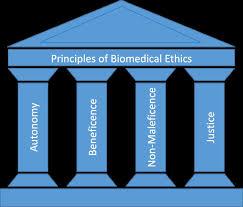
Key principles such as autonomy, justice, and beneficence are foundational, requiring informed consent, fair resource allocation, and actions that benefit patients without causing harm.
ETHICS Considerations for vulnerable populations, data privacy, and animal welfare are also paramount.
Ethical oversight, including rigorous review by ethical committees, is essential, particularly during emergency situations.
While laws and guidelines exist globally, there are gaps in their implementation, necessitating ongoing education and training for healthcare professionals to cultivate an ethical culture and ensure ethical conduct in research and innovation endeavors.
GENDER EQUITY InResponsibleResearchandInnovation, diversityandinclusion,particularlygenderequity (SDG5),playpivotalrolesbothincontentand process,showcasinginclusivityandbolstering credibilityofresultsandideas.
Acriticalanalysisofgenderdifferencesenables thedevelopmentofgender-specificsolutions, crucialforaddressingsocietalneeds,while neglectingsuchconsiderationshampers necessaryinnovation.
GENDER EQUITY GenderEquityamongResearchersandInnovators: Genderdiscordanceisevidentacrossvariousresearchaspects, fromauthorshiptograntreceipt,particularlyaffectingwomenin lowandmiddle-incomecountriesandthosewithintersectional identities.Barrierssuchasexcessivefamilyobligations, discrimination,andgenderwagegapspersist,impeding equitableparticipationandoutcomes. Addressingthese disparitiesrequiresincreasedaccesstomentorship,supportfor parentalobligations,andclearintoleranceforharassment.
GenderEquityamongParticipants: Inresearchdesignandcommunication,sexandgender disparitiesareoftenoverlooked,impactingthequalityofscience andhealthcare.GuidelinessuchasSAGERaimtostandardize reporting,emphasizingtheimportanceofconsideringsexand genderthroughoutresearchprocesses,fromstudydesignto interpretationofresults,toensureinclusivityandaccuracyin scientificcommunication.
GOVERNANCE Responsible Research and Innovation (RRI) has emerged to integrate ethical and social values into policy and governance processes, aiming to improve their vision and implementation.
This involves ensuring the quality of policy actions through current research, academic theories, practitioner narratives, engaged researchers, societal challenges, excellent science, and adequate funding.
Governance in RRI typically revolves around three models —Standard, Consultation, and Co-construction—focused on stakeholder engagement. Various levels of governance include researchers and research institutions, commercial bodies and investors, professional bodies, government and regulatory bodies, and individuals and communities.
Each level plays a crucial role in identifying gaps, setting milestones, ensuring policy compliance, supporting relevant research, implementing RRI perspectives in education and training, and fostering trust and collaboration within communities.
OPEN ACCESS TofosterinnovationwithintheResponsibleResearchand Innovation(RRI)movement,theconceptof'openaccess'(OA) mustbethoroughlyconsidered.OA,whichentailsunrestricted accesstoinformation,particularlyresearchoutput,alignswith RRI'sgoalsoftransparencyandinclusivity(SDG16),offering guidelinesforconductingmedicalresearch.
Withtheincreasedaccessibilityviatheinternet,OAhasthe potentialtoenhancescientificresearchandaccelerate innovation,althoughthecostsofinaccessibilityhavebeen particularlyburdensomeforresearchersinlowtomiddleincomecountries,asevidencedbystudiesshowinga29% increaseinpublicationoutputwhenaccesstojournalsis provided.
TheemergenceofOAjournalsandtheBudapestOpenAccess Initiativein2001markedsignificantmilestonesinOA'sevolution, facilitatingaccesstoresearchandpromotingresearchintegrity, akeyaspectofRRI.
OPEN ACCESS Despiteitsbenefits,OAintroducesnewchallenges, includingconcernsaboutpublicationqualityand financialsustainability.
Inconclusion,integratingOAintoRRIisessentialfor advancingmedicalresearch,leveragingtechnology, andenhancingqualitycontrol,althoughchallenges suchasfundingandqualityassuranceremain significantconsiderations.
PUBLIC ENGAGEMENT Publicengagementinhealthcare,crucialfor advancingglobalhealthgoalslikeSDG3,emphasizes thenecessityofinvolvingstakeholdersandaligning healthserviceswithpeople'sneeds.
Patientinvolvementinhealthcareresearchispivotal forfosteringmedicalinnovationandenhancing healthcarequality. However,thereisalackofevidenceregarding patients'actualparticipationinresearchand innovationbymedicalequipmentmanufacturers.
TheAgencyforToxicSubstancesandDisease Registry(ATSDR)outlinesfivelevelsofcommunity involvement,rangingfromprovidinginformationto sharedleadership,whichenhancesimpact,trust,and communication.
PUBLIC ENGAGEMENT TheAgencyforToxicSubstancesandDisease Registry(ATSDR)oftheCentersforDiseaseControl andPrevention(CDC)definefivestrategiesof CommunityInvolvement:
Outreach:ResearchersprovideCommunity Stakeholderswithinformation.
1. Consult:Inadditiontoinforming,Community StakeholdersprovidefeedbacktoResearchers. 2. Involve:Bothentitiescooperateandsecuremore participationwiththecommunityonissues. 3. Collaborate:Formspartnershipswiththe communityoneachaspectoftheprojectfrom developmenttosolution
SCIENTIFIC EDUCATION ThereisapressingneedtointegrateResponsibleResearch andInnovation(RRI)intobothformalandinformaleducation systems,aligningwithSustainableDevelopmentGoal4(SDG 4)andcateringtodiversedemographics.
Variousstudies,includingaglobalsurveybyIFMSA,have revealedsignificantgapsinResearchEducationwithin medicalcurriculaworldwide,withobstaclesrangingfrom inadequatementorshipandresourcestotimeconstraints. EncouragingundergraduateinvolvementinResearchnot onlyenhancespublicationoutputbutalsocultivatesResearch competenciescrucialforfuturehealthcareprofessionals.
OrganizationslikeIFMSAandMSAIplayapivotalroleby offeringResearchprojectsandresources,suchastheBasic ResearchCompetenciesFramework(BRCF),aimingtoequip medicalstudentswithessentialskillsacrosspillarslike investigation,analysis,collaboration,andprofessionalism.
SCIENTIFIC EDUCATION IFMSAalsoconductsworkshopslikeResearchCamp, TrainingNewResearchTrainers(TNRT)andREADYto bridgeeducationalgapsandfosterResearchliteracy.
MSAIalsoconductsresearchbasedworkshopsand NationalResearchCamps(NRC)andotherscientific workshopsthroughouttheyear.
Additionally,earlyintroductiontoRRIinsecondary schooleducationengagesthepublicinhealthcare decisions,emphasizingcriticalthinking.
Throughholisticeducationapproaches,stakeholders caneffectivelyintegrateRRIprinciplesintopractice, ensuringamoreinformedandethically-driven approachtoinnovationandresearch.
ENVIRONMENTAL STEWARDSHIP Theimpactsofpollutiononhumanhealth,mainly duetogreenhousegases,arewellknown.
Therefore,ifsustainableHealthcarefacilitiesareto beachieved,actionsininfrastructureand Healthcareprocessesmustbeimprovedtoemita smallercarbonfootprint(SDGs12,13).
Thus,itisimportanttomonitortheenvironmental impactsofHealthcareandinvestin internationallycomparablestrategicmetrics.This willhelptocreateasafe,low-carbonHealthcare system.
Unawarenessorunderestimationofthesignificanceof RRIprinciples.
Fundingprioritiesfavorpublications,patents,and commercialisationoversocietalandethicalaspects, discouragingparticipationinRRIworkshops.
Resistancetochangeisexpectedwhenimplementing RRI,challengingexistingpractices,societies,andnorms.
Communicationbarriersandlogisticalobstacles hindercollaborationandengagementwithadiverse rangeofstakeholdersinRRIefforts.
LegalandregulatoryconstraintsmaynotalignwithRRI principles,posingchallengestotheimplementationof responsiblepracticesinrapidlyevolvingfields.
Resourceconstraints,includingtime,expertise,and funding,limitresearchersandinnovatorsfromfully integratingResponsibleResearchandInnovation(RRI) practicesintotheirwork.