From Genius Minds to Legendary Castles
Timeless Sculptures
Wealthiest Art Collectors
Iconic Fashion
Legendary Castles
Leonardo da Vinci
Timeless Sculptures
Wealthiest Art Collectors
Iconic Fashion
Legendary Castles

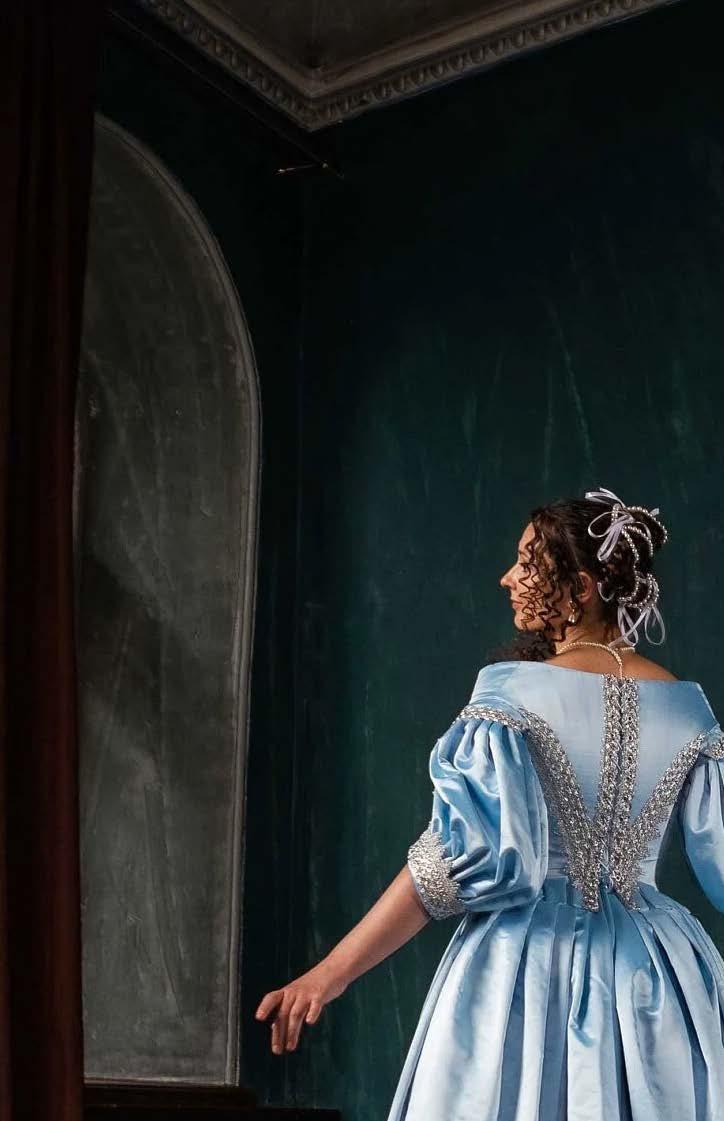
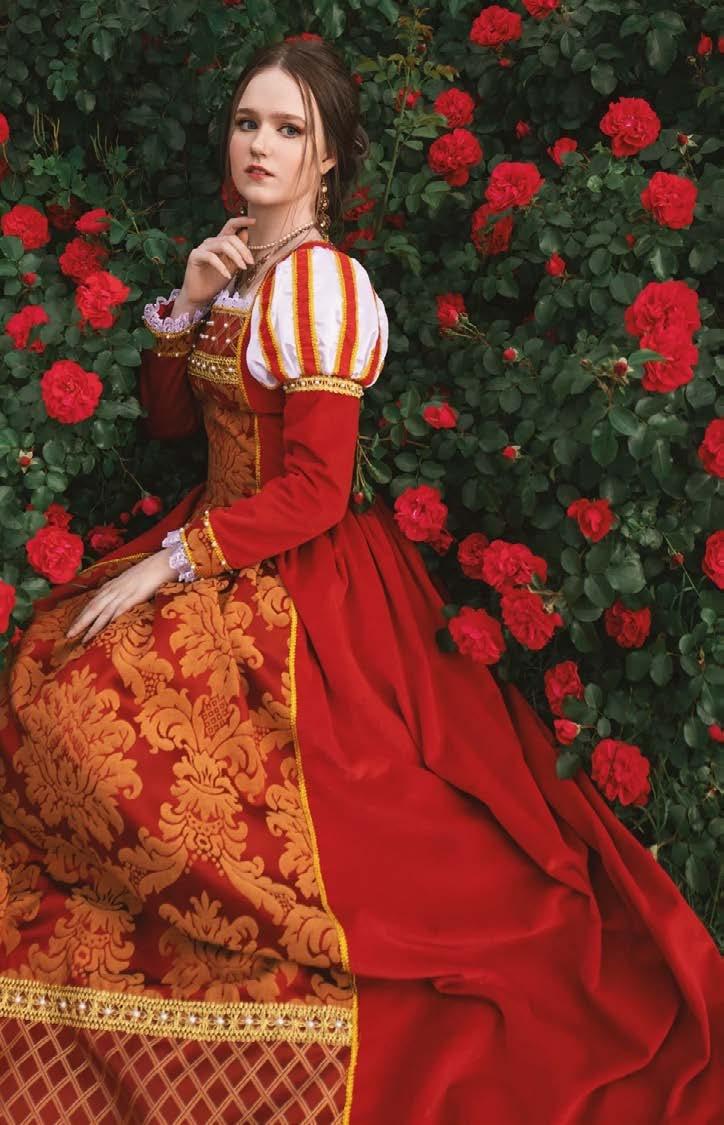
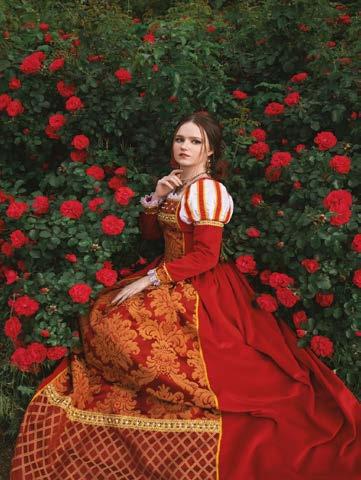
In 15th- and 16th-century Italy, women wore gowns richly decorated with stunning detail. e fabrics were luxurious, such as velvet and silk, and embroidered with gold and silver threads. Sleeves were large and pu y, and collars were high or intricately embroidered, making each woman look like a walking work of art. e gown was more than just clothing; it was a symbol of power, social status, and classical beauty
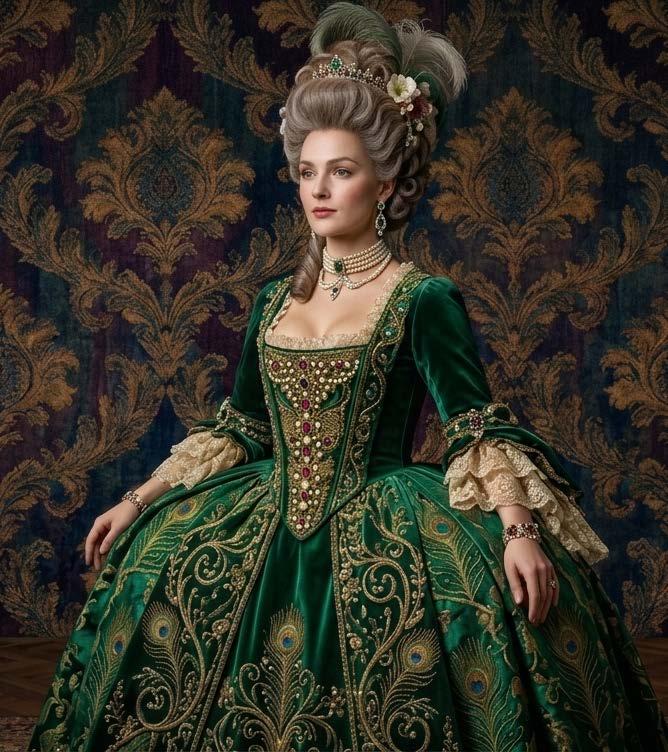
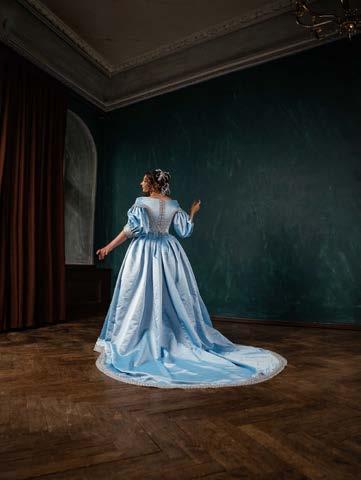
In the 17th century, France became the fashion center of Europe. Queens and princesses wore voluminous gowns with underwires to in ate the skirts, adorned with lace, feathers, and pearls. Each gown told a story of royal extravagance, and gold and purple hues signi ed power and wealth. Some of these gowns even required servants to assist the wearer, adding to their opulence and extravagance.
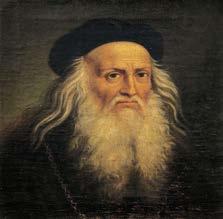
Leonardo da Vinci was born in 1452 in the small village of Vinci, Italy, surrounded by nature and simplicity. From an early age, he was di erent from other children, preferring solitude, observation, and deep thinking over games. He was fascinated by understanding the world around him, studying birds in ight, observing water, and carefully analyzing human faces. Drawing was not just a hobby for him, but his main way of exploring and interpreting life, as he sketched everything he saw in great detail. He later moved to Florence, which was the center of art at the time, to train under Andrea del Verrocchio. ere, he learned the fundamentals of painting and sculpture, but he was never satis ed with basic learning and constantly pushed himself to improve. His talent quickly became clear, especially when he painted a small angel in one of his master’s works, and it stood out as more beautiful and re ned
Leonardo believed that art and science were deeply connected, so he dedicated himself to studying the human body in detail. He dissected cadavers to understand muscles, bones, and movement, which was very rare and even risky at the time. His detailed anatomical drawings became some of the most accurate and important studies in history. His curiosity did not stop there; it extended to physics, engineering, and invention. He designed ideas far ahead of his time, including ying machines, helicopters, bridges, and complex mechanical devices, showing a mind that was centuries ahead. Among his greatest works are the Mona Lisa, famous for its mysterious smile and incredible detail, and e Last Supper, which remains one of the most iconic paintings ever created. Leonardo worked slowly and carefully,
o en spending years on a single piece because he aimed for perfection rather than speed. He also developed techniques like smooth blending of light and shadow, which made his paintings appear more realistic. Leonardo was a quiet and thoughtful person who constantly wrote and sketched in his notebooks, recording ideas, inventions, and observations. Many of these ideas were so advanced that people in his time could not fully understand or appreciate them. Although he did not receive full recognition during his lifetime, his true fame grew a er his death in 1519. Today, he is remembered as one of the greatest and most in uential minds in history, a symbol of creativity, curiosity, and the limitless potential of the human mind.
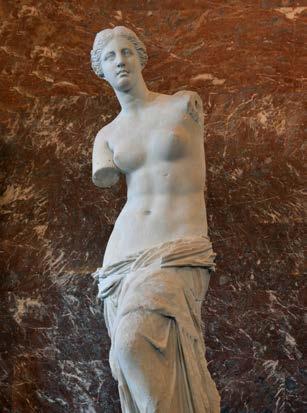
On a small Greek island in 1820, a farmer discovered a hidden statue while digging. As he uncovered it, the figure of a beautiful woman appeared, carved with remarkable detail. The statue was missing its arms, but this imperfection made it even more mysterious. It was later taken to France and placed in the Louvre Museum, where it became one of the most famous artworks.
People still wonder if the statue was ever complete and how it lost its arms, and this mystery is what makes it a symbol of beauty in imperfection.
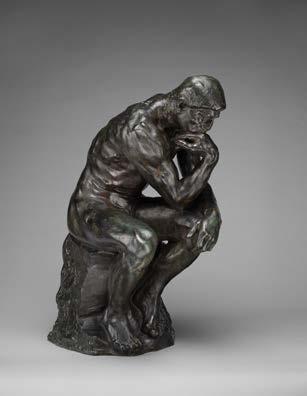
In France, the artist Auguste Rodin wanted to create a sculpture that would not only express a physical form but also a profound human condition. He sculpted a man sitting in a contemplative pose, his body taut, his hand resting on his chin, his eyes filled with deep concentrtion. The sculpture was not meant to represent a specific individual, but rather every human being who thinks and tries to understand the world around them.
Over time, “The Thinker” became a global symbol of intellect, contemplation, and philosophy, and one of the most famous sculptures in art history.
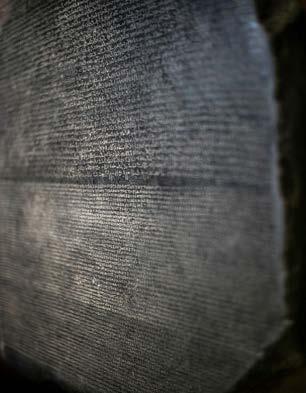
In 1799, during the French campaign in Egypt, soldiers discovered a stone with an unusual inscription. It contained the same text written in three different languages, which attracted great attention.
After years of study, scholars used it to finally understand hieroglyphs for the first time. This stone, known as the Rosetta Stone, became a key to unlocking the secrets of ancient Egyptian civilization and understanding its history.
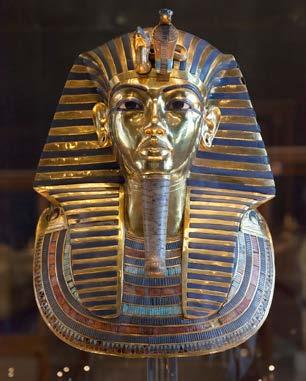
In 1922, archaeologist Howard Carter discovered the tomb of the young pharaoh Tutankhamun in Egypt’s Valley of the Kings.
The tomb was filled with numerous treasures, most famously the golden mask made of pure gold and adorned with precious stones, created to protect the king in the afterlife. This discovery gave the world an extraordinary glimpse into the wealth, artistry, and culture of ancient Egyptian civilization.
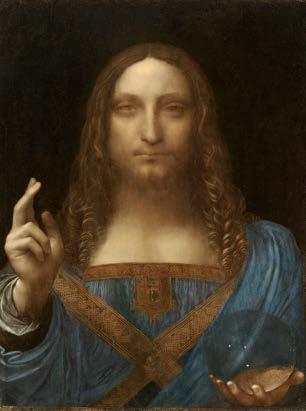
shows Jesus Christ standing and facing the viewer. He wears a blue and brown robe, holding a transparent orb in his left hand, symbolizing the universe, while his right hand is raised in a gesture of blessing.
The dark background emphasizes his face and hands, highlighting the delicate details and realistic play of light on the orb. This painting demonstrates Leonardo’s incredible skill in capturing both physical and spiritual presence.
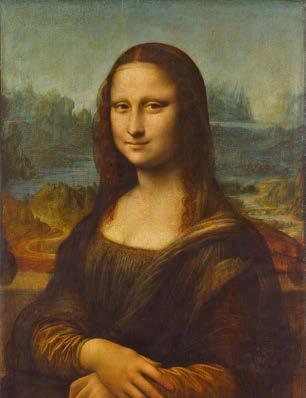
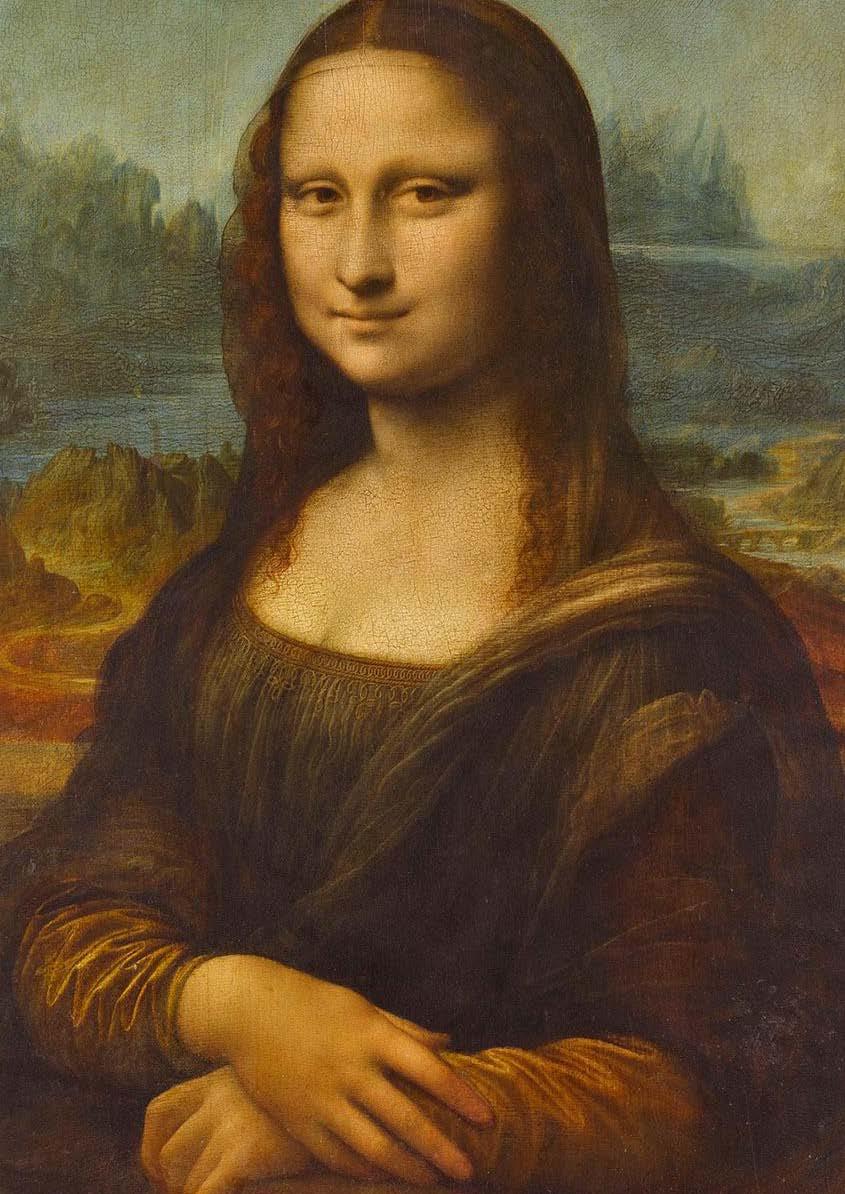
In Italy, Leonardo da Vinci spent years painting the Mona Lisa, capturing her mysterious and changing smile. The painting became world-famous after it was stolen in 1911 and later recovered. Her enigmatic smile continues to fascinate millions. Today, the Mona Lisa is one of the most famous and influential artworks in history.

Hidden in the heart of the Bavarian Alps, this castle looks like it came straight out of a fairytale. Built in the 19th century by King Ludwig II, it was his dream to create a place where art and romance intertwine. Adorned with towers, soaring turrets, and ornate windows, every corner boasts intricate details. Today, it has including the famous Disney castle.