Capturing the School Through Photography
DotanWeiss (’27)
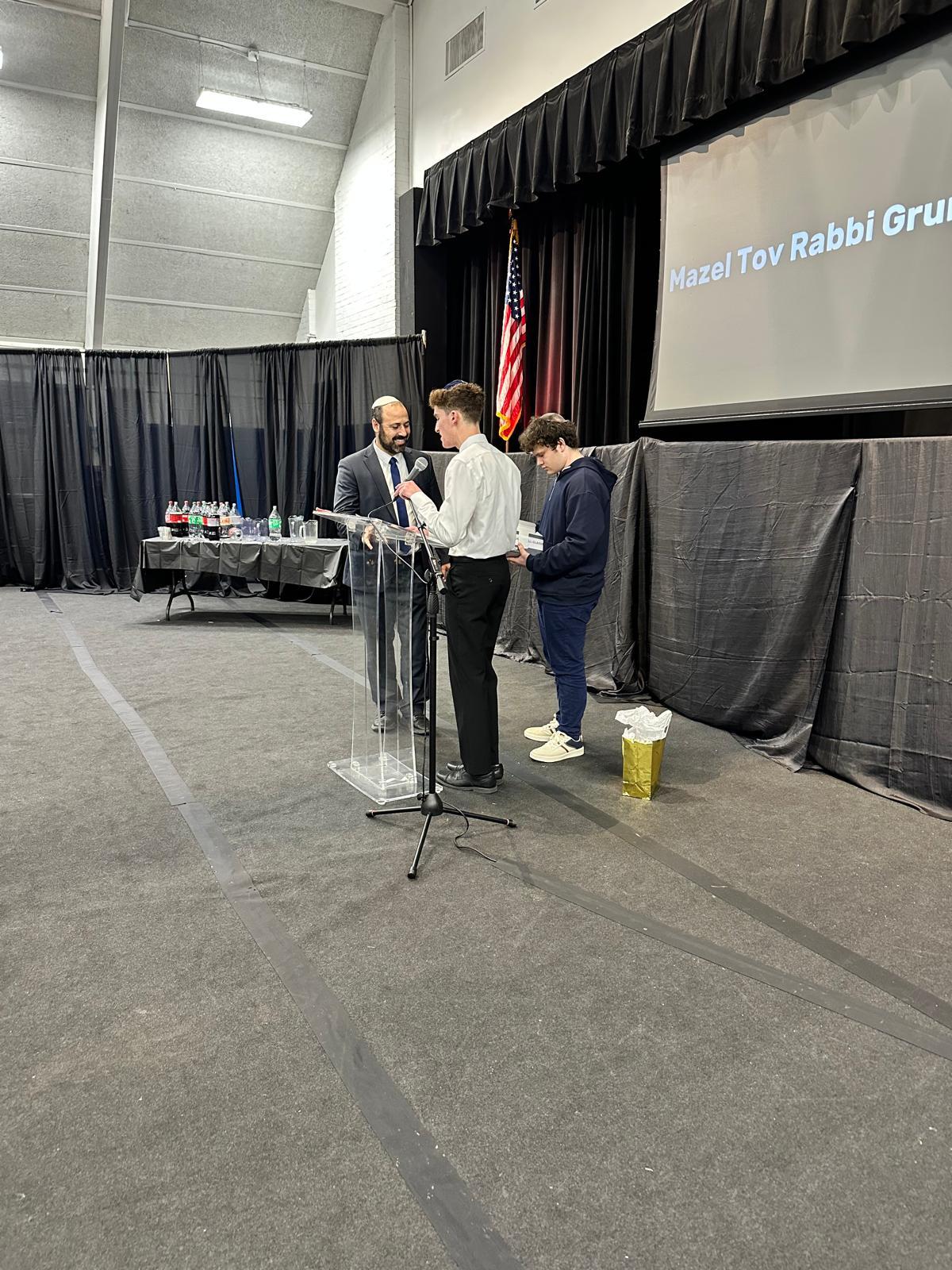
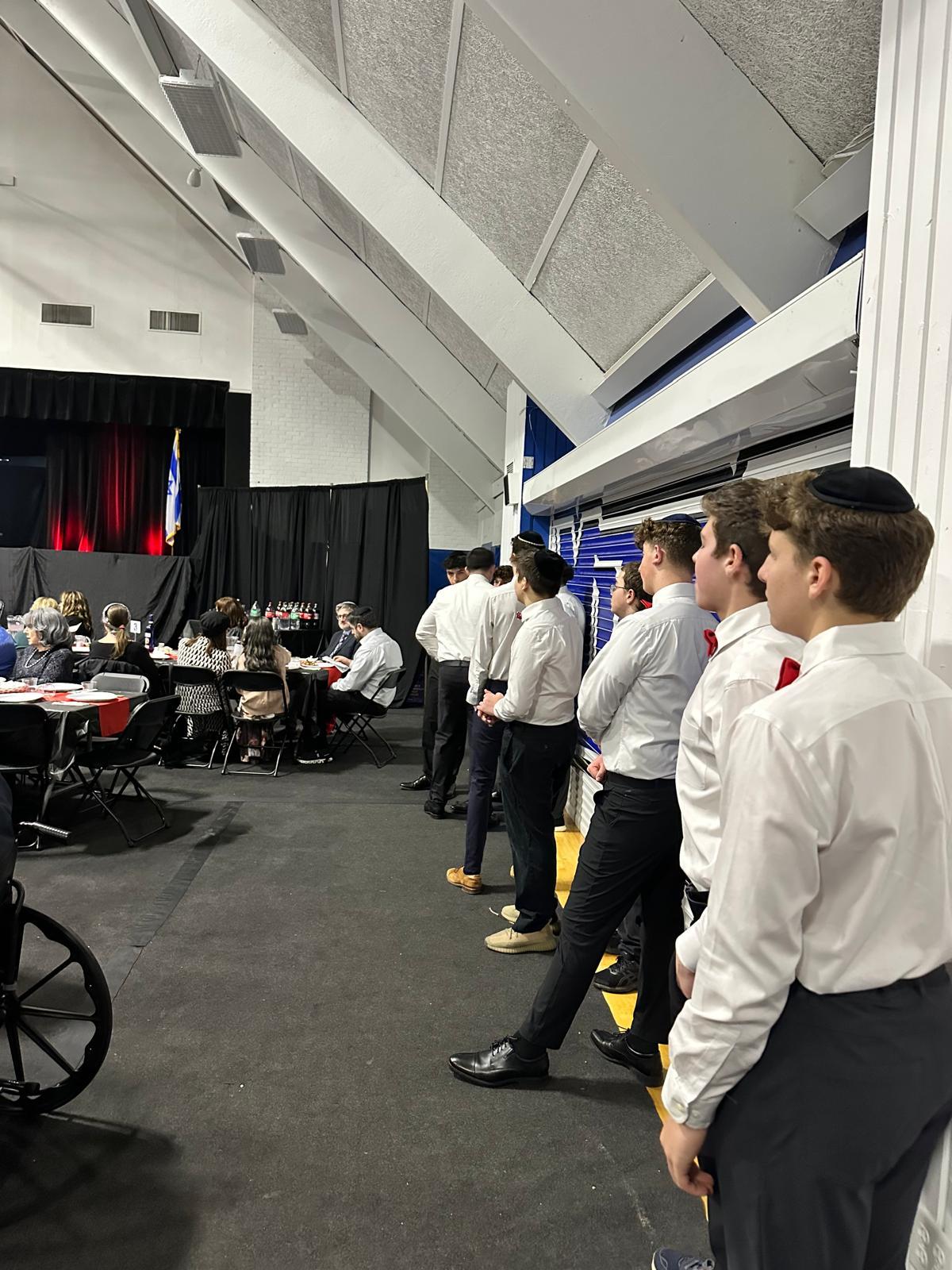
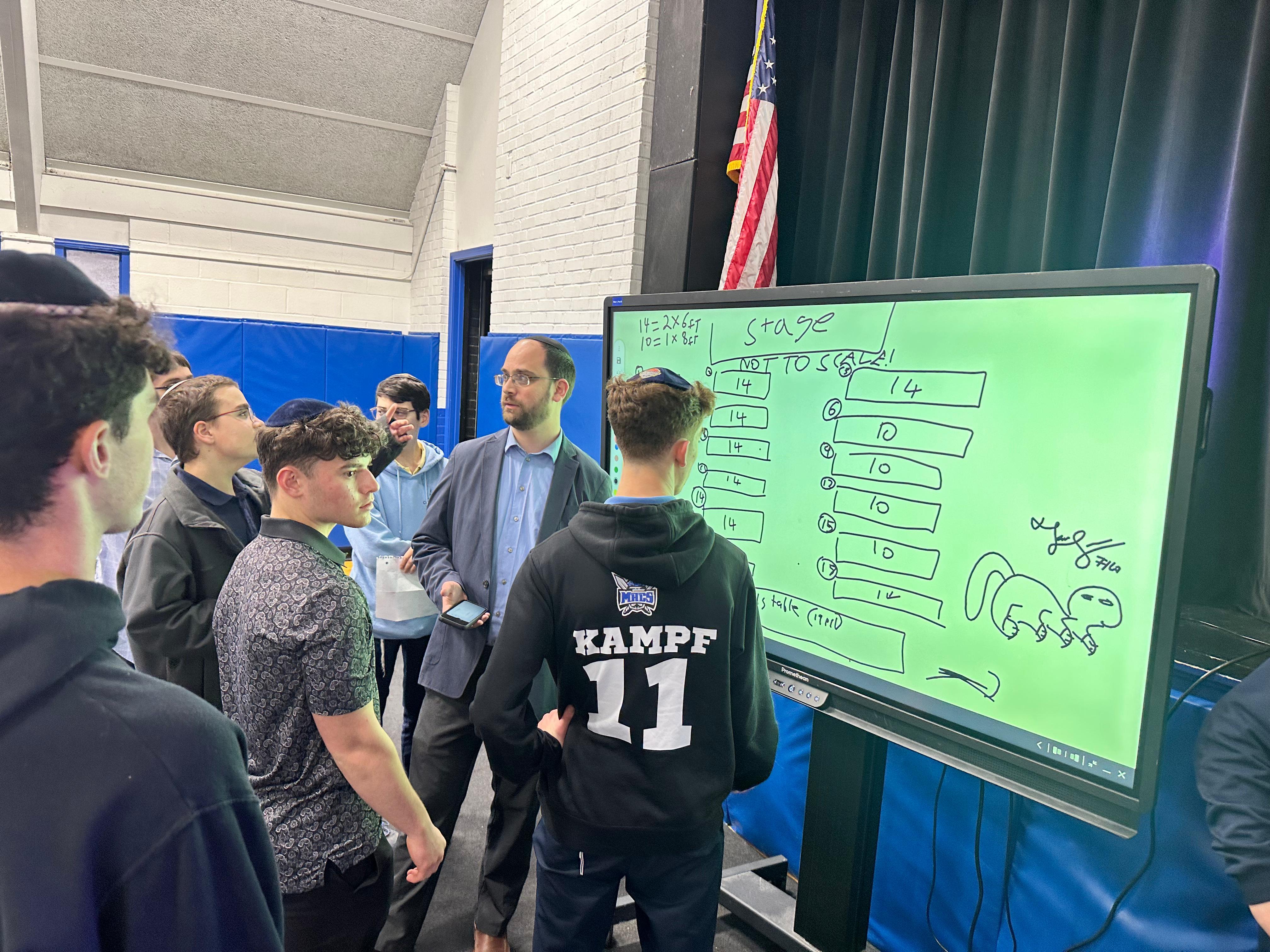
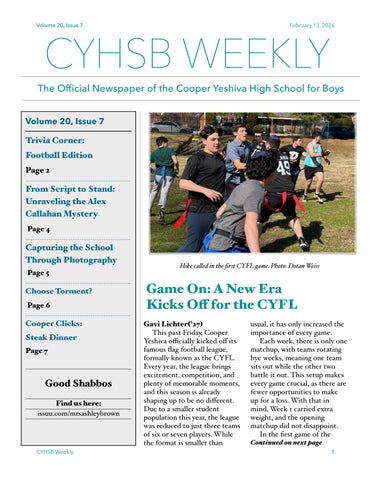
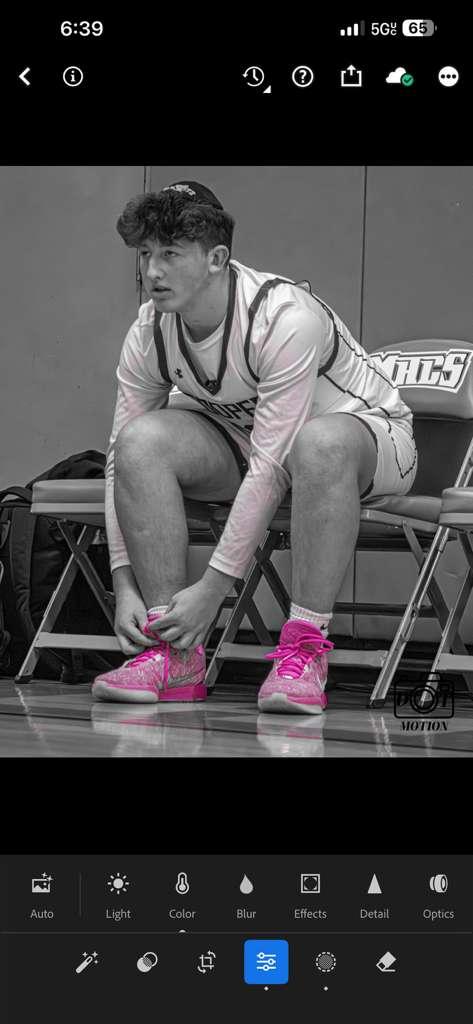
Photography plays an important role in multiple schools, but for Margolin it plays a bigger role. This can be seen especially through sports photography. Pictures in sports photography show players' effort, their teamwork, and the school spirit that they have. Games move quickly, but photography allows those moments to last and gives students, families, and the school community something meaningful to look back on.
When I photograph games and practices, I am not just taking pictures of athletes playing a sport. I am capturing determination, focus, and emotion. A player driving toward the basket, a teammate encouraging others from the bench, or a celebration after a close game all tell a story. In a small school, every athlete matters, and sports photography ensures that everyone feels recognized. Students enjoy seeing photos of themselves and their teammates, which builds confidence and pride in their hard work. According t0 Ilan Lennon (‘27) “When I see pictures of myself, I get happy.”
capturing light through a camera’s lens and recording it on a digital sensor. In sports photography, shutter speed is especially important because it freezes motion and keeps athletes sharp.


for capturing fast-moving action. Photography works by
Aperture controls how much light enters the camera and can help separate players from the background, while ISO adjusts the camera’s sensitivity to light, which is especially useful in indoor gyms or lowlight conditions. Editing is a key part of my photography process, and it is something the school actively supports. The school pays for Adobe Lightroom, which allows me to professionally edit and organize photos after games. Using Lightroom, I adjust exposure, contrast, and color to make sure the images look clear and accurate. Gym lighting can sometimes make photos appear too dark or overly yellow, and Lightroom helps correct these issues while keeping the images realistic. I also use cropping tools to focus attention on the athlete or the most important moment in the frame.
Having access to Lightroom shows that the school values quality and understands the
importance of presenting sports and students in the best possible way. Editing does not change what happened in the game; instead, it helps highlight the energy, emotion, and effort that were already there. It allows the final images to look
polished and ready to be shared with the community.
In conclusion, sports photography and editing allow me to contribute to the school in meaningful ways. By capturing and refining images of athletic events using tools
like Lightroom provided by the school, I help preserve memories, strengthen school spirit, and highlight the dedication of student athletes. Photography allows me to tell the story of our sports teams and the values they represent.


Choose Torment?
Chaggai Yorav (’28)
In this week's Parasha, the Torah talks about many laws including the laws surrounding slaves. One such law is that if the owner takes his slave’s teeth or eye out, the slave is free to go. The Gemara in Berachot learns from this law a lesson for everybody’s day to day life. It says that if the tooth and the eye, which are just a part of your body, can deliver you from slavery to freedom, all the more so “torment” delivers you from the bad to the good.
But what is the “torment” that the Gemara is talking about? Does it literally mean someone tying you to a chair and torturing you? Probably not…
So what is it? The answer is simple. Everything. When Hashem gives us challenges he gives them out of love, for the good. This is seen from the pasuk that says “Because the one that Hashem loves he rebukes.”
So the truth is that this “torment” could be anything in our lives. The struggles, the difficulties, everything. And if you fight back and don’t give up you come out of them better and stronger than what you were before.
But there is one more thing that you need in order for the torment to turn into good things: accept them from Hashem with love, knowing
that everything is for the good. That’s what the Navi means in the verse “ץפח יכ ילחה ואכד ’ה” which literally means "because God wanted to crush him with ilness." The Midrash explains that it teaches us that if someone suffers torments it is because God wants him to. In the verse “That, if he made himself a guilt offering”, we see that the reward that the person will receive for the torment is stipulated in his acceptance of the torment with love. Since the guilt offering expresses your choice to get closer to Hashem, the same applies to torment.
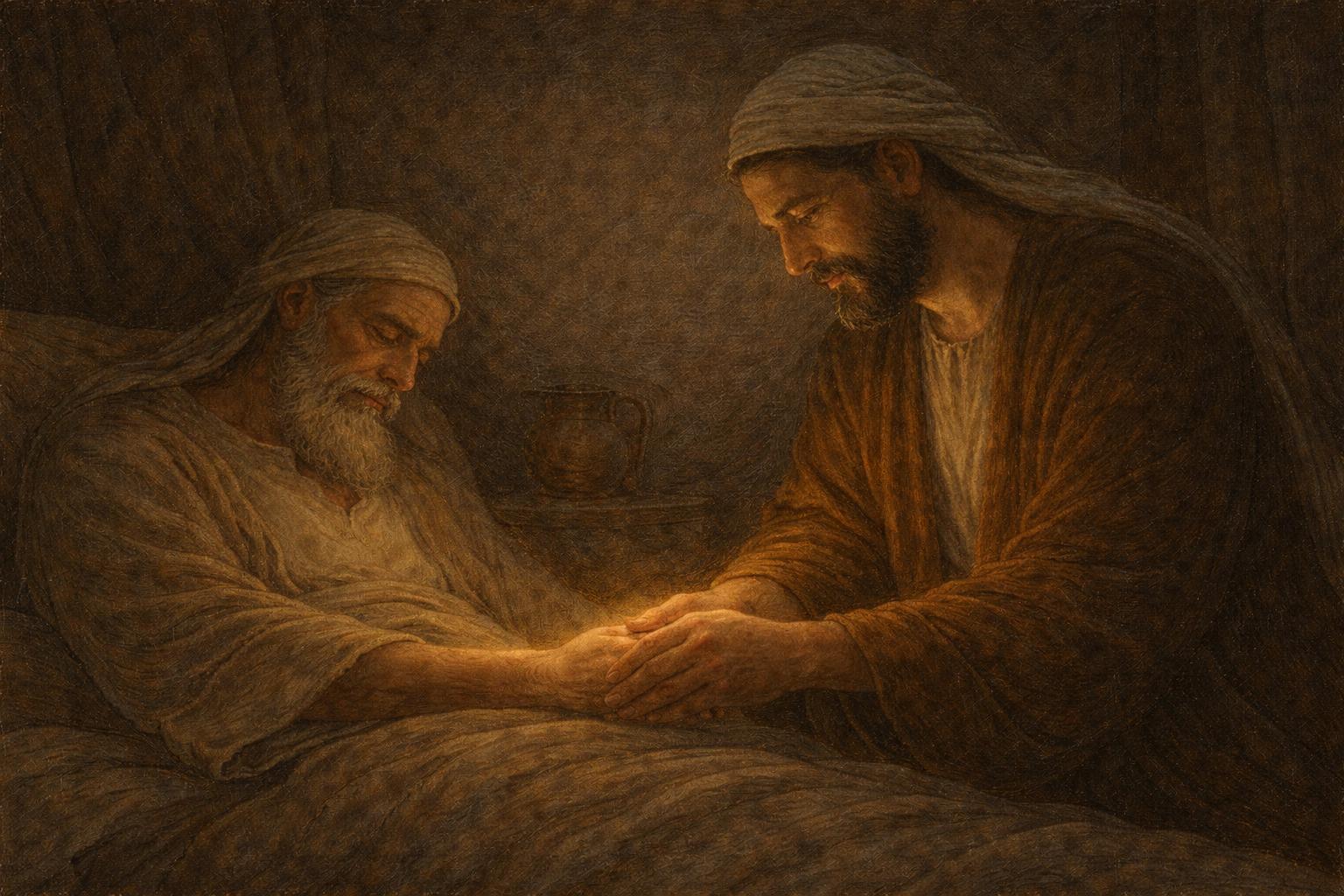


The Gemara also brings some stories that indicate this. For example, when Rabbi Chiya Bar Abba was sick, Rabbi Yochanan came to do םילוח רוקיב, the mitzva of visiting the sick. He asked Rabbi Chiya Bar Abba, “do you like torment?” who responded, “neither torment nor its reward,” and then he took his hand and healed him. The same kind of story is brought up in the Gemara multiple times with different people, and in one of them, Rabbi Yochanan was the ill person, and Rabbi Chaninah was the visitor, and then the same
thing happened. Now, the obvious question arises, if Rabbi Yochanan could heal Rabbi Chiya Bar Abba, why can’t he heal himself? The Gemara answers that it is because a prisoner can’t rescue himself from jail. This whole thing can be understood as a parable, or at least something symbolic. The fact that they could choose not to be sick teaches us that the torment should be accepted with love, it is all our choice. And another lesson that can be learned here is that sometimes you can’t do it yourself, you may need another person to rely on. Someone else that could see the reality clearly, without the pain, and remind you that it is all from Hashem, and that he always loves us, and therefore the pain must be for the good. With God’s help, we should all be הכוז to have the power to overcome our challenges, and see the good in everything.