Impact IMC
StudentJournaloftheDepartment StudentJournaloftheDepartment ofIntegratedMarketingCommunications ofIntegratedMarketingCommunications

StudentJournaloftheDepartment StudentJournaloftheDepartment ofIntegratedMarketingCommunications ofIntegratedMarketingCommunications
Ihaveoftenbeenaskedthequestion:“Can undergraduatesactuallydomeaningfulresearch? OrshouldtheyjustfocusoncreatingIMCcampaign content?”Ibelievethiscomesfromtheassumptionthat anundergraddegreeisforskill-buildingandagraduate degreeisfordoingresearch Idon’tagreewiththis I believethatundergraduatesabsolutelyhavethecapacity tolearnandcompletemeaningfulresearchprojects,and Ialsobelievetheirresearchnotonlysetsthemupfor graduatework,butalsohelpsthemsucceed professionally.Undergraduatestudentshavegreatideas andtheyareeagertolearn,theywanttobecompetitive inthejobmarket,andtheyneedtobeabletohave somethingtangiblewhenaskedwhatsetsyouapart fromalloftheotherpeopleIaminterviewingforthis

job,position,orspotingraduateschool.So,whenIcametoO anywherethatstudentscanpublishtheworkthattheydointheirclasses?”Notonlydowehavetoteach undergraduatesresearchskills,studentsneedaplacetopublishtheirworkbeyondtheassignmentsubmission boxonBlackboard.Sure,Iknowstudentsmaycreatetheirownportfolios,butIbelievewe,asprofessors,need tofacilitateopportunitiestobuildandpromotetheirportfolios Iteachtheresearchmethodscoursefor undergraduates Iteachthemarangeofmethodsfrominterviewsandsurveystofocusgroups Theirfinal projectistowriteuptheirresearchresultsasanarticle.IMCImpactistheplacewelaunchedforstudentsto gettheirworkpublished.
InIMCImpact,Iwanteachstudent'suniqueperspectiveor“secretsauce”(asIcallit)tobeondisplay.We don’twanteveryarticletolookandsoundthesame.Asyoulookthroughthearticlesyouwillseedifferent colors,images,topics,andindividualexperiencesthatmakeeachoneunique Wetrytostandardizetheformat, butbeyondthatwereallywanteachstudenttohavetheirowntakeonthefinalproducttheyproducesothat whentheyinterviewforthenextphasetheyhavesomethingpersonalinprintthatshowstheycandoresearch. Wereceivealotofsubmissionseachsemester.IencourageeachundergraduatestudentinanyclassintheIMC programatOleMisstocreateuniqueprojectsandshowcasewhattheyaregreatatandtoaimforpublication.
SoIconclude.Cananundergraduatestudentdoresearchandpresentitinaformatthatotherswanttoread?
Yestheycan Astheeditorandco-creatorofIMCImpact,IcanvouchfortheSchoolofJournalismandNew Mediathatweareallcommittedtohelpingstudentsbuildtowardcareersuccessrighthereintheclassroom I receivenoadditionalsalaryorcoursereleaseforthetimeandenergyIputintopublicationeachsemester.I simplywantthisspaceandplacetoexist.ThatishowcommittedIamtomakingIMCImpacttonotonly continue,buttosucceed.
StaciB.Smith,Ph.D. EditoroftheIMCImpactJournal
By:ScottFitzpatrick
Over the past five years, one vice has become synonymous with sports across the globe: gambling. Advertisements from sports books and casinosareseenoftenduringbroadcastsofgames, and even in and around the professional stadiums where the games are played. Like most vices, gambling has a downside, which is losing money. However, the dangers of gambling addiction and negative effects of the activity are not properly addressedandshownintheseadvertisements.This needstochange.
Being a lifetime sports fan, I've always thought of sports as a place for tradition, competition, and bonding. However, things have started to change lately. The surroundings of the games have changed,butthegamesthemselveshavenot.
Gambling advertisements now cover an area that was once dominated by player features and team advertising.Almosteverysportingeventnowhas betting as the loud and more prominent background music Sports fans are continuously temptedtoplaceawager,whetherit'sthroughingame odds flashing across the screen or by analysts and commentators casually mentioning pointspreads.
However, the impact of gambling can be hard to overlook as it becomes increasingly popular, particularly among fans The increase in advertising has raised concerns about transparency, its impact, and its ethics. Do these advertisements change our perception of sports? Are they promoting harmful behavior?Andwhataretheactualfeelingsoffans?
I polled college students aged 18-24 and held a focus group with classmates to investigate these issues Their answers offered insight into how people view gambling advertisements and how they're influencing the way that people watch sports these days
Background Research
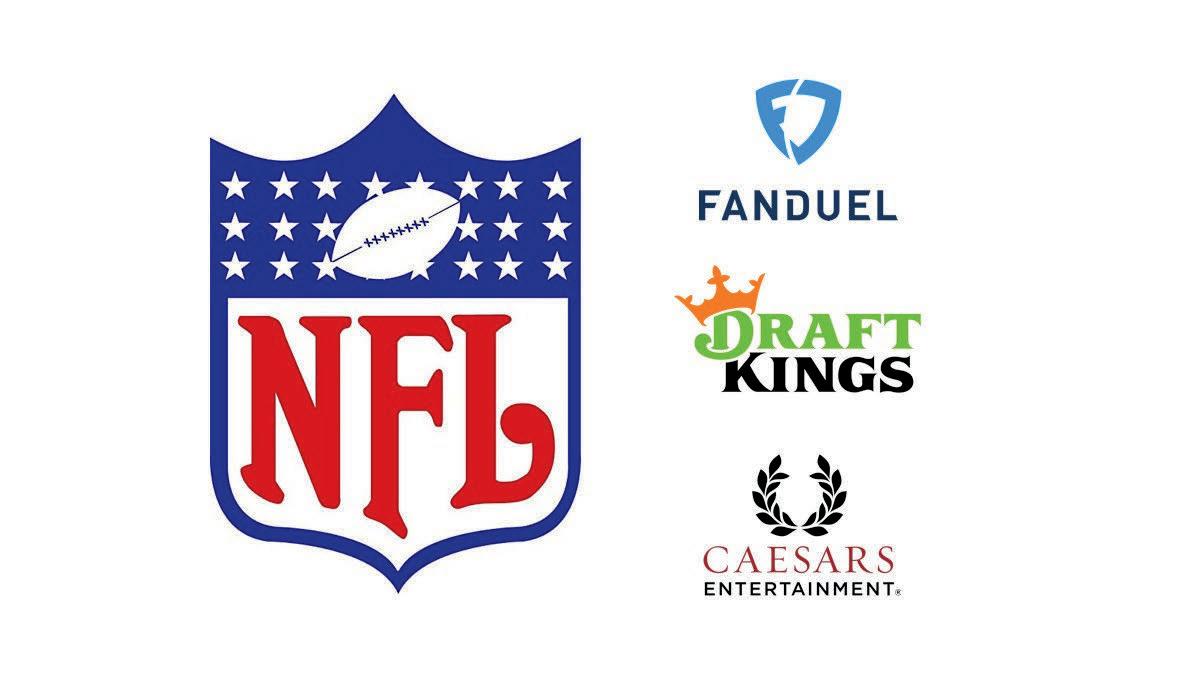
This change took time to take place Gambling became extremely popular after the U.S. Supreme Court's 2018 decision to overturn the national ban on sports betting Media corporations leaped on board as states rushed to legalize it. Once viewed as a vice, it now drives multibillion-dollar partnerships between broadcasters, teams, and bookmakers.
The spread of sports gambling ads over the last ten years has sparked serious wellness concerns, especially regarding addiction and exposure of teens and young adults. A recurring theme emerges from much research and publications done across a variety of nations, including the US, UK, Canada, Australia, and Spain: gambling ads are successful in boosting betting behavior, but they also have negative social effects.
These include increasing cases of addiction, an upsetting trend of advertising that targets vulnerable groups like young adults, and an increase in the desire to gamble among young people.
Research shows a direct correlation between gambling behavior and advertising. Students who watched sports were more impacted than others, according to McGrane's (2025) findings that "when exposed to a professional football (soccer) game with embedded gambling advertising, students reported higher urges to gamble."
Bouguettaya(2020)confirmedthatadvertisements have an impact on behavior by finding that a 1% increase in advertising spending resulted in a 0.1–0.24%riseingamingrevenue.
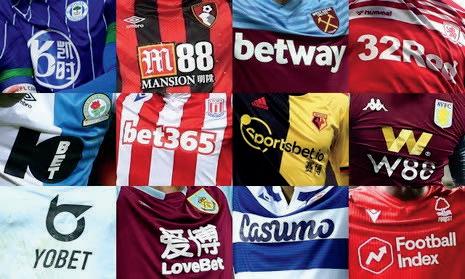
Profit has taken priority over ethics in certain establishments. Levant (2022) criticizes the NFL's relationship with bookmakers, claiming that "by 2017 the NFL abandoned any pretense of concern for youth, family, community, or public health," criticizing the league's partnerships with popular sports books. Similarly in the United Kingdom, even with new self-regulatory guidelines, twelve Premier League soccer clubs were still promoting gamblingtominors,accordingtoa2024Guardian investigation.
Althoughgovernmenteffortsareincreasing,they arestillsmall
The majority of the $100 million that U.S. states spent in 2023 to fight gambling addiction came from gambling taxes (Schneider & Library of Congress, 2024). In order to demonstrate the financial cost of gaming, the paper also included statistics showing that 20% of obsessive gamblersdeclaredbankruptcy.
Focus Group Insights
MisleadingPortayals
The way that gambling advertisements glorify the activity was one of the most frequent complaints. Participants pointed out that advertisements rarely discuss the risks; instead, they frequently feature spectacular victories, thrills, and opulent lifestylesOne participant said, "They make it seem really fun, but if you've ever gambled before, it's not fun, like it's stressful." "They give the impression that you're going to leave with a large sum of money," someone else continued. Gambling advertisements depict a utopia in which everyone succeeds rather than the reality of addiction, emotional stress, and loss of income. This leads to unreasonable expectations, particularlyforneworyoungergamblers.
InfluenceandTemptation
Even if they weren't habitual gamblers, many participants claimed that the advertisements sparked their interest in gambling. One student said, "They keep flashing betting promos while you're watching the game. How could you not at least consider giving it a try? They had this one billboard that said someone just won like 32 million… who doesn't at least want to be that person?"Toneworinexperiencedusers,thiscould make gambling appear to be a low-risk option after seeing a winning story. It gives the impression that betting is just another aspect of beingafanbecauseofendlessinteraction.
64% of respondents agreed when asked if performance-based gambling promotions threaten sports integrity. Fans voiced worries that the focus isbeingshiftedfromteamsuccesstofinancialgain byfrequentlyreferringtospreads,over/unders,and in-game odds. One poll respondent stated in an open-ended response, "It seems like the broadcast isn't about the game anymore—it's about how you can make money off Fofa nits."are more likely to make rash decisions while sportsbooks use their heightened emotions and team loyalties to draw participation.
Gambling promotions were found to target important sporting events, such as the NFL playoffs and March Madness. One participant said, "They're always on during the big games.People are most interested in it and inclined to wager at that time." These advertisements are timed strategically,notatrandom.
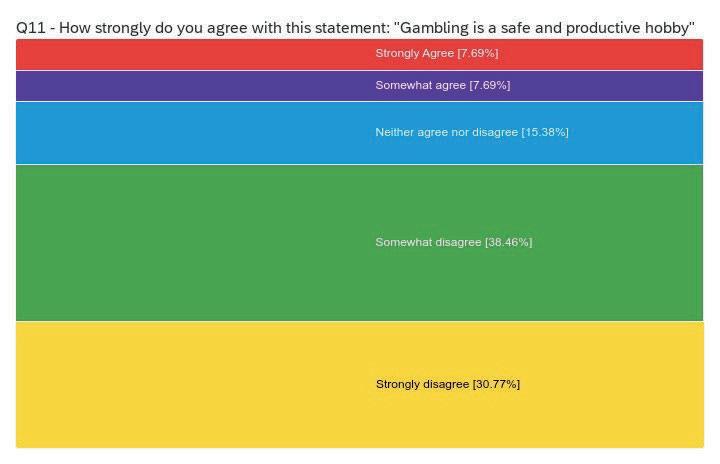
Over 69% of respondents disagreed with the statement, with 30.77% strongly disagreeing, that gamblingisasafeandproductivehobby.Lessthan sixteen percent agreed, and only fifteen-three percent were neutral. This demonstrates that fans continue to have doubts about the activity's profitability and safety despite the prevalence of gamblingadvertisements.
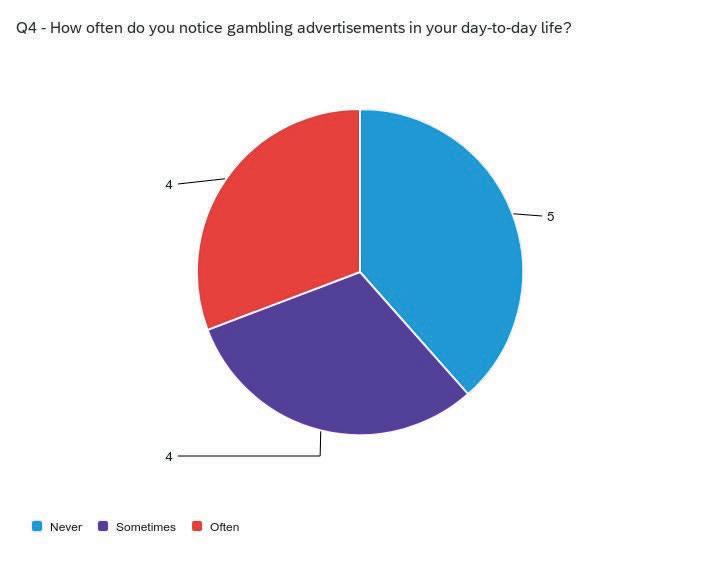
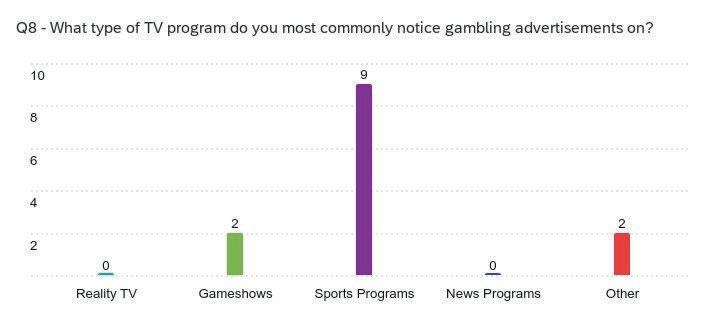
More than 70% of respondents said they often see gambling advertisements on sports programs This greatly surpassed genres such as news broadcasts, game show programs, and reality TV Sports are certainlythemainvenueforgamblingexposure

More regulation of gambling ads is required, according to a resounding 80% of respondents, especially to safeguard younger viewers. Many proposed prohibiting athlete endorsements, limiting ad placement during youth programs, or implementing disclosures regarding addiction. A participant remarked, "There needs to be more oversight... no one's talking about addiction." Another person wrote, "People need to know what they'regettinginto."
Advertising for gambling has quickly taken center stage in modern sports culture What was once thought of as a niche market, is now changing the way fans interact with their favorite teams However,thischangehassignificantconsequences onasocietal,financial,andemotionallevel.
Young fans are clearly listening, as shown by their voices in polls and interactions. Many people also don't like what they see. Transparency, honesty, and impact are major challenges in gambling advertising today, from glorified messaging and inappropriate promos to the moral challenge of athleteendorsements.
It's time for politicians, media outlets, and sports leagues to pay attention to those issues. Although gambling is here to stay, it doesn't have to be promotedinanunsafeway.Sportsmightcontinueto be a place of celebration rather than exploitation with the support of stricter advertising standards, more transparent disclaimers, and carefully planned restrictions.
Supporters want to feel like they are a part of something more than a business plan. It should be more about passion than odds during the game. For next game that you tune into, I want you to listen to thegamblingadsandlookforforanybadfeaturesof theactivitythattheyhighlight.
By: Kallie Basil
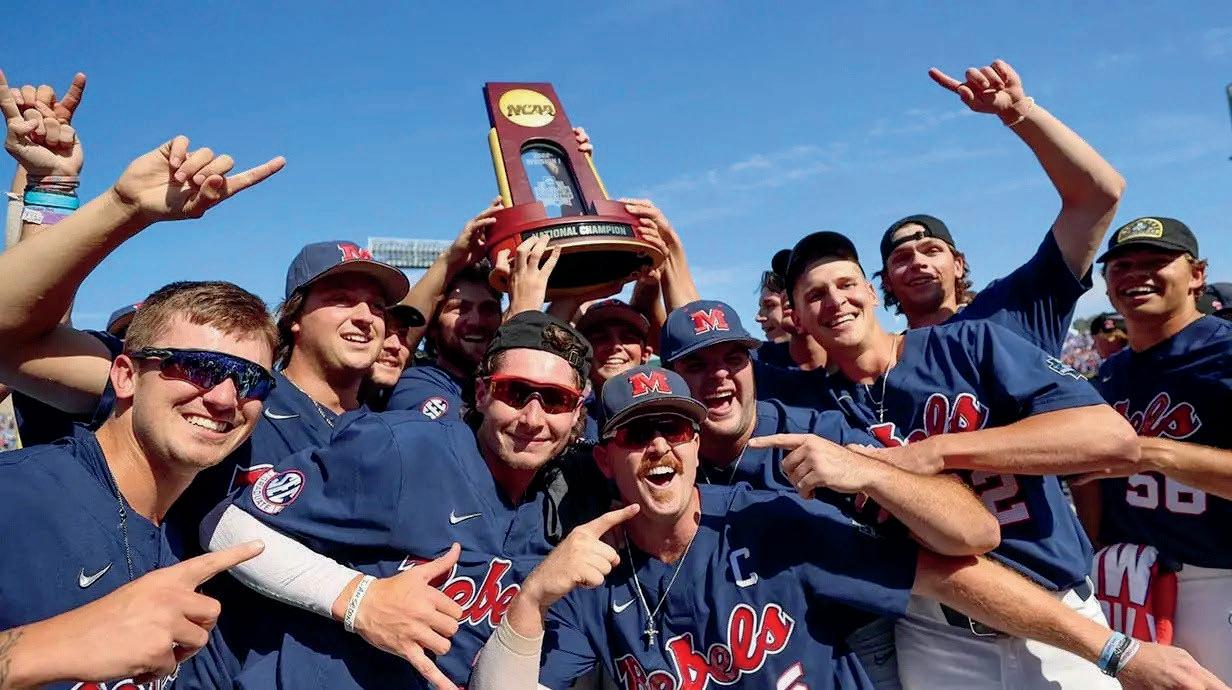
FromTikTokvideostodroneshowslightingupthe footballstadium,sportsmarketingtodayisasmuch aboutconnectionasitispromotion
Assomeonewhosehobbyisworkingoutand stayingactive,I’vealwaysbeendrawntotheenergy andexcitementthatsurroundssports bothonand offthefield.Workingoutandstayingactivearea hugepartofmanypeople’sdailylives,andsports areaprimeexampleofthat.
Athletics is a growing and ever-changing industry that a lot of people engage with, especially in college sports. This study dives into how modern tactics like student-centered social media content, athlete branding, and tradition-rich experiences influence fan engagement, especially among college students
UsingOleMissasacasestudy,itexploresthe balancebetweenhypeandauthenticity because whilestudentsloveagoodInstagramreel,theycan alsospotafakeendorsementfromamileaway.
Sports marketing has grown into a huge industry around the world,-
and it's now all about using social media, targeted content, and fan-focused experiences to keep people engaged. With insights from national research and student feedback, this article shows how mixing entertainment with tradition is the real win in sports marketing, creating memorable moments that resonate far beyond the game. These strategies not only draw fans in they help build lasting emotional connections that turn casual viewers into lifelong supporters
"Sport marketing was no longer presented as a commercial tool, but instead as a wider umbrella of promotional elements that encapsulates aspects such as commercial sponsorship, advertising, and publicity."
“In 2015, the global sport industry was estimated to be worth US $145 billion, which accounts for over 3% of the world’s economic activity."
Thearticleexploresthegrowthofsportsmarketing, highlightingitsshiftfromacommercialtooltoa broadfieldincludingfanengagement,branding,and socialmedia.Itdiscussestheacademicfocuson topicslikefanbehavior,brandequity,andthe impactofnewtechnologies Challengessuchas corruptionarealsoaddressed,callingforcontinued researchinthefield.Manoli,A.E.(2018).
"Be open to opportunities and versatile in your skills." – Lauren Purdy.
The sports marketing industry is valued at $27.5 billion, highlighting the vast opportunities in digital strategy and promotions within professional sports Mizzou graduate Lauren Purdy leads digital strategy for the Baltimore Ravens, overseeing game-day content and major promotions like the team’s first alternate helmet launch Her experience in Mizzou’s strategic communication program and hands-on internships prepared her for the fast-paced NFL environment. Purdy emphasizes versatility in sports marketing, encouraging students to explore all aspects of digital strategy.University of Missouri Journalism School (2024)
“TheNCAA’stelevisionplanisahorizontal restraintoftradethathasananti-competitiveeffect onthemarketforcollegefootballtelevision broadcasts."Beforetheruling,theNCAAlimited collegefootballbroadcaststo56gamesperseason, butafterthedecision,individualschoolsand conferenceswereallowedtonegotiatetheirown broadcastingcontracts,leadingtoadramatic increaseinthenumberofgamestelevised.In NCAAv.UniversityofOklahoma(1984),the SupremeCourtruledthattheNCAA’slimitson collegefootballbroadcastingviolatedantitrustlaws Thedecisionallowedschoolstonegotiatetheirown TVdeals,changingthefinanciallandscapeof collegesports.U.SCongress.SenateCommitteeon theJudiciary.(1984).
Quotes:
“Ole Miss does a good job, like, making TikToks andalsoinvolvingtheirstudents.”
“I kind of just think of like all the TikToks that Ole Miss makes and like the Instagram reels about footballseasonorlikebasketballgames.”
“They like to use certain people from sororities or something,andthey’relikeonInstagramwiththose attheclub.”
Focus Group
Theme 1:
Student-Centered Content and Engagement is Effective
Students feel more connected to sports marketing when it’s relatable and targeted directly at them, specifically through TikTok and Instagram
Theme 2:
NIL and Athlete Branding Make Players More Recognizable, But Feel Inauthentic Sometimes
Students like knowing players through social media or NIL content, but question how genuine some endorsements are.
Quotes:
“Idon’tknowifitmademelikehimmore,butI knewwhohewas.”
“Sometimesthemoney…I’mlike,wait,that’skind ofcrazybecauseIdon’tthinkit’sdistributed evenly”
“SomeoftheNILdealsarewayoutside like,do theyreallylikethatoraretheyjustdoingittoget money?”
Theme 3:
Tradition and Atmosphere are Core to the Fan Experience
Students value the traditions and environment that come with Ole Miss sports, and these experiences impact their decision to attend.
Quotes:
“TraditionissuchabigpartofmarketingforOle Miss certainsongs,thedrum,whatever.It’s huge.”
Thedroneshowtheydidatthefootballgames… thatsticksout”
“There’salwaysthatlittlebitofhopewecould experiencesomethingamazing”
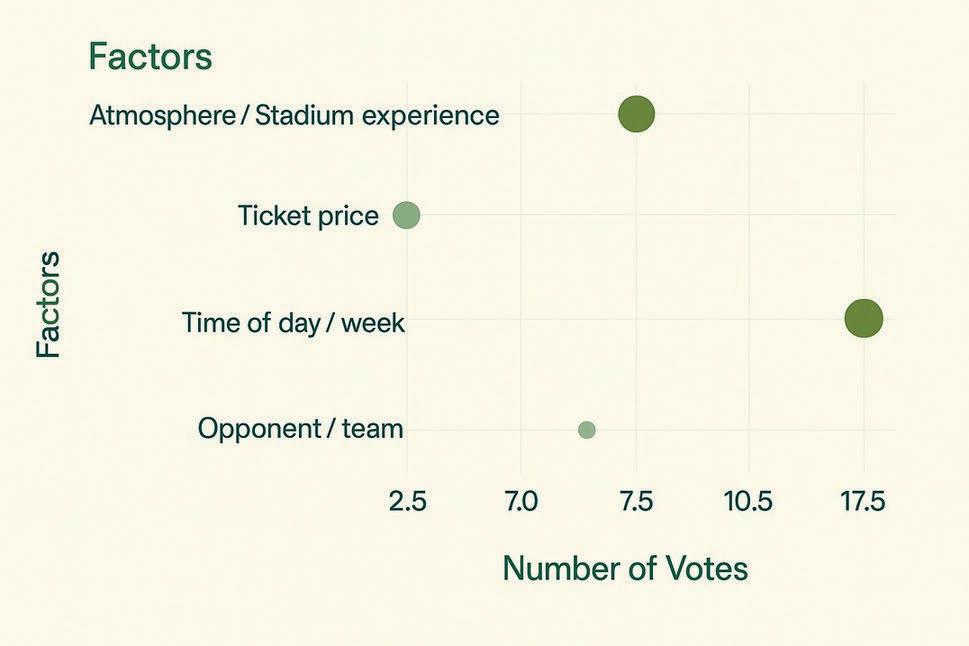
This graph shows that when deciding whether to attend an Ole Miss athletic event, students care most about timing and atmosphere ticket price barely registers.
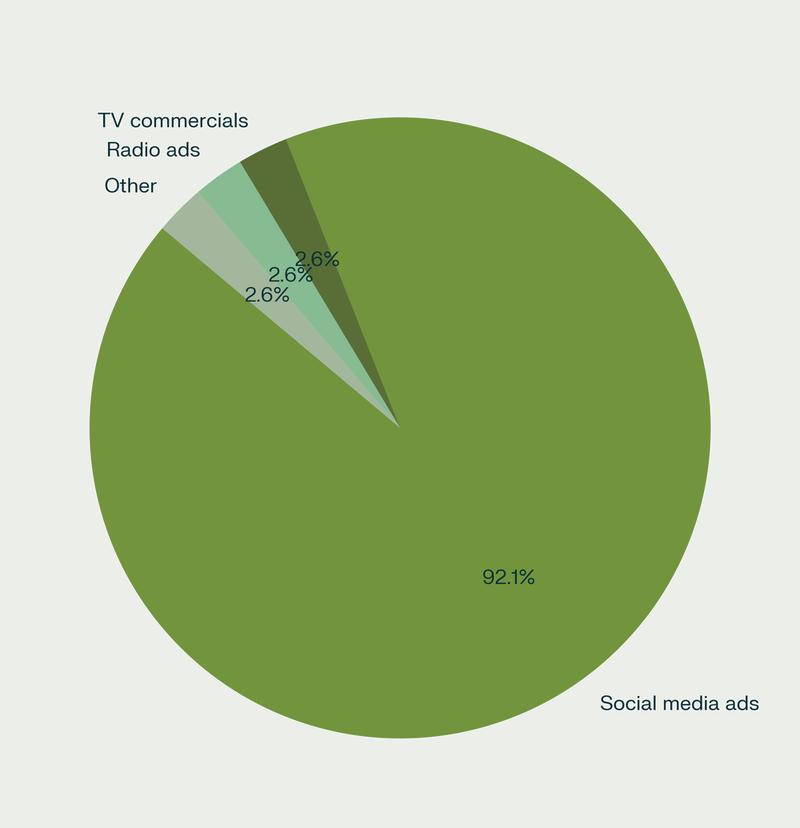
This graph shows that Social Media ads dominated the other platforms like TV and radio ads in terms of the most effective advertising platform for Ole Miss Athletics.
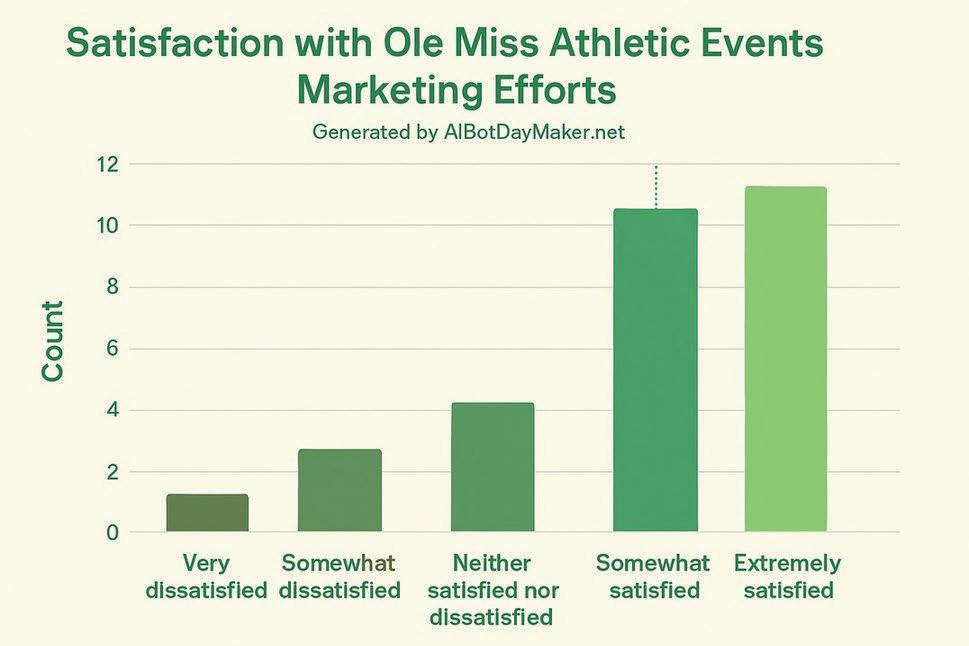
This graph shows that most students are generally satisfied with Ole Miss athletic marketing efforts, with 71% reporting they are somewhat or extremely satisfied, while only 6% expressed dissatisfaction.

Inconclusion,sportsmarketingtodayisabout mixingdigitalcontent,athletebranding,and traditiontocreaterealconnectionswithfans Ole Missdoesagreatjobwithsocialmedia,NIL deals,andexcitingexperienceslikedroneshows, allwhilestayingtruetotheirtraditions.People wantauthenticity,buttheyalsoloveengaging, creativemarketing
It is crucial to find a balance between hype and authenticitytokeepfansengaged.Assports marketing continues to grow, staying connected to what fans truly want will be key to keeping theminvolvedandloyal
Sodon’tjustmarkettostudents,it’sallabout meeting them where they are, keeping it real, and makingthemfeellikemorethanjustfans they’repartoftheteam.Today,chooseonesocial mediaadtomarkettostudents
By:KaleighPowell
From top-of-the-charts hits to front-page scandals, the music industry is never far from the press It and public discourse But beneath the glitz is a high- stakes environment of image management, where one misstep can fuel controversy and jeopardize a career. What makes the business so intriguing is how closely it is linked to public relations, particularly in the event of a crisis Musicians are not just entertainers; they're celebrities and brands whose reputations must be managed and, on occasion, repaired with care. I’ve always been fascinated by the music industry, not just for the music, but for how personally it connects with people Music influences moods, memories, identity, and ideas, so when scandals happen, fans take notice It’s more than gossip; it shifts perception, support, and industry response. This blend of fame, fallout, and strategy is what drew me to crisis PR and the music world alike.
Background Research
In today's music industry, public relations (PR) is no longer just about album drops and media releases. It's about navigating a digital minefield where one misstep can put not only an artist's reputation but also his or her career, endorsements, and fan base at risk Artists these days are no longer just performers; they're brands, and every brand needs safeguarding when at any point in time their reputation can be labelled in a negative manner.
FromJustinBieber's"bad-boytogood-guy" transformationtoTaylorSwift'sbattleoverher masters,theblueprintisthesame:
controlthedamage,alterthenarrative,recover credibility Themodern-daypublicrelations environmenthasevolvedsignificantly AsScott (2024)explains,"PRisnolongerjustanesoteric discipline...Thesedays,greatPRincludesprograms toreachbuyersdirectly"(p.23).Thisholds especiallytrueinmusic,wherethe"buyers"are fanswhohaveTwitterfingersandhigh expectations CrisisPRbecomesamusician'sfirst, andoftenonly,defensewhenscandalstrikes, allowingthemtosalvagetheirreputationandbrand. Classiccrisistriggersacrosstheindustryinclude socialmediabreakdownsandculturalinsensitivity totourdisastersandcontroversiallyrics From TravisScott’sAstroworldtragedytoMorgan Wallen'sracialslurscandal,theheadlinesare soberingremindersofhowquicklythingscantakea turnfortheworseandchangethepublicperception ofanartist.Andwithfanarmiesreadytocancelor rallybehindinafewhours,thestakesaregreater thanever


From teen heartthrob to troubled rebel to grounded husband, Justin Bieber’s journey shows how fame, faith, and growth shaped his transformation from bad boy to good guy
Effective crisis PR teams respond with a combination of risk assessment, messaging strategy,
narrativemanagement,andrebranding.
Academically,thepublicrelationsroleinnews constructionismoreimportantthanmostrealize. Comfortetal.(2024)observethat"between25% and80%"ofnewscontentisbeinginfluencedby PR,showingjusthowcommonthepracticehas becomeinthepublicperception.Inthemidstofa crisis,problem-solvingisthemostvaluableasseta PRprofessionalcanhave.AccordingtoNeilletal. (2025),problem-solvingwasvaluedatahigher rankingthanotherskillsacrossbothnoviceand expertPRpractitioners.Andinthefast-pacedera ofmusicpromotionandprotection,thatskillcanbe thedifferencebetweenatourshelvedanda comebacktothetopofthecharts.
Focus Group
To better understand what the public expectations of crisis management are, a focus group was conducted where participants were asked to give their thoughts on how brands and public figures should handle controversy. The most persistent recurring theme was the desire for accountability and transparency from artists and brands When a scandal erupts, audiences aren't just watching; they're critiquing if the response looks genuine, responsible, and honest. Participants expressed a clear preference for brands and public figures who take ownership for their mistakes rather than denying or downplaying them to save face The majority felt that trying to sweep it under the rug ended up making it worse in the end. In conducting this focus group, I aimed to ask questions that would have the participants reflect on what crisis PR is and why it is important in any given situation; whether they're purchasing from a brand or they hear something negative about a song or artist.
Theseareafewoftheresponsestheyprovided whenaskedaboutabrand'stransparencyand accountability after it had been at the center of a scandal.
“AndIfeellikenotbeinghonest,you’regonnalose alotmorepeopleinsteadofjustcomingoutand apologizingforit."Thisreflectshowaudiences todayexpectbrandstobeupfrontandsincere, especiallywhentrusthasbeenbroken Anapology goesfurtherthansilence Anotherparticipantsays, "It'sbettertojustlike,ownuptoyourmistakesand apologizeinsteadoftryingtocoveritup."This speakstothepowerofaccountability.Hidingthe truthonlyfuelssuspicion,whileaclear acknowledgmentcanhelptorebuildreputation "I thinkifyoujustdon'taddressit,then[everyone's] gonnabeconfused Andthere'salwaysjustgonna bethat,like,circulatingthoughtabout,like,what actuallyhappenedandstuff."Thishighlightsthe lastingimpactofunansweredquestions. Transparencyfromabrandorcelebritycanprevent rumorsandspeculationfromtakingoverthe narrative Theseobservationsreaffirmwhatwe observeinthemusicindustry,thatsilenceor evasiontendstofuelrumorsandbacklash.Whether it'sanartistembroiledinscandalorabrandunder publiccriticism,opennessisnotonlyexpected,it's demanded
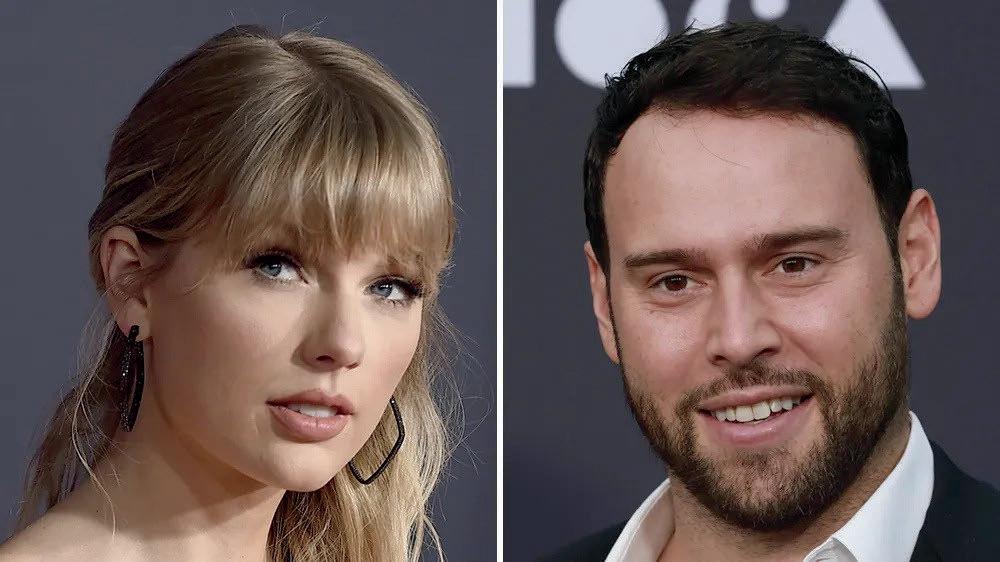

Taylor Swift (left) clashed with Scooter Braun after he acquired her masters in 2019, leading her to rerecordherearlyalbumstotakebackcontrol.
Survey
Tofindoutmoreabouthowconsumersreactto crisisresponses,asurveywasconductedto measurepublicattitudes-
towardsbrandbehaviorintimesofcontroversy.The findingsrevealedsomeofthekeydeterminantsof whetherpeoplewillremainloyaltoabrandornot, includingtransparency,timing,andtoneof response.Thestudyoffersvaluableinsights regardingwhataudiencesexpectwhentrustis involved.Themusicindustryisimage-driven,and withadigitalworld,thatimagecanunravelinone night
Do you believe brands that respond proactively to crises experience a faster reputation recovery?
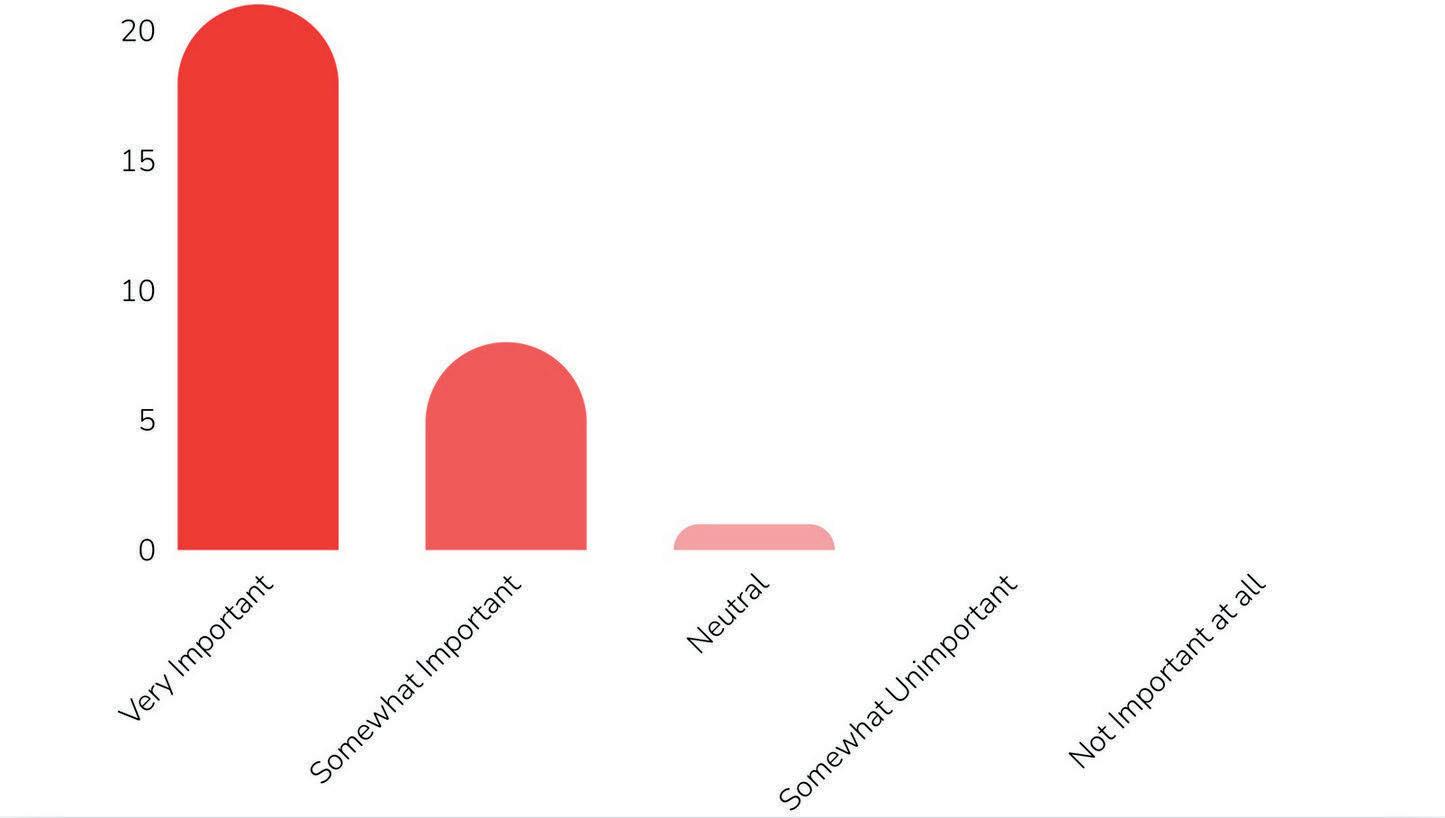
The majority (more than half) rated a brand’s reaction to a crisis as very or somewhat important in deciding continued support.
In your opinion, how important is transparency in a brand’s crisis response?
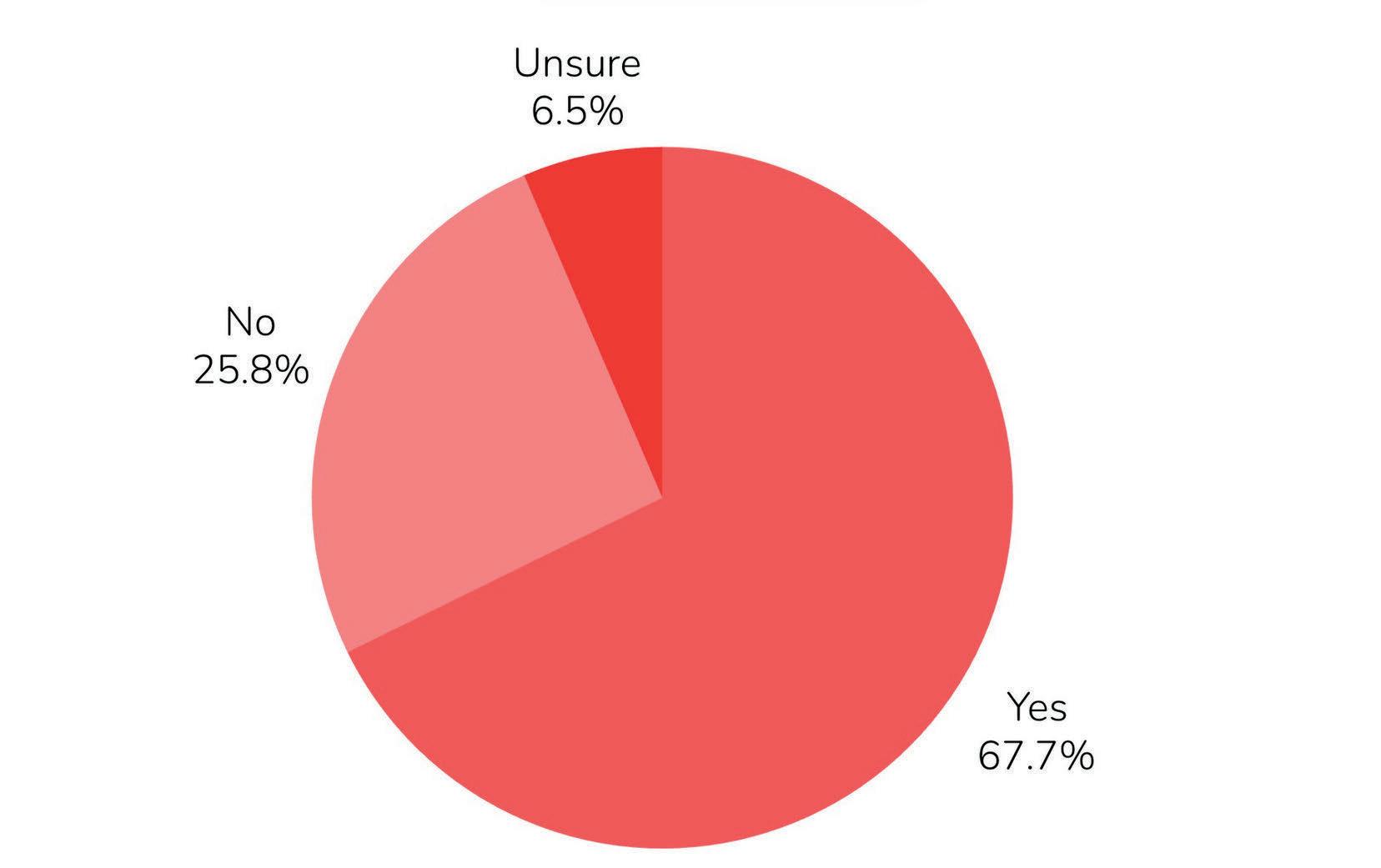
Most respondents (67.7%) believe that companies who respond proactively to crises recover their reputations faster.
How important is a brand’s crisis response when deciding your likelihood of continuing to support them?
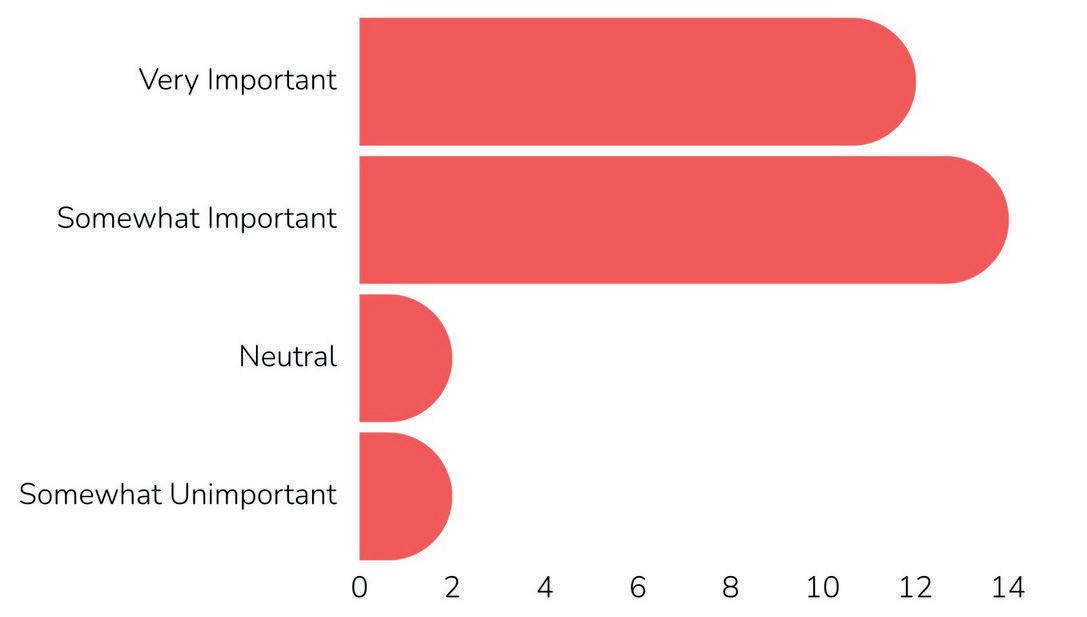
Transparency is key: An overwhelming majority of respondents view honesty during a crisis as crucial to a brand’s credibility.
The music industry is based on image, and in the digital era, it can crumble overnight Crisis PR is no longer an option; it's essential Whether it’s Twitter spats or festival disasters, artists must be prepared to deal with fallout with honesty, immediacy, and tact. Fans today are more engaged and more discerning than ever before. They want to engage with artists who are accountable, honest, and true As one of the focus group members put it: "If you just don't address it, everyone’s confused. And then there's always just that thought about what actually happened." The takeaway is simple: don't ignore the issue. Own it, fix it, and learn from it Whether you're a PR student, a fan, or an up-and-coming artist, remember this: the power of public opinion is in your hands. If you’re managing a brand, be proactive. Say something before you’re forced to say everything.
By:GeorgiaWilson
DieWeltderModeverändertsich (Theworldoffashionischanging)
No,thisarticleisn’twrittenentirelyinGerman, butasaGermanspeaker,I’veseenhowthese changesdirectlyimpactdifferentcultures. Whetherit’sdecidingonachicyetversatileoutfit orbeinginfluencedbyabrand’sdigitalpresence, marketingstrategiesshapethewayconsumers shop.Today,fashionmarketingstrategiesareno longerjustaboutsellingclothes,they’reabout meetingpeoplewheretheyare:intheirlanguage, culture,andlifestyle
Throughmyresearch,surveys,andfocusgroups,I foundthatthesuccessofafashionbranddepends notjustontheclothesthemselvesbutmoresoon howthoseclothesarepresented,positioned,and connectedwithanaudience Mynearlytenyears ofstudyingGermanreflectmyinterestinhow theseelementsplayoutonaglobalscale.This projecthasallowedmetoexploreadeep understandingofwhybrandshaveaspecific marketingstrategy,andwhycertainconsumersare moredrawntothosebrands Regardlessofthe product,factorslikeculturalawarenessarekeyto buildingabrandconnectionthatlasts.
Research
Representation & Inclusivity in Branding
I found that placing an emphasis on Authenticity and accessibility makes all the difference in a brand’s marketing. A main focus of my survey was to identify which brands participants felt emphasized these qualities. Seeing several brands gain popularity due to their marketing efforts. not just their products, reveals common techniques
andstrategiessharedacrosssuccessfulbrands Thisisn’tjustaUS thing brandsgloballyare usinginclusivemarketingtoconnectwithmore people.Asonearticlenoted,“TheGermans producecataloguesshotonlocationalloverthe world fromIndiaandAfricatotheWesternUS Theseareimaginativelyconceivedand impressivelyprinted”ItshowshowGerman fashionembracesglobaldiversityinareally intentionalway.
Zara,Lululemon,andotherbrandswere frequentlynamedinmysurveyashavingsomeof themosteffectivemarketing.Thesebrandsarenot onlypopularinAmericabutalsorecognized globally Theseinsightsarecriticalfor understandinghowbrandsarealreadypositioning themselvessuccessfullyonaglobalscale,andthe crucialdifferencethatmakesintheiroverall marketingsuccess
Someparticipantsevenpointedoutthatbrands likeZaradon’tnecessarilyshowcasetheiritems wellinonlineads.However,whattheydowellis branding,particularlyinhowtheyrepresent inclusivity Allofthesebrandsreflectinclusivity intheirmarketingstrategies.Duringmyfocus group,weexploredthetopicofRepresentation& InclusivityinBrandingindepth.
Oneparticipantshared:
“Representation — seeing someone similar to you wear that brand is a promotion to get it.”
This insight highlights how representation can directly influence consumer behavior. It also connectstothebroaderthemeofglobalfashion
marketing,asthebrandsdiscussedinthefocus group,manyofwhichhaveinternational recognition,useinclusivemarketingstrategiesto resonatewithdiverseaudiencesacrossculturesand regions.
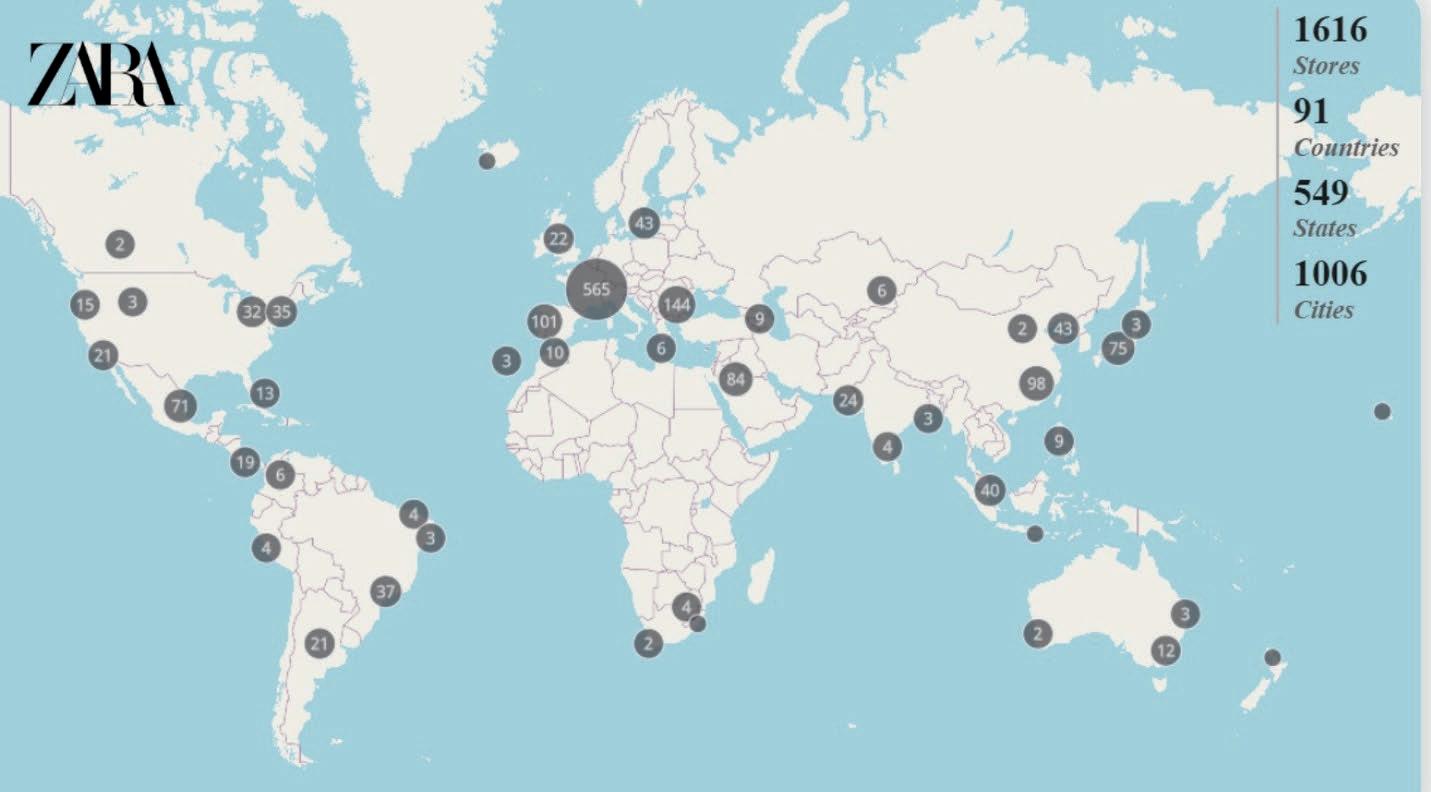
FIGURE 1
Duringmyfocusgroup,oneparticipantshared:
“I saw this really cool video yesterday... a little kid in a wheelchair saw a little girl on an ad in a wheelchair and said, ‘She’s just like me.’”
Thisadcapturedtheemotionalpowerof representationandhowbeingseeninanadcan createalifelongconnectiontoabrand.
Convenience & Versatility in Fashion Choices
Survey Highlights
Anotherthememyresearchhighlightedwasthe differenceaconvenientyetversatileclothingpiece makeswhendecidingwhichbrandtopurchase from.Whetheryou’reintheU.S.,Germany, France,orSpain,there’softenacommon situation,whereoneiscaughtinabindandneeds anoutfitthat’sappropriateforworkbutstill stylishenoughforpostworkplans. Thisscenarioisn’tjusthypothetical,it’s international...
AssomeonewhospeaksGermanandhasstudied differentcultures,I’veseenfirsthandhowfashion needsandhabitsaredifferentglobally.Butthey allhaveacommonthemeofconvenienceand versatility.Brandsthatunderstandthisespecially severalIhavehighlighted,notonlyappealtomy surveyparticipantsbutalsoonaglobalscale.
Toexplorethisideafurther,Iincludedthe followingsurveyquestion:
“Imagine you’re getting ready for a celebration, but don’t have enough time to go home after your interview. You need to find a chic, versatile outfit. How would you decide what to buy and where to shop?”
Quotes that stood out to me included:
“I normally last minute shop online, and get it shipped quickly. I do this based on how much I trust the brand.”
“I would look at the online stores that I typically shop at and get inspiration from there.”
“I would order off Amazon because you can get oneday shipping.”
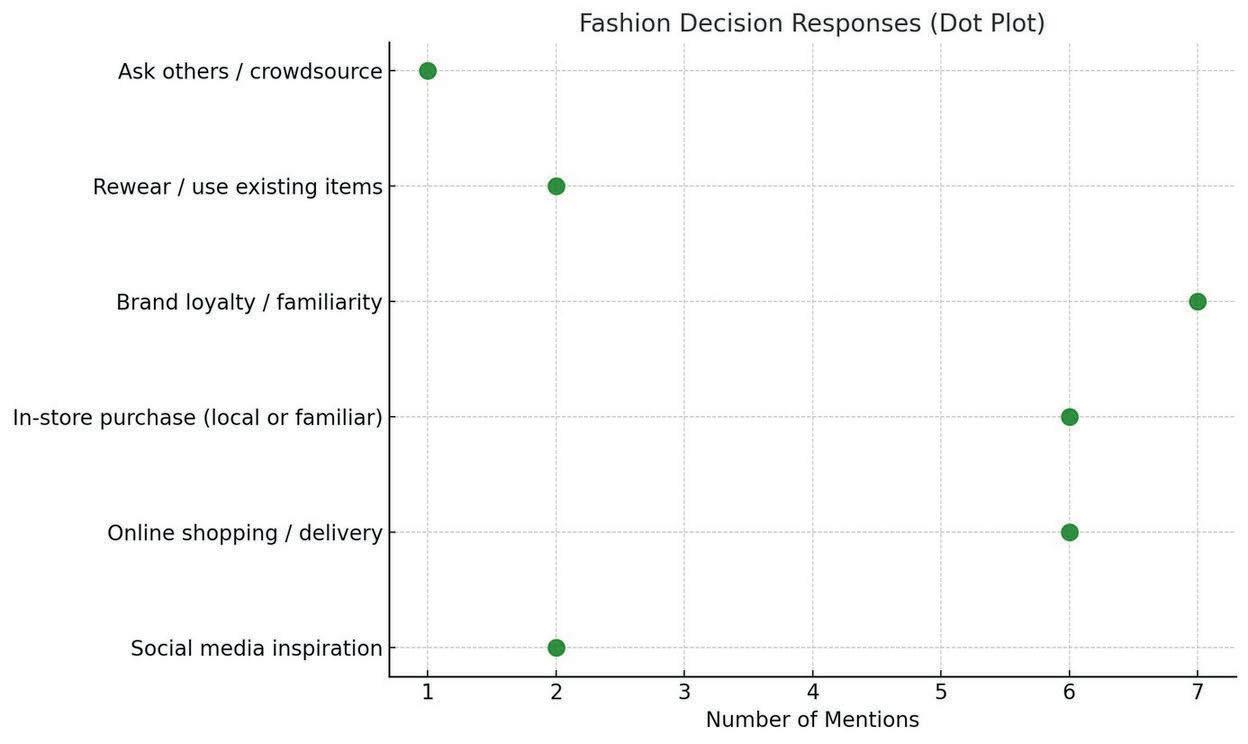
FIGURE 2
iIthoughtitwasnotablethat,afterbreakingdown eachresponseintocategories,alargenumberfell undertheonlineshopping/conveniencecategory, trulyhighlightinghowsignificantconvenienceis fortoday’sconsumer.Thebrandloyaltyand familiarityresponsesalsoreinforcedthistheme,as manyofthementionedbrandsarealreadyknown fortheirversatileandconvenientstyles.
Inmyfocusgroup,oneparticipantshared:
“I would go to Aritzia first because I feel like they have a lot of simple basics,”
a go-to if she ever found herself in that familiar bind of needing an outfit that works for both a job interviewandacelebration.
TheseanswersreflectnotonlyashiftinhowGen Z shops but also how brand trust, speed, and ease ofaccessshapedecisions.Nomatterwhereinthe world,fashiontodaymustadapttoaglobal lifestylethatvaluesversatility.
Focus group highlights
These three aspects are huge factors that play into the world of fashion marketing. Through this research, participants presented their ideas and opinions on how both price and quality affect wheretheyshop.
One participant explained:
“If the clothes seem good quality, but they’re also not way too expensive... then that would draw me to a brand.”
“Online sellers have to fulfill all of the consumer's expectations during these steps” (Constantinides, 2004).
Essentially,shoppers,particularlyincountrieslike Germany,seekmorethanjustagoodproduct Theyexpectthewholeexperiencetobesmooth Thatreallylinesupwithwhatpeopleinmyfocus groupsaid,too.Whetherit’ssomeoneintheU.S. buyingfromAerieorsomeoneinGermany shopping,peopleeverywherearelookingfor clothesthatareaffordable,goodquality,andwill last
“Affordability”wasthenumberonethingpeople saiddrawsthemtoa fashionbrand It showsthat peopleinouragegrouparen’tjustchasingtrends or following influencers We actually care about buyingclothesthatarereasonablypricedandthat last. When you add in the responses about brand loyaltyandsustainability,it’sclearthatpeople wantpiecestheycantrusttoholdupovertime notjustlookcuteforonewear
Conclusion
Another said,
“I wear a lot of Aerie because it lasts so long.”
These comments reflect a mindset where longevity means value, and affordability doesn’t always mean cheap; it means worth it! Backing this up, oneacademicjournalputitbest:
Attheendoftheday,fashionisn’tjustaboutwhat youwear,it’sabouthowbrandsconnectwith peopleallovertheworld FromtheUS to Germanyandeverywhereinbetween,shoppers ouragearelookingformorethanjusttrendy clothes.Wewantquality,convenience,andtofeel likeweactuallymatter.Thebrandsthatare standingoutrightnowaretheonesthatgetthat. They’reinclusive,authentic,andconsistentno matterwhereyouare Throughmyresearch,focus groups,andsurveys,it’sclear:goodmarketing isn’tone-size-fits-all,butthebestbrandsknow howtomakeitfeellikeitis.
Sohere’sonethingyoucando:Nexttimeyou shop whetherit’sonlineorin-store think aboutwhatmadeyoutrustthatbrand Chances are,it’snotjusttheclothes It’showtheymade youfeellikeyoubelonged
By:CatherineKeel
DoyoueveraimlesslytapthroughInstagramstories andseethesamethreepicturesrepostedfromthe sameaccount?Ordoyougetnotificationseverytwo weeksofanotherpersontaggingyouyetagainina giveaway?Itisaclearreminderthatmarketingand advertisingareconstantlywovenintooureveryday lives.

Background Information
We’ve all been through the COVID-19 era, which has shaped our economy and the way we do things tremendously. “Online shopping is the fastest growing market ever since 2020”(Yahya, Hashim, Bahsri, Dahari) No one cares to walk into stores anymore; all they want to do is search for the item they are looking for, and at the click of a button, have it sent straight to their door. With that being said, how do we know if the product or article of clothing is worth the money?
Pictures are one of the first things that help us get an idea of what the item is going to look like Having pictures comes to the brand’s reputation The brand's reputation is a very critical factor when it comes to online shopping
From the beginning of time fashion promotion has beencriticalforclothingbrands Gettingyourname out there and making it stick is the most important part The printing press in the 15th century was a turning point for advertising and promotion as we know it. This allowed people to get the word out about so many different things and faster than they ever knew. It also led to the creation of computers andprintersthatbroughtusposters,magazines,and billboards
Sincethen,thefashionindustryhasgrowninto something we could have never imagined. Online shoppingisthenumberonewayconsumers purchaseclothing.Withonlineshoppingcomes online advertising and promotion Online shopping hasbecomeaddictionsandhobbiesforsome, includingmyself

AbrandlikeSHEINdoesnothaveverygoodpieces ofclothing,butthat’swhatitsreputationisknown for Ifsomeoneneedsanicedress,they'remore likelytogoinsideastoreandfindwhattheyare lookingfor.
“When designing an online store, you should take into account the fact that people want physical contact with other people Unfortunately, ecommerce cannot provide such an opportunity ” (Oklander, Kudina, 2021) At the end of the day, everyone loves shopping in malls and being able to see and feel the things they want to purchase. With everything being online, people are constantly wanting the same items everyone else is purchasing.“The limitations of this paper could become interesting directions for future research First, we used retailer-level data to study the effect of sales promotion, but consumer-level data may provide more information on consumers’ choices that is useful for further study of consumer response to jointly released products. Moreover, we acknowledge that not all independent variables, such as price and the amount of discount, were considered” (Hu, Tadikamalla, 2020)
Thiscomeswithbrandspushingclothingthrough theirlinesofdemandandsometimestheydon’tturn outthewaytheyoriginallydid betterthebrand reputationtheeasieritistopurchasethingsonline
Because of this trust, Gucci experienced minimal impact from the situation. It's a clear demonstration of how a strong, well-maintained brand image can serveasprotectionduringtimesofscrutiny.
TheresultsofmysurveywereexactlywhatI expected.COVID-19significantlyreshapedhow peopleshop,especiallywhenitcomestoonline Socialmediaplatforms,particularlyInstagramand TikTok,havebecometheprimarymediawhere consumersengagewithfashionbrands.Withall influencingfactors,productreviewsstoodoutasthe mostcriticalelementindrivingpurchasedecisions. Shoppersrelyheavilyontheopinionsand experiencesofothersbeforecommittingtoabrand. Thisshiftreflectsagrowingdemandforauthenticity andtransparencyindigitalmarketing.Asaresult, brandsmustprioritizebuildingtrustandcredibility ineverytouchpoint,especiallyinthefast-moving worldofsocialcommerce
Rate the types of fashion-related content you engage with most often
While conducting my focus group, one theme kept coming up again and again. Brand Reputation, Quality, and Consistency stood out as the top priorities for consumers. These three elements are more important now than ever before. In the wake of COVID-19 and the surge of online shopping, shoppers are seeking brands they can trust Maintaining a strong, reliable presence across all channels has become essential for long-term success
A recent example that highlights the power of brand reputation is the Gucci controversy. While the incident had the potential to spark widespread backlash, it received surprisingly little attention. This can be attributed to the brand's longstanding reputation for consistency and reliability, even if its pricing remains a point of debate

Intoday'sdigitallandscape,brandreputationisno longeraperkorsomethingweshrugoff;it’sa necessity Fromthefocusgroupdiscussionstothe surveyinsights,onemessagestoodoutthemostof all:consumerscravereliability,quality,andtrust Withthemajorityofbrandsnowcommunicating throughsocialmediaapps,theynolongerhavethe luxuryofmakingafirstimpressionwithinthe storefront Productreviews,socialmedia engagement,andwordofmouthallreflecthowa brandisperceived MycalltoactionistoBe Reputable.Createabrandthatpeoplecannotstop ravingabout,bethatpersonthatpeopleconstantly relyon,andstayconstantwithineverythingyou do Investinit,protectit,andletitspeaklouder thanyourpricetag.
By:MarynDeese
How many times have you gone tanning outside?
Most can say they have at least once within their life Now, think back to that time: How were your emotions that day? If I had to tell you of a day I spent tanning, I’d probably say I was pretty happy! Though, for many, mental health can be like a light switch constantly turning on and off.
BACKGROUND RESEARCH:
It's become more common to talk about mental health in recent years, especially since the COVID19 pandemic made people feel alone and unsure of what was to come. We are starting to see that more people, groups, and celebrities are speaking out about their stories and calling for better support systems. One big change is that people are becoming more willing to talk about their problems and ask for help. This is something that other generations have not seen. It is a trend that has grownthankstosocialmediaandotheronlinetools.
Sarah Brummett, who runs the National Action Alliance for Suicide Prevention, makes a Great point: “Perhaps one of the only benefits of the pandemic... is the increase in our willingness to acknowledge and talk about when we might be strugglingorinneedofsupport.”(Brummett,2022)
Mentalhealthcampaignsnowheavilyrelyon socialmediaasastrategy,particularlywhenaiming atyoungergenerationswhoareoftenonsocial media.
Along with providing entertainment, sites like Instagram, TikTok, and YouTube act as a place for teaching, awareness- raising, and emotional connection. Therefore, supporting messaging campaigns may rapidly become viral and help millions of people better grasp mental health and lowernegativestigma,showinghowtheseplatforms directlyaffectmentalhealth.
“Media has been used to raise awareness about the prevalence of mental health issues in young people and to promote mental health literacy... [It] reduces stigma and promotes help-seeking behaviors.”(Niederkrotenthaler&Till,2020).
Mental health problems are important health issues. For many young people, especially teenagers and young adults, mental health issues like anxiety, sadness, and suicidal thoughts are a daily reality. These are not unusual events. The numbers are growingmoreandmoreprevalent.
The mental well-being of today's young adults is in crisis,claimstheCentersforDiseaseControland Prevention(CDC) “Twoinfivehighschool studentsreportedpersistentfeelingsofsadness orhopelessnessin2023.
Youth and young adults (ages 10–24) now account for 15% of all suicides, with suicide being the second leading cause of death in this group.”(CDC,1,2023)

Mentalhealthmattersvisual.Usedtospread awareness.
I conducted a focus group with two other members that consisted of ten male/female participants between the ages of 18 and 22 years old. Throughout the time conducting my focus group, there was a main theme that continued to be broughttolight.Thethemewasthatsocialmediais the most effective channel for mental health campaigns. This showed a trend that many are drawn to things on social media rather than other formsofadvertisingorpublicrelationstactics
Participants explained that social media provides moreinformation,ideas,andperspectives.Theyalso mentioned how algorithms within a social media application become more personal, making users moreengagedandconnected.
One 18-22-year-old participant explained that “There's like, different perspectives on social media. Like, there's some like, going back to Mel Robbins, like, she'll post, like, one tip or something like that. And then Grace Valentine, if you don't know that, she likes to share a bunch of stuff too. So it's kind of whatever like is tailored to you. So it's very niche withsocialmedia.”
While another participant expressed, “There's a little more freedom on social media, kind of because, like, what you want to get out there, you see it more especially on Instagram, of like, the campaignsthatwe'redoing.”
Participants even explained how marketing campaigns regarding mental health have switched from newspaper marketing to social media. They explained that throughout generations, marketing campaigns have evolved. Meaning that making the topic of mental health within marketing campaigns hasalsoshiftedgears.
A participant explained, “Social media is more geared like, would be more geared towards, like solving mental health or like getting the news out about it, rather than any other news platform, more effectiveonsocialmediaforourgeneration.”
Survey participants were asked multiple questions about mental health marketing campaigns. Along with their thoughts regarding reliability within different marketing outlets, they were also asked if therehadbeenanimprovementinmentalhealth.

Have you seen an improvement around mental health campaigns within the last 5 years
FigureI.datafromsurveyonmentalhealth campaigns
Survey participants were asked multiple questions about mental health marketing campaigns, along with their thoughts regarding reliability within differentmarketingoutlets.
Theywerealsoaskediftherehadbeenan improvementinmentalhealth.
Sixty-eight percent of participants said they had seen improvement around mental health campaigns, while 32% disagreed Though the numbers have a large gap, proving many have seen a noticeable change
How often do you see a mental health campaign on any social media platform?
FigureII.datafromsurveyonmentalhealth campaigns
Survey participants were asked, “How often do you see a mental health campaign on any social media platform?”
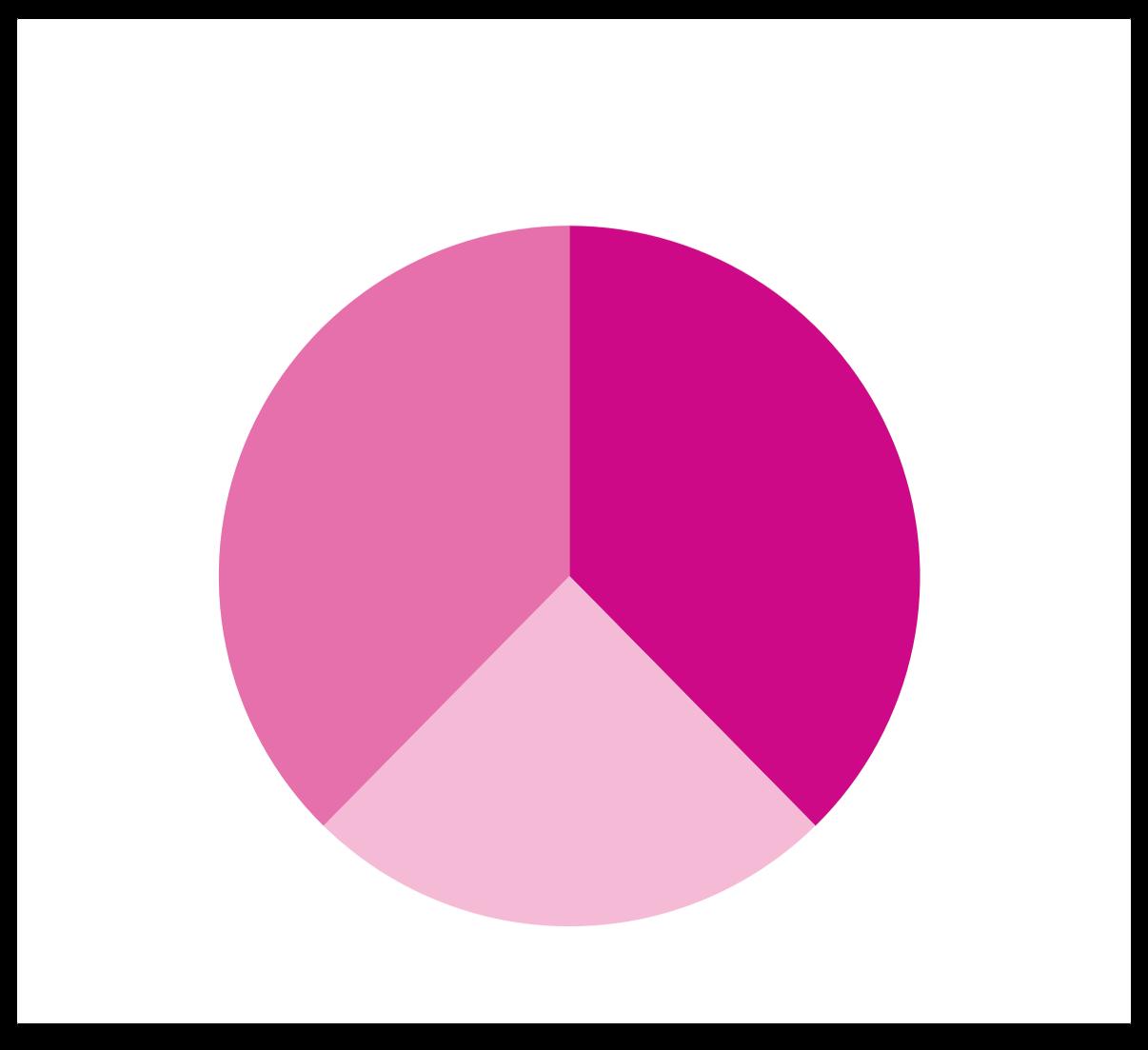
Theresponseswereevenlydivided;38%saidthey sawsuchadvertisingweekly,andanother38%said theysawitrarely.Twenty-fivepercentsaidthey sawthemonceamonth.Theseshowthedifference inusers,mostlikelyshapedbysocialmedia algorithmsthatcustomizecontentbasedon personalinterests.Thisdifferenceemphasizesthe needforplannedmethodsindigitalmarketing campaigns, as it shows how different exposure to mental health messages could differ based on the person.
Participants were asked to rate the reliability of different mental health information sources on a scalefrom1(mostreliable)to5(leastreliable).
Most participants responded that licensed professionals were the most reliable source, closely followed by social media. Though some thought that social media was more reliable than licensed professionals.
This shows that people's thoughts about trustworthiness are changing, especially among younger generations. People thought that news sites were the least trustworthy source of mental health information. This may be because of the big shift away from traditional media and towards more personalized social media platforms. These results show that being reliable and trustworthy is becoming more important in mental health growth, especiallyasdigitalmarketingstrategieschange.
Theincreasingpresenceofmentalhealthcampaigns on social media shows a major shift in the way society sees emotional well-being. Once stigmatized, mental health today is more openly talked about, especially among younger generations whouse social media not only forentertainment but alsoforeducation,unity,andsupport.
Survey results and focus group data support the claims that platforms like Instagram and TikTok are effective ways for raising awareness, showcasing relevant material, and encouraging help-seeking behaviors. Social media is clearly not only a tactic as marketing grows, but positive mental health communicationdependsonit.
Though there is still more to be done, the growth is rising Reducing stigma and promoting an environment of compassion calls on businesses, brands,andpeople
We now have to act. Spread mental health awareness through your voice, platform, or school life. Share resources and allow every generation to know how important mental health is. Your impact can change thetomorrow.Today.
By:HaganHord
Youscrollonsocialmediaandseeanother‘before and after’ post—same person, smaller waist. They mentionawellnessproductandclaimitis‘thekey toweightlossandahealthierlife,’attachingalink forviewerstopurchaseitfromtheirpost.Without even realizing it, you are buying a ‘wellness’ product that you know little to nothing about, hoping it will cure you and all of your problems. This is persuasion at work— and the health and fitnessindustrydoesitbest.
Thanks to social media and the increasing importance of marketing, the fitness industry is booming. From wearable health trackers to ‘high protein, low calorie’ meals, to trending athleisure brands, society is taking health to a whole new level. What’s the reason behind the response? Persuasion.
The word ‘persuade’ is defined by MerriamWebster as moving someone or something by argument, entreaty, or expostulation to a belief, position, or course of action (n.d.). Through research, focus group conversations, and survey responses, it is clear that persuasion is the driving force behind consumers’ thoughts and behaviors regardingtheirhealth.
Marketing is ever evolving, so companies have to constantly keep up with the latest trends and tacticstogetviewerstotakeaction.
Studies show that five particular attributes boost brand recognition in marketing: Brand recall, reliability, enjoyability, captivation, and nonnegativity. “Among the five, brand recall is most important influencing nearly 40% of brand lift in emerging media” (Nielsen Media Research, 2023, pg. 4). Brand recognition and recall is integral in the success of a brand or product in today’sworld.
The main marketing focus for this research was on social media marketing. Social media is a relatively new and easily accessible outlet; it is cost-effective, has a worldwide reach, and makes targeting specific users easier (Hall, 2023) Influencers on these social media platforms are powerful product catalysts. As the word implies, an influencer influences; they are “able to generate interest in something (such as a consumer product) by posting about it on social media” (Merriam-Webster, n d ) Social media influencers are important to look at when studying persuasion in the digitally-driven world we live in today
Another vital piece of brand marketing is the psychology of color. Theories regarding psychological responses to colors have been present since 1810 when writer Johann Wolfgang vonGoethepublishedTheoryofColours
“[Goethe]linkedcolorcategoriestoemotional responses”(Elliot,2015).Colorsare subconsciouslyshapingthewayweperceive brandsandproductsinallformsofmedia. Bytakingadeeperlookatthehealthandfitness sectoroftheinternetandstudyingconsumers’ thoughtsaboutfitnessmarketing,wecaninfer thatpersuasioncanencourageconsumersto exercise,careabouttheiroverallwell-being,and livehealthierlifestyles.
A survey was created to gather information about the effects social media and persuasion have on consumers’exercisinghabits.
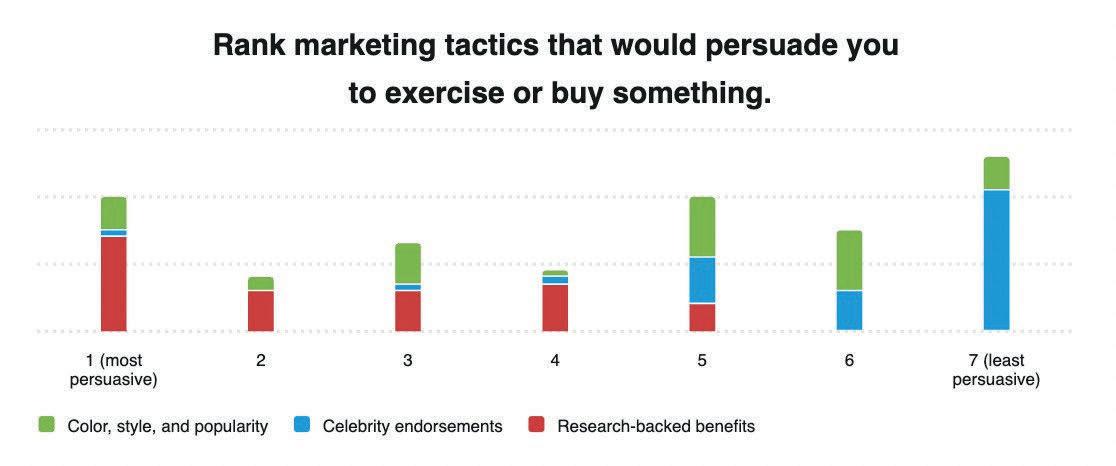

Figure 1: Qualtrics data on marketing tactics that would persuade users to exercise or buy something.
Participants were asked to rank marketing tactics that would persuade them to exercise or purchase something Research-backed benefits seem to be the most convincing and celebrity endorsements the least, with color, style, and popularity being spread pretty evenly across the board While companies allot millions of dollars to celebrity and influencer endorsements, survey results show that they are not the most trusted or persuasive afterall.
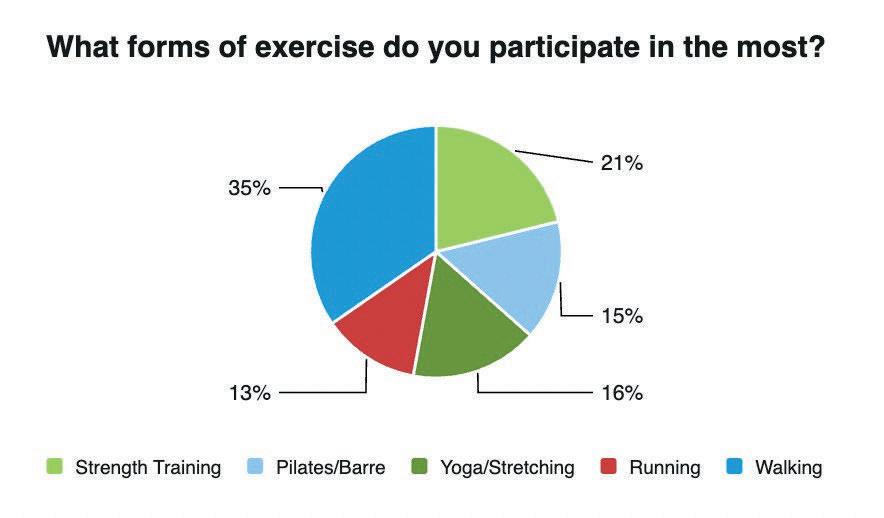

Figure 2: Qualtrics data on the forms of exercise that participants do weekly.
Survey participants answered the question, “What forms of exercise do you participate in the most?” and were encouraged to select the exercises they perform at least once a week. Results show that walking is the most popular outlet, followed by strengthtraining.Itcanbeassumedthatwalkingis the most popular exercise because it is safe, easy to stick with, and a simple activity with many health benefits (American Heart Association, 2024). The least common exercise that participantsdoweeklyisrunning.
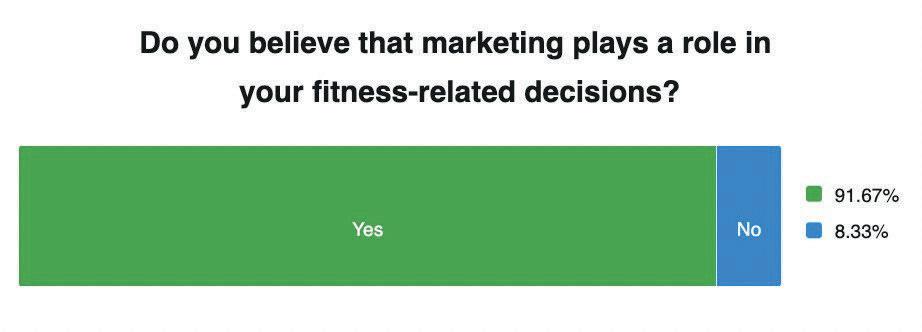

Figure 3: Qualtrics data on the idea that marketing plays a role in participants’ fitnessrelated decisions.
Participants were asked a simple ‘yes or no’ question—“Do you believe that marketing plays a role in your fitness-related decisions?” Over 90% ofparticipantsanswered‘yes.’Theseresultsprove that marketing surrounding exercise makes an impact on consumers' thoughts and behaviors surrounding their health and their health-related purchases.
A focus group was conducted of ten participants to discuss persuasion and the psychology behind marketing One main theme frequently mentioned in the group was that persuasion was everywhere, especially on social media feeds. Group members discussed their reliance on social media influencers. “I feel like influencers have a grab on me,” one participant says. “If they say something, then it must be true they’re always persuading me to buy something ”
More specifically, participants recalled these product advertisements on different platforms. “Everyone shows [nutrition powders] on TikTok...they’re like ‘Oh, you need to take this, it does this, this and this [for you],’” a group member says. Another participant mentioned YouTube: “A lot of [YouTubers] have been advertising [meal kit delivery programs] and they kind of persuaded me to start using it,” they said. Social media is a major channel of communication, making it the ideal marketing tool.
The focus group also brought to light the role that colors play in brand perception Participants were asked what colors they associate with the word ‘health,’ resulting in an array of answers and reasons The focus group conversation generally revolved around green, red, and blue. “I workout outside, so that’s why I correlate [health] with green,” one group member says Another participant used smartphones to support her reasoning; “The [iPhone Health] app is already red...so I think health, like your heart.” Group members related blue to the medical side of health “I think because we’re used to seeing doctorsinbluescrubs,”oneparticipantsays.
These group conversations reveal that both influencers on social media and the psychology of colorplaya-
powerfulroleinmarketing,ultimatelyenhancing theeffectivenessofpersuasivemessaging.
We live in a world where scrolling through social media can lead to exaggerated expectations and impulse purchases. It is crucial to remember that not everything being promoted online is as life changing or beneficial as it seems. The health and wellness industry thrives on persuasion, often usinginfluencersasstimuli tosell quickfixesand miracle products. While influencers can be entertaining,asitiswhattheyarepaidmillionsto do, it is important to do background research beforemakingapurchase.
Take a step back. Look into ingredients. Read reviewsfromreal,unpaidusersandconsiderifthe product or service aligns with your health goals and lifestyle. Influencers influence, but it is your jobasaconsumertonoticethedifferencebetween factandfaux.
By staying aware and informed in our persuasivedriven social landscape, we can be healthy consumerslivinghealthylifestyles.
By:AntonellaRescigno
Is it me, or is walking to a grocery store becoming overwhelming each day? Why is choosing healthy food hard? Well, when it comes to health and advertising, we have to figure out what the brand is selling, is it a product or a lifestyle? How much we believe in a brand or product can lead us to make decisions that ultimately play a big role in our long-term health. After conducting a focus group and receiving responses from a survey, data suggested that GenZ college students in the United States have felt misled by food advertising This article demonstrates how food advertising can be persuasive with packaging and storytelling It also covers the importance of brand value and authenticity when developing a marketing plan for decision-making purchasing.
Where does advertising plays a role?
Fonts, colors, and packaging have thoughts and intentions within them when it comes to pursuing and targeting audiences. Energy drinks are a great exampleofhowtheirpackagingpersuadesthisGenZ and how thes e food trends can be normalized as our daily consumption of food "I don't drink energy drinks, but I wish I did just because the packaging is so cute," one participant admitted when referring to Alanienergydrinksduringourfocusgroup.
Hey guys! #StoryTime “Healthy” isn’t just a label, it’s an experience.
Gen Z is TIRED of regular advertising, and the The marketing world KNOWS it Brand storytelling was mentioned during focus groups, indicating that our participants are more likely to buy a product dependingonwhatisbehindit.
Forexample,afamilyhistoryontheboxor evenaninfluencerwhonarrateshowto incorporatethisproductintotheirdailylives Again,GenZisnotbuyingproductsanymore; they’rebuyingvaluesandauthenticitywithin thebrandandstorytelling.
Let’s define what healthy vs indulgence means According to the Forbes article All Indulgent Foods Are Not Created Equal, “Indulgent products, sometimes referred to as ‘junk foods,’ are the target of the public health community because many deliver high levels of calories, sugar, sodium, and/or saturated fats” (Cardello, 2022) On the other hand, healthy food products truly benefit and nourish our bodies Finding a balance between both of these is fundamental for our health. In fact, some unethical advertising trends tend to market indulgence products with misleading labels to make us believe thattheseproductsare“healthy”
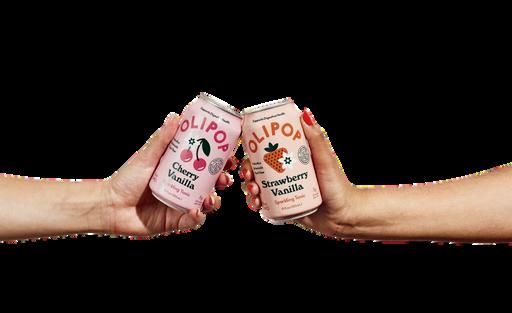
During focus groups, the most repetitive answer from participants was that "clean," "cute," or "aesthetic" products tend to give the idea of being healthy. For example, brands like Olipop and Trü Frü captivate people not with their ingredients' quality or nutritional value but with their clean design And of course, we can't leave out influencer strategy when it comes to advertising because, according to data collected on research, 92% of GenZ is on social media. Brands like Bloom and Celsius create visual storytelling that gives their brand a lifestyle identity under consumer psychology
“When it looks cute, more colorful and clean makes it seem more healthy.”
-FocusGroupParticipant


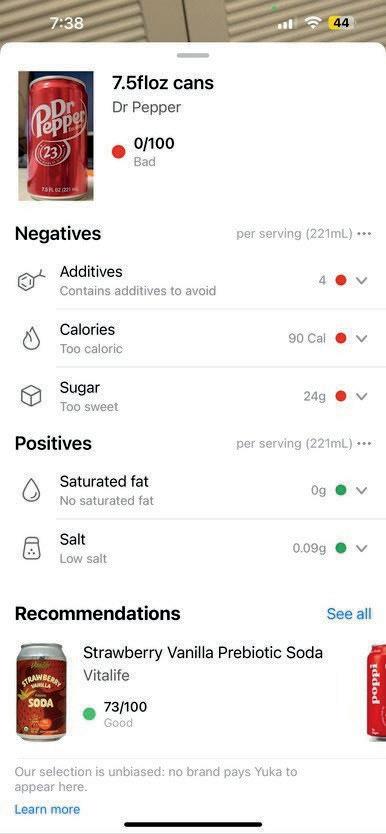
2.Dr
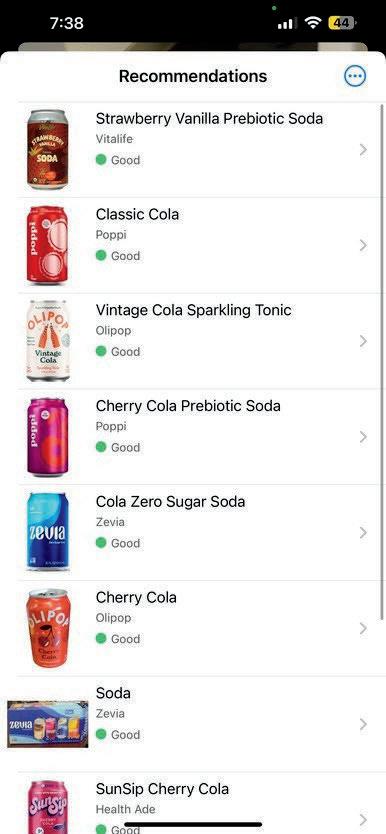
3.Healthier alternativessuggested bytheapp.
Do you believe that indulgent brands market their products in a way that makes them seem healthier than they actually are
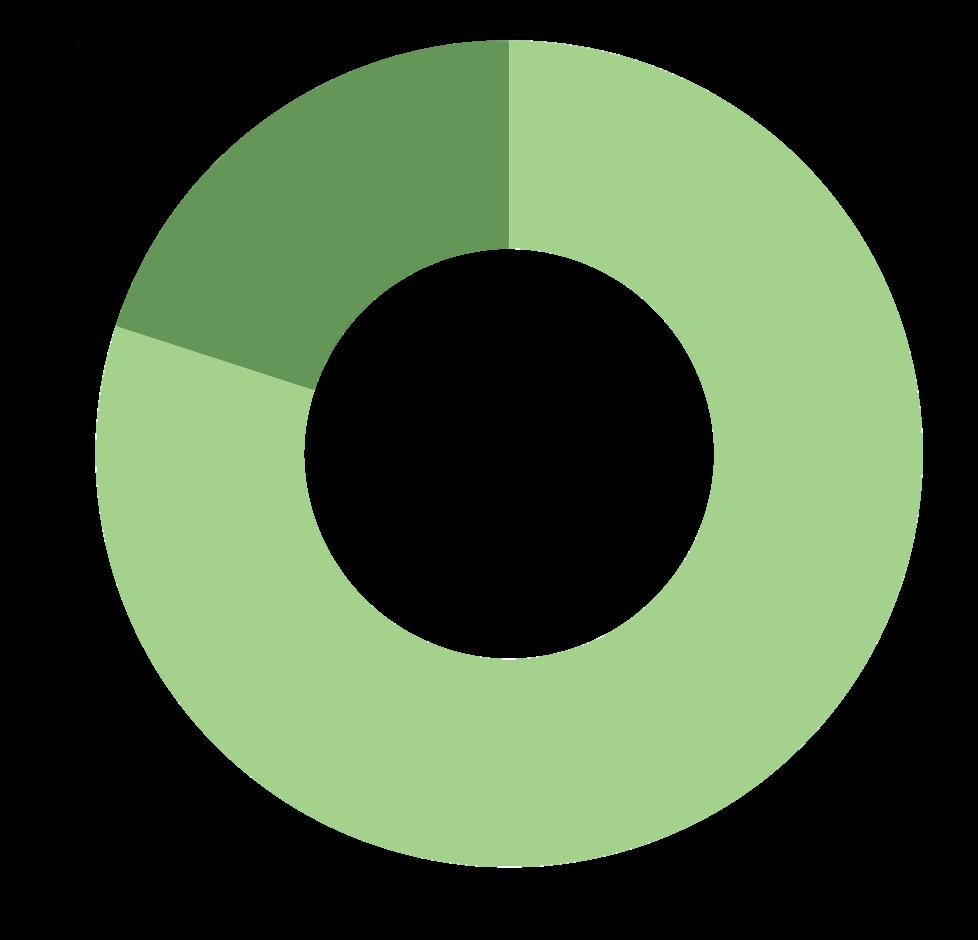
Figure1.36participantsagreedthatindulgent brandsmarkettheirproductstoappear healthier.
Where does the FDA play a role?
In December 2024, the FDA made a rule update in their “healthy” claim, saying that the claim must be consistent with current nutrition science and Federaldietaryguidance
So, what do we do when trying to shop in our local grocery store?
Tools like Yuka are here to save the day Yuka is an app designed to scan bar codes on products and dictate on a scale from 1-100 how good these productsareforusandwhatingredientstheycontain.
This battles with the stigma that our participants repeatedly say about nutrition labels being complicatedandconfusingtoread
Even though Yuka has no direct support from the FDA, it incorporates FDA-issued food recalls into its system. All the products scanned on the app have been through FDA procedures and are supported by other organizations, such as the European Food Safety Authority, the National Agency for Food and Occupational Health Safety, and the International Agency for Research on Cancer, and that also takes recognized European scientific studies into account
Here is where the trust issues begin...
Having "indulgent" companies own healthy brands confuses people about where to trust, leading to confusion when choosing products. Backlash is often received on brands due to their "hypocrisy" when owned by a company mainly known for indulgent products Brands like Mars own different types of products and are open about their portfolio, keeping transparency and being inclusive within their company. Both the focus group and the survey indicated that participants were surprised by Pepsico's ownership of Poppi and Siete, and how that changed theirperceptionofthebrand
Aparticipantsaid,"IreallylikePoppi,butIthink thatPepsiCo'sownershipmakesmequestionhow beneficialthedrinkistomyhealth"
"We're committed to transforming our portfolio to include more positive choices that meet consumer demand for convenient and delicious products"
-StevenWilliams,CEOofPepsiCoNorth America.
Based on the data collected, Gen Z consumers often struggle to trust food brands, especially when a healthy product is owned by a company known for indulgent foods Advertising strategies and pricing significantly influence their perception of credibility.
However,ifabrandoffersconvenience,transparent ingredients,andreasonablepricing,this mayshift,allowingconsumerstooverlookthe parent company’s reputation in favor of personal valueandpracticality.
If a food product is labeled as "healthy" but owned by an indulgent company, are you less likely to buy it?
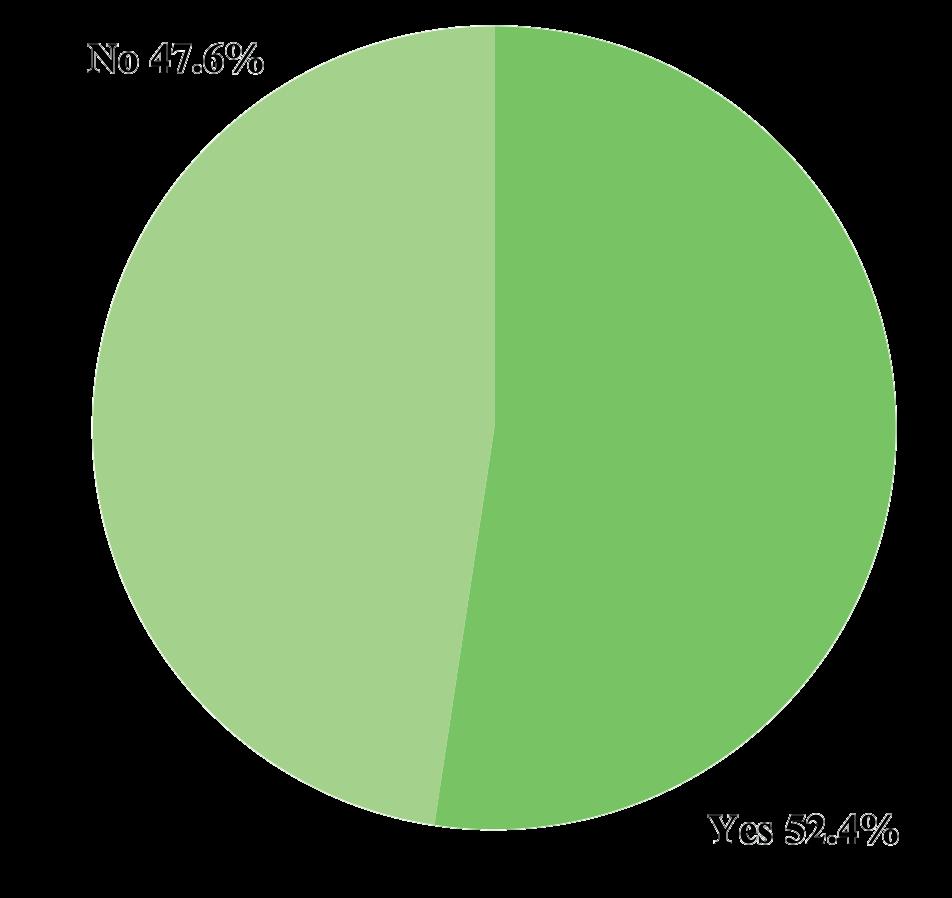
Figure5.22participantsarelesslikelytobuya productlabeled“healthy”ifit’sownedbyan indulgentcompany.
So where do we stand, and what do we do when we see this?
Companies have the right to own different brands, but that doesn't mean all their products are indulgent or healthy,attheendtheylookforconsumerpreferences. Transparency,keepingconsumersinformed,andusing tools like Yuka can help consumers trust companies and brands better and stop judging based on first appearances
“We are offering the consumer multiple choices,”
-Ramon
Laguarta,ExecutiveChiefofPepsiC

After primary and secondary research, data collected from academic articles, websites, focus groups, and a survey, results revealed that food advertising is persuading people, specially GenZ, with labels, packaging, and influencer marketing. Indulgent companies that own healthy brands don’t show trustworthiness and transparency to consumers, and according to our data, a way to change this perception is to consider prices and make ingredient labeling simple and understandable to bring transparency to consumers
By:JadenBurt
Haveyoueverwonderedwhysomebrandsjuststick in your mind while others fade away? That’s the impactofgraphicdesign.It’sthereasonsomelogos, colors, and ads stay with you, while others get overlooked. In today’s world, great design matters more than ever, especially with new tools like AI shaping how we create and experience it. Whether it's the logo on a product or a social media post, the wayabrandlookscanchangehowpeoplefeelabout it. In this article, I'll explore how graphic design affects marketing and how my interest in art connectstothisfield.
Graphic design helps businesses stand out and build a connection with people. In one study, researchers looked at how high-end restaurants use design to attract customers. Things like their logos, colors, and menus helped make customers feel loyal and added to their overall experience (Castro-Rivera, Alarcón-Morales,&Román-Guillén,n.d.).
Another study by Manser Payne, Peltier, and Barger (2017) explained how companies use design as part of omni-channel marketing, which means making sure their brand looks the same across websites, ads, social media, and even in-store. They found that whenthedesignisconsistent,peoplearemorelikely torememberthebrand.
In a study on Marketing 40, Dash, Kiefer, and Paul (2020) found that design plays a big role in how people make buying decisions If a brand has a strong and clear design, it makes the brand feel moretrustworthyandmakespeoplefeelbetterabout theirpurchase
I also read an interview with graphic designer Kevin Chao (n.d.). He got his start designing posters and logos for his high school band, and now works on powerful,meaningfulprojects.Hebelievesthatgood design should go beyond just trying to sell something;itshouldcommunicateamessage.
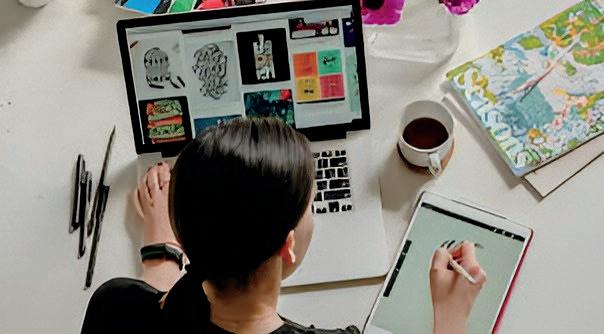
Blendingsketchinganddigitaltoolsshowshow designisbothhands-onandtech-based.
"A brand’s story starts with design."
During COVID-19, the way governments supported businesses impacted how well they could market Griffith and Yalcinkaya (2023) showed that countries with better support had more consumer spending, while others struggled This highlights howtheeconomyaffectsmarketinganddesign.
Finally, I learned Marketing(LDM)about Lentini Design&
To learn more about how people view graphic design, I asked a group of people questions about ads, packaging, and branding. Three main themes came up: how design catches attention, how it affects usability and buying decisions, and how it helpswithbrandrecognition. a women-owned company that was ranked number one for print design and has won over 200 awards (PR Newswire, 2023) Their success shows just how powerful good design can be in creating a strongbrand Focus Group
The first theme was about attention Most people said they notice ads more if the design is clean and matches the brand’s vibe. One person said, "If it’s aesthetically pleasing, I’ll interact with it." Another said, "If the design goes well with the brand, then I’m more likely to interact " Loud or cluttered ads didn’t work as well. One person said, "If it’s overstimulating, then I won’t even look at it "
The second theme was about usability and packaging. Some people said they’ve picked a productjustbecausethepackagingwascuteorstood out. Free People and poppy drinks were mentioned for their fun designs. At the same time, people cared about functionality. One person pointed out that Zara’s website is hard to use and said, "If it’s confusing,Ijustwanttoclickout."
Thethirdthemewasaboutbrandrecognition.People said they notice when a brand changes its logo and that logos are a big part of identity. They liked it when a brand’s look stayed consistent across platforms.
One person said, "If it’s not consistent, then you don’t really have your own branding." Another said, "I know a brand by their logo that’s how I recognize it." SKIMS, Lululemon, and Free People were all mentioned as brands that are easy to recognize by their design alone

ThishighlightshowdesigntoolsandAIare partoftoday’screativeprocess.
Along with interviews and focus groups, I also sent outashortsurveyaboutAIanddesign.Assomeone who enjoys painting and using design apps, I was curious how other people felt about AI’s place in creative work. I surveyed 30 college students, mostly marketing majors, to get their take on AI in design
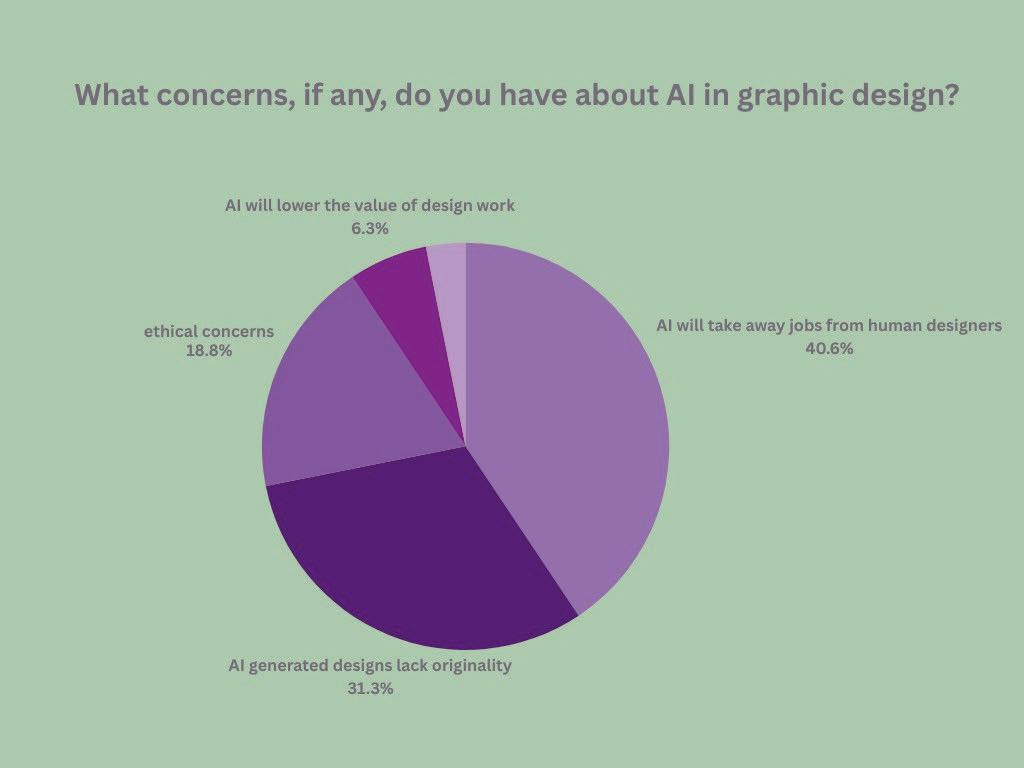
The first question asked what concerns they had about AI in design. The top concern (33.3%) was that AImight take away design jobs.Another 26.7% thought AI lacks originality, 16.7% had ethical concerns, and 13.3% thought it could lower the value of design work. Only 13.3% said they had no concerns.
What concerns, if any, do you have about AI in graphic design?
I also asked if they think AI lacks originality Just over half (54 8%) said yes, 25 8% said no, and 19.4% were unsure. So while some see the potential, a lot of people still think AI can’t match human creativity.
Do you believe AI-generated designs lack originality compared to human-created designs?
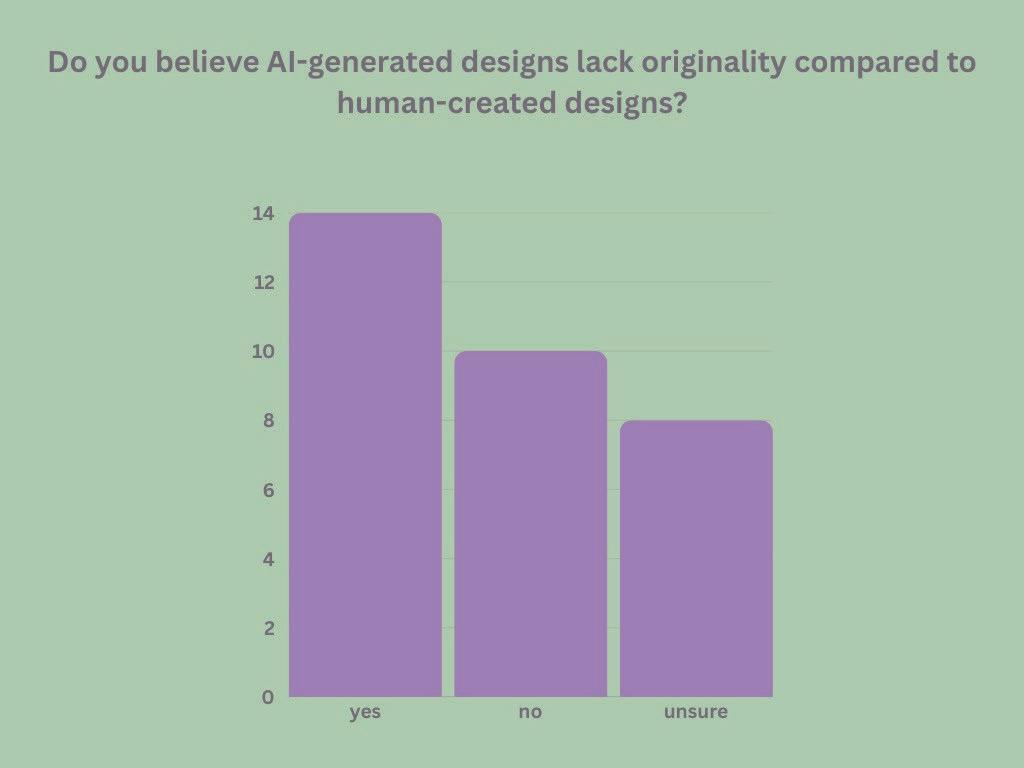


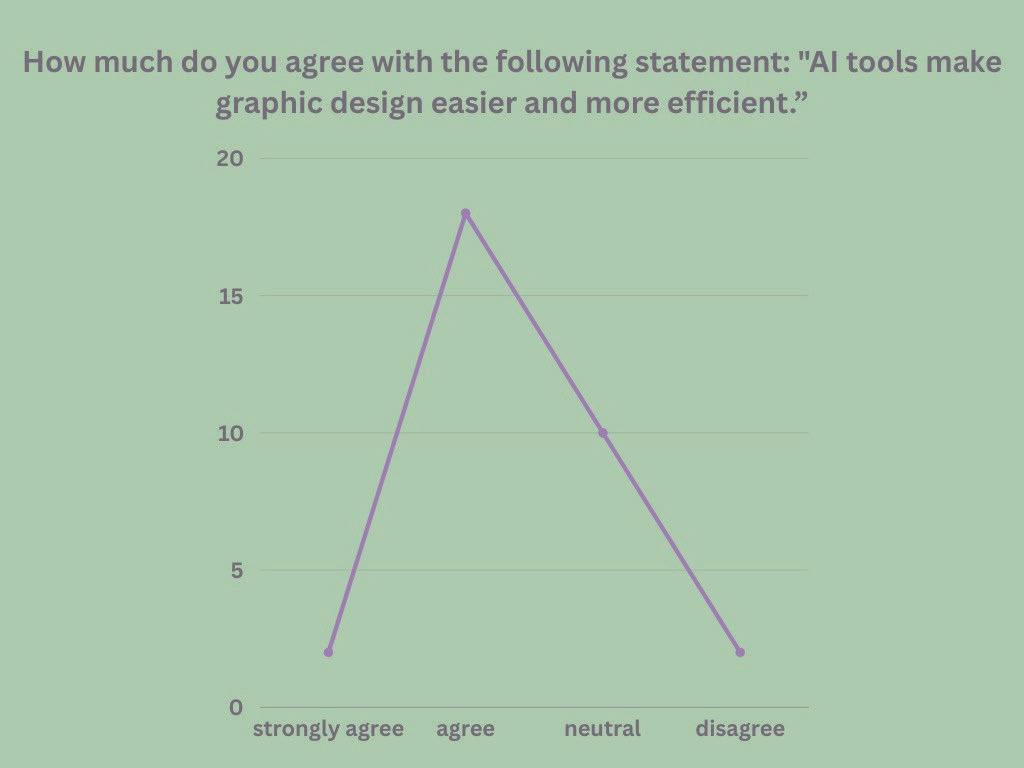
Then I asked if AI makes design easier. Half (50%) strongly agreed, 23.3% agreed, 16.7% were neutral, 10% disagreed, and only 33% strongly disagreed.Soeventhoughthereareconcerns,most peoplestillseeAIasahelpfultool
How much do you agree with the following statement: “AI tools make graphic design easier and more efficient.”
Graphic design is one of the most important parts of brandingandadvertising.Ithelpsbusinessesconnect with people and make a lasting impression. Whether it’s a logo, social media ad, or packaging, design influences how we see and remember brands. And now, with AI entering the picture, it’s changing the way we design. People are excited about the speed andease,butunsureaboutthelossoforiginality.
Today, try using a design app and explore AI features. It’s an easy way to get inspired and learn somethingnew
By:KennedyBrooks

Aselectricvehicles,self-drivingtech,and sustainabilityleadtheautoindustryconversation, innovationhasbecomepartofabrand’sidentity. Autocompaniesnowusepatentedtechnologiesnot justforprotection,butasawaytotellstoriesthat connectwithtoday’sconsumers.Throughintegrated marketing,brandsturntechnicalideasintosimple, trust-buildingmessages.
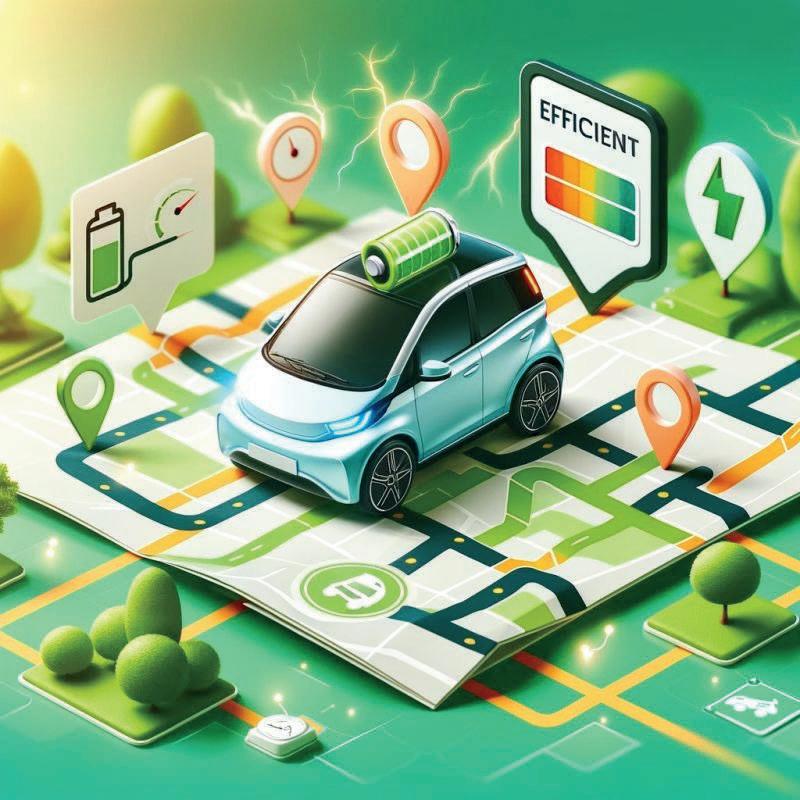
This article looks at how patent law and branding work together to help companies stand out, build credibility, and lead in a fast-changing, techdriven market. With the rise of EVs, companies use patents both for legal protection and as marketing tools
Innovation not only captures attention but defines position
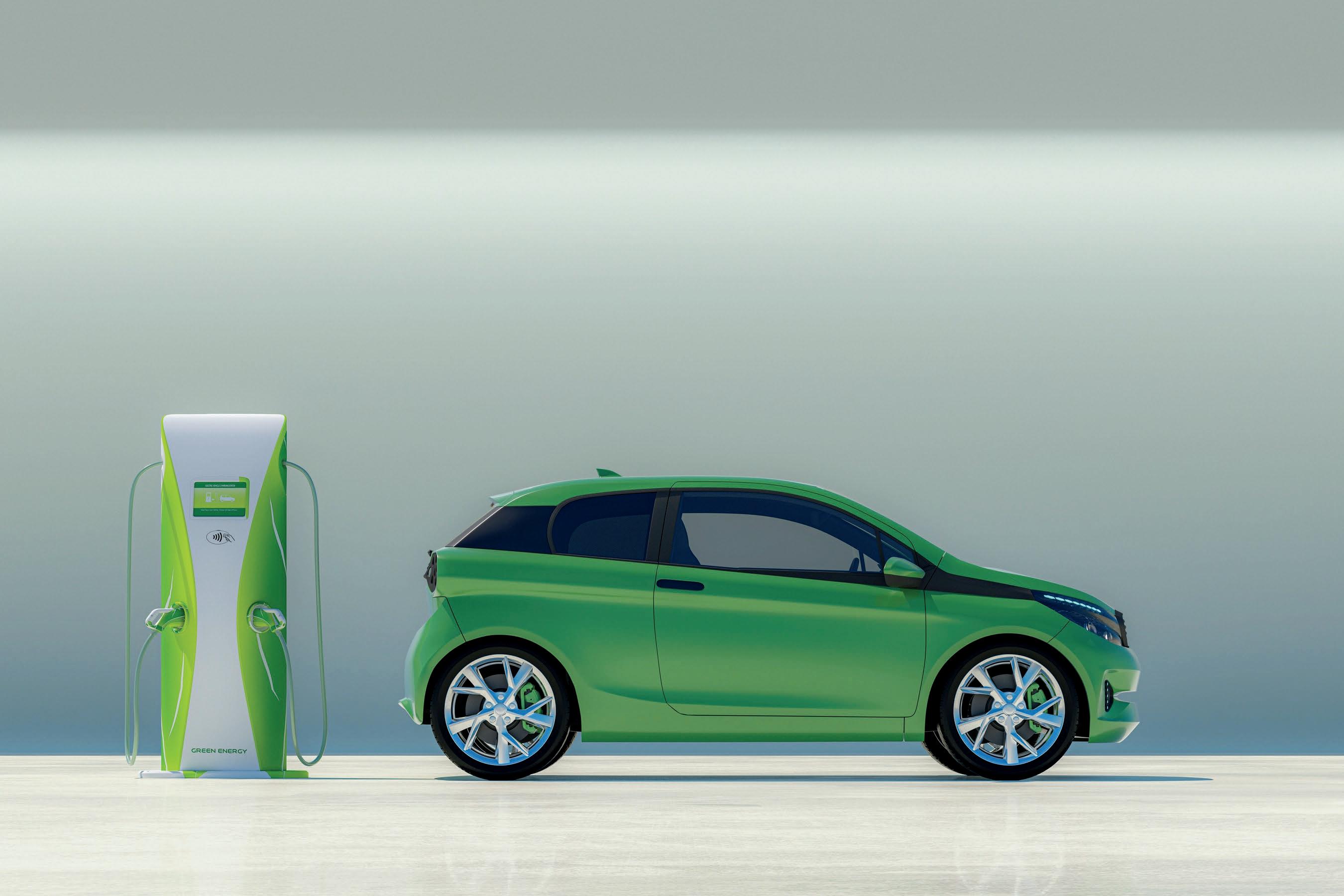
Electric vehicles are changing how we drive and they’re also changing how we think about brands.
Electric vehicles symbolize the future of automotive innovation, where sustainability and cutting-edge tech meet sleek design.
Clarisa Long (2009) explains that the U.S. Patent and Trademark Office (PTO) is shaped by corporate and political forces She writes, “Allowing a patent to issue when it should not (a Type I error), as well as denying a patent on an invention that meets all the legal requirements for a patent (a Type II error), can have long-term effects on innovation and the development of technology” (p 1944)
In 2007, 47.1% of patent applications came from foreign companies, showing how important patents are globally Borgstedt, Neyer, and Schewe (2017) studied over 91,000 powertrainrelated patents and found strong opportunities in battery electric vehicle innovation. They write, “Alternative powertrain technologies offer opportunities for both incumbent suppliers and new market entrants ” This shows how patents and R&D can boost brand strength and meet growing interest in sustainable tech. A 2023 article by Graham ties this research to current marketing. As EV sales grow, automakers increased TV ad spending on EVs to 24% in 2022 up from 13 8% in 2021 “We haven't taken our foot off the accelerator, because we do see the transformation of EVs occurring,” said Wager. This highlights how brands use patented innovations to build trust and long-term loyalty through marketing
Focus Group
Innovation & Modern Branding
Participantsexpressedexcitementaboutemerging technologiesandboldbrandingstrategies. Consumersareincreasinglydrawntobrandsthat embracemodernvisuals,luxurypositioning,and cutting-edgefeatures
Participantsexpressedexcitementaboutemerging strategies.Consumersareincreasinglydrawnto brandsthatembracemodernvisuals,luxury positioning,andcutting-edgefeatures.
Visualbrandingandlogosalsoinfluenced perception,evenwheninitialreactionstodesign weremixed:
“Like, there's this one BMW, and like that is such an ugly car, and then I see like the BMW, like the emblem, and I'm like, okay, wait, maybe it's cute.”
Anotheraddedhowluxurymessagingimpacts engagement:
“I'd say Mercedes, as I feel like every time I see their ads, it's like they're aiming towards more of a luxury audience, and I feel like they're advertisements and all the things I see are definitely like really hitting that spot ”
“ARandVR peopleareputtingthemintocars now.Itdependsontheaudience.Ifyou’reaiming thatatlikeChevrolet...that'skindoftargeted towardsanolder,manliercrowd.”
Theseinsightssuggestthatinnovationnotonly capturesattentionbutalsodefinesmarketposition.
Brand Perception & Trust
Participantsconsistentlyhighlightedthatacar brand’sreputationandhistoryplayamajorrolein buildingtrustandguidingpurchasedecisions. Consumersrelyonwell-knownbrands,especially thoseassociatedwithreliabilityandsafety,when makingchoiceslikebuyingavehicle
Asoneparticipantstated, “Toyotahasareallygoodreputationforbeinga reliable car, so I think when I go buy a car, that's whatIwouldlookfor”
“When I see BMW, I'm like, oh! But like if I see a car I don't know, it doesn’t stick out as much.”
“Reliabilityandsafetyratings...thatwasthebig thingmyparentsreallylookedintowhenIgotmy firstcar.”
Thesequoteshighlighthowperceivedreliabilityand recognitioncontributetoconsumerloyaltyand influence
What do you believe is the most effective way automotive brands build consumer trust?

Patented technological innovations
Long-standing reputation and history
Celebrity endorsements and partnerships
High customer satisfaction ratings
Transparency in marketing and production
How much does brand reputation influence your decision when purchasing a vehicle?
Which of the following automotive brands do you associate with innovation and strong branding?
To better understand what drives vehicle choice, I conducted a survey targeting college-aged consumers (ages 18–24), gathering insights into the role of brand reputation, innovation, and trust in automotive decision-making A Qualtrics survey was conducted to analyze how consumers perceive electric vehicle branding and the role of patented innovations in shaping those perceptions. Respondents were asked to rate major automotive brands based on trust, innovation, and value, and to reflect on the impact of electric vehicle marketing strategies
BrandReputationStronglyInfluencesDecisions
TrustisBuiltThroughConsistencyand Performance
PerformanceandReliabilityRemainCritical TeslaandBMWaretheTopBrandsforInnovation andStrongBranding
Brand Reputation Strongly Influences Purchasing Decisions
Mostparticipantsindicatedthatbrandreputation has“agreatdeal”or“alot”ofinfluenceontheir vehiclechoice.Onlyasmallpercentageindicated thatbrandreputationhad“none”or“little” influence.Reinforcingthevalueofconsistentbrand identityintheautomotiveindustry.

Trust Is Earned Through Transparency and Experience
Respondentsoverwhelminglyselected“longstandingreputation”and“highcustomer satisfaction”asthemosteffectivewaystobuild trust.Thisshowsconsumersprioritizereal-world performanceandlegacyovershort-termbuzz.

Tesla(17.9%),BMW(16.7%),andToyota(14.1%) ledtheresponses,indicatingthatyounger consumersequatesleekdesign,newtechnology, andbrandvisibilitywithinnovation.MercedesBenz(12.8%)andFord(11.5%)alsorankedhigh, reinforcingthatbothheritageandmoderndesign canshapebrandperception.
Discoverthetruevaluebehindyournextcar purchase.Learnhowautomakers'innovationsand patentsshapebrandidentityandboostconsumer confidence.Makeaninformeddecisiontoday!
Patentsdomorethanjustprotectinnovation,they giveautomotivecompaniesthefoundationtobuild compelling,trustdrivenmarketingstrategies.As electricvehicleadoptionaccelerates,brandsmust notonlyinnovatebutalsocommunicatethose advancementsclearlyandconsistently.Through strategicuseofpatentsandIMC,automakersare brandingthemselvesasforwardthinkingleaders.
Trust,performance,andinnovationwillremainthe drivingforcesbehindconsumerloyaltyinthe modernautoworld.Overall,today’sconsumers seekablendoftrust,performance,andinnovation. Automotivemarketerswhostrategicallybalance legacyandmodernappealwillbebestpositionedto buildlastingconsumerrelationships.

This is not a gas station. It’s a movement.
By:AshleyMasoner

(Canva,April15,2025)
Haveyoueverbeenheadonwithacrisisand instinctivelyreachedforyourphonefeeling compelledtocaptureandsharewhat’sunfolding beforeyoureyes?Intoday’sdayandage,social mediaandnewsplatformshaveamplifiedtheway wereceivenews.Photographyplaysacriticalrolein howweresonateemotionallytothesecrises. Hearingaboutatornado,hurricane,ormassshooting isalwaysdevastating,butaddingavisual componentmakesitmorepersonableandreal Once apictureisaddedonwiththetragedy,itputsinto perspectivethatthesearerealpeople,withreal feelings,andreallives.Photographyisusedasa helpingcomponenttobetransparentandopen duringtimesofneed Ithelpsshowthedamagesand severityofcrisesallaroundtheworld Evenifa crisisdoesn’tdirectlyaffectyourlife,itopensyour hearttothepainofothersandinspiresyoutoshare theirstory,bringinglighttothosewhoneeditmost.
BackgroundResearch
Inthefaceofadversity,peopledrawcloseand connectwithothersinpersonandonline
“How do you convince people that they are at risk? Only through other people ” -Dennis Mileti (Winerman, 2009) Building community in the presence of a crisis is essential to remind others they are not alone, create space for healing, and turn fear into strength. It is vital to realize how fast people yearn to connect after a tragedy strikes, it is one of the many ways to feel safe

(Canva,April15,2025)
Socialmediaandothernetworkshavebecomea majorfacetingaininginformationonone's hometowns,families,andtohelptakeeffectivesteps tocoordinateaction.Thestructureofthehuman brain allows people to process visuals much faster thantextmessages,stimulatingthemostsensitive responses(Ali&Kinsey,2023) Photoscanelicit people’semotionalresponses,whetherthatbe positiveornegativetoadisaster,andhaving impressionsthatcanlastlongertopeoplewho experiencedthedisaster(Ali&Kinsey,2023) Visualaidsallowhumanstoresonateandfeel sympathetictothoseaffected,creatingmore opportunitytospreadawareness.
Onlineplatformshaveallowedanycreatorto becomeinvolvedinthecrisisasacommunicator. Therearedifferenttypesofcommunicatorsonecan become:informativeproviders,critics,orsupporters (Coombs&Holladay,2014).Itisimportanttobe cautiousofwhatinformationisbeingputout,as
everyonehasdifferentviewsandopinionsonthe crisesathand Whilepraisinghowacrisiswas handledcanbeveryfavorable,negativecomments cancauseirreparabledamage.Socialmediaholdsthe powertoeitherbenefitorharmorganizationsinvolved incrisesbasedonhowtheworldbelievesthecrisisis beinghandled.
Focus Group: Empathy and Personal Connection
Afocusgroupwasconductedonstudentsatthe UniversityofMississippitotakeadeeperlookinto whatcrisiscommunicationmeanstothem Itwas foundthatwiththeuseofsocialmedia,pictures,and videos,itcantriggeravarietyofemotionsthataffect theseverityofthesituationathand.Itfosterspersonal connectionandempathyduringcrises,allowing individualstoappreciatetheirowncircumstances, makedistanteventsseemreal,andinspireboth compassionandacalltoaction “Seeingthepictures ofherhouseandthetreeinbetweenherhouse okay,like,it’sactuallyreallybad,itbringsgravityto thesituation.”saidoneparticipant.Addingvisualaids tocrisesallowsviewerstofullygraspwhatisathand andhowtomoveforward Notonlydoesitshowthe severity,itcausesonetorealizethatrealpeopleare beingaffected “Itmakesyoufeelmoreforthe people…it’snotjustanarticle.It’srealpeopleinreal situations.”saidanotherparticipant.
Withsocialmediahavingsuchamajorpresencein today’sworld,ithasitspositivesandnegatives.Some participantsfeltthatseeingcrisescausedthem unwarrantedanxietyeventhoughitwasnotaffecting them,butothersfeltasthoughitbroughtlightand awarenesstosituationsofpeopleinneed.One participantshared,“Ialwaysfeellikeaddingthe visualelementhelpsalot…itkindofbringsacallto action”
Being able to fully comprehend what others have gone through brings gravity to situations that may have been overlooked in the past or frankly just forgotten about too soon.
Survey Insight
AQualtricssurveywasgiventocollegestudents aged18to24yearsoldtodeterminethefullscopeof crisiscommunication Someofthesubjectstouched onrelatedtowhatemotionswerefeltincrisis situations,whatcrisesaredeterminedtobemore severe,andwhatchannelofcommunicationismost effective Itwasfoundthatpicturescanhelpshow theseverityandhumanizeasituation Itwasalso broughtupthatitcanbuildtrust,credibility,and validitybecauseyoucanactuallyseewhatisgoing on,notjusthavetobelievewhatisbeingsaid. Althoughaddingvisualstocrisescanbeseenas gruesomeorupsettingtosome,manybelievethatit spreadsawarenessandshowstherealitypeopleare livingin
Response to Crisis Situations
Figure1


(Canva,April15,2025)
In Figure 1, when asked “How do you typically feel emotionallywhenfacedwithacrisis?”53.3%ofthe participants responded with “anxious and stressed” while the second leading category with 23 3% was “overwhelmedandpanicked”.Everyoneresponds anduniquelytacklescrisesintheirownway,causing varyingreactionstohowmediaandphotography play a role. Some find it very helpful, while others mayfinditdisturbingandaninvasionofprivacy
Dependingonthechannel,theinformationone receivescanhelpdeterminetheseverityandnext stepsneededtobetaken
3
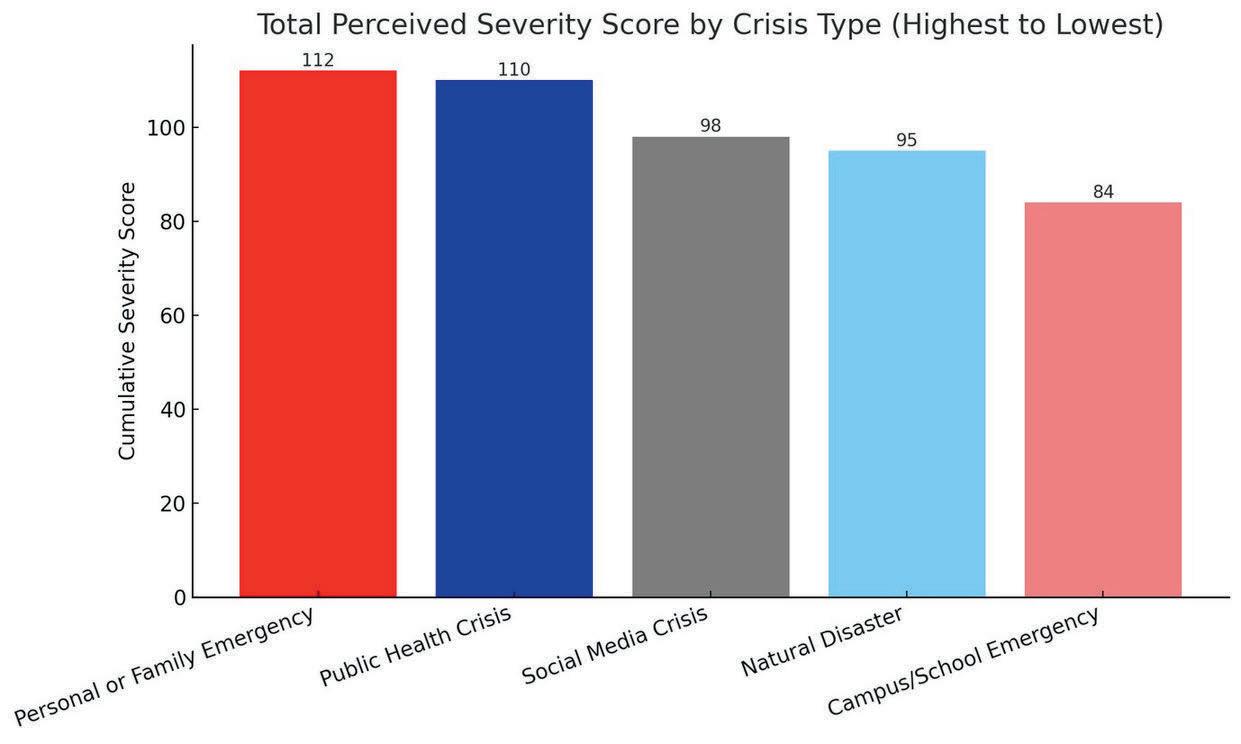
In Figure 3, participants were asked to rank the order of crises from least severe (1 point) to most severe (5 points) The graph highlights the cumulative amount of points each category received, putting personal or family emergencies as the most severe and campus/school emergencies as the least severe. With answers being decently scattered, everyone has their own personal view on what crisis is considered severe or minor There is not one universal crisis that is worse than others; it all comes down to personal views and upbringing.
2
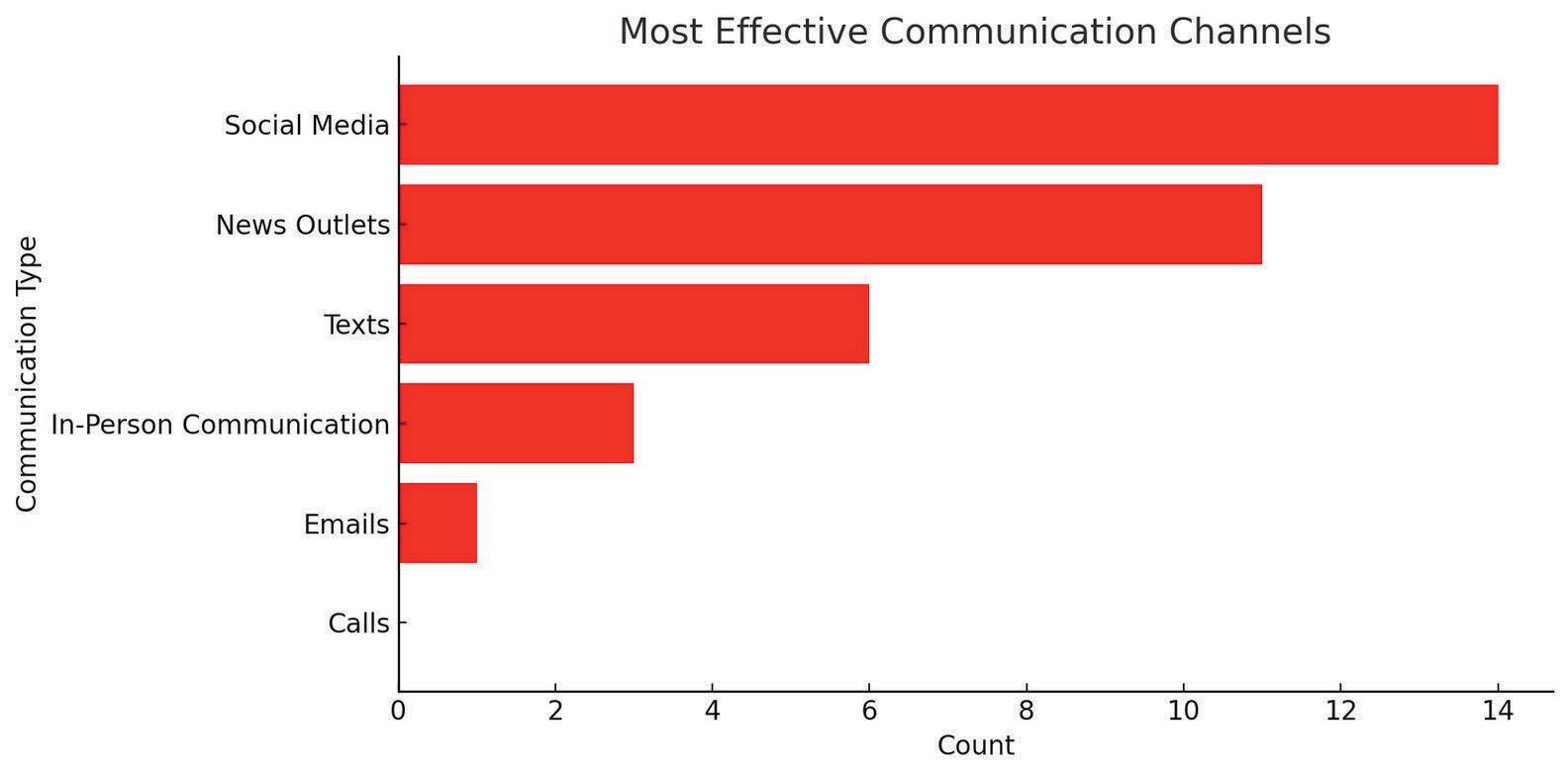
Figure2showshowcommunicationstylesdiffer Whenasked,“Whichcommunicationchanneldoyou thinkismosteffective?”Socialmediawastheleading answer,withnewsoutletsandtextsfollowing.
Conclusion
Photography is an important tool in interpreting and understanding crises Next time a crisis strikes, be considerate about what you are posting and sharing with others. Be cautious about leading people astray and spreading panic if it is not needed. Keep your focus on informing, educating, and spreading awareness to others so every crisis can be handled with as much calmness and ease as possible Crises are inevitable, but it's the way people react and respond that shapes the positive outcomes that can emerge from them. Today, take a moment to reflect on your crisis communication skills, listen actively, stay informed, and choose clarity over chaos. Your calm, informed voice can make all the difference when it matters most
By:GabriellaMcFarland

Visionboardshave alwaysbeenmycreative outlet, a waytocapture future dreams,inspirations,and aesthetic goals.Whetherit'smagazine clippingsor digital collages,Iuse themtovisualize everything fromcareeraspirationstoeverydaystyle But asI immersedmyselfinthe worldofIntegrated MarketingCommunication(IMC),Irealizedthat myhobbyintersectsperfectlywithone ofthe fastest-growingprofessional fields: social media content creation.Just like visionboards,digital content onplatformslike InstagramandTikTokis drivenbyvisual storytelling,identityformation,and emotional resonance
Socialmediacontentcreationhasevolvedfrom casualupdatestoafull-fledgedcareerpath Asof 2024,usersspendanaverageof2hoursand25 minutesadayontheseplatforms,contributingto over11.5billionhoursofglobalusagedaily (Sharma,2025) Inthishigh-stakesdigital environment,successisnolongeraboutfrequency; it'saboutstrategy Sharma(2025)stressesthat brandsmust"meticulouslyplanandcreate"their content,encouraginguserstoactivelyengagewith brandnarrativesratherthanpassivelyscroll.This shiftdemandsabalanceofauthenticity,creativity, andconsistencyacrosseverypostandplatform As audiencesbecomemoremedia-savvy,theyseek contentthatnotonlycapturesattentionbutalso buildstrustandemotionalconnection.
Ascontentbecomesmorestrategic,theline betweenpersonalidentityandprofessionalbranding continuestoblur.Manysustainablefashion influencers,forexample,struggletoremain authenticwhilenavigatingfinancialpressures,often workingwithlessethicalbrandstosustaintheir careers(Jacobson&Harrison,2021) Meanwhile, studentslearningcontentcreationthroughclientbased projects gain hands-on experience, blending creativitywithpurpose(Sharma,2025).Evenvision boards onceseenaspurelypersonaltools playa roleinthisprocess Waalkes,Gonzalez,andGrey (2019)foundtheyhelpindividualsexploreidentity, values,andfuturegoals,reinforcinghowvisual storytelling fuels both personal growth and digital influence.
To better understand current attitudes toward content creation, I conducted a focus group with college-aged participants. A couple of key themes stood out to me.
Thefirstonebeing:Visual&ProductDesign
StronglyInfluencesBrandPerception.
Thisinsightcamethroughinrealquotesfrom participants:
"When Poppi came out and they started doing all these brand deals and sending them to influencers, I just saw the bright can at Kroger one day and I was like, maybe I'll just try it… now I’m hooked because of the bright colors and how easy it was to drink "
“The pimple patches that are stars people want those because they’re cute and fun, even though it’s a basic product.”
“ScrubDaddy,likeeveryonewantsitbecauseithas thecutelittlesmileyface,youknow,likethings likethat,liketheactualproductitselfisreallyfun.”
These comments reinforce the idea that strategic visual appeal, down to packaging and design, has a huge influence on consumer behavior It’s not just about the product, it’s about the presentation
The second theme is: Authenticity Over Influencer Glitz When asked what kind of content truly resonates, participants in the focus group consistently pointed to one word: authenticity. Highly produced, influencer-heavy posts weren’t as persuasive as unfiltered, everyday content that felt genuine
I'm like, okay, here's another influencer, who is selling and I'm good. Just cause I feel like, it probably doesn't work. They're just doing this for a deal, you know.” “Versus A real person where you're like oh, okay, they like it. It actually works andtheyactuallyprobablyuseitversusaninfluencer whoprobablyjustgetspaidtopromoteit..”
These comments show that authenticity creates an impact. Content doesn’t need polish to be powerful The more raw and natural a post feels, the more likely it is to be trusted People want to see products and experiences through the lens of real users, not polished marketing scripts.
To supplement my focus group, I distributed a survey to fellow students and visualized the results with charts Here are a few key takeaways:
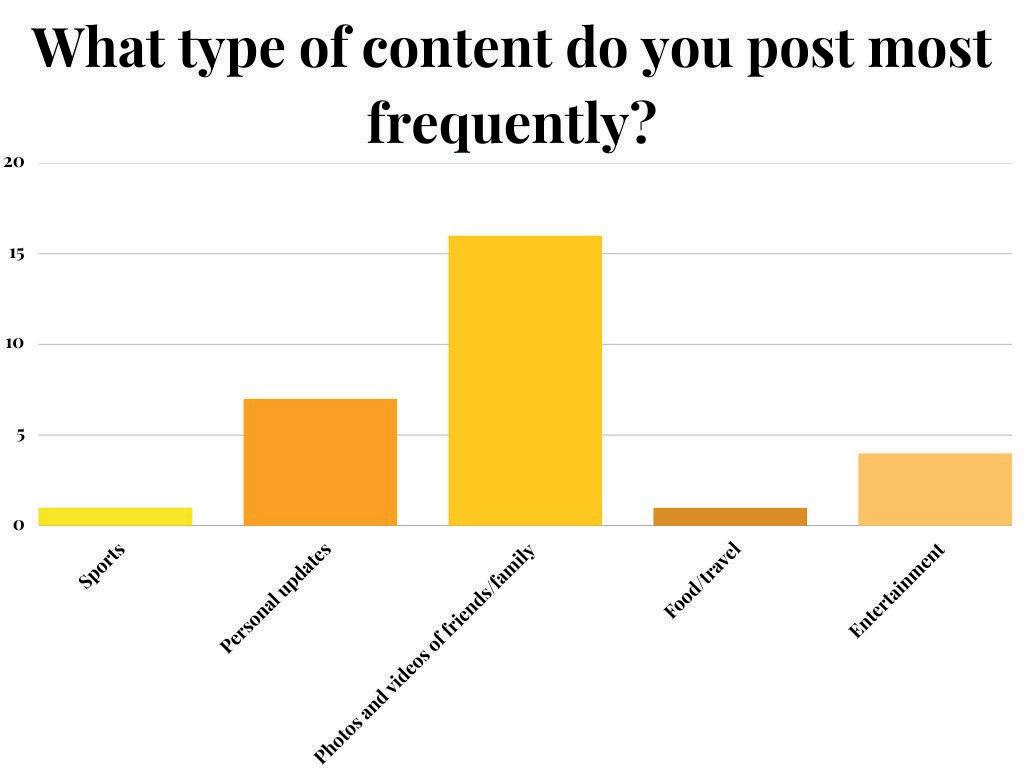
Several participants shared their thoughts: Figure 2 - Qualtrics data from survey on social media content creation and vision boards.
“Ilikewhenit'sjustregularpeople likethe TikTokshoponeswhereyoucan'teventellit'san adatfirst.Itactuallylookssouseful,that'swhat reallyinfluencesme.”
“Yeah,sometimesIgetturnedoffbyinfluencers advertisements,Ijustfeellikesometimes-
Themajorityofparticipants(16)reportedthatthey mostoftenpostphotosorvideosoffriends,family, orpets Thisemphasizeshowsocialmediaremains aspaceforpersonalconnectionandeveryday moments.
Incontrast,sportsandfood/travelcontentwere rarelyshared,withonlyoneparticipantselecting each Thismaysuggestthatusersprefertoconsume ratherthanpostthistypeofcontent,orthatthese postsarereservedforspecialoccasions.Personal updatesandentertainmentcontentalsosaw moderateengagement,highlightingabalance betweenself-expressionandsharinglighthearted moments Overall,thefindingsreflectaclear preferenceforauthenticityandrelationalcontent overcuratedorlifestyle-drivenposts.
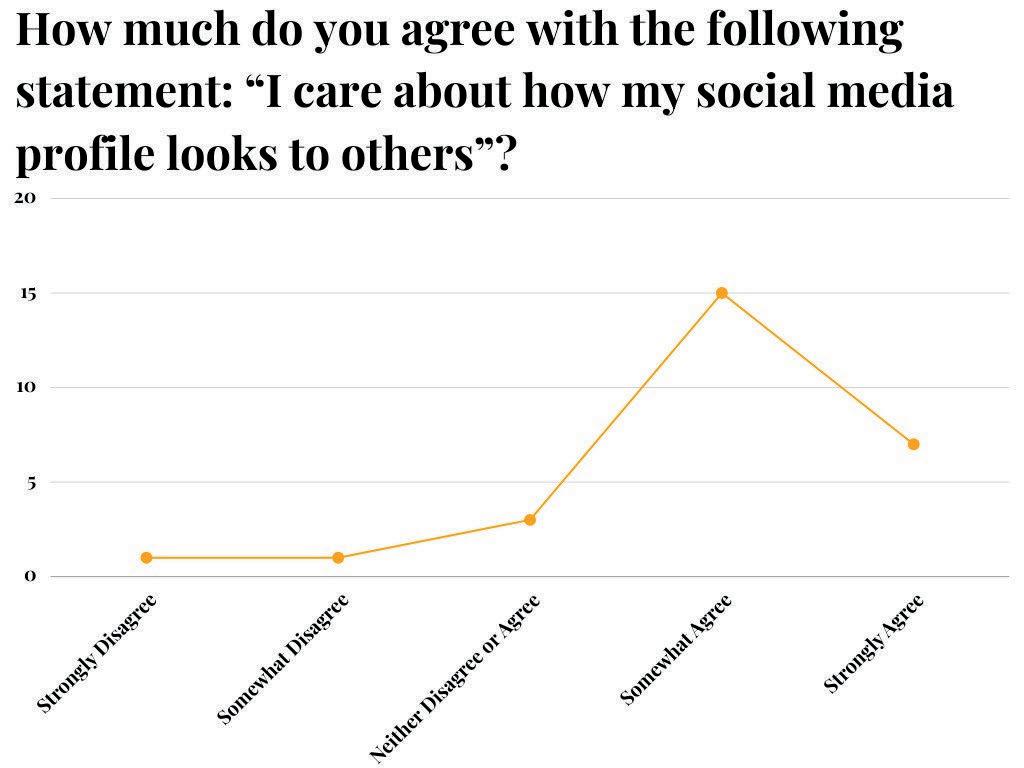
Over time, this constant self-monitoring can shape not only how others see us, but how we see ourselves
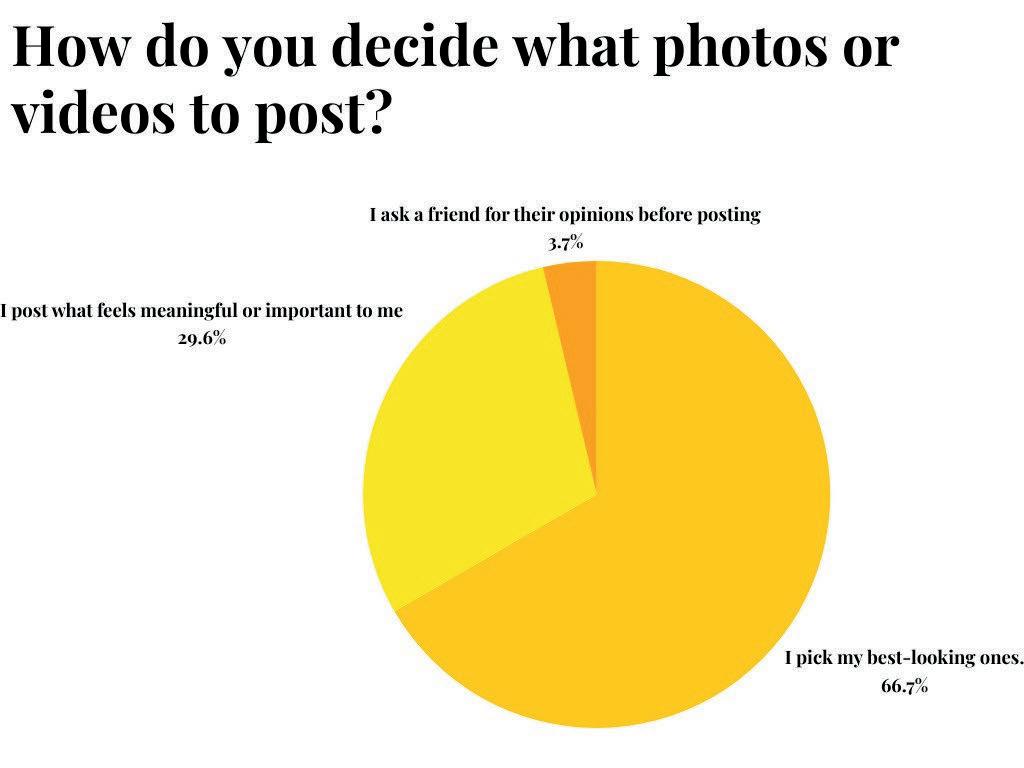
Whenaskedwhytheypost,18participantssaidit’s aboutlookinggood,8feltdrivenbymeaningor importance,andonly1askedforfeedbackfrom othersbeforeposting.Theseresultssuggestthat imageandappearanceplayamajorroleinposting behavior.Whilemeaningfulcontentmattersto some,thedominantmotivationcentersaround personalpresentation,highlightinghowdeeply appearance-drivensocialmediahabitscanbe.
Whenaskediftheyfeltpressuretopostcurated content,themajorityleanedtowardagreement,15 selected“somewhatagree,”and7chose“strongly agree”Thissupportstheideathatsocialmediacan oftenfeellikeaperformancespace,evenfornoninfluencers.Despitenotpostingprofessionally, manyusersstillfeeltheneedtomaintainacertain image.Thispressuremaystemfromcomparison culture,influencerstandards,orsimplythedesireto beperceivedpositivelybypeers Evencasualusers seemtocuratetheirlives,choosingmomentsthatfit anidealizednarrative.Ithighlightshowsocial platformsinfluencenotjustwhatweshare,buthow wecraftandcontrolourdigitalidentitiestoalign withperceivedsocialnormsorexpectations.
Conclusion: Vision Into Action Shareonepieceofyourvisiononsocialmedia today.
Socialmediacontentcreationisn’tjustaboutgoing viral;it’saboutcraftingmeaningful,engagingstories thatreflectyourpersonalvision.Whetheryou’rea businesstryingtoconnectwithyouraudienceoran individualusingcontenttoshareyourlife,remember this:whatyoucreatematters Justlikebuildingavision board,buildingyourcontentstrategyshouldbe intentional Chooseyourmessage,designitwithcare, andknowyouraudience.Ifyou’resomeonewho scrollsendlesslybuthasn’tyethit“post,”considerthis yoursigntogetcreative.
By:LivMogridge
Haveyoueverstartedawellnesstrend,onlyto wonderwhyit’snotworkingaswellforyouasit seemstoforyourfavoriteinfluencer?Ifyou’vefelt thatway,you’renotalone.Influencersonsocial media especiallyplatformslikeInstagramand TikTok playahugeroleinwhatwetry,buy,and believeis“healthy”Whetherit’sacoldplunge,a supplement,oratrendyworkout,theseonline personalitieshavealotofsway.Butwhatactually makesaninfluencercredible?Andhowdowedecide whichtrendstofollowandwhichtoskip?
Many of us are more likely to trust influencers who seem transparent and genuine This point came up repeatedly in focus group discussions, survey responses, and academic research. For example, one participant mentioned, “I trust influencers who will actually use it for like a long enough time to tell, and they’ll be honest if they’re like, I really don’t think this does that much ” Another respondent noted how influencers like Jeffree Star earn credibility by saying things like, “I’m being paid for this, but I’m still gonna tell you the truth,” and then directly comparing products
Inadditiontopersonal anecdotes,researchsupports thisemphasisonauthenticity.
Arecentstudyfoundthat“influencershavethe potentialtopositivelyimpacthealthbyproviding authenticsourcesofinformation,yettheirlackof expertiseandcommercialinterestsraiseconcerns” (Engeletal.,2023).Themoreauthenticand consistentaninfluencerappears,themorepeoplefeel theycantrusttheirrecommendations
Scrollingthroughsocialmedia,we’reconstantly exposedtoawaveofwellnesstrends somefleeting, somestickingaround.FromcoldplungestoPilates routines,influencershelppopularizethelatesthealth habits.Oneparticipantnoted,“Ithinkbecause influencersthatwefollow,iftheyjustlikepromoted junkfoodallthetimeanddidn’tliketakecareof theirbodieswewouldn’tlisten we’realways seekingtobetterourselvesandbeabetterperson nowdays.”Anotherpersonmentionedhowcertain influencers,likeAlixEarl,regularlyshowcasetheir favoritemakeupproductsandwellnessroutines:“her reviewsarelikeherusingcertainlikemakeuponher facelikeotherpeoplecarebecauseyou’realways gettingpaidtodoit.”Supportingthis,researchers haveobservedthat“socialmediaplatformshave becomebreedinggroundsforhealthtrends,spreading information bothaccurateandmisleading ata rapidpace”(Kaňkováetal,2024) Throughboth personalpostsandindustryanalysis,it’sclearthat socialmediaisapowerfuldriverofwellnesstrends.
Howconsumersrespondtoinfluencersoften dependsontheinfluencer’sconsistencyand honesty
In the surveys, many students said they felt more confident about a product if the influencer had used it for a long time. “I wouldn’t trust it if it’s just the one post and they’ve never talked about it before,” explained one participant Another added, “When they consistently use something and showcase it over time, it feels more real, trustworthy, and not just like a one-time promotion.” Similarly, one survey respondent highlighted the credibility built by ongoing endorsements: “In a video, every single one of them he swears by it, I’m more likely to trust that because he’s been doing it for like a year.” This feedback aligns with findings from Dr. Sherry Pagoto, who noted that “consumers respond most favorably when influencers appear to practice what they preach, consistently showcasing their commitment to a product or trend over time” (Pagoto, 2023). Together, these perspectives show that audiences value reliability and genuine enthusiasm in influencer content.
What influenced your decision the most when following a wellness trend?
Influencer'scredibilty
Productreviews
Influncer'spersonalexperience
Thebrandcollaboration

Thepictureisofsomeonegoingonawalk. Getting10kstepsadayisawellnesstrend
The Cost Factor

Oneofthebiggestbarrierstoadoptingwellness trendsiscost,atopicthatcameuprepeatedlyin focusgroupsandsurveyresponses.
How much do you trust influencers when they promote wellness products?
a lot a little
Influencer'scredibiltyProductreviewsInfluncer'spersonalexperienceThebrand collaboration
Many students expressed frustration at how pricey certain wellness products can be “Most people can’t afford to buy like a $100 supplement once a month; that’s outrageous,” said one respondent. Others pointed out that brands like Lululemon, which once felt exclusive and high-quality, have faced criticism for their rising prices “Lululemon has gone down so much so many people loved it, but then it kind of got to a point where they were dominating the market and were able to raise all these prices,” noted another participant. Research from The Guardian echoes these concerns, stating, “The high cost of certain products promoted by influencers often puts them out of reach for the average consumer, creating a disconnect between the image presented and the audience’s reality” (Aggeler, 2024). While some influencers try to offer discounts or recommend alternatives, many followers still find the costs prohibitive This cost issue often leads consumers to question whether certain trends are genuinely worth the investment.
Long-term engagement with a product or trend can make or break an influencer’s credibility. As one survey participant shared, “I trust influencers who will actually use it for like a long enough time to see results, and they’ll be honest if they’re like, I really don’t think this does that much.” ....
AnotherrespondentcitedJeffreeStar’sapproach, saying, “Jeffree Star is brutally honest, he will tell youthetruthandbelikeI’mbeingpaidforthis,and he’llsitthereandikecompareittoacompetitor.”A third added, “If you’re thinking of a supplement or thinkingaboutstartingsometypeofworkout you see like the other bodies that have used it I think it’simportantthey’rehonestaboutwhatreally worksandwhatdoesn’t.”Scholarlyresearchagrees, with Alsharairi and Li (2024) noting, “Consumers aremorelikelytotrustinfluencerswhodemonstrate long-termuseofaproduct,showingreal-liferesults ratherthanone-offpromotionalposts”Together, these insights show how consistency builds a solid foundationoftrustandcredibilityovertime.
Ascollegestudentswhospendplentyoftimeonline, weknowhowmuchsocialmediainfluencesthe choiceswemakeabouthealthandwellness It’snot justaboutflashypostsortrendyroutines it’sabout findinginfluencerswetrustandtrendsthatmake senseforourlives.Whilenoteveryproductwillfit ourbudgetorourgoals,payingattentionto authenticity,consistency,andreal-worldaccessibility canhelpusseparatethefadsfromthehabitsthat actuallyimproveourwell-being
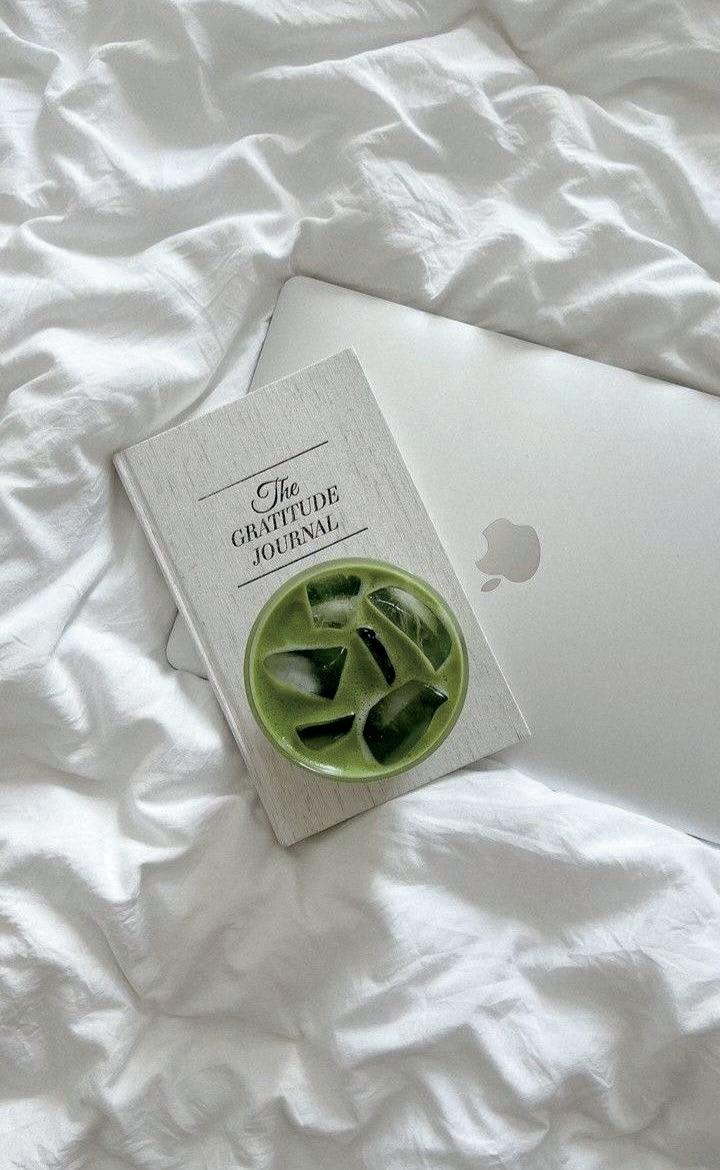
Picture is of a wellness trend such as journaling and matcha
Next time a wellness trend shows up on your feed, pause and think about the influencer behind it Are they being real with their audience? Do they actually use the product consistently, and are they upfront about both the pros and cons? Before diving in, choose just one question from this article to ask yourself That quick check might be all you need to decide whether it’s a trend worth trying or one to keep scrolling past.

Pictureisofchiaseedwater,awellnesstrend thatclaimstohelppeoplefeel“full”



By: Ada Odden
In the $4 5 trillion global wellness industry, one of the most powerful sales tools isn’t a product or a company it’s a person with a smartphone and a loyal following.
Fromfitnessroutinesandeatinghabitsto supplements,skincare,healthappsandmuchmore, influencersareshapingsocieties'purchasinghabits witheverypost,swipe,andclicktheymake.Social mediainfluencerscreatenewhealthandwellness trendseverysingleday,whetheritbeahighprotein mealoranewpilatesworkout,influencerscontrol consumersdaytodaylives,sometimeswithouteven knowing.
“According to Khalid et al (2018), the social media influencers may influence the behaviour, attitude and the dietary choices of the young adults This is due to the fact that social media influencers are technically the internet’s owner (McCorquodale, 2019) who can regulate what people watch, what they think and what they buy” (Sumardi, et al, 2022, p 1601) This academic journal explains how influencers have the ability to shape consumers' daily lives
However, this influence also contributes to economic issues through constant overconsumption “Due to the overconsumption and the urge to buy everything influencers have, we end up spending so much more and having many things that we may not need” (Allende et al, 2024, p. 41).
“Nearly 90% of adults in the United States have used social media platforms to search for health information” (Stone, 2021).
Oftenproductspromoted-likeaproteindrink promisingabs-areendorsedbyindividualslacking properqualifications “Inthesampleweusedfor ourstudy,fewerthan20%oftheinfluencers reportedhavinganycredentials”(Roccaprioreand Pollock,2023,para.23).Asaresult,consumersare influencedtotrynewhealthfadswithlittletono evidencebehindthem Forthisresearch,afocusgroupwasconductedwith twoothermembers,involving10participantsaged 18-24 Threekeythemesemergedthroughoutthe discussion.
Thefirstthemefocusedonmisinformationand trend-drivenwellnessfads Participantsnotedhow influencerscreateandshifthealthandwellness trendsrapidly.One18-24-year-oldparticipant stated, “Six months ago it wasn’t protein, it was gut health.” Expressing the trends that are driven byinfluencersconstantlychanging


Anotherparticipantexplainedthemisinformation thatiscreatedaboutproductsthroughinfluencers, stating,“Youmighthavebeendoingthatalongwith ahundredotherthings…It’snotjusttheproduct necessarily.”Anotherparticipantstated,“I'dlike themtotesttheirproductandshowitoveratime period”(18-24yearoldmale/female)
The second theme was overconsumption driven by influencerculture Participantsfeltpressuretokeep up with constantly promoted products One 18-24 year old male/female participant stated, “Everyone just wants to stick their hand in the pot.” Another participantstated,“Ifeellikebyfeedingintothe overconsumption,theyalsofeedintothe overmisinformation”Anotherparticipantechoed, “You'rejustdoingittomakemoremoneybecause youhavetheplatform.”(18-24yearoldmale/female participant).Whileinfluencersclearlyshape consumertrends,excessivepromotioncanfeel inauthentic
Thefinalthemewasselectiveengagementand contextualinterest.Participantsexpressedthattheir responsestoinfluencercontentvariedbasedon thingssuchastimeandrelevance “Theygotta catchmeattherightmomentandbetalkingabout therightthing.”Anotherindividualstated,“it dependsontheinfluencer.”(18-24yearold female/male).Anotherparticipantcapturedthe importanceofcontext,“Ifit’sa50-year-oldmale doctortellingmeaboutit,Iwannaseetheeffects ona20-year-oldgirl,youknowwhatImean?” (18-24yearoldfemale/male).
Survey
Surveyparticipantswereaskedavarietyofquestions aboutinfluencermarketingthroughsocialmedia relatingtotheirpurchasinghabitsandtheirthoughts onthesubject.
Figure1.Odden4/22/25
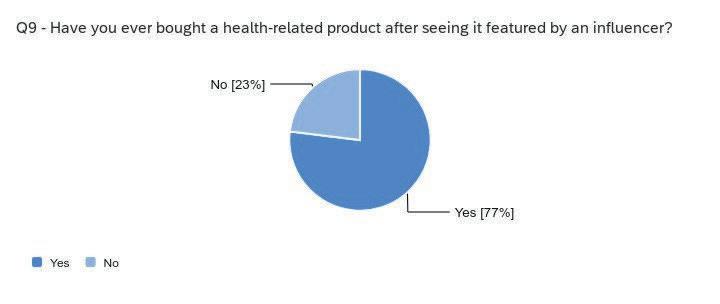
Figure1.Qualtricsdatafromsurveyon influencerseffectonpurchasinghabits
Participants were asked, “Have you ever bought a health-related product after seeing it featured by an influencer?” 77% of respondents said yes, while only 23% said no. This overwhelming majority highlights just how powerful influencer marketing has become in shaping consumer behavior, especially when it comes to decisions about health and wellness. It suggests that most individuals are not just passively consuming content, but actively allowing it to influence their purchasing choices.
Figure2.Odden4/22/25
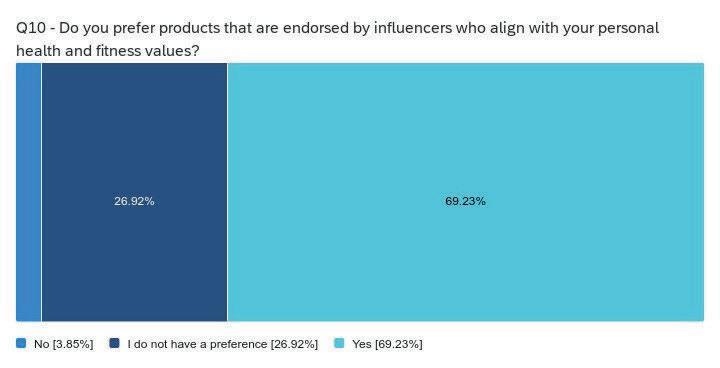
Figure2.Qualtricsdatafromsurveyon influencerseffectonpurchasinghabits
Participantswereasked,“Doyoupreferproductsthat areendorsedbyinfluencerswhoalignwithyour personalhealthandfitnessvalues?”
69.23%ofparticipantsrespondedyes,indicatingthat alignment in values plays a significant role in influencing purchasing decisions. Meanwhile, 26.92% stated they had no preference, and only 3.85% said no, showing that very few participants actively rejected this type of influence. These results suggest that authenticity and shared values between influencers and their followers can strongly enhance trust and drive consumer engagement with healthrelatedproducts.
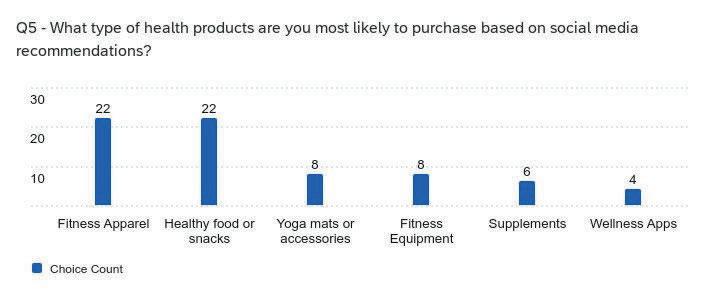
Participantswereasked,“Whattypeofhealth productsareyoumostlikelytopurchasebasedon socialmediarecommendations?”Thetoptwo categories fitnessapparelandhealthfood/snacks eachreceived22%ofthevotes,showingthat wearableandconsumableitemsarethemost appealingtoconsumersinfluencedbyonline content.Fitnessequipmentandyoga mats/accessoriesfollowed,with8%each,while supplementsreceived6%,andwellnessappscame inlastat4% Theseresultssuggestthatlifestyleorientedproductstendtogeneratethemostinterest, whiledigitalwellnesstoolsmayrequiremore compellingpromotionorperceivedvaluetodrive purchases.
Socialmediainfluencershaveapowerfulimpacton consumerbehaviorinthehealthandwellness industry-shapingtrends,diets,andbeliefswithjust apost Thisinfluencecomesatacost:widespread misinformation,overconsumption,andblurredlines betweenauthenticityandadvertising
Asconsumers,itistimeforustostopandthink beforeweclickthe“addtocart”buttonweallknow andlove Think-isthisproductbackedbyactual evidenceorexpertise?DoIreallyneedthis,oramI beingsoldalifestyle?Howwillthisproducttruly helpme?Influencersshapethetrends,butwearein chargeofshapingtheimpact.Let'sholdourhealth andwellnesstoahigherstandard,andinsistthat influencersdothesame



How visual appeal, timing, and influencer authenticity turn everyday scrolling into shopping.
By:EdieHandwerker
Haveyoueverfoundyourselfstayingupfartoolate,doomscrollingthroughsocialmedia,bombardedbyadsforthelatest must-haveproduct?Andhowmanytimeshaveyoucaved, convincedbyacuteoutfitaninfluenceriswearing,orabeauty productthateveryoneelseseemstoalreadyhave?
Yeah metoo
I’vedefinitelyfallenvictimtoaflashsale,aholidaypromotion,ora limiteddropthatjusthappenedtoappearatexactlytheright moment Intoday’ssocialmediaera,we’reseeingadsconstantly, evenwhenthey’rehiddenina“GetReadyWithMe”videofrom ourfavoritecreators
Wemightthinkit’sacoincidencewhentheexactproductwe’ve beeneyeingsuddenlyshowsupinamidnightscroll,withabold captionreading“FLASHSALE–50%OFF!”Butnoneofthisis accidental It’sallstrategicandhighlycalculated

Behindeverysponsoredpostorpromotedvideoisacarefully crafteddigitalmediastrategy Brandsworkwithpublicrelations professionalsanddigitalmarketerstodeterminewhen,where,and howoftenanadappears Thosedetailsdirectlyshapehowwe respond It’snotjustaboutvisibility,buttiming,platform,and tone
Formyresearch,Ireviewedscholarlyarticlesonmediaplanning andconsumerbehaviorinthedigitalage OnebyTam,Mehta,and Goodlich(2021)emphasizedstrategic,risk-awareplanningthat alignswithbrandgoalsandstakeholderinterests.Anotherby Zgurskaetal.(2024)highlightedhoweffectivemediaplanning improvesbothfinancialefficiencyandaudienceengagement.These sourceshelpedmeunderstandthestrategybehinddigitalads,how theyaimnotjusttoreach,buttoconnectwithconsumers meaningfully
AsIdugdeeper,Irealizedinfluencersplayahugerole Today’s marketingblendsintoourdailycontent throughGRWMvideos, producthauls,andcasualvlogs Thisapproachfeelspersonaland oftenmoretrustworthythantraditionalads Ibecamecuriousabout howthesetacticsinfluencepurchaseintent Doestiming,likelatenightpostsorpaydaypromotions,reallymakea
difference? Are we swayed more by repetition or by trust in the creator?
My research led me to explore how influencer marketing, timing, and targeted content shape our buying behavior We’re no longer just watching ads we’re living with them, often without even realizing it
Whileresearchingmediaplanning,Imadeapersonalconnectionto my own experience to my favorite past time, oil painting. Both requirethoughtfullayering,creativity,andstrategicchoicesto bringavisiontolife.Justasanoilpainterdecideswhenandwhere toapplyeachcolor,amediaplannerchooseshowandwhento placeabrand’smessageformaximumimpact Mysurveyfindings andresearchsupportthisconnection,mostparticipantsreported purchasing clothing through social media ads, particularly those led by influencers This shows that effective media planning isn’t justaboutvisibility;it’saboutunderstandingyouraudienceand craftingmessagesthatfeelpersonalandtimely Likepainting,it’sa processthatblendsplanningandintuitiontocreatesomethingthat resonates

TobetterunderstandtheothersideofMediaPlanning,Iwantedto askrealconsumers Iconductedafocusgroupwithparticipants18 yearsorolderwhoregularlyusesocialmediaplatformslike Instagram,TikTok,andYouTube Thediscussionhighlightedthree keythemesthatinfluenceconsumerbehavior:visualappealand authenticity,theimpactofinfluencermarketing,andthebalance betweenexposureandfatigue
and Authenticity
Socialmediainfluencersspendtimelearningabouttheiraudience
Theyknowwhatworksandwhatfeelsreal TakeAlixEarle,for example;sherosetofamebysharingherlife,herlooks,andher favoriteproducts Now,heraudiencewantswhatshehasbecause she’sbuiltthattrust Oneparticipantexplained,“Ifsomeonelike AlixEarleorsomeoneIactuallycaremoreaboutisusinga product,it’smorereasonableandmakessense,thenI’mmoreapt tobelike,maybeIwouldgetthattoo.”
So why do we care more about what an influencer is using than a brand-sponsoredadforthesame(orevenbetter)product? Trust.
Participantsconsistentlyviewedinfluencersasmorerelatableand trustworthy than traditional celebrities. As one put it, “I feel like influencersarewaymoreeffectivethancelebrities aninfluencer who I follow and like watch, I feel like I would trust more to buy something”Anotheradded,“Influencershavetokeepupthat trustandrelationshipwiththeirfollowers,sotheyhavetobe honestwithyou celebrities,they’refamousforotherreasons”
We trust influencers because they’ve created a community They feel real And when they recommend something, it doesn’t feel like an ad it feels like a tip from a friend This new form of digital marketing has changed the way we shop, think, and scroll andit’sonlygettingsmarter
Participants noted that ads with strong visual design and relevant pop culture tie-ins were more likely to catch their attention, especially in categories like beauty, fashion, and lifestyle When asked about specific ads, one participant highlighted how specific brands focus on events happening in the media, “Like OPI always stands out to me, I know they had a big line come out when the Wicked movie came out I feel like that definitely brought in a lot of people, especially those who enjoyed that movie, to go buy their nail colors ” Another participant explained how visually engaging ads often spark curiosity and lead to further exploration: “If I see it and it's like something I'm interested in, I'll click on the ad maybe see more a little bit about it If I like it, I’ll look at it.”

At first, it’s nice to see a brand pop up again It feels familiar, like a friend showing up in your feed saying, “Hey, remember me?” But after the tenth, fifteenth, or twentieth time? That friendly face starts to feel more like an uninvited guest “Sometimes I just feel like especially on Instagram and stuff when I'm tapping through a story or scrolling through a post I get like the same ads over and over,” one participant admitted It’s a shared experience, one that walks the fine line between helpful and overwhelming. Another added, “Like I always get the Aritzia ads, and I kind of like it because it’s always like different clothes on it and stuff.” There’s still interest, but the repetition can dull the impact. And for some, it’s enough to hit pause entirely: “Every time I get hit with ads, especially on TikTok, I just turn off the app... I just need a break ” These reflections reveal a truth every brand should pay attention to: visibility only works when it’s paired with intention Consumers want creativity, not clutter Relevance, not repetition And when they start to feel like they’re being bombarded, the scroll turns into a skip Striking the right balance is everything Because familiarity can build trust until it doesn’t
Tobetterunderstandthesequestionsfromaconsumerperspective, Iconductedasurveytargetingactivesocialmediaover18years oldwhoactivelyuseplatformslikeInstagram,Facebook,and TikTok.Participantswereaskedhowoftentheyengagewith socialmediaads,whethertimingaffectstheirengagement,and howoftenthoseengagementsleadtopurchases.
What type of product do you typically purchase from social media advertisements?
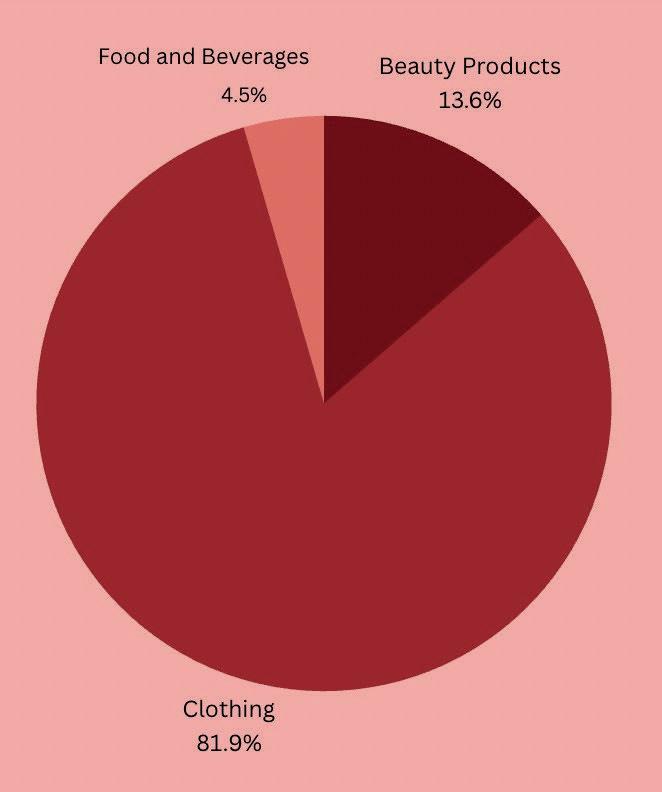
It’snosurprisethatsocialmediadrivesshopping butwhat we’rebuyingtellsabiggerstory Thesenumbersrevealhow heavilyvisualplatformsinfluencestyle-drivendecisions We scroll,weseeanoutfitorproductwelike,andifitfeelsauthentic oraspirational,we’relikelytoaddittoourcart It’sascroll-toshopworld,andfashionisleadingtheway
91 7% of survey participants say they would consider purchasing a product more if the timing of the advertisement aligns with a special event (e g , holidays, sales events)
Thewhenmattersjustasmuchasthewhat.Adsthatalignwith moments,likeholidays,birthdays,orbigsalesaren’tjustmore noticeable;they’remorepersuasive Participantssaidthatwhen anadfeelstimely,itfeelsintentional,likethebrandactually understandstheirlifeandroutines Awell-placedpromotion duringagiftingseasonorrightbeforeabigeventcanbethe finalpushfrom“justlooking”to“addtocart”
Do you prefer ads that feature influencers or ads that feature the brand itself?
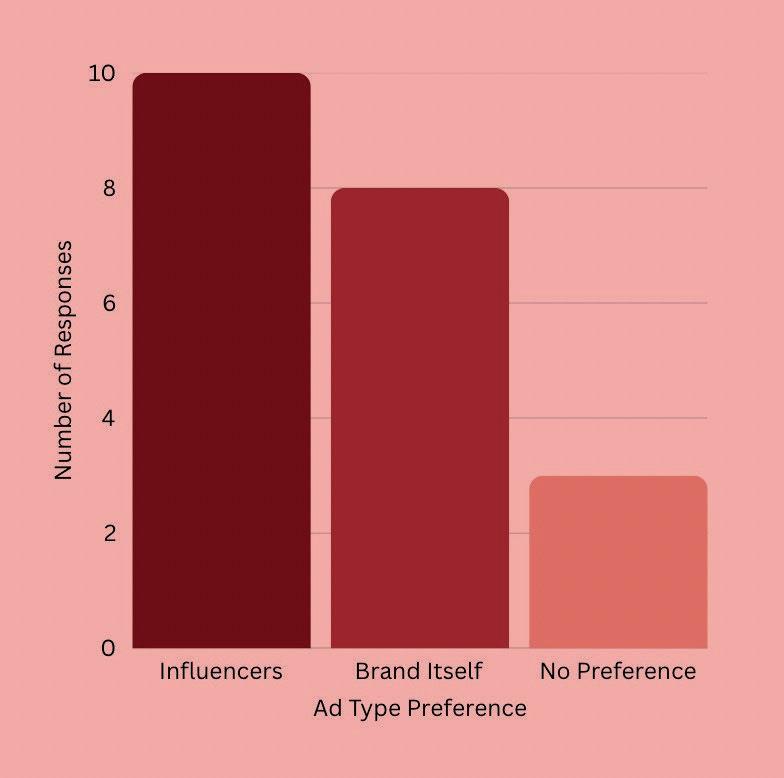

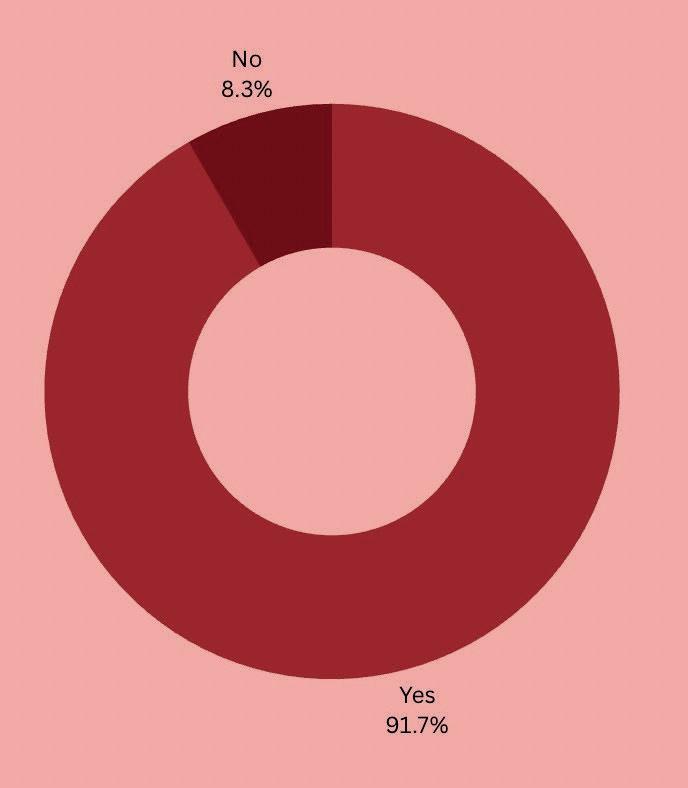

When asked whether they prefer ads featuring influencers or the brand itself, the majority leaned toward influencer-led content Why? Because influencers bring a sense of realness Their recommendations feel like trusted advice from a friend not a company trying to make a sale It’s this human connection that’s reshaping how brands earn attention and build loyalty in the scroll-heavy world of social media
Effective media planning is essential in today’s digital world, where influencer-led ads are driving consumer engagement and purchases. Brands must strategically balance visibility and relevance to connect with their audience in authentic ways. Just like an oil painting, media planning requires careful thought, creativity, and constant refinement to achieve the desired impact. So, take a step back today and think about how many times you've purchased a product from an ad chances are, influencers played a role in that decision Reflect on how your media consumption shapes your buying habits and how brands can continue to evolve their strategies to connect with you
By:AudreyTucker
Considersellingasliceofsourdoughbreadwithoutanyonegettingtosee how new, golden, and delicious it looks That is what marketing without amazing social content is like today. Social Media content creation has become the starter needed to build a brand in today’s digital economysimilar to a sourdough starter in the home. Both require consistency, authenticity, and a little creativity to build. Just like a sourdough starter, brandsmustmaintaintheirsocialmediapresencedailytoachieveorganic growth.
The advent of social media platforms such as Instagram, TikTok, and YouTube remade the rules of marketing entirely Well-made advertisements are not needed anymore; modern audiences hunger for connection,narrative,andauthenticity Thebrandshavetostepupbeyond conventional advertising strategies in order to foster deeper relationships withconsumers
Research suggests that Gen. Z is more likely to consume content than produce it professionally (Sharma, 2024), opening up a gap that businesses must bridge by creating an authentic and engaging social mediapresence.Thisinsightdispelstheassumptionthatdigitalnativesare born digital marketers. They can be taught how to utilize the platforms, butthatisnotnecessarilytranslatabletostrategicbrand-building.
Moreover, content creation in the new age transcends static posts It involves live videos, interactive stories, buyable content, reels, and even virtual reality Companies leveraging these channels are able to build engagement and be competitive Well-executed social media content humanizesabrandtomakeitseemtrustworthyandrelatable
Brands now contend with a reality where influencers, trends, and usergenerated content shape purchases. The way Hartwell (2024) explores accountsthatevenusesocialmediapagestovetcandidateshighlightsthe extenttowhichdirectcontentperceptionhaspenetrated.
Trusting the New Faces of Marketing
Focus Group responses show that the public values honesty and authenticity more than shiny marketing (Focus Group, 2025) It was explained by one of the participants that, “If you’re going to be a bigger influencer, you have to have that authenticity- like Alix Earle, she has neverhiddenheracneorherotherwork”
Inatimewheninfluencersaredeemedmoreauthenticthanbrands,brands mustcreatecontentthatwillfeelgenuineandnotforced
Another very important topic area is the rising trend’s significance As the participant discussed, “Social media kind of hijacked the fashion industry as far as trends go ”
Others can pick up on whether or not a brand is trying to be performative or catch on to something just to be current Shoppers want to feel connected with the brands that they are engaged with They want to laugh, learn, and connect in a way that feels authentic Social media has made it confusing between creator and consumer, and the most popular content is when it comes from a place of relatabilityandcommonality
Addressing challenged and circular formats makes brands seem approachableandreceptivetothecultureoftheiraudience,muchlike qualitysourdoughbreadrisesbecauseofthesmallbutpowerfulyeast in it. It is the small things- humor, behind the scenes, commenting on comments- that have the biggest impact. Smaller brands, especially, cangrowbybeingtransparentabouttheirprocessandimperfections.
Another important aspect is consistency Just as sourdough starter needs to be cared form your brand voice and look need to be consistent across platforms This establishes recognition and trust Content has to exhibit your values, voice, and purpose in each post, even if only in a few words
Summer Harlow, a professor of journalism who was interviewed by NPR, explained, “The kind of openness that so many of these digital content creators have about sharing with their audiences has been lacking in traditional journalism for far too long ” That openness isn’t just welcomed, it is expected
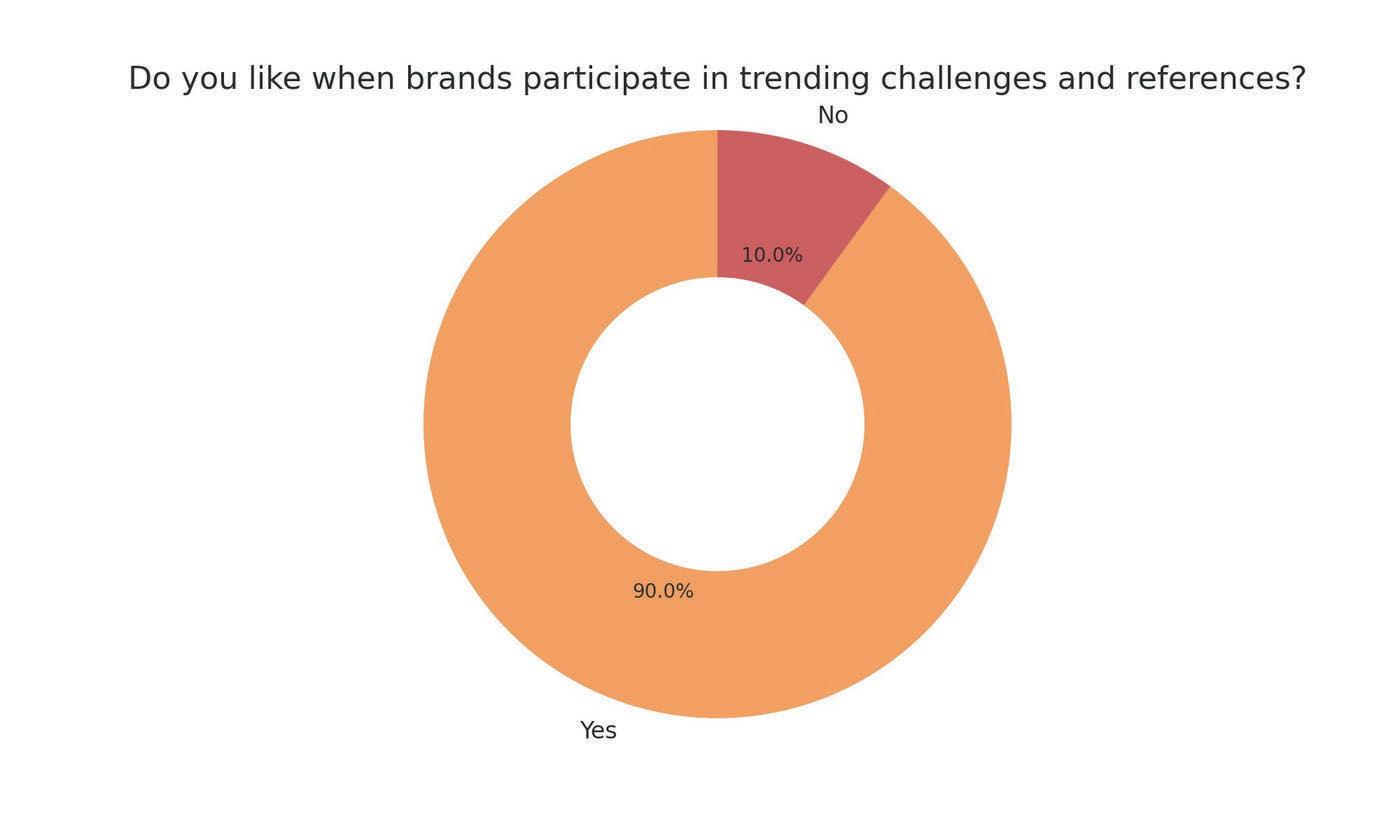
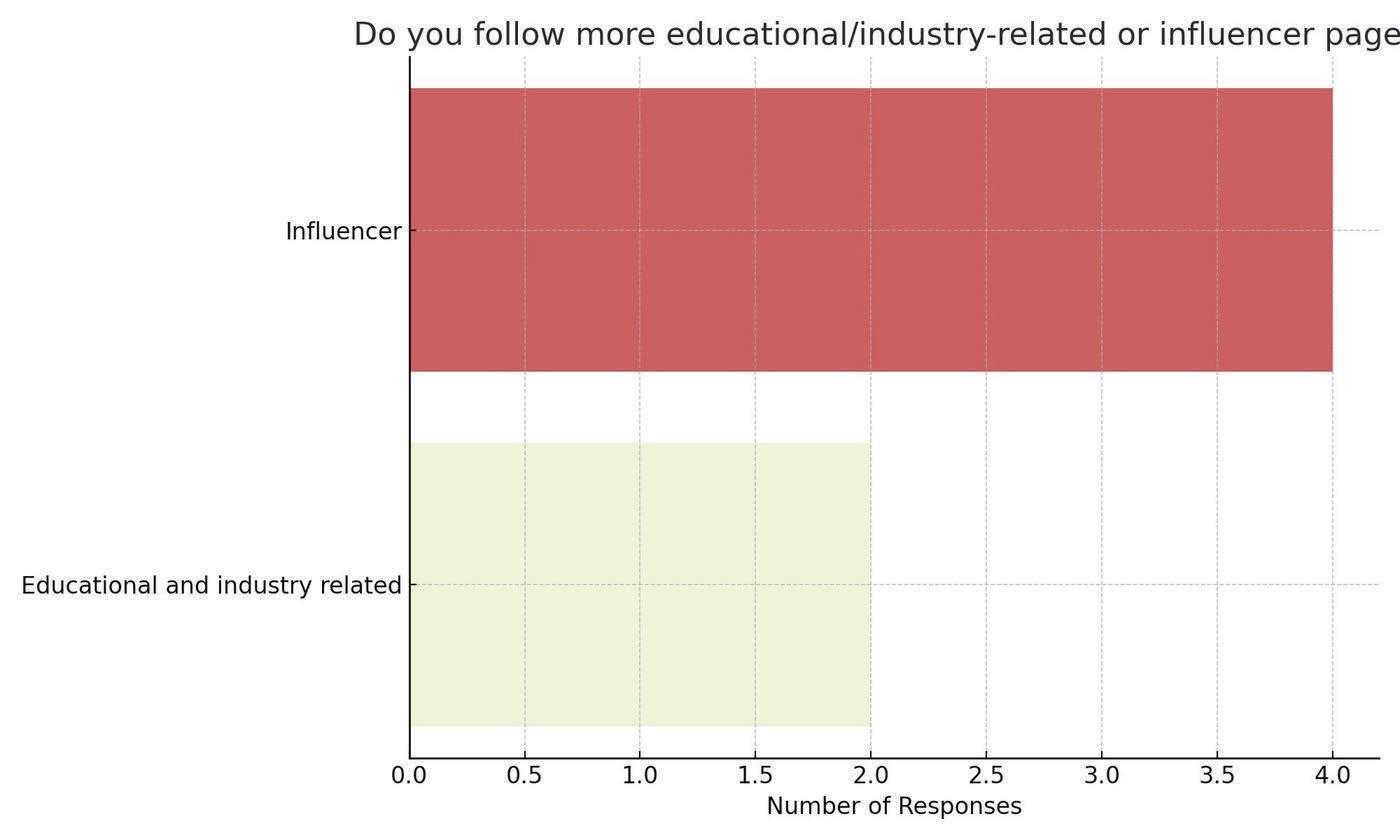
QualtricsSurvey2025
The survey is a confirmation of something that marketers suspected in the first place: trends matter But it’s how that brand capitalizes on those trends, however, that makes or breaks engagement In general, most users appreciate when a brand dives into a TikTok challenge or meme trend as long as it appears organic Being “cringe” or out of message harms rather than helps
Consumers remain polarized between following influencer-driven pages and informative or industry-based pages This shows that content strategy needs to satisfy both ends of the balance: to inform andtoentertain
Algorithms and moderation protocols control what individuals see, with concerns over fair content distribution (Busch, 2023). Brands need to discover how to engage with these tools to reach their constituents without compromising authenticity. Legal content moderation controversies will also soon dictate what brands may or maynotpublishtosocialmedia(Paul,2024)

Social media algorithms reward engagement: likes, comments, shares, and watch time. That is, your content does not only have to be good- it has to provoke interaction. Including questions in captions, using trending sounds, and engaging with followers are simple steps to keep the algorithm in your favor.
But mention should be made of the risks Algorithms can inadvertently mute voices, amplify toxic content, or overcurate what people can access Brands should recognize the ethical implications of algorithmic design and critically consider their role in the digital mediaworld
Survey findings confirm the worth of trend participation: the majority of respondents like it when brands participate in trending challenges Brands must be cautious, however- trends can grow a brand’s audience, but insincerity can burst it just as easily Like tending to a sourdough starter, social media efforts require patience and organic growth
Social media content creation is no longer a nicety-it's a requirement. Brands that build genuine relationships with their fans, tackle trends with awareness, and listen to the emerging etiquette of digital communication will see their online presence grow organically. Just as a baker feeds a sourdough starter, businesses need to feed their socialchannelsdaily,plan,andbegenuine.

Content creation is a marathon Trends that flash fast may grab the spotlight for the moment, but creating a substantive brand presence requires ongoing storytelling, trust and imagination When brands use social media with caution and honesty, they do not merely followtrends theycreatethem Isyourbrandreadytolevelup?
Start today by rethinking content strategies Keep it authentic, responsibly note trends, and keep your audience at the forefront of everything you make Social media success, like the perfect sourdough loaf, is a waiting game- but the reward is well worth it
Treat your social media content the way you would treat your go-to recipe: experiment with it, refine it, and serve it with affection. As you give it care, time, and purpose, it will become greater than you couldhaveimagined.
By:PaigeGoodnight

How many times have you been scrolling through a social media platform to see a product being advertised and think “Who would ever use that?” Everyday, I see posts on social media platforms enticing consumers to buy the next trendy cleaning product, water bottle, sweater - all for it to be trash in 6 months These posts have created a shopping attitude of people needing to buy the newest brightest thing, just to show it off But what happens to these items when they’re off trend? They end up discarded and thrown in landfills.
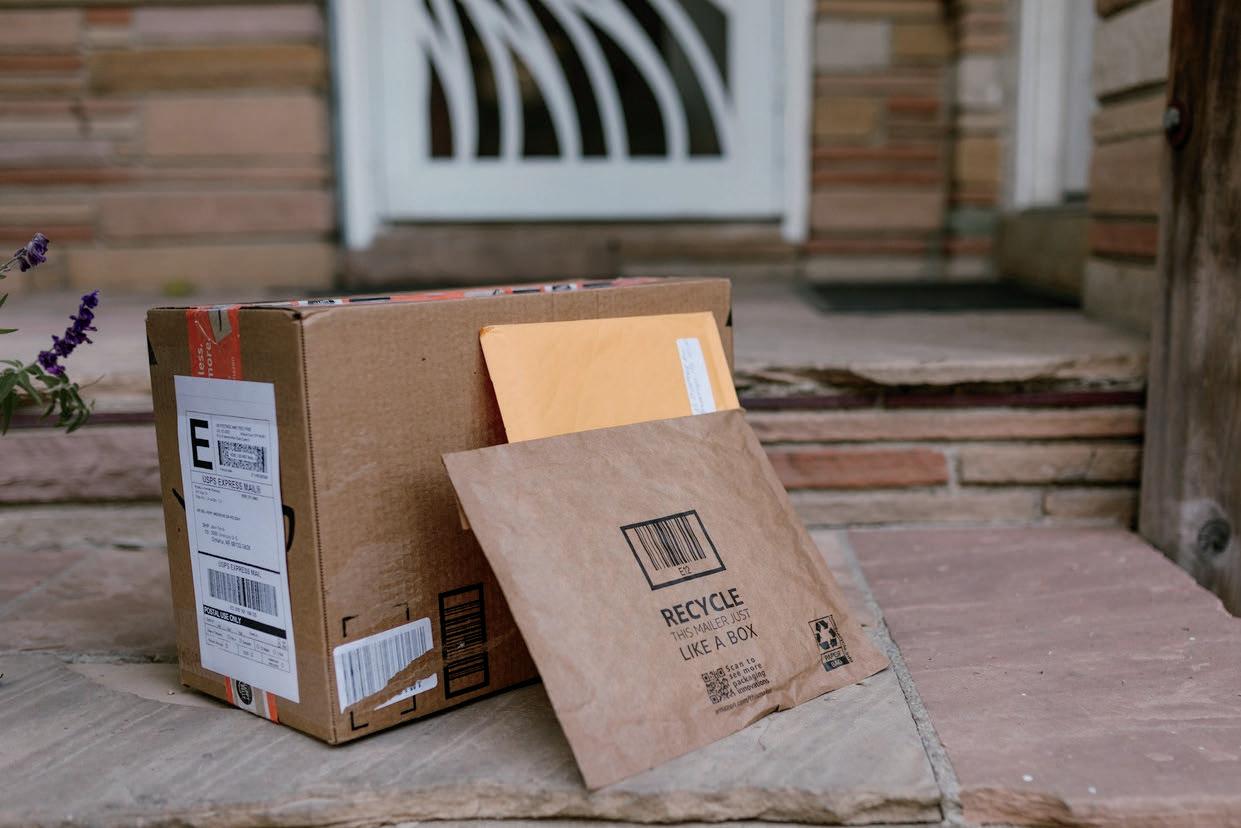
OxfordEnglishDictionarydefines overconsumptionas“Theactionorfactof consumingsomethingtoexcess.”Throughsocial media,consumersarenowexposedtomore productsthaneverbefore-andcangetthemwith oneclick.“Ofourpanelists,eachpersonmadean averageof19purchasesoverthecourseofayear” (Zhang,Trusov,Stephen,andJamal,page7, 2017).
Thisacademicjournalstudiestherelationship betweensocialmediausersandanincreaseintheir onlinepurchases.
revious research shows that people consider the impact of their purchases much less when they are purchased through an online store. “People, I think, are becoming much more aware these days about the impacts of every decision that we make in our lives. Certainly, if you're on social media, you might have seen those pictures of piles of clothes in the desert” (Bauer, 4/2023, page 5). Not only does social media show consumers trends and items they never would’ve seen otherwise, but “swipe to shop” ads mean one can receive the newest obsession with the click of a button. “Recent trends indicate that young consumers are increasingly engaging with brandrelated content ” (Chahal and Rani, 2017) My background research showed that while companies are in a constant competition to carry the newest product for the lowest price and fastest shipping, consumers don’t think about the effect of shopping when it’s online
Focus Group
Negative perception of overconsumption
Uponconductingafocusgroupof18-24yearolds, Ifoundthatoverconsumptioniswidelyrecognized aswastefulandirresponsible Oneparticipant commentedonoverconsumption,sayingtheytryto avoidit "Notevenfortheenvironment,justformy bankaccount."(18-24Female).

Do you know someone who you classify as an overconsumer?
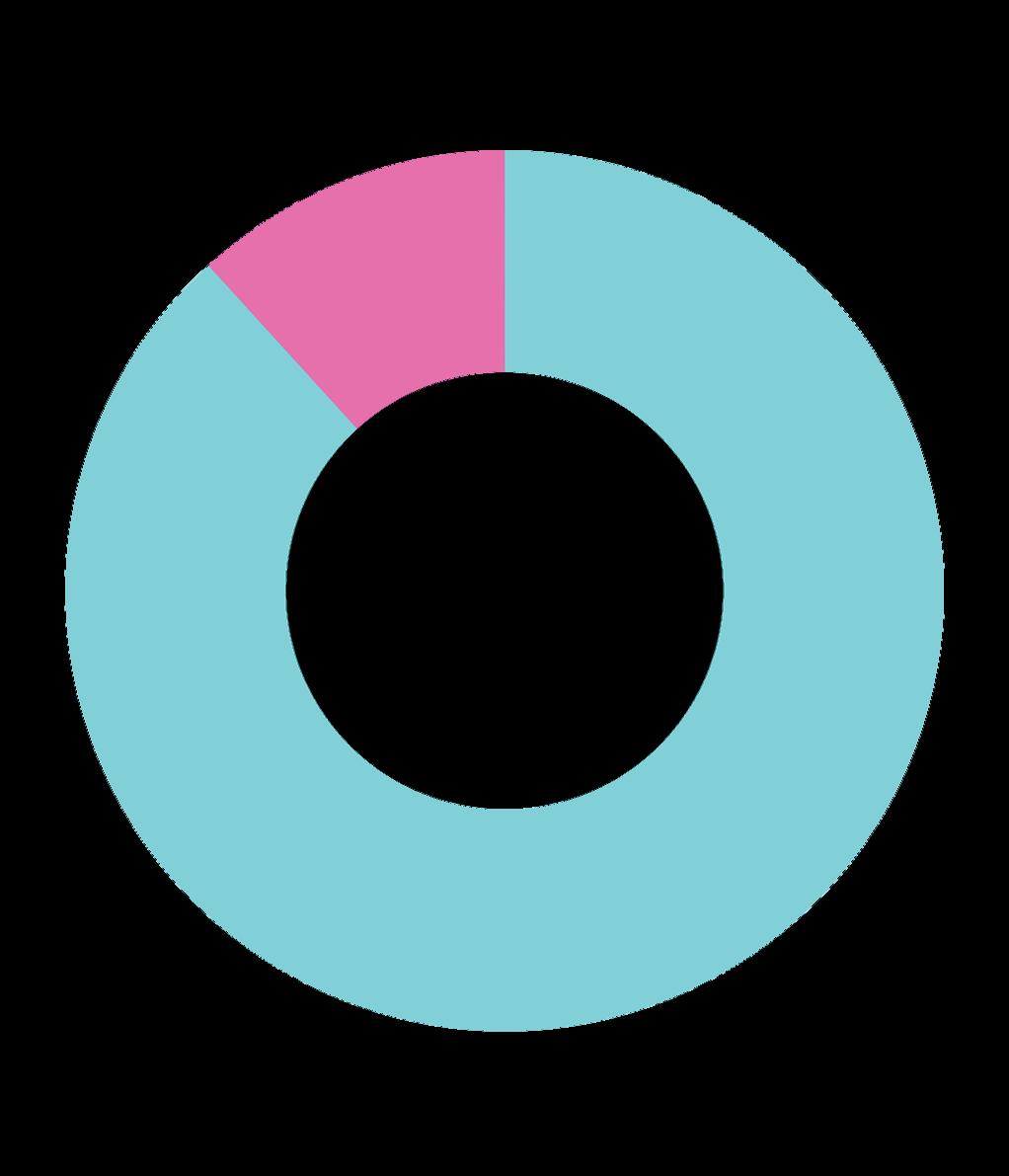
Theparticipantsagreedoverconsumptionisa probleminoursociety,yetadmittooften participatingthemselves.Oneparticipantsharedthat theyfeelpurchasingisoftentooimpulsiveonsocial platforms."Overconsumptionhasgottensooutof handbecausewe'rejustconstantlywantingthenext thingandwejustdon'tneedthisstuff"(18-24 Female) Thiscommentdirectlycritiquedthe overbuyingtrends,especiallyofwantsover necessity.Anotherparticipantsharedtheirown experience,saying"WhenStanleycupsfirststarted, IusedtobuylikeabunchandthenafterIstarted buyingliketwo,I'dbuyanotheroneandthenbe likeIdon'tfeelgoodaboutthis IfeelIjustwasted mymoney."(18-24Female).Thissupportsthe regretfulfeelingofpurchasesmadebecauseoffear ofmissingout.
Limited awareness or concern for environmental Impact
Theparticipantssharedthattheyfeltsome consumersdon’trecognizetheenvironmental impactoftheoverconsumptioncycle,andothers justdon’tcare
Thelackofphysicalevidenceinfrontoftheireyes makesitdifficultforconsumerstothinkbefore hitting“purchase.”However,mostpeopledo consideritatonepointintime Oneparticipant shared,"Idon'tthinkpeoplecare LikeIthinkthat theyjustdon'tcareenoughaboutitandthey'relike, 'Well,Iwantthissoitliterallydoesn'tmatter.I'm goingtogetiteitherway.'"(18-24Male).Thisis anacknowledgementthatconsumerswillprioritize purchasingwantsoversustainability Another participantsuggestedthatregionaldistancecould bethereasonforlackofenvironmental considerationsaying,"Ifeellikewedon'treallysee theeffectlikehereinAmerica,butlikeIthinkif wewerein,say,Chinaorfactories,it'dbelikealot different"(18-24Female) Participantssaidthat lackofphysicalevidencemakesthemless consciousoftheirpurchasinghabits
Participantsfeltthatoverconsumptionismore aboutlooksthananything.Theyexpresseddistrust forinfluencerswhoover-advertisetrendsontheir socialmediapage."I’vestartedtorealizeIthink peoplereturnalotoftheirhauls...Iknowthatyou havesixothershirtsthatlooklikethat."(Male1824).Someinfluencersseemnotgenuinewiththeir purchases,leadingtodistrustfromconsumers. Anotherparticipantbroughtupthepointthat influencersoftengetpaidtopromotecertain products,makingtheircontentevenlesssincere. "I’veseenlikesomanypeopleonTikTokwhere theywilldothesegianthauls...andit’salways ‘creatorearnscommission’inthecorner”(Female 18-24).
Theseconsumersfeeluncomfortablewith sponsoredcontentfrominfluencerswhoarepaid tomaketheseproductsseemlikea“must-have.”
However, my focus group found that most consumers still feel some level of fear of missing out on trends, even if the content feels not feel genuine "I feel like there's a lot of pressure on social media Like they try to make you feel FOMO so that you have to buy it so that you're like not the one getting left out." (Female 18-24). This directly links the process of purchases to influence from socialmediaaccounts.
My survey conducted on 18-24 year olds revealed that TikTok is the leading platform in pushing consumerism. Following a close second is Instagram Numbers were significantly lower on Facebook These results support the idea that purchases are made from fear of missing out on the products influencers or marketers show on their platforms. There was overall an increase in consumerism content on platforms where short videos are very popular
Onascaleof1(none)to3(several)rankhow manyproductorconsumptionbasedpostsyousee oneachplatform (OnAverage)
The consumerism posts on these platforms aren’t limited to one type of consumerism, yet people can be more influenced one way than another While 93 3% of consumers said they would purchase a clothing item from an influencer, only 6.7% of people said they would actually purchase a food item that an influencer recommended.
The rapid rise of social media has created a constant cycle of purchasing and throwing away Shoppers will purchase things at the click of a button out of desire, not necessity. Everyone who uses social media comes across some form of advertising, and newer generations are increasingly interacting with consumption content on social platforms There is a negative perception to overconsumption, yet consumers admit to falling victim to “buy now” buttons accessible on almost every social site.
Shoppers don’t pay much attention to the environmental effect of fast shopping, especially since it’s not often taking place in front of them. While most people consider it a problem, many don’t feel a personal responsibility. This consumption is more common amongst clothing trends than food items Consumers see the most consumption posts on platforms that feature short videos and shopping content.
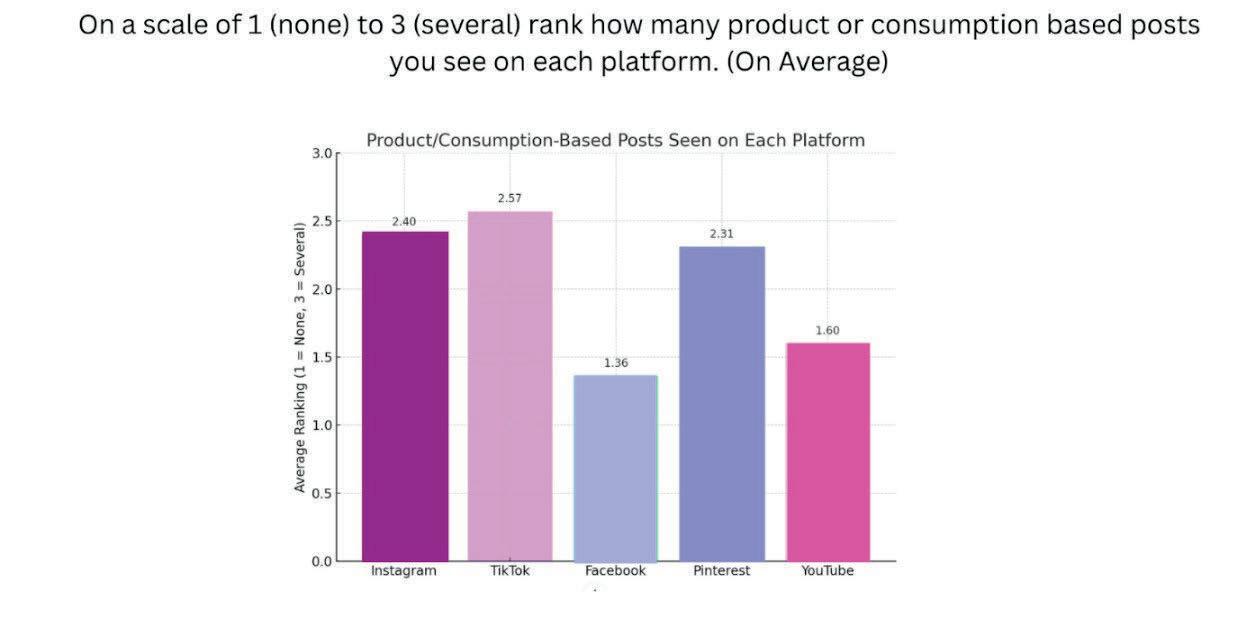
The survey results show TikTok as the leading social media platform, showing shopping haul or collectionvideosmorethanotherplatforms.
Next time you’re scrolling on TikTok, Instagram, or any other social media platform and see a new trend, stop yourself from immediately swiping to shop Ask yourself if this will still be a product you’ll use a year from now, or if it’s simply trendy.
By:JillianWhite
They say money doesn’t buy happiness, but have you ever bought a plane ticket? Staying in one place is just not for me Why lie in bed when I could be hiking a mountain or fishing the deep bluesea?Intoday’sdayandage,socialmediaisn’t just a highlight reel; it’s an intricate marketing tool. A breathtaking view is no longer just a travel perk, it’s about how the view will perform in a post in today’s social- driven marketing landscape. As someone who lives for something new, I’ve found social media to be great source of inspiration, from hidden gems to adventures I didn’t know we’re possible, it has changed the gameforthetravelindustry.
Social media marketing provides a platform for people to keep their lives updated and provides a network of potential clients, which helps the businesstogrow.”(Khanom,2023)Thishighlights the shift from traditional marketing to a more social media-based way for businesses to get their nameoutthere.
It was also noted that “Expenditure on influencer marketing has escalated from USD 17 billion in 2016 to USD 164 billion in 2022” (Kilipiri, Papaioannou, & Kotzaivazoglou,2023). This shows the true impact in numbers that influencer marketing has had and sets the tone for marketing intourism.


A study done by the FTC found, “From 2005 to 2019, the percentage of adults in the United States who used social media increased from 5% to 79%” (FTC, 2024). This statistic highlights the dramatic increase in social media users during this generation.
Furthermore,anotherparticipantaddedhow, "TikTok literally planned my trip to New York, becauseIhadneverbeen,soitdefinitelywas helpfulforsure."(18–24Female)Thishighlights how apps like TikTok and Pinterest are phasing outthetraditionalwaystravelusedtobeplanned andputtingrightatourfingertips.
Background Research Scroll, Share, Swarm
Basedonbackgroundresearch,inrecentyears,there has been a major growth of social media that has an impact on how companies approach marketing. One of the key insights that comes from an academic journal states, “In today's internet world, digital marketing has become an inseparable part of everybody'slife.
Acutevideoismorethanascroll;thereisevidence of “travel trends” having real-world impacts. A participant said, "I live in Florida, and like the tourism has gone absolutely out of control. Traffic isinsane."(18–24Female).
Florida has been a recent travel destination at the core of social media due to its intriguing posts andvariousinfluencersthatpromoteit.
Another participant added, "We were downtown in Miami this spring break, and the city made it very clear that they did not want us there " (1824 Male) In recent years, Miami has been in the social media spring break spotlight, causing people to flock, which has made it hard for some to manage.
Brands can benefit from this influx if they are at the forefront of these social media posts. One participant highlighted that during a recent trip, "We really wanted to go Zachary’s Daiquiris because we were like, okay, we want to see if it’s actually as hyped up as it’s meant to be." (18 – 24 Female)
Zachary’s gain social media traction from various videos, that it has become a destination people go out of their way to travel too Trends go beyond just a dream; these viral posts lead to real world travel
A survey was conducted on the connection between travel and social media through Qualtrics. Results were analyzed through anonymous responses from a diverse group of 18 –24-year-old males and females. All participants identified that they are daily social media users, allowing for accurateresponsestothequestions.
What is the primary social media platform you use for travel inspiration?
Figure1(Case,April8th,2025)
Figure 1 backs up what was said in the focus group. Social media is the main form of travel inspirationnowadays,especiallyTikTok.
Social media becomes an essential part of everyone’s day; brands that learn how to effectively navigate this new market will not only lower their marketing costs but also expand their reach.
Social media has opened the door for the travel industry. One participant mentioned, “So, all the videos that they show when they’re traveling, and they're always doing, like beautiful places with like crystal-clear blue water and just really attracts you and makes you wanna go to it.” (18 – 24 Female) This reflects travel content that is shared and the impact that it has in attracting consumers to take a deeper look.
Another participant added, “I always like to keep up with like the tart trips and stuff like that to watch. Like to kind of live, like vicariously through the influencersthatgo”(18–24Female)

Influencers are becoming the new way of advertising as their influence has more of an impact than traditional marketing. Furthermore, it was also mentioned, “TikTok is just like a big way of getting like the vibes, but I think there are so many different ways to like, look up specific places where, just like overall general vibes, some places you can travel to.”
(18 – 24 Female). This highlights the movement towards a more social media-based recommendation rather than a traditional travel ad. Stopping and looking at an ad is rare in today’s fast-paced world, so quick and engaging social media posts hold attentionandfosterthedesiretoexplorenewplaces.
Booked by algorithm
Social media has changed the game of travel planning. Why pay a travel agent when a quick searchonsocialmediacanbethefreego-toguide.
One participant stated, "I went to Greece this past summer and I like got all the restaurants, like everything we were going to go do and eat all from TikTok" (18 – 24 Female) This shows not only the impact that these videos hold but the digital world impacting the real world Another participant added, “I went to this resort in Austin, and I looked it up on Pinterest and then there was like a way that it took me to someone' blog to kind of read more about it and get like a better feel for it.” (18 – 24 Female) Having a personal review from a “normal” person holds more value that a company trying to shove a meaninglessadintheirconsumersface.
12 10 Number of Responses
How important are social media reviews or posts in your decision-making process for choosing a travel destination?
Figure2(Case,April8th,2025)
Figure 2 is a representation of how much value people hold social media posts and reviews, too, when deciding on a travel destination. This is important for brands to make sure they have a positive social media presence.
Is social media your primary source for travel inspiration? Conclusion

Yes No
Figure3(Case,April8th,2025)
Figure 3 shows how much the travel industry is reliant on social media. For most survey takers, they claim that social media is their primary source for travel inspiration and brands need to adapt with that.
Through the research and a closer look at social media, it’s clear this is the future of marketing. Travel inspiration has never been more accessible, it’s right at your fingertips. So, what I want you to do is find a travel influencer that sparks your interest and give them a follow That way your feed becomes a constant source of inspiration for your next adventure!
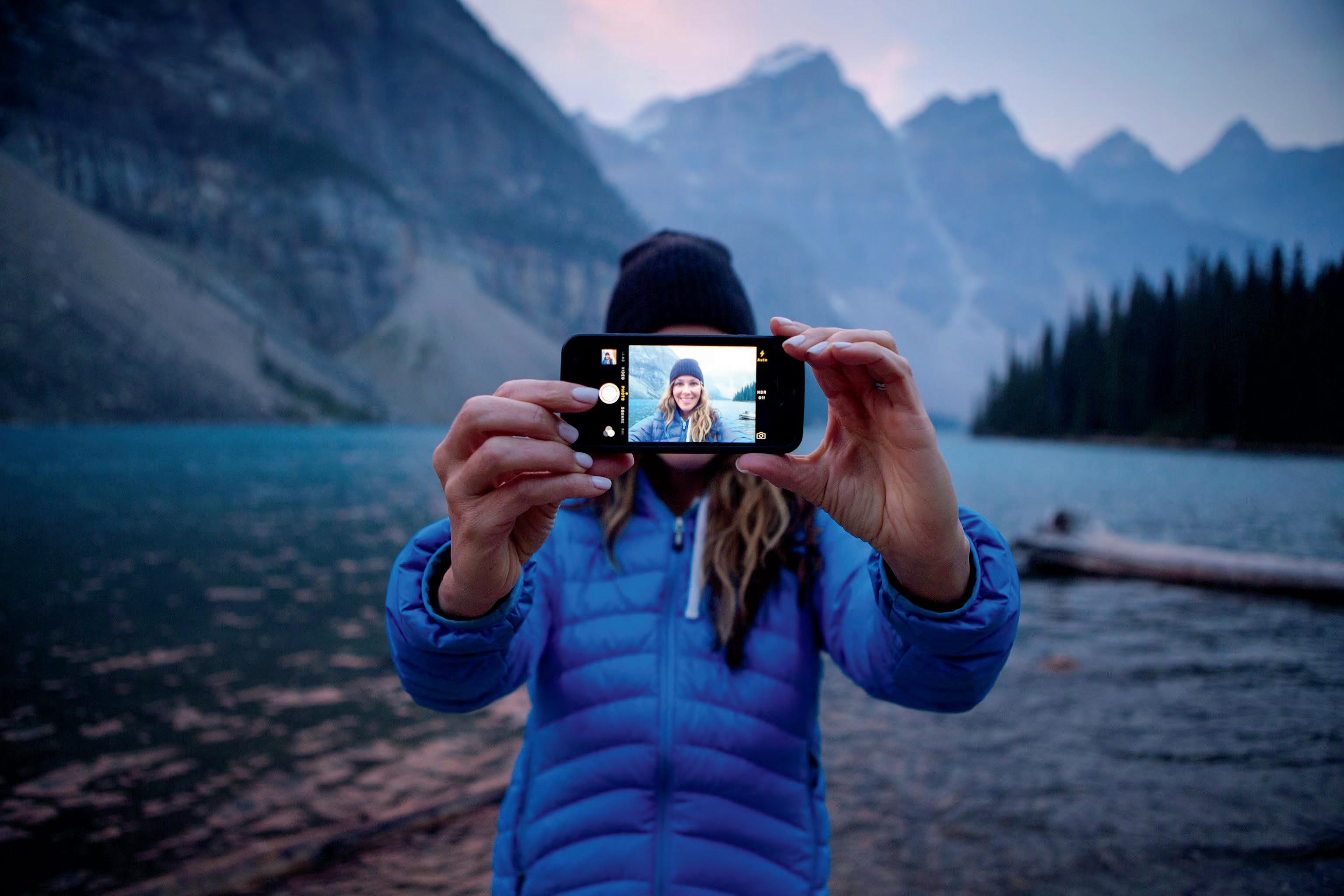

By:VirginiaPerret
WorkingwiththePLCollegecommsteamhas raisedthequestioninmymind:
Does social media really have an influence on users’ likelihood to try a business or organization?
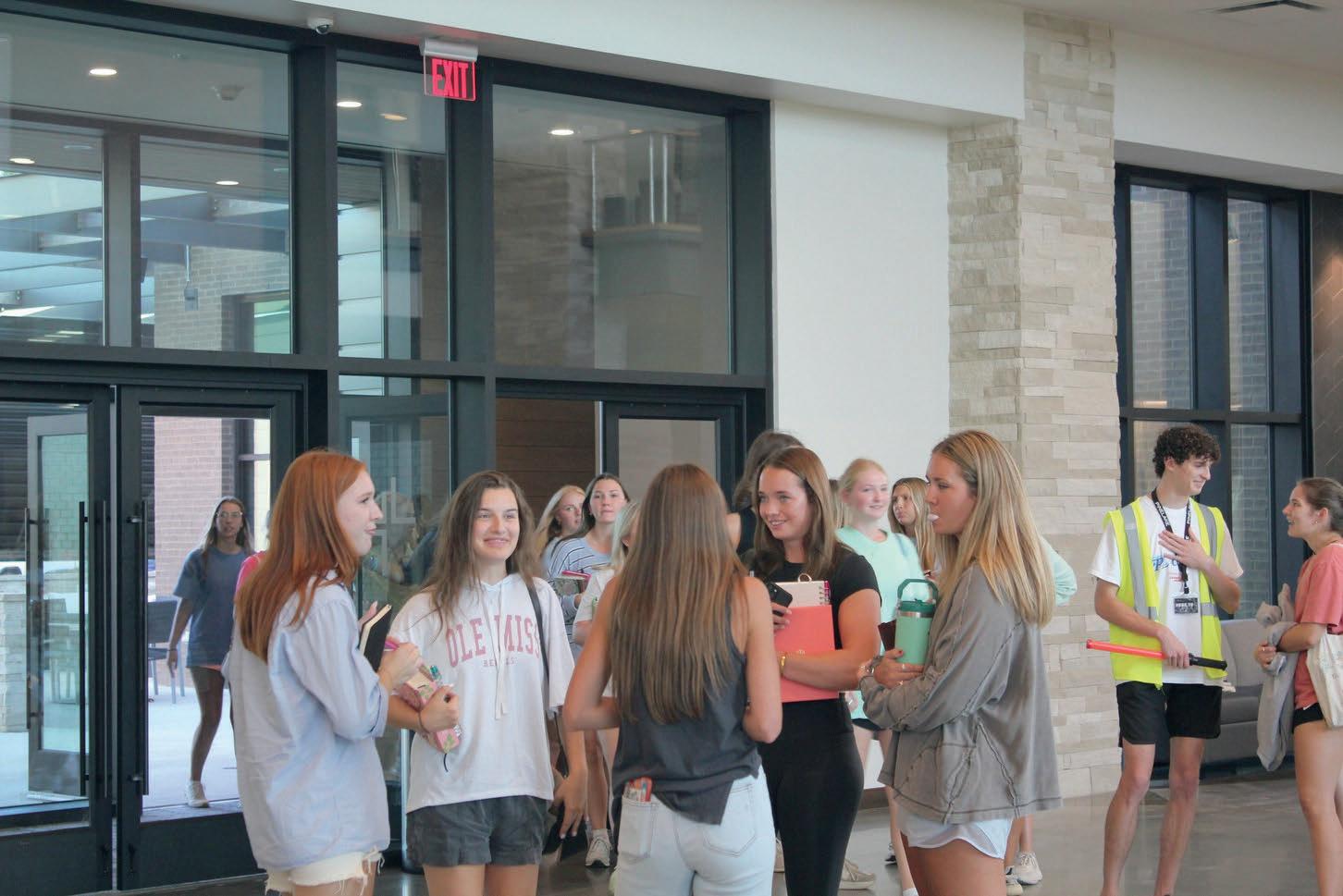
Thephotoaboveshowstwopeople exchangingahighfiveatchurch
OverthepastfouryearsatOleMiss,Ihavehadthe opportunitytoserveonthesocialmedia communicationsteamatPinelakeCollegeandhave hadtheprivilegetoleadtheteamforthelasttwo years.Theheartbehindthecommsteamistocreate andpostcontentthatallowspeopletoseeandknow Jesusbetterandshowthemthattheybelongat PinelakeChurch.Toaccomplishthis,theteamis intentionalaboutpostingcontentthatcaptures community,fun,friendship,andworship--because thatiswhoPinelakeCollegeis.
Thephotoshowsagroupofcollegestudents engagingandlaughingtogetheratchurch
Haveyouevercomeacrossabusinessor organizationonyoursocialmediafeedanddecided togotryitoutbecauseofwhatyousaw?Ifso,what wasitaboutthatbusiness’ssocialmediapresence thatcaughtyoureye?Wasittheiraesthetic,their engagement,theirfrequencyofposts,orwasit somethingelsethatcaughtyoureye?Asan IntegratedMarketingCommunicationsmajorand someonewhoispassionateaboutthemarketingside ofministry,Idecidedtodigdeeperintothistopic.
I wanted to find the answer to this question: Does a business or organization’s social media have an influenceonaperson’slikelihoodtotrythemout?
FrancesHaugen,anAmericandatascientistknown bestforexposingMeta,states,“Socialmediaisthe mostpowerfulindustryintheworldduetohow opaqueitis.”
This quote shows the powerful reach and influence that social media has. It is the biggest in the world. This is a fact that many of us see to be true in our owneverydaylives
For many of us, social media is our first point of contact with a place we have never been before, so it is important that a business or organization uses this to their advantage. Research found that “Small businesses continually recognize the use of social media as a significant component of their marketing strategies and regularly work to prioritize account maintenance through frequent postings, updated page content, and engaging electronic advertisements and campaigns.” (Metz) This method of marketing is also being adopted by The Church of England, research shows.
A news article shares that the Church of England has been training vicars around the country on how to use social media to engage with their congregations They had noticed a decline in Church involvement, which led them to modernize their methods to reach the younger crowd.
Research is showing that social media is the way for businesses to reach the younger generation and draw them into their business or organization as customers or consumers. I got to speak with some members of the younger generation, and they shared with me what it is about social media that influences their behavior
I had the opportunity to further my research by conducting a focus group of fellow Integrated Marketing Communications students at the University of Mississippi I asked them a series of questions about their personal use of social media and the ways that it influences their behavior, and I gatheredthreemainthemesfromtheirresponses.
The first theme I gathered from the focus group is that social media is used as a search engine. I asked the group where they search for more information when they find a new place that they are interested in. Many of the participants shared that they use TikTok as a source of information.
One student stated “I kind of use Tik Tok as my Google ” The participants shared that they like to use social media platforms such as Tik Tok to look up new places because they are able to see the aesthetic better. One student stated, “I always start with TikTok if I’m planning a trip. You just see everything you need in one place ” , and another student shared “Even if I end up Googling something, I usually check TikTok first to see what’s trending or looks fun.”
The next main theme that I found from my focus group research is that visual and relatable content drives engagement. I asked the group questions about what specifically catches their attention and convinces them to want to check out a new place, and they shared the importance of an aesthetic and a hook. One participant shared, “It’s all about aesthetic- if it looks cool, I’m in.” A couple of other participants spoke on how important it is for the post to catch their attention from the very beginning. One student said, “If they don’t catch you within the first two seconds... you’re just scrolling.”
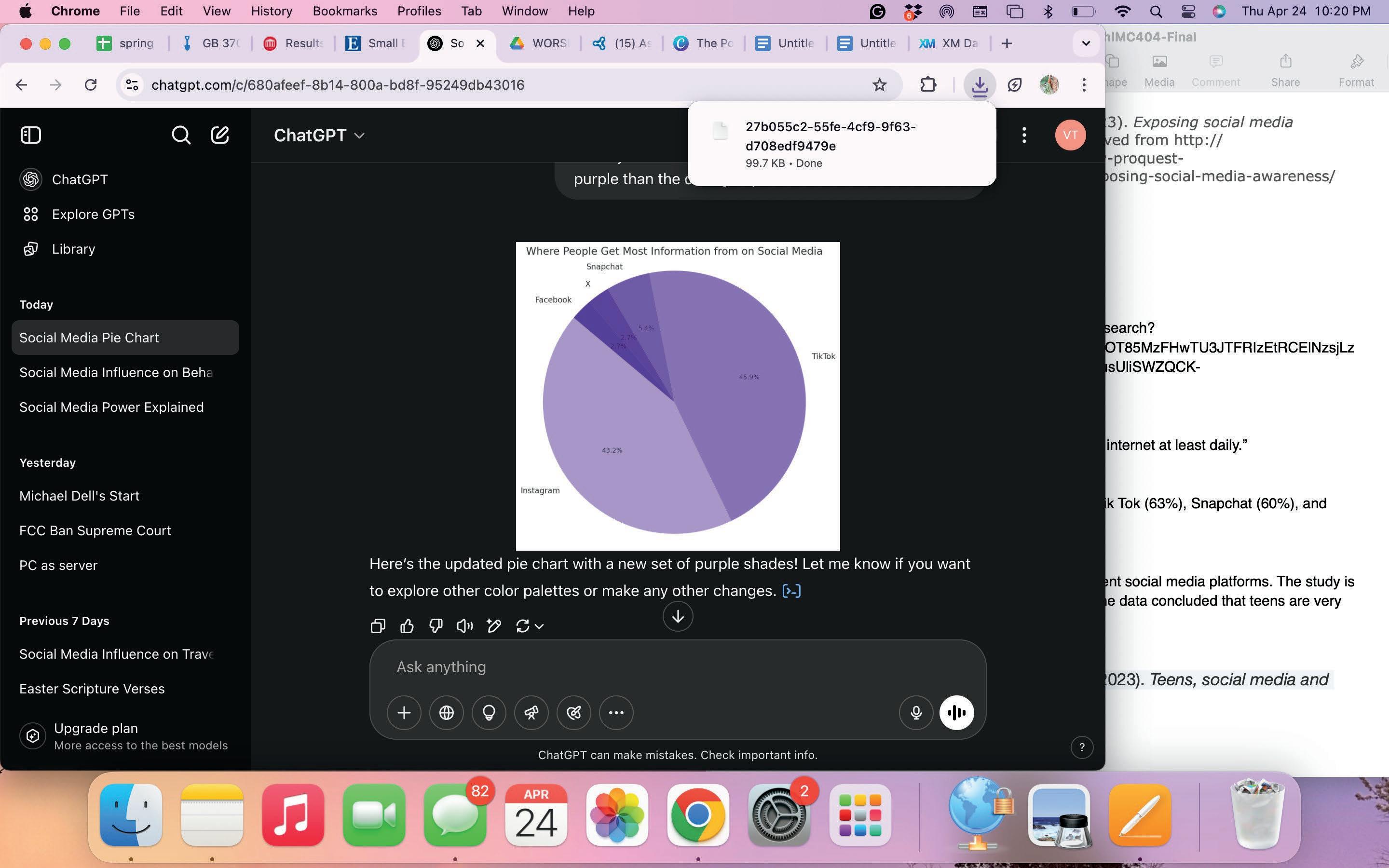
Another student speaks on how TikTok has influenced her to add a new city to her travel list. She states, “I saw it on TikTok and added it to my list immediately even though I wasn’t planning to go.” It was pretty unanimous that the participants were likely to try out a new place if they saw it on social media, specifically a TikTok video. A participant shared, “I am almost always goingtogothereifIseeavideoaboutit.”
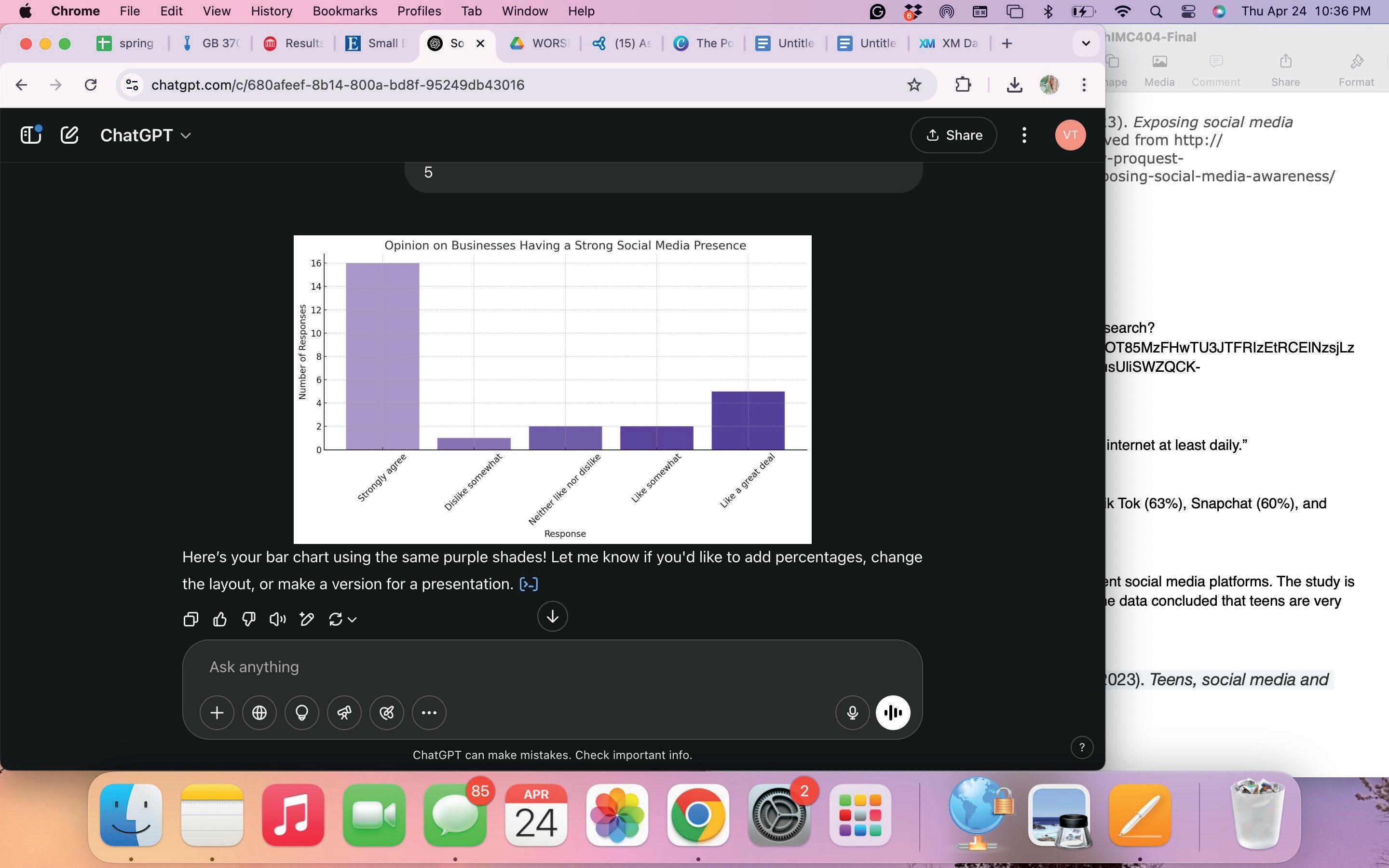
When asked about the importance of a business’s social media presence, 16 out of 26 people strongly agree with the statement “I like when a business has a strong social media presence.”
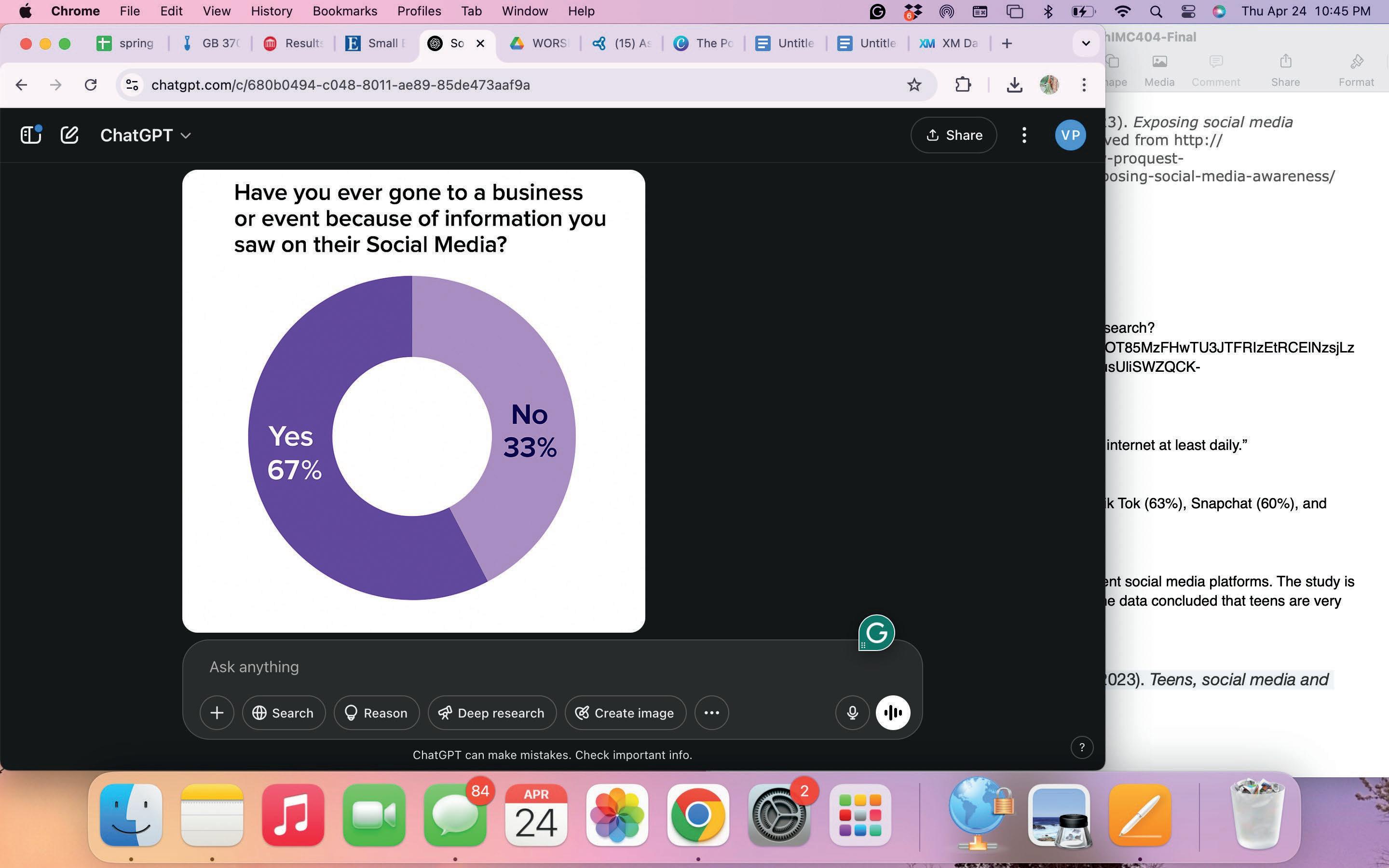
67% of survey participants said that they have gone to a business or event because of information they saw on their social media, and 33% of participantssaidtheyhavenot
In a world where technology is ever-changing and evolving, social media has a more powerful influence on our behavior than ever before Nearly everyone in our society is a user of some form of social media, which has completely shifted the way that we get our information. Social media has opened new avenues for businesses and organizations to market themselves and draw customers in. The question was, though, does a business or organization’s social media presence really influence our behavior to try a new place? My research, conducted through a focus group and survey, has revealed just how persuasive and powerful a business or organization’s presence on social media can be. It very well does influence users ' likelihood to try a new place. For many, a business’s social media is the deciding factor of whether someone chooses to try them out or not.
Potentialcustomersarelookingforgoodaesthetics above all else, a good, engaging hook, and frequencyofposts.
Looking back on my four years serving with Pinelake College on their social media communications team, it is rewarding to know that our consistent posting, commitment to the feed and aesthetic, and countless reels were worth it. My research has proved that caring about and being committedtothosethingscouldhaveverywellbeen the reason that someone decided to show up to church on a Tuesday night or a Sunday morning, whichisexactlywhywedidit.
If you are a business or organization owner, it is timetousesocialmediatoyouradvantageand growyourbusinessbyfrequentlypostingaesthetic contentthatshowswhatyourbusinesshastooffer. Ifyouare a social media user,make planstodayto go try that place that you have been eyeing from yourTikTokforyoupageoryourInstagramfeed
1 Aggeler, M (2024, December 5) Bovine colostrum, raw milk and cortisol face: The biggest wellness trends of 2024. The Guardian.
2 Ali, M , & Kinsey, D F (2023) Crisis management in this visual era: How people perceive a crisis-hit brand through news media pictures. Visual Communication Quarterly, 30(1), 3–19. https://doi org/10 1080/15551393 2022 2160982
3 Allende, P, et al (2024) The negative effects of influencer marketing: Exploring its adverse impact on younger generations
4 Alsharairi, N A , & Li, L (2024) Social marketing targeting healthy eating and physical activity in young adult university students: A scoping review Heliyon, 10(11), e31930
5 American Heart Association (2024, August 21) Why is walking the most popular form of exercise? https://www.heart.org/en/healthy-living/fitness/walking/why-iswalking-the-most-popular-form-of-exercise
6 Athletech News (2024, January 17) PepsiCo acquires Siete Foods. https://athletechnews.com/pepsico-acquires-siete/
7 Baltic Journal of Economic Studies citation already included under Oklander
8.Borgstedt, P., Neyer, B., & Schewe, G. (2017). Paving the road to electric vehicles: A patent analysis of the automotive supply industry Journal of Cleaner Production, 167, 75–87 https://doi.org/10.1016/j.jclepro.2017.08.161
9 Bouguettaya, A , Lynott, D , Carter, A , Zerhouni, O , Meyer, S , Ladegaard, I , Gardner, J , & O’Brien, K S (2020) The relationship between gambling advertising and gambling attitudes, intentions and behaviours: A critical and metaanalytic review Current Opinion in Behavioral Sciences, 31, 89–101 https://doi org/10 1016/j cobeha 2020 02 010
10.Busch, K. E., & Congressional Research Service. (2023). Social media algorithms: Content recommendation, moderation, and congressional considerations (IF12462) Congressional Research Service.
11 Canadian Broadcasting Corporation (2023) Using social media to educate people about good quality clothing
12.Cardello, H. (2022, September 21). All indulgent foods are not created equal Forbes
13 Carr, D (1989) German lines: High-quality fabrics and efficient marketing have carved a special niche for German fashion. The Gazette
14 Castro-Rivera, M E , Alarcón-Morales, J M , & Román-Guillén, E I. (n.d.). Graphic design configured through strategic marketing applied to first-class restaurants in Cuenca. Daya, 1(5), 63–85.
15 Centers for Disease Control and Prevention (2024, September 23) Protecting the nation’s mental health https://www.cdc.gov/mental-health/about/what-cdc-isdoing html
16 CDash, G , Kiefer, K , & Paul, J (2020) Marketing-to-millennials: Marketing 4.0, customer satisfaction, and purchase intention. Journal of Business Research, 122, 608–620 https://doi org/10 1016/j jbusres 2020 01 033
17.Coombs, W. T., & Holladay, S. J. (2014). How publics react to crisis communication efforts: Comparing crisis response reactions across sub-arenas Journal of Communication Management, 18(1), 40–57.
18.Deggans, E., Spehar, V., & Harlow, S. (2025). How influencers are impacting journalism NPR
19 Deutsch, D M (2023) The influencer effect: Exploring the persuasive communication tactics of social media influencers in the health and wellness industry
20 Digital gov (2024) An introduction to working with social media influencers. U.S. General Services Administration.
21 Elliot, A J (2015) Color and psychological functioning: A review of theoretical and empirical work Frontiers in Psychology.
22 Engel, E , Gell, S , Heiss, R , & Karsay, K (2023) Social media influencers and adolescents’ health: A scoping review of the research field. International Journal of Management, Economics, and Research, 15(3), 711–722
23 Faithbook: The gospel according to social media (2019, October 5). The Daily Telegraph.
24.Food Dive. (2023, October 25). Tech tool targets transparency in ingredient lists
25 Forbes (2023, September 28) How influencer Alix Earle cornered a social media market and made $5 million in one year
26 Graham, M (2023) Why auto marketing looks poised for growth in 2023.
27 Grunert, K G (2002) Current issues in the understanding of consumer food choice Trends in Food Science & Technology, 13(8), 275–285.
28 Hall, J (2023, October 4) How small businesses are spending their marketing dollars in 2024 Forbes
29.Hartwell, C. J., Harrison, J. T., & Campion, M. A. (2025). Social media profiling: The influence of personal and professional social media content on hiring ratings International Journal of Selection and Assessment, 33(1)
30.Hu, H., & Tadikamalla, P. R. (2020). When to launch a sales promotion for online fashion products? Electronic Commerce Research, 20(4)
31.Jacobson, J., & Harrison, B. (2021). Sustainable fashion social media influencers and content creation calibration International Journal of Advertising, 41(1)
32.Kaňková, J., Binder, A., & Matthes, J. (2024). Helpful or harmful? Navigating the impact of social media influencers’ health advice BMC Public Health, 24, 3511
33.Khanom, M. T. (2023). Using social media marketing in the digital era International Journal of Research in Business and Social Science, 12(3), 88–98
34.Kickbusch, I., & Payne, L. (2017). Twenty years after the Ottawa Charter. International Journal of Health Policy and Management, 6(1), 1–4
35 Kilipiri, E , Papaioannou, E , & Kotzaivazoglou, I (2023) Social media and influencer marketing for promoting sustainable tourism destinations Sustainability, 15(8), 6374
36 Levant, H (2022) Upon further review: The NFL's gambling strategy is a risk to public health. Gaming Law Review, 26(2), 98–102
37 Long, C (2009) PTO and the market for influence in patent law. University of Pennsylvania Law Review, 157(6), 1965–2000
38 Lululemon Athletica (n d ) Lululemon official site
39.Manoli, A. E. (2018). Sport marketing’s past, present and future. Journal of Strategic Marketing, 26(1), 1–5.
40 Manser Payne, E , Peltier, J W , & Barger, V A (2017) Omni-channel marketing Journal of Research in Interactive Marketing, 11(2), 185–197
41 McGrane, E , Pryce, R , Field, M , Gu, S , Moore, E C , & Goyder, E. (2025). Impact of sports-related gambling advertising. Addiction.
42.McPhillips, D. (2022, October 5). 90% of US adults say the United States is experiencing a mental health crisis CNN
43 Merriam-Webster (n d ) Influencer definition & meaning
44 Merriam-Webster (n d ) Persuade definition & meaning
45.Mishra, A. S. (2019). Antecedents of consumers’ engagement. Marketing Intelligence & Planning, 37(4), 386–400.
46 Nielsen (2023) Nielsen brand lift report 2023
47 Oklander, M , & Kudina, A (2021) Channels for promotion of fashion brands Baltic Journal of Economic Studies, 7(2), 179–187
48.Overconsumption. (2025). OED Online.
49.Pagoto, S. (2023). Interview on The Buzz in Behavioral Medicine [Podcast].
50 Paul, K (2024) US supreme court hears arguments in social media moderation cases The Guardian
51 PepsiCo (2025, January 17) PepsiCo completes acquisition of Siete Foods.
52.Roccapriore, A., & Pollock, T. (2023). How fitness influencers game the algorithms. The Conversation.
53 Schneider, K E (2024) Sports gambling and consumer finance Congressional Research Service
54 Scott, D M (2024) The new rules of marketing & PR (9th ed )
55.Sharma, D. (2025). Teaching social media content creation. Business and Professional Communication Quarterly.
56.Small business social media use. (2023). Journal of Marketing Development and Competitiveness, 17(1)
57 Statista (n d ) Social media and Generation Z in the United States
58 Strähle, J (2013) Online fashion shopping Journal of Global Fashion Marketing, 4(3), 193–210.
59.Sumardi, N. A., et al. (2022). Influencer marketing and unhealthy diet. International Journal of Academic Research in Business and Social Sciences, 12(7)
60 Syrdal, H A , & Briggs, E (2018) Engagement with social media content Journal of Marketing Theory and Practice, 26(1–2), 4–22.
61.Tam, M. T., et al. (2024). Media mental health awareness campaigns.
62 United States, Federal Trade Commission (2024) A look behind the screens
63 Waalkes, P L , et al (2019) Vision boards Journal of Creativity in Mental Health
64.Webtario. (2024). Global strategy and market penetration.
65.Winerman, L. (2009). Social networking: Crisis communication. Nature.
66 World Cancer Research Fund (n d ) Healthy new you: The Yuka app review
67 Yahya, S F H , et al (2019) Sales promotion strategy Global Business and Management Research, 11(2).
68.Yuka. (n.d.). Yuka – Food & Cosmetic Scanner [Mobile app].
69.Zara. (n.d.). Zara United States.
70 Zhang, Y , Trusov, M , Stephen, A T , & Jamal, Z (2017) Online shopping and social media Journal of Marketing, 81(6), 24–41