MATTHEW GILLIGAN UNDERGRADUATE PORTFOLIO
2018 - 2023
SYRACUSE UNIVERSITY
01 13 29 39 | ACAW - TERRACOTTA WINDOW WALL | TERRACOTTA EVERSON EXTENSION | COMPOSITE CREEP IN BORGO | THESIS - RUIN AS ORNAMENT

2018 - 2023
PARTNERS:
Eli Austin, Max Horkenback, Peiyo Lou, Ashley Xu, Mike Yang, Alexander Estes
PROFESSOR:
Elizabeth Kamell
ACAW - Architectural Ceramic Assemblies Workshop
Boston Valley Terracotta (BVTC)
John Neary (Facade Specialist HOK)
TriPyramid
Syracuse Glass
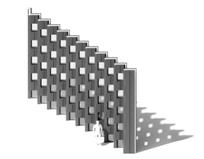
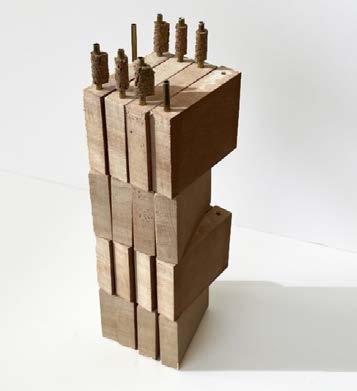
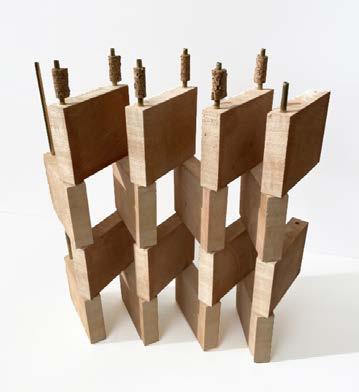
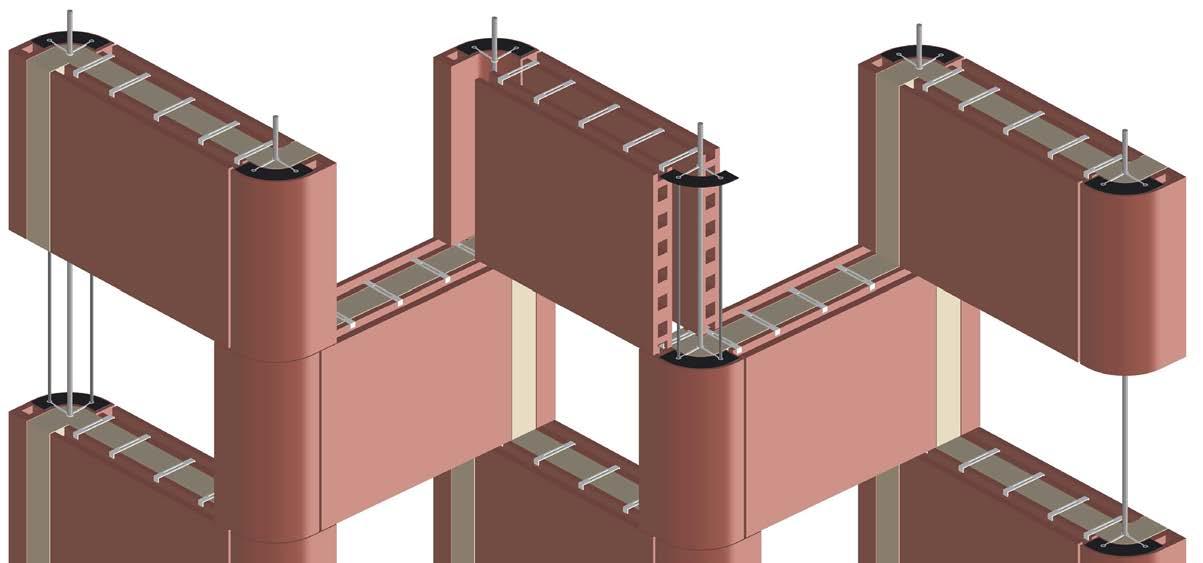
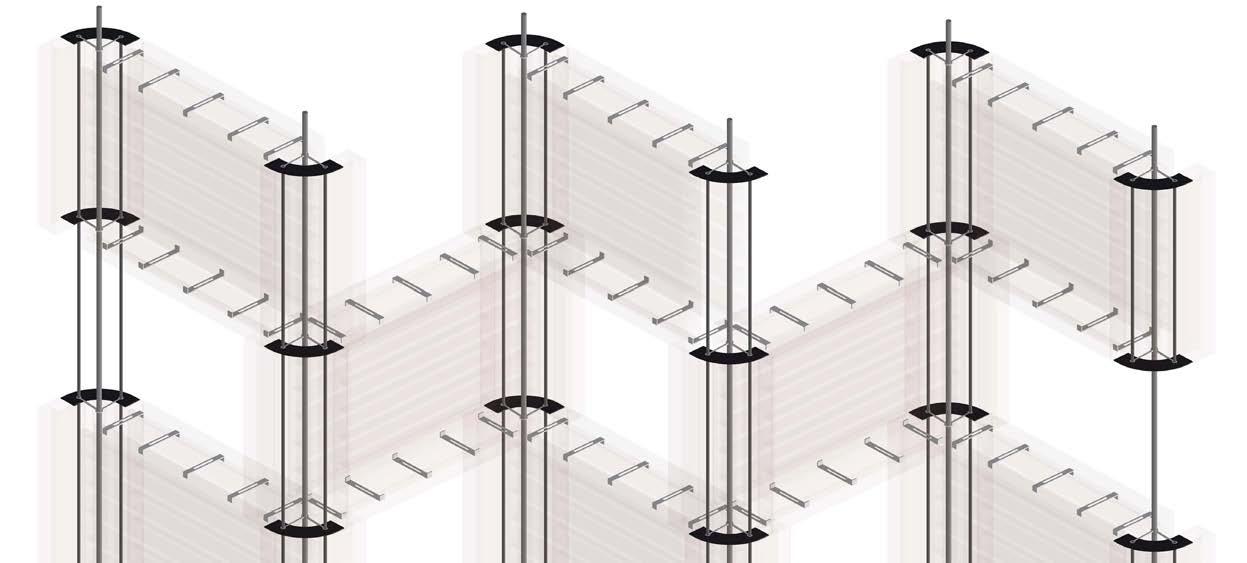
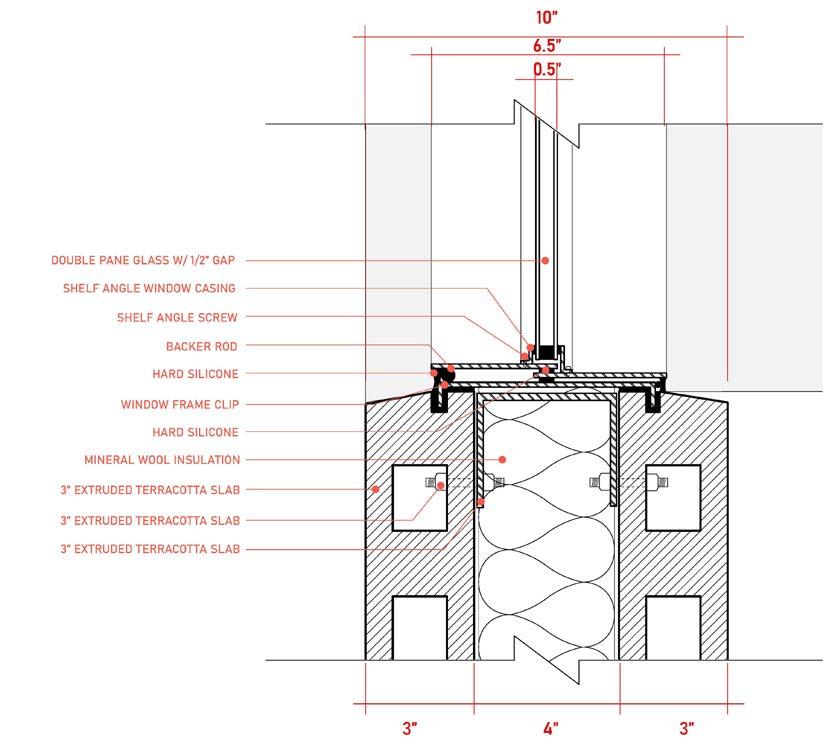
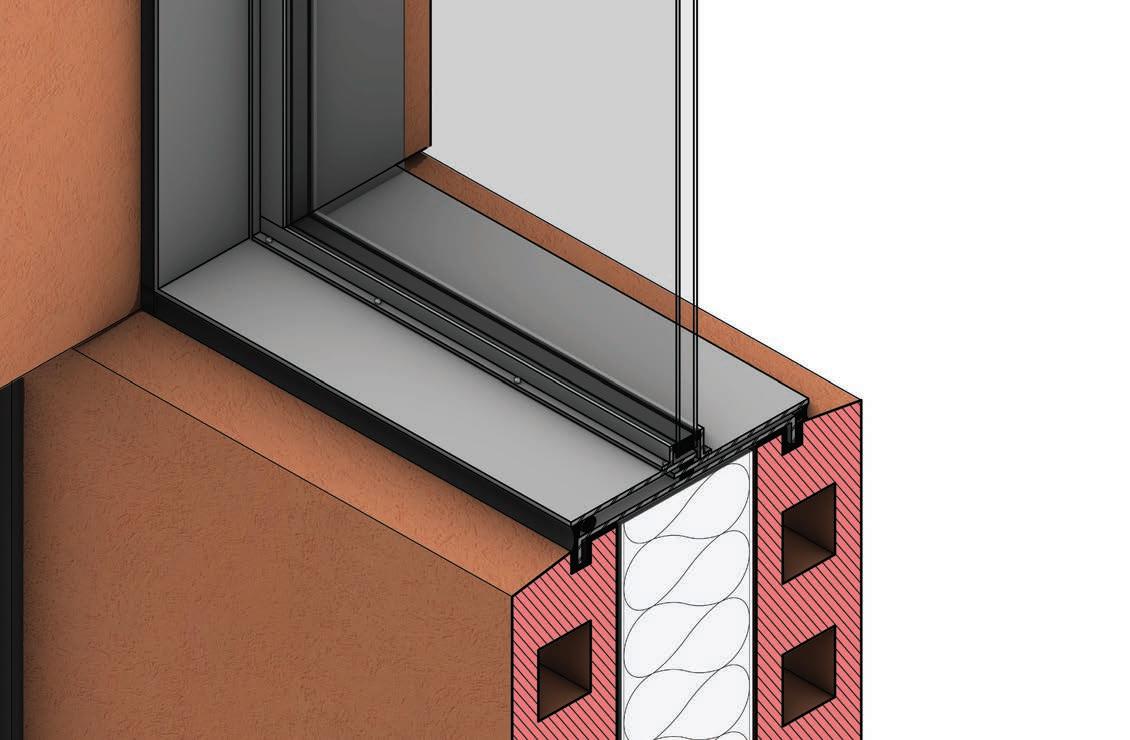
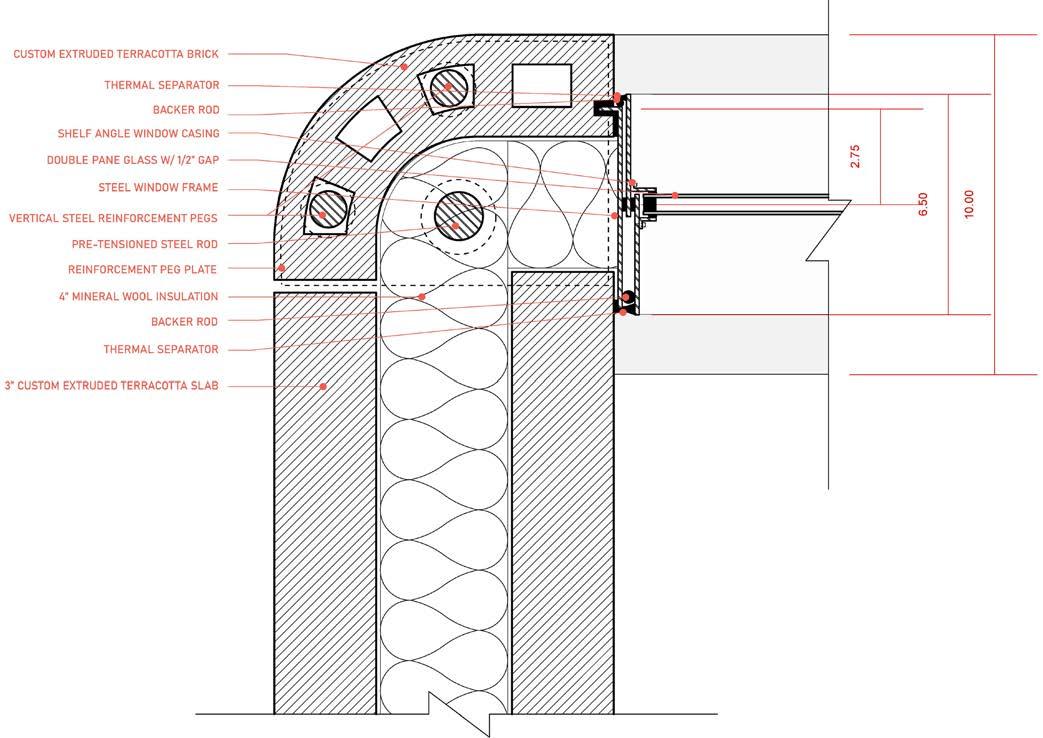
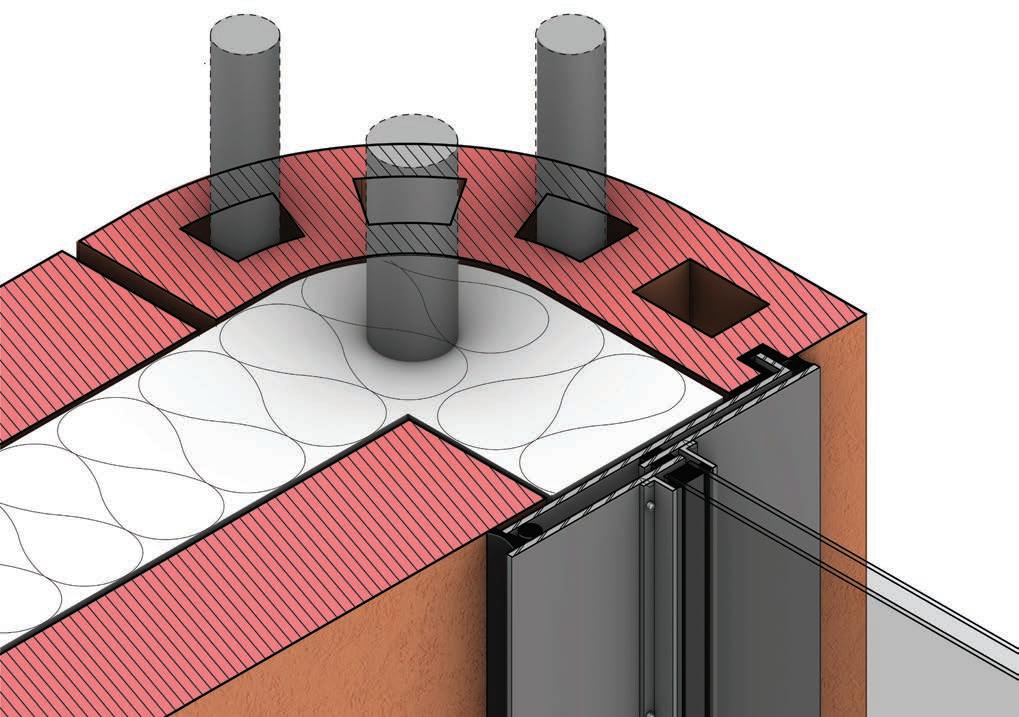
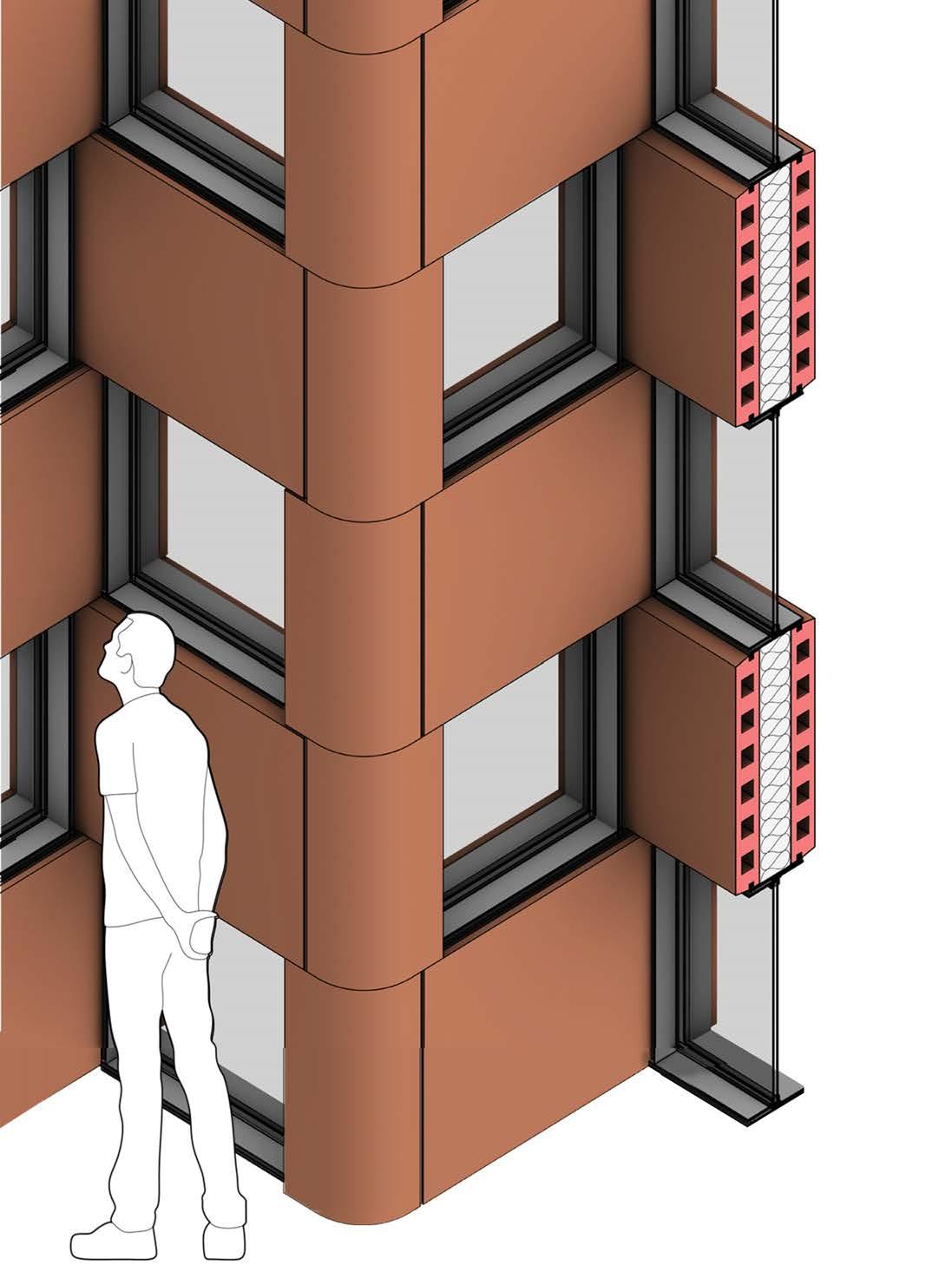
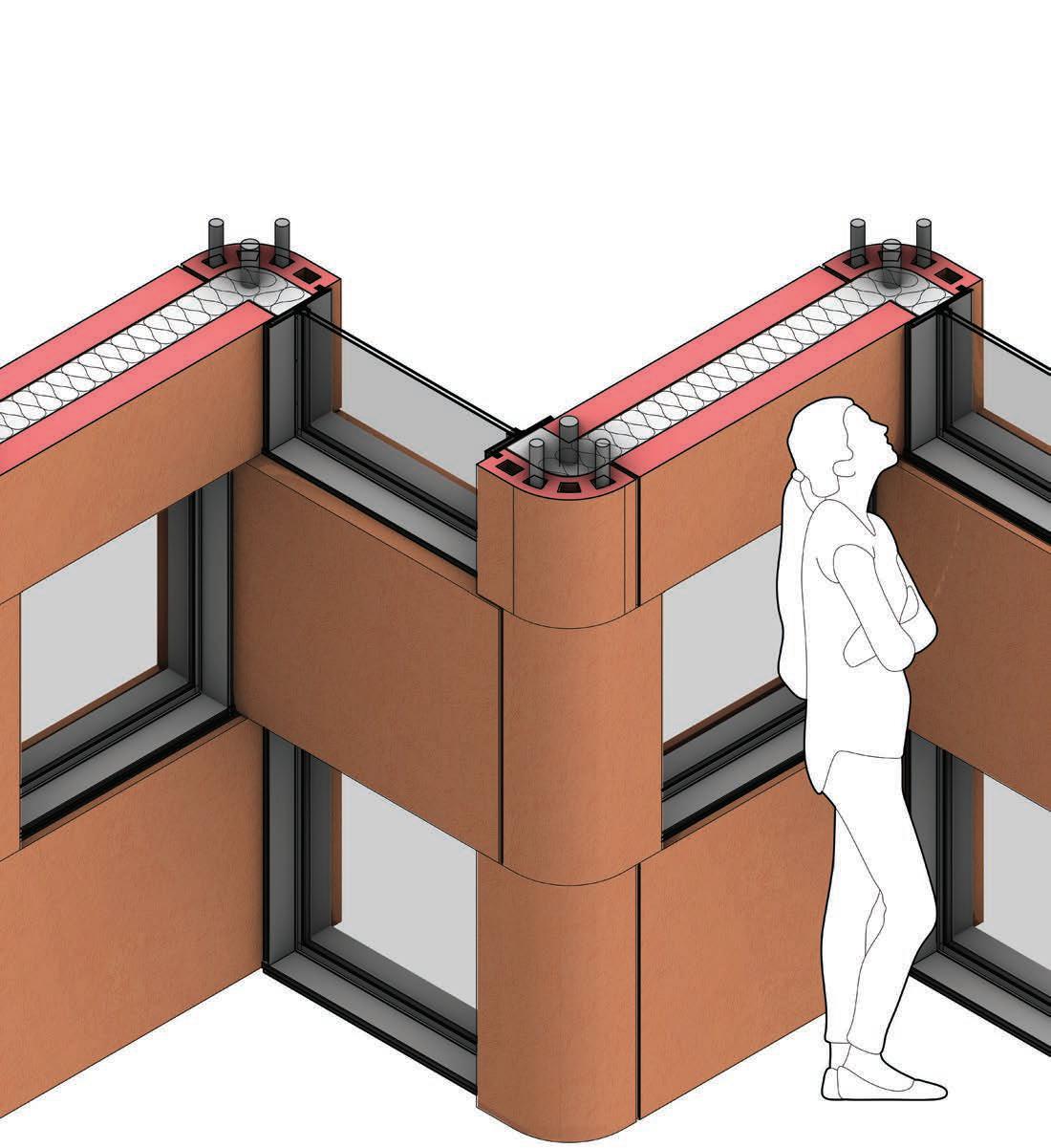
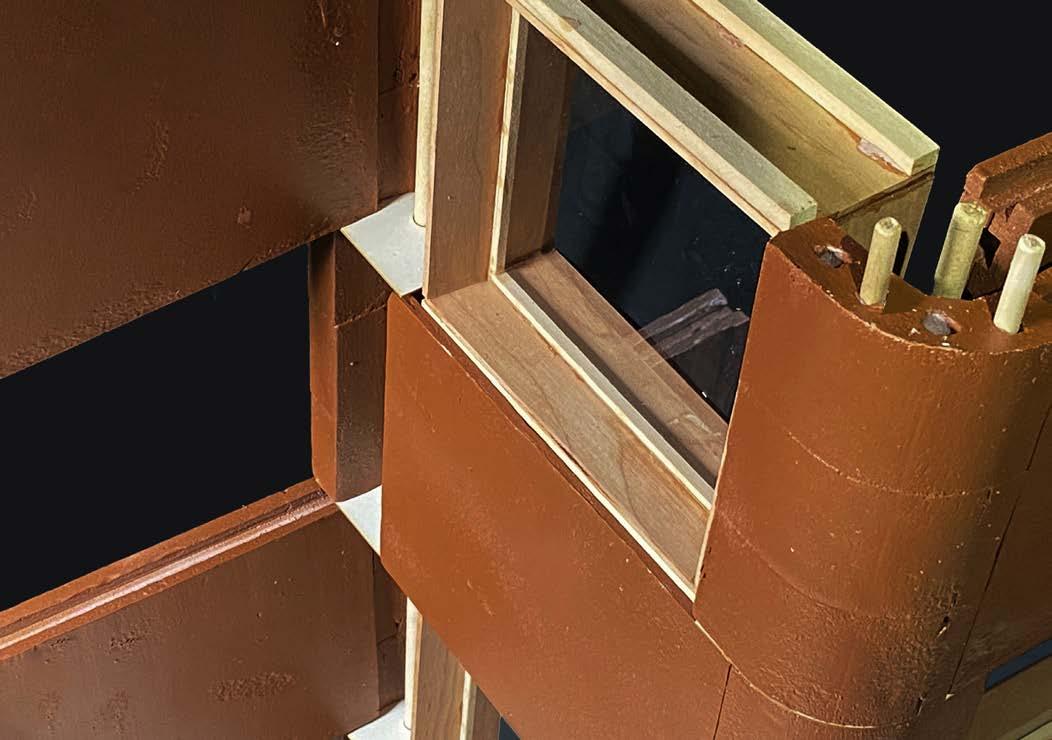
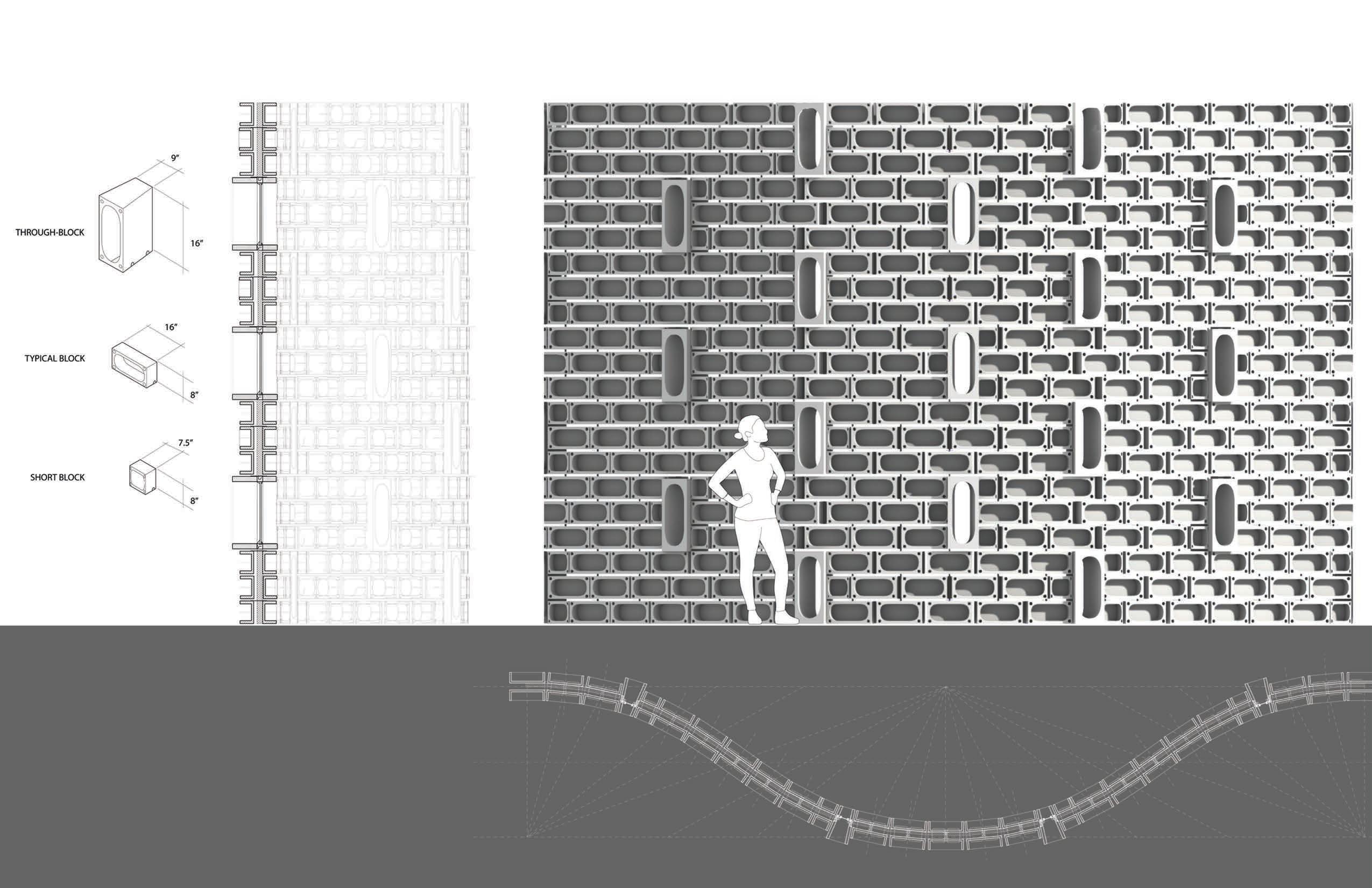
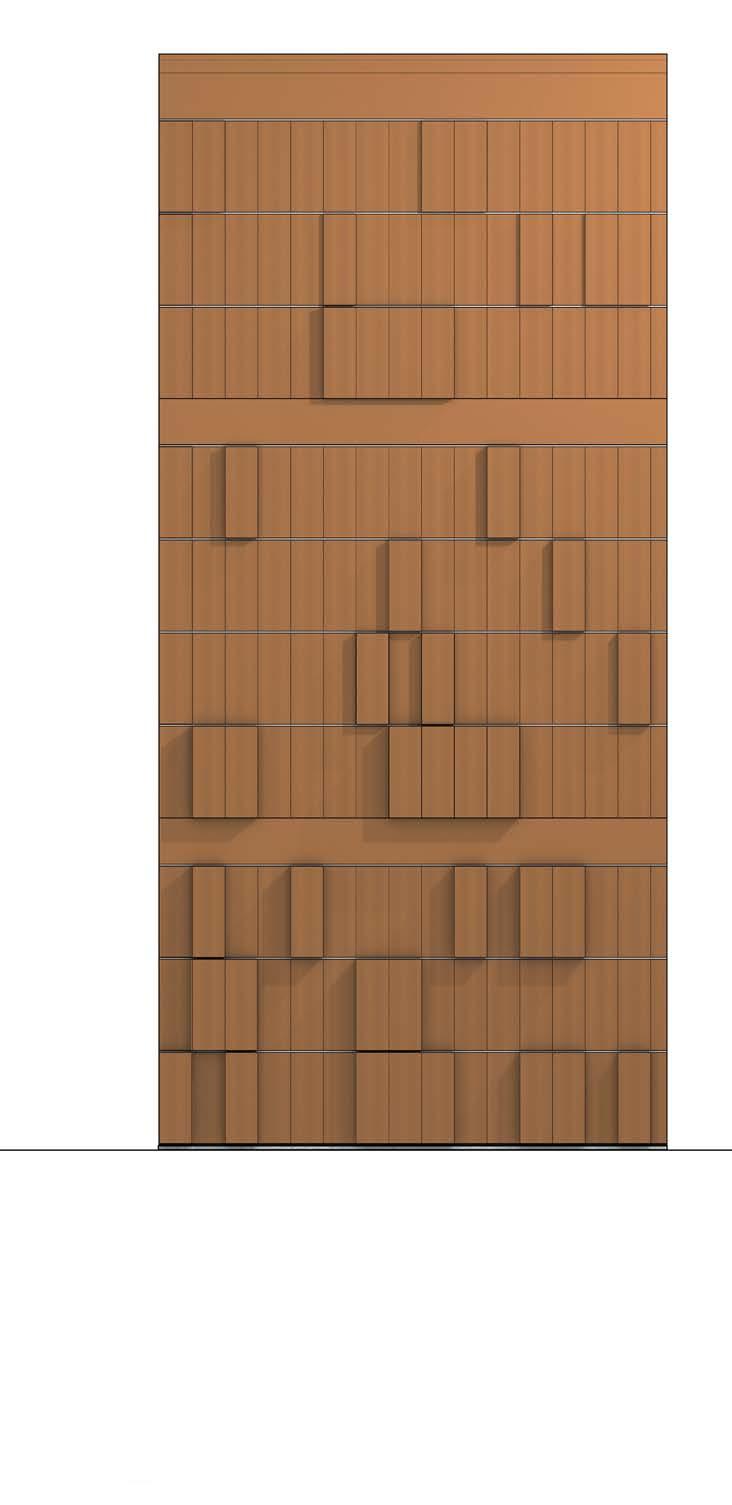
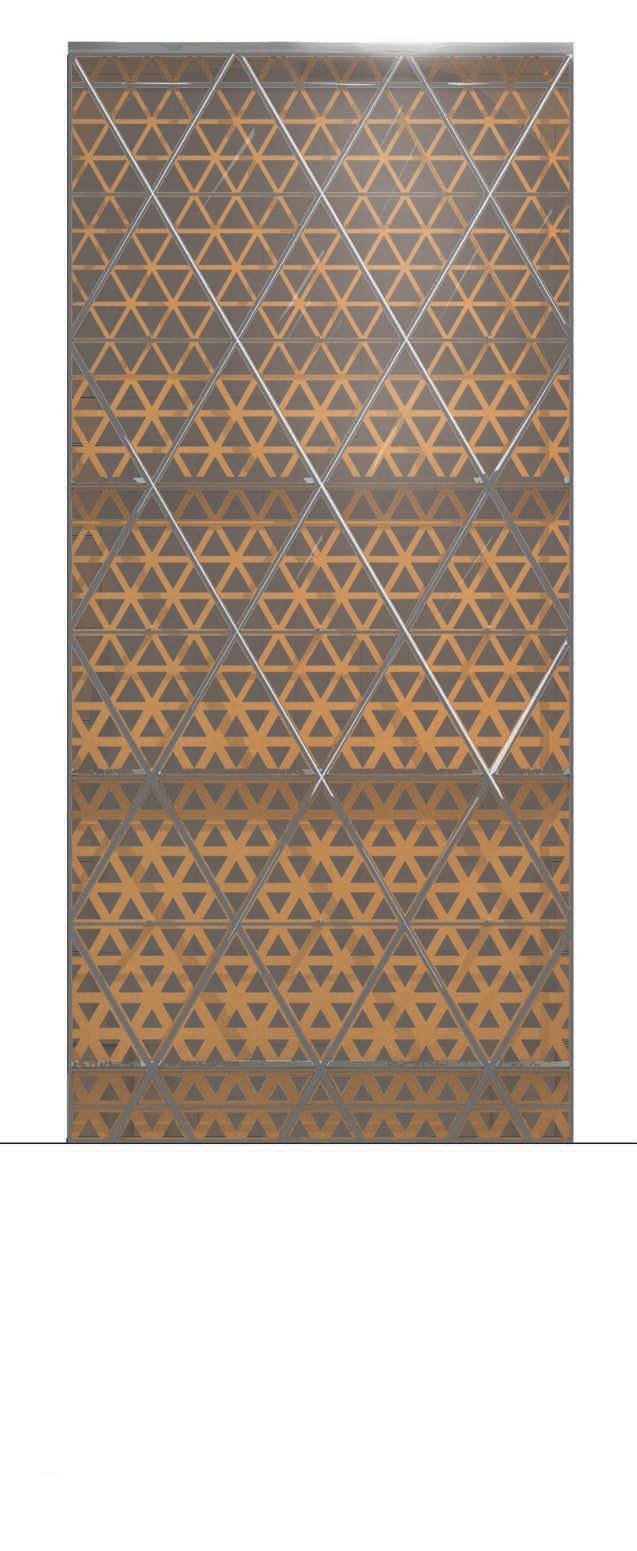
In conjunction with several professional consultants, our research study established as an opportunity to speculate, invent, research and design a rigorously conceived terracotta prototype for a wall. Our design goals are to fully utilize terracotta’s unique properties as a structural, rainscreen, porous, customizable, and highly durable material.
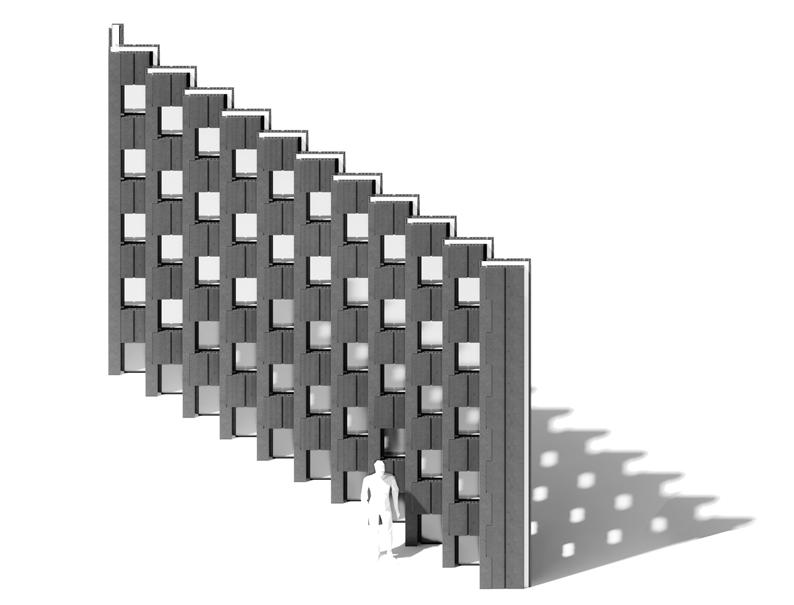
Terracotta design represents an opportunity to utilize a low-carbon footprint material.
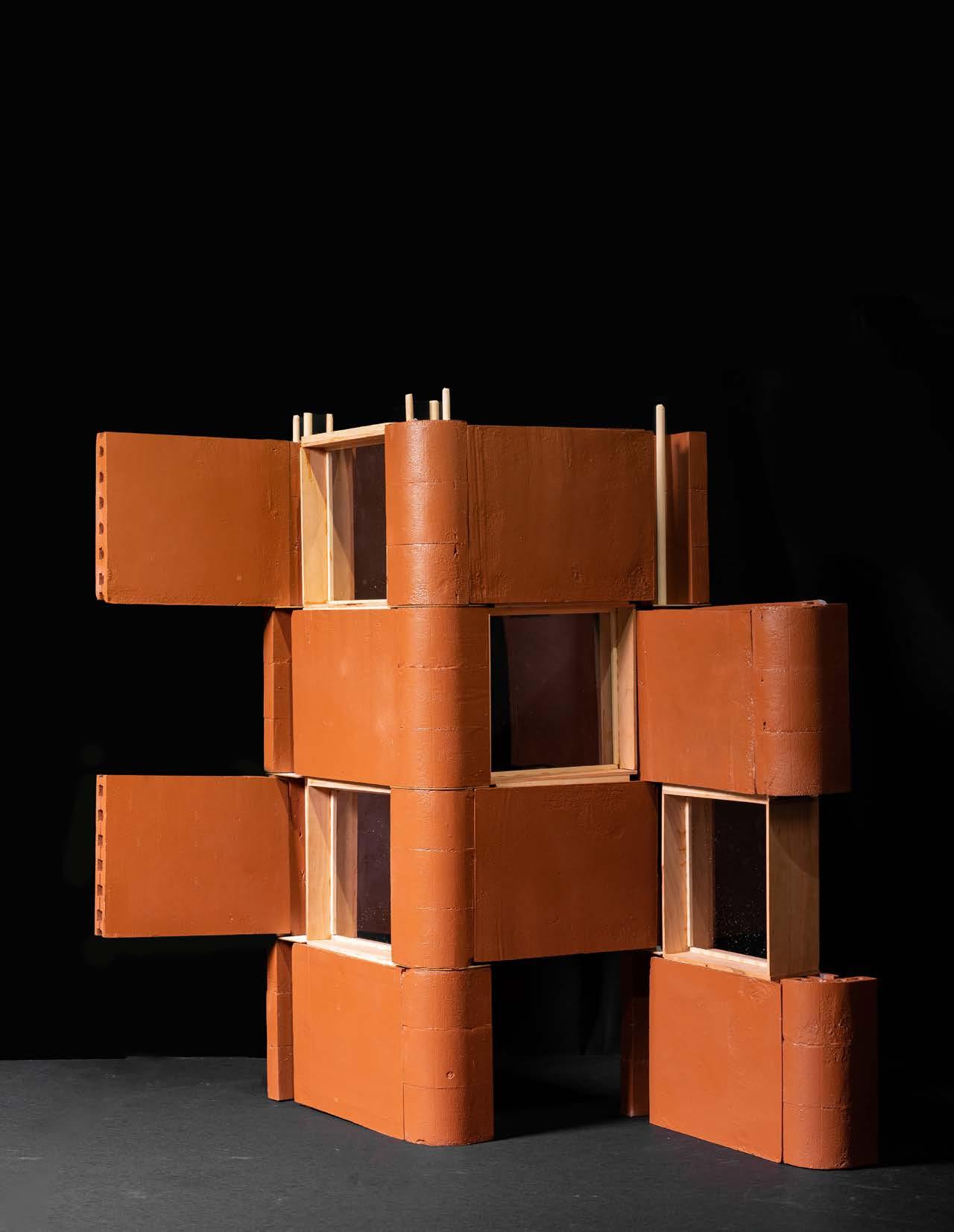
Participating in both the student and professional categories of the competition, this collaborative group has studied terracotta precedents and will follow the project to construction of a full-scale 20-ft mock up thanks to Boston Valley Terracotta.
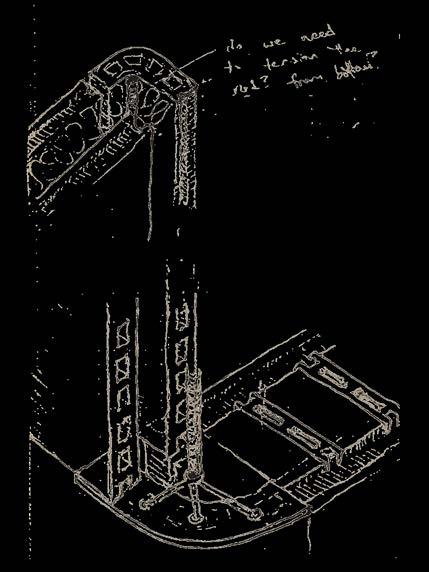
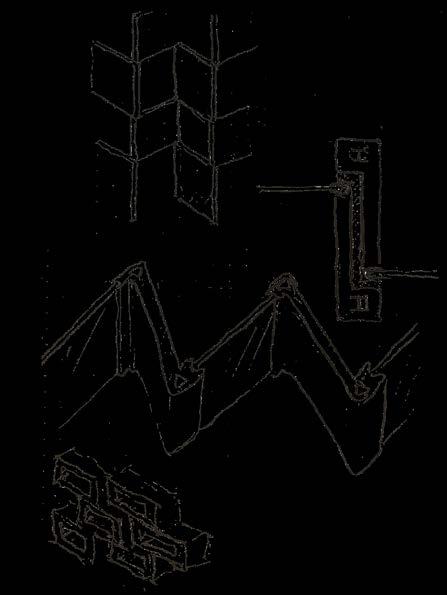
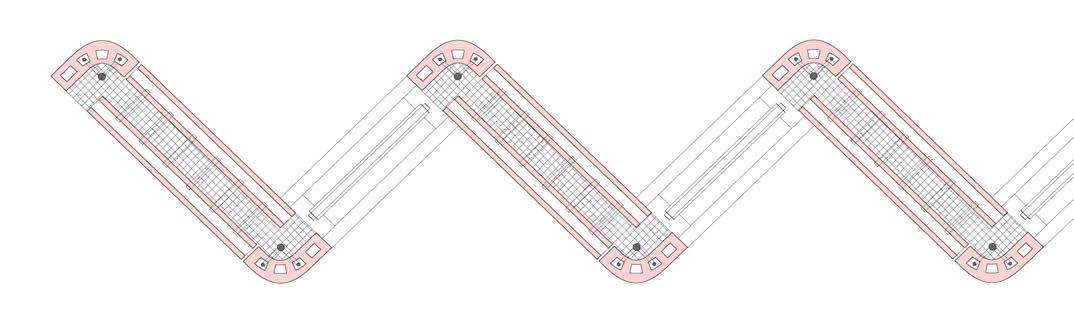
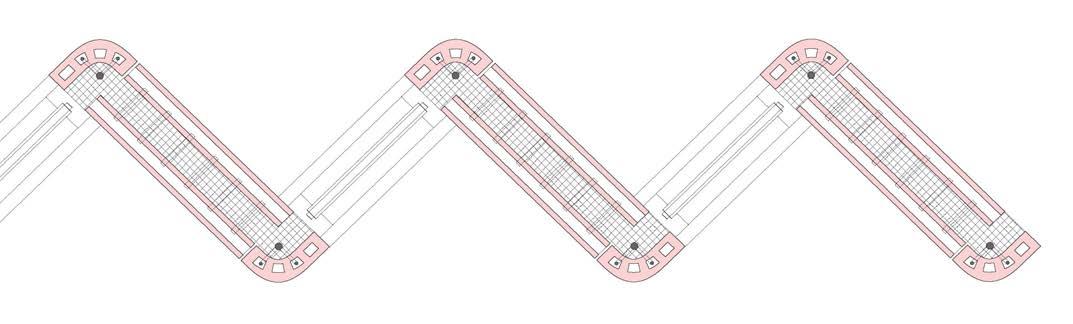
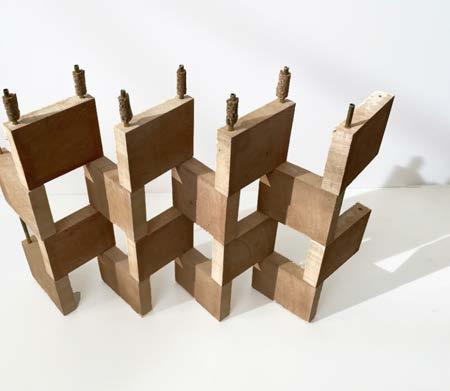
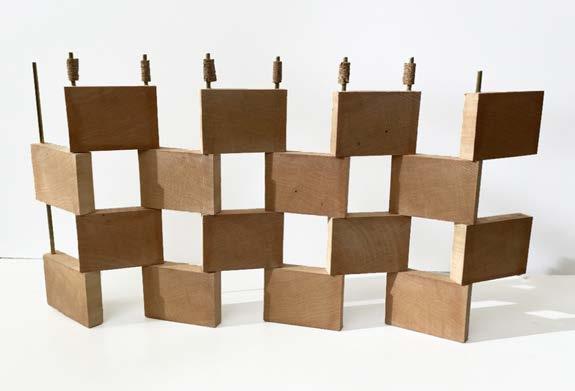
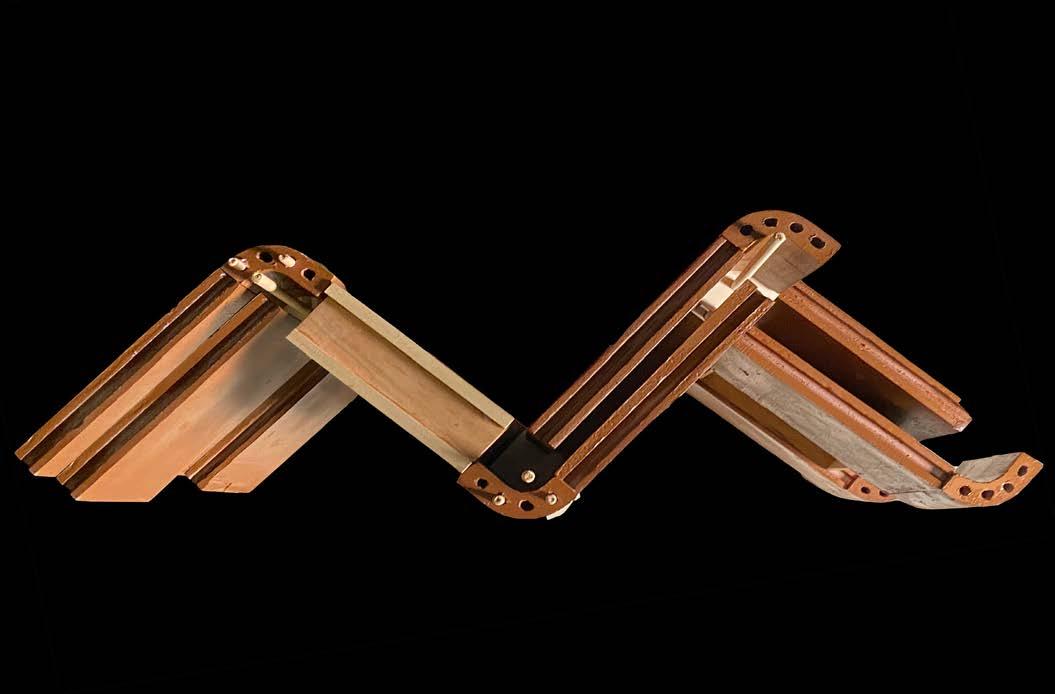
The design features a wall that is structurally efficient via stacking of terracotta panels at 90-degree angles, inspired by Eileen Gray’s screen wall and Eladio Dieste’s brick louvers.
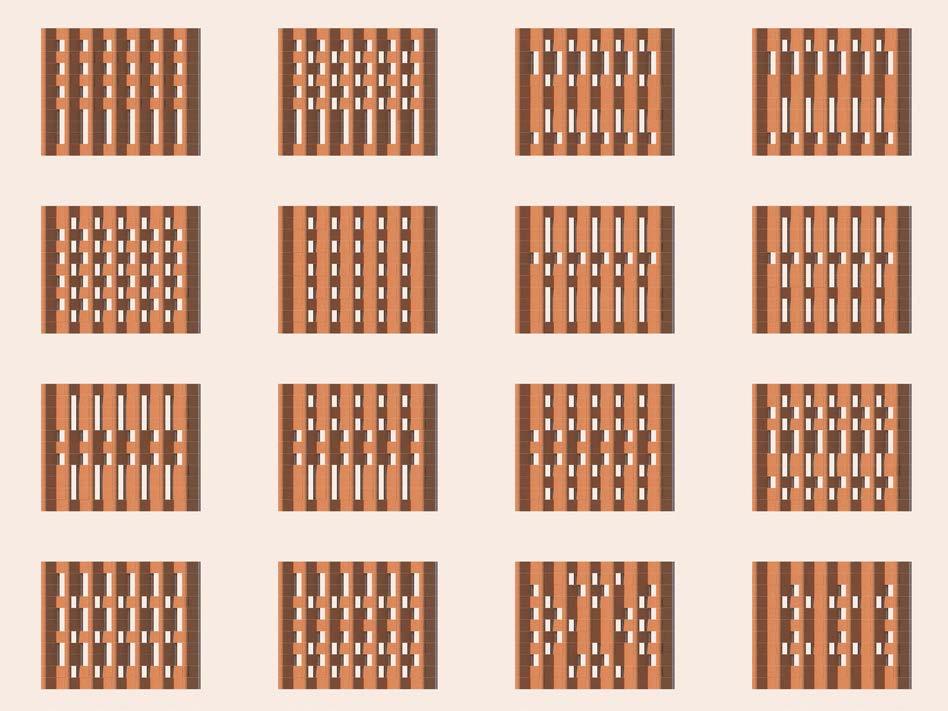
Window-wall ratio options

PARTNER:
Michael YangPROFESSOR:
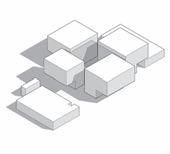
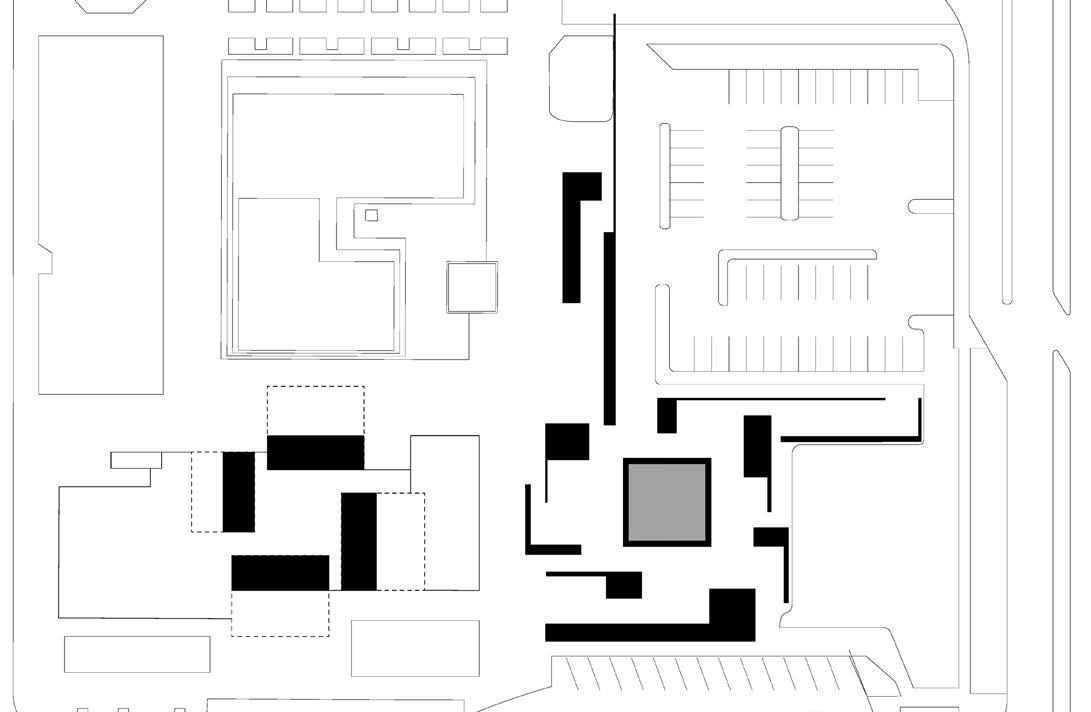
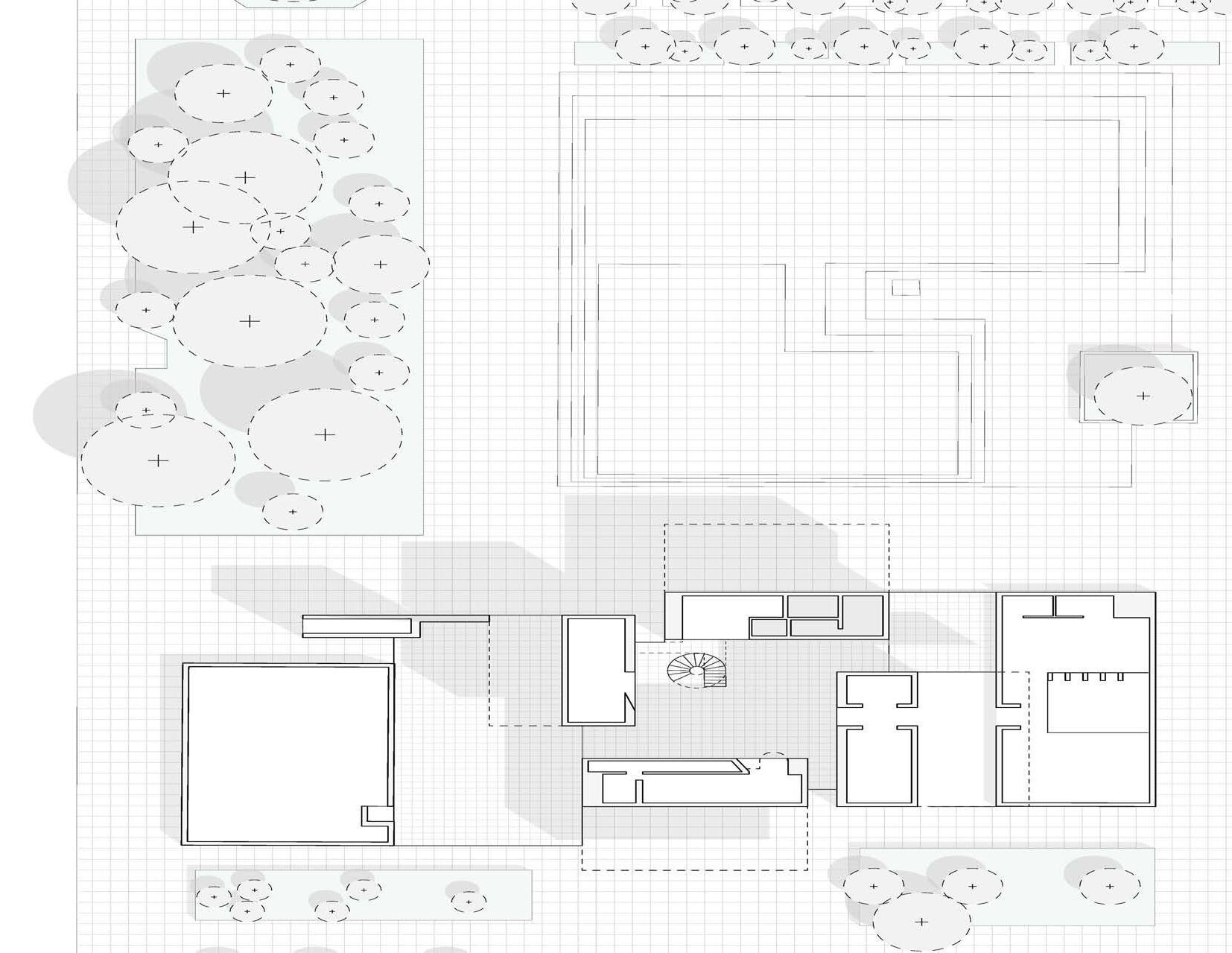
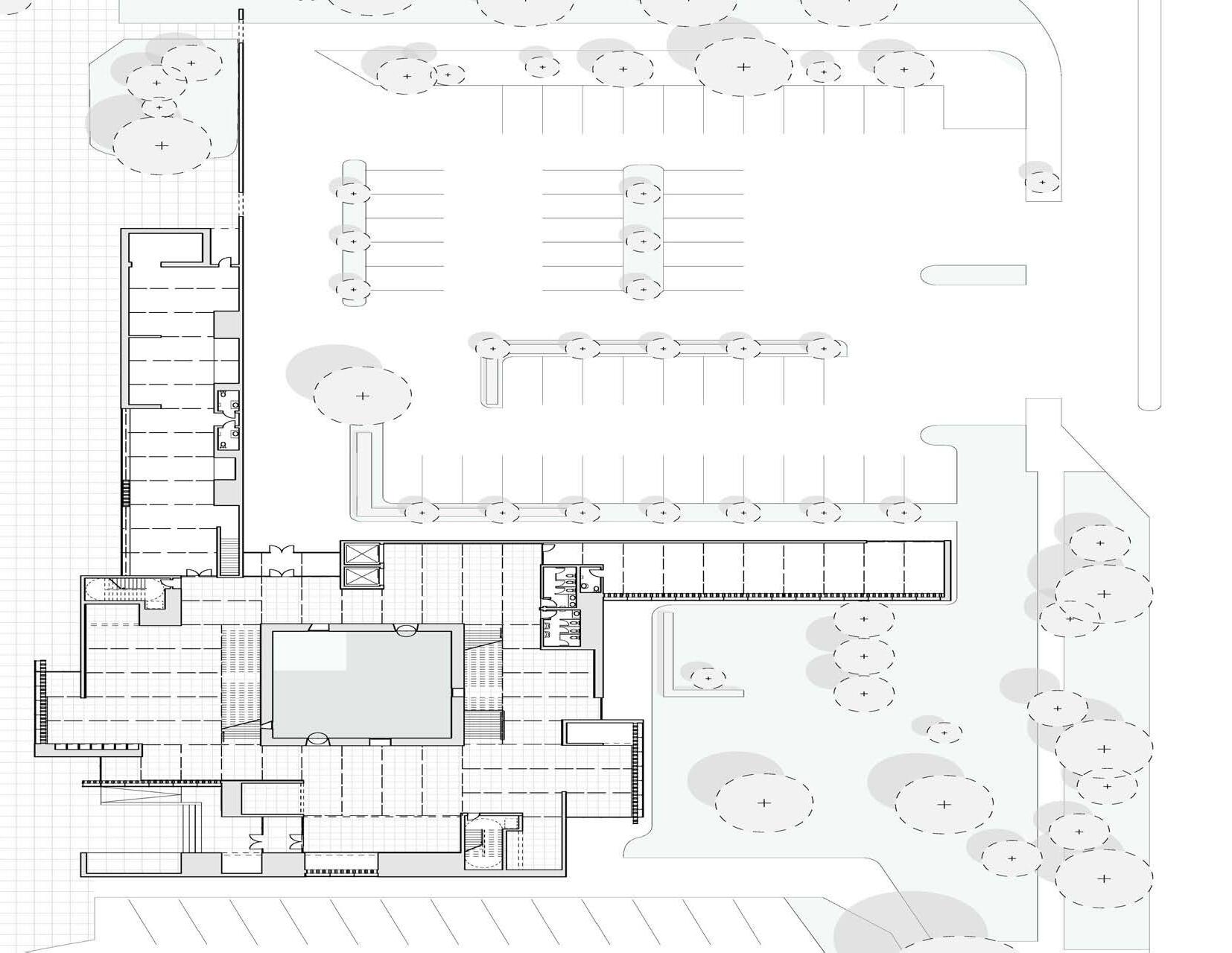
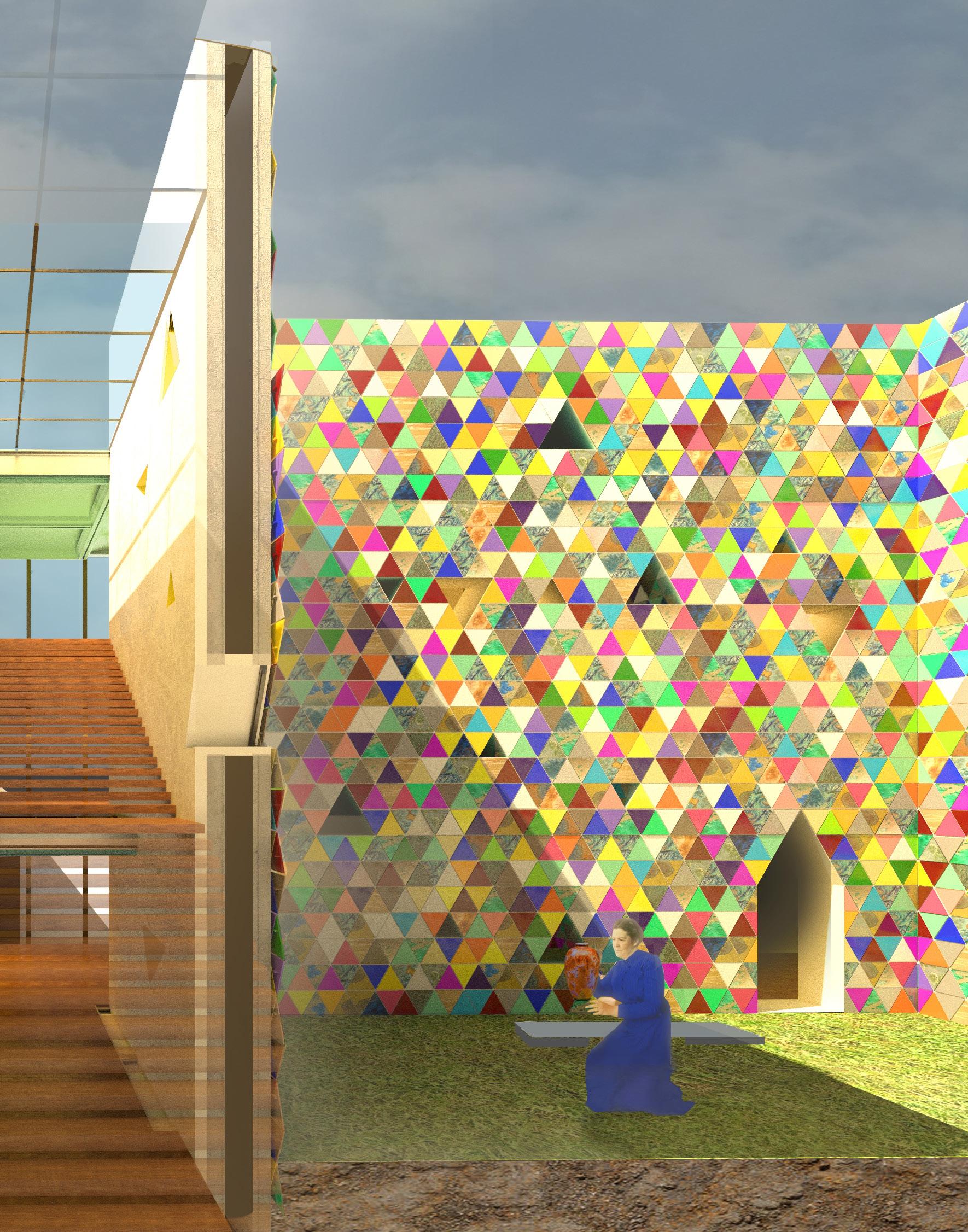
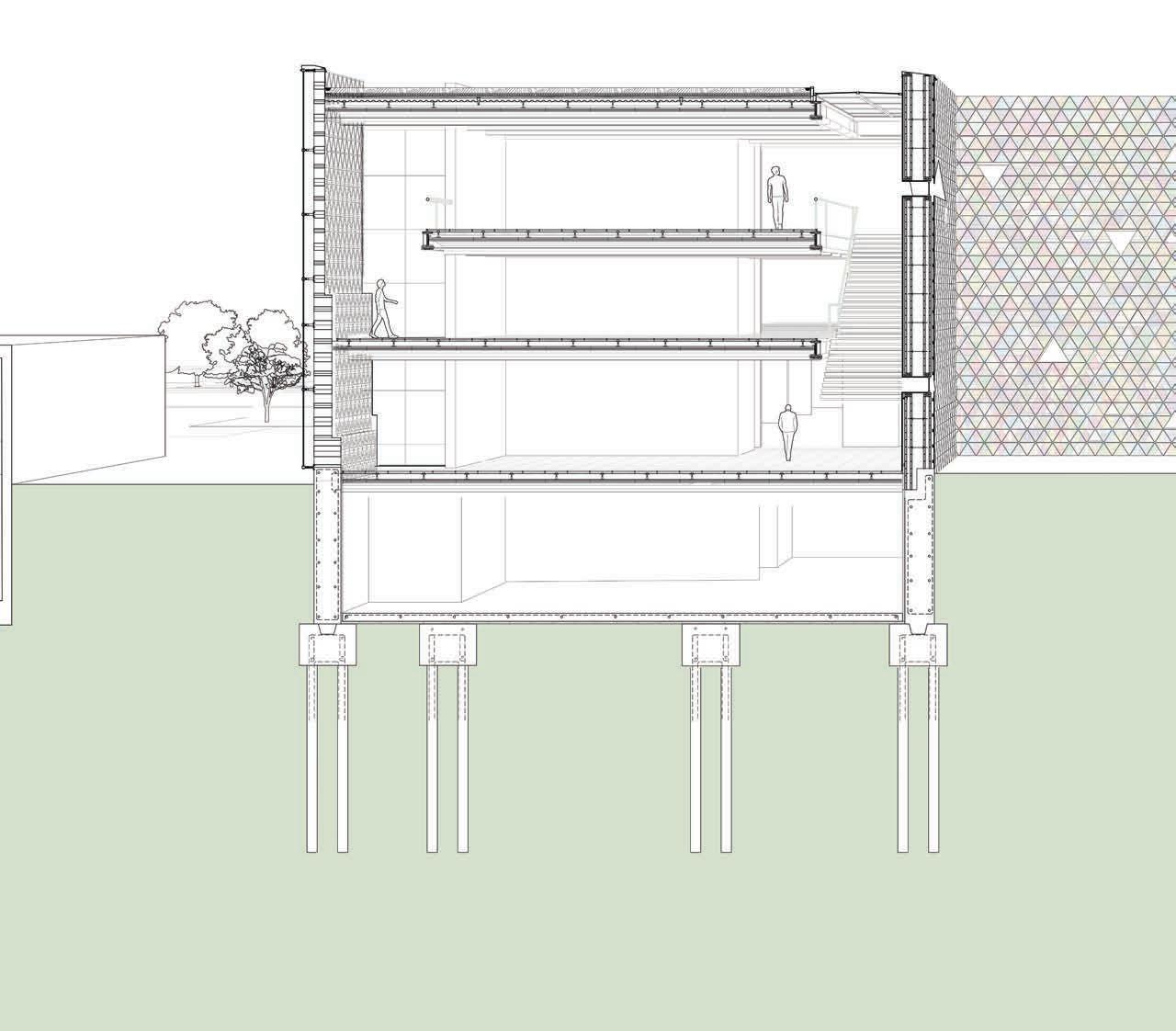
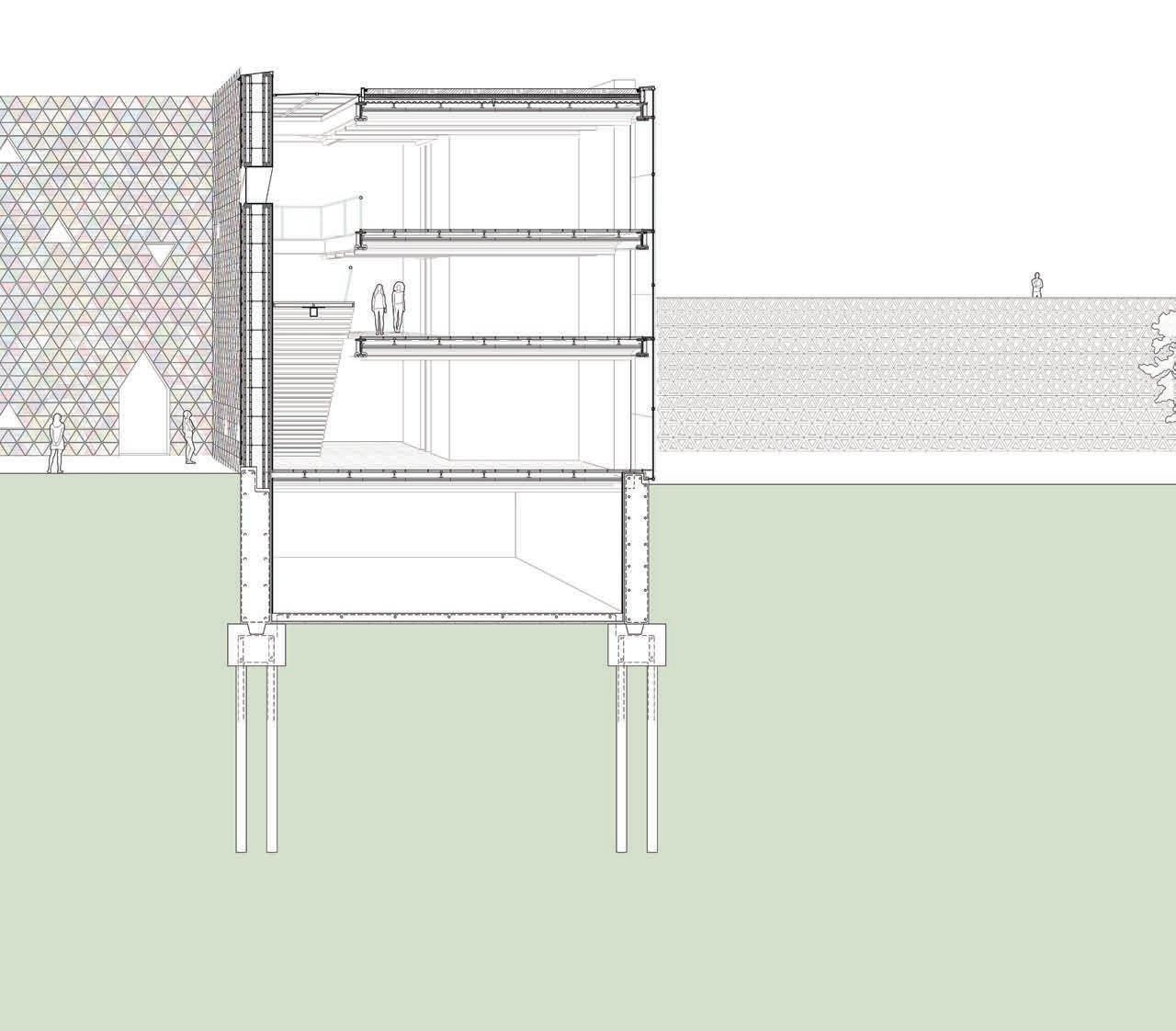
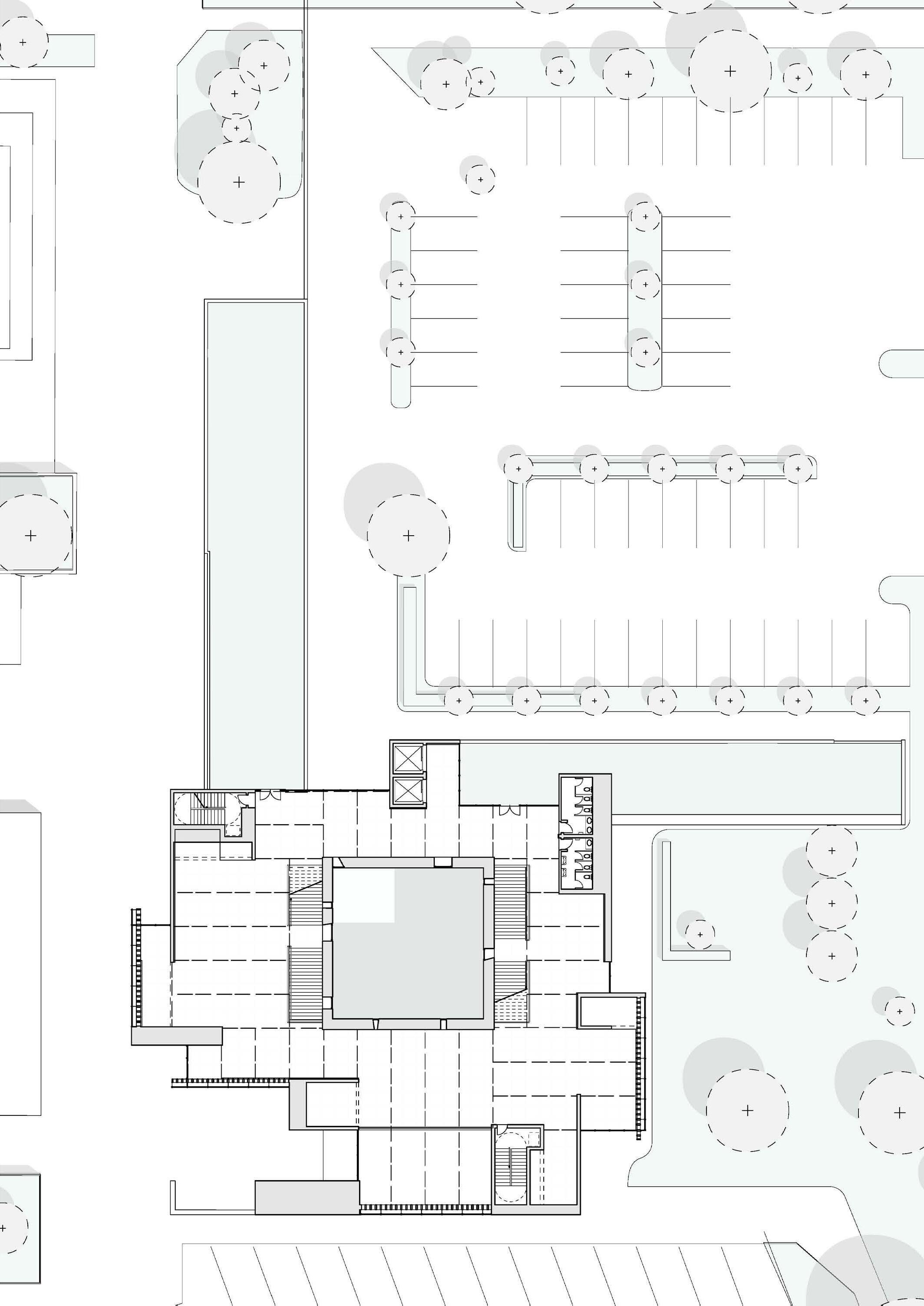
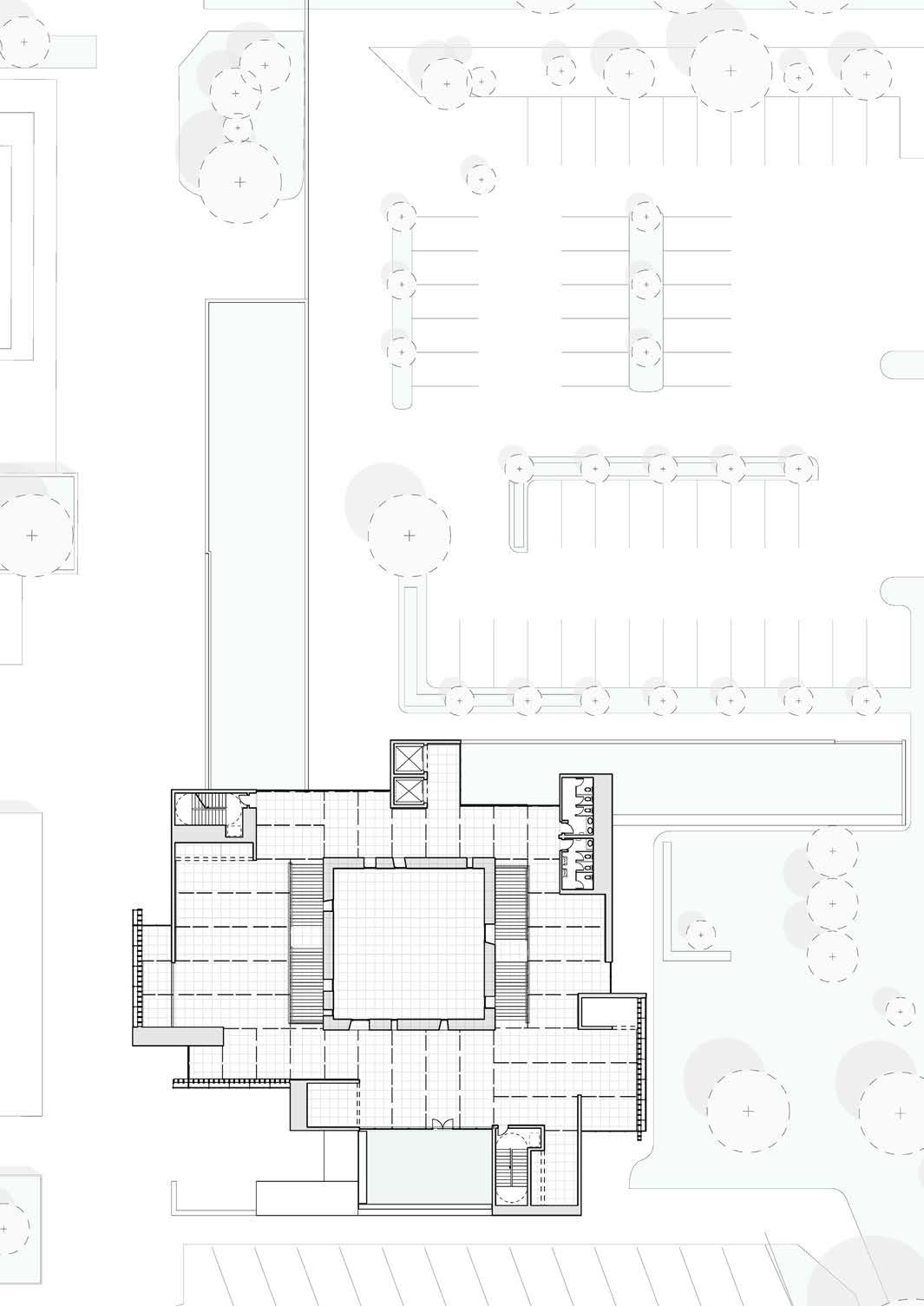
Elizabeth KamellThis studio prompt was to design a building with terracotta as a primary building element and seek to use it in an innovative way. Students met with structural, facade, and systems consultants to detail this project. This project imagines an extension to the Everson Museum in Syracuse NY, designed by IM Pei. The extension would specifically house the work of 20th ceramicist Adelaide Alsup Robineau, and serve as a ceramics studio for the community in addition to a museum extension.
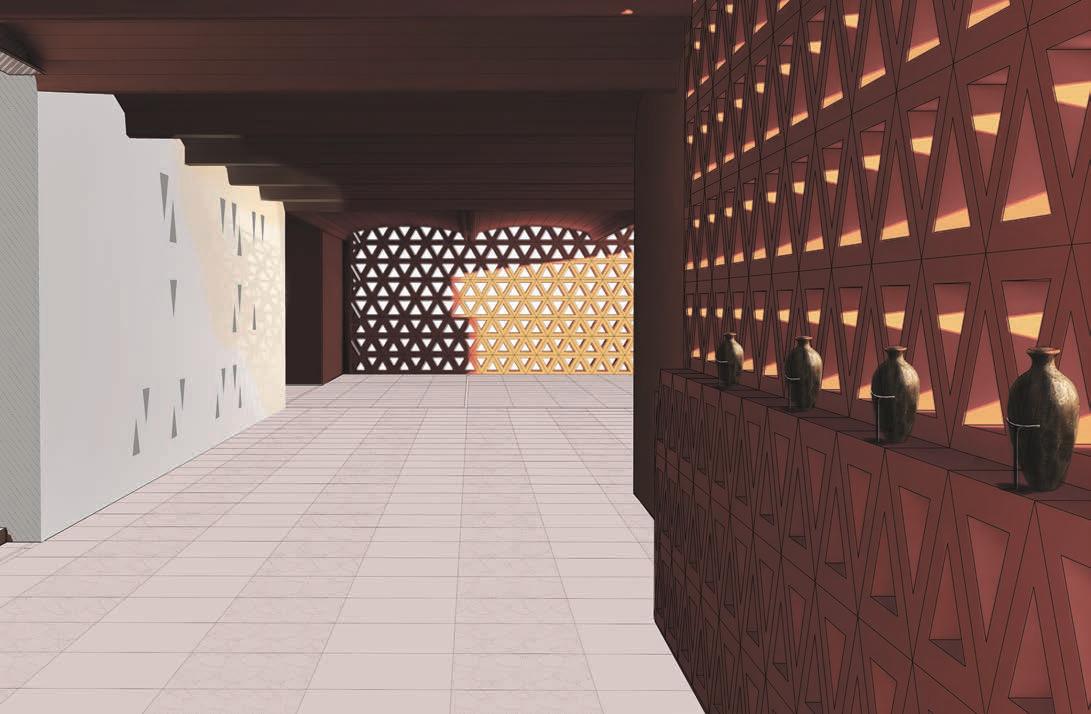
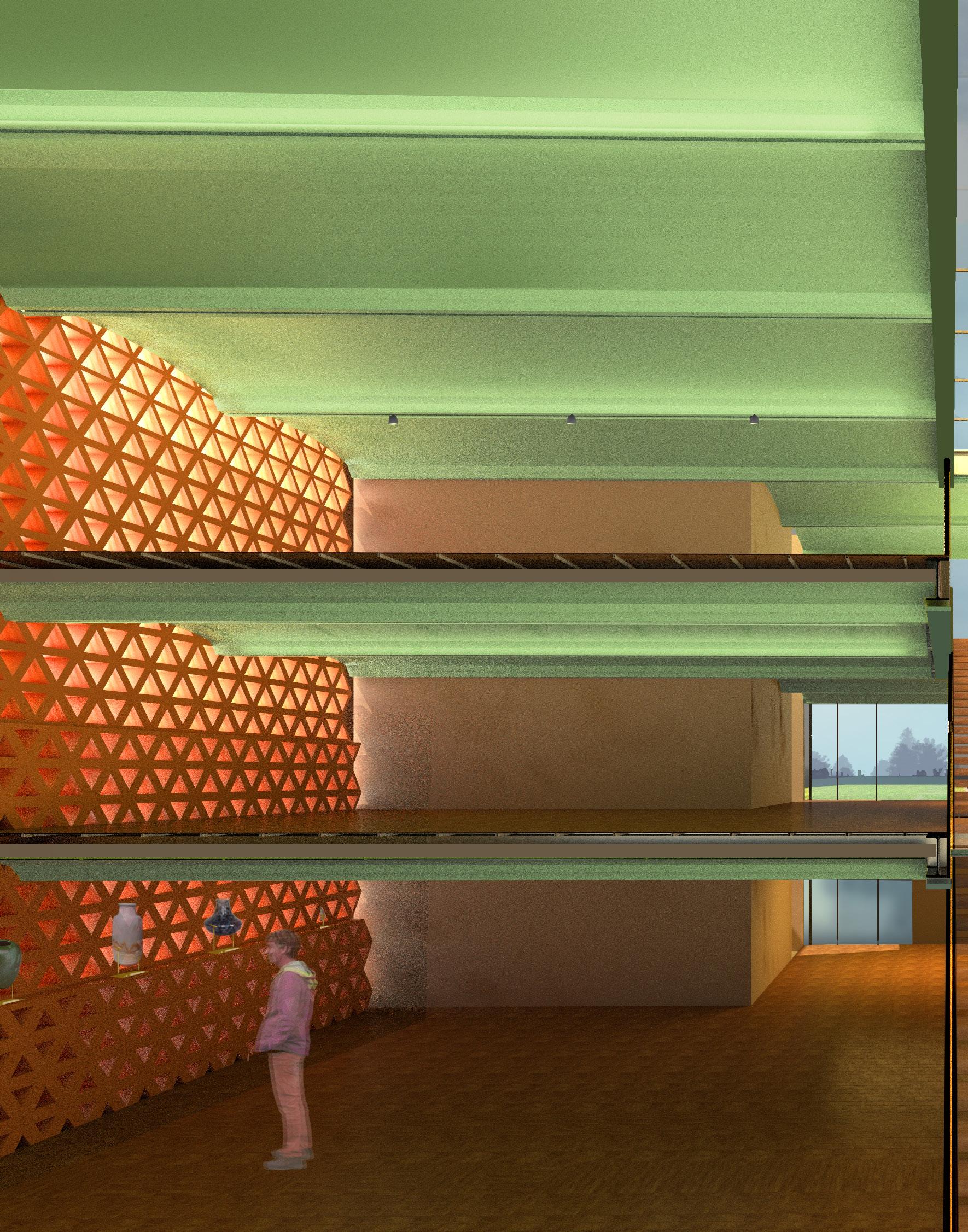
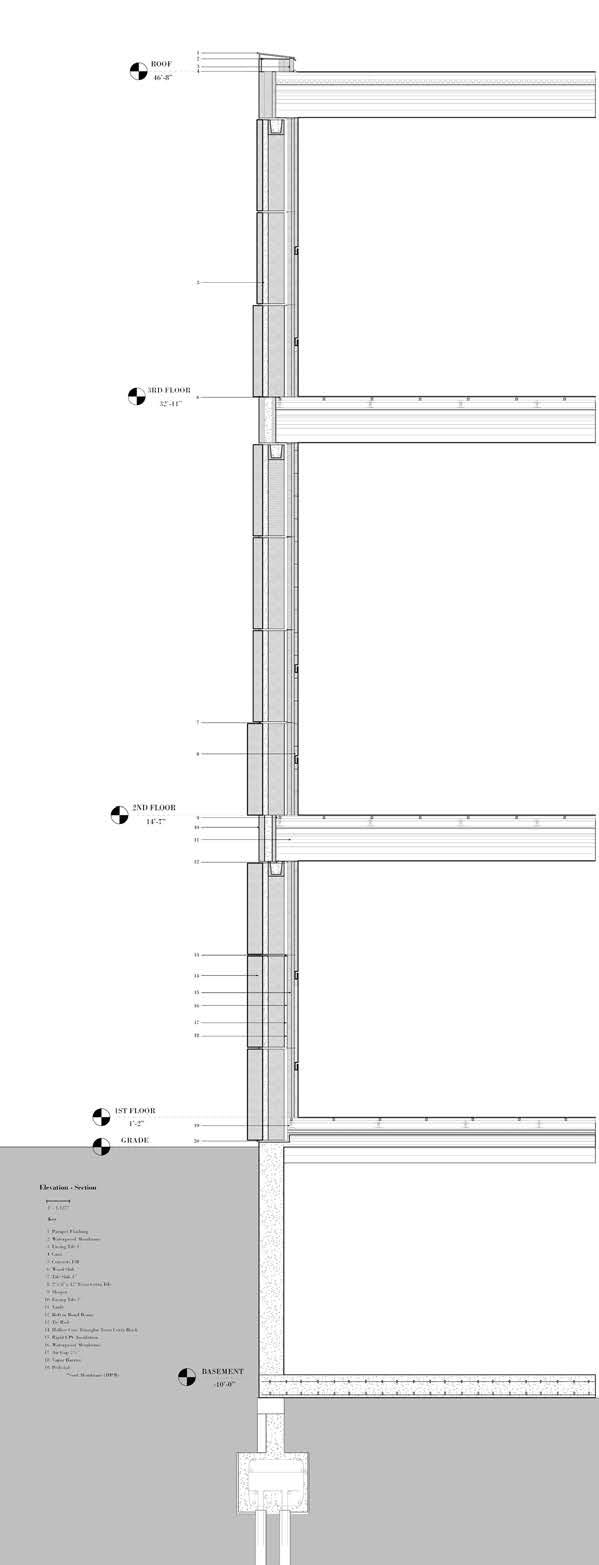
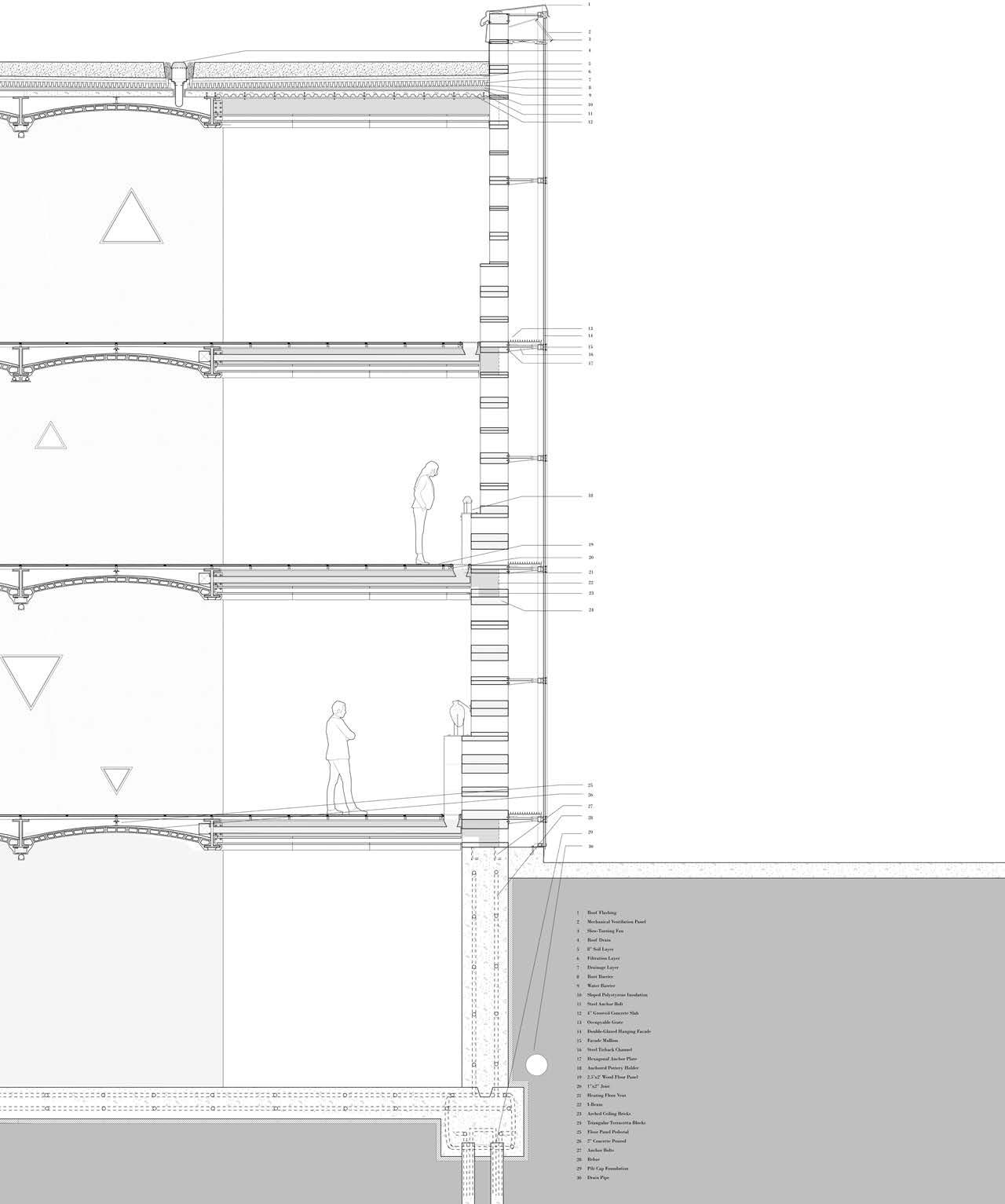
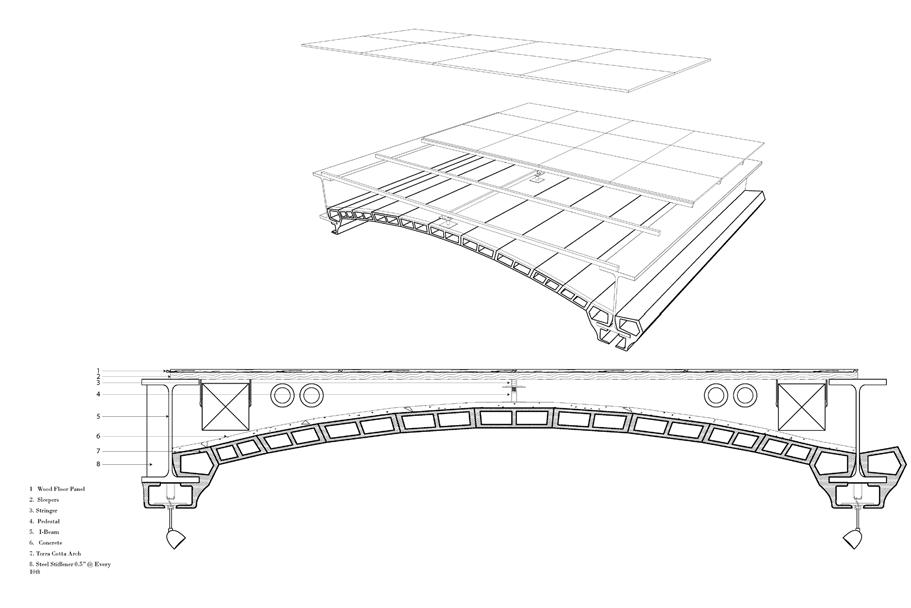
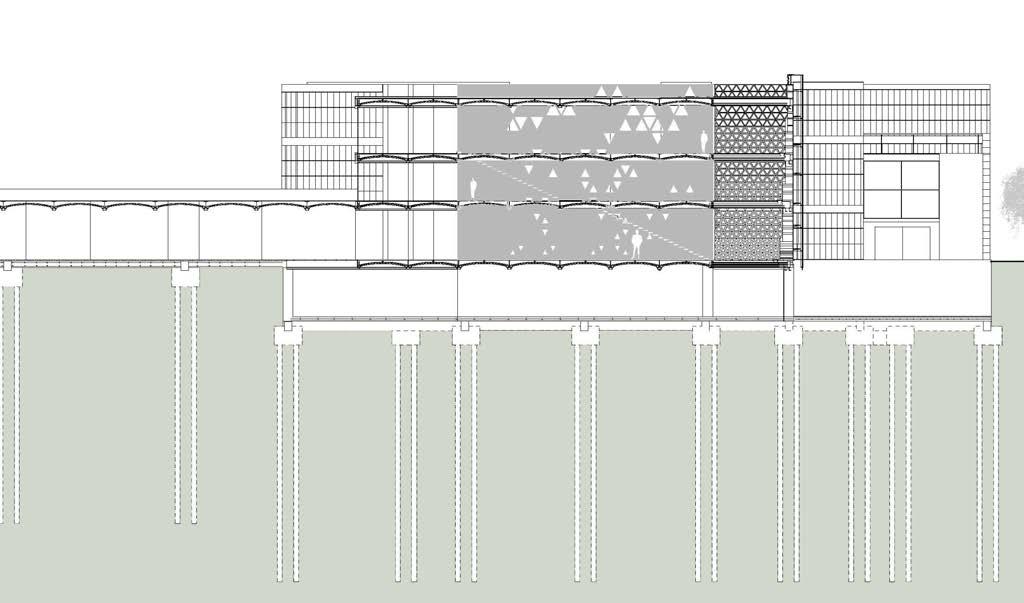
Our project features an interactive glaze-testing wall courtyard in which community members may attempt to recreate Adelaide Alsup Robineau’s famous glazes and see their tiles on a gallery wall of the interior courtyard. In addition, we looked to use hollow-core terracotta in innovative methods via a window-wall system and a reinforced solid wall. These two wall systems comprise the entirety of the project’s exterior walls in addition to the 4-story building cores.
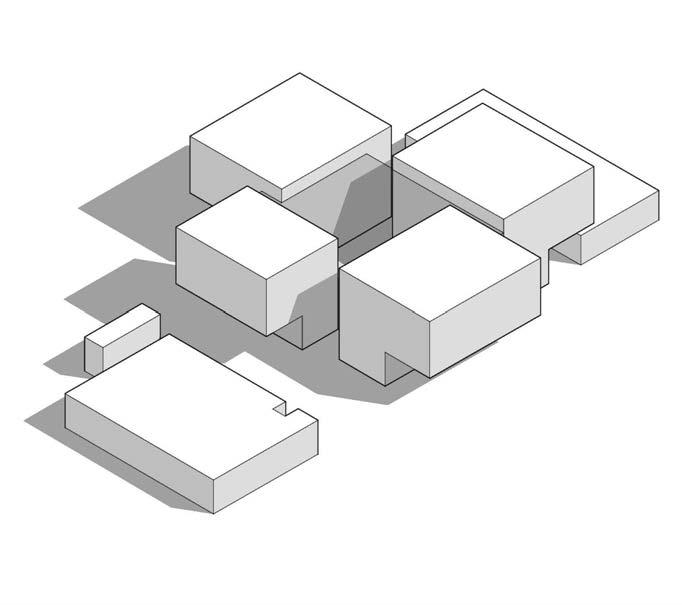
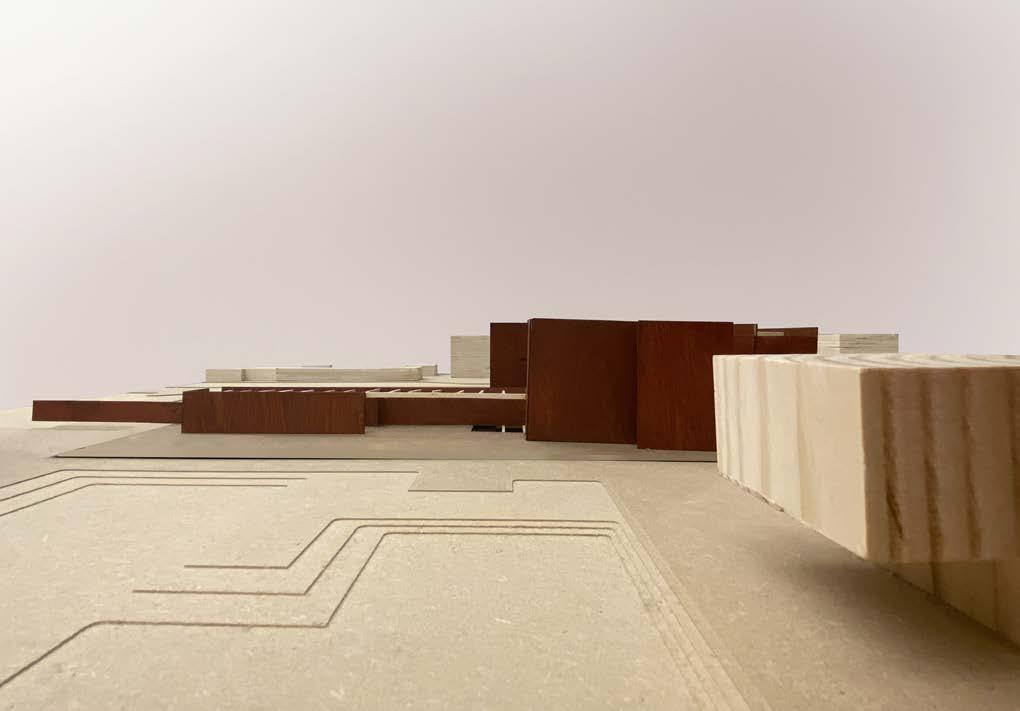
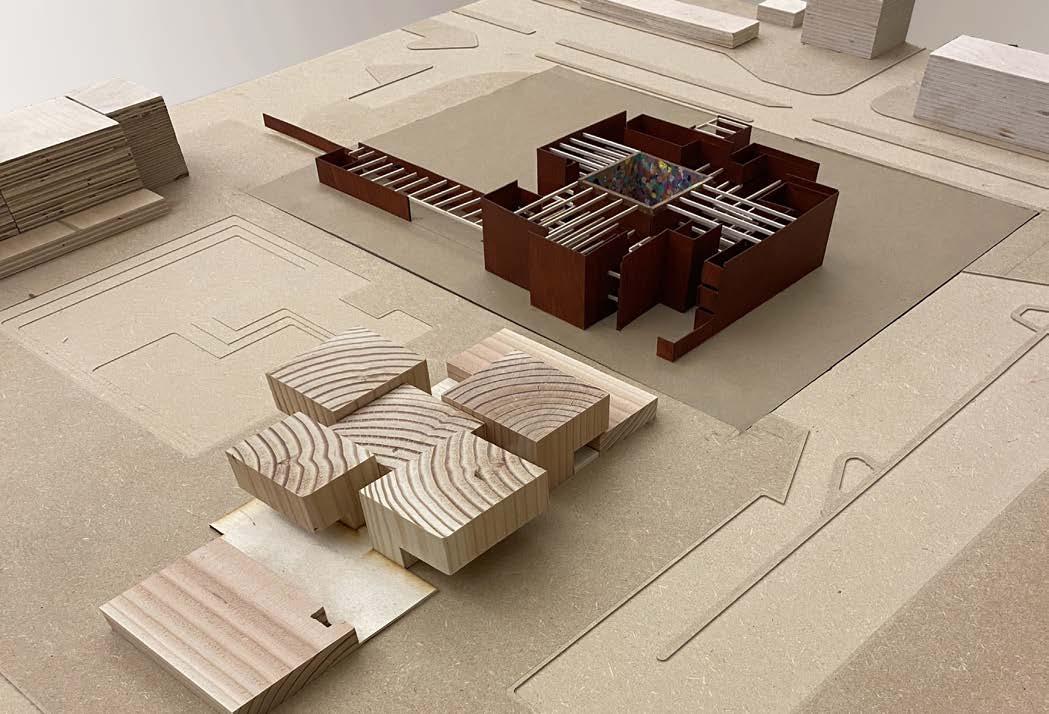 Chip Board, MDF, Wood Model 1 : 192 scale
Ceiling & Floor
Chip Board, MDF, Wood Model 1 : 192 scale
Ceiling & Floor
PARTNER:
Mel Oganesian
PROFESSOR:
Daneile Profeta
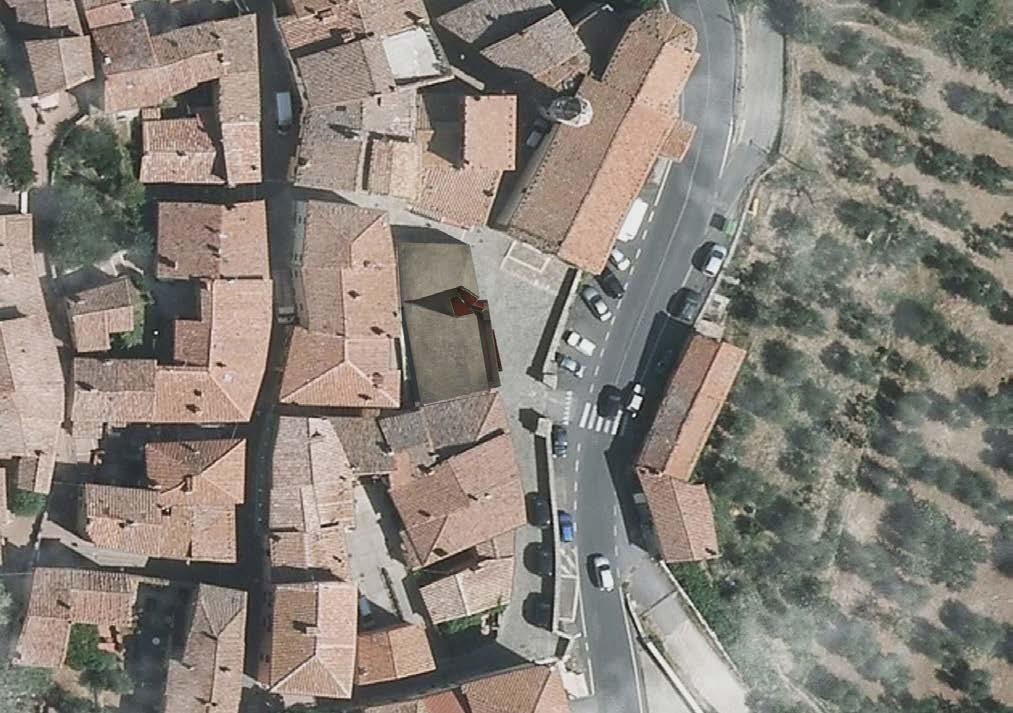
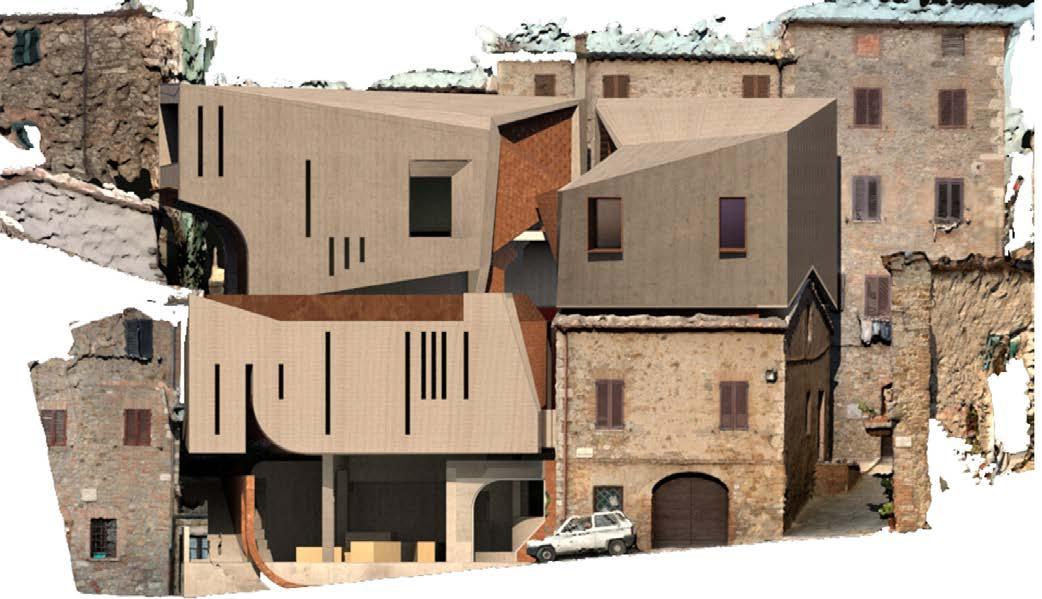
Borgo - small Italian villages
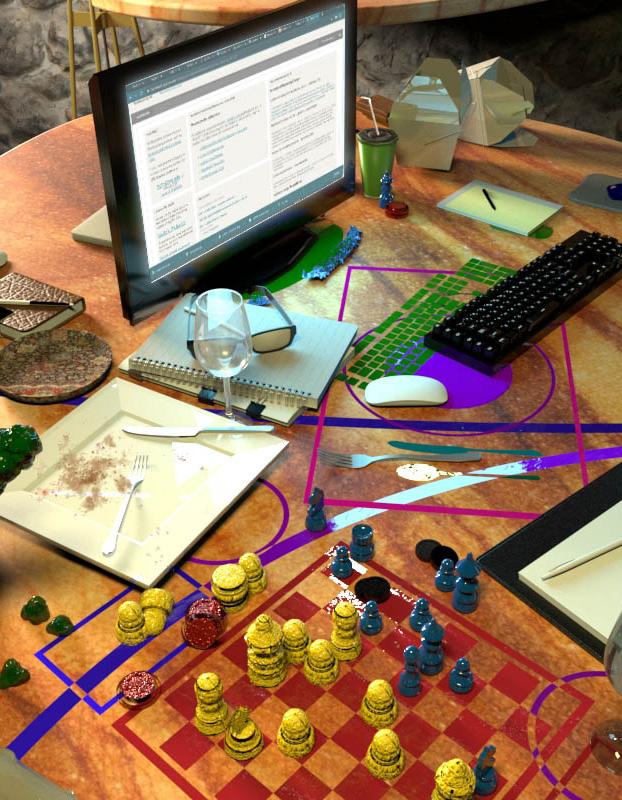
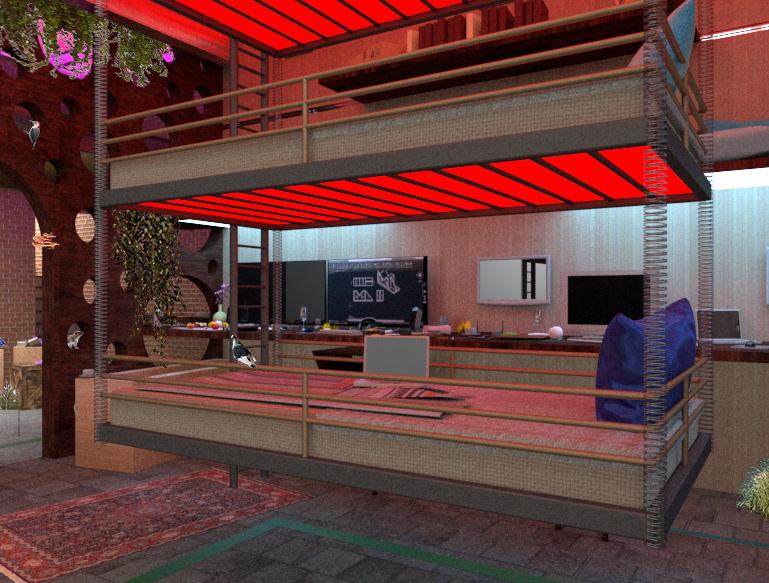
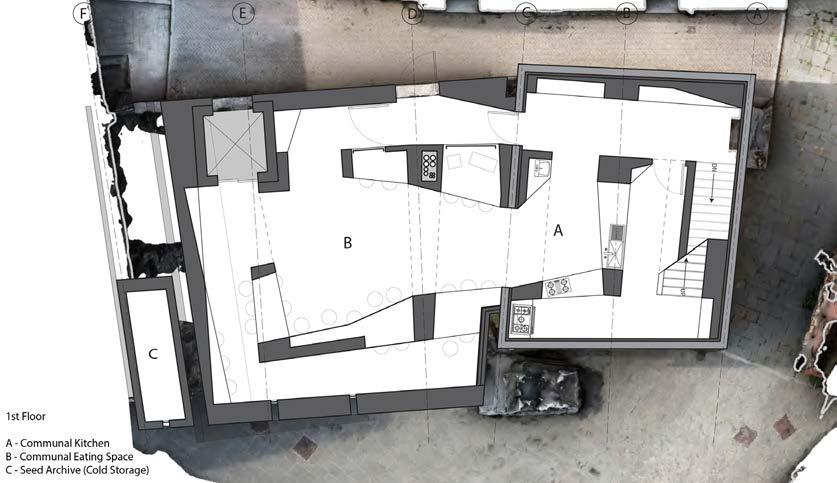
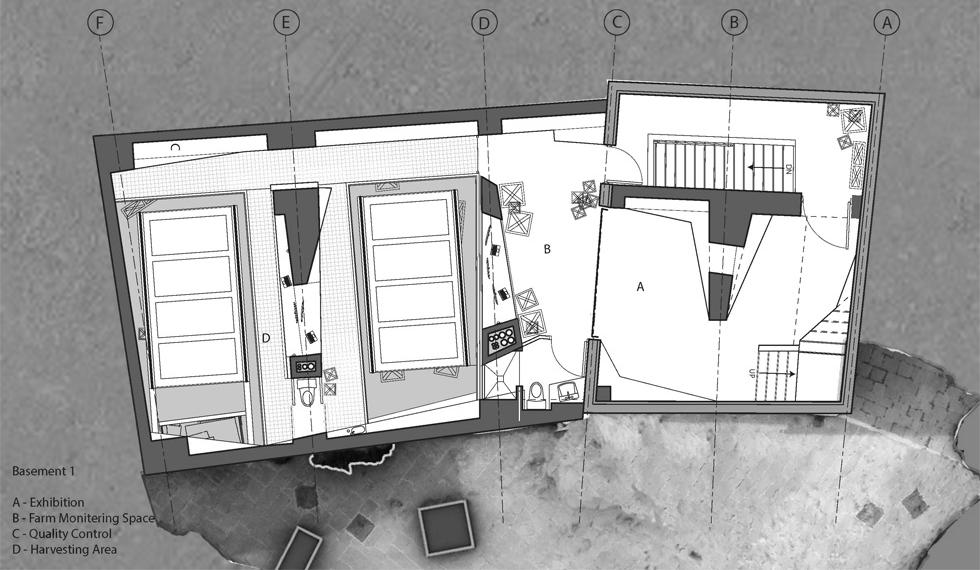
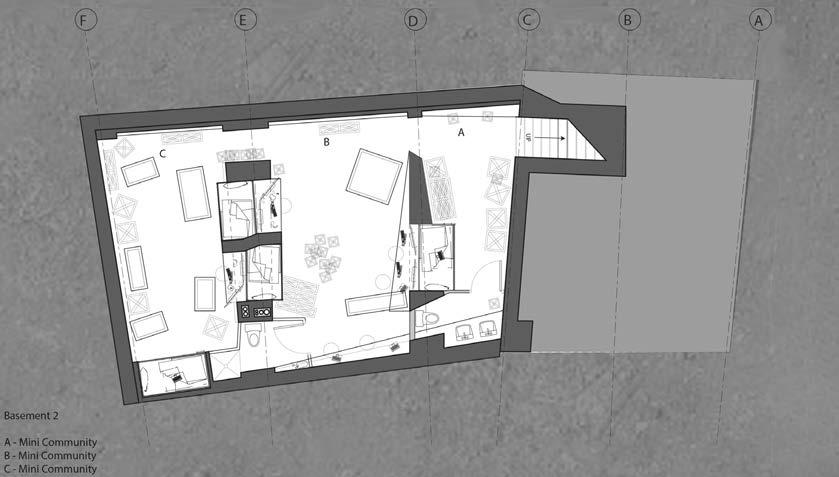
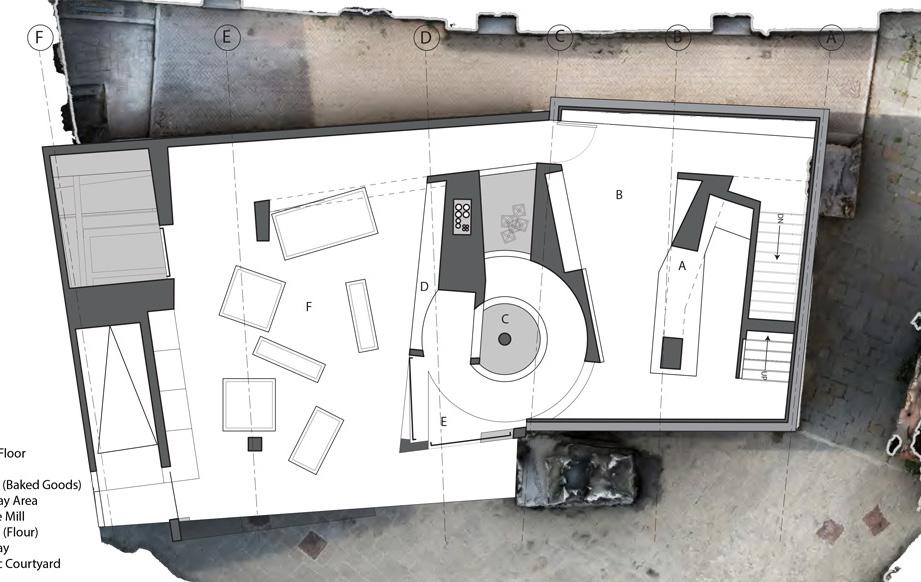
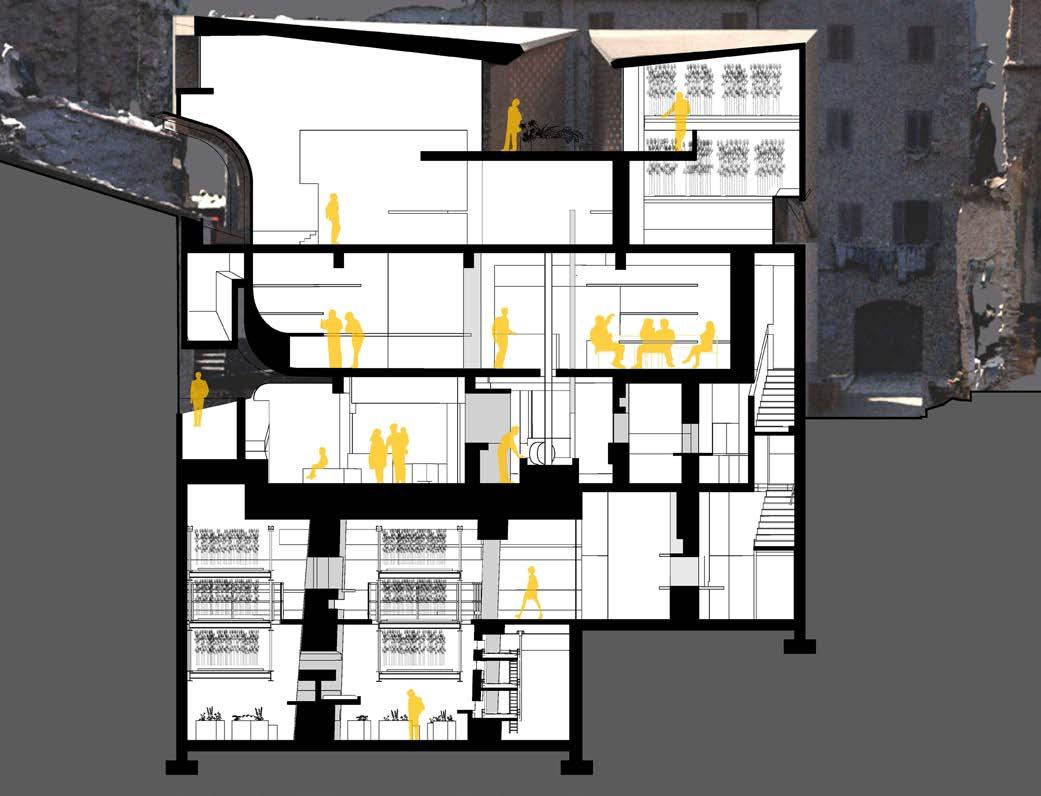
The spheres of work and living have been forced to annex due to modern societal values. The lack of rigid boundaries allows growing spaces, living spaces, and working spaces to overlap throughout the building. Individuals can contribute to all of these spheres simultaneously in one space, or overlap with other community members.
This project analyzes the simultaneity of spaces that have now become both domestic and for work; both reproductive and productive. The prompt for this group involved beginning design from a very ‘zoomed in’ lens at the scale of a cluster of objects. It then expanded to the building scale.
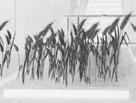
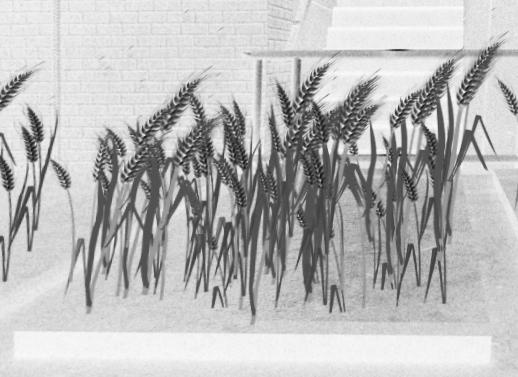
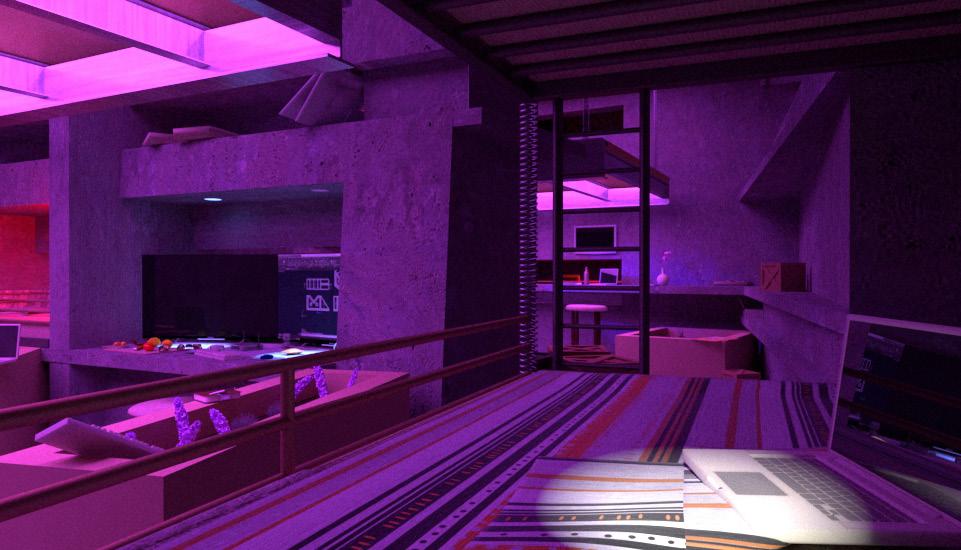
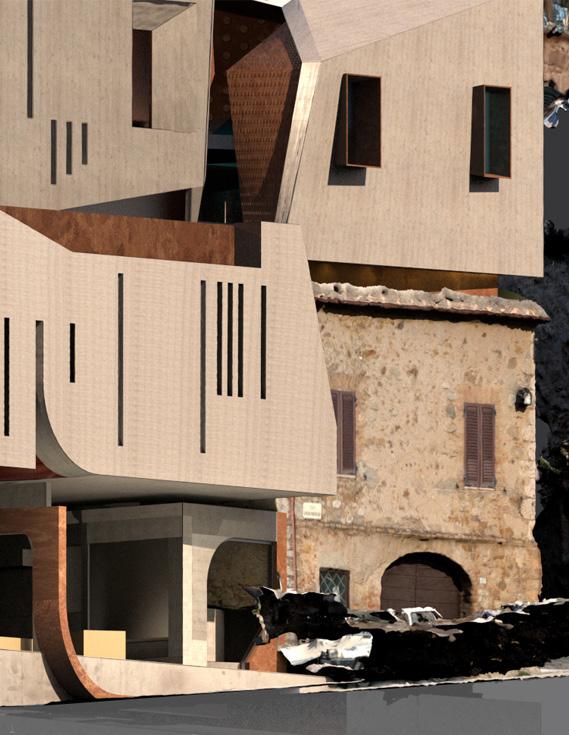
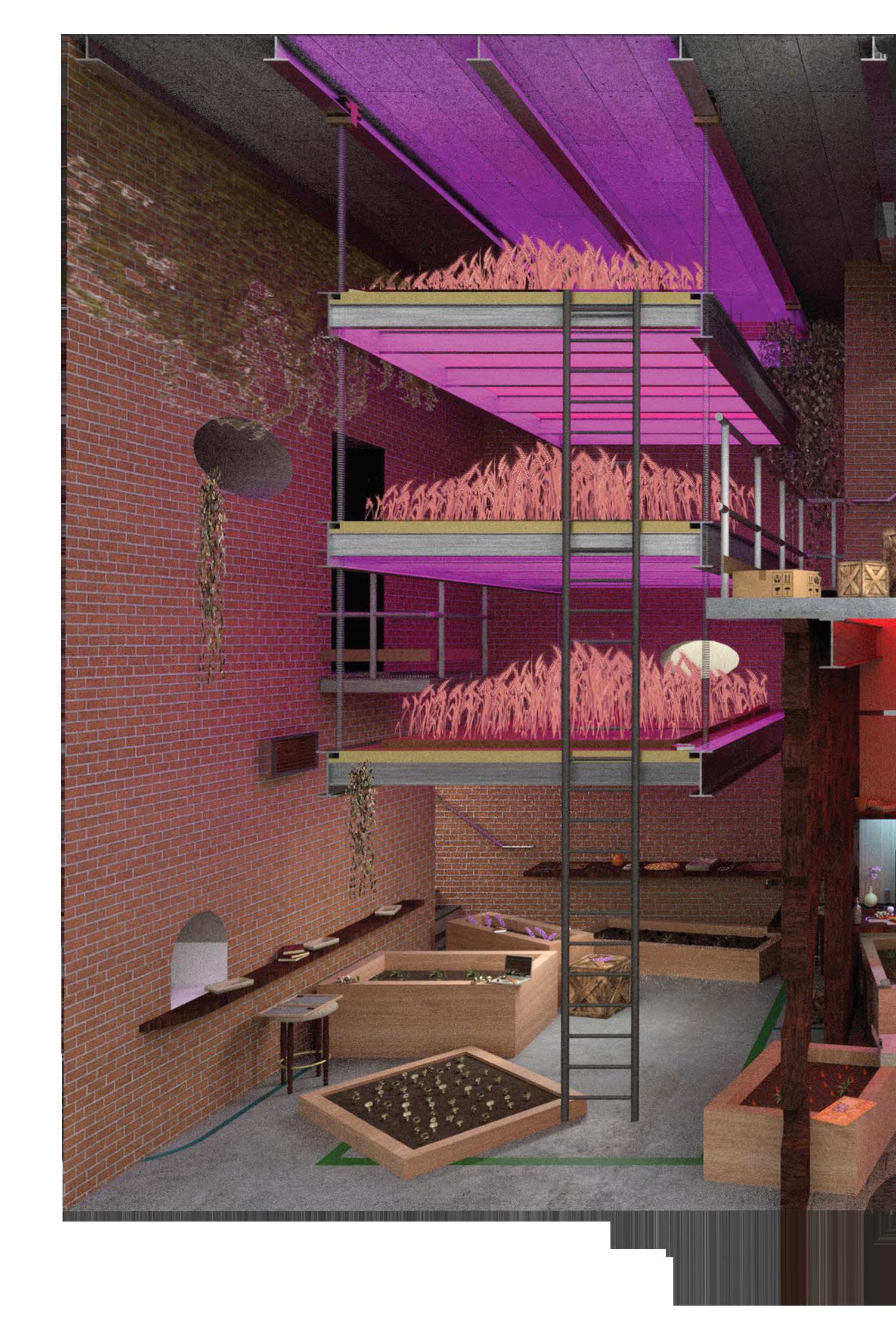
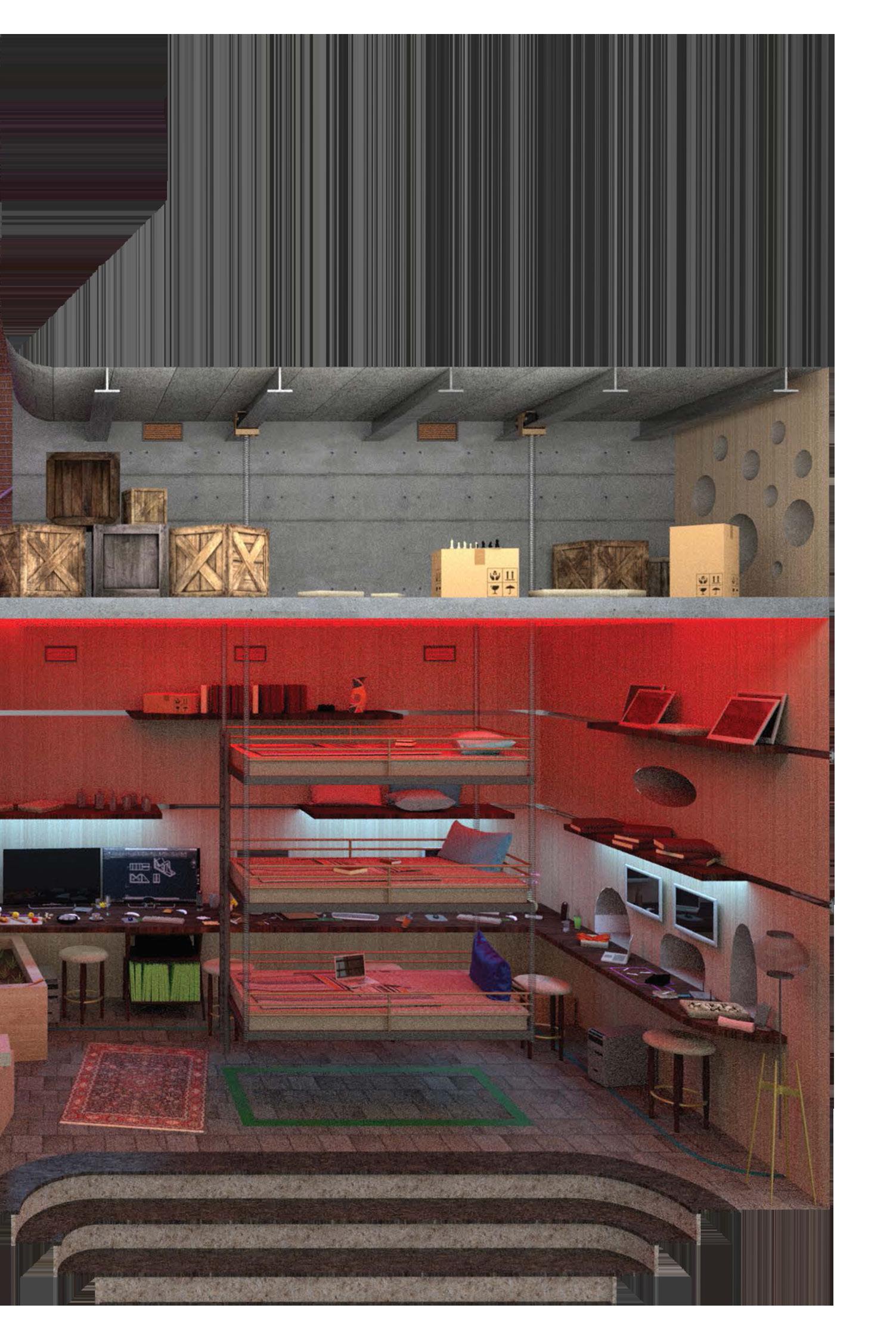
This proposal merges the activities of the Italian borgo, bringing the outside in. The interior space becomes a hub for farming research, especially wheat, and the exterior spaces operate as social gardens. Inside, niches of high efficiency (specifically for working, growing or sleeping) are nested within larger community spaces, defined by lighting conditions that are meant to increase productivity in those spaces. For example, a purple/pink UV light defines the high-efficiency underground production space.
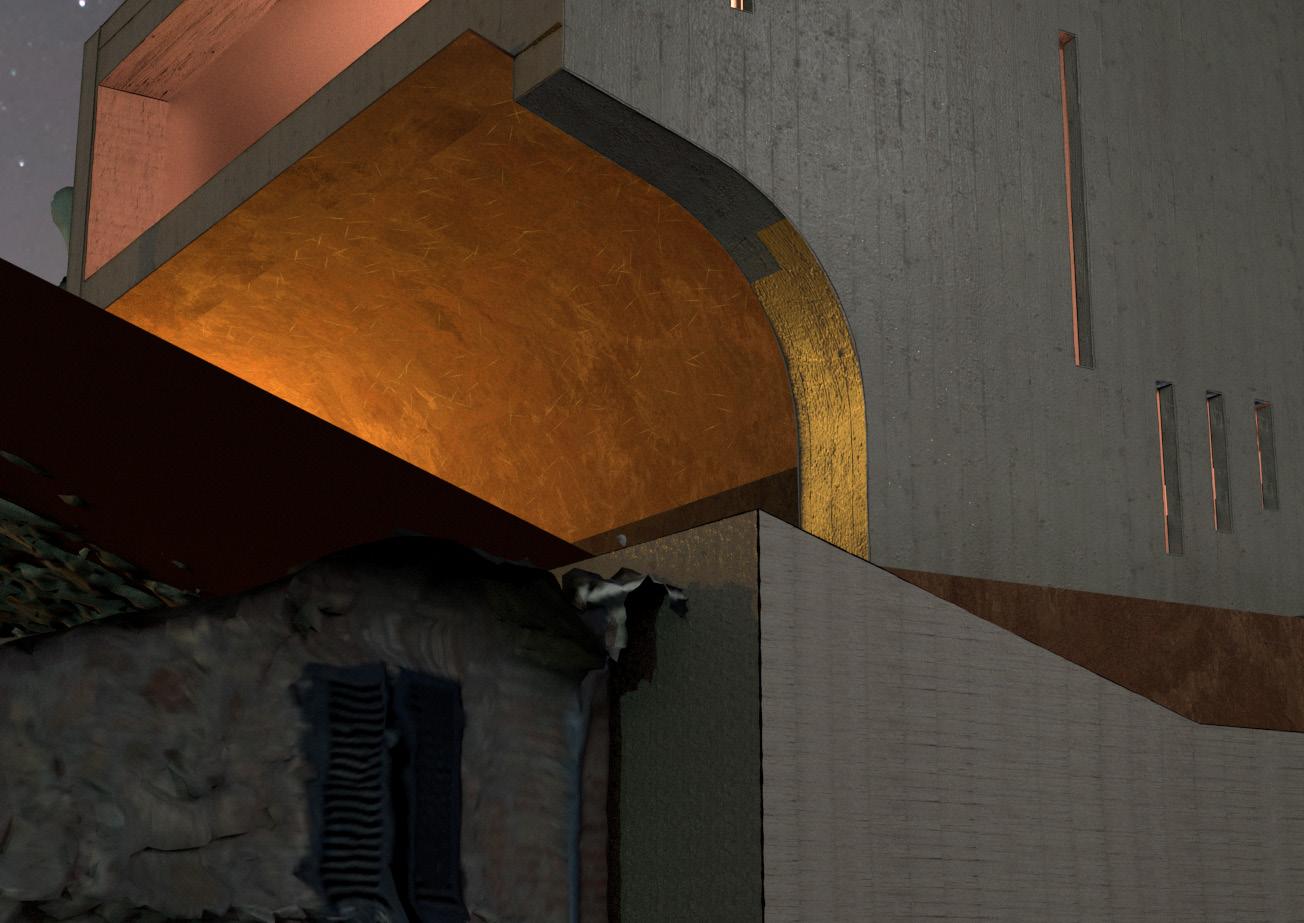
 VRAY Render - Interior
ADVISORS:
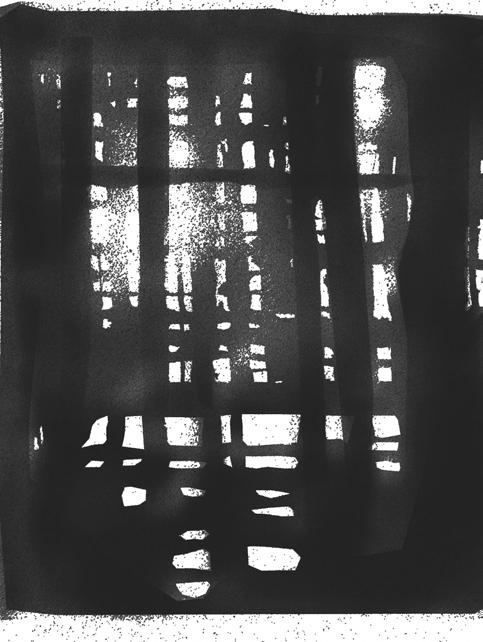
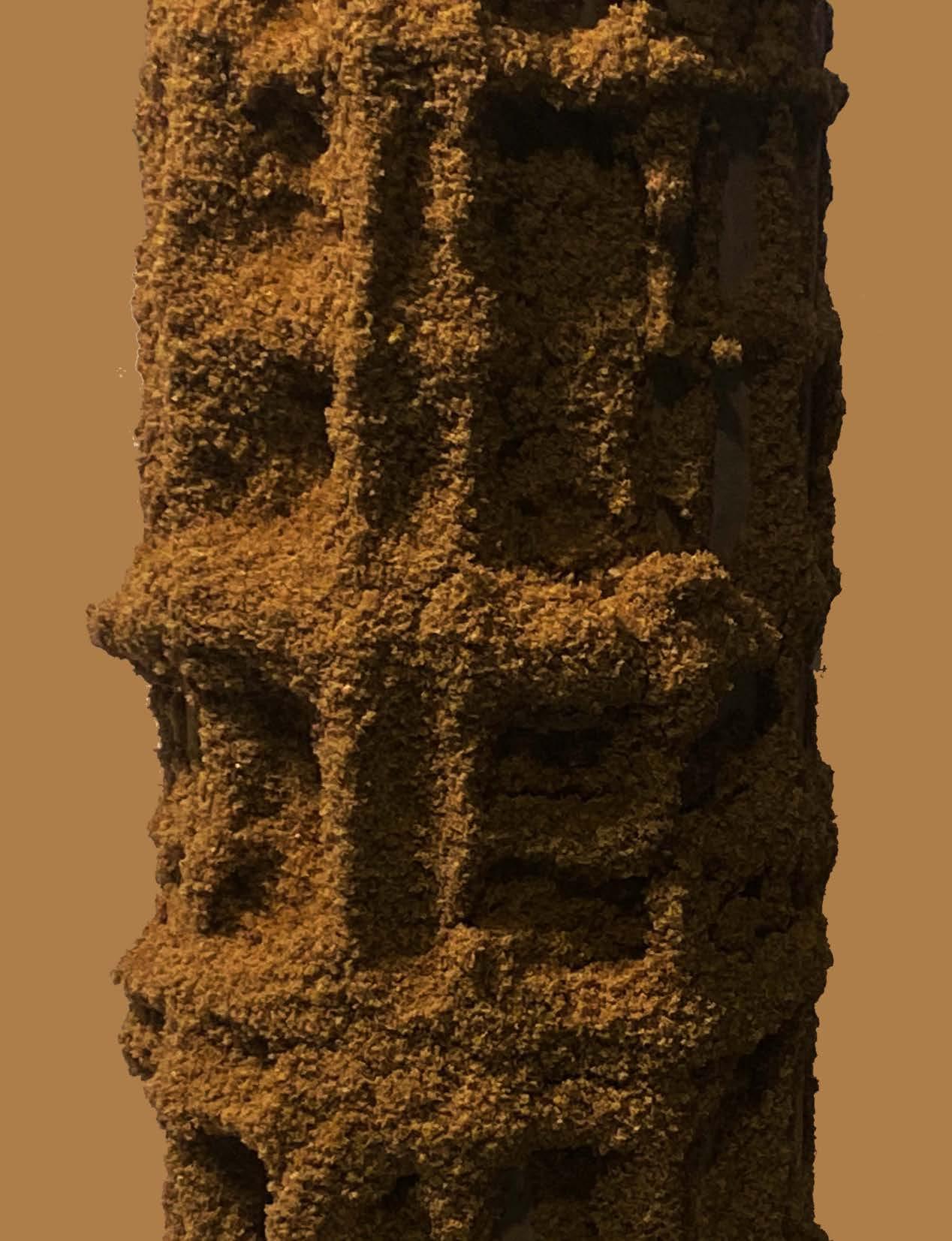
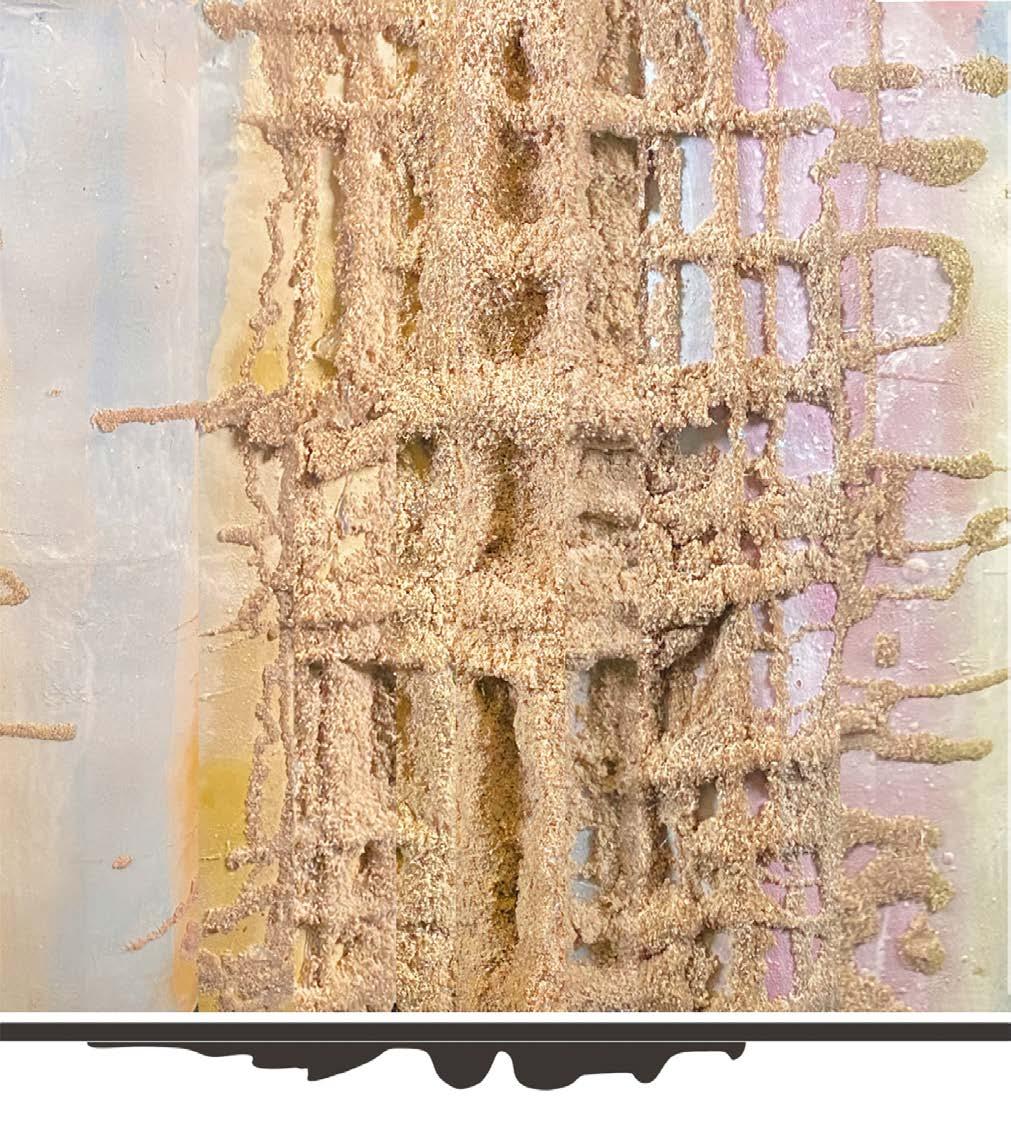
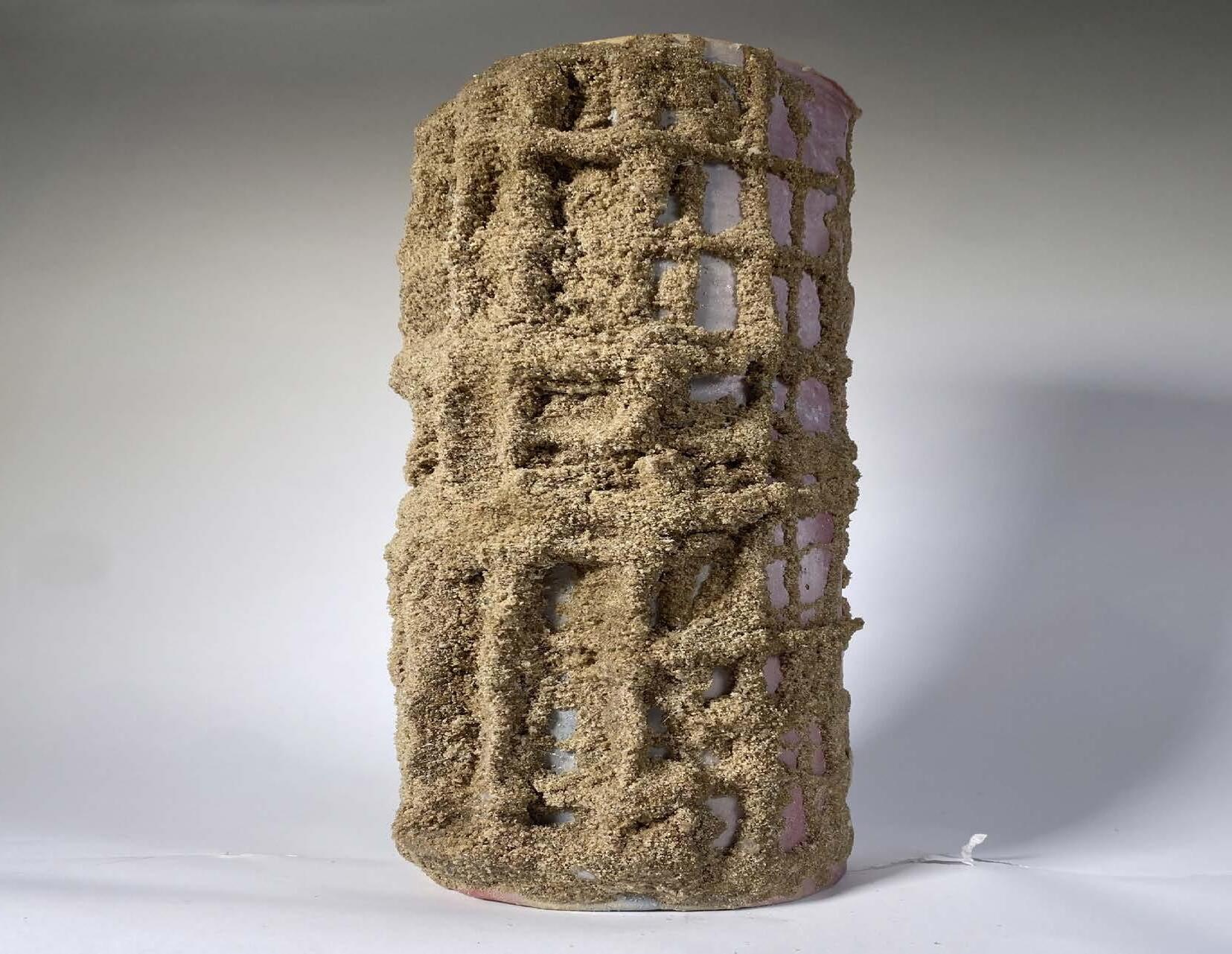
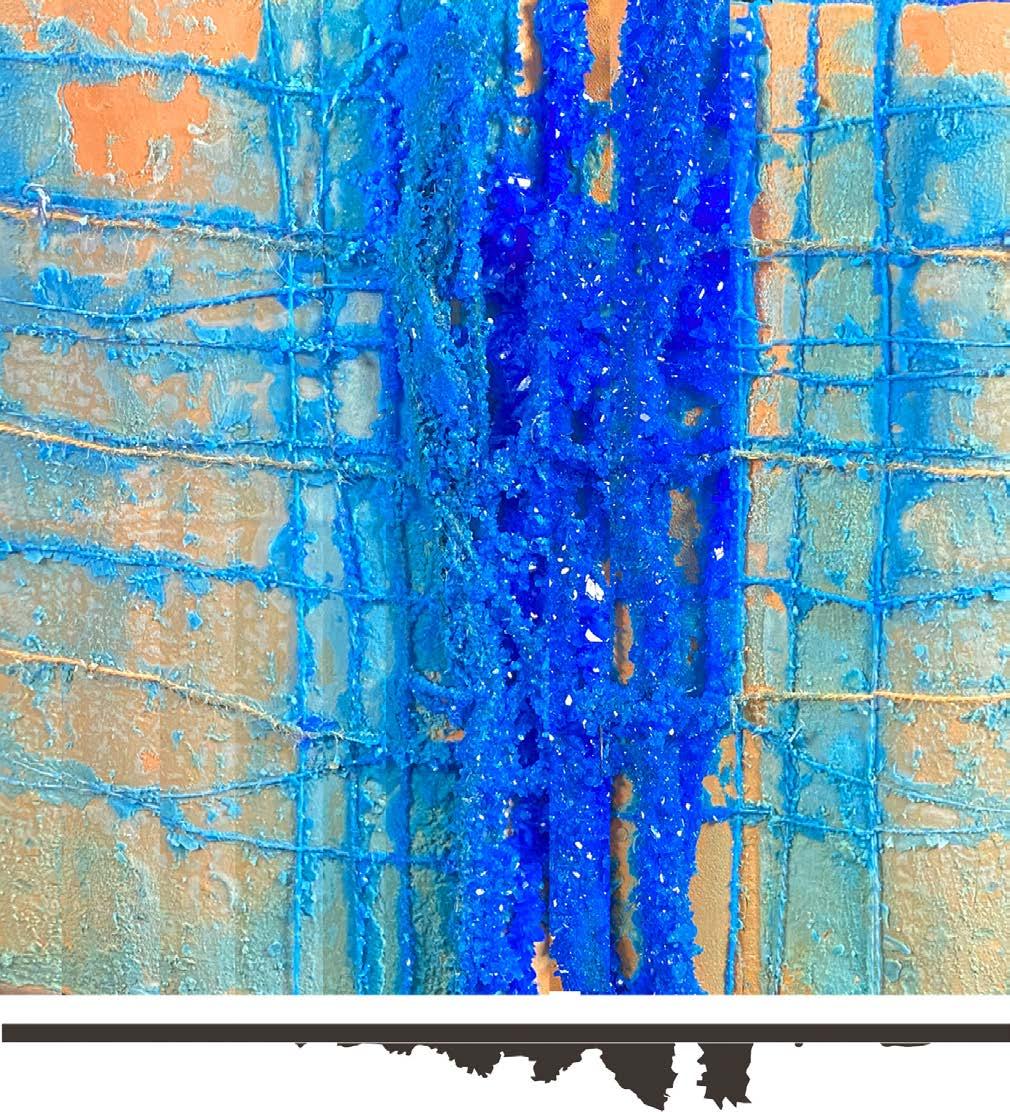
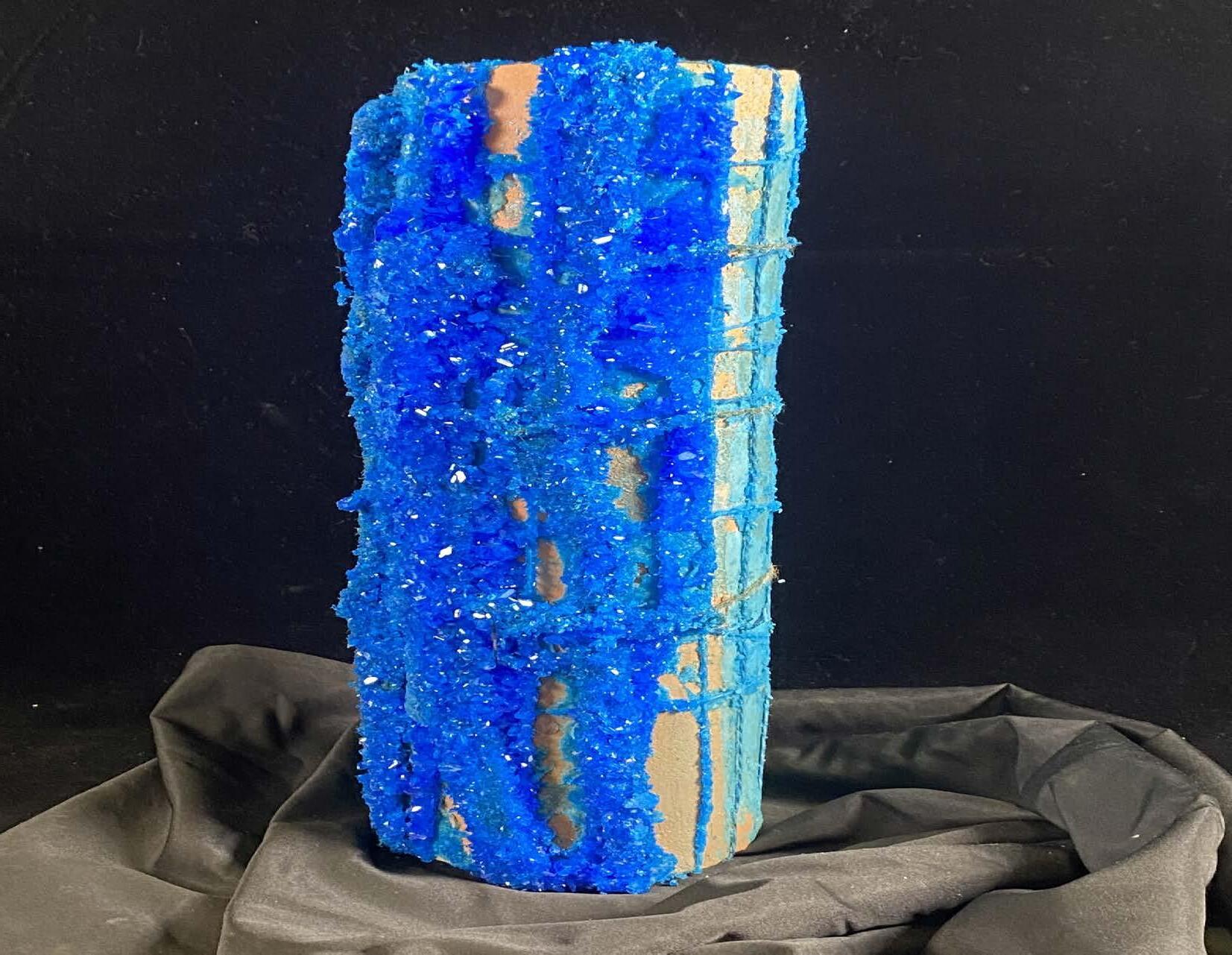
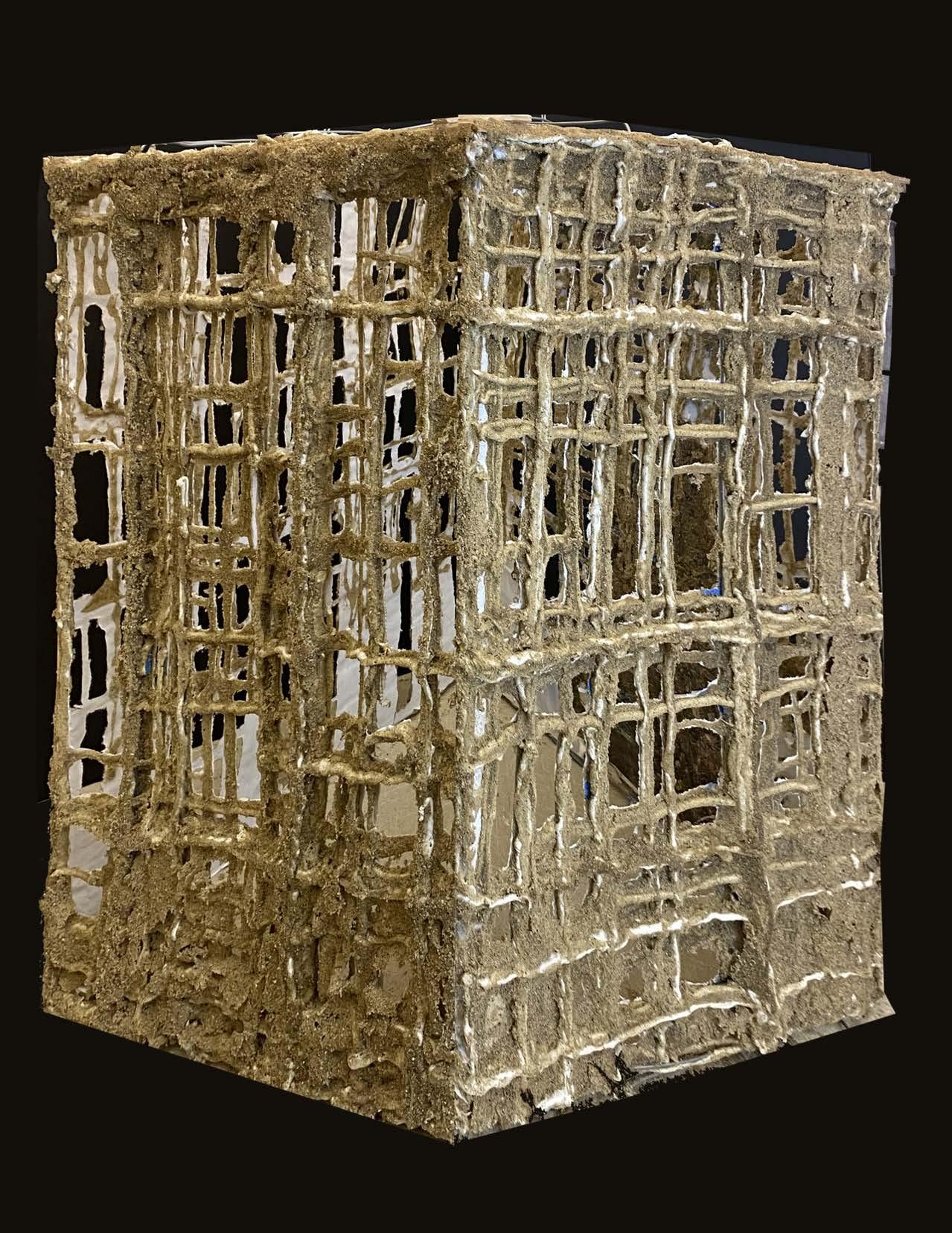
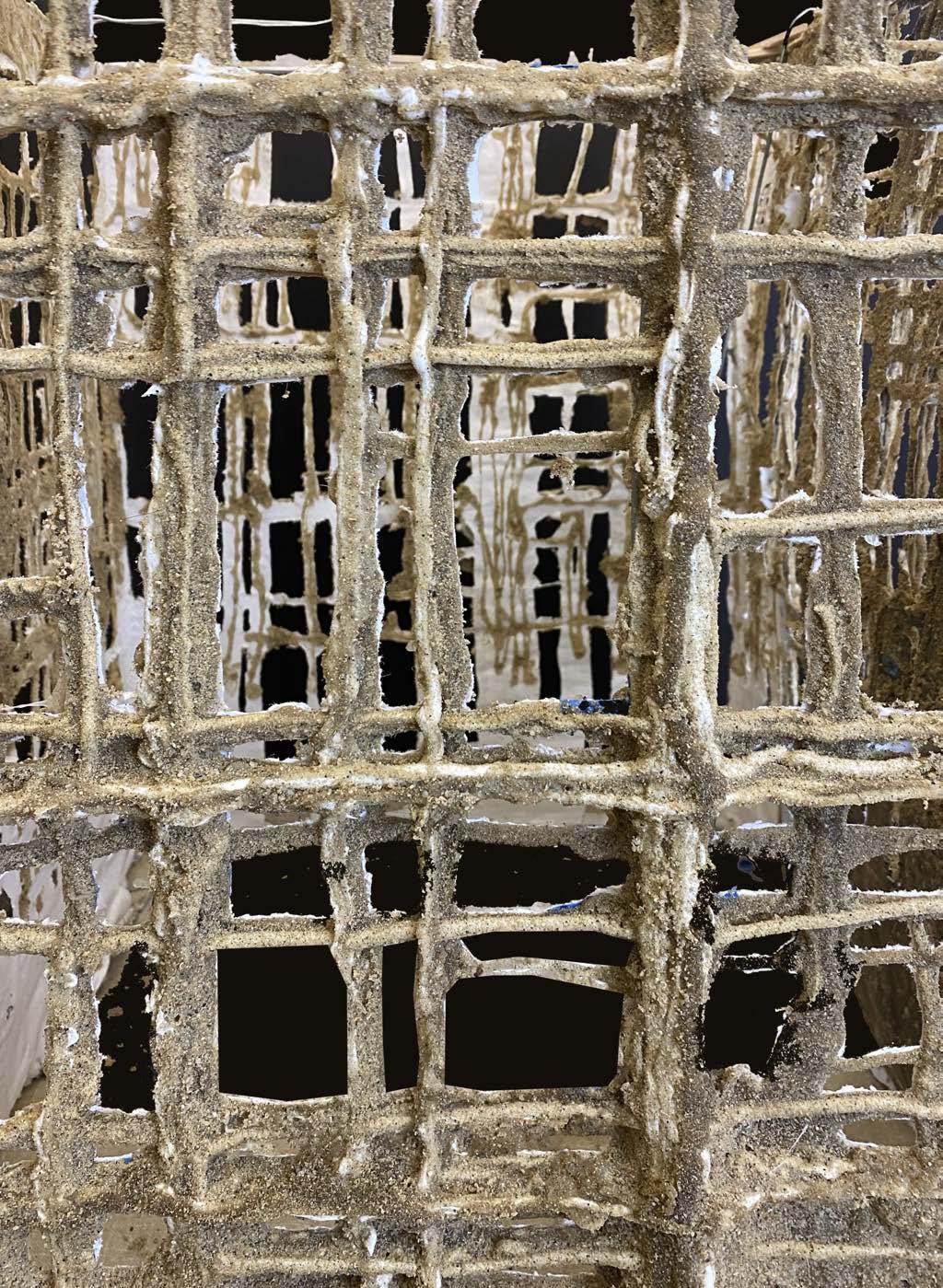
Britt Eversole, Julie Larsen, Jean-Francois BedardThis research proposal seeks to re-engage architecture with time and the human relationship to altering the earth using the ruin as a critical precedent. Using an interdisciplinary approach that includes archaeology, sculpture, ceramic art, and architectural history and design will be the most effective way to study and speculate on humanity’s relationship with supposedly ‘static’ materials. Studying ruin, this research will design the scars of time through projection of future scars, forgery of scars, and utilization of pre-scarred objects. This is the basis for my methodology. This study aims to draw from both philosophical and material standpoints to provoke an understanding of ruins not as mere objects but as envisages of the past, present and future in a single architecture.
These models attempt to ‘construct’ ruination.