mounira el halabi
t f o lio por
|
Reuse the Thermae
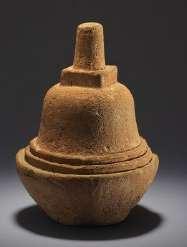
| Buddha Head
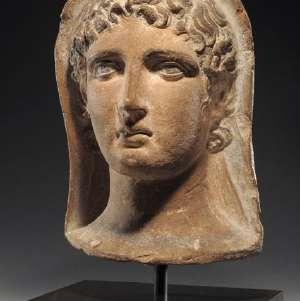
| Mystery of the Veil
| Research Fellowship in Egypt
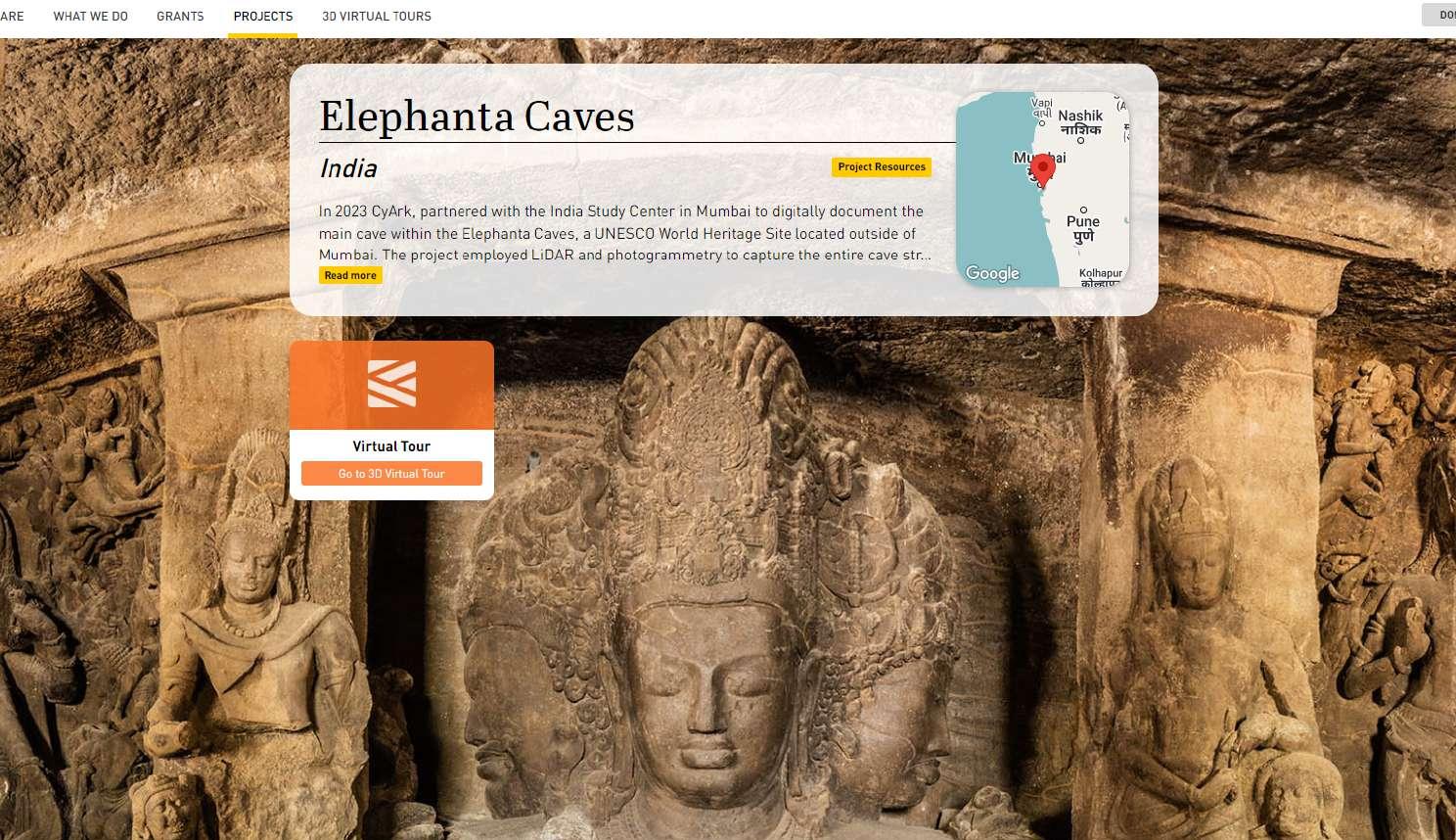
A Texturing Project Inspired by a CYARK Experience.
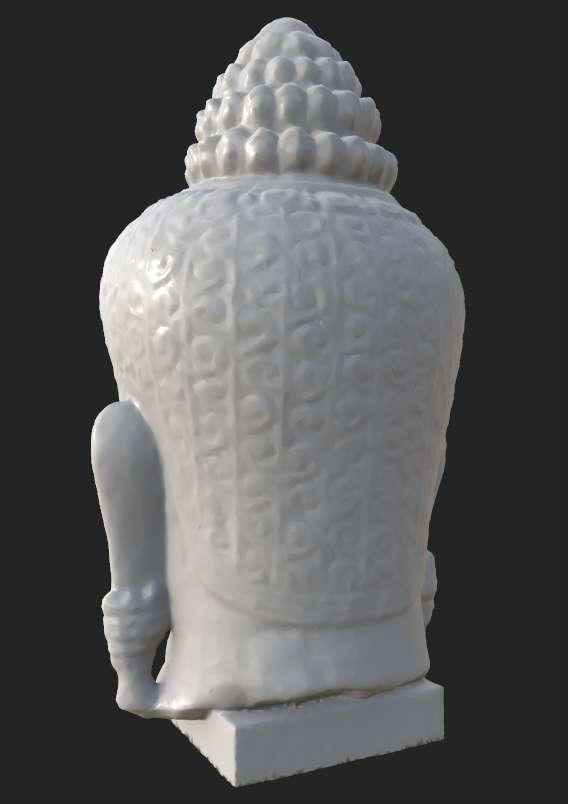
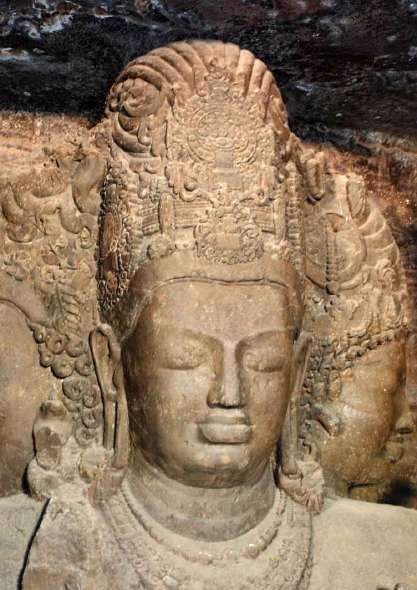
Base model : Stone Avalokiteshvara head,12th C CE
Source: Free Sketchfab model by Minneapolis Institute of Art
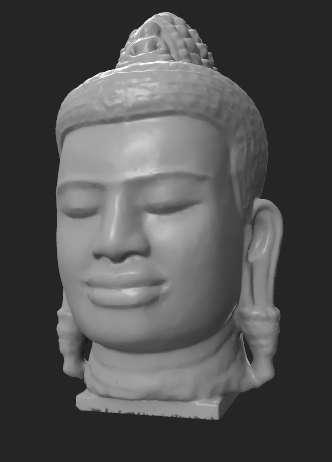
/ Vertices: 32.2k (No textures/mesh maps)
| Finding a Mesh
Triangles: 64.3k
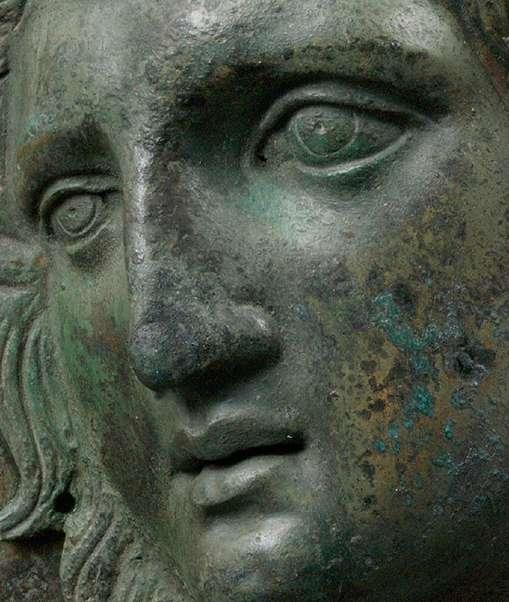
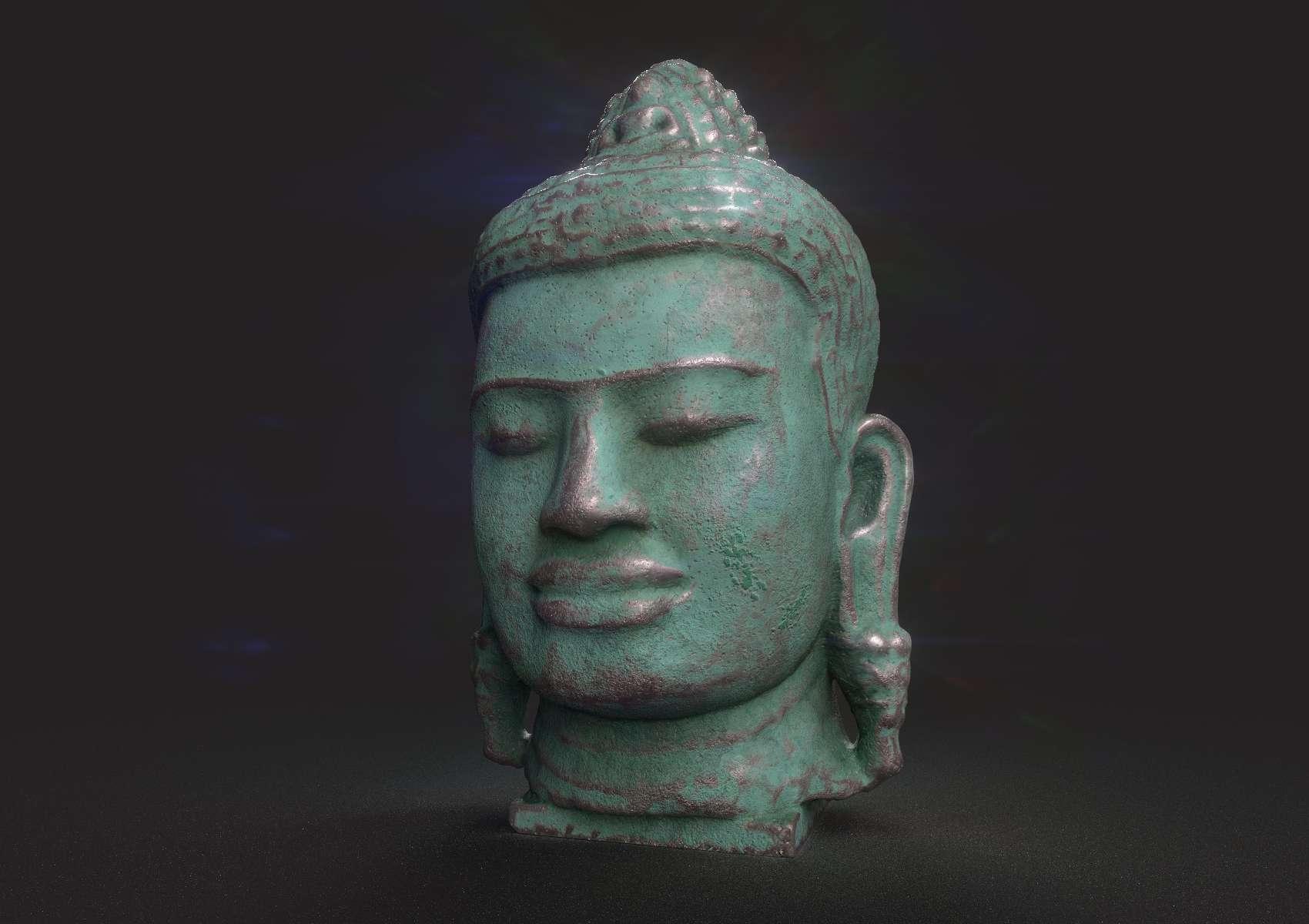
Texture 01:
Patinated Bronze
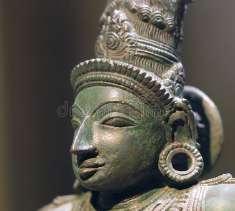
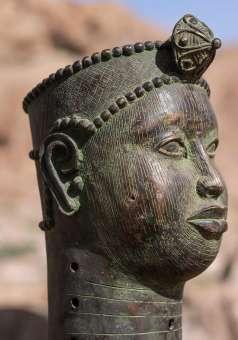
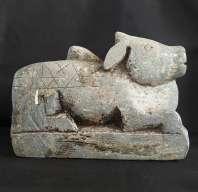
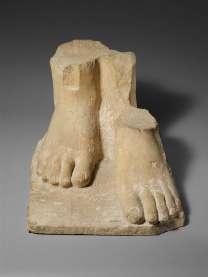
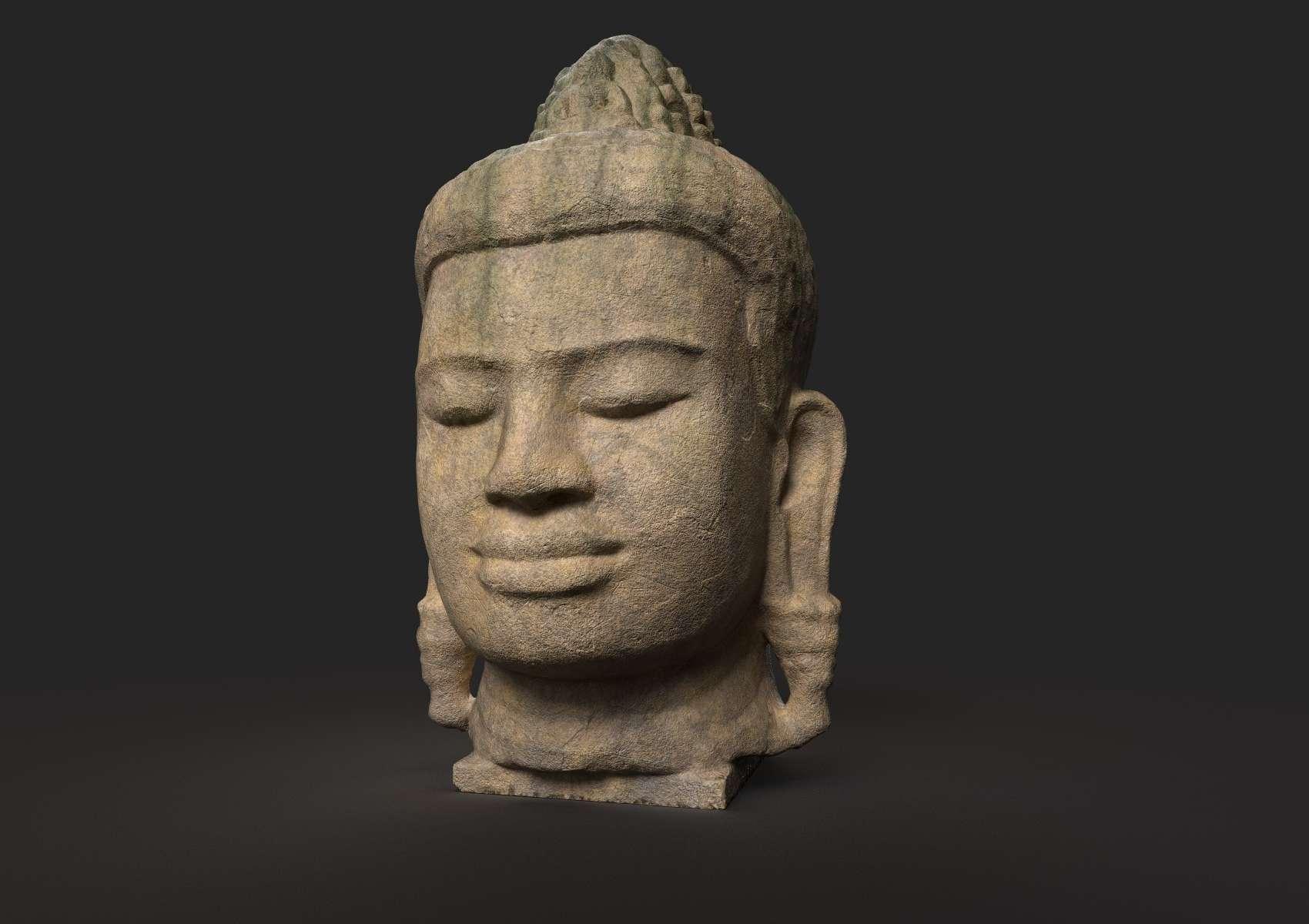
Texture 02: Weathered Limestone
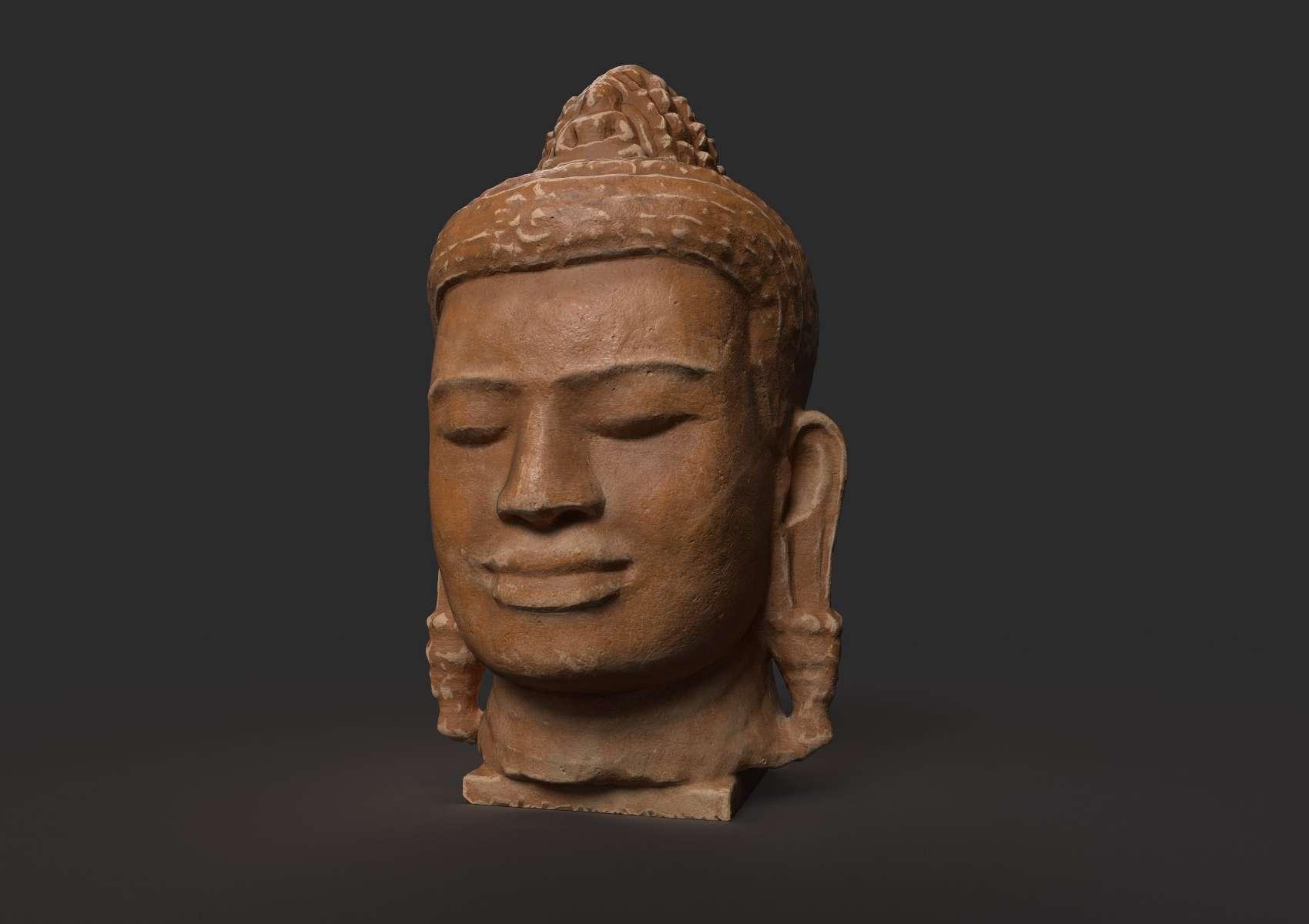
Texture 03: Aged Terracotta |
Texture 01:
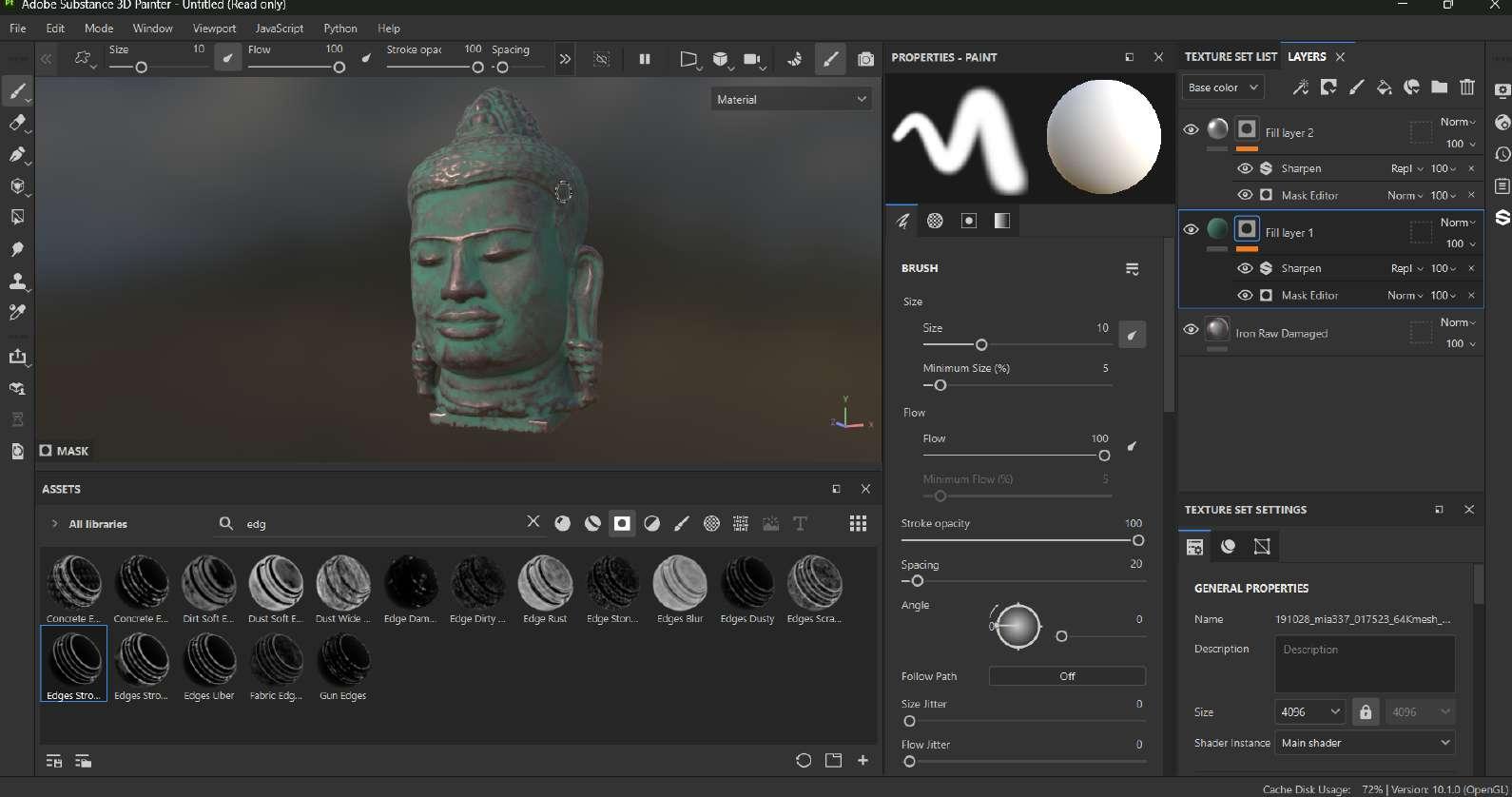
Note: All materials were created from scratch using existing resources in Substance 3D Painter.
Weathered Limestone
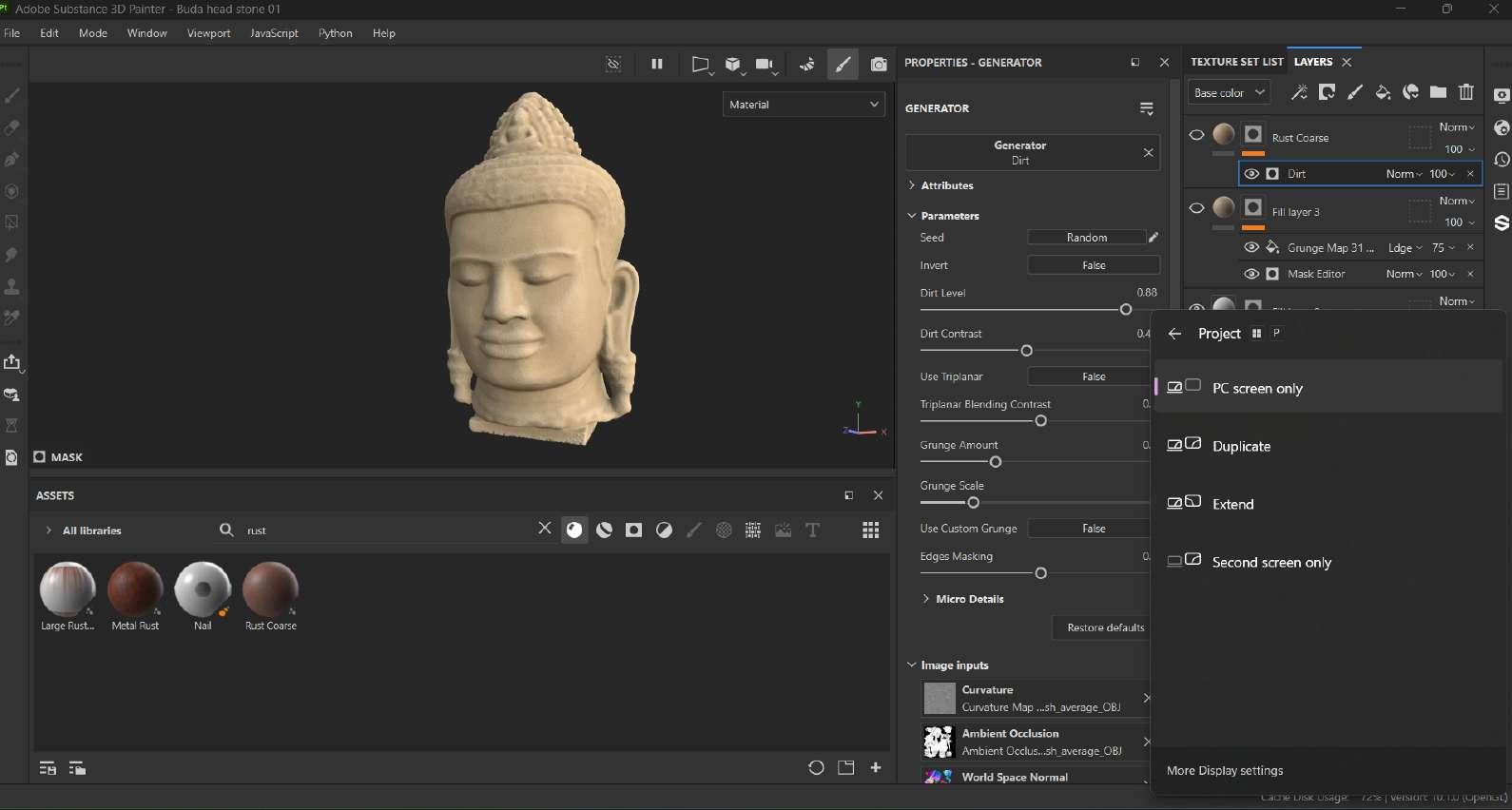
Note: All materials were created from scratch using existing resources in Substance 3D Painter.
Texture 02: Weathered Limestone
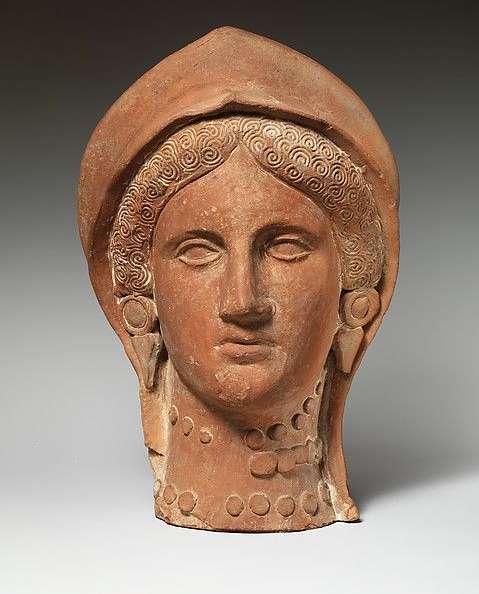
Aged Terracotta
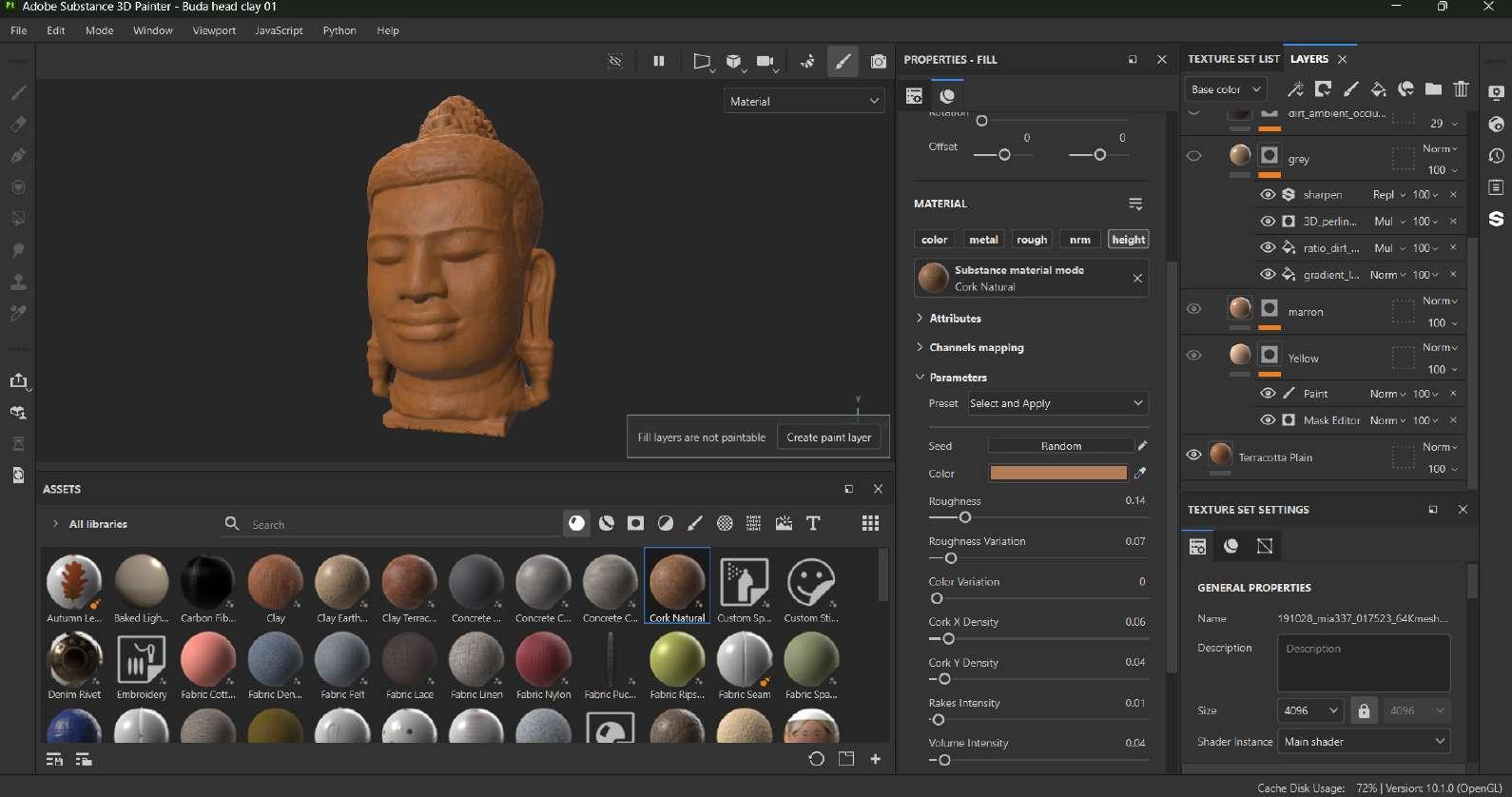
Note: All materials were created from scratch using existing resources in Substance 3D Painter.
Texture 03:
Aged Terracotta
Aim: to showcase the following skills: Texturing/Hand Painted Texturing/Rendering/ Realistic Model Creation/Research/Realistic Texture Appeal/Texture Creation/Familiarity with Heritage Preservation & Conservation (material behavior, finishes, cultural contexts)
Untextured Base Mesh
Texture 01: Patinated Bronze
Texture 02: Weathered Limestone
| Final Renders
Texture 03: Aged Terracotta
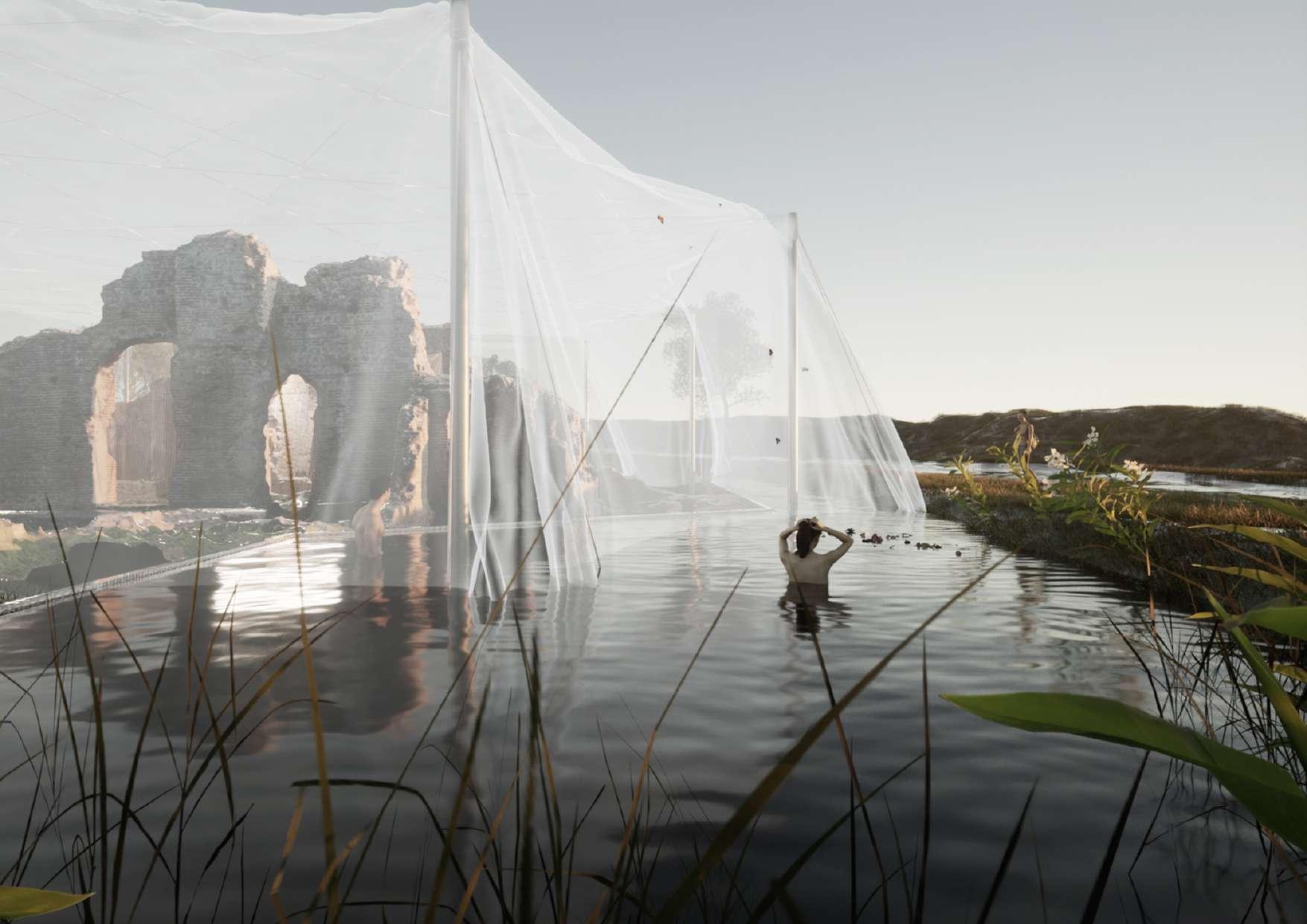
| Reuse the Thermae Architecture Competition Entry with a Reconstructed Heritage Site. 2024
This project was a competition entry where I collaborated with an architect to design a concept for the future of a historic thermae in Italy.
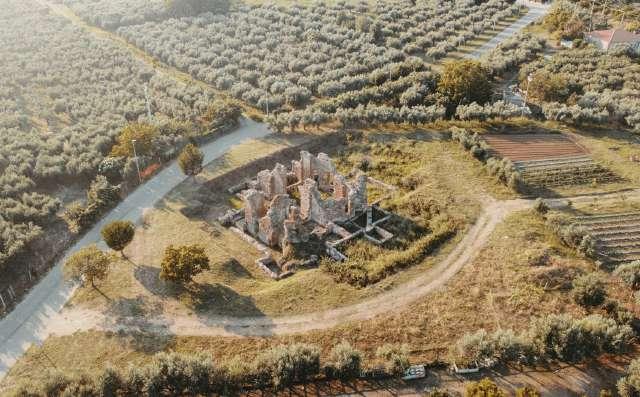
Working with scattered and low-quality data.
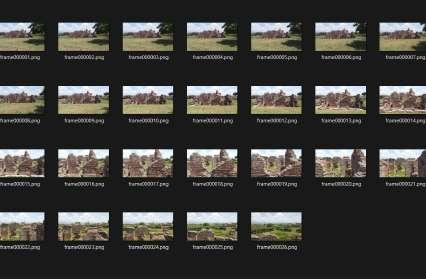
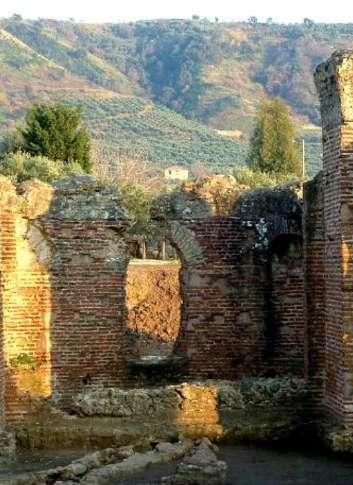
The competition package included low-quality drone footage, a few bird's-eye view images, and a SketchUp model. I decided to recreate the model by using the drone footage as photo assets to feed into the photogrammetry process. To get started, I organized all the footage to make it easier to work with.
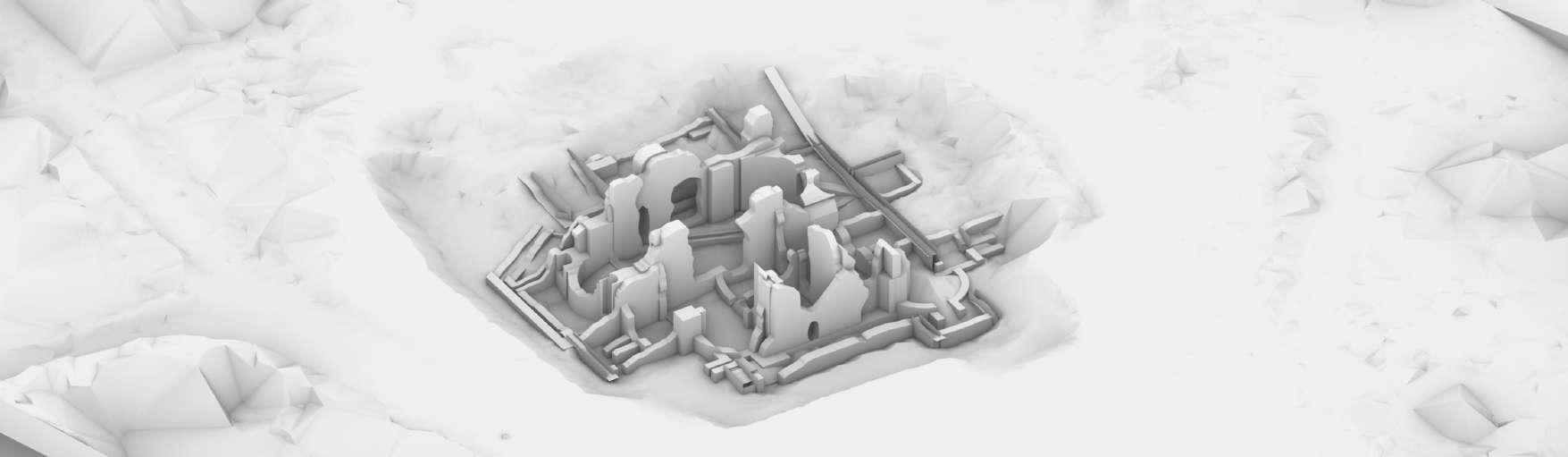
This is the model provided with the competition package —a SketchUp model that, to be honest, looks quite underwhelming.
Utilizing RealityCapture and Blender to recreate the Thermae model.
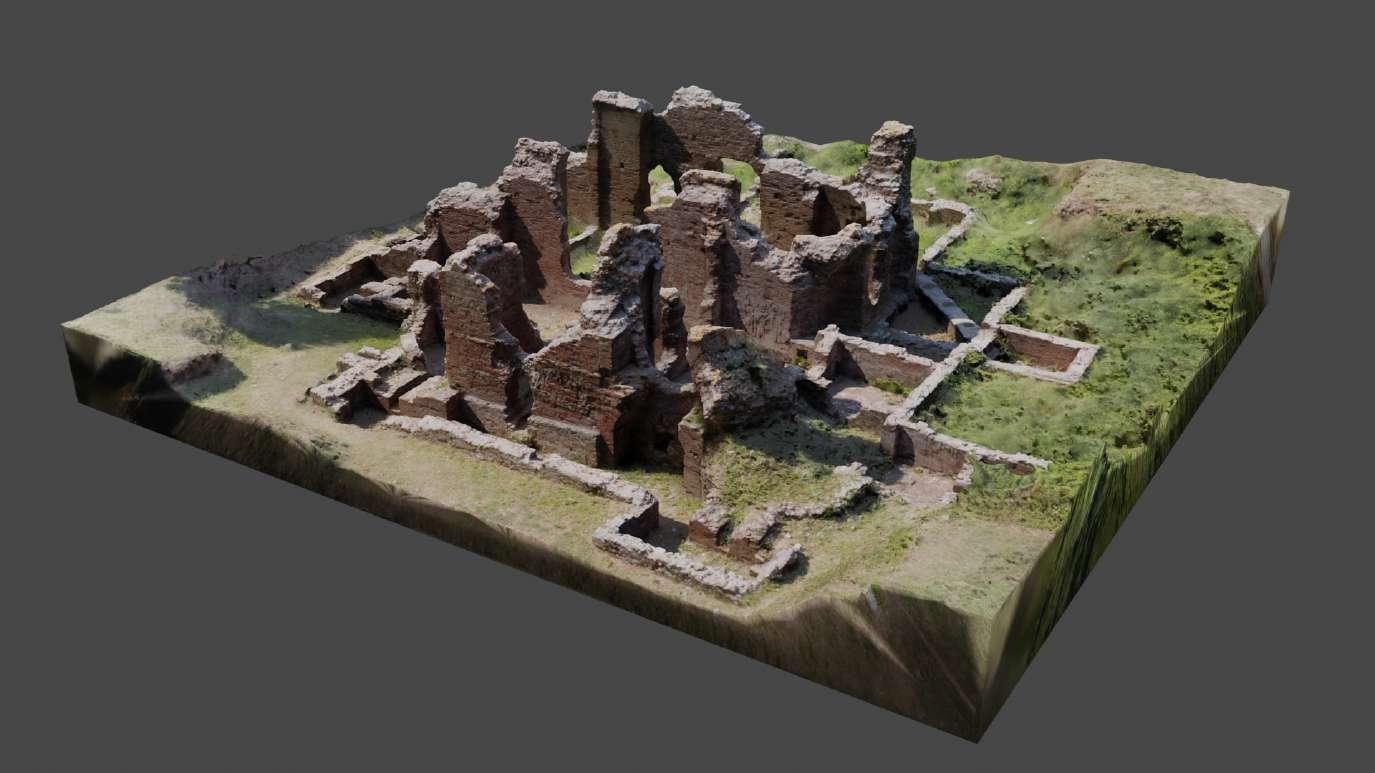
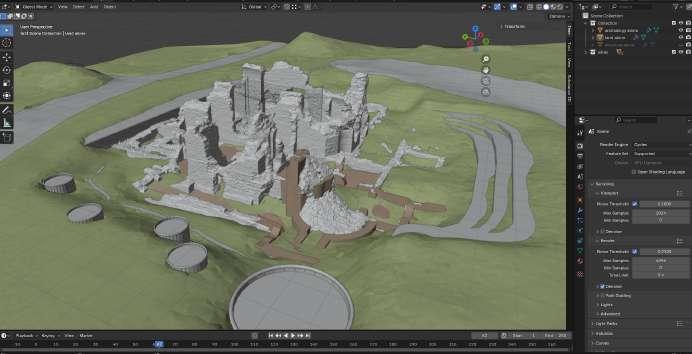
used Rea ityCapture to process drone footage and photos, app ying the photogra etry technique to create a detai ed high-po y esh found that the initia textures on the ode were unsatisfactory, so I decided to keep on y the esh
Through tria and error, I deve oped i proved textures, a though the esh itse f was sti not up to standard
In B ender, I unwrapped the origina esh ode and app ied the new y created UV texture aps to produce a ore refined FBX ode redesigned the f oor, adding architectura andscape design e e ents and fixing issing parts of the esh (high ighted in brown) Fina y, I ported the ode into Twin otion for fast rendering.
| Creating the mesh
Proce
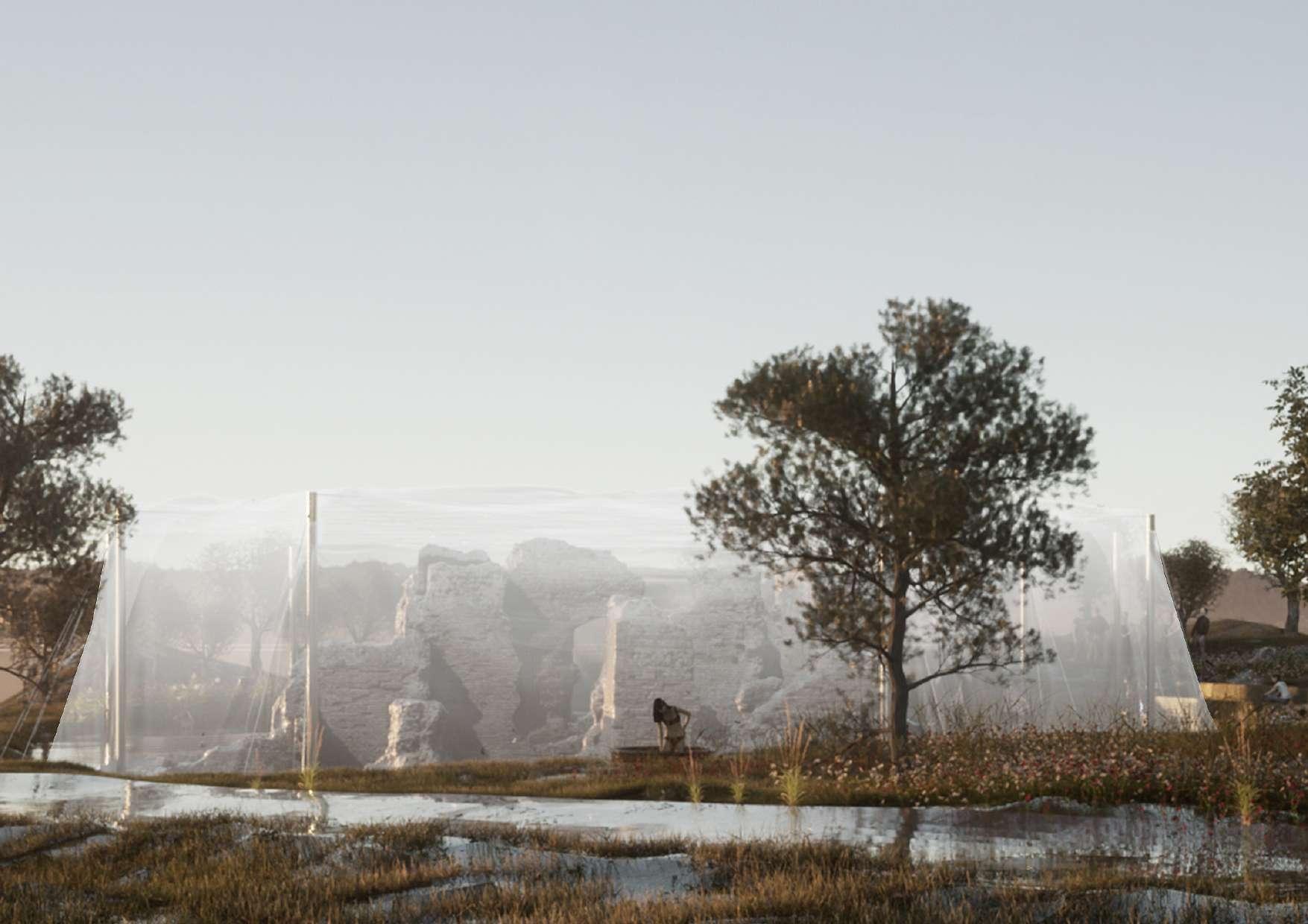
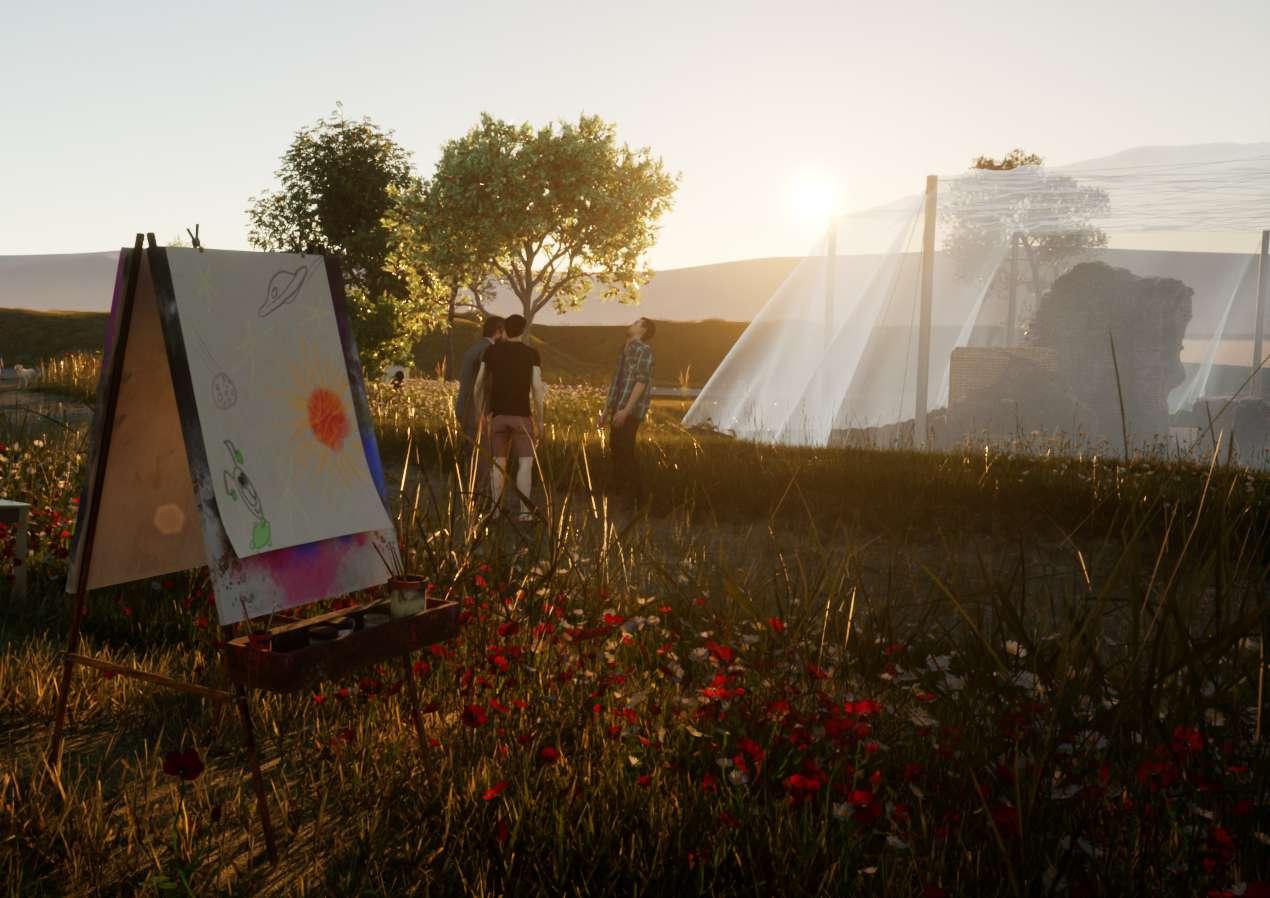
Reconstructing the thermae 3D model and adding real-world textures was crucial to achieving the whimsical, washed-down realistic look that the architect was going for.
|
Capturing the same moment from the picture, but with a darker and more muted tone.



Project Architecture Page: https://www.karimnader.com/allprojects/2024/1/voliera
A Game Concept Apprenticeship with a UK-based Studio. 2018
| Mystery of the Veil
This project started back in 2018 during a remote summer apprenticeship at mOOO Studio in the UK. The idea was to reimagine Tripoli, a historic city in Lebanon, as a whimsical, hyperdigital game world. It's still a passion project of mine, one that I’d love to dive back into now that I've picked up some new skills.
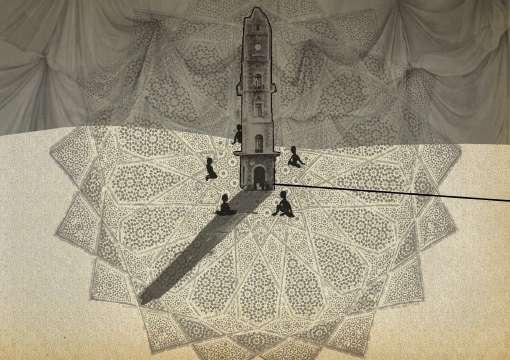
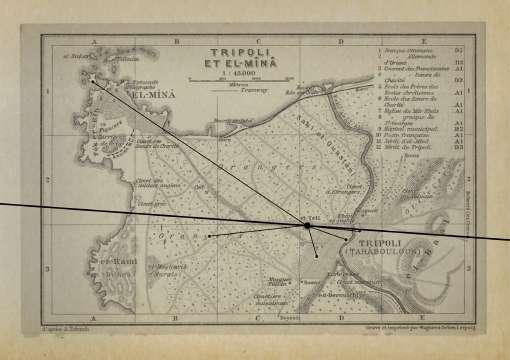
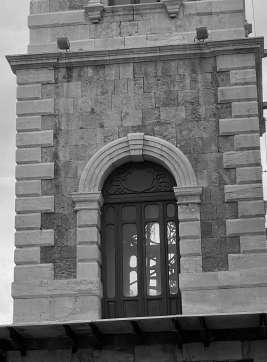
Tripoli’s Clocktower: The starting point of the journey.
Different sites function as levels, each one unlocked by completing a mission.
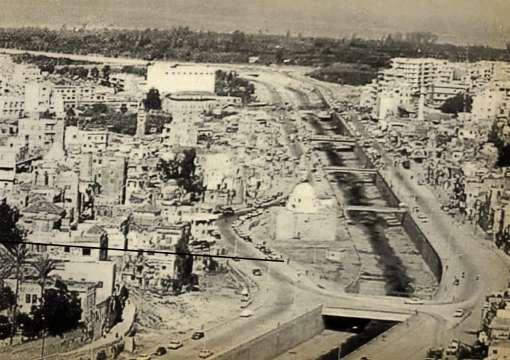
One level features the Abou Ali River, where, in the 1960s, the river and the surrounding historic urban fabric were replaced with a massive concrete canal.
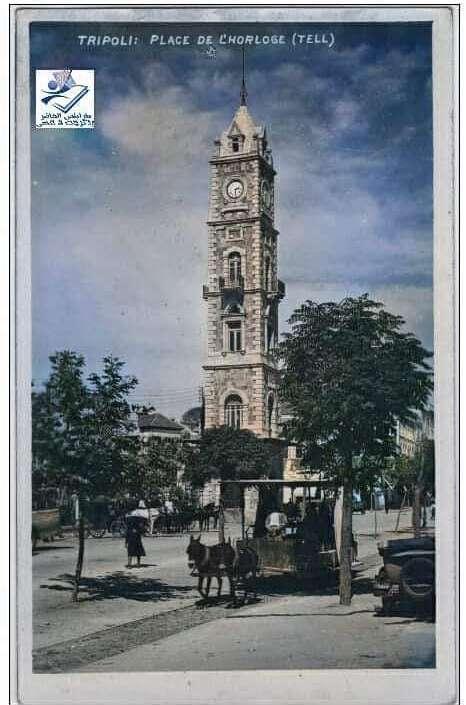
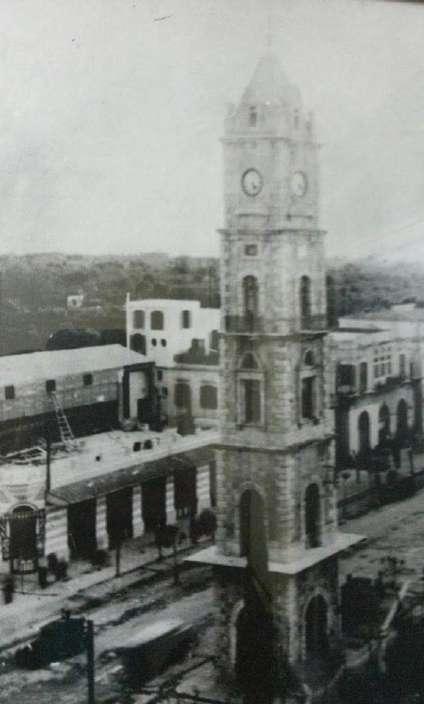
Remodeling Tripoli’s Clocktower from Scratch
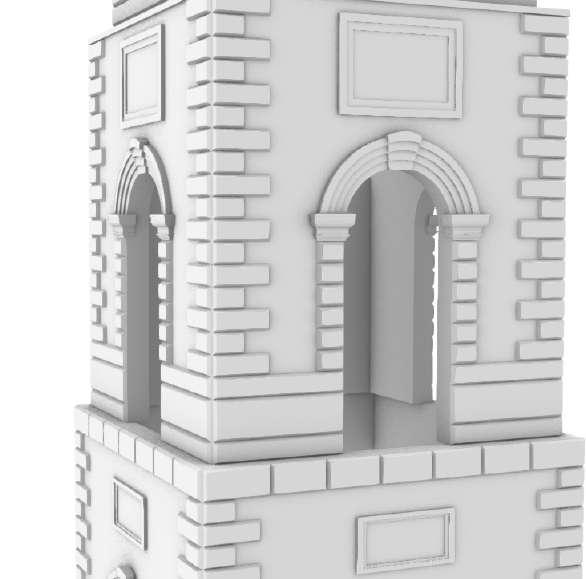
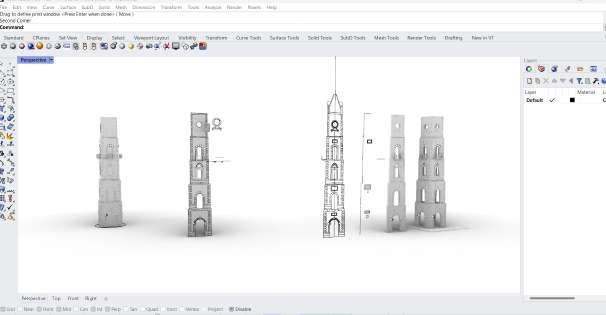
Before I became familiar with 3D scanning/photogrammetry techniques, I took a more straightforward approach. I gathered reference images of the structure and meticulously remodeled it, stone by stone, using Rhino 3D software.
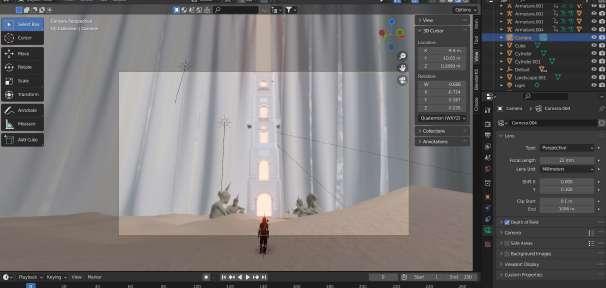
I then used Blender to create a game-like composition, integrating the model into the scene.
The
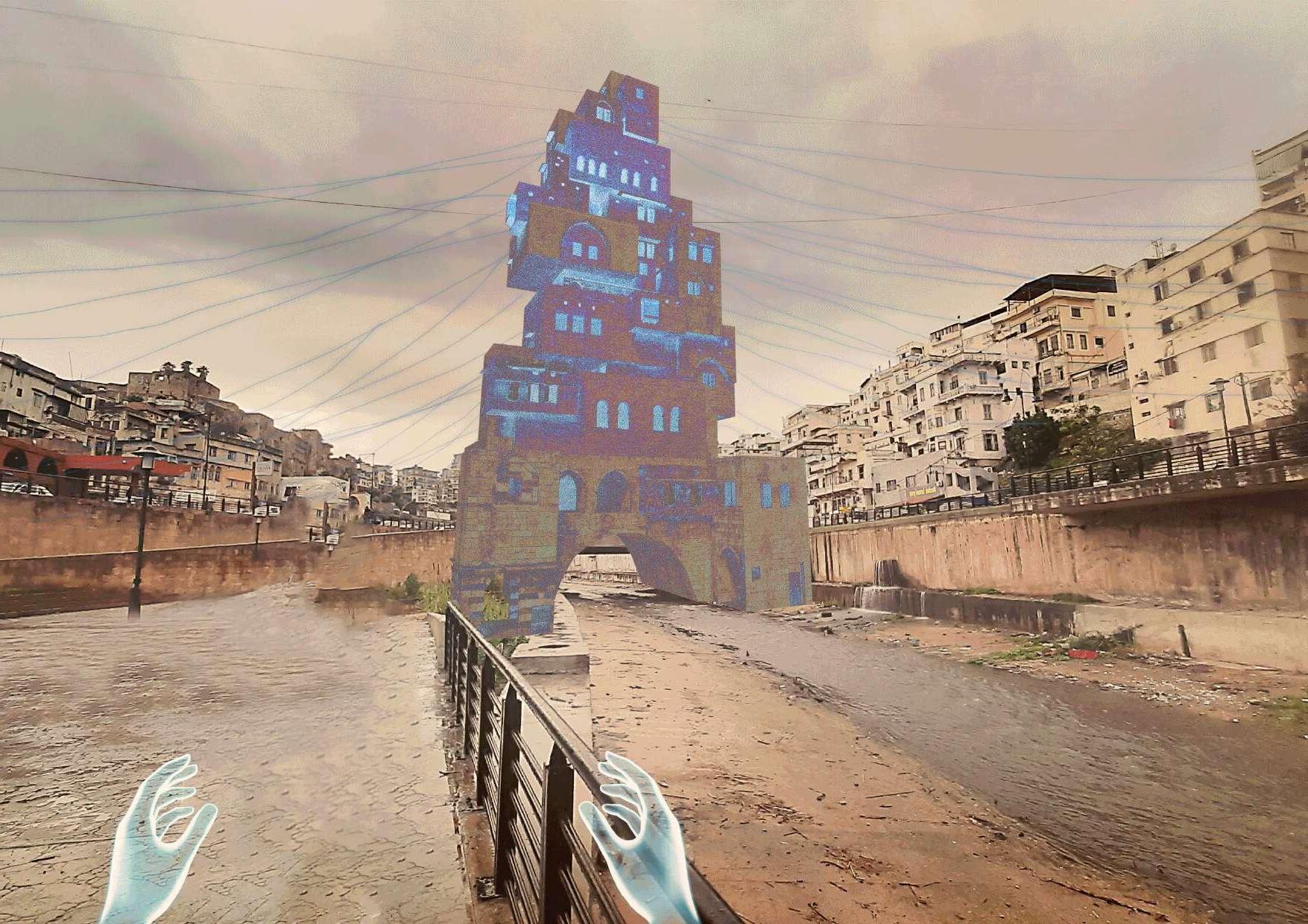
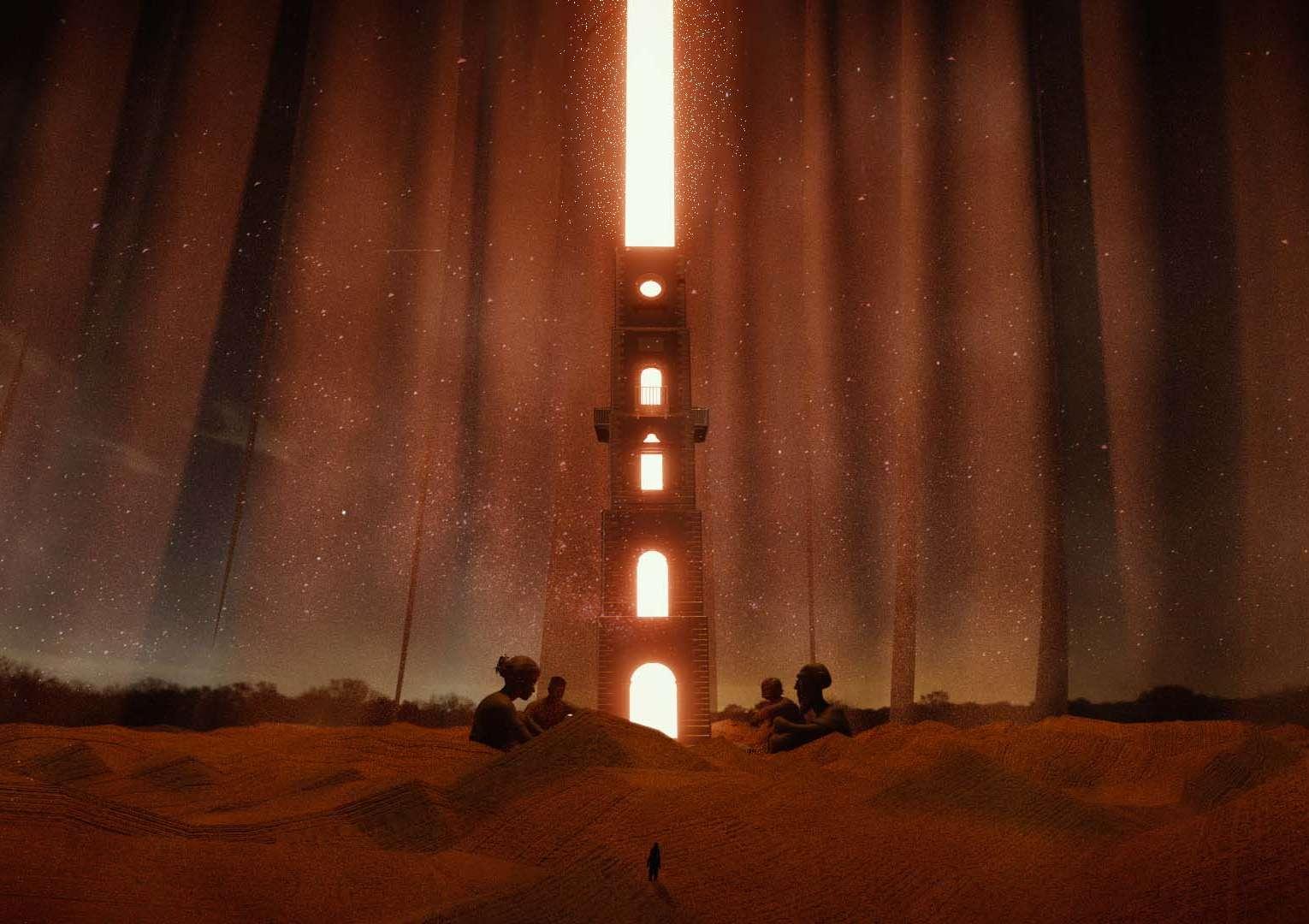
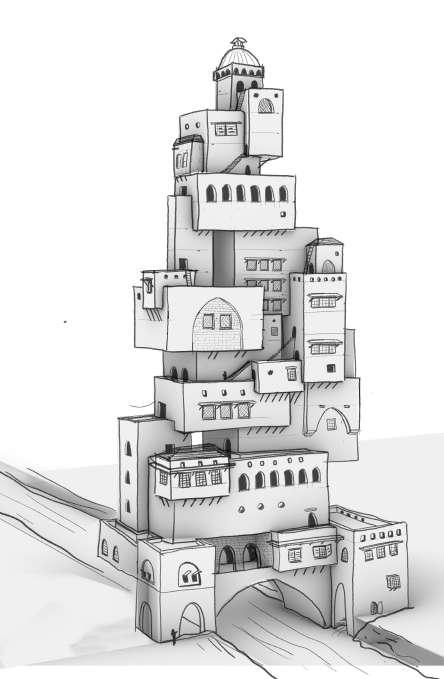
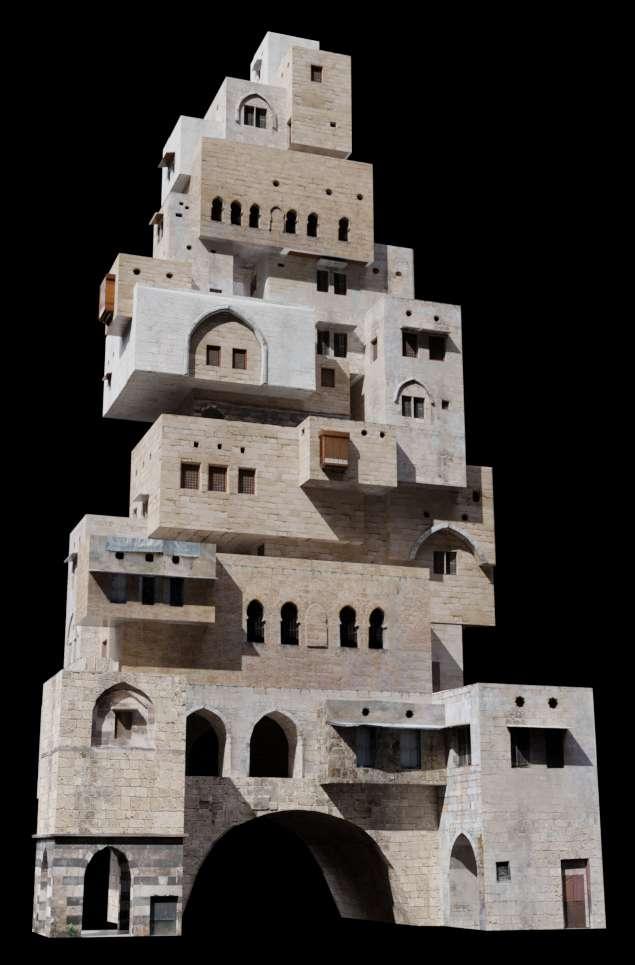
Tower of the 12 Flour Mills
Process
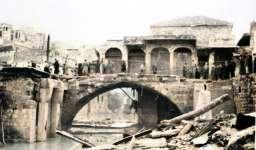
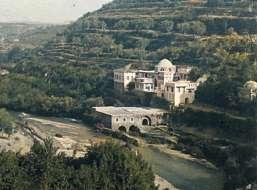
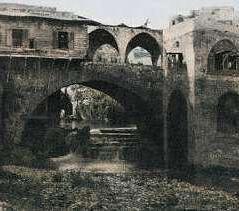
Archival esearch: I began by collecting historical images to guide the design, recreating a tower that uses the now-absent heritage ri er bridge as its base
Structure Concept Desi n: I then designed and sketched the concept of a ertically stack 12 flour mill structures, which were once scattered along the ri erbank
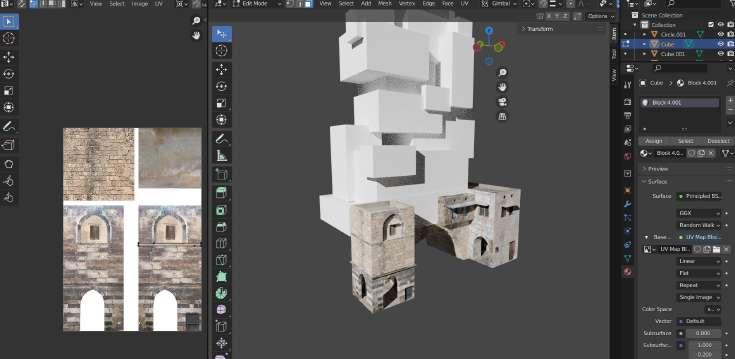
Modelin & UVs: In Blender, I modelled the design in basic forms. The UV Unwrapped each block
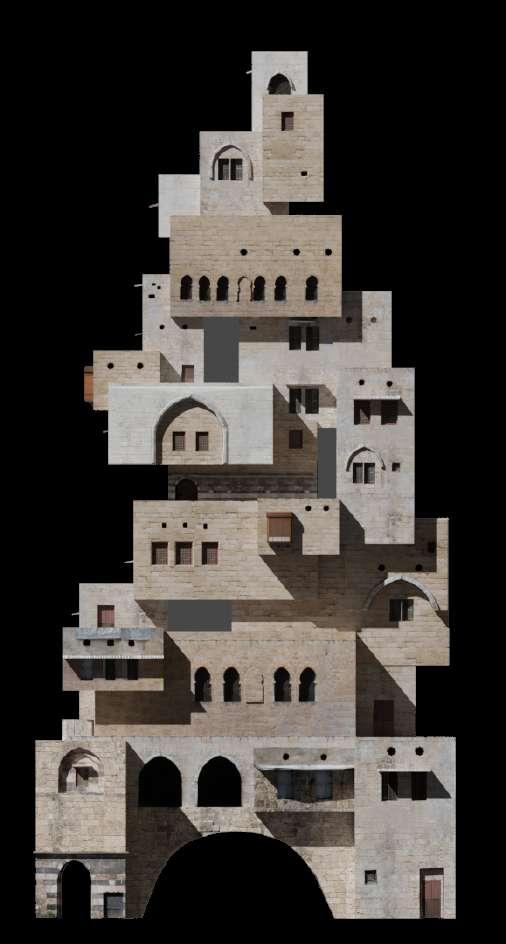
Hand-craftin the Textures: In Photoshop, I created each texture for the UVs of the blocks by cutting out and manipulating images from my reference photos, then assembling the textures for each indi idual face
Back to Modellin : After applying the textures to the model, I proceeded to create the openings for doors and windows.
The Tower of the 12 Flour Mills
I really want to revisit this project.

Watch 3D film here:

https://drive.google.com/file/d/186SYWsf8_URHfL3kA3gijO3XRMjtNND/view? usp=sharing
A Two-month Research Fellowship in Alexandria, Egypt. 2023-24
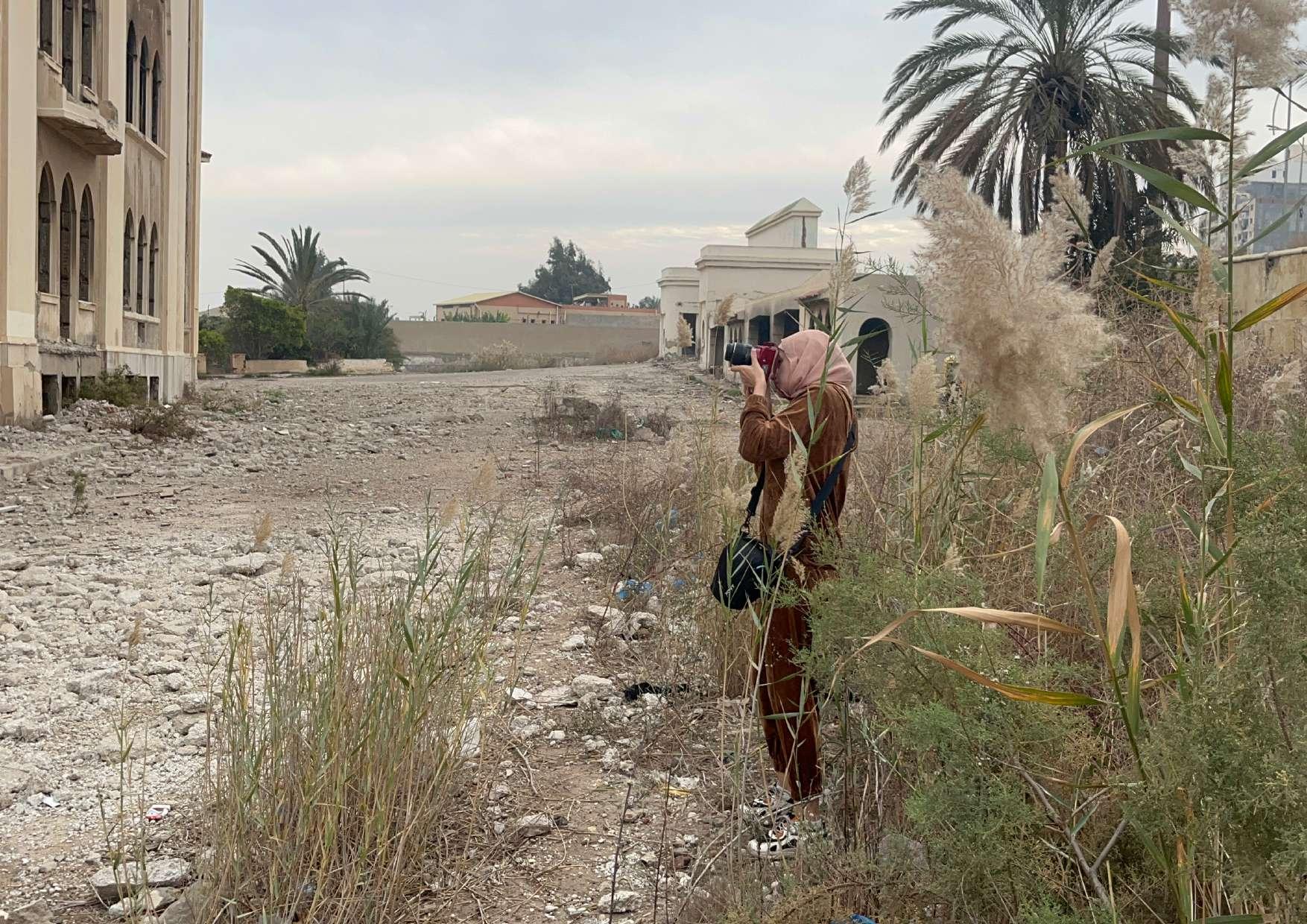
| Research Fellowship in Egypt
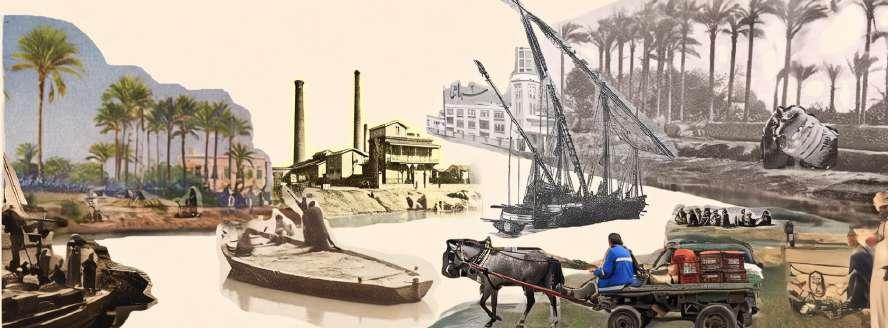
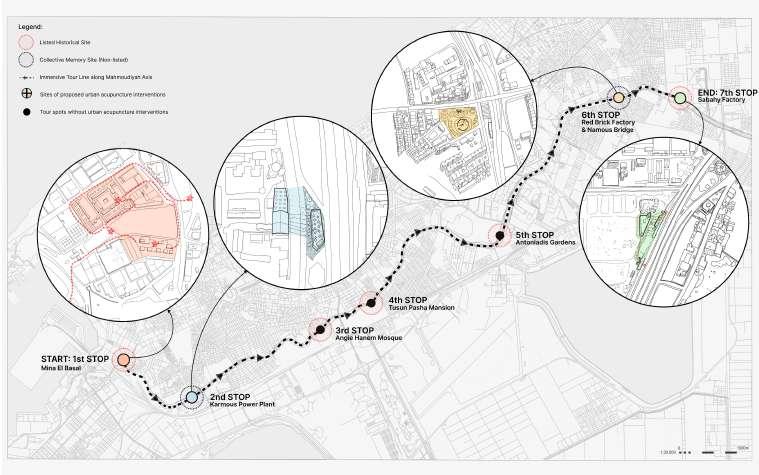
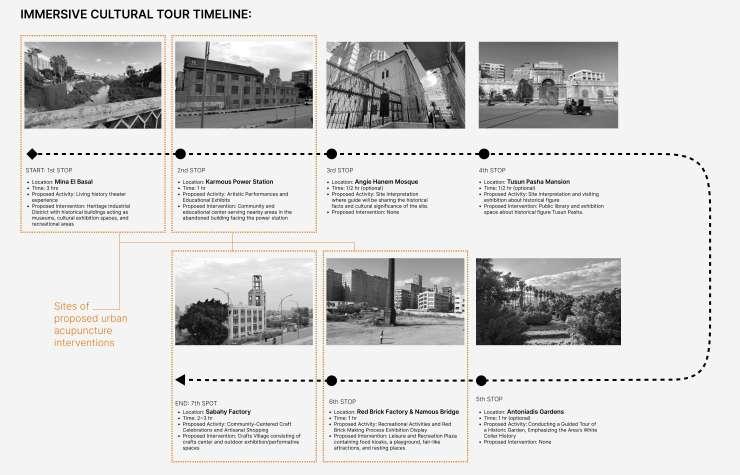
Immersive Storytelling & Urban Acupuncture: Case of Al Mahmoudiya Canal in Alexandria, Egypt
During my fellowship in Alexandria, Egypt, immersed myself in the city's heritage, focusing on the Al Mahmoudiya Canal and its role in Alexandria's history. Over two and a half months, worked closely with historians, local experts, and artists, gathering insights that helped me design a digital tour to bring the city's story to life.
Shifting from an emphasis on urban planning to heritage education, my goal was to create a way for people to engage with Alexandria's culture in a more interactive and meaningful way. This hands-on experience shaped my approach to blending storytelling with technology, making the city's rich history accessible to a wider audience. The fellowship not only strengthened my research skills but also deepened my passion for preserving and sharing cultural heritage.
Scan for interactive GIS Storymaps presentation:

https://storymaps.com/stories/
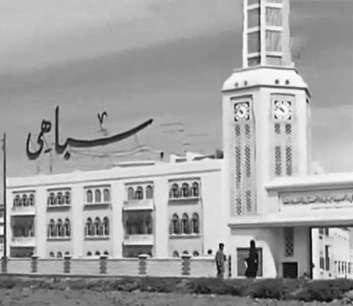
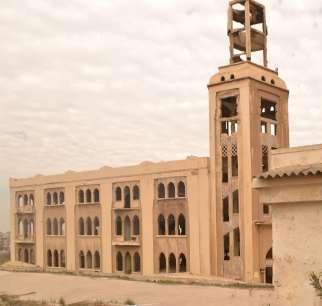
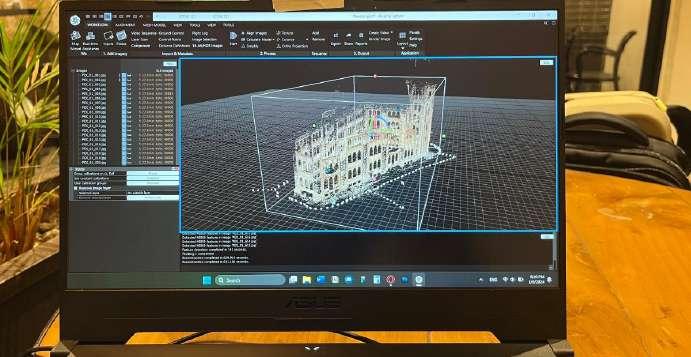
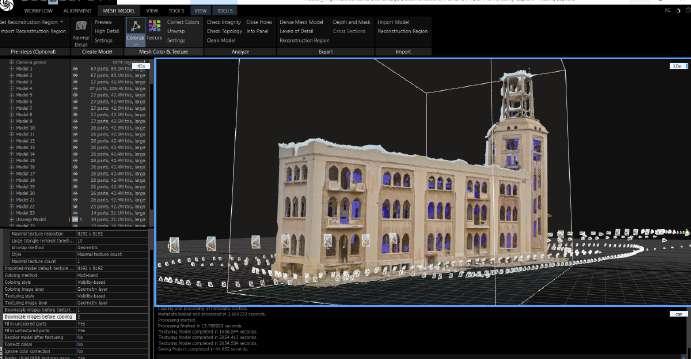
Heritage Documentation Grant: Case of Sabahy Factory
3D Reconstruction process of Al Suyouf Clothes & Textile Factory in Alexandria, Egypt
Established in the 1940s, the Sabahy Textile and Clothes Factory in Alexandria, Egypt, stands as a cornerstone of the city’s industrial past. Located along the Al Mahmoudiyah Canal, which connected the city to the Port of Alexandria, the factory was instrumental in advancing Egypt’s cotton and textile industry—a field that drove much of the city's economic growth. With a workforce of over 13,000 people, the factory's impact extended beyond its industrial contributions, becoming a vital part of Alexandria's social and economic landscape.
This 3D reconstruction project was created as part of the CYARK Heritage Documentation Training Grant.
This was my first major project and true introduction to photogrammetry.
Scan for interactive GIS Storymaps presentation: