io. fol port
architecture competition traditional sketching + sketchup + reality capture + photoshop + procreate + twinmotion

Together with Mr. Karim Nader from Karim Nader Studio, we worked on a competition titled: Re-use Italy Reuse the thermae. worked for 3 months on this project under the supervision of Mr. Karim, from concept development to final presentation board, producing a whimsical project using a variety of software and skills.
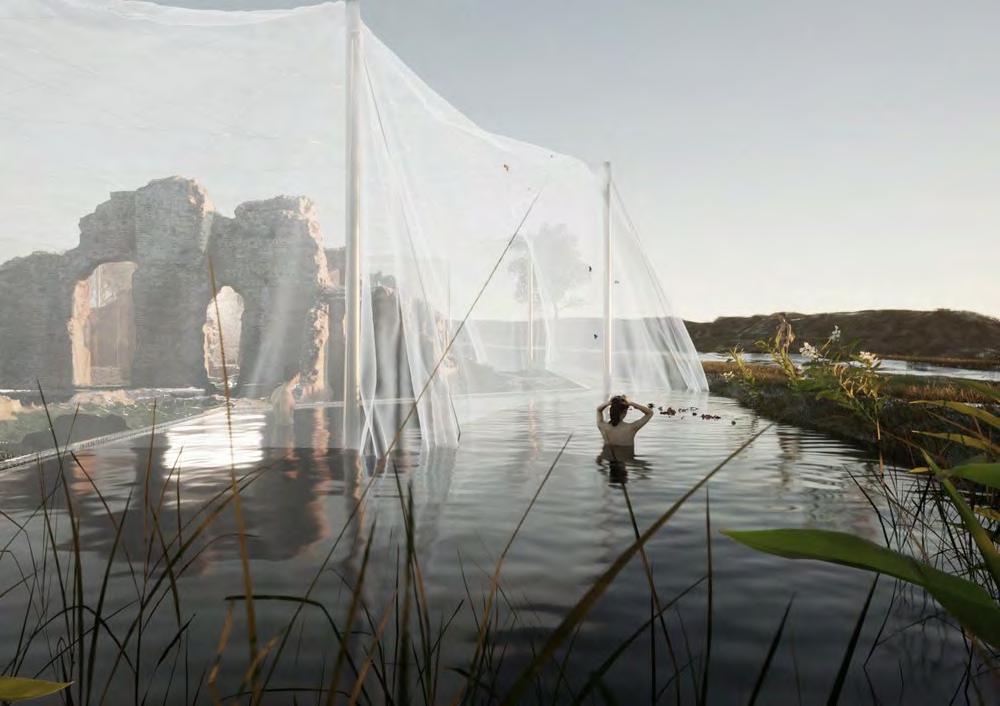
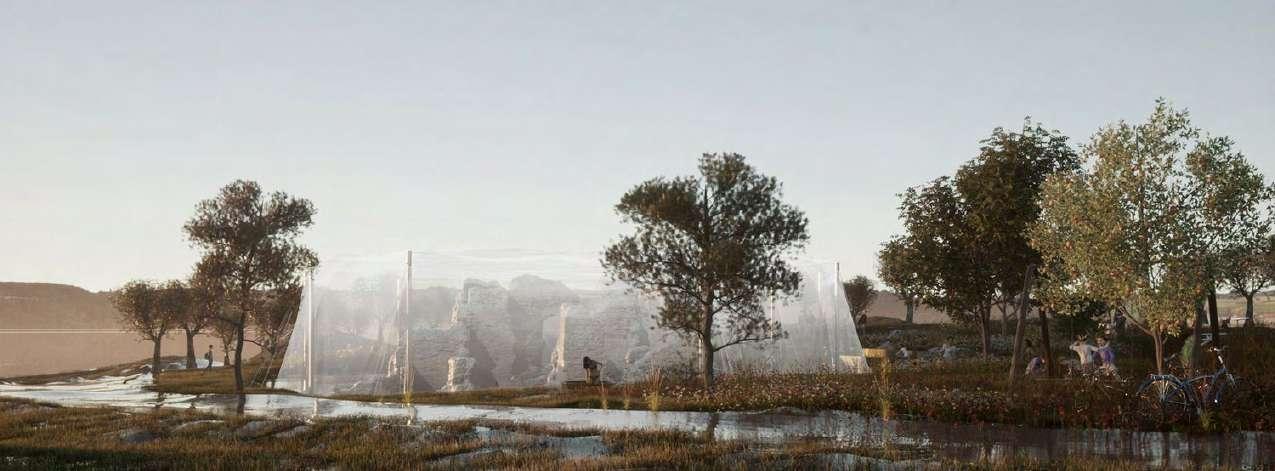
Architecture reflects its time. In the Imperial Era, a thermæ means opulence, the celebration of modern engineering and an exclusive gathering in a pagan society. And we always live in the present. 2024, the natural, the openness to the public and the spiritual are now to be celebrated.
Today, the Curinga thermæ is a ruined relic in need for protection. It has lost its capacity to enclose, and lost its capacity to house functional programs. Nature as fauna and flora has taken over and the ruined structure has an aesthetic in itself to be accepted and enjoyed. Rather than proposing a return to the past, which would be both heavy in resources and vain in spirit, we propose to simply place a translucent veil on the relic to protect it from the elements and from further deterioration. As for the bathing programs, they can live differently.
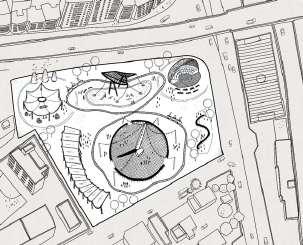
We move the fauna to the interior of the thermæ where it has already moved in centuries ago. Butterflies, birds and bees can have a bath in the once frigidarium and we will facilitate that with miniature tubs designed for their graceful presence. As for humans, they can bathe, but on the outer periphery, in a naturally filtrated pool on the northern side of the site, its shape a direct reflection of flooding the existing excavation with minimal additional intervention. Additionally, a series of 4 individual ice baths and a bigger hot tub on the southern side of the site.
To cover the relic, we draw guidelines aligned on the original Roman plan, and in the periphery of the ruin, we place 12 thin galvanized steel columns, interconnected by a web of tension cables like a web of underground roots having risen to the surface, or a constellation of stars at night. We place a translucent skin of hemp to cover it gently, with operable sides to raise the veil when needed to access the relic or to lower it and transform into a glowing beacon at night.

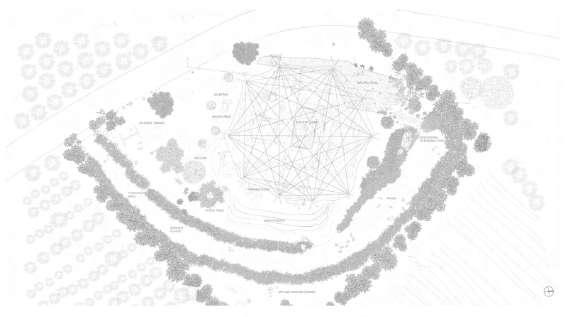
To augment the public space around the thermæ, we walk gently, therapeutically, towards the relic. Every gravel is an acupressure point, where every visitor is encouraged to walk barefoot. On the way, every grass blade is a color and every branch is a smell to notice. We propose small corners for painting as an activity, a few ethereal swings for a child to play. By the relic on the southeastern side, a large amphitheater for musical performances and poetic recitations. Its shape? A simple manipulation of the archaeological excavation, which is also heritage.
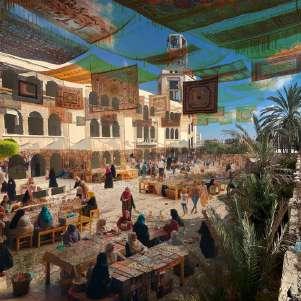
And once in autumn, comes the olive harvesting season. The site transforms again, and in the piazza on the northeastern side of the site, the green fabrics are laid, olives are selected and packaged before moving to the press. An architecture to celebrate every cycle, day and night, and every season, spring, summer, fall, winter and spring.
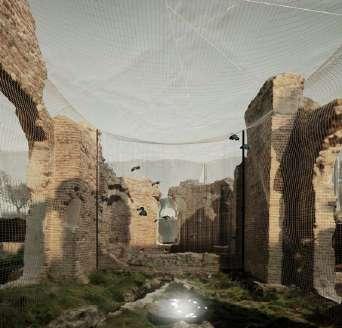
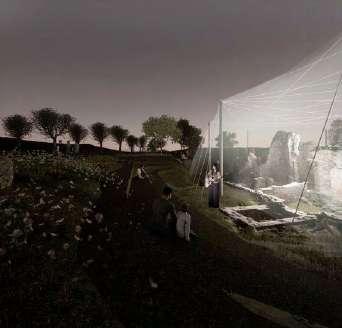
As if nothing. A formless presence like an acupuncture to celebrate the existing nerves of the earth, its energy networks, tree roots communicating, bees flying and inseminating, olives growing from seed and back to seed. A ‘one’ presence as a totally open public space, like a vibrant open field, for bathing in various temperatures, enjoying together multiple communal activities and celebrating nature in silence, day and night. A new definition of bathing as a therapy in ecology, an eco-therapy.
3rd year | traditional sketching + model making + 3Dsmax + photoshop

Upon revisiting old photographs of Saida, Lebanon from the Arab Image Foundation, a striking transformation emerges: the construction of the Beirut-Saida highway has severed the once-close relationship between Saida's people and the sea. wanted to create a park where the activities that thrived on its shores now find reflection, both direct and metaphorical. This park's program serves as a testament to the enduring power of the past in shaping the present, etching Saida's coastal legacy into its urban design.
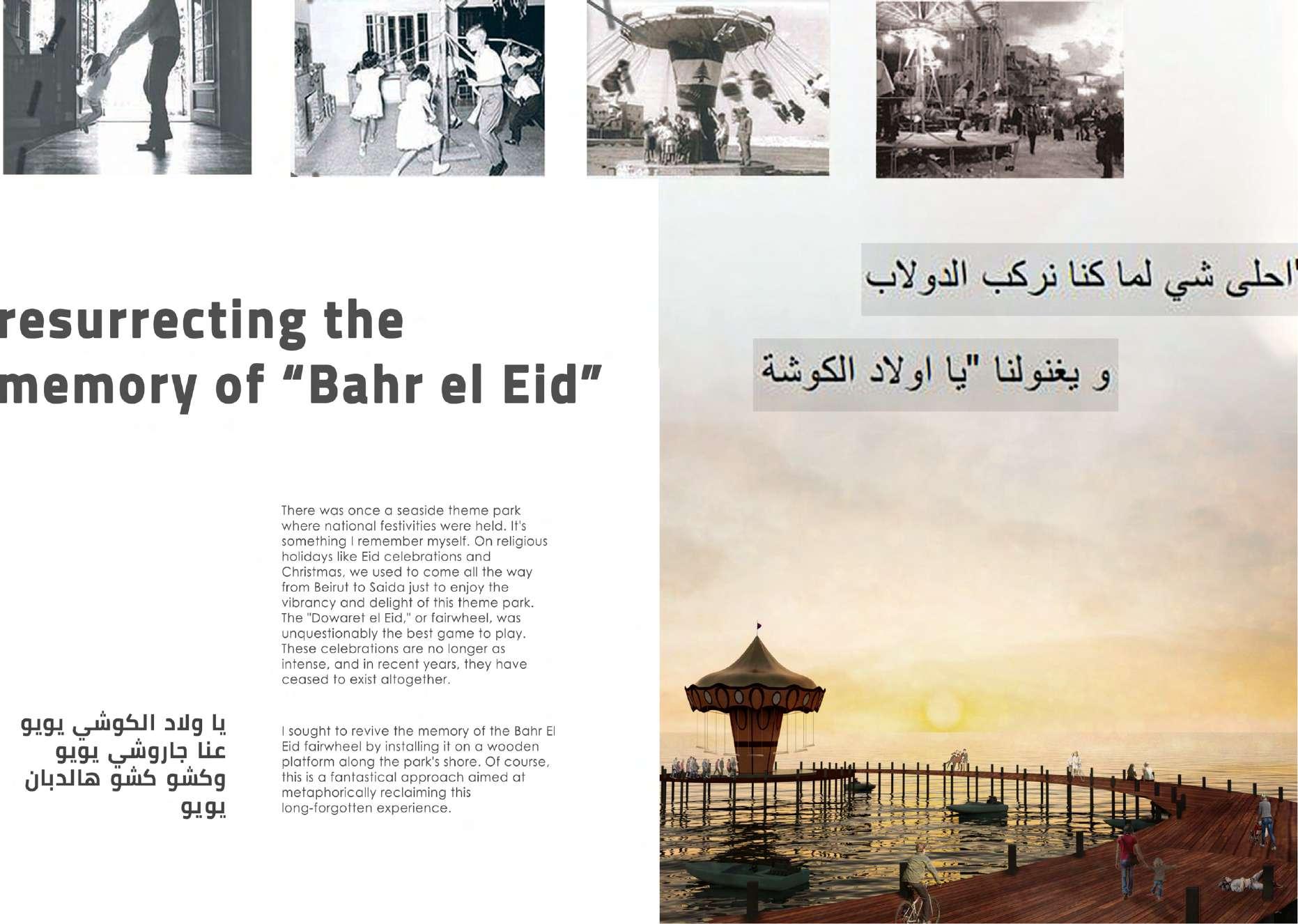
re-establishing people’s relationship with the sea by hosting a program inspired by their collective memory.
The project's concept aimed to reconnect people with the sea through the design of a park featuring distinct zones. Each zone embraces a program inspired by rituals, events and historical activities that once thrived and remain deeply rooted in the memories of the older generation. The project was quite crafty involving a lot of model making, traditional sketching and rendering, photography, and collage post-production in photoshop.

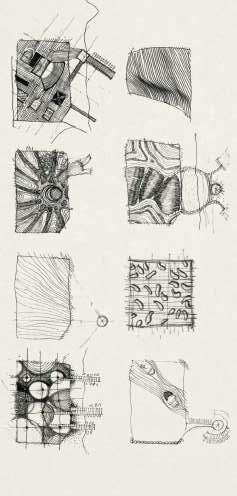
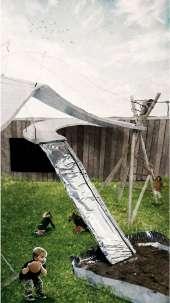
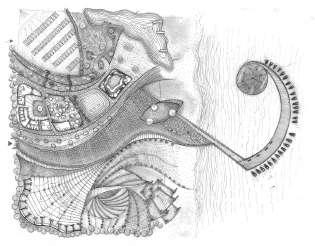
Every zone within the park resonates with a vibrant echo of past activities: from the carousel and bustling market to the slides and children's playground, and even the open-air cinema. Each element embodies a distinct facet of the lively coastal life that once thrived here. In essence, the park serves as a narrative materializes in architectural form that breathes life into the cherished memories of Saida's seaside life.
MArch grad project | digital sketching + sketchup + photoshop + rhino + reality capture + polycam 3D scanning
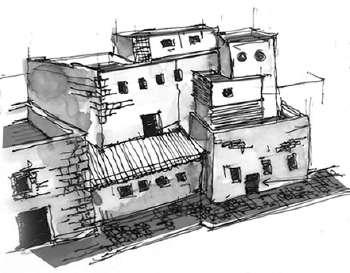

Understanding the essence of a community takes a systemic approach, hands-on exploration and research, and it took a lot of time and openness to identify that what really makes Tripoli (a historic city in Lebanon) so captivating to tourists and locals alike is in fact the generosity of its people. Thus, my project aims to reflect Tripoli's deep-rooted hospitality characteristic, still echoing from its lost ecological and cultural urban formation. The project seeks to revive the spirit of the Abou Ali River—once source of shade, sustenance, leisure, and a guest retreat before it was brutally replaced with a concrete canal.
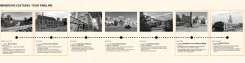
Inspired by a nearby heritage Sufi retreat, Tekkeye Mawlawye, and the novel "The Tales of Four Dervishes," the design seamlessly blends elements from Sufi literature, art, and the serene depiction of nature. Through a narrative-driven approach, created a captivating journey that transcends timelines, offering visitors an immersive experience. The tour is a metaphor of thread connecting multiple pockets of forgotten memories across the landscape of the city.
Rather than dramatically altering the current post-canal landscape, my project embraces it, revitalizing forgotten spaces. Among them, the parking lot that used to be a famous riverside café and a favorite seating spot named Al Bohsa café attracting people from all around Lebanon and even Syria.
How can I make this project a model of sustainable and culturally resonant urban design?
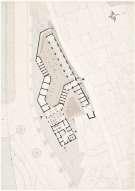
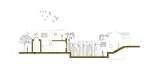
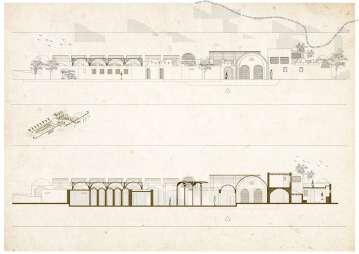
The architectural concept and design of the building draw inspiration from Hassan Fathy's approach, emphasizing a harmonious integration with the site while prioritizing energy efficiency. The project features two prominent open spaces: a back garden adjacent to the heritage arch, complemented by indoor dining areas, rooftop decks, and compact vaulted structures housing breakfast shops such as Saj. Additionally, a larger open space spans the entire building and is encompassed by multiple rooms, including eight arches aligned with the back street. Symbolizing the historical flour mills that once thrived in the area, these arched spaces can serve as a versatile food court and artisanal boutiques.
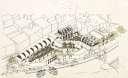


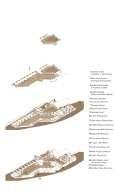
The proposed food theme park and community center provides a wide range of programming and activities that celebrate local food and culture, support sustainable agriculture and waste reduction, and foster connections between people and their environment.



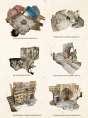
embracing emerging photogrammetry technologies:
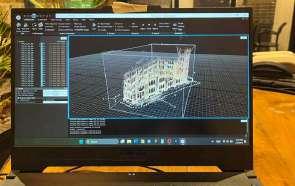
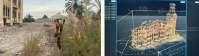
On my trip to Tripoli's historic city, used advanced 3D scanning technology to capture the intricate details and proportions of its timeless architecture. used programs like Epic Game's Reality Capture to create a point cloud reconstruction of the area. This later influenced my design and enriched my research experience by immersing me into the area.
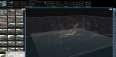
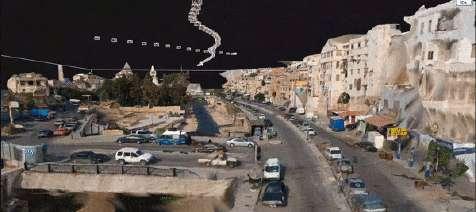
Khan Al Saboun, once an Ottoman military arsenal, now stands as a resilient building with a rich history. Its inner courtyard served as a soap making hub, giving rise to its name. Urgently requiring restoration, my year-long residency unveiled a deeper concern—the building's decay mirrors the fading legacy of the city's ancient craftsmanship.

How can architecture act as a force for heritage promotion and education, economic empowerment, and peacebuilding?
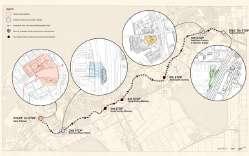
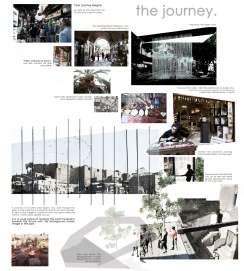
mapped down the visitor's passage from the entry point of the old city to reaching the Khan Al Saboun building, showcasing both human-to-human and human-to-environment interactions throughout this journey. This exploration unveiled pivotal points along the route, eager for amplification and exploration within the project's program. The building's transformation into a city museum aims to enhance visitors' comprehension of and navigation within the sprawling open-air museum that is the old city itself.
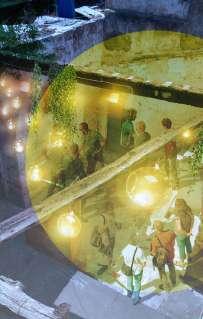
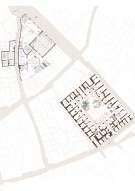
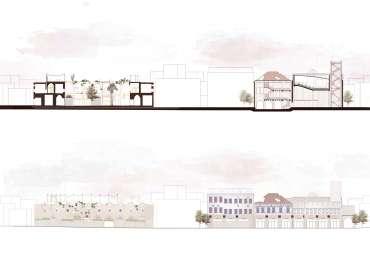
Historically, the Khan used to host retail activities on the ground floor and accommodate the tradesmen on the upper floor. To bring this memory back, the project suggests a crafts museum and retail shops on its ground floor. The upper floor hosts art residences and a documentation and cultural activity center. The extension hosts the contemporary crafts facilities such as 3D printing, media studios, galleries, and an incredible raised theatre. There are several entrances to the different zones of the project inspired by the old city's porous nature.
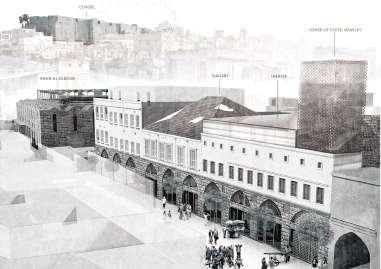
Present within the time-worn walls of historic structures, this project breathes life into dynamic, interconnected spaces. While the façade remains faithful to the city's architectural heritage, the interior undergoes a complete transformation. The image showcases its harmonious integration with 'Souk El Areed,' the old city's primary and widest entrance, rendering it ideal for public events.

applied and won a scholarship for an international intensive 8-week design workshop facilitated by tutors from Norman Foster, Zaha Hadid and UCL Bartlett. The workshop was aimed at students and RIBA Part 1 graduates in order to prepare them for Part 2. chose the workshop theme that focused on worldbuilding, storytelling, and future technologies.

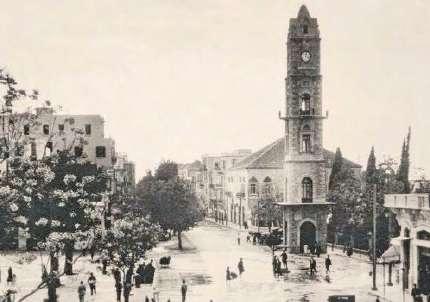


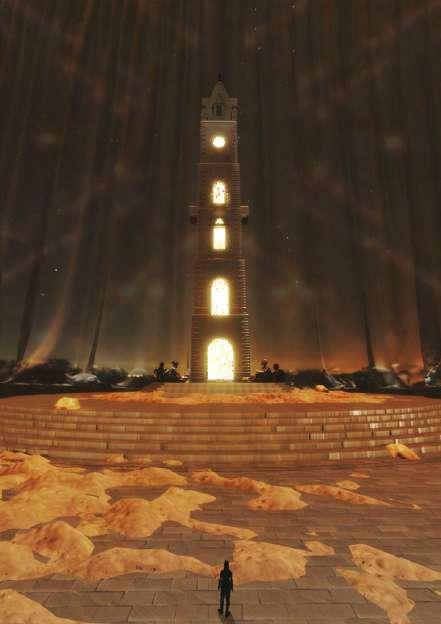
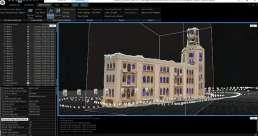
During the workshop I stepped into the world of digital heritage where I had the opportunity to create a highly accurate digital twin of the renowned Abdul Hamid clocktower in Tripoli, Lebanon. This marked the first-ever comprehensive digital reproduction of the clocktower. Leveraging an extensive image archive, reconstructed it using Rhino software and incorporated it into various programs, notably Blender, where it played a central role in a narrative film produced.


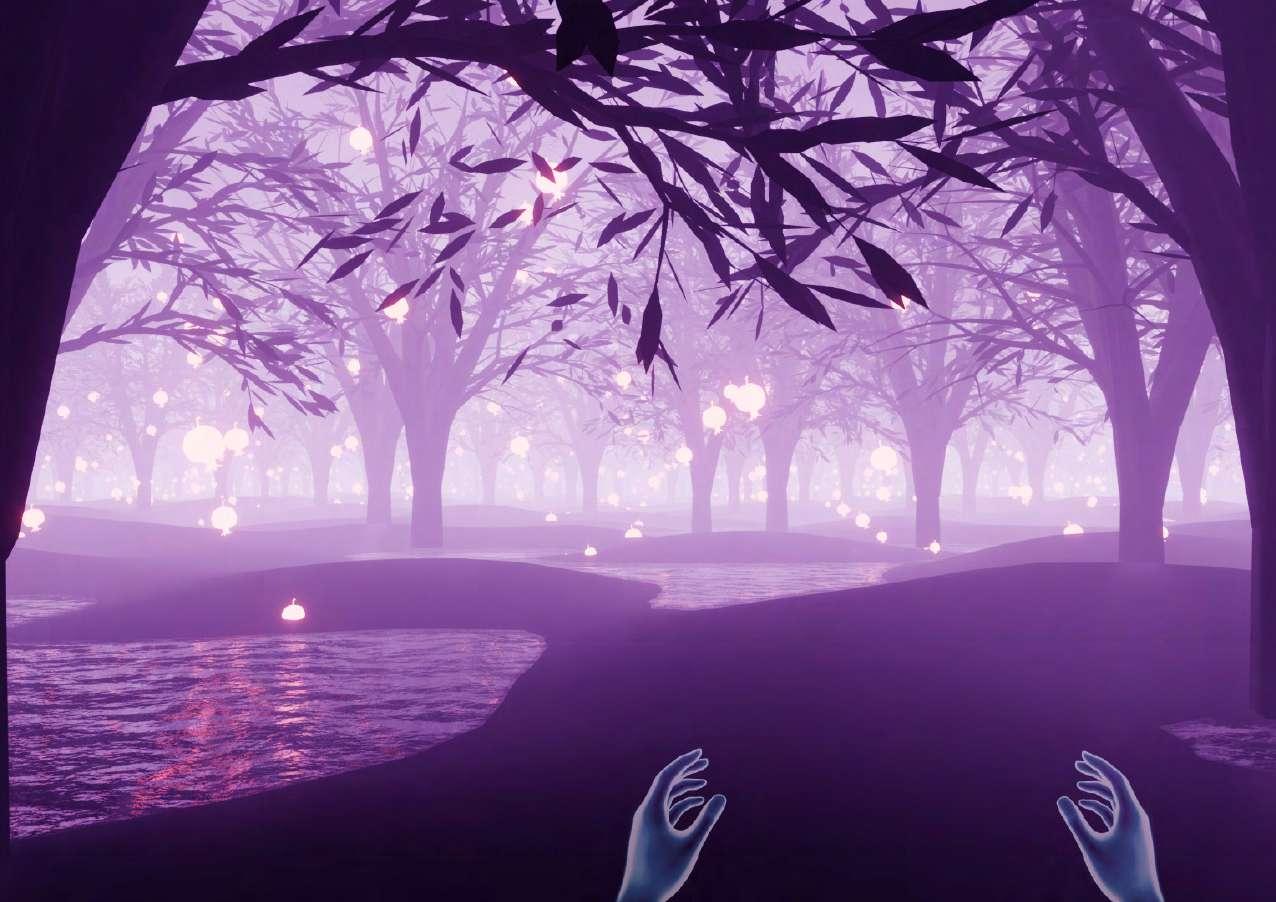
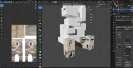
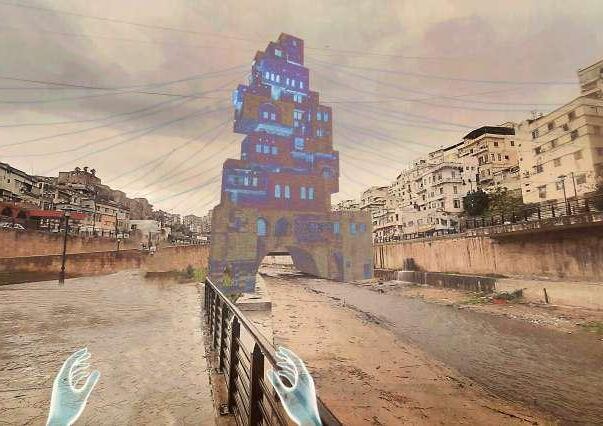
This environment was created in Blender showing a land in the narrative called The Luminous Ground, which is the final level reached after completing all missions.


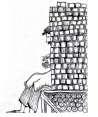
Drawing inspiration from the clocktower project, recreated another architectural element with a fantastical twist. Utilizing photo archives, created a tower that merged the heritage river bridge (no longer present) as its base, supporting 12 flour mill structures above. These mills once lined the riverside, serving as vital sources to all kinds of bread and sweets, flour and spices in Tripoli before the 1960s.
This tower takes a metaphorical approach, vertically stacking the mills that were originally spread horizontally. In the digital realm, they form game levels to explore.
Each structure was meticulously designed with elevations crafted in Photoshop as photo-collages, then applied as UV wraps and completed with openings and textured details sculpted in Blender.
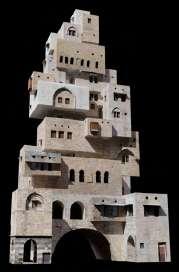
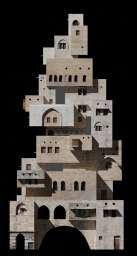
The result is a tower that transcends scale, immersing viewers in a fantastical narrative while seamlessly blending with the city's architectural language.
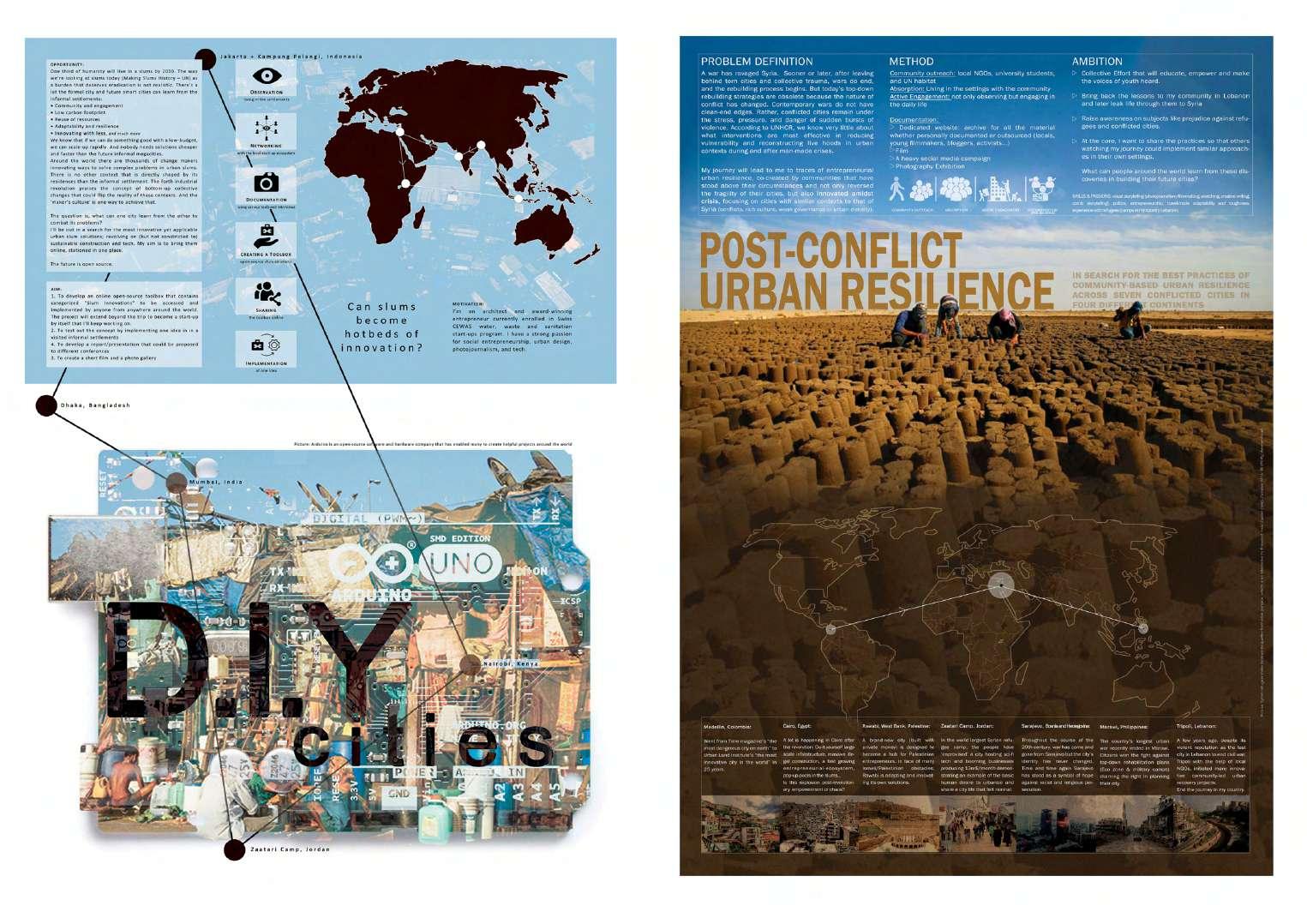
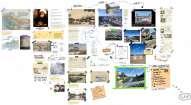
selected a few research posters that condense a lot of data into a beautifully crafted presentation board, some of which aided my RIBA part 2 degree, and others where applied to research competitions.

The posters displayed above represent my research proposals submitted for the RIBA Norman Foster Traveling Scholarship awarded to one recipient globally each year. Over two consecutive years, these research took months of rigorous preparation to meet the scholarship's eligibility criteria. My second proposal, titled "DIY Cities," received commendation from the selection committee at Norman Foster, marking a significant achievement in my academic portfolio.
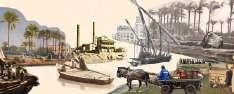
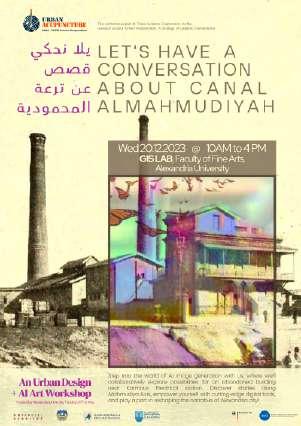
During my fellowship in Alexandria, Egypt, I had the privilege to immerse myself in a groundbreaking research project centered around the Al Mahmoudiya Canal, leveraging the principles of Urban Acupuncture to address the intricate urban challenges faced by this critical mobility axis. This endeavor, hosted by Alexandria University, was a deep dive into the application of Urban Acupuncture within the Egyptian urban context, aimed at rejuvenating small urban spaces through targeted, sustainable interventions. This intensive two-month fellowship culminated in a combined report that not only consolidated our findings and proposed interventions but also highlighted the potential of Urban Acupuncture as a transformative tool for urban regeneration in Egypt. The experience enriched my research skills, deepened my understanding of urban challenges in developing contexts, and reinforced my belief in the power of community-engaged urban planning.
Scan for interactive GIS Storymaps presentation: https://storymaps.com/stories/ a5b626bf886a4fb9a0c595fc061c4078