CAMELLIA PANJABI
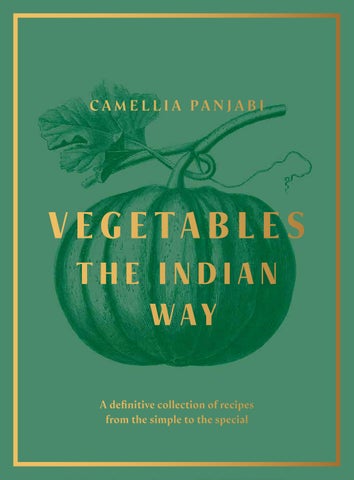
A definitive collection of recipes from the simple to the special
The basis of cooking a dal dish is outlined in five steps below.
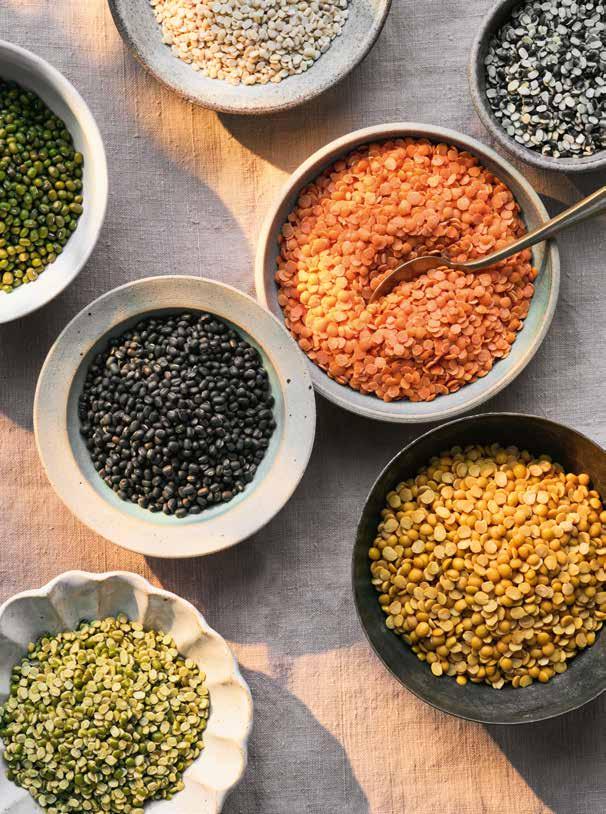
Dals need to be washed properly, since milling and polishing leaves a coating. Scan the dal for any tiny pebbles or stones.
It is preferable to soak the dal before cooking. This promotes the production of beneficial enzymes, reduces enzyme inhibitors such as phytic acids, tannins and certain polyphenols, and thus improves the body’s ability to absorb certain minerals in dals and reduces bloating and gas formation. Mung and masoor dal can be soaked for an hour, while whole urad or chana dal or toor dal need at least a couple of hours and chickpeas much longer. Of course, soaking dals overnight is common in dishes like kabuli chickpeas, rendering them easier to cook, as they take a long time from raw. Vegetarian communities in southern India soak the urad dal required for idlis and dosas overnight, enabling a little fermentation.
Dals are cooked in water, the proportion being a matter of personal preference as to the degree of liquidity desired, and are combined with root spices such as ginger (to minimize gas formation), garlic, turmeric, as well as green chillies, onions and tomatoes, and herbs like curry leaf or coriander. Salt should be added towards the end, so as to shorten the cooking time.
Most dal dishes are seasoned finally with hot oil, butter or ghee in which spices of choice are briefly fried to add aroma and a final seal
of flavour – these could include slivers of garlic, broken pieces of red chilli, curry leaves, cumin seeds or mustard seeds.
Finally, the dal dish when served can be garnished with fresh cream (as in black dal), chopped coriander leaves or crisp fried onions.
Many dal dishes have a sour ingredient, such as tomatoes, tamarind, kokum or raw mango. There are two reasons for this – one, of course, being that Ayurveda recommends that all tastes including the sour should be present in a meal, and the other that it adds a complexity and taste dimension, making it more interesting.
An alternative to adding various ingredients to dal at the time of cooking – and I have observed some foodie friends of mine do this – is to boil the dal in water with turmeric, and then separately fry several taste-enhancing seasoning ingredients and add these towards the end, which gives immense flavour to the dal. They cook the seasoning simultaneously while the dal is boiling, so it doesn’t take additional time. So, put oil or ghee into a pan, fry sliced onions until they turn light brown (not burnt brown), add chopped ginger, garlic, green chillies, tomatoes, ground coriander, cumin seeds, herbs of choice such as fresh coriander and curry leaves, sauté for 5 or more minutes, until they blend and release flavour, even adding ground coriander, and add this to the dal when it is almost fully cooked. Then continue simmering for a couple of minutes. It tastes great this way. Do try it. Then use a whisk or stick blender to harmonize it all.
This can be done with thin or thick gravy or with whole dals, such as chana dal (Bengal gram).
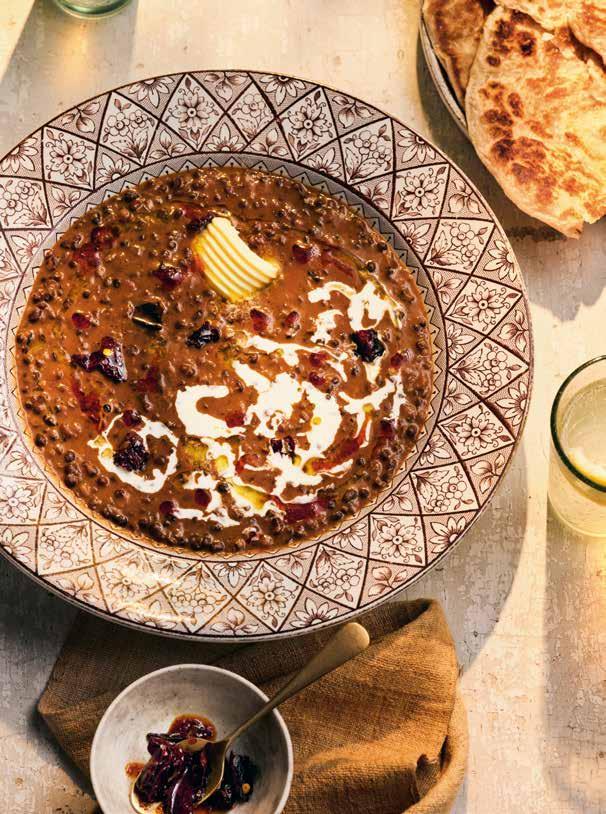
Kaali (black) urad dal is de rigueur in Punjabi homes, and their homestyle version combines black urad dal with rajma (kidney beans) and is called maash ki dal.
However, black dal is a favourite dish in northern Indian cuisine restaurant menus in India and all over the world, and international guests like it too.
Here is the recipe for the restaurant version, which is a popular one. It is timeconsuming to make, to get the texture and taste right. It should retain its soft grainy texture if cooked this way.
Wash the dal 4 or 5 times, until the water becomes clear. Soak it in fresh water for at least 8 hours, then drain.
Put the dal into a pan with 1.8 litres of water and bring to the boil, then reduce the heat and cook on a medium heat for about 3 hours, so that it simmers gently and does not boil. Yes, it takes a very long time to cook, that’s why it’s mostly consumed in restaurants! Check whether the dal is now soft. Don’t stir too much.
When the dal is soft, add the ginger, garlic, salt, chilli powder and half the butter. Stir gently, then cook for another 15 minutes. Add the chopped tomatoes and tomato purée and cook for 30 minutes.
Now melt the rest of the butter and fry the garam masala for 10 seconds. Add to the dal. Add the kasuri methi and half the cream and stir well. Cook for another 15 minutes.
To serve the hot dal: In a ladle heat ghee and fry red chilli pieces for 20 seconds. Add to the top of the dal as a garnish. Drizzle the rest of the cream and sprinkle over finely grated ginger. It should be the best dal you have ever tasted.
This complements any northern Indian vegetable dish, such as cabbage and potato, okra with shallots and cumin, or cauliflower and peas.
250g whole black urad dal, washed and soaked in water for 8 hours
3 teaspoons chopped ginger
3 teaspoons chopped garlic
2½ teaspoons salt
2½ teaspoons red chilli powder
200g butter
4 tomatoes, finely chopped
2 tablespoons tomato purée
1 teaspoon garam masala
1 teaspoon kasuri methi, crushed
75g single cream
1 tablespoon ghee
1 dried red chilli, chopped
1 teaspoon finely grated ginger, to garnish
Chana dal/cholar dal
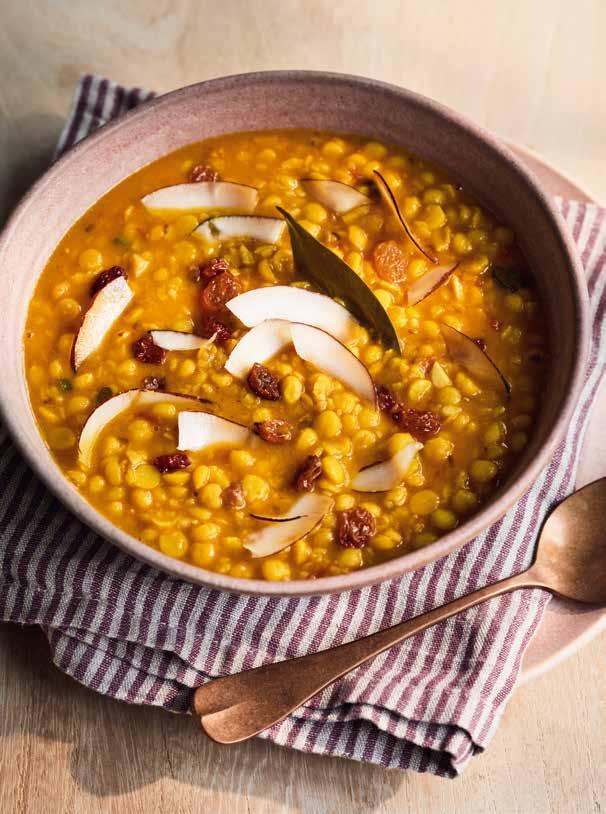
This is a tasty semi-dry chana dal, known as cholar dal in Bengal. The Bengalis add yellow raisins and small coconut chips sliced thin, which adds an interesting dimension.
Wash the chana dal well, then soak in water for 3–4 hours. Drain, then put the dal into a pan with 500ml of water, the salt, bay leaf, turmeric and chilli powder. Bring to the boil, then boil for about 20 minutes. It should be cooked through but not mushy, and the grains should remain whole. If you want the dal very soft, boil for longer.
While the dal is cooking, heat 2 tablespoons of oil or ghee in a small frying pan and fry the sultanas and coconut slices for 3–4 minutes. Then remove them from the pan and set aside.
To prepare the seasoning, heat 3 tablespoons of oil or ghee in the same small pan. Add the garlic, ginger, cumin seeds and green chillies and fry for 30 seconds, without browning the garlic. Add the chopped tomatoes, asafoetida and sugar (if using), and fry until the tomatoes disintegrate.
When the dal is almost ready, add this mixture to the pot along with 150ml of water, adjust the thickness of the dal and stir properly. Garnish with the coriander leaves, if using, sultanas and coconut slices.
250g chana dal, soaked in water for 3 hours
1 teaspoon salt
1 cassia leaf or bay leaf
½ teaspoon ground turmeric
¾ teaspoon red chilli powder
5 tablespoons oil of your choice, or ghee
1 tablespoon yellow sultanas, plus more to garnish
1 tablespoon very small slices of fresh coconut, plus more to garnish
2 teaspoons chopped garlic
1 teaspoon chopped ginger
½ teaspoon cumin seeds
2 green chillies, chopped
2 tomatoes, finely chopped
a pinch of asafoetida
½ teaspoon sugar (optional)
2 tablespoons chopped coriander leaves (optional)
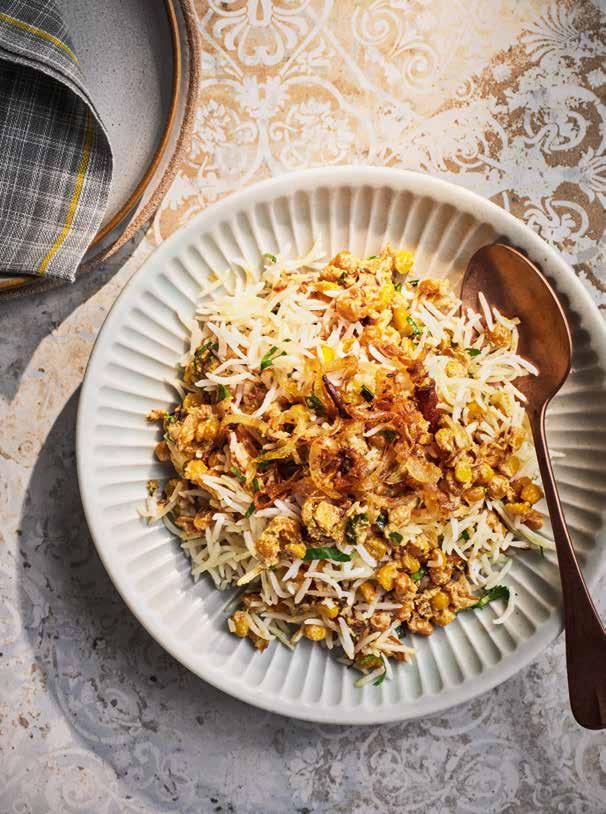
Rice cooked with lentils as a single pot dish, known as khitchri, is perhaps India’s national dish, with variations in each region. It is a completely balanced vegetarian dish, providing most of the essential protein amino acids. This particular recipe comes from the Muslim community of Hyderabad, shared by the legendary caterer Mumtaz Khan, and tastes wonderful.
This can be combined with any dish with gravy, or a semi-dry vegetable, such as aubergine with potatoes, or chilli curry – mirchi ka salan.
Cook the chana dal in a small saucepan with 250ml of water, ¼ teaspoon of turmeric and ½ teaspoon of salt until done and soft – the dal should remain separate, not mushy.
Similarly, cook the rice until it is three-quarters done, with 750ml of water, 1 tablespoon of salt, 2 cardamoms, 2.5cm of cinnamon, 3 cloves and the cassia leaves. Drain away the extra water.
Heat the oil in a sauté pan, then add the cumin, the remaining 2 cardamoms, 4cm of cinnamon and 2 cloves. After a minute, add the sliced onions, then after 2 minutes add the green chillies and the ginger and garlic purée and sauté until the onions start to turn brown. Take the pan off the heat, then add the whipped yoghurt and stir well. Add 1 teaspoon of lime juice and stir.
Take a shallow pan and smear it with a little ghee or oil. Put in half the parboiled rice, then a layer of the chana dal, then the mint leaves, coriander leaves, ground fennel seed and ground cardamom. Then lay over the rest of the rice.
Pour the ghee or milk evenly on top, and cover with a lid. Cook on a high heat for 5 minutes, then lower the heat and simmer for 10 minutes with the lid on. Take off the heat and leave to stand for 10 minutes. Then remove the lid and let the spices release their aromas.
50g chana dal, soaked for 2 hours
¼ teaspoon ground turmeric
½ teaspoon + 1 tablespoon salt
200g rice
4 green cardamoms
2 pieces of cinnamon, 2.5cm and 4cm
5 cloves
2 cassia leaves or bay leaves
3 tablespoons oil of your choice or ghee
¼ teaspoon royal cumin or cumin seeds
½ an onion, sliced
2 green chillies, chopped
2 teaspoons ginger and garlic purée
3 tablespoons whipped yoghurt
1 teaspoon lime juice
2 tablespoons chopped mint leaves
2 tablespoons chopped coriander leaves
1 teaspoon ground fennel seed
½ teaspoon ground green cardamom
2 tablespoons ghee or 3 tablespoons milk
Besan ka chilla
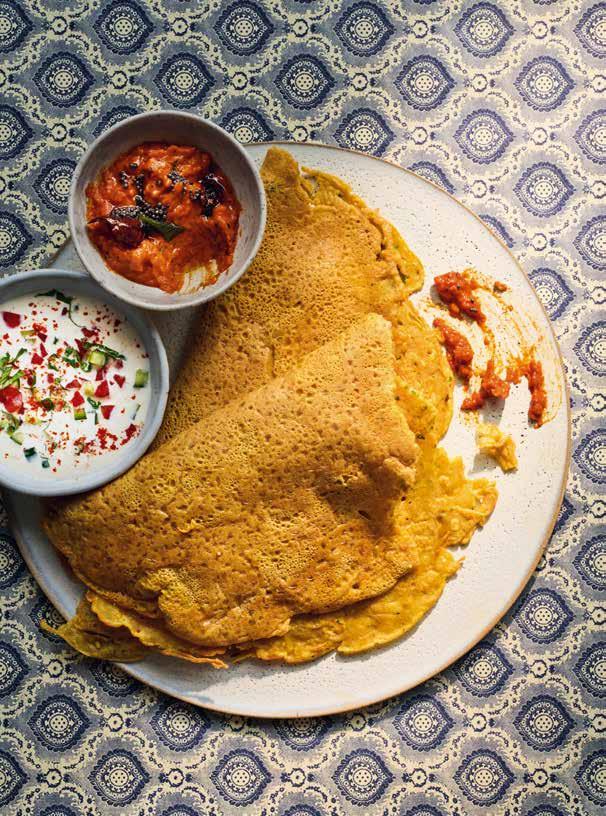
Rotis made with chickpea flour are commonly eaten in northern India for breakfast and brunch, or packed and taken on bus and train journeys. They are extremely filling and can be eaten with curds (yoghurt, including a raita) or just chutneys, or with a dryish vegetable. Sometimes, finely shredded vegetables such as cabbage, capsicum and carrots are added to the dough mixture.
This is also a dish that is often conjured up for unexpected guests, as gram flour is always at hand in an Indian pantry , and can be served with a ready chutney.
Put the flour into a bowl, making a well in the centre. Add 750ml–1 litre of water and all the ingredients up to and including the salt, plus 1 tablespoon of ghee. Using a large spoon, slowly stir, so that it all blends properly, avoiding any lumps, adding more water if you need to, until you have a smooth, pourable paste.
Cover the bowl with a damp cloth and set aside for 1 hour.
Heat 2 teaspoons of oil in a griddle or shallow frying pan, preferably non-stick, spreading the oil evenly. Pour a ladleful of batter into the centre of the pan and move the pan around to spread it out, using the back of the ladle to make a pancake.
After 2½ minutes on a medium heat, flip the pancake over to cook the other side for 2 minutes. After this it will crisp up.
This batter should make at least 8 pancake chillas or even 10 thin ones. Each time you make a pancake, grease the pan with 2 teaspoons of additional oil, or as required.
Serve with raita and chutney, for example a green herb or tomato chutney.
250g gram flour (or yellow mung dal ground into flour)
½ teaspoon bicarbonate of soda
a pinch of ground turmeric
¼ teaspoon red chilli powder
3/4 teaspoon cumin seeds
1 teaspoon ginger and garlic purée
2 tablespoons very finely chopped onions
1 heaped teaspoon finely chopped coriander leaves
1 level teaspoon finely chopped dill (optional)
¼ teaspoon asafoetida
¹/₈ teaspoon carom seeds salt, to taste
1 tablespoon of ghee
oil of your choice or ghee, for cooking the pancakes
Flavour is at the heart of vegetarian cooking in India. From baby aubergines cooked in nutty masala and crispy onion bhajias served with piping hot chai, to smoky jalfrezi paneer and home-style black dal, you will learn how to cook the real Indian meals eaten at home, at celebrations, in restaurants and from street stalls.
Exploring a wide range of vegetables and fruit, this compendium of a cookbook also shares notes on nutrition, history and beliefs, and invaluable guidance on ingredients, methods and, of course, spices, making it the definitive guide for cooks throughout the world.
is the author of the world’s bestselling book on curry, 50 Great Curries of India, which has sold over 2 million copies worldwide. A pioneering businesswoman and restaurateur, Camellia has been a forefront figure in the hospitality industry in the UK and India for more than forty years and is behind some of London’s most successful restaurants.
Front cover illustration: @Getty, Spine illustration: @Superstock, Back cover photograph: ©Jonathan Gregson. Cover design: ©Holly Ovenden