









There’s always something happening in Miami real estate, but right now the conversation feels different.
Putting this edition together, one thing felt clear: the market is still full of energy and opportunity, but people are looking at it differently now Buyers are asking smarter questions, sellers are facing a more informed market, and agents have to bring more than just listings to the table. That shift shows up all through this issue from condo assessments and carrying costs to branded residences, global buyers, and the growing impact of sports and lifestyle demand.
What I kept coming back to is this: it’s not just about what looks good on paper anymore It’s about understanding the full picture the numbers, the risks, the timing, and what ownership really means in today’s market. That’s especially true in Miami, where perception moves fast, but the details matter more than ever
My hope is that this issue gives you a clearer, more honest look at where the market is right now and where it may be heading next.
Thanks for reading.
Dennis M. Postema Founding Editor & CEO

The content in Miami Agents Real Estate Magazine is made available on the terms and conditions that the publisher, editors, contributors and related parties, shall have no responsibility for any action or omission by any other contributor, consultant, editor or related party; disclaim any and all liability and responsibility to any party for any loss, damage, or disruption caused by errors or omissions, whether such errors or omissions result from negligence, accident or any other cause; are not responsible in any way for the actions or results taken by any person, organization or any party on basis of reading information, or contributions in this publication, website or related product
INSIDE THIS MONTH’S ISSUE
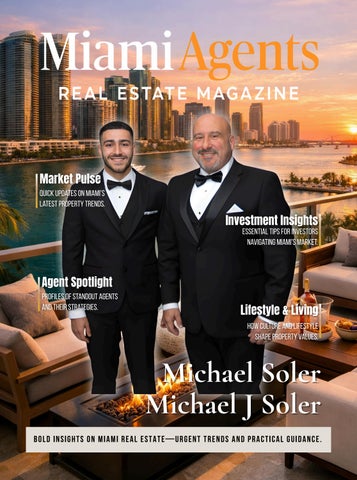
Interview with Michael Soler-Page4
Interview with Michael JuniorSoler-Page8
The Miami Condo Payment ShockEra-Page12
Supertalls and Branded Residences-Page18
The Messi Effect and the World Cup Run-Up - Page 20
Global Money and the Great Miami Magnet - Page 22
The True Cost of Living in Miami -Page24















your origin story how did you get into Miami real and what moment made you realize you could win
the Miami real estate market over two decades ago, long before ne looked the way it does today. From the beginning, I ed this business with a long-term mindset studying the ycles, understanding the nuances of each neighborhood, and heavily on protecting my clients’ interests.
The moment I realized I could truly win in Miami wasn’t tied to one transaction.ItwaswhenIsawthatdisciplinedexecution,strongmarket knowledge,andconsistentclientadvocacycreatedrepeatsuccess.Miami isasophisticatedmarket andonceImasteredthemovingparts,Iknew Icouldcompeteataveryhighlevel
Early on, what mistake cost you the most (time or money), andhowdiditchangehowyouadviseclientstoday?
Early in my career, the most expensive lesson came from not digging deeply enough into the underlying financials of a condominium transaction.Miamiisunique therealstoryisoftenbehindthewalls, insidetheassociationdocuments
That experience permanently changed my advisory approach. Today, I guideclientswithamuchmoreforensiclens.Wedon’trelyonsurfacelevel information we verify, we analyze, and we stress-test the numbers Thatlevelofdiligenceiswhatprotectsclientsinamarketlike Miami
What’s the most intense or memorable deal you’ve ever done in Miami—and what did it teach you about this market?
One of my most complex transactions involved a luxury condominium where significant association and financial issues surfaced late in the process. Navigating that deal required strategic negotiation, detailed documentreview,andconstantcoordinationbetweenlenders,attorneys, andtheassociation
Whatitreinforcedisthis:inMiami,especiallyintheluxurycondospace, theassetisonlyasstrongasthebuildingbehindit Sophisticatedbuyers understandthis andit’saprincipleIbringintoeverytransactiontoday
Right now, what’s the biggest shift happening in Miami real estatethatmostconsumersdon’tunderstandyet?
Themostimportantshifthappeningrightnowistherecalibrationoftrue ownership costs particularly in the condominium sector. Insurance premiums,reserverequirements,andstructuralcompliancearenolonger minorconsiderations.Theyarecentralunderwritingfactors.
Many consumers still focus primarily on purchase price. However, experiencedbuyers especiallyintheluxuryspace areunderwriting total exposure, building stability, and long-term predictability. That distinctionisbecomingincreasinglyimportantinMiami
Who is actually buying Miami in 2026 give me the top 3 buyer types you’re seeing (local, NYC/CA, international, cash, investor)andwhattheywantmost.
ThebuyerprofileinMiamitodayishighlystrategic.
We are seeing well-capitalized local buyers upgrading within the market, out-of-state relocations particularlyfromhigh-taxmarkets andacontinuedpresenceofcashandequity-driven purchaserswhoareextremelynumbers-focused
What has changed is the level of scrutiny. Today’s buyersarefarmoreanalyticalanddata-driventhan inpreviouscycles.
How have insurance costs and carrying costs changed the way you help people chooseneighborhoodsorproperties?
Insurance and carrying costs have materially reshaped the way I counsel buyers. Today, we analyze ownership through a long-term financial lens, not just an acquisition lens.
In many cases, the stronger investment is not the lowest-priced property, but the asset located in a financially stable, well-managed building with predictable long-term costs. Sophisticated buyers understand this and increasingly, that’s the profile we’re seeing in Miami.
If a buyer is moving to Miami today, what are the top 3 things they must know before they start touring homes or condos?
Before touring any property in Miami today, I advise buyers to be clear on three things:
First, understand your full monthly exposure not just your target purchase price. Second, confirm financing and insurance viability for the specific property type. Third, research the micro-market dynamics of the building or neighborhood Preparation at this stage creates significant leverage later in the process.
Fast-forward 24 months: what’s your bold prediction for Miami real estate, and what should smart buyers/sellers do now becauseofit?
Looking ahead over the next 24 months, I expect Miamitocontinuedemonstratinglong-termstrength, butwithincreasingseparationbetweenpremier,wellcapitalized buildings and those with weaker financial profiles.
Smart buyers today are prioritizing quality, reserves, andstructuralstability.
Smart sellers are entering the market strategically pricedandproperlypositionedfromdayone. In this phase of the cycle, precision and preparation willdefinewhoperformsbestinMiamirealestate.
What’s your “don’t write an offer until you know this” checklist especially for condos (HOA financials, reserves, assessments,financing)?
Before I advise any client to submit an offer on a condominium,wemusthaveclarityon: –Associationfinancialstrengthandreservelevels –Anycurrentoranticipatedspecialassessments –Buildinginsuranceprofileandstructuralstatus –Financingeligibilityforthatspecificbuilding –Trueall-inmonthlycarryingcosts Intoday’sMiamimarket,thislevelofduediligenceis notoptional it’sessential
Where do people get burned the most right now—what’s the #1 trap for buyers andthe#1trapforsellers?
For buyers, the greatest exposure remains underestimating condominium financial risk particularlyfutureassessmentsandrisingownership costs.
For sellers, the most common misstep is anchoring pricing to peak-market expectations rather than currentmarketpositioning.Miamiremainsstrong,but itisamoredisciplinedandsegmentedmarkettoday.








What’s your origin story how did you get into M estate, and what moment made you realize you here?
Real estate has literally been part of my environment my enti up watching my father operate at a high level in the Miami m negotiations, the strategy, the discipline behind every deal
So stepping into the business wasn’t random for me it wa But I also knew early that being around it isn’t the same as place in it.
The moment I realized I could really compete here was wh understanding how detail-driven and relationship-driven M Once you respect the complexity of this market and stay co opportunities are very real.
Early on, what mistake cost you the most (time or money), and how did it change how you advise clients today?
One thing I learned early both from experience and from being around top-level deals is that Miami will humble you fast if you skip the details
The biggest mistakes usually happen when people focus only on the surface: the photos, the price, the hype. I was taught to look deeper financials, reserves, long-term exposure. Today, I move very intentionally. I ask more questions, I verify everything, and I make sure my clients understand exactly what they’re stepping into before we move forward.
What’s the most intense or memorable deal you’ve ever done in Miami—and what did it teach you about this market?
Some of my most impactful moments have been being directly involved alongside my father on complex transactions Watching how quickly a deal can shift based on financing, condo financials, or negotiation strategy was eye-opening.
What it taught me is simple: in Miami real estate, the professionals who win are the ones who stay sharp all the way through closing, not just at the showing.
Right now, what’s the biggest shift happening in Miami real estate that most consumers don’t understand yet?
Right now, the biggest shift is that buyers are starting to wake up to the real cost of ownership especially in the condo space
It’s no longer just about the purchase price Insurance, reserves, and future assessments are becoming major decision drivers
The buyers who understand this early are positioning themselves much better than the ones still shopping purely off list price.

If a buyer is moving y must know before theystarttouringho
Before anyone starts tour
First know your real mo
Second understand which buildings finance clean and which ones don’t
Third research the building and micro-location before falling in love with the unit
That level of preparation changes the entire experience
What’s your “don’t write an offer until you know this” checklist—especially for condos (HOAfinancials,reserves,assessments,financing)?
Beforewesubmitanyofferonacondo,Imakesurewehaveclarityon:
–HOAfinancialstrengthandreserves
–Anycurrentorupcomingassessments
–Buildinginsuranceandcondition
–Financingeligibility
–Trueall-inmonthlycarryingcost
Ifthoseboxesaren’tchecked,we’renotfullyunderwritingthedeal.
How have insurance costs and carrying costs changed the way you help people choose neighborhoodsorproperties?
Carryingcostshavebecomeamajorfilterintoday’smarket Ispendalotoftimehelpingbuyerscomparenot justprice butlong-termstability.
Sometimesthesmarterluxurymoveisthebuildingwithstrongerfinancialsandpredictablecosts,evenifthe entrypriceishigher
That’swhereexperiencedguidancereallymatters
Who is actually buying Miami in 2026—give me the top 3 buyer types you’re seeing (local, NYC/CA,international,cash,investor)andwhattheywantmost.
Right now, I’m seeing three strong buyer profiles:
Well-qualified local buyers moving up strategically, Out-of-state relocations especially from high-tax markets, and Cash and equity-heavy buyers who are extremely numbers-focused
The common theme? Today’s buyers are way more analytical than emotional. Where do people get burned the most right now—what’s the #1 trap for buyers and the #1trapforsellers?
For buyers, the biggest trap is underestimating future condo costs especially assessments and rising monthly exposure
For sellers, it’s overpricing based on yesterday’s market instead of today’s data. Miami is still powerful but it’s a much more informed and strategic environment now.
Fast-forward 24 months: what’s your bold prediction for Miami real estate, and what should smart buyers/sellers do now because of it?
Over the next 24 months, I believe Miami stays strong long-term, but the gap between strong buildings and weak buildings is going to widen even more.
Smart buyers right now are prioritizing financial health, reserves, and long-term stability.
Smart sellers are coming to market properly positioned from day one because today’s buyers are doing their homework

Theelevatorconversationthatchangedeverything
It starts the same way in Miami now: someone steps into an elevator, makes polite small talk, and then the real question comes out quiet at first, like they’re asking about a medical test "Hey…doyouknowifwe’regettinganassessment?"
That one sentence has become the new version of “What did you pay?” except it’s sharper. More personal. Because an assessment isn’t just a number It’s a surprise bill that can land like a hurricane
For years, Miami condos were a straightforward equation: purchase price, mortgage, HOA, taxes, insurance done Today that equation has a new line item that can dwarf everything else: special assessments and reserve funding spikes driven by new safety realities, inspections, deferred maintenance, and stricter financing scrutiny.
For consumers, the condo market is suddenly a game of risk and verification. For agents, it’s a new era of due diligence and deal architecture
And for advertisers lenders, insurance pros, lawyers, engineers, inspectors this is the perfect storm of demand
A condo is not just your unit It’s a share of a complex machine concrete, steel, plumbing, elevators, roofs, seawalls, waterproofing, life safety systems. Whythisishappening(inplainEnglish)
When that machine isn’t maintained properly, the bill doesn’t disappear It simply accumulates until it arrives all at once
TribeB: Discount hunters Want the “assessment price drop” deal
Are comfortable buying into chaos if the math works
Often cash buyers or sophisticated investors who can handle uncertainty
Both tribes exist in every neighborhood.
Thebuildingtypesmostexposed(andwhy)
inspections 1 and structural evaluations at key building ages
requirements 2 that force associations to stop “kicking the can”
premiums 3 that have increased sharply, hitting HOAs and owners
Across South Florida, many buildings are confronting: finally being priced in
5 (some buildings become harder to finance, affecting buyer pools)
Translation: if a building has underfunded reserves or major repairs, the association either raises monthly dues, levies an assessment, or both.
Payment shock isn’t theoretical Here are common patterns Miami owners are seeing:
1. The sudden letter: a notice about a special assessment payable over 6–24 months
2. The “temporary” HOA increase: monthly dues jump and never come back down
3. The double hit: assessment + HOA jump + a separate insurance increase.
4. The resale cliff: owners list to escape the next round, but buyers demand discounts
The emotional reality is brutal. Many owners didn’t buy a condo thinking they were buying a share of a major capital project.
But that’s exactly what happens when a building reaches a repair cycle
Thenewbuyersplit:“discounthunters”vs “safetyseekers”
Miami buyers have divided into two tribes
TribeA: Safety seekers Will pay more for newer buildings or demonstrably well-managed associations
Want clean minutes, strong reserves, recent engineering reports, and stable insurance
Not every condo is equally risky. Exposure tends to cluster in predictable profiles:
Older high-rises with expensive elevators, concrete restoration cycles, and complex mechanical systems
Waterfront buildings with seawalls, corrosion pressure, and salt-air wear
Associations with low dues for years (great marketing, terrible long-term)
Buildings with high rental ratios (sometimes less owner engagement)
Complex amenity packages (pools, garages, gyms) that age and break
None of this means “avoid older condos ” It means verify management and funding.
If you’re buying a Miami condo in 2026, your inspection isn’t just inside the unit.
Your real inspection is:





Condo docs: declarations, bylaws, rules
Budget + financials: current reserves, reserve studies (if available), delinquencies
Meeting minutes: the unfiltered truth what they’re arguing about, what they’re postponing
Engineering / inspection reports: milestone, structural, concrete restoration notes
Insurance summary: coverage limits, deductibles, renewal schedule, any litigation
Planned projects: scope, timeline, contractors, funding method
Consumers: do not treat this as paperwork.
Agents: do not treat this as a box-check.
This is the difference between “smart buy” and “money trap ”
Howtospota“healthy”condoassociation
Healthy associations aren’t perfect. They’re proactive.
Green flags include:
Consistentreservecontributions
1 many years over Transparentcommunication 2 (regular newsletters, clear meeting notes) (regular Recentmajorprojects alreadycompleted 3 (roof, elevators, concrete) Lowdelinquencyrate
4
Stableinsurancehistory
5 Nosurprisetone 6 panic) in minutes (no constant
Healthy buildings feel boring.
And boring is beautiful.
How buyers can turn assessments into leverage(withoutbeingreckless)
If an assessment is present or looming, buyers can still win if they structure the deal:
Negotiate price reduction tied to documented assessment amounts
Ask seller to prepay assessment at closing (sometimes via credit)
Use escrow holdbacks where appropriate
Target units with motivated sellers (relocation, estate, tax planning)
The key is clarity
Ambiguity is where buyers get hurt
For sellers: the truth about pricing now
If your building has assessment chatter, you can’t price like it’s 2021.
Sellers win by:
Getting ahead of the story: disclose clearly, provide documents, show the plan
Pricing to the new buyer reality
Positioning your unit with benefits the building can’t remove (view, layout, parking)
A seller who hides the ball will get punished in inspection and underwriting.
For agents: become the “Assessment Translator” Agents who win in this market are the ones who can translate:
What the minutes really mean
What reserve shortfalls imply
The result? A new premium on well-managed buildings and a new discount on uncertainty.
If you’re buying: demand proof, not promises If you’re selling: bring documentation and realism
If you’re an agent: build your brand around clarity.
What lenders will do with the building profile
How to structure concessions
This is expertise that feels like protection. Protection sells.
The MiamiAgents.RealEstate takeaway TheMiamicondomarketisn’tdying It’smaturing.
The easy-money era made condos feel like lifestyle subscriptions The new era reminds everyone:condosaresharedinfrastructure.
Call to subscribe: Want our ongoing Assessment Desk coverage building trends, due diligence checklists, and a monthly “risk-toopportunity” map by neighborhood? Subscribe to MiamiAgents RealEstate and get the Condo Risk & Opportunity Guide delivered to your inbox.
In Miami’s maturing condo market, meeting minutes have become one of the most powerful tools for buyers and one of the riskiest blind spots for sellers This topic explores how agents can decode minutes to reveal hidden risks, upcoming assessments, and board dynamics that influence financing and buyer confidence.
Why it matters:
Buyers now treat minutes like inspection reports Lenders scrutinize board behavior and financial planning
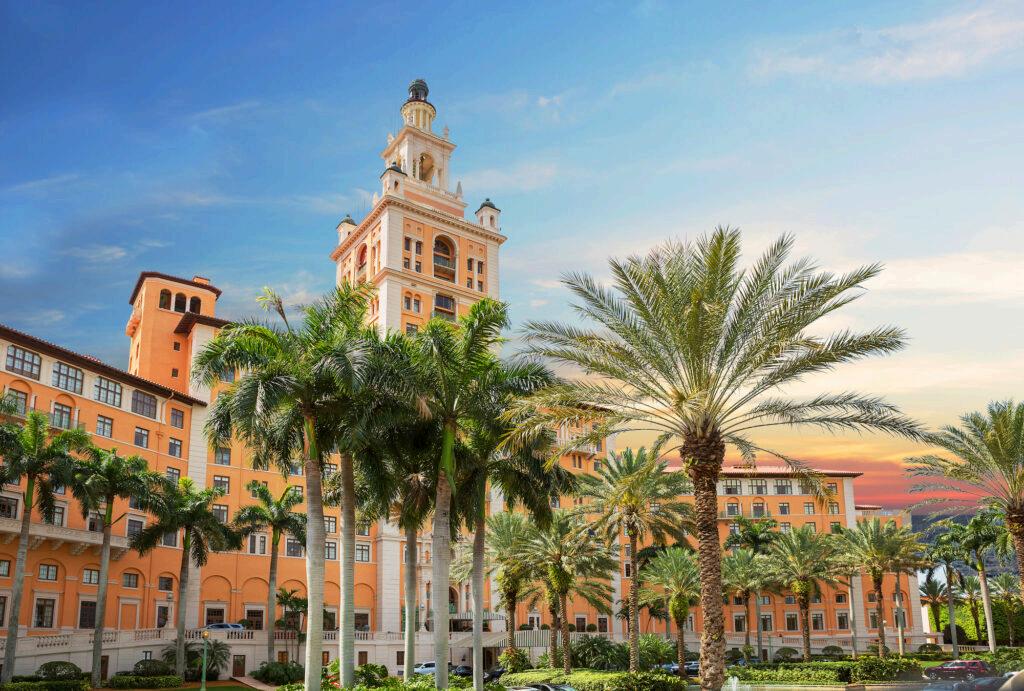

The skyline is selling a lifestyle… and Miami is the product
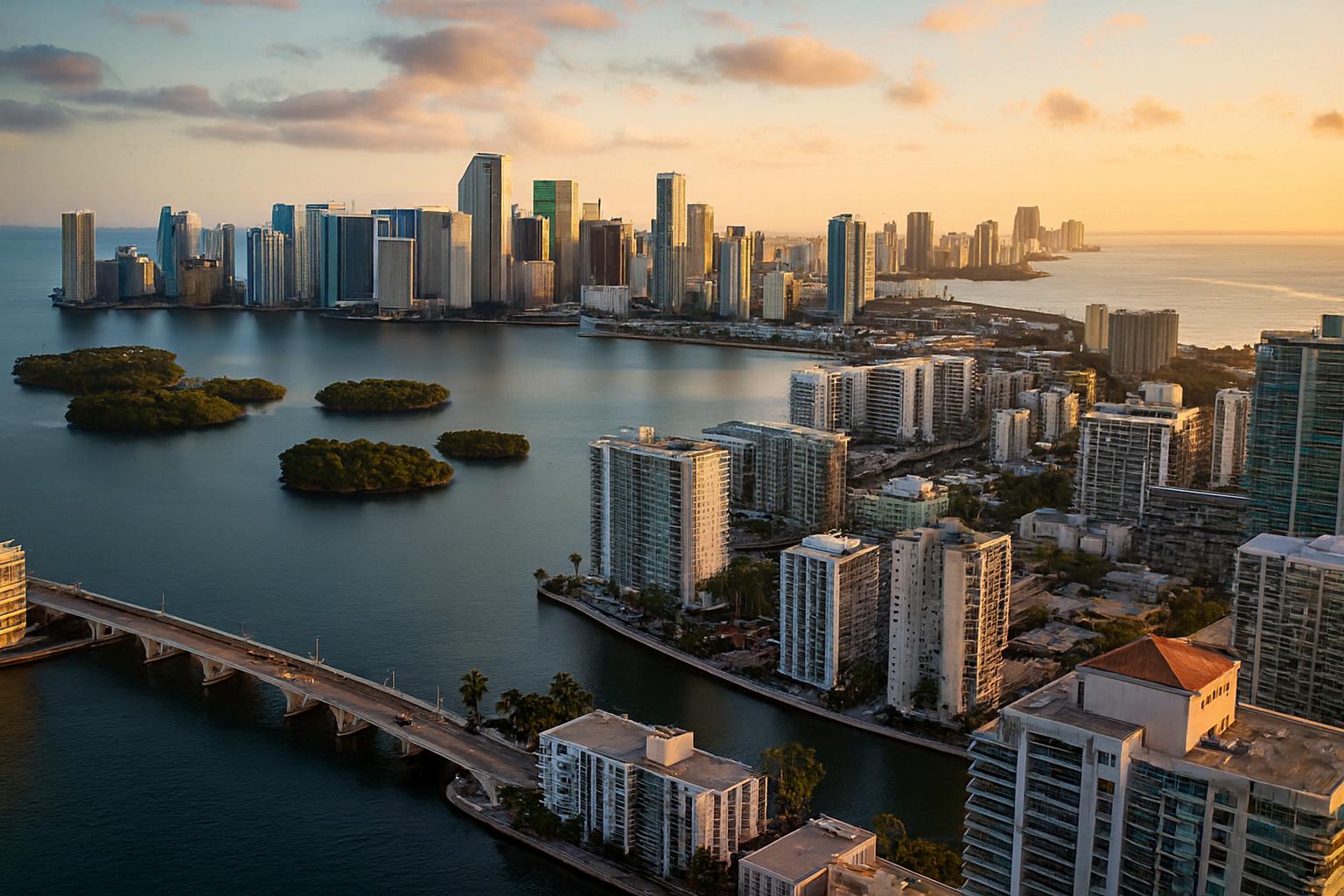
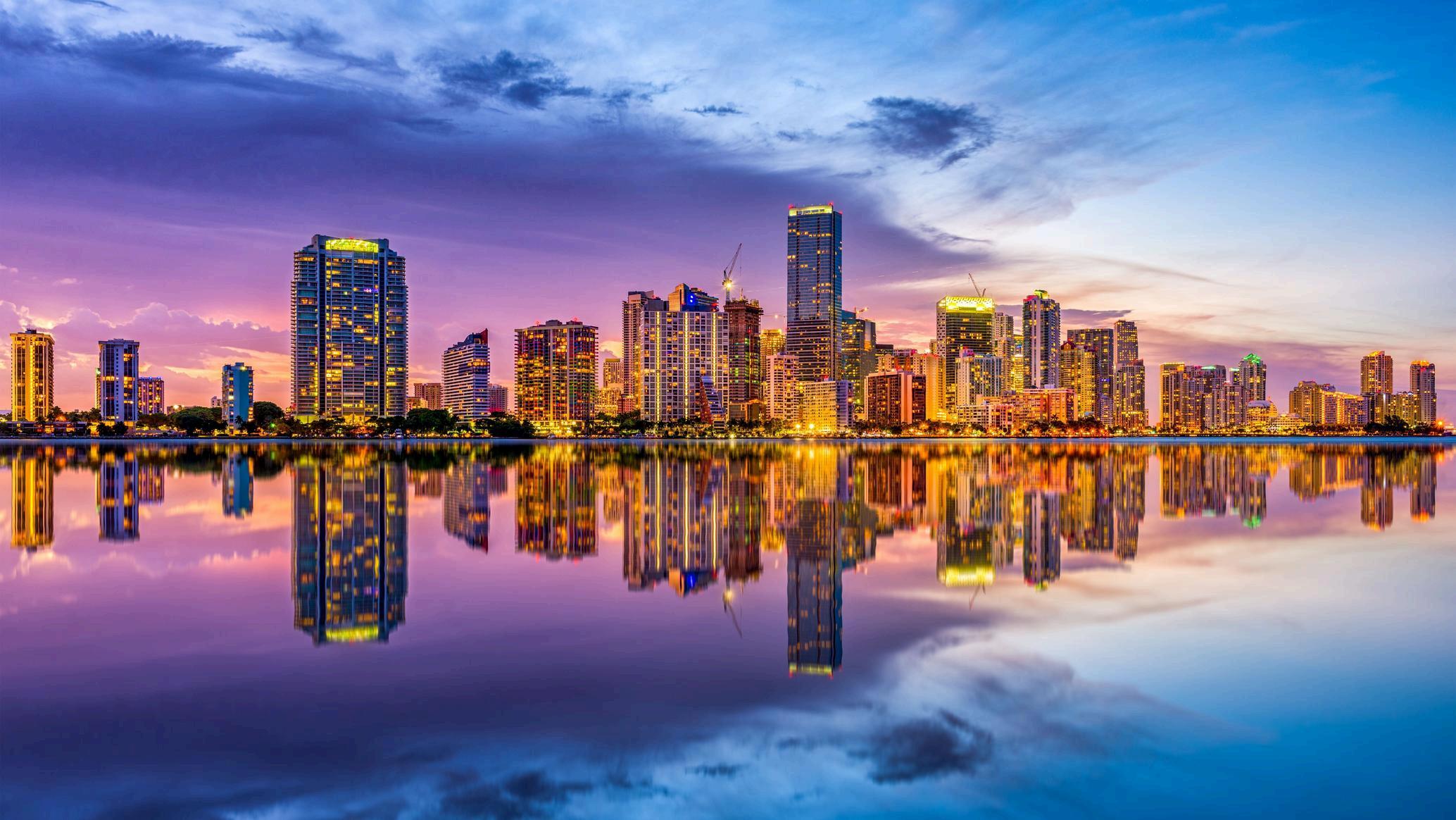
Stand on the Brickell Bridge at dusk and look west The skyline doesn’t just rise it performs.
Glass towers catch the sun, reflect the bay, and whisper the same message: Miami is not just a city anymore. It’s a brand.
And brands do what brands do: they multiply.
In 2026, Miami’s supertall and branded-residence wave is one of the most magnetic consumer stories in real estate. It’s glamorous, controversial, aspirational and deeply consequential for everyone who already lives here.
Consumers want to know: Is this the future or a bubble in designer sunglasses?
Agents want to know:
How do I position preconstruction, resale luxury, and investor demand without getting burned?
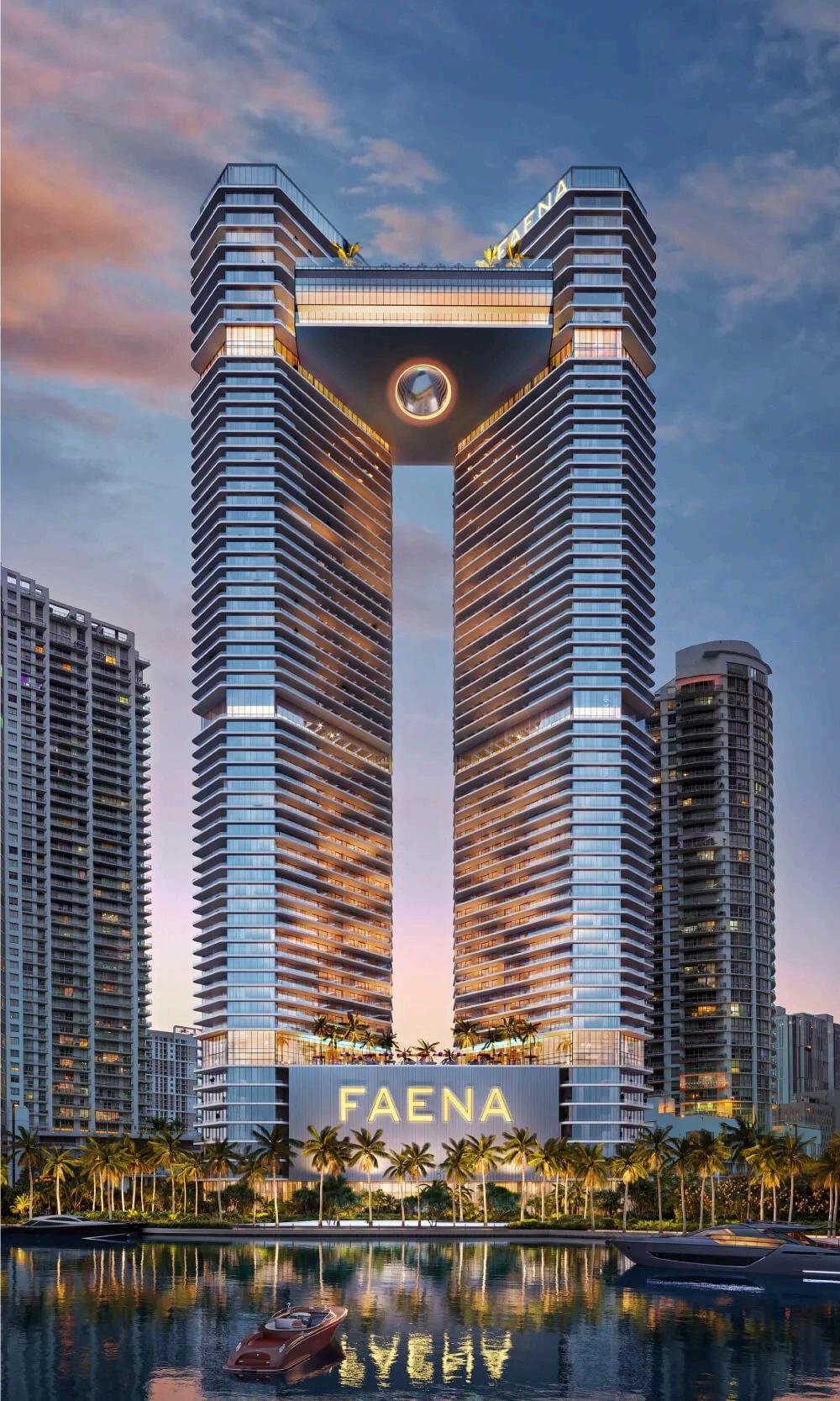
A branded residence is a condo tower attached to a luxury name hotel or fashion or lifestyle where the brand promises:
Premium design standards
Elevated services (concierge, spa-like amenities)
A global marketing machine Status that travels
But here’s the part no glossy brochure emphasizes:
The brand is not just a label. It’s a pricing strategy.
”
Branded residences often command higher price-persquare-foot because buyers are purchasing identity.
The three groups buying Miami’s branded luxury
1) The global wealth preservation buyer
Looks at Miami like a stable asset with sunshine
Often pays cash
Wants a safe, impressive place to park value
2) The lifestyle upgrader
Domestic migration wealth
Wants “Miami energy” and turnkey luxury
3) The investor-speculator
Wants appreciation, assignment opportunities, resale premium
Sensitive to timing, supply, and macro conditions
These groups behave differently
A smart agent learns to recognize which one is in front of them and structure accordingly
In Miami, height is more than an engineering flex. It’s a signal:
“This is the center of gravity ”
“This is the future ”
“This is the unit you show on Instagram ”
Supertalls sell an image of dominance.
And in Miami, dominance converts.
The risk nobody wants to say out loud: supply concentration
Luxury demand is real. But luxury supply is also real.
When multiple premium towers deliver units around the same time, a few things happen:
Resale competition spikes
Incentives quietly increase
Investor exits become harder
Rent assumptions can fail
This doesn’t mean “crash.” It means micro-markets some projects outperform, others underperform
The “Waldorf/Delano effect”: marketing machines at work
Branded towers don’t just sell units They sell a narrative
That narrative pulls: International buyers
Press coverage
High-net-worth attention
High-quality agent networks
For agents, the opportunity is huge but only for those who can speak the language:
deposit schedules escalation clauses assignment rules HOA projections completion risk financing timelines
Consumer truth: the lifestyle is amazing… but check the math
Luxury buyers often focus on the dream: arrival experience wellness floors co-working lounges private dining curated art
But the long-term reality is: HOA dues can be substantial special assessments can still happen insurance costs can rise resale depends on how “hot” the brand remains
Consumers should treat branded luxury like buying a high-performance car
It’s incredible. But maintenance is real.
“ ” The MiamiAgents.RealEstate takeaway
Miami’s supertall + branded wave is not a single story.
It’s many stories: a global wealth magnet a domestic lifestyle migration destination an investor playground a skyline marketing engine
The winners will be: projects with strong design + location + execution buyers who understand holding costs agents who can translate contracts and timelines
Call to subscribe: Want our Supertall Tracker new launches, construction milestones, pricing shifts, and insider guidance on how to buy (or sell) branded residences without making an expensive mistake? Subscribe at MiamiAgents.RealEstate.
Miami didn’t just get a superstar—Miami got gravity
When Messi arrived, it wasn’t only a sports story.
It was a migration story. A branding story
A lifestyle story.
And quietly, a real estate story. Because sports doesn’t just entertain Sports builds ecosystems: restaurants, bars, transit upgrades, public investment, commercial development, short-term demand spikes, and long-term identity
In 2026, Miami’s sports-driven real estate narrative is expanding beyond Inter Miami’s headline power into something bigger: a reshaping of buyer interest zones. Thenewquestionbuyersask It used to be:
How close is it to the beach? “
How’s the commute to Brickell? “ ”
Now it’s increasingly: How close is it to the action? “ ”
And “action” means: stadium districts entertainment corridors watch-party neighborhoods nightlife centers future event venues
Miami’s sports influence stretches across multiple nodes:
Inter Miami’s current and future stadium ecosystem Hard Rock Stadium / big-event gravity downtown/Brickell entertainment density
A subset of buyers wants a Miami base specifically for:
Theriseofthe“secondhome forweekends”buyer match weekends seasonal events festival weeks celebrity moments Sports creates ritual.
They aren’t always traditional snowbirds
They’re experience buyers.
This creates ripple effects: higher demand for short-termfriendly housing (where allowed) increased interest in certain condo lines “walkable weekend” zones becoming more valuable Agents: how to sell to sportsdrivenbuyers
Sports buyers respond to: proximity maps “weekend itinerary” storytelling rental flexibility (if applicable) turnkey furnishing and management
Consumers respond to: being part of a scene
“I can be there in 12 minutes” excitement
Therisk:overestimatingrentaloreventdemand Sports can boost demand, but don’t confuse spikes with permanence.
A smart approach:
underwrite conservatively focus on properties that still work as normal housing treat sports proximity as upside not the entire thesis
TheMiamiAgents.RealEstatetakeaway Sports is rewriting Miami’s emotional geography. And emotional geography drives purchases
Call to subscribe: Want our Messi Map a quarterly heatmap of sports-driven buyer demand, plus neighborhood spotlights, rental reality checks, and the “weekend lifestyle” buyer guide?
Subscribe to MiamiAgents.RealEstate.
In global real estate, there’s a category of purchase that isn’t purely investment and isn’t purely lifestyle
It’s security
It’s options
It’s Plan B
Miami has become one of the planet’s top Plan B cities especially for international and high-networth buyers.
This is why the market often feels like it has two realities:
What international buyers tend to buyinMiami
International and global-wealth buyers frequently favor:
new construction condos (turnkey, predictable, modern) luxury towers with strong amenities waterfront prestige properties that are easy to manage remotely
They are often less sensitive to interest rates. They are more sensitive to:
legal stability ease of ownership privacy quality of product
The consumer tension: “Are we being pricedout?”
For local consumers, the emotional impact is real
When cash buyers compete, locals feel like the game is rigged. The truth is nuanced:
some neighborhoods are dominated by global money others remain local-payment driven The key is understanding which market you’re in
Agents: building a global-client pipeline
When cash buyers compete, locals feel like the game is rigged
multilingual capability or partnerships legal + tax referral networks international-friendly marketing credibility and speed Globalbuyersrewardprofessionalism Andtheypunishconfusion
The MiamiAgents.RealEstate takeaway
Miami’smarketisincreasinglyablendof: lifestylecapital globalcapital domesticmigrationcapital Ifyouunderstandtheflows,youunderstand theprices.
locals shopping based on monthly payments global buyers shopping based on asset placement
Call to subscribe: Want our Global Money Index neighborhood-by-neighborhood insight into buyer types, demand shifts, and what sells fastest (and why)? Subscribe at MiamiAgents.RealEstate.



The True Cost of The True Cost of LivinginMiami: Living in Miami: Insurance,FloodRisk,HOAReality,and theNew“CanYouEvenClose?” Checklist
The sticker price is a lie (unless you know the carrying cost)
Miami buyers still fall in love with listing photos. But the real purchase decision isn’t the price.
It’s the monthly and annual carrying cost: insurance
flood coverage (if needed) taxes
HOA dues maintenance utilities
special assessments risk
This is why buyers are now asking a new question:
Can I actually own this without getting crushed later?
The insurance squeeze: why it hits Miami harder
South Florida’s exposure storms, flood risk, high property values creates pressure on insurers.
When insurance rises, it affects: single-family owners directly condo associations via master policies That cost eventually flows to owners.
Flood risk: the difference between “near water” and “in trouble” Miami’swaterproximityiswhypeoplemovehere It’salsowhyunderwritingcanbecomecomplicated
Flood zones, elevation certificates, lender requirements thesedetailscansloworstopdealsif discoveredlate.
The “Can You Even Close?” checklist Consumersshouldverifyearly:
insurancequotefeasibilityandtimeline floodrequirements(ifany)
HOAfinancialhealth(condos)
lenderbuildingapproval(condos) inspectionandrepairscope

REACH AN AUDIENCE AROUND THE WORLD REACH AN AUDIENCE AROUND THE WORLD
ROKU: 70 MILLION ROKU: 70 MILLION
APPLE TV: 88 MILLION
APPLE TV: 88 MILLION
AMAZON FIRE TV: 50 MILLION
AMAZON FIRE TV: 50 MILLION



Agents: turn this into authority marketing Agentscanturncarrying-costclarityintoabrand: publishchecklists sharelender/insurancepartnercontent create“closingreadiness”guides Theagentwhopreventssurpriseswinsreferrals.
The MiamiAgents.RealEstate takeaway Miamiisn’tgettingcheaper
But smart ownership is possible when buyers understandthefullcostandstructureaccordingly.

Call to subscribe: Want our Insurance Reality Check monthly insights, neighborhood risk factors, and a buyer-ready worksheet that keeps deals from collapsing late? Subscribe to MiamiAgents.Re alEstate

Miami's Premier Agent Directoryuidance.