Legislative Testimony
FY 2027 OPERATING BUDGET
February 19, 2026
House Appropriations Committee
Delegate Benjamin S. Barnes, Chair
Education and Economic Development Subcommittee
Delegate Stephanie Smith, Chair
Dr. David K. Wilson, President
Morgan State University
March 2, 2026
Senate Budget and Taxation Committee
Senator Guy Guzzone, Chair
Education, Business and Administration Subcommittee
Senator Nancy J. King, Chair
Morgan State University Board of Regents
The Honorable Kweisi Mfume, Chair
Gen. Larry R. Ellis, U.S. Army (Ret.), Vice Chair
Mr. Carl W. Turnipseed, Secretary
Ms. Swati Agrawal
The Rev. Harold A. Carter Jr.
Ms. Julissa Ferreras-Copeland
Dr. Linda J. Gilliam
Mr. John W. Henry III
Mr. Benjamin B. Klubes
Dr. Shirley M. Malcom
Mr. Champion Ojo
Mr. Brian D. Pieninck
Mr. William A. Sherman II, Esq.
Ms. Shelonda D. Stokes
President’s Senior Administration
Dr. David Kwabena Wilson
President
Dr. Hongtao Yu
Provost and Senior Vice President, Academic Affairs
Dr. Don-Terry Veal
Vice President, State and Federal Relations and Chief of Staff
Ms. Endia DeCordova
Vice President, Institutional Advancement
Ms. Dena Freeman-Patton
Vice President and Director, Intercollegiate Athletics
Ms. Julie Goodwin
General Counsel
Ms. Armada Grant
Special Assistant to the President
Mr. David LaChina
Executive Vice President, Finance and Administration
Dr. Willie E. May
Vice President, Research and Economic Development
Ms. Kim I. McCalla
Vice President for Facilities, Design and Construction Management
Dr. Timothy Summers
Vice President/Chief Information Officer, Division of Information Technology
Dr. Kara M. Turner
Vice President, Enrollment Management and Student Success
Dr. Letitia Williams
Interim Vice President, Student Affairs
TESTIMONY
Fiscal Year 2027 Operating Budget
Morgan State University
David K. Wilson, President
February 2026
Chair and members of the Committee, I thank you for the opportunity to testify on the Governor’s fiscal year 2027 budget allowance for Morgan State University and to provide you with an update on the remarkable progress and achievements at the University since the last session. It is an exciting time at Morgan, as we continue our ascent as a premier public urban research university.
I extend my deepest gratitude to Governor Moore for his unwavering support of higher education and to the members of the General Assembly, particularly this Committee, for your steadfast commitment to Morgan State University. I also take this opportunity to express our special appreciation to the Governor’s administration for identifying a dedicated purpose account to support research centers at Maryland’s four-year research universities as they pivot from areas affected by federal funding reductions toward priority fields such as energy, resilience, and climate research. This special fund includes $8.5M earmarked for Morgan, which is expected to benefit several high-impact projects. I further extend appreciation to our analyst, Mr. Micah Richards, who has provided a thorough and insightful analysis of our budget, and I will address his comments and recommendations in my testimony.
VISION STATEMENT
Morgan State University is Maryland’s preeminent public urban research university, known for its excellence in teaching, intensive research, effective public service, and community engagement. Morgan prepares diverse and competitive graduates for success in a global, interdependent society.
MISSION STATEMENT
Morgan State University serves the community, region, state, nation, and world as an intellectual and creative resource by supporting, empowering, and preparing high-quality, diverse graduates to lead the world. The University offers innovative, inclusive, and distinctive educational experiences to a broad cross section of the population in a comprehensive range of disciplines at the baccalaureate, master’s, doctoral, and professional degree levels. Through collaborative pursuits, scholarly research, creative endeavors, and dedicated public service, the University gives significant priority to addressing societal problems, particularly those prevalent in urban communities.
INTRODUCTION
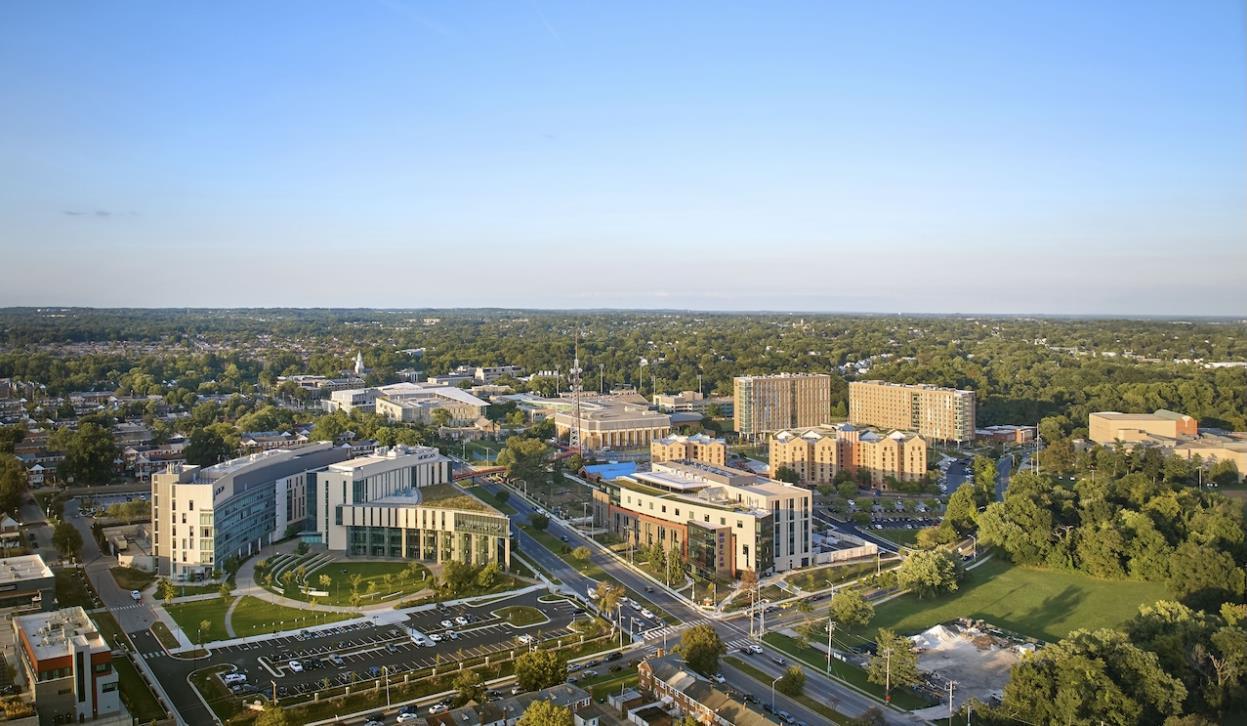
As Morgan State University boldly strides into its 159th year, we are proud to continue our role as Maryland’s Preeminent Public Urban Research University, a unique institution centered on a campus designated as a National Treasure. Guided by our 10-year strategic plan, Morgan is steadfast in its commitment to fostering student success, advancing research and innovation, and uplifting the communities we serve. This mission aligns seamlessly with the Moore-Miller Administration’s 2024 State Plan and its vision to “Leave No One Behind.” As an anchor institution, Morgan serves as a stable, place-based economic engine in Maryland’s largest city. The University drives development through large-scale local hiring, procurement of goods and services, real estate investment, and community revitalization, while functioning as a critical provider of social stability and a key driver of socioeconomic mobility.
The relevance of public urban research universities like Morgan has never been greater. Morgan plays a vital role in producing groundbreaking research, fueling workforce development, and driving economic growth in a rapidly evolving society. Continued investment in Morgan is not only an investment in our institution but also an investment in Maryland’s future. It is through your steadfast support that we can chart a bold course forward, ensuring that Morgan continues to rise as a leader in higher education and as a beacon of opportunity for all. Thank you for joining us on this journey of excellence and transformation.
MOORE-MILLER ADMINISTRATION 2024 STATE PLAN: LEAVE NO ONE BEHIND
The Moore-Miller Administration’s 2024 State Plan was developed to lay out an implementation roadmap of the Administration’s mission to “Leave No One Behind” in Maryland, centered on the following 10 priorities:
Leave No One Behind by…
1. Ending child poverty in the State of Maryland
2. Setting Maryland’s Students Up for Success
3. Creating an Equitable, Robust, and Competitive Economy
4. Connecting Marylanders to Jobs
5. Creating Safer Communities
6. Making the State of Maryland a Desirable and Affordable Home for All Residents
7. Advancing Infrastructure to Better Connect All Marylanders to Opportunities and Each Other
8. Ensuring World-Class Health Systems for All Marylanders
9. Making Maryland a Leader in Clean Energy and the Greenest State in the Country
10. Making Maryland a State of Service
TRANSFORMATION MORGAN 2030: LEADING THE FUTURE
Our Strategic Plan, “Transformation Morgan 2030: Leading the Future,” reflects our continuous pursuit of excellence and a renewed commitment to fulfilling our vital mission. Our plan is firmly rooted in the realization of Morgan State University’s effort to attain Carnegie’s R1, “very high” research classification by the year 2030, a designation that will cement our status as a leading, nationally recognized research institution. Our plan outlines six interconnected strategic goals that give shape to, and provide a framework for, the management of needed organizational change and preparation of the University to serve and compete at the highest attainable level. Accomplishments and strides under each of the six strategic goals are highlighted below.
Enhance Student Success and Wellbeing
GOAL 1
GOAL 2
GOAL 3
GOAL
4
Provide students with a comprehensive educational and transformative experience that actualizes their full potential and empowers them to emerge as confident and competent global citizens and dynamic leaders in their selected careers and communities.
Implement Faculty Ascendency and Staff Development Initiatives
The University will implement a broad range of human resource development initiatives for the benefit of faculty and staff.
Elevate Morgan's Status to R1 Very High Doctoral Research University
Over the next 10 years, Morgan will emerge as a R1 doctoral research university fully engaged in basic and applied research and creative interdisciplinary inquiries undergirded and sustained through increased research grants and contracts.
Expand and Improve a Campus-Wide infrastructure to Support Operational Excellence and Increase Overall Institutional Capacity
Morgan will advance new construction, capital improvement, deferred maintenance, and campus safety projects in keeping with the University's evolving master plan.
GOAL 5
GOAL
6
Serve as the Premier Anchor Institution for Baltimore City and Beyond Morgan will expand and deepen its role as a recognized anchor institution with broad social and economic impact.
Accelerate Global Education Initiatives and Expand the University's International Footprint Morgan will enhance its study abroad program and promote global awareness and intercultural competencies through its diverse curricular and co-curricular programs and activities.
Goal 1: Enhancing Student Success and Wellbeing
[Moore Administration Priorities Addressed: 1, 2, 3, 4 & 8]
Morgan strives to create an educational environment that enhances student success by offering new academic programs and holistic co-curricular activities in a welcoming, diverse, and inclusive campus community. Ultimately, the goal is to provide students with a comprehensive educational and transformative experience that actualizes their full potential and empowers them to emerge as confident and competent global citizens and dynamic leaders in their selected careers and communities.
▪ Enrollment Growth Continues
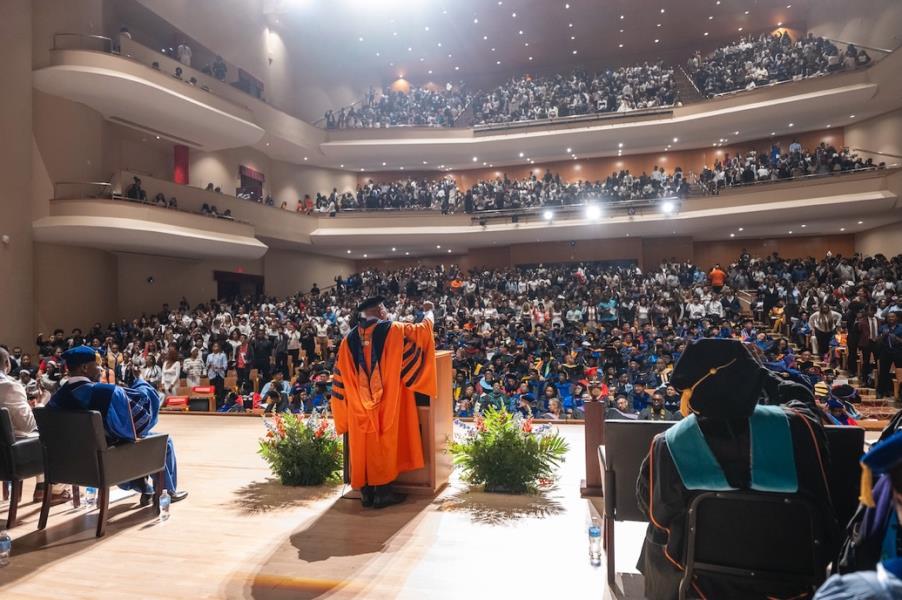
Morgan’s steady rise in national prominence and student demand shows no signs of slowing. For the fifth consecutive year, the University has set a new all-time enrollment record, this time welcoming 11,559 students for the 2025–26 academic year, as officially reported to the Maryland Higher Education Commission (MHEC). The current enrollment represents a 7.6% increase over the previous year, highlighted by significant gains in the graduate, transfer, and international student populations. The number of Black male students enrolled also rose by an impressive 10% over the previous year, underscoring early success as Morgan looks to address one of higher education’s most pressing challenges. This growth marks another milestone in Morgan’s ascent as a premier destination for higher learning and advancement, positioning it firmly as the thirdlargest among Historically Black Colleges and Universities (HBCUs).
• Increase in Applications – In 2024, Morgan enrolled 10,739 students and received 23,861 applications. This year, applications surged to 25,217, a 5.7% increase, reflecting the University’s growing reach and appeal. The majority of Morgan’s students originate from Maryland; however, 51% of the new students entering Morgan hail from outside Maryland, representing 32 states, reaffirming Morgan’s expanding national footprint. International enrollment climbed to 1,130 students, further enhancing campus diversity and the University’s global engagement.
• Graduate Student and International Student Gains – The School of Graduate Studies reached a new high of 2,005 students The School of Graduate Studies also reported a 24% increase in Black male enrollment, growing from 314 to 388 students pursuing advanced degrees. For Morgan to achieve its goal of elevating its status to R1, becoming a “very high” doctoral research university, it must increase its number of doctoral graduates to an average of more than 70 per year. In 2025, the University awarded 94 doctorates.
• Drivers of the Interest – When surveyed, new undergraduates cited campus visits, the University’s online visibility, and family legacy connections as the top reasons they applied to Morgan. Once admitted, students reported choosing Morgan primarily because they wanted to attend an HBCU, valued the available financial aid and affordability, and were drawn to the University’s beautiful campus and facilities elements that reflect both the tangible and emotional appeal of the Morgan experience. Among new undergraduate students, Nursing, Management and Business Administration, and Psychology emerged as the top declared majors, while graduate students most often pursued Social Work, Business Administration, or Public Health.
▪ Access to Available Scholarships
In an effort to make finding and applying to all available scholarships less challenging and more manageable, Morgan’s Division of Enrollment Management and Student Success and the Division of Institutional Advancement collaborated with Blackbaud and its “AcademicWorks” platform to launch a new one-stop destination for finding scholarships catered to an individual student’s needs. Available to newly admitted or currently enrolled students, the powerful online tool makes the entire scholarship process easier, smarter, and more personalized. ScholarshipUniverse (SU) is an integrated online scholarship portal that matches students to relevant, vetted external scholarship opportunities, as well as internal scholarships offered by the University. Each external scholarship opportunity a student sees on SU has gone through an extensive vetting process to ensure the scholarship is offered through a reliable and authentic source.
▪ Commencement and Degree Growth
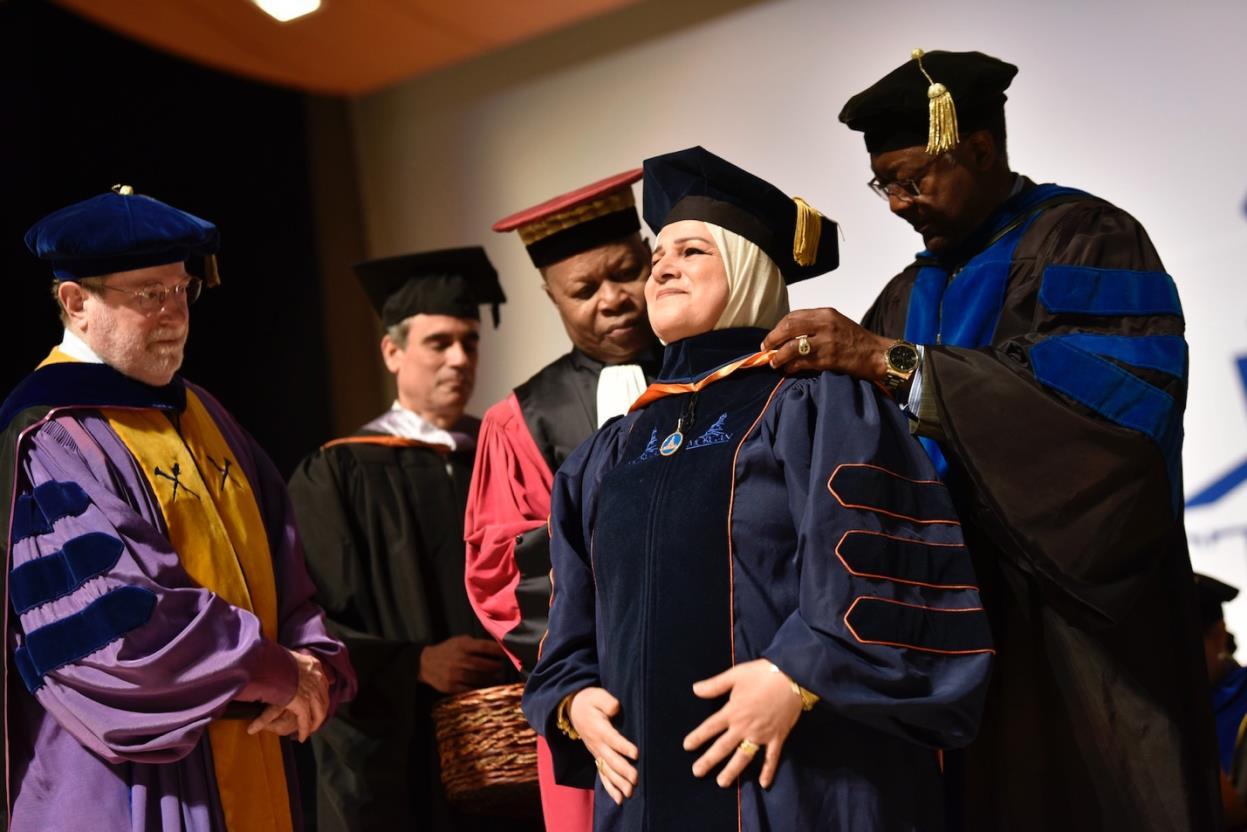
In 2025, 1,622 students received degrees during the spring and fall commencements. During Morgan’s 12th Annual Fall Commencement Exercises, held on Friday, Dec. 19, 2025, inside the University’s Talmadge L. Hill Field House, 600 graduates reveled in the achievement of earning bachelor’s, master’s, and doctoral degrees, officially joining the ranks of alumni of Maryland’s Preeminent Public Urban Research University. Among the 600 graduates were 34 doctoral degree recipients and 134 master’s degree recipients, representing a 42.5% increase over the previous fall and the largest master’s cohort awarded during Morgan’s 12year history of fall commencement exercises. In addition, 108 graduates earned Latin Honors, including cum laude, magna cum laude, and summa cum laude distinctions.
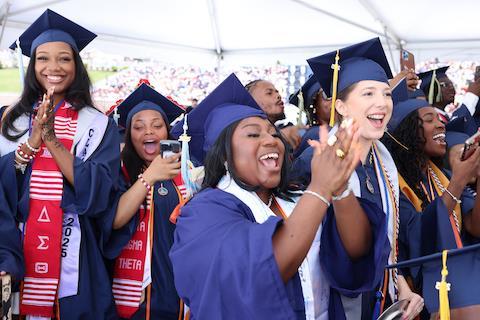
When the University held its 148th Spring Commencement Exercises on May 17, 2025, at Hughes Memorial Stadium, a total of 1,022 bachelor’s, master’s, and doctoral candidates received their degrees at the Graduate School and Undergraduate ceremonies besting last year’s total by more than 180 candidates. Among them were 288 Latin Honors graduates; a history-making 16 students with perfect cumulative 4.0 grade-point averages; and a record high 60 doctoral candidates. Notable among the undergraduate candidates were the three first-ever recipients of the Bachelor of Science in one of Morgan’s latest degree offerings supporting the future of work, Mechatronics Engineering, and the firstever recipient of Morgan’s Bachelor of Arts in Musical Theatre.
▪ National Career Outcomes Recognition
Morgan State University’s national profile continues its upward climb, as the University earned a spot among the Top 10 HBCUs in the United States, according to LinkedIn’s inaugural Top Colleges rankings. This recognition further affirmed Morgan’s reputation as a premier destination for student success and long-term career achievement. LinkedIn’s Top Colleges ranking identifies the U.S. institutions that best position graduates for sustained professional success. Evaluating more than 100 HBCUs across the country, LinkedIn placed Morgan State at No. 10 nationally. The ranking is based on alumni career outcomes measured by five pillars: job placement, internships and recruiter demand, career success, alumni network strength, and knowledge breadth. LinkedIn’s acknowledgment adds to a growing list of national distinctions, including a Top 10 ranking for the University among U.S. News & World Report’s Best HBCUs in America and a Bloomberg Businessweek ranking of 54th overall nationwide for Morgan’s Earl G. Graves School of Business and Management. From engineering and business to urban planning and the arts, Morgan graduates are making an indelible mark on industries and communities worldwide.
▪ Transfer Pathway Expansion
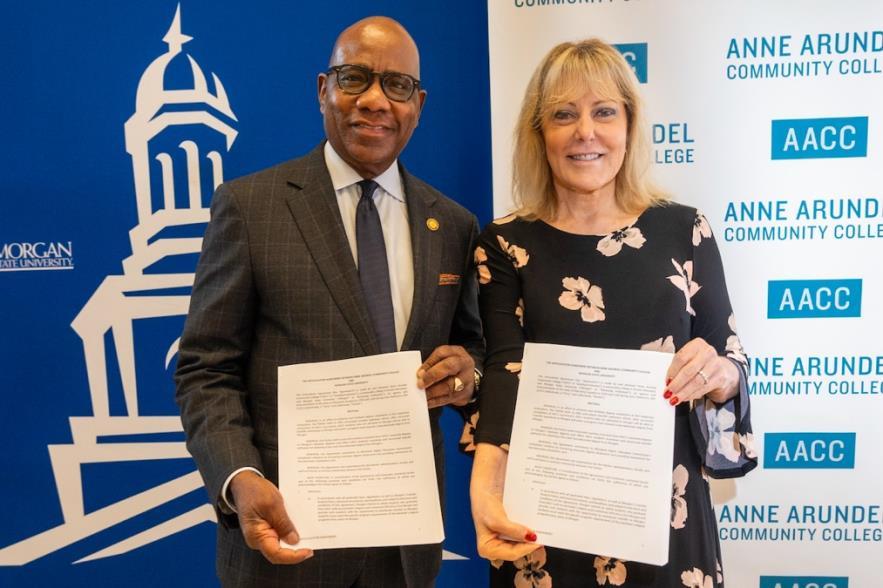
Community college degree holders in Anne Arundel County have gained another path to a four-year degree. Morgan State and Anne Arundel Community College (AACC) launched the Transfer Pathway partnership. Through this partnership, Morgan and AACC will simplify the transfer process, enhance career readiness, and improve the state's overall higher education degree attainment. Under the new agreement, students graduating from AACC with an Associate of Arts (A.A.) or an Associate of Science (A.S.) degree will have met Morgan’s general education requirements for admission to the University’s bachelor’s degree programs. Morgan will accept a maximum of 70 transfer credits from AACC, and students must meet the specific program requirements of the degree programs they select at Morgan. Our new record high of 11,500 students enrolled last fall included 403 new transfer students, a 10% increase over the previous year.
▪ Adult Learner Degree Completion
In 2021, Morgan State University introduced a bold and forward-thinking novel program, Morgan Completes You, which seeks to address a critical need in educational attainment. Housed in the University’s College of Interdisciplinary and Continuing Studies (CICS), the program created a pathway for adult learners with some college credit but no degree to complete their higher education journey. As a result of the program’s growing success, it has been recognized, most recently from the Association for Continuing Higher Education’s (ACHE) with the 2025 ACHE Older Adult Model Award Presented during ACHE’s 87th Annual Conference, held in Milwaukee, this national recognition honors programs that provide outstanding learning opportunities and services for older adult populations. The award highlights CICS’ commitment to supporting all adult learners and increasing opportunities for degree completion, including serving the nearly 5.5 million adults over age 65 who have some college education but no degree. Since its launch, Morgan Completes You has provided interdisciplinary undergraduate, graduate, and doctoral programs built around a supportive and flexible framework that recognizes prior learning and transfer credit while honoring learners’ personal and professional goals.
▪ Military-Affiliated Student Support
Morgan State has once again been recognized among the nation’s top institutions for its commitment to serving military students, earning the distinguished 2025–2026 Military Friendly School designation and Military Friendly Spouse School designation, and being named a “Best for Vets” Gold Star College by Military Times. These honors highlight Morgan’s ongoing dedication to supporting active-duty service members, veterans, and their families through comprehensive academic, financial, and personal support services tailored to the military community. Veterans Engagement Services, housed within Morgan’s Office of the Registrar, is a primary resource for student veterans, their spouses or dependents and their survivors who choose to come to Morgan State University. The office provides student support services internally and externally while providing a veteranfriendly atmosphere and a keen understanding of the challenges associated with military service members’ and veterans’ efforts to fulfill their college educational needs. Morgan offers a variety of veteran-focused programs and services to assist in this regard.



▪ Student Excellence (Recognition and Honors)
A number of exceptional Morgan State University students have earned national recognition, awards, and honors over the past year. These scholars exemplify Morgan's commitment to excellence as they embark on prestigious fellowships, gain invaluable experiences, and receive scholarships that support their academic journeys at the National Treasure.
Representing Morgan on a national stage, these students showcase the ambition, intellectual curiosity, and academic achievement that define our diverse student body. The University is proud to celebrate their remarkable accomplishments as they continue to excel and make meaningful contributions to their fields. Their success reflects Morgan’s unwavering dedication to academic excellence and its rise as a premier institution of higher learning.
• Walt Disney Imagineering Design Competition
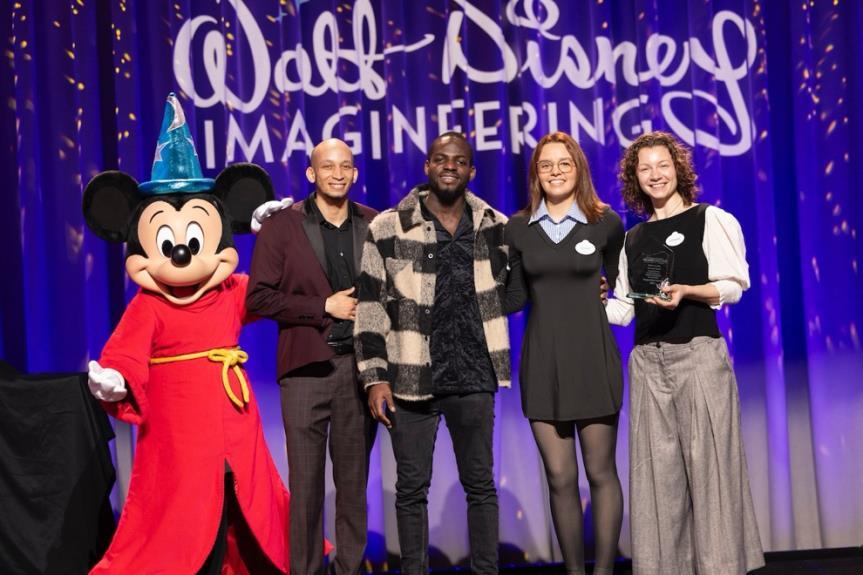
A team of talented students from Morgan’s School of Architecture and Planning made history by winning first place in the Annual Walt Disney Imagineering Imaginations Design Competition one of the most prestigious design challenges for students nationwide. Competing against approximately 80 teams from across the U.S., Morgan’s M.O.D. Squad emerged victorious, showcasing their creativity, innovation, and design excellence on a national stage. As a whole, Morgan State had an impressive showing in this year’s Disney competition. Three teams from Morgan successfully advanced through the early rounds, becoming quarterfinalists and semifinalists, and two of the University’s teams reached the Top 10 finalists. Ultimately, the M.O.D. Squad claimed the top prize in this celebrated competition. The competition tasked students with reimagining transportation in a major city, incorporating Disney’s signature storytelling, creativity, and immersive guest experiences while ensuring the system was accessible, energy-efficient, and engaging. Their achievement reflects Morgan’s commitment to academic excellence and highlights the University’s growing presence in architecture, environmental design, and innovation.
• Ecological Society of America Recognizes Doctoral Student
Morgan State University students continue to make their mark on the national stage. Chichedo Duru, a doctoral student in the Department of Chemistry’s Bioenvironmental Science (Ph.D.) program, is the recipient of the 2025 Katherine S. McCarter Graduate Student Policy Award from the Ecological Society of America. This highly selective award recognizes graduate students who demonstrate a commitment to science advocacy and policy engagement. Duru was one of only 10 students honored nationwide
• TEDCO’s Emerge HBCU Innovator of the Year
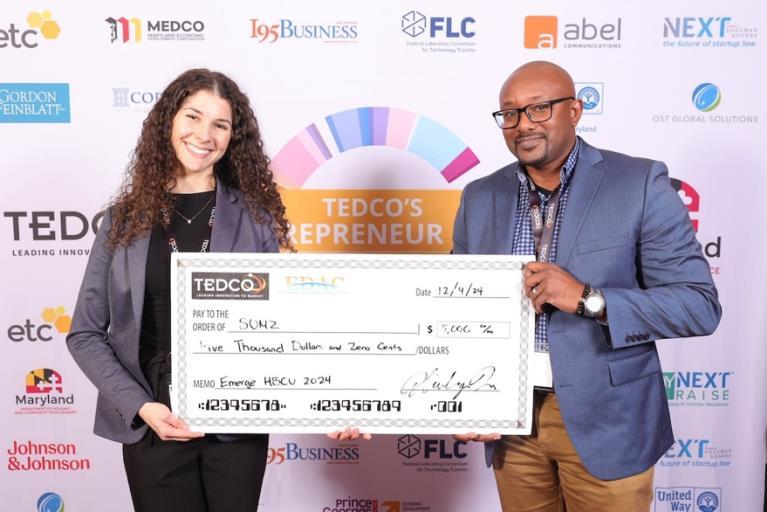
In a standout moment for Morgan State University and its entrepreneurial community, Ph.D. student Adriélli Bonfanti Pagnoncelli was named the 2024 Emerge HBCU Innovator of the Year at the TEDCO Entrepreneur Expo, Maryland’s premier gathering of tech leaders, startups, and visionaries. Pagnoncelli captured first place in the highly competitive Emerge DMV HBCU Pitch Competition, wowing judges and attendees with a transformative software solution designed to help municipalities optimize their stormwater utility systems. Her innovation offers a datadriven approach to addressing the financial, regulatory, and environmental challenges of stormwater management, earning her the competition’s $5,000 top prize and the spotlight among sustainability and infrastructure leaders.
• Bloomberg HBCU Trading Challenge
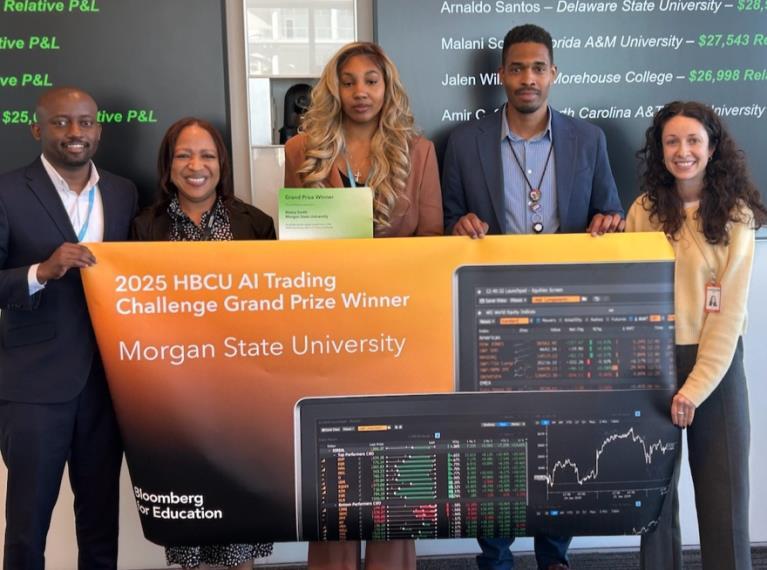
Demonstrating excellence in financial analysis, strategy, and execution, Makia Smith, a junior Finance major in Morgan’s Earl G. Graves School of Business and Management, emerged as the first-place winner in the prestigious Bloomberg and HBCUs Trading Challenge. Smith outperformed students from 10 HBCUs across the nation in the third annual competition, which ran from January through March 2025. Designed to simulate realworld investing, the seven-week challenge tasked students with managing a $1-million virtual portfolio using Bloomberg Terminals. Participants were evaluated on their investment performance relative to a developed market index, applying skills in risk management, data analytics, and market strategy.
• Penn State Sustainability Competition
In a commanding demonstration of innovation, teamwork, and academic excellence, Morgan’s Graves School of Business and Management (Graves School) students made an indelible mark at a sustainability case competition hosted by Penn State University. Representing Morgan with distinction, the student team known as Blue Wave Solutions comprising Makaila Carroll, Ashley Johnson, Marlon Russell, Noah Scales, and Olivia Sheridan clinched first place in the 2025 Smeal Undergraduate Sustainability Case Competition held in April. The competition, now in its fifth year, challenged students to harness the power of artificial intelligence to develop sustainable solutions for realworld environmental and social justice challenges. In addition to earning top bragging rights, the Blue Wave Solutions team also received a prize of $3,000.
• National Innovation Venture Competition
Reinforcing Morgan’s leadership in tech innovation and sustainable solutions, a team of four graduate students secured the top honor, and a $100,000 seed funding award, at the 2025 Capital One/Delaware State University Innovation Venture Competition Team AgroVision, comprising David Nyarko, Obiageli Nwachukwu, Marvellous Ododoh, and Dapiriye Briggs, emerged as the Tier 3 (graduate-level) champion at the national competition for their revolutionary AI-powered modular hydroponic farming system. Their innovative solution leverages artificial intelligence, renewable energy, and smart agriculture technologies to tackle food insecurity, climate volatility, and resource scarcity in farming.
• MIT’s Hack the Climate Hackathon
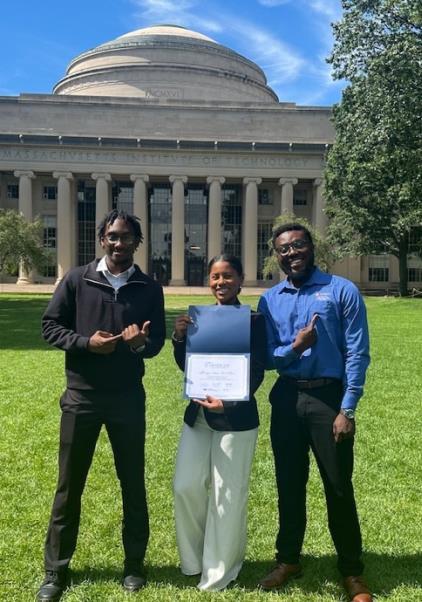
Morgan students showcased their innovation and mettle nationally in competition. Tackling the urgent challenge of climate change through invention, a team of students from the University’s School of Engineering and the School of Architecture and Planning captured first place at the Hack the Climate Hackathon, part of the MIT Raise AI & Education Summit held in July. Their awardwinning project, ThermaWise, is a cutting-edge platform that empowers users with creative, data-driven energy-saving solutions — showcasing the students’ commitment to sustainability, technological innovation, and real-world problem-solving. The three-person team, comprising undergraduate student Jamal Williamson (Electrical Engineering) and graduate students Kianna Spencer (Construction Management) and David Nyarko (Electrical Engineering, doctoral candidate) showcased their creative platform, which uses artificial intelligence to democratize access to building science, passive design strategies, and sustainable methodologies.
•
Earning Honors in Diplomacy, Journalism, and Language Study
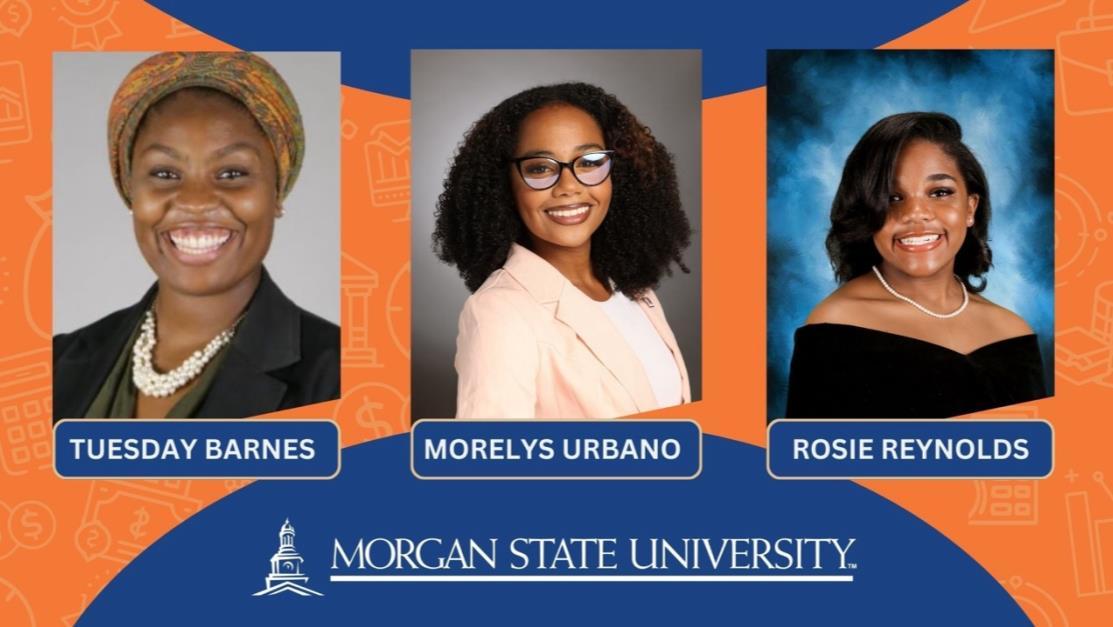
Three outstanding Morgan students — Tuesday Barnes, Rosie Reynolds, and Morelys Urbano were selected for competitive, high-impact honors that reflect their academic dedication and personal drive. From language and cultural immersion to national-level journalism and international diplomacy, these experiences exemplify Morgan’s commitment to empowering students to apply their learning in meaningful, real-world contexts that expand their perspectives and elevate their potential.
Tuesday Barnes, a doctoral student in the Applied Sociology and Social Justice Ph.D. program, was awarded the Critical Language Scholarship (CLS), sponsored by the U.S. Department of State. She is among the nearly 600 U.S. undergraduate and graduate students selected for this honor. Rosie Reynolds, a sophomore majoring in Biology and enrolled in Chinese courses at Morgan, was awarded the Young Envoys Scholarship (YES). This initiative, sponsored by the Chinese government, aims to strengthen relationships between the U.S. and China among younger generations, while allowing students from outside China like Morgan’s Reynolds to explore current social, economic, and scientific developments in the country. Morelys Urbano, a multimedia journalism student at the School of Global Journalism and Communication, with a minor in Latin American and Caribbean Studies, was elected to the National Association of Hispanic Journalists (NAHJ) 2025 Student Project team. This competitive program brings together top student journalists from across the nation to report on the NAHJ National Conference and Expo and gain practical experience in a newsroom setting, under the guidance of professional mentors.
▪ Expanding Research and Exchange Opportunities
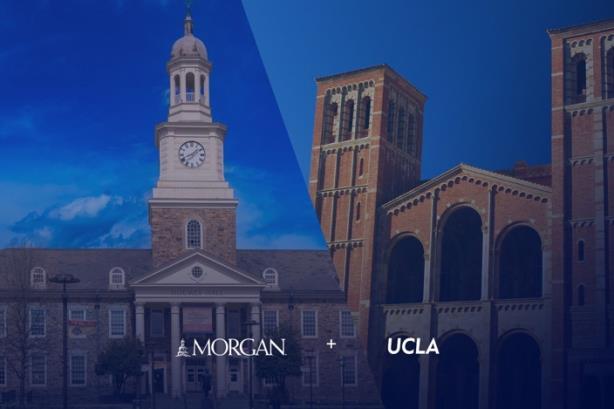
Morgan State University has joined forces with the University of California, Los Angeles (UCLA), in a unique partnership aimed at enhancing research collaboration and student exchange opportunities. The partnership establishes a bidirectional exchange program, offering students and faculty from both institutions the chance to engage in research, mentorship, and academic development. A key objective of the initiative is to widen pathways for undergraduate and graduate students into advanced research and graduate programs. UCLA has acknowledged the value of engaging with HBCUs like Morgan to enrich faculty collaborations and enhance student research experiences. Through this alliance, students will gain exposure to new learning environments, broadening their academic and professional horizons. This partnership falls under the broader University of California HBCU Initiative, a statewide effort to address the underrepresentation of African American students in graduate programs.
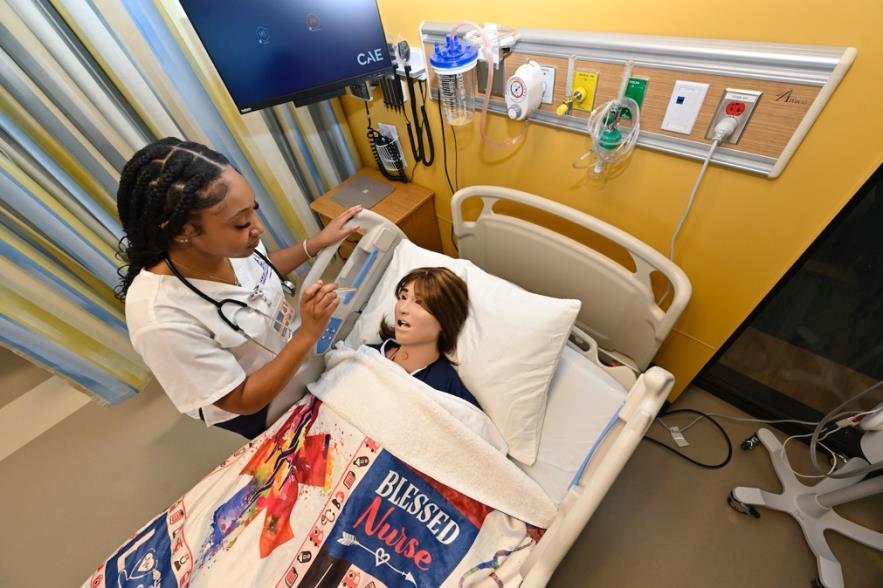
▪ Support for Future Nurses
Morgan’s School of Community Health and Policy Department of Nursing has been awarded a $1-million grant from the Bedford Falls Foundation–DAF to support nursing scholarships for students and enhance faculty professional development opportunities. Over the next three years, the Joanne and William Conway Nursing Scholarship will benefit 75 students a year pursuing a Bachelor of Science in Nursing (BSN) degree, providing need-based funding and improving individualized guidance, academic coaching, and career mentoring within the nursing department. In addition, the grant will support various networking events and mentoring opportunities designed to improve student retention and engagement.
▪ Digital Credentials for Students
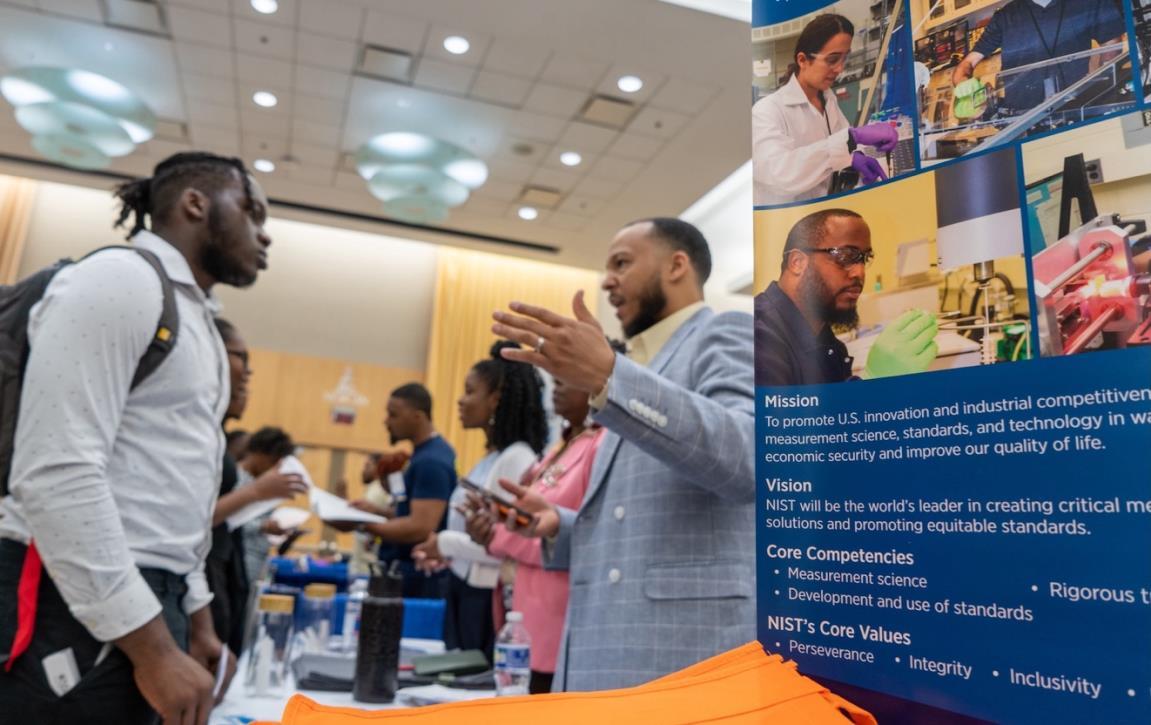
Through its participation in the new Learning and Employment Record (LER) Accelerator program led by the American Association of Collegiate Registrars and Admissions Officers (AACRAO) Morgan State University is developing accessible digital credentials that better align students’ learning achievements with workforce needs. Morgan is one of only 25 institutions — including public and private universities, community colleges, and state systems selected for the inaugural LER Accelerator cohort. The program emphasizes universal accessibility, learner agency, and skills-based recognition. It prioritizes the documentation of student learning and skill acquisition in a way that makes this information easily available to stakeholders nationwide. This innovative approach empowers students to take control of their own data and ensures their competencies are acknowledged in ways that matter.
Goal 2: Implement Faculty Ascendency and Staff Development Initiatives
[Moore Administration Priorities Addressed: 2, 3, 4 & 10]
In addition to fostering student excellence, Morgan State University actively supports its faculty and staff in all forms of scholarship, from advancing knowledge in teaching and learning to developing innovative products and processes. The University is home to some of the most distinguished and recognized faculty in higher education. Morgan not only attracts top faculty from around the world but also celebrates their achievements as they earn recognition from esteemed organizations. Their contributions further elevate Morgan’s reputation as a leader in academic excellence and innovation.
▪ AI and Emerging Technology Instruction
Building on its ongoing efforts to enrich the campus learning environment through the integration of artificial intelligence (AI), Morgan State University is collaborating with the Amazon-Machine Learning University Educators Consortium and Amazon-MLU Transformation Alliance to enhance its curricula and research by incorporating AI and machine learning (ML) concepts and tools. Morgan is one of several institutions participating in this effort, which aims to develop inclusive AI education pathways within HBCUs, ultimately preparing students for fast-growing and desirable AI/ML careers. Participating Morgan faculty will engage in a series of monthly activities, including training boot camps, AI/ML pedagogy labs, tech talks, and roundtable discussions aimed at advancing knowledge in these fields.
▪ National Faculty Honors
Morgan State University faculty earned multiple national recognitions, including prestigious fellowships from the American Association for the Advancement of Science, the American Psychological Association, and the American Institute of Physics. These honors recognized excellence in research, teaching, mentorship, and disciplinary leadership. Collectively, the awards reinforced Morgan’s growing scholarly prominence.
• Provost Hongtao Yu Named AAAS Fellow
Hongtao Yu, Ph.D., provost and senior vice president for Academic Affairs, has been elected a Fellow of the American Association for the Advancement of Science (AAAS). Dr. Yu is the sixth Morgan scientist to receive the honor within the last five years and the ninth in University history. This prestigious honor adds to Morgan’s growing roster of renowned scholars recognized by one of the world’s largest general scientific societies and publisher of the Science family of journals. His research expertise spans chemical toxicology, photochemistry, environmental chemistry, and nanoscience. Dr. Yu’s work contributes to advancing scientific understanding of how these substances interact with biological systems and the environment.

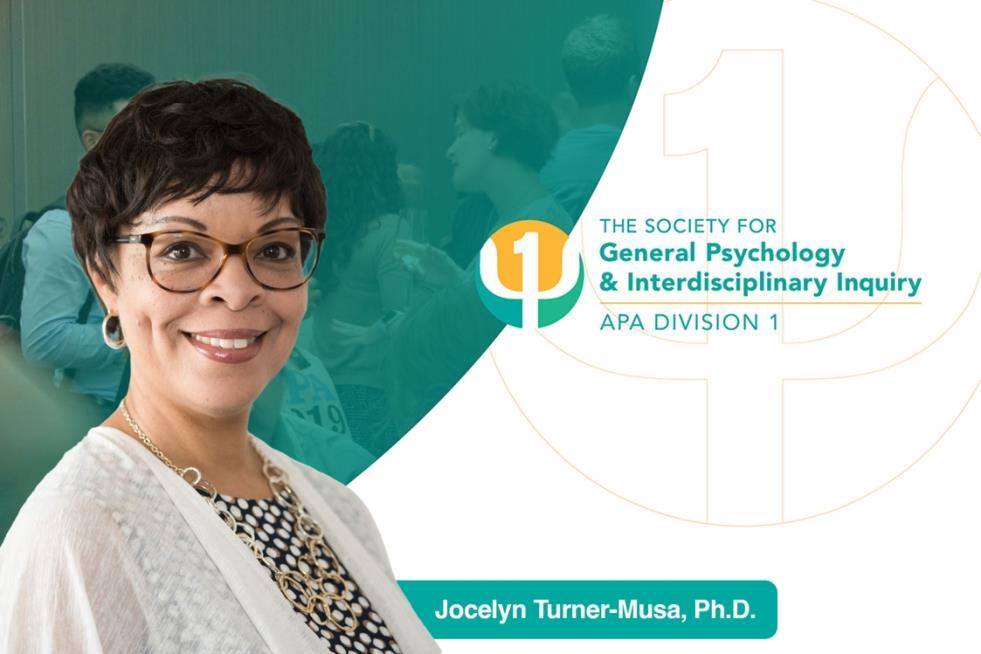
• Dr. Jocelyn Turner-Musa Elected APA Fellow
Since arriving at Morgan State University in 2001, Jocelyn Turner-Musa, Ph.D., has built a distinguished record of leadership, scholarship, and service within the James H. Gilliam, Jr., College of Liberal Arts. That legacy of excellence now reaches new heights with her election as a Fellow of the American Psychological Association (APA) — one of the discipline’s highest honors. Dr. Turner-Musa, professor and chair of the Department of Psychology, earned this recognition from APA Division 1, The Society for General Psychology and Interdisciplinary Inquiry, in acknowledgment of her impactful contributions to the field. Election to Fellow status in the APA recognizes an individual’s outstanding contributions and impact within the field of psychology. The rigorous selection process is highly selective, requiring peer nomination, review by the Division Fellows Committee, and approval by both the APA Board of Directors and the Council of Representatives.
• Making a Global Impact
In recognition of the global impact and exemplary intellectual contributions of his educational research, Morgan State University’s School of Education and Urban Studies (SEUS) Associate Professor Thurman L. Bridges III, Ph.D., has been awarded the 2025 A. Noam Chomsky Global Shining Star Medal of Research. This recognition affirms Dr. Bridges as a distinguished scholar and academic leader whose globally influential work spans culturally relevant, translingual, and transnational education. His seminal study, “Towards a Pedagogy of Hip Hop in Urban Teacher Education,” continues to shape discourse on identity and learning. He has led eight study-abroad and service-learning programs across five countries, has advanced pedagogical reform in Liberia, and has strengthened institutional partnerships in France and Senegal.
• Reaching New Heights in Physics Research
Morgan State University continues to strengthen its reputation for cutting-edge scientific research, propelled by the scholars behind its growing advancements. Among them is Stacyann Nelson, Ph.D., an assistant professor in the School of Computer, Mathematical, and Natural Sciences’ Department of Physics and Engineering Physics. Dr. Nelson was selected to receive the 2025 Joseph A. Johnson Award of Excellence, presented jointly by the American Institute of Physics (AIP) and the National Society of Black Physicists (NSBP). Dr. Nelson is recognized for her research examining gluon dynamics in gold nuclei to better understand the fundamental properties of hadronic matter at high energies. Her work provides valuable insights into how matter behaves at its limits and offers clues to the state of the universe just moments after the Big Bang. She is also celebrated for her deep commitment to mentoring the next generation of physics researchers.
• Hall of Fame-Worthy Reporting
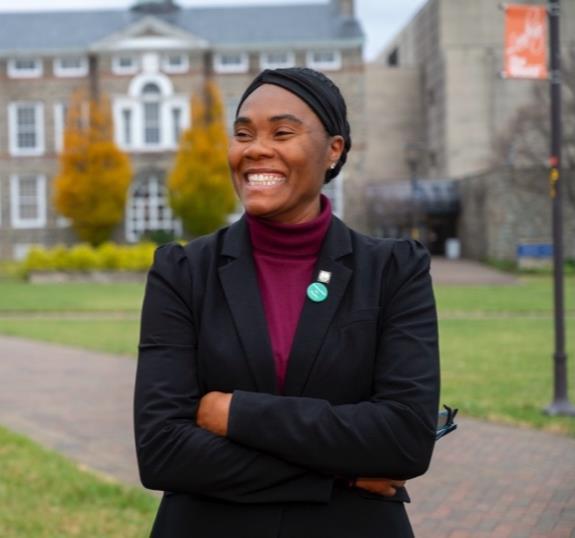
While Morgan State University’s School of Global Journalism and Communication (SGJC) faculty members continue to draw on their professional expertise to benefit students in the classroom, some are also being recognized for the distinguished bodies of work that have defined their careers. Milton Kent, a professor of practice in the school, was recently inducted into the United States Basketball Writers Association (USBWA) Hall of Fame. The prestigious recognition, presented during a ceremony held on April 11, 2025, at the NCAA Women’s Final Four in Tampa, Florida, places Kent among an elite class of sports journalists whose work has defined the coverage of collegiate and professional basketball over the past several decades. Kent joins Morgan alumnus William C. Rhoden and the late Bryan Burwell as the only Black inductees in the organization’s history, further underscoring his groundbreaking impact on the profession and his enduring legacy as a champion for inclusive excellence in sports journalism.
• Dr. Charlene Chester Jerome Elected to National Forum Council Morgan’s Charlene Chester Jerome, Ph.D., assistant dean for administration and outreach for the James H. Gilliam, Jr., College of Liberal Arts, has been elected to serve a three-year term on The Forum on Education Abroad’s Forum Council. She joins five other education-abroad professionals from across the country who were recently selected to help guide the Forum’s direction and programming. The Forum Council plays an instrumental leadership role within The Forum, working collaboratively with the organization’s board of directors and staff to represent members’ interests and help shape programs, resources, and services in the field of education abroad.
18-
▪ Faculty Leadership Development
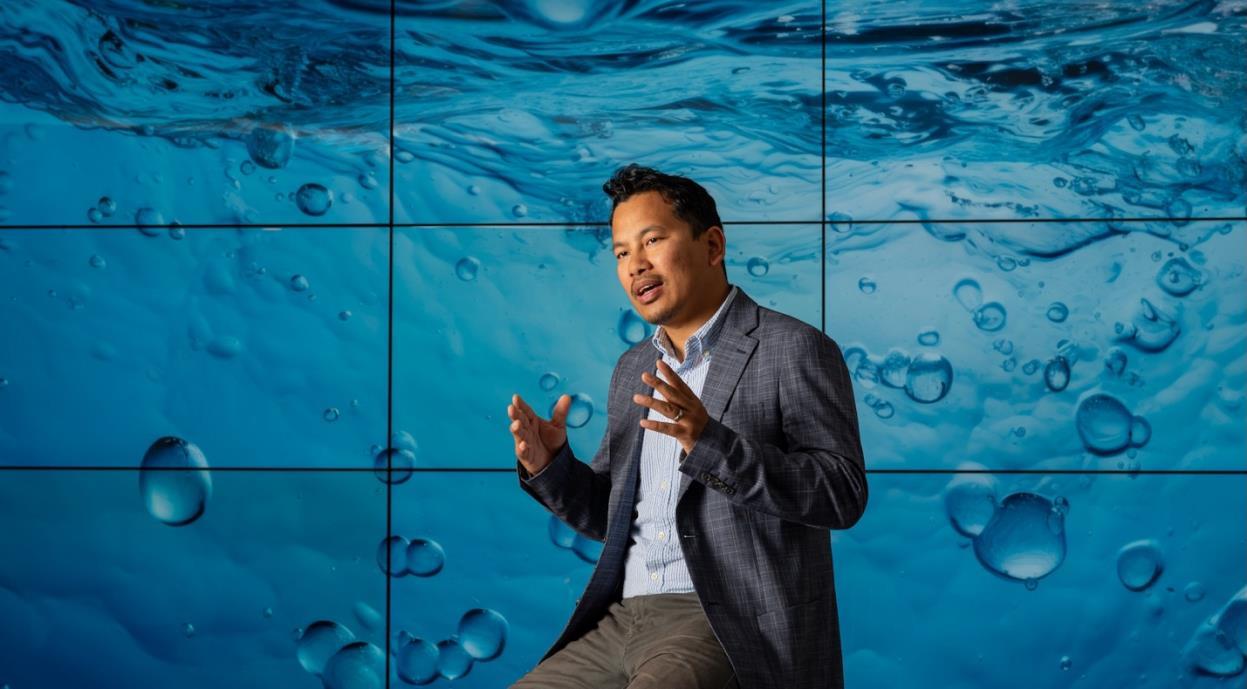
Samendra Sherchan, Ph.D., professor of Biology and interim director of the Center for Urban and Coastal Climate Science Research, has been selected as a Fellow in the American Association of Colleges and Universities’ (AAC&U) New Leadership Academy 2026 cohort. Dr. Sherchan is one of 56 professionals nationwide chosen to participate in the highly selective program, which is designed to cultivate leaders prepared to guide higher education through periods of complexity, change, and opportunity.
▪ Innovation and Intellectual Property Recognition
Morgan State’s ongoing ascent as a national hub for research and innovation took center stage during the University’s 7th Annual Innovation of the Year Awards, held on April 7, 2025. Hosted by the Office of Technology Transfer (OTT) within the Division of Research and Economic Development (D-RED), the celebration marked a milestone year for Morgan one that saw a record number of U.S. patents awarded and historic strides in intellectual property development across disciplines. In a ceremony held in the University Student Center, faculty, staff, and students were honored for their pioneering work in scientific discovery, applied research, and academic innovation. Awards were distributed in key categories including Life, Physical, and Information Sciences; Instructional, Staff, and Student Innovation; and U.S. Patents issued through the U.S. Patent and Trademark Office.
▪ Humanities and Social Science Research Support
Further solidifying the University’s status as a leading research institution, two esteemed faculty members have been named 2025 American Council of Learned Societies (ACLS) HBCU Faculty Grantees. The recognition underpins Morgan’s commitment to advancing humanities and interpretive social sciences scholarship while reinforcing its position as a hub for groundbreaking research. Selected from a competitive pool of scholars representing HBCUs nationwide, Morgan faculty members Jeremiah Dibua, Ph.D., and Steven L. Dashiell, Ph.D., are among 12 distinguished grantees awarded $10,000 each to support early-stage project development and small-scale research initiatives. These grants provide crucial support for scholars whose work fosters deeper historical, cultural, and social understanding, particularly within marginalized communities.
▪ Leadership Appointments
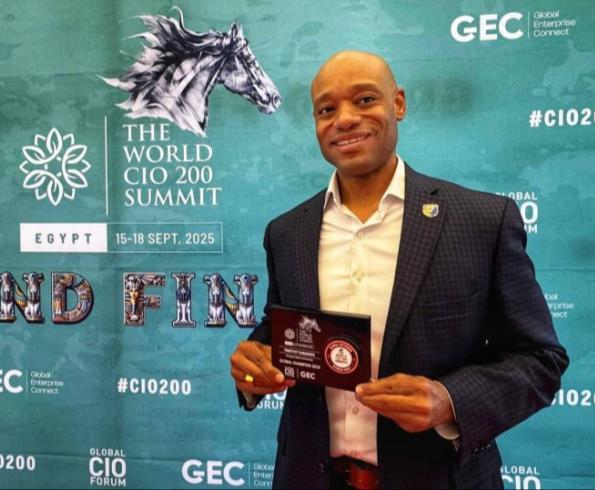
Adding to the University’s senior leadership team, Timothy C. Summers, Ph.D., was appointed as the new vice president of Information Technology and chief information officer (CIO). In this role, Dr. Summers oversees the Division of Information Technology (DIT), leading efforts to enhance cybersecurity, digital infrastructure, and technological innovation in alignment with Morgan’s institutional mission and long-term strategic plan. As the new CIO, Dr. Summers leads initiatives to optimize the University’s IT operations, enhance data security, and integrate emerging technologies that support student success, faculty research, and administrative efficiency.
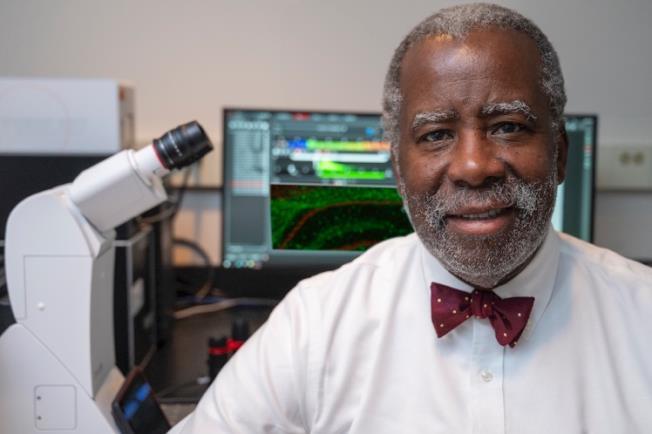
In a defining moment for Morgan State University’s ascension in neuroscience and health equity, the University has appointed Walter Royal III, M.D., as the inaugural endowed chair in Brain Science and director of the newly established Center for Brain Health Research. Dr. Royal will oversee a multidisciplinary research team of faculty and postdoctoral researchers across disciplines — including biology, engineering, mathematics, and psychology supported by Morgan’s newly launched Master of Science in Applied Neuroscience Program
Goal 3: Elevate Morgan’s Status to R1 Very High Doctoral Research University
[Moore Administration Priorities Addressed: 3, 4, 5, 6, 7, 8, 9 & 10]
As Morgan State University advances its mission to achieve R1 (Carnegie “Very High Research Activity”) status, significant strides are being made to expand the institution’s research enterprise and national standing. Central to this effort is the dedication of our faculty and research staff, whose contributions are driving unprecedented growth in funded research and innovation. In FY 2025, Morgan secured a record-high $104.4 million in new federal research commitments a 18% increase over the previous year and the fourth consecutive year of historic funding growth. Morgan researchers continue to secure competitive grants from a range of federal agencies, including the National Science Foundation, NASA, NOAA, and the Department of Defense, among others. To ensure that our research is impactful for Baltimore City, Maryland, and the nation, the University has created new research centers whose work enhances equity, reduces disparities, and saves lives while elevating emerging fields of study. The University has also increased its full-time post-doctoral research staff from 49 in FY2020 to 101 in FY2025. Over the next few years, Morgan expects to hire 100 new tenure-track faculty.
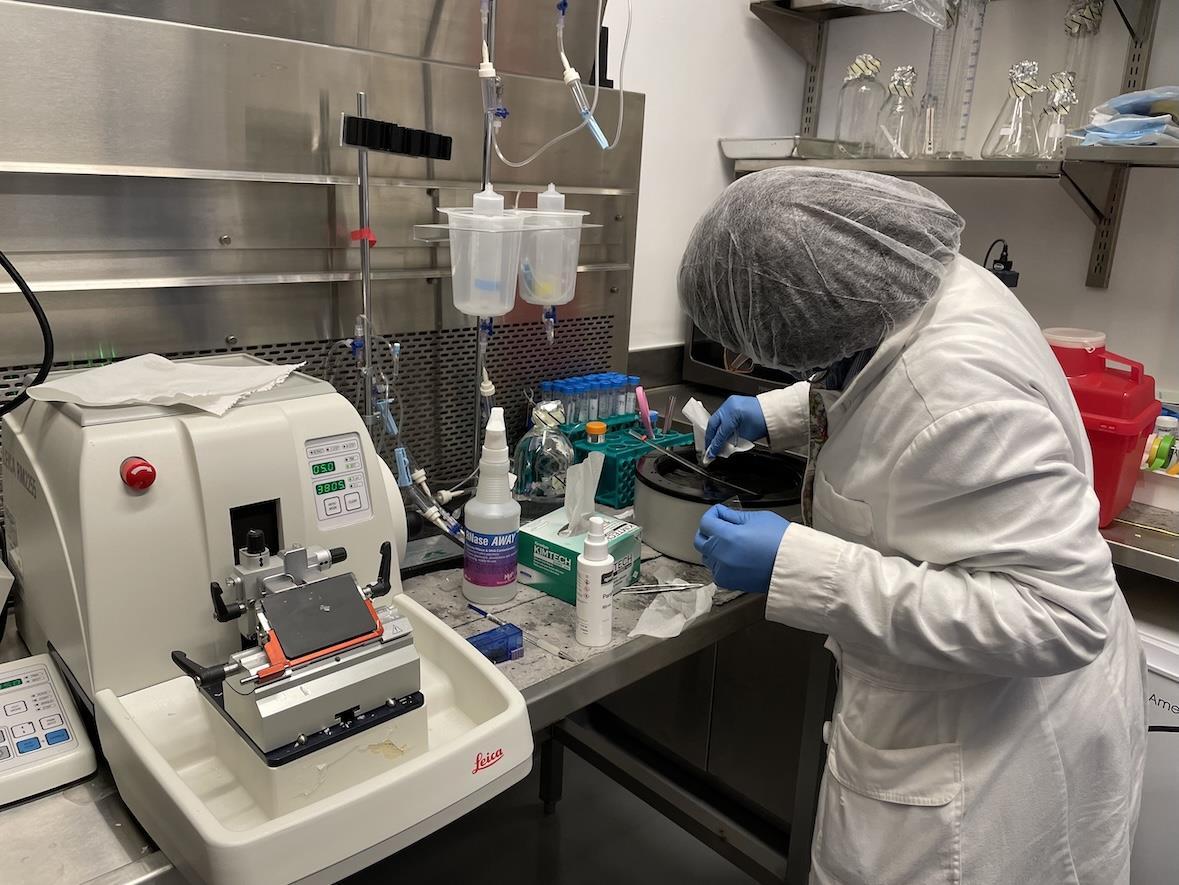
These investments underscore Morgan’s rising prominence as a leading research institution and reinforce the University’s commitment to advancing knowledge, fostering innovation, and achieving R1 status.
MORGAN STATE UNIVERSITY STATE-SUPPORTED RESEARCH CENTERS
Center Established
Institute for Urban Research 1978
Patuxent Environmental and Aquatic Research Laboratory (PEARL) 2004
Cybersecurity Assurance and Policy (CAP) Center 2018
Center for Urban Health Equity 2021
Center for Data Analytics and Sports Gaming Research 2022
Center for Equitable Artificial Intelligence and Machine Learning Systems 2022
Center for Urban Violence and Crime Reduction 2022
National Center for the Elimination of Educational Disparities 2023
Center for Education and Research in Microelectronics 2023
Center for Urban and Coastal Climate Science Research 2024
▪ Record Research Commitments
For decades, Morgan State University has strived to overcome the chronic underfunding and lack of investment that have historically limited the research capacity of many public urban institutions and HBCUs. Today, a transformative milestone has been achieved as Morgan Maryland’s Preeminent Public Urban Research University and a national leader among HBCUs has surpassed $100 million in sponsored research commitments within a single fiscal year for the first time in its 158-year history. The $104.4 million secured during Fiscal Year 2025 (FY25) represents an 18% increase over the $88.5 million in FY24 and underscores Morgan’s steady ascent toward achieving an R1 (“very high doctoral research activity”) Carnegie classification — a goal established in the “Transformation Morgan 2030: Leading the Future” 10-year strategic plan — and places the University in a pivotal position to address many pressing societal challenges, discover innovative solutions, and deliver lifechanging economic benefits to its students and communities. Securing research commitments surpassing the $100-million mark far exceeds the goal set in 2018 to consistently achieve $50 million in sponsored research commitments annually. The University is projecting more than $65 million in research expenditures in FY26, well above the $50-million benchmark required for R1 eligibility. Morgan has exceeded the $50-million research expenditures mark in the second straight year.
▪ Protecting and Producing Invention
Morgan State University continues to transform its research, scientific discovery, and technical ideas into inventions that connect communities, address societal challenges, and improve lives. In 2025, the U.S. Patent and Trademark Office (USPTO) issued Morgan 10 utility patents, bringing its total number to 49 in all. This past year’s activity marks the second most patents granted to the University in a single year, further solidifying Morgan among the nation’s top patent-producing HBCUs. In 2023, the University logged a record year with 13 utility patents issued, while becoming the only HBCU listed among the National Academy of Inventors’ Top 100 U.S. Universities Granted Utility Patents
▪ Advancing Quantum Study
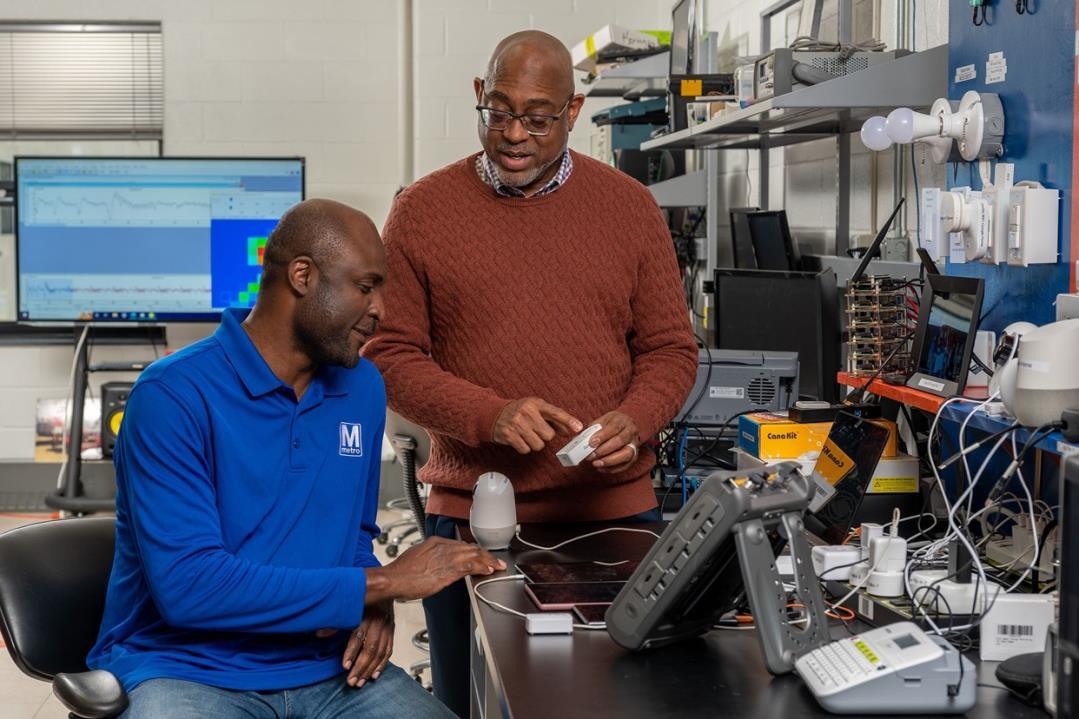
The University is advancing its quantum computing research capacities by participating in the Securing Experimental Quantum Computing Usage in Research Environments (SEQCURE) program. This initiative, a collaboration between Morgan, the University of Maryland (UMD), and the Applied Research Laboratory for Intelligence and Security (ARLIS), positions Morgan at the cutting edge of secure computing research. As one of the few Historically Black Colleges or Universities (HBCUs) actively engaged in quantum computing research, Morgan continues to elevate its research profile in advanced technologies. This initiative aligns with broader federal and state-backed investments, including Maryland Governor Wes Moore’s $1-billion “Capital of Quantum” initiative, which aims to make Maryland a global leader in quantum information science and technology.
▪ Medical School Planning Grant
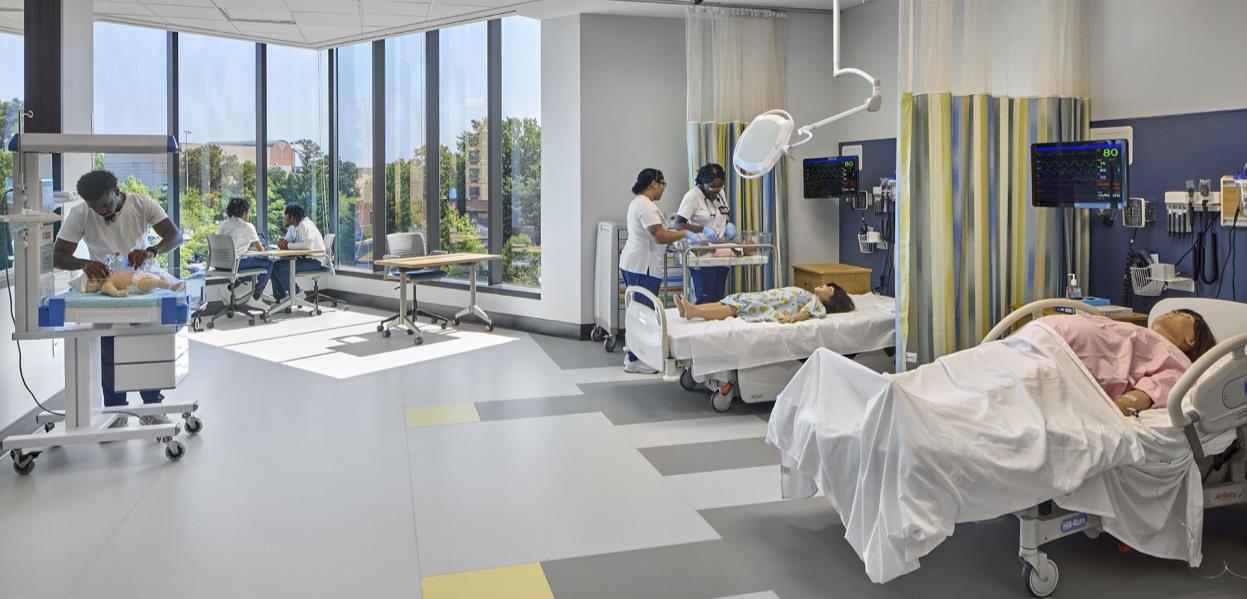
In the face of growing physician shortages and persistent health disparities in underserved communities, Morgan State University is taking a decisive step toward a solution that will serve both Maryland and the nation. With the support of a two-year, $1.75-million grant from the Robert Wood Johnson Foundation (RWJF), Morgan will develop a comprehensive plan to establish its own public, nonprofit Doctor of Medicine (M.D.) program a first for Maryland’s largest HBCU. The new Morgan-operated medical school is envisioned to expand opportunities for students from groups underrepresented in the profession, produce more physicians committed to practicing in underserved communities and strengthen the health care workforce pipeline in Maryland and beyond. The planned medical school will position Morgan to help address Maryland’s most pressing health care needs. Statewide, shortages in primary care and specialty physicians are projected to grow in the coming decade, with underserved urban and rural communities bearing the greatest burden. Morgan’s effort will focus on producing culturally competent physicians, expanding primary care capacity, and fostering research that addresses health inequities.
▪ Research Partnerships and Collaborations
Morgan State University advanced partnerships with other organizations by way of expanded collaborations with select entities and institutions.
• NASA Funds Six Projects
Morgan expanded its research partnership with the National Aeronautics and Space Administration (NASA) through six federally funded projects awarded this fiscal year. These investments, totaling more than $22 million ($22,542,463), reinforce Morgan’s expanding role in STEM research while enhancing the career pipeline for diverse and highly skilled talent in aerospace and atmospheric sciences. The recent funding builds upon Morgan’s ongoing contributions to NASA’s Earth Sciences Division through the longstanding Goddard Earth Sciences Technology and Research (GESTAR) II program. Morgan’s research endeavors will support a range of NASA-led investigations, including data analysis, atmospheric modeling, and technological advancements in aerospace engineering.
•
Leading Pioneering Work in Thermoelectric Materials
Morgan was awarded a $1-million research grant from the U.S. Department of Defense (DOD) to lead pioneering work in developing next-generation thermoelectric materials an emerging technology that transforms heat into clean, usable electricity. Over the next four years, researchers in the School of Computer, Mathematical, and Natural Sciences will focus on producing, synthesizing, and fabricating new thermoelectric materials. They will investigate the physical and structural properties of these materials and explore how heat is converted to electrical energy at the microscopic level. This work could also lay the foundation for new academic programs in new techniques for nanoscale structural analysis. Two Physics and Engineering Physics faculty, Dereje Seifu, Ph.D., and Yucheng Lan, Ph.D., along with Zheng Li, Ph.D., assistant professor in the Department of Mechatronics Engineering, serve as the project’s principal investigators.
•
NSF’s $5M Investment Supports Six Projects
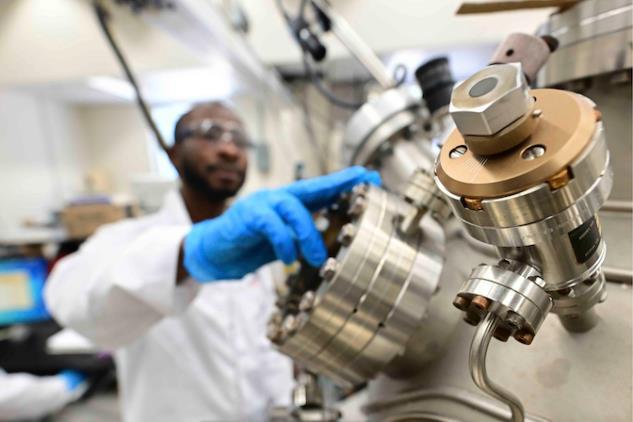
From developing quantum-secure safeguards for the Internet of Things to designing smarter, safer transportation systems and creating new pathways to keep more students in STEM, Morgan State University is tackling some of society’s most urgent challenges through newly awarded support from the National Science Foundation (NSF). Totaling nearly $5 million, the funding awarded support six research projects at Morgan that will strengthen national cybersecurity, expand opportunities for students in science and engineering, push the boundaries of mathematics and physics while improving how cities function, and provide pathways for student success and retention.
Together, these efforts promise wide-reaching benefits, including bolstering U.S. infrastructure against emerging cyber threats, enhancing safety and energy efficiency in future smart cities, building sustainable research capacity at HBCUs, and preparing the next generation of competitive STEM leaders.
▪ Applied Research and Innovation
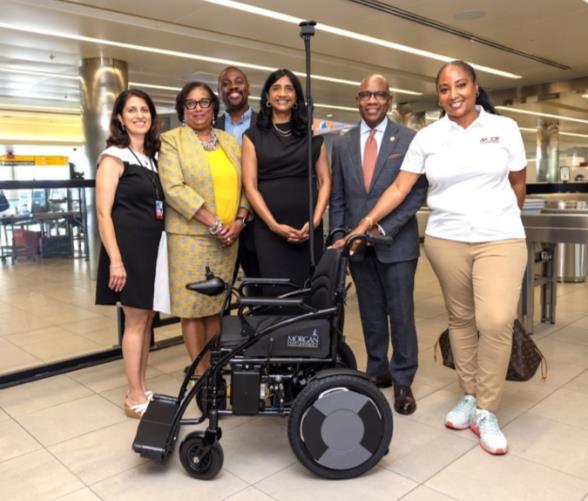
At a special demonstration event held at Baltimore/Washington International Thurgood Marshall Airport (BWI Airport), researchers from Morgan State University's National Transportation Center (NTC), Safety and Mobility Advancements Regional Transportation and Economics Research (SMARTER) Center, and Center for Equitable Artificial Intelligence and Machine Learning Systems (CEAMLS) unveiled an innovative autonomous wheelchair technology. This adaptive wheelchair, which was designed to respond to user commands intuitively via a smartphone application, showcased its potential to revolutionize mobility aids in bustling environments like airports. Researchers have spent the last five years conducting experimentation and testing to ensure operational efficiency and implement best practices. The data collected during the testing and validation phases will significantly influence the public launch of the wheelchair. The pilot program is made possible by way of a collaborative licensing agreement between Morgan State University and the Maryland Aviation Administration, ensuring that Morgan researchers have the space and access necessary to conduct their study and testing at Baltimore/Washington International Thurgood Marshall Airport.
▪ Road Safety Improved Through Smart Intersection Research
The Safety and Mobility Advancements Regional Transportation and Economics Research (SMARTER) Center at Morgan State University is advancing transportation safety with the assistance of two initiatives that integrate light detection and ranging, also known as LiDAR technology, with other data collection and computing systems. Through these initiatives, which protect roadway workers and improve urban traffic safety, the SMARTER Center continues to strengthen Morgan’s leadership in transportation innovation, intelligent infrastructure, and public safety research. By combining advanced LiDAR sensing, predictive analytics, and real-world partnerships, SMARTER’s work is creating safer, more intelligent, better connected roadways for communities across the region.
▪ Studying Maryland’s Waters and Aquatic Life
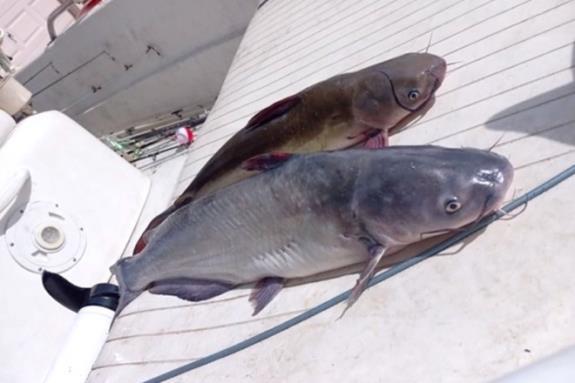
The Morgan State University Patuxent Environmental and Aquatic Research Laboratory (PEARL) was awarded two grants: $500,000 from the National Oceanic and Atmospheric Administration (NOAA) and $75,000 from the Maryland Department of Natural Resources’ (DNR) Fishing and Boating Services to study the impact of blue catfish, an invasive species found throughout the Chesapeake Bay system. Over the next two years, research conducted by PEARL will involve engagement with a wide range of stakeholders, including commercial and recreational sectors, government entities, nongovernmental organizations, and scientific community members. This funding will be allocated to support research, data collection, and foster collaborative dialogue among multiple entities. The goal is to gather relevant data, create a shared framework of management strategies, and provide recommendations that promote a unified understanding of best practices for managing blue catfish.
Goal 4: Expand and Improve a Campus-Wide Infrastructure to Support
Operational Excellence and Increase Overall Institutional Capacity
[Moore Administration Priorities Addressed: 2, 4, 5, 6, 8 & 9]
As Morgan State University continues to expand its impact and reach, investing in campus-wide infrastructure remains a critical priority in achieving operational excellence and increasing institutional capacity. Through strategic enhancements to facilities, technology, and sustainability initiatives, Morgan creates a modern, efficient, and student-centered environment supporting academic success, research innovation, and community engagement. Recent efforts include major capital projects, facility renovations, and investments in advanced digital infrastructure to ensure the University remains at the forefront of higher education. As important as the new construction and renovations, continuing to address and complete deferred maintenance projects is vital. These improvements enhance the campus experience and strengthen Morgan’s ability to serve a growing student population, attract top-tier faculty and researchers, and fulfill its mission as Maryland’s Preeminent Public Urban Research University.
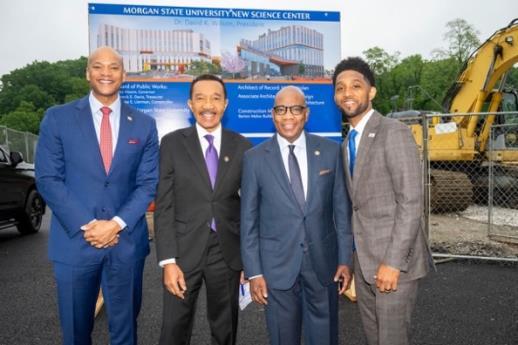
▪ Breaking Ground for the Construction of a Transformational New Science Center
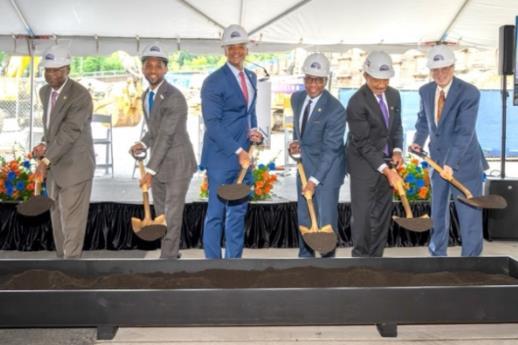
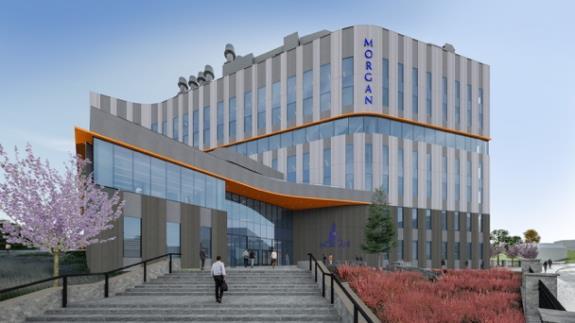
In a momentous event signaling the dawn of a new era, Morgan State University officially broke ground for its highly anticipated, cutting-edge Science Center on May 14, 2025. With state and city dignitaries, University leaders, faculty, students, alumni, and community stakeholders on hand, the ceremonial turning of soil marked the start of construction of the $337-million facility, which is poised to redefine Morgan’s research and educational capabilities. The seven-story, 246,000-square-foot Science Center designed by the nation’s largest African American-owned architecture firm, Moody Nolan, and project-led by Morgan alum Churchill Banks III (Class of 1997) — will become the centerpiece of scientific research and instruction on campus. Once completed, the facility will serve as the School of Computer, Mathematical and Natural Sciences’ home, housing the School’s Biology and Chemistry Departments. In addition, the Science Center will feature advanced research labs, information technology spaces, tutoring and collaboration centers, and a botanical greenhouse all purposefully designed to meet the needs of 21st century scholars and innovators.
▪ Campus Modernization Investments
The School of Architecture and Planning (SA+P) has been awarded more than $1.4 million in new grant funding to advance clean energy planning, innovation, and curriculum development across campus. The funding includes $1,315,000 from the Maryland Energy Administration’s Higher Education Clean Energy Grant Program, $100,000 through the Maryland Industrial Partnerships (MIPS) program a collaborative academic-industrial initiative and a $30,000 grant from the 2025 Nuckolls Fund for Lighting Education. These investments will support a range of initiatives focused on green energy strategies, research collaborations, and infrastructure upgrades, positioning Morgan as a leader in campus development rooted in sustainability. SA+P will lead this interdisciplinary effort in partnership with University stakeholders and external collaborators, implementing transformative energy solutions aligned with State and federal sustainability goals.
▪ Housing Expansion and Student Life Enhancement
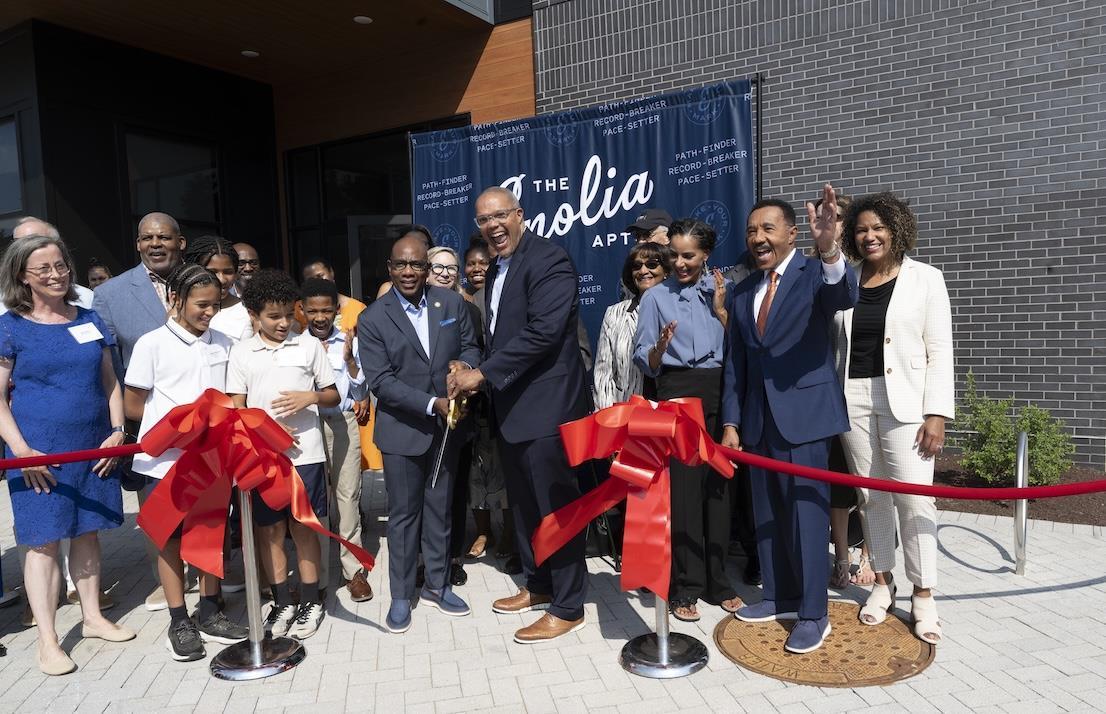
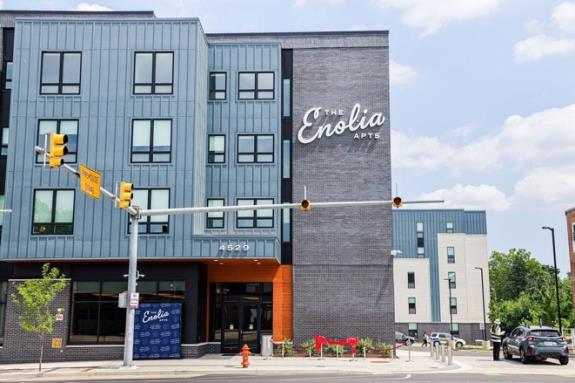
This past August, in the lead-up to the 2025 fall semester, a new off-campus residence hall was opened for Morgan students, the first in 20 years. In addition, the University began construction projects for two renovated and reimagined on-campus residence halls, slated to open in the coming years.
• The Enolia – MCB Real Estate, a commercial real estate investment management and development firm with nationwide holdings, held its official grand opening of The Enolia, a new 151-unit, 473-bed off-campus student housing project located at 4529 Harford Road in Baltimore. This $58million development, situated less than a mile from Morgan State University’s main campus, marks a significant milestone in providing modern, high-quality housing for Morgan students and strengthening the surrounding community.
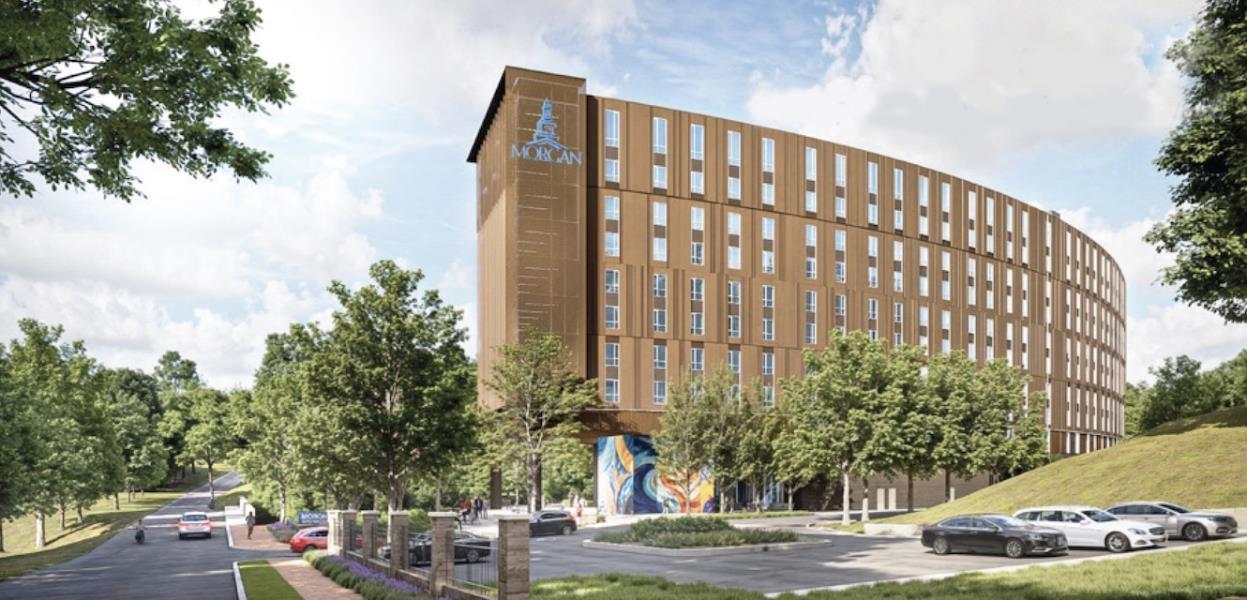
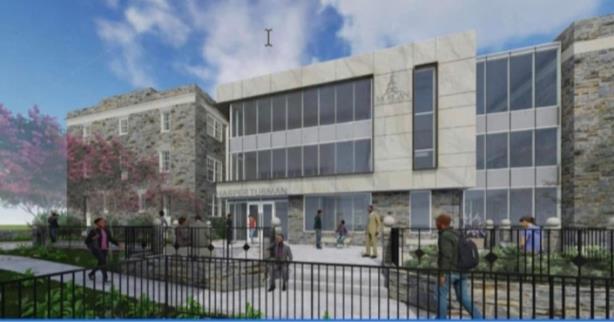
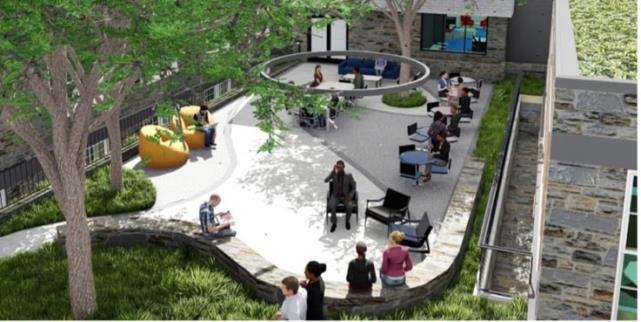
• O’Connell Hall and Harper-Tubman House – Morgan’s full-sail effort to increase contemporary on-campus student housing to meet the demand of both existing and forecasted enrollment increases is being realized. The comprehensive plan includes the demolition of O’Connell Hall and its replacement with a newly constructed multi-level residential unit. The new O’Connell Hall Tower will include contemporary apartmentstyle accommodations and amenities like those featured in the recently constructed Thurgood Marshall and Legacy Halls. Constructed in the same space it now occupies, the reimagined O’Connell residential facility will house approximately 600 (up from 205) and is scheduled to be completed in Fall 2028 In addition, Harper-Tubman House, the home of the Clara I. Adams Honors College students, is undergoing a complete interior renovation. Maintaining its current number of beds when completed and reopened, Harper-Tubman will offer contemporary living accommodations and added features to its 222 Honors student residents, including an additional study/learning area, collaborative learning spaces, a “calming” area, a fitness area, wellness rooms, and a picturesque, redesigned courtyard. Harper-Tubman House will become available for occupancy during the Fall 2026 semester.
▪ UNCF Awards Morgan State University ‘HBCU Futurist’ Honors
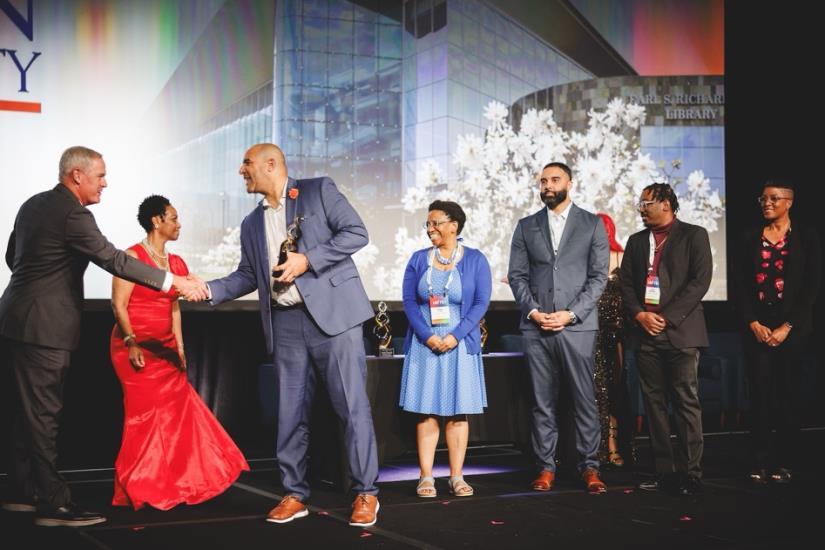
Morgan State University has been named the 2025 recipient of the United Negro College Fund, Inc. (UNCF) HBCU Futurist Award, an honor presented by the UNCF Institute for Capacity Building during the UNITE 2025 Summit Awards Ceremony. The award recognizes institutions that are boldly imagining, designing, and implementing the future of higher education — leveraging technology, innovation, and partnerships to drive student success, equity, and institutional excellence. Selected from among the nation’s leading HBCUs, Morgan State stood out for its transformative vision and record of achievement.
▪ Sustainability Pilot Launched
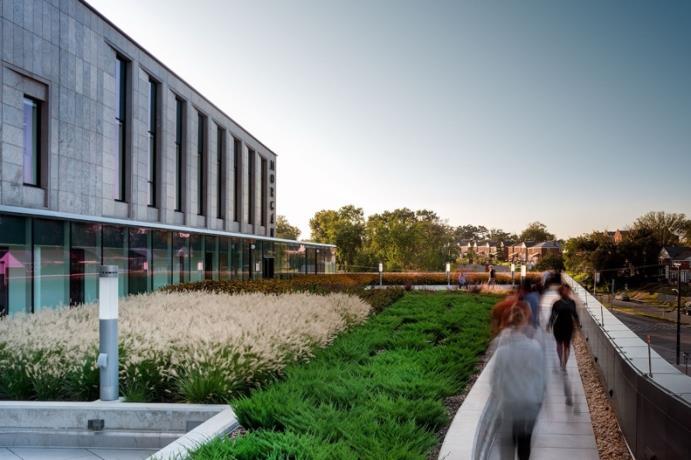
Morgan State University has been selected as one of five HBCUs to participate in the “Building Improvement Toolkits for Resilient HBCUs” (BIT for HBCUs) initiative, a three-year sustainability pilot launched by Southface Institute and the Sustain Our Future Foundation (SOFF). As a key participant in this pioneering program, Morgan will receive $150,000 in implementation grants, comprehensive technical support, and opportunities for workforce development. Morgan will also gain access to advanced building management tools designed to help participating campuses reduce emissions, improve energy efficiency, and enhance long-term climate resilience. The BIT for HBCUs initiative explores how practical, costeffective improvements can reduce energy consumption by 10–20% without major capital investments. The resulting savings will allow schools to redirect resources toward advancing academic programs, student services, and other priority projects.
▪ Financial Strength and Philanthropy
Morgan State University maintained its A+ credit rating from S&P Global Ratings and received a $63-million unrestricted gift from philanthropist MacKenzie Scott. These resources strengthened long-term financial stability and strategic investment capacity.
• MacKenzie Scott Invests More in Morgan’s Mission
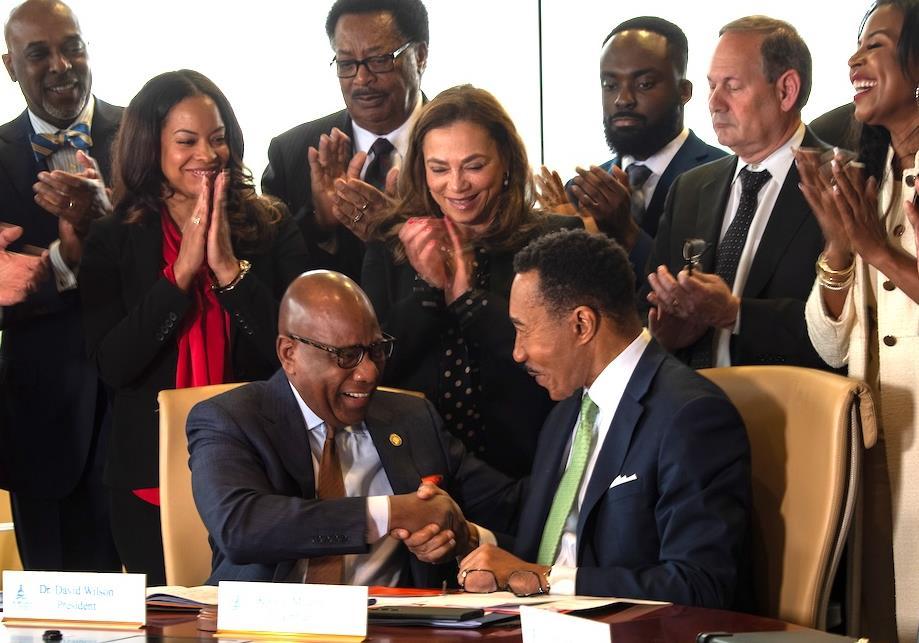
In an extraordinary reaffirmation of Morgan State University’s mission and trajectory, philanthropist MacKenzie Scott awarded the University a $63-million unrestricted gift, her second transformative contribution to Morgan in less than five years. The latest donation brings Scott’s total giving to the University to $103 million, a powerful endorsement of Morgan’s demonstrated capacity for growth, stewardship, and societal impact. Unlike most large-scale philanthropy, Scott’s gifts come without restrictions, granting the University the freedom to invest strategically in areas that align with its mission and long-term vision. The $63 million will be directed to further strengthen Morgan’s endowment, enhance support for student success, and advance initiatives that enhance Morgan’s role as an anchor institution in Baltimore and a leading public impact research institution ascending toward Carnegie’s “very high” research university classification. Scott’s latest gift will serve as an enduring foundation for Morgan’s continued ascent, empowering the University to recruit and retain talented students and faculty, expand research capacity, and strengthen its engagement with the city, state, and nation.
• Positive Financial Stewardship Recognized
Positioned as one of the nation’s fastest-growing and most influential public urban research universities, Morgan State continues to distinguish itself in an increasingly challenging higher education landscape, particularly when it comes to its financial standing. In a recent review, S&P Global Ratings has affirmed the University’s longstanding A+ issuer credit rating, underscoring Morgan’s strong market position, sustained enrollment momentum and expanding research enterprise even as the agency revised its outlook to negative in light of increased financial leverage and the University’s strategic investment in major capital improvements. For Morgan, the affirmation of its A+ rating reinforces the University’s competitive advantage at a time when institutions across the country are contending with declining enrollments, rising costs, and tightening federal policy environments. S&P’s outlook change comes as Morgan implements a comprehensive residential and campus modernization plan designed to meet the demands of its record enrollment gains. Rather than scale back these investments many of which address long-deferred infrastructure needs the University opted to responsibly leverage its strong credit rating to move forward with critical projects that will serve students well into the future. This strategy reflects not only institutional confidence but a deep commitment to ensuring that Morgan can house, support, and educate its rapidly growing student population.
Goal 5: Serve as the Premier Anchor Institution for Baltimore City and Beyond
[Moore Administration Priorities Addressed: 1, 4, 5, 6, 8 & 10]
As Morgan State University prepares for its next era of ascendancy, we do so with a renewed strategic commitment to deepening and expanding our role as an anchor institution in Baltimore City and beyond. This vision is guided by a focus on:
1. Advancing evidence-based research and scholarship that addresses the persistent challenges facing BIPOC populations, particularly in urban and marginalized communities.
2. Upholding our dual mission to educate students from diverse academic and socioeconomic backgrounds (especially first-generation college students) and to increase college attainment rates among Marylanders.
3. Expanding active learner environments, ensuring undergraduate students engage in original research, creative ventures, and scholarly activities.
4. Increasing the number of students of color who pursue doctoral and professional programs in fields critical to closing the nation’s wealth gap, particularly in disciplines where Black representation remains disproportionately low.
5. Emphasizing service and the application of research to drive meaningful societal impact.
6. Enhancing our commitment to recruiting and supporting a diverse faculty, with expertise in emerging and high-demand fields of study.
7. Becoming a leading institution in producing Black and other minority doctoral graduates, cultivating the next generation of professors and academic leaders in the U.S.
Maintaining these priorities will solidify Morgan’s standing as a national leader in higher education, research, and social impact while strengthening our role as a catalyst for change in the communities we serve.
In 2025, Morgan executed 46 new partnerships with other government agencies, businesses, industries, non-profits, and community organizations. This past academic year approximately 1,515 students participated in University-sponsored internship and field experience classes. Over the next 10 years, Morgan expects to expand its partnerships with a focus on providing critical internships for students.
▪
Economic Impact
Morgan State University continues to prove that its value extends well beyond the classroom. According to a newly released economic impact study conducted by the independent firm Econsult Solutions, Inc. (ESI), Morgan contributes a staggering $1.5 billion annually to the State of Maryland’s economy, cementing its position as one of the region’s most impactful and forward-moving institutions. More than a number, this valuation tells a story of jobs created, lives transformed, and communities empowered through research, education, innovation, and strategic capital investment. The University also supports 8,200 jobs across Maryland and contributes nearly $71 million annually in State tax revenues, showcasing Morgan’s role as both a major employer and economic engine. According to the ESI report, Morgan’s presence generates $891 million in economic activity in Baltimore City alone, while the Baltimore metro area sees a $1.4-billion impact. The number of jobs created in Baltimore totals 4,880, making Morgan a true anchor institution for the city’s continued growth and revitalization. Morgan alumni living and working in Maryland earn approximately $700 million more each year as a direct result of their Morgan education and credentials.
Coincidingly, Morgan’s Homecoming Week has evolved into one of Baltimore’s most powerful engines for cultural vitality and economic activity where tradition meets tangible impact, and alumni pride fuels real returns for the city it calls home. According to a newly released independent economic impact analysis, also conducted by ESI, Morgan’s 2025 Homecoming Week generated nearly $19 million in economic output for the City of Baltimore, supporting almost 100 jobs and producing close to $7 million in employee compensation, with ripple effects extending across the Baltimore region and the State of Maryland. The weeklong series of events, held from October 6 through 12, drew nearly 35,000 attendees to Baltimore, reinforcing Morgan’s role not only as Maryland’s Preeminent Public Urban Research University and an anchor institution but also as a consistent driver of regional economic activity. Beyond Baltimore City, Morgan’s Homecoming generated more than $22 million in economic impact across the Baltimore metropolitan area and nearly $23 million statewide, supporting a combined 115 jobs throughout Maryland. The influx of visitors produced more than $619,000 in state tax revenues annually, underscoring the event’s importance to Maryland’s broader fiscal ecosystem.
▪ Support for Aquaculture Industry
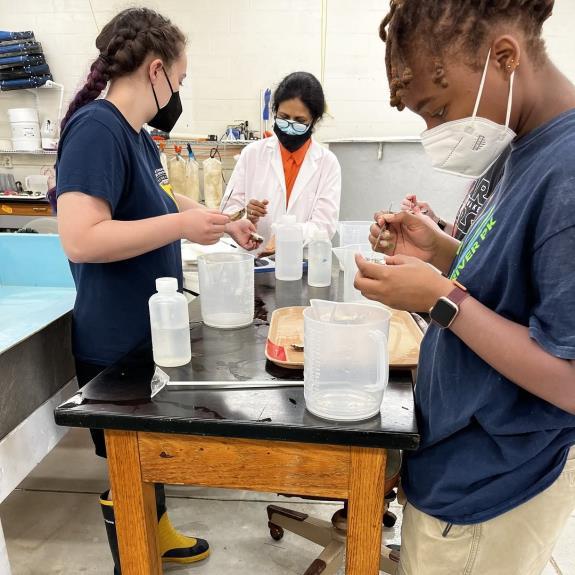
New research from Morgan State University’s Patuxent Environmental and Aquatic Research Laboratory (PEARL) reveals the significant ecological and economic benefits of restoring oyster reefs and submerged aquatic vegetation (SAV) like eelgrass in the Chesapeake Bay.
Ecosystem models of the York and Piankatank rivers in the Virginia Middle Peninsula simulated increases in oyster and eelgrass populations that resulted in more commercial harvest, particularly for blue crab, the most lucrative seafood fishery in the Chesapeake. Researchers cite potential economic boons ranging from $700,000 to $3.1 million for the regional economy that are linked to the restoration of these living habitats in the Bay. Morgan’s PEARL is part of a multiyear research initiative led by the National Oceanic and Atmospheric Administration (NOAA), in partnership with State and federal agencies, public and private organizations, and research and science institutions, along with local communities. The NOAA Chesapeake Bay Fisheries Research Program aims to better understand the health of fished populations and their relationship with changing environmental dynamics to inform ecosystem-based management of the Chesapeake’s living resources.
▪ Community Engagement and Workforce Development
The University advanced community-focused research, educator workforce initiatives, and student participation in major infrastructure projects, including the Key Bridge rebuild.
• Helping Marylanders Get Back to Work

In a forward-looking response to Maryland’s urgent call to strengthen its educator workforce, Morgan State launched a transformative initiative that provides displaced federal workers with a streamlined pathway into the teaching profession. Backed by a $100,000 Teacher Quality and Diversity Grant from the Maryland Higher Education Commission (MHEC), Morgan’s new Transitioning to Teaching: A Strategic Response to Both the Diverse Teacher Shortage and Employment Crisis in Maryland program provides strategic innovation and impact that answer the state’s dual challenge of teacher shortages and employment displacement. The grant is part of Gov. Wes Moore’s $1-million statewide effort to help Marylanders especially those displaced by recent federal layoffs transition into new, stable careers in education. Morgan was among 11 institutions selected to receive funding to develop targeted retraining and licensure programs.
• Key Bridge Reconstruction Project
In the wake of one of Maryland’s most significant infrastructure challenges, three outstanding students from Morgan’s Clarence M. Mitchell, Jr., School of Engineering have been selected to be part of the solution. Civil engineering majors Joshua Monmouth (senior), Bobbie Lowe Hunt (junior), and Kihanna Williams (sophomore) have secured highly sought-after paid internships with the Key Bridge Rebuild Project, placing them at the heart of one of the most ambitious infrastructure recovery efforts in the nation. The students will work alongside professionals from the Maryland Transportation Authority (MDTA) and project stakeholders to support the Francis Scott Key Bridge rebuild. The bridge tragically collapsed on March 26, 2024, after being struck by a cargo vessel. The students’ selection for this opportunity underscores the strength of Morgan’s engineering programs and the University’s ongoing commitment to preparing students for leadership in science, technology, engineering, and mathematics (STEM) fields.
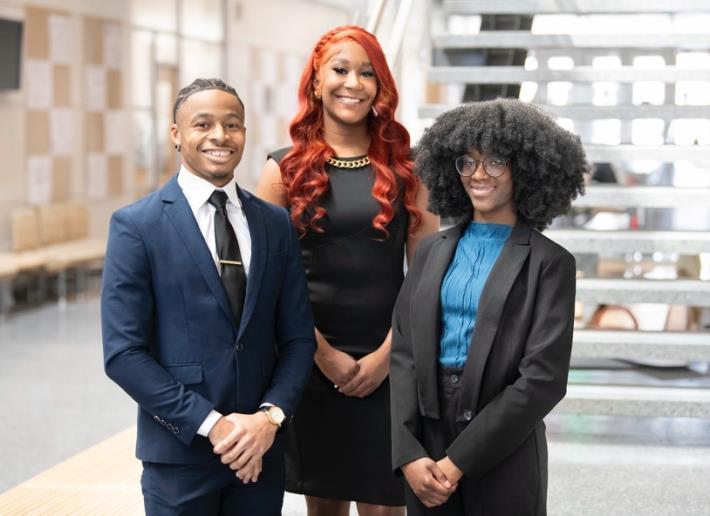
• Student Research Focused on Elevating Baltimore Communities Breya Link, an innovative senior majoring in Family and Consumer Sciences (FACS) at Morgan, has received a $1,400 grant from the University’s Office of Undergraduate Research (OUR) to advance her novel community-based study. Awarded through OUR’s CreativeEdge Mini-Grant Program, the grant will support Link’s project titled, “The Gems of Charm City: Out of Nothing, Everything,” a qualitative study investigating how economic stigma affects development, identity, and resilience among Black families in Baltimore. Grounded in Ecological Systems Theory, Life Course Perspective, Relational Development Theory, and Critical Race Theory, Link's research examines how systemic inequality and societal perceptions of poverty influence children’s growth, family dynamics, and community identity.

Goal 6: Accelerate Global Education Initiatives and Expand the University’s International Footprint
[Moore Administration Priorities Addressed: 2, 3, & 10] Underscoring Morgan’s commitment to global engagement, the University is expanding its international footprint through strategic measures such as study abroad for our students and integrating a global perspective into our curricula. In an era of rapid globalization, Morgan aims to extend its reach into countries with critical educational needs, providing impactful services and interventions. Achieving this vision requires building enduring cross-national partnerships, increasing international student and faculty diversity, and developing innovative educational delivery models to serve underserved populations worldwide. These initiatives represent a natural and essential extension of Morgan’s Global Leadership Imperative, positioning the University to make a broader, more meaningful impact on the world stage. In 2025, 150 Morgan students participated in Study Abroad programs, while 550 participated in the Virtual Exchange-COIL (Collaborative Online International Learning) Program.
▪ Global Partnerships and Exchanges
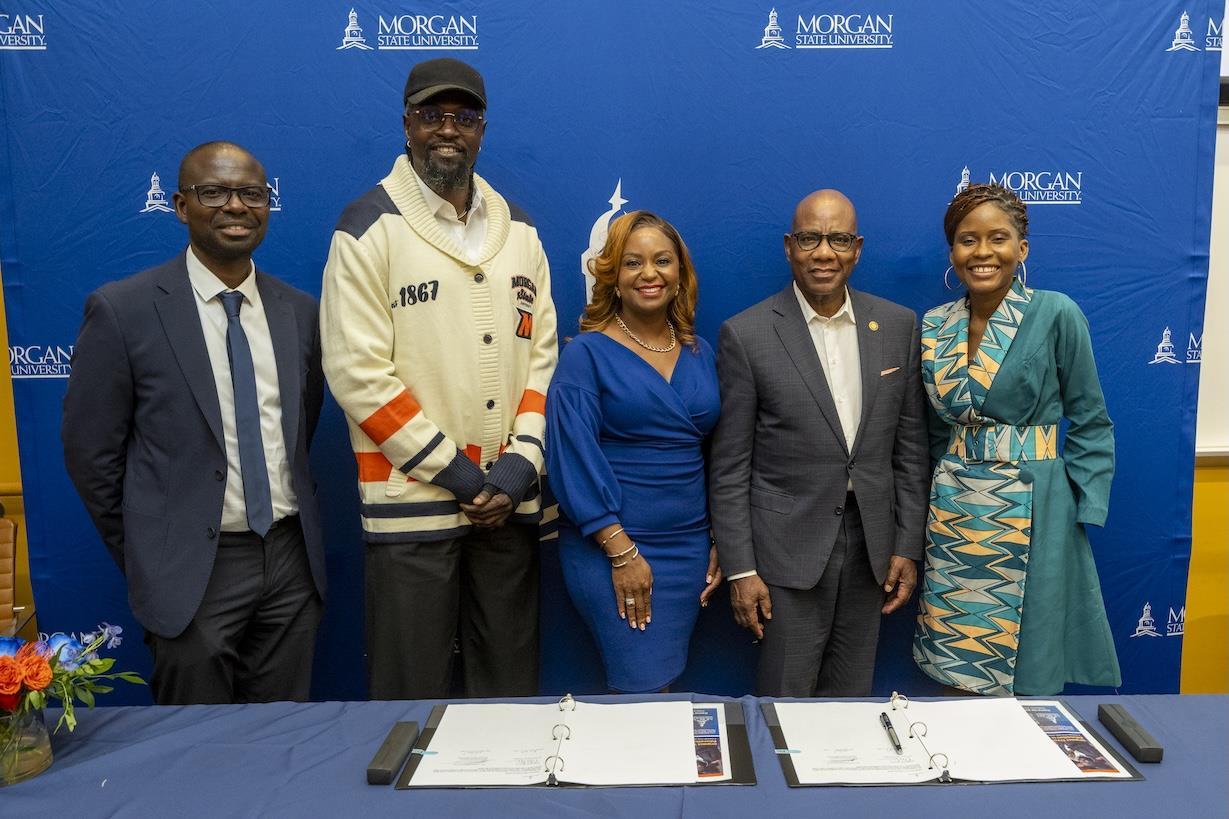
In a landmark move signaling the start of a new cooperative initiative, Morgan State University and the SEA Foundation, a philanthropic organization founded by internationally acclaimed soccer icon and humanitarian Sheyi Emmanuel Adebayor, have committed to strategic collaboration focused on advancing experiential learning, entrepreneurship, and leadership development with a strong emphasis on social impact. Formalized during a public event held on Morgan’s campus, Friday, June 27, 2025, the two institutions officially signed a memorandum of understanding (MOU). The MOU signing ceremony culminated months of planning and dialogue between Morgan leadership and representatives of the SEA Foundation. It marks the beginning of a bold, multifaceted collaboration that will pursue a wide range of academic exchange opportunities focusing on cooperative globalminded learning models, entrepreneurship and reinvestment, civic and community engagement, and leadership advancement. The two-day visit to Baltimore included a special public dialogue, “Impact Through Education: An Exploration of How Education Is Shaping Africa’s Future.” The session offered insights into how educational institutions and philanthropic partners can collaborate to spark transformation across nations and continents.
▪ Fulbright and International Recognition
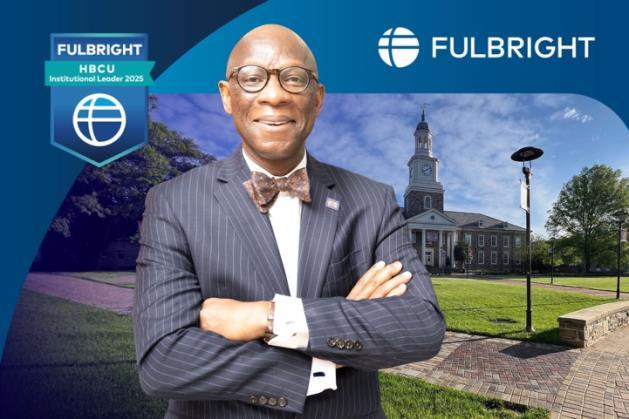
Morgan State University continues expanding its roster of distinguished faculty engaged in international research and educational exchange enabled by prestigious Fulbright awards. Recent recipients include Oscar Barton, Jr., Ph.D., PE, F.ASME, professor and dean of the Clarence M. Mitchell, Jr., School of Engineering, and Thurman L. Bridges, Ph.D., chair and associate professor in the School of Education and Urban Studies. Both were awarded the Fulbright U.S. International Education Administrators (IEA) award, allowing them to pursue collaborative and investigative study in France and Senegal for the 2024–2025 academic year. Awarded by the U.S. Department of State and the Fulbright Foreign Scholarship Board, Morgan’s IEA awardees embarked on their study abroad intensive during the 2025 spring semester. For two weeks, the cohort of Fulbright awardees participated in seminars to learn about peer countries’ higher education systems, exchange information on best practices, and explore the potential for partnerships with institutions of higher education in the host country.
Demonstrating a competitive edge built by academic excellence and global engagement, Morgan has once again emerged as a national leader among Historically Black Colleges and Universities (HBCUs) in 2025, earning distinction as a Fulbright HBCU Institutional Leader for the sixth consecutive year. The elite designation from the U.S. Department of State underscores Morgan’s deep, sustained commitment to international exchange and its expanding record of faculty achievement in one of the world’s most prestigious scholarly programs. In a record-breaking year for Fulbright Specialist awards, Morgan secured more Fulbright Scholar awardees than any other HBCU, with four faculty recipients named in the 2024–25 cycle. Among them is Oscar Barton, Ph.D., dean of our School of Engineering, who received his second Fulbright award in nine months. His second approved project takes him to France, where he will support CESI’s engineering campuses in preparing for the rigorous ABET accreditation process an engagement that strengthens institutional collaboration and global workforce alignment. Morgan’s Fulbright achievements have been guided by Megan DeVirgilis, Ph.D., associate professor of Spanish and Fulbright Program director at Morgan, whose stewardship has catalyzed record participation and awards in recent years.
▪ Study Abroad and Cultural Representation
Students and faculty participated in international study tours, global competitions, and cultural exhibitions. These efforts expanded Morgan’s global footprint and experiential learning opportunities.
• Breaking Barriers With International Volleyball Play

Elevating its presence within international play, Morgan Athletics’ Volleyball program had a representative at the emerging Ditsala International Cup, an international volleyball invitational attracting diverse volleyball talent from across the globe. Junior transfer student-athlete Mikaela Esparza was selected to compete in the second annual event, making her the lone Lady Bear to take the international stage in Botswana amid the competitive field volleyers. The tournament, hosted by Bring It Promotions (BIP) and the Botswana Volleyball Federation, took place from May 29 to June 1, 2025, bringing together top collegiate players from HBCUs and national teams from across Southern Africa.
• Studying the African Diaspora
Spring break 2025 was more than just a pause from classes. It was an academic journey that brought lectures to life in the vibrant streets of Morocco. As part of the University’s new interdisciplinary course, MENA100: Introduction to Middle East and North Africa, 12 students traveled abroad for an immersive study abroad experience that deepened their understanding of the region’s complex history, diverse cultures, and enduring connections with the African Diaspora. Offered through Morgan’s Office of Study Abroad and the School of Architecture and Planning (SA+P), the trip was fully funded through a U.S. Department of Education grant, making it both accessible and transformative. It also marked a milestone for Morgan: the launch of the first MENA program at an HBCU with a specific focus on the African Diaspora. The Study Abroad initiative and the MENA program represent a true collaboration between faculty from the School of Architecture and Planning and the College of Liberal Arts.
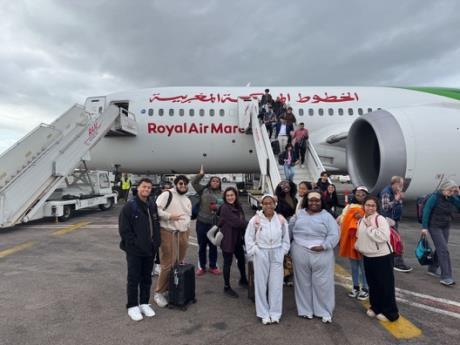
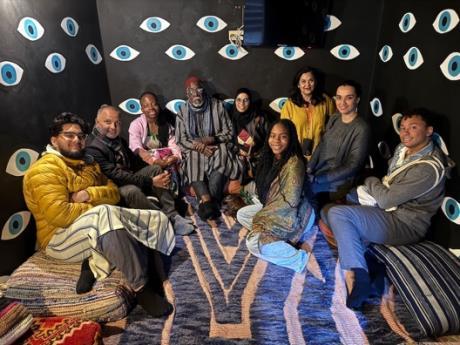
• Historic First at the Venice Architecture Biennale
In a defining moment for architectural education and cultural representation on the global stage, Morgan State University debuted a solo pavilion at the 2025 Venice Architecture Biennale, one of the world’s largest and most influential platforms for architectural theory and exhibition. Morgan is believed to be the first Historically Black College or University (HBCU) to lead a solo pavilion in the Biennale’s history. The installation, titled “ReCall & Response,” was the vision of Assistant Professor of Architecture Coleman A. Jordan, M.Arch, an interdisciplinary designer, historian, and faculty member in Morgan’s School of Architecture and Planning. The pavilion opened on May 10, 2025, at the Giardini della Marinaressa in Venice, Italy, and ran through November 24, 2025. Morgan’s Magnificent Marching Machine marching band also traveled to perform at the exhibit’s opening.
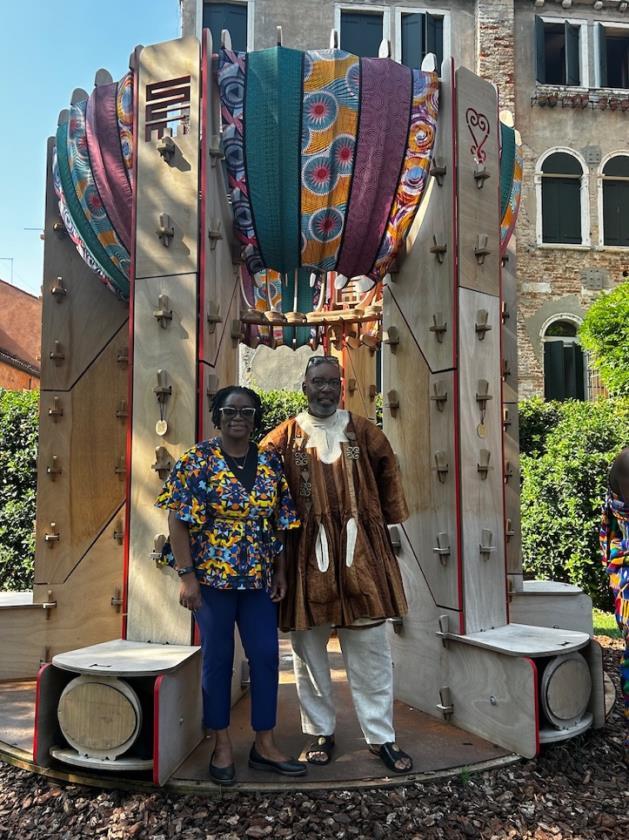
• Visiting the World’s Capital of Reinsurance in Bermuda
In a demonstration of the University’s global engagement and career-driven academic philosophy, students from the Morgan’s Actuarial Science Program returned to Bermuda the world’s capital of reinsurance for a second year of immersive exploration and experiential learning in one of the most influential hubs in global finance and risk management. During the March 2025 visit, 15 students met with actuaries, executives, and early-career professionals from leading international insurance and reinsurance companies, strengthening ties with the island’s robust financial sector and building upon the success of the University’s inaugural 2024 visit. Morgan’s Actuarial Science Program, housed in the School of Computer, Mathematical, and Natural Sciences, is the only program of its kind at an HBCU and one of only two such programs formally approved by MHEC. Participating students cited the chance to learn from professionals in the heart of the reinsurance world as an invaluable part of the experience and a cornerstone of the trip. The opportunity allowed them to apply their skills and envision their place in this industry.
• Opening Doors in Southeast Asia With Song
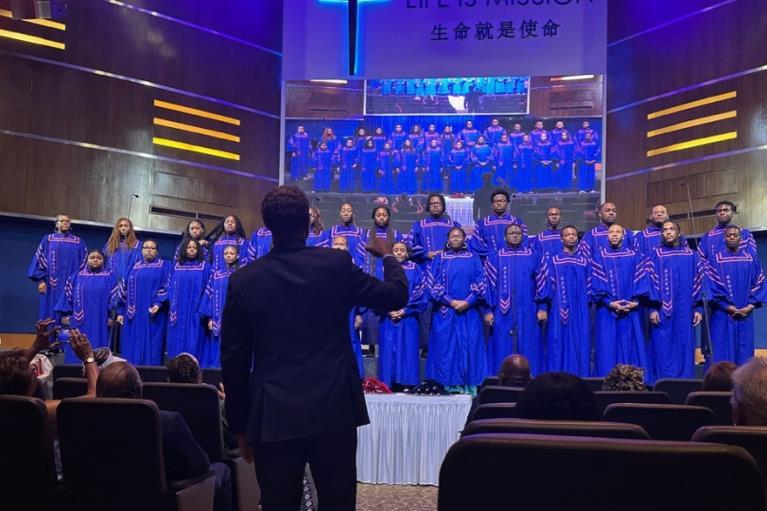
Following their participation in Morgan’s Spring 2025 Undergraduate Commencement Ceremony, the acclaimed Morgan State University Choir, accompanied by administrators, supporters, and alumni, embarked on an unforgettable 11-day concert tour across Southeast Asia. This year’s destinations included Thailand, Malaysia, Singapore, and Hong Kong each offering a rich blend of cultural immersion, musical exchange, and historic exploration. The 2025 Southeast Asia Tour offered the Choir a platform not only to share its world-class musical talents but also to foster cross-cultural understanding, represent the University globally, and inspire communities through the power of music. This extraordinary journey left indelible impressions on all who participated and served as a celebratory capstone for recent graduates an elegant crescendo to their collegiate journey.
•
Exploring Sustainable Urbanism in Europe
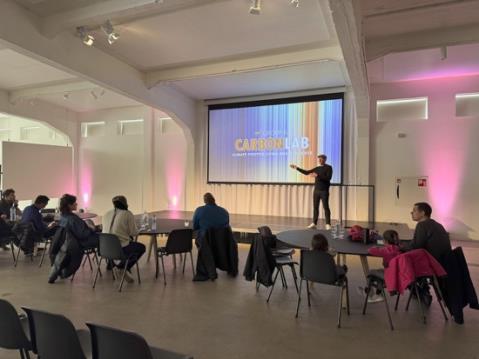
In March 2025, students from the School of Architecture and Planning embarked on an eye-opening study abroad journey through Amsterdam, Rotterdam, Antwerp, and Delft an immersive educational experience led by Associate Professor Cristina Murphy. The weeklong trip offered students the opportunity to witness firsthand how European cities are tackling pressing urban challenges through sustainable design, participatory planning, and community-centered innovation. The trip culminated in conversations around the role of architects as social servants and city-makers. Whether examining historic gentrification in Antwerp or future-forward timber construction at Rotterdam’s SAWA project, students left with a profound understanding of how design shapes lived experience. This trip marks the third international study tour within the region in five years, reaffirming Morgan’s commitment to global education. Students returned not just with photos and notes, but with sharpened critical thinking, renewed optimism, and a deeper appreciation of architecture’s power to build more equitable and sustainable futures.
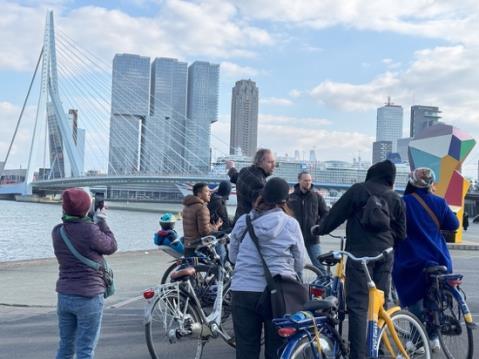
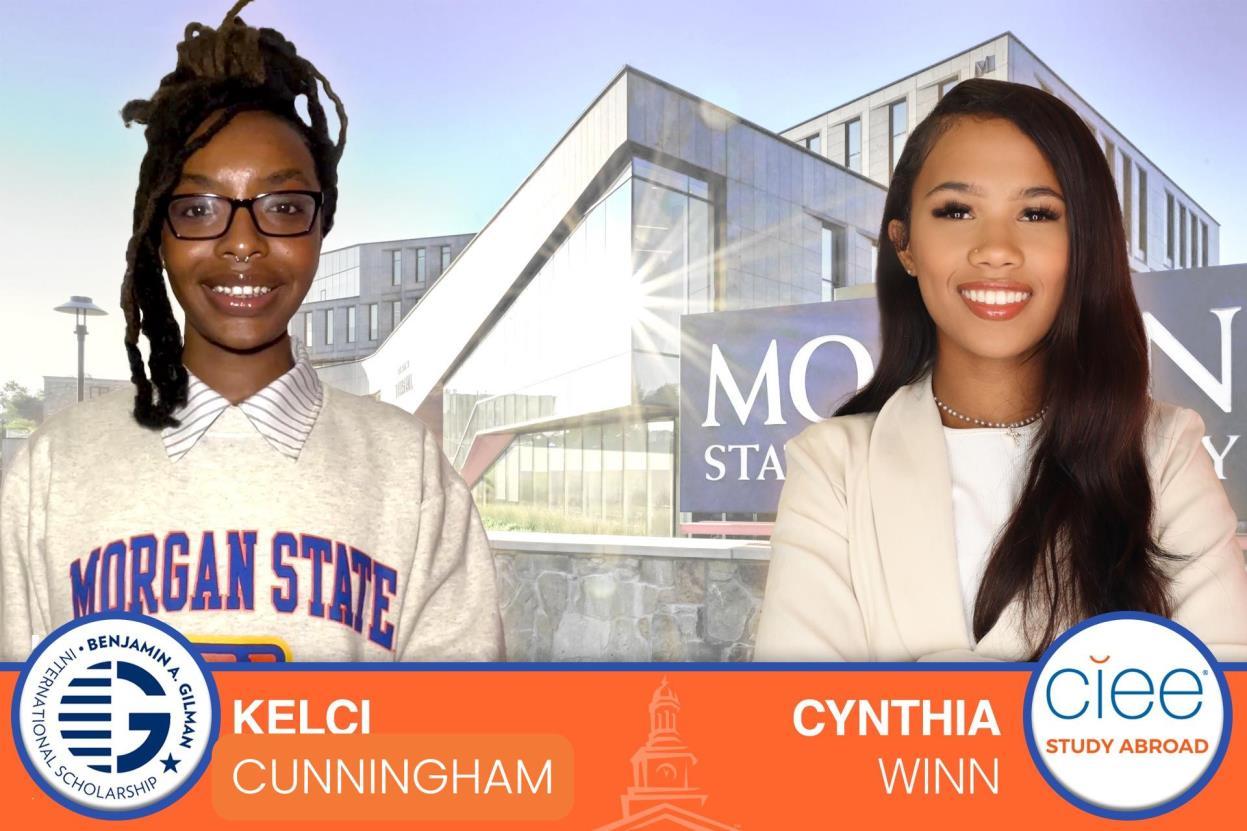
▪ International Scholarship Through Prestigious Awards
Morgan students are positioned to see and experience the world through study abroad. Students Kelci Cunnigham and Cynthia Winn received highly coveted scholarships to support their study abroad in South America and Southwest Europe, respectively, during the 2025-26 academic year. Kelci Cunningham, a sophomore scholar in the Clara I. Adams Honors College, was awarded the prestigious Benjamin A. Gilman International Scholarship to spend the spring 2026 semester studying in Brazil. As a political science major with minors in Economics and Latin American and Caribbean Studies, Kelci plans to study inequality with a focus on Afro-Brazilian history and resistance, further deepening her understanding of systemic oppression and preparing her for a future international human rights advocacy career. Another student presented with an opportunity to see the world is Cynthia Winn, a sophomore Social Work major. Winn received a scholarship from the Council on International Educational Exchange (CIEE) to support international travel to Portugal this summer. While in Portugal, Winn will intern as a Montessori preschool teacher and a social worker, gaining firsthand experience in international education, child development, and social impact, providing her with an understanding of how social work and early childhood education are approached internationally.
FY 2027 OPERATING BUDGET REQUEST
As the Preeminent Public Urban Research University in Maryland, Morgan is continually engaging in cutting-edge research and programs that impact the University community, Baltimore City, the State of Maryland, and beyond. It is important to emphasize the relevancy of public urban research universities like Morgan State University and why continued investment in Morgan is vital to its success and advancement. For future considerations, we submit the following Over-the-Target Operating Budget Requests. With the State’s support, Morgan can continue to provide quality programs and services that will impact current and future generations of Maryland citizens.
▪
Operational Security Technology Support
In October 2023, the University submitted a comprehensive request for enhanced campus security funding. The State responded by allocating $25 million statewide for campus safety in FY25, of which Morgan State University received $2.9 million through the Maryland Higher Education Commission’s Campus Safety Grant Program. The University deployed these funds to strengthen security personnel, equipment, and technology. However, sustaining these critical systems now requires significant recurring operating support. Annual subscription costs for AI-enabled security systems including weapons detection, shot detection, and concealed weapons detection — exceed $1 million, while maintenance and monitoring for cameras, emergency call stations, access controls, and related infrastructure total approximately $3.5 million annually. These systems are essential to maintaining a safe campus environment, and the University seeks recurring operational funding to sustain these mission-critical security investments.
▪ Center for Brain Health Research
Morgan State University seeks support to advance the Center for Brain Health Research, a strategic initiative focused on addressing neurological and psychiatric health disparities affecting underrepresented communities. The University has already taken foundational steps, including the recruitment of Walter Royal, M.D., as endowed professor and founding director of the Center, and the establishment of partnerships with the African American Ancestry Neuroscience Research Initiative and the Lieber Institute for Brain Development. The Center will address persistent inequities in diagnosis, treatment, and outcomes through interdisciplinary research, community-engaged scholarship and public-private collaboration. By aligning scientific rigor with community priorities, the Center will position Maryland as a leader in equitable brain health research while expanding research capacity and workforce pathways in the biomedical sciences.
▪ Urban Futures Lab and Smart Campus Initiative
Morgan State University proposes the Urban Futures Lab as a flagship innovation hub to advance urban technology, digital infrastructure, and climate-resilient development.
Anchored in research, workforce development, and public impact, the Lab will integrate artificial intelligence, cloud computing, and urban simulation to design scalable solutions for complex public challenges. A core component is the development of a Smart Campus that will serve as a living laboratory for digital urbanism, modeling how emerging technologies can be responsibly deployed to expand access, opportunity, and resilience. The initiative will establish technical infrastructure, develop digital prototypes and “digital twin” systems, and create partnerships with municipal and commercial stakeholders. Through this effort, Morgan will accelerate innovation, strengthen Maryland’s technology ecosystem, and prepare students for leadership in high-growth industries.
▪ NEATS Transportation Safety Center
To support Maryland’s Vision Zero goal of eliminating traffic fatalities and serious injuries by 2030, Morgan State University proposes the establishment of the Next Era AI-Enabled Transportation Safety (NEATS) Center. Maryland recorded more than 110,000 crashes in 2023, resulting in more than 41,000 injuries and 621 fatalities, with significant economic and societal costs. The NEATS Center will conduct multidisciplinary research leveraging artificial intelligence, connected and automated vehicles, and advanced data analytics to develop evidence-based safety solutions for all road users. The Center will integrate research, education and technology transfer to improve multimodal transportation safety while strengthening workforce development. The acting secretary of the Maryland Department of Transportation has expressed formal support for the initiative. Investment in NEATS will position Maryland as a national leader in smart transportation systems while enhancing public safety and economic resilience statewide.
CLOSING
On behalf of Morgan State University, I extend sincere appreciation to the Governor, the Maryland General Assembly and the Maryland Higher Education Commission for their steadfast commitment to higher education and their continued investment in Morgan. In an increasingly competitive and rapidly evolving higher education landscape, sustained State support for public access institutions such as Morgan is more essential than ever to ensuring educational equity, economic vitality, and research innovation. Morgan proudly serves as a premier anchor institution for Baltimore City and the State of Maryland, generating measurable economic impact while expanding opportunity for students and communities alike.
The University remains resolute in its mission to educate students from diverse academic and socioeconomic backgrounds; to increase the number of highly qualified graduates prepared to meet Maryland’s evolving workforce demands; to conduct impactful research that addresses the challenges facing our region and its residents; and to provide cultural enrichment and public service that strengthen the broader community. With continued partnership and investment, Morgan will accelerate its progress toward R1 designation, expand access to transformative education, and drive innovation that benefits the State for generations to come.
Thank you for your consideration and your continued confidence in Morgan State University. I respectfully request your support of the University’s Fiscal Year 2027 Operating Budget submission.
RESPONSES TO ISSUES & RECOMMENDED ACTIONS
Department of Legislative Services’ Analysis
FY27 Operating Budget Analysis
ISSUES
Comment 1 (Page 5): The President should discuss the reason for the decline in FT/FT and transfer students
Response: First‑time, full‑time freshmen decreased slightly from 2,369 to 2,325, a change of just 44 students (-1.9%). This very small decline reflects the broader national trend in which students applyto more collegesand hold morecompetingoffers,makingfreshmanclasssizes morevariable from year to year. Even with record application numbers, the percentage of admitted students who ultimately enroll has fallen nationally. As a result, freshman enrollment can fluctuate modestly from one year to the next.
The decline in transfer students from fall 2024 to fall 2025 was extremely small a decrease of just two students, or 0.6%. This change is well within normal year‑to‑year variation and does not reflect a shift in demand or a change in Morgan’s transfer pipeline. Rather, it aligns with statewide and national patterns showing reduced transfer mobility, particularly as community colleges our primary transfer feeders continue to experience enrollment declines. Given the scale of the change, this two‑student difference is not indicative of a trend, and Morgan continues to strengthen partnerships and advising pathways to support future transfer enrollment.
Comment 2 (Page 8): The President should discuss MSU’s approach to retain students to increase the retention rate and how MSU will collaborate with MHEC to get the retention rate data updated.
Response: Morgan appreciates the opportunity to clarify the retention data referenced in the analyst’s report. Respectfully, as Morgan has noted before, the retention and graduation rates published by MHEC do not align with the University’s institutional data. MHEC’s methodology relies on Social Security numbers to track student outcomes. This approach does not capture students who do not use federal financial aid, students who do not have a Social Security number, or students whose numbers may have changed or been entered inconsistently across years.
Morgan State University’s Office of Institutional Research uses institutional student ID numbers, which provide a more accurate and comprehensive accounting of student retention. As a result, our internal data show higher and more stable retention rates than those reported by MHEC.
The chart below illustrates the widening discrepancy between the analyst's report and Morgan’s institutional data. For the fall 2019 cohort, the difference was 0.6 percentage points; for fall 2020, 1.5 points; for fall 2021, 2.9 points; for fall 2022, 5.4 points; and for fall 2023, 8.5 points. Morgan stands firmly and confidently behind its institutional data, which show that while retention dipped during the unprecedented disruptions of the pandemic, our rates never fell below 70% and are now clearly improving
It is also important to note that the decrease in retention during and immediately after the pandemic mirrors statewide and national trends: institutions across Maryland and the country experienced declines in student retention during this period, as students faced significant academic, financial, and personal disruptions. Morgan’s retention rates followed this broader pattern but remained comparatively stable and have since rebounded.
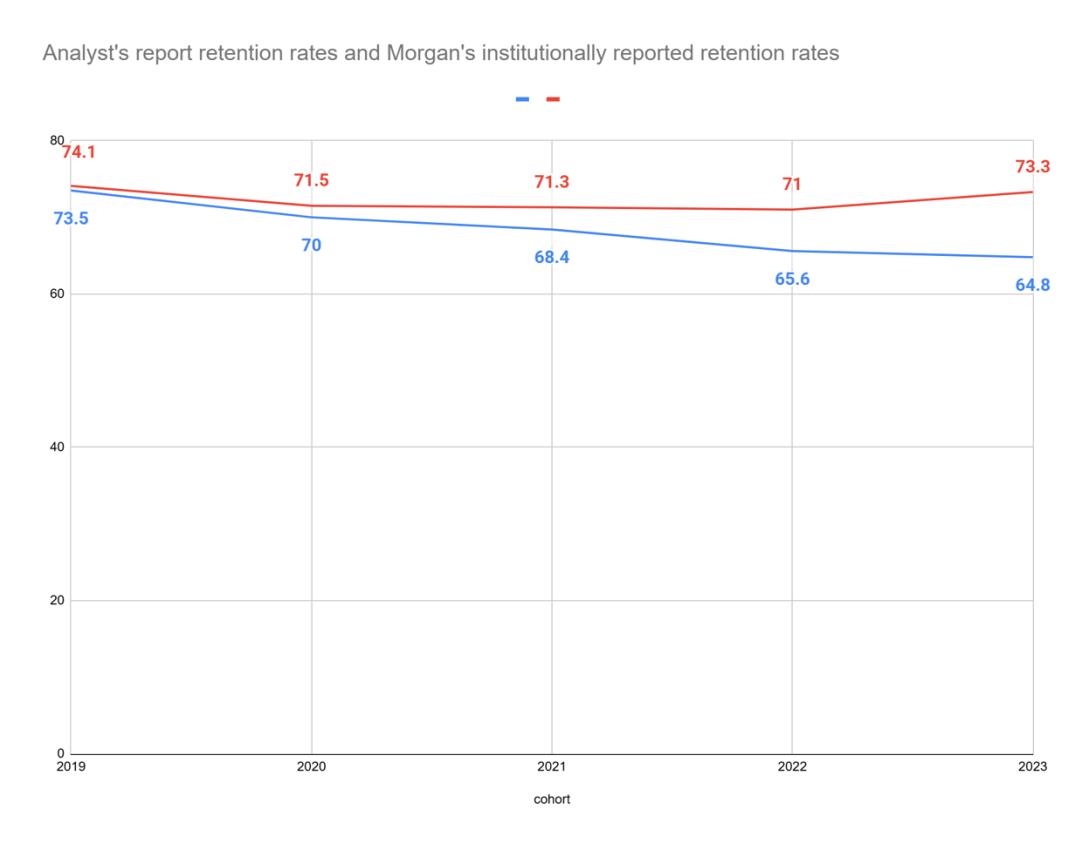
Morgan’s Office of Institutional Research looks forward to collaborating with MHEC to ensure that future retention reporting incorporates Morgan’s institutional data based on student ID numbers. This will allow for more accurate statewide comparisons and a clearer understanding of student progress.
Even using our own data, the University remains deeply committed to strengthening student persistence and improving retention outcomes. Morgan has implemented a comprehensive set of strategies, including:
• A redesigned academic advising model centered on robust use of EAB Navigate, which supports proactive outreach, early alerts, and real‑time communication with students.
• Significant expansion of advising staff to better align with national advisor‑to‑student ratios and support our growing enrollment.
• A revamped onboarding, summer orientation, and first‑year experience, emphasizing student efficacy, sense of belonging, financial wellness, and academic readiness.
• Enhanced academic support, including supplemental instruction, peer mentoring, and targeted interventions in gateway courses.
• A strategic partnership with Georgia State University’s National Institute forStudent Success, which has strengthened advisor training, improved data‑informed decision‑making, and supported pilot programs using AI‑enhanced chatbots to improve outcomes in first‑year math and English.
These efforts are producing measurable results. The retention rate for the fall 2024 cohort reached 74.6%, the highest level since before the pandemic, and the third highest rate recorded between 1999 and 2024, demonstrating that our investments in student success are working.
Comment 3 (Page 9): The President should discuss efforts to increase the four- and six-year graduation rates.
Response: Morgan State University remains deeply committed to improving both four‑ and six‑yeargraduation rates,andwe appreciate theopportunity tooutlinethestrategies now underway to support timely degree completion. As with institutions across the country, our graduation rates reflect the long‑term effects of the COVID‑19 pandemic, which disrupted academic progress, financial stability, and student momentum nationwide. These impacts were particularly pronounced for the cohorts entering college immediately before, during, or immediately after the pandemic, and the trends observed at Morgan mirror statewide and national patterns.
Because graduation rates reflect student progress over a four‑ to six‑year period, we anticipate that it may take two to three more years before the full effects of our post‑pandemic student‑success investments appear in the graduation‑rate data. The cohorts now reaching the end of their six‑year graduation windows began their studies during the height of the COVID‑19 disruptions, with an attendant negative impact on completion outcomes.
To accelerate progress toward higher four‑ and six‑year graduation rates, the University is implementing a comprehensive set of student‑success initiatives designed to strengthen academic pathways, remove barriers to completion, and ensure that students remain on track from their first semester through graduation. These efforts include the initiatives previously noted to improve retention rates and take place under the umbrella of our ambitious “60 by 30” campaign, which aims to increase our six-year graduation rate to 60% by 2030. This aspirational University-wide campaign is supported by four pillars: advising/degree planning; faculty development/course redesign; financial wellness, and student engagement.
These strategies are already yielding positive results. The retention rate for the fall 2024 cohort reached 74.6%, the highest level since before the pandemic and the third‑highest rate recorded between 1999 and 2024. Because retention is the strongest predictor of graduation, this upward trajectory positions Morgan to see corresponding improvements in four‑ and six‑year graduation rates in the coming years.
Morgan remains committed to continuous improvement and to ensuring that every student has the support, resources, and guidance needed to complete their degree programs on time. We will continue to strengthen the systems, supports, and structures that promote timely degree program completion. These efforts are central to our mission of advancing opportunity, mobility, and excellence for every student we serve.
Comment 4 (Page 16): In calendar 2025, the federal government made significant reductions to grants and contracts. The President should discuss the impact of these reductions on MSU’s research and activities.
Response: In FY2018, Morgan set the goal of receiving a sustainable $50 million per year in sponsored research income by 2025 with at least $40 million in research expenditures
• For FY2025 (July 1, 2024–June 30, 2025), Morgan State University received a record $104.4 million in new research funding commitments.
• Through the first seven months of FY26, Morgan has received $38.5 million in new research funding commitments. Results are down considerably from recent years mirroring national trends; however, we remain hopeful that, absent another federal government shutdown, we can regain our momentum and have a respectable year.
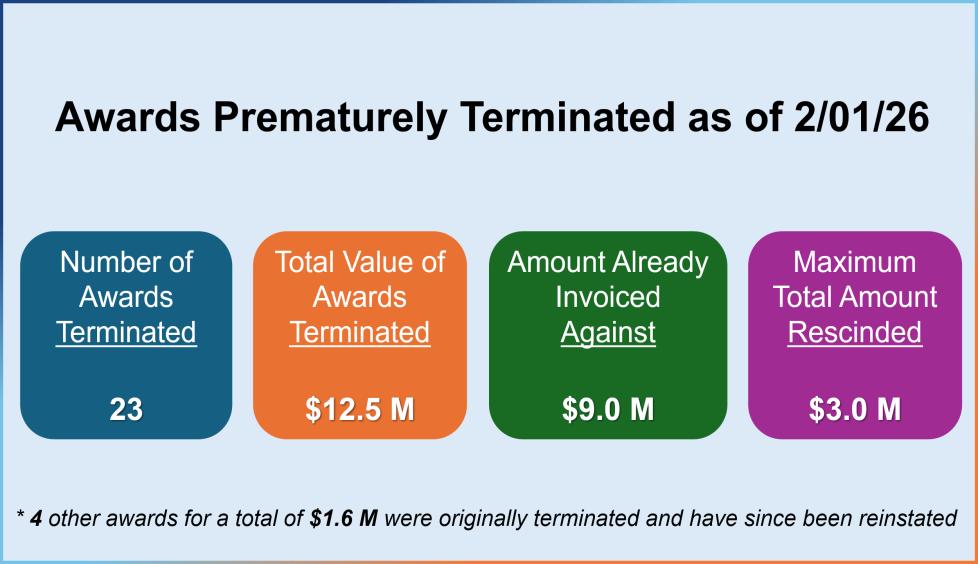
Obtaining Carnegie R1 “Very High Research” status requires at least $50 million per year in research expenditures. While this significant reduction in federal grants income should not adversely impact Morgan’s accension of R1 status next year (based on our FY24, FY25, and FY26 researchexpenditures)weareextremelyconcernedthatifour federalgrantsincomedoesnotreturn to our previous trajectory, our ability to maintain our progress toward R1 status will be adversely impacted.
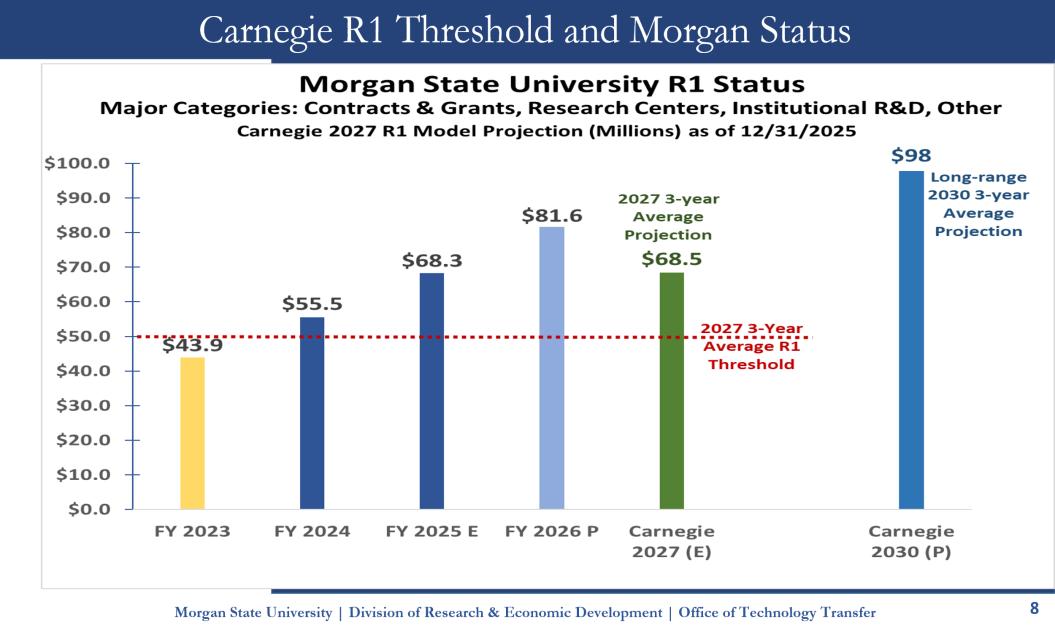
Obtaining “Very High Research” University status also requires the graduation of at least 70 research PhD.s per year. The reduction in federal research grants will also adversely impact the institution, since graduate students (especially those in STEM areas) are supported largely by federal research grants
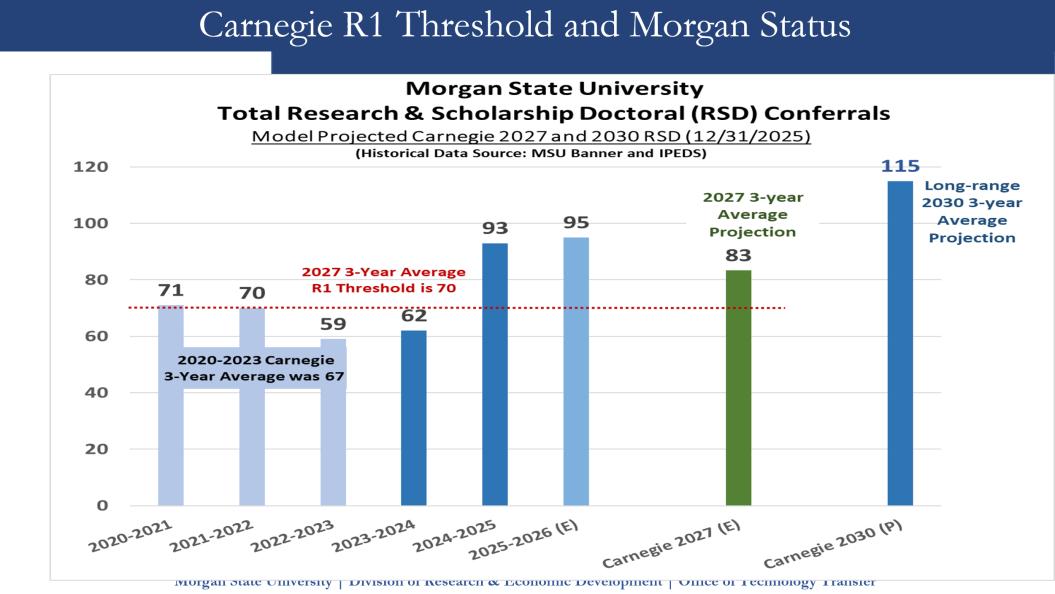
Comment 5 (Page 17): The President should provide an update on the use of the funds concerning the additional $50K funding located in the 2026 Budget Bill for its Center for Equitable Artificial Intelligence and Machine Learning Systems.
Response: Section 21 of the Fiscal 2026 Budget Bill provided $50,000 in general funds to Morgan State University’s Center for Equitable Artificial Intelligence and Machine Learning Systems (CEAMLS) to support an artificial intelligence (AI) needs assessment for the Maryland State Department of Education (MSDE) and to assist MSDE in activities related to a statewide task force on AI in K–12 education.
The allocated funds were used to secure a dedicated government liaison to coordinate CEAMLS’ engagement with Senator Katie Fry Hester’s AI K–12 Stakeholder Committee and relevant MSDE partners. The liaison’s responsibilities included supporting stakeholder coordination, designing and administering assessment instruments for Maryland school systems, and conducting analyses to inform statewide planning related to AI adoption in K–12 education.
To date, CEAMLS has developed and delivered two assessment instruments targeting Maryland K–12 school districts. These assessments have generated an initial dataset capturing district-level needs, readiness, and priorities related to the responsible use of AI tools in educational settings. Based on analysis of the collected information, CEAMLS produced a preliminary set of recommendations, which have been formally presented to the AI K–12 Stakeholder Committee.
This work represents meaningful progress toward establishing a statewide understanding of AI readiness in Maryland’s public education system and provides MSDE with data-driven insights to guide future policy, professional development, and implementation strategies related to AI in K–12 education.
Morgan State University will continue supporting MSDE and the stakeholder committee as requested, building upon the assessment findings to advance informed and coordinated adoption of AI technologies across Maryland’s school districts
Comment 6 (Page 18): The President should comment on the planned timing for adjusting its expenditures and revenues based on changes in enrollment.
Response: The University takes a conservative approach to its incremental budgeting process. Given the timing of budget request submission, the University estimates its enrollment and related revenues based on the actual results of the most recent fiscal year. In essence, this would result in the FY27 budget request being based on the FY25 enrollment actuals on a steady-state basis. For the current year working budget (e.g., FY26), enrollment revenues and any related expenditures are updated during the University’s enrollment freeze period, which is generally around midOctober. This typically results in an amendment to the current year working budget to reflect changes in enrollment and any related revenues and expenditures associated therewith. Given the dynamic nature of the University’s growth over the last few years, this process has worked well and allowed the institution to maintain appropriate fiscal results.
Comment 7 (Page 20): The President should discuss the planned use of these funds (referring to the $8.5M allowance from the Dedicated Purpose Account).
Response: As noted in my opening remarks, I extend our appreciation to the Governor’s Administration for identifying a dedicated purpose account to support research centers at Maryland’sfour-yearresearchuniversitiesasthey transition from areasaffectedbyfederalfunding reductions from priority fields such as energy, resilience, and climate research This special fund includes $8.5M earmarked for Morgan, which will advance several high-impact projects at the University. The University is working closely with its Division for Research and Economic Development to identify projects that may be supported by this additional funding and is working with the Governor’s administration and the other recipient institutions on a process to facilitate utilization of the funds.
Comment 8 (Page 22): The President should detail the progress being made to fill the vacant positions.
Response: The University is in an ongoing process of quality improvement and is committed to enhancing its hiring and recruitment process through targeted training, adopting new systems, and implementing streamlined operational procedures. Progress in this area is demonstrated by a continued reduction in the University’s vacancy rate. Of the 196 positions identified as vacant per
the analysis, a majority of these positions are in various stages of the hiring process. Of the few remaining openings, some are aligned with cyclical recruitment needs such as faculty positions, which follow specific hiring periods. The balance of the openings mostly represents specialized or skilled roles that have historically been more challenging to fill for a variety of reasons. Overall, the recruiting process of an institution of higher education is much different from that of other state agencies.
Comment 9 (Page 23): The President should discuss MSU’s next steps following the dissolution of the partnership.
Response: As noted in the analysis, the University successfully dissolved its association with the private, for-profit entity to establish the Maryland College of Osteopathic Medicine, which aimed to offer a Doctor of Osteopathic Medicine (DO) degree. However, the University remains committed to developing a medical school to offer a Doctor of Medicine (MD) degree, producing medical doctors to serve underserved communities. A school of medicine at Morgan State University would benefit the nation, the State of Maryland, and historically underserved communities by expanding access to a diverse, well-prepared physician workforce. With only four current HBCU medical schools, the opportunities to train physicians from underrepresented backgrounds remain limited. Persistent health disparities, affordability barriers, and declining trust in healthcare demand greater engagement and professional development from institutions rooted in the communities they serve. Morgan’s strong STEM career pipeline, rapidly expanding research enterprise, strategic Baltimore location near major medical centers, and public mission uniquely position it to train physicians committed to equity. Establishing a medical school at Morgan is both a moral imperative and a national investment in high-quality, affordable health care for all
RECOMMENDED ACTIONS
Recommendation 1 (Page 35): The 2025 Joint Chairmen’s Report (JCR) requested that MSU prepare three reports. Electronic copies of the full JCR responses can be found on the DLS Library website.
• Instructional Faculty Workload Report: A report was submitted providing MSU’s faculty workload. MSU’s tenure and tenure-track faculty taught 98.5% of expected course units, and full-time instructional faculty taught 100.3% of expected course units.
• East North Avenue Development Report: The committees requested a report from MSU about the development of East North Avenue and its position as an anchor institution. MSU submitted the report detailing a five-step process to establish a task force to implement an initiative for the long-term development of East North Avenue. The $250,000 in withheld general funds was approved to be released. Further discussion of the report may be found in Issue 2 of this analysis.
• HBCU Settlement Funds: A report was submitted detailing MSU’s plans for the use of the fiscal 2026 HBCU settlement funds. MSU will allocate funds to financial aid, faculty recruitment and development, improvement of academic programs, implementation of new academic programs, academic support services, and marketing for the university. Further discussion of this report may be found in the HIGHED – Higher Education Overview analysis.
Response: The University concurs with the recommended actions and the Governor’s Allowance
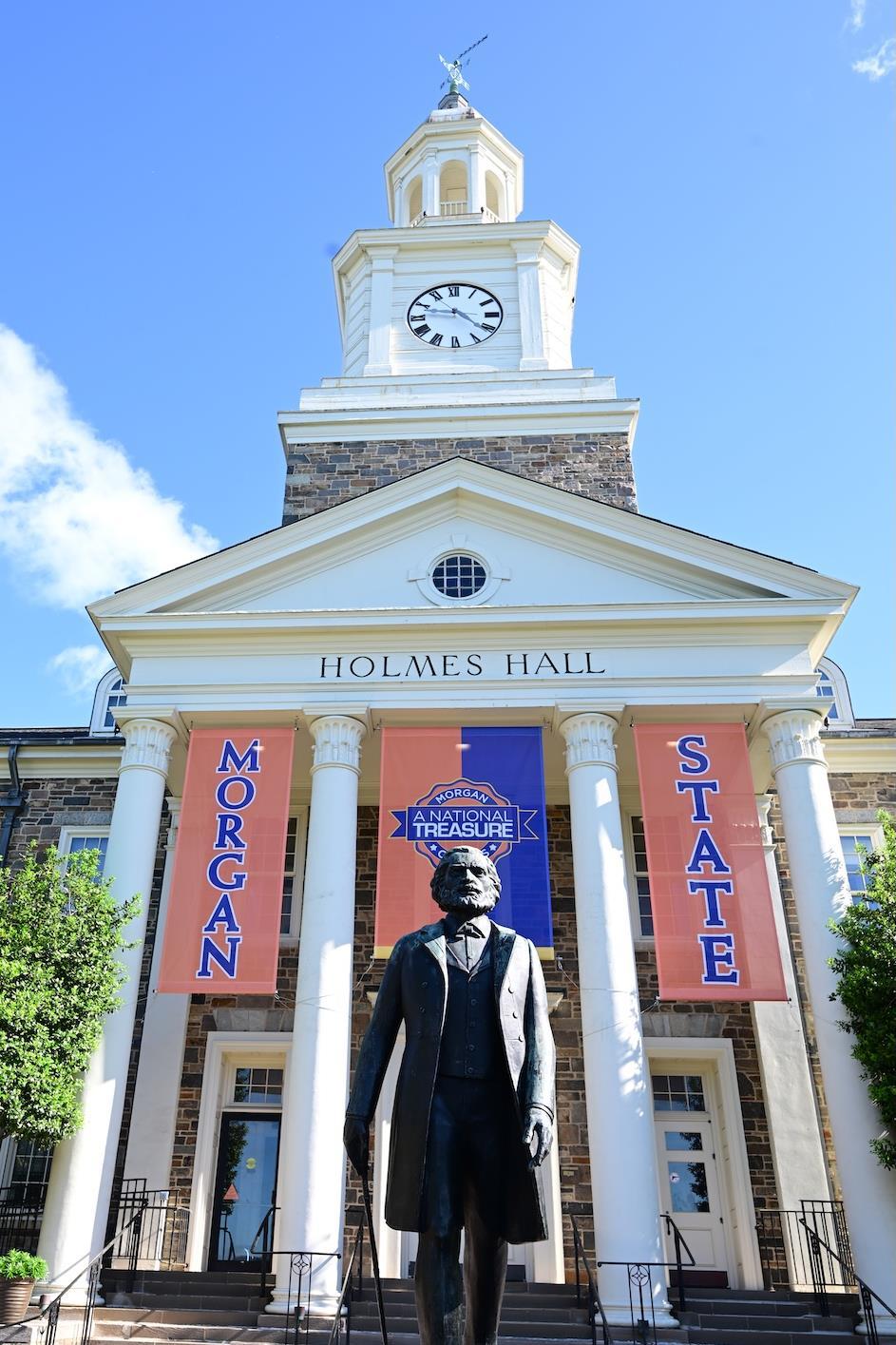
We Produce Leaders.
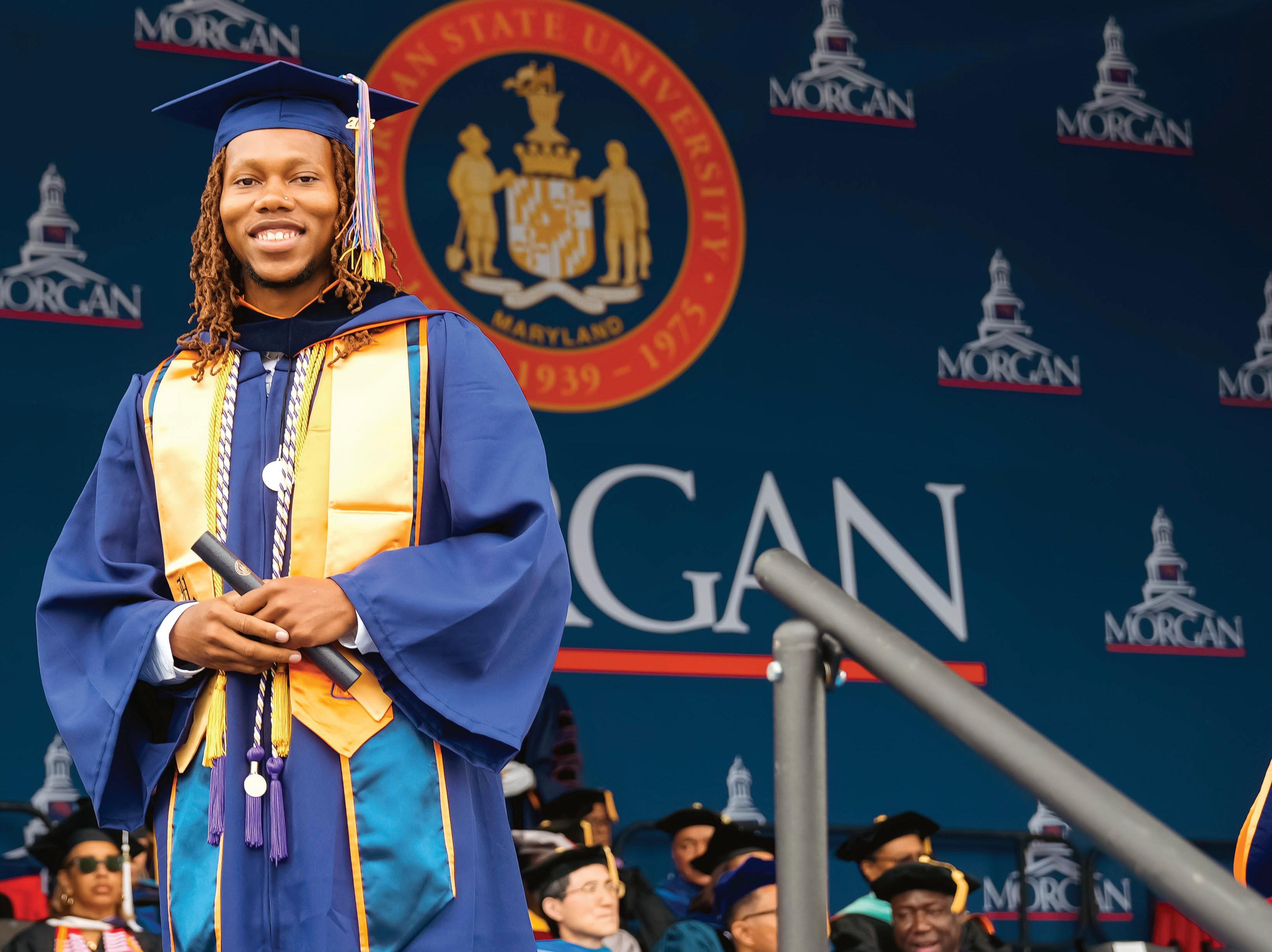
Growing the Future, Leading the World ™
Academic Programs for the Future of Work:
Architecture & Environmental Design
Coastal Science & Policy
Data Analytics and Visualization
Engineering Physics
Mechatronics Engineering
Multimedia Journalism
Psychometrics
Urban Transportation
*Partial Listing
College of Interdisciplinary & Continuing Studies
College of Liberal Arts
School of Architecture & Planning
School of Business & Management
School of Community Health & Policy
School of Computer, Mathematical & Natural Sciences
School of Education & Urban Studies
School of Engineering
School of Global Journalism & Communication
School of Graduate Studies
School of Social Work