
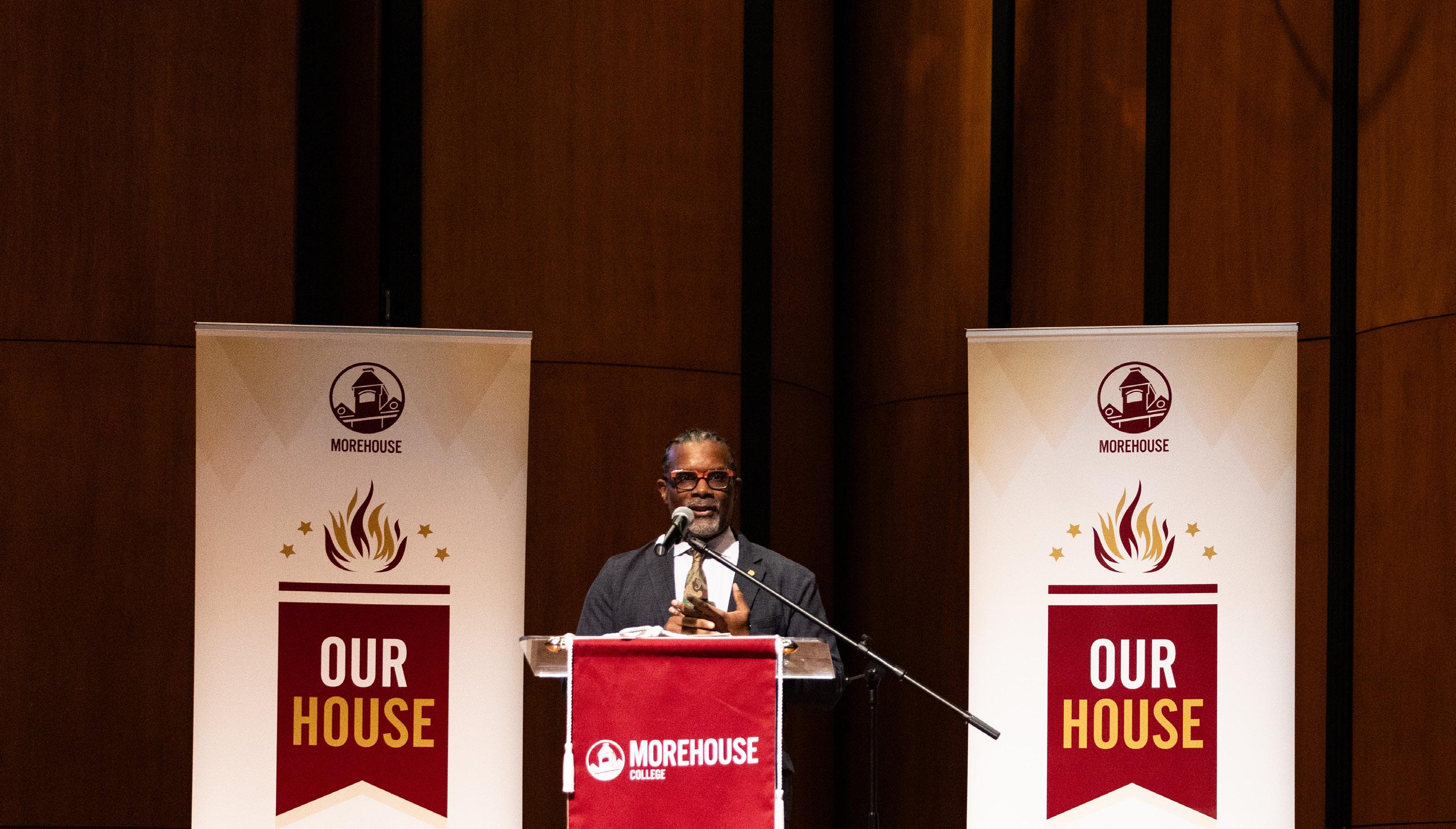
The Our House at Morehouse College is a distinguished annual event established in 2023 by the Office of the Provost to celebrate the achievements of our esteemed faculty. This gathering serves as a platform to highlight the outstanding contributions of Morehouse faculty, showcasing their latest research, publications, creative works, and innovations in teaching. By bringing together faculty, students, and the broader Morehouse community, the event fosters a culture of recognition, inspiration, and academic excellence.
More than just a celebration, the Our House is an opportunity to engage with the groundbreaking work being done across various disciplines. Faculty members share insights into their projects, demonstrating the impact of their scholarship and dedication to advancing knowledge. Attendees will have the chance to witness firsthand the passion and expertise that make Morehouse a leader in education, while also gaining inspiration from the achievements of their colleagues.
This informative event honors the talented faculty who shape the intellectual foundation of Morehouse College. The Our House is an opportunity for the Morehouse community to show support and appreciation for the amazing work being done throughout our academic divisions. This exceptional program celebrates excellence and the transformative power of education at Morehouse.

PRE-RECEPTION
WELCOME & OPENING REMARKS
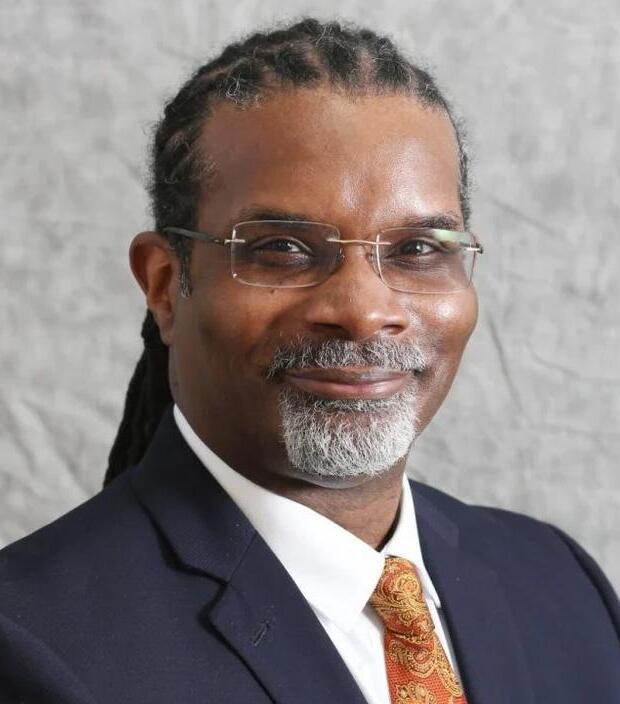
Provost Kendrick Brown, Ph. D.
PRESIDENTIAL REMARKS
President F. DuBois Bowman, Ph.D. ‘92
AT AN HBCU, I’M A SCHOLAR.
Marisela Martinez-Cola, Ph.D.
NOVEL STRATEGIES TO SYNTHESIZE MACROCYCLIC ETHERS OR SPIROKETALS
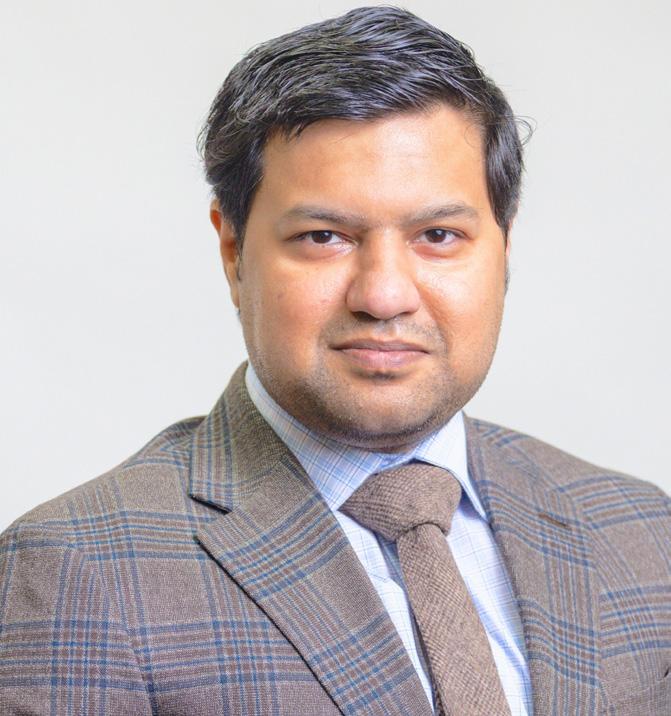
Arka Sengupta, Ph.D.
FAIR & OPEN INQUIRY VERSUS TRIBALISM: THE REFUSAL OF A REPLY
Nathan Nobis, Ph.D.
MAPPING ANDROS: AN INTERSECTION OF PLACE, CULTURE, & IDENTITY
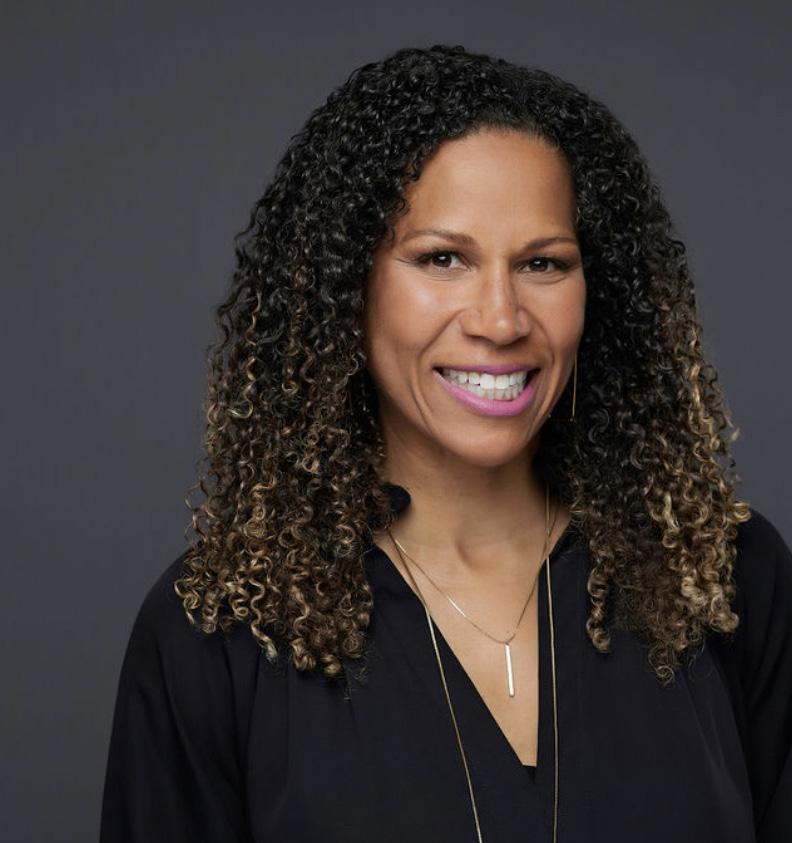
Mikki Harris, M.S.
GULLAH GEECHEE SPIRITUALS PROJECT
Aaron Carter-Ényì, Ph.D. & Eric Crawford, Ph.D.
BOARD GAMES IN THE PHILOSOPHY CLASSROOM
Daniel Peterson, Ph.D.
THE WINNING FORMULA: EXAMINING THE LONG-TERM IMPACT OF THE MOREHOUSE COLLEGE ANNUAL MATH COMPETITIONS BOOTCAMP
Tuwaner Lamar, Ph.D. & Benedict Nmah, Ph.D.
“WE’RE NOT TAUGHT THE FULL STORY”: BLACK STUDENTS’ MISTRUST OF SECONDARY SCHOOL US HISTORY CURRICULA”
Derrick Brooms, Ph.D.
DIVERSITY, EQUITY & INCLUSION IN B2B SELLING: A SYSTEMATIC REVIEW & RESEARCH AGENDA
Roberto Mora Cortez, Ph.D.
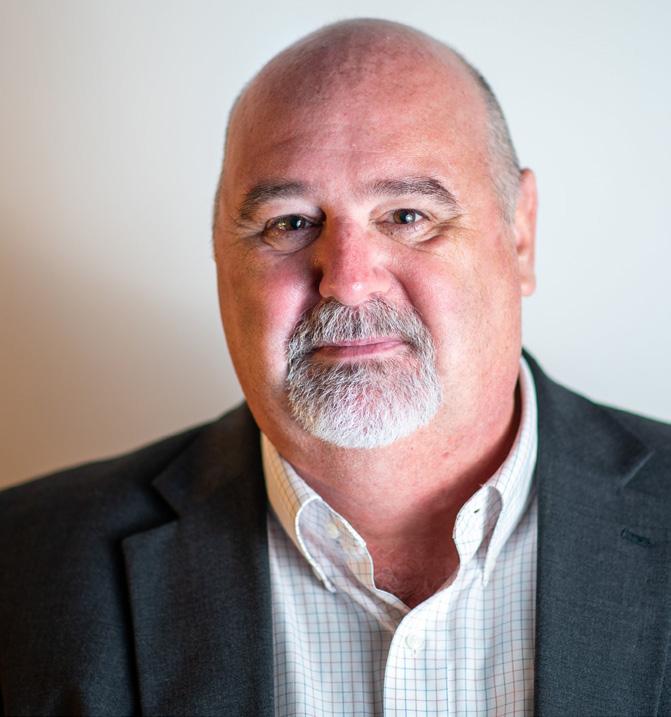
BUILDING CAPITAL FOR LEGITIMACY: J.B. BLAYTON’S PATH TO SUCCESS IN SEGREGATED ATLANTA
Keith Hollingsworth, Ph.D.
CLOSING REMARKS
Provost Kendrick Brown, Ph.D.
RECEPTION
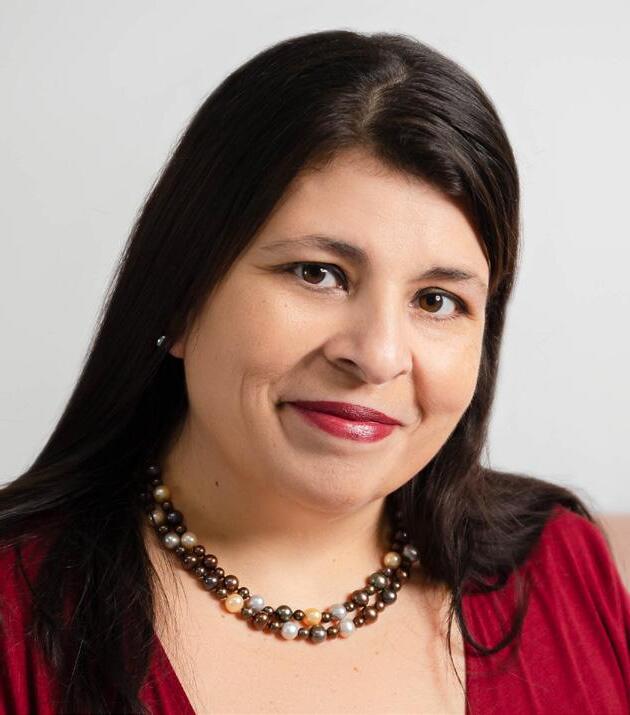
Associate Professor, Sociology
EDUCATION
Doctor of Philosophy, Sociology
Emory University
Juris Doctorate
Loyola University Chicago School of Law
Bachelor of Arts, Psychology and African American Studies University of Michigan
ABSTRACT
In her presentation, Dr. Martinez-Cola will be reading an excerpt from her most recently published article, “At an HBCU, I’m a Scholar: A Chicana Feminist’s Academic Journey from Performance to Peace.” Through the works of W.E.B. DuBois and Gloria Anzaldúa, she shares her testimonio (testimony) about what it was like transitioning from working at PWIs to an HBCU. A love letter to Morehouse College, she recounts how she realized she had been “performing” for years at PWIs but finally became her authentic self at Morehouse, amongst brilliant students and outstanding colleagues.
Assistant Professor, Chemistry Department
EDUCATION
Doctor of Philosophy, Chemistry
Indiana University
Master of Science, Chemistry
IIT Bombay
Bachelor of Science, Chemistry
Hindu College, University of Delhi
ABSTRACT
NOVEL STRATEGIES TO SYNTHESIZE MACROCYCLIC ETHERS OR SPIROKETALS
Medium-sized rings and spiroketals are challenging to synthesize because they face both kinetic and thermodynamic obstacles. Forming medium-sized rings from linear molecules requires precise kinetic control to overcome ring strain, including torsional, angle, and transannular strain. Spiroketals can exist as different stereoisomers (epimers), but reactions usually favor the thermodynamically most stable form due to anomeric stabilization, making access to less stable epimers difficult.
The present work demonstrates that a dynamic equilibrium can be exploited to selectively form different products from the same starting materials. Under kinetic control, the reaction favors formation of macrocyclic ethers. Under chelation control, achieved using zinc bromide or DMF as the solvent, the reaction instead yields spiroketals, including either the thermodynamically favored double-anomeric form or the less stable epimer. Kinetic experiments and computational studies reveal that the halogenating agents used play a dual role, influencing both reactivity and product selectivity, enabling divergent synthesis of complex ring systems.
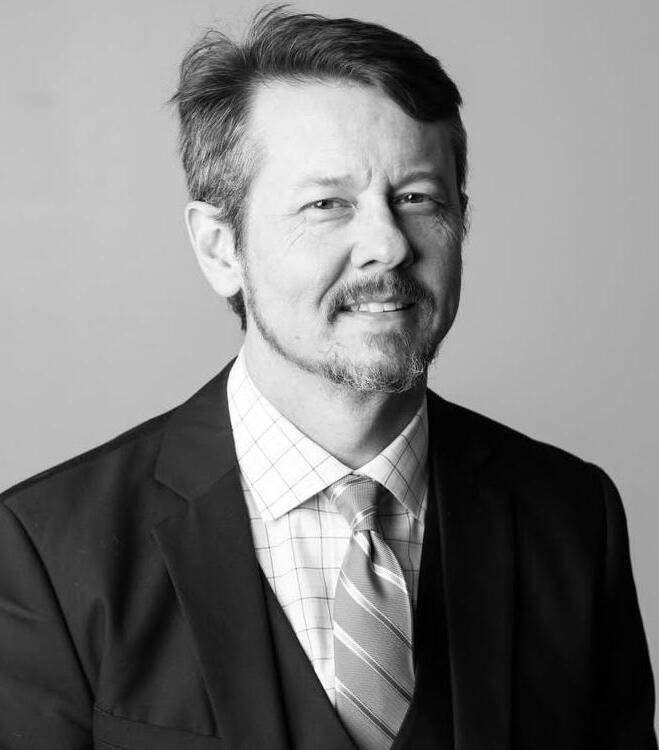
Professor, Philosophy & Religion Department
EDUCATION
Doctor of Philosophy
University of Rochester
Master of Arts
Northern Illinois University
Bachelor of Arts
Wheaton College
ABSTRACT
In 2020, a group of Morehouse College faculty participated in a seminar sponsored by The Op-Ed Project, an organization that helps academics write for newspapers and magazines. That seminar led to a 2021 Salon magazine article, “Why the case against abortion is weak, ethically speaking.”
In the summer of 2025, The National Catholic Bioethics Quarterly published an article criticizing the arguments presented in that Salon article. The journal initially invited me to submit a reply to these criticisms. However, after reviewing my response, the journal reversed course and refused to publish it, citing reasons that were deeply misguided. The episode attracted broader attention and was subsequently discussed on Daily Nous, a widely read philosophy blog.
Here I review what happened in this case and use it to examine broader issues concerning intellectual values such as fair-mindedness and open inquiry, and the ways ideological polarization and tribalism can undermine genuine intellectual engagement.
Associate Professor, Journalism in Sports, Culture & Social Justice Department
EDUCATION
Bachelor of Arts Spelman College
Master of Science Boston University
ABSTRACT
The Mapping Andros project uses Graphical Information System technology to document ancestral land stewardship practices on Andros Island, Bahamas. Led by Associate Professor Mikki Harris, the research team combines oral histories, environmental data, and cultural mapping to examine how indigenous knowledge systems protect cultural heritage and environmental resources against colonial conservation approaches and ecological threats. The project integrates journalistic interviews, multimedia documentation and spatial data analysis into an interactive ArcGIS StoryMap platform. Through collaboration with local fishers, the Bahamas Fly Fishing Association, and scientific partners, the team identified five key themes: Andros environment, fly fishing history, island identity, conservation models, and political landscape. The research team includes Morehouse Social Justice Scholars Xavier Andrews, Joseph Smylie ‘25, and Forester James Patterson.
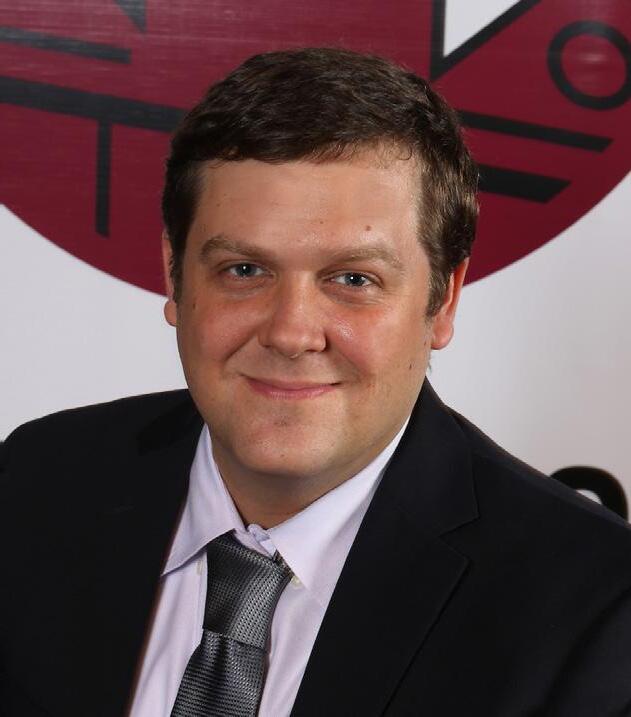
Assistant Professor, Music Department
EDUCATION
Doctor of Philosophy, Sociology Loyola University Chicago
Graduate Studies, African and African American Studies Clark Atlanta University
Bachelor of Arts, African and African American Studies University of Chicago
ABSTRACT
The Sea Islands of the Low Country are historic centers of Gullah-Geechee culture and the source of one of the largest bodies of African American spirituals. From 1867-1939, scholars routinely visited the Island to examine and record West African retentions in American music, producing six major studies and roughly 600 transcriptions of spirituals. Despite the contributions of the Gullah Geechee people to American music, with documented influence on gospel, jazz, and popular music, authoritative sources that synthesize and apply best practices in musical and linguistic transcription and annotation are lacking.
The Gullah Geechee Spirituals Project (GGSP) increases access to and engagement with these highly significant musical contributions contextualized within American and West African intangible cultural heritage traditions. Our team is producing a rich, authoritative, and accessible repository of annotated source materials, reconstructed song texts and musical transcriptions, and field recordings of contemporary performers of Gullah traditional music.
CO-PRESENTED WITH ERIC CRAWFORD, PH.D.
Honors Program Director, Benedict College
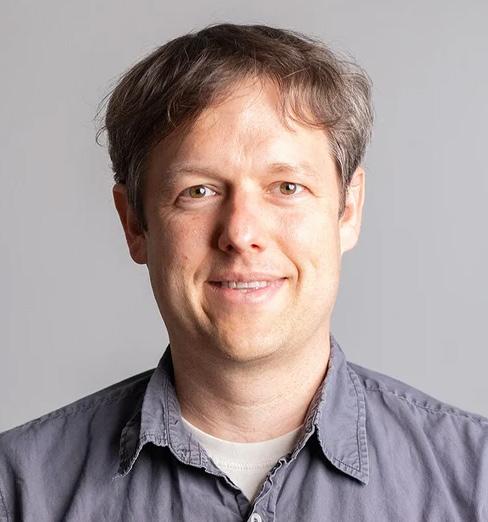
Adjunct Professor, Philosophy Department
EDUCATION
Doctor of Philosophy, Sociology
Emory University
Juris Doctorate
Loyola University Chicago School of Law
Bachelor of Arts, Psychology and African American Studies
University of Michigan
ABSTRACT
In this presentation, I discuss forthcoming paper in the journal Teaching Philosophy, entitled “Games in the Philosophy of Science Classroom.” Despite recent research on the benefits of using games in the university classroom, few undergraduate philosophy of science courses use them. I discuss my use of the game Mastermind in undergraduate philosophy of science courses to encourage other philosophy instructors to embrace games as an educational tool. I show how Mastermind 1) helps my students develop skills in scientific reasoning, 2) serves as an accessible reference point for material we cover later in the semester, and 3) provokes deeper thinking about topics my class later engages. I end by briefly suggesting ways that this work might be extended to other games in other philosophy classes as well as some potential costs of using games in philosophy classes that instructors should consider before deploying them.
Senior Assistant Professor NTT, Mathematics
EDUCATION
Doctor of Philosophy
Auburn University
Master of Science
Florida State University
Bachelor of Science
Florida State University
ABSTRACT
THE WINNING FORMULA: EXAMINING THE LONG-TERM IMPACT OF THE MOREHOUSE COLLEGE ANNUAL MATH COMPETITIONS BOOTCAMP
The educational attainment of students from underrepresented groups in Science, Technology, Engineering, and Mathematics (STEM) has been well-documented. Recreational STEM-related experiences in Out-of-School Time (OST) events help to level the playing field. The literature emphasizes the importance of Black teachers in classrooms with Black students where the success rates of racial matching lead to higher academic success rates. We explore the impact of the racial matching concept and STEM education by examining the effect of an annually held Math Competitions Bootcamp held here at Morehouse College. Through the lens of Bronfenbrenner’s Ecological Systems Theory, an examination of students’ experiences in previous Morehouse College Annual Math Competitions Bootcamps as part of their ecosystems and the impact on their college and career exploration journeys. A case study design utilizing focus groups and individual interviews was conducted with a parent, and students (mathletes), who participated in previous Morehouse College Annual Math Competitions Bootcamps.
CO-PRESENTED WITH
BENEDICT NMAH, PH.D. Associate Professor, Mathematics Department
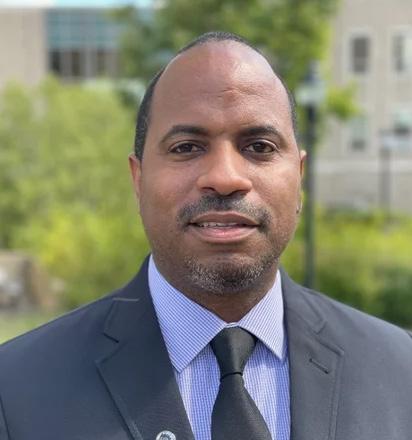
Professor, Africana Studies and History Department
Executive Director, Black Men’s Research Institute
EDUCATION
Doctor of Philosophy, Sociology Loyola University Chicago
Graduate Studies, African and African American Studies Clark Atlanta University
Bachelor of Arts, African and African American Studies University of Chicago
ABSTRACT
“WE’RE NOT TAUGHT THE FULL STORY”: BLACK STUDENTS’ MISTRUST OF SECONDARY SCHOOL US HISTORY CURRICULA”
In this presentation, Dr. Brooms will discuss findings from his recently published paper, “’We’re Not Taught the Full Story’: Black Students’ Mistrust of Secondary School US History Curricula.”
Using Carter G. Woodson’s (1933) Miseducation of the Negro and Black Critical Theory as the frames, he highlights the continued miseducation of Black youth and related experiences that result in students’ altering their expectations and developing curricula mistrust. The findings point to the need for an inclusive pedagogy and culturally relevant curriculum and teaching practices.
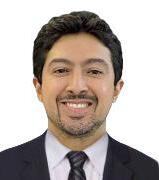
Visiting Associate Professor, Business Administration Department
EDUCATION
Doctor of Philosophy, Marketing Georgia State University
Master of Science, Marketing University of Chile
Master of Business Administration University of Chile
ABSTRACT
DIVERSITY, EQUITY
Diversity, equity, and inclusion (DEI) has emerged as a central component of a thriving workplace culture, enhancing employee well-being, creativity, and overall performance. Despite its growing importance, the human aspect in a business-to-business (B2B) sales context, specifically the DEI component, is still insufficiently explored. To address this gap, this paper emphasizes the critical role of DEI in B2B sales organizations—not only in promoting a positive workplace culture but also in harnessing the innovative potential of diverse teams. To achieve this, we conduct a systematic literature review that synthesizes existing research on DEI in B2B sales while identifying key research gaps. Drawing on 56 B2B sales articles, we propose a comprehensive framework and a targeted research agenda. Our analysis reveals four key sub-domains: (1) hiring, (2) sales management practices, (3) sales approach and customer interactions, and (4) turnover. Each of these sub-domains highlights critical areas for further investigation.
Professor, Business Administration Department
EDUCATION
Doctor of Philosophy, Industrial Engineering
Georgia Institute of Technology
Master of Science, Industrial Engineering
Georgia Institute of Technology
Bachelor of Science, Industrial Engineering
Georgia Institute of Technology
ABSTRACT
In the first part of the twentieth century, the Black community in Atlanta, Georgia, operated in an environment of suppressed capital. That environment, along with other factors, contributed to low legitimacy for Black entrepreneurs. However, we still read success stories like that of Jesse Bee Blayton (known as J.B.). Blayton was an outsider in Atlanta who, within a decade, became one of its most successful Black entrepreneurs, respected by the white and Black communities alike. This article examines how Blayton accumulated cultural, social, economic, and symbolic capital to earn the legitimacy that was necessary for his eventual success. This capital was accumulated within the white and Black communities, depending on the type of capital. Each form of capital also contributed to different strategies of earning legitimacy.
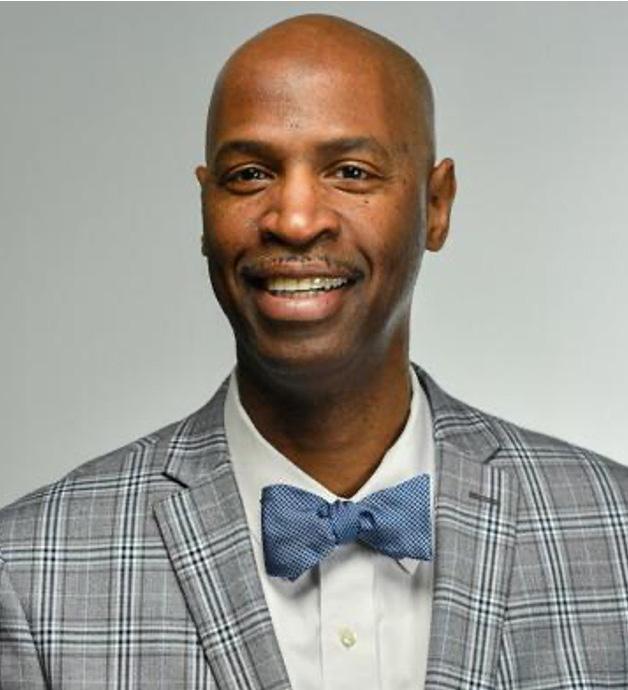
Honors Program Director, Benedict College
Doctor of Philosophy, Musicology
Catholic University of America
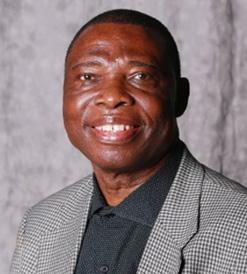
Associate Professor, Mathematics Department
EDUCATION
Doctor of Philosophy, Mathematics & Industrial Engineering
New Mexico State University
Master of Science in Industrial Engineering
New Mexico State University
Master of Science, Applied Mathematics
Utah State University
Master of Science, Mathematics
Northern Arizona University
Bachelor of Science, Mathematics
University of Liberia