The Research
“During the primary years, real-world experiences are the most Important thing schools provide. As we all know, children learn by doing. They remember what they have personally experienced. In addition, concept development is optimized through active, explorative experiences.”
NABORS,
EDWARDS, MURRAY, 2009
30 MILLION WORD GAP
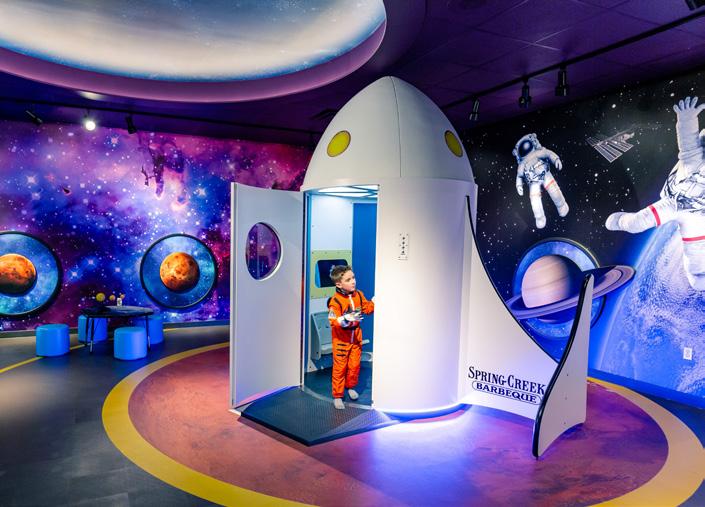
Hart and Risley’s 1995 study claimed that by age four, children from higher‑income families hear about 30 million more words than those from lower‑income families. This gap, they argued, contributes to early differences in vocabulary and later academic outcomes.
THE BASEBALL STUDY
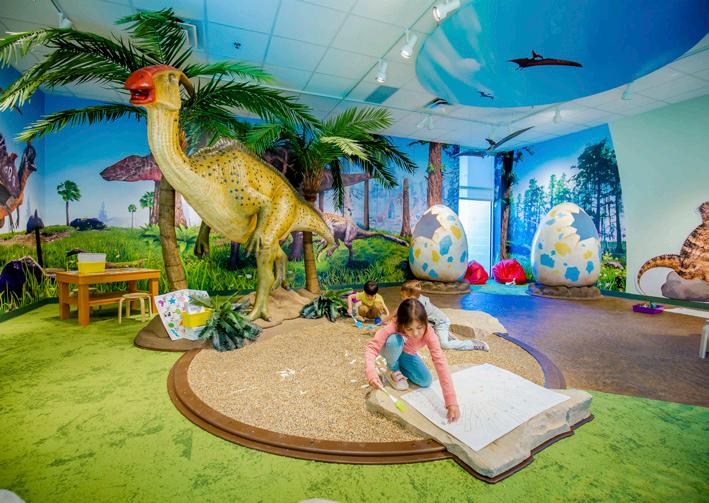
In a 1988 study, Recht and Leslie found that students with strong background knowledge about baseball understood a difficult reading passage better than students with higher reading ability but little baseball knowledge. The study showed that prior knowledge can be more important than the reading skill alone.
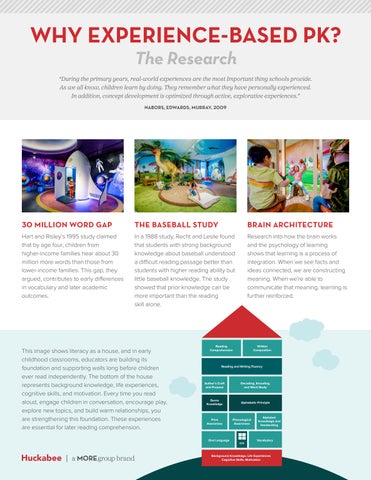
This image shows literacy as a house, and in early childhood classrooms, educators are building its foundation and supporting walls long before children ever read independently. The bottom of the house represents background knowledge, life experiences, cognitive skills, and motivation. Every time you read aloud, engage children in conversation, encourage play, explore new topics, and build warm relationships, you are strengthening this foundation. These experiences are essential for later reading comprehension.
BRAIN ARCHITECTURE
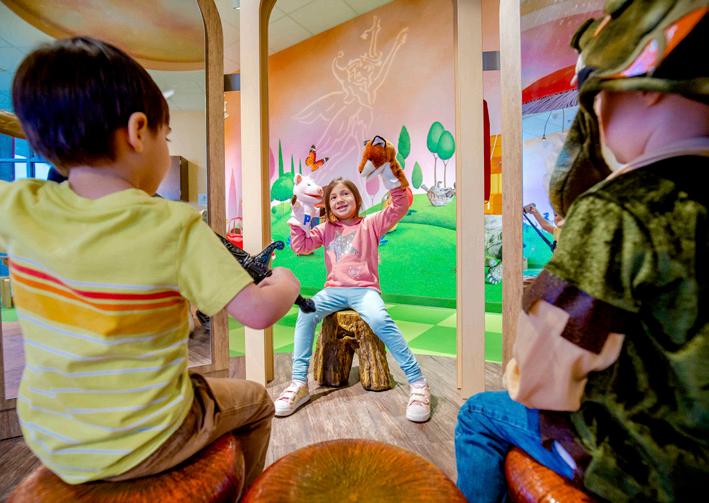
Research into how the brain works and the psychology of learning shows that learning is a process of integration. When we see facts and ideas connected, we are constructing meaning. When we’re able to communicate that meaning, learning is further reinforced.